Boeing informes 1Q2020
 AW | 2020 04 29 10:15 | INDUSTRY
 Boeing informa resultados del primer trimestre 2020
The Boeing Company ha reportado ingresos del primer trimestre de US$ 16 .9 mil millones, pérdidas GAAP por acción de (US$ 1.11) y pérdidas centrales por acción (no GAAP) * de (US$ 1.70) , reflejando principalmente los impactos de COVID- 19 y la conexión a tierra 737 MAX (Tabla 1). Boeing registró un flujo de efectivo operativo de (US$ 4,3) mil millones. «La pandemia de COVID-19 está afectando todos los aspectos de nuestro negocio, incluida la demanda de los clientes de las aerolíneas, la continuidad de la producción y la estabilidad de la cadena de suministro. Nuestro enfoque principal es la salud y la seguridad de nuestras personas y comunidades mientras tomamos medidas difíciles pero necesarias para navegar por esta crisis de salud sin precedentes y adaptarnos a un mercado cambiado», dijo el presidente y CEO de Boeing, David Calhoun.
A medida que la pandemia continúa reduciendo el tráfico de pasajeros de las aerolíneas, Boeing ve un impacto significativo en la demanda de nuevos aviones y servicios comerciales, y las aerolíneas retrasan las compras de nuevos aviones, ralentizan los horarios de entrega y difieren el mantenimiento electivo. Para alinear el negocio con la nueva realidad del mercado, Boeing está tomando varias medidas que incluyen la reducción de las tasas de producción de aviones comerciales. La compañía también anunció una reestructuración de liderazgo y organización para racionalizar los roles y responsabilidades, y planea reducir los niveles generales de personal con un programa de despido voluntario y acciones adicionales de la fuerza laboral según sea necesario.

Boeing también ha tomado medidas para gestionar la liquidez a corto plazo, ya que recurrió a una línea de crédito a plazo; costos operativos reducidos y gastos discrecionales; extendió la pausa existente sobre recompra de acciones y dividendos suspendidos hasta nuevo aviso; investigación y desarrollo reducidos o diferidos y gastos de capital; y eliminó el pago del CEO y del Presidente por el año. El acceso a liquidez adicional será fundamental para que Boeing y el sector de fabricación aeroespacial se unan a la recuperación, y la compañía está explorando activamente todas las opciones disponibles. Boeing cree que podrá obtener suficiente liquidez para financiar sus operaciones. «Si bien COVID-19 está agregando una presión sin precedentes a nuestro negocio, seguimos confiando en nuestro futuro a largo plazo. Continuamos apoyando a nuestros clientes de defensa en sus misiones críticas de seguridad nacional. Estamos progresando hacia el retorno seguro al servicio del 737 MAX, y estamos impulsando la seguridad, la calidad y la excelencia operativa en todo lo que hacemos todos los días. Los viajes aéreos tienen siempre ha sido resistente, nuestra cartera de productos y tecnología está bien posicionada, y estamos seguros de que saldremos de la crisis y prosperaremos nuevamente como líderes de nuestra industria», dijo Calhoun.

* Medida no GAAP; las definiciones completas de las medidas no GAAP de Boeing se encuentran en la página 6, «Divulgaciones de medidas no GAAP».
El flujo de caja operativo fue de ($ 4,3) mil millones en el trimestre, reflejando principalmente el impacto de la conexión a tierra 737 MAX y COVID-19, así como el momento de los recibos y gastos (Tabla 2).
¹ Los valores negociables consisten principalmente en depósitos a plazo dentro de un año clasificados como inversiones a corto plazo.
El efectivo y las inversiones en valores negociables aumentaron a US$ 15.5 mil millones, en comparación conUS$ 10.0 mil millones al comienzo del trimestre, principalmente debido al aumento del saldo de la deuda (Tabla 3). La deuda era de US$ 38.9 mil millones, por encima de US$ 27.3 mil millones al comienzo del trimestre, principalmente debido a la reducción de una línea de crédito a plazo, parcialmente compensada por los pagos de la deuda.
La cartera total de la compañía al final del trimestre fue de US$ 439 mil millones.
Resultados del segmento
Aviones comerciales
Los ingresos del primer trimestre de los aviones comerciales fueron de US$ 6.2 mil millones, reflejando entregas menores impulsadas por la conexión a tierra del 737 MAX, así como los impactos de COVID-19 (Tabla 4). El margen operativo del primer trimestre disminuyó a (33.3) por ciento debido al menor volumen de entrega, US$ 797 millones en costos de producción anormales por la suspensión temporal de la producción del 737 MAX, un cargo de US$ 336 millones relacionado con los costos de reparación del componente de montaje del bastidor de 737 Next Generation (horquilla de pepinillos), menores márgenes de 787 principalmente debido a COVID-19 y US$ 137 millones en costos de producción anormales por la suspensión temporal de las operaciones de Puget Sound en respuesta a COVID-19.

COVID-19 ha impactado negativamente en el programa 737 debido a un aumento de la tasa de producción más lento de lo planeado previamente, impulsado por la incertidumbre de la industria de las aerolíneas comerciales. Para reflejar los impactos de COVID-19 en el entorno de la demanda, la producción de aviones 737 MAX se reanudará a tasas bajas en 2020 a medida que se entiendan mejor los tiempos y las condiciones de retorno al servicio y aumenten gradualmente a 31 por mes durante 2021, con aumentos graduales adicionales que se correspondan con Demanda de mercado. Los costos de producción anormales estimados por la suspensión temporal de la producción de 737 MAX han aumentado en aproximadamente US$ 1 mil millones debido a los supuestos actualizados de la tasa de producción, llevando el total estimado a aproximadamente US$ 5 mil millones. No hubo cambios materiales en las concesiones potenciales estimadas y otras consideraciones para los clientes relacionadas con la conexión a tierra del 737 MAX.
Commercial Airplanes ha actualizado sus supuestos de tasa de producción para reflejar los impactos de COVID-19 en sus operaciones y perspectivas de demanda, y continuará evaluándolos de manera continua. La tasa de producción del 787 se reducirá de 14 por mes a 10 por mes en 2020, y gradualmente se reducirá a 7 por mes para 2022. La tasa de producción combinada 777/777X se reducirá a 3 por mes en 2021. En este momento, la producción los supuestos de tasas no han cambiado en los programas 767 y 747.
Commercial Airplanes entregó 50 aviones durante el trimestre, incluidos 29 787. Commercial Airplanes capturó un pedido de 12 aviones 787 para All Nippon Airways y produjo el número 1000 787 en Boeing, Carolina del Sur. La cartera de pedidos de aviones comerciales incluía más de 5,000 aviones valorados en US$ 352 mil millones.
Defensa, espacio y seguridad
Los ingresos del primer trimestre de Defensa, Espacio y Seguridad disminuyeron a US$ 6.0 mil millones principalmente debido a un cargo en el Tanque KC-46A (Tabla 5). El margen operativo del primer trimestre disminuyó a (3.2) por ciento principalmente debido a un cargo antes de impuestos de US$ 827 millones para el petrolero KC-46A, de los cuales US$ 551 millones fueron impulsados por los costos asociados con el acuerdo firmado en abril con la Fuerza Aérea de EE.UU. desarrollar e integrar un nuevo sistema de visión remota, mientras que los costos restantes reflejan ineficiencias de productividad y la interrupción de la fábrica relacionada con COVID-19. Otros programas también se vieron afectados por COVID-19, reduciendo aún más el margen en el trimestre.

Durante el trimestre, Defensa, Espacio y Seguridad recibió un premio por 18 aviones de patrulla marítima Poseidón P-8A, así como un contrato para desarrollar un prototipo SB> 1 DEFIANT ™ para el programa de aviones de asalto de largo alcance del ejército de EE. UU. Defence, Space & Security también completó la Revisión del diseño del sistema para MQ-25.
La cartera de pedidos en Defensa, Espacio y Seguridad fue de US$ 64 mil millones , de los cuales el 28 por ciento representa pedidos de clientes fuera de los EE.UU.
Servicios globales
Los ingresos del primer trimestre de Servicios Globales fueron de $ 4.6 mil millones , lo que refleja un mayor volumen de servicios gubernamentales, compensado en gran medida por un menor volumen de servicios comerciales debido a COVID-19. (Tabla 6). El margen operativo del primer trimestre aumentó a 15.3 por ciento principalmente debido al desempeño favorable de los servicios gubernamentales.

Durante el trimestre, la Marina de los EE. UU. Y el gobierno de Australia otorgaron a los Servicios Globales una modificación del contrato de servicios integrados de logística P-8A y soporte de activación de sitio de la Armada de los EE. UU. En el Salón Aeronáutico de Singapur, Global Services anunció varios acuerdos de servicios fungibles y de consumo, así como acuerdos de soluciones digitales con múltiples aerolíneas de Asia-Pacífico.
Información financiera adicional
Al cierre del trimestre, el saldo neto de la cartera de Boeing Capital era de US$ 2.2 mil millones. Los ingresos de otros artículos no asignados y las eliminaciones aumentaron principalmente debido al momento de las eliminaciones para las entregas de aviones entre compañías. El cambio en las ganancias de otras partidas y eliminaciones no asignadas se debe principalmente a un menor gasto de compensación diferida y a un cargo por deterioro del financiamiento del cliente asumido en el primer trimestre de 2019. Los gastos por intereses y deudas aumentaron debido a mayores saldos de deuda. La tasa impositiva efectiva del primer trimestre refleja los beneficios impositivos relacionados con la provisión de retenciones por pérdidas operativas netas de 5 años en la Ley de Ayuda, Alivio y Seguridad Económica Coronavirus (CARES), así como el impacto de las pérdidas antes de impuestos.

Divulgaciones de medidas no GAAP
Complementamos el informe de nuestra información financiera determinada según los Principios de contabilidad generalmente aceptados en los Estados Unidos de América (GAAP) con cierta información financiera no GAAP. La información financiera no GAAP presentada excluye ciertos elementos importantes que pueden no ser indicativos o no relacionados con los resultados de nuestras operaciones comerciales en curso. Creemos que estas medidas que no son PCGA brindan a los inversores información adicional sobre el desempeño comercial continuo de la compañía. Estas medidas que no son PCGA no deben considerarse de forma aislada o como un sustituto de las medidas PCGA relacionadas, y otras compañías pueden definir dichas medidas de manera diferente. Alentamos a los inversores a revisar nuestros estados financieros e informes presentados públicamente en su totalidad y no confiar en ninguna medida financiera única. Se proporcionan las siguientes definiciones:
Núcleo operativo (pérdida)/ganancias, margen operativo básico y núcleo (pérdida)/ganancias por acción
La operación (pérdida)/ganancias principales se define como GAAP (pérdida)/ganancias de operaciones excluyendo el ajuste de costo de servicio FAS/CAS. El ajuste del costo del servicio FAS/CAS representa la diferencia entre los costos de la pensión FAS y del servicio posterior al retiro calculados según los PCGA y los costos asignados a los segmentos de negocios. El margen operativo central se define como la operación central (pérdida)/ganancias expresadas como un porcentaje de los ingresos. Core (pérdida)/beneficio por acción se define como GAAP diluido (pérdida)/beneficio por acción excluyendo el neto (pérdida)/beneficio por el impacto social de la ajuste de costo de servicio FAS / CAS y no operan los gastos de pensiones y de jubilaciones. Las pensiones no operativas y los gastos posteriores al retiro representan los componentes de los costos de beneficios periódicos netos distintos del costo del servicio. Los costos de pensión, que comprenden los costos de servicios y servicios anteriores calculados de acuerdo con los PCGA, se asignan a los aviones comerciales y a las empresas BGS que brindan apoyo a clientes comerciales. Los costos de pensión asignados a las empresas BDS y BGS que respaldan a clientes gubernamentales se calculan de acuerdo con los Estándares de Contabilidad de Costos del Gobierno de los EE.UU. (CAS), que emplean supuestos actuariales y convenciones contables diferentes a los GAAP. Los costos de CAS son asignables a contratos gubernamentales. Otros costos de beneficios posteriores al retiro se asignan a todos los segmentos de negocios en función de CAS, que generalmente se basa en los beneficios pagados. La administración utiliza operaciones (pérdidas)/ ganancias principales, margen operativo principal y núcleo (pérdida)/ganancias por acción con el propósito de evaluar y pronosticar el desempeño comercial subyacente. La gerencia cree que estas medidas básicas (pérdidas)/ganancias brindan a los inversionistas información adicional sobre el desempeño operativo, ya que excluyen los costos de pensiones y posteriores a la jubilación que no son de servicio, que representan principalmente costos impulsados por factores del mercado y costos no asignables a contratos gubernamentales. Se proporciona una conciliación entre las medidas GAAP y no GAAP.
Flujo de caja libre
El flujo de caja libre es el flujo de caja operativo GAAP reducido por los gastos de capital para propiedades, planta y equipo . La gerencia cree que el flujo de caja libre proporciona a los inversores una perspectiva importante sobre el efectivo disponible para los accionistas, el pago de la deuda y las adquisiciones después de realizar las inversiones de capital necesarias para respaldar las operaciones comerciales en curso y la creación de valor a largo plazo. El flujo de caja libre no representa el flujo de caja residual disponible para gastos discrecionales, ya que excluye ciertos gastos obligatorios, como el reembolso de la deuda vencida. La gerencia utiliza el flujo de caja libre como una medida para evaluar tanto el desempeño del negocio como la liquidez general. La Tabla 2 proporciona una conciliación del flujo de efectivo libre con el flujo de efectivo operativo GAAP.
Precaución con respecto a las declaraciones prospectivas
Este comunicado de prensa contiene «declaraciones prospectivas» en el sentido de la Ley de Reforma de Litigios de Valores Privados de 1995. Palabras como «puede», «debería», «espera», «pretende», «proyectos», «planes» «cree», «estima», «apunta», «anticipa» y expresiones similares generalmente identifican estas declaraciones prospectivas. Los ejemplos de declaraciones a futuro incluyen declaraciones relacionadas con nuestra condición financiera futura y resultados operativos, así como cualquier otra declaración que no se relacione directamente con ningún hecho histórico o actual. Las declaraciones prospectivas se basan en expectativas y suposiciones que consideramos razonables cuando se realizan, pero que pueden no ser precisas. Estas declaraciones no son garantías y están sujetas a riesgos, incertidumbres y cambios en circunstancias que son difíciles de predecir. Muchos factores podrían causar que los resultados reales difieran material y negativamente de estas declaraciones prospectivas. Entre estos factores se encuentran los riesgos relacionados con: (1) la pandemia de COVID-19 y las acciones gubernamentales relacionadas, incluso con respecto a nuestras operaciones, nuestra liquidez y acceso a financiamiento, la salud de nuestros clientes y proveedores, y la demanda futura de nuestros productos y servicios; (2) el 737 MAX, que incluye el momento y las condiciones de las aprobaciones regulatorias del 737 MAX, demoras en la reanudación de la producción, tasas de producción y/o tasas de entrega inferiores a las planificadas, y mayores consideraciones para clientes y proveedores, (3) condiciones generales en la economía y nuestra industria, incluidos los debidos a cambios regulatorios; (4) nuestra dependencia de nuestros clientes de aerolíneas comerciales; (5) la salud general de nuestro sistema de producción de aeronaves, los cambios planeados en la tasa de producción de aeronaves comerciales, nuestros programas de desarrollo comercial y de aeronaves derivadas, y nuestra aeronave está sujeta a estrictos estándares de rendimiento y confiabilidad; (6) cambios en los niveles de presupuesto y apropiación y prioridades de adquisición del gobierno de los Estados Unidos; (7) nuestra dependencia de los contratos del gobierno de los Estados Unidos; (8) nuestra dependencia de contratos de precio fijo; (9) nuestra dependencia de contratos de tipo costo; (10) incertidumbres con respecto a contratos que incluyen pagos de incentivos en órbita; (11) nuestra dependencia de nuestros subcontratistas y proveedores, así como la disponibilidad de materias primas; (12) cambios en las estimaciones contables; (13) cambios en el panorama competitivo en nuestros mercados; (14) nuestras operaciones no estadounidenses, incluidas las ventas a clientes no estadounidenses; (15) amenazas a la seguridad de nuestra información o la de nuestros clientes; (16) posibles desarrollos adversos en litigios nuevos o pendientes y/o investigaciones gubernamentales; (17) concentración de clientes y aviones en nuestra cartera de financiación de clientes; (18) cambios en nuestra capacidad de obtener deuda en términos comercialmente razonables y a tasas competitivas; (19) darse cuenta de los beneficios anticipados de fusiones, adquisiciones, empresas conjuntas/alianzas estratégicas o desinversiones; (20) la adecuación de nuestra cobertura de seguro para cubrir exposiciones significativas al riesgo; (21) posibles interrupciones del negocio, incluidas las relacionadas con amenazas de seguridad física, tecnología de la información o ataques cibernéticos, epidemias, sanciones o desastres naturales; (22) paros laborales u otras interrupciones laborales; (23) pensiones sustanciales y otras obligaciones de beneficios posteriores al retiro; y (24) pasivos ambientales potenciales.
Puede encontrar información adicional sobre estos y otros factores en nuestras presentaciones ante la Comisión de Bolsa y Valores, incluido nuestro Informe anual más reciente en el Formulario 10-K, Informes trimestrales en el Formulario 10-Q e Informes actuales en el Formulario 8-K. Cualquier declaración prospectiva habla solo a partir de la fecha en que se realiza, y no asumimos la obligación de actualizar o revisar ninguna declaración prospectiva, ya sea como resultado de nueva información, eventos futuros u otros, excepto según lo requiera el ley.
The Boeing Company y sus subsidiarias
Estados de operaciones consolidados

Resumen de los datos del segmento comercial de
The Boeing Company y sus subsidiarias (sin auditar)
Con vigencia a principios de 2020, ciertos programas se realinearon entre nuestro segmento de Defensa, Espacio y Seguridad y elementos, eliminaciones y otros no asignados. Los datos del segmento comercial para 2019 se han ajustado para reflejar la realineación.
The Boeing Company y sus subsidiarias
Datos operativos y financieros
(Sin auditar)


The Boeing Company y sus subsidiarias
Reconciliación de medidas no GAAP
(sin auditar)


Las tablas proporcionadas a continuación concilian las medidas financieras no GAAP principales (pérdidas) operativas/ganancias, el margen operativo principal y las principales pérdidas (pérdidas)/ganancias por acción con las medidas financieras GAAP más directamente comparables, (pérdidas)/ganancias de operaciones, operaciones margen y diluido (pérdida)/ganancias por acción. Consulte la página 6 de este comunicado para obtener información adicional sobre el uso de estas medidas financieras que no son PCGA. 
 Boeing reports 1Q2020
Boeing Reports First Quarter 2020 Results
 The Boeing Company has reported first-quarter revenue of $ 16.9 billion, GAAP losses per share of (US$ 1.11), and core losses per share (non-GAAP) * of (US$ 1.70), primarily reflecting COVID impacts – 19 and the 737 MAX ground connection (Table 1). Boeing posted operating cash flow of ($ 4.3) billion. «The COVID-19 pandemic is affecting all aspects of our business, including customer demand from airlines, continuity of production, and stability of the supply chain. Our primary focus is on the health and safety of our people and communities as we take difficult but necessary steps to navigate this unprecedented health crisis and adapt to a changing market, «said Boeing President and CEO David Calhoun.
As the pandemic continues to reduce airline passenger traffic, Boeing sees a significant impact on demand for new aircraft and commercial services, and airlines delay new aircraft purchases, slow delivery times, and delay elective maintenance. In order to align the business with the new reality of the market, Boeing is taking several measures that include reducing the production rates of commercial aircraft. The company also announced a leadership and organization restructuring to streamline roles and responsibilities and plans to reduce overall staff levels with a voluntary layoff program and additional workforce actions as needed.
 Boeing has also taken steps to manage short-term liquidity, using a term credit line; reduced operating costs and discretionary expenses; extended the existing pause on share buybacks and suspended dividends until further notice; reduced or deferred research and development and capital expenditures; and eliminated CEO and President pay for the year. Access to additional liquidity will be critical for Boeing and the aerospace manufacturing sector to join the recovery, and the company is actively exploring all available options. Boeing believes that it will be able to obtain sufficient liquidity to finance its operations. «While COVID-19 is adding unprecedented pressure to our business, we remain confident in our long-term future. We continue to support our defense clients in their critical national security missions. We are making progress toward the safe return to service of the 737 MAX, and we are driving safety, quality, and operational excellence in everything we do every day. Air travel has always been resilient, our product and technology portfolio is well-positioned, and we are confident that we will come out of the crisis and we will prosper again as leaders in our industry», Calhoun said.
* Non-GAAP measure; Full definitions of Boeing’s non-GAAP measures are on page 6, «Disclosures of Non-GAAP Measures.»
Operating cash flow was (US$ 4.3) billion in the quarter, primarily reflecting the impact of the 737 MAX and COVID-19 ground connection, as well as the timing of receipts and expenses (Table 2).
¹ Marketable securities consist mainly of term deposits within one year classified as short-term investments.
Cash and investments in marketable securities increased to US$ 15.5 billion, compared to US$ 10.0 billion at the beginning of the quarter, mainly due to the increase in the debt balance (Table 3). Debt was US$ 38.9 billion, up from US$ 27.3 billion at the beginning of the quarter, mainly due to the reduction of a term credit line, partially offset by debt payments.
The company’s total portfolio at the end of the quarter was US$ 439 billion.
Segment results
Commercial aircraft
First quarter revenue from commercial aircraft was US$ 6.2 billion, reflecting lower deliveries driven by the grounding of the 737 MAX, as well as COVID-19 impacts (Table 4). First quarter operating margin decreased to (33.3) percent due to lower delivery volume, US$ 797 million in abnormal production costs due to the temporary suspension of production of the 737 MAX, a charge of US$ 336 million related to 737 Next Generation (pickle fork) rack mounting component repair costs, lower margins than 787 primarily due to COVID-19 and US$ 137 million in abnormal production costs due to the temporary suspension of Puget Sound operations in response to COVID-19.
COVID-19 has negatively impacted the 737 program due to a slower-than-previously-planned production rate increase, driven by uncertainty in the commercial airline industry. To reflect COVID-19’s impacts on the demand environment, production of 737 MAX aircraft will resume at low rates in 2020 as return-to-service times and conditions are better understood and gradually increase to 31 per month during 2021, with additional gradual increases that correspond to market demand. Abnormal production costs estimated by the temporary suspension of production of 737 MAX have increased by approximately US$ 1 billion due to updated assumptions of the production rate, bringing the estimated total to approximately US$ 5 billion. There were no material changes to the estimated potential grants and other considerations for customers related to grounding the 737 MAX.
Commercial Airplanes has updated its production rate assumptions to reflect COVID-19’s impacts on its operations and demand prospects and will continue to evaluate them on an ongoing basis. The 787 production rate will drop from 14 per month to 10 per month in 2020, and will gradually drop to 7 per month by 2022. The 777/777X combined production rate will drop to 3 per month in 2021. Right now, production rate assumptions have not changed in programs 767 and 747.
Commercial Airplanes delivered 50 aircraft during the quarter, including 29, 787. Commercial Airplanes captured an order for 12 787 aircraft for All Nippon Airways and produced the number 1,000 787 in Boeing, South Carolina. The commercial aircraft order book included more than 5,000 aircraft valued at US$ 352 billion.
Defense, space, and security
Defense, Space, and Security first-quarter revenue decreased to US$ 6.0 billion primarily due to a charge on Tank KC-46A (Table 5). First-quarter operating margin decreased to (3.2) percent primarily due to a pre-tax charge of US$ 827 million for oil tanker KC-46A, of which US$ 551 million was driven by costs associated with the agreement signed in April with the US Air Force developing and integrating a new remote viewing system, while the remaining costs reflect productivity inefficiencies and the factory outage related to COVID-19. Other programs were also affected by COVID-19, further reducing the margin in the quarter.
During the quarter, Defense, Space, and Security received an award for 18 Poseidon P-8A maritime patrol aircraft, as well as a contract to develop an SB> 1 DEFIANT ™ prototype for the US Army’s long-range assault aircraft program. USA Defense, Space & Security also completed the System Design Review for MQ-25.
Defense, Space and Security backlog was US$ 64 billion, of which 28 percent represents orders from customers outside the US
Global services
Global Services’ first-quarter revenue was US$ 4.6 billion, reflecting the higher volume of government services, largely offset by a lower volume of commercial services due to COVID-19. (Table 6). First-quarter operating margin increased to 15.3 percent mainly due to the favorable performance of government services.
During the quarter, the US Navy. The USA And the Australian government granted Global Services an amendment to the P-8A Integrated Logistics Services contract and site activation support for the US Navy. The USA At the Singapore Air Show, Global Services announced several consumables and consumer services agreements, as well as digital solutions agreements with multiple Asia-Pacific airlines.
Additional financial information
At the end of the quarter, the net balance of Boeing Capital’s portfolio was $ 2.2 billion. Revenue from other unassigned items and eliminations increased primarily due to the timing of eliminations for intercompany aircraft deliveries. The change in earnings from other unallocated items and eliminations is primarily due to lower deferred compensation expense and an impairment charge on customer financing assumed in the first quarter of 2019. Interest and debt expenses increased due to higher balances of debt. The effective first-quarter tax rate reflects the tax benefits related to the provision of withholdings for 5-year net operating losses in the Coronavirus Economic Aid, Relief and Security Act (CARES), as well as the impact of pre-tax losses.
Non-GAAP Disclosures
We supplement the reporting of our financial information determined under Generally Accepted Accounting Principles in the United States of America (GAAP) with certain non-GAAP financial information. The non-GAAP financial information presented excludes certain important elements that may not be indicative or unrelated to the results of our ongoing business operations. We believe that these non-GAAP measures provide investors with additional information about the company’s continued business performance. These non-GAAP measures should not be viewed in isolation or as a substitute for related GAAP measures, and other companies may define such measures differently. We encourage investors to review our financial statements and reports publicly in their entirety and not to rely on any single financial measure. The following definitions are provided:
Operating core (loss)/earnings, basic operating margin and core (loss) / earnings per share
The operation (loss)/main profit is defined as GAAP (loss)/profit from operations excluding the adjustment of cost of service FAS/CAS. The FAS/CAS service cost adjustment represents the difference between the FAS pension and post-retirement service costs calculated under GAAP and the costs assigned to the business segments. The central operating margin is defined as the central operation (loss)/profit expressed as a percentage of income. Core (loss)/earnings per share is defined as diluted GAAP (loss)/earnings per share excluding the net (loss)/earnings from the social impact of the FAS/CAS service cost adjustment and pension expenses do not operate and of retirements. Non-operating pensions and post-retirement expenses represent components of net periodic benefit costs other than service costs. Pension costs, which include past service and service costs calculated in accordance with GAAP, are allocated to commercial aircraft and BGS companies that support commercial customers. Pension costs assigned to BDS and BGS companies that support government clients are calculated in accordance with the US Government Cost Accounting Standards. (CAS), which employ actuarial assumptions and accounting conventions other than GAAP. CAS costs are assignable to government contracts. Other post-retirement benefit costs are allocated to all business segments based on CAS, which is generally based on benefits paid. Management uses operations (loss)/core earnings, core operating margin, and core (loss)/earnings per share for the purpose of evaluating and forecasting underlying business performance. Management believes that these basic measures (losses)/gains provide investors with additional information on operating performance, as they exclude non-service pension and post-retirement costs, which primarily represent factor-driven costs. of the market and costs not assignable to government contracts. A reconciliation is provided between GAAP and non-GAAP measures.
Free cash flow
Free cash flow is GAAP operating cash flow reduced by capital expenditures for property, plant, and equipment. Management believes that free cash flow provides investors with an important perspective on the cash available to shareholders, debt repayment and acquisitions after making the capital investments necessary to support ongoing business operations and the creation of long-term value. Free cash flow does not represent the residual cash flow available for discretionary expenses, as it excludes certain mandatory expenses, such as repayment of past-due debt. Management uses free cash flow as a measure to assess both business performance and overall liquidity. Table 2 provides a reconciliation of free cash flow to GAAP operating cash flow.
Caution regarding forward-looking statements
This press release contains «forward-looking statements» within the meaning of the Private Securities Litigation Reform Act of 1995. Words like «may», «should», «wait», «intend», «projects», «plans» «believe», «estimate», «point», «anticipate» and similar expressions generally identify these forward-looking statements. Examples of forward-looking statements include statements related to our future financial condition and results of operations, as well as any other statement that is not directly related to any historical or current fact. Forward-looking statements are based on expectations and assumptions that we consider reasonable when made, but which may not be accurate. These statements are not guarantees and are subject to risks, uncertainties, and changes in circumstances that are difficult to predict. Many factors could cause actual results to differ materially and negatively from these forward-looking statements. These factors include risks related to: (1) the COVID-19 pandemic and related government actions, including with respect to our operations, our liquidity and access to financing, the health of our customers and suppliers, and demand future of our products and services; (2) The 737 MAX, which includes the timing and conditions of 737 MAX regulatory approvals, delays in resumption of production, lower than planned production rates and/or delivery rates, and greater consideration for customers and suppliers, (3) general conditions in the economy and our industry, including those due to regulatory changes; (4) our dependence on our commercial airline customers; (5) the general health of our aircraft production system, planned changes in the rate of production of commercial aircraft, our business development and derivative aircraft programs, and our aircraft is subject to strict performance and reliability standards; (6) changes in budget levels and appropriation and acquisition priorities of the United States government; (7) our dependence on United States government contracts; (8) our dependence on fixed price contracts; (9) our dependence on cost-type contracts; (10) uncertainties regarding contracts that include orbit incentive payments; (11) our dependence on our subcontractors and suppliers, as well as the availability of raw materials; (12) changes in accounting estimates; (13) changes in the competitive landscape in our markets; (14) our non-US operations, including sales to non-US customers; (15) threats to the security of our information or that of our clients; (16) possible adverse developments in new or pending litigation and/or government investigations; (17) concentration of clients and aircraft in our client financing portfolio; (18) changes in our ability to obtain debt on commercially reasonable terms and at competitive rates; (19) realize the anticipated benefits of mergers, acquisitions, joint ventures/strategic alliances or divestitures; (20) the adequacy of our insurance coverage to cover significant exposures to risk; (21) possible business interruptions, including those related to physical security threats, information technology or cyber attacks, epidemics, sanctions or natural disasters; (22) work stoppages or other work interruptions; (23) substantial pensions and other post-retirement benefit obligations; and (24) potential environmental liabilities.
Additional information on these and other factors can be found in our filings with the Securities and Exchange Commission, including our most recent Annual Report on Form 10-K, Quarterly Reports on Form 10-Q and Current Reports on Form 8-K. Any forward-looking statement speaks only as of the date it is made, and we assume no obligation to update or revise any forward-looking statement, whether as a result of new information, future events, or otherwise, except as required by law.
Summary of commercial segment data from
The Boeing Company and its subsidiaries (unaudited)
Effective in early 2020, certain programs were realigned between our Defense, Space and Security segment and elements, eliminations, and others not assigned. Business segment data for 2019 has been adjusted to reflect the realignment.
The Boeing Company and its subsidiaries
Operational and financial data
(Unaudited)
The Boeing Company and its subsidiaries
Non-GAAP Measure Reconciliation
(unaudited)
The tables provided below reconcile the main non-GAAP financial measures (losses) operating/earnings, the main operating margin and the main losses (losses)/earnings per share with the most directly comparable GAAP financial measures (losses)/gains from operations, margin and diluted operations (loss)/earnings per share. Please see page 6 of this release for additional information on the use of these non-GAAP financial measures. 
Ξ A I R G W A Y S Ξ
SOURCE: Airgways.com
DBk: Boeing.com / Airgways.com
AW-POST: 202004291015AR
A\W A I R G W A Y S ®
 AW | 2020 04 28 18:03 | INDUSTRY
 La finalización del acuerdo con Boeing pone a Embraer con nuevos horizontes
 Línea E2
 The future of Embraer SA
 The termination of Boeing-Embraer valued at US$ 4.2 billion dollars for a majority stake in Embraer SA commercial aviation business has had widespread implications on both sides of the industry. In the case of The Boeing Company, it has canceled the agreement due to the impacts of the global health crisis and the siege of the 737 MAX line that continues to be projected over time. On the Embraer side, it could put projects such as the flagship military aircraft of the Brazilian firm C390 Millenium in check or paralysis.
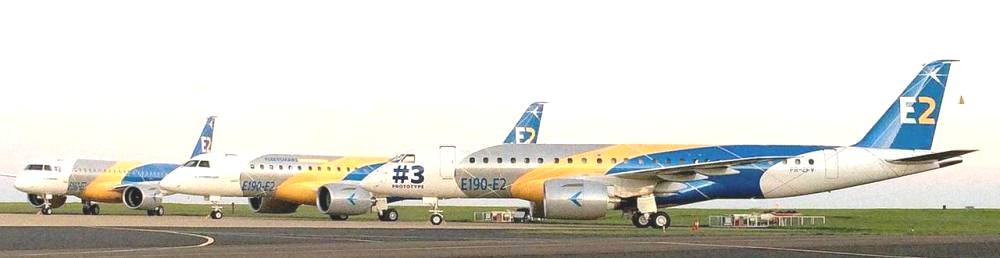
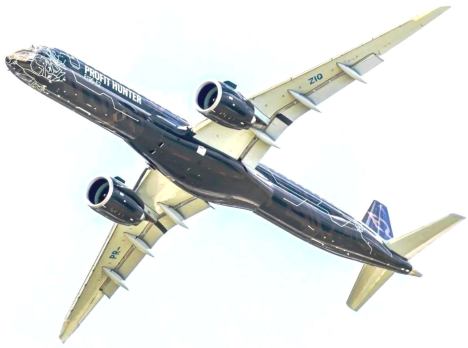
 The agreement for the commercialization of the Embraer E2 regional line under the umbrella of the Boeing-Embraer binomial had several competitive advantages. On the one hand, Embraer would have benefited from the marketing of a company of greater consolidation in the world such as Boeing and where the Brazilian company obtained greater orders under its orbit to complement the line of commercial aircraft of the North American giant. In addition, Boeing would benefit from being able to obtain the engineering from Embraer that has achieved the planned objectives throughout the life of the commercial lines, reaching one of the largest regional markets, surpassing aircraft from the same regional segment Bombardier CRJ.
 O futuro da Embraer SA
 Conclusão do negócio da Boeing coloca a Embraer em novos horizontes
 A Boeing anunciou no sábado que abandonaria uma joint venture que lhe garantiria uma participação de 80% nos negócios regionais de aviação comercial da Embraer, bem como uma participação de 49% nas aeronaves de carga C-390 Millennium da empresa.
 Linha E2
 Ξ A I R G W A Y S Ξ
 AW | 2020 04 28 15:57 | INDUSTRY
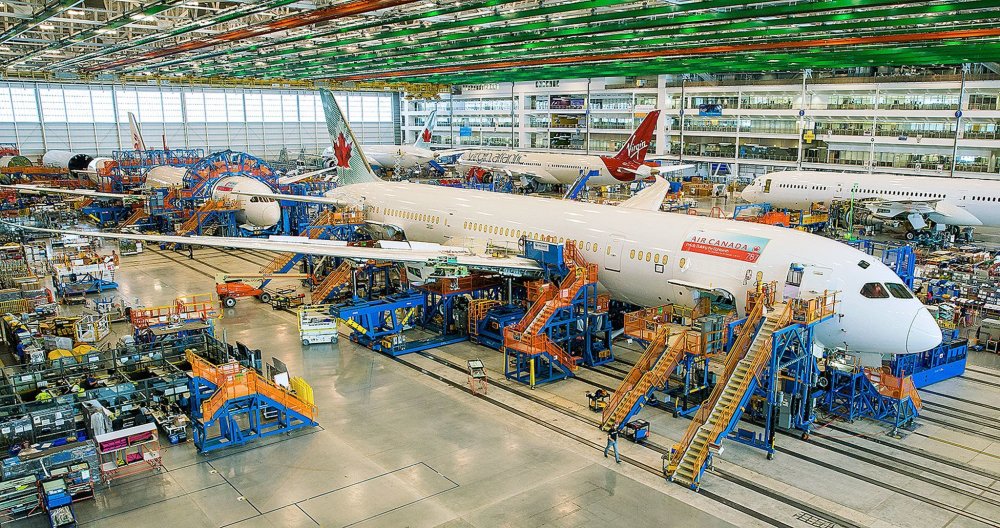
 Airbus está jugando su supervivencia mientras atraviesa crisis pandemia
 Airbus surviving current crisis
 AW | 2020 04 28 13:00 | INDUSTRY
 Boeing reabrirá su fábrica Dreamliner de Carolina del Sur en medio de discusiones sobre reducciones de la fuerza laboral en la compañía
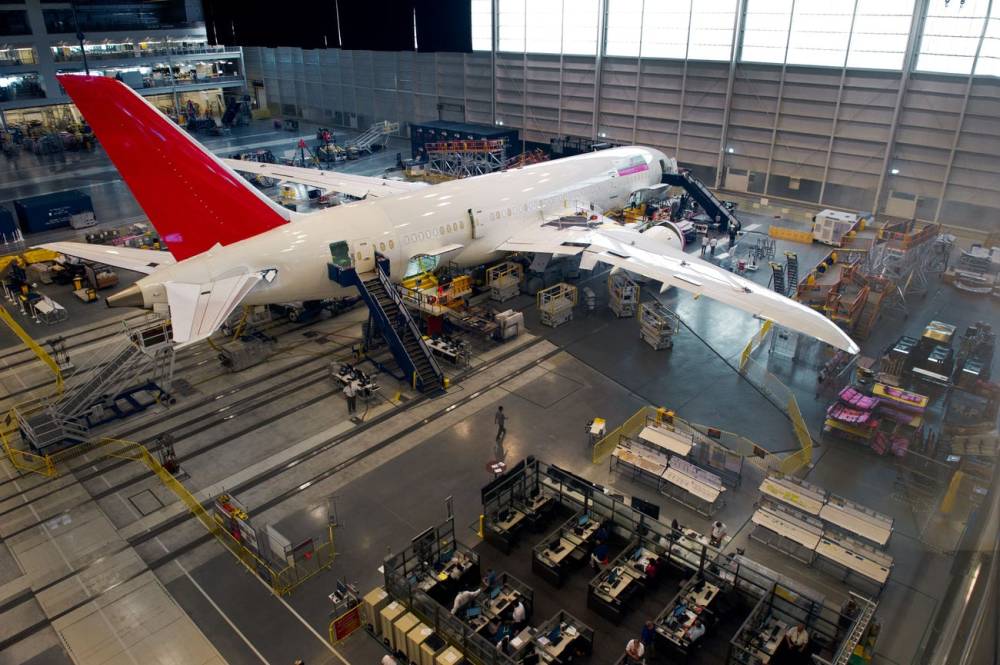 Boeing to reopen North Charleston
 Boeing to reopen its South Carolina Dreamliner factory amid discussions about workforce reductions at the company
 AW | 2020 04 28 12:08 | AIRLINES / INDUSTRY
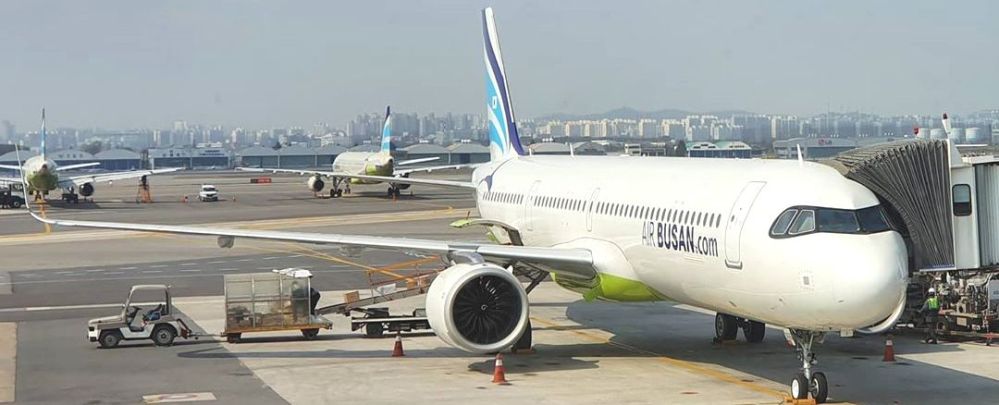
![부산/경남]10월 취항 '에어부산' 로고 확정 : 뉴스 : 동아닷컴](https://dimg.donga.com/wps/NEWS/IMAGE/2008/06/02/7065305.1.jpg) El primer Airbus A321LR en el este de Asia entra en servicio con Air Busan en Corea del Sur
El primer Airbus A321LR en el este de Asia entra en servicio con Air Busan en Corea del Sur
 Air Busan enters service 1st A321LR
 The first Airbus A321NEO LR, registration HL8366, has entered service with Air Busan. The airline plans to incorporate one more additional aircraft of the type. The new device was delivered in March 2020 and began commercial service in April 2020. The opening of the flights with the first Air Busan A321NEO LR is carried out on domestic
  routes, linking Seoul-Busan, 40 minutes away. The company has deployed the first aircraft in the region even in the midst of the health crisis. South Korea has been managing the pandemic efficiently, allowing it to release domestic flights.
 에어 부산, A321LR 1 호기 서비스 개시
 동아시아 최초 Airbus A321LR, 한국 Air Busan과 서비스 개시
 AW | 2020 04 27 15:23 | INDUSTRY
 Embraer SA inicia procedimiento de arbitraje después de que Boeing cancela acuerdo
 Embraer initiates arbitration to Boeing
 Embraer SA begins arbitration proceedings after Boeing cancels deal
 Embraer inicia arbitragem para a Boeing
 Em comunicado divulgado na segunda-feira de manhã 27/04, a empresa brasileira de aviação Embraer SA informou que havia iniciado um processo de arbitragem após o anúncio no fim de semana em que a The Boeing Company havia rescindido seu Contrato Principal de Transação (MTA).
 AW | 2020 04 27 14:52 | INDUSTRY
 El grupo aeronáutico Airbus licencia a empleados ante supervivencia
 Airbus suspends 6,000 European employees
 Airbus Group SE has placed more than 6,000 workers in the UK and France on government-funded leave programs just days after it allegedly warned employees that it was burning cash at a rate that could threaten the company’s survival.
 AW | 2020 04 26 11:13 | INDUSTRY
 Embraer acusa a Boeing de incumplimiento de contrato
 Brasil Commercial. «Embraer cree firmemente que Boeing ha rescindido injustamente el acuerdo, buscando por todos los remedios contra Boeing por los daños incurridos», dijo el fabricante de aviones brasileño en un comunicado. Boeing «fabricó afirmaciones falsas como pretexto para tratar de evitar sus compromisos de cerrar la transacción y pagarle a Embraer el precio de compra de US$ 4.2 billones de Dólares. Creemos que Boeing se ha involucrado en un patrón sistemático de demora y violaciones repetidas de la MTA, debido a su renuencia a completar la transacción a la luz de su propia situación financiera y 737 MAX y otros problemas comerciales y de reputación». Boeing también debe pagar US$ 100 millones de Dólares si las aprobaciones antimonopolio para el acuerdo no están aseguradas, según una presentación de la compañía; pero una portavoz de Boeing dijo que la compañía no cree que la tarifa de terminación se aplique en este caso.
 Mercado aviación
 Boeing-Embraer shunts
 Embraer accuses Boeing of breach of contract
 Boeing has unfairly terminated the agreement, seeking all remedies against Boeing for the damage incurred», the Brazilian aircraft maker said in a statement. Boeing «fabricated false claims as a pretext to avoid its commitments to close the transaction and pay Embraer the purchase price of US$ 4.2 trillion. We believe that Boeing has engaged in a systematic pattern of delay and repeated violations of the MTA, due to their reluctance to complete the transaction in light of their own financial situation and 737 MAX and other business and reputation issues». Boeing must also pay US$ 100 million dollars if antitrust approvals for the deal are not secured, according to a company filing; But a Boeing spokeswoman said the company does not believe the termination fee applies in this case.
 Failure to comply with the agreement was seen within the Brazilian government as an expected result, given the crisis facing the US company and the blow that the new coronavirus pandemic caused in the airline industry. In the military wing, the agreement was not unanimous and, for this reason, the dismantling of the settlement was not regretted, on the contrary, it was even concluded.
 Market sources say Embraer may need a bailout from the Brazilian government or have to find another sale deal. The biggest opportunity would be with China, which wants to grow in aviation with state-owned China Commercial Aircraft (COMAC). However, in a video sent yesterday to employees, Embraer’s President Francisco Gomes Neto says that the company has «enough liquidity and access to financing sources to leverage its business».
 The commercial aviation joint venture with Boeing, in which Embraer would have a 20% stake, was practically a survival bet for Embraer. This is because the market became more intense when, in October 2017, Airbus bought the Canadian Bombardier CSeries aircraft program. The CSeries was a family of aircraft that directly competed with Embraer.
 AW | 2020 04 25 15:00 | INDUSTRY
 La asociación estratégica The Boeing Brasil Commercial llega a su final
 aérea. Según la MTA, el 24 Abril 2020, era la fecha de terminación inicial, sujeta a extensión por cualquiera de las partes si se cumplían ciertas condiciones. Boeing ejerció sus derechos de rescisión después de que Embraer no cumpliera con las condiciones necesarias.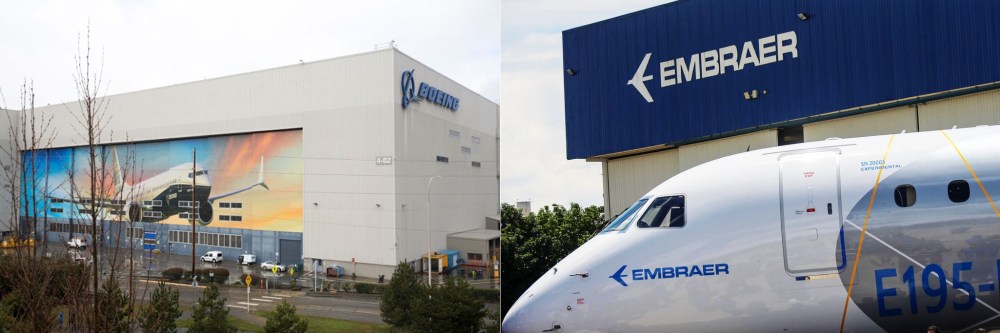
 Cancellation Boeing-Embraer agreement
 The Boeing Company announced on April 24, 2020, that it has terminated it’s Master Transaction (MTA) Joint Venture (JV) agreement with Embraer SA, under which the two companies sought to establish a new level of strategic partnership under the Boeing Brasil Commercial company. The parties had planned to create a joint venture comprising Embraer’s commercial aviation business and a second joint venture to develop new markets for the C-390 Millennium mid-size airliner and air mobility aircraft. According to the MTA, April 24, 2020, was the initial termination date, subject to extension by either party if certain conditions were met. Boeing exercised its termination rights after Embraer failed to meet the necessary conditions.
 Cancelamento acordo da Boeing-Embraer
 «A Boeing trabalhou diligentemente por mais de dois anos para finalizar sua transação com a Embraer. Nos últimos meses, tivemos negociações produtivas, mas sem sucesso, sobre condições insatisfatórias do MTA. Todos tentamos resolvê-los na data inicial de conclusão, mas não foi bem. Não aconteça. É profundamente decepcionante. Mas chegamos a um ponto em que a negociação contínua no MTA não resolverá os problemas restantes», disse Marc Allen, presidente da Embraer Partnership & Group Operations.
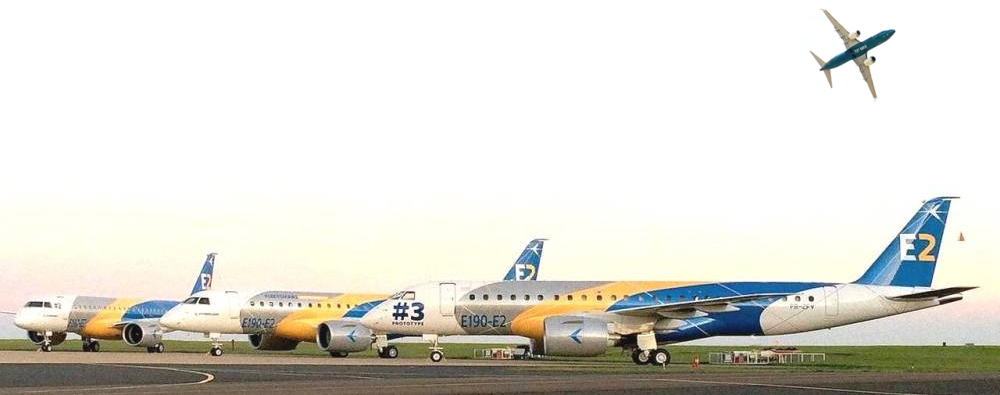 A Boeing planejava colocar os engenheiros da Embraer para trabalhar em suas novas aeronaves de médio porte, há muito planejadas, mas o novo CEO David Calhoun deixou o projeto em segundo plano depois de assumir a empresa em crise em janeiro de 2020 para o aterramento prolongado de sua aeronave mais vendida, o Boeing 737 MAX, após dois acidentes de avião. A Boeing e a Embraer também procuravam estabelecer uma joint venture separada para comercializar o transporte militar C-390 da Embraer.
 AW | 2020 04 24 15:04 | INDUSTRY / GOVERNMENT
 Los efectos de la pandemia prolongarían la aprobación regulatoria para el Boeing 737 MAX

 Boeing 737 MAX faces Coronavirus delay
 The Boeing Company appears to be aiming to return its Boeing 737 MAX to service could be delayed due to the complications of the Coronavirus pandemic health crisis. Estimates point to being able to return the aircraft to the skies in the middle of the year, marking another blow for the US aerospace builder as it struggles with a rapidly shrinking order book and tries to navigate through a possible cash crisis.

