VietJet Air incorporará A321NEO XLR

AW-Aibus-A321XLR-Vietjet.jpgAW | 2019 11 01 08:23 | AIRLINES / INDUSTRY

logo_airbus (2)La compañía VietJet Air ha seleccionado al Airbus A321NEO XLRAW-70099433.jpg

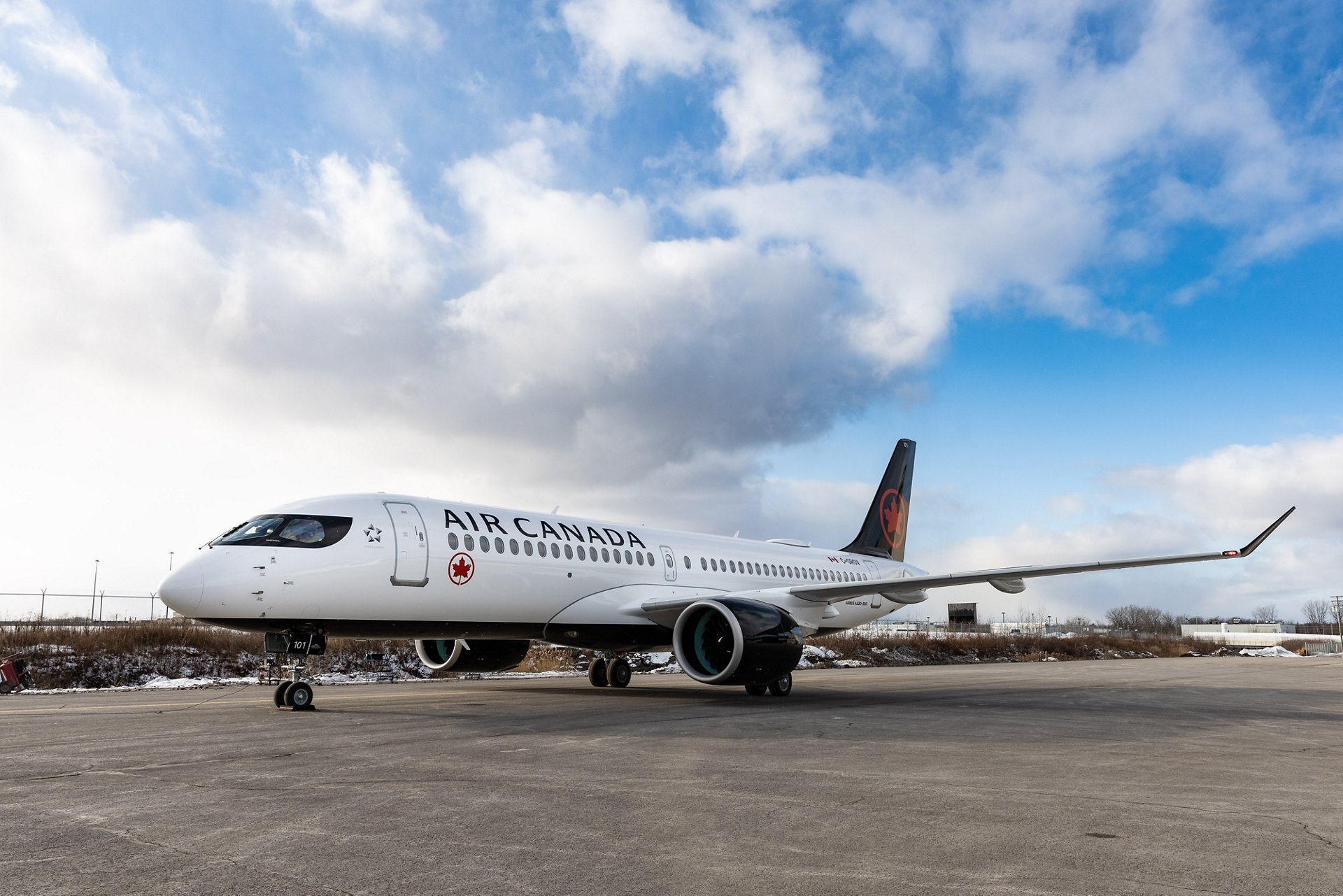
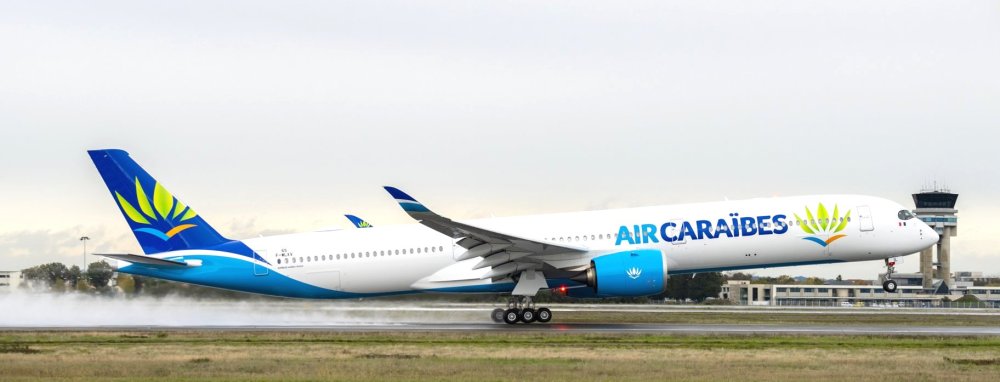
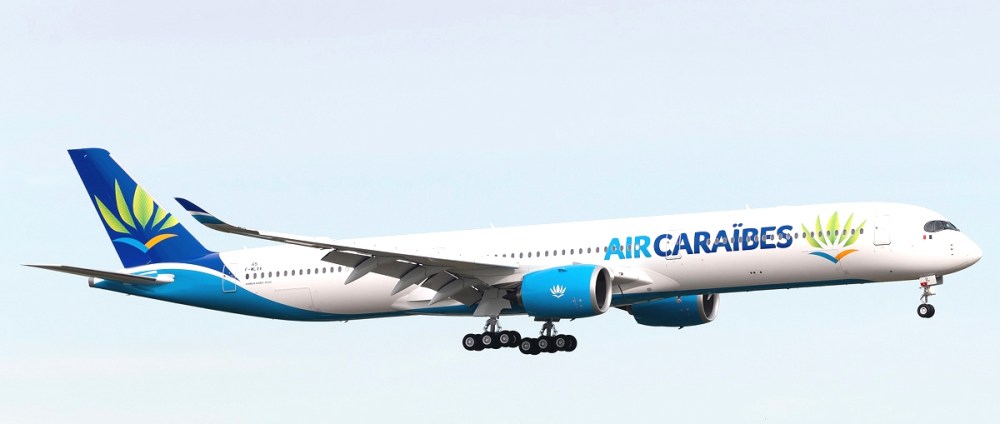
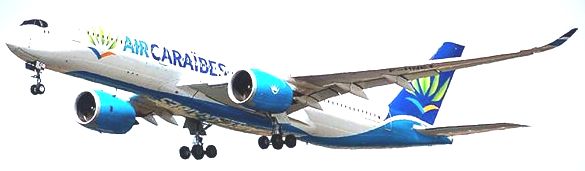
VietJet Air ha anunciado que va a añadir a su flota el Airbus A321NEO XLR, con un pedido en firme de 15 aviones y la conversión de cinco aviones A321NEO de su cartera Resultado de imagen para vietjet air A321XLRexistente. La transacción anunciada actualmente se finalizó en Agosto 2019 y incluido en la cartera de pedidos de Airbus publicada bajo el cliente no revelado. El anuncio fue hecho durante una visita a la central de Airbus en Toulouse del Presidente y CEO Nguyen Thi Phuong Thao, organizado por el CEO de Airbus Guillaume Faury.

Durante la visita, la aerolínea también ha firmado un nuevo convenio de formación con los servicios de Airbus. Esto verá la posición de Airbus dos nuevos simuladores de vuelo de la Familia A320 en el centro de formación de la compañía en Ho Chi Minh. Airbus también proporcionará una gama de servicios de formación a la línea aérea y sus instructores.

VietJet Air será una de las primeras aerolíneas en recibir el A321XLR. La adición de la aeronave a su flota permitirá VietJet Air para ampliar aún más su red, volando rutas más largas a través de Asia, así como a destinos tan lejanos como Australia y Rusia.

La compañía vietnamita había seleccionado también el Boeing 737 MAX pendiente de confimación, aunque la aerolínea todavía no ha finalizado un contrato en firme.

El Presidente y CEO Nguyen Thi Phuong Thao de VietJet Air dijo: “VietJet siempre ha sido pionero en el funcionamiento de los nuevos aviones, moderno, avanzado y bajo consumo de combustible. Estamos orgullosos de operar una de las flotas de Airbus más jóvenes del mundo, con una edad promedio de sólo 2,7 años y esto ha contribuido en gran medida al éxito de VietJet en los últimos años. Tras la firma de este contrato, el nuevo A321XLR será el complemento perfecto a la flota de VietJet ya que buscamos crecer nuestra red de vuelos internacionales».

“VietJet es una de las compañías de más rápido crecimiento en la región de Asia y nos sentimos orgullosos de tener la A321XLR unirse a su flota”, dijo el CEO de Airbus Guillaume Faury. “Este pedido es otro fuerte respaldo de nuestra decisión de traer verdadera capacidad de largo alcance en el mercado de pasillo de la chamusquina con el A321XLR, permitiendo a las compañías aéreas para ampliar sus redes con el menor coste posible. Por otra parte, también estamos encantados de desarrollar aún más nuestra colaboración con VietJet en el ámbito de la formación».

Incluyendo el anuncio de hoy, VietJet Air ahora ha ordenado un total de 186 aviones de la Familia A320, de los cuales 60 han sido entregados. Destacada cartera de pedidos de Airbus de la aerolínea está compuesta en su totalidad de las aeronaves A321NEO.

El A321XLR es el próximo paso en la evolución de la A321LR que responde a las necesidades del mercado para una mayor gama y carga útil, crear más valor para las aerolíneas. El avión será ofrecer una gama extra sin precedentes de hasta 4,700nm con un 30% menor consumo de combustible por asiento, en comparación con chorros de generación competidor anteriores. A finales de septiembre de 2019, la Familia A320NEO había recibido más de 6.650 pedidos en firme de cerca de 110 clientes en todo el mundo.

Airbus Services proporciona soluciones de formación del estado de la técnica para garantizar operaciones seguras, fiables y económicamente eficientes en todos los aviones Airbus lo largo de su ciclo de vida. Airbus está a su disposición para ofrecer apoyo en cada paso del camino. Una cartera formación integral ya la medida se ha diseñado y desarrollado por Airbus para pilotos de líneas aéreas, cadetes, tripulaciones de cabina, ingenieros de rendimiento y operaciones, personal de mantenimiento y reparación de estructura y especialistas. AW-Icon AW001

AW-Airbus-A321XLR-VietJet_700864.jpgVietJet Air will incorporate A321NEO XLR

The VietJet Air company has chosen to incorporate Airbus A321NEO XLR

VietJet Air has announced that it will add to its fleet the Airbus A321NEO XLR, with a firm order of 15 aircraft and the conversion of five A321NEO aircraft from its existing portfolio. The transaction currently announced was completed in August 2019 and included in the Airbus order book published under the undisclosed customer. The announcement was made during a visit to the central Airbus in Toulouse of the President and CEO Nguyen Thi Phuong Thao, organized by the CEO of Airbus Guillaume Faury.

During the visit, the airline has also signed a new training agreement with Airbus services. This will see the position of Airbus two new flight simulators of the A320 Family at the company’s training center in Ho Chi Minh City. Airbus will also provide a range of training services to the airline and its instructors.

AW-Airbus-VietJet-signature-02.jpg

VietJet Air will be one of the first airlines to receive the A321XLR. The addition of the aircraft to its fleet will allow VietJet Air to further expand its network, flying longer routes through Asia, as well as to destinations as far away as Australia and Russia.

The Vietnamese company had also selected the Boeing 737 MAX pending confirmation, although the airline has not yet finalized a firm contract.

The President and CEO Nguyen Thi Phuong Thao of VietJet Air said: “VietJet has always been a pioneer in the operation of the new, modern, advanced and low fuel consumption aircraft. We are proud to operate one of the youngest Airbus fleets in the world, with an average age of only 2.7 years and this has greatly contributed to VietJet’s success in recent years. After signing this contract, the new A321XLR will be the perfect complement to the VietJet fleet as we seek to grow our international flight network”.

«VietJet is one of the fastest-growing companies in the Asia region and we are proud to have the A321XLR join its fleet», said Airbus CEO Guillaume Faury. “This request is another strong endorsement of our decision to bring true long-range capacity into the singe hall market with the A321XLR, allowing airlines to expand their networks at the lowest possible cost. On the other hand, we are also delighted to further develop our collaboration with VietJet in the field of training”.

Including today’s announcement, VietJet Air has now ordered a total of 186 A320 Family aircraft, of which 60 have been delivered. The airline’s outstanding portfolio of Airbus orders consists entirely of A321NEO aircraft.

The A321XLR is the next step in the evolution of the A321LR that responds to the needs of the market for a greater range and payload, creating more value for airlines. The aircraft will offer an unprecedented extra range of up to 4,700nm with 30% lower fuel consumption per seat, compared to previous competitor generation jets. By the end of September 2019, the A320NEO Family had received more than 6,650 firm orders from about 110 customers worldwide.

Airbus Services provides state-of-the-art training solutions to ensure safe, reliable and economically efficient operations on all Airbus aircraft throughout their life cycle. Airbus is at your disposal to offer support every step of the way. A comprehensive and tailored training portfolio has been designed and developed by Airbus for airline pilots, cadets, cabin crews, performance and operations engineers, structure maintenance and repair personnel and specialists. AW-Icon AW002


Ξ A I R G W A Y S Ξ
SOURCE: Airgways.com
DBk: Airbus.com / Airgways.com
AW-POST: 201911010823AR

A\W   A I R G W A Y S ®

Apogeo, caída, resurgimiento de Boeing

Resultado de imagen para Boeing 737 storm perfectAW | 2019 11 01 00:57 | INDUSTRY

Boeing-Company-LogoEl ocaso del avión insignia de The Boeing Company

The Boeing Company está atravesando la peor crisis jamás contemplada en más de 100 años de historia. Nunca una compañía de la industria aerocomercial se ha enfrentado a una «tormenta perfecta» de dimensiones colosales. Paralelamente como cuando ocurre una tragedia aérea, las fallas por efecto en cadena son motivadas por múltiples factores. Esta tormenta comprende una serie de problemas en la cadena de dirección de la compañía donde múltiples factores se concadenan como fallas estructurales en Boeing. La factoría americana está afrontando una carga de saturación elevada en lo referente a fallas estructurales en la cadena de fabicación. Un patrón de conducta se puede observar en la relajación de las normas y procesos de seguridad industrial.

Hace algún tiempo atrás la compañía comenzaba a perfilarse con signos de deterioro en la capacidad de gerenciamiento. Boeing empezaba a tener dificultades en la distribución de la línea de producción de la serie 737 con su proveedora Spirit AeroSystems. Los problemas de motorización de algunas unidades del turbofan CFM 56-7 que equipan a los 737 Next Generation. Estos factores también han contribuido a que Boeing continuase con su política de simplificar y unificar proveedores bajo su ala para detener los errores de las compañías que proveían insumos y retrazaban las entregas a Boeing.

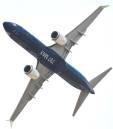
Ante una mayor competencia en los cielos del mundo por obtener la supremasía o liderazgo, Boeing comenzó su franco declive al desarrollar un nuevo producto capaz de salir antes al mercado que el A320NEO. Allí nació otro problema, el 737 MAX. Conscientes en la industria americana que el Airbus A320NEO estaba ganando ventaja, las fallas de certificaciones entraron en shock. Sumado a este problema existencial, Boeing también tuvo alguno problemas con las baterías de los Boeing 787; problemas de motorización en el Programa Boeing 777X que están demorando la entrada en servicio. A esto se suman los recientes problemas de agrietamiento alar en los Boeing 737 Next Generation. Otro factor que ha puesto a las aerolíneas inquietas es la falta de decisión por parte de Boeing con el esperanzado 797 de mercado medio para complementar el hueco dejado por el Boeing 757. Airbus ha aprovechado este segmento respondiendo agresivamente con la línea A321NEO LR/XLR.

Boeing 737 Next Generation

A principios de este mes, la Autoridad Federal de Aviación (FAA) de Estados Unidos emitió una guía que indica que los aviones con 30.000 o más ciclos (despegues y aterrizajes) deben volver a inspeccionarse dentro de los 60 días. El avión con más de 22.600 ciclos debe inspeccionarse dentro de 1.000 ciclos más. El diseño de la vida útil del 737 es de alrededor de 90.000 ciclos.

A principios de Octubre 2019, Southwest Airlines, con sede en Dallas, y Gol Linhas Aéreas, de Brasil, se encontraban entre las aerolíneas que aterrizaron aviones Boeing 737 Next Generation más antiguos. Alrededor de 50 aviones Boeing 737 NG se han puesto a tierra después de detectar grietas en la raíz alar, lo que ha obligado a los reguladores de la FAA a disponer en tierra una gran cantidad de aeronaves ppor problemas serios de seguridad.

La aerolínea australiana Qantas Airways es la última aerolínea en retirar uno de sus aviones del servicio después de que se encontraron grietas en el «tenedor de pepinillos», una parte que conecta el cuerpo del avión con el ala. Está inspeccionando 32 aviones más de inmediato. Hasta el momento, se han inspeccionado más de 1.100 aviones, dijo Boeing, de los cuales se descubrió que alrededor del 5% tenía este agrietamiento.

Un portavoz de la aerolínea australiana dijo: “Qantas nunca operaría un avión a menos que fuera completamente seguro hacerlo. El análisis detallado realizado por Boeing muestra que incluso cuando esta grieta está presente, no compromete de inmediato la seguridad de la aeronave, como lo indica el marco de tiempo dado por los reguladores para realizar las verificaciones».

Un portavoz de Boeing dijo que «la seguridad y la calidad son las principales prioridades de Boeing». Después de completar una ronda de inspecciones por grietas en algunos 737NG de ciclo alto, se encontró que un avión tenía una pequeña grieta en una ubicación adyacente. “Para garantizar un proceso de inspección de seguridad robusto e integral, Boeing ha pedido a esos operadores que también inspeccionen el área adyacente para asegurarse de que cualquier problema potencial sea identificado y reparado. Las inspecciones adicionales ya están en marcha. Lamentamos el impacto en nuestros clientes y tenemos un plan de reparación para abordar cualquier hallazgo».

Este problema marca otro golpe para Boeing, ya que trata con las consecuencias de la puesta a tierra de su avión 737 MAX después de dos accidentes fatales. El Miércoles 30 Octubre 2019, el CEO de Boeing, Dennis Muilenburg, testificó frente a legisladores estadounidenses. El fabricante de aviones espera la recertificación que le otorgue al 737 MAX el etorno a los cielos.

Línea Boeing 737

El Boeing 737 es un avión estadounidense de corto a medio alcance birreactor de fuselaje estrecho avión desarrollado y fabricado por Boeing Commercial Airplanes. Originalmente desarrollado como un avión bimotor más corto y de menor costo derivado del 707 y 727, el 737 se ha convertido en una familia de varios modelos de pasajeros con capacidades de 85 a 215 pasajeros.

El 737 se imaginó originalmente en 1964. El 737-100 inicial realizó su primer vuelo en abril de 1967 y entró en servicio de la aerolínea en febrero de 1968 con Lufthansa. Luego, el 737-200 entró en servicio en abril de 1968. En la década de 1980, Boeing lanzó las variantes 737-300, -400 y -500 más largas (denominadas Boeing 737 Classic Series) con turboventilador CFM56 motores y mejoras de ala.

El Boeing 737 Next Generation (NG) se introdujo en la década de 1990, con un ala de ala rediseñada y aumentada, una cabina de «vidrio» mejorada y un interior nuevo. El 737 NG comprende las variantes 737-600, -700, -800 y -900, con longitudes que van desde 31.09 a 42.06 m (102 a 138 pies). También se producen versiones Boeing Business Jet del 737 NG. El 737 fue revisado nuevamente en la década de 2010 para una mayor eficiencia, con la serie 737 MAX con motores CFM LEAP-1B y aletas mejoradas. El 737 MAX entró en servicio en 2017, pero en marzo de 2019, se conectó a todo el mundo después de dos accidentes fatales.

El 737 es el único avión de pasajeros de cuerpo estrecho actual de Boeing, con el 737 Next Generation (-700, -800 y -900ER), y las variantes 737 MAX reacondicionadas y actualizadas en producción ahora. La serie 737 es el avión comercial más vendido de la historia y la de más larga producción. El 737 ha sido fabricado continuamente desde 1967; el número 10.000 se lanzó el 13 Marzo 2018, un MAX 8 destinado a Southwest Airlines, y hay más de 4.600 pedidos pendientes. El montaje final del 737 se realiza en la fábrica de Boeing en Renton, Washington. Muchos aviones 737 cubren un mercado en reemplazo por las aeronaves 757, DC-9 y MD-80/MD-90, y el avión actualmente compite principalmente con la familia Airbus A320.

El Boeing 737 es operado por más de 500 aerolíneas, que vuelan a 1.200 destinos en 190 países: más de 4.500 están en servicio y en cualquier momento hay un promedio de 1.250 en el aire en todo el mundo. En promedio, en algún lugar del mundo, un 737 despegó o aterrizó cada cinco segundos en 2006. Desde su entrada en servicio en 1968, el 737 ha transportado a más de 12 mil millones de pasajeros a más de 74 mil millones de millas (120 mil millones de km; 65 mil millones de nm), y ha acumulado más de 296 millones de horas en el aire. El 737 representa más del 25% de la flota mundial de grandes aviones comerciales.

Resultado de imagen para Boeing 737 MAX grounded

Resurguir como el Ave Fénix

Boeing tiene el mayor gran desafío, recuperar la confianza perdida por errores graves en la línea de gerenciamiento. El Boeing 737 que se había convertido en el best-seller en ventas, en una verdadera saga taquillera comercial, ahora es el mismo éxito que le está causando los mayores dolores de cabezas.

Boeing ha reconocido los graves problemas estructurales en la compañía de aviación. Serán estos mismos problemas los que puedan torcer las denuncias o malestares internos que generaban dificultades de comunicación y errores de los procesos de producción. Tal vez la compañía americana esté a tiempo de resolverlos de raíz.

Boeing está comprendiendo una lección importante donde ya nada será igual que antes. Al igual que otras compañías industriales que también han atravezado y continúan atravezando por problemas de ingeniería industrial, la fiscalización en el mundo de la aviación cambiará la normalización de productos en beneficio de la humanidad, una lección durísima que ha costado vidas y millones de dólares. AW-Icon AW001

Resultado de imagen para Boeing 737 MAX groundedBoeing’s rise, fall and resurgence

Boeing-Logo.svgThe sunset of the Boeing Company’s flagship plane

The Boeing Company is going through the worst crisis ever seen in more than 100 years of history. Never has an airline industry company faced a «perfect storm» of colossal dimensions. At the same time as when an aerial tragedy occurs, failures due to chain effects are motivated by multiple factors. This storm includes a series of problems in the company’s management chain where multiple factors are condemned as structural failures in Boeing. The American factory is facing a high saturation load in relation to structural faults in the manufacturing chain. A pattern of behavior can be observed in the relaxation of industrial safety standards and processes.

Some time ago the company began to outline a sign of deterioration in a management capacity. Boeing was beginning to have difficulties in distributing the 737 series production line with its supplier Spirit AeroSystems. The motorization problems of some CFM 56-7 turbofan units that equip the 737 Next Generation. These factors have also contributed to Boeing continuing its policy of simplifying and unifying suppliers under its wing to stop the mistakes of companies that provided inputs and delayed deliveries to Boeing.

Faced with greater competition in the skies of the world to obtain supremacy or leadership, Boeing began its frank decline by developing a new product capable of leaving the market earlier than the A320NEO. There was born another problem, the 737 MAX. Aware in the American industry that the Airbus A320NEO was gaining an advantage, certification failures went into shock. In addition to this existential problem, Boeing also had some problems with the batteries of the Boeing 787; motorization problems in the Boeing 777X Program that are delaying the entry into service. Add to this the recent problems of alar cracking in the Boeing 737 Next Generation. Another factor that has made the airlines restless is the lack of decision by Boeing with the hopeful 797 mid-market to complement the gap left by the Boeing 757. Airbus has taken advantage of this segment by responding aggressively with the A321NEO LR/XLR line.

Boeing 737 Next Generation

Earlier this month, the United States Federal Aviation Authority (FAA) issued a guide that states that airplanes with 30,000 or more cycles (takeoffs and landings) should be rechecked within 60 days. The aircraft with more than 22,600 cycles must be inspected within 1,000 more cycles. The design of the 737 lifespans is around 90,000 cycles.

At the beginning of October 2019, Southwest Airlines, based in Dallas, and Gol Linhas Aéreas, of Brazil, were among the airlines that landed older Boeing 737 Next-Generation aircraft. Around 50 Boeing 737, NG airplanes have been grounded after detecting cracks in the alar root, which has forced FAA regulators to dispose of a large number of aircraft on the ground due to serious safety problems.

Resultado de imagen para Boeing 737 storm perfect

The Australian airline Qantas Airways is the last airline to remove one of its aircraft from service after cracks were found in the «pickle holder», a part that connects the body of the plane with the wing. He is inspecting 32 more planes immediately. So far, more than 1,100 aircraft have been inspected, Boeing said, of which it was discovered that about 5% had this cracking.

A spokesman for the Australian airline said: “Qantas would never operate a plane unless it was completely safe to do so. The detailed analysis carried out by Boeing shows that even when this crack is present, it does not immediately compromise the safety of the aircraft, as indicated by the time frame given by the regulators to carry out the checks».

A Boeing spokesman said that «safety and quality are Boeing’s top priorities». After completing a round of crack inspections at some 737NG high cycle, it was found that a plane had a small crack in an adjacent location. «To ensure a robust and comprehensive safety inspection process, Boeing has asked those operators to also inspect the adjacent area to ensure that any potential problems are identified and repaired. Additional inspections are already underway. We regret the impact on our customers and we have a repair plan to address any findings».

This problem marks another blow for Boeing, as it deals with the consequences of grounding its 737 MAX aircraft after two fatal accidents. On Wednesday, October 30, 2019, Boeing CEO Dennis Muilenburg testified in front of U.S. lawmakers. The aircraft manufacturer awaits the recertification granted to the 737 MAX for the return to the heavens.

Boeing 737 line

AW-Boeing700045.jpgThe Boeing 737 is an American short-to-medium-range narrow-body aircraft twin-engine developed and manufactured by Boeing Commercial Airplanes. Originally developed as a shorter and lower-cost twin-engine aircraft derived from 707 and 727, the 737 has become a family of several passenger models with capacities of 85 to 215 passengers.

The 737 was originally imagined in 1964. The initial 737-100 made its first flight in April 1967 and entered into service of the airline in February 1968 with Lufthansa. Then, on 737-200, it entered service in April 1968. In the 1980s, Boeing launched the 737-300, -400 and -500 longer variants (called Boeing 737 Classic Series) with CFM56 turbofan engines and wing improvements.

The Boeing 737 Next Generation (NG) was introduced in the 1990s, with a redesigned and raised wing, an improved «glass» cabin, and a new interior. The 737 NG comprises variants 737-600, -700, -800 and -900, with lengths ranging from 31.09 to 42.06 m (102 to 138 feet). Boeing Business Jet versions of the 737 NG are also produced. The 737 was revised again in the 2010s for greater efficiency, with the 737 MAX series with CFM LEAP-1B engines and improved fins. The 737 MAX entered service in 2017, but in March 2019, it connected to the whole world after two fatal accidents.

The 737 is the only current narrow-body passenger aircraft of Boeing, with the 737 Next Generation (-700, -800 and -900ER), and the 737 MAX variants reconditioned and updated in production now.

The 737 series is the best-selling commercial aircraft in history and the longest production. The 737 has been continuously manufactured since 1967; The 10,000 number was launched on March 13, 2018, a MAX 8 destined for Southwest Airlines, and there are more than 4,600 pending orders. The final assembly of 737 is done at the Boeing Renton factory in Renton, Washington. Many 737 aircraft cover a replacement market for 757, DC-9 and MD-80/MD-90 aircraft, and the aircraft currently competes primarily with the Airbus A320 family.

The Boeing 737 is operated by more than 500 airlines, which fly to 1,200 destinations in 190 countries: more than 4,500 are in service and at any time there is an average of 1,250 in the air worldwide. On average, somewhere in the world, a 737 took off or landed every five seconds in 2006. Since its entry into service in 1968, the 737 has transported more than 12 billion passengers to more than 74 billion miles (120 one billion km; 65 billion nm) and has accumulated more than 296 million hours in the air 737 represents more than 25% of the world fleet of large commercial airplanes.

Resurface like the Phoenix

Boeing has the biggest challenge, recovering the confidence lost due to serious errors in the management line. The Boeing 737 that had become the bestseller in sales, in a true commercial box office saga, is now the same success that is causing the greatest headaches.

Boeing has recognized the serious structural problems in the aviation company. It will be these same problems that can distort internal complaints or discomforts that generate communication difficulties and errors in the processes of production. Maybe the American company is in time to solve them at the root.

Boeing is understanding an important lesson where nothing will be the same as before. Like other industrial companies that have also gone through and continue to go through industrial engineering problems, control in the aviation world will change the normalization of products for the benefit of humanity, a hard lesson that has cost lives and millions of dollars. AW-Icon AW002


Ξ A I R G W A Y S Ξ
SOURCE: Airgways.com
DBk: Airgways.com / Independent.co.uk / Brownsvilleherald.com / Nydailynews.com  / Airlineratings.com
AW-POST: 201911010057AR

A\W   A I R G W A Y S ®

Entregas Embraer en 3Q2019

AW-7000072.jpgAW | 2019 10 31 16:07 | INDUSTRY

embraer logo.jpgEmbraer anuncia entregas para el 3Q2019

Embraer entrega 27 jets ejecutivos y 17 comerciales en el 3Q2019. Embraer entregó un total de 44 aviones en el tercer trimestre de 2019, incluidos 17 aviones comerciales y 27 ejecutivos (15 ligeros y 12 grandes). La cartera de pedidos en firme el 30 Septiembre 2019 totalizó US$ 16,2 mil millones.

A principios del tercer trimestre, Embraer firmó un contrato con SkyWest para un pedido en firme de siete aviones E175 de 70 asientos. SkyWest operará el avión a Delta. El pedido está valorado en US$ 340 millones, basado en los precios de lista actuales de Embraer, y ya había sido incluido en la cartera de pedidos del 2Q2019 de la compañía como un cliente no revelado. Se espera que las entregas comiencen en el cuarto trimestre de este año.

En el 3Q2019, Embraer también entregó el primer avión E195-E2, el más grande de las tres familias de aviones comerciales E-Jets E2, a AerCap, la compañía de arrendamiento de aviones más grande del mundo, y a Azul Linhas Aéreas Brasileiras. Azul es el operador de lanzamiento global del E195-E2. La aerolínea ha ordenado 51 aviones del mismo modelo y recibirá otras cinco unidades en 2019. AW-Icon AW001

Resultado de imagen para embraer E195-E2 AzulEmbraer deliveries in 3Q2019

Resultado de imagen para embraer E195-E2 png AzulEmbraer announces deliveries for 3Q2019

Embraer delivers 27 executive and 17 commercial jets in 3Q2019. Embraer delivered a total of 44 aircraft in the third quarter of 2019, including 17 commercial aircraft and 27 executives (15 light and 12 large). The firm order portfolio on September 30, 2019, totaled US$ 16.2 billion.

At the beginning of the third quarter, Embraer signed a contract with SkyWest for a firm order of seven 70-seat E175 aircraft. SkyWest will operate the plane to Delta. The order is valued at US$ 340 million, based on Embraer’s current list prices, and had already been included in the company’s 2Q2019 order book as an undisclosed customer. Deliveries are expected to begin in the fourth quarter of this year.

In 3Q2019, Embraer also delivered the first E195-E2 aircraft, the largest of the three families of E-Jets E2 commercial aircraft, to AerCap, the world’s largest aircraft leasing company, and to Azul Linhas Aéreas Brasileiras. Azul is the global launch operator of the E195-E2. The airline has ordered 51 aircraft of the same model and will receive another five units in 2019. AW-Icon AW002

e195-e2-lebourget-990x660.jpgEntregas da Embraer no 3T2019

Embraer anuncia entregas para o 3T2019

embraer logo (1).jpgA Embraer entrega 27 jatos executivos e 17 comerciais no 3T2019. A Embraer entregou um total de 44 aeronaves no terceiro trimestre de 2019, incluindo 17 aeronaves comerciais e 27 executivos (15 leves e 12 grandes). A carteira de pedidos firmes em 30 de setembro de 2019 totalizava US$ 16,2 bilhões.

No início do terceiro trimestre, a Embraer assinou um contrato com a SkyWest para um pedido firme de sete aeronaves E175 de 70 assentos. SkyWest irá operar o avião para Delta. O pedido está avaliado em US$ 340 milhões, com base nos preços de tabela atuais da Embraer, e já havia sido incluído na carteira de pedidos da empresa no 2T2019 como um cliente não divulgado. As entregas devem começar no quarto trimestre deste ano.

No 3T2019, a Embraer também entregou a primeira aeronave E195-E2, a maior das três famílias de aeronaves comerciais E-Jets E2, à AerCap, a maior empresa de leasing de aeronaves do mundo, e à Azul Linhas Aéreas Brasileiras. A Azul é a operadora global de lançamento do E195-E2. A companhia encomendou 51 aeronaves do mesmo modelo e receberá mais cinco unidades em 2019. AW-Icon AW002


Ξ A I R G W A Y S Ξ
SOURCE: Airgways.com
DBk: Embraer.com / Airgways.com / Ainonline.com
AW-POST: 201910311607AR

A\W   A I R G W A Y S ®

Trans States Holdings cancela SpaceJet

AW-mrj-flying.jpgAW | 2019 10 31 15:50 | AIRLINES / INDUSTRY

Mitsubishi_Logo.pngTrans States Holdings ha cancelado un pedido para el Mitsubishi SpaceJet

El Programa SpaceJet de Mitsubishi Aircraft recibió un nuevo golpe después de que Trans States Holdings (TSH), que posee varias aerolíneas regionales de Estados Unidos ha cancelado todos sus pedidos de la aeronave.

Image result for trans states holdingsLa decisión de eliminar el pedido de cincuenta SpaceJet M90, más 50 opciones, se tomó después de discusiones cercanas, ya que la variante de 88 asientos «no cumple con los requisitos del mercado de los Estados Unidos. Las discusiones adicionales se centrarán en el avión SpaceJet M100 que cumple con el alcance», dice Mitsubishi Aircraft.

El M100 se lanzó justo antes de la exhibición aérea de París Air Show 2019, y es una variante de 76 asientos adaptada a los requisitos de las aerolíneas regionales de Estados Unidos. Según Mitsubishi Aircraft, el M100 se ajustará a las cláusulas de alcance, que restringen en gran medida a los transportistas alimentadores de operar aviones con más de 76 asientos o un MTOW que exceda los 39.000 kg. El fuselaje dice que todavía está abierto para discutir con Trans States sobre un posible pedido de M100. Trans States fue uno de los primeros clientes del programa, anteriormente conocido como Mitsubishi Regional Jet , y realizó su pedido en 2009.

El Presidente de Mitsubishi Aircraft, Hisakazu Mizutani, reconoce que desde entonces, la cláusula de alcance «no se ha relajado como se esperaba. Desde entonces, hemos cambiado nuestra estrategia para responder a las realidades del mercado en los Estados Unidos, en asociación con nuestros clientes de aerolíneas. Estamos seguros de que el SpaceJet M100 nos presenta un avión líder en el mercado para América del Norte».

Con la cancelación de Trans States, solo queda otro operador regional de Estados Unidos que se ha comprometido con el avión M90. SkyWest Airlines tiene 100 M90 en orden, según muestran los datos de las flotas de Cirium. Mientras tanto, el M100 ha atraído 115 compromisos de clientes norteamericanos.

La cancelación de pedidos se produce cuando los informes de noticias sugieren que el programa SpaceJet se enfrentaba a una nueva ronda de retrasos. El servicio de noticias japonés Nikkei , sin citar una fuente, informó que la última ronda de retrasos se debe a contratiempos con el desarrollo del fuselaje de la aeronave, que está ralentizando la certificación de tipo.

SpaceJet

La Mitsubishi Aircraft Corporation ha estado luchando durante años con el SpaceJet, que hasta este verano era conocido como el Mitsubishi Regional Jet (MRJ). La aprobación de tipo se ha retrasado durante años y la venta no se puede determinar fácilmente. Para tener éxito en el mercado estadounidense en particular, Mitsubishi cambió el diseño y el nombre del dispositivo este año. Los japoneses también se hicieron cargo del competitivo programa CRJ de Bombardier. El fabricante de aviones espera que Trans States pueda estar interesado en el SpaceJet M100 más grande, que debería volar por primera vez en unos pocos años. AW-Icon AW001

Image result for trans states mitsubishiTrans States Holdings cancels SpaceJet

mitac_logotype.pngTrans States Holdings has canceled an order for the Mitsubishi SpaceJet

The Mitsubishi Aircraft SpaceJet Program received a new blow after Trans States Holdings (TSH), which owns several US regional airlines, has canceled all of its aircraft orders.

The decision to eliminate the order of fifty SpaceJet M90, plus 50 options, was taken after close discussions since the 88-seat variant «does not meet the requirements of the United States market. Additional discussions will focus on the plane SpaceJet M100 that meets the scope», says Mitsubishi Aircraft.

The M100 was launched just before the Paris Air Show 2019 airshow and is a 76-seat variant adapted to the requirements of regional airlines in the United States. According to Mitsubishi Aircraft, the M100 will conform to the scope clauses, which greatly restrict feeder carriers from operating aircraft with more than 76 seats or an MTOW that exceeds 39,000 kg. The fuselage says it is still open to discussing with Trans States about a possible M100 order. Trans States was one of the first customers of the program, formerly known as Mitsubishi Regional Jet, and placed its order in 2009.

Mitsubishi Aircraft President Hisakazu Mizutani acknowledges that since then, the scope clause «has not relaxed as expected. Since then, we have changed our strategy to respond to market realities in the United States, in association with our airline customers. We are confident that the SpaceJet M100 presents us with a market-leading aircraft for North America».

With the cancellation of Trans States, there is only another regional operator in the United States that has committed to the M90 ​​aircraft. SkyWest Airlines has 100 M90 in order, as shown by Cirium fleet data. Meanwhile, the M100 has attracted 115 commitments from North American customers.

Order cancellation occurs when news reports suggest that the SpaceJet program was facing a new round of delays. The Japanese news service Nikkei, without citing a source, reported that the last round of delays is due to setbacks with the development of the fuselage of the aircraft, which is slowing down the type certification.

Spacejet

The Mitsubishi Aircraft Corporation has been fighting for years with the SpaceJet, which until this summer was known as the Mitsubishi Regional Jet (MRJ). Type approval has been delayed for years and the sale cannot be easily determined. To succeed in the US market in particular, Mitsubishi changed the design and name of the device this year. The Japanese also took over the competitive Bombardier CRJ program. The aircraft manufacturer hopes that Trans States may be interested in the larger SpaceJet M100, which should fly for the first time in a few years.

AW-700M100.jpgTrans States HoldingsがSpaceJetをキャンセル

Mitsubishi_logo.svg.pngTrans States Holdingsは、三菱SpaceJetの注文をキャンセルしました

三菱航空機SpaceJetプログラムは、米国の複数の地域航空会社を所有するTrans States Holdings(TSH)が航空機の注文をすべてキャンセルしたため、新たな打撃を受けました。

88席のバリエーションは「米国市場の要件を満たしていないため、SpaceJet M90の50個のオプションと50個のオプションを削除するという決定は、綿密な議論の後に行われました。範囲を満たすSpaceJet M100は、「三菱航空機。

M100は、パリ航空ショー2019航空ショーの直前に発売され、米国の地域航空会社の要件に適合した76席のバリエーションです。三菱航空機によると、M100はスコープ条項に準拠し、フィーダーキャリアが76席を超える航空機または39,000 kgを超えるMTOWを搭載した航空機の運航を大幅に制限します。胴体は、可能性のあるM100の注文について、州間で議論するためにまだ開いていると言います。 Trans Statesはこのプログラムの最初の顧客の1つであり、以前はMitsubishi Regional Jetとして知られており、2009年に注文しました。

三菱航空機の水谷久和社長は、それ以降、スコープ条項が「期待どおりに緩和されていないことを認識しています。それ以来、米国の市場の現実に対応する戦略を変更しました。航空会社のお客様。SpaceJetM100は、北米向けの市場をリードする航空機を提供してくれると確信しています。」

トランスステートのキャンセルにより、M90航空機にコミットしたアメリカ国内の地域オペレーターは他に1人だけになりました。 Ciriumのフリートデータが示すように、SkyWest Airlinesには100 M90の注文があります。一方、M100は北米の顧客から115のコミットメントを集めています。

SpaceJetプログラムが新しいラウンドの遅延に直面していることをニュースレポートが示唆すると、注文のキャンセルが発生します。日本のニュースサービス日経は、情報源を引用せずに、最後の遅延は航空機の胴体の開発の後退によるものであり、型式認証が減速していると報告した。

スペースジェット

三菱航空機株式会社は、今年の夏まで三菱リージョナルジェット(MRJ)として知られていたSpaceJetと長年にわたって戦ってきました。型式承認は何年も遅れており、販売を簡単に決定することはできません。特に米国市場で成功するために、三菱は今年デバイスのデザインと名前を変更しました。日本人はまた、競争力のあるボンバルディアCRJプログラムを引き継ぎました。航空機メーカーは、Trans Statesが数年ぶりに飛行するより大きなSpaceJet M100に興味を持つことを望んでいます。AW-Icon AW002


Ξ A I R G W A Y S Ξ
SOURCE: Airgways.com
DBk: Theflymrj.com / Flightglobal.com / Airgways.com
AW-POST: 201910311550AR

A\W   A I R G W A Y S ®


Spirit compra Short Brothers

Resultado de imagen para Bombardier Short BrothersAW | 2019 10 31 10:50 | INDUSTRY

Related imageSpirit AeroSystems ha comprado planta Bombardier Belfast

La fábrica de Bombardier en Belfast, Short Bothers, Reino Unido ha sido vendida a Spirit AeroSystems. La venta de la histórica planta de fabricación de alas de Bombardier Inc. se produce después de meses de incertidumbre sobre más de 3.500 empleos calificados. El fabricante aeroespacial estadounidense Spirit Aerosystems compró la histórica fábrica de Short Brothers a Bombardier en un acuerdo de US$ 1,1 mil millones (£ 850 millones) bombardier_aerospace_1_28119.jpgque pone fin a meses de incertidumbre sobre los trabajos de 3.500 trabajadores altamente calificados en Irlanda del Norte.

Bombardier Inc. puso a la venta Short Brothers en Mayo 2019 después de un período difícil para la planta, que fabrica alas para el avión Airbus A220 y suministra piezas para los aviones comerciales A320NEO.

Spirit AeroSystems con sede en Wichita, Kansas, pagará a Bombardier US$ 500 millones en efectivo, y asumirá US$ 300 millones en obligaciones de pensiones y US$ 290 millones en obligaciones de reembolso de subvenciones del gobierno. Una portavoz de Bombardier dijo que no había ajustes de la fuerza laboral incluidos en el acuerdo. Aproximadamente 4.000 empleados serán transferidos a Spirit AroSystems, incluyendo operaciones más pequeñas en los Estados Unidos y Marruecos. Spirit dijo que esperaba ganar US$ 60 millones al reducir costos y otros beneficios de cooperación.

Short Brothers, que remonta su historia a 1908, es un proveedor clave de empleos bien remunerados en Belfast y ciudades cercanas, pero sus luchas recientes resultaron en varias rondas de despidos, incluidos 500 empleos en noviembre de 2018. La compañía informó una pérdida de US$ 33.8 millones en 2017, pero se recuperó para obtener una ganancia operativa de US$ 4.9 millones en 2018. Spirit dijo que esperaba ganancias ajustadas de US$ 100 millones de Short Brothers en 2019.

Spirit AeroSystems, uno de los fabricantes de estructuras aeroespaciales más grandes del mundo, se separó de Boeing en 2005 y está tratando de reducir su dependencia de los negocios de la compañía. Los jefes de Airbus habían considerado comprar la fábrica para asegurar el suministro de piezas. El Director Ejecutivo de Spirit AeroSystems, Tom Gentile, dijo: “Belfast ha desarrollado una posición impresionante en la producción de fuselaje de jet de negocios, además del ala compuesta A220 totalmente integrada de renombre mundial. Esta adquisición está en línea con nuestra estrategia de crecimiento de aumentar el contenido de Airbus, desarrollar la huella del país a bajo costo y hacer crecer nuestro negocio de posventa».

Los sindicatos Unite y GMB dijeron que estaban buscando detalles de los planes de Spirit para el futuro de la fuerza laboral. Steve Turner, secretario general adjunto de Unite, dijo: «Es una venta que ofrece esperanza para un futuro positivo para los trabajadores de Bombardier en Irlanda del Norte y sus colegas en la cadena de suministro». AW-Icon AW001

Resultado de imagen para Bombardier Short BrothersSpirit AeroSystems buys Short Brothers

Spirit AeroSystems has bought Bombardier Belfast plant

The Bombardier factory in Belfast, United Kingdom has been sold to Spirit AeroSystems. The sale of the historic wings manufacturing plant at Bombardsier Inc. comes after months of uncertainty over more than 3,500 skilled jobs. US aerospace manufacturer Spirit Aerosystems bought the historic Short Brothers factory from Bombardier in a US$ 1.1 billion (£ 850 million) deal that puts an end to months of uncertainty about the jobs of 3,500 highly skilled workers in Northern Ireland.

Bombardier Inc. put on sale Short Brothers in May 2019 after a difficult period for the plant, which manufactures wings for the Airbus A220 aircraft and supplies parts for the A320NEO commercial aircraft.

Spirit AeroSystems based in Wichita, Kansas, will pay Bombardier US$ 500 million in cash and will assume US$ 300 million in pension obligations and US$ 290 million in government grant reimbursement obligations. A spokeswoman for Bombardier said there were no workforce adjustments included in the agreement. Approximately 4,000 employees will be transferred to Spirit AroSystems, including smaller operations in the United States and Morocco. Spirit said he expected to earn $ 60 million by reducing costs and other cooperation benefits.

Short Brothers, dating back to 1908, is a key provider of well-paid jobs in Belfast and nearby cities, but its recent struggles resulted in several rounds of layoffs, including 500 jobs in November 2018. The company reported a loss of US$ 33.8 million in 2017, but he recovered to get an operating profit of US$ 4.9 million in 2018. Spirit said he expected adjusted earnings of US$ 100 million from Short Brothers in 2019.

Spirit AeroSystems, one of the world’s largest manufacturers of aerospace structures, separated from Boeing in 2005 and is trying to reduce its dependence on the company’s business. Airbus chiefs had considered buying the factory to ensure the supply of parts. The Executive Director of Spirit AeroSystems, Tom Gentile, said: “Belfast has developed an impressive position in the production of the business jet fuselage, in addition to the world-renowned fully integrated A220 composite wing. This acquisition is in line with our growth strategy of increasing Airbus content, developing the country’s footprint at low cost and growing our after-sales business».

Unite and GMB unions said they were looking for details of Spirit’s plans for the future of the workforce. Steve Turner, Deputy General Secretary of Unite, said: «It is a sale that offers hope for a positive future for Bombardier workers in Northern Ireland and their colleagues in the supply chain». AW-Icon AW002


Ξ A I R G W A Y S Ξ
SOURCE: Airgways.com
DBk: Spiritaero.com / Bombardier.com / Airgways.com
AW-POST: 201910311050AR

A\W   A I R G W A Y S ®


Air Premia anuncia compromiso 787

Image result for Air Premia Boeing 787-9AW | 2019 10 30 12:55 | INDUSTRY / AIRLINES

Boeing-Logo.svg.pngAir Premia anuncia compromiso de compra por cinco Boeing 787-9Image result for Air Premia Boeing 787-9

The Boeing Company y Air Premia anunciaron hoy que la nueva aerolínea de Corea del Sur planea Image result for Air Premia Boeing 787-9comprar cinco aviones Boeing 787-9 Dreamliner, luego de un acuerdo para arrendar tres aviones 787-9 de Air Lease Corporation a principios de este año. año. Air Premia, que planea lanzar operaciones en 2020, está lista para convertirse en el segundo operador de Dreamliner de Corea del Sur. El compromiso, valorado en US$ 1.4 mil millones a precios de lista, se reflejará en el sitio web de pedidos y entregas de Boeing cuando se finalice.

«Esta es una decisión emocionante para Air Premia, ya que buscamos ofrecer una experiencia de clase mundial a nuestros clientes, al tiempo que operamos la flota más eficiente en combustible. Con las capacidades superiores de eficiencia de combustible y rango del 787-9, esta inversión encaja perfectamente con nuestro modelo comercial único y posicionará a Air Premia para un crecimiento sostenible a largo plazo», dijo Peter Sim, CEO de Air Premia.

El Boeing 787-9 es un avión súper eficiente de fuselaje ancho que puede volar a 296 pasajeros en una configuración estándar con un alcance publicado de 7.530 millas náuticas (13.950 km). El modelo Dreamliner, impulsado por un diseño revolucionario y motores avanzados, permite a las aerolíneas reducir el uso de combustible y las emisiones en un 20 a 25% en comparación con los aviones anteriores. La combinación de eficiencia de combustible sin igual y capacidades de largo alcance del 787-9 ha ayudado a las aerolíneas a ahorrar más de 40 mil millones de libras de combustible y abrir más de 235 rutas sin escalas.

“Nos honra dar la bienvenida a Air Premia como el cliente más nuevo de Boeing. A medida que los nuevos participantes en Asia continúen lanzando modelos de negocios innovadores y estrategias de crecimiento, nos complace que Air Premia haya seleccionado el 787-9 Dreamliner para impulsar su flota futura. El 787-9 súper eficiente es perfecto para esta nueva aerolínea híbrida. La economía y las capacidades líderes en el mercado de Dreamliner permitirán a Air Premia ofrecer el mejor servicio de su clase a sus clientes a precios competitivos», dijo Ihssane Mounir, Vicepresidente Senior de Ventas Comerciales y Marketing, Boeing Company.

Con su base en el Aeropuerto Internacional de Seúl, Incheon, Air Premia anunció su plan para lanzar operaciones en septiembre de 2020. La compañía operará inicialmente en Asia a nivel regional antes de expandir su red a Los Ángeles y San José en 2021. AW-Icon AW001

Image result for Air Premia Boeing 787-9Air Premia announces 787 Dreamliner commitment

Air Premia announces purchase commitment for five Boeing 787-9

dreamliner_logo.pngThe Boeing Company and Air Premia announced today that the new South Korean airline plans to buy five Boeing 787-9 Dreamliner aircraft, following an agreement to lease three 787-9 aircraft from Air Lease Corporation earlier this year. year. Air Premia, which plans to launch operations in 2020, is ready to become the second Dreamliner operator in South Korea. The commitment, valued at US$ 1.4 billion at list prices, will be reflected on the Boeing order and delivery website when finalized.

«This is an exciting decision for Air Premia, as we seek to offer a world-class experience to our customers while operating the most fuel-efficient fleet. With the superior fuel efficiency and range capabilities of 787-9, this investment fits perfectly with our unique business model and will position Air Premia for long-term sustainable growth, «said Peter Sim, CEO of Air Premia.

The Boeing 787-9 is a super-efficient wide-body aircraft that can fly 296 passengers in a standard configuration with a published range of 7,530 nautical miles (13,950 km). The Dreamliner model, driven by revolutionary design and advanced engines, allows airlines to reduce fuel use and emissions by 20 to 25% compared to the previous aircraft. The combination of unmatched fuel efficiency and long-range capabilities of 787-9 has helped airlines save more than 40 billion pounds of fuel and open more than 235 nonstop routes.

“We are honored to welcome Air Premia as the newest customer of Boeing. As new participants in Asia continue to launch innovative business models and growth strategies, we are pleased that Air Premia has selected the 787-9 Dreamliner to boost its future fleet. The super-efficient 787-9 is perfect for this new hybrid airline. Dreamliner’s market-leading economy and capabilities will allow Air Premia to offer the best service of its kind to its customers at competitive prices, «said Ihssane Mounir, Senior Vice President of Commercial Sales and Marketing, Boeing Company.

With its base at Seoul International Airport, Incheon, Air Premia announced its plan to launch operations in September 2020. The company will initially operate in Asia regionally before expanding its network to Los Angeles and San Jose in 2021. AW-Icon AW002


Ξ A I R G W A Y S Ξ
SOURCE: Airgways.com
DBk: Boeing.com / Airgways.com
AW-POST: 201910301255AR

A\W   A I R G W A Y S ®


CEO Boeing testificará ante Congreso

boeing-buildingAW | 2019 10 29 13:24 | INDUSTRY / AVIATION SAFETY

Boeing-Logo.svgEl CEO de Boeing, Dennis Muilenburg, testificará ante el Congreso de los Estados Unidos

El CEO de The Boeing Company, Dennis Muilenburg, y el Vicepresidente e Ingeniero en Jefe de Aviones Comerciales de Boeing, John Hamilton, se dirigirán al Boeing 737 MAX y a la seguridad de la aviación mundial. The Boeing Company ha comunicado que el CEO Dennis Muilenburg testificará mañana 29 Octubre 2019, ante el Comité de Comercio, Ciencia y Transporte del Senado de Estados Unidos con respecto a la seguridad de la aviación y el Boeing 737 MAX. Se le unirá el Vicepresidente e Ingeniero en Jefe de Boeing Commercial Airplanes, John Hamilton. Muilenburg y Hamilton también comparecerán el Miércoles 30/10 ante el Comité de Transporte e Infraestructura de la Cámara de los Estados Unidos para discutir el diseño y desarrollo d las investigaciones sobre el 737 MAX.

En las declaraciones preparadas publicadas hoy, Muilenburg expresó ante todo sus más sinceras condolencias a las familias y seres queridos de quienes se perdieron en los accidentes Lion Air JT-610 y Ethiopian Airlines ET-302. «Mientras observamos hoy el solemne aniversario de la pérdida del Vuelo 610 de Lion Air, llevamos la memoria de estos accidentes y las vidas perdidas, con nosotros todos los días. Nunca serán olvidados, y esos recuerdos nos impulsan cada día para que nuestros aviones y nuestra industria sean más seguros», dijo Muilenburg.

Boeing ha realizado mejoras robustas al software de Control de Vuelo 737 MAX. «Hemos traído lo mejor de Boeing a este esfuerzo. Hemos dedicado todos los recursos necesarios para garantizar que las mejoras del 737 MAX sean exhaustivas y hayan sido probadas exhaustivamente. Cuando el 737 MAX vuelva al servicio, será uno de los aviones más seguros para volar». La función de software de control de vuelo del Sistema de aumento de características de maniobra (MCAS) se ha actualizado para proporcionar capas adicionales de protección, que incluyen:
– MCAS ahora compara la información de ambos sensores de ángulo de ataque antes de la activación y solo responderá si los datos de ambos sensores están de acuerdo;
– MCAS solo se activará una vez;
– MCAS nunca proporcionará más información de la que el piloto puede contrarrestar usando solo la columna de control.

Estos cambios evitarán que las condiciones de control de vuelo que ocurrieron en los vuelos Lion Air 610 y Ethiopian Airlines 302 vuelvan a ocurrir. Boeing ha dedicado más de 100,000 horas de ingeniería y prueba al desarrollo de estas mejoras, realizó más de 814 vuelos de prueba con el software actualizado y realizó numerosas sesiones de simulador con 545 participantes de 99 clientes y 41 reguladores globales. «Hemos aprendido y todavía estamos aprendiendo de estos accidentes. Sabemos que cometimos errores y que algunas cosas se equivocaron», continuó Muilenburg.

En su testimonio, Muilenburg describió las acciones clave que Boeing está tomando para mejorar como compañía, que incluyen:
– Establecer un Comité permanente de Seguridad Aeroespacial de la Junta Directiva de la compañía;
– Creación de una nueva organización de seguridad de productos y servicios que revisará todos los aspectos de la seguridad del producto y proporcionará informes simplificados y elevará las preocupaciones de seguridad;
– Fortalecimiento de la organización de ingeniería de la compañía, con todos los ingenieros informando a través del ingeniero jefe de Boeing;
– Invertir en investigación y desarrollo avanzados en nuevas tecnologías de seguridad;
– Explorar formas de fortalecer la seguridad no solo para los productos y servicios de Boeing, sino también para la industria de la aviación en general.

Boeing es la compañía aeroespacial más grande del mundo y el proveedor líder de aviones comerciales, defensa, sistemas espaciales y de seguridad, y servicios globales. Como el principal exportador de Estados Unidos, la empresa brinda asistencia a clientes comerciales y gubernamentales en más de 150 países. Boeing emplea a más de 150,000 personas en todo el mundo y aprovecha los talentos de una base global de proveedores. Sobre la base de un legado de liderazgo aeroespacial, Boeing continúa liderando en tecnología e innovación, entregando a sus clientes e invirtiendo en su gente y en el crecimiento futuro. AW-Icon AW001

Resultado de imagen para CEO Boeing CongressBoeing CEO will testify before US Congress

Boeing CEO Dennis Muilenburg will testify before the United States Congress

The CEO of The Boeing Company, Dennis Muilenburg, and Boeing’s Vice President and Chief Engineer of Commercial Aircraft, John Hamilton, will address the Boeing 737 MAX and global aviation security. The Boeing Company has announced that CEO Dennis Muilenburg will testify tomorrow, October 29, 2019, before the United States Senate Committee on Trade, Science and Transportation regarding aviation security and the Boeing 737 MAX. He will be joined by the Vice President and Chief Engineer of Boeing Commercial Airplanes, John Hamilton. Muilenburg and Hamilton will also appear on Wednesday 30/10 before the Transportation and Infrastructure Committee of the US Chamber to discuss the design and development of the 737 MAX investigations.

In the prepared statements published today, Muilenburg expressed, first of all, its most sincere condolences to the families and loved ones of those who were lost in the Lion Air JT-610 and Ethiopian Airlines ET-302 accidents. «As we observe today the solemn anniversary of the loss of Lion Air Flight 610, we carry the memory of these accidents and lost lives with us every day. They will never be forgotten, and those memories propel us every day so that our planes and our industry be safer», said Muilenburg.

Boeing has made robust improvements to the 737 MAX Flight Control software. «We have brought the best of Boeing to this effort. We have dedicated all the necessary resources to ensure that the 737 MAX improvements are comprehensive and have been thoroughly tested. When the 737 MAX returns to service, it will be one of the safest airplanes to fly». The flight control software feature of the Maneuvering Feature Enhancement System (MCAS) has been updated to provide additional layers of protection, including:
– MCAS now compares the information of both angle of attack sensors before activation and will only respond if the data of both sensors agree;
– MCAS will only be activated once;
– MCAS will never provide more information than the pilot can counter using only the control column.

These changes will prevent the flight control conditions that occurred on Lion Air 610 and Ethiopian Airlines 302 flights from happening again. Boeing has dedicated more than 100,000 hours of engineering and testing to the development of these improvements, conducted more than 814 test flights with the updated software and conducted numerous simulator sessions with 545 participants from 99 customers and 41 global regulators. «We have learned and we are still learning from these accidents. We know that we made mistakes and that some things were wrong», Muilenburg continued.

In his testimony, Muilenburg described the key actions that Boeing is taking to improve as a company, including:
– Establish a permanent Aerospace Safety Committee of the company’s Board of Directors;
– Creation of a new product and service security organization that will review all aspects of product safety and provide simplified reports and raise safety concerns;
– Strengthening of the company’s engineering organization, with all engineers reporting through the Boeing chief engineer;
– Invest in advanced research and development in new security technologies;
– Explore ways to strengthen security not only for Boeing products and services but also for the aviation industry in general.

Boeing is the world’s largest aerospace company and the leading provider of commercial aircraft, defense, space and security systems, and global services. As the leading exporter in the United States, the company provides assistance to commercial and government clients in more than 150 countries. Boeing employs more than 150,000 people worldwide and leverages the talents of a global provider base. Based on a legacy of aerospace leadership, Boeing continues to lead in technology and innovation, delivering to its customers and investing in its people and future growth. AW-Icon AW002


Ξ A I R G W A Y S Ξ
SOURCE: Airgways.com
DBk: Boeing.com / Airgways.com
AW-POST: 201910291324AR

A\W   A I R G W A Y S ®

IndiGo aproxima orden 300 A320NEO

AW-AirbusA320neo_Indigo_take_off.jpgAW | 2019 10 29 12:58 | AIRLINES / INDUSTRY

logo_airbus (2)IndiGo aproxima mayor firma de acuerdo aeronaves Airbus

La aerolínea low cost IndiGo está dando los últimos avances en la fomalización de un pedido de 300 aviones de la familia Airbus A320NEO por un valor de IndiGo_Airlines_logo.svg.pngUS$ 33.000 millones a precios de catálogo recientes para consolidar su posición como el mayor operador de la India por cuota de mercado.

IndiGo, parte de InterGlobe Aviation, estaba dando los últimos detalles para negociaciones de diferentes variantes para acordar la versión de mayor alcance A321XLR expresaron en un comuinicado este Martes 29 Octubre 2019.

Insuperable pedido A320NEO’s

El nuevo pedido de IndiGo representa una de las más grandes órdenes en la historia del fabricante europeo. El pedido incluye los integrantes de la familia Airbus A320: A320NEO, A321NEO y A321XLR (eXtra Long Range), aunque no se han detallado la cantidad de estas aronaves y la frecuencia de entregas. IndiGo tiene 730 aviones de la familia Airbus A320NEO en orden acumuladas, convitiéndose en el mayor cliente del mundo de la familia de los narrowbodies.

IndiGo, fundada en 2005, actualmente opera una flota de casi 246 aviones, que consta de Airbus A320CEO (135), A320NEO (82), A321NEO (7) y ATR 72-600 (22) turbopropulsores para vuelos regionales.

Expansión mercado indio

India se encuentra entre los mercados de aviación de más rápido crecimiento en el mundo e IndiGo ha logrado asegurar una fuerte presencia, tanto en términos de la flota actual y futura de aeronaves como de la capacidad de pasajeros. En 2018, la aerolínea de bajo costo tenía una participación de mercado del 39.7% en el tráfico nacional de pasajeros. El competidor Jet Airways ocupó el segundo lugar con un 15% durante el año pasado, pero dejó de operar en Abril 2019, dejando aún más potencial de crecimiento para IndiGo y otros operadores. Durante septiembre, IndiGo tenía una cuota de mercado de más del 48% en el total de pasajeros nacionales. AW-Icon AW001

AW-70004454.jpgIndiGo approximates order 300 A320NEO

IndiGo approximates major Airbus aircraft agreement signing

The low-cost airline IndiGo is giving the latest advances in the ordering of an order of 300 aircraft of the Airbus A320NEO family worth US$ 33,000 million at recent catalog prices to consolidate its position as the largest operator in India by quota of market.

IndiGo, part of InterGlobe Aviation, was giving the latest details for negotiations of different variants to agree on the larger version A321XLR expressed in a communiqué this Tuesday, October 29, 2019.

Unsurpassed A320NEO’s order

The new IndiGo order represents one of the largest orders in the history of the European manufacturer. The order includes the members of the Airbus A320 family: A320NEO, A321NEO, and A321XLR (eXtra Long Range), although they have not detailed the amount of these aircraft and the frequency of deliveries. IndiGo has 730 aircraft of the Airbus A320NEO family in cumulative order, becoming the world’s largest customer of the narrowbodies family.

IndiGo, founded in 2005, currently operates a fleet of almost 246 aircraft, consisting of Airbus A320CEO (135), A320NEO (82), A321NEO (7) and ATR 72-600 (22) turboprops for regional flights.

Indian market expansion

India is among the fastest-growing aviation markets in the world and IndiGo has managed to ensure a strong presence, both in terms of current and future aircraft fleet and passenger capacity. In 2018, the low-cost airline had a 39.7% market share in national passenger traffic. The competitor Jet Airways ranked second with 15% over the past year but stopped operating in April 2019, leaving even more growth potential for IndiGo and other operators. During September, IndiGo had a market share of more than 48% of total national passengers. AW-Icon AW002

Resultado de imagen para Indigo A320neo png

इंडिगो ने 300 A320NEO ऑर्डर का अनुमान लगाया है

Resultado de imagen para Indigo logoइंडिगो ने प्रमुख एयरबस विमान समझौते पर हस्ताक्षर किए

कम लागत वाली एयरलाइन इंडिगो एयरबस A320NEO परिवार के 300 विमानों के ऑर्डर के क्रम में नवीनतम प्रगति दे रही है, हाल ही में कैटलॉग की कीमतों में 33,000 मिलियन अमेरिकी डॉलर की कीमत के साथ कोटा में भारत में सबसे बड़े ऑपरेटर के रूप में अपनी स्थिति को मजबूत करने के लिए बाजार का।

इंटरग्लोब एविएशन का हिस्सा इंडिगो, इस मंगलवार 29 अक्टूबर, 2019 को एक विज्ञप्ति में व्यक्त किए गए बड़े संस्करण A321XLR पर सहमत होने के लिए विभिन्न वेरिएंट की बातचीत के लिए नवीनतम विवरण दे रहा था।

A320NEO के आदेश को नायाब किया

नया इंडिगो ऑर्डर यूरोपीय निर्माता के इतिहास में सबसे बड़े ऑर्डर में से एक का प्रतिनिधित्व करता है। आदेश में एयरबस ए 320 परिवार के सदस्य शामिल हैं:  A320NEO, A321NEO और A321XLR (अतिरिक्त लॉन्ग रेंज), हालांकि उन्होंने इन विमानों की मात्रा और डिलीवरी की आवृत्ति को विस्तृत नहीं किया है। इंडिगो के पास संचयी क्रम में एयरबस A320NEO परिवार के 730 विमान हैं, जो कि दुनिया की सबसे बड़ी ग्राहक कंपनी है।

2005 में स्थापित इंडिगो, वर्तमान में क्षेत्रीय उड़ानों के लिए एयरबस A320CEO (135), A320NEO (82), A321NEO (7) और ATR 72-600 (22) टर्बोप्रॉप से ​​मिलकर लगभग 246 विमानों का बेड़ा संचालित करती है।

भारतीय बाजार का विस्तार

भारत दुनिया में सबसे तेजी से बढ़ते विमानन बाजारों में से एक है और इंडिगो वर्तमान और भविष्य के विमान बेड़े और यात्री क्षमता दोनों के मामले में एक मजबूत उपस्थिति सुनिश्चित करने में कामयाब रही है। 2018 में, कम लागत वाली एयरलाइन की राष्ट्रीय यात्री यातायात में 39.7% बाजार हिस्सेदारी थी। प्रतिस्पर्धी जेट एयरवेज पिछले वर्ष की तुलना में 15% के साथ दूसरे स्थान पर रही, लेकिन अप्रैल 2019 में परिचालन बंद कर दिया, जिससे इंडिगो और अन्य ऑपरेटरों के लिए और भी अधिक विकास की संभावनाएं बढ़ गईं। सितंबर के दौरान, IndiGo की कुल राष्ट्रीय यात्रियों में 48% से अधिक की बाजार हिस्सेदारी थी। AW-Icon AW002


Ξ A I R G W A Y S Ξ
SOURCE: Airgways.com
DBk: Airbus.com / Indigo.in / Airgways.com
AW-POST: 201910291258AR

A\W   A I R G W A Y S ®

Norwegian Air adquirirá SSJ-100

Resultado de imagen para Sukhoi SSJ-100 AW | 2019 10 29 02:00 | AIRLINES / INDUSTRY

logo_sukhoi.jpgSukhoi Superjet venderá SSJ-100 a Norwegian Air Group

La compañía rusa de aviación Sukhoi Aircraft atraviesa una crisis de ventas aguda en los primeros nueve meses de 2019 donde ha vendido solo un SSJ-100. Ante este panorama desolador del constructor ruso junto con los vaivenes financieros de la compañía noruega Norwegian Air Shuttle ASA en un bui053h3 (1).pngintento por obtener valiosos derechos para sobrevolar el espacio aéreo siberiano, Norwegian Air Shuttle ASA, ha entrewdo en contacto con Sukhoi Civil Aircraft Corp. (SCAC), el fabricante ruso del avión regional Superjet 100 (SSJ100), sobre la posibilidad de arrendar hasta 40 unidades.

La compañía low cost noruega ha confirmado un Memorandum of Understanding (MoU) con SCAC, acordando tomar hasta cuarenta SSJ-100 en leasing a cambio de la aprobación por servicios aéos transiberianos que la aerolínea ha estado tratando de obtener por bastante tiempo para lanzar servicios directos entre sus bases europeas, incluidas Londres y Asia.

Sukhoi, fuerte jugada

El constructor ruso no se da por vencido en encontrar un operador extranjero exclusivo para el SSJ-100 empeñando todos los medios disponibles para exportar sus aviones regionales que aún no han demostrado ser comercialmente atractivos para los clientes desde el punto de vista de la seguridad y soporte técnico.

Norwegian Air, finanzas heridas

La economía de Norwegian Air Group ha sido dañadas desde diferentes enfoques: financiero, operativo y de mercado. Aunque laas medidas tomadaas han sido un tanto acertadas, los esfuerzos que se están llevando a cabo puede que no alcancen para remediar el declive económico. La compañía noruega está planificando reestructurarse en cuatro puntos o ejes: conseguir liquidez; reducir sus compromisos financieros futuros; cancelando rutas y servicios deficitarios como las operaciones en Guadalupe y Martinica en el Caribe y en Irlanda; y ha renegociado la deuda, porque los plazos vencen y no hay liquidez para cancelarlas. La crisis de ambas compañías las enfrentan para negociar un acuerdo para que ambas empresas salgan favorecidas. Por un lado Sukhoi Aircraft obtiene nuevos pedidos y por otro lado Norwegian Air se beneficia por derechos de rutas aéreas que otorgaría el Gobierno de la Federación Rusia.

El precio por sobrevivir

Norwegian Air estaría firmando un MoU con Sukhoi Aircraft por 40 unidades de los aviones rusos SSJ-100, se cree que a la aerolínea se le prometió permiso para operar rutas transiberianas a precios reducidos. La low cost (LCC) ha estado persiguiendo dicho permiso durante varios años para lanzar servicios directos entre su base de Londres y países asiáticos, incluidos, entre otros, China, Japón y Corea del Sur. Se estima que la aerolínea podría ahorrar hasta cinco horas de tiempo de vuelo y unos US$ 80.000 (ida y vuelta) utilizando la ruta transiberiana más corta. En una etapa, para obtener este permiso, la aerolínea incluso imploró al gobierno noruego que brinde su apoyo pidiendo al país que cierre su propio espacio aéreo a las aerolíneas rusas. Las negociaciones para la venta de aeronaves SSJ-100 tendrían un precio de catálogo de alrededor de US$ 50.5 millones (precio 2018), lo que cuarenta aviones costarían a la aerolínea europea unos US$ 2 mil millones.

En otro movimiento, las fuentes de la industria también comentan que Rusia está considerando la posibilidad de levantar su prohibición de vuelos chárter de placer a Egipto, con la reanudación de las conversaciones sobre el suministro de 12 Superjet SSJ-100 a una aerolínea de un país.

Operadores perjudicados

En los primeros nueve meses de 2019, Sukhoi Aircraft ha vendido solo un SSJ100. Los ingresos de la compañía disminuyeron drásticamente en más de 4.5 veces, hasta seis mil millones de rublos, mientras que la pérdida neta del proyecto aumentó en un 250%.

Aeroflot SSJ-100El operador mexicano Interjet continúa siendo el único operador comercial del SSJ100 fuera de Rusia. Interjet tiene 22 de los aviones de fabricación rusa, sin embargo, solo 12 estaban en funcionamiento en la segunda mitad de 2018. Sus problemas operativos continúan siendo un dolor de cabeza, sumados a los financieros. La compañía irlandesa CityJet ha puesto la flota SSJ-100 en tierra por los mismos motivos. A principios de este año, el fabricante y Adria Airways de Eslovenia no lograron aprobar un contrato en firme para la entrega de 15 Superjet SSJ-100, como se anunció en Noviembre 2018. Adria Airways, que recientemente dejó de operar, podría haberse convertido en el único operador europeo activo del SSJ-100 después de que CityJet de Irlanda almacenara todos su flota de aviones rusos.

Aeroflot Russian Airlines sigue siendo el cliente clave en el programa Superjet 100. Sin embargo, las conversaciones sobre la entrega de 10 SSJ-100 adicionales planificadas para este año se están prolongando actualmente. Aeroflot controlada por el estado, que ya opera 49 de este tipo se vio obligada a llegar a un acuerdo potencial por hasta 100 SSJ100 más, no tiene opciones para salir de este acuerdo, pero puede renegociar sus condiciones. Aunque la junta del transportista acordó recientemente tomar cinco SSJ100, SCAC esperaba entregar 10 este año.

Norwegian Air Argentina

Ante la crisis económica, la estrategia de Norwegian Air es incoporar aeronaves rusas a precios convenientes y al mismo tiempo acordar adquirir rutas transiberianas para expandir su red de rutas. Un acuerdo abierto inicialmente entre Sukhoi Civil Aircraft y Norwegian Air es adquirir 10 SSJ-100 para destinarlos a la flota de Norwegian Air Argentina, una subsidiaria en Sudamérica, completando los treinta restantes repartidos en el grupo aéreo. Aunque el mercado aéreo en este país está aumentando, la crisis no distingue a sus dueños, lo mismo podremos decir del costo que la aerolínea deberá pagar por adquirir este tipo de aeronaves, un costo como el que está atravezando Interjet, al borde de la quiebra.

De esta negociación Sukhoi-Norwegian es muy difícil encontrar algo positivo. Teniendo en cuenta el historial de problemas técnicos y de logística de la aeronave regional rusa para las aerolíneas, la jugada es muy arriesgada. Mientras que Norwegian Air trata de salir de las dificultades financieras, podría caer presa del dicho «lo barato sale caro». La situación financiera de Norwegian Air es delicada, como muchas de las compañías europeas que han quedado en el olvido. La crisis tiene cara de hereje donde el estrés de negociar cada día se puede enfentar con la resucitación o la muerte definitiva de la aerolínea vikinga. AW-Icon AW001

AW-SSJ-100_Norwegian.jpgNorwegian Air will acquire SSJ-100

bui053h3 (1)Sukhoi Superjet will sell SSJ-100 to Norwegian Air Group

Russian aviation company Sukhoi Aircraft is going through an acute sales crisis in the first nine months of 2019 where it has sold only one SSJ-100. Faced with this bleak panorama of the Russian constructor together with the financial swings of the Norwegian company Norwegian Air Shuttle ASA in an attempt to obtain valuable rights to fly over the Siberian airspace, Norwegian Air Shuttle ASA, has contacted Sukhoi Civil Aircraft Corp. ( SCAC), the Russian manufacturer of the Superjet 100 regional aircraft (SSJ100), on the possibility of leasing up to 40 units.

The Norwegian low cost company has confirmed a Memorandum of Understanding (MoU) with SCAC, agreeing to take up to forty SSJ-100s in leasing in exchange for the approval for trans-Siberian air services that the airline has been trying to obtain for a long time to launch direct services between its European bases, including London and Asia.

Sukhoi, strong play

The Russian builder does not give up on finding an exclusive foreign operator for the SSJ-100, trying all the means available to export its regional aircraft that have not yet proven commercially attractive to customers from the standpoint of security and support technical.

Norwegian Air, wounded finances

The economy of Norwegian Air Group has been damaged from different approaches: financial, operational and market. Although the measures taken have been somewhat successful, the efforts being made may not be enough to remedy the economic decline. The Norwegian company is planning to restructure in four points or axes: get liquidity; reduce your future financial commitments; canceling deficit routes and services such as operations in Guadeloupe and Martinique in the Caribbean and in Ireland; and it has renegotiated the debt, because the terms expire and there is no liquidity to cancel them. The crisis of both companies faces them to negotiate an agreement so that both companies are favored. On the one hand, Sukhoi Aircraft gets new orders and on the other hand, Norwegian Air benefits from air route rights granted by the Government of the Russian Federation.

The price to survive

Norwegian Air would be signing an MoU with Sukhoi Aircraft for 40 units of Russian SSJ-100 aircraft, it is believed that the airline was promised permission to operate trans-Siberian routes at reduced prices. The low cost (LCC) has been pursuing such permission for several years to launch direct services between its London base and Asian countries, including, among others, China, Japan, and South Korea. It is estimated that the airline could save up to five hours of flight time and about US$ 80,000 (round trip) using the shortest trans-Siberian route. At one stage, to obtain this permit, the airline even implored the Norwegian government to provide support by asking the country to close its own airspace to Russian airlines. The negotiations for the sale of SSJ-100 aircraft would have a catalog price of around US$ 50.5 million (price 2018), in which forty planes would cost the European airline about US$ 2 billion.

In another movement, industry sources also comment that Russia is considering lifting its ban on pleasure charter flights to Egypt, with the resumption of talks on the supply of 12 Superjet SSJ-100 to an airline in a country.

Handicapped Operators

In the first nine months of 2019, Sukhoi Aircraft has sold only one SSJ100. The company’s revenue decreased dramatically by more than 4.5 times, up to six billion rubles, while the net loss of the project increased by 250%.

The Mexican operator Interjet continues to be the only commercial operator of the SSJ100 outside Russia. Interjet has 22 of the Russian-made aircraft, however, only 12 were in operation in the second half of 2018. Their operational problems remain a headache, added to the financial ones. The Irish company CityJet has put the SSJ-100 fleet ashore for the same reasons. Earlier this year, the manufacturer and Adria Airways of Slovenia failed to approve a firm contract for the delivery of 15 Superjet SSJ-100, as announced on November 2018. Adria Airways, which recently stopped operating, could have become the only active European operator of the SSJ-100 after CityJet of Ireland stored all its fleet of Russian aircraft.

Aeroflot Russian Airlines remains the key customer in the Superjet 100 program. However, talks about the delivery of 10 additional SSJ-100 planned for this year are currently being extended. Aeroflot controlled by the state, which already operates 49 of this type was forced to reach a potential agreement for up to 100 SSJ100 more, it has no options to get out of this agreement, but it can renegotiate its conditions. Although the carrier board recently agreed to take five SSJ100, SCAC expected to deliver 10 this year.

Norwegian Air Argentina

In the face of the economic crisis, Norwegian Air’s strategy is to incorporate Russian aircraft at convenient prices and at the same time agree to acquire trans-Siberian routes to expand its route network. An agreement initially opened between Sukhoi Civil Aircraft and Norwegian Air is to acquire 10 SSJ-100s for the fleet of Norwegian Air Argentina, a subsidiary in South America, completing the remaining thirty distributed in the air group. Although the air market in this country is increasing, the crisis does not distinguish its owners, the same can be said of the cost that the airline must pay to acquire this type of aircraft, a cost like the one that Interjet is going through, on the verge of bankruptcy.

From this Sukhoi-Norwegian negotiation, it is very difficult to find something positive. Taking into account the history of technical and logistics problems of the Russian regional aircraft for airlines, the movie is very risky. While Norwegian Air tries to get out of financial difficulties, it could fall prey to the saying «cheap is expensive». Norwegian Air’s financial situation is delicate, like many of the European companies that have been forgotten. The crisis has the face of a heretic where the stress of negotiating every day can be faced with the resuscitation or the definitive death of the Viking airline. AW-Icon AW002


Ξ A I R G W A Y S Ξ
SOURCE: Airgways.com
DBk: Scac.ru / Norwegian.com / Airgways.com
AW-POST: 201910290200AR

A\W   A I R G W A Y S ®

United incorpora Bombardier CRJ-550

United CRJ-550 entra en servicioAW | 2019 10 28 01:41 | AIRLINES / INDUSTRY

Bombardier_old.svg.pngUnited Airlines entra en servicio Bombardier CRJ-550

United Airlines puso en servicio el 27 Octubre 2019 el Bombardier CRJ-550, convirtiéndose en el primer cliente mundial. El nuevo avión es una variante de 50 asientos del CRJ-700 (70 pax) que conserva las mismas dimensiones. La nueva variante regional estará alojada en el Hub Chicago. En las próximas semanas, también se espera que se ponga en rutas a Newark y Washington Dulles.

Programa CRJ550

El 6 Febrero 2019, Bombardier lanzó el CRJ550, basado en el CRJ700, con 50 asientos en tres clases. El cliente de lanzamiento, United Airlines, ordenó 50 aviones configurados con 10 asientos de primera clase, 20 Economy Plus y 20 asientos económicos. El CRJ550 tiene un MTOW más bajo que el CRJ700 para cumplir con las Cláusulas de Alcance en los contratos de piloto de Estados Unidos para aeronaves regionales. Los 50 aviones iniciales se obtendrán de los aviones CRJ700 existentes, en lugar de ser de nueva construcción. El 7 Agosto 2019, United recibió la aeronave y comenzó con un vuelo de familiarización de la tripulación para Aeropuerto Internacional Chicago-O’Hare (ORD).

Resultado de imagen para crj-550Cláusulas Alcance

Al igual que otras aerolíneas importantes en los Estados Unidos, United Airlines está limitado por las Cláusulas de Alcance en sus contratos con pilotos. Esos especifican el número de asientos (76) y la capacidad de los aviones que las líneas aéreas principales pueden externalizar a sus socios regionales. Con United al máximo el número de aviones más grandes en operación con sus afiliados regionales y su flota de aeronaves de 50 plazas ya envejecidas. Por este motivo United Airlines ha decidido incorporar los CRJ-550 con 50 asientos.

La aerolínea se asoció con el fabricante de la aeronave, Bombardier, para este proyecto de desarrollar a pedido el CRJ-550, volver a certificar un CRJ-700 con un peso de despegue máximo más reducido, lo que ha permitido al constructor canadiense y las aerolíneas ganar tiempo y contratos.

El servicio del CRJ-550

La presentación de la aeronave como CRJ-550 también le dio a United la oportunidad de comercializar en gran medida la nueva configuración de 50 asientos como «la única aeronave regional de 50 asientos del mundo que ofrece asientos de primera clase y otras comodidades de primera calidad». El CRJ-550 cuenta con 10 asientos de primera clase, 20 asientos Economy Plus (espacio adicional para las piernas) y 20 asientos estándar de clase económica. En comparación, sus CRJ-700, es decir, esencialmente el mismo avión con más asientos, cuentan con 6 asientos de primera clase, 16 asientos Economy Plus y 48 asientos de clase económica. En comparación con el CRJ-700, los asientos de primera clase CRJ-550 ofrecen 5 pulgadas adicionales de espacio para las piernas. Los nuevos aviones también están equipados con armarios de equipaje que, en combinación con los compartimientos superiores, eliminarán en gran medida la necesidad de tener que guardar las maletas en la puerta.

El CRJ-550 incorpora solo una azafata a bordo por el número correspondiente a pasajeros. Al mismo tiempo, los pasajeros de primera clase podrán obtener una variedad de bebidas y refrigerios en un área de autoservicio en la parte delantera del avión.

Rutas del CRJ-550

Inicialmente, United desplegará el CRJ-550 en vuelos entre Chicago O’Hare y Allentown, Pennsylvania; Bentonville, Arkansas; Cedar Rapids, Iowa; Cincinnati, Ohio; Columbus, Ohio; Des Moines, Iowa; Grand Rapids, Michigan; Greensboro, Carolina del Norte; Harrisburg, Pennsylvania; Indianápolis, Indiana; Madison, Wisconsin; Oklahoma City, Oklahoma; Richmond, Virginia; St. Louis, Missouri; y Tulsa, Oklahoma. Gradualmente, planea lanzar el avión en otras rutas también desde Chicago. Por separado, también utilizará el CRJ-550 en vuelos desde Newark y Washington Dulles. Los destinos fuera de Newark que actualmente están programados para cambiar al nuevo avión en 2020 incluyen Cincinnati y Columbus en Ohio, Greensboro en Carolina del Norte y Richmond en Virginia.

Mientras que el CRJ-550 es técnicamente un nuevo tipo de aeronave, en la práctica, es esencialmente un CRJ-700 con capacidad limitada. El dato curioso es que el constructor Bombardier no activó la línea de ensamblaje de los CRJ-550; mása bien todos los aviones serán conversiones de los CRJ-700 existentes. Con las entregas de los CRJ-550 a United Airlines, la factoría con sede en Mirabel concluirá con el Programa CRJ Series, y con él, el último adiós a la fabricación de aeronaves comerciales.AW-Icon AW001


AW-70550-CRJ-550.jpgUnited incorporates Bombardier CRJ-550

CANADAIR Isologotype.pngUnited Airlines enters Bombardier CRJ-550 service

United Airlines launched the Bombardier CRJ-550 on October 27, 2019, becoming the world’s first customer. The new aircraft is a 50-seat variant of the CRJ-700 (70 pax) that retains the same dimensions. The new regional variant will be hosted at the Chicago Hub. In the coming weeks, it is also expected to be put on routes to Newark and Washington Dulles.

CRJ550 Program

On February 6, 2019, Bombardier launched the CRJ550, based on the CRJ700, with 50 seats in three classes. The launch customer, United Airlines, ordered 50 configured aircraft with 10 first-class seats, 20 Economy Plus, and 20 economy seats. The CRJ550 has a lower MTOW than the CRJ700 to comply with the Scope Clauses in the United States pilot contracts for regional aircraft. The initial 50 aircraft will be obtained from existing CRJ700 aircraft, rather than being newly built. On August 7, 2019, United received the aircraft and began with a crew familiarization flight for Chicago-O’Hare International Airport (ORD).

Scope Clauses

Like other major airlines in the United States, United Airlines is limited by the Reach Clauses in its pilot contracts. Those specify the number of seats (76) and the capacity of the aircraft that the main airlines can outsource to their regional partners. With United to the maximum, the number of largest aircraft in operation with its regional affiliates and its fleet of 50-seater aircraft already aged. For this reason, United Airlines has decided to incorporate the CRJ-550 with 50 seats.

The airline partnered with the aircraft manufacturer, Bombardier, for this project to develop on request the CRJ-550, re-certify a CRJ-700 with a lower maximum takeoff weight, which has allowed the Canadian builder and Airlines gain time and contracts.

The CRJ-550 service

The presentation of the aircraft as CRJ-550 also gave United the opportunity to largely market the new 50-seat configuration as «the only regional 50-seat aircraft in the world that offers first-class seats and other premium amenities». The CRJ-550 has 10 first-class seats, 20 Economy Plus seats (additional legroom) and 20 standard economy-class seats. In comparison, its CRJ-700, that is, essentially the same plane with more seats, has 6 first-class seats, 16 Economy Plus seats, and 48 economy-class seats. Compared to the CRJ-700, the first-class CRJ-550 seats offer an additional 5 inches of legroom. The new aircraft is also equipped with luggage cabinets that, in combination with the upper compartments, will greatly eliminate the need to store luggage at the door.

United CRJ-550 Cabin

The CRJ-550 incorporates only one flight attendant on board for the number corresponding to passengers. At the same time, first-class passengers will be able to obtain a variety of drinks and snacks in a self-service area at the front of the plane.

CRJ-550 routes

Initially, United will deploy the CRJ-550 on flights between Chicago O’Hare and Allentown, Pennsylvania; Bentonville, Arkansas; Cedar Rapids, Iowa; Cincinnati, Ohio; Columbus, Ohio; Des Moines, Iowa; Grand Rapids, Michigan; Greensboro, North Carolina; Harrisburg, Pennsylvania; Indianapolis, Indiana; Madison, Wisconsin; Oklahoma City, Oklahoma; Richmond, Virginia; St. Louis, Missouri; and Tulsa, Oklahoma. Gradually, he plans to launch the plane on other routes also from Chicago. Separately, you will also use the CRJ-550 on flights from Newark and Washington Dulles. Destinations outside of Newark that is currently scheduled to switch to the new plane in 2020 include Cincinnati and Columbus in Ohio, Greensboro in North Carolina and Richmond in Virginia.

While the CRJ-550 is technically a new type of aircraft, in practice, it is essentially a CRJ-700 with limited capacity. The curious fact is that the constructor Bombardier did not activate the assembly line of the CRJ-550; rather all aircraft will be conversions of the existing CRJ-700. With deliveries of the CRJ-550 to United Airlines, the Mirabel-based factory will conclude with the CRJ Series Program, and with it, the last goodbye to the manufacture of commercial aircraft. AW-Icon AW002


Ξ A I R G W A Y S Ξ
SOURCE: Airgways.com
DBk: Bombardier.com / Knaviation.net / Airgways.com
AW-POST: 201910280141AR

A\W   A I R G W A Y S ®