COMAC ARJ21 transportó 5 millones de pasajeros desde 2016
La factoría COMAC ha anunciado que el avión ARJ 21-700 ha alcanzado la cifra de transporte de pasajeros de cinco millones desde su entrada en servicio en Junio 2016. Con el vuelo MU5264 de OTT Airlines, operando con un COMAC ARJ21-700, aterrizó en el Aeropuerto Internacional de Shanghai Pudong/PVG el 12 de Julio de 2022, alcanzando el importante hito. La cifra alcanzada es una marca importante para un tipo de avión de Oriente, lo que indica que ha sido probado a fondo por las aerolíneas y el mercado y que la seguridad y la confiabilidad han alcanzado un nivel muy aceptable.
OTT Airlines es una subsidiaria de propiedad total de China Eastern Airlines, que será el cliente inicial del COMAC C919, un avión narrowbody que pretende competir con el Boeing 737 MAX y el Airbus A320NEO. El primer C919 para China Eastern, con número de serie del fabricante SN007 realizó su vuelo inaugural el 14 de Mayo de 2022, con el objetivo de entregarse hacia finales de año.
ARJ21, emergente
El constructor chino COMAC hacia finales de 2021 poseía una marca de entregas de aeronaves de 66 unidades, mientras que al 31 de Agosto de 2018, poseía 221 pedidos pendientes. COMAC entregó sus ARJ21 números 67 y 68 a Chengdu Airlines y China Southern Airlines a fines de Junio 2022. Actualmente, posee treinta y dos (32) ARJ21 que salieron de la Línea de Ensamblaje Final (FAL), esperando ser entregados a diferentes aerolíneas de China y la región. La tasa de producción de ARJ21 ahora alcanza los 50 aviones anuales.
Actualmente, posee una cartera de pedidos en firme que ha ascendido a 670 aviones de pasajeros ARJ 21-700 y 70 pedidos de ARJ 21-700F procedentes de veinte clientes diferentes, aunque no todos los pedidos son determinados y en forme. Las entregas totales de sesenta y ocho (68) aviones ARJ21 alcanzan a nueve aerolíneas de China y la región.
ARJ21 high performance
El avión ARJ 21 ha completado recientemente en Julio 2022 la prueba de vuelo a gran altitud en el Aeropuerto Daocheng Yading/DCY, el aeropuerto civil más alto del mundo con una altitud de 4,411 m/14471 pies sobre el nivel del mar. Después de ser certificado por la agencia china CAAC, el resultado de la prueba ha permitido ampliar significativamente la envolvente de vuelo del ARJ21, haciendo que el avión sea capaz de llegar a todos los aeropuertos de gran altitud dispersos en la parte occidental de China, donde la orografía dificultada por la altitud necesita aeronaves aptas para despegues/aterrizajes a gran altura. Este mercado potencial se encuentra considerado por la COMAC como parte de captación para las aerolíneas y las necesidades inherentes en el vasto territorio montañoso.
ARJ21 reaches 5 million pax
COMAC ARJ21 transported 5 million passengers since 2016
The COMAC factory has announced that the ARJ 21-700 aircraft has reached the number of passenger transport of five million since its entry into service in June 2016. With OTT Airlines flight MU5264, operating with a COMAC ARJ21-700, it landed in Shanghai Pudong International Airport/PVG on July 12, 2022, reaching the important milestone. The figure achieved is a significant mark for an aircraft type from the Orient, indicating that it has been thoroughly tested by airlines and the market and that safety and reliability have reached a highly acceptable level.
OTT airlines is a wholly owned subsidiary of China Eastern Airlines, which will be the initial customer for the COMAC C919, a narrowbody aircraft intended to compete with the Boeing 737 MAX and Airbus A320NEO. The first C919 for China Eastern, with manufacturer’s serial number SN007, made its maiden flight on May 14, 2022, with the target of delivery towards the end of the year.
ARJ21, emerging
The Chinese manufacturer COMAC by the end of 2021 had an aircraft delivery mark of 66 units, while as of August 31, 2018, it had 221 pending orders. COMAC delivered its ARJ21 numbers 67 and 68 to Chengdu Airlines and China Southern Airlines at the end of June 2022. Currently, it has thirty-two (32) ARJ21 that left the Final Assembly Line (FAL), waiting to be delivered to different airlines of China and the region. The ARJ21 production rate now reaches 50 aircraft annually.
Currently, it has a firm order book that has amounted to 670 ARJ 21-700 passenger aircraft and 70 ARJ 21-700F orders from twenty different customers, although not all orders are determined and in shape. Total deliveries of sixty-eight (68) ARJ21 aircraft reach nine airlines in China and the region.
ARJ21 high performance
The ARJ 21 aircraft has recently completed high-altitude flight test at Daocheng Yading Airport/DCY in July 2022, the highest civil airport in the world with an altitude of 4,411m/14471ft above sea level. After being certified by the Chinese agency CAAC, the result of the test has made it possible to significantly expand the flight envelope of the ARJ21, making the aircraft capable of reaching all the high-altitude airports scattered in the western part of China, where the orography made difficult by the altitude requires aircraft suitable for takeoffs/landings at high altitudes. This potential market is considered by COMAC as part of attracting airlines and the inherent needs in the vast mountainous territory.
Alcanza nivel más alto entregas aeronaves comerciales Producción 737 MAX registra 31 aviones mensuales
The Boeing Company ha mostrado signos de recuperación moderados permitiendo alcanzar su nivel más alto de entregas de aeronaves comerciales desde Marzo de 2019. El fabricante de aviones estadounidense está haciendo un progreso gradual para convertirse en una empresa mejor invertible, pero el camino es largo. Aunque se observan buenas señales en la recuperación con un aumento del 7% en el precio de las acciones, es apresurado para determinar una recuperación sostenida en las cifras de entregas de aviones comerciales.
Los precios de las acciones de Boeing aumentaron después de la actualización mensual de la compañía sobre pedidos y entregas. La producción de la línea 737 MAX ha alcanzado las treinta y un (31) aeronaves mensuales. Los pedidos y entregas mensuales no deben ser eventos aislados que causen cambios significativos en la apreciación o depreciación del precio de las acciones, pero el aumento en el precio de las acciones es una señal de que Wall Street estaba asombrado con los logros alcanzados de la compañía aeroespacial.
Boeing levanta pedidos
Durante el mes de Junio 2022 Boeing recibió un total de cincuenta (50) órdenes que consisten en 49 pedidos de pasillo único y un pedido de fuselaje ancho, lo que marca un aumento secuencial de 27 unidades: American Airlines ordenó un Boeing 737 MAX (1). Uno o varios clientes no identificados ordenaron cuarenta y ocho aviones Boeing 737 MAX (48). La compañía carguera FedEx ordenó un Boeing 777F (1). Durante el mes, se realizaron los siguientes cambios en la cartera de pedidos: Avianca canceló un pedido de dos Boeing 787-9 (2). WestJet canceló los pedidos de tres Boeing 787-9 (3). Norwegian Air Shuttle canceló los pedidos de un Boeing 787-9 (1) y veintiocho aviones Boeing 737 MAX (28). Aerolíneas Argentinas canceló un pedido de un Boeing 737 MAX (1). Southwest Airlines fue identificado como el cliente de tres aviones Boeing 737 MAX (3). La República del Iraq fue identificada como el cliente de diez aviones Boeing 737 MAX (10).
En Junio 2022, los pedidos de Boeing se inclinaron fuertemente hacia la línea Boeing 737 MAX, lo que no debería ser una sorpresa teniendo en cuenta los continuos retrasos en los programas de fuselaje ancho y las diferencias en la recuperación de la demanda entre los mercados centrados en el pasillo único y los mercados centrados en el cuerpo ancho. Un aumento en los pedidos de fuselaje ancho podría venir una vez que Boeing tenga sus programas mejor alineados y libres de conflictos con los reguladores de aviación, lo que se proyecta hacia un tiempo de recuperación más confiable hacia el futuro próximo.
Los cambios introducidos por las aerolíneas que efectuaron cancelaciones están motivadas como resultado de los continuos retrasos en las entregas y un replanteamiento de la estrategia general de la flota de sus aerolíneas. Durante el mes, Boeing recibió cincuenta (50) pedidos y treinta y cinco (35) cancelaciones, lo que elevó su recuento neto de pedidos a 15 órdenes valorados en US$ 325.7 millones. En el mismo período interanual, Boeing recibió 219 pedidos, pero ha tenido 73 cancelaciones, lo que elevó sus pedidos netos a 146 unidades valoradas en US$ 8.3 mil millones. Por lo tanto, año tras año, los pedidos netos se redujeron significativamente, impulsado principalmente por un pedido de 200 aviones en 2021 de United Airlines que fueron cancelados.
Respecto a 2022, Boeing recibió 286 pedidos y 100 cancelaciones hasta el 1Q2022, lo que elevó sus pedidos netos a 186 unidades valoradas en US$ 13.900 millones de Dólares. En comparación con 2021, Boeing registró 599 pedidos y 356 cancelaciones, lo que elevó sus pedidos netos a 243 unidades valoradas en US$ 17.900 millones de Dólares. Las cifras muestran que la entrada bruta de pedidos ha disminuido en el orden de un 25% y las cancelaciones han continuado disminuyendo. hacia finales de Junio 2022 el diferencial podría estar impulsado con la próxima Feria Aeronáutica Farnborough Airshow que permitiría engrosar la cantidad de órdenes de aeronaves comerciales.
Boeing también actualizó su Recuento de Ajustes ASC606, que es un recuento en el que Boeing agrupa los pedidos que tienen un acuerdo de compra, pero también varias otras casillas de verificación que deben marcarse para contar los pedidos de aeronaves en el backlog. Durante el mes de Junio 2022, el número de órdenes en backlog disminuyó en 83 unidades. Esto fue impulsado principalmente por los pedidos de Norwegian que se convirtieron en cancelaciones, pero también cincuenta (50) pedidos del mismo transportista que ahora se consideran probables de ser entregados, lo que significa que se agregaron nuevamente al backlog.
Mes a mes, los números de entrega de Boeing mejoraron de 35 unidades a 51 aviones, valorados en US$ 3.2 mil millones de Dólares, que consisten en cuarenta y cuatro (44) aviones de pasillo único y siete (7) aviones de fuselaje ancho: Boeing entregó cuarenta y cuatro Boeing 737 (44) que consisten en cuarenta y tres Boeing 737 MAX (43) y un Boeing P-8A (1). Boeing entregó un Boeing 767-2C (1) utilizado como avión base para el petrolero KC-46A y tres Boeing 767-300F (3). Boeing entregó tres Boeing 777-300F (3). No hubo entregas para el programa Boeing 747 y para el programa Boeing 787 Dreamliner.
En los últimos meses, Boeing ha perdido el límite inferior en las entregas de Boeing 737 MAX siendo extremadamente decepcionante. Las entregas en Junio 2022, ha mostrado signos de recuperación. Boeing ha logrado una tasa de producción de treinta y un aviones por mes en el programa Boeing 737 MAX marcando una buena señal para la reactivación del programa narrowbodies.
Las cifras de entrega año tras año aumentaron de 45 a 51, pero el valor bajó ligeramente de US$ 3.3 mil millones a US$ 3.2 mil millones, por lo que se observa un aumento en las entregas, pero debido a que la mezcla de pedidos está menos inclinada hacia los aviones de fuselaje ancho, el valor de las entregas ha disminuido un poco.
Actualmente, Boeing tiene un gran volumen de aviones esperando la entrega (backlog). El Boeing 787 aún no ha regresado, pero se espera que las entregas se reanuden pronto.
Perspectivas The Boeing Company
La radiografía actual de The Boeing Company permite observar que depende en gran medida de la línea de producto del Boeing 737 MAX, pero los volúmenes de entrega en ese programa no son satisfactorios en un nivel consistente para todo el programa aerocomercial; pero es un buen síntoma de recuperación general, después de entrar en una crisis de sus productos nunca vista por el constructor aeronáutico.
Mientras tanto, Boeing continuará apostando a consolidar sus líneas de producción 737/787/777 para fortalecer la estructura aerocomercial, pero necesitará con urgencia mostrar signos de liderazgo para no quedar atrás en el esperado programa de aeronaves de rango medio, donde el constructor europeo Airbus Group que ha sacado ventaja fortaleciendo su posición con la línea A321LR/A321XLR. Boeing necesita reactivar el Programa New Midsize Airplane (NMA/797) junto con las capacidades de nuevas tecnologías para no quedar completamente rezagada del codiciado mercado de rango medio, perdido tras la cancelación del Programa 757. Las incertidumbres de las aprobaciones de la última versión 737-10 MAX hacia finales de 4Q2022, alimentan las especulaciones para que las aerolíneas optimicen sus flotas hacia el modelo A321XLR capaz de volar un amplio radio de acción comparables al Boeing 757-200ER.
En medio de una recesión mundial de viajes que se encuentra concluyendo a través del mundo, junto con una crisis de suministros, los constructores de aviones también se encuentran consolidando sus cadenas de producción con el fin de incrementar sus capacidades productivas. A esto, Boeing ha sacado una ventaja adicional en la crisis de la pandemia, pues le ha dado tiempo enorme para recuperarse del Programa 737 MAX, que de otro modo, el A320NEO hubiera barrido definitivamente con todo signo de esperanza para el programa narrowbody del constructor americano.
Boeing shows signs of recovery
Reach the highest-level commercial aircraft deliveries Production 737 MAX records 31 monthly aircraft
The Boeing Company has shown moderate signs of recovery, allowing it to reach its highest level of commercial aircraft deliveries since March 2019. The US aircraft manufacturer is making gradual progress in becoming a better investable company, but the road is long. Although there are good signs in the recovery with a 7% increase in the share price, it is too early to determine a sustained recovery in the numbers of commercial aircraft deliveries.
Boeing stock prices rose after the company’s monthly update on orders and deliveries. Production of the 737 MAX line has reached thirty-one (31) aircraft per month. The monthly orders and deliveries should not be isolated events that cause significant changes in the appreciation or depreciation of the stock price, but the increase in the stock price is a sign that Wall Street was amazed with the achievements of the company. aerospace.
Boeing picks up orders
During the month of June 2022 Boeing received a total of fifty (50) orders consisting of 49 single aisle orders and one wide body order, marking a sequential increase of 27 units: American Airlines ordered a Boeing 737 MAX (1). One or more unidentified customers ordered forty-eight Boeing 737 MAX aircraft (48). The freight company FedEx ordered a Boeing 777F (1). During the month, the following changes were made to the order book: Avianca canceled an order for two Boeing 787-9s (2). WestJet has canceled orders for three Boeing 787-9s (3). Norwegian Air Shuttle has canceled orders for one Boeing 787-9 (1) and twenty-eight Boeing 737 MAX aircraft (28). Aerolineas Argentinas canceled an order for a Boeing 737 MAX (1). Southwest Airlines was identified as the customer for three Boeing 737 MAX aircraft (3). The Republic of Iraq was identified as the customer for ten Boeing 737 MAX aircraft (10).
In June 2022, Boeing orders leaned heavily toward the Boeing 737 MAX line, which should come as no surprise considering continued delays in wide-body programs and differences in demand recovery between focused markets. in the single-aisle and widebody-focused markets. An increase in wide-body orders could come once Boeing has its programs better aligned and free from conflict with aviation regulators, which is projected towards a more reliable payback time in the near future.
The changes introduced by the airlines that made cancellations are motivated as a result of the continuous delays in deliveries and a rethinking of the general strategy of the fleet of their airlines. During the month, Boeing received fifty (50) orders and thirty-five (35) cancellations, bringing its net order count to 15 orders valued at US$ 325.7 million. In the same year-over-year period, Boeing received 219 orders but has had 73 cancellations, bringing its net orders to 146 units valued at $8.3 billion. Thus, year-over-year, net orders were down significantly, driven primarily by a 200-plane order in 2021 from United Airlines that was cancelled.
Compared to 2022, Boeing received 286 orders and 100 cancellations through 1Q2022, bringing its net orders to 186 units valued at US$ 13.9 billion. Compared to 2021, Boeing recorded 599 orders and 356 cancellations, bringing its net orders to 243 units valued at US$ 17.9 billion. The figures show that gross order intake has decreased by 25% and cancellations have continued to decline. By the end of June 2022, the differential could be boosted by the next Farnborough Airshow, which would increase the number of commercial aircraft orders.
Boeing also updated its ASC606 Adjustment Count, which is a count where Boeing groups orders that have a purchase agreement, but also several other checkboxes that need to be checked to count aircraft orders in the backlog. During the month of June 2022, the number of orders in the backlog decreased by 83 units. This was primarily driven by Norwegian orders becoming cancellations, but also fifty (50) orders from the same carrier that are now considered likely to be delivered, meaning they were added back to the backlog.
Month-over-month, Boeing delivery numbers improved from 35 units to 51 aircraft, valued at US$3.2 billion, consisting of forty-four (44) single-aisle aircraft and seven (7) wide-body aircraft: Boeing delivered forty-four Boeing 737 (44) consisting of forty-three Boeing 737 MAX (43) and one Boeing P-8A (1). Boeing delivered one Boeing 767-2C (1) used as the base aircraft for the KC-46A tanker and three Boeing 767-300Fs (3). Boeing delivered three Boeing 777-300F (3). There were no deliveries for the Boeing 747 program and for the Boeing 787 Dreamliner program.
In recent months, Boeing has missed the lower bound on Boeing 737 MAX deliveries and is extremely disappointing. Deliveries in June 2022 have shown signs of recovery. Boeing has achieved a production rate of thirty-one aircraft per month in the Boeing 737 MAX program, boding well for the revival of the narrowbodies program.
The year-over-year delivery figures increased from 45 to 51, but the value dipped slightly from US$ 3.3 billion to US$ 3.2 billion, so you see an increase in deliveries, but because the mix of orders is less biased towards wide-body aircraft, the value of deliveries has dropped a bit.
Currently, Boeing has a large volume of aircraft waiting for delivery (backlog). The Boeing 787 has not yet returned, but deliveries are expected to resume soon.
Outlook The Boeing Company
The current x-ray of The Boeing Company allows us to observe that it depends heavily on the Boeing 737 MAX product line, but the delivery volumes in that program are not satisfactory at a consistent level for the entire commercial airline program; but it is a good sign of general recovery, after entering into a crisis of its products never seen by the aeronautical manufacturer.
Meanwhile, Boeing will continue betting on consolidating its 737/787/777 production lines to strengthen the commercial air structure, but it will urgently need to show signs of leadership so as not to be left behind in the long-awaited mid-range aircraft program, where the European manufacturer Airbus Group that has taken advantage by strengthening its position with the A321LR/A321XLR line. Boeing needs to revive the New Midsize Airplane Program (NMA/797) along with new technology capabilities so as not to be completely left behind in the coveted mid-range market, lost after the cancellation of the 757 Program. The uncertainties of the approvals of the latest 737 version -10 MAX towards the end of 4Q2022, fuel speculation for airlines to optimize their fleets towards the A321XLR model capable of flying a wide radius of action comparable to the Boeing 757-200ER.
In the midst of a global travel recession that is winding down across the world, coupled with a supply crisis, aircraft manufacturers are also consolidating their production chains in order to increase their production capacities. To this, Boeing has taken an additional advantage in the pandemic crisis, as it has given it enormous time to recover from the 737 MAX Program, which otherwise, the A320NEO would have definitively swept away with all signs of hope for the constructor’s narrowbody program. American.
PUBLISHER: Airgways.com DBk: Boeing.com / Aerospaceglobalforum.com / Airgways.com AW-POST: 202207141537AR OWNERSHIP: Airgways Inc. A\W A I R G W A Y S ®
Airbus conversaciones para vender más aviones A220
El consorcio europeo Airbus Group está en conversaciones con Delta Air Lines para expandir el pedido existente de la aerolínea estadounidense de aviones de fuselaje estrecho Airbus A220 en aproximadamente una docena de aviones (12), ha comunicado Airbus el Miércoles 13/07.
El pedido de recarga podría firmarse en el Salón Aeronáutico de Farnborough 2022 en el Reino Unido la próxima semana, donde también se espera que Delta finalice un pedido de al menos 100 aviones Boeing 737 MAX, como parte de los mega-anuncios que se celebran en las grandes ferias aeronáuticas a nivel mundial.
Delta Air Lines ha ordenado noventa y cinco A220 (95) aviones regionales, de los cuales ha recibido cincuenta y seis (56) entregas. Con las doce unidades adicionales la compañía con sede en Atlanta (GA) alcanzaría un total de 107 aeronaves encomendadas al constructor europeo.
Delta interested in more A220
Airbus talks to sell more A220 planes
The European consortium Airbus Group is in talks with Delta Air Lines to expand the US airline’s existing order for narrow-body aircraft Airbus A220 by approximately a dozen aircraft (12), Airbus announced on Wednesday 07/13.
The refueling order could be signed at the 2022 Farnborough Air Show in the UK next week, where Delta is also expected to finalize an order for at least 100 Boeing 737 MAX planes, as part of mega-announcements taking place at major aeronautical fairs worldwide.
Delta Air Lines has ordered ninety-five (95) A220 regional jets, of which it has received fifty-six (56) deliveries. With the twelve additional units, the company based in Atlanta (GA) would reach a total of 107 aircraft entrusted to the European manufacturer.
PUBLISHER: Airgways.com DBk: Airbus.com / Delta.com / Airgways.com AW-POST: 202207130935AR OWNERSHIP: Airgways Inc. A\W A I R G W A Y S ®
The Boeing Company anunció el Lunes 12 de Julio de 2022 importantes entregas de programas en sus operaciones comerciales y de defensa para el segundo trimestre de 2022 (2Q2022). La compañía aeroespacial proporcionará los resultados financieros detallados del segundo trimestre el Miércoles 27/07.
Las principales entregas del programa de aviones comerciales durante el segundo trimestre de 2022 corresponden a las siguientes: 737 (103) en el segundo trimestre, (189) acumulado en 2022; 747 (2) en el segundo trimestre, (3) acumulado en 2022; 767 (7) en el segundo trimestre, (12) acumulado en 2022; 777 (9) en el segundo trimestre, (12) acumulado en 2022; 787 (0) no se han reportado entregas. El total de aeronaves entregadas para el 2Q2022 corresponden a 32 unidades, y el total acumulado anual hasta la fecha es de 216 aviones. La información de entrega no se considera definitiva hasta que se emitan los resultados financieros trimestrales (2Q2022).
La compañía americana ha continuado aumentando considerablemente el porcentaje de entregas de aeronaves Boeing 737 MAX y de Boeing 767 KC-46, versión cisterna de reabastecimiento. Las aeronaves 787 Dreamliner todavía no se han restablecidos la línea de producción, mientras continúan los trabajos conjuntos con los departamentos de Estado para reacondicionar la línea.
Boeing deliveries 2Q2022
Boeing announces second-quarter deliveries
The Boeing Company announced on Monday, July 12, 2022, significant program deliveries across its commercial and defense operations for the second quarter of 2022 (2Q2022). The aerospace company will provide detailed financial results for the second quarter on Wednesday 07/27.
The main deliveries of the commercial aircraft program during the second quarter of 2022 correspond to the following: 737 (103) in the second quarter, (189) accumulated in 2022; 747 (2) in the second quarter, (3) accumulated in 2022; 767 (7) in the second quarter, (12) accumulated in 2022; 777 (9) in the second quarter, (12) accumulated in 2022; 787 (0) no deliveries reported. The total number of aircraft delivered for 2Q2022 corresponds to 32 units, and the annual cumulative total to date is 216 aircraft. The delivery information is not considered final until the quarterly financial results are issued (2Q2022).
The American company has continued to considerably increase the percentage of deliveries of Boeing 737 MAX aircraft and Boeing 767 KC-46, a refueling tanker version. The 787 Dreamliner aircraft have not yet been restored to the production line, while joint work with State departments to refurbish the line continues.
PUBLISHER: Airgways.com DBk: Boeing.com / Airgways.com AW-POST: 202207130918AR OWNERSHIP: Airgways Inc. A\W A I R G W A Y S ®
Cambia pedido Boeing 777 por cargueros próxima generación Ordena 20 Boeing 737-8 MAX más 10 opciones
All Nippon Airways dijo el Lunes 11/07 que convirtió dos de sus 20 pedidos del avión de pasajeros Boeing 777-9 de próxima generación a la versión de carga Boeing 777-8F, convirtiéndose en la tercera aerolínea en comprometerse con el gran futuro carguero desde que Boeing lanzó el programa a principios de 2022. El plan de compra inicial del transportador era exclusivamente para aviones de pasajeros.
ANA Airways dijo que también finalizó un pedido tentativo de treinta (30) aviones Boeing 737-8 MAX, los cuales veinte (20) representas en órdenes en firme, más diez (10) opciones de compra. El pedido había sido anunciado por primera vez en Enero de 2019.
ANA Airways es una gran aerolínea combinada que opera nueve cargueros medianos Boeing 767-300F y dos Boeing 777F, según su flota a Marzo de 2021. La aerolínea nipona dijo que los nuevos aviones de carga 777-8F entrarán en servicio en algún momento de 2028 o 2029 y significan los planes de crecimiento de la compañía para el negocio de carga aérea.
La aerolínea japonesa ordenó originalmente el avión 777-9 en 2014, pero el desarrollo del avión ha estado plagado de desafíos de ingeniería. Boeing retrasó recientemente la entrega esperada del 777-9 hasta 2025, más de un año después de lo previsto. Las primeras variantes de cargueros no están programadas para estar listas hasta 2027. Boeing, hasta hace poco, se refería genéricamente a ambas variantes como el 777-X.
El mayor cliente de Boeing para el nuevo carguero de fuselaje ancho es Qatar Airways, que tiene un pedido de formulario para 34 aviones más opciones para 16 más. La división de carga de Lufthansa ha firmado un acuerdo de compra para siete cargueros Boeing 777-8F, mientras que Ethiopian Airlines tiene una carta de intención para cinco unidades.
El fabricante de aviones se enfrenta a una nueva competencia de su rival Airbus en el sector de carga que dominó durante décadas. Airbus presentó a finales de 2021 un nuevo carguero de fuselaje ancho basado en el popular avión de pasajeros A350. Airbus tiene 24 pedidos en firme para el A350F, y más a la espera de ser finalizados. Los expertos dicen que los aviones son aproximadamente comparables en capacidad.
El Boeing 777-8F tiene una capacidad de carga útil aproximadamente similar a un carguero 747-400F, al tiempo que ofrece una mejora del 25% en la eficiencia del combustible, las emisiones y los costos operativos, según el constructor americano. También tendrá dos posiciones de palet adicionales que el carguero 777 heredado, junto con un beneficio de combustible del 15%. Las mejoras tecnológicas incluyen un nuevo ala compuesta de fibra de carbono y motores GE de bajo consumo de combustible. Con un alcance de 4.410 millas náuticas, el 777-8 permitirá a las aerolíneas hacer menos paradas y reducir las tarifas de aterrizaje en las rutas de larga distancia. Las perspectivas del mercado comercial de Boeing en 2021, proyectan un aumento del 70% en la flota mundial de cargueros para 2040, incluidos unos 450 nuevos cargueros grandes de fuselaje ancho.
ANA Airways reconfirms orders to Boeing
Change Boeing 777 order for next generation freighters Order 20 Boeing 737-8 MAX plus 10 options
All Nippon Airways said Monday 07/11 that it has converted two of its 20 orders for the next-generation Boeing 777-9 airliner to the Boeing 777-8F cargo version, becoming the third airline to commit to the big future freighter since that Boeing launched the program in early 2022. The carrier’s initial purchase plan was exclusively for passenger jets.
ANA Airways said it has also finalized a tentative order for thirty (30) Boeing 737-8 MAX aircraft, which represents twenty (20) in firm orders, plus ten (10) purchase options. The order had been first announced in January 2019.
ANA Airways is a large, combined airline that operates nine Boeing 767-300F and two Boeing 777F midsize freighters, based on its fleet as of March 2021. The Japanese carrier said the new 777-8F freighters will enter service sometime in 2028. or 2029 and signify the company’s growth plans for the air cargo business.
The Japanese airline originally ordered the 777-9 aircraft in 2014, but the plane’s development has been plagued by engineering challenges. Boeing recently delayed the expected delivery of the 777-9 to 2025, more than a year later than planned. The first freighter variants are not scheduled to be ready until 2027. Boeing, until recently, referred to both variants generically as the 777-X.
Boeing’s biggest customer for the new wide-body freighter is Qatar Airways, which has an order form for 34 planes plus options for 16 more. Lufthansa’s cargo division has signed a purchase agreement for seven Boeing 777-8F freighters, while Ethiopian Airlines has a letter of intent for five units.
The planemaker is facing new competition from rival Airbus in the cargo sector that it dominated for decades. Airbus presented at the end of 2021 a new wide-body freighter based on the popular A350 airliner. Airbus has 24 firm orders for the A350F, with more waiting to be finalized. Experts say the planes are roughly comparable in capability.
The Boeing 777-8F has roughly the same payload capacity as a 747-400F freighter, while offering a 25% improvement in fuel efficiency, emissions and operating costs, according to the American builder. It will also have two additional pallet positions than the legacy 777 freighter, along with a 15% fuel benefit. Technological enhancements include a new carbon fiber composite wing and fuel-efficient GE engines. With a range of 4,410 nautical miles, the 777-8 will allow airlines to make fewer stops and lower landing fees on long-haul routes. Boeing’s 2021 commercial market outlook projects a 70% increase in the global freighter fleet by 2040, including some 450 new large wide-body freighters.
AW | 2022 07 10 17:48 | AIR SHOW / CONGRES / FAIR / INDUSTRY
Perspectivas de la industria aviación comercial Airbus-Boeing apuestan capacidades para impulsar ventas
El Salón Aeronáutico de Farnborough regresará del 18 al 22 de Julio de 2022. Distribuido en cinco días, el Farnborough Airshow 2022 es uno de los eventos aeroespaciales más grandes del mundo. Muchos expositores se darán cita y estarán programados para hacer una aparición trayendo consigo una amplia variedad de aviones, helicópteros y vehículos de aviación de defensa. Según los organizadores, el regreso de la feria se considera una oportunidad sin precedentes para reconectarse, pues las empresas de todo el mundo se unirán para embarcarse en una colaboración y asociación innovadoras.
La feria aeronáutica mostrará diferentes áreas de la industria, incluyendo aeroespacial, defensa, sostenibilidad e innovación. Los expertos estarán disponibles para dar charlas sobre los desarrollos en los viajes aéreos. No hay un fin de semana público para el Airshow, pero la gente aún podrá ver estos aviones volando en el área. Esto incluye exhibiciones de las Flechas Rojas, el Equipo de Exhibición de Águilas Negras y el Equipo de Vuelo de Aviones Históricos del Ejército.
Airbus Group
El constructor europeo podría estar desplegando una batería de anuncios próximo a la Feria aeronáutica de Farnborough 2022. Airbus Group está liderando una carrera contra Boeing sobre la posible venta de unos treinta (30) aviones de fuselaje ancho a Malaysia Airlines a medida que la aerolínea del sudeste asiático, que busca aviones más eficientes en combustible en medio de un repunte de los viajes, se centra en el costo. Airbus está ofreciendo su gama de aviones A330NEO, como así también el candidato A350.
El próximo desafío de Airbus es centrarse en las capacidades de producción de la línea narrowbodies A320/A321NEO a medida de las compañías aéreas amplían sus pedidos. El otro frente que deberá lidiar es con un aumento sustancial en las órdenes de bestseller A321LR, y su próximo producto el A321XLR.
Sin dudas, el propio competidor del constructor europeo Airbus es su propia compañía, pues tendrá que realinear todas sus capacidades para no caer en el mismo error que el constructor americano Boeing, que ha pasado en un segundo plano.
The Boeing Company
El constructor americano The Boeing Company exhibirá los aviones más nuevos y los avances en la aviación sostenible y autónoma en el Salón Aeronáutico de Farnborough 2022. El Boeing 737-10 MAX más grande hará su debut en la primer feria internacional aeronáutica, a pesar de los vaivenes para su próxima certificación. Se unirá el Boeing 777-9 a la lista de aeronaves en la feria británica. Boeing presentará los miembros más nuevos y más grandes de sus familias de aviones 737 MAX y 777X en el Salón Aeronáutico Internacional de Farnborough este mes de Julio 2022 y presentará nuevas herramientas en el impulso hacia un vuelo más sostenible y autónomo. El Boeing 737-10 MAX, que hace su debut internacional, se unirá al Boeing 777-9 en el vuelo diario y la exhibición estática. Los aviones, cada uno de los más eficientes en combustible de su clase, volarán a la feria con una mezcla de combustible de aviación sostenible, que Boeing ve como una palanca importante para reducir aún más las emisiones de carbono. La compañía también presentará una herramienta de modelado que proporcionará información procesable sobre las estrategias que la industria de la aviación puede utilizar para alcanzar cero emisiones netas para 2050.
El 737-10 estará en los terrenos del espectáculo del 18 al 21 de julio. El miembro más grande de la familia 737 MAX proporcionará a los operadores más capacidad, mayor eficiencia de combustible y la mejor economía por asiento de cualquier avión de pasillo único. La familia 737 MAX, que ha recibido más de 3.300 pedidos netos, aprovecha el diseño aerodinámico avanzado y los motores altamente eficientes para reducir el uso de combustible y las emisiones en un 20% y la huella de ruido en un 50% en comparación con los aviones que reemplazan.
El 777-9, que es el avión bimotor más grande y eficiente del mundo, estará en el salón aeronáutico. Basado en el avión de doble pasillo más exitoso, el 777, y las tecnologías avanzadas de la familia 787 Dreamliner, el 777-9 ofrecerá un 10% más de uso de combustible, emisiones y costos operativos que la competencia. La familia 777X tiene más de 340 pedidos de operadores líderes en todo el mundo.
Otra estrategia de descarbonización es la propulsión eléctrica y la empresa conjunta de Boeing Wisk Aero hará el debut europeo de su taxi aéreo totalmente eléctrico de despegue y aterrizaje vertical (eVTOL). El vehículo de desarrollo «Cora» no tiene piloto, lo que ayuda a avanzar en las capacidades autónomas en la aviación. Boeing destacará otras capacidades autónomas en la feria, incluido su repostador aéreo no tripulado MQ-25 y el Sistema de Equipo de Energía Aérea (ATS).
«En los cuatro años transcurridos desde el último Salón Aeronáutico de Farnborough, el mundo ha visto el papel social y económico crítico que desempeña la industria aeroespacial y de defensa. Estamos entusiasmados de volver a conectarnos con nuestros colegas de Farnborough a medida que abordamos juntos la necesidad de un futuro más sostenible y tomamos medidas concretas para permitir la innovación y la tecnología limpia. Esperamos compartir el progreso que estamos logrando», dijo Sir Michael Arthur, Presidente de Boeing International.
En el área de Defensa, Espacio y Seguridad, la exhibición de Boeing destacará sus helicópteros militares altamente capaces, incluidos el CH-47 Chinook y el AH-64 Apache, y aviones de movilidad y vigilancia como el P-8A Poseidon, E-7 Wedgetail y KC-46A Pegasus. Boeing también mostrará algunos de sus programas más nuevos y avanzados digitalmente, incluido el entrenador T-7A Red Hawk y ATS. Además, se espera que el corral del Departamento de Defensa de los Estados Unidos muestre el FA-18E / F, F-15E, P-8A, AH-64E y CH-47F.
En cuanto a Servicios Globales, Boeing destacará su negocio de servicios centrados en el cliente que se centra en mantener la flota mundial volando de manera segura, eficiente y sostenible al combinar la experiencia de los OEM con la innovación basada en datos. Esto incluye mostrar piezas, modificaciones, ofertas de soluciones digitales, de mantenimiento y capacitación, así como una amplia cadena de suministro global, mantenimiento y red logística.
Boeing presentará su visión para un futuro aeroespacial sostenible que se basa en la colaboración, la investigación técnica, los datos y las pruebas exhaustivas de tecnologías que incluyen combustible de aviación sostenible, hidrógeno y energía eléctrica.
Boeing destacará plataformas autónomas como MQ-25, ATS y Cora de Wisk Aero. La compañía se basa en décadas de experiencia en ingeniería para acelerar las capacidades autónomas, que pueden permitir modos de transporte sostenibles y accesibles a medida que el mundo se enfrenta a una población en crecimiento y una infraestructura que envejece. Boeing ha realizado importantes inversiones en Wisk Aero, con sede en California, una compañía líder en movilidad aérea avanzada y desarrolladora del primer taxi aéreo totalmente eléctrico y autónomo en los Estados Unidos. La configuración de Wisk es un diferenciador importante dentro del mercado eVTOL, ya que se espera que la independencia de sus rotores de elevación y empuje respalde la simplicidad y la certificación del vehículo de lanzamiento al mercado.
FARNBOROUGH AIR SHOW 2016. Photo By Phil Weymouth
ATR Aircraft
El constructor franmco-italiano ATR Aircraft mostrará su amplia gama de productos y servicios en el Salón Aeronáutico Internacional de Farnborough 2022.
Desde el motor Pratt & Whitney PW127XT de última generación, hasta la variante short take-off and landing de ATR, el carguero especialmente diseñado y la futura familia de helicópteros EVO, la compañía destacará los productos actuales y su visión para el futuro de la aviación regional. Para resaltar la modernidad, la comodidad, la eficiencia de combustible y la versatilidad de la familia de aviones ATR, un ATR 72-600, que pronto tendrá una certificación 100% SAF en ambos motores, estará en exhibición estática.
El CEO de ATR, Stefano Bortoli, y el SVP Commercial, Fabrice Vautier, están programados para organizar una conferencia de prensa el 19 de Julio de 2022, presentando las últimas actualizaciones de ATR y el nuevo Pronóstico del Mercado Global, el primer pronóstico de este tipo desde 2018.
Embraer S.A.
El constructor brasileño Embraer S.A. ha revelado detalles acerca de su próxima cita en Farnborough 2022. El mercado emergente post-Boeing y post-pandemia abrirá nuevos horizontes para la compañía con nuevos productos para diversificar y marcar su posición en el mercado mundial.
La presencia de una maqueta del EVE eVTOL diseñado para el futuro servicio de Movilidad Aérea Urbana (UAM) ha permitido insertarse en el importante mercado de conexiones inter-cities. Actualmente, la compañía ha acumulado ventas por 1.900 unidades por un valor de US$ 6.600 millones de Dólares.
La compañía aeroespacial también incorporará a la feria británica con la visita del Embraer E195-E2 de última generación. El segmento de aviación regional continúa revalorizándose, donde la industria brasileña busca conquistar mercado y continuar siendo el líder en su categoría. Embraer estima un mercado para una demanda de 8.600 aeronaves E2-Jets hacia los próximos veinte años vista.
Además, Embraer ha informado que el Programa E3 Turboprop continúa avanzando hacia su planificación y desarrollo, donde revelará en 2023 los primeros lineamientos para el inicio de la construcción del nuevo modelo de aviones turboprop de nueva generación de entre 70 a 90 pasajeros. Tras el exitoso alcance del Embraer Emb-120 Turboprop, Embraer retorna a la saga de aeronaves turbohélices para competir con el dominio absoluto del constructor franco-italiano ATR Aircraft.
Competitividad en Farnborough 2022
Airbus ha finaliza un gran pedido en Junio 2022, lo que despierta grandes expectativas acerca de eventuales pedidos adicionales a través de las ferias aeronáuticas. Durante los primeros cinco meses de 2022, Airbus registró 364 pedidos brutos de aviones y 191 pedidos netos, lo que augura expectación por una cartera de pedidos ampliada para Farnborough 2022.
Airbus ha ultrapasado la marcha en Boeing. La sólida actividad de pedidos en Junio 2022 le dio a Airbus 259 pedidos netos en lo que va del año 2022. El 1 de Julio de 2022, anunció acuerdos para vender 292 aviones a varias aerolíneas chinas. Eso mantiene su cartera de pedidos en más de 7.000 aviones, en comparación frente a Boeing con 4.192 unidades solicitadas.
En Mayo 2022, Boeing anunció un pedido de cincuenta (50) aviones 737 MAX de International Airlines Group (IAG), que posee varias de las principales aerolíneas europeas, incluida British Airways. Ese acuerdo se agregará a la cartera de pedidos de Boeing después de recibir la aprobación de los accionistas de IAG. Durante Junio 2022 Boeing había registrado 236 pedidos brutos y 107 pedidos netos. La problemática familia 737 MAX impulsó la mayor parte de sus pedidos, pero Boeing también recibió una contribución sustancial de sus modelos de cargueros 777F actuales y de próxima generación.
Próximamente, se podría incluir un pedido de cien (100) Boeing 737-10 MAX para Delta Air Lines, como un preludio para presionar al Congreso de Estados Unidos para su certificación. Pero el CEO de Boeing, David Calhoun, advirtió recientemente que la compañía podría desechar el 737-10 MAX si el Congreso no retrasa una fecha límite de fin de año para certificar el modelo en su diseño actual. Si bien David Calhoun puede estar posando para presionar a los legisladores estadounidenses, la incertidumbre resultante también podría hacer que los clientes desconfíen de ordenar el MAX 10.
A medida que refuerce esos pedidos, el liderazgo de Airbus crecerá aún más. ¿Podrá Boeing actualizarse frente al creciente aumento del constructor europeo? Esa es una gran pregunta que continúa flotando en el aire. Muchos analistas son optimistas de que Boeing revelará una serie de pedidos adicionales en el Salón Aeronáutico de Farnborough 2022. Sin embargo, Airbus Group seguramente también está alineando pedidos para anunciar en Farnborough 2022. Ambos constructores jugarán papeles importantes para alcanzar nuevos objetivos hacia el futuro para establecer nuevos acuerdos y maximizar las cadenas de ensamblajes para una eventual alta demanda de aeronaves comerciales.
Debido a los problemas de la cadena de suministro y un exceso continuo de aviones no entregados construidos en 2019, Boeing no ha podido mantener la producción del 737 a su tasa objetivo de 2022 de 31 por mes. Por el contrario, Airbus está en camino de aumentar la producción de la familia A320 a un ritmo récord de 65 por mes para el próximo verano. También está estableciendo planes para aumentar la producción a 75 por mes para 2025, al tiempo que aumenta la producción del modelo A220 más pequeño de seis por mes hoy a 14 por mes en unos pocos años.
Una mayor actividad de pedidos y la reanudación de las entregas de 787 Dreamliner pronto podrían ayudar a las acciones de Boeing a comenzar a recuperarse de una caída del 40% durante el año pasado. Sin embargo, los inversores que buscan apostar por la industria aeroespacial probablemente deberían elegir Airbus en su lugar. A pesar de tener una clara ventaja de producto y una cartera de aviones comerciales dramáticamente mayor que Boeing, Airbus tiene una capitalización de mercado más baja que su competidor estadounidense. Eso lo convierte en una oportunidad de inversión mucho más atractiva.
En resumen, Airbus está dando vueltas alrededor de Boeing en el mercado de aviones de fuselaje estrecho. Ahí es donde se encuentra la gran mayoría de la demanda actual, debido al perfil de costos superior de los cuerpos estrechos y la mejora del rango.
Farnborough 2022
Farnborough Air Show 2022 ha anunciado todos los aviones que participarán para el espectáculo de la feria aeronáutica. El espectador deberá tener en cuenta que los horarios de visualización de vuelo están sujetos a cambios y sus rutas pueden depender de las condiciones climáticas.
Lunes, 18/07 Aeronaves dinámicas T129 ATAK, volando a las 13:30 Hurkus, volando a las 13:30 Embraer E190-E2 Tech Shark, volando a las 13:30 Boeing 777X, volando a las 13:30 Boeing 737-10 MAX, volando a las 13:30 Airbus A350-900, volando a las 13:30 Black Eagles Display Team (Flypast), volando a las 13:30 Flechas rojas (Flypast), volando a las 13:30 RAF P-8 (Flypast), volando a las 13:30 RAF Typhoon – Formación (Flypast), volando a las 13:30 USAF F35 (Flypast), volando a las 13:30 Embraer Super Tucano, volando a las 13:30
Aeronaves estáticas SA Bulldog Saab SF340 Rey del Mar Helicóptero Gokbey Anka UAV Aksungur UAV Hurjet Caza turco Hurkus (estático y volador) ATR 72-600 Longitud de la cita Beechcraft King Air 260 DHC-6-400 Nutria Gemela C42 Embraer E190-E2 Tech Shark (estático y volador) S-70M Black Hawk Boeing 777X (estático y volador) Boeing 737-10 (estático y volador) Airbus A350-900 (estático y volador) Airbus A220-300 Airbus H175M Airbus H145M Airbus H135 Airbus C295 Topógrafo Pipistrel Helicóptero Leonardo AW149 Helicóptero Leonardo AW159 Aviones Leonardo M345 Aviones Leonardo M346 Embraer C-390 Milenio Embraer E195-E2 León Tecnológico Embraer Super Tucano (estático y volador) P180 Avanti
Martes, 19/07 Aeronaves dinámicas T129 ATAK, volando a las 14:15 Hurkus, volando a las 14:15 Embraer E190-E2 Tech Shark, volando a las 14:15 Boeing 777X-9X, volando a las 14:15 Boeing 737-10 MAX, volando a las 14:15 Airbus A350-900, volando a las 14:15 Black Eagles Display Team (Flypast), volando a las 14:15 RAF P-8 (Flypast), volando a las 14:15 BBMF Spitfire (Flypast), volando a las 14:15 RAF F35 (Flypast), volando a las 14:15
Aeronaves estáticas SA Bulldog Saab SF340 Rey del Mar Helicóptero Gokbey Anka UAV Aksungur UAV Hurjet Caza turco Hurkus (estático y volador) ATR 72-600 Longitud de la cita Beechcraft King Air 260 DHC-6-400 Nutria Gemela C42 Embraer E190-E2 Tech Shark (estático y volador) S-70M Black Hawk Boeing 777X (estático y volador) Boeing 737-10 MAX (estático y volador) Airbus A350-900 (estático y volador) Airbus A220-300 Airbus H175M Airbus H145M Airbus H135 Airbus C295 Topógrafo Pipistrel Helicóptero Leonardo AW149 Helicóptero Leonardo AW159 Aviones Leonardo M345 Aviones Leonardo M346 Embraer C-390 Milenio Embraer E195-E2 León Tecnológico Embraer Super Tucano (estático y volador) P180 Avanti
Miércoles, 20/07 Aeronaves dinámicas T129 ATAK, volando a las 14:15 Hurkus, volando a las 14.15 Embraer E190-E2 Tech Shark, volando a las 14:15 RAF Chinook, volando a las 14:15 Boeing 777X, volando a las 14:15 Boeing 737-10 MAX, volando a las 14:15 Airbus A350-900, volando a las 14.15 RAF Tutor, volando a las 14:15 Black Eagles Display Team (Flypast), volando a las 14:15 RAF F35 (Flypast), volando a las 14:15
Aeronaves estáticas SA Bulldog Saab SF340 Rey del Mar Helicóptero Gokbey Anka UAV Aksungur UAV Hurjet Caza turco Hurkus (estático y volador) ATR 72-600 Longitud de la cita Beechcraft King Air 260 DHC-6-400 Nutria Gemela C42 Embraer E190-E2 Tech Shark (estático y volador) S-70M Black Hawk Boeing 777X (estático y volador) Boeing 737-10 (estático y volador) Airbus A350-900 (estático y volador) Airbus A220-300 Airbus H175M Airbus H145M Airbus H135 Airbus C295 Topógrafo Pipistrel Helicóptero Leonardo AW149 Helicóptero Leonardo AW159 Aviones Leonardo M345 Aviones Leonardo M346 Embraer C-390 Milenio Embraer E195-E2 León Tecnológico Embraer Super Tucano (estático y volador) P180 Avanti
Jueves, 21/07 Aeronaves dinámicas T129 ATAK, volando a las 14:15 Hurkus, volando a las 14:15 Embraer E190-E2 Tech Shark – volando a las 14:15 Boeing 737-10 MAX, volando a las 14:15 Airbus A350-900, volando a las 14:15 Black Eagles Display Team (Flypast), volando a las 14:15 Rolls Royce Spitfire, volando a las 14:15 RAF F35 (Flypast), volando a las 14:15 BBMF Spitfire (Flypast), volando a las 14:15 RAF Typhoon (Flypast), volando a las 14:15
Aeronaves estáticas SA Bulldog Saab SF340 Rey del Mar Helicóptero Gokbey Anka UAV Aksungur UAV Hurjet Caza turco Hurkus (estático y volador) ATR 72-600 Longitud de la cita Beechcraft King Air 260 DHC-6-400 Nutria Gemela C42 Embraer E190-E2 Tech Shark (estático y volador) S-70M Black Hawk Boeing 737-10 (estático y volador) Airbus A350-900 (estático y volador) Airbus A220-300 Airbus H175M Airbus H145M Airbus H135 Airbus C295 Airbus A400M Topógrafo Pipistrel Helicóptero Leonardo AW149 Helicóptero Leonardo AW159 Aviones Leonardo M345 Aviones Leonardo M346 Embraer C-390 Milenio Embraer E195-E2 León Tecnológico Embraer Super Tucano (estático y volador) P180 Avanti
Viernes, 22/07 Aeronaves dinámicas T129 ATAK, volando a las 13:30 Hurkus, volando a las 13.30 horas Boeing Stearman (Aerosuperbatics Wingwalkers), volando a las 13:30 Embraer E190-E2 Tech Shark, volando a las 13:30 Red Devils (Equipo de Paracaidistas), volando a las 13:30 RAF Falcons (Parachute Team), volando a las 13:30 Black Cat Solo Display (Navy), volando a las 13:30 Airbus A350-900, volando a las 13:30 RAF Tutor, volando a las 13:30 Black Eagles Display Team (Flypast), volando a las 13:30 The Blades, volando a las 13:30 Vuelo histórico de aviones del ejército, volando a las 13:30 Rolls Royce Spitfire, volando a las 13:30 Flechas rojas (Flypast), volando a las 13:30 Embraer Super Tucano, volando a las 13:30
Aeronaves estáticas SA Bulldog Saab SF340 Rey del Mar Helicóptero Gokbey Anka UAV Aksungur UAV Hurjet Caza turco Hurkus (estático y volador) ATR 72-600 Longitud de la cita Beechcraft King Air 260 C42 Embraer E190-E2 Tech Shark (estático y volador) S-70M Black Hawk Airbus A350-900 (estático y volador) RAF Tutor Vuelo histórico de aviones del ejército Airbus A220-300 Airbus H175M Airbus H145M Airbus H135 Airbus C295 Topógrafo Pipistrel Helicóptero Leonardo AW149 Helicóptero Leonardo AW159 Aviones Leonardo M345 Embraer E195-E2 León Tecnológico Embraer Super Tucano (estático y volador) P180 Avanti
Farnborough Approach 2022
Outlook for the commercial aviation industry Airbus-Boeing bet capabilities to boost sales
The Farnborough Airshow will return from July 18-22, 2022. Spread over five days, the Farnborough Airshow 2022 is one of the largest aerospace events in the world. Many exhibitors will be in attendance and scheduled to make an appearance bringing with them a wide variety of aircraft, helicopters and defense aviation vehicles. According to the organizers, the return of the fair is seen as an unprecedented opportunity to reconnect, as companies from around the world will come together to embark on innovative collaboration and partnership.
The aeronautical fair will show different areas of the industry, including aerospace, defense, sustainability and innovation. Experts will be on hand to give talks on developments in air travel. There is no public weekend for the Airshow, but people will still be able to see these planes flying in the area. This includes exhibits from the Red Arrows, the Black Eagles Display Team, and the Army Historic Aircraft Flight Team.
Airbus Group
The European manufacturer could be rolling out a battery of announcements ahead of the 2022 Farnborough Air Show. Airbus Group is leading a race against Boeing over the possible sale of some thirty (30) wide-body jets to Malaysia Airlines as the airline of the Southeast Asia, seeking more fuel-efficient planes amid an uptick in travel, is focused on cost. Airbus is offering its A330NEO range of aircraft, as well as the A350 candidate.
Airbus’ next challenge is to focus on the production capabilities of the A320/A321NEO narrowbodies line as airlines expand their orders. The other front it will have to contend with is a substantial increase in orders for the bestseller A321LR, and its next product the A321XLR.
Undoubtedly, the European manufacturer Airbus’ own competitor is its own company, since it will have to realign all its capacities so as not to fall into the same mistake as the American manufacturer Boeing, which has been in the background.
The Boeing Company
American builder The Boeing Company will showcase the newest aircraft and advancements in sustainable, autonomous aviation at the 2022 Farnborough Air Show. The largest Boeing 737-10 MAX will make its debut at the first international air show, despite the ups and downs for your next certification. The Boeing 777-9 will join the list of aircraft at the British show. Boeing will introduce the newest and largest members of its 737 MAX and 777X aircraft families at the Farnborough International Air Show this July 2022 and introduce new tools in the drive toward more sustainable and autonomous flight. The Boeing 737-10 MAX, making its international debut, will join the Boeing 777-9 in daily flight and static display. The planes, each one of the most fuel efficient in their class, will fly to the show on a blend of sustainable aviation fuel, which Boeing sees as an important lever to further reduce carbon emissions. The company will also introduce a modeling tool that will provide actionable insights into strategies the aviation industry can use to reach net-zero emissions by 2050.
The 737-10 will be on the show grounds from July 18-21. The largest member of the 737 MAX family will provide operators with more capacity, better fuel efficiency and the best economy per seat of any single-aisle aircraft. The 737 MAX family, which has received more than 3,300 net orders, takes advantage of advanced aerodynamic design and highly efficient engines to reduce fuel use and emissions by 20% and noise footprint by 50% compared to aircraft they replace.
The 777-9, which is the world’s largest and most efficient twin-engine aircraft, will be at the airshow. Based on the most successful twin-aisle aircraft, the 777, and the advanced technologies of the 787 Dreamliner family, the 777-9 will deliver 10% higher fuel use, emissions and operating costs than the competition. The 777X family has more than 340 orders from leading carriers around the world.
Another de-carbonisation strategy is electric propulsion and Boeing’s Wisk Aero joint venture will make the European debut of its all-electric vertical takeoff and landing (eVTOL) air taxi. The «Cora» development vehicle is pilotless, helping to advance autonomous capabilities in aviation. Boeing will highlight other autonomous capabilities at the show, including its MQ-25 Unmanned Aerial Refueler and Air Power Equipment System (ATS).
«In the four years since the last Farnborough Air Show, the world has seen the critical social and economic role that the aerospace and defense industry plays. We are excited to reconnect with our Farnborough colleagues as we tackle the need for a more sustainable future and we are taking concrete steps to enable innovation and clean technology. We look forward to sharing the progress we are making», said Sir Michael Arthur, President of Boeing International.
In the area of Defense, Space and Security, Boeing’s exhibit will highlight its highly capable military helicopters, including the CH-47 Chinook and AH-64 Apache, and mobility and surveillance aircraft such as the P-8A Poseidon, E-7 Wedgetail and KC-46A Pegasus. Boeing will also display some of its newest and most advanced programs digitally, including the T-7A Red Hawk and ATS trainer. Additionally, the US Department of Defense corral is expected to display the FA-18E/F, F-15E, P-8A, AH-64E, and CH-47F.
In Global Services, Boeing will highlight its customer-centric services business that is focused on keeping the global fleet flying safely, efficiently and sustainably by combining OEM expertise with data-driven innovation. This includes showcasing parts, modifications, digital, maintenance and training solution offerings, as well as an extensive global supply chain, maintenance and logistics network.
Boeing will present its vision for a sustainable aerospace future that is based on collaboration, technical research, data and extensive testing of technologies including sustainable aviation fuel, hydrogen and electric power.
Boeing will highlight autonomous platforms such as Wisk Aero’s MQ-25, ATS and Cora. The company draws on decades of engineering experience to accelerate autonomous capabilities, which can enable affordable and sustainable modes of transportation as the world grapples with a growing population and aging infrastructure. Boeing has made significant investments in California-based Wisk Aero, a leading advanced air mobility company and developer of the first all-electric, autonomous air taxi in the United States. The Wisk configuration is a major differentiator within the eVTOL market, as the independence of its lift and thrust rotors is expected to support launch vehicle simplicity and certification to market.
ATR Aircraft
The French-Italian constructor ATR Aircraft will show its wide range of products and services at the 2022 Farnborough International Air Show.
From the next-generation Pratt & Whitney PW127XT engine, to ATR’s short take-off and landing variant, the purpose-built freighter, and the future EVO family of helicopters, the company will highlight current products and its vision for the future of aviation. regional. To highlight the modernity, comfort, fuel efficiency and versatility of the ATR family of aircraft, an ATR 72-600, soon to be 100% SAF certified on both engines, will be on static display.
ATR CEO Stefano Bortoli and SVP Commercial Fabrice Vautier are scheduled to host a press conference on July 19, 2022, presenting the latest ATR updates and the new Global Market Forecast, the first forecast of this type since 2018.
Embraer S.A.
The Brazilian constructor Embraer S.A. has revealed details about its upcoming appointment in Farnborough 2022. The post-Boeing and post-pandemic emerging market will open new horizons for the company with new products to diversify and mark its position in the world market.
The presence of a model of the EVE eVTOL designed for the future Urban Air Mobility (UAM) service has allowed it to enter the important market for inter-city connections. Currently, the company has accumulated sales of 1,900 units worth US$ 6.6 billion.
The aerospace company will also incorporate the British fair with the visit of the latest generation Embraer E195-E2. The regional aviation segment continues to gain value, where the Brazilian industry seeks to conquer the market and continue to be the leader in its category. Embraer estimates a market for a demand of 8,600 E2-Jets aircraft over the next twenty years.
In addition, Embraer has reported that the E3 Turboprop Program continues to advance towards its planning and development, where it will reveal in 2023 the first guidelines for the start of construction of the new model of new generation turboprop aircraft between 70 and 90 passengers. After the successful reach of the Embraer Emb-120 Turboprop, Embraer returns to the saga of turboprop aircraft to compete with the absolute dominance of the Franco-Italian manufacturer ATR Aircraft.
Competitiveness at Farnborough 2022
Airbus has finalized a large order in June 2022, which raises great expectations about possible additional orders through aeronautical fairs. During the first five months of 2022, Airbus booked 364 gross aircraft orders and 191 net orders, heralding anticipation for an expanded order book for Farnborough 2022.
Airbus has outpaced Boeing. Strong order activity in June 2022 gave Airbus 259 net orders year to date in 2022. On July 1, 2022, it announced agreements to sell 292 aircraft to various Chinese airlines. That keeps its order book at more than 7,000 planes, compared to Boeing with 4,192 ordered.
In May 2022, Boeing announced an order for fifty (50) 737 MAX aircraft from International Airlines Group (IAG), which owns several major European airlines, including British Airways. That deal will be added to Boeing’s order book after receiving approval from IAG shareholders. During June 2022, Boeing had registered 236 gross orders and 107 net orders. The troubled 737 MAX family drove the bulk of its orders, but Boeing also received a substantial contribution from its current and next-generation 777F freighter models.
An order for one hundred (100) Boeing 737-10 MAXs for Delta Air Lines could be included soon, as a prelude to lobbying the US Congress for certification. But Boeing CEO David Calhoun recently warned that the company could scrap the 737-10 MAX if Congress doesn’t delay a year-end deadline to certify the model in its current design. While David Calhoun may be posing to pressure US lawmakers, the resulting uncertainty could also make customers wary of ordering the MAX 10.
As it builds on those orders, Airbus’ leadership will grow even further. Will Boeing be able to catch up in the face of the growing rise of the European builder? That is a great question that continues to hang in the air. Many analysts are optimistic that Boeing will reveal a number of additional orders at the 2022 Farnborough Airshow. However, Airbus Group is also surely lining up orders to announce at Farnborough 2022. Both builders will play important roles in reaching new targets going forward for establish new agreements and maximize assembly lines for an eventual high demand for commercial aircraft.
Due to supply chain issues and a continuing glut of undelivered planes built in 2019, Boeing has been unable to maintain 737 production at its 2022 target rate of 31 per month. By contrast, Airbus is on track to ramp up production of the A320 Family at a record pace of 65 per month by next summer. It is also laying out plans to increase production to 75 per month by 2025, while increasing production of the smaller A220 model from six per month today to 14 per month in a few years.
Increased order activity and a resumption of 787 Dreamliner deliveries could soon help Boeing shares begin to recover from a 40% drop over the past year. However, investors looking to bet on the aerospace industry should probably choose Airbus instead. Despite having a clear product advantage and a dramatically larger commercial aircraft portfolio than Boeing, Airbus has a lower market capitalization than its US competitor. That makes it a much more attractive investment opportunity.
In short, Airbus is circling Boeing in the narrow-body market. That’s where the vast majority of current demand is, due to the narrow bodies’ superior cost profile and range improvement.
Farnborough 2022
Farnborough Air Show 2022 has announced all the aircraft that will take part for the air show show. The viewer should be aware that flight viewing times are subject to change and their routes may depend on weather conditions.
Monday, 07/18 Dynamic aircraft T129 ATAK, flying at 13:30 Hurkus, flying at 13:30 Embraer E190-E2 Tech Shark, flying at 13:30 Boeing 777X, flying at 13:30 Boeing 737-10 MAX, flying at 13:30 Airbus A350-900, flying at 13:30 Black Eagles Display Team (Flypast), flying at 13:30 Red Arrows (Flypast), flying at 13:30 RAF P-8 (Flypast), flying at 13:30 RAF Typhoon – Formation (Flypast), flying at 13:30 USAF F35 (Flypast), flying at 13:30 Embraer Super Tucano, flying at 13:30
Static aircraft SA Bulldog Saab SF340 King of the Sea Gokbey helicopter Anka UAV UAV Hurjet Turkish hunting Hurkus (static and flying) ATR 72-600 Citation length Beechcraft King Air 260 DHC-6-400 Twin Otter C42 Embraer E190-E2 Tech Shark (static and flying) S-70M Black Hawk Boeing 777X (static and flying) Boeing 737-10 MAX (static and flying) Airbus A350-900 (static and flying) Airbus A220-300 Airbus H175M Airbus H145M Airbus H135 Airbus C295 Pipistrel Surveyor Leonardo AW149 helicopter Leonardo AW159 Helicopter Leonardo M345 Aircraft Leonardo M346 Aircraft Embraer C-390 Millennium Embraer E195-E2 Technological Lion Embraer Super Tucano (static and flying) P180 Advance
Tuesday, 07/19 Dynamic aircraft T129 ATAK, flying at 14:15 Hurkus, flying at 14:15 Embraer E190-E2 Tech Shark, flying at 14:15 Boeing 777X-9X, flying at 14:15 Boeing 737-10 MAX, flying at 14:15 Airbus A350-900, flying at 14:15 Black Eagles Display Team (Flypast), flying at 14:15 RAF P-8 (Flypast), flying at 14:15 BBMF Spitfire (Flypast), flying at 14:15 RAF F35 (Flypast), flying at 14:15
Static aircraft SA Bulldog Saab SF340 King of the Sea Gokbey helicopter Anka UAV UAV Hurjet Turkish hunting Hurkus (static and flying) ATR 72-600 Citation length Beechcraft King Air 260 DHC-6-400 Twin Otter C42 Embraer E190-E2 Tech Shark (static and flying) S-70M Black Hawk Boeing 777X (static and flying) Boeing 737-10 MAX (static and flying) Airbus A350-900 (static and flying) Airbus A220-300 Airbus H175M Airbus H145M Airbus H135 Airbus C295 Pipistrel Surveyor Leonardo AW149 helicopter Leonardo AW159 Helicopter Leonardo M345 Aircraft Leonardo M346 Aircraft Embraer C-390 Millennium Embraer E195-E2 Technological Lion Embraer Super Tucano (static and flying) P180 Advance
Wednesday, 07/20 Dynamic aircraft T129 ATAK, flying at 14:15 Hurkus, flying at 14.15 Embraer E190-E2 Tech Shark, flying at 14:15 RAF Chinook, flying at 14:15 Boeing 777X, flying at 14:15 Boeing 737-10 MAX, flying at 14:15 Airbus A350-900, flying at 14.15 RAF Tutor, flying at 14:15 Black Eagles Display Team (Flypast), flying at 14:15 RAF F35 (Flypast), flying at 14:15
Static aircraft SA Bulldog Saab SF340 King of the Sea Gokbey helicopter Anka UAV UAV Hurjet Turkish hunting Hurkus (static and flying) ATR 72-600 Citation length Beechcraft King Air 260 DHC-6-400 Twin Otter C42 Embraer E190-E2 Tech Shark (static and flying) S-70M Black Hawk Boeing 777X (static and flying) Boeing 737-10 (static and flying) Airbus A350-900 (static and flying) Airbus A220-300 Airbus H175M Airbus H145M Airbus H135 Airbus C295 Pipistrel Surveyor Leonardo AW149 helicopter Leonardo AW159 Helicopter Leonardo M345 Aircraft Leonardo M346 Aircraft Embraer C-390 Millennium Embraer E195-E2 Technological Lion Embraer Super Tucano (static and flying) P180 Advance
Thursday, 07/21 Dynamic aircraft T129 ATAK, flying at 14:15 Hurkus, flying at 14:15 Embraer E190-E2 Tech Shark – flying at 14:15 Boeing 737-10 MAX, flying at 14:15 Airbus A350-900, flying at 14:15 Black Eagles Display Team (Flypast), flying at 14:15 Rolls Royce Spitfire, flying at 14:15 RAF F35 (Flypast), flying at 14:15 BBMF Spitfire (Flypast), flying at 14:15 RAF Typhoon (Flypast), flying at 14:15
Static aircraft SA Bulldog Saab SF340 King of the Sea gokbey helicopter Anka UAV UAV Hurjet Turkish hunting Hurkus (static and flying) ATR 72-600 citation length Beechcraft King Air 260 DHC-6-400 Twin Otter C42 Embraer E190-E2 Tech Shark (static and flying) S-70M Black Hawk Boeing 737-10 (static and flying) Airbus A350-900 (static and flying) Airbus A220-300 Airbus H175M Airbus H145M Airbus H135 Airbus C295 Airbus A400M Pipistrel Surveyor Leonardo AW149 helicopter Leonardo AW159 Helicopter Leonardo M345 Aircraft Leonardo M346 Aircraft Embraer C-390 Millennium Embraer E195-E2 Technological Lion Embraer Super Tucano (static and flying) P180 Advance
Friday, 07/22 Dynamic aircraft T129 ATAK, flying at 13:30 Hurkus, flying at 1:30 p.m. Boeing Stearman (Aerosuperbatics Wingwalkers), flying at 13:30 Embraer E190-E2 Tech Shark, flying at 13:30 Red Devils (Parachute Team), flying at 13:30 RAF Falcons (Parachute Team), flying at 13:30 Black Cat Solo Display (Navy), flying at 13:30 Airbus A350-900, flying at 13:30 RAF Tutor, flying at 13:30 Black Eagles Display Team (Flypast), flying at 13:30 The Blades, flying at 13:30 Historic flight of army aircraft, flying at 13:30 Rolls Royce Spitfire, flying at 13:30 Red Arrows (Flypast), flying at 13:30 Embraer Super Tucano, flying at 13:30
Static aircraft SA Bulldog Saab SF340 King of the Sea Gokbey helicopter Anka UAV UAV Hurjet Turkish hunting Hurkus (static and flying) ATR 72-600 Citation length Beechcraft King Air 260 C42 Embraer E190-E2 Tech Shark (static and flying) S-70M Black Hawk Airbus A350-900 (static and flying) RAF Guardian Historical flight of army aircraft Airbus A220-300 Airbus H175M Airbus H145M Airbus H135 Airbus C295 Pipistrel Surveyor Leonardo AW149 helicopter Leonardo AW159 Helicopter Leonardo M345 Aircraft Embraer E195-E2 Technological Lion Embraer Super Tucano (static and flying) P180 Advance
PUBLISHER: Airgways.com DBk: Farnboroughairshow.com / Airbus.com / Boeing.com / Phil Weymouth / Airgways.com AW-POST: 202207101748AR OWNERSHIP: Airgways Inc. A\W A I R G W A Y S ®
Cifras 06/2022 de pedidos y entregas aviones comerciales
El constructor europeo Airbus Group SE ha informado el reporte de órdenes y entregas para el mes de Junio 2022. El resumen de pedidos y entregas corresponden a números válidos para finales de Junio de 2022.
Los pedidos correspondientes para el mes de Junio de 2022 han alcanzado las setenta y ocho (78) órdenes en firme. Las entregas para Junio 2022 corresponden a sesenta (60) entregas a treinta y cinco clientes a través del mundo. Las entregas acumuladas hasta la fecha del primer semestre de 2022 (1S2022) suman un total de 297 entregas a sesenta clientes en el año. El número de entrega neto del año 2022 hasta la fecha es de 295, lo que refleja una reducción de dos (2) entregas registradas en Diciembre de 2021: dos (2) unidades A350-900 par a la aerolínea Aeroflot Russian Airlines para las cuales no fue posible una transferencia debido a sanciones impuestas a nivel internacional.
Airbus O&D June 2022
06/2022 figures for commercial aircraft orders and deliveries
The European constructor Airbus Group SE has informed the report of orders and deliveries for the month of June 2022. The summary of orders and deliveries correspond to numbers valid for the end of June 2022.
The corresponding orders for the month of June 2022 have reached seventy-eight (78) firm orders. Deliveries for June 2022 correspond to sixty (60) deliveries to thirty-five customers throughout the world. Cumulative deliveries to date in the first half of 2022 (1H2022) add up to a total of 297 deliveries to sixty customers in the year. The 2022 year to date net delivery number is 295, reflecting a reduction of two (2) deliveries recorded in December 2021: two (2) A350-900 units for Aeroflot Russian Airlines for which a transfer was not possible due to sanctions imposed at the international level.
El CEO de The Boeing Company, David Calhoun, dice que el fabricante de aviones podría verse obligado a cancelar el Programa 737-10 MAX. Boeing ha expresado que la compañía podría cancelar el MAX 10, el último y mayor versión de la familia de aeronaves 737 MAX si los reguladores no certifican el avión antes de que los nuevos estándares del sistema de alerta de la tripulación entren en vigencia en Diciembre 2022, según un informe el Jueves 07/07. El fabricante de aviones confirmó los comentarios del Presidente Ejecutivo de Boeing ha expresado que archivar el MAX 10 no es tan amenazante a la luz de algunos de los otros desafíos que la compañía ha enfrentado en los últimos años. «El 737-10 MAX es un poco de todo o nada», ha expresado David Calhoun.
La compañía americana ha realizado esfuerzos previamente con la esperanza de resolver el problema, que podría ser resuelto por el Congreso si el avión no se certifica a tiempo. Pero la Administración Federal de Aviación (FAA) ha tardado más en aprobar los aviones Boeing después de las críticas a la agencia a raíz de dos accidentes fatales de versiones del 737-8 MAX que dejaron al modelo en tierra a nivel mundial durante veinte meses.
Una ley de Diciembre de 2020 promulgada por el Congreso de los Estados Unidos requirió que la FAA solo certificara los aviones equipados con un sistema de alerta de tripulación de vuelo diseñado para ayudar a los pilotos a priorizar las advertencias y avisos activados durante el vuelo. El sistema de alerta en el 737-10 MAX comparte los rasgos de los aviones de la familia 737 MAX anteriores y no cumple con los nuevos estándares. Boeing ha argumentado el beneficio de la similitud del MAX 10 con las versiones anteriores de los aviones, que permite a los pilotos experimentados en la versión anterior del MAX hacer la transición fácilmente al MAX 10.
El requisito del sistema bajo la ley de 2020, que se aprobó en medio de críticas tanto de Boeing como de la FAA después de los accidentes del MAX, entra en vigencia el 27 de Diciembre de 2022, estableciendo efectivamente una exención de dos años para los aviones que ya están en el proceso de certificación. El requisito solo puede extenderse mediante la nueva legislación estadounidense, preparando el escenario para un inminente enfrentamiento entre Boeing y el Congreso. «Como hemos dicho, estamos trabajando de manera transparente con la FAA para proporcionar la información que necesitan, y estamos comprometidos a cumplir con sus expectativas y las de nuestros clientes para certificar y entregar el 737-10. La seguridad sigue siendo el factor impulsor en este esfuerzo», dijo un Portavoz de Boeing.
La FAA se negó a dar un calendario para el MAX 10. «La seguridad dicta el cronograma de los proyectos de certificación. No podemos discutir los proyectos de certificación en curso», expresó un Portavoz de la FAA.
Michel Merluzeau, un experto en aviación de AIR Inc., dijo que la cancelación del MAX 10 podría resultar en un año de pérdida de producción en el avión. Aún más importante, tal movimiento posicionaría a su rival Airbus para obtener más ganancias en el mercado de aviones de fuselaje estrecho. El constructor europeo se afianzaría en el mercado de medio rango donde Boeing perdería muchos años en alcanzar los objetivos para cubrir la demanda con una aeronave que compita con el Airbus A321LR/XLR.
Danger cancellation Program MAX 10
Boeing Could Cancel 737-10 MAX Program
The CEO of The Boeing Company, David Calhoun, says the planemaker could be forced to cancel the 737-10 MAX Program. Boeing has said the company could cancel the MAX 10, the latest and greatest version of the 737 MAX family of aircraft, if regulators don’t certify the plane before new crew alert system standards take effect in December 2022, according to a report on Thursday 07/07. The planemaker, confirming comments from Boeing’s CEO, has said shelving the MAX 10 isn’t nearly as threatening in light of some of the other challenges the company has faced in recent years. «The 737-10 MAX is a bit of an all-or-nothing thing», said David Calhoun.
The American company has previously made efforts in the hope of solving the problem, which could be resolved by Congress if the plane is not certified in time. But the Federal Aviation Administration (FAA) has been slower to approve Boeing planes after criticism of the agency following two fatal crashes of versions of the 737-8 MAX that grounded the model globally for 20 months.
A December 2020 law enacted by the United States Congress required the FAA to only certify aircraft equipped with a flight crew alert system designed to help pilots prioritize in-flight activated warnings and advisories. The warning system on the 737-10 MAX shares features of previous 737 MAX family aircraft and does not meet the new standards. Boeing has argued the benefit of the MAX 10’s similarity to previous versions of the aircraft, allowing pilots experienced in the previous version of the MAX to easily transition to the MAX 10.
The system requirement under the 2020 law, which was passed amid criticism from both Boeing and the FAA after the MAX accidents, goes into effect on December 27, 2022, effectively establishing a two-year exemption for aircraft that are already in the certification process. The requirement can only be extended by new US legislation, setting the stage an imminent showdown between Boeing and Congress. «As we have said, we are working transparently with the FAA to provide the information they need, and we are committed to meeting their expectations and those of our customers to certify and deliver the 737-10. Safety continues to be the driving factor in this effort», said a Boeing spokesperson.
The FAA declined to give a timeline for MAX 10. «Safety dictates the schedule of certification projects. We can’t discuss ongoing certification projects», an FAA spokesperson said.
Michel Merluzeau, an aviation expert at AIR Inc., said the cancellation of the MAX 10 could result in a year of lost production on the plane. More importantly, such a move would position rival Airbus for further gains in the narrow-body market. The European manufacturer would gain a foothold in the mid-range market where Boeing would lose many years in reaching the objectives to meet the demand with an aircraft that competes with the Airbus A321LR/XLR.
PUBLISHER: Airgways.com DBk: Boeing.com / Faa.gov / Airgways.com AW-POST: 202207071733AR OWNERSHIP: Airgways Inc. A\W A I R G W A Y S ®
Embraer recibe contrato firme por hasta 10 conversiones P2F
Embraer ha firmado un pedido en firme de hasta diez (10) conversiones de pasajeros a carga de Embraer E-Jet P2F con un cliente no revelado. Los aviones para la conversión provendrán de la flota actual de E-Jets del cliente, con entregas a partir de 2024. Este es el primer contrato en firme para el P2F de Embraer, siendo el segundo acuerdo para este tipo de operación. En Mayo 2022, Embraer y Nordic Aviation Capital (NAC) anunciaron un acuerdo en principio para tomar hasta diez espacios de conversión para E190F/E195F.
Las conversiones de E-Jets P2F de Embraer a E-Jets Freighters tendrán más de un 50% más de capacidad de volumen, 3 veces el rango de turbohélices de carga grande y hasta un 30% menos de costos operativos que los de fuselaje estrecho. Con más de 1.600 E-Jets entregados por Embraer a nivel mundial, los clientes de P2F se benefician de una red de servicios global bien establecida, madura y, además de una cartera completa de productos listos para respaldar sus operaciones desde el primer día.
La conversión a carguero se realizará en las instalaciones de Embraer en Brasil e incluye la puerta de carga delantera de la cubierta principal; sistema de manejo de carga; refuerzo de pisos; Barrera de Carga Rígida (RCB)–Barrera 9G con puerta de acceso; sistema de detección de humo de carga (compartimento de carga de la cubierta principal de clase E), cambios en el sistema de gestión del aire (refrigeración, presurización, etc.); remoción interior y provisiones para el transporte de materiales peligrosos. Combinando la carga a granel debajo del piso y la cubierta principal, la carga útil estructural bruta máxima es de 13.150 kg para el E190F y 14.300 kg para el E195F. Teniendo en cuenta la densidad de carga típica del comercio electrónico, los pesos y volúmenes netos también son impresionantes: el E190F puede manejar una carga útil de 23,600 lb (10,700 kg), mientras que el E195F una carga útil de 27,100 lb (12,300 kg).
Embraer reaches contract 10 E-Jet P2F
Embraer receives firm contract for up to 10 P2F conversions
Embraer has signed a firm order for up to ten (10) Embraer E-Jet P2F passenger-to-freight conversions with an undisclosed customer. The aircraft for the conversion will come from the customer’s current fleet of E-Jets, with deliveries starting in 2024. This is the first firm contract for Embraer’s P2F, being the second agreement for this type of operation. In May 2022, Embraer and Nordic Aviation Capital (NAC) announced an agreement in principle to take up to ten conversion slots for E190F/E195F.
Embraer’s P2F E-Jets conversions to E-Jets Freighters will have more than 50% more volume capacity, 3 times the range of large-cargo turboprops and up to 30% lower operating costs than narrow-body. With more than 1,600 E-Jets delivered by Embraer globally, P2F customers benefit from a mature, well-established global service network and a comprehensive product portfolio ready to support their operations from day one.
The freighter conversion will take place at Embraer’s facilities in Brazil and includes the main deck forward cargo door; cargo handling system; floor reinforcement; Rigid Load Barrier (RCB)–9G barrier with access door; cargo smoke detection system (E-class main deck cargo compartment), changes to the air management system (cooling, pressurization, etc.); interior removal and provisions for the transport of hazardous materials. Combining underfloor and main deck bulk cargo, the maximum gross structural payload is 13,150kg for the E190F and 14,300kg for the E195F. Considering typical e-commerce cargo density, net weights and volumes are also impressive: the E190F can handle a 23,600-lb (10,700-kg) payload, while the E195F can handle a 27,100-lb (12,300-kg) payload.
Embraer fecha contrato com 10 E-Jet P2F
Embraer recebe contrato firme para até 10 conversões P2F
A Embraer assinou um pedido firme para até dez (10) conversões de passageiros para carga do E-Jet P2F da Embraer com um cliente não revelado. As aeronaves para a conversão serão da atual frota de E-Jets do cliente, com entregas a partir de 2024. Este é o primeiro contrato firme para o P2F da Embraer, sendo o segundo acordo para esse tipo de operação. Em Maio de 2022, a Embraer e a Nordic Aviation Capital (NAC) anunciaram um acordo de princípio para levar até dez slots de conversão para E190F/E195F.
As conversões de E-Jets P2F da Embraer para E-Jets Freighters terão mais de 50% de capacidade de volume, 3 vezes a gama de turboélices de grande porte e custos operacionais até 30% menores do que os de fuselagem estreita. Com mais de 1.600 E-Jets entregues pela Embraer em todo o mundo, os clientes da P2F se beneficiam de uma rede de serviços global madura e bem estabelecida e um portfólio abrangente de produtos prontos para apoiar suas operações desde o primeiro dia.
A conversão do cargueiro ocorrerá nas instalações da Embraer no Brasil e inclui a porta de carga dianteira do convés principal; sistema de movimentação de carga; reforço de piso; Barreira de Carga Rígida (RCB) – Barreira 9G com porta de acesso; sistema de detecção de fumaça de carga (compartimento de carga do convés principal classe E), alterações no sistema de gerenciamento de ar (resfriamento, pressurização, etc.); remoção interior e provisões para o transporte de materiais perigosos. Combinando carga a granel no piso e no convés principal, a carga útil estrutural bruta máxima é de 13.150 kg para o E190F e 14.300 kg para o E195F. Considerando a densidade de carga típica de comércio eletrônico, os pesos e volumes líquidos também são impressionantes: o E190F pode lidar com uma carga útil de 23.600 lb (10.700 kg), enquanto o E195F pode lidar com uma carga útil de 27.100 lb (12.300 kg).
PUBLISHER: Airgways.com DBk: Embraer.com / Airgways.com AW-POST: 202207071714AR OWNERSHIP: Airgways Inc. A\W A I R G W A Y S ®
CFM International finaliza acuerdo motores LEAP-1A
Air France-KLM Group ha formalizado la compra de 200 motores CFM International LEAP-1A para impulsar su nueva flota de aviones Airbus A320NEO y A321NEO, después de entrar en negociaciones exclusivas en Abril 2022. Air France-KLM es un cliente de CFM desde hace mucho tiempo y sus aerolíneas actualmente operan motores CFM56-7B y CFM56-5B que impulsan las flotas Boeing 737 Next-Generation y Airbus A320CEO, respectivamente.
«Nos sentimos honrados de ampliar aún más nuestra asociación con uno de los grupos más grandes de la industria y de ser una parte integral de la estrategia de sostenibilidad de Air France-KLM. Esta confianza renovada es un valioso reconocimiento de los rendimientos del motor LEAP en términos de sostenibilidad y eficiencia de combustible. Esperamos introducir el LEAP en su nueva flota y apoyar las operaciones de KLM, Transavia Países Bajos y Transavia Francia», dijo Gaël Méheust, Presidente y CEO de CFM International.
El avanzado motor LEAP continúa estableciendo nuevos estándares de la industria para la eficiencia del combustible y la utilización de activos, registrando más de 20 millones de horas de vuelo del motor y nueve millones de ciclos de vuelo en operación comercial. La flota está proporcionando un 15 por ciento más de consumo de combustible y menores emisiones de CO2, así como una mejora significativa en el ruido en comparación con los motores de la generación anterior. Desde su entrada en servicio en 2016, el motor LEAP permitió a nuestros clientes ahorrar más de 14 millones de toneladas de CO2.
CFM International—AF-KLM agreement
CFM International finalizes LEAP-1A engine agreement
Air France-KLM Group has formalized the purchase of 200 CFM International LEAP-1A engines to power its new fleet of Airbus A320NEO and A321NEO aircraft, after entering into exclusive negotiations in April 2022. Air France-KLM is a long-standing CFM customer. a long time and its airlines currently operate CFM56-7B and CFM56-5B engines powering the Boeing 737 Next-Generation and Airbus A320CEO fleets, respectively.
«We are honored to further expand our partnership with one of the largest groups in the industry and to be an integral part of Air France-KLM’s sustainability strategy. This renewed confidence is a valuable recognition of the LEAP engine’s performance. in terms of sustainability and fuel efficiency. We look forward to introducing LEAP to its new fleet and supporting the operations of KLM, Transavia Netherlands and Transavia France», said Gaël Méheust, President and CEO of CFM International.
The advanced LEAP engine continues to set new industry standards for fuel efficiency and asset utilization, logging more than 20 million engine flight hours and nine million flight cycles in commercial operation. The fleet is providing 15 percent better fuel consumption and lower CO2 emissions, as well as a significant improvement in noise compared to previous generation engines. Since its entry into service in 2016, the LEAP engine has saved our customers more than 14 million tons of CO2.
PUBLISHER: Airgways.com DBk: Cfmaeroengines.com / Airfranceklm.com / Airgways.com AW-POST: 20220701713AR OWNERSHIP: Airgways Inc. A\W A I R G W A Y S ®


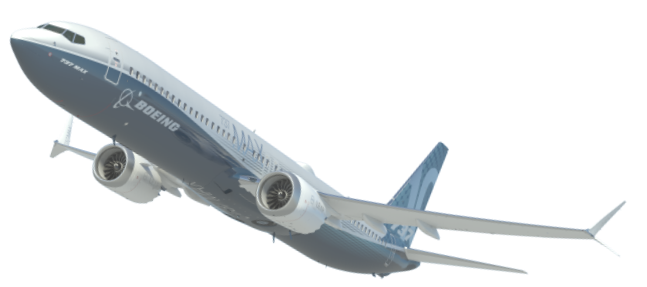


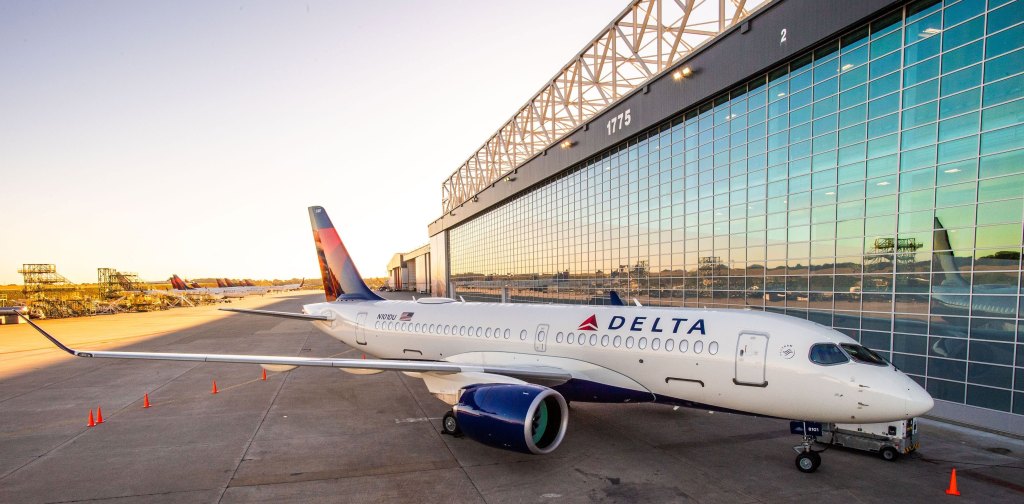
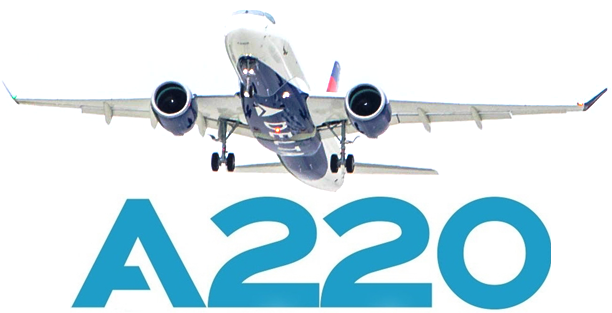
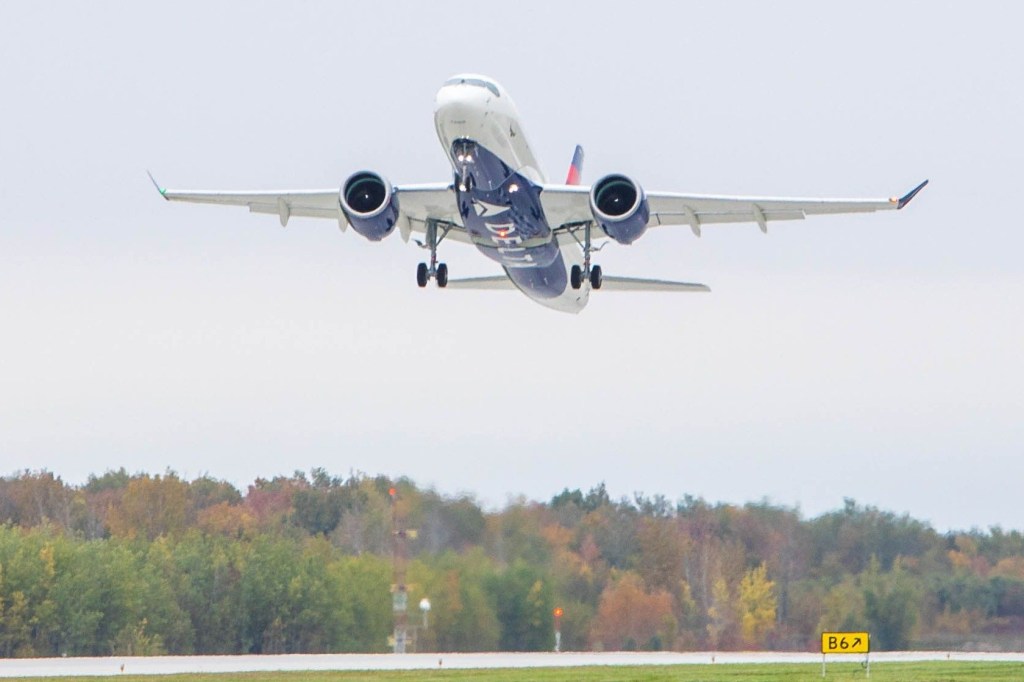
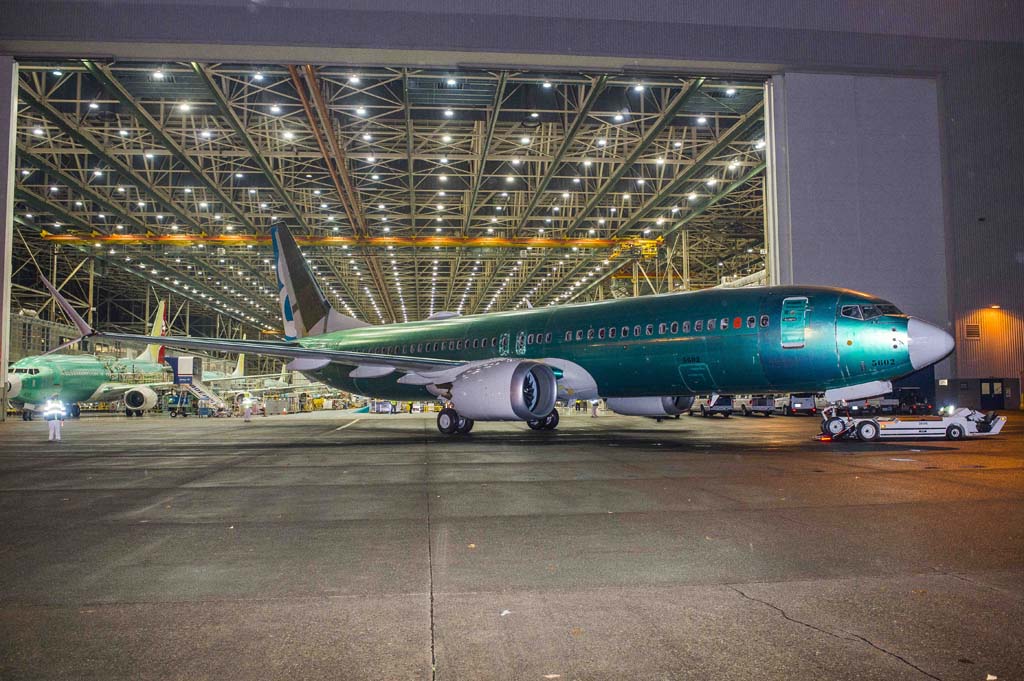
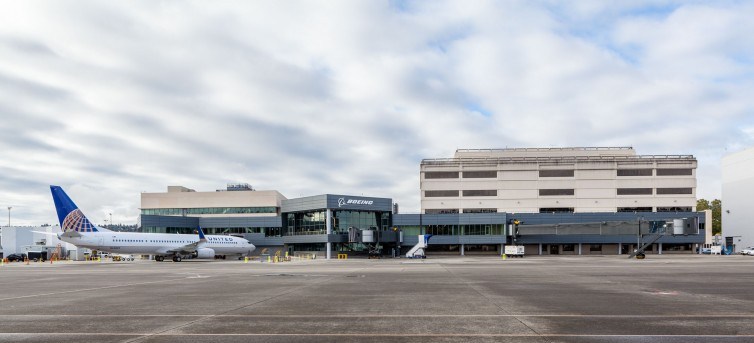






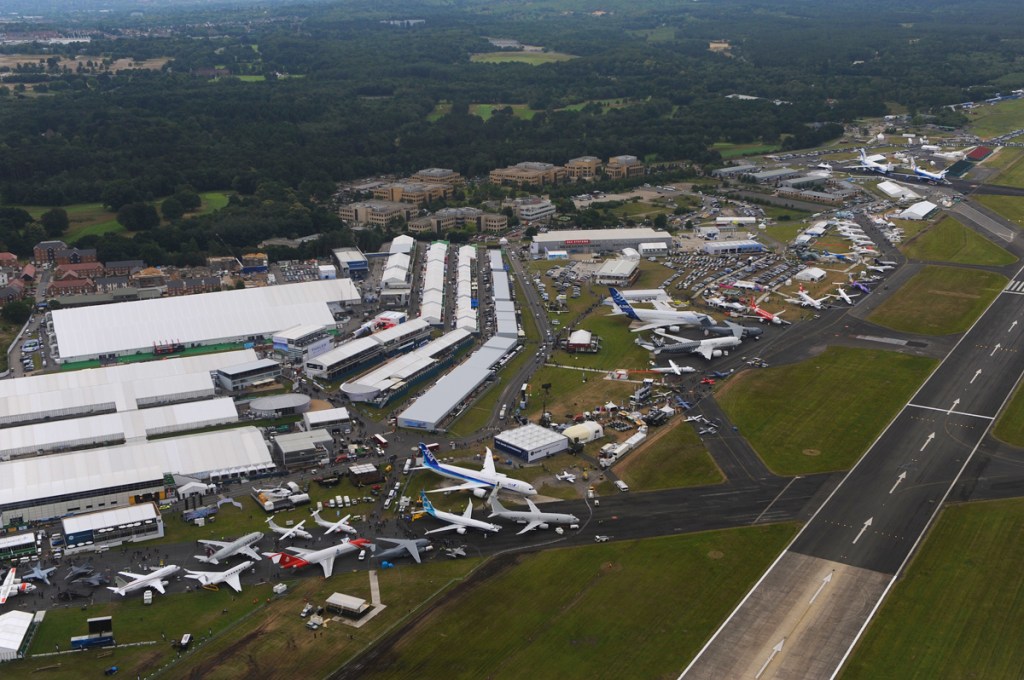

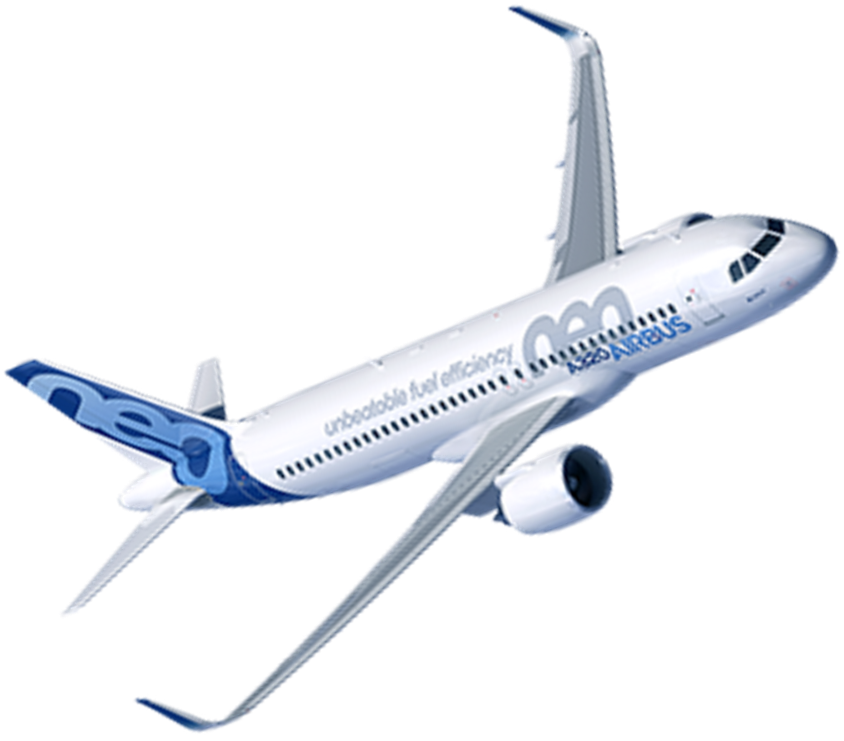
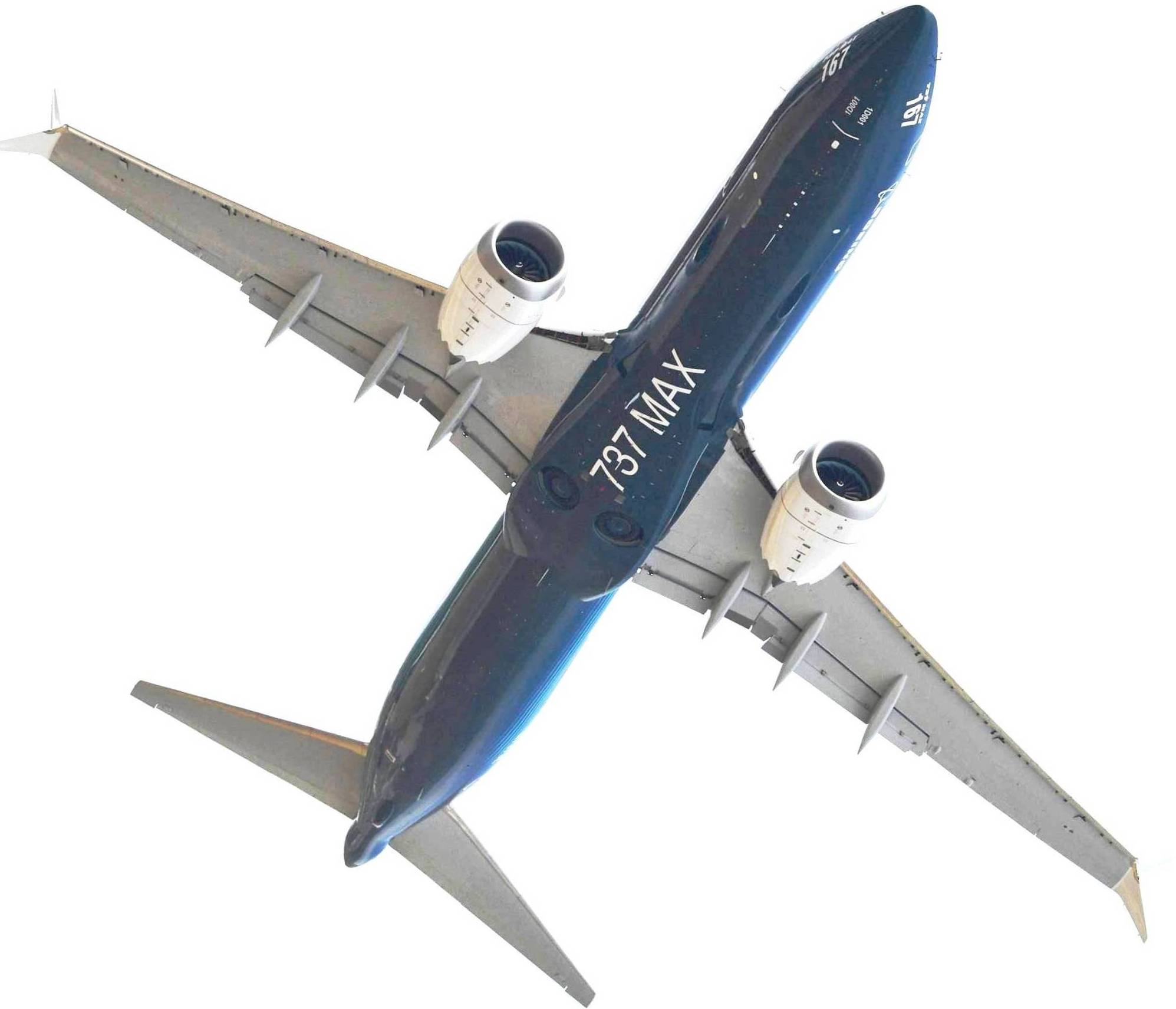


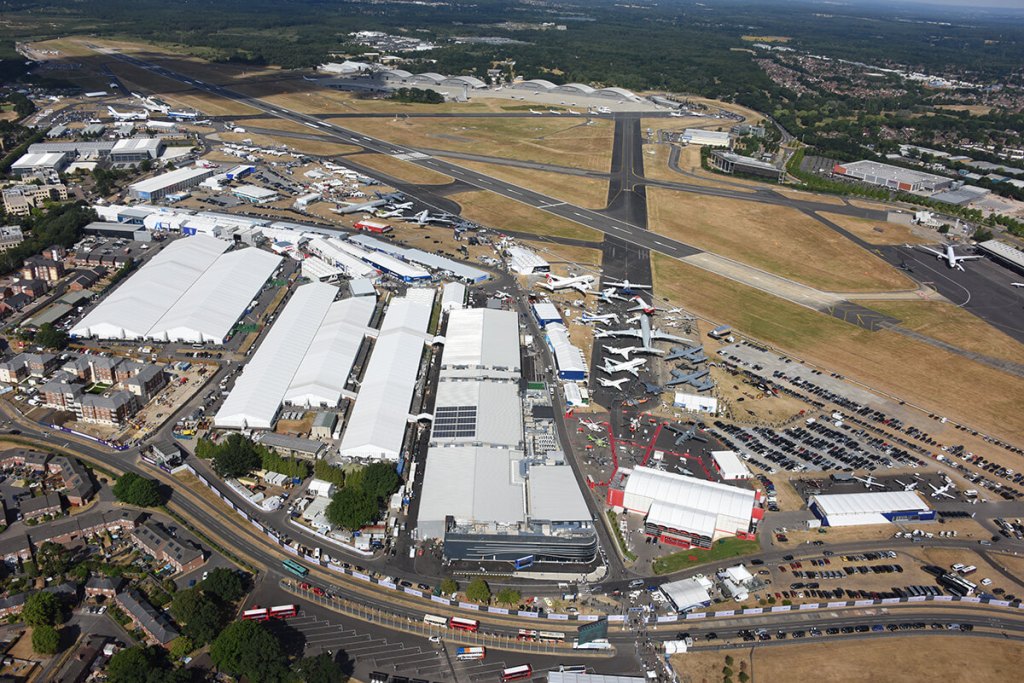


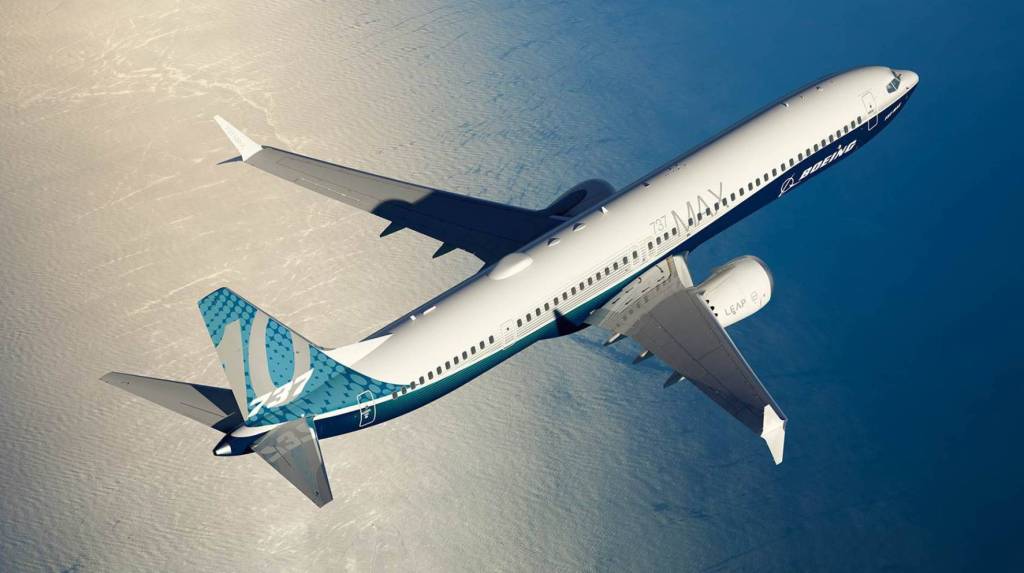

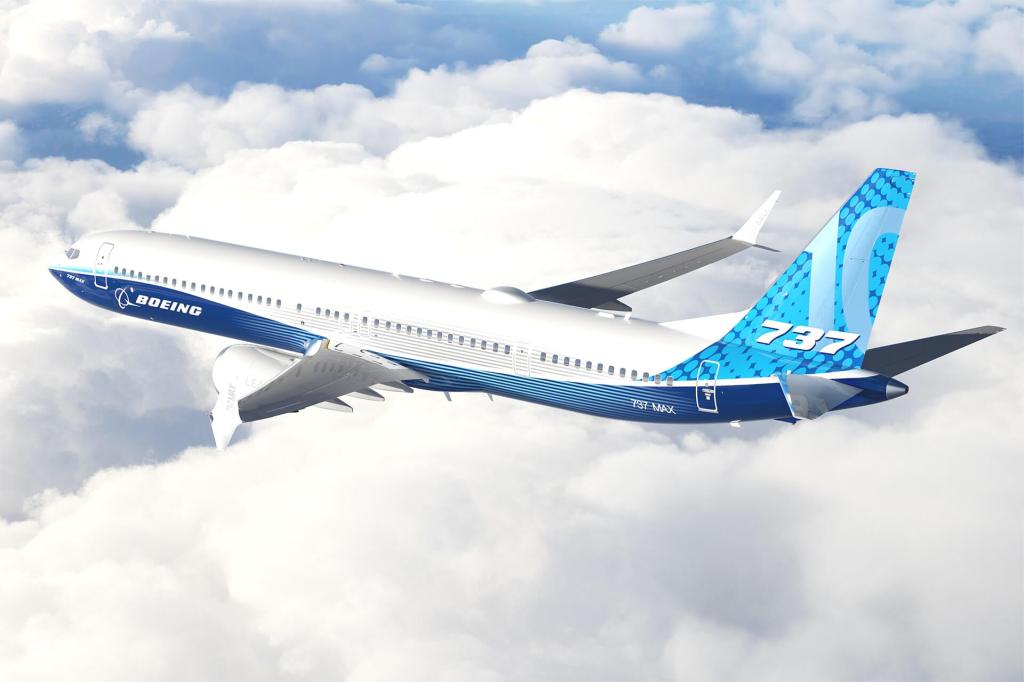
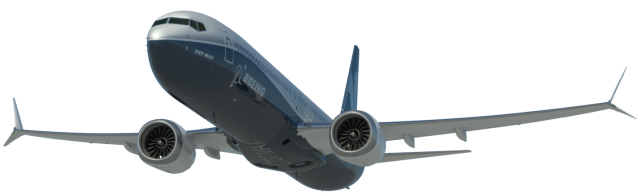
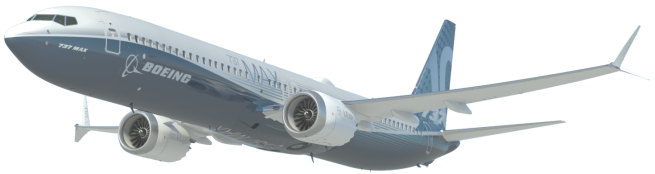
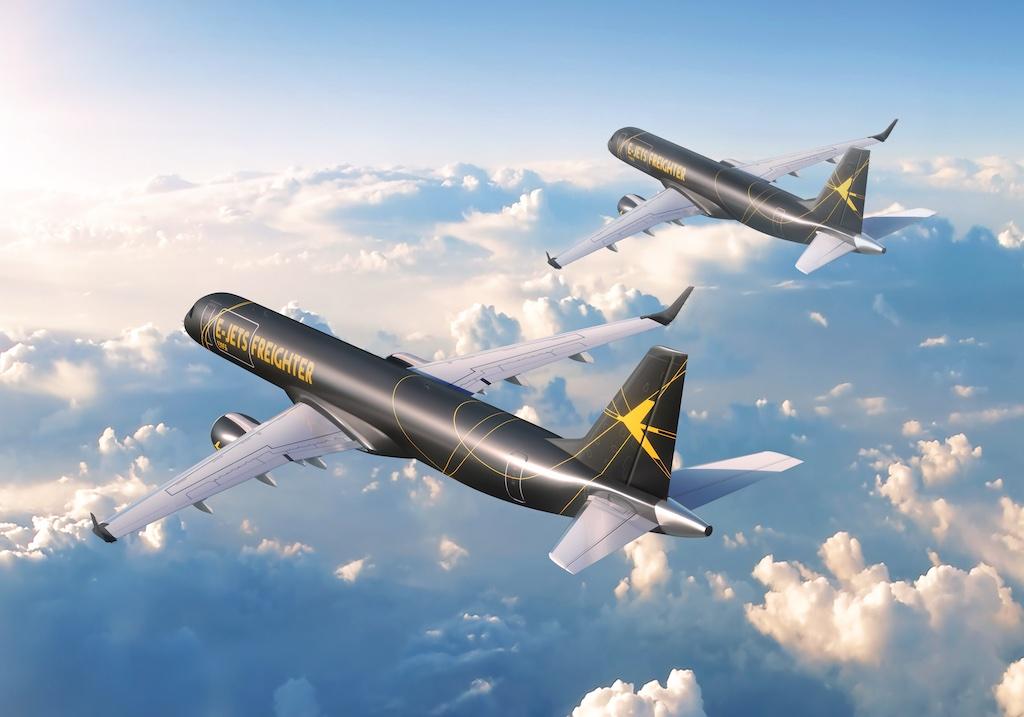


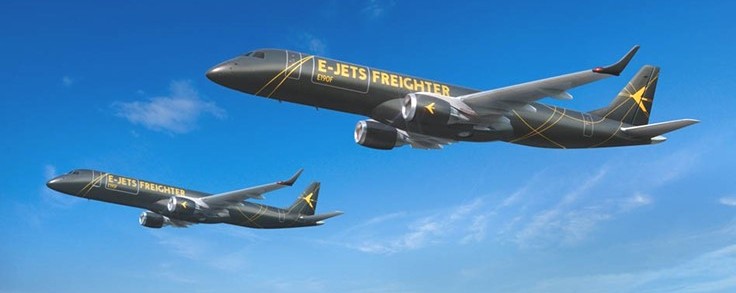



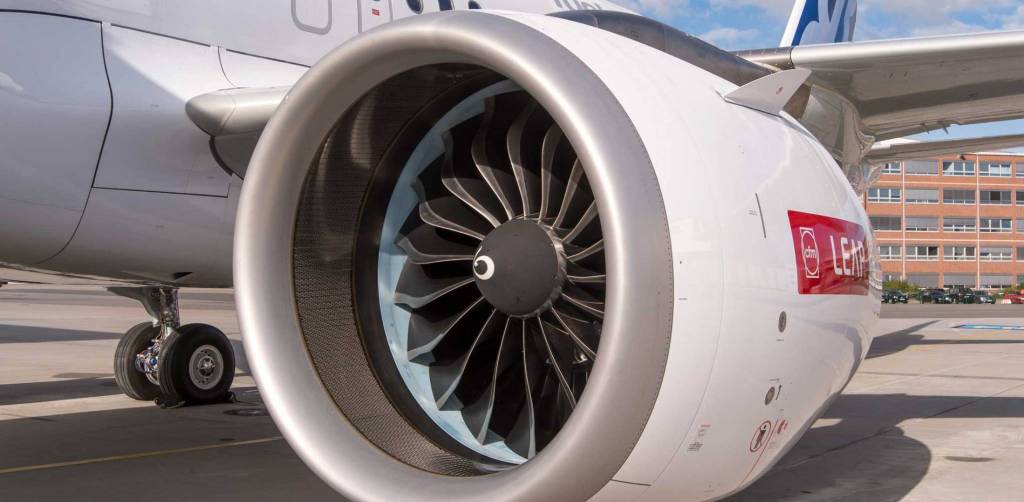

 airgways.com