Gobierno británico promueve plan para ampliar el aeropuerto Heathrow

Resultado de imagen para British government promotes plan to expand Heathrow airport

AW | 2016 10 25 15:11 | AIRPORTS

El gobierno británico dio luz verde el martes al plan de expansión del aeropuerto de Heathrow en Londres, pese a las preocupaciones por la contaminación del aire, el ruido y la destrucción de viviendas en los populosos barrios occidentales de la capital.

El Departamento de Transportes expresó que es necesario «para mantener a Gran Bretaña abierta a los negocios ahora y en el futuro, y como núcleo de turismo y comercio», señaló la agencia en un comunicado.

«El paso que da hoy el gobierno da sin duda un impulso. Estoy orgulloso de que tras años de conversaciones y demoras, este gobierno tome medidas decisivas para garantizar el lugar de Gran Bretaña en el mercado global de la aviación», dijo el secretario de Transportes, Chris Grayling.

La decisión es sólo el primer paso del proceso. La recomendación del gobierno será aprobada ahora en profundidad, y el Parlamento votará sobre la cuestión en aproximadamente un año. La decisión surge tras años de debates, investigaciones y denuncias sobre la construcción de la primera pista de aterrizaje de gran escala en el sudeste del país desde la Segunda Guerra Mundial. El gobierno de la primera ministra Theresa May, afectada por el referéndum en que se decidió salir de la Unión Europea, está ansioso por demostrar que el país está activo en la actividad económica mundial. Los detractores del plan lo califican de «catastrófico».

Resultado de imagen para British government promotes plan to expand Heathrow airport

Aunque el gobierno tuvo otras ofertas, rechazó las opciones para ampliar la capacidad del aeropuerto, entre ellas la de extender una pista en Heathrow o construir una segunda pista en el Aeropuerto de Gatwick al sur de Londres.

Habrá comunidades enteras que tendrán que ser eliminadas, y el gobierno estima que las compensaciones le costarán unas 2.600 millones de libras (3.200 millones de dólares).

«Este es un tema de suma importancia para todo el país», expresó Grayling. «Es por ello que el gobierno entrará en consultas públicas totalmente abiertas e imparciales«.

El alcalde de Londres Sadiq Khan prometió explorar la posibilidad «de entrar en cualquier proceso legal posible» pues Heathrow ya causa más contaminación de ruido que el combinado de los aeropuertos de París, Francfort, Amsterdam, Munich y Madrid. Muchos habitantes están furiosos porque muchos políticos prometieron oponerse al plan cuando estaban en campaña, pero cambiaron de parecer una vez que ganaron las elecciones.

En Harmondsworth, una anticuada y pintoresca aldea rural, muchos residentes expresaron su descontento. «Esta es Harmondsworth, este es nuestro terreno campestre», dijo Neil Keveran, que ha estado haciendo campaña contra la expansión desde hace años. «En ningún otro lugar de Europa están construyendo pistas de aeropuertos cerca de zonas residenciales, así que no veo por qué nuestra calidad de vida tiene que sufrir». airgways-icon-aw

Resultado de imagen para British government promotes plan to expand Heathrow airportResultado de imagen para British government promotes plan to expand Heathrow airportResultado de imagen para British government promotes plan to expand Heathrow airport

British government promotes plan to expand Heathrow airport

The British government gave the green light on Tuesday to plan expansion of Heathrow Airport in London, despite concerns about air pollution, noise and the destruction of homes in the densely populated western neighborhoods of the capital.

The Department of Transport said it is necessary «to keep Britain open for business now and in the future, and as the core of tourism and trade,» the agency said in a statement.

«The step that today the government certainly a boost. I am proud that after years of discussions and delays, this government take decisive action to ensure Britain’s place in the global aviation market measures,» said Secretary transport, Chris Grayling.

The decision is only the first step. The government’s recommendation will now be passed in depth, and Parliament will vote on the issue in about a year. The decision comes after years of discussions, inquiries and complaints about the construction of the first runway large scale in the southeast of the country since World War II. The government of Prime Minister Theresa May, affected by the referendum in which it was decided to leave the European Union, is eager to prove that the country is active in global economic activity. Critics of the plan is described as «catastrophic».

Resultado de imagen para British government promotes plan to expand Heathrow airport

Although the government had other offers, he rejected the options for expanding airport capacity, including extending a runway at Heathrow or build a second runway at Gatwick Airport south of London.

There will be entire communities that will have to be eliminated, and the government estimates that compensation will cost about 2,600 million pounds (3,200 million).

«This is an issue of utmost importance for the whole country,» said Grayling. «That is why the government will enter fully open and impartial public consultations».

London Mayor Sadiq Khan promised to explore the possibility «to enter into any possible legal process» as Heathrow and cause more noise pollution than the combined airports in Paris, Frankfurt, Amsterdam, Munich and Madrid. Many people are angry that many politicians promised to oppose the plan when they were in season, but changed their minds once won the elections.

Harmondsworth, an antiquated and quaint rural village, many residents expressed dissatisfaction. «This is Harmondsworth, this is our country ground,» said Neil Keveran, who has been campaigning against the expansion for years. «Nowhere else in Europe they are building airport runways near residential areas, so I do not see why our quality of life has to suffer.» A\W

Ξ A I R G W A Y S Ξ
SOURCE: A I R G W A Y S
DBk: Photographic © Your Heathrow / Spelthornebusinessforum.uk / Backheathrow.com / Standard.co.uk / 
AW-POST: 201610251511AR
A\W A I R G W A Y S ®

Alas Uruguay pondría fin a operaciones

Resultado de imagen para Alas Uruguay

AW | 2016 10 25 14:46 | AIRLINES

El último vuelo del Boeing 737 de la aerolínea se efectuará cuando regrese de Buenos Aires hacia la capital uruguaya a las 20:15 (hora local), cuando traslade a oficiales del Gobierno que viajaron para la cumbre entre los presidentes Tabaré Vásquez y Mauricio Macri

La aerolínea Alas Uruguay, creada en 2012 por los ex trabajadores de la compañía de bandera PLUNA, realizará este lunes su último vuelo, luego de ser intimada a devolver el único avión con que contaba la empresa, con lo que se ve obligada a suspender sus operaciones.

Los directivos de la aerolínea optaron por no confirmar el cierre. La empresa mantendrá los derechos sobre las rutas para poder retomarlas ante un eventual financiamiento externo. Así, este lunes el call center de la empresa ya no aceptaba reservas para vuelos futuros.

La aerolínea de bandera Alas Uruguay comunicó ayer por la tarde en una nota enviada a la Dirección Nacional de Aviación Civil e Infraestructura Aeronáutica (Dinacia), su decisión de suspender las operaciones por los próximos 60 días.

La compañía, que arrastra problemas financieros desde hace varios meses, cumplió ayer por la noche el último vuelo comercial entre Buenos Aires y Montevideo. Ahora deberá entregar el Boeing 737-300, su único avión operativo, tras ser intimada por su propietario, una empresa estadounidense, que adujo incumplimientos económicos y formales en el contrato de arrendamiento.

El director de la Dinacia, Antonio Alarcón, explicó que la suspensión de los servicios por espacio de dos meses está amparada por la reglamentación aeronáutica vigente. Dentro de los plazos definidos Alas Uruguay mantiene los derechos sobre las rutas y podrá retomar los servicios regulares cuando lo disponga. Pero si la compañía no efectúa el reinicio de las operaciones más allá de ese lapso de tiempo será necesario una nueva inspección de la autoridad aeronautica para determinar «si el explotador permanece adecuadamente equipado y está apto para conducir una operación segura».

Alas Uruguay solo estaba volando el puente aéreo entre Montevideo y Buenos Aires. La semana pasada ya había dejado de operar la ruta entre la capital uruguaya y Asunción en Paraguay.

Hasta ayer la empresa solo se limitó a informar en su cuenta de Twitter que suspendía los vuelos programados para hoy por «razones operativas», y que se contactaría con los pasajeros que tuvieran reservas para ofrecerles una solución de conectividad.

Fuentes sindicales informaron que una de las últimas cartas que maneja la compañía es tratar de cerrar dentro de los próximos 60 días algún tipo de acuerdo con un socio inversor o empresa de la industria que le permita retomar la actividad en el verano. Para el presidente de la Cámara de Comercio de la Aeronáutica del Uruguay, José Luis Hernández, esa posibilidad sería viable si efectivamente se concretara un acuerdo y se pudiera mantener arrendado el avión. De otra forma sería difícil. «Las programaciones en aviación son a muy largo plazo», dijo.

Agobiada por los problemas económicos, la compañía comenzó a explorar desde abril distintas opciones para intentar asegurar la operativa en el mediano plazo. La posibilidad de que la boliviana Amaszonas se quedara con la empresa uruguaya fue una de las alternativas consideradas en los últimos meses, pero sin que el negocio se concretara. En agosto pasado, De los Santos sostuvo que la aerolínea trabajaba en la búsqueda de acuerdos comerciales con otras empresas, como las brasileñas Gol y Azul Líneas Aéreas, al tiempo que descartó la venta de la empresa. «Una aerolínea tiene que ir a un acuerdo y unirse porque es la manera que tiene de convivir en la región», había dicho.

Alas Uruguay surgió después del cierre de Pluna, en julio de 2012, como un emprendimiento autogestionado por parte de los extrabajadores de la extinta compañía. Luego de varias idas y venidas, la aerolínea empezó a volar el 21 de enero de 2016. Un factor clave para que esto sucediera fue el dinero que aportó el Fondo para el Desarrollo (Fondes): una línea de crédito por US$ 15 millones, aprobada cuando José Mujica era presidente.

La aerolínea goza de dos años de gracia, que vencerán 24 meses después del comienzo de su operativa. A partir de esa fecha es que debería empezar a pagar cuotas mensuales por un período de 10 años para reintegrar el monto que le fue prestado.

El director del Instituto Nacional de Cooperativismo, Gustavo Bernini, sostuvo que se dialogará con las autoridades de los ministerios de Transporte y Turismo para analizar el destino de la compañía. «Nos queda en el debe que no puedan llegar a la zafra de verano, que era una fuente de ingreso importante para lograr estabilidad económica», indicó.

«Un día muy triste»

Por su parte, la ministra de Turismo, Liliam Kechichian, lamentó ayer la suspensión de actividades de Alas Uruguay y sostuvo que era «un día muy triste» por el desenlace de la empresa autogestionada. «La conectividad siempre es una preocupación, pero en este caso ese no es el centro. Me da mucha pena por el esfuerzo extraordinario de un grupo de personas con mucha experticia, pero es un negocio muy complejo el de la aeronavegación», expresó la ministra. Además, la ministra descartó que el gobierno le facilite a la aerolínea el financiamiento que necesitan para seguir operando. «No hay más margen de apoyo económico. Ellos lo tienen muy claro», aseguró Kechichian. airgways-icon-aw

Resultado de imagen para Alas Uruguay

Alas Uruguay would end its operations

The last flight of the Boeing 737 airline fee when you return from Buenos Aires to the Uruguayan capital at 20:15 (local time), when moving to government officials who traveled to the summit between Presidents Tabaré Vásquez and Mauricio Macri

The airline Alas Uruguay, created in 2012 by former employees of the flag carrier Pluna, held Monday its last flight, after being intimated to return the only aircraft that had the company, which was forced to suspend its operations.

Airline executives chose not confirm the shutdown. The company will maintain the rights on routes to resume them before an eventual external financing. So on Monday the call center of the company no longer accept bookings for future flights.

The flag carrier Alas Uruguay announced yesterday afternoon in a note sent to the National Directorate of Civil Aviation and Aviation Infrastructure (Dinacia), its decision to suspend operations for the next 60 days.

The company, which carries financial problems for several months, met last night the last commercial flight between Buenos Aires and Montevideo. Now you must deliver the Boeing 737-300, its only operational aircraft, after being intimated by its owner, an American company, which argued economic and formal defaults on the lease.

The director of the Dinacia, Antonio Alarcon, explained that the suspension of services for two months is covered by the current aviation regulations. Within the terms defined Alas Uruguay holds the rights on routes and may resume regular services when provided. But if the company does not effect the resumption of operations beyond that time frame a new inspection of the aviation authority will need to determine «if the operator remains adequately equipped and is suitable to conduct a safe operation.»

Alas Uruguay was just flying the airlift between Montevideo and Buenos Aires. Last week he had already stopped operating the route between Uruguay and Paraguay Asuncion capital.

Until yesterday the company just merely reported on his Twitter account that suspended flights scheduled for today for «operational reasons» and would contact passengers who had reservations to offer connectivity solution.

Union sources reported that one of the last letters that handles the company is trying to close within the next 60 days some agreement with an investment partner or company in the industry that allows you to resume the activity in the summer. For the president of the Chamber of Commerce of Aeronautics of Uruguay, José Luis Hernández, that possibility would be viable if an agreement is actually materialize and could keep leased the plane. Otherwise it would be difficult. «The aviation schedules are very long term,» he said.

Burdened by economic problems, the company began exploring different options since April to try to ensure operational in the medium term. The possibility that the Bolivian Amaszonas stay with the Uruguayan company was one of the alternatives considered in recent months, but the business took shape. Last August, De los Santos said the airline was working in seeking trade agreements with other companies such as Gol and Azul Brazilian Airlines, while ruled out selling the company. «An airline has to go and join an agreement because it is the way it has to live in the region,» he had said.

Alas Uruguay emerged after the closure of Pluna, in July 2012, as a self-managed venture by former employees of the defunct company. After several comings and goings, the airline started flying on 21 January 2016. A key factor for this to happen was the money contributed Development Fund (Fondo de Desarrollo, Fondes): a credit line of US $ 15 million, José Mujica was approved as president.

The airline has two years of grace, which expire 24 months after the start of its operations. From that date you should start paying monthly installments for a period of 10 years to repay the amount that was borrowed.

The director of the National Institute of Cooperatives, Gustavo Bernini said that dialogue with the authorities of the Ministries of Transport and Tourism to discuss the fate of the company. «We left in the must that they can not get to the summer harvest, which was an important source of income to achieve economic stability,» he said.

«A very sad day»

For his part, Minister of Tourism, liliam kechichián, lamented yesterday the suspension of activities Alas Uruguay and said it was «a sad day» for the outcome of the self-managed company. «Connectivity is always a concern, but in this case that is not the center. I am very sorry for the extraordinary effort of a group of people with a lot of expertise, but it is a very complex business that of air navigation,» said the minister. The minister also denied that the government will provide the airline the financing they need to keep operating. «There is no more room for financial support. They are very clear,» said Kechichian. A\W

Ξ A I R G W A Y S Ξ
SOURCE: americaeconomia.com / Infobae / AIRGWAYS
DBk:
AW-POST: 201610251446AR
A\W A I R G W A Y S ®

Tensión por paro en Aerolíneas

Resultado de imagen para flota aerolineas argentinas

AW | 2016 10 24 23:23 | AIRLINES

Se tensa la pelea entre los pilotos y Aerolíneas y hay amenazas de paro

La empresa ofreció al gremio una suba salarial de 35% no remunerativo con lo que el impacto en el bolsillo es mayor a 40%; el sindicato amenazó con nuevas medidas de fuerza

Pasan los días y la relación entre los pilotos de Aerolíneas Argentinas y Austral y los directivos de la compañía se tensa cada vez más. La situación podría desembocar en alguna medida de fuerza para las próximas horas.

Una carta de la presidenta Isela Costantini llegó a manos de los gremios, después de una reunión que se realizó el viernes y en el que participaron representantes de gremio de pilotos APLA y la compañía. «Es importante estudiar algunos puntos de la propuesta discutida y por qué creemos que es un ofrecimiento razonable dentro de la realidad que atraviesa el país y de las posibilidades de la empresa», empieza la misiva.

«La oferta se encuentra por encima de los acuerdos paritarios cerrados»

Luego se detallan algunos puntos que la línea aérea de bandera le acercó a los comandantes. «La oferta se encuentra por encima de los acuerdos paritarios cerrados en lo que va del año en distintas industrias y sectores productivos del país», sostiene Costantini en la carta.

Las exigencias de los pilotos

Según se discutió en la reunión del viernes, la empresa estatal ofreció 35% de aumento no remunerativo durante 11 meses del acuerdo, lo que generaría un impacto en el bolsillo de los trabajadores de entre un 40 y 42 por ciento.

Al respecto la presidente de Aerolíneas recordó que las estimaciones de organismos públicos, privados y consultoras anticipan niveles de inflación cercanos al 17% el próximo año, por lo que consideró la propuesta adecuada.

Además, se ofreció un bono para último mes del acuerdo, septiembre de 2017, correspondiente a un 7% del salario mensual bruto de la categoría más, es decir, 13.500 pesos aproximadamente.

Eso no fue todo. Para lograr satisfacer a uno de los gremios mejor pagos del país, se llevó a la mesa de negociación el bono adicional de 2000 pesos, acordado en la Mesa de Diálogo por la Producción y el Trabajo con el Gobierno Nacional y la CGT.

Pero la oferta tampoco quedó ahí. En las escalas más altas, a los pilotos se les puso a disposición eximirlos del pago de impuesto a las ganancias sobre el aguinaldo.

La propuesta, sin embargo fue rechazada. «Las amenazas expuestas en la reunión acerca de potenciales medidas de fuerza a efectuarse en los próximos días atentan contra la posibilidad de poder construir juntos–empleados y dirigentes gremiales– el futuro de crecimiento que anhelamos para cada trabajador y para la empresa. Estas medidas causarían un daño mayúsculo a nuestra aerolínea de bandera, pondrían al pasajero de rehén, empañarían la reputación de buen servicio que estamos construyendo juntos y afectarían profundamente sus ya endebles finanzas», dice la carta firmada por Costantini. airgways-icon-aw

Resultado de imagen para flota aerolineas argentinas

Aerolíneas labor dispute intensifies

The fight between the pilots and airlines are tense and there are threats of arrest

The company offered the union a wage rise of 35% non-remunerative so the impact on the pocket is greater than 40%; the union threatened new measures of force

Days pass and the relationship between the pilots of Aerolíneas Argentinas and Austral and company executives increasingly tense. The situation could lead to some measure of strength for the next few hours.

A letter from the President Isela Costantini came at the hands of the unions, after a meeting that was held on Friday and attended by representatives of APLA pilots union and the company. «It is important to study some aspects of the proposal discussed and why we believe it is a reasonable offer within the reality facing the country and the possibilities of the company,» the letter begins.

 «The offer is above the collective agreements closed»

Some points are then listed the flagship airline approached the commanders. «The offer is above the collective agreements closed so far this year in various industries and sectors of the country,» Costantini says in the letter.

The demands of pilots

As discussed in the meeting on Friday, the state company offered 35% increase not remunerative for 11 months of the agreement, which would generate an impact on the pockets of workers between 40 and 42 percent.

In this regard the president of Aerolíneas recalled that the estimates of public, private and consulting agencies anticipate inflation levels close to 17% next year, so it considered appropriate proposal.

In addition, a bonus agreement last month, September 2017, corresponding to 7% of the gross monthly salary of more category, ie, approximately 13,500 pesos offered.

That was not all. In order to satisfy one of the best guilds payments of the country, he took to the negotiating table the added bonus of 2,000 pesos, agreed at the Roundtable for the Production and Work with the National Government and the CGT.

But the offer was not there. At higher scales, pilots they were placed at the disposal exempt from paying income tax on the bonus.

The proposal, however, was rejected. «The threats outlined in the meeting about potential measures of force to take place in the coming days undermine the possibility to build together -. Employees and leaders gremiales the future growth that we yearn for each worker and the company These measures would cause a major damage to our flag carrier, the passenger would hostage, tarnish the reputation of good service that we are building together and deeply affect their already shaky finances, » says the letter signed by Costantini. A\W

Ξ A I R G W A Y S Ξ
SOURCE: lanacion.com.ar
DBk: Photographic © sentiargentina.com
AW-POST: 201610242323AR
A\W A I R G W A Y S ®

Vuelo de Thomson Airways declarado emergencia

Un Boeing 737 de Thomson Airlines

AW | 2016 10 24 08:38 | SAFETY / SECURITY

Declaran estado de emergencia en un vuelo de Thomson Airways entre Londres y Tenerife. El vuelo de Thomson Airways ha regresado al aeropuerto londinense de Gatwick 45 minutos después de despegar

El vuelo BY4738 de Thomson Airways, que cubre la ruta entre Londres (Reino Unido) y Tenerife (España), ha declarado el estado de emergencia, informa airlive.net. Tras la emergencia, el Boeing 737 ha regresado al aeropuerto londinense de Gatwick 45 minutos después de despegar.

Se desconoce la causa de la emergencia. El avión de Thomson Airways partió del aeropuerto británico de Gatwick este domingo a las 15:35 (hora local) y, según lo programado, debía aterrizar en Tenerife a las 19:50 (hora local). airgways-icon-aw

Un Boeing 737 de Thomson Airlines

Thomson Airways flight emergency declared

Declare a state of emergency on a Thomson Airways flight between London and Tenerife. Thomson Airways flight has returned to London’s Gatwick airport 45 minutes after takeoff

BY4738 flight Thomson Airways, which covers the route between London (United Kingdom) and Tenerife (Spain), has declared a state of emergency, reports airlive.net. After the emergency, the Boeing 737 has returned to London’s Gatwick airport 45 minutes after takeoff.

Emergency cause is unknown. Thomson Airways plane departed from Gatwick Airport British Sunday at 15:35 (local time) and, as scheduled, was due to land in Tenerife at 19:50 (local time). A\W

Ξ A I R G W A Y S Ξ
SOURCE: rt.com
DBk: Photographic © Wikipedia.org
AW-POST: 201610240838AR
A\W A I R G W A Y S ®

Recortes en la línea producción parecen inevitables en Boeing

Resultado de imagen para Boeing 777 line assembly

AW | 2016 10 23 23:35 | INDUSTRY

Un recorte de las tasas de producción de Boeing 777 parece inevitable, con pocas entregas programadas después de 2017. La creciente presión sobre la industria también puede reducir la producción de otros aviones, que afecta a puestos de trabajo en Everett y Boeing de flujo de caja

Una caída en el negocio global del avión parece estar cobrando velocidad, y el primer impacto grande es clara: Boeing, que ya está recortando puestos de trabajo de producción en su programa del avión 777 en Everett, probablemente tendrá que anunciar más recortes en cuestión de meses.

Los expertos dicen que los efectos de una rápida disminución de los pedidos de aviones pueden ondular a través de otros programas de Boeing, limitando los aumentos de producción previstos del 787 Dreamliner y tal vez incluso el 737.

Los ejecutivos de Boeing, que se fija para entregar 99 de los 777 grandes aviones de fuselaje ancho de este año, ya han dicho que van a cortar las entregas a 85 el próximo año y tan sólo 66 el año siguiente.

Decenas de miles de personas trabajan en el 777 de Boeing y sus proveedores en este Estado. Boeing planea seguir construyendo el 777 a esas tasas de producción bajados hasta que la producción de las rampas de reemplazo el modelo 777X  hasta más allá de 2020. Sin embargo, una gran brecha que se está tejiendo en el horario de entrega de 777 para el 2018 y 2019 significa que incluso redujo el ritmo de la producción.

El éxito de Boeing de este mes en la venta de 10 de los 777 a Qatar Airways no ha cambiado esa ecuación. Los datos de la industria de la aviación compilados por la firma de análisis de Flightglobal muestra que Boeing todavía tiene sólo 29 entregas del avión a los clientes programados para el 2018 y sólo nueve entregas al año siguiente.

Boeing, que publica beneficios trimestrales a Wall Street el miércoles, se negó a comentar, aunque ha reconocido públicamente que se avecina un agujero en su lista de producción del 777. Las perspectivas para nuevas e importantes ventas del 777 para llenar ese agujero son tenues.

Después de una docena de años de auge de la vertiginosa órdenes y el aumento de la producción de chorro, ha surgido un consenso en las reuniones de la aviación que la industria aeronáutica está estancado y perdiendo altitud. Las ventas de 777 modelos actuales han disminuido de 194 ventas hace cinco años a tan sólo 16 ventas en lo que va de año.

Incluso gigantes del Golfo Pérsico transportadoras como Emirates, lo que tendrá 146 de los aviones antes de fin de mes, se enfrenta a una desaceleración del crecimiento de pasajeros. Emirates, el mayor operador del 777 en el mundo, ha alimentado el boom de ventas de fuselaje ancho del avión más que cualquier otra aerolínea.

CEO Emirates, Tim Clark, en un intercambio de correo electrónico, lo calificó como «una tormenta casi perfecta de la adversidad» para el transporte aéreo: el estancamiento económico europeo, el voto del Reino Unido del Brexit y otras tendencias hacia el proteccionismo, el terrorismo en Europa y Turquía, la desaceleración económica de Asia, una caída en África y un exceso de capacidad en aviones de fuselaje ancho. La transportadora basada en Hong Kong Cathay Pacific, otro cliente del 777, con 70 en su flota y 21 de la próxima variante 777Xs, dijo este mes que su pronóstico «se ha deteriorado.» «El exceso de capacidad y la fuerte competencia está poniendo especial presión sobre nuestro negocio de pasajeros,» dijo Cathay.

Adam Pilarski, analista senior de la consultora Avitas y un experto en aviación de la industria desde hace mucho tiempo, dijo que las aerolíneas masivamente más ordenada aviones en los últimos años y ahora se enfrentan a demasiada incertidumbre política y económica para expandir aún más confianza. «No veo gente haciendo cola para comprar un gran número de aviones», dijo Pilarski.

Resultado de imagen para Boeing 777 line assembly

Los recortes de empleos

En agosto, el jefe de Boeing de Finanzas Greg Smith admitió que sin nuevos pedidos 777, la compañía podría tener que recortar la producción aún más de lo previsto.

En septiembre, el presidente ejecutivo de Boeing dijo Dennis Muilenburg una decisión sobre tal recorte podría retrasarse no más de dos o tres meses. Mientras tanto, casi no suficientes pedidos se han materializado.

Para Qatar de este mes trajo el total neto de 777 ventas para el año a sólo 16 aviones, en comparación con 54 en el mismo punto hace un año.

Una gran orden pendiente por parte de Irán incluye 15 777 del modelo actual. A pesar de la oposición política, que tienen que ver, parece probable que pasar por el tiempo, y debe dar al programa 777 un gran impulso. Pero no va a cerrar la brecha de producción.

Jefe de ventas recién nombrado de Boeing, Ihssane Mounir, no puede permitirse el lujo de vender los actuales 777 aviones a precios de remate sin canibalizar las ventas futuras del nuevo modelo 777X a dar a luz en el año 2020.

Las conversaciones con los empleados de la compañía en Everett, hablando en condición de anonimato porque no están autorizados a hablar con los medios de comunicación, revelaron una sensación de aprensión entre la fuerza de trabajo.

Un gerente informó a la tripulación de un mecánico que sin nuevas ventas del 777, la tasa de producción más allá de 2017 podría caer tan bajo como 48 aviones por año. El éxito de ganancias y flujo de caja de Boeing sería aún mayor que la cifra sugiere.

Eso es porque en 2018 Boeing planea construir seis aviones de prueba iniciales del 777X, ninguno de los cuales irían a los clientes de ese año. Y para permitir que los mecánicos el tiempo extra que van a necesitar para ensamblar los primeros planos, cada uno de los que tendrán un espacio vacío – un «espacio en blanco», en la jerga de Boeing – antes y después de su posición en la línea de producción.

Eso significaría que las entregas efectivas para las compañías aéreas podrían reducirse a sólo 30 aviones.Una caída tan dramática de más de dos tercios de las entregas de este año significaría inevitablemente grandes recortes de empleos en la fábrica. «Hay un montón de miedo y preocupación en este momento», dijo el mecánico. «El ambiente es incómodo», dijo un ingeniero. «Parece que los despidos están llegando.»

Un estudio encargado del estado de Washington en 2013 estima que en ese momento casi 20.000 personas en Boeing trabajaban directa o indirectamente en el programa 777, con más de 9.000 puestos de trabajo adicionales a 777 proveedores.

Si la producción de los actuales 777 caídas, el empleo de ingeniería en Everett probablemente seguirá siendo alto, impulsado por el trabajo de desarrollo en la próxima 777X.

La mecánica de la línea de montaje, así como los trabajadores de los proveedores, son los más vulnerables a los despidos si la producción cae.

En 2012, cuando Boeing entregó un total de 83 de los chorros, un ejecutivo de Boeing estima que unos 3.400 operarios trabajaron directamente en el montaje de la 777 en la fábrica de Everett.

Rampa de empresas en situación de riesgo

A medida que la industria se queda mirando con tristeza en el extremo de la pluma del avión-pedidos, gestión de Boeing sostiene que su enorme cartera de pedidos significa que no va a ver un impacto producción agudo.

El modelo 777 actual y el Jumbo 747 tanto carecen de ese gran retraso, por lo que estos son los dos programas de aviones que enfrentan una intensa crisis a corto plazo. Por desgracia, el impacto potencial de una crisis aérea parece más amplio que eso.

El 787 Dreamliner de Boeing tenía un atraso masivo al fin, incluso antes de entrar en servicio, pero ha ganado relativamente pocos pedidos desde entonces.

Ahora, con 500 de esos aviones construidos, la cartera de pedidos se ha reducido a 700 aviones.

Muilenburg ya ha dicho que la empresa no va a seguir adelante con el aumento de producción de 14 aviones al mes como estaba previsto con anterioridad a menos que asegura más pedidos.

«El índice del 787 está empezando a verse en riesgo», escribió el analista de Goldman Sachs, Noah Poponak, en una evaluación pesimista de Boeing el mes pasado. «El próximo movimiento de las tasas es más probable que baje a que suba.»

La mejor esperanza de Boeing 787 de un gran fin de este año parece estar con Emirates, que ha dicho que está pesando una orden grande con dos contendientes: el 787 y el Airbus A350.

Con ambos fabricantes desesperados por órdenes de fuselaje ancho de chorro, Clark dijo que es un buen momento para comprar. «Nunca ha sido mejor: nombre de su precio», dijo. «Seattle y Toulouse tienen la alfombra roja.»

La evaluación de los contendientes aviones Airbus y Boeing de Emirates se ha completado, agregó, pero «un pedido sólo va a seguir una vez que tenemos una comprensión más clara de las tendencias económicas mundiales.»

En un artículo en Airfinance anual este mes, Bert van Leeuwen, Amsterdam-basa director general de investigación de la aviación en DVB Bank, citó tanto la burbuja de las «.com» y la crisis de hipotecas de alto riesgo como posibles paralelismos con el auge de avión menguante.

Dijo que tanto Airbus como Boeing necesitan para contener los aumentos de producción planificadas, pidiendo que «la única cosa que se interpone entre nosotros y el caos.»

¿Renton es segura con el 737?

Boeing parece más seguro en el segmento 737 de un solo pasillo de chorro, donde tiene una enorme acumulación de 4.350 aviones.

En la fuerza de que, Boeing ha dicho que va a aumentar la producción en Renton en los pasos, desde los actuales 42 aviones por mes a 57 por mes en 2019 y posiblemente más alta más tarde. «Ese retraso ve muy sólido», dijo en una conferencia de Muilenburg en septiembre. Y, sin embargo, incluso el mercado de un solo pasillo de chorro ahora muestra algunos signos de angustia, especialmente en Europa.

Los transportistas que atienden el mercado turístico del Mediterráneo, como las aerolíneas Monarch en el Reino Unido, han visto el tráfico de una fuerte baja después de los ataques terroristas en Francia, el norte de África y Turquía.

Monarch este mes evitó un colapso financiero mediante la reestructuración de un 737 orden pendiente.

La compañía de bajo coste Ryanair de Irlanda – el segundo mayor cliente después de 737 Southwest Airlines y la aerolínea de mayor éxito en Europa – bajó ligeramente su pronóstico de ganancias debido a la caída de la libra esterlina del Reino Unido después de la votación Brexit.

Pilarski de Avitas dijo que la libre circulación de personas y bienes dentro de la Unión Europea era «una gran parte de la razón por Ryanair y otros lo hicieron así.»

El concepto de una Europa sin fronteras ahora se ve cada vez más inestable. Y con el crecimiento del comercio lento y malestar político y económico en todo el mundo, Pilarski es pesimista sobre la trayectoria planeada de Boeing en todos los ámbitos.

«Los aumentos espectaculares en (737) la producción de un solo pasillo no va a ocurrir. Los 787 aumentos no va a pasar «, dijo enfáticamente. «En el corto plazo, van a eliminar el 747. Y en el 777, probablemente reducirá la tasa más lejos.» airgways-icon-aw

The 777 production line at Boeing’s Everett plant. Boeing has acknowledged a looming deficit in its delivery forecasts for the widebodied jetliner. (Ken Lambert/The Seattle Times)

Production cuts seem inevitable in the Boeing

A Boeing 777 production rate cut looks inevitable, with few deliveries scheduled after 2017. Growing pressure on the industry may also curtail production of other jets, affecting jobs in Everett and Boeing’s cash flow

A downturn in the global airplane business appears to be gathering speed, and the first big impact is clear: Boeing, which is already cutting production jobs on its 777 jet program in Everett, will likely have to announce further cuts within months.

Experts say the effects of a rapid decline in aircraft orders may ripple through other Boeing jet programs, curtailing planned production increases of the 787 Dreamliner and perhaps even the 737.

Executives at Boeing, which is set to deliver 99 of the large widebody 777s this year, have already said they’ll cut deliveries to 85 next year and as few as 66 the year after. Tens of thousands of people work on the 777 at Boeing and its suppliers in this state.

Boeing plans to keep building the 777 at those lowered production rates until production of the replacement 777X model ramps up beyond 2020.

But a yawning gap that now looms in the 777 delivery schedule for 2018 and 2019 means even that reduced pace of production isn’t nearly slow enough. Boeing’s success this month in selling 10 of the 777s to Qatar Airways hasn’t changed that equation.

Industry data compiled by aviation-analysis firm FlightGlobal shows Boeing still has only 29 deliveries of the jet to customers scheduled for 2018 and just nine deliveries the year after.

Boeing, which reports quarterly earnings to Wall Street on Wednesday, declined to comment, though it has publicly acknowledged a looming hole in its 777 production schedule. Prospects for significant new 777 sales to fill that hole are dim.

After a dozen boom years of soaring orders and rising jet production, a consensus has emerged at aviation gatherings that the airplane industry is stalled and losing altitude.

Sales of current model 777s have dwindled from 194 sales five years ago to just 16 sales so far this year.

Even giant Persian Gulf carrier Emirates, which will have 146 of the jets by the end of month, faces slowing passenger growth. Emirates, the largest operator of 777s in the world, has fed the widebody-jet sales boom more than any other airline.

Emirates CEO Tim Clark, in an email exchange, called it “an almost perfect storm of adversity” for air travel: European economic stagnation, the U.K.’s Brexit vote and other trends toward protectionism, terrorism in Europe and Turkey, the Asian economic slowdown, a slump in Africa and a general overcapacity in widebody jets.

Hong Kong-based carrier Cathay Pacific — another top 777 customer, with 70 in its fleet and 21 of the forthcoming 777Xs on order — said this month its outlook “has deteriorated.”

“Overcapacity and strong competition is putting particular pressure on our passenger business,” Cathay said.

Adam Pilarski, senior analyst with consulting firm Avitas and a longtime aviation-industry expert, said airlines massively over-ordered planes in recent years and now face too much political and economic uncertainty to confidently expand further. “I don’t see people lining up to buy large numbers of planes,” Pilarski said.

Job cuts

In August, Boeing Chief Financial Officer Greg Smith conceded that without new 777 orders, the company might have to cut production even further than planned.

In September, Boeing Chief Executive Dennis Muilenburg said a decision on such a cut could be delayed no more than two or three months. Meanwhile, not nearly enough orders have materialized.

This month’s Qatar order brought the net 777 sales total for the year to just 16 airplanes, compared with 54 at the same point a year ago.

Conversations with company employees in Everett, speaking on condition of anonymity because they are not authorized to talk to the news media, revealed a sense of foreboding among the workforce.

A manager informed one mechanic’s crew that without new 777 sales, the production rate beyond 2017 could fall as low as 48 jets per year.

The hit to Boeing’s profit and cash flow would be even larger than that figure suggests.

That’s because in 2018 Boeing plans to build the 777X’s initial six test planes, none of which would go to customers that year. And to allow mechanics the extra time they’ll need to assemble the early planes, each of those will have an empty slot — a “blank,” in Boeing’s parlance — before and after its position on the production line. That would mean actual deliveries to airlines could be reduced to just 30 jets.

Such a dramatic drop of more than two-thirds from this year’s deliveries would inevitably mean big job cuts in the factory. “There is a lot of fear and concern right now,” said the mechanic. “The atmosphere is uncomfortable,” said an engineer. “It sounds like layoffs are coming.”

A Washington state study commissioned in 2013 estimated that at that time almost 20,000 people at Boeing worked directly or indirectly on the 777 program, with more than 9,000 additional jobs at 777 suppliers.

If production of the current 777 falls, engineering employment in Everett will likely remain high, buoyed by development work on the forthcoming 777X.

The assembly-line mechanics, as well as workers at suppliers, are the most vulnerable to layoffs if production falls.

In 2012, when Boeing delivered a total 83 of the jets, a Boeing executive estimated that about 3,400 machinists worked directly on assembling the 777 in the Everett factory.

Ramp-ups at risk

As the industry stares gloomily at the end of the airplane-order boom, Boeing management argues that its huge backlog of orders means it won’t see a sharp production impact.

The current 777 model and the 747 jumbo jet both lack that big backlog, which is why these are the two jet programs facing an intense short-term crisis. Unfortunately, the potential impact of an airline downturn looks broader than that.

Boeing’s 787 Dreamliner had a massive order backlog even before it entered service but has won relatively few orders since. Now, with 500 of those jets built, the backlog is down to 700 planes.

Muilenburg has already said the company won’t go forward with raising production to 14 jets per month as previously planned unless it secures more orders.

“The 787 rate is starting to look at risk,” wrote Goldman Sachs analyst Noah Poponak in a pessimistic assessment of Boeing last month. “The next rate move is more likely down than up.”

Boeing’s best hope of a large 787 order this year seems to lie with Emirates, which has said it’s weighing a big order with two contenders: the 787 and the Airbus A350.

With both manufacturers desperate for widebody-jet orders, Clark said it’s a good time to buy.

“Never been better: name your price,” he said. “Seattle and Toulouse have the red carpet out.”

Emirates’ assessment of the contending Airbus and Boeing jets is complete, he added, but “an order will only follow once we have a clearer understanding of global economic trends.”

In an article in Airfinance Annual this month, Bert van Leeuwen, Amsterdam-based managing director of aviation research at DVB Bank, cited both the dot-com bubble and the subprime mortgage crisis as possible parallels to the waning airline boom.

He said both Airbus and Boeing need to hold back on planned production increases, calling that “the only thing standing between us and chaos.”

Is Renton secure with the 737?

Boeing looks more secure in the 737 narrowbody-jet segment, where it has a huge backlog of 4,350 airplanes.

On the strength of that, Boeing has said it will increase production in Renton in steps, from the current 42 jets per month to 57 per month in 2019 and possibly higher later. “That backlog’s looking very solid,” Muilenburg said at a conference in September.

And yet, even the narrowbody-jet market now displays a few signs of distress, especially in Europe. Carriers serving the Mediterranean tourist market, such as U.K.-based Monarch Airlines, have seen sharply lower traffic after terrorist attacks in France, north Africa and Turkey. Monarch this month narrowly averted a financial collapse by restructuring a pending 737 order.

Low-cost carrier Ryanair of Ireland — the second-largest 737 customer after Southwest Airlines and the most successful airline in Europe — slightly lowered its profit forecast due to the fall in the British pound after the U.K. Brexit vote.

Avitas’s Pilarski said the free movement of people and goods within the European Union was “a big part of why Ryanair and others did so well.”

The concept of a borderless Europe now looks increasingly shaky. And with slowed trade growth and political and economic unease worldwide, Pilarski is pessimistic about Boeing’s planned trajectory across the board.

“The dramatic increases in (737) narrowbody production will not happen. The 787 increases will not happen,” he said emphatically. “In the short term, they will eliminate the 747. And on the 777, they’ll probably cut the rate further.” A\W


Ξ A I R G W A Y S Ξ
SOURCE: seattletimes.com
DBk: Photographic © Airwaysmag.com / seattletimes.com
AW-POST: 201610232335AR
A\W A I R G W A Y S ®

Mercado aéreo mexicano en crecimiento

Resultado de imagen para mexico aerolineas

AW | 2016 10 23 19:12 | AIRLINES MARKET

Industria aérea mexicana crece a tasas superiores al promedio internacional

La industria aérea mexicana crece a tasas superiores al promedio internacional, ya que durante los últimos tres años el número de pasajeros se ha incrementado en más del 33 por ciento, afirmó el sábado la subsecretaria de Transporte, Yuriria Mascott Pérez.

Durante la presentación del Boeing 787-9 Dreamliner «Quetzalcoatl», la funcionaria reiteró que el desarrollo turístico sostenido, comercial y de negocios en México ha permitido que el país ocupe un sitio cada vez más relevante en la aviación internacional.

«Hoy en día las aerolíneas en México incrementan y modernizan sus flotas, por lo que este avión es el primero de hasta 100 nuevas aeronaves que reflejan el liderazgo y compromiso de Grupo Aeroméxico en nuestro creciente sector aeronáutico», indicó.

La subsecretaria señaló también que con el arribo de este avión a México, se hace patente el compromiso de la aviación con México, particularmente en el cuidado del medio ambiente y en eficientar el servicio aéreo. airgways-icon-aw

Resultado de imagen para mexico aerolineas

Mexican aviation market growing

Mexican airline industry grows at rates higher than the international average

Mexican airline industry grows at rates higher than the international average, as during the last three years the number of passengers has increased by more than 33 percent, said Saturday the under secretary of Transportation, Yuriria Mascott Perez.

During the presentation of the Boeing 787-9 Dreamliner «Quetzalcoatl», the official reiterated that sustained, commercial and business tourism development in Mexico has allowed the country to occupy an increasingly important place in international aviation.

«Today in Mexico airlines increase and modernize their fleets, so this aircraft is the first of up to 100 new aircraft that reflect the leadership and commitment of Grupo Aeroméxico in our growing aviation industry,» he said.

The undersecretary also said that with the arrival of this aircraft to Mexico, is evident the commitment of aviation with Mexico, particularly in caring for the environment and more efficient air service. A\W


Ξ A I R G W A Y S Ξ
SOURCE: transponder1200.com
DBk: Photographic © Progreso.com.mx / sipse.com
AW-POST: 201610231912AR
A\W A I R G W A Y S ®
Frontier recibe su primer A320NEO

Resultado de imagen para Frontier A320neo

AW | 2016 10 23 18:18 | AIRLINES

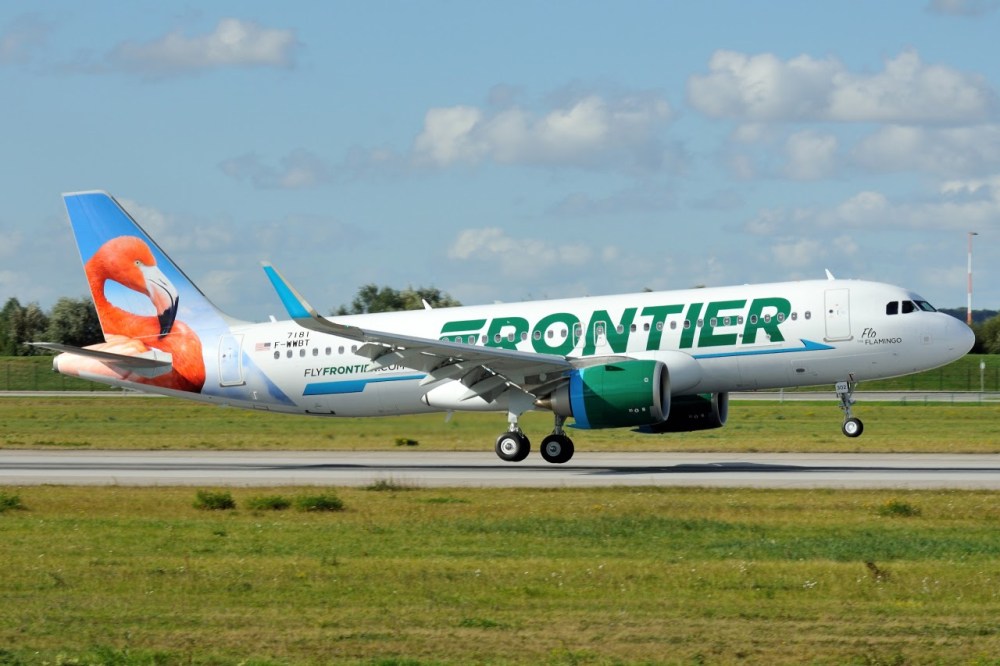
Frontier Airlines celebró la entrega de su primer Airbus A320neo, convirtiéndose en la primera aerolínea estadounidense en recibir el modelo propulsado por motores CFM International LEAP-1A. El avión es el primero de un total de ochenta encargados por Republic Airways Holdings en 2011.

«Estamos muy contentos en recibir nuestro primer A320neo. La eficiencia del A320neo nos ayudará a reducir los costes aún más y pasar esos ahorros a nuestros clientes”, dijo Barry Biffle, CEO & Presidente de Frontier Airlines.

Con esta entrega, Airbus alcanza la hazaña de haber entregado el Airbus A320neo equipado con motores LEAP-1A en tres continentes.

En 2015, Frontier comenzó un programa de renovación de flota que, además de reemplazar aviones más antiguos, duplicará su flota en los próximos cinco años, ayudando en la expansión en nuevos mercados y proporcionando mejoras operativas y mayores fiabilidad.

Frontier recibió su primer avión Airbus en 2001 y desde entonces se convirtió en una aerolínea compuesta exclusivamente por aviones de fuselaje estrecho de Airbus, siendo su flota hoy compuesta por treinta A319, veinticuatro A320 y diez A321. airgways-icon-aw

Resultado de imagen para Frontier A320neo

Resultado de imagen para Frontier A320neo

Frontier receives its first A320neo

Frontier Airlines celebrated the delivery of its first Airbus A320neo, becoming the first US airline to receive the model powered by CFM International LEAP-1A. The aircraft is the first of a total of eighty ordered by Republic Airways Holdings in 2011.

«We are pleased to receive our first A320neo. The efficiency of the A320neo will help us further reduce costs and pass those savings on to our customers,» said Barry Biffle, CEO & President of Frontier Airlines.

With this delivery, Airbus achieved the feat of having delivered the Airbus A320neo equipped with LEAP-1A engines on three continents.

In 2015, Frontier began a program of fleet renewal which also replace older aircraft, will double its fleet over the next five years, helping in the expansion into new markets and providing greater reliability and operational improvements.

Frontier received its first Airbus aircraft in 2001 and since then became an airline composed exclusively of narrow-body aircraft Airbus being its fleet today consists of thirty A319, A320 twenty and ten A321. A\W

Ξ A I R G W A Y S Ξ
SOURCE: transponder1200.com
DBk: Photographic © Hamburg Finkenwerder News / AirlineReporter 
AW-POST: 201610231818AR
A\W A I R G W A Y S ®

KLM Royal Dutch Airlines 70 años de su primer vuelo hacia Argentina

AW | 2016 10 23 08:41 | AIRLINES

KLM Royal Dutch Airlines llevo a cabo el día 20 de octubre en el Faena Hotel, la celebración de los 70 años de su primer vuelo hacia Argentina desde Amsterdam

El encuentro contó con la presencia de Pieter Elbers, CEO de KLM, y Jean Luc Mévellec, Director Air France KLM para Argentina, quienes brindaron una conferencia de prensa con las últimas novedades de la línea aérea holandesa para la Argentina.

Pieter comento estar feliz por el largo camino recorrido desde ese primer vuelo, estamos anunciando la quinta frecuencia semanal a partir del primero de noviembre, este nuevo vuelo será operado los días lunes Ámsterdam-Buenos Aires y los martes Buenos Aires – Ámsterdam con los Boeing 777-300ER con capacidad de 408 pasajeros, en la conferencia comento haber mantenido reuniones con el ministro de transportes de Argentina Guillermo Dietrich y comentó que a partir del próximo verano se elevara a 7 las frecuencias semanales, se están llevando a cabo muchos acuerdos bilaterales y para nosotros el mercado de Latinoamérica es muy importante ya que ocupa el 13% de nuestro mercado.

Argentina es el mercado que mas rápido creció en la región en Francia y Holanda estamos muy entusiasmados por el cambio y el optimismo en esta nueva conducción que hay en Argentina, abriéndose a nuevos mercados y no sólo por nosotros sino por nuestros socios ya que a través de Sky Team Aerolíneas Argentinas nos ayuda a crecer en este mercado y es imprescindible para nosotros.

KLM hace 97 años que opera bajo el mismo nombre, seguimos invirtiendo y creemos en la innovación, tardamos 68 años en llegar a este numero de frecuencias y contamos con un 92% de ocupación y analizando el mercado creceremos un 22% mas en este último trimestre, ya que hay una gran demanda de europeos viajando a la argentina.

También y en el marco de la conferencia se firmo un acuerdo de cooperación con Aerolíneas Argentinas con Isela Constantini CEO de la Empresa para fortalecer los vínculos entre ambas líneas aéreas Aerolíneas forma parte de Sky Team desde 2012.

Pieter comento también que estuvo reunido con Gustavo Santos Ministro de Turismo, donde se firmó un acuerdo con INPROTUR para promocionar el destino Argentina en los Países Bajos por medio de acciones cooperados de Marketing que se desarrollaran en 2017. KLM vuela a 145 destinos en el mundo y cuenta con 172 aeronaves. airgways-icon-aw

Resultado de imagen para KLM Argentina

KLM Royal Dutch Airlines 70 years after its first flight to Argentina

KLM Royal Dutch Airlines took place on 20 October at the Faena Hotel, celebrating 70 years of its first flight from Amsterdam to Argentina

The meeting was attended by Pieter Elbers, KLM CEO, and Jean Luc Mévellec, Director Air France KLM for Argentina, who gave a press conference with the latest developments of the Dutch airline to Argentina.

Pieter commented be happy for the long journey from that first flight, are announcing the fifth weekly frequency from the first of November, this new flight will be operated on Mondays Amsterdam-Buenos Aires and Tuesdays Buenos Aires – Amsterdam with the Boeing 777 -300ER with a capacity of 408 passengers, commented at the conference have held meetings with the Minister of transport of Argentina Guillermo Dietrich and commented that from next summer will rise to 7 weekly frequencies, are carrying out many bilateral agreements and we the Latin American market is very important as it occupies 13% of our market.

Argentina is the market the fastest growing in the region in France and the Netherlands we are very excited about the change and optimism in this new leadership is in Argentina, opening new markets and not only for ourselves but for our partners as through Aerolineas Argentinas Sky Team helps us grow in this market and it is imperative for us.

KLM 97 years operating under the same name does, continue to invest and believe in innovation, it took us 68 years to reach this number of frequencies and we have a 92% occupancy and analyzing the market will grow 22% more in the last quarter because there is a great demand for European traveling to Argentina.

And also in the framework of the conference a cooperation agreement with Aerolineas Argentinas with Isela Costantini Company CEO was signed to strengthen ties between the two airlines Airlines is part of Sky Team since 2012.

Pieter also commented that was met with Gustavo Santos Minister of Tourism, where an agreement with INPROTUR was signed to promote Argentina destination in the Netherlands through cooperative marketing actions to be developed in 2017. KLM flies to 145 destinations in the world and has 172 aircraft. A\W

Resultado de imagen para KLM Ezeiza

KLM Koninklijke Nederlandse Airlines 70 jaar na zijn eerste vlucht naar Argentinië

KLM Koninklijke Nederlandse Airlines vond plaats op 20 oktober in het Faena Hotel, het vieren van 70 jaar van zijn eerste vlucht van Amsterdam naar Argentinië

De bijeenkomst werd bijgewoond door Pieter Elbers, KLM CEO, en Jean Luc Mévellec, directeur Air France KLM voor Argentinië, die een persconferentie gaf de laatste ontwikkelingen van de Nederlandse luchtvaartmaatschappij naar Argentinië.

Pieter becommentarieerde zijn blij voor de lange reis van die eerste vlucht, kondigen de vijfde wekelijkse frequentie van de eerste van november, zal deze nieuwe vlucht worden uitgevoerd op maandag Amsterdam-Buenos Aires en dinsdag Buenos Aires – Amsterdam met de Boeing 777 -300ER met een capaciteit van 408 passagiers, zei op de conferentie hebben gehouden vergaderingen met de minister van vervoer van Argentinië Guillermo Dietrich en merkte op dat vanaf volgende zomer zal stijgen tot 7 wekelijkse frequenties, zijn het uitvoeren van een groot aantal bilaterale overeenkomsten en we de Latijns-Amerikaanse markt is erg belangrijk omdat het bezet 13% van onze markt.

Argentinië is de markt van de snelst groeiende in de regio in Frankrijk en Nederland zijn we erg enthousiast over de verandering en optimisme in deze nieuwe leiderschap is in Argentinië, het openen van nieuwe markten en niet alleen voor onszelf maar ook voor onze partners en via Aerolineas Argentinas Sky Team helpt ons te groeien in deze markt en het is noodzakelijk voor ons.

KLM 97 jaar die onder dezelfde naam heeft, blijven investeren en geloven in innovatie, het kostte ons 68 jaar om dit aantal frequenties te bereiken en we hebben een 92% bezetting en analyseren van de markt zal 22% meer in het laatste kwartaal groeien want er is een grote vraag naar Europese reizen naar Argentinië.

En ook in het kader van de conferentie een samenwerkingsovereenkomst met Aerolineas Argentinas met CEO Isela Costantini Company werd ondertekend om de banden tussen de twee luchtvaartmaatschappijen te versterken Airlines maakt deel uit van Sky Team sinds 2012.

Pieter ook commentaar dat was een ontmoeting met Gustavo Santos Minister van Toerisme, waarbij een overeenkomst met INPROTUR werd ondertekend naar Argentinië bestemming in Nederland door middel van coöperatieve marketing acties te bevorderen worden ontwikkeld in 2017. KLM vliegt naar 145 bestemmingen in de wereld en heeft 172 vliegtuigen. A\W


Ξ A I R G W A Y S Ξ
SOURCE: hostnews.com.ar
DBk: Photographic © KLM / Sir Chandler
AW-POST: 201610230841AR
A\W A I R G W A Y S ®

Fokker Services lanza Element EDW


picture1-9c31ea348bfc9d509982e358c897bf38

AW | 2016 10 22 16:04 | INDUSTRY / MRO

En 2016 MRO Europe, Fokker Servicios tuvo el estreno mundial de Element EDW, ventanas antideslumbramiento electrónicas para aviones comerciales en servicio. Ha sido diseñado tanto para un solo pasillo y aviones de doble pasillo. El Fokker Elemento EDW, suministrado por InspecTech Servicio Aero y el uso de la tecnología de película Investigación fronteriza SPD-Smart, mejora la atmósfera de la cabina mediante el control de los elementos externos que vienen a través de las ventanas.
 

Amsterdam, Países Bajos · La conferencia y exposición MRO Europe de esta semana es el escenario para el estreno mundial de un nuevo sistema de ventanas electrónicamente regulable (EDW) usando la tecnología de Investment Frontiers SPD-Smart. Fokker Services, una división de GKN Aerospace, lanzaron «Element EDW», un nuevo sistema de ventanas electrónicamente regulable para aviones comerciales. Desarrollado en colaboración con Research Frontiers licenciatario de InspecTech Aero Service, este control «inteligente» de transparencia y gestiona ambos elementos externos beneficiosos e indeseables que entran en la cabina del avión de pasajeros a través de las ventanas.

SPD-Smart elemento EDW de Fokker mejora considerablemente la experiencia de pasajeros de aerolíneas, para todos a bordo, mediante la gestión de forma instantánea y precisa la cantidad óptima de luz saludable para comodidad de los pasajeros y el bienestar, y emitir el calor y el ruido incómodo. El EDW ligero no tiene partes móviles y reemplaza componentes incluyendo persianas, paneles «scratch» y otras piezas que requieren mucho mantenimiento.

Esta semana en el stand de GKN / Fokker MRO Europe, Fokker dio a conocer un producto Element EDW diseñado para la instalación de adaptación en los aviones de pasillo único y de doble pasillo de las compañías aéreas que están en servicio. En un comunicado de prensa Fokker, la compañía indicó que están «planeando primera entrega del producto en la Q3 de 2017.»

Para obtener más información acerca del Element EDW, le invitamos a seleccionar los enlaces a continuación:

Elemento de Fokker EDW, suministrado por InspecTech Aero Service y el uso de la tecnología de película Research Frontiers SPD-Smart, mejora la atmósfera de la cabina mediante el control de los elementos externos que vienen a través de ventanas:

La luz del día : Al toque de un botón, los pasajeros tienen la capacidad de controlar con precisión la cantidad de luz y el resplandor que entra por las ventanas – de claro a oscuro opaco y cualquier nivel en el medio. Pueden seguir disfrutando de vistas por tiñendo su EDW elemento a un nivel cómodo de la luz, en lugar de bloquear su visión con una sombra.Aviones de la gestión de la luz del día de la cabina beneficia a todos los pasajeros, no sólo los que estaban sentados en las ventanas. En toda la cabina de control electrónica a través de todos los EDWs, operado automáticamente con fotosensores o manualmente por la tripulación, los resultados en el nivel óptimo de la luz del día a lo largo de la cabina en todo momento. Cabinas equipadas con elemento EDWs se transforman al instante mediante la optimización de la iluminación natural saludable, mejorando vistas, y la entrega de una sensación más abierta con mayor espacio percibido.

Al entrar la luz a través de ventanas cabinas de los aviones es un elemento de la cabina de bienvenida – pero sólo si se puede controlar. Element EDWs proporcionar la solución. Otros elementos externos que vienen a través de ventanas de los pasajeros – el calor y el ruido – son elementos no deseados. Fabricantes de equipos originales y las líneas aéreas hacen importantes inversiones en materiales de aislamiento térmico y acústico que se integran en el fuselaje. Sin embargo, las aberturas de las ventanas han sido siempre el «eslabón débil» en la limitación de calor y el ruido en el habitáculo. Hasta ahora. Element EDWs proporcionar la solución.

Calor : Las ventanas son la fuente primaria de calor solar que entra la cabina cuando la aeronave está en la rampa. La cabina se vuelve demasiado caliente cuando en la tierra, y los pasajeros sufren. EDWs elemento incluyen películas de aislamiento térmico transparente, y proporcionar alivio mediante la entrega de una cabina más fresco. Además de las capas de aislamiento térmico, cuando se estaciona el avión, Element EDWs cambiar automáticamente oscuro tintado, aumentando aún más calor-bloqueo. No se necesitan acciones pasajero o del asistente de vuelo para este beneficio.

Ruido : Los estudios realizados por la NASA y otros han demostrado que las ventanas son una fuente primaria de ruido que entra una cabina de avión. Los pasajeros experimentan angustia psicológica y fisiológica consciente y subconsciente. EDWs elemento incluyen películas de aislamiento acústico transparente innovadores, y estas capas, además de las otras películas en el panel laminado, ofrecer a los pasajeros una cabina más silenciosa durante todo el vuelo.

Elemento EDWs también ofrecen un interior de cabina moderna, estéticamente agradable. Los equipos de diseño de Fokker Services y InspecTech Servicio Aero han desarrollado un producto SPD-Smart EDW que se puede integrar fácilmente en la parte posterior de la pared lateral de la cabina. Esto resulta en Element EDWs tiene un área superficial más grande que la abertura de la ventana. Cuando los pasajeros de vista del element EDWs ajustado al máximo la oscuridad o niveles intermedios del tinte, que perciben las ventanas más grandes. OEM y los estudios de las aerolíneas indican que el tamaño importa – ventanas de pasajeros más grandes son muy valorados, y esto EDW elemento Feature mejora aún más la experiencia del pasajero. airgways-icon-aw

Resultado de imagen para Fokker Services  Element EDW

Fokker Services Launches Element EDW

At 2016 MRO Europe, Fokker Services had the world premier of Element EDW – electronically dimmable windows for in-service commercial airliners. It has been designed for both single-aisle and dual-aisle aircraft. Fokker’s Element EDW, supplied by InspecTech Aero Service and using Research Frontiers SPD-Smart film technology, improves the cabin atmosphere by controlling outside elements coming through windows.

Amsterdam, The Netherlands · This week’s MRO Europe conference and exhibition is the stage for the world premier of a new electronically dimmable window (EDW) system using Research Frontiers SPD-Smart technology. Fokker Services, a division of GKN Aerospace, launched «Element EDW,» a new electronically dimmable window system for commercial airliners. Developed in collaboration with Research Frontiers licensee InspecTech Aero Service, this «smart transparency» controls and manages both beneficial and undesirable outside elements coming into aircraft cabins through passenger windows.

Fokker’s SPD-Smart Element EDW dramatically improves the airline passenger experience, for all on board, by instantly and precisely managing the optimum amount of healthy daylight for passenger comfort and well-being, and rejecting uncomfortable heat and noise. The lightweight EDW has no moving parts and replaces components including window shades, «scratch panes» and other parts that require high maintenance.

This week at the GKN/Fokker MRO Europe booth, Fokker unveiled an Element EDW product designed for retrofit installation on airlines’ single-aisle and dual-aisle aircraft that are in-service. In a Fokker press release, the company indicated they are «planning first delivery of the product in Q3 of 2017.»

For more information about Element EDW, we invite you to select the links below:

  • Fokker Element EDW press release
  • Fokker Element EDW brochure
  • Video of Element EDW for A320s, in operation, at MRO Europe

Fokker’s Element EDW, supplied by InspecTech Aero Service and using Research Frontiers SPD-Smart film technology, improves the cabin atmosphere by controlling outside elements coming through windows:

Daylight: At the touch of a button, passengers have the ability to precisely control the amount of light and glare coming through windows – from clear to darkly opaque and any level in between. They can continue to enjoy views by tinting their Element EDW to a comfortable level of light, rather than blocking their view with a shade. Aircraft cabin daylight management benefits all passengers, not just those seated at windows. Cabin-wide electronic control over all EDWs, operated automatically with photosensors or manually by the crew, results in the optimum level of daylight throughout the cabin at all times. Cabins equipped with Element EDWs are instantly transformed by optimizing healthy daylighting, enhancing views, and delivering a more open feeling with greater perceived space.

Light entering aircraft cabins through windows is a welcome cabin element – but only if it can be managed. Element EDWs provide the solution. Other outside elements coming through passenger windows — heat and noise — are unwelcome elements. OEMs and airlines make substantial investments in thermal and acoustic insulation materials that are integrated into the fuselage. However, the window openings have always been the «weak link» in limiting heat and noise entering the cabin. Until now. Element EDWs provide the solution.

Heat: Windows are the primary source of solar heat entering the cabin when the aircraft is on the ramp. The cabin becomes uncomfortably warm when on the ground, and passengers suffer. Element EDWs include transparent thermal insulation films, and provide welcome relief by delivering a cooler cabin. In addition to the thermal insulation layers, when the aircraft is parked, Element EDWs automatically switch darkly tinted, further increasing heat-blocking. No passenger or flight attendant actions are needed for this benefit.

Noise: Studies by NASA and others have demonstrated that windows are a primary source of noise entering an aircraft cabin. Passengers experience conscious and subconscious psychological and physiological distress. Element EDWs include innovative transparent acoustic insulation films, and these layers, plus the other films in the laminated panel, offer passengers a quieter cabin throughout the flight.

Element EDWs also offer a modern, aesthetically pleasing cabin interior. The design teams of Fokker Services and InspecTech Aero Service have developed an SPD-Smart EDW product that is easily integrated into the back of the cabin sidewall. This results in Element EDWs having a larger surface area than the window opening. When passengers view Element EDWs set to maximum darkness or intermediate tint levels, they perceive much larger windows. OEM and airline studies indicate that size matters – larger passenger windows are highly valued, and this Element EDW feature further improves the passenger experience. A\W

Ξ A I R G W A Y S Ξ
SOURCE: einnews.com
DBk: Photographic © Fokker Service
AW-POST: 201610221604AR
A\W A I R G W A Y S ®
Bombardier recorta 7.500 puestos

People tour the Bombardier Global 7000 aircraft and facility in Toronto in 2015. Bombardier says it is cutting another 7,500 jobs around the world over the next two years, including about 2,000 across Canada.

AW | 2016 10 22 12:40 | INDUSTRY

Bombardier recorta 7.500 puestos de trabajo en todo el mundo

Montreal Canadá. Bombardier dijo el viernes que planea eliminar 7.500 puestos – más de 10 por ciento de su fuerza de trabajo global – hasta el final de 2018, segunda ronda de masas de la compañía de despidos en menos de un año.

Alrededor de 2.000 puestos serán cortados a través de Canadá, incluyendo 1.500 en Quebec, dijo el viernes el gigante aeroespacial con sede en Montreal. Dos tercios de todas las pérdidas de empleos provendrán de división de transporte de Bombardier principalmente en Europa, con el resto de sus operaciones aeroespaciales.

«Sé que estos no son decisiones fáciles en el corto plazo», dijo el CEO Alain Bellemare en una entrevista. «Pero son las decisiones correctas para asegurar el futuro de la compañía».

En febrero, Bombardier ha anunciado planes para recortar 7.000 puestos a finales del próximo año, ya que tuvo problemas para vender su avión de pasajeros de la serie C de la firma frente a la creciente competencia de rivales en el extranjero.

Bombardier dijo que la última ronda de recortes de empleo se destina a ahorrar alrededor de US $ 300 millones al año y es parte de su plan de recuperación lanzado el año pasado para mejorar la rentabilidad y la competitividad para el año 2020.

Bellemare dijo que la medida permitirá a Bombardier para seguir invirtiendo en sus operaciones y asegurar más ferroviarias y avión. Las pérdidas de empleos serán parcialmente compensados por más de 3.700 nuevos empleados, ya que las rampas hasta la producción del avión CSeries y nuevos aviones de negocios global de 7000, así como construye vagones para los clientes en Toronto y en otros lugares, añadió.

Dijo que los nuevos empleos serán creados en los países donde los costes laborales son más baratos, pero también dentro de la red existente de Bombardier de las operaciones.

«Es la única manera en que podemos proteger los miles de puestos de trabajo en la industria y en Bombardier,» dijo. «Es una industria muy competitiva y es importante tomar las medidas necesarias para seguir siendo competitivos en este contexto.»

Un sindicato que representa a los trabajadores de Bombardier en Montreal dijo que no puede seguir el ritmo de las pérdidas de empleo ya las anunciadas en febrero no se han completado.

«Se crea un ambiente de trabajo pésimo», dijo David Chartrand, Quebec representante de la Asociación Internacional de Maquinistas y Trabajadores Aeroespaciales.

Bombardier dijo que espera registrar entre US $ 225 millones y US $ 275 millones en gastos de reestructuración hasta el final del próximo año a partir del cuarto trimestre.

El anuncio se produce cuando la mano de Bombardier en busca de ayuda federal permanece extendida, aproximadamente un año después de que pidió Ottawa para una inversión de US $ 1 mil millones.

Bombardier es tomar una decisión de negocios y que no afectará a las negociaciones sobre esa petición de ayuda que está teniendo con el gobierno federal, dijo el ministro de Transporte Marc Garneau.

«Esas conversaciones continúan y no hay nada en el anuncio de hoy que va a cambiar nada de eso», dijo en Montreal.

En Ottawa, el ministro de Innovación Navdeep Bains dijo que el gobierno federal se centra en cómo proporcionar financiación que se adapte a sus condiciones de mantener la sede central de Bombardier en Canadá y preservar el empleo y las inversiones futuras en investigación y desarrollo.

«Tenemos muchas ganas de ser parte de la solución, pero tenemos que encontrar y asegurarnos de que tenemos las condiciones para el crecimiento», dijo.

«No está conectada con la pérdida de empleos aquí. Es realmente mucho más centrado en las perspectivas de futuro de la compañía «.

Bombardier ha recibido un US $ 1 mil millones de inversión en el chorro de la serie C del gobierno de Quebec y vendido una participación del 30 por ciento en Bombardier Transportation al gestor de fondos de pensiones de Quebec, la Caja de Depósitos.

El último plan de reestructuración incluirá la racionalización de las funciones administrativas y otros no relacionados con la producción, según la compañía.

El fabricante ha tenido problemas debido a una desaceleración de aviones de negocios de la demanda y de producción retos para sus productos ferroviarios. También se enfrenta a grandes obligaciones de pensiones y una deuda enorme.

Bellemare no quiso decir si otras decisiones, incluyendo la especulación de que está planeando vender la plataforma de un jet de negocios Learjet, están aún por venir.

«Vamos a seguir haciendo lo que tenemos que hacer para asegurar que la empresa es rentable a largo plazo», dijo. Bombardier tiene 31.200 empleados en el sector aeroespacial y 39.400 en transportation.

Bombardier to cut 7,500 jobs globally

Montreal, Canada. Bombardier said Friday it plans to eliminate 7,500 positions — more than 10 per cent of its global workforce — through the end of 2018, the company’s second mass round of layoffs in less than a year.

About 2,000 positions will be cut across Canada, including 1,500 in Quebec, the Montreal-based aerospace giant said Friday. Two-thirds of all the job losses will come from Bombardier’s transportation division mainly in Europe, with the rest from its aerospace operations.

“I know these aren’t easy decisions in the short-term,” CEO Alain Bellemare said in an interview. “But they are the right decisions to ensure the future of the company.”

In February, Bombardier announced plans to cut 7,000 positions by the end of next year as it struggled to sell its signature CSeries passenger jet in the face of growing competition from rivals abroad.

Bombardier said the latest round of job cuts is intended to save about US$300 million a year and is part of its recovery plan launched last year to improve profitability and competitiveness by 2020.

Bellemare said the measure will enable Bombardier to continue investing in its operations and secure more rail and plane work. The job losses will be partially offset by more than 3,700 new hires as it ramps up production of the CSeries plane and new Global 7000 business aircraft, as well as builds railcars for customers in Toronto and elsewhere, he added.

He said the new jobs will be created in countries where labour costs are cheaper but also within Bombardier’s existing network of operations.

“It’s the only way that we can protect the thousands of jobs in the industry and at Bombardier,” he said. “It’s a very competitive industry and it’s important to take the necessary steps to remain competitive in this context.”

A union representing Bombardier workers in Montreal said it can’t keep up with the job losses since those announced in February haven’t been completed.

“It creates a lousy work environment,” said David Chartrand, Quebec representative for the International Association of Machinists and Aerospace Workers.

Bombardier said it expects to record between US$225 million and US$275 million in restructuring charges through the end of next year starting in the fourth quarter.

The announcement comes as Bombardier’s hand for federal help remains extended, about a year after it asked Ottawa for a US$1-billion investment.

Bombardier is making a business decision and that won’t affect negotiations about that appeal for aid it is having with the federal government, Transport Minister Marc Garneau said.

“Those discussions are continuing and there is nothing in today’s announcement that will change any of that,” he said in Montreal.

In Ottawa, Innovation Minister Navdeep Bains said the federal government is focused on how to provide funding that meets its conditions to keep Bombardier’s head office in Canada and preserve future jobs and investments in research and development.

“We very much want to be part of the solution but we have to find and make sure we have the conditions for growth,” he said.

“It’s not connected with the job losses here. It’s really much focused on the future prospects of the company.”

Bombardier has received a US$1-billion investment in the CSeries jet from the Quebec government and sold a 30 per cent stake in Bombardier Transportation to Quebec’s pension fund manager, the Caisse de depot.

The latest restructuring will include streamlining of administrative and other non-production related functions, the company said.

The manufacturer has been struggling because of a slowdown in business jet demand and production challenges for its railway products. It also faces large pension obligations and a whopping debt.

Bellemare wouldn’t say if other decisions, including speculation that it is planning to sell the Learjet business jet platform, are yet to come.

“We will continue to do what we need to do to ensure that the company is profitable long-term,” he said. Bombardier has 31,200 employees in aerospace and 39,400 in transportation.A\W

Ξ A I R G W A Y S Ξ
SOURCE: thechronicleherald.ca
DBk: Photographic © Boeing.com
AW-POST: 201610221240AR
A\W A I R G W A Y S ®