La Feria Internacional de Turismo FITUR 2021 ha inaugurado este Miércoles 19/05 y se prolongará hasta el 23 de Mayo de 2021 en la edición Nº 41 de la Feria Internacional del Turismo de Madrid. FITUR es el punto de encuentro global para profesionales del turismo y la feria líder en mercados entrantes y salientes de América Latina. En su puesta en escena, FITUR batió todos los récords de participación anteriores con 11.040 empresas de 165 países y regiones, 150.089 visitantes comerciales y 111.089 visitantes del público en general. La feria FITUR se realiza de manera presencial con las normativas de seguridad sanitarias correspondientes.
FITUR es la primera cita del año para los profesionales del turismo mundial y la feria líder en mercados entrantes y salientes de América Latina. En su puesta en escena de 2020, FITUR ha superado su récord de participación con 11.040 empresas de 165 países y regiones, 150.011 visitantes comerciales y 111.089 visitantes del público en general.
FITUR 2021 ha sido inaugurado este Miércoles 19/05 por los reyes Felipe VI y Letizia, permitiendo ser el punto de encuentro global para los profesionales del turismo y la feria líder para los mercados receptivos y emisores de Iberoamérica. En la edición anterior la feria batió récord de participación, con 11 mil 40 empresas de 165 países y regiones, 150 mil 89 profesionales y 111 mil 89 visitantes de público general. Este año 2021, para evitar la propagación de la pandemia de la COVID-19, el recinto que acoge la Feria impuso como medidas la obligatoriedad de mascarillas, el control de la distancia interpersonal y de temperatura, entre otras medidas.
FITUR 2021
International Tourism Fair 2021 in Spain
The FITUR 2021 International Tourism Fair has opened this Wednesday 05/19 and will last until May 23, 2021 in the 41st edition of the Madrid International Tourism Fair. FITUR is the global meeting point for tourism professionals and the leading trade fair for incoming and outgoing markets in Latin America. In its staging, FITUR broke all previous participation records with 11,040 companies from 165 countries and regions, 150,089 trade visitors and 111,089 visitors from the general public. The FITUR fair is held in person with the corresponding health safety regulations.
FITUR is the first event of the year for professionals in world tourism and the leading fair for incoming and outgoing markets in Latin America. In its 2020 staging, FITUR has exceeded its participation record with 11,040 companies from 165 countries and regions, 150,011 trade visitors and 111,089 visitors from the general public.
FITUR 2021 has been inaugurated this Wednesday 05/19 by Kings Felipe VI and Letizia, allowing it to be the global meeting point for tourism professionals and the leading fair for incoming and outgoing markets in Latin America. In the previous edition, the fair broke a record of participation, with 11,404 companies from 165 countries and regions, 150,89 professionals and 111,889 visitors from the general public. This year 2021, to prevent the spread of the COVID-19 pandemic, the venue that hosts the Fair imposed as measures the mandatory nature of masks, the control of interpersonal distance and temperature, among other measures.
Corporación América Airports S.A. el mayor operador aeroportuario del sector privado basado en el número de aeropuertos bajo gestión informó este Miércoles 19/05 sus resultados consolidados no auditados para el período de tres meses terminado el 31 de Marzo de 2021. Los resultados financieros se expresan en millones de dólares estadounidenses y se preparan de acuerdo con las Normas Internacionales de Información Financiera (NIIF) emitidas por la Junta de Normas Internacionales de Contabilidad (IASB). A partir del 3Q2018, la compañía comenzó a reportar los resultados de sus subsidiarias argentinas que aplican hyperinflation accounting, de acuerdo con la Regla IAS 29 de la NIIF (IAS 29).
Aspectos 1Q2021
Los ingresos consolidados de US$ 138.2 millones de Dólares, un descenso de 54.4% interanual. Excluyendo el impacto de la regla IAS 29 de la NIIF, los ingresos disminuyeron 54.2%, a US$ 140.3 millones, lo que refleja principalmente disminuciones de US$ 113.6 millones de dólares en ingresos aeronáuticos, US$ 34.8 millones en ingresos comerciales impulsados por el impacto de la pandemia COVID-19, así como una disminución de US$ 13.5 millones en los ingresos de los servicios de construcción en Argentina, y en menor medida, Ecuador y Uruguay, lo que refleja un menor Capex en el período. Las métricas operativas clave disminuyeron yoY impactado por la pandemia, pero mejoraron secuencialmente: El tráfico de pasajeros fue de 6,5 millones, un 61,8% menos, pero aumentó un 27,9% desde los 5,1 millones del 4Q2020. El volumen de carga disminuyó 18.9% interanual a 67.9 mil toneladas, en comparación con una disminución secuencial de 5.9% de 72.1 mil toneladas en 4Q2020. Los movimientos de los aviones alcanzaron 98.4 mil, un 44.9% de disminución interanual, pero mejoraron 14.7% desde 85.8 mil en 4Q2020. La pérdida operativa fue de US$ 26,6 millones, en comparación con una ganancia operativa de US$ 31,3 millones de en el 1Q2020, lo que refleja principalmente el impacto de la pandemia en los ingresos, parcialmente compensado por un menor costo de los servicios y SG&A.
El EBITDA ajustado sobre una base «As Reported» fue de US$ 6.3 millones, una disminución de 92.3% desde US$ 80.9 millones en el 1Q2020. Excluyendo los cargos únicos en Argentina en relación con las comisiones profesionales por la liquidación de reclamaciones en el 1Q2021, el EBITDA ajustado habría sido de US$ 14.3 millones sobre una base reportada, o US$ 14.2 millones cuando se excluye el IAS29. Al excluir también una pérdida por deterioro en el 1Q2020 en Brasil, el EBITDA ajustado habría disminuido 83.5% en el trimestre desde US$ 86.1 millones en 1Q2020, mientras que el margen EBITDA ajustado Ex-IFRIC12 disminuyó a 12.4% desde 33.0% en 1Q2020. El 13 de Enero de 2021, La CAAP anunció que en virtud de la Resolución Nº 4/2021 de la Gaceta Oficial, el Organismo Regulador del Sistema Nacional de Aeropuertos (ORSNA) estableció un aumento en la tarifa internacional de pasajeros para los viajeros que salen de los aeropuertos AA2000 de US$ 6 a US$ 57, de acuerdo con lo dispuesto en las Condiciones Técnicas para la Prórroga que forman parte de la extensión de concesión de 10 años aprobada el 17 de Diciembre de 2020. En Febrero de 2021, CAAP recibió una propuesta de Aerolíneas Argentinas S.A. que ofrecía pagar las cantidades pendientes adeudadas a su filial AA2000 hasta el 31 de Marzo de 2020/AR$ 120,6 millones Pesos y US$ 36,5 millones. En Febrero de 2021, AA2000 renegoció el pago principal bajo el préstamo bancario sindicado con vencimiento en febrero de 2021 por un monto total de US$ 13.3 millones, y aplazó dicho monto a ser reembolsado bajo un nuevo calendario entre Marzo de 2022 y Febrero de 2023.
En Abril de 2021, Puerta del Sur (PDS), filial uruguaya de Corporación América, obtuvo una facilidad de US$ 10.0 millones con un banco comercial local. En Mayo de 2021, AA2000 renegoció un total de US$ 40.0 millones en pagos principales bajo el préstamo bancario sindicado, madurando en mayo, Agosto y Noviembre de 2021 por un monto de US$ 13.3 millones cada uno, y aplazó dicho monto a ser reembolsado en Mayo, Agosto y Noviembre de 2022.
Impactos pandemia
El brote de la pandemia ha generado una perturbación en la economía mundial y, en particular, en la industria de la aviación, lo que ha dado lugar a reducciones drásticas del tráfico de pasajeros. Desde Marzo de 2020, los gobiernos de todo el mundo aplicaron medidas para contener la propagación, incluido el cierre de fronteras y la prohibición de viajar, los bloqueos domésticos y las medidas de cuarentena. La situación general sigue siendo volátil, ya que los gobiernos de todo el mundo ajustan las prohibiciones de viaje o aplican requisitos para entrar o salir de sus países, incluidas las cuarentenas o las pruebas negativas de PCR Covid-19, basadas en la evolución de la situación sanitaria.
Las operaciones de la compañía se han visto gravemente afectadas por las prolongadas restricciones de vuelo en la mayoría de los países de operaciones, así como las prohibiciones de vuelos en muchos otros países del mundo. El tráfico total de pasajeros en Enero de 2021 disminuyó un 64,4% interanual, mostrando un ligero descenso en Febrero 2021, hasta una caída del 69,1% interanual y Marzo 2021, que descendió un 71,3% respecto a marzo de 2019. El tráfico de pasajeros, sin embargo, aumentó un 27,9% en comparación con el 4Q2020. Durante el 1Q2021, los vuelos comerciales fueron operados en todos los países de Corporación América, aunque todavía restringidos por prohibiciones gubernamentales a locales y extranjeros, y se aplicaron ciertos requisitos. También se vio afectada la actividad de carga, con un descenso interanual del 33,7%.
En la Argentina, Corporación América completó una extensión de 10 años del acuerdo de concesión AA2000 en diciembre de 2020, y más recientemente obtuvo un aumento arancelario de US$ 6.0, elevando el arancel a US$ 57.0 Dólares en la tasa internacional de pasajeros, aplicado a partir del 15 de Marzo de 2021. Los contratos de concesión en Brasil y Ecuador tienen cláusulas de reequilibrio de fuerza mayor. En Brasil, en Diciembre de 2020, la compañía obtuvo una compensación económica en relación con el impacto de Covid-19 durante 2020 por las concesiones Brasilia y Natal, de US$ 36,6 millones en total. Además, esperamos presentar pronto una solicitud de compensación a largo plazo por la concesión del Aeropuerto Brasilia. En Ecuador, se avanza en las negociaciones para obtener una compensación en virtud de la concesión de Guayaquil. Los importes y mecanismos de compensación se negociarán con las autoridades. En Uruguay y Armenia, Corporación América está avanzando en conversaciones con las autoridades para revisar los acuerdos de concesión, para compensar el impacto de la pandemia. En Italia, la Comisión Europea (CE) aprobó en Marzo de 2021 un total de € 10 millones de Euros para compensar el impacto del COVID-19 en 2020, que se espera que se recaude durante Mayo de 2021. Además, en 2020 se logró una prórroga de la concesión de dos años. Además, la Ley de Presupuesto italiana, que entró en vigor el 1 de Enero de 2021, contiene disposiciones para asignar un fondo de € 500 millones de Euros en apoyo del sector aeroportuario en el país. La filial de Corporación América, Toscana Aeroporti, espera beneficiarse de estas disposiciones, ya que estarán disponibles durante este año.
Corporación América 1Q2021 results
Corporación América announces 1Q2021 results
Corporación América Airports S.A. The largest airport operator in the private sector based on the number of airports under management reported this Wednesday 05/19 its unaudited consolidated results for the three-month period ended March 31, 2021. Financial results are expressed in millions of US Dollars and are prepared in accordance with International Financial Reporting Standards (IFRS) issued by the International Accounting Standards Board (IASB). As of 3Q2018, the company began to report the results of its Argentine subsidiaries that apply hyperinflation accounting, in accordance with Rule IAS 29 of the IFRS (IAS 29).
Aspects 1Q2021
Consolidated revenues of US$ 138.2 million, a decrease of 54.4% year-on-year. Excluding the impact of the IFRS IAS 29 rule, revenues decreased 54.2%, to US$ 140.3 million, mainly reflecting decreases of US$ 113.6 million in aeronautical revenues, US$ 34.8 million in commercial revenues driven by the impact of the COVID-19 pandemic, as well as a decrease of US$ 13.5 million in revenues from construction services in Argentina, and to a lesser extent, Ecuador and Uruguay, reflecting a lower capex in the period. Key operating metrics decreased yoY impacted by the pandemic, but improved sequentially: Passenger traffic was 6.5 million, down 61.8%, but increased 27.9% from 5.1 million in 4Q2020. Cargo volume decreased 18.9% year-on-year to 67.9 thousand tons, compared to a sequential decrease of 5.9% from 72.1 thousand tons in 4Q2020. Aircraft movements reached 98.4 thousand, a 44.9% year-on-year decrease, but improved 14.7% from 85.8 thousand in 4Q2020. Operating loss was US$ 26.6 million, compared to an operating profit of US$ 31.3 million in 1Q2020, mainly reflecting the impact of the pandemic on revenues, partially offset by lower cost of services and SG&A.
Adjusted EBITDA on an «As Reported» basis was US$ 6.3 million, a decrease of 92.3% from US$ 80.9 million in 1Q2020. Excluding the one-time charges in Argentina related to professional commissions for the settlement of claims in 1Q2021, adjusted EBITDA would have been US$ 14.3 million on a reported basis, or US$ 14.2 million when IAS29 is excluded. Also excluding an impairment loss in 1Q2020 in Brazil, adjusted EBITDA would have decreased 83.5% in the quarter from US$ 86.1 million in 1Q2020, while the Ex-IFRIC12 adjusted EBITDA margin decreased to 12.4% from 33.0% in 1Q2020. On January 13, 2021, the CAAP announced that by virtue of Resolution No. 4/2021 of the Official Gazette, the Regulatory Body of the National Airport System (ORSNA) established an increase in the international passenger rate for departing travelers of the AA2000 airports from US$ 6 to US$ 57, in accordance with the provisions of the Technical Conditions for the Extension that are part of the 10-year concession extension approved on December 17, 2020. In February 2021, CAAP received a proposal from Aerolíneas Argentinas SA offering to pay the outstanding amounts owed to its subsidiary AA2000 until March 31, 2020 AR$ 120.6 million Pesos and US$ 36.5 million. In February 2021, AA2000 renegotiated the principal payment under the syndicated bank loan due in February 2021 for a total amount of US$ 13.3 million, and deferred said amount to be repaid under a new schedule between March 2022 and February 2023.
In April 2021, Puerta del Sur (PDS), the Uruguayan subsidiary of Corporación América, obtained a US$ 10.0 million facility with a local commercial bank. In May 2021, AA2000 renegotiated a total of US$ 40.0 million in principal payments under the syndicated bank loan, maturing in May, August and November 2021 for an amount of US$ 13.3 million each, and deferred said amount to be repaid in May, August and November 2022.
Pandemic impacts
The outbreak of the pandemic has generated a disruption in the global economy and, in particular, in the aviation industry, resulting in drastic reductions in passenger traffic. Since March 2020, governments around the world have implemented measures to contain the spread, including border closures and travel bans, domestic blockades and quarantine measures. The overall situation remains volatile, as governments around the world adjust travel bans or apply requirements to enter or exit their countries, including quarantines or negative Covid-19 PCR tests, based on the evolution of the health situation.
The company’s operations have been severely affected by lengthy flight restrictions in most countries of operations, as well as flight bans in many other countries around the world. Total passenger traffic in January 2021 decreased by 64.4% year-on-year, showing a slight decrease in February 2021, down to a drop of 69.1% year-on-year and March 2021, which decreased by 71.3% compared to March 2019 Passenger traffic, however, increased 27.9% compared to 4Q2020. During 1Q2021, commercial flights were operated in all Corporación América countries, although still restricted by government prohibitions to locals and foreigners, and certain requirements were applied. Cargo activity was also affected, with a year-on-year decrease of 33.7%.
In Argentina, Corporación América completed a 10-year extension of the AA2000 concession agreement in December 2020, and more recently obtained a tariff increase of US$ 6.0, raising the tariff to US$ 57.0 Dollars in the international passenger rate, applied as of March 15, 2021. The concession contracts in Brazil and Ecuador have force majeure rebalancing clauses. In Brazil, in December 2020, the company obtained an economic compensation in relation to the impact of Covid-19 during 2020 for the Brasilia and Natal concessions, of US$ 36.6 million in total. In addition, we hope to submit a request for long-term compensation for the Brasilia Airport concession soon. In Ecuador, progress is being made in negotiations to obtain compensation under the Guayaquil concession. The amounts and compensation mechanisms will be negotiated with the authorities. In Uruguay and Armenia, Corporación América is advancing in talks with the authorities to review the concession agreements, to offset the impact of the pandemic. In Italy, the European Commission (EC) approved in March 2021 a total of € 10 million Euros to offset the impact of COVID-19 in 2020, which is expected to be collected during May 2021. In addition, in 2020 it was achieved an extension of the concession of two years. In addition, the Italian Budget Law, which came into force on January 1, 2021, contains provisions to allocate a fund of € 500 million Euros in support of the airport sector in the country. The subsidiary of Corporación América, Toscana Aeroporti, expects to benefit from these provisions, as they will be available during this year.
Aerolíneas Argentinas ha comunicado que se encuentra programando la ampliación de los servicios domésticos. En medio de la crisis sanitaria en Argentina, la compañía proyectará hacia la temporada invernal más vuelos a destinos turísticos como parte de la reactivación de vuelos seguros.
Las conexiones hacia el interior del país permitirán atender una demanda creciente de tráfico necesario que permitirá garantizar conexiones esenciales. San Martín de los Andes (Neuquén) recibirá a partir de Julio 2021 vuelos desde los aeropuertos Córdoba y Rosario como así también hasta doce frecuencias semanales con Buenos Aires. La empresa Aerolíneas Argentinas confirmó este Miércoles 19/05 que sumará vuelos directos desde las ciudades de Córdoba y Rosario al destino turístico Chapelco, en San Martín de los Andes, para la temporada turística de invierno, ampliando las frecuencias en la ruta sujeto a cambios, monitoreando la situación de pandemia del país. Durante los meses de temporada alta invernal, la compañía operará las rutas Córdoba—San Martín de Los Andes—Córdoba con dos vuelos semanales (2Frq/S) los Miércoles y Sábados, y Rosario—San Martín de los Andes—Rosario con dos frecuencias semanales (2Frq/S) disponibles los Jueves y Domingos. En ambas rutas ofrecerá dos frecuencias semanales. “San Martín de los Andes es uno de los destinos clave durante los meses de temporada invernal; es por eso que vamos a acompañar a la ciudad con vuelos desde las tres ciudades más importantes del país”, remarcó Pablo Ceriani, presidente de Aerolíneas Argentinas. La compañía opera once vuelos semanales a la Provincia de Neuquén, que se convertirán en 14/07. También ofrece dos conexiones por semana a Mendoza, Comodoro Rivadavia y Córdoba. Al respecto de la próxima temporada invernal, la ministra de Turismo, Marisa Focarazzo, dijo que «estamos trabajando pensando en que vamos a poder recibir a los turistas en Neuquén en todos nuestros destinos».
Desde Julio 2021 operará dos frecuencias semanales con Buenos Aires—Puerto Madryn, lo que significa la recuperación de la conectividad aérea para esa ciudad después de la suspensiones de los vuelos de Andes Líneas Aéreas. La nueva ruta estará operativa a partir del 8 de Julio de 2021 y operará los días Jueves y Domingo con vuelos regulares durante todo elaño 2021. El Intendente de Puero Madryn, Gustavo Sastre dijo al respecto: “Hoy podemos celebrar y confirmar que Aerolíneas Argentinas va a volar a Puerto Madryn. Estamos muy contentos con esta noticia porque hace mucho tiempo que venimos trabajando y gestionando para recuperar la conectividad aérea de nuestra ciudad y poder seguir fortaleciendo a la actividad turística. De cara a la temporada de ballenas y a los planes que tenemos para readaptar al turismo a los nuevos desafíos generados por la pandemia, esta es una noticia excelente para cada uno de los madrynenses”. Gustavo Sastre repasó también las gestiones realizadas para poder concretar el arribo de Aerolíneas Argentinas a Puerto Madryn y así mejorar la conectividad aérea de la ciudad. Por su parte la ciudad de Esquel recibirá cuatro vuelos semanales (4Frq/S) desde Buenos Aires a partir de Julio de 2021. En tanto que para el resto de los destinos de la Provincia de Chubut, Aerolíneas Argentinas opera actualmente siete frecuencias semanales (7Frq/S) a Trelew y ocho frecuencias semanales (8Frq/S) a Comodoro Rivadavia. De acuerdo a la próxima programación vigente es importante mencionar que las frecuencias de los vuelos pueden sufrir modificaciones en vista de la pandemia de Coronavirus.
Flota aviones
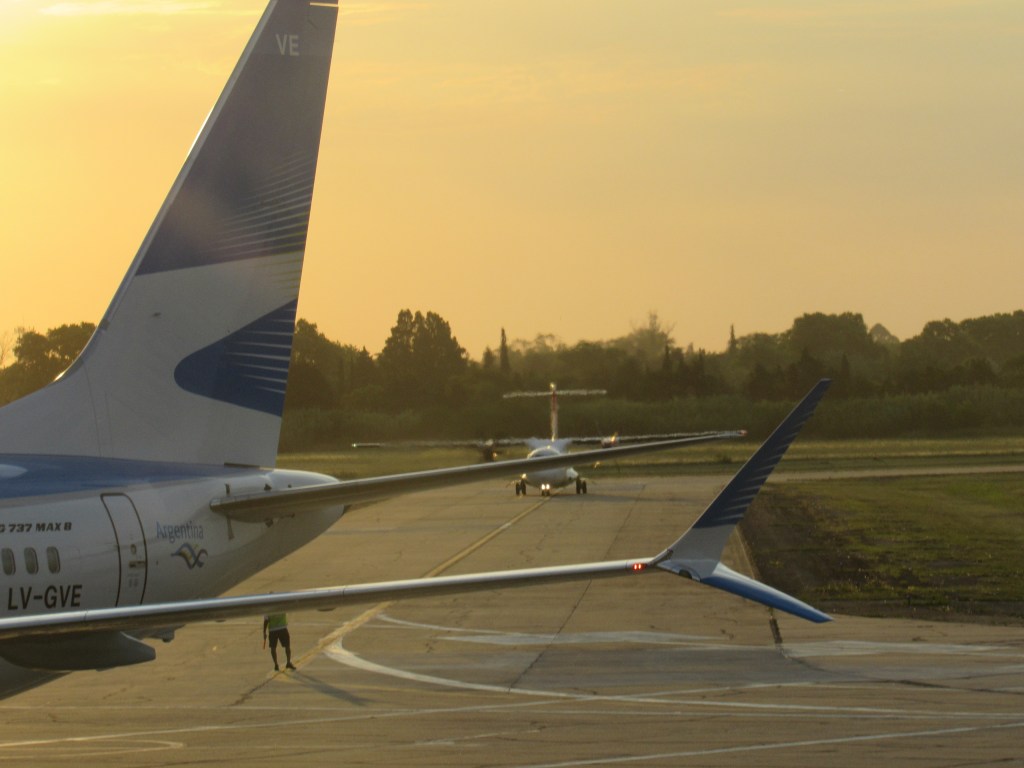
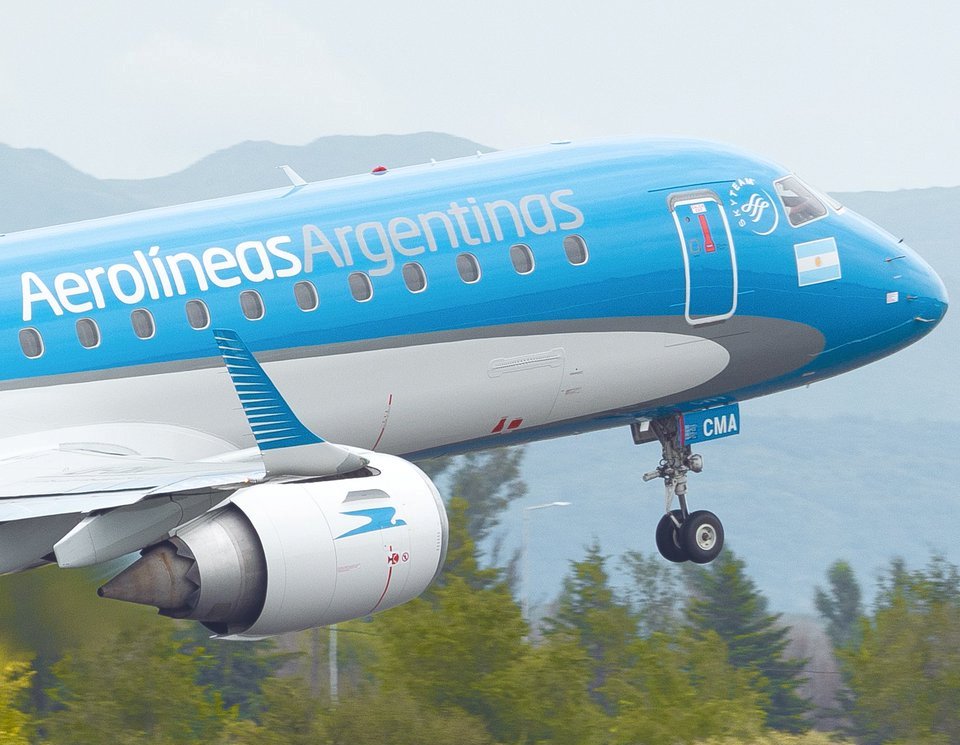
Aerolíneas Argentinas ha presentado una programación de vuelos activando las unidades de la flota de Embraer E190-100AR ex-Austral Líneas Aéreas que ofrecen un factor de ocupación adecuado frente a la crisis de la pandemia. Respecto a la flota de aeronaves narrowbodies, los Boeing 737 MAX permanecen en tierra aguardando inspecciones rutinarias. Desde la reapertura de los vuelos en el país, la compañía ha programado al Boeing 737-8 MAX matrícula LV-HKU, MSN 44293/6753 después de las rehabilitaciones por parte de la Federal Aviation Administration (FAA) de Estados Unidos y de la ANAC Argentina. Aerolíneas posee cinco unidades en su flota: LV-GVD, LV-GVE, LV-HKU, LV-HKV, LV-HKW, más una orden de seis unidades adicionales. Actualmente desde la empresa estarían activando un segundo avión registro LV-GVD hacia Julio de 2021 para reforzar el incremento de los servicios de temporada estacional. Mientras tanto, respecto a próximas incorporaciones, no existen novedades referentes a la flota de Boeing 737-8 MAX pendientes de entregas. Mientras tanto la industria del transporte aéreo continúa con bajos índices de ocupación por estas latitudes, la aerolínea estaría estudiando la incorporación de dos Airbus A330-200 (2) para reemplazar a dos aeronaves similares de su flota próximos a concluir su proceso de alquiler. Un equipo de técnicos han analizado varias propuestas bajo la solicitud del RFQ (Request for Proposal), todavía falta tomar la decisión para incorporar las unidades adicionales para complementar la flota de los widebodies.
Aerolíneas Argentinas expands connections
Aerolíneas reinforces domestic flights in the country
Aerolíneas Argentinas has communicated that it is programming the expansion of domestic services. In the midst of the health crisis in Argentina, the company will plan more flights to tourist destinations into the winter season as part of the reactivation of safe flights.
Connections to the interior of the country will allow meeting a growing demand for the necessary traffic that will guarantee essential connections. San Martín de los Andes (Neuquén) will receive from July 2021 flights from Córdoba and Rosario airports as well as up to twelve weekly frequencies with Buenos Aires. The company Aerolíneas Argentinas confirmed this Wednesday 05/19 that it will add direct flights from the cities of Córdoba and Rosario to the tourist destination Chapelco, in San Martín de los Andes, for the winter tourist season, expanding the frequencies on the route subject to changes, monitoring the country’s pandemic situation. During the winter high season months, the company will operate the Córdoba—San Martín de Los Andes—Córdoba routes with two weekly flights (2Frq/S) on Wednesdays and Saturdays, and Rosario—San Martín de los Andes—Rosario with two weekly frequencies. (2Frq/S) available on Thursdays and Sundays. In both routes it will offer two weekly frequencies. “San Martín de los Andes is one of the key destinations during the winter season; that is why we are going to accompany the city with flights from the three most important cities in the country”, remarked Pablo Ceriani, president of Aerolíneas Argentinas. The company operates eleven weekly flights to the Province of Neuquén, which will become on 07/14. It also offers two connections per week to Mendoza, Comodoro Rivadavia and Córdoba. Regarding the next winter season, the Minister of Tourism, Marisa Focarazzo, said that «we are working thinking that we will be able to receive tourists in Neuquén in all our destinations».
From July 2021 it will operate two weekly frequencies with Buenos Aires—Puerto Madryn, which means the recovery of air connectivity for that city after the suspension of Andes Líneas Aéreas flights. The new route will be operational from July 8, 2021 and will operate on Thursdays and Sundays with regular flights throughout the year 2021. The Mayor of Puero Madryn, Gustavo Sastre said in this regard: “Today we can celebrate and confirm that Aerolíneas Argentinas will to fly to Puerto Madryn. We are very happy with this news because we have been working and managing for a long time to recover the air connectivity of our city and to continue strengthening the tourist activity. Facing the whale season and the plans we have to readapt tourism to the new challenges generated by the pandemic, this is excellent news for each of the people of Madrid”. Gustavo Sastre also reviewed the steps taken to finalize the arrival of Aerolíneas Argentinas to Puerto Madryn and thus improve the city’s air connectivity. For its part, the city of Esquel will receive four weekly flights (4Frq/S) from Buenos Aires as of July 2021. While for the rest of the destinations in the Province of Chubut, Aerolíneas Argentinas currently operates seven weekly frequencies (7Frq/S) to Trelew and eight weekly frequencies (8Frq/S) to Comodoro Rivadavia. According to the next current schedule, it is important to mention that the frequencies of the flights may undergo modifications in view of the Coronavirus pandemic.
Fleet aircraft
Aerolíneas Argentinas has presented a flight schedule activating the Embraer E190-100AR ex-Austral Líneas Aéreas fleet units that offer an adequate load factor in the face of the pandemic crisis. Regarding the fleet of narrowbodies aircraft, the Boeing 737 MAXs remain on the ground awaiting routine inspections. Since the reopening of flights in the country, the company has programmed the Boeing 737-8 MAX registration LV-HKU, MSN 44293/6753 after the rehabilitation by the Federal Aviation Administration (FAA) of the United States and the ANAC Argentina. Aerolíneas has five units in its fleet: LV-GVD, LV-GVE, LV-HKU, LV-HKV, LV-HKW, plus an order for six additional units. Currently, the company would be activating a second LV-GVD registration plane by July 2021 to reinforce the increase in seasonal seasonal services. Meanwhile, regarding upcoming additions, there are no news regarding the Boeing 737-8 MAX fleet pending deliveries. While the air transport industry continues with low occupancy rates in these latitudes, the airline is studying the incorporation of two Airbus A330-200s (2) to replace two similar aircraft in its fleet close to completing their rental process. A team of technicians have analyzed several proposals under the request of the RFQ (Request for Proposal), the decision has yet to be made to incorporate additional units to complement the widebodies fleet.
Frontier Airlines se retira del mercado de Los Ángeles/LAX
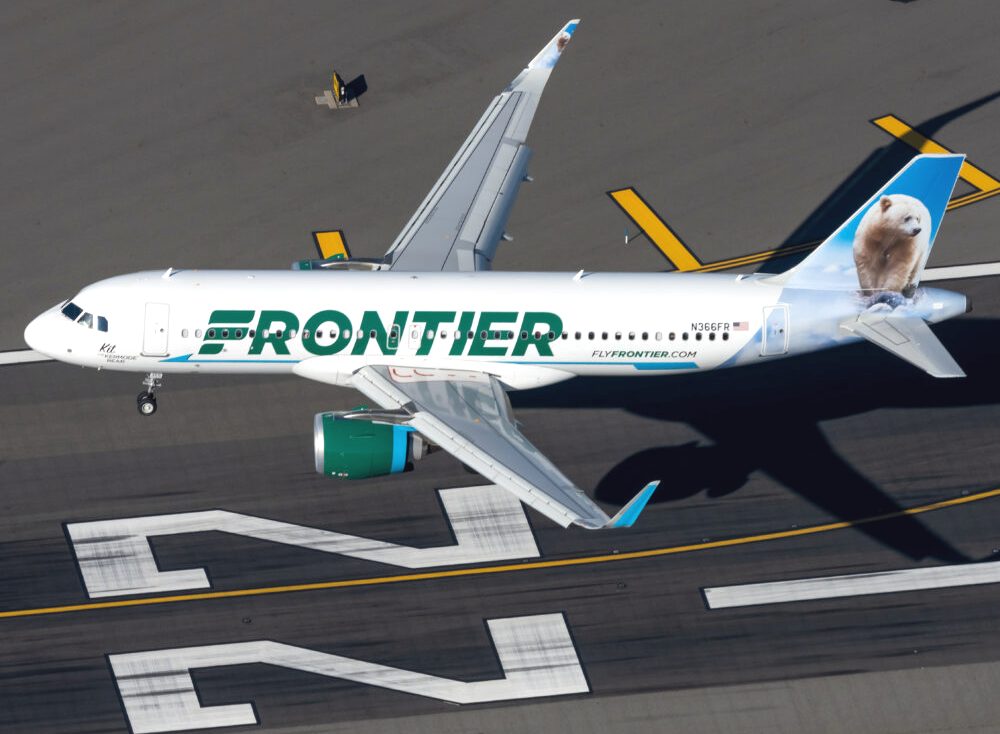
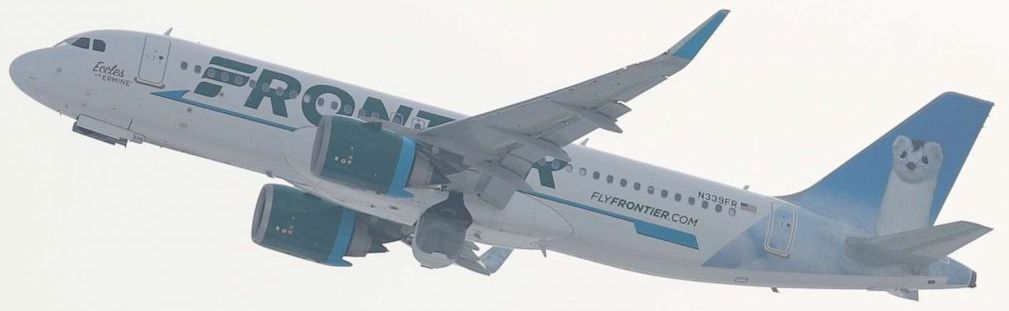
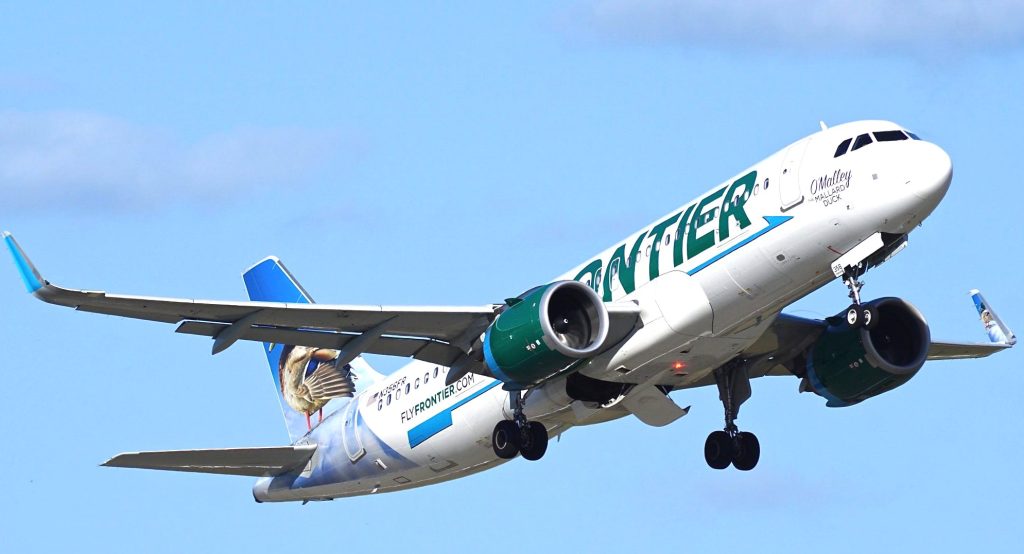
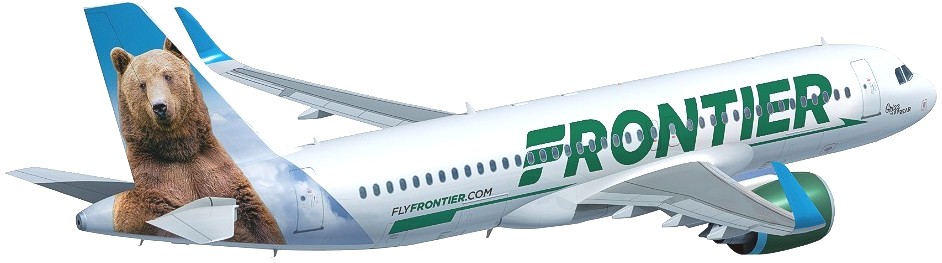
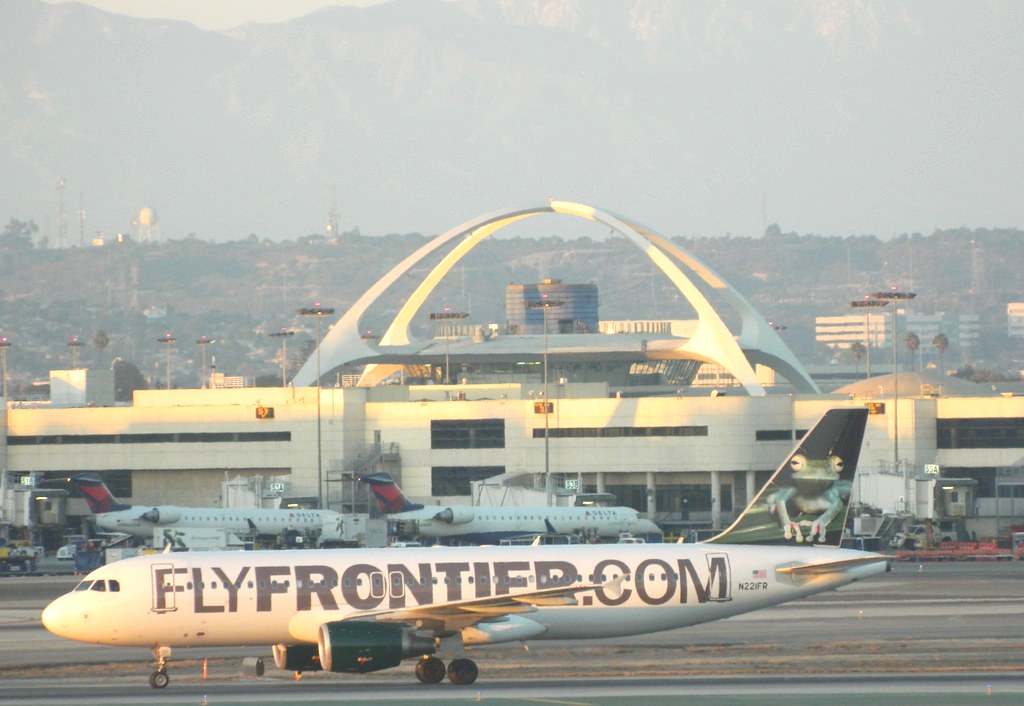
Frontier Airlines, con sede en Denver, Estado de Colorado, ha confirmado este 18 de mayo que se retira del Aeropuerto Internacional de Los Ángeles en Septiembre 2021, citando el aumento de los costos como un factor clave para su desarrollo en la costa Sudoeste de Estados Unidos. Al mismo tiempo, Frontier anunció que planea comenzar a prestar servicio en Julio 2021 en el Aeropuerto Hollywood-Burbank, atendiendo la competitividad con la nueva startup Avelo Airlines, mientras amplía su lista de vuelos en el Aeropuerto Internacional de Ontario.
Frontier Airlines una aerolínea de presupuesto estadounidense es la décima aerolínea por número de pasajeros transportados en LAX en 2020 con 295.000 pasajeros. Eso le dio a la aerolínea una cuota de mercado del 1%, poniéndola a la par junto con Air Canada. Frontier actualmente promedia cinco vuelos totales al día desde LAX a cuatro destinos: Atlanta, Denver, Las Vegas y Phoenix, según la portavoz de la aerolínea Jennifer De la Cruz.
La noticia de la decisión de Frontier de detener el servicio en LAX: «Estamos retirando gran parte de nuestro servicio de LAX entre ahora y mediados de Julio y terminaremos completamente nuestras operaciones desde LAX a finales de Septiembre. Siempre revisamos nuestra cartera aeroportuaria desde una perspectiva de costo y rentabilidad y realizamos ajustes cuando sea necesario, especialmente en caso de un aumento significativo de los costos», dijo Frontier en el comunicado. La portavoz Jennifer De La Cruz no ofreció más explicaciones sobre el proceso de revisión ni el aumento de los costos a los que se enfrenta Frontier Airlines en el Aeropuerto Internacional Los Ángeles/LAX.
Entre los factores claves del retiro de la ruta hacia LAX se encuentra la decisión de la administradora aeroportuaria Los Angeles World Airports de trasladar a Frontier Airlines de la Terminal 5 a la nueva Terminal 1.5 entre las Terminales 1 y 2. También dijo que Frontier enfrentaba tarifas más altas si permanecía en LAX. La Terminal 1.5 sirve como un centro de reclamo de boletos y equipaje sin puertas, lo que significa que los pasajeros tendrían que ser transportados a la explanada satélite del mediocampo cuando se complete en el aeródromo, detrás de la Terminal Internacional Tom Bradley.
Un informe de Fitch Ratings Inc. de Febrero de 2020 que proyectaba que el costo promedio por pasajero en LAX aumentaría a US$ 33 en los próximos años para ayudar a compensar los costos de construcción en el aeropuerto. El costo por pasajero es de aproximadamente US$ 11 en el Aeropuerto Internacional de Ontario y alrededor de US$ 2 en Hollihood-Burbank. «Frontier Airlines es un socio valioso en el Aeropuerto Internacional de Los Ángeles. Lamentamos verlos alejar su servicio de Los Ángeles/LAX a finales de este año, pero les deseamos lo mejor y darles la bienvenida a su regreso a LAX un día muy pronto. Tenemos la suerte de tener una red regional de aeropuertos que ofrece una amplia gama de opciones a los viajeros en la cuenca de Los Ángeles, y estamos contentos de que Frontier mantendrá su servicio al área de Los Ángeles. Montgomery confirmó que Frontier estaba entre varias aerolíneas reasignadas a la Terminal 1.5, que la terminal no tiene puertas y que Frontier habría tenido que transportar pasajeros a la Sala satélite midfield, que ha sido renombrada West Gates en la Terminal Internacional Tom Bradley. LAWA ha emprendido numerosos esfuerzos para mantener tasas y cargos competitivos mientras seguimos ofreciendo nuestras tan esperadas mejoras de capital. Actualmente estamos en el proceso de implementación del Plan de Estabilización y Recuperación de Costos de las Aerolíneas, que armoniza las tarifas y cargos de uso común en todo el aeropuerto y proporciona a las aerolíneas y al aeropuerto más certeza con respecto a las tarifas y cargos. Además, LAWA ha utilizado la Ley CARES y otros fondos para mitigar los aumentos en las tarifas y cargos de las aerolíneas como resultado de la reducción de la actividad durante Covid-19», dijo el portavoz de LAWA Heath Montgomery.
El 13 de Mayo de 2021, Frontier Airlines anunciaba que lanzaría el servicio en el Aeropuerto Hollywood-Burbank en Julio 2021. Actualmente, este aeropuerto se ha convertido en un campo de batalla de aerolíneas de bajo costo. Apenas el mes pasado, la aerolínea emergente Avelo Airlines convirtió a Burbank en su centro de operaciones inicial, ofreciendo vuelos a once destinos en el oeste de Estados Unidos. Simultáneamente, Frontier anunció un servicio ampliado en el Aeropuerto Internacional de Ontario a partir de Julio, añadiendo cuatro nuevos vuelos por semana a Atlanta y aumentando la frecuencia de vuelos a Denver a once frecuencias semanales. «Con la incorporación de este nuevo servicio, Frontier ahora ofrece nueve destinos sin escalas desde Ontario este verano, la mayor parte de cualquier aerolínea que sirve al aeropuerto», dijo en un comunicado Daniel Shurz, Vicepresidente Senior Comercial de Frontier Airlines.
Frontier Airlines leaves LAX
Frontier Airlines withdraws from Los Angeles/LAX Market
Frontier Airlines, based in Denver, State of Colorado, has confirmed this May 18 that it will withdraw from Los Angeles International Airport in September 2021, citing the increase in costs as a key factor for its development on the Southwest coast of the United States. United. At the same time, Frontier announced that it plans to begin service in July 2021 at Hollywood-Burbank Airport, addressing competitiveness with new startup Avelo Airlines, while expanding its list of flights at Ontario International Airport.
Frontier Airlines an American budget airline is the 10th airline by number of passengers carried at LAX in 2020 with 295,000 passengers. That gave the airline a 1% market share, putting it on par with Air Canada. Frontier currently averages five total flights a day from LAX to four destinations: Atlanta, Denver, Las Vegas and Phoenix, according to airline spokeswoman Jennifer De la Cruz.
The news of Frontier’s decision to stop service at LAX: «We are retiring much of our LAX service between now and mid-July and will fully terminate our operations from LAX at the end of September. We always review our airport portfolio from a cost and profitability perspective and make adjustments where necessary, especially where from a significant increase in costs», Frontier said in the statement. Spokesperson Jennifer De La Cruz offered no further explanation of the review process. nor the increased costs faced by Frontier Airlines at Los Angeles/LAX International Airport.
Among the key factors in the withdrawal of the route to LAX is the decision of the airport manager Los Angeles World Airports to move Frontier Airlines from Terminal 5 to the new Terminal 1.5 between Terminals 1 and 2. It also said that Frontier was facing tariffs. higher if he stayed at LAX. Terminal 1.5 serves as a gateless ticket and baggage claim center, meaning that passengers would have to be transported to the midfield satellite concourse when completed at the airfield, behind the Tom Bradley International Terminal.
A February 2020 Fitch Ratings Inc. report that projected average cost per passenger at LAX would rise to US$ 33 over the next several years to help offset construction costs at the airport. The cost per passenger is approximately US$ 11 at Ontario International Airport and around US$ 2 at Hollihood-Burbank. «Frontier Airlines is a valued partner at Los Angeles International Airport. We are sorry to see you move away from your Los Angeles/LAX service later this year, but we wish you all the best and welcome you back to LAX one day very soon. We are fortunate to have a regional network of airports offering a wide range of options to travelers in the Los Angeles Basin, and we are pleased that Frontier will maintain its service to the Los Angeles area. Montgomery confirmed that Frontier was among several airlines reassigned to Terminal 1.5, that the terminal has no gates and that Frontier would have had to transport passengers to the Midfield Satellite Lounge, which has been renamed West Gates at Tom Bradley International Terminal. LAWA has undertaken numerous efforts to keep rates and charges competitive while we continue to offer our long-awaited capital improvements. We are currently in the process of implementing the Stabilization Plan and Airline Cost Recovery, which harmonizes rates and charges in common use throughout the airport and provides airlines and the airport with more certainty regarding rates and charges. Additionally, LAWA has used the CARES Act and other funds to mitigate increases in airline fees and charges as a result of reduced activity during Covid-19», said LAWA spokesman Heath Montgomery.
On May 13, 2021, Frontier Airlines announced that it would launch service at Hollywood-Burbank Airport in July 2021. Today, this airport has become a battleground for low-cost airlines. Just last month, emerging airline Avelo Airlines made Burbank its initial hub, offering flights to eleven destinations in the western United States. Simultaneously, Frontier announced expanded service at Ontario International Airport beginning in July, adding four new flights per week to Atlanta and increasing the frequency of flights to Denver to eleven weekly frequencies. «With the addition of this new service, Frontier now offers nine non-stop destinations from Ontario this summer, the most of any airline serving the airport», Daniel Shurz, Frontier Airlines Senior Vice President Commercial, said in a statement.
PUBLISHER: Airgways.com DBk: Flyfrontier.com / Flickr.com / Otto Kirchof / Vincenzo Pace / Airgways.com AW-POST: 202105200128AR
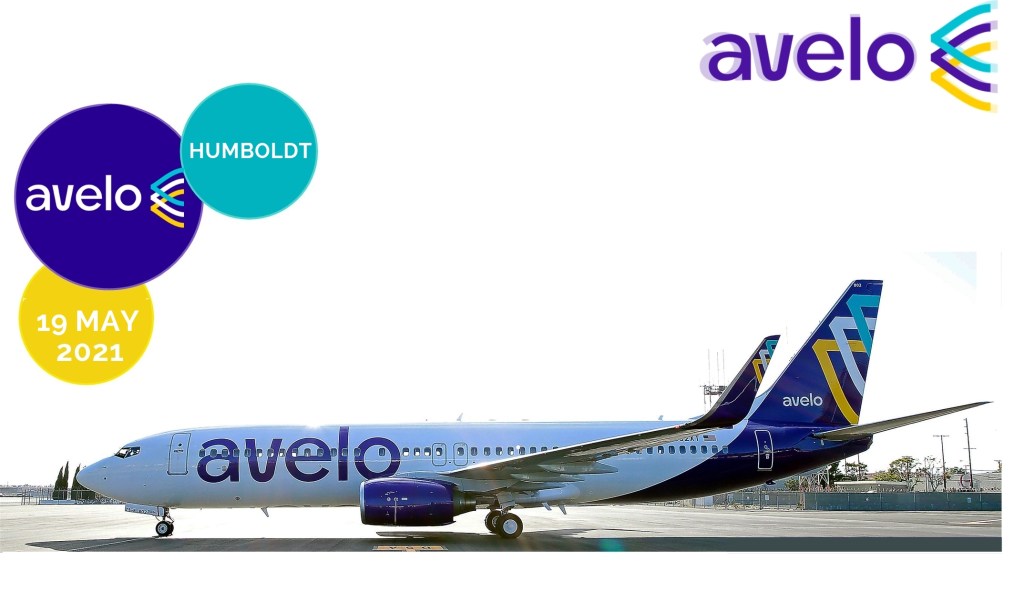
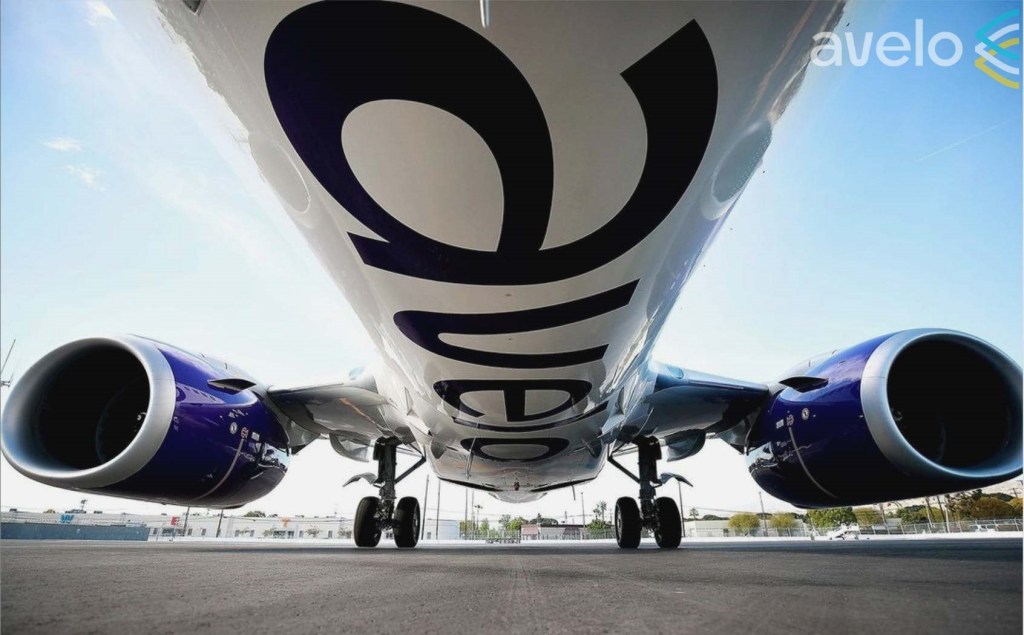
La nueva aerolínea Avelo Airlines ha inaugurado el servicio Burbank hacia el California Redwood Coast/Humboldt County Airport, También conocido como Aeropuerto Arcata-Eureka, en el Estado de California. Este Miércoles 19 de Mayo de 2021 la startup ha establecido su décima conexión de su red inaugural de rutas en el Oeste de Estados Unidos.
Avelo Airlines realizó este 19/05 su primer aterrizaje entre el Aeropuerto Humboldt procedente de Hollywood-Burbank, donde desarrollará cuatro frecuencias semanales. La celebración de este 19/05 incluyó un saludo de bautismo de agua del vehículo del aeropuerto. Todos los pasajeros recibieron bolsas de regalo con artículos del Condado de Humboldt dando una cálida bienvenida a la aerolínea de presupuesto Avelo Airlines.
Funcionarios del Aeropuerto Humboldt han comunicado que a partir de la tercer semana de Junio 2021 se incorporará otra aerolínea a la red de conexiones de la aeroestación cuando el servicio procedente del Aeropuerto Internacional Phoenix Sky Harbor conecte a Humboldt por medio de la compañía American Airlines.
Avelo debuts Burbank–Humboldt
Avelo Airlines opens Humboldt, California
The new airline Avelo Airlines has inaugurated Burbank service to the California Redwood Coast/Humboldt County Airport, also known as Arcata-Eureka Airport, in the State of California. This Wednesday, May 19, 2021, the startup has established its tenth connection of its inaugural network of routes in the Western United States.
Avelo Airlines made its first landing on 05/19 between Humboldt Airport from Hollywood-Burbank, where it will develop four weekly frequencies. The celebration of this 19/05 included a water baptism greeting from the airport vehicle. All passengers received gift bags with items from Humboldt County giving a warm welcome to budget airline Avelo Airlines.
Officials from Humboldt Airport have communicated that as of the third week of June 2021 another airline will be incorporated into the network of connections of the air station when the service from Phoenix Sky Harbor International Airport connects Humboldt through the American Airlines company.
Airbus España consuma el cierre de la factoría de Puerto Real
El fabricante de aeronaves europeo Airbus Group SE ha anunciado el cierre de su planta operativa de Airbus Puerto Real en Cádiz, España. El Presidente de Airbus España, Alberto Gutiérrez, ha calificado como económicamente insostenible la situación de la planta de Puerto Real (Cádiz), que ha sufrido el doble impacto de la cancelación de la producción del modelo A380 y la baja actividad de aviones de fuselaje anchos o de doble pasillo. “La suma de los dos efectos es que hoy por hoy tenemos una infrautilización de la planta. Más del 50% de la planta no está siendo utilizada, no pensamos que la recuperación en doble pasillo se produzca hasta el 2023 y esto hace que económicamente la situación de la planta sea insostenible”, ha señalado en un encuentro virtual con periodistas. De esta forma se confirma confirma la decisión del grupo aeroespacial de cerrar la planta de Puerto Real, que está actualmente desocupada en un 50%, para agrupar toda la actividad industrial en un único centro productivo en la bahía de Cádiz, que aunaría toda la carga de trabajo de las divisiones de defensa y civil. La factoría da empleo directo a 380 personas, y a otras 1.500 de las empresas auxiliares de la zona.
Airbus Group valora la propuesta conjunta de Gobierno y sindicatos, pero considera insostenible la situación de la fábrica en Puerto Real. El representante español del consorcio europeo ha indicado que la propuesta conjunta realizada este Lunes 17/05 por el Ministerio de Industria de España, UGT y CCOO para garantizar el futuro industrial y laboral de la empresa en España no puede ser más que positiva, asegurando que la empresa va a hacer todo lo posible por minimizar la salida forzosa de empleados, eliminándola por completo dentro de las posibilidades. El máximo responsable de Airbus en España ha explicado que esta minimización del impacto se realizará a través de medidas voluntarias negociadas con los sindicatos, como pueden ser Expedientes de Regulación de Empleo Temporales (ERTE) de larga duración.
Alberto Gutiérrez ha valorado positivamente la iniciativa y ha agradecido la intermediación del Ministerio de Industria, que ha favorecido esta situación. Ha subrayado que la empresa está preparada para trabajar en la competitividad de cara al futuro, ya que en algún momento “la crisis irá pasando y es importante que para entonces tengamos unos niveles de competitividad adecuados, a través de reducción de costes y planes de flexibilidad”. El objetivo, ha dicho el directivo, es maximizar el empleo en la zona. El ejecutivo ha puesto en contexto la situación sin precedentes del sector aeroespacial y de la compañía tras el paso de la pandemia. Como consecuencia de esta, Airbus anunció en 2020 un plan de 15.000 despidos, de los cuales 1.600 correspondían a España.
Alberto Gutiérrez ha asegurado que la empresa ha conseguido reducir esa cifra de forma considerable, de modo que actualmente hay 460 empleos aún sin resolver su futuro. “Esperamos seguir trabajando junto con la parte social para minimizarlo en todo lo posible”, ha apostillado. Airbus se ha comprometido a mantener la competitividad de la compañía en España a medio y largo plazo con medidas de ahorro de costes y flexibilidad, así como a la creación de un centro aeronáutico 4.0 en la localidad de Puerto Real, aunque dejando claro que será gestionado por el Gobierno.
Propuesta conjunta
El Ministerio de Industria y los sindicatos UGT y CCOO trasladaron este lunes a Airbus una propuesta para garantizar el futuro industrial y el pleno empleo de la empresa en España, a la que la compañía respondió un día después en un comunicado que evitará en todo lo posible cualquier despido. La propuesta conjunta del Gobierno y los sindicatos pide la finalización de los planes operativos y de ajuste, lo que implica el mantenimiento de todos los puestos de trabajo, para lo que solicitan a la empresa que utilice las medidas de flexibilidad del convenio colectivo y la legislación vigente para hibernar el empleo. También pedían el desarrollo de un plan industrial y de futuro para la compañía en España que permita mantener los centros de trabajo de Airbus en la bahía de Cádiz y el resto de centros del país con competencias, cargas de trabajo y pleno empleo, así como su aportación al PIB industrial.
El fabricante europeo de aviones respondió el Martes 18/05 que agradece al Gobierno su intermediación y apoyo y una propuesta que debe servir como base para las negociaciones que se llevarán a cabo con los trabajadores en las próximas semanas. En este sentido, aseguró que promete evitar en todo lo posible cualquier despido forzoso en los planes de sus divisiones de defensa y espacio a través de medidas alternativas como un ERTE a largo plazo, planes de movilidad interna y otras medidas voluntarias sujetas a la negociación con los trabajadores.
Reclamos laborales
Airbus presentó en Febrero de 2020 un plan de reestructuración con 722 despidos en España en su negocio de defensa y espacio, a los que se sumaron en Junio 2020 de 889 puestos en su división de aviones comerciales. Sobre la compañía pende un calendario de movilizaciones en defensa de todos los puestos de trabajo que culminará, con la convocatoria de una huelga general en todos los centros de trabajo el próximo 21 de Mayo de 2021. Ese paro será indefinido a partir del 24 de Mayo de 2021.
Airbus will close FAL Puerto Real
Airbus Spain completes the closure of the Puerto Real factory
European aircraft manufacturer Airbus Gruop SE has announced the closure of its Airbus Puerto Real operating plant in Cádiz, Spain. The President of Airbus Spain, Alberto Gutiérrez, has described the situation at the Puerto Real plant (Cádiz) as economically unsustainable, which has suffered the double impact of the cancellation of the production of the A380 model and the low activity of wide-body aircraft or double aisle. “The sum of the two effects is that today we have an underutilization of the plant. More than 50% of the plant is not being used, we do not think that the recovery in double aisle will take place until 2023 and this makes the situation of the plant economically unsustainable”, he pointed out in a virtual meeting with journalists. This confirms the decision of the aerospace group to close the Puerto Real plant, which is currently 50% unoccupied, to group all industrial activity in a single production center in the Bay of Cádiz, which would combine all the cargo of work of the defense and civil divisions. The factory directly employs 380 people, and another 1,500 from auxiliary companies in the area.
Airbus Group values the joint proposal of the Government and unions, but considers the situation of the factory in Puerto Real unsustainable. The Spanish representative of the European council has indicated that the joint proposal made this Monday 17/05 by the Ministry of Industry of Spain, UGT and CCOO to guarantee the industrial and labor future of the company in Spain can only be positive, ensuring that the company will do everything possible to minimize the forced departure of employees, eliminating it completely within the possibilities. The head of Airbus in Spain has explained that this minimization of the impact will be carried out through voluntary measures negotiated with the unions, such as long-term Temporary Employment Regulation Files (ERTE).
Alberto Gutiérrez has positively valued the initiative and thanked the Ministry of Industry for the intermediation, which has favored this situation. He stressed that the company is prepared to work on competitiveness for the future, since at some point «the crisis will pass and it is important that by then we have adequate levels of competitiveness, through cost reduction and flexibility plans”. The objective, said the manager, is to maximize employment in the area. The executive has put into context the unprecedented situation of the aerospace sector and the company after the passage of the pandemic. As a result of this, Airbus announced in 2020 a plan of 15,000 layoffs, of which 1,600 corresponded to Spain.
Alberto Gutiérrez has assured that the company has managed to reduce this figure considerably, so that there are currently 460 jobs still without solving their future. «We hope to continue working together with the social part to minimize it as much as possible», he added. Airbus has committed to maintaining the competitiveness of the company in Spain in the medium and long term with cost-saving and flexibility measures, as well as the creation of a 4.0 aeronautical center in the town of Puerto Real, although making it clear that it will be managed by the Government.
Joint proposal
The Ministry of Industry and the UGT and CCOO unions sent Airbus on Monday a proposal to guarantee the industrial future and full employment of the company in Spain, to which the company responded a day later in a statement that it will avoid as much as possible any dismissal. The joint proposal of the Government and the unions calls for the completion of the operational and adjustment plans, which implies the maintenance of all jobs, for which they ask the company to use the flexibility measures of the collective agreement and the legislation in force to hibernate employment. They also requested the development of an industrial and future plan for the company in Spain that would allow Airbus work centers to be maintained in the Bay of Cádiz and the rest of the country centers with skills, workloads and full employment, as well as their contribution to industrial GDP.
The European aircraft manufacturer replied on Tuesday 05/18 that it thanks the Government for its intermediation and support and a proposal that should serve as the basis for the negotiations to be carried out with the workers in the coming weeks. In this sense, it assured that it promises to avoid as much as possible any forced dismissal in the plans of its defense and space divisions through alternative measures such as a long-term ERTE, internal mobility plans and other voluntary measures subject to negotiation with Workers.
Labor claims
Airbus presented in February 2020 a restructuring plan with 722 layoffs in Spain in its defense and space business, to which 889 jobs were added in June 2020 in its commercial aircraft division. A calendar of mobilizations in defense of all the jobs hangs over the company that will culminate, with the calling of a general strike in all the work centers on May 21, 2021. This strike will be indefinite as of May 24 of 2021.
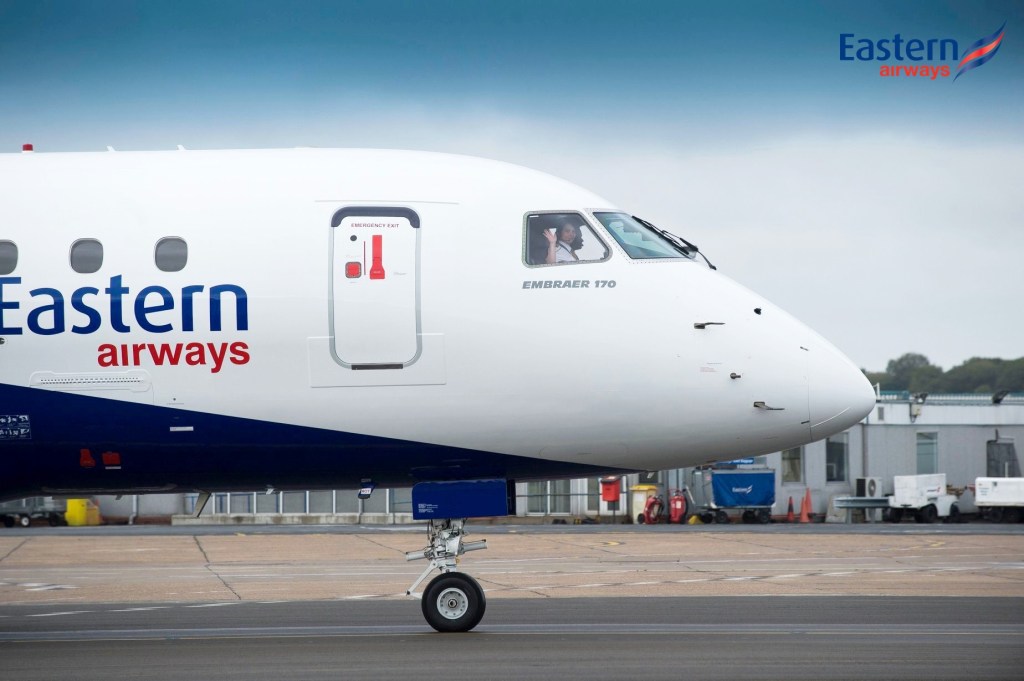
La compañía regional británica Eastern Airways con sede en los Aeropuertos de Humberside y Yorkshire en el Reino de Inglaterra, ha recibido el primer avión Embraer 190-100 (E1) en su historia, según detalla el registro aeronáutico de la Autoridad de Aviación Civil del Reino Unido (CAA). La línea aérea había estudiado lanzar servicios hacia Gibraltar con nuevas aeronaves de mayores prestaciones como parte de sus estrategias de ampliación de su red de servicios.
El avión fue fabricado en 2007 y entregado a Air Caraїbes, en el archipiélago francés de Guadalupe en el Caribe. Además ha volado para la compañía europea Air Moldava de Moldavia desde 2013, donde permaneció hasta que fue retirado del servicio en medio de la pandemia en Julio de 2020. La aeronave con registro S/N:19000130, previamente volaba bajo la matrícula ER-ECC en Air Moldova, ha sido registrado el pasado Viernes 14 de Mayo de 2021 bajo la matrícula inglesa G-CLSN. La información de la plataforma RadarBox muestra que el Embraer 190-E1 había sido transferido a Humberside el pasado Miércoles 12/05.
Perspectivas Eastern
Eastern Airways había anunciado en Enero de 2020 que estaba volviendo a entrar en el mercado de E-Jet, con el retorno inicial del Embraer 170 a su flota después de que dejara de utilizar el modelo a finales de 2018. La aerolínea regional del Reino Unido informó en ese momento que estaba teniendo un crecimiento significativo en el mercado de chárter de aviones de 70 a 100 asientos, y que los primeros aviones serían entregados a finales de ese mes. Además, como parte de la expansión de la flota de E-Jet, el operador regional también dijo que añadiría tres Embraer 190 durante 2020. Pero la pandemia retrasó los planes para 2021, lo que imposibilita la incorporación de los aviones de mayor capacidad a la crisis.
La flota de Embraer E170/E190 permitirán cumplir con enfoques empinados a aeropuertos restringidos como London/City por su buen rendimiento en pistas cortas y operaciones de largo alcance, lo que los convierte en uno de los aviones más flexibles en el mercado de hasta cien asientos. Eastern también posee una flota de Embraer ERJ-135 (1) y dos ERJ-145 (2), ATR 72-600 (2) y British Aerospace Jetstream J-41 (5). Eastern Airways fue fundada en 1997, además de operar vuelos regulares, también se especializa en proporcionar servicios chárter centrados en el cliente para la industria energética, los contratos corporativos y deportivos.
Eastern receives first E190-E1
Eastern Airways takes delivery of first E190-E1
The British regional company Eastern Airways based at Humberside and Yorkshire Airports in the Kingdom of England, has received the first Embraer 190-100 (E1) aircraft in its history, according to the aeronautical registry of the Civil Aviation Authority of the United Kingdom. United Kingdom (CAA). The airline had studied launching services to Gibraltar with new higher-performance aircraft as part of its strategies to expand its service network.
The aircraft was manufactured in 2007 and delivered to Air Caraїbes, in the French archipelago of Guadeloupe in the Caribbean. It has also flown for the European company Air Moldava de Moldavia since 2013, where it remained until it was withdrawn from service amid the pandemic in July 2020. The aircraft with registration S/N: 19000130, previously flew under the registration ER-ECC in Air Moldova, it was registered last Friday May 14, 2021 under the English registration G-CLSN. Information from the RadarBox platform shows that the Embraer 190-E1 had been transferred to Humberside on Wednesday 05/12.
Eastern perspectives
Eastern Airways had announced in January 2020 that it was re-entering the E-Jet market, with the Embraer 170 initially returning to its fleet after it discontinued use of the model at the end of 2018. The UK regional carrier reported at the time that it was experiencing significant growth in the 70-100 seat charter market, and that the first planes would be delivered later that month. In addition, as part of the E-Jet fleet expansion, the regional operator also said it would add three Embraer 190s during 2020. But the pandemic delayed plans for 2021, making it impossible to add larger capacity aircraft to the fleet. crisis.
The Embraer E170/E190 fleet will make it possible to meet steep approaches to restricted airports such as London City due to their good performance on short runways and long-range operations, making them one of the most flexible aircraft on the market with up to 100 seats. Eastern also owns a fleet of Embraer ERJ-135 (1) and two ERJ-145 (2), ATR 72-600 (2) and British Aerospace Jetstream J-41 (5). Eastern Airways was founded in 1997, in addition to operating scheduled flights, it also specializes in providing customer-centric charter services for the energy industry, corporate contracts and sports.
Helvetic Airways tomará entrega primer Embraer E195-E2
La aerolínea regional suiza Helvetic Airways tomará entrega de su primer Embraer E195-E2 que opera una flota compuesta únicamente por los aviones E190-E1. La compañía con base en el Aeropuerto Zurich está a punto de recibir un nuevo modelo del fabricante brasileño. Este es la primer aeronave de los cuatro E195-E2 ordenados por laaerolínea suiza. La nueva aeronave recibirá la matrícula HB-AZI. La compañía helvética recibirá la nueva unidad a mediados de Junio 2021. Con el fin de diversificar y aumentar su capacidad de la flota, Helvetic Airways contará con el E195-E2 con 134 asientos de clase única, mientras que su E190-E2 tiene 110 asientos. Esto permite a la empresa cambiar las ofertas en un momento en que la demanda está fluctuando significativamente. El CEO de Helvetic Airways, Tobias Pogorevc, dijo: «El Embraer E2 logra un buen equilibrio entre la capacidad de asientos, el alcance, el consumo de combustible y el funcionamiento respetuoso con el medio ambiente».
El Embraer E195-E2 puede transportar con una configuración entre 120 y 146 pasajeros, a una distancia máxima de 4.815 kilómetros. Las nuevas alas súper eficientes ayudan a que el consumo de combustible de los E2-jets sean un 25% menor que el E195-E1 de primera generación, explicó Embraer en un comunicado. Helvetic Airways opera una flota de doce unidades de aeronaves regionales: ocho Embraer E190-E2 (8) y Embraer ERJ-190-E1 (4).
AeroCRS
Helvetic Airways ha emigrado a AeroCRS, un sistema de reservas en la nube que permitirá utilizar el conjunto completo de servicios de la compañía de servicios que incluyen AeroCRS PSS, AeroCRS Network y AeroCRS Analytics. Las soluciones aeroCRS incluyen AeroCRS PSS, un robusto sistema de reserva en la nube que consiste en una gestión de inventario mejorada, un IBE completo, API abierta, plataforma B2B, gestión de ingresos y rendimientos, centro de informes, sistema de cupones, herramientas de automatización de marketing y muchos más. AeroCRS Analytics, una solución de inteligencia empresarial en línea y AeroCRS Network, una plataforma de distribución en línea para la distribución de contenido de aerolíneas a los principales OTAs y MSEs con el objetivo de ampliar la presencia de las aerolíneas en el mundo en línea y aumentar la venta de boletos a través de plataformas de emisión de billetes en línea y nuevas tecnologías de distribución.
El Sr. Christian Sunher, Director de Tecnología de Helvetic Airways, dijo: «Estábamos buscando una solución sin depender de la agregación y distribución heredada, pero siendo capaces de distribuir directamente, conectarse a nuevos agregadores de generación, estar abiertos a los operadores turísticos, mientras que poseer el proceso de oferta y pedido. En otras palabras, una distribución totalmente basada en nuestros canales directos por un lado y NDC y conectividad API directa con otros distribuidores y minoristas. AeroCRS proporciona una solución que nos ayuda a mejorar aún más nuestra oferta de productos y también nos permitirá responder de manera más eficaz a la evolución del mercado. El proceso de incorporación fue muy eficiente y experimentamos apoyo profesional durante todo el proyecto».
El Sr. Meir Hadassi-Turner, fundador y CEO de AeroCRS, dijo: «La elección de AeroCRS por Parte de Helvetic Airways es un hito para nuestra empresa, estamos orgullosos de ser su socio tecnológico. Después del muy buen proceso rfp que fue dirigido por Travel In Motion GmbH, estoy seguro de que se tomó la decisión correcta. Helvetic Airways es una aerolínea muy conocida en la industria y estoy seguro de que su equipo de expertos en aviación se beneficiará de nuestras soluciones innovadoras e incluso podemos ampliar nuestro alcance».
AeroCRS es líder en la industria del transporte y proporciona soluciones de vanguardia a aerolíneas y operadores de transbordadores y soporta a más de 75 clientes en todo el mundo.
Helvetic will receive Embraer E195-E2
Helvetic Airways to take delivery of first Embraer E195-E2
The Swiss regional airline Helvetic Airways will take delivery of its first Embraer E195-E2 that operates a fleet consisting solely of E190-E1 aircraft. The Zurich Airport-based company is about to receive a new model from the Brazilian manufacturer. This is the first aircraft of the four E195-E2s ordered by the Swiss airline. The new aircraft will receive the registration HB-AZI. The Swiss company will receive the new unit in mid-June 2021. In order to diversify and increase its fleet capacity, Helvetic Airways will feature the E195-E2 with 134 single-class seats, while its E190-E2 has 110 seats. This allows the company to change bids at a time when demand is fluctuating significantly. Helvetic Airways CEO Tobias Pogorevc said: «The Embraer E2 strikes a good balance between seating capacity, range, fuel consumption and environmentally friendly operation».
The Embraer E195-E2 can transport with a configuration between 120 and 146 passengers, at a maximum distance of 4,815 kilometers. The new super-efficient wings help the E2-jets’ fuel consumption to be 25% lower than the first-generation E195-E1, Embraer explained in a statement. Helvetic Airways operates a fleet of twelve regional aircraft units: eight Embraer E190-E2 (8) and Embraer ERJ-190-E1 (4).
AeroCRS
Helvetic Airways has migrated to AeroCRS, a cloud reservation system that will allow you to use the company’s full suite of services including AeroCRS PSS, AeroCRS Network, and AeroCRS Analytics. AeroCRS solutions include AeroCRS PSS, a robust cloud reservation system consisting of enhanced inventory management, a full IBE, open API, B2B platform, revenue and performance management, reporting center, coupon system, reporting tools. marketing automation and many more. AeroCRS Analytics, an online business intelligence solution and AeroCRS Network, an online distribution platform for the distribution of airline content to major OTAs and MSEs with the aim of expanding the presence of airlines in the online world and increasing the sale of tickets through online ticketing platforms and new distribution technologies.
Mr. Christian Sunher, CTO of Helvetic Airways, said: «We were looking for a solution without relying on legacy aggregation and distribution, but being able to distribute directly, connect to new generation aggregators, be open to tour operators, while owning the bidding and ordering process. In other words, a distribution entirely based on our direct channels on the one hand and NDC and direct API connectivity with other distributors and retailers. AeroCRS provides a solution that helps us to further improve our offering of products and will also allow us to respond more effectively to market developments. The onboarding process was very efficient and we experienced professional support throughout the project».
Mr. Meir Hadassi-Turner, founder and CEO of AeroCRS, said: «Helvetic Airways’ choice of AeroCRS is a milestone for our company, we are proud to be their technology partner. After the very good rfp process that was led By Travel In Motion GmbH, I am confident that the right decision was made. Helvetic Airways is a well known airline in the industry and I am confident that their team of aviation experts will benefit from our innovative solutions and we can even expand our reach».
AeroCRS is a leader in the transportation industry and provides cutting-edge solutions to airlines and ferry operators and supports more than 75 customers worldwide.
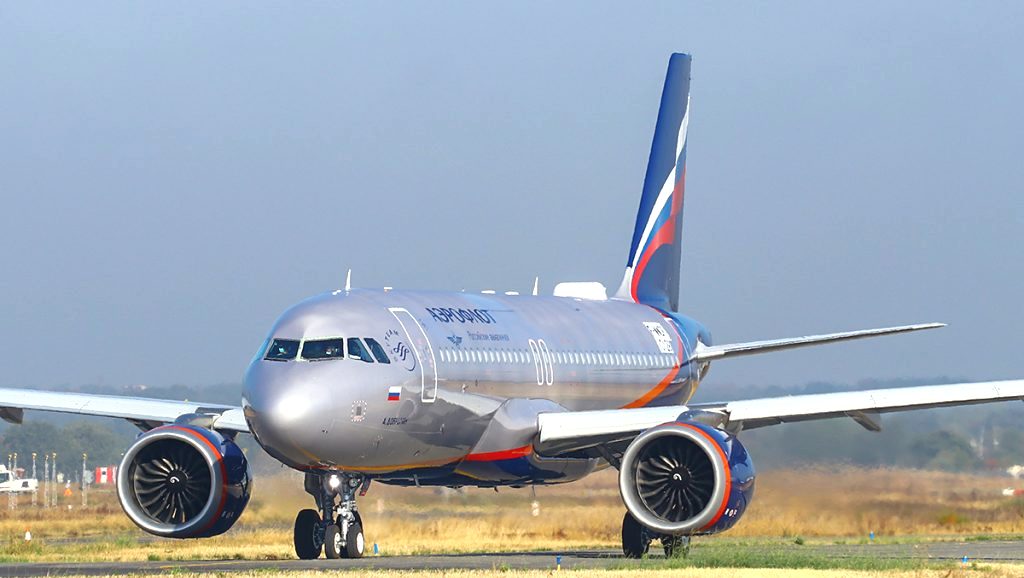
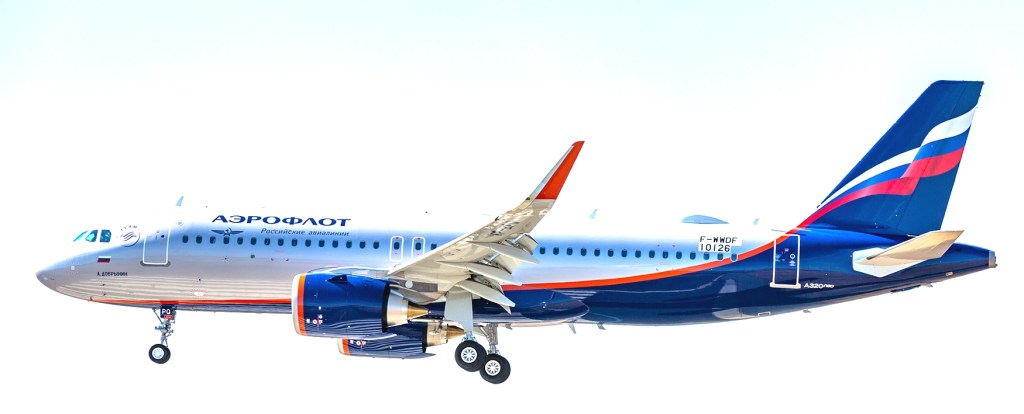
La aerolínea rusa Aeroflot Russian Airlines ha tomado posición su primer Airbus A320-200NEO el Viernes 14 de Mayo de 2021 en el Centro de Entrega Henri Ziegler en Toulouse, Francia. Aeroflot recibió el primero de los cuatro aviones de la familia Airbus A320NEO arrendados a CDB Aviation, la filial irlandesa de China Development Bank Financial Leasing. El A320NEO tendrá una configuración para 12 pasajeros en clase Business y 144 en Economy. Dos aeronaves adicionales deberían entregarse a finales de Mayo de 2021, seguidas de un A321NEO. El A321NEO es ligeramente más grande y se configurará para acomodar a 12 pasajeros en clase Executive y 184 pasajeros en clase Tourist. La aeronave también tiene un alcance más largo de 3.995,68 millas náuticas (7.400 kilómetros) que es 593,96 millas náuticas (1.100,01 kilómetros) más que la A320NEO.
En un comunicado de la compañía emitido por CDB Aviation el 17 de Mayo 2021, el Director Comercial de CDB Aviation Peter Goodman dice: «Nos complace ampliar nuestra relación estratégica entre Aeroflot y CDB Aviation. Estos aviones modernos proporcionarán la combinación correcta de eficiencia operativa y flexibilidad para apoyar la optimización de la flota de Aeroflot a medida que la aerolínea trabaja hacia su Estrategia 2028 y aprovecha las oportunidades en los mercados de transporte aéreo ruso e internacional. Los A320NEO apoyarán los esfuerzos estratégicos de Aeroflot para reducir su posición de liderazgo en mercados clave de la red nacional, al tiempo que mejorarán su flota con la última tecnología de aviones de fuselaje estrecho que ofrecen una mayor capacidad y una mejor eficiencia del combustible». Con el respaldo directo del Banco de Desarrollo de China, CDB Aviation ha estado en el negocio de arrendamiento de aeronaves durante los últimos 36 años y goza de una calificación crediticia soberana china. Las calificaciones soberanas clasifican con precisión el riesgo de incumplimiento, con el riesgo de impago de CDB Aviations calificado por la agencia estadounidense de calificación crediticia Moody como A1. La Estrategia 2028 de Aeroflot Russian Airlines es tener una flota de 600 aviones de bajo consumo de combustible, incluyendo a las aerolíneas Pobeda Airlines y Rossiya Airlines.
El Airbus A320NEO (New Engine Option) es el avión de pasillo único más avanzado y eficiente en combustible del mundo. Los clientes que seleccionan para comprar el Airbus A320NEO tienen la opción de elegir dos opciones de motor el LEAP-1A de CFM International, una empresa conjunta entre la estadounidense General Electric y la francesa Safran o Pratt &Whitney PW1000G. El Airbus A320NEO también está equipado con puntas de alas de ahorro de combustible denominadas Sharklets.
Aeroflot first A320NEO
Aeroflot received its first Airbus A320NEO
The Russian airline Aeroflot Russian Airlines has taken position its first Airbus A320-200NEO on Friday, May 14, 2021 at the Henri Ziegler Delivery Center in Toulouse, France. Aeroflot received the first of four Airbus A320NEO family aircraft leased from CDB Aviation, the Irish subsidiary of China Development Bank Financial Leasing. The A320NEO will have a configuration for 12 passengers in Business class and 144 in Economy. Two additional aircraft should be delivered by the end of May 2021, followed by an A321NEO. The A321NEO is slightly larger and will be configured to accommodate 12 passengers in Executive class and 184 passengers in Tourist class. The aircraft also has a longer range of 3,995.68 nautical miles (7,400 kilometers) which is 593.96 nautical miles (1,100.01 kilometers) longer than the A320NEO.
In a company statement issued by CDB Aviation on May 17, 2021, CDB Aviation Commercial Director Peter Goodman says: «We are pleased to expand our strategic relationship between Aeroflot and CDB Aviation. These modern aircraft will provide the right combination of operational efficiency and flexibility to support Aeroflot’s fleet optimization as the airline works towards its 2028 Strategy and seizes opportunities in the Russian and international air transport markets. The A320NEOs will support Aeroflot’s strategic efforts to reduce its market leadership position key to the national network, while upgrading their fleet with the latest narrow-body aircraft technology that offer higher capacity and better fuel efficiency». With the direct backing of the China Development Bank, CDB Aviation has been in the aircraft leasing business for the past 36 years and enjoys a Chinese sovereign credit rating. Sovereign ratings accurately classify default risk, with CDB Aviations’ default risk rated by US credit rating agency Moody as A1. Aeroflot Russian Airlines’ Strategy 2028 is to have a fleet of 600 fuel-efficient aircraft, including Pobeda Airlines and Rossiya Airlines.
The Airbus A320NEO (New Engine Option) is the world’s most advanced and fuel-efficient single-aisle aircraft. Customers who select to purchase the Airbus A320NEO have the option of choosing two engine options: the LEAP-1A from CFM International, a joint venture between US General Electric and France’s Safran or Pratt & Whitney PW1000G. The Airbus A320NEO is also equipped with fuel-saving wingtips called Sharklets.
Аэрофлот первый A320NEO
Аэрофлот получил первый Airbus A320NEO
Российская авиакомпания Аэрофлот российские авиалинии разместила свой первый Airbus A320-200NEO в пятницу, 14 мая 2021 года, в Центре доставки Анри Циглера в Тулузе, Франция. Аэрофлот получил первый из четырех самолетов семейства Airbus A320NEO, арендованных у CDB Aviation, ирландской дочерней компании China Development Bank Financial Leasing. A320NEO будет иметь конфигурацию для 12 пассажиров в бизнес-классе и 144 в эконом-классе. К концу мая 2021 года должны быть доставлены два дополнительных самолета, а за ними – A321NEO. A321NEO немного больше по размеру и будет рассчитан на размещение 12 пассажиров в представительском классе и 184 пассажира в туристическом классе. Самолет также имеет большую дальность полета – 3995,68 морских миль (7400 км), что на 593,96 морских миль (1100,01 км) больше, чем у A320NEO.
В заявлении компании, опубликованном CDB Aviation 17 мая 2021 года, коммерческий директор CDB Aviation Питер Гудман говорит: «Мы рады расширению наших стратегических отношений между Аэрофлотом и CDB Aviation. Эти современные самолеты обеспечат правильное сочетание операционной эффективности и гибкости. для поддержки оптимизации парка Аэрофлота по мере того, как авиакомпания работает над своей Стратегией до 2028 года и использует возможности на российском и международном рынках авиаперевозок. A320NEO поддержат стратегические усилия Аэрофлота по сокращению своего лидирующего положения на рынке, являющегося ключевым для национальной сети, при одновременном обновлении своего флота за счет новейшая технология узкофюзеляжных самолетов, обеспечивающая более высокую грузоподъемность и лучшую топливную экономичность». При прямой поддержке Банка развития Китая компания CDB Aviation занимается лизингом самолетов в течение последних 36 лет и имеет суверенный кредитный рейтинг Китая. Суверенные рейтинги точно классифицируют риск дефолта, при этом риск дефолта CDB Aviation оценивается американским рейтинговым агентством Moody как A1. Стратегия Аэрофлота российские авиалинии до 2028 года иметь парк из 600 экономичных самолетов, в том числе авиакомпании Победа и Россия.
Airbus A320NEO (вариант с новым двигателем) самый современный и экономичный узкофюзеляжный самолет в мире. Клиенты, которые решили приобрести Airbus A320NEO, могут выбрать два варианта двигателя: LEAP-1A от CFM International, совместного предприятия американской General Electric и французской Safran или Pratt & Whitney PW1000G. Airbus A320NEO также оснащен законцовками крыла Sharklets для экономии топлива.
Carguera brasileña proyecta crecimiento en la región
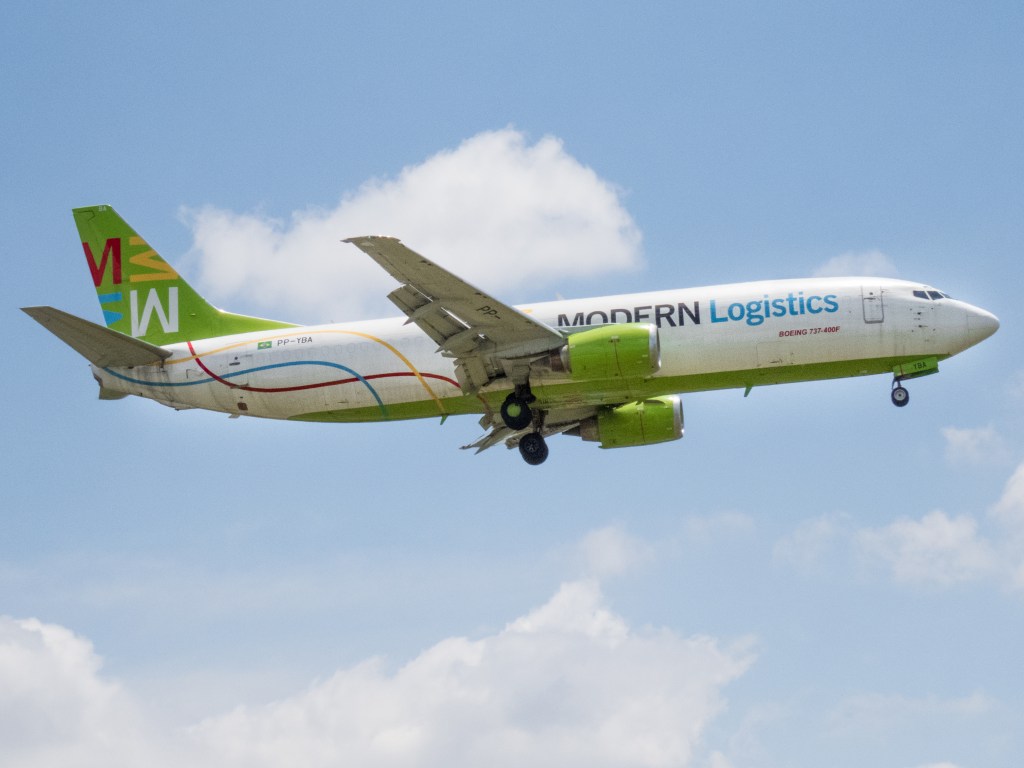
Modern Logistics, una aerolínea de carga de Brasil, planea lanzar una nueva ronda de captación de capital a finales de este año para financiar el crecimiento futuro de su flota, dijo el Director Ejecutivo y fundador Gerald Lee. «Somos capaces de crecer sin necesariamente hacer crecer la flota, sólo optimizando. Pero estamos llegando al punto en que vamos a hacer crecer nuestra flota. Nuestra idea es traer algunos aviones regionales, Avions de Transport Régional, para crear más alimentación capilar, y seguir creciendo con la flota Boeing 737», dijo en un comunicado.
La aerolínea carguera Modern Logistics tiene un enfoque conservador del crecimiento y todavía tiene oportunidades sin explotar sin añadir más aviones. La aerolínea creció más de un 80% en términos de ingresos en 2020 y ya ha aumentado alrededor de un 200% además de eso este año. El crecimiento no estaba relacionado con la demanda específica de COVID, a pesar de que la aerolínea estaba involucrada en algunas operaciones de carga médica. El núcleo de las ganancias, sin embargo, ha venido de la creciente demanda de servicios logísticos multimodales integrados, incluido el transporte aéreo. El plan de flotas de Modern Logistics estaba estrechamente relacionado con su modelo de negocio, que se basa en cadenas logísticas de creación de valor a largo plazo en lugar de transporte de carga puntual. Como tal, la compañía brasileña ha priorizado la sostenibilidad y la rentabilidad a largo plazo en lugar de la aceleración a corto plazo, a pesar de que hay una amplia demanda en el mercado.
A la luz del modelo de negocio, Modern Logistics tiene un plan de flota flexible que se adaptará a las oportunidades de mercado a largo plazo, en lugar de picos momentáneos de demanda. Algunos de los escenarios duplicarían o más la flota de la aerolínea en el corto plazo, pero la aerolínea subrayó que también había otras opciones. «Saldremos a buscar más aviones estar preparados para el crecimiento, pero en paralelo, recaudaremos más capital. Haremos una ampliación de capital este año para financiar el crecimiento, para servir mejor a los clientes existentes e integrar otros nuevos en nuestra plataforma, y para expandir nuestra plataforma Mojo [mercado de logística en línea]», dijo Gerald Lee.
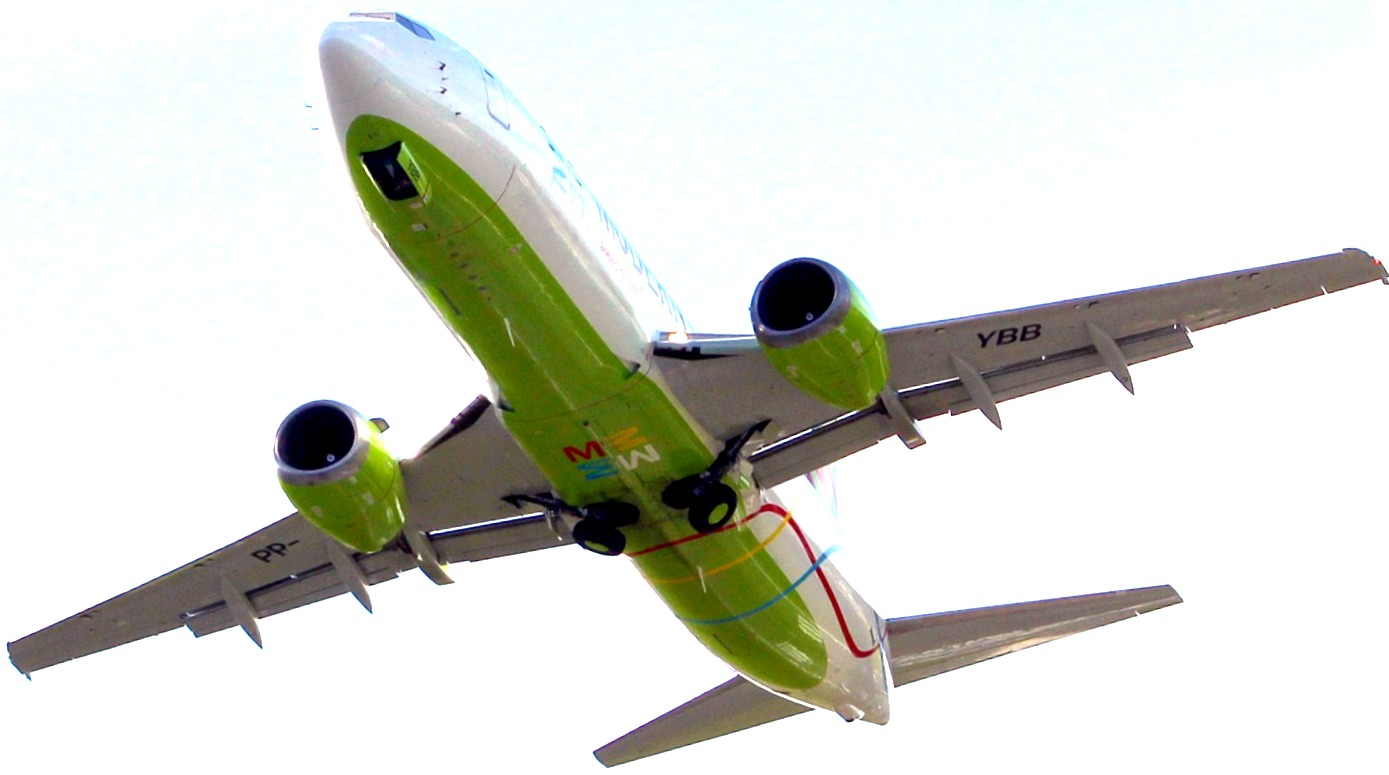
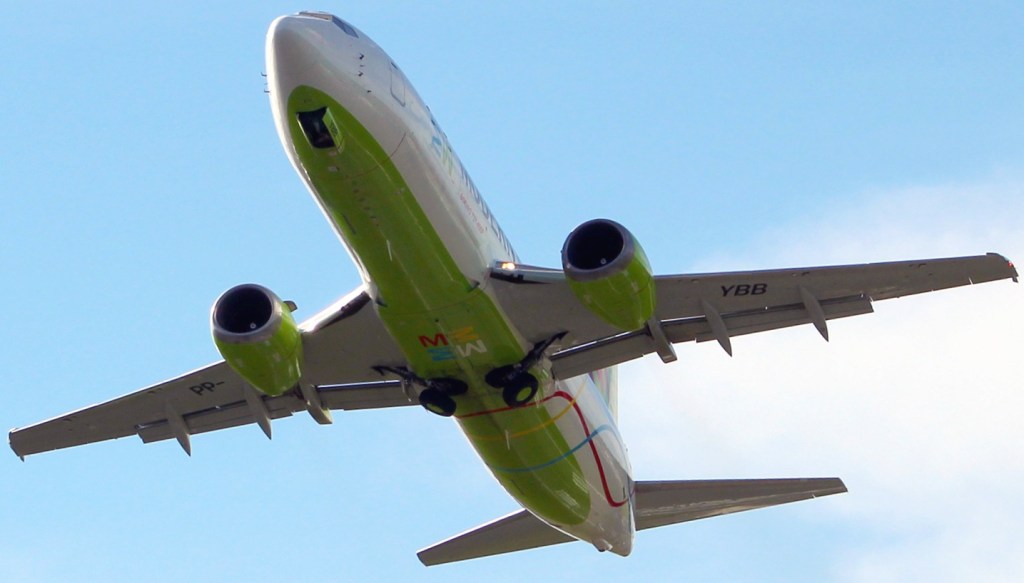
La aerolínea brasileña opera actualmente dos Boeing 737-300F arrendados en formato drive-leasing uno cada uno de AerSale y KV Aviation y posee otros dos aviones Boeing 737-400F arrendado en drive-leasing uno cada uno de AerSale y Vx Capital Partners. Gerald Lee subrayó que Modern Logistics estaba tratando de trabajar con sus diversos clientes para crear valor añadido en toda la cadena logística. Como tal, no se considera a sí misma como un transportista de carga, sino más bien como una empresa de logística integrada, trabajando, entre otros, con 14.000 empresas verificadas de transporte por carretera. Lee destacó que ese modelo de negocio es mucho más resistente a la volatilidad del mercado y, en consecuencia, permite a la aerolínea planificar de manera más fiable para el futuro. «Lo que realmente estamos haciendo es aumentar la eficiencia de la red que el país carecía. Somos infraestructura. Estamos en un país donde todavía sólo el 15% de las carreteras están pavimentadas. Así que las cosas tardan una enorme cantidad de tiempo en transportarse [por carretera], no hay una distribución eficiente. Las ineficiencias institucionales son una buena parte de por qué las cosas son tan caras aquí», dijo Gerald Lee.
La crisis económica relacionada con COVID proporcionó un impulso adicional, ya que las empresas necesitan reducir sus costos. «Si las cosas van bien, estas ineficiencias institucionales están bien. Las personas están acostumbradas a un alto costo y pueden no estar dispuestas a invertir en hacer las cosas de manera diferente, pero eventualmente, la eficiencia gana. [Para la rentabilidad a largo plazo] no necesitamos un bien de alto valor, necesitamos soluciones de alto valor», dijo Gerald Lee.
Perspectivas de Modern Logistics
En el futuro, Modern Logistics también estudiará la expansión internacional. Lee dijo que las mismas ineficiencias que plagaron el mercado interno brasileño eran aún más pronunciadas en el mercado internacional. Modern Logistics planea expandir su mercado mojo existente y abrirlo a nuevos clientes y proveedores de fuera de la industria. Lee subrayó que la compañía estaba dispuesta a trabajar conjuntamente no sólo con compañías de transporte por carretera e interiores, sino también con otras aerolíneas. «No somos competidores. Si Azul Linhas Aéreas Brasileiras Cargo quiere volarlo más barato, lo volaré con ellos. Quiero crear las soluciones más eficientes. Hay tanto levantamiento internacional en Brasil, que está mal integrado. Probablemente no necesito adquirir una aeronave de cuerpo ancho y volar a Europa o Estados Unidos, sería ineficiente porque alguien probablemente ya está haciendo esto», subrayó Gerald Lee.
Modern Logistics capital opening
Brazilian cargo company projects growth in the region
Modern Logistics, a Brazilian cargo airline, plans to launch a new round of capital raising later this year to fund future growth of its fleet, said CEO and founder Gerald Lee. «We are capable of growing without necessarily growing the fleet, only optimizing. But we are reaching the point where we are going to grow our fleet. Our idea is to bring in some regional aircraft, Avions de Transport Régional, to create more capillary food, and continue growing with the Boeing 737 fleet», it said in a statement.
Cargo carrier Modern Logistics has a conservative approach to growth and still has untapped opportunities without adding more aircraft. The airline grew more than 80% in terms of revenue in 2020 and has already increased around 200% on top of that this year. The growth was not related to the specific demand for COVID, even though the airline was involved in some medical cargo operations. The core of the gains, however, has come from the growing demand for integrated multimodal logistics services, including air transport. Modern Logistics’ fleet plan was closely related to its business model, which is based on long-term value creation logistics chains rather than one-off freight transportation. As such, the Brazilian company has prioritized long-term sustainability and profitability over short-term acceleration, even though there is ample demand in the market.
In light of the business model, Modern Logistics has a flexible fleet plan that will accommodate long-term market opportunities, rather than momentary spikes in demand. Some of the scenarios would double or more the airline’s fleet in the short term, but the airline stressed that there were other options as well. «We will go out to find more aircraft to be prepared for growth, but in parallel, we will raise more capital. We will do a capital increase this year to finance growth, to better serve existing customers and integrate new ones into our platform, and to expand our Mojo platform [online logistics marketplace]», said Gerald Lee.
The Brazilian airline currently operates two drive-leased Boeing 737-300Fs, one each from AerSale and KV Aviation, and owns two other drive-leased Boeing 737-400F aircraft, one each from AerSale and Vx Capital Partners. Gerald Lee underscored that Modern Logistics was trying to work with its various customers to create added value throughout the logistics chain. As such, it does not see itself as a freight forwarder, but rather as an integrated logistics company, working among others with 14,000 verified trucking companies. Lee stressed that this business model is much more resistant to market volatility and consequently allows the airline to plan more reliably for the future. «What we are really doing is increasing the efficiency of the network that the country lacked. We are infrastructure. We are in a country where still only 15% of the roads are paved. So things take an enormous amount of time to complete. transported [by road], there is no efficient distribution. Institutional inefficiencies are a good part of why things are so expensive here», said Gerald Lee.
The COVID-related economic crisis provided an additional boost as companies need to cut their costs. «If things go well, these institutional inefficiencies are fine. People are used to high cost and may not be willing to invest in doing things differently, but eventually, efficiency wins out. [For long-term profitability ] we don’t need high-value good, we need high-value solutions», said Gerald Lee.
Modern Logistics Insights
In the future, Modern Logistics will also study international expansion. Lee said that the same inefficiencies that plagued the Brazilian domestic market were even more pronounced in the international market. Modern Logistics plans to expand its existing mojo market and open it up to new customers and suppliers from outside the industry. Lee stressed that the company was willing to work together not only with trucking and inland transportation companies, but also with other airlines. «We are not competitors. If Azul Linhas Aéreas Brasileiras Cargo wants to fly it cheaper, I will fly it with them. I want to create the most efficient solutions. There is so much international uprising in Brazil, which is poorly integrated. I probably don’t need to acquire a wide-body aircraft and flying to Europe or the United States would be inefficient because someone is probably already doing this», Gerald Lee stressed.