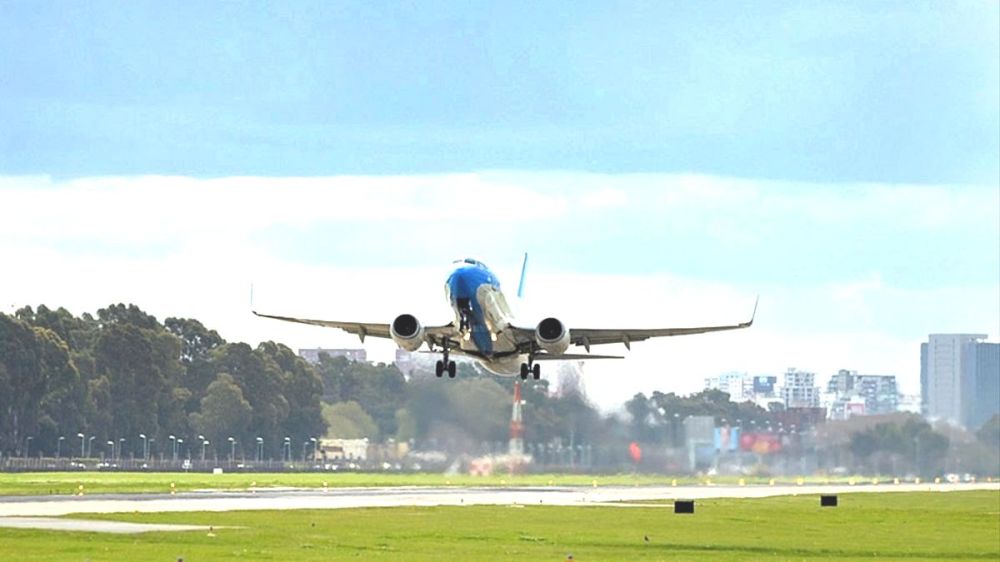
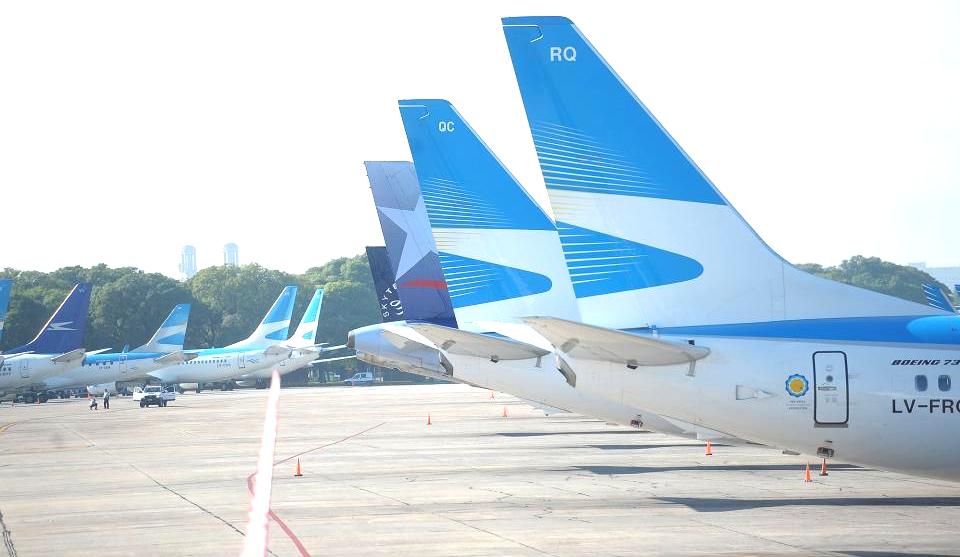
La fuerte desaceleración de la economía de Argentina en 2024 se reflejó en el sector aerocomercial mostrando una reducción de vuelos domésticos en comparación con 2023. Tras la desregulación del mercado aerocomercial por parte del Gobierno de Javier Milei y la suspensión de rutas que no resultaban rentables, Aerolíneas Argentinas perdió participación de mercado tanto en el segmento de cabotaje como en el internacional en el último año. Ocurre en conjunto con una caída de pasajeros a nivel local y suba en destinos del exterior.
De acuerdo al último informe publicado por la Administración Nacional de Aviación Civil (ANAC), a Diciembre de 2024 la aerolínea de bandera alcanzó un market share en los vuelos locales del 59%, mientras que un año atrás era del 67% y en enero de 2024, del 69%. En contraposición, la lowcost Flybondi ascendió a 23% y JetSmart a 17%, lo que representa un incremento de 3 y 5 puntos porcentuales, respectivamente. Esto ocurre en un marco de un plan integral de Aerolíneas, conducida actualmente por Fabián Lombardo, para reducir su déficit operativo en un 50%. Por ejemplo, la empresa suspendió, por baja demanda, el Corredor Atlántico, una ruta aérea iniciada en 2022 que conectaba mediante intertramos Aeroparque con Comodoro Rivadavia, Mar del Plata, Bahía Blanca, Trelew y Río Gallegos. En tanto, el 85% fue el promedio de ocupación en cabotaje durante 2024, pero había empezado el año en enero con un 89% y cerró diciembre con un 82%.
El mercado de cabotaje en su conjunto se redujo 8,3% en 2024 en relación al año previo. En contraposición, el mercado internacional se incrementó del 14% en el mismo período. Esto se debe en parte a la apreciación cambiaria y la fuerte recesión del primer semestre del 2024.
En lo que refiere al mercado internacional, Aerolíneas tuvo en Diciembre 2024 una participación de 18%, un descenso respecto al 23% del mismo mes de 2023. En segunda posición estuvo LATAM Airlines con 16%, GOL 9%, Iberia 6%, American Airlines 6%, SkyAirline 5%, JetSMART Airlines Argentina y el resto con un 30% de participación de mercado.
En general, la cantidad de vuelos de cabotaje de Aerolíneas Argentinas también se redujo un 5% en 2024. Además, cayó su participación en las principales rutas internacionales como en las rutas entre Argentina y Brasil que pasó de 27% en Diciembre de 2023 a 21% en el mismo mes de 2024, Argentina-Chile de 17% a 11%, Argentina-España de 24% a 18%, Argentina- Perú de 12% a 10% y Argentina- Estados Unidos de 20% a 14%.
PUBLISHER: Airgways.com DBk: Argentina.gob.ar/anac / Aerolineas.com / Airgways.com AW-POST: 202501291406AR OWNERSHIP: Airgways Inc. A\W A I R G W A Y S ®
Airbus entregará primer A321XLR del mundo con motor P&W
Airbus Group está listo para entregar el primer A321XLR con motor Pratt & Whitney PW1100G del mundo a Wizz Air UK, marcando un hito significativo en la aviación. El constructor europeo de aviones se está preparando para entregar su primer A321XLR propulsado por el motor PW1100G de Pratt & Whitney. El primer avión será para Wizz Air UK (W9), que ha encargado 47 unidades como parte de su estrategia de expansión de la flota. El segundo se dirigirá a Wizz Air Malta (W4).
Wizz Air UK planea desplegar el primer A321XLR en una nueva ruta Londres-Gatwick/LGW—Jeddah/JED, ampliando aún más su red con este avión avanzado. La certificación de motores Pratt & Whitney PW1100G garantiza la disponibilidad operativa para esta nueva variante. Wizz Air optó inicialmente por los motores Pratt & Whitney en 2016 para su flota de A321neo, mostrando su compromiso a largo plazo con tecnologías avanzadas y eficientes en el consumo de combustible.
El motor Pratt & Whitney PW1100G certificado por la Administración Federal de Aviación de Estados Unidos (FAA) el 12 de Diciembre de 2024, ha atraído a trece clientes para un total de 217 pedidos de A321XLR. El A321XLR ha demostrado su versatilidad, con entregas anteriores equipadas con motores CFM International LEAP-1A destinadas a Iberia (IB) y Aer Lingus (EI) a finales de 2024.
Esta flexibilidad en las opciones de motor pone de manifiesto la adaptabilidad de Airbus para satisfacer las diversas preferencias de los clientes. Wizz Air planea estrenar su nuevo A321XLR en la ruta Londres/Gatwick—Jeddah a partir de marzo, aprovechando el alcance extendido de la aeronave para expandir su presencia operativa.
Esta certificación marca un paso crítico para permitir el despliegue global de la aeronave y subraya su preparación para operaciones de larga distancia y alta eficiencia.
Perspectivas A321XLR Desde su presentación en el Salón Aeronáutico de París en 2019, el A321XLR ha conseguido aproximadamente 500 pedidos en todo el mundo, un testimonio de la creciente demanda de aviones de fuselaje estrecho y largo alcance. A diferencia de los lanzamientos tradicionales, Airbus introdujo el XLR sobre la especulación, sin pedidos preexistentes, un movimiento audaz que valió la pena dada la popularidad del avión.
El programa más amplio del A321neo también ha tenido un éxito notable. En 2024, Airbus entregó 361 A321neo, lo que supone un aumento del 14% respecto al año anterior. Estos aviones representaron casi el 60% de las entregas de la familia A320neo, lo que refleja una clara preferencia del mercado por este modelo. Para satisfacer esta demanda, Airbus está invirtiendo en sus instalaciones de producción para garantizar que todas las líneas de montaje final del A320neo sean aptas para el A321neo. La compañía tiene como objetivo producir 75 aviones de la familia A320neo mensualmente para 2027.
El A321XLR representa un avance fundamental en la aviación, pues combina capacidades de largo alcance con eficiencia de combustible, lo que lo convierte en una opción ideal tanto para aerolíneas económicas como premium.
A medida que Wizz Air se prepara para desplegar este avión, señala una tendencia más amplia hacia soluciones de transporte aéreo sostenibles y rentables. Las inversiones estratégicas de Airbus en capacidad de producción y versatilidad de motores posicionan a la compañía para satisfacer la creciente demanda del A321XLR.
PUBLISHER: Airgways.com DBk: Airbus.com / Wizzair.com / Airgways.com AW-POST: 202501271523AR OWNERSHIP: Airgways Inc. A\W A I R G W A Y S ®
Eurowings renovará flota con 40 aviones Boeing 737-8 MAX
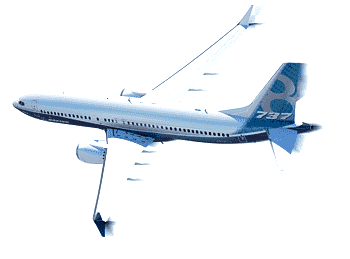
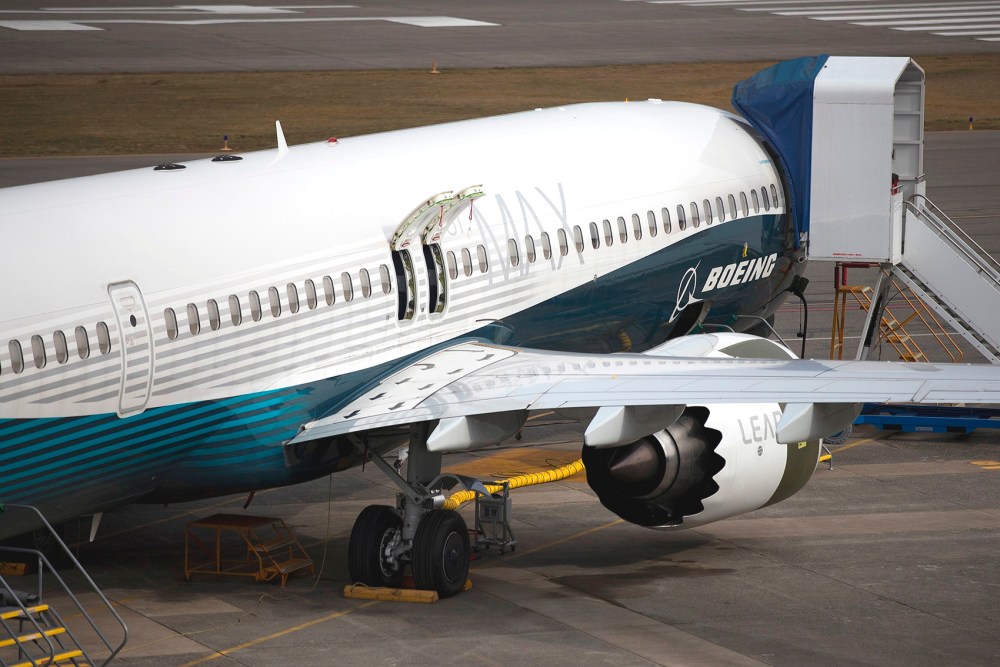
Lufthansa Group ha encontrado finalmente un hogar para su pedido de 40 Boeing 737-8 MAX, que realizó en Diciembre de 2023, asignando el avión a su aerolínea low cost Eurowings. En un comunicado, la aerolínea de presupuesto dijo que Lufthansa Group dio el visto bueno para «una de las mayores modernizaciones de flota en la aviación europea«, asignando 40 Boeing 737-8 MAX a la aerolínea de bajo costo con sede en Alemania.
La aerolínea afirmó que The Boeing Company debería entregar el primer avión en 2027, y la integración gradual de nuevos aviones de corto y medio radio allanará el camino para que Eurowings opere una de las flotas más jóvenes de Europa. Boeing debería finalizar las 40 entregas para 2032, con el avión de pasillo único del fabricante de aviones reemplazando gradualmente al Airbus A319ceo de Eurowings y A320ceo con el 737-8 MAX ofreciendo 39 asientos adicionales que la aeronave de fabricación europea.
«El pedido de 40 aviones 737 nuevos equivale a una inversión de alrededor de cinco mil millones de Dólares a precio de catálogo. Esto lo convierte, con diferencia, en el proyecto de sostenibilidad más grande y costoso en los más de treinta años de historia de Eurowings», expresaron en la aerolínea.
Eurowings también señaló que la nueva generación de aviones Boeing 737 MAX proporcionará un importante ahorro de combustible, menos ruido alrededor de los aeropuertos y menores emisiones de CO2. La aerolínea de bajo costo dijo que el 737-8 MAX consumirá un 30% menos de combustible y emitirá un 30% menos de emisiones, presumiblemente en comparación con el A319ceo y el A320ceo a los que reemplazará. La página de producto del Boeing 737 MAX señaló que el avión utiliza un 20% menos de combustible y emite un 20% menos de emisiones de CO2 que su familia predecesora, el 737 Next Generación.
Con la introducción del Boeing 737-8 MAX, Eurowings se convertirá en operador de los últimos aviones de fuselaje estrecho de Airbus y Boeing. La aerolínea alemana tiene siete A320neo (7), uno asignado a Eurowings Malta, y cinco A321neo (5) aviones de su flota, además de los aviones de pasillo único Airbus de la generación anterior.
La aerolínea de bajo coste añadió que, además de los asientos adicionales que ofrece el MAX 8 en comparación con los aviones de pasillo único de Airbus de la generación anterior, el Boeing Los aviones ofrecen mucho más alcance, lo que permite a Eurowings lanzar vuelos en destinos de media distancia más largos. La Administración de Aviación Civil (CAA) del Reino Unido definió un itinerario de media distancia como aquel que se encuentra entre 1.500 kilómetros (809,9 millas náuticas) y 3.500 km (3.041 NMI).
«Los huéspedes de Eurowings pueden esperar una cabina rediseñada con más comodidad a bordo y una experiencia de viaje que cumple con los últimos estándares de las aerolíneas». —Eurowings
Perspectivas Eurowings Jens Bischof, Director Ejecutivo (CEO) de Eurowings, dijo que los 40 aviones 737-8 MAX sentarán las bases para un futuro exitoso para la aerolínea orientado hacia ambiciosos objetivos de sostenibilidad.
«La alta rentabilidad de los nuevos aviones también nos permite seguir ofreciendo a los clientes de Eurowings tarifas justas y atractivas. Sin ese salto tecnológico, una aerolínea difícilmente podrá operar con éxito en el mercado en la década de 2030», dijo el CEO de Eurowings.
Carsten Spohr, CEO del Grupo Lufthansa, agregó que Eurowings se ha establecido como la aerolínea punto a punto dentro de la red de corto radio del grupo con una estrategia convincente en un mercado extremadamente competitivo. «El enfoque estratégico de la compañía en la expansión de su negocio turístico y su constante expansión en Europa está dando sus frutos para todo el Grupo Lufthansa», expresó Carsten Spohr.
El Grupo Lufthansa encargó ochenta aviones de pasillo único de nueva generación el 19 de Diciembre de 2023, y la entidad con sede en Alemania compró 40 Airbus A220-300 y 40 Boeing 737-8 MAX. El pedido incluye 20 y 60 opciones, respectivamente. En ese momento, no reveló cuáles de las aerolíneas del grupo recibirían los aviones A220-300 y 737 MAX 8. En Junio de 2024, el Grupo Lufthansa dio a conocer que Lufthansa City Airlines recibiría los 40 A220-300.
PUBLISHER: Airgways.com DBk: Boeing.com / Lufthansagroup.com / Eurowings.com / Airgways.com AW-POST: 202501271513AR OWNERSHIP: Airgways Inc. A\W A I R G W A Y S ®
AW | 2025 01 27 14:27 | AIR INVESTIGATION / AVIATION SAFETY
Boeing 737 atropella bandada pájaros antes accidente fatal
La Junta de Investigación de Accidentes Aéreos y Ferroviarios de Corea del Sur (ARAIB) ha publicado el Informe Preliminar sobre el Aire de Jeju accidente que cobró la vida de 179 personas a bordo del Boeing 737-800 de la aerolínea Jeju Air en Diciembre 2024, confirmando que ambas grabadoras se detuvieron minutos antes del accidente de la aeronave y que se descubrieron plumas de ave y manchas de sangre en ambos motores.
Desarrollo vuelo 7C2216 En una breve sinopsis de la historia del vuelo, ARAIB detalló que Vuelo 7C2216 de Jeju Air, operado por un Boeing 737-800, registrado como HL8088, despegó del Aeropuerto Suvarnabhumi de Bangkok (BKK) al Aeropuerto Internacional de Muan (MWX) alrededor de las 04:30 hora local (UTC +7) del 29 de diciembre de 2024. La aeronave transportaba 181 personas a bordo de la aeronave, divididas entre seis miembros de la tripulación y 175 pasajeros. A las 08:54:43 hora local (UTC +9), los pilotos del 737-800 se pusieron en contacto con el control de tráfico aéreo local (ATC), que autorizó el aterrizaje del avión de Jeju Air en la Pista 01. El Aeropuerto de Muan tiene una sola pista, la Pista 01/19.
Sin embargo, a las 8:57:50, el ATC advirtió a los pilotos de Jeju Air que debían tener cuidado durante su aproximación debido a la actividad de las aves en la zona. Apenas un minuto después de esa advertencia, tanto la Grabadora de Voz de la Cabina (CVR) como la Grabadora de Datos de Vuelo (FDR) dejaron de grabar, según la ARAIB, que no detalló el motivo de la interrupción.
A las 08:58:50, los dos pilotos hicieron una llamada de socorro de auxilio, informando al ATC sobre el impacto de un pájaro durante un vuelo. Dado que el 737-800 volaba sobre el lado izquierdo de la pista 01, giró a la derecha e intentó aterrizar en la Pista 19.
ARAIB señaló que los pilotos identificaron una bandada de aves mientras se acercaban a la Pista 01 en el Aeropuerto Internacional de Muan. Las imágenes de las cámaras de seguridad mostraron el Jeju Air 737-800 acercarse a una bandada de pájaros durante el recorrido, dijeron los investigadores. El avión aterrizó sin el tren de aterrizaje desplegado, invadió la pista y se estrelló contra el terraplén, incluidos los localizadores instalados, estallando en llamas. Ambos motores fueron examinados, y se encontraron plumas y manchas de sangre de ave en cada uno. Las muestras se enviaron a organizaciones especializadas para el análisis de ADN, y una organización nacional las identificó como pertenecientes a las cercetas del Baikal, una especie de ave que migra a Corea del Sur durante el invierno. Llega en masa en Octubre y se desplaza hacia el sur a medida que baja la temperatura.
Sin embargo, este fue el Informe Preliminar desarrollado por la ARAIB que declaró que continuaría investigando el accidente en el futuro. Esto incluye un desmontaje completo del motor, el examen de sus componentes, el análisis de los datos de CVR y FDR, y la investigación del terraplén, los localizadores y las pruebas de impactos con aves. Estas actividades de investigación total tienen como objetivo determinar la causa precisa del accidente. Además, se revisarán los problemas que se consideren necesarios para la seguridad o cualquier otra mejora y se espera que conduzcan a recomendaciones de seguridad urgentes.
La ARAIB concluyó que la Junta Nacional de Seguridad en el Transporte (NTSB) y la Oficina de Investigación y Análisis para la Seguridad de la Aviación Civil (Bureau d’Enquêtes et d’Analyses pour la Sécurité de l’Aviation Civile, BEA) están colaborando en la investigación.
Los investigadores también señalaron que el 737-800 involucrado en el incidente fue construido en 2009. Boeing entregó el fuselaje a Ryanair el 4 de Septiembre de 2009, y Jeju Air comenzó a operar vuelos con el 737-800 en cuestión en febrero de 2017. En 2008, la Administración Federal de Aviación (FAA) modificó las reglas con respecto a los registradores CVR y FDR digitales (DFDR), que afectaron a las aerolíneas, operadores y fabricantes de aeronaves.
La regla aumentó la duración de grabaciones específicas de CVR, aumentó la velocidad de grabación de datos para ciertos parámetros de DFDR, ordenó la separación física de los dos registradores y mejoró la confiabilidad de las fuentes de alimentación tanto para CVR como para DFDR. También ordenó que se registraran las comunicaciones específicas de enlace de datos recibidas en una aeronave si se instalaba equipo de apoyo.
La FAA detalló que durante muchos años, la NTSB había experimentado dificultades al investigar accidentes o incidentes aéreos debido a la insuficiencia de datos de la grabadora. Los problemas se derivaron de la duración limitada de las grabaciones de CVR antes de un incidente y la pérdida de energía tanto para CVR como para FDR. Faltan datos de la caja negra de los últimos 4 minutos antes del accidente aéreo de Jeju Air. El misterio que rodea el origen de la fatal catástrofe aérea en Corea del Sur el mes pasado se complica aún más por los datos faltantes. Los problemas con la grabadora dieron lugar a recomendaciones de seguridad. Según el regulador, habían surgido problemas en al menos ocho accidentes entre 1995 y 2000, lo que resultó en cinco recomendaciones de seguridad emitidas por la NTSB.
Para el 1 de Enero de 2005, modernizar todos los aviones que deben llevar un CVR y un FDR con un DCVR que […] está equipado con una fuente de alimentación independiente de 10 minutos que se encuentra con el CVR y que se activa automáticamente y proporciona 10 minutos de funcionamiento cada vez que cesa la alimentación de la grabadora, sea por apagado normal o por una pérdida de energía en el bus. En respuesta a estas recomendaciones, en Marzo de 2008, una de las propuestas de la FAA fue exigir que cada registrador recibiera su energía eléctrica del bus que proporciona la máxima fiabilidad para el funcionamiento de cada registrador sin poner en peligro otras funciones. Cada registrador también debe permanecer encendido durante el mayor tiempo posible sin poner en peligro la operación de emergencia de la aeronave. Estos requisitos se aplicarían a las aeronaves de nueva fabricación.
En respuesta a los comentarios de las partes interesadas sobre el Suministro de Energía Independiente del Registrador (RIPS) para los CVR, la FAA dijo que no podía exigir la modernización como un cambio rentable. Además, la NTSB y la Asociación de Industrias Aeroespaciales (AIA) recomendaron ampliar el requisito de no haber un solo fallo eléctrico para incluir las adaptaciones de los aviones ya entregados. La FAA consideró esta opción mientras desarrollaba el NPRM y descubrió que una actualización del cableado representa una carga económica significativa y podría requerir un extenso retrabajo de la aeronave para volver a cablear no solo los sistemas de grabación, sino también otros sistemas de la aeronave que se ven afectados por los cambios realizados en las grabadoras.
Por último, la fecha de entrada en vigor de la norma se fijó dos años después del 7 de Abril de 2008. La FAA agregó una nueva regla aplicable a los fabricantes de aeronaves que afectaban los requisitos de CVR y FDR, incluido el requisito de falla eléctrica única. Para tener en cuenta, Boeing propuso a la FAA que los cambios en las reglas con respecto a las grabadoras se aplicarían a todas las aeronaves que operan en los Estados Unidos, y el fabricante agregó que los accidentes o incidentes que involucran aeronaves no registradas en los Estados Unidos han sido objeto de investigaciones de la FAA y la NTSB. «Al igual que todos los países, la FAA tiene una autoridad limitada para exigir la instalación de equipos particulares en aeronaves que no están en nuestro registro, sino que simplemente vuelan en nuestro espacio aéreo. […] Nuestro análisis demuestra que el alcance de la regla final es suficiente para cumplir con el objetivo de seguridad de una información de vuelo más confiable a un costo aceptable», expresó la agencia d ela FAA.
PUBLISHER: Airgways.com DBk: Araib.molit.go.kr / Airgways.com AW-POST: 202501271427AR OWNERSHIP: Airgways Inc. A\W A I R G W A Y S ®
Enfrenta pérdidas US$ 3500 millones por huelgas y costes operativos
La atribulada empresa estadounidense de fabricación de aviones The Boeing Company ha bajado un 1,7% en las operaciones previas a la apertura del mercado el Viernes 24/01, después de que la compañía dijera que espera reportar una pérdida de flujo de caja operativo de US$ 3500 millones de Dólares para el cuarto trimestre (4Q2024) debido a la huelga de la Asociación Internacional de Maquinistas y Trabajadores Aeroespaciales (IAM), además de otros factores.
En el comunicado del día Jueves 23/01, Boeing dijo que espera reportar ingresos de US$ 15.200 millones de Dólares en el cuarto trimestre, frente a las estimaciones de US$ 16.270 millones de Dólares, y una pérdida GAAP por acción de US$ 5,46 Dólares, casi el triple de las expectativas del mercado. Los resultados, dijo, se vieron afectados por la huelga de los trabajadores, así como por ciertos cargos para ciertos programas de Defensa, Espacio y Seguridad, además de los costes asociados a las reducciones de plantilla anunciadas en 2024.
La empresa dijo que su segmento de aviones comerciales reflejará cargos en las ganancias antes de impuestos de US$ 1100 millones de Dólares en los programas 777X y 767 debido a los mayores costes laborales estimados asociados al nuevo acuerdo de los trabajadores. Boeing espera ahora unos ingresos de US$ 4.800 millones de Dólares en el cuarto trimestre y una pérdida de margen operativo del 43,9 % para el segmento.
Mientras tanto, se espera que el segmento de Defensa, Espacio y Seguridad reconozca cargos por ganancias antes de impuestos de US$ 1.700 millones de Dólares en múltiples programas, lo que refleja estimaciones más altas de los costes de fabricación e incluye el impacto de la huelga de trabajadores, dijo. Se espera que la división reporte ingresos en el cuarto trimestre de US$ 5.400 millones de Dólares y una pérdida de margen operativo del 41,9%.
La huelga del sindicato IAM se prolongó durante casi dos meses hasta que concluyó en Noviembre 2024. La huelga terminó con un nuevo contrato de cuatro años que incluía un aumento salarial del 38% en cuatro años, mayores contribuciones para la jubilación y mejores prestaciones sanitarias.
Sin embargo, la huelga es solo la última de las dificultades de la empresa. Boeing se ha enfrentado a una crisis tras otra en los últimos años, empezando a finales de 2018, cuando un avión de Boeing se estrelló en el mar frente a la costa de Indonesia. Otro accidente fatal se produjo unos meses después, lo que provocó que el avión 737 MAX estuviera en tierra durante meses en todo el mundo.
En Enero de 2024, un panel de la puerta salió volando de un avión de Alaska Airlines fabricado por Boeing, lo que generó más preocupaciones en materia de seguridad. La pandemia de COVID-19 en el medio no ayudó a las limitaciones financieras de la compañía.
PUBLISHER: Airgways.com DBk: Boeing.com / Megan Farmer / Airgways.com AW-POST: 202501251037AR OWNERSHIP: Airgways Inc. A\W A I R G W A Y S ®
AW | 2025 01 25 10:07 | AIRLINES ROUTES / GOVERNMENT
Argentina-Turquía firman acuerdo mayor conectividad aérea
Argentina y Turquía firmaron un acuerdo bilateral que marca un hito en la conectividad aérea entre ambos países, abriendo las puertas a frecuencias ilimitadas y rutas más flexibles. Este entendimiento, celebrado mediante una videoconferencia en el Palacio San Martín, elimina restricciones previas que limitaban las operaciones a solo siete frecuencias semanales combinadas, permitiendo a las aerolíneas operar vuelos combinados de pasajeros y carga, exclusivos de carga y no regulares sin limitaciones. La medida también busca atraer inversiones y potenciar el comercio exterior de ambos países.
La firma del acuerdo estuvo a cargo del Secretario de Transporte del Ministerio de Economía de Argentina, Franco Mogetta, y del Director General de Aviación Civil de Turquía, Kemal Yüksek, quien participó desde su país. También estuvieron presentes el Embajador de Turquía en Argentina, Süleyman Ömür Budak, y otras autoridades de ambos gobiernos, además de representantes del sector aeronáutico internacional. Este memorándum no solo abre nuevas oportunidades para las aerolíneas de ambos países, sino que también habilita la posibilidad de establecer acuerdos de código compartido con líneas aéreas de terceros países, ampliando significativamente la conectividad para pasajeros y carga.
Impulso comercial El acuerdo con Turquía promovida por la política de cielos abiertos impulsada por el gobierno argentino permitirá aumentar las relaciones comerciales a un nivel superior. La implementación de frecuencias de vuelos ilimitadas entre ambos países tiene implicaciones directas para la logística y el comercio exterior. Turquía, reconocida como un nodo clave en el transporte aéreo mundial, movilizó en 2024 alrededor de 230 millones de pasajeros y cerca de 5 millones de toneladas de carga. Este acuerdo permite a Argentina acceder a este mercado estratégico, con rutas más eficientes hacia Europa, Asia y Medio Oriente.
Para los exportadores argentinos, la posibilidad de operar vuelos exclusivos de carga bajo este esquema es un cambio significativo. Productos perecederos como frutas y carnes, mercancías de alto valor como productos tecnológicos, y bienes industriales voluminosos podrán ser transportados de manera más eficiente y a menor costo, optimizando así las operaciones logísticas. Este avance es particularmente relevante para las pequeñas y medianas empresas que buscan expandirse a mercados internacionales, pero que enfrentan barreras logísticas debido a la falta de opciones de transporte flexibles. En los últimos meses, catorce países, incluidos Brasil, Canadá, Chile y Qatar, han firmado acuerdos similares, consolidando una red internacional que busca fortalecer la posición de Argentina en el mercado aerocomercial.
En el área de turismo, el aumento de rutas y frecuencias promete incrementar significativamente el flujo de visitantes internacionales, especialmente desde mercados emergentes como Turquía y sus alrededores. Esto no solo favorecerá a destinos tradicionales como Buenos Aires, sino también a localidades menos exploradas, contribuyendo al desarrollo regional y al ingreso de divisas.
Adicionalmente, la ampliación de la conectividad fomenta la llegada de inversiones en infraestructura aeroportuaria. Aeropuertos clave en Argentina, como Ezeiza y otros del interior, podrían beneficiarse de mejoras para manejar mayores volúmenes de pasajeros y carga, lo que fortalecería la competitividad del país en el escenario global.
Seguridad y cooperación internacional Además de los beneficios operativos, el acuerdo contempla un compromiso mutuo para mejorar la seguridad operacional. Argentina y Turquía trabajarán en conjunto para garantizar que los estándares de aviación cumplan con las normativas internacionales, lo que refuerza la confianza de pasajeros y operadores. Este enfoque en la seguridad es crucial en un contexto de creciente tráfico aéreo y nuevas rutas internacionales.
La habilitación de códigos compartidos con aerolíneas de terceros países es otro de los puntos destacados del memorándum. Esta práctica permite que las aerolíneas colaboren en la comercialización de destinos, ampliando la oferta para los pasajeros y mejorando la eficiencia en el transporte de carga. Para Argentina, esto representa una oportunidad única de integrar su red aérea en rutas globales clave, aumentando la competitividad de sus exportaciones.
Con Turquía sumándose a la lista de países con esta clase de acuerdos bilaterales, el Gobierno busca consolidar una estrategia de integración que beneficie tanto al sector logístico como al comercial. El memorándum promete ampliar las posibilidades para pasajeros y exportadores. A medida que se implemente este nuevo marco operativo, las oportunidades para optimizar el comercio exterior y atraer nuevos actores al mercado aerocomercial podrían sentar las bases para un crecimiento sostenido en el sector.
PUBLISHER: Airgways.com DBk: Argentina.gob.ar / Airgways.com AW-POST: 202501251007AR OWNERSHIP: Airgways Inc. A\W A I R G W A Y S ®
La aviación comercial de Argentina continua alcanzando un aumento del tráfico de pasajeros producto de pa apertura de Cielos Abiertos impulsada por el Gobierno de Argentina, En Diciembre 2024 tuvo un récord histórico de pasajeros en vuelos comerciales, superando la marca de Julio de 2019.
El sector aerocomercial cerró Diciembre 2024 con un récord histórico en el movimiento de pasajeros aéreos argentinos. Aeropuertos Argentina 2000 reportó que 3.948.859 personas transitaron por los 35 aeropuertos bajo su gestión durante el último mes del año. Esta cifra, que promedió 127.382 pasajeros diarios, superó por un 6% a la registrada en diciembre de 2023 y por un 15% a la del mismo mes de 2019, previo a la pandemia.
“De ese modo, se superó el último récord que se había alcanzado en Julio de 2019, cuando se movilizaron 3.901.087 pasajeros”, destacó la empresa en un comunicado oficial. Fuentes del sector subrayaron que el logro se obtuvo sin programas de estímulo por parte del Estado, en referencia a la ausencia de programas estatales como el Previaje, implementado en años anteriores. Del total de pasajeros, 2,8 millones eligieron vuelos domésticos, mientras que los restantes optaron por rutas internacionales. Aunque los viajeros al exterior representaron una porción menor, experimentaron el mayor crecimiento interanual con un alza del 16%.
Tráfico aeropuertos El Aeropuerto Buenos Aires/Jorge Newbery (AEP) lideró el movimiento de pasajeros con 1,5 millones de personas en diciembre. Esto representó un incremento del 11% respecto al mismo mes de 2023 y del 55% en comparación con diciembre de 2019. Según las estadísticas, el 73% de estos pasajeros volaron a destinos dentro del país. El Aeropuerto Internacional Buenos Aires/Ezeiza (EZE), por su parte, transportó a 1,1 millones de personas, de las cuales más de 800.000 viajaron al exterior. Este volumen representó un aumento del 10% frente al mismo período de 2023. Otros aeropuertos también registraron cifras destacadas. Córdoba alcanzó los 273.000 pasajeros (+3% interanual), Mendoza sumó 229.000 (+9%) y Bariloche movilizó 220.000, aunque sufrió una leve caída del 2% frente a Diciembre de 2023. En tanto, Salta lideró el crecimiento porcentual con un incremento del 12%, llegando a 127.000 pasajeros. En este caso, los viajeros internacionales impulsaron la cifra con un ascenso del 72%.
El desempeño de las aerolíneas mostró contrastes durante el mes récord. Según la Administración Nacional de Aviación Civil (ANAC), JetSMART Airlines Argentina lideró el crecimiento en el segmento doméstico con un alza del 5%, mientras que Flybondi incrementó su volumen en un 3%. Aerolíneas Argentinas, en cambio, transportó un 8% menos de pasajeros dentro del país. A pesar de la caída, Aerolíneas Argentinas conservó su posición dominante al trasladar al 59% de los pasajeros domésticos, seguida por Flybondi con el 23% y JetSMART con el 17%. En el segmento internacional, Aerolíneas Argentinas también perdió espacio aéreo con una disminución del 8,5% en pasajeros respecto a Diciembre de 2023. Por el contrario, GOL aumentó su volumen en un 27,5%, Latam en un 18,4% e Iberia en un 11%. A nivel global, la aerolínea de bandera lideró con el 17,6% de los pasajeros internacionales, seguida de cerca por GOL (15,9%) y LATAM Airlines (9%).
Destinos más elegidos En las rutas domésticas, Mendoza se posicionó como el destino más elegido con 120.000 pasajeros, seguida por Córdoba con 118.000 e Iguazú con 97.000. En todos los casos, los vuelos partieron desde el Aeroparque Jorge Newbery. En cuanto a los viajes internacionales, Brasil, España y Chile encabezaron la lista de destinos favoritos. La ruta Buenos Aires-San Pablo movilizó a 107.000 pasajeros, Ezeiza-Madrid a 99.000 y Aeroparque-Santiago de Chile a 96.000.
Transformación aerocomercial El récord histórico de diciembre coronó un 2024 lleno de cambios y avances para el sector aerocomercial. Fuentes de la industria señalaron que el crecimiento se explica, en parte, por la reactivación económica, un mayor interés en el turismo doméstico y la consolidación de rutas internacionales estratégicas.
El desafío ahora se centra en mantener el impulso logrado, enfrentar la competencia internacional y seguir ampliando la conectividad, tanto dentro como fuera del país. Con casi 4 millones de pasajeros en un solo mes, la industria aerocomercial argentina demuestra su capacidad para seguir creciendo en un escenario de transformación constante.
PUBLISHER: Airgways.com DBk: Aeropuertosargentina.com / Airgways.com AW-POST: 202501251000AR OWNERSHIP: Airgways Inc. A\W A I R G W A Y S ®
Flybondi, la aerolínea de bajo costo argentina, canceló el Viernes 24/01 una serie de vuelos en el Aeropuerto Jorge Newbery de Buenos Aires, dejando a cientos de pasajeros sin poder viajar. Los destinos afectados son Mendoza, Bariloche, Comodoro, Puerto Madryn y Tucumán. Las cancelaciones se produjeron cerca de las 08:00 de la mañana, generando caos entre los pasajeros. La situación fue particularmente grave en el vuelo a Tucumán, donde los pasajeros habían abordado el avión y fueron obligados a descender.
Este incidente ocurre a poco más de un mes después de que la Administración Nacional de Aviación Civil (ANAC) le solicitara a la línea aérea un plan para reducir las cancelaciones de vuelos, cuando en Diciembre 2024 la empresa canceló cientos de vuelos cercano a las fechas festivas.
Por el momento, la aerolínea no ha comunicado los motivos de las cancelaciones y sobre como se realizarán las reprogramaciones de los vuelos cancelados.
PUBLISHER: Airgways.com DBk: Flybondi.com / Airgways.com AW-POST: 202501241133AR OWNERSHIP: Airgways Inc. A\W A I R G W A Y S ®
AW | 2025 01 24 11:24 | AIRLINES ROUTES / GOVERNMENT
Unión Europea evalúa aliviar sanciones a Siria
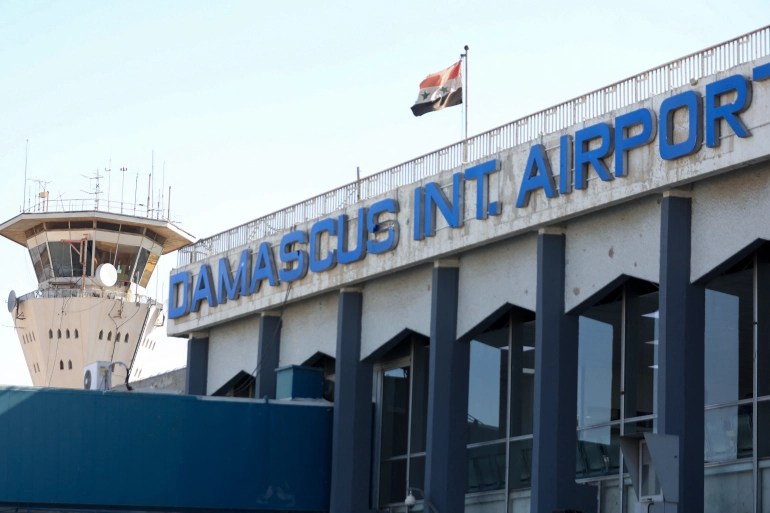
Los vuelos comerciales internacionales se han reanudado en el Aeropuerto Internacional de Damasco (DAM) a principios de en Enero 2025 por primera vez desde el derrocamiento de Bashar al-Assad, los viajes comerciales han comenzado nuevamente tras la interrupción de las operaciones en Diciembre 2024 debido al derrocamiento del antiguo régimen.
La agencia estatal de noticias SANA confirmó previamente la reanudación de los vuelos internacionales, citando a Ashhad al-Salibi, Jefe de la Autoridad General de Aviación Civil y Transporte Aéreo, quien declaró que el principal aeropuerto del país en Damasco estaba listo para reiniciar sus operaciones.
Antes del estallido de la guerra civil siria en 2012, Damasco contaba con más de una docena de grandes aerolíneas. Aunque los vuelos internacionales se suspendieron por razones de seguridad después de que las fuerzas pro-Assad abandonaran el aeropuerto el 8 de Diciembre de 2024, las operaciones nacionales se reanudaron el 18 de Diciembre de 2024 con un vuelo de Damasco a Alepo. Se trata del primer viaje interno desde que las fuerzas de oposición tomaron el control de la capital tras una rápida ofensiva que comenzó el 27 de Noviembre de 2024.
Con el antiguo grupo insurgente Hayat Tahrir al-Sham (HTS) ahora al frente de la administración de facto de Siria, las naciones árabes y occidentales están restableciendo relaciones diplomáticas con las nuevas autoridades. Aviones de ayuda internacional y delegaciones diplomáticas también han comenzado a aterrizar en Siria, lo que significa la reintegración del país a las redes mundiales de transporte aéreo. La renovada conectividad de Siria es indicativa de cambios geopolíticos y económicos más amplios a medida que el país reconstruye su infraestructura y fortalece las relaciones internacionales.
Reinicio ops aerolíneas A principios de Enero 2025, un vuelo de prueba de Royal Jordanian Airlines aterrizó en Damasco, marcando la primera llegada comercial internacional después de Assad. La aerolínea reanudará oficialmente los vuelos regulares el 31/01, operando cuatro veces por semana y conectando Damasco con más de 45 destinos en Europa, América, Oriente Medio y el Golfo.
Qatar Airways fue la primera aerolínea internacional en anunciar la reanudación de los vuelos a Damasco, comenzando sus operaciones el 7 de Enero de 2025. Qatar, que había suspendido los vuelos trece años antes debido a su oposición al régimen de Assad, ahora ha restablecido esta ruta. Un vuelo de Syrian Airlines a Sharjah, en los Emiratos Árabes Unidos, el mismo día se convirtió en el primer vuelo comercial internacional desde Damasco desde el derrocamiento de Assad el 8 de Diciembre de 2024.
Los vuelos comerciales entre Turquía y Siria se reanudaron el Jueves 23/01 después de una pausa de trece años. Un vuelo de Turkish Airlines de Estambul a Damasco transportaba a 345 pasajeros, entre ellos el Director Ejecutivo de Turkish Airlines, Bilal Eksi, y funcionarios turcos. «El primer avión de pasajeros de Turkish Airlines aterrizó en el Aeropuerto Internacional de Damasco después de una pausa de unos trece años, con pasajeros sirios a bordo. Espero que los vuelos que hemos reiniciado contribuyan a las relaciones entre nuestros países», informó SANA. Turkish Airlines planea operar tres vuelos semanales a Damasco.
Para Abril de 2025, Royal Jordanian planea aumentar la frecuencia de los vuelos diarios. Además, Wizz Air Abu Dhabi está siguiendo de cerca los acontecimientos en Siria. La aerolínea de ultra bajo costo le dijo al medio de noticias emiratí The National que está evaluando la demanda potencial de vuelos al país.
Europa evalúa aliviar sanciones a Siria Por primera vez desde la caída del régimen de Bashar Assad en Siria, la Unión Euroopea (UE) está considerando levantar las sanciones en una variedad de sectores. Pero el bloque quiere mantener su influencia sobre el grupo islamista que ahora está en el poder. Hadja Lahbib recibió una bienvenida de alfombra roja la semana pasada cuando se convirtió en la primera Comisaria Europea en visitar Damasco, la capital de Siria, y reunirse con los nuevos líderes del país tras el derrocamiento de Bashar Assad el mes pasado.
«Estamos esperando algún desarrollo y, con cautela, estamos aquí también para alentar a las nuevas autoridades a construir una Siria inclusiva, que abarque a todos sus ciudadanos, a toda su diversidad. Necesitamos que se respete el estado de derecho, los derechos humanos, los derechos de las mujeres», dijo Hadja Lahbib el 17/01 cuando fue presionado por los periodistas.
Con el reloj corriendo, Bruselas está llevando a cabo otro complicado acto de equilibrio: apoyar una transición democrática sin apoyar el extremismo, esperar que los refugiados regresen sin forzar deportaciones y esperar a ver qué sucede a continuación sin perder la carrera por la influencia geopolítica con rivales como Rusia.
El Lunes, los ministros de Asuntos Exteriores de la UE evaluarán qué hacer a continuación.
A lo largo de la sangrienta guerra civil siria, la UE y otras potencias occidentales restringieron drásticamente las exportaciones a Siria, cortando los lazos diplomáticos y financieros con el antiguo régimen por sus abusos.
Pero en un documento de la UE han dicho que es hora de un replanteamiento. Han sugerido una serie de sanciones que deberían ser suspendidas rápidamente y sin requisitos previos para que sirvan como un primer gesto hacia el pueblo sirio. Las primeras medidas están relacionadas con los viajes para simplificar los desplazamientos entre la UE y Siria. Otras ideas incluyen poner fin a las prohibiciones de exportación de combustible para aviones y restricciones a las aerolíneas sirias para facilitar los vuelos civiles. El bloque también considerará levantar las restricciones sobre algunos bienes de alto valor, como los vehículos, para permitir que los sirios que deseen trasladar sus negocios a Siria y otros inversores potenciales establezcan rutas de importación y exportación.
A continuación, un grupo de Estados, que incluye a Francia, los Países Bajos y España, ha argumentado que los embargos de la UE sobre la tecnología de petróleo y gas deben aliviarse, junto con las prohibiciones de financiar proyectos de infraestructura energética. Por último, hay un impulso para reabrir algunas relaciones bancarias para facilitar la inversión. «Los sirios necesitan tener acceso a sus finanzas personales. Para garantizar esto, es necesario reabrir los canales financieros esenciales entre la UE y Siria», se lee en el documento diplomático, distribuido a mediados de Enero 2025. La UE estudia las relaciones con los nuevos líderes de Siria.
PUBLISHER: Airgways.com DBk: European-union.europa.eu / Sana.sy / Dw.com / Airgways.com AW-POST: 202501241124AR OWNERSHIP: Airgways Inc. A\W A I R G W A Y S ®
Aerolíneas Argentinas y LATAM Airlines firman Código Compartido
Aerolíneas Argentinas y tres filiales de LATAM Airlines efectivizaron un acuerdo de Código Compartido a partir del 1 de Febrero de 2025. Aerolíneas Argentinas y LATAM Airlines Brasil, LATAM Airlines Colombia y LATAM Airlines Perú han dado inicio a un importante acuerdo entre aerolíneas líderes que promete optimizar las conexiones aéreas en la región. Permitirá ofrecer vuelos combinados entre una conexión internacional de una de las aerolíneas y una conexión de cabotaje de la otra.
La nueva alianza estratégica permitirá ofrecer una modalidad de cooperación entre las dos líneas aéreas para vender pasajes en vuelos domésticos de la otra parte a pasajeros en conexión con un vuelo internacional. El acuerdo entró en vigencia el Miércoles 22/01 y aplica para vuelos operados a partir del 1 de Febrero de 2025 tanto para Aerolíneas Argentinas como para LATAM Brasil y LATAM Colombia. Mientras tanto, LATAM Perú, todavía no tiene código compartido, estimando iniciar los acuerdos a partir del 01/04. Mientras tanto, se aguarda un próximo acuerdo para la entrada en vigencia con las filiales de LATAM Airlines Ecuador y LATAM Airlines Paraguay.
LATAM Airlines ha informado a través de un comunicado, que con los códigos compartidos podrán ofrecer a los clientes inicialmente acceso a más de cien destinos en conexión dentro de Sudamérica, incluyendo destinos nacionales en Argentina, Brasil, Colombia y Perú. “De esta forma, los pasajeros de LATAM y Aerolíneas Argentinas podrán adquirir vuelos en conexión entre ambas aerolíneas, como por ejemplo: de Sao Paulo a Bariloche en un vuelo de LATAM Airlines Brasil a Aeroparque, que conecte con un vuelo de Aerolíneas Argentinas a Bariloche; o de Buenos Aires a Cuzco en un vuelo de Aerolíneas Argentinas a Lima, que conecta con un vuelo de LATAM Airlines Perú a Cuzco”, expresó la línea aérea.
Desde Aerolíneas señalaron que el acuerdo con LATAM les permite ampliar la cantidad de destinos que pueden vender desde la página de Aerolíneas. “Te permite vender más desde tu propia red y la empresa tiene una participación de esa venta extensiva. Y además, nos estamos sumando a un programa de millas con 40 millones de socios en Latinoamérica. Eso es un potencial de venta enorme, y también lo es la tracción de tráfico que nos puede dar LATAM”.
El acuerdo entre las dos empresas fue firmado a principios de Diciembre 2024 y establece que la mayoría de las filiales de LATAM (excepto la de Chile) podrán vender desde sus plataformas web vuelos de la otra empresa, siempre que se trate de rutas de cabotaje o hacia destinos de la región de América Latina.
En cuanto al programa de millaje, a partir del 1 de Febrero de 2025 todos los socios LATAM Pass y Aerolíneas Plus podrán elegir acumular millas LATAM Pass o Aerolíneas Plus en cualquiera de sus vuelos del grupo LATAM y Aerolíneas Argentinas, aún cuando no sean vuelos operados en código compartido. Esto no incluye aún el canje de millas.
El acuerdo entre ambas aerolíneas fue duramente cuestionado desde la Asociación de Pilotos de Líneas Aéreas (APLA). Su Secretario General, Pablo Biró, envió una carta documento al Presidente de Aerolíneas, Fabián Lombardo, donde, entre otros cuestionamientos, le planteó «por qué Aerolíneas firmó un acuerdo de código compartido con la empresa LATAM Airlines que pueden afectar negativamente el resultado económico previsto para Aerolíneas.
La respuesta de la empresa fue que el acuerdo con LATAM «no difiere de otros acuerdos ya firmados con otras compañías aéreas y, una vez finalizada la negociación sobre algunos puntos sobre su implementación, sería incluso superador en términos de los beneficios que ofrecería a los clientes de Aerolíneas Argentinas».
Por otro lado, el CEO de Aerolíneas Argentinas cargó contra la persona de Pablo Biró: «Sin embargo, este tema le causa particular urticaria a Biró por su encono contra cualquier tipo de presencia de ese grupo (LATAM) en Argentina, que hizo manifiesta en incontables oportunidades», señaló la compañía aérea.
PUBLISHER: Airgways.com DBk: Aerolineas.com / Latam.com / Airgways.cxom AW-POST: 202501231213AR OWNERSHIP: Airgways Inc. A\W A I R G W A Y S ®