Airgways alcanza premio Aviation & Aerospace Awards 2023 Airgways premiado por The Business Concept Mejor website en Sudamérica
Airgways Inc. & Airgways.com tienen el inmenso agrado de informarles que nuestro website Airgways.com ha recibido por parte de The Business Concept el mayor premio a la excelencia en aviación. Por medio de AI Global Media Ltd. y a través de The Business Concept, ambas compañías del Reino Unido, han anunciado los ganadores a los premios Aviation & Aerospace Awards 2023. Este especial premio otorgado nos llena de emoción, complaciendo el alto reconocimiento a la labor y contribución desarrollada en el área de la aviación, el turismo y el aeroespacio mundial, a la vez que deseamos extender y compartir esta distinción con todos nuestros aero-entusiastas a través del mundo.
Aviation & Aerospace Award 2023 Airgways® recibe el premio en la categoría mejor website en aviación en Sudamérica:
Best Value Regional Airline 2023 – South America
The Business Concept se complace en abrir las presentaciones para los Premios de Aviación y Aeroespacial, celebrando los esfuerzos continuos de las empresas de aviación, fabricantes y proveedores de servicios de toda la industria. ¡The Business Concept se enorgullece de ser el anfitrión de los Premios de Aviación y Aeroespacial 2023 por 4º año consecutivo! Estos premios tienen como objetivo elogiar solo a las empresas más merecedoras con sede en ambos sectores, con un énfasis particular en el compromiso sobresaliente con el servicio.
El proceso de evaluación se lleva a cabo metódicamente a medida que el equipo se esfuerza por recompensar a las empresas basándose únicamente en el nivel de excelencia demostrado, el estándar de sus productos y su compromiso con el servicio. Nos enorgullece garantizar que nuestros premios sean merecidos, mientras que al mismo tiempo brindamos la oportunidad de mostrar y compartir estos logros a la circulación altamente comprometida de The Business Concept y al tráfico web constante. Para lograr el reconocimiento, debe haber evidencia de experiencia de alto nivel dentro de cualquier sector dado, al tiempo que se cumple con los más altos estándares de clientes y servicio al cliente, con el compromiso a volar hacia cosas más grandes y mejores.
Airgways Inc. & Airgways.com hacen un modesto reconocimiento propio por tan alta distinción. Agradecemos a The Business Concept®, IA Global Media Ltd.®, y a nuestra inmensa audiencia a través del mundo por el continuo apoyo ofrecido. Continuamos forjando este apasionante viaje juntos, impulsándonos cada vez más arriba, volar tan alto como nuestros sueños, siempre.
Airgways Aviation Aerospace Award 2023
Airgways reaches Aviation & Aerospace Awards 2023 Airgways awarded by The Business Concept Best Website in South America
Airgways Inc. & Airgways.com have the immense pleasure of informing them that our website Airgways.com has received from The Business Concept the greatest prize for excellence in aviation. Through AI Global Media Ltd. and through The Business Concept, both companies in the United Kingdom have announced the winners to the Aviation & Aerospace Awards 2023. This special prize awarded fills us with emotion, pleased the high recognition of the work and contribution developed in the area of aviation, tourism and world aerospace, while we want to extend and share this distinction with all our aero-enthusiast through the world.
Aviation & Aerospace Award 2023 Airgways® receives the prize in the best website category in Aviation in South America:
Best Value Regional Airline 2023 – South America
The Business Concept is pleased to open the presentations for aviation and aerospace awards, celebrating the continuous efforts of aviation companies, manufacturers and service providers throughout the industry. The Business Concept is proud to be the host of the 2023 Aviation and Aerospace Awards for 4th consecutive year! These awards are intended to praise only the most deserving companies based in both sectors, with a particular emphasis on the outstanding commitment to the service.
The evaluation process is carried out methodically as the team strives to reward companies based solely on the level of excellence demonstrated, the standard of their products and their commitment to the service. We are proud to ensure that our awards are deserved, while at the same time we provide the opportunity to show and share these achievements to the highly compromised circulation of The Business Concept and constant web traffic. To achieve recognition, there must be evidence of high-level experience within any given sector, while meeting the highest customer standards and customer service, with the commitment to fly towards larger and better things.
Airgways Inc. & Airgways.com make a modest their own recognition for such a high distinction. We thank The Business Concept®, the Global Media Ltd.®, and our immense audience through the world for the continuous support offered. We continue to forge this exciting trip together, drive ourselves above, fly as high as our dreams, always.
Reino Unido, 2023 | The Business Concept se complace en mostrar a los ganadores de los Premios de Aviación y Aeroespacial de este año. Los Premios de Aviación y Aeroespacial ya han aterrizado, y no podríamos estar más emocionados de compartir nuestros ganadores con ustedes.
Conectándolo con servicios de adquisición y aviación, escuelas de vuelo, especialistas en diseño de aviones de lujo y más, el programa de premios de este año está lleno de inspiración y soluciones. Después de una pausa en la industria en 2020 y 2021, debido a la pandemia, vimos una gran afluencia de vuelos en 2022 y, con eso, la necesidad de estos servicios creció exponencialmente.
Nuestra coordinadora de premios, Stephanie Tooby, comentó sobre el espectacular éxito del programa de premios de este año. Ella dijo: «Esta industria es absolutamente invaluable no solo para garantizar que lleguemos de un lugar a otro, sino también para introducir nuevas formas de experimentar el verdadero lujo y la confiabilidad en vuelo. Estoy contento por todos nuestros ganadores, y quiero desearles todo lo mejor para el futuro. Felicitaciones».
Publicado trimestralmente, The Business Concept se esfuerza por brindarle los conocimientos y características más actualizados de las empresas que han favorecido el espacio digital y han prosperado en la industria feroz. El concepto de negocio cubre todos los aspectos del mundo de los negocios y desglosa cada parte para analizar lo que las empresas de todos los tamaños, de cada parte del mundo, necesitan abarcar para alcanzar nuevas alturas de éxito.
Acerca de AI Global Media
Desde 2010, AI Global Media https://www.aiglobalmedialtd.com/ se ha comprometido a crear contenido B2B atractivo que informe a nuestros lectores y les permita comercializar su negocio a una audiencia global. Creamos contenido para y sobre empresas en una amplia gama de industrias.
Hoy en día, tenemos 14 marcas únicas, cada una de las cuales sirve a una industria o región específica. Cada marca cubre las últimas noticias de su sector y publica una revista digital y un boletín informativo que es leído por una audiencia global. Nuestra marca insignia, Acquisition International, distribuye una revista digital mensual a una circulación global de 108,000, que reciben una variedad de artículos y noticias sobre los últimos desarrollos en el mercado corporativo global.
AVIATION & AEROSPACE AWARDS 2023
United Kingdom, 2023 – The Business Concept is pleased to showcase the winners of this year’s Aviation & Aerospace Awards. The Aviation & Aerospace Awards has now landed and we couldn’t be more excited to share our winners with you.
Connecting you with acquisition and aviation services, flight schools, luxury aircraft design specialists, and more, this year’s awards programme is full of inspiration as well as solutions. After a lull in the industry in 2020 and 2021, due to the pandemic, we saw a huge influx of flights in 2022 and, with that, the need for these services grew exponentially.
Our Awards Coordinator, Stephanie Tooby, commented on the spectacular success of this year’s awards programme. She said, “This industry is absolutely invaluable for not only ensuring we get from one place to another, but for introducing new ways for us to experience true luxury and reliability in flight. I am pleased for all of our winners, and I want to wish them all the best for the future. Congratulations”.
Published quarterly, The Business Concept strives to bring you the most up to date insights and features of businesses that have favoured the digital space and have thrived in the cut-throat industry. The Business Concept covers all aspects of the business world and breaks down each part to analyse what businesses of all different sizes, from each part of the world need to encompass to reach new heights of success.
About AI Global Media
Since 2010 AI Global Media https://www.aiglobalmedialtd.com/ has been committed to creating engaging B2B content that informs our readers and allows them to market their business to a global audience. We create content for and about firms across a range of industries.
Today, we have 14 unique brands, each of which serves a specific industry or region. Each brand covers the latest news in its sector and publishes a digital magazine and newsletter which is read by a global audience. Our flagship brand, Acquisition International, distributes a monthly digital magazine to a global circulation of 108,000, who are treated to a range of features and news pieces on the latest developments in the global corporate market.
AI Global Media Ltd, Ground Floor, Suites B-D, The Maltsters, 1-2 Wetmore Road, Burton on Trent Staffordshire DE14 1LS | United Kingdom
AI Global Media Ltd, The Maltsters, Ground Floor, Suite B-D, Wetmore Road, Burton-Upon-Trent, Staffordshire, DE14 1LS, United Kingdom.
PUBLISHER: Airgways.com DBk: Thebusinessconcept.com / Aiglobalmedialtd.com / Airgways.com AW-POST: 202301250007AR OWNERSHIP: Airgways Inc. A\W A I R G W A Y S ®
Treinta y nueve aerolíneas fueron creadas durante año 2022
A pleno conocimiento de las consecuencias de los efectos de la pandemia y los cierres de múltiples aerolíneas a través del mundo, el año 2022 ha sido un tiempo donde las oportunidades han estado presentes para la creación de líneas aéreas después de un hueco o vacío dejado por otras en diferentes mercados en todo el mundo. Un total de treinta y nueve aerolíneas fueron creadas en el año 2022, la mitad de las nuevas compañías aéreas son de Europa, donde desaparecieron siete firmas. La única región donde cerraron más aerolíneas que las que abrieron fue en la Región de Norteamérica. Nada desanima a un empresario ante un sector como el de la aviación, que definitivamente tiene un poder seductor incomparable. Ni siquiera, que durante tres años aquello fuera un cementerio de aeronaves donde morían aerolíneas en todas partes, incluso aquellas que se encontraban saneadas antes del arribo de la pandemia de Coronavirus.
La Asociación del Transporte Aéreo Internacional (IATA) informa que durante el año pasado nacieron en todo el mundo 39 nuevas compañías aéreas, la mayoría en Europa, mientras que en la Región Asia-Pacífico ha desarrollado nuevas oportunidades como en el mercado de la India con el nacimiento esperado de Akasa Air o Pradhaan Air Express, una aerolínea de carga. La vitalidad del sector está nuevamente como antes de la pandemia, ahora alimentada por la abundancia de aviones disponibles. En el lado de los fallecimientos, durante el año 2022 murieron 15 aerolíneas, frente a las 53 de 2020 y las 59 de 2019, cuando no había pandemia, un número relativamente bajo por los efectos que ha producido en la industria de la aviación comercial. La mitad de las nuevas compañías aéreas, veinte (20) nacieron en Europa, donde desaparecieron siete. También crecieron en Asia, el continente más poderoso en cuanto a expectativas y nuevas oportunidades.
Startup 2022
¿Qué nuevas aerolíneas se lanzarán en 2022? Algunos en esta lista han estado en preparación durante bastante tiempo, de hecho, no hay una línea divisoria clara en cuanto a qué período debe atribuirse una aerolínea. Algunas aerolíneas que comenzarán a volar este 2022 ya han sido incluidas en la lista de nuevas aerolíneas de 2021 (por cierto, también puede consultar las listas de quiebras de aerolíneas de 2020 y 2019), ya que el proyecto parecía lo suficientemente sólido como para que pudiéramos decir que la aerolínea ya existía, este sería el caso, por ejemplo, de Norse Atlantic Airways, o, en algunos casos, el lanzamiento se ha retrasado después de haber sido anunciado originalmente, como en el caso de Islas, un nuevo operador de hidroaviones en España. En cualquier caso, es reconfortante que la peor crisis en la historia de la aviación comercial no haya mellado el entusiasmo de los empresarios de las aerolíneas. A través de esta lista, voy a rastrear las nuevas aerolíneas que se lanzarán en todo el mundo este año de 2022.
Akasa Air (India) Una nueva aerolínea india de ultra bajo costo respaldada por un inversor multimillonario y ex-ejecutivos de Jet Airways. El mercado aéreo indio ha sido bastante dinámico en los últimos años, este proyecto bastante ambicioso, con una flota planificada de más de 70 Boeing 737 MAX en orden, debería asegurarse de que este siga siendo el caso. Se espera que Akasa Air comience a operar en algún momento a mediados de 2022 tan pronto como llegue a ser AOC, pero antes de finales de 2021 presentó su identidad corporativa.
Greater Bay Airlines (Hong Kong) Recibió su primer avión, su AOC y realizó el primer vuelo de carga en 4Q2021.
FlyArna (Armenia) Una empresa conjunta entre Air Arabia y un grupo local. Este sería el segundo nuevo operador en el mercado armenio en un período de aproximadamente seis meses.
FlyBonza (Australia) Un proyecto de low cost (LCC) bastante interesante en Australia, centrado principalmente en el mercado nacional y destinos pocos populares. Al timón está el ex-CEO de FlyArystan (LCC de Air Astana).
Ultra Air (Colombia) Aerolínea low cost alcanzó certificación como nuevo operador colombiano en Febrero 2022. La nueva LCC opera a nivel nacional en Colombia y en algunos destinos internacionales de la región.
Ukrainian National Airlines (Ucrania) Esta es una nueva aerolínea de propiedad estatal, que no debe confundirse con Ukraine International Airlines, que, aunque ha sido una especie de aerolínea de bandera de facto de Ucrania, es, en realidad, una aerolínea de propiedad privada. La aerolínea nacional ucraniana ha firmado un acuerdo con Airbus por 22 aviones de la familia A320 y posiblemente también obtenga algunos aviones An-158 de fabricación local. Después de la invasión rusa de Ucrania, la guerra posterior y el cierre del espacio aéreo de Ucrania al tráfico civil, es muy poco probable que este proyecto se materialice este año.
Surcar (España) Un nuevo operador de hidroaviones con sede en las Islas Canarias. La idea es conectar las dos principales ciudades del archipiélago de Las Palmas y Santa Cruz de Tenerife con un servicio regular de hidroaviones. El tiempo de viaje tomaría unos 30 minutos y sería más directo que el servicio regular de jet actual. Esta aerolínea está respaldada por Nordic Seaplanes, el único operador regular de hidroaviones en Europa, que opera un servicio regular entre Copenhague y Jutlandia, en Dinamarca. Curiosamente, parece que otra aerolínea canaria, Binter, también está planeando su propia aerolínea de hidroaviones, mientras que otra startup planea hacer lo mismo en las Islas Baleares, el otro gran archipiélago de España.
Niceair (Islandia) La ciudad de Akureyri, en el norte de Islandia (18.000 habitantes) también quiere una parte de la acción (Islandia es quizás el país del mundo con la mayor industria aérea en relación con la población). La idea es que un avión A319, que opere bajo un AOC de terceros, conecte la ciudad con destinos internacionales. Akureyri tiene un aeropuerto internacional, aunque el único enlace no nacional es un enlace estacional a Amsterdam operado por Transavia. Ha despegado en Marzo de 2022.
Eswatini Air (Esuatini) La nueva aerolínea del país anteriormente conocida como Swazilandia ha recibido sus dos primeros E-145 (que solían ser operados por la filial de Air France, Hop!). La nueva aerolínea es una marca de Royal Eswatini National Airways (RENAC), que, a pesar de su nombre, parece limitarse a prestar servicios de aviación, pero últimamente no operaba ningún avión.
Flybe (Reino Unido) Tras un nuevo renacimiento, la aerolínea británica Flybe ha restablecido sus operaciones con un gran sacrificio en 2020 está de nuevo en pie y renovado sus vuelos comerciales. La re-startup Flybe opera en la misma línea que el anterior módulo aéreo y con el mismo tipo de avión Bombardier DHC-8-Q400.
Aeroflyer (Canadá) El operador canadiense de carga aérea KF Cargo ha lanzando su propia aerolínea de pasajeros, Aeroflyer. Curiosamente, la flota inicial estará compuesta por un par de aviones bastante raros, el Boeing 737-600, aunque más tarde puede cambiar al serie 700 a medida que la operación se consolide y se expanda más allá de su nicho de mercado inicial que atiende a clientes corporativos para vuelos chárter ad-hoc a ubicaciones remotas.
Equair (Ecuador) Esta aerolínea se lanzó a principios de 2022 operando una pequeña red doméstica con un par de Boeing 737-700, el primero de los cuales fue transportado desde Lleida-Alguaire, un aeropuerto industrial que hemos cubierto en este sitio.
Céleste (Francia) Céleste es una nueva aerolínea regional creada en el Aeropuerto de Morlaix, en Bretaña, en el oeste de Francia, con el fin de cubrir el vacío en el mercado dejado por la retirada de la filial regional de Air France, Hop! Se espera que Céleste se lance en el verano de 2022 con aviones Bombardier CRJ1000.
Air Congo (República Democrática del Congo) Se espera que la nueva aerolínea de bandera de la República Democrática del Congo se lance en breve con el apoyo de Ethiopian Airlines (un eslabón más en la red panafricana que la aerolínea etíope está construyendo una aerolínea a la vez), que está proporcionando 7 aviones para iniciar operaciones (1 B787, 3 B737 y 3 E190).
Air Alderney (Islas del Canal) Una pequeña aerolínea con sede en la isla del mismo nombre, que la conecta con las restantes Islas del Canal, así como un par de pequeños aeropuertos en la costa sur de Inglaterra con aviones Britten-Norman BN2B-26 Islander. La aerolínea se creó en 2017, pero no comenzó a operar hasta principios de 2022.
Fly Jinnah (Pakistán) Esta es una nueva aerolínea de bajo costo que tiene como objetivo comenzar a operar en junio de 2022 en Pakistán, con sede en Karachi. Fly Jinnah está respaldado por Lackson Group, un conglomerado empresarial paquistaní, y Air Arabia.
Q-Airways (Pakistán) Otra de la ola actual de nuevas aerolíneas de bajo costo que se preparan para lanzarse en Pakistán. Q-Airways ha recibido la aprobación gubernamental, aunque la fecha de lanzamiento aún no está confirmada.
Aeroitalia (Italia) La nueva aerolínea italiana de Germán Efremovich (antiguo propietario de Avianca) se prepara para desembarcar desde su base en el Aeropuerto de Forlì, cerca de Rimini, desde donde lanzará una red doméstica. Operará B737-800, al menos por ahora.
Silk Avia (Uzbekistán) Este nuevo operador espera lanzarse antes de octubre de 2022 con una flota de aviones ATR-72. Su objetivo es proporcionar conectividad en todo su país de origen, Uzbekistán, no solo desde la capital, Tashkent, sino también mejorar la conectividad regional entre aeropuertos secundarios.
JetSMART Airlines Perú La última incorporación a la familia JetSMART de aerolíneas ULCC en América Latina, todas respaldadas por Indigo Partners, ha recibido la aprobación gubernamental para su lanzamiento.
Wizz Air Malta Otra aerolínea del grupo Indigo Partners, Wizz Air, obtiene un nuevo AOC, esta vez en Malta. Aunque lo más probable es que esta nueva filial opere sin problemas bajo la marca Wizz Air. Grupos de aerolíneas paneuropeas como Wizz Air o Ryanair operan actualmente una cartera completa de aerolíneas, con AOC separadas, para optimizar mejor los aspectos legales, financieros y operativos de sus grandes redes.
Fly Dhaka (Bangladesh) Una nueva aerolínea de bajo costo en Bangladesh que está recibiendo apoyo de consultoría y conocimientos de AirAsia (aunque parece que no hay inversión de capital hasta ahora). Planea operar una flota ATR-72.
L’Odyssey (Suiza) Una aerolínea boutique de lujo que planea operar un Saab 340, principalmente desde el aeropuerto de Ginebra, pero también entre múltiples destinos de ocio en toda Europa, como, por ejemplo, Deauville a London City.
Air Astra (Bangladesh) Otro LCC que se prepara para el lanzamiento en Bangladesh y planea operar también una flota ATR-72.
Kuva Air (Zimbabue) Inicialmente de dimensiones modestas, Kuva Air opera en este momento un solo Embraer EMB-120, o para ser más exactos, el avión es operado por una aerolínea chárter llamada «Executive Air», lo interesante de esta nueva aerolínea nacional de Zimbabwe es que se define a sí misma como la primera aerolínea impulsada por blockchain lo que sea que eso signifique.
Southwind (Turquía) Esta aerolínea se ha creado en un tiempo récord después de que la invasión rusa de Ucrania y las posteriores sanciones y cierres del espacio aéreo dejaran a Turquía como el punto de conexión más directo y principal entre Rusia y el resto de Europa. Aunque no está definido la procedencia de dos A330 (2) y dos A321 (2), Southwind recibió su AOC en Abril 2022 y estará centrará en el mercado ruso y europeo y también realizará algunas rutas de peregrinación religiosa.
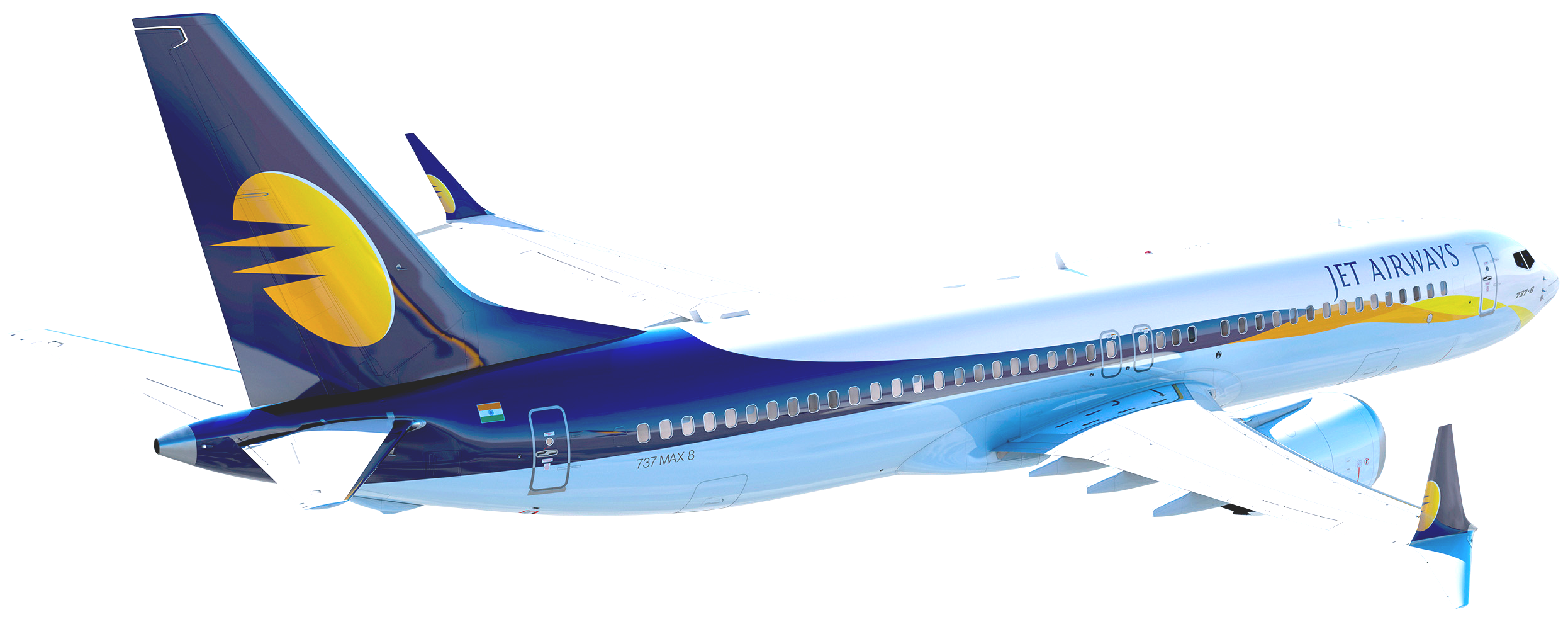
Jet Airways (India) Este es un relanzamiento más que una aerolínea propiamente nueva. Bastantes movimientos interesantes en el siempre dinámico mercado de aerolíneas indias, con Akasa Air y Jet Airways y Air India bajo un nuevo propietario, serán interesantes de observar cómo se desarrolla el mercado indio. En este caso, el nuevo propietario, el empresario indio Murari Lal Jalan, ha declarado su intención de tener una flota de cincuenta aviones próximamente, compuestos por Boeing 737 MAX.
Air Connect (Rumania) En Julio 2022, la startup rumana Air Connect recibió su primer ATR-72 arrendado, con el que planea comenzar los servicios domésticos en breve. Al frente de Air Connect está el ex-CCO de otra aerolínea con sede en Rumania, Blue Air. Parece que la nueva aerolínea proporcionará principalmente conectividad aérea adicional hacia y desde las ciudades secundarias de Rumania, entre ellas y en rutas de ocio hacia el Mediterráneo.
Jetlines (Canadá) Este ha estado en desarrollo durante casi una década, pero, después de muchos comienzos en falso, finalmente la nueva aerolínea de bajo costo de Canadá ha despegado. Jetlines ha recibido su AOC y su primer avión, un A320.
RIA Airlines (Arabia Saudí) El nuevo transportador aéreo saudí ha iniciado sus operaciones en 2022. Riyadh International Airlines, es una aerolínea planificada de segunda bandera de Arabia Saudita, con sede en Riad, su capital. La principal base de operaciones de la aerolínea estará en el Aeropuerto Internacional Rey Khalid en Riad. Las cifras que se han promocionado son, hasta ahora, asombrosas, con unos US$ 30.000 millones asignados al proyecto, lo que significa que los defensores de la nueva aerolínea saudita están pensando en grande.
Arajet (República Dominicana) Esto es en realidad un relanzamiento de una aerolínea preexistente llamada Dominican Wings y, más tarde, Flycana. Arajet opera bajo un modelo de ultra bajo costo (ULCC) y apunta a convertirse en un jugador importante en la región del Caribe. Comienza con cinco aviones Boeing 737-8 MAX y tiene otros 26 en orden, incluidos 20 del modelo Boeing 737-8 200 MAX más densamente configurado para 200 asientos que es favorecido por Ryanair y otras aerolíneas de bajo costo.
FitsAir (Sri Lanka) Relanzado, la ExpoAir, como se conocía anteriormente a la compañía, ha estado en el mercado de carga aérea y nacional durante más de dos décadas. Sin embargo, lo nuevo es que su propietario, Aberdeen Holdings Group, ha relanzado la aerolínea como de bajo costo con una flota inicial de tres aviones Airbus A320 (3). Las rutas iniciales serán a Dubai y las Maldivas, convirtiendo a FitsAir en la primera aerolínea internacional privada en Sri Lanka.
ValueJet (Nigeria) La industria aérea nigeriana es un caso bastante interesante, pues parece estar muy por debajo de su potencial teniendo en cuenta el tamaño y la población del país. No es por falta de startups, que, sin embargo, parecen tener dificultades para consolidarse. El lanzamiento de ValueJet en 2022 comienza a operar una red doméstica con Bombardier CRJ-900.
Aeroexpress Regional (Hungría) Una aerolínea regional centrada en proporcionar conexiones entre Budapest y varios destinos regionales en Hungría y Rumania. Los vuelos son operados por un operador chárter llamado Base Air, que opera un avión turbohélice Embraer E-120.
Antigua Airways (Antigua y Barbuda) Esta aerolínea es el resultado de un acuerdo entre el Gobierno de este país caribeño y algunos inversores nigerianos. Antigua Airways, que ha estado rodeada de cierta controversia en torno a la solvencia y solidez de todo el proyecto, tiene como objetivo conectar el Caribe con Lagos y Accra, en África Occidental, así como Toronto, Canadá, con un Boeing 767-300 operado por el operador portugués ACMI Euroatlantic.
Marabu (Alemania) Una nueva aerolínea alemana que atiende al mercado del ocio. El vuelo real (y AOC) será realizado por Nordica, con sede en Estonia. La nueva aerolínea se lanzará desde Hamburgo y Munich esta temporada de verano, volando principalmente a destinos en el Mediterráneo. Marabu tiene estrechos vínculos con Condor, incluidos los mismos accionistas mayoritarios y varios miembros de su equipo directivo.
Algunas aerolíneas no figuran en la lista de nuevas aerolíneas (tres): Norse Atlantic Airways (Noruega), AirAsia Cambodia y Pradhaan Air Express (India), de 2022 o a un paso de iniciar operaciones en 2023, independientemente de la certificación de su AOC por parte de las agencias aeronáuticas correspondientes de cada país.
39 startup created in 2022
Thirty-nine airlines were created for 2022
In full knowledge of the consequences of the effects of pandemic and the closures of multiple airlines through the world, the year 2022 has been a time where opportunities have been present for the creation of airlines after a hole or empty left by others in different markets worldwide. A total of thirty-nine airlines were created in 2022, half of the new airlines are from Europe, where seven firms disappeared. The only region where more airlines closed than those opened was in the North America region. Nothing discourages an entrepreneur to a sector like aviation, which definitely has an incomparable seductive power. Not even that for three years that was an aircraft cemetery where airlines died everywhere, even those that were sanitized before the arrival of the Coronavirus pandemic.
The International Air Transport Association (IATA) reports that 39 new airlines were born throughout the world, mostly in Europe, while in the Asia-Pacific region it has developed new opportunities as in the Indian market with The expected birth of Akasa Air or Pradhaan Air Express, a load airline. The vitality of the sector is again as before the pandemic, now fed by the abundance of available aircraft. On the side of the deaths, 1522 died 15 airlines, compared to 53 of 2020 and 59 of 2019, when there was no pandemic, a relatively low number for the effects that it has produced in the commercial aviation industry. Half of the new airlines, twenty (20) were born in Europe, where seven disappeared. They also grew in Asia, the most powerful continent in terms of expectations and new opportunities.
Startup 2022
What new airlines will be launched in 2022? Some on this list have been in preparation for quite some time, in fact, there is no clear dividing line in which period an airline must be attributed. Some airlines that will begin to fly this 2022 have already been included in the list of new 2021 airlines (by the way, you can also consult the bankruptcy lists of airlines of 2020 and 2019), since the project seemed solid enough to We could say that the airline already exis Hydrophions in Spain.
In any case, it is comforting that the worst crisis in the history of commercial aviation has not melled the enthusiasm of the businessmen of the airlines. Through this list, I will track the new airlines that will be launched worldwide this year of 2022.
Akasa Air (India) A new Ultra-low cost of Ultra Cost backed by a multimillionaire and ex-executive investor of Jet Airways. The Indian air market has been quite dynamic in recent years, this quite ambitious project, with a planned fleet of more than 70 Boeing 737 MAX in order, should ensure that this remains the case. Akasa Air is expected to start operating at some point in mid -2022 as soon as AOC becomes, but before the end of 2021 he presented his corporate identity.
Greater Bay Airlines (Hong Kong) Received his first plane, his AOC and made the first load flight at 4q2021.
Flyarna (Armenia) A joint company between Air Arabia and a local group. This would be the second new operator in the Armenian market in a period of approximately six months.
FlyBonza (Australia) A Low Cost (LCC) project quite interesting in Australia, mainly focused on the national market and popular few destinations. To the helm is the former Flyarystan (LCC of Air Astana).
Ultra Air (Colombia) Low Cost airline reached certification as a new Colombian operator in February 2022. The new LCC operates nationwide in Colombia and in some international destinations in the region.
Ukrainian National Airlines (Ukraine) This is a new state -owned airline, which should not be confused with Ukraine International Airlines, which, although it has been a kind of de facto flag airline of Ukraine, is, in fact, a private property airline. The Ukrainian national airline has signed an agreement with Airbus for 22 A320 family aircraft and possibly also obtains some local An-158 aircraft. After the Russian invasion of Ukraine, the subsequent war and the closure of the Airspace of Ukraine to civil traffic, this project is very likely to materialize this year.
Surcar (Spain) A new HydroAvion operator based in the Canary Islands. The idea is to connect the two main cities of the Las Palmas Archipelago and Santa Cruz de Tenerife with a regular seaplane service. The travel time would take about 30 minutes and would be more direct than the regular current JET service. This airline is backed by Nordic Seaplanes, the only regular hydroplane operator in Europe, which operates a regular service between Copenhagen and Jutlandia, in Denmark. Interestingly, it seems that another Canarian airline, Binter, is also planning its own seaplane airline, while another startup plans to do the same in the Balearic Islands, the other great archipelago of Spain.
Niceair (Iceland) The city of Akureyri, in the north of Iceland (18,000 inhabitants) also wants a part of the action (Iceland is perhaps the country in the world with the largest air industry in relation to the population). The idea is that an A319 plane, which operates under a third party AOC, connect the city with international destinations. Akureyri has an international airport, although the only non -national link is a seasonal link to Amsterdam operated by Transavia. He has taken off in March 2022.
Eswatini Air (Esuatini) The new airline of the country previously known as Swaziland has received its first two E-145 (which used to be operated by the Air France subsidiary, Hop!). The new airline is a brand of Royal Eswatini National Airways (Renac), which, despite its name, seems to limit aviation services, but lately no plane operated.
Flybe (United Kingdom) After a new Renaissance, the British airline Flybe has restored its support with a great sacrifice in 2020 is again standing and renewed its commercial flights. The re-startup Flybe operates in the same line as the previous air module and with the same type of DHC-8-Q400 Bombardier plane.
Aeroflyer (Canada) The Canadian air load operator KF Cargo has launched its own passenger airline, Aeroflyer. Interestingly, the initial fleet will be composed of a couple of quite rare aircraft, the Boeing 737-600, although later it can change to the 700 series as the operation consolidates and expands beyond its initial market niche that serves Corporate customers for SHOTER AD-HOC flights to remote locations.
Equair (Ecuador) This airline was launched in early 2022 operating a small domestic network with a pair of Boeing 737-700, the first of which was transported from Lleida-Alguaire, an industrial airport that we have covered on this site.
Céleste (France) Céleste is a new regional airline created at the Morlaix airport, in Brittany, in western France, in order to cover the void in the market left by the withdrawal of the regional subsidiary of Air France, Hop! It is expected that Céleste will be launched in the summer of 2022 with Bombardier CRJ1000 aircraft.
Air Congo (Democratic Republic of the Congo) The new flag airline of the Democratic Republic of Congo is expected to be launched short to start operations (1 B787, 3 B737 and 3 E190).
Air Alderney (Canal Islands) A small airline with headquarters on the island of the same name, which connects it with the remaining islands of the channel, as well as a couple of small airports on the southern coast of England with Britten-Norman BN2B-26 Islander airplanes. The airline was created in 2017, but did not start operating until the beginning of 2022.
Fly Jinnaah (Pakistan) This is a new low -cost airline that aims to start operating in June 2022 in Pakistan, based in Karachi. Fly Jinnaah is backed by Lackson Group, a Pakistani business conglomerate, and Air Arabia.
Q-Airways (Pakistan) Another of the current wave of new low -cost airlines that are prepared to launch in Pakistan. Q-Airways has received Government approval, although the launch date is not yet confirmed.
Aeroitalia (Italy) The new Italian airline of Germán Efremovich (former owner of Avianca) prepares to disembark from its base at the Forlì airport, near Rimini, from where he will launch a domestic network. It will operate B737-800, at least for now.
Silk Avia (Uzbekistan) This new operator hopes to launch before October 2022 with a fleet of ATR-72 aircraft. Its objective is to provide connectivity throughout its country of origin, Uzbekistan, not only from the capital, Tashkent, but also improve regional connectivity between secondary airports.
JetSMART Airlines Peru The latest incorporation to the JetSMART family of ULCC Airlines in Latin America, all backed by Indigo Partners, has received government approval for its launch.
Wizz Air Malta Another airline of the Indigo Partners group, Wizz Air, gets a new AOC, this time in Malta. Although most likely this new subsidiary operates without problems under the Wizz Air brand. Paneuropeas airline groups such as Wizz Air or Ryanair are currently operating a complete airline portfolio, with separate AOCs, to better optimize the legal, financial and operational aspects of its large networks.
Fly Dhaka (Bangladesh) A new low cost airline in Bangladesh that is receiving consulting and knowledge support from AirAsia (although there seems to be no capital investment so far). Plan an ATR-72 fleet.
L’Odyssey (Switzerland) A luxury boutique airline that plans to operate a SAAB 340, mainly from Geneva airport, but also among multiple leisure destinations throughout Europe, such as, for example, Deauville to London City.
Air Astra (Bangladesh) Another LCC that prepares for the launch in Bangladesh and also plans to operate an ATR-72 fleet.
Kuva Air (Zimbabue) Initially of modest dimensions, Kuva Air operates at this time a single EMB-13 Define itself as the first airline driven by blockchain whatever it means.
Southwind (Turkey) This airline has been created in record time after the Russian invasion of Ukraine and the subsequent sanctions and airspace closures left Turkey as the most direct and main connection point between Russia and the rest of Europe. Although the origin of two A330 (2) and two A321 (2) is not defined, Southwind received its AOC in April 2022 and will be focused on the Russian and European market and will also carry out some religious pilgrimage routes.
Jet Airways (India) This is a relaunch rather than a properly new airline. Many interesting movements in the always dynamic Indian airline market, with Akasa Air and Jet Airways and Air India under a new owner, will be interesting to observe how the Indian market develops. In this case, the new owner, the Indian businessman Muchi Lal Jalan, has declared his intention to have a fleet of fifty planes soon, composed of Boeing 737 MAX.
Air Connect (Romania) In July 2022, the Romanian startup Air Connect received its first leased ATR-72, with which it plans to start domestic services shortly. At the head of Air Connect is the ex-CCO of another airline based in Romania, Blue Air. It seems that the new airline will mainly provide additional air connectivity to and from the secondary cities of Romania, including and on leisure routes to the Mediterranean.
Jetlines (Canada) This has been in development for almost a decade, but, after many false beginnings, finally the new low -cost airline of Canada has taken off. Jetlines has received its AOC and its first plane, an A320.
RIA Airlines (Saudi Arabia) The new Saudi air transporter has started its operations in 2022. Riyadh International Airlines, is a planned second -flag of Saudi Arabia, based in Riyadh, its capital. The main operations of the airline will be at the Rey Khalid International Airport in Riad. The figures that have been promoted are, until now, amazing, with about US$ 30,000 million assigned to the project, which means that the defenders of the new Saudi airline are thinking big.
Arajet (Dominican Republic) This is actually a relaunch of a pre -existing airline called Dominican Wings and, later, Flycana. AreaT operates under an ultra low cost (ULCC) model and aims to become an important player in the Caribbean region. Start with five Boeing 737-8 MAX aircraft and has another 26 in order, including 20 of the B737-8 200 MAX more densely configured for 200 seats that is favored by Ryanair and other low-cost airlines.
Fitsair (Sri Lanka) Relaunching, the Expoair, as previously known to the company, has been in the air and national cargo market for more than two decades. However, the new thing is that its owner, Aberdeen Holdings Group, has relaunched the airline as low cost with an initial fleet of three Airbus A320 aircraft (3). The initial routes will be Dubai and the Maldives, making Fitsair the first private international airline in Sri Lanka.
Valuejet (Nigeria) The Nigerian air industry is a very interesting case, because it seems to be well below its potential taking into account the size and population of the country. It is not due to lack of startups, which, however, seem to have difficulty consolidating. The launch of Valuejet in 2022 begins to operate a domestic network with Bombardier CRJ-900.
Regional Aerexpress (Hungary) A regional airline focused on providing connections between Budapest and several regional destinations in Hungary and Romania. Flights are operated by a charter operator called Air Base, which operates a TurboHélice Embraer E-120 plane.
Antigua Airways (Antigua and Barbuda) This airline is the result of an agreement between the government of this Caribbean country and some Nigerian investors. Antigua Airways, who has been surrounded by a certain controversy around the solvency and solidity of the entire project, aims by the Portuguese operator Acmi Euroatlantic.
Marabu (Germany) A new German airline that serves to the leisure market. The real flight (and AOC) will be made by Nordica, based in Estonia. The new airline will be launched from Hamburg and Munich this summer season, flying mainly to destinations in the Mediterranean. Marabu has close links with Condor, including the same majority shareholders and several members of their management team.
Some airlines do not appear on the list of new airlines (three): Norsse Atlantic Airways (Norway), Airsia Cambodia and Pradhaan Air Express (India), 2022 or one step away from starting operations in 2023, regardless of the certification of its AOC by part of the corresponding aeronautical agencies of each country.
PUBLISHER: Airgways.com DBk: Iata.org / Airgways.com AW-POST: 202301242227AR OWNERSHIP: Airgways Inc. A\W A I R G W A Y S ®
Spirit Airlines retirará flota A319 a finales de 2025
Spirit Airlines ha anunciado que retirará los treinta y un aeronaves Airbus A319-100 (31) de su flota para fines de 2025, después de haber firmado un acuerdo para vender veintinueve (29) aviones propios a Gryphon Trading Company, una subsidiaria de Gryphon Aviation Leasing. «Estamos entusiasmados de agregar estos veintinueve A319 a nuestra flota, lo que nos ayudará a satisfacer la creciente demanda de revisiones de International Aero Engines V2500 y soporte de piezas de la familia A320», dijo el Presidente Ejecutivo de Gryphon, Steven Patch.
La aerolínea de ultra bajo costo estadounidense dijo en una presentación bursátil que la venta a Gryphon generaría entre US$ 152 y 201 millones de Dólares, dependiendo de los ajustes de precios especificados en el acuerdo pero no divulgados públicamente. Las re-entregas al arrendador comenzarán en el primer trimestre de 2023 y concluirán en el tercer trimestre de 2024. Spirit Airlines dijo que retiraría catorce A319 en 2023 y quince en 2024. La aeronave será financiada por Aviator Capital Management a través de Aviator Capital Fund V.
Los dos últimos aviones, que se alquilan a Carlyle Aviation Partners, se devolverán al final de sus arrendamientos en 2025. La flota de A319 de Spirit de treinta y un unidades (31) tiene una antigüedad promedio de 16,4 años. Los dos aviones arrendados son los más jóvenes, con 12,5 años de edad cada uno. La gran mayoría de los aviones han sido operados por Spirit Airlines desde nuevo, a excepción de tres aviones propios comprados de segunda mano a Windjet y las dos unidades arrendadas, que anteriormente eran operadas por Volaris Airlines de México.
Spirit Airlines tiene un pedido en firme con Airbus Group por treinta y un A319-100NEO, pero no ha revelado su plazo de entrega previsto. La compañía Ultra Low Cost (ULCC) es uno de los cuatro clientes confirmados para el tipo, y el único fuera de China. La flota de la ULCC también comprende además de sesenta y cuatro A320-200 (64), sesenta y nueve A320-200N (69), con cincuenta órdenes adicionales, y treinta A321-200 (30). Tiene un pedido en firme de cuarenta y un A321-200NEO (41).
Spirit will withdraw A319
Spirit Airlines will withdraw A319 Fleet at the end of 2025
Spirit Airlines has announced that it will withdraw the thirty-one aircraft A319-100 (31) of its fleet by the end of 2025, after having signed an agreement to sell twenty-nine (29) its own airplanes to Gryphon Trading Company, a subsidiary of Gryphon Aviation Leasing. «We are excited to add these twenty-nine A319 to our fleet, which will help us meet the growing demand for revisions of International Aero Engines V2500 and support for pieces of the A320 family», said Gryphon Executive President Steven Patch.
The ultra low-cost airline said in a stock market presentation that the sale to Gryphon would generate between US$ 152 and 201 million, depending on the price settings specified in the agreement but not publicly disclosed. The rents to the lessor will begin in the first quarter of 2023 and will end in the third quarter of 2024. Spirit Airlines said that it would withdraw fourteen A319 in 2023 and fifteen in 2024. The aircraft will be financed by Aviator Capital Management through Aviator Capital Fund V.
The last two planes, which are rented to Carlyle Aviation Partners, will be returned at the end of their leases in 2025. The Spirit A319 fleet of thirty-one units (31) has an average age of 16.4 years. The two leased planes are the youngest, with 12.5 years of age each. The vast majority of the airplanes have been operated by Spirit Airlines from new, with the exception of three own aircraft bought second-hand to Windjet and the two leased units, which were previously operated by Volaris Airlines of Mexico.
Spirit Airlines has a firm order with Airbus Group for thirty-one A319-100NEO, but has not revealed its planned delivery period. The Ultra Low Cost (ULCC) company is one of the four clients confirmed for the type, and the only one outside China. The ULCC fleet also includes sixty-four A320-200 (64), sixty-nine A320-200NEO (69), with fifty additional orders, and thirty A321-200 (30). It has a firm order of forty-one A321-200neo (41).
PUBLISHER: Airgways.com DBk: Spirit.com / Airgways.com AW-POST: 202301241244AR OWNERSHIP: Airgways Inc. A\W A I R G W A Y S ®
Nairobi pondrá fin apoyo estatal a Kenya Airways en el 4Q2023
El Gobierno de Kenia está desarrollando una estrategia de financiamiento para Kenya Airways que pondrá fin a su dependencia del apoyo estatal para fines de Diciembre de 2023, según una breve nota en su borrador de Declaración de Política Presupuestaria 2023: «Para apoyar a la industria de la aviación, el gobierno desarrollará una estrategia de cambio para Kenya Airways. Un punto crítico de esta estrategia será un plan de financiamiento que no dependa del apoyo operativo del erario más allá de diciembre de 2023», se lee en el comunicado.
Mientras tanto, la aerolínea de bandera técnicamente insolvente recibirá apoyo estatal de Ksh 34.9 mil millones de Chelines kenianos/US$ 283.2 millones Dólares este año después de que el Gobierno prometiera anteriormente ayuda financiera continua en el año fiscal 2022/23 para evitar incumplimientos para la liquidación de los atrasos de los arrendadores y el apoyo al capital de trabajo. Desde Junio de 2022, Kenya Airways ha estado en proceso de reestructuración, financiada con préstamos estatales que deberán reembolsarse, centrándose en la simplificación de la flota y la red, la racionalización del personal, la gestión de costes, las revisiones de los acuerdos laborales, los negocios auxiliares y las asociaciones estratégicas.
En Mayo de 2022, el Gobierno de Kenia aprobó un préstamo estatal de Ksh 20.000 millones de Chelines/US$ 173.9 millones, y la aerolínea pidió prestados otros Ksh 11.300 millones/US$ 95 millones en el semestre que finalizó el 30 de Junio de 2022. Esto siguió a préstamos de Ksh 11.000 millones/US$ 95.2 millones en 2020 y Ksh 14.000 millones/US$ 121.1 millones en 2021.
Mientras tanto, el Gobierno de Kenia está buscando una aerolínea extranjera rica en efectivo para desprenderse de Kenya Airways. Según los informes, el Presidente William Ruto lanzó un plan a la aerolínea estadounidense Delta Air Lines durante una visita oficial a los Estados Unidos recientemente.
Government seeks sale of Kenya Airways
Nairobi to end state support to Kenya Airways in 4Q2023
The Government of Kenya is developing a financing strategy for Kenya Airways that will end its reliance on state support by the end of December 2023, according to a brief note in its draft Budget Policy Statement 2023: «To support the airline industry «Aviation, the government will develop a turnaround strategy for Kenya Airways. A critical point of this strategy will be a financing plan that is not dependent on operational support from the treasury beyond December 2023», the statement read.
Meanwhile, the technically insolvent flag carrier will receive state support of Ksh 34.9 billion Kenyan Shillings/US$ 283.2 million Dollars this year after the Government earlier promised continued financial aid in fiscal 2022/23 to avoid defaults for liquidation of landlord arrears and support for working capital. Since June 2022, Kenya Airways has been in the process of restructuring, financed by state loans to be repaid, focusing on fleet and network simplification, staff rationalization, cost management, labor agreement reviews, auxiliary businesses and strategic associations.
In May 2022, the Government of Kenya approved a state loan of Ksh 20 billion Shillings/US$ 173.9 million, and the airline borrowed another Ksh 11.3 billion/US$ 95 million in the six months ending June 30, 2022. This followed loans of Ksh 11 billion/US$ 95.2 million in 2020 and Ksh 14 billion/US$ 121.1 million in 2021.
Meanwhile, the Kenyan government is looking for a cash-rich foreign airline to divest Kenya Airways. President William Ruto reportedly pitched a plan to US airline Delta Air Lines during an official visit to the United States recently.
PUBLISHER: Airgways.com DBk: President.gov.ke / Kenya-airways.com / Airgways.com AW-POST: 202301241233AR OWNERSHIP: Airgways Inc. A\W A I R G W A Y S ®
Aeropuerto Bariloche suspendido por suspensión ceniza volcánica
La ceniza en suspensión que se ha informado el Lunes 23/01 como consecuencia del intenso viento que azotó a la cordillera, afectó las operaciones aéreas del Aeropuerto Bariloche/Teniente Luis Candelaria/BRC de Argentina y obligó a cancelar hacia la noche cinco vuelos que debían aterrizar en Bariloche. Cinco servicios no pudieron aterrizar en la ciudad andina, algunos fueron desviados hacia Neuquén. El Martes 24/01 el aeropuerto funciona con normalidad.
La Subsecretaría de Protección Civil informó que el Lunes 23/01 se detectó «remoción eólica de ceniza volcánica vieja y bruma», según datos del Servicio Geológico Minero Argentino que precisó que se trata del material que permanece en la superficie del Cordón Caulle Puyehue que erupcionó en Junio de 2011. Esta situación afectó la operatoria de vuelos. Algunos que estaban en viaje, anoche fueron desviados al Aeropuerto de Neuquén.
Aeropuertos Argentina 2000, que administra el aeropuerto internacional de Bariloche, ha comunicado que fueron cancelados los vuelos que debían arribar el Lunes 23 de Enero de 2023 a partir de las 21:15 de la noche y hasta el servicio que debía aterrizar a la 01:30 del Martes 24/01. Cuatro de estos vuelos pertenecían a Aerolíneas Argentinas y uno a la empresa JetSMART Airlines Argentina.
El Aeropuerto Bariloche ha restablecido sus operaciones con normalidad a partir de la mañana del Martes 24/01. Partieron esta mañana con normalidad dos vuelos, uno de Flybondi y otro de Aerolíneas Argentinas. arribó el vuelo JetSMART Airlines Argentina WJ 3182 a las 09:17hs. Despegaban de la aeroestación los vuelos de Aerolíneas Argentinas AR 1917 hacia Buenos Aires/AEP a las 09:30, mientras que el vuelo AR1687 lo hacía a las 10:40 hs. A las 09:52 también despegaba el vuelo WJ 3183de JetSMART hacia Buenos Aires/AEP. Para Bariloche el 24/01 se encuentran programados diecisiete vuelos desde distintos puntos del país, según consigna el esquema de programación para el día de Aeropuertos Argentina 2000.
Bariloche closed 01/23 by ash
Bariloche Airport suspended for volcanic ash suspension
The suspension ash that has been reported on Monday 01/23 as a result of the intense wind that hit the mountain range, affected the air operations of the Bariloche/Lieutenant Luis Candelaria Airport/BRC of Argentina and forced to cancel five flights that owed land in Bariloche. Five services could not land in the Andean city, some were diverted to Neuquén. On Tuesday 24/01 the airport works normally.
The Undersecretariat of Civil Protection reported that on Monday 01/23, «wind removal of old volcanic and mist» in June 2011. This situation affected the flight operation. Some who were on a trip, last night were diverted to Neuquén Airport.
Aeropuertos Argentina 2000 (AA2000), which manages the Bariloche International Airport, has reported that the flights that should arrive on Monday, January 23, 2023 from 9:15 p.m. and until the service that had to land at 01:30 on Tuesday 24/01. Four of these flights belonged to Aerolíneas Argentinas and one to the company JetSMART Airlines Argentina.
The Bariloche Airport has restored its operations normally from the morning of Tuesday 24/01. Departed this morning normally two flights, one from Flybondi and another from Aerolíneas Argentinas. The JetSMART Airlines Argentina WJ3182 flight arrived at 09:17 hs. The flights of Aerolíneas Argentinas AR1917 to Buenos Aires/AEP at 09:30, while the AR1687 flight did so at 10:40 hs. At 09:52 the WJ3183 de JetSMART flight to Buenos Aires/AEP also took off. For Bariloche on 24/01, seventeen flights are scheduled from different parts of the country, according to the programming scheme for Argentine Airports 2000.
PUBLISHER: Airgways.com DBk: Aa2000.com.ar / Segemar.gov.ar / Airgways.com AW-POST: 202301241131AR OWNERSHIP: Airgways Inc. A\W A I R G W A Y S ®
AW | 2023 01 24 10:41 | AIRPORTS / AIRLINES / GOVERNMENT
Aerolíneas cargueras comienzan traslado al AIFA
Líneas aéreas cargueras han comenzado a aceptar la migración completa al Aeropuerto Felipe Ángeles/AIFA, pero les preocupa el periodo de noventa (90) días para migrar el Ciudad de México/AICM al nuevo aeropuerto en Santa Lucía. Tras la publicación del anteproyecto del Decreto para suspender las operaciones exclusivas de carga en el Aeropuerto Internacional de la Ciudad de México/AICM, las aerolíneas dedicadas al traslado de mercancías y otros productos, han comenzado a ceder para realizar la migración hacia la nueva aeroestación.
Las líneas aéreas cargueras han comenzado a aceptar la migración completa de operaciones propuesta con el Gobierno y la cual han trabajado durante alrededor de nueve meses, confirman fuentes involucradas en el proceso. Las empresas cargueras han expresado, en contraparte, que el periodo de noventa días asignado para mover toda las operaciones de carga no es el idóneo para poder realizarlo de una forma segura y eficiente. Por ejemplo, la aerolínea Mas Air, la más importante en el país entre las firmas de carga, ha sugerido que el plazo para poder realizar la migración de forma segura debe ser de, por lo menos, 180 días hábiles. “Resulta también esencial que antes de cualquier migración, se garantice por parte de la autoridad aeronáutica mexicana, que no existirán obstáculos en el proceso de modificación a las autorizaciones de las rutas que actualmente se operan desde el Aeropuerto Internacional de la Ciudad de México, para los aeropuertos que los operadores elijan para continuar operando, considerando desde luego, la operación de las rutas hacia los Estados Unidos afectadas por la degradación de categoría”, dijo Alejandro Cobián, Director Legal de Mas Air en un comentario ante el anteproyecto presentado en la Conamer.
Carlos Torres, especialista independiente del sector aéreo, señala que debido a la degradación en seguridad aérea, las aerolíneas cargueras estarían impedidas para abrir rutas desde otros aeropuertos en el Valle de México hacia los aeropuertos que ahora conectan, con operaciones de carga, pero que la intención del Gobierno sería, como se ha planteado la migración, recuperar la categoría en los siguientes noventa días. Además, el especialista indica que la migración de operaciones desde el AICM difícilmente puede realizarse a otro aeropuerto que no sea el AIFA, pues en la zona, aunque haya otros puertos aéreos, no hay ninguno que tenga las condiciones de infraestructura necesarias para recibir el volumen de carga que se opera en el AICM. “Toluca, Puebla, Querétaro no tienen las condiciones para albergar la carga que se mueve, sobre todo, internacionalmente. Con la apertura del AIFA, y si bien el decreto no puede obligar a las aerolíneas a ir allí, este se convierte en el candidato natural. Y, además, tiene oportunidades de crecimiento”, remarca Carlos Torres.
El punto central, por ahora, es la forma en que se dará la migración. Para Grupo Avianca, los efectos de la restricción de operaciones cargueras será el incremento de costos del transporte aéreo y almacenamiento, además del aumento en los tiempos de tránsito a la Ciudad de México. “En nuestro caso el impacto es cercano al 16 por ciento de los ingresos procedentes en carga. Visto lo anterior, y sin ser el ideal para nosotros, si se considera implementar la restricción en cuestión, sugerimos respetuosamente, antes de ello se logre articular los siguientes procesos y tiempos, todos tendientes a mitigar el impacto en costos y competitividad de la restricción en este segmento complementario al transporte aéreo de pasajeros”, señaló Avianca. La compañía colombiana ha expresado que se extienda el plazo a un año para poder realizar la migración integral del área de carga.
El Gobierno de México ha señalado que el motivo para suspender las operaciones de carga en el Aeropuerto Ciudad de México/AICM, que no incluye los vuelos de pasajeros en donde también se lleva carga en la bodega del avión, es la saturación del espacio aéreo y de las terminales que conforman el Aeropuerto Benito Juárez/AICM. No obstante, las operaciones exclusivas de carga representan no más del 3% de los vuelos que se tiene en un día en el AICM, además que estas operaciones no se llevan a cabo en franjas horarias saturadas.
“El resultado de la aplicación del decreto no ayudará a descongestionar la saturación actual del AICM ya que las operaciones de carga únicamente absorbe el 3 por ciento del total de las operaciones diarias, adicionalmente la mayoría de los horarios en que se realiza la operación no son los saturados”, precisa la Cámara Nacional de Aerotransportes (Canaero).
De acuerdo con los documentos disponibles en la Comisión Nacional de Mejora Regulatoria (Conamer), el movimiento de operaciones desde el AICM al AIFA costaría MX$ 713.706 Pesos, e impactaría a los dieciséis concesionarios que exclusivamente manejan carga en el aeropuerto capitalino, además de a los trabajadores que tendrían que migrar, de igual forma, hacia la zona de Zumpango, en el Estado de México. Por ahora, pese a los comentarios vertidos de las líneas aéreas, el Gobierno mexicano insiste en el periodo de noventa días como plazo.
Airlines freighters for AIFA
Airlines cargo begin transfer to AIFA
The airlines freighters have begun to accept full migration to Felipe Ángeles Airport/AIFA, but they are worried about the period of ninety (90) days to migrate Mexico City/AICM to the new airport in Santa Lucía. After the publication of the draft decree to suspend exclusive load operations at the Mexico City International Airport/AICM, the airlines dedicated to the transfer of goods and other products, have begun to transfer to carry out migration to the new aerostation.
The loading airlines have begun to accept the complete migration of operations proposed with the government and which have worked for about nine months, confirm sources involved in the process. Cargueras companies have expressed, in counterpart, that the ninety -day period assigned to move all load operations is not the ideal to be able to do it in a safe and efficient way. For example, the most Air airline, the most important in the country among load firms, has suggested that the deadline to be able to perform migration safely should be at least 180 business days. “It is also essential that before any migration, the Mexican aeronautical authority is guaranteed by The airports that the operators choose to continue operating, of course, the operation of the routes to the United States affected by the degradation of category”, said Alejandro Cobián, legal director of Mas Air in a comment before the draft presented in the Conamer .
Carlos Torres, an independent air sector specialist, points out that due to degradation in air safety, loaders would be prevented to open routes from other airports in the Valley of Mexico to the airports that now connect, with load operations, but that the Government’s intention would be, as migration has been raised, recovering the category in the next ninety days. In addition, the specialist indicates that the migration of operations from the AICM can hardly be done to another airport other than AIFA, because in the area, although there are other air ports, there is none that has the infrastructure conditions necessary to receive the volume of load that is operated in the AICM. “Toluca, Puebla, Querétaro does not have the conditions to house the load that moves, above all, internationally. With the opening of AIFA, and although the decree cannot force airlines to go there, it becomes the natural candidate. And, in addition, it has growth opportunities”, says Carlos Torres.
The central point, for now, is the way in which migration will be given. For Grupo Avianca, the effects of the restriction of cargo operations will be the increase in air transport costs and storage, in addition to the increase in transit times to Mexico City. “In our case the impact is close to 16 percent of the income from loading. Seen the above, and without being the ideal for us, if it is considered to implement the restriction in question, we respectfully suggest, before that it is possible to articulate the following processes and times, all tending to mitigate the impact on costs and competitiveness of the restriction in restriction in This complementary segment to passenger air transport”, said Avianca. The Colombian company has expressed that the deadline is extended to one year to be able to carry out the integral migration of the cargo area.
The Government of Mexico has indicated that the reason for suspending cargo operations at Mexico City Airport/AICM, which does not include passenger flights where it also takes charge in the airplane cellar, is the saturation of the airspace and of the terminals that make up the Benito Juárez/AICM airport. However, exclusive load operations represent no more than 3% of the flights in one day in the AICM, and these operations are not carried out in saturated time stripes.
“The result of the application of the decree will not help decongest the current saturation of the AICM since load operations only absorb 3 percent of the total daily operations, additionally most of the schedules in which the operation is carried out are not The saturated ones”, says the National Airborne Chamber (Canaero).
According to the documents available in the National Regulatory Improvement Commission (CONAMER), the movement of operations from the AICM to AIFA would cost MX$ 713,706 Pesos, and would impact the sixteen concessionaires that exclusively handle load at the capital airport, in addition to to workers who would have to migrate, in the same way, to the Zumpango area, in the State of Mexico. For now, despite the spilled comments of the airlines, the Mexican government insists on the period of ninety days as a term.
PUBLISHER: Airgways.com DBk: Gob.mx/conamer / Canaero.org.mx / Airgways.com AW-POST: 202301241041AR OWNERSHIP: Airgways Inc. A\W A I R G W A Y S ®
Cargos de fraude por adquisición fallida de Stobart Air de Irlanda
El hombre detrás de la fallida adquisición de Stobart Air en 2021 enfrenta cargos de fraude. Jason Scales compareció en un Tribunal de la Isla de Man el 19 de Enero de 2023, por cargos relacionados con la fallida oferta pública de adquisición. En el centro del asunto está un supuesto préstamo para financiar la adquisición, que según las autoridades nunca existió.
Jason Scales fue acusado inicialmente a principios del 4Q2022 y compareció por primera vez ante un Tribunal de Douglas a principios de Noviembre 2022. Actualmente se enfrenta a un internamiento en un Tribunal superior. El joven de 28 años enfrenta un cargo de hacer una representación falsa deshonestamente con respecto al préstamo y dos cargos de posesión de documentos fraudulentos, con el Fiscal General de la Isla de Man alegando que entre el 7 de Abril y el 5 de Junio de 2021, Jason Scales hizo o intentó hacer una representación falsa, a saber, afirmar que el Gobierno de la Isla de Man estaba suscribiendo un préstamo de £ 13 millones de Libras Esterlinas/US$ 16.12 millones de Dólares para comprar Stobart Air.
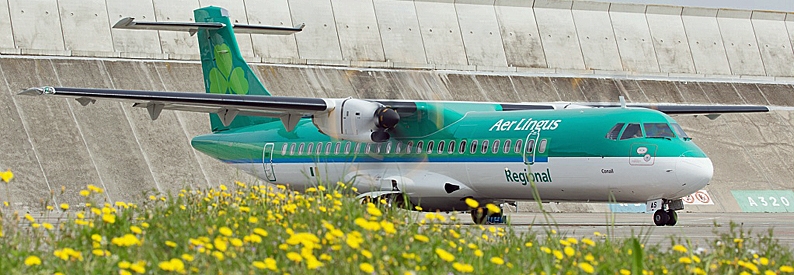
Un informe de la BBC proporciona algunos detalles adicionales sobre los presuntos delitos. Dice que Jason Scales había presentado una carta de apoyo y garantía, así como documentación de indemnización supuestamente firmada por Mark Lewin, Director Ejecutivo del Departamento de Empresas de la Isla de Man, y el Secretario en Jefe William Greenhow. En 2021 hizo un oferta en efectivo para la compra de Storbart Air en la Isla de Man de un valor de £2/US$2.48 después de que la aerolínea tuviera problemas financieros. Stobart Air operaba vuelos en nombre de otras aerolíneas y, a finales de 2020, su cliente clave, Aer Lingus le informó que su contrato para operar vuelos de Aer Lingus Regional se cancelaría; optando por un nuevo contrato para Emerald Airlines de Irlanda en 4Q2022.
Jason Scales, que no tiene experiencia en la industria de la aviación, estableció una compañía llamada Ettyl, y su acuerdo propuesto incluía un pago de rendimiento para 2024 de hasta £ 7.5 millones/US$ 9.3 millones. Pero a fines del segundo trimestre de 2021, se hicieron preguntas sobre las fuentes de financiamiento de Ettyl y las posibles irregularidades. El propietario de Stobart Air, Esken Ltd, terminó las conversaciones y poco después Stobart Air cesó sus operaciones.
Jason Scales permanece bajo fianza condicional, con la prohibición de salir de la Isla de Man. Actualmente, no tiene ningún interés comercial directo en la Isla de Man, pero continuará consultando y asesorando a la industria. Dice que sus representantes legales han impugnado los procedimientos de internamiento y que la situación procesal apenas comienza.
Fraud acquisition Stobart Air
Falling fraud charges of Stobart Air from Ireland
The man behind the failed acquisition of Stobart Air in 2021 faces fraud charges. Jason Scales appeared in a Court on Man Island on January 19, 2023, for charges related to the failed public acquisition offer. In the center of the matter is an alleged loan to finance the acquisition, which according to the authorities never existed.
Jason Scales was initially accused at the beginning of 4Q2022 and appeared for the first time before a Douglas Court in early 2022. He currently faces an internment in a superior court. The 28 year-old faces a charge of making a false representation dishonestly with respect to the loan and two positions of possession of fraudulent documents, with the attorney general of the Island of Man alleging that between April 7 and June 5, 2021 Jason Scales made or tried to make a false representation, namely, to affirm that the Government of the Island of Man was subscribing a loan of £ 13 million pounds sterling/US$ 16.12 million dollars to buy Stobart Air.
A BBC report provides some additional details about the alleged crimes. He says that Jason Scales had submitted a support and guarantee letter, as well as compensation documentation allegedly signed by Mark Lewin, executive director of the Department of Companies of the Island of Man, and Chief Secretary William Greenhow. In 2021 he made an cash offer for the purchase of Storbart Air on the Island of Man of a value of £ 2/US$ 2.48 after the airline had financial problems. Stobart Air operated flights on behalf of other airlines and, at the end of 2020, his key client, Aer Lingus informed him that his contract to operate regional Aer Lingus flights would be canceled; opting for a new contract for Emerald Airlines of Ireland in 4Q2022.
Jason Scales, which has no experience in the aviation industry, established a company called Ettyl, and its proposed agreement included a performance payment by 2024 of up to £ 7.5 million/US$ 9.3 million. But at the end of the second quarter of 2021, questions about Ettyl financing sources and possible irregularities were asked. The owner of Stobart Air, Esken Ltd, finished the conversations and shortly after Stobart Air ceased his operations.
Jason Scales remains on conditional bail, with the prohibition of leaving the Island of Man. Currently, he has no direct commercial interest on the island of Man, but will continue to consult and advise the industry. He says that his legal representatives have challenged the detention procedures and that the procedural situation appeals.
PUBLISHER: Airgways.com DBk: Courts.im / Airgways.com AW-POST: 202301240949AR OWNERSHIP: Airgways Inc. A\W A I R G W A Y S ®
Según informó Inprotur, durante la edición de FITUR 2023 realizada la semana pasada en Madrid, España, han informado la solicitud para nuevas rutas mostrando interés por Buenos Aires/EZE.
En la última edición turística de FITUR, las autoridades argentinas hicieron contacto con tres aerolíneas internacionales interesadas en llegar a Ezeiza con sus aeronaves. Una de ellas, anunciada anteriormente es Plus Ultra Líneas Aéreas, decidida a conectar España con Buenos Aires a través de sus aeropuertos internacionales, compromiso que implementarían a partir de 2024. Fundada en 2011 y con una flota de seis aviones Airbus 330 (6) y un Airbus 340 (1), a los que se sumarán dos más en unos meses dos aviones más. La aerolínea tiene su hub en Madrid y vuela hacia Bogotá, Caracas, Cartagena de Indias, Lima y Tenerife actualmente.
También sorprendió el interés de EgyptAir por desembarcar por primera vez en Argentina para vuelos comerciales desde El Cairo vía São Paulo. El Secretario Ejecutivo del Inprotur, Ricardo Sosa, se reunió con autoridades de la empresa egipcia para trabajar en la extensión de la ruta que comenzará a operar en Octubre de 2023 hacia Brasil para que se prolongue hasta nuestro país.
Iberojet, empresa española que forma parte del grupo Avoris y tiene una flota de siete aviones, incluyendo un Airbus 350 (1) con 432 asientos, también fue promovida para una oferta hacia Argentina. Actualmente conecta la península ibérica (España y Portugal) con el Caribe.
Airlines landing in Buenos Aires
New airlines will arrive at Ezeiza Airport
As reported by Inprotur, during the Edition of FITUR 2023 made last week in Madrid, Spain, they have made the application for new routes showing interest in Buenos Aires/EZE.
In the latest tourist edition of FITUR, the Argentine authorities made contact with three international airlines interested in arriving in Ezeiza with their aircraft. One of them, announced above is Plus Ultra Líneas Aéreas, determined to connect Spain with Buenos Aires through its international airports, commitment that would implement from 2024. Founded in 2011 and with a fleet of six aircraft Airbus A330 (6) and one Airbus 340 (1), which will be added two more in a few months two more planes. The airline has its hub in Madrid and flies towards Bogotá, Caracas, Cartagena de Indias, Lima and Tenerife today.
Also surprised Egyptair’s interest in landing for the first time in Argentina, bringing and taking passengers to Cairo via São Paulo. The Executive Secretary of INPROTUR, Ricardo Sosa, met with authorities of the Egyptian company to work to the extension of the route that will begin operating in October 2023 to Brazil to last to our country.
Iberojet, a Spanish company that is part of the Avoris group and has a fleet of seven aircraft, including an Airbus 350 (1) with 432 seats, was also promoted for an offer towards Argentina. He currently connects the Iberian Peninsula (Spain and Portugal) with the Caribbean.
PUBLISHER: Airgways.com DBk: Ifema.es / Iberojet.com / Egyptair.com / Plusultra.com / Airgways.com AW-POST: 202301240919AR OWNERSHIP: Airgways Inc. A\W A I R G W A Y S ®
Aerolíneas Argentinas ha sido premiada por Compare The Market como la «Mejor aerolínea de Sudamérica», ubicándose en primer lugar debido a que recibió la menor cantidad de quejas por demoras, pérdida de equipaje y otros inconvenientes durante el último año 2022.
Aerolíneas Argentinas fue elegida como la mejor aerolínea de Sudamérica en un ranking de las líneas aéreas elaborado según el índice de quejas de los usuarios que viajaron durante 2022 y que publicó Compare The Market, un sitio especializado en seguros de viajes con sede en Australia. En el ranking, publicado esta semana, Aerolíneas Argentinas se ubicó en primer lugar debido a que recibió la menor cantidad de quejas por demoras, pérdida de equipaje y otros inconvenientes durante el último año, mientras que entre las que mayor cantidad de quejas presentadas se encuentran American Airlines y Lufthansa German Airlines.
En la publicación, Compare The Market indicó respecto a Sudamérica: «Primero está Aerolíneas Argentinas: con sede en Buenos Aires, es la aerolínea nacional de Argentina, y en los últimos doce meses recibió solo una queja de maltrato en un servicio al cliente y cuatro casos de problemas para obtener reembolsos por boletos y equipajes perdidos».
En cuanto a la zona de Asia Pacífico, Air New Zealand con solo una queja de información incorrecta o aumentos de tarifas, y cuatro casos de no recibir un reembolso adecuado, también está en la cima. Otras aerolíneas que cumplieron con la calidad de servicio se encuentran Air Transat de Canadá, línea aérea de viajes vacacionales y de ocio, así como GOL Linhas Aéreas, aerolínea low cost de Brasil.
Entre las compañías con peor desempeño se encontraron American Airlines encabezó la lista de quejas con 2183 problemas de vuelo registrados, 157 casos de sobreventa de boletos y 1476 problemas con reembolsos. American Airlines obtuvo la peor calificación de parte de los usuarios en todos los puntos clasificados, con la excepción de equipaje perdido y retrasado, donde el primer lugar fue para United que, a su vez, tuvo 763 casos de equipaje perdido, retrasado o dañado en los últimos 12 meses. Spirit Airlines, JetBlue Airways y Frontier Airlines, aerolíneas de bajo costo que operan en los Estados Unidos, también resultaron ser algunas de las aerolíneas que recibieron mayor cantidad de quejas por parte de los usuarios.
La aerolínea con mayor cantidad de reclamos recibidos fue la alemana Lufthansa German Airlines con 566 informes de problemas con el equipaje y 466 problemas con la obtención de reembolsos. Otra de las aerolíneas mencionadas en el informe como las que recibió mayor cantidad de quejas fue Air India, donde se destacaron entre los reclamos a las dificultades para obtener reembolsos.
La compañía Aerolíneas Argentinas ha estado mejorando mucho su estructura como aerolínea después de continuas deficiencias históricas a través de sus diferentes gerenciamientos tanto estatales como privados. Actualmente, la aerolínea estatal ha anunciado reducciones en sus gastos en 2022 de las partidas presupuestarias, un buen síntoma, un buen rumbo.
Aerolíneas, chosen best South America
Ranking prepared by Compare The Market
Aerolíneas Argentinas has been awarded by The Compared Market as the «Best Airline in South America», located in the first place because it received the least number of complaints for delays, loss of luggage and other inconveniences during the last year 2022.
Aerolíneas Argentinas was chosen as the best airline in South America in a ranking of the airlines prepared according to the complaint index of the users who traveled for 2022 and published by Compare The Market, a place specialized in travel insurance based in Australia. In the ranking, published this week, Aerolíneas Argentinas was first because it received the least number of complaints for delays, loss of luggage and other inconveniences during the last year, while among which the greatest number of complaints presented are American Airlines and Lufthansa German Airlines.
In the publication, compare The Market indicated with respect to South America: «First there is Aerolíneas Argentinas: based in Buenos Aires, it is the national airline of Argentina, and in the last twelve months it received only one complaint of abuse in a customer service and four cases of problems to obtain reimbursements for tickets and lost luggage».
As for the Pacific Asia area, Air New Zealand with only an incorrect information complaint or rates increases, and four cases of not receiving an adequate reimbursement, it is also at the top. Other airlines that complied with the quality of service are Air Transat de Canada, holiday and leisure travel line, as well as GOL Linhas Aéreas, low cost airline of Brazil.
Among the companies with the worst performance were American Airlines, the list of complaints with 2183 registered flight problems, 157 cases of tickets and 1476 problems with reimbursements. American Airlines obtained the worst rating by users at all classified points, with the exception of lost and delayed luggage, where the first place went to United that, in turn, had 763 cases of lost, delayed or damaged luggage in The last 12 months. Spirit Airlines, JetBlue Airways and Frontier Airlines, low-cost airlines operating in the United States, also turned out to be some of the airlines that received the most complaints from users.
The airline with the greatest amount of claims received was the German Lufthansa German Airlines with 566 reports of luggage problems and 466 problems with obtaining refunds. Another of the airlines mentioned in the report such as those that received the greatest number of complaints was Air India, where they stood out among the claims to the difficulties in obtaining refunds.
The Aerolíneas Argentinas company has been greatly improving its structure as an airline after continuous historical deficiencies through its different state and private management. Currently, the state airline has announced reductions in its expenses in 2022 of the budget items, a good symptom, a good course.
PUBLISHER: Airgways.com DBk: Aerolineas.com / Comparethemarket.com.au / Airgways.com AW-POST: 202301230749AR OWNERSHIP: Airgways Inc. A\W A I R G W A Y S ®
United Airlines publica video imagen corporativa compañía
United Airlines ha publicado un novedoso video de un equipo de fotógrafos que toman fotos seleccionadas de su nuevo avión Boeing 737 MAX.
United Airlines fue cliente de lanzamiento del Boeing 737-9 MAX, inaugurando su primer vuelo el 7 de Junio de 2018. Adicionalmente, la compañía ha colocado órdenes recientes por más de 200 unidades del 737 MAX, posicionándose como una de las mayores compañías comprometidas con el Programa 737 MAX de cuarta generación.
El video muestra al Boeing 737-8 MAX con registro N27266, SMN66597, LN:8153, que ha realizado su primer vuelo el 12/11/2021 y vuela actualmente para United Airlines. Fotógrafos profesionales de la aviación captaron fotos inéditas para los aero-entusiastas de la aviación comercial que permitieron apreciar un nuevo enfoque de los spotting desarrollados hasta la fecha. Excelente presentación fotográfica en forma de video instructivo.
United presents video 737 MAX
United Airlines publishes video corporate image company
United Airlines has published a novel video of a team of photographers who take selected photos of his new Boeing 737 MAX plane.
United Airlines was a launch customer of the Boeing 737-9 MAX, opening its first flight on June 7, 2018. Additionally, the company has placed recent orders for more than 200 units of 737 MAX, positioning itself as one of the May companies committed to The 737 MAX fourth generation program.
The video shows the Boeing 737-8 MAX with registration N27266, SMN66597, LN: 8153, which has made its first flight on 11/11/2021 and currently flies for United Airlines. Professional advance photographers captured unpublished photos for the air-enthusiasts of commercial aviation that allowed to appreciate a new approach to the spotting developed to date. Excellent photographic presentation in the form of instructional video.