JetSmart recibe 1er A320NEO

AW-Airbus_JetsmartA320neo.jpgAW | 2019 10 04 19:11 | AIRLINES / INDUSTRY

JetSmart Airlines toma entrega del primer Airbus A320NEOaw-70099433-1.jpg

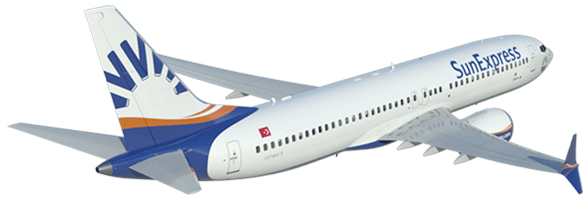
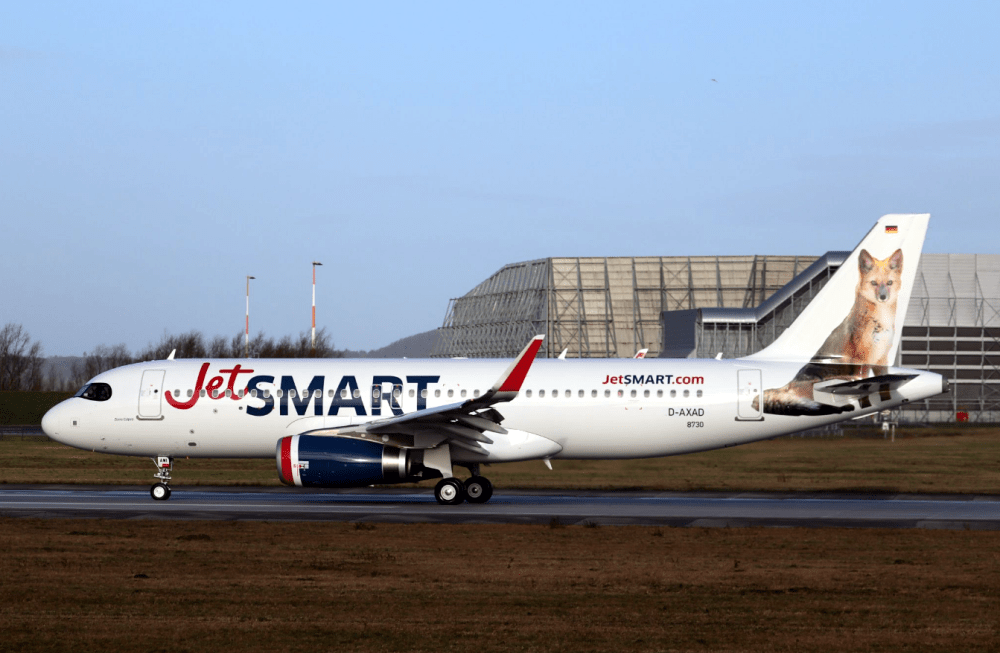
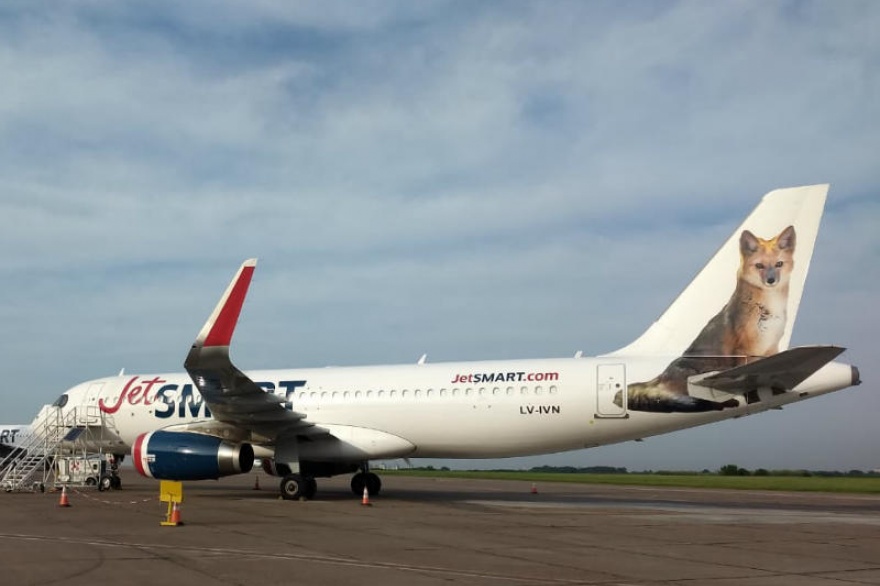
JetSMART-16-9.pngJetSmart Airlines de Chile ha incorporado el primer Airbus A320NEO a su flota. El primer avión de tercera generación de la familia A320 se suma a la compañía aérea low cost incorporando en su librea un colibrí que adorna el timón de dirección de A320NEO que totaliza el duodécimo avión de la aerolínea chilena.

El nuevo avión Airbus A320NEO fue presentado esta semana en las instalaciones de Airbus en Toulouse, Francia, en un evento al que asistieron el CEO de JetSMART, Estuardo Ortiz, Peter Barrett, CEO de SMBC Aviation Capital y Arturo Barreira, Presidente de Airbus para América. América Latina y el Caribe. «Continuamos creyendo, creciendo e invirtiendo en el desarrollo de la aerolínea Ultra Low Cost líder en Sudamérica. Para ello, invertimos US$ 8.4 mil millones en la compra de 76 aviones y aumentamos nuestra flota en un 55%. El A320NEO se traduce en precios más bajos para nuestros clientes en toda la región porque al ahorrar alrededor del 20% en combustible, este avión nos permite volar más rutas, ofreciendo nuevos servicios a países como Brasil y otros mercados en el futuro. Flying SMART está volando un A320 nuevo, seguro, confiable y oportuno”, dice Ortiz.

“Estamos orgullosos de ver el A320NEO en JetSMART, ya que este avión incorpora las últimas tecnologías, incluidos los motores y Sharklets de próxima generación, que no solo ahorran combustible y CO2, sino que también reducen el ruido. alrededor del 50%Nos complace dar la bienvenida a JetSmart como nuestro nuevo cliente. Este es un momento emocionante para la aerolínea y estamos felices de apoyarla en esta etapa crucial de crecimiento. Esta entrega subraya nuestra expansión, no solo en el mercado chileno, sino en todo el continente americano, que es un mercado de gran crecimiento para nosotros», dice Peter Barret, CEO de SMBC Aviation Capital.

Ampliación de flota

En el 1Q2020 JetSmart Airlines ampliará su flota de 11 a 17 aviones, con seis nuevas aeronaves que se incorporan a la flota. Los aviones A320NEO (New Engine Option) se destacan por su eficiencia, generando una reducción del 20% en el consumo de combustible, así como un mayor alcance de hasta 6.300 km. Además, los motores que operan en este avión reducen las emisiones de ruido en un 50% en comparación con la generación anterior, lo que hace que el modelo sea mucho más sostenible y eficiente, lo que permite a la compañía ofrecer tarifas aún más económicas debido a reducción de costos operativos.

Configuración A320NEO

La cabina de la nueva variante del A320NEO está configurado con una capacidad de 186 pasajeros, junto con la configuración de asientos más ligeros que están especialmente diseñados para maximizar el espacio y la comodidad de los pasajeros, junto con motores menos eficientes en combustible que hacen menos ruido, hacen que esta cabina sea más cómoda. cómodo en aviones de pasillo único. JetSmart ahora opera una de las flotas de aeronaves más limpia, eficiente y sostenible de Sudamérica.

Los A320NEO son líderes mundiales en tecnología, con radar meteorológico capaz de detectar y predecir la formación de tormentas en tiempo real. El Sistema de Prevención de Desbordamiento de Pista (ROPS) extiende las capacidades predictivas de la aeronave en el momento del aterrizaje.

Rutas asignadas

El nuevo Airbus A320NEO de JetSmart Airlines estará asignado a los vuelos internacionales regionales y conectará a Santiago de Chile con Argentina, Perú y Brasil, entre otros destinos.AW-Icon AW001

AW-Airbus_JetsmartA320neo_001.jpgJetSmart receives 1st A320NEO

JetSmart Airlines takes delivery of the first Airbus A320NEO

JetSmart Airlines of Chile has added the first Airbus A320NEO to its fleet. The first Resultado de imagen para Jetsmart A320neo pngthird-generation aircraft of the A320 family joins the low-cost airline incorporating a hummingbird in its livery that adorns the A320NEO steering wheel that totals the twelfth aircraft of the Chilean airline.

The new Airbus A320NEO aircraft was presented this week at the Airbus facilities in Toulouse, France, at an event attended by JetSMART CEO, Estuardo Ortiz, Peter Barrett, CEO of SMBC Aviation Capital and Arturo Barreira, President of Airbus for America. Latin America and the Caribbean. «We continue to believe, grow and invest in the development of the leading Ultra Low-Cost airline in South America. To do this, we invest US$ 8.4 billion in the purchase of 76 aircraft and increase our fleet by 55%. The A320NEO translates into prices lower for our customers throughout the region because by saving around 20% in fuel, this plane allows us to fly more routes, offering new services to countries like Brazil and other markets in the future. Flying SMART is flying a new, safe A320, reliable and timely”, says Ortiz.

“We are proud to see the A320NEO in JetSMART, as this aircraft incorporates the latest technologies, including next-generation engines and Sharklets, which not only save fuel and CO2 but also reduce noise. around 50% We are pleased to welcome JetSmart as our new customer. This is an exciting time for the airline and we are happy to support it at this crucial stage of growth. This delivery underlines our expansion, not only in the Chilean market but throughout the Americas, which is a market of great growth for us», says Peter Barret, CEO of SMBC Aviation Capital.

AW-Airbus_A320neo.jpgFleet expansion

In 1Q2020, JetSmart Airlines will expand its fleet from 11 to 17 aircraft, with six new aircraft joining the fleet. A320NEO (New Engine Option) aircraft stand out for their efficiency, generating a 20% reduction in fuel consumption, as well as a greater range of up to 6,300 km. In addition, the engines that operate on this aircraft reduce noise emissions by 50% compared to the previous generation, which makes the model much more sustainable and efficient, allowing the company to offer even cheaper rates due to reduce operating costs.

A320NEO configuration

The cabin of the new A320NEO variant is configured with a capacity of 186 passengers, along with the configuration of lighter seats that are specially designed to maximize passenger space and comfort, along with less fuel-efficient engines that make less Noise, make this cabin more comfortable. Comfortable in single-aisle aircraft. JetSmart now operates one of the cleanest, most efficient and sustainable aircraft fleets in South America.

The A320NEOs are world leaders in technology, with weather radar capable of detecting and predicting the formation of storms in real-time. The Runway Overflow Prevention System (ROPS) extends the predictive capabilities of the aircraft at the time of landing.

Assigned routes

The new JetSmart Airlines Airbus A320NEO will be assigned to regional international flights and will connect Santiago de Chile with Argentina, Peru, and Brazil, among other destinations.AW-Icon AW002


Ξ A I R G W A Y S Ξ
SOURCE: Airgways.com
DBk: Airbus.com / Jetsmart.com / Airgways.com
AW-POST: 201910041911AR

A\W   A I R G W A Y S ®


Asociación Boeing-Embraer para 2020

AW-70083705.pngAW | 2019 10 04 17:35 | INDUSTRY

Boeing-Embraer-Logo.pngLas aprobaciones para la nueva compañía Boeing Brasil Commercial proyectadas para 1Q2020

La asociación estratégica entre el gigante aeroespacial The Boeing Company y el fabricante brasileño de aviones Embraer S.A., prevista para finales de este año, estiman finalizar las aprobaciones regulatorias a comienzos de 2020 cuando los órganos reguladores de la Comisión Europea estudien los impactos de esta nueva asociación, informaron este Jueves 3 Septiembre 2019 las compañías aeroespaciales.

Boeing el mayor fabricante de aeronaves del mundo y Embraer, el tercer mayor fabricante de aviones global, señalaron que aunque el acuerdo para la creación de una empresa conjunta ya fue aprobado por la Comisión Federal de Comercio de los Estados Unidos, el anuncio de una segunda fase de revisiones por parte del regulador europeo aplaza la conclusión del negocio para principio de 2020. «Las empresas esperan que la transacción se complete a principios de 2020», aseguraron las compañías en un comunicado conjunto divulgado este Jueves.

Los accionistas de Embraer aprobaron en Febrero 2019 la construcción de una nueva asociación conformada en un Joint Venture que peermmitiría tomar el control de la división comercial a la estadounidense Boeing para la creación de una nueva empresa denominada Boeing Brasil Commercial valorada en US$ 5.260 millones de dólares. El acuerdo entre ambas compañías establece una asociación con un 80% en poder de Boeing y un 20% de las acciones en poder de Embraer de su división de aviones comerciales. The Boeing Company tendrá el control de la nueva sociedad. Tras la aprobación de los accionistas de Embraer, el acuerdo solo depende de los organismos reguladores de varios países y si bien la transacción ya fue aprobada para operar en Estados Unidos, en Europa continua bajo análisis. Según analistas, el acuerdo entre ambas empresas busca contrarrestar la asociación entre la canadiense Bombardier y el gigante aeronáutico europeo Airbus.

La creación de otra filial conjunta en un joint venture para desarrollar y comercializar el avión brasileño de carga militar KC-390, a través de una segunda compañía dedicada a la promoción y desarrollo de nuevos mercados en el área de defensa, también fue destacada en el comunicado de las compañías. Según los términos de la asociación propuesta, Embraer tendrá una participación del 51% en la empresa conjunta, mientras que Boeing tendrá el 49% restante. «La amplia asociación estratégica entre Embraer y Boeing, representada por estas dos empresas conjuntas, posicionará a las compañías para competir en el mercado global, ofrecer un mayor valor a los clientes e impulsar la industria aeroespacial brasileña en general», concluyó el comunicado.AW-Icon AW001

AW-Boeing_Emb_Co.pngBoeing-Embraer Association for 2020

Approvals for the new company Boeing Brasil Commercial projected for 1Q2020

The strategic partnership between the aerospace giant The Boeing Company and the Brazilian aircraft manufacturer Embraer S.A., scheduled for later this year, estimates finalizing regulatory approvals in early 2020 when the regulatory bodies of the European Commission study the impacts of this new partnership, The aerospace companies reported this Thursday, September 3, 2019.

Boeing the world’s largest aircraft manufacturer and Embraer, the third-largest global aircraft manufacturer, noted that although the agreement for the creation of a joint venture was already approved by the United States Federal Trade Commission, the announcement of a second review phase by the European regulator postpones the conclusion of the business by the beginning of 2020. «Companies expect the transaction to be completed in early 2020», the companies said in a joint statement released Thursday.

The shareholders of Embraer approved in February 2019 the construction of a new association formed in a Joint Venture that would allow taking control of the commercial division to the US Boeing for the creation of a new company called Boeing Brasil Commercial valued at US$ 5.260 million Dollars. The agreement between the two companies establishes a partnership with 80% held by Boeing and 20% of the shares held by Embraer of its commercial aircraft division. The Boeing Company will have control of the new company. After the approval of the shareholders of Embraer, the agreement only depends on the regulatory bodies of several countries and although the transaction was already approved to operate in the United States, in Europe it is still under analysis. According to analysts, the agreement between the two companies seeks to counteract the partnership between Canada’s Bombardier and the European aeronautical giant Airbus.

The creation of another joint subsidiary in a joint venture to develop and commercialize the Brazilian military cargo aircraft KC-390, through a second company dedicated to the promotion and development of new markets in the defense area, was also highlighted in the company statement. Under the terms of the proposed partnership, Embraer will have a 51% stake in the joint venture, while Boeing will have the remaining 49%. «The broad strategic partnership between Embraer and Boeing, represented by these two joint ventures, will position companies to compete in the global market, offer greater value to customers and boost the Brazilian aerospace industry in general», the statement said.AW-Icon AW001

AW-Boeingbraer.pngAssociação Boeing-Embraer para 2020

Aprovações para a nova empresa Boeing Brasil Commercial projetada para 1T2020

A parceria estratégica entre a gigante aeroespacial The Boeing Company e a fabricante brasileira de aeronaves Embraer S.A., prevista para o final deste ano, estima finalizar aprovações regulatórias no início de 2020, quando os órgãos reguladores da Comissão Europeia estudarem os impactos dessa nova parceria, As empresas aeroespaciais informaram nesta quinta-feira, 3 de setembro de 2019.

A Boeing, a maior fabricante de aeronaves do mundo, e a Embraer, a terceira maior fabricante de aeronaves do mundo, observaram que, embora o acordo para a criação de uma joint venture já tenha sido aprovado pela Federal Trade Commission dos Estados Unidos, o anúncio de uma segunda A fase de revisão do regulador europeu adia a conclusão dos negócios no início de 2020. «As empresas esperam que a transação seja concluída no início de 2020», disseram as empresas em comunicado conjunto divulgado quinta-feira.


Acionistas aprovam parceria entre Embraer e Boeing

Os acionistas da Embraer aprovaram em fevereiro de 2019 a construção de uma nova associação formada em uma joint venture que permitiria assumir o controle da divisão comercial da US Boeing para a criação de uma nova empresa chamada Boeing Brasil Commercial, avaliada em US$ 5,260 milhões dólares O acordo entre as duas empresas estabelece uma parceria com 80% da Boeing e 20% das ações da Embraer em sua divisão de aeronaves comerciais. A Boeing Company terá o controle da nova empresa. Após a aprovação dos acionistas da Embraer, o contrato depende apenas dos órgãos reguladores de vários países e, embora a transação já tenha sido aprovada para operar nos Estados Unidos, na Europa ainda está em análise. Segundo analistas, o acordo entre as duas empresas busca neutralizar a parceria entre a Bombardier do Canadá e a gigante aeronáutica europeia Airbus.

Também foi destacada a criação de outra subsidiária em uma joint venture para desenvolver e comercializar o avião de carga militar brasileiro KC-390, através de uma segunda empresa dedicada à promoção e desenvolvimento de novos mercados na área de defesa. declaração da empresa. Sob os termos da parceria proposta, a Embraer terá uma participação de 51% na joint venture, enquanto a Boeing terá os 49% restantes. «A ampla parceria estratégica entre Embraer e Boeing, representada por essas duas joint ventures, posicionará as empresas para competir no mercado global, oferecer maior valor aos clientes e impulsionar a indústria aeroespacial brasileira em geral», afirmou o comunicado.AW-Icon AW002


Ξ A I R G W A Y S Ξ
SOURCE: Airgways.com
DBk: Boeing.com / Embraer.com / Boeing.com.br
AW-POST: 201910041735AR

A\W   A I R G W A Y S ®


Gobierno Argentina reunión urgente con sindicatos aeronáuticos

D-aeroparque-plataforma.jpgAW | 2019 10 04 15:48 | AIRLINES / GOVERNMENT

Gobierno de Argentina ha citado con carácter de urgencia a sindicatos

El Gobierno de Argentina ha solicitado de manera urgente a los sindicatos aeronáuticos y Aerolíneas Argentinas para hoy 04/10 para una reunión a las 18:00 hs en la sede de la Secretaría de Trabajo de la Nación. La convocatoria con caracter de urgencia se manifiesta tras el fracaso de otra reunión para lograr la continuidad del servicio aéreo previsto para este fin de semana, que afectaría a mas de 70 mil pasajeros.

Esta mañana Luis Malvido, Presidente de Aerolíneas Argentinas, calificó con dureza la protesta al calificarla como “un paro K [partidario al kirchnerismo]. Yo no me doy por vencido, vamos a hacer una reunión. No podemos seguir dejando a tanta gente sin viajar”.AW-Icon AW001


Argentine Government urgent meeting with unions

Government of Argentina has urgently cited trade unions

The Government of Argentina has urgently requested the aeronautical unions and Aerolíneas Argentinas for today 04/10 for a meeting at 6:00 pm at the headquarters of the Ministry of Labor of the Nation. The emergency call is manifested after the failure of another meeting to achieve the continuity of the scheduled air service for this weekend, which would affect more than 70 thousand passengers.

This morning Luis Malvido, President of Aerolíneas Argentinas, described the protest harshly by calling it «a K strike [supporter of Kirchnerism]. I don’t give up, let’s have a meeting. We can’t keep leaving so many people without traveling”AW-Icon AW002


Ξ A I R G W A Y S Ξ
SOURCE: Airgways.com
DBk: Argentina.gob.ar/trabajo / Sirchandler.com.ar / Airgways.com
AW-POST: 201910041548AR

A\W   A I R G W A Y S ®

Interjet negocia adquirir A220

Resultado de imagen para interjet A320AW | 2019 10 04 15:29 | AIRLINES / INDUSTRY

Resultado de imagen para interjet logoInterjet ceraría negociación compra 12 Airbus A220

La aerolínea mexicana Interjet está cerca de formalizar un acuerdo para la adquicisión de doce 12 aviones Airbus A220 para reemplazar su flota, parcialmente inoperativa, de aeronaves regionales Sukhoi Superjet SSJ-100.

La aerolínea de bajo costo Interjet es uno de los principales operadores extranjeros del primer avión de pasajeros post-soviético de Rusia, que entró en servicio en 2011. La aerolínea low cost Interjet iene en la flota 19 SSJ-100. Dos tercios de los aviones Superjet SSJ-100 de la aerolínea estaban inactivos hasta principios de 2019 debido a la falta de repuestos y que la aerolínea planeaba retirar el modelo del servicio. La compañía ha tenido demasiados problemas con el mantenimiento de la flota de los aviones rusos y la falta de apoyo logístico del constructor Sukhoi Aircraft Company.

Interjet, cliente de Airbus, posee en su flota la familia de aeronaves A320. La aerolínea se inclinaría por el nuevo avión regional del mismo consorcio europeo. Airbus no publica los precios de lista, pero un acuerdo de este tipo valdría alrededor de US$ 1.000 millones de dólares al valor de catálogo más reciente, y se dice que los precios netos son significativamente más bajos después de descuentos no publicados.AW-Icon AW001

AW-70045644.jpgInterjet negotiates to acquire A220

Interjet would cease negotiation purchase 12 Airbus A220

The Mexican airline Interjet is close to formalizing an agreement for the acquisition of twelve 12 Airbus A220 aircraft to replace its partially inoperative fleet of Sukhoi Superjet SSJ-100 regional aircraft.

The low-cost airline Interjet is one of the main foreign operators of Russia’s first post-Soviet passenger plane, which entered service in 2011. The low-cost airline Interjet has 19 SSJ-100 fleets. Two-thirds of the airline’s Superjet SSJ-100 aircraft were inactive until early 2019 due to a lack of spare parts and that the airline planned to withdraw the model from service. The company has had too many problems with the maintenance of the Russian aircraft fleet and the lack of logistic support from the Sukhoi Aircraft Company builder.

Interjet, an Airbus customer owns the A320 family of aircraft in its fleet. The airline would favor the new regional aircraft of the same European consortium. Airbus does not publish list prices, but such an agreement would be worth around US$ 1 billion at the most recent catalog value, and net prices are said to be significantly lower after unpublished discounts.AW-Icon AW002


Ξ A I R G W A Y S Ξ
SOURCE: Airgways.com
DBk: Airbus.com / Intrjet.com / Airgways.com
AW-POST: 201910041529AR

A\W   A I R G W A Y S ®

Ratificación paro aéreo en Argentina

AW-70000375.pngAW | 2019 10 04 14:54 | AIRLINES

AA-AU IsologotypeSindicatos aeronáuticos confirman huelga en Argentina

El Gobierno de Agentina y los sindicatos de pilotos de líneas aéreas no lograron alcanzar un acuerdo salarial y los dirigentes gremiales ratificaron el paro de 48 horas que habían anunciado para este fin de semana. La medida paralizará vuelos de Aerolíneas Argentinas y Austral Líneas Aéreas el Sábado 05 y Domingo 06 Octubre 2019. El Gobierno con el objetivo de desactivarla dictó la conciliación obligatoria, pero no hubo acuerdo y los pilotos ratificaron el paro de 48 horas durante el fin de semana.

Tras una reunión en la Secretaría de Trabajo, los gremios APLA y UALA confirmaron la medida de fuerza de 48 horas. Sin embargo, los sindicatos involucrados consideran que en una etapa anterior de este conflicto la Secretaría de Trabajo ya había dictado la conciliación obligatoria, que solo se puede aplicar en una oportunidad por cada discusión entre gremios y patronales. De esta forma, el paro del fin de semana seguiría confirmado.

El encuentro, que duró más de siete horas, fue en la sede de la Secretaría de de Trabajo y participaron la Asociación de Pilotos de Líneas Aéreas (APLA) que lidera Pablo Biró y la Unión de Aviadores de Líneas Aereas (UALA) que conduce Cristian Erhardt. La reunión, de la que también participaron directivos de Aerolíneas Argentinas, fue convocada por el Gobierno para intentar destrabar el paro, pero finalmente no hubo acuerdo.

Voces políticas

El candidato del Frente de Todos, Alberto Fernández, reiteró su pedido para que los gremios de pilotos levanten el paro, ya que afirmó que “el que paga el reclamo es el usuario”, aunque reconoció la legitimidad de la medida de fuerza.

Los reclamos

La huelga fue decidida tras una asamblea que llevaron a cabo este Lunes 30 Septiembre 2019, los trabajadores, lo que generó que más de 70 vuelos fueran cancelados en el Aeropuerto de Ezeiza y en el Aeroparque Metropolitano. El punto central del reclamo es que las empresas concedan una recomposición salarial de 22 puntos porcentuales, el valor adquisitivo que perdió su salario con relación a la inflación, según los sindicatos.

El paro

La medida de fuerza arrancará a las 0:00 del Sábado 05/10 y finalizará a las 23:59 del Domingo 06/10 y quienes tengan previsto viajes en esa franja horaria deberán reprogramarlos o podrán solicitar la devolución del dinero. Tras la ratificación del paro, el secretario general de APLA, Pablo Biró, dijo que “está agotado el período paritario y tomaron la postura de recomponer cero, así que no tenemos más novedades”. En esa línea, consideró que ya no es posible aplicar la conciliación obligatoria porque la Secretaría de Trabajo ya lo hizo en un tramo anterior del conflicto salarial.

Posición de Aerolíneas

Aerolíneas Argentinas pidió “seguir dialogando para encontrar una solución». En un comunicado, se informó que representantes de la empresa participaron de la reunión en la Secretaría de Trabajo y se destacó que “la compañía se compromete a seguir dialogando para encontrar una solución que no afecte a los 75.000 pasajeros que deben volar este fin de semana. Aerolíneas Argentinas confía en el diálogo como camino para solucionar los diferencias con sus trabajadores. Nos preocupa poder cumplir con el compromiso tomado con los pasajeros que confiaron en nosotros para viajar este fin de semana”, aseguró Luis Malvido, CEO de la aerolínea.AW-Icon AW001

AW-7000374.pngRatification of airstrike in Argentina

Aeronautical unions confirm strike in Argentina

The Argentina Government and the airline pilot unions failed to reach a salary agreement and the union leaders ratified the 48-hour strike they had announced for this weekend. The measure will paralyze Aerolíneas Argentinas and Austral Líneas Aéreas flights on Saturday 05 and Sunday 06 October 2019. The Government with the aim of deactivating it dictated the mandatory conciliation, but there was no agreement and the pilots ratified the 48-hour stop over the weekend.

After a meeting at the Ministry of Labor, the APLA and UALA unions confirmed the 48-hour force measure. However, the unions involved consider that at an earlier stage of this conflict the Ministry of Labor had already issued mandatory conciliation, which can only be applied at one time for each discussion between unions and employers. In this way, the weekend’s strike would continue to be confirmed.

The meeting, which lasted more than seven hours, was at the headquarters of the Ministry of Labor and participated in the Association of Airline Pilots (APLA) led by Pablo Biró and the Airline Aviators Union (UALA) led by Cristian Erhardt The meeting, which also participated executives of Aerolíneas Argentinas, was convened by the Government to try to unlock the strike, but finally there was no agreement.

AW-77004-Clarin.jpgPolitical voices

The candidate of the Frente de Todos, Alberto Fernández, reiterated his request for the guilds of pilots to raise the strike since he affirmed that “the one who pays the claim is the user”, although he recognized the legitimacy of the measure of force.

The claims

The strike was decided after an assembly that the workers held on Monday, September 30, 2019, which resulted in more than 70 flights being canceled at the Ezeiza Airport and the Metropolitan Airpark. The central point of the claim is that companies grant a salary recomposition of 22 percentage points, the purchasing value that lost their salary in relation to inflation, according to the unions.

Unemployment

The force measurement will start at 0:00 on Saturday 05/10 and will end at 23:59 on Sunday 06/10 and those who plan trips in that time slot must reschedule them or request the refund of the money. After the ratification of the strike, APLA Secretary-General Pablo Biró said that «the joint period is exhausted and they took the position of recomposing zero, so we have no more news». Along these lines, he considered that it is no longer possible to apply mandatory conciliation because the Ministry of Labor has already done so in an earlier section of the wage conflict.

Aerolíneas Position

Aerolíneas Argentinas asked, “to continue talking to find a solution”. In a statement, it was reported that representatives of the company participated in the meeting at the Ministry of Labor and stressed that “the company is committed to continuing talking to find a solution that does not It affects the 75,000 passengers who must fly this weekend Aerolíneas Argentinas trusts in the dialogue as a way to solve the differences with its workers We are worried to be able to fulfill the commitment made with the passengers who trusted us to travel this weekend”, said Luis Malvido, CEO of the airline.AW-Icon AW002


Ξ A I R G W A Y S Ξ
SOURCE: Airgways.com
DBk: Apla.org.ar / Uala.org.ar / Aerolineas.com / Airgways.com
AW-POST: 201910041454AR

A\W   A I R G W A Y S ®

Aerolíneas India necesitan ayudas

AW-70098660.pngAW | 2019 10 04 13:13 | AIRLINES MARKET

Resultado de imagen para Ministry of Civil Aviation of IndiaLas aerolíneas de la India necesitan ayudas para compensar los costos operativos, en medio de las expectativas de tarifas bajas

El mercado aéreo de la India necesita solucionar problemas estructurales que mantienen altos los costos operativos para las aerolíneas nacionales. Se considera que India es uno de los mercados de aviación de más rápido crecimiento en el mundo, pero no todas las aerolíneas han podido resistir el desafiante entorno operativo.

La aviación tiene un futuro brillante en el país, pero las compañías aéreas están luchando por resolver las diferencias entre los altos costos operativos y las bajas tarifas competitivas que tienen para ofrecer, según Ajay Singh, Presidente y Director Gerente de SpiceJet. SpiceJet es una aerolínea de bajo costo en India y tiene una de las mayores cuotas de mercado en el país por la cantidad de pasajeros nacionales transportados. “La perspectiva de la demanda sigue siendo sólida. La gente está cambiando y pasando de los trenes a los aviones, y cada vez más personas vuelan a medida que la economía crece, a medida que aumentan los ingresos disponibles. Las aerolíneas operan en un entorno donde nuestros costos están entre los más altos y nuestras tarifas están entre los más bajos”, dijo Ajay Singh en la Cumbre Económica de India.

Jet Airways, que alguna vez fue el mayor operador privado de la India, dejó de volar en Abril 2019 después de que la compañía se quedara sin efectivo. En Junio 2019, se declaró en bancarrota después de que sus prestamistas no pudieron acordar un plan de reactivación. Por otro lado, el gobierno indio todavía está luchando por vender la aerolínea nacional cargada de deudas Air India, podría estar abierta a vender una participación parcial en la aerolínea a un competidor extranjero.

Mejorar costos

Las aerolíneas están luchando porque India tiene altos impuestos sobre el combustible de turbina de aviación. Los transportistas también pagan altos cargos aeroportuarios, así como aranceles sobre las partes de los aviones que se vuelven a importar después de la reparación. La aviación de la India necesita cambios estructurales que se requieren en la aviación para que sea más competitiva a nivel regional, esto incluye garantizar que los costos de combustible, los aranceles de importación y los cargos aeroportuarios estén a la par con otros países de la región. Si eso sucede, la aviación puede impulsar el turismo y la economía.

Air India en proceso de privatización

El Ministerio de Aviación Civil de India, a cargo de Hardeep Singh Puri, dijo que la aerolínea nacional del país está en proceso de privatización. “Hemos iniciado el proceso: se ha establecido lo que se llama un mecanismo alternativo o un grupo de ministros. Ese mecanismo tuvo su primera reunión y estamos decididos a proceder con la privatización de Air India, que ha sido la aerolínea insignia de la India, en un marco de tiempo definido”, dijo Puri.

La privatización está destinada a suceder antes de que finalice el año fiscal actual en Marzo 2020. Sin embargo, el gobierno aún no ha llegado a una etapa en la que puede invitar a posibles postores a la mesa. Pero el gobierno tiene la intención de vender el negocio en su totalidad y no en partes. Por su parte, Singh dijo que SpiceJet es “una aerolínea demasiado pequeña” para ofertar por una gran aerolínea como Air India.

La Asociación Internacional de Transporte Aéreo (IATA) dijo en un informe de Julio 2019 que el volumen de pasajeros domésticos en la India registró una tasa de crecimiento anual del 8,9%, frente al 8,2% de junio. Aún así, el mercado aún no ha regresado a las tasas de crecimiento de dos dígitos que eran la norma en los últimos cinco años, dijo el grupo de comercio global para aerolíneas, y agregó que el mercado “parece ajustarse bien a la interrupción causada por la desaparición de Jet Airways”. Las perspectivas a largo plazo para India siguen siendo muy positivas.

En Julio 2019, India anunció que ingresará al negocio de financiamiento y arrendamiento de aeronaves por autosuficiencia y para crear empleos.AW-Icon AW001

jpeg.jpgIndia airlines need financial aid

Indian airlines need help to offset operating costs, amid expectations of low fares

India’s air market needs to solve structural problems that keep operating costs high for domestic airlines. India is considered to be one of the fastest-growing aviation markets in the world, but not all airlines have been able to withstand the challenging operating environment.

Aviation has a bright future in the country, but airlines are struggling to resolve the differences between the high operating costs and the low competitive rates they have to offer, according to Ajay Singh, President and Managing Director of SpiceJet. SpiceJet is a low-cost airline in India and has one of the largest market shares in the country because of the number of domestic passengers transported. “The demand perspective remains strong. People are changing and moving from trains to airplanes, and more and more people fly as the economy grows, as disposable income increases. Airlines operate in an environment where our costs are among the highest and our rates are among the lowest”, said Ajay Singh at the Economic Summit of India.

Jet Airways, which was once the largest private operator in India, stopped flying in April 2019 after the company ran out of cash. In June 2019, he declared bankruptcy after his lenders were unable to agree on a reactivation plan. On the other hand, the Indian government is still struggling to sell the national debt-laden national airline Air India, it could be open to selling a partial stake in the airline to a foreign competitor.

Improve costs

Airlines are fighting because India has high taxes on aviation turbine fuel. Carriers also pay high airport charges, as well as tariffs on the parts of the aircraft that are reimported after repair. Indian aviation needs structural changes that are required in aviation to be more competitive at the regional level, this includes ensuring that fuel costs, import tariffs and airport charges are on par with other countries in the region. If that happens, aviation can boost tourism and the economy.

Air India in the process of privatization

The Ministry of Civil Aviation of India, run by Hardeep Singh Puri, said the country’s national airline is in the process of privatization. “We have started the process: what is called an alternative mechanism or a group of ministers has been established. That mechanism had its first meeting and we are determined to proceed with the privatization of Air India, which has been the flagship airline of India, within a defined time frame”, said Puri.

Privatization is bound to happen before the end of the current fiscal year in March 2020. However, the government has not yet reached a stage where it can invite potential bidders to the table. But the government intends to sell the business in its entirety and not in parts. For its part, Singh said SpiceJet is «an airline too small» to bid for a large airline like Air India.

The International Air Transport Association (IATA) said in a July 2019 report that the volume of domestic passengers in India registered an annual growth rate of 8.9%, compared to 8.2% in June. Still, the market has not yet returned to the double-digit growth rates that were the norm in the past five years, the global airline trade group said, adding that the market «seems to adjust well to the disruption caused by the disappearance of Jet Airways”, The long-term outlook for India remains very positive.

In July 2019, India announced that it will enter the business of financing and leasing aircraft for self-sufficiency and to create jobs.AW-Icon AW002

Resultado de imagen para Aviation of Indiaभारत एयरलाइंस को वित्तीय सहायता की आवश्यकता है

dgca-inde.jpgकम किराए की उम्मीदों के बीच भारतीय एयरलाइनों को परिचालन लागत की भरपाई करने में मदद चाहिए

भारत की हवा के बाजार को संरचनात्मक समस्याओं को हल करने की आवश्यकता है जो घरेलू एयरलाइनों के लिए परिचालन लागत को उच्च रखते हैं। भारत को दुनिया में सबसे तेजी से बढ़ते विमानन बाजारों में से एक माना जाता है, लेकिन सभी एयरलाइंस चुनौतीपूर्ण ऑपरेटिंग वातावरण का सामना करने में सक्षम नहीं हैं।

स्पाइसजेट के अध्यक्ष और प्रबंध निदेशक अजय सिंह के अनुसार, विमानन कंपनियों का देश में उज्ज्वल भविष्य है, लेकिन उच्च परिचालन लागत और कम प्रतिस्पर्धी दरों के बीच अंतर को हल करने के लिए संघर्ष करना पड़ रहा है। स्पाइसजेट भारत में कम लागत वाली एयरलाइन है और घरेलू यात्रियों की संख्या के कारण देश के सबसे बड़े बाजार शेयरों में से एक है। “मांग का परिप्रेक्ष्य मजबूत बना हुआ है। लोग बदल रहे हैं और गाड़ियों से हवाई जहाज की ओर बढ़ रहे हैं, और अधिक से अधिक लोगों को उड़ने के साथ ही अर्थव्यवस्था बढ़ती है, जैसे कि डिस्पोजेबल आय बढ़ती है। एयरलाइंस ऐसे माहौल में काम करती है, जहां हमारी लागत सबसे ज्यादा है और हमारी दरें सबसे कम हैं»। भारत के आर्थिक सम्मेलन में अजय सिंह ने कहा।

जेट एयरवेज, जो कभी भारत में सबसे बड़ा निजी ऑपरेटर था, ने अप्रैल 2019 में कंपनी के नकद भाग जाने के बाद उड़ान बंद कर दी थी। जून 2019 में, उन्होंने अपने ऋणदाताओं को एक प्रतिक्रिया योजना पर सहमत होने में असमर्थ होने के बाद दिवालिया घोषित कर दिया। दूसरी ओर, भारत सरकार अभी भी राष्ट्रीय ऋण से लदी राष्ट्रीय एयरलाइन एयर इंडिया को बेचने के लिए संघर्ष कर रही है, यह एक विदेशी प्रतियोगी को एयरलाइन में आंशिक हिस्सेदारी बेचने के लिए खुला हो सकता है।

लागत में सुधार

एयरलाइंस लड़ रहे हैं क्योंकि भारत में टरबाइन ईंधन पर उच्च कर है। वाहक हवाई अड्डे के उच्च शुल्क का भुगतान भी करते हैं, साथ ही साथ विमान के उन हिस्सों पर शुल्क भी लगाया जाता है जिन्हें मरम्मत के बाद दोबारा लगाया जाता है। भारतीय विमानन को संरचनात्मक परिवर्तनों की आवश्यकता है जो क्षेत्रीय स्तर पर अधिक प्रतिस्पर्धी होने के लिए आवश्यक हैं, इसमें यह सुनिश्चित करना शामिल है कि ईंधन की लागत, आयात शुल्क और हवाई अड्डे के शुल्क क्षेत्र के अन्य देशों के बराबर हैं। । अगर ऐसा होता है, तो विमानन पर्यटन और अर्थव्यवस्था को बढ़ावा दे सकता है।

निजीकरण की प्रक्रिया में एयर इंडिया

हरदीप सिंह पुरी द्वारा संचालित भारत के नागरिक उड्डयन मंत्रालय ने कहा कि देश की राष्ट्रीय एयरलाइन निजीकरण की प्रक्रिया में है। “हमने प्रक्रिया शुरू कर दी है: जिसे वैकल्पिक तंत्र कहा जाता है या मंत्रियों का एक समूह स्थापित किया गया है। उस तंत्र की पहली बैठक थी और हम एयर इंडिया के निजीकरण के साथ आगे बढ़ने के लिए कृतसंकल्प हैं, जो एक परिभाषित समय सीमा के भीतर भारत की प्रमुख एयरलाइन रही है।

निजीकरण मार्च 2020 में चालू वित्त वर्ष के अंत से पहले होने के लिए बाध्य है। हालांकि, सरकार अभी तक एक ऐसे चरण में नहीं पहुंची है जहां वह संभावित बोलीदाताओं को तालिका में आमंत्रित कर सके। लेकिन सरकार का इरादा कारोबार को पूरी तरह से बेचने का है न कि कुछ हिस्सों में। अपने हिस्से के लिए, सिंह ने कहा कि स्पाइसजेट एयर इंडिया जैसी बड़ी एयरलाइन के लिए बोली लगाने के लिए «एक एयरलाइन बहुत छोटी है»

इंटरनेशनल एयर ट्रांसपोर्ट एसोसिएशन (IATA) ने जुलाई 2019 की एक रिपोर्ट में कहा कि भारत में घरेलू यात्रियों की मात्रा में 8.9% की वार्षिक वृद्धि दर दर्ज की गई, जबकि जून में यह 8.2% थी। वैश्विक एयरलाइन व्यापार समूह ने कहा कि अभी भी बाजार दोहरे अंकों की विकास दर पर वापस नहीं लौटा है, वैश्विक एयरलाइन व्यापार समूह ने कहा, «इससे होने वाले व्यवधान को अच्छी तरह से समायोजित करने के लिए लगता है» जेट एयरवेज का गायब होना»। भारत के लिए दीर्घकालिक दृष्टिकोण बहुत सकारात्मक है।

जुलाई 2019 में, भारत ने घोषणा की कि वह आत्मनिर्भरता के लिए वित्तपोषण और पट्टे पर देने के व्यवसाय में प्रवेश करेगा और रोजगार पैदा करेगा।AW-Icon AW002


Ξ A I R G W A Y S Ξ
SOURCE: Airgways.com
DBk: Civilaviaion.gov.in / Iata.org / Airgways.com / Ft.com / Thenational.ae / Indiatimes.com
AW-POST: 201910041313AR

A\W   A I R G W A Y S ®

DOT rechaza monopolio en Hawaii

Resultado de imagen para hawaiian airlines japan airlinesAW | 2019 10 04 12:33 | AIRLINES MARKET

5JrvMSb4.jpegHawaiian_Airlines_logo_2017.svg.pngDOT rechaza la solicitud antimonopolio de Hawaiian Airlines

El regulador de transpote aéreo, el Departamento de Transporte de los Estados Unidos (DOT) ha rechazado una solicitud de Hawaiian Airlines y Japan Airlines para obtener inmunidad antimonopolio que les permita expandir su cooperación, un golpe raro que podría dañar aún más el mosaico de alianzas globales entre compañías.

El DOT ha informado el Jueves 03/10 que las aerolíneas podrían obtener los beneficios comerciales de una mayor cooperación sin la inmunidad antimonopolio que necesitan para coordinar tarifas y horarios y compartir ingresos y ganancias. Las aerolíneas en las tres grandes alianzas mundiales que dominan la mayoría de los mercados dependen de la inmunidad antimonopolio para gran parte de su cooperación, pero los beneficios se han desvanecido en los últimos años y han llevado a algunas aerolíneas a buscar pactos alternativos. Los críticos también argumentan que los acuerdos inflan las tarifas, aunque las aerolíneas con inmunidad dicen que amplían la elección del consumidor al ofrecer más rutas.

Posición de Hawaiian

La solicitud de la empresa matriz de Hawaiian Airlines, Hawaiian Holdings Inc., fue observada de cerca, ya que es la primera aerolínea estadounidense que no está vinculada a los tres grupos de la alianza: Star, SkyTeam y Oneworld, en busca de inmunidad antimonopolio. Japan Airlines es parte de Oneworld, junto con American Airlines. «La decisión pasa por alto la importancia de la inmunidad antimonopolio que las principales alianzas de aerolíneas globales ya disfrutan, perjudicando a una pequeña aerolínea estadounidense como Hawaiian Ailines», expresan desde Hawaiian Ailines.

Hawaiian ya está bajo presión por el lanzamiento de vuelos hacia y dentro de las islas por parte de Southwest Airlines, mientras que All Nippon Airways, miembro de Star Alliance junto a United Airlines, ha aumentado la capacidad hacia y desde Hawaii empleando lparta la ruta aeronaves Airbus A380.AW-Icon AW001


Aw-700098009.jpgDOT rejects monopoly in Hawaii

DOT rejects Hawaiian Airlines antitrust request

The air transport regulator, the United States Department of Transportation (DOT) has rejected a request from Hawaiian Airlines and Japan Airlines to obtain antitrust AW-70000321immunity that allows them to expand their cooperation, a rare blow that could further damage the alliance mosaic Global between companies.

The DOT has informed on Thursday 03/10 that the airlines could obtain the commercial benefits of greater cooperation without the antitrust immunity they need to coordinate rates and schedules and share income and profits. Airlines in the three major global alliances that dominate most markets depend on antitrust immunity for much of their cooperation, but the benefits have faded in recent years and have led some airlines to seek alternative pacts. Critics also argue that the agreements inflate fares, although airlines with immunity say they expand consumer choice by offering more routes.

Hawaiian position

The request of the parent company of Hawaiian Airlines, Hawaiian Holdings Inc., was closely observed, as it is the first US airline that is not linked to the three alliance groups: Star, SkyTeam, and Oneworld, seeking antitrust immunity. Japan Airlines is part of Oneworld, along with American Airlines. «The decision ignores the importance of the antitrust immunity that the main alliances of global airlines already enjoy, harming a small American airline like Hawaiian Airlines», they express from Hawaiian Airlines.

Hawaiian is already under pressure for the launch of flights to and within the islands by Southwest Airlines, while All Nippon Airways, a Star Alliance member with United Airlines, has increased capacity to and from Hawaii by using the aircraft route Airbus A380.AW-Icon AW002


Ξ A I R G W A Y S Ξ
SOURCE: Airgways.com
DBk: Transportation.gov / Wsj.com / Hawaiianairlines.com / Thepointsguy.com / Airgways.com
AW-POST: 201910041233AR

A\W   A I R G W A Y S ®

Aproximación a Boeing Brasil

AW-70083755.pngAW | 2019 10 03 16:06 |INDUSTRY / GOVERNMENT

Boeing-Embraer-LogoLa asociación estratégica Boeing-Embraer está tomando forma

The Boeing Company y Embraer S.A. continúan trabajando estrechamente para establecer su asociación estratégica, posicionando a ambas compañías para ofrecer un mayor valor a los clientes de las aerolíneas y al público que vuela, y para acelerar el crecimiento en los mercados aeroespaciales globales. Desde que los accionistas de Embraer aprobaron la asociación en febrero de este año, las compañías han emprendido una planificación diligente para la creación de una empresa conjunta compuesta por operaciones comerciales de aeronaves y servicios de Embraer. La participación en el nuevo acuerdo de Joint Venture de la nueva compañía llamada The Boeing Brasil Commercial consistirá en The Boeing Company con un 80% y Embraer S.A. tyendrá un 20%.

Área estratégica conjunta

Boeing y Embraer también se están preparando para lanzar una empresa conjunta para promover y desarrollar mercados para el puente aéreo multimisión KC-390. Según los términos de la asociación propuesta, Embraer tendrá una participación del 51% en la empresa conjunta y Boeing será propietaria del 49% restante. Embraer recientemente logró dos hitos KC-390: el primer KC-390 fue entregado a la Fuerza Aérea de Brasil, y Portugal anunció la primera compra internacional.

Aprobaciones regulatorias

La transacción permanece sujeta a aprobación regulatoria; Las dos compañías están activamente comprometidas con las autoridades en las jurisdicciones relevantes y han obtenido una serie de aprobaciones regulatorias. Después de una evaluación detallada por la Comisión Federal de Comercio de los Estados Unidos, la asociación estratégica de las partes fue autorizada a cerrar en los Estados Unidos. La Comisión Europea indicó recientemente que abrirá una evaluación de la Fase II en su revisión de la transacción, y Boeing y Embraer esperan ayudar con esa revisión. Sin embargo, según este desarrollo, las compañías ahora esperan que la transacción se cierre a principios de 2020.

La asociación estratégica integral de Boeing-Embraer, incorporada a través de estas dos empresas conjuntas, posicionará a las empresas para competir en el mercado global, ofrecer un mayor valor a los clientes e impulsar la industria aeroespacial brasileña en general.

Ciertas declaraciones en este comunicado pueden ser «prospectivas» en el sentido de la Ley de Reforma de Litigios de Valores Privados de 1995, incluidas las declaraciones sobre los términos propuestos de la transacción, la capacidad de las partes para cumplir con AW-Boeingbraer.pnglas condiciones para ejecutar o cerrar la transacción y su tiempo y los beneficios y sinergias de la transacción propuesta, así como cualquier otra declaración que no se relacione directamente con ningún evento histórico o actual. Las declaraciones prospectivas se basan en suposiciones actuales sobre eventos futuros que pueden no ser precisas. Estas declaraciones no son garantías y están sujetas a riesgos, incertidumbres y cambios en circunstancias que son difíciles de predecir. Muchos factores podrían causar que los resultados reales difieran materialmente de estas declaraciones prospectivas. Como resultado, estas declaraciones solo se refieren a la fecha en que se hicieron y ninguna de las partes asume la obligación de actualizar o revisar las declaraciones prospectivas, excepto según lo exija la ley. Los factores específicos que podrían causar que los resultados reales difieran materialmente de estas declaraciones prospectivas incluyen el efecto de las condiciones económicas globales, la capacidad de las partes para llegar a un acuerdo final sobre una transacción, consumar dicha transacción y realizar sinergias tempranas, y otros. Factores importantes divulgados previamente y de vez en cuando en las presentaciones de The Boeing Company y/o Embraer ante la Securities and Exchange Commission.AW-Icon AW001

Resultado de imagen para Boeing BrasilApproach to Boeing Brasil

The Boeing-Embraer strategic partnership is taking shape

The Boeing Company and Embraer S.A. continue to work closely to establish their strategic partnership, positioning both companies to offer greater value to airline customers and the public that flies, and to accelerate growth in global aerospace markets. Since Embraer’s shareholders approved the partnership in February this year, companies have undertaken diligent planning for the creation of a joint venture composed of Embraer’s commercial aircraft and services operations. The shareholding of the new Joint Venture agreement of the new company called The Boeing Brasil Commercial will consist of The Boeing Company with 80% and Embraer S.A. It will have 20%.

Resultado de imagen para Boeing Brasil

Joint Strategic Area

Boeing and Embraer are also preparing to launch a joint venture to promote and develop markets for the KC-390 multi-mission airlift. Under the terms of the proposed partnership, Embraer will have a 51% stake in the joint venture and Boeing will own the remaining 49%. Embraer recently achieved two KC-390 milestones: the first KC-390 was delivered to the Brazilian Air Force, and Portugal announced the first international purchase.

Regulatory Approvals

The transaction remains subject to regulatory approval; The two companies are actively engaged with the authorities in the relevant jurisdictions and have obtained a series of regulatory approvals. After a detailed evaluation by the Federal Trade Commission of the United States, the strategic association of the parties was authorized to close in the United States. The European Commission recently indicated that it will open evaluation of Phase II in its review of the transaction, and Boeing and Embraer hope to help with that review. However, according to this development, companies now expect the transaction to close in early 2020.

The comprehensive strategic partnership of Boeing-Embraer, incorporated through these two joint ventures, will position companies to compete in the global market, offer greater value to customers and boost the Brazilian aerospace industry in general.

Certain statements in this release may be «prospective» within the meaning of the Private Securities Litigation Reform Act of 1995, including statements about the proposed terms of the transaction, the ability of the parties to meet the conditions to execute or close the transaction and its timing, and the benefits and synergies of the proposed transaction, as well as any other statement that does not directly relate to any historical or current event. Forward-looking statements are based on current assumptions about future events that may not be accurate. These statements are not guarantees and are subject to risks, uncertainties, and changes in circumstances that are difficult to predict. Many factors could cause actual results to differ materially from these forward-looking statements. As a result, these statements only refer to the date they are made and neither party assumes the obligation to update or revise any forward-looking statements, except as required by law. Specific factors that could cause actual results to differ materially from these forward-looking statements include the effect of global economic conditions, the ability of the parties to reach a final agreement on a transaction, consummate said transaction and perform early synergies, and others. Important factors disclosed previously and from time to time in the presentations of The Boeing Company and/or Embraer before the Securities and Exchange Commission.AW-Icon AW002


Ξ A I R G W A Y S Ξ
SOURCE: Airgways.com
DBk: Boeing.com / Embraer.com / Airgways.com
AW-POST: 201910031606AR

A\W   A I R G W A Y S ®

Guerra arancelaria EEUU-Europa

AW-737320000AW | 2019 10 03 15:33 |INDUSTRY / GOVERNMENT

Resultado de imagen para wtoLa OMC ha aprobado cuota arancelaria a productos de Airbus

La Organización Mundial de Comercio (OMC), el regulador del comercio mundial, ha dado aprobación a Washington al pronunciarse sobre los subsidios de la Unión Europea para Airbus Group, ene otros produsctos provenientes de la Comunidad Europea (CE). Estados Unidos planea imponer rápidamente aranceles a US$ 7,5 mil millones en productos de aviación, productos alimenticios y otros bienes de la Unión Europea después de que la OMC autorizó los gravámenes el Miércoles 02/10. La Oficina del Representante de Comercio de Estados Unidos dijo que impondría los aranceles a partir del 18 Octubre 2019, con un 10% de gravámenes a los aviones y 25% de aranceles a otros productos.

Estados Unidos fue autorizado para imponer aranceles de hasta el 100% en US$ 7,5 mil millones en bienes por la OMC en lo que ha sido una batalla de 15 años sobre los programas de apoyo para Airbus en contra de su competidos The Boeing Company. El constructor americano habría empujado los aranceles d importación al 100% sobre las aeronaves Airbus.

AW-700US-EU-001

Subsidios de costa a costa

El regulador del comercio mundial ya había determinado que ambos fabricantes de aviones recibían subsidios ilegales del gobierno, y el caso contra los subsidios de Airbus se movía primero a través del sistema de la OMC. «Durante años, Europa ha estado proporcionando subsidios masivos a Airbus que han dañado gravemente a la industria aeroespacial de Estados Unidos y a nuestros trabajadores. Finalmente, después de 15 años de litigios, la OMC ha confirmado que Estados Unidos tiene derecho a imponer contramedidas en respuesta a los subsidios ilegales de la UE», dijo el representante comercial de EEUU, Robert Lighthizer, en un comunicado.

Tras la decisión, Airbus pidió a Washington y Bruselas que eviten los aranceles que impactarían gravemente a la industria aeronáutica, dañarían las relaciones comerciales entre Estados Unidos y la UE y dañarían la economía mundial. Los aranceles aumentarían los costos para las aerolíneas en ambos lados del Atlántico y afectarían a una cadena de suministro de los EEUU que emplea a 275,000 personas y genera miles de millones de dólares en ingresos anualmente, dijo el fabricante de aviones europeo. «Por lo tanto, Airbus tiene la esperanza de que Estados Unidos y la UE acuerden encontrar una solución negociada», dijo el presidente ejecutivo Guillaume Faury en un comunicado.

Boeing acusó a Airbus de negarse a cumplir con las resoluciones de la OMC en el caso de larga data y presionar a Estados Unidos para que imponga aranceles a las exportaciones europeas. «Airbus aún podría evitar por completo estas tarifas al cumplir plenamente con sus obligaciones. Esperamos que finalmente haga eso», dijo la compañía aeroespacial Boeing.

Efectos en aerolíneas EEUU

Los transportistas estadounidenses con flotas de Airbus dijeron que los impuestos podrían conducir a tarifas más altas y amenazar los empleos. “La imposición de aranceles a las aeronaves que las empresas estadounidenses ya se han comprometido a la voluntad de infligir daños graves en las aerolíneas estadounidenses, los millones de estadounidenses que emplean y el público viajero”, Delta Air Lines Inc. dijo.

Aranceles estadounidenses

El turno a Boeing recaerá en 2020. La OMC prevé se pronuncie sobre los aranceles del constructor americano a principios del próximo año, momento en el cual la UE estará autorizada a contraatacar con sus propios aranceles. Una lista de ocho páginas de los productos con aranceles del 25% publicada el Miércoles 02/10 por el USTR incluye una amplia variedad de productos alimenticios europeos populares industriales.

«Si alguien está imponiendo aranceles a nuestras compañías de aviación, haremos exactamente lo mismo», dijo el presidente de la Comisión Europea, Jean-Claude Juncker, el Miércoles 02/10 por la noche en Bruselas, Bélgica, en un evento realizado por la Cámara de Comercio de Estados Unidos ante la Unión Europea.

La comisaria de Comercio de la UE, Cecilia Malmström, dijo que Estados Unidos no ha respondido a una propuesta de la UE de Julio 2019 de un plan integral para regular los subsidios para la industria de la aviación civil y establecer un marco global. Un alto funcionario del USTR dijo que Europa no había llegado a negociaciones hasta el mes d Septiembre 2019, y agregó que Estados Unidos espera que los nuevos aranceles traigan a Europa a la mesa. Una lucha de Estados Unidos y la UE en un momento en que Rusia y China están subsidiando a sus fabricantes de aviones para competir con los dos mayores fabricantes de aviones del mundo sería contraproducente, dijeron funcionarios europeos.

Según los diplomáticos de la UE, Europa podría considerar imponer aranceles antes de buscar un acuerdo más amplio e incluso antes de las normas de la OMC sobre su caso contra Boeing. Para evitar hacer nada hasta ese fallo de la OMC, la UE está considerando revocar un acuerdo con los Estados Unidos a partir de 2006 por exenciones fiscales para las estructuras de ventas internacionales utilizadas por Boeing y otras empresas estadounidenses conocidas como corporaciones de ventas extranjeras. Tal medida podría afectar a exportaciones estadounidenses por valor de unos US$ 4 mil millones, pero también corre el riesgo de desentrañar décadas de acuerdos comerciales similares. «Hay que verlo desde un punto de vista táctico. Lo traemos a la mesa para resaltar todas nuestras opciones y crear algo de influencia, pero nuestra línea ha sido simplemente resolverlo con una solución negociada», dijo un diplomático de la UE.

Si bien la UE aún no ha decidido su respuesta inmediata, los funcionarios reconocen que revocar las viejas decisiones podría ser contraproducente. Está dentro del derecho de la UE revocar un acuerdo previo, aunque sería inusual. Durante su audiencia de confirmación el Lunes 30/09 en el Parlamento Europeo, Phil Hogan, el Comisionado de Agricultura de la UE que ha sido nombrado Jefe Comercial, dijo que no tiene sentido que Estados Unidos rechace las propuestas de la UE para resolver la disputa Airbus-Boeing, especialmente porque Bruselas pronto podría contraatacar los aranceles de Washington. «Se necesitan dos para bailar tango, y estoy listo para comprometerme políticamente con Estados Unidos para resolver nuestras diferencias comerciales», dijo.

Planta Airbus US

El fabricante de aviones Airbus, que corre el riesgo de perder ventas si las tarifas se afianzan, obtiene alrededor del 40% de sus autopartes de los Estados Unidos y tiene una planta en Mobile, Alabama, donde dsarrolla la producción de la línea de productos de la familia A220/A320. Afortunadamente, Airbus US ha sido eximida de los aranceles aduaneros en Estados Unidos. Inclusive, los componentes grandes enviados al puerto de Mobile de Alabama en alta mar desde las plantas en Europa no se verán afectados por los aranceles, lo que permitirá a Airbus continuar suministrando a las aerolíneas con sede en Estados Unidos un número limitado de aviones ensamblados localmente. La Unión Europea y Francia expresaron que estaban listos para responder con sanciones si Estados Unidos rechazara la mano extendida por Europa en la disputa comercial de Airbus Group.AW-Icon AW001


AW-USUE000545.pngUS-Europe tariff war

logo_airbus (2)The WTO has approved tariff quota for Airbus products

The World Trade Organization (WTO), the global trade regulator, has given Washington approval in ruling on European Union subsidies for the Boeing-Logo.svgAirbus Group, in other products from the European Community (EC). The United States plans to quickly impose tariffs on US$ 7.5 billion on aviation products, food products and other goods of the European Union after the WTO authorized the levies on Wednesday 02/10. The Office of the United States Trade Representative said it would impose tariffs as of October 18, 2019, with 10% levies on airplanes and 25% tariffs on other products.

The United States was authorized to impose tariffs of up to 100% on US$ 7.5 billion on goods by the WTO in what has been a 15-year battle over support programs for Airbus against its competitive The Boeing Company. The American builder would have pushed import tariffs 100% on Airbus aircraft.

AW-700US-EU.pngCoast to Coast Subsidies

The world trade regulator had already determined that both aircraft manufacturers were receiving illegal government subsidies, and the case against Airbus subsidies was moving first through the WTO system. «For years, Europe has been providing massive subsidies to Airbus that have seriously damaged the US aerospace industry and our workers. Finally, after 15 years of litigation, the WTO has confirmed that the United States has the right to impose countermeasures in response to illegal EU subsidies», said US trade representative Robert Lighthizer in a statement.

After the decision, Airbus asked Washington and Brussels to avoid tariffs that would seriously impact the aviation industry, damage trade relations between the United States and the EU and damage the world economy. Tariffs would increase costs for airlines on both sides of the Atlantic and would affect a US supply chain it employs 275,000 people and generates billions of dollars in revenue annually, said the European aircraft manufacturer. «Therefore, Airbus is hoping that the United States and the EU agree to find a negotiated solution», chief executive Guillaume Faury said in a statement.

Boeing accused Airbus of refusing to comply with WTO resolutions in the long-standing case and pressuring the United States to impose tariffs on European exports. «Airbus could still completely avoid these fees by fully complying with its obligations. We hope it will finally do that», said the aerospace company Boeing.

Effects on US airlines

US carriers with Airbus fleets said taxes could lead to higher rates and threaten jobs. «The imposition of tariffs on aircraft that American companies have already committed to the will to inflict serious damage on US airlines, the millions of Americans they employ and the traveling public», said Delta Air Lines Inc.

US tariffs

The turn to Boeing will fall in 2020. The WTO expects to rule on the tariffs of the American builder at the beginning of next year, at which time the EU will be authorized to counterattack with its own tariffs. An eight-page list of products with 25% tariffs published on Wednesday 02/10 by the USTR includes a wide variety of popular industrial European food products.

«If someone is imposing tariffs on our aviation companies, we will do exactly the same», said European Commission President Jean-Claude Juncker on Wednesday 02/10 at night in Brussels, Belgium, at an event held by the United States Chamber of Commerce before the European Union.

EU Trade Commissioner Cecilia Malmström said that the United States has not responded to an EU proposal of July 2019 for a comprehensive plan to regulate subsidies for the civil aviation industry and establish a global framework. A senior USTR official said that Europe had not reached negotiations until September 2019, adding that the United States expects the new tariffs to bring Europe to the table. A fight by the United States and the EU at a time when Russia and China are subsidizing their aircraft manufacturers to compete with the world’s two largest aircraft manufacturers would be counterproductive, European officials said.

According to EU diplomats, Europe could consider imposing tariffs before seeking a broader agreement and even before the WTO rules on its case against Boeing. To avoid doing anything until that WTO ruling, the EU is considering revoking an agreement with the United States from 2006 on tax exemptions for international sales structures used by Boeing and other US companies known as foreign sales corporations. Such a measure could affect US exports worth about US$ 4 billion, but it also runs the risk of unraveling decades of similar trade agreements. «You have to see it from a tactical point of view. We bring it to the table to highlight all our options and create some influence, but our line has been simply to solve it with a negotiated solution», said an EU diplomat.

While the EU has not yet decided its immediate response, officials acknowledge that repealing old decisions could be counterproductive. It is within EU law to revoke a prior agreement, although it would be unusual.

During his confirmation hearing on Monday 30/09 in the European Parliament, Phil Hogan, the EU Commissioner of Agriculture who has been appointed as Commercial Chief, said it makes no sense for the United States to reject EU proposals to resolve the dispute. Airbus-Boeing, especially because Brussels could soon counteract Washington’s tariffs. «It takes two to dance the tango, and I am ready to politically commit to the United States to resolve our commercial differences», he said.

US Airbus Plant

The aircraft manufacturer Airbus, which runs the risk of losing sales if tariffs are secured, obtains about 40% of its auto parts in the United States and has a plant in Mobile, Alabama, where it develops the production of the product line of the A220/A320 family. Fortunately, Airbus US has been exempted from customs duties in the United States. Even large components sent to the Alabama Mobile port offshore from plants in Europe will not be affected by tariffs, which will allow Airbus to continue supplying a limited number of locally assembled aircraft to US-based airlines. The European Union and France said they were ready to respond with sanctions if the United States rejected the hand extended by Europe in the Airbus Group trade dispute.AW-Icon AW002


Ξ A I R G W A Y S Ξ
SOURCE: Airgways.com
DBk: Wto.org / Airbus.com / Boeing.com / Wsj.com / Airgways.com
AW-POST: 201910031533AR

A\W   A I R G W A Y S ®