Ξ «Arrivederci Alitalia» Ξ

AW | 2021 10 14 16:55 | AIRLINES / GOVERNMENT

Culmina todo un símbolo de la aviación italiana

Alitalia-Isologotype_2015

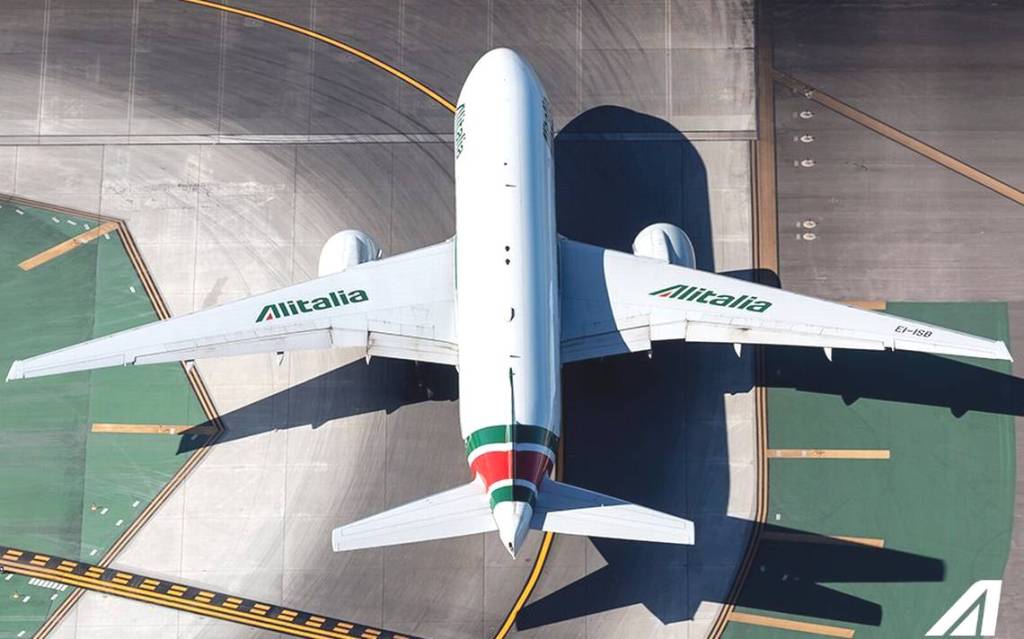
Alitalia realiza su último vuelo después de ser símbolo de un país durante 74 años. El viaje de esta noche de Cagliari a Roma/Fiumicino será el último de la compañía de bandera italiana, la elegida por el papado en 169 viajes internacionales. Con el vuelo Cagliari—Roma de esta noche Jueves 14/10 concluye la historia de una aerolínea emplemática de Alitalia y del mundo, un símbolo del país europeo. Después de setenta y cuatro años y varios rescates que no consiguieron mantenerla a flote, destrás de la atribulada compañía aérea existe una startup totalmente estatal con una flota proyectada de cincuenta y dos aviones y que sólo contratará a cerca 3.000 de los 11.000 antiguos empleados de la compañía Alitalia. El vuelo del Airbus A320-200 que despegará a las 22:05 horas locales (20:05 GMT) desde Cagliari (Cerdeña) con llegada a las 23:10 (21:10 GMT) a Roma Fiumicino, con 177 pasajeros y pilotado por el Comandante Andrea Gioia, será el último vuelo de la aerolínea de bandera italiana.

Alitalia soportaba muchos fracasos en su gestión, con pérdidas de € 1.800 millones de Euros/US$ 2.085 millones de Dólares para las arcas del Estado, que ahora vuelve a ser el responsable, bajo el ojo atento de la Unión Europea (UE), de otra aerolínea de bandera, Italia Transporte Aéreo (ITA), que pueda garantizar los primeros vuelos imprescindibles para las conexiones en el país.

Huelga 8.000 trabajadores

Los trabajadores de Alitalia se volvieron este Jueves 14/10 a concentrar como los días pasados en el Aeropuerto Internacional Roma/Fiumicino para protestar por el cierre de Alitalia y las 8.000 personas que desde mañana estarán desempleados. “Hoy es el último día de la compañía gracias a una política italiana que no nos ha ayudado y a unos dirigentes incompetentes. Hemos protestado pero no nos han escuchado”, explicó Simonetta, que trabajaba en la compañía desde 1990, mientras su compañero Daniele, que lleva 35 años en Alitalia, calificó el cambio como “un desastre social que afectará sobre todo a los trabajadores más jóvenes”. La inseguridad sobre el futuro es lo que más preocupa, como aseguró Barbara, con 25 años en la aerolínea: “Nos hemos encontrado sin trabajo de hoy para mañana, no tenemos edad para la jubilación y no sabemos que haremos. Somos padres y madres de familia y existe miedo al futuro”.

Éxitos y fracasos

Tras el primer vuelo Roma-Turín en 1947, Alitalia se convirtió en una de las aerolíneas preferidas internacionalmente por su atención al pasajero. En 1960 fue patrocinador oficial de los Juegos Olímpicos de Roma y en las siguientes décadas se abrieron rutas internacionales, sobre todo en América y Oriente. A mediados de los años 90 comenzaron los problemas económicos y el intento de una primera y fallida fusión con Air France, que finalmente la compañía galo concretó en 1997 con la holandesa KLM, formando Air France-KLM Group. El acuerdo preveía la reubicación del centro de distribución desde Roma-Fiumicino a Milán-Malpensa y el cierre de casi todos los vuelos desde el aeropuerto milanés de Linate, pero en abril de 2000 KLM decidió terminar la alianza y comenzaron los primeros intentos de privatización, que se prolongaron hasta 2007, cuando se aceptó la oferta de Air France-KLM. Pero al año siguiente, a un paso del acuerdo definitivo, Air France se retiró al no garantizar Silvio Berlusconi la oferta del grupo franco-holandés en caso de ganar las elecciones, como así sucedió. Surgía entonces la idea de un consorcio nacional de emprendedores encabezados por Roberto Colaninno y que incluía al grupo Benetton y nació en 2009 CAI, la unión de Alitalia y la aerolínea Airone, con Air France-KLM como socio estratégico con el 25 por ciento del capital. En cinco años, la compañía cambió tres consejeros delegados y en el último trimestre de 2013 se hizo necesaria una recapitalización, ya sin la participación de Air France, mientras entraba en un posterior aumento de capital la estatal Correos italiano (Poste Italiane), con € 75 millones de Euros.

Alitalia, su historia

Alitalia Linee Aeree Italiane S.p.A. se constituyó el 16 de Septiembre de 1946 como Aerolinee Italiane Internazionali (Aerolíneas Internacionales Italianas). Se formó como resultado de un acuerdo anglo-italiano y fue financiado por el Gobierno italiano y British European Airways (BEA) en un acuerdo de acciones 60/40 con un capital de £ 900 millones de Liras italianas. Su nombre popular, Alitalia, mezclaba las palabras italianas ali (alas) e Italia (Italia). Comenzó a operar el 5 de Mayo de 1947, año en el que transportó a más de 10.000 pasajeros. El vuelo inaugural fue con un Fiat G.12 Alcione,pilotado por Virginio Reinero desde Turín a Catania y Roma.

El primer vuelo intercontinental salió un año después, volando entre Milán y ciudades de América del Sur. El avión de pasajeros de cuatro motores Savoia-Marchetti SM.95 se utilizó en las rutas europeas hasta 1949. El 31 de Octubre de 1957, Alitalia se fusionó con Linee Aeree Italiane y tomó el nombre de Alitalia Linee Aeree Italiane. Alitalia era propiedad del Ministerio del Tesoro italiano (49%), otros accionistas, incluidos los empleados (49%) y Air France-KLM (2%), actualmente con un 25%.

En 1960, Alitalia operaba aviones a reacción en algunas rutas europeas (el Sud Caravelle)y el Douglas DC-8 en varias rutas de larga distancia. El avión de pasajeros de cuatro motores con turbina de hélice Vickers Viscount fue volado por Alitalia en su red europea a lo largo de la década de 1960.

En 1978 Alitalia tenía su sede en el Palazzo Alitalia en Roma.

En la década de 1990, Alitalia transportaba 25 millones de pasajeros al año. En 1997 creó una filial regional Alitalia Express y en 2001 se convirtió en miembro de SkyTeam. En noviembre de 2003, Alitalia anunció que recortaría 2.700 puestos de trabajo en los próximos tres años para preparar a la aerolínea para una fusión con Air France y KLM. En abril de 2004, Alitalia adquirió Gandalf Airlines,una aerolínea regionalen bancarrota, para obtener plazas adicionales en varios aeropuertos europeos, principalmente en Milán/Linate y París/Charles De Gaulle.

En 1995, Alitalia firmó una asociación con KLM Airlines que tenía como objetivo una fusión. El objetivo de la asociación era desarrollar Milan/Malpensa como un centro, junto con Amsterdam, que carecía de suficientes espacios de aterrizaje para expandirse aún más y Roma/Fiumicino.

Por lo general, el Papa vuela en un avión Alitalia fletado. El vuelo del Papa a menudo es apodado «Shepherd One» por la prensa, mientras que el indicativo real es «Volo Papale» (vuelo papal) seguido de un número de serie.

Década de 2000

En 2001, Alitalia renovó el contrato de asistencia en tierra con SEA. En el mismo año, Alitalia se unió a la alianza SkyTeam. En Septiembre de 2007, Alitalia anunció que casi reduciría a la mitad su centro de operaciones en Malpensa y en su lugar se centraría en Roma/Fiumicino y trasladaría todos los vuelos intercontinentales allí. Hasta este anuncio, Malpensa había sido el principal centro de operaciones de Alitalia para vuelos intercontinentales. La transición de Malpensa a Roma/Fiumicino se completó a finales de Marzo de 2008. Los destinos inter-contentinentales menores, que anteriormente recibían vuelos solo de Malpensa, en adelante solo recibían vuelos de Roma/Fiumicino, o de lo contrario se suspendieron. En 2008, un grupo de inversores formó el consorcio «Compagnia Aerea Italiana» (CAI) para comprar la quebrada Alitalia Linee Aeree Italiane, antigua» Alitalia, y fusionarlas con Air One, otra aerolínea italiana en bancarrota. El 30 de Octubre de 2008, CAI ofreció € 1.000 millones de Euros para adquirir partes de la aerolínea en quiebra, en medio de la oposición de los pilotos y los miembros de la tripulación de vuelo a los acuerdos laborales. El 19 de Noviembre de 2008, la oferta de CAI fue aceptada por el administrador concursal de Alitalia con el permiso del gobierno italiano, en ese momento accionista mayoritario de la aerolínea en quiebra. Los activos rentables de Alitalia se transfirieron a CAI el 12 de Diciembre de 2008 después de que CAI pagara € 1 050 millones de Euros, consistentes en € 427 millones de Euros en efectivo y la asunción de la responsabilidad de € 625 millones de Euros en deuda de Alitalia.

Un cable diplomático estadounidense divulgado en 2011 resumió la operación de la siguiente manera: «Bajo el disfraz de un deseo bastante pintoresco y claramente no Unión Europea de mantener la italianidad de la compañía, un grupo de ricos compinches de Berlusconi fue inmotivado a hacerse cargo de las partes saludables de Alitalia, dejando sus deudas a los contribuyentes italianos. Las reglas de la bancarrota se cambiaron en medio del juego para satisfacer las necesidades del gobierno. Berlusconi logró esto, pero su participación probablemente le costó mucho dinero a los contribuyentes italianos».

El 13 de Enero de 2009, la nueva Alitalia inició sus operaciones. Los propietarios de Compagnia Aerea Italiana vendieron el 25% de las acciones de la compañía a Air France-KLM por € 322 millones de Euros. Air France-KLM también obtuvo una opción, sujeta a ciertas condiciones, para comprar acciones adicionales después de 2013. La nueva Alitalia no ha reivindicado la historia de la antigua Alitalia como propia, como se puede ver en los documentos oficiales sobre el nuevo Grupo Alitalia. En cambio, subrayaron que eran una empresa totalmente diferente: optaron por no reconocer beneficios como los billetes con descuento a los antiguos trabajadores de Alitalia-LAI y se negaron a cumplir con las reclamaciones de los pasajeros contra la antigua Alitalia. La nueva Alitalia no posee muchos de sus aviones operativos. Alitalia-LAI había sido propietaria de todos sus aviones. Casi todos los aviones que CAI había adquirido de la antigua Alitalia fueron vendidos o dados de baja. Los aviones de Alitalia-CAI se alquilan principalmente a Aircraft Purchase Fleet (it), una empresa irlandesa propiedad de Carlo Toto, el antiguo propietario de la quebrada Air One, que se fusionó en 2008 con Alitalia-LAI cuando se fundó la nueva empresa.

Década de 2010

En Enero de 2010, Alitalia celebró su primer aniversario desde el relanzamiento. Transportó a 22 millones de pasajeros en su primer año de operaciones. En 2011, se transportaron 25 millones de pasajeros. El 1 de Febrero de 2010, se anunció que la tripulación de Alitalia se iría a una huelga de cuatro horas por los salarios. Esta fue la primera huelga de Alitalia desde el relanzamiento. El 11 de Febrero de 2010, Alitalia anunció que, a partir de Marzo de 2010, utilizaría Air One como aerolínea de bajo coste «Smart Carrier», con operaciones basadas en el aeropuerto de Milán Malpensa, centradasen rutas de ocio de corta distancia. Se predijo que la filial manejaría 2,4 millones de pasajeros para 2012. En 2011, la filial transportó 1,4 millones de pasajeros. Aunque las operaciones se concentraron inicialmente en Milán/Malpensa, Air One operó más tarde desde Milán/Malpensa, Venecia/Marco Polo, Pisa y Catania a partir de Enero de 2013.

El 12 de Febrero de 2011, se publicó información sobre una posible fusión entre Alitalia y Meridiana Fly, otra aerolínea italiana. La fusión no se produjo. El 23 de Febrero de 2011, Alitalia y ENAC anunciaron la introducción de una tarjeta de seguridad escrita en braille y caracteres en relieve 3D, que es la primera de su tipo. El 25 de Enero de 2012, Alitalia firmó memorandos de entendimiento con otras dos aerolíneas italianas, Blue Panorama y Wind Jet, y dijo haber iniciado procesos destinados a lograr la integración con ellas. A finales de Julio de 2012, la autoridad antimonopolio italiana permitió a Alitalia adquirir Wind Jet, pero a cambio Alitalia tendría que ceder franjas horarias en las rutas nacionales. Ante esto, Alitalia canceló los planes unos días más tarde, en Agosto de 2012.

El 3 de Mayo de 2013, en una operación en código llamada «Operación Clean Holds», la policía realizó 49 arrestos en el aeropuerto Roma/Fiumicino, con otros 37 en aeropuertos italianos como Bari, Bolonia, Milán Linate, Nápoles, Palermo y Verona. Todos eran empleados de Alitalia captados por la cámara y la mayoría fueron acusados de robo agravado y daños. A finales de 2013, enfrentada a la bancarrota, la pérdida de un importante proveedor de combustible y una posible puesta a tierra por parte de la autoridad de aviación civil de Italia, la aerolínea anunció un paquete de rescate de € 500 millones de Euros que incluía una inversión de € 75 millones de Euros por parte del operador postal estatal italiano.

Alitalia Società Aerea

En Junio de 2014, la aerolínea nacional de los Emiratos Árabes Unidos, Etihad Airways, con sede en Abu Dhabi,anunció que estaba tomando una participación del 49% en Alitalia. El 30 de Septiembre de 2014, la filial presupuestaria de Alitalia, Air One, cesó sus operaciones de vuelo.

El 1 de Enero de 2015, Alitalia-CAI transfirió formalmente sus operaciones a Alitalia-SAI, una nueva entidad propiedad en un 49% de Etihad Airways, con sede en Abu Dhabi, y en un 51% propiedad de las antiguas partes interesadas italianas de Alitalia-CAI. En Mayo de 2015, Alitalia anunció que pondría fin a su asociación con Air France-KLM en 2017, afirmando que la empresa conjunta ya no tenía suficientes ventajas para mantenerla.

En Febrero de 2016, Alitalia anunció que a finales de Marzo de 2016 cancelaría la mayoría de sus rutas desde Pisa, incluyendo Moscú, Praga, Berlín, Catania y Tirana. Alitalia decidió seguir volando a Olbia y Roma.

El 25 de Abril de 2017, después de que los empleados de Alitalia rechazaron la propuesta de recorte de empleos destinada a reducir los costes, la aerolínea anunció que comenzará a pasar por un proceso de quiebra, comenzando con el nombramiento de un administrador. El gobierno italiano permitió a Alitalia declararse en bancarrota el 2 de Mayo de 2017. El 17 de Mayo de 2017, después de que el Gobierno descartara la nacionalización de la aerolínea, se puso oficialmente a la venta para ser subastada. En Junio, EasyJet expresó su interés en comprar la aerolínea. Ryanair también expresó su interés, pero abandonó su oferta después del caos causado por las cancelaciones de vuelos de Ryanair.

En 2018, Delta Air Lines, EasyJet y la compañía ferroviaria italiana Ferrovie dello Stato Italiane presentaron expresiones formales de interés para adquirir Alitalia. Las conversaciones entre las partes se iniciaron en Febrero de 2019. En Marzo de 2019, EasyJet anunció que se había retirado de las discusiones. Después de la visita oficial del Presidente chino Xi Jinping a Roma, China Eastern Airlines expresó su interés en el plan de rescate de Alitalia y podría gastar hasta € 100 millones de Euros a cambio de una participación del 10%. Delta Air Lines declaró que estaba lista para invertir en Alitalia, pero que una participación del 10% era la forma correcta de hacerlo.

Década de 2020

El 17 de Marzo de 2020, el Gobierno de Italia toma el control total de la aerolínea después de que las conversaciones con varias compañías italianas e internacionales no llegaran a un acuerdo con los términos de que eran accionistas de la aerolínea. En Abril de 2020, el Gobierno italiano anunció que se haría cargo de Alitalia en Mayo, ya que no podría sobrevivir al impacto de la pandemia de COVID-19 por sí solo. Se planeó reducir la flota de 113 aviones a a menos de un centenar. La aerolínea también cuestionó si debería permanecer en SkyTeam de la que es miembro desde 2001. En Mayo de 2020, USAerospace Partners, encabezado por Michele Roosevelt Edwards, anunció que todavía estaban interesados en comprar la aerolínea. La compañía había ofrecido comprarlo a principios de año. Michele Roosevelt Edwards declaró que la aerolínea volaría 150 aviones en cinco años, con una mezcla de Airbus, Boeing y Embraer. El 21 de Mayo de 2020, Alitalia abandonó SkyTeam Transatlantic Joint Ventures. El 29 de Junio de 2020, el primer ministro italiano, Giuseppe Conte, anunció que Francesco Caio sería nombrado presidente y Fabio Lazzerini sería nombrado CEO de la nueva Alitalia.

El 8 de Enero de 2021, la Comisión Europea (CE) envió una carta al Representante Permanente de Italia ante la Unión Europea (EU) para lanzar una licitación abierta, transparente, no discriminatoria e incondicional para deshacerse de los activos de Alitalia. La carta constaba de 62 solicitudes de aclaración, rechazando la idea de que el antiguo transportista pudiera vender sus pertenencias a la nueva empresa en una negociación privada. En la carta, se afirma que la marca Alitalia no debe ser retenida por ITA, ya que es un indicador emblemático de continuidad. La Comisión Europea sugiere que los negocios combinados de aviación, asistencia en tierra y mantenimiento se vendan por separado a un tercero. También sugiere que los slots deben venderse, y el programa MilleMiglia en su totalidad no puede transferirse a la nueva entidad corporativa. El 24 de Agosto de 2021, Alitalia anunció que pondría fin a todas las ventas de billetes en su sitio web y anunció que los clientes que compraron billetes para vuelos después del 15 de Octubre de 2021 serán reembolsados. El 14 de Octubre de 2021, Alitalia realiza su último vuelo programado finalizando su vida operativa y pasando a formar parte de la historia entrañable de una aerolínea símbolo de Italia y del mundo.

Italia Trasporto Aereo (ITA)

El 10 de Octubre de 2020, el Gobierno italiano firmó un decreto para permitir la reorganización de la aerolínea como ITA Italia Trasporto Aereo S.p.A. El 28 de Octubre de 2020, se informó que ITA compraría varios activos de Alitalia Società Aerea Italiana S.p.A., incluida la marca y los códigos de vuelo de Alitalia y Alitalia CityLiner, el código de emisión de billetes IATA (055), el programa de viajero frecuente MilleMiglia y las franjas horarias del aeropuerto de Londres/Heathrow: 68 franjas horarias semanales en verano y 65 en invierno. La transacción del paquete podría alcanzar los € 220 millones de Euros. Se espera que la nueva aerolínea ITA Italia Trasporto Aereo comience a operar el 15 de Octubre de 2021, iniciando un nuevo capítulo en la aviación comercial italiana. Mientras tanto, millones de italianos despiden a un símbolo de la bota, la italiana querida por millones que le dicen «arrivederci Alitalia».

Ξ «Arrivederci Alitalia» Ξ
A symbol of Italian aviation culminates

Alitalia_Isotype

Alitalia makes its last flight after being a symbol of a country for 74 years. Tonight’s trip from Cagliari to Rome/Fiumicino will be the last of the Italian flag company, the one chosen by the papacy on 169 international trips. With tonight’s Cagliari-Rome flight Thursday 10/14 concludes the story of an employer airline of Alitalia and of the world, a symbol of the European country. After seventy-four years and several rescues that failed to keep it afloat, behind the troubled airline there is a fully state-owned startup with a projected fleet of fifty-two planes that will only hire about 3,000 of the 11,000 former employees of the company. Alitalia company. The Airbus A320-200 flight that will take off at 22:05 local time (20:05 GMT) from Cagliari (Sardinia) arriving at 23:10 (21:10 GMT) to Rome Fiumicino, with 177 passengers and piloted by Commander Andrea Gioia, will be the last flight of the Italian flag carrier.

Alitalia endured many failures in its management, with losses of € 1,800 million Euros/US$ 2,085 million Dollars for the State coffers, which is now once again responsible, under the watchful eye of the European Union (EU), for another flag airline, Italia Transporte Aéreo (ITA), which can guarantee the first essential flights for connections in the country.

Strike 8,000 workers

The Alitalia workers returned this Thursday 10/14 to gather like the days before at the Rome/Fiumicino International Airport to protest the closure of Alitalia and the 8,000 people who will be unemployed from tomorrow. “Today is the last day of the company thanks to an Italian policy that has not helped us and to some incompetent leaders. We have protested but they have not listened to us ”, explained Simonetta, who had worked in the company since 1990, while her partner Daniele, who has been at Alitalia for 35 years, described the change as“ a social disaster that will affect especially younger workers”. Insecurity about the future is what worries the most, as Barbara, with 25 years with the airline, said: “We have found ourselves without work from today to tomorrow, we do not have retirement age and we do not know what we will do. We are fathers and mothers of families and there is fear of the future”.

Successes and failures

After the first Rome-Turin flight in 1947, Alitalia became one of the internationally preferred airlines for its passenger service. In 1960 it was an official sponsor of the Olympic Games in Rome and in the following decades international routes were opened, especially in America and the East. In the mid-90s, economic problems began and the attempt at a first and failed merger with Air France, which the French company finally concluded in 1997 with the Dutch KLM, forming Air France-KLM Group. The agreement provided for the relocation of the distribution center from Rome-Fiumicino to Milan-Malpensa and the closure of almost all flights from Milan’s Linate airport, but in April 2000 KLM decided to terminate the alliance and began the first privatization attempts, which lasted until 2007, when the Air France-KLM offer was accepted. But the following year, one step away from the final agreement, Air France withdrew when Silvio Berlusconi did not guarantee the offer of the Franco-Dutch group in case of winning the elections, as it happened. The idea then arose of a national consortium of entrepreneurs headed by Roberto Colaninno and that included the Benetton group and was born in 2009 CAI, the union of Alitalia and the airline Airone, with Air France-KLM as a strategic partner with 25 percent of the capital. . In five years, the company changed three CEOs and in the last quarter of 2013 a recapitalization was necessary, already without the participation of Air France, while the state-owned Italian Post Office (Poste Italiane) entered a subsequent capital increase, with € 75 million Euros.

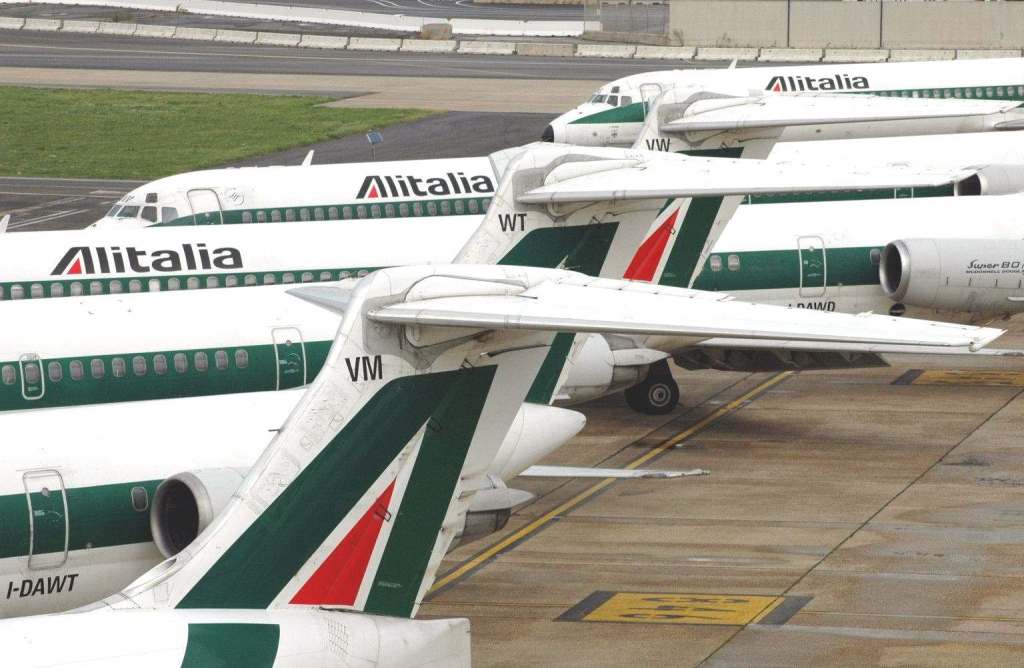
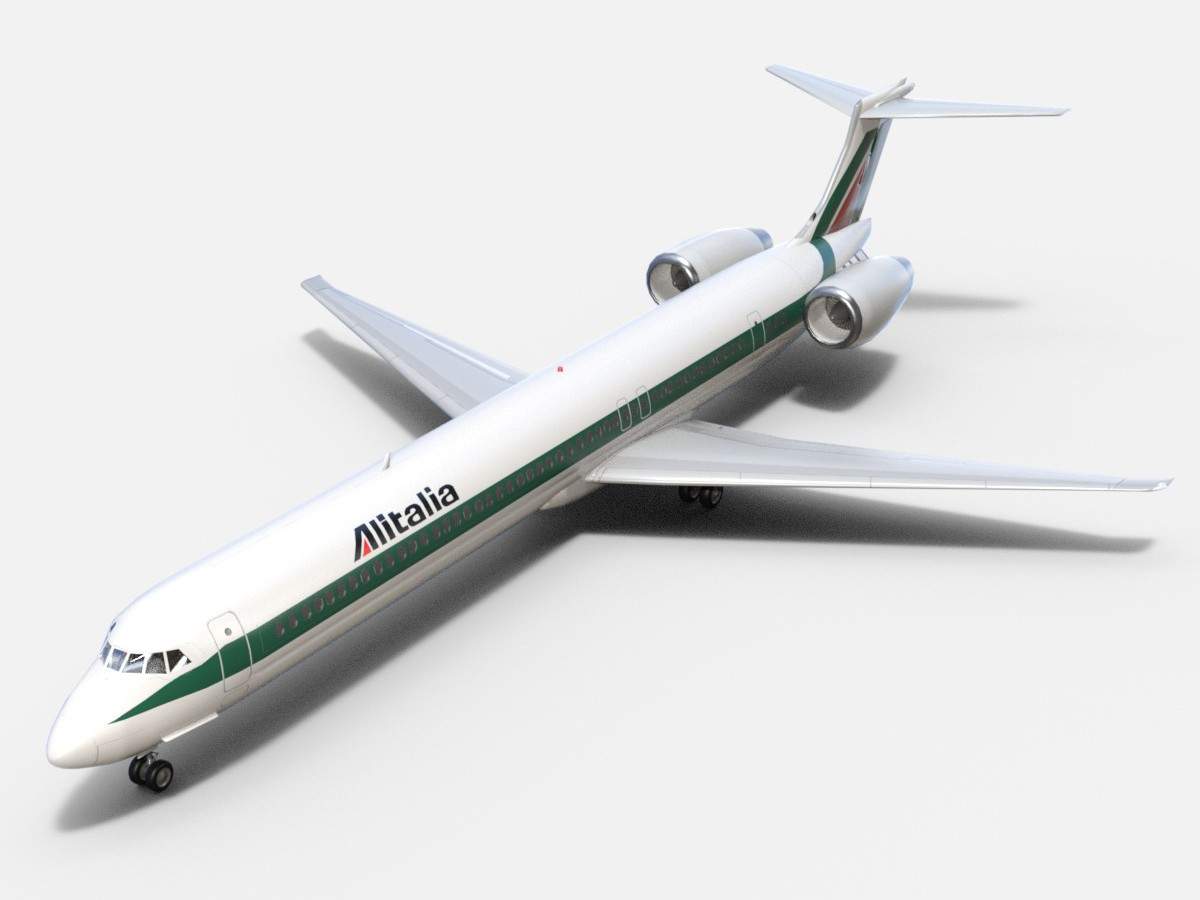
McDONNELL DOUGLAS MD-80 AIRCRAFT A RECURRING IMAGE IN THE ALITALIA FLEET

Alitalia, its history

Alitalia Linee Aeree Italiane S.p.A. was established on September 16, 1946 as Aerolinee Italiane Internazionali (Italian International Airlines). It was formed as a result of an Anglo-Italian agreement and was funded by the Italian Government and British European Airways (BEA) in a 60/40 share agreement with a capital of £ 900 million Italian Liras. Its popular name, Alitalia, mixed the Italian words ali (wings) and Italia (Italy). It began operating on May 5, 1947, the year in which it transported more than 10,000 passengers. The maiden flight was with a Fiat G.12 Alcione, piloted by Virginio Reinero from Turin to Catania and Rome.

The first intercontinental flight left a year later, flying between Milan and cities in South America. The Savoia-Marchetti SM.95 four-engine airliner was used on European routes until 1949. On October 31, 1957, Alitalia merged with Linee Aeree Italiane and took the name Alitalia Linee Aeree Italiane. Alitalia was owned by the Italian Treasury Ministry (49%), other shareholders, including employees (49%) and Air France-KLM (2%), currently with 25%.

In 1960, Alitalia operated jet aircraft on some European routes (the Sud Caravelle) and the Douglas DC-8 on several long-haul routes. The Vickers Viscount four-engine propeller-turbine airliner was flown by Alitalia on its European network throughout the 1960s.

In 1978 Alitalia had its headquarters at the Palazzo Alitalia in Rome.

In the 1990s, Alitalia carried 25 million passengers a year. In 1997 it created a regional subsidiary Alitalia Express and in 2001 it became a member of SkyTeam. In November 2003, Alitalia announced that it would cut 2,700 jobs over the next three years to prepare the airline for a merger with Air France and KLM. In April 2004, Alitalia acquired Gandalf Airlines, a bankrupt regional airline, to obtain additional seats at various European airports, primarily Milan/Linate and Paris/Charles De Gaulle.

In 1995, Alitalia entered into a partnership with KLM Airlines aimed at a merger. The aim of the association was to develop Milan /Malpensa as a hub, along with Amsterdam, which lacked sufficient landing spaces to further expand and Rome/Fiumicino.

Usually the Pope flies on a chartered Alitalia plane. The Pope’s flight is often dubbed «Shepherd One» by the press, while the actual callsign is «Volo Papale» (papal flight) followed by a serial number.

2000s

In 2001, Alitalia renewed the ground handling contract with SEA. In the same year, Alitalia joined the SkyTeam alliance. In September 2007, Alitalia announced that it would almost halve its Malpensa hub and instead focus on Rome/Fiumicino and move all intercontinental flights there. Until this announcement, Malpensa had been Alitalia’s main hub for intercontinental flights. The transition from Malpensa to Rome / Fiumicino was completed at the end of March 2008. Minor intercontentional destinations, which previously received flights only from Malpensa, henceforth only received flights from Rome / Fiumicino, or were otherwise suspended. In 2008, a group of investors formed the consortium «Compagnia Aerea Italiana» (CAI) to buy the bankrupt Alitalia Linee Aeree Italiane, formerly «Alitalia, and merge them with Air One, another bankrupt Italian airline. On October 30, 2008, CAI offered € 1 billion to acquire parts of the bankrupt airline, amid opposition from pilots and flight crew members to the labor agreements. On November 19, 2008, CAI’s offer was accepted by Alitalia’s insolvency administrator with the permission of the Italian government, at that time majority shareholder of the bankrupt airline Alitalia’s profitable assets were transferred to CAI on December 12, 2008 after CAI paid € 1,050 million Euros, consisting of € 427 million euros in cash and the assumption of liability for € 625 million in Alitalia’s debt.

An American diplomatic cable released in 2011 summed up the operation as follows: «Under the guise of a rather picturesque and clearly non-EU desire to maintain the Italianity of the company, a group of wealthy Berlusconi cronies were motivated to take over. the healthy parts of Alitalia, leaving its debts to the Italian taxpayers. The bankruptcy rules were changed in the middle of the game to meet the needs of the government. Berlusconi accomplished this, but his involvement probably cost Italian taxpayers a lot of money».

On January 13, 2009, the new Alitalia began operations. The owners of Compagnia Aerea Italiana sold 25% of the company’s shares to Air France-KLM for € 322 million Euros. Air France-KLM also obtained an option, subject to certain conditions, to buy additional shares after 2013. The new Alitalia has not claimed the history of the old Alitalia as its own, as can be seen from the official documents on the new Alitalia Group . Instead, they stressed that they were a totally different company: they chose not to recognize benefits such as discounted tickets to former Alitalia-LAI workers and refused to comply with passenger claims against the former Alitalia. The new Alitalia does not have many of its operational aircraft. Alitalia-LAI had owned all of its aircraft. Almost all the aircraft that CAI had acquired from the former Alitalia were sold or decommissioned. Alitalia-CAI aircraft are mainly leased from Aircraft Purchase Fleet (it), an Irish company owned by Carlo Toto, the former owner of the Air One gorge, which merged with Alitalia-LAI in 2008 when the new company was founded.

2010s

In January 2010, Alitalia celebrated its first anniversary since the relaunch. It carried 22 million passengers in its first year of operations. In 2011, 25 million passengers were transported. On February 1, 2010, it was announced that the Alitalia crew would go on a four-hour strike over wages. This was Alitalia’s first strike since the relaunch. On February 11, 2010, Alitalia announced that, as of March 2010, it would use Air One as a low-cost airline «Smart Carrier», with operations based at Milan Malpensa airport, focused on short-haul leisure routes. The affiliate was predicted to handle 2.4 million passengers by 2012. In 2011, the affiliate carried 1.4 million passengers. Although operations were initially concentrated in Milan/Malpensa, Air One later operated from Milan/Malpensa, Venice/Marco Polo, Pisa and Catania as of January 2013.

On February 12, 2011, information was published about a possible merger between Alitalia and Meridiana Fly, another Italian airline. The merger did not occur. On February 23, 2011, Alitalia and ENAC announced the introduction of a security card written in braille and 3D raised characters, which is the first of its kind. On January 25, 2012, Alitalia signed memorandums of understanding with two other Italian airlines, Blue Panorama and Wind Jet, and said it had initiated processes aimed at achieving integration with them. At the end of July 2012, the Italian antitrust authority allowed Alitalia to acquire Wind Jet, but in exchange Alitalia would have to give up time slots on domestic routes. Given this, Alitalia canceled the plans a few days later, in August 2012.

On May 3, 2013, in a code operation called «Operation Clean Holds», the police made 49 arrests at the Roma/Fiumicino airport, with another 37 at Italian airports such as Bari, Bologna, Milan Linate, Naples, Palermo and Verona. All were Alitalia employees caught on camera and most were charged with aggravated robbery and damage. In late 2013, faced with bankruptcy, the loss of a major fuel supplier and a possible grounding by Italy’s civil aviation authority, the airline announced a € 500 million Euro rescue package that included an investment of € 75 million Euros by the Italian state postal operator.

Alitalia Società Aerea

In June 2014, the UAE’s national airline, Etihad Airways, based in Abu Dhabi, announced that it was taking a 49% stake in Alitalia. On September 30, 2014, Alitalia’s budget affiliate, Air One, ceased its flight operations.

On January 1, 2015, Alitalia-CAI formally transferred its operations to Alitalia-SAI, a new entity 49% owned by Abu Dhabi-based Etihad Airways and 51% owned by former Italian stakeholders from Alitalia-CAI. In May 2015, Alitalia announced that it would end its partnership with Air France-KLM in 2017, stating that the joint venture no longer had sufficient advantages to maintain it.

In February 2016, Alitalia announced that at the end of March 2016 it would cancel most of its routes from Pisa, including Moscow, Prague, Berlin, Catania and Tirana. Alitalia decided to continue flying to Olbia and Rome.

On April 25, 2017, after Alitalia employees rejected the job cut proposal aimed at reducing costs, the airline announced that it will begin to go through bankruptcy, beginning with the appointment of an administrator. The Italian government allowed Alitalia to file for bankruptcy on May 2, 2017. On May 17, 2017, after the government ruled out nationalization of the airline, it was officially put up for sale to be auctioned. In June, EasyJet expressed interest in buying the airline. Ryanair also expressed interest, but dropped its offer after the chaos caused by Ryanair flight cancellations.

In 2018, Delta Air Lines, EasyJet and the Italian railway company Ferrovie dello Stato Italiane submitted formal expressions of interest to acquire Alitalia. Talks between the parties began in February 2019. In March 2019, EasyJet announced that it had withdrawn from the discussions. After Chinese President Xi Jinping’s official visit to Rome, China Eastern Airlines expressed interest in Alitalia’s rescue plan and could spend up to € 100 million in exchange for a 10% stake. Delta Air Lines stated that it was ready to invest in Alitalia, but that a 10% stake was the right way to go.

2020s

On March 17, 2020, the Government of Italy takes full control of the airline after talks with several Italian and international companies failed to reach an agreement on the terms that they were shareholders of the airline. In April 2020, the Italian Government announced that it would take over Alitalia in May, as it could not survive the impact of the COVID-19 pandemic on its own. It was planned to reduce the fleet from 113 aircraft to less than a hundred. The airline also questioned whether it should remain in SkyTeam of which it has been a member since 2001. In May 2020, USAerospace Partners, led by Michele Roosevelt Edwards, announced that they were still interested in buying the airline. The company had offered to buy it earlier in the year. Michele Roosevelt Edwards stated that the airline would fly 150 planes in five years, with a mix of Airbus, Boeing and Embraer. On May 21, 2020, Alitalia left SkyTeam Transatlantic Joint Ventures. On June 29, 2020, Italian Prime Minister Giuseppe Conte announced that Francesco Caio would be named president and Fabio Lazzerini would be named CEO of the new Alitalia.

On January 8, 2021, the European Commission (EC) sent a letter to the Permanent Representative of Italy to the European Union (EU) to launch an open, transparent, non-discriminatory and unconditional tender to dispose of Alitalia’s assets. The letter consisted of 62 requests for clarification, rejecting the idea that the former carrier could sell his belongings to the new company in private negotiation. In the letter, it is stated that the Alitalia brand should not be retained by ITA, as it is an emblematic indicator of continuity. The European Commission suggests that the combined aviation, ground handling and maintenance businesses be sold separately to a third party. It also suggests that the slots must be sold, and the entire MilleMiglia program cannot be transferred to the new corporate entity. On August 24, 2021, Alitalia announced that it would end all ticket sales on its website and announced that customers who purchased tickets for flights after October 15, 2021 will be refunded. On October 14, 2021, Alitalia made its last scheduled flight ending its operational life and becoming part of the endearing history of an airline symbol of Italy and the world.

Italy Air Transport (ITA)

On October 10, 2020, the Italian Government signed a decree to allow the reorganization of the airline as ITA Italia Trasporto Aereo S.p.A. On October 28, 2020, it was reported that ITA would purchase various assets of Alitalia Società Aerea Italiana SpA, including the Alitalia and Alitalia CityLiner brand and flight codes, the IATA ticketing code (055), the traveler program frequent MilleMiglia and London/Heathrow Airport slots: 68 weekly slots in summer and 65 in winter. The package transaction could reach € 220 million Euros. The new airline ITA Italia Trasporto Aereo is expected to begin operating on October 15, 2021, starting a new chapter in Italian commercial aviation. Meanwhile, millions of Italians dismiss a symbol of the boot, the Italian beloved by millions who call her «arrivederci Alitalia».

Ξ «Arrivederci Alitalia» Ξ
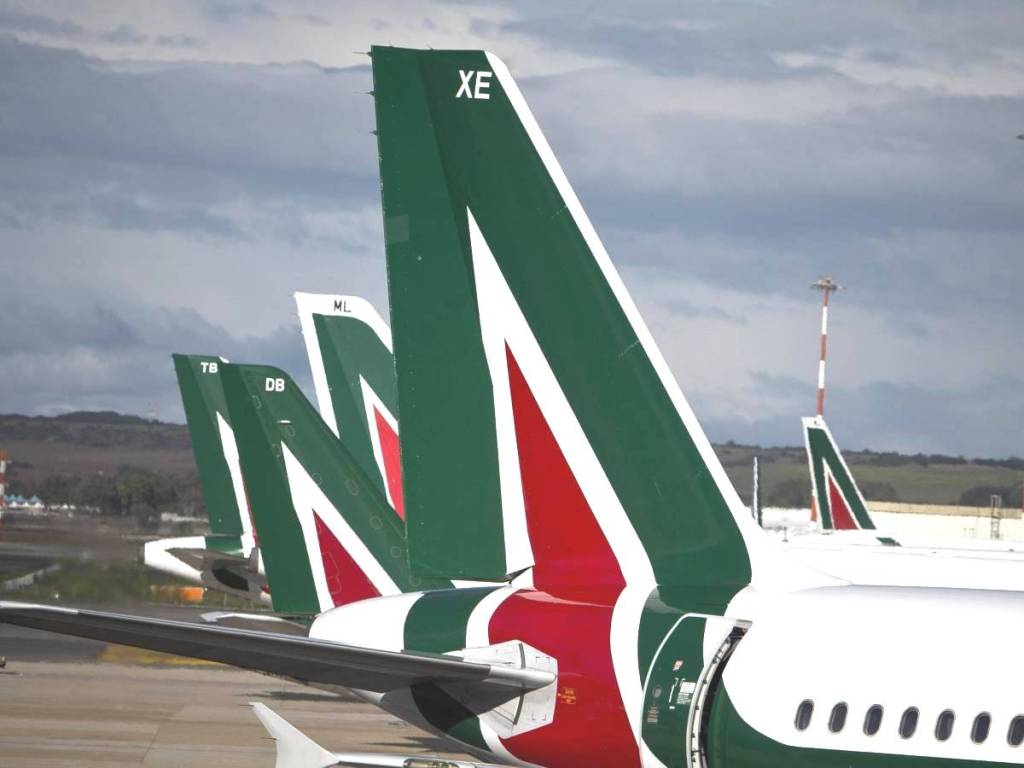
Un simbolo dell’aviazione italiana culmina

Alitalia-Isologotype_2015

Alitalia compie il suo ultimo volo dopo essere stata per 74 anni simbolo di un Paese. Quella di stasera da Cagliari a Roma/Fiumicino sarà l’ultima della compagnia di bandiera italiana, quella scelta dal papato in 169 trasferte internazionali. Con il volo Cagliari-Roma di questa sera giovedì 10/14 si conclude la storia di una compagnia aerea datore di lavoro di Alitalia e del mondo, simbolo del Paese europeo. Dopo settantaquattro anni e diversi salvataggi che non sono riusciti a tenerla a galla, dietro la travagliata compagnia aerea c’è una startup completamente statale con una flotta prevista di cinquantadue aerei che assumeranno solo circa 3.000 degli 11.000 ex dipendenti della compagnia .Compagnia Alitalia. Il volo Airbus A320-200 che decollerà alle 22:05 locali (20:05 GMT) da Cagliari (Sardegna) con arrivo alle 23:10 (21:10 GMT) a Roma Fiumicino, con 177 passeggeri e pilotato dal Comandante Andrea Gioia, sarà l’ultimo volo della compagnia di bandiera italiana.

Alitalia ha subito molti fallimenti nella sua gestione, con perdite di € 1.800 milioni di Euro/US$2.085 milioni di Dollari per le casse dello Stato, che ora è ancora una volta responsabile, sotto l’occhio vigile dell’Unione Europea (UE), per un’altra compagnia di bandiera, Italia Transporte Aéreo (ITA), che può garantire i primi voli indispensabili per i collegamenti nel Paese.

Sciopero 8.000 lavoratori

I lavoratori Alitalia sono tornati questo giovedì 14/10 per radunarsi come i giorni prima all’aeroporto internazionale di Roma/Fiumicino per protestare contro la chiusura di Alitalia e le 8.000 persone che da domani saranno disoccupate. “Oggi è l’ultimo giorno dell’azienda grazie a una politica italiana che non ci ha aiutato e ad alcuni dirigenti incompetenti. Abbiamo protestato ma non ci hanno ascoltato», ha spiegato Simonetta, che lavorava in azienda dal 1990, mentre il collega Daniele, in Alitalia da 35 anni, ha descritto il cambiamento come «un disastro sociale che colpirà soprattutto lavoratori più giovani”. L’insicurezza per il futuro è ciò che preoccupa di più, come ha detto Barbara, con 25 anni con la compagnia aerea: “Ci siamo trovati senza lavoro da oggi a domani, non abbiamo età pensionabile e non sappiamo cosa faremo. Siamo padri e madri di famiglia e c’è paura del futuro”.

Successi e fallimenti

Dopo il primo volo Roma-Torino nel 1947, Alitalia è diventata una delle compagnie aeree preferite a livello internazionale per il suo servizio passeggeri. Nel 1960 è stato sponsor ufficiale dei Giochi Olimpici di Roma e nei decenni successivi sono state aperte rotte internazionali, soprattutto in America e in Oriente. A metà degli anni ’90 iniziano i problemi economici e il tentativo di una prima e fallita fusione con Air France, che la compagnia francese conclude definitivamente nel 1997 con l’olandese KLM, formando il Gruppo Air France-KLM. L’accordo prevedeva il trasferimento del centro di distribuzione da Roma-Fiumicino a Milano-Malpensa e la chiusura di quasi tutti i voli dall’aeroporto di Milano Linate, ma nell’aprile 2000 KLM decise di porre fine all’alleanza e avviò i primi tentativi di privatizzazione, durati fino a quando 2007, quando l’offerta Air France-KLM è stata accettata. Ma l’anno successivo, a un passo dall’accordo definitivo, Air France si ritirò quando Silvio Berlusconi non garantì l’offerta del gruppo franco-olandese in caso di vittoria elettorale, come accadde. Nasce allora l’idea di un consorzio nazionale di imprenditori capitanato da Roberto Colaninno e che comprendesse il gruppo Benetton e nasce nel 2009 CAI, unione di Alitalia e compagnia aerea Airone, con Air France-KLM come partner strategico con il 25 per cento del capitale. In cinque anni la società ha cambiato tre amministratori delegati e nell’ultimo trimestre del 2013 si è resa necessaria una ricapitalizzazione, già senza la partecipazione di Air France, mentre le Poste Italiane di Stato (Poste Italiane) hanno avviato un successivo aumento di capitale, con € 75 milioni di Euro.

Alitalia, la sua storia
AW-Alitalia_MD-80-002

Alitalia Linee Aeree Italiane S.p.A. è stata costituita il 16 settembre 1946 come Aerolinee Italiane Internazionali. Si è costituita a seguito di un accordo anglo-italiano ed è stata finanziata dal governo italiano e da British European Airways (BEA) in un accordo di 60/40 azioni con un capitale di £ 900 milioni di lire italiane. Il suo nome popolare, Alitalia, mescolava le parole italiane ali (ali) e Italia (Italia). Ha iniziato ad operare il 5 Maggio 1947, anno in cui ha trasportato più di 10.000 passeggeri. Il volo inaugurale avvenne con un Fiat G.12 Alcione, pilotato da Virginio Reinero da Torino a Catania e Roma.

Il primo volo intercontinentale partì un anno dopo, volando tra Milano e le città del Sud America. Il quadrimotore Savoia-Marchetti SM.95 fu utilizzato sulle rotte europee fino al 1949. Il 31 ottobre 1957 Alitalia si fuse con Linee Aeree Italiane e prese il nome di Alitalia Linee Aeree Italiane. Alitalia era di proprietà del Ministero del Tesoro italiano (49%), altri azionisti, compresi i dipendenti (49%) e Air France-KLM (2%), attualmente con il 25%.

Nel 1960 Alitalia operò jet su alcune rotte europee (la Sud Caravelle) e il Douglas DC-8 su diverse rotte a lungo raggio. L’aereo di linea quadrimotore elica-turbina Vickers Viscount è stato pilotato da Alitalia sulla sua rete europea per tutti gli anni ’60.

Nel 1978 Alitalia ha sede a Palazzo Alitalia a Roma.

Negli anni ’90 Alitalia trasportava 25 milioni di passeggeri all’anno. Nel 1997 ha creato una filiale regionale Alitalia Express e nel 2001 è diventata membro di SkyTeam. Nel novembre 2003, Alitalia ha annunciato che avrebbe tagliato 2.700 posti di lavoro nei prossimi tre anni per preparare la compagnia aerea alla fusione con Air France e KLM. Nell’aprile 2004, Alitalia ha acquisito Gandalf Airlines, compagnia aerea regionale in bancarotta, per ottenere posti aggiuntivi in ​​vari aeroporti europei, principalmente Milano/Linate e Parigi/Charles De Gaulle.

Nel 1995 Alitalia ha stretto una partnership con KLM Airlines finalizzata alla fusione. L’obiettivo dell’associazione era quello di sviluppare Milano/Malpensa come hub, insieme ad Amsterdam, che mancava di spazi di approdo sufficienti per espandersi ulteriormente e Roma/Fiumicino.

Di solito il Papa vola su un aereo charter Alitalia. Il volo del Papa è spesso soprannominato dalla stampa «Shepherd One», mentre il nominativo effettivo è «Volo Papale» seguito da un numero di serie.

Anni 2000

Nel 2001 Alitalia ha rinnovato il contratto di assistenza a terra con SEA. Nello stesso anno Alitalia entra a far parte dell’alleanza SkyTeam. Nel Settembre 2007, Alitalia ha annunciato che avrebbe quasi dimezzato il suo hub di Malpensa e si sarebbe invece concentrato su Roma/Fiumicino spostandovi tutti i voli intercontinentali. Fino a questo annuncio, Malpensa era stato il principale hub di Alitalia per i voli intercontinentali. Il passaggio da Malpensa a Roma/Fiumicino è stato completato a fine Marzo 2008. Destinazioni intercontese minori, che in precedenza ricevevano voli solo da Malpensa, d’ora in poi ricevevano solo voli da Roma/Fiumicino, o erano altrimenti sospese. Nel 2008, un gruppo di investitori ha costituito il consorzio «Compagnia Aerea Italiana» (CAI) per acquistare la fallita Alitalia Linee Aeree Italiane, ex «Alitalia, e fonderle con Air One, un’altra compagnia aerea italiana fallita. Il 30 Ottobre 2008, CAI offerto € 1 miliardo di Euro per acquisire parti della compagnia aerea fallita, tra l’opposizione di piloti e membri dell’equipaggio di condotta ai contratti di lavoro.Il 19 novembre 2008 l’offerta di CAI è stata accettata dal curatore fallimentare di Alitalia con il permesso del governo italiano, all’epoca azionista di maggioranza della compagnia aerea fallita Alitalia, le attività redditizie della compagnia aerea fallita sono state trasferite a CAI il 12 Dicembre 2008 dopo che CAI ha pagato € 1.050 milioni di Euro, di cui 427 milioni di Euro in contanti e l’assunzione di responsabilità per € 625 milioni di Euro nel debito di Alitalia.

Un cablogramma diplomatico americano pubblicato nel 2011 riassumeva l’operazione come segue: «Con il pretesto di un desiderio piuttosto pittoresco e chiaramente non europeo di mantenere l’italianità della società, un gruppo di facoltosi compari di Berlusconi erano motivati ​​a rilevare. parti sane di Alitalia, lasciando i loro debiti ai contribuenti italiani. Le regole fallimentari sono state cambiate nel bel mezzo del gioco per soddisfare le esigenze del governo. Berlusconi ha realizzato questo, ma il suo coinvolgimento è probabilmente costato molto ai contribuenti italiani».

Il 13 Gennaio 2009 è entrata in funzione la nuova Alitalia. I proprietari di Compagnia Aerea Italiana hanno ceduto il 25% delle azioni della compagnia ad Air France-KLM per € 322 milioni di Euro. Air France-KLM ha anche ottenuto un’opzione, a determinate condizioni, per acquistare ulteriori azioni dopo il 2013. La nuova Alitalia non ha rivendicato come propria la storia della vecchia Alitalia, come si evince dai documenti ufficiali sul nuovo Gruppo Alitalia. Hanno invece sottolineato di essere un’azienda totalmente diversa: hanno scelto di non riconoscere vantaggi come biglietti scontati agli ex lavoratori Alitalia-LAI e si sono rifiutati di ottemperare alle pretese dei passeggeri nei confronti dell’ex Alitalia. La nuova Alitalia non ha molti dei suoi velivoli operativi. Alitalia-LAI aveva posseduto tutti i suoi aerei. Quasi tutti gli aerei che CAI aveva acquisito dalla ex Alitalia furono venduti o dismessi. Gli aeromobili Alitalia-CAI sono principalmente noleggiati da Aircraft Purchase Fleet (it), società irlandese di proprietà di Carlo Toto, ex proprietario della gola Air One, che si è fusa con Alitalia-LAI nel 2008 quando è stata fondata la nuova compagnia.

Anni 2010

Nel Gennaio 2010 Alitalia ha festeggiato il suo primo anniversario dal rilancio. Ha trasportato 22 milioni di passeggeri nel suo primo anno di attività. Nel 2011 sono stati trasportati 25 milioni di passeggeri. Il 1 Febbraio 2010 è stato annunciato che l’equipaggio dell’Alitalia avrebbe fatto uno sciopero di quattro ore sui salari. Questo è stato il primo sciopero di Alitalia dal rilancio. L’11 Febbraio 2010, Alitalia ha annunciato che, a partire da Marzo 2010, utilizzerà Air One come compagnia aerea low cost «Smart Carrier», con operazioni basate sull’aeroporto di Milano Malpensa, focalizzate su rotte leisure a corto raggio. Si prevedeva che l’affiliata avrebbe gestito 2,4 milioni di passeggeri entro il 2012. Nel 2011, l’affiliata ha trasportato 1,4 milioni di passeggeri. Sebbene le operazioni fossero inizialmente concentrate a Milano/Malpensa, Air One ha operato successivamente da Milano/Malpensa, Venezia/Marco Polo, Pisa e Catania a partire da Gennaio 2013.

Il 12 Febbraio 2011 sono state pubblicate le informazioni su una possibile fusione tra Alitalia e Meridiana Fly, un’altra compagnia aerea italiana. La fusione non è avvenuta. Il 23 Febbraio 2011, Alitalia ed ENAC hanno annunciato l’introduzione di una tessera di sicurezza scritta in braille e caratteri in rilievo 3D, la prima nel suo genere. Il 25 Gennaio 2012 Alitalia ha firmato protocolli d’intesa con altre due compagnie aeree italiane, Blue Panorama e Wind Jet, e ha dichiarato di aver avviato processi volti a raggiungere l’integrazione con le stesse. A fine Luglio 2012 l’Antitrust italiano ha concesso ad Alitalia di acquisire Wind Jet, ma in cambio Alitalia avrebbe dovuto rinunciare alle fasce orarie sulle rotte nazionali. Detto questo, Alitalia ha annullato i piani pochi giorni dopo, nell’Agosto 2012.

Il 3 Maggio 2013, in un’operazione in codice denominata «Operazione Clean Holds», la polizia ha effettuato 49 arresti all’aeroporto di Roma/Fiumicino, con altri 37 negli aeroporti italiani come Bari, Bologna, Milano Linate, Napoli, Palermo e Verona. Tutti erano dipendenti Alitalia ripresi dalle telecamere e la maggior parte è stata accusata di furto aggravato e danneggiamento. Alla fine del 2013, di fronte al fallimento, alla perdita di un importante fornitore di carburante e a un possibile fermo da parte dell’autorità per l’aviazione civile italiana, la compagnia aerea ha annunciato un pacchetto di salvataggio da € 500 milioni di Euro che includeva un investimento di € 75 milioni di Euro da parte delle poste statali italiane .

Alitalia Società Aerea

Nel Giugno 2014, la compagnia di bandiera degli Emirati Arabi Uniti, Etihad Airways, con sede ad Abu Dhabi, ha annunciato che avrebbe acquisito una quota del 49% in Alitalia. Il 30 Settembre 2014, l’affiliata di bilancio di Alitalia, Air One, ha cessato le sue operazioni di volo.

Il 1 Gennaio 2015, Alitalia-CAI ha trasferito formalmente le sue operazioni ad Alitalia-SAI, una nuova entità posseduta al 49% da Etihad Airways con sede ad Abu Dhabi e al 51% da ex azionisti italiani di Alitalia-CAI. Nel Maggio 2015, Alitalia ha annunciato che avrebbe terminato la sua partnership con Air France-KLM nel 2017, affermando che la joint venture non aveva più vantaggi sufficienti per mantenerla.

Nel Febbraio 2016, Alitalia ha annunciato che alla fine di Marzo 2016 avrebbe cancellato la maggior parte delle sue rotte da Pisa, tra cui Mosca, Praga, Berlino, Catania e Tirana. Alitalia ha deciso di continuare a volare su Olbia e Roma.
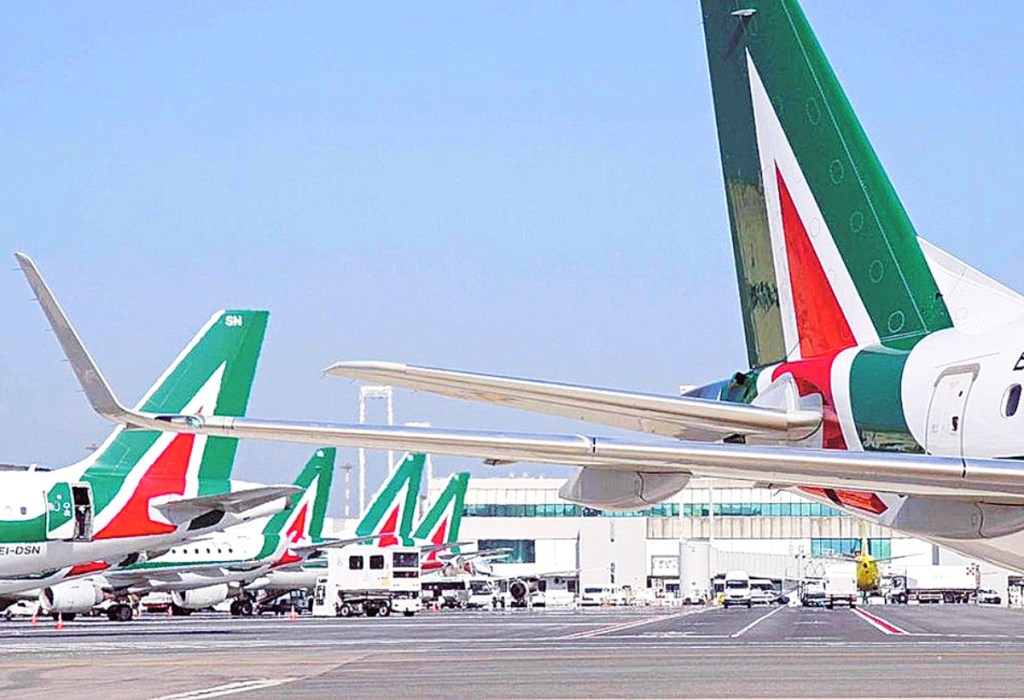
La imagen tiene un atributo ALT vacío; su nombre de archivo es aw-ryanair_ei-csz_b737-8as_arrivederci-alitalia.jpg
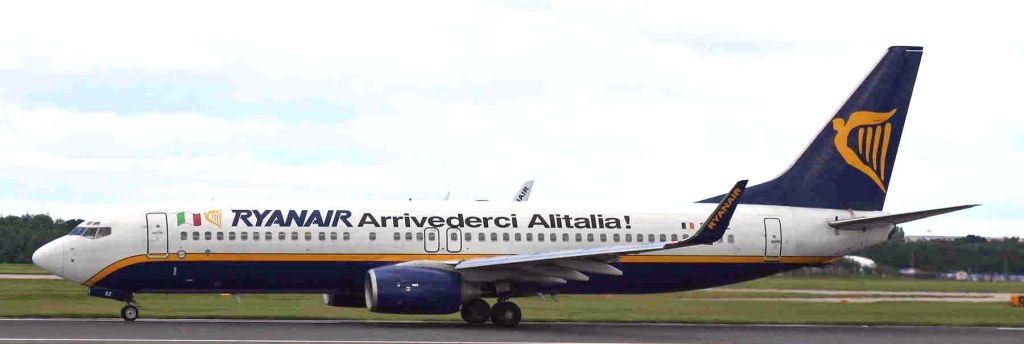
PRELUDIO DI UN ANNUNCIO ATTESO DAGLI ITALIANI

Il 25 Aprile 2017, dopo che i dipendenti Alitalia hanno respinto la proposta di taglio del posto di lavoro finalizzata alla riduzione dei costi, la compagnia aerea ha annunciato che passerà alla bancarotta, a cominciare dalla nomina di un amministratore. Il governo italiano ha permesso ad Alitalia di dichiarare bancarotta il 2 Maggio 2017. Il 17 Maggio 2017, dopo che il Governo ha escluso la nazionalizzazione della compagnia aerea, è stata ufficialmente messa in vendita per essere messa all’asta. A Giugno, EasyJet ha espresso interesse per l’acquisto della compagnia aerea. Anche Ryanair ha espresso interesse, ma ha abbandonato la sua offerta dopo il caos causato dalle cancellazioni dei voli Ryanair.

Nel 2018 Delta Air Lines, EasyJet e la società ferroviaria italiana Ferrovie dello Stato Italiane hanno presentato manifestazioni formali di interesse per l’acquisizione di Alitalia. I colloqui tra le parti sono iniziati a Febbraio 2019. A Marzo 2019, EasyJet ha annunciato di essersi ritirata dalle discussioni. Dopo la visita ufficiale del presidente cinese Xi Jinping a Roma, China Eastern Airlines ha espresso interesse per il piano di salvataggio di Alitalia e potrebbe spendere fino a € 100 milioni di Euro in cambio di una quota del 10%. Delta Air Lines si è detta pronta ad investire in Alitalia, ma che una quota del 10% era la strada giusta da percorrere.

Decennio 2020

Il 17 Marzo 2020, il Governo italiano assume il pieno controllo della compagnia aerea dopo che i colloqui con diverse compagnie italiane e internazionali non sono riusciti a raggiungere un accordo sui termini che erano azionisti della compagnia aerea. Nell’Aprile 2020, il governo italiano ha annunciato che avrebbe rilevato Alitalia a Maggio, poiché non avrebbe potuto sopravvivere da sola all’impatto della pandemia di COVID-19. Si prevedeva di ridurre la flotta da 113 velivoli a meno di cento. La compagnia aerea si è anche chiesta se dovesse rimanere in SkyTeam di cui è membro dal 2001. Nel Maggio 2020, USAerospace Partners, guidata da Michele Roosevelt Edwards, ha annunciato di essere ancora interessata all’acquisto della compagnia aerea. La società si era offerta di acquistarlo all’inizio dell’anno. Michele Roosevelt Edwards ha dichiarato che la compagnia aerea avrebbe pilotato 150 aerei in cinque anni, con un mix di Airbus, Boeing ed Embraer. Il 21 Maggio 2020, Alitalia ha lasciato le Joint Venture transatlantiche di SkyTeam. Il 29 Giugno 2020, il presidente del Consiglio Giuseppe Conte ha annunciato che Francesco Caio sarebbe stato nominato Presidente e Fabio Lazzerini sarebbe stato nominato amministratore delegato della nuova Alitalia.

L’8 Gennaio 2021, la Commissione Europea (CE) ha inviato una lettera al Rappresentante Permanente d’Italia presso l’Unione Europea (UE) per lanciare una gara aperta, trasparente, non discriminatoria e incondizionata per la cessione degli asset di Alitalia. La lettera consisteva in 62 richieste di chiarimento, rigettando l’idea che l’ex vettore potesse vendere i suoi beni alla nuova società in trattativa privata. Nella lettera si afferma che il marchio Alitalia non dovrebbe essere trattenuto da ITA, in quanto emblematico indicatore di continuità. La Commissione europea suggerisce che le attività combinate di aviazione, assistenza a terra e manutenzione siano vendute separatamente a terzi. Suggerisce inoltre che gli slot debbano essere venduti e l’intero programma MilleMiglia non possa essere trasferito alla nuova entità aziendale. Il 24 Agosto 2021, Alitalia ha annunciato che avrebbe interrotto tutte le vendite di biglietti sul proprio sito Web e ha annunciato che i clienti che hanno acquistato biglietti per voli successivi al 15 Ottobre 2021 saranno rimborsati. Il 14 Ottobre 2021 Alitalia ha effettuato il suo ultimo volo di linea ponendo fine alla sua vita operativa ed entrando a far parte dell’accattivante storia di una compagnia aerea simbolo dell’Italia e del mondo.

Trasporto Aereo Italia (ITA)

Il 10 Ottobre 2020, il governo italiano ha firmato un decreto per consentire la riorganizzazione della compagnia aerea come ITA Italia Trasporto Aereo S.p.A. Il 28 Ottobre 2020 è stato riferito che ITA avrebbe acquistato vari beni di Alitalia Società Aerea Italiana SpA, tra cui il marchio Alitalia e Alitalia CityLiner e i codici di volo, il codice di biglietteria IATA (055), il programma viaggiatori frequenti MilleMiglia e Londra/Heathrow Slot aeroportuali: 68 slot settimanali in estate e 65 in inverno. L’operazione del pacchetto potrebbe raggiungere i € 220 milioni di Euro. La nuova compagnia aerea ITA Italia Trasporto Aereo dovrebbe iniziare ad operare il 15 Ottobre 2021, aprendo un nuovo capitolo dell’aviazione commerciale italiana. Intanto milioni di italiani licenziano un simbolo dello stivale, l’italiano amato da milioni che la chiamano «arrivederci Alitalia».

PUBLISHER: Airgways.com
DBk: Alitalia.com / Gov.it / Airgways.com
AW-POST: 202110141655AR

A\W   A I R G W A Y S ®
Azul abre Trainee 2022

AW | 2021 10 14 14:19 | AIRLINES

Azul abre inscripciones Programa de Trainee 2022
Perspectivas crecimiento red aérea

Azul Isologotype_3d

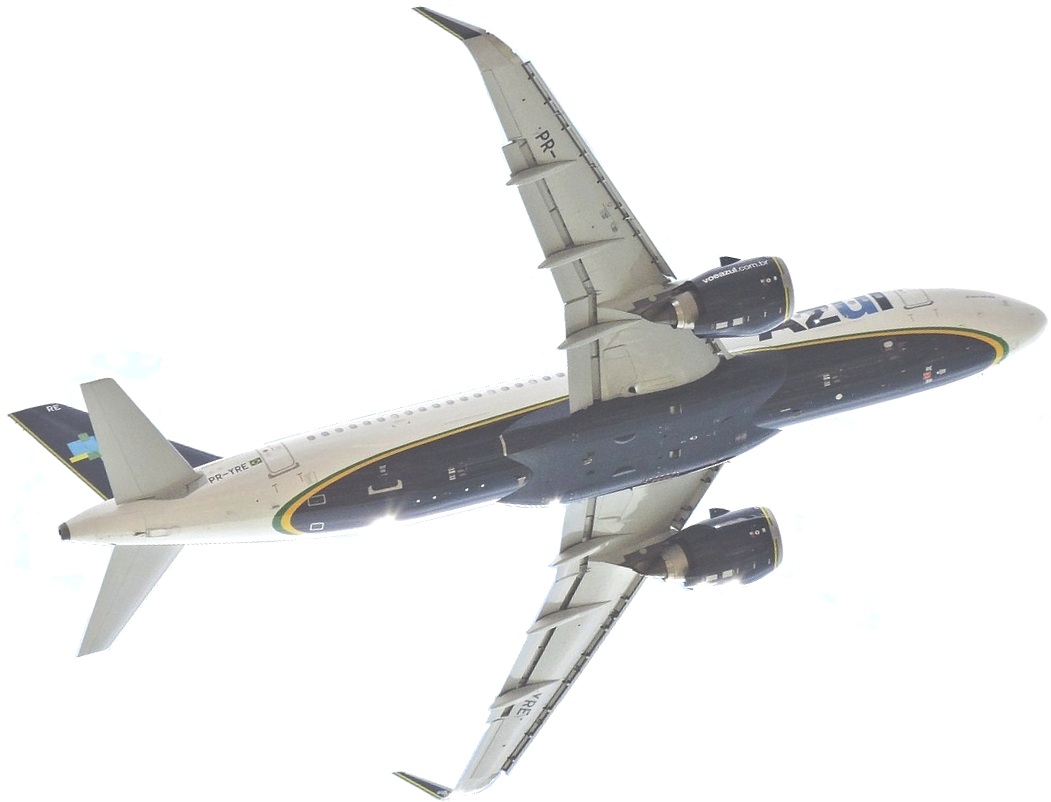
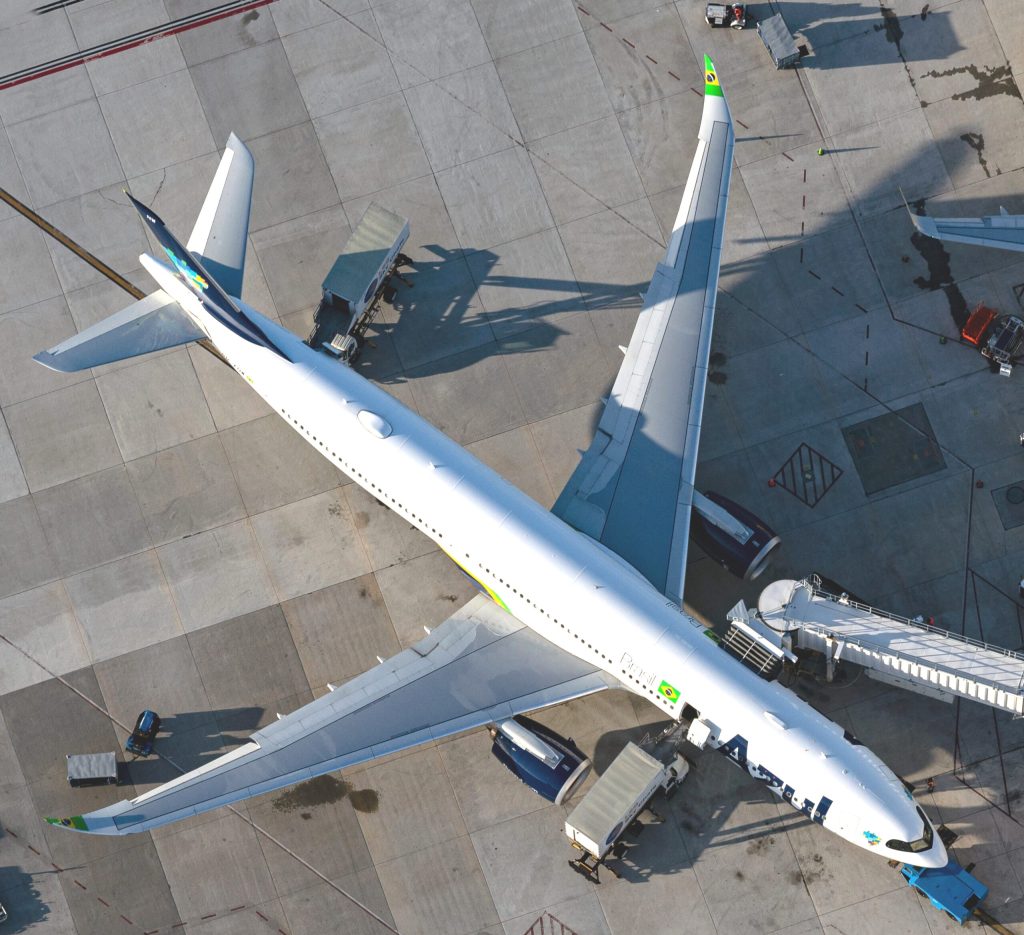
Azul Linhas Aéreas ha anunciado la apertura el proceso de selección para Trainees. Los solicitantes, que deben tener un nivel de educación superior, tienen hasta el 19 de Octubre de 2021 para inscribirse. El inicio de los trabajos está previsto para Enero de 2022. Los participantes deben estar graduados en cualquier área de conocimiento, con fecha de capacitación entre julio de 2018 y Diciembre de 2021. Azul también solicita que los candidatos tengan disponibilidad para trabajar en Barueri, Gran São Paulo y dominio del inglés. La compañía está buscando candidatos interesados en el sector de la aviación y que tengan un sentido de la innovación. El Programa de Aprendices 2022, que está ofreciendo quince vacantes, aceptará inscripciones hasta el 19 de Octubre de 2021.

Azul, aumento tráfico

El tráfico de Septiembre 2021 ha mostrado índices de un incremento de más del 120% interanual. Azul reportó cifras de tráfico impresionantes para Septiembre, con una mejora de la demanda de viajes aéreos en América Latina. La gente está optando cada vez más por los viajes aéreos actualmente, en contraposición a los temores de contraer el Coronavirus han disminuido debido a los programas de vacunación generalizados e inmunización de las poblaciones.

Con un panorama optimista el tráfico doméstico de Azul Linhas Aéreas para el mes de 09/2021 se disparara un 125,6% con respecto al número del período del año anterior 2020. La capacidad se expandió un 126,7% año tras año en respuesta a una mayor demanda. Con el crecimiento de la capacidad superando el aumento del tráfico, el factor de ocupación, que representa el porcentaje de asientos ocupados por pasajeros, se ha dirigido hacia el sur en el mes en 0,4 puntos porcentuales (p.p.) a 80,3%. El tráfico y la capacidad doméstica aumentaron un 8,7% y un 11,1%, respectivamente, con respecto a las cifras de Septiembre de 2019 niveles previos a la pandemia). En el frente internacional, el tráfico y la capacidad aumentaron un 53,6% y un 72,8%, respectivamente, año tras año. En consecuencia, el factor de carga cayó 8,3 p.p. hasta el 66,3%. Además, el factor de carga consolidado en Azul también se desplomó 0,8 p.p. a 79,4% en 09/2021. El tráfico consolidado y la capacidad aumentaron un 120,1% y un 122,3%, respectivamente. Sin embargo, el tráfico y la capacidad se han desplomado un 10,6% y un 6,2%, respectivamente, desde los niveles de 2019.

Perspectivas aéreas

Aunque la demanda de viajes aéreos es optimista en América Latina, no se puede decir lo mismo de los Estados Unidos debido a la propagación de la variante de Coronavirus Delta. De hecho, muchas aerolíneas estadounidenses, incluidas Southwest Airlines han advertido que sus resultados del trimestre de Septiembre 2021 se verán afectados por la propagación de esta cepa altamente contagiosa de COVID-19.

Azul opens Trainee 2022

Azul opens registrations for the Trainee Program 2022
Air network growth prospects

Azul Linhas Aéreas has announced the opening of the selection process for Trainees. Applicants, who must have a higher education level, have until October 19, 2021 to register. The start of work is scheduled for January 2022. Participants must be graduates in any area of ​​knowledge, with a training date between July 2018 and December 2021. Azul also requests that candidates have availability to work in Barueri, Gran São Paulo and command of English. The company is looking for candidates who are interested in the aviation sector and have a sense of innovation. The 2022 Apprentice Program, which is offering fifteen openings, will accept registrations until 19/2021.

Azul, increased traffic

The traffic of September 2021 has shown rates of an increase of more than 120% year-on-year. Azul reported impressive traffic figures for September, with an improvement in demand for air travel in Latin America. People are increasingly opting for air travel these days, finding the fears of contracting the Coronavirus have decreased due to widespread vaccination programs and immunization of populations.

With an optimistic outlook, Azul Linhas Aéreas’ domestic traffic for the month of 09/2021 will shoot up 125.6% compared to the number of the previous year 2020. Capacity expanded 126.7% year after year in response to a higher demand. With capacity growth outpacing increased traffic, the load factor, which represents the percentage of seats occupied by passengers, has headed south for the month by 0.4 percentage points (pp) to 80.3%. Traffic and domestic capacity increased by 8.7% and 11.1%, respectively, compared to the September 2019 figures (pre-pandemic levels). On the international front, traffic and capacity increased 53.6% and 72.8%, respectively, year-over-year. Consequently, the load factor fell 8.3 p.p. up to 66.3%. In addition, the consolidated load factor at Azul also plummeted 0.8 p.p. to 79.4% on 09/2021. Consolidated traffic and capacity increased 120.1% and 122.3%, respectively. However, traffic and capacity have plummeted 10.6% and 6.2%, respectively, from 2019 levels.

Aerial perspectives

Although demand for air travel is optimistic in Latin America, the same cannot be said for the United States due to the spread of the Coronavirus Delta variant. In fact, many US airlines including Southwest Airlines have warned that their September 2021 quarter results will be affected by the spread of this highly contagious strain of COVID-19.

Azul abre o Trainee 2022

Azul abre inscrições para Programa Trainee 2022
Perspectivas de crescimento da rede aérea

AW-700004

A Azul Linhas Aéreas anunciou a abertura do processo seletivo de Trainees. Os candidatos, que devem possuir nível de ensino superior, têm até o dia 19 de Outubro de 2021 para se inscrever. O início das obras está previsto para janeiro de 2022. Os participantes devem ser formados em qualquer área do conhecimento, com data de formação entre Julho de 2018 e Dezembro de 2021. A Azul solicita também que os candidatos tenham disponibilidade para trabalhar em Barueri, Gran São Paulo e comando de Inglês. A empresa está em busca de candidatos que tenham interesse no setor de aviação e que tenham senso de inovação. O Programa Aprendiz 2022, que está oferecendo quinze vagas, aceitará inscrições até 19 de Outubro de 2021.

Azul, tráfego aumentado

O tráfego de Setembro de 2021 apresentou taxas de aumento de mais de 120% ano-a-ano. A Azul relatou números impressionantes de tráfego em Setembro, com uma melhora na demanda por viagens aéreas na América Latina. As pessoas estão optando cada vez mais por viagens aéreas atualmente, descobrindo que os temores de contrair o Coronavírus diminuíram devido aos programas de vacinação e imunização das populações.

Com uma perspectiva otimista, o tráfego doméstico da Azul Linhas Aéreas para o mês de 09/2021 deverá disparar 125,6% em relação ao ano anterior de 2020. A capacidade expandiu 126,7% ano após ano em resposta a uma maior demanda. Com o crescimento da capacidade superando o aumento do tráfego, a taxa de ocupação, que representa o percentual de assentos ocupados por passageiros, rumou para o sul no mês em 0,4 pontos percentuais (pp), para 80,3%. O tráfego e a capacidade doméstica aumentaram 8,7% e 11,1%, respetivamente, em comparação com os números de Setembro de 2019 (níveis pré-pandémicos). Na frente internacional, o tráfego e a capacidade aumentaram 53,6% e 72,8%, respectivamente, em relação ao ano anterior. Consequentemente, a taxa de ocupação caiu 8,3 p.p. até 66,3%. Além disso, a taxa de ocupação consolidada da Azul também despencou 0,8 p.p. para 79,4% em 09/2021. O tráfego consolidado e a capacidade aumentaram 120,1% e 122,3%, respetivamente. No entanto, o tráfego e a capacidade despencaram 10,6% e 6,2%, respectivamente, em relação aos níveis de 2019.

Perspectivas aéreas

Embora a demanda por viagens aéreas seja otimista na América Latina, o mesmo não pode ser dito dos Estados Unidos devido à disseminação da variante Coronavirus Delta. Na verdade, muitas companhias aéreas dos EUA, incluindo a Southwest Airlines, alertaram que seus resultados do trimestre de setembro de 2021 serão afetados pela disseminação desta cepa altamente contagiosa do COVID-19.

PUBLISHER: Airgways.com
DBk: Voeazul.com.br / Airgways.com
AW-POST: 202110141419AR

A\W   A I R G W A Y S ®

Cathay premios IDC Future Enterprise

AW | 2021 10 14 08:33 | AIRLINES / AWARDS

Cathay Pacific nombrada “Lo mejor en el futuro de la conectividad”

IDC AWARDS_Isologotype

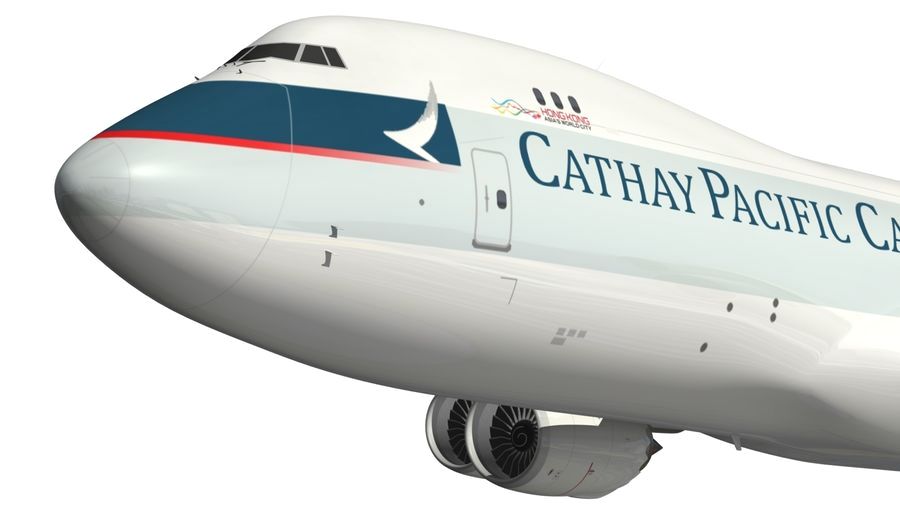
AW-Cathay Pacific Cargo

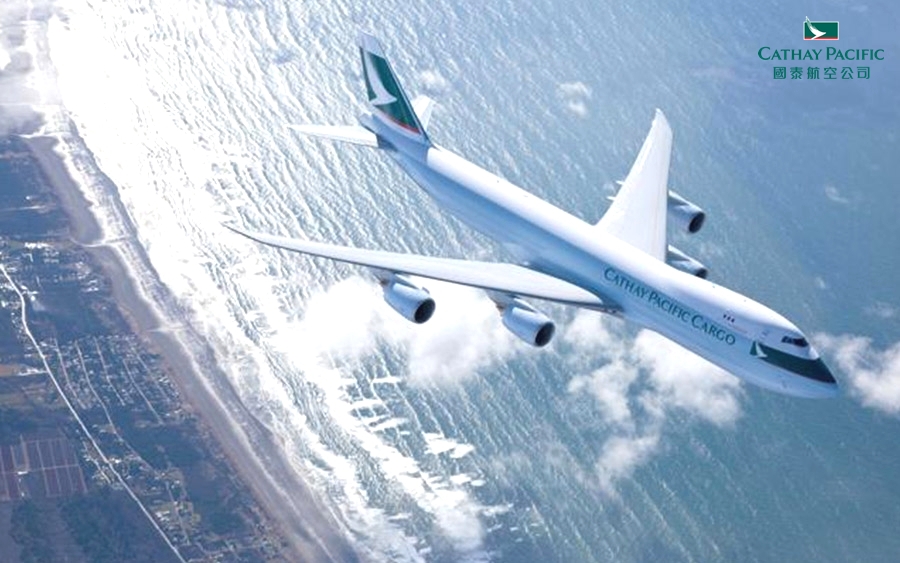
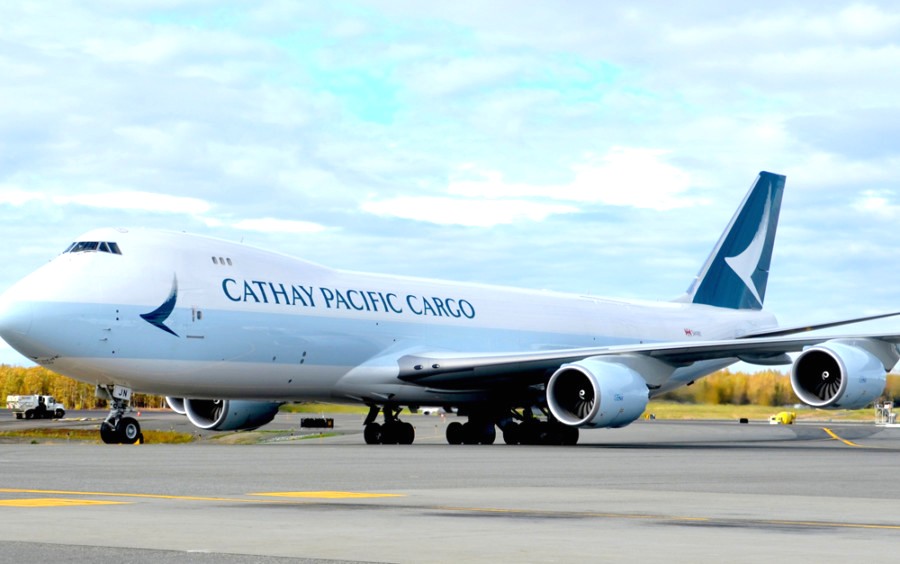
El premio reconoce el uso de la Tecnología del Internet por parte de Cathay Pacific Cargo en su herramienta para el seguimiento de envíos. Cathay Pacific ha sido nombrada “Lo mejor en el futuro de la conectividad” (Best in Future of Connectedness) en los IDC Future Enterprise Awards de 2021, por su desarrollo de Ultra Track: una solución de seguimiento y localización de próxima generación que aplica la tecnología del Internet de las cosas (IoT) para monitorear los envíos. Los IDC Future Enterprise Awards, en su quinto edición, reconocen a las organizaciones que han logrado avances sobresalientes en la adopción e implantación de tecnologías digitales para impulsar el cambio en sus modelos de negocio.

En el contexto de la pandemia mundial, los ganadores de los premios de este año también han sido seleccionados por navegar con éxito este período de cambio turbulento y proporcionar liderazgo en una nueva era digital. Más de 1.000 nominados de Singapur, Indonesia, Filipinas, Malasia, Tailandia, la RAE de Hong Kong, la región de Taiwán, China continental, Corea del Sur, India, Australia y Nueva Zelanda fueron considerados por analistas regionales.

Lawrence Fong, Director Digital y de IT de Cathay Pacific, ha declarado: «Ultra Track es uno de los sistemas de IoT líderes en la industria de las aerolíneas. Y Cathay Pacific Cargo se encuentra entre el primer grupo de aerolíneas que aprovechan esta tecnología para proporcionar un servicio de seguimiento multidimensional casi en tiempo real para nuestros socios». Ultra Track utiliza un registro de datos Bluetooth Low Energy (BLE) para monitorear la ubicación GPS y la temperatura de los envíos (vibración, humedad y exposición a la luz) casi en tiempo real, lo que lo convierte en un sistema ideal para envíos, por ejemplo, sensibles a la temperatura. Los datos del envío se envían a los lectores instalados en las terminales de carga y aplicaciones de teléfonos móviles en el área de rampa del aeropuerto, utilizando protocolos BLE, que transmiten la información a un marco de IoT implementado en la nube de Amazon Web Services (AWS) a través de la red 4G.

El personal del Centro de Control de Operaciones (OCC) de Cathay Pacific Cargo puede monitorear constantemente el estado del envío, con alertas para permitir que el personal intervenga y rectifique la situación si es necesario. Además, los remitentes también pueden rastrear la ubicación y la temperatura de su envío a través del sitio web de Cathay Pacific Cargo.

El lanzamiento de Ultra Track se adelantó para enfrentar el desafío logístico sin precedentes que la industria de carga aérea afronto para distribuir las vacunas del COVID-19, que se necesitan con urgencia en todo el mundo. Dado el suministro limitado de vacunas y los requisitos de temperatura restrictivos para su transporte y almacenamiento, Ultra Track ha mejorado la capacidad de garantizar que los medicamentos se entreguen con éxito en todo el mundo.

George Edmunds, Gerente General de Cargo en Cathay Pacific Airways, ha comentado: «Ultra Track refleja nuestro compromiso de invertir en soluciones y tecnología para mejorar continuamente la calidad de nuestros servicios a los clientes, apoyando nuestra ambición de marca de convertirnos en una compañía de servicios de carga aérea más centrada totalmente en las necesidades del cliente. Ultra Track ha transformado la forma en que se manejan los envíos farmacéuticos y continuará acelerando las capacidades en el manejo de otros productos de carga en esta era de T/5G que tenemos por delante».

Acerca de Cathay Pacific

Cathay Pacific Airways, con sede en Hong Kong, es una aerolínea cinco estrellas de servicio completo que ofrece servicios regulares de pasajeros y carga entre Asia Pacífico, Europa, América del Norte y África. Actualmente, Cathay Pacific opera servicios regulares de pasajeros y carga a Londres y Ámsterdam utilizando el A350 de última generación, con presencia en Francia, Alemania, Israel, Italia, España y Suiza. Cathay Pacific tiene la clasificación de seguridad COVID de 5 estrellas, la más alta de acuerdo con las clasificaciones para las aerolíneas. Cathay Pacific ha ganado cuatro veces la categoría de Mejor Aerolínea Mundial de Skytrax y también ha sido reconocida como la 10º Aerolínea más Limpia del Mundo durante cinco años consecutivos.

Cathay IDC Future Enterprise Awards

Cathay Pacific Named «The Best of the Future of Connectivity»

AW-Cathay Pacific Cargo_005

AW-Cathay Pacific Cargo_Isologottype-001

The award recognizes the use of Internet technology by Cathay Pacific Cargo in its shipment tracking tool. Cathay Pacific has been named “Best in Future of Connectedness” at the IDC Future Enterprise Awards in 2021, for its development of Ultra Track: a next generation track and trace solution that applies the Internet of Things (IoT) technology to monitor shipments. The IDC Future Enterprise Awards, in its fifth edition, recognize organizations that have made outstanding progress in the adoption and implementation of digital technologies to drive change in their business models.

In the context of the global pandemic, this year’s award winners have also been selected for successfully navigating this period of turbulent change and providing leadership in a new digital age. More than 1,000 nominees from Singapore, Indonesia, the Philippines, Malaysia, Thailand, Hong Kong SAR, the Taiwan region, mainland China, South Korea, India, Australia and New Zealand were considered by regional analysts.

Lawrence Fong, Director of Digital and IT for Cathay Pacific, said: «Ultra Track is one of the leading IoT systems in the airline industry. And Cathay Pacific Cargo is among the first group of airlines to leverage this technology to provide a near real-time multi-dimensional tracking service for our partners». Ultra Track uses a Bluetooth Low Energy (BLE) data logger to monitor the GPS location and temperature of shipments (vibration, humidity, and light exposure) in near real time, making it an ideal system for shipments, for example, sensitive to temperature. The shipment data is sent to the readers installed in the cargo terminals and mobile phone applications in the airport ramp area, using BLE protocols, which transmit the information to an IoT framework implemented in the Amazon Web Services (AWS) cloud over the 4G network.

Cathay Pacific Cargo Operations Control Center (OCC) staff can constantly monitor the status of the shipment, with alerts to allow staff to intervene and rectify the situation if necessary. Additionally, shippers can also track the location and temperature of their shipment through the Cathay Pacific Cargo website.

The Ultra Track launch was advanced to meet the unprecedented logistical challenge the air cargo industry faced to distribute urgently needed COVID-19 vaccines around the world. Given the limited supply of vaccines and restrictive temperature requirements for their transportation and storage, Ultra Track has enhanced the ability to ensure that drugs are successfully delivered around the world.

George Edmunds, General Manager of Cargo at Cathay Pacific Airways, commented: «Ultra Track reflects our commitment to invest in solutions and technology to continually improve the quality of our services to customers, supporting our brand ambition to become a company of Air cargo services more focused entirely on customer needs. Ultra Track has transformed the way pharmaceutical shipments are handled and will continue to accelerate capabilities in handling other cargo products in this era of T/5G ahead».

About Cathay Pacific

Hong Kong-based Cathay Pacific Airways is a full-service, five-star airline offering scheduled passenger and cargo services between Asia Pacific, Europe, North America and Africa. Cathay Pacific currently operates scheduled passenger and cargo services to London and Amsterdam using the latest generation A350, with a presence in France, Germany, Israel, Italy, Spain and Switzerland. Cathay Pacific has a 5-star COVID safety rating, the highest according to ratings for airlines. Cathay Pacific has won Skytrax’s Best Global Airline category four times and has also been recognized as the 10th Cleanest Airline in the World for five consecutive years.

國泰IDC未來企業獎

國泰航空被評為“最佳連接未來”

AW-Cathay Pacific Cargo_006

AW-Cathay Pacific Cargo_Isologotype_Ch-001

該獎項表彰國泰貨運在其貨運追踪工具中使用互聯網技術。國泰航空在 2021 年的 IDC 未來企業獎中被評為“最佳互聯未來”,因為它開發了 Ultra Track:一種應用物聯網 (IoT) 技術來監控運輸的下一代跟踪和追踪解決方案。第五屆 IDC 未來企業獎旨在表彰在採用和實施數字技術以推動其業務模式變革方面取得突出進展的組織。

在全球大流行的背景下,今年的獲獎者也被選中,因為他們成功地度過了這段動蕩的變革時期,並在新的數字時代發揮了領導作用。區域分析師考慮了來自新加坡、印度尼西亞、菲律賓、馬來西亞、泰國、香港特別行政區、台灣地區、中國大陸、韓國、印度、澳大利亞和新西蘭的 1,000 多名候選人。

國泰航空首席數字與 IT 官 Lawrence Fong 表示:“Ultra Track 是航空業領先的物聯網系統之一。國泰貨運是首批利用這項技術提供近乎真實的——為我們的合作夥伴提供時間多維跟踪服務»。 Ultra Track 使用藍牙低功耗 (BLE) 數據記錄器近乎實時地監控貨物的 GPS 位置和溫度(振動、濕度和光照),使其成為理想的貨物系統,例如對溫度敏感的貨物。貨物數據使用 BLE 協議發送到安裝在機場停機坪區域的貨運站和手機應用程序中的讀取器,這些數據通過 4G 網絡將信息傳輸到在亞馬遜網絡服務雲 (AWS) 中實施的物聯網框架。

國泰航空貨運營運控制中心 (OCC) 的工作人員可以持續監控貨件的狀態,並發出警報,讓工作人員在必要時進行干預和糾正情況。此外,托運人還可以通過國泰貨運網站跟踪貨物的位置和溫度。

Ultra Track 的推出是為了應對航空貨運業在全球分發急需的 COVID-19 疫苗所面臨的前所未有的物流挑戰。鑑於疫苗供應有限,且對其運輸和儲存的溫度要求嚴格,Ultra Track 增強了確保藥物在全球成功交付的能力。

國泰航空貨運部總經理 George Edmunds 評論道:“Ultra Track 反映了我們致力於投資解決方案和技術,以不斷提高我們為客戶提供的服務質量,支持我們的品牌雄心,成為一家更多的航空貨運服務公司。完全專注於客戶需求。Ultra Track 改變了藥品運輸的處理方式,並將在這個未來的 T/5G 時代繼續加速處理其他貨物產品的能力”。

關於國泰航空

總部位於香港的國泰航空是一家提供全方位服務的五星級航空公司,提供往返亞太、歐洲、北美和非洲的定期客運和貨運服務。國泰航空目前使用最新一代 A350 運營飛往倫敦和阿姆斯特丹的定期客運和貨運服務,在法國、德國、以色列、意大利、西班牙和瑞士設有辦事處。國泰航空的 COVID 安全評級為 5 星,是航空公司評級中最高的。國泰航空曾四次榮獲 Skytrax 最佳全球航空公司獎項,並連續五年被評為全球第十大最清潔航空公司。

PUBLISHER: Airgways.com
DBk: Cathaypacificcargo.com / Idcdxawards.com / Airgways.com
AW-POST: 202110140833AR

A\W   A I R G W A Y S ®

Aerolíneas transporta 110.000 pax

AW | 2021 10 13 09:53 | AIRLINES / AIR TRAFFIC

Aerolíneas Argentinas transportó 110.000 pasajeros fin semana largo

Boeing 737NG-AR002

Aerolíneas Argentinas_Isologotype 2010_Tx

Aerolíneas Argentinas ha comunicado que ha transportado 110.000 pasajeros en el fin de semana largo, siendo la mayor cantidad de pasajeros transportados durante un fin de semana largo en lo que va de 2021. La ocupación de los vuelos alcanzó el 88% y los destinos más elegidos fueron: Bariloche, Córdoba, El Calafate, Iguazú, Mar del Plata, Mendoza, Neuquén, Salta y Ushuaia. «Son números importantes porque se traducen en trabajo e ingresos para todo el sector turístico, y representan un indicador saludable que nos permite ser optimistas de cara los próximos meses», señaló Pablo Ceriani, Presidente de Aerolíneas Argentinas.

El Jueves 07/10 ingresaron 42.000 reservas para vuelos domésticos en Argentina y se superó así el récord anterior que había ocurrido el 14 de Septiembre con 37.700 solicitudes. La semana pasada, desde la empresa informaron que se prevé operar al 80% de la capacidad pre-pandemia hacia fin de año y recuperar el 100% del mercado doméstico en la primera parte de 2022. Durante el último fin de semana, más de 4.273.000 turistas se movilizaron en todo el país durante este fin de semana extra largo y generaron un impacto económico que superó los 17.700 millones de pesos. Se registraron en total unos 370 vuelos de cabotaje. Los datos fueron suministrados por la Confederación Argentina de la Mediana Empresa (CAME), coincidentes con los que maneja el Ministerio de Turismo y Deportes (Minturdep), precisaban que el total registrado hasta esta tarde era 4.273.500 viajeros, de los cuales 1.650.000 eran turistas tradiciones y 2.623.500 excursionistas o visitantes de escapadas de una jornada.

Aerolíneas transports 110,000 pax

Aerolíneas Argentinas transported 110,000 passengers long weekend

Aerolíneas_Isotype

Aerolíneas Argentinas has reported that it has transported 110,000 passengers in the long weekend, being the highest number of passengers transported during a long weekend so far in 2021. Flight occupancy reached 88% and the most chosen destinations They were: Bariloche, Córdoba, El Calafate, Iguazú, Mar del Plata, Mendoza, Neuquén, Salta and Ushuaia. «These are important numbers because they translate into work and income for the entire tourism sector, and they represent a healthy indicator that allows us to be optimistic for the coming months», said Pablo Ceriani, President of Aerolíneas Argentinas.

On Thursday 10/07, 42,000 reservations for domestic flights in Argentina were entered, thus surpassing the previous record that had occurred on September 14 with 37,700 requests. Last week, the company reported that it is expected to operate at 80% of the prepandemic capacity by the end of the year and to recover 100% of the domestic market in the first part of 2022. During the last weekend, more than 4,273,000 tourists mobilized throughout the country during this extra long weekend and generated an economic impact that exceeded 17.7 billion pesos. A total of 370 domestic flights were registered. The data were provided by the Argentine Confederation of Medium Enterprises (CAME), coinciding with those managed by the Ministry of Tourism and Sports (Minturdep), they specified that the total registered until this afternoon was 4,273,500 travelers, of which 1,650. 000 were traditional tourists and 2,623,500 were hikers or day trip visitors.

PUBLISHER: Airgways.com
DBk: Aerolineas.com / Redcame.org.ar / Argentina.gob.ar / Visiteiffel / Airgways.com
AW-POST: 202110130953AR

A\W   A I R G W A Y S ®

Flyr arrendará 10 Boeing 737-8 MAX

AW | 2021 10 12 20:44 | AIRLINES / INDUSTRY

Noruega Flyr tomará diez aviones Boeing 737-8 MAX de Air Lease

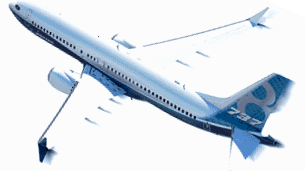
Boeing 737 MAX_Isologotype

AW-Flyr_Isologotype

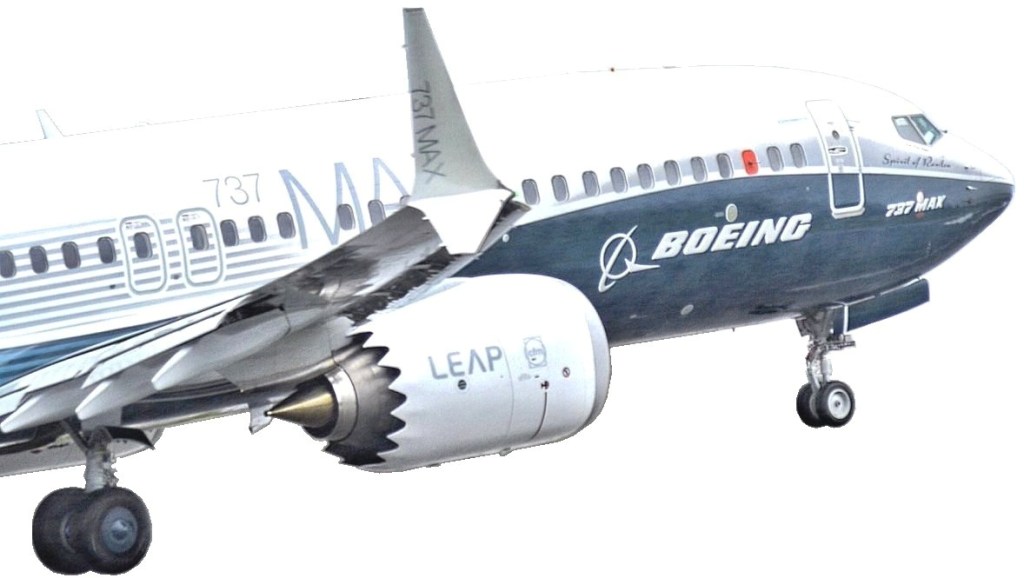
La start-up noruega Flyr ha firmado una carta de intención para arrendar seis nuevos aviones Boeing 737-8 MAX (6) del arrendador estadounidense Air Lease el próximo año 2022. La primer aeronave se entregará a principios del próximo año y el objetivo de la aerolínea es tener los seis aviones en servicio durante la primera mitad de 2022. Flyr también ha tomado opciones en cuatro aviones adicionales más para su entrega en 2023. «La decisión de elegir la última generación de nuevos aviones Boeing está en línea con el objetivo de las autoridades de un desarrollo más sostenible en la aviación», dice el Presidente Ejecutivo de Flyr, Tonje Wikstrom Frislid. El nuevo avión de la línea 737 MAX tiene un 14% menos de emisiones de carbono que sus modelos anteriores, lo que tendrá un impacto positivo tanto en los costos de combustible como en el medio ambiente.

Flyr iniciaba sus operaciones de vuelos nacionales en Junio 2021 utilizando un Boeing 737-800 (1), mientras que el lanzamiento de vuelos internacional se establecía en Agosto 2021enlazando los destinos Alicante, Málaga (España) y Niza (Francia). Actualmente, la flota de aviones es de cuatro Boeing 737-800 Netx Generation (4).

La aerolínea noruega dice que este la incorporación de modernas aeronaves de última generación es un na etapa importante en la dirección de un negocio más sostenible, virando hacia el deseo de los clientes hacia una industria de la aviación más ecológica como un factor positivo en la decisión. «Nuestro modelo de negocio se basa en el modelo nórdico de trabajo permanente y directo basado en las decisiones y la implicación de nuestros empleados», expresó el CEO Tonje Wikstrom Frislid.

Flyr to lease 10 Boeing 737-8 MAX

Norway Flyr to take on 10 Air Lease Boeing 737-8 MAX aircraft

AW-Boeing 737 MAX_png (44)

The Norwegian start-up Flyr has signed a letter of intent to lease six new Boeing 737-8 MAX (6) aircraft from the American lessor Air Lease next year 2022. The first aircraft will be delivered early next year and the objective of the The airline is planning to have all six aircraft in service during the first half of 2022. Flyr has also made options on four additional aircraft for delivery in 2023. «The decision to choose the latest generation of new Boeing aircraft is in line with the goal of authorities for a more sustainable development in aviation», says Flyr CEO Tonje Wikstrom Frislid. The new aircraft in the 737 MAX line has 14% lower carbon emissions than its previous models, which will have a positive impact on both fuel costs and the environment.

Flyr began its domestic flight operations in June 2021 using a Boeing 737-800 (1), while the launch of international flights was established in August 2021 linking the destinations Alicante, Málaga (Spain) and Nice (France). Currently, the aircraft fleet is four Boeing 737-800 Netx Generation (4).

The Norwegian airline says that this incorporation of modern, state-of-the-art aircraft is an important step in the direction of a more sustainable business, shifting towards customers’ desire for a greener aviation industry as a positive factor in the decision. «Our business model is based on the Nordic model of permanent and direct work based on the decisions and involvement of our employees», said CEO Tonje Wikstrom Frislid.

Flyr leier ut 10 Boeing 737-8 MAX

aw-flyr_isologotype_001

Norway Flyr tar på seg 10 Air Lease Boeing 737-8 MAX-fly

AW-Boeing_737_MAX_Isologotype

Den norske oppstarten Flyr har signert en intensjonsavtale om å leie seks nye Boeing 737-8 MAX (6) fly fra den amerikanske utleier Air Lease neste år 2022. Det første flyet vil bli levert tidlig neste år og målet med The flyselskapet planlegger å ha alle de seks flyene i drift i løpet av første halvdel av 2022. Flyr har også gjort opsjoner på fire ekstra fly for levering i 2023. «Beslutningen om å velge den siste generasjonen nye Boeing-fly er i tråd med målet om myndigheter for en mer bærekraftig utvikling innen luftfart», sier Flyr-sjef Tonje Wikstrom Frislid. Det nye flyet i 737 MAX-linjen har 14% lavere karbonutslipp enn sine tidligere modeller, noe som vil ha en positiv innvirkning på både drivstoffkostnadene og miljøet.

Flyr begynte sin innenlandsflyvirksomhet i Juni 2021 med en Boeing 737-800 (1), mens lanseringen av internasjonale flyvninger ble etablert i August 2021 som forbinder destinasjonene Alicante, Málaga (Spania) og Nice (Frankrike). For øyeblikket er flyflåten fire Boeing 737-800 Netx Generation (4).

Det norske flyselskapet sier at denne innlemmelsen av moderne, toppmoderne fly er et viktig skritt i retning av en mer bærekraftig virksomhet, og går mot kundenes ønske om en grønnere luftfartsindustri som en positiv faktor i beslutningen. «Vår forretningsmodell er basert på den nordiske modellen for permanent og direkte arbeid basert på beslutninger og involvering av våre ansatte», sa administrerende direktør Tonje Wikstrom Frislid.

PUBLISHER: Airgways.com
DBk: Flyr.com / Airgways.com
AW-POST: 202110122044AR

A\W   A I R G W A Y S ®

Boeing O&D 3Q2021

AW | 2021 10 12 15:25 | INDUSTRY

Boeing anuncia entregas en el tercer trimestre 2021

AW-Boeing 787_0003

Boeing_Isologo.svg

The Boeing Company anunció este Martes 12 de Octubre de 2021 importantes entregas de programas en sus operaciones comerciales y de defensa para el tercer trimestre de 2021. «Hicimos un progreso importante impulsando la estabilidad en todas nuestras operaciones en el tercer trimestre, ya que priorizamos la seguridad y la calidad y trabajamos para entregar a nuestros clientes. Nuestros equipos de defensa y servicios cumplieron con varios programas clave. En nuestro negocio comercial, aumentamos las entregas de 737 MAX en el trimestre y progresamos en la devolución segura del 737 MAX al servicio en más mercados internacionales. También continuamos completando inspecciones exhaustivas en todo el sistema de producción del 787 y dentro de la cadena de suministro, mientras sostenemos conversaciones detalladas y transparentes con la FAA, los proveedores y nuestros clientes. Los recursos de producción siguen centrados en inspecciones y retrabajos y la tasa de producción del 787 sigue siendo inferior a cinco aviones por mes. Continuaremos tomando el tiempo necesario para garantizar los más altos niveles de calidad. Si bien estos esfuerzos continúan impactando las entregas, estamos seguros de que este es el enfoque correcto para impulsar la estabilidad y la calidad por primera vez en todas nuestras operaciones y para posicionar el programa a largo plazo a medida que se recupera la demanda del mercado», expresó el gigante americano.

La compañía proporcionará resultados financieros detallados del tercer trimestre el 27 de Octubre de 2021. Las principales entregas del programa durante el tercer trimestre se detallan a continuación.

Boeing O&D 3Q2021

Boeing announces deliveries in Q3 2021

The Boeing Company announced this Tuesday, October 12, 2021, important program deliveries in its commercial and defense operations for the third quarter of 2021. «We made significant progress driving stability in all of our operations in the third quarter, as we prioritize the safety and quality and we worked to deliver to our customers. Our defense teams and services met several key programs. In our commercial business, we increased deliveries of 737 MAX in the quarter and progressed in the safe return of the 737 MAX to service in more international markets. We also continue to complete comprehensive inspections throughout the 787 production system and within the supply chain, while engaging in detailed and transparent discussions with the FAA, suppliers, and our customers. Production resources remain focused on inspections and reworks and the 787 production rate is still inf greater than five planes per month. We will continue to take the time necessary to ensure the highest levels of quality. While these efforts continue to impact deliveries, we are confident this is the right approach to drive stability and quality for the first time in all of our operations and to position the program for the long term as market demand recovers», voiced the American giant.

The company will provide detailed financial results for the third quarter on October 27, 2021. The main deliveries of the program during the third quarter are detailed below.

PUBLISHER: Airgways.com
DBk: Boeing.com / Heraldnet.com_Andy Bronson / Airgways.com
AW-POST: 202110121525AR

A\W   A I R G W A Y S ®
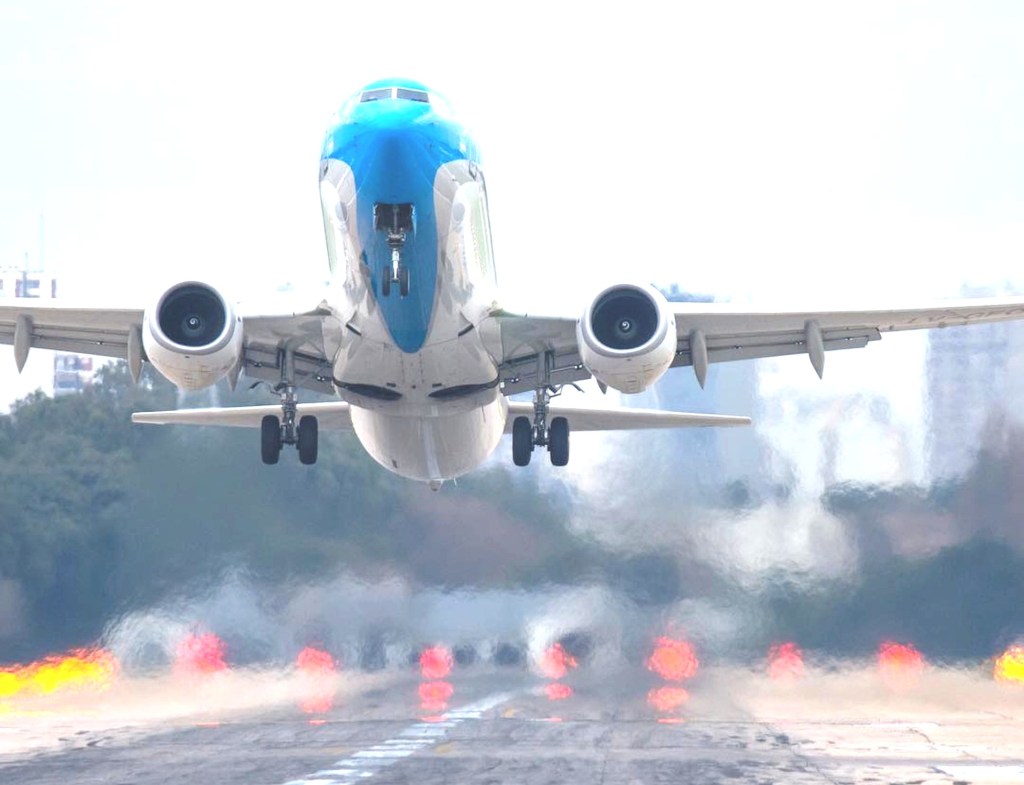
Lanzamiento de Bonza en Australia

AW | 2021 10 121 14:44 | AIRLINES

Startup low cost australiana en 2022

AW-Bonza Airlines_Isologotype

La nueva aerolínea de bajo coste Bonza Airlines se lanzará en Australia el próximo año 2022. Una nueva aerolínea de presupuesto iniciará operaciones en Australia planeando marcando una diferenciación para dirigir su atención a nuevos destinos sin cubrir en el amplio territorio australiano. La demanda de australianos persiguen vacaciones ultra-low cost hacia el año próximo, mientras la nueva startup se prepara para desembarcar con precios ultra-económicos. Bonza se describe a sí misma como una aerolínea low cost que planea ofrecer tarifas de bajo costo en ciudades y centros regionales de toda Australia que se han visto hambrientas de vuelos regulares a gran escala. Bonza Airlines centrará su focalización de mercado en los centros regionales operando aeronaves jet Boeing 737 MAX, adquiriendo una serie de nuevos Boeing 737-8 MAX a través de la compañía 777 Partners, que posee una compañía de arrendamiento y leasing de aviación.

El CEO de Bonza, Tim Jordan, quien ha trabajado en la industria de la aviación durante más de veinte años y ha estado detrás de algunas de las aerolíneas de bajo costo más exitosas del mundo, dijo a news.com.au la compañía se trataba de «hacer las cosas de manera diferente». Bonza no estaba buscando tomar negocios de las aerolíneas actualmente exitosas y bien establecidas en Australia, incluidas Qantas Airways, Virgin Australia y Jetstar, sino que se estaba preparando para llenar un vacío en el mercado.

«Hay muchas aerolíneas en Australia muy centradas en el viajero de negocios, y lo hacen muy bien, pero se trata de ofrecer más opciones a los australianos desde una perspectiva de ocio», dijo Tim Jordan. Actualmente, más de la mitad de las rutas que Bonza planea ofrecer serán territorio desconocido para las aerolíneas australianas. «No se trata de robar tráfico a los transportistas comerciales. Ya están haciendo muy bien su trabajo. Queremos estimular nuevos viajes a nuevos destinos. Absolutamente serviremos y representaremos a todo el país», dijo.

Australia está clasificada entre los quince principales mercados de vuelos nacionales del mundo, pero es la única en ese top 15 que tiene una aerolínea de bajo costo. Todos los demás países tienen al menos dos compañías. «Bonza trae de vuelta esa opción adicional a todos y, con suerte, traerá muchas más rutas y opciones de destino para los australianos», expresó Tim Jordan.

La muerte de TigerAir en 2020, la aerolínea de bajo costo de Virgin Australia, sirvió como una lección para Tim Jordan y Bonza. «Cualquiera que sea el negocio en el que se encuentre, si mira una calle principal típica o un centro comercial y tiene tres o cuatro panaderías, eso causará presión en todas esas panaderías, si tiene una o dos, eso creará menos estrés financiero. No estamos buscando hacer lo mismo que las aerolíneas tradicionales existentes, no volaremos el triángulo dorado (Sydney, Brisbane y Melbourne), los operadores existentes ya lo hacen tan bien. Si tienes demasiadas empresas haciendo lo mismo, eso obviamente causa presión financiera y potencialmente fracaso», dijo el ejecutivo de la startup.

Bonza aún no ha revelado exactamente que sectores de la aviación cubrirá o que rutas planea llenar, mientras que Tim Jordan dijo que había docenas de opciones potenciales. La nueva aerolínea australiana ha anunciado expresiones de interés en 45 aeropuertos repartidos por toda Australia preguntándoles si estarían interesados en dar la bienvenida a Bonza en 2022. «Los costos de los aeropuertos son una parte increíblemente grande de la base de costos de las aerolíneas y esperamos que algunos de estos aeropuertos, o todos, digan nos encantaría que volaran aquí y les haremos algunas ofertas especiales para volar a nuestro lugar primero. Si hacen eso, los pondremos al frente de la cola», dijo Tim Jordan.

Bonza Airlines está a la espera de la regulación de la Autoridad de Seguridad de la Aviación Civil (CASA), el organismo regulador de aviación de Australia, pero espera comenzar a vender vuelos en el primer trimestre de 2022 (1Q2022). Dependiendo de las aprobaciones de CASA, el CEO de Bonza dijo que no era irrazonable que la nueva aerolínea de presupuesto pudiera estar tomando los cielos a partir de Abril de 2022, mientras continúa buscando dónde existe una demanda deprimida del mercado. «Hay partes significativas de Australia que no han estado expuestas a tarifas de bajo costo durante mucho tiempo. Si estás en Melbourne, Sydney o Brisbane, lo más probable es que encuentres un vuelo barato, pero a veces aún tendrás que conectarte o cambiar de vuelo. Eso es doloroso. Queremos que sea más fácil para las personas viajar, viajar sin escalas para ir a ver a sus familiares o amigos para un descanso de tres o cuatro días o un fin de semana. Volar es lo que hacemos para llegar a algún lugar, volar no es necesariamente el destino y es importante que hagamos esa parte lo más fácil posible», sostiene Tim Jordan.

Bonza, low cost/low fare

Bonza Airlines planeaba ofrecer precios bajos sostenibles, pero admitió que la aerolínea ofrecería algunas tarifas que acaparan titulares de vez en cuando. La aerolínea obtendrá tarifas bajas al volar con una frecuencia más baja, mientras que sus Boeing 737 podrían visitar centros regionales dos, tres o cuatro veces por semana. «En lugar de costar AU$ 200 Dólares australianos para subir a un avión en una región, será entre AU$ 50 y AU$ 100 para subir a un avión. Esto no se tratará de tarifas de acrobacias, todos hemos visto tarifas de AU$ 29 y AU$ 19, son muy fáciles de hacer, pero lo que generalmente sucede en esas circunstancias es que molestas a bastantes personas porque no todos las reciben y la gente se pierde y esa no es una gran manera de tratar a un cliente. Y aunque estoy seguro de que tendremos algunas tarifas que acapararán titulares, se trata de tarifas sostenibles, más bajas y promedio. Ofreceremos tarifas mucho más bajas en todo el país de lo que está sucediendo actualmente».

Bonza operará como otras aerolíneas de bajo costo con costos adicionales como equipaje y comida. «Estamos muy preocupados por la elección del usuario, no creemos que un cliente deba subsidiar a otro». El CEO de Bonza sostiene que una aerolínea debe ser integral, inclusiva, para todos. «Creo que Bonza realmente está aquí para complementar el mercado de aviación existente porque creemos que hay una brecha». Si bien algunos australianos están legítimamente preocupados por la introducción de otra aerolínea de bajo costo, después de la muerte de TigerAir e en 2020, Tim Jordan dijo que Bonza estaría aquí para quedarse.

Fondo inversiones

Bonza está respaldada por 777Partners, una firma de inversión privada estadounidense con sede em Estado de Florida (FL) con activos bajo administración de más de US$ 6 mil millones de Dólares. La aviación es una de las piedras angulares del negocio de la compañía y 777 Partners ha lanzado un éxito con Flair Airlines, una aerolínea de bajo costo con sede en Canadá. «777 Partners vio la oportunidad en Australia y Bonza está llegando y llegó para quedarse a largo plazo. Tenemos un inversor muy grande detrás de nosotros y no están buscando salir en tres o cuatro años. Tienen bolsillos profundos y son un serio inversor en aviación. Son completamente nuevos, lo que es realmente único para un nuevo participante para comenzar con aviones nuevos. Tenemos algunas ventajas únicas con 777Partners, el hecho de que tengan una compañía de arrendamiento de aeronaves nos permitirá crecer bastante rápido si el regulador lo permite», dijo Tim Jordan.

Bonza launch in Australia

Australian low cost startup in 2022

AW-Australia flag_map

The new low-cost airline Bonza Airlines will launch in Australia next year 2022. A new budget airline will start operations in Australia planning differentiation to direct its attention to new uncovered destinations in the vast Australian territory. Demand from Australians are chasing ultra-low cost vacations into next year, as the new startup prepares to land with ultra-cheap prices. Bonza describes itself as a low-cost airline that plans to offer low-cost fares in cities and regional centers across Australia that have been hungry for large-scale scheduled flights. Bonza Airlines will focus its market focus on regional hubs by operating Boeing 737 MAX jet aircraft, acquiring a number of new Boeing 737-8 MAXs through 777 Partners, which owns an aviation leasing and leasing company.

Bonza CEO Tim Jordan, who has worked in the aviation industry for more than twenty years and has been behind some of the world’s most successful low-cost airlines, told news.com.au the company was all about. of «doing things differently». Bonza was not looking to take business from the currently successful and well-established airlines in Australia, including Qantas Airways, Virgin Australia and Jetstar, but was preparing to fill a gap in the market.

«There are many airlines in Australia that are very focused on the business traveler, and they do it very well, but it is about offering more options to Australians from a leisure perspective», said Tim Jordan. Currently, more than half of the routes Bonza plans to offer will be uncharted territory for Australian airlines. «This is not about stealing traffic from commercial carriers. They are already doing their job very well. We want to stimulate new trips to new destinations. We will absolutely serve and represent the entire country», he said.

Australia is ranked in the top 15 domestic flight markets in the world, but it is the only one in that top 15 that has a low-cost carrier. All other countries have at least two companies. «Bonza brings that extra option back to everyone and hopefully will bring many more routes and destination options for Australians», said Tim Jordan.

The death of TigerAir in 2020, Virgin Australia’s low-cost carrier, served as a lesson for Tim Jordan and Bonza. «Whatever business you’re in, if you look at a typical high street or a mall and you have three or four bakeries, that will put pressure on all those bakeries, if you have one or two, that will create less financial stress. No we are looking to do the same as the existing traditional airlines, we will not fly the golden triangle (Sydney, Brisbane and Melbourne), the existing operators already do so well. If you have too many companies doing the same, that obviously causes financial pressure and potentially failure», said the startup executive.

Bonza has yet to reveal exactly which sectors of aviation it will cover or which routes it plans to fill, while Tim Jordan said there were dozens of potential options. The new Australian airline has announced expressions of interest at 45 airports across Australia asking if they would be interested in welcoming Bonza in 2022. «Airport costs are an incredibly large part of the airlines’ cost base and we hope Some of these airports, or all of them, say we would love for them to fly here and we will give them some special offers to fly to our place first. If they do that, we will put them at the front of the queue», said Tim Jordan.

Bonza Airlines is awaiting regulation from the Civil Aviation Safety Authority (CASA), Australia’s aviation regulatory body, but expects to start selling flights in the first quarter of 2022 (1Q2022). Depending on the approvals from CASA, the CEO of Bonza said it was not unreasonable that the new budget airline could be taking to the skies starting in April 2022, as it continues to search where there is depressed market demand. «There are significant parts of Australia that have not been exposed to low-cost fares for a long time. If you are in Melbourne, Sydney or Brisbane, chances are you will find a cheap flight, but sometimes you will still have to connect or change flights. That’s painful. We want to make it easier for people to travel, to travel nonstop to see family or friends for a three or four day break or a weekend. Flying is what we do to get somewhere. Instead, flying is not necessarily the destination and it is important that we make that part as easy as possible», says Tim Jordan.

Bonza, low cost/low fare

AW-Bonza Airlines_7378002MAX

Bonza Airlines planned to offer sustainable low prices, but admitted that the airline would offer some fares that make headlines from time to time. The airline will get low fares by flying less frequently, while its Boeing 737s could visit regional hubs two, three or four times a week. «Instead of costing AU$ 200 Australian Dollars to get on a plane in one region, it will be between AU$ 50 and AU$ 100 to get on a plane. This will not be about stunt fees, we’ve all seen AU$ 29 and AU$ 19, they are very easy to do, but what generally happens in those circumstances is that you annoy quite a few people because not everyone receives them and people get lost and that’s not a great way to treat a customer. And while I’m sure we will have some rates that will make headlines, these are sustainable, lower and average rates. We will offer much lower rates nationwide than is currently happening».

Bonza will operate like other low-cost airlines with additional costs such as luggage and food. «We are very concerned about the user’s choice, we do not believe that one customer should subsidize another». The CEO of Bonza argues that an airline must be comprehensive, inclusive, for everyone. «I think Bonza is really here to complement the existing aviation market because we think there is a gap». While some Australians are legitimately concerned about the introduction of another low-cost airline, after the death of TigerAir e in 2020, Tim Jordan said that Bonza would be here to stay.

Investment fund

Bonza is backed by 777Partners, a US private investment firm based in the State of Florida (FL) with assets under management of more than US$ 6 billion. Aviation is one of the cornerstones of the company’s business and 777 Partners has launched a success with Flair Airlines, a low-cost airline based in Canada. «777 Partners saw the opportunity in Australia and Bonza is coming and here to stay for the long term. We have a very large investor behind us and they are not looking to exit in three or four years. They have deep pockets and are a serious investor in aviation. They are brand new, which is really unique for a new entrant to start with new aircraft. We have some unique advantages with 777Partners, the fact that they have an aircraft leasing company will allow us to grow quite quickly if the regulator allows it», he said. Tim Jordan.

PUBLISHER: Airgways.com
DBk: Flybonza.com / Airgways.com
AW-POST: 202110121444AR

A\W   A I R G W A Y S ®
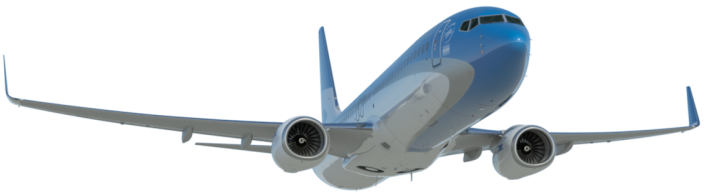
Lufthansa devuelve ayudas estatales

AW | 2021 10 12 10:27 | AIRLINES / GOVERNMENT

Lufthansa devuelve parte ayudas estatales tras ampliación capital

AW-Lufthansa German Airlines_Isologotype

Lufthansa AG ha anunciado el reintegro al Estado alemán de € 1.500 millones de Euros de ayudas que le proporcionó para superar la crisis por la pandemia de Coronavirus tras una ampliación de capital en la que ha obtenido € 2.162 millones de Euros brutos. Lufthansa German Airlines informó la pasada noche de que hasta finales de este año prevé devolver otros € 1.000 millones de Euros y rescindir las ayudas que no ha utilizado.

El Estado alemán rescató el año pasado a Lufthansa a través del Fondo de Estabilización Económica, Wirtschaftsstabilisierungsfond (WSF) para evitar su quiebra porque las restricciones de vuelos para frenar la pandemia desplomaron sus ingresos. El Fondo de Estabilización Económica, que ahora tiene una participación silenciosa, sin derecho a voto, en la compañía, del 14 %, se compromete a no vender acciones de la compañía durante los seis meses posteriores a la ampliación de capital. Pero la venta de la participación del Estado alemán en Lufthansa debe completarse a más tardar 24 meses después de la ampliación de capital, una vez que la compañía devuelva todas las ayudas.

Alemania, Austria, Bélgica y Suiza proporcionaron a Lufthansa € 9.000 millones de Euros. El grupo Lufthansa también tiene filiales en esos país, las aerolíneas Austrian Airlines, Brussels Airlines y Swiss International Air Lines.

Lufthansa returns state aid

Lufthansa returns part of state aid after capital increase

AW-Lufthansa A321NEO

Lufthansa AG has announced the reimbursement to the German State of € 1,500 million Euros of aid that it provided to overcome the crisis due to the Coronavirus pandemic after a capital increase in which it has obtained € 2,162 million gross Euros. Lufthansa German Airlines reported last night that until the end of this year it plans to return another € 1 billion Euros and cancel the aid it has not used.

The German state bailed out Lufthansa last year through the Economic Stabilization Fund, Wirtschaftsstabilisierungsfond (WSF) to avoid bankruptcy because flight restrictions to curb the pandemic plummeted its revenues. The Economic Stabilization Fund, which now has a silent, non-voting stake in the company of 14%, undertakes not to sell shares of the company for six months after the capital increase. But the sale of the German state stake in Lufthansa must be completed no later than 24 months after the capital increase, once the company returns all aid.

Germany, Austria, Belgium and Switzerland provided Lufthansa with € 9 billion. The Lufthansa group also has subsidiaries in those countries, Austrian Airlines, Brussels Airlines and Swiss International Air Lines.

Lufthansa gibt staatliche beihilfen zurück

Lufthansa gibt nach Kapitalerhöhung einen teil der beihilfen zurück

AW-Lutfhansa_Isotype

Die Lufthansa AG hat die Rückzahlung von € 1.500 Mio. Lufthansa German Airlines teilte gestern Abend mit, dass sie bis Ende dieses Jahres eine weitere Milliarde Euro zurückgeben und die nicht in Anspruch genommenen Hilfen streichen will.

Der deutsche Staat hat Lufthansa im vergangenen Jahr über den Wirtschaftsstabilisierungsfonds (WSF) gerettet, um eine Insolvenz zu vermeiden, weil Flugbeschränkungen zur Eindämmung der Pandemie ihre Einnahmen einbrachen. Der Wirtschaftsstabilisierungsfonds, der nunmehr einen stillen, stimmrechtslosen Anteil von 14 % an der Gesellschaft hält, verpflichtet sich, für sechs Monate nach der Kapitalerhöhung keine Aktien der Gesellschaft zu veräußern. Der Verkauf der deutschen Staatsbeteiligung an Lufthansa muss jedoch spätestens 24 Monate nach der Kapitalerhöhung abgeschlossen sein, wenn das Unternehmen alle Beihilfen zurückgibt.

Deutschland, Österreich, Belgien und die Schweiz stellten Lufthansa 9 Milliarden Euro zur Verfügung. Darüber hinaus hat die Lufthansa-Gruppe in diesen Ländern Tochtergesellschaften, Austrian Airlines, Brussels Airlines und Swiss International Air Lines.

PUBLISHER: Airgways.com
DBk: Lufthansa.com / Wsj.com / Airgways.com
AW-POST: 202110121027AR

A\W   A I R G W A Y S ®

Pelita fortalecería a Garuda

AW | 2021 10 11 17:13 | AIRLINES / GOVERNMENT

Pelita Air fortalecería aerolínea Garuda Indonesia

AW-Pelita Air Services_Isologotype

El Ministerio de Transporte de Indonesia no ha recibido una solicitud de permiso de vuelos regulares de Pelita Air, que se prevé que fortalezca los servicios junto con Garuda Indonesia. El plan de Pelita Air Service de abrir servicios de vuelos regulares en un esfuerzo por fortalecer el grupo de aerolíneas con PT Garuda Indonesia Tbk. (GIAA) en la participación de Empresas Estatales (SOE) Aviación y Turismo no se ha presentado al Ministerio de Transporte(Kemenhub). El Director General del Ministerio de Transporte Aéreo, Novie Riyanto, dijo que Pelita Air está compilando documentos de desarrollo de negocios en un esfuerzo por hacer mejoras. Sin embargo, hasta ahora Novie tampoco ha podido determinar los detalles de la presentación del servicio programado. «Actualmente el plan [servicios programados] aún no está claro porque los documentos no han sido presentados a la Dirección General de Transporte Aéreo», dijo, Lunes 11/10.

Anteriormente, Pelita Air Service transmitió su misión de llevar a cabo una serie de mejoras después del nombramiento del ex CEO de Citilink Indonesia, Albert Burhan, como Presidente Director de la compañía. El comisionado presidente de PT Pelita Air Service, Michael Umbas, dijo que llevaría a cabo una dirección de accionistas para ver oportunidades de negocios en el futuro. «Tal es el potencial para volar programado. Pero todos siguen siendo cuidadosamente estudiados y calculados por Pertamina como accionista de PT PAS», explicó.

Sobre la base de la presentación del Ministro de Empresas Estatales (SOE) Erick Thohir, el establecimiento de holdings de aviación y turismo ayudará al programa de trabajo del Ministerio de Turismo y Economía Creativa. Actualmente se ha formado un grupo de trabajo para posibles miembros titulares. El propio Ministerio de Empresas Estatales ha formado cuatro grupos principales para fomentar el desempeño de los negocios de holding de aviación y turismo. Donde, las ocho empresas se colocan en cuatro grupos por separado. Los cuatro son, el clúster de Aerolíneas, el clúster de Aeropuertos, el clúster de Gestión de Destinos y el clúster de Servicios de Aviación y Logística. El Clúster aeroportuario está ocupado por AP I Aeropuertos y AP II. Destination Management Cluster está lleno de ITDC, TWC, Hotel Inna, Aerowisata, Garuda Indonesia Holiday France. Mientras tanto, el grupo de aerolíneas allí es Garuda Indonesia y Pelita Air Service. Mientras que el clúster de Aviación y Logística en él está Gapura, Angkasa Pura Solusi, GMF Indonesia, Garuda Indonesia Kargo, Angkasa Pura Kargo, Aero Express, Angkasa Pura Supports, Aerofood ACS y Sarinah. La formación de este clúster se completará en los próximos dos años o 2021-2022.

Pelita would strengthen Garuda

Pelita Air would strengthen Garuda Indonesia airline

The Indonesian Ministry of Transport has not received a regular flight permit application from Pelita Air, which is expected to strengthen services together with Garuda Indonesia. Pelita Air Service’s plan to open scheduled flight services in an effort to strengthen the airline group with PT Garuda Indonesia Tbk. (GIAA) in the participation of State Companies (SOE) Aviation and Tourism has not been presented to the Ministry of Transport (Kemenhub). The Director General of the Air Transport Ministry, Novie Riyanto, said that Pelita Air is compiling business development documents in an effort to make improvements. However, so far Novie has also been unable to determine the details of the scheduled service presentation. «Currently the plan [scheduled services] is not yet clear because the documents have not been submitted to the General Directorate of Air Transport», he said, Monday 10/11.

Previously, Pelita Air Service conveyed its mission to carry out a number of improvements after the appointment of former Citilink Indonesia CEO Albert Burhan as the company’s Chief Executive Officer. PT Pelita Air Service President Commissioner Michael Umbas said he would conduct a shareholders’ address to see business opportunities in the future. «Such is the potential for scheduled flying. But all of them continue to be carefully studied and calculated by Pertamina as a shareholder of PT PAS», he explained.

Based on the presentation of the Minister of State Enterprises (SOE) Erick Thohir, the establishment of aviation and tourism holding companies will help the work program of the Ministry of Tourism and Creative Economy. Currently a working group has been formed for potential full members. The Ministry of State Enterprises itself has formed four main groups to promote the performance of the aviation and tourism holding businesses. Where, the eight companies are placed in four separate groups. The four are the Airlines cluster, the Airports cluster, the Destination Management cluster and the Aviation and Logistics Services cluster. The airport cluster is occupied by AP I Airports and AP II. Destination Management Cluster is full of ITDC, TWC, Hotel Inna, Aerowisata, Garuda Indonesia Holiday France. Meanwhile, the airline group there is Garuda Indonesia and Pelita Air Service. While the Aviation and Logistics cluster in it is Gapura, Angkasa Pura Solusi, GMF Indonesia, Garuda Indonesia Kargo, Angkasa Pura Kargo, Aero Express, Angkasa Pura Supports, Aerofood ACS and Sarinah. The formation of this cluster will be completed in the next two years or 2021-2022.

Pelita akan memperkuat Garuda

Pelita Air akan perkuat maskapai Garuda Indonesia

Kementerian Perhubungan Indonesia belum menerima permohonan izin terbang reguler dari Pelita Air, yang diharapkan dapat memperkuat layanan bersama Garuda Indonesia. Rencana Pelita Air Service membuka layanan penerbangan berjadwal dalam upaya memperkuat grup maskapai dengan PT Garuda Indonesia Tbk. (GIAA) dalam partisipasi Badan Usaha Milik Negara (BUMN) Penerbangan dan Pariwisata belum disampaikan kepada Kementerian Perhubungan (Kemenhub). Direktur Jenderal Kementerian Perhubungan Udara Novie Riyanto mengatakan Pelita Air sedang menyusun dokumen pengembangan bisnis sebagai upaya untuk melakukan perbaikan. Namun, hingga saat ini Novie juga belum bisa memastikan detail jadwal presentasi layanan tersebut. «Saat ini rencana [layanan terjadwal] belum jelas karena dokumen belum diserahkan ke Ditjen Perhubungan Udara», katanya, Senin 10/11.

Sebelumnya, Pelita Air Service menyampaikan misinya untuk melakukan sejumlah pembenahan pasca penunjukan mantan CEO Citilink Indonesia Albert Burhan sebagai Chief Executive Officer perusahaan. Presiden Komisaris PT Pelita Air Service Michael Umbas mengatakan akan melakukan pidato pemegang saham untuk melihat peluang bisnis di masa depan. «Begitulah potensi penerbangan berjadwal. Namun semuanya terus dikaji dan diperhitungkan secara matang oleh Pertamina selaku pemegang saham PT PAS», jelasnya.

Berdasarkan paparan Menteri Badan Usaha Milik Negara (BUMN) Erick Thohir, pembentukan holding company penerbangan dan pariwisata akan membantu program kerja Kementerian Pariwisata dan Ekonomi Kreatif. Saat ini kelompok kerja telah dibentuk untuk calon anggota penuh. Kementerian BUMN sendiri telah membentuk empat kelompok utama untuk mendorong kinerja holding bisnis penerbangan dan pariwisata. Dimana, kedelapan perusahaan tersebut ditempatkan dalam empat grup terpisah. Keempatnya adalah cluster Airlines, cluster Airports, cluster Destination Management dan cluster Aviation and Logistics Services. Klaster bandara ditempati oleh Bandara AP I dan AP II. Destination Management Cluster penuh dengan ITDC, TWC, Hotel Inna, Aerowisata, Garuda Indonesia Holiday France. Sedangkan grup maskapai penerbangan ada Garuda Indonesia dan Pelita Air Service. Sedangkan cluster Aviation and Logistics di dalamnya adalah Gapura, Angkasa Pura Solusi, GMF Indonesia, Garuda Indonesia Kargo, Angkasa Pura Kargo, Aero Express, Angkasa Pura Supports, Aerofood ACS dan Sarinah. Pembentukan klaster ini akan selesai dalam dua tahun ke depan atau 2021-2022.

PUBLISHER: Airgways.com
DBk: Go.id / Pelita-air.com / Airgways.com
AW-POST: 202110111713AR

A\W   A I R G W A Y S ®
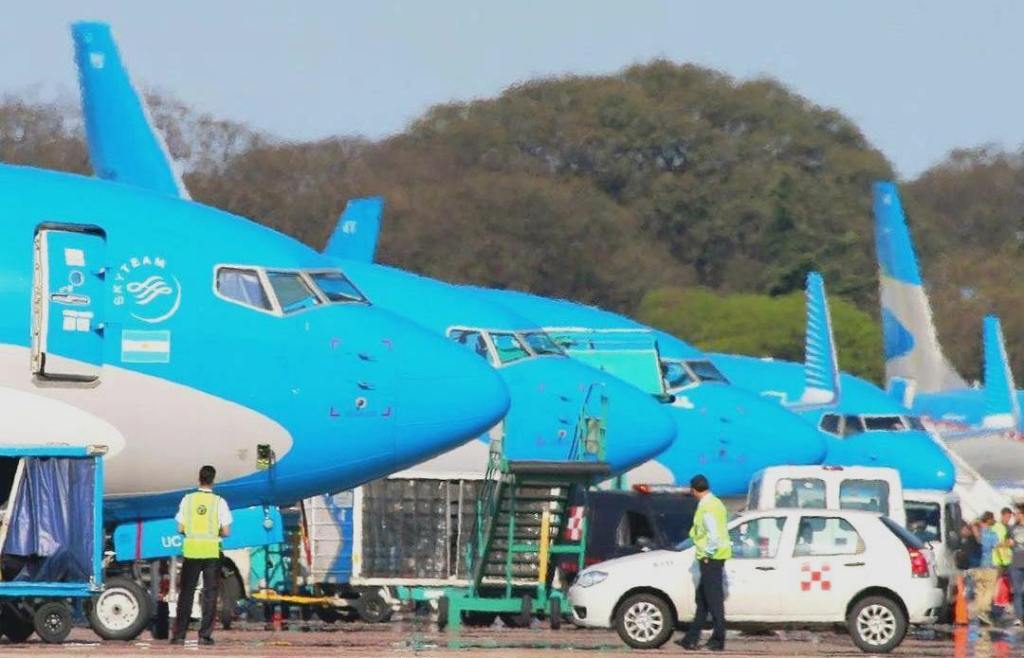
Inauguración Aeropuerto Palmerola

AW | 2021 10 11 12:57 | AIRPORTS / AIRLINES

Inauguración Aeropuerto Internacional Palmerola/XPL
Aproximación operaciones aerocomerciales en Palmerola

AW-Palmerola Airport_Isologotype_002

El próximo Viernes, 15 de Octubre de 2021 se hará la presentación oficial de inauguración del Aeropuerto Internacional Palmerola/XPL, localizado en la República de Honduras, dando inicio al proceso de transición para los vuelos internacionales de la zona central hacia la nueva terminal aérea. La inauguración contará con la presencia de importantes representantes del sector aéreo a nivel mundial, del sector privado, ejecutivos de Palmerola International Airport y las más altas autoridades del Gobierno de Honduras, marcará el comienzo de las acciones para que aerolíneas, dependencias del Estado y colaboradores, entre otros, se trasladen hacia el moderno aeropuerto. El cronograma marca que el proceso de transición que inicia el Viernes 15/10 el sistema de tráfico aéreo hondureño poniendo a pruebas sistemas, equipos y simulacros, hasta llegar al 15 de Noviembre de 2021 cuando el Aeropuerto Palmerola estará funcionando con todos sus permisos y equipos necesarios. La nueva aeroestación quedará habilitada para vuelos comerciales a partir del 17/11. La primer aerolínea estadounidense, Spirit Airlines ha establecido vuelos programados para esa fecha.

El Aeropuerto Internacional de Comayagua o más conocido como el Aeropuerto Internacional de Palmerola/XPL es un aeropuerto internacional ubicado a seis kilómetros al sur del centro de Comayagua, Honduras. Actualmente, el aeropuerto tiene, además, uso militar y forma parte de la Base Aérea José Enrique Soto Cano. La nueva aeroestación internacional ha sido establecida a 85,5 kilómetros y a 1h20min. en transporte terrestre de la capital de país, Tegucigalpa, siendo una de los aeropuertos internacionales más retirados de las grandes urbes. La obra, cuya terminal de pasajeros comprende una construcción de casi 40.000 metros cuadrados, tiene siete mangas y capacidad para atender entre trece a veinte aviones al mismo tiempo. La terminal de más de 39.000 metros cuadrados construidos, es aproximadamente cuatro veces el tamaño de Toncontín en Tegucigalpa. El aeropuerto también tendrá la tercera pista de aterrizaje más larga de Honduras después del Aeropuerto Internacional Ramón Villeda Morales de San Pedro Sula que tiene la segunda pista más larga y el Aeropuerto Internacional Golosón de La Ceiba que tiene la primera más larga.

Proceso migración

El Aeropuerto Internacional Toncontín/TGU continuará con el proceso migratorio de vuelos internacionales hacia el nuevo Aeropuerto Internacional Palmerola localizado en la Ciudad de Comayagua. El nuevo aeropuerto será uno de los aeropuertos más importantes del país con una capacidad mayor al Aeropuerto Internacional Toncontín de Tegucigalpa. Se espera que este nuevo aeropuerto sirva no solo a Comayagua si no también a los residentes de Tegucigalpa debido a las limitaciones para crecer del Aeropuerto Toncontín.​ El nuevo aeropuerto se podría convertir en el aeropuerto principal para la capital empezando desde el Octubre de 2021 especialmente si hay cierre parcial de Toncontín.

El Aeropuerto Internacional Palmerola tendrá una capacidad de 20 aeronaves y la terminal tendrá más de 39.000 metros cuadrados construidos, aproximadamente cuatro veces el tamaño de Toncontín en Tegucigalpa. El aeropuerto también tendrá la tercera pista de aterrizaje más larga de Honduras después del Aeropuerto Internacional Ramón Villeda Morales de San Pedro Sula que tiene la segunda pista más larga y el Aeropuerto Internacional Golosón de La Ceiba que tiene la primera más larga.

El programa de History Channel Most Extreme Airports clasifica al Aeropuerto Internacional Toncontín como el segundo aeropuerto más extremo del mundo. La aproximación al aeropuerto se considera una de las más difíciles del mundo para todas las aeronaves, especialmente en condiciones climáticas adversas. Por estas razones de seguridad aérea debido a varios incidentes y a un accidente aéreo del vuelo TAI-390 de la aerolínea TACA con un Airbus A321-200CEO, y las limitaciones operativas en condiciones meteorológicas y de expansión de los servicios de las compañías aéreas hacen un conjunto de necesidades para el traslado a la una estación aérea internacional. En el proceso de migración de vuelos las aerolíneas internacionales que actualmente operan en Toncontín continuarán mudándose a la nueva terminal aérea en el término de este 4Q2021.

Peter Fleming, Presidente Ejecutivo de la División de Aeropuertos de Grupo EMCO, al que pertenece Palmerola International Airport, habló sobre el procedimiento a seguir: «Se realizará un proceso normal de transición con verificaciones, ensayos, cumplimiento de normativas y se ultimarán detalles. El 15 de Octubre es la presentación oficial del aeropuerto y el 17 de Noviembre ya estará volando Spirit Airlines desde Palmerola. Esta terminal aérea es un orgullo para los hondureños y generará más de 2.000 empleos directos. Estamos brindando al país una obra de primer nivel. Estamos haciendo un antes y un después para la industria aeroportuaria nacional y adicionalmente estamos garantizando esa seguridad operacional que tanto buscamos. También queremos dar las condiciones para que hayan boletos baratos que tanto buscamos y tanto añoramos, pero principalmente generar desarrollo y crecimiento a nuestro país. Los aeropuertos son herramientas de desarrollo para que un país pueda salir adelante. Esta terminal aérea es un orgullo para los hondureños y generará más de 2,000 empleos directos», expresó Peter Fleming.

Wilfredo Lobo, Director de la Agencia Hondureña de Aeronáutica Civil (AHAC), explicó que el proceso de transición incluirá la presentación de documentación, infraestructura, equipamiento, procedimientos y recursos humanos para que la AHAC autorice el inicio de operaciones. «El 15 de Octubre será la presentación de las instalaciones del aeropuerto para el inicio de tareas de migración de Toncontín hacia Palmerola. No es una inauguración, es una presentación. El 30 de Octubre ya debe haber disponibilidad de equipo e instalaciones para iniciar comprobaciones por parte de las autoridades de aeronáutica y tareas de transición para el inicio de operaciones. El 15 de Octubre no habrá vuelos, sino que como dije, se hará la presentación», especificó el Director de AHAC.

El 5 de Enero de 1934, el Aeropuerto Toncontín fue inaugurado con el aterrizaje de un Douglas DC-3 de Pan American World Airways. Meses más tarde TACA Airlines abrió el Hotel Toncontín para acomodar a los pasajeros en tránsito, y Pan-Am construyó un hangar propio. El Aeropuerto Internacional Toncontín seguirá operando hasta que se concluya el traslado de las aerolíneas cerrando así sus operaciones aerocomercial y truncando su centenario en 2034.

Aeropuerto Palmerola

AW-Volaris Airlines_A320NEO-001

El Aeropuerto Internacional Palmerola ingresará a su etapa 2, el 12 de Noviembre de 2021 con la emisión de la autorización de operaciones aerocomerciales por parte de la AHAC, con todas las obras y condiciones adecuadas que garantizar la seguridad aérea. La Torre de Control se encuentra siendo aprobada por la Agencia de Aeronáutica Civil. «Por parte de AHAC estaremos totalmente listos. Finalizando el 30 de Octubre una torre de control de respaldo y la reestructuración del espacio aéreo, ya que ahora será para actividad civil. Tendremos el equipamiento de oficinas y dependencias operativas que tendremos en Palmerola. Ya tenemos contratado el personal y ya estamos en etapa de capacitaciones para quienes ejercerán funciones en navegación aérea y meteorología. Para el 15 de noviembre estamos trabajando para estar listos y estar trabajando ya en Palmerola», informó la agencia AHAC.

Uno de los grandes atractivos que ofrece el Aeropuerto Internacional Palmerola a todos los viajeros de la zona central de Honduras será las nuevas líneas aéreas y conexiones que tendrá a disposición. Entre las aerolíneas inaugurales con vuelos internacionales se encuentran Spirit Airlines y Aeroméxico que se incorporan con nuevos destinos al Aeropuerto Palmerola. Unas siete nuevas aerolíneas y nuevos destinos han sido proyectados.

Palmerola, servicios

Los destinos sería a países más cercanos como Belice, Canadá, Costa Rica, El Salvador, Estados Unidos, Guatemala, México y Panamá, pero también a países más lejanos en Sudamérica con destinos a Brasil, Chile, Colombia y Perú. Si se proyectaran servicios a Sudamérica, sería el único aeropuerto hondureño en ofrecerlo.​

En Julio de 2021 se anunció la primera aerolínea y destinos que operarán desde el nuevo aeropuerto, Spirit Airlines con destinos a tres ciudades estadounidenses: Fort Lauderdale, Houston y Miami.​ En Agosto y Septiembre de 2021 se anunciaron dos aerolíneas adicionales que volarán al aeropuerto: Aeroméxico Connect a la Ciudad de México y Volaris Costa Rica a San Salvador.

A finales de Julio 2021, la aerolínea Spirit Airlines había confirmado que iniciaría sus servicios desde la nueva terminal aérea ubicada en la zona central de Honduras con tres destinos de gran relevancia: Miami, Fort Lauderdale y Houston. «Estaremos iniciando servicios desde Palmerola a partir del 17 de Noviembre con tres vuelos directos», dijo en su momento, Camilo Martelo, Director de Aeropuertos Internacionales de Spirit Airlines Latinoamérica. Aeroméxico anunció a principios de Septiembre 2021 que desde el 2 de Diciembre de 2021 iniciaría operaciones entre Ciudad de México y Tegucigalpa con tres frecuencias semanales. La ruta será operada por aeronaves Embraer E190 de 99 asientos a través de su filial Aeroméxico Connect los días Martes, Jueves y Sábados. Esto representará un incremento de 43% de la oferta entre México y Honduras. José Zapata, Vicepresidente de Ventas de Aeroméxico afirmó que «para Aeroméxico, es un orgullo conectar a México con Honduras y con este anuncio reafirmamos nuestro compromiso de ofrecer la mejor red de conectividad y una gran experiencia de viaje a los mejores destinos de México y el mundo».

Con la llegada de estas dos nuevas aerolíneas representan siete las aerolíneas confirmadas para la terminal de Palmerola, permitiendo incrementar el tráfico aéreo y las conexiones que harán más atractivo el hub de Honduras. Desde la concecionaria EMCO Holding han sostenido los beneficios para los usuarios del transporte aéreo es el acceso a boletos aéreos de bajo costo. Usuarios ya reportan precios más cómodos a la hora de comprar pasajes en las rutas antes mencionadas. «Estamos negociando con tres aerolíneas más que podrán unirse a trabajar en Palmerola para que desde el inicio de operaciones podamos tener una mayor oferta», reveló Peter Fleming del Gropu EMCO.

Palmerola Airport Inauguration

Palmerola International Airport / XPL Inauguration
Approach commercial air operations in Palmerola

AW-Palmerola Airport_Isologotype_001

Next Friday, October 15, 2021, the official opening presentation of the Palmerola International Airport/XPL, located in the Republic of Honduras, will be made, starting the transition process for international flights from the central area to the new air terminal. The inauguration will be attended by important representatives of the aviation sector worldwide, the private sector, executives of Palmerola International Airport and the highest authorities of the Government of Honduras, it will mark the beginning of actions for airlines, State agencies and collaborators , among others, move to the modern airport. The schedule marks the transition process that begins on Friday 10/15 the Honduran air traffic system testing systems, equipment and drills, until November 15, 2021 when Palmerola Airport will be operating with all its permits and equipment. necessary. The new airstation will be enabled for commercial flights as of 11/17. The first American airline, Spirit Airlines has established flights scheduled for that date.

Comayagua International Airport or better known as Palmerola International Airport/XPL is an international airport located six kilometers south of downtown Comayagua, Honduras. Currently, the airport also has military use and is part of the José Enrique Soto Cano Air Base. The new international air station has been established 85.5 kilometers and 1h20min away. in land transportation from the country’s capital, Tegucigalpa, being one of the most remote international airports in large cities. The work, whose passenger terminal comprises a construction of almost 40,000 square meters, has seven bays and the capacity to serve between thirteen to twenty aircraft at the same time. The over 39,000-square-meter terminal is roughly four times the size of Toncontin in Tegucigalpa. The airport will also have the third longest runway in Honduras after the Ramón Villeda Morales de San Pedro Sula International Airport which has the second longest runway and the Golosón de La Ceiba International Airport which has the first longest.

Migration process

The Toncontín International Airport/TGU will continue with the migration process of international flights to the new Palmerola International Airport located in the City of Comayagua. The new airport will be one of the most important airports in the country with a capacity greater than the Toncontin International Airport in Tegucigalpa. It is expected that this new airport will serve not only Comayagua but also the residents of Tegucigalpa due to the limitations to grow of the Toncontin Airport. The new airport could become the main airport for the capital starting from October 2021 especially if there is partial closure of Toncontin.

Palmerola International Airport will have a capacity of 20 aircraft and the terminal will have more than 39,000 square meters built, approximately four times the size of Toncontin in Tegucigalpa. The airport will also have the third longest runway in Honduras after the Ramón Villeda Morales de San Pedro Sula International Airport which has the second longest runway and the Golosón de La Ceiba International Airport which has the first longest.

History Channel’s Most Extreme Airports program ranks to Toncontin International Airport as the second most extreme airport in the world. The approach to the airport is considered one of the most difficult in the world for all aircraft, especially in adverse weather conditions. For these reasons of air safety due to several incidents and an air accident of the flight TAI-390 of the airline TACA with an Airbus A321-200CEO, and the operational limitations in meteorological conditions and expansion of the services of the airlines make a set of Needs for transfer to an international air station. In the flight migration process, the international airlines that currently operate in Toncontin will continue to move to the new air terminal at the end of 4Q2021.

Peter Fleming, Executive President of the Airports Division of Grupo EMCO, to which Palmerola International Airport belongs, spoke about the procedure to be followed: «A normal transition process will be carried out with verifications, tests, compliance with regulations and details will be finalized. October 15 is the official presentation of the airport and on November 17 Spirit Airlines will already be flying from Palmerola. This air terminal is a source of pride for Hondurans and will generate more than 2,000 direct jobs. We are providing the country with a first level work. We are making a before and after for the national airport industry and additionally we are guaranteeing that operational security that we seek so much. We also want to provide the conditions so that there are cheap tickets that we seek so much and so long for, but mainly to generate development and growth in our country. Airports are development tools for a country to succeed. This air terminal is a source of pride for Hondurans and will generate more than 2,000 direct jobs», said Peter Fleming.

Wilfredo Lobo, Director of the Honduran Civil Aeronautics Agency (AHAC), explained that the transition process will include the presentation of documentation, infrastructure, equipment, procedures and human resources so that the AHAC authorizes the start of operations. «On October 15 will be the presentation of the airport facilities for the start of migration tasks from Toncontín to Palmerola. It is not an inauguration, it is a presentation. On October 30 there should already be availability of equipment and facilities to start checks by part of the aeronautical authorities and transition tasks for the start of operations. On October 15 there will be no flights, but as I said, the presentation will be made», specified the Director of AHAC.

On January 5, 1934, Toncontin Airport was inaugurated with the landing of a Douglas DC-3 from Pan American World Airways. Months later TACA Airlines opened the Hotel Toncontin to accommodate transit passengers, and Pan-Am built its own hangar. Toncontín International Airport will continue to operate until the transfer of the airlines is completed, thus closing its commercial aviation operations and truncating its centenary in 2034.

Palmerola airport

AW-Volaris Airlines_A320CEO-001

The Palmerola International Airport will enter its stage 2, on November 12, 2021 with the issuance of the authorization for commercial air operations by the AHAC, with all the works and adequate conditions to guarantee air safety. The Control Tower is being approved by the Civil Aviation Agency. «On the part of AHAC we will be fully ready. Completing on October 30 a backup control tower and the restructuring of the airspace, since now it will be for civil activity. We will have the office equipment and operational units that we will have in Palmerola. We already have personnel have been hired and we are already in the training stage for those who will perform functions in air navigation and meteorology. By November 15 we are working to be ready and be working in Palmerola», reported the AHAC agency.

One of the great attractions that the Palmerola International Airport offers to all travelers in the central area of ​​Honduras will be the new airlines and connections that it will have at its disposal. Among the inaugural airlines with international flights are Spirit Airlines and Aeroméxico that join new destinations at Palmerola Airport. Some seven new airlines and new destinations have been projected.

Palmerola, services

The destinations would be to closer countries such as Belize, Canada, Costa Rica, El Salvador, the United States, Guatemala, Mexico and Panama, but also to more distant countries in South America with destinations to Brazil, Chile, Colombia and Peru. If services to South America were projected, it would be the only Honduran airport to offer it.

In July 2021, the first airline and destinations that will operate from the new airport, Spirit Airlines with destinations to three US cities: Fort Lauderdale, Houston and Miami, were announced. In August and September 2021, two additional airlines were announced that will fly to the airport: Aeroméxico Connect to Mexico City and Volaris Costa Rica to San Salvador.

At the end of July 2021, the airline Spirit Airlines had confirmed that it would start its services from the new air terminal located in the central area of ​​Honduras with three destinations of great relevance: Miami, Fort Lauderdale and Houston. «We will be starting services from Palmerola as of November 17 with three direct flights», said at the time, Camilo Martelo, Director of International Airports of Spirit Airlines Latin America. Aeromexico announced at the beginning of September 2021 that from December 2, 2021 it would begin operations between Mexico City and Tegucigalpa with three weekly frequencies. The route will be operated by Embraer E190 99-seat aircraft through its subsidiary Aeroméxico Connect on Tuesdays, Thursdays and Saturdays. This will represent a 43% increase in the supply between Mexico and Honduras. José Zapata, Aeroméxico’s Vice President of Sales stated that «for Aeroméxico, it is a pride to connect Mexico with Honduras and with this announcement we reaffirm our commitment to offer the best connectivity network and a great travel experience to the best destinations in Mexico and the world».

With the arrival of these two new airlines, the number of confirmed airlines for the Palmerola terminal represents seven, allowing an increase in air traffic and connections that will make the Honduras hub more attractive. From the concessionaire EMCO Holding, the benefits for air transport users have been the access to low-cost air tickets. Users already report more comfortable prices when buying tickets on the aforementioned routes. «We are negotiating with three more airlines that will be able to join to work in Palmerola so that from the beginning of operations we can have a greater offer», revealed Peter Fleming from Gropu EMCO.

PUBLISHER: Airgways.com
DBk: Emcoholding.com / Anhac.gob.hn / Spirit.com / Aeromexico.com / Airgways.com
AW-POST: 202110111257AR

A\W   A I R G W A Y S ®