Air Panamá adquirirá Fokker 100 de PGA

AW | 2017 01 03 16:213 | AIRLINES

Air Panama podría adquirir hasta seis Fokker 100 retirados anteriormente en servicio con PGA Portugalia Airlines (NI, Lisboa), informó Newsavia en Brasil.

Según Skyliner Aviation, dos de los aviones, CS-TPA (msn 11257) y CS-TPC (msn 11287), han sido transportados a Oporto, donde se están preparando para ser entregados a Centroamérica. El número real de aeronaves adquiridas junto con las fechas de entrega se solucionará a finales de este trimestre.

La unidad TAP Portugal (TP, Lisboa) retiró los Twinjets de Fokker Aircraft (Woensdrecht) del servicio comercial a finales del año pasado, sustituyéndolos por los EMB-190. Por su parte, Air Panama opera cinco Fokker 100 junto a dos DHC-6-300, cuatro Fokker 50 y dos Saab 340B, así como aviones de turbopropulsores más pequeños. Utiliza su diversa flota para atender destinos en Panamá, Colombia y Costa Rica.  airgways-icon-aw

Air Panama to acquire PGA’s Fokker 100s

Air Panama could acquire up to six retired Fokker 100s formerly in service with PGA Portugalia Airlines (NI, Lisbon) Brazil’s Newsavia has reported.

According to Skyliner Aviation, two of the aircraft, CS-TPA (msn 11257) and CS-TPC (msn 11287), have been ferried to Porto where they are being readied for delivery to Central America. The actual number of aircraft acquired along with delivery dates will be ironed out later this quarter.

The TAP Portugal (TP, Lisbon) unit retired the Fokker Aircraft (Woensdrecht) twinjets from commercial service late last year replacing them instead with EMB-190s. For its part, Air Panama operates five Fokker 100s alongside two DHC-6-300s, four Fokker 50s, and two Saab 340Bs as well as smaller turboprop aircraft. It uses its diverse fleet to serve destinations across Panama as well as Colombia and Costa Rica. A/W

Ξ A I R G W A Y S Ξ
SOURCE: ch-aviation.com
DBk: Photographic © Wikipedia.org / i.ytimg.com
AW-POST: 201701031613AR

Ministerio de Transporte de Indonesia promete mejorar el control de seguridad de aerolíneas

https://upload.wikimedia.org/wikipedia/commons/d/dd/Garuda_Indonesia_New_Livery.jpg

AW | 2016 12 31 13:28 | AIRLINES GOVERNMENT

Después de un incidente que involucró a un presunto piloto en estado de ebriedad, el Ministerio de Transporte dice que mejorará su supervisión sobre las aerolíneas para garantizar la seguridad de los pasajeros.

Un piloto de la compañía de bajo coste Citilink fue sospechoso de estar bajo la influencia del alcohol después de hacer un anuncio ilegible justo antes de que el avión debía despegar del aeropuerto internacional de Juanda en Surabaya, Java del este, al aeropuerto internacional de Soekarno-Hatta en Cengkareng , Banten, el miércoles.

El ministro de Transporte, Budi Karya Sumadi, dijo el sábado que Citilink había violado los procedimientos de seguridad de la aviación para sus tripulaciones de cabina, incluyendo chequeos de salud y reuniones de información previa a la salida.

«Evaluaremos a fondo las reglas existentes, así como reforzaremos la ley con más fuerza», dijo Budi, citado por la agencia de noticias Antara durante su visita al aeropuerto de Blimbingsari en Banyuwangi, también en Java Oriental.

Después del incidente, el piloto en cuestión, el capitán Tekad Purna, se sometió a pruebas iniciales de drogas y alcohol, lo que resultó negativo. Sin embargo, Citilink decidió despedirlo.

Dos ejecutivos del transportista, a saber, el director del presidente, Albert Burhan, y el director operativo Hadinoto Soedigno, anunciaron su renuncia el viernes, aunque las dimisiones aún están pendientes de aprobación por parte de su junta de comisionados y del consejo de administración de Garuda Indonesia .

(Lea también: los altos ejecutivos de Citilink renuncian después del incidente de «piloto borracho»)

En respuesta a las propuestas de dimisión, el ministro expresó su agradecimiento, diciendo que el incidente debe servir como una lección para la industria de la aviación nacional.

«Este incidente debe convertirse en una oportunidad para reformar la industria de la aviación de Indonesia», dijo Budi.

Los escándalos que implican abuso de drogas y alcohol entre la tripulación de cabina han permanecido en el país en los últimos años. Entre los últimos incidentes se produjo una incursión en un partido de la droga en Tangerang, Banten, el año pasado, en el que participó un piloto de la más grande compañía de bajo coste Lion Air. airgways-icon-aw

https://i0.wp.com/www.todayonline.com/sites/default/files/styles/photo_gallery_image_lightbox/public/22881464.JPG

Indonesia Transportation Ministry vows to improve safety control over airlines

Following an incident involving an allegedly drunk on-duty pilot, the Transportation Ministry says it will enhance its supervision over airlines to ensure passenger safety.

A pilot of low-cost carrier Citilink was suspected of being under the influence of alcohol after he made a garbled announcement just before the plane was due to take off from Juanda International Airport in Surabaya, East Java, to Soekarno-Hatta International Airport in Cengkareng, Banten, on Wednesday.

Transportation Minister Budi Karya Sumadi said on Saturday that Citilink had violated aviation safety procedures for its cabin crews, including health checks and pre-departure briefings.

“We will thoroughly evaluate existing rules as well as enforce the law more strongly,” Budi said as quoted by Antara news agency during his visit to Blimbingsari Airport in Banyuwangi, also in East Java.

After the incident, the pilot in question, Capt. Tekad Purna, underwent initial tests for drugs and alcohol, which proved negative. Nevertheless, Citilink decided to dismiss him.

Two executives of the carrier, namely president director Albert Burhan and operational director Hadinoto Soedigno, announced their resignations on Friday although the resignations still await approval from its board of commissioners as well as the board of directors of its parent company, national flag carrier Garuda Indonesia.

In response to the proposed resignations, the minister expressed his appreciation, saying that the incident should serve as a lesson for the domestic aviation industry. “This incident must become an opportunity to reform Indonesia’s aviation industry,” Budi said.

Scandals involving drug and alcohol abuse among cabin crew have lingered in the country in recent years. Among the latest incidents was a raid on a drug party in Tangerang, Banten, last year, in which a pilot of the country’s biggest low-cost airline Lion Air was taking part. A\W


Ξ A I R G W A Y S Ξ
SOURCE: Thejakartapost.com
DBk: Photographic © Todayonline.com / Wikipedia.org
AW-POST: 201612311328AR

A\W   A I R G W A Y S ®

Avianca ya tiene su hangar y espera el primer avión

El hangar de Avianca, en Aeroparque

AW | 2016 12 31 12:28 | AIRLINES

En Aeroparque hay al menos, un color nuevo. Uno de los históricos hangares de la estación porteña, que durante años estuvo en manos de la aerolínea de la familia Macri ,MacAir, ahora luce un rojo furioso. Se trata de la primera muestra concreta de la llegada de Avianca al país.

La novedad tomó por sorpresa a varios. Sucede que los hangares, que se ubican del otro lado de la pista si se toma como referencia en edificio de arribos y partidas, no suelen cambiar de colores con mucha frecuencia. Pero la llegada de nuevas aerolíneas, que compitan con Aerolíneas Argentinas y Austral, motivó movimientos en un sector prácticamente quieto durante los últimos años.

Avianca será el nombre comercial de Avian Líneas Aéreas, la filial argentina de la empresa de origen colombiano. El martes pasado, en la audiencia en la que la empresa solicitó nuevas rutas y permisos para operar, la representante de la firma informó que, más allá del nombre Avian, el giro comercial y las ventas serán bajo la marca Avianca.

El hangar era uno de los activos más atractivos que tenía la empresa MacAir. La localización de uno de estos centros de operación en Aeroparque es muy cotizada ya que el espacio en la terminal no es lo que sobra. La empresa que pertenecía a los Macri fue una de las desalojadas del aeropuerto en épocas en que la gestión aerocomercial camporista intimó a todos los tenedores de hangares a que se fueran a Ezeiza o a San Fernando.

Uno par de ellos, MacAir entre ellos, presentaron amparos para oponerse a la medida. El tiempo pasó, la Justicia los mantuvo y el destino hizo presidente a uno de los integrantes de aquella familia.

Ésa no es a única novedad de la empresa. Con matrícula argentina LV-GUG llegará el primer avión de la empresa. Se trata del primer ATR-42 turbohélice de una serie de 12 que fueron encargados al fabricante francés, subsidiaria de Airbus.

El avión ya habría cruzado el océano Atlántico y no son pocos los que dicen que ya espera en Uruguay para encontrar el mejor momento para hacer su llegada a Buenos Aires.

En la audiencia, el representante de Avianca dijo que quieren empezar a volar en marzo. Fue uno de los sindicalistas de sector el que le contestó. «No van a volar si primero no se sientan a negociar los convenios colectivos con nosotros», dijo Edgardo Llano, secretario de general del gremio APA. Por ahora, hay avión y hangar. Faltan convenios colectivos.  airgways-icon-aw

https://i0.wp.com/www.aviacionline.com/wp-content/uploads/2016/11/Avianca-Argentina-ATR-72-600.jpg

Avianca already has its hangar and waits for the first airplane


N Aeroparque has at least one new color. One of the historic hangars of the Buenos Aires station, which for years was in the hands of the Macri family airline, MacAir, now looks furious red. This is the first concrete example of the arrival of Avianca to the country.

The novelty took several by surprise. It happens that the hangars, which are located on the other side of the track if taken as a reference in building arrivals and departures, do not often change colors very often. But the arrival of new airlines, which compete with Aerolíneas Argentinas and Austral, motivated movements in a practically quiet sector during the last years.

Avianca will be the commercial name of Avian Líneas Aéreas, the Argentine subsidiary of the company of Colombian origin. Last Tuesday, at the hearing in which the company requested new routes and permits to operate, the representative of the firm reported that, beyond the Avian name, the commercial turnaround and sales will be under the Avianca brand.

The hangar was one of the most attractive assets that MacAir had. The location of one of these centers of operation in Aeroparque is very quoted since the space in the terminal is not what is left over. The company that belonged to the Macri was one of the evacuees of the airport in times when the aerial commercial management ordered all hangers holders to go to Ezeiza or San Fernando.

A couple of them, MacAir among them, filed amparos to oppose the measure. Time passed, Justice maintained them and destiny became president of one of the members of that family.

That is not the only novelty of the company. With Argentine registration LV-GUG will arrive the first airplane of the company. This is the first ATR-42 turboprop of a series of 12 that were commissioned to the French manufacturer, subsidiary of Airbus.

The plane would have already crossed the Atlantic Ocean and there are few who say that already waiting in Uruguay to find the best time to make their arrival in Buenos Aires.

At the hearing, the Avianca representative said they want to start flying in March. It was one of the sector trade unionists who answered him. «They will not fly unless they first sit down to negotiate collective agreements with us,» said Edgardo Llano, general secretary of the APA guild. For now, there is plane and hangar. There are no collective agreements. A\W


Ξ A I R G W A Y S Ξ
SOURCE: lanacion.com.ar
DBk: Photographic © lanacion.com.ar / Avianca.com
AW-POST: 201612311228AR

A\W   A I R G W A Y S ®

Investiga Colombia a tres aerolíneas


https://i0.wp.com/static.panoramio.com/photos/large/14092776.jpg

AW | 2016 12 31 12:22 | AIRLINES

Las aerolíneas vinculadas son Aerorepública, Fast Colombia y Aerolínea de Antioquia

Aeronáutica Civil de Colombia (link is external) realizará investigaciones administrativas contra tres aerolíneas por la presunta omisión de información a los usuarios, la falta de claridad en la ofertas ofrecidas al público, publicidad engañosa y ausencia de información a los usuarios al momento de cancelar vuelos.

A través de un comunicado (link is external), el órgano regulador aéreo señaló que las investigaciones administrativas son para Aerorepública, propietaria de Copa Colombia, por posible publicidad engañosa en los anuncios ofrecidos de la empresa Wingo y por ofrecer información incompleta en relación al derecho de los consumidores a retractarse de las compras.

También se inició un proceso de investigación contra Fast Colombia S.A, de Viva Colombia, por falta de información en cuanto a cancelación de vuelos y la posible ausencia en la información suministrada al usuario; y a Aerolínea de Antioquia, de la aerolínea ADA, por presunta deficiencia en la prestación del servicio.

«La Aeronáutica Civil vela por los derechos de los usuarios del sector aéreo y por eso buscamos que las aerolíneas cumplan de manera permanente con la normativa vigente y brinden siempre un servicio de calidad con respuestas oportunas», advirtió el director general de la Aeronáutica Civil, Alfredo Bocanegra.

El organismo regulador señaló que según los reglamentos aeronáuticos de Colombia y teniendo en cuenta la suma de las sanciones impuestas a cada aerolínea, la multa a imponer podría rondar los unos 572 mil dólares a cada una de ellas. airgways-icon-aw

Colombia investigates three airlines


The related airlines are Aerorepública, Fast Colombia and Airline of Antioquia


Aeronautics Civil of Colombia (link is external) will conduct administrative investigations against three airlines for the alleged omission of information to users, lack of clarity in the offers offered to the public, misleading advertising and lack of information to users when canceling flights .

Through a statement (link is external), the aerial regulatory body noted that the administrative investigations are for Aerorepública, owner of Copa Colombia, for possible misleading advertising in the advertisements offered by Wingo and for offering incomplete information regarding the right Of consumers to retract purchases.

An investigation was also launched against Fast Colombia S.A, of Viva Colombia, for lack of information regarding flight cancellation and possible absence of information provided to the user; And Airline of Antioquia, of the airline ADA, for alleged deficiency in the provision of the service.

    «The Civil Aeronautics watch over the rights of users of the air sector and that is why we are looking for airlines to comply permanently with current regulations and always provide a quality service with timely answers,» warned the Director General of Civil Aeronautics, Alfredo Bocanegra.

The regulator said that according to the aviation regulations of Colombia and taking into account the sum of the sanctions imposed on each airline, the fine to be imposed could be around $ 572,000 each. A\W


Ξ A I R G W A Y S Ξ
SOURCE: A21.com.mx
DBk: Photographic © Panoramio.org
AW-POST: 201612311222AR

A\W   A I R G W A Y S ®

La transformación de la tecnología de las aerolíneas para el 2017

prediction airline technology

AW | 2016 12 28 09:00 | AIRLINES

Lo que hemos presenciado en 2016 fue el despeje de algo de la niebla alrededor del mundo de las compañías aéreas y la tecnología que las impulsa. La industria aérea acaba de salir de una racha ganadora de cuatro años de beneficios impulsados por los gastos controlados y los precios más bajos del combustible.

Algunas aerolíneas han aprovechado la oportunidad para volver a fabricarse. Otros han sido muy felices de tomar los beneficios y almacenarlos para el día lluvioso cuando sucede lo inevitable que los buenos tiempos terminan.

El 2017 será un año desafiante. Los costos de combustible están en aumento. Los costos laborales están en aumento, las plataformas tecnológicas no han bajado de precio. Sorprendentemente, la industria aeronáutica sigue gastando menos como una categoría de sus ingresos en tecnología que otras industrias.

Para la tecnología que ahora debe salir a la luz, estamos viendo algunas tendencias claras emerger. Para el corto plazo, la Nueva Capacidad de Distribución (NDC) está ganando finalmente tracción. A pesar de todos los desafíos – su utilidad ahora se está extendiendo más allá del uso como herramienta de la distribución.

Los auxiliares están empezando a moverse. Pero aún quedan retos. El núcleo del sistema de servicio de pasajeros (PSSes) y los sistemas de distribución global (GDSes) no han cambiado y sus habilidades para proporcionar plataformas de venta digital moderna. Este hecho sigue obsesionando a toda la industria con desafíos legados.

Las aerolíneas, en particular las compañías de servicios completos de red, siguen estancadas en su modo de proteger sus complejas y frágiles. Plataformas tecnológicas: Los transportistas de bajo coste (LCC, por sus siglas en inglés) suelen tener plataformas mejores y más flexibles, aunque básicamente en menor escala.

Es cierto que las líneas entre las definiciones de cada modelo se han difuminado. La mayoría de los operadores de la red o bien han pagado auxiliares o están planeando introducirlos. Muchos LCC están buscando participar en las redes globales de distribución. En este contexto, ¿cómo puede la tecnología proporcionar respuestas ganadoras?

La inteligencia artificial, el aprendizaje automático y el aprendizaje profundo comenzarán a encontrar su camino hacia las plataformas tecnológicas. Anteriormente había algunos usos menores de estas tecnologías en el análisis de conjuntos de datos masivos que las aerolíneas tienen.

Lo nuevo es la aparición de servicios de bajo costo y la capacidad de integrarlos en soluciones en tiempo real. Espere bots de la charla (discurso y texto) emerger en muchas áreas de líneas aéreas para el servicio de atención al cliente y para ofrecer la interacción. Podemos esperar que los consumidores puedan ver ofertas relevantes de una manera mucho más amigable (conversacional).

Esperar la importancia de las plataformas de consumo y el costo de interactuar con ellos para convertirse en más de un tema que es de frente y de centro para las compañías aéreas.

Este cambio de mentalidad será impulsado por la tecnología. Las aerolíneas van a ser infeliz con sus plataformas tecnológicas cuando esas plataformas se ha comprobado que no sea lo suficientemente ágil como para comprometerse con los gustos de Facebook, Google y otros guardianes.

Un desafío que surgirá para las aerolíneas será la comprensión de que ha habido una concentración de poder en el mercado intermediario. Esto hará que se consideran la cantidad de valor de los GDS ofrecerá al ~ 80% o más de su negocio va indirecta a través de cuatro o cinco empresas globales de gestión de viajes y sólo dos canales de ocio.

Pero el costo de interactuar con las empresas líderes de metasearch ahora vagamente dentro de la misma familia va a ser una gran preocupación.

Las aerolíneas han luchado y no han podido establecer canales alternativos viables de distribución. Sólo porque el canal GDS puede parecer más barato que decir que Google o Kayak no lo hace menos apetecible para la cadena de suministro. Sólo porque los GDSs siguen repitiendo que «Google es malo, por lo tanto, somos buenos en comparación» no lo hace así.

Otra tendencia que preveo es la escalada del costo de mantener interfaces con las plataformas tradicionales. Los desafíos que vienen desde varias direcciones: El costo de las líneas aéreas de ser capaz de mantener la concurrencia y control a través de los GDS que necesita tarifas pre-presentado. El costo cada vez mayor de la comunidad de usuarios para mantener las interfaces con las formas de tecnología heredadas y el costo de migrar a nuevas formas de interfaz es desconcertante.

La falta de formas simplistas de distribuir cualquier producto a cualquier canal en tiempo real va a pesar más pesado en las aerolíneas el próximo año. En el pasado el foco estaba en las restricciones comerciales. Cada vez más los costes operativos y tecnológicos y las limitaciones que conlleva. Busque soluciones alternativas que surjan y resuelvan total o parcialmente este desafío.

El desafío del móvil es que, mientras que las aplicaciones pueden hacer más, el mercado está bien saturado y con ellos. Conseguir una aplicación en el dispositivo móvil de un cliente es ahora, en general, prohibitivamente caro y casi inútil como la falta de frecuencia de uso hace que sea redundante.

Los consumidores suelen tener entre 27-30 aplicaciones que utilizan de forma regular y pasan mucho tiempo en ellos cada mes casi 40 horas. Sin embargo, las aplicaciones basadas en viajes casi no figuran en ninguna de las cifras de uso.

Una forma es involucrarse con un servicio de uso frecuente. Así es como ClearTrip en la India ha aumentado su «marca compartida» de uso de la aplicación.

Esperar que otras plataformas sigan este ejemplo, con Expedia y Google saltando ya. Airbnb y Uber ya están allí y esto va a poner más presión sobre las marcas tradicionales. Rome2Rio está haciendo dinero real. TripAdvisor está experimentando con actividades y restaurantes para aumentar el uso. Priceline probablemente traerá OpenTable en sus otras marcas, impulsando la repetición y el uso de residentes locales. La industria observará si Hopper cumple con sus promesas de 2017.

Mobile también está impulsando un movimiento hacia puntos de venta no tradicionales. Varias aerolíneas chinas participaron en el Día de Solteros (11/11) y algunas han informado en privado las ventas récord a través de puntos de venta no tradicionales. Podemos esperar ver más de este tipo de actividad en los próximos años como Singles Day-tipo eventos como el Viernes Negro se extendió por todo el mundo.

Desde una perspectiva técnica pura, el uso de tecnologías web adaptables y adaptables no ha hecho que la interacción funcione bien. Con este fin estoy prediciendo que la próxima generación de PWA, Progressive Web Apps para hacer una gran marca y ser capaz de combinar los entornos entre los sistemas móviles y de gran formato.

El costo muy alto de mantenimiento de aplicaciones y sitios web por separado y la escasez de herramientas razonables ha hecho esta propuesta muy atractiva. Google está haciendo esto muy fácil. También veo que el uso de applets de componentes (a menudo llamados widgets) también hará que la reutilización del código y su administración sea mucho más fácil.

Las interfaces de programación de aplicaciones (API) seguirán apareciendo. Para una selección de buenas API, vaya a Mashery y busque compañías de gran nombre como British Airways, Lufthansa e IATA. (Los Startups utilizan API gratuitas de Skyscanner for Business y otros.) La integración de las API en una variedad de aplicaciones será una tendencia que surgirá, pero llevará tiempo.

Las aerolíneas seguirán luchando con el concepto de acceso abierto a sus preciosos productos. Hay muchas lecciones que aprender de diferentes industrias.

A veces pienso que los jugadores de la industria como las aerolíneas y GDSs sólo necesitan superarse a sí mismos.

Un área que estoy siguiendo de cerca es el cumplimiento financiero y la liquidación. Los sistemas actuales son costosos y también difíciles de usar. Los sistemas más nuevos están permitiendo costos más bajos (para las compañías aéreas, el costo del procesamiento de tarjetas de crédito está dentro de los tres ítems de gastos más altos). Estamos viendo surgir una serie de sistemas de pago de próxima generación que pueden desafiar a los jugadores tradicionales. Algunos incluso están creando sus propios vehículos.

Aliado con esto es todo el área de seguridad. Sigo sosteniendo que el cumplimiento de la industria de tarjetas de pago (PCI) es un chiste gigante infligido a todas las industrias. Creo que blockchain será la tecnología a vigilar que puede mejorar la seguridad de las transacciones. Bitcoin como forma de pago sigue siendo demasiado aterrador, pero la tecnología detrás de ella es digna de más se ve como una forma de asegurar las transacciones sensibles y complejas en los viajes.

Finalmente, el área de datos de consumo y privacidad se convertirá en un tema más caliente en 2017. Dentro de Vaultpad hemos creado soluciones que nos permiten almacenar los datos de los clientes en «lugares» acorde con las regulaciones del país de origen de los usuarios. Esto se convertirá en un desafío cada vez más complejo de tratar.

Así que ahí lo tienes. Espero que usted tenga un 2017 seguro y próspero. Mire hacia fuera para algunas de estas tendencias y déjeme saber si usted piensa que tengo razón o si consigo mal. A\W

Airline technology’s transformational

What we have witnessed in 2016 was a clearing of some of the fog around the world of airlines and the technology that powers them. The airline industry has just come off of a four-year winning streak of profits powered by controlled expenses and lower fuel prices.

Some airlines have taken the opportunity to re-make themselves. Others have been quite happy to take the profits and store them up for the rainy day when the inevitable happens that the good times end.

2017 will be a challenging year. Fuel costs are on the rise. Labour costs are on the rise, technology platforms have not come down in price. Surprisingly the airline industry still spends less as a category of their revenues in technology that other industries.

For technology that now must come to the fore, we are seeing some clear trends emerge. For the near-term, the New Distribution Capability (NDC) is finally gaining traction. Despite all the challenges – its utility is now spreading beyond the use as a distribution tool.

Ancillaries are starting to move mainstream. But challenges remain. The core passenger service system (PSSes) and global distribution systems (GDSes) have not changed and their abilities to provide modern digital selling platforms. This fact still haunts the whole industry with legacy challenges.

Airlines — particularly the full service network carriers — are still stuck in their mode of protecting their complex (and fragile!) technology platforms. Low-cost carriers (LCCs) often have better and more flexible platforms, albeit at mostly a lower scale.

Admittedly, the lines between the definitions of each model have become blurred. The majority of network carriers either have paid ancillaries or are planning to introduce them. Many LCCs are now looking to participate in the global distribution networks. Against this backdrop, how can technology provide winning answers?

Artificial intelligence, machine learning and deep learning will start to find their way into technology platforms. Previously there were some minor uses of these technologies in analyzing massive data sets that the airlines have.

What’s new is the emergence of lower-cost services and the ability to integrate these into real-time solutions. Expect chat bots (both speech and text) to emerge in many areas of airlines for customer service and offer interaction. We can expect consumers to be able to see relevant offers in a far more friendlier (conversational) fashion.

Expect the importance of the consumer platforms and the cost of interacting with them to become more of an issue that’s front-and-centre for the airlines.

This change of mindset will be technology-driven. Airlines are going to become unhappy with their technology platforms when those platforms are proven to NOT be agile enough to engage with the likes of Facebook, Google and other gatekeepers.

One challenge that will emerge for airlines will be the realization that there has been a concentration of power in the intermediary marketplace. This will cause them to consider how much value the GDSs will provide when ~80% or more of their indirect business is going via four or five global travel management companies and just two leisure channels.

But the cost of interacting with the leading metasearch companies now loosely inside the same family is going to be a big worry.

The airlines have struggled and failed to establish viable alternative channels of distribution. Just because the GDS channel can look to be cheaper than say Google or Kayak doesn’t make it any the less palatable for the supply chain. Just because the GDSs keep repeating that “Google is bad so therefore we are good in comparison” doesn’t make it so.

Another trend I foresee is the escalating cost of maintaining interfaces to the traditional platforms. The challenges come from several directions: The cost for the airlines of being able to maintain concurrency and control via the GDSs which need pre-filed fares. The increasing cost of the user community to maintain the interfaces to legacy technology forms PLUS the cost of migrating to newer forms of interface is perplexing.

The lack of simplistic ways to distribute any product to any channel in real-time is going to weigh heavier on the airlines next year. In the past the focus was on the commercial constraints. Increasingly it will be on the operational and technology costs and the attendant constraints. Look for alternative solutions to emerge that solve in whole or in part this challenge.

The challenge of mobile is that, while apps can do more, the market is well and truly saturated with them. Getting an app onto a customer’s mobile device is now, in general, prohibitively expensive and almost useless as the lack of frequency of use makes it redundant.

Consumers typically have between 27-30 apps they use on a regular basis and they spend a lot of time on them each month nearly 40 hours. However travel-based apps hardly figure in any of the usage figures.

One way is to engage with a frequently-used service. This is how ClearTrip in India has increased its “brandshare” of app usage.

Expect other platforms to follow this lead, with Expedia and Google jumping in already. Airbnb and Uber are already there and this is going to put further pressure on the traditional brands. Rome2Rio is making real money. TripAdvisor is experimenting with activities and restaurants to boost usage. Priceline will likely bring OpenTable into their other brands, boosting repeat and local resident usage. The industry will watch if Hopper fulfills its 2017 promises.

Mobile is also powering a move into non-traditional outlets. Several Chinese airlines participated in Singles Day (11/11) and some have privately reported record sales through non-traditional outlets. We can expect to see more of this type of activity in the coming years as Singles Day-type events such as Black Friday spread throughout the world.

From a pure technical perspective the use of responsive and adaptive web technologies has not made the interaction work well. To this end I am predicting that the next generation of PWA Progressive Web Apps to make a big mark and be able to merge the environments between mobile and large-format systems.

The very high cost of maintaining apps and websites separately and the dearth of reasonable tools has made this proposition very attractive. Google is making this very easy. I also see that the use of component applets (often called widgets) will also make the re-use of code and its management a lot easier.

Application programming interfaces (APIs) will continue to come into view. For a selection of good APIs, go to Mashery and search for big name airlines like British Airways, Lufthansa, and IATA. (Startups are using free APIs from Skyscanner for Business and others.) Integrating APIs into a variety of applications will be a trend that emerges,  but it will take time.

Airlines will still struggle with the concept of open access to their precious products. There are a lot of lessons to be learned from different industries.

Sometimes I think the industry players such as airlines and GDSs just need to get over themselves.

One area I am tracking very closely is financial fulfillment and settlement. The current systems are both expensive and also difficult to use. Newer systems are enabling lower costs (for airlines the cost of credit-card processing is within the top three expense items). We are seeing a number of next-generation payment systems emerge which can challenge the traditional players. Some are even creating their own vehicles.

Allied with this is the whole area of security. I still maintain that payment card industry (PCI) compliance is a giant joke inflicted on all industries. I believe that blockchain will be the technology to watch that can improve security of the transactions. Bitcoin as a form of payment is still too scary but the technology behind it is well worthy of further looks as a way to secure the sensitive and complex transactions in travel.

Finally the area of consumer data and privacy will become a hotter topic in 2017. Within Vaultpad we have created solutions that let us store customer data in “places” commensurate with the users country of origin regulations. This will become an increasingly complex challenge to deal with.

So there you have it. I hope you have a safe and prosperous 2017. Look out for some of these trends and let me know if you think I am right or if I get it wrong. A\W


Ξ A I R G W A Y S Ξ
SOURCE: Tnooz.com
DBk: Photographic © Tnooz.com
AW-POST: 201612280900AR

A\W A I R G W A Y S ®

Argentina quiere a Aerolíneas del Estado pero sin subsidios

AW | 2016 12 25 11:16 | AIRLINES

El vicejefe de Gabinete, Mario Quintana, dijo que el Gobierno busca «una Aerolíneas Argentinas en manos del Estado y bien administrada»

Tras la inesperada salida de Isela Costantini de Aerolíneas Argentinas, el vicejefe de Gabinete, Mario Quintana, aseguró este viernes que el Gobierno quiere a la empresa de bandera «en manos del Estado y bien administrada», pero sin «subsidios públicos», y advirtió que el negocio aerocomercial «no es visto en muchos países del mundo como servicio público».

El funcionario aclaró que no habrá una política de «cielos abiertos» y explicó que la renuncia de Costantini fue «un tema de común acuerdo».

«Hizo un muy buen trabajo, pero también con mucho desgaste. La conozco a Isela desde hace tiempo, tengo la mejor opinión profesional de ella, hizo un trabajo este año en Aerolíneas de mucho valor, ya que recibió una empresa sin ningún tipo de criterio de gestión, con muchos agujeros en lo ético, profesionales y administrativos», consideró.

Costantini renunció este miércoles a la presidencia de Aerolíneas, y fue reemplazad por Mario Dell´Acqua, quien estaba al frente de la estatal Intercargo y ex directivo de Techint.

Quintana sostuvo que «el negocio aerocomercial no es visto en muchos países del mundo como servicio público, pero nosotros dijimos que queremos una Aerolíneas Argentinas en manos del Estado y bien administrada».  A\W

Argentina wants Aerolíneas of State but without subsidies

Deputy Chief of Staff Mario Quintana said that the government is looking for «an Argentine Airlines in the hands of the State and well managed»

After the unexpected departure of Isela Costantini from Aerolineas Argentinas, Deputy Chief of Staff Mario Quintana said Friday that the government wants the flag company «in the hands of the state and well managed», but without «public subsidies», and warned That the commercial air business «is not seen in many countries of the world as a public service».

The official clarified that there will be a policy of «open skies» and explained that the resignation of Costantini was «a subject of common agreement«.

«She did a very good job, but also with a lot of wear. I’ve known Isela for a long time, I have the best professional opinion of her, she did a job this year on very valuable airlines, since she received a company without any criteria Management, with many holes in the ethical, professional and administrative,» he said.

Costantini resigned this Wednesday to the presidency of Airlines, and was replaced by Mario Dell’Acqua, who was in front of the state-owned Intercargo and former director of Techint.

Quintana said that «the aerial commercial business is not seen in many countries of the world as a public service, but we said that we want an Aerolineas Argentinas in the hands of the State and well managed.» A\W


Ξ A I R G W A Y S Ξ
SOURCE: mdzol.com
DBk: Photographic © impulsonegocios.com
AW-POST: 20161251116AR

A\W A I R G W A Y S ®

Líneas cruzadas tras renuncia de la CEO de Aerolíneas Argentinas

AW | 2016 12 01 15:50 | AIRLINES

 Líneas cruzadas en el enfrentamiento por la renuncia de la CEO de Aerolíneas Argentinas. Los cruces con Guillermo Dietrich y una licitación polémica que perjudica a la aerolínea de bandera precipitaron la salida de Isela Constantini

El Gobierno sostuvo que la renuncia de Isela Costantini a Aerolíneas Argentinas fue por temas personales. Sin embargo el momento de la salida de la ex CEO de General Motors tuvo que ver con el presupuesto 2017 y con la llegada de las líneas low cost: le habían pedido que diera el visto bueno a las licitaciones que se harán el martes, las cuales están llenas de irregularidades.

El portazo de la empresaria mujer más cotizada antes del año de haber asumido se venía preparando por los cruces que tenía con el ministro de Transporte, Guillermo Dietrich y con el secretario de Coordinación de Políticas Públicas de la Jefatura de Gabinete, Gustavo Lopetegui. El ex LAN le había pedido a Daniel Maggi que siga de cerca a Isela, pero el gerente de Recursos Humanos también dimitió en las últimas horas.

Costantini había pedido partidas presupuestarias por U$S 442 millones para este año, pero recibió un 38% menos y para 2017 tendría un ajuste similar. Por eso, la hoy ex titular de Aerolíneas Argentinas repetía que no tenía los fondos suficientes para la empresa. Desde la Casa Rosada le reprochaban su poco conocimiento del sector.

Sin embargo, y luego de haber arreglado paritarias con los siete gremios con los que marcha la aerolínea de bandera, desde el Ejecutivo le hicieron un último pedido a Costantini: tenía que ver con la audiencia pública del 27 de diciembre. El próximo martes entraran en juego firmas nuevas a operar los low cost, que ofrecen vuelos baratos a través de compañías menores. El problema es que esas empresas tienen irregularidades.

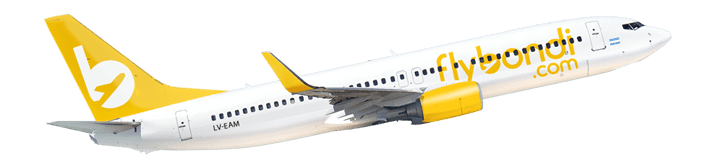
Por ejemplo, FlyBondi pedirá operar casi cien rutas (56 de cabotaje y 43 internacionales) pero su capital social es menor a los U$S 6.000, mientras que Alas del Sur, otra de las low cost, que no tiene aviones (como muchas) pero cuyo capital declarado no le alcanzaría en Argentina para pagar diez días de alquiler.

También se espera que en un futuro aplique Avianca, la cual compró la empresa Macair que pertenecía a los Macri, que reclamó algunas rutas pero no se presentaría el martes. El CEO de Avianca es el mismo que el de Macair y también consultor aeronáutico privado del jefe de Estado.

Competencia desigual

Las low cost competirán con Aerolíneas Argentinas en muchos de los vuelos de cabotaje e incluso en los internacionales. Lo harán en los más rentables, dejando a la empresa que conducirá el ex directivo de Techint, Mario Agustín Dell’Acqua, con las menos jugosas, lo que puede llegar a jaquear las cuentas de la compañía si no hace diferencia con las primeras.

El martes, el Gobierno espera que los representantes de Aerolíneas Argentinas no presenten objeciones a estas empresas entrantes, ya que de acuerdo a lo que dice la ley, el jugador instalado en el mercado puede incidir en el resultado de la audiencia pública. Macri no tenía asegurado que Costantini no objetara, lo que aceleró su salida. Durante los últimos días, la CEO había presentado cuadros de estrés y en su entorno suponían que se alejaría de la aerolínea de bandera. El cabotaje creció en 2016 solo un 6 por ciento. A\W

Resultado de imagen para aerolineas argentinas

Lines crossed after resigning CEO Aerolíneas Argentinas


Lines crossed in the confrontation by the resignation of the CEO of Aerolíneas Argentinas. The crosses with Guillermo Dietrich and a controversial licitation that damages the airline of flag precipitated the exit of Isela Constantini


The Government maintained that Isela Costantini’s resignation to Aerolineas Argentinas was for personal reasons. However the moment of the departure of the former CEO of General Motors had to do with the 2017 budget and the arrival of the low cost lines: they had asked him to approve the tenders to be made on Tuesday, which Are full of irregularities.

The slam of the female entrepreneur most quoted before the year of assuming had been prepared by the crossings she had with the Minister of Transport, Guillermo Dietrich and the Secretary for Coordination of Public Policies of the Office of the Chief of Staff, Gustavo Lopetegui. The former LAN had asked Daniel Maggi to follow Isela, but the manager of Human Resources also resigned in the last hours.

Costantini had requested budget items for $ 442 million for this year, but received 38% less and by 2017 would have a similar adjustment. Therefore, the former owner of Aerolineas Argentinas repeated that he did not have enough funds for the company. From the Casa Rosada they reproached him for his lack of knowledge of the sector.

However, after arranging jointly with the seven guilds with which the flagship airline marches, from the Executive made a last order to Costantini: it had to do with the public hearing of December 27. On Tuesday, new firms will start operating the low-cost airlines, which offer cheap flights through smaller companies. The problem is that these companies have irregularities.

For example, FlyBondi will request to operate almost one hundred routes (56 cabotage and 43 international) but its social capital is less than US $ 6,000, while Alas del Sur, another low cost, has no aircraft (as many) But whose declared capital would not reach him in Argentina to pay ten days of rent.

It is also expected that in the future apply Avianca, which bought Macair company that belonged to the Macri, which claimed some routes but would not be presented on Tuesday. The CEO of Avianca is the same as that of Macair and also a private aeronautical consultant to the head of state.

Unequal competence

The low cost airlines will compete with Aerolíneas Argentinas on many of the domestic and even international flights. They will do so in the most profitable, leaving the company that will lead the former manager of Techint, Mario Agustín Dell’Acqua, with the least juicy, which can get to check the company’s accounts if it makes no difference with the former.

On Tuesday, the Government expects representatives of Aerolineas Argentinas not to object to these incoming companies, since according to what the law says, the player installed in the market can influence the outcome of the public hearing. Macri was not sure that Costantini did not object, which accelerated his departure. During the last few days, the CEO had presented stress pictures and in her surroundings assumed that she would move away from the flag airline. Cabotage grew by only 6 percent in 2016. A\W


Ξ A I R G W A Y S Ξ
SOURCE: A I R G W A Y S / Eldestape.com
DBk: Photographic © Eldestape.com / Cordobatime.com
AW-POST: 201612220530AR

A\W   A I R G W A Y S ®
Renunció CEO de Aerolíneas Argentinas

Resultado de imagen para isela costantini aerolineas

AW | 2016 12 21 14:45  U17:35* | AIRLINES

La presidenta de Aerolíneas Argentinas, Isela Costantini, renunció hoy a su cargo como ejecutiva de la línea aérea argentina. Según adujo la razón respondió a motivos personales

Isela Costantini presentó su dimisión como presidenta de la empresa aérea estatal. Será reemplazada por el actual titular de la estatal Intercargo y ex directivo de Techint, Mario Dell Acqua, según confirmaron a Télam fuentes del Ministerio de Transporte de la Nación.

Isela Angélica Costantini nació en San Pablo, Brasil, el 12 de agosto de 1971, es una comunicadora social y empresaria, presidió Aerolíneas Argentinas desde enero de 2016.

Resultado de imagen para isela costantini aerolineas

Comenzó su carrera en General Motors de Brasil en 1998, en el área de mercadotecnia y ventas. Allí desempeñó varias funciones, entre ellas, mercadotecnia estratégica, pronóstico de ventas y gerente de marca. En 2002 fue transferida a la planta de pickup en Arlington, Texas como Gerente de Planta de Chasis. Regresó a GM Brasil para desempeñarse como Gerente de Programas y trabajó en área de Investigaciones de Mercado, fue ejecutiva de Investigación de Mercado y Planeamiento de Producto. Fue directora regional de post-venta y servicio al cliente en GM Sudamérica y presidente y directora ejecutiva de General Motors Argentina, Uruguay y Paraguay, convirtiéndose en la primera mujer en ocupar ese cargo. Costantini fue incluida en 2013 entre las 50 mujeres más poderosas del mundo de los negocios según la revista Fortune, que en su tradicional evaluación la ubicó en el puesto número 37. Costantini también lidera la Asociación de Fabricantes de Automotores (ADEFA) y en noviembre de 2015 fue elegida como la CEO del año.

Con la llegada de Mauricio Macri a la Presidencia de la Nación Argentina, Isela Costantini fue designada como presidenta de Aerolíneas Argentinas, reemplazando a Mariano Recalde pero no asumió el cargo hasta enero de 2016. Mientras tanto el presidente de la aerolínea de bandera fue Manuel Álvarez Trongé.

Por razones personales la CEO de Aerolíneas Argentinas, Isela Constantini renunció a la presidencia de Aerolíneas Argentinas no llegando a cumplir un año de su gestión, dejando un período de trancisión para que otra persona ocupe este cargo en la aerolínea de bandera argentina. A\W

Resultado de imagen para isela costantini aerolineas

CEO of Aerolíneas Argentinas resigned


The president of Aerolineas Argentinas, Isela Costantini, resigned today to her position as executive of the Argentine airline. According to the reason, he responded to personal reasons

Isela Costantini resigned as president of the state-owned airline. It will be replaced by the current owner of state-owned Intercargo and former manager of Techint, Mario Dell Acqua, according to Télam sources confirmed by the Ministry of Transport of the Nation.


Isela Angélica Costantini was born in San Pablo, Brazil, on August 12, 1971. She is a social communicator and businesswoman, presided over Aerolíneas Argentinas since January 2016.

He began his career in General Motors Brazil in 1998, in the area of marketing and sales. There he performed several functions, including strategic marketing, sales forecasting and brand manager. In 2002 she was transferred to the pickup plant in Arlington, Texas as Chassis Plant Manager. She returned to GM Brazil to work as a Program Manager and worked in the area of Market Research. She was a Market Research and Product Planning executive. She was regional director of post-sales and customer service at GM South America and president and chief executive officer of General Motors Argentina, Uruguay and Paraguay, becoming the first woman to hold that position. Costantini was included in 2013 among the 50 most powerful women in the business world according to Fortune magazine, which in its traditional evaluation placed it in the 37th place. Costantini also leads the Automobile Manufacturers Association (ADEFA) and in November 2015 was chosen as the CEO of the year.

With the arrival of Mauricio Macri to the Presidency of the Argentine Nation, Isela Costantini was appointed president of Aerolíneas Argentinas, replacing Mariano Recalde but did not assume the position until January of 2016. Meanwhile the president of the flag airline was Manuel Álvarez Trongé.

For personal reasons Aerolineas Argentinas CEO Isela Constantini resigned from the chairmanship of Aerolíneas Argentinas not reaching a year of its management, leaving a transitional period for another person to hold this position on the Argentine flag carrier. A\W

*UPDATED/ACTUALIZADO

Ξ A I R G W A Y S Ξ
SOURCE: A I R G W A Y S
DBk: Photographic © Infobae.com / Treslineas.com.ar / Telam.com.ar
AW-POST: 201612211445AR

A\W   A I R G W A Y S ®

AVA Airways inicia operaciones

Resultado de imagen para AVA Airways

AW | 2016 12 20 12:25 | AIRLINES

Logo of AVA AirwaysAVA Airways ha firmado un acuerdo de asociación estratégica de US $ 65 millones con la firma estadounidense de capital privado Capital Partners, Inc.

Bajo los términos del acuerdo, USD20 millones estarán disponibles inmediatamente a la puesta en marcha para completar las operaciones de certificación y lanzamiento de la República Dominicana.

Según la Crónica de Curazao, AVA Airways (República Dominicana) buscará asegurar su AOC y lanzar durante el primer semestre de 2017. Las operaciones iniciales involucrarán una flota de cuatro A319-100s utilizados para cubrir el Caribe en general. Esto representa el cuarto intento conocido de AVA Airways Inc. de lanzar operaciones.

La primera implicó una operación jamaicana, Ava Transportation (Kingston Norman Manley), que desde entonces ha sido archivada. Luego una oferta para establecer AVA Airways (Curacao) fue bloqueada el año pasado por las autoridades de Curaçao que se negaron a conceder a la aerolínea un Certificado de Autoridad Económica por razones desconocidas. También se ha incorporado otra filial, AVA Airways (St. Maarten), aunque su situación operacional es actualmente desconocida. airgways-icon-aw

Resultado de imagen para AVA Airways

Caribbean startup AVA Airways

Pan-Caribbean start-up hopefuls AVA Airways have signed a USD65million strategic partnership agreement with US-based private equity firm Capital Partners, Inc.

Under the terms of the deal, USD20 million will be made available immediately to the start-up to complete certification and launch operations from the Dominican Republic.

According to the Curacao Chronicle, AVA Airways (Dominican Republic) will look to secure its AOC and launch during the first half of 2017. Initial operations will involve a fleet of four A319-100s used to cover the Caribbean at large. This represents AVA Airways Inc.’s fourth known attempt at launching operations.

The first entailed a Jamaican operation, Ava Transportation (Kingston Norman Manley), which has since been shelved. Then a bid to establish AVA Airways (Curacao) was blocked last year by the Curacaon authorities who refused to grant the airline a Certificate of Economic Authority for unknown reasons. Another subsidiary, AVA Airways (St. Maarten), has also been incorporated although its operational status is currently unknown. A\W


Ξ A I R G W A Y S Ξ
SOURCE: Ch-aviation.com
DBk: Photographic © ND News
AW-POST: 201612201225AR

A\W   A I R G W A Y S ®

Aerolíneas firma acuerdo con Boeing


00015047

AW | 2016 12 20 10:02 | AIRLINES

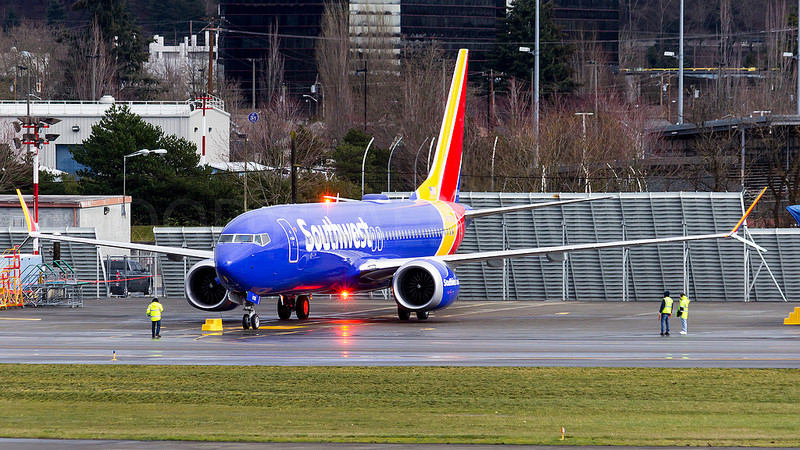
 Aerolíneas Argentinas será el primer operador latinoamericano del Boeing 737-8 MAX

Aerolíneas Argentinas anunció ayer, 19 de diciembre, la firma de un acuerdo con The Boeing Company para incorporar el nuevo avión Boeing 737 MAX a su flota.

Como parte de este acuerdo, Aerolíneas Argentinas renegoció una deuda técnica del contrato, heredada de la anterior gestión, e incorporará los primeros Boeing 737 MAX para Latinoamérica en noviembre y diciembre de 2017.

«Gracias a este acuerdo, Aerolíneas Argentinas será el primer operador en América Latina de los nuevos aviones Boeing 737 MAX. Este avión todavía no vuela y hará los primeros vuelos a nivel mundial en mayo de 2017», dijo hoy Pablo Miedziak, director del área financiera de Aerolíneas.

La firma del acuerdo

RÚBRICA DEL ACUERDO ENTRE AEROLÍNEAS ARGENTINAS Y LA BOEING

El 737-8 MAX es un avión «moderno, eficiente y sustentable, capaz de recorrer mayores distancias reduciendo un 40% la huella de ruido respecto a las otras aeronaves Boeing». Por otra parte, se mantienen algunas innovaciones ya presentes en los modelos NG como el sistema de iluminación Boeing Sky Interior para mayor confort en las distintas etapas del vuelo. El Boeing 737-8 MAX entrará en servicio operativo en el 2017, y estará disponibles para las compañías aéreas a mediados de ese año. Los nuevos 737-8 MAX le permitirán a Aerolíneas alcanzar un ahorro de combustible del 14% respecto a los modelos anteriores por contar con una nueva tecnología de motores. Los nuevos Boeing 737-8 MAX tienen una capacidad para transportar 178 pasajeros, un 32 % más que los asientos del modelo 737-700 que se reemplazará con el MAX.

El modelo estrella de la Boeing: El B737 MAX
El 737 MAX tiene pedidos en firme por un total neto (pedidos brutos menos cancelaciones anticipadas) de 3331 aeronaves a 30 de septiembre de 2016.

Resultado de imagen para Boeing 737 max

Inicialmente, no se dieron a conocer los clientes que habían pedido el 737 MAX a excepción de American Airlines. El 17 de noviembre de 2011, Boeing hizo público los nombres de otros dos clientes: la aerolínea Lion Air y la compañía financiera Aviation Capital Group. Al mismo tiempo, el fabricante estadounidense anunció que tenía firmados compromisos de compra por un total de 700 aeronaves por parte de 9 clientes. El 13 de diciembre de 2011, Southwest Airlines anunció que se convertiría en el cliente de lanzamiento del 737 MAX, con un pedido en firme por un total de 150 aeronaves y 150 opciones de compra. El 8 de septiembre de 2014 se hizo público que la compañía irlandesa Ryanair había comprado en firme 100 unidades del 737 MAx 200 y tenía la opción de compra por otras 100 unidades, todo ello por un montante de 22 000 millones de dólares. A principios de octubre de 2016, la compañía Aerolíneas Argentinas habría transferido 11 de sus 20 pedidos anteriores del módelo 737-800, por 737 MAX-8; este cambio fue confirmado por Aerolineas Argentina y Boeing el 19 de diciembre de 2016. Sería la cuarta aerolínea latinoamericana en encargar el modelo después de la aerolínea brasileña GOL Linhas Aéreas, que solicitó 60 unidades y Aeromexico, también con 60 unidades y la panameña Copa Airlines que pidió 61 aeronaves en las variantes MAX 8 y MAX 9.

Resultado de imagen para aerolineas Boeing 737 max

AEROLÍNEAS SEGUIRÁ ENCOMENDANDO BOEING 737 NG HASTA OCTUBRE 2017

El nuevo convenio, en cambio, permitirá sumar nueve Boeing 737-800 NG y once Boeing 737-8 MAX, con opción de cambiar tres de los Boeing 737-800 NG del contrato por tres del modelo «MAX». Los Boeing 737-800 NG se incorporarán hasta octubre de 2017, uno de los cuales ya fue sumado hace dos meses a la flota.

Como parte de este convenio, Aerolíneas Argentinas renegoció una deuda técnica del contrato de la anterior gestión. Según Miedziak, la renegociación implica nuevos plazos de cancelación de la deuda y la financiación para la incorporación de los dos primeros aviones MAX, con una tasa muy beneficiosa para Aerolíneas.

El vicepresidente de Ventas para América Latina, el Caribe y África de Boeing, Van Rex Gallard, sostuvo en un comunicado que el nuevo acuerdo permite consolidar la relación con Aerolíneas, a la que definió como uno de sus «clientes más estratégicos en la región».

CFM International, participada por la estadounidense GE y la francesa Safran Aircraft Engines, participa del acuerdo como desarrolladora del motor LEAP que Aerolíneas incorpora a su flota. «CFM se complace en haber podido trabajar con Aerolíneas Argentinas y desarrollar una solución de tecnología de punta que permita a la aerolínea continuar proporcionando un servicio excepcional a sus pasajeros», señaló Douglas Izarra, vicepresidente de Ventas para las Americas de CFM.

Miedziak destacó que este acuerdo se inscribe en las políticas de la nueva administración de Aerolíneas, que busca hacer más eficiente la compañía. «A principios de 2016, vimos que si la compañía quería seguir operando y honrar todos los contratos, hubiera necesitado de 1.000 millones de dólares», señaló el directivo.

Miedziak explicó que «como parte del acuerdo Aerolíneas renegoció una deuda técnica del contrato heredada de la gestión anterior, que nos permitirá ahora incorporar aviones nuevos, los 737-800 Max, que serán los primeros en volar en una empresa latinoamericana y los dos primeros llegarán a la compañía entre noviembre y diciembre del 2017».

Detalló el directivo que «existía un acuerdo preexistente por 20 aviones 737-800NG y lo que vimos cuando nos hicimos cargo de la compañía hace justo un año, fue que el contrato estaba firmado, pero no había financiamiento y tampoco se le había pagado a Boeing lo que se debía haber pagado, por lo que estaba en default».

«Lo que hicimos -precisó- fue renegociar ese contrato en las mejores condiciones para todas las partes y nos dimos cuenta que no tenía sentido ir a buscar los aviones que estaban pactados, porque íbamos a traer un producto que no era el mejor en ese momento. Dividimos el contrato en dos, quedando en 9 unidades 737-800 NG y 11 del modelo 737 Max, con la opción de que 3 de los 737-800 se transformen también en 737 Max, por lo que quedarían solamente seis 737-800NG y 14 737 Max, de manera tal que vamos a contar con una flota ultramoderna y mucho más eficiente».

Detalló que «el pasado 15 de octubre se recibió el primer avión de este contrato; en noviembre el segundo y hoy se está firmando en las oficinas de Boeing en Seattle (el contrato por) la tercer aeronave que estará llegando mañana al país».

«Luego de haber estado renegociando este contrato durante los últimos 6 meses, este acuerdo nos permite continuar con la incorporación de aeronaves para cumplir el Plan Estratégico de hacer del Grupo Aerolíneas una empresa sustentable, sin déficit, al tiempo que nos da un marco más realista de pagos en momentos en los cuales debemos ser extremadamente responsables en el uso del dinero», afirmó Miedziak.  airgways-icon-aw

boeing-737max-ar

Aerolíneas Argentinas signs agreement with Boeing

Aerolíneas to be the first Latin American operator of the Boeing 737-8 MAX

Aerolíneas Argentinas announced yesterday, December 19, signing an agreement with The Boeing Company to incorporate the new Boeing 737 MAX aircraft into its fleet.

As part of this agreement, Aerolíneas Argentinas renegotiated a technical contract debt, inherited from the previous management, and will incorporate the first Boeing 737 MAX for Latin America in November and December 2017.

«Thanks to this agreement, Aerolíneas Argentinas will be the first operator in Latin America of the new Boeing 737 MAX aircraft. This aircraft still does not fly and will make the first flights worldwide in May 2017,» Pablo Miedziak, director of the financial area of Aerolíneas.

The 737-8 MAX is a «modern, efficient and sustainable aircraft, able to travel greater distances reducing a 40% noise footprint compared to other Boeing aircraft.» On the other hand, some innovations already present in the NG models like the Boeing Sky Interior lighting system are maintained for greater comfort in the different stages of the flight. The Boeing 737-8 MAX will enter operational service in 2017, and will be available to airlines in the middle of that year. The new 737-8 MAX will allow Aerolíneas to achieve a 14% fuel economy compared to previous models with a new engine technology. The new Boeing 737-8 MAX has a capacity to carry 178 passengers, 32% more than the seats of the model 737-700 that will be replaced with the MAX.

The Boeing Star Model: The B737 MAX
The 737 MAX has firm orders for a total net (gross orders minus early cancellations) of 3331 aircraft as of September 30, 2016.

Resultado de imagen para aerolineas Boeing 737 maxThe customers who requested the 737 MAX with the exception of American Airlines were not known. On November 17, 2011, Boeing released the names of two other customers: the airline Lion Air and the financial company Aviation Capital Group. At the same time, the US manufacturer announced that it had signed purchase commitments for a total of 700 aircraft by 9 customers. On December 13, 2011, Southwest Airlines announced that it would become the 737 MAX launch customer, with a firm order for a total of 150 aircraft and 150 purchase options.15 On September 8, 2014, it was announced that The Irish company Ryanair had firmly bought 100 units of the 737 MAx 200 and had the option of buying for another 100 units, all for a sum of 22 billion dollars. At the beginning of October 2016, the company Aerolíneas Argentinas would have transferred 11 of its 20 previous orders of the 737-800 model, by 737 MAX-8; This change was confirmed by Aerolineas Argentina and Boeing on December 19, 2016. It would be the fourth Latin American airline to order the model after the Brazilian airline GOL Linhas Aéreas, which requested 60 units and Aeromexico, also with 60 units and the Panamanian Copa Airlines Which ordered 61 aircraft in the MAX 8 and MAX 9 variants.


Resultado de imagen para aerolineas Boeing 737 max


The new agreement, meanwhile, will add nine Boeing 737-800 NG and eleven Boeing 737-8 MAX, with option to change three of the Boeing 737-800 NG of the contract for three of the «MAX» model. The Boeing 737-800 NG will be incorporated until October 2017, one of which was already added two months ago to the fleet.

As part of this agreement, Aerolíneas Argentinas renegotiated a technical debt of the previous management contract. According to Miedziak, the renegotiation involves new debt cancellation terms and funding for the incorporation of the first two MAX aircraft, with a very beneficial rate for airlines.

Boeing Vice President of Sales for Latin America, the Caribbean and Africa, Van Rex Gallard, said in a statement that the new agreement allows the company to consolidate its relationship with Aerolíneas, which it defined as one of its «most strategic clients in the region» .

CFM International, owned by US-based GE and France’s Safran Aircraft Engines, is participating in the deal as a developer of the LEAP engine that Aerolíneas incorporates into its fleet. «CFM is pleased to have been able to work with Aerolíneas Argentinas and develop a state-of-the-art technology solution that allows the airline to continue providing exceptional service to its passengers,» said Douglas Izarra, CFM Sales Vice President Americas.

Miedziak stressed that this agreement is part of the policies of the new airline administration, which seeks to make the company more efficient. «In early 2016, we saw that if the company wanted to continue operating and honoring all the contracts, it would have needed $ 1 billion,» he said.

Miedziak explained that «as part of the agreement Aerolíneas renegotiated a technical debt from the contract inherited from the previous management, which will now allow us to incorporate new aircraft, the 737-800 Max, which will be the first to fly in a Latin American company and the first two will arrive To the company between November and December of 2017 «.

He said that «there was a pre-existing agreement for 20 737-800NG aircraft and what we saw when we took over the company just a year ago was that the contract was signed, but there was no financing and neither was paid to Boeing What should have been paid, so I was in default.»

«What we did,» he said, «was to renegotiate that contract in the best conditions for all parties and we realized that it did not make sense to go look for the planes that were agreed, because we were going to bring a product that was not the best at the time We split the contract in two, leaving 9 737-800 NG and 11 737 Max, with the option that 3 of the 737-800 also become 737 Max, leaving only 737-800NG and 14 737 Max, so that we will have an ultramodern and much more efficient fleet «.

«Last October 15, the first aircraft of this contract was received, in November the second and today is being signed at the offices of Boeing in Seattle (the contract for) the third aircraft that will be arriving tomorrow in the country.»

«After having renegotiated this contract during the last 6 months, this agreement allows us to continue with the incorporation of aircraft to comply with the Strategic Plan to make the Aerolíneas Group a sustainable company, without deficit, while giving us a more realistic framework Of payments at times when we must be extremely responsible in the use of money,» said Miedziak. A\W


Ξ A I R G W A Y S Ξ
SOURCE: A I R G W A Y S / Boeing.com
DBk: Photographic © Aerolineas.com / Joaquín Amieva / Europapress.es / Boeing.com
AW-POST: 201612201202AR

A\W   A I R G W A Y S ®