Aumenta teoría secuestro aéreo MH370

Resultado de imagen para MH370 kidnappingAW | 2020 01 04 12:54 | AIR INVESTIGATION / AVIATION SAFETY

Resultado de imagen para MH370 kidnapping SDUInvestigadores determinan posible acto de sabotaje y secuestro del Boeing 777-200 de Malaysia Airlines

Investigadores están formulando la teoría de secuestro aéreo del vuelo MH370 de la compañía Malaysia Airlines del Boeing 777-200ER en la ruta Kuala Lumpur-Beijing del 8 Marzo 2014. La teoría está tomando cada vez más peso debido a los tiempos y uso de tecnología.

Secuestro desde Cockpit

La teoría de secuestro dentro de la cabina de mando esta determinada por el factor tiempo tiempo después del último contacto con el Controlador Aéreo y el viraje de la aeronave. Ha sido tiempo reducido para que los secuestradores atravesaran la puerta de la cabina cerrada, dominar a la tripulación de vuelo, apagar todas las comunicaciones y reprogramar la computadora de vuelo. En cualquier caso, parecía difícil imaginar cómo los secuestradores podían hacer todo eso sin que la tripulación de vuelo enviara algún tipo de señal de socorro.

Secuestro vitual

Sin embargo, más tarde sugirió otra posibilidad: que el avión fuera tomado de otro lugar que no fuera la cabina, un lugar mucho más fácil de acceder que se puede utilizar para anular los controles en la cabina sin que los pilotos se den cuenta.

La clave para esto es un equipo llamado Unidad de Datos Satelitales (SDU), que es una parte integral de la comunicación satelital del avión. Procesa las señales que se transmiten y reciben entre el avión y una unidad satelital; en el caso de MH370, un satélite llamado 3F1 propiedad de la compañía británica de telecomunicaciones satelitales Inmarsat operó en aquel trayecto de vuelo fatal.

La SDU está ubicada sobre el techo de la cabina de pasajeros hacia la parte trasera del avión. En las horas posteriores a la desaparición de MH370, la SDU se apagó y se volvió a encender, lo que significa que el secuestrador debe haber accedido a ella. Hay conocimiento que la unidad se apagó y se ha vuelto a encender porque, por un tiempo, el Satélite 3F1 no pudo hacer contacto con el vuelo MH370, pero luego se restableció el contacto.

Cronología de eventos

A las 17:07 UTC, el avión envió un informe del Sistema de direccionamiento e informes de comunicaciones de aeronaves (ACARS) a través de la SDU al satélite 3F1.
A las 17:37 UTC, no se realizó el siguiente mensaje ACARS.
A las 18:03 UTC, Inmarsat intentó ponerse en contacto con MH370 pero no recibió respuesta, lo que indica que el sistema de satcom estaba apagado o fuera de servicio.
A las 18:25 UTC, MH370 inició un inicio de sesión con 3F1: estaba volviendo a estar en línea.

Esto permitió que la información se transmitiera a Inmarsat a través de siete handshakes (apretones de manos/pulsaciones) durante las próximas horas, que luego se rastrearon hasta una ruta de vuelo sobre el Océano Índico, terminando en el mar al oeste de Perth, Australia, donde se cree que el avión cayó.

Como Honeywell fabricó la SDU de MH370, se puede acceder a ella a través de la bahía de electrónica y equipos (EE Bay). EE Bay es un compartimento al que, en un Boeing, se puede acceder durante el vuelo a través de una escotilla desbloqueada en el piso en la parte delantera de la cabina de primera clase. Un secuestrador podría subir a la Bahía EE desde la cabina de pasajeros para entrometerse con la SDU. De hecho, según Mike Exner, un investigador MH370 de un grupo de expertos llamado Grupo Independiente, afirmó que este es el único lugar al que se puede acceder fuera de la cabina.

En 2014, el Sr. Exner obtuvo acceso a una instalación similar de vuelo profesional de una aerolínea estadounidense importante y le preguntó a dos veteranos pilotos Boeing 777 que lo acompañaban cómo se podía apagar y volver a encender la SDU. Han expresado: «No hay forma de apagar la alimentación primaria a la comunicación satelital desde la cabina. Ni siquiera se describe en los manuales de vuelo. La única forma de hacerlo es encontrar un disyuntor oscuro en la Bahía EE».

La SDU también puede entrometerse desenchufando el Sistema de referencia interno (IRS), que alimenta información a la SDU, y conectando su propio equipo. Por lo tanto, el autor podría haber secuestrado el avión al subir a la Bahía EE y tomar el avión desde allí. Incluso podrían haberse asegurado de que los pilotos aún pensaran que estaban controlando el avión a través de «controles fantasmas». De esta manera, esto podría explicar cómo alguien que no sea el piloto o el copiloto podría haber secuestrado el avión tan rápido, ni siquiera tuvieron que ingresar a la cabina. AW-Icon AW001

Imagen relacionadaMH370 kidnapping theory takes importance

Investigators determine possible sabotage and kidnapping of the Boeing 777-200 of Malaysia Airlines

Researchers are formulating the air hijacking theory of the MH370 flight of the Malaysia Airlines company of the Boeing 777-200ER on the Kuala Lumpur-Beijing route of March 8, 2014. The theory is gaining more and more weight due to the times and use of technology.

Kidnapping from Cockpit

The hijacking theory inside the cockpit is determined by the time factor after the last contact with the Air Traffic Controller and the turn of the aircraft. It has been a short time for the hijackers to go through the closed cabin door, dominate the flight crew, turn off all communications and reprogram the flight computer. In any case, it seemed difficult to imagine how the hijackers could do all that without the flight crew sending any sort of distress signal.

Virtual kidnapping

However, he later suggested another possibility: that the plane is taken from a place other than the cabin, a much easier place to access that can be used to override the controls in the cabin without the pilots noticing.

The key to this is a device called the Satellite Data Unit (SDU), which is an integral part of the aircraft’s satellite communication. It processes the signals that are transmitted and received between the plane and a satellite unit; In the case of MH370, a satellite called 3F1 owned by the British satellite telecommunications company Inmarsat operated on that fatal flight path.

The SDU is located on the roof of the passenger cabin towards the rear of the plane. In the hours after the disappearance of MH370, the SDU was turned off and then on again, which means that the kidnapper must have accessed it. There is the knowledge that the unit was turned off and on again because, for a while, the 3F1 Satellite could not make contact with the MH370 flight, but then the contact was restored.

Event Timeline

At 17:07 UTC, the plane sent a report from the Aircraft Communications Addressing System (ACARS) through the SDU to the 3F1 satellite.
At 17:37 UTC, the following ACARS message was not performed.
At 18:03 UTC, Inmarsat tried to contact MH370 but received no response, indicating that the Satcom system was off or out of service.
At 18:25 UTC, MH370 started login with 3F1: it was coming back online.

This allowed the information to be transmitted to Inmarsat through seven handshakes (handshakes/pulsations) over the next few hours, which were then traced to a flight route over the Indian Ocean, ending in the sea west of Perth, Australia, where it is believed that the plane fell.

As Honeywell manufactured the MH370 SDU, it can be accessed through the electronics and equipment bay (EE Bay). EE Bay is a compartment that, in a Boeing, can be accessed during the flight through an unlocked hatch on the floor in the front of the first-class cabin. A kidnapper could board EE Bay from the passenger cabin to interfere with the SDU. In fact, according to Mike Exner, an MH370 researcher from a group of experts called the Independent Group, said this is the only place that can be accessed outside the cabin.

In 2014, Mr. Exner gained access to a similar professional flight installation of a major US airline and asked two veteran Boeing 777 pilots who accompanied him how the SDU could be turned off and on again. They have said: «There is no way to turn off the primary power to satellite communication from the cockpit. It is not even described in the flight manuals. The only way to do this is to find a dark circuit breaker in the EE Bay».

The SDU can also interfere by unplugging the Internal Reference System (IRS), which feeds information to the SDU, and connecting its own equipment. Therefore, the author could have hijacked the plane by boarding the EE Bay and taking the plane from there. They could even have made sure that the pilots still thought they were controlling the plane through «phantom controls». In this way, this could explain how someone other than the pilot or co-pilot could have hijacked the plane so quickly, they didn’t even have to enter the cabin. AW-Icon AW002


Ξ A I R G W A Y S Ξ
SOURCE: Airgways.com
DBk: Express.co.uk / Airgways.com
AW-POST: 202001041254AR

A\W   A I R G W A Y S ®

Ataque aéreo en Irak

Resultado de imagen para baghdad airportAW | 2020 01 03 14:53 | AVIATION SAFETY / GOVERNMENT

Las repercusiones del ataque aéreo por parte de EEUU a comandante militar iraní

El Departamento de Estado de Estados Unidos ha instado este Viernes 03 Enero 2020 a los ciudadanos estadounidenses a abandonar Irak inmediatamente después de un ataque aéreo ordenado por el Presidente Donald Trump que mató a Qassem Soleimani, un comandante militar iraní clave en el Aeropuerto Internacional de Bagdad.

Desde el Departamento de Estado han solicitado: «Debido al aumento de las tensiones en Irak y la región, instamos a los ciudadanos estadounidenses a abandonar Irak de inmediato». También advirtieron que los ciudadanos «no deberían acercarse a la embajada en Bagdad y que todas las operaciones consulares están suspendidas «debido a los ataques de las milicias respaldadas por Irán en el complejo de la Embajada de los Estados Unidos». La Zona Verde en Bagdad, que incluye la Embajada de los Estados Unidos, fue completamente cerrada por las fuerzas de seguridad iraquíes para evitar cualquier emergencia después del ataque, dijeron dos fuentes de seguridad iraquíes. El anuncio del Departamento de Estado se produce horas después de que el máximo ejecutivo de Estados Unidos ordenara el ataque aéreo que mató a Qassem Soleimani, quien era el Jefe de la unidad de la Fuerza Quds del Cuerpo de la Guardia Revolucionaria Islámica de Irán (IRGC) y Abu Mahdi al-Muhandis, el Jefe Adjunto de las Fuerzas de Movilización Popular Iraquí respaldadas por Irán.

Objetivo señalado

El líder supremo de Irán, Ali Khamenei, prometió exigir una «severa venganza» por el ataque aéreo estadounidense del jueves por la noche que mató al general más famoso del país, pero el régimen iraní tendrá que caminar una línea muy fina para responder fuertemente sin provocar una guerra con el Estados Unidos, ex funcionarios de inteligencia familiarizados con la región dijeron el Viernes 03/01.

Qassem Soleimani dirigió la Fuerza Quds del Cuerpo de la Guardia Revolucionaria Islámica, que combina la recopilación de inteligencia, la acción encubierta y las operaciones especiales. Murió cuando un misil estadounidense golpeó su vehículo cerca del aeropuerto internacional de Bagdad. También murió en el ataque aéreo, que golpeó dos vehículos, Abu Mahdi al-Muhandis, el líder de la milicia chiíta iraquí Kata’ib Hezbollah, junto con varios otros miembros de la Fuerza Quds y la milicia.

Soleimani fue un líder carismático que durante 20 años había desempeñado un papel clave en la orquestación de la política exterior de Irán en el Medio Oriente, particularmente en lo que respecta al uso de las fuerzas de poder de la milicia, como el Hezbolá libanés, numerosos grupos armados chiítas iraquíes y la milicia houthi. en Yemen Dirigió el asesinato de más de 600 soldados estadounidenses durante la guerra de Irak por parte de las milicias chiítas utilizando un tipo de bomba particularmente letal llamada penetrador formado explosivamente. Más recientemente, ordenó los esfuerzos militares de Irán para apuntalar a su aliado Bashar al-Assad en la guerra siria. «Era la figura de inteligencia más famosa del planeta», dijo Marc Polymeropoulos, ex alto funcionario de Operaciones de la CIA.

Acciones represalias

Pero esa fama ahora ha puesto al régimen iraní en apuros, según Norman Roule, quien fue el Gerente de Inteligencia Nacional de Irán hasta 2017. Debido a la estatura icónica de Soleimani, habrá que ver que se contraataque, en lugar de simplemente a través de proxies, dijo. Pero Irán debe hacerlo con suficiente «negación inverosímil» para evitar dar a Estados Unidos una excusa para lanzar una guerra que podría conducir al colapso de la República Islámica. Irán también querrá evitar antagonizar a Europa, China o Rusia en su respuesta, dijo Roule. A pesar de las especulaciones de que Irán o su representante Hezbolá tomarán represalias lanzando ataques terroristas contra objetivos estadounidenses o aliados, Roule dijo que era poco probable en el corto plazo, en parte porque un ataque terrorista contra un individuo o instalación específica requiere una cantidad significativa de preparación. «Irán necesitará identificar un objetivo y comprender su perfil de seguridad. Si se trata de una persona, deberá comprender el patrón de vida del objetivo. Irán necesitará localizar armas y preparar un plan de salida para su gente. La complejidad y las demandas de recursos de una operación de este tipo hacen que sea difícil de llevar a cabo [a corto plazo] a menos que dicha operación se haya desarrollado antes de la muerte de Soleimani«, expesó Norman Roule.

Por lo tanto, el régimen tendrá que elegir cuidadosamente entre su panoplia de armas. «Irán tiene muchas herramientas de ciber, drones y misiles y puede decidir emplearlas todas en algún momento. Los representantes de Irán querrán demostrar que son leales a Irán, pero la facilidad con la que Estados Unidos mató a Soleimani y atacó objetivos de Kata’ib Hezbollah les hará preguntarse qué tan rápido Washington podrá localizarlos y matarlos después de cualquier ataque contra Estados Unidos. intereses», dijo Roule.

A pesar de las especulaciones de que Irán o su representante Hezbolá tomarán represalias lanzando ataques terroristas contra objetivos estadounidenses o aliados, Roule dijo que era poco probable en el corto plazo, en parte porque un ataque terrorista contra un individuo o instalación específica requiere una cantidad significativa de preparación. «Irán necesitará identificar un objetivo y comprender su perfil de seguridad. Si se trata de una persona, deberá comprender el patrón de vida del objetivo. Irán necesitará localizar armas y preparar un plan de salida para su gente. La complejidad y las demandas de recursos de una operación de este tipo hacen que sea difícil de llevar a cabo [a corto plazo] a menos que dicha operación se haya desarrollado antes de la muerte de Soleimani».

El Gobierno de Teherán tiene que idear para continuar entre una respuesta diplomática o un a respuesta a la acción de occidente. «Los iraníes se encuentran en una situación difícil porque la persona que necesitan para gestionar y ejecutar una respuesta es un tipo como Soleimani. Ese es el caja de trucos en la que se encuentran los iraníes: la persona a la que necesitan responder en este momento está muerta», dijo Douglas Wise, ex Subdirector de la Agencia de Inteligencia de Defensa y antiguo ex alto funcionario de la CIA. La acción militar perpetrada por Estados Unidos activará las alarmas en todo el mundo en lugares donde sea crítico respaldar la seguridad ante posibles atentados.

Alerta a las aerolíneas

AW-Iraqi_7007.jpgAlgunas aerolíneas cortan el servicio de Bagdad debido a preocupaciones de seguridad. El asesinato del principal líder militar marca una escalada importante en las tensiones que enfrentan a Teherán contra Estados Unidos y los aliados árabes del Golfo de Washington en la región. Las compañías aéreas se verán limitadas a sobrevolar el espacio aéreo de Irak-Iran ante el posible incremento de la escalada bélica en la Región del Golfo.

Como resultado, algunas aerolíneas comerciales tomaron la decisión de detener los vuelos. El impacto hasta el momento es limitado, pero podría cambiar a medida que otras aerolíneas evalúen las implicaciones. Gulf Air fue la primera aerolínea en anunciar la suspensión de vuelos a Bagdad el viernes. También suspendió el servicio a la cercana ciudad de Najaf. El transportista emitió una declaración sobre el cambio y citando las preocupaciones de seguridad como la causa de la mudanza: «Gulf Air, la aerolínea nacional del Reino de Bahrein, desea informar a sus pasajeros que todos los vuelos que llegan y salen de Bagdad y Najaf en la República de Iraq han sido suspendidos hasta nuevo aviso, debido a la situación de seguridad en Iraq», emitió un comunicado oficial.

Royal Jordanian también suspendió vuelos, pero solo a Bagdad. Su servicio a Najaf, así como a Basora, Erbil/Arbil y Sulaymaniyah continúan operando según lo programado. El horario de la aerolínea incluye 18 vuelos semanales que se cancelan con efecto inmediato.

Aerolíneas que aún operan a Bagdad (BGW)

Varias aerolíneas extranjeras operan en Bagdad y continúan sus servicios. Incluyen:
Air Arabia vuela a Sharjah (SHJ)
Andolujet vuela a Estambul (SAW)
Atlas Global vuela a Estambul (IST)
Azerbaijan Airlines vuela a Bakú (GYD)
Caspian Airlines vuela a Teherán (IKA) y Mashhad (MHD)
Cham Wings Airlines vuela a Damasco (DAM)
EgyptAir vuela a El Cairo (CAI)
Emirates vuela a Dubai (DXB)
FlyDubai vuela a Dubai (DXB)
Flynas vuela a Medina (MED)
Iran Air vuela a Teherán (IKA)
MEA vuela a Beirut (BEY)
Nile Air vuela a El Cairo (CAI)
Pegasus Airlines vuela a Estambul (SAW)
Qatar Airways vuela a Doha (DOH)
Silk Way Airlines vuela a Bakú (GYD)
Turkish Airlines vuela a Estambul (IST) y cargueros a ISL
Los operadores nacionales en Bagdad incluyen Iraqi Airways, Fly Bagdad y UR Airlines. Ninguno de los tres parece estar deteniendo los servicios.

Espacio aéreo Irak/Irán

Dado que las tensiones en la región se están intensificando, también existe cierta preocupación de que los sobrevuelos de los países puedan ajustarse o reducirse. Pero, por ahora, poco parece estar cambiando. OPSGROUP , un agregador independiente de advertencias operativas del gobierno, actualmente tiene espacio aéreo en Irak e Irán en su advertencia de «Nivel 2». Esto sugiere precaución, pero las operaciones siguen siendo factibles. Ningún gobierno ha emitido advertencias actualizadas para viajar en ninguno de los países, aunque ambos han tenido límites específicos desde al menos mediados de 2019.

La imagen de seguridad de la aviación en el Medio Oriente, ya frágil e inestable, ahora es impredecible. Cualquier cosa que parezca un activo o aliado de los Estados Unidos podría ser un objetivo, militar o civil. Los operadores de Estados Unidos, como mínimo, deben evitar la FIR Teherán y considerar la seguridad cuidadosamente cuando operen en otros países de la región, especialmente Israel, Líbano y Kuwait, como respuesta puede apuntar a aeropuertos en esos países o aviones extranjeros.

Una respuesta de Irán al ataque aéreo estadounidense del 3 de enero parece inevitable. En cuanto a la respuesta iraní, cualquier cosa que parezca un activo o aliado estadounidense podría ser un objetivo, militar o civil. Los operadores de EE. UU., Como mínimo, deben evitar la FIR Teherán y considerar la seguridad cuidadosamente cuando operen en otros países de la región, especialmente Israel, Líbano y Kuwait, como respuesta puede apuntar a aeropuertos en esos países o aviones extranjeros. Dicho esto, es un juego de adivinanzas en este momento, y predecir los detalles de una respuesta es extremadamente difícil. AW-Icon AW001

As the sun rose over Baghdad airport, daylight revealed the twisted remains of one of the vehicles the men had been travelling in. In total, a US drone fired four missiles that struck a convoy of cars, killing the two men and their entourageAirstrike in Iraq

The repercussions of the US air attack on Iranian military commander

The United States Department of State has urged on Friday 03 January 2020 US citizens to leave Iraq immediately after an air attack ordered by President Donald Trump that killed Qassem Soleimani, a key Iranian military commander at Baghdad International Airport.

From the State Department they have requested: «Due to the increase in tensions in Iraq and the region, we urge US citizens to leave Iraq immediately». They also warned that citizens «should not approach the embassy in Baghdad and that all consular operations are suspended due to attacks by Iran-backed militias in the US Embassy complex». The Green Zone in Baghdad, which includes the U.S. Embassy, ​​was completely closed by Iraqi security forces to avoid any emergency after the attack, two Iraqi security sources said. The State Department’s announcement comes hours after the top US executive ordered the airstrike that killed Qassem Soleimani, who was the head of the Quds Force unit of the Iranian Revolutionary Guard Corps (IRGC) ) and Abu Mahdi al-Muhandis, the Deputy Chief of the Iraqi Popular Mobilization Forces backed by Iran. (PMF)

Stated target

Iran’s supreme leader, Ali Khamenei, promised to demand a «severe revenge» for the US airstrike on Thursday night that killed the country’s most famous general, but the Iranian regime will have to walk a very fine line to respond strongly without provoking a war with the United States, former intelligence officials familiar with the region said Friday.

Qassem Soleimani led the Quds Force of the Islamic Revolutionary Guard Corps, which combines intelligence gathering, covert action, and special operations. He died when an American missile hit his vehicle near Baghdad International Airport. He also died in the airstrike, which struck two vehicles, Abu Mahdi al-Muhandis, the leader of the Iraqi Shiite militia Kata’ib Hezbollah, along with several other members of the Quds Force and the militia.

Soleimani was a charismatic leader who for 20 years had played a key role in the orchestration of Iran’s foreign policy in the Middle East, particularly as regards the use of militia power forces, such as Lebanese Hezbollah, numerous Iraqi Shiite armed groups and the Houthi militia. in Yemen, He directed the killing of more than 600 US soldiers during the Iraq war by Shiite militias using a particularly lethal type of bomb called an explosively formed penetrator. More recently, he ordered Iran’s military efforts to shore up his ally Bashar al-Assad in the Syrian war. «He was the most famous intelligence figure on the planet», said Marc Polymeropoulos, a former senior CIA Operations official.

Retaliation Actions

But that fame has now put the Iranian regime in trouble, according to Norman Roule, who was Iran’s National Intelligence Manager until 2017. Due to Soleimani’s iconic stature, it will be necessary to see that he counterattacks, rather than simply through proxies said. But Iran must do so with enough «unlikely denial» to avoid giving the United States an excuse to launch a war that could lead to the collapse of the Islamic Republic. Iran will also want to avoid antagonizing Europe, China or Russia in its response, Roule said. Despite speculation that Iran or its Hezbollah representative will retaliate by launching terrorist attacks against US or allied targets, Roule said it was unlikely in the short term, partly because a terrorist attack against a specific individual or facility requires a significant amount. of preparation. «Iran will need to identify an objective and understand its security profile. If it is a person, it must understand the life pattern of the objective. Iran will need to locate weapons and prepare an exit plan for its people. The complexity and resource demands of operation of this type make it difficult to carry out [in the short term] unless such operation has been carried out before the death of Soleimani», Norman Roule said.

Therefore, the regime will have to choose carefully among its panoply of weapons. «Iran has many cyber tools, drones, and missiles and may decide to use them all at some point,» Roule said. «The representatives of Iran will want to prove that they are loyal to Iran, but the ease with which the United States killed Soleimani and attacked Kata’ib Hezbollah’s goals will make them wonder how fast Washington can locate and kill them after an attack on the United States interests».

Despite speculation that Iran or its Hezbollah representative will retaliate by launching terrorist attacks against US or allied targets, Roule said it was unlikely in the short term, partly because a terrorist attack against a specific individual or facility requires a significant amount. of preparation. «Iran will need to identify a goal and understand its security profile. If it is a person, you must understand the life pattern of the objective. Iran will need to locate weapons and prepare an exit plan for its people. The complexity and resource demands of such an operation make it difficult to carry out [in the short term] unless that operation has been carried out before Soleimani’s death», he said.

The Government of Tehran has to devise to continue between a diplomatic response or a response to the action of the West. «The Iranians are in a difficult situation because the person they need to manage and execute an answer is a guy like Soleimani. That is the box of tricks in which the Iranians are: the person they need to respond to at this time she’s dead», said Douglas Wise, former Deputy Director of the Defense Intelligence Agency and former senior CIA official. The military action perpetrated by the United States will trigger alarms throughout the world in places where it is critical to back security against possible attacks.

Airline Alert

Some airlines cut Baghdad service due to security concerns. The assassination of the main military leader marks a major escalation in the tensions facing Tehran against the United States and the Arab allies of the Gulf of Washington in the region. The airlines will be limited to flying over the Iraq-Iran airspace due to the possible increase in military escalation in the Gulf Region.

As a result, some commercial airlines made the decision to stop flights. The impact so far is limited, but it could change as other airlines assess the implications. Gulf Air was the first airline to announce the suspension of flights to Baghdad on Friday. He also suspended service to the nearby city of Najaf. The carrier issued a statement about the change and citing safety concerns as the cause of the move: «Gulf Air, the national airline of the Kingdom of Bahrain, wishes to inform its passengers that all flights arriving and departing from Baghdad and Najaf in the Republic of Iraq they have been suspended until further notice, due to the security situation in Iraq», said an official statement.

Royal Jordanian also suspended flights, but only to Baghdad. His service to Najaf, as well as Basra, Erbil/Arbil, and Sulaymaniyah, continue to operate as scheduled. The airline’s schedule includes 18 weekly flights that are canceled with immediate effect.

FOREIGN EMPLOYEES OF OIL COMPANIES ARE SEEN LEAVING IRAQ AT THE AIRPORT IN BASRA, IRAQ, ON JANUARY 3, 2020

Airlines that still operate to Baghdad (BGW)

Several foreign airlines operate in Baghdad and continue their services. Include:
Air Arabia flies to Sharjah (SHJ)
Andolujet flies to Istanbul (SAW)
Atlas Global flies to Istanbul (IST)
Azerbaijan Airlines flies to Baku (GYD)
Caspian Airlines flies to Tehran (IKA) and Mashhad (MHD)
Cham Wings Airlines flies to Damascus (DAM)
EgyptAir flies to Cairo (CAI)
Emirates flies to Dubai (DXB)
FlyDubai flies to Dubai (DXB)
Flynas flies to Medina (MED)
Iran Air flies to Tehran (IKA)
MEA flies to Beirut (BEY)
Nile Air flies to Cairo (CAI)
Pegasus Airlines flies to Istanbul (SAW)
Qatar Airways flies to Doha (DOH)
Silk Way Airlines flies to Baku (GYD)
Turkish Airlines flies to Istanbul (IST) and freighters to ISL
National operators in Baghdad include Iraqi Airways, Fly Baghdad and UR Airlines. None of the three seems to be stopping services.

AW-Icao_FIR-Teheran.png

Iraq/Iran airspace

Since tensions in the region are intensifying, there is also some concern that overflights in countries can be adjusted or reduced. But, for now, little seems to be changing. OPSGROUP, an independent aggregator of government operational warnings, currently has airspace in Iraq and Iran in its «Level 2» warning. This suggests caution, but operations remain feasible. No government has issued updated warnings to travel in either country, although both have had specific limits since at least mid-2019.

The image of aviation security in the Middle East, already fragile and unstable, is now unpredictable. Anything that seems an asset or ally of the United States could be a target, military or civilian. US operators at least should avoid FIR Tehran and carefully consider safety when operating in other countries in the region, especially Israel, Lebanon, and Kuwait, in response can point to airports in those countries or foreign aircraft.

An Iranian response to the US airstrike on January 3 seems inevitable. As for the Iranian response, anything that looks like an American asset orally could be an objective, military or civilian. US operators At a minimum, they should avoid the Tehran FIR and consider safety carefully when operating in other countries in the region, especially Israel, Lebanon and Kuwait, in response they may point to airports in those countries or foreign planes. That said, it is a guessing game right now, and predicting the details of an answer is extremely difficult. AW-Icon AW002


Ξ A I R G W A Y S Ξ
SOURCE: Airgways.com
DBk: House.gov / Icao.int / Cnn.com / Independent.co.uk / Dailymail.co.uk / Reuters.com / Airgways.com
AW-POST: 202001031453AR

A\W   A I R G W A Y S ®

Alerta Espacio Aéreo de Pakistán

Resultado de imagen para Islamabad AirportAW | 2020 01 03 12:22 | AVIATION SAFETY / AIR TRAFFIC

20150215-logo-faa_1La FAA emite Alerta Espacio Aéreo sobre Región de Cachemira de Pakistán

La Federal Aviation Administration (FAA) ha emitido una Alerta de Espacio Aéreo sobre la Región de Cachemira de la República de Pakistán debido a la actividad extremista militar. El organismo estadounidense de seguridad en aviación ha comunicado en un Aviso a los Aviadores (NOTAM) de fecha 30 Diciembre 2019 aplicable a todas las aerolíneas y pilotos con sede en Estados Unidos.

El regulador de aviación de Estados Unidos advirtió el Jueves a las aerolíneas estadounidenses y sus pilotos que existe riesgo de operar vuelos en el espacio aéreo de Pakistán debido a «actividades extremistas o militantes. Tenga precaución durante las operaciones de vuelo», según el documento oficial.

Existe un riesgo para la aviación civil estadounidense que opera en el territorio y el espacio aéreo de Pakistán debido a la actividad extremista/militante», dijo la Administración Federal de Aviación de Estados Unidos (FAA) en un aviso a los aviadores (NOTAM) con fecha de diciembre 30, 2019. El NOTAM se aplica a todas las aerolíneas con sede en Estados Unidos a los pilotos con sede en EEUU. El regulador de los Estados Unidos dijo en su NOTAM que sigue existiendo un riesgo para el sector de la aviación civil de los EE. UU. Por ataques contra aeropuertos y aeronaves en Pakistán, particularmente para aeronaves en tierra y aeronaves que operan a bajas altitudes, incluso durante las fases de llegada y salida de vuelos.

AW-FAA_Pakistan-Cachemira Region.png

Información de antecedentes de la FAA sobre la aviación civil de Estados Unidos en el territorio y el espacio aéreo de Pakistán

Existen riesgos continuos para la aviación civil estadounidense que opera en el territorio y el espacio aéreo de Pakistán, particularmente para aeronaves en tierra y aeronaves que operan a bajas altitudes, incluso durante el fases de llegada y salida del vuelo, de varios grupos extremistas/militantes. Por esta razón, el 30 Diciembre 2019, la FAA publicó el Aviso a los Aviadores NOTAM: KICZ A0036/19, asesorando a los civiles estadounidenses de la aviación para tener precaución cuando se realiza operaciones aéreas dentro, fuera, dentro o sobre el territorio y el espacio aéreo de Pakistán. Con la presencia continua de elementos extremistas/militantes que operan en la República de Pakistán, hay riesgo continuo para la aviación civil de Estados Unidos por fuego de armas pequeñas, ataques complejos contra aeropuertos, fuego indirecto de armas y fuego antiaéreo, cualquiera de los cuales podría ocurrir con poca o ninguna advertencia.

Antecedentes

Entre 2014 y 2019, grupos extremistas/militantes que operan en Pakistán han demostrado su capacidad continua e intención de apuntar a la aviación civil a través de múltiples ataques a la aviación, incluyendo la infraestructura de los aeropuertos.

En Agosto 2019, dos personas fueron arrestadas por disparar armas pequeñas dirigido a un avión comercial en aproximación al Aeropuerto Internacional de Islamabad (OPIS). En Julio 2017, fuentes de medios informaron sobre la intención de los extremistas de realizar ataques en el aeropuerto internacional de Jinnah (OPKC) en Karachi. En 2015, extremistas/militantes atacaron dos aeródromos remotos en la Provincia de Baluchistán y una base de la Fuerza Aérea pakistaní en Peshawar, lo que resulta en una serie de muertes y lesiones. En un ataque de Agosto 2015 contra el Aeropuerto Internacional de Jiwani (OPJI), extremistas/militantes destruyeron una instalación de radar de Control de Tráfico, y en Junio 2014, extremistas/militantes atacaron OPKC, lo que resultó en más de 30 psonas muertas y daños a las instalaciones del aeropuerto. Durante varios incidentes separados en 2014, los aviones en la aproximación al Aeropuerto Internacional Bacha Khan de Peshawar (OPPS) fue disparada por armas pequeñas, lo que resultó en una fatalidad.

Además de la amenaza extremista/militante para las operaciones de aviación civil de Estados Unidos en el territorio y espacio aéreo de Pakistán, puede haber interrupciones de vuelo y cierres de espacio aéreo implementados debido a enfrentamientos en la Región de Cachemira con poca o ninguna advertencia. El 26 Febrero 2019, la Fuerza Aérea India cruzó la línea de control y afirmó haber realizado ataques aéreos contra Jaish-e-Mohammed (JeM) campos de entrenamiento extremista/militante, en respuesta a un ataque JeM contra las fuerzas indias en Cachemira administrada por la India el 14 Febrero 2019. El 27 Febrero 2019, Pakistán llevó a cabo represalias aéreas de ataques contra objetivos no identificados en la Región Cachemira administrada por la India y posteriormente afirmaron haber disparado abajo dos aviones de combate indios que ingresan al espacio aéreo paquistaní. India y Pakistán emplean una variedad de aviones de combate aire-aire avanzados y sistemas de misiles tierra-aire capaces de alcanzar objetivos aéreos de aviones comerciales. Si las operaciones militares se reanudaran, las operaciones bélicas podrían presentar un riesgo inadvertido para la aviación civil de Estados Unidos y la navegación aérea de la región.

Los proveedores de servicios han gestionado su espacio aéreo de manera adecuada para proteger la aviación civil las operaciones de sobrevuelo en respuesta a enfrentamientos en la región de Cachemira.

Si bien, hasta la fecha, no ha habido informes de sistemas de defensa antiaérea portátiles (MANPADS) utilizado contra la aviación civil en el territorio y el espacio aéreo de Pakistán, se sospecha de algunos grupos extremistas/militantes podrían acceder a sistema antiaéreo MANPADS. Como resultado, hay un potencial riesgo de extremistas/militantes para apuntar a la aviación civil con la tecnología millitar para poner en pelígro a las aeronaves. Algunos MANPADS son capaces de alcanzar una altitud máxima de 25,000 pies sobre el nivel del suelo. AW-Icon AW001

Resultado de imagen para Islamabad AirportPakistan Airspace Alert

FAA.jpgThe FAA issues Airspace Alert over Cacherima Region in Pakistan Republic

The Federal Aviation Administration (FAA) has issued an Airspace Alert on the Kashmir Region of the Republic of Pakistan due to military extremist activity. The US aviation security agency has communicated in a Notice to Airmen (NOTAM) dated December 30, 2019, applicable to all airlines and pilots based in the United States.

The US aviation regulator on Thursday warned American airlines and their pilots that there is a risk of operating flights in Pakistan’s airspace due to «extremist or militant activities. Use caution during flight operations», according to the official document.

There is a risk to American civil aviation that operates in Pakistan’s territory and airspace due to extremist/militant activity, «the United States Federal Aviation Administration (FAA) said in a warning to aviators (NOTAM) with December 30, 2019. The NOTAM applies to all US-based airlines to pilots based in the US regulator said in its NOTAM that there is still a risk to the civil aviation sector of the US for attacks against airports and aircraft in Pakistan, particularly for ground aircraft and aircraft operating at low altitudes, even during the arrival and departure phases of flights.

FAA background information on United States civil aviation in Pakistan’s territory and airspace

There are continuing risks to US civil aviation operating in Pakistan’s territory and airspace, particularly for aircraft on the ground and aircraft operating at low altitudes, including during the arrival and departure phases of the flight, of various extremist/militant groups. For this reason, on December 30, 2019, the FAA published the Notice to NOTAM Airmen: KICZ A0036 / 19, advising US civilians in aviation to exercise caution when conducting air operations inside, outside, inside or over the territory and Pakistan’s airspace. With the continued presence of extremist/militant elements operating in the Republic of Pakistan, there is a continuing risk to United States civil aviation from small arms fire, complex attacks against airports, indirect gunfire and anti-aircraft fire, any of which It could happen with little or no warning.

Background

Between 2014 and 2019, extremist/militant groups operating in Pakistan have demonstrated their continued ability and intention to target civil aviation through multiple aviation attacks, including airport infrastructure.

In August 2019, two people were arrested for firing small arms aimed at a commercial plane approaching Islamabad International Airport (OPIS). In July 2017, media sources reported on extremists’ intention to carry out attacks at Jinnah International Airport (OPKC) in Karachi. In 2015, extremists/militants attacked two remote airfields in Balochistan Province and a Pakistani Air Force base in Peshawar, resulting in a series of deaths and injuries. In an August 2015 attack on Jiwani International Airport (OPJI), extremists/militants destroyed a Traffic Control radar facility, and in June 2014, extremists/militants attacked OPKC, which resulted in more than 30 dead persons and damage to airport facilities. During several separate incidents in 2014, the planes in the approach to Peshawar Bacha Khan International Airport (OPPS) was triggered by small arms, which resulted in a fatality.

In addition to the extremist/militant threat to United States civil aviation operations in Pakistan’s territory and airspace, there may be flight interruptions and airspace closures implemented due to clashes in the Kashmir Region with little or no warning. On February 26, 2019, the Indian Air Force crossed the control line and claimed to have carried out airstrikes against Jaish-e-Mohammed (JeM) extremist/militant training camps, in response to a JeM attack against Indian forces in Kashmir administered by India on February 14, 2019. On February 27, 2019, Pakistan carried out aerial reprisals of attacks against unidentified targets in the Kashmir Region administered by India and subsequently claimed to have shot down two Indian fighter jets entering Pakistani airspace. India and Pakistan employ a variety of advanced air-to-air fighter jets and ground-to-air missile systems capable of achieving commercial aircraft air targets. If military operations resume, war operations could present an inadvertent risk to civil aviation in the United States and air navigation in the region.

Service providers have adequately managed their airspace to protect civil aviation overflight operations in response to clashes in the Kashmir region.

While, to date, there have been no reports of portable anti-aircraft defense systems (MANPADS) used against civil aviation in Pakistan’s territory and airspace, it is suspected that some extremist/militant groups could access the MANPADS anti-aircraft system. As a result, there is a potential risk of extremists/militants to target civil aviation with military technology to jeopardize aircraft. Some MANPADS are capable of reaching a maximum altitude of 25,000 feet above ground level. AW-Icon AW002

AW-Wk-Islamabad_International_Airport_(6780356763).jpgتنبيه المجال الجوي الباكستاني

يصدر FAA تنبيه المجال الجوي فوق منطقة باكستانLogo_of_the_Federal_Aviation_Administration.svg

أصدرت إدارة الطيران الفيدرالية (FAA) تنبيهًا عن المجال الجوي على منطقة كشمير بجمهورية باكستان بسبب النشاط العسكري المتطرف. أبلغت وكالة أمن الطيران الأمريكية في إشعار للطيارين (NOTAM) بتاريخ 30 ديسمبر 2019 ينطبق على جميع شركات الطيران والطيارين المقيمين في الولايات المتحدة.

حذرت هيئة تنظيم الطيران الأمريكية يوم الخميس شركات الطيران الأمريكية وطياريها من أن هناك خطرًا من تشغيل رحلات جوية في المجال الجوي الباكستاني بسبب «الأنشطة المتطرفة أو المسلحة. توخي الحذر أثناء عمليات الطيران» ، وفقًا للوثيقة الرسمية.

«هناك خطر على الطيران المدني الأمريكي الذي يعمل في الأراضي الباكستانية والمجال الجوي بسبب النشاط المتطرف / المسلح» ، قالت إدارة الطيران الفيدرالية في الولايات المتحدة (FAA) في تحذير للطيارين (NOTAM) مع 30 ديسمبر 2019. تنطبق NOTAM على جميع شركات الطيران التي تتخذ من الولايات المتحدة مقراً لها على الطيارين المقيمين في الولايات المتحدة. وقالت هيئة التنظيم الأمريكية في NOTAM إنه لا يزال هناك خطر على قطاع الطيران المدني من الولايات المتحدة لشن هجمات على المطارات والطائرات في باكستان ، خاصة بالنسبة للطائرات البرية والطائرات التي تعمل على ارتفاعات منخفضة ، حتى أثناء مرحلتي الوصول والمغادرة للرحلات الجوية

معلومات خلفية FAA على الطيران المدني للولايات المتحدة في أراضي باكستان والمجال الجوي

هناك مخاطر مستمرة على الطيران المدني الأمريكي الذي يعمل في أراضي باكستان ومجالها الجوي ، وخاصة بالنسبة للطائرات الموجودة على الأرض والطائرات التي تعمل على ارتفاعات منخفضة ، بما في ذلك أثناء مرحلتي الوصول والمغادرة في الرحلة ، لمختلف الجماعات المتطرفة / المقاتلة . لهذا السبب ، في 30 كانون الأول (ديسمبر) 2019 ، نشرت إدارة الطيران الفيدرالية (FAA) الإخطار الموجه إلى رجال الطيارين (NOTAM): KICZ A0036 / 19 ، ينصح المدنيين الأمريكيين في مجال الطيران بتوخي الحذر عند إجراء العمليات الجوية داخل الأراضي وخارجها وداخلها و المجال الجوي الباكستاني. مع استمرار وجود عناصر متطرفة / متشددة تعمل في جمهورية باكستان ، هناك خطر مستمر على الطيران المدني للولايات المتحدة من نيران الأسلحة الصغيرة ، والهجمات المعقدة ضد المطارات ، ونيران الأسلحة غير المباشرة ، والنيران المضادة للطائرات ، أي يمكن أن يحدث مع القليل من التحذير أو لا.

خلفية

بين عامي 2014 و 2019 ، أظهرت الجماعات المتطرفة / المتشددة العاملة في باكستان قدرتها المستمرة ونيتها لاستهداف الطيران المدني من خلال هجمات الطيران المتعددة ، بما في ذلك البنية التحتية للمطارات

في أغسطس 2019 ، تم اعتقال شخصين لإطلاقهما أسلحة صغيرة كانت تستهدف طائرة تجارية تقترب من مطار إسلام آباد الدولي (OPIS). في يوليو 2017 ، أفادت مصادر إعلامية عن اعتزام المتطرفين شن هجمات في مطار جناح الدولي
(OPKC) في كراتشي. في عام 2015 ، هاجم المتطرفون / المقاتلون مطارين نويين في مقاطعة بلوشستان وقاعدة جوية باكستانية في بيشاور ، مما أدى إلى سلسلة من الوفيات والإصابات. في هجوم في أغسطس 2015 على مطار جواني الدولي (OPJI) ، دمر المتطرفون / المسلحون منشأة رادار للتحكم في حركة المرور ، وفي يونيو 2014 ، هاجم متطرفون / متشددون منظمة OPKC ، مما أسفر عن مقتل أكثر من 30 شخصًا و الأضرار التي لحقت مرافق المطار. خلال عدة حوادث منفصلة في عام 2014 ، الطائرات في
تم إطلاق النهج إلى مطار بيشاور باشا خان الدولي (OPPS) بواسطة الأسلحة الصغيرة ، مما أدى إلى وفاة.

بالإضافة إلى التهديد المتطرف / المتشدد لعمليات الطيران المدني للولايات المتحدة في أراضي باكستان ومجالها الجوي ، فقد يكون هناك انقطاع في الرحلات الجوية وإغلاق للمجال الجوي بسبب الاشتباكات في منطقة كشمير دون سابق إنذار أو بدون أي تحذير. في 26 فبراير 2019 ، عبرت القوات الجوية الهندية خط السيطرة وادعت أنها نفذت غارات جوية على معسكرات جيش المتطرفين / المتطرفين ، رداً على هجوم جيش تحرير السودان على القوات الهندية في كشمير الهند في 14 فبراير 2019. في 27 فبراير 2019 ، نفذت باكستان عمليات انتقامية جوية لهجمات ضد أهداف مجهولة في منطقة كشمير تديرها الهند وادعت فيما بعد أنها أسقطت طائرتين مقاتلتين هنديتين تدخلان المجال الجوي الباكستاني. الهند وباكستان توظيف مجموعة متنوعة من.
طائرات مقاتلة متطورة جو – أرض وأنظمة صواريخ أرض – جو قادرة على تحقيق الأهداف الجوية للطائرات التجارية. في حالة استئناف العمليات العسكرية ، يمكن أن تشكل العمليات العسكرية خطرًا غير مقصود على الطيران المدني في الولايات المتحدة والملاحة الجوية في المنطقة.

قام مقدمو الخدمات بإدارة مجالهم الجوي بشكل كاف لحماية عمليات التحليق بالطيران المدني استجابةً للاشتباكات في منطقة كشمير.

بينما لم ترد حتى الآن أي تقارير عن وجود أنظمة دفاع محمولة مضادة للطائرات تستخدم ضد الطيران المدني في أراضي باكستان ومجالها الجوي ، يُعتقد أن بعض الجماعات المتطرفة / المقاتلة يمكنها الوصول إلى نظام منظومات الدفاع الجوي المحمولة المضادة للطائرات. نتيجة لذلك ، هناك خطر محتمل من المتطرفين / المتشددين لاستهداف الطيران المدني مع التكنولوجيا العسكرية لتهديد الطائرات. بعض منظومات الدفاع الجوي المحمولة قادرة على الوصول إلى ارتفاع أقصى 25000 قدم فوق مستوى سطح الأرض. AW-Icon AW002


Ξ A I R G W A Y S Ξ
SOURCE: Airgways.com
DBk: Faa.gov / Airgways.com / Thenews.com.pk / Wikipedia.org
AW-POST: 202001031222AR

A\W   A I R G W A Y S ®

FAA continúa test Boeing 737 MAX

AW-Boeing-100032.pngAW | 2020 01 01 19:55 | AVIATION SAFETY / INDUSTRY

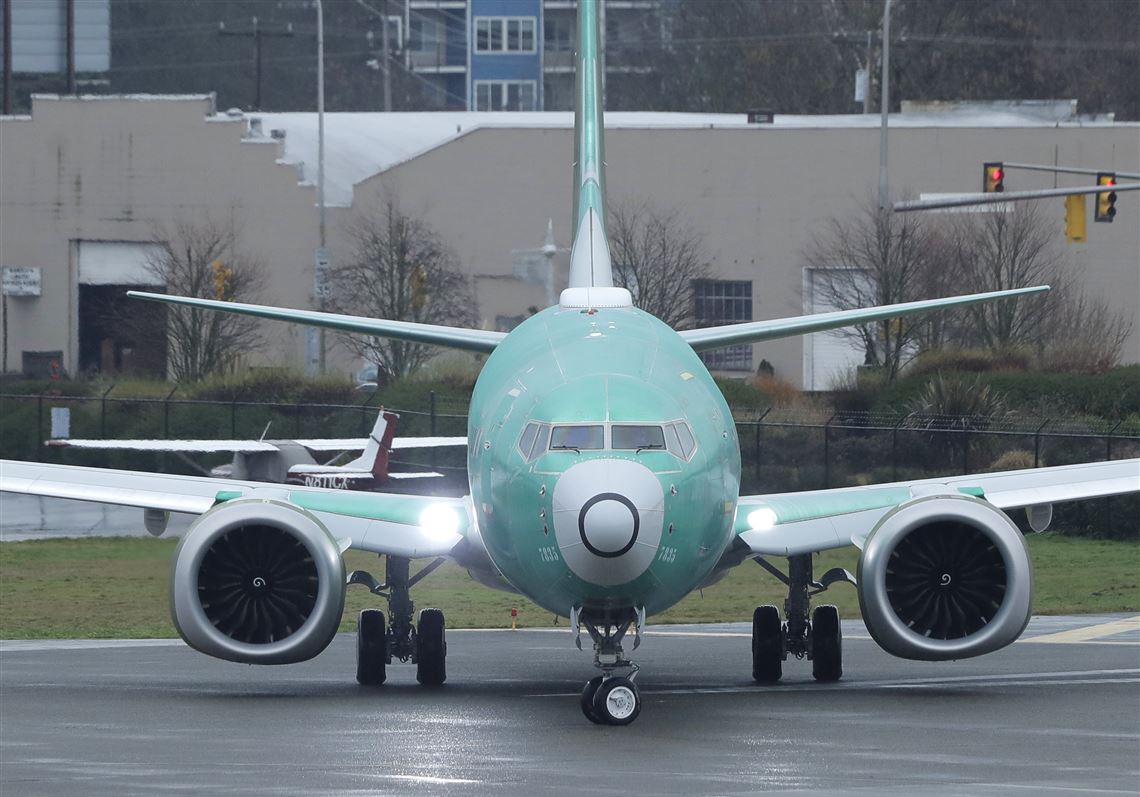
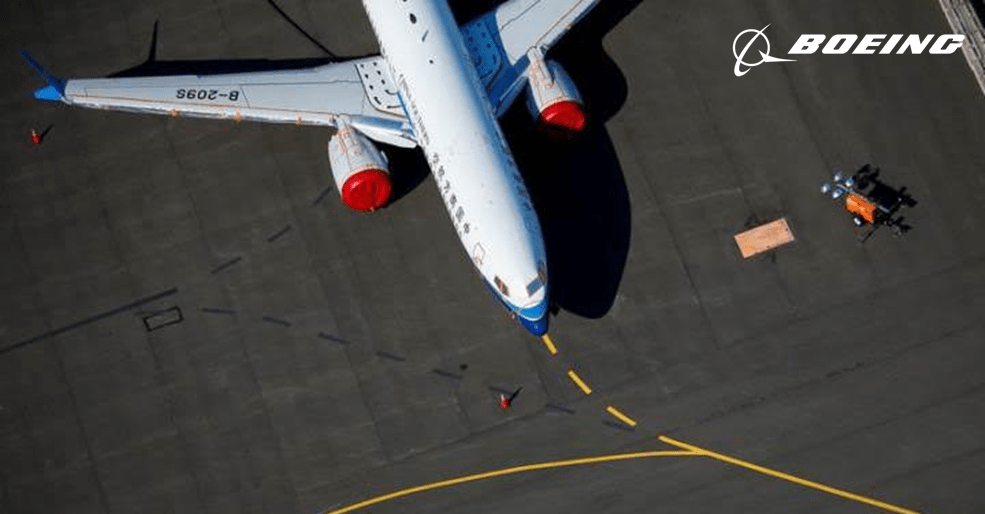
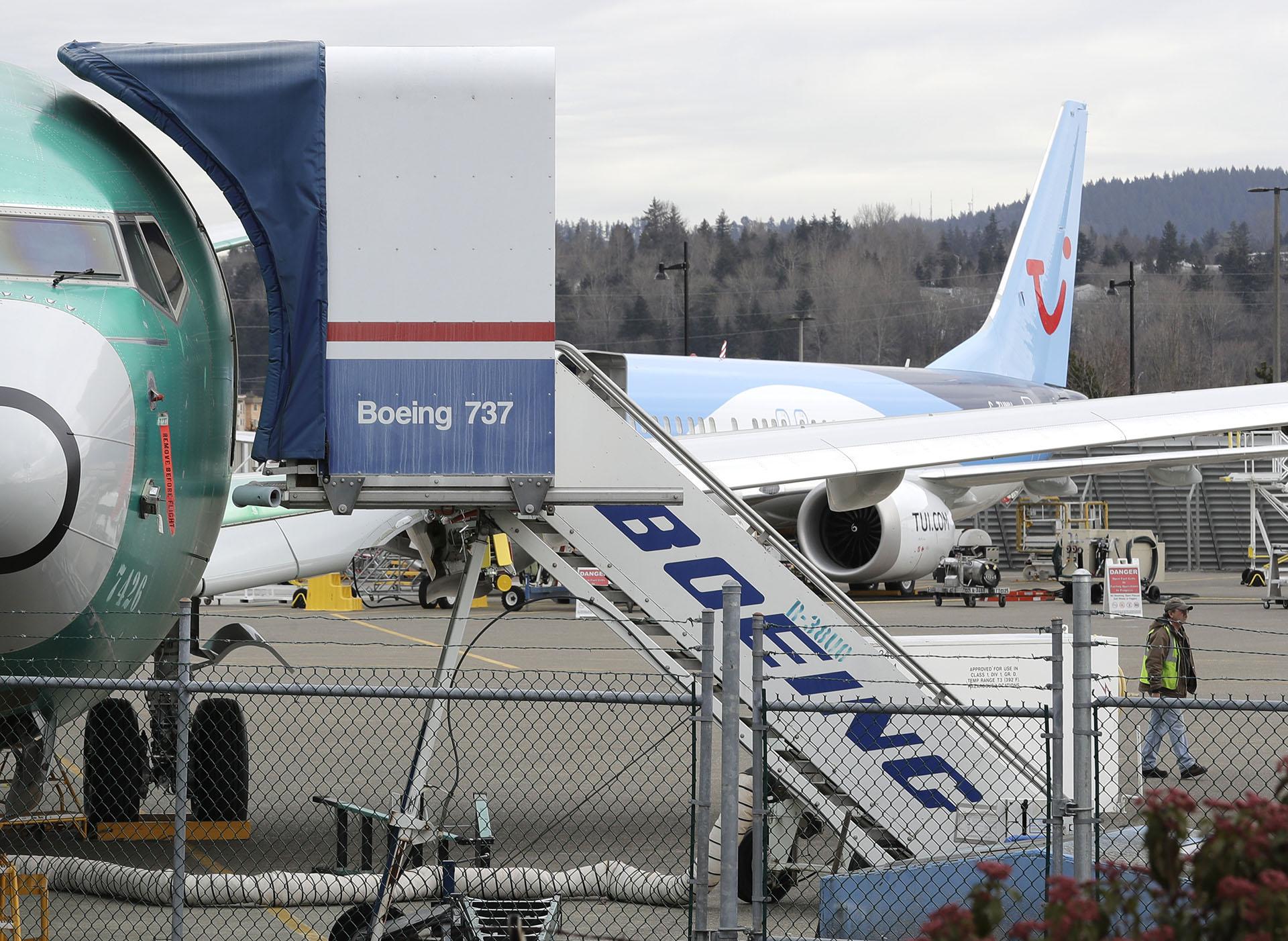
20150215-logo-faa_1AW-Icon_Boeing 737 MAX.jpgFAA sin establecer plazos para aprobaciones del Boeing 737 MAX

La Administración Federal de Aviación (FAA) dijo que el regulador está siguiendo un proceso exhaustivo para devolver el Boeing 737 MAX al servicio de pasajeros. En un comunicado ha expresado: «Continuamos trabajando con otros reguladores de seguridad de la aviación internacional para revisar los cambios propuestos a la aeronave. Nuestra primera prioridad es la seguridad, y no hemos establecido un calendario para cuándo se completará el trabajo».

easa.jpgDurante varias semanas, se están realizando pruebas de varios tipos en las modificaciones propuestas al Sistema de Control de Vuelo de la aeronave conocido como la MCAS. El proceso continuará en las próximas semanas hasta que se complete la certificación. La FAA y la EASA (Agencia Europea de Seguridad Aérea) probablemente realizarán un vuelo de prueba del avión Boeing 737 MAX para este mes de Enero 2020, posiblemente en la tercera semana. Una vez que los vuelos de prueba se completen con éxito, el proceso de certificación puede demorar al menos un mes, han expresado desde los organismos reguladors de aviación.

Como muchas aerolíneas de todo el mundo esperan la última palabra sobre el avión Boeing 737 MAX, el organismo de control de la aviación estadounidense FAA ha dicho que se está siguiendo un proceso exhaustivo para probar el avión, pero no se ha establecido un plazo para completar el trabajo.

A raíz de dos accidentes fatales que involucraron a aviones 737 MAX, los reguladores de todo el mundo en 2019 impusieron la prohibición de volar est tipo de aeronaves. Desde entonces, Boeing ha estado trabajando para abordar los problemas con los aviones en conflicto.

Boeing 737 NG & 737 MAX

737_NG_headera878.pngEn Diciembre 2019, Boeing había anunciado la suspensión de la producción de la línea 737 MAX a partir de Enero 2020 debido a que la certificación se trasladará hacia el 2020. La línea de ensamblaje de Renton, Washington, ha quedado inactiva para la producción de la aeronave más desarrollada del mundo, el Boeing 737. En la factoría de Boeing se ha detenido la 737MAX8-960x298.pngproducción de la línea 737 Next Generation, Series 600/700/800/900, entregándose la última aeronave Boeing 737-800 a KLM Royal Dutch Airlines en Diciembre 2019, marcando la finalización de la producción de la versión de tercera generación de la saga de esta familia. Por otro lado, la suspensión de la producción de los Boeing 737-7/8/9/10 MAX ha dejado inactiva la planta para aeronaves comerciales narrowbodies. Solamente el constructor americano mantendrá activa la línea de Boeing P8-Poseidon, una versión militar del Boeing 737 Next Generation.

Mientras tando, Boeing tiene por delante que lidiar con la seguridad de los aviones 737 MAX, como así también continuar negociando con las aerolíneas comprometidas con las órdenes y entregas de la aeronave puesta en tierra a nivel mundial, un desafío colosal para una empresa colosal. AW-Icon AW001

AW-737-8_Flying.jpgFAA continues test Boeing 737 MAX

Boeing-Logo.svgFAA without setting deadlines for Boeing 737 MAX approvals

The Federal Aviation Administration (FAA) said the regulator is following an exhaustive process to return the Boeing 737 MAX to passenger service. In a statement, he said: «We continue to work with other international aviation security regulators to review the proposed changes to the aircraft. Our first priority is safety, and we have not set a timetable for when the work will be completed».

100_737MAX8-1.pngFor several weeks, tests of various types are being carried out on the proposed modifications to the Flight Control System of the aircraft known as the MCAS. The process will continue in the coming weeks until the certification is completed. The FAA and the EASA (European Aviation Safety Agency) will probably conduct a test flight of the Boeing 737 MAX aircraft for this January 2020, possibly in the third week. Once the test flights are completed successfully, the certification process can take at least a month, they have expressed from the aviation regulators.

As many airlines around the world await the final word on the Boeing 737 MAX, the American aviation control agency FAA has said that a comprehensive process is being followed to test the plane, but a deadline to complete the job.

Following two fatal accidents involving 737 MAX aircraft, regulators around the world in 2019 imposed a ban on flying these types of aircraft. Since then, Boeing has been working to address issues with conflicting planes.

Boeing 737 NG & 737 MAX

In December 2019, Boeing had announced the suspension of the production of the 737 MAX line from January 2020 because the certification will move towards 2020. The assembly line of Renton, Washington has been inactive for the production of the most developed aircraft in the world, the Boeing 737. At the Boeing factory, production of the 737 Next Generation line, Series 600/700/800/900 has been halted, delivering the last Boeing 737-800 aircraft to KLM Royal Dutch Airlines in December 2019, marking the completion of the production of the third-generation version of the saga of this family. On the other hand, the suspension of the production of the Boeing 737-7/8/9/10 MAX has left the plant for narrowbodies commercial aircraft inactive. Only the American builder will keep the Boeing P8-Poseidon line active, a military version of the Boeing 737 Next Generation.

Meanwhile, Boeing has to deal with the safety of 737 MAX aircraft, as well as continue negotiating with the airlines committed to the orders and deliveries of the aircraft grounded worldwide, a colossal challenge for a colossal company. AW-Icon AW002


Ξ A I R G W A Y S Ξ
SOURCE: Airgways.com
DBk: Airgways.com / Faa.gov / Boeing.com
AW-POST: 202001011955AR

A\W   A I R G W A Y S ®


Falla técnica vuelo E190 Austral

104482.jpgAW | 2020 01 01 11:51 | AVIATION SAFETY

2000px-Austral_Líneas_Aéreas.svg (3).pngVuelo AR2861 de Austral perdió altura y quedó a oscuras por una falla técnica

El vuelo AR2861 de Austral Líneas Aéreas efectuaba la ruta Córdoba-Ushuaia el Sábado 28 Diciembre 2019, cuando una falla técnica causó momentos de nerviosismo cuando en medio del trayecto la aeronave Embraer E190-100AR pierde altura y lumínica en cabina.

Causas desperfectos

El incidente del avión de Austral tuvo su origen en un módulo de una de las computadoras y fue resuelto en minutos, sin poner en riesgo a todas las personas a bordo y la tripulación de vuelo. El área de Prensa de Aerolíneas Argentinas han informado que el descenso se dio por decisión de la tripulación, que activó un sistema auxiliar presente en todos los vuelos comerciales, que funciona cuando se vuela a baja altura y que de ese modo genera energía adicional.

El avión partió del Aeropuerto Ambrosio Taravella de Córdoba a las 12:15 hs con arribo programado a Ushuaia a las 16:00 hs. El viaje transcurría con total normalidad hasta que “faltando alrededor de una hora aproximadamente algo pasó, ya que el avión comenzó a perder altura, se apagaron todas las luces y disminuyó la velocidad. Después de algunos minutos habló el comandante de la nave para decir que había un problema eléctrico y que era posible que se tendría que descender en el aeropuerto más cercano, que todos permanecieran sentados y con los cinturones ajustados. La tripulación había manejado la posibilidad de aterrizar en Río Gallegos”, contó Raúl Vázquez, uno de los pasajeros.

La tripulación había comunicado que se habían deguido todos los protocolos de seguridad para estos casos de situaciones de emergencias. El Comandante del vuelo AR2861 había comunicado que continuarían la ruta hasta arribar a Ushuaia, capital de la Provincia de Tierra del Fuego, permitiendo a los pasajeros disipar el susto al aterrizar seguros. Desde la compañía aérea han comunicado que la aeronave afectada Embraer E190-100AR ha sido puesta a observación en Mantenimiento en fase de revisión para reparar el incidente ocasionado. AW-Icon AW001

77157137_584477862366423_4429669282710857626_n.jpgTechnical failure flight E190 Austral

Austral AR2861 flight lost height and was obscured by a technical failure

The AR2861 flight of Austral Líneas Aéreas carried out the Córdoba-Ushuaia route on Saturday, December 28, 2019, when a technical failure caused moments of nervousness when the Embraer E190-100AR aircraft lost its height and light in the cabin.

Causes of failure

The incident of the Austral plane originated in a module of one of the computers and was solved in minutes, without putting all the people on board and the flight crew at risk. The Press Area of ​​Aerolíneas Argentinas has reported that the descent was made by the decision of the crew, which activated an auxiliary system present on all commercial flights, which works when flying at low altitude and thus generates additional energy.

The plane departed from Córdoba Ambrosio Taravella Airport at 12:15 p.m. with scheduled arrival to Ushuaia at 4:00 p.m. The trip was going normally until “about an hour was missing, something happened, since the plane began to lose height, all the lights went out and the speed decreased. After a few minutes, the ship’s commander spoke to say that there was an electrical problem and that it was possible that he would have to descend at the nearest airport, that everyone would remain seated and with tight belts. The crew had handled the possibility of landing in Río Gallegos”, said Raúl Vázquez, one of the passengers.

The crew had reported that all security protocols had been deprecated for these emergency situations. The Commander of flight AR2861 had announced that they would continue the route until they arrived at Ushuaia, capital of the Province of Tierra del Fuego, allowing passengers to dispel the scare when landing insurance. From the airline, they have reported that the affected aircraft Embraer E190-100AR has been put under observation in Maintenance under review to repair the incident. AW-Icon AW002


Ξ A I R G W A Y S Ξ
SOURCE: Airgways.com
DBk: Aerolineas.com / Airgways.com / Infobae.com
AW-POST: 202001011151AR

A\W   A I R G W A Y S ®

Huracán Calvinia afecta Isla Mauricio

Image result for Air MauritiusAW | 2019 12 30 21:06 | AVIATION SAFETY / AIR TRAFFIC

AW-Hurricane-Calvinia.pngMauricio cierra el aeropuerto principal cuando se acerca el ciclón Calvinia

La Isla Mauricio cerró su aeropuerto principal el Lunes 30/12 como todo localcomercial en la capital al aproximarse el Ciclón Tropical Calvinia. El servicio meteorológico de la isla del Océano Índico dijo que Calvinia había permanecido casi inmóvil durante algún tiempo a unos 120 kilómetros (72 millas) al este de Mahebourg, un pequeño pueblo en el sureste de Mauricio. «Un movimiento hacia el oeste acercará el centro a Mauricio», dijo el servicio meteorológico en un comunicado. El servicio meteorológico declaró una alerta de Clase III, que indica una tormenta con vientos entre 111 y 129 millas por hora, para el ciclón.

Tráfico aéreo

Se esperaba que ráfagas de hasta 120 km por hora llegaran a Mauricio el Lunes 30/12 por la tarde y se ordenó el cierre del aeropuerto, el puerto de Port Louis, desde el mediodía hora local. Air Mauritius, la aerolínea nacional, pospuso todas las llegadas y salidas hasta nuevo aviso, dijo en un comunicado.

Port Louis Harbour es la principal puerta de entrada de Mauricio y maneja prácticamente todo el comercio exterior, incluidas las importaciones clave para la población de 1.3 millones, como alimentos y petróleo.

En 1994, el ciclón Hollanda mató a dos personas, destruyó 450 casas y causó daños por US$ 135 millones cuando golpeó a Mauricio.

Gráfico de pronóstico del ciclón tropical CALVINIAHurricane Calvinia affects Mauritius

Mauricio closes the main airport when Cyclone Calvinia approaches

Mauritius closed its main airport on Monday 12/30 as all commercial stores in the capital as the Calvinia Tropical Cyclone approached. The Indian Ocean Island weather service said Calvinia had remained almost motionless for some time about 120 kilometers (72 miles) east of Mahebourg, a small town in southeastern Mauritius. «A movement to the west will bring the center closer to Mauritius,» the weather service said in a statement. The weather service said an alert Class III, indicating a storm with winds between 111 and 129 miles per hour to the cyclone.

Air traffic

Bursts of up to 120 km per hour were expected to arrive in Mauritius on Monday 12/30 in the afternoon and the closure of the airport, the port of Port Louis, was ordered from noon local time. Air Mauritius, the national airline, postponed all arrivals and departures until further notice, it said in a statement.

Port Louis Harbor is the main gateway to Mauritius and handles virtually all foreign trade, including key imports for the population of 1.3 million, such as food and oil.

In 1994, Cyclone Hollanda killed two people, destroyed 450 homes and caused damage of US$ 135 million when he hit Mauritius.


Ξ A I R G W A Y S Ξ
SOURCE: Airgways.com
DBk: Hurricanezone.net / Reuters.com / Defimedia.info
AW-POST: 201912302106AR

A\W   A I R G W A Y S ®

Pilotendo las demandas a Boeing

737maxfeat (1).pngAW | 2019 12 30 19:57 | AVIATION SAFETY / INDUSTRY

Boeing-Company-Logo.jpgAW-Icon_Boeing 737 MAX.jpgCompañías, arrendatarios buscan reparación económica por el Boeing 737 MAX. Airbus pasa a liderar el mercado narrowbodies

Las aerolíneas con pedidos y entregas de los aviones Boeing 737 MAX como Southwest Airlines hasta Icelandair han llegado a acuerdos de compensación con Boeing. Hay informes de que numerosas aerolíneas y arrendadores no están contentos con que The Boeing Company ofrezca una compensación mínima, prefieren dar un descuento en pedidos futuros en lugar de efectivo por adelantado donde Boeing está desalentando las demandas judiciales.

Caso Timaero Ireland Ltd.

La demanda contra Boeing  por parte del arrendador Timaero Ireland Ltd., con sede en Dublín, una subsidiaria de VEB Leasing JSC, de propiedad estatal de Rusia busca un resarcimiento económico por la puesta a tierra del Boeing 737 MAX.

Timaero Ireland Ltd. afirmó ante el Tribunal Federal de Chicago en Diciembre 2019 que: «Boeing en esta crisis del 737 MAX fue motivado por la avaricia, el fraude cometido a sabiendas, ha dejado sin valor el avión y el público ha perdido la confianza total en la seguridad del 737 MAX».

La compañía de leasing ruso-irlandesa busca una reparación por daños por valor a US$ 185 millones por su cartera de pedidos de 22 Boeing 737 MAX. La compensación no especificada es por la pérdida de ganancias y que se computen los daños punitivos calculando en tres veces el monto de los daños compensatorios. Además la empresa arrendataria desea cancelar su contrato con Boeing por el total de las aeronaves en conflicto.

Timaero Ireland Ltd. hace declaraciones con las que Boeing ya acordó o que podría ser justo. Pero también hay vistas panorámicas que Boeing puede encontrar polémicas. En lugar de que la demanda sea una fórmula para que más compradores de 737 MAX demanden a Boeing, Timaero puede ser un caso atípico debido a su situación comercial única. Timaero ha recibido solo dos 737 MAX, al menos uno de los cuales está arrendado a Eastar Jet en Corea a través de la rusa VEB Leasing JSC. Eastar Jet ha encontrado problemas financieros debido a la base del 737 MAX, así como a los cambios más amplios en el mercado coreano como resultado de una desaceleración en los viajes a Japón y un sentimiento más débil de los consumidores debido al fortalecimiento del won coreano. El rival Jeju Air acordó en Diciembre 2019 comprar el 51% de Eastar Jet.

Timaero puede estar dispuesto y puede cancelar su pedido 737 MAX, recuperar pagos previos a la entrega y quizás otros costos. Pero otros arrendadores, así como las aerolíneas, necesitan recibir el mejor resultado mientras continúan teniendo competencia entre Airbus y Boeing.

Caso Turkish Airlines

Turkish Airlines estaba preparando una demanda parecida para obtener reparaciones financieras por la crisis del Boeing 737 MAX. Turkish Airlines se está preparando para abrir un caso judicial contra Boeing debido a la incertidumbre sobre el avión 737 MAX del fabricante de aviones. Turkish Airlines declinó hacer comentarios sobre el informe de noticias. La aerolínea tiene 24 aviones Boeing 737 MAX en su flota. En Mayo 2019, su Presidente dijo que la compañía esperaba una compensación por las pérdidas sufridas por la puesta a tierra de los aviones.

AW-70099433 (2).jpgAirbus lidera con Familia A320

La situación del otro lado del Atlántico es más favorable. La década que termina ha sido excelente para Airbus, aunque, en comparación con Boeing, Europa es relativamente nueva en la aviación comercial de pasajeros. Si bien el Boeing 737 y sus variantes son los aviones de pasajeros más populares de la historia, entraron en servicio en 1967 y produjeron más de 10.500 unidades; los competidores A318/A319/A320/A321 no volaron hasta 1988. Aún así, a falta de dos décadas, la Familia A320 ya está muy cerca de los aviones estadounidenses, con poco más de 9.000 unidades producidas.

Aunque Airbus Group posee 20 años menos en experiencia, ha ganado en dos criterios: número total de vuelos y horas voladas de la Familia A320. En 2010, el 737 todavía estaba en la cima de la clasificación de aviones comerciales por número de vuelos programados. Con 7.533.126 vuelos, el avión Boeing lideró el camino, mientras que la familia Airbus A320 tenía 6.577.349 en segundo lugar. En la actualidad tanto el Boeing 737 como el Airbus A320 dominaron los vuelos de pasajeros en general. En el tercer lugar, Canadair Regional Jet poseía 2.676.118 vuelos.

Pero la imagen ha cambiado significativamente desde entonces. La Familia A320 ahora lidera en términos de vuelos. En 2019, la familia A320 registró 12.762.758 vuelos de pasajeros, ahora más del 20% por encima de los Boeing 737, que volaron 10.478.659 veces. La situación del tiempo de vuelo por modelo sigue una trayectoria similar. El 737 fue el líder del mercado en 2010 con 921.308.722 minutos de vuelo, mientras que la familia A320 fue segunda con 853.238.299 minutos. Avanzando a 2019, la familia Airbus A320 también superó al Boeing 737 en términos de tiempo de vuelo. Con 1.772.333.624 minutos en el aire, la familia A320 vuelve a colocarse por encima del 737, que tiene un total de 1.507.650.968 minutos.

El crecimiento de Airbus ha duplicado el número total entre 2010 y 2019 de 6.57 a 12.76 millones, mientras que Boeings solo aumentó un 40% de 7.53 a 10.47 millones. Embraer, cuya familia de E-Jets E170/E175/E190/E195 es la única que creció más del 100%, de 1.19 a 2.60 millones y tomó la tercera posición con facilidad.

Esta impresionante expansión muestra exactamente cómo fue una buena década para la industria de la aviación comercial de Airbus. Debido a la crisis del 737 MAX, Airbus, sabiendo que es la única alternativa, podría no tener que fijar un precio tan agresivo en las órdenes para las aerolíneas, trabajando en ventaja como único fabricante lider del mercado mundial de aeronaves narrowbodies. AW-Icon AW001

60097394_135963774247531_3036969263741406560_n.jpgPiloting the demands to Boeing

Companies, renters seek economic repair for the Boeing 737 MAX. Airbus happens to lead the narrowbodies market

Airlines with orders and deliveries of Boeing 737 MAX aircraft such as Southwest Airlines to Icelandair have reached compensation agreements with Boeing. There are reports that numerous airlines and lessors are not happy with The Boeing Company offering minimal compensation, preferring to give a discount on future orders instead of cash in advance where Boeing is discouraging lawsuits.

Case of Timaero Ireland Ltd.

The lawsuit against The Boeing Company by the landlord Timaero Ireland Ltd., based in Dublin, a subsidiary of Russian-owned VEB Leasing JSC seeks economic compensation for the grounding of the Boeing 737 MAX.

Timaero Ireland Ltd. stated before the Federal Court of Chicago in December 2019 that: «Boeing in this crisis of 737 MAX was motivated by greed, fraud committed knowingly, has left the plane worthless and the public has lost total confidence in the security of 737 MAX «.

The Russian-Irish leasing company seeks a repair for damages worth US$ 185 million for its order book of 22 Boeing 737 MAX. The compensation not specified is for the loss of earnings and that the punitive damages are calculated by calculating three times the amount of the compensatory damages. In addition, the leasing company wishes to cancel its contract with Boeing for the total number of aircraft in conflict.

Timaero Ireland Ltd. makes statements with which Boeing already agreed or that it could be fair. But there are also panoramic views that Boeing can find controversy. Instead of the demand is a formula for more 737 MAX buyers to sue Boeing, Timaero may be an atypical case due to its unique commercial situation. Timaero has received only two 737 MAX, at least one of which is leased to Eastar Jet in Korea through the Russian VEB Leasing JSC. Eastar Jet has encountered financial problems due to the 737 MAX base, as well as the wider changes in the Korean market as a result of a slowdown in travel to Japan and weaker consumer sentiment due to the strengthening of the Korean won. The rival Jeju Air agreed in December 2019 to buy 51% of Eastar Jet.

Timaero may be willing and can cancel your 737 MAX order, recover pre-delivery payments and perhaps other costs. But other landlords, as well as airlines, need to receive the best result while continuing to have competition between Airbus and Boeing.

Turkish Airlines case

Turkish Airlines was preparing a similar lawsuit to obtain financial reparations for the Boeing 737 MAX crisis. Turkish Airlines is preparing to open a court case against Boeing due to uncertainty about the aircraft manufacturer’s 737 MAX plane. Turkish Airlines declined to comment on the news report. The airline has 24 Boeing 737 MAX aircraft in its fleet. In May 2019, its President said that the company expected compensation for losses suffered by the grounding of the aircraft.

AW-Airbus-Boeing.png

Airbus leads with A320 Family

The situation on the other side of the Atlantic is more favorable. The decade that ends has been excellent for Airbus, although, compared to Boeing, Europe is relatively new in commercial passenger aviation. While the Boeing 737 and its variants are the most popular passenger aircraft in history, they entered service in 1967 and produced more than 10,500 units; the A318/A319/A320/A321 competitors did not fly until 1988. Even so, with two decades remaining, the A320 Family is already very close to the US aircraft, with just over 9,000 units produced.

Although Airbus Group has 20 years less experience, it has won on two criteria: the total number of flights and hours flown from the A320 Family. In 2010, 737 was still at the top of the ranking of commercial aircraft by the number of scheduled flights. With 7,533,126 flights, the Boeing plane led the way, while the Airbus A320 family had 6,577,349 in second place. Currently, both the Boeing 737 and the Airbus A320 dominated passenger flights in general. In the third place, Canadair Regional Jet had 2,676,118 flights.

But the image has changed significantly since then. The A320 Family now leads in terms of flights. In 2019, the A320 family registered 12,762,758 passenger flights, now more than 20% above the Boeing 737, which flew 10,478,659 times. The flight time situation by model follows a similar trajectory. 737 was the market leader in 2010 with 921,308,722 minutes of flight, while the A320 family was second with 853,238,299 minutes. Advancing to 2019, the Airbus A320 family also surpassed the Boeing 737 in terms of flight time. With 1,772,333,624 minutes in the air, the A320 family returns to place above 737, which has a total of 1,507,650,968 minutes.

The growth of Airbus has doubled the total number between 2010 and 2019 from 6.57 to 12.76 million, while Boeings only increased by 40% from 7.53 to 10.47 million. Embraer, whose family of E-Jets E170/E175/E190/E195 is the only one that grew more than 100%, from 1.19 to 2.60 million and took third place easily.

This impressive expansion shows exactly how a good decade was for the Airbus commercial aviation industry. Due to the 737 MAX crisis, Airbus, knowing that it is the only alternative, may not have to set such an aggressive price on orders for airlines, working advantageously as the only leading manufacturer in the global narrowbodies aircraft market. AW-Icon AW002


Ξ A I R G W A Y S Ξ
SOURCE: Airgways.com
DBk: Airgways.com / Boeing.com / Forbes.com
AW-POST: 201912301957AR

A\W   A I R G W A Y S ®

Ciclón Sarai causa estragos en Fiji

Resultado de imagen para storm SaraiAW | 2019 12 30 11:31 | AVIATION SAFETY / AIR TRAFFIC

AW-Hurricane-Sarai.pngCiclón Sarai impacta en las Islas de Fiji en Categoría 2

El Ciclón Tropical Sarai ha impactado en las Islas de Fiji, dejando daños a las casas, los cultivos y algunas infraestructuras en todo el grupo de Fiji, con vientos de hasta 170 km/h. El Ciclón Sarai, una tormenta de Categoría 2, ha impactado en la Región Pacífico provocando la muerte de dos personas y la evacuación de más de 2.000.

Muchas personas en partes de las Divisiones Central, Occidental y del Norte han estado sin suministro de energía desde el Viernes 27/12 por la noche. Las advertencias de tormenta siguen vigentes para las islas en el sur de Fiji.

Trayectoria de Sarai

El Ciclón Sarai se está moviendo hacia la Isla Tonga, pero se espera que se debilite antes de pasar el reino hasta el Martes 31/12 y Miércoles 01 Enero 2020. La tormenta sigue siendo de Categoría 2, pero los pronosticadores predicen que se debilitará más tarde hoy cuando ingrese a las aguas de Tonga. Todavía trae ráfagas momentáneas de hasta 130 km/h.

Fiji Airlines reanuda ops

Fiji Airways ha reanudado los vuelos después del paso del Huracán Sarai. El impacto en las aerolíneas de la región fueron considerables. La aerolínea fijiana se vio obligada a cancelar más de 100 servicios durante el Viernes y el Sábado debido a la tormenta, pero reanudó sus opoeraciones el Domingo. También hizo que las aerolíneas australianas y Air New Zealand cancelaran algunos servicios. Fiji Airways dijo en su sitio web que reanudó la mayoría de los servicios internacionales y de Fiji Link después de realizar evaluaciones climáticas y operativas y que estaba volviendo a reservar huéspedes cuyos vuelos habían sido cancelados en el próximo vuelo disponible. «Fiji Airways y Fiji Link se disculpan por cualquier inconveniente causado como resultado de interrupciones de vuelo debido al ciclón tropical Sarai en Fiji. La seguridad de los huéspedes y la tripulación es de suma importancia para ambas aerolíneas», ha comunicado la aerolínea. AW-Icon AW001

Se pronostica que el ciclón tropical Sarai llegará a las islas Vavau de Tonga el lunes o martes de esta semana.  30 de diciembre de 2019Cyclone Sarai wreaks havoc on Fiji

Cyclone Sarai hits the Fiji Islands in Category 2

Tropical Cyclone Sarai has impacted the Fiji Islands, leaving damage to homes, crops and some infrastructure throughout the Fiji group, with winds of up to 170 km/h. Cyclone Sarai, a Category 2 storm, has impacted the Pacific Region causing the death of two people and the evacuation of more than 2,000.

Many people in parts of the Central, Western and Northern Divisions have been without power supply since Friday 27/12 at night. Storm warnings remain in effect for the islands in southern Fiji.

Trajectory from Sarai

Cyclone Sarai is moving towards Tonga Island but is expected to weaken before passing the kingdom until Tuesday 31/12 and Wednesday 01 January 2020. The storm is still Category 2, but forecasters predict that it will weaken further late today when I enter the waters of Tonga. It still brings momentary bursts of up to 130 km/h.

Fiji Airlines resumes ops

Fiji Airways has resumed flights after the passage of Hurricane Sarai. The impact on airlines in the region were considerable. The Fijian airline was forced to cancel more than 100 services during Friday and Saturday due to the storm but resumed its operations on Sunday. It also caused the Australian and Air New Zealand airlines to cancel some services. Fiji Airways said on its website that it resumed most of the international and Fiji Link services after conducting climate and operational assessments and was re-booking guests whose flights had been canceled on the next available flight. «Fiji Airways and Fiji Link apologize for any inconvenience caused as a result of flight interruptions due to tropical cyclone Sarai in Fiji. Guest and crew safety is of paramount importance to both airlines», the airline said. AW-Icon AW002


Ξ A I R G W A Y S Ξ
SOURCE: Airgways.com
DBk: Met.gov.fj / Aljazeera.com
AW-POST: 201912301131AR

A\W   A I R G W A Y S ®

Accidente Fokker 100 de Bek Air

Image result for Bek Air Fokker 100AW | 2019 12 27 07:49 | AVIATION SAFETY

Image result for Bek Air logoFokker 100 de Bek Air pierde altura después de despegue

Un Fokker 100 de la aerolínea Bek Air en Almaty perdió altura poco después del despegue e impactó el edificio después de dos golpes de cola el 27 Diciembre 2019. Un Fokker 100, de la aerolínea de la República de Kazajastán Bek Air con registro UP-F1007 realizando el vuelo Z9-2100 de Almaty a Astaná (Kazajstán) con 93 pasajeros y 5 tripulantes, salió de la pista 05R de Almaty a las 07: 21L (01:21Z) pero perdió altura poco después de la salida, impactado tierra, se rompió una pared de concreto/cerca e impactó un edificio. No se produjo un incendio, el avión se dividió en varias secciones. Alrededor de 66 personas fueron trasladadas al hospital con lesiones en parte extremadamente críticas, se confirmó que 12 personas (incluido uno de los sobrevivientes iniciales) perecieron. Los trabajos de rescate y recuperación aún están en progreso.

El Presidente de Kazajstán envió sus condolencias a las familias y familiares de los fallecidos en el accidente. El Aeropuerto de Almaty informó que el vuelo de Bek Air se estrelló fuera del aeropuerto y publicó una lista de 60 nombres de sobrevivientes, que se distribuyeron entre varios hospitales en Almaty. Catorce cuerpos han sido recuperados hasta ahora. La condición de 22 de los sobrevivientes se describe como extremadamente crítica. Había 95 pasajeros y 5 tripulantes a bordo del avión. Más tarde, el aeropuerto corrigió que se confirmó la muerte de 12 personas como resultado del accidente (incluido el sobreviviente inicial).

La Autoridad de Aviación Civil de Kazajstán informó que el Certificado de Operador Aéreo de Bek Air fue suspendido el 27 de diciembre de 2019 después del accidente. El avión del accidente entró en servicio el 8 de abril de 1996, su certificado de aeronavegabilidad se renovó por última vez el 22 de mayo de 2019. El avión transportaba 93 pasajeros y 5 tripulantes. El capitán tenía 58 años, el primer oficial 54 años, ambos pilotos tenían ATPL. Unas 15 personas han muerto como resultado del accidente hasta el momento. Se ha formado una comisión de investigación. Más tarde, el Ministerio corrigió que se confirmó la muerte de 12 personas como resultado del accidente (incluido el sobreviviente inicial).

El Ministerio de Salud de Kazajstán informó que un total de 66 personas fueron trasladadas a hospitales en Almaty, 50 de ellas fueron hospitalizadas, una de ellas falleció a pesar de la atención hospitalaria. El Ministerio del Interior de Kazajstán informó que el capitán murió como resultado del accidente.

El Viceprimer Ministro de Kazajstán informó que los resultados preliminares de la comisión de investigación sugieren que el avión golpeó su cola contra la superficie de la pista dos veces. Sin embargo, las condiciones de la pista fueron perfectas. La comisión está investigando errores humanos o razones técnicas.

Un sobreviviente informó que el avión subió un poco y comenzó a temblar y luego se produjo una colisión. Alguien abrió la salida de emergencia y el pasajero salió. Hubo muchas lesiones (sangre, brazos y piernas rotas) y una serie de muertes alrededor.

Otro pasajero informó que la aeronave acababa de rotar y comenzaba a ganar altitud cuando la aeronave rodó de izquierda a derecha, luego ocurrió un impacto. La salida del ala abierta se abrió, salieron del avión a través de un ala helada, todos en el ala se deslizaron en el ala, los pases se ayudaron mutuamente a salir del ala.

Los datos de ADS-B transmitidos por el transpondedor de la aeronave sugieren que la aeronave despegó, trepó solo a entre 50 y 100 pies AGL, giró a la derecha e impactó los edificios debajo de la pista a unos 3000 metros/10,000 pies por la pista 05R. La evidencia fotográfica coloca la posición final a la derecha de la línea central de la pista y unos 750 metros/2500 pies más allá del final de la pista (4400 metros/14,400 pies de longitud). AW-Icon AW001

Image result for Bek Air Fokker 100 air crashImage result for Bek Air Fokker 100 air crashImage result for Bek Air Fokker 100 air crashImage result for Bek Air Fokker 100 air crashImage result for Bek Air Fokker 100 air crash

Bek Air Fokker 100 accident

Bek Air Fokker 100 loses height after takeoff

A Fokker 100 of the Bek Air airline in Almaty lost height shortly after takeoff and hit the building after two-tail strikes on December 27, 2019. A Fokker 100, of the airline of the Republic of Kazakhstan Bek Air with registration UP-F1007 performing the Z9-2100 flight from Almaty to Astana (Kazakhstan) with 93 passengers and 5 crew, left the runway 05R of Almaty at 07: 21L (01: 21Z) but lost height shortly after the start, impacted land, a concrete wall/fence was broken and a building hit. There was no fire, the plane was divided into several sections. Around 66 people were taken to hospital with partly critical injuries, it was confirmed that 12 people (including one of the initial survivors) died. Rescue and recovery work is still in progress.

The President of Kazakhstan sent his condolences to the families and relatives of those killed in the accident. Almaty Airport reported that the Bek Air flight crashed out of the airport and published a list of 60 names of survivors, which were distributed among several hospitals in Almaty. Fourteen bodies have been recovered so far. The condition of 22 of the survivors is described as extremely critical. There were 95 passengers and 5 crew onboard the plane. Later, the airport corrected that the death of 12 people was confirmed as a result of the accident (including the initial survivor).

The Civil Aviation Authority of Kazakhstan reported that the Bek Air Air Operator Certificate was suspended on December 27, 2019, after the accident. The accident plane entered service on April 8, 1996, its airworthiness certificate was last renewed on May 22, 2019. The plane was carrying 93 passengers and 5 crew. The captain was 58 years old, the first officer 54 years old, both pilots had ATPL. About 15 people have died as a result of the accident so far. An investigation commission has been formed. Later, the Ministry corrected that the death of 12 people was confirmed as a result of the accident (including the initial survivor).

The Ministry of Health of Kazakhstan reported that a total of 66 people were transferred to hospitals in Almaty, 50 of them were hospitalized, one of them died despite hospital care. The Ministry of Interior of Kazakhstan reported that the captain died as a result of the accident.

The Deputy Prime Minister of Kazakhstan reported that preliminary results of the commission of inquiry suggest that the plane struck its tail against the runway surface twice. However, the track conditions were perfect. The commission is investigating human errors or technical reasons.

A survivor reported that the plane climbed a little and began to shake and then a collision occurred. Someone opened the emergency exit and the passenger left. There were many injuries (blood, broken arms, and legs) and a series of deaths around.

Another passenger reported that the aircraft had just rotated and began to gain altitude when the aircraft rolled from left to right, then an impact occurred. The exit of the open wing opened, they left the plane through an icy wing, everyone in the wing slipped on the wing, the passes helped each other out of the wing.

ADS-B data transmitted by the transponder of the aircraft suggests that the aircraft took off, climbed only 50 to 100 feet AGL, turned right and hit the buildings below the runway at about 3000 meters/10,000 feet by track 05R. Photographic evidence places the final position to the right of the centerline of the track and about 750 meters/2500 feet beyond the end of the track (4400 meters/14,400 feet in length). AW-Icon AW002


DATA: La información procesada puede actualizarse debido al tipo de datos cambiantes, por lo que le sugerimos consultar periódicamente esta información.

DATA: The processed information can be updated due to the type of changing data, so we suggest you consult this information periodically.


Ξ A I R G W A Y S Ξ
SOURCE: Airgways.com
DBk: Avhrald.com / Airgways.com / Wikipedia.org / Plane Spotting Aviation
AW-POST: 201912270749AR

A\W   A I R G W A Y S ®

Tormenta Úrsula impacta en Filipinas

Resultado de imagen para Kalibo International AirportAW | 2019 12 26 23:00 | AVIATION SAFETY

Image result for PAGASAEl Tifón Úrsula azotó el centro de Filipinas en Categoría 1

El Tifón Phanfone, conocido localmente como Tifón Ursula, tocó tierra el Martes 24/12 en la Provincia Samar, localizada hacia el Este de las islasa filipinas provocando fuertes lluvias y mareas de tormenta. Golpeó como el equivalente de un huracán de Categoría 1, con velocidades de viento sostenidas de 150 kilómetros (93 millas) por hora, con ráfagas de 195 kilómetros (121 Image result for NDrrMcmillas) por hora. Phanfone continuó barriendo hacia el oeste a través de las islas de la región de las Visayas orientales, el sur de Luzón y las Islas Visayas occidentales el Miércoles 25/12, derribando torres de electricidad y árboles, arrancando techos, dañando hogares y causando una interrupción generalizada de los viajes durante el ajetreado período navideño.

El Jueves 26/12, el Consejo Regional de Reducción y Gestión del Riesgo de Desastres de Filipinas informó que 13 personas habían muerto en la región de Visayas occidentales, mientras que la Oficina de Defensa Civil dijo que tres habían muerto en Visayas orientales. El tifón ha afectado a unas 2.351 personas y 1.654 se estaban refugiando en centros de evacuación, según la agencia nacional de gestión de desastres de Filipinas, NDRRMC. Un total de 58.400 personas fueron evacuadas preventivamente antes del tifón, dijo el NDRRMC. La agencia dijo que 87 ciudades y municipios experimentaron cortes de energía, y para el jueves, a 24 de ellos se les ha restablecido la electricidad.

Phanfone siguió un camino similar al devastador Tifón Haiyan en 2013, que fue una de las tormentas más poderosas registradas y mató al menos a 6.000 personas. El alcance total del daño del Huracán Phanfone aún no se ha determinado, ya que la energía y las comunicaciones en varias áreas permanecen cortadas. Algunas áreas turísticas, incluida la popular isla turística de Boracay , también sufrieron daños el Miércoles 25/12.

Servicios aéreos

El Aeropuerto Internacional de Kalibo se cerró temporalmente y los vuelos se cancelaron después de que el tifón dañara el techo del edificio de la terminal, según un aviso de Philippine Airlines. A miles de personas que viajaban durante esta semana se les cancelaron sus vuelos y transbordadores debido al tifón. Se cancelaron unos 115 vuelos nacionales y más de 15.700 pasajeros quedaron varados, según el NDRRMC.

Filipinas sufre más tifones que cualquier otro país, según la Administración de Servicios Atmosféricos, Geofísicos y Astronómicos de Filipinas (PAGASA). A principios de este mes, el tifón Kammuri, el vigésimo que azotó el país este año, mató a 13 personas y dañó más de 8.000 casas.

Trayectoria de Úrsula

Todas las señales de viento de ciclones tropicales se levantaron cuando el Tifón Úrsula se alejó de la masa continental de Filipinas el Miércoiles 25/12 por la tarde. La Administración de Servicios Atmosféricos, Geofísicos y Astronómicos de Filipinas (PAGASA) estimó la ubicación del Tifón Úrsula a 300 kilómetros al noroeste de Coron, Palawan o 295 kms al oeste-suroeste de Subic, Zambales, alrededor de las 4 p.m.

El Jueves 26/12 el Tifón Phafone estaba rastreando el Mar del Sur de China con vientos de 150 kilómetros (93 millas) por hora. Se espera que la tormenta mantenga la intensidad del tifón durante al menos las próximas 24 horas a medida que avanza hacia el oeste, pero se debilitará a una depresión tropical antes de tocar tierra en el norte de Vietnam el Domingo 29/12.

Es probable que Ursula se debilite gradualmente en una tormenta tropical severa en 24 horas y en depresión tropical en 48 horas. El especialista en clima de PAGASA, Benison Estareja, dijo que todas las señales de viento de ciclones tropicales se han levantado ya que Ursula no tiene más efecto directo sobre el país. Las actividades marítimas pueden reanudarse, agregó. Sin embargo, los viajes por mar siguen siendo riesgosos para las pequeñas embarcaciones, sobre las costas del norte y oeste del norte de Luzón debido a los mares agitados. Estareja también agregó que la depresión o la cola del tifón aún podría traer cielos nublados con lluvias dispersas sobre Zambales, Bataan y el resto de Palawan el 26/12. Se esperan condiciones climáticas mejoradas en otras áreas afectadas anteriormente por la perturbación del clima. AW-Icon AW001

Storm Úrsula hits the Philippines

Typhoon Úrsula hit the central Philippines in Category 1

Typhoon Phanfone, known locally as Typhoon Ursula, made landfall on Tuesday 24/12 in the Samar Province, located east of the Philippine islands causing heavy rains and storm surges. It struck as the equivalent of a Category 1 hurricane, with sustained wind speeds of 150 kilometers (93 miles) per hour, with gusts of 195 kilometers (121 miles) per hour. Phanfone continued sweeping westward through the islands of the Eastern Visayas region, southern Luzon and the Western Visayas Islands on Wednesday 25/12, tearing down power towers and trees, tearing roofs, damaging homes and causing a disruption. Generalized travel during the busy Christmas period.

On Thursday 26/12, the Regional Council for Disaster Risk Reduction and Management in the Philippines reported that 13 people had died in the Western Visayas region, while the Office of Civil Defense said three had died in Eastern Visayas. The typhoon has affected some 2,351 people and 1,654 were taking refuge in evacuation centers, according to the Philippine National Disaster Management Agency, NDRRMC. A total of 58,400 people were evacuated preventively before the typhoon, the NDRRMC said. The agency said 87 cities and municipalities experienced power outages, and by Thursday, 24 of them had their power restored.

Phanfone followed a similar path to the devastating Typhoon Haiyan in 2013, which was one of the most powerful storms recorded and killed at least 6,000 people. The full extent of Hurricane Phanfone’s damage has not yet been determined since energy and communications in several areas remain cut off. Some tourist areas, including the popular tourist island of Boracay, also suffered damage on Wednesday 25/12.

Air services

Kalibo International Airport was temporarily closed and flights were canceled after the typhoon damaged the roof of the terminal building, according to a Philippine Airlines notice. Thousands of people traveling during this week were canceled their flights and ferries due to the typhoon. Some 115 domestic flights were canceled and more than 15,700 passengers were stranded, according to the NDRRMC.

The Philippines suffers more typhoons than any other country, according to the Philippine Atmospheric, Geophysical and Astronomical Services Administration (PAGASA). Earlier this month, Typhoon Kammuri, the 20th that hit the country this year, killed 13 people and damaged more than 8,000 homes.

Ursula’s trajectory

All wind signals from tropical cyclones were lifted when Typhoon Ursula moved away from the mainland of the Philippines on Wednesday 25/12 in the afternoon. The Philippine Atmospheric, Geophysical and Astronomical Services Administration (PAGASA) estimated the location of Typhoon Úrsula 300 kilometers northwest of Coron, Palawan or 295 km west-southwest of Subic, Zambales, around 4 p.m.

On Thursday 12/26, Typhoon Phafone was tracking the South China Sea with winds of 150 kilometers (93 miles) per hour. The storm is expected to maintain the intensity of the typhoon for at least the next 24 hours as it progresses westward, but it will weaken to a tropical depression before hitting land in northern Vietnam on Sunday 29/12.

Ursula is likely to weaken gradually in a severe tropical storm in 24 hours and in tropical depression in 48 hours. PAGASA’s climate specialist, Benison Estareja, said all wind signals from tropical cyclones have been lifted since Ursula has no more direct effect on the country. Maritime activities can resume, he added. However, sea travel remains risky for small vessels, on the northern and western coasts of northern Luzon due to rough seas. Estareja also added that the depression or typhoon’s tail could still bring cloudy skies with scattered showers over Zambales, Bataan and the rest of Palawan on 12/26. Improved weather conditions are expected in other areas previously affected by the weather disturbance. AW-Icon AW002


Ξ A I R G W A Y S Ξ
SOURCE: Airgways.com
DBk: Pagasa.dost.gov.ph / Ndrrmc.gov.ph / Rmn.ph
AW-POST: 201912262300AR

A\W   A I R G W A Y S ®