Incidente Boeing 787-9 Vietnam Airlines

Resultado de imagen para vietnam airlines boeing 787-9AW | 2019 09 20 10:10 | AVIATION SAFETY

Torre de Control advierte tren replegado en Boeing 787-9

Un Boeing 787-9 de Vietnam Airlines, registro VN-A870 que realizaba el vuelo VN-781 el día 18 Septiembre 2019 desde Ciudad Ho Chi Minh, Vietnam a Melbourne, Australia, estaba en aproximación final a la Pista 34 del Aeropuerto Melbourne cuando la torre observó que el tren de aterrizaje no fue extendido. La tripulación inició una vuelta desde aproximadamente 500 pies AGL, se posicionó para otro enfoque y aterrizó con seguridad en la Pista 34 unos 17 minutos más tarde.

El vuelo VN-781 estaba a un minuto de aterrizar en el Aeropuerto de Melbourne el Jueves a las 08:30 hs cuando los controladores de tráfico aéreo notaron que el tren de aterrizaje del Boeing 787-9 todavía estaba replegándose.

“Durante la aproximación a tierra, el Control de Tráfico Aéreo de Melbourne informó a la tripulación que se observó que el tren de aterrizaje del avión no se extendía. La tripulación inició una aproximación frustrada”, dijo el jueves la Oficina de Seguridad del Transporte de Australia en un comunicado. La ATSB informó: «Durante la aproximación a tierra, el Control de Tráfico Aéreo de Melbourne informó a la tripulación que se observó que el tren de aterrizaje de la aeronave no se extendía. La tripulación inició una aproximación frustrada».

El portavoz de la Oficina de Seguridad del Transporte de Australia dijo que se publicaría un informe al final de la investigación. «En caso de que se identifique un problema crítico de seguridad durante el curso de la investigación, la ATSB notificará de inmediato a los afectados y buscará medidas de seguridad para abordar el problema».

El gerente de ventas de Vietnam Airlines, Huy Trinh, dijo que la compañía estaba trabajando estrechamente con la ATSB para investigar el incidente. «Publicaremos una declaración oficial tan pronto como el resultado de la investigación esté disponible», dijo.

Los funcionarios de seguridad aérea han iniciado una investigación sobre el incidente. Las investigaciones determinarán si la aeronave realmente ha tenido un problema con el tren de aterrizaje o supuestamente haya sido una observación apresurada o errónea del Control de Tráfico Aéreo de Melbourne. El hecho fue calificado como incidente, abriéndose una investigación.AW-Icon-AW-TXT


AW-700787879.jpeg

Boeing 787-9 Vietnam Airlines incident

Control Tower warns retracted train on Boeing 787-9

A Boeing 787-9 of Vietnam Airlines, registration VN-A870 performing the VN-781 flight on September 18, 2019, from Ho Chi Minh City, Vietnam to Melbourne, Australia, was on final approach to Runway 34 of Melbourne Airport when the Tower noted that the landing gear was not extended. The crew started a lap from approximately 500 feet AGL, positioned themselves for another approach and landed safely on Track 34 about 17 minutes later.

Flight VN-781 was one minute from landing at Melbourne Airport on Thursday at 08:30 am when air traffic controllers noticed that the Boeing 787-9’s landing gear was still retracting.

“During the approach to land, the Melbourne Air Traffic Control informed the crew that it was observed that the aircraft’s undercarriage did not extend. The crew began a frustrated approach”, the Australian Transportation Security Office said Thursday in a statement. The ATSB reported: «During the approach to land, the Melbourne Air Traffic Control informed the crew that it was observed that the aircraft’s undercarriage was not extending. The crew began a frustrating approach».

The spokesman for the Australian Transportation Security Office said a report would be published at the end of the investigation. «In the event that a critical security problem is identified during the course of the investigation, the ATSB will immediately notify those affected and seek security measures to address the problem».

Vietnam Airlines sales manager Huy Trinh said the company was working closely with the ATSB to investigate the incident. «We will publish an official statement as soon as the result of the investigation is available», he said.

Air security officials have initiated an investigation into the incident. Investigations will determine whether the aircraft has actually had a problem with the landing gear or has allegedly been a hasty or erroneous observation of the Melbourne Air Traffic Control. The incident was described as an incident, opening an investigation. A \ W


Ξ A I R G W A Y S Ξ
SOURCE: Airgways.com
DBk: Avhrald.com / Airgways.com / Vietnamairlines.com
AW-POST: 201909201010AR

A\W   A I R G W A Y S ®

Reunión FAA-Boeing test 737 MAX

Resultado de imagen para Boeing 737 MAXAW | 2019 09 19 23:45 | AVIATION SAFETY / INDUSTRY

20150215-logo-faa_1FAA prueba nuevas modificaciones software MCAS en simulador 737 MAX

AW-Icon_Boeing 737 MAX

La Administración Federal de Aviación (FAA) de Estados Unidos ha probado el Boeing 737 MAX en un simulador de vuelo hoy Jueves 19 Septiembre 2019. La agencia reguladora pero la FAA no ha reportado comentarios acerca de la funcionalidad del software anti-bloqueo actualizado. El CEO de la FAA, Stephen Dickson, se ha reunido con altos funcionarios de la factoría americana y ha recorrido la línea de ensamblaje del 737 MAX en Renton (WA).

Reputación a exámen

Tanto la compañía Boeing como la agencia FAA han sufrido el impacto de la falta de confianza generada a raíz de los dos accidentes aéreos que involucraron dos aeronaves Boeing 737-8 MAX y la falta de fiscalización en ambas compañías. La reputación de la FAA se vio dañada por las revelaciones de que no participó en la determinación de la seguridad de un sistema clave de control de vuelo llamado MCAS antes de certificar al 737 MAX para el vuelo en 2017. El sistema empujó la nariz del avión hacia abajo en ambos accidentes, uno fuera de la costa de Indonesia en Octubre 2018, el otro en Etiopía en Marzo 2019, donde fallecieron el total de 346 personas.

Test simulación

Stephen Dickson fue un piloto de combate de la Fuerza Aérea y trabajó en Delta Air Lines donde desarrolló su carrera como piloto de versiones anteriores del 737 durante una larga carrera. Los test llevados a cabo en el día de hoy tuvo dos sesiones en un simulador de vuelo para probar los cambios que Boeing ha realizado al Sistema MCAS, lo que lo hace menos potente y más fácil de controlar para los pilotos. En la primera sesión, practicó simulaciones de vuelos normales. «Se maneja como un 737. El avión se maneja muy bien por todo lo que puedo decir», dijo el responsable de la agencia reguladora estadounidense. En la segunda sesión se manejó situaciones en las que MCAS pateó y empujó la nariz del avión en simulación hacia abajo, pero la FAA se negó a hacer comentarios. Para la FAA será necesario abordar un avión real para probar los cambios realizados.

Futuras fiscalizaciones

La FAA esperará para ver las recomendaciones de un comité especial del Departamento de Transporte de Estados Unidos (DOT) y otros antes de tomar cualquier decisión sobre el proceso de la FAA para certificar nuevos aviones. Algunas de esas recomendaciones provendrán de los reguladores de la aviación internacional. La FAA reunió a funcionarios de docenas de agencias extranjeras en Mayo 2019 en el Estado de Texas, y planea hacer lo mismo la próxima semana en Montreal, Canadá.

La FAA ha sido por muchos años un organismo con mucha reputación mundial. Después de los accidentes aéreos de los Boeing 737-8 MAX, se enfrenta a una crisis de confianza con respecto a sus organismos pares en el mundo donde establecerán políticas más duras para fiscalizar cualquier proyecto nuevo o modificaciones de versiones actuales. El Boeing 737 MAX se ha sentado en el banquillo del acusado esperando poder salir airoso de la buena reputación que se había ganado allá por finales de los años 60.

La FAA podría dar un paso hacia las aprobaciones del software modificado, pero el regulador europeo al vez demore unos tres meses adicionales y podría requerir a Boeing efectuar cambios adicionales a la línea 737 MAX. Los reguladores en Canadá e India también han indicado que podrían tener discrepancias a la hora de aprobar las nuevas modificaciones.AW-Icon-AW-TXT

Resultado de imagen para Boeing 737 MAX FAA test pilotFAA-Boeing test 737 MAX meeting

Boeing-Company-LogoFAA tests new MCAS software modifications in 737 MAX simulator

The United States Federal Aviation Administration (FAA) has tested the Boeing 737 MAX on a flight simulator today Thursday, September 19, 2019. The regulatory agency but the FAA has not reported comments on the functionality of the updated anti-lock software. FAA CEO Stephen Dickson has met with senior officials of the American factory and has toured the 737 MAX assembly line in Renton (WA).

Examination Reputation

Both the Boeing company and the FAA agency have suffered the impact of the lack of trust generated by the two air accidents that involved two Boeing 737-8 MAX aircraft and the lack of supervision in both companies. The FAA’s reputation was damaged by the revelations that it was not involved in determining the safety of a key flight control system called MCAS before certifying 737 MAX for the flight in 2017. The system pushed the nose of the plane down in both accidents, one off the coast of Indonesia on October 2018, the other in Ethiopia on March 2019, where the total of 346 people died.

Simulation test

Stephen Dickson was an Air Force fighter pilot and worked at Delta Air Lines where he developed his career as a pilot from previous versions of 737 during a long career. The tests carried out today had two sessions in a flight simulator to test the changes that Boeing has made to the MCAS System, which makes it less powerful and easier to control for pilots. In the first session, he practiced simulations of normal flights. «It drives like a 737. The plane handles very well for all I can say», said the head of the US regulatory agency. In the second session, situations were handled in which MCAS kicked and pushed the nose of the simulated plane down, but the FAA declined to comment. For the FAA it will be necessary to board a real plane to test the changes made.

Future audits

The FAA will wait to see the recommendations of a special committee of the US Department of Transportation (DOT) and others before making any decision on the FAA process to certify new aircraft. Some of these recommendations will come from international aviation regulators. The FAA brought together officials from dozens of foreign agencies in May 2019 in the State of Texas and plans to do the same next week in Montreal, Canada.

The FAA has for many years been a body with a worldwide reputation. After the plane crashes of the Boeing 7347-8 MAX, it faces a crisis of confidence regarding its peer organizations in the world where they will establish tougher policies to monitor any new project or modifications of current versions. The Boeing 737 MAX has sat on the bench of the accused hoping to be able to get away from the good reputation he had earned there by the end of the 60s.

The FAA could take a step towards approvals of the modified software, but the European regulator at the same time takes an additional three months and may require Boeing to make additional changes to the 737 MAX line. Regulators in Canada and India have also indicated that they may have discrepancies in approving the new modifications. A \ W


Ξ A I R G W A Y S Ξ
SOURCE: Airgways.com
DBk: Faa.gov / Boeing.com / Airgways.com
AW-POST: 201909192345AR

A\W   A I R G W A Y S ®

Exención vuelos 737 MAX de Air Canada

AW-700737MAX.jpgAW | 2019 09 18 23:10 | AVIATION SAFETY

Boeing-Company-LogoTransport Canada otorgó a Air Canada una exención para volar el Boeing 737 MAX

AW-Icon_Boeing 737 MAX

A fines de Marzo 2019 la flota mundial de Boeing 737 MAX fue puesta en tierra después de dos accidentes fatales que involucraron aeronaves Boeing 737-8 MAX. Todas las aerolíneas dispusieron la desprogramación de sus vuelos almacenando las aeronaves para una línea de investigaciones que involucraría a muchos organismos y reguladores mundiales de aviación.

Transport Canada

Image result for Transport Canada logoPero a medida que transcurría la prohibición de volar las nuevas aeronaves 737 MAX, un avión solitario de la aerolínea Air Canada ha sido visto en el espacio aéreo canadiense entre Quebec y Ontario. En Canadá se otorgó una rara exención aprobada por el regulador de aviación canadiense Transport Canada, sobre once vuelos entre Agosto-Septiembre 2019 que fueron en parte para mantener las calificaciones de los pilotos de entrenamiento senior, según se desprende del comunicado de Air Canada en respuesta a una consulta sobre datos de rastreo de vuelos.

Desde la compañía Air Canada, un portavoz dijo que la aerolínea no podía usar 737 Next Generation dentro de su flota porque necesitaba mantener las calificaciones de los pilotos en alineación con las regulaciones de aviación canadienses. El Boeing 737-8 MAX fue empleado durante los movimientos de mantenimiento planificados para mantener la calificación de sus pilotos. Entre el 28 Agosto y el 8 Septiembre, un avión 737-8 MAX de Air Canada efectuaba vuelos entre Montreal/Val d’Or en Quebec y North Bay, Ontario, según muestran los datos del sitio web de seguimiento FlightRadar24. Posteriormente, la semana pasada, la aeronave fue trasladado al Pinal Airpark en el Estado de Arizona para ser estacionado en un sitio de almacenamiento en el desierto.plane_thumb-2.jpg

Para aerolíneas como Air Canada, que no tenían versiones anteriores de Boeing 737 en sus flotas, esto ha dificultado asegurarse de que los pilotos puedan demostrar las habilidades necesarias para conservar sus licencias. Como el único operador 737 MAX de Norteamérica que no había volado el 737NG anterior, Air Canada no puede usar ese modelo para mantener las calificaciones de sus pilotos de cheques o entrenadores, dijo la compañía. Por lo tanto, el regulador Transport Canada autorizó a un grupo selecto de pilotos de control de Air Canada para volar el avión cuestionado, que también realizaba vuelos de mantenimiento, dijo la aerolínea. Sin embargo, una aerolínea estadounidense expresó que dichos vuelos no serían posibles en los Estados Unidos, donde el entrenamiento de pilotos no estaba incluido en una lista de exenciones a la prohibición emitida por la Administración Federal de Aviación (FAA).

Aunque es inusual después de la puesta a tierra impuesta en todo el mundo en Marzo 2019 en medio de las preocupaciones sobre un sistema anti-pérdida denominado MCAS, los vuelos destacan las crecientes presiones que enfrentan algunas aerolíneas mientras se preparan para el regreso al servicio de la flota de 400 Boeing 737 MAX en todo el mundo. Los operadores aéreos del Boeing 737 MAX en América del Norte como Southwest Airlines, American Airlines, United Airlines y WestJet Airlines de Canadá, dijeron que solo moverían sus jets para fines de mantenimiento y almacenamiento.

Pronóstico para 737 MAX

Boeing ha pronosticado que el 737 MAX será autorizado para llevar pasajeros a principios del 4Q2019. La FAA, que enfrenta un creciente escrutinio internacional sobre sus procesos de certificación, ha dicho que no puede dar una fecha precisa para la aprobación del software y los cambios de capacitación llevados a cabo a raíz de los dos accidentes, que mataron a 346 personas.

El Jefe de la FAA, Stephen Dickson ha arribado a Seattle esta semana para probar el software MCAS modificado en un simulador, donde analizarán junto a Boeing los cambios establecidos para determinar si el Boeing 737 MAX podrá volver a volar en breve o si tal vez continúe con los exámenes reprobados.AW-Icon-AW-TXT

Image result for Boeing 737 MAX air canadaAir Canada 737 MAX flight exemption

Transport Canada granted Air Canada an exemption to fly the Boeing 737 MAX

At the end of March 2019, the global Boeing 737 MAX fleet was grounded after two fatal accidents involving Boeing 737-8 MAX aircraft. All airlines arranged the deprogramming of their flights by storing aircraft for a line of investigations that would involve many global aviation agencies and regulators.

Transport Canada

But as the ban on flying the new 737 MAX aircraft passed, a lone aircraft of the Air Canada airline has been seen in Canadian airspace between Quebec and Ontario. In Canada, a rare exemption approved by Canadian aviation regulator Transport Canada was granted on eleven flights between August-September 2019 that were partly to maintain the qualifications of senior training pilots, as can be seen from the Air Canada statement in response to a query about flight tracking data.

AW-7007-Thestar.jpgFrom the Air Canada company, a spokesman said the airline could not use 737 Next Generation within its fleet because it needed to keep the pilot’s qualifications in alignment with Canadian aviation regulations. The Boeing 737-8 MAX was used during planned maintenance movements to maintain the qualification of its pilots. Between August 28 and September 8, a 737-8 MAX aircraft from Air Canada made flights between Montreal/Val d’Or in Quebec and North Bay, Ontario, as shown by the data on the FlightRadar24 tracking website. Subsequently, last week, the aircraft was transferred to the Pinal Airpark in the State of Arizona to be parked at a desert storage site.

For airlines such as Air Canada, which did not have previous versions of Boeing 737 in their fleets, this has made it difficult to ensure that pilots can demonstrate the skills needed to retain their licenses. As the only 737 MAX operator in North America that had not flown the previous 737NG, Air Canada cannot use that model to maintain the qualifications of its check pilots or coaches, the company said. Therefore, the Transport Canada regulator authorized a select group of Air Canada control pilots to fly the questioned plane, which also performed maintenance flights, the airline said. However, a US airline said such flights would not be possible in the United States, where pilot training was not included in a list of exemptions to the ban issued by the Federal Aviation Administration (FAA).

Although it is unusual after the grounding imposed worldwide in March 2019 amid concerns about an anti-loss system called MCAS, flights highlight the increasing pressures that some airlines face as they prepare for the return to the service of 400 Boeing 737 MAX fleet worldwide. Boeing 737 MAX air operators in North America such as Southwest Airlines, American Airlines, United Airlines and WestJet Airlines of Canada, said they would only move their jets for maintenance and storage purposes.

Forecast for 737 MAX

Boeing has predicted that the 737 MAX will be authorized to carry passengers at the beginning of 4Q2019. The FAA, which faces increasing international scrutiny of its certification processes, has said it cannot give a precise date for the approval of the software and the training changes carried out following the two accidents, which killed 346 people.

FAA Chief Stephen Dickson has arrived in Seattle this week to test the modified MCAS software in a simulator, where they will analyze with Boeing the changes established to determine if the Boeing 737 MAX will be able to fly again soon or if it may continue With failed exams. A \ W


AW-707337-The star.jpgExemption de vol Air Canada 737 MAX

Transports Canada a accordé à Air Canada une exemption sur le Boeing 737 MAX

Fin mars 2019, la flotte mondiale de Boeing 737 MAX était ancrée après deux accidents mortels impliquant un avion Boeing 737-8 MAX. Toutes les compagnies aériennes ont organisé la déprogrammation de leurs vols en entreposant des avions pour une série d’enquêtes impliquant de nombreuses agences et régulateurs de l’aviation mondiaux.

Transports Canada

AW-700000212.jpgToutefois, à la suite de l’interdiction d’utiliser le nouvel appareil 737 MAX, un avion isolé de la compagnie aérienne Air Canada a été aperçu dans l’espace aérien canadien entre le Québec et l’Ontario. Au Canada, une rare dérogation approuvée par l’organisme de réglementation de l’aviation canadien, Transports Canada, a été accordée pour onze vols entre août et septembre 2019 qui visaient en partie à maintenir les qualifications des pilotes expérimentés, comme l’indique la réponse d’Air Canada dans sa réponse. à une requête sur les données de suivi de vol.

Un porte-parole de la compagnie Air Canada a déclaré que la compagnie aérienne ne pourrait pas utiliser le 737 Next Generation dans sa flotte, car elle devait maintenir les qualifications du pilote en conformité avec la réglementation de l’aviation canadienne. Le Boeing 737-8 MAX a été utilisé lors de mouvements de maintenance planifiés pour maintenir la qualification de ses pilotes. Entre le 28 août et le 8 septembre, un 737-8 MAX d’Air Canada a effectué des vols entre Montréal/Val d’Or au Québec et North Bay en Ontario, comme l’indiquent les données du site Web de suivi de FlightRadar24. Par la suite, la semaine dernière, l’appareil a été transféré dans l’aéroport de Pinal, dans l’État de l’Arizona, pour y être stationné sur un site de stockage dans le désert.

Pour des compagnies aériennes comme Air Canada, qui ne possédaient pas de versions antérieures du Boeing 737 dans leur flotte, il est difficile de faire en sorte que les pilotes puissent démontrer les compétences nécessaires pour conserver leurs licences. En tant que seul exploitant du 737 MAX en Amérique du Nord à ne pas avoir piloté le précédent 737NG, Air Canada ne peut utiliser ce modèle pour maintenir les qualifications de ses pilotes ou de ses autocars de contrôle, a indiqué la compagnie. Par conséquent, l’autorité de régulation de Transports Canada a autorisé un groupe restreint de pilotes contrôlés d’Air Canada à piloter l’avion en question, qui effectuait également des vols de maintenance, a précisé la compagnie aérienne. Cependant, une compagnie aérienne américaine a déclaré que de tels vols ne seraient pas possibles aux États-Unis, où la formation des pilotes ne figurait pas dans une liste d’exemptions à l’interdiction émises par la Federal Aviation Administration (FAA).

Bien que ce soit inhabituel après l’échouement imposé dans le monde entier en mars 2019 face aux inquiétudes suscitées par un système anti-sinistre appelé MCAS, les vols soulignent les pressions croissantes que certaines compagnies aériennes subissent lorsqu’elles se préparent à retourner au service 400 Boeing 737 MAX dans le monde. Les exploitants aériens de Boeing 737 MAX en Amérique du Nord, tels que Southwest Airlines, American Airlines, United Airlines et WestJet Airlines of Canada, ont annoncé qu’ils ne déplaceraient leurs avions qu’à des fins de maintenance et de stockage.

Prévisions pour 737 MAX

Boeing a prédit que le 737 MAX sera autorisé à transporter des passagers au début du 4T2019. La FAA, qui doit faire face à une surveillance internationale croissante de ses processus de certification, a déclaré qu’elle ne pouvait pas donner de date précise pour l’approbation du logiciel et les modifications apportées à la formation suite aux deux accidents, qui ont coûté la vie à 346 personnes.

Le chef de la FAA, Stephen Dickson, est arrivé à Seattle cette semaine pour tester le logiciel MCAS modifié dans un simulateur, où ils analyseront avec Boeing les modifications apportées pour déterminer si le Boeing 737 MAX pourra bientôt voler à nouveau ou s’il peut continuer. Avec des examens échoués. A \ W


Ξ A I R G W A Y S Ξ
SOURCE: Airgways.com
DBk: Tc.gc.ca / Aircanada.com / Reuters.com / Ottawacitizen.com / Thestar.com / Airgways.com
AW-POST: 201909182310AR

A\W   A I R G W A Y S ®

Planta Airbus Mobile sufre incidente

Resultado de imagen para Airbus MobileAW | 2019 09 17 20:47 | AVIATION SAFETY / INDUSTRY

Resultado de imagen para Airbus Mobile assembly line A220Airbus Mobile sufre incidente en línea de ensamblaje A220

La Planta Airbus US ha sufrido un incidente en uno de los hangares en la fábrica localizada en Mobile, Estado Alabama. Según los informes, al menos un Airbus A220 resultó dañado cuando el sistema de extinción de incendios se activó repentinamente, cubriendo el avión con espuma ignífuga.

La planta de Airbus US ha sido inaugurada en 2015 y es el sitio donde el fabricante construye la línea de ensamblaje A320 y A220. La nueva planta de Airbus en Mobile se activó un sistema de extinción de incendios, lo que provocó que se rociara espuma ignífuga por todo el colgador y sobre el primer A220-300. Si bien no parece haber tenido lugar un incendio, Airbus está inspeccionando a fondo tanto el hangar como los dos aviones en busca de signos de daños: «El Viernes 13 Septiembre, durante el tiempo fuera de producción, el sistema de extinción de incendios se activó en uno de los hangares de apoyo en las instalaciones de fabricación de Airbus en Mobile, Alabama, Estados Unidos», expresa Airbus. Airbus confirmó que nadie resultó herido cuando se activó el sistema de extinción de incendios. Sin embargo, mientras el hangar está cerrado y los equipos de evaluación en el lugar trabajan para determinar la causa de la activación, Airbus también confirma que había dos aviones colocados en el hangar y que están siendo evaluados por el fabricante.

Planta Mobile

El primer A320 construido en Alabama salió de la planta el 25 Abril 2016, con su primer cliente JetBlue Airways. El sitio de fabricación comenzó a producir el A220 el 5 Agosto 2019. Airbus aún no ha entregado su primer A220 a un cliente, pero la sucursal de Alabama ha declarado que las primeras entregas están programadas para comenzar en el tercer trimestre de 2020, siendo Delta Air Lines el cliente de lanzamiento del Airbus A220-300 construido en Mobile.

Airbus está en contacto directo con los clientes para mantenerlos informados sobre la situación potencial, pero no ha revelado si los dos aviones sufrieron daños sustanciales o, en absoluto. Además, la portavoz tampoco confirmó si las entregas programadas se retrasarán. Aunque el sistema de supresión se activó, Airbus dice que no tiene indicios de que haya habido un incendio real. Agrega que no hubo daños en el personal en el incidente, que fue informado el 16 Septiembre 2019.

«Durante el tiempo fuera de producción, el sistema de extinción de incendios se activó en uno de los hangares de soporte en las instalaciones de fabricación de Airbus en Mobile, Alabama. Dos aviones que se encontraban en la percha en ese momento están siendo evaluados por su impacto potencial. Estamos en contacto directo con el cliente para mantenerlos informados. El hangar se ha cerrado debido a que los equipos de evaluación en el sitio trabajan para determinar la causa de la activación», expresa Airbus.AW-Icon-AW-TXT

Resultado de imagen para Airbus Mobile assembly line A220Airbus Mobile plant suffers incident

Airbus Mobile suffers incident in assembly line A220

The Airbus US Plant has suffered an incident in one of the hangars at the factory located in Mobile, Alabama State. According to reports, at least one Airbus A220 was damaged when the fire extinguishing system suddenly activated, covering the plane with flame-retardant foam.

The US Airbus plant was opened in 2015 and is the site where the manufacturer builds the assembly line A320 and A220. The new Airbus plant in Mobile activated a fire extinguishing system, which caused the fire-retardant foam to be sprayed throughout the hanger and over the first A220-300. While fire does not appear to have taken place, Airbus is thoroughly inspecting both the hangar and the two planes for signs of damage. «On Friday, September 13, during the time out of production, the fire extinguishing system was activated in one of the support hangars at the Airbus manufacturing facility in Mobile, Alabama, United States», says Airbus. Airbus confirmed that no one was injured when the fire extinguishing system was activated. However, while the hangar is closed and on-site evaluation teams work to determine the cause of the activation, Airbus also confirms that there were two planes placed in the hangar and that they are being evaluated by the manufacturer.

Resultado de imagen para Airbus Mobile assembly line A220Mobile Plant

The first A320 built-in Alabama left the plant on April 25, 2016, with its first client JetBlue Airways. The manufacturing site began producing the A220 on August 5, 2019. Airbus has not yet delivered its first A220 to a customer, but the Alabama branch has stated that the first deliveries are scheduled to begin in the third quarter of 2020, being Delta Air Lines the launching client of the Airbus A220-300 built-in Mobile.

Airbus is in direct contact with customers to keep them informed about the potential situation but has not disclosed whether the two planes suffered substantial damage or, at all. In addition, the spokeswoman also did not confirm whether scheduled deliveries will be delayed. Although the suppression system was activated, Airbus says it has no indication that there has been a real fire. He adds that there was no damage to personnel in the incident, which was reported on September 16, 2019.

«During the time out of production, the fire extinguishing system was activated in one of the support hangars at the Airbus manufacturing facility in Mobile, Alabama. Two planes that were on the hanger at that time are being evaluated by their potential impact. We are in direct contact with the client to keep them informed. The hangar has closed because the evaluation teams on the site work to determine the cause of the activation», says Airbus. A \ W


Ξ A I R G W A Y S Ξ
SOURCE: Airgways.com
DBk: Airbus.com / Alabamanewscenter.com / Airgways.com
AW-POST: 201909172047AR

A\W   A I R G W A Y S ®

FAA test cambios software 737 MAX

K66500-01-1024x768 - copia.jpgAW | 2019 09 17 00:00 | AVIATION SAFETY

20150215-logo-faa_1La FAA testeará cambios de software en Boeing 737 MAX esta semana

AW-Icon_Boeing 737 MAX

La Administración Federal de Aviación (FAA) está planeando probar los cambios de software del Boeing 737 MAX en un simulador esta semana, ha informado este Lunes 16 Septiembre 2019. El 737 MAX ha estado en tierra desde mediados de Marzo 20109 después de dos accidentes fatales dentro de cinco meses de diferencia. Los investigadores implicaron al software de Control de Vuelo MCAS que empujó repetidamente la nariz de los aviones en ambos desastres aéreos, que se cobraron 346 vidas.

El CEO de Boeing, Dennis Muilenburg, dijo que el fabricante espera presentar formalmente sus cambios al avión y la capacitación este mes y que los aviones podrán volar a principios del cuarto trimestre del año (4Q2019). Reconoció la semana pasada que los reguladores de la aviación pueden no estar de acuerdo cuando permitir que los aviones vuelvan a volar.

Stephen Dickson, piloto y ex-Ejecutivo de Delta Air Lines, quien tomó juramento como administrador de la FAA el mes pasado, planea viajar a Seattle esta semana y probar los cambios en un simulador de vuelo.

“Estoy ansioso por ir a Seattle a finales de esta semana y ver esto yo mismo y ver dónde estamos con el proceso de certificación. Puedo garantizarle que el avión no volverá a volar hasta que esté seguro de que es lo más seguro”, dijo Dickson. Dickson, quien también se reúne con funcionarios de Boeing en Seattle, dijo que la agencia no tiene una línea de tiempo firme para permitir que los aviones vuelvan a volar. La puesta a tierra de los aviones, ahora en su séptimo mes, ha obligado a las aerolíneas a cancelar miles de vuelos durante la temporada alta de viajes de verano.AW-Icon-AW-TXT

300_6083.jpgFAA test software changes 737 MAX

Boeing-Company-Logo.jpgThe FAA will test software changes on Boeing 737 MAX this week

The Federal Aviation Administration (FAA) is planning to test the software changes of the Boeing 737 MAX in a simulator this week, reported this Monday, September 16, 2019. The 737 MAX has been grounded since mid-March 20109 after two fatal accidents Within five months of difference. The researchers involved the MCAS Flight Control software that repeatedly pushed the nose of the planes in both air disasters, which claimed 346 lives.

Boeing CEO Dennis Muilenburg said the manufacturer hopes to formally present its changes to the plane and training this month and that the planes will be able to fly at the beginning of the fourth quarter of the year (4Q2019). He acknowledged last week that aviation regulators may not agree when allowing planes to fly again.

Stephen Dickson, a pilot, and former Delta Air Lines executive, who took an oath as an FAA administrator last month, plans to travel to Seattle this week and test the changes in a flight simulator.

“I am eager to go to Seattle later this week and see this myself and see where we are with the certification process. I can guarantee that the plane won’t fly again until I’m sure it’s the safest”, said Dickson. Dickson, who also meets with Boeing officials in Seattle, said the agency does not have a firm timeline to allow planes to fly again. The grounding of the planes, now in its seventh month, has forced airlines to cancel thousands of flights during the high summer travel season. A \ W


Ξ A I R G W A Y S Ξ
SOURCE: Airgways.com
DBk: Faa.gov / Boeing.com / Airgways.com
AW-POST: 201909170000AR

A\W   A I R G W A Y S ®


EASA emite AD A320NEO «densificado»

AW-70009807.jpgAW | 2019 09 16 23:15 | AIRLINES / AVIATION SAFETY

EASA_LogoLa EASA ha emitido un AD para British Airways por configuración del A320NEO densificado

La European Air Safety Agency (EASA) ha emitido una Directiva de Aeronavegabilidad (AD) para British Airways inadecuada configuración de la aeronave, por lo que la autoridad de fiscalización de seguridad europea ha solicitado a la compañía aérea británica revisar la configuración de las aeronaves Airbus A320NEO para su correcta aeronavegabilidad.

British Airways ha configurado los asientos en sus Airbus A320NEO muy densamente poblados. El «Club Europe», su clase ejecutiva intraeuropea (que tiene un asiento central bloqueado), ofrece 30 pulgadas de espacio. Esa es la distancia del asiento al respaldo del asiento. En cuanto a la Clase Economy estándar tiene 29 pulgadas de distancia. Por el contrario, Ryanair ofrece un mínimo de 30 pulgadas para todos los pasajeros en sus aeronaves Boeing 737 Next Generation.

A320NEO «densificados»

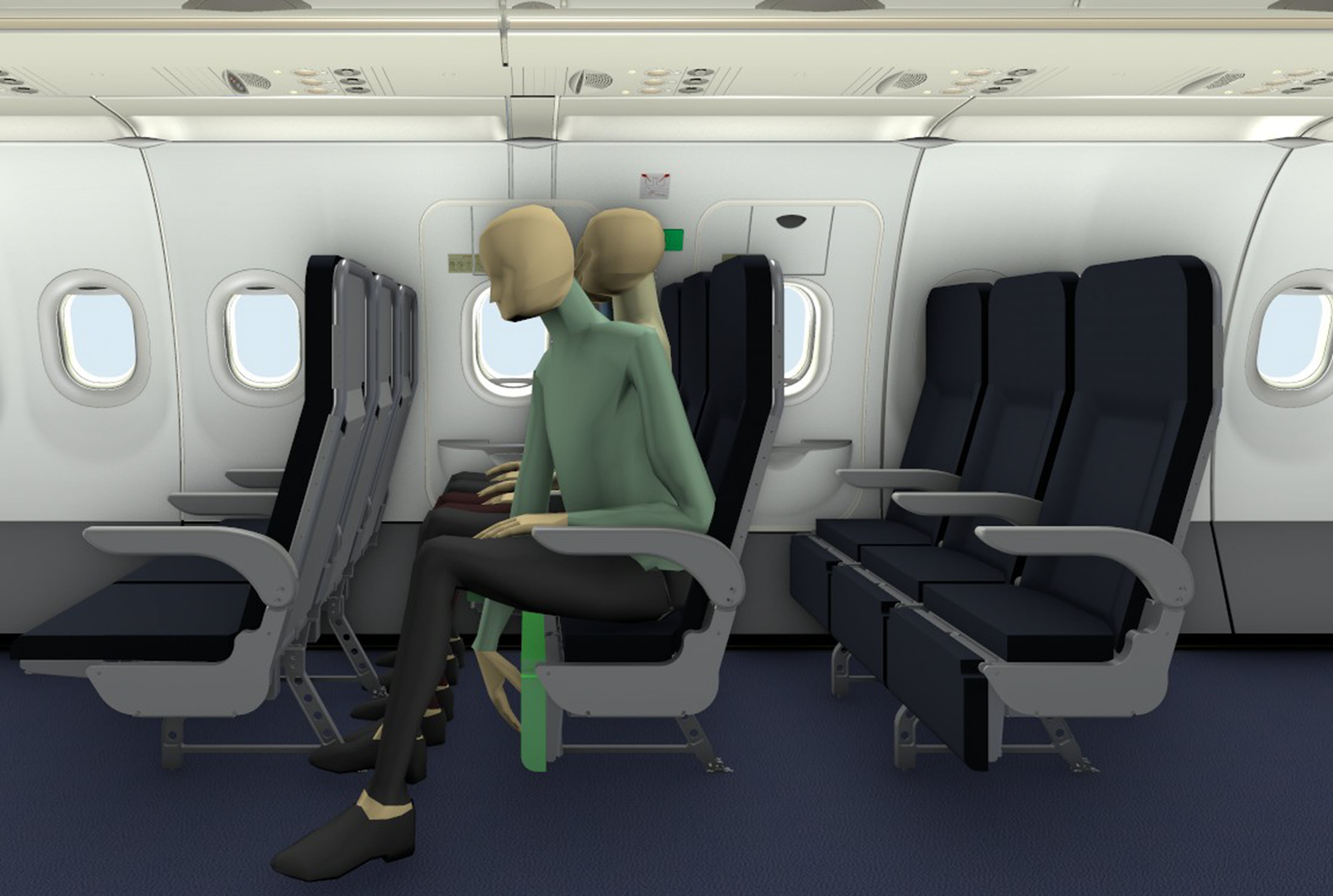
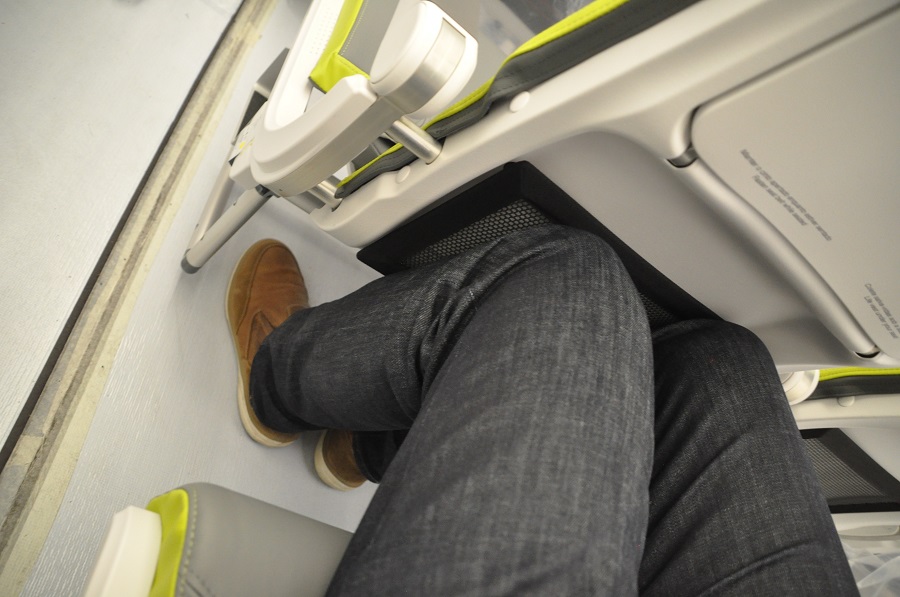
AW-7004-Picdeer.jpgLos Airbus A320NEOs de British Airways han experimentado cambios en la configuración de cabina de pasajeros. Una de las modificaciones es la supresión del inodoro de la parte posterior de la Clase Euro Traveler para implantar una fila adicional de asientos y se reemplazó por micro-inodoros integrados en la pared posterior de la cocina. Los asientos detrás de la puerta de salida de emergencia fueron reemplazados por asientos Recaro ultrafinos sin reclinación para permitir que se instale una segunda fila adicional de asientos adicionales. Se quitaron los monitores desplegables, junto con las mesas en el Club Europa, para ahorrar peso. No hay instalaciones de desechos o agua potable en la parte trasera del avión debido a la necesidad de caber en el baño.

Con los asientos del medio bloqueados en la delantera para el Club Europa, British Airways tiene que bloquear las últimas una o dos filas para compensar el equilibrio. En el caso de Lufthansa también ha tenido que bloquear asientos en su avión A320NEO densificado, aunque esto representa solo una fila.

Seguridad en A320NEO

La Agencia de Seguridad Aérea de la Unión Europea ha determinado que hay demasiado peso en la parte trasera del avión, por lo que el centro de gravedad desplazado hacia atrás, podría comprometer la seguridad del vuelo. Parece que hay un límite en la cantidad de asientos que las aerolíneas pueden meter en los aviones, pero no por la razón que han sugerido algunos defensores de los consumidores estadounidenses. Grupos como Flyers Rights han argumentado que los estándares de evacuación pueden no cumplirse con más pasajeros en los aviones. Resulta que los problemas de peso y equilibrio crean una situación de cola pesada en las aerolíneas que ofrecen más espacio a los pasajeros por adelantado.AW-Icon-AW-TXT


AW-70000054.jpg

EASA issues AD A320NEO «densified»

353ab-better-ba-logo.pngThe EASA has issued an AD for British Airways by the configuration of the densified A320NEO

The European Air Safety Agency (EASA) has issued an Airworthiness Directive (AD) for British Airways improper configuration of the aircraft, so the European security inspection authority has requested the British airline to review the configuration of Airbus A320NEO aircraft for proper airworthiness.

British Airways has configured the seats in its very densely populated Airbus A320NEO. The «Club Europe», its intra-European executive class (which has a locked center seat), offers 30 inches of space. That is the distance from the seat to the seatback. As for the standard Economy Class, it is 29 inches apart. In contrast, Ryanair offers a minimum of 30 inches for all passengers in its Boeing 737 Next-Generation aircraft.

Image result for cabin high density Club europe A320neo BritishHIGH-DENSITY CLASS «CLUB EUROPE» IN AIRBUS A320NEO DE BRITISH AIRWAYS

A320NEO «densified»

The British Airways A320NEOs Airbus have undergone changes in the passenger cabin configuration. One of the modifications is the removal of the toilet from the back of the Euro Traveler Class to implant an additional row of seats and was replaced by micro-toilets integrated into the back wall of the kitchen. The seats behind the emergency exit Image result for A320neo British Airways PNGdoor were replaced by ultra-thin Recaro seats without recline to allow an additional second row of additional seats to be installed. The drop-down monitors, along with the tables at Club Europa, were removed to save weight. There are no waste facilities or drinking water in the back of the plane due to the need to fit in the bathroom.

With the middle seats locked in the front for Club Europa, British Airways has to block the last one or two rows to compensate for the balance. In the case of Lufthansa, he has also had to block seats in his densified A320NEO aircraft, although this represents only one row.

Security in A320NEO

The European Union Air Safety Agency has determined that there is too much weight in the rear of the plane, so the center of gravity shifted back could compromise flight safety. There seems to be a limit on the number of seats that airlines can put on airplanes, but not for the reason some American consumer advocates have suggested. Groups like Flyers Rights have argued that evacuation standards may not be met with more passengers on airplanes. It turns out that the problems of weight and balance create a situation of a heavy tail in the airlines that offer more space to the passengers in advance. A \ W

EASA_AD_2019-0189_3.png


Ξ A I R G W A Y S Ξ
SOURCE: Airgways.com
DBk: Easa.europa.eu / Britishairways.com / Picdeer.org / Turningleftforless.com / Airgways.com
AW-POST: 201909162315AR

A\W   A I R G W A Y S ®

Reguladores buscarán retorno 737 MAX

AW-7009989.jpg

AW | 2019 09 14 20:49 | INDUSTRY / AVIATION SAFETY

Boeing-Company-LogoThe Boeing Company aplica máximo esfuerzo por devolver al 737 MAX a los cielos

AW-Icon_Boeing 737 MAX

Boeing prepara un gran esfuerzo para devolver Boeing 737 MAX a los cielos del mundo. Mientras el constructor americano apunta a obtener la aprobación para volar su 737 MAX en cuestión de semanas, luego de una prohibición de seguridad de seis meses, los ingenieros de todo el mundo están implementando planes para una de las mayores operaciones logísticas en historia de la aviación civil, la evaluación de los reguladores mundiales para fiscalizar las aprobaciones de los últimos cambios en la seguridad de la aeronave en cuestión.

Dentro de la fábrica de Boeing en Renton, Washington, al sur de Seattle, los trabajadores han premontado kits de herramientas dedicadas para técnicos encargados de instalar actualizaciones de software y preparar más de 500 aviones Boeing 737 MAX que han estado inactivos durante meses, dijeron fuentes internas. Boeing tendrá que articular bien las entregas de las 250 unidades de las diferentes variantes producidas desde la prohibición de vuelo del 737 MAX, estacionadas en varias instalaciones y aquellos que saldrán de la línea de producción después de la aprobación.

La reubicación de cientos de aviones inactivos 737 MAX, que aportan aproximadamente el 40% de las ganancias antes de impuestos de Boeing, es crucial para la salud del principal exportador corporativo de Estados Unidos y el sector manufacturero más amplio del país, cuya reciente pérdida de impulso ha llevado aún más lejos golpe de la crisis. Boeing recibe gran parte de su efectivo en el momento de la entrega y Fitch Ratings & Moody’s han advertido que su perspectiva estable puede estar en riesgo, ya que sus entregas de aviones caen un 72% este año.

Los preparativos para un retorno al servicio se ajustan a la suposición actual de la compañía de que el 737 MAX reanudará los vuelos comerciales en el plazo de Octubre-Diciembre 2019, expresó el Presidente Ejecutivo Dennis Muilenburg.

AW-7003007.pngReguladores mundiales

El Wall Street Journal informó el 1 Septiembre 2019 que una reunión informativa de Boeing en Agosto 2019 fue interrumpida por los reguladores estadounidenses, europeos y otros que se quejaron de que la compañía no respondió preguntas específicas sobre modificaciones en la operación de las computadoras de control de vuelo del 737 MAX.

En todo el mundo, los equipos de Boeing están preparando horarios de entrega, y términos financieros, con clientes de líneas aéreas que se han visto obligados a cancelar vuelos, cortar rutas y volar viejos aviones mientras esperan el regreso de 737 MAX. Aunque los reguladores aún deben aprobar los aviones para el vuelo, Boeing y el personal y los ejecutivos de la aerolínea dicen que el fabricante de aviones más grande del mundo tiene semanas en un plan detallado para la producción, el mantenimiento y la entrega que, según una fuente, involucra a 1.500 ingenieros.

Boeing está esperanzada de devolver al 737 MAX en el 4Q2019. Pero la línea de tiempo está en manos de reguladores divididos en todo el mundo que deben aprobar la solución de software propuesta por Boeing para los controles de vuelo del Boeing 737 MAX y nuevos materiales de capacitación. Los reguladores europeos planean sus propios vuelos de prueba sobre los cambios. «No controlamos esa línea de tiempo. Vamos a trabajar con los reguladores y estamos avanzando hacia esa línea de tiempo. Pero si esa fecha de regreso al servicio cambia, afectará todo lo demás», dijo Dennis Muilenburg.

Boeing atenderá una flota de 387 aviones Boeing 737 MAX que entraron en servicio antes de la puesta a tierra, aunque Boeing ya ha desplegado equipos en todo el mundo para ayudar a las aerolíneas a prepararse para ese proceso.

La Federal Aviation Administration (FAA) ha dicho repetidamente que no certificará que el avión Boeing 737 MAX vuelva a volar hasta que sea seguro hacerlo. En tanto la Agencia de Seguridad Aérea de la Unión Europea (EASA) dijo el Martes 10/09 que «tiene la intención de realizar sus propios vuelos de prueba por separado, pero en plena coordinación con la FAA. Los vuelos de prueba aún no están programados, la fecha dependerá del programa de desarrollo de Boeing».

Muilenburg dijo que es posible que no todos los reguladores de todo el mundo aprueben simultáneamente el 737 MAX para volar nuevamente. Boeing ha dicho que planea realizar un vuelo de prueba de certificación para este mes. Algunos funcionarios no esperan que el 737 MAX reanude los vuelos hasta principios de 2020.

En cuanto a la República de la India, realizará su propia revisión del Boeing 737 MAX después de que la FAA complete sus pruebas, antes de que pueda volar en el espacio aéreo indio. Boeing espera tener el 737 MAX volando a principios del cuarto trimestre 2019, pero la Dirección General de Aviación Civil (DGAC) de la India no espera que el avión vuele en India antes del próximo año.

India ha sido el mercado de viajes aéreos nacionales de más rápido crecimiento durante cuatro años consecutivos, según la Asociación Internacional de Transporte Aéreo (IATA).

Resultado de imagen para Boeing 737 MAXBoeing testea al 737 MAX

Boeing ha dicho a los proveedores que espera que el avión vuele a principios de Noviembre 2019. Una vez que los reguladores certifiquen el 737 MAX para el vuelo, Boeing tendrá que movilizar a cientos de mecánicos y pilotos para sacar de la hibernación a los aproximadamente 250 aviones almacenados.

Las aerolíneas estiman que el proceso, que incluye la instalación de un nuevo software, el cambio de líquidos y el ciclo de los motores, tomará de 100 a 150 horas por avión y meses en total para Boeing. En un ejemplo que destaca los riesgos minúsculos que podrían invertir meses de planificación, un equipo de empleados está analizando años de datos sobre las nevadas de Diciembre en un aeropuerto en la zona rural de Moses Lake, Washington, donde Boeing ha estacionado cerca de 100 aviones, para predecir la demanda de aviones anticongelamiento y rendimiento en la pista. El proceso de mantenimiento será seguido por varios días de vuelos de prueba como parte de un período estándar de aceptación del cliente, pero otro desafío es encontrar suficientes pilotos para superar la acumulación. Como resultado, Boeing está explorando un acuerdo para pilotos temporales con la tripulación aérea y proveedor de capacitación CCL Aviation con sede en la Isla de Man para complementar a los pilotos de su personal, dijo una persona con conocimiento del asunto.

Resultado de imagen para Boeing 737 MAX grounded airlinesTurno de las aerolíneas

No está claro qué clientes recibirán primero las entregas. Mucho dependerá de qué tan rápido otros reguladores globales que han prometido su propio escrutinio sigan el ejemplo de los Estados Unidos. «Dada la acumulación de aviones almacenados, ese proceso de aceptación del cliente podría retrasarse», dijo Andrew Watterson, Director de Ingresos de Southwest Airlines.

Algunos, como United Airlines, han dicho que quieren los aviones tan pronto como sea posible, pero otros pueden aprovechar la oportunidad para ajustar las entregas. Si bien las aerolíneas habían estado ansiosas por agregar los modelos de ahorro de combustible antes del verano pico del hemisferio norte, menos tienden a agregar capacidad en el mes más tranquilo de noviembre.

El eventual retorno del Boeing 737 MAX también pondrá a prueba un mercado de aviación cada vez más frágil. El crecimiento del tráfico se ha reducido desde la base, en parte como resultado de las tensiones comerciales mundiales, según la Asociación Internacional de Transporte Aéreo (IATA). Dennis Muilenburg ha minimizado las preocupaciones sobre la demanda de las aerolíneas, diciendo en una conferencia esta semana que el mercado sigue siendo sólido.

Unos 250 aviones están almacenados, pero alrededor de una docena están destinados a arrendadores que aún no los han colocado en las aerolíneas, o fueron construidos para transportistas ahora en quiebra como Jet Airways, dijeron fuentes de la industria. Los analistas dicen que algunas aerolíneas pueden tratar de usar la conexión a tierra como una cortina de humo para tratar de cancelar los pedidos, algo que Boeing resistiría.

Las principales aerolíneas estadounidenses han cancelado vuelos hasta Diciembre 2019 como resultado de la conexión a tierra 737 MAX, incluidas American Airlines y United Airlines, mientras que Southwest Airlines ha cancelado vuelos a principios de Enero 2020.

Estado solicita investigaciones

El Jueves 12 Septiembre 2019, el Congreso de los Estados Unidos solicitó al Director Ejecutivo Dennis Muilenburg de la compañía americana The Boeing Company, que pusiera a disposición a varios empleados para entrevistas como parte de una investigación del Congreso sobre el diseño, desarrollo y certificación de aviones 737 MAX involucrados en dos accidentes aéreos.

El Presidente del Comité de Transporte de la Cámara de Representantes, Peter DeFazio, y el Representante Rick Larsen, que preside el Subcomité de Aviación, dijeron en un comunicado que, si bien Boeing ha proporcionado documentos sustanciales y ha compartido la perspectiva de la alta gerencia, «es importante para la investigación del comité escuchar a los empleados relevantes de Boeing». El Comité planea otra audiencia de Boeing en las próximas semanas y previamente solicitó a los denunciantes que presentaran cualquier información sobre el desarrollo del avión. Boeing ha proporcionado más de 300.000 páginas de documentos, dijo una persona informada sobre el asunto, que habló bajo condición de anonimato. Boeing dijo en un comunicado que estaba «profundamente decepcionado de que el Comité eligiera publicar correspondencia privada dada nuestra amplia cooperación hasta la fecha. Seguiremos siendo transparentes y receptivos al Comité».

El 737 MAX, el avión más vendido de Boeing, aterrizó globalmente en Marzo 2019, días después del accidente del vuelo ET-302 de Ethiopian Airlines que siguió a un desastre similar del primer accidente del vuelo JT-610 de Lion Air en Indonesia en Octubre 2018. Un total de 346 personas murieron en los dos accidentes aéreos.

Los fiscales federales con la ayuda del FBI, el Inspector General del Departamento de Transporte (DOT) y varios paneles están investigando el 737 MAX y cómo la Administración Federal de Aviación (FAA) certifica nuevos aviones.

El Presidente Ejecutivo de Boeing dijo en una conferencia de inversionistas el Miércoles 11 Septiembre 2019 que la compañía todavía está apuntando «a principios del cuarto trimestre para que el avión vuelva a estar en el aire, el regulador determinará en última instancia el tiempo de retorno al servicio».AW-Icon-AW-TXT

Resultado de imagen para Boeing 737 MAXRegulators will seek 737 MAX return

Boeing-Logo.svg.pngThe Boeing Company applies maximum effort to return 737 MAX to the skies

Boeing prepares a great effort to return Boeing 737 MAX to the skies of the world. While the American builder aims to obtain approval to fly its 737 MAX in a matter of weeks, after a six-month security ban, engineers around the world are implementing plans for one of the largest logistics operations in aviation history civil, the evaluation of global regulators to monitor the approvals of the latest changes in the safety of the aircraft in question.

Inside the Boeing factory in Renton, Washington, south of Seattle, workers have pre-assembled dedicated tool kits for technicians responsible for installing software updates and preparing more than 500 Boeing 737 MAX aircraft that have been idle for months, sources said. internal Boeing will have to articulate well the deliveries of the 250 units of the different variants produced since the 737 MAX flight ban, parked in several facilities and those that will leave the production line after approval.

The relocation of hundreds of inactive 737 MAX aircraft, which contribute approximately 40% of Boeing’s pre-tax profits, is crucial to the health of the main corporate exporter in the United States and the largest manufacturing sector in the country, whose recent loss of momentum has taken even further blow of the crisis. Boeing receives much of its cash at the time of delivery and Fitch Ratings & Moody’s have warned that their stable outlook may be at risk, as their aircraft deliveries fall 72% this year.

Preparations for a return to service are consistent with the company’s current assumption that 737 MAX will resume commercial flights within the October-December 2019 period, Executive President Dennis Muilenburg said.

Global regulators

imagesThe Wall Street Journal reported on September 1, 2019, that a Boeing briefing on August 2019 was interrupted by U.S., European and other regulators who complained that the company did not answer specific questions about changes in the operation of control computers for 737 MAX flight.

Around the world, Boeing teams are preparing delivery schedules, and financial terms, with airline customers who have been forced to cancel flights, cut routes and fly old planes while waiting for the return of 737 MAX. Although regulators have yet to approve airplanes for the flight, Boeing and airline staff and executives say the world’s largest aircraft manufacturer has weeks in a detailed plan for production, maintenance and delivery that, according to One source, involves 1,500 engineers.

Boeing is hoping to return to 737 MAX in 4Q2019. But the timeline is in the hands of regulators divided around the world who must approve the software solution proposed by Boeing for the flight controls of the Boeing 737 MAX and new training materials. European regulators plan their own test flights on the changes. «We don’t control that timeline. We’re going to work with regulators and we’re moving towards that timeline. But if that date of return to service changes, it will affect everything else», said Dennis Muilenburg.

Boeing will serve a fleet of 387 Boeing 737 MAX aircraft that went into service before grounding, although Boeing has already deployed equipment worldwide to help airlines prepare for that process.

The Federal Aviation Administration (FAA) has repeatedly said it will not certify that the Boeing 737 MAX will fly again until it is safe to do so. Meanwhile, the European Union Air Safety Agency (EASA) said on Tuesday 10/09 that «it intends to conduct its own test flights separately, but in full coordination with the FAA. Test flights are not yet scheduled, the date will depend on the Boeing development program».

Muilenburg said it is possible that not all regulators around the world simultaneously approve the 737 MAX to fly again. Boeing has said it plans to perform a certification test flight for this month. Some officials do not expect the 737 MAX to resume flights until early 2020.

As for the Republic of India, it will conduct its own review of the Boeing 737 MAX after the FAA completes its tests before it can fly into Indian airspace. Boeing expects to have the 737 MAX flying at the beginning of the fourth quarter of 2019, but the General Directorate of Civil Aviation (DGAC) of India does not expect the plane to fly in India before next year.

India has been the fastest growing national air travel market for four consecutive years, according to the International Air Transport Association (IATA).

Boeing tests 737 MAX

Boeing has told suppliers that it expects the plane to fly at the beginning of November 2019. Once regulators certify 737 MAX for the flight, Boeing will have to mobilize hundreds of mechanics and pilots to hibernate the approximately 250 Stored airplanes.

The airlines estimate that the process, which includes installing new software, changing fluids and the engine cycle, will take 100 to 150 hours per plane and months in total for Boeing. In an example that highlights the tiny risks that months of planning could invest, a team of employees is analyzing years of data on December snowfall at an airport in rural Moses Lake, Washington, where Boeing has parked about 100 aircraft, to predict the demand for antifreeze and performance aircraft on the runway. The maintenance process will be followed by several days of test flights as part of a standard period of customer acceptance, but another challenge is to find enough pilots to overcome the accumulation. As a result, Boeing is exploring an agreement for temporary pilots with the aircrew and CCL Aviation training provider based in the Isle of Man to complement the pilots of its staff, said a person with knowledge of the matter.

Airlines turn

It is not clear which customers will receive deliveries first. Much will depend on how quickly other global regulators who have promised their own scrutiny follow the example of the United States. «Given the accumulation of stored airplanes, that customer acceptance process could be delayed», said Andrew Watterson, Director of Revenue for Southwest Airlines.

Some, like United Airlines, have said they want the planes as soon as possible, but others can take the opportunity to adjust deliveries. While airlines had been eager to add fuel-saving models before the peak summer of the northern hemisphere, fewer tend to add capacity in the quieter month of November.

The eventual return of the Boeing 737 MAX will also test an increasingly fragile aviation market. Traffic growth has been reduced from the base, partly as a result of global trade tensions, according to the International Air Transport Association (IATA). Dennis Muilenburg has minimized concerns about airline demand, saying at a conference this week that the market is still strong.

About 250 airplanes are stored, but about a dozen are intended for landlords that have not yet placed them on the airlines or were built for carriers now-bankrupt like Jet Airways, industry sources said. Analysts say some airlines may try to use the ground connection as a smokescreen to try to cancel orders, something Boeing would resist.

Major US airlines have canceled flights through December 2019 as a result of the 737 MAX grounding, including American Airlines and United Airlines, while Southwest Airlines has canceled flights in early January 2020.

State requests investigations

On Thursday, September 12, 2019, the United States Congress requested the Executive Director Dennis Muilenburg of the American company The Boeing Company to make several employees available for interviews as part of a congressional investigation into the design, development, and certification of 737 MAX aircraft involved in two air accidents.

The Chairman of the House Committee of Representatives, Peter DeFazio, and Representative Rick Larsen, who chairs the Aviation Subcommittee, said in a statement that, although Boeing has provided substantial documents and shared the perspective of senior management, «It is important for the committee’s investigation to listen to relevant Boeing employees». The Committee plans another Boeing hearing in the coming weeks and previously requested the complainants to submit any information on the development of the aircraft. Boeing has provided more than 300,000 pages of documents, said an informed person on the matter, who spoke on condition of anonymity. Boeing said in a statement that he was «deeply disappointed that the Committee chose to publish private correspondence given our extensive cooperation to date. We will remain transparent and responsive to the Committee».

The 737 MAX, the best-selling Boeing aircraft, landed globally on March 2019, days after the Ethiopian Airlines flight ET-302 crash that followed a similar disaster from the first Lion Air JT-610 crash in Indonesia in October 2018. A total of 346 people died in two air accidents.

Federal prosecutors with the help of the FBI, the Inspector General of the Department of Transportation (DOT) and several panels are investigating the 737 MAX and how the Federal Aviation Administration (FAA) certifies new aircraft.

The Boeing Executive President said at an investor conference on Wednesday 11 September 2019 that the company is still aiming «at the beginning of the fourth quarter so that the plane is back in the air, the regulator will ultimately determine the return time to the service». A \ W


Ξ A I R G W A Y S Ξ
SOURCE: Airgways.com
DBk: Boeing.com / Straitstimes.com / Reuters.com / Seattletimes.com / Airgways.com
AW-POST: 201909142049AR

A\W   A I R G W A Y S ®


Reporte Final DMJ-972 Global Air

Resultado de imagen para Final Report DMJ-972 Global AirAW | 2019 09 13 12:20 | AIR INVESTIGATION / AVIATION SAFETY

Revelan en Cuba informe final del accidente aéreo del vuelo DMJ-792 de Global Air

En La Habana, República de Cuba revelan el Reporte Final del accidente aéreo del vuelo DMJ-972/CU-972 del Boeing 737-200ADV de la compañía mexicana Global Air, cuya razón social denominada es Aerolíneas Damojh S.A de C.V. El accidente de avión ocurrido el 18 Mayo 2018 después de despegar el vuelo del Aeropuerto Internacional José Martí de La Habana ha dejado 112 muertos.

Este Miércoles 11 Septiembre 2019 fue publicado en el sitio oficial del Instituto de Aeronáutica Civil de Cuba (IACC) el informe final del fatídico accidente aéreo. El Boeing 737-201 del vuelo DMJ-972 con destino a Holguín, perteneciente a la aerolínea mexicana Damojh S.A., rentado y operado para Cubana de Aviación, se desplomó pocos segundos después de despegar del Aeropuerto Internacional José Martí en La Habana. En el siniestro fallecieron 112 personas, seis de ellas parte de la tripulación. La única sobreviviente fue la joven cubana Mailén Díaz Almaguer de 19 años, quien enfrentó varias intervenciones quirúrgicas, incluida la amputación de una pierna.

Aunque en el último año se han dado teorías de cómo ocurrieron los hechos, el informe final del accidente aéreo ratifica como la causa más probable de la pérdida de control de la aeronave, propiciada por una cadena de errores en su mayoría humanos. La Comisión de Investigación de Accidentes e Incidentes de Aviación (CIAIA) reportó que las posiciones anormales del avión que llevaron a su desplome se debieron a varios factores que incluyen la falta de entrenamiento de la tripulación, errores en los cálculos de peso y balance, así como los bajos estándares operacionales.

En más de cien páginas, el informe ahonda en el análisis del material recuperado de los registradores Cockpit Voice Recorder (CVR) y el Flight Data Recorder (FDR), así como pruebas de laboratorio y del lugar del siniestro, que permitieron descubrir los errores que afectaron la rotación y la incapacidad de los pilotos para percibirlos a tiempo o controlarlos. Se detectó también que en la hoja de carga y centrado no se consideraron los cambios de última hora, en equipaje y pasajeros, así como en el abastecimiento de combustible. Esto significa que el peso de la aeronave al momento del despegue era mayor al empleado en los cálculos de la tripulación, por lo que el centro de gravedad de la misma estaba aproximadamente 10% más atrás de lo calculado, cerca del límite trasero del avión. “Lo señalado anteriormente, aun cuando no rebasaba las posibilidades técnicas de la aeronave, constituye un factor contribuyente”, señala el informe. Añade que, aunque no hay evidencia de defectos o averías en la nave que hayan contribuido al accidente, sí se traslucen errores en las prácticas de mantenimiento. Como conclusión, se entiende que el accidente fue una combinación de fallas técnicas y humanas, dando énfasis en esta última como principal desencadenante de la tragedia aérea del vuelo DMJ-972 del GlobalAir.

Fallas en capacitaciones

La última verificación técnica administrativa realizada a Global Air por la Dirección General de Aeronáutica Civil (DGAC) señaló que la aerolínea no contaba con evidencia documental de que algunos de sus pilotos y sobrecargos contaran con la capacitación necesaria para operar los equipos de la aerolínea. Dicha revisión avalada por la DGAC y realizada del 21 al 24 de noviembre de 2017, evidenció que el jefe de mantenimiento, el supervisor y cuatro técnicos de Aerolíneas Damojh S.A de C.V. (razón social de Global Air) no recibieron la correcta capacitación. Ante ello, la autoridad mexicana no efectuó ninguna acción adicional. «Por tanto, desde 2017, la DGAC tenía la evidencia necesaria que hubiera evitado el accidente. La DGAC debió poner en tierra la aeronave siniestrada, por estar en riesgo la seguridad aérea» del vuelo CU-972 de Cubana de Aviación, el cual era operado en modalidad de arrendamiento húmedo por la línea aérea mexicana Global Air, señaló Pablo Casas, abogado experto en derecho aeronáutico.

El reporte Final del accidente, en el que fallecieron 112 personas, publicado esta semana por la Comisión Estatal de Investigación de Incidentes Graves o Accidentes de Aviación (CEIAA) de Cuba, apuntó a fallas en la capacitación de la tripulación y a poca evidencia de la existencia del mantenimiento en la aeronave siniestrada. El dictamen emitido por la CEIAA concluyó que, de haber contado con la capacitación necesaria, la tripulación habría tenido más herramientas para rescatar la aeronave, la cual se accidentó poco después de despegar del Aeropuerto Internacional José Martí de La Habana, cuando se dirigía a la ciudad cubana de Holguín. Finalmente, en los resultados de la investigación del accidente, el comité cubano recomendó a la DGAC que tenga herramientas para garantizar que siempre haya pruebas documentales de las auditorías que se realizan.AW-Icon-AW-TXT

Resultado de imagen para Final Report DMJ-972 Global AirFinal Report DMJ-972 Global Air

Final report of the Global Air DMJ-792 flight crash revealed in Cuba

In Havana, the Republic of Cuba reveal the Final Report of the plane crash of flight DMJ-972/CU-972 of the Boeing 737-200ADV of the Mexican company Global Air, whose corporate name is Aerolineas Damojh S.A de C.V. The plane crash that occurred on May 18, 2018, after taking off from the José Martí International Airport in Havana has left 112 dead.

This Wednesday, September 11, 2019, the final report of the fatal air accident was published on the official site of the Institute of Civil Aviation of Cuba (IACC). The Boeing 737-201 of flight DMJ-972 to Holguin, belonging to the Mexican airline Damojh S.A., rented and operated for Cubana de Aviación, collapsed a few seconds after taking off from the José Martí International Airport in Havana. In the incident 112 people died, six of them part of the crew. The only survivor was the young Cuban Mailén Díaz Almaguer, 19, who faced several surgical interventions, including the amputation of one leg.

Although in the last year there have been theories of how the events occurred, the final report of the plane crash confirms as the most probable cause of the loss of control of the aircraft, caused by a chain of mostly human errors. The Aviation Accident and Incident Investigation Commission (CIAIA) reported that the airplane’s abnormal positions that led to its crash were due to several factors including lack of crew training, errors in weight and balance calculations, as well. as the low operational standards.

In more than one hundred pages, the report delves into the analysis of the material recovered from the Cockpit Voice Recorder (CVR) and the Flight Data Recorder (FDR) recorders, as well as laboratory and accident site tests, which allowed us to discover the errors that they affected the rotation and the inability of the pilots to perceive them in time or control them. It was also detected that the last-minute changes in luggage and passengers, as well as in the fuel supply, were not considered in the loading and centering sheet. This means that the weight of the aircraft at the time of takeoff was greater than the one used in the calculations of the crew, so the center of gravity of the aircraft was approximately 10% behind the calculated, near the rear limit of the aircraft. «The above, even though it did not exceed the technical possibilities of the aircraft, is a contributing factor», the report said. He adds that, although there is no evidence of defects or breakdowns in the ship that contributed to the accident, errors in maintenance practices are revealed. In conclusion, it is understood that the accident was a combination of technical and human failures, emphasizing the latter as the main trigger of the aerial tragedy of the DMJ-972 flight of the Global Air.

Training failures

The last administrative-technical verification made to Global Air by the General Directorate of Civil Aviation (DGAC) indicated that the airline did not have documentary evidence that some of its pilots and surcharges had the necessary training to operate the equipment of the airline. This review endorsed by the DGAC and carried out from November 21 to 24, 2017, showed that the maintenance manager, the supervisor and four technicians of Aerolineas Damojh S.A de C.V. (business name of Global Air) did not receive the correct training. Given this, the Mexican authority did not take any additional action. «Therefore, since 2017, the DGAC had the necessary evidence that would have prevented the accident. The DGAC had to land the wrecked aircraft because the air safety was at risk» of flight CU-972 of Cubana de Aviación, which was operated in a wet lease mode by the Mexican airline Global Air, said Pablo Casas, an expert lawyer in aeronautical law.

The Final Report of the accident, in which 112 people died, published this week by the State Commission for the Investigation of Serious Incidents or Aviation Accidents (CEIAA) of Cuba, pointed to failures in the training of the crew and little evidence of the existence of maintenance in the wrecked aircraft. The opinion issued by the CEIAA concluded that had the necessary training, the crew would have had more tools to rescue the aircraft, which crashed shortly after taking off from the José Martí International Airport of Havana, when heading to the Cuban city of Holguin. Finally, in the results of the accident investigation, the Cuban committee recommended that the DGAC have tools to ensure that there is always documentary evidence of the audits that are performed. A \ W


Ξ A I R G W A Y S Ξ
SOURCE: Airgways.com
DBk: Iacc.gob.cu / Airgways.com
AW-POST: 201909131220AR

A\W   A I R G W A Y S ®

Boeing exhorta en 7º Annual Morgan

1AW | 2019 09 13 00:37 | AVIATION SAFETY / INDUSTRY

Boeing-Company-LogoAnuncios de Boeing en la 7a Annual Morgan Stanley Lagoon Conference in Laguna BeachAW-Icon_Boeing 737 MAX.jpg

En la 7a Annual Morgan Stanley Lagoon Conference in Laguna Beach, California, el Ejecutivo de Boeing, CEO Dennis Muilenburg, expresó sobre la crisis del 737 MAX y otros puntos fueron los temas principales de la presentación de Boeing.

«La situación con el 737 MAX sigue siendo nuestro enfoque. Continuamos enviando nuestras más profundas condolencias a las familias y seres queridos de los afectados por los dos accidentes», expresó el CEO de Boeing acerca de la crisis de la nueva variante de la línea 737 de cuarta generación. Boeing está piloteando la adversidad del modelo 737 MAX aunque los daños a la imagen y los resultados económicos son elevados.

Boeing enfocando solución

El constructor americano está activamente enfocado en administrar una salida favorable para la crisis del 737 MAX, considerando el asunto como prioritario. Boeing continúa haciendo un «progreso sólido, comprometido activamente con los reguladores de todo el mundo».

Desde la European Union Air Safety Agency (EASA), agencia reguladora de aviación de Europa a cargo del Director Patrick Ky, hacía referencia ante el Parlamento Europeo, que Boeing aún no ha proporcionado una verdadera solución de trabajo para algunos de los problemas. La EASA ha transmitido que probará los cambios del software 737 MAX de manera independiente.

La compañía Boeing está pronosticando un regreso estimado del 737 MAX para el 4Q2019, aunque la mayor preocupación para Boeing es la alineación con los reguladores de seguridad en la aviación. Boeing está complementando documentación de certificación para responder las discrepancias entre las agencias. La Federal Aviation Administration (FAA) está trabajando tenazmente para construir esa red de colaboración entre los reguladores sobre la seguridad en la aviación.

Actualizaciones en el 737 MAX

Los resultados de los análisis en la investigación de la línea 737 MAX ha arrojado detalles acerca de las actualizaciones del software MCAS como así revisando los paquetes de capacitación, un área que los expertos de la industria criticaron fuertemente después de que los informes revelaran que los pilotos recibieron una breve conferencia de una hora de entrenamiento de computadora sin ningún trabajo de simulador. Por este motivo, Boeing ha desarrollado un módulo de entrenamiento basado en computadora mejorada que complementará el nuevo programa de entrenamiento para pilotos que contempla el entrenamiento en 24 días.

Crisis financiera

Boeing espera capear la crisis del 2019 con un arrastre hacia el 2020, para generar un mejor índice de liquidez de flujo de caja hacia el 2021, esperando que la industria aún está previsto que crezca en términos de negocios y finanzas. La compañía Boeing está haciendo las inversiones adecuadas para la productividad y la innovación para aumentar aún más las perspectivas de crecimiento.

Perspectivas a futuro

Boeing continua confiado en el regreso del 737 MAX al servicio, el mayor desafío será recuperar la confianza de los usuarios. La forma en que el 737 MAX fue certificado y puesto en servicio en 2018 ha sacudido la confianza de los viajeros de todo el mundo. El CEO Dennis Muilenburg ha repetido que la seguridad, la calidad y la integridad han sido los valores centrales de la empresa durante la crisis.

El Boeing 737 MAX se ha convertido en la aeronave de mayor análisis por las agencias de seguridad internacionales y con mayor impacto mundial en los pasajeros. Boeing deberá aprender muchas lecciones por la puesta a tierra de su aeronave insignia y continuar cambiando las políticas de los procesos industriales, algo que también está afectando los niveles de seguridad en muchas compañías.AW-Icon-AW-TXT


AW-70033400.jpg

Boeing calls for 7th Annual Morgan Stanley

Boeing-Logo.svg.pngBoeing ads at the 7th Annual Morgan Stanley Lagoon Conference in Laguna Beach

At the 7th Annual Morgan Stanley Lagoon Conference in Laguna Beach, California, Boeing Executive CEO Dennis Muilenburg expressed on the 737 MAX crisis and other points were the main themes of Boeing’s presentation.

«The situation with the 737 MAX remains our focus. We continue to send our deepest condolences to the families and loved ones of those affected by the two accidents», Boeing CEO said about the crisis of the new variant of line 737 Fourth generation Boeing is piloting the adversity of the 737 MAX model although image damage and economic results are high.

Boeing focusing solution

The American builder is actively focused on managing a favorable exit for the 737 MAX crisis, considering the issue as a priority. Boeing continues to make «solid progress, actively committed to regulators around the world».

From the European Union Air Safety Agency (EASA), Europe’s aviation regulatory agency headed by Director Patrick Ky, he referred to the European Parliament, that Boeing has not yet provided a true working solution to some of the problems. The EASA has transmitted that it will test the 737 MAX software changes independently.

The Boeing company is forecasting an estimated 737 MAX return for 4Q2019, although the biggest concern for Boeing is the alignment with aviation safety regulators. Boeing is supplementing certification documentation to respond to discrepancies between agencies. The Federal Aviation Administration (FAA) is working hard to build that network of collaboration between regulators on security in aviation.

Updates on the 737 MAX

The results of the analysis in the 737 MAX line investigation have yielded details about the MCAS software updates as well as reviewing the training packages, an area that industry experts strongly criticized after the reports revealed that the pilots They received a brief one-hour computer training conference without any simulator work. For this reason, Boeing has developed an improved computer-based training module that will complement the new pilot training program that includes 24-day training.

Financial crisis

Boeing expects to weather the 2019 crisis with a drag towards 2020, to generate a better cash flow liquidity index by 2021, hoping that the industry is still expected to grow in terms of business and finance. The Boeing company is making the right investments for productivity and innovation to further increase growth prospects.

Prospects for the future

Boeing remains confident in the return of 737 MAX to service, the biggest challenge will be to regain user confidence. The way the 737 MAX was certified and put into service in 2018 has shaken the trust of travelers around the world. CEO Dennis Muilenburg has repeated that safety, quality, and integrity have been the core values ​​of the company during the crisis.

The Boeing 737 MAX has become the aircraft of greatest analysis by international security agencies and with the greatest worldwide impact on passengers. Boeing must learn many lessons from the grounding of its flagship aircraft and continue to change the policies of industrial processes, something that is also affecting safety levels in many companies. A \ W


Ξ A I R G W A Y S Ξ
SOURCE: Airgways.com
DBk: Boeing.com / Faa.gov / Easa.europa.eu / Airgways.com
AW-POST: 201909130037AR

A\W   A I R G W A Y S ®

FAA propone controles PW1500G/1900G

Resultado de imagen para FAA inspection PW1500G PW1900G engineAW | 2019 09 11 16:12 | AVIATION SAFETY

PW_Eagle.5745d0a09d53e.jpg20150215-logo-faa_1.jpgEl control afecta las inspecciones en las aeronaves A220 y E190/195-E2

La Federal Aviation Administration (FAA) está proponiendo inspecciones y reemplazos de ciertos componentes del sistema de aceite para los turbofan con engranajes de Pratt & Whitney PW1500Gs y PW1900G para eliminar un problema relacionado con al menos dos incidentes de paradas de motor durante el vuelo.

El borrador del Aviso de Reglamentación Propuesta (NPRM), publicado el 10 Septiembre 2019, alcanzan los controles sobre los motores implicados PW1500Gs y PW1900G que alimentan Airbus A220s y Embraer E-Jet E190-E2/E195-E2, respectivamente. FAA propone inspecciones iniciales y repetitivas del espacio entre el tubo de suministro de aceite de cada motor y el Enfriador de Aceite Combustible (FOC). Se requerirían verificaciones iniciales dentro de los 300 ciclos de la fecha de vigencia del mandato, mientras que las inspecciones de seguimiento se realizarían cada 850 ciclos. Además, los operadores estarían obligados a cambiar el tubo de suministro y el FOC por piezas nuevas en la próxima visita al taller, de acuerdo con la guía de servicio de Pratt & Whitney.

«Esta [directiva propuesta] fue impulsada por informes de dos paradas en vuelo debido a la fuga de aceite de la conexión entre el tubo de suministro de aceite LP10 y el FOC», dijo la FAA. Pratt & Whitney emitió boletines de servicio sobre el tema en Enero y Marzo 2019. El organismo fiscalizador de seguridad en aviación FAA está aceptando comentarios sobre su directiva propuesta hasta el 25 Octubre 2019.

El proyecto de directiva no proporciona detalles sobre los incidentes. La base de datos de Aviation Safety Network (ASN) incluye dos paradas de vuelo A220 vinculadas a baja presión de aceite. El 13 Octubre 2018, un Swiss International Air Lines A220-100 perdió presión de aceite en su motor número uno en ruta de París a Zúrich. El vuelo continuó a Zurich. El 5 Agosto 2018, un AirBaltic A220-300 regresó al Aeropuerto Internacional de Riga poco después del despegue cuando la tripulación recibió un no. Advertencia de baja presión de aceite del motor número dos.AW-Icon-AW-TXT

AW-7001500G.jpg

FAA proposes controls in PW1500G/1900G

Control affects inspections on A220 and E190/E195-E2 aircraft

The Federal Aviation Administration (FAA) is proposing inspections and replacements of certain components of the Pratt & Whitney PW1500Gs and PW1900G gear turbofan oil system to eliminate a problem related to at least two engine stop incidents during the flight.

The draft of the Proposed Regulatory Notice (NPRM), published on September 10, 2019, achieves controls on the engines involved PW1500Gs and PW1900G that feed Airbus A220s and Embraer E-Jet E190-E2/E195-E2, respectively. FAA proposes initial and repetitive inspections of the space between the oil supply tube of each engine and the Fuel Oil Cooler (FOC). Initial checks would be required within 300 cycles of the effective date of the mandate, while follow-up inspections would be performed every 850 cycles. In addition, operators would be required to change the supply tube and the FOC for new parts at the next visit to the workshop, according to the Pratt & Whitney service guide.

«This [proposed directive] was driven by reports of two flight stops due to oil leakage from the connection between the LP10 oil supply pipe and the FOC», the FAA said. Pratt & Whitney issued service bulletins on the subject in January and March 2019. The FAA aviation security oversight body is accepting comments on its proposed directive until October 25, 2019.

The draft directive does not provide details about the incidents. The Aviation Safety Network (ASN) database includes two A220 flight stops linked to low oil pressure. On October 13, 2018, a Swiss International Air Lines A220-100 lost oil pressure on its number one engine en route from Paris to Zurich. The flight continued to Zurich. On August 5, 2018, an AirBaltic A220-300 returned to Riga International Airport shortly after takeoff when the crew received a no. Low oil pressure warning of engine number two. A \ W


Ξ A I R G W A Y S Ξ
SOURCE: Airgways.com
DBk: Faa.gov / Pw.utc.com / Aviation-safety.net / Airgways.com / Aviationvoice.com
AW-POST: 201909111612AR

A\W   A I R G W A Y S ®