Airbus perdió US$ 1.3 Millones tras impacto de la pandemia
El fabricante europeo de aviones Airbus Group ha anunciado pérdidas por valores de US$ 1.300 millones de Dólares en 2020 en medio de una caída mundial sin precedentes en los viajes aéreos debido a la pandemia, pero espera entregar cientos de aviones y obtener ganancias en 2021 a pesar de la incertidumbre sobre cuándo la gente volverá a volar en masa.
Airbus también está presionando para negociar un alto el fuego pronto en su disputa comercial de años de duración con Boeing, rival de Estados Unidos, en medio de las esperanzas de que la Administración Biden sea más susceptible que el gobierno de Trump a un acuerdo. La disputa ha dado lugar a miles de millones de Dólares en aranceles del Atlántico cruzado sobre aviones, quesos, vinos, videojuegos y otros productos.
El Director Ejecutivo de Airbus, Guillaume Faury, reconoció el Jueves 18/02 que el rendimiento de la compañía el año pasado estaba lejos de las expectativas y tuvo que adaptarse constantemente a medida que las aerolíneas aterrizaban aviones o se plegaron por completo debido a las restricciones de viaje. Airbus anunció en junio que recortaría 15.000 puestos de trabajo, la mayoría en Francia y Alemania. «La crisis no ha terminado. Es probable que siga siendo nuestra realidad durante todo el año. Las aerolíneas seguirán sufriendo y quemando dinero», expresó el CEO Guillaume Faury.
Las ventas de Airbus se rebasaron a € 49.900 millones de Euros frente a los € 70.000 millones de Euros del año anterior. La compañía también reportó una pérdida en 2019 debido a un importante acuerdo multinacional de corrupción. Airbus entregó 566 aviones el año pasado y espera entregar aproximadamente el mismo número este año, dijo la compañía. Tomó 268 pedidos de aviones comerciales, en vez de 768 el año anterior. Ambas cifras estaban muy por encima de los últimos años normales, pero por encima de las de Boeing.
Con ambos fabricantes de aviones enfrentando una larga y difícil recuperación, el director ejecutivo de Airbus calificó los aranceles entre Estados Unidos y la UE como una «situación de pérdida y pérdida» para todos. Los aranceles se derivan de una diferencia sobre las subvenciones estatales tanto a Airbus como a Boeing que cada parte de la parte llama injusta. Después de que las tensiones comerciales empeoraron bajo la presidencia de Trump, Faury dijo: «Creemos que la situación está en vigor para comenzar con un alto el fuego, suspender los aranceles, mantener negociaciones y avanzar».
Airbus acogió con beneplácito un poco de buenas noticias el año pasado: un acuerdo negociado entre Gran Bretaña y la UE para reducir las perturbaciones comerciales después de que el Brexit se finalizó el 31 de Diciembre de 2020. Guillaume Faury insistió el Jueves 18/02 en que las plantas de Airbus en el Reino Unido «tienen un papel muy, muy importante que desempeñar para Airbus». En general, sin embargo, las perspectivas siguen siendo sombrías para la industria de la aviación.
Perspectivas Airbus
El constructor europeo espera entregar cientos de aviones y obtener ganancias en 2021 a pesar de la incertidumbre sobre cuándo la gente volverá a volar en masa. Airbus no espera que la industria se recupere a niveles históricos hasta 2023-2025, y cuando lo hace, Airbus predice que las preocupaciones medioambientales serán cada vez más importantes para los pasajeros y las aerolíneas, por lo que está aumentando la inversión en hidrógeno y aviones de menor emisiones.
Airbus closes with losses in 2020
Airbus lost US$ 1.3 million after the impact of the pandemic
European aircraft manufacturer Airbus Group has announced losses of US$ 1.3 billion in 2020 amid an unprecedented global drop in air travel due to the pandemic, but expects to deliver hundreds of aircraft and turn a profit in 2021 through despite the uncertainty about when people will fly again en masse.
Airbus is also pushing to negotiate a ceasefire soon in its years-long trade dispute with US rival Boeing, amid hopes that the Biden Administration will be more susceptible than the Trump administration to a deal. The dispute has resulted in billions of dollars in cross-Atlantic tariffs on airplanes, cheese, wine, video games and other products.
Airbus Chief Executive Officer Guillaume Faury acknowledged on Thursday 02/18 that the company’s performance last year was far from expectations and had to constantly adapt as airlines landed planes or fully folded due to restrictions. Travel. Airbus announced in June that it would cut 15,000 jobs, the majority in France and Germany. «The crisis is not over. It is likely to remain our reality throughout the year. Airlines will continue to suffer and burn money», said CEO Guillaume Faury.
Airbus sales exceeded € 49.9 billion compared to € 70 billion the previous year. The company also reported a loss in 2019 due to a major multinational corruption deal. Airbus delivered 566 aircraft last year and expects to deliver roughly the same number this year, the company said. It took 268 commercial aircraft orders, down from 768 the year before. Both of these figures were well above normal recent years, but above Boeing’s.
With both aircraft manufacturers facing a long and difficult recovery, the Airbus chief executive called the US-EU tariffs a «lose-lose situation» for all. The tariffs stem from a dispute over state subsidies to both Airbus and Boeing that each party calls unfair. After trade tensions worsened under Trump’s presidency, Faury said: «We believe the situation is in place to start with a ceasefire, suspend tariffs, hold negotiations and move forward».
Airbus welcomed some good news last year: a deal negotiated between Britain and the EU to reduce trade disruptions after Brexit was finalized on December 31, 2020. Guillaume Faury insisted on Thursday 02/18 on that Airbus plants in the UK «have a very, very important role to play for Airbus». Overall, however, the outlook remains bleak for the aviation industry.
Perspectives Airbus
The European builder expects to deliver hundreds of planes and make a profit in 2021 despite uncertainty about when people will fly again en masse. Airbus does not expect the industry to recover to pre-episode levels until 2023-2025, and when it does, Airbus predicts that environmental concerns will become increasingly important to passengers and airlines, so investment in hydrogen and aircraft is increasing. lower emissions.
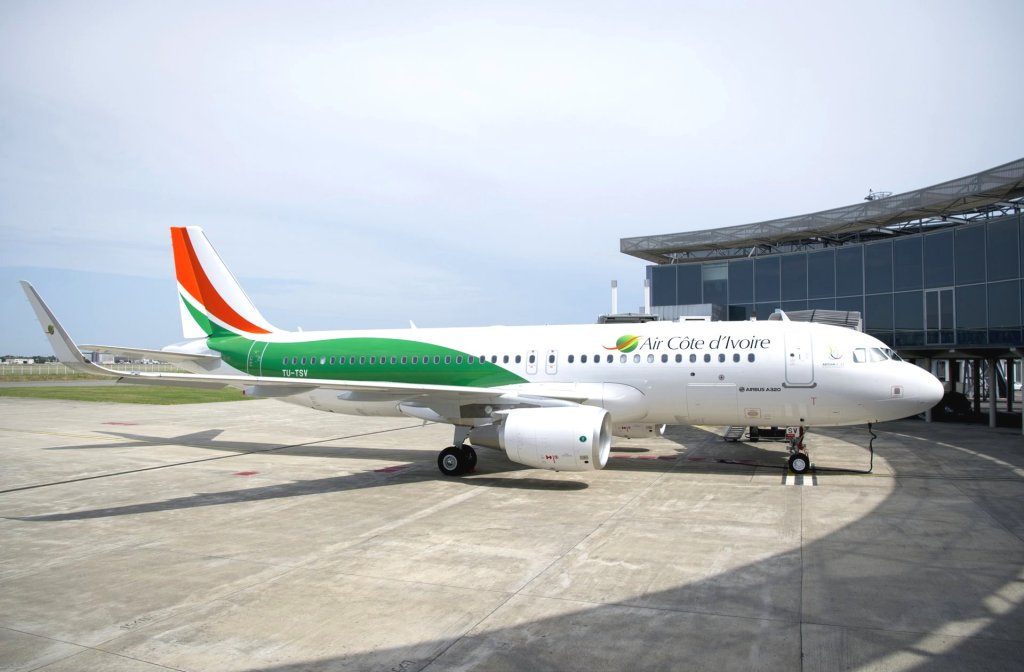
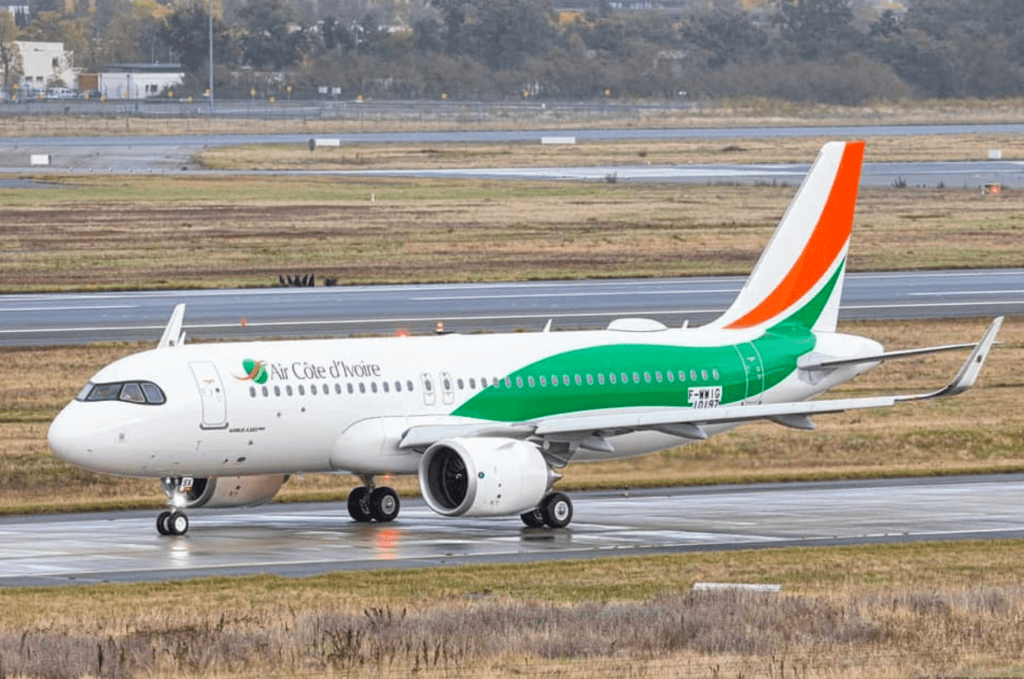
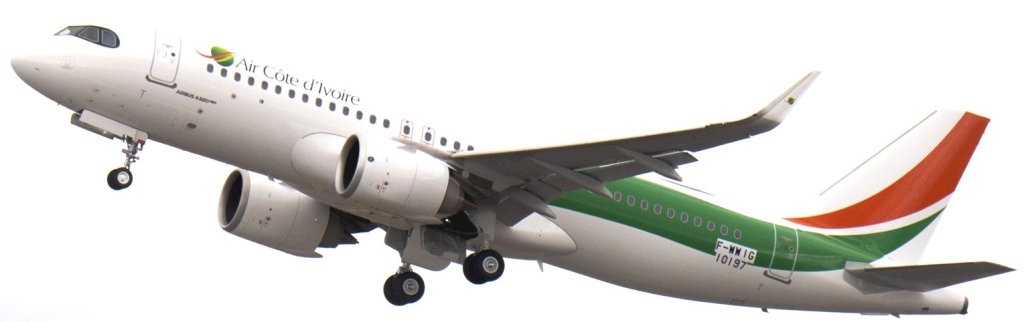
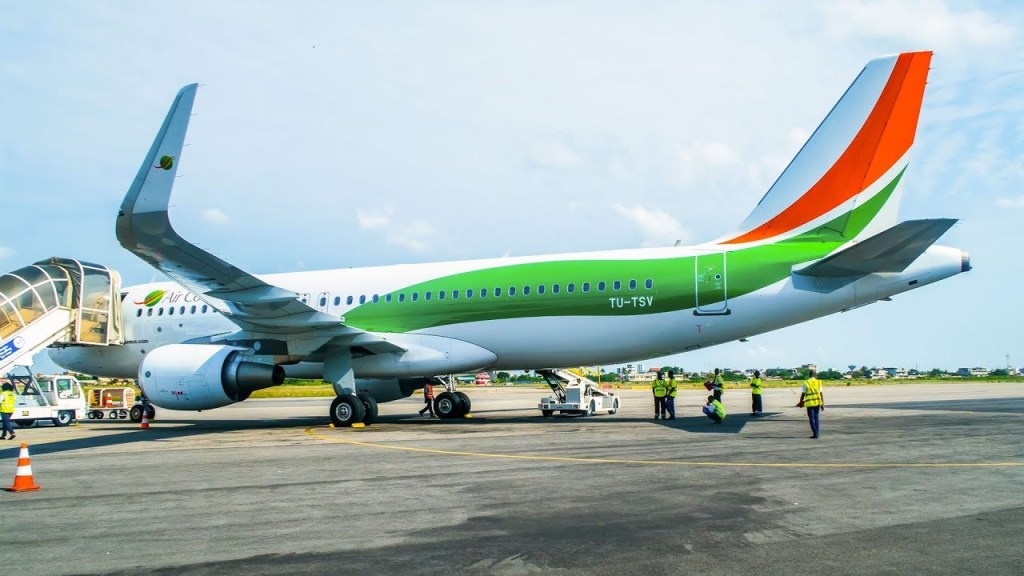
Air Costa de Marfil recibe su primer Airbus A320NEO
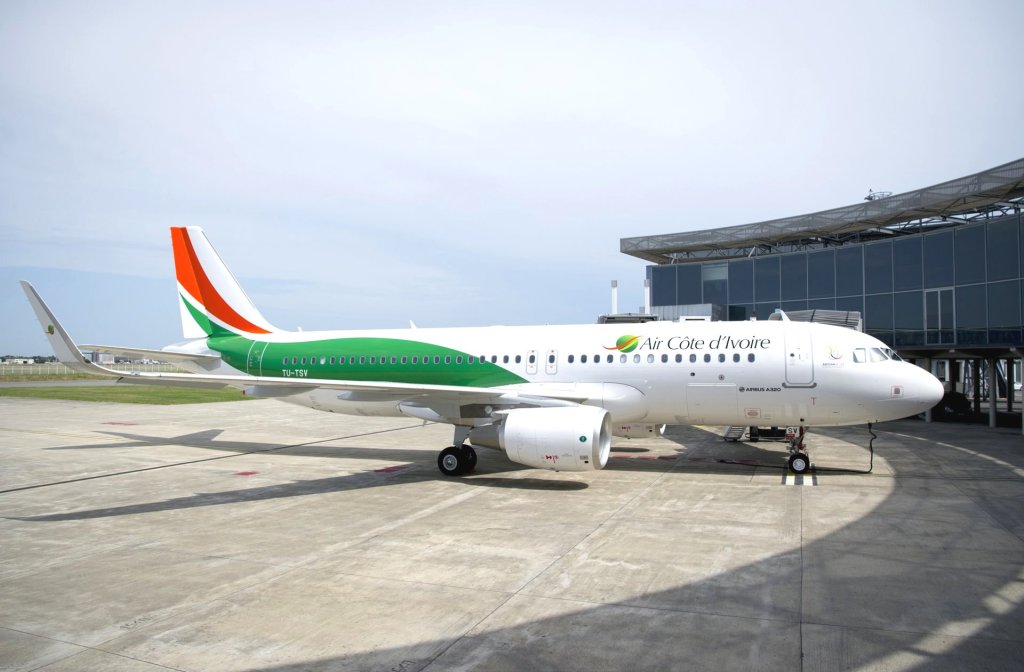
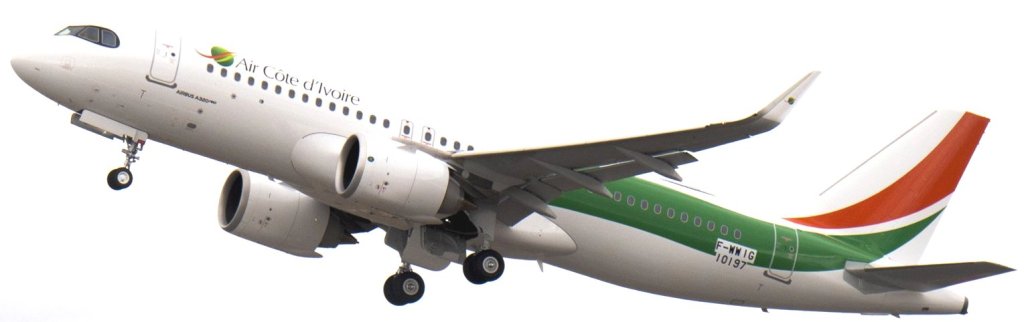
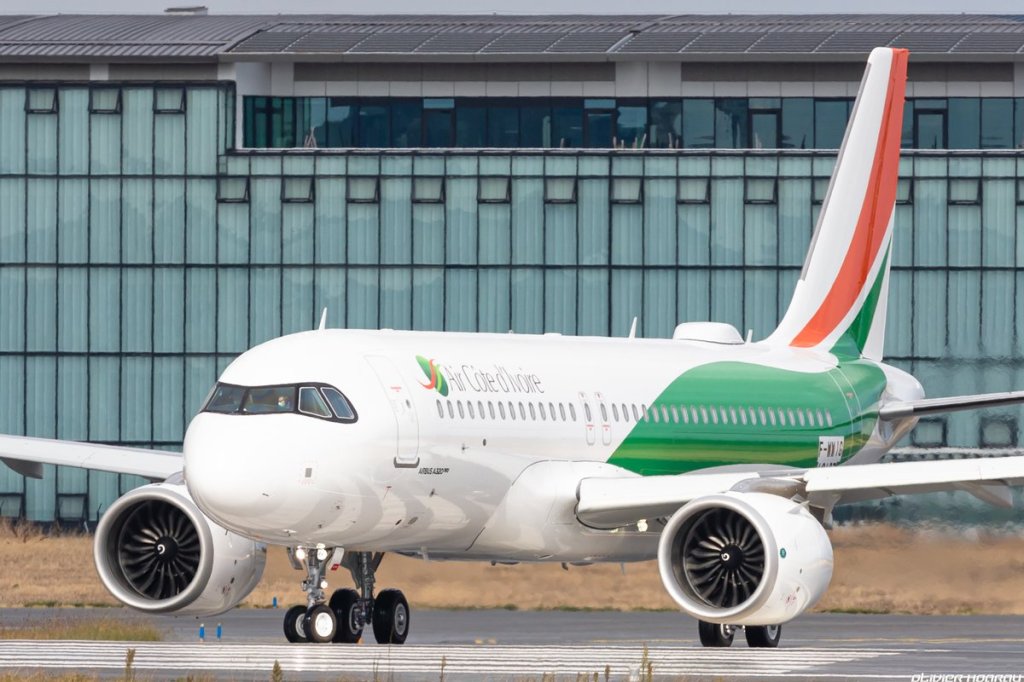
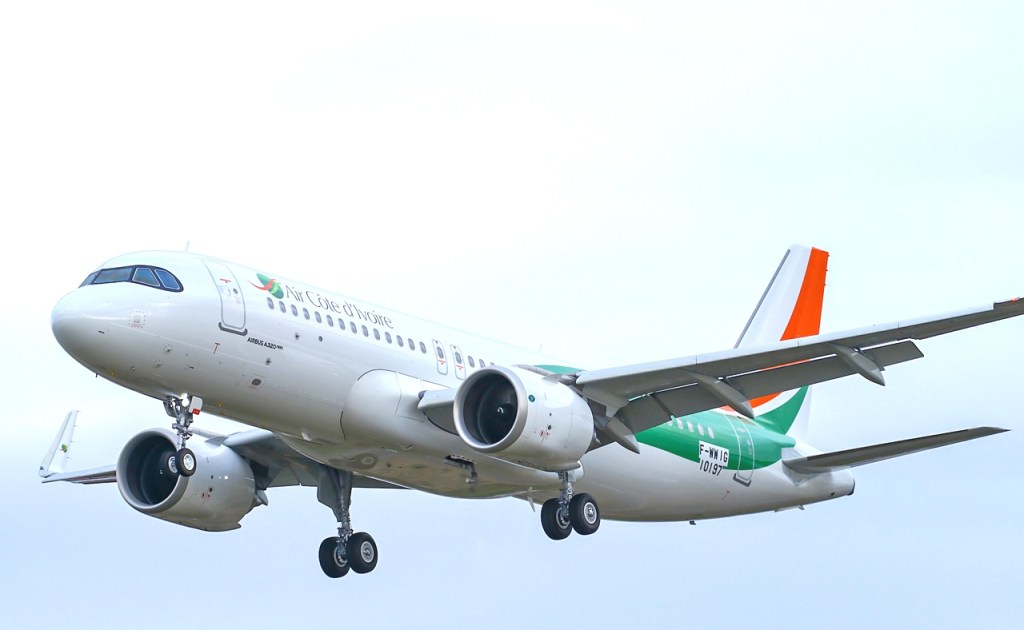
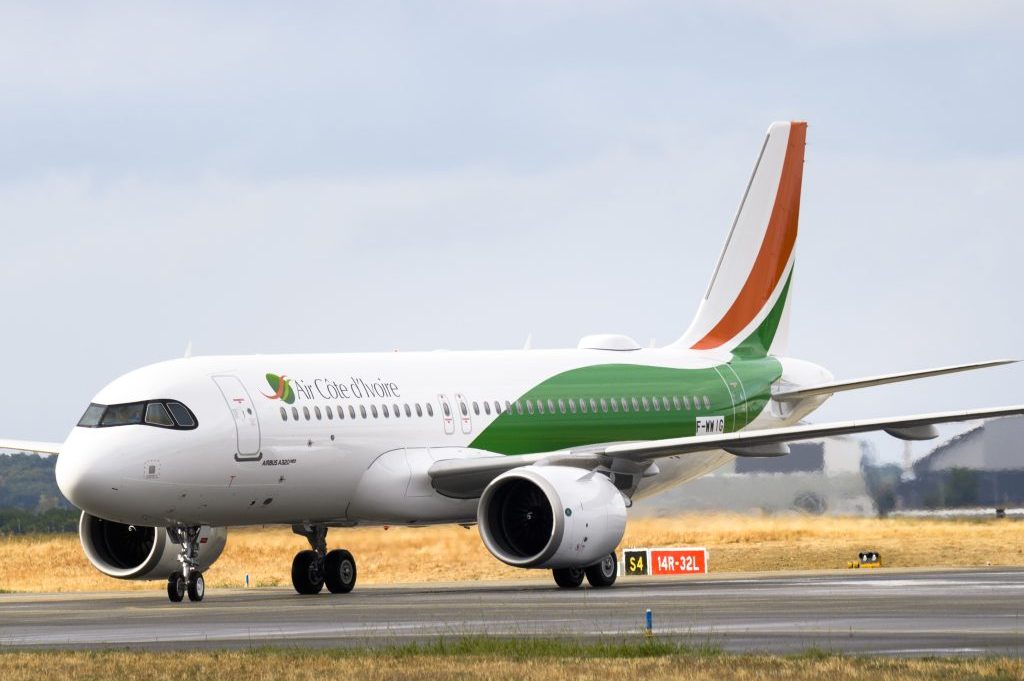
Air Côte d’Ivoire (Air Costa de Marfil), la aerolínea de la República de Costa de Marfil con sede en Abiyán, ha recibido su primer Airbus A320NEO, convirtiéndose en el primer operador del tipo en la región de Africa Occidental. Este avión de última generación se unirá a la flota de seis aviones Airbus A320CEO existente en la compañía. El primer A320NEO de Air Cote d’Ivoire despegó de Toulouse llevando 1 tonelada de bienes humanitarios, incluyendo equipo médico y juguetes. En colaboración con Aviation sans Frontiéres y la Fundación Airbus, la misión forma parte de la iniciativa de responsabilidad social corporativa de Air Costa de Marfil. Las mercancías transportadas prestarán servicio a las ONG locales de Abiyán, apoyando así al sector de la educación y la salud en el país.
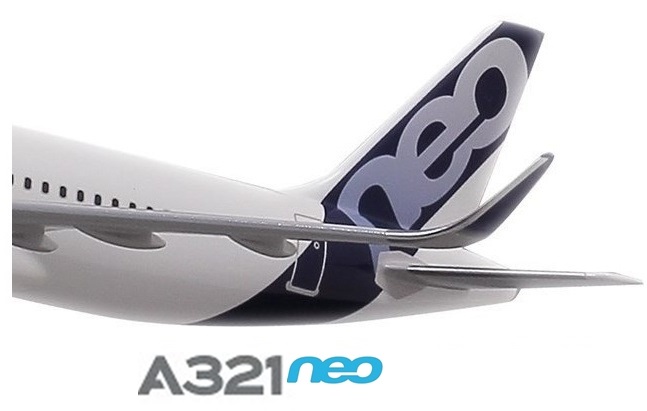
La actualización de la flota de la aerolínea permitirá tener mejores niveles de eficiencia, gracias al ahorro impulsado por dos motores CFM LEAP-1A. La familia A320NEO incorpora otras últimas tecnologías, que incluyen Sharklets que permiten mejoras aerodinámicas y de ahorro de consumo de carburantes, que en conjunto ofrecen un 20 por ciento menos que la anterior versión A320CEO, como así también una reducción de CO2. La familia A320NEO ha ganado 7.450 pedidos de casi 120 clientes.
El nuevo avión está configurado en un cómodo diseño de dos clases con 16 asientos en Business y 132 asientos en clase Turista. Este nuevo avión se desplegará en la red regional de Air Costa de Marfil para servir a Senegal, Gabón y Camerún. Destinos como Sudáfrica se añadirán en una etapa posterior, destacando la flexibilidad operativa del A320NEO. Air Cote d’Ivoire cuenta con una flota de diez aviones, incluidos tres A319CEO (3) y A320CEO (3), que sirven a 25 destinos nacionales y regionales en el oeste y centro de Africa.
1st A320NEO for Air Costa Marfil
Air Côte d’Ivoire receives its first Airbus A320NEO
Air Côte d’Ivoire/Air Côte d’Ivoire, the airline of the Republic of Côte d’Ivoire based in Abidjan, has received its first Airbus A320NEO, becoming the first operator of the type in the West African region. This next-generation aircraft will join the company’s existing fleet of six Airbus A320CEO aircraft. The first Air Cote d’Ivoire A320NEO took off from Toulouse carrying 1 tonne of humanitarian goods, including medical equipment and toys. In collaboration with Aviation sans Frontieres and the Airbus Foundation, the mission is part of Air Côte d’Ivoire’s corporate social responsibility initiative. The transported goods will serve local NGOs in Abidjan, thus supporting the education and health sector in the country.
Updating the airline’s fleet will allow for better levels of efficiency, thanks to savings driven by two CFM LEAP-1A engines. The A320NEO family incorporates other latest technologies, including Sharklets that allow for aerodynamic improvements and fuel savings, which together offer 20 percent less than the previous A320CEO version, as well as a reduction in CO2. The A320NEO Family has won 7,450 orders from nearly 120 customers.
The new aircraft is configured in a comfortable two-class layout with 16 seats in Business and 132 seats in Economy class. This new aircraft will be deployed in Air Côte d’Ivoire’s regional network to serve Senegal, Gabon and Cameroon. Destinations such as South Africa will be added at a later stage, highlighting the operational flexibility of the A320NEO. Air Cote d’Ivoire has a fleet of ten aircraft, including three A319CEO (3) and A320CEO (3), serving 25 national and regional destinations in West and Central Africa.
1er A320NEO pour Air Costa Marfil
Air Côte d’Ivoire reçoit son premier Airbus A320NEO
Air Côte d’Ivoire, la compagnie aérienne de la République de Côte d’Ivoire basée à Abidjan, a reçu son premier Airbus A320NEO, devenant ainsi le premier opérateur de ce type en Afrique de l’Ouest. Cet avion de nouvelle génération rejoindra la flotte existante de six Airbus A320CEO. Le premier A320NEO d’Air Cote d’Ivoire a décollé de Toulouse transportant 1 tonne de biens humanitaires, dont du matériel médical et des jouets. En collaboration avec Aviation sans Frontières et la Fondation Airbus, la mission s’inscrit dans la démarche de responsabilité sociale d’entreprise d’Air Côte d’Ivoire. Les marchandises transportées serviront les ONG locales à Abidjan, soutenant ainsi le secteur de l’éducation et de la santé dans le pays.
La mise à jour de la flotte de la compagnie permettra d’avoir de meilleurs niveaux d’efficacité, grâce aux économies portées par deux moteurs CFM LEAP-1A. La famille A320NEO intègre d’autres technologies de pointe, y compris les Sharklets qui permettent des améliorations aérodynamiques et des économies de carburant, qui offrent ensemble 20% de moins que la version précédente de l’A320CEO, ainsi qu’une réduction du CO2. La famille A320NEO a remporté 7.450 commandes de près de 120 clients.
Le nouvel avion est configuré dans un aménagement confortable à deux classes avec 16 sièges en classe affaires et 132 sièges en classe économique. Ce nouvel avion sera déployé dans le réseau régional d’Air Côte d’Ivoire pour desservir le Sénégal, le Gabon et le Cameroun. Des destinations telles que l’Afrique du Sud seront ajoutées ultérieurement, soulignant la flexibilité opérationnelle de l’A320NEO. Air Côte d’Ivoire dispose d’une flotte de dix avions, dont trois A319CEO (3) et A320CEO (3), desservant 25 destinations nationales et régionales en Afrique de l’Ouest et du Centre.
Directores Arthur Collins y Susan Schwab se retiraron de la Junta
La Junta Directiva de The Boeing Company ha anunciado el 17/02 que los directores Arthur D. Collins Jr. y Susan C. Schwab se retirarán de la junta cuando expiren sus mandatos y no representarán la reelección en la Reunión Anual de Accionistas de la compañía. La junta también nombró presidentes a sus seis comités de la Junta Directiva, que surtirá efecto después de la votación anual para la elección de los consejeros en la junta anual de accionistas de Boeing, que está previsto que se produzca el 20 de Abril de 2021. «Estamos agradecidos por el distinguido servicio de Art y Susan en nuestra Junta Directiva. Boeing se ha beneficiado enormemente de su servicio comprometido y dedicado. En línea con nuestro exhaustivo proceso de planificación de la sucesión, la junta continuará tomando medidas para identificar una cartera de diversos candidatos con la experiencia adecuada que traigan perspectivas calificadas», dijo el Presidente de Boeing, Larry Kellner.
Arthur Collins se unió a la Junta en 2007 y más recientemente presidió el Comité de Compensación y sirvió como miembro del Comité de Gobernanza, Organización y Nominaciones. Susan Schwab se unió a la junta en 2010 y más recientemente se desempeñó como miembro del Comité de Compensación, y del Comité de Gobernanza, Organización y Nominaciones. «Ha sido un privilegio servir junto a Art y Susan. Hicieron contribuciones significativas y duraderas a nuestra empresa y a la industria aeroespacial, que es fundamental para la economía global», dijo el CEO de Boeing, David Calhoun.
Además, los siguientes consejeros fueron nombrados Presidentes de Comités, efectivos tras su reelección en el Consejo de Administración en la Junta Anual de Accionistas de la compañía: Almirante Edmund Giambastiani Jr. seguirá presidiendo el Comité de Seguridad Aeroespacial; Akhil Johri fue nombrado presidente del Comité de Auditoría; Lynn Good fue nombrada Presidenta del Comité de Compensación; Robert Bradway fue nombrado Presidente del Comité de Finanzas; Ronald Williams fue nombrado Presidente del Comité de Gobernanza, Organización y Nominaciones; al Almirante John Richardson continuará presidiendo el Comité de Programas Especiales.
Boeing new Chairmen Committees
Directors Arthur Collins and Susan Schwab retired from the Board
The Board of Directors of The Boeing Company announced on 02/17 that directors Arthur D. Collins Jr. and Susan C. Schwab will retire from the board when their terms expire and will not represent re-election at the company’s Annual Meeting of Shareholders. The board also appointed chairmen of its six Board of Directors committees, which will take effect after the annual vote for the election of directors at Boeing’s annual shareholders meeting, which is scheduled to take place on April 20, 2021. «We are grateful for Art and Susan’s distinguished service on our Board of Directors. Boeing has benefited greatly from their committed and dedicated service. In line with our comprehensive succession planning process, the board will continue to take steps to identify a portfolio of diverse candidates with the right experience who bring qualified prospects», said Boeing President Larry Kellner.
Arthur Collins joined the Board in 2007 and most recently chaired the Compensation Committee and served as a member of the Governance, Organization and Nominating Committee. Susan Schwab joined the board in 2010 and most recently served as a member of the Compensation Committee, and the Governance, Organization and Nominating Committee. «It has been a privilege to serve alongside Art and Susan. They made significant and lasting contributions to our company and to the aerospace industry, which is critical to the global economy», said Boeing CEO David Calhoun.
Furthermore, the following directors were appointed Committee Chairmen, effective after their re-election to the Board of Directors at the company’s Annual Shareholders’ Meeting: Admiral Edmund Giambastiani Jr. will continue to chair the Aerospace Safety Committee; Akhil Johri was appointed Chairman of the Audit Committee; Lynn Good was named Chairman of the Compensation Committee; Robert Bradway was named Chairman of the Finance Committee; Ronald Williams was named Chairman of the Governance, Organization and Nominations Committee; Admiral John Richardson will continue to chair the Special Programs Committee.
Airbus optimismo para A321XLR, la esperanza post-pandemia
Airbus Group busca en el nuevo desarrollo del Airbus A321XLR salir de crisis pandémica. La actual reducción de los vuelos frente a los embates de la pandemia ha provocado un durísimo golpe a las economías de las industrias aeronáuticas, pero Airbus Group ha afrontado el futuro próximo con verdadero optimismo para contrarrestar la escasez de pedidos de aeronaves comerciales. Una nueva aeronave se perfila para impulsar la recuperación y conseguir una ventaja frente a The Boeing Company.
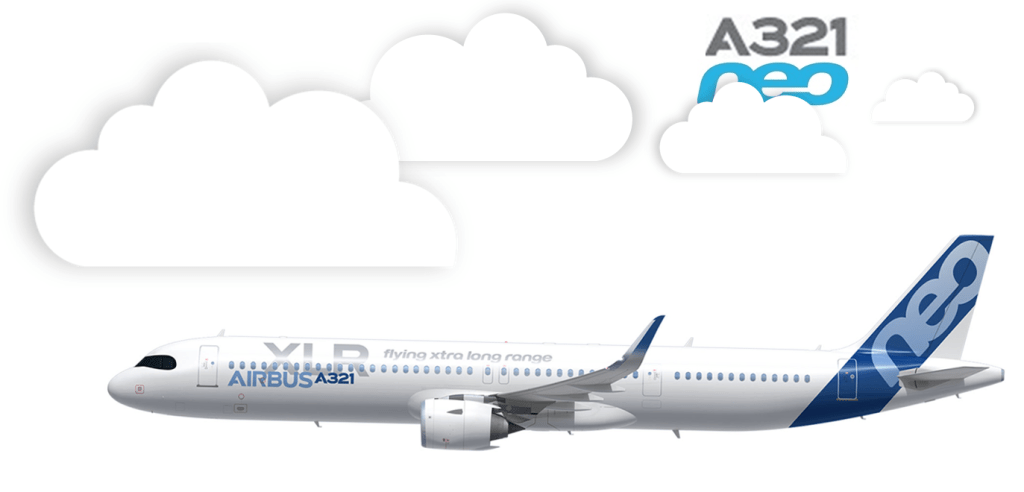
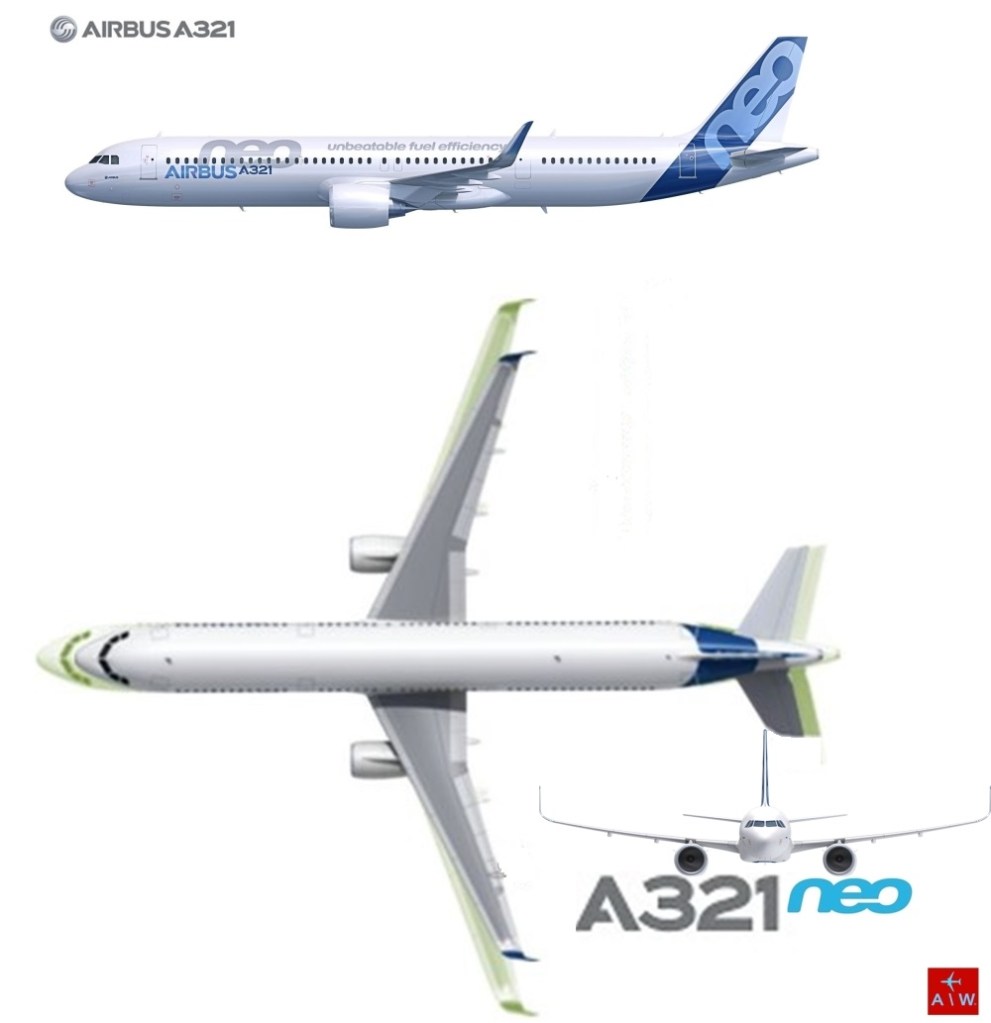
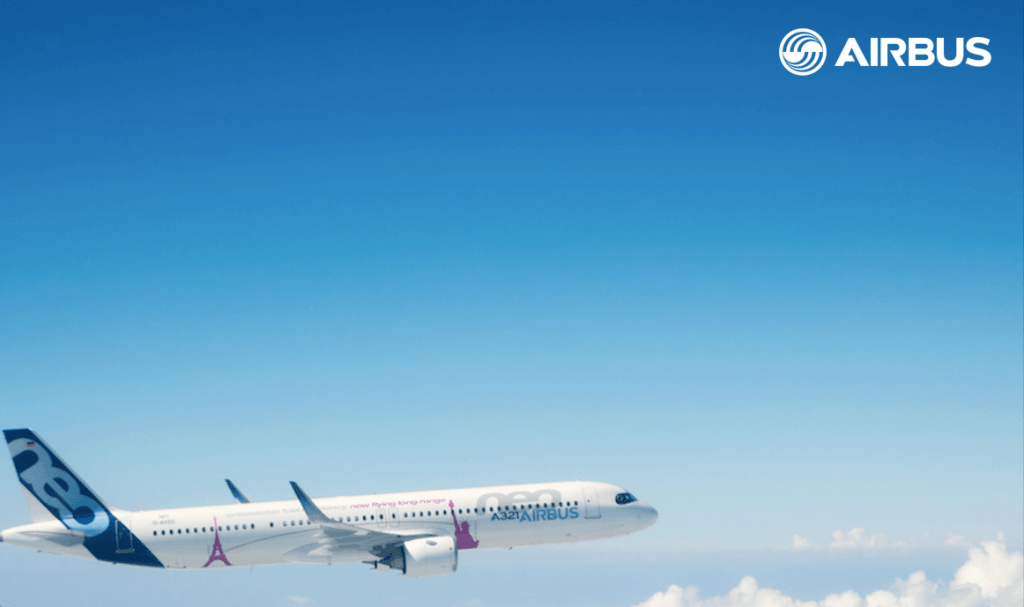
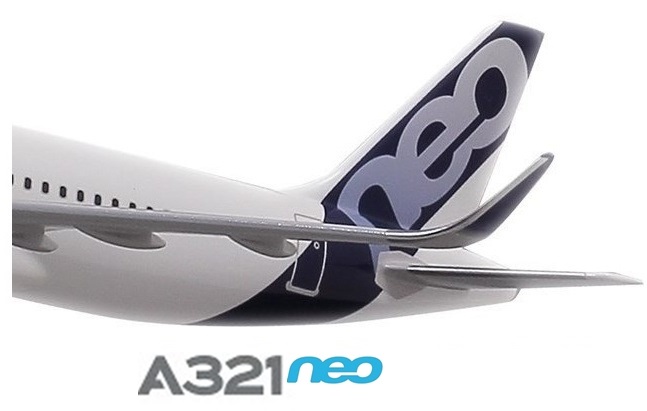
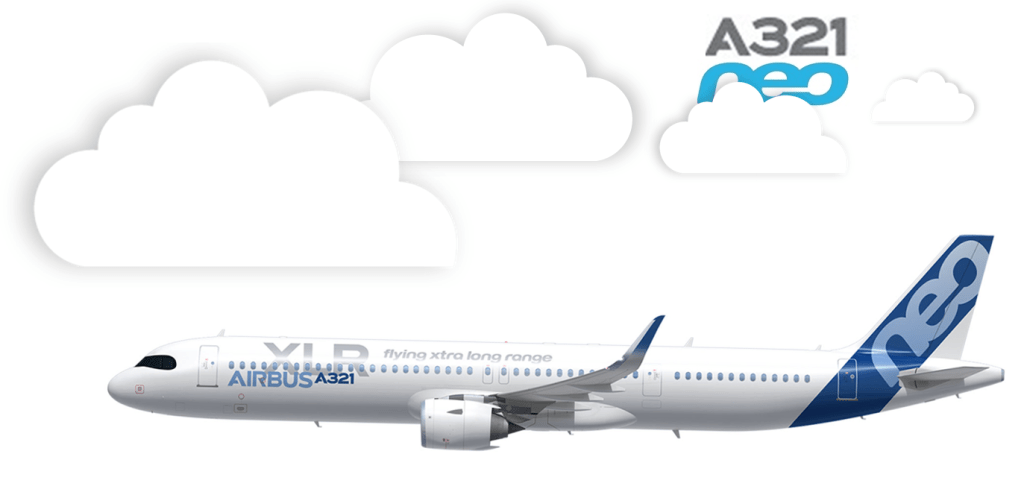
El Airbus A321XLR (eXtra Long Range) ha sido la última variante de la familia A320NEO de pasillo único del constructor que ha establecido el inicio de la producción en línea para este 2021 y las entregas hacia el 2023. El A321XLR significa que tendrá como una de sus cualidades más sobresalientes un alcance extra largo, extendiendo la posibilidad de ser un verdadero reemplazo para el Boeing 757, como así además, representará un sustituto para aeronaves de mayores desempeños que han quedado demasiado grandes para el nuevo mercado post-pandemia.
Nace el A321XLR
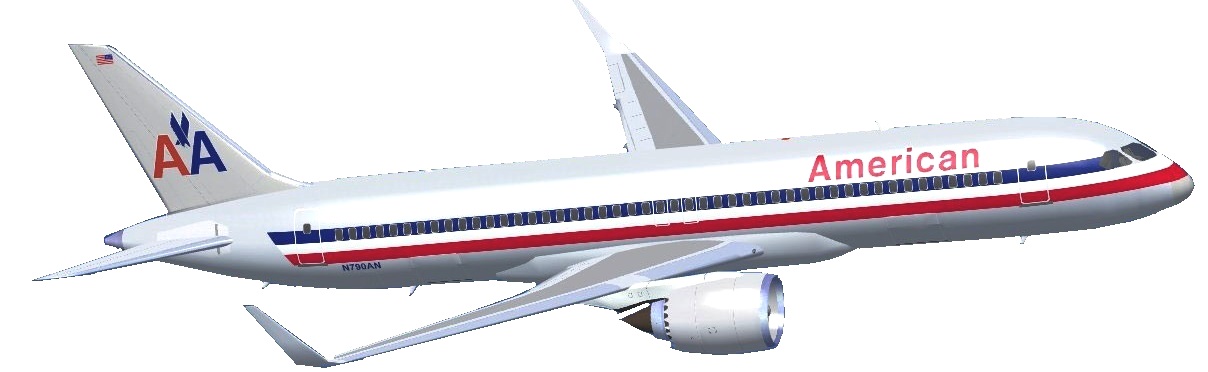
Desde que el modelo fue presentado por primera vez en el Salón Aéreo de París en Junio de 2019, el avión ha recogido más de 450 pedidos, incluyendo 37 unidades en 2020. «El XLR sigue disfrutando de una demanda de mercado muy fuerte», dijo recientemente el Jefe Comercial de Airbus, Christian Scherer. Entre los veinticuatro clientes para el A321XLR se encuentran con sus pedidos correspondientes: American Airlines (50), United Airlines (50), Qantas Airways (36).
Características A321XLR
El nuevo avión derivado de la familia A321NEO se posiciona fuertemente en el mercado de rango medio, la brecha entre los aviones narrowbodies y widebodies. El único avión que sirvió a este segmento fue el Boeing 757 de pasillo único, que tenía un alcance de aproximadamente 4.000 millas náuticas (7.400 kilómetros), permitiendo ser un verdadero avión transatlántico. Boeing desarrolló la variante Boeing 757-200ER para operaciones ETOPS, aún con estas notables mejoras, las aerolíneas empleaban el 757 en las rutas transatlánticas, pero en caso de fuertes vientos frontales tendrían que hacer una escala para reabastecimiento. La línea Boeing 757 terminó su producción en 2004 con la finalización de entregas en 2005.
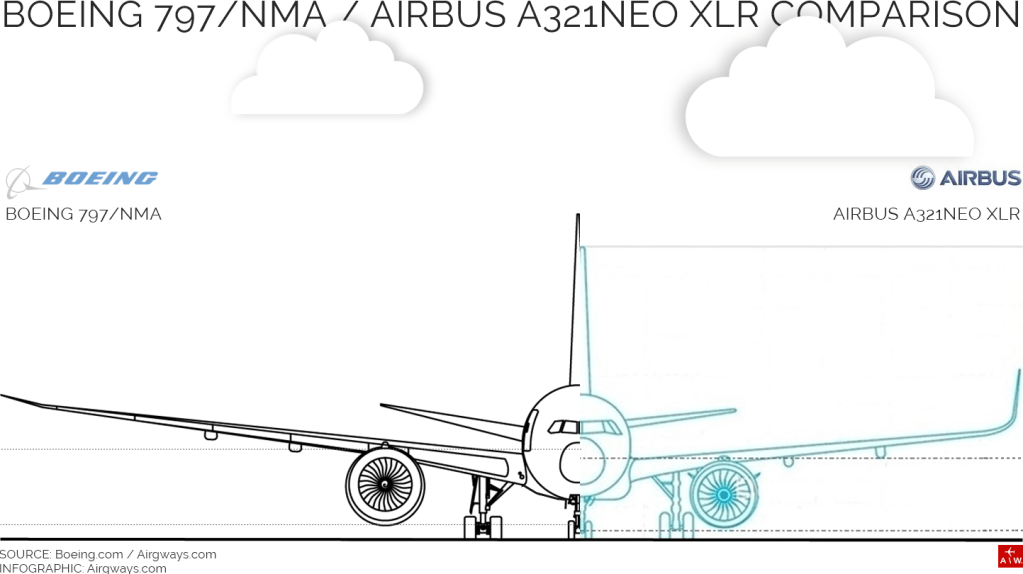
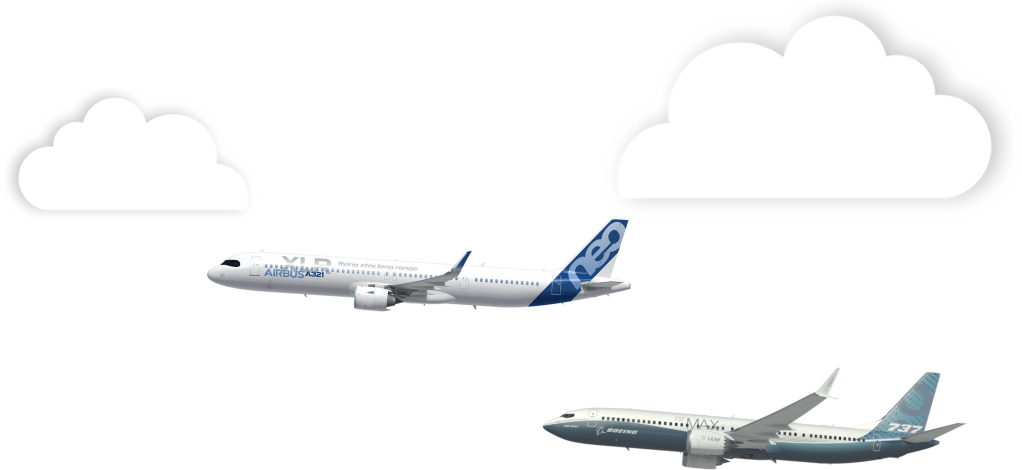
Mientras que el avión de más largo alcance hasta el momento la familia Airbus A320 cumplió con el alcance del Boeing 757, es sólo con el A321XLR y su alcance de 4.700 millas náuticas que las aerolíneas podrán utilizar el avión en rutas del Atlántico Norte sin preocupaciones. Antes de la pandemia, el avión era visto como una opción flexible para que las aerolíneas probaran y desarrollaran nuevas rutas con menos tráfico de una manera más rentable, ya que transportaba menos pasajeros que los aviones de cuerpo ancho de Airbus, el A330 y el A350. Debido a que la pandemia ha diezmado el tráfico aéreo, es probable que las aerolíneas tengan aún más necesidad de aeronaves de este tipo a medida que reconstruyen sus redes de ruta. «Está muy bien con las necesidades del mercado. Fue el caso antes de la pandemia, pero creemos que esto va a ser aún más el caso después de la pandemia», dijo Guillaume Faury, CEO de Airbus Group, en referencia al énfasis que han depositado en la nueva variante del segmento de rango medio. «Un 321 XLR cuesta mucho menos comprar y dar servicio, así como volar que un avión de cuerpo ancho. Especialmente porque la formación de pilotos— un elemento importante de los costos, se puede mutualizar entre las operaciones de larga distancia y las de los vuelos de corta y media distancia», dijo Jerome Bouchard, un especialista en aviación de la consultora Oliver Wyman. Las diversas versiones del A321 representan casi la mitad de los 6.355 aviones de pasillo único en el libro de pedidos del constructor europeo. Airbus cree que el XLR va a ser la principal proporción de nuestros A321. Actualmente, Boeing no ha desarrollado nada comparable al XLR que pueda ofrecer a las aerolíneas más allá del 2025.
El año pasado, preocupado por la crisis del 737 MAX y ensillado con una deuda de casi US$ 64 mil millones de Dólares, Boeing decidió no seguir adelante con lo que llamó su proyecto New Midsize Aircraft (NMA). El plan era para entregar en 2025 un avión que pudiera transportar hasta 275 pasajeros casi 9.000 km. Para el analista de aviación del Grupo Teal, Richard Aboulafia, esto significa que «Airbus se ha apoderado del mercado medio justo cuando el Covid-19 acelera el cambio al mercado medio. Boeing se enfrenta a un desafío muy serio del mercado medio». Los comentarios del CEO David Calhoun en Enero 2021 dejaron la impresión de que estaba trabajando en un plan de este tipo. Dijo que la firma se estaba tomando su tiempo, pero que sus ingenieros estaban avanzando «para que estemos listos cuando llegue ese momento a ofrecer un producto realmente diferenciado». La revista comercial Aviation Week ha informado de que Boeing ha comenzado a hacer sonar a sus proveedores sobre un avión que podría entrar en servicio a finales de la década, claro una distancia abrumadora frente al nuevo ganador del mercado medio, el A321XLR, lo que promete ser el best-seller de la aviación comercial.
Airbus consolidates middle market
Airbus optimism for A321XLR, the post-pandemic hope
Airbus Group seeks in the new development of the Airbus A321XLR to get out of pandemic crisis. The current reduction in flights in the face of the onslaught of the pandemic has caused a severe blow to the economies of the aeronautical industries, but Airbus Group has faced the near future with true optimism to counter the shortage of orders for commercial aircraft. A new aircraft is shaping up to boost recovery and gain an advantage over The Boeing Company.
The Airbus A321XLR (eXtra Long Range) has been the last variant of the constructor’s single-aisle A320NEO family that has established the start of line production for this 2021 and deliveries towards 2023. The A321XLR means that it will have as one of Its most outstanding qualities an extra long range, extending the possibility of being a true replacement for the Boeing 757, as well as representing a substitute for higher performance aircraft that have been too large for the new post-pandemic market.
The A321XLR is born
Since the model was first unveiled at the Paris Air Show in June 2019, the aircraft has picked up more than 450 orders, including 37 units in 2020. «The XLR continues to enjoy very strong market demand,» he said recently Airbus Chief Commercial Officer Christian Scherer. Among the twenty-four customers for the A321XLR are with their corresponding orders: American Airlines (50), United Airlines (50), Qantas Airways (36).
A321XLR Features
The new aircraft derived from the A321NEO family is strongly positioned in the mid-range market, the gap between narrowbodies and widebodies aircraft. The only aircraft that served this segment was the single-aisle Boeing 757, which had a range of approximately 4,000 nautical miles (7,400 kilometers), allowing it to be a true transatlantic aircraft. Boeing developed the Boeing 757-200ER variant for ETOPS operations, even with these notable improvements, airlines used the 757 on transatlantic routes, but in case of strong head winds they would have to make a stopover for refueling. The Boeing 757 line ended production in 2004 with the completion of deliveries in 2005.
While the longest-range aircraft to date the Airbus A320 family met the range of the Boeing 757, it is only with the A321XLR and its range of 4,700 nautical miles that airlines will be able to use the aircraft on North Atlantic routes without worry. Before the pandemic, the aircraft was seen as a flexible option for airlines to test and develop new routes with less traffic in a more cost-effective way, as it carried fewer passengers than Airbus wide-body aircraft, the A330 and A350. As the pandemic has decimated air traffic, airlines are likely to have an even greater need for aircraft of this type as they rebuild their route networks. «It is very well with the needs of the market. It was the case before the pandemic, but we believe that this will be even more the case after the pandemic», said Guillaume Faury, CEO of Airbus Group, referring to the emphasis they have deposited in the new variant of the mid-range segment. «A 321 XLR costs much less to buy and service, and to fly than a wide-body aircraft. Especially since pilot training — a major cost element, can be mutualized between long-haul operations and flight operations. short and medium-haul», said Jerome Bouchard, an aviation specialist at consultancy Oliver Wyman. The various versions of the A321 account for almost half of the 6,355 single-aisle aircraft in the European manufacturer’s order book. Airbus believes that the XLR is going to be the main proportion of our A321s. Currently, Boeing has not developed anything comparable to the XLR that it can offer to airlines beyond 2025.
Last year, worried about the 737 MAX crisis and saddled with a debt of nearly US$ 64 billion, Boeing decided not to go ahead with what it called its New Midsize Aircraft (NMA) project. The plan was to deliver in 2025 a plane that could carry up to 275 passengers almost 9,000 km. For Teal Group aviation analyst Richard Aboulafia, this means that «Airbus has taken over the mid-market just as Covid-19 accelerates the shift to the mid-market. Boeing is facing a very serious challenge from the mid-market». If Boeing won in the 2000s with its choice to develop the long-range Boeing 787 Dreamliner while Airbus went off with the super-jumbo A380, this time the situation is reversed. The decision to cancel the NMA «will cost Boeing dearly, at least for the decade to come», said Richard Bouchard. CEO David Calhoun’s comments in January 2021 left the impression that he was working on such a plan. He said the firm was taking its time, but that his engineers were moving forward «so that we are ready when that time comes to offer a truly differentiated product». Aviation Week trade magazine has reported that Boeing has begun buzzing its suppliers about an aircraft that could enter service by the end of the decade, clearly an overwhelming gap to the new mid-market winner, the A321XLR, which promises be the best-seller in commercial aviation.
Boeing puede reactivar hoja nueva de aeronave mercado medio
La industria aeronáutica continua atravesando profundo cambios importantes tras la pandemia que ha modificado la aviación comercial en el mundo entero. Muchos analistas de mercado han determinado que la compañía aeroespacial The Boeing Company ha reaccionado demasiado tarde para construir una aeronave de rango medio, pero la empresa con sede en Chicago ha prolongado su decisión de establecer un reemplazo para el mercado medio, en víspera de la posición del consorcio europeo Airbus Group de lanzar la producción del nuevo A321XLR, denominado «el asesino del mercado medio».
Etapas de ensayos
El fabricante americano puede estar reviviendo planes para un nuevo avión para servir un mercado de distancias medias en reemplazo del Boeing 757. Boeing ha introducido en Enero 1983 al Boeing 757 que ha estado orientado a un segmento de mercado de 200 asientos para un rango operativo medio, resultando ser demasiado adelantado a su tiempo, en un principio sin tanta popularidad, encontrando un lugar al ampliar las prestaciones de Rango Extendido (ER) como un jet transatlántico reutilizado en la década de 1990. Tras agotarse su vida útil, Boeing ha ensayado diferentes alternativas como una remotorización del 757; posteriormente nacía los planes el Boeing Sonic Cruiser que era un avión de pasajeros conceptual con un ala delta, una configuración decanard. Se distinguió de los aviones convencionales por su ala delta y alta velocidad de crucero subsónica de hasta Mach 0.98. Boeing lo propuso por primera vez en 2001, pero las aerolíneas generalmente preferían costos operativos más bajos por encima de una velocidad más alta. Boeing terminó el proyecto Sonic Cruiser en Diciembre 2002 y cambió al avión de pasajeros más lento (Mach 0.85), pero más eficiente en combustible 7E7, más tarde denominado 787 Dreamliner.
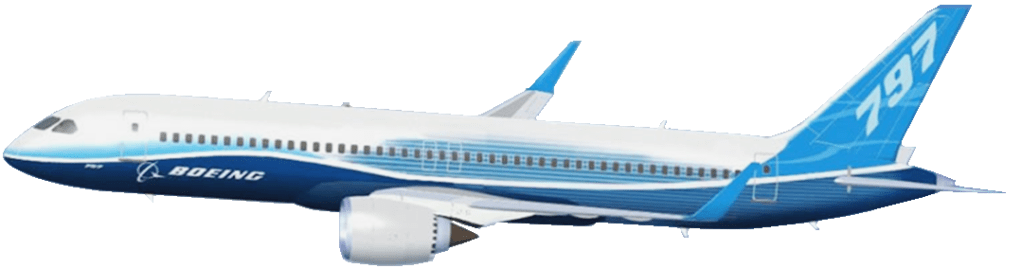
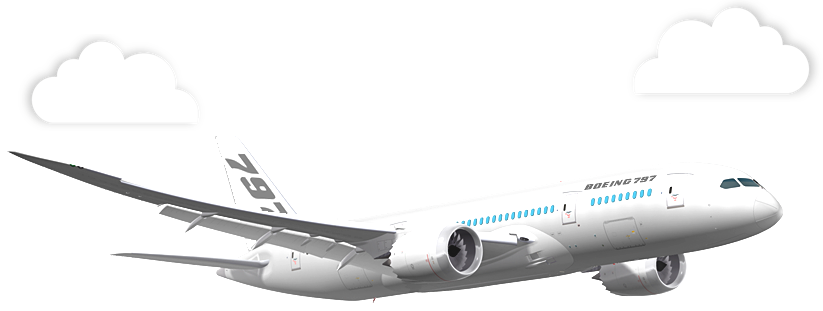
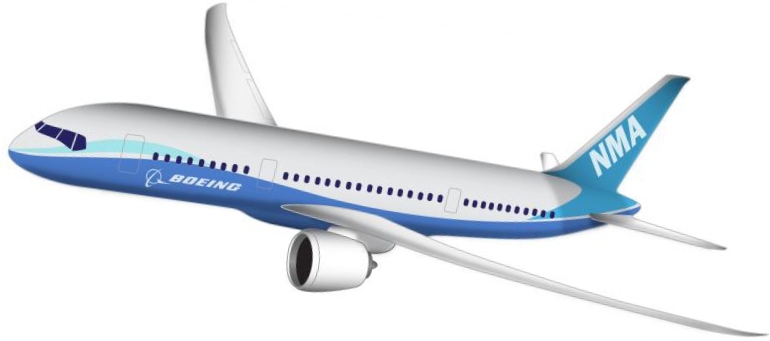
El New Midsize Airplane (NMA), o nueva aeronave de tamaño mediano, fue un avión de pasajeros conceptual propuesto por Boeing para llenar la mitad del segmento de mercado. En 2015, Boeing determinó que el mercado era lo suficientemente grande como para lanzar un nuevo diseño. En 2017, varias aerolíneas expresaron interés en un pasillo doble compuesto de siete abreast con una sección transversal elíptica. El nuevo avión, que probablemente habría sido nombrado Boeing 797, estaría disponible en dos versiones: un 225-plaza con 5.000 nmi (9.300 km) de alcance y un 275 asientos con un rango de 4.500 nmi (8.300 km). En Enero de 2020, Boeing puso en marcha los planes y anunció una reevaluación de hojas limpias del proyecto, señalando que se centró en devolver el 737 MAX al servicio y que estaría adoptando un nuevo enfoque para futuros proyectos. En Febrero de 2021, la compañía parecía haber revivido el proyecto con planes para una variante más corta que podría entrar en servicio a finales de la década de 2020.
Asoma competencia
El constructor americano se había enfrentado a una fuerte competencia cunado Airbus Group había anunciado la remotorización de la línea A320. La familia Airbus A320NEO (New Engine Option) es un desarrollo de la familia A320 de aviones a reacción de cuerpo estrecho producidos por Airbus. Lanzado el 1 de Diciembre de 2010, realizó su primer vuelo el 25 de Septiembre de 2014 y fue introducido por Lufthansa el 25 de Enero de 2016. Remotorizado con planta motriz CFM LEAP-1A o Pratt & Whitney PW1000G y equipado con puntas de alas Sharklets, que representan entre un 15% a 20% de más eficiencia en en consumo de combustible respecto a la familia A320CEO.
Tras los anuncios del constructor europeo, Boeing iniciaba su concentración plena en remotorizar a la línea 737 Next Generation persiguiendo la competitividad con la actualizad línea de cuarta generación 737 MAX. En un apuro por alcanzar el desarrollo vascilante que había demorado la factoría de Seattle (WA), intenta alcanzar una actualización tecnológica y estirar la célula del Boeing 737 hasta alcanzar al 737-10 MAX.
El concepto de la familia A320NEO se basa en los anteriores A319/A320/A321. A partir de Octubre de 2020, un total de 7.455 aviones de la familia A320NEO habían sido ordenados por más de 115 compañías aéreas, lo que lo convierte en el avión comercial más vendido de la historia. El reciente anuncio de activar la producción de la línea A321XLR encendió las alarmas nuevamente en Boeing.
Los errores cometidos por Boeing en el pasado, parecen repetir una situación donde la compañía americana evaluaba que no existía un mercado a lo largo del tiempo para una nueva aeronave, un nuevo concepto de hoja limpia y declinaba concentrarse en la línea 737 MAX para alcanzar el pleno desarrollo de producción.
Cambio de mercado
En 2020, el fabricante con sede en Chicago comenzó conversaciones con los clientes sobre la construcción de un jet de este tipo con una cabina de pasillo único. Luego, durante la presentación de ganancias del cuarto trimestre a finales de Enero 2021, el Director ejecutivo David Calhoun confirmó que el próximo jet de la compañía abordaría el «medio del mercado» entre los vuelos internacionales largos y los nacionales de corta distancia. Esto parece poner fin a las especulaciones de que Boeing podría priorizar un reemplazo para el problemático 737 MAX, que ahora está volando de nuevo. Es una buena llamada a no socavar las ventas de la línea MAX por un sustituto. La semana pasada, el zumbido de las noticias había aalcanzado su zénit después de que la revista comercial Aviation Week informara que el nuevo jet podría ser en cambio un modelo de dos pasillos, reviviendo el llamado proyecto New Midsize Airplane (NMA) que Boeing abandonó cuando el Sr. David Calhoun asumió en 2020. Esta vez, sin embargo, el programa no sólo tendría dos variantes con capacidad para 225 y 275 personas, sino también una tercera, más pequeña.
Tanto Airbus como Boeing estaban mostrando flexibilidad en las discusiones, que coincide con lo que se ha observado en la industria de la aviación, ya que hemos visto a varias aerolíneas anunciar cambios de pedido. El cambio de la profundización de la crisis sanitaria mundial ha llevado a las aerolíneas a modificar su estructura de la flota, concentrándose en aeronave de menor tamaño para distancias medias-largas. Durante un seminario web esta semana, el CEO de Lufthansa German Airlines, Carsten Spohr, hizo algunos comentarios interesantes sobre los planes de flota de la aerolínea alemana. «Estamos poniendo muchos aviones de largo alcance de cuatro motores fuera de la flota y esto crea una cierta necesidad de aviones de largo alcance más pequeños. Son discusiones muy dinámicas», expresó Carsten Spohr. Lufthansa tiene una perspectiva muy pesimista sobre el futuro de los viajes y dudas de si los viajes de negocios en los Estados Unidos o Europa volverán a los niveles pre-pandémicos. Lufthansa ya ha anunciado que retira todos sus A380 y A340-600.
Lo anterior plantea la pregunta de qué tipo de intercambios de orden podemos esperar de Lufthansa. Parece que las discusiones sobre posibles intercambios de pedidos son específicas de los aviones de larga distancia, sobre la base de los comentarios de la aerolínea. Las órdenes actuales de larga distancia de Lufthansa incluyen lo siguiente: Boeing 787-9 (20), Boeing 777-9 (20), Airbus A350-900 (41) alcanzando casi la entrega de la mitad de las órdenes establecidas. El A350 será finalmente la columna vertebral de la flota de larga distancia de la aerolínea alemana. Los tipos de aeronaves que Lufthansa puede intercambiar aquí son bastante limitados, pero una mirada más fina podría alimentar las intenciones de establecer pedidos hacia el A321XLR
Perspectivas mercado medio
Boeing y Airbus continuaban la carrera para establecer la supremacía del mercado medio. Airbus Group posee una ventaja comparativa respecto a los tiempos para disponer una nueva aeronave de mercado el A321XLR. El montaje final del primer A321XLR está previsto para 2021, con la entrada de la aeronave en el servicio aéreo dirigida hacia el 2023. Mientras que Boeing continuaba confiando en acaparar mercado con la línea 737-9/10 MAX, no han sido suficientes para competir con el «asesino del mercado medio» europeo.
El 22 de Enero de 2020, el nuevo CEO de Boeing, David Calhoun, anunció una reevaluación de hojas limpias del proyecto, ya que la compañía se centra en los productos existentes y el mercado se aleja después de que Airbus lanzara el popular A321XLR en 2019. Boeing también señaló su comprensión, tras los accidentes del 737 MAX, de que cualquier nuevo diseño debe centrarse en el Sistema de Control de Vuelo (MCAS) y en cómo interactúan los pilotos con la aeronave. Boeing ordenó un nuevo estudio para evaluar el mercado futuro y el tipo de aeronaves que podrían satisfacer ese mercado, efectivamente estanterías de su plan actual.
Boeing está perdiendo cuota de mercado en el Airbus A321 de 200 a 240 asientos en particular, que se dirige a un segmento similar del mercado al NMA. El retraso en el lanzamiento de la NMA ya había puesto en riesgo para Boeing una parte clave del mercado objetivo, especialmente después de que Airbus ganara contratos con dos grandes aerolíneas estadounidenses. Los analistas también cuestionaron si Boeing tenía el apetito por los gastos del proyecto NMA, ya que se enfrenta a costos equivalentes a un nuevo programa para reparar la crisis MAX y retrasos en el programa 777X. Una opción postulada para Boeing sería revivir el 787-3, una variante 787 optimizada para uso de corta distancia.
A principios de 2021, Boeing estaba estudiando una variante más corta -5X para competir con el Airbus A321XLR como un 757-200/300 sucesor con un rango de 5.000 nmi (9.300 km). Una variante más pequeña de 225 asientos del diseño anterior de dos pasillos NMA con alas compuestas y fuselaje, reutilizaría las estructuras existentes, los sistemas y la tecnología del motor para comparar los costos de producción comparables a los aviones de pasillo único. Sería impulsado por versiones desvaloradas de los motores de 50.000 lbf (220 kN) de mayor relación de derivación propuestos por CFM International y Pratt & Whitney, mientras que Rolls-Royce plc puede reconsiderar su retirada de la oferta. Boeing podría gastar entre 2 y 3 mil millones de Dólares al año para el desarrollo, hasta 25.000 millones de Dólares, ya que un posible avance en 2022 o 2023 podría conducir a una entrada de servicio a finales de la década de 2020.
Los analistas estiman que los aviones de cuerpo estrecho representarán alrededor del 70% de las ventas para 2025, y creen que una NMA de hoja limpia es esencial para que Boeing evite perder cuota de mercado con Airbus, y para el A321NEO particular. Airbus podría alcanzar una cuota de mercado global del 60%, pero los analistas creen que es poco probable que Boeing lance un nuevo avión de mercado medio.
Boeing approaches mid-market
Boeing may reactivate new sheet of mid-market aircraft
The aeronautical industry continues to undergo profound important changes after the pandemic that has modified commercial aviation throughout the world. Many market analysts have determined that the aerospace company The Boeing Company has reacted too late to build a mid-range aircraft, but the Chicago-based company has prolonged its decision to establish a replacement for the mid-market, on the eve of the position of the European consortium Airbus Group to launch production of the new A321XLR, dubbed «the middle market killer».
Test stages
The American manufacturer may be reviving plans for a new aircraft to serve a medium-haul market to replace the Boeing 757. Boeing introduced the Boeing 757 in January 1983 which has been targeting a 200-seat market segment for a mid-range operating range, proving to be too ahead of its time, initially not as popular, finding a place by expanding Extended Range (ER) capabilities like a repurposed transatlantic jet in the 1990s. After its useful life expired, Boeing has tested different alternatives such as a remotorization of the 757; later the plans were born the Boeing Sonic Cruiser which was a conceptual passenger plane with a delta wing, a decanard configuration. It distinguished itself from conventional aircraft by its delta wing and high subsonic cruise speed of up to Mach 0.98. Boeing first proposed it in 2001, but airlines generally preferred lower operating costs over higher speed. Boeing ended the Sonic Cruiser project in December 2002 and switched to the slower (Mach 0.85), but more fuel efficient 7E7, later named the 787 Dreamliner.
The New Midsize Airplane (NMA), or new medium-size aircraft, was a conceptual airliner proposed by Boeing to fill half of the market segment. In 2015, Boeing determined that the market was large enough to launch a new design. In 2017, several airlines expressed interest in a double aisle composed of seven openings with an elliptical cross section. The new aircraft, which would likely have been named the Boeing 797, would be available in two versions: a 225-seat with 5,000 nmi (9,300 km) of range and a 275-seat with a 4,500 nmi (8,300 km) range. In January 2020, Boeing put the plans in motion and announced a clean-sheet re-evaluation of the project, noting that it was focused on returning the 737 MAX to service and that it would be taking a new approach for future projects. In February 2021, the company appeared to have revived the project with plans for a shorter variant that could enter service in the late 2020s.
Competition looms
The American manufacturer had faced strong competition when Airbus Group had announced the re-engine of the A320 line. The Airbus A320NEO Family (New Engine Option) is a development of the A320 family of narrow-body jet aircraft produced by Airbus. Launched on December 1, 2010, it made its maiden flight on September 25, 2014 and was introduced by Lufthansa on January 25, 2016. Remotorized with CFM LEAP-1A or Pratt & Whitney PW1000G powerplant and equipped with Sharklets wingtips. , which represent between 15% to 20% more efficiency in fuel consumption compared to the A320CEO family.
Following the announcements by the European manufacturer, Boeing began its full concentration on remotorizing the 737 Next Generation line in pursuit of competitiveness with the updated fourth-generation 737 MAX line. In a rush to catch up with the fluctuating development that had delayed the Seattle (WA) factory, it tries to achieve a technological upgrade and stretch the Boeing 737 cell to the 737-10 MAX.
The concept of the A320NEO Family is based on the previous A319/A320/A321. As of October 2020, a total of 7,455 A320NEO Family aircraft had been ordered by more than 115 airlines, making it the best-selling commercial aircraft in history. The recent announcement to activate production of the A321XLR line raised alarms again at Boeing.
The mistakes made by Boeing in the past seem to repeat a situation where the American company evaluated that there was no market over time for a new aircraft, a new concept of clean sheet and declined to focus on the 737 MAX line to achieve the full development of production.
Market change
In 2020, the Chicago-based manufacturer began discussions with customers about building such a jet with a single-aisle cabin. Then, during the fourth quarter earnings presentation at the end of January 2021, CEO David Calhoun confirmed that the company’s next jet would address the «middle of the market» between long international flights and domestic short haul flights. This appears to end speculation that Boeing could prioritize a replacement for the troublesome 737 MAX, which is now flying again. It’s a good call not to undermine sales of the MAX line for a substitute. Last week, the news buzz had reached its zenith after trade magazine Aviation Week reported that the new jet could be a two-aisle model instead, reviving the so-called New Midsize Airplane (NMA) project that Boeing abandoned when Mr. David Calhoun took over in 2020. This time, however, the program would not only have two variants with capacity for 225 and 275 people, but also a third, smaller one.
Both Airbus and Boeing were showing flexibility in their discussions, which is in line with what has been observed in the aviation industry as we have seen several airlines announce order changes. The change in the deepening of the global health crisis has led airlines to modify their fleet structure, concentrating on smaller aircraft for medium-long distances. During a webinar this week, Lufthansa German Airlines CEO Carsten Spohr made some interesting comments about the German airline’s fleet plans. «We are putting a lot of four-engine long-range aircraft out of the fleet and this creates a certain need for smaller long-range aircraft. These are very dynamic discussions», said Carsten Spohr. Lufthansa has a very pessimistic outlook on the future of travel and doubts whether business travel in the United States or Europe will return to pre-pandemic levels. Lufthansa has already announced that it is recalling all its A380 and A340-600.
The above raises the question of what kind of order exchanges we can expect from Lufthansa. It appears that discussions about possible order swaps are specific to long-haul jets, based on the airline’s comments. Lufthansa’s current long-haul orders include the following: Boeing 787-9 (20), Boeing 777-9 (20), Airbus A350-900 (41) reaching almost half of the established orders. A350 will eventually be the backbone of the German airline’s long-haul fleet. The types of aircraft Lufthansa can trade in here are quite limited, but a finer look could fuel intentions to order the A321XLR.
Middle market perspective
Boeing and Airbus continue the race to establish mid-market supremacy. Airbus Group has a comparative advantage over the timing to bring a new aircraft to market, the A321XLR. Final assembly of the first A321XLR is scheduled for 2021, with the aircraft entering the air service towards 2023. While Boeing continued to hope to corner the market with the 737-9 / 10 MAX line, they have not been enough to compete with the European «middle market killer».
On January 22, 2020, new Boeing CEO David Calhoun announced a clean sheets reassessment of the project as the company focuses on existing products and the market retreats after Airbus launched the popular A321XLR in 2019. Boeing also signaled its understanding, following the 737 MAX accidents, that any new design must focus on the Flight Control System (MCAS) and how pilots interact with the aircraft. Boeing ordered a new study to assess the future market and the type of aircraft that could satisfy that market, effectively shelving from its current plan.
Boeing is losing market share in the 200-240 seat Airbus A321 in particular, which is targeting a similar market segment to the NMA. The delay in launching the NMA had already put a key part of the target market at risk for Boeing, especially after Airbus won contracts with two large US airlines. Analysts also questioned whether Boeing had an appetite for NMA project spending, as it faces costs equivalent to a new program to fix the MAX crisis and delays to the 777X program. One posited option for Boeing would be to revive the 787-3, a 787 variant optimized for short-haul use.
In early 2021, Boeing was studying a shorter -5X variant to compete with the Airbus A321XLR as a successor 757-200 / 300 with a range of 5,000 nmi (9,300 km). A smaller 225-seat variant of the previous two-aisle NMA design with compound wings and fuselage would reuse existing structures, systems and engine technology to compare production costs comparable to single-aisle aircraft. It would be powered by undervalued versions of the higher bypass ratio 50,000 lbf (220 kN) engines proposed by CFM International and Pratt & Whitney, while Rolls-Royce plc may reconsider its withdrawal from the offering. Boeing could spend between $ 2 and $ 3 billion a year for development, up to $ 25 billion, as a possible breakthrough in 2022 or 2023 could lead to a service entry in the late 2020s.
Analysts estimate that narrow-body aircraft will account for around 70% of sales by 2025, and believe that a clean-sheet NMA is essential for Boeing to avoid losing market share to Airbus, and for the A321NEO in particular. Airbus could achieve a global market share of 60%, but analysts believe that Boeing is unlikely to launch a new mid-market aircraft.
AW | 2021 02 16 10:46 | INDUSTRY / AVIATION TECHNOLOGY
Pruebas recubrimiento antimicrobiano en entorno espacial
La Estación Espacial Internacional (ISS) prueba el recubrimiento de superficie de lucha contra virus desarrollado por The Boeing Company y la Universidad de Queensland, Australia. Los astronautas a bordo de la Estación Espacial Internacional (ISS) están llevando a cabo experimentos con un recubrimiento superficial antimicrobiano diseñado para combatir la propagación de bacterias y virus, incluido el virus SARS-CoV-2 vinculado a la Tierra responsable de la actual pandemia COVID-19.
Desarrollado por The Boeing Company y la Universidad de Queensland (UQ), el proyecto de investigación conjunta fue probado a bordo del ecoDemonstrator de Boeing en 2020 como parte de la iniciativa de viajes confiados de la compañía. «Mientras las pruebas continúan en órbita y en la Tierra, nos animan los resultados preliminares del compuesto químico antimicrobiano. Existe la posibilidad de una aplicabilidad de base amplia para un recubrimiento superficial como este cuando se utiliza junto con otras medidas para prevenir la transmisión de enfermedades», dijo Mike Delaney, Director de Seguridad Aeroespacial de Boeing.
El experimento en la Estación ISS prueba dos conjuntos idénticos de objetos, incluyendo una hebilla de asiento de avión, tela de asientos de avión y cinturones de seguridad, y partes de un reposabrazos y una mesa de bandeja. Un conjunto recibió el recubrimiento de la superficie antimicrobiana, mientras que el otro no se ha aplicado el procedimiento antimicrobiano. Los miembros de la tripulación de la ISS están tocando ambos conjuntos de objetos cada pocos días para transferir microbios que ocurren naturalmente en la piel humana; no se enviaron muestras de microbios a la estación para este experimento. A finales de este año, los objetos de prueba serán devueltos a la Tierra para su análisis en los laboratorios de Boeing para medir la eficacia del recubrimiento superficial en un entorno espacial.
«Después de años de desarrollo, es realmente emocionante ver nuestra investigación en el espacio. El propósito principal de nuestro recubrimiento antimicrobiano era ayudar a proteger las misiones espaciales. Después de que la pandemia actual golpeó, modificamos la fórmula del recubrimiento para que también se dirigió al virus COVID-19 si está presente en una superficie en la Tierra. Esperamos continuar con nuestro régimen de pruebas y trabajar para obtener aprobaciones regulatorias», dijo el Profesor Michael Monteiro, del Instituto Australiano de Bioingeniería y Nanotecnología de la Universidad de Queensland.
Un recubrimiento superficial antimicrobiano en una nave espacial podría ayudar a garantizar la salud de la tripulación y proteger los sistemas de la nave espacial de las bacterias, y en última instancia puede ayudar a prevenir la contaminación interplanetaria de los microbios terrestres u de otro planeta.
Boeing fue seleccionado por la NASA como el contratista principal de la ISS en 1993. Desde entonces, Boeing ha proporcionado soporte de ingeniería las 24 horas: mantener la estación en los niveles máximos de rendimiento a través de misiones dinámicas y garantizar que el valor total del laboratorio de investigación único esté disponible para la NASA, sus socios internacionales y empresas privadas durante los años venideros.
Desde 2003, Boeing y la Universidad de Queensland han colaborado en una amplia cartera de proyectos conjuntos de investigación y desarrollo. En 2017, los ingenieros de Boeing Research & Technology (BR&T) con sede en Brisbanese trasladaron a la universidad en una asociación de primera clase para la región Asia-Pacífico de la compañía.
El Instituto Australiano de Bioingeniería y Nanotecnología (AIBN) de la Universidad de Queensland ha sido un motor de investigación multidisciplinaria para abordar los problemas globales. El AIBN alberga a más de 400 investigadores en una amplia gama de disciplinas científicas.
Boeing es la compañía aeroespacial más grande del mundo y proveedor líder de aviones comerciales, sistemas de defensa, espacio y seguridad, y servicios globales. Como principal exportador estadounidense, la compañía apoya a clientes comerciales y gubernamentales en más de 150 países. Basándose en un legado de liderazgo aeroespacial, Boeing continúa liderando la tecnología y la innovación, entregando para sus clientes e invirtiendo en su gente y crecimiento futuro.
Boeing space antimicrobial test
Antimicrobial coating tests in space environment
The International Space Station (ISS) tests the virus-fighting surface coating developed by The Boeing Company and the University of Queensland, Australia. Astronauts aboard the International Space Station (ISS) are conducting experiments with an antimicrobial surface coating designed to combat the spread of bacteria and viruses, including the Earth-linked SARS-CoV-2 virus responsible for the current COVID-19 pandemic.
Developed by The Boeing Company and the University of Queensland (UQ), the joint research project was tested aboard Boeing’s ecoDemonstrator in 2020 as part of the company’s confident travel initiative. «As testing continues in orbit and on Earth, we are encouraged by preliminary results of the antimicrobial chemical. There is potential for broad-based applicability for a surface coating like this when used in conjunction with other measures to prevent disease transmission», said Mike Delaney, Boeing’s Director of Aerospace Safety.
The experiment at the ISS Station tests two identical sets of objects, including an airplane seat buckle, airplane seat fabric and seat belts, and parts of an armrest and a tray table. One set received the antimicrobial surface coating, while the other set did not have the antimicrobial procedure applied. ISS crew members are touching both sets of objects every few days to transfer naturally occurring microbes to human skin; no microbial samples were sent to the station for this experiment. Later this year, the test objects will be returned to Earth for analysis in Boeing laboratories to measure the effectiveness of the surface coating in a space environment.
«After years of development, it is really exciting to see our research in space. The primary purpose of our antimicrobial coating was to help protect space missions. After the current pandemic hit, we modified the coating formula so that it also addressed to the COVID-19 virus if it is present on a surface on Earth. We look forward to continuing our testing regime and working towards regulatory approvals, «said Professor Michael Monteiro, Australian Institute of Bioengineering and Nanotechnology at the University of Queensland.
An antimicrobial surface coating on a spacecraft could help ensure the health of the crew and protect spacecraft systems from bacteria, and ultimately can help prevent interplanetary contamination from microbes on the ground or from another planet.
Boeing was selected by NASA as the prime contractor for the ISS in 1993. Since then, Boeing has provided 24-hour engineering support – keeping the station at peak performance levels through dynamic missions and ensuring that the full value of the Unique research laboratory will be available to NASA, its international partners, and private companies for years to come.
Since 2003, Boeing and the University of Queensland have collaborated on a broad portfolio of joint research and development projects. In 2017, engineers from Brisbanese-based Boeing Research & Technology (BR&T) transferred the university in a first-class partnership for the company’s Asia-Pacific region.
The Australian Institute of Bioengineering and Nanotechnology (AIBN) at the University of Queensland has been a multidisciplinary research engine to tackle global problems. The AIBN is home to more than 400 researchers in a wide range of scientific disciplines.
Boeing is the world’s largest aerospace company and a leading provider of commercial aircraft, defense, space and security systems, and global services. As a leading US exporter, the company supports commercial and government clients in more than 150 countries. Building on a legacy of aerospace leadership, Boeing continues to lead in technology and innovation, delivering for its customers and investing in its people and future growth.
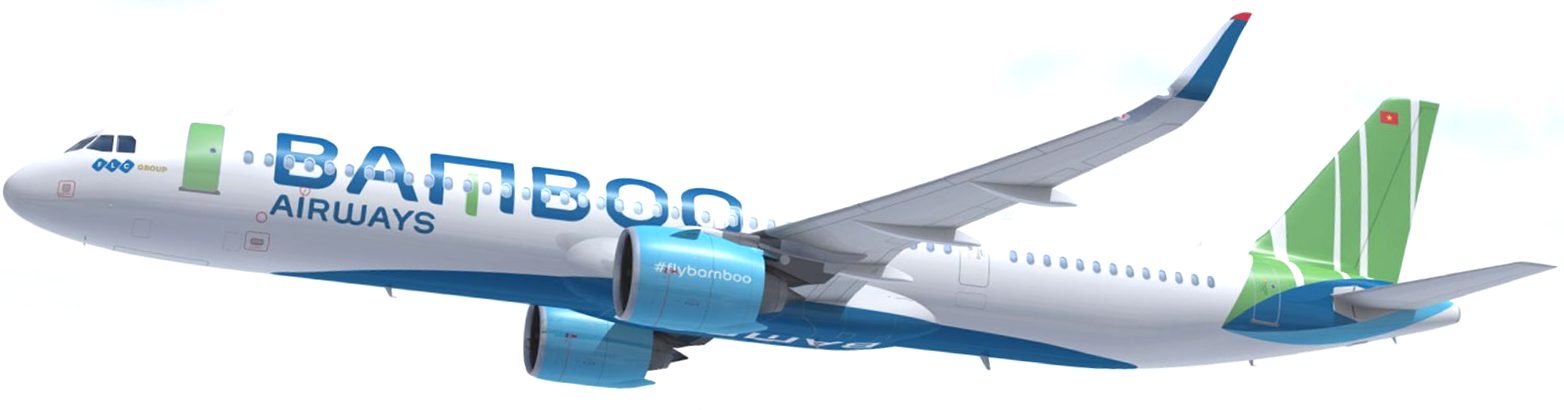
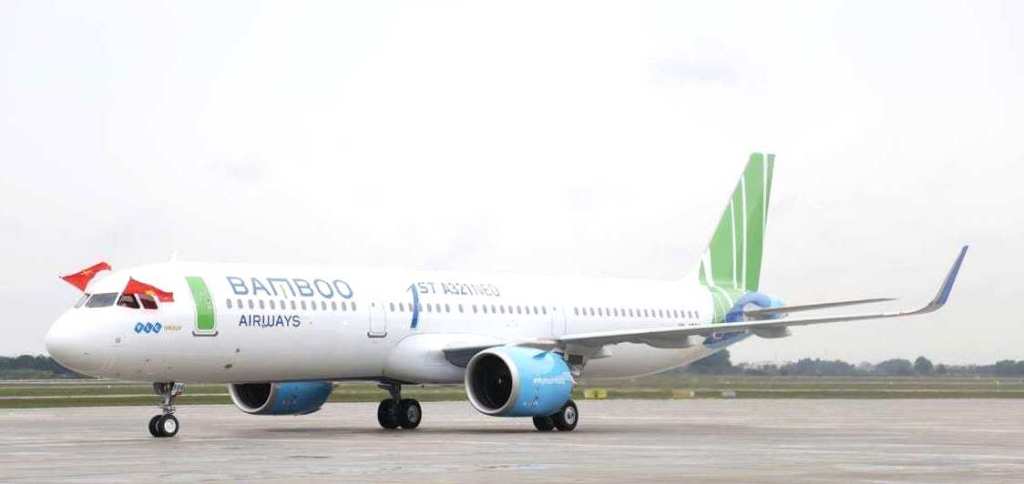
Bamboo Airways, una aerolínea con más de dos años de antigüedad de Vietnam ha recibido recientemente este 7 Febrero 2021 el primer Airbus A321NEO para incorporarse a su flota. El nuevo avión arribó al Aeropuerto Noi Bai, Vietnam y complementará la flota compuesta en su mayoría de aeronaves del fabricante europeo Airbus Group. «El A321NEO nos permitirá combinar comodidad, eficiencia y la capacidad adecuada para nuestros servicios planificados, que servirán principalmente a mercados de ocio de rápido crecimiento en Vietnam. Esta decisión subraya una vez más la posición del A321 como el avión de elección en el segmento de mercado medio con su capacidad adicional y el menor costo de operación», dijo Trinh Van Quyet, Jefe de FLC Group como parte de la aerolínea Bamboo Airways.
Bamboo A321NEO
El avión A321NEO, con registro VNA222, realizó el vuelo en ferry desde Hamburgo, la sede de la línea de montaje de los A321, con una escala en Bateen, Emiratos Árabes Unidos (EAU) con destino final Hanói, Vietnam, con una trayectoria de vuelo de más de cinco horas.
El A321NEO tiene capacidad para 223 pasajeros, Economy (215) y Executive Class (8). La aerolínea con sede en Qui Nhon dice que el nuevo A321NEO optimiza el espacio para asientos, pasillos, espacio para las piernas, reclinación. el diseño de la cabina crea una sensación de espacio que es cómoda para los pasajeros y conveniente para la tripulación.
La moderna adquisición del Airbus A321NEO es la primer unidad de treinta A321NEO (30) que ha solicitado la aerolínea. La sperspectivas tecnológicas permitirán ahorrar un 16% de ventaja de eficiencia de combustible sobre aviones del mismo sector, reduciendo además la huella de ruido y emisiones de carbono. El inicio de actividades del primer vuelo comercial se ha realiza el 08/02.
Bamboo acquires 1st A321NEO
Bamboo Airways takes delivery of first Airbus A321NEO
Bamboo Airways, an airline with more than two years of antiquity in Vietnam, has recently received the first Airbus A321NEO to join its fleet on February 7, 2021. The new aircraft arrived at Noi Bai Airport, Vietnam and will complement the fleet consisting mostly of aircraft of the European manufacturer Airbus Group. «The A321NEO will allow us to combine comfort, efficiency and adequate capacity for our planned services, which will primarily serve the fast-growing leisure markets in Vietnam. This decision once again underlines the A321’s position as the aircraft of choice in the segment of middle market with its additional capacity and lower cost of operation», said Trinh Van Quyet, Head of FLC Group as part of Bamboo Airways airline.
Bamboo A321NEO
The A321NEO aircraft, registered VNA222, flew by ferry from Hamburg, the headquarters of the A321 assembly line, with a stopover in Bateen, United Arab Emirates (UAE) with final destination Hanoi, Vietnam, with a trajectory of flight of more than five hours.
The A321NEO has capacity for 223 passengers, Economy (215) and Executive Class (8). The Qui Nhon-based airline says the new A321NEO optimizes space for seats, aisles, legroom, recline. the layout of the cabin creates a sense of space that is comfortable for passengers and convenient for the crew.
The modern acquisition of the Airbus A321NEO is the first unit of thirty A321NEOs (30) that the airline has ordered. Technological perspectives will save a 16% fuel efficiency advantage over aircraft in the same sector, also reducing the noise footprint and carbon emissions. The start of activities for the first commercial flight took place on 02/08.
Bamboo mua A321NEO đầu tiên
Bamboo Airways nhận chiếc Airbus A321NEO đầu tiên
Bamboo Airways, hãng hàng không có thâm niên hơn hai năm tại Việt Nam, vừa nhận chiếc máy bay Airbus A321NEO đầu tiên gia nhập đội bay vào ngày 7/2/2021. Máy bay mới đã đến sân bay Nội Bài, Việt Nam và sẽ bổ sung cho đội bay bao gồm chủ yếu là máy bay của tập đoàn Airbus của châu Âu. «A321NEO sẽ cho phép chúng tôi kết hợp sự thoải mái, hiệu quả và công suất phù hợp cho các dịch vụ theo kế hoạch của chúng tôi, chủ yếu sẽ phục vụ các thị trường giải trí đang phát triển nhanh tại Việt Nam. Quyết định này một lần nữa nhấn mạnh vị trí của A321 là máy bay được lựa chọn trong phân khúc hạng trung», ông Trịnh Văn Quyết, Giám đốc Tập đoàn FLC, thuộc hãng hàng không Bamboo Airways, cho biết.
Tre A321NEO
Máy bay A321NEO, đăng ký VNA222, bay bằng phà từ Hamburg, trụ sở chính của dây chuyền lắp ráp A321, có điểm dừng tại Bateen, Các Tiểu vương quốc Ả Rập Thống nhất (UAE) với điểm đến cuối cùng là Hà Nội, Việt Nam, với quỹ đạo bay hơn 5 giờ.
A321NEO có sức chứa 223 hành khách, hạng Phổ thông (215) và hạng Executive (8). Hãng hàng không có trụ sở tại Qui Nhơn cho biết A321NEO mới tối ưu hóa không gian cho ghế ngồi, lối đi, chỗ để chân, ngả lưng. cách bố trí cabin tạo cảm giác không gian thoải mái cho hành khách và thuận tiện cho phi hành đoàn.
Việc mua lại chiếc Airbus A321NEO hiện đại là chiếc đầu tiên trong số 30 chiếc A321NEO mà hãng đã đặt hàng. Các quan điểm công nghệ sẽ tiết kiệm 16% lợi thế về hiệu suất nhiên liệu so với các máy bay cùng lĩnh vực, đồng thời giảm thiểu tiếng ồn và lượng khí thải carbon. Các hoạt động bắt đầu cho chuyến bay thương mại đầu tiên diễn ra vào ngày 02/08.
AW | 2021 02 15 15:41 | AIRLINES ROUTES / INDUSTRY
Vistara volará entre Mumbai hacia Malé
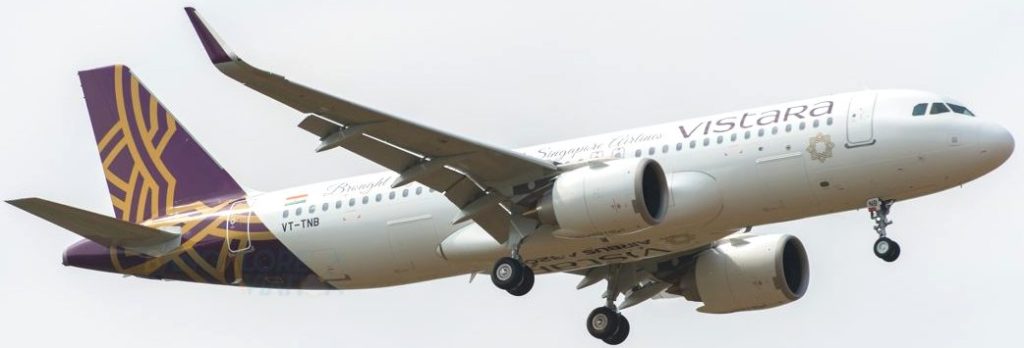
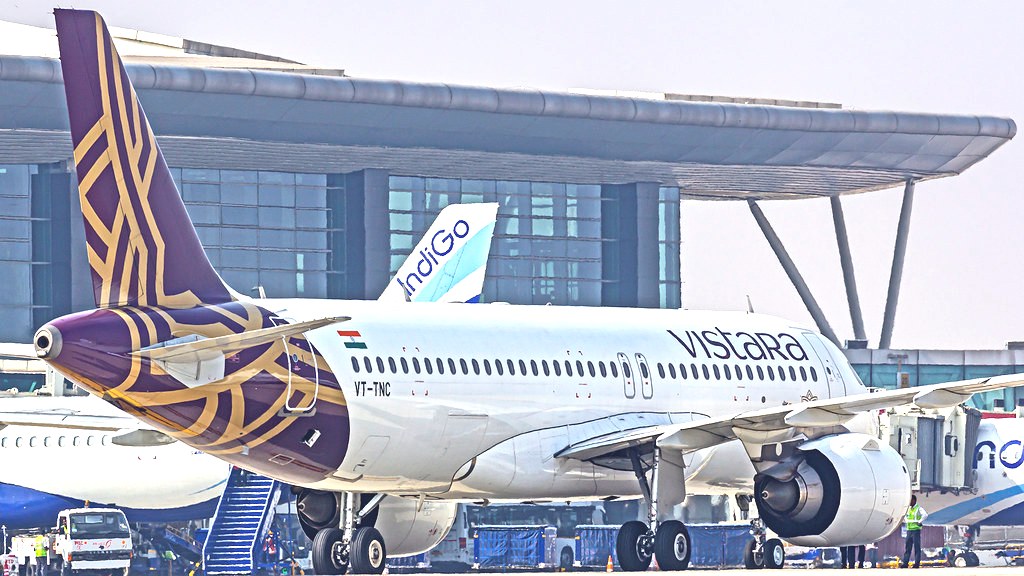
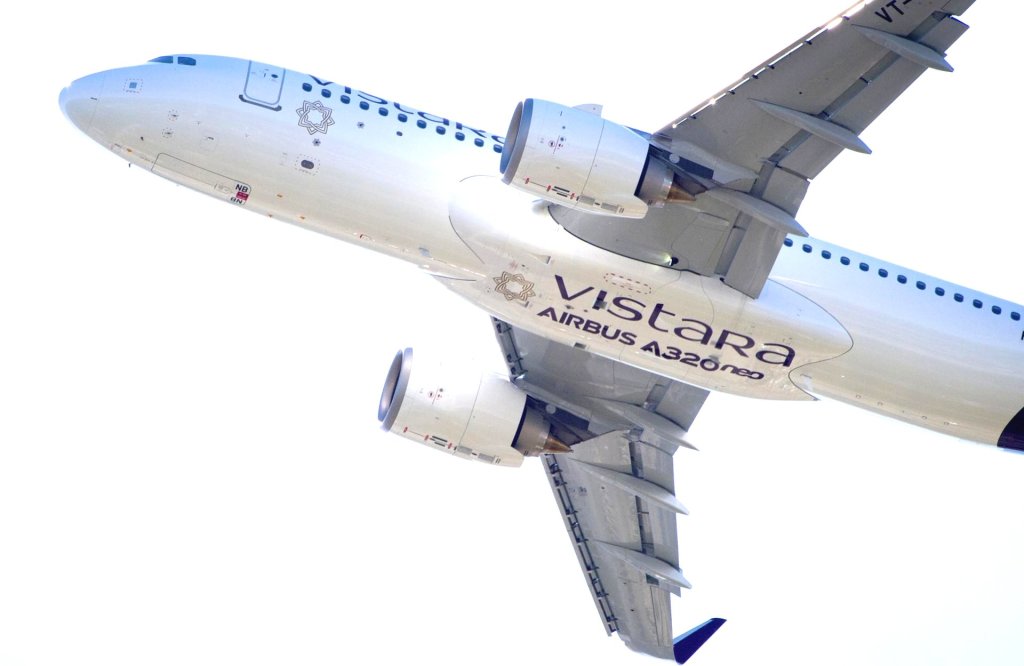
Vistara Airlines ha anunciado vuelos especiales sin escalas entre Mumbai (India) y Malé, la capital de las Islas Maldivas, en el Océano Índico. A partir del 3 de Marzo de 2021, la aerolínea incorporará vuelos entre Mumbai y Malé tres veces a la semana, Miércoles/ Sábados/Domingos (3Frq/S), empleando aeronaves Airbus A320NEO ofreciendo tres clases en esta ruta hacia el Índico.
El servicio tres veces por semana se produce cuando Malé se convierte en un popular destino de vacaciones, con pocas restricciones fronterizas actualmente en vigor. El vuelo es de una duración de 2 horas y 45 minutos en ambas direcciones. El primer vuelo UK-271 despegará de Mumbai a las 13:45 horas [hora local], y llegará al Aeropuerto Internacional Malé’s Velana a las 16:00 horas [hora local]. El vuelo de retorno UK-272 saldrá de Malé a las 17:00 horas y llegará a Mumbai a las 20:15 horas. Estos vuelos han sido anunciados bajo el acuerdo de burbujas aéreas de la India con las Maldivas.
Leslie Thng, Directora Ejecutiva de Vistara Airlines, dijo: «Nuestro nuevo servicio a las Maldivas dará a los viajeros un mayor acceso a uno de los destinos vacacionales preferidos por la India. Estamos encantados con la oportunidad de llevar la mejor aerolínea de la India a más lugares y ofrecer lo mejor de los viajes aéreos a las personas que vuelan entre la India y las Maldivas mientras mantienen los más altos estándares de seguridad e higiene».
Actualmente el mercado de la ruta India-Maldivas es también atendida por IndiGo como GoAir con un servicio diario, lo que permitirá ofrecer más flexibilidad, mejores alternativas lo que permite estimular el mercado aéreo. Además, ambas aerolíneas de bajo coste ofrecen llegadas más tempranas a Malé, un factor importante para los destinos de ocio debido a los horarios de check-in en el hotel.
Vistara Airlines will fly to Maldives
Vistara will fly between Mumbai to Malé
Vistara Airlines has announced special nonstop flights between Mumbai (India) and Malé, the capital of the Maldives Islands, in the Indian Ocean. Starting March 3, 2021, the airline will incorporate flights between Mumbai and Malé three times a week, Wednesday/Saturday/Sunday (3Frq/S), using Airbus A320NEO aircraft offering three classes on this route to the Indian Ocean.
The three times a week service comes as Malé becomes a popular vacation destination, with few border restrictions currently in place. The flight lasts 2 hours and 45 minutes in both directions. The first UK-271 flight will take off from Mumbai at 1:45 pm [local time], arriving at Malé’s Velana International Airport at 4:00 pm [local time]. Return flight UK-272 will depart Male at 5:00 PM and arrive in Mumbai at 8:15 PM. These flights have been advertised under India’s air bubble agreement with the Maldives.
Leslie Thng, Executive Director of Vistara Airlines, said: «Our new service to the Maldives will give travelers greater access to one of India’s preferred holiday destinations. We are delighted with the opportunity to bring India’s best airline to more places and offer the best of air travel to people flying between India and the Maldives while maintaining the highest standards of safety and hygiene».
Currently the market of the India-Maldives route is also served by IndiGo as GoAir with a daily service, which will allow it to offer more flexibility, better alternatives, which allows stimulating the air market. In addition, both low-cost airlines offer earlier arrivals to Male, an important factor for leisure destinations due to hotel check-in times.
विस्तारा एयरलाइंस मालदीव के लिए उड़ान भरेगी
विस्तारा मुंबई से माले के बीच उड़ान भरेगा
विस्तारा एयरलाइंस ने हिंद महासागर में मालदीव द्वीप समूह की राजधानी मुंबई (भारत) और माले के बीच विशेष नॉनस्टॉप उड़ानों की घोषणा की है। 3 मार्च 2021 से शुरू होकर, एयरलाइन मुंबई और माले के बीच सप्ताह में तीन बार, बुधवार/शनिवार/रविवार (3Frq/S) के बीच उड़ानों को शामिल करेगी, एयरबस A320NEO विमान का उपयोग करके हिंद महासागर में इस मार्ग पर तीन कक्षाएं पेश करेंगी।
सप्ताह में तीन बार सेवा के रूप में आता है, माले एक लोकप्रिय छुट्टी गंतव्य बन जाता है, जिसमें वर्तमान में कुछ सीमा प्रतिबंध हैं। उड़ान दोनों दिशाओं में 2 घंटे और 45 मिनट तक चलती है। पहली यूके-271 उड़ान मुंबई से दोपहर 01:45 बजे [स्थानीय समय] पर रवाना होगी, जो 04:00 बजे [स्थानीय समय] पर माले के वेलाना अंतर्राष्ट्रीय हवाई अड्डे पर पहुंचेगी। वापसी की उड़ान यूके-272 माले से शाम 5:00 बजे रवाना होगी और 8:15 बजे मुंबई पहुंचेगी। इन उड़ानों को मालदीव के साथ भारत के हवाई बुलबुले समझौते के तहत विज्ञापित किया गया है।
विस्तारा एयरलाइंस के कार्यकारी निदेशक लेस्ली थिंग ने कहा, «मालदीव की हमारी नई सेवा यात्रियों को भारत के पसंदीदा छुट्टी स्थलों में से एक तक अधिक पहुंच प्रदान करेगी। हम भारत की सबसे अच्छी एयरलाइन को और अधिक स्थानों पर लाने और सर्वश्रेष्ठ पेशकश करने के अवसर से खुश हैं। सुरक्षा और स्वच्छता के उच्चतम मानकों को बनाए रखते हुए भारत और मालदीव के बीच उड़ान भरने वाले लोगों के लिए हवाई यात्रा»। «
वर्तमान में भारत-मालदीव मार्ग का बाजार भी इंडिगो द्वारा एक दैनिक सेवा के साथ गोएयर के रूप में परोसा जाता है, जो कि अधिक लचीलेपन, बेहतर विकल्प प्रदान करने की अनुमति देगा, जो वायु बाजार को उत्तेजित करने की अनुमति देता है। इसके अलावा, दोनों कम लागत वाली एयरलाइंस, होटल चेक-इन समयों के कारण अवकाश स्थलों के लिए एक महत्वपूर्ण कारक, माले तक पहले पहुंचती हैं।
Unión Europea evalúa nuevo modelo subvención a Airbus
La Unión Europea (UE) se encuentra evaluando una solución preferida por parte de Bruselas para cambiar el modelo de innovación de financiación en el sector de la aviación hacia el gasto militar. Alemania, España y Francia están peleando con Bruselas sobre si desechar sus subsidios tradicionales al gigante aeroespacial Airbus Group SE en un intento de poner fin a una guerra comercial transatlántica con Washington. Desde 2019, Europa y los Estados Unidos se han estado enfrentando en el litigio poe las subvenciones estatales de ambos gobiernos a The Boeing Company y Airbus Group SE. Las empresas afectadas por tareas de represalia en el lado de la UE van desde viñedos hasta fabricantes de componentes de ingeniería.
La solución preferida de Bruselas, sobre la que varios diplomáticos comerciales eran escéptico, es eliminar las subvenciones de Airbus de larga duración conocidas como «Ayudas al lanzamiento» y en cambio, modificar el modelo europeo de financiación de la innovación en el sector de la aviación más hacia el gasto militar, como parte de la estrategia industrial más amplia de la UE. Irónicamente, esta táctica de efectivo del Gobierno que impulsa a las empresas a través de compras de aviones de guerra y otros kits militares a precios inflados es una artimaña que Bruselas ha acusado durante mucho tiempo a Estados Unidos de explotar.
Por ahora, la UE está bajo una presión mayor para cambiar su modelo de subvención de Estados Unidos porque Europa está en el anzuelo como un subsidiador más extravagante. En 2019, la Organización Mundial del Comercio (OMC) permitió a los Estados Unidos imponer aranceles a US$ 7.500 millones de Dólares de las exportaciones de la UE para responder a las subvenciones de Airbus, casi el doble de la cantidad que la UE ganó en su caso paralelo contra la ayuda a Boeing de unos US$ 4.000 millones de Dólares. Funcionarios de Madrid, París y Berlín dijeron que estaban entablando tensas conversaciones con la Comisión Europea —el órgano ejecutivo de la UE— sobre cómo reestructurar la ayuda. Desde Bruselas dijeron que se estaba preparando para hacer una oferta a la nueva administración de Estados Unidos, Joe Biden.
El modelo europeo de subvenciones en el centro de la diferencia se llama Repayable Launch Investment. En virtud de este sistema, los gobiernos de Alemania, Francia y España han concedido préstamos Airbus para el desarrollo de nuevos modelos de aeronaves que el fabricante sólo paga si el modelo se convierte en un éxito comercial. La OMC dice que este tipo de ayuda no es ilegal en sí misma, sino que los países europeos la utilizaron en términos excesivamente generosos. Francia, España y Airbus llegaron a un acuerdo el año pasado que afirmaron que sus términos RLI serían compatibles con la OMC, pero los estadounidenses siguen insistiendo en que Europa debe abandonar el mecanismo, dijeron los diplomáticos. Dos funcionarios comerciales europeos dijeron que una propuesta que se estaba debatiendo con las capitales era, de hecho, eliminar por completo RLI, ya que eso agradaría a los estadounidenses. Otro diplomático de la UE confirmó que la eliminación gradual de RLI era una de las opciones discutidas, pero dijo que la cuestión de si Francia la respaldaría dependería del paquete general, incluido lo que la parte estadounidense ofrecería a cambio. Los dos funcionarios dijeron que París y Madrid temían que Bruselas llegara demasiado lejos con una propuesta de este tipo. Una persona notificada sobre las negociaciones de ayuda de lanzamiento dijo que también era poco probable que Alemania quisiera renunciar a RLI, argumentando que utiliza el mismo esquema para otras industrias. Cuando se le preguntó si la UE estaba proponiendo poner fin a todos los regímenes de RLI, un portavoz de la Comisión Europea dijo: «La UE está dispuesta a comprometerse con la nueva administración estadounidense […] Nuestro objetivo es encontrar soluciones a nuestras disputas comerciales en curso, incluso en Airbus/Boeing».
Un portavoz del Ministerio de Economía alemán dijo que «estas son consultas internas con la Comisión, el objetivo es entablar conversaciones con la nueva administración estadounidense y llegar rápidamente a una solución negociada con los Estados Unidos». La cuestión de un paquete más grande que se ofrece está relacionada con el trabajo que los países de la UE están llevando a cabo en relación con un fondo de defensa común. En lugar de RLI, la UE podría en el futuro amortiguar a Airbus con contratos de defensa lujosos, de la mismo manera que Estados Unidos ha hecho con su NASA y contratos militares para Boeing, dijo un funcionario de la UE.
EU evaluates new subsidy to Airbus
European Union evaluates new Airbus subsidy model
The European Union (EU) is evaluating a preferred solution by Brussels to shift the funding innovation model in the aviation sector towards military spending. Germany, Spain and France are quarreling with Brussels over whether to scrap their traditional subsidies to aerospace giant Airbus Group SE in an attempt to end a transatlantic trade war with Washington. Since 2019, Europe and the United States have been facing each other in litigation over state subsidies from both governments to The Boeing Company and Airbus Group SE. Companies affected by retaliatory work on the EU side range from vineyards to manufacturers of engineered components.
Brussels’ preferred solution, of which several trade diplomats were skeptical, is to remove long-standing Airbus grants known as «Launch Aids» and instead modify the European model for financing innovation in the aviation sector. more towards military spending, as part of the EU’s broader industrial strategy. Ironically, this government cash tactic propelling companies through purchases of warplanes and other military kits at inflated prices is a ruse that Brussels has long accused the United States of exploiting.
For now, the EU is under increased pressure to change its subsidy model from the United States because Europe is on the hook as a more extravagant subsidiary. In 2019, the World Trade Organization (WTO) allowed the United States to impose tariffs on US$ 7.5 billion of EU exports to respond to Airbus subsidies, almost double the amount the EU earned in its parallel case against the aid to Boeing of about US $ 4,000 million. Officials in Madrid, Paris and Berlin said they were engaging in tense talks with the European Commission —the EU’s executive body— about how to restructure aid. From Brussels they said that he was preparing to make an offer to the new US administration, Joe Biden.
The European grant model at the center of the dispute is called Repayable Launch Investment. Under this system, the governments of Germany, France and Spain have granted Airbus loans for the development of new aircraft models, which the manufacturer only pays if the model becomes a commercial success. The WTO says that this type of aid is not illegal in itself, but that European countries used it in excessively generous terms. France, Spain and Airbus reached an agreement last year that said their RLI terms would be WTO-compliant, but the Americans continue to insist that Europe must abandon the mechanism, diplomats said. Two European trade officials said that a proposal being discussed with the capitals was, in fact, to eliminate RLI entirely, as that would please the Americans. Another EU diplomat confirmed that phasing out RLI was one of the options discussed, but said the question of whether France would back it would depend on the overall package, including what the US side would offer in return. The two officials said Paris and Madrid feared Brussels would go too far with such a proposal. A person notified about the launch aid negotiations said that Germany was also unlikely to want to give up RLI, arguing that it uses the same scheme for other industries. When asked if the EU was proposing to end all IRR regimes, a spokesperson for the European Commission said: «The EU is ready to compromise with the new US administration […] Our goal is to find solutions to our ongoing commercial disputes, including at Airbus/Boeing».
A spokesman for the German Economy Ministry said that «these are internal consultations with the Commission, the aim is to enter into talks with the new US administration and quickly reach a negotiated solution with the US. The issue of a larger package being offered is related to the work that EU countries are carrying out in relation to a common defense fund. Instead of RLI, the EU could in the future cushion Airbus with lavish defense contracts, in the same way that the United States has done with its NASA and military contracts for Boeing», an EU official said.
Desafíos de Boeing frente introducción del Airbus A321XLR
Las perspectivas de The Boeing Company podrían estar en riesgo de perder más cuota de mercado frente al consorcio europeo Airbus Group SE y debe lanzar un nuevo modelo de aeronave de mercado medio para competir en el corto plazo frente a la nueva amenaza europea del A321XLR (eXtra Long Range). «Boeing tiene una decisión difícil de tomar: Maldita sea, pero aún más condenable si no lo haces», escribe el Analista de Investigación Robert Stallar.
La inacción por parte de Boeing en ofrecer un nuevo avión de mercado de rango medio ha estado condicionado desde la finalización del Programa 757. El modelo 757 denominado el best-seller del mercado medio ha sido fabricado entre 1981-2005, con un total de 1.050 aviones construidos y 1.049 aeronaves entregadas. El modelo 757 ha representado y revalorizado por las compañías aéreas alrededor del mundo como un avión idóneo para operaciones de rango medio de operación. Los vuelos extendidos de ETOPS fueron aprobados en 1986 para volar rutas intercontinentales, permitiendo a las líneas aéreas realizar rutas transatlánticas costa a costa entre Europa y Estados Unidos. En Agosto de 2020, un total de 642 aviones Boeing 757 de todas las variantes estaban en servicio comercial con los operadores Delta Air Lines (127), FedEx Express (107), UPS Airlines (75), United Airlines (72), Icelandair (27), entre otras compañías aéreas, permitiendo observar cómo el Boeing 757 ha logrado extender su vida útil como aeronave comercial a la espera de un verdadero reemplazo.
Pero tras la finalización del Programa Boeing 757 en 2004, la compañía americana ha tenido en planos varios modelos para sustituir o reemplazar al formidable avión intercontinental narrowbody. Desde una mejora en su remotorización hasta modelos que han sido estudiados de acuerdo a las variables del mercado en aquellos tiempos hasta la priorización de una actualización de la línea 737 para alcanzar al constructor europeo en un claro desafío del mercado de aeronaves estrechas. Airbus se había adelantado a Boeing en llevar la delantera tecnológica modernizando la línea de la familia A320. Boeing en su respuesta fallida al Sonic Cruiser intentó ante la falta de espacio de tiempo para presentar un nuevo modelo, anunciaba la actualización de la línea 737 Next Generation. De todos modos, Boeing se había acercado a Airbus para competir activamente en el mercado de aeronaves de cuerpo estrecho, pero el consorcio europeo pronto llevaría una ventaja adicional al presentar al mercado la variante del A321 de mayor prestaciones y alcance, el A321XLR.
En Enero de 2018, Airbus estaba estudiando una variante del A321LR con un MTOW mayor. El A321XLR propuesto con un rango ampliado a 4.500 nmi (8.300 km) se lanzaría en 2019 para entrar en servicio en 2021 o 2022. En Noviembre 2020, Airbus indicó que el A321XLR tendría un MTOW de más de 100 t (220.000 lb) y 700 nmi (1.300 km) más de alcance que el A321LR. El A321XLR fue lanzado en el Salón Aéreode París de Junio de 2019, con 4.700 nmi de alcance de 2023, incluyendo un nuevo tanque central trasero permanente (RCT) para alojar más combustible, un tren de aterrizaje reforzado para un MTOW de 101 t (223.000 lb) y una configuración optimizada de la solapa del borde de arrastre del ala para preservar el rendimiento de despegue.
Tras los anuncios de Airbus Group del lanzamiento oficial del A321XLR en la feria aeronáutica de Paris Air Show 2019, Boeing ha dado una respuesta tenue y débil frente a una amenaza de dominar el mercado medio de vuelos. La confianza en el producto 737 MAX pronto se derrumbó, y toda esperanza por reflotar el Programa New Mid-market Airplane (NMA) continuaban basculando en los tableros de la compañía.
La compañía americana ha perdido mucho valioso tiempo en lanzar una aeronave de rango medio que ha sabido ganar el constructor europeo con la confiabilidad que le permite extender la vida operativa de la familia A320, representada en el estiramiento de la célula en el A321. El Programa 737 ha alcanzado el pleno desarrollo introduciendo muchas mejoras en la última variante de cuarta generación el 737 MAX, pero las capacidades operativas del último producto el Boeing 737-10 MAX no cumplirían las expectativas para las aerolíneas como un verdadero reemplazo del Boeing 757 y ni mucho menos ofrece una alternativa competitiva frente al A321XLR. Incluso si Boeing lanzara un nuevo desarrollo de una aeronave NMA/Boeing 797, podría ver su entrada en servicio hacia no menos que siete años vista para que un nuevo avión de hoja limpia entrara en las líneas aéreas.
«Lo que podría ser un cambio de juego es el lanzamiento de Airbus del A321 XLR debido a entrar en servicio en 2023. Lo que debería preocupar a Boeing es que el XLR tiene el potencial de ser un asesino de categoría, con la gama para reemplazar a los cuerpos anchos en muchas rutas populares. Boeing debería hacer algo en este sentido, ya que no puede arriesgarse a ceder territorio que esperaba que eventualmente llegaría al 787», dice Robert Stallard. La indecisión de Boeing frente a los costos financieros, la crisis de los vuelos y la drástica reducción del mercado de aeronaves de mayor tamaño como los Boeing 787/777 han puesto al constructor americano en una verdadera encrucijada acerca de cómo responderá a los claros desafíos de Airbus de responder al nuevo best-seller del mercado aéreo mundial.
Mid-market aerial perspectives
Boeing challenges facing introduction of the Airbus A321XLR
The prospects for The Boeing Company could be at risk of losing more market share to the European consortium Airbus Group SE and must launch a new mid-market aircraft model to compete in the short term against the new European threat of the A321XLR (eXtra Long Range). «Boeing has a difficult decision to make: Damn, but even more reprehensible if you don’t», writes Research Analyst Robert Stallar.
Boeing’s inaction to offer a new mid-range aircraft has been conditional since the end of the 757 Program. The 757 model called the mid-market best-seller was manufactured between 1981-2005, with a total of 1,050 aircraft built and 1,049 aircraft delivered. The 757 model has been represented and appreciated by airlines around the world as an ideal aircraft for mid-range operations. ETOPS extended flights were approved in 1986 to fly intercontinental routes, allowing airlines to fly coast-to-coast transatlantic routes between Europe and the United States. In August 2020, a total of 642 Boeing 757 aircraft of all variants were in commercial service with the operators Delta Air Lines (127), FedEx Express (107), UPS Airlines (75), United Airlines (72), Icelandair ( 27), among other airlines, allowing us to observe how the Boeing 757 has managed to extend its useful life as a commercial aircraft while waiting for a true replacement.
But after the end of the Boeing 757 Program in 2004, the American company has had in plans several models to replace or replace the formidable narrowbody intercontinental aircraft. From an improvement in its remotorization to models that have been studied according to the variables of the market in those times to the prioritization of an update of the 737 line to reach the European manufacturer in a clear challenge of the narrow aircraft market. Airbus had overtaken Boeing in leading the way by modernizing the A320 Family line. Boeing in its unsuccessful response to the Sonic Cruiser tried due to lack of time to present a new model, it announced the update of the 737 Next Generation line. Still, Boeing had approached Airbus to actively compete in the narrow-body aircraft market, but the European consortium would soon take an additional advantage by introducing the market with the most powerful and far-reaching variant of the A321, the A321XLR.
In January 2018, Airbus was studying a variant of the A321LR with a higher MTOW. The proposed A321XLR with an extended range to 4,500 nmi (8,300 km) would be launched in 2019 to enter service in 2021 or 2022. In November 2020, Airbus indicated that the A321XLR would have an MTOW of more than 100 t (220,000 lb) and 700 nmi (1,300 km) more range than the A321LR. The A321XLR was launched at the Paris Air Show in June 2019, with 4,700 nmi of range from 2023, including a new permanent rear center tank (RCT) to accommodate more fuel, a reinforced landing gear for an MTOW of 101 t (223,000 lb) and an optimized wing trailing edge flap configuration to preserve takeoff performance.
Following Airbus Group announcements of the official launch of the A321XLR at the 2019 Paris Air Show, Boeing has given a tenuous and weak response to a threat to dominate the mid-market for flights. Confidence in the 737 MAX product soon collapsed, and all hopes of reviving the New Mid-market Airplane (NMA) Program continued to float on the company’s dashboards.
The American company has lost a lot of valuable time in launching a mid-range aircraft that the European manufacturer has managed to gain with the reliability that allows it to extend the operational life of the A320 family, represented in the cell stretch on the A321. The 737 Program has reached full development introducing many enhancements to the latest fourth generation variant the 737 MAX, but the operational capabilities of the latest product the Boeing 737-10 MAX would not meet expectations for airlines as a true replacement for the Boeing 757 and far from it offers a competitive alternative to the A321XLR. Even if Boeing were to launch a new development of an NMA/Boeing 797 aircraft, it could see its entry into service no less than seven years from now for a new clean-sheet aircraft to enter the airlines.
«What could be a game changer is Airbus’ launch of the A321 XLR due to enter service in 2023. What should concern Boeing is that the XLR has the potential to be a class killer, with the range to replace. to wide bodies on many popular routes. Boeing should do something along these lines, as it cannot risk giving up territory that it hoped would eventually come to the 787», says Robert Stallard. Boeing’s indecision in the face of financial costs, The flight crisis and the drastic reduction in the market for larger aircraft such as the Boeing 787/777 have put the American manufacturer at a real crossroads about how it will respond to Airbus’ clear challenges to respond to the new best-seller in the air market. world.