Embraer estudia nuevo avión regional

embraer_e195.jpgAW | 2019 08 28 15:48 | INDUSTRY

embraer logo.jpgEmbraer está planificando desarrollar nuevo avión regional para 50 pasajeros

Embraer está planificando el desarrollo un nuevo jet para 50 asientos aumentando las posibilidades de demanda para este tipo de aviones en el actual mercado. Embraer no ha detallado información acerca del futuro avión regional: sus características, ni prestaciones.

La sinergia Embraer-Boeing, todavía los tienen ocupados de cara a un futuro prometedor. Embraer tiene bajo su estudio preliminar algunos proyectos en carpeta para un mercado hacia adelante, como por ejemplo el E3, una aeronave turboprop regional, como así también el actual interés por un avión jet de cincuenta plazas.

La Cumbre de Pronóstico de Aviación Internacional de Boyd Group, una conferencia de la industria de aerolíneas desarrollada esta semana destacó el debate sobre la cantidad de demanda de nuevos aviones de 50 asientos y la dinámica del mercado que ha dejado a los aviones no dispuestos a comprometerse. Por este motivo la aerolínea regional estadounidense SkyWest Airlines tiene interés en ordenar centenares del futuro avión regional de Embraer. «Hay una oportunidad en el sector. Actualmente, tiene sentido tener un nuevo 50 plazas», dice el Jefe de estrategia de Mercado de Embraer, Victor Vieira, en la Cumbre de Pronóstico de Aviación Internacional de Boyd Group el 27 Agosto 2019.

Mercado regional EEUU

Chip Childs, Director Ejecutivo del gigante regional estadounidense SkyWest, ha expresado el interés por un nuevo avión regional de cincuenta asientos para reemplazar los viejos Bombardier CRJ-200 y los Embraer ERJ-145. SkyWest Airlines es una compañía feeder para American Airlines, Delta Air Lines y United Airlines, que ha expresado la intención de interés por el futuro nuevo desarrollo de Embraer para la aviación regional en Estados Unidos. El debate sobre el destino de los 50 plazas se vuelve más urgente cada año a medida que la flota existente avanza poco a poco hacia la jubilación, donde todavía no existen reemplazos.

Embraer introdujo las aeronaves regionales Emb-120 turboprop, E-135/E140/E145 en Estados Unidos con mucho éxito para muchas aerolíneas commuter. United Airlines ha respondido convirtiendo los CRJ700 de 70 asientos en un nuevo derivado de 50 asientos denominado CRJ550, que será operado por el socio regional GoJet Airlines, demostrando que las aerolíneas necesitan un cambio de flota urgente.

Las aerolíneas de todo el mundo operan aproximadamente 1.100 jets en la categoría de 50 asientos, casi todos los CRJ y ERJ, según los datos de las flotas de Cirium. Los transportistas estadounidenses operan unas 700 unidades, muchos de más de 20 años de antigüedad. Las aerolíneas de todo el mundo aún operan más de 500 ERJ configurados para pasajeros.

Perspectivas Embraer

El fabricante brasileño Embraer ve una oportunidad en este segmento expresa Vieira, pero el caso de negocios sigue siendo incierto porque el mercado de los transportistas estadounidenses eventualmente podrían reemplazar la mayoría de los aviones de 50 asientos con aviones más grandes, pero eso es solo una hipótesis. Eso sería más probable si las principales aerolíneas estadounidenses logran negociar cambios en las «Cláusulas de Alcance» en sus contratos piloto. Esas cláusulas especifican el número de aviones regionales, por número de asientos, que los socios regionales de las principales aerolíneas pueden operar.

Michael Boyd, el consultor cuya compañía organizó la conferencia, cree que los aviones de 50 a 70 asientos desaparecerán de las flotas estadounidenses dentro de varios años. Tal cambio reflejaría la tendencia de las aerolíneas estadounidenses a cambiar a aviones más grandes y cortar el servicio en pequeñas comunidades. Los turbopropulsores casi se han ido del mercado estadounidense también.

Los observadores también han dicho que la escasez de pilotos podría conducir a las aerolíneas hacia aviones más grandes. Childs no está de acuerdo. No ve escasez de pilotos y predice que los pasajeros de 50 plazas volarán durante años. Childs ha tenido conversaciones con Bombardier, Embraer y Mitsubishi Aircraft sobre el desarrollo de un nuevo avión, que él reconoce es una tarea difícil. «Lo que les pedimos [a los fabricantes] es es hacer un avión que solo se ajuste a Estados Unidos», expresa Childs.

Embraer podría parecer el más capaz de realizar un proyecto de este tipo, aún próximo a la Joint Venture pendiente de su división comercial con Boeing. Bombardier casi ha salido de la aviación comercial y la producción de CRJ está terminando. Mitsubishi tiene sus manos llenas con el desarrollo de su jet regional SpaceJet.

SkyWest también está considerando inversiones para extender la vida útil de sus 50 plazas existentes. Muchos de ellos han registrado 30.000 ciclos, pero podrían volar a 60.000 ciclos, lo que equivale a 10 o 15 años más de servicio. «El rendimiento económico para nosotros en los 50 asientos es lo suficientemente fuerte hoy como para que podamos poner mucho capital en estos aviones y seguir volando», dice Chip Childs, CEO de SkyWest Airlines.AW-Icon-AW-TXT

interna_highlights_195.pngEmbraer would produce new regional aircraft

1280px-Embraer_logo.svg.pngEmbraer is planning to develop new regional aircraft for 50 passengers

Embraer is planning the development of a new jet for 50 seats, increasing the demand possibilities for this type of aircraft in the current market. Embraer has not detailed information about the future regional aircraft: its features, or features.

The Embraer-Boeing synergy, they are still occupied for a promising future. Embraer has some preliminary projects in its portfolio for a forward market, such as the E3, a regional turboprop aircraft, as well as the current interest in a fifty-seater jet plane.

The Boyd Group International Aviation Forecast Summit, an airline industry conference held this week highlighted the debate over the amount of demand for new 50-seat aircraft and the market dynamics that have left the aircraft unwilling to commit For this reason, the American regional airline SkyWest Airlines is interested in ordering hundreds of the future Embraer regional aircraft. «There is an opportunity in the sector. Currently, it makes sense to have a new 50 seats», says Embraer Market Strategy Chief Victor Vieira at the Boyd Group International Aviation Forecast Summit on August 27, 2019.

US regional market

Chip Childs, Executive Director of the American regional giant SkyWest, has expressed interest in a new fifty-seat regional aircraft to replace the old Bombardier CRJ-200 and the Embraer ERJ-145. SkyWest Airlines is a feeder company for American Airlines, Delta Air Lines and United Airlines, which has expressed the intention of interest in the future new development of Embraer for regional aviation in the United States. The debate on the fate of the 50 seats becomes more urgent every year as the existing fleet gradually moves towards retirement, where there are still no replacements.

Embraer introduced the regional aircraft Emb-120 turboprop, E-135/E140/E145 in the United States with great success for many commuter airlines. United Airlines has responded by converting the 70-seat CRJ700 into a new 50-seat derivative called CRJ550, which will be operated by regional partner GoJet Airlines, demonstrating that airlines need an urgent fleet change.

Airlines around the world operate approximately 1,100 jets in the 50-seat category, almost all CRJ and ERJ, according to Cirium fleet data. US carriers operate about 700 units, many more than 20 years old. Airlines around the world still operate more than 500 ERJs configured for passengers.

Embraer perspectives

Brazilian manufacturer Embraer sees an opportunity in this segment to expresses Vieira, but the business case remains uncertain because the US carrier market could eventually replace most 50-seat aircraft with larger planes, but that is only a hypothesis. That would be more likely if major US airlines manage to negotiate changes in the «Reach Clauses» in their pilot contracts. These clauses specify the number of regional airplanes, by the number of seats, that the regional partners of the main airlines can operate.

Michael Boyd, the consultant whose company organized the conference, believes that 50-70 seat planes will disappear from US fleets within several years. Such a change would reflect the tendency of US airlines to switch to larger planes and cut service in small communities. The turboprops have almost left the US market as well.

Observers have also said that pilot shortage could lead airlines to larger planes. Childs disagrees. He sees no shortage of pilots and predicts that 50-seater passengers will fly for years. Childs has had conversations with Bombardier, Embraer and Mitsubishi Aircraft about the development of a new plane, which he acknowledges is a difficult task. «What we ask [the manufacturers] is to make a plane that only fits the United States», says Childs.

Embraer might seem the most capable of carrying out such a project, still close to the Joint Venture pending its commercial division with Boeing. Bombardier has almost left commercial aviation, and CRJ production is ending. Mitsubishi has its hands full with the development of its regional SpaceJet jet.

SkyWest is also considering investments to extend the lifespan of its 50 existing seats. Many of them have registered 30,000 cycles, but they could fly at 60,000 cycles, which is equivalent to 10 or 15 more years of service. «The economic performance for us in the 50 seats is strong enough today that we can put a lot of capital on these planes and keep flying», says Chip Childs, CEO of SkyWest Airlines. A \ W

embraer-880x460.jpgEmbraer produziria nova aeronave regional

embraer logo (1)Embraer planeja desenvolver nova aeronave regional para 50 passageiros

A Embraer está planejando o desenvolvimento de um novo jato para 50 assentos, aumentando as possibilidades de demanda por esse tipo de aeronave no mercado atual. A Embraer não possui informações detalhadas sobre a futura aeronave regional: seus recursos ou recursos.

A sinergia da Embraer-Boeing ainda está ocupada por um futuro promissor. A Embraer tem alguns projetos preliminares em seu portfólio para um mercado futuro, como o E3, um avião turboélice regional, bem como o interesse atual em um avião a jato de 50 lugares.

O Boyd Group International Aviation Forecast Summit, uma conferência do setor de companhias aéreas realizada nesta semana, destacou o debate sobre a quantidade de demanda por novas aeronaves de 50 assentos e a dinâmica do mercado que deixou a aeronave sem vontade de se comprometer. Por essa razão, a companhia aérea americana SkyWest Airlines está interessada em encomendar centenas de aeronaves regionais da Embraer. «Há uma oportunidade no setor. Atualmente, faz sentido ter 50 novos assentos», disse Victor Vieira, chefe da Estratégia de Mercado da Embraer, na Cúpula de Previsão de Aviação Internacional do Boyd Group em 27 de agosto de 2019.

Mercado regional dos EUA

Chip Childs, diretor executivo da gigante americana SkyWest, manifestou interesse em uma nova aeronave regional de cinquenta lugares para substituir a antiga Bombardier CRJ-200 e a Embraer ERJ-145. A SkyWest Airlines é uma empresa alimentadora da American Airlines, da Delta Air Lines e da United Airlines, que manifestou intenção de interesse no futuro novo desenvolvimento da Embraer para a aviação regional nos Estados Unidos. O debate sobre o destino dos 50 assentos se torna mais urgente a cada ano, à medida que a frota existente se move gradualmente para a aposentadoria, onde ainda não há substituições.

A Embraer apresentou o avião turboélice regional Emb-120, E-135/E140/E145 nos Estados Unidos, com grande sucesso para muitas companhias aéreas. A United Airlines respondeu convertendo o CRJ700 de 70 assentos em um novo derivativo de 50 assentos chamado CRJ550, que será operado pelo parceiro regional GoJet Airlines, demonstrando que as companhias aéreas precisam de uma mudança urgente de frota.

As companhias aéreas em todo o mundo operam aproximadamente 1.100 jatos na categoria de 50 assentos, quase todos os CRJ e ERJ, de acordo com dados da frota da Cirium. As transportadoras dos EUA operam cerca de 700 unidades, muitas com mais de 20 anos de idade. Companhias aéreas em todo o mundo ainda operam mais de 500 ERJs configurados para passageiros.

Perspectivas da Embraer

A fabricante brasileira Embraer vê uma oportunidade neste segmento expressa Vieira, mas o caso de negócio permanece incerto porque o mercado de transportadoras dos EUA poderia eventualmente substituir a maioria das aeronaves de 50 assentos com aviões maiores, mas isso é apenas uma hipótese. Isso seria mais provável se grandes companhias aéreas americanas conseguissem negociar mudanças nas «Cláusulas de Alcance» em seus contratos piloto. Essas cláusulas especificam o número de aviões regionais, por número de assentos, que os parceiros regionais das principais companhias aéreas podem operar.

Michael Boyd, o consultor cuja empresa organizou a conferência, acredita que 50-70 aeronaves desaparecerão das frotas dos EUA dentro de alguns anos. Essa mudança refletiria a tendência das companhias aéreas dos EUA de mudar para aviões maiores e reduzir o serviço em pequenas comunidades. Os turboélices quase deixaram o mercado dos EUA também.

Observadores também disseram que a falta de pilotos poderia levar as companhias aéreas a aviões maiores. Childs discorda. Ele não vê escassez de pilotos e prevê que os passageiros de 50 lugares voarão por anos. Childs teve conversas com a Bombardier, a Embraer e a Mitsubishi Aircraft sobre o desenvolvimento de um novo avião, que ele reconhece ser uma tarefa difícil. «O que pedimos aos fabricantes é fazer um avião que só se encaixa nos Estados Unidos», diz Childs.

A Embraer pode parecer a mais capaz de realizar tal projeto, ainda perto da Joint Venture, aguardando sua divisão comercial com a Boeing. A Bombardier quase deixou a aviação comercial e a produção de CRJ está terminando. A Mitsubishi está totalmente ocupada com o desenvolvimento de seu jato regional SpaceJet.

A SkyWest também está considerando investimentos para estender a vida útil de seus 50 assentos existentes. Muitos deles registraram 30.000 ciclos, mas poderiam voar a 60.000 ciclos, o que equivale a 10 ou 15 anos a mais de serviço. «O desempenho econômico para nós nos 50 assentos é forte o suficiente hoje que podemos colocar muito capital nesses aviões e continuar voando», disse Chip Childs, CEO da SkyWest Airlines. A \ W


Ξ A I R G W A Y S Ξ
SOURCE: Airgways.com
DBk: Aviationplanning.com / Embraer.com / Skywest.com / Airgways.com
AW-POST: 201908281548AR

A\W   A I R G W A Y S ®

Despega primer A350-900 Air France

AW-7000350901.jpgAW | 2019 08 27 21:26 | INDUSTRY / AIRLINES

logo_airbus (2)Test de vuelo Airbus A350-900 de Air France

El primer Airbus A350-900 despega de la factoría para la realización de test de vuelos para ser entregado la próxima semana a la aerolínea Air France. La compañía francesa ha ordenado 28 Airbus A350-900 y ha completado su primer vuelo desde Toulouse, Francia.

El Airbus A350-900 twinjet emplea motores Rolls-Royce Trent preparándose para su entrega al transportista francés en las próximas semanas. Como parte de un plan de simplificación de flota presentado por Air France el mes pasado, la nueva flota A350 se operará junto con sus Airbus A330 existentes con una habilitación de tipo común, lo que permite un grupo piloto único que mejorará la eficiencia operativa y reducirá los costos.AW-Icon-AW-TXT

AW-7000350900.jpgTake off first A350-900 Air France

2000px-Air_France_Logo.svg.pngAir France Airbus A350-900 flight test

The first Airbus A350-900 takes off from the factory for the flight test to be delivered next week to the Air France airline. The French company has ordered 28 Airbus A350-900 and has completed its first flight from Toulouse, France.

The Airbus A350-900 twinjet uses Rolls-Royce Trent engines preparing for delivery to the French carrier in the coming weeks. As part of a fleet simplification plan presented by Air France last month, the new A350 fleet will be operated together with its existing Airbus A330 with a common type rating, allowing a single pilot group that will improve operational efficiency and reduces the costs. A \ W


Ξ A I R G W A Y S Ξ
SOURCE: Airgways.com
DBk: Airbus.com / Airfrance.com / Airgways.com
AW-POST: 201908272126AR

A\W   A I R G W A Y S ®

Boeing primer demanda por 737 MAX

AW-777337737.jpgAW | 2019 08 27 20:57 | AVIATION SAFETY / INDUSTRY

Boeing-Company-Logo.jpgThe Boeing Company enfrenta primer demanda judicial por el Boeing 737 MAXAW-Icon_Boeing 737 MAX.jpg
La compañía de servicios de leasing de Rusia, Avia Capital Services, una subsidiaria del conglomerado estatal ruso Rostec, está demandando a The Boeing Company, alegando incumplimiento de contrato en relación con sus Boeing 737 MAX convirtiéndose en la primera demanda presentada contra el fabricante por un cliente por la crisis de seguridad, debido a los accidentes aéreos que precedieron a la puesta a tierra del 737 MAX se debieron a «acciones y decisiones negligentes de Boeing». Avia afirma que Boeing no solo diseñó un avión defectuoso, sino que también retuvo información crítica del regulador de seguridad aérea la Federal Aviation Administration (FAA) de los Estados Unidos durante la certificación.

La queja, que se presentó en el Tribunal de Circuito del Condado de Cook en Chicago el Lunes 26 Agosto 2019, afirma que Boeing intencionalmente no reveló información sobre la aeronavegabilidad del 737 MAX a sus clientes, incluido Avia, para inducirlos a comprar el avión.

Avia ha encomendado 35 Boeing 737-8 MAX a Boeing Commercial Airplanes antes de la puesta a tierra en Marzo 2019, y ahora quiere que se cancele el pedido. La compañía dice que le dio a Boeing un depósito en efectivo de US$ 35 millones para garantizar el pedido, y está pidiendo que esa cantidad se devuelva con intereses, junto con las ganancias perdidas, por un total de US$ 115 millones en daños compensatorios, más varias veces la cantidad en daños punitivos.

El abogado de Avia, Steven Marks, del bufete de abogados de aviación de Miami Podhurst Orseck, dijo que Boeing había ofrecido una compensación pero que era inadecuada. Dijo que otros clientes de Boeing habían estado en contacto con él para presentar demandas similares. El fabricante de aviones con sede en Chicago ha estado negociando acuerdos de compensación con los clientes y tomó un cargo de US$ 4.9 mil millones en el segundo trimestre para ese propósito. “Creo que verán a otros operadores presentando una demanda en los próximos meses. Este será el primero de muchos en venir”, dijo Marks. El abogado también representa a 30 familias de víctimas tanto del accidente de Lion Air en Octubre 2018 como de la tragedia de Ethiopian Airlines en Marzo 2019, que en conjunto causaron la muerte de 346 personas. Las consecuencias de esos dos accidentes han dañado la reputación y las finanzas de Boeing. La compañía registró su mayor pérdida trimestral en Julio 2019. Boeing declinó hacer comentarios.

Incluso antes de los accidentes, Avia y Boeing habían acordado retrasar la entrega de 33 aviones 737 MAX a la compañía rusa. Originalmente programado para la entrega entre Octubre 2019 y Febrero 2022, los pedidos se retrasaron entre Marzo 2022 y Diciembre 2024. El motivo de la demora no estaba claro.

Investigaciones accidentes

Aunque las investigaciones oficiales sobre los accidentes están en curso, se ha implicado un sistema anti-pérdida exclusivo en el Boeing 737 MAX. El sistema está diseñado para inclinar la nariz del avión automáticamente hacia abajo cuando detecta que una parada es inminente, lo que se descubrió que había hecho repetidamente en ambos accidentes. Boeing ha estado trabajando en una solución de software para garantizar que el sistema se active solo una vez. Tampoco será activado por un solo sensor.

Dennis Muilenburg, Director Ejecutivo de Boeing, dijo en Abril 2019 que la compañía «había seguido exactamente los pasos en nuestros procesos de diseño y certificación que constantemente producen aviones seguros». La compañía ha dicho que espera que el 737 MAX comience a regresar al servicio a principios del cuarto trimestre (4Q2019).AW-Icon-AW-TXT

Resultado de imagen para ACS Avia Capital ServicesBoeing faces 1st demand for 737 MAX

The Boeing Company faces the first lawsuit over the Boeing 737 MAX

Russian leasing services company Avia Capital Services, a subsidiary of Russian state conglomerate Rostec, issuing The Boeing Company, alleging breach of contract in relation to its Boeing 737 MAX becoming the first lawsuit filed against the manufacturer by a client due to the security crisis, due to the air accidents that preceded the grounding of the 737 MAX were due to «negligent actions and decisions of Boeing». Avia claims that Boeing not only designed a defective aircraft but also retained critical information from the U.S. FAA air safety regulator during certification.

562.jpgThe complaint, which was filed at the Cook County Circuit Court in Chicago on Monday, August 26, 2019, states that Boeing intentionally did not disclose information about the airworthiness of 737 MAX to its customers, including Avia, to induce them to buy the plane.
Avia has entrusted 35 Boeing 737-8 MAX to Boeing Commercial Airplanes before grounding in March 2019 and now wants the order to be canceled. The company says it gave Boeing a US$ 35 million cash deposit to secure the order and is asking that that amount be returned with interest, along with lost profits, for a total of US$ 115 million in compensatory damages, plus several times the number of punitive damages.

Avia’s lawyer, Steven Marks, of the Miami aviation law firm Podhurst Orseck, said Boeing had offered compensation but was inadequate. He said other Boeing customers had been in contact with him to file similar lawsuits. The Chicago-based aircraft manufacturer has been negotiating compensation agreements with customers and took a charge of US$ 4.9 billion in the second quarter for that purpose. “I think they will see other operators filing a lawsuit in the coming months. This will be the first of many to come”, said Marks. The lawyer also represents 30 families of victims of both the Lion Air accident in October 2018 and the Ethiopian Airlines tragedy on March 2019, which together killed 346 people. The consequences of these two accidents have damaged Boeing’s reputation and finances. The company recorded its largest quarterly loss in July 2019. Boeing declined to comment.

Even before the accidents, Avia and Boeing had agreed to delay the delivery of 33 737 MAX aircraft to the Russian company. Originally scheduled for delivery between October 2019 and February 2022, orders were delayed between March 2022 and December 2024. The reason for the delay was unclear.

Accident investigations

Although official investigations into accidents are ongoing, an exclusive anti-loss system has been involved in the Boeing 737 MAX. The system is designed to automatically tilt the nose of the plane down when it detects that a stop is imminent, which was discovered to have been done repeatedly in both accidents. Boeing has been working on a software solution to ensure that the system is activated only once. Nor will it be activated by a single sensor.

Dennis Muilenburg, Executive Director of Boeing, said in April 2019 that the company «had followed exactly the steps in our design and certification processes that constantly produce safe aircraft». The company has said it expects 737 MAX to begin returning to service early in the fourth quarter (4Q2019). A \ W


Ξ A I R G W A Y S Ξ
SOURCE: Airgways.com
DBk: Boeing.com / A-c-s.aero/en / Airgways.com
AW-POST: 201908272057AR

A\W   A I R G W A Y S ®

FAA aprobaría certificación 737 MAX

Resultado de imagen para Boeing 737 MAX testAW | 2019 08 26 18:21 | AVIATION SAFETY / INDUSTRY

Boeing-Company-LogoLa Federal Aviation Administration (FAA) aprobaría certificación Boeing 737 MAX para Octubre 2019AW-Icon_Boeing 737 MAX.jpg
La Administración Federal de Aviación (FAA) tiene como objetivo realizar el vuelo de certificación para el Boeing 737 MAX en Octubre 2019. Después de casi seis meses de estar en tierra, el proceso de certificación de la línea 737 MAX, que involucra a todas las variantes MAX 7, MAX 8, MAX 9, MAX 10, están programados para Octubre 2019, lo que corresponde a los objetivos del programa de pruebas de la compañía Boeing. Boeing apunta a que el 737 MAX vuelva a estar en servicio comercial a principios del cuarto trimestre (4Q2019), proporcionando la presentación y certificación del software sin problemas.

Las investigaciones que cubren el 737 MAX han revelado una cantidad significativa de información problemática sobre el diseño y la certificación del avión 737 MAX sobre el Sistema de Aumento de Características de Maniobra (MCAS) que ha sido objeto de intensas revisiones y modificaciones. Boeing ha estado ocupado en los cambios de software para evitar que el sistema MCAS se active, sin embargo, se vio obligado a rediseñar nuevamente después de encontrar un segundo defecto.

Además, la Agencia Europea de Seguridad Aérea (EASA) identificó una falla con el sistema de piloto automático, que tuvo que corregirse antes de que el avión fuera considerado apto para el vuelo. EASA identifica la falla del piloto automático 737 MAX. Sin embargo, el esfuerzo no se detiene en certificar el avión nuevamente. Boeing tiene que devolver de manera segura y eficiente alrededor de 600 aviones para dar servicio en todo el mundo. Esto solo tendrá lugar una vez que se implemente el nuevo software y cada aeronave se someta a una verificación exhaustiva.

Resultado de imagen para Boeing 737 MAX test

Boeing continúa declarando que apoyan a la FAA y a los reguladores globales en el regreso seguro del 737 MAX. La FAA dice que los equipos han pasado más de 110.000 horas evaluando y ajustando factores alrededor del avión. No se está siguiendo ninguna línea de tiempo para devolver el avión al servicio, sin embargo, Boeing confía en que el cuarto trimestre verá el estado operativo.

En un esfuerzo por garantizar que todos los aspectos estén cubiertos (sistemas, operación y capacitación), la FAA planea probar el 737 MAX utilizando pilotos con poca experiencia en el 737. Se utilizarán simuladores para esta prueba y se evaluará a los pilotos sobre cómo responden a situaciones anormales. Aunque no está claro de dónde procederán estos pilotos, se sabe que las principales aerolíneas están trabajando con las autoridades para verificar el avión.

La última parte de esta ecuación es determinar qué entrenamiento se requerirá para volar el 737 MAX. Desde el principio, Boeing ha comercializado el avión como una actualización fácil, gracias a su coincidencia con las 737 generaciones anteriores. Se ha elegido una decisión preliminar a favor de la no capacitación en simuladores, en su lugar, solo un curso de diferencias digitales presentado en un iPad o computadora. Vale la pena señalar que no se ha tomado una decisión final, sin embargo, será interesante ver qué deciden otros reguladores.

Por mucho que Boeing quiera que la aeronave vuele principalmente para fin de año, depende de si la certificación se realiza sin problemas. Además, algunas aerolíneas dudarán en ser las primeras en devolver la aeronave al servicio. Las aerolíneas querrán preparar de manera segura y eficiente la aeronave para volver a volar y esto implica el mantenimiento, la eliminación del equipo de almacenamiento y las verificaciones finales.

Boeing no puede permitirse que nada salga mal cuando la aeronave vuelve al servicio. Otro contratiempo con el 737 MAX, no importa cuán grande o pequeño sea, despertará una enorme atención de los medios. Una vez que termine la crisis del Boeing 737 MAX, el avión se convertirá en una página importante en la historia de la aviación y sus procedimientos de seguridad. Se espera una gran cantidad de cambios después de esta terrible experiencia y Boeing manejará muchos años de impactos en los medios y financieros.AW-Icon-AW-TXT

Resultado de imagen para Boeing 737 MAXFAA would pass 737 MAX certification

Boeing-Logo.svgThe Federal Aviation Administration (FAA) would approve Boeing 737 MAX certification for October 2019AW-700737M001.jpg

The Federal Aviation Administration (FAA) aims to perform the certification flight for the Boeing 737 MAX in October 2019. After almost six months of being on the ground, the certification process of the 737 MAX line, which involves all the MAX 7, MAX 8, MAX 9, MAX 10 variants, is scheduled for October 2019, which corresponds to the objectives from the testing program of the Boeing company. Boeing aims for the 737 MAX to be back in commercial service at the beginning of the fourth quarter (4Q2019), providing the presentation and certification of the software without problems.

The investigations covering the 737 MAX have revealed a significant amount of problematic information about the design and certification of the 737 MAX aircraft on the Maneuvering Feature Enhancement System (MCAS) that has undergone intensive revisions and modifications. Boeing has been busy with software changes to prevent the MCAS system from activating, however, it was forced to redesign again after finding a second defect.

In addition, the European Aviation Safety Agency (EASA) identified a fault with the autopilot system, which had to be corrected before the plane was considered suitable for the flight. EASA identifies the failure of the 737 MAX autopilot. However, the effort does not stop in certifying the plane again. Boeing has to safely and efficiently return around 600 airplanes to service worldwide. This will only take place once the new software is implemented and each aircraft undergoes a thorough verification.

Boeing continues to declare that they support the FAA and global regulators in the safe return of the 737 MAX. The FAA says the teams have spent more than 110,000 hours evaluating and adjusting factors around the plane. No timeline is being followed to return the aircraft to service, however, Boeing is confident that the fourth quarter will see the operational status.

In an effort to ensure that all aspects are covered (systems, operation, and training), the FAA plans to test 737 MAX using pilots with little experience in 737. Simulators will be used for this test and pilots will be evaluated on how they respond to abnormal situations. Although it is not clear where these pilots will come from, it is known that the main airlines are working with the authorities to verify the plane.

The last part of this equation is to determine what training will be required to fly the 737 MAX. From the beginning, Boeing has marketed the plane as an easy upgrade, thanks to its coincidence with the previous 737 generations. A preliminary decision has been chosen in favor of non-simulator training, instead, only a digital difference course presented on an iPad or computer. It is worth noting that a final decision has not been made, however, it will be interesting to see what other regulators decide.

As much as Boeing wants the aircraft to fly primarily by the end of the year, it depends on whether the certification is done without problems. In addition, some airlines will hesitate to be the first to return the aircraft to service. Airlines will want to safely and efficiently prepare the aircraft to fly again and this involves maintenance, disposal of storage equipment and final verifications.

Boeing cannot afford anything to go wrong when the aircraft returns to service. Another setback with the 737 MAX, no matter how big or small will arouse enormous media attention. Once the Boeing 737 MAX crisis is over, the plane will become an important page in the history of aviation and its safety procedures. A lot of changes are expected after this terrible experience and Boeing will handle many years of media and financial impacts. A\W


Ξ A I R G W A Y S Ξ
SOURCE: Airgways.com
DBk: Faa.gov / Boeing.com / Airgways.com / Tass.com / Barrons.com
AW-POST: 201908261821AR

A\W   A I R G W A Y S ®

JV Embraer-Boeing en recta final

AW-700065444.jpgAW | 2019 08 26 18:10 | INDUSTRY / GOVERNMENT

AW-704344441.pngAprobación antimonopolio de Boeing-Embraer en la recta final

La empresa conjunta de aviones comerciales conformada por Embraer y Boeing en un Joint Venture está en camino de recibir la aprobación antimonopolio para fin de año 2019, pero aún queda mucho trabajo por hacer para unir a las compañías, expresa el CEO John Slattery, de Embraer Commercial Aviation.

Embraer duplicará espacio ingeniería

Con la división regional de jets de Embraer programada para convertirse en Boeing Commercial Brasil a fin de año, Embraer ha anunciado la construcción de nuevas instalaciones por un valor de US$ 30 millones en el suburbio de San José dos Campos de Eugênio de Melo. Esa área ya alberga a gran parte del personal de ingeniería de Embraer y es donde se construyen los «pájaros de hierro» de prueba de tierra para nuevos aviones, pero esos edificios físicos eventualmente también serán ocupados por Boeing Commercial Brasil.

Separar qué instalaciones obtiene Boeing de lo que Embraer mantiene en el acuerdo de Boeing Commercial Brasil es complicado, aunque las dos compañías pueden comprar y vender piezas que ambas necesitan cuando la capacidad no se duplica. Eugenio de Melo albergará ingenieros para ambas empresas. La expansión aumentará la capacidad del sitio de 1.500 empleados a más de 4.000, y su tamaño de 754.000 pies cuadrados a 1.2 millones de pies cuadrados. Además, incluirá cuatro nuevos edificios y mejoras a las instalaciones existentes.

Programado para mudarse a las nuevas instalaciones, liberando espacio para Boeing en su complejo contiguo a la Pista de Sao José dos Campos, se encuentra el servicio al cliente y la capacitación de Embraer, que incluye simuladores de vuelo, áreas administrativas y el centro de historia de la compañía. La nueva instalación también incluirá Defensa y Seguridad de Embraer, Movilidad Aérea, Aeroespacial y otros negocios basados ​​en tecnología, en otras áreas que no se venden a Boeing.

Última valla anti-Boeing

El líder del Partido político PDT, Ciro Gomes, todavía está tratando de contrarrestar la venta de la división de aviación comercial de Embraer a Boeing. La transacción ha sido sometida a consideración regulatoria y ahora está esperando la conclusión de los procedimientos. El político solicitará una audiencia pública en el Congreso de la República de Brasil para tratar la operación en representación de CADE. «Estoy madurando una denuncia de incumplimiento de precepto fundamental ante los tribunales», expresa el político.

Expansión Embraer SA

Confirmado como Presidente y CEO de Embraer el 1 Mayo 2019, Francisco Gomes Neto es optimista sobre el desafío de interpretar al tercer mayor fabricante de aviones del planeta sin su estrella principal, la aviación comercial. El ejecutivo asegura que la empresa no dejará de crecer, siempre con el objetivo de ir más allá: «Nuestro viaje apenas comienza», dice.

Gomes Neto expresa los desafíos de Embraer para el futuro y apuesta por el talento de sus empleados para superarlos. Embraer se encuentra en un momento importante de su historia. Existe esta separación de la aviación comercial que creo que ayudará a la compañía a crecer, tanto en el área comercial, en asociación con Boeing, como en el área de defensa, en asociación con el KC-390 y los nuevos productos de aviación comercial. que son de primera clase. Una nueva historia comienza ahora en la asociación con Boeing durante los próximos 50 años, siempre recordando la audacia en la construcción de la historia de Embraer. Y al anunciar la expansión de la unidad de Eugênio de Melo en São José dos Campos, reforzamos nuestro compromiso con nuestra gente y la comunidad local, que son parte de nuestra visión estratégica de crecimiento continuo y sostenible.

Embraer es fuerte en sistemas aeronáuticos como el Sisfron, el sistema de coordinación de corbetas, los satélites que tendrán buenos proyectos por delante y la combinación de todos ellos. También está EmbraerX, que viene con el eVTOL, el vehículo eléctrico de despegue y aterrizaje vertical, que es una buena esperanza para el futuro. Haremos las primeras pruebas de vuelo en 2020.AW-Icon-AW-TXT

Resultado de imagen para JV Embraer-Boeing Sao Jose dos CamposJV Embraer-Boeing in the final stretch

Resultado de imagen para JV Embraer-Boeing Sao Jose dos CamposBoeing-Embraer antitrust approval in the final stretch

The commercial aircraft joint venture formed by Embraer and Boeing in a Joint Venture is on its way to receiving antitrust approval by the end of 2019, but there is still a lot of work to do to unite the companies, says Embraer CEO John Slattery Commercial Aviation

Embraer will double engineering space

With the regional jets division of Embraer scheduled to become Boeing Commercial Brasil at the end of the year, Embraer has announced the construction of new facilities worth US$ 30 million in the suburb of San José dos Campos de Eugênio de Melo. That area already houses a large part of Embraer’s engineering staff and that is where the earth test “iron birds” are built for new aircraft, but those physical buildings will eventually also be occupied by Boeing Commercial Brazil.

Separating what facilities Boeing gets from what Embraer maintains in the Boeing Commercial Brazil agreement is complicated, although the two companies can buy and sell parts they both need when capacity is not doubled. Eugenio de Melo will house engineers for both companies. The expansion will increase the site’s capacity from 1,500 employees to more than 4,000, and its size from 754,000 square feet to 1.2 million square feet. In addition, it will include four new buildings and improvements to existing facilities.

Scheduled to move to the new facilities, freeing up space for Boeing in its complex adjacent to the runway of Sao José dos Campos, is the customer service and training of Embraer, which includes flight simulators, administrative areas and the historic center of the company. The new facility will also include Embraer Defense and Security, Air Mobility, Aerospace, and other technology-based businesses, in other areas that are not sold to Boeing.

Last anti-Boeing fence

The leader of the PDT political party, Ciro Gomes, is still trying to offset the sale of Embraer’s commercial aviation division to Boeing. The transaction has been submitted for regulatory consideration and is now awaiting the conclusion of the procedures. The politician will request a public hearing at the Congress of the Republic of Brazil to discuss the operation on behalf of CADE. «I am maturing a complaint of breach of fundamental precept in court», says the politician.

Expansión Embraer SA

Confirmed as President and CEO of Embraer on May 1, 2019, Francisco Gomes Neto is optimistic about the challenge of playing the third largest aircraft manufacturer on the planet without its main star, commercial aviation. The executive says that the company will not stop growing, always with the aim of going further: «Our journey is just beginning», he says.

Gomes Neto expresses Embraer’s challenges for the future and bets on the talent of its employees to overcome them. Embraer is at an important moment in its history. There is this separation of commercial aviation that I believe will help the company to grow, both in the commercial area, in association with Boeing, and in the defense area, in association with the KC-390 and the new commercial aviation products. They are the first class. A new story begins now in the partnership with Boeing over the next 50 years, always remembering the audacity in the construction of Embraer’s story. And by announcing the expansion of the Eugênio de Melo unit in São José dos Campos, we strengthen our commitment to our people and the local community, which are part of our strategic vision of continuous and sustainable growth.

Embraer is strong in aeronautical systems such as the Sisfron, the corvette coordination system, the satellites that will have good projects ahead and the combination of all of them. There is also EmbraerX, which comes with the eVTOL, the electric vertical take-off and landing vehicle, which is a good hope for the future. We will do the first flight tests in 2020. A\W

Resultado de imagen para JV Embraer-Boeing Sao Jose dos CamposJV Embraer-Boeing em trecho final

Boeing-Embraer-Logo.pngAprovação antitruste da Boeing-Embraer na reta final

A joint venture de aeronaves comerciais formada pela Embraer e pela Boeing em uma joint venture está a caminho de receber aprovação antitruste até o final de 2019, mas ainda há muito trabalho a ser feito para unir as empresas, diz John Slattery, CEO da Embraer. Aviação Comercial

Embraer vai dobrar espaço de engenharia

Com a divisão de jatos regionais da Embraer prevista para se tornar a Boeing Commercial Brasil no final do ano, a Embraer anunciou a construção de novas instalações no valor de US$ 30 milhões no subúrbio de São José dos Campos de Eugênio de Melo. Essa área já abriga uma grande parte da equipe de engenharia da Embraer e é aí que o teste de terra “pássaros de ferro” é construído para novas aeronaves, mas esses edifícios físicos também serão ocupados pela Boeing Commercial Brasil.

Resultado de imagen para JV Embraer-Boeing Sao Jose dos CamposEMBRAER EXPANDE EM EUGÊNIO DE MELO EM SAO JOSÉ DOS CAMPOS AS UNIDADES DO ACORDO DE BOEING
Separar as instalações que a Boeing recebe do que a Embraer mantém no acordo Boeing Commercial Brazil é complicado, embora as duas empresas possam comprar e vender peças de que tanto precisam quando a capacidade não é duplicada. Eugênio de Melo abrigará engenheiros de ambas as empresas. A expansão aumentará a capacidade do site de 1.500 funcionários para mais de 4.000, e seu tamanho de 754.000 pés quadrados para 1,2 milhões de pés quadrados. Além disso, incluirá quatro novos edifícios e melhorias nas instalações existentes.

Programado para mudar para as novas instalações, liberando espaço para a Boeing em seu complexo adjacente à pista de São José dos Campos, está o atendimento ao cliente e treinamento da Embraer, que inclui simuladores de vôo, áreas administrativas e centro de história da companhia. As novas instalações também incluirão Defesa e Segurança da Embraer, Mobilidade Aérea, Aeroespacial e outros negócios baseados em tecnologia, em outras áreas que não são vendidas à Boeing.

Última cerca anti-Boeing

O líder do partido político do PDT, Ciro Gomes, ainda está tentando compensar a venda da divisão de aviação comercial da Embraer para a Boeing. A transação foi submetida à consideração regulatória e está aguardando a conclusão dos procedimentos. O político solicitará uma audiência pública no Congresso da República do Brasil para discutir a operação em nome do CADE. «Estou amadurecendo uma queixa de violação de preceito fundamental no tribunal», diz o político.

Expansão Embraer SA

Confirmado como Presidente e CEO da Embraer em 1º de maio de 2019, Francisco Gomes Neto está otimista em relação ao desafio de ser o terceiro maior fabricante de aeronaves do planeta sem sua principal estrela, a aviação comercial. O executivo diz que a empresa não vai parar de crescer, sempre com o objetivo de ir mais longe: «Nossa jornada está apenas começando», diz ele.

Gomes Neto expressa os desafios da Embraer para o futuro e aposta no talento de seus colaboradores para superá-los. A Embraer está em um momento importante em sua história. Existe essa separação da aviação comercial que, acredito, ajudará a empresa a crescer, tanto na área comercial, em associação com a Boeing, quanto na área de defesa, em associação com o KC-390 e os novos produtos de aviação comercial. Eles são de primeira classe. Uma nova história começa agora na parceria com a Boeing nos próximos 50 anos, sempre lembrando a audácia na construção da história da Embraer. E ao anunciar a expansão da unidade de Eugênio de Melo em São José dos Campos, fortalecemos nosso compromisso com nosso pessoal e com a comunidade local, que fazem parte de nossa visão estratégica de crescimento contínuo e sustentável.

A Embraer é forte em sistemas aeronáuticos, como o Sisfron, o sistema de coordenação de corvetas, os satélites que terão bons projetos pela frente e a combinação de todos eles. Há também a EmbraerX, que vem com o eVTOL, o veículo elétrico de decolagem e pouso vertical, que é uma boa esperança para o futuro. Vamos fazer os primeiros testes de voo em 2020. A \ W


Ξ A I R G W A Y S Ξ
SOURCE: Airgways.com
DBk: Embraer.com / Boeing.com / Airgways.com
AW-POST: 201908261810AR

A\W   A I R G W A Y S ®


American acuerda compra A321XLR

AW-7000888.jpgAW | 2019 08 26 16:45 | AIRLINES / INDUSTRY

aa_aa_ahz_tm_rgb_grd_pos.jpgAmerican Airlines acuerda compra 50 aviones Airbus A321XLR
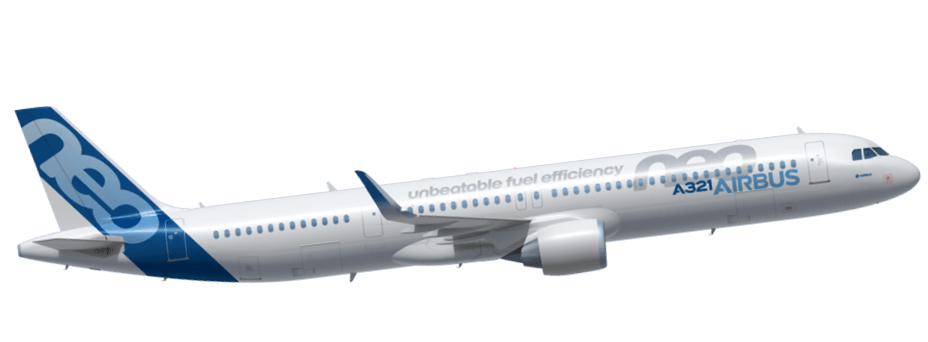
American Airlines cerró recientemente la negociación de un acuerdo de compra por cincuenta aeronaves Airbus A321NEO XLR (eXtra Long Range), la nueva versión de mayor alcance de Airbus de su avión A321NEO. El compromiso de compra fue anunciado oportunamente en el Salón Aeronáutico de París 2019.

La transacción prevé la conversión de 30 aviones A321NEO firmemente ordenados a la compra de 30 aviones A321NEO XLR, más un compromiso de comprar 20 aviones A321NEO XLR adicionales. Las entregas del avión A321NEO XLR comenzarán en 2023 y continuarán hasta 2025 con los nuevos aviones utilizados para reemplazar los aviones Boeing 757 existentes, entre otras aeronaves.AW-Icon-AW-TXT

AW-7000321XLR.pngAmerican agrees to buy A321XLR

logo2.pngAmerican Airlines agrees to buy 50 Airbus A321XLR aircraft

American Airlines recently closed the negotiation of a purchase agreement for fifty Airbus A321NEO XLR (eXtra Long Range) aircraft, the new version of Airbus’s largest range of its A321NEO aircraft. The purchase commitment was duly announced at the Paris Air Show 2019.

The transaction provides for the conversion of 30 A321NEO aircraft firmly ordered to purchase 30 A321NEO XLR aircraft, plus a commitment to purchase 20 additional A321NEO XLR aircraft. Deliveries of the A321NEO XLR aircraft will begin in 2023 and will continue until 2025 with the new aircraft used to replace existing Boeing 757 aircraft, among other aircraft. A \ W


Ξ A I R G W A Y S Ξ
SOURCE: Airgways.com
DBk: Airbus.com / Aa.com / Airgways.com
AW-POST: 201908261645AR

A\W   A I R G W A Y S ®


Sukhoi confiada en SSJ-100

AW-700023344.jpgAW | 2019 08 24 17:07 | INDUSTRY / AIRLINES

logo_sukhoi.jpgSukhoi Aircraft apuesta a mejorar la línea SSJ-100
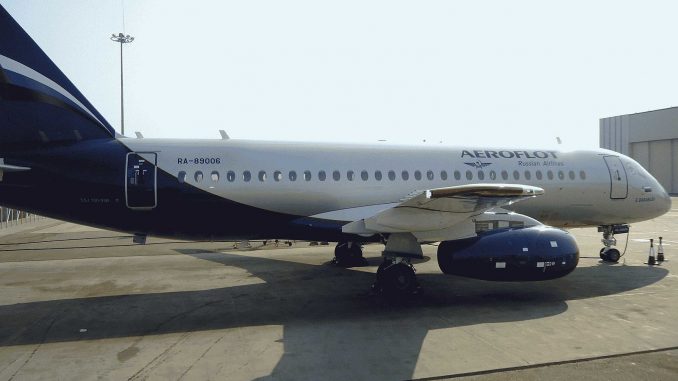
El portavoz del Kremlin, Dmitry Peskov, ha comunicado el Viernes 23 Agosto 2019 que Sukhoi Civil Aircraft (SCA) seguirá mejorando cada vez más su primer diseño de aeronave comercial SSJ-100 después de la Rusia post-soviética. El fabricante ruso se muestra confiado en su producto a medida que se fabriquen más aviones y se pongan en servicio con las aerolíneas. “Las aerolíneas nacionales están utilizando este avión con más frecuencia. Aeroflot es el mayor operador de este avión. A medida que estos aviones aumenten en número, todas sus características mejorarán. Eso está claro”, expresó el portavoz.

Cuando se le preguntó si los planes de Interjet, una aerolínea mexicana, de vender sus SSJ-100 se habían convertido en un duro golpe para la reputación de la industria de la construcción de aviones rusos, Peskov respondió: «No sacaríamos tales conclusiones».

Caso Interjet

Interjet ha anunciado la intención de poner en venta parte de la totalidad de las aeronaves Sukhoi SSJ-100. La aerolínea mexicana posee en su flota 22 aeronaves, de las cuales 21 están operativas y un avión dado de baja debido a que fue gravemente dañado y desguazado para piezas de repuesto.

El transportista ha comunicado esta decisión debido a la difícil situación financiera que atraviesa. En 2016-2017, la aerolínea dejó de pagar repuestos al fabricante de aviones civiles Sukhoi y a Powerjet, el fabricante del motor, y como resultado, dejaron de suministrar componentes. En 2018, Interjet fue compensada en US$ 39.6 millones de dólares por el fabricante, pero la situación se agravó supuestamente por el hecho de que Interjet quitó partes de repuestos de los aviones y los colocó en otros. Por el momento, actualmente, solo seis SSJ100 de la flota de Interjet continúan volando.

Interjet de México, el único operador extranjero del avión ruso, anunció que planea vender sus SSJ-100. La aerolínea mexicana está considerando vender 21 o 14 aviones. Un representante de la compañía Sukhoi Civil Aircraft rechazó este informe y dijo que Interjet, que opera 22 de estos aviones rusos, no planea deshacerse de estos aviones o devolverlos al fabricante. En cambio, el productor de aviones SSJ-100 y los socios franceses están buscando formas de reestructurar las deudas de Interjet, dijo el viernes una fuente familiarizada con los planes de la aerolínea mexicana. SCA y los socios franceses están buscando soluciones para la reestructuración de las deudas de Interjet con los proveedores y para mejorar el rendimiento de la flota que queda con la aerolínea.

La aerolínea mexicana no va a abandonar este tipo de aviones y devolverlos al productor, dijo SCA el viernes. El arrendamiento en húmedo de SSJ-100 se considera junto con otras opciones de optimización de la flota, dijo una fuente anteriormente. El SSJ-100 es el primer avión civil diseñado en Rusia. Es un jet regional, cuya versión básica tiene un alcance de vuelo de 4.400 km y una capacidad de 98 pasajeros. La producción del modelo comenzó en 2011.

Caso Aeroflot

El 5 Mayo 2019, un avión de pasajeros Aeroflot Sukhoi Superjet 100 vuelo SU-1492 con 73 pasajeros y cinco tripulantes a bordo que se dirigía a Murmansk regresó a Moscú Sheremetyevo 30 minutos después del despegue y se incendió durante su aterrizaje forzoso. Cuarenta y una personas murieron, y diez más fueron trasladadas al hospital debido a la explosión. Se abrió un caso penal después del accidente por cargos de violar las reglas de seguridad de vuelo que implican la muerte de dos o más personas. Los investigadores están analizando varias versiones del accidente, incluida la incompetencia del piloto, un mal funcionamiento técnico y condiciones climáticas desfavorables.

Interjet de México es actualmente la única aerolínea extranjera que opera aviones Sukhoi SuperJet SSJ-100 de fabricación rusa, después de que varias compañías dieron de baja comercial la flota de aeronaves regionales.AW-Icon-AW-TXT

Resultado de imagen para SSJ-100Sukhoi trusted SSJ-100

Sukhoi Aircraft bets on improving the SSJ-100 line

Kremlin spokesman Dmitry Peskov announced Friday, August 23, 2019, that Sukhoi Civil Aircraft (SCA) will continue to improve its first commercial aircraft design SSJ-100 after post-Soviet Russia. The Russian manufacturer is confident in its product as more aircraft are manufactured and put into service with the airlines. “National airlines are using this plane more frequently. Aeroflot is the largest operator of this aircraft. As these planes increase in number, all their features will improve. That is clear”, said the spokesman.

When asked if the plans of Interjet, a Mexican airline, to sell its SSJ-100 had become a blow to the reputation of the Russian aircraft construction industry, Peskov replied: «We would not draw such conclusions».

Interjet case

Resultado de imagen para SSJ-100 interjet pngInterjet has announced the intention to sell part of the entire Sukhoi SSJ-100 aircraft. The Mexican airline has 22 aircraft in its fleet, of which 21 are operational and a plane dropped because it was badly damaged and scrapped for spare parts.

The carrier has communicated this decision due to the difficult financial situation it is going through. In 2016-2017, the airline stopped paying spare parts to the civil aircraft manufacturer Sukhoi and Powerjet, the engine manufacturer, and as a result, they stopped supplying components. In 2018, Interjet was compensated at US$ 39.6 million by the manufacturer, but the situation was allegedly aggravated by the fact that Interjet removed parts of aircraft parts and placed them in others. At the moment, currently, only six SSJ100s of the Interjet fleet continue to fly.

Interjet de México, the only foreign operator of the Russian aircraft, announced that it plans to sell its SSJ-100. The Mexican airline is considering selling 21 or 14 planes. A representative of the Sukhoi Civil Aircraft company rejected this report and said that Interjet, which operates 22 of these Russian aircraft, does not plan to dispose of these aircraft or return them to the manufacturer. Instead, the aircraft producer SSJ-100 and the French partners are looking for ways to restructure Interjet’s debts, a source familiar with the Mexican airline’s plans said on Friday. SCA and the French partners are looking for solutions to restructure Interjet’s debts with suppliers and to improve the performance of the fleet left with the airline.

The Mexican airline is not going to abandon this type of aircraft and return them to the producer, SCA said on Friday. The wet-lease of SSJ-100 is considered along with other fleet optimization options, a source said earlier. The SSJ-100 is the first civil aircraft designed in Russia. It is a regional jet, whose basic version has a flight range of 4,400 km and a capacity of 98 passengers. The production of the model began in 2011.

Aeroflot case

Resultado de imagen para SSJ-100 pngOn May 5, a passenger aircraft Aeroflot Sukhoi Superjet 100 flight SU-1492 with 73 passengers and five crew members on the way to Murmansk returned to Moscow Sheremetyevo 30 minutes after takeoff and caught fire during his forced landing. Forty-one people died, and ten more were taken to the hospital due to the explosion. A criminal case was opened after the accident on charges of violating flight safety rules that involve the death of two or more people. Investigators are analyzing several versions of the accident, including pilot incompetence, technical malfunction, and unfavorable weather conditions.

Interjet de México is currently the only foreign airline that operates Russian-made Sukhoi SuperJet SSJ-100 aircraft after several companies derecognized the regional aircraft fleet. A \ W

Resultado de imagen para SSJ-100Сухой доверял SSJ-100

Sukhoi Aircraft делает ставку на улучшение линейки SSJ-100

logo_suhoy.jpgПресс-секретарь Кремля Дмитрий Песков объявил в пятницу, 23 августа 2019 года, что Гражданские самолеты Сухого (SCA) продолжат совершенствовать конструкцию своего первого коммерческого самолета SSJ-100 после постсоветской России. Российский производитель уверен в своей продукции, поскольку все больше самолетов производится и вводится в эксплуатацию авиакомпаниями. «Национальные авиакомпании используют этот самолет чаще. Аэрофлот является крупнейшим оператором этого самолета. По мере увеличения количества этих самолетов все их характеристики будут улучшаться. Это ясно», сказал представитель.

На вопрос о том, не являются ли планы мексиканской авиакомпании Interjet по продаже своего SSJ-100, ударом по репутации российской авиастроительной промышленности, Песков ответил: «Мы не будем делать такие выводы».

Interjet

Interjet объявила о намерении продать часть всего самолета Sukhoi SSJ-100. Мексиканская авиакомпания имеет 22 самолета в своем парке, 21 из которых находится в рабочем состоянии, и самолет упал, потому что он был сильно поврежден и утилизирован на запчасти.

Перевозчик сообщил об этом решении из-за сложной финансовой ситуации, в которой оно находится. В 2016–2017 годах авиакомпания прекратила оплачивать запасные части для производителей гражданских самолетов Sukhoi и Powerjet, производителя двигателей, и в результате они прекратили поставки компонентов. В 2018 году Interjet был компенсирован производителем в размере 39,6 млн. Долл. США, но ситуация якобы усугубилась тем, что Interjet снял некоторые детали с самолетов и поместил их в другие. На данный момент, только шесть SSJ100 из Interjet флота продолжают летать.

Interjet de México, единственный иностранный оператор российского самолета, объявил, что планирует продать свой SSJ-100. Мексиканская авиакомпания рассматривает возможность продажи 21 или 14 самолетов. Представитель компании «Гражданские самолеты Сухого» отклонил этот отчет и заявил, что Interjet, эксплуатирующий 22 из этих российских самолетов, не планирует выбрасывать эти самолеты или возвращать их производителю. Вместо этого производитель самолетов SSJ-100 и французские партнеры ищут способы реструктуризации долгов Interjet, сообщил в пятницу источник, знакомый с планами мексиканской авиакомпании. SCA и французские партнеры ищут решения для реструктуризации долгов Interjet перед поставщиками и для улучшения показателей парка, оставленного авиакомпании.

Мексиканская авиакомпания не собирается отказываться от этого типа самолетов и возвращать их производителю, говорится в сообщении SCA в пятницу. Мокрая аренда SSJ-100 рассматривается наряду с другими вариантами оптимизации автопарка, сообщил источник ранее. SSJ-100 первый гражданский самолет, разработанный в России. Это региональный самолет, базовая версия которого имеет дальность полета 4400 км и вместимость 98 пассажиров. Производство модели началось в 2011 году.

Аэрофлота

5 мая пассажирский самолет Аэрофлот Сухой Суперджет-100 рейс SU-1492 с 73 пассажирами и пятью членами экипажа по пути в Мурманск вернулся в московский Шереметьево через 30 минут после взлета и загорелся во время вынужденной посадки. Сорок один человек погиб, и еще десять были доставлены в больницу в результате взрыва. После происшествия было возбуждено уголовное дело по обвинению в нарушении правил безопасности полетов, связанных с гибелью двух и более человек. Следователи анализируют несколько версий аварии, включая некомпетентность пилота, техническую неисправность и неблагоприятные погодные условия.

Interjet de México в настоящее время является единственной иностранной авиакомпанией, которая эксплуатирует российские самолеты Sukhoi SuperJet SSJ-100 после того, как несколько компаний прекратили признание регионального парка воздушных судов. A \ W


Ξ A I R G W A Y S Ξ
SOURCE: Airgways.com
DBk: Scac.ru / Airgways.com
AW-POST: 201908241707AR

A\W   A I R G W A Y S ®

Boeing inversiones en Arabia Saudita

Resultado de imagen para Boeing investments in Saudi ArabiaAW | 2019 08 024 13:01 | INDUSTRY

Boeing-Company-LogoBoeing planea aumentar las inversiones en el Reino de Arabia Saudita

La estrategia de The Boeing Company es continuar aprovechando el potencial de crecimiento y desarrollo de Arabia Saudita para crear un entorno de aviación nacional autosustentable, informó Asharq Al-Awsat, citando al presidente de Boeing International, Michael Arthur.

Boeing ha realizado importantes inversiones para desarrollar las industrias, la ingeniería local y las habilidades industriales en Arabia Saudita. «Arabia Saudita es uno de nuestros socios clave, lo que nos impulsa a realizar los cambios necesarios para poder crecer en el futuro y fortalecer nuestras asociaciones con empresas locales para apoyar la Visión 2030 del Reino», dijo el CEO Leanne Caret, de Boeing Defensa, Espacio y Seguridad. El gigante de la aviación con sede en Estados Unidos ha confiado todas sus operaciones de defensa en Arabia Saudita al jefe de su unidad saudita Ahmed Jazzar.AW-Icon-AW-TXT

Resultado de imagen para Boeing investments in Saudi ArabiaBoeing investments in Saudi Arabia

Boeing plans to increase investments in the Kingdom of Saudi Arabia

The Boeing Company‘s strategy is to continue taking advantage of Saudi Arabia’s growth and development potential to create a self-sustaining national aviation environment, Asharq Al-Awsat reported, citing Boeing International President Michael Arthur.

Boeing has made significant investments to develop industries, local engineering and industrial skills in Saudi Arabia. «Saudi Arabia is one of our key partners, which drives us to make the necessary changes to grow in the future and strengthen our partnerships with local businesses to support the 2030 Vision of the Kingdom», said CEO Leanne Caret of Boeing Defense, Space, and Security. The US-based aviation giant has entrusted all its defense operations in Saudi Arabia to the head of its Saudi unit Ahmed Jazzar. A\W

Resultado de imagen para Boeing investments in Saudi Arabiaاستثمارات بوينج في السعودية

تخطط بوينغ لزيادة الاستثمارات في المملكة العربية السعودية

تتمثل استراتيجية شركة Boeing في مواصلة الاستفادة من إمكانات النمو والتطوير في المملكة العربية السعودية لخلق بيئة طيران Resultado de imagen para Saudi Arabian Airlines pngوطنية قائمة على الاكتفاء الذاتي ، وفقًا لما أوردته الشرق الأوسط نقلاً عن مايكل آرثر رئيس شركة بوينغ الدولية.

قامت بوينج باستثمارات كبيرة لتطوير الصناعات والهندسة المحلية والمهارات الصناعية في المملكة العربية السعودية. وقال الرئيس التنفيذي ليين كاريت من بوينغ للدفاع «المملكة العربية السعودية هي أحد شركائنا الرئيسيين ، مما يدفعنا إلى إجراء التغييرات اللازمة للنمو في المستقبل وتعزيز شراكاتنا مع الشركات المحلية لدعم رؤية المملكة 2030». والفضاء والأمن. عهدت شركة الطيران العملاقة ومقرها الولايات المتحدة بجميع عملياتها الدفاعية في المملكة العربية السعودية إلى رئيس وحدتها السعودية أحمد الجزار. A\W


Ξ A I R G W A Y S Ξ
SOURCE: Airgways.com
DBk: Boeing.com / Chicagobusiness.com / Forbes.com
AW-POST: 201908241301AR

A\W   A I R G W A Y S ®

EASA emite AD por A320/321NEO’s

AW-7054555.pngAW | 2019 08 23 15:15 | AVIATION SAFETY / INDUSTRY

logo_airbus (2)La EASA emite Directivas Aeronavegabilidad sobre las aeronaves A320NEO/A321NEO

La European Union Aviation Safety Agency (EASA) ha emitido dos Directivas de Aeronavegabilidad (AD) que abordan problemas detectados en ciertos miembros de la familia Airbus A320: el A320NEO y el A321NEO. Los problemas se EASA_Logo.pngrelacionan con la protección del Ángulo de Ataque (AOA) de la aeronave y posiblemente podrían conducir a un escenario de balanceo potencialmente excesivo del ángulo de ataque, afirmó la agencia.

En Julio 2019, EASA emitió una Directiva de Aeronavegabilidad alertando a los operadores del A321NEO que tenían una debilidad con su sistema de protección del AOA. El problema, identificado durante el análisis del comportamiento del elevador y la computadora del alerón, se describió como el potencial para conducir a un paso excesivo, actitud bajo ciertas configuraciones de vuelo y en combinación con maniobras específicas ordenadas por la tripulación de vuelo.

La agencia ordenó a los operadores del A321NEO que revisen sus manuales de vuelo de acuerdo con las revisiones temporales desarrolladas por Airbus. La directiva se consideró puramente como una «acción provisional», desde entonces se revisó y volvió a publicar el 31 Julio 2019, ordenando a los operadores del tipo de aeronave que cumplan con las recomendaciones del fabricante dentro de una espera de 30 días a partir del 7 Agosto 2019. Al mismo tiempo, la autoridad emitió una directiva adicional, que aborda un problema similar con el A320NEO, detectado durante «análisis y pruebas de laboratorio del comportamiento de las leyes de control de vuelo» del tipo de aeronave.

Airbus identificó el problema durante las pruebas de una nueva computadora de control de vuelo en desarrollo en el A320NEO. El fabricante también confirmó que, como en el caso anterior, el problema que afecta al A320NEO reduce la eficiencia de la protección AOA cuando la aeronave se configura en una «combinación remota» de circunstancias.

Airbus ha declarado que existen «diferencias claras» entre los problemas que afectan a los A320NEO/A321NEO y «otros escenarios que se están discutiendo actualmente, que están afectando a otros aviones que no sean los tipos de aviones de Airbus». El fabricante también hizo hincapié en que, a pesar de las similitudes entre los casos A320NEO/A321NEO, «existen claras diferencias específicas para el A320NEO».

Resultado de imagen para A320NEO pngDiferencias A320NEO/A321NEO

Con respecto al A320NEO, la EASA establece una AD que los operadores deben cumplir con la Revisión Temporal (TR) del Manual de Vuelo (AFM) de Airbus. La EASA declaró que este AD Nº2019-0189, se considera una acción provisional y que pueden seguir otras acciones de AD. El AFM TR en cuestión limita la envoltura del centro de gravedad del A320NEO, lo que limita las condiciones previas necesarias para que surja el problema del ángulo de ataque. El AD requiere que los operadores modifiquen sus AFM aplicables e informen a todas las tripulaciones de vuelo sobre el problema.

Airbus fue categórico al expresar que las cuatro condiciones previas necesarias para causar preocupación en el A320NEO eran diferentes de las que impactaban en el A321NEO. Al observar los AD de EASA respectivos para el A320NEO AD Nº2019-189 y el A321NEO Nº2019-017R1, se observa una diferencia fundamental, el Elevator Aileron Computer (ELAC). De acuerdo con el AD del A321NEO, los modelos ELAC específicos pueden funcionar desfavorablemente bajo condiciones específicas en cuatro situaciones:

· Una baja altitud de aproximación por debajo de los 100 pies
· En una condición de aterrizaje específica
· Con el avión teniendo un centro de gravedad particularmente en popa
· Con la tripulación realizando una maniobra dinámica

Si bien estas condiciones pueden parecer muy similares a las necesarias para que surja el problema de protección de Ángulo de Ataque (AOA) limitado del A320NEO, EASA establece claramente que la “condición abordada por este AD y las acciones requeridas relacionadas son diferentes de las abordadas por EASA AD Nº2019-0189 para A320NEO aviones».

Aunque la familia de aviones A320 puede estar enfrentando algunos problemas, parece que tanto Airbus como EASA están tomando una filosofía de precaución para evitar una crisis de confianza similares a las ocurridas en la línea Boeing 737 MAX. AW-Icon-AW-TXT

AW-A320NEO-01.jpgEASA issues AD on A320 / 321NEO’s

The EASA issues Airworthiness Directives on A320NEO / A321NEO aircraft

images (2)The European Union Aviation Safety Agency (EASA) has issued two Airworthiness Directives (AD) that address problems detected in certain members of the Airbus A320 family: the A320NEO and the A321NEO. The problems are related to the protection of the Angle of Attack (AOA) of the aircraft and could possibly lead to a scenario of potentially excessive balancing of the angle of attack, the agency said.

In July 2019, EASA issued an Airworthiness Directive alerting A321NEO operators that they had a weakness with their AOA protection system. The problem, identified during the analysis of the elevator and spoiler computer behavior, was described as the potential to lead to an overpass, attitude under certain flight configurations and in combination with specific maneuvers ordered by the flight crew.

The agency ordered the A321NEO operators to review their flight manuals in accordance with the temporary reviews developed by Airbus. The directive was considered purely as a «provisional action», since then it was reviewed and republished on July 31, 2019, ordering operators of the type of aircraft to comply with the manufacturer’s recommendations within a 30-day wait from 7 August 2019. At the same time, the authority issued an additional directive, which addresses a similar problem with the A320NEO, detected during «analysis and laboratory tests of the behavior of flight control laws» of the type of aircraft.

Airbus identified the problem during tests of a new flight-control computer in development at the A320NEO. The manufacturer also confirmed that, as in the previous case, the problem affecting the A320NEO reduces the efficiency of AOA protection when the aircraft is configured in a «remote combination» of circumstances.

Airbus has stated that there are «clear differences» between the problems affecting the A320NEO/A321NEO and «other scenarios that are currently being discussed, which are affecting other aircraft other than the types of Airbus aircraft». The manufacturer also stressed that, despite the similarities between A320NEO/A321NEO cases, «there are clear specific differences for the A320NEO».

Differences A320NEO/A321NEO

A321neo_PW_AIRBUS_V10.pngWith respect to the A320NEO, the EASA establishes an AD that operators must comply with the Temporary Review (TR) of the Airbus Flight Manual (AFM). The EASA declared that this AD Nº2019-0189 is considered a provisional action and that other actions of AD may follow. The AFM TR in question limits the envelope of the center of gravity of the A320NEO, which limits the preconditions necessary for the problem of the angle of attack to arise. The AD requires operators to modify their applicable AFMs and inform all flight crews about the problem.

Airbus was categorical in expressing that the four prerequisites necessary to cause concern in the A320NEO were different from those that impacted the A321NEO. When observing the respective EASA ADs for A320NEO AD Nº2019-189 and A321NEO Nº2019-017R1, a fundamental difference is observed, the Elevator Aileron Computer (ELAC). According to the AD of the A321NEO, specific ELAC models can operate unfavorably under specific conditions in four situations:

· A low approach altitude below 100 feet
· In a specific landing condition
· With the plane having a center of gravity particularly aft
· With the crew performing a dynamic maneuver

While these conditions may seem very similar to those necessary for the problem of Limited Angle of Attack Protection (AOA) of the A320NEO, EASA clearly states that the “condition addressed by this AD and the related required actions are different from those addressed by EASA AD No.2019-0189 for A320NEO aircraft».

Although the A320 family of planes may be facing some problems, it seems that both Airbus and EASA are taking a precautionary philosophy to avoid a confidence crisis similar to those in the Boeing 737 MAX line. A \ W


Ξ A I R G W A Y S Ξ
SOURCE: Airgways.com
DBk: Easa.europa.eu / Airbus.com / Airgways.com
AW-POST: 201908231515AR

A\W   A I R G W A Y S ®


FAA/Boeing señales retorno 737 MAX

Resultado de imagen para Boeing 737 MAXAW | 2019 08 23 13:10 | AVIATION SAFETY / INDUSTRY

Boeing-Company-LogoFAA y Boeing dan más señales de preparación para regreso al vuelo del Boeing 737 MAXAW-Icon_Boeing 737 MAX

El Jueves 22 Agosto 2019 la Federal Aviation Administration (FAA) y The Boeing Company han mostrado indicios más fuertes de que se están moviendo para el retorno a los cielos del Boeing 737 MAX para Octubre 2019. Boeing ha estado 20150215-logo-faa_1reprogramando el software para un sistema de prevención de pérdida en el centro de ambos accidentes, que la FAA debe aprobar antes de que el avión vuelva a volar comercialmente. La FAA ha informado el Jueves que está invitando a «una sección transversal de los pilotos de línea de los transportistas que operan el avión en todo el mundo para participar en las pruebas de simulador como parte de las pruebas generales y la validación de nuevos procedimientos en el Boeing 737 MAX».

La Junta de Normalización de Vuelo (FSB) de la FAA que determina los requisitos de entrenamiento de pilotos de Estados Unidos tiene como objetivo emitir a principios de Septiembre 2019 nuevas recomendaciones sobre exactamente qué entrenamiento de piloto para la línea 737 MAX es necesario antes de que las aerolíneas de Estados Unidos y del mundo puedan volver a volar las aeronaves.

Mientras tanto, Boeing dio a los proveedores un nuevo cronograma de producción para la línea 737 que refleja supuestos de tiempo para el plan de retorno al servicio del 737 MAX. El horario actualizado es agresivo, asumiendo la autorización de la FAA en Octubre 2019, Boeing planea comenzar la aceleración de inmediato, pasando de los actuales 42 aviones por mes al nivel de producción de 52 aviones por mes en Febrero 2019 y alcanzar un nuevo máximo de 57 aviones por mes para el próximo 2Q2020.

Training 737 MAX

Las sesiones de simulador que la FAA planea para los pilotos de línea probarán nuevos procedimientos relacionados con el software actualizado de control de vuelo del Sistema de Aumento de Características de Maniobra (MCAS) de Boeing, cuya versión original se volvió loca en los dos accidentes mortales de MAX en Indonesia y Etiopía y presionó repetidamente nariz de cada chorro hacia abajo. Debido a un posible nuevo problema informático descubierto en Junio 2019, los pilotos también pueden ejecutar procedimientos separados que manejan movimientos de nariz hacia abajo no ordenados no relacionados con MCAS.

Los pilotos de Boeing y FAA han estado probando el software MCAS actualizado durante meses. Lo significativo es que la FAA ahora está invitando a los pilotos regulares de la línea 737 MAX a hacer lo mismo.

El supuesto tiempo de respuesta de los pilotos a una emergencia, ya sea debido a MCAS o no, ha estado bajo escrutinio desde el accidente del Boeing 737-8 MAX de Ethiopian Airlines en Marzo 2019, cuando los pilotos intentaron y no pudieron seguir una lista de verificación de recuperación estándar.

Las pautas de la FAA dicen que si surge una emergencia en un avión que vuela en piloto automático, se supone que un piloto comenzará a responder en tres segundos. Si el avión se está volando manualmente, la suposición es de un segundo. Cuando los pilotos de prueba de la FAA retrasaron deliberadamente sus respuestas en una simulación en junio, uno de los pilotos estrelló el avión. La agencia de seguridad dijo que los pilotos de línea que ahora están invitados a las nuevas pruebas del simulador serán pilotos con «experiencia previa en los controles del Boeing 737 MAX. No se ha establecido un horario firme para estas pruebas, aunque deben completarse antes de que la aeronave sea aprobada para regresar al servicio», dijo la FAA en un comunicado.

Boeing China

Boeing se mantiene firme en el centro de terminaciones de China. A pesar de que la puesta a tierra mundial del Boeing 737 MAX continúa, los planes que permanecen sin cambios para su centro de entrega y finalización del fuselaje 737 MAX en Zhoushan.

Boeing dice que no hay cambios en los planes para el centro, que, en Diciembre 2018 entregó su primer avión Boeing 737-8 MAX a Air China. El sitio es la primera instalación de este tipo fuera de los Estados Unidos. Tiene un centro de terminaciones construido en asociación con el constructor COMAC (Commercial Aircraft Corporation of China, Ltd.), y un centro de entrega que Boeing posee en su totalidad.

La instalación de Zhoushan instala interiores y pintura. Hacia el futuro empleará a unos 300 empleados y entregará 100 aviones 737 MAX anualmente a los clientes chinos de Boeing. Con respecto al estado de las instalaciones de Zhoushan, Boeing afirma que el trabajo existente incluye finalizar y completar toda la construcción. También se están llevando a cabo otros trabajos, como logística y capacitación de empleados.

La actualización se produce cuando el fuselaje se reúne con los operadores chinos para discutir el eventual retorno del servicio del cuerpo estrecho. A principios de mes, comenzó una segunda ronda de discusiones abiertas con los principales operadores chinos. Boeing agrega que está trabajando con la Administración de Aviación Civil de China (CAAC), así como con otros reguladores globales, para completar y certificar el software 737 MAX y las actualizaciones de capacitación.

Los datos de las flotas de Cirium Analyzer muestran que los transportistas chinos tienen 97 Boeing 737 MAX almacenados y pedidos de 214 en lista de espera.AW-Icon-AW-TXT

Resultado de imagen para FAA Boeing 737 MAX testFAA/Boeing show 737 MAX return signals

FAA and Boeing give more signs of preparation for the return to the flight of the Boeing 737 MAX

On Thursday, August 22, 2019, the Federal Aviation Administration (FAA) and The Boeing Company have shown stronger indications that they are moving for the return to the skies of the Boeing 737 MAX for October 2019. Boeing has been reprogramming the software for a loss prevention system in the center of both accidents, which the FAA must approve before the plane returns to fly commercially. The FAA has informed Thursday that it is inviting «a cross-section of the line pilots of carriers operating the aircraft worldwide to participate in simulator tests as part of the general tests and the validation of new procedures in the Boeing 737 MAX».

562The FAA Flight Standardization Board (FSB), which determines the United States pilot training requirements, aims to issue new recommendations at the beginning of September 2019 on exactly what pilot training for the 737 MAX line is required before the US and world airlines can fly aircraft again.

Meanwhile, Boeing gave suppliers a new production schedule for line 737 which reflects time assumptions for the 737 MAX return to the service plan. The updated schedule is aggressive, assuming the authorization of the FAA in October 2019, Boeing plans to begin acceleration immediately, moving from the current 42 aircraft per month to the production level of 52 aircraft per month in February 2019 and reaching a new maximum of 57 aircraft per month for the next 2Q2020.

Training 737 MAX

The simulator sessions that the FAA plans for line pilots will test new procedures related to the updated flight control software of the Boeing Maneuvering Feature Enhancement System (MCAS), whose original version went crazy in the two fatal accidents of MAX in Indonesia and Ethiopia and repeatedly pressed each jet’s nose down. Due to a possible new computer problem discovered in June 2019, pilots can also execute separate procedures that handle unsorted nose movements not related to MCAS.

Resultado de imagen para FAA Boeing 737 MAX testBOEING INVITES AIRLINES PILOTS TO JOINT TRAINING

Boeing and FAA pilots have been testing the updated MCAS software for months. The significant thing is that the FAA is now inviting regular pilots of the 737 MAX line to do the same.

The alleged response time of the pilots to an emergency, whether due to MCAS or not, has been under scrutiny since the Ethiopian Airlines Boeing 737-8 MAX crash on March 2019, when the pilots tried and failed to follow a list of standard recovery verification.

FAA guidelines say that if an emergency arises on an airplane that flies on autopilot, a pilot is supposed to start responding in three seconds. If the plane is being flown manually, the assumption is one second. When FAA test pilots deliberately delayed their responses in a simulation in June, one of the pilots crashed the plane. The security agency said the line pilots who are now invited to the new simulator tests will be pilots with «previous experience in the controls of the Boeing 737 MAX. No firm schedule has been established for these tests, although they must be completed before that the aircraft be approved to return to service», the FAA said in a statement.

Boeing China

Boeing stands firm in the termination center of China. Although the worldwide grounding of the Boeing 737 MAX continues, the plans remain unchanged for its 737 MAX fuselage delivery and completion center in Zhoushan.

Boeing says there are no changes in the plans for the center, which, on December 2018, delivered its first Boeing 737-8 MAX aircraft to Air China. The site is the first installation of its kind outside the United States. It has a termination center built in partnership with the builder COMAC (Commercial Aircraft Corporation of China, Ltd.), and a delivery center that Boeing owns in its entirety.

The Zhoushan installation installs interiors and paint. In the future, it will employ some 300 employees and deliver 100 737 MAX aircraft annually to Chinese Boeing customers. Regarding the state of Zhoushan’s facilities, Boeing claims that the existing work includes finishing and completing the entire construction. Other jobs are also being carried out, such as logistics and employee training.

The update occurs when the fuselage meets with Chinese operators to discuss the eventual return of the narrow-body service. At the beginning of the month, the second round of open discussions with the main Chinese operators began. Boeing adds that it is working with the Civil Aviation Administration of China (CAAC), as well as with other global regulators, to complete and certify 737 MAX software and training updates.

Cirium Analyzer fleet data shows that Chinese carriers have 97 Boeing 737 MAX stored and 214 orders on the waiting list. A \ W


Ξ A I R G W A Y S Ξ
SOURCE: Airgways.com
DBk: Faa.gov / Boeing.com / Seattletimes.com / Reuters.com / Airgways.com / Flightglobal.com / Globalnews.ca / Theglobalandmail.com
AW-POST: 201908231310AR

A\W   A I R G W A Y S ®