Desarrollo del Bombardier CRJ-550

AW-70660543.jpgAW | 2019 04 02 19:00 | INDUSTRY

Bombardier-GAL Aerospace modernizan interiores de CRJ-550

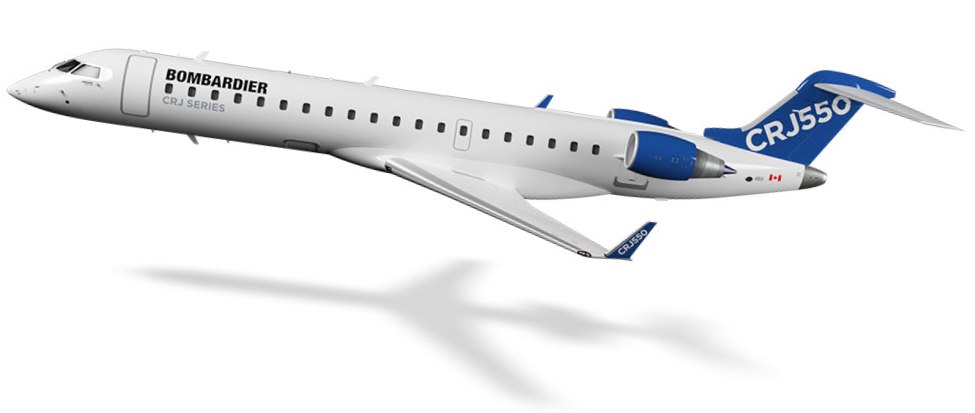
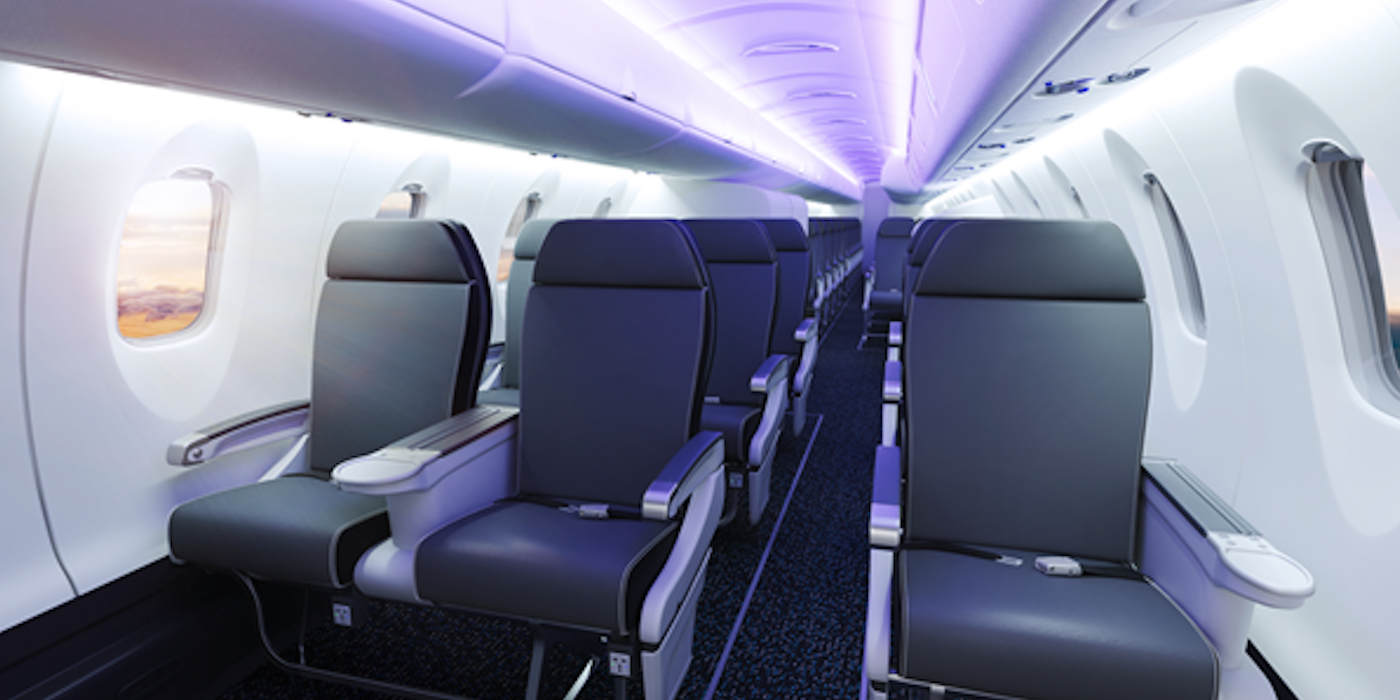
bombardier_old-svg.pngBombardier Commercial Aircraft ha entrado en una relación de colaboración con GAL Aerospace para el desarrollo y la modernización de interiores para el CRJ Series. Como parte de esta relación, GAL colaborará con Bombardier para habilitar soluciones optimizadas listas para el mercado en apoyo de la flota de la serie CRJ en servicio.

Bombardier también ha otorgado a GAL Aerospace la autorización de Bombardier para suministrar soporte de posventa en el interior de la cabina para el nuevo avión CRJ-550, que se lanzó en Febrero 2019. «Dicha agilidad proporcionan a nuestra gran base instalada Resultado de imagen para Development Bombardier CRJ-550de la Serie CRJ soluciones complementarias alineadas con las necesidades del ciclo de vida en el mercado de reposición», declaró Ismail Mokabel, Vicepresidente y Jefe de Posventa de Bombardier Commercial Aircraft. «El gran éxito de la familia de aeronaves Bombardier CRJ ha creado oportunidades para la modificación y actualización de los interiores de las cabinas en servicio, y GAL está totalmente comprometido con el cumplimiento de este nicho de demanda», agregó Jonathan Cornwell, Vicepresidente de Desarrollo de Negocios y Ventas en GAL Aeroespacial.

Mercado regional

Bombardier y Embraer tienen visiones diferentes sobre cómo reemplazar la antigua flota de aviones regionales de 50 asientos en todo el mundo. Bombardier lanzó el CRJ-550, un derivado del CRJ-700 que será recertificado para 50 asientos para permitir la incorporación más rápida de un complemento a la familia de la Serie Canadair Regional Jet. En tanto Embraer insiste en que el mercado necesita un nuevo avión de tecnología de punta bajo el Programa E2, ha lanzado el E175-E2.

«El CRJ-550 es el reemplazo de 50 asientos», dijo Ross Mitchell, Vicepresidente de Operaciones Comerciales en Bombardier, que promocionó la flexibilidad de la familia CRJ en la Conferencia ISTAT Américas en Orlando el 12 Marzo 2019, en Estados Unidos.

AW-70550-CRJ-550.jpgAlineados al CRJ-550

El fabricante canadiense ha lanzado el CRJ-550 con GoJet Airlines socio regional de United Airlines, que ha ordenado inicialmente 50 CRJ-550 para la aerolínea con sede en Chicago. La aeronave se configurará con 10 asientos de primera clase, 20 en extra-legroom economy y 20 en económica.

Scott Kirby, Presidente de United Airlines, dijo a principios de Marzo 2019 que «la economía de Bombardier se extendía al trabajo de la aerolínea. Mientras que los costos unitarios para la aeronave serán más altos que para los aviones regionales de 50 asientos, el aumento de los ingresos unitarios será mayor. Era un escéptico pero resulta que Bombardier podría hacer que la economía funcionara», dijo.

Embraer contraataca

Sin embargo, Embraer considera que el CRJ-500 es una solución temporal al problema de reemplazo de un jet de 50 asientos. «Puede ser una solución temporal para los aviones de segunda mano. Como una solución definitiva para los 50 pasajeros, creemos que debe ser una nueva tecnología, un nuevo desarrollo», dijo Rodrigo Silva e Souza, Vicepresidente de Mercadeo de Embraer Commercial Aircraft, en ISTAT Américas.

Mercado actual

Actualmente existen en promedio unos 1.500 jets regionales de 50 asientos en servicio en el mundo en diferentes aerolíneas, incluidos Bombardier CRJ-200 y Embraer ERJ-145. De ellos, unos 863 son operados por líneas aéreas en América del Norte donde compañías como American Airlines, Delta Air Lines y United Airlines buscan opciones de reemplazo.

La decisión de United Airlines de agregar el CRJ-500 se debió a la necesidad de ofrecer un producto premium en mercados más pequeños donde opera jets de 50 asientos para toda la economía, junto con la cláusula de alcance en su contrato de pilotos que limita su gran flota de aviones regionales de clase dual a 255 aviones. American y Delta pueden operar modelos más grandes de dos clases. Si bien los mensajes de United indican confianza en que el CRJ-550 podría reemplazar su avión de 50 asientos en el futuro, los ejecutivos de la aerolínea comunican que los aspectos económicos se ven bien en el papel, pero aún deben comprobarse en la operación diaria. La aerolínea planea presentar su primer CRJ-550 en el período 3Q2019.AW-Icon-TXT-01

Resultado de imagen para Development Bombardier CRJ-550Development of the Bombardier CRJ-550

Bombardier-logo-7447580EF7-seeklogo.comBombardier-GAL Aerospace modernize CRJ-550 interiors

Bombardier Commercial Aircraft has entered into a collaborative relationship with GAL Aerospace for the development and modernization of interiors for the CRJ Series. As part of this relationship, GAL will collaborate with Bombardier to enable optimized solutions ready for the market in support of the CRJ series fleet in service.

Bombardier has also granted GAL Aerospace the authorization of Bombardier to provide after-sales support inside the cabin for the new CRJ-550 aircraft, which was launched in February 2019. «This agility is provided to our large installed base of the CRJ Series complementary solutions aligned with the needs of the life cycle in the replacement market», said Ismail Mokabel, Vice President and Head of Aftersales of Bombardier Commercial Aircraft. «The great success of the Bombardier CRJ aircraft family has created opportunities for the modification and upgrading of the interiors of the cabins in service, and GAL is fully committed to meeting this demand niche», added Jonathan Cornwell, Vice President of Development of Business and Sales in GAL Aerospace.

Resultado de imagen para Development Bombardier CRJ-550Regional market

Bombardier and Embraer have different views on how to replace the old fleet of 50-seat regional aircraft around the world. Bombardier launched the CRJ-550, a derivative of the CRJ-700 that will be recertified for 50 seats to allow a faster addition of a complement to the Canadair Regional Jet Series family. Embraer insists that the market needs a new plane of state-of-the-art technology under the E2 Program, has launched the E175-E2.

«The CRJ-550 is the 50-seat replacement», said Ross Mitchell, Vice President of Commercial Operations at Bombardier, which promoted the flexibility of the CRJ family at the ISTAT Americas Conference in Orlando on March 12, 2019, in the United States.

Resultado de imagen para Bombardier CRJ-550

Aligned to the CRJ-550

The Canadian manufacturer has launched the CRJ550 with GoJet Airlines, a regional partner of United Airlines, which has initially ordered 50 CRJ-550 for the Chicago-based airline. The aircraft will be configured with 10 seats of first class, 20 in extra-legroom economy and 20 in economic.

Scott Kirby, President of United Airlines, said in early March 2019 that «Bombardier’s economy was extended to the work of the airline, while unit costs for the aircraft will be higher than for regional 50-seat aircraft, the increase The unit revenue will be higher, I was skeptical but it turns out that Bombardier could make the economy work», he said.

Embraer strikes back

However, Embraer believes that the CRJ-500 is a temporary solution to the problem of replacing a 50-seat jet. «It can be a temporary solution for second-hand aircraft, and as a definitive solution for 50 passengers, we believe it should be a new technology, a new development», said Rodrigo Silva e Souza, Vice President of Marketing at Embraer Commercial Aircraft, in ISTAT Americas.

Current market

There are currently an average of 1,500 regional 50-seat jets in service worldwide in different airlines, including Bombardier CRJ-200 and Embraer ERJ-145. Of these, some 863 are operated by airlines in North America where companies such as American Airlines, Delta Air Lines and United Airlines are looking for replacement options.

United Airlines’ decision to add the CRJ-500 was due to the need to offer a premium product in smaller markets where it operates 50-seat jets for the entire economy, along with the scope clause in its pilot contract that limits its large fleet of dual-class regional aircraft to 255 aircraft. American and Delta can operate larger models of two classes. While United’s messages indicate confidence that the CRJ-550 could replace its 50-seat aircraft in the future, airline executives report that the economic aspects look good on paper, but they should still be checked in the daily operation. The airline plans to present its first CRJ-550 in the 3Q2019 period. A \ W


Ξ A I R G W A Y S Ξ
SOURCE: Airgways.com
DBk: Aircraftinteriorsinternational.com / Bombardier.com / Galaerospace.com / Airgways.com
AW-POST: 201904021900AR

A\W   A I R G W A Y S ®

Airbus vende Alestis Aerospace

Resultado de imagen para Alestis Aerospace factory viewAW | 2019 04 02 14:52 | INDUSTRY

Resultado de imagen para Alestis AerospaceAirbus vende sus acciones en Alestis Aerospace

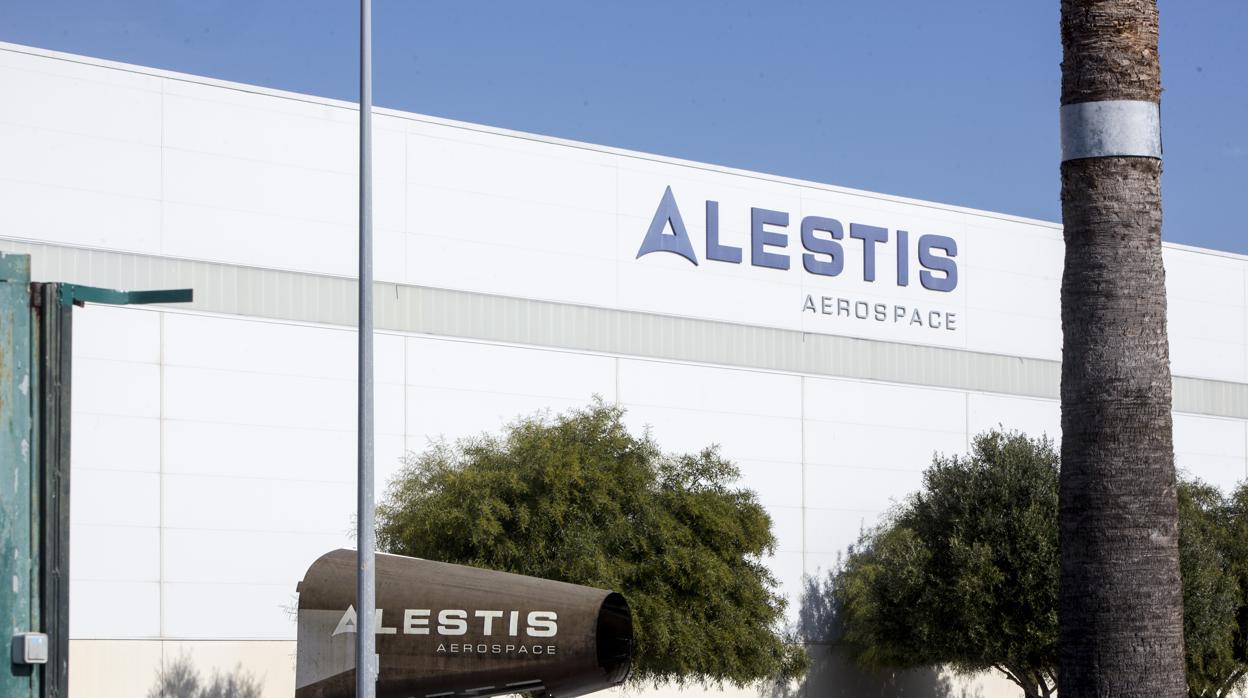
Airbus ha firmado un acuerdo para vender sus acciones de Alestis Aerospace para Aciturri, una empresa con sede en Miranda de Ebro, España.

Con esta adquisición, Aciturri se convertirá en el accionista mayoritario de Alestis Aerospace, la celebración de 76% de las acciones de Alestis ‘, en colaboración con la SEPI que mantendrá su participación con el 24% de la nueva estructura accionarial. “La adquisición de las acciones de Airbus en Alestis de Aciturri refuerza la posición de la compañía como un proveedor de referencia en el sector aeroespacial y asegura su viabilidad y el futuro a largo plazo”, dijo Alberto Gutiérrez, Director de Airbus España y Jefe de aviones militares en Airbus Defensa y Espacio.

Alestis Aerospace es un proveedor de estructuras aeronáuticas y un líder en tecnología de compuestos, cuyas actividades incluyen el diseño, desarrollo y fabricación de componentes aeroespaciales estructurales. En 2018, sus ingresos alcanzaron los € 283 millones y la empresa tiene más de 1.600 empleados distribuidos principalmente entre España y Brasil.

Airbus entró en el accionariado de Alestis Aerospace en 2014. El cierre de la transacción está sujeta a ciertas condiciones precedentes que debe completarse en el corto plazo.AW-Icon-TXT-01

Resultado de imagen para alestis aerospace puerto realAirbus sells Alestis Aerospace

Airbus sells its shares in Alestis Aerospace

Airbus has signed an agreement to sell its Alestis Aerospace shares for Aciturri, a company based in Miranda de Ebro, Spain.

With this acquisition, Aciturri will become the majority shareholder of Alestis Aerospace, holding 76% of Alestis’ shares, in collaboration with SEPI, which will maintain its stake with 24% of the new shareholding structure. «The acquisition of Airbus shares in Alestis de Aciturri reinforces the position of the company as a reference supplier in the aerospace sector and ensures its viability and long-term future», said Alberto Gutiérrez, Airbus Spain Director and Chief military aircraft in Airbus Defense and Space.

Alestis Aerospace is a supplier of aeronautical structures and a leader in composite technology, whose activities include the design, development and manufacture of structural aerospace components. In 2018, its revenues reached € 283 million and the company has more than 1,600 employees distributed mainly between Spain and Brazil.

Airbus entered the shareholding of Alestis Aerospace in 2014. The closing of the transaction is subject to certain precedent conditions that must be completed in the short term. A \ W


Ξ A I R G W A Y S Ξ
SOURCE: Airgways.com
DBk: Airbus.com
AW-POST: 201904021452AR

A\W   A I R G W A Y S ®

Airbus rediseña CDC Airspace A320/A330

Resultado de imagen para Customer Service Center Definition of the AirspaceAW | 2019 04 02 14:31 | INDUSTRY

logo_airbus (2)Airbus abre nuevas áreas de personalización de cabina para los programas A320 y A330

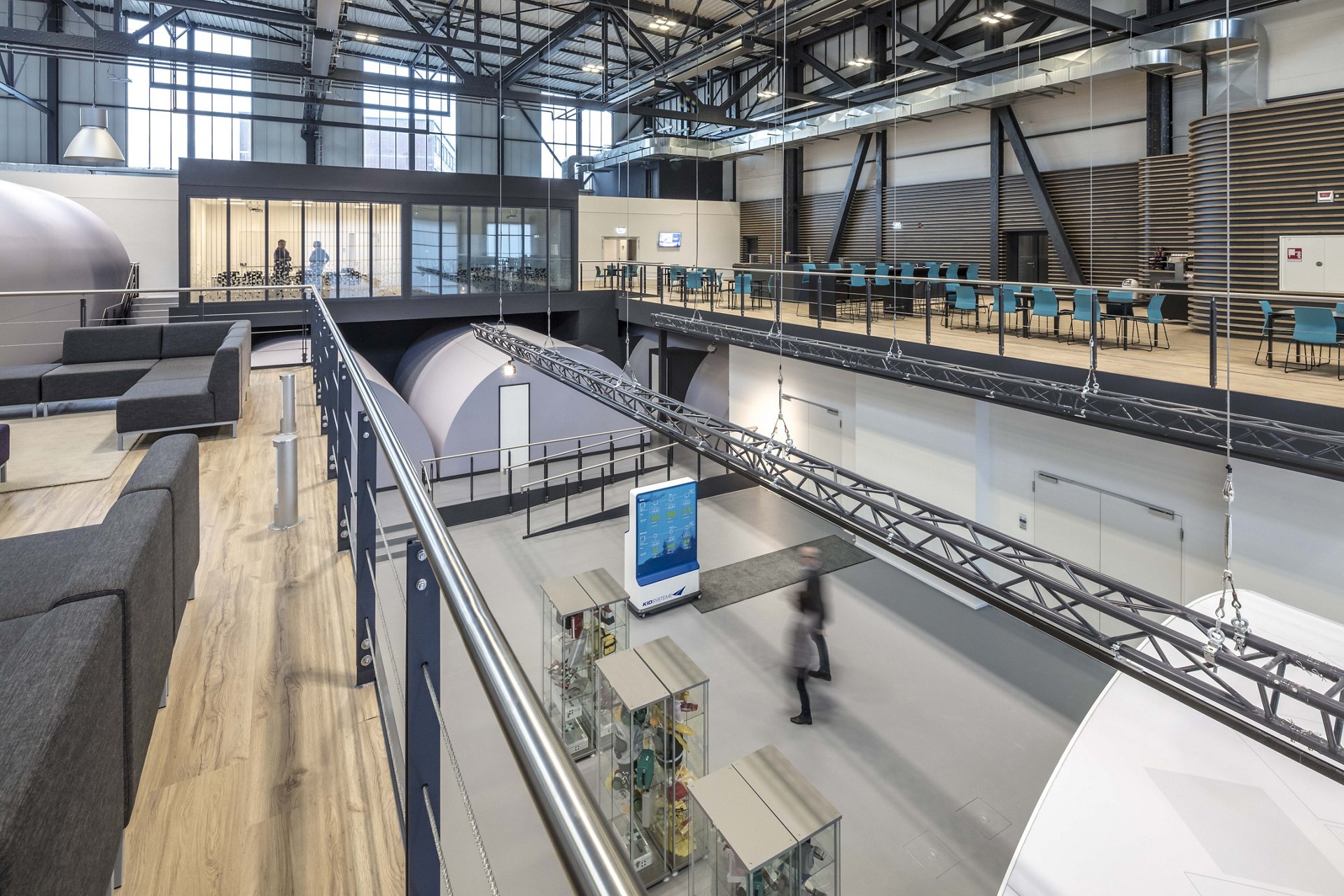
Airbus ha ampliado su centro de atención al cliente denominado Customer Service Center Definition of the Airspace (CDC) en su planta de Airbus en Hamburgo, Alemania para la personalización del programa de cabina, incluyendo los Imagen relacionadaProgramas A320/A330 para complementar las áreas de personalización del Programa A350 XWB existentes. A partir de ahora los operadores de todos estos programas pueden experimentar el método bien establecido para una definición rápida, fácil y el estado técnico de cabina que Airbus ha estado ofreciendo a los clientes del A350 XWB ya que la CDC original, abrió por primera vez en 2014. Por otra parte, el CDC ahora adopta plenamente el «Airspace» de cabina, que fue lanzado por primera vez con el A330NEO, y establece nuevos estándares de confort de la cabina, el ambiente, el servicio y el diseño de las aerolíneas y sus pasajeros. En consecuencia, el CDC se renombró como Customer Service Center Definition of the Airspace.

Resultado de imagen para Customer Service Center Definition of the AirspaceResultado de imagen para Customer Service Center Definition of the AirspaceResultado de imagen para Customer Service Center Definition of the AirspaceResultado de imagen para Customer Service Center Definition of the AirspaceResultado de imagen para Customer Service Center Definition of the AirspaceResultado de imagen para Customer Service Center Definition of the AirspaceResultado de imagen para Customer Service Center Definition of the AirspaceResultado de imagen para Customer Service Center Definition of the AirspaceEN EL CDC, LOS CLIENTES SIGUEN UN PROCESO DE DEFINICIÓN EXCLUSIVO A TRAVÉS DE UNA SERIE DE ZONAS MUY ESPECIALIZADAS, QUE SE HAN DISEÑADO ESPECÍFICAMENTE

Tras el lanzamiento de esta extensión en Abril 2017, se inició la construcción para ampliar las instalaciones existentes de la rediseñar el CDC y el equipamiento de un gran hangar adyacente y un ambiente de trabajo cooperativo. Recientemente finalizado, la nueva instalación se suma aproximadamente 4.500 m² de nueva superficie en dos plantas dedicadas a los clientes A320 y A330, y fomentará la realización de sus soluciones integradas de cabina. La extensión de los CDC cuenta con nuevas áreas maquetas específicos del cliente, así como la presentación altamente flexible y salas de conferencias en dos niveles con el ambiente de un loft industrial.

“Con la capacidad de la aeronave de la Familia A320 para servir rutas de largo alcance y la evolución A330NEO, las cabinas de estas familias de aviones se han vuelto más específica y están sujetas a la personalización intenso. Desde hoy cuatro de cada cinco A350 XWB clientes son al mismo tiempo los operadores de A320/A330 este paso es una situación ganar-ganar-ganar para todas las partes involucradas para fomentar y optimizar la definición de la cabina a través de su flota”, dijo Sören Scholz, Airbus Vicepresidente Senior de cabina & Cargo Programa.

El diseño del Programa CDC es un proceso de definición único a través de una matriz diseñada altamente especializada. En línea con el historial de Airbus de innovación de cabina, la extensión trae varias nuevas tecnologías y servicios que ya están disponibles a través de los diferentes tipos de aeronaves. Una característica clave es un sistema de proyección baja inventado Airbus, que muestra el diseño de la cabina a gran escala en el suelo. En combinación con los elementos originales de la cabina, los clientes pueden realizar pruebas en vivo de diseños alternativos y escenarios. Además de esta innovación, algunos en configuración maqueta se han ampliado para incluir un área de carga para discutir soluciones para el uso del espacio en la cubierta inferior. Además de salas de reuniones son actualizados con las últimas tecnologías de realidad virtual.

La combinación de salas de juegos funcionales para pruebas de equipo de cabina, áreas de exposición para la estadificación de producto típico aérea, estudios de diseño para el material y las definiciones de luz del estado de ánimo, virtual y tecnología de realidad aumentada complementadas con áreas maqueta específicos del cliente, hacer que el espacio aéreo a los CDC una única y atractiva una ventanilla única para los clientes.AW-Icon-TXT-01

Resultado de imagen para Customer Service Center Definition of the AirspaceResultado de imagen para Customer Service Center Definition of the AirspaceResultado de imagen para Customer Service Center Definition of the AirspaceResultado de imagen para Customer Service Center Definition of the Airspace

Resultado de imagen para Customer Service Center Definition of the AirspaceResultado de imagen para Customer Service Center Definition of the Airspace

Airbus redesigns CDC Airspace A320/A330

Airbus LogotypeAirbus opens new cabin personalization areas for the A320 and A330 programs

Airbus has expanded its customer service center called the Customer Service Center Definition of the Airspace (CDC) at its Airbus plant in Hamburg, Germany for the customization of the cabin program, including the A320/A330 programs to complement the personalization areas of the aircraft. Existing A350 XWB program. From now on operators of all these programs can experience the well-established method for a quick, easy definition and technical cockpit status that Airbus has been offering to customers of the A350 XWB since the original CDC, first opened in 2014. On the other hand, the CDC now fully adopts the cabin «Airspace», which was launched for the first time with the A330NEO, and establishes new standards of comfort for the cabin, the environment, the service and the design of the airlines and your passengers As a result, the CDC was renamed the Customer Service Center Definition of the Airspace.

After the launch of this extension in April 2017, construction began to expand existing facilities to redesign the CDC and the equipment of a large adjacent hangar and a cooperative work environment. Recently completed, the new facility adds approximately 4,500 m² of new surface in two floors dedicated to A320 and A330 customers, and will encourage the realization of its integrated cabin solutions. The extension of the CDC has new areas specific models of the client, as well as highly flexible presentation and conference rooms on two levels with the environment of an industrial loft.

Resultado de imagen para Airbus Airspace logoResultado de imagen para Customer Service Center Definition of the Airspace


«With the capacity of the A320 Family aircraft to serve long-range routes and the A330NEO evolution, the cabins of these aircraft families have become more specific and are subject to intense personalization. From today four out of five A350 XWB customers are at the same time the A320 / A330 operators this step is a win-win-win situation for all parties involved to encourage and optimize the definition of the cabin through its fleet», said Sören Scholz, Airbus Senior Vice President of Cabin & Cargo Program.

The design of the CDC Program is a unique definition process through a highly specialized designed matrix. In line with Airbus’ history of cabin innovation, the extension brings several new technologies and services that are already available through different types of aircraft. A key feature is a low-projection system invented by Airbus, which shows the design of the cabin on a large scale on the ground. In combination with the original elements of the cabin, customers can perform live tests of alternative designs and scenarios. In addition to this innovation, some in model layout have been expanded to include a loading area to discuss solutions for the use of the space in the lower deck. In addition to meeting rooms are updated with the latest virtual reality technologies.

The combination of functional playrooms for cabin equipment testing, exhibition areas for typical aerial product staging, design studies for material and mood light definitions, virtual and augmented reality technology complemented with areas Customer-specific mock-up, make the airspace to the CDC a unique and attractive one-stop shop for customers. A \ W


Ξ A I R G W A Y S Ξ
SOURCE: Airgways.com
DBk: Airbus.com / Actu-aero.fr / Airgways.com
AW-POST: 201904021431AR

A\W   A I R G W A Y S ®

Mauritania Airlines recibe 1er E175

Mauritania Airlines vuela actualmente a 12 destinos en África y a Gran Canaria y París.

AW | 2019 03 30 18:04 | AIRLINES / INDUSTRY

Mauritanua Airlines Isologotype.jpgMauritania Airlines es la primer compañía aérea en recibir el Embraer E175 en África

Mauritania Airlines ha recibido el primer Embraer E175 de una orden formulada en 2018. La aerolínea de Mauritania se ha convertido en el primer operador en África del Embraer E175 con la recepción del primero de dos embraer logo.jpgejemplares. La operación fue valuada en US$ 93,8 millones. La segunda aeronave se entregará durante el segundo trimestre de este año. La configuración de estos aviones tienen 76 asientos en dos clases. La entrega de la segunda aeronave E175 está prevista para el 2Q2019.

Mauritania Airlines ha incorporado aeronaves nuevas para modernizar la flota de la compañía, tanto en reemplazo de aeronaves más antiguas como complementando al resto de su flota, formada por E145 (1), Boeing 737-500 (1), 737-700 (1), 737-800 (1), 737-8 MAX (1), este último fuera de operaciones por las restricciones impuestas por cuestiones de seguridad.

El CEO de la aerolínea, Mohamed Radhy Bennahi, dijo que “la incorporación del E175 en nuestra flota nos permitirá agregar más frecuencias y nuevos destinos, mejorando la calidad de la experiencia al pasajero y ofreciendo mayor confort con la mejor cabina de su categoría».

“Celebramos con Mauritania Airlines la entrega del primer E175 en África. Estamos seguros que la aeronave alcanzará en África el mismo nivel de éxito logrado en otros mercados alrededor del mundo en los que se la reconoce como la mejor en el segmento de 76 asientos”, comentó Raul Villaron, vicepresidente de Ventas para el Medio Oriente & África de Embraer Commercial Aviation.

La compañía se creó en Diciembre 2010 en respuesta a la desaparición de Mauritania Airways. En Abril 2018, se anunció que la aerolínea cambió su nombre de Mauritania Airlines International a Mauritania Airlines. Mauritania Airlines tiene su base principal en Nouakchott, Mauritania Airlines opera a doce destinos en el norte, oeste y centro de África, además de a las Las Palmas de Gran Canaria.AW-Icon-TXT-01

Resultado de imagen para Mauritania Airlines E175Mauritania Airlines receives 1st Embraer E175

1280px-Embraer_logo.svgMauritania Airlines is the first air company to receive the Embraer E175 in AfricaResultado de imagen para mauritania map globe

Mauritania Airlines has received the first Embraer E175 of an order formulated in 2018. The airline of Mauritania has become the first operator in Africa of the Embraer E175 with the reception of the first of two copies. The operation was valued at US$ 93.8 million. The second aircraft will be delivered during the second quarter of this year. The configuration of these aircraft has 76 seats in two classes. The delivery of the second aircraft E175 is scheduled for 2Q2019.

Mauritania Airlines has incorporated new aircraft to modernize the company’s fleet, both in replacement of older aircraft and complementing the rest of its fleet, consisting of E145 (1), Boeing 737-500 (1), 737-700 (1) , 737-800 (1), 737-8 MAX (1), the latter out of operations due to restrictions imposed by security issues.

The airline’s CEO, Mohamed Radhy Bennahi, said that «the addition of the E175 to our fleet will allow us to add more frequencies and new destinations, improving the quality of the passenger experience and offering greater comfort with the best cabin in its category».

«We celebrated with Mauritania Airlines the delivery of the first E175 in Africa. We are confident that the aircraft in Africa will achieve the same level of success achieved in other markets around the world where it is recognized as the best in the segment of 76 seats», said Raul Villaron, vice president of sales for the Middle East & Africa of Embraer Commercial Aviation.

The company was created in December 2010 in response to the disappearance of Mauritania Airways. In April 2018, it was announced that the airline changed its name from Mauritania Airlines International to Mauritania Airlines. Mauritania Airlines has its main base in Nouakchott, Mauritania Airlines operates to twelve destinations in the north, west and center of Africa, as well as Las Palmas de Gran Canaria. A \ W

Resultado de imagen para Mauritania Airlines E175

الخطوط الجوية الموريتانية تستقبل أول أمبراير E175

الخطوط الجوية الموريتانية هي أول شركة طيران تحصل على Embraer E175 في إفريقياembraer logo (1).jpg

تلقت الخطوط الجوية الموريتانية أول Embraer E175 من طلبية وضعت في عام 2018. أصبحت الخطوط الجوية الموريتانية أول مشغل في إفريقيا من Embraer E175 باستقبال أول نسختين. بلغت قيمة العملية 93.8 مليون دولار. سيتم تسليم الطائرة الثانية خلال الربع الثاني من هذا العام. تكوين هذه الطائرات لديها 76 مقعدا في فئتين. من المقرر تسليم الطائرة الثانية E175 في 2Q2019.

قامت شركة الخطوط الجوية الموريتانية بتضمين طائرة جديدة لتحديث أسطول الشركة ، وذلك بدلاً من الطائرات القديمة واستكمال أسطولها ، الذي يتكون من E145 (1) ، بوينغ 737-500 (1) ، 737-700 (1) ، 737- 800 (1) ، 737-8 MAX (1) ، هذا الأخير خارج العمليات بسبب القيود المفروضة من قبل القضايا الأمنية.

وقال الرئيس التنفيذي لشركة الطيران ، محمد راضي بنهي ، «إن إضافة طائرة E175 إلى أسطولنا سيتيح لنا إضافة المزيد من الترددات والوجهات الجديدة ، مما يحسن من جودة تجربة الركاب ويوفر راحة أكبر مع أفضل مقصورة في فئتها».

«احتفلنا مع الخطوط الجوية الموريتانية بتسليم أول طائرة E175 في إفريقيا. نحن على ثقة من أن الطائرة في إفريقيا ستحقق نفس المستوى من النجاح الذي تحقق في أسواق أخرى حول العالم حيث تم الاعتراف بها كأفضل شركة في فئة 76 مقعدًا. وقال راؤول فيلارون ، نائب رئيس قسم المبيعات في الشرق الأوسط وأفريقيا في شركة Embraer Commercial Aviation.

تأسست الشركة في ديسمبر 2010 استجابة لاختفاء الخطوط الجوية الموريتانية. في أبريل 2018 ، تم الإعلان عن تغيير اسم الشركة من خطوط طيران موريتانيا الدولية إلى خطوط طيران موريتانيا. يقع مقر شركة الخطوط الجوية الموريتانية في نواكشوط ، وتعمل الخطوط الجوية الموريتانية في اثني عشر وجهة في شمال وغرب ووسط إفريقيا ، وكذلك لاس بالماس دي جران كناريا. A \ W


Ξ A I R G W A Y S Ξ
SOURCE: Airgways.com
DBk: Mauritaniaairlines.mr / Embraer.com
AW-POST: 201903301804AR

A\W   A I R G W A Y S ®

Boeing 737, la tormenta perfecta

The-Perfect-Storm-890x380.jpg

AW | 2019 03 29 20:34 | INDUSTRY / AVIATION SAFETY

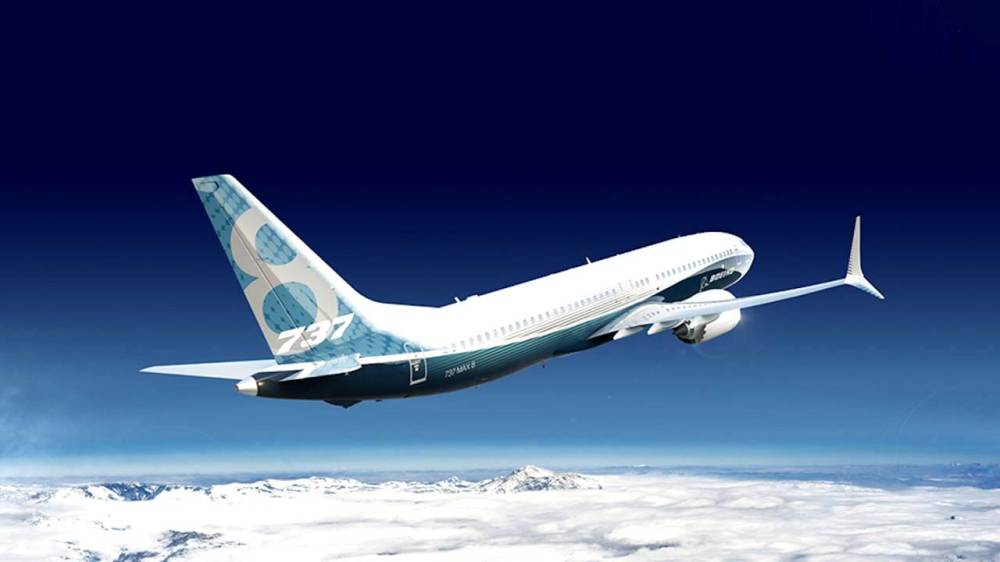
FK,4923,36,737-max-round-pinBoeing-Logo.svg.pngThe Boeing Company enfrentará costos probablemente en cientos de millones de dólares para recuperar la confianza del Boeing 737 MAX


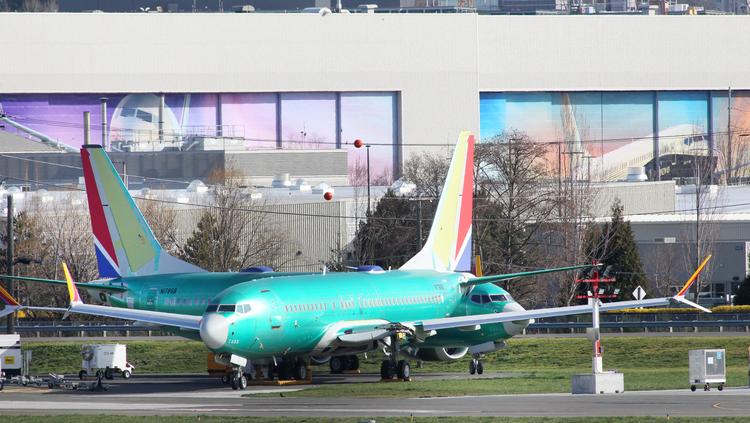
A medida que aumentan los costos de la puesta a tierra de la flota de aviones Boeing 737 MAX, también hay dudas sobre cuándo se manejará la reintroducción del modelo 737 MAX para volver al aire. Después de que 83731-faaBoeing anunció una serie de correcciones de la Anti-Install de la MCAS bajo las inspecciones de la Federal Aviation Administration (FAA), se ha comunicado que los analistas de aviación predicen que tomará un mínimo de entre seis semanas a 12 semanas antes de que los aviones vuelva a despegar en las aerolíneas del mundo.

Escollos para volver a volar

Incluso cuando el 737 MAX consiguiera la aprobación de la FAA para volar de nuevo, sus problemas no se resolverían. China había suspendido el certificado de aeronavegabilidad del avión, lo que significa que el avión enfrentaría obstáculos adicionales antes de poder regresar a ese enorme mercado de aeronaves y de más rápido crecimiento.

Las capacidades de Boeing para resolver los problemas ocasionados en la línea 737 MAX deberían resolverse sin inconvenientes. Quizás la pregunta no debería ser cuándo el 737 MAX volverá al cielo sino si debería hacerlo.

Los problemas actuales del modelo son el resultado de una serie de decisiones que se remontan a más de medio siglo; sus limitaciones de diseño son mucho más profundas que un software mal escrito.

La historia comienza en la década de 1960, cuando Boeing estaba estableciendo las especificaciones para el 737, el avión que se convertiría en su mejor vendedor hasta la fecha. En aquel entonces, el viaje en jet estaba en su infancia, y muchos aeropuertos carecían de la infraestructura que damos por sentado hoy, como jetways. «El avión fue diseñado para sentarse cerca del suelo. Tendría un airstair integrado en la puerta, por lo que no necesitaría arreglos exteriores para sacar a los pasajeros del avión», dice el diseñador de aviones y periodista de aviación Peter Garrison.

737NGvsMAX.png

Esa decisión dio como resultado un avión que satisfacía las necesidades de la aviación de la década de 1960, pero avanzó rápidamente a principios de la década de 2010 y el mundo era un lugar radicalmente diferente. Airstairs ya no era una gran preocupación. Pero décadas de desarrollo de motores a reacción han llevado a los ingenieros a concluir que la clave para la eficiencia de los turbofanes era un gran diámetro.

En el día en que la cosa estaba diseñada, tenía pequeños motores delgados debajo de las alas, y luego, cuando empezaron a poner estos turbofans cada vez más grandes, tuvieron que lidiar con el hecho de que no había espacio debajo del ala. Finalmente, tuvieron que mover todo el motor hacia adelante y hacia arriba para mantenerlo fuera del suelo. Esto tuvo un efecto secundario indeseable. Un motor más potente, lanzado hacia adelante, tiende a hacer que un avión sea inestable dinámicamente, especialmente cuando el motor está a máxima velocidad y la nariz está hacia arriba, como durante el despegue. «Es desestabilizador en el sentido de que cuanto más nariz es, más grandes son las fuerzas que tienden a hacer que sea más nariz», dice Garrison.

AW-70737007.png

Los diseñadores de aviones comerciales generalmente buscan la estabilidad. Imagina llevar una canica en un tazón profundo. Si se tambalea de esta manera, la canica rodará, pero siempre volverá al centro. La inestabilidad es como equilibrar un taco de billar en el dedo: cuanto más se aleja de arriba a abajo, más quiere caer. En el caso de un avión, cuanto más alta es la nariz, más alto quiere ir. Si no se controla, esto podría resultar en una situación llamada pérdida aerodinámica, donde las alas pierden sustentación y el avión comienza a caer en picado.

Debido a que la FAA consideraba que el 737 MAX era demasiado inestable para ser usado como un avión de pasajeros, Boeing ideó un sistema automatizado que evitaría que la nariz subiera demasiado: el ahora infame «sistema de aumento de características de maniobra», o MCAS,«era necesario para la certificación», dice el blogger de aviación Peter Lemme.

Los problemas de inestabilidad del 737 MAX se hicieron eco de otro diseño de los años 60, el Cheyenne. En ese momento, Piper Aircraft quería construir una versión más potente de su popular avión ligero bimotor, el Navajo. Piper cambió sus motores de pistón por turbopropulsores. Al igual que el 737 MAX, el Cheyenne tenía un diseño que involucraba poner los motores más potentes más adelante en el ala.

Jack Webb fue el piloto de pruebas de ingeniería en jefe de Piper durante la mayor parte del proceso de desarrollo de Cheyenne. «A medida que avanzábamos, descubrí una especie de problema dinámico de estabilidad dinámica», dice. Era el mismo problema que tendría el 737 MAX más tarde, por la misma razón. Y como lo haría más tarde Boeing, Piper intentó solucionar el problema agregando automatización; en su caso, un dispositivo llamado Sistema de Aumento de Estabilidad (SAS) que presionaría la nariz hacia abajo si se elevaba demasiado. Webb se dio cuenta de que si el piloto no estaba debidamente capacitado, el SAS podría empeorar la inestabilidad. El problema era que el sistema podía entrar en un circuito de retroalimentación con el piloto humano. Sin entender por qué la nariz estaba empezando a bajar, el piloto subía, a lo que el SAS respondería presionando hacia abajo. Como cada uno tiene un retraso en su tiempo de respuesta, terminan persiguiéndose, lo que hace que el avión ingrese en una serie de subidas y inmersiones cada vez más empinadas.

Recientes informes de la prensa se han centrado en el hecho de que los malvados aviones Ethiopian Airlines y Lion Air estaban equipados con el MCAS, que podría confundirse si un solo sensor devolviera lecturas defectuosas. Esto provocaría que pateara y bajara la nariz, incluso cuando el avión no estaba a la altura de la nariz. El esfuerzo del piloto para luchar contra el sistema fuera de control causaría que el avión se marche. Webb cree que este tipo de movimiento hacia arriba y hacia abajo puede tener lugar incluso cuando el sistema funciona como se diseñó. Ha examinado varios accidentes relacionados con la Cheyenne, y es una imagen clásica. Parece que el avión está en una montaña rusa antes de que se estrelle. Los pilotos simplemente se ponen detrás de la entrada necesaria para estabilizar el avión. Están luchando contra eso.

El miércoles, Boeing reveló la lista de arreglos planeados para el 737 MAX. Una de ellas fue que el MCAS en adelante recibirá información de dos sensores en lugar de uno solo. Si los sensores no están de acuerdo, el sistema se desactivará.

Webb cree que, según su experiencia con el Cheyenne, estas correcciones no eliminarán la predilección del avión por la montaña rusa. Incluso si Webb está equivocado, y el 737 Max está a salvo siempre que su MCAS funcione correctamente, eso deja otro problema. Un solo sensor que funciona mal hará que el sistema se apague, lo que devolverá al avión a la condición de que la FAA considere demasiado inestable para otorgar un certificado de aeronavegabilidad.

Hay una solución sencilla para todos los problemas del 737 Max: para reducir la tendencia de inclinación del avión, Boeing podría alargar el tren de aterrizaje y mover los motores más atrás debajo del ala; y para aumentar la estabilidad, podría aumentar el tamaño de la cola. Hay una razón por la que Boeing no quiere hacer eso, «sería considerado un nuevo avión», explica Garrison.

El punto central del 737 MAX es que, a pesar de todos sus cambios y mejoras, desde la perspectiva de la FAA, sigue siendo técnicamente un 737. Desde la perspectiva del diseño, las pruebas y la certificación, es más barato actualizar un diseño antiguo que un campo de marca. uno nuevo. Le costó a Boeing un estimado de US$ 2 mil millones a US$ 3 mil millones para llevar el 737 MAX al mercado, en comparación con aproximadamente US$ 10 mil millones a US$ 12 mil millones para crear un nuevo avión. Y los aviones heredados son más atractivos para las aerolíneas porque no tienen que volver a entrenar a sus pilotos.

Sin embargo, hasta ahora solo se puede seguir actualizando un diseño venerable. Boeing lo sabe. A mediados de los años, lanzó un proyecto para considerar un reemplazo de hoja limpia para el 737 que estaría listo para volar en algún momento entre 2012 y 2015. Sin embargo, al final, desechó ese enfoque. Cuando Airbus lanzó una actualización de su propia versión del avión de cuerpo estrecho, el A320neo, en 2010, Boeing se vio obligado a responder. Su respuesta fue el artilugio de Rube Goldberg que tiene hoy.

Quizás la suerte de Boeing cambiará y el mundo se dará cuenta de que, si bien no es perfecto, el 737 MAX es lo suficientemente bueno. Tal vez Boeing vaya a completar los 5,000 pedidos que hay actualmente en los libros, y quién sabe, tal vez agregue algunos miles más en la parte superior. ¿Cuál será el resultado de este escenario rosado? Los cielos se llenaron con la mejor parte de un billón de dólares de aviones que podrían ser mejores, cuando la compañía podría haber tomado una pequeña fracción de ese tiempo y dinero y simplemente construir un avión digno del nombre de Boeing.

En el futuro, Boeing debe obtener el 737 MAX con el estándar de seguridad requerido y recuperar la confianza para mantener la acumulación al menos estable y, posiblemente, ampliarla. Todavía no creo que puedas evaluar los inconvenientes observando la flota en tierra. Para aquellos que consideran el valor de los aviones a tierra como una medida de desventaja, es importante entender que, actualmente, la acumulación de costos ha agregado presión sobre las ganancias de Boeing, pero esos costos probablemente no serán tan altos como el valor de la flota a tierra.

Creo que posicionarse para cancelaciones es prematuro, especialmente porque los atrasos no se valoran completamente en el precio de las acciones de Boeing, y no deberían. Si ahora toma en cuenta las cancelaciones en los precios de las acciones, tendrá en cuenta algo que nunca ha sido parte de la apreciación del precio de las acciones, ya que los pedidos nunca se valoran completamente en los precios de las acciones de Boeing, ni tampoco en los informes financieros de la compañía.

Negociaciones con la Boeing

Algunos clientes pueden buscar flexibilidad en los planes de entrega y pago en lugar de exigir una compensación de Boeing. Sin embargo, se espera que la conexión a tierra de los Boeing 737 MAX afecte las ganancias de Boeing y el objetivo de entrega de aviones comerciales.

Con los dos accidentes aéreos ocurrido con la línea Boeing 737-8 MAX en cuestión de meses, la conexión a tierra del Boeing 737 MAX no es una sorpresa. Las consecuencias financieras que la conexión a tierra podría tener en Boeing han arrojado estimaciones disponibles que van desde US$ 115 millones hasta varios miles de millones, ya que las entregas del Boeing 737 MAX se han detenido.

Escenarios encontrados

Las negociaciones de Boeing es otro frente de tormenta que deberán afrontar para mantener y no continuar perdiendo cuota de mercado, donde el Airbus A320NEO ya lleva una ventaja en órdenes solicitadas de 1.000 aeronaves adicionales.

En un primer escenario, la conexión a tierra se traduce en cancelaciones de vuelos, en cuyo caso Boeing tiene que pagar las tasas de arrendamiento perdidas y las ganancias licuadas de las aerolíneas, así como la depreciación. Todos los vuelos del Boeing 737 MAX se cancelan y Boeing tiene que compensar esto además de pagar a los arrendadores las tarifas de arrendamiento y la depreciación, los costos serían entre US$ 360 millones y US$ 375 millones por mes.

En el segundo escenario, Boeing paga la depreciación de los aviones a tierra, así como las mayores tasas de arrendamiento y los costos adicionales de combustible. Boeing pagaría la depreciación, los arrendamientos adicionales para llevar a cabo las operaciones de vuelo y los gastos adicionales de combustible debido al uso de aviones más antiguos y menos eficientes. El consumo adicional de combustible sería de 1,56 millones de litros por día o casi US$ 50 millones de litros por mes, lo que equivaldría a costos adicionales de US$ 24 millones por mes. En el segundo escenario, la factura sería significativamente mayor para Boeing, es decir, de US$ 590 millones a US$ 600 millones por mes. Esto incluye aproximadamente unos US$ 85 millones en costos de depreciación, US$ 485 millones para arrendamientos adicionales a corto plazo y alrededor de US$ 25 millones en gastos adicionales de combustible.

Un buen punto de partida para evaluar cualquier costo que Boeing pueda tener es mirar cuántas aeronaves están realmente conectados a tierra. Hasta Febrero 2019, Boeing entregó 376 aviones Boeing 737 MAX y otros 10 se entregaron en Marzo 2019 hasta que Boeing dejó de entregar aviones a los clientes. Estos 386 jets tienen un valor combinado de más de US$ 20 billones de dólares. Desde el segundo accidente aéreo que involucró al Boeing 737-8 MAX de Ethiopian Airlines, la capitalización de mercado de Boeing disminuyó en aproximadamente US$ 30 mil millones de dólares. El valor de los aviones a tierra como una medida de desventaja, la acumulación de costos ha agregado presión sobre las ganancias de Boeing, pero esos costos probablemente no serán tan altos como el valor de la flota a tierra. Lo que está claro es que cuanto más tiempo toma la conexión a tierra, más le costará a Boeing y esos costos se ejecutan en cientos de millones por mes.

Lecciones por aprender

En ambos accidentes aéreos, Boeing podría aprender lecciones vitales. El constructor americano podría haber diseñado un mejor sistema de estabilidad con la documentación adecuada. La FAA pudiera haber desempeñado un papel más imparcial y determinante. La tripulación de cabina podría haber sido instruida más eficientemente en el manejo de situaciones críticas y al mismo tiempo investigar adecuadamente la ejecución de los vuelos JT-610 y ET-302.

El resultado de las investigaciones criminales puede tomar bastante tiempo, pero eso es algo que podría perjudicar a la FAA, a Boeing y a las compañías operadoras del Boeing 737 MAX. Los resultados del informe preliminar de fallos deben proporcionar algún tipo de orientación sobre lo que está sucediendo con la cuarta generación de la línea Boeing 737 MAX y recuperar la confianza en el producto y el trabajo acumulado de Boeing.

Actualmente, la FAA ha observado una solución, que es una combinación de soluciones de software y hardware, pero que continúa en una fina línea en la zona segura. Boeing parece haber acelerado el trabajo en una solución, mientras que la línea de producción se ha detenido para ponerse al día con el trabajo retrasado.

En Boeing están esperanzados en devolver al Baby Boeing al lugar que siempre estaba. Aunque está atravesando una tormenta perfecta, la factoría de Seattle batallará a cualquier costo por recuperar la confianza del símbolo estrella de la The Boeing Company, el 737.AW-Icon-TXT-01

Resultado de imagen para boeing 737 max grounded

Boeing 737, the perfect storm

The Boeing Company will probably face costs in the hundreds of millions of dollars to recover the confidence of the Boeing 737 MAX

As the cost of grounding the Boeing 737 MAX aircraft fleet increases, there are also questions about when the re-introduction of the 737 MAX model will be handled to get back on the air. After Boeing announced a series of corrections to the MCAS Anti-Install under Federal Aviation Administration (FAA) inspections, it has been reported that aviation analysts predict that it will take a minimum of six weeks to 12 weeks before that planes take off again in the world’s airlines.

Escollos to fly again

Even when the 737 MAX got approval from the FAA to fly again, its problems would not be resolved. China had suspended the plane’s airworthiness certificate, which means that the plane would face additional obstacles before it could return to that huge and rapidly growing aircraft market.

The capabilities of Boeing to solve the problems caused in line 737 MAX should be solved without problems. Maybe the question should not be when the 737 MAX will return to heaven but if it should.

The current problems of the model are the result of a series of decisions that go back more than half a century; Its design limitations are much deeper than poorly written software.

The story begins in the 1960s, when Boeing was setting specifications for the 737, the plane that would become its best seller to date. Back then, jet travel was in its infancy, and many airports lacked the infrastructure that we take for granted today, such as jetways. «The plane was designed to sit close to the ground. It would have an integrated airstair on the door, so it would not need outside arrangements to get the passengers out of the plane», says aviation designer and aviation journalist Peter Garrison.

That decision resulted in an airplane that met the needs of aviation in the 1960s, but advanced rapidly in the early 2010s and the world was a radically different place. Airstairs was no longer a big concern. But decades of jet engine development have led engineers to conclude that the key to the efficiency of turbofans was a large diameter.

«On the day the thing was designed, it had small thin engines under the wings, and then, when they started putting these turbofans getting bigger, they had to deal with the fact that there was no space under the wing. They had to move the entire engine forward and up to keep it off the ground», said Garrison.

AW-70737007.png

This had an undesirable side effect. A more powerful engine, thrown forward, tends to make an airplane unstable dynamically, especially when the engine is at full speed and the nose is up, as during takeoff. «It’s destabilizing in the sense that the more nose it is, the greater the forces that tend to make it more nose», says Garrison.

Commercial aircraft designers generally seek stability. Imagine carrying a marble in a deep bowl. If you wobble in this way, the marble will roll, but it will always return to the center. Instability is like balancing a billiard cue on your finger: the further you move from top to bottom, the more you want to fall. In the case of an airplane, the higher the nose, the higher it wants to go. If left unchecked, this could result in a situation called aerodynamic loss, where the wings lose lift and the plane begins to plummet.

Because the FAA considered that the 737 MAX was too unstable to be used as a passenger plane, Boeing devised an automated system that would prevent the nose from going too high: the now infamous «Manuvening Characteristic Augmentation System, or MCAS, it was necessary for certification», says aviation blogger Peter Lemme.

The problems of instability of the 737 MAX echoed another design of the 60s, the Cheyenne. At the time, Piper Aircraft wanted to build a more powerful version of its popular twin-engine light aircraft, the Navajo. Piper changed its piston engines by turboprop. Like the 737 MAX, the Cheyenne had a design that involved putting the most powerful engines later in the wing.

Jack Webb was Piper’s chief engineering test pilot for most of Cheyenne’s development process. «As we went along, I discovered a kind of dynamic problem of dynamic stability», he says. It was the same problem that 737 MAX would have later, for the same reason. And as Boeing would later do, Piper tried to solve the problem by adding automation; in his case, a device called Stability Augmentation System (SAS) that would press the nose down if it rose too much.

Webb realized that if the pilot was not properly trained, the SAS could worsen the instability. The problem was that the system could enter a feedback loop with the human pilot. Without understanding why the nose was starting to fall, the pilot climbed, to which the SAS would respond by pressing down. As each one has a delay in their response time, they end up chasing each other, which causes the plane to enter a series of increasingly steep climbs and dives.

Recent press reports have focused on the fact that the evil Ethiopian Airlines and Lion Air aircraft were equipped with the MCAS, which could be confused if a single sensor returned faulty readings. This would cause him to kick and lower his nose, even when the plane was not up to his nose. The pilot’s effort to fight the out-of-control system would cause the plane to leave.

Webb believes that this kind of up and down movement can take place even when the system works as designed. He has examined several accidents related to the Cheyenne, and it’s a classic image, it looks like the plane is on a roller coaster before it crashes in. The pilots simply get behind the necessary entrance to stabilize the plane.

On Wednesday, Boeing revealed the list of planned arrangements for the 737 MAX. One of them was that the MCAS will receive information from two sensors instead of just one. If the sensors do not agree, the system will be deactivated.

Webb believes that, based on his experience with the Cheyenne, these corrections will not eliminate the airplane’s predilection for the roller coaster. Even if Webb is wrong, and 737 Max is safe as long as his MCAS works properly, that leaves another problem. A single sensor that malfunctions will cause the system to shut down, which will return the aircraft to the condition that the FAA considers it too unstable to grant a certificate of airworthiness.

There is a simple solution for all the problems of the 737 MAX: «to reduce the inclination tendency of the aircraft, Boeing could lengthen the landing gear and move the engines further back under the wing; and to increase the stability, it could increase the size of the tail. There is a reason why Boeing does not want to do that. «It would be considered a new plane», explains Garrison.

The central point of the 737 MAX is that, despite all its changes and improvements, from the perspective of the FAA, it is still technically a 737. From the perspective of design, testing and certification, it is cheaper to update an older design than a brand field. new one. It cost Boeing an estimated US$ 2 billion to US$ 3 billion to bring the 737 MAX to market, compared to approximately US$ 10 billion to US$ 12 billion to create a new airplane. And legacy aircraft are more attractive to airlines because they do not have to retrain their pilots.

However, until now you can only continue updating a venerable design. Boeing knows it. In the middle of the years, he launched a project to consider a clean sheet replacement for the 737 that would be ready to fly sometime between 2012 and 2015. However, in the end, he dismissed that approach. When Airbus launched an update of its own version of the narrow-body aircraft, the A320NEO, in 2010, Boeing was forced to respond. His answer was the Rube Goldberg contraption he has today.

Maybe Boeing’s luck will change and the world will realize that, while it’s not perfect, the 737 MAX is good enough. Maybe Boeing is going to complete the 5,000 orders that are currently in the books, and who knows, maybe add a few thousand more at the top. What will be the result of this pink scenario? The skies were filled with the best part of a trillion dollars of aircraft that could be better, when the company could have taken a small fraction of that time and money and simply built a plane worthy of Boeing’s name.

In the future, Boeing must obtain the 737 MAX with the required security standard and regain the confidence to keep the accumulation at least stable and possibly expand it. I still do not think you can evaluate the inconveniences by observing the fleet on land. For those who consider the value of land-based aircraft as a measure of disadvantage, it is important to understand that, currently, the accumulation of costs has added pressure on Boeing’s profits, but those costs will probably not be as high as the value of the It floats to the ground.

I believe that positioning for cancellations is premature, especially because the arrears are not fully valued in the price of Boeing shares, and they should not. If you now take into account the cancellations in the stock prices, you will consider something that has never been part of the appreciation of the stock price, since the orders are never fully valued in the Boeing stock prices, nor neither in the company’s financial reports.

Negotiations with the Boeing

Some customers may seek flexibility in delivery and payment plans instead of demanding compensation from Boeing. However, it is expected that the grounding of the Boeing 737 MAX will affect Boeing’s profits and the commercial aircraft delivery target. With the two plane crashes occurred with the Boeing 737-8 MAX line in a matter of months, the grounding of the Boeing 737 MAX is not a surprise.

The financial consequences that the ground connection could have on Boeing have yielded estimates that range from US $ 115 million to several billion, since the deliveries of the Boeing 737 MAX have stopped.

Found scenarios

The Boeing negotiations are another storm front that they will have to face in order to maintain and not continue to lose market share, where the Airbus A320NEO already has an advantage in apply for orders of 1,000 additional aircraft.

In a first scenario, grounding translates into flight cancellations, in which case Boeing has to pay for lost lease rates and airline liquefied profits, as well as depreciation. All Boeing 737 MAX flights are canceled and Boeing has to compensate for this in addition to paying landlords the lease rates and depreciation, the costs would be between US$ 360 million and US$ 375 million per month.

In the second scenario, Boeing pays the depreciation of aircraft to land, as well as higher lease rates and additional fuel costs. Boeing would pay for depreciation, additional leases to carry out flight operations and additional fuel costs due to the use of older and less efficient aircraft. The additional fuel consumption would be 1.56 million liters per day or almost US$ 50 million liters per month, which would be equivalent to additional costs of US$ 24 million per month. In the second scenario, the invoice would be significantly higher for Boeing, that is, from US$ 590 million to US$ 600 million per month. This includes approximately US$ 85 million in depreciation costs, US$ 485 million for additional short-term leases and around US$ 25 million in additional fuel costs.

A good starting point to evaluate any cost that Boeing may have is to look at how many aircraft are actually connected to the ground. Until February 2019, Boeing delivered 376 Boeing 737 MAX aircraft and another 10 were delivered in March 2019 until Boeing stopped delivering aircraft to customers. These 386 jets have a combined value of more than US$ 20 billion. Since the second plane crash involving the Boeing 737-8 MAX from Ethiopian Airlines, the market capitalization of Boeing has decreased by approximately US$ 30 billion. The value of aircraft to land as a measure of disadvantage, the accumulation of costs has added pressure on Boeing’s profits, but those costs will probably not be as high as the value of the fleet to land. What is clear is that the longer the ground connection takes, the more it will cost Boeing and those costs are executed in hundreds of millions per month.
Resultado de imagen para boeing 737 max groundedLessons to learn

In both plane crashes, Boeing could learn vital lessons. The American builder could have designed a better stability system with the proper documentation. The FAA could have played a more impartial and decisive role. The cabin crew could have been instructed more efficiently in the handling of critical situations and at the same time adequately investigate the execution of flights JT-610 and ET-302.

The result of criminal investigations can take a long time, but that could harm the FAA, Boeing and the operating companies of the Boeing 737 MAX. The results of the preliminary bug report should provide some guidance on what is happening with the fourth generation of the Boeing 737 MAX line and regain confidence in the product and the accumulated work of Boeing.

Currently, the FAA has observed a solution, which is a combination of software and hardware solutions, but which continues in a fine line in the safe zone. Boeing seems to have accelerated work on a solution, while the production line has stopped to catch up with the delayed work.

At Boeing, they are hoping to return Baby Boeing to the place it always was. Although it is going through a perfect storm, the Seattle factory will struggle at any cost to regain the confidence of the star symbol of The Boeing Company, the 737. A \ W


AW-AW.com

AW-Airgways Icon-webΞ A I R G W A Y S Ξ
SOURCE: Airgways.com
DBk: Airgways.com / Nymag.com / Faa.gov / Boeing.com / Reuters.com / Bizjournals.com
AW-POST: 201903292034AR

A\W   A I R G W A Y S ®
 

Fallo favorable de la OMC para Airbus

Resultado de imagen para WTO headquarters

AW | 2019 03 29 16:25 | INDUSTRY / GOVERNMENT

Resultado de imagen para WTO logoLa Unión Europea y Airbus logran importante victoria contra Estados Unidos

La Organización Mundial del Comercio (OMC) del Órgano de Apelación con la Unión Europea (UE) confirma en un fallo arbitral la falta de acción de Boeing para hacer frente a los subsidios ilegales e incluye otros nuevos ítems en su fallo.

logo_airbus (2)Airbus celebra el informe del Órgano de Apelación de la OMC, publicado hoy, lo que confirma que los Estados Unidos no han retirado las subvenciones concedidas por las autoridades federales, estatales y locales a Boeing para eliminar el daño que esas subvenciones causaron a Airbus.

El Órgano de Apelación de la OMC ha rechazado todos los argumentos expuestos de Estados Unidos. Además, el máximo tribunal de la OMC también ha calificado una serie de programas federales y estatales de Estados Unidos adicionales como subsidios ilegales, e incluso, como subvenciones prohibidas como en el caso del esquema de Foreign Sales Corporation (FSC), una importante victoria para la UE. El informe pide que nuevas medidas de cumplimiento son necesarios desde los Estados Unidos y Boeing. De no hacerlo, proporcionará a la Unión Europea la posibilidad de buscar contramedidas a la importación de productos de Estados Unidos.

El asesor general de Airbus, John Harrison declaró: “Esta es una clara victoria para la Unión Europea y Airbus. Se confirma nuestra posición de que Boeing, mientras apunta con el dedo a Airbus, no ha tomado ninguna medida para cumplir con sus obligaciones en la OMC, contrariamente a Airbus y la UE. Con este informe dañino, sin dejar de negar que reciben subsidios ilegales masivos del gobierno de los Estados Unidos ya no es una opción. Dicho de otra manera, la solución ausente, los EE.UU deberán pagar mil millones anuales en sanciones impulsadas por cada programa de vuelo de Boeing, mientras que la UE se enfrentaría, en el peor de los casos, sólo problemas menores. Esperamos que estos resultados le sugerirán a los Estados Unidos y Boeing para avanzar constructivamente en esta controversia de larga data y unirse a nosotros en el trabajo hacia un entorno de comercio justo. En ausencia de un enfoque constructivo, la UE tiene ahora un caso legal muy fuerte para avanzar a las contramedidas», expresó el asesor legal de Airbus.

Airbus agradece a la Comisión Europea y los gobiernos de Francia, Alemania, Reino Unido y España por su continuo apoyo durante todo el proceso de disputa de larga data. Sus prolongados esfuerzos para restablecer la igualdad de condiciones justo ahora muestran claramente los resultados esperados.AW-Icon-TXT-01

Resultado de imagen para headquarter Airbus toulouseFavorable WTO ruling for Airbus

The European Union and Airbus achieve important victory against the United States

The World Trade Organization (WTO) of the Appellate Body with the European Union (EU) confirms in an arbitration ruling the lack of action by Boeing to deal with the illegal subsidies and includes other new items in its ruling.

Airbus welcomes the report of the WTO Appellate Body, published today, which confirms that the United States has not withdrawn subsidies granted by federal, state and local authorities to Boeing to eliminate the damage that these subsidies caused to Airbus.

The WTO Appellate Body has rejected all the arguments put forward by the United States. In addition, the WTO’s highest court has also described a number of additional US federal and state programs as illegal subsidies, and even as prohibited subsidies as in the case of the Foreign Sales Corporation (FSC) scheme, an important victory for the EU. The report asks that new compliance measures are necessary from the United States and Boeing. Failure to do so will provide the European Union with the possibility of seeking countermeasures on the importation of products from the United States.

Airbus general counsel John Harrison: «This is a clear victory for the European Union and Airbus. It confirms our position that Boeing, while pointing its finger at Airbus, has not taken any action to comply with its obligations in the WTO, contrary to Airbus and the EU. With this harmful report, while continuing to deny that they receive massive illegal subsidies from the United States government is no longer an option. In other words, the absent solution, the US will have to pay billions annually in sanctions driven by each Boeing flight program, while the EU would face, in the worst case, only minor problems. We hope these results will suggest to the United States and Boeing to move forward constructively in this long-standing dispute and join us in working towards a fair trade environment. In the absence of a constructive approach, the EU now has a very strong legal case to move forward with countermeasures», said Airbus legal counsel.

Airbus thanks the European Commission and the governments of France, Germany, the United Kingdom and Spain for their continued support throughout the long-running dispute process. Their long efforts to restore the level playing field right now clearly show the expected results. A \ W


Ξ A I R G W A Y S Ξ
SOURCE: Airgways.com
DBk: Wto.org / Airbus.com
AW-POST: 201903291625AR

A\W   A I R G W A Y S ®

Evelop Airlines recibe 1er A350-900

Resultado de imagen para evelop A350-900

AW | 2019 03 29 15:05 | AIRLINES / INDUSTRY

Resultado de imagen para evelop airlines logoEvelop Airlines recibe de su primer Airbus A350-900

Evelop Airlines, la aerolínea española de la división de viajes Ávoris del Grupo Barceló, ha recibido su primer Airbus A350-900 de dos pedidos formales, familia de aviones más moderna y ecoeficiente del mundo. El segundo avión será entregado en 2020.

El A350-900, en régimen de arrendamiento de Air Lease Corporation (ALC), se basará en Madrid Barajas-Aeropuerto Adolfo Suárez para realizar rutas de larga distancia a destinos del Caribe. Cuenta con una configuración de clase única de alto confort con 432 asientos. Los pasajeros podrán disfrutar de más espacio personal, la cabina más silenciosa entre los aviones de dos pasillos y los últimos productos de la cabina generación, incluyendo la persona a bordo de entretenimiento a bordo.

El A350 XWB ofrece por su diseño inigualable flexibilidad operacional y la eficiencia de todos los segmentos de mercado hasta distancia ultra-larga (9.700 nm). Cuenta con el último diseño aerodinámico, fuselaje y las alas de fibra de carbono, además de nuevos motores Rolls-Royce bajo consumo de combustible. En conjunto, estas últimas tecnologías se traducen en niveles sin precedentes de eficiencia operativa, con una reducción del 25% en el consumo de combustible y las emisiones. El espacio aéreo del A350 XWB de Airbus de cabina es el más tranquilo de cualquier doble pasillo y ofrece a los pasajeros y las tripulaciones de la experiencia de vuelo más cómodo. A finales de febrero de 2019, la Familia A350 XWB había recibido 852 pedidos en firme de 48 clientes en todo el mundo, por lo que es uno de los aviones de fuselaje ancho de mayor éxito. Evelop Airlines opera una flota de Airbus de un A320-200, A330-200 uno y tres A330-300.AW-Icon-TXT-01

AW-7000-4501.jpgEvelop Airlines receives 1st A350-900

Evelop Airlines receives its first Airbus A350-900

Evelop Airlines, the Spanish airline of the travel division Ávoris of the Barceló Group, has received its first Airbus A350-900 from two formal orders, the most modern and eco-efficient aircraft family in the world. The second plane will be delivered in 2020.

The A350-900, under lease of Air Lease Corporation (ALC), will be based in Madrid Barajas-Adolfo Suárez Airport to make long-distance routes to destinations in the Caribbean. It has a unique high-comfort configuration with 432 seats. Passengers can enjoy more personal space, the quieter cabin between two-aisle aircraft and the latest generation cabin products, including on-board entertainment person.

The A350 XWB offers unparalleled operational flexibility and the efficiency of all market segments up to ultra-long distance (9,700 nm). It has the latest aerodynamic design, fuselage and carbon fiber wings, as well as new Rolls-Royce low-fuel engines. Together, these latest technologies translate into unprecedented levels of operational efficiency, with a 25% reduction in fuel consumption and emissions. The Airspace of the A350 XWB Airbus Cabin is the quietest of any double aisle and offers passengers and crews the most comfortable flight experience. By the end of February 2019, the A350 XWB Family had received 852 firm orders from 48 customers worldwide, making it one of the most successful wide-body aircraft. Evelop Airlines operates an Airbus fleet of one A320-200, A330-200 one and three A330-300. A \ W


Ξ A I R G W A Y S Ξ
SOURCE: Airgways.com
DBk: Airbus.com / Evelop.com
AW-POST: 201903291505AR

A\W   A I R G W A Y S ®

Boeing revela modificaciones en 737 MAX

Image result for Boeing 737 MAX testAW | 2019 03 28 14:31 | INDUSTRY / AVIATION SAFETY

83731-faaLa FAA todavía no ha emitido las aprobaciones correspondientes a las modificaciones en la MCAS de los Boeing 737 MAX
FK,4923,36,737-max-round-pin

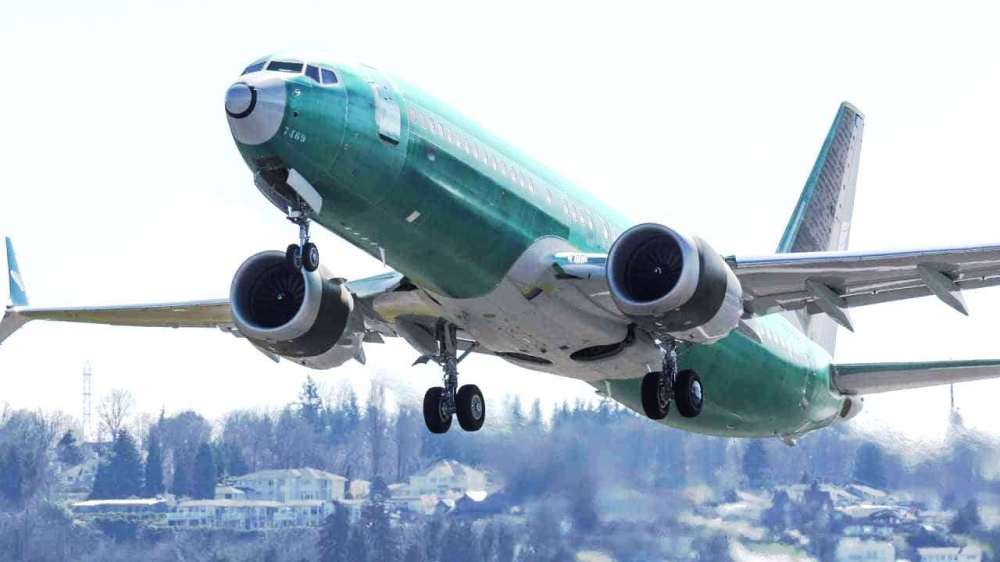
The Boeing Company mostró los cambios en el Sistema de Estabilización MCAS. En una reunión con cientos de periodistas, pilotos y dirigentes de aerolíneas en su sede de Renton, Estados Unidos para mostrar los cambios en su sistema de estabilización MCAS, en una ofensiva para recuperar la confianza perdida. «Vamos a hacer todo para asegurarnos que accidentes como estos no ocurran de nuevo», dijo a la prensa el Vicepresidente de Estrategia de Productos de Boeing, Mike Sinnet.

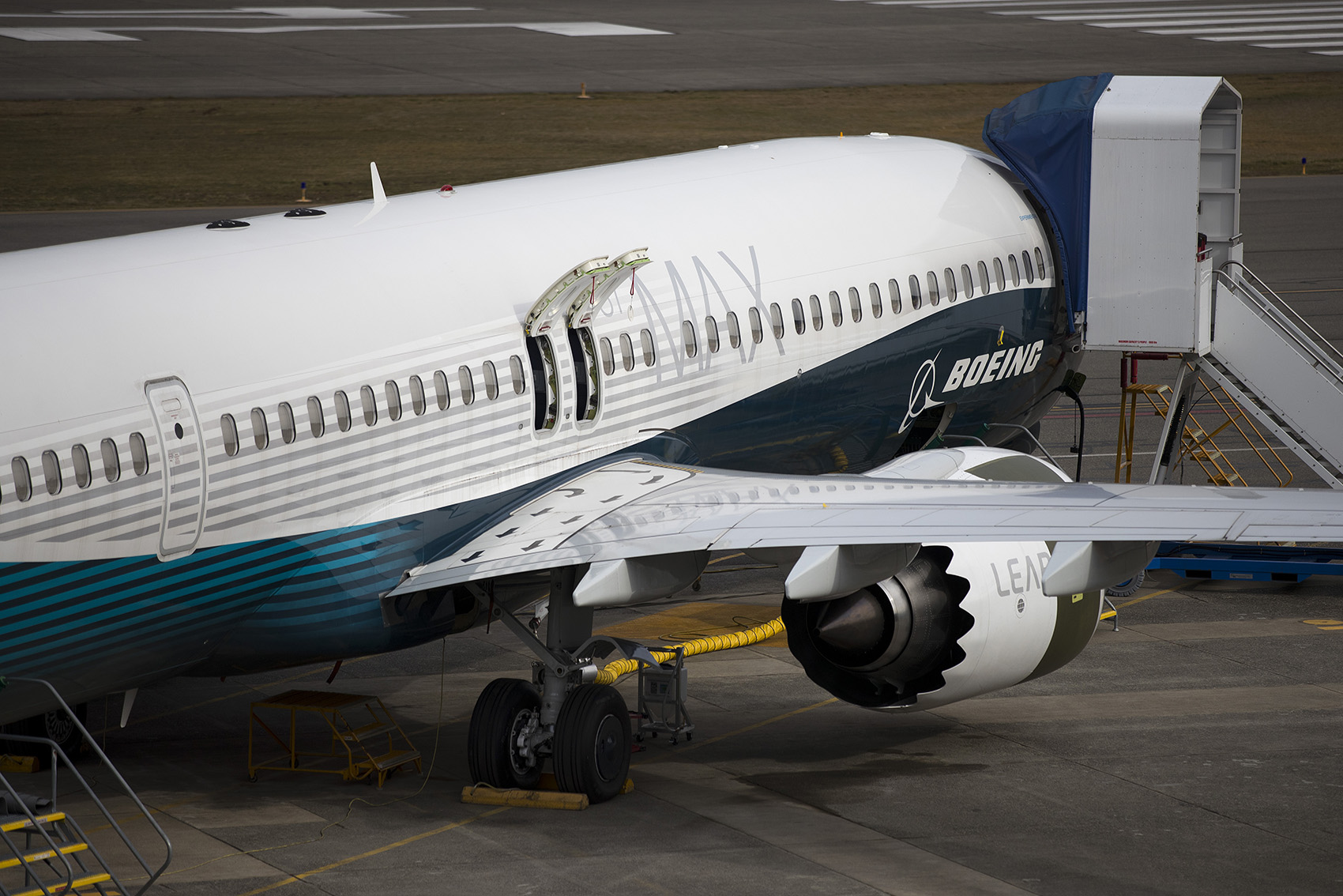
Dan Elwell, el responsable interino de la Federal Aviation Administration (FAA) de Estados Unidos, deberá explicar a los Senadores estadounidenses por qué su organismo tardó tanto en prohibir los vuelos de los Boeing 737 MAX tras el accidente en el que murieron 157 personas el 10 Marzo 2019 en Etiopía. Esa tardanza levantó sospechas sobre una connivencia entre la agencia estadounidense y Boeing, sobre todo después de que las autoridades chinas y europeas decidieran prohibir rápidamente los vuelos de esos aviones, debido a las similitudes entre el accidente en Etiopía y el que ocurrió el 29 Octubre 2018 en el Mar de Java con la aerolínea Lion Air.

Modificaciones del MCAS

Boeing intenta convencer de que la versión corregida del Sistema de Estabilización MCAS de los 737 MAX, cuestionado por su supuesta responsabilidad en los accidentes, está ahora operativa.

La intervención del sistema será más transparente para la tripulación, y los pilotos podrán desactivarlo más fácilmente en caso de problema, explicó Boeing, que iba a presentar el nuevo MCAS a los profesionales este Miércoles 27 Marzo 2019 para tener su opinión sobre los cambios.

Entre los cambios notables a los controles de vuelo MAX, el sistema de control de vuelo automatizado MCAS del avión ahora recibirá datos de ambos sensores de ángulo de ataque en lugar de solo uno. Además, un funcionario de Boeing dice que las revisiones de la compañía de varios sistemas de control de vuelo en los nuevos aviones 737 MAX no han revelado ningún problema potencial adicional. La revisión ha revisado los análisis de peligros potenciales y mal funcionamiento, y no hemos descubierto nada que nos preocupe en ninguna de esas áreas, dijo el funcionario de Boeing. Esas revisiones continúan y continuarán por algún tiempo.

En la nueva versión del programa, el piloto podrá ver que el MCAS ya no funciona gracias a un sistema de alerta luminosa, que indicará que las dos sondas del aparato emiten datos contradictorios. Boeing informó a las aerolíneas que adquirieron 737 MAX que podían encargar esa opción de forma gratuita. Ésta se instalará posteriormente, si recibe el visto bueno de las autoridades.

Según la compañía, la nueva versión del programa se sometió a cientos de horas de análisis, pruebas en laboratorio, verificaciones en un simulador y dos vuelos de prueba, incluido uno con representantes de la FAA a bordo. «El objetivo es reducir la carga de trabajo de la tripulación en situaciones anormales e impedir que el MCAS se active cuando reciba datos falsos», precisó Boeing.

Boeing también tiene previsto formar mejor a los pilotos para manejar el MCAS y el 737 MAX, cuyo comportamiento cambió mucho por modificaciones sobre los motores. La FAA y otras autoridades regulatorias aún deben certificar esas modificaciones, indicó la compañía.

Revisión de la FAA

La Federal Aviation Administration (FAA) ha comunicado que aún no ha otorgado la aprobación provisional para la actualización de software anti-stall de Boeing anunciada en el Boeing 737 MAX. El regulador dice que ha trabajado con la compañía a lo largo de su cambio de software y «no hemos recibido la mejora completa del software para su revisión y certificación».

También en el testimonio del Senado de Estados Unidos hoy, el jefe interino de la FAA, Daniel Elwell, dijo que costaría US$ 1.800 millones de dólares y que se llevaría a 10 mil nuevos empleados para que la agencia se encargara de todas las certificaciones de aeronaves internamente, respondiendo preguntas sobre cómo se aprueban los nuevos aviones para volar. Elwell también dijo que una alerta a los pilotos de que Boeing estaba haciendo estándar en todos los aviones 737 MAX como parte de una actualización de software no era «crítica para la seguridad». Boeing dejará de cargar esa alerta y otro indicador aún opcional. En un testimonio separado, el Secretario de Transporte dijo que era preocupante que ciertas características de seguridad estuvieran disponibles como opciones en lugar del equipo estándar en los aviones 737 MAX.

Boeing ha programado una reunión informativa para unos 200 pilotos y representantes de aerolíneas en Renton, Washington, sede del complejo de ensamblaje 737, donde se espera que describa los cambios de software que controlan un sistema diseñado para evitar automáticamente un puesto en la mitad del vuelo. Un panel del Senado en Washington, DC también interrogará al jefe interino de la FAA, al inspector general del DOT y al jefe de la NTSB acerca de qué tan exhaustivamente se probó el sistema MCAS y qué se hará para asegurar que cualquier solución funcione.

El responsable de la FAA admitirá, no obstante, que, ante unos sistemas cada vez más complejos, el enfoque de su agencia en materia de supervisión debe cambiar. En una audiencia distinta celebrada el miércoles por la mañana, la Secretaria de Transporte, Elaine Chao, se mostró preocupada ante «cualquier alegación de relaciones demasiado estrechas con cualquier compañía».

Entretanto, la inmovilización de la flota de Boeing 737 MAX tiene un coste importante. La compañía estadounidense Southwest Airlines rebajó este miércoles su previsión de volumen de negocios en el 1Q2019 por culpa de las cancelaciones de vuelos vinculadas a la prohibición del Boeing 737 MAX.AW-Icon-TXT-01

AW-700007378MAX.jpgBoeing unveiled modifications at 737 MAX

The FAA has not yet issued approvals for modifications to the MCAS of the Boeing 737 MAX

Boeing-Company-LogoThe Boeing Company showed the changes in the MCAS Stabilization System. In a meeting with hundreds of journalists, pilots and airline leaders at their headquarters in Renton, United States to show the changes in their MCAS stabilization system, in an offensive to recover lost confidence. «We’re going to do everything to make sure accidents like these do not happen again», Boeing Vice President of Product Strategy Mike Sinnet told reporters.
Dan Elwell, the acting head of the US Federal Aviation Agency (FAA), should explain to US Senators why his agency took so long to ban Boeing 737 MAX flights after the accident in which 157 people died. March 10, 2019 in Ethiopia. That delay raised suspicions about a collusion between the US agency and Boeing, especially after the Chinese and European authorities decided to quickly ban the flights of those planes, due to the similarities between the accident in Ethiopia and the one that occurred on October 29, 2018 in the Java Sea with the airline Lion Air.

Modifications of the MCAS

Boeing tries to convince that the corrected version of the System of Stabilization MCAS of the 737 MAX, questioned by its supposed responsibility in the accidents, is now operative.

The intervention of the system will be more transparent for the crew, and the pilots will be able to deactivate it more easily in case of problem, explained Boeing, who was going to present the new MCAS to the professionals this Wednesday 27 March 2019 to have their opinion about the changes.

Image result for MCAS Boeing 737 MAX

Among the notable changes to the MAX flight controls, the aircraft’s MCAS automated flight control system will now receive data from both attack angle sensors instead of just one. In addition, a Boeing official says that company reviews of several flight control systems on the new 737 MAX aircraft have not revealed any additional potential problems. The review has reviewed the analysis of potential hazards and malfunctions, and we have not discovered anything that worries us in any of those areas, said the Boeing official. Those revisions continue and will continue for some time.

In the new version of the program, the pilot will be able to see that the MCAS no longer works thanks to a system of luminous alert, that will indicate that both probes of the apparatus emit contradictory data. Boeing informed the airlines that they acquired 737 MAX that they could order that option for free. This will be installed later, if it receives the approval of the authorities.

According to the company, the new version of the program underwent hundreds of hours of analysis, laboratory tests, simulator checks and two test flights, including one with representatives of the FAA on board. «The goal is to reduce the workload of the crew in abnormal situations and prevent the MCAS from activating when it receives false data», Boeing said.

Boeing also plans to better train the drivers to operate the MCAS and the 737 MAX, whose behavior changed a lot because of modifications on the engines. The FAA and other regulatory authorities still must certify those modifications, the company said.

Review of the FAA

The Federal Aviation Administration (FAA) has announced that it has not yet granted provisional approval for the Boeing anti-stall software update announced on the Boeing 737 MAX. The regulator says it has worked with the company throughout its software change and «we have not received the complete software upgrade for review and certification».

Also in the testimony of the United States Senate today, the acting head of the FAA, Daniel Elwell, said that it would cost US $ 1,800 million dollars and that it would take 10,000 new employees for the agency to take care of all the certifications of Aircraft internally, answering questions about how new airplanes are approved to fly. Elwell also said that warning pilots that Boeing was making standard on all 737 MAX aircraft as part of a software update was not critical to safety. Boeing will stop loading that alert and another indicator still optional. In a separate testimony, the Transportation Secretary said it was troubling that certain safety features were available as options instead of the standard equipment on the 737 MAX aircraft.

Boeing has scheduled an informational meeting for some 200 airline pilots and representatives in Renton, Washington, home of the 737 assembly complex, where it is expected to describe the software changes that control a system designed to automatically avoid a position in the middle of the flight. A Senate panel in Washington, DC will also question the interim FAA chief, the DOT inspector general and the NTSB chief about how thoroughly the MCAS system was tested and what will be done to ensure that any solution works.

The head of the FAA will admit, nevertheless, that, faced with increasingly complex systems, the focus of his agency on matters of supervision must change. In a separate hearing held on Wednesday morning, the Secretary of Transportation, Elaine Chao, was concerned about «any allegation of too close relations with any company».

Meanwhile, the immobilization of the Boeing 737 MAX fleet has a significant cost. The American company Southwest Airlines lowered its forecast of turnover in the 1Q2019 on Wednesday because of cancellations of flights linked to the prohibition of the Boeing 737 MAX. A\W


video-camera_318-50337.jpg


Ξ A I R G W A Y S Ξ
SOURCE: Airgways.com
DBk: Faa.gov / Boeing.com / Airgways.com / Nbcnews.com
AW-POST: 201903281431AR

A\W   A I R G W A Y S ®

Boeing pierde la línea de la batalla

AW-7000737MAX.jpgAW | 2019 03 27 17:43 | INDUSTRY / AIR INVESTIGATION / AVIATION SAFETY

FK,4923,36,737-max-round-pinBoeing-Logo.svgLa saga de Boeing 737 MAX sirve como un caso de estudio en la incompetencia de la ingeniería y la ética

La Administración de Aviación Civil de China (CAAC) ha suspendido la Certificación de Aeronavegabilidad del Boeing 737-8 MAX, que demoró 15 meses para que Boeing finalmente la obtuviera en Octubre 2017. Airbus contraataca con un formidable pedido de 290 aeronaves A320NEO.

Investigaciones accidentes

Durante las simulaciones de vuelo que recrean los problemas en el fatal accidente del vuelo JT-610 de Lion Air el 29 Octubre 2018, los pilotos descubrieron que tenían menos de 40 segundos para anular el Sistema MCAS del Boeing 737-8 MAX y evitar el desastre. Mientras tanto, el informe preliminar sobre el accidente del vuelo ET-302 del Boeing 737-8 MAX del 10 Marzo 2019 de Ethiopian Airlines probablemente será publicado esta semana, según el Ministerio de Transporte de Etiopía.

FAA

El administrador interino de la FAA, Dan Elwell, le informará a un subcomité de Comercio del Senado que los Boeing 737 MAX de Boeing regresarán al servicio «solo cuando el análisis de los hechos y los datos técnicos de la FAA indiquen que es apropiado». El testimonio de Elwell dice que Boeing presentó por primera vez la actualización del software anti-stall propuesto a la FAA para la certificación este 21 Enero 2019 y que la FAA ha probado «esta mejora al sistema de control de vuelo del Boeing 737 MAX tanto en el simulador como en la aeronave. A medida que el sistema aeroespacial y sus componentes se vuelven cada vez más complejos, sabemos que nuestro enfoque de supervisión debe evolucionar para garantizar que la FAA siga siendo el líder mundial en el logro de la seguridad de la aviación», dijo el testimonio de Elwell, según el informe.

Cuestionado MCAS

Las simulaciones de vuelo que intentaron recrear los problemas que causaron que un avión Boeing 737-8 MAX de Lion Air se estrellara en Indonesia el 29 Octubre 2018 encontraron que los pilotos tenían menos de 40 segundos para anular un sistema automatizado. El sistema automatizado, conocido como MCAS, es el foco de los investigadores que buscan determinar qué sucedió tanto con el avión de Lion Air y el de Ethiopian Airlines ambos del mismo modelo de aeronave.

Presiones competitivas

Han surgido nuevos detalles sobre las presiones competitivas que ejercen los ingenieros de Boeing 737 cuando el fabricante de aeronaves se apresuró a evitar las deserciones de las principales aerolíneas estadounidenses para competir con Airbus. El consorcio europeo estaba desafiando el producto estrella de Boeing con su A320NEO (New Engine Option) actualizado. Según los informes, los operadores estadounidenses como American Airlines se preparaban para cambiar al modo Airbus de mayor alcance.

Ingeniería 737 MAX7378MAX_0[1].png

Boeing respondió con lo que afirmó que era una versión mejorada de su caballo de batalla 737 equipado con un motor LEAP CFM más grande que ofrece un mayor alcance y una mayor eficiencia de combustible. Los motores más grandes requerían que los ingenieros de Boeing los colocaran muy por delante del borde de ataque del ala para lograr la distancia al suelo.

Esa decisión de diseño significaba que el Boeing 737 MAX tendería a subir mientras aceleraba o cuando la aeronave experimentaba un alto ángulo de ataque: el ángulo entre el ala y la dirección de vuelo. La solución propuesta para el problema del lanzamiento, y un medio para lograr la certificación de capacidad de vuelo, fue un sistema de software llamado MCAS.

Los críticos afirman que la colocación del motor convirtió a la serie 737 MAX en un avión fundamentalmente diferente con diferentes características de manejo que requieren un nuevo software operativo y entrenamiento de pilotos. El proceso de recertificación que Boeing intentó evitar por razones competitivas hubiera sido largo y costoso.

En esencia, la respuesta de Boeing al desafío planteado por Airbus fue llevar a la seguridad de los pasajeros a un asiento intermedio en clase económica, mientras que las consideraciones financieras se actualizaron a primera clase, Boeing niega esto.

AW-737-8MAXNG.png

Entre los críticos de Boeing se encuentra Gregory Travis, un veterano ingeniero de software y piloto con experiencia en instrumentos que ha volado simuladores de aviones tan grandes como el Boeing 757. Gregory Travis publicó una crítica condenatoria del fiasco del 737 MAX la semana pasada que concluyó: «Es probable que el MCAS, originalmente agregado con el espíritu de aumentar la seguridad, ahora ha matado a más personas de las que podría haber salvado. No necesita ser arreglado con más complejidad, más software. Necesita ser eliminado, por completo». Gregory Travis dijo que «lo más desconcertante para mí es cómo esto podría haber pasado a un avión comercial con un largo historial de seguridad y confiabilidad, y fue construido por una compañía con una excelente reputación en ingeniería de hardware». El ingeniero expresó que es inequívoco en su evaluación del Boeing 737 MAX: «Es un fuselaje defectuoso. Tiene que arreglar el fuselaje y no puede hacerlo sin mover los motores hacia atrás y alejándolos de su posición actual. El problema de raíz con el diseño del motor hacia adelante es que una vez que la aeronave despega, quiere seguir lanzándose hacia arriba, porque el lanzamiento en un avión aumenta el ángulo de ataque (AOA). Así nació MCAS, donde se implementó el software de computadora de vuelo 737 MAX. Utilizando solo un único sensor de datos, el MCAS fue diseñado para corregir lo que resultó ser un defecto de diseño mortal al bajar el morro hacia abajo basándose en datos de un solo ángulo de sensor de ataque. Travis insiste en que los pilotos de los dos 737 vuelos fatales de MAX no pudieron haber anulado el sistema, sin importar lo fuerte que se pusieran el yugo. La única forma de anular el sistema fue presionando un disyuntor que debería haber sido destacado entre los controles del 737 MAX».

Boeing ha unido motores más grandes a un fuselaje que no ha cambiado de tamaño. Con esta última versión, los nuevos motores apenas despejan la pista en el despegue. Boeing ofreció el sensor de ángulo de ataque único como equipo estándar, y se cargó extra por un segundo junto con un indicador de desacuerdo que permitiría a pilotos del Boeing 737 MAX verificar un sensor defectuoso. Citando esas decisiones, otro observador señaló: «¿Quién diseñaría un sistema con un único punto de falla?».

El análisis de Gregory Travis del diseño del 737 MAX fue alcanzado por la Boeing. La conclusión es que el fabricante propuso resolver un problema de fuselaje con MCAS como una forma menos costosa de obtener la certificación federal. En última instancia, Travis también lamenta lo que él llama «pereza cultural» dentro de la comunidad de desarrollo de software que se está introduciendo en sistemas críticos como las computadoras de vuelo. «Por pereza, quiero decir que cada vez se piensa menos en conseguir un diseño correcto y simple, desde el principio. Lo que debe suceder, creo, es que la responsabilidad se acumule donde se genera».

Incompetencia o falta de ética

Si la historia de advertencia del Boeing 737 MAX es una cuestión de ingeniería ética es prudente hacer las cosas bien a la primera, asegurarse de que los sistemas de misión crítica funcionen con cinco nueves (99.999%) o mayor confiabilidad con redundancia incorporada, sigue siendo una pregunta abierta. «Puede que solo sea una incompetencia de ingeniería», expresa Travis.

Las presiones económicas y competitivas que llevaron a Boeing a ocultar efectivamente la existencia del MCAS como una forma de evitar un largo proceso de recertificación para el Boeing 737 MAX, un proceso que requiere un entrenamiento exhaustivo del piloto en nuevos simuladores caros. Todos habrían aumentado el costo unitario de cada aeronave en millones de dólares, señaló Travis, reduciendo así las posibilidades de Boeing de competir con el Airbus A320NEO.

Las tragedias de Boeing 737 MAX también recuerdan las decisiones de ingeniería que llevaron al desastre del transbordador Challenger en 1986 y al incendio del Apollo 1 en 1967. La prisa de Boeing en responder al desafío de Airbus recuerda a Travis y otros de la maldición del pensamiento grupal llamada «Go Fever» durante el Proyecto Apolo, que finalmente mató a la tripulación del Apolo 1 durante una simulación de la plataforma de lanzamiento. En ese caso, la seguridad de la tripulación fue sacrificada en nombre del horario.

Las decisiones de ingeniería de Boeing, mientras se desarrollaba a toda prisa el 737 MAX, finalmente causaron la muerte de 347 personas. El ingeniero Gregory Travis espera uno de los dos resultados posibles para Boeing: «Veo un escenario en el que ya no venden más de estos aviones. Lo más probable es que continúe con un anuncio en los próximos días de que el fabricante de aviones está arreglando el software MCAS para manejar entradas desde múltiples sensores de ángulo de ataque». De cualquier manera, concluye Gregory Travis, «el software ahora se interpone entre el hombre y la máquina».

AW-7378MAX-0000.jpgBoeing loses the line of battle

Boeing-Company-Logo.jpgThe saga of Boeing 737 MAX serves as a case study in the incompetence of engineering and ethics562

The Civil Aviation Administration of China (CAAC) has suspended the Airworthiness Certification of the Boeing 737-8 MAX, which took 15 months for Boeing to finally obtain it in October 2017. Airbus counterattacks with a formidable order of 290 A320NEO aircraft.

Investigations accidents

During the flight simulations that recreate the problems in the fatal accident of Lion Air’s JT-610 flight on October 29, 2018, the pilots discovered that they had less than 40 seconds to void the MCAS System of the Boeing 737-8 MAX and avoid disaster . Meanwhile, the preliminary report on the crash of ET-302 flight of the Boeing 737-8 MAX on 10 March 2019 from Ethiopian Airlines will probably be published this week, according to the Ethiopian Ministry of Transport.

FAA

FAA interim administrator Dan Elwell will inform a Senate Commerce subcommittee that the Boeing 737 MAX will return to the service «only when the factual analysis and FAA technical data indicate that it is appropriate». Elwell’s testimony says that Boeing presented for the first time the anti-stall software update proposed to the FAA for certification this 21 January 2019 and that the FAA has proven «this improvement to the Boeing 737 MAX flight control system in both the simulator as in the aircraft. «As the aerospace system and its components become increasingly complex, we know that our oversight approach must evolve to ensure that the FAA continues to be the world leader in achieving safety of the aviation», said Elwell’s testimony, according to the report.

Questioned MCAS

Flight simulations that attempted to recreate the problems that caused a Boeing 737-8 MAX aircraft from Lion Air to crash in Indonesia on October 29, 2018 found that pilots had less than 40 seconds to override an automated system. The automated system, known as MCAS, is the focus of researchers seeking to determine what happened to both the Lion Air aircraft and Ethiopian Airlines both of the same aircraft model.

Competitive pressures

New details have emerged about the competitive pressures exerted by Boeing 737 engineers when the aircraft manufacturer rushed to avoid defections from major US airlines to compete with Airbus. The European consortium was challenging Boeing’s flagship product with its updated A320NEO (New Engine Option). According to reports, US operators such as American Airlines were preparing to switch to the longer-range Airbus mode.

Engineering 737 MAX

Boeing responded with what he claimed was an improved version of its 737 workhorse equipped with a larger LEAP CFM engine that offers greater range and greater fuel efficiency. Larger engines required Boeing engineers to place them well in front of the wing’s leading edge to achieve ground clearance.

That design decision meant that the Boeing 737 MAX would tend to climb while accelerating or when the aircraft experienced a high angle of attack: the angle between the wing and the direction of flight. The proposed solution to the launch problem, and a means to achieve flight capacity certification, was a software system called MCAS.AW-737-Comparative.png

Critics say the engine placement made the 737 MAX series a fundamentally different aircraft with different handling characteristics that require new operating software and pilot training. The recertification process that Boeing tried to avoid for competitive reasons would have been long and costly.

In essence, Boeing’s response to the challenge posed by Airbus was to bring passenger safety to an intermediate seat in economy class, while financial considerations were upgraded to first class, Boeing denies this.

AW-70033737.jpgPARA ACOMODAR LOS MOTORES MÁS NUEVOS Y MÁS GRANDES, BOEING ELIGIÓ MOVERLOS MÁS HACIA ADELANTE EN EL ALA. ESTE CAMBIO EN EL DISEÑO TAMBIÉN CAMBIÓ LA AERODINÁMICA DE LA EMBARCACIÓN. PARA COMPENSAR, BOEING AGREGÓ UN SOLO SENSOR Y UNA SOLUCIÓN DE SOFTWARE: MCAS
IN ORDER TO ACCOMMODATE THE NEWER, LARGER ENGINES, BOEING ELECTED TO MOVE THEM FARTHER FORWARD ON THE WING. THIS CHANGE IN DESIGN ALSO CHANGED THE AERODYNAMICS OF THE CRAFT. TO COMPENSATE, BOEING ADDED A SINGLE SENSOR AND A SOFTWARE FIX: MCAS.

Among Boeing’s critics is Gregory Travis, a veteran software engineer and instrument-experienced pilot who has flown simulators of aircraft as big as the Boeing 757. Gregory Travis published a damning critique of the 737 MAX fiasco last week that ended «It’s likely that the MCAS, originally added in the spirit of increasing security, has now killed more people than it could have saved, it does not need to be fixed with more complexity, more software, it needs to be removed, completely. Travis said that «the most disconcerting thing for me is how this could have happened to a commercial aircraft with a long history of safety and reliability, and was built by a company with an excellent reputation in hardware engineering». The engineer said that it is Unmistakable in his evaluation of the Boeing 737 MAX: «It’s a faulty fuselage. You have to fix the fuselage and you can not do it without moving the engines back and away from your current position. The root problem with the design of the forward engine is that once the aircraft takes off, it wants to continue to launch upwards, because the launch in an airplane increases the angle of attack (AOA). This is how MCAS was born, where the 737 MAX flight computer software was implemented. Using only a single data sensor, the MCAS was designed to correct what turned out to be a deadly design flaw by lowering the nose down based on data from a single attack sensor angle. Travis insists that the pilots of MAX’s two 737 fatal flights could not have canceled the system, no matter how strong the yoke was. The only way to override the system was by pressing a circuit breaker that should have been highlighted between the controls of the 737 MAX».

Boeing has joined larger engines to a fuselage that has not changed in size. With this latest version, the new engines barely clear the track at takeoff. Boeing offered the unique attack angle sensor as standard equipment, and was charged extra for one second along with a disagreement indicator that would allow pilots of the Boeing 737 MAX to verify a faulty sensor. Citing those decisions, another observer noted: «Who would design a system with a single point of failure?».

Gregory Travis’s analysis of the design of the 737 MAX was achieved by Boeing. The conclusion is that the manufacturer proposed to solve a fuselage problem with MCAS as a less expensive way to obtain federal certification. Ultimately, Travis also laments what he calls «cultural laziness» within the software development community that is being introduced into critical systems such as flight computers. «By laziness, I mean that every time you think less about getting a correct and simple design, from the beginning, what must happen, I think, is that responsibility accumulates where it is generated».

Incompetence or lack of ethics

If the warning history of the Boeing 737 MAX is a matter of ethical engineering, it is prudent to do things right the first time, make sure mission critical systems work with five nines (99.999%) or higher reliability with built-in redundancy, it remains an open question «It may just be an engineering incompetence», says Travis.

The economic and competitive pressures that led Boeing to effectively conceal the existence of the MCAS as a way to avoid a lengthy recertification process for the Boeing 737 MAX, a process that requires extensive pilot training on expensive new simulators. All would have increased the unit cost of each aircraft by millions of dollars, Travis said, reducing Boeing’s chances of competing with the Airbus A320NEO.

Resultado de imagen para challenger transbordador shuttle pngThe tragedies of Boeing 737 MAX also recall the engineering decisions that led to the 1986 Challenger shuttle disaster and the Apollo 1 fire in 1967. Boeing’s rush to respond to the Airbus challenge reminds Travis and others of the curse of thought group called «Go Fever» during the Apollo Project, which eventually killed the crew of Apollo 1 during a simulation of the launch pad. In that case, the safety of the crew was sacrificed on behalf of the schedule.

The engineering decisions of Boeing, while rapidly developing the 737 MAX, finally caused the death of 347 people. Engineer Gregory Travis expects one of two possible outcomes for Boeing: «I see a scenario in which they no longer sell these aircraft, most likely continuing with an announcement in the coming days that the aircraft manufacturer is fixing MCAS software to handle inputs from multiple angle-of-attack sensors». In any case, concludes Gregory Travis, «software now stands between man and machine». A \ W


AW-AW.com.png

AW-Airgways Icon-web.pngΞ A I R G W A Y S Ξ
SOURCE: Airgways.com
DBk: Eetimes.com / Faa.gov / Boeing.com / Airgways.com
AW-POST: 201903271743AR

A\W   A I R G W A Y S ®


Flota de Fokker continúa volando

AW-7005070100.pngAW | 2019 03 27 14:38 | INDUSTRY

Fokker.svg.pngGKN Fokker Services encontró nuevos operadores en 2018 para 24 aviones Fokker 70/100

La flota global de los aviones holandeses Fokker 50/70/100 sigue siendo alrededor de 400 aviones. Los aviones Fokker 50/70/100 ha demostrado ser confiables, duraderos, silenciosos y cómodos, expresó GKN Aerospace en su presentación de los resultados anuales de Fokker para 2018. El suministro de piezas de repuesto también está asegurado, incluidas modificaciones como el equipo ADS-B Out de última generación. Alrededor de cuatrocientos criadores todavía vuelan alrededor del mundo, después de que la producción cesó en 1996.IMG_0941b (1).jpg

Fokkers en Europa

En Europa, Amapola Flyg AB de Suecia ha incorporado seis Fokker 50 en su inventario. Los suecos operan 22 Fokker 50 como cargueros y aviones de pasajeros. ATS de los Países Bajos había adquirido algunos Fokker 70, que entraría en servicio en 2019. Por otro lado, un Fokker 70 existente vendió ATS a TUS Aviation de Chipre. En Avanti Air en Alemania, incorpora un tercer Fokker 100 que ingresó a la flota para cubrir la creciente demanda de arrendamientos bajo la modalidad wetlease.

Fokkers en Asia

En Filipinas, Leading Edge Air Services Corp. (LEASCOR) compró cuatro Fokker 50 adicionales y trajeron a su flota en seis Fokker 50 para una aerolínea anónima; otro operador no develado compró un Fokker 100.

Latinoamérica

En América Latina compró Fokker 50 de Gran Colombia de Aviación (GCA) de Avs Regional 50. Air Panamá compró un Fokker 100 y ahora tiene cinco de estos jets regionales. Una nueva compañía también compró un Fokker 70, que entrará en servicio en 2019. Air Panamá logró obtener un quinto Fokker 100. La nueva empresa antillana Jetair Caribbean, con sede en Curazao, compró un Fokker 70, que este año 2019.

África

En Kenia, Rudufu Limited Airlines y Silverstone Air Ltd. compraron cada uno un Fokker 50.

«Estos 24 aviones, en su mayoría fueron transacciones de ventas de aeronaves, lo que demuestran la vida económica continua de los aviones Fokker. Combinan un bajo costo de propiedad con una larga vida útil, versatilidad y un soporte al cliente actualizado», dijo Erik Geertsema, Director de Desarrollo de Negocios de Fokker Services. El Departamento de Servicios de Fokker en GKN Aerospace no vende ni presta aeronaves directamente, sino que solo distribuye los contactos entre vendedores y clientes a través de la plataforma FLYFokker. Además, se proporciona servicio técnico al cliente y piezas de repuesto a clientes de todo el mundo.

El mayor operador de la flota Fokkers en el mundo es Australia: Alliance Airlines (24), QantasLink/Network Aviation (17), Virgin Australia Regional Airlines (14) y Skippers Aviation (2). AW-Icon-TXT-01

Resultado de imagen para fokker 50 GCAFleet of Fokker continues flying

Q5aGx_z-_400x400.jpgGKN Fokker Services found new operators in 2018 for 24 Fokker 70/100 aircraft

The global fleet of Dutch planes Fokker 50/70/100 is still around 400 aircraft. The Fokker 50/70/100 aircrafts has proven to be reliable, durable, quiet and comfortable, GKN Aerospace said in its presentation of Fokker’s annual results for 2018. The supply of spare parts is also assured, including modifications such as the ADS-B Out of last generation. Around four hundred breeders still fly around the world, after production ceased in 1996.

Fokkers in Europe

In Europe, Amapola Flyg AB of Sweden has incorporated six Fokker 50 in its inventory. The Swedes operate 22 Fokker 50 as freighters and passenger aircraft. ATS of the Netherlands had acquired some Fokker 70, which would enter service in 2019. On the other hand, an existing Fokker 70 sold ATS to YOUR Aviation of Cyprus. In Avanti Air in Germany, it incorporates a third Fokker 100 that entered the fleet to cover the growing demand for wetlease leases.

Fokkers in Asia

In the Philippines, Leading Edge Air Services Corp. (LEASCOR) bought four additional Fokker 50s and brought their fleet in six Fokker 50s for an anonymous airline; another operator not disclosed bought a Fokker 100.

Latin America

In Latin America he bought Fokker 50 from Gran Colombia de Aviación (GCA) of Avs Regional 50. Air Panama bought a Fokker 100 and now has five of these regional jets. A new company also bought a Fokker 70, which will enter service in 2019. Air Panama managed to obtain a fifth Fokker 100. The new Antillean company Jetair Caribbean, based in Curaçao, bought a Fokker 70, which this year 2019.

Africa

In Kenya, Rudufu and Silverstone each bought a Fokker 50.

«These 24 aircraft were mostly aircraft sales transactions, demonstrating the continued economic life of the Fokker aircraft, combining low cost of ownership with long life, versatility and up-to-date customer support», said Erik. Geertsema, Director of Business Development at Fokker Services. The Fokker Services Department at GKN Aerospace does not sell or lend aircraft directly, but only distributes contacts between vendors and customers through the FLYFokker platform. In addition, customer service and spare parts are provided to customers around the world.

The largest operator in the Fokkers fleet in the world is Australia: Alliance Airlines (24), QantasLink / Network Aviation (17), Virgin Australia Regional Airlines (14) and Skippers Aviation (2). A \ W

Resultado de imagen para fokker 50 Amapola Flyg ABFleet of Fokker blijft vliegen

Resultado de imagen para flyfokkerGKN Fokker Services vond nieuwe exploitanten in 2018 voor 24 Fokker 70/100-vliegtuigenFokker.svg.png

De wereldwijde vloot van Nederlandse vliegtuigen Fokker 50/70/100 bestaat nog steeds uit ongeveer 400 vliegtuigen. De Fokker 70/100 heeft bewezen betrouwbaar, duurzaam, rustig en comfortabel te zijn, GKN Aerospace zei in zijn presentatie van de jaarresultaten over 2018. De Fokker levering van reserveonderdelen is ook voor gezorgd, waaronder wijzigingen zoals ADS-B Van de laatste generatie. Ongeveer vierhonderd fokkers vliegen nog steeds over de hele wereld, nadat de productie in 1996 was gestaakt.

Fokkers in Europa

In Europa heeft Amapola Flyg AB uit Zweden zes Fokker 50 in zijn inventaris opgenomen. De Zweden bedienen 22 Fokker 50 als vracht- en passagiersvliegtuigen. ATS uit Nederland had een aantal Fokker 70 overgenomen, die in 2019 in dienst zou treden. Aan de andere kant verkocht een bestaande Fokker 70 ATS aan YOUR Aviation of Cyprus. In Avanti Air in Duitsland neemt het een derde Fokker 100 op die de vloot invoerde om de groeiende vraag naar wetlease-leaseovereenkomsten te dekken.

Fokkers in Azië

In de Filippijnen kocht Leading Edge Air Services Corp. (LEASCOR) vier extra Fokker 50’s en bracht hun vloot in zes Fokker 50’s voor een anonieme luchtvaartmaatschappij; een andere exploitant die niet werd bekendgemaakt, kocht een Fokker 100.

Latijns-Amerika

In Latijns-Amerika kocht hij Fokker 50 uit Gran Colombia de Aviación (GCA) van Avs Regional 50. Air Panama kocht een Fokker 100 en heeft nu vijf van deze regionale jets. Een nieuw bedrijf kocht ook een Fokker 70, die in 2019 in dienst zal treden. Air Panama wist een vijfde Fokker 100 te bemachtigen. Het nieuwe Antilliaanse bedrijf Jetair Caribbean, gevestigd in Curaçao, kocht een Fokker 70, die dit jaar 2019 is.

Afrika

In Kenia kochten Rudufu en Silverstone elk een Fokker 50.

,,Deze 24 vliegtuigen, waarvan de meeste verkooptransacties vliegtuig, dat de aanhoudende economische levensduur van de Fokker-toestellen aan te tonen waren. Zij combineren een lage cost of ownership met een lange levensduur, veelzijdigheid en customer support bijgewerkt» zei Erik Geertsema, directeur Business Development bij Fokker Services. De afdeling Fokker Services bij GKN Aerospace biedt vliegtuigen verkoopt niet rechtstreeks, maar verdeelt alleen contacten tussen leveranciers en klanten door de FLYFokker platform. Daarnaast worden klantenservice en reserveonderdelen aan klanten over de hele wereld geleverd.

De grootste exploitant van de Fokkers-vloot ter wereld is Australië: Alliance Airlines (24), QantasLink / Network Aviation (17), Virgin Australia Regional Airlines (14) en Skippers Aviation (2). A \ W


Ξ A I R G W A Y S Ξ
SOURCE: Airgways.com
DBk: Flyfokker.com / Luchtvaartnieuws.nl / Amapola.nu / Airgways.com
AW-POST: 201903271438AR

A\W   A I R G W A Y S ®