Boeing | Entregas 1Q2019

Resultado de imagen para Boeing Renton

AW | 2019 04 10 16:37 | INDUSTRY

Boeing-Logo.svg.pngBoeing informa las entregas del primer trimestre

The Boeing Company anunció hoy las entregas en sus operaciones comerciales y de defensa para el primer trimestre de 2019. Las principales entregas de programas durante el primer trimestre, incluidas las entregas de arrendamiento operativo (que se identifican con paréntesis) fueron las siguientes:

AW-70880221.png

Pedidos en picada

Los pedidos de The Boeing Commercial Airplanes caen a la mitad en el primer trimestre de 2019 por la crisis del 737 MAX. Esta aeronave recibe 29 encargos, frente a los 122 conseguidos durante el mismo periodo de 2018, que representan un 76% menos.

Los efectos aerocomerciales detrás de los accidentes del los Boeing 737-8 MAX comienzan a sentirse. Los pedidos de la estadounidense han caído un 50% durante los tres primeros meses del año. Frente a las 180 pedidos recibidos en el primer trimestre de 2018, en el mismo periodo de este año los pedidos se han estancado en 91 unidades.

La caída de pedidos ha sido fuertemente golpeada por el 737 MAX. Los encargos de este modelo han caído el 76% en el primer cuarto de año. Frente a las 122 unidades demandadas durante los primeros tres meses de 2018, el modelo que ha sufrido dos accidentes mortales en cinco meses ha conseguido 29 pedidos.

Los accidentes sufridos por los 737 MAX de Lion Air el 29 Octubre 2018 y Ethiopian Airlines el 10 Marzo 2019, han provocado que durante el tercer mes de 2019 ninguna aerolínea haya realizado un pedido de este modelo de avión. Las investigaciones continúan y las reparaciones apuntan a que los vuelos del avión quedarán suspendidos a largo plazo.

Otros modelos de Boeing han tenido un mejor comportamiento durante este trimestre. En el caso del 787, su modelo estrella de largo radio, ha conseguido 38 pedidos frente a los 32 obtenidos un año antes. Del mismo modo, los 777 acumularon 20 encargos frente a los cinco del mismo periodo de 2018. En lo que tiene que ver con los 767, Boeing ha pasado de siete pedidos en 2018 a cuatro en el ejercicio actual. Por último, el modelo 747 no ha recibido ningún pedido frente a los 14 conseguidos en 2018.

Caída de un 20% en las entregas

La compañía también ha hecho público hoy que las entregas del primer trimestre de 2019 han caído un 20% en comparación con el mismo periodo de 2018. Unos datos en los que la decisión de parar las entregas del 737 MAX anunciada el pasado 15 de marzo han pesado mucho.

Durante los tres primeros meses de 2019, Boeing ha entregado 149 unidades de aviones frente a las 184 del ejercicio anterior. En esta caída ha tenido un peso muy importante el 737 MAX. Frente a las 132 unidades entregadas de este modelo a las aerolíneas en 2018, durante este año Boeing solo ha entregado 89 unidades.

En lo que respecta al resto de modelos del fabricante, la familia 787 ha tenido 36 entregas, dos más que las 34 obtenidas durante el mismo periodo del año anterior. Otro modelo que ha obtenido descensos es el 777 que hasta marzo ha tenido 10 entregas frente a los 12. El 767 es el modelo que mejor comportamiento comparativo ha tenido al pasar de cuatro en 2018 a 12 en 2019. Por último, el 747 ha tenido los mismos dos pedidos que en 2018.AW-Icon-TXT-01

Resultado de imagen para Boeing RentonBoeing | Delivery 1Q2019

Boeing reports first quarter deliveries

The Boeing Company today announced deliveries in its commercial and defense operations for the first quarter of 2019. The main deliveries of programs during the first quarter, including operational lease deliveries (identified by parentheses) were as follows:

AW-70880221

Chopped orders

Orders for The Boeing Commercial Airplanes fall by half in the first quarter of 2019 due to the 737 MAX crisis. This aircraft receives 29 orders, compared to 122 achieved during the same period of 2018, representing 76% less.

The aero-commercial effects behind the accidents of the Boeing 737-8 MAX begin to feel. US orders have fallen by 50% during the first three months of the year. Compared to the 180 orders received in the first quarter of 2018, in the same period of this year the orders have stagnated in 91 units.

The fall of orders has been strongly hit by the 737 MAX. The orders of this model have fallen 76% in the first quarter of the year. Against the 122 units demanded during the first three months of 2018, the model that has suffered two fatal accidents in five months has achieved 29 orders.

The accidents suffered by the 737 MAX of Lion Air on October 29, 2018 and Ethiopian Airlines on March 10, 2019, have caused that during the third month of 2019 no airline has placed an order for this model of aircraft. Investigations continue and repairs suggest that the flights of the plane will be suspended in the long term.

Other Boeing models have had a better performance during this quarter. In the case of the 787, its long-range flagship model has achieved 38 orders compared to the 32 obtained a year earlier. Similarly, the 777 accumulated 20 orders compared to five in the same period of 2018. In what has to do with the 767, Boeing has gone from seven orders in 2018 to four in the current year. Finally, the 747 model has not received any order compared to the 14 achieved in 2018.

Drop of 20% in deliveries

The company has also made public today that deliveries for the first quarter of 2019 have fallen by 20% compared to the same period of 2018. Some data in which the decision to stop deliveries of the 737 MAX announced on March 15 have weighed a lot.

During the first three months of 2019, Boeing delivered 149 units of aircraft, compared to 184 units in the previous year. In this fall the 737 MAX has had a very important weight. In contrast to the 132 units delivered to the airlines in 2018, during this year Boeing has only delivered 89 units.

As regards the rest of the manufacturer’s models, the 787 family has had 36 deliveries, two more than the 34 obtained during the same period of the previous year. Another model that has obtained declines is the 777 that until March has had 10 deliveries compared to 12. The 767 is the model that has better comparative behavior when it has gone from four in 2018 to 12 in 2019. Finally, the 747 has had the same two orders as in 2018. A \ W


Ξ A I R G W A Y S Ξ
SOURCE: Airgways.com
DBk: Boeing.com / Airgways.com / Seattletimes.com
AW-POST: 201904101637AR

A\W   A I R G W A Y S ®


El diseño del Boeing 737 en la historia

Resultado de imagen para Boeing 737-100 wikiAW | 2019 04 09 00:15 | INDUSTRY

Boeing-Logo.svgRepercusiones del diseño del Boeing 737 después de más de cincuenta años de producción

El Boeing 737 es un diseño desarrollado a partir del año 1964. El Boeing 737 es un avión bimotor de cuerpo estrecho de corto a mediano alcance, desarrollado y fabricado por The Boeing Commercial Airplanes en los Estados Unidos. Originalmente desarrollado como un avión bimotor de menor costo derivado del 707 y el 727, el 737 se ha convertido en una familia de trece modelos de pasajeros con capacidades de 85 a 215 pasajeros. El 737 es el único avión de pasajeros de cuerpo estrecho (narrowbody) de Boeing en producción que ha desarrollado variantes desde la primera generación (Boeing 737-100/200), la segunda generación (Boeing 737-300/400/500), la tercera generación conocida como Next Generation (Boeing 737-600/700/800/900) y la cuarta generación conocida como MAX (Boeing 737-7/8/9/10).

El Boeing 737 se previó originalmente en 1964. El 737-100 inicial realizó su primer vuelo en abril de 1967 y entró en el servicio de la aerolínea en febrero de 1968 con Lufthansa. A continuación, el 737-200 alargado entró en servicio en abril de 1968. En la década de 1980, Boeing lanzó las variantes más largas 737-300, -400 y -500 (denominada serie Classic) con turbofan CFM56 y mejoras de ala.

El Boeing 737 Next Generation (NG) se introdujo en la década de 1990, con un ala rediseñada y ampliada, una cabina de «cristal» mejorada y un nuevo interior. El 737 NG comprende las variantes 737-600, -700, -800 y -900, con longitudes que van desde 31.09 a 42.06 m (102 a 138 pies). También se producen versiones Boeing Business Jet del 737 NG. El 737 fue revisado nuevamente en la década de 2010 para una mayor eficiencia, con la serie 737 MAX con motores CFM LEAP-1B y winglets mejorados. El 737 MAX entró en servicio en 2017 pero, luego de un inicio exitoso, se estableció en todo el mundo en marzo de 2019 luego de dos accidentes fatales.

La serie 737 es el avión comercial más vendido de la historia. El 737 ha sido fabricado continuamente desde 1967; el 10,000 se implementó el 13 de marzo de 2018, un MAX 8 destinado a Southwest Airlines , y más de 4.600 pedidos están pendientes. El ensamblaje del 737 se realiza en la fábrica Boeing Renton en Renton, Washington. Muchos 737 sirven a mercados previamente llenados por 707, 727, 757, DC-9, MD-80 y MD-90 , y la aeronave actualmente compite principalmente con la familia Airbus A320. A partir de 2006, hubo un promedio de 1.250 Boeing 737 en el aire en un momento dado, con dos salidas o aterrizajes en algún lugar cada cinco segundos.

El Boeing 737 MAX, el nuevo avión de pasajeros en el mercado, funciona de manera diferente. Los pilotos siguen aproximadamente los mismos siete pasos utilizados en el primer 737 hace casi 52 años: apagar el aire acondicionado de la cabina, redirigir el flujo de aire, encender el motor, iniciar el flujo de combustible, revertir el flujo de aire, volver a encender Aire acondicionado, y encender un generador.

El 737 MAX es un legado de su pasado, construido en sistemas con décadas de antigüedad, muchos de los cuales se remontan a la versión original. La estrategia, para seguir actualizando el avión en lugar de empezar de cero, ofrecía ventajas competitivas. Los pilotos se sentían cómodos volando, mientras que las aerolíneas no tenían que invertir en costosos nuevos entrenamientos para sus pilotos y mecánicos. Para Boeing, también fue más rápido y económico rediseñar y recertificar que comenzar de nuevo.

Pero la estrategia ahora ha dejado a la compañía en crisis, luego de dos choques mortales en menos de cinco meses. El MAX extendió el diseño 737, creando un avión de mosaico que dejó a los pilotos sin algunas características de seguridad que podrían ser importantes en una crisis, que se han ofrecido durante años en otros aviones. Es el único Boeing jet moderno sin un sistema de alerta electrónico que explica qué está funcionando mal y cómo resolverlo. En cambio los pilotos tienen que revisar un manual.

El 737 MAX también requería soluciones improvisadas para mantener el avión volando como sus antepasados, soluciones que pueden haber comprometido la seguridad. Si bien los hallazgos no son definitivos, los investigadores sospechan que una solución alternativa, un sistema antibloqueo diseñado para compensar los motores más grandes, fue fundamental para el accidente el mes pasado en Etiopía y uno anterior en Indonesia.

El portavoz del Sindicato de Pilotos de American Airlines, Dennis Tajer, que ha volado el 737 durante una década expresó que «no se nos escapa que la base de este avión es de los años 60».

Resultado de imagen para Boeing 737 MAX

El modelo más vendido de Boeing, el 737 MAX con más de 5.000 pedidos, es de repente un riesgo para la reputación. Podrían pasar semanas o meses antes de que los reguladores de todo el mundo levanten su prohibición del avión, luego de que la solución de software esperada de Boeing se retrasara. Southwest Airlines y American Airlines han cancelado algunos vuelos hasta mayo debido a la puesta a tierra de MAX.

Dean Thornton, el Presidente de Boeing en 1988 en Seattle. Los motores más grandes para la nueva línea de aeronaves Boeing 737 MAX provocaron una serie de problemas de diseño. La compañía ha reducido la producción del avión, presionando sus ganancias, y algunos compradores están reconsiderando sus pedidos.

El 737 ha sido durante mucho tiempo un avión confiable, volando durante décadas con relativamente pocos problemas. Gordon Johndroe, un portavoz de Boeing, defendió el desarrollo del 737 MAX y dijo que las aerolíneas querían un 737 actualizado sobre un nuevo avión de un solo pasillo y que los pilotos estaban involucrados en su diseño. “Escuchar a los pilotos es un aspecto importante de nuestro trabajo. Su opinión experimentada está en el centro de nuestra mente cuando desarrollamos aviones. Compartimos una prioridad común, la seguridad, y escuchamos atentamente sus comentarios», dijo en un comunicado.

El Presidente Ejecutivo de Boeing, Dennis Muilenburg, dijo en un comunicado el viernes que los accidentes aéreos en Indonesia y Etiopía parecían haber sido causados ​​por el nuevo Sistema Anti-stall del Boeing 737 MAX. «Tenemos la responsabilidad de eliminar este riesgo y sabemos cómo hacerlo», expresó.

Boeing 737 MAX, a exámen

Boeing ha sido sometido a un intenso escrutinio luego de que su 737 Max jet más vendido se viera involucrado en dos accidentes mortales en cinco meses. Al principio, las ventas se quedaron atrás del mayor competidor de Boeing, McDonnell Douglas. En 1972, Boeing había entregado solo 14 de los aviones y consideraba vender el programa a un fabricante japonés, dijo Peter Morton, el Gerente de Marketing de 737 a principios de los años setenta. «Teníamos que decidir si íbamos a ponerle fin o invertir en ello», dijo Morton. En definitiva, Boeing invirtió. El 737 finalmente comenzó a venderse, reforzado por la desregulación de las aerolíneas en 1978. Seis años más tarde, Boeing actualizó el 737 con su serie Classic, seguida en 1997 de la Next Generation, y la MAX en 2017. En la actualidad, casi uno en cada tres vuelos nacionales en los Estados Unidos vuelan en un 737, más que cualquier otra línea de avión. Cada uno de los tres rediseños vino con un nuevo motor, actualizaciones a la cabina y otros cambios. Pero Boeing evitó renovar el avión para apaciguar a las aerolíneas, de acuerdo con los ejecutivos, pilotos e ingenieros actuales y anteriores de Boeing, algunos de los cuales hablaron bajo condición de anonimato debido a las investigaciones abiertas. Las aerolíneas querían que los nuevos 737 coincidieran con sus predecesores, de modo que los pilotos pudieran saltearse el costoso entrenamiento en simuladores de vuelo y pasar fácilmente a nuevos aviones.

La estrategia de Boeing funcionó. La Administración Federal de Aviación nunca requirió capacitación en simuladores para los pilotos que cambian de un 737 al siguiente. «Las aerolíneas no quieren que Boeing les brinde un producto nuevo y elegante si requiere que vuelvan a entrenar a sus pilotos», dijo Matthew Menza, un ex piloto de pruebas de 737 MAX para Boeing. “Así que haces un diseño que tiene 50 años. El viejo adagio es: si no está roto, no lo arregles». Se requería ingenio de ingeniería, para garantizar que un jet con décadas de antigüedad manejara casi lo mismo. Al hacerlo, algunos de los puntos de venta únicos del avión se convirtieron en desafíos.

En los primeros años del 737, los viajes en avión se estaban expandiendo rápidamente en todo el mundo. El marco bajo del avión fue un beneficio para las aerolíneas y los aeropuertos de los países en desarrollo. Los trabajadores allí podían cargar las bolsas a mano sin una cinta transportadora y mantener los motores sin ascensor, dijo Morton. En las décadas que siguieron, el bastidor bajo complicó repetidamente los esfuerzos para ajustar motores más grandes debajo del ala. Para el 2011, los ejecutivos de Boeing empezaron a cuestionar si el diseño 737 había seguido su curso. La compañía quería crear un chorro de pasillo único completamente nuevo. Luego, Airbus, el rival de Boeing, agregó un nuevo motor de bajo consumo de combustible a su línea de aviones de pasillo único, el A320, y Boeing decidió rápidamente actualizar el avión nuevamente.

«Todos pusimos los ojos en blanco. La idea de que, aquí vamos. El 737 de nuevo. Tal vez nadie estaba dispuesto a decir que era inseguro, pero realmente sentimos que los límites estaban siendo contrarrestados», dijo el Sr. Ludtke, el ex diseñador de cabinas del 737 MAX que pasó 19 años en Boeing.

Algunos ingenieros se sintieron frustrados de tener que pasar nuevamente años actualizando el mismo jet, cuidando de limitar cualquier cambio, en lugar de comenzar de nuevo e incorporando avances tecnológicos significativos, dijeron los ingenieros y pilotos actuales y anteriores. El 737 MAX todavía tiene aproximadamente el diseño original de la cabina y el sistema hidráulico de cables y poleas para controlar el avión, que no se utilizan en los diseños modernos. Las computadoras a bordo tienen el poder de procesamiento de las computadoras domésticas de los años noventa. Un portavoz de Boeing dijo que el avión fue diseñado con un nivel adecuado de tecnología para garantizar la seguridad.

Cuando los ingenieros hicieron cambios, a veces creaban efectos secundarios sobre cómo se manejaba el avión, lo que obligaba a Boeing a ser creativo. La compañía agregó un nuevo sistema que mueve las placas en el ala en parte para reducir la tensión en el avión de su peso adicional. Boeing recreó los medidores físicos de décadas en pantallas digitales.

Los motores Boeing 737 en la fábrica de la compañía en 2012. Para 2011, los ejecutivos de Boeing empezaron a cuestionar si el diseño 737 había seguido su curso. Los motores Boeing 737 en la fábrica de la compañía en 2012. Para 2011, los ejecutivos de Boeing empezaron a cuestionar si el diseño 737 había seguido su curso.

Cuando Boeing presionó a sus ingenieros para que descubrieran cómo acomodar motores más grandes y más eficientes en el consumo de combustible, la altura nuevamente fue un problema. Simplemente alargando el tren de aterrizaje para hacer que el avión sea más alto podría haber violado las reglas para salir del avión en una emergencia. En su lugar, los ingenieros pudieron agregar solo unas pocas pulgadas al tren de aterrizaje delantero y mover los motores más hacia adelante en el ala. Los motores encajan, pero el Max se sentó en un ángulo ligeramente desigual cuando se estacionó.

Si bien ese diseño resolvió un problema, creó otro. El mayor tamaño y la nueva ubicación de los motores le dieron al MAX la tendencia a inclinarse hacia arriba durante ciertas maniobras de vuelo, potencialmente a un ángulo peligroso.

Para compensar, los ingenieros de Boeing crearon el sistema antibloqueo automatizado, llamado MCAS, que empujaba la nariz del chorro hacia abajo si se elevaba demasiado alto. El software estaba destinado a funcionar en segundo plano para que el MAX volara igual que su predecesor. Boeing no mencionó el sistema en sus materiales de capacitación para 737 MAX.

Boeing también diseñó el sistema para confiar en un solo sensor, una rareza en la aviación, donde la redundancia es común. Varios antiguos ingenieros de Boeing que no estaban directamente involucrados en el diseño del sistema dijeron que sus colegas probablemente optaron por este enfoque, ya que confiar en dos sensores aún podría crear problemas. Si uno de los dos sensores funcionaba mal, el sistema podría tener dificultades para saber cuál era el correcto.

Airbus solucionó este problema potencial en algunos de sus aviones instalando tres o más sensores de este tipo. Los antiguos ingenieros de 737 MAX, incluido uno que trabajaba en los sensores, dijeron que agregar un tercer sensor a MAX era una tarea que no debía comenzar. Los 737 anteriores, dijeron, habían usado dos y los gerentes querían limitar los cambios.

737 MAX vs seguridad

El Boeing 737 MAX también carecía de características de seguridad más modernas. La mayoría de los nuevos jets Boeing tienen sistemas electrónicos que llevan a los pilotos a sus listas de verificación de verificación previa, asegurándose de que no se salten un paso y que posiblemente se pierdan una parte defectuosa. En el 737 MAX, los pilotos aún completan esas listas de verificación manualmente en un libro.

Un segundo sistema electrónico que se encuentra en otros aviones Boeing también alerta a los pilotos de situaciones inusuales o peligrosas durante el vuelo y establece los pasos recomendados para resolverlos. En los 737, una luz generalmente indica el problema y los pilotos tienen que hojear sus manuales en papel para encontrar los próximos pasos. En el condenado vuelo de Indonesia, mientras los pilotos de Lion Air luchaban con el MCAS por el control, los pilotos consultaron el manual unos momentos antes de que el jet cayera en picado en el mar de Java, matando a las 189 personas a bordo. «Mientras tanto, estoy volando el avión Versus, pop, está en tu pantalla. Este es el problema y aquí está la lista de verificación que se recomienda», dijo el Sr. Tajer.

Boeing decidió no agregarlo a MAX porque podría haber llevado a los reguladores a requerir una nueva capacitación de pilotos, según dos ex empleados de Boeing involucrados en la decisión.

El 737 MAX también se ejecuta en una compleja red de cables y poleas que, cuando los pilotos retiran los controles, transfieren ese movimiento a la cola. En comparación, los aviones Airbus y los aviones más modernos de Boeing, como el 777 y el 787, son Fly-by-wire, es decir, el movimiento de los pilotos de los controles de vuelo se alimenta a una computadora que dirige el avión. El diseño permite una mayor automatización, incluidos los sistemas que evitan que el avión entre en situaciones peligrosas, como volar demasiado rápido o demasiado bajo. Unos 737 pilotos dijeron que preferían el sistema de cable y polea al vuelo por cable porque creían que les daba más control.

En los accidentes recientes, los investigadores creen que el MCAS funcionó mal y movió una aleta de la cola llamada estabilizador, inclinando el avión hacia el suelo. De acuerdo con el informe preliminar sobre el accidente, los pilotos intentaron combatir el sistema en el vuelo de Ethiopian Airlines. Una vez que se cortó la energía, los pilotos intentaron recuperar el control manualmente girando una rueda al lado de su asiento. El 737 es el último Boeing jet moderno que utiliza una rueda manual como sistema de respaldo. Pero Boeing sabe desde hace mucho tiempo que girar la rueda es difícil a altas velocidades y puede haber requerido que dos pilotos trabajen juntos. En los momentos finales del vuelo de Ethiopian Airlines, el primer oficial dijo que el método no estaba funcionando, según el informe preliminar del accidente. Aproximadamente 1 minuto y 49 segundos después, el avión se estrelló, matando a 157 personas.

El prometedor Baby-Boeing nacía con la ilusión de conquistar los cielos del planeta, pero el diseño y la historia reciente le está costando la reputación mundial.AW-Icon-TXT-01

Resultado de imagen para Boeing 737 MAXThe design of the Boeing 737 in history

plane[1] (2)Boeing-Company-LogoRepercussions of the Boeing 737 design after more than fifty years of production

The Boeing 737 is a design developed since 1964. The Boeing 737 is a twin-engine narrow-body aircraft of short to medium range, developed and manufactured by The Boeing Commercial Airplanes in the United States. Originally developed as a lower-cost twin-engine aircraft derived from the 707 and the 727, the 737 has become a family of thirteen passenger models with capacities of 85 to 215 passengers. The 737 is Boeing’s only narrow-body passenger aircraft in production that has developed variants since the first generation (Boeing 737-100/200), the second generation (Boeing 737-300/400/500), the third generation known as Next Generation (Boeing 737-600/700/800/900/900) and the fourth generation known as MAX (Boeing 737-7/8/9/10).

The Boeing 737 was originally planned in 1964. The initial 737-100 made its first flight in April 1967 and entered the airline’s service in February 1968 with Lufthansa. Next, the elongated 737-200 entered service in April 1968. In the 1980s, Boeing launched the longer variants 737-300, -400 and -500 (called the Classic series) with turbofan CFM56 motors and wing improvements.

The Boeing 737 Next Generation (NG) was introduced in the 1990s, with a redesigned and enlarged wing, an improved «glass» cabin, and a new interior. The 737 NG comprises the variants 737-600, -700, -800 and -900, with lengths ranging from 31.09 to 42.06 m (102 to 138 feet). Boeing Business Jet versions of the 737 NG are also produced. The 737 was revised again in the decade of 2010 for greater efficiency, with the 737 MAX series with CFM LEAP-1B engines and improved winglets. The 737 MAX entered service in 2017 but, after a successful start, it was established worldwide in March 2019 after two fatal accidents.
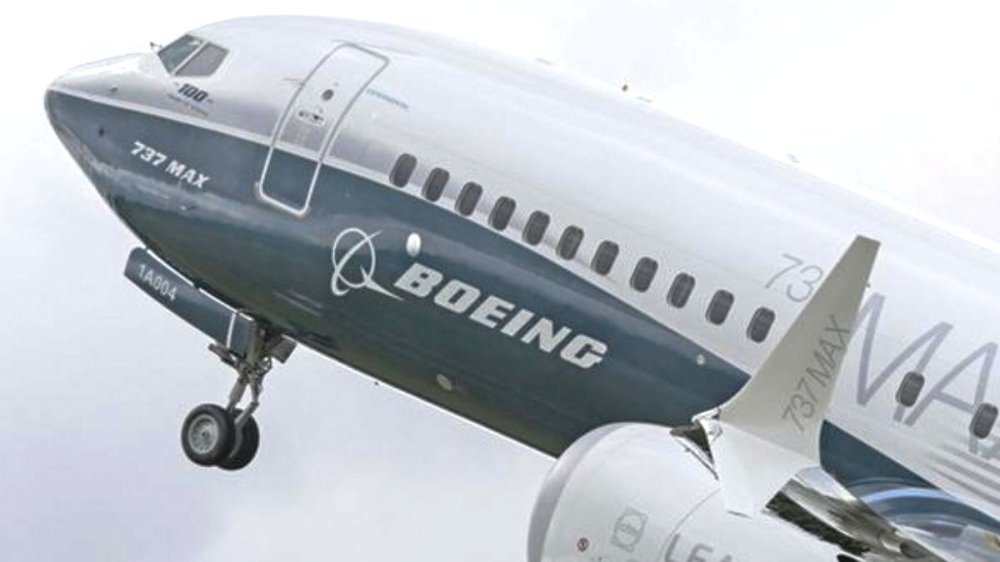
AW-7009989.jpg

The 737 series is the best-selling commercial aircraft in history. The 737 has been manufactured continuously since 1967; 10,000 was implemented on March 13, 2018, a MAX 8 destined for Southwest Airlines, and more than 4,600 orders are pending. The assembly of the 737 is done at the Boeing Renton factory in Renton, Washington. Many 737 serve markets previously filled by 707, 727, 757, DC-9, MD-80 and MD-90, and the aircraft currently competes primarily with the Airbus A320 family. As of 2006, there was an average of 1,250 Boeing 737s in the air at any one time, with two exits or landings somewhere every five seconds.

The pilots start some new Boeing planes by turning a knob and operating two switches. The Boeing 737 MAX, the new passenger plane in the market, works differently. The pilots follow approximately the same seven steps used in the first 737 almost 52 years ago: turn off the cabin air conditioner, redirect the airflow, start the engine, start the fuel flow, reverse the airflow, return to turn on Air conditioning, and turn on a generator.

The 737 MAX is a legacy of its past, built on decades-old systems, many of which date back to the original version. The strategy, to continue updating the airplane instead of starting from scratch, offered competitive advantages. The pilots felt comfortable flying, while the airlines did not have to invest in expensive new training for their pilots and mechanics. For Boeing, it was also faster and cheaper to redesign and recertify than to start over.

But the strategy has now left the company in crisis, after two fatal crashes in less than five months. The MAX extended the 737 design, creating a mosaic plane that left the pilots without some safety features that could be important in a crisis, which have been offered for years on other aircraft. It is the only modern Boeing jet without an electronic warning system that explains what is working wrong and how to solve it. Instead the pilots have to review a manual.

The 737 MAX also required improvised solutions to keep the plane flying like its ancestors, solutions that may have compromised safety. While the findings are not definitive, the researchers suspect that an alternative solution, an anti-lock system designed to compensate for larger engines, was fundamental to the accident last month in Ethiopia and one earlier in Indonesia.

The spokesman of the Union of Pilots of American Airlines, Dennis Tajer, who has flown the 737 for a decade said that «it does not escape us that the base of this plane is from the 60s».

Boeing’s best-selling model, the 737 MAX with more than 5,000 orders, is suddenly a reputational risk. It could be weeks or months before regulators around the world lift their ban on the plane, after the expected software solution from Boeing was delayed. Southwest Airlines and American Airlines have canceled some flights through May due to Max’s grounding.

Dean Thornton, the President of Boeing in 1988 in Seattle. The larger engines for the new line of Boeing 737 MAX aircraft caused a series of design problems. The company has reduced the production of the airplane, pressing its profits, and some buyers are reconsidering their orders.

The 737 has long been a reliable aircraft, flying for decades with relatively few problems. Gordon Johndroe, a spokesman for Boeing, defended the development of the 737 MAX and said the airlines wanted an updated 737 on a new single-aisle aircraft and that the pilots were involved in its design. «Listening to the pilots is an important aspect of our work. Your experienced opinion is at the center of our mind when we develop airplanes. We share a common priority, security, and we listen carefully to your comments», he said in a statement.

Boeing Chief Executive Dennis Muilenburg said in a statement on Friday that plane crashes in Indonesia and Ethiopia appeared to be caused by the new Anti-stall System of Boeing 737 MAX. «We have the responsibility to eliminate this risk and we know how to do it», he said.

Boeing 737 MAX, a test

Boeing has been subjected to intense scrutiny after its best selling 737 Max jet was involved in two fatal accidents in five months. In the beginning, sales fell behind Boeing’s biggest competitor, McDonnell Douglas. In 1972, Boeing had delivered only 14 of the planes and was considering selling the program to a Japanese manufacturer, said Peter Morton, the Marketing Manager of 737 in the early 1970s. «We had to decide if we were going to end it or invest in it», Morton said. In short, Boeing invested. The 737 finally began to be sold, reinforced by the deregulation of the airlines in 1978. Six years later, Boeing updated the 737 with its Classic series, followed in 1997 by the Next Generation, and MAX in 2017. Currently, almost one in every three domestic flights in the United States fly in a 737, more than any other airplane line. Each of the three redesigns came with a new engine, cab updates, and other changes. But Boeing avoided renewing the plane to appease the airlines, according to Boeing’s current and former executives, pilots, and engineers, some of whom spoke on condition of anonymity because of the open investigations. Airlines wanted the new 737s to coincide with their predecessors, so pilots could skip costly training in flight simulators and easily move to new planes.

Boeing’s strategy worked. The Federal Aviation Administration never required training in simulators for pilots who change from one 737 to the next. «The airlines do not want Boeing to provide them with a new and elegant product if it requires them to retrain their pilots,» said Matthew Menza, a former 737 MAX test pilot for Boeing». So you do a design that is 50 years old. The old adage is: if it’s not broken, do not fix it. «Engineering ingenuity was required to ensure that a decades-old jet handled almost the same thing, and in doing so, some of the aircraft’s unique points of sale became challenges

In the early years of 737, air travel was expanding rapidly around the world. The low frame of the plane was a benefit for airlines and airports in developing countries. Workers, there could carry the bags by hand without a conveyor belt and keep the engines without an elevator, Morton said. In the decades that followed, the low frame repeatedly complicated efforts to adjust larger engines under the wing. For 2011, Boeing executives began to question whether the 737 design had run its course. The company wanted to create a completely new single-aisle jet. Then, Boeing’s rival Airbus added a new fuel-efficient engine to its single-aisle aircraft line, the A320, and Boeing quickly decided to upgrade the aircraft again.

«We all rolled our eyes, the idea that, ‘Here we go, the 737 again. Maybe nobody was willing to say it was insecure, but we really felt that the limits were being countered», said Mr Ludtke, the former 737 Max cab designer who spent 19 years at Boeing.

Some engineers were frustrated to have to spend years updating the same jet, taking care to limit any changes, instead of starting over and incorporating significant technological advances, said current and former engineers and pilots. The 737 MAX still has approximately the original design of the cabin and the hydraulic system of cables and pulleys to control the aircraft, which are not used in modern designs. The computers onboard have the processing power of the domestic computers of the nineties. A spokesman for Boeing said the plane was designed with an adequate level of technology to ensure safety.

When engineers made changes, they sometimes created side effects on how the plane was handled, forcing Boeing to be creative. The company added a new system that moves the plates on the wing part to reduce the stress on the aircraft from its additional weight. Boeing recreated the physical meters of decades on digital screens.

The Boeing 737 engines at the company’s factory in 2012. For 2011, Boeing executives began to question whether the 737 design had run its course. The Boeing 737 engines at the company’s factory in 2012. For 2011, Boeing executives began to question whether the 737 design had run its course.

When Boeing pressed its engineers to discover how to accommodate larger and more fuel-efficient engines, height again was a problem. Simply lengthening the landing gear to make the plane higher could have violated the rules to get off the plane in an emergency. Instead, engineers were able to add only a few inches to the front landing gear and move the engines further forward in the wing. The engines fit, but the Max sat at a slightly uneven angle when parked.

While that design solved one problem, it created another. The larger size and new location of the engines gave the MAX the tendency to tilt upwards during certain flight maneuvers, potentially at a dangerous angle.

To compensate, Boeing engineers created the automated anti-lock system, called MCAS, that pushed the nose of the jet down if it was raised too high. The software was meant to work in the background so that MAX would fly just like its predecessor. Boeing did not mention the system in its training materials for 737 MAX.

Boeing also designed the system to rely on a single sensor, a rarity in aviation, where redundancy is common. Several former Boeing engineers who were not directly involved in the design of the system said that their colleagues probably opted for this approach since relying on two sensors could still create problems. If one of the two sensors malfunctioned, the system could have difficulty knowing which one was correct.

Airbus solved this potential problem in some of its aircraft by installing three or more sensors of this type. Former 737 MAX engineers, including one who worked on the sensors, said that adding a third sensor to MAX was a task that should not begin. The previous 737s, they said, had used two and the managers wanted to limit the changes.

737 MAX vs safety

The Boeing 737 MAX also lacked more modern security features. Most new Boeing jets have electronic systems that take pilots to their preflight checklists, making sure they do not skip a step and possibly miss a defective part. In the 737 MAX, pilots still complete those checklists manually in a book.

A second electronic system found on other Boeing aircraft also alerts pilots of unusual or dangerous situations during the flight and establishes the recommended steps to resolve them. In the 737, a light usually indicates the problem and pilots have to flip through their paper manuals to find the next steps. On the doomed Indonesian flight, while the Lion Air pilots struggled with the MCAS for control, the pilots consulted the manual a few moments before the jet plummeted into the Java Sea, killing the 189 people on board. «Meanwhile, I’m flying the Versus plane, pop, it’s on your screen. This is the problem and here is the recommended checklist», said Mr. Tajer.

Boeing decided not to add it to MAX because it could have led regulators to require new pilot training, according to two former Boeing employees involved in the decision.

The 737 MAX also runs on a complex network of cables and pulleys that, when the pilots remove the controls, transfer that movement to the tail. In comparison, Airbus aircraft and Boeing’s most modern aircraft, such as the 777 and 787, are Fly-by-wire, meaning the movement of pilots of the flight controls is fed to a computer running the plane . The design allows for greater automation, including systems that prevent the jet from entering dangerous situations, such as flying too fast or too low. Some 737 pilots said they preferred the cable and pulley system to cable flight because they believed it gave them more control.

In recent accidents, the researchers believe that the MCAS malfunctioned and moved a tail fin called a stabilizer, tilting the plane toward the ground. According to the preliminary report on the accident, the pilots tried to combat the system on the Ethiopian Airlines flight. Once the power was cut off, the pilots tried to regain control manually by turning a wheel next to their seat. The 737 is the latest modern Boeing jet that uses a manual wheel as a backup system. But Boeing has known for a long time that turning the wheel is difficult at high speeds and may have required two pilots to work together. In the final moments of the Ethiopia Airlines flight, the first officer said that the method was not working, according to the preliminary accident report. Approximately 1 minute and 49 seconds later, the plane crashed, killing 157 people.

The promising Baby-Boeing was born with the illusion of conquering the skies of the planet, but the design and recent history is costing the world reputation. A \ W


Ξ A I R G W A Y S Ξ
SOURCE: Airgways.com
DBk: Boeing.com / Nytimes.com / Airgways.com
AW-POST: 201904090015AR

A\W   A I R G W A Y S ®

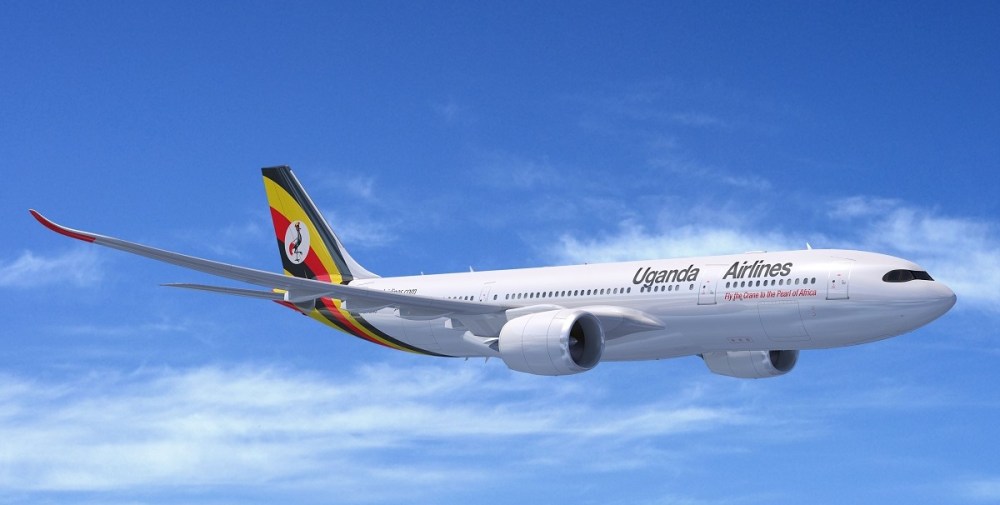
Uganda ordena Airbus A330NEO

Airbus-A330-800neo-Uganda-Airlines.jpgAW | 2019 04 08 15:05 | AIRLINES / INDUSTRY

Logo_Airbus_2014.svg.pngUganda Airlines ha firmado dos órdenes por Airbus A330-800NEO

Uganda Airlines ha concretado una orden por dos aviones Airbus A330-800NEO, la versión más reciente de los más populares avión de pasajeros de fuselaje ancho A330. Equipado con el nuevo espacio aéreo por la cabina de Airbus, el A330NEO aportará una serie de beneficios a Uganda Airlines y sus clientes, ofreciendo eficiencias inigualables combinados con la cabina más moderna. Uganda Airlines planea usar el A330-800 para construir su red de media y larga distancia con la tecnología de la oferta de aviones de última generación, junto con operaciones más eficientes

El A330NEO fue lanzado en Julio 2014, como la nueva generación del A330 que comprende dos versiones: el A330-800 y A330-900 que comparten el 99% de comunalidad. La versión mejorada se basa en la economía demostrado versatilidad y fiabilidad al tiempo que reduce el consumo de combustible en un 25% por asiento en comparación con los competidores de la generación anterior y aumentar el rango de hasta 1.500 nm en comparación con la mayoría de los A330 en operación. El A330NEO es impulsado por la última generación de Rolls-Royce Trent 7000 motores y cuenta con una nueva ala con una mayor vida y puntas alares (sharklets) empleados en el A350. La cabina ofrece la comodidad de las nuevas instalaciones del espacio aéreo, incluyendo los sistemas de entretenimiento en vuelo de pasajeros y conectividad WiFi con tecnología de última generación, entre otros.AW-Icon-TXT-01

FIA-2018-Uganda-signature-day-03-002.jpg

Uganda orders Airbus A330NEO

Uganda Airlines has signed two orders for Airbus A330-800NEOResultado de imagen para A330neo logo png

Uganda Airlines has finalized an order for two Airbus A330-800NEO aircraft, the latest version of the most popular A330 wide-body passenger aircraft. Equipped with the new airspace for the Airbus cabin, the A330NEO will bring a number of benefits to Uganda Airlines and its customers, offering unparalleled efficiencies combined with the most modern cabin. Uganda Airlines plans to use the A330-800 to build its medium and long distance network with the technology of the latest generation aircraft, along with more efficient operations

The A330NEO was launched in July 2014, as the new generation of the A330 comprising two versions: the A330-800 and A330-900 that share 99% commonality. The improved version is based on economy proven versatility and reliability while reducing fuel consumption by 25% per seat compared to competitors of the previous generation and increasing the range of up to 1,500 nm compared to most of the A330 in operation. The A330NEO is powered by the latest generation of Rolls-Royce Trent 7000 engines and features a new wing with longer life and wing tips (sharklets) used in the A350. The cabin offers the comfort of new airspace installations, including passenger flight entertainment systems and Wi-Fi connectivity with state-of-the-art technology, among others. A \ W


Ξ A I R G W A Y S Ξ
SOURCE: Airgways.com
DBk: Airbus.com
AW-POST: 201904081505AR

A\W   A I R G W A Y S ®

American introduce el Airbus A321NEO

Resultado de imagen para American A321neoAW | 2019 04 08 05:47 | AIRLINES / INDUSTRY

Logo_Airbus_2014.svgAmerican Airlines presenta discretamente al nuevo A321NEO
AW-70099433.jpgAmerican Airlines ha incorporado a su flota el nuevo avión narrowbody Airbus A321NEO a su flota de manera discreta y sin un comunicado de prensa. El primer vuelo fue el AA-682 en la ruta Phoenix-Orlando el Martes 2 Abril 2019.

aa_aa_ahz_tm_rgb_grd_pos.jpgAmerican ha pedido 100 aviones A321NEO y pronto los colocará en las rutas existentes. American ha promocionado las nuevas incorporaciones a la serie tradicional A321, con asientos con entretenimiento inalámbrico gratuito y televisión en vivo transmitida directamente al dispositivo de cada cliente. El avión cuenta con Wi-Fi de alta velocidad de puerta a puerta, junto con soportes de respaldo incorporados para tabletas y teléfonos.
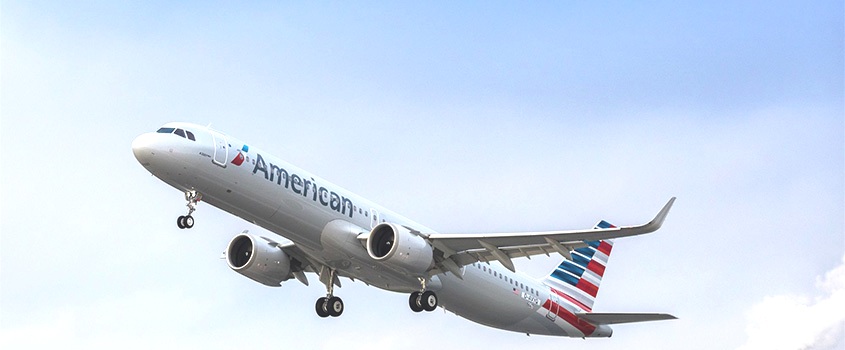
La aerolínea dijo que también hay un interior de cabina completamente nuevo diseñado para una mayor comodidad y conveniencia para el pasajero, que incluye compartimentos de equipaje más grandes para el espacio aéreo Airspace XL que aumentan la capacidad del equipaje de mano. «Trabajamos estrechamente con Airbus para desarrollar esta configuración de cabina con las características que nuestros clientes desean, incluidas las bandejas aéreas Airbus XL, que son las más grandes disponibles para este avión y tienen 65 por ciento más maletas que nuestras A321 anteriores. El vuelo de hoy es la culminación de años de planificación y trabajo para asegurarnos de que este avión sea adecuado para todos a bordo, y creemos que a los clientes y miembros del equipo les va a encantar», Janelle Anderson, Vicepresidenta de Marketing de American Airlines para las Américas, expresó en un comunicado.

La configuración del nuevo avión A321NEO es de 196 asientos, un aumento de 15 asientos con respecto al A321CEO. Sin embargo, algunos han notado que 15 asientos más, incluyendo cuatro en Primera Clase, significa menos espacio para las piernas. American respondió que al señalar que hay 47 asientos adicionales en la cabina principal de la cabina extra, más que cualquier otro avión doméstico de American.

Airbus, en su propio comunicado de prensa, señaló que «el diseño de cabina seleccionado de American le permite a la aerolínea una mayor flexibilidad en la disposición de los asientos y el uso del espacio de la cabina». Ingo Wuggetzer, vicepresidente de mercadotecnia de Airbus, dijo: «Estamos muy contentos de que los primeros aviones A321 de American Airlines con las bandejas Airspace XL estén ahora en servicio. Trabajamos constantemente con clientes de aerolíneas para mejorar nuestras cabinas de aeronaves, y American, en particular, jugó un papel fundamental con nosotros en el desarrollo de nuestros compartimientos superiores más grandes y mejores hasta la fecha».AW-Icon-TXT-01

AW-700344.jpgAmerican introduces the Airbus A321NEO

AW-A321neo_logoAmerican Airlines discreetly presents the new A321NEO

American Airlines has added to its fleet the new Narrowbody Airbus A321NEO aircraft discreetly and without a press release. The first flight was the AA-682 on the Phoenix-Orlando route on Tuesday, April 2, 2019.

American has ordered 100 A321NEO aircraft and will soon place them on existing routes. American has promoted new additions to the traditional A321 series, with seats with free wireless entertainment and live television broadcast directly to each customer’s device. The aircraft has high-speed Wi-Fi from door to door, along with built-in backup brackets for tablets and phones.

The airline said there is also a completely new cabin interior designed for greater comfort and convenience for the passenger, which includes larger luggage compartments for Airspace XL airspace that increase the capacity of carry-on luggage. «We work closely with Airbus to develop this cabin configuration with the features our customers want, including the Airbus XL air trays, which are the largest available for this aircraft and have 65 percent more luggage than our previous A321. today is the culmination of years of planning and work to make sure that this airplane is suitable for everyone on board, and we believe that customers and team members will love it», Janelle Anderson, Vice President of Marketing for American Airlines for the Americas, he said in a statement.

The configuration of the new aircraft A321NEO is 196 seats, an increase of 15 seats with respect to the A321CEO. However, some have noticed that 15 more seats, including four in First Class, means less legroom. American responded by noting that there are 47 additional seats in the main cabin of the extra cabin, more than any other American domestic aircraft.

Airbus, in its own press release, noted that «American’s selected cabin design allows the airline greater flexibility in the arrangement of seats and the use of cabin space». Ingo Wuggetzer, vice president of marketing at Airbus, said: «We are very pleased that the first American Airlines A321 aircraft with the Airspace XL trays are now in service, we are constantly working with airline customers to improve our aircraft cabins, and American, in particular, he played a key role with us in the development of our largest and best top bins to date». A \ W


Ξ A I R G W A Y S Ξ
SOURCE: Airgways.com
DBk: Airbus.com / Aa.com / Airgways.com
AW-POST: 201904080547AR

A\W   A I R G W A Y S ®

Adria cancela orden por 15 SSJ-100

Resultado de imagen para SSJ-100 Adria Airways

AW | 2019 04 07 06:56 | AIRLINES / INDUSTRY

Resultado de imagen para adria airways logoAdria Airways cancela el pedido de Sukhoi Superjet SSJ100
10106.jpgLa aerolínea europea Adria Airways ha cancelado recientemente una orden por 15 Sukhoi SSJ-100 a Sukhoi Civil Aircraft Company (SCAC). La aerolínea con sede en el Aeropuerto de Ljubljana firmó un Memorando de Entendimiento (MoU) con el fabricante ruso de aeronaves el 26 Noviembre 2018 para el arrendamiento a largo plazo de 15 Resultado de imagen para Sukhoi aircraft logoSSJ100. El comunicado de Adria Airways expresa que revoca el acuerdo debido a las dudas sobre la capacidad de Sukhoi para comprometerse a una asociación justa y estable a largo plazo acerca de su capacidad de apoyo postventa.

La aerolínea se había estado preparando intensamente para la llegada de la aeronave, pero los accionistas y la gerencia decidieron que ya no podían comprometerse con el acuerdo. «Naturalmente, nos decepciona que la colaboración con Sukhoi no haya llegado a una conclusión exitosa, pero la asociación solo fue viable si los objetivos establecidos por el plan estratégico de negocios eran alcanzables. Desafortunadamente, en este caso, no creímos que esto sea posible», dijo Holger Kowarsch, el Director General de Adria Airways.

Tras el colapso del acuerdo, Adria Airways continuará enfocándose en su red de rutas programada existente con su actual flota de aviones. La aerolínea también ha sido contratada recientemente por la aerolínea alemana Lufthansa en régimen wetlease para operar algunos vuelos fuera de Alemania. Austrian Airlines también está arrendando en mojado dos Bombardier CRJ-900 de una aerolínea eslovena.

Tras la cancelación de Adria después de muchas especulaciones de la prensa de que la aerolínea mexicana Interjet estaba a punto de devolver toda su flota de 22 SSJ-100, 16 de las cuales están actualmente conectadas a tierra por la aerolínea. Muchos de estos aviones están fuera de servicio debido a problemas mecánicos con los motores PowerJet SaM146 e Interjet no ha pagado las reparaciones.

Sin embargo, SCAC ha negado las noticias que advierten sobre el regreso de la flota de Interjet, diciendo que «No hay planes para devolver el avión. Interjet, el operador del SSJ-100, planea una nueva operación del SSJ100. SCAC y PowerJet, el fabricante de los motores, ofreció al operador varias soluciones para que la operación del SSJ100 fuera más eficiente. La aerolínea actualmente está considerando la oferta».

Actualmente, hay aproximadamente 138 SSJ100 en funcionamiento, 105 con aerolíneas y operadores rusos y 33 con otras aerolíneas. En Rusia, el avión pasa volando, Aeroflot, Gazrpomavia, Yakutiya, Yamal, IrAero, Azimut, Severstal, Ministerio de Asuntos Internos de Rusia, EMERCOM, Escuadrilla del Gobierno, RusJet. Fuera de Rusia, los twinjets son operados por Interjet, CityJet, Thai Royal Airforce y las estructuras gubernamentales de Kazajstán. Sin embargo, CityJet canceló la mitad de su orden y las 6 aeronaves restantes están almacenadas actualmente. Cualquier decisión sobre el retorno de la aeronave solo sería posible después de intensas negociaciones y consultas multilaterales.AW-Icon-TXT-01

Resultado de imagen para SSJ-100 Adria AirwaysAdria cancels order for 15 Sukhoi SSJ-100

Adria Airways cancels Sukhoi Superjet SSJ100 order

Resultado de imagen para adria airways logoThe European airline Adria Airways has recently canceled an order for 15 Sukhoi SSJ-100 from Sukhoi Civil Aircraft Company (SCAC). The airline based at the Ljubljana Airport signed a Memorandum of Understanding (MoU) with the Russian aircraft manufacturer on November 26, 2018 for the long-term lease of 15 SSJ100. The Adria Airways statement states that it revokes the agreement due to doubts about Sukhoi’s ability to commit to a fair and stable long-term partnership regarding its after-sales support capacity.

The airline had been preparing intensively for the arrival of the aircraft, but the shareholders and management decided that they could no longer commit to the agreement. «Naturally, we are disappointed that the collaboration with Sukhoi has not reached a successful conclusion, but the partnership was only viable if the objectives established by the strategic business plan were achievable, unfortunately, in this case, we did not believe that this is possible», said Holger Kowarsch, the CEO of Adria Airways.

Following the collapse of the agreement, Adria Airways will continue to focus on its existing scheduled route network with its current fleet of aircraft. The airline has also been recently hired by the German airline Lufthansa on wetlease regime to operate some flights outside Germany. Austrian Airlines is also leasing two Bombardier CRJ-900s from a Slovenian airline in the wet.

After the cancellation of Adria after much speculation in the press that the Mexican airline Interjet was about to return all its fleet of 22 SSJ-100, 16 of which are currently connected to the ground by the airline. Many of these aircraft are out of service due to mechanical problems with the PowerJet SaM146 engines and Interjet has not paid for the repairs.

However, SCAC has denied the news warning about the return of the Interjet fleet, saying that «there are no plans to return the plane. Interjet, the operator of the SSJ-100, plans a new operation of the SSJ100, SCAC and PowerJet, The manufacturer of the engines offered the operator several solutions to make the operation of the SSJ100 more efficient, the airline is currently considering the offer».

Currently, there are approximately 138 SSJ100 in operation, 105 with Russian airlines and operators and 33 with other airlines. In Russia, the plane flies by, Aeroflot, Gazrpomavia, Yakutiya, Yamal, IrAero, Azimut, Severstal, Ministry of Internal Affairs of Russia, EMERCOM, Government Squadron, RusJet. Outside of Russia, twinjets are operated by Interjet, CityJet, Thai Royal Airforce and Kazakhstan’s government structures. However, CityJet canceled half of its order and the remaining 6 aircraft are currently stored. Any decision on the return of the aircraft would only be possible after intense negotiations and multilateral consultations. A \ W


Ξ A I R G W A Y S Ξ
SOURCE: Airgways.com
DBk: Adria.si / Scac.ru / Aerotime.aero / Hmgaerospace.com
AW-POST: 201904070656AR

A\W   A I R G W A Y S ®

Boeing recorta producción de 737 MAX

AW-70080787889.jpg

AW | 2019 04 06 22:12 | INDUSTRY

FK,4923,36,737-max-round-pinBoeing-Company-LogoBoeing reduce la producción de la línea 737 MAX para enfocarse en solucionar fallos
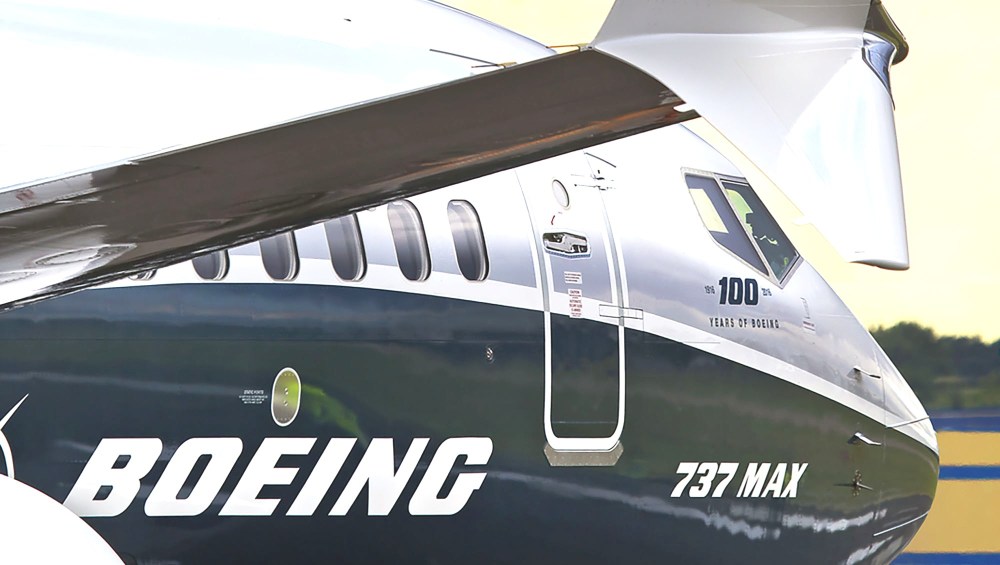
The Boeing Commercial Airplanes dijo el Viernes 5 Abril 2019 que estaba desacelerando la producción de su Boeing 737 MAX y estableciendo un nuevo comité de seguridad interno luego de que dos de los aviones se involucraron en accidentes aéreos en cinco meses.

La compañía americano Boeing comunicó la reducción de la tasa de producción de la línea Boeing 737 MAX de 52 actuales a 42, dijo el Presidente Ejecutivo de Boeing, Dennis A. Muilenburg. La línea 737 NG (Next Generation) no será sustancialmente afectada, pero los pedidos van en decrecimiento en reemplazo de la cuarta generación más moderna. La versión militar P-8 Poseidon como la P-8 Neptune no sufrirá modificaciones en la cartera de pedidos actuales.

Comité interno Seguridad

Boeing establecerá un comité interno de seguridad en su junta directiva para revisar cómo se desarrolla y construye los aviones. La compañía está realizando los movimientos de fiscalización teniendo presente la escalada de crisis tras los accidentes aéreos de dos aeronaves Boeing 737-8 MAX que estuvieron involucradas, el vuelo JT-610 de Lion Air en Indonesia el 29 Octubre 2018 y el vuelo ET-302 de Ethiopian Airlines el 10 Marzo 2019.

AW-77778-Leehamnews.jpegAW-70032-Heralnet.jpg

Carencia en línea producción

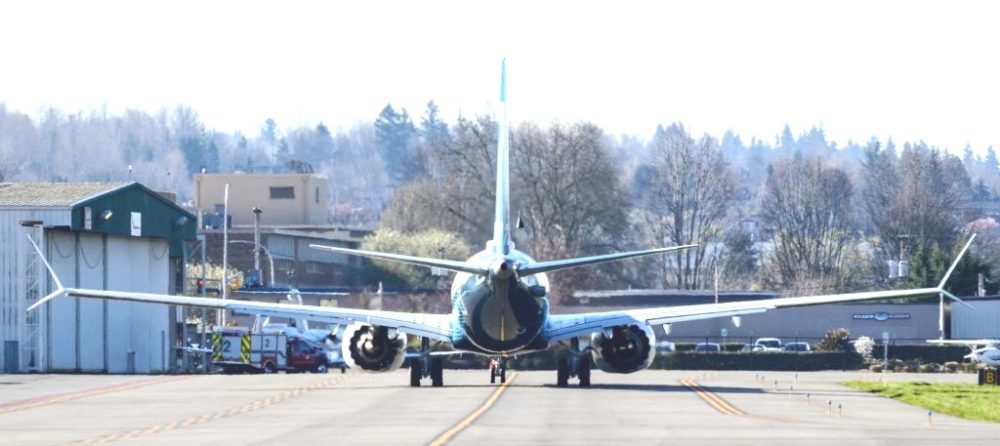
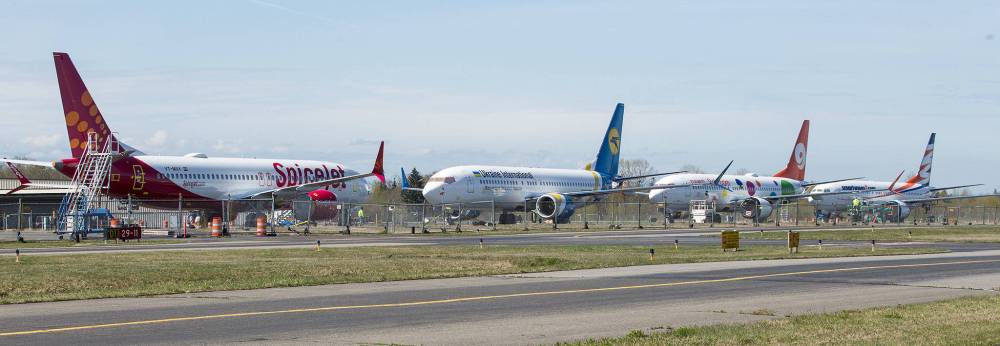
Tras la puesta a tierra de los Boeing 737 MAX en el mundo, la compañía americana vio resentida las entregas de las modernas aeronaves por lo se vio afectada en consecuencia la línea de producción tanto en Wichita, Texas, como así en Renton, Washington. La compañía ha estado almacenando aviones terminados en Renton y en las cercanías de Seattle.

AW-700000772M.png

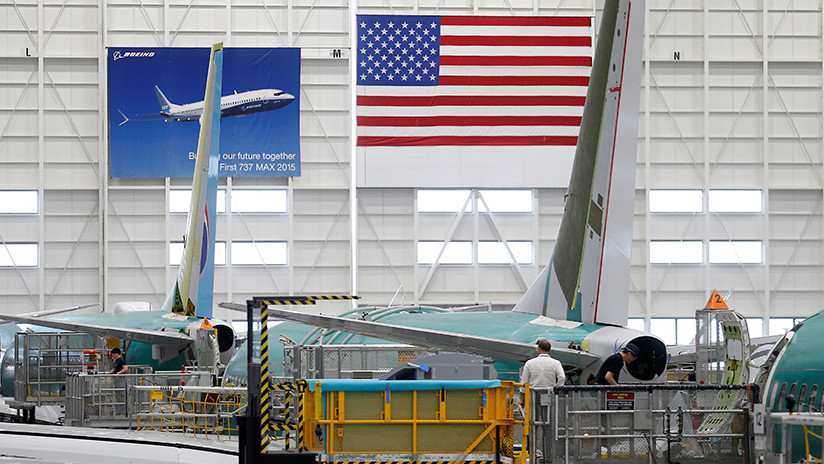
El anuncio se produjo un día después de que los funcionarios etíopes publicaran su Informe Preliminar sobre el accidente del 10 Marzo 2019 del vuelo ET-302 de Ethiopian Airlines. Boeing ha emitido el comunicado de reducir la producción de 52 a 42 aviones por mes, que representan un 20% de la línea de producción, lo que le permitiría dedicar más recursos al proceso de certificación de software, sin afectar los empleos de los trabajadores en el Programa 737.

Boeing está desacelerando la producción de su aeronave estrella el Boeing 737 MAX y estableciendo un nuevo comité de seguridad interno para fiscalizar y monitorear la seguridad de manera más eficaz.

Competencia retrasada

El Boeing 737 MAX fue presentado en 2011, mientras el fabricante estadounidense se apresuraba a competir con su rival europeo el Airbus A320NEO. La cartera de pedidos del 737 MAX se convirtió en el avión más vendido de la Boeing valorados en unos US$ 100 millones de dólares. Las aerolíneas de todo el mundo tienen miles de pedidos pendientes para el avión Boeing 737 MAX, que representan miles de millones de dólares para los resultados de Boeing en los próximos años.

Declaración de Boeing

El CEO de Boeing, Dennis A. Muilenburg reconoció que el nuevo software anti-stall MCAS jugó un papel en los accidentes. «Tenemos la responsabilidad de eliminar este riesgo y sabemos cómo hacerlo. La seguridad es nuestra responsabilidad, y nos pertenece. Cuando el 737 MAX regrese a los cielos, les prometemos a nuestros clientes de las aerolíneas y sus pasajeros y tripulaciones que será tan seguro como cualquier avión para volar».

Actualizando software

Las Investigaciones Preliminares ahora indican que ambos aviones accidentados indicaron que después de que se activara el software antibloqueo Maneuvering Characteristics Augmentation System (MCAS) del Boeing 737-8 MAX debido a datos erróneos que enviaron a los aviones a inmersiones en la nariz irrecuperables.

El software MCAS incorporado a la cuarta generación del Boeing 737 tiene el propósito de compensar la corrección de balanceo del fuselaje en su eje longitudinal debido a que sus motores de mayor envergadura afectan el centro de gravedad de la aeronave cambiando la aerodinámica del avión, lo que plantea la posibilidad de que pudiera detenerse en algunas circunstancias.

Los ingenieros de Boeing comenzaron a trabajar en una actualización de software después del accidente del vuelo JT-610 de Lion Air, pero la compañía y los reguladores de la aviación en varios países consideraron que el 737 MAX seguía siendo seguro para volar. Aunque muchos pilotos no habían sido informados sobre el nuevo y poderoso software antes del accidente en Indonesia, Boeing dijo que era posible manejar una falla si los pilotos seguían un conjunto de instrucciones que emitió después de ese accidente. Ese reclamo, que fue respaldado por la Administración Federal de Aviación (FAA), ahora está bajo escrutinio.

El Jueves 4 Abril 2019, las autoridades de la Bureau d’Enquête Analyse (BEA) publicaron un Informe Preliminar de la investigación y encontraron que los pilotos en ese accidente inicialmente habían seguido las instrucciones en la lista de verificación de emergencia del Boeing 737-8 MAX. Las autoridades de la aviación de Etiopía han respaldado las conclusiones de las autoridades francesas de investigación de accidentes y seguridad aéreas.

Solo después del accidente aéreo del vuelo ET-302 del Boeing 737-8 MAX de Ethiopian Airlines, los reguladores dispusieron la puesta a tierra de toda la flota mundial de los Boeing 737 MAX. Boeing continúa trabajando en la actualización del software de la MCAS y en los procedimientos de capacitación revisados ​​para la tripulación de los 737 MAX, pronosticando que las correcciones demoraban más de lo previsto.

Boeing no ha dado un horario para la devolución del Boeing 737 MAX al aire. Las actualizaciones deberán ser certificadas por la FAA y otros reguladores antes de que los aviones puedan volar de nuevo. Pueden pasar semanas, meses, antes de que puedan retornar a los cielos del mundo.AW-Icon-TXT-01

AW-7098AirCurrent.jpgBoeing cuts 737 MAX production

Boeing-Logo.svgBoeing reduces the production of the 737 MAX line to focus on troubleshooting

The Boeing Commercial Airplanes said on Friday, April 5, 2019 it was slowing the production of its Boeing 737 MAX and establishing a new internal safety committee after two of the planes became involved in plane crashes in five months.

The American company Boeing reported the reduction of the production rate of the Boeing 737 MAX line from 52 to 42, said Boeing Executive Chairman Dennis A. Muilenburg. Line 737 NG (Next Generation) will not be substantially affected, but orders are decreasing in replacement of the fourth most modern generation. The military P-8 Poseidon version like the P-8 Neptune will not suffer modifications in the current order portfolio.

Internal Committee Security

Boeing will establish an internal safety committee on its board of directors to review how aircraft are developed and constructed. The company is carrying out the control movements taking into account the escalation of the crisis following the air accidents of two Boeing 737-8 MAX aircraft that were involved, the JT-610 flight of Lion Air in Indonesia on 29 October 2018 and the flight ET-302 of Ethiopian Airlines on March 10, 2019.

AW-700223-Rt.jpg

Lack in production line

After the grounding of the Boeing 737 MAX in the world, the American company resented the deliveries of the modern aircrafts so the production line was affected in both Wichita, Texas and Renton, Washington. The company has been stocking finished aircraft in Renton and in the vicinity of Seattle.

AW-700000773M.png

The announcement came a day after Ethiopian officials published their Preliminary Report on the accident of 10 March 2019 on Ethiopian Airlines flight ET-302. Boeing has issued the statement to reduce production from 52 to 42 aircraft per month, which represent 20% of the production line, which would allow it to devote more resources to the software certification process, without affecting the jobs of workers in the 737 Program.

Boeing is slowing the production of its flagship aircraft the Boeing 737 MAX and establishing a new internal safety committee to monitor and monitor safety more effectively.

Delayed competition

The Boeing 737 MAX was introduced in 2011, while the American manufacturer rushed to compete with its European rival the Airbus A320NEO. The order book of the 737 MAX became the Boeing’s best-selling aircraft valued at around US$ 100 million. Airlines around the world have thousands of pending orders for the Boeing 737 MAX aircraft, which represent billions of dollars for Boeing’s results in the coming years.

6951bc46-57f5-11e9-a3ae-f2742b367090_image_hires_073501.jpgAW-8700-AP.jpg

Statement by Boeing

Boeing CEO Dennis A. Muilenburg acknowledged that the new MCAS anti-stall software played a role in accidents. «We have a responsibility to eliminate this risk and we know how to do it, safety is our responsibility, and it belongs to us. When the 737 MAX returns to the skies, we promise our airline customers and their passengers and crews that it will be as safe as any plane to fly».

Updating software

The Preliminary Investigations now indicate that both of the accident planes indicated that after the Maneuvering Characteristics Augmentation System (MCAS) anti-lock software of the Boeing 737-8 MAX was activated due to erroneous data that sent the aircraft into unrecoverable nose dives.

The MCAS software incorporated in the fourth generation of the Boeing 737 is intended to compensate for the correction of the longitudinal axis of the fuselage due to the fact that its larger engines affect the center of gravity of the aircraft, changing the aerodynamics of the aircraft. raises the possibility that it could be stopped in some circumstances.

plane[1] (2).pngBoeing engineers began working on a software update after the crash of Lion Air’s JT-610 flight, but the company and aviation regulators in several countries felt that the 737 MAX was still safe to fly. Although many pilots had not been informed about the new and powerful software before the accident in Indonesia, Boeing said it was possible to handle a fault if the pilots followed a set of instructions issued after that accident. That claim, which was backed by the Federal Aviation Administration (FAA), is now under scrutiny.

On Thursday 4 April 2019, the Bureau d’Enquête Analyze (BEA) authorities published a Preliminary Investigation Report and found that the pilots in that accident had initially followed the instructions on the Boeing 737-8 emergency checklist MAX. Aviation authorities in Ethiopia have endorsed the conclusions of the French accident investigation and air safety authorities.

Only after the plane crash of the ET-302 flight of the Boeing 737-8 MAX of Ethiopian Airlines, the regulators arranged for the grounding of the entire world fleet of the Boeing 737 MAX. Boeing continues to work on updating the MCAS software and on the revised training procedures for the crew of the 737 MAX, predicting that the corrections took longer than expected.

Boeing has not given a timetable for the return of the Boeing 737 MAX to the air. The updates must be certified by the FAA and other regulators before the planes can fly again. It may take weeks, months, before they can return to the skies of the world. A \ W


Ξ A I R G W A Y S Ξ
SOURCE: Airgways.com
DBk: Boeing.com / Faa.gov / Bea.aero / Airgways.com / Leehamnews.com / Ap.com / Aircurrent.com / Heraldnet.com
AW-POST: 201904062212AR

A\W   A I R G W A Y S ®

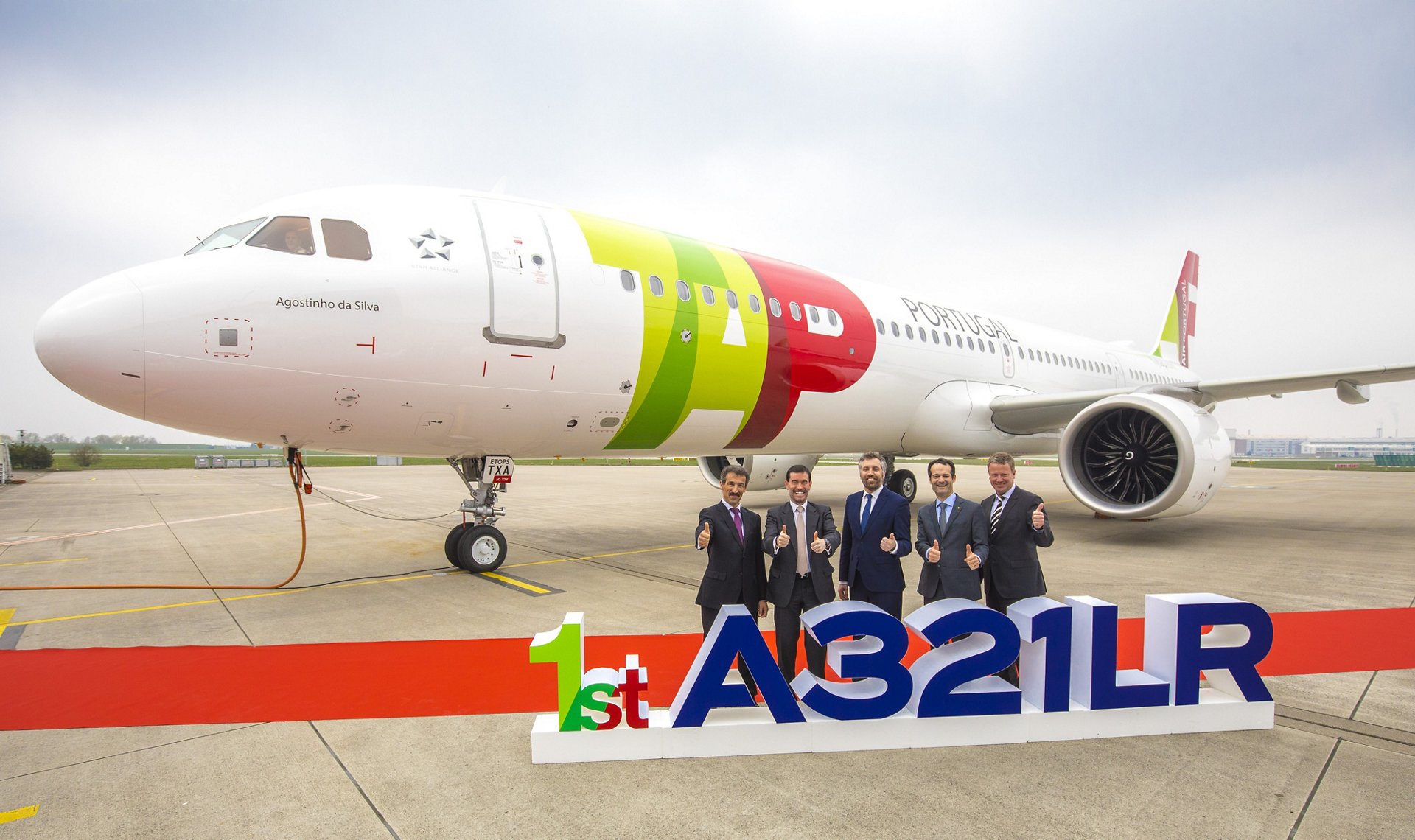
TAP Portugal recibe 1er Airbus A321LR

Resultado de imagen para TAP Portugal a321lr

AW | 2019 04 06 17:43 | AIRLINES / INDUSTRY

Logo_Airbus_2014.svgTAP Portugal ha tomado entrega del primer Airbus A321LR en el mundo

La aerolínea TAP Portugal Airlines ha recibido su primer Airbus A321LR a su flota, alcanzando el hito de ser la primera aerolínea mundial en tomar entrega del primer TAP Portugal.jpgA321LR, convirtiéndose en el primer operador europeo en simultáneo con la incorporación y operaciones con el A330NEO.
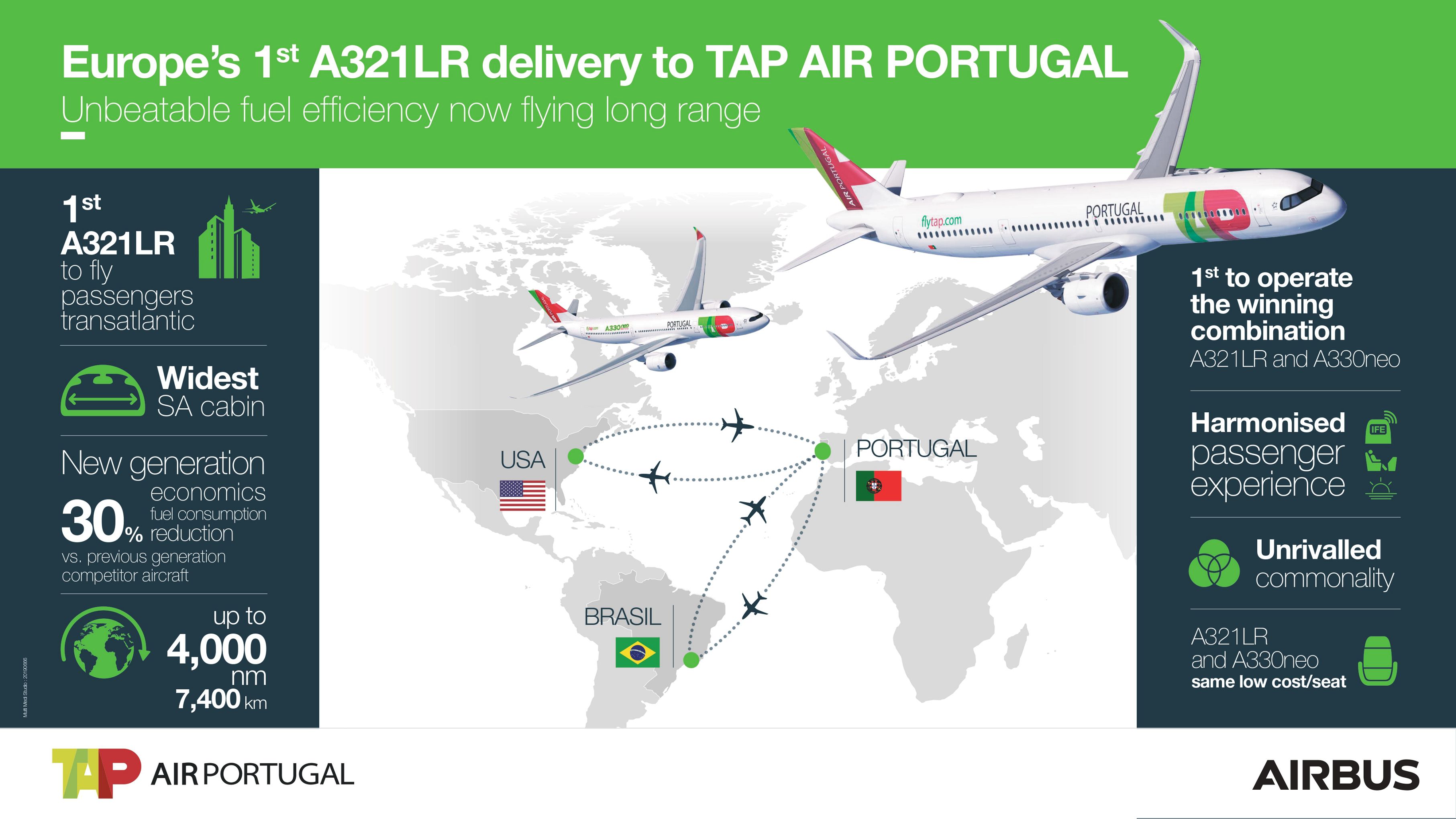
La primer aeronave Airbus A321LR posee registro nacional portugués CX-TXA y registro de fábrica CN8593. TAP Portugal ha solicitado una cartera de pedido por 12 Airbus A321LR, que cuentan con 171 asientos, 16 en clase ejecutiva que son Lie-Flat, 48 Economy Extra y 107 asientos Economy. TAP Portugal estrenará su primer A321LR en la ruta Lisboa-Tel Aviv (Israel). Para 2025, TAP habrá renovado su flota, con un pedido combinado de 757 nuevos aviones Airbus, lo que les otorgará una de las flotas más jóvenes de Europa.

Antonoaldo Neves, CEO de TAP Air Portugal dijo en relación con la entrega: “El A321LR es fundamental para los planes de expansión de TAP. Con su gama superior, podemos explorar cómodamente los mercados de América del Norte, América del Sur y África desde Portugal, y encajará perfectamente con nuestro A330NEO’s. En América del Norte, nos permite explorar mercados en la costa este, como Nueva York, Boston, Montreal o Washington. En Brasil, el A321LR puede abrir nuevos mercados en el noreste y complementar los servicios existentes a ciudades como Recife, Natal, Fortaleza o Salvador. Los aviones están equipados con la clase de negocios completamente plana de última generación y asientos económicos de alto confort, un conjunto completo de IFE y conectividad, así como servicios de mensajería gratuitos».

Christian Scherer, Director Comercial (COO) de Airbus también dijo en relación con el primer A321LR de TAP: «Aplaudimos a TAP Air Portugal por ser la primera aerolínea en aprovechar los beneficios del A321LR y el A330NEO en una flota común. El A321LR y el A330NEO que trabajan en tándem tienen el segmento del mercado medio bien cubierto».

El constructor europeo Airbus expresó su oportunidad de defender a la familia A321NEO de tamaño mediano, que «son una combinación perfecta y capacidad sin precedentes y rango transatlántico con costo de un solo pasillo con el A321LR y una unidad imbatible costos y flexibilidad para una larga distancia con el A330NEO. Ambos con la tecnología más contemporánea y la comodidad de la cabina en su clase».

Este es otro hito para TAP Portugal, después de recibir su primer A320NEO y A321NEO hace un año, así como el primer A330-900NEO que se entregará en el mundo, en Noviembre 2018. El A321LR se adaptará muy bien al modelo operativo de TAP Portugal y será interesante donde la aerolínea despliegue el avión en los próximos años.AW-Icon-TXT-01

Resultado de imagen para TAP Portugal a321lr

TAP Portugal receives 1st Airbus A321LR

TAP Portugal has taken delivery of the first Airbus A321LR in the world

The airline TAP Portugal Airlines has received its first Airbus A321LR to its fleet, reaching the milestone of being the first airline in the world to take delivery of the first A321LR, becoming the first European operator in simultaneous with the incorporation and operations with the A330NEO.

The first Airbus A321LR aircraft has a Portuguese national registry CX-TXA and factory registration CN8593. TAP Portugal has requested an order portfolio for 12 Airbus A321LR, which have 171 seats, 16 in business class that are Lie-Flat, 48 Economy Extra and 107 Economy seats. TAP Portugal will debut its first A321LR on the Lisbon-Tel Aviv route (Israel). By 2025, TAP will have renewed its fleet, with a combined order of 757 new Airbus aircraft, which will give them one of the youngest fleets in Europe.

Antonoaldo Neves, CEO of TAP Air Portugal said in relation to the delivery: «The A321LR is fundamental for TAP’s expansion plans. With its superior range, we can comfortably explore the markets of North America, South America and Africa from Portugal, and it will fit perfectly with our A330NEO’s. In North America, it allows us to explore markets on the East Coast, such as New York, Boston, Montreal or Washington. In Brazil, the A321LR can open new markets in the northeast and complement existing services to cities such as Recife, Natal, Fortaleza or Salvador. The airplanes are equipped with the latest state-of-the-art flat-bottom business class and high-comfort budget seats, a full set of IFE and connectivity, as well as free messaging services».

Christian Scherer, Commercial Director (COO) of Airbus also said in relation to TAP’s first A321LR: «We applaud TAP Air Portugal for being the first airline to take advantage of the A321LR and the A330NEO in a common fleet, the A321LR and the A330NEO who work in tandem have the middle market segment well covered».

The European manufacturer Airbus expressed its opportunity to defend the medium-sized A321NEO family, which «are a perfect combination unprecedented capacity and transatlantic range with a single aisle cost with the A321LR and an unbeatable unit costs and flexibility for a long distance with the A330NEO, both with the most contemporary technology and the cabin comfort in its class».

This is another milestone for TAP Portugal, after receiving its first A320NEO and A321NEO a year ago, as well as the first A330-900NEO to be delivered in the world, in November 2018. The A321LR will adapt very well to the operational model of TAP Portugal and it will be interesting where the airline deploys the plane in the coming years. A \ W

TAP Portugal recebe 1º Airbus A321LR

Resultado de imagen para TAP Portugal logoTAP Portugal recebeu o primeiro Airbus A321LR no mundo
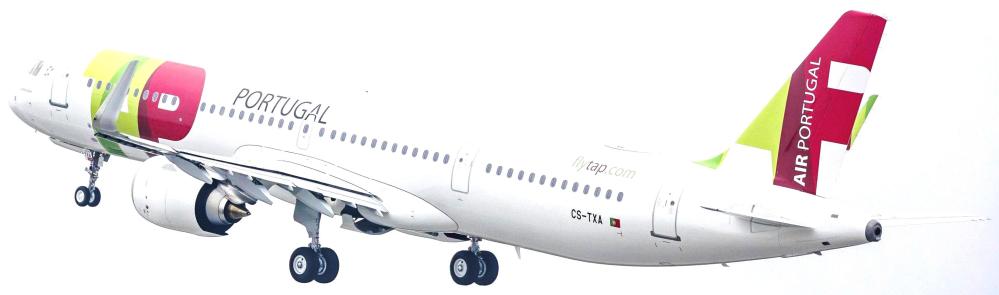
A companhia aérea TAP Portugal Airlines recebeu sua primeira Airbus A321LR à sua frota, atingindo a marca de ser a primeira companhia aérea do mundo a receber a entrega do primeiro A321LR, tornando-se o primeiro operador europeu simultaneamente com a incorporação e operações com o A330NEO.

A primeira aeronave Airbus A321LR tem um registo nacional português CX-TXA e registo de fábrica CN8593. TAP Portugal solicitou uma carteira de 12 Airbus A321LR ordem, que tem 171 assentos, 16 na classe executiva são Lie-Flat, 48 Economy Extra e 107 assentos Economy. A TAP Portugal vai estrear o seu primeiro A321LR na rota Lisboa-Tel Aviv (Israel). Para 2025, a TAP vai ter renovado a sua frota com uma ordem combinado 757 novas aeronaves Airbus, que irá dar-lhes uma das frotas mais jovens da Europa.

a321lr-tap-delivery-takeoff.jpg

Antonoaldo Neves, CEO da TAP Air Portugal, disse em relação à entrega: «O A321LR é fundamental para os planos de expansão da TAP. Com a sua gama superior, que pode confortavelmente explorar os mercados da América do Norte, América do Sul e África a partir de Portugal, e vai se encaixar perfeitamente com os nossos A330NEO. Na América do Norte, nos permite explorar mercados na costa leste, como Nova York, Boston, Montreal ou Washington. No Brasil, o A321LR pode abrir novos mercados no nordeste e complementar os serviços existentes a cidades como Recife, Natal, Fortaleza ou Salvador. A aeronave está equipada com o tipo de negócio de arte totalmente plana e economia assentos de conforto elevado, um conjunto completo de IFE e conectividade, bem como serviços de mensagens gratuitos».

Christian Scherer, Diretor Comercial (COO) da Airbus disse também em relação ao primeiro TAP A321LR. «Aplaudimos a TAP Portugal sendo a primeira companhia aérea a colher os benefícios de A321LR e A330NEO em uma frota em comum que trabalham em conjunto têm o segmento de gama média mercado bem coberto».

O fabricante europeu Airbus disse que sua oportunidade de defender a médias A321neo, que «são uma família combinação perfeita e sem precedentes e faixa transatlântica com custo de um único corredor com A321LR e um custo unitário sem concorrência e flexibilidade uma longa distância com o A330NEO, ambos com a tecnologia mais contemporânea eo conforto da cabine em sua classe».

Este é mais um marco para a TAP Portugal, depois de receber seu primeiro A320neo e A321neo um ano atrás, eo primeiro A330-900NEO a serem entregues em todo o mundo em novembro de 2018. O A321LR está bem adaptado ao modelo operacional TAP Portugal e será interessante onde a companhia aérea implanta o avião nos próximos anos. A \ W


Ξ A I R G W A Y S Ξ
SOURCE: Airgways.com
DBk: Airbus.com / Flytap.com / Airgways.com
AW-POST: 201904061743AR

A\W   A I R G W A Y S ®

Airbus | Orders & Deliveries 03/2019

AW-Airbus-002.jpg

AW | 2019 04 05 15:18 | INDUSTRY

Logo_Airbus_2014.svg.pngAirbus comunica las órdenes y entregas de aeronaves comerciales para Marzo 2019

Airbus recibió pedidos para 58 aviones en Marzo 2019 dirigido por la familia de fuselaje ancho A350 XWB en las transacciones que incluían un nuevo cliente; mientras que la entrega 74 aviones a 40 clientes de toda su A220, A320, A330, A350 XWB y A380.

El nuevo negocio del mes fue el pedido del Grupo Lufthansa durante 20 A350-900 adicionales, con lo que sus pedidos totales del A350 XWB a 45. Grupo Lufthansa es el mayor operador de aviones Airbus.

También en Marzo, Starlux las aerolíneas de Taiwan firmó un pedido en firme de 17 A350 XWB, que comprende 12 A350-1000 y cinco más de corto fuselaje A350-900 versiones, convirtiéndose en un nuevo cliente de Airbus. La aerolínea tiene previsto desplegar los aviones en sus servicios de primera clase de larga distancia desde Taipei a Europa y América del Norte, así como a destinos seleccionados dentro de la región de Asia y el Pacífico. Completando nuevo negocio de fuselaje ancho del mes fue un pedido de un A350-900 de un cliente privado.

La operación de un solo pasillo con de marzo de participaron 20 aviones A320NEO para un cliente no revelado. Las entregas en Marzo 2019 estaban compuestos de 57 aviones A320 familia (13 en la configuración de CEO y 44 versiones NEO), ocho A350-900/A350-1000s, cinco A220s, tres A330 (todos en la versión NEO) y una A380.

Entre las entregas notables del mes fue el primer A350-900 entregado a Evelop Airlines. Con este avión alquilado a Air Lease Corporation el portador de la división de viajes española Ávoris del Grupo Barceló se convierte en el portador inicial vacaciones/ocio para operar un A350 XWB.

Otros hitos en Marzo 2019 incluyen la primera entrega del A380 a la japonesa All Nippon Airways (ANA), que es el operador 15º de aviones de pasajeros más grande del mundo. Además, Airbus entregó el primer A330NEO para la aerolínea africana Air Senegal al recibir su primer A330-900.

En el sector VIP, Airbus proporcionó la primera de tres aviones para ACJ320NEO Comlux, que comenzará ahora el equipamiento de la cabina por el centro de Finalización Comlux en los Estados Unidos. Comlux es el mayor cliente de la Familia ACJ320NEO Airbus Corporate Jets.

Tomando las últimas órdenes y cancelaciones en cuenta, la cartera de aviones restantes de Airbus que se entregarán al 31 Marzo 2019 se situó en 7.357 aviones.AW-Icon-TXT-01

Resultado de imagen para airbus family

Airbus | Orders & Deliveries 03/2019

Airbus_Group_Logo_2014.svg.pngAirbus communicates the orders and deliveries of commercial aircraft for March 2019

Airbus received orders for 58 aircraft in March 2019 led by the A350 XWB wide-body family in transactions that included a new customer; while delivering 74 aircraft to 40 customers across its A220, A320, A330, A350 XWB and A380.

The new business of the month was the Lufthansa Group’s order for 20 additional A350-900s, bringing its total orders from the A350 XWB to 45. Lufthansa Group is the largest operator of Airbus aircraft.

Also in March, Starlux Taiwan Airlines signed a firm order of 17 A350 XWB, comprising 12 A350-1000 and five more short-fuselage A350-900 versions, becoming a new customer of Airbus. The airline plans to deploy aircraft in its first-class long-distance services from Taipei to Europe and North America, as well as to selected destinations within the Asia-Pacific region. Completing new wide-body business of the month was an order for an A350-900 from a private client.

The operation of a single corridor with March of 20 participated A320NEO aircraft for an undisclosed customer. Deliveries in March 2019 consisted of 57 family A320 aircraft (13 in the CEO configuration and 44 NEO versions), eight A350-900 / A350-1000s, five A220s, three A330s (all in the NEO version) and one A380.

Among the notable deliveries of the month was the first A350-900 delivered to Evelop Airlines. With this aircraft rented to Air Lease Corporation, the carrier of the Spanish travel division Ávoris of the Barceló Group becomes the initial vacation / leisure carrier to operate an A350 XWB.

Other milestones in March 2019 include the first delivery of the A380 to the Japanese All Nippon Airways (ANA), which is the 15th largest passenger aircraft operator in the world. In addition, Airbus delivered the first A330NEO for the African airline Air Senegal to its first A330-900.

In the VIP sector, Airbus provided the first of three aircraft for ACJ320NEO Comlux, which will now start the cabin equipment through the Comlux Completion Center in the United States. Comlux is the largest customer of the ACJ320NEO Family Airbus Corporate Jets.

Taking the latest orders and cancellations into account, the portfolio of remaining Airbus aircraft to be delivered as of March 31, 2019 stood at 7,357 aircraft. A \ W


Ξ A I R G W A Y S Ξ
SOURCE: Airgways.com
DBk: Airbus.com
AW-POST: 201904051518AR

A\W   A I R G W A Y S ®

Kuwait forzada entrega del A320NEO

A320neo_KUWAIT.jpg

AW | 2019 04 03 23:20 | AIRLINES / INDUSTRY

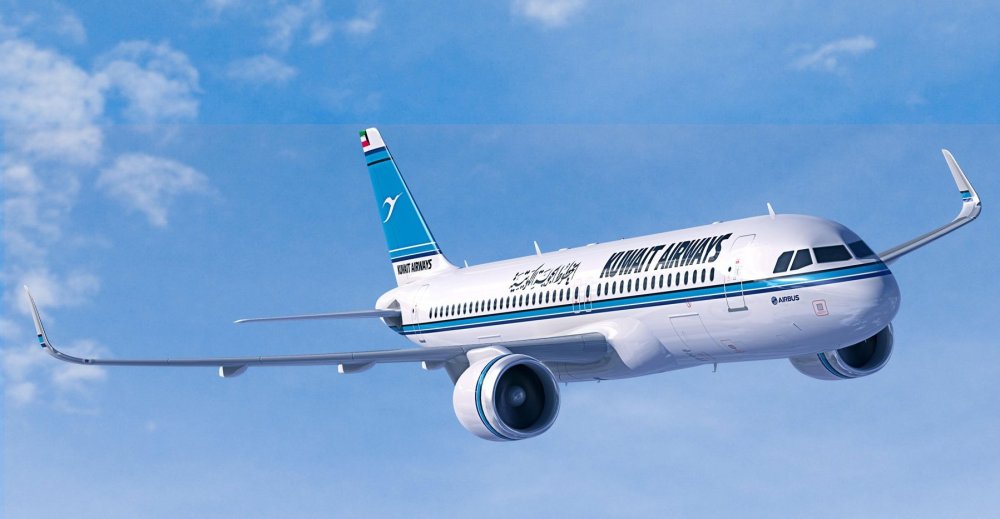
Imagen relacionadaAirbus informó a Kuwait Airways que retrasará las entregas hasta fines de 2019

Kuwait Airways se ha visto forzado a cancelar programación por retraso de entrega de Airbus A320. Kuwait Airways busca arrendar tres aviones para cubrir un retraso en la entrega de los aviones. La aerolínea nacional dijo que debía recibir tres nuevos aviones Airbus A320NEO en Marzo 2019, pero el fabricante francés ha informado que se retrasarán y se entregarán en Junio/Octubre/Noviembre 2019.

Kuwait Airways había suspendido las operaciones de su avión Airbus A320 más antiguo desde el 1 Abril 2019 debido ha que ha entrado en preparación para su posterior venta y en previsión de la entrega del nuevo avión A320NEO. Como resultado, Kuwait Airways dijo que tendrá que cancelar algunos vuelos: «Es posible que se requiera que Kuwait Airways cancele temporalmente algunos de nuestros vuelos actuales y combine otros vuelos para hacer frente a estas circunstancias mientras trabajamos diligentemente para restablecer o planificar el horario operativo dentro de unos días. Se están considerando todas las alternativas para acomodar a nuestros pasajeros y garantizar la mínima interrupción en su itinerario de viaje». Kuwait Airways espera que tenga las nuevas aeronaves arrendadas en las próximas dos semanas.AW-Icon-TXT-01

Resultado de imagen para A320neo pngKuwait enforced delivery of the A320NEO

Airbus informed Kuwait Airways that it will delay deliveries until the end of 2019

Kuwait Airways has been forced to cancel programming due to late delivery of the Airbus A320. Kuwait Airways seeks to lease three aircraft to cover a delay in the delivery of the aircraft. The national airline said it had to receive three new Airbus A320NEO aircraft in March 2019, but the French manufacturer has reported that they will be delayed and delivered in June/October/November 2019.

Kuwait Airways had suspended the operations of its oldest Airbus A320 aircraft since 1 April 2019 because it has entered into preparation for its subsequent sale and in anticipation of the delivery of the new A320NEO aircraft. As a result, Kuwait Airways said it will have to cancel some flights: «It may be required that Kuwait Airways temporarily cancel some of our current flights and combine other flights to cope with these circumstances as we work diligently to restore or schedule operating hours within a few days, all alternatives are being considered to accommodate our passengers and ensure the minimum interruption in their travel itinerary». Kuwait Airways expects to have the new aircraft leased in the next two weeks. A \ W


Resultado de imagen para A320neo pngفرضت الخطوط الجوية الكويتية تسليم طائرة A320NEO

أبلغت إيرباص الخطوط الجوية الكويتية بأنها ستؤخر عمليات التسليم حتى نهاية عام Resultado de imagen para Kuwait airways logo png2019

اضطرت الخطوط الجوية الكويتية إلى إلغاء البرامج بسبب التأخر في تسليم إيرباص A320. تسعى الخطوط الجوية الكويتية إلى استئجار ثلاث طائرات لتغطية التأخير في تسليم الطائرة. قالت شركة الطيران الوطنية إنها اضطرت إلى استلام ثلاث طائرات جديدة من طراز إيرباص A320NEO في مارس 2019 ، لكن الشركة المصنعة الفرنسية ذكرت أنها ستتأخر وتسليمها في يونيو / أكتوبر – نوفمبر / تشرين الثاني 2019.

أوقفت الخطوط الجوية الكويتية عمليات أقدم طائراتها من طراز Airbus A320 منذ 1 أبريل 2019 لأنها دخلت مرحلة الاستعداد لبيعها لاحقًا وتوقعًا تسليم الطائرة A320NEO الجديدة. ونتيجة لذلك ، صرحت الخطوط الجوية الكويتية بأنها ستضطر إلى إلغاء بعض الرحلات الجوية»: قد يكون مطلوبًا أن تقوم الخطوط الجوية الكويتية بإلغاء بعض رحلاتنا الحالية مؤقتًا والجمع بين الرحلات الأخرى للتعامل مع هذه الظروف حيث نعمل بجد لاستعادة ساعات العمل أو تحديد مواعيدها بضعة أيام ، يتم النظر في جميع البدائل لاستيعاب ركابنا وضمان الحد الأدنى من الانقطاع في مسار سفرهم. » تتوقع الخطوط الجوية الكويتية استئجار الطائرة الجديدة خلال الأسبوعين المقبلين. A \ W


Ξ A I R G W A Y S Ξ
SOURCE: Airgways.com
DBk: Airbus.com / Kuwaitairways.com
AW-POST: 201904032320AR

A\W   A I R G W A Y S ®

Air Peace ordena 30 Embraer E195-E2

AW-708777-E195E2.jpg

AW | 2019 04 03 22:26 | AIRLINES / INDUSTRY

embraer logo.jpgLa aerolínea nigeriana Air Peace firmó pedido por 30 Embraer E195-E2

La aerolínea Air Peace de la República de Nigeria colocó una orden de 30 aeronaves regionales Embraer E195-E2. El acuerdo contempla un pedido en firme por 10 unidades están bajo contrato firme e incluye derechos de compra por otras 20 aeronaves.

El fabricante brasileño ha informado que la aerolínea Air Peace se convertirá en el primer operador de de la segunda generación de los Embraer E2 en el continente africano. Air Peace ya utiliza Embraer ERJ-145 (6) en su filial Hopper. El presidente ejecutivo, Allen Onyema, dice que el Embraer E195-E2 es «una maravilla del desempeño económico». Embraer agregará el pedido a las cifras de la cartera de pedidos del segundo trimestre. Valora el acuerdo en hasta US$ 2.1 mil millones a precios de catálogo.AW-Icon-TXT-01

Resultado de imagen para Air Peace E195-E2Air Peace orders 30 Embraer E195-E2

The Nigerian airline Air Peace signed an order for 30 Embraer E195-E2

The Air Peace airline of the Republic of Nigeria placed an order for 30 regional aircraft Embraer E195-E2. The agreement contemplates a firm order for 10 units are under a firm contract and includes purchase rights for another 20 aircraft.

The Brazilian manufacturer has reported that the airline Air Peace will become the first operator of the second generation of the Embraer E2 in the African continent. Air Peace already uses Embraer ERJ-145 (6) in its subsidiary Hopper. Chief Executive Allen Onyema says the Embraer E195-E2 is «a marvel of economic performance».  Embraer will add the order to the figures in the second quarter order book. Value the agreement at up to US $ 2.1 billion at catalog prices. A \ W


Ξ A I R G W A Y S Ξ
SOURCE: Airgways.com
DBk: Embraer.com / Aviationtribune.com
AW-POST: 201904032226AR

A\W   A I R G W A Y S ®