Rusia restringe venta titanio a EEUU

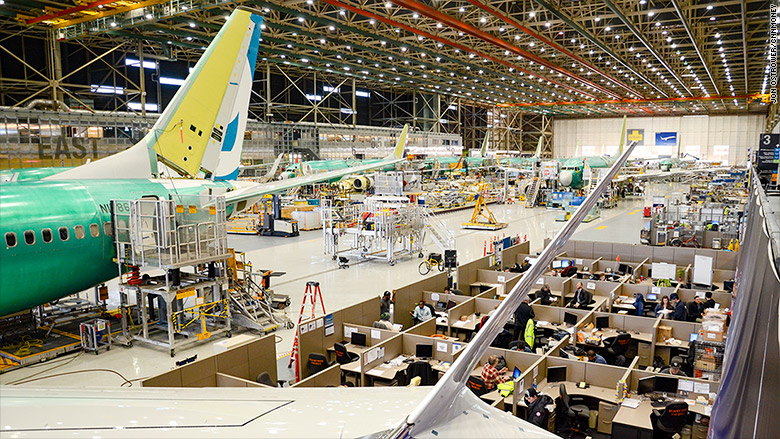
Resultado de imagen para Boeing 787 assembly line

AW | 2018 04 16 15:59 | INDUSTRY

Boeing-Logo.svgEl Gobierno de Rusia ha restringido la venta de titanio a la industria de Estados Unidos

El parlamento ruso impulsa un proyecto de ley que da facultades a Vladimir Putin para responder a las sanciones impuestas por el gobierno de Trump. Entre las posibles medidas está la prohibición o restricción de la venta al exterior de metales raros, entre los que se encuentra el titanio.

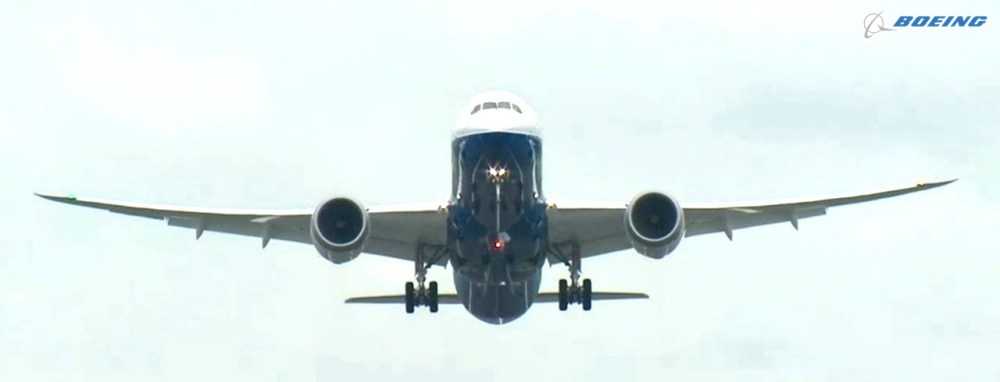
Las consecuencias de la agresividad de la administración de Donald Trump en el contexto internacional repercute negativamente en la industria de Boeing. El fabricante de aviones Boeing tendría que afrontar efectos contraproducentes en su línea de suministros si Rusia prohíbe vender titanio, elemento clave para su línea de producción.

Mercado del titanio

El 30% del suministro de titanio para Boeing y otros fabricantes proviene de la Federación Rusia. Rusia es el mayor productor de titanio del mundo, y los fabricantes como Boeing o Lockheed Martin depende en un 30% a 40% de los suministros que provienen desde este país.

Esta restricción se suma a la tensión con China, que puede derivar en una guerra comercial con el gigante asiático, puede complicar el suministro de aluminio y acero para el fabricante. Trump había anunciado aranceles del 25% a las importaciones de acero y del 10% de aluminio. Si esta medida se pone en práctica, los costes de Boeing se dispararán porque el 80% de la estructura de un avión depende de estos metales. Y eso le llevaría a una preocupante pérdida de competitividad frente a Airbus.

Pero el aumento de los costes no es el único problema ya que Boeing puede ser víctima de represalias por parte del gobierno chino, un mercado en el que su competidor europeo no perderá un segundo en seducir.

La mayoría de los clientes más importantes en China son las aerolíneas estatales, o que están en poder de bancos controlados por el gobierno. Los pocos compradores independientes podrían recibir fuertes presiones de Beijing para cancelar los pedidos de nuevas aeronaves.  AIRWAYS® AW-Icon TXT

Resultado de imagen para Boeing titanium

Russia restricts titanium sale to the US

The Government of Russia has restricted the sale of titanium to the United States industry

The Russian parliament is pushing a bill that empowers Vladimir Putin to respond to the sanctions imposed by the Trump government. Among the possible measures is the prohibition or restriction of the sale abroad of rare metals, among which is titanium.

The consequences of the aggressiveness of the Donald Trump administration in the international context have a negative impact on the Boeing industry. The aircraft manufacturer Boeing would have to face counterproductive effects on its supply line if Russia prohibits selling titanium, a key element for its production line.

Titanium market

30% of the titanium supply for Boeing and other manufacturers comes from the Russian Federation. Russia is the largest producer of titanium in the world, and manufacturers such as Boeing or Lockheed Martin depend on 30% to 40% of the supplies that come from this country.

This restriction adds to the tension with China, which can lead to a trade war with the Asian giant, can complicate the supply of aluminum and steel to the manufacturer. Trump had announced tariffs of 25% on imports of steel and 10% on aluminum. If this measure is put into practice, the costs of Boeing will skyrocket because 80% of the structure of an aircraft depends on these metals. And that would lead to a worrying loss of competitiveness against Airbus.

But the increase in costs is not the only problem since Boeing may be the victim of retaliation by the Chinese government, a market in which its European competitor will not lose a second in seducing.

Most of the most important customers in China are state airlines, or those held by government-controlled banks. The few independent buyers could receive strong pressure from Beijing to cancel orders for new aircraft. A \ W


Ξ A I R G W A Y S Ξ
SOURCE:  Airgways.com
DBk: Boeing.com / Seattletimes.com  / Arabianbusiness.com
AW-POST: 201804161559AR

A\W   A I R G W A Y S ®

Restricciones Boeing 787 motores RR

Resultado de imagen para Restrictions Boeing 787 with Rolls-Royce engine

AW | 2018 04 16 15:35 | INDUSTRY / AVIATION SAFETY

Boeing-Logo.svgLa FAA ha limitado su rango de autonomía a un lote de Boeing 787 motorizados con Rolls-Royce

Los aviones Boeing 787 equipados con un lote de motores Rolls-Royce Holdings Plc potencialmente defectuosos enfrentan restricciones sobre hasta dónde pueden volar luego de un fallo de la Administración Federal de Aviación de los EEUU.

Resultado de imagen para FAA logoLa medida, que según Boeing, afecta aproximadamente una cuarta parte de los 787 en servicio, restringe el funcionamiento de los aviones a más de 140 minutos de un aeropuerto, en comparación con los 330 minutos actuales, ha informado la FAA. Alrededor de catorce aeronaves estadounidenses se vieron afectados, dijo el regulador.

La decisión se produce después de que la Agencia Europea de Seguridad Aérea ordenó la semana pasada controles adicionales de mantenimiento en los motores «Package C» de Trent 1000 después de que se descubrió que los problemas de durabilidad que afectaban a las palas eran peores de lo que se pensaba. Unas 350 turbinas se verán afectadas, según Rolls, con sede en Londres.

Resultado de imagen para Restrictions Boeing 787 with Rolls-Royce engine

La FAA impuso las restricciones porque se ha encontrado que las cuchillas en el compresor de presión intermedia de los Trent 1000 vibran a altos niveles de empuje en ciertas condiciones. Eso significa que un 787 en el que un motor falló podría enfrentar el otro mal funcionamiento cuando se sintoniza al empuje máximo para compensar. El regulador describió el motor como que implica «una condición insegura» que requiere la adopción inmediata de nuevas reglas. La directiva será reevaluada una vez que Rolls haya presentado una solución para la falla, dijo.

EASA es responsable de la regulación de seguridad de Rolls-Royce como una empresa del Reino Unido, mientras que la FAA supervisa el Boeing con sede en Chicago como uno estadounidense. AIRWAYS® AW-Icon TXT

Resultado de imagen para Restrictions Boeing 787 with Rolls-Royce engine

Restrictions Boeing 787 with Rolls-Royce engines

The FAA has limited its range of autonomy to a batch of Boeing 787 motorized with Rolls-Royce

Resultado de imagen para Rolls-Royce engine logoBoeing 787 aircraft equipped with a batch of potentially defective Rolls-Royce Holdings Plc engines face restrictions on how far they can fly after a failure of the US Federal Aviation Administration.

The measure, which according to Boeing, affects about a quarter of the 787 in service, restricts the operation of airplanes to more than 140 minutes from an airport, compared to the current 330 minutes, the FAA has reported. About fourteen US aircraft were affected, the regulator said.

The decision comes after the European Aviation Safety Agency ordered additional maintenance checks on the Trent 1000 «Package C» engines last week after it was discovered that the durability problems affecting the blades were worse than expected. what was thought. Some 350 turbines will be affected, according to Rolls, based in London.

The FAA imposed the restrictions because it has been found that the knives in the intermediate pressure compressor of the Trent 1000 vibrate at high thrust levels under certain conditions. That means that a 787 in which one engine failed could face the other malfunction when tuned to the maximum thrust to compensate. The regulator described the engine as implying «an unsafe condition» that requires the immediate adoption of new rules. The directive will be reassessed once Rolls has presented a solution to the failure, he said.

EASA is responsible for the security regulation of Rolls-Royce as a UK company, while the FAA supervises the Chicago-based Boeing as an American company. A \ W


Ξ A I R G W A Y S Ξ
SOURCE:  Airgways.com
DBk: Boeing.com / Rolls-royce.com / Thenational.ae / Godsavethepoints.com
AW-POST: 201804161535AR

A\W   A I R G W A Y S ®

Buscando la eficiencia del vuelo

Resultado de imagen para airlines traffic

AW | 2018 04 15 20:42 | INDUSTRY

La industria de la aviación está persiguiendo una mayor eficiencia en el mercado de aviación comercial

La industria aerocomercial busca que cada línea de aviones alcance un mayor nivel de eficiencia haciendo que se fabriquen aviones que van más lejos a menor costo, que se usen materiales más livianos y sistemas de entretenimiendo y aplicaciones como el wifi.

El mercado aeronáutico es una dinámica que se mueve hacia la eficiencia donde el sector de la aviación comercial quiere alcanzar un mejor nivel de eficiencia al reducir los costos operativos, consumo de combustible, entre otros detalles.

La presión del modelo de negocio low cost reduce los ingresos por pasajero transportado, donde las aerolíneas afilan el lápiz para controlar los costos operativos, lo que multiplica la presión de los fabricantes por alcanzar un mejor nivel de eficiencia en las aeronaves. El principal costo operativo es el carburante, el gasto más importante de cualquier vuelo.

Resultado de imagen para airlines low cost

El auge de los vuelos transatlánticos o de amplio radio de acción en el modelo low cost acelera los esfuerzos de las aerolíneas por enfrentarse al otro lado de la ecuación:de un vuelo, los viajeros no solo quieren pagar menos por su vuelo, también quieren que no afecte a su salud y tener un módico confort.

Un problema al volar es que, a altitudes estratosféricas, el aire es muy seco y eso no solo afecta a los sentidos del olfato y del gusto, sino que puede conducir a problemas de salud. «Todas las tripulaciones saben que lo que no pueden dejar de llevar de ninguna manera es agua», explica Rafael Jiménez Hoyos, director de producción de Iberia. «Los que pasan mucho tiempo en el aire pueden tener hasta problemas renales», agrega. Ahora, empresas como la sueca CTT Systems diseñan sistemas de humidificación que son incorporados por la última generación de aviones tanto de Airbus como de Boeing.

Otra necesidad es mantener a los pasajeros distraídos. Los sistemas con pantallas en cada asiento se han vuelto casi imprescindibles en los vuelos largos, pero cada vez más pasajeros prefieren usar sus dispositivos. Algunas aerolíneas, como Alaska Airlines, prefieren abandonar el IFE y alquilar a sus pasajeros tabletas precargadas con películas; otras tienen una intranet a bordo con contenido en streaming.

Pero el futuro está en el wifi, que, según el operador de satélites Inmarsat, representará ingresos de más de US$800 millones este año. «A igualdad de producto, hay clientes que se decantan por una aerolínea por la oferta de wifi», indica Jiménez Hoyos. Firmas como la suiza SITA OnAir o la estadounidense GoGo compiten por equiparse y unirse a un mercado que puede mover US$15.900 millones en 2030.

Todas estas mejoras en comodidad se ven contrarrestadas por un empeoramiento de lo que posiblemente sea lo más importante: el tamaño de los asientos y la distancia entre ellos. En 2017, una asociación estadounidense de consumidores llevó a los tribunales a la Administración Federal de Aviación (FAA) para que se fijaran mínimos de distancia entre filas y de ancho de los asientos. Sin embargo, para Jiménez Hoyos «antes se utilizaban butacones que pesaban mucho y, además, la estructura del asiento ocupaba mucho espacio; la ingeniería permite reemplazar esa estructura por espacio para el pasajero».

Esto se da en un mercado que apuesta a su expansión. Randy Tinseth, responsable de marketing de Boeing, proyecta que las aerolíneas necesitarán 41.030 aviones en las próximas dos décadas, de los que poco menos de la mitad serán para sustituir modelos antiguos; el resto irá a satisfacer a nuevos públicos.

El desafío es trasladar las tecnologías existentes en sus modelos estrella a los verdaderos pilares de la industria: los aviones de pasillo único para vuelos de corto y medio radio. Airbus estrenó su A320NEO en septiembre de 2014, mientras que Boeing hizo lo propio con el Boeing 737 MAX en Enero 2016. Entre ambos tienen más de 10.000 encargos.

El crecimiento exponencial del transporte aéreo en las últimas décadas hace más relevante el papel de las emisiones de dióxido de carbono de los aviones en el efecto invernadero y el cambio climático, y aunque ahora solo son responsables del 2% de las emisiones globales, ese porcentaje va a subir conforme otros sectores vayan modernizándose.

Aerolíneas y fabricantes saben que los gobiernos van a endurecer los requisitos. «Los objetivos de reducción de emisiones de la Comisión Europea no pueden cumplirse con la tecnología actual», reconocen en Airbus. Pero los nuevos aviones ya tienen ciertos avances. «Un avión de este tipo volando entre Madrid y Lima pesa 100 toneladas menos que uno de una generación anterior para llevar el mismo número de pasajeros», dice Jiménez Hoyos. «Eso significa 30.000 kilos menos de combustible y 90.000 kilos menos de dióxido de carbono».

Los aviones modernos usan fuselajes de compuestos de plástico, fibra de carbono y metales como el titanio. «Algunas cosas son ventajosas: tienen muy buena relación entre resistencia, fuerza y peso, y no se corroen», dice Miguel Ángel Rodríguez, director de Titania, empresa especializada en ensayos de materiales. Pero también tienen inconvenientes: sobre todo, el costo.

De todas formas, se están encontrando formas de abaratar la producción. Antes del 787, todas las piezas con materiales compuestos se hacían a mano, ahora hay un método de tejido robotizado. Las alas también están cambiando de forma. La última generación de aviones sale al mercado con aletas en cada ala, que intentan mejorar la aerodinámica. Las turbinas están igualmente evolucionando a toda velocidad y los nuevos motores tienden a mover grandes máquinas con menos combustible.

En noviembre,Airbus, Rolls-Royce y Siemens anunciaron un acuerdo para hacer volar en 2020 un cuatrimotor BAe 146 con una de sus turbinas sustituidas por un motor eléctrico de dos megavatios. Pero con la tecnología de hoy ya pueden hacerse cosas. «Los aviones van desde la puerta de embarque hasta la pista con la energía de sus turbinas, lo que es tremendamente ineficiente porque no están diseñadas para ello», considera Padilla. «Aquí la propulsión eléctrica podría ser útil, con tractores autónomos o motores dentro de las ruedas».

Lo cierto es que los aviones del futuro no se construyen solo desde el punto de vista tecnológico, sino también del logístico. En lugar de centralizar la operación en una factoría, los gigantes están descargando responsabilidades a sus socios, que se ocupan de partes enteras del aparato, que finalmente es ensamblado en fábricas en todo el mundo. Airbus fue la pionera en esto. Pero su gran rival, Boeing, también utiliza este sistema con su 787.

Todos esto obliga a los proveedores a ser más competitivos. La japonesa Kawasaki Heavy Industries, proveedor de Boeing, anunció recientemente sus planes para pasar su grado de automatización del 30% al 70%.  AIRWAYS® AW-Icon TXT

Resultado de imagen para airlines low cost

Looking for flight efficiency

The aviation industry is pursuing greater efficiency in the commercial aviation market

The airline industry seeks that each line of aircraft reach a higher level of efficiency by making planes that go farther at a lower cost, using lighter materials and entertainment systems and applications such as Wi-Fi.

The aeronautical market is a dynamic that moves towards efficiency where the commercial aviation sector wants to achieve a better level of efficiency by refining operating costs, fuel consumption, among other details.

The pressure of the low cost business model reduces revenue per passenger transported, where airlines sharpen the pencil to control operating costs, which multiplies the pressure of manufacturers to achieve a better level of efficiency in aircraft. The main operating cost is fuel, the most important expense of any flight.

Resultado de imagen para airlines low cost

The rise of transatlantic flights or broad range of action in the low cost model accelerates the efforts of airlines to face the other side of the equation: a flight, travelers not only want to pay less for their flight, they also want Do not affect your health and have a modest comfort.

A problem when flying is that, at stratospheric altitudes, the air is very dry and that not only affects the senses of smell and taste, but can lead to health problems. «All the crews know that what they can not stop carrying is water», explains Rafael Jiménez Hoyos, production manager at Iberia. «Those who spend a lot of time in the air can have kidney problems», he adds. Now, companies such as the Swedish CTT Systems design humidification systems that are incorporated by the latest generation of Airbus and Boeing aircraft.

Another need is to keep passengers distracted. Systems with screens in each seat have become almost essential in long flights, but more and more passengers prefer to use their devices. Some airlines, such as Alaska Airlines, prefer to leave the IFE and rent their passengers tablets preloaded with movies; others have an intranet on board with streaming content.

But the future lies in Wi-Fi, which, according to satellite operator Inmarsat, will represent revenues of more than U$S 800 million this year. «To equal product, there are customers who opt for an airline for the Wi-Fi offer», says Jiménez Hoyos. Firms such as the Swiss SITA OnAir or the American GoGo compete to equip themselves and join a market that can move U$S 15,900 million in 2030.

All these improvements in comfort are counteracted by a worsening of what is possibly the most important: the size of the seats and the distance between them. In 2017, a US consumer association brought the Federal Aviation Administration (FAA) to court to set minimum distance between rows and seat widths. However, Jiménez Hoyos «used to use butacones that weighed a lot and, in addition, the structure of the seat took up a lot of space, the engineering allows to replace that structure for space for the passenger».

This occurs in a market that bets on its expansion. Randy Tinseth, head of marketing at Boeing, projects that airlines will need 41,030 aircraft in the next two decades, of which just under half will be to replace old models; the rest will go to satisfy new audiences.

The challenge is to move the existing technologies in its star models to the true pillars of the industry: single-aisle aircraft for short and medium-haul flights. Airbus debuted its A320NEO in September 2014, while Boeing did the same with the Boeing 737 MAX in January 2016. Between them they have more than 10,000 orders.

The exponential growth of air transport in recent decades makes the role of aircraft carbon dioxide emissions more relevant in the greenhouse effect and climate change, and although now they are only responsible for 2% of global emissions, that percentage will go up as other sectors are modernized.

Airlines and manufacturers know that governments will tighten the requirements. «The emission reduction objectives of the European Commission can not be met with current technology», they acknowledge on Airbus. But the new planes already have certain advances. «A plane of this type flying between Madrid and Lima weighs 100 tons less than one of a previous generation to carry the same number of passengers», says Jiménez Hoyos. «That means 30,000 kilos less fuel and 90,000 kilos less carbon dioxide».

Modern aircraft use fuselages made of plastic compounds, carbon fiber and metals such as titanium. «Some things are advantageous: they have a very good relationship between strength, strength and weight, and they do not corrode», says Miguel Ángel Rodríguez, director of Titania, a company specializing in materials testing. But they also have drawbacks: above all, the cost.

Anyway, they are finding ways to lower production. Before 787, all pieces with composite materials were made by hand, now there is a method of robotic weaving. The wings are also changing shape. The latest generation of aircraft goes on the market with fins on each wing, which try to improve aerodynamics. The turbines are also evolving at full speed and the new engines tend to move large machines with less fuel.

In November, Airbus, Rolls-Royce and Siemens announced an agreement to fly in 2020 a four-engine BAe 146 with one of its turbines replaced by a two-megawatt electric motor. But with today’s technology, things can be done. «The planes go from the boarding gate to the runway with the energy of their turbines, which is tremendously inefficient because they are not designed for it», says Padilla. «Here electric propulsion could be useful, with autonomous tractors or engines inside the wheels».

The truth is that the planes of the future are not built only from the technological point of view, but also from the logistics. Instead of centralizing the operation in a factory, the giants are discharging responsibilities to their partners, who deal with whole parts of the apparatus, which is finally assembled in factories around the world. Airbus was the pioneer in this. But his big rival, Boeing, also uses this system with his 787.

All this forces suppliers to be more competitive. Japan’s Kawasaki Heavy Industries, a Boeing supplier, recently announced plans to pass its automation degree from 30% to 70%. A \ W


Ξ A I R G W A Y S Ξ
SOURCE:  Airgways.com
DBk: Lanacion.com.ar / Aviationtechsv.com / Dlr.de / Radarescope.in
AW-POST: 201804152042AR

A\W   A I R G W A Y S ®

A320NEO espera aprobación de China

Resultado de imagen para A320neo leap

AW | 2018 04 12 15:37 | INDUSTRY

Airbus-logo[1]Airbus SE espera obtener la aprobación china para la versión de su avión A320NEO

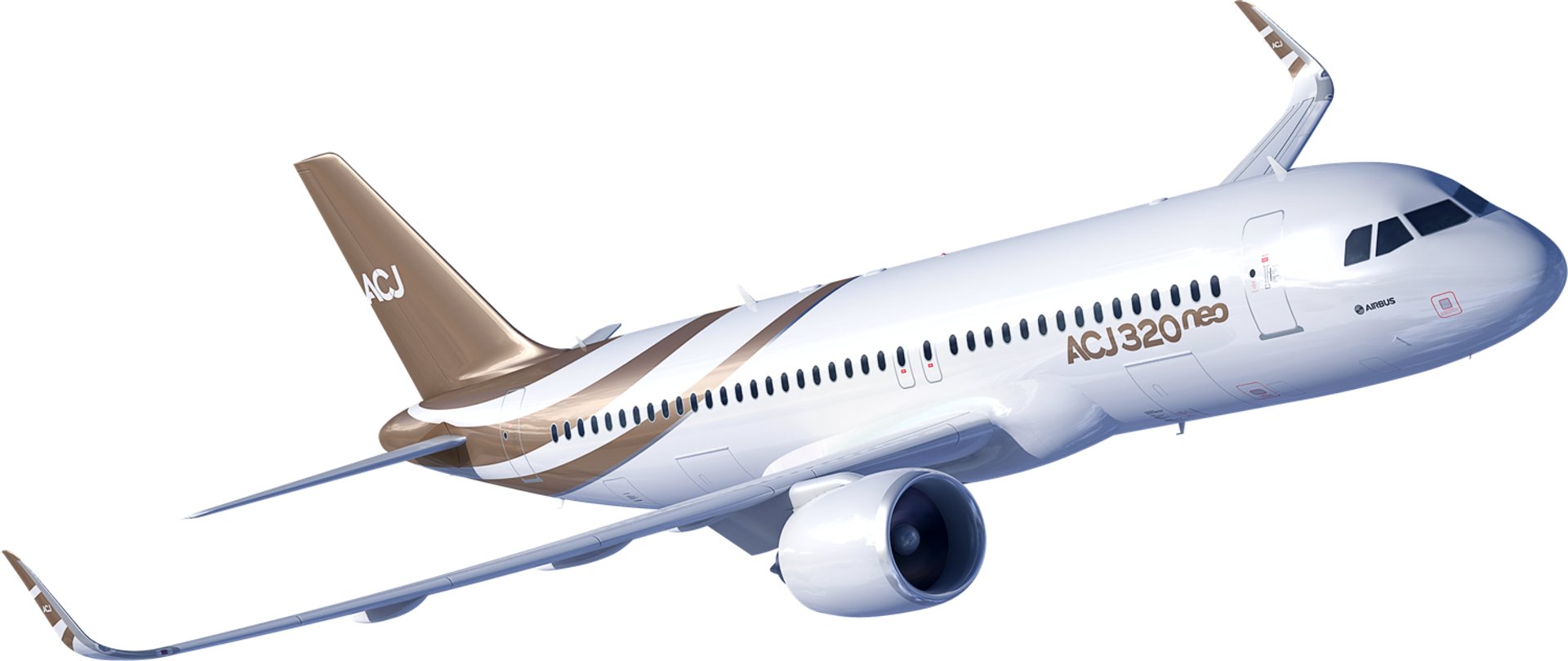
La compañía europea Airbus espera obtener la aprobación de China para la certificación del Airbus A320NEO con motores General Electric Co. a fines de este mes, lo que indica el final de un enfrentamiento entre los reguladores europeos y asiáticos.

AW7000087La certificación final para el avión de fuselaje estrecho A320NEO es inminente después de que el motor LEAP fabricado por la empresa CFM International de GE con Safran SA de Francia fuera firmado por la Administración de Aviación Civil de China a principios de esta semana, dijo en una entrevista el Director Ejecutivo de Airbus, Tom Enders.

Las aerolíneas en la nación asiática deberían comenzar a recibir aviones a fines de mayo, dijo Enders. La aprobación se había anticipado el año pasado, pero fue detenida por lo que los analistas de Bernstein describieron como una «mini guerra comercial» ya que la agencia china buscaba el reconocimiento como una autoridad certificadora en Europa. Eso permitiría que el C919 construido en Shanghai de fuselaje estrecho, que también utiliza el Salto y actualmente se está sometiendo a vuelos de prueba, para ser exportado allí.

Pratt & Whitney, que fabrica el motor turboventilador alternativo para el A320NEO, debería comenzar a suministrar a las plantas eléctricas soluciones para la última de una serie de problemas técnicos a tiempo para que las entregas globales se reanuden el próximo mes, dijo Enders. Airbus tenía originalmente el objetivo de reiniciar las entregas en Abril 2018.

«Tenemos docenas y docenas de aviones sin motores en este momento, especialmente en Toulouse y Hamburgo», dijo el CEO después de la reunión anual de la compañía en Amsterdam el miércoles.

Las entregas de aeronaves podrían ser aún más cargadas este año que en 2017, cuando Airbus entregó 127 aviones solo en diciembre para compensar las demoras. Solo 121 aviones fueron enviados a través de este mes de abril, contra un total de 800 apuntados para 2018 en su conjunto.  AIRWAYS® AW-Icon TXT

Resultado de imagen para A320neo leap

Airbus awaits approval from China of the A320NEO

Logo_Airbus_2014.svg.pngAirbus SE expects to obtain Chinese approval for the version of its A320NEO aircraft

The European company Airbus expects to obtain the approval of China for the certification of the Airbus A320NEO with General Electric Co. engines at the end of this month, which indicates the end of a confrontation between the European and Asian regulators.

AW-70099433.jpgThe final certification for the A320NEO narrow-body aircraft is imminent after the LEAP engine manufactured by GE’s CFM International company with Safran SA of France was signed by the Civil Aviation Administration of China earlier this week, he said in a statement. Interview the Executive Director of Airbus, Tom Enders.

Airlines in the Asian nation should start receiving planes by the end of May, Enders said. The approval had been anticipated last year, but was halted by what Bernstein’s analysts described as a «mini-trade war» as the Chinese agency sought recognition as a certification authority in Europe. That would allow the C919 built in Shanghai of narrow fuselage, which also uses the Jump and is currently undergoing test flights, to be exported there.

Pratt & Whitney, which makes the alternative turbofan engine for the A320NEO, should start supplying power plants with solutions for the latest of a series of technical problems in time for global deliveries to resume next month, Enders said. Airbus originally had the objective of restarting deliveries in April 2018.

«We have dozens and dozens of planes without engines at the moment, especially in Toulouse and Hamburg», the CEO said after the company’s annual meeting in Amsterdam on Wednesday.

Aircraft deliveries could be even more charged this year than in 2017, when Airbus delivered 127 aircraft only in December to compensate for delays. Only 121 aircraft were sent through this month of April, against a total of 800 aimed for 2018 as a whole. A \ W


Ξ A I R G W A Y S Ξ
SOURCE:  Airgways.com
DBk: Airbus.com / Airgways.com
AW-POST: 201804121537AR

A\W   A I R G W A Y S ®

Carencia en la línea Spirit AeroSystems

Resultado de imagen para Spirit Aerosystems Boeing 737

AW | 2018 04 12 15:17 | INDUSTRY

Spirit AeroSystems se retrasó en la entrega de 737 fuselajes a Boeing por primera vez en casi cuatro años

Varios factores llevaron a las entregas tardías de Spirit AeroSystems el mes pasado de las partes principales del avión más vendido de Boeing. Boeing-Logo.svgProblemas de la cadena de suministro, controles de calidad adicionales en piezas y estructuras que Spirit envía a Boeing y un aumento en la tasa de producción mensual en la línea de producción del 737 fueron algunos de los motivos de las entregas perdidas.

Las entregas tardías pueden ser un gran problema. Cualquier retraso en la entrega de los fuselajes 737 a la planta de ensamblaje de Boeing en Renton, Washington, podría hacer que Boeing entregue tarde los aviones terminados a sus clientes de aerolíneas. Eso podría significar sanciones financieras para Boeing. Los envíos retrasados ​​también podrían minar la confianza de Boeing en Spirit. Una parte sustancial de los U$S 6,9 mil millones en ingresos de Spirit proviene de Boeing.

Estrés en la línea 737

Un caso fortuito de retrasos ocurrió en Julio 2014 cuando un tren que transportaba fuselajes de Boeing 737 Next Generation se descarriló haciendo que la entrega se arruinara y se demorara las entregas el ritmo de entregas a Boeing.

Resultado de imagen para Spirit Aerosystems Boeing 737

LÍNEA DE ENSAMBLAJE DEL BOEING 737 EN WICHITA, KANSAS

Entre la multitud de cosas que contribuyeron a las entregas tardías de SpiritAeroSystems hubo retrasos en las partes que llegaban a Spirit de sus proveedores.

«Hay desafíos a lo largo de la cadena de suministro. Cuando tenemos repuestos, nuestra línea funciona muy bien. Pero cuando algunos de nuestros proveedores nos faltan las entregas, nos presiona», expresó Tom Gentile, CEO de AeroSystems.

La decisión de Boeing de aumentar la producción de Boeing 737 de 47 aviones al mes a 52 trae un nuevo conjunto de desafíos, especialmente cuando la línea de producción 737 de Spirit AeroSystems incluye tanto la aeronave 737 Next Generation como la nueva 737 MAX.

«Realmente estamos en las mayores tasas de producción que hemos tenido. Estamos llegando a 52. Por lo tanto, está un poco estresado porque tienes las tasas generales subiendo, pero la línea MAX sube y los NG disminuyen. Entonces existen muchas piezas en movimiento».

Spirit también ha comenzado a implementar más controles de calidad al final de la línea de producción como parte de su mejora de calidad. Son esas cosas las que finalmente llevaron al envío retrasado del mes pasado a Boeing, dijo.

«Volveremos a la pista a principios de junio para el calendario maestro. La buena noticia es que mientras los fuselajes llegaron tarde, podremos alcanzarlos. Por lo tanto, Boeing no va a quedarse atrás en absoluto», comentó Tom Gentile.

Boeing, esperanzado

Boeing ha podido mitigar los efectos en la fábrica, y las entregas a los clientes siguen con buen rumbo. «Confiamos en la capacidad de Spirit para satisfacer nuestras necesidades a medida que aumentamos la tasa de producción 737 más adelante este año. Esto es parte de nuestro enfoque disciplinado para planificar aumentos de producción. El primer trimestre fue un poco inestable, pero pusimos muchos recursos para ponernos al día», dijo el portavoz Doug Alder Jr.  AIRWAYS® AW-Icon TXT

Resultado de imagen para Spirit Aerosystems Boeing 737

Lack in the Spirit AeroSystems line

Spirit AeroSystems delayed the delivery of 737 airframes to Boeing for the first time in almost four years

Several factors led to late deliveries last of Spirit AeroSystems month of the main parts of Boeing‘s best-selling aircraft. Problems in the supply chain, additional quality controls on parts and structures that Spirit sends to Boeing and an increase in the monthly production rate on the 737 production line were some of the reasons for the lost deliveries.

Late deliveries can be a big problem. Any delay in the delivery of the 737 fuselages to the Boeing assembly plant in Renton, Washington, could cause Boeing to deliver the finished aircraft late to its airline customers. That could mean financial penalties for Boeing. Delayed shipments could also undermine Boeing’s confidence in Spirit. A substantial portion of the $ 6.9 billion in revenue from Spirit comes from Boeing.

Stress on line 737

A fortuitous event of delays occurred in July 2014 when a train carrying fuselages from Boeing 737 Next Generation derailed causing the delivery to be ruined and delivery delays delayed delivery to Boeing.

Among the multitude of things that contributed to the late deliveries of SpiritAeroSystems there were delays in the parts that came to Spirit from its suppliers.

Resultado de imagen para Spirit Aerosystems Boeing 737

«There are challenges along the supply chain, when we have spare parts, our line works very well, but when some of our suppliers are missing deliveries, it puts pressure on us», said Tom Gentile, CEO of AeroSystems.

Boeing’s decision to increase Boeing 737 production from 47 aircraft a month to 52 brings a new set of challenges, especially when the 737 production line from Spirit AeroSystems includes both the 737 Next Generation aircraft and the new 737 MAX.

«We’re really at the highest production rates we’ve had, we’re reaching 52. So, it’s a little stressed because you have the overall rates going up, but the MAX line goes up and the NGs go down, so there are lots of moving parts».

Spirit has also begun to implement more quality controls at the end of the production line as part of its quality improvement. It’s those things that ultimately led to the delayed shipment last month to Boeing, he said.

«We will return to the track in early June for the master calendar, the good news is that while the fuselages were late, we can reach them, so Boeing is not going to be left behind at all», said Tom Gentile.

Boeing, hopeful

Boeing has been able to mitigate the effects at the factory, and deliveries to customers are still on track. «We rely on Spirit’s ability to meet our needs as we increase the 737 production rate later this year, which is part of our disciplined approach to planning production increases, the first quarter was a bit unstable, but we put a lot of resources to catch up», said spokesman Doug Alder Jr. A \ W


Ξ A I R G W A Y S Ξ
SOURCE:  Airgways.com
DBk: Boeing.com / Spiritaero.com / Bizjournals.com
AW-POST: 201804121517AR

A\W   A I R G W A Y S ®

Aumento interés por industria regional

AW-70000078.jpg

AW | 2018 04 12 14:41 | INDUSTRY

Las nuevas alianzas entre Airbus-Bombardier y Boeing-Embraer están incrementando el interés por los aviones regionales

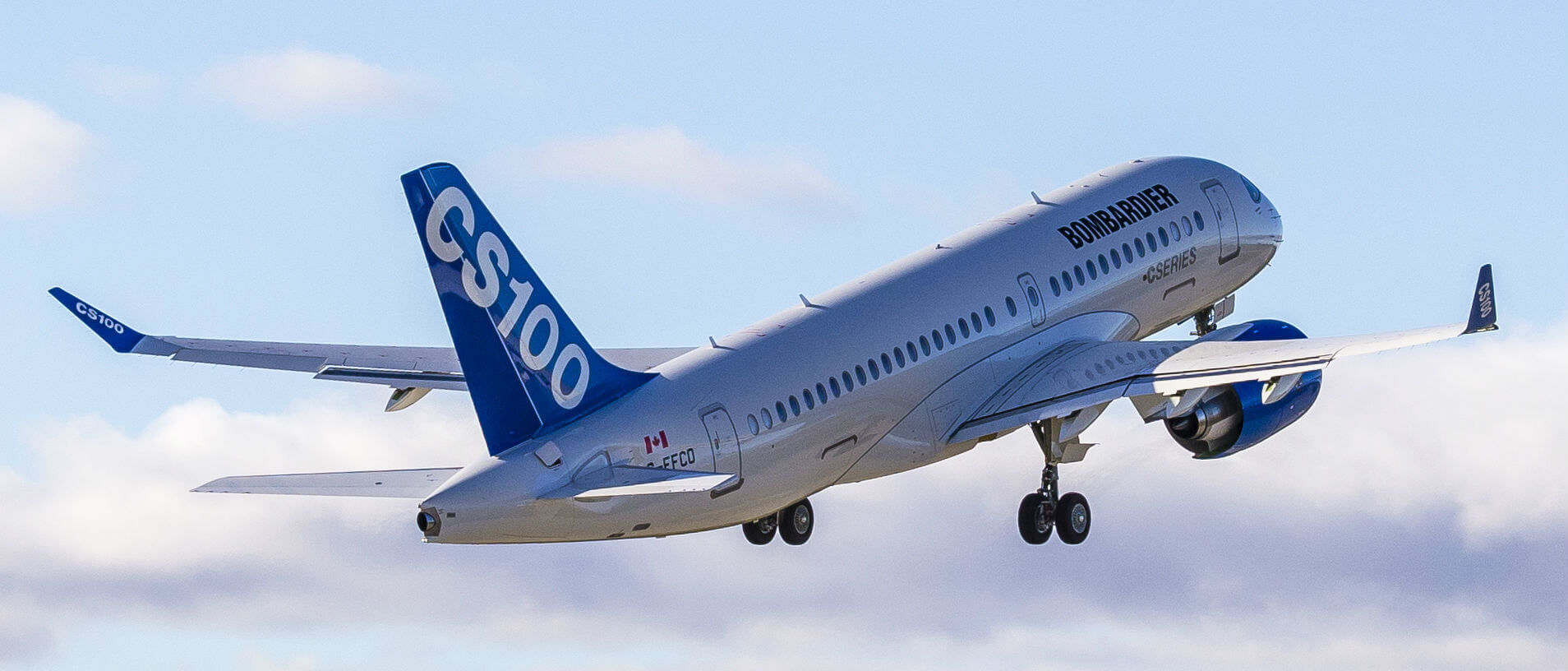
La adquisición por parte de Airbus de una participación mayoritaria en la CSeries de Bombardier y la exploración de Boeing de tomar una participación en Embraer está volcando más atención a la categoría de aviones de crossover de fuselaje estrecho.

Los fabricantes esperan que más aerolíneas, incluidas las de bajo costo, busquen utilizar los aviones crossover de fuselaje angosto como un segundo tipo para las rutas más delgadas, en lugar de los miembros más pequeños de las familias tradicionales de fuselaje angosto. Creen que hay una mayor tracción del mercado.

Bombardier_Aerospace-200xBombardier Inc.

Antoine Chereau, Director de Análisis de Mercado y Mercadeo de Aerolíneas de Americas, Bombardier Commercial Aircraft, retoma el argumento a lo básico. «El negocio de las aerolíneas es un negocio como cualquier otro. Para ser sostenible, una empresa debe generar ganancias. La creciente disponibilidad de datos de mercado y la mejora de las técnicas de gestión de ingresos están dando forma a nuevos comportamientos». El diseño de hoja limpia de un avión como la CSeries permite un pequeño avión de pasillo único muy eficiente específicamente optimizado para la misión.

Las aeronaves que son demasiado grandes obligan a las aerolíneas a sacrificar los ingresos por asiento a fin de preservar su factor de carga, lo que resulta en una menor ganancia por pasajero. Las aerolíneas entienden la necesidad de una herramienta adaptada para cada misión, pero además, las versiones reducidas de los narrowbodies tradicionales tienen una ineficiencia que no se ve superada por la comunidad de un mismo modelo de aeronave.

embraer logoEmbraer SA

Arjan Meijer, director Comercial de Embraer Commercial Aviation, está de acuerdo en que los aviones regionales «aprovechan la aguda brecha de equipos creada por la falta de disponibilidad de soluciones eficientes y adaptadas en el segmento».

Con el primer E190-E2 entregado ahora, Meijer dice: «Los aviones crossover de cuerpo estrecho formarán una parte cada vez más integral del ecosistema del transporte aéreo global. La demanda del mercado no garantiza, ni lo hará, un cambio estructural hacia un gran avión de fuselaje estrecho en general. Los jets Crossover de cuerpo estrecho se colocan como un sustituto natural a un costo significativamente mejorado por asiento. Este es un hecho que no puede ser ignorado por los operadores».

logo_sukhoiSukhoi Corp.

Stewart Cordner, Vicepresidente Comercial de SuperJet International, profundiza en el tema: «Se trata de utilizar el avión más pequeño de una manera inteligente y centrada en el láser para desarrollar rutas, agregar frecuencias adicionales, proporcionar nuevos servicios y asegurar mejores rendimientos, si uno tiene el producto correcto, por supuesto. En términos generales, donde el Sukhoi Superjet 100 podría funcionar es en un mercado ya desarrollado donde la capacidad de volumen casi se ha alcanzado y la carrera agresiva por asientos disponibles kilómetros se ha ralentizado o reducido. Como tal, se trata de un modelo de costo de viaje, que utiliza los menores costos de un jet adaptado».

Stewart Cordner analiza una ventaja: «Uno de nuestros clientes utiliza un proceso de MFF aprobado, vuelo de flota mixta, que esencialmente significa que, como el Sukhoi SSJ100 y la familia de fuselaje angosto de Airbus están estrechamente relacionados, la aprobación MFF les permite a los pilotos operar tanto A320 como SSJ100 con transición regular. En consecuencia, un grupo común de pilotos aumenta la productividad a través de una flexibilidad de programación significativamente mejorada»AIRWAYS® AW-Icon TXT


AW-70040471.png


Increase interest in regional industry

New alliances between Airbus-Bombardier and Boeing-Embraer are increasing interest in regional aircraft

The acquisition by Airbus of a majority stake in the CSeries of Bombardier and the exploration of Boeing to take a stake in Embraer is paying more attention to the category of narrow-body crossover aircraft.

Manufacturers expect more airlines, including low-cost ones, to seek to use crossover narrow-body aircraft as a second type for thinner routes, rather than the smaller members of traditional narrow-body families. They believe that there is greater market traction.

Bombardier Inc.

Antoine Chereau, Director of Market Analysis and Marketing of Americas Airlines, Bombardier Commercial Aircraft, takes the argument to the basics. «The airline business is a business like any other, to be sustainable, a company must generate profits, the growing availability of market data and the improvement of revenue management techniques are shaping new behaviors». The clean sheet design of an airplane like the CSeries allows for a very efficient single small aisle aircraft specifically optimized for the mission.

Aircraft that are too large force airlines to sacrifice revenue per seat in order to preserve their load factor, resulting in lower profit per passenger. The airlines understand the need for an adapted tool for each mission, but in addition, the reduced versions of the traditional narrowbodies have an inefficiency that is not overcome by the community of the same aircraft model.

Embraer SA

Arjan Meijer, commercial director of Embraer Commercial Aviation, agrees that regional aircraft «take advantage of the acute equipment gap created by the lack of availability of efficient and adapted solutions in the segment».

With the first E190-E2 delivered now, Meijer says: «Narrow-body crossover aircraft will form an increasingly integral part of the global air transport ecosystem.The market demand does not guarantee, nor will it, a structural change towards a large Narrow-body aircraft in general Crossover narrow-body jets are placed as a natural substitute at a significantly improved cost per seat.This is a fact that can not be ignored by operators».

Sukhoi Corp.

Stewart Cordner, Commercial Vice President of SuperJet International, delves into the topic: «It’s about using the smallest aircraft in an intelligent and laser-focused way to develop routes, add additional frequencies, provide new services and ensure better performance, if one It has the right product, of course.Overall, where the Sukhoi Superjet 100 could work is in an already developed market where the volume capacity has almost been reached and the aggressive race for available seats has slowed down or reduced., it is a «travel cost» model, which uses the lower costs of an adapted jet».

Stewart Cordner discusses an advantage: «One of our customers uses an approved MFF process, mixed-fleet flight, which essentially means that, like the Sukhoi SSJ100 and the Narrow Airbus family of Airbus are closely related, the MFF approval allows them to pilots operate both A320 and SSJ100 with regular transition.As a result, a common group of pilots increases productivity through significantly improved programming flexibility». A\W


Ξ A I R G W A Y S Ξ
SOURCE:  Airgways.com
DBk: Bombardier.com / Embraer.com / Sukhoi.org / Airgways.com
AW-POST: 201804121441AR

A\W   A I R G W A Y S ®

Sukhoi estudia ensamblaje SSJ-75

AW-70083777.png

AW | 2018 04 12 13:53 | INDUSTRY

logo_sukhoiSukhoi estudia inicio de ensamblaje del nuevo proyecto SSJ-75

Sukhoi Corp. está evaluando materializar el proyecto SSJ-75, una versión de fuselaje acortado y capacidad para 75 asientos.

Imagen relacionadaDesde el fondo de reserva del Gobierno de la Federación de Rusia se destinarán seis mil millones de rublos para el inicio del programa, informó el Viceprimer Ministro Dmitry Rogozin.

El desarrollo del SSJ-75 iniciará su ensamblaje en 2018. Se ha tomado la iniciativa de desarrollar una familia de aviones SSJ-100 mediante la creación de una nueva modificación diseñada para 75 asientos. Como parte del desarrollo del avión más nuevo, se llevará a cabo su «rusificación», permitiendo que el número máximo de componentes de fabricantes extranjeros será reemplazado porla industria rusa.

El aumento de la tasa de producción de Sukhoi SSJ-75, el avance a los mercados ruso y extranjero, así como la mejora de las características técnicas y operativas, siempre permanecen bajo el control de del Gobierno de Rusia.  AIRWAYS® AW-Icon TXT

Sukhoi studies SSJ-75

Sukhoi studies start of assembly of the new SSJ-75 project

Sukhoi Corp. is evaluating the SSJ-75 project, a shortened-fuselage version with a capacity of 75 seats.

Six billion rubles will be allocated from the reserve fund of the Government of the Russian Federation for the start of the program, said Deputy Prime Minister Dmitry Rogozin.

The development of the SSJ-75 will begin its assembly in 2018. The initiative has been taken to develop a family of SSJ-100 aircraft by creating a new modification designed for 75 seats. As part of the development of the newest aircraft, it will be carried out its «Russification», allowing the maximum number of components of foreign manufacturers will be replaced by the Russian industry.

The increase of the production rate of Sukhoi SSJ-75, the advance to the Russian and foreign markets, as well as the improvement of the technical and operational characteristics, always remain under the control of the Government of Russia. A \ W

Imagen relacionada

Сухой изучает SSJ-75

logo_suhoySukhoi изучает начало сборки нового проекта SSJ-75

Sukhoi Corp. оценивает проект SSJ-75, версию с сокращенным фюзеляжем мощностью 75 мест.

Шесть миллиардов рублей будут выделены из резервного фонда Правительства Российской Федерации на начало программы, сказал вице-премьер Дмитрий Рогозин.

Разработка SSJ-75 начнется в 2018 году. Была предпринята инициатива по созданию семейства самолетов SSJ-100 путем создания новой модификации, рассчитанной на 75 мест. В рамках разработки новейшего самолета будет проведена его «русификация», позволяющая заменить максимальное количество компонентов иностранных производителей российской промышленностью.

Увеличение темпов производства SSJ-75 «Сухой», продвижение на российский и зарубежные рынки, а также улучшение технических и эксплуатационных характеристик всегда остаются под контролем правительства России. A \ W


Ξ A I R G W A Y S Ξ
SOURCE:  Airgways.com
DBk: Scac.ru
AW-POST: 201804121353AR

A\W   A I R G W A Y S ®

Boeing-Embraer acercando acuerdo

Resultado de imagen para Boeing Embraer airgways

AW | 2018 04 12 13:30 | INDUSTRY

Resultado de imagen para Boeing Embraer airgwaysBoeing y Embraer están profundizando llegar a un acuerdo de consolidación de empresas

Boeing y Embraer están acortando distancias para un acuerdo luego de meses de conversaciones y evaluaciones, informó el nuevo Jefe de Defensa de Brasil, Joaquim Silva e Luna, abriendo la puerta a la segunda alianza entre los principales fabricantes de aviones en seis meses.

«Diría, en resumen, que esto terminará en matrimonio», dijo Silva e Luna, quien fue nombrado hace seis semanas. Los comentarios marcaron un cambio de tono en el Ministerio de Defensa de Brasil, que ha sido cauteloso con respecto a un acuerdo debido al papel de Embraer como un importante innovador brasileño y un proveedor crucial de aviones militares.

En el aspecto comercial, un acuerdo con Boeing extendería un cambio en la industria que comenzó en Octubre 2017, cuando Airbus SE acordó tomar el control de la línea CSeries de Bombardier, un competidor directo de los aviones brasileños Embraer E2, que entró en servicio comercial este año.

Matrimonio por conveniencia

El Jefe de Defensa de Brasil expresó que no estaba seguro de qué forma tomaría una transacción entre Embraer y Boeing. «No me pregunten qué tipo de matrimonio, si es con el intercambio total de activos, con el reparto parcial de los activos o con la separación de los activos», dijo.AW-70083027.png

Una opción en discusión es una empresa que incluiría aviones comerciales en lugar de una adquisición directa. Sin embargo, un acuerdo potencialmente iría más allá de los aviones comerciales, citando una oportunidad para que Brasil obtenga ayuda de Boeing en la venta del avión de transporte militar KC-390 de Embraer. Boeing puede facilitar la comercialización del KC-390.

El CEO de Embraer, Paulo Cesar de Souza e Silva, dijo a los periodistas el miércoles la semana pasada mientras entregaba el primer avión E190-E2 a la aerolínea noruega Widerøe Flyveselskap AS en Sao Jose dos Campos, Brasil, donde se encuentra la empresa, que las conversaciones van por bien. De Souza e Silva dijo que «es una operación compleja, y todas las partes deben ser cómodas», que no estaba seguro de que se pudiera llegar a un acuerdo en la primera mitad del año, como las compañías esperaban anteriormente.  AIRWAYS® AW-Icon TXT


AW-7888987.png

Boeing-Embraer bringing agreement

Boeing and Embraer are deepening to reach a business consolidation agreement

Boeing and Embraer are closing the gap for an agreement after months of talks and evaluations, Brazil’s new defense chief Joaquim Silva e Luna reported, opening the door to the second alliance between the main aircraft manufacturers in six months.

«I would say, in short, that this will end in marriage», said Silva e Luna, who was appointed six weeks ago. The comments marked a change of tone in the Brazilian Ministry of Defense, which has been cautious about an agreement due to Embraer’s role as a leading Brazilian innovator and a crucial supplier of military aircraft.

In the commercial aspect, an agreement with Boeing would extend a change in the industry that began in October 2017, when Airbus SE agreed to take control of the CSeries line from Bombardier, a direct competitor of the Brazilian Embraer E2 aircraft, which entered commercial service. this year.

Marriage of convenience

Brazil’s defense chief said he was not sure how a transaction between Embraer and Boeing would take. «Do not ask me what kind of marriage, if it is with the total exchange of assets, with the partial distribution of assets or with the separation of assets», he said.

One option under discussion is a company that would include commercial aircraft instead of a direct acquisition. However, an agreement would potentially go beyond commercial aircraft, citing an opportunity for Brazil to obtain Boeing’s help in the sale of Embraer’s military transport aircraft KC-390. Boeing can facilitate the commercialization of the KC-390.

Resultado de imagen para Boeing Embraer airgways

Embraer CEO Paulo Cesar de Souza e Silva told reporters last week while delivering the first E190-E2 plane to the Norwegian airline Widerøe Flyveselskap AS in Sao Jose dos Campos, Brazil, where the company is located, that the talks are going well. De Souza e Silva said that «it is a complex operation, and all parties should be comfortable», that he was not sure that an agreement could be reached in the first half of the year, as the companies had previously expected. A \ W


Resultado de imagen para Boeing Embraer airgways

Boeing-Embraer trazendo acordo

Boeing e Embraer estão se aprofundando para alcançar um acordo de consolidação de negócios

A Boeing e a Embraer estão encurtando distâncias para um acordo após meses de negociações e avaliações, informou o novo chefe de defesa do Brasil, Joaquim Silva e Luna, abrindo a porta para a segunda aliança entre os principais fabricantes de aviões em seis meses.

«Eu diria, em suma, que isso terminará em casamento», disse Silva e Luna, nomeado seis semanas atrás. Os comentários marcaram uma mudança de tom no Ministério da Defesa do Brasil, que tem sido cauteloso sobre um acordo devido ao papel da Embraer como uma das principais inovadoras brasileiras e um fornecedor crucial de aeronaves militares.

No lado comercial, um acordo com a Boeing estender uma mudança na indústria, que começou em outubro 2017 quando Airbus concordaram em tomar o controle da linha CSeries da Bombardier, concorrente direta da Embraer brasileira aviões E2, que entrou em serviço comercial este ano.

Casamento por conveniência

O chefe de defesa do Brasil disse que não tinha certeza de como uma transação entre a Embraer e a Boeing levaria. «Não me pergunte que tipo de casamento, se é com a troca total de ativos, com a distribuição parcial de ativos ou com a separação de ativos», afirmou.

Uma opção em discussão é uma empresa que incluiria aeronaves comerciais em vez de uma aquisição direta. No entanto, um acordo potencialmente iria além das aeronaves comerciais, citando uma oportunidade para o Brasil obter a ajuda da Boeing na venda da aeronave de transporte militar KC-390 da Embraer. A Boeing pode facilitar a comercialização do KC-390.

O CEO da Embraer, Paulo Cesar de Souza e Silva, disse a jornalistas na quarta-feira da semana passada ao entregar o primeiro avião E190-E2 para a companhia aérea Norwegian Widerøe Flyveselskap AS em São José dos Campos, Brasil, onde a empresa está localizada, que as conversas estão indo bem. De Souza e Silva disse que «é uma operação complexa, e todas as partes devem estar confortáveis», que ele não tinha certeza de que um acordo poderia ser alcançado no primeiro semestre do ano, como as empresas esperavam anteriormente. A \ W


Ξ A I R G W A Y S Ξ
SOURCE:  Airgways.com
DBk: Boeing.com / Embraer.com / Airgways.com
AW-POST: 2018041213300AR

A\W   A I R G W A Y S ®

Boeing informa entregas en 1Q2018

boeing-building (1).jpg

AW | 2018 04 12 12:10 | INDUSTRY

Boeing-Logo.svgBoeing anunció las entregas en todas sus operaciones comerciales para el primer trimestre de 2018

The Boeing Company ha anunciado el proceso de ventas para el 1Q2018 superando a Airbus en los datos del primer trimestre. Boeing Co. vendió más que su rival europeo Airbus en una proporción casi cuatro por uno en el primer trimestre y aumentó las entregas en un 9% más fuerte de lo esperado comparado con el mismo período del año pasado, datos de la compañía mostró el martes.

Ambos conjuntos de números reflejan una mayor demanda de los 737 aviones de pasajeros más vendidos de Boeing, con 184 aviones comerciales entregados en los tres meses hasta fines de marzo, incluidos 132 aviones de combate de pasillo único. Aunque también ha visto una fuerte demanda de su A320NEO de pasillo único, Airbus está luchando para mantener las entregas debido principalmente a problemas con los motores, con entregas de hasta 115 en el primer trimestre, lo que provocó que hiciera malabarismos con las prioridades.

Al mismo tiempo, Boeing ha visto un rebote en los nuevos pedidos después de perder la carrera del año pasado. Se registraron 221 pedidos netos de aeronaves después de cancelaciones en el primer trimestre, muy por delante de los 45 en bolsa de Airbus durante el mismo período.

Las principales entregas de programas durante el primer trimestre fueron las siguientes:

AW-70113771.png

Cowen & Co dijo que estaba aumentando su estimación de ganancias del primer trimestre después de los datos de entrega. Las acciones de Boeing subieron un 2,9 por ciento, impulsadas por una disminución de las tensiones comerciales.

Cambios publicaciones de órdenes

Boeing también anunció cambios en la forma en que publica el número total de aeronaves ya vendidas y en espera de ser construidas y entregadas, conocida como la cartera de pedidos, debido a los nuevos estándares de contabilidad.

Boeing dijo que había recortado 66 aviones o un uno 1% del total de la cartera de pedidos publicados, llevándolo a 5.835 jets en lugar de 5.901 según el método anterior. Eso se compara con 7.189 registrados por su rival Airbus. Boeing no dijo qué aeronave o líneas aéreas habían sido excluidas de su total.

Anteriormente, Boeing incluía en la lista a las aeronaves individuales para las que tenía contratos firmes, junto con el total resultante. Ahora, el número total se ajusta para coincidir con las nuevas reglas de reconocimiento de ingresos, pero los pedidos individuales se enumeran como antes, ya que Boeing todavía tiene contratos vinculantes con los compradores.

Tanto Boeing como Airbus regularmente venden más jets de los que planean construir, especulando debido a la volatilidad del mercado y los largos plazos de entrega, algunos compradores no podrán recibir la entrega. Además, cualquiera de las empresas puede tener dudas sobre la solvencia o el estado de los operadores individuales.

Boeing y Airbus a menudo han discutido sobre la forma en que hacen el recuento de pedidos, y los ejecutivos de los EEUU a menudo señalan con el dedo a Airbus por exagerar la cantidad de aviones en orden. Su lista actual incluye varios A380 cancelados, aunque Airbus dice que se aferra a las ofertas para ayudar a hacer cumplir los derechos contractuales.

Los cambios del martes parecieron representar la primera vez que Boeing reconoció que algunos de sus propios pedidos están en riesgo. Airbus no hizo ningún comentario inmediato sobre si también cambiaría la forma en que informa la cantidad de aviones en orden.

Boeing planea con sus resultados del primer trimestre de este mes comenzar a publicar el valor de su cartera total basada en los precios reales después de los descuentos, en lugar de los «precios de lista» publicados, que se dice son el doble de lo que pagan las aerolíneas. Sin embargo, continuará utilizando los precios oficiales del catálogo para ofertas individuales, ya que los términos son confidenciales.  AIRWAYS® AW-Icon TXT

renton_hero_new.JPG

Boeing reports delivery of 1Q2018

Boeing Isotype.pngBoeing announced deliveries in all its commercial operations for the first quarter of 2018

The Boeing Company has announced the sales process for 1Q2018 beating Airbus in the first quarter data. Boeing Co. sold more than its European rival Airbus in an almost four-to-one ratio in the first quarter and increased deliveries by 9% stronger than expected compared to the same period last year, company data showed on Tuesday. .

Both sets of numbers reflect an increased demand for Boeing’s 737 best-selling passenger aircraft, with 184 commercial aircraft delivered in the three months through the end of March, including 132 single-aisle fighter jets. Although it has also seen strong demand for its single-aisle A320NEO, Airbus is struggling to keep deliveries due mainly to engine problems, with deliveries of up to 115 in the first quarter, which caused it to juggle priorities.

At the same time, Boeing has seen a rebound in new orders after losing last year’s race. A total of 221 net aircraft orders were registered after cancellations in the first quarter, well ahead of 45 Airbus exchanges during the same period.

The main deliveries of programs during the first quarter were as follows:

AW-70113771

Cowen & Co said it was increasing its first-quarter earnings estimate after the delivery data. Boeing shares rose 2.9 percent, driven by a decrease in commercial tensions.

Changes order publications

Boeing also announced changes in the way it publishes the total number of aircraft already sold and waiting to be built and delivered, known as the order book, due to the new accounting standards.

Boeing said it had cut 66 aircraft or 1% of the total published order book, bringing it to 5,835 jets instead of 5,901 according to the previous method. That compares with 7,189 recorded by rival Airbus. Boeing did not say which aircraft or airlines had been excluded from its total.

Previously, Boeing included in the list the individual aircraft for which it had firm contracts, along with the resulting total. Now, the total number is adjusted to match the new revenue recognition rules, but individual orders are listed as before, since Boeing still has binding contracts with buyers.

Both Boeing and Airbus regularly sell more jets than they plan to build, speculating due to market volatility and long delivery times, some buyers will not be able to receive the delivery. In addition, any of the companies may have doubts about the solvency or status of individual operators.

Boeing and Airbus have often argued over the way they do order counting, and US executives often point the finger at Airbus for exaggerating the number of airplanes in order. His current list includes several canceled A380s, although Airbus says it clings to offers to help enforce contractual rights.

The changes on Tuesday appeared to represent the first time that Boeing acknowledged that some of its own orders are at risk. Airbus did not comment immediately on whether it would also change the way it reports the number of aircraft in order.

Boeing plans to start publishing the value of its total portfolio based on real prices after the discounts, instead of the published «list prices», which are said to be twice as much as the first quarter of this month. the airlines pay. However, you will continue to use the official catalog prices for individual offers, as the terms are confidential. A \ W


Ξ A I R G W A Y S Ξ
SOURCE:  Airgways.com
DBk: Boeing.com / Airgways.com
AW-POST: 201804121210AR

A\W   A I R G W A Y S ®

Airbus implementaría zona descanso en área de bodegas

Resultado de imagen para hold Airbus

AW | 2018 04 12 00:11 | INDUSTRY

Logo_Airbus_2014.svgEl fabricante de aeronaves Airbus a anunciado la intención de crear áreas de descansos para pasajeros en zona de bodegas

El consorcio europeo Airbus ha anunciado planes para convertir las bodegas de aviones en compartimentos de descanso para pasajeros. El fabricante se asoció con Zodiac Aerospace, un proveedor de equipos de aviación, para crear el concepto que podría ofrecer a los viajeros de clase económica la posibilidad de cambiar asientos estrechos para camas y sofás estilo cápsula, o pasar el tiempo en escritorios o áreas de juegos infantiles.

Los pasajeros no podrían acceder al área durante el despegue o el aterrizaje, mientras que las camas estarían alojadas en módulos extraíbles que podrían intercambiarse con contenedores de carga ordinarios. Los diseños se dieron a conocer ayer en la exposición anual Aircraft Interiors Expo, celebrada en Hamburgo, junto con una serie de otras innovaciones.

Un boceto de las áreas de salón y sala de reuniones

Un boceto del área para niños y el centro médico en la cubierta inferior

Una maqueta de la cabina de nivel inferior mostró una decoración minimalista y varios tipos de módulos, incluyendo literas, un área de juegos con juguetes para niños y espacios de trabajo con salas de reuniones y escritorios. Los bocetos también mostraron un área de barra de pie y un centro de atención médica. La cubierta inferior también podría convertirse en un gimnasio o un restaurante de alta cocina, sugirió Geoff Pinner, jefe de cabina y carga en Airbus. La nueva cubierta inferior se ajustaría a las dimensiones exactas del espacio de carga existente de la aeronave, dejando intacta la estructura del avión, su piso de carga y sistema de carga, eliminando la posibilidad de cualquier costo de reconstrucción. Los módulos están diseñados para ser fácilmente removibles. El diseño innovador aún se encuentra en sus primeras etapas conceptuales y será necesario adaptar su viabilidad una vez que se haya asegurado una línea aérea para probar el proyecto.

«Las aerolíneas vinieron a nosotros para ver cómo pueden utilizar mejor el espacio en sus aviones. Con un uso de cubierta inferior, también pueden generar más ingresos sin tener que gastar dinero para cambiar el avión o agregar asientos de clase ejecutiva. En un vuelo de larga distancia, la aerolínea podría potencialmente alquilar cada uno de estos espacios a una cantidad de pasajeros en diferentes franjas horarias durante todo el vuelo. Entonces una oferta de clase económica podría venir con un complemento de cama para dormir», dijo el Sr. Pinner.

En términos de requisitos de seguridad, claramente el diseño se construirá para cumplir con todas las normas establecidas por la EASA [Agencia Europea de Seguridad Aérea] y la FAA [Administración Federal de Aviación en los EE. UU.] De la manera habitual. Ya se han utilizado espacio de cubierta inferior en algunos otros aviones. Así que esto sería una extensión de los requisitos de seguridad cumplidos para aquellos. Se ha presentado un modelo a pequeña escala en Hamburgo, pero se puede ver una maqueta de tamaño completo en la sede central de Airbus en Toulouse. Se espera que el concepto ingrese a su fase de desarrollo para el año 2020. El nuevo diseño, si se aprueba, se implementará en el avión A330 del fabricante para vuelos de larga distancia, con más de 150 ya construidos con una disposición estructural básica para instalaciones de cubierta, y potencialmente para el avión A350 en el futuro.

Sin embargo, no todos los diseños de Zodiac Aerospace llegan a buen término. En 2015, la empresa presentó una patente que proponía una cabina inferior con pantallas que mostraban imágenes en vivo del exterior del avión.

Interés de Airbus

Airbus dice que ha estado hablando con muchas aerolíneas, pero aún no ha confirmado cuáles o cuántas están interesadas. Los espacios inferiores de la cubierta se han utilizado para instalaciones que incluyen inodoros en el A340 y es también donde se encuentran las áreas de descanso de la tripulación en el A330.

El mes pasado, el CEO de Qantas Alan Joyce también planteó la posibilidad de presentar una cabina de cubierta inferior, como parte de su plan Project Sunrise para crear un vuelo directo desde Sydney hacia el Reino Unido y la ciudad de Nueva York

Seguridad del nuevo proyecto

Las bodegas de los aviones comerciales suelen estar presurizados en la mayoría de los modelos, por lo que las condiciones son muy parecidas a las de la cabina de pasajeros.

El aire acondicionado de la cabina está ambientada a temperatura acorde a la normal para los pasajeros, pero tiende a ser un poco más frío cuando llega a las áreas de carga, que también están menos aisladas que la cabina. Las temperaturas de carga varían en cada aeronave. Por ejemplo, el Boeing 767 mantiene su capacidad de equipaje por encima de 7°C, pero el área de carga puede calentarse a más de 18°C. Contenedores de carga con temperatura controlada también están disponibles cuando se envían productos sensibles a la temperatura, inclusive el transporte de animales vivos.  AIRWAYS® AW-Icon TXT

Resultado de imagen para hold Airbus a330

Airbus would implement rest area in warehouse area

The aircraft manufacturer Airbus has announced the intention to create passenger rest areas in warehouse areas

The European Airbus consortium has announced plans to convert airplane holds into passenger rest compartments. The manufacturer partnered with Zodiac Aerospace, a supplier of aviation equipment, to create the concept that could offer economy-class travelers the ability to change narrow seats for beds and capsule-style sofas, or spend time at desks or storage areas. childish games.

Passengers could not access the area during takeoff or landing, while the beds would be housed in removable modules that could be interchanged with ordinary cargo containers. The designs were unveiled yesterday at the annual Aircraft Interiors Expo, held in Hamburg, along with a series of other innovations.

A model of the lower level cabin showed a minimalist decoration and several types of modules, including bunk beds, a play area with toys for children and work spaces with meeting rooms and desks. The sketches also showed a standing bar area and a health care center. The lower deck could also be converted into a gym or a haute cuisine restaurant, said Geoff Pinner, head of cabin and cargo at Airbus. The new lower deck would fit the exact dimensions of the existing cargo space of the aircraft, leaving intact the structure of the aircraft, its cargo floor and cargo system, eliminating the possibility of any reconstruction cost. The modules are designed to be easily removable. The innovative design is still in its early conceptual stages and it will be necessary to adapt its viability once an airline has been secured to test the project.

«The airlines came to us to see how they can best use the space on their planes, and with a lower deck use, they can also generate more revenue without having to spend money to change the plane or add executive class seats. long distance, the airline could potentially rent each of these spaces to a number of passengers in different time slots during the entire flight, then an economy class offer could come with a bed complement to sleep», said Mr. Pinner.

In terms of safety requirements, the design will clearly be built to meet all the standards set by the EASA [European Aviation Safety Agency] and the FAA [Federal Aviation Administration in the USA]. UU.] In the usual way. Lower deck space has already been used on some other aircraft. So this would be an extension of the security requirements fulfilled for those. A small-scale model has been presented in Hamburg, but a full-size model can be seen at the Airbus headquarters in Toulouse. The concept is expected to enter its development phase by 2020. The new design, if approved, will be implemented on the manufacturer’s A330 aircraft for long-haul flights, with more than 150 already built with a basic structural layout for deck facilities, and potentially for the A350 aircraft in the future.

However, not all Zodiac Aerospace designs come to fruition. In 2015, the company filed a patent proposing a lower cabin with screens that showed live images of the plane’s exterior.

Interest of Airbus

Airbus says it has been talking to many airlines, but has not yet confirmed which or how many are interested. The lower spaces of the deck have been used for installations that include toilets on the A340 and is also where the crew rest areas on the A330 are located.

Last month, Qantas CEO Alan Joyce also raised the possibility of presenting a lower deck cabin, as part of his Project Sunrise plan to create a direct flight from Sydney to the United Kingdom and New York City

Security of the new project

The warehouses of commercial airplanes are usually pressurized in most models, so the conditions are very similar to those of the passenger cabin.

The cabin air conditioner is set at a normal temperature for passengers, but it tends to be a bit colder when it reaches cargo areas, which are also less insulated than the cabin. The loading temperatures vary in each aircraft. For example, the Boeing 767 maintains its luggage capacity above 7 ° C, but the cargo area can be heated to more than 18 ° C. Temperature controlled cargo containers are also available when temperature sensitive products are shipped, including the transport of live animals. A \ W


Ξ A I R G W A Y S Ξ
SOURCE:  Airgways.com
DBk: Airbus.com / Zodiacaerospace.com
AW-POST: 201804120011AR

A\W   A I R G W A Y S ®