Implicancias Impuesto PAIS Argentina
 AW | 2019 12 31 12:35 | AIRLINES / GOVERMENT
Dudas por implementación impuesto 30% pasajes al exterior
Siguen las dudas entre las aerolíneas por la aplicación del impuesto del 30% para los pasajes al exterior. Las agencias de turismo creen que al vender sus servicios de hoteles o paquetes en el exterior con esta tasa adicional quedaron en desventaja frente otras plataformas, como Airnbnb o Booking, que pagan un 8% de recargo.
Aunque en los últimos días se dio a conocer la reglamentación de la Ley de Solidaridad, entre las aerolíneas y las agencias de viaje se mantienen algunas dudas sobre la aplicación del impuesto PAIS que recarga con un 30% la compra de pasajes al exterior. Por eso, muchas compañías siguen vendiendo sin cobrar el impuesto. La ley sancionada determinó que solo pagarán el impuesto las empresas que tengan que acceder al mercado único y libre de cambios (MULC) para adquirir las divisas para la cancelación de la operación. Excluye a compañías aéreas que están radicadas en el país y facturan en pesos.
Las agencias de turismo están ahora expectantes por una nueva reglamentación que publicará AFIP. La reglamentación dispuso que los pasajes aéreos, terrestre y marítimos al exterior contratados a través de empresas del país estarán alcanzado por el impuesto PAIS cuando sean cancelados en efectivo si para eso se accedió al mercado único y libre de cambios al efecto de la adquisición de las divisas correspondientes.
Las aerolíneas
Las líneas aéreas, entre ellas, Aerolíneas Argentinas y Flybondi Líneas Aéreas confirmaron que pueden vender pasajes al exterior sin el recargo del 30%. Aerolíneas vuela a varias ciudades de Latinoamérica, Europa y los Estados Unidos. Mientras que Flybondi tiene destinos a Brasil, Paraguay y Uruguay. “En ningún caso aplica el 30% para nuestros vuelos internacionales”, indicaron desde la aerolínea low cost.
“Se publicó una reglamentación que no aclaró. Siguen muchos grises. No se encuentra un criterio igual de su interpretación legal como impositiva. La decisión de cobrar el recargo, o no, y cómo es de cada compañía. Creo que si se cotiza en las agencias o paginas web locales, es muy probable que aún no lo estén cobrando. Las empresas que venden en pesos no encuentran algo que diga claramente que lo deben aplicar. Salvo que vendan en su portal web del exterior”, señaló Felipe Baravalle, Director Ejecutivo de la Cámara de Compañías Aéreas en Argentina (JURCA).
“Si no van al mercado único y libre de cambios (MULC) no retienen el 30%. En el caso de que corresponda, las agencias de turismo y las empresas de transporte deberán actuar en carácter de agentes de percepción y liquidación del impuesto”, indicaron fuentes del Gobierno de Argentina.
“En el caso de las aerolíneas hay un tratamiento discriminatorio, las que tienen aviones con matrícula argentina no cobran el recargo. ¿Qué pasa, por ejemplo, en el caso de las compañías que trabajan con código compartido? Cuando una es la que emite el pasaje pero es otra opera el vuelo”, agregó Elías.
Con todo, un punto que quedó aclarado es que el impuesto del 30% no se va a aplicar para la compra de pasajes por vía terrestre a países limítrofes. Esta excepción se incorporó a la ley por pedido del diputado nacional José Luis Ramón, que tuvo en cuenta a las personas que se trasladan a países vecinos por distintas cuestiones de necesidad que no tienen que ver con el turismo. Y se incluyó en el Artículo 18 de la reglamentación.
Agencias Viajes
Las agencias de turismo están ahora expectantes por una nueva reglamentación que publicará AFIP y que aclarará los puntos que aun generan dudas. “Hay una preocupación enorme. Es un golpe para las agencias de viaje. Si se reserva un hotel por una plataforma en el exterior el impuesto es del 8% y si se hace por una agencia de viaje es del 30%. Es una reglamentación que no tiene explicación, porque en los dos casos pagan IVA, y se genera mucho perjuicio”, aseguró Aldo Elías, Presidente de la Cámara Argentina de Turismo (CAT). 
 Implications PAIS Tax in Argentina
Questions about implementation tax 30% foreign passages
Doubts remain among the airlines for the application of the 30% tax for foreign tickets. Tourism agencies believe that by selling their hotel or package services abroad with this additional fee they were at a disadvantage against other platforms, such as Airnbnb or Booking, which pay an 8% surcharge.
Although in recent days the regulations of the Solidarity Law were announced, among the airlines and travel agencies some doubts remain about the application of the PAIS tax that recharges the purchase of foreign tickets with 30%. Therefore, many companies continue to sell without collecting the tax. The sanctioned law determined that only companies that have to access the single and exchange-free market (MULC) will pay the tax to acquire the currencies for the cancellation of the operation. Excludes airlines that are based in the country and invoice in pesos.
Tourism agencies are now waiting for a new regulation that will be published by AFIP. The regulation provided that air, land and sea tickets abroad contracted through companies in the country will be reached by the PAIS tax when they are paid in cash if for that purpose the single market was accessed and free of changes for the purpose of acquiring the corresponding currencies.
Airlines
The airlines among them Aerolíneas Argentinas and Flybondi Airlines confirmed that they can sell tickets abroad without the 30% surcharge. Aerolíneas flies to several cities in Latin America, Europe, and the United States. While Flybondi has destinations to Brazil, Paraguay, and Uruguay. «In no case does 30% apply to our international flights», they said from the low-cost airline.
“A regulation was published that did not clarify. Many grays follow. An equal criterion of its legal interpretation as a tax is not found. The decision to collect the surcharge, or not, and how it belongs to each company. I think that if it is quoted in local agencies or websites, it is very likely that they are not yet charging it. Companies that sell in pesos do not find something that clearly says they should apply. Unless they sell on their website abroad”, said Felipe Baravalle, Executive Director of the Chamber of Air Companies in Argentina (JURCA).
“If they do not go to the single and exchange-free market (MULC) they do not retain 30%. If applicable, tourism agencies and transport companies must act as agents of collection and settlement of the tax”, indicated sources from the Government of Argentina.
“In the case of airlines there is discriminatory treatment, those that have aircraft with Argentine registration do not charge the surcharge. What happens, for example, in the case of companies that work with shared code? When one is the one that issues the ticket but another one operates the flight”, Elías added.
However, one point that was clarified is that the 30% tax is not going to be applied for the purchase of land tickets to neighboring countries. This exception was incorporated into the law at the request of the national deputy José Luis Ramón, who took into account people who move to neighboring countries for different issues of need that have nothing to do with tourism. And it was included in Article 18 of the regulation.
Travel Agencies
Tourism agencies are now waiting for a new regulation that AFIP will publish and that will clarify the points that still raise doubts. “There is a huge concern. It is a blow for travel agencies. If a hotel is booked by a platform abroad the tax is 8% and if it is done by a travel agency it is 30%. It is a regulation that has no explanation because in both cases they pay VAT, and a lot of damage is generated”, said Aldo Elías, President of the Argentine Chamber of Tourism (CAT). 
Ξ A I R G W A Y S Ξ
SOURCE: Airgways.com
DBk: Argentina.gob.ar/transporte / Airgways.com / Infobae.com / Clarin.com / Hiverminer.com
AW-POST: 201912311235AR
A\W A I R G W A Y S ®
 AW | 2019 12 30 22:18 | AIRLINES ROUTES / AIRLINES ALLIANCE
 Alianza Gol-Voe Pass-Two Flex anuncian nuevas rutas en Brasil
 Voe Pass
 Gol announces new routes
 Voe pass
 Gol anuncia novas rotas
 Two Flex
 Em 13 Janeiro 2020, a Two Flex Linhas Aéreas abriu a venda de passagens aéreas para quatro novas rotas no Estado do Ceará para as cidades Aracati e Tauá. Além disso, iniciará as operações em 20/02/20 em direção a Crateús, Jericoacoara, São Benedito e Sobral. Os terminais se conectarão ao Aeroporto Internacional de Fortaleza como o hub central. O Two Flex, que operará suas rotas com o Cessna Grand Caravan, servirá Jericoacoara com quatro frequências diárias (4Frq/D), Sobral com três vôos diários (3Frq/D) e Igatu, São Benedito, Crateús e Tauá com dois vôos semanais (2Frq/S).
 Voe Pass Linhas Aéreas (nova denominação da Passaredo Linhas Aéreas) voarão para Natal e Juazeiro do Norte. Os novos destinos estarão operacionais a partir de fevereiro de 2020 nas seguintes datas: Jericoacoara, Igatu e Crateús (18/02), San Benito e Sobral (19/02), Aracati e Tauá (22/02). As rotas da capital, operadas com um ATR-72, são para Natal quatro frequências diárias (4Frq/D) e Juazeiro do Norte com duas frequências diárias (2Frq/D).
 AW | 2019 12 30 21:06 | AVIATION SAFETY / AIR TRAFFIC
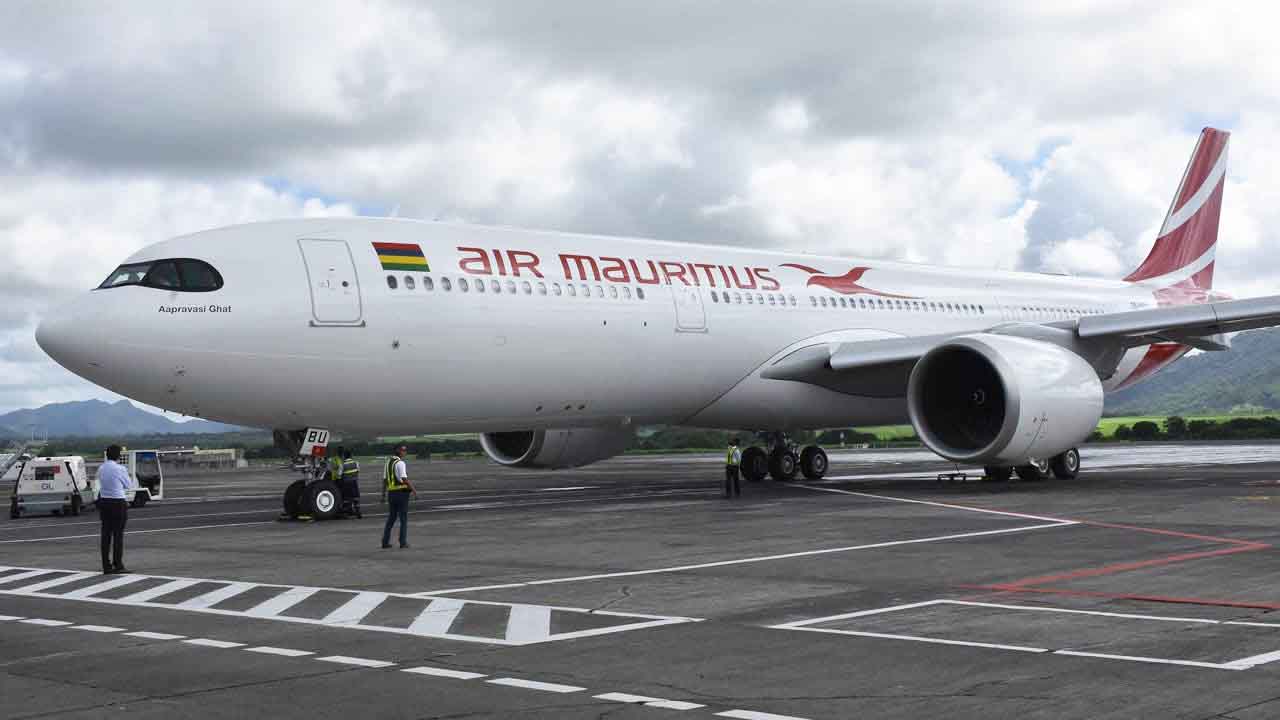
 Mauricio cierra el aeropuerto principal cuando se acerca el ciclón Calvinia
 AW | 2019 12 30 19:57 | AVIATION SAFETY / INDUSTRY

 Compañías, arrendatarios buscan reparación económica por el Boeing 737 MAX. Airbus pasa a liderar el mercado narrowbodies
 Airbus lidera con Familia A320
 Piloting the demands to Boeing


 AW | 2019 12 30 17:44 | AIRLINES / INDUSTRY
 TAROM Airlines de Rumania firma contrato de arrendamiento para nueve aviones ATR 72-600
 TAROM Signature for 9 ATR 72-600
 Semnatura TAROM pentru 9 ATR 72-600
 TAROM Airlines din România semnează închiriere pentru nouă aeronave ATR 72-600
 AW | 2019 12 30 11:31 | AVIATION SAFETY / AIR TRAFFIC
 Ciclón Sarai impacta en las Islas de Fiji en Categoría 2
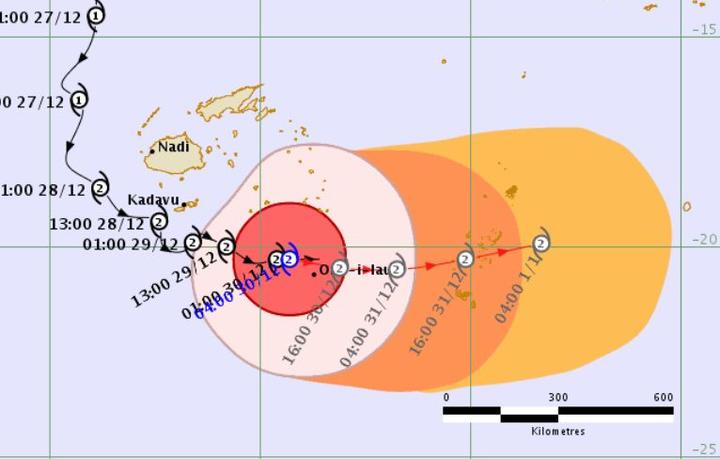 Cyclone Sarai wreaks havoc on Fiji
 AW | 2019 12 30 10:57 | AIRLINES / AVIATION ORGANISMS
 La autoridade de aviación de Italia suspenden a Ernest Airlines
 ENAC suspends AOC of Ernest Airlines
 ENAC sospende il COA di Ernest Airlines
 AW | 2019 12 30 10:33 | AVIATION ORGANISMS
 Airline seat policies
 CELIA HAHN WAS SEPARATED FROM HER TWIN BOYS, CURRY, LEFT, AND RYAN, RIGHT, DURING A DELTA FLIGHT
 AW | 2019 12 29 20:49 | AIRLINES
 Aerolíneas Argentinas posee en su flota un A340-300
 La producción en serie del Airbus A340 se detuvo hace ocho años atrás, en 2011, aunque todavía muchas aerolíneas continúan volando con estas aeronaves, en particular aquellas líneas aéreas que no contemplan rutas de larga distancia que requieran operaciones ETOPS.
 Aerolíneas continues A340 deprogramming
 Aerolíneas Argentinas has an A340-300 in its fleet
 AW | 2019 12 29 08:48 | AIRLINES MAKET
 Desde la implementación del modelo low-cost en Argentina hace aproximadamente dos años, han incursionado en el mercado de doméstico captando alrededor de un 20% con más de dos millones de pasajeros transportados. En estas casi tres semanas del nuevo gobierno, no hubo modificaciones en esa política. «Los aviones tienen que volar, y lo están haciendo.
 Luego, se verá si hay que revisar algo», dijeron las fuentes oficiales.
 cambios.
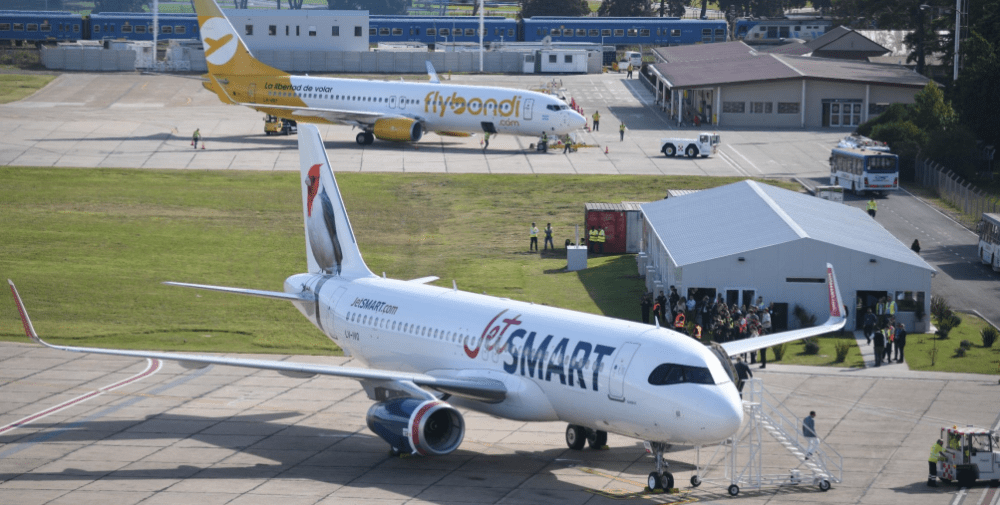 Argentina continuation low-cost model
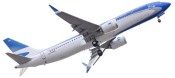 The Argentine market continues to progress stimulating the supply of routes and prices to the prevailing economic situation. The American investment fund Indigo Partners has absorbed the competitor Norwegian Air Argentina becoming the third largest airline operator in the country, behind Aerolíneas/Austral and Lan Argentina.
 Aeronautical Guilds

