Mauritania Airlines recibe 1er E175

Mauritania Airlines vuela actualmente a 12 destinos en África y a Gran Canaria y París.

AW | 2019 03 30 18:04 | AIRLINES / INDUSTRY

Mauritanua Airlines Isologotype.jpgMauritania Airlines es la primer compañía aérea en recibir el Embraer E175 en África

Mauritania Airlines ha recibido el primer Embraer E175 de una orden formulada en 2018. La aerolínea de Mauritania se ha convertido en el primer operador en África del Embraer E175 con la recepción del primero de dos embraer logo.jpgejemplares. La operación fue valuada en US$ 93,8 millones. La segunda aeronave se entregará durante el segundo trimestre de este año. La configuración de estos aviones tienen 76 asientos en dos clases. La entrega de la segunda aeronave E175 está prevista para el 2Q2019.

Mauritania Airlines ha incorporado aeronaves nuevas para modernizar la flota de la compañía, tanto en reemplazo de aeronaves más antiguas como complementando al resto de su flota, formada por E145 (1), Boeing 737-500 (1), 737-700 (1), 737-800 (1), 737-8 MAX (1), este último fuera de operaciones por las restricciones impuestas por cuestiones de seguridad.

El CEO de la aerolínea, Mohamed Radhy Bennahi, dijo que “la incorporación del E175 en nuestra flota nos permitirá agregar más frecuencias y nuevos destinos, mejorando la calidad de la experiencia al pasajero y ofreciendo mayor confort con la mejor cabina de su categoría».

“Celebramos con Mauritania Airlines la entrega del primer E175 en África. Estamos seguros que la aeronave alcanzará en África el mismo nivel de éxito logrado en otros mercados alrededor del mundo en los que se la reconoce como la mejor en el segmento de 76 asientos”, comentó Raul Villaron, vicepresidente de Ventas para el Medio Oriente & África de Embraer Commercial Aviation.

La compañía se creó en Diciembre 2010 en respuesta a la desaparición de Mauritania Airways. En Abril 2018, se anunció que la aerolínea cambió su nombre de Mauritania Airlines International a Mauritania Airlines. Mauritania Airlines tiene su base principal en Nouakchott, Mauritania Airlines opera a doce destinos en el norte, oeste y centro de África, además de a las Las Palmas de Gran Canaria.AW-Icon-TXT-01

Resultado de imagen para Mauritania Airlines E175Mauritania Airlines receives 1st Embraer E175

1280px-Embraer_logo.svgMauritania Airlines is the first air company to receive the Embraer E175 in AfricaResultado de imagen para mauritania map globe

Mauritania Airlines has received the first Embraer E175 of an order formulated in 2018. The airline of Mauritania has become the first operator in Africa of the Embraer E175 with the reception of the first of two copies. The operation was valued at US$ 93.8 million. The second aircraft will be delivered during the second quarter of this year. The configuration of these aircraft has 76 seats in two classes. The delivery of the second aircraft E175 is scheduled for 2Q2019.

Mauritania Airlines has incorporated new aircraft to modernize the company’s fleet, both in replacement of older aircraft and complementing the rest of its fleet, consisting of E145 (1), Boeing 737-500 (1), 737-700 (1) , 737-800 (1), 737-8 MAX (1), the latter out of operations due to restrictions imposed by security issues.

The airline’s CEO, Mohamed Radhy Bennahi, said that «the addition of the E175 to our fleet will allow us to add more frequencies and new destinations, improving the quality of the passenger experience and offering greater comfort with the best cabin in its category».

«We celebrated with Mauritania Airlines the delivery of the first E175 in Africa. We are confident that the aircraft in Africa will achieve the same level of success achieved in other markets around the world where it is recognized as the best in the segment of 76 seats», said Raul Villaron, vice president of sales for the Middle East & Africa of Embraer Commercial Aviation.

The company was created in December 2010 in response to the disappearance of Mauritania Airways. In April 2018, it was announced that the airline changed its name from Mauritania Airlines International to Mauritania Airlines. Mauritania Airlines has its main base in Nouakchott, Mauritania Airlines operates to twelve destinations in the north, west and center of Africa, as well as Las Palmas de Gran Canaria. A \ W

Resultado de imagen para Mauritania Airlines E175

الخطوط الجوية الموريتانية تستقبل أول أمبراير E175

الخطوط الجوية الموريتانية هي أول شركة طيران تحصل على Embraer E175 في إفريقياembraer logo (1).jpg

تلقت الخطوط الجوية الموريتانية أول Embraer E175 من طلبية وضعت في عام 2018. أصبحت الخطوط الجوية الموريتانية أول مشغل في إفريقيا من Embraer E175 باستقبال أول نسختين. بلغت قيمة العملية 93.8 مليون دولار. سيتم تسليم الطائرة الثانية خلال الربع الثاني من هذا العام. تكوين هذه الطائرات لديها 76 مقعدا في فئتين. من المقرر تسليم الطائرة الثانية E175 في 2Q2019.

قامت شركة الخطوط الجوية الموريتانية بتضمين طائرة جديدة لتحديث أسطول الشركة ، وذلك بدلاً من الطائرات القديمة واستكمال أسطولها ، الذي يتكون من E145 (1) ، بوينغ 737-500 (1) ، 737-700 (1) ، 737- 800 (1) ، 737-8 MAX (1) ، هذا الأخير خارج العمليات بسبب القيود المفروضة من قبل القضايا الأمنية.

وقال الرئيس التنفيذي لشركة الطيران ، محمد راضي بنهي ، «إن إضافة طائرة E175 إلى أسطولنا سيتيح لنا إضافة المزيد من الترددات والوجهات الجديدة ، مما يحسن من جودة تجربة الركاب ويوفر راحة أكبر مع أفضل مقصورة في فئتها».

«احتفلنا مع الخطوط الجوية الموريتانية بتسليم أول طائرة E175 في إفريقيا. نحن على ثقة من أن الطائرة في إفريقيا ستحقق نفس المستوى من النجاح الذي تحقق في أسواق أخرى حول العالم حيث تم الاعتراف بها كأفضل شركة في فئة 76 مقعدًا. وقال راؤول فيلارون ، نائب رئيس قسم المبيعات في الشرق الأوسط وأفريقيا في شركة Embraer Commercial Aviation.

تأسست الشركة في ديسمبر 2010 استجابة لاختفاء الخطوط الجوية الموريتانية. في أبريل 2018 ، تم الإعلان عن تغيير اسم الشركة من خطوط طيران موريتانيا الدولية إلى خطوط طيران موريتانيا. يقع مقر شركة الخطوط الجوية الموريتانية في نواكشوط ، وتعمل الخطوط الجوية الموريتانية في اثني عشر وجهة في شمال وغرب ووسط إفريقيا ، وكذلك لاس بالماس دي جران كناريا. A \ W


Ξ A I R G W A Y S Ξ
SOURCE: Airgways.com
DBk: Mauritaniaairlines.mr / Embraer.com
AW-POST: 201903301804AR

A\W   A I R G W A Y S ®

American cancela ops en Venezuela

AW | 2019 03 30 17:34 | AIRLINES ROUTES

American Airlines cancela operaciones en República de Venezuela

American Airlines ha comunicado su decisión de cancelar sus operaciones entre Estados Unidos y Venezuela, medida que ya había adelantado de forma temporal desde el pasado 15 Marzo 2019 por motivos de seguridad. El comunicado oficial expresa: “Hemos tomado la difícil decisión de suspender indefinidamente el servicio a Venezuela. Continuaremos supervisando la situación y trabajando también con los miembros de nuestro equipo, los líderes sindicales y otras partes clave interesadas a reiniciar los servicios cuando las condiciones sean las adecuadas”, señaló la compañía, con sede en Fort Worth (Texas), y detalló que la medida se hizo efectiva de inmediato.

American Airlines, cubría la ruta Miami-Caracas y Miami-Maracaibo, argumentó que desde el pasado 15 Marzo 2019, cuando dio a conocer la suspensión temporal de operaciones hacia el país suramericano, estuvo trabajando para reestablecer el servicio.

American es una aerolínea con una amplia trayectoria en el país sudamericano con más de 30 años en Venezuela, confirma que fue una decisión difícil decisión levantar la escala. La aerolínea se encuentra trabajando para asistir al equipo y buscar otras oportunidades.

American Airlines era la única aerolínea estadounidense de gran envergadura que continuaba con operaciones a Venezuela desde Miami, después de que United Airlines y Delta Air Lines suspendiesen el servicio en 2017. El pasado 23 Enero 2019, el Gobierno de Nicolás Maduro rompió relaciones diplomáticas con Estados Unidos y dio un plazo de 72 horas para que el personal diplomático abandonara el país.

En 2014 el Gobierno de Venezuela impidió repatriar ingresos de las aerolíneas por más de 3.000 millones de dólares por el control de cambios del gobierno bolivariano. Muchas compañías desde esa fecha han cancelado operaciones comerciales de manera indefinida, entre ellas: Avianca, Delta Air Lines, United Airlines, Aerolíneas Argentinas, Aeroméxico, Latam Airlines, Lufthansa, Air Canada, Alitalia, Tame Airlines y recientemente, American Airlines. En tanto las líneas aéreas que continúan volando son: Copa Airlines, Air France, Iberia, Aruba Airlines, Caribbean Airlines, Wingo Airlines y TAP Portugal. En el grupo de aerolíneas venezolanas figuran: Avior Airlines, Estelar Airlines, entre otras con dificultades financieras.AW-Icon-TXT-01

ABC Islands 458.jpgAmerican cancels ops in Venezuela

American Airlines cancels operations in the Republic of Venezuela

American Airlines has communicated its decision to cancel its operations between the United States and Venezuela, a measure that had already been temporarily advanced since last March 15, 2019 for security reasons. The official statement states: «We have taken the difficult decision to indefinitely suspend service to Venezuela. We will continue to monitor the situation and also work with our team members, union leaders and other key stakeholders to restart services when the conditions are right», said the company, based in Fort Worth (Texas), and explained that the measure became effective immediately.

American Airlines, covering the route Miami-Caracas and Miami-Maracaibo, argued that since last March 15, 2019, when he announced the temporary suspension of operations to the South American country, he was working to reestablish the service.

American is an airline with extensive experience in the South American country with more than 30 years in Venezuela, confirming that it was a difficult decision to lift the scale. The airline is working to assist the team and look for other opportunities.

American Airlines was the only large US airline that continued operations to Venezuela from Miami, after United Airlines and Delta Air Lines suspended the service in 2017. On January 23, 2019, the Government of Nicolás Maduro broke diplomatic relations with the United States. United and gave a period of 72 hours for diplomatic staff to leave the country.

In 2014, the Government of Venezuela prevented the repatriation of revenues from the airlines for more than 3,000 million dollars for exchange control of the Bolivarian government. Many companies since that date have canceled commercial operations indefinitely, including: Avianca, Delta Air Lines, United Airlines, Aerolineas Argentinas, Aeromexico, Latam Airlines, Lufthansa, Air Canada, Alitalia, Tame Airlines and recently, American Airlines. The airlines that continue to fly are: Copa Airlines, Air France, Iberia, Aruba Airlines, Caribbean Airlines, Wingo Airlines and TAP Portugal. The group of Venezuelan airlines includes: Avior Airlines, Estelar Airlines, among others with financial difficulties. A \ W


Ξ A I R G W A Y S Ξ
SOURCE: Airgways.com
DBk: Aa.com / SVMI Spotters / Airgways.com
AW-POST: 201903301734AR

A\W   A I R G W A Y S ®

Boeing 737, la tormenta perfecta

The-Perfect-Storm-890x380.jpg

AW | 2019 03 29 20:34 | INDUSTRY / AVIATION SAFETY

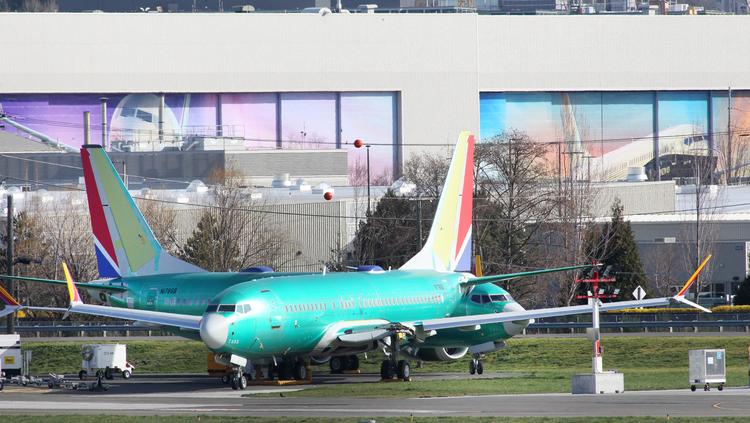
FK,4923,36,737-max-round-pinBoeing-Logo.svg.pngThe Boeing Company enfrentará costos probablemente en cientos de millones de dólares para recuperar la confianza del Boeing 737 MAX


A medida que aumentan los costos de la puesta a tierra de la flota de aviones Boeing 737 MAX, también hay dudas sobre cuándo se manejará la reintroducción del modelo 737 MAX para volver al aire. Después de que 83731-faaBoeing anunció una serie de correcciones de la Anti-Install de la MCAS bajo las inspecciones de la Federal Aviation Administration (FAA), se ha comunicado que los analistas de aviación predicen que tomará un mínimo de entre seis semanas a 12 semanas antes de que los aviones vuelva a despegar en las aerolíneas del mundo.

Escollos para volver a volar

Incluso cuando el 737 MAX consiguiera la aprobación de la FAA para volar de nuevo, sus problemas no se resolverían. China había suspendido el certificado de aeronavegabilidad del avión, lo que significa que el avión enfrentaría obstáculos adicionales antes de poder regresar a ese enorme mercado de aeronaves y de más rápido crecimiento.

Las capacidades de Boeing para resolver los problemas ocasionados en la línea 737 MAX deberían resolverse sin inconvenientes. Quizás la pregunta no debería ser cuándo el 737 MAX volverá al cielo sino si debería hacerlo.

Los problemas actuales del modelo son el resultado de una serie de decisiones que se remontan a más de medio siglo; sus limitaciones de diseño son mucho más profundas que un software mal escrito.

La historia comienza en la década de 1960, cuando Boeing estaba estableciendo las especificaciones para el 737, el avión que se convertiría en su mejor vendedor hasta la fecha. En aquel entonces, el viaje en jet estaba en su infancia, y muchos aeropuertos carecían de la infraestructura que damos por sentado hoy, como jetways. «El avión fue diseñado para sentarse cerca del suelo. Tendría un airstair integrado en la puerta, por lo que no necesitaría arreglos exteriores para sacar a los pasajeros del avión», dice el diseñador de aviones y periodista de aviación Peter Garrison.

737NGvsMAX.png

Esa decisión dio como resultado un avión que satisfacía las necesidades de la aviación de la década de 1960, pero avanzó rápidamente a principios de la década de 2010 y el mundo era un lugar radicalmente diferente. Airstairs ya no era una gran preocupación. Pero décadas de desarrollo de motores a reacción han llevado a los ingenieros a concluir que la clave para la eficiencia de los turbofanes era un gran diámetro.

En el día en que la cosa estaba diseñada, tenía pequeños motores delgados debajo de las alas, y luego, cuando empezaron a poner estos turbofans cada vez más grandes, tuvieron que lidiar con el hecho de que no había espacio debajo del ala. Finalmente, tuvieron que mover todo el motor hacia adelante y hacia arriba para mantenerlo fuera del suelo. Esto tuvo un efecto secundario indeseable. Un motor más potente, lanzado hacia adelante, tiende a hacer que un avión sea inestable dinámicamente, especialmente cuando el motor está a máxima velocidad y la nariz está hacia arriba, como durante el despegue. «Es desestabilizador en el sentido de que cuanto más nariz es, más grandes son las fuerzas que tienden a hacer que sea más nariz», dice Garrison.

AW-70737007.png

Los diseñadores de aviones comerciales generalmente buscan la estabilidad. Imagina llevar una canica en un tazón profundo. Si se tambalea de esta manera, la canica rodará, pero siempre volverá al centro. La inestabilidad es como equilibrar un taco de billar en el dedo: cuanto más se aleja de arriba a abajo, más quiere caer. En el caso de un avión, cuanto más alta es la nariz, más alto quiere ir. Si no se controla, esto podría resultar en una situación llamada pérdida aerodinámica, donde las alas pierden sustentación y el avión comienza a caer en picado.

Debido a que la FAA consideraba que el 737 MAX era demasiado inestable para ser usado como un avión de pasajeros, Boeing ideó un sistema automatizado que evitaría que la nariz subiera demasiado: el ahora infame «sistema de aumento de características de maniobra», o MCAS,«era necesario para la certificación», dice el blogger de aviación Peter Lemme.

Los problemas de inestabilidad del 737 MAX se hicieron eco de otro diseño de los años 60, el Cheyenne. En ese momento, Piper Aircraft quería construir una versión más potente de su popular avión ligero bimotor, el Navajo. Piper cambió sus motores de pistón por turbopropulsores. Al igual que el 737 MAX, el Cheyenne tenía un diseño que involucraba poner los motores más potentes más adelante en el ala.

Jack Webb fue el piloto de pruebas de ingeniería en jefe de Piper durante la mayor parte del proceso de desarrollo de Cheyenne. «A medida que avanzábamos, descubrí una especie de problema dinámico de estabilidad dinámica», dice. Era el mismo problema que tendría el 737 MAX más tarde, por la misma razón. Y como lo haría más tarde Boeing, Piper intentó solucionar el problema agregando automatización; en su caso, un dispositivo llamado Sistema de Aumento de Estabilidad (SAS) que presionaría la nariz hacia abajo si se elevaba demasiado. Webb se dio cuenta de que si el piloto no estaba debidamente capacitado, el SAS podría empeorar la inestabilidad. El problema era que el sistema podía entrar en un circuito de retroalimentación con el piloto humano. Sin entender por qué la nariz estaba empezando a bajar, el piloto subía, a lo que el SAS respondería presionando hacia abajo. Como cada uno tiene un retraso en su tiempo de respuesta, terminan persiguiéndose, lo que hace que el avión ingrese en una serie de subidas y inmersiones cada vez más empinadas.

Recientes informes de la prensa se han centrado en el hecho de que los malvados aviones Ethiopian Airlines y Lion Air estaban equipados con el MCAS, que podría confundirse si un solo sensor devolviera lecturas defectuosas. Esto provocaría que pateara y bajara la nariz, incluso cuando el avión no estaba a la altura de la nariz. El esfuerzo del piloto para luchar contra el sistema fuera de control causaría que el avión se marche. Webb cree que este tipo de movimiento hacia arriba y hacia abajo puede tener lugar incluso cuando el sistema funciona como se diseñó. Ha examinado varios accidentes relacionados con la Cheyenne, y es una imagen clásica. Parece que el avión está en una montaña rusa antes de que se estrelle. Los pilotos simplemente se ponen detrás de la entrada necesaria para estabilizar el avión. Están luchando contra eso.

El miércoles, Boeing reveló la lista de arreglos planeados para el 737 MAX. Una de ellas fue que el MCAS en adelante recibirá información de dos sensores en lugar de uno solo. Si los sensores no están de acuerdo, el sistema se desactivará.

Webb cree que, según su experiencia con el Cheyenne, estas correcciones no eliminarán la predilección del avión por la montaña rusa. Incluso si Webb está equivocado, y el 737 Max está a salvo siempre que su MCAS funcione correctamente, eso deja otro problema. Un solo sensor que funciona mal hará que el sistema se apague, lo que devolverá al avión a la condición de que la FAA considere demasiado inestable para otorgar un certificado de aeronavegabilidad.

Hay una solución sencilla para todos los problemas del 737 Max: para reducir la tendencia de inclinación del avión, Boeing podría alargar el tren de aterrizaje y mover los motores más atrás debajo del ala; y para aumentar la estabilidad, podría aumentar el tamaño de la cola. Hay una razón por la que Boeing no quiere hacer eso, «sería considerado un nuevo avión», explica Garrison.

El punto central del 737 MAX es que, a pesar de todos sus cambios y mejoras, desde la perspectiva de la FAA, sigue siendo técnicamente un 737. Desde la perspectiva del diseño, las pruebas y la certificación, es más barato actualizar un diseño antiguo que un campo de marca. uno nuevo. Le costó a Boeing un estimado de US$ 2 mil millones a US$ 3 mil millones para llevar el 737 MAX al mercado, en comparación con aproximadamente US$ 10 mil millones a US$ 12 mil millones para crear un nuevo avión. Y los aviones heredados son más atractivos para las aerolíneas porque no tienen que volver a entrenar a sus pilotos.

Sin embargo, hasta ahora solo se puede seguir actualizando un diseño venerable. Boeing lo sabe. A mediados de los años, lanzó un proyecto para considerar un reemplazo de hoja limpia para el 737 que estaría listo para volar en algún momento entre 2012 y 2015. Sin embargo, al final, desechó ese enfoque. Cuando Airbus lanzó una actualización de su propia versión del avión de cuerpo estrecho, el A320neo, en 2010, Boeing se vio obligado a responder. Su respuesta fue el artilugio de Rube Goldberg que tiene hoy.

Quizás la suerte de Boeing cambiará y el mundo se dará cuenta de que, si bien no es perfecto, el 737 MAX es lo suficientemente bueno. Tal vez Boeing vaya a completar los 5,000 pedidos que hay actualmente en los libros, y quién sabe, tal vez agregue algunos miles más en la parte superior. ¿Cuál será el resultado de este escenario rosado? Los cielos se llenaron con la mejor parte de un billón de dólares de aviones que podrían ser mejores, cuando la compañía podría haber tomado una pequeña fracción de ese tiempo y dinero y simplemente construir un avión digno del nombre de Boeing.

En el futuro, Boeing debe obtener el 737 MAX con el estándar de seguridad requerido y recuperar la confianza para mantener la acumulación al menos estable y, posiblemente, ampliarla. Todavía no creo que puedas evaluar los inconvenientes observando la flota en tierra. Para aquellos que consideran el valor de los aviones a tierra como una medida de desventaja, es importante entender que, actualmente, la acumulación de costos ha agregado presión sobre las ganancias de Boeing, pero esos costos probablemente no serán tan altos como el valor de la flota a tierra.

Creo que posicionarse para cancelaciones es prematuro, especialmente porque los atrasos no se valoran completamente en el precio de las acciones de Boeing, y no deberían. Si ahora toma en cuenta las cancelaciones en los precios de las acciones, tendrá en cuenta algo que nunca ha sido parte de la apreciación del precio de las acciones, ya que los pedidos nunca se valoran completamente en los precios de las acciones de Boeing, ni tampoco en los informes financieros de la compañía.

Negociaciones con la Boeing

Algunos clientes pueden buscar flexibilidad en los planes de entrega y pago en lugar de exigir una compensación de Boeing. Sin embargo, se espera que la conexión a tierra de los Boeing 737 MAX afecte las ganancias de Boeing y el objetivo de entrega de aviones comerciales.

Con los dos accidentes aéreos ocurrido con la línea Boeing 737-8 MAX en cuestión de meses, la conexión a tierra del Boeing 737 MAX no es una sorpresa. Las consecuencias financieras que la conexión a tierra podría tener en Boeing han arrojado estimaciones disponibles que van desde US$ 115 millones hasta varios miles de millones, ya que las entregas del Boeing 737 MAX se han detenido.

Escenarios encontrados

Las negociaciones de Boeing es otro frente de tormenta que deberán afrontar para mantener y no continuar perdiendo cuota de mercado, donde el Airbus A320NEO ya lleva una ventaja en órdenes solicitadas de 1.000 aeronaves adicionales.

En un primer escenario, la conexión a tierra se traduce en cancelaciones de vuelos, en cuyo caso Boeing tiene que pagar las tasas de arrendamiento perdidas y las ganancias licuadas de las aerolíneas, así como la depreciación. Todos los vuelos del Boeing 737 MAX se cancelan y Boeing tiene que compensar esto además de pagar a los arrendadores las tarifas de arrendamiento y la depreciación, los costos serían entre US$ 360 millones y US$ 375 millones por mes.

En el segundo escenario, Boeing paga la depreciación de los aviones a tierra, así como las mayores tasas de arrendamiento y los costos adicionales de combustible. Boeing pagaría la depreciación, los arrendamientos adicionales para llevar a cabo las operaciones de vuelo y los gastos adicionales de combustible debido al uso de aviones más antiguos y menos eficientes. El consumo adicional de combustible sería de 1,56 millones de litros por día o casi US$ 50 millones de litros por mes, lo que equivaldría a costos adicionales de US$ 24 millones por mes. En el segundo escenario, la factura sería significativamente mayor para Boeing, es decir, de US$ 590 millones a US$ 600 millones por mes. Esto incluye aproximadamente unos US$ 85 millones en costos de depreciación, US$ 485 millones para arrendamientos adicionales a corto plazo y alrededor de US$ 25 millones en gastos adicionales de combustible.

Un buen punto de partida para evaluar cualquier costo que Boeing pueda tener es mirar cuántas aeronaves están realmente conectados a tierra. Hasta Febrero 2019, Boeing entregó 376 aviones Boeing 737 MAX y otros 10 se entregaron en Marzo 2019 hasta que Boeing dejó de entregar aviones a los clientes. Estos 386 jets tienen un valor combinado de más de US$ 20 billones de dólares. Desde el segundo accidente aéreo que involucró al Boeing 737-8 MAX de Ethiopian Airlines, la capitalización de mercado de Boeing disminuyó en aproximadamente US$ 30 mil millones de dólares. El valor de los aviones a tierra como una medida de desventaja, la acumulación de costos ha agregado presión sobre las ganancias de Boeing, pero esos costos probablemente no serán tan altos como el valor de la flota a tierra. Lo que está claro es que cuanto más tiempo toma la conexión a tierra, más le costará a Boeing y esos costos se ejecutan en cientos de millones por mes.

Lecciones por aprender

En ambos accidentes aéreos, Boeing podría aprender lecciones vitales. El constructor americano podría haber diseñado un mejor sistema de estabilidad con la documentación adecuada. La FAA pudiera haber desempeñado un papel más imparcial y determinante. La tripulación de cabina podría haber sido instruida más eficientemente en el manejo de situaciones críticas y al mismo tiempo investigar adecuadamente la ejecución de los vuelos JT-610 y ET-302.

El resultado de las investigaciones criminales puede tomar bastante tiempo, pero eso es algo que podría perjudicar a la FAA, a Boeing y a las compañías operadoras del Boeing 737 MAX. Los resultados del informe preliminar de fallos deben proporcionar algún tipo de orientación sobre lo que está sucediendo con la cuarta generación de la línea Boeing 737 MAX y recuperar la confianza en el producto y el trabajo acumulado de Boeing.

Actualmente, la FAA ha observado una solución, que es una combinación de soluciones de software y hardware, pero que continúa en una fina línea en la zona segura. Boeing parece haber acelerado el trabajo en una solución, mientras que la línea de producción se ha detenido para ponerse al día con el trabajo retrasado.

En Boeing están esperanzados en devolver al Baby Boeing al lugar que siempre estaba. Aunque está atravesando una tormenta perfecta, la factoría de Seattle batallará a cualquier costo por recuperar la confianza del símbolo estrella de la The Boeing Company, el 737.AW-Icon-TXT-01

Resultado de imagen para boeing 737 max grounded

Boeing 737, the perfect storm

The Boeing Company will probably face costs in the hundreds of millions of dollars to recover the confidence of the Boeing 737 MAX

As the cost of grounding the Boeing 737 MAX aircraft fleet increases, there are also questions about when the re-introduction of the 737 MAX model will be handled to get back on the air. After Boeing announced a series of corrections to the MCAS Anti-Install under Federal Aviation Administration (FAA) inspections, it has been reported that aviation analysts predict that it will take a minimum of six weeks to 12 weeks before that planes take off again in the world’s airlines.

Escollos to fly again

Even when the 737 MAX got approval from the FAA to fly again, its problems would not be resolved. China had suspended the plane’s airworthiness certificate, which means that the plane would face additional obstacles before it could return to that huge and rapidly growing aircraft market.

The capabilities of Boeing to solve the problems caused in line 737 MAX should be solved without problems. Maybe the question should not be when the 737 MAX will return to heaven but if it should.

The current problems of the model are the result of a series of decisions that go back more than half a century; Its design limitations are much deeper than poorly written software.

The story begins in the 1960s, when Boeing was setting specifications for the 737, the plane that would become its best seller to date. Back then, jet travel was in its infancy, and many airports lacked the infrastructure that we take for granted today, such as jetways. «The plane was designed to sit close to the ground. It would have an integrated airstair on the door, so it would not need outside arrangements to get the passengers out of the plane», says aviation designer and aviation journalist Peter Garrison.

That decision resulted in an airplane that met the needs of aviation in the 1960s, but advanced rapidly in the early 2010s and the world was a radically different place. Airstairs was no longer a big concern. But decades of jet engine development have led engineers to conclude that the key to the efficiency of turbofans was a large diameter.

«On the day the thing was designed, it had small thin engines under the wings, and then, when they started putting these turbofans getting bigger, they had to deal with the fact that there was no space under the wing. They had to move the entire engine forward and up to keep it off the ground», said Garrison.

AW-70737007.png

This had an undesirable side effect. A more powerful engine, thrown forward, tends to make an airplane unstable dynamically, especially when the engine is at full speed and the nose is up, as during takeoff. «It’s destabilizing in the sense that the more nose it is, the greater the forces that tend to make it more nose», says Garrison.

Commercial aircraft designers generally seek stability. Imagine carrying a marble in a deep bowl. If you wobble in this way, the marble will roll, but it will always return to the center. Instability is like balancing a billiard cue on your finger: the further you move from top to bottom, the more you want to fall. In the case of an airplane, the higher the nose, the higher it wants to go. If left unchecked, this could result in a situation called aerodynamic loss, where the wings lose lift and the plane begins to plummet.

Because the FAA considered that the 737 MAX was too unstable to be used as a passenger plane, Boeing devised an automated system that would prevent the nose from going too high: the now infamous «Manuvening Characteristic Augmentation System, or MCAS, it was necessary for certification», says aviation blogger Peter Lemme.

The problems of instability of the 737 MAX echoed another design of the 60s, the Cheyenne. At the time, Piper Aircraft wanted to build a more powerful version of its popular twin-engine light aircraft, the Navajo. Piper changed its piston engines by turboprop. Like the 737 MAX, the Cheyenne had a design that involved putting the most powerful engines later in the wing.

Jack Webb was Piper’s chief engineering test pilot for most of Cheyenne’s development process. «As we went along, I discovered a kind of dynamic problem of dynamic stability», he says. It was the same problem that 737 MAX would have later, for the same reason. And as Boeing would later do, Piper tried to solve the problem by adding automation; in his case, a device called Stability Augmentation System (SAS) that would press the nose down if it rose too much.

Webb realized that if the pilot was not properly trained, the SAS could worsen the instability. The problem was that the system could enter a feedback loop with the human pilot. Without understanding why the nose was starting to fall, the pilot climbed, to which the SAS would respond by pressing down. As each one has a delay in their response time, they end up chasing each other, which causes the plane to enter a series of increasingly steep climbs and dives.

Recent press reports have focused on the fact that the evil Ethiopian Airlines and Lion Air aircraft were equipped with the MCAS, which could be confused if a single sensor returned faulty readings. This would cause him to kick and lower his nose, even when the plane was not up to his nose. The pilot’s effort to fight the out-of-control system would cause the plane to leave.

Webb believes that this kind of up and down movement can take place even when the system works as designed. He has examined several accidents related to the Cheyenne, and it’s a classic image, it looks like the plane is on a roller coaster before it crashes in. The pilots simply get behind the necessary entrance to stabilize the plane.

On Wednesday, Boeing revealed the list of planned arrangements for the 737 MAX. One of them was that the MCAS will receive information from two sensors instead of just one. If the sensors do not agree, the system will be deactivated.

Webb believes that, based on his experience with the Cheyenne, these corrections will not eliminate the airplane’s predilection for the roller coaster. Even if Webb is wrong, and 737 Max is safe as long as his MCAS works properly, that leaves another problem. A single sensor that malfunctions will cause the system to shut down, which will return the aircraft to the condition that the FAA considers it too unstable to grant a certificate of airworthiness.

There is a simple solution for all the problems of the 737 MAX: «to reduce the inclination tendency of the aircraft, Boeing could lengthen the landing gear and move the engines further back under the wing; and to increase the stability, it could increase the size of the tail. There is a reason why Boeing does not want to do that. «It would be considered a new plane», explains Garrison.

The central point of the 737 MAX is that, despite all its changes and improvements, from the perspective of the FAA, it is still technically a 737. From the perspective of design, testing and certification, it is cheaper to update an older design than a brand field. new one. It cost Boeing an estimated US$ 2 billion to US$ 3 billion to bring the 737 MAX to market, compared to approximately US$ 10 billion to US$ 12 billion to create a new airplane. And legacy aircraft are more attractive to airlines because they do not have to retrain their pilots.

However, until now you can only continue updating a venerable design. Boeing knows it. In the middle of the years, he launched a project to consider a clean sheet replacement for the 737 that would be ready to fly sometime between 2012 and 2015. However, in the end, he dismissed that approach. When Airbus launched an update of its own version of the narrow-body aircraft, the A320NEO, in 2010, Boeing was forced to respond. His answer was the Rube Goldberg contraption he has today.

Maybe Boeing’s luck will change and the world will realize that, while it’s not perfect, the 737 MAX is good enough. Maybe Boeing is going to complete the 5,000 orders that are currently in the books, and who knows, maybe add a few thousand more at the top. What will be the result of this pink scenario? The skies were filled with the best part of a trillion dollars of aircraft that could be better, when the company could have taken a small fraction of that time and money and simply built a plane worthy of Boeing’s name.

In the future, Boeing must obtain the 737 MAX with the required security standard and regain the confidence to keep the accumulation at least stable and possibly expand it. I still do not think you can evaluate the inconveniences by observing the fleet on land. For those who consider the value of land-based aircraft as a measure of disadvantage, it is important to understand that, currently, the accumulation of costs has added pressure on Boeing’s profits, but those costs will probably not be as high as the value of the It floats to the ground.

I believe that positioning for cancellations is premature, especially because the arrears are not fully valued in the price of Boeing shares, and they should not. If you now take into account the cancellations in the stock prices, you will consider something that has never been part of the appreciation of the stock price, since the orders are never fully valued in the Boeing stock prices, nor neither in the company’s financial reports.

Negotiations with the Boeing

Some customers may seek flexibility in delivery and payment plans instead of demanding compensation from Boeing. However, it is expected that the grounding of the Boeing 737 MAX will affect Boeing’s profits and the commercial aircraft delivery target. With the two plane crashes occurred with the Boeing 737-8 MAX line in a matter of months, the grounding of the Boeing 737 MAX is not a surprise.

The financial consequences that the ground connection could have on Boeing have yielded estimates that range from US $ 115 million to several billion, since the deliveries of the Boeing 737 MAX have stopped.

Found scenarios

The Boeing negotiations are another storm front that they will have to face in order to maintain and not continue to lose market share, where the Airbus A320NEO already has an advantage in apply for orders of 1,000 additional aircraft.

In a first scenario, grounding translates into flight cancellations, in which case Boeing has to pay for lost lease rates and airline liquefied profits, as well as depreciation. All Boeing 737 MAX flights are canceled and Boeing has to compensate for this in addition to paying landlords the lease rates and depreciation, the costs would be between US$ 360 million and US$ 375 million per month.

In the second scenario, Boeing pays the depreciation of aircraft to land, as well as higher lease rates and additional fuel costs. Boeing would pay for depreciation, additional leases to carry out flight operations and additional fuel costs due to the use of older and less efficient aircraft. The additional fuel consumption would be 1.56 million liters per day or almost US$ 50 million liters per month, which would be equivalent to additional costs of US$ 24 million per month. In the second scenario, the invoice would be significantly higher for Boeing, that is, from US$ 590 million to US$ 600 million per month. This includes approximately US$ 85 million in depreciation costs, US$ 485 million for additional short-term leases and around US$ 25 million in additional fuel costs.

A good starting point to evaluate any cost that Boeing may have is to look at how many aircraft are actually connected to the ground. Until February 2019, Boeing delivered 376 Boeing 737 MAX aircraft and another 10 were delivered in March 2019 until Boeing stopped delivering aircraft to customers. These 386 jets have a combined value of more than US$ 20 billion. Since the second plane crash involving the Boeing 737-8 MAX from Ethiopian Airlines, the market capitalization of Boeing has decreased by approximately US$ 30 billion. The value of aircraft to land as a measure of disadvantage, the accumulation of costs has added pressure on Boeing’s profits, but those costs will probably not be as high as the value of the fleet to land. What is clear is that the longer the ground connection takes, the more it will cost Boeing and those costs are executed in hundreds of millions per month.
Resultado de imagen para boeing 737 max groundedLessons to learn

In both plane crashes, Boeing could learn vital lessons. The American builder could have designed a better stability system with the proper documentation. The FAA could have played a more impartial and decisive role. The cabin crew could have been instructed more efficiently in the handling of critical situations and at the same time adequately investigate the execution of flights JT-610 and ET-302.

The result of criminal investigations can take a long time, but that could harm the FAA, Boeing and the operating companies of the Boeing 737 MAX. The results of the preliminary bug report should provide some guidance on what is happening with the fourth generation of the Boeing 737 MAX line and regain confidence in the product and the accumulated work of Boeing.

Currently, the FAA has observed a solution, which is a combination of software and hardware solutions, but which continues in a fine line in the safe zone. Boeing seems to have accelerated work on a solution, while the production line has stopped to catch up with the delayed work.

At Boeing, they are hoping to return Baby Boeing to the place it always was. Although it is going through a perfect storm, the Seattle factory will struggle at any cost to regain the confidence of the star symbol of The Boeing Company, the 737. A \ W


AW-AW.com

AW-Airgways Icon-webΞ A I R G W A Y S Ξ
SOURCE: Airgways.com
DBk: Airgways.com / Nymag.com / Faa.gov / Boeing.com / Reuters.com / Bizjournals.com
AW-POST: 201903292034AR

A\W   A I R G W A Y S ®


Fallo favorable de la OMC para Airbus

Resultado de imagen para WTO headquarters

AW | 2019 03 29 16:25 | INDUSTRY / GOVERNMENT

Resultado de imagen para WTO logoLa Unión Europea y Airbus logran importante victoria contra Estados Unidos

La Organización Mundial del Comercio (OMC) del Órgano de Apelación con la Unión Europea (UE) confirma en un fallo arbitral la falta de acción de Boeing para hacer frente a los subsidios ilegales e incluye otros nuevos ítems en su fallo.

logo_airbus (2)Airbus celebra el informe del Órgano de Apelación de la OMC, publicado hoy, lo que confirma que los Estados Unidos no han retirado las subvenciones concedidas por las autoridades federales, estatales y locales a Boeing para eliminar el daño que esas subvenciones causaron a Airbus.

El Órgano de Apelación de la OMC ha rechazado todos los argumentos expuestos de Estados Unidos. Además, el máximo tribunal de la OMC también ha calificado una serie de programas federales y estatales de Estados Unidos adicionales como subsidios ilegales, e incluso, como subvenciones prohibidas como en el caso del esquema de Foreign Sales Corporation (FSC), una importante victoria para la UE. El informe pide que nuevas medidas de cumplimiento son necesarios desde los Estados Unidos y Boeing. De no hacerlo, proporcionará a la Unión Europea la posibilidad de buscar contramedidas a la importación de productos de Estados Unidos.

El asesor general de Airbus, John Harrison declaró: “Esta es una clara victoria para la Unión Europea y Airbus. Se confirma nuestra posición de que Boeing, mientras apunta con el dedo a Airbus, no ha tomado ninguna medida para cumplir con sus obligaciones en la OMC, contrariamente a Airbus y la UE. Con este informe dañino, sin dejar de negar que reciben subsidios ilegales masivos del gobierno de los Estados Unidos ya no es una opción. Dicho de otra manera, la solución ausente, los EE.UU deberán pagar mil millones anuales en sanciones impulsadas por cada programa de vuelo de Boeing, mientras que la UE se enfrentaría, en el peor de los casos, sólo problemas menores. Esperamos que estos resultados le sugerirán a los Estados Unidos y Boeing para avanzar constructivamente en esta controversia de larga data y unirse a nosotros en el trabajo hacia un entorno de comercio justo. En ausencia de un enfoque constructivo, la UE tiene ahora un caso legal muy fuerte para avanzar a las contramedidas», expresó el asesor legal de Airbus.

Airbus agradece a la Comisión Europea y los gobiernos de Francia, Alemania, Reino Unido y España por su continuo apoyo durante todo el proceso de disputa de larga data. Sus prolongados esfuerzos para restablecer la igualdad de condiciones justo ahora muestran claramente los resultados esperados.AW-Icon-TXT-01

Resultado de imagen para headquarter Airbus toulouseFavorable WTO ruling for Airbus

The European Union and Airbus achieve important victory against the United States

The World Trade Organization (WTO) of the Appellate Body with the European Union (EU) confirms in an arbitration ruling the lack of action by Boeing to deal with the illegal subsidies and includes other new items in its ruling.

Airbus welcomes the report of the WTO Appellate Body, published today, which confirms that the United States has not withdrawn subsidies granted by federal, state and local authorities to Boeing to eliminate the damage that these subsidies caused to Airbus.

The WTO Appellate Body has rejected all the arguments put forward by the United States. In addition, the WTO’s highest court has also described a number of additional US federal and state programs as illegal subsidies, and even as prohibited subsidies as in the case of the Foreign Sales Corporation (FSC) scheme, an important victory for the EU. The report asks that new compliance measures are necessary from the United States and Boeing. Failure to do so will provide the European Union with the possibility of seeking countermeasures on the importation of products from the United States.

Airbus general counsel John Harrison: «This is a clear victory for the European Union and Airbus. It confirms our position that Boeing, while pointing its finger at Airbus, has not taken any action to comply with its obligations in the WTO, contrary to Airbus and the EU. With this harmful report, while continuing to deny that they receive massive illegal subsidies from the United States government is no longer an option. In other words, the absent solution, the US will have to pay billions annually in sanctions driven by each Boeing flight program, while the EU would face, in the worst case, only minor problems. We hope these results will suggest to the United States and Boeing to move forward constructively in this long-standing dispute and join us in working towards a fair trade environment. In the absence of a constructive approach, the EU now has a very strong legal case to move forward with countermeasures», said Airbus legal counsel.

Airbus thanks the European Commission and the governments of France, Germany, the United Kingdom and Spain for their continued support throughout the long-running dispute process. Their long efforts to restore the level playing field right now clearly show the expected results. A \ W


Ξ A I R G W A Y S Ξ
SOURCE: Airgways.com
DBk: Wto.org / Airbus.com
AW-POST: 201903291625AR

A\W   A I R G W A Y S ®

Reporte Preliminar Vuelo ET-302

Resultado de imagen para Ethiopian Airlines ET-320

AW | 2019 03 29 16:00 | AIR INVESTIGATION / AVIATION SAFETY

AW-7017378ET.pngLos investigadores creen que el Sistema Antibloqueo de Boeing se activó en el accidente del vuelo ET-302 de Ethiopian Airlines

Los investigadores que examinan los datos de las cajas negras del vuelo ET-302 de Ethiopian Airlines han llegado a una conclusión preliminar. Dicen que la característica antibloqueo del Boeing 737-8 MAX, el Anti-Stall System, se activó antes de que el avión cayera al suelo. En un hallazgo preliminar, los oficiales que investigan el accidente del vuelo ET-302 de un Boeing 737-8 MAX de Ethiopian Airlines creen que se activó una función de control de vuelo diseñada para evitar que se detuviera un bloqueo antes de que el avión se zambullera y se estrellara. Los funcionarios que investigaron el accidente informaron que los hallazgos preliminares sugieren similitudes entre los dos accidentes mortales en estos últimos meses. El mismo mecanismo era sospechoso en el accidente del vuelo JT-610 de Lion Air el 29 Octubre 2018. Entre los dos accidentes, 346 personas murieron a bordo.

La MCAS o Sistema de Aumento de Características de Maniobra, se supone que ayuda a prevenir un bloqueo si un avión vuela en un ángulo demasiado agudo hacia arriba y, como resultado, las alas pierden su sustentación. Pero si se activa en el momento equivocado, como poco después del despegue, el sistema puede forzar la nariz hacia abajo, haciendo que el 737 pierda altitud repentinamente.

Boeing anunció su solución al problema MCAS el miércoles en una presentación a expertos en aviación de todo el mundo. El gigante aeroespacial ha intentado recuperar su reputación. El 737-8 MAX ha estado en tierra durante semanas. Boeing ha visto órdenes canceladas.

En última instancia, tomará más que una solución. Los reguladores de las líneas aéreas de todo el mundo tendrán que aprobar los cambios antes de que el 737-8 MAX pueda regresar al aire. Eso podría llevar semanas o incluso meses en algunos países.

Los funcionarios que investigan el accidente fatal de un Boeing 737 MAX en el vuelo ET-302 de Ethiopian Airlines han llegado a la conclusión preliminar de que una función de control de vuelo sospechosa se activó automáticamente antes de que el avión se zambullera en el suelo. El consenso se transmitió durante una reunión informativa de alto nivel en la FAA y es la indicación más sólida hasta ahora de que el mismo sistema automatizado, llamado MCAS, también falló en un vuelo de Lion Air, que se estrelló menos de cinco meses antes.

Informe Preliminar ET-302

El Informe Preliminar hace un seguimiento con una declaración del Ministro de Transporte etíope, Dagmawit Moges, quien dijo que los datos preliminares indicaban claras similitudes entre ambos accidentes. El consenso emergente se transmitió a la Federal Aviation Administration (FAA) el jueves, dijo uno de los funcionarios, según The Journal. El hallazgo preliminar apunta a una falla en el encendido por el mismo sistema automatizado, llamado MCAS, que ocurrió justo antes del accidente del avión Lion Air poco después de salir de Yakarta, dice el Journal.

Los investigadores de la Junta Nacional de Seguridad y Transporte de Estados Unidos (NTSB), observaron los escombros en el lugar del accidente del vuelo ET-302 de Ethiopian Airlines el 12 Marzo 2019, en Bishoftu, Etiopía constatando claras evidencias de similitudes con el accidente del vuelo JT-610 de Lion Air. De acuerdo con el informe preliminar, en el accidente de Lion Air, el nuevo sistema de prevención de paradas, basado en información errónea del sensor, presionó repetidamente la nariz del avión. El piloto se vio obligado a luchar contra los controles de vuelo antes de perder el control y sumergirse en el mar de Java.

Cambios en el MCAS

Boeing anunció esta semana cambios en el sistema MCAS para hacerlo menos agresivo y dar a los pilotos más control para anularlo si fuera necesario. Además, Boeing dijo que el sistema se basará en los datos de los dos sensores de ángulo de ataque, no solo en uno. Boeing también dijo que el sistema antibloqueo solo se activaría una vez por evento, en lugar de forzar repetidamente al avión a bucear. Los reguladores de seguridad aérea de Estados Unidos (FAA) han aprobado provisionalmente el software Boeing y los cambios de entrenamiento de pilotos.

Demandas a Boeing

La demanda contra Boeing fue presentada en un Tribunal Federal de Chicago por la familia de Jackson Musoni, donde alega que Boeing había diseñado defectuosamente el sistema de control de vuelo automatizado. La demanda denunció que el avión tenía un diseño defectuoso, tenía advertencias inadecuadas y era injustificadamente peligroso.AW-Icon-TXT-01

Resultado de imagen para Ethiopian Airlines ET-320Preliminary Report Flight ET-302

Investigators believe that the Boeing Anti-Blight System was activated in the crash of Ethiopian Airlines flight ET-302

Researchers who examine data from the black boxes of ET-302 flight from Ethiopian Airlines have reached a preliminary conclusion. They say that the anti-lock feature of the Boeing 737-8 MAX, the Anti-Stall System, was activated before the plane fell to the ground. In a preliminary finding, officials investigating the crash of ET-302 flight of a Boeing 737-8 MAX from Ethiopian Airlines believe that a flight control function designed to prevent a blockage from being stopped before the plane was activated was activated. Diving and crashing. Officials investigating the accident reported that the preliminary findings suggest similarities between the two fatal accidents in recent months. The same mechanism was suspect in the accident of JT-610 flight of Lion Air on October 29, 2018. Between the two accidents, 346 people died on board.

The MCAS or Maneuver Characteristics Increase System is supposed to help prevent a blockage if a plane flies at an angle too sharp upwards and, as a result, the wings lose their lift. But if it is activated at the wrong time, such as shortly after takeoff, the system can force the nose down, causing the 737 to suddenly lose altitude.

Boeing announced its solution to the MCAS problem on Wednesday in a presentation to aviation experts from around the world. The aerospace giant has tried to recover its reputation. The 737-8 MAX has been on the ground for weeks. Boeing has seen canceled orders.

Ultimately, it will take more than a solution. Airline regulators around the world will have to approve the changes before the 737-8 MAX can return to the air. That could take weeks or even months in some countries.

Officials investigating the fatal crash of a Boeing 737 MAX on Ethiopian Airlines flight ET-302 have reached the preliminary conclusion that a suspicious flight control function was automatically activated before the plane plunged into the ground. The consensus was conveyed during a high-level briefing at the FAA and is the strongest indication so far that the same automated system, called MCAS, also failed on a Lion Air flight, which crashed less than five months earlier.

AW-7378MAXMCAS.jpg

Preliminary Report ET-302

The Preliminary Report follows up with a statement from the Ethiopian Transport Minister, Dagmawit Moges, who said the preliminary data indicated clear similarities between the two accidents. The emerging consensus was transmitted to the Federal Aviation Administration (FAA) on Thursday, one of the officials said, according to The Journal. The preliminary finding points to a misfire on the same automated system, called MCAS, that occurred just before the Lion Air plane crash shortly after leaving Jakarta, the Journal says.

Researchers from the National Board of Safety and Transportation of the United States (NTSB), observed the debris at the site of the crash of ET-302 flight of Ethiopian Airlines on March 12, 2019, in Bishoftu, Ethiopia noting clear evidence of similarities with the accident of JT-610 flight from Lion Air. According to the preliminary report, in the Lion Air accident, the new stop prevention system, based on misinformation from the sensor, repeatedly pressed the nose of the aircraft. The pilot was forced to fight the flight controls before losing control and diving into the Java Sea.

Changes in the MCAS

Boeing this week announced changes to the MCAS system to make it less aggressive and give pilots more control to override it if necessary. In addition, Boeing said the system will be based on data from the two attack angle sensors, not just one. Boeing also said that the anti-lock system would only activate once per event, instead of repeatedly forcing the plane to dive. US Air Safety Regulators (FAA) have provisionally approved the Boeing software and pilot training changes.

Demands to Boeing

The lawsuit against Boeing was filed in a Chicago Federal Court by Jackson Musoni’s family, alleging that Boeing had defectively designed the automated flight control system. The lawsuit alleged that the plane had a defective design, had inadequate warnings and was unreasonably dangerous. A \ W


Ξ A I R G W A Y S Ξ
SOURCE: Airgways.com
DBk: Faa.gov / Ntsb.gov / Boeing.com / Airgways.com / Theaustralian.com.au
AW-POST: 201903291600AR

A\W   A I R G W A Y S ®

Evelop Airlines recibe 1er A350-900

Resultado de imagen para evelop A350-900

AW | 2019 03 29 15:05 | AIRLINES / INDUSTRY

Resultado de imagen para evelop airlines logoEvelop Airlines recibe de su primer Airbus A350-900

Evelop Airlines, la aerolínea española de la división de viajes Ávoris del Grupo Barceló, ha recibido su primer Airbus A350-900 de dos pedidos formales, familia de aviones más moderna y ecoeficiente del mundo. El segundo avión será entregado en 2020.

El A350-900, en régimen de arrendamiento de Air Lease Corporation (ALC), se basará en Madrid Barajas-Aeropuerto Adolfo Suárez para realizar rutas de larga distancia a destinos del Caribe. Cuenta con una configuración de clase única de alto confort con 432 asientos. Los pasajeros podrán disfrutar de más espacio personal, la cabina más silenciosa entre los aviones de dos pasillos y los últimos productos de la cabina generación, incluyendo la persona a bordo de entretenimiento a bordo.

El A350 XWB ofrece por su diseño inigualable flexibilidad operacional y la eficiencia de todos los segmentos de mercado hasta distancia ultra-larga (9.700 nm). Cuenta con el último diseño aerodinámico, fuselaje y las alas de fibra de carbono, además de nuevos motores Rolls-Royce bajo consumo de combustible. En conjunto, estas últimas tecnologías se traducen en niveles sin precedentes de eficiencia operativa, con una reducción del 25% en el consumo de combustible y las emisiones. El espacio aéreo del A350 XWB de Airbus de cabina es el más tranquilo de cualquier doble pasillo y ofrece a los pasajeros y las tripulaciones de la experiencia de vuelo más cómodo. A finales de febrero de 2019, la Familia A350 XWB había recibido 852 pedidos en firme de 48 clientes en todo el mundo, por lo que es uno de los aviones de fuselaje ancho de mayor éxito. Evelop Airlines opera una flota de Airbus de un A320-200, A330-200 uno y tres A330-300.AW-Icon-TXT-01

AW-7000-4501.jpgEvelop Airlines receives 1st A350-900

Evelop Airlines receives its first Airbus A350-900

Evelop Airlines, the Spanish airline of the travel division Ávoris of the Barceló Group, has received its first Airbus A350-900 from two formal orders, the most modern and eco-efficient aircraft family in the world. The second plane will be delivered in 2020.

The A350-900, under lease of Air Lease Corporation (ALC), will be based in Madrid Barajas-Adolfo Suárez Airport to make long-distance routes to destinations in the Caribbean. It has a unique high-comfort configuration with 432 seats. Passengers can enjoy more personal space, the quieter cabin between two-aisle aircraft and the latest generation cabin products, including on-board entertainment person.

The A350 XWB offers unparalleled operational flexibility and the efficiency of all market segments up to ultra-long distance (9,700 nm). It has the latest aerodynamic design, fuselage and carbon fiber wings, as well as new Rolls-Royce low-fuel engines. Together, these latest technologies translate into unprecedented levels of operational efficiency, with a 25% reduction in fuel consumption and emissions. The Airspace of the A350 XWB Airbus Cabin is the quietest of any double aisle and offers passengers and crews the most comfortable flight experience. By the end of February 2019, the A350 XWB Family had received 852 firm orders from 48 customers worldwide, making it one of the most successful wide-body aircraft. Evelop Airlines operates an Airbus fleet of one A320-200, A330-200 one and three A330-300. A \ W


Ξ A I R G W A Y S Ξ
SOURCE: Airgways.com
DBk: Airbus.com / Evelop.com
AW-POST: 201903291505AR

A\W   A I R G W A Y S ®

Levantan paro gremios argentinos

177-aerolineas-sumara-un-vuelo-directo-entre-ushuaia-y-cordobaAW | 2019 03 29 14:50 | AIRLINES

AA-AU IsologotypeDictan Conciliación obligatoria gremios-Aerolíneas

El Gobierno de Argentina dictó la conciliación obligatoria para evitar problemas en los vuelos de Aerolíneas Argentinas y Austral Líneas Aéreas. Las discusiones paritarias del sector aeronáutico empiezan a tomar temperatura y el Gobierno de Argentina está convencido de evitar conflictos gremiales con todas las herramientas que tenga a su alcance. El recurso de la conciliación obligatoria para los seis sindicatos de Aerolíneas Argentinas y garantiza tranquilidad para el fin de semana previo al feriado del 2 Abril 2019 en Argentina.

En esta oportunidad, el conflicto surgió porque los sindicatos reclamaron una recomposición salarial a la empresa y anunciaron medidas de fuerza para mañana y el lunes. Automáticamente, el Gobierno reaccionó para evitar problemas con los vuelos y dictó la conciliación obligatoria, la carta que le asegura 15 días de calma.AW-Icon-TXT-01

AW-700433877Argentine aeronautical they raise union strikeAW-717348MAX

Dictate Compulsory Reconciliation Guilds-Airlines

The Government of Argentina dictated the obligatory conciliation to avoid problems in the flights of Aerolíneas Argentinas and Austral Líneas Aéreas. The joint discussions of the aeronautical sector begin to take temperature and the Government of Argentina is convinced to avoid union conflicts with all the tools at their disposal. The remedy of mandatory conciliation for the six unions of Aerolíneas Argentinas guarantees tranquility for the weekend prior to the holiday of April 2, 2019 in Argentina.

On this occasion, the conflict arose because the unions demanded a salary recomposition to the company and announced force measures for tomorrow and Monday. Automatically, the Government reacted to avoid problems with the flights and dictated the obligatory conciliation, the letter that assures 15 days of calm. A \ W


Ξ A I R G W A Y S Ξ
SOURCE: Airgways.com
DBk: Aerolineas.com / Airgways.com
AW-POST: 201903291450AR

A\W   A I R G W A Y S ®

Alianza codeshare Alaska-Ravn Air

AW-7008880.pngAW | 2019 03 29 14:38 | AIRLINES ALLIANCE

Resultado de imagen para alaska airlines pngAlaska Airlines formalizó alianza con Ravn Air

Alaska Airlines y Ravn Air han acordado una alianza para poder ganar millas en dos de las principales compañías aéreas que operan en Alaska, gracias a una asociación que compartirá los beneficios entre volar con ambas aerolíneas, incluidas las millas de Resultado de imagen para alaska airlines  ravn airviajero frecuente y más. Según un comunicado emitido el jueves, Alaska Airlines y Ravn Air Group anunciaron un nuevo y ampliado acuerdo de código compartido y asociación de viajeros frecuentes.

El código compartido significa que Ravn y Alaska podrán vender espacio en los vuelos de otros y compartir beneficios. El acuerdo entrará en vigencia el 1 Abril 2019. Lo que esto significará para los viajeros es que acumularán millas aéreas en ambas aerolíneas, realizarán reservas en línea a través del mismo portal y simplificarán el registro de los vuelos. Las compañías dijeron que esto brindará más oportunidades de viajes y millas en todo el estado de Alaska a partir del próximo mes. «A través del código compartido, nuestros valiosos clientes se beneficiarán de una conectividad sin precedentes tanto dentro como fuera del estado», dijo Dave Pflieger, Presidente y CEO de Ravn Air Group, en un comunicado.AW-Icon-TXT-01

AW-7000031.pngAlliance codeshare Alaska-Ravn Air

Alaska Airlines formalized partnership with Ravn Air

Alaska Airlines and Ravn Air have entered into an alliance to earn miles on two of the major airlines operating in Alaska, thanks to a partnership that will share the benefits between flying with both airlines, including frequent flyer miles and more. According to a statement issued on Thursday, Alaska Airlines and Ravn Air Group announced a new and expanded code-sharing and frequent-travelers association agreement.

The codeshare means that Ravn and Alaska will be able to sell space on other flights and share benefits. The agreement will take effect on April 1, 2019. What this will mean for travelers is that they will accumulate airline miles on both airlines, make online reservations through the same portal and simplify the registration of flights. The companies said this will provide more travel opportunities and miles throughout the state of Alaska starting next month. «Through shared code, our valued customers will benefit from unprecedented connectivity both within and outside the state», said Dave Pflieger, President and CEO of Ravn Air Group, in a statement. A \ W


Ξ A I R G W A Y S Ξ
SOURCE: Airgways.com
DBk: Alaskaair.com / Flyravn.com / Ktva.com / Airgways.com
AW-POST: 201903291438AR

A\W   A I R G W A Y S ®

Skytrax 2019

AW | 2019 03 29 14:23 | AWARDS / AIRPORTS

Resultado de imagen para skytrax logoSe anuncian los mejores aeropuertos del mundo en 2019

El Sr. Lee Seow Hiang, Director Ejecutivo del Aeropuerto de Changi recibe el Premio al Mejor Aeropuerto de Skytrax, elegido por los viajeros aéreos internacionales. El galardón más prestigioso para la industria aeroportuaria, este es el séptimo año consecutivo en que el Aeropuerto Changi de Singapur ha sido elegido como el Mejor Aeropuerto del mundo en la encuesta anual más grande de satisfacción de clientes del aeropuerto.

Esta es la primera vez en la historia de los premios que un aeropuerto ha ganado este título durante siete años consecutivos. El Aeropuerto de Changi también fue el ganador repetido del premio a las mejores comodidades de ocio en el aeropuerto. Los Premios Skytrax World Airport se celebraron en la Terminal de pasajeros EXPO en Londres, Reino Unido, el 27 de marzo de 2019.

Los 10 principales aeropuertos del mundo de 2019 son:
1. Aeropuerto de Singapur Changi
2. Aeropuerto Internacional de Tokio Haneda
3. Aeropuerto Internacional de Incheon
4. Aeropuerto Internacional de Hamad
5. Aeropuerto Internacional de Hong Kong
6. Aeropuerto Internacional de Chubu Centrair
7. Aeropuerto de Múnich
8. Londres Heathrow Aeropuerto
9. Aeropuerto Internacional de Narita
10. Aeropuerto de Zurich

El Sr. Lee Seow Hiang, Director Ejecutivo de Changi Airport Group, dijo: “Es un honor para el Aeropuerto de Changi ser nuevamente nombrado el Mejor Aeropuerto del Mundo. Este logro fue posible gracias al fuerte apoyo de nuestros socios de aeropuertos. En Changi, tenemos la suerte de contar con una gran comunidad de trabajadores de aeropuertos inmensamente dedicados y apasionados que se esfuerzan por ofrecer las mejores experiencias a nuestros pasajeros todos los días. Agradecemos a nuestros pasajeros por su continuo apoyo. Su voto de confianza nos motiva en nuestra búsqueda de la excelencia en el servicio y nos empuja a continuar redefiniendo lo que puede ser un aeropuerto. Al lanzar nuestro nuevo icono del Aeropuerto Jewel Changi el mes próximo (abril de 2019), esperamos compartir con los pasajeros y visitantes del aeropuerto la experiencia única de Changi de una manera nueva, con una gama ampliada de instalaciones, ofertas y experiencias de clase mundial».

El Sr. Edward Plaisted, CEO de Skytrax, dijo: «ser elegido como el Mejor Aeropuerto del Mundo por séptimo año consecutivo es un logro verdaderamente fabuloso para el Aeropuerto de Changi, y este premio continúa subrayando la popularidad del aeropuerto entre los viajeros aéreos internacionales. El aeropuerto de Changi está muy enfocado en mejorar continuamente la experiencia del cliente en el aeropuerto e innovar con nuevas características de productos y servicios. La apertura del Aeropuerto Jewel Changi en abril de 2019 parece que va a agregar otra dimensión única a la experiencia de los clientes del Aeropuerto Changi. Ganar este premio como el Mejor Aeropuerto del Mundo es un reconocimiento muy claro del esfuerzo del equipo entre todo el personal del aeropuerto que contribuye al éxito del Aeropuerto Changi».

Los mejores aeropuertos 2019: más de 70 millones de pasajeros
1. Tokyo Haneda
2. Hong Kong
3. London Heathrow
4. Amsterdam Schiphol
5. Dubai
6. Paris CDG
7. Atlanta
8. Los Angeles
9. Beijing Capital
10. Chicago O’Hare

Mejores aeropuertos 2019: 60 a 70 millones de pasajeros
1. Singapur Changi
2. Seúl Incheon
3. Frankfurt
4. Denver
5. Guangzhou
6. Jakarta
7. Bangkok Suvarnabhumi
8. Dallas / Fort Worth
9. Delhi
10. Nueva York JFK

Los mejores aeropuertos 2019: 50 a 60 millones de pasajeros
1. Madrid Barajas
2. Barcelona
3. San Francisco
4. Kuala Lumpur
5. Chengdu

Mejores aeropuertos 2019: 40 a 50 millones de pasajeros
1. Munich
2. Tokyo Narita
3. Taiwan Taoyuan
4. Shanghai Hongqiao
5. Sydney
6. Houston George Bush
7. Xi’an
8. Toronto Pearson
9. Londres Gatwick
10. Seattle-Tacoma

Los mejores aeropuertos 2019: 30 a 40 millones de pasajeros
1. Doha Hamad
2. Zúrich
3. Copenhague
4. Melbourne
5. Bogotá
6. Bangalore
7. Minneapolis St.Paul
8. Dublín
9. Detroit Metropolitan
10. Ciudad Ho Chi Minh

Mejores aeropuertos 2019: 20 a 30 millones de pasajeros
1. Kansai
2. Vancouver
3. Brisbane
4. Viena
5. Helsinki-Vantaa
6. Auckland
7. Dusseldorf
8. Johannesburgo
9. Seúl Gimpo
10. Haikou Meilan

Mejores aeropuertos 2019: 10 a 20 millones de pasajeros
1. Centrair Nagoya
2. Ciudad del Cabo
3. Colonia / Bonn
4. Hamburgo
5. Perth
6. Montreal
7. Hyderabad
8. Oporto
9. Houston Hobby
10. Muscat

Mejores aeropuertos 2019: 5 a 10 millones de pasajeros
1. Durban
2. Cincinnati / Northern Kentucky
3. Gold Coast
4. Christchurch
5. Adelaide
6. Malta
7. Bahrein
8. Yekateringburg
9. Medina
10. Keflavik

Mejores aeropuertos 2019: hasta 5 millones de pasajeros
1. Ciudad de Londres
2. Quito
3. Bakú
4. Guayaquil
5. Halifax
6. Mauricio
7. Luxemburgo
8. Billund
9. Kazán
10. Ciudad de Toronto

GANADORES DEL PREMIO EN LOS PREMIOS DEL AEROPUERTO MUNDIAL 2019

Mejor hotel de aeropuerto en Asia: Crowne Plaza Changi Airport
Mejor hotel de aeropuerto en Australia / Pacífico: Pullman Brisbane Airport
Mejor hotel de aeropuerto en China: Pullman Guangzhou Airport
Mejor hotel de aeropuerto en Europa: Sofitel Heathrow Airport
Mejor hotel de aeropuerto en América del Norte: Fairmont Vancouver Airport
Best Hotel de aeropuerto en América del Sur: Courtyard by Marriott Bogota

Mejor Aeropuerto de África: Aeropuerto Internacional de Ciudad del Cabo
Mejor Aeropuerto de Asia: Aeropuerto Changi de Singapur
Mejor Aeropuerto de Australia / Pacífico: Aeropuerto de Brisbane
Mejor Aeropuerto de Centroamérica: Aeropuerto Internacional de Tocumen de Panamá
Mejor Aeropuerto de Europa Central: Aeropuerto de Munich
Mejor Aeropuerto de China: Shanghai Aeropuerto Internacional Hongqiao
El mejor aeropuerto en Europa del Este: Aeropuerto Internacional de Budapest
El mejor aeropuerto en Europa: Aeropuerto de Munich
El mejor aeropuerto en India / Asia Central: Aeropuerto Internacional Indira Gandhi, Delhi El mejor aeropuerto en Medio Oriente: El Aeropuerto Internacional Hamad
El mejor aeropuerto en América del Norte: Aeropuerto Internacional de Vancouver
El mejor aeropuerto del norte de Europa: el aeropuerto de Copenhague
El mejor aeropuerto de Rusia y la CEI: Aeropuerto Internacional Baku Heydar Aliyev
El mejor aeropuerto de América del Sur: Aeropuerto Internacional Jorge Chávez, Lima
El mejor aeropuerto de Europa del sur: Aeropuerto Adolfo Suárez Madrid-Barajas
El mejor aeropuerto de Europa Occidental: Londres Heathrow

Mejor personal de aeropuerto en África: Aeropuerto internacional Rey Shaka
Mejor personal de aeropuerto en Asia: Aeropuerto internacional de Narita
Mejor personal de aeropuerto en Australia / Pacífico: Aeropuerto de Gold Coast
Mejor personal de aeropuerto en América Central: Aeropuerto internacional de Panamá Tocumen
Mejor personal de aeropuerto en China: Guangzhou Baiyun International aeropuerto
El mejor personal del aeropuerto en Europa: Viena aeropuerto
Mejor personal del aeropuerto en la India / Asia central: el aeropuerto internacional de Rajiv Gandhi, Hyderabad
Mejor personal del aeropuerto en Oriente Medio: Hamad Internacional aeropuerto
Mejor personal del aeropuerto en América del Norte: Seattle-Tacoma International aeropuerto
Mejor personal del aeropuerto en Rusia y CIS: Aeropuerto Internacional de Kazan
El mejor personal de aeropuerto en América del Sur: Aeropuerto Internacional Mariscal Sucre, Quito

Mejor Aeropuerto Regional de África: Aeropuerto Internacional King Shaka
Mejor Aeropuerto Regional de Asia: Aeropuerto Internacional de Chubu Centrair
Mejor Aeropuerto Regional de Australia / Pacífico: Aeropuerto de Gold Coast
Mejor Aeropuerto Regional de China: Aeropuerto Internacional de Haikou Meilan
Mejor Aeropuerto Regional de Europa: Aeropuerto de Colonia Bonn
Mejor aeropuerto regional en India / Asia Central: Aeropuerto Internacional Rajiv Gandhi, Hyderabad.
Mejor Aeropuerto Regional en América del Norte: Aeropuerto Internacional de Denver.
Mejor Aeropuerto Regional en Rusia y CIS: Aeropuerto Internacional de Koltsovo, Yekateringburg.
Mejor Aeropuerto Regional de América del Sur: Aeropuerto Internacional Mariscal Sucre. Quito

El mejor aeropuerto del mundo: Aeropuerto de Changi Singapur
El mejor aeropuerto del mundo Comida: El aeropuerto internacional de Hong Kong
El mejor aeropuerto del mundo para entrega de equipaje: El aeropuerto internacional de Kansai
El mejor hotel del aeropuerto: El aeropuerto de Crowne Plaza Changi
El mejor servicio de inmigración del aeropuerto: El aeropuerto internacional de Hong Kong
El mejor servicio de ocio del aeropuerto : Aeropuerto Changi Aeropuerto de Singapur
El mejor sistema de seguridad aeroportuaria Procesamiento:
El mejor aeropuerto Aeropuerto de Zúrich Compras: Aeropuerto
del Aeropuerto de Londres Heathrow El personal del Aeropuerto Internacional de Narita: T5, Aeropuerto Nacional del Aeropuerto de Londres Heathrow                                El mejor Aeropuerto nacional: Aeropuerto de Tokio Haneda
La mejor terminal de bajo costo del mundo: T2, Aeropuerto Internacional de Kansai
Las mejores instalaciones de PRM / Accesibles del mundo: Aeropuerto de Haneda de Tokio
El mejor aeropuerto regional del mundo: El aeropuerto de Chubu Centrair
El mejor aeropuerto de tránsito del mundo: El aeropuerto internacional de Incheon
El mejor sitio web y servicios digitales: El sistema de aeropuertos de Houston
El más limpio del mundo Aeropuerto: Aeropuerto de Tokio Haneda Aeropuerto
más mejorado del mundo: Aeropuerto Internacional de Guangzhou Baiyun. AW-Icon-TXT-01


Skytrax 2019

The best airports in the world are announced in 2019

Mr. Lee Seow Hiang, Executive Director of Changi Airport receives the Best Skytrax Airport Award, chosen by international air travelers. The most prestigious award for the airport industry, this is the seventh consecutive year that Singapore’s Changi Airport has been chosen as the Best Airport in the world in the largest annual customer satisfaction survey of the airport.

This is the first time in the history of the awards that an airport has won this title for seven consecutive years. Changi Airport was also the repeated winner of the prize for the best leisure amenities at the airport. The Skytrax World Airport Awards were held at the EXPO Passenger Terminal in London, United Kingdom, on March 27, 2019.

The top 10 airports in the world in 2019 are:
1. Singapore Changi Airport
2. Tokyo Haneda International Airport
3. Incheon International Airport
4. Hamad International Airport
5. Hong Kong International Airport
6. Chubu Centrair International Airport
7. Munich Airport
8. London Heathrow Airport
9. Narita International Airport
10. Zurich Airport

See the full results of the World Airport Awards

Mr. Lee Seow Hiang, Executive Director of Changi Airport Group, said: «It is an honor for Changi Airport to once again be named the Best Airport in the World. This achievement was possible thanks to the strong support of our airport partners. At Changi, we are fortunate to have a large community of immensely dedicated and passionate airport workers who strive to provide the best experiences to our passengers every day. We thank our passengers for their continued support. Your vote of confidence motivates us in our search for excellence in service and pushes us to continue redefining what can be an airport. By launching our new icon of Jewel Changi Airport next month (April 2019), we hope to share Changi’s unique experience with passengers and airport visitors in a new way, with an expanded range of facilities, offers and world-class experiences «

Mr. Edward Plaisted, CEO of Skytrax, said: «Being chosen as the Best Airport in the World for the seventh consecutive year is a truly fabulous achievement for Changi Airport, and this award continues to underline the airport’s popularity among international air travelers. » Changi airport is very focused on continuously improving the customer experience at the airport and innovating with new features of products and services. The opening of Jewel Changi Airport in April 2019 seems that it will add another unique dimension to the experience of Changi Airport customers. Winning this award as the Best Airport in the World is a very clear recognition of the team’s effort among all airport staff that contributes to the success of Changi Airport. «

See the full results of the World Airport Awards

The best airports 2019: more than 70 million passengers
1. Tokyo Haneda
2. Hong Kong
3. London Heathrow
4. Amsterdam Schiphol
5. Dubai
6. Paris CDG
7. Atlanta
8. Los Angeles
9. Beijing Capital
10. Chicago O’Hare

Best 2019 airports: 60 to 70 million passengers
1. Singapore Changi
2. Seoul Incheon
3. Frankfurt
4. Denver
5. Guangzhou
6. Jakarta
7. Bangkok Suvarnabhumi
8. Dallas / Fort Worth
9. Delhi
10. New York JFK

The best airports 2019: 50 to 60 million passengers
1. Madrid Barajas
2. Barcelona
3. San Francisco
4. Kuala Lumpur
5. Chengdu

Best airports 2019: 40 to 50 million passengers
1. Munich
2. Tokyo Narita
3. Taiwan Taoyuan
4. Shanghai Hongqiao
5. Sydney
6. Houston George Bush
7. Xi’an
8. Toronto Pearson
9. London Gatwick
10. Seattle-Tacoma

The best airports 2019: 30 to 40 million passengers
1. Doha Hamad
2. Zurich
3. Copenhagen
4. Melbourne
5. Bogotá
6. Bangalore
7. Minneapolis St.Paul
8. Dublin
9. Detroit Metropolitan
10. Ho Chi Minh City

Best airports 2019: 20 to 30 million passengers
1. Kansai
2. Vancouver
3. Brisbane
4. Vienna
5. Helsinki-Vantaa
6. Auckland
7. Dusseldorf
8. Johannesburg
9. Seoul Gimpo
10. Haikou Meilan

Best airports 2019: 10 to 20 million passengers
1. Centrair Nagoya
2. Cape Town
3. Cologne / Bonn
4. Hamburg
5. Perth
6. Montreal
7. Hyderabad
8. Porto
9. Houston Hobby
10. Muscat

Best airports 2019: 5 to 10 million passengers
1. Durban
2. Cincinnati / Northern Kentucky
3. Gold Coast
4. Christchurch
5. Adelaide
6. Malta
7. Bahrain
8. Yekateringburg
9. Medina
10. Keflavik

Best 2019 airports: up to 5 million passengers
1. City of London
2. Quito
3. Baku
4. Guayaquil
5. Halifax
6. Mauritius
7. Luxembourg
8. Billund
9. Kazan
10. City of Toronto

WINNERS OF THE PRIZE AT THE AWARDS OF THE 2019 WORLD AIRPORT

Best airport hotel in Asia: Crowne Plaza Changi Airport
Best airport hotel in Australia / Pacific: Pullman Brisbane Airport
Best airport hotel in China: Pullman Guangzhou Airport
Best airport hotel in Europe: Sofitel Heathrow Airport
Best airport hotel in North America: Fairmont Vancouver Airport
Best Airport Hotel in South America: Courtyard by Marriott Bogota

Best Airport in Africa: Cape Town International Airport
Best Airport in Asia: Changi Airport in Singapore
Best Australia / Pacific Airport: Brisbane Airport
Best Airport in Central America: Tocumen International Airport of Panama
Best Central European Airport: Munich Airport
Best China Airport: Shanghai Hongqiao International Airport El
best airport in Eastern Europe: Budapest International Airport
best airport in Europe: Munich Airport
Best Airport in India / Central Asia: Indira Gandhi International Airport, Delhi El
best airport in the Middle East: The Hamad El
Best Airport in North America: Vancouver International Airport
The best airport in northern Europe: Copenhagen airport
The best airport in Russia and the CIS: Baku Heydar Aliyev International Airport
Best Airport in South America: Jorge Chávez International Airport, Lima El
best airport in southern Europe: Adolfo Suárez Madrid-Barajas Airport
Best Western European Airport: London Heathrow

Best airport staff in Africa: King Shaka International Airport
Best airport staff in Asia: Narita International Airport
Best airport staff in Australia / Pacific: Gold Coast Airport
Best airport staff in Central America: Panama Tocumen International Airport
Best airport staff in China: Guangzhou Baiyun International airport
The best airport staff in Europe: Vienna airport
Best airport staff in India / Central Asia: Rajiv Gandhi International Airport, Hyderabad
Best airport staff in the Middle East: Hamad International airport
Best airport staff in North America: Seattle-Tacoma International airport
Best airport staff in Russia and CIS: Kazan International Airport
The best airport staff in South America: Mariscal Sucre International Airport, Quito

Best African Regional Airport: King Shaka International Airport
Best Asia Regional Airport: Chubu Centrair International Airport
Best Australia / Pacific Regional Airport: Gold Coast Airport
Best China Regional Airport: Haikou Meilan International Airport
Best Regional Airport in Europe: Cologne Bonn Airport
Best regional airport in India / Central Asia: Rajiv Gandhi International Airport, Hyderabad.
Best Regional Airport in North America: Denver International Airport.
Best Regional Airport in Russia and CIS: Koltsovo International Airport, Yekateringburg.
Best Regional Airport in South America: Mariscal Sucre International Airport. Quito

The best airport in the world: Changi Airport Singapore
The best airport in the world Food: Hong Kong International Airport
The best airport in the world for baggage delivery: Kansai International Airport
The best airport hotel: Crowne Plaza Changi Airport
The best airport immigration service: Hong Kong International Airport
The best airport leisure service: Changi Airport Singapore Airport
The best airport security system Processing:
The best airport Zurich Airport Shopping: Airport
of London Heathrow Airport Staff of Narita International Airport Airport
: T5, Airport
National Airport London Heathrow The best National Airport: Tokyo Haneda Airport
The best low-cost terminal in the world: T2, Kansai International Airport
The best PRM / Accessible facilities in the world: Tokyo Haneda Airport
The best regional airport in the world: Chubu Centrair airport
The best airport in the world: The Incheon International Airport
The best website and digital services: The Houston airport system
The cleanest in the world Airport: Tokyo Haneda Airport Airport
most improved in the world: Guangzhou Baiyun International Airport. A \ W


Ξ A I R G W A Y S Ξ
SOURCE: Airgways.com
DBk: Skytraxratings.com / Airlinequality.com
AW-POST: 201903291423AR

A\W   A I R G W A Y S ®

Piloteando crisis en Jet Airways

AW-700_Reuters.jpgAW | 2019 03 29 14:08 | AIRLINES

Resultado de imagen para jet airways logoInversionistas y Banco Estatal de la India alientan rescate

Los inversionistas de Jet Airways están alentando el acuerdo de rescate liderado por el gobierno de esta semana, pero el futuro de la aerolínea india con problemas de efectivo se ve sumido en la incertidumbre, ya que convencer a un nuevo inversionista para que se incorpore puede no ser fácil. La aerolínea, que estaba al borde de la quiebra, fue rescatada el lunes por bancos estatales, que han adquirido temporalmente una participación mayoritaria en la compañía, le otorgó un nuevo préstamo de US$ 218 millones y forzó a su presidente, Naresh Goyal, a renunciar al consejo de la aerolínea que fundó hace 25 años.

Las acciones de Jet se han recuperado un 20% desde la noticia del rescate con la esperanza de que la aerolínea ahora podría pagar salarios, redistribuir aviones en tierra y recuperar participación de mercado. Sin embargo, su futuro está lejos de ser seguro, ya que un consorcio de bancos liderado por el Banco Estatal de la India ahora se apresura a buscar un nuevo inversor y vender su participación en la aerolínea. Esto puede no ser fácil, especialmente si Naresh Goyal aún tiene una participación del 25,5% en Jet Airways, lo que le otorga el derecho legal de bloquear decisiones clave, como la obtención de capital, la emisión de nuevas acciones y la dilución de capital.

Si no se encuentra pronto a un inversionista con muchos recursos, Jet podría luchar por obtener fondos nuevamente, ya que el préstamo interino otorgado por los bancos no durará mucho tiempo, dicen los arrendadores y analistas.

«En este momento, Jet está en modo de supervivencia, no hay estrategia. Lo importante que debemos saber es si la aerolínea tiene a alguien que sea paciente, capaz y que tenga la fuerza financiera para revivirlo», dijo un ejecutivo de uno de los arrendadores de aeronaves a la Jet Airways. La aerolínea ha estado en conversaciones con el arrendador desde que se aseguró el acuerdo, pero ha dado pocos detalles sobre la liquidación de los pagos de arrendamiento pendientes y sobre sus planes de cambio. La arrendadora aún debe decidir si mantener el leasing de las aeronaves a Jet Airways.

Jet Airways ha luchado para competir con los operadores de bajo costo en los últimos años. La participación de mercado de la aerolínea casi se ha reducido a la mitad a 11,4%, de 21,2% en 2016 y se ha visto obligada a aterrizar aproximadamente dos tercios de su flota, lo que lleva a cientos de cancelaciones de vuelos.AW-Icon-TXT-01

AW-700-Kfgo.JPGPiloting crisis in Jet Airways

Investors and the State Bank of India encourage rescue

Jet Airways investors are encouraging the rescue agreement led by the government this week, but the future of the Indian airline with cash problems is mired in uncertainty, as convincing a new investor to join can not be easy. The airline, which was on the verge of bankruptcy, was rescued on Monday by state banks, which temporarily acquired a majority stake in the company, granted a new loan of US$ 218 million and forced its president, Naresh Goyal, to give up the advice of the airline that he founded 25 years ago.

Jet’s shares have recovered 20% since news of the rescue with the hope that the airline could now pay salaries, redistribute aircraft on land and regain market share. However, its future is far from certain, as a consortium of banks led by the State Bank of India is now rushing to find a new investor and sell its stake in the airline. This may not be easy, especially if Naresh Goyal still has a 25.5% stake in Jet Airways, which gives it the legal right to block key decisions, such as raising capital, issuing new shares and diluting capital.

If an investor with many resources is not found soon, Jet could fight to obtain funds again, since the interim loan granted by the banks will not last long, say the landlords and analysts.

«At this moment, Jet is in survival mode, there is no strategy, the important thing we need to know is if the airline has someone who is patient, capable and who has the financial strength to revive it», said one executive from one of the aircraft lessors to the Jet Airways. The airline has been in talks with the landlord since the agreement was secured, but has given few details about the settlement of outstanding lease payments and about their change plans. The lessor must still decide whether to maintain the leasing of the aircraft to Jet Airways.

Jet Airways has struggled to compete with low-cost operators in recent years. The airline’s market share has almost halved to 11.4%, from 21.2% in 2016 and has been forced to land approximately two thirds of its fleet, leading to hundreds of flight cancellations. A \ W


Ξ A I R G W A Y S Ξ
SOURCE: Airgways.com
DBk: Jetairways.com / Reuters.com
AW-POST: 201903291408AR

A\W   A I R G W A Y S ®