Nuevo escenario sanitario frente a nueva cepa Coronavirus
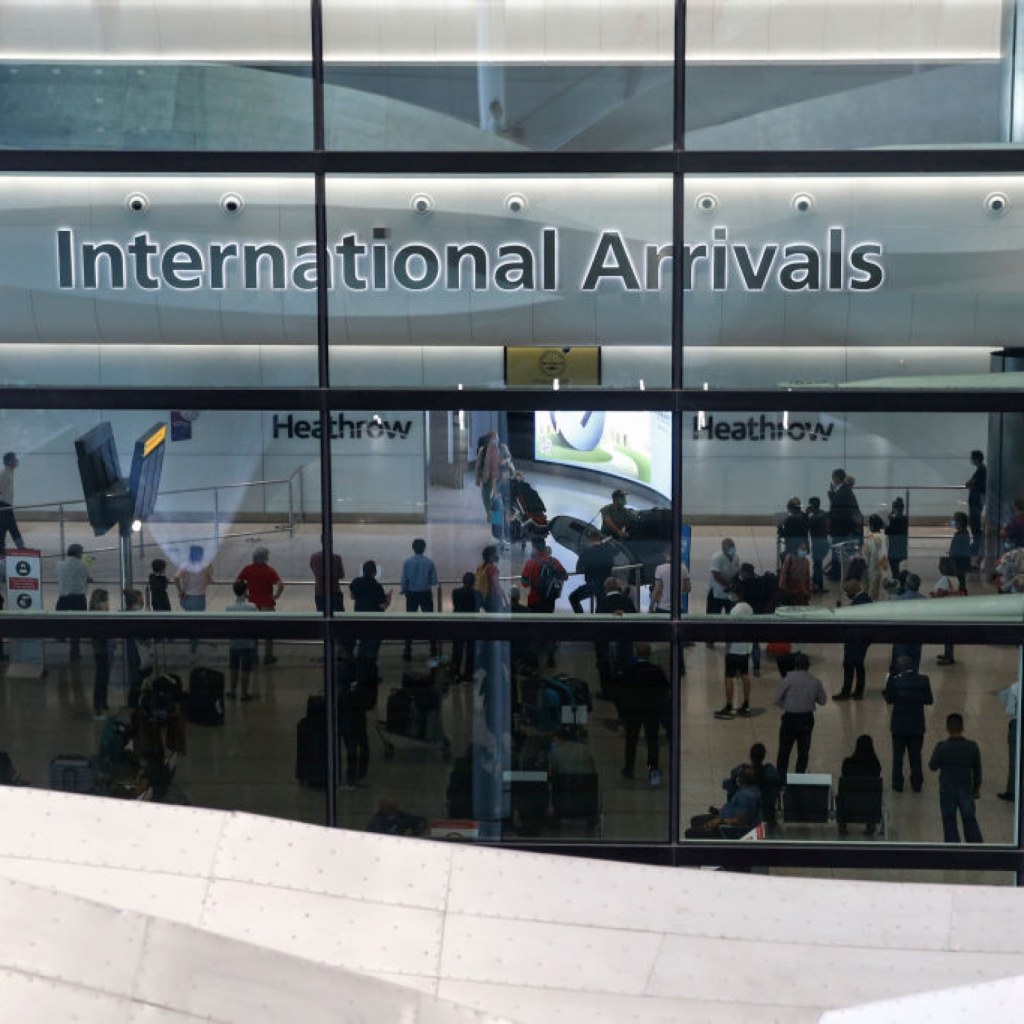
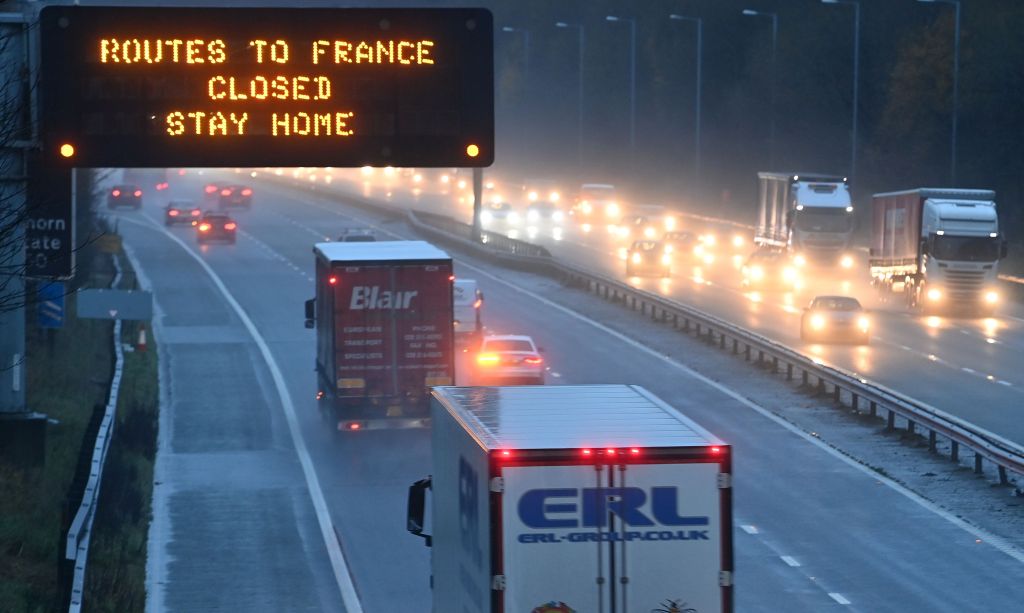
Las aerolíneas vuelven a afrontar un escenario difícil con cancelación de vuelos al Reino Unido al confirmarse nueva cepa de Coronavirus en Europa. Mientras que las líneas aéreas continúan recuperándose tras la cancelación de unos seis millones de vuelos desde Marzo de 2020 debido a la pandemia, afrontan una avalancha de restricciones al anunciarse nuevos recortes de vuelos en el viejo continente. Europa afronta una interrupción significativa del transporte aéreo a medida que un número creciente de países prohíbe vuelos desde el Reino Unido debido a los temores sobre una nueva cepa del Coronavirus, lo que llevó a las aerolíneas a repetir los pedidos de más pruebas para mantener las fronteras abiertas.
El Director General de Eurocontrol, Eamonn Brennan, dijo que hubo 900 vuelos diarios entre Gran Bretaña y los 27 países de la Unión Europea (UE) entre el lunes y el sábado de la semana pasada, pero destacó que el sector sufrirá un impacto significativo por las nuevas restricciones. Las aerolíneas, que se están recuperando tras la cancelación de unos seis millones de vuelos desde Marzo 2020 debido a la pandemia, afrontan una avalancha de restricciones. Mientras los funcionarios de la Unión Europea (UE) tratan de dar una respuesta coordinada a la situación, las aerolíneas pidieron más pruebas para que no haya otro cierre de fronteras generalizado. “Los gobiernos deben cooperar para establecer una capacidad de pruebas para que las fronteras puedan permanecer abiertas a la gran mayoría de los pasajeros sanos”, dijo la Asociación Internacional de Transporte Aéreo (IATA).
Europe faces new Coronavirus strain
New sanitary scenario against new Coronavirus strain
Airlines are once again facing a difficult scenario with the cancellation of flights to the United Kingdom as a new strain of Coronavirus is confirmed in Europe. While airlines continue to recover after the cancellation of some six million flights since March 2020 due to the pandemic, they face an avalanche of restrictions as new flight cuts are announced in the old continent. Europe faces a significant disruption to air travel as a growing number of countries ban flights from the UK due to fears over a new strain of the Coronavirus, prompting airlines to repeat requests for more tests to maintain borders open.
Eurocontrol Director General Eamonn Brennan said there were 900 daily flights between Great Britain and the 27 countries of the European Union (EU) between Monday and Saturday of last week, but stressed that the sector will be significantly impacted by the new restrictions. Airlines, which are recovering after the cancellation of some six million flights since March 2020 due to the pandemic, face a barrage of restrictions. As European Union (EU) officials try to provide a coordinated response to the situation, the airlines asked for more evidence so that there is not another widespread border closure. «Governments must cooperate to establish a testing capacity so that borders can remain open to the vast majority of healthy passengers», said the International Air Transport Association (IATA).
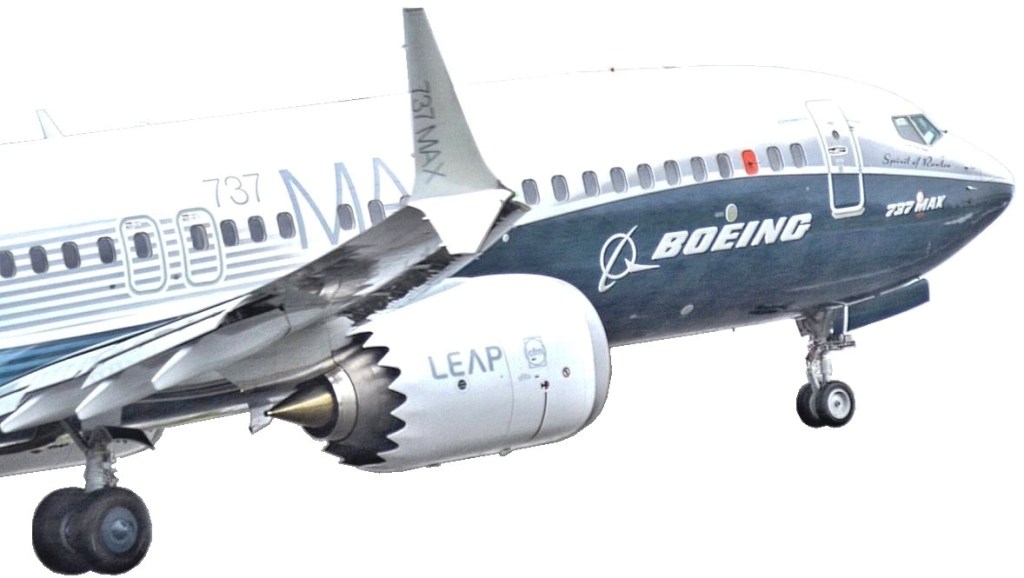
European agency towards safe recertification for Boeing 737 MAX
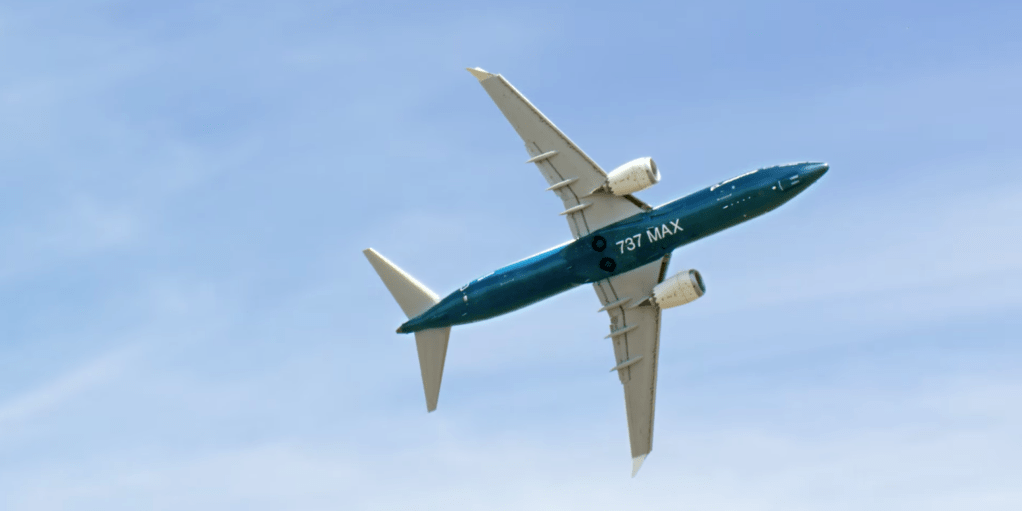
La European Union Aviation Safety Agency (EASA) ha informado próxima recertificación al Boeing 737 MAX para retornar a los cielos, después de un largo período de análisis de pruebas. El Director Ejecutivo Patrick Ky de la agencia de seguridad aeronáutica ha expresado que «no había dejado ninguna piedra sin mover» en su revisión del avión y su análisis de los cambios de diseño realizados por el fabricante americano. Desde el accidente del vuelo ET-302 de Ethiopian Airlines en un Boeing 737-8 MAX, la agencia EASA ha estado llevando a cabo una revisión profunda del diseño del 737 MAX, independientemente del proceso similar emprendido por el regulador estadounidense de la FAA.
La revisión y auditorías, expresa Patrick Ky, han ido mucho más allá de las causas inmediatas de los dos accidentes y de las modificaciones propuestas por Boeing. «Fuimos más allá y revisamos todos los controles de vuelo, toda la maquinaria de la aeronave», explica. El objetivo era observar cualquier cosa que pudiera causar un fracaso crítico. Con el fin de volver al servicio, los aviones existentes ahora tendrán que estar equipados con un nuevo software informático, así como someterse a cambios en su cableado y la instrumentación de la cabina. Además, la tripulación de vuelo (pilotos) tendrán que someterse a un entrenamiento obligatorio, y cada avión tendrá que someterse a un vuelo de prueba para asegurarse de que los cambios se han llevado a cabo correctamente. Como resultado de todas las medidas implementadas, Patrick Ky insiste: «Estamos muy seguros de que ahora es un avión muy seguro».
Lecciones aprendidas
La mayor parte del trabajo inicial de certificación de seguridad en el 737 MAX fue llevado a cabo por la FAA, y simplemente respaldado por la EASA bajo los términos de un acuerdo internacional de larga data. Pero con la FAA ahora enfrentando intensas críticas por permitir que un avión defectuoso entre en servicio, la EASA ha permitido remarcar que en el futuro las cosas se harán de manera diferente. «Lo que es seguro es que hubo lecciones aprendidas de esto, que desencadenarán nuevas acciones de nuestro lado», explica Patrick Ky. En particular, cuando la EASA no sea la autoridad principal que lleva a cabo trabajos de seguridad, examinará mucho más detenidamente las decisiones de otras personas. «Vamos a realizar nuestra propia evaluación de seguridad, que va a ser mucho más completa de lo que solía ser», dice el Director de la EASA. Después de las autorizaciones de los organismos reguladores de aviación de Estados Unidos (FAA) y Brasil (ANAC), la agencia EASA espera dar permiso al Boeing 737 MAX para que vuelva al servicio en Europa a mediados de Enero 2021.
EASA would approve the Boeing 737 MAX
European Aviation Agency Safe Recertification for Boeing 737 MAX
The European Union Aviation Safety Agency (EASA) approves approval for the Boeing 737 MAX to return to the skies, after a long period of analysis of tests. Executive Director Patrick Ky of the aviation safety agency has expressed that he «had not left a stone unturned» in his review of the aircraft and his analysis of the design changes made by the American manufacturer. Since the crash of Ethiopian Airlines flight ET-302 on a Boeing 737-8 MAX, the EASA agency has been conducting an in-depth review of the 737 MAX design, regardless of the similar process undertaken by the US FAA regulator.
The review, and audits expressed by Patrick Ky have gone far beyond the immediate causes of the two accidents and the modifications proposed by Boeing. «We went further and checked all the flight controls, all the machinery of the aircraft», he explains. The goal was to observe anything that could cause a critical failure. In order to return to service, existing aircraft will now have to be equipped with new computer software, as well as undergo changes to their cabling and instrumentation. In addition, the flight crew (pilots) will have to undergo mandatory training, and each aircraft will have to undergo a test flight to ensure that the changes have been carried out correctly. As a result of all the measures implemented, Patrick Ky insists: «We are very confident that it is now a very safe aircraft».
Learned lessons
Most of the initial safety certification work on the 737 MAX was carried out by the FAA, and simply supported by EASA under the terms of a long-standing international agreement. But with the FAA now facing intense criticism for allowing a defective aircraft to enter service, the EASA has made it possible to note that things will be done differently in the future. «What is certain is that there were lessons learned from this, which will trigger further action on our side», explains Patrick Ky. In particular, when EASA is not the lead authority for security work, it will look much more closely at other people’s decisions. «We are going to conduct our own safety assessment, which is going to be much more comprehensive than it used to be», says the Director of EASA. After the authorizations of the aviation regulatory bodies of the United States (FAA) and Brazil (ANAC), the EASA agency expects to give permission to the Boeing 737 MAX to return to service in Europe in mid-January 2021.
AW | 2020 12 20 15:37 | AVIATION SAFETY / GOVERNMENT
Congreso EEUU tras importante reforma de supervisión aviación
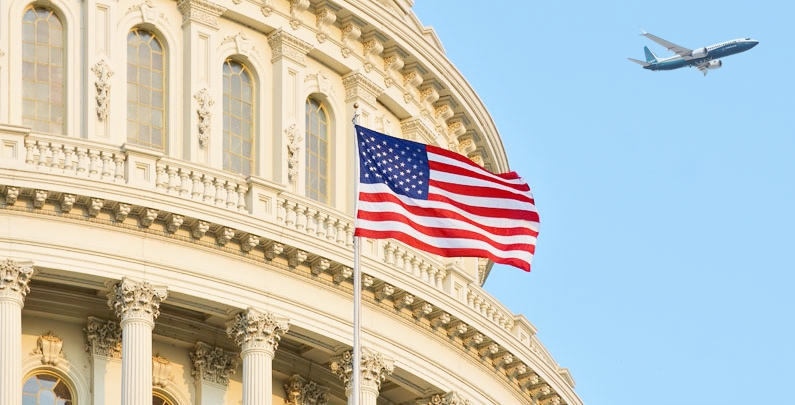
Una importante reforma continúa avanzando en la arena política del Congreso de Estados Unidos acerca de las políticas de fiscalización de la Administración Federal de Aviación (FAA), el organismo regulador de aviación. La legislatura bicameral del Gobierno Federal de los Estados Unidos que está formado por la Cámara de Representantes y el Senado está al borde de su aprobación en el Congreso, impulsada por las reacciones negativas de los dos accidentes aéreos de la línea Boeing 737 MAX con gran impacto en el mundo. Demócratas y Republicanos en los comités de la Cámara de Representantes y el Senado de los Estados Unidos llegaron a un acuerdo en las negociaciones del Domingo 13/12 sobre un proyecto de ley adaptado para abordar los fracasos de supervisión de la FAA en su certificación original del 737 MAX. Se espera que la legislación se incorpore al enorme proyecto de Ley de Gastos Ómnibus de US$ 1,4 billones de Dólares que el Congreso debe aprobar para buscar credibilidad al futuro de la seguridad aérea. De acuerdo con los detalles del proyecto de ley, la legislación fortalece la supervisión directa de la FAA de los ingenieros de The Boeing Company que realizan evaluaciones de seguridad en nombre de la agencia. Si bien la FAA todavía delegaría en Boeing una gran parte del trabajo de certificación sobre futuras aeronaves, las nuevas disposiciones tienen por objeto garantizar que los expertos en seguridad de la FAA vigilen de cerca cómo se lleva a cabo ese trabajo y que los objetivos de costos y calendarios de Boeing no dominen la toma de decisiones.
El proyecto de ley también requiere una mayor divulgación y análisis de los sistemas críticos para la seguridad al comienzo del proceso de certificación. Crea nuevas sanciones para los supervisores que ejercen una presión indebida sobre los empleados que plantean preocupaciones de seguridad, establece nuevas protecciones de denunciantes y establece mecanismos de información de seguridad para el personal técnico de primera línea de la FAA. Además, el proyecto de ley autoriza nuevos fondos para desarrollar conocimientos técnicos en la FAA y llevar a cabo más investigaciones sobre factores humanos sobre cómo los pilotos interactúan con los sistemas automatizados de control de vuelo. Aumenta la supervisión del Congreso de la FAA, requiriendo que la agencia proporcione a Capitol Hill informes, informes y divulgaciones sobre cómo está cumpliendo con los objetivos establecidos en el proyecto de ley.
Trabajo de Certificación
Los procedimientos actuales de la FAA han sido criticados por delegar demasiado del trabajo de certificación a Boeing y por permitir que los gerentes de la compañía controlen demasiado a los ingenieros que hacen las evaluaciones técnicas en nombre de la FAA, socavando su independencia y dando a Boeing la ventaja en el proceso mientras restringen cuánto la FAA es consciente de los detalles. La legislación propuesta, llamada Ley de Certificación, Seguridad y Responsabilidad de Aeronaves, revierte algunos de los cambios realizados en los últimos años que desplazaron el equilibrio de supervisión de la FAA hacia Boeing. La medida requiere una revisión inicial de cualquier sistema de tecnología nueva crítica antes de que se tome cualquier decisión para delegar la certificación de esos sistemas, incluido el escrutinio de un panel independiente de expertos de otras agencias federales como la NASA y la Fuerza Aérea.
La agencia no puede delegar ningún trabajo de supervisión hasta que haya revisado y validado los supuestos subyacentes relacionados con las reacciones piloto a las fallas del sistema. Estas cláusulas invierten la tendencia de años de aumento de la delegación al fabricante que culminó en la Ley de Reautorización de la FAA de 2018. Esa ley, aprobada apenas un mes antes del primer accidente MAX de un avión de Lion Air en Indonesia en Octubre de 2018, ordenó la máxima delegación de trabajo de certificación al exigir a la FAA que presentara un caso si quería que no se delegara alguna parte específica del trabajo de supervisión. La Senadora Demócrata Maria Cantwell (WA) es una defensora agresiva de la nueva legislación en el Comité de Comercio del Senado, que ha transmitido que la tendencia implacable hacia la autocertificación de la industria ha terminado. «Estamos poniendo una gran señal de alto en el camino aquí», expresó Maria Cantwell.
Proyecto Ley Certificación
El proyecto de ley establece que los ingenieros de Boeing asignados para trabajar en nombre de la FAA deben ser aprobados o retirados no por la compañía, como es el caso ahora, sino por la agencia de aviación federal. Cada uno tendrá una línea directa de comunicación con un inspector de seguridad de la FAA que actúa como asesor y supervisor del trabajo. Una conclusión condenable de una investigación importante sobre la certificación del 737 MAX fue que Boeing presentó a la FAA sólo información fragmentada y parcial sobre el nuevo sistema de control de vuelo que causó los accidentes, el Sistema de Aumento de Características de Maniobra (MCAS). Con arreglo a la nueva legislación, cualquier nuevo diseño de sistema tan crítico debe someterse a un análisis exhaustivo de la seguridad de cómo podría afectar a los sistemas existentes y las suposiciones hechas sobre cómo reaccionarían los pilotos ante las fallas del sistema. El proyecto de ley también establece que un supervisor individual de Boeing u otro fabricante que ejerza una presión indebida sobre el personal que realiza el trabajo de certificación, o que no divulgue información crítica sobre la seguridad a la FAA, puede ser considerado personalmente responsable y sujeto a fuertes sanciones civiles. Para evitar que las decisiones de la FAA sobre seguridad se vean comprometidas por los objetivos comerciales de Boeing, el proyecto de ley deroga las leyes existentes que permiten a los empleados de la FAA recibir bonos u otros incentivos financieros basados en el cumplimiento de los calendarios de certificación impulsados por el fabricante. El proyecto de ley deroga la autoridad para que los paneles asesores favorables a la industria establezcan metas de desempeño de la FAA que no prioricen la seguridad.
En respuesta a encuestas internas de la FAA que mostraron a los empleados represalias por plantear problemas de seguridad, el proyecto de ley proporciona canales de denuncia anónimos y protecciones de denuncias para ingenieros de primera línea de la FAA que desean señalar problemas de seguridad. Muchas de las disposiciones detalladas del proyecto de ley siguen las recomendaciones de varias investigaciones sobre los accidentes MAX y apuntan a errores muy específicos en el desarrollo y certificación del avión Boeing. Por ejemplo, una cláusula prohíbe directamente cualquier acuerdo contractual similar al que Boeing hizo con Southwest Airlines, comprometiéndose a reembolsar a la compañía aérea US$ 1 millón de Dólares por avión si sus pilotos debían tener un nuevo entrenamiento de simulador de vuelo para volar el MAX. Otro detalle indica a la FAA que revoque la licencia de cualquier piloto que no divulgue información crítica sobre seguridad en nombre de un fabricante. El impulso de esto se pone de relieve en un resumen de la legislación compilada por el personal del Senado, que señala en referencia a esta cláusula que el ex piloto técnico jefe de Boeing 737 Mark Forkner «está bajo investigación federal por mentir intencionalmente a la FAA sobre la naturaleza de MCAS».
Otra disposición establece que la FAA no puede certificar una aeronave sin llevar a cabo una revisión de seguridad del sistema de alertas de la tripulación de vuelo y suposiciones sobre cómo los pilotos responderían a las advertencias de la cabina. Si esa directiva hubiera estado en vigor cuando se certificó el MAX, la FAA podría haber detectado los defectos de diseño de la MCAS. En su lugar, Boeing estaba exento de cumplir con las últimas normas de seguridad de alerta de la tripulación, y las suposiciones que hizo sobre las reacciones piloto resultaron catastróficamente equivocadas.
Un ingeniero de seguridad de la FAA, hablando con la condición de anonimato para proteger su trabajo, acogió con beneplácito las disposiciones del proyecto de ley como «un buen paso adelante. Las herramientas están aquí para abordar mucho de lo que ha salido mal», dijo. Sin embargo, advirtió que en la práctica mucho dependerá de que el administrador de la FAA cambie la cultura de la agencia de un enfoque en dar a la industria lo que quiere, e implementar sólidamente estos nuevos protocolos de seguridad. Maria Cantwell respondió a esa preocupación diciendo que ve la factura como un pago inicial. Vamos a presionar a la Administración Biden para que examine nuevas reformas en la FAA más allá de esta legislación. Tenemos que asegurarnos de que tenemos el mensaje correcto que sale de la FAA para garantizar que la ley que estamos poniendo en marcha va a ser promulgada y llevada a cabo. Maria Cantwell dijo que «garantizar la seguridad de la aviación es necesario no sólo para proteger al público volador, sino para proteger el futuro de la industria de fabricación de aviones y los trabajos que trae al noroeste del Pacífico. Dijo que el proyecto de ley tiene como objetivo hacer eso haciendo hincapié en que cuando se toman decisiones de seguridad, los ingenieros sobre el terreno están a cargo».
Perspectivas nueva ley
Se espera que la redacción de la legislación de reforma de la FAA se incluya en el Proyecto de Ley Omnibus hacia final del 2020, según múltiples fuentes. Este es un paquete de elaboración de leyes que está destinado a asegurar la aprobación de la legislación esencial antes de que el Congreso se aplace. Para acelerar el proceso antes del aplazamiento, no se permiten enmiendas en el Proyecto de Ley Omnibus.
El acuerdo de reforma de la FAA fue impulsado por el Presidente del Comité de Comercio del Senado, Roger Wicker (R-MISS.); Maria Cantwell, miembro minoritario del Comité; Peter DeFazio (Dem./ORE, Presidente del Comité de Transporte de la Cámara de Representantes, y el representante Rick Larsen, (D./Everett/WA), Presidente del Subcomité de Aviación.
Michael Stumo, padre de Samya Rose Stumo, de 26 años, que murió en el accidente del vuelo ET-302 de Ethiopian Airlines en un Boeing 737-8 MAX en Marzo de 2019, siguió de cerca el proceso legislativo y presionó incesantemente en persona para la aprobación de las reformas de la FAA. Dijo que las mejoras más importantes en el proceso de certificación que él y las otras familias de víctimas habían impulsado fueron retenidas en el acuerdo final. Michael Stumo, que estuvo presente en la sesión de marcado a finales de Septiembre 2020 que finalizó la versión de la Cámara de Representantes del proyecto de ley, señaló que Peter DeFazio obtuvo la compra completa republicana para las reformas propuestas de Sam Graves (Rep./MO.) y sus colegas. «Fue un acuerdo total. No hubo disidencia. Me levanté y aplaudió cuando todos lo pasaron», dijo Michael Stumo. Del mismo modo, en el Senado, Maria Cantwell, el conservador Senador Ted Cruz (Rep./TX), trabajado junto al Senador Liberal Richard Blumenthal (Dem./CONN.), para sugerir mejoras en el proyecto de ley.
El Viernes 18/12, como preludio de la nueva legislación, la mayoría Republicana en el Comité de Comercio publicó un informe de investigación mordaz que enumeraba lapsos significativos en la supervisión de la seguridad de la aviación y el liderazgo fallido en la FAA. La recomendación final de ese informe exige específicamente que la FAA debe apoyar la reforma legislativa aplicando completamente la ley mientras cumple con la intención del Congreso. La prisa por tratar de conseguir el proyecto de ley a través del Congreso este fin de semana es la culminación de muchos meses de maniobras políticas que siguieron a investigaciones agresivas sobre los accidentes MAX y las audiencias testy el año pasado cuando el administrador de la FAA Steve Dickson fue interrogado y criticado por los legisladores tanto en la Cámara de Condiciones como en el Senado.
A pesar de que los comités de la Cámara de Cámara y el Senado habían acordado para este mes cada uno sus versiones separadas de las reformas de certificación de aeronaves, poco después de las elecciones la perspectiva de obtener un proyecto de ley parecía poco probable a medida que se agotaba el tiempo para este Congreso. Si bien la Cámara de Estado había aprobado su versión del proyecto de ley, el Senado completo no lo había hecho. Las principales prioridades políticas eran un paquete de reautorización de defensa, ahora aprobado, y un posible proyecto de ley de socorro COVID. En las últimas semanas, las negociaciones sobre los detalles de un proyecto de ley de reforma de la FAA que podría acordarse entre la Cámara de Cámara y el Senado continuaron hasta altas horas de la noche, dijeron los funcionarios del Congreso.
Desde que se finalizó el acuerdo bipartidista entre los dos comités a finales del Domingo 13/12, los patrocinadores se han abstenido de anunciarlo públicamente, temiendo un bloqueo de última hora. Sin embargo, en el comercio de caballos políticos que ha sostenido el proyecto de ley ómnibus en los últimos días, el proyecto de ley de la FAA no era un problema. Como era de esperar, el texto de la nueva legislación de la FAA se publica el domingo como parte del proyecto de ley ómnibus entonces, salvo un veto del Presidente Donald Trump, lo que desencadenaría un cierre del Gobierno, este restablecimiento histórico de la forma en que la FAA lleva a cabo la certificación de aviones debería convertirse en ley en cuestión de días.
Deepening reforms in FAA
US Congress after major aviation oversight reform
A major reform continues to advance in the political arena of the United States Congress over the enforcement policies of the Federal Aviation Administration (FAA), the aviation regulatory body. The bicameral legislature of the Federal Government of the United States that is made up of the House of Representatives and the Senate is on the verge of its approval in Congress, driven by the negative reactions of the two air accidents of the Boeing 737 MAX line with great impact. in the world. Democrats and Republicans on the United States House and Senate committees reached an agreement in negotiations on Sunday 12/13 on an adapted bill to address the FAA’s oversight failures in its original certification of the 737 MAX. The legislation is expected to be incorporated into the massive US$ 1.4 billion Omnibus Spending Bill that Congress must pass to seek credibility for the future of air safety. According to the details of the bill, the legislation strengthens the FAA’s direct supervision of The Boeing Company engineers conducting safety assessments on behalf of the agency. While the FAA would still delegate much of the certification work on future aircraft to Boeing, the new provisions are intended to ensure that FAA safety experts keep a close eye on how that work is carried out and that cost targets and Boeing calendars don’t dominate decision making.
The bill also requires further disclosure and analysis of safety-critical systems early in the certification process. It creates new penalties for supervisors who put undue pressure on employees who raise safety concerns, establishes new whistleblower protections, and establishes safety reporting mechanisms for front-line FAA technical staff. Additionally, the bill authorizes new funding to develop technical expertise in the FAA and conduct more human factors research on how pilots interact with automated flight control systems. Increases congressional oversight of the FAA, requiring the agency to provide Capitol Hill with reports, reports, and disclosures on how it is meeting the goals set out in the bill.
Certification Work
The current FAA procedures have been criticized for delegating too much of the certification work to Boeing and for allowing company managers to control too much of the engineers who do technical evaluations on behalf of the FAA, undermining its independence and giving Boeing the advantage in the process while restricting how much the FAA is aware of the details. The proposed legislation, called the Aircraft Certification, Safety and Accountability Act, reverses some of the changes made in recent years that shifted the FAA’s oversight balance to Boeing. The measure requires an initial review of any critical new technology systems before any decision is made to delegate certification of those systems, including scrutiny by an independent panel of experts from other federal agencies such as NASA and the Air Force.
The agency cannot delegate any oversight work until it has reviewed and validated the underlying assumptions related to the pilot reactions to system failures. These clauses reverse the years-long trend of increased delegation to the manufacturer that culminated in the FAA Reauthorization Act of 2018. That law, passed just a month before the first MAX crash of a Lion Air plane in Indonesia in October 2018, mandated the maximum delegation of certification work by requiring the FAA to file a case if it wanted some specific part of oversight work not to be delegated. Democratic Senator Maria Cantwell (WA) is an aggressive advocate for the new legislation in the Senate Commerce Committee, who has conveyed that the relentless trend toward self-certification of the industry is over. «We are putting a big stop sign on the road here», said Maria Cantwell.
Certification Law Project
The bill states that Boeing engineers assigned to work on behalf of the FAA must be approved or removed not by the company, as is the case now, but by the federal aviation agency. Each will have a direct line of communication with an FAA safety inspector who acts as an advisor and supervisor of the job. One damning conclusion of a major 737 MAX certification investigation was that Boeing submitted only fragmented and partial information to the FAA about the new flight control system that caused the accidents, the Maneuvering Characteristics Augmentation System (MCAS). Under the new legislation, any such critical new system design must undergo a thorough safety analysis of how it might affect existing systems and the assumptions made about how pilots would react to system failures. The bill also states that an individual supervisor from Boeing or another manufacturer who puts undue pressure on personnel performing certification work, or who fails to disclose critical safety information to the FAA, can be held personally liable and subject. to heavy civil penalties. To prevent the FAA’s safety decisions from being compromised by Boeing’s business goals, the bill repeals existing laws that allow FAA employees to receive bonuses or other financial incentives based on meeting schedule schedules. manufacturer-driven certification. The bill repeals the authority for industry-friendly advisory panels to set FAA performance goals that do not prioritize safety.
In response to internal FAA surveys that showed employees retaliating for raising safety concerns, the bill provides anonymous reporting channels and reporting protections for FAA front-line engineers who wish to flag safety concerns. Many of the detailed provisions of the bill follow the recommendations of various investigations into MAX accidents and point to very specific errors in the development and certification of the boeing aircraft. For example, one clause directly prohibits any contractual arrangement similar to the one Boeing made with Southwest Airlines, promising to reimburse the airline US$ 1 million per plane if its pilots had to undergo new flight simulator training to fly the MAX. Another detail directs the FAA to revoke the license of any pilot who does not release critical safety information on behalf of a manufacturer. The momentum for this is highlighted in a summary of legislation compiled by Senate staff, which notes in reference to this clause that former Boeing 737 Chief Technical Pilot Mark Forkner «is under federal investigation for intentionally lying to the FAA. on the nature of MCAS».
Another provision states that the FAA cannot certify an aircraft without conducting a safety review of the flight crew alert system and assumptions about how pilots would respond to cockpit warnings. Had that directive been in effect when the MAX was certified, the FAA could have spotted the design flaws of the MCAS. Instead, Boeing was exempted from complying with the latest crew alert safety standards, and the assumptions it made about pilot reactions were catastrophically wrong.
An FAA safety engineer, speaking on the condition of anonymity to protect his work, welcomed the provisions of the bill as «a good step forward. The tools are here to address much of what has gone wrong», said. However, he cautioned that in practice much will depend on the FAA administrator changing the agency’s culture from a focus on giving the industry what it wants, and robustly implementing these new security protocols. Maria Cantwell responded to that concern by saying that she sees the bill as a down payment. We are going to pressure the Biden administration to examine further reforms in the FAA beyond this legislation. We have to make sure we have the right message coming out of the FAA to ensure that the law we are putting in place is going to be enacted and carried out. Maria Cantwell said «ensuring aviation safety is necessary not only to protect the flying public, but to protect the future of the flying industry aircraft manufacturing and the jobs it brings to the Pacific Northwest he said the bill aims to do that by emphasizing that when safety decisions are made», engineers on the ground are in charge.
New law prospects
The wording of the FAA reform legislation is expected to be included in the Omnibus Bill by the end of 2020, according to multiple sources. This is a law-making package that is intended to ensure the passage of essential legislation before Congress is postponed. To speed up the process before the postponement, no amendments are allowed to the Omnibus Bill.
The FAA reform agreement was promoted by the Chairman of the Senate Commerce Committee, Roger Wicker (R-MISS.); Maria Cantwell, minority member of the Committee; Peter DeFazio (Dem./ORE, Chairman of the House Transportation Committee, and Representative Rick Larsen, (D./Everett/WA), Chairman of the Subcommittee on Aviation.
Michael Stumo, father of 26-year-old Samya Rose Stumo, who died in the crash of Ethiopian Airlines Flight ET-302 on a Boeing 737-8 MAX in March 2019, closely followed the legislative process and lobbied incessantly in person to the approval of the FAA reforms. He said the most important improvements to the certification process that he and the other families of victims had pushed for were retained in the final agreement. Michael Stumo, who was present at the marking session in late September 2020 that finalized the House version of the bill, noted that Peter DeFazio obtained the full Republican buyout for the proposed reforms from Sam Graves (Rep./ MO.) And his colleagues. «It was a total agreement. There was no dissent. I stood up and clapped when everyone passed it», said Michael Stumo. Similarly, in the Senate, Maria Cantwell, Conservative Senator Ted Cruz (Rep./TX), worked alongside Liberal Senator Richard Blumenthal (Dem./CONN.), To suggest improvements to the bill.
On Friday 12/18, as a prelude to the new legislation, the Republican majority on the Commerce Committee released a scathing investigative report that listed significant lapses in aviation security oversight and failed leadership in the FAA. The final recommendation in that report specifically requires the FAA to support legislative reform by fully implementing the law while meeting the intent of Congress. The rush to try to get the bill through Congress this weekend is the culmination of many months of political maneuvering that followed aggressive investigations into MAX accidents and testy hearings last year when FAA Administrator Steve Dickson was questioned and criticized by lawmakers in both the Conditions Chamber and the Senate.
Even though House and Senate committees had each agreed to their separate versions of the aircraft certification reforms for this month, shortly after the election the prospect of getting a bill seemed unlikely as that time was running out for this Congress. While the State House had passed its version of the bill, the entire Senate had not. The top political priorities were a defense reauthorization package, now passed, and a possible COVID relief bill. In recent weeks, negotiations on the details of an FAA reform bill that could be agreed between the House of Representatives and the Senate continued late into the night, congressional officials said.
Since the bipartisan agreement between the two committees was finalized at the end of Sunday 12/13, the sponsors have refrained from announcing it publicly, fearing a last minute lockdown. However, in the political horse trade that has underpinned the omnibus bill in recent days, the FAA bill was not a problem. Unsurprisingly, the text of the new FAA legislation is published on Sunday as part of the omnibus bill then, barring a veto from President Donald Trump, which would trigger a government shutdown, this historic reestablishment of the way that the FAA conducts aircraft certification should become law in a matter of days.
AW | 2020 12 19 14:50 | AVIATION SAFETY / AVIATION ORGANISMS / GOVERNMENT
Investigadores Senado fallan por manipulación seguridad aviación
Un nuevo informe del Senado de Estados Unidos determina las acusaciones contra la Federal Aviation Administration (FAA) y The Boeing Company contra la manipularon de pruebas del Boeing 737 MAX durante la recertificación. Es una de las muchas acusaciones en un nuevo y condenante informe del Capitol Hill. La compañía Boeing y la Administración Federal de Aviación trabajaron de manera conjunta para manipular las pruebas de recertificación de la línea del modelo Boeing 737 MAX después de dos accidentes aéreos ocurridos en 10/2018 y 03/2019, según un nuevo informe de la Comisión de Transporte del Senado de Estados Unidos. Según el documento del Senado, Boeing ha entrenado inapropiadamente a algunos pilotos de pruebas de la FAA para alcanzar un resultado deseado durante las pruebas de recertificación, y algunos incluso se realizaron en simuladores que no estaban equipados para volver a crear las mismas condiciones que los accidentes. Al hacer esto, los autores del informe del Senado dicen que «la FAA y Boeing estaban tratando de encubrir información importante que pudo haber contribuido a las tragedias del 737 MAX». La FAA también está acusada de tomar represalias contra los denunciantes, posiblemente obstruyendo la investigación de la Oficina del Inspector General sobre los accidentes.
Informe Senado
El Informe sobre el Boeing 737 MAX de 102 páginas, publicado el Viernes 18/12, fue compilado por el Comité de Comercio, Ciencia y Transporte del Senado y se basa en información de 50 denunciantes, entrevistas con el personal de la FAA y más de 15.000 páginas de documentos. La nueva denuncia arriba un mes después de que la FAA ha aprobado al 737 MAX para regresar al vuelo, y actualmente, las aerolíneas de todo el mundo comienzan a reintroducir el avión en sus flotas y vuelos programados.
Los propios fracasos de Boeing que condujeron a los accidentes del 737 MAX han sido completamente sondeados y bien documentados, el nuevo informe del Senado es una de las miradas más íntimas a los problemas dentro del regulador de la FAA que se suponía que mantendría la compañía aeroespacial bajo control. «Nuestros hallazgos son preocupantes. El informe detalla una serie de ejemplos significativos de deficiencias en la supervisión de la seguridad de la aviación y liderazgo fallido en la FAA. Está claro que la agencia requiere una supervisión constante para garantizar que su trabajo para proteger al público volador se ejecute completa y correctamente», dijo el Senador Roger Wicker (R-MS), quien preside el Comité, en un comunicado.
Postura FAA
La posición de la FAA en una declaración reciente dijo que «revisará cuidadosamente el documento, que el Comité reconoce que contiene una serie de alegaciones sin fundamento. Trabajando en estrecha colaboración con otros reguladores internacionales, la FAA llevó a cabo una revisión exhaustiva y deliberada del 737 MAX. Estamos seguros de que los problemas de seguridad que desempeñaron un papel en los trágicos accidentes relacionados con el vuelo JT-610 de Lion Air y el vuelo ET-302 de Ethiopian Airlines se han abordado a través de los cambios de diseño requeridos y aprobados de forma independiente por la FAA y sus socios».
Comunicado Boeing
Por su parte, Boeing dijo en una declaración preparada que «tomara en serio las constataciones del Comité y seguirá examinando el informe en su totalidad. Boeing se compromete a mejorar la seguridad de la aviación, fortalecer nuestra cultura de seguridad y reconstruir la confianza con nuestros clientes, reguladores y el público volador», escribió la compañía.
Boeing se había precipitado a través del desarrollo para que la línea 737 MAX pudiera seguir el ritmo de su rival Airbus, con la línea A320NEO, que había anunciado un avión más eficiente en el consumo de combustible en 2011. En lugar de desarrollar un nuevo avión desde cero, Boeing modificó el 737 Next Generation con motores más grandes y eficientes en el consumo de combustible, pero en ese alocado vuelo por alcanzar la punta en el adelanto tecnológico y comercial, la compañía americana falló en el intento de presentar un producto totalmente seguro para los usuarios del transporte aéreo, un costosísimo resultado que a involucrado a muchos a un desastre sin precedentes en la industria de la aviación comercial.
A new report from the United States Senate terminates allegations against the Federal Aviation Administration (FAA) and The Boeing Company against tampering with tests of the Boeing 737 MAX during recertification. It’s one of many allegations in a damning new report from Capitol Hill. The Boeing company and the Federal Aviation Administration worked together to manipulate the recertification tests of the 737 MAX model line after two air crashes on 10/2018 and 03/2019, according to a new report from the Transportation Commission. of the United States Senate. According to the Senate document, Boeing has inappropriately trained some FAA test pilots to achieve a desired result during recertification tests, and some were even conducted in simulators that were not equipped to recreate the same conditions as accidents. . In doing so, the authors of the Senate report say that «the FAA and Boeing were trying to cover up important information that may have contributed to the 737 MAX tragedies». The FAA is also accused of retaliating against whistleblowers, possibly obstructing the Office of Inspector General’s investigation into the accidents.
Senate Report
The 102-page Boeing 737 MAX Report, released Friday 12/18, was compiled by the Senate Committee on Commerce, Science and Transportation and is based on information from 50 whistleblowers, interviews with FAA personnel, and more than 15,000 pages of documents. The new complaint comes a month after the FAA has approved the 737 MAX to return to flight, and now, airlines around the world are beginning to reintroduce the plane into their fleets and scheduled flights.
Boeing’s own failures that led to the 737 MAX crashes have been fully probed and well documented, the new Senate report is one of the most intimate looks at the problems within the FAA regulator that the aerospace company was supposed to maintain. under control. «Our findings are concerning. The report details a number of significant examples of deficiencies in aviation security oversight and failed leadership at the FAA. It is clear that the agency requires constant oversight to ensure that its work to protect the public Flying to run completely and properly», said Senator Roger Wicker (R-MS), who chairs the Committee, in a statement.
FAA position
The FAA’s position in a recent statement said it will «carefully review the document, which the Committee acknowledges contains a number of unsubstantiated allegations. Working closely with other international regulators, the FAA conducted a deliberate and comprehensive review of the document. 737 MAX. We are confident that the safety issues that played a role in the tragic accidents related to Lion Air flight JT-610 and Ethiopian Airlines flight ET-302 have been addressed through the required design changes and independently approved by the FAA and its partners».
Boeing statement
For its part, Boeing said in a prepared statement that it will «take the Committee’s findings seriously and will continue to review the report in its entirety. Boeing is committed to enhancing aviation safety, strengthening our safety culture and rebuilding trust with our partners. customers, regulators and the flying public», the company wrote.
Boeing had rushed through development so that the 737 MAX line could keep up with rival Airbus, with the A320NEO line announcing a more fuel-efficient aircraft in 2011. Rather than developing a new aircraft From scratch, Boeing modified the 737 Next Generation with larger and more fuel-efficient engines, but in that crazy flight to reach the top in technological and commercial advancement, the American company failed to present a totally safe product. for air travel users, a costly outcome that has involved many in an unprecedented disaster in the commercial aviation industry.
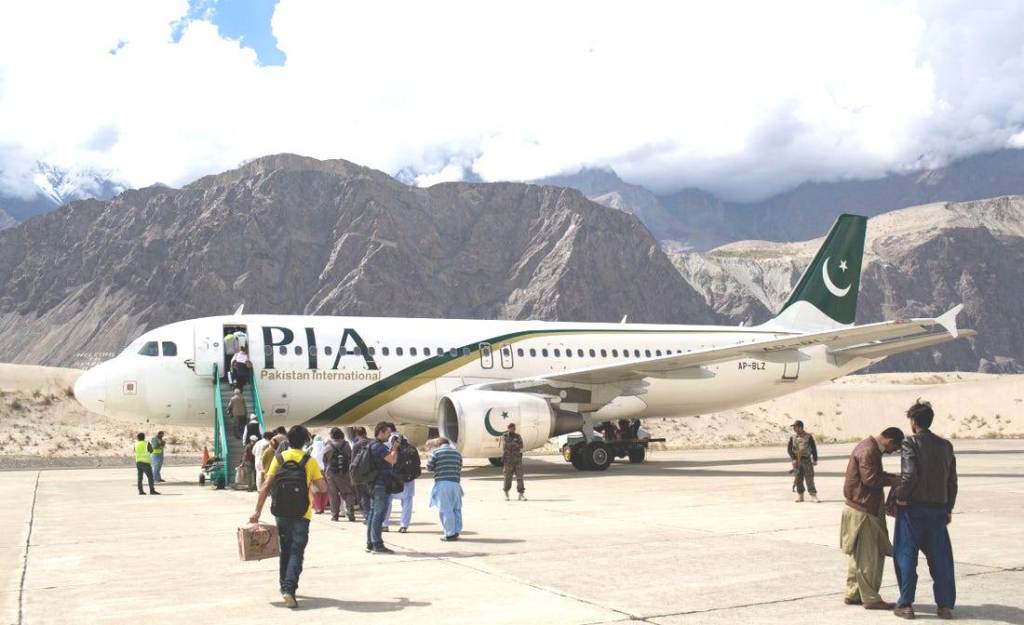
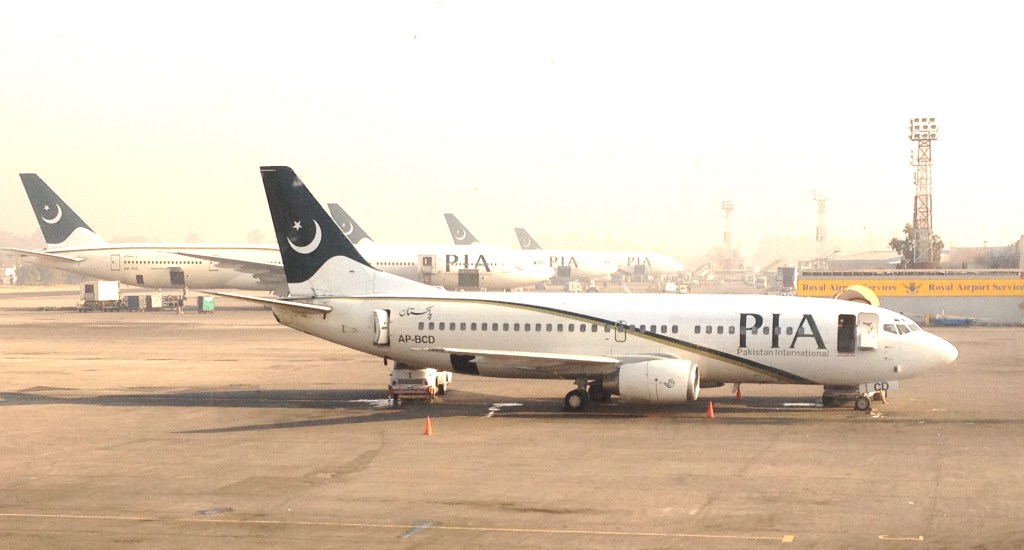
Pakistan Airlines desprograma 110 pilotos con licencias suspendidas
Los problemas de las licencias surgieron a raíz del trágico accidente de un avión de Pakistan International Airlines (PIA) en Karachi el 22 de Mayo de 2020, falleciendo las 95 personas a bordo, cuando el Ministro de Aviación, Ghulam Sarwar Khan, ha informado a los medios de comunicación que 260 de los 860 pilotos activos del país tenían licencias falsas o falsificaron sus exámenes.
El transportador nacional de Pakistán ha comunicado oficialmente a 110 pilotos de los 141 cuyas licencias fueron suspendidas en el contexto de la falsa controversia de los grados, según un informe de los medios de comunicación el Martes 15/12. El abogado principal Salman Akram Raja informó al Tribunal Supremo de Justicia el Lunes 14/12 mientras representaba a las aerolíneas. El banco de tres jueces encabezado por el Juez Gulzar Ahmed había aceptado una apelación movida por el Director Ejecutivo de PIA, el mariscal Arshad Malik, contra una orden del Tribunal Superior de Sindh. El abogado dijo que PIA había limpiado 110 pilotos y cancelado las licencias de 15, mientras que 14 pilotos habían sido declarados no aptos para volar. Algunos casos estaban pendientes de tomar decisiones todavía.
La información llegó cuando el Juez Umar Ata Bandial preguntó qué medidas había tomado la aerolínea para examinar las licencias suspendidas y si la Autoridad de Aviación Civil (CAA) de Pakistán estaba presionando el asunto lo suficiente como para recuperar el negocio verificando las licencias. Despertó preocupaciones generalizadas sobre la seguridad de PIA, y la UE prohibió sus vuelos y las compañías aéreas inicialmente castigaron a 150 pilotos para comprobar su historial, pero algunos de ellos fueron despejados después de la investigaciones iniciales.
PIA deprograms 110 pilots
Pakistan Airlines de-programs 110 pilots with suspended licenses
Licensing problems arose from the tragic accident of a Pakistan International Airlines (PIA) plane in Karachi on May 22, 2020, killing all 95 people on board, when the Minister of Aviation, Ghulam Sarwar Khan, informed the media that 260 of the 860 active pilots in the country had false licenses or falsified their exams.
Pakistan’s national carrier has officially notified 110 pilots out of 141 whose licenses were suspended in the context of the bogus grade controversy, according to a media report on Tuesday 12/15. Lead attorney Salman Akram Raja reported to the Supreme Court of Justice on Monday 12/14 while representing the airlines. The bench of three judges headed by Judge Gulzar Ahmed had accepted an appeal moved by the Executive Director of PIA, Marshal Arshad Malik, against an order of the High Court of Sindh. The lawyer said the PIA had cleared 110 pilots and canceled 15 licenses, while 14 pilots had been declared unfit to fly. Some cases were still pending decisions.
The information came when Judge Umar Ata Bandial asked what steps the airline had taken to examine the suspended licenses and whether the Pakistan Civil Aviation Authority (CAA) was pushing the matter enough to get the business back by verifying the licenses. It raised widespread concerns about PIA’s safety, with the EU banning its flights and airlines initially punishing 150 pilots for checking their history, but some of them were cleared after initial investigations.
بايا تزيل 110 طيار
تقوم الخطوط الجوية الباكستانية الدولية بإلغاء برامج 110 طيارًا بتراخيص معلقة
نشأت مشاكل الترخيص من الحادث المأساوي لطائرة الخطوط الجوية الدولية الباكستانية في كراتشي في 22 مايو 2020 ، مما أسفر عن مقتل جميع ركابها البالغ عددهم 95 شخصًا ، عندما أبلغ وزير الطيران ، غلام سروار خان ، وذكرت وسائل الإعلام أن 260 طيارًا من أصل 860 طيارًا نشطًا في البلاد لديهم تراخيص مزورة أو زوروا امتحاناتهم.
أخطرت شركة النقل الوطنية الباكستانية رسميًا 110 طيارين من أصل 141 تم تعليق تراخيصهم في سياق الجدل المتعلق بالدرجات الوهمية ، وفقًا لتقرير إعلامي يوم الثلاثاء 12/15. قدم كبير المحامين سلمان أكرم رجا تقريراً أمام محكمة العدل العليا يوم الاثنين 12/14 أثناء تمثيله لشركات الطيران. وقبلت هيئة القضاة المكونة من ثلاثة قضاة برئاسة القاضي جولزار أحمد استئنافًا قدمه المدير التنفيذي لمحكمة العدل الدولية ، المارشال أرشد مالك ، ضد أمر صادر عن المحكمة العليا في السند. وقال المحامي إن الخطوط الجوية الباكستانية قد برأت 110 طيارين وألغت 15 رخصة ، في حين أعلن أن 14 طيارا غير لائقين للطيران. وكانت بعض القضايا لا تزال معلقة قرارات.
جاءت المعلومات عندما سأل القاضي عمر آتا بانديال عن الخطوات التي اتخذتها شركة الطيران لفحص التراخيص المعلقة وما إذا كانت هيئة الطيران المدني الباكستانية (CAA) تدفع الأمر بما يكفي لاستعادة الأعمال من خلال التحقق من التراخيص. وأثارت مخاوف واسعة النطاق بشأن سلامة الخطوط الجوية الباكستانية ، حيث حظر الاتحاد الأوروبي رحلاتها وشركات الطيران معاقبة 150 طيارًا في البداية للتحقق من تاريخهم ، لكن تم تبرئة بعضهم بعد التحقيقات الأولية.
AW | 2020 12 15 11:05 | GOVERNMENT / AVIATION SAFETY / AIRLINES
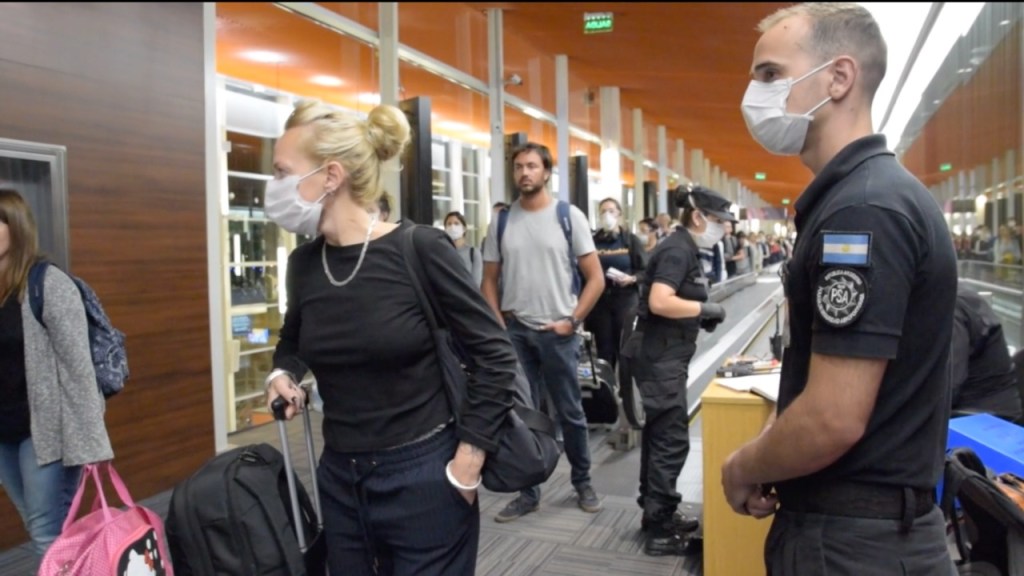
Gobierno exigirá información pasajeros en vuelos domésticos
El Gobierno de Argentina a anunciado a través de la Disposición Nº 1406/2020, publicada este martes en el Boletín Oficial una nuevas medidas con la finalidad de prevenir delitos complejos tales como el narcotráfico, el terrorismo y la trata de personas, en el marco de la crisis sanitaria actual.
Las líneas aéreas que realizan vuelos regulares o charters de cabotaje en la República Argentina deberán informar a la Policía de Seguridad Aeroportuaria (PSA) datos específicos de los pasajeros antes de despegar, algo que hasta el momento solamente se requería cuando se trataba de vuelos internacionales. Así se anunció a través de la Disposición Nº 1406/2020, publicada este Martes 15/12 en el Boletín Oficial. El Director de la PSA, José Alejandro Glinski, ha cargo de esta nueva modalidad ha anunciado que esta medida comenzará a regir dentro de 120 días corridos a partir de este Martes 15/12 con el objetivo de prevenir delitos complejos tales como el narcotráfico, el terrorismo y la trata de personas.
Puntualmente, las compañías aéreas tendrán que compartir con las autoridades policiales los datos correspondientes a la Información Anticipada de Pasajeros (API) y al Registro de Nombres de Pasajeros (PNR), tratándose de vuelos internos con más de 19 pasajeros a bordo. Además de la documentación a la Dirección Nacional de Migraciones, la Administración Nacional de Aviación Civil (ANAC), y la Administración Federal de Ingresos Públicos (AFIP). Este requisito actualmente continúa en vigencia desde el 8 de Septiembre de 2014 para los viajes hacia y provenientes del exterior.
Las compañías aéreas deberán adjuntar información para la operación que deberá hacerse de manera electrónica y con 24 horas de anticipación al despegue. Luego, se realizarán dos transmisiones adicionales para comunicar las novedades pertinentes, una cuando falten 6 horas para la partida y la última, una vez que todos los sujetos hayan abordado y la aeronave esté lista para salir. Respecto a los datos del avión, las aerolíneas tendrán que informar el código identificativo de la compañía que envía los datos; número de vuelo; fecha y hora previstas de salida y de llegada; origen y destino, y número total de personas transportadas. En tanto, sobre las personas a bordo, incluida la tripulación, se solicitará el tipo y número de documento con el que se identificó cada una de ellas; nacionalidad de las mismas; nombre y apellido completo, y fecha de nacimiento que aparece en el documento de identificación presentado. Por último, las compañías le aportarán a la PSA la siguiente información de los pasajeros: localizador del expediente; fecha de reserva del vuelo; itinerario completo del viaje; nombre y apellido informado; modalidades de pago; orden y dirección de facturación; teléfonos de contacto, y datos sobre programas de fidelización (referida únicamente a millas recorridas y direcciones). También se requerirá la agencia y el agente de viajes que intervino en la operación de compra, si correspondiera; comunicar si tiene PNR escindido/dividido; fecha y número de emisión del billete; historial de incomparecencia del pasajero (no show); si es pasajero de último momento sin reserva (go show); listas de espera; números de etiqueta del equipaje y de asiento; especificaciones sobre el asiento, y la cantidad de equipaje que transporta.
Además, las líneas aéreas tienen «la obligación de presentar ante las autoridades que así lo requieran la documentación que sustente la información remitida y no cumplir con este punto o hacerlo fuera de término” o de manera incompleta, “determinará el inicio de las actuaciones administrativas y/o judiciales correspondientes”. En los considerandos, la Policía Aeroportuaria señaló que “si bien estos sistemas de transmisión de datos son recomendados y requeridos para el tránsito aéreo internacional, han sido reconocidos por la comunidad internacional como una fuente de información beneficiosa para los sistemas de seguridad locales”. En este sentido, el organismo remarcó que “aprovechando los avances tecnológicos en materia de sistemas informáticos y comunicaciones, resulta necesario avanzar hacia un procedimiento que permita efectuar el análisis de riesgo de los vuelos y evaluar la existencia de eventuales amenazas y/o conflictos”.
Este mecanismo facilitará, “ante una emergencia, implementar medidas especiales con la suficiente anticipación para prevenir delitos complejos tales como el narcotráfico, el terrorismo y la trata de personas”. Las autoridades confían en que eso se puede lograr al “contar con información unívoca y actualizada en tiempo real que simplificará procedimientos operativos de seguridad aeroportuaria”.
Argentina cabotage flight controls
Government will require passenger information on domestic flights
The Government of Argentina has announced through Provision No. 1406/2020, published this Tuesday in the Official Gazette, new measures in order to prevent complex crimes such as drug trafficking, terrorism and human trafficking, within the framework of the current health crisis.
The airlines that carry out regular flights or cabotage charters in the Argentine Republic must inform the Airport Security Police (PSA) specific data of the passengers before taking off, something that until now was only required when it came to international flights. This was announced through Provision No. 1406/2020, published this Tuesday 12/15 in the Official Gazette. The Director of the PSA, José Alejandro Glinski, has been in charge of this new modality and has announced that this measure will take effect within 120 calendar days from this Tuesday 15/12 with the aim of preventing complex crimes such as drug trafficking, terrorism and human trafficking.
From time to time, the airlines will have to share with the police authorities the data corresponding to the Advance Passenger Information (API) and the Passenger Name Register (PNR), in the case of internal flights with more than 19 passengers on board. In addition to the documentation to the National Directorate of Migration, the National Civil Aviation Administration (ANAC), and the Federal Administration of Public Revenues (AFIP). This requirement currently remains in effect as of September 8, 2014 for travel to and from abroad.
The airlines must attach information for the operation that must be done electronically and 24 hours before takeoff. Then, two additional transmissions will be made to communicate the pertinent news, one when there are 6 hours until departure and the last, once all subjects have boarded and the aircraft is ready to depart. Regarding the plane data, the airlines will have to provide the identification code of the company that sends the data; flight number; expected date and time of departure and arrival; origin and destination, and total number of people transported. Meanwhile, about the people on board, including the crew, the type and number of document with which each one of them was identified will be requested; nationality of the same; Full name and surname, and date of birth that appears on the identification document presented. Finally, the companies will provide the PSA with the following passenger information: file locator; flight reservation date; complete itinerary of the trip; given name and surname; payment methods; order and billing address; contact telephone numbers, and data on loyalty programs (referring only to miles traveled and addresses). The agency and the travel agent involved in the purchase operation will also be required, if applicable; report if you have split off/divided PNR; date and number of ticket issuance; passenger’s no-show history (no show); if you are a last minute passenger without a reservation (go show); waiting lists; luggage tag and seat numbers; specifications about the seat, and the amount of luggage it carries.
In addition, the airlines have «the obligation to present to the authorities that require it the documentation that supports the information sent and not comply with this point or do it after the deadline» or incompletely, «will determine the start of administrative actions and/or corresponding judicial proceedings”. In the considerations, the Airport Police stated that “although these data transmission systems are recommended and required for international air traffic, they have been recognized by the international community as a source of beneficial information for the local security systems”. In this sense, the agency remarked that “taking advantage of technological advances in computer systems and communications, it is necessary to move towards a procedure that allows the risk analysis of flights to be carried out and the evaluation of the existence of possible threats and/or conflicts”.
This mechanism will facilitate, «in an emergency, implement special measures with sufficient anticipation to prevent» complex crimes such as drug trafficking, terrorism and human trafficking. The authorities trust that this can be achieved by «having unambiguous and updated information in real time that will simplify airport security operating procedures».
Amplía las inspecciones de seguridad de la línea de montaje del 787
The Boeing Company ha ampliado las inspecciones de su línea Boeing 787 Dreamliners recién producida después de encontrar un defecto de fabricación previamente revelado en secciones del avión donde no se había detectado inicialmente, según funcionarios de la industria y el gobierno. Los ingenieros de Boeing y los reguladores de seguridad de la aviación de EE.UU., la Administración Federal de Aviación (FAA) están de acuerdo en que el problema recién descubierto no representa un peligro inminente para la seguridad, dijeron las autoridades. Pero es probable que el nuevo problema alimente una revisión de la FAA del 787.
Los controles de control de calidad más amplios, que cubren todo el fuselaje de la aeronave en lugar de solo ciertas secciones alrededor de la cola, son la razón por la que las inspecciones están demorando más de lo anticipado anteriormente, dijeron las autoridades. lo que explica por qué los Dreamliners no se entregaron en noviembre de 2020. Un portavoz de Boeing dijo que los defectos en cuestión son puntos donde la superficie del fuselaje compuesto de carbono del 787 no es tan suave como debería ser. Estas áreas pueden crear pequeños huecos donde las secciones del fuselaje están unidas entre sí y podrían provocar una fatiga estructural prematura, que puede requerir reparaciones extensas. El portavoz dijo que las inspecciones han localizado áreas donde el montaje de 787 partes del fuselaje «puede no cumplir con las tolerancias especificadas de planitud de la piel».
Los defectos marcan el cuarto tramo de la línea de montaje que afecta a la popular familia de aviones de fuselaje ancho de Boeing que ha salido a la luz en tantos meses. Aparte de Mayo de 2020, después de que la pandemia de Covid-19 agitara las operaciones de las aerolíneas y obligara al fabricante de aviones a cerrar brevemente las instalaciones de producción, noviembre fue el único mes desde 2013 sin una entrega de Dreamliner, según un análisis de datos de entrega.
El portavoz de Boeing dijo que la compañía encontró el último problema a través de prácticas reforzadas de garantía de calidad durante el año pasado, cuando se identificaron otros defectos. Y dijo que la compañía ha pedido a los proveedores que realicen controles similares. «Estos hallazgos son parte de la revisión de Boeing de los aviones 787 ensamblados para garantizar que cada uno cumpla con nuestros más altos estándares de calidad antes de la entrega a los clientes», dijo la compañía.
La FAA, que ha estado considerando acciones para mitigar los problemas a través de la posible emisión de directivas de seguridad, emitió un comunicado el domingo diciendo que la agencia se involucra regularmente con Boeing en «procesos continuos de supervisión de seguridad operacional y fabricación para abordar adecuadamente cualquier problema que podría surgir».
Los aviones de pasajeros de fuselaje ancho, que Boeing entregó por primera vez en 2011, tienen un excelente historial de seguridad y se utilizan con frecuencia en largas rutas internacionales. Si se encuentra en aviones que ya transportan pasajeros, la última falla puede abordarse durante las revisiones de mantenimiento integrales que se requieren a medida que los aviones envejecen, dijeron algunos de los funcionarios familiarizados con el asunto. Los retrasos en las entregas amenazan con aumentar la presión financiera sobre Boeing mientras lucha con las consecuencias de la pandemia, que ha impulsado la demanda mundial de viajes aéreos y aviones de pasajeros. El Director Financiero de Boeing, Greg Smith, ha dicho que Boeing espera continuar trabajando para limpiar su creciente inventario de Dreamliners no entregados durante el próximo año.
A principios de este año 2020, Boeing reveló la falla en la suavidad de la «piel» cerca de la parte trasera de la aeronave, así como calzas de tamaño incorrecto o piezas utilizadas para llenar pequeños huecos donde se unen las secciones del fuselaje. No estaba claro de inmediato cuántos aviones se encontraron con defectos de suavidad de la piel en ubicaciones adicionales, pero funcionarios familiarizados con el asunto dijeron que los casos parecían relativamente aislados. Los ingenieros de Boeing determinaron previamente que cuando ocurren defectos que involucran la suavidad de la piel y el tamaño de la cuña en la misma ubicación, el resultado puede ser pequeñas imperfecciones que crean un peligro potencial como una grieta en el fuselaje en condiciones de vuelo extremas. . En agosto, Boeing tomó la inusual medida de poner en tierra voluntariamente ocho aviones en flotas de aerolíneas para reparaciones inmediatas. Esos problemas anteriores llevaron a la FAA a comenzar a revisar los fallos de control de calidad en los 787 de producción de Boeing que se remontan a casi una década. Boeing también identificó previamente un tercer lapso de control de calidad que afecta al estabilizador horizontal, un panel en movimiento similar a un ala en la cola.
A principios de diciembre de 2020, Greg Smith reveló la intención de Boeing de reducir aún más la producción del 787 el próximo año debido a la débil demanda y la creciente acumulación de aviones estacionados. Boeing, que ha estado produciendo alrededor de 10 Dreamliners al mes, a principios de diciembre de 2020 había 53 787 construidos pero no entregados que habían estado en su inventario durante un promedio de unos cinco meses. Greg Smith dijo que la tasa de producción mensual del 787 permanecería por debajo del objetivo de Boeing de 10 antes de disminuir a cinco en mayo en su planta de North Charleston, Carolina del Sur. El ensamblaje del 787 terminaría en una planta de Boeing en el área de Seattle (WA).
Boeing expands inspections in 787
Expands 787 Assembly Line Safety Inspections
The Boeing Company has expanded inspections of its newly-produced Boeing 787 Dreamliners line after finding a previously disclosed manufacturing defect in sections of the jet where it had not been initially detected, according to industry and government officials. Engineers at Boeing and US aviation safety regulators, the Federal Aviation Administration (FAA) agree that the newly discovered problem does not pose an imminent safety hazard, authorities said. But the new issue is likely to fuel an FAA review of the 787.
The broader quality control checks, which cover the entire fuselage of the aircraft rather than just certain sections around the tail, are the reason inspections are taking longer than previously anticipated, officials said. which explains why the Dreamliners were not delivered in November 2020. A Boeing spokesman said the defects in question are points where the surface of the 787’s carbon composite fuselage is not as smooth as it should be. These areas can create small voids where the fuselage sections are attached to each other and could lead to premature structural fatigue, which may require extensive repairs. The spokesman said inspections have located areas where the mounting of 787 fuselage portions «may not meet specified skin flatness tolerance».
The defects mark the fourth assembly line span affecting Boeing’s popular family of wide-body jets that has come to light in so many months. Aside from May 2020, after the Covid-19 pandemic stirred up airline operations and forced the aircraft manufacturer to briefly shut down production facilities, November was the only month since 2013 without a Dreamliner delivery, according to an analysis by delivery data.
The Boeing spokesman said the company found the latest problem through strengthened quality assurance practices over the past year, when other defects had been identified. And he said the company has asked vendors to run similar checks. «These findings are part of Boeing’s review of assembled 787 aircraft to ensure that each meets our highest quality standards prior to delivery to customers», the company said.
The FAA, which has been considering actions to mitigate the problems through the potential issuance of safety directives, released a statement Sunday saying the agency regularly engages with Boeing in «ongoing processes of oversight of operational safety and security. manufacturing to adequately address any issues that may arise».
Wide-body passenger jets, which Boeing first delivered in 2011, have an excellent safety record and are frequently used on long international routes. If found on planes already carrying passengers, the latest flaw can be addressed during comprehensive maintenance checks that are required as planes age, some of the officials familiar with the matter said. Delivery delays threaten to increase financial pressure on Boeing as it struggles with the fallout from the pandemic, which has driven by global demand for air travel and passenger aircraft. Boeing CFO Greg Smith has said that Boeing expected to continue working to clean up its growing inventory of undelivered Dreamliners over the next year.
Earlier this year 2020, Boeing revealed the flaw in the smoothness of the «skin» near the rear of the aircraft, as well as incorrectly sized shims, or pieces used to fill small gaps where fuselage sections meet. It was not immediately clear how many aircraft have been found with the skin smoothness defects in additional locations, but officials familiar with the matter said the cases appeared relatively isolated. Boeing engineers previously determined that when defects involving skin smoothness and wedge size occur in the same location, the result can be small imperfections creating a potential hazard such as a crack in the fuselage in extreme flight conditions. Boeing in August took the unusual step of voluntarily grounding eight aircraft in airline fleets for immediate repairs. Those earlier problems led the FAA to begin reviewing quality control lapses in Boeing’s production 787s that date back nearly a decade. Boeing also previously identified a third quality control lapse affecting the horizontal stabilizer, a moving wing-like panel on the tail.
In early December 2020, Mr. Greg Smith revealed Boeing’s intention to further reduce 787 production next year due to weak demand and a growing backlog of parked aircraft. Boeing, which has been producing around 10 Dreamliners a month, as of early December 2020 there were 53 built but undelivered 787s that had been in its inventory for an average of about five months. Greg Smith said the 787’s monthly production rate would remain below Boeing’s target of 10 before slowing to five in May at its North Charleston, S.C. plant. The 787 assembly would end at a Boeing plant in the Seattle (WA) area.
AW | 2020 12 12 12:02 | AVIATION SAFETY / CONGRESS
Foro Safer Skies pronuncia seguridad operativa en aviación comercial
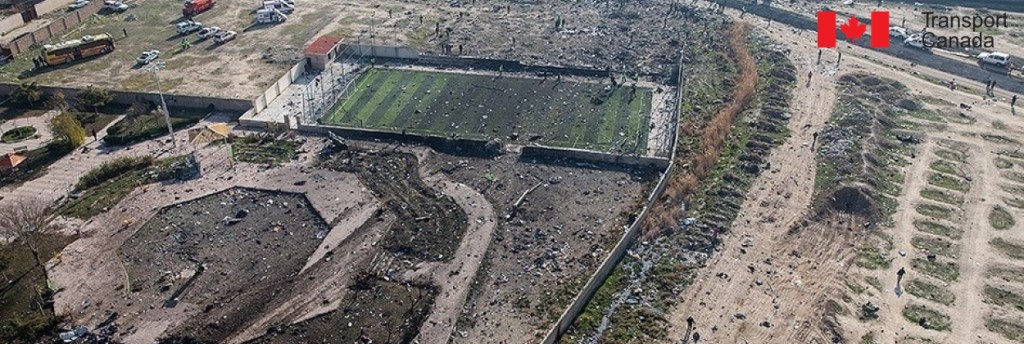
El Foro Safer Skies se ha pronunciado en su ronda de disertaciones con la premisa de conseguir cielos más seguros al aborda el riesgo de aviación civil en zonas de conflicto. Desde que el vuelo PS752 de Ukraine International Airlines fue derribado cerca de Teherán, República de Irán el 8 de Enero de 2020, Canadá y sus socios internacionales han estado trabajando para mejorar la seguridad de los viajes aéreos en todo el mundo al abordar las brechas en la forma en que el sector de la aviación civil se ocupa de las zonas de conflicto.
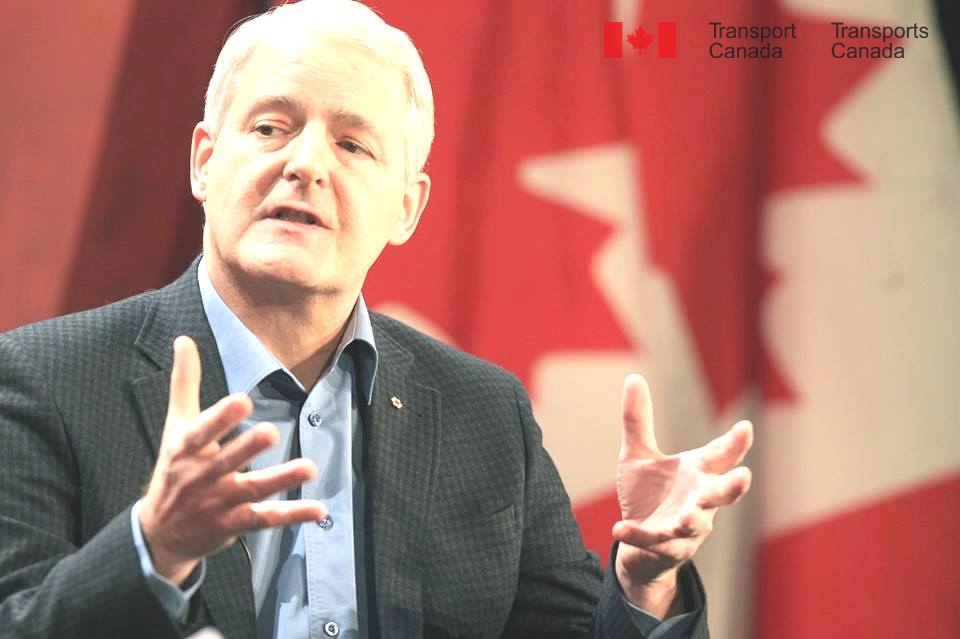
El Ministro de Transporte de Canadá, Marc Garneau, pronunció su discurso de apertura en el Foro inaugural de Safer Skies, organizado por Transport Canada. El Foro de Safer Skies es el primer foro internacional centrado en la seguridad de la aviación civil sobre las zonas de conflicto. El evento reunió a expertos de 81 países y regiones, organizaciones internacionales y la industria de la aviación civil para compartir las mejores prácticas para abordar el riesgo en las zonas de conflicto. Los participantes también abogaron por la aplicación de las Normas y Prácticas Recomendadas (SARP) de la Organización de Aviación Civil Internacional (OACI), que ayudan a los socios internacionales a gestionar los riesgos para la seguridad de la aviación.
Durante su discurso, el Ministro canadiense Marc Garneau instó a los países que aún no lo habían hecho a que respaldaran la Declaración de Compromiso sobre los cielos más seguros, un compromiso mundial para promover la seguridad y la seguridad de la aviación. La Declaración refuerza la importancia de las operaciones seguras de aviación civil en todo el mundo y pide a los países que renueven su compromiso con un enfoque global para hacer frente al riesgo de las zonas de conflicto. El Ministro ha observado el respaldo de los Estados Unidos, Alemania, Ucrania, Francia, el Reino Unido, la República de Corea, Islandia, Georgia, los Países Bajos, el Japón, Grecia, la Organización de Servicios de Navegación Aérea Civil y la Asociación Internacional de Transporte Aéreo, y espera con interés nuevos apoyos en las próximas semanas.
La Organización de Aviación Civil Internacional (OACI) ha destacado que los países están siendo encuestados y que sus respuestas ayudarían a definir los próximos pasos a nivel multilateral y a mejorar los resultados sobre la mitigación del riesgo de las zonas de conflicto en el futuro.
Safer Skies Forum
Safer Skies Forum delivers operational safety in commercial aviation
The Safer Skies Forum has spoken in its round of lectures with the premise of achieving safer skies by addressing the risk of civil aviation in conflict zones. Since Ukraine International Airlines flight PS752 was shot down near Tehran, Republic of Iran on January 8, 2020, Canada and its international partners have been working to improve air travel safety around the world by addressing gaps in the way the civil aviation industry deals with conflict zones.
Canadian Transportation Minister Marc Garneau delivered his keynote address at the inaugural Safer Skies Forum, hosted by Transport Canada. The Safer Skies Forum is the first international forum focused on civil aviation security over conflict zones. The event brought together experts from 81 countries and regions, international organizations and the civil aviation industry to share best practices for addressing risk in conflict zones. Participants also advocated for the application of the International Civil Aviation Organization (ICAO) Standards and Recommended Practices (SARPs), which help international partners manage risks to aviation security.
During his speech, Canadian Minister Marc Garneau urged countries that had not yet done so to endorse the Declaration of Commitment on Safer Skies, a global commitment to advance aviation safety and security. The Declaration reinforces the importance of safe civil aviation operations around the world and calls on countries to renew their commitment to a global approach to dealing with the risk of conflict zones. The Minister has noted the support of the United States, Germany, Ukraine, France, the United Kingdom, the Republic of Korea, Iceland, Georgia, the Netherlands, Japan, Greece, the Civil Air Navigation Services Organization and the Association International Air Transport, and looks forward to further support in the coming weeks.
The International Civil Aviation Organization (ICAO) has highlighted that countries are being surveyed and that their responses would help define the next steps at the multilateral level and improve results on risk mitigation of conflict zones in the future.
Airbus normatiza localizador ELTs inspirados en MH370 hacia 2023
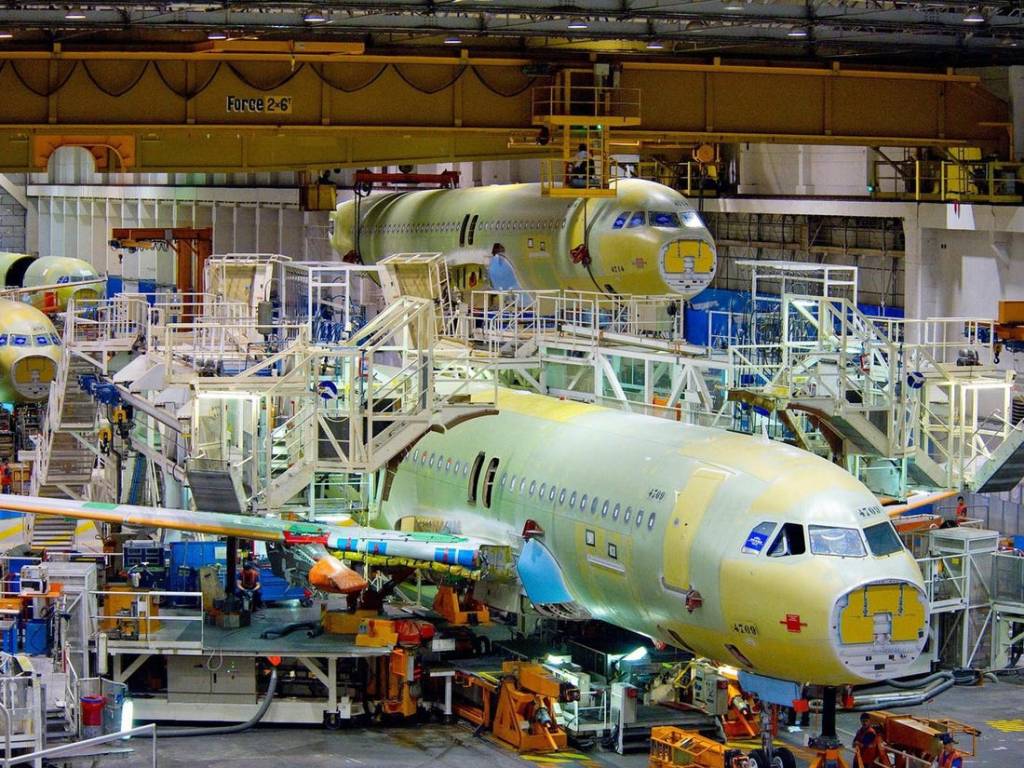
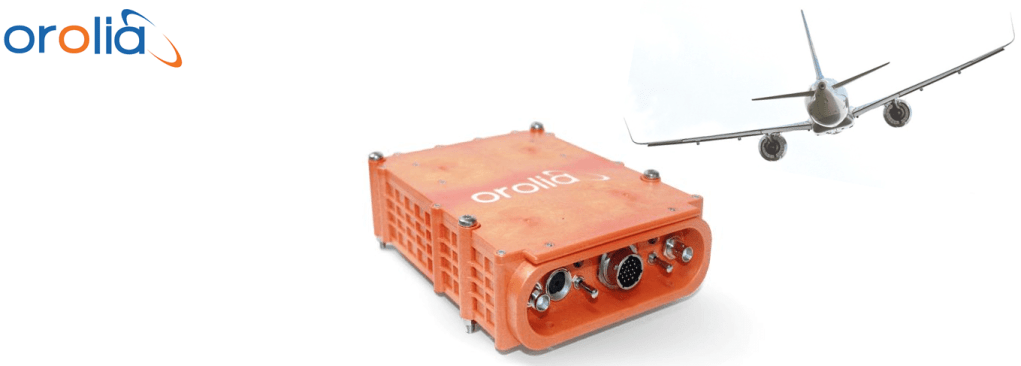
Airbus Group ha informado que la compañía incorporará la tecnología se ha comprometido a equipar todos sus tipos de aeronaves en producción con tecnología de localización de emergencia de ajuste de línea denominado Line Setting Emergency Location (ELT) inspirada en un mandato reglamentario de la Agencia de Seguridad Aérea de la Unión Europea (EASA) relacionado con la desaparición del vuelo MH370 de Malaysia Airlines. En virtud de un nuevo acuerdo con París, el fabricante de aviones ELT Orolia, con sede en Francia, Ultima-DT se instalará en serie en todos los programas de aviones comerciales que incluyen las flotas de los programas A220, A320, A330 y A350 según un comunicado de prensa emitido el 9 de Diciembre de 2020. La tecnología se instalará en los aviones Airbus como parte de un contrato de programa multianual de origen único adjudicado a Orolia. De acuerdo con el mandato de Seguimiento Autónomo de Desastres de la OACI se dio a conocer como parte de su iniciativa del Sistema Mundial de Socorro y Seguridad Aeronáutica (GADSS) y del mandato de la Unión Europea, todas las aeronaves nuevas entregadas a partir de Enero de 2023 podrán informar de forma autónoma de su ubicación en cualquier parte del mundo y determinar el fin de la ubicación del vuelo para ayudar a los equipos de rescate a localizar rápidamente la aeronave y recuperar los grabadores de vuelo. «Estamos muy orgullosos de ser seleccionados por Airbus para proporcionar al primer fabricante de aeronaves del mundo el cumplimiento de las últimas regulaciones de seguridad. Una selección de programas de una sola fuente y de varios años para la entrega de equipos obligatorios es un testimonio de nuestras capacidades de innovación, la confiabilidad de Orolia como fabricante de equipos críticos y nuestro know-how en términos de gestión de programas grandes y complejos», dijo Jean-Yves Courtois, CEO de Orolia.
Desarrollado después de la desaparición del vuelo MH370 de Malaysia Airlines, debía ocurrir a partir del 21 de Enero de 2021. Para cumplir con el mandato, las aeronaves con un peso máximo de despegue de más de 27.000 kg (60.000 libras) con un certificado de aeronavegabilidad emitido tendrían que transmitir de forma autónoma la información de posición una vez cada minuto o menos cuando una aeronave está en peligro.
Los Airbus A220-100 y A220-300 se encuentran entre los tipos de aeronaves en servicio que recibirán las mejoras de ajuste de línea ELT. La OACI adoptó por primera vez la enmienda 39 del Anexo 6 de sus normas normales de seguimiento de aeronaves y prácticas recomendadas (SARP) en Noviembre de 2015. Los SARP requieren que los operadores rastreen las aeronaves que operan en condiciones normales de vuelo cada 15 minutos con una capacidad opcional de seguimiento de eventos anormales. Un requisito de ADT separado, que la tecnología de Orolia cumplirá en los aviones Airbus, se incluyó en la modificación de las normas de la OACI y ha sido implementado a nivel nacional por organismos reguladores de aviación civil.
Después de un aplazamiento de dos años, el estándar para el elemento de seguimiento de socorro de GADSS ahora será aplicable a partir de enero de 2023 para los aviones de nueva construcción. Tras una encuesta de la OACI sobre preparación, la Comisión de Navegación Aérea de la agencia recomendó este aplazamiento a 2023, que fue aprobado por el Consejo de la OACI este año. Eso da a Airbus tiempo suficiente para integrar la adopción del Ultima-DT de Orolia en sus horarios de producción. La antena también tiene recepción integrada del sistema de navegación por satélite global y Orolia también proporciona un módulo ADT separado que se instala dentro del panel de control de la cabina de la aeronave. Cuando el módulo de seguimiento de Ultima-DT captura una señal o condición de socorro y la transmite al ELT, se puede remitir un mensaje de socorro a los controladores de tráfico aéreo, a las agencias de búsqueda y rescate y al personal de tierra del operador de aeronaves. La señalización del módulo de una condición de socorro también activa el seguimiento minuto a minuto.
En caso de que un avión experimente un corte de energía, el nuevo ELT sigue transmitiendo señales de socorro al sistema de satélites COSPAS SARSAT, que ha proporcionado servicio gratuito de localización de emergencia por satélite de búsqueda y rescate a la industria de la aviación durante más de 20 años.
Mientras que la tecnología de seguimiento de socorro ELT de la generación anterior fue activada por las fuerzas G, Ultima-DT se activa por condiciones de socorro que pueden conducir a un accidente o accidente. «Las primeras unidades se entregarán a Airbus para la instalación final de la línea de montaje en 2022, lo que garantiza que las aeronaves entregadas a partir de Enero de 2023 cumplan con los requisitos autónomos de seguimiento de socorro», dijo Orolia.
Airbus incorporates ELT in aircraft
Airbus standardizes locator ELTs inspired by MH370 by 2023
Airbus Group has reported that the company will incorporate the technology has committed to equipping all its types of aircraft in production with line setting emergency location technology called Line Setting Emergency Location (ELT) inspired by a regulatory mandate from the Security Agency European Union Air Force (EASA) related to the disappearance of Malaysia Airlines flight MH370. Under a new agreement with Paris, France-based aircraft manufacturer ELT Orolia Ultima-DT will be installed serially on all commercial aircraft programs including the A220, A320, A330 and A350 program fleets as per a press release issued on December 9, 2020. The technology will be installed on Airbus aircraft as part of a multi-year single-origin program contract awarded to Orolia. In accordance with the Autonomous Disaster Monitoring mandate of ICAO was announced as part of its Global Aeronautical Distress and Safety System (GADSS) initiative and the mandate of the European Union, all new aircraft delivered as of January 2023 will be able to autonomously report their location anywhere in the world and determine the end of the flight location to help rescue teams quickly locate the aircraft and retrieve the flight recorders. «We are very proud to be selected by Airbus to provide the world’s first aircraft manufacturer with compliance with the latest safety regulations. A selection of multi-year, single source programs for the delivery of mandatory equipment is a testament to our innovation capabilities, Orolia’s reliability as a critical equipment manufacturer and our know-how in terms of managing large and complex programs», said Jean-Yves Courtois, CEO of Orolia.
Developed after the disappearance of Malaysia Airlines flight MH370, it was to occur as of January 21, 2021. To comply with the mandate, aircraft with a maximum take-off weight of more than 27,000 kg (60,000 pounds) have a certificate of Issued airworthiness would have to autonomously transmit position information once every minute or less when an aircraft is in distress.
The Airbus A220-100 and A220-300 are among the types of aircraft in service that will receive the ELT line tuning enhancements. ICAO first adopted Amendment 39 to Annex 6 of its normal aircraft tracking standards and recommended practices (SARPs) in November 2015. SARPs require operators to track aircraft operating under normal flight conditions every 15 minutes. with an optional abnormal event tracking capability. A separate ADT requirement, which Orolia’s technology will meet on airbus aircraft, was included in the ICAO standards amendment and has been implemented nationally by civil aviation regulatory bodies.
After a two-year postponement, the standard for the GADSS Distress Tracking Element will now be applicable from January 2023 for newly built aircraft. Following an ICAO survey on preparedness, the agency’s Air Navigation Commission recommended this postponement to 2023, which was approved by the ICAO Council this year. That gives Airbus enough time to integrate the adoption of Orolia’s Ultima-DT into its production schedules. The antenna also has integrated reception from the global satellite navigation system and Orolia also provides a separate ADT module that is installed inside the aircraft cabin control panel. When the Ultima-DT tracking module captures a distress signal or condition and transmits it to the ELT, a distress message can be forwarded to air traffic controllers, search and rescue agencies, and operator ground personnel. of aircraft. The module signaling a distress condition also activates minute-by-minute tracking.
In the event that an aircraft experiences a power outage, the new ELT continues to transmit distress signals to the COSPAS SARSAT satellite system, which has provided free search and rescue satellite emergency locator service to the aviation industry for more 20 years.
Whereas the previous generation ELT distress tracking technology was activated by G-forces, Ultima-DT is activated by distress conditions that can lead to an accident or accident. «The first units will be delivered to Airbus for final assembly line installation in 2022, ensuring that aircraft delivered after January 2023 meet autonomous relief tracking requirements», Orolia said.
AW | 2020 12 07 19:47 | AIR INVESTIGATION / AVIATION SAFETY
Doble incidente Boeing 777 tras apagado de Transpondedor
Una serie de incidentes en la navegación aérea ha sufrido una aeronave de la compañía KLM Royal Dutch Airlines que ha despertado las alertas acerca del tipo de anomalía que puede ocasionar serios inconvenientes en la navegación aérea. Dos vuelos de la aerolínea holandesa han con la misma aeronave han protagonizador la desconexión del equipo de Transpondedor en un Boeing 777-200, matrícula PH-BQE. El primer incidente ha ocurrido en el vuelo KL-702 desde Buenos Aires/Ezeiza (Argentina) a Amsterdam/Schiphol (Países Bajos), fue en ruta en nivel de vuelo FL370 a unas 270 nm al suroeste de Praia, Islas de Cabo Verde, en el Atlántico, cuando el Transpondedor dejó de transmitir información de altitud. El ATC confirmó que ni el Modo-S ni el Modo-C continuaron transmitiendo ninguna información de altitud, toda la otra información del Modo-S y ADS-B continuó transmitiéndose. El avión pudo continuar el vuelo hacia Amsterdam, donde aterrizó de forma segura en la Pista 18R unas 6 horas más tarde alrededor de las 05:00L. El avión permaneció en tierra durante unas 5 horas en tierra.
La misma aeronave Boeing 777-200 luego partió de nuevamente en otro vuelo transatlántico, KL-759, de Amsterdam (Países Bajos) a San José (Costa Rica), estaba saliendo de la Pista 24 de Amsterdam/Schiphol cuando el Transpondedor de la aeronave nuevamente no transmitía ninguna información de altitud mientras que todos los demás datos continuaban siendo transmitidos. Mientras la tripulación trabajaba en las listas de verificación tratando de restaurar la funcionalidad del Transpondedor, el avión continuó la subida. El radar de Amsterdam necesitaba decirle a la tripulación que el Reino Unido no aceptaría el avión sin un Transpondedor Mode-C en funcionamiento, la tripulación advirtió que no eran conscientes del problema antes de la salida. Después de consultar con Despacho y Mantenimiento, la tripulación decidió regresar a Amsterdam, donde el avión aterrizó de forma segura en la Pista 18R unos 60 minutos después de la salida. Un reemplazo Boeing 777-200 registro PH-BQC llegó a San José con un retraso de 03:20 horas.
La aeronave Boeing 777-200 volvió al servicio unas 23 horas después de aterrizar de vuelta en Amsterdam, esta vez con el transpondedor completamente en funcionamiento nuevamente. Los detalles de investigaciones se han abierto acerca del singular incidente para determinar qué ha provocado la anomalía.
Un detalle curioso se desprende del incidente del Boeing 777-200 de KLM Airlines siendo una aeronave similar la que se perdió en el Sudeste asiático del vuelo MH-370 de Malaysia Airlines que ha ocurrido un incidente similar en el que se había desconectado el Transpondedor, donde las investigaciones giran en torno a si se desconectó intencionalmente o podría ocurrir inesperadamente, como en los casos reincidentes de los vuelos KL-702 y KL-759 de la compañía holandesa. Posibles pistas podrían abrir más investigaciones para develar el misterio del vuelo MH-370, el enigma más importante de la historia de la aviación comercial.
KLM Boeing 777 Transponder incident
Double Boeing 777 incident after Transponder shutdown
A series of incidents in air navigation has suffered an aircraft of the KLM Royal Dutch Airlines company that has raised alerts about the type of anomaly that can cause serious inconveniences in air navigation. Two flights of the Dutch airline with the same aircraft have led to the disconnection of the Transponder equipment in a Boeing 777-200, registration PH-BQE. The first incident occurred on flight KL-702 from Buenos Aires/ Ezeiza (Argentina) to Amsterdam/Schiphol (Netherlands), it was en route at flight level FL370 at about 270 nm southwest of Praia, Cape Verde Islands, in the Atlantic, when the Transponder stopped transmitting altitude information. ATC confirmed that neither Mode-S nor Mode-C continued to transmit any altitude information, all other Mode-S and ADS-B information continued to transmit. The plane was able to continue the flight to Amsterdam, where it landed safely on Runway 18R some 6 hours later at around 05:00L. The aircraft remained on the ground for about 5 hours on the ground.
The same Boeing 777-200 aircraft then departed again on another transatlantic flight, KL-759, from Amsterdam (Netherlands) to San José (Costa Rica), it was departing from Runway 24 Amsterdam/Schiphol when the aircraft’s transponder again it was not transmitting any altitude information while all other data continued to be transmitted. While the crew worked through the checklists trying to restore the functionality of the Transponder, the plane continued the climb. Amsterdam radar needed to tell the crew that the UK would not accept the plane without a working Mode-C Transponder, the crew cautioned that they were unaware of the problem prior to departure. After consulting with Dispatch and Maintenance, the crew decided to return to Amsterdam, where the plane landed safely on Runway 18R about 60 minutes after departure. A replacement Boeing 777-200 registration PH-BQC arrived in San Jose with a delay of 03:20 hours.
The Boeing 777-200 aircraft returned to service about 23 hours after landing back in Amsterdam, this time with the transponder fully operational again. Investigative details have been opened about the unique incident to determine what caused the anomaly.
A curious detail emerges from the KLM Airlines Boeing 777-200 incident, a similar aircraft being the one that was lost in Southeast Asia on Malaysia Airlines flight MH-370 that a similar incident has occurred in which the transponder had been disconnected, where the investigations revolve around whether it was intentionally disconnected or it could happen unexpectedly as in the repeat cases of flights KL-702 and KL-759 of the Dutch company. Possible clues could open more investigations to unravel the mystery of flight MH-370, the most important enigma in the history of commercial aviation.
KLM Boeing 777 Transponder incident
Dubbel Boeing 777-incident na uitschakeling van Transponder
Bij een reeks incidenten in de luchtvaart is sprake van een vliegtuig van de KLM Royal Dutch Airlines dat waarschuwingen heeft gegeven over het type anomalie dat voor ernstige ongemakken kan zorgen in de luchtvaart. Twee vluchten van de Nederlandse luchtvaartmaatschappij met hetzelfde vliegtuig hebben geleid tot het loskoppelen van de Transponderapparatuur in een Boeing 777-200, registratie PH-BQE. Het eerste incident vond plaats op vlucht KL-702 van Buenos Aires/Ezeiza (Argentinië) naar Amsterdam/Schiphol (Nederland), het was onderweg op vliegniveau FL370 op ongeveer 270 nm ten zuidwesten van Praia, Kaapverdische eilanden, in de Atlantische Oceaan, toen de transponder stopte met het verzenden van hoogte-informatie. ATC bevestigde dat noch Mode-S noch Mode-C doorging met het verzenden van hoogte-informatie, terwijl alle andere Mode-S en ADS-B informatie doorging met verzenden. Het vliegtuig kon de vlucht voortzetten naar Amsterdam, waar het zo’n 6 uur later rond 05.00 uur veilig landde op baan 18R. Het vliegtuig bleef ongeveer 5 uur aan de grond.
Hetzelfde Boeing 777-200-vliegtuig vertrok vervolgens weer op een andere transatlantische vlucht, KL-759, van Amsterdam (Nederland) naar San José (Costa Rica), het vertrok vanaf baan 24 Amsterdam/Schiphol toen de transponder van het vliegtuig opnieuw zond het geen hoogte-informatie uit terwijl alle andere gegevens werden verzonden. Terwijl de bemanning de checklists afwerkte om de functionaliteit van de Transponder te herstellen, vervolgde het vliegtuig de klim. De Amsterdamse radar moest de bemanning vertellen dat het VK het vliegtuig niet zou accepteren zonder een werkende Mode-C Transponder, de bemanning waarschuwde dat ze zich voor vertrek niet bewust waren van het probleem. Na overleg met Dispatch and Maintenance besloot de bemanning terug te keren naar Amsterdam, waar het vliegtuig ongeveer 60 minuten na vertrek veilig landde op baan 18R. Een vervangende Boeing 777-200 met registratie PH-BQC arriveerde in San Jose met een vertraging van 3:20 uur.
Het Boeing 777-200-vliegtuig keerde ongeveer 23 uur na de landing terug in Amsterdam weer in dienst, dit keer met de transponder weer volledig operationeel. Er zijn onderzoeksdetails geopend over het unieke incident om te bepalen wat de anomalie veroorzaakte.
Een merkwaardig detail komt naar voren uit het KLM Airlines Boeing 777-200-incident, een soortgelijk vliegtuig dat verloren is gegaan in Zuidoost-Azië op vlucht MH-370 van Malaysia Airlines dat zich een soortgelijk incident heeft voorgedaan waarbij de transponder was losgekoppeld, waar het onderzoek draait om de vraag of de verbinding opzettelijk is verbroken of dat het onverwacht kan gebeuren, zoals in de herhalingsgevallen van vluchten KL-702 en KL-759 van de Nederlandse maatschappij. Mogelijke aanwijzingen zouden kunnen leiden tot meer onderzoek om het mysterie van vlucht MH-370, het belangrijkste raadsel in de geschiedenis van de commerciële luchtvaart, te ontrafelen.