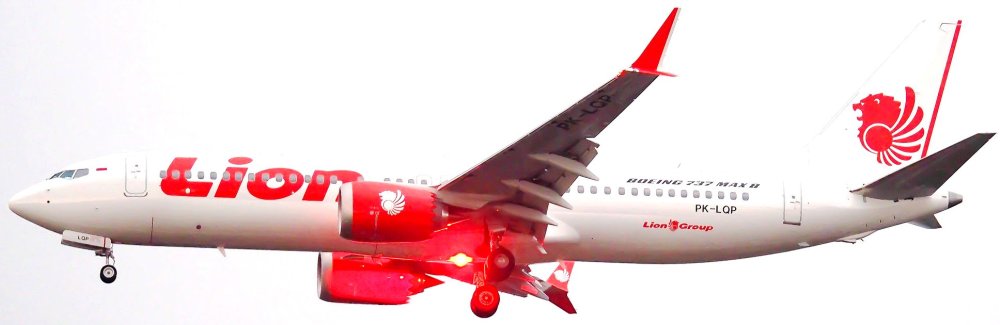
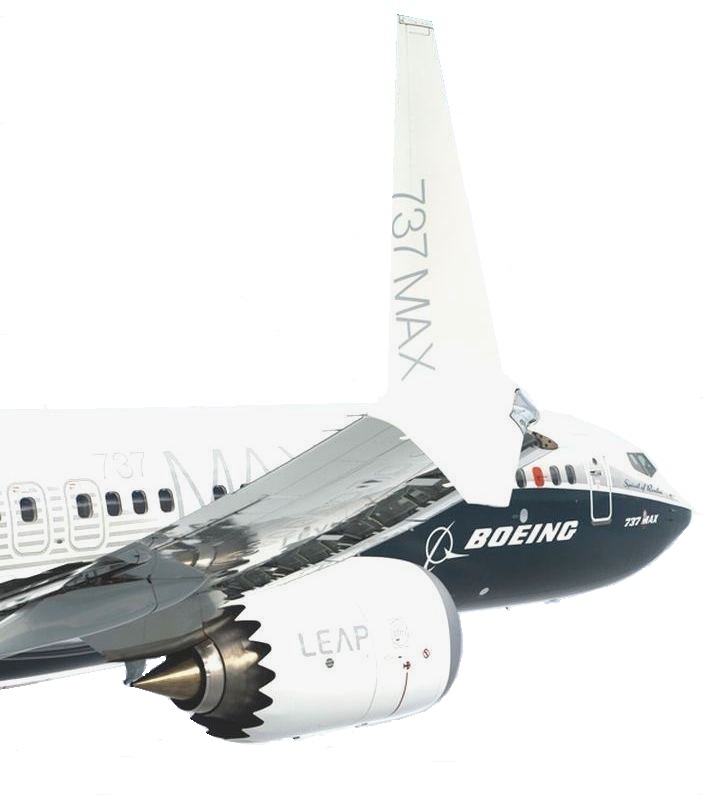
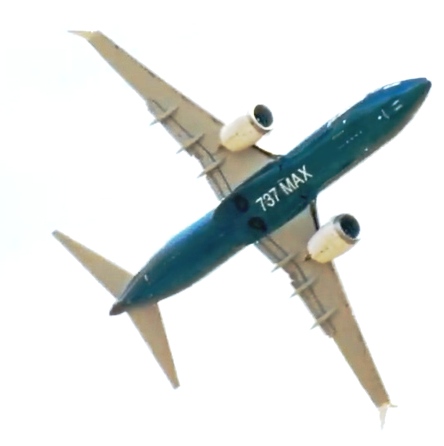
Retorno incierto del 737 MAX

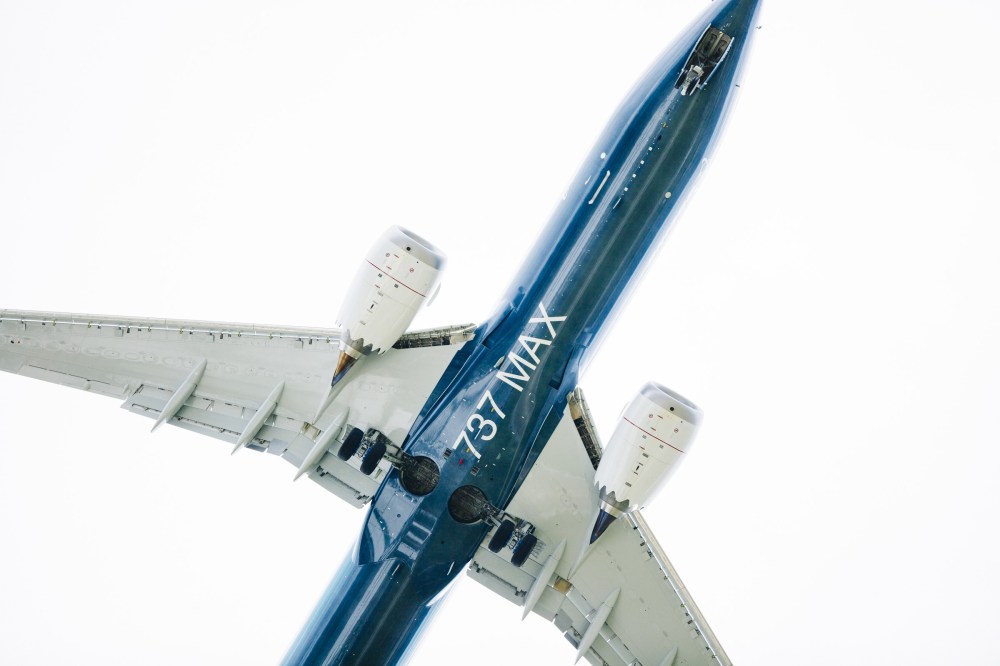
Resultado de imagen para Boeing 737 MAXAW | 2019 10 09 23:30 | AVIATION SAFETY / INDUSTRY

Boeing-Company-LogoRevisiones de seguridad que mantienen el retorno incierto del 737 MAXAW-Icon_Boeing 737 MAX.jpg

The Boeing Company ha entregado las revisiones del programa del desarrollo del software mejorado del Sistema de Control del Boeing 737 MAX. La Administración Federal de Aviación (FAA) y la Administración Europea de Seguridad Aérea (EASA) están llevando a cabo revisiones separadas de la actualización del software de control de vuelo destinada a abordar la causa de los dos accidentes aéreos aéreos.

El regreso al servicio regular para el servicio comercial de la línea Boeing 737 MAX permanece indeterminado, ya que la FAA y la EASA continúan revisando las actualizaciones de software de control de vuelo que se espera corrijan la causa de dos accidentes fatales en el último año. Boeing ha dicho que esperaba devolver el avión bimotor al servicio durante el cuarto trimestre de 2019.

Cuestiones de análisis

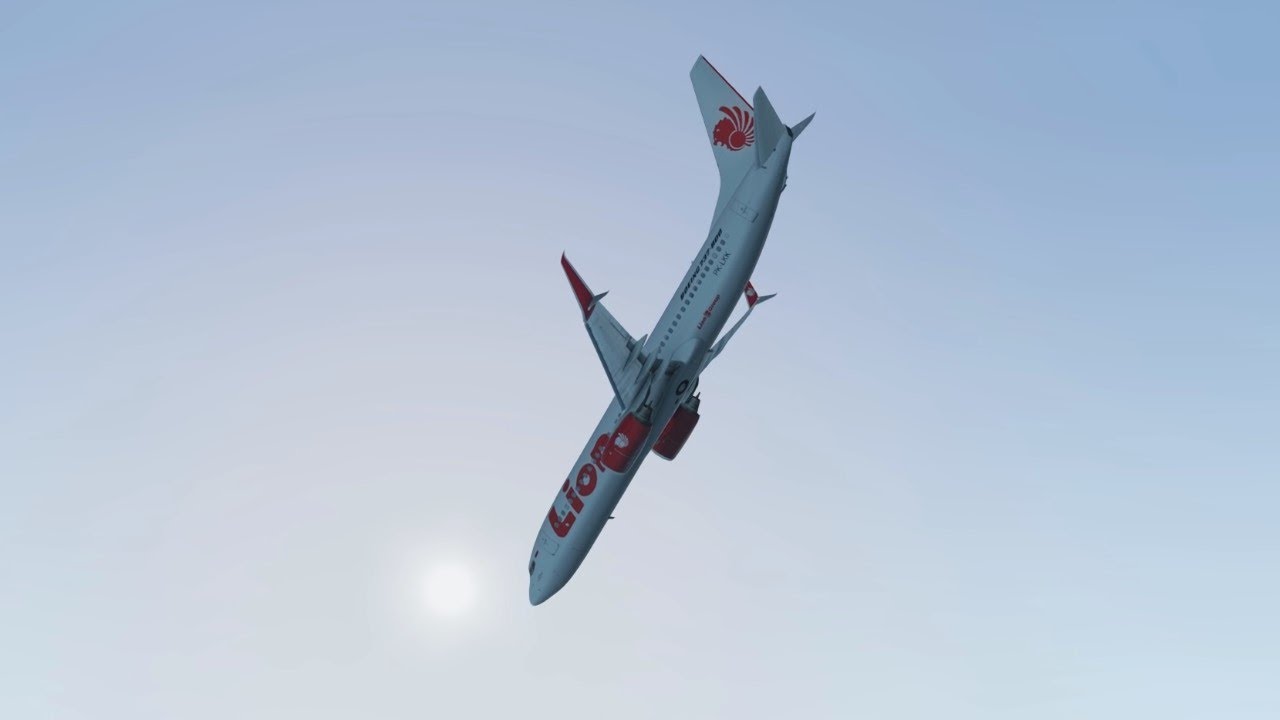
Los rteguladores de aviación del mundo están determinando el factor honamo que está implicando en el análisis del desarrollo de los acontecimientos de las trajedias aéreas de los vuelos JT-6120 y ET-302. Además, están investigando cómo la compañía fabricante de las aeronaves 737 MAX interpretó erróneamente el cuestionado diseño de navegación del Sistema de Aumento de las Características de Maniobras (MCAS) y la interacción entre humano y máquina.

Tanto la FAA como la EASA no han indicado cuándo se completarán sus revisiones. La FAA estima validar en Noviembre 2019. La EASA realizará su propia revisión separada de las revisiones propuestas al software, lo que pposiblemente prolongará el proceso de recertificación.

Cuestionado 737

El Boeing 737 MAX es el avión más vendido de Boeing, y el más famoso por su historial de ventas desde 1967. Ha sido el caballito de batalla y el niño mimado de Boeing, pero ahora tiene serios dolores de cabeza no solo por la suspención del servicio en todo el mundo desde Marzo 2019, sino además por problemas de agrietamiento en la raíz alar de las aeronave antecesoras los 737 Next Generation.

Rediseñar el futuro

El rediseño del software de Control de Vuelo (MCAS) de Boeing incorporará datos de dos computadoras de control de vuelo en lugar de una. Asegurar la autorización del Boeing 737 MAX es un objetivo priotario, como así también actualizar la flota global de 385 aeronaves que deberán reprogramarse con el nuevo software. Más allá del regreso al servicio, Boeing también tiene como objetivo reanudar la producción y las entregas de la serie 737, que esperaba iniciar este mes.

Boeing recibe 1er pedido

Boeing obtiene el primer pedido de 737 MAX en meses, después de que las aeronaves han sido puestasa a tierra en Marzo 2019. Desde entonces, las entregas de aeronaves comerciales totales han caído un 47% a 302 aviones en los primeros nueve meses de 2019. Las entregas totalizaron 26 aviones en Septiembre 2019, frente a los 87 en 2018.

Este Martes 08/10, un cliente no identificado había efctuado una orden por un avión Boeing 737 MAX, con datos que sugerían que se había convertido al MAX de otra variante del mismo modelo.

Boeing también informó en Abril 2019 por un importante acuerdo tentativo para 200 Boeing 737 MAX del propietario de British Airways, el IAG Group, anunciado en el Salón Aeronáutico de París 2019 en Junio, aunque no se ha presentado como un pedido en firme.AW-Icon AW001

Resultado de imagen para Boeing 737 MAX737 MAX uncertain return

AW-70000033.jpgSecurity checks that maintain the uncertain return of the 737 MAX

The Boeing Company has delivered program reviews of the improved software development of the Boeing 737 MAX Control System. The Federal Aviation Administration (FAA) and the European Air Safety Administration (EASA) are conducting separate reviews of the flight control software update aimed at addressing the cause of the two air accidents.

The return to regular service for the commercial service of the Boeing 737 MAX line remains undetermined, as the FAA and EASA continue to review the flight control software updates that are expected to correct the cause of two fatal accidents in the past year. Boeing has said it expected to return the twin-engine aircraft to service during the fourth quarter of 2019.

AW-Aircurrent_004.jpegAnalysis Issues

The aviation regulators of the world are determining the factor human that is implicating in the analysis of the development of the events of the aerial trajectories of the flights JT-6120 and ET-302. In addition, they are investigating how the manufacturer of the 737 MAX aircraft misinterpreted the questioned navigation design of the Maneuvering Character Enhancement System (MCAS) and the interaction between humans and machines.

Both the FAA and EASA have not indicated when their reviews will be completed. The FAA estimates to be validated in November 2019. The EASA will conduct its own separate review of the proposed revisions to the software, which will likely prolong the recertification process.

Questioned 737

The Boeing 737 MAX is the best-selling Boeing aircraft, and the most famous for its sales history since 1967. It has been the battle horse and the spoiled child of Boeing, but now it has serious headaches not only because of the suspension of the service worldwide since March 2019 but also for cracking problems in the alar root of the predecessor aircraft the 737 Next Generation.

Redesign the future

Boeing’s Flight Control Software (MCAS) redesign will incorporate data from two flight control computers instead of one. Ensuring the authorization of the Boeing 737 MAX is a primary objective, as well as updating the global fleet of 385 aircraft that must be reprogrammed with the new software. Beyond the return to service, Boeing also aims to resume production and deliveries of the 737 series, which is expected to start this month.

Boeing receives 1st order

Boeing gets the first order of 737 MAX in months after the aircraft has been grounded in March 2019. Since then, deliveries of total commercial aircraft have fallen 47% to 302 aircraft in the first nine months of 2019. Deliveries totaled 26 aircraft in September 2019, compared to 87 in 2018.

This Tuesday 08/10, an unidentified customer had issued an order for a Boeing 737 MAX aircraft, with data suggesting that he had converted to the MAX of another variant of the same model.

Boeing also reported in April 2019 for an important tentative agreement for 200 Boeing 737 MAX of the owner of British Airways, the IAG Group, announced at the Paris Air Show 2019 in June, although it has not been presented as a firm order.AW-Icon AW002


Ξ A I R G W A Y S Ξ
SOURCE: Airgways.com
DBk: Boeing.com / Americanmachinist.com / Airgways.com / Cnbc.com / Aircurrent.com
AW-POST: 201910092330AR

A\W   A I R G W A Y S ®

Continúan Investigaciones en 737 MAX

AW-700737MAX.jpgAW | 2019 10 07 16:23 | AVIATION SAFETY

Boeing-Company-Logo.jpgReguladores de aviación analizan la sobrecarga de tareas en los Boeing 737 MAXAW-Icon_Boeing 737 MAX.jpg

«Los reguladores globales están buscando sistemas de alarma que puedan sobrecargar a los pilotos en medio del proceso de revisión del protocolo Boeing 737 MAX», dijo Nicholas Robinson, Jefe de la Transport Canada. La sobrecarga de los pilotos parece haber jugado un papel en ambos accidentes, donde las tripulaciones intentaron recuperar el control del avión, mientras que un nuevo sistema de control de vuelo empujó repetidamente la nariz del avión hacia abajo en medio de una serie de otras alarmas y advertencias. sensoriales y de audio.

Las decisiones regulatorias pueden conducir a cambios radicales en los manuales de operación de vuelo e instrucciones en el aula e incluso en el requisito de capacitación en simuladores. Sin embargo, no se puede tomar una decisión de capacitación hasta que Boeing envíe actualizaciones de software a la FAA para su revisión y aprobación.

Boeing ante la Cámara Representantes

El próximo 30 Octubre 2019, el CEO de The Boeing Company, Dennis Muilenburg, se presentará para responder ante los representantes de la Cámara Baja del Congreso de Estados Unidos. El Presidente Ejecutivo de Boeing fue citado a declarar por las tragegias aéreas como así expondrá acerca de los avances en materia de seguridad industrial.

Boeing, cambios

Boeing ha anunciado que está tomando varias medidas inmediatas para centrarse en la seguridad de los productos y servicios, según las recientes recomendaciones de la junta directiva, dijo la compañía.

Las acciones son el resultado de una revisión independiente de cinco meses de las políticas y procesos de la compañía para el diseño y desarrollo de sus aviones por un comité especialmente designado, luego de los accidentes Lion Air vuelo JT-610 y Ethiopian Airlines vuelo ET-302 en ambosa casos con aeronaves Boeing 737-8 MAX.

Las recomendaciones del Comité de Políticas y Procesos de Aviones, respaldadas por un amplio alcance a expertos internos y externos, se centraron en mejorar aún más la seguridad en toda la empresa y el ecosistema aeroespacial más amplio. Además del Comité de Seguridad Aeroespacial permanente previamente anunciado de la junta directiva de Boeing, Muilenburg compartió que Boeing está levantando una nueva organización de Seguridad de Productos y Servicios que fortalecerá aún más el enfoque de seguridad de la compañía. Esta organización unificará las responsabilidades relacionadas con la seguridad que actualmente manejan los equipos en varias unidades comerciales y operativas de Boeing. Al mismo tiempo y además de las recomendaciones de la junta, Boeing está tomando medidas para fortalecer la forma en que gestiona la seguridad en toda la empresa y su cadena de suministro, centrándose en la excelencia operativa, invirtiendo en su gente y, en asociación con otros en la comunidad aeroespacial, trabajando para mejorar la seguridad de la aviación mundial.

Boeing es una compañía aeroespacial y proveedora de aviones comerciales, defensa, sistemas espaciales y de seguridad, y servicios globales. Como exportador de Estados Unidos, la empresa brinda asistencia a clientes comerciales y gubernamentales en más de 150 países. Boeing emplea a más de 150.000 personas en todo el mundo y aprovecha los talentos de una base global de proveedores.AW-Icon AW001

562.jpgInvestigations continue at 737 MAX

Boeing-Logo.svg.pngAviation regulators analyze task overload on the Boeing 737 MAX

«Global regulators are looking for alarm systems that can overload pilots in the middle of the Boeing 737 MAX protocol review process», said Nicholas Robinson, Head of Transport Canada. Pilot overload appears to have played a role in both accidents, where crews tried to regain control of the plane, while a new flight-control system repeatedly pushed the nose of the plane down in the middle of a series of other alarms and warnings Sensory and audio.

Regulatory decisions can lead to radical changes in flight operation manuals and classroom instructions and even in the simulator training requirement. However, a training decision cannot be made until Boeing sends software updates to the FAA for review and approval.

Boeing before the House Representatives

On October 30, 2019, the CEO of The Boeing Company, Dennis Muilenburg, will appear to respond to representatives of the Lower House of the United States Congress. The Executive President of Boeing was summoned to testify by air tragedies as he will present about the advances in industrial security.

Boeing changes

Boeing has announced that it is taking several immediate steps to focus on the safety of products and services, according to the recent recommendations of the board of directors, the company said.

The actions are the result of an independent five-month review of the company’s policies and processes for the design and development of its aircraft by a specially appointed committee, following the Lion Air flight JT-610 and Ethiopian Airlines flight ET- accidents. 302 in both cases with Boeing 737-8 MAX aircraft.

The recommendations of the Aircraft Policies and Processes Committee, backed by a wide range of internal and external experts, focused on further improving safety throughout the company and the wider aerospace ecosystem. In addition to the previously announced permanent Aerospace Safety Committee of the Boeing board of directors, Muilenburg shared that Boeing is building a new Products and Services Security organization that will further strengthen the company’s security approach. This organization will unify the safety-related responsibilities currently handled by the equipment in various commercial and operational units of Boeing. At the same time and in addition to the recommendations of the board, Boeing is taking steps to strengthen the way it manages security throughout the company and its supply chain, focusing on operational excellence, investing in its people and, in partnership with others in the aerospace community, working to improve global aviation security.

Boeing is an aerospace company and supplier of commercial aircraft, defense, space and security systems, and global services. As an exporter from the United States, the company provides assistance to commercial and government clients in more than 150 countries. Boeing employs more than 150,000 people worldwide and leverages the talents of a global provider base.AW-Icon AW002


Ξ A I R G W A Y S Ξ
SOURCE: Airgways.com
DBk: Boeing.com / House.gov / Tc.gc.ca / Faa.gov / Airgways.com
AW-POST: 201910071623AR

A\W   A I R G W A Y S ®


Irregularidades certificación 737 MAX

Adrien Daste / SafranAW | 2019 10 02 23:24 | AVIATION SAFETY

Boeing-Company-LogoContinúan las investigaciones sobre irregularidades certificación Boeing 737 MAX

Image result for Department of Transport USLos fiscales del Departamento de Justicia, los inspectores del Departamento de Transporte (DOT) y los funcionarios de la Comisión de Bolsa y Valores (SEC) están involucrados en una amplia investigación federal sobre posibles irregularidades en The Boeing Company durante la certificación del Boeing 737 MAX. Boeing declinó hacer comentarios sobre los detalles de la queja de ética de un ingeniero que era Jefe de Proyectos del 737 MAX. Los empleados han sido interrogados por el FBI, aunque se han protegido la identidad de la fuente de esa información. El ingeniero de alto nivel de Boeing presentó una queja de ética interna este año luego de dos accidentes fatales de 737 MAX, alegando que la compañía rechazó un sistema de seguridad durante el desarrollo del avión para reducir costos, aunque podría haber reducido los riesgos. El ingeniero llamado Curtis Ewbank se nombra porque se identificó en su queja a Boeing.Image result for Department of Justice

Curtis Ewbank alegó que «la administración de Boeing estaba más preocupada por el costo y el horario que por la seguridad o la calidad. Estaba dispuesto a defender la seguridad y la calidad, pero no pude tener un efecto en esas áreas». En sus fuertes declaraciones, Ewbank también llamó al Director Ejecutivo de Boeing, Dennis Muilenburg, por tergiversar públicamente la seguridad del avión.

Image result for Securities and Exchange Commission (SEC)Nueva tecnología no aplicable

Curtis Ewbank alegó que un piloto de pruebas en Jefe de la línea 737 MAX y otros ingenieros querían estudiar la posibilidad de instalar un sistema denominado Velocidad Aérea Sintética, un nuevo sistema que calcula la velocidad aérea usando diferentes datos, en el avión. Pero un Ejecutivo de Boeing, según Ewbank, decidió no dar los posibles costos del sistema y el efecto sobre los requisitos de capacitación para los pilotos.

El Sistema de Velocidad Aérea Sintética podría detectar cuando los sensores de Ángulo de Ataque (AOA) del Boeing 737 MAX no funcionan correctamente y evitar que otros sistemas reaccionen a esos datos incorrectos. «No es posible decir con certeza que cualquier implementación real de velocidad sintética en el 737 MAX hubiera evitado los accidentes», dijo Ewbank.

Curtis Ewbank trabajó en el Programa 737 MAX, entre otros modelos, como Ingeniero de Sistemas desde Julio 2010 hasta Abril 2015. Ewbank dijo en su queja que abandonó Boeing, en parte, por preocupaciones de que la compañía no estaba priorizando la seguridad. Regresó a Boeing en 2018 y actualmente está trabajando en su avión 777X.

La queja de ética de Ewbank expresó su preocupación por las posibles consecuencias personales de avanzar dentro de la empresa. «Dada la naturaleza de esta queja, el temor a represalias es alto, a pesar de todas las garantías oficiales de que este no debería ser el caso. Existe una actitud cultural represiva hacia las críticas a la política corporativa, especialmente si esa crítica se produce como resultado de accidentes fatales». Ewbank escribió que sus compañeros de trabajo le dijeron en privado que tienen miedo de hablar sobre preocupaciones de seguridad similares por «miedo a sus trabajos».

Boeing avala seguridad

Boeing dijo en un comunicado que «la seguridad, la calidad y la integridad están en el centro de los valores de Boeing. Boeing ofrece a sus empleados una serie de canales para plantear inquietudes y quejas y cuenta con procesos rigurosos, tanto para garantizar que tales quejas reciban una consideración exhaustiva como para proteger la confidencialidad de los empleados que las formulan. En consecuencia, Boeing no comenta sobre la sustancia o la existencia de tales quejas internas», dijo la compañía. En respuesta a las declaraciones de comentarios del personal, Boeing dijo que «tiene procesos rigurosos en el lugar, tanto para garantizar que tales quejas reciban una consideración exhaustiva como para proteger la confidencialidad de los empleados que las formulan».

Múltiples investigaciones y revisiones, internas y externas, están examinando qué causó los accidentes mortales. La semana pasada, el directorio de Boeing anunció una renovación de las estructuras de informes de la compañía con el objetivo de producir una mejor supervisión de la seguridad interna. El Lunes 30 Septiembre 2019, el Presidente y Director Ejecutivo de Boeing, Dennis Muilenburg, dijo que está tomando medidas inmediatas para implementar esas recomendaciones.

Investigaciones accidentes 737 MAX

En ambos accidentes aéreos que involucraron dos aeronaves Boeing 737-8 MAX, los investigadores creen que una lectura de Ángulo de Ataque (AOA) falso había activado el Sistema de Aumento de las Características de Maniobra (MCAS), que detecta cuándo el avión está volando demasiado lento o abruptamente poniendo en riesgo la inclinación del avión. El sistema automatizado empujó repetidamente las narices de los aviones hacia abajo, sumergiéndolos en inmersiones fatales e irrecuperables.

Perspectivas, Boeing espera retorno

562.jpgEl Boeing 737 MAX ha estado en el mundo durante casi siete meses, ya que Boeing trabaja en una solución integral a sus sistemas de control de vuelo que satisfará a los reguladores de seguridad aérea de todo el mundo. Se espera que las actualizaciones finales de los sistemas se presenten a la Administración Federal de Aviación (FAA) este mes de Octubre 2019, y Boeing anticipa la autorización para devolver el avión al cielo en Noviembre 2019.

Boeing enfrenta múltiples demandas e investigaciones federales relacionadas con el 737 MAX convirtiéndose en un verdadero dolor de cabeza o más bien un rompecabezas.La compañía Boeing ha dicho que espera que los reguladores consideren que el 737 MAX sea seguro y pueda retornar a los cielos antes del 2020. Pero no está claro cuándo se permitirá que el 737 de cuarta generación regrese al servicio. Boeing completó una solución de software para el MCAS y espera tener un vuelo de certificación en Octubre 2019.

Los aviones 737 MAX de Boeing aterrizaron en todo el mundo en Marzo 2019 después de que el segundo accidente fatal del vuelo ET-302 de Ethiopian Airlines se estrelló poco después del despegue, matando a las 157 personas a bordo.

La puesta a tierra ha llevado a una pérdida de miles de millones de dólares para la compañía, una fuerte disminución en los pedidos de aviones, y podría anular sus planes para un nuevo avión de tamaño medio denominado 797. La Administración Federal de Aviación (FAA) ordenó inspecciones de los aviones Boeing 737 Next Generation después de que la compañía notificara a la agencia sobre grietas estructurales en la raíz alar. Tiempos complicados para el gigante aeroespacial Boeing.AW-Icon AW001

AW-70080787888.jpgIrregularities 737 MAX certification

AW-70866Boeing 737 MAX certification irregularities investigations continueAW-Icon_Boeing 737 MAX.jpg

Prosecutors from the Department of Justice, inspectors from the Department of Transportation (DOT) and officials from the Securities and Exchange Commission (SEC) are involved in an extensive federal investigation into possible irregularities at The Boeing Company during the Boeing 737 MAX certification. Boeing declined to comment on the details of the ethics complaint of an engineer who was Project Manager of the 737 MAX. Employees have been questioned by the FBI, although they have protected the identity of the source of that information. Boeing’s senior engineer filed an internal ethics complaint this year after two fatal accidents of 737 MAX, claiming that the company rejected a security system during the development of the plane to reduce costs, although it could have reduced the risks. The engineer named Curtis Ewbank is named because he identified in his complaint to Boeing.

Curtis Ewbank claimed that «the Boeing administration was more concerned with cost and schedule than with safety or quality. He was willing to defend safety and quality, but I could not have an effect on those areas». In his strong statements, Ewbank also called Boeing Executive Director Dennis Muilenburg for publicly misrepresenting the safety of the plane.

New technology not applicable

Curtis Ewbank claimed that a Chief test pilot of the 737 MAX line and other engineers wanted to study the possibility of installing a system called Synthetic Airspeed, a new system that calculates airspeed using different data, on the plane. But a Boeing Executive, according to Ewbank, decided not to give the possible system costs and the effect on the training requirements for the pilots.

The Synthetic Air Velocity System could detect when the Boeing 737 MAX’s Angle of Attack (AOA) sensors do not work properly and prevent other systems from reacting to that incorrect data. «Is not possible to say with certainty that any real implementation of synthetic speed in the 737 MAX would have prevented accidents», said Ewbank.

Curtis Ewbank worked on the 737 MAX Program, among other models, as a Systems Engineer from July 2010 to April 2015. Ewbank said in his complaint that he left Boeing, in part, for concerns that the company was not prioritizing security. He returned to Boeing in 2018 and is currently working on his 777X plane.

Ewbank’s ethics complaint expressed concern about the possible personal consequences of moving forward within the company. «Given the nature of this complaint, the fear of reprisals is high, despite all the official guarantees that this should not be the case. There is a repressive cultural attitude towards criticism of the corporate policy, especially if that criticism occurs as a result of fatal accidents». Ewbank wrote that his co-workers told him privately that they are afraid to talk about similar security concerns about «fear of their jobs».

Boeing guarantees security

Boeing said in a statement that «safety, quality and integrity are at the center of Boeing’s values. Boeing offers its employees a number of channels to raise concerns and complaints and has rigorous processes, both to ensure that such Complaints receive comprehensive consideration to protect the confidentiality of the employees who formulate them. Consequently, Boeing does not comment on the substance or existence of such internal complaints», the company said. In response to the staff’s comments, Boeing said it «has rigorous processes in place, both to ensure that such complaints receive comprehensive consideration and to protect the confidentiality of the employees who formulate them».

Multiple investigations and reviews, internal and external, are examining what caused fatal accidents. Last week, the Boeing board announced a renewal of the company’s reporting structures with the aim of producing better internal security oversight. Monday 30 September 2019, Boeing President and Chief Executive Officer Dennis Muilenburg said he is taking immediate steps to implement those recommendations.

Investigations accidents 737 MAX

In both plane crashes involving two Boeing 737-8 MAX aircraft, investigators believe that a false Angle of Attack (AOA) reading had activated the Maneuvering Character Enhancement System (MCAS), which detects when the plane is flying too slow or abruptly putting the plane’s inclination at risk. The automated system repeatedly pushed the noses of the planes down, immersing them in fatal and unrecoverable dives.

Prospects, Boeing expects the return

The Boeing 737 MAX has been in the world for almost seven months, as Boeing works on a comprehensive solution to its flight control systems that will satisfy air safety regulators around the world. Final updates of the systems are expected to be submitted to the Federal Aviation Administration (FAA) this October, and Boeing anticipates authorization to return the plane to heaven in November 2019.

Boeing faces multiple federal lawsuits and investigations related to the 737 MAX becoming a real headache or rather a puzzle. The Boeing company has said it expects regulators to consider the 737 MAX safe and return to the skies before 2020. But it is not clear when the fourth-generation 737 will be allowed to return to service. Boeing completed a software solution for the MCAS and expects to have a certification flight in October 2019.

Boeing 737 MAX aircraft landed worldwide in March 2019 after the second fatal accident of Ethiopian Airlines flight ET-302 crashed shortly after takeoff, killing the 157 people on board.

The grounding has led to a loss of billions of dollars for the company, a sharp decrease in aircraft orders, and could void its plans for a new medium-sized aircraft called 797. The Federal Aviation Administration (FAA) ordered inspections of Boeing 737 Next-Generation aircraft after the company notified the agency about structural cracks in the alar root. Complicated times for the aerospace giant Boeing. AW-Icon AW002


Ξ A I R G W A Y S Ξ
SOURCE: Airgways.com
DBk: Transportation.gov / Justice.gov / Sec.gov / Boeing..com / Airgways.com
AW-POST: 201910022324AR

A\W   A I R G W A Y S ®

Cambios seguridad en The Boeing Co.

Boeing 737 MAX 8 Planes Face Renewed Scrutiny After Second Crash In 5 MonthsAW | 2019 09 30 16:46 | INDUSTRY / AVIATION SAFETY

Boeing-Company-LogoThe Boeing Company anuncia importantes cambios en seguridad

Desde la sede de The Boeing Company en Chicago, el Presidente Dennis Muilenburg, anunció hoy varias acciones inmediatas que está tomando para fortalecer el compromiso duradero de la compañía con la seguridad de los productos y servicios.

El Presidente y CEO de The Boeing Company, Dennis Muilenburg, anuncia cambios para agudizar el enfoque de la compañía en la seguridad de los productos y servicios. La compañía implementa y se basa en las recomendaciones de la revisión independiente de la Junta Directiva de Boeing. La nueva organización de seguridad de productos y servicios unifica el enfoque de la empresa en materia de seguridad. Acciones adicionales elevan la función de Ingeniería, fortalecen la cultura de Boeing y avanzarán la seguridad en todo el ecosistema aeroespacial.

Las acciones siguen las recomendaciones recientes de la Junta Directiva de Boeing que fueron el resultado de una revisión independiente de cinco meses de las políticas y procesos de la compañía para el diseño y desarrollo de sus aviones por un comité especialmente designado, iniciado por Muilenburg después de los accidentes aéreos que envolvieron los vuelos JT-610 de Lion Air y ET-302 de Ethiopian Airlines con aeronaves Boeing 737-8 MAX. Las recomendaciones del Comité de Políticas y Procesos de Aviones, respaldadas por un amplio alcance a expertos internos y externos, se centraron en mejorar aún más la seguridad en toda la empresa y el ecosistema aeroespacial más amplio.

«La seguridad está en el centro de lo que somos en Boeing, y los recientes accidentes 737 MAX siempre nos pesarán mucho. Nos han recordado nuevamente la importancia de nuestro trabajo y solo han intensificado nuestro compromiso de mejorar continuamente la seguridad de nuestro productos y servicios. Mi equipo y yo aceptamos las recomendaciones de nuestra junta y estamos tomando medidas inmediatas para implementarlas en toda la empresa en asociación con nuestra gente, mientras continuamos y ampliamos nuestros esfuerzos continuos para fortalecer la seguridad en Boeing y la industria aeroespacial en general. Agradecemos a nuestra junta y al miembros del comité por su minucioso trabajo y apoyo continuo. Boeing se compromete a estar siempre a la vanguardia, liderando proactivamente y abogando por mejoras continuas en la seguridad aeroespacial global», dijo Dennis Muilenburg.

Seguridad de Productos y Servicios

Además del Comité de Seguridad Aeroespacial permanente previamente anunciado de la Junta Directiva de Boeing, Muilenburg compartió que Boeing está levantando una nueva organización de Seguridad de Productos y Servicios que fortalecerá aún más el enfoque de seguridad de la compañía. Esta organización unificará las responsabilidades relacionadas con la seguridad que actualmente manejan los equipos en varias unidades comerciales y operativas de Boeing.

Image result for boeing renton factory

El equipo estará dirigido por la Vicepresidenta de Seguridad de Productos y Servicios, Beth Pasztor, quien informará conjuntamente al Comité de Seguridad Aeroespacial de la Junta Directiva de Boeing y a Greg Hyslop, ingeniero Jefe de Boeing y vicepresidente senior de Ingeniería, Prueba y Tecnología. La organización reunirá equipos en todo Boeing y talento externo donde sea necesario, para elevar la conciencia y la presentación de informes, y la responsabilidad por los problemas de seguridad dentro de la empresa, mejorando aún más la seguridad de los productos y servicios en toda la empresa. Pasztor, de 34 años, anteriormente se desempeñó como Vicepresidenta de Seguridad, Protección y Cumplimiento de Boeing Commercial Airplanes, donde fue responsable de integrar las acciones e iniciativas de seguridad de los productos y el cumplimiento normativo.

La organización es responsable de revisar todos los aspectos de la seguridad del producto, incluida la investigación de casos de presión indebida y preocupaciones anónimas de seguridad del producto y servicio planteadas por los empleados. Pasztor también supervisará el Equipo de Investigación de Accidentes de la compañía y las juntas de revisión de seguridad, además de la Autorización de Designación de Organización de la empresa, los expertos técnicos y de ingeniería de la compañía que representan a la Administración Federal de Aviación (FAA) en las actividades de certificación de aviones.

Con el aporte del comité especialmente designado, Muilenburg también anunció que los ingenieros de toda la empresa, incluida la nueva organización de Seguridad de Productos y Servicios, informarán directamente a Hyslop, cuyo enfoque se centrará en la salud y la capacidad de la función de Ingeniería y las necesidades relacionadas de la empresa. Esta realineación ayudará a fortalecer la experiencia en ingeniería, alentará un enfoque de toda la compañía para cumplir con las prioridades operativas, de la unidad de negocios y del cliente y enfatizará aún más la importancia de la seguridad. También pone un énfasis aún mayor en la creación de oportunidades de crecimiento profesional para ingenieros en toda la empresa. «Estos cambios mejorarán nuestro equipo y amplificarán nuestro enfoque en la seguridad, al tiempo que beneficiarán a nuestros clientes y el rendimiento operativo, e intensificarán nuestro enfoque en el aprendizaje, las herramientas y el desarrollo del talento en toda la empresa», dijo Muilenburg.

Programa de Requisitos de Diseño

La compañía también está estableciendo un Programa de Requisitos de Diseño para fortalecer una cultura de mejora continua, aprendizaje e innovación; mejorar el Programa de Seguridad de Operación Continua para aumentar la visibilidad y la transparencia de todos los informes de seguridad y de seguridad potencial; asociarse con clientes comerciales y de defensa, y otras partes interesadas, para garantizar que los diseños de la cubierta de vuelo continúen anticipando las necesidades de las futuras poblaciones de pilotos; y expandiendo el rol y el alcance del Centro de Promoción de Seguridad de la compañía para reforzar la cultura de seguridad de larga data de Boeing. Al mismo tiempo y además de las recomendaciones de la junta, Muilenburg anunció nuevos pasos que Boeing está tomando para fortalecer la forma en que gestiona la seguridad en toda la empresa y su cadena de suministro, centrándose en la excelencia operativa, invirtiendo en su gente y, en asociación con otros en la comunidad aeroespacial, trabajando para mejorar la seguridad de la aviación mundial.

AW-Kuow.org.jpgEL BOEING 737 MAX HA SIDO EL CATALIZADOR DE LOS CAMBIOS EN SEGURIDAD EN THE BOEING COMPANY

Eso incluye expandir el uso en toda la compañía de un sistema integral de gestión de seguridad y juntas de revisión de seguridad para estandarizar las políticas y objetivos de seguridad, compartir las mejores prácticas, administrar el riesgo, evaluar el desempeño, aumentar la visibilidad y fortalecer aún más la cultura de seguridad de la compañía. Un sistema de informes anónimos, nacido en aviones comerciales y expandido en toda la compañía, está alentando a los empleados a presentar posibles problemas de seguridad que serán revisados ​​por la organización de Seguridad de Productos y Servicios. Además, las juntas de revisión de seguridad se han ampliado y ahora están dirigidas por el liderazgo superior de la compañía, incluido el ingeniero jefe y los CEO de la unidad de negocios de Boeing, lo que resulta en una mayor visibilidad. Los primeros avances y las lecciones aprendidas se están aplicando, hoy, en una variedad de programas de desarrollo y establecidos. Adicionalmente, Las inversiones en capacidades mejoradas de simulación de vuelo y computación han aumentado la capacidad de la compañía para probar proactivamente una amplia gama de escenarios, lo que resulta en una mayor seguridad del producto. Por ejemplo, durante las últimas semanas, los ingenieros de software han ejecutado 390.000 horas de vuelo en el 737 MAX, el equivalente a volar 45 años. También se están realizando esfuerzos avanzados de I+D en futuras cubiertas de vuelo, aprovechando el trabajo de vanguardia en ciencia y diseño de factores humanos.

«En este momento decisivo, Boeing debe asumir un papel de liderazgo ampliado con un mayor enfoque en la seguridad, y llegar incluso más alto. Además de nuestro enfoque en un sistema común de gestión de seguridad, estamos creando nuevos puestos de liderazgo con la autoridad, la responsabilidad y la transparencia necesarias para lograr un progreso medible; abordando la creciente necesidad de talento, capacitación de técnicos piloto y de mantenimiento, y educación STEM; además de invertir en áreas como diseño de productos, futuras cubiertas de vuelo, infraestructura, regulación y nuevas tecnologías. Pronto tendremos más para compartir estos esfuerzos adicionales. Garantizar la seguridad del público volador, los pilotos y la tripulación es nuestra principal prioridad mientras trabajamos para devolver el 737 MAX al servicio. Seguiremos aprendiendo de los accidentes recientes, compartiremos lo que aprendemos con la comunidad más amplia de la aviación y saldremos mejores y más fuertes como compañía e industria», dijo Muilenburg.

The Boeing Company es la compañía aeroespacial más grande del mundo y el proveedor líder de aviones comerciales, defensa, sistemas espaciales y de seguridad, y servicios globales. Como el principal exportador de Estados Unidos, la empresa brinda asistencia a clientes comerciales y gubernamentales en más de 150 países. Boeing emplea a más de 150.000 personas en todo el mundo y aprovecha los talentos de una base global de proveedores. Sobre la base de un legado de liderazgo aeroespacial, Boeing continúa liderando en tecnología e innovación, entregando a sus clientes e invirtiendo en su gente y en el crecimiento futuro.AW-Icon AW001

Image result for boeing renton factorySecurity changes in The Boeing Company

Boeing-Company-LogoThe Boeing Company announces major security changes

From the headquarters of The Boeing Company in Chicago, President Dennis Muilenburg today announced several immediate actions he is taking to strengthen the company’s lasting commitment to the safety of products and services.

The President and CEO of The Boeing Company, Dennis Muilenburg, announces changes to sharpen the company’s focus on the safety of products and services. The company implements and is based on the recommendations of the independent review of the Boeing Board of Directors. The new product and service security organization unify the company’s approach to security. Additional actions elevate the Engineering function, strengthen the culture of Boeing and advance security throughout the aerospace ecosystem.

The actions follow the recent recommendations of the Boeing Board of Directors that were the result of a five-month independent review of the company’s policies and processes for the design and development of its aircraft by a specially appointed committee, initiated by Muilenburg after Air accidents involving the JT-610 flights of Lion Air and ET-302 of Ethiopian Airlines with Boeing 737-8 MAX aircraft. The recommendations of the Aircraft Policies and Processes Committee, backed by a wide range of internal and external experts, focused on further improving safety throughout the company and the wider aerospace ecosystem.

«Safety is at the center of who we are at Boeing, and the recent 737 MAX accidents will always weigh us a lot. They have reminded us again of the importance of our work and have only intensified our commitment to continually improve the safety of our products and services My team and I accept the recommendations of our board and we are taking immediate steps to implement them throughout the company in partnership with our people, as we continue and expand our continuous efforts to strengthen safety in Boeing and the aerospace industry in general. our board and the committee members for their thorough work and continued support. Boeing is committed to always being at the forefront, proactively leading and advocating continuous improvements in global aerospace safety», said Dennis Muilenburg.

AW-7007338MAX.jpgProducts and Services Security

In addition to the previously announced permanent Aerospace Safety Committee of the Boeing Board of Directors, Muilenburg shared that Boeing is building a new Products and Services Security organization that will further strengthen the company’s security approach. This organization will unify the safety-related responsibilities currently handled by the equipment in various commercial and operational units of Boeing.

The team will be led by the Vice President of Products and Services Security, Beth Pasztor, who will jointly report to the Aerospace Safety Committee of the Boeing Board of Directors and Greg Hyslop, Boeing Chief Engineer and Senior Vice President of Engineering, Testing, and Technology. The organization will gather teams throughout Boeing and external talent where necessary, to raise awareness and reporting, and responsibility for security issues within the company, further improving the safety of products and services throughout the company. company. Pasztor, 34, previously served as Vice President of Safety, Protection and Compliance for Boeing Commercial Airplanes, where she was responsible for integrating product safety actions and initiatives and regulatory compliance.

The organization is responsible for reviewing all aspects of product safety, including the investigation of cases of undue pressure and anonymous concerns about product and service safety raised by employees. Pasztor will also oversee the company’s Accident Investigation Team and safety review boards, in addition to the company’s Organization Designation Authorization, the company’s technical and engineering experts representing the Federal Aviation Administration (FAA) in aircraft certification activities.

With the input of the specially appointed committee, Muilenburg also announced that engineers throughout the company, including the new organization of Product and Service Safety, will report directly to Hyslop, whose focus will be on the health and capacity of the Engineering function. and the related needs of the company. This realignment will help strengthen the engineering experience, encourage a company-wide approach to meet operational, business and customer unit priorities and further emphasize the importance of safety. It also places an even greater emphasis on creating professional growth opportunities for engineers throughout the company. «These changes will improve our team and amplify our focus on security while benefiting our customers and operational performance, and intensifying our focus on learning, tools and talent development throughout the company», said Muilenburg.

Image result for the boeing company Products and Services SecurityDesign Requirements Program

The company is also establishing a Design Requirements Program to strengthen a culture of continuous improvement, learning, and innovation; improve the Continuous Operation Safety Program to increase the visibility and transparency of all safety and potential safety reports; partner with commercial and defense clients, and other interested parties, to ensure that flight deck designs continue to anticipate the needs of future pilot populations; and expanding the role and reach of the company’s Security Promotion Center to strengthen Boeing’s long-standing safety culture. At the same time and in addition to the recommendations of the board, Muilenburg announced new steps that Boeing is taking to strengthen the way it manages security throughout the company and its supply chain, focusing on operational excellence, investing in its people and, in association with others in the aerospace community, working to improve global aviation safety.

Image result for the boeing company Products and Services Security

That includes expanding the company’s use of a comprehensive security management system and safety review boards to standardize security policies and objectives, share best practices, manage risk, evaluate performance, increase visibility and strengthen even more the safety culture of the company. An anonymous reporting system, born in commercial aircraft and expanded throughout the company, is encouraging employees to present possible security problems that will be reviewed by the Products and Services Security organization. In addition, safety review boards have expanded and are now led by the company’s top leadership, including the chief engineer and the CEO of the Boeing business unit, resulting in increased visibility. The first advances and lessons learned are being applied, today, in a variety of development and established programs. Additionally, Investments in enhanced flight simulation and computing capabilities have increased the company’s ability to proactively test a wide range of scenarios, resulting in greater product safety. For example, in recent weeks, software engineers have run 390,000 flight hours on the 737 MAX, the equivalent of flying 45 years. Advanced R&D efforts are also being made on future flight decks, taking advantage of cutting-edge work in science and human factor design.

«At this decisive moment, Boeing must assume an expanded leadership role with a greater focus on security, and reach even higher. In addition to our focus on a common security management system, we are creating new leadership positions with the authority, the responsibility and transparency necessary to achieve measurable progress; addressing the growing need for talent, training of pilot and maintenance technicians, and STEM education; in addition to investing in areas such as product design, future flight decks, infrastructure, regulation and new technologies Soon we will have more to share these additional efforts Guaranteeing the safety of the flying public, pilots and crew is our top priority as we work to return the 737 MAX to service We will continue to learn from recent accidents, share what we learn with the broader aviation community and we’ll get better and m s strong as a company and industry», Muilenburg said.

The Boeing Company is the world’s largest aerospace company and the leading provider of commercial aircraft, defense, space and security systems, and global services. As the leading exporter in the United States, the company provides assistance to commercial and government clients in more than 150 countries. Boeing employs more than 150,000 people worldwide and leverages the talents of a global provider base. Based on a legacy of aerospace leadership, Boeing continues to lead in technology and innovation, delivering to its customers and investing in its people and future growth.AW-Icon AW002


Ξ A I R G W A Y S Ξ
SOURCE: Airgways.com
DBk: Boeing.com / Airgways.com / Wikipedia.org / Washingtonpost.com / Gettyimages.com
AW-POST: 201909301646AR

A\W   A I R G W A Y S ®

Avance Tifón Mitag en Oriente

Image result for typhoon mitag airlines taiwanAW | 2019 09 30 09:21 | AIR TRAFFIC / AVIATION  SAFETY

AW-Typhoon-MitagLas aerolíneas cancelan vuelos a medida que se acerca el tifón

El Tifón Mitag se acercaba a su costa noreste de Japón mientras que las aerolíneas cancelaron más de 150 vuelos en medio de advertencias de inundaciones y fuertes vientos. Se esperaba que el Tifón Mitag, categorizado por la agencia meteorológica de Taiwán como el segundo nivel de tifón más fuerte (Cat.2), se acercara a la costa del Condado de Yilan con vientos máximos de 162 km/h el lunes por la noche. Las aerolíneas que operan en Japón han cancelado los vuelos nacionales para algunas islas del sudoeste el lunes debido a un tifón inminente. All Nippon Airways ha cancelado vuelos hacia y desde las islas Ishigaki y Miyakojima. Japan Transocean Air ha desechado 32 vuelos hacia y desde las islas. Jetstar Airways y Peach Aviation también cancelaron algunos vuelos. Las aerolíneas están pidiendo a los pasajeros que consulten sus sitios web para obtener la información más reciente.

El tifón se mueve a través del Océano Pacífico en dirección norte-noroeste a 25 kmh, dijeron las autoridades meteorológicas, y podría ganar fuerza a medida que se acerca a la isla taiwanesa. La oficina emitió advertencias de viento y lluvia para el gran Taipei, la ciudad portuaria norteña de Keelung y otros condados del norte. También hizo una advertencia a la gente de mar en Taiwán.

Unos 12.000 soldados estaban en espera en medio de temores de inundaciones y marejadas ciclónicas. «El ejército nacional y las autoridades están en alerta máxima. Amigos en las áreas afectadas por favor hagan los preparativos para el tifón y permanezcan en el interior tanto como sea posible», escribió el Presidente Tsai Ing-wen en Facebook.

En Taiwán se cancelaron más de 150 vuelos y servicios de ferry, mientras que varias carreteras de la isla se cerraron por temor a deslizamientos de tierra e inundaciones.AW-Icon AW001

Satellite ImageryAdvance Typhoon Mitag in the East

Airlines cancel flights as the typhoon approaches

Typhoon Mitag was approaching its northeast coast of Japan while airlines canceled more than 150 flights amid flood warnings and high winds. Typhoon Mitag, categorized by the Taiwan meteorological agency as the second strongest typhoon level (Cat.2), was expected to approach the coast of Yilan County with maximum winds of 162 km/h on Monday night. Airlines operating in Japan have canceled domestic flights to some southwestern islands on Monday due to an impending typhoon. All Nippon Airways has canceled flights to and from the Ishigaki and Miyakojima Islands. Japan Transocean Air has dropped 32 flights to and from the islands. Jetstar Airways and Peach Aviation also canceled some flights. Airlines are asking passengers to check their websites for the latest information.

The typhoon moves across the Pacific Ocean in a north-northwest direction at 25 km/h, meteorological authorities said and could gain strength as it approaches the Taiwanese island. The office issued wind and rain warnings for the great Taipei, the northern port city of Keelung and other northern counties. He also made a warning to seafarers in Taiwan.

Some 12,000 soldiers were on hold amid fears of floods and storm surge. «The national army and the authorities are on high alert. Friends in the affected areas please make preparations for the typhoon and stay inside as much as possible,» President Tsai Ing-wen wrote on Facebook.

In Taiwan, more than 150 flights and ferry services were canceled, while several roads on the island were closed for fear of landslides and flooding.AW-Icon AW002

Image result for typhoon mitag東の台風ミタグを進める

台風が近づくと航空会社がフライトをキャンセル

台風ミタグは日本の北東海岸に近づいていましたが、航空会社は洪水警報と強風の中で150便以上をキャンセルしました。台風ミタグは、台湾の気象庁によって2番目に強い台風レベル(カテゴリ2)として分類され、月曜日の夜に最大162 km / hの風で宜蘭県の海岸に近づくと予想されました。日本で運航している航空会社は、差し迫った台風のために月曜日にいくつかの南西諸島への国内便をキャンセルしました。全日本空輸は、石垣島と宮古島への往復便をキャンセルしました。日本トランスオーシャン航空は、32便の離着陸を行いました。ジェットスター航空とピーチ航空も一部の便をキャンセルしました。航空会社は、乗客に最新情報についてウェブサイトを確認するよう求めています。

気象当局は、台風は太平洋を横切って北西北西方向に25km / hで移動し、台湾の島に近づくにつれて強さを増す可能性があると述べました。事務所は、大台北、北の港湾都市である基隆、および他の北部の郡に風雨警報を発しました。彼はまた、台湾の船員に警告を発しました。

洪水と高潮の恐れがあるため、約12,000人の兵士が待機中でした。 「国軍と当局は警戒している。被災地の友人は台風に備えてできるだけ準備を整えてください」とT英文大統領はFacebookに書いた。

台湾では、150以上のフライトとフェリーサービスがキャンセルされましたが、島のいくつかの道路は、地滑りと洪水の恐れから閉鎖されました。AW-Icon AW002


Ξ A I R G W A Y S Ξ
SOURCE: Airgways.com
DBk: Nooa.gov / Channelnewsasia.com / Airgways.com / Weather.com / Heraldmailmedia.com
AW-POST: 201909300921AR

A\W   A I R G W A Y S ®

Boeing omitió salvaguardas en 737 MAX

rotate5 (3).png

AW | 2019 09 30 00:57 | AIR INVESTIGATION / AVIATION SAFETY
Boeing-Company-LogoBoeing ha omitido salvaguardas al sistema de seguridad MCAS en Boeing 737 MAX

Los investigadores de los accidentes del Boeing 737 MAX han implicado un sistema clave conocido como MCAS que está en el foco de la cuestión de análisis. Los ingenieros de Boeing que trabajan en el sistema de control de vuelo del avión de pasajeros 737 MAX omitieron las salvaguardas incluidas en una versión anterior del sistema utilizado en un avión cisterna militar.

737 MAX VS KC-46

Recientes investigaciones han establecido que el constructor americano de aeronaves comerciales ha omitido una salvaguarda del Sistema MCAS (Sistema de Aumento de las Características de Maniobra) en la línea 737 MAX, mientras que la versión militar del KC-46A Pegasus (Boeing 767) posee un diseño mejorado del sistema de seguridad de navegación. Los ingenieros que crearon el sistema MCAS hace más de una década para el avión de reabastecimiento de combustible militar, diseñaron el sistema para depender de las entradas de múltiples sensores y con potencia limitada para mover la nariz de un avión.

Esas salvaguardas no se incorporaron a la versión instalada en el 737 MAX. En ambos aviones, el sistema está destinado a combatir la tendencia natural del avión a inclinarse hacia arriba. En particular, los pilotos del KC-46 pueden anular el MCAS, simplemente presionando los controles. Un jefe de la Fuerza Aérea expresó con respecto al comportamiento del Sistema MCAS en el KC-46: «Tenemos mejores datos de sensores. Pero lo más importante, cuando el piloto agarra el comando, el piloto tiene el control completo». En el 737 MAX, por el contrario, el MCAS permaneció activo incluso si los pilotos tiraban de los controles. El sistema empujaría repetidamente la nariz del avión hacia abajo.

El MCAS de las aeronaves cisternas militar KC-46 se basa en dos sensores que miden el ángulo de la nariz del avión y compara las lecturas de cada uno. La versión aerocomercial 737 MAX se basa en un sólo sensor.

Resultado de imagen para Boeing 737 MAX KC-46EL SISTEMA MCAS DEL KC-46 (BOEING 767) POSEE SALVAGUARDA DE SEGURIDAD

Se espera que Boeing repare la versión 737 MAX de MCAS haciendo que funcione más como la diseñada anteriormente para el KC-46. El diseño diciendo que este enfoque se adoptó para evitar que el sistema actuara erróneamente o causara que un piloto perdiera el control. En contraste, la versión de MCAS en los aviones de pasajeros 737 MAX se basó en la entrada de solo uno de los dos sensores que miden el ángulo en el que vuela la nariz del avión. El arreglo de software esperado de Boeing para los aviones 737 MAX hará que el MCAS se parezca más al utilizado en el avión cisterna KC-46.

La compañía dijo anteriormente que los datos erróneos del sensor alimentados al sistema MCAS eran un vínculo común en una cadena de eventos que condujeron a los accidentes fatales de un avión de pasajeros Boeing 737-8 MAX en Indonesia en Octubre 2018 y otro aeronave de la misma versión en un vuelo de Ethiopian Airlines en Marzo 2019, falleciendo un total de 346 personas a bordo de los dos aviones.

CEO Boeing al Congreso

El CEO de Boeing está listo para testificar ante el Congreso sobre el Boeing 737 MAX. Hoy, 30 Octubre 2019, los ojos del mundo de la aviación se centrarán en un panel en la Cámara de Representantes de los Estados Unidos. El CEO de Boeing, Dennis Muilenburg, testificará en el Boeing 737 MAX frente al Comité de Transporte e Infraestructura de la Cámara.

Este evento es significativo ya que marca la primera audiencia pública del CEO Muilenburg. Después de meses de intenso escrutinio público y regulatorio, esta podría ser la oportunidad de Boeing para cambiar la narrativa. Para Boeing, la audiencia ante el Comité de Transporte e Infraestructura de la Cámara podría ser un punto de inflexión en el destino del 737 MAX. En una situación perfecta para Boeing, el testimonio del CEO Muilenburg ayudará a restablecer la confianza del público en el avión y al mismo tiempo mostrará la capacidad de Boeing para manejar bien la crisis.

El CEO Dennis Muilenburg de Boeing junto al ingeniero Jefe de Aviones Comerciales, John Hamilton, y la piloto en Jefe Jennifer Henderson declararán ante la audiencia del Comité. Los testimonios reforzarán la capacidad de Boeing para manejar la crisis y su confianza en el avión. Sin embargo, la FAA y las agencias reguladoras de todo el mundo emitirán las regulaciones necesarias para aprobar al Boeing 737 MAX.AW-Icon AW001


AW-767Tanker.png


Boeing omitted safeguards at 737 MAX

AW-70866Boeing has omitted safeguards to the MCAS security system in Boeing 737 MAX

The Boeing 737 MAX accident investigators have involved a key system known as MCAS that is at the heart of the analysis issue. Boeing engineers working on the 737 MAX passenger plane flight control system omitted the safeguards included in an earlier version of the system used in a military tanker plane.

737 MAX VS KC-46

Recent investigations have established that the American commercial aircraft builder has omitted a safeguard of the MCAS System (Maneuver Character Increase System) on line 737 MAX, while the military version of the KC-46A Pegasus (Boeing 767) has an improved design of the navigation security system. The engineers who created the MCAS system more than a decade ago for the military refueling aircraft designed the system to rely on the inputs of multiple sensors and with limited power to move the nose of an airplane.

These safeguards were not incorporated into the version installed on the 737 MAX. In both planes, the system is intended to combat the natural tendency of the plane to lean up. In particular, the KC-46 pilots can override the MCAS, simply by pressing the controls. An Air Force chief expressed regarding the behavior of the MCAS System in KC-46: «We have better sensor data. But most importantly, when the pilot grabs the command, the pilot has complete control». In the 737 MAX, by contrast, the MCAS remained active even if the pilots pulled the controls. The system would repeatedly push the nose of the plane down.

AW-700767KC-46.jpgThe MCAS of the KC-46 military tanker aircraft is based on two sensors that measure the angle of the nose of the aircraft and compares the readings of each. The 737 MAX aero-commercial version is based on a single sensor. Boeing is expected to repair the 737 MAX version of MCAS by making it work more like the one previously designed for the KC-46.

The design saying that this approach was taken to prevent the system from acting wrongly or causing a pilot to lose control. In contrast, the MCAS version on 737 MAX passenger planes was based on the input of only one of the two sensors that measure the angle at which the nose of the plane flies. The expected Boeing software fix for the 737 MAX aircraft will make the MCAS more like the one used on the KC-46 tanker.

The company previously said that erroneous sensor data fed to the MCAS system was a common link in a chain of events that led to the fatal accidents of a Boeing 737-8 MAX passenger plane in Indonesia on October 2018 and another aircraft of the same Ethiopian Airlines flight version in March 2019, a total of 346 people die on board the two planes.

CEO Boeing to Congress

The Boeing CEO is ready to testify before Congress about the Boeing 737 MAX. Today, October 30, 2019, the eyes of the aviation world will focus on a panel in the United States House of Representatives. Boeing CEO Dennis Muilenburg will testify in the Boeing 737 MAX in front of the Chamber’s Transportation and Infrastructure Committee.
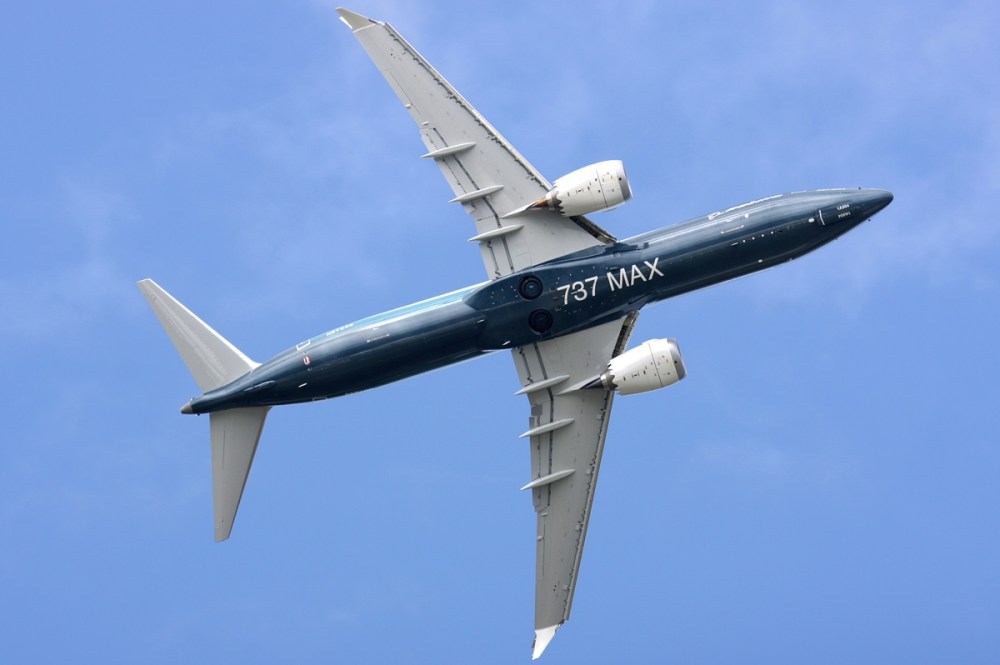
This event is significant as it marks the first public hearing of CEO Muilenburg. After months of intense public and regulatory scrutiny, this could be Boeing’s opportunity to change the narrative. For Boeing, the hearing before the Chamber’s Transportation and Infrastructure Committee could be a turning point at the destination of 7327 MAX. In a perfect situation for Boeing, the testimony of CEO Muilenburg will help restore public confidence in the plane and at the same time show Boeing’s ability to handle the crisis well.

Boeing CEO Dennis Muilenburg with Chief Commercial Aircraft Engineer John Hamilton and Chief Pilot Jennifer Henderson will testify before the Committee hearing. The testimonies will strengthen Boeing’s ability to handle the crisis and its confidence in the plane. However, the FAA and regulatory agencies worldwide will issue the necessary regulations to approve the Boeing 737 MAX.AW-Icon AW002


Ξ A I R G W A Y S Ξ
SOURCE: Airgways.com
DBk: Transportation.houses.gov / Boeing.com / Airgways.com
AW-POST: 201909300057AR

A\W   A I R G W A Y S ®


FAA revisión configuración asientos

AW | 2019 09 29 10:02 | AVIATION SAFETY / AIRLINES

20150215-logo-faa_1FAA revisará asientos aeronaves comerciales por seguridad

La Federal Aviation Administration (FAA) revisará asientos de los aviones para determinar si son demasiados pequeños para evacuaciones seguras. La FAA llevará a cabo pruebas para ver si los tamaños actuales de los asientos cumplen con los requisitos de evacuación del avión. Las pruebas analizarán qué tan rápido los pasajeros pueden evacuar de un avión, lo que podría resultar en que los tamaños mínimos de los asientos sean obligatorios por primera vez.

Las normas actuales dicen que las aerolíneas deben poder evacuar a los pasajeros en 90 segundos, pero no establecen requisitos sobre el tamaño del asiento. Sin embargo, con los asientos cada vez más pequeños y los pasajeros cada vez más grandes, podría haber implicaciones de seguridad.

Las reglas de seguridad de los aviones actualizadas permitirán mejorar las normas de seguridad en la aviación comercial. La FAA llevará a cabo pruebas para ver si los tamaños actuales de los asientos cumplen con los requisitos de evacuación del avión. Las pruebas analizarán qué tan rápido los pasajeros pueden evacuar de un avión, lo que podría resultar en que los tamaños mínimos de los asientos sean obligatorios por primera vez.

Resultado de imagen para seat configuration cabin Low-cost

La FAA realizará pruebas de evacuación con 720 personas durante 12 días en Noviembre 2019, dijo el administrador adjunto Dan Elwell en una audiencia en la Cámara de los Estados Unidos este Jueves 26/09. «Los estadounidenses se están haciendo más grandes y el tamaño de los asientos es importante, pero hay que tenerlo en cuenta en el contexto de la seguridad. Vamos a obtener una respuesta sobre el tono del asiento», dijo Elwell.

Asientos & aerolíneas

La distancia de un asiento a otro varían entre las aerolíneas tanto convencionales como de bajo costo (LCC). En aerolíneas estadounidenses de bajo costo como Spirit Airlines y Frontier Airlines, las distancias entre asientos se encuentran entre las más pequeñas con 28 pulgadas de clase económica. La aerolínea británica Ryanair actualmente tiene 30 pulgadas, mientras que EasyJet tiene 29 pulgadas.

A principios de Septiembre 2019, el Presidente Ejecutivo de Delta Air Lines, Ed Bastian, defendió los asientos en una comparecencia ante el Club Económico de Washington. American Airlines y United Airlines están configurando muchos de sus aviones más nuevos a 30 pulgadas de inclinación del asiento, al tiempo que agregan asientos económicos premium a 34 pulgadas.

Legislación

En Julio 2018, antes de que se aprobara la legislación, la FAA dijo en respuesta a una petición presentada ante un Tribunal Federal de Apelaciones que no regularía el tamaño de los asientos. Los márgenes de las aerolíneas podrían sufrir si tuvieran que reconfigurar los aviones para crear más espacio.

El Congreso de Estados Unidos aprobó una ley en Octubre 2018 que ordena a la FAA establecer estándares mínimos de asiento para el paso, el ancho y la longitud para la seguridad de los pasajeros dentro del período de un año. «A finales de este año vamos a establecer la inclinación necesaria del asiento, la longitud del ancho en función de la seguridad», agregó Elwell.AW-Icon AW001

Resultado de imagen para FAA seat configuration reviewFAA seat configuration review

FAA will review commercial aircraft seats for the safety

The Federal Aviation Administration (FAA) will review aircraft seats to determine if they are too small for safe evacuations. The FAA will conduct tests to see if the current seat sizes meet the evacuation requirements of the aircraft. The tests will analyze how quickly passengers can evacuate from an airplane, which could result in minimum seat sizes being mandatory for the first time.

Current regulations say that airlines must be able to evacuate passengers in 90 seconds, but they do not set requirements on seat size. However, with increasingly smaller seats and increasingly large passengers, there could be safety implications.

The safety rules of the updated aircraft will improve the safety standards in commercial aviation. The FAA will conduct tests to see if the current seat sizes meet the evacuation requirements of the aircraft. The tests will analyze how quickly passengers can evacuate from an airplane, which could result in minimum seat sizes being mandatory for the first time.

The FAA will conduct evacuation tests with 720 people for 12 days in November 2019, deputy administrator Dan Elwell said at a hearing in the US House on Thursday 26/09. «The Americans are getting bigger and the size of the seats is important, but you have to take it into account in the context of safety. We are going to get an answer about the tone of the seat», said Elwell.

Resultado de imagen para FAA seat configuration reviewSeats & Airlines

The distance from one seat to another vary between both conventional and low-cost airlines (LCC). On low-cost American airlines such as Spirit Airlines and Frontier Airlines, the distances between seats are among the smallest with 28 inches of economy class. The British airline Ryanair currently has 30 inches, while EasyJet is 29 inches.

In early September 2019, Delta Air Lines Executive President Ed Bastian defended the seats in an appearance before the Washington Economic Club. American Airlines and United Airlines are setting up many of their newer planes at 30 inches of seat inclination while adding premium economy seats to 34 inches.

Legislation

In July 2018, before the legislation was passed, the FAA said in response to a petition filed with a Federal Court of Appeals that it would not regulate the size of the seats. The margins of the airlines could suffer if they had to reconfigure the airplanes to create more space.

The United States Congress passed a law in October 2018 that mandates the FAA to establish minimum seating standards for passage, width, and length for passenger safety within a one-year period. «At the end of this year we will establish the necessary inclination of the seat, the length of the width depending on the safety», added Elwell.AW-Icon AW002


Ξ A I R G W A Y S Ξ
SOURCE: Airgways.com
DBk: Faa.gov / Airgways.com / Aircraftinteriorsinternational.com / Skift.com / Airlineratings.com
AW-POST: 201909291002AR

A\W   A I R G W A Y S ®


FAA ordena inspecciones Boeing 737 NG

AW-700440577.pngAW | 2019 09 28 14:07 | AVIATION SAFETY / INDUSTRY

20150215-logo-faa_1La FAA emite circular AD sobre grietas en fuselaje

La Federal Aviation Administration (FAA) de Estados Unidos ha emitido una Airworthiness Directive (AD) a todas las aerolíneas que n su flota posean la línea Boeing 737 Next Generation que inspeccionen los aviones Boeing 737 de tercera generación después de que se hayan encontrado grietas en la parte del fuselaje. Las aeronaves alcanzadas por esta nueva directiva de aeronavegabilidad corresponden a las variantes Boeing 737-600/700/800/900.

La Administración Federal de Aviación está ordenando a las aerolíneas que inspeccionen los aviones Boeing 737 NG después de unas recientes inspecciones que ha realizado Boeing informando a la agencia reguladora que había descubierto evidencia de grietas en una parte del fuselaje. «Boeing ha notificado a la FAA y ha estado en contacto con operadores de flota de Boeing 737 NG en el mundo, sobre un problema de craqueo descubierto en un pequeño número de aviones que están siendo modificados», dijo el fabricante en un comunicado el Viernes 27/09.

Falla en 737 NG

Los ingenieros de Boeing y los investigadores de seguridad están luchando para descubrir cuántos Boeing 737 NG han roto los Tenedores de Pepinillos después de encontrar varios en los aviones. Un tenedor de pepinillos es la parte que ayuda a unir el fuselaje de un avión a su estructura de ala. Ayuda a manejar el estrés, el torque y las fuerzas aerodinámicas que doblan la conexión entre las alas y el cuerpo del avión. Los ingenieros diseñan horquillas encurtidas para durar la vida útil del avión, más de 90.000 aterrizajes y despegues, un término conocido como ciclos de vuelo en la industria de la aviación, sin desarrollar grietas. Podría haber resultados terribles si el sistema de tenedor de pepinillos en el avión falla en vuelo.

Resultado de imagen para Boeing 737-800 png

Durante una inspección reciente, los trabajadores encontraron un tenedor de pepinillos muy agrietado en un Boeing 737 NG. El avión es relativamente joven, habiendo registrado aproximadamente 35.000 ciclos de vuelo cuando se encontró el daño. Un ingeniero retirado de Boeing que pidió permanecer en el anonimato nos dice: «Es inusual tener una grieta en el tenedor de pepinillos. No está diseñado para agrietarse de esa manera en absoluto».

Es particularmente preocupante porque se encontró muy temprano en el servicio del avión. Boeing informó rápidamente el problema con el avión individual a la FAA la semana pasada, y ahora se han encontrado más aviones con grietas similares. Se nos dice que esta es una investigación en curso, y que no está claro si se trata o no de un problema generalizado. La FAA dijo el Viernes que «instruirá a los operadores a realizar inspecciones específicas, realizar las reparaciones necesarias y reportar sus hallazgos a la agencia de inmediato». El problema de grietas no afecta a ningún avión P-8 Poseidon, una versión militar del Boeing 737 NG, dijo Boeing, o al modelo 737 MAX.

Boeing y la seguridad

«La seguridad y la calidad son nuestras principales prioridades. Boeing ha notificado a la FAA y se ha puesto en contacto con los operadores de 737NG sobre un problema de craqueo descubierto en un pequeño número de aviones que están siendo modificados», expresa Boeing. No se han reportado problemas en el servicio. En los próximos días, trabajará en estrecha colaboración con nuestros clientes para implementar un plan de inspección recomendado para ciertos aviones de la flota.

«Una grieta como esta es similar a cuando ves una grieta en el mango de una taza de café. Es probable que pueda seguir usando la taza varias veces más, pero siempre existe el riesgo de que el mango se rompa y el café caliente termine en su regazo», expresa un ingeniero retirado.

Los equipos en Seattle y Washington DC están trabajando en torno a la seguridad. Una fuente del gobierno federal dice que los inspectores de la FAA estaban entusiasmados y felices de recibir la llamada de Boeing. «Están eufóricos de que la línea de sangre de seguridad está viva en Boeing«. El organismo regulador de aviación observa el interés de Boeing que impactan favorablemente en la seguridad.

Esta semana, Boeing reorganizó su estructura de gestión en el área de seguridad con la creación de un Comité en la Junta de Directores ahora con supervisión directa de la seguridad.

Hasta que se descubra el alcance del problema, será difícil determinar qué deberán hacer los equipos de mantenimiento. Hasta ahora, no ha habido órdenes gubernamentales de inspecciones obligatorias. Boeing y la FAA querrán saber por qué las horquillas de pepinillos se agrietan y por qué sucede tan temprano. Se nos dice que podría ser algo tan simple como un defecto de fabricación con una pequeña cantidad de aviones y no algo generalizado.

Las recientes directivas pondrán en jaque la flota de aeronaves 737 NG cuando tengan que ir introduciendo las modificaciones correspondientes en el área de mantenimiento programado en los aviones. Una solución a un Tenedor de Pepinillos con muchas grietas requerirá que los mecánicos retiren y reemplacen el accesorio que se extiende alrededor del 25% de la circunferencia del fuselaje que comparte con la raíz alar. Un Boeing 737 posee cuatro tenedores de pepinillos. El ingeniero retirado expresa que las grietas fueron realmente sorprendentes: «Esto no es una buena noticia. Es realmente urgente investigar».AW-Icon AW001

Resultado de imagen para Boeing 737-800FAA orders Boeing 737 NG inspections

737_NG_headera878.pngThe FAA issues circular AD on fuselage cracks

The United States Federal Aviation Administration (FAA) has issued an Airworthiness Directive (AD) to all airlines in its fleet that owns the Boeing 737 Next Generation line that inspects third-generation Boeing 737 aircraft after cracks have been found in the part of the fuselage. The aircraft reached by this new airworthiness directive Boeing-Company-Logocorresponds to the Boeing 737-600 / 700/800/900 variants.

The Federal Aviation Administration is ordering airlines to inspect Boeing 737 NG aircraft after recent inspections by Boeing informing the regulatory agency that it had discovered evidence of cracks in a part of the fuselage. «Boeing has notified the FAA and has been in contact with Boeing 737 NG fleet operators worldwide, about a cracking problem discovered in a small number of aircraft that are being modified», the manufacturer said in a statement Friday. 09/27.

737 NG fails

Boeing engineers and security researchers are struggling to discover how many Boeing 737NG have broken Gherkin Forks after finding several on the planes. A pickle fork is a part that helps attach the fuselage of an airplane to its wing structure. It helps to handle the stress, torque and aerodynamic forces that bend the connection between the wings and the body of the plane. Engineers design pickled forks to last the life of the plane, more than 90,000 landings and take-offs, a term known as flight cycles in the aviation industry, without developing cracks. There could be terrible results if the pickle fork system on the plane fails in flight.

AW-700007876.jpgDuring a recent inspection, workers found a very cracked pickle fork in a Boeing 737NG. The plane is relatively young, having recorded approximately 35,000 flight cycles when the damage was found. A retired Boeing engineer who asked to remain anonymous tells us: «It is unusual to have a crack in the pickle fork. It is not designed to crack that way at all».

It is particularly worrying because he found himself very early in the plane’s service. Boeing quickly reported the problem with the individual plane to the FAA last week, and more planes with similar cracks have now been found. We are told that this is an ongoing investigation and that it is not clear whether or not it is a widespread problem. The FAA said Friday that «it will instruct operators to perform specific inspections, make necessary repairs and report their findings to the agency immediately». The crack problem does not affect any P-8 Poseidon aircraft, a military version of the Boeing 737 NG, Boeing said, or the 737 MAX model.

Boeing and security

«Safety and quality are our top priorities. Boeing has notified the FAA and has contacted 737NG operators about a cracking problem discovered in a small number of aircraft that are being modified», said Boeing. No problems have been reported. in the service In the next few days, you will work closely with our clients to implement a recommended inspection plan for certain aircraft in the fleet.

«A crack like this is similar to when you see a crack in the handle of a cup of coffee. You may be able to continue using the cup several more times, but there is always a risk that the handle will break and the hot coffee will end up in your lap», says a retired engineer.

The teams in Seattle and Washington DC are working around security. A federal government source says the FAA inspectors were excited and happy to receive the call from Boeing. «They are elated that the safety bloodline is alive in Boeing». The aviation regulatory body observes the interest of Boeing that has a positive impact on safety.

This week, Boeing reorganized its management structure in the security area with the creation of a Committee on the Board of Directors now with direct safety supervision.

Until the extent of the problem is discovered, it will be difficult to determine what maintenance teams should do. Until now, there have been no government orders for mandatory inspections. Boeing and the FAA will want to know why pickle forks are cracking and why it happens so early. We are told that it could be something as simple as a manufacturing defect with a small number of airplanes and not something widespread.

The recent directives will put the 737 NG aircraft fleet in check when they have to introduce the corresponding modifications in the area of scheduled maintenance on the aircraft. A solution to a Gherkin Fork with many cracks will require mechanics to remove and replace the accessory that extends about 25% of the circumference of the fuselage that it shares with the alar root. A Boeing 737 has four pickle holders. The retired engineer expresses that the cracks were really surprising: «This is not good news. It is really urgent to investigate»AW-Icon AW002


Ξ A I R G W A Y S Ξ
SOURCE: Airgways.com
DBk: Boeing.com / Faa.gov / Komonews.com / Airgways.com / Luxairtours.lu
AW-POST: 201909281407AR

A\W   A I R G W A Y S ®

NTSB exhorta mejorar 737 MAX

27030371475_fda4bc8357_b.jpgAW | 2019 09 27 00:07 | AVIATION SAFETY

Seal_of_the_United_States_National_Transportation_Safety_Board.svg (2).pngLa NTSB expresa que los Boeing 737 MAX deben estar mejor diseñados para la tripulaciónAW-Icon_Boeing 737 MAX.jpg

Una revisión de la Junta Nacional de Seguridad del Transporte (NTSB) de los dos accidentes aéreos sugiere que los pilotos pueden haber sido abrumados por múltiples alertas y advertencias. Los dos accidentes donde estuvieron involucrados dos aeronaves Boeing 737-8 MAX donde fallecieron 346 personas obligando a las reguladoras mundiales de seguridad en aviación a una puesta a tierra del modelo hasta determinar después de las causales la corrección del diseño para la posterior re-certificación del 737 MAX, derivado en parte del fracaso de Boeing para anticipar con precisión cómo responderían los pilotos a una función defectuosa del sistema. Ese es el hallazgo clave de un informe que la Junta Nacional de Seguridad en el Transporte que publicó el Jueves 27/09, que incluía una serie de recomendaciones a la Administración Federal de Aviación (FAA).

La NTSB aconsejó al regulador que Boeing considerara cómo los pilotos 737 MAX manejarían no solo los problemas con el mal funcionamiento de la aeronave, sino también cómo responderían a múltiples alertas e indicadores simultáneos. En resumen, la NTSB dice que Boeing se equivocó al asumir que los pilotos responderían correctamente al problema que terminó en dos accidentes aéreos.

La automatización

En un informe basado en las investigaciones de accidentes de 737 MAX, la NTSB también dijo que los aviones modernos necesitan tener sistemas de alerta de piloto mucho mejor diseñados, que vayan más allá de los aviones actuales y mucho más allá de los sistemas heredados en los 737.

El uso creciente de la automatización en la aviación ha producido importantes beneficios prácticos y de seguridad, pero también ha distanciado a los humanos del funcionamiento de los aviones que están al mando. Existe una clara distinción entre la toma de decisiones y la resolución de problemas. El primero generalmente se basa en la rutina y el procedimiento, como usar su altitud, velocidad aérea y rumbo para calcular una ruta de aterrizaje. Las computadoras son muy buenas en esto. La resolución de problemas se produce cuando una combinación de factores significa que los procedimientos no funcionan, cuando una persona necesita absorber información e idear una nueva fórmula que la mantenga segura. Aquí es donde la humanidad tiene la ventaja, pero apenas una victoria garantizada.

Por supuesto, la FAA tiene otras cosas que considerar. Las recomendaciones de la NTSB son «absolutamente válidas», dice Clint Balog, Piloto de Pruebas de Vuelo y experto en factores humanos del Colegio de Aeronáutica de la Universidad Embry-Riddle. «Si los fabricantes de aviones tuvieran que probar todas las combinaciones posibles de mal funcionamiento y alarmas de la cabina, nunca obtendrían otro avión certificado», dice Clint Balog. No todos los pilotos son igualmente hábiles, en virtud de su talento natural, entrenamiento o experiencia. Las cabinas como espacios físicos, señala, están diseñadas para pilotos de muchas formas y tamaños. Pero los diseñadores tuvieron que establecer límites sobre quién puede sentarse cómodamente o alcanzar cada control. «Tenemos que descubrir cómo hacer lo mismo para la capacidad cognitiva», dice Balog.

Predicción de errores

Según el informe de NTSB, Boeing contaba con los pilotos siguiendo un procedimiento que los sacaría de una situación en la que Maneuvering Characteristics Augmentation System (MCAS) no funcionaba correctamente. Un mejor pensamiento del factor humano habría requerido una resolución de problemas más sencillo. Podría haber producido un procedimiento que se ajustara a las condiciones reales de los vuelos, permitiendo una buena toma de decisiones.

Recomendaciones NTSB

AW-70033400.jpgNTSB expone las pruebas de Boeing sobre cómo evalúan los pilotos a las respuestas a múltiples alertas. La NTSB hizo siete recomendaciones para una mejor prueba que tenga más en cuenta las respuestas piloto. Dichas pruebas deben realizarse en el Max antes de que se le permita volar nuevamente y en futuros programas de certificación de aviones, dijo Dana Schulze, directora de la Oficina de Seguridad de la Aviación. Las pruebas originales de Boeing del 737 MAX siguieron los requisitos establecidos por la Administración Federal de Aviación (FAA). Y después de los dos accidentes mortales de Max, dijo, Boeing ya puede haber realizado las pruebas mejoradas que el NTSB está solicitando durante las pruebas de su sistema de control de vuelo mejorado.

Cuando se probó el 737 MAX en 2016, Boeing debía probar sólo los sistemas que habían cambiado desde el modelo anterior 737 NG, incluido el nuevo Sistema de Aumento de Características de Maniobra (MCAS). Este sistema fue diseñado para compensar o corregir los efectos de balanceo del avión producto del nuevo diseño en su estructura alar donde existe un mayor desbalance del centro de gravedad al incorporar en rediseño de la planta motriz.

Las suposiciones de Boeing en el campo de la seguridad operativa de la aeronave Boeing 737 MAX resultaron incorrectas. Con las distracciones de alertas mal configuradas en la cabina y con la tripulación sin conocimiento previo de MCAS, que Boeing había omitido de los manuales de vuelo, los pilotos no diagnosticaron el problema al que se enfrentaban.

CEO de Boeing testificará ante Comité

El CEO de Boeing, Dennis Muilenburg, acordó testificar ante un Comité del Congreso que investiga los problemas del 737 MAX. Se le unirá en una audiencia el 30 Octubre 2019 el ingeniero Jefe de la División de Aviones Comerciales de la compañía y su piloto principal para el 737. La semana pasada, el presidente del Comité de Transporte de la Cámara de Representantes, Peter DeFazio, pidió formalmente que se presentaran. El comité ha celebrado tres audiencias desde Mayo 2019 sobre el 737 MAX, pero nadie de Boeing ha testificado.

El avión ha estado en tierra desde poco más de seis meses después del segundo accidente aéreo del vuelo ET-302. El Congreso, el Departamento de Justicia y el inspector general del Departamento de Transporte están investigando el 737 MAX y cómo fue certificado para el vuelo por la Administración Federal de Aviación. Los abogados han presentado docenas de demandas contra Boeing.AW-Icon AW001

Resultado de imagen para NTSB Boeing 737 MAXNTSB urges to improve 737 MAX

The NTSB says that the Boeing 737 MAX must be better designed for the crew

A review by the National Transportation Safety Board (NTSB) of the two plane crashes suggests that pilots may have been overwhelmed by multiple alerts and warnings. The two accidents where two Boeing 737-8 MAX aircraft were involved where 346 people died forcing the global aviation safety regulators to earthing the model until after the cause was determined the correctness of the design for the subsequent re-certification of the 737 MAX, derived in part from Boeing‘s failure to accurately anticipate how pilots would respond to a faulty system function. That is the key finding of a report that the National Transportation Safety Board published on Thursday 27/09, which included a series of recommendations to the Federal Aviation Administration (FAA).

The NTSB advised the regulator that Boeing consider how 737 MAX pilots would handle not only problems with the aircraft’s malfunction but also how they would respond to multiple simultaneous alerts and indicators. In summary, the NTSB says that Boeing was wrong to assume that the pilots would respond correctly to the problem that ended in two air accidents.

Automation

In a report based on the 737 MAX accident investigations, the NTSB also said that modern airplanes need to have much better-designed pilot alert systems that go beyond current airplanes and far beyond legacy systems in 737.

AW-70070007.jpg

The increasing use of aviation automation has produced important practical and safety benefits, but it has also distanced humans from the operation of the commanding aircraft. There is a clear distinction between decision making and problem-solving. The first is usually based on routine and procedure, such as using your altitude, airspeed and heading to calculate a landing route. Computers are very good at this. Problem-solving occurs when a combination of factors means that procedures do not work when a person needs to absorb information and come up with a new formula that keeps them safe. This is where humanity has the advantage, but hardly a guaranteed victory.

Of course, the FAA has other things to consider. The NTSB’s recommendations are «absolutely valid», says Clint Balog, Flight Test Pilot and human factors expert at the Embry-Riddle University Aeronautics College. «If the aircraft manufacturers had to test all possible combinations of malfunction and cabin alarms, they would never get another certified aircraft», says Clint Balog. Not all pilots are equally skilled, by virtue of their natural talent, training or experience. The cabins as physical spaces, he says, are designed for pilots of many shapes and sizes. But designers had to set limits on who can sit comfortably or achieve each control. «We have to discover how to do the same for cognitive ability», says Balog.

Error prediction

According to the NTSB report, Boeing had the pilots following a procedure that would take them out of a situation in which Maneuvering Characteristics Augmentation System (MCAS) was not working properly. Better thought of the human factor would have required a simpler problem-solving. It could have produced a procedure that adjusted to the actual conditions of the flights, allowing for good decision making.

NTSB Recommendations

NTSB exposes Boeing’s tests on how pilots evaluate responses to multiple alerts. The NTSB made seven recommendations for a better test that takes more into account the pilot responses. Such tests must be performed at the Max before being allowed to fly again and in future aircraft certification programs, said Dana Schulze, director of the Aviation Security Office. The original Boeing tests of the 737 MAX followed the requirements established by the Federal Aviation Administration (FAA). And after Max’s two fatal accidents, he said, Boeing may have already performed the improved tests that the NTSB is requesting during the tests of its improved flight control system.

When the 737 MAX was tested in 2016, Boeing had to test only the systems that had changed since the previous 737 NG model, including the new Maneuvering Feature Enhancement System (MCAS). This system was designed to compensate or correct the balancing effects of the aircraft product of the new design in its alar structure where there is a greater imbalance of the center of gravity by incorporating the engine plant in a redesign.

Boeing’s assumptions in the field of operational safety of the Boeing 737 MAX aircraft proved incorrect. With the distractions of misconfigured alerts in the cabin and with the crew without prior knowledge of MCAS, which Boeing had omitted from the flight manuals, the pilots did not diagnose the problem they faced.

Boeing CEO will testify before Committee

Boeing CEO Dennis Muilenburg agreed to testify before a Congressional Committee investigating the problems of 737 MAX. He will be joined in a hearing on October 30, 2019, the Chief Engineer of the Commercial Aircraft Division of the company and his main pilot for 737. Last week, the president of the House Committee of Representatives Transportation Committee, Peter DeFazio, asked formally presented. The committee has held three hearings since May 2019 on the 737 MAX, but no one from Boeing has testified.

The plane has been on the ground for just over six months after the second plane crash of the ET-302 flight. Congress, the Department of Justice and the Inspector General of the Department of Transportation are investigating the 737 MAX and how it was certified for the flight by the Federal Aviation Administration. The lawyers have filed dozens of lawsuits against Boeing.AW-Icon AW002


Ξ A I R G W A Y S Ξ
SOURCE: Airgways.com
DBk: Ntsb.gov / Boeing.com / Airgways.com / Faa.gov / Wrvo.org
AW-POST: 201909280007AR

A\W   A I R G W A Y S ®

Boeing sobreestimó capacidad pilotos

Resultado de imagen para Boeing 737 MAX pilotsAW | 2019 09 26 23:53 | INDUSTRY / AVIATION SAFETY

Image result for ntsbBoeing sobreestimó la capacidad de los pilotos para manejar fallas en 737 MAX

Investigadores federales de seguridad de la NTSB informaron hoy Jueves 26/09 que Boeing sobreestimó las capacidades de los pilotos acerca de la manera de manejar una serie de alertas en situaciones críticas en sus aeronaves Boeing 737 MAX, que han estado en tierra desde Marzo 2019 después de dos accidentes aéreos donde fallecieron el total de las 346 personas.

La Junta Nacional de Seguridad del Transporte (NTSB) emitió una serie de recomendaciones para las evaluaciones de seguridad de las aeronaves, incluida la incorporación de respuestas humanas cuando las imperfecciones pudieran provocar inseguridad. Un sistema de control de vuelo diseñado para evitar que los aviones se atasquen es la prioridad de la compañía Boeing.

“Vimos en estos dos accidentes que las tripulaciones no reaccionaron de la manera en que Boeing y la FAA asumieron que lo harían. Esos supuestos se utilizaron en el diseño del avión y hemos encontrado una brecha entre los supuestos utilizados para certificar el MAX y las experiencias del mundo real de estas tripulaciones, donde los pilotos se enfrentaron a múltiples alarmas y alertas al mismo tiempo”, dijo el presidente de NTSB, Robert Sumwalt. Esas alertas múltiples pueden aumentar las cargas de trabajo piloto, advirtió la NTSB. Boeing basó su evaluación de seguridad de los aviones, que la Administración Federal de Aviación (FAA) aprobó, en esos tiempos de respuesta rápidos, dice la NTSB.

La agencia FAA dijo que se debería exigir a Boeing que tenga en cuenta el efecto de todas las alertas de la cubierta de vuelo en su evaluación de seguridad del 737 MAX, e incluya cambios de diseño o capacitación y procedimientos para pilotos para minimizar los riesgos potenciales de seguridad si los pilotos toman medidas inconsistentes. Boeing y la FAA se enfrentan a varias investigaciones sobre el diseño y la certificación de los aviones Boeing 737 MAX. “La seguridad es un valor fundamental para todos en Boeing y la seguridad de nuestros aviones, los pasajeros y la tripulación de nuestros clientes es siempre nuestra principal prioridad. Valoramos el papel de la NTSB en la promoción de la seguridad aérea. Estamos comprometidos a trabajar con la FAA en la revisión de las recomendaciones de NTSB”, expresó Boeing.

La FAA dijo que agradeció las recomendaciones de la NTSB. “La agencia revisará cuidadosamente estas y todas las demás recomendaciones a medida que continuamos nuestra revisión de los cambios propuestos al Boeing 737 MAX. La FAA está comprometida con una filosofía de mejora continua. Las lecciones aprendidas de las investigaciones sobre los trágicos accidentes del vuelo JT-610 de Lion Air y el vuelo ET-302 de Ethiopian Airlines serán un trampolín hacia un nivel de seguridad aún mayor”, dijo en un comunicado.

Boeing ha dicho que espera enviar su corrección de software y nuevos materiales de capacitación de pilotos para el 737 MAX a la FAA en las próximas semanas, en un esfuerzo por hacer que los aviones vuelvan a volar, lo que espera hacer a principios del cuarto trimestre. El fabricante está hospedando a pilotos de aerolíneas como United y American para probar los cambios de software Max en su simulador. La FAA ha dicho varias veces que no tiene una línea de tiempo establecida para permitir que los aviones vuelvan a volar.

Boeing agregó el software de control de vuelo, conocido como MCAS, para dar a los aviones 737 MAX una sensación de diferenciación con respecto a su versión anterior. Los sistemas informáticos Myriad están ahora en el centro de un debate sobre el estado de las habilidades de los pilotos a medida que los aviones se vuelven más automatizados y complejos. La capacitación de los pilotos varía en todo el mundo, con algunos de los requisitos más estrictos en los Estados Unidos, donde los pilotos deben tener 1.500 horas de vuelo antes de poder trabajar para una aerolínea comercial, a menos que tengan capacitación militar u otra capacitación especializada. Los pilotos de aerolíneas a nivel mundial necesitan al menos 240 horas de tiempo de vuelo, lo que incluye volar en un simulador, bajo las directrices de la agencia de aviación de las Naciones Unidas, la Organización de Aviación Civil Internacional (OACI). En la reunión trienal de la OACI en Montreal esta semana, la delegación de los Estados Unidos insta a los reguladores internacionales a examinar la capacitación de pilotos en todo el mundo.AW-Icon AW001

Resultado de imagen para Boeing 737 MAX pilotsBoeing overestimated the pilot capacity

Boeing-Company-LogoBoeing overestimated the pilots’ ability to handle failures at 737 MAX

Federal NTSB security investigators reported on Thursday 26/09 that Boeing overestimated the capabilities of the pilots about how to handle a series of alerts in critical situations on their Boeing 737 MAX aircraft, which have been grounded since March 2019 after of two air accidents where the total of 346 people died.

The National Transportation Safety Board (NTSB) issued a series of recommendations for aircraft safety assessments, including the incorporation of human responses when imperfections could cause insecurity. A flight control system designed to prevent airplanes from clogging is the priority of the Boeing company.

“We saw in these two accidents that the crews did not react the way Boeing and the FAA assumed they would. Those assumptions were used in the design of the plane and we have found a gap between the assumptions used to certify the MAX and the real-world experiences of these crews, where the pilots faced multiple alarms and alerts at the same time”, said the president. from NTSB, Robert Sumwalt. Those multiple alerts can increase pilot workloads, the NTSB warned. Boeing based its aircraft safety assessment, which the Federal Aviation Administration (FAA) approved, in those quick response times, says the NTSB.

The FAA agency said Boeing should be required to take into account the effect of all flight deck alerts in its 737 MAX safety assessment, and include design changes or training and procedures for pilots to minimize potential risks. safety if the pilots take inconsistent measures. Boeing and the FAA face several investigations into the design and certification of the Boeing 737 MAX aircraft. “Safety is a fundamental value for everyone at Boeing and the safety of our planes, passengers and the crew of our customers is always our top priority. We value the role of the NTSB in promoting air safety. We are committed to working with the FAA in reviewing the NTSB recommendations”, said Boeing.

The FAA said it appreciated the recommendations of the NTSB. “The agency will carefully review these and all other recommendations as we continue our review of the proposed changes to the Boeing 737 MAX. The FAA is committed to a philosophy of continuous improvement. The lessons learned from investigations into the tragic accidents of Lion Air flight JT-610 and Ethiopian Airlines flight ET-302 will be a springboard to an even higher level of security”, he said in a statement.

Boeing has said it expects to send its software correction and new pilot training materials for the 737 MAX to the FAA in the coming weeks, in an effort to make the planes fly again, which it expects to do early in the fourth quarter. The manufacturer is hosting airline pilots like United and American to test the Max software changes in its simulator. The FAA has said several times that it does not have an established timeline to allow airplanes to fly again.

Boeing added the flight control software, known as MCAS, to give the 737 MAX aircraft a sense of differentiation from its previous version. Myriad computer systems are now at the center of a debate about the status of pilot skills as airplanes become more automated and complex. Pilot training varies around the world, with some of the strictest requirements in the United States, where pilots must have 1,500 flight hours before they can work for a commercial airline unless they have military training or other training specialized. Airline pilots worldwide need at least 240 hours of flight time, which includes flying in a simulator, under the guidelines of the United Nations aviation agency, the International Civil Aviation Organization (ICAO). At the ICAO triennial meeting in Montreal this week, the United States delegation urges international regulators to examine pilot training around the world.AW-Icon AW002


Ξ A I R G W A Y S Ξ
SOURCE: Airgways.com
DBk: Ntsb.gov / Boeing.com / Faa.gov / Airgways.com
AW-POST: 201909262353AR

A\W   A I R G W A Y S ®