FAA accede revelaciones piloto 737 MAX

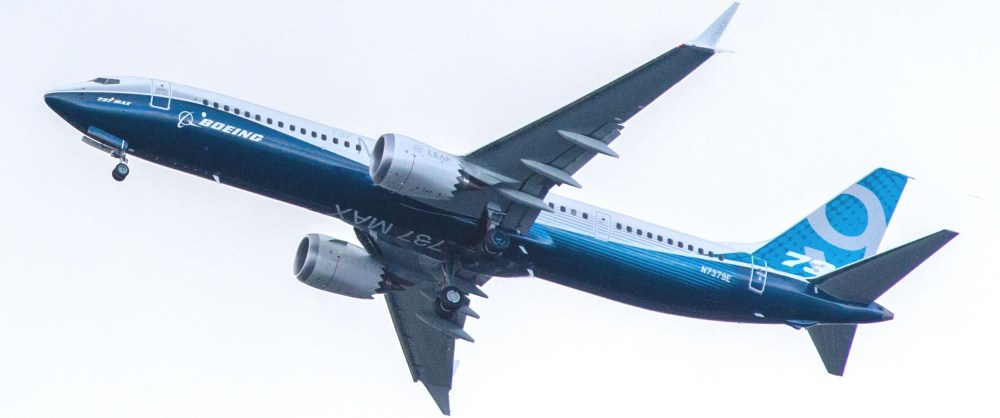
B737-8MAX.jpg

AW | 2019 10 19 00:09 | AVIATION SAFETY / AIR INVESTIGATION

Boeing-Company-LogoPiloto de Boeing revela incidentes antes de accidentes fatales

AW-Icon_Boeing 737 MAX

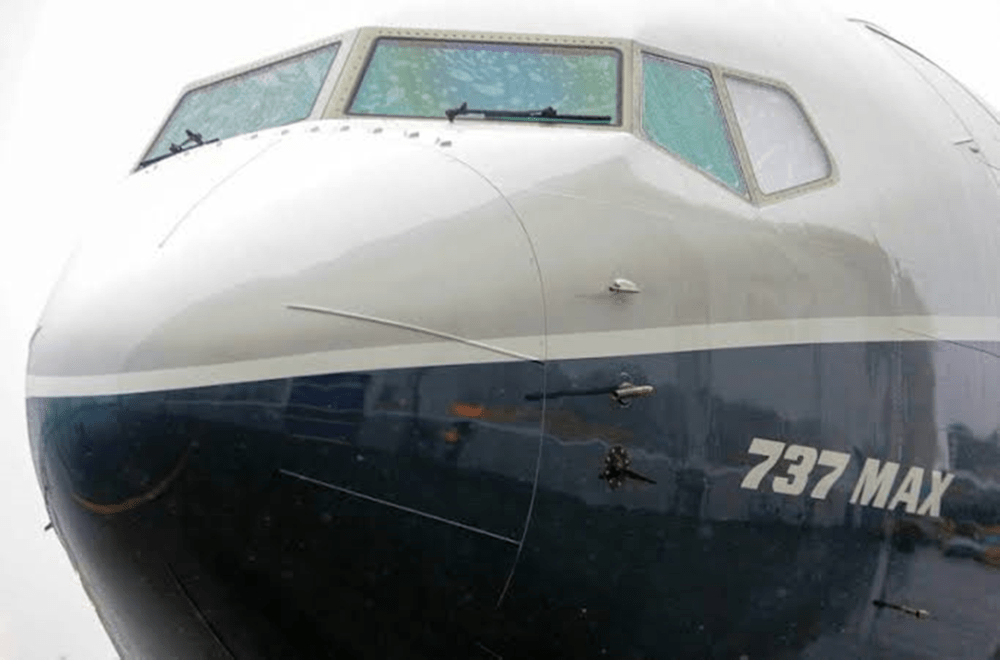
Un piloto de test de la Boeing reveló en 2016 que el 737 MAX tenía problemas en el sistema MCAS. Los accidentes ocurridos en Indonesia, en Octubre 2018 y en Etiopía en Marzo 2019 dejaron un saldo de 367 muertos.

El piloto Mark Forkner de la empresa estadounidense Boeing reveló en 2016 que los problemas relacionados con el Sistema de Control de Vuelo. Los hechos ocurieron dos años antes de los fatales accidentes en Indonesia y Etiopía. A través de mensajes de texto, le confió a un compañero que el avión era dificil de manejar. «Descarrila en el simulador», advirtió el piloto, y calificó esa experiencia como «atroz». De acuerdo a esa publicación, en las pruebas de Forkner falló el sistema MCAS, el mismo que desencadenó las tragedias en Indonesia y Etiopía.

La Agencia Federal de Aviación (FAA) accedió a esos mensajes y por eso acusó este Viernes 18/10 a Boeing de ocultar información sobre los 737 MAX. Los Boeing 737 MAX cumplen siete meses paralizados y aún no está claro cuándo volverán a volar. Según la FAA, Boeing descubrió hace meses los mensajes intercambiados por los empleados de la compañía sobre el proceso original de certificación de la aeronave, en 2016, pero no reveló su existencia hasta el Jueves pasado. «La última noche (del jueves), revisé un documento preocupante que Boeing proporcionó el Jueves a última hora al Departamento de Transporte», dijo Steve Dickson, administrador de la FAA, en una carta al Jefe de Boeing, Dennis Muilenburg.

«Entiendo que Boeing descubrió el documento en sus archivos hace meses. Espero su inmediata explicación sobre el contenido de este documento y la demora de Boeing en informar de su existencia a los reguladores de seguridad», agregó el Jefe de la FAA.

Según una fuente cercana al caso, los empleados mencionan en sus intercambios que Boeing entregó a la FAA información engañosa sobre un software importante del 737 MAX. Según revela The New York Times, en sus mensajes Forkner señala que mintió sin saberlo a los reguladores.

El 737 MAX está inhabilitado para volar desde hace siete meses, debido a los accidentes en Indonesia y Etiopía, que se produjeron con apenas cinco meses de diferencia.AW-Icon AW001

562.jpgFAA accesses 737 MAX pilot revelations

posavasos-boeing-737-max - copia.jpgBoeing pilot reveals incidents before fatal accidents

A test pilot of the Boeing revealed in 2016 that the 737 MAX had problems in the MCAS system. Accidents in Indonesia, in October 2018 and in Ethiopia in March 2019 left 367 dead.

The pilot Mark Forkner of the American company Boeing revealed in 2016 that the problems related to the Flight Control System. The events occurred two years before the fatal accidents in Indonesia and Ethiopia. Through text messages, he confided to a partner that the plane was difficult to handle. «Derail in the simulator», the pilot warned, and described that experience as «heinous». According to that publication, the MCAS system failed in the tests of Forkner, which triggered the tragedies in Indonesia and Ethiopia.

The Federal Aviation Agency (FAA) agreed to these messages and that is why it accused Boeing on Friday, 10/18 of hiding information about the 737 MAX. The Boeing 737 MAX is seven months paralyzed and it is still unclear when they will fly again. According to the FAA, Boeing discovered months ago the messages exchanged by the company’s employees about the original certification process of the aircraft, in 2016, but did not reveal its existence until last Thursday. «On the last night (Thursday), I reviewed a worrisome document that Boeing provided last Thursday to the Department of Transportation», said Steve Dickson, administrator of the FAA, in a letter to Boeing Chief Dennis Muilenburg.

«I understand that Boeing discovered the document in its archives months ago. I look forward to your immediate explanation about the content of this document and the delay of Boeing in informing the security regulators of its existence», added the FAA Chief.

According to a source close to the case, the employees mention in their exchanges that Boeing delivered to the FAA misleading information about an important 737 MAX software. As revealed by The New York Times, in his messages Forkner notes that he lied without knowing the regulators.

The 737 MAX is unable to fly for seven months, due to accidents in Indonesia and Ethiopia, which occurred only five months apart.AW-Icon AW002


Ξ A I R G W A Y S Ξ
SOURCE: Airgways.com
DBk: Clarin.com / Airgways.com / Faa.gov
AW-POST: 201910190009AR

A\W   A I R G W A Y S ®

FAA estudia evacuaciones emergencia

Resultado de imagen para low cost airlines seatAW | 2019 10 18 14:13 | AVIATION SAFETY

FAA.jpgLa FAA de Estados Unidos investiga las nuevas tendencias distribución de los asientos

Los nuevos roles de las compañías low cost están permitiendo a la Federal Aviation Administration (FAA) nuevos estudios y análisis en el impacto de la cantidad de pasajeros de una aeronave sobre la seguridad en las evacuaciones. Los empleados de la FAA participan en una demostración de la cabina de una aeronave llena de humo, en un simulador en el Instituto Médico Aeroespacial Civil de la FAA en el Centro Aeronáutico Mike Monroney, el Jueves 17 Octubre 2019 en la ciudad de Oklahoma. Los investigadores federales, utilizando 720 voluntarios en la ciudad de Oklahoma, evaluarán si los asientos más pequeños y las filas llenas de gente retrasan las evacuaciones de emergencia de las aerolíneas.

El tamaño de su asiento y la cantidad de espacio para las piernas que tendrá en un vuelo futuro podrían decidirse en la junta de invstigaciones ppor parte de la FAA. Los viajeros frecuentes en las aerolíneas estadounidenses son muy conscientes de que las cabinas económicas estrechas son perjudiciales para la comodidad y funcionalidad. Pero los funcionarios federales que escriben las reglas de seguridad de las aerolíneas nunca han probado si los asientos más pequeños o las filas apretadas tienen algún efecto en el tiempo de evacuación.

Los investigadores compararán las pruebas para ver si los asientos más pequeños o las filas más estrechas hacen alguna diferencia. Presumiblemente, una diferencia dramática sería una razón para que la FAA establezca estándares mínimos más generosos para que las aerolíneas se ajusten a los protocolos de seguridad. Un panel de reglamentación de la FAA utilizará esos datos para ayudar a establecer estándares de asientos para las aerolíneas, con una decisión posible a fines del próximo año.

Según las cifras del Gobierno de Estados Unidos, el adulto estadounidense promedio pesa aproximadamente 10 libras (4 1/2 kilogramos) más que hace solo dos décadas, y las aerolíneas están presionando a más pasajeros en la cabina económica para hacer más espacio para los clientes que pagan mucho en clase ejecutiva. Eso significa filas más apretadas en la parte posterior del avión.

Resultado de imagen para sardines aIRGWAYS.COMSardine Airlines

Las aerolíneas «se apiñan en más y más y más asientos, cada vez más cerca. La gente se está volviendo más grande. No creo que podamos cumplir más con el estándar para evacuaciones rápidas», dijo el presidente del Comité de Transporte de la Cámara de Representantes, Peter DeFazio. El año pasado, el Congreso ordenó a la FAA establecer mínimos para el tamaño de los asientos y la distancia entre filas.

La distancia desde cualquier punto en un asiento, por ejemplo, la parte delantera del reposabrazos, y el mismo lugar en el asiento en la siguiente fila se llama tono, y el tono se ha reducido. Hace unos años, el estándar era de alrededor de 34 pulgadas (86 centímetros). Hoy en día, en la cabina económica de las aerolíneas estadounidenses, es más frecuente alrededor de 30 o 31 pulgadas (76 a 79 centímetros), e incluso más estricto en algunas, incluidas Spirit Airlines.

Resultado de imagen para sardines airllinesFUTUROS MODELOS DE ASIENTOS MUY CRITICADOS POR LOS USUARIOS DE LAS AEROLÍNEAS

Los aviones también están más llenos, con vuelos promedios que oscilan entre un 85%-90%. En la aerolínea Delta Air Lines durante el verno boreal tuvo un factor de ocupación del 88%, y durante las las frecuencias altas la ocupación es al 100%. Considere también que más pasajeros llevan maletas a bordo, y cientos de miles de ellos también traen un animal de apoyo emocional, y es lógico pensar que llevará más tiempo sacar a todos durante una emergencia. Hasta el año pasado, la FAA se resistió a las llamadas para establecer estándares mínimos de asiento y fila, diciendo que son cuestiones de comodidad del pasajero, no de seguridad.

Recientemente, la industria de la aviación ha encendido las alertas acerca de la distribución y cantidad de pasajeros en las aeronaves Airbus A320/321NEO por el corrimiento del centro de gravedad de los aviones al incorporar más asientos. Las aeronaves se comportan diferentes a las versiones anteriores por poseer motores con mayores dimensiones, éstas involucran con más sensibilidad la seguridad. Las aerolíneas han tenido que supimir hasta dos filas traseras para equilibrar el punto de gravedad de las aeronaves. Tras el advenimiento de más dificultades observadas a las que se enfrentan los usuarios y las aerolíneas, el regulador de seguridad se siente compometido a revisar las normas.AW-Icon AW001

Resultado de imagen para low cost airlines seatFAA studies emergency evacuations

The FAA of the United States investigates the new trends in seat distribution

The new roles of low-cost companies are allowing the Federal Aviation Administration (FAA) new studies and analysis on the impact of the number of passengers in an aircraft on evacuation safety. FAA employees participate in a demonstration of the cabin of a smoke-filled aircraft, in a simulator at the FAA Civil Aerospace Medical Institute at the Mike Monroney Aeronautical Center, on Thursday, October 17, 2019, in Oklahoma City. Federal investigators, using 720 volunteers in Oklahoma City, will assess whether smaller seats and crowded rows delay airline evacuations.

The size of your seat and the amount of legroom you will have on a future flight could be decided at the FAA’s board of inquiries. Frequent travelers on American airlines are well aware that narrow economic cabins are detrimental to comfort and functionality. But federal officials who write airline safety rules have never tested whether smaller seats or tight rows have any effect on evacuation time.

The researchers will compare the tests to see if smaller seats or narrower rows make a difference. Presumably, a dramatic difference would be a reason for the FAA to establish more generous minimum standards for airlines to conform to security protocols. An FAA regulatory panel will use that data to help establish airline seating standards, with a possible decision at the end of next year.

According to US government figures, the average American adult weighs approximately 10 pounds (4 1/2 kilograms) more than just two decades ago, and airlines are pressing more passengers in the economy cabin to make more room for customers They pay a lot in executive class. That means tighter rows on the back of the plane.

Sardine Airlines

The airlines «huddle in more and more and more seats, getting closer. People are getting bigger. I don’t think we can meet the standard for quick evacuations anymore», said the chairman of the House Transportation Committee of Representatives, Peter DeFazio. Last year, Congress ordered the FAA to set minimums for seat size and distance between rows.

Resultado de imagen para sardines aIRGWAYS.COMThe distance from any point in a seat, for example, the front part of the armrest, and the same place in the seat in the next row is called tone, and the tone has been reduced. A few years ago, the standard was around 34 inches (86 centimeters). Nowadays, in the economy cabin of the American airlines, it is more frequent around 30 or 31 inches (76 to 79 centimeters), and even more strict in some, including Spirit Airlines.

The planes are also fuller, with average flights ranging between 85% -90%. In the Delta Air Lines airline during the boreal summer, it had an occupancy factor of 88%, and during the high frequencies, the occupancy is 100%. Consider also that more passengers carry suitcases on board, and hundreds of thousands of them also bring an emotional support animal, and it is logical to think that it will take longer to get everyone out during an emergency. Until last year, the FAA resisted calls to establish minimum seat and row standards, saying they are matters of passenger comfort, not safety.

Recently, the aviation industry has turned on alerts about the distribution and number of passengers on Airbus A320/321NEO aircraft due to the center of gravity of the aircraft running by incorporating more seats. Aircraft behave differently from previous versions because they have larger engines, which involve safety with more sensitivity. Airlines have had to suppress up to two rear rows to balance the point of gravity of the aircraft. Following the advent of more observed difficulties faced by users and airlines, the security regulator feels committed to revising the rules.AW-Icon AW002


Ξ A I R G W A Y S Ξ
SOURCE: Airgways.com
DBk: Faa.gov / Airgways.com / Cnn.com, Annastasia Beltyukova / Aerotime.aero
AW-POST: 201910181612AR

A\W   A I R G W A Y S ®

Test software 737 MAX Noviembre 2019

60097394_135963774247531_3036969263741406560_n.jpgAW | 2019 10 17 23:30 | AVIATION SAFETY

Boeing-Company-LogoLas pruebas finales del simulador para 737 MAX comiencen a principios de Noviembre 2019AW-Icon_Boeing 737 MAX

Un grupo selecto de pilotos de aerolíneas estadounidenses e internacionales participarán en la ronda final de pruebas de simulador del nuevo software del Sistema de Control de Vuelo de The Boeing Company para el 737 MAX a principios de Noviembre 2019. La línea de tiempo en los meses de trabajo de la ingeniería de la compañía aeroespacial estadounidense y los organismos reguladores del comité JATR, están dando una señal positiva en los trabajos que los ingenieros de Boeing están realizando para arreglar el software de control de vuelo del avión que se completará pronto. La ronda final de pruebas del simulador es un hito importante y tiene la intención de ayudar a los reguladores a determinar qué tipo de entrenamiento de piloto será necesario antes de que el avión retorne a los cielos.

Próximos test en Seattle

Las pruebas se llevarán a cabo en un simulador de Boeing en Seattle, Washington con la observación de los reguladores de la Administración Federal de Aviación (FAA) para determinar si el nuevo software es suficiente para ayudar a los pilotos a recuperar el avión en caso de anomalías con el sistema de control de vuelo. Los pilotos en el simulador experimentarán escenarios y fallas en el control de vuelo que reflejan las dificultades que experimentaron los pilotos en los dos accidentes mortales del 737 MAX. Se cree que los sistemas automatizados han contribuido a los accidentes. La FAA observará cómo los pilotos interactúan con el nuevo software de control de vuelo de los aviones, y esas observaciones dictarán el tipo de entrenamiento de pilotos que la FAA propondrá, dijo la fuente. Los sindicatos de pilotos y otras partes interesadas tendrán la oportunidad de comentar sobre la propuesta de la FAA.

No está claro qué aerolíneas internacionales tendrán pilotos que participen en estas pruebas finales de simulador, pero es provable que todos los transportistas estadounidenses con el avión en su flota tendrán representantes piloto autorizados para probar el nuevo software. Sería imposible permitir que cada aerolínea que tiene el avión en su flota pruebe el software, pero el objetivo es una muestra diversa de los pilotos de la aerolínea para que puedan tener una representación precisa y comprender cómo interactúan los pilotos con el nuevo software.

Una vez que concluyan estas pruebas cruciales del simulador, que podrían tomar aproximadamente una semana, se producirá el vuelo de certificación de la FAA. Las pruebas del simulador y el vuelo de certificación de la FAA son los dos últimos pasos importantes antes de que la FAA pueda decidir si el avión es seguro para volar nuevamente.

En un comunicado la FAA dijo: «Como parte de las pruebas generales y la validación de nuevos procedimientos en el Boeing 737 MAX, una sección transversal de los pilotos de línea de los operadores que operan el avión en todo el mundo serán invitados a participar en el simulador pruebas». La portavoz de la FAA, Lynn Lunsford, agregó: «la FAA no ha especificado un cierto número de horas de experiencia de vuelo para estas tripulaciones más allá del requisito de que tengan experiencia previa en los controles del Boeing 737 MAX».

Los pilotos de aerolíneas ya han estado volando en el simulador con el nuevo software mientras los ingenieros de Boeing estaban trabajando en las actualizaciones. Esas pruebas consistían en observar a los pilotos y determinar si las suposiciones que los ingenieros estaban haciendo en el camino sobre cómo responderían los pilotos e interactuarían con la automatización del sistema de control de vuelo eran las mismas que esperaban.

El avión ha estado en tierra desde Marzo 2019, lo que lo convierte en la conexión a tierra más larga de un avión de pasajeros de un fabricante importante. Todos los transportistas estadounidenses que vuelan los 737 MAX cancelaron los vuelos.

El Administrador de la FAA Steve Dickson, un piloto experimentado, ha dicho que volará el avión utilizando el nuevo software después del vuelo de certificación.

Una fuente de Boeing cree que si todo va de acuerdo con el plan, la FAA despegará el avión a fines de año y las aerolíneas comenzarán a volarlo a principios de 2020. «Continuamos trabajando con los reguladores en el regreso seguro del MAX al servicio», dijo Boeing en un comunicado.AW-Icon AW001

AW-leap_737max-boeing.jpg737 MAX software test early 11/2019

Final simulator tests for 737 MAX begin in early November 2019

A select group of US and international airline pilots will participate in the final round of simulator testing of the new Flight Control System software of  The Boeing Company for the 737 MAX in early November 2019. The timeline in the months of engineering work of the American aerospace company and the regulatory bodies of the JATR committee are giving a positive signal in the work that Boeing engineers are doing to fix the aircraft flight control software It will be completed soon. The final round of simulator testing is an important milestone and is intended to help regulators determine what type of pilot training will be necessary before the plane returns to the skies.

Next test in Seattle

AW-Boeing700045.jpgThe tests will be carried out in a Boeing simulator in Seattle, Washington with the observation of the Federal Aviation Administration (FAA) regulators to determine if the new software is enough to help pilots recover the plane in case of anomalies with the flight control system. Pilots in the simulator will experience scenarios and failures in flight control that reflect the difficulties experienced by pilots in the two fatal 737 MAX accidents. It is believed that automated systems have contributed to accidents. The FAA will observe how pilots interact with the new aircraft flight control software, and those observations will dictate the type of pilot training the FAA will propose, the source said. Pilot unions and other interested parties will have the opportunity to comment on the FAA proposal.

It is not clear which international airlines will have pilots participating in these final simulator tests, but it is likely that all US carriers with the aircraft in their fleet will have authorized pilot representatives to test the new software. It would be impossible to allow each airline that has the aircraft in its fleet to test the software, but the objective is a diverse sample of the pilots of the airline so that they can have accurate representation and understand how the pilots interact with the new software.

Once these crucial simulator tests are completed, which could take approximately one week, the FAA certification flight will occur. The simulator tests and the FAA certification flight are the last two important steps before the FAA can decide if the plane is safe to fly again.

In a statement, the FAA said: «As part of the general tests and validation of new procedures in the Boeing 737 MAX, a cross-section of the line pilots of the operators operating the aircraft worldwide will be invited to participate in the simulator tests». FAA spokeswoman Lynn Lunsford added: «The FAA has not specified a certain number of hours of flight experience for these crews beyond the requirement that they have previous experience in the controls of the Boeing 737 MAX».

Airline pilots have already been flying in the simulator with the new software while Boeing engineers were working on the updates. These tests consisted of observing the pilots and determining if the assumptions that the engineers were making along the way about how the pilots would respond and interact with the automation of the flight control system were the same as they expected.

The plane has been grounded since March 2019, which makes it the longest ground connection of a major manufacturer’s passenger plane. All US carriers flying the 737 MAX canceled the flights.

FAA Administrator Steve Dickson, an experienced pilot, has said he will fly the plane using the new software after the certification flight.

A Boeing source believes that if everything goes according to plan, the FAA will take off the plane at the end of the year and the airlines will start flying it in early 2020. «We continue working with regulators on the safe return of MAX to service», Boeing said in a statement.AW-Icon AW002


Ξ A I R G W A Y S Ξ
SOURCE: Airgways.com
DBk: Faa.gov / Boeing.com / Airgways.com
AW-POST: 201910172330AR

A\W   A I R G W A Y S ®

EASA aprueba volar a Turkmenistan

Resultado de imagen para Turkmenistan AirlinesAW | 2019 10 17 13:38 | AIRLINES / AVIATION SAFETY

easa.jpgEASA aprueba permisos para volar a Turkmenistan Airlines en Europa

Turkmenistan Airlines ha logrado ser eliminada de la Lista de Seguridad Aérea de la Unión Europea que conforman aerolíneas con problemas de capacidades técnicas seguras. La aerolínea nacional de la República de Turkmenistán se vio repentinamente impedida de volar a Europa en Febrero 2019 después de una visita de la Agencia Europea de Seguridad Aérea (EASA) al centro de Turkmenistan Airlines en Ashgabat.

Resultado de imagen para Turkmenistan Airlines logoPor esta medida de las normativas de la EASA, miles de pasajeros quedaron varados después de que la aerolínea se vio obligada a suspender todas las operaciones a Londres Heathrow (LHR), Birmingham (BHX), Frankfurt (FRA) y París Charles de Gaule (CDG).

Lufthansa Consulting

Después de ser incluido en la lista negra, Turkmenistan Airlines solicitó los servicios de Lufthansa Consulting, un plan de acción integral cubrió una serie de áreas que necesitaban mejoras en toda la aerolínea, incluyendo el monitoreo de datos de vuelo, operaciones en tierra y operaciones en vuelo.

«El transportista se ha comprometido a aumentar su rendimiento y tomó medidas inmediatas tras las dificultades para cumplir los requisitos relevantes en contexto con las Autorizaciones de seguridad de la UE para operadores aéreos extranjeros», explicó un portavoz de la aerolínea. Los funcionarios de la agencia de seguridad de la aviación de Europa comenzaron las visitas de progreso in situ en agosto y la aprobación final para que Turkmenistan Airlines sea eliminada de la notoria lista de aerolíneas incluidas en la lista negra llegó el viernes pasado.

Actualmente hay 120 aerolíneas que tienen prohibido volar a la UE, la mayoría de las cuales son aerolíneas con base en África. Sorprendentemente, Air Koryo, la infame aerolínea nacional de Corea del Norte, no está completamente prohibida en la UE. La aerolínea tiene dos aviones que han sido autorizados específicamente para volar a la UE en caso de que surja la necesidad.AW-Icon AW001

Resultado de imagen para Turkmenistan AirlinesEASA grants flights to Turkmenistan

EASA approves permits to fly to Turkmenistan Airlines in Europe

Turkmenistan Airlines has managed to be removed from the European Union Air Safety List that makes up airlines with problems of safe technical capabilities. The national airline of the Republic of Turkmenistan was suddenly prevented from flying to Europe in February 2019 after a visit by the European Air Safety Agency (EASA) to the center of Turkmenistan Airlines in Ashgabat.

By this measure of EASA regulations, thousands of passengers were stranded after the airline was forced to suspend all operations to London Heathrow (LHR), Birmingham (BHX), Frankfurt (FRA) and Paris Charles de Gaule ( CDG).

Lufthansa Consulting

After being blacklisted, Turkmenistan Airlines requested Lufthansa Consulting services, a comprehensive action plan covered a number of areas that needed improvements throughout the airline, including flight data monitoring, ground operations and operations in flight.

«The carrier has pledged to increase its performance and took immediate action following difficulties in meeting the relevant requirements in context with the EU Security Authorizations for foreign air operators», said an airline spokesman. European aviation security agency officials began on-site progress visits in August and final approval for Turkmenistan Airlines to be removed from the notorious blacklisted list of airlines arrived last Friday.

There are currently 120 airlines that are banned from flying to the EU, most of which are airlines based in Africa. Surprisingly, Air Koryo, the infamous North Korean national airline, is not completely banned in the EU. The airline has two planes that have been specifically authorized to fly to the EU in case the need arises.AW-Icon AW002


Ξ A I R G W A Y S Ξ
SOURCE: Airgways.com
DBk: Easa.europa.eu / Aviation-times.aero / Fotocommunity.de
AW-POST: 201910171338AR

A\W   A I R G W A Y S ®


Swiss inspecciona sus Airbus A220

Image result for swiss air lines Airbus A220AW | 2019 10 16 17:14 | AVIATION SAFETY

pw-logo-color_10919392.jpgVarias compañías revisarán los motores del Airbus A220

Las inspecciones de los motores Pratt & Whitney Geared Turbofan PW1000G se produjeron después de que un avión Airbus A220-300 de Swiss Air Lines con destino a Ginebra tuvo que desviarse a París el Martes 15 Octubre 2019. Los investigadores franceses de accidentes aéreos clasificaron el problema del motor, que interrumpió el vuelo suizo poco después de la salida de Londres Heathrow, como un incidente grave y dijeron que sería investigado por la Junta Nacional de Seguridad del Transporte de Estados Unidos (NTSB).

Un Airbus A220-300 (CS-300) de Swiss International Airlines, registro HB-JCC que realizaba el vuelo LX-359 desde Londres Heathrow (Reino Unido) a Ginebra (Suiza), subía a través de FL340 fuera de Heathrow a unos 110 nm al norte de París Charles de Gaulle (Francia) todavía en el espacio aéreo belga cuando la tripulación decidió desviarse a París Charles de Gaulle (Francia) debido a un problema y al apagado de uno de los motores (PW1524G). El avión aterrizó con seguridad en la pista 27L de Charles de Gaulle unos 35 minutos después de detener la subida.

La aerolínea confirmó una irregularidad con uno de los motores del vuelo LX-359. Como reacción inmediata, la aerolínea anunció que mantendría todos sus 29 aviones BCS1 y BCS3 en tierra para una inspección adicional de los motores. Todos los pasajeros, afectados por vuelos cancelados como resultado de estas inspecciones adicionales, serán reservados en otros vuelos.

El 15 Octubre 2019 a las 15:32 horas (Z), la BEA francesa informó sobre la ocurrencia, una falla del motor en el vuelo Heathrow a Ginebra con desvío a París, fue calificado como un incidente grave, los investigadores han sido enviados al sitio. La investigación fue delegada a la NTSB.

El transportista dijo que veinte de los aviones habían sido inspeccionados el Martes por la tarde y durante la noche. «Los motores están en condiciones impecables, por lo que estos 20 aviones han vuelto a las operaciones de vuelo regulares. Continuamos asumiendo que las operaciones de vuelo pueden reanudarse en gran medida el Jueves», ha dicho en un comunicado Swiss Air Lines.

Korean Air Lines Co Ltd. dijo que había lanzado inspecciones en su flota de diez aviones A220-300 después de una solicitud del fabricante estadounidense de motores Pratt & Whitney. Korean Air dijo el Miércoles 16/10 que había lanzado inmediatamente inspecciones en su flota de 10 aviones Airbus A220-300 tras una solicitud del fabricante estadounidense de motores Pratt & Whitney. «Las inspecciones se realizarán secuencialmente, pero no afectarán nuestras operaciones», dijo un portavoz de Korean Air.

El incidente del motor del Martes 15/10 fue el tercero que involucró a la misma aerolínea y el mismo modelo de avión en tantos meses y resultó en una pequeña cantidad de escombros que se dispersaron cuando el avión aterrizó en el Aeropuerto París/Charles de Gaulle. Se produjo solo unas horas después de que la agencia de seguridad de aviación francesa BEA lanzó un llamamiento inusual para que 150 voluntarios rastrearan una madera deshabitada en el este de Francia en busca de una pieza de motor de titanio que data del primer estallido en Julio 2019, que afectó a un vuelo Ginebra-Londres. Un segundo incidente en Septiembre 2019 provocó que un A220 suizo se desviara a Ginebra, pero en esa ocasión la carcasa del motor contenía fragmentos desprendidos del motor, dijo la BEA.

Swiss Air Lines dijo que las inspecciones de esta semana lo obligaron a cancelar más de 100 vuelos, afectando a unos 10.000 pasajeros. La Oficina Federal Suiza de Aviación Civil () dijo que no había ordenado la puesta a tierra por los controles del motor. El incidente del martes destacó el escrutinio del rendimiento de los motores Geared Turbofan de nueva generación desarrollados por Pratt & Whitney, una unidad de United Technologies Corp.

Un portavoz del fabricante Pratt & Whitney ha informado que estaba recomendando controles adicionales para las versiones del motor PW1500G que alimentan el Airbus A220, como así también las versiones derivadas que propulsan a los Embraer 190/195-E2, PW1000G.AW-Icon AW001

Los investigadores de BEA en el sitio (Foto: BEA)Swiss inspects its Airbus A220

Several companies will check the engines of the Airbus A220

pratt-logo-mobile.pngPratt & Whitney Geared Turbofan PW1000G engine inspections occurred after a Swiss Air Lines Airbus A220-300 bound for Geneva had to divert to Paris on Tuesday, October 15, 2019. French air accident investigators classified the problem. of the engine, which interrupted the Swiss flight shortly after leaving London Heathrow, as a serious incident and said it would be investigated by the United States National Transportation Safety Board (NTSB).

A Swiss International Airlines Airbus A220-300 (CS-300), HB-JCC registration that was performing the LX-359 flight from London Heathrow (United Kingdom) to Geneva (Switzerland), climbed through FL340 outside Heathrow at about 110 nm north of Paris Charles de Gaulle (France) still in Belgian airspace when the crew decided to deviate to Paris Charles de Gaulle (France) due to a problem and the shutdown of one of the engines (PW1524G). The plane landed safely on runway 27L of Charles de Gaulle about 35 minutes after stopping the climb.

Bombardier_CS100_(22836277953).jpg

The airline confirmed an irregularity with one of the engines of flight LX-359. As an immediate reaction, the airline announced that it would keep all of its 29 BCS1 and BCS3 aircraft on the ground for additional inspection of the engines. All passengers, affected by canceled flights as a result of these additional inspections, will be booked on other flights.

On October 15, 2019, at 3:32 p.m. (Z), the French BEA reported the occurrence, an engine failure on the Heathrow flight to Geneva with a diversion to Paris, which was described as a serious incident, investigators have been sent to site. The investigation was delegated to the NTSB.

The carrier said that twenty of the planes had been inspected on Tuesday afternoon and overnight. «The engines are in impeccable conditions, so these 20 planes have returned to regular flight operations. We continue to assume that flight operations can resume greatly on Thursday», Swiss Air Lines said in a statement.

Korean Air Lines Co Ltd. said it had launched inspections in its fleet of ten A220-300 aircraft after a request from US engine manufacturer Pratt & Whitney. Korean Air said on Wednesday 16/10 that it had immediately launched inspections in its fleet of 10 Airbus A220-300 aircraft following a request from US engine manufacturer Pratt & Whitney. «The inspections will be carried out sequentially, but will not affect our operations», a Korean Air spokesman said.

The engine incident on Tuesday 10/15 was the third one that involved the same airline and the same aircraft model in so many months and resulted in a small amount of debris that dispersed when the plane landed at Paris/Charles de Gaulle Airport. It occurred only a few hours after the French aviation security agency BEA launched an unusual call for 150 volunteers to track uninhabited wood in eastern France in search of a titanium engine part dating from the first outbreak in July 2019, which affected a Geneva-London flight. A second incident in September 2019 caused a Swiss A220 to divert to Geneva, but on that occasion, the engine housing contained fragments detached from the engine, the BEA said.

Swiss Air Lines said inspections this week forced it to cancel more than 100 flights, affecting about 10,000 passengers. The Swiss Federal Office of Civil Aviation () said it had not ordered grounding by engine controls. Tuesday’s incident highlighted the scrutiny of the performance of next-generation Geared Turbofan engines developed by Pratt & Whitney, a unit of United Technologies Corp.

A spokesman for the manufacturer Pratt & Whitney has reported that he was recommending additional controls for the PW1500G engine versions that power the Airbus A220, as well as the derived versions that propel the Embraer 190/195-E2, PW1000G.AW-Icon AW002


Ξ A I R G W A Y S Ξ
SOURCE: Airgways.com
DBk: Pwc.utc.com / Avherald.com / Bea.aro / Reuters.com / Airbus.com / Airgways.com / Swiss.com / Koreanair.com
AW-POST: 201910161714AR

A\W   A I R G W A Y S ®

JATR revisión técnica 737 MAX

20160712-152037.jpgAW | 2019 10 14 20:09 | AVIATION SAFETY

screen-shot-2019-10-11-at-3-43-00-pm-1024x759.pngAW-Icon_Boeing 737 MAXReguladores internacionales de la JATR presentan revisión técnica conjunta del sistema de control de vuelo 737 MAX a la FAA

El 11 Octubre 2019, la Revisión Técnica de Autoridades Conjuntas (JATR), compuesta por representantes técnicos de la FAA, la Administración Nacional de Aeronáutica y del Espacio (NASA) y autoridades de aviación civil de Australia, Brasil, Canadá, China, Europa, Indonesia, Japón, Singapur, y los Emiratos Árabes Unidos presentaron sus observaciones sobre el rendimiento y la certificación del sistema de control de vuelo 737 MAX a la FAA.

En la oportunidad Airgways.com ha presentado la noticia acerca de los resultados de la fiscalización técnica del Sistema de Control de Vuelo del Boeing 737-8 MAX. Accedemos a un análisis más exhaustivo entregado por Aviationtoday donde se detallan doce recomendaciones que se deberían tener presentes en una certificación tipo para la línea Boeing 737 MAX.

El equipo internacional de autoridades reguladoras de aviación civil JATR compuesta por una comitiva de 10 países diferentes presentó una revisión técnica de 71 páginas del Sistema de Control de Vuelo del Boeing 737-8 MAX al Administrador Asociado de la Federal Aviation Administration (FAA) para la Seguridad de la Aviación, Ali Bahrami, el Viernes 11 Octubre 2019. La revisión incluye un análisis en profundidad del proceso de certificación, consideraciones para los factores humanos en la respuesta del piloto a escenarios inesperados y un enfoque en la integración a nivel de los sistemas de la aeronave y el diseño y desempeño del Sistema de Aumento de las Características de Maniobra (MCAS). Se presentaron un total de 12 recomendaciones diferentes que incluyen lo siguiente:

1. Revise y requiera una evaluación de aproximación de arriba hacia abajo desde la perspectiva de todo el sistema de la aeronave para las “Reglas de productos modificados de la FAA (por ejemplo, 14 CFR §§ 21.19 y 21.101) y la orientación asociada (por ejemplo, Circular de asesoramiento 21.101-1B y Órdenes de la FAA 8110.4C y 8110.48A)».
2. Actualice ciertos procedimientos de certificación desactualizados relacionados con diseños de vanguardia, con un enfoque particular en los requisitos de conformidad para simuladores de ingeniería y dispositivos, los datos y las técnicas utilizadas para demostraciones de pérdida que proporcionan sistemas de guía de vuelo y requisitos del manual de vuelo.
3. Revise la identificación de los efectos de la plataforma de vuelo, la evaluación de riesgos funcionales y los posibles efectos de la carga de trabajo relacionados con el sistema de control de vuelo del 737 MAX, según la «Orden 8110.4C de la FAA, Certificación de tipo y orientación relacionada».
4. Considere los cambios en el proceso de supervisión de la FAA relacionados con la delegación de algunos de los cambios en el diseño de aeronaves de la autoridad de certificación de la aeronave entre el programa de la Autoridad de Diseño de la Organización de la FAA y la Oficina de Supervisión de Seguridad de la Aviación de Boeing (BASOO), que el JATR encontró en algunos casos los ingenieros de BASOO tenían «experiencia limitada y conocimiento de los aspectos técnicos clave del programa B737 MAX».
5. Lleve a cabo una revisión de la fuerza laboral del nivel de personal de ingenieros de BASOO y asegúrese de que los miembros de la unidad de ingeniería de Boeing ODA estén «trabajando sin ninguna presión indebida cuando tomen decisiones en nombre de la FAA».
6. Aliente a los solicitantes a realizar cambios en el diseño del certificado de tipo para incluir un método de análisis de la función de seguridad del sistema para la revisión del rendimiento de su aeronave que sea independiente de la organización de diseño y pueda proporcionar una evaluación de seguridad producida imparcialmente del sistema de control de vuelo de una aeronave.
7. Amplíe los recursos de certificación de aeronaves disponibles que se centran en factores humanos y la integración del sistema humano dentro del proceso de certificación de aeronaves. La revisión de JATR del proceso de certificación encontró que la FAA «tiene muy pocos factores humanos y expertos en integración de sistemas humanos en su personal de certificación».
8. Basado en el uso de la práctica recomendada aeroespacial 4754A de SAE International, la FAA debería considerar enmendar la Circular Consultiva 20-174 para proporcionar una mejor articulación de los principios ARP4754A en lo que respecta a la clasificación de las condiciones de falla. AC 20-174 define el reconocimiento de la FAA de ARP4754A como un método aceptable para establecer un proceso de garantía de desarrollo para la certificación de sistemas de aeronaves civiles.
9. El proceso de evaluación del impacto operativo, la integración de sistemas y el desempeño humano bajo la responsabilidad del Grupo de Evaluación de Aeronaves (AEG) de la FAA necesita mejorar la forma en que incorpora los supuestos de diseño operativo de las respuestas de la tripulación. JATR también recomienda que el AEG de la FAA se involucre en el proceso de certificación en la fase de definición de requisitos.
10. Desarrolle un nuevo proceso documentado que determinará qué información se presenta en el manual de vuelo del avión, el manual de operación de la tripulación de vuelo y el manual de entrenamiento de la tripulación de vuelo. JATR también alienta a la FAA a revisar cómo los pilotos están capacitados para manejar «eventos de recorte incorrecto».
11. Estudie la idoneidad de la «orientación de política y los supuestos relacionados con los requisitos de mantenimiento y capacitación en manejo en tierra». JATR tenía una capacidad limitada para proporcionar detalles sobre esta recomendación debido a la falta de experiencia en mantenimiento del equipo.
12. Revise cómo el riesgo de seguridad y la acción directiva provisional de aeronavegabilidad después de un accidente aéreo fatal, al tiempo que garantiza el mayor intercambio posible de descubrimientos de seguridad posteriores al accidente con la comunidad reguladora de aviación civil internacional.

Observaciones de la JATR

La revisión de JATR incluyó explicaciones y discusión de cada recomendación que proporcionó una revisión basada en eventos de las revisiones de certificación/validación de garantía de desarrollo 737 MAX realizadas por la FAA, EASA y Transport Canada. Uno de los hallazgos clave del equipo de reguladores de la aviación civil internacional fueron las observaciones realizadas sobre cómo reaccionan los pilotos de prueba a los sistemas de control de vuelo que funcionan mal como el MCAS versus cómo los ingresos que operan los pilotos de vuelo que no esperan ese tipo de mal funcionamiento para el que los pilotos de prueba están entrenando, reaccionará

Según la revisión, la guía de la FAA para las pruebas de vuelo durante la certificación de aviones de categoría de transporte supone que los pilotos podrán responder a un mal funcionamiento correctamente dentro de los cuatro segundos posteriores a la ocurrencia de dicho mal funcionamiento.

JATR, en la revisión, escribe que “en el caso del B737 MAX, se supuso que, dado que la tasa de activación de MCAS es de 0.27 grados de movimiento estabilizador horizontal por segundo, durante los 4 segundos que le tomaría a un piloto responder a un activación errónea, el estabilizador solo se moverá un poco más de 1 grado, lo que no debería crear un problema para que el piloto lo supere». El grupo señaló que no pudo encontrar ningún estudio que pudiera corroborar la orientación sobre el reconocimiento y el tiempo de reacción.

Otro hallazgo importante incluido como explicación a la sexta recomendación es el descubrimiento por parte de JATR de que Boeing no incluyó el uso de sensores o lo que se describe como «límites de autoridad» que habrían proporcionado tolerancia a fallas para el sistema MCAS.

Dado que el sistema MCAS ya estaba operativo en la versión del buque cisterna militar del Boeing 767, el KC-46A, en el momento del desarrollo y las pruebas de vuelo del MAX, el equipo de JATR descubrió que los ingenieros de Boeing no lo consideraban «nuevo o novela».

El software en el sistema MCAS presenta el uso de una «tabla de búsqueda», de acuerdo con JATR, que usa valores de alta velocidad en la configuración del camión cisterna 767. Sin embargo, la revisión de JATR dice que se agregaron valores de baja velocidad a esa tabla de búsqueda durante las pruebas de vuelo 737 MAX. Esto llevó a la determinación de JTAR de que la evaluación de los peores escenarios que involucraban fallas de AOA y los efectos de la cubierta de vuelo peligrosos resultantes para la introducción de MCAS no fue adecuada durante el proceso de certificación 737 MAX.

El mismo día que JATR presentó su revisión técnica del sistema de control de vuelo 737 MAX a la FAA, Boeing realizó cambios importantes en su estructura ejecutiva, que introduce una separación de los roles de presidente y director ejecutivo.

Dennis A. Muilenburg seguirá siendo CEO, mientras que David L. Calhoun, actual Director Principal (independiente), se desempeñará como Presidente no Ejecutivo. Los cambios en la estructura ejecutiva de Boeing siguieron a la presentación de una demanda contra Boeing por parte de la Asociación de Pilotos de Southwest Airlines, y un discurso público y una sesión de preguntas y respuestas por parte de Muilenburg donde el CEO dijo que la compañía apuntaba a un retorno al servicio del MAX en el cuarto trimestre de 2019.AW-Icon AW001

Resultado de imagen para JATR Boeing 737 MAXJATR technical review 737 MAX

100_737MAX8.pngInternational JATR regulators present a joint technical review of the 737 MAX flight control system to the FAA

On October 11, 2019, the Joint Authorities Technical Review (JATR), composed of technical representatives of the FAA, the National Aeronautics and Space Administration (NASA) and civil aviation authorities of Australia, Brazil, Canada, China, Europe, Indonesia, Japan, Singapore, and the United Arab Emirates submitted their observations on the performance and certification of the Boeing 737-8 MAX flight control system to the FAA.

On the occasion, Airgways.com has presented the news about the results of the technical control of the Flight Control System of 737 MAX. We access a more exhaustive analysis delivered by Aviationtoday where twelve recommendations are detailed that should be kept in mind in a standard certification for the Boeing 737 MAX line.

The international team of JATR civil aviation regulatory authorities composed of a delegation from 10 different countries submitted a 71-page technical review of the Boeing 737-8 MAX Flight Control System to the Associate Administrator of the Federal Aviation Administration (FAA) for the Aviation Security, Ali Bahrami, on Friday, October 11, 2019. The review includes an in-depth analysis of the certification process, considerations for human factors in the pilot’s response to unexpected scenarios and a focus on system-level integration of the aircraft and the design and performance of the Maneuvering Character Enhancement System (MCAS). A total of 12 different recommendations were presented that include the following:

1. Review and require a top-down approach assessment from the perspective of the entire aircraft system for the “FAA Modified Product Rules (for example, 14 CFR §§ 21.19 and 21.101) and associated guidance ( for example, Advisory Circular 21.101-1B and FAA Orders 8110.4C and 8110.48A)».
2. Update certain out-of-date certification procedures related to cutting-edge designs, with a particular focus on compliance requirements for engineering simulators and devices, data and techniques used for loss demonstrations that provide flight guidance systems and flight requirements. flight manual.
3. Review the identification of the effects of the flight platform, the evaluation of functional risks and the possible effects of the workload related to the 737 MAX flight control system, according to «FAA Order 8110.4C, Type certification, and related guidance».
4. Consider the changes in the FAA supervision process related to the delegation of some of the changes in the aircraft design of the aircraft certification authority between the FAA Organization Design Program and The Boeing Aviation Security Oversight Office (BASOO), which JATR found in some cases BASOO engineers had «limited experience and knowledge of the key technical aspects of the B737 MAX program».
5. Conduct a workforce review of the level of BASOO’s engineering staff and ensure that the members of the Boeing ODA engineering unit are «working without undue pressure when making decisions on behalf of the FAA».
6. Encourage applicants to make changes in the design of the type certificate to include a method of analyzing the safety function of the system for reviewing the performance of their aircraft that is independent of the design organization and can provide an evaluation of security produced impartially from the flight control system of an aircraft.
7. Expand the available aircraft certification resources that focus on human factors and the integration of the human system into the aircraft certification process. The JATR review of the certification process found that the FAA «has very few human factors and experts in integrating human systems into its certification staff».
8. Based on the use of SAE International 4754A Aerospace Recommended Practice, the FAA should consider amending Advisory Circular 20-174 to provide a better articulation of ARP4754A principles regarding the classification of fault conditions. AC 20-174 defines the recognition of the FAA of ARP4754A as an acceptable method to establish a development assurance process for the certification of civil aircraft systems.
9. The process of evaluating the operational impact, systems integration and human performance under the responsibility of the FAA Aircraft Evaluation Group (AEG) needs to improve the way in which it incorporates the operational design assumptions of the responses of the crew. JATR also recommends that the FAA AEG be involved in the certification process in the requirements definition phase.
10. Develop a new documented process that will determine what information is presented in the airplane’s flight manual, the flight crew operating manual and the flight crew training manual. JATR also encourages the FAA to review how pilots are trained to handle «incorrect clipping events».
11. Study the suitability of the «policy orientation and assumptions related to maintenance and training requirements in ground handling». JATR had a limited ability to provide details on this recommendation due to a lack of experience in equipment maintenance.
12. Review how the safety risk and the provisional airworthiness directive action after a fatal plane crash, while ensuring the greatest possible exchange of security discoveries following the accident with the international civil aviation regulatory community.

AN OVERVIEW OF THE T-SHAPE PRINCIPLE OF BASIC INSTRUMENTS SCAN BOEING 737 MAX DISPLAYS. A KEY FOCUS WITHIN THE OBSERVATIONS AND FINDINGS PORTION OF JATR’S 737 MAX TECHNICAL REVIEW WAS IS EMPHASIS ON CONSIDERATION FOR HUMAN FACTORS AND REACTIONS TO UNEXPECTED OCCURRENCES, SUCH AS THOSE THAT OCCURRED IN THE ETHIOPIAN AIRLINES AND LION AIR ACCIDENTS. PHOTO: BOEING.

Comments of the JATR

The JATR review included explanations and discussion of each recommendation that provided an event-based review of the 737 MAX development assurance certification/validation reviews conducted by the FAA, EASA and Transport Canada. One of the key findings of the international civil aviation regulators team was the observations made on how test pilots react to malfunctioning flight control systems such as the MCAS versus how revenues that non-flight pilots operate expect that kind of malfunction for which the test pilots are training, will react

According to the review, the FAA guide for flight tests during the certification of transport category aircraft assumes that pilots will be able to respond to a malfunction correctly within four seconds after the occurrence of such malfunction.

JATR, in the review, writes that “in the case of the B737 MAX, it was assumed that, since the activation rate of MCAS is 0.27 degrees of horizontal stabilizer movement per second, during the 4 seconds it would take a pilot to respond to a wrong activation, the stabilizer will only move a little more than 1 degree, which should not create a problem for the pilot to overcome». The group said they could not find any study that could corroborate the orientation on recognition and reaction time.

Another important finding included as an explanation for the sixth recommendation is JATR’s discovery that Boeing did not include the use of sensors or what is described as «authority limits» that would have provided fault tolerance for the MCAS system.

Since the MCAS system was already operational in the version of the military tanker of the Boeing 767, the KC-46A, at the time of development and flight tests of the MAX, the JATR team discovered that Boeing engineers did not consider it «new or novel».

The software in the MCAS system features the use of a «search table», according to JATR, which uses high-speed values ​​in the 767 tank truck configuration. However, the JATR review says that low values ​​were added speed to that search table during flight tests 737 MAX. This led to JTAR’s determination that the evaluation of the worst scenarios involving AOA failures and the resulting dangerous flight deck effects for the introduction of MCAS was not adequate during the 737 MAX certification process.

On the same day that JATR presented its technical review of the 737 MAX flight control system to the FAA, Boeing made significant changes to its executive structure, which introduces a separation of the roles of president and chief executive officer.

Dennis A. Muilenburg will remain CEO, while David L. Calhoun, current Chief Executive Officer (independent), will serve as a Non-Executive President. The changes in Boeing’s executive structure followed the filing of a lawsuit against Boeing by the Southwest Airlines Pilot Association, and a public address and a question and answer session by Muilenburg where the CEO said the company It pointed to a return to MAX service in the fourth quarter of 2019.AW-Icon AW002


Ξ A I R G W A Y S Ξ
SOURCE: Airgways.com
DBk: Aviationtoday.com / Boeing.com / Airgways.com
AW-POST: 201910142009AR

A\W   A I R G W A Y S ®

Tifón Hagibis golpea Japón

Image result for Haneda airport typhoon hagibisAW | 2019 10 13 12:33 | AVIATION SAFETY

AW-Typhoon HagibisEl tifón Hagibis deja al menos 30 muertos en Japón

El Tifón Hagibis, la tormenta más poderosa de Japón en décadas, ha dejado al menos 30 muertos y 15 desaparecidos debido a las lluvias torrenciales forzaron un cierre temporal de Tokio y desencadenaron los esfuerzos de emergencia para rescatar a las personas varadas en hogares inundados. Hagibis es con siderado un súpertifón, que tocó tierra al sur de Tokio el sábado 11/10 por la noche, arrasó las partes centrales y norte de Japón antes de salir al mar el domingo 12/10. Según la Agencia de Gestión de Incendios y Desastres, emitió unas 425.000 viviendas sin electricidad y una cantidad menor sin agua, mientras que emitió avisos y órdenes de evacuación de aproximadamente 8 millones de personas. La emisora ​​pública NHK dijo que casi 180 personas resultaron heridas.

Antecedentes

Antes de la tormenta que azota a Japón, la agencia meteorológica del país y otras autoridades emitieron advertencias en un lenguaje inusualmente fuerte, comparando a Hagibis con un tifón que azotó la región de Tokio en 1958 y mató a más de 1.200 personas.

Eso llevó a las personas en las áreas afectadas a abastecerse de alimentos y cinta adhesiva para proteger sus ventanas, dejando las calles de Tokio vacías a medida que se cerraban las tiendas de conveniencia y los restaurantes. Los trenes y vuelos dentro y fuera de los aeropuertos de Narita y Haneda fueron suspendidos principalmente el Sábado.

Servicios aéreos

Las fuerzas de tormenta cierran Tokio y provocan esfuerzos de rescate de emergencia. Varios vuelos hacia y desde Japón fueron cancelados el domingo 12/10 debido al ataque del Tifón Hagibis, dijo la Autoridad del Aeropuerto Internacional de Manila.

Japan Airlines
JL 741 Narita-Manila
JL 77 Haneda-Manila
Philippine Airlines
PR 423 Haneda-Manila
PR 431 Narita-Manila
PR 427 Narita-Manila
PR 428 Manila-Narita
All Nippon Airways
NH 819 Narita-Manila
NH 820 Manila-Narita
NH 869 Haneda-Manila
NH 870 Manila-Haneda
Delta Air Lines
DL 180 Narita-Manila
DL 181 Manila-Narita

La mayor parte del área de Tokio volvió a la calma el domingo cuando se reanudaron los servicios de transporte, mientras que se levantó el nivel más alto de alerta emitido por la agencia meteorológica para 12 prefecturas.

El Domingo por la mañana, el Primer Ministro Shinzo Abe convocó a una reunión de emergencia y estableció un grupo de trabajo para evaluar el daño, ofreciendo condolencias a las víctimas del tifón y prometiendo priorizar «medidas de emergencia para salvar vidas».AW-Icon AW001

AW-JMA_go_jp_Typhoon_Hagibis.pngTyphoon Hagibis hits Japan

Typhoon Hagibis leaves at least 30 dead in Japan

Typhoon Hagibis, Japan’s most powerful storm in decades, has left at least 30 dead and 15 missing due to torrential rains forced a temporary closure of Tokyo and triggered emergency efforts to rescue stranded people in flooded homes. Hagibis is considered a super-typhoon, which touched down south of Tokyo on Saturday 11/10 at night, razed central and northern parts of Japan before going out to sea on Sunday 12/10. According to the Fire and Disaster Management Agency, it issued about 425,000 homes without electricity and a smaller amount without water, while issuing warnings and evacuation orders for approximately 8 million people. Public broadcaster NHK said almost 180 people were injured.

Background

Before the storm hitting Japan, the country’s meteorological agency and other authorities issued warnings in unusually strong language, comparing Hagibis with a typhoon that hit the Tokyo region in 1958 and killed more than 1,200 people.

That led people in the affected areas to stock up on food and duct tape to protect their windows, leaving the streets of Tokyo empty as convenience stores and restaurants closed. Trains and flights in and out of Narita and Haneda airports were suspended mainly on Saturday.

Image result for airports typhoon hagibisNARITA AIRPORT DURING TYPHOON HAGIBIS LAST NIGHT

Air services

The storm forces close Tokyo and provoke emergency rescue efforts. Several flights to and from Japan were canceled on Sunday 12/10 due to Typhoon Hagibis’ attack, said the Manila International Airport Authority.

Japan Airlines
JL 741 Narita-Manila
JL 77 Haneda-Manila
Philippine Airlines
PR 423 Haneda-Manila
PR 431 Narita-Manila
PR 427 Narita-Manila
PR 428 Manila-Narita
All Nippon Airways
NH 819 Narita-Manila
NH 820 Manila-Narita
NH 869 Haneda-Manila
NH 870 Manila-Haneda
Delta Air Lines
DL 180 Narita-Manila
DL 181 Manila-Narita

Most of the Tokyo area returned to calm on Sunday when transport services resumed, while the highest level of an alert issued by the meteorological agency for 12 prefectures was raised.

On Sunday morning, Prime Minister Shinzo Abe called an emergency meeting and set up a task force to assess the damage, offering condolences to typhoon victims and promising to prioritize «emergency measures to save lives».AW-Icon AW002

Image result for japan meteorological agency logo台風ハギビスが日本を襲う

台風ハギビスは日本で少なくとも30人を亡くしました

日本で数十年ぶりの台風ハギビスは、豪雨により少なくとも30人が死亡、15人が行方不明になり、一時的に東京を閉鎖し、浸水した家屋で立ち往生した人々を救助する緊急努力を引き起こしました。ハギビスはスーパー台風と見なされ、夜の10月11日土曜日に東京の南に着陸し、日中の12月10日に海に出る前に日本の中央部と北部を破壊しました。消防庁によると、約8万人の人々に警告と避難命令を発行する一方で、電気のない約425,000の家と水なしのより少ない家を発行しました。 NHKの公共放送では、ほぼ180人が負傷したと述べた。

Image result for jma typhoon hagibis背景

嵐が日本を襲う前に、日本の気象庁や他の当局は異常に強い言葉で警告を発し、ハギビスを1958年に東京地方を襲い、1,200人以上を殺した台風と比較しました。

その結果、被災地の人々は窓を保護するために食べ物やダクトテープを買いだめし、コンビニエンスストアやレストランが閉鎖されたため、東京の通りは空のままになりました。成田空港と羽田空港の発着便は主に土曜日に停止しました。

航空サービス

嵐の勢力は東京を閉鎖し、緊急救助活動を引き起こします。マニラ国際空港当局によると、日本への発着便は、台風ハギビスの攻撃により10月12日日曜日にキャンセルされました。

日本航空
JL 741成田マニラ
JL 77羽田マニラ
フィリピン航空
PR 423羽田マニラ
PR 431成田マニラ
PR 427成田マニラ
PR 428マニラ成田
全日本空輸
NH 819成田マニラ
NH 820マニラ成田
NH 869羽田マニラ
NH 870マニラ羽田
デルタ航空
DL 180成田マニラ
DL 181マニラ成田

東京地域のほとんどは、運輸サービスが再開された日曜日に落ち着きを取り戻し、12県の気象庁が発した最高レベルの警報が発せられました。

日曜日の朝、安倍Shin三首相は緊急会議を招集し、被害を評価するためのタスクフォースを設置し、台風被害者に哀の意を表し、「命を救うための緊急措置」を優先することを約束した。AW-Icon AW002


Aeropuerto Miyazaki/Miyazaki Airport/宮崎空港

Continue-iconEl Aeropuerto Miyazaki, en la isla sureña japonesa de Kyushu, actualmente alberga más aviones de los que se han visto en un momento dado, ya que #TyphoonHagibis ha forzado la evacuación de Haneda y Narita de Tokio. Más de 800 vuelos serán cancelados el domingo.

Miyazaki Airport on Japan’s Southern island of Kyushu is currently hosting more aircraft than it’s ever seen at one time, as #TyphoonHagibis has forced the evacuation of Tokyo’s Haneda and Narita. Over 800 flights will be canceled on Sunday.

#TyphoonHagibisが東京の羽田と成田の避難を余儀なくしたように、日本の南島九州の宮崎空AW-Camera.jpg港は現在、かつて見られなかったよりも多くの航空機をホストしています。 日曜日に800便以上がキャンセルされます。

https://t.co/Bbmxr4Idbq


Ξ A I R G W A Y S Ξ
SOURCE: Airgways.com
DBk: Abs-cbn.com / Airgways.com / Jma.go.jp / Japantimes.co.jp / @AirportWebcams
AW-POST: 201910131233AR

A\W   A I R G W A Y S ®

Comité condena certificación 737 MAX


AW-700737M001.jpg

AW | 2019 10 11 20:45 | AVIATION SAFETY

Boeing-Logo.svgLa JATR critica inspecciones certificación Boeing 737 MAX
AW-Icon_Boeing 737 MAX

Un informe condenatorio publicado hoy Viernes 11 Octubre 2019 proporcionó la primera cuenta detallada de cómo los reguladores federales de la Federal Aviation Administration (FAA) certificaron el Boeing 737 MAX sin una clara comprensión de un nuevo sistema crucial en el avión, una falla que contribuyó a dos accidentes aéreos.

El informe del panel de Revisión Técnica de Autoridades Conjuntas (JATR) incluía a funcionarios de la FAA, la NASA y nueve reguladores internacionales entre ellos Canadá, China e Indonesia, y fue convocado para examinar el proceso de certificación del avión después de que dos aviones Boeing 737-8 MAX se estrellaran en menos de cinco meses. Entre los hallazgos del informe se encontraba que Boeing no explicó claramente a los reguladores un nuevo sistema automatizado conocido como Maneuvering Characteristics Augmentation System (MCAS) que contribuyó a los dos choques, y que la FAA carecía de la capacidad de analizar de manera efectiva gran parte de lo que Boeing compartía sobre el nuevo avión.

La FAA se basó en gran medida en los empleados de Boeing para aprobar la seguridad del 737 MAX, utilizando un sistema de delegación que está siendo examinado por los legisladores a raíz de las tragedias. El informe encontró que los empleados de Boeing que trabajaban en nombre de la FAA a veces habían enfrentado presiones indebidas durante el desarrollo del avión. «Este informe confirma nuestros peores temores sobre un sistema roto. Poner al zorro a cargo del gallinero nunca tuvo ningún sentido, y ahora vemos las consecuencias profundamente trágicas», dijo el Senador Richard Blumenthal, Demócrata de Connecticut, en una entrevista.

La revisión analizó la certificación de la FAA del sistema de control de vuelo de 737 MAX, incluido el nuevo sistema automatizado, MCAS, que desempeñó un papel en ambos accidentes, en Indonesia en Octubre 2018 y en Etiopía en Marzo 2019.

Los legisladores y los investigadores federales todavía están llevando a cabo sus propias pruebas del diseño y aprobación de la aeronave. El avión permanece en tierra mientras Boeing trabaja en una solución de software. No hay un calendario para cuándo los reguladores le permitirán regresar al servicio.

La crisis es la peor en los 103 años de historia de Boeing, con un costo para el constructor americano de alrededor de miles de millones de dólares, con efectos colaterales que perejudican también a las aerolíneas provocando la cancelación de miles de vuelos en todo el mundo.

Informe Panel Técnico

El informe encontró que si bien la FAA se había dado cuenta de las funciones del saistema de control de vuelo, «la información y las discusiones sobre el MCAS estaban tan fragmentadas y se entregaron a grupos desconectados que era difícil reconocer los impactos y las implicaciones de este sistema».

La FAA no revisó adecuadamente el nuevo sistema de seguridad automatizado en el 737 MAX de Boeing, según descubrió un panel internacional. El panel dijo que la FAA delegó demasiada supervisión a Boeing, mientras que el fabricante de aviones había proporcionado información confusa sobre el sistema, que se ha relacionado con dos accidentes mortales. También descubrió que el personal de Boeing que realizaba la certificación también estaba sujeto a presiones indebidas que erosionaban aún más el nivel de seguridad en este sistema de delegación. Si bien el proceso de aprobación de la FAA analizó los cambios individuales, no consideró adecuadamente cómo los cambios podrían interactuar con los sistemas existentes o con los pilotos y la tripulación, agregó el informe.

Críticas a la FAA

A raíz de los dos accidentes que involucraron al Boeing 737-8 MAX, la FAA ha recibido fuertes críticas. A lo largo de los años, ha delegado más y más trabajo de certificación de seguridad a Boeing. Simplemente no tiene la experiencia o los recursos para hacerlo todo por sí mismo, y es una política que los políticos estadounidenses han apoyado. Pero recientemente ha sido acusado de acercarse demasiado al gigante aeroespacial y de no ejercer una supervisión adecuada. Este informe confirma al menos una parte de esa afirmación.

El problema persiste si la certificación depende de que Boeing marque su propia tarea, ¿cómo puede la FAA estar segura de que está haciendo el trabajo correctamente? El panel descubrió que la participación limitada de la agencia y la conciencia inadecuada del sistema de seguridad MCAS automatizado resultó en una incapacidad de la FAA para proporcionar una evaluación independiente.

Refozar la seguridad

La FAA se comprometió a actuar según las recomendaciones del informe. El Administrador de la FAA, Steve Dickson, ha dicho que revisará todas las recomendaciones hechas en la revisión, agradeciendo al panel por su informe «sin barnizar». Boeing se comprometió a trabajar con la FAA en las recomendaciones.

«Damos la bienvenida a este escrutinio y confiamos en que nuestra apertura a estos esfuerzos reforzará aún más la seguridad de la aviación en todo el mundo. Los accidentes en Indonesia y Etiopía son un sombrío recordatorio de que la FAA y nuestros socios reguladores internacionales deben esforzarse por fortalecer constantemente la seguridad de la aviación», dijo el presidente de la FAA, Steve Dickson.

Boeing, que atribuyó los accidentes a los datos erróneos introducidos en el sistema, calificó la seguridad como un valor central. Ha dicho que está revisando el software del avión para mejorar las salvaguardas. «Boeing se compromete a trabajar con la FAA para revisar las recomendaciones y ayudar a mejorar continuamente el proceso y el enfoque utilizados para validar y certificar los aviones en el futuro», dijo la compañía en un comunicado.AW-Icon AW001

Image result for Joint Authorities Technical Review (JATR)Committee condemns certification 737 MAX

JATR criticizes inspections Boeing 737 MAX certification

A condemnatory report published today Friday 11 October 2019 provided the first detailed account of how federal regulators of the Federal Aviation Administration (FAA) certified the Boeing 737 MAX without a clear understanding of a crucial new system on the plane, a failure that contributed to Two air accidents.

The report of the Joint Authorities Technical Review (JATR) panel included FAA officials, NASA and nine international regulators including Canada, China, and Indonesia, and was convened to examine the certification process of the aircraft after two Boeing 737-8 MAX aircraft will crash in less than five months. Among the report’s findings was that Boeing did not clearly explain to regulators a new automated system known as Maneuvering Characteristics Augmentation System (MCAS) that contributed to the two crashes, and that the FAA lacked the ability to effectively analyze much of what Boeing shared about the new plane.

The FAA relied heavily on Boeing employees to approve the security of 737 MAX, using a delegation system that is being examined by lawmakers in the wake of the tragedies. The report found that Boeing employees working on behalf of the FAA had sometimes faced undue pressure during the development of the plane. «This report confirms our worst fears about a broken system. Putting the fox in charge of the chicken coop never made any sense, and now we see the deeply tragic consequences», Senator Richard Blumenthal, Connecticut Democrat, said in an interview.

The review analyzed the FAA certification of the 737 MAX flight control system, including the new automated system, MCAS, which played a role in both accidents, in Indonesia on October 2018 and in Ethiopia in March 2019.

Federal lawmakers and investigators are still conducting their own tests of the design and approval of the aircraft. The plane remains on the ground while Boeing works on a software solution. There is no calendar for when regulators will allow you to return to service.

The crisis is the worst in the 103-year history of Boeing, with a cost to the American builder of around billions of dollars, with side effects that also spoil the airlines causing the cancellation of thousands of flights worldwide.

Technical Panel Report

The report found that while the FAA had realized the functions of the flight control system, «the information and discussions about the MCAS were so fragmented and delivered to disconnected groups that it was difficult to recognize the impacts and implications of this system».

The FAA did not properly review the new automated security system at Boeing 737 MAX, an international panel discovered. The panel said the FAA delegated too much supervision to Boeing, while the aircraft manufacturer had provided confusing information about the system, which has been linked to two fatal accidents. He also discovered that Boeing personnel performing certification were also subject to undue pressures that further eroded the level of security in this delegation system. While the FAA approval process analyzed individual changes, it did not adequately consider how the changes could interact with existing systems or with pilots and crew, the report added.

Criticisms of the FAA

Following the two accidents that involved the Boeing 737-8 MAX, the FAA has received strong criticism. Over the years, he has delegated more and more safety certification work to Boeing. He simply does not have the experience or resources to do everything himself, and it is a policy that American politicians have supported. But recently he has been accused of getting too close to the aerospace giant and not exercising proper supervision. This report confirms at least part of that statement.

The problem persists if the certification depends on Boeing marking its own task, how can the FAA be sure that it is doing the job correctly? The panel found that the agency’s limited participation and inadequate awareness of the automated MCAS security system resulted in an inability of the FAA to provide an independent evaluation.

Strengthen security

The FAA promised to act according to the recommendations of the report. FAA Administrator Steve Dickson has said he will review all recommendations made in the review, thanking the panel for its «unvarnished» report. Boeing promised to work with the FAA on the recommendations.

«We welcome this scrutiny and trust that our openness to these efforts will further strengthen aviation security worldwide. Accidents in Indonesia and Ethiopia are a bleak reminder that the FAA and our international regulatory partners should strive for constantly strengthening aviation security», said FAA President Steve Dickson.

Boeing, which attributed the accidents to the erroneous data entered into the system, rated security as a core value. He said he is reviewing the software of the plane to improve safeguards. «Boeing is committed to working with the FAA to review the recommendations and help continuously improve the process and approach used to validate and certify the aircraft in the future», the company said in a statement.AW-Icon AW002


Ξ A I R G W A Y S Ξ
SOURCE: Airgways.com
DBk: Nytimes.com / Faa.gov / Boeing.com / Airgways.com / Cnbc.com
AW-POST: 201910112045AR

A\W   A I R G W A Y S ®

Tifón Hagibis amenaza Japón

AW-Nasa_Typhoon_Hagibis.pngAW | 2019 10 11 14:18 | AVIATION SAFETY / AEROSPACE

AW-Typhoon Hagibis.pngTifón Hagibis amenaza Japón transformándose en el más letal del siglo

El Tifón Hagibis está siendo considerado el súper tifón del siglo amenazando a Japón. Las aerolíneas están cancelando 1.600 vuelos. Están pronosticando un tifón de Categoría 5 (CAT5) considerando el más fuerte del siglo.

El satélite Suomi NPP de la NASA-NOAA pasó sobre Supertyphoon Hagibis y el instrumento VIIRS a bordo capturó esta imagen de la tormenta el 7 Octubre 2019 a las 12:15 p.m. EDT (1615 UTC). La central nuclear de Suomi encontró que las tormentas eléctricas más fuertes alrededor del centro tenían nubes.

El mayor impacto probablemente será en los vuelos. El ojo de la tormenta tiene solo 55 millas de ancho, y las imágenes satelitales muestran que toda la tormenta es actualmente más grande que toda la nación de Japón. Hagibis será uno de los tifones más fuertes en golpear directamente a la nación isleña en décadas. Con una tormenta de este tamaño, o cualquier tormenta mayor, la seguridad es primordial, sin embargo, las autoridades japonesas parecen confiadas en sus preparativos de planificación.

Impacto en aerolíneas y aeropuertos

Todos los vuelos de Nippon Airways han cancelado todos los vuelos nacionales que salen de Tokio el sábado. Parece que la capital recibirá un golpe directo de la tormenta, pero nadie en la capital parece estar demasiado preocupado en este momento. Aunque la Agencia Meteorológica ha clasificado la tormenta como violenta, la categorización de mayor intensidad, los operadores ferroviarios hasta ahora solo han advertido que puede haber cancelaciones.

AW-70077600.jpg

Japan Airlines ha seguido el ejemplo de ANA y canceló el 90% de los vuelos nacionales, sin embargo, ambas compañías son optimistas sobre las salidas de la mañana del sábado que permanecen programadas hasta las 8 am. Además, ambas aerolíneas esperan que algunos vuelos internacionales se reanuden a más tardar el sábado por la noche.

Los aeropuertos de Tokio han sido los más afectados por la interrupción, con las dos principales compañías japonesas, ANA y JAL, cancelando 558 y 540 vuelos respectivamente. Se están viendo cancelaciones de vuelos en todo el mundo hacia y desde Tokio, con British Airways raspando vuelos desde Londres, y los vuelos a América del Norte también se han visto afectados. Casi todas las principales aerolíneas del mundo se han visto afectadas por una de las tormentas más grandes que han golpeado a Japón directamente, pero la sensación en el terreno aquí es que la interrupción no debería durar más allá de una ventana de 24 horas.

Tifón Hagibis

La tormenta Hagibis tiene un diámetro que cubre unos inmensos 1.400 km. Hasta el último momento, nadie ni en ninguna parte en vastas áreas de Japón está a salvo de esta tormenta expansiva. Este fin de semana es luna llena, lo que significa que los niveles del mar son más altos que el promedio. Dado que se prevé que la marejada ciclónica y las olas alcancen hasta 13 metros en algunas áreas, las inundaciones costeras podrían ser devastadoras. La fuerza del supertifón tendrá ráfagas de viento previstas de más de 240 km/h, y un impacto directo en Tokio cada vez más probable en las próximas horas, podría ser una de las tormentas más fuertes en Japón. En términos de presión, Hagibis también podría ser el más fuerte de la historia. Con una presión actual de 900 hPa, esto ya es más bajo que el huracán Dorian que devastó las Bahamas a principios de este año, registrando una presión de 910 hPa. El ciclón tropical más fuerte registrado fue el Typhoon Tip, que alcanzó 870 hPa y tocó tierra en Filipinas en 1979. Todas las aerolíneas japonesas sugieren revisar sus sitios web antes de viajar mañana.

Informes de la NASA

El Satélite Suomi NPP de la NASA-NOAA proporcionó a los pronosticadores una imagen visible compuesta de la muy grande Super Typhoon Hagibis en el Océano Pacífico noroccidental el 10 Octubre 2019. El Satélite Suomi NPP ha capturado tres imágenes para mostrar toda la tormenta que reveló que mantenía su impresionante estructura. Las imágenes visibles de los satélites de la NASA ayudan a los pronosticadores a comprender si una tormenta se está organizando o debilitando, en función de los cambios en su estructura. El instrumento de la Suite de Radiómetro de Imagen Infrarroja Visible (VIIRS) a bordo de Suomi NPP proporcionó tres imágenes visibles de Hagibis el 10 de octubre. Esas imágenes tuvieron que unirse para mostrar toda la tormenta en NASA Worldview, el Sistema de Datos e Información del Sistema de Observación de la Tierra (EOSDIS) ) producto de datos en el Centro de Vuelo Espacial Goddard de la NASA en Greenbelt, Maryland. La imagen mostró un ojo rodeado de poderosas tormentas eléctricas y una gran «cola» de nubes que fluyen hacia el noreste del centro.

Imagen satelital de Hagibis

El satélite Suomi NPP de la NASA-NOAA pasó sobre el súper tifón Hagibis y reveló que la tormenta mantiene un ojo rodeado de poderosas tormentas eléctricas y una gran «cola» de nubes que fluye hacia el noreste del centro. Crédito: NASA Worldview, Sistema de Datos e Información del Sistema de Observación de la Tierra (EOSDIS). A las 5 a.m.EDT (0900 UTC), NHC informó que el centro de Super Typhoon Hagibis estaba ubicado cerca de la latitud 24.4 grados norte y longitud 139.4 grados este. Hagibis está a unos 654 millas (560 km) al sur de Yokosuka, Japón. Hagibis se está moviendo hacia el norte-noroeste. Los vientos máximos sostenidos son cerca de 161 mph (259 kph / 140 nudos) con ráfagas más altas.

El Tifón Hagibis se mantiene en intensidad máxima como un huracán de Categoría 5 (CAT 5) en la escala de viento de huracanes Saffir-Simpson. El sistema continuará de norte a noroeste a medida que avanza una tendencia de debilitamiento en el enfoque hacia Japón. El Centro Conjunto de Advertencia de Tifones señaló: «Hagibis tocará tierra rápidamente cerca de Yokosuka a través de Sagami wan poco después de 48 horas (después de las 5 a.m. EDT (0900 UTC) del 10 de octubre) antes de regresar al Océano Pacífico».

Los huracanes son el evento climático más poderoso en la Tierra. La experiencia de la NASA en la exploración espacial y científica contribuye a los servicios esenciales prestados al pueblo estadounidense por otras agencias federales, como el pronóstico del tiempo de huracanes.AW-Icon AW001

Resultado de imagen para typhoon Hagibis mapTyphoon Hagibis threatens Japan

Typhoon Hagibis threatens Japan becoming the deadliest of the century

Typhoon Hagibis is being considered the super typhoon of the century threatening Japan. The airlines are canceling 1,600 flights. They are forecasting a Typhoon Category 5 (CAT 5) considering the strongest of the century.

NASA-NOAA’s Suomi NPP satellite passed over Supertyphoon Hagibis and the VIIRS instrument onboard captured this image of the storm on October 7, 2019, at 12:15 p.m. EDT (1615 UTC). The Suomi nuclear power plant found that the strongest thunderstorms around the center had clouds.

The biggest impact will probably be on flights. The eye of the storm is only 55 miles wide, and satellite images show that the entire storm is currently larger than the entire nation of Japan. Hagibis will be one of the strongest typhoons to hit the island nation directly in decades. With a storm of this size, or any major storm, security is paramount, however, the Japanese authorities seem confident in their planning preparations.

Impact on airlines and airports

All Nippon Airways flights have canceled all domestic flights departing from Tokyo on Saturday. It seems that the capital will receive a direct blow from the storm, but no one in the capital seems to be too worried right now. Although the Meteorological Agency has classified the storm as violent, the categorization of greater intensity, railway operators have so far only warned that there may be cancellations.

Japan Airlines has followed the example of ANA and canceled 90% of domestic flights, however, both companies are optimistic about departures on Saturday morning that remain scheduled until 8 am. In addition, both airlines expect some international flights to resume no later than Saturday night.

Tokyo airports have been the most affected by the interruption, with the two main Japanese companies, ANA and JAL, canceling 558 and 540 flights respectively. Cancellations of flights are being seen worldwide to and from Tokyo, with British Airways scraping flights from London, and flights to North America have also been affected. Almost all the major airlines in the world have been affected by one of the biggest storms that have hit Japan directly, but the feeling on the ground here is that the interruption should not last beyond a 24-hour window.

Typhoon Hagibis

The Hagibis storm has a diameter that covers an immense 1,400 km. Until the last moment, nobody and nowhere in vast areas of Japan are safe from this expansive storm. This weekend is a full moon, which means that sea levels are higher than average. Since the storm surge and waves are expected to reach up to 13 meters in some areas, coastal flooding could be devastating. The strength of the supertyphoon will have expected wind gusts of more than 240 km/h, and a direct impact on Tokyo increasingly likely in the next few hours could be one of the strongest storms in Japan. In terms of pressure, Hagibis could also be the strongest in history. With a current pressure of 900 hPa, this is already lower than Hurricane Dorian that devastated the Bahamas earlier this year, registering a pressure of 910 hPa. The strongest tropical cyclone recorded was the Typhoon Tip, which reached 870 hPa and made landfall in the Philippines in 1979. All Japanese airlines suggest checking their websites before traveling tomorrow.

NASA reports

NASA-NOAA Suomi NPP Satellite provided the forecasters with a visible image composed of the very large Super Typhoon Hagibis in the northwestern Pacific Ocean on October 10, 2019. The Suomi NPP Satellite has captured three images to show the entire storm that revealed that It maintained its impressive structure. Visible images from NASA satellites help forecasters understand if a storm is organizing or weakening, depending on changes in its structure. The instrument of the Visible Infrared Image Radiometer Suite (VIIRS) aboard Suomi NPP provided three visible images of Hagibis on October 10. These images had to join to show the entire storm at NASA Worldview, the Earth Observation System Data and Information System (EOSDIS) data product at NASA’s Goddard Space Flight Center in Greenbelt, Maryland. The image showed an eye surrounded by powerful thunderstorms and a large «tail» of clouds flowing northeast of the center.

satellite image of HagibisNASA-NOAA’S SUOMI NPP SATELLITE PASSED OVER SUPER TYPHOON HAGIBIS AND REVEALED THE STORM MAINTAINING AN EYE SURROUNDED BY POWERFUL THUNDERSTORMS AND A LARGE “TAIL” OF CLOUDS STREAMING TO THE NORTHEAST OF THE CENTER. CREDIT: NASA WORLDVIEW, EARTH OBSERVING SYSTEM DATA AND INFORMATION SYSTEM (EOSDIS)

Hagibis satellite image

The NASA-NOAA Suomi NPP satellite passed over the super typhoon Hagibis and revealed that the storm keeps an eye surrounded by powerful thunderstorms and a large «tail» of clouds flowing northeast of downtown. Credit: NASA Worldview, Data and Information System of the Earth Observation System (EOSDIS). At 5 a.m. EDT (0900 UTC), NHC reported that the Super Typhoon Hagibis center was located near latitude 24.4 degrees north and longitude 139.4 degrees east. Hagibis is about 654 miles (560 km) south of Yokosuka, Japan. Hagibis is moving north-northwest. Maximum sustained winds are about 161 mph (259 kph / 140 knots) with higher gusts.

Typhoon Hagibis remains at a maximum intensity as a Category 5 hurricane (CAT 5) on the Saffir-Simpson hurricane wind scale. The system will continue from north to northwest as a trend of weakening in the approach to Japan progresses. The Joint Typhoon Warning Center noted: «Hagibis will quickly land near Yokosuka through Sagami wan shortly after 48 hours (after 5 am EDT (0900 UTC) on October 10) before returning to the Pacific Ocean».

Hurricanes are the most powerful weather event on Earth. NASA’s experience in space and scientific exploration contributes to the essential services provided to the American people by other federal agencies, such as hurricane weather forecasts.AW-Icon AW002


台風ハギビスが日本を脅かす

台風ハギビスは日本を世紀の最も致命的なものにすると脅している

台風ハギビスは、日本を脅かす世紀のスーパー台風と考えられています。航空会社は1,600便をキャンセルしています。彼らは、世紀最強を考慮した台風カテゴリー5(CAT 5)を予測しています。

NASA-NOAAのスオミNPP衛星はスーパータイフーンハギビスを通過し、搭載されたVIIRS機器は2019年10月7日午後12時15分にこの嵐の画像をキャプチャしました。 EDT(1615 UTC)。スオミ原子力発電所は、中心部周辺で最も強い雷雨に雲があったことを発見しました。

最大の影響はおそらくフライトにあります。嵐の目はたった55マイルの幅であり、衛星画像は嵐全体が現在日本全体よりも大きいことを示しています。ハギビスは、今後数十年で島国を直撃する最強の台風の一つになるでしょう。この規模の嵐、または大きな嵐の場合、安全は最重要ですが、日本の当局は計画の準備に自信を持っているようです。

Resultado de imagen para 日本気象庁マップ台風ハギビス

航空会社と空港への影響

日本航空のすべての便は、土曜日に東京を出発するすべての国内便をキャンセルしました。首都は嵐から直接打撃を受けると思われるが、首都の誰も今あまり心配していないようだ。気象庁は暴風雨を暴力、より激しい分類に分類しましたが、鉄道事業者はこれまでにキャンセルがあるかもしれないと警告してきました。

日本航空はANAの例に従い、国内便の90%をキャンセルしましたが、両社は土曜日の午前8時まで予定されている出発について楽観的です。さらに、両方の航空会社は、土曜日の夜までにいくつかの国際便が再開することを期待しています。

東京空港は中断の影響を最も大きく受けており、日系2社のANAとJALがそれぞれ558便と540便をキャンセルしました。ブリティッシュ・エアウェイズはロンドンからのフライトをスクレイピングし、北米へのフライトも影響を受けており、東京との間で世界中でフライトのキャンセルが見られています。世界のほぼすべての主要航空会社は、日本を直撃した最大の嵐の1つに影響を受けていますが、ここでの地上での感覚は、中断が24時間を超えて続くべきではないということです。

Resultado de imagen para 日本気象庁マップ台風ハギビス

台風ハギビス

ハギビスの嵐の直径は1,400 kmに及びます。最後の瞬間まで、日本の広大な地域の誰も、どこもこの広大な嵐から安全ではありません。この週末は満月です。つまり、海面は平均よりも高くなっています。高潮と波は一部の地域で最大13メートルに達すると予想されるため、沿岸の洪水は壊滅的な被害をもたらす可能性があります。超台風の強さは時速240 km以上の突風を予想しており、今後数時間で東京への直接的な影響が日本で最も強い嵐の1つになる可能性があります。プレッシャーの観点から、ハギビスは歴史上最強である可能性もあります。現在の圧力は900 hPaで、これはすでにバハマを壊滅させたハリケーンドリアンよりも低く、910 hPaの圧力を記録しています。記録された最も強い熱帯低気圧は台風先端で、それは870 hPaに達し、1979年にフィリピンに上陸しました。すべての日本の航空会社は明日旅行する前に彼らのウェブサイトをチェックすることを提案します。

NASAレポート

NASA-NOAAスオミNPPサテライトは、2019年10月10日に北西太平洋の非常に大きなスーパー台風ハギビスで構成される可視画像を予報者に提供しました。スオミNPPサテライトは、その印象的な構造。 NASA衛星からの可視画像は、その構造の変化に応じて、予報が嵐が組織化しているのか弱体化しているのかを予測するのに役立ちます。スオミNPPに搭載された可視赤外線画像放射計スイート(VIIRS)の機器は、10月10日にハギビスの3つの可視画像を提供しました。これらの画像は、NASAワールドビュー、メリーランド州グリーンベルトにあるNASAのゴダード宇宙飛行センターのデータ製品。画像は、強力な雷雨に囲まれた目と、中央の北東を流れる大きな「尾」を示していました。

はぎビス衛星画像

NASA-NOAAスオミNPP衛星は、スーパー台風ハギビスを通過し、嵐が強力な雷雨とダウンタウンの北東に流れる大きな雲の「尾」に囲まれていることを明らかにしました。クレジット:NASA Worldview、地球観測システム(EOSDIS)のデータおよび情報システム。 NHCは、午前5時(UTC)に、スーパー台風ハギビスセンターが北緯24.4度、東経139.4度近くにあると報告しました。ハギビスは日本の横須賀の南約654マイル(560 km)です。ハギビスは北北西に移動しています。最大持続風速は約161 mph(259 kph / 140ノット)で、突風が強くなります。

台風ハギビスは、Saffir-Simpsonハリケーン風スケールでカテゴリ5ハリケーン(CAT 5)として最大強度のままです。日本へのアプローチが弱体化する傾向が進むにつれて、このシステムは北から北西へと続きます。台風合同警報センターは、「ハギビスは太平洋に戻る前の48時間後(10月10日午前5時(0900 UTC)EDT後)に相模湾を通り横須賀近くにすぐに着陸する」と述べた。

ハリケーンは地球上で最も強力な天気イベントです。 NASAの宇宙探査と科学探査の経験は、ハリケーン天気予報など、他の連邦政府機関がアメリカ国民に提供する重要なサービスに貢献しています。AW-Icon AW002


62d987_25414a5d0d0d43a3bc6fc33f9b7e2e4b_mv2.gifDATA: La información procesada puede actualizarse debido al tipo de datos cambiantes, por lo que le sugerimos consultar periódicamente esta información.

DATA: The processed information can be updated due to the type of changing data, so we suggest you consult this information periodically.

データ:処理された情報は、変化するデータの種類により更新される可能性があるため、この情報を定期的に参照することをお勧めします。


Ξ A I R G W A Y S Ξ
SOURCE: Airgways.com
DBk: Jma.go.jp / Noaa.gov / Nhc.nasa.gov / Weather.com / Japan-forward.com / Forbes.com / Airgways.com  Nhk.or.jp / Travelweekly.co.uk
AW-POST: 201910111418AR

A\W   A I R G W A Y S ®

Prosiguen inspecciones Boeing 737 NG

Resultado de imagen para boeing 737 next generation Pickle ForkAW | 2019 10 10 23:55 | AVIATION SAFETY

Boeing-Company-LogoInspeccionan a nivel mundial 38 aeronaves Boeing 737 Next Generation por fisuras en alas

The Boeing Company ha informado hoy Jueves 10 Octubre 2019 que las aerolíneas inspeccionaron 810 de los Boeing 737 Next Generation que comprenden las variantes 600/700/800/900 de ​​la compañía en todo el mundo y encontraron grietas estructurales que requieren reparación y reemplazo de las partes afectadas en 38 aparatos.

Aw-7000980445Los aviones estarán en tierra hasta que se realicen las reparaciones, dijeron Boeing y funcionarios de la aerolínea. Casi el 5% de las inspecciones han encontrado grietas en el denominado «Tenedor de Pepinillos», una parte que une el fuselaje o cuerpo del avión a la estructura de la raíz alar y maneja las fuerzas flexivas de los planos.

La serie 737 Next Generation es la tercera generación de aeronaves y la versión anterior al 737 MAX ahora conectado a tierra. Las inspecciones a los aviones de cuarta generación no se ven afectados por el problema de grietas.

El miércoles, Southwest Airlines y Gol Linhas Aereas aterrizaron al menos 13 737 NG después de que los reguladores estadounidenses ordenaran inspecciones urgentes. La Administración Federal de Aviación de los Estados Unidos (FAA), la semana pasada ha comunicado a los operadores de aviones estadounidenses que inspeccionaran 165 unidades de 737 NG más antiguos en busca de grietas estructurales, pero ahora parece que el número real de aviones inspeccionados es más de 200.

La portavoz de Southwest Airlines, Brandy King, dijo que más de 200 aviones con alta frecuencia de utilización se habían encontrado grietas en dos aviones e informaron que fueron puesto en tierra. La compañía no ha comunicado si existín más aviones afectados por el alcance de las medidas de reparaciones, pero dijo que la aerolínea ha planificado una actualización la próxima semana. «No tenemos un cronograma para cuándo los aviones volverán a estar en servicio, estamos trabajando con Boeing para programar las próximas reparaciones», dijo King. Por otro lado, las inspecciones en las aerolíneas American Airlines y United Airlines han informado que a principios de esta semana que no han visto grietas en sus aviones.

El analista de Raymond James Savanthi Syth escribió en una nota de investigación este Jueves que los hallazgos de las inspecciones de 737 NG podrían «potencialmente tomar hasta un 4% de la capacidad fuera de línea entre mediados de Octubre y mediados de Diciembre. Los aviones con grietas pueden necesitar ser retirados de la flota por hasta 60 días para mantenimiento», dijo Syth.

FAA inspecciona

La FAA dijo el Jueves por la noche «una pequeña cantidad de aviones con base en los Estados Unidos han sido retirados del servicio mientras Boeing desarrolla instrucciones para que los clientes reparen o reemplacen las partes afectadas. Está trabajando con el fabricante y otros reguladores de seguridad de la aviación internacional para comprender mejor los factores que llevaron a la formación de las grietas».

La semana pasada, la FAA dijo que las inspecciones buscarían «grietas en los acordes externos de los marcos y las correas a prueba de fallas del lado izquierdo y derecho. El agrietamiento podría afectar negativamente la integridad estructural del avión y provocar la pérdida de control del avión». Las aeronaves con más de 30.000 ciclos deben inspeccionarse dentro de los siete días, mientras que los aviones entre 22.600 y 29.999 ciclos deben inspeccionarse dentro de los 1.000 ciclos, que generalmente corresponden al número de vuelos. La totalidad de 1.911 737 Next Generation están alcanzados por la directiva FAA en todo el mundo.AW-Icon AW001

Resultado de imagen para boeing 737 next generation Gherkin Fork737 Next Generation inspections continue

Boeing-Logo.svg38 Boeing 737 Next-Generation aircraft inspected worldwide for fissures in wings

The Boeing Company today reported Thursday, October 10, 2019, that the airlines inspected 810 of the Boeing 737 Next Generation that comprise the company’s 600/700/800/900 variants worldwide and found structural cracks that require repair and replacement of the affected parts in 38 devices.

The planes will be on the ground until repairs are made, Boeing and airline officials said. Almost 5% of inspections have found cracks in the so-called «Pickle fork», a part that joins the fuselage or body of the plane to the structure of the alar root and manages the flexural forces of the planes.

The 737 Next Generation series is the third generation of aircraft and the version before the 737 MAX now grounded. The inspections of the fourth generation aircraft are not affected by the problem of cracks.

On Wednesday, Southwest Airlines and Gol Linhas Aereas landed at least 13,737 NG after US regulators ordered urgent inspections. The Federal Aviation Administration of the United States (FAA), last week has informed US aircraft operators to inspect 165 units of 737 NG older for structural cracks, but now it seems that the actual number of aircraft inspected is more than 200.

Southwest Airlines spokeswoman Brandy King said that more than 200 aircraft with a high frequency of use had found cracks in two planes and reported that they were grounded. The company has not communicated whether there are more aircraft affected by the scope of the repair measures but said the airline has planned update next week. «We don’t have a schedule for when the planes will be back in service, we are working with Boeing to schedule upcoming repairs», King said. On the other hand, inspections in American Airlines and United Airlines have reported that earlier this week they have not seen cracks in their planes.

Raymond analyst James Savanthi Syth wrote in a research note this Thursday that the findings of 737 NG inspections could «potentially take up to 4% of off-line capacity between mid-October and mid-December. Airplanes with Cracks may need to be removed from the fleet for up to 60 days for maintenance», Syth said.

FAA inspects

The FAA said Thursday night «a small number of US-based planes have been removed from service while Boeing develops instructions for customers to repair or replace affected parts. It is working with the manufacturer and other safety regulators. of international aviation to better understand the factors that led to the formation of cracks».

Last week, the FAA said the inspections would look for «cracks in the outer chords of the frames and the fail-safe straps on the left and right side. The cracking could adversely affect the structural integrity of the aircraft and cause loss of control of the aircraft. airplane». Aircraft with more than 30,000 cycles must be inspected within seven days, while aircraft between 22,600 and 29,999 cycles must be inspected within 1,000 cycles, which generally correspond to the number of flights. The entire 1,911 737 Next Generation is achieved by the FAA directive worldwide.AW-Icon AW002


Ξ A I R G W A Y S Ξ
SOURCE: Airgways.com
DBk: Faa.gov / Boeing.com / Airgways.com / Southwest.com
AW-POST: 201910102355AR

A\W   A I R G W A Y S ®