Boeing, el desafío de China

AW | 2021 06 09 07:33 | INDUSTRY / GOVERNMENT

Último reto del Boeing 737 MAX en el mercado chino

Boeing_Isologotype

Boeing 737 MAX_Isologotype

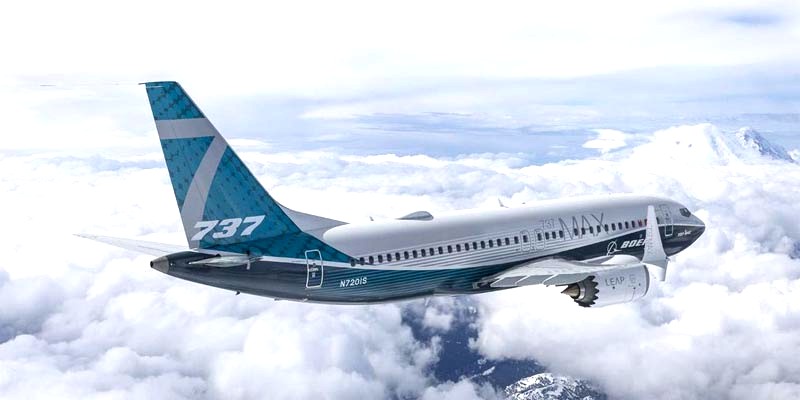
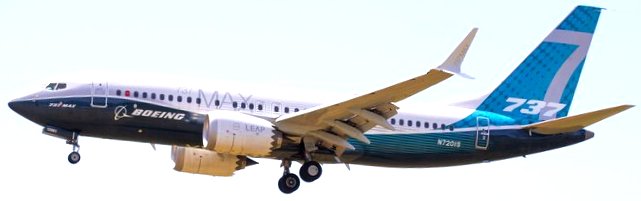
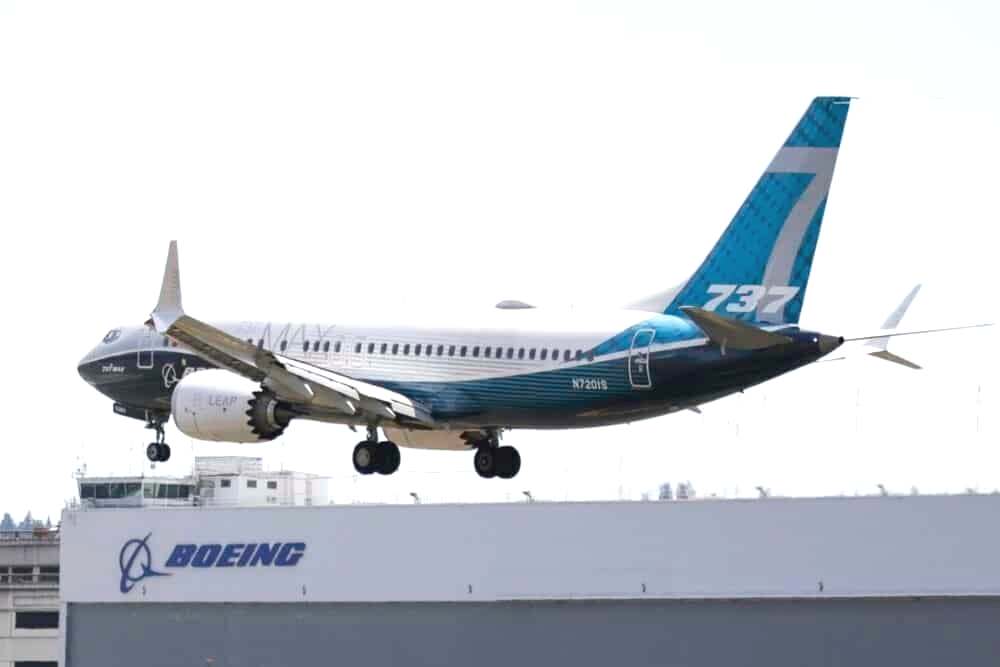
El Boeing 737 MAX ha retornado a las aerolíneas impulsados por un mercado que continúa reactivándose, ayudando a reiniciar los pedidos de nuevos aviones. Aunque este modesto apalancamiento ha ayudado a The Boeing Company, todavía se enfrenta a un importante escollo o dificultad que podría modificar el mercado a median plazo: las tensiones comerciales entre Estados Unidos y China.

China represente el mercado más grande e importante para la compra de aviones comerciales. Se estima que el país representará una cuarta parte de las ventas de aviones comerciales a nivel mundial en los próximos diez años. Pero con las dificultades de las tensiones comerciales entre Estados Unidos y China, solo el 1% de los pedidos de Boeing desde 2017 se han reportado como que van directamente a los compradores chinos. Las entregas de aviones a China, que ocurren años después de que se realizan los pedidos de aviones, son más fuertes, representando casi el 20% del total de Boeing desde 2017. Pero China sigue siendo uno de los tres principales mercados globales donde el 737 MAX aún no ha logrado la autorización para volar de los reguladores de la aviación. India y Rusia representan los otros países que no han autorizado la recertificación de la aeronave. Esto ha supuesto una traba a las ventas de más aeronaves en esos mercados. Como resultado, la parte de las entregas de Boeing que van a China ha estado cayendo a medida que la mayor parte del resto del mundo comenzó a aceptar el 737 MAX.

El CEO de Boeing, David Calhoun, reconoció que China es un problema importante en una reciente presentación de inversores, agrupándola junto con la puesta en tierra del Boeing 737 MAX y la pandemia de Covid-19 como una de las tres montañas que Boeing necesitaba superar. Aunque dijo que estaba complacido por el progreso que despeja los otros dos picos, admitió que China sigue siendo un desafío. David Calhoun ha hablado con la Administración Biden y entiende los temas más amplios en juego en las negociaciones con China. «Necesitamos que los dos gobiernos quieran restaurar parte del comercio. Creo que es en el interés de ambas partes querer hacer eso. Tengo confianza en que eso sucederá. Sé que si se prolongado durante demasiado tiempo, [Boeing] paga un precio».

China no ha impuesto aranceles ni otras barreras comerciales a los aviones de pasajeros estadounidenses. Pero las aerolíneas chinas están siguiendo las instrucciones del Gobierno al realizar sus pedidos, dijo Richard Aboulafia, Analista aeroespacial de Teal Group. Las tensiones comerciales son una de las razones por las que las autoridades de aviación chinas han sido más lentas que la mayoría para devolver el 737 MAX al servicio. «La CAAC (Autoridad de Aviación Civil de China) hace un buen trabajo manteniendo seguro el espacio aéreo de China, pero ha demostrado claramente que no es una agencia independiente», dijo Richard Aboulafia.

Boeing anunció el Martes 08/06 que entregó 17 aviones en Mayo 2021, incluidos Boeing 737 MAX (10) y cinco cargueros, ninguno a una aerolínea o compañía de arrendamiento china. Boeing no ha anunciado ningún pedido de una aerolínea china desde Noviembre de 2017. Las entregas son importantes porque es cuando Boeing obtiene la mayor parte de su dinero de la venta de un avión. Boeing también dijo que tenía 73 nuevos pedidos de aviones de pasajeros para Mayo 2021, incluidos Boeing 737 MAX (34) para Southwest Airlines, el mayor comprador de ese avión hasta la fecha. Boeing también tuvo 53 pedidos cancelados en Mayo 2021, el cuarto mes consecutivo que los nuevos pedidos superaron a los cancelados. Pero los pedidos de la compañía desde China son probablemente más fuertes que la cifra del 1% que aparece en las cifras oficiales. Es probable que haya algunos pedidos de Boeing que van a compradores no identificados que están destinados a terminar en China una vez finalizados, dijo Richard Aboulafia, así como algunos aviones ordenados por compañías de arrendamiento destinadas a clientes chinos.

Existen esperanzas de un eventual gran acuerdo entre los negociadores chinos y estadounidenses que incluirá las compras chinas de aviones Boeing. Pero hay relativamente poco en el control de Boeing sobre el momento de tal acuerdo. «Esto está muy por encima de la cabeza de Boeing. Las compras generales de aviones de China estaban mostrando signos de desaceleración incluso antes de la pandemia y las recientes tensiones comerciales. Eso puede significar que las previsiones del mercado chino, que representa el 25% de las compras de aviones durante los próximos diez años, ya no son realistas. La desaceleración económica y de viajes de China es anterior a la pandemia. Estaba apareciendo en el número de aviones entregados a China», expresó Richard Aboulafia.

Boeing, China’s challenge

Last challenge of the Boeing 737 MAX in the Chinese market

AW-73378M

The Boeing 737 MAX has returned to airlines driven by a market that continues to revive, helping to restart orders for new aircraft. Although this modest leverage has helped The Boeing Company, it still faces a major stumbling block or difficulty that could change the market in the medium term: trade tensions between the United States and China.

China represents the largest and most important market for the purchase of commercial aircraft. The country is estimated to account for a quarter of global commercial aircraft sales in the next ten years. But with the difficulties of trade tensions between the United States and China, only 1% of Boeing’s orders since 2017 have been reported as going directly to Chinese buyers. Aircraft deliveries to China, which occur years after aircraft orders are placed, are stronger, accounting for nearly 20% of Boeing’s total since 2017. But China remains one of the top three global markets where the 737 MAX has yet to gain clearance to fly from aviation regulators. India and Russia represent the other countries that have not authorized recertification of the aircraft. This has been an obstacle to the sales of more aircraft in those markets. As a result, the portion of Boeing’s deliveries going to China has been falling as most of the rest of the world began accepting the 737 MAX.

Boeing CEO David Calhoun acknowledged that China is a major problem in a recent investor presentation, grouping it together with the grounding of the Boeing 737 MAX and the Covid-19 pandemic as one of the three mountains that Boeing needed to overcome. Although he said he was pleased with the progress clearing the other two peaks, he admitted that China remains a challenge. David Calhoun has spoken with the Biden Administration and understands the broader issues at stake in the negotiations with China. «We need the two governments to want to restore some of the trade. I think it’s in both parties’ interest to want to do that. I’m confident that will happen. I know that if it goes on for too long, [Boeing] pays a price».

China has not imposed tariffs or other trade barriers on American airliners. But Chinese airlines are following the government’s instructions when placing their orders, said Richard Aboulafia, an aerospace analyst at Teal Group. Trade tensions are one reason the Chinese aviation authorities have been slower than most to return the 737 MAX to service. «The CAAC (Civil Aviation Authority of China) does a good job keeping China’s airspace safe, but it has clearly demonstrated that it is not an independent agency», said Richard Aboulafia.

Boeing announced on Tuesday 06/08 that it delivered 17 aircraft in May 2021, including Boeing 737 MAX (10) and five freighters, none to a Chinese airline or leasing company. Boeing hasn’t announced any orders from a Chinese airline since November 2017. Deliveries matter because that’s when Boeing makes most of its money from the sale of an airplane. Boeing also said it had 73 new passenger jet orders by May 2021, including Boeing 737 MAXs (34) for Southwest Airlines, the largest buyer of that plane to date. Boeing also had 53 canceled orders in May 2021, the fourth consecutive month that new orders exceeded canceled ones. But the company’s orders from China are probably stronger than the 1% figure that appears in official figures. There are likely to be some Boeing orders going to unidentified buyers that are destined to end up in China after completion, Richard Aboulafia said, as well as some planes ordered by leasing companies destined for Chinese customers.

There are hopes of an eventual big deal between Chinese and US negotiators that will include Chinese purchases of Boeing jets. But there is relatively little in Boeing’s control over the timing of such a deal. «This is well above Boeing’s head. China’s overall aircraft purchases were showing signs of slowing down even before the pandemic and the recent trade tensions. That may mean that forecasts for the Chinese market, which accounts for 25% of aircraft purchases over the next ten years are no longer realistic. China’s travel and economic slowdown predates the pandemic. It was showing up in the number of aircraft delivered to China», said Richard Aboulafia.

PUBLISHER: Airgways.com
DBk: Boeing.com / Tealgroup.com / Airgways.com
AW-POST: 202106090733AR

A\W   A I R G W A Y S ®

Southwest aumentará flota 737-7 MAX

AW | 2021 06 08 22:16 | AIRLINES / INDUSTRY

Southwest Airlines aumenta pedido de Boeing 737-7 MAX

Boeing 737 MAX_Isologotype

Southwest-Airlines_Isologotype_PNG-Transparent

Southwest Airlines ha anunciado este Martes 08/06 que está aumentando su pedido del modelo Boeing 737-7 MAX superando la treintena de unidades. La aerolínea con sede en Dallas (TX) dijo en una presentación que ejercerá opciones para aumentar sus pedidos en firme del MAX 7 en 34 aviones, llevando su libro de pedidos total para ese avión a 234. La aerolínea también tiene pedidos de aviones MAX 8 por 149 unidades que se entregarán hasta 2031, ya que la compañía retira los 737 más antiguos. Southwest espera que sus gastos de capital para 2022 totalizaron US$ 1.5 mil millones, en comparación con una estimación anterior de US$ 700 millones.

Southwest dijo que espera que la demanda y los ingresos continúen mejorando en Julio 2021 a medida que los vacacionistas regresen a los viajes aéreos, lo que elevará las tarifas de ocio a los niveles de 2019. Pronosticó que los ingresos de junio se reducirán un 20% en comparación con 2019 y que las ventas de julio serán entre un 15% y un 20% más bajas que hace dos años. La demanda de viajes de negocios, el rezagado en la recuperación, también está mejorando, pero se mantiene muy por debajo de los niveles de 2019, una tendencia que pesará en las tarifas, dijo Southwest.

Southwest to increase 737-7 MAX fleet

Southwest Airlines increases order for Boeing 737-7 MAX

Southwest Airlines announced this Tuesday 08/06 that it is increasing its order for the Boeing 737-7 MAX model, exceeding thirty units. The Dallas (TX)-based airline said in a presentation that it will exercise options to increase its firm orders for the MAX 7 by 34 aircraft, bringing its total order book for that aircraft to 234. The airline also has orders for MAX 8 aircraft. for 149 units to be delivered through 2031, as the company retires the older 737s. Southwest expects its capital expenditures for 2022 to totaled US$ 1.5 billion, compared to a previous estimate of US$ 700 million.

Southwest said it expects demand and revenue to continue to improve in July 2021 as vacationers return to air travel, bringing leisure rates up to 2019 levels. It forecast June revenue to decline 20% compared to 2019 and that July sales will be 15-20% lower than two years ago. Demand for business travel, the laggard in recovery, is also improving, but remains well below 2019 levels, a trend that will weigh on rates, Southwest said.

PUBLISHER: Airgways.com
DBk: Southwest.com / Boeing.com / Airgways.com
AW-POST: 202106082216AR

A\W   A I R G W A Y S ®

Airbus entrega 50 unidades Mayo 2021

AW | 2021 06 07 21:00 | INDUSTRY

Airbus entregó cincuenta aviones en Mayo 2021

Airbus_Isologotype_svg

Airbus Group SE ha anunciado la entrega de cincuenta aeronaves en el mes de Mayo 2021, elevando un total hasta la fecha de 220 unidades entregadas en estos cinco meses de 2021, un 38% más que en el mismo período del año pasado, dijo este Lunes 06/06 en un comunicado el fabricante de aviones europeo.

Las entregas incluyeron el primer Superjumbo A380 a Emirates Airline de Dubái (EAU) desde Diciembre de 2020, concluyendo a corto plazo con cuatro unidades adicionales hacia este año, finalizando la era de la producción del Superjumbo. Airbus también confirmó un pedido de cinco aviones de gran cuerpo A350 (5) de Lufthansa German Airlines anunciado por la aerolínea el mes pasado. Pero los datos de Airbus publicados el 06/06, confirmados por un portavoz de Airbus ha declarado la mezcla de cancelaciones y pedidos de la línea aérea germana que había cancelado simultáneamente tres pedidos anteriores de A350 (3), lo que resultó en una adición neta de dos aviones A350. La reorganización del pedido fue parte de una reestructuración de la flota que también vio a Lufthansa comprar cinco Boeing 787-9 (5) que se habían quedado sin compradores después de que fueron fabricados.

Boeing ha estado luchando con las dificultades de producción del 787, mientras que ambos fabricantes de aviones se enfrentan a una caída en la demanda de aviones de larga distancia de gran cuerpo exacerbada por la pandemia de Coronavirus.

Airbus delivers 50 units May 2021

Airbus delivered fifty aircraft in May 2021

Airbus Group SE has announced the delivery of fifty aircraft in the month of May 2021, raising a total to date of 220 units delivered in these five months of 2021, 38% more than in the same period last year, it said this Monday 06/06 in a statement the European aircraft manufacturer.

Deliveries included the first A380 Superjumbo to Emirates Airline Dubai (UAE) from December 2020, concluding in the short term with four additional units by this year, ending the era of Superjumbo production. Airbus also confirmed an order for five Lufthansa German Airlines A350 (5) large-body aircraft announced by the airline last month. But Airbus data released on 06/06, confirmed by an Airbus spokesperson, has stated the mix of cancellations and orders from the German airline that had simultaneously canceled three previous A350 orders (3), resulting in a net addition. of two A350 aircraft. The order reorganization was part of a fleet restructuring that also saw Lufthansa buy five Boeing 787-9s (5) that had run out of buyers after they were manufactured.

Boeing has been struggling with production difficulties for the 787, while both aircraft manufacturers are facing a drop in demand for large-body long-haul aircraft exacerbated by the Coronavirus pandemic.

PUBLISHER: Airgways.com
DBk: Airbus.com / Airgways.com
AW-POST: 202106072100AR

A\W   A I R G W A Y S ®

Aeroflot recibe primer A321NEO

AW | 2021 06 07 20:51 | AIRLINES / INDUSTRY

Aeroflot incorpora la tercera generación A320/321NEO

Aeroflot Russian Airlines_Isologotype

La aerolínea rusa Aeroflot Russian Airlines ha recibido sus primeros Airbus A320NEO y A321NEO a finales de Mayo 2021. El primer avión A320NEO de la aerolínea salió del sitio de producción de Airbus en Toulouse el 18 de Mayo de 2021, mientras que el avión A321NEO partió de Hamburgo el 28/05. En total, la aerolínea ha incorporado A320NEO (4) y A321NEO (2) que actualmente forman parte de la flota de Aeroflot, mientras que la compañía rusa espera sumar más unidades hacia el futuro.

Aeroflot tiene casi cien aviones de la familia Airbus A320, tanto de las variantes CEO como la nueva generación NEO en su flota. La aerolínea rusa recibió su primer avión Airbus A350-900 en Febrero de 2020, uniéndose al A330-300 existente. Además, los aviones Boeing 737 y 777-300ER también están desplegados en su red de servicios. Para los vuelos regionales, Aeroflot opera aviones Sukhoi Superjet SSJ-100.

Aeroflot receives first A321NEO

Aeroflot introduces the third generation A320/321NEO

The Russian airline Aeroflot Russian Airlines has received its first Airbus A320NEO and A321NEO at the end of May 2021. The airline’s first A320NEO aircraft left the Airbus production site in Toulouse on May 18, 2021, while the A321NEO aircraft departed from Hamburg on 05/28. In total, the airline has added A320NEO (4) and A321NEO (2) that are currently part of Aeroflot’s fleet, while the Russian company hopes to add more units in the future.

Aeroflot has almost one hundred Airbus A320 family aircraft, both CEO variants and the new generation NEO in its fleet. The Russian airline received its first Airbus A350-900 aircraft in February 2020, joining the existing A330-300. Additionally, Boeing 737 and 777-300ER aircraft are also deployed in its service network. For regional flights, Aeroflot operates Sukhoi Superjet SSJ-100 aircraft.

Аэрофлот получил первый самолет A321NEO

Аэрофлот представляет A320/321NEO третьего поколения

Российская авиакомпания Аэрофлот российские авиалинии получила свои первые Airbus A320NEO и A321NEO в конце мая 2021 года. Первый самолет A320NEO авиакомпании покинул производственную площадку Airbus в Тулузе 18 мая 2021 года, а самолет A321NEO вылетел из Гамбурга 28 мая. Всего авиакомпания добавила A320NEO (4) и A321NEO (2), которые в настоящее время входят в парк Аэрофлота, в то время как российская компания надеется добавить больше единиц в будущем.

В парке Аэрофлота почти сотня самолетов семейства Airbus A320, как в вариантах CEO, так и в NEO нового поколения. Российская авиакомпания получила свой первый самолет Airbus A350-900 в феврале 2020 года, пополнив существующий A330-300. Кроме того, в его сервисной сети задействованы самолеты Boeing 737 и 777-300ER. На региональных рейсах Аэрофлот использует самолет Sukhoi Superjet SSJ-100.

PUBLISHER: Airgways.com
DBk: Aeroflot.com / Airbus.com / Airgways.com
AW-POST: 202106072051AR

A\W   A I R G W A Y S ®

Boeing reincorporación presencial

AW | 2021 06 06 23:46 | INDUSTRY

Más trabajadores retornarán línea trabajo a partir de Julio 2021

Boeing_Isologotype

The Boeing Company ha anunciado la reincorporación presencial de la plantilla laboral hacia Julio 2021, después de que miles de empleados de la compañía todavía están trabajando de forma remota, comenzarán a regresar a la oficina el próximo mes, mientras que no se han reportado la cantidad ni la frecuencia hacia la jornada laboral presencial.

En un anuncio de la compañía el Viernes 04/06 a los trabajadores, Michael D’Ambrose, Director de Recursos Humanos, dijo que «Boeing comenzará a traer de vuelta a algunos empleados adicionales a los lugares de trabajo en el área de Puget Sound (WA) y otras ubicaciones de Estados Unidos tan pronto como a mediados de Julio 2021, según lo permitan las condiciones locales de salud y seguridad». Pero la declaración de Michael D’Ambrose ofreció pocos detalles. La compañía no está diciendo cuántos empleados todavía están trabajando de forma remota, cuántos de ellos se esperaba que regresaran o cuánto tiempo podría tomar todo el proceso de reincorporación.

Aunque muchos trabajadores de Boeing, incluidos sus aproximadamente 27.000 trabajadores del área en la Región de Puget Sound, hace tiempo que regresaron a sus lugares de trabajo físicos, muchos otros continúan trabajando de forma remota en alguna capacidad. Bill Dugovich, Portavoz de Society of Professional Engineering Employees in Aerospace (SPEEA), estima que aproximadamente la mitad de los 15.000 ingenieros locales de la compañía todavía están trabajando de forma remota o en un sistema híbrido de trabajo remoto y de oficina. En la declaración del Viernes 04/06, Michael D’Ambrose dijo que algunos trabajadores podrían continuar trabajando de forma remota o en acuerdos híbridos basados en «conversaciones con su gerente sobre qué arreglo de trabajo se alinea mejor con el trabajo que hace». Pero también dejó claro que «muchas posiciones y requisitos de los clientes no son compatibles con el trabajo virtual o híbrido».

Profundizando cambios

El anuncio de regreso al trabajo del Viernes 04/06 se produce en medio de un cambio más amplio de la compañía hacia lo que los funcionarios de Boeing han llamado un modelo de trabajo más flexible. Ese modelo formalizaría algunos de los arreglos de trabajo remoto que surgieron durante la pandemia. Pero también reflejaría los esfuerzos de la compañía para reducir significativamente su huella física de oficina como una forma de reducir costos.

Boeing ha reconocido planes para deshacerse de aproximadamente 2.5 millones de pies cuadrados de espacio de oficinas, o aproximadamente el 7% de su huella de oficinas de la zona de Puget Sound, incluida la venta de su edificio de la sede de Commercial Airplanes en el campus de Longacres en Renton (WA).

Boeing ha insistido en que las reducciones de oficinas no son una señal de que Boeing planea reducir su presencia local. Cuando Boeing llevó a sus maquinistas de vuelta al trabajo en Abril 2021 después de un cierre de cuatro semanas relacionado con la pandemia, muchos trabajadores estaban supuestamente preocupados por la seguridad en el lugar de trabajo en relación con los contagios. Más de un año después, las preocupaciones de los empleados que regresan se centran más en la logística básica, dijo Bill Dugovich de SPEEA. «¿Voy a tener un escritorio donde solía tener, o voy a estar en el hotel? ¿Qué días de la semana voy a entrar a trabajar? Boeing ha estado hablando de traer a la gente de vuelta pero la línea de tiempo ha fluctuado. Esto es solo decir OK, realmente vamos a empezar a retroceder ahora», expresó el titular de SPEEA. Muchos empleados han estado esperando detalles sobre los planes de regreso al trabajo de Boeing.

Boeing presential reinstatement

More workers will return to work from July 2021

The Boeing Company has announced the face-to-face reinstatement of the workforce by July 2021, after thousands of company employees are still working remotely, they will begin to return to the office next month, while the number has not been reported. nor the frequency towards face-to-face working hours.

AW-777300

In a company announcement on Friday 06/04 to workers, Michael D’Ambrose, Director of Human Resources, said that «Boeing will begin bringing back some additional employees to workplaces in the Puget Sound area ( WA) and other US locations as early as mid-July 2021, as local health and safety conditions allow». But Michael D’Ambrose’s statement offered few details. The company is not saying how many employees are still working remotely, how many of them were expected to return, or how long the entire reinstatement process could take.

Although many Boeing workers, including its approximately 27,000 area workers in the Puget Sound Region, have long since returned to their physical workplaces, many others continue to work remotely in some capacity. Bill Dugovich, Spokesperson for the Society of Professional Engineering Employees in Aerospace (SPEEA), estimates that about half of the company’s 15,000 local engineers are still working remotely or in a hybrid remote-work-office system. In the statement on Friday 06/04, Michael D’Ambrose said that some workers may continue to work remotely or in hybrid arrangements based on «conversations with your manager about which work arrangement best aligns with the work you do». But he also made it clear that «many positions and client requirements are not compatible with virtual or hybrid work».

Deepening changes

The Friday 06/04 return-to-work announcement comes amid a broader shift by the company toward what Boeing officials have called a more flexible work model. That model would formalize some of the remote work arrangements that emerged during the pandemic. But it would also reflect the company’s efforts to significantly reduce its physical office footprint as a way to cut costs.

Boeing has recognized plans to divest approximately 2.5 million square feet of office space, or approximately 7% of its Puget Sound area office footprint, including the sale of its Commercial Airplanes headquarters building on campus. de Longacres in Renton (WA).

Boeing has insisted that the office reductions are not a sign that Boeing plans to reduce its local presence. When Boeing brought its drivers back to work in April 2021 after a four-week shutdown related to the pandemic, many workers were reportedly concerned about workplace safety in relation to contagions. More than a year later, the concerns of returning employees are more focused on basic logistics, said Bill Dugovich of SPEEA. «Am I going to have a desk where I used to, or am I going to be at the hotel? What days of the week am I going to go to work? Boeing has been talking about bringing people back but the timeline has fluctuated. This is just saying OK, we are really going to start backtracking now», said the head of SPEEA. Many employees have been waiting for details on Boeing’s return-to-work plans.

PUBLISHER: Airgways.com
DBk: Boeing.com / Speea.org / Airgways.com
AW-POST: 202106062346AR

A\W   A I R G W A Y S ®

Airbus 1er contrato service A220

AW | 2021 06 04 07:12 | INDUSTRY / AIRLINES

Airbus obtiene primer contrato FHS en América del Norte con JetBlue

Airbus_Isologotype_svg

Airbus Group ha firmado su primer contrato de Servicios de Horas de Vuelo (FHS) con un cliente norteamericano. La aerolínea estadounidense JetBlue Airways está adquiriendo servicios de mantenimiento de componentes de Airbus a largo plazo para sus 70 aviones A220 bajo pedido. El A220 comenzó a operar con JetBlue en Abril de 2021. El contrato de servicio de mantenimiento por horas incluye servicios de materiales con gestión de existencias de piezas en el lugar, así como acceso al grupo de piezas, servicios de ingeniería y reparación de Airbus.

“Al igual que con todos los programas de aviones de Airbus, los clientes de A220 se están beneficiando del reconocido programa de mantenimiento FHS de Airbus. Estamos muy orgullosos de dar la bienvenida a JetBlue como nuestro primer cliente de FHS en Norteamérica y poder aumentar aún más la disponibilidad de su flota A220 para respaldar la reanudación del tráfico”, dijo Dominik Wacht, Jefe de Servicios al Cliente de Airbus en Norteamérica.

“Con un costo operativo directo sustancialmente más bajo en comparación con otras aeronaves en nuestra flota por el ahorro de combustible y no combustible, el A220 también ayuda a restablecer aún más los costos de mantenimiento de JetBlue hasta bien entrada la década. La solución FHS de Airbus ayuda a respaldar nuestros objetivos financieros a largo plazo en lo que respecta al mantenimiento y respalda nuestra capacidad para ofrecer tarifas bajas y un servicio galardonado a más clientes de JetBlue”, dijo Bill Cade, Vicepresidente de Operaciones Técnicas de JetBlue.

JetBlue será el tercer operador de aerolínea A220 en utilizar el servicio FHS de Airbus. Se han entregado más de 150 A220 a nueve aerolíneas que operan rutas en Asia, América, Europa y África, lo que demuestra la gran versatilidad del último miembro de la familia de Airbus. Este primer contrato de FHS para Airbus en Norteamérica confirma la creciente expansión de la solución de mantenimiento por horas de Airbus para acompañar el reinicio del tráfico: durante los últimos seis meses, se han firmado once contratos de FHS con operadores de todo el mundo.

Airbus 1st contract service A220

Airbus wins first FHS contract in North America with JetBlue

Airbus Group has signed its first Flight Hours Services (FHS) contract with a North American customer. US airline JetBlue Airways is acquiring long-term component maintenance services from Airbus for its 70 A220 aircraft on request. The A220 began operations with JetBlue in April 2021. The hourly maintenance service contract includes materials services with on-site parts stock management, as well as access to Airbus’ group of parts, engineering and repair services.

“As with all Airbus aircraft programs, A220 customers are benefiting from Airbus’ renowned FHS maintenance program. We are very proud to welcome JetBlue as our first North American FHS customer and to be able to further increase the availability of its A220 fleet to support the resumption of traffic”, said Dominik Wacht, Head of Customer Services for Airbus North America.

“With a substantially lower direct operating cost compared to other aircraft in our fleet for fuel and non-fuel savings, the A220 also helps reset JetBlue’s maintenance costs even further well into the decade. Airbus’s FHS solution helps support our long-term financial goals for maintenance and supports our ability to deliver low fares and award-winning service to more JetBlue customers”, said Bill Cade, Vice President of Technical Operations for JetBlue.

JetBlue will be the third A220 airline operator to use Airbus’ FHS service. More than 150 A220s have been delivered to nine airlines operating routes in Asia, America, Europe and Africa, demonstrating the great versatility of the latest member of the Airbus family. This first FHS contract for Airbus in North America confirms the increasing expansion of Airbus’ hourly maintenance solution to accompany the resumption of traffic: over the last six months, eleven FHS contracts have been signed with operators around the world.

PUBLISHER: Airgways.com
DBk: Airbus.com / Jetblue.com / Airgways.com
AW-POST: 202106040712AR

A\W   A I R G W A Y S ®

Airbus extiende ayudas a India

AW | 2021 06 02 06:16 | INDUSTRY / GOVERNMENT

Airbus expande ayudas sanitarias a la República de la India

Airbus Group ha redoblado su respuesta a la crisis del COVID-19 en India, entregando más de 36 toneladas de equipo médico adicional a la Sociedad de la Cruz Roja India (IRCS) y desplegando vuelos humanitarios para trasladar suministros desde tanto en el exterior como en el interior del país. Airbus está suministrando plantas de oxígeno, ventiladores, concentradores de oxígeno, respiradores BPAP y unidades móviles de cuidados intensivos (UCI), lo que aumenta aún más su contribución individual al esfuerzo humanitario mundial para abordar la segunda ola de infección por COVID-19 en India. Un avión de prueba A350 entregó una parte del envío que comprende concentradores de oxígeno y ventiladores desde la sede de Airbus en Toulouse, Francia, el miércoles. Los materiales restantes provienen de la India.

La última misión es el segundo tramo de apoyo de Airbus al país. La compañía europea ha contribuido con fondos a una respuesta consolidada coordinada por la embajada de Francia en India, que incluyó la entrega de ocho grandes generadores de oxígeno, ventiladores, bombas de jeringa eléctricas, filtros antibacterianos y circuitos de pacientes como parte de un envío de 28 toneladas. Gran parte del equipo se ha desplegado y está ayudando a salvar cientos de vidas en toda la India. “Airbus respalda a India en solidaridad y servicio. Nuestro objetivo es apoyar no solo a nuestros empleados, clientes y socios, sino también a tantas personas de la India como podamos. Esta es nuestra lucha común contra el virus y en Airbus estamos comprometidos a hacer nuestro mejor esfuerzo para ayudar en estos tiempos difíciles para la India y el mundo”, dijo Rémi Maillard, Presidente y Director Ejecutivo de Airbus India & South Asia.

La última contribución de Airbus comprende dos plantas generadoras de oxígeno, 250 concentradores de oxígeno, 30 ventiladores, 100 respiradores BPAP y cuatro UCI sobre ruedas. Airbus está trabajando con el gobierno indio y el IRCS, la agencia nodal para el manejo de la ayuda internacional, para garantizar el despliegue sin problemas de los materiales. Además, la Fundación Airbus está en contacto con ONG internacionales e indias asociadas para apoyar cualquier necesidad de transporte de materiales de ayuda desde Europa. La Fundación Airbus también ha asegurado horas de vuelo en helicóptero para trasladar ayuda dentro de la India. “La crisis aún se está desarrollando. Sus consecuencias tendrán que ser manejadas durante los próximos meses. Nuestras ONG indias asociadas ya están evaluando el impacto de la crisis en los medios de vida y la educación de los niños. Airbus ampliará su apoyo a ellos para hacer frente a los desafíos adicionales”, dijo Rémi Maillard.

Airbus extends aid to India

Airbus expands health aid to the Republic of India

Airbus Group has stepped up its response to the COVID-19 crisis in India, delivering more than 36 tons of additional medical equipment to the Indian Red Cross Society (IRCS) and deploying humanitarian flights to move supplies from both overseas and within The inside of the country. Airbus is supplying oxygen plants, ventilators, oxygen concentrators, BPAP respirators and mobile intensive care units (ICUs), further increasing its individual contribution to the global humanitarian effort to address the second wave of COVID-19 infection in India. . An A350 test aircraft delivered a portion of the shipment comprising oxygen concentrators and fans from Airbus headquarters in Toulouse, France, on Wednesday. The remaining materials come from India.

The last mission is the second tranche of Airbus support to the country. The European company has contributed funding to a consolidated response coordinated by the French embassy in India, which included the delivery of eight large oxygen generators, ventilators, electric syringe pumps, antibacterial filters and patient circuits as part of a shipment of 28 tons. Much of the team has been deployed and is helping save hundreds of lives across India. “Airbus stands behind India in solidarity and service. Our aim is to support not only our employees, clients and partners, but also as many people from India as we can. This is our common fight against the virus and we at Airbus are committed to doing our best to help in these difficult times for India and the world”, said Rémi Maillard, President and CEO of Airbus India & South Asia.

The latest Airbus contribution comprises two oxygen generating plants, 250 oxygen concentrators, 30 ventilators, 100 BPAP respirators and four ICUs on wheels. Airbus is working with the Indian government and the IRCS, the nodal agency for handling international aid, to ensure the smooth deployment of the materials. In addition, the Airbus Foundation is in contact with international and Indian NGO partners to support any need to transport relief materials from Europe. The Airbus Foundation has also secured hours of helicopter flights to move aid within India. “The crisis is still unfolding. Its consequences will have to be managed in the coming months. Our Indian NGO partners are already assessing the impact of the crisis on children’s livelihoods and education. Airbus will expand its support to them to address the additional challenges”, said Rémi Maillard.

Asociación con la comunidad humanitaria – Fundación Airbus – Airbus

PUBLISHER: Airgways.com
DBk: Airbus.com / Airgways.com
AW-POST: 202106020616AR

A\W   A I R G W A Y S ®

Disputa comercial Qatar-Airbus

AW | 2021 06 01 21:55 | AIRLINES / INDUSTRY

Qatar Airways tensa relaciones con Airbus por proceso contractual

Qatar_Airways_logo.svg

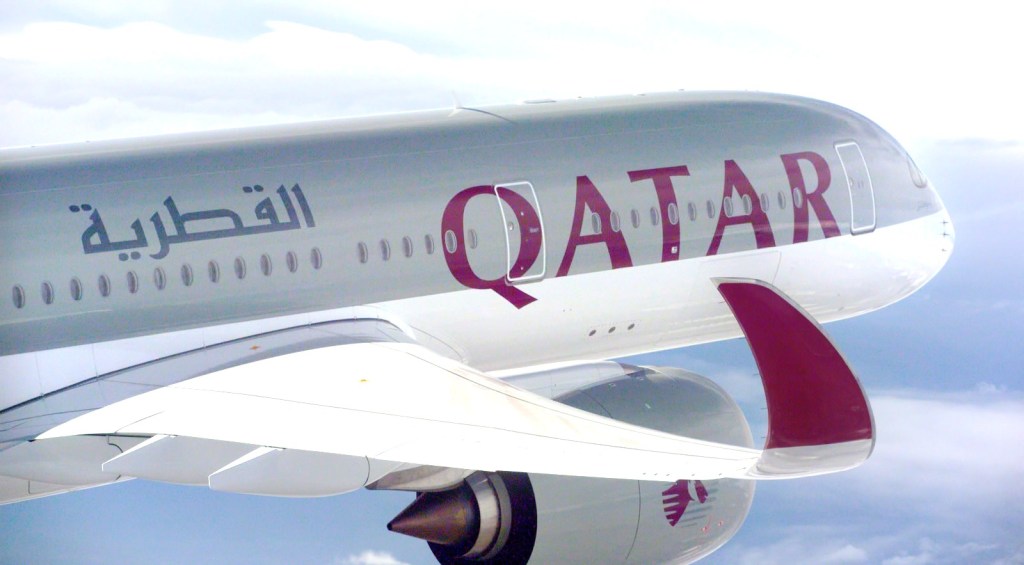
La aerolínea Qatar Airways, con sede en Doha, está en una disputa con el fabricante de aviones europeo Airbus Group sobre la calidad de la pintura de los aviones. El Director Ejecutivo de Qatar Airways, Akbar Al Baker, dijo que la aerolínea se negaría a aceptar las entregas de Airbus si no se resolvía el desacuerdo. Este Lunes 01/06 estalló en los medios un agrio conflicto donde Qatar Airways no piensa aceptar aviones de Airbus que no cumplan al cien por ciento con las especificaciones técnicas que exige su compañía.

Akbar Al Baker criticó a Airbus sin dar detalles específicos sobre la disputa, diciendo que «si no somos capaces de resolver ese grave problema que tenemos con ellos, nos negaremos a tomar cualquier avión de ellos». Sin embargo, fuentes no identificadas cercanas al asunto, citadas por la agencia Reuters el 31 de Mayo de 2021, dijeron que el desacuerdo surgió debido a problemas de calidad del trabajo de pintura de aviones Airbus A350. La flota de aviones Airbus A350 XWB de Qatar Airways se sitúa actualmente en 53, según datos de planespotters.net. La compañía aérea con sede en Doha tiene Airbus A350-1000 (19) y Airbus A350-900 (34) con un promedio de 2,7 años. La última entrega del Airbus A350 se recibió el 31 de Diciembre de 2020. En el apogeo de la pandemia Qatar Airways anunció que aplazaría las entregas tanto de Airbus como de Boeing. Sin embargo, en Enero de 2021, el CEO de Qatar Airways cambió el tono y la dirección de la aerolínea y dijo que la aerolínea continuaría tomando todos y cada uno de los aviones que se habían ordenado. A partir del 31 de Abril de 2021, la aerolínea qatarí recibirá Airbus A321NEO (50) y Airbus A350-1000 (32). Los recientes enfrentamientos de la aerolínea con Airbus podrían resultar en entregas de aviones no cumplidas. Era la segunda vez en un mes que el Consejero Delegado de Qatar Airways hablaba con el fabricante de aviones europeo Airbus. Anteriormente, en Mayo de 2021, Akbar Al Baker se refirió al avión Airbus A380 diciendo que la compra del avión de pasajeros más grande fue el mayor error de la aerolínea. «El mayor error que cometimos fue la compra de Airbus A380. Dejamos en tierra el A380 simplemente porque no es un avión de bajo consumo de combustible», dijo el directivo de la aerolínea el 26 de Mayo de 2021, y agregó que el doble de pisos hace más daño que beneficia tanto a Qatar Airways como al medio ambiente.

Qatar-Airbus commercial dispute

Qatar Airways tense relations with Airbus due to contractual process

AW-Qatar Airways_A3808003

AW-Qatar Airways_Isologotype_0001

Doha-based airline Qatar Airways is in a dispute with European aircraft manufacturer Airbus Group over the quality of the aircraft’s paint. Qatar Airways Chief Executive Officer Akbar Al Baker said the airline would refuse to accept Airbus deliveries if the disagreement was not resolved. This Monday 06/01 a bitter conflict broke out in the media where Qatar Airways does not intend to accept Airbus aircraft that do not comply 100% with the technical specifications required by its company.

Akbar Al Baker criticized Airbus without giving specific details about the dispute, saying that «if we are not able to resolve this serious problem we have with them, we will refuse to take any aircraft from them». However, unidentified sources close to the matter, quoted by Reuters on May 31, 2021, said that the disagreement arose due to quality problems of the paint job of Airbus A350 aircraft. Qatar Airways’ fleet of Airbus A350 XWB aircraft currently stands at 53, according to data from planespotters.net. The Doha-based airline has Airbus A350-1000 (19) and Airbus A350-900 (34) with an average of 2.7 years. The last delivery of the Airbus A350 was received on December 31, 2020. At the height of the pandemic Qatar Airways announced that it would postpone deliveries from both Airbus and Boeing. However, in January 2021, the CEO of Qatar Airways changed the tone and direction of the airline and said that the airline would continue to take each and every aircraft that had been ordered. Starting April 31, 2021, the Qatari airline will receive Airbus A321NEO (50) and Airbus A350-1000 (32). The airline’s recent clashes with Airbus could result in missed aircraft deliveries. It was the second time in a month that the CEO of Qatar Airways spoke ostentatiously about the European aircraft manufacturer Airbus. Earlier, in May 2021, Akbar Al Baker referred to the Airbus A380 aircraft saying that the purchase of the largest passenger jet was the airline’s biggest mistake. «The biggest mistake we made was the purchase of Airbus A380. We grounded the A380 simply because it is not a fuel-efficient aircraft», said the airline’s executive on May 26, 2021, adding that twice as many flooring does more harm than it benefits both Qatar Airways and the environment.

PUBLISHER: Airgways.com
DBk: Qatarairways.com / Airbus.com / Airgways.com
AW-POST: 202106012155AR

A\W   A I R G W A Y S ®

Airbus modernización línea A320/A220

AW | 2021 05 31 22:55 | INDUSTRY

Airbus estudia próxima generación familia A320

Airbus_Isologotype_svg

Airbus Group podría estar próxima a anunciar una modernización de su familia A320, junto al modelo A220, con un nuevo ala y fuselajes alargados. Los estudios pondrían al constructor europeo en ventaja respecto a su competidor The Boeing Company con una evolución de sus familias A320 y A220 para ocupar el mercado de los aviones de menos de 250 plazas hasta la llegada de la próxima generación de aviones cero emisiones o al menos CO2 neutros.

El constructor europeo continúa avanzado con cambios en las características de ambas aeronaves. El A320 podría introducir un nuevo conjunto alar realizada con materiales compuestos, más aerodinámica y económica que las actuales, sería el núcleo de la modernización de la familia A320. La familia NEO (New Engine Option) permitiría alargar en dos o cuatro filas de pasajeros los fuselajes del A320 y A321, al tiempo que ambos modelos dispondrían de motores más potentes y eficientes, mientras que se sustituye el A319NEO por falta de interés dando especial atención al A220-300 como un verdadero sustituto de mercado.

Esta nueva “Ala para el mañana” como se denomina en Airbus, no precisa el uso de autoclaves y su producción sería similar al anunciado para el ala del Irkut MC-21, incluso un ala con mayor envergadura y puntas de plano plegables al estilo del B-777X. Un A321XLR así alargado tendría una capacidad de entre 190 y 248 pasajeros y un alcance de más de 8.000 km. El A321XLR, que entrará en servicio en 2023, podrá transportar a entre 180 y 220 pasajeros a 8.700 km. Estaría por ver qué autonomía recuperaría el avión con el nuevo ala y motores ante la pérdida debida al mayor peso de su fuselaje de mayor longitud.

Airbus continúa en busca de una aeronave para sustituir al Boeing 757 intercontinental, persiguiendo alcanzarlo con la variante A321XLR, para liderar definitivamente el sector de rango medio, impulsado para transportar entre 200 y 228 pasajeros a 7.200 km de autonomía, situando al A321XLR entre el líder indiscutido como una verdadera aeronave de fuselaje estrecho. Una vez que Airbus se hizo con el control del CSeries (A220) este modelo ha sido modernizado y su peso máximo al despegue se ha incrementado en casi 2.300 kg hasta las 63,1 Tm para el A220-100 y 69,9 Tm para el A220-200 al tiempo que se aumentó el alcance en más de 800 km, quedando en 6.200 km para el A220-100 y 6.300 para el A220-300. Posteriormente se aumentó el peso máximo en otros 1.000 kg para aviones entregados desde mediados de 2021. Esto se ha traducido en un aumento de 370 km en su autonomía. Este cambio se realiza sobre papeles sin tener que hacer ninguna modificación en la estructura. Pero Bombardier Inc. tenía un tercer CSeries en desarrollo, el CS500 para entre 160 y 180 pasajeros. Este tercer A220, si se lanzase, cubriría la parte alta de la capacidad del A319, que está en un máximo de 160 gracias a un par de modificaciones (145 sin ellas). El peso máximo al despegue del A319/A319NEO se sitúa entre 64 y 75,9 Tm. El A220-500 sería también competencia del A320NEO ya que sus cifras económicas serían mejores, además de por capacidad y alcance.

Perspectivas industria

Los cambios introducidos por parte de Airbus Group buscarán mejorar las perspectivas a futuro de las actualizaciones de productos para el mercado de la aviación. El A220 es un candidato indiscutido para el mercado regional entre los favoritos. Mientras que del otro lado del atlántico,The Boeing Company continúa ajustando sus procesos de seguridad referentes a las líneas 787 Dreamliner y 737 MAX, un paso gigante para no quedar relegada ante el avance incontrolado de Airbus Group.

Airbus A320/A220 line modernization

Airbus studies next generation A320 family

AW-A320NEO_Isologotype_001

Airbus Group could be close to announcing a modernization of its A320 family, alongside the A220 model, with a new wing and elongated fuselages. The studies would put the European manufacturer at an advantage over its competitor The Boeing Company with an evolution of its A320 and A220 families to occupy the market for aircraft with less than 250 seats until the arrival of the next generation of zero-emission aircraft or at least CO2 neutral.

AW-A220-Icon

The European manufacturer continues to advance with changes in the characteristics of both aircraft. The A320 could introduce a new wing assembly made with composite materials, more aerodynamic and economical than the current ones, it would be the core of the modernization of the A320 family. The NEO (New Engine Option) family would allow the A320 and A321 fuselages to be lengthened by two or four rows of passengers, while both models would have more powerful and efficient engines, while the A319NEO is replaced due to lack of interest, giving special attention to the A220-300 as a true market replacement.

This new «Wing for Tomorrow» as it is called by Airbus, does not require the use of autoclaves and its production would be similar to that announced for the Irkut MC-21 wing, including a wing with a greater span and folding plane tips in the style of the B-777X. Such a lengthened A321XLR would have a capacity of between 190 and 248 passengers and a range of more than 8,000 km. The A321XLR, which will enter service in 2023, will be able to carry between 180 and 220 passengers at 8,700 km. It remains to be seen what autonomy the aircraft would regain with the new wing and engines due to the loss due to the greater weight of its longer fuselage.

Airbus continues in search of an aircraft to replace the intercontinental Boeing 757, pursuing to reach it with the A321XLR variant, to definitively lead the mid-range sector, driven to transport between 200 and 228 passengers at 7,200 km of autonomy, placing the A321XLR among the leader undisputed as a true narrow-body aircraft. Once Airbus took control of the CSeries (A220) this model has been modernized and its maximum take-off weight has increased by almost 2,300 kg to 63.1 tonnes for the A220-100 and 69.9 tonnes for the A220-200 while the range was increased by more than 800 km, remaining at 6,200 km for the A220-100 and 6,300 for the A220-300. Subsequently, the maximum weight was increased by another 1,000 kg for aircraft delivered since mid-2021. This has resulted in a 370 km increase in their range. This change is made on paper without having to make any changes to the structure. But Bombardier Inc. had a third CSeries in development, the CS500 for between 160 and 180 passengers. This third A220, if launched, would cover the top of the A319’s capacity, which is at a maximum of 160 thanks to a couple of modifications (145 without them). The maximum take-off weight of the A319/A319NEO is between 64 and 75.9 tonnes. The A220-500 would also compete with the A320NEO as its economic figures would be better, as well as capacity and range.

Industry perspectives

The changes introduced by Airbus Group will seek to improve the future prospects of product updates for the aviation market. The A220 is an undisputed candidate for the regional market among the favorites. While on the other side of the Atlantic, The Boeing Company continues to adjust its security processes regarding the 787 Dreamliner and 737 MAX lines, a giant step to avoid being relegated to the uncontrolled progress of Airbus Group.

PUBLISHER: Airgways.com
DBk: Airbus.com / Airgways.com
AW-POST: 202105312255AR

A\W   A I R G W A Y S ®

Consorcio europeo para EuroQCI

AW | 2021 05 31 06:14 | INDUSTRY / AVIATION TECHNOLOGY / AEROSPACE

Comunicación digital cuántica para infraestructura europea

Airbus_Logotype Globe

La Comisión Europea (CE) ha seleccionado un consorcio de empresas e institutos de investigación para estudiar el diseño de la futura red europea de comunicación cuántica, EuroQCI (infraestructura de comunicación cuántica). Permitirá una comunicación ultrasegura entre infraestructuras críticas e instituciones gubernamentales en toda la Unión Europea. El consorcio europeo liderado por Airbus Group está compuesto por Leonardo, Orange, PwC France and Maghreb, Telespazio (una empresa conjunta de Leonardo y Thales 67/33), el Consiglio Nazionale delle Ricerche (CNR) y el Istituto Nazionale di Ricerca Metrologica (INRiM).

El EuroQCI integrará tecnologías y sistemas cuánticos en redes de comunicación de fibra óptica terrestres e incluirá un segmento espacial que garantizará una cobertura total en la UE y otros continentes. En última instancia, esto permitirá proteger los sistemas de cifrado y las infraestructuras críticas de Europa, como las instituciones gubernamentales, el control del tráfico aéreo, las instalaciones sanitarias, los bancos y las redes eléctricas frente a las amenazas cibernéticas actuales y futuras.

Desde Junio de 2019, veintiséis Estados miembros han firmado la Declaración EuroQCI, acordando trabajar junto con la Comisión, con el apoyo de la Agencia Espacial Europea (EASA), hacia el desarrollo de una infraestructura de comunicación cuántica que cubra toda la UE. El plan a largo plazo es que EuroQCI se convierta en la base de una Internet cuántica en Europa, conectando computadoras cuánticas, simuladores y sensores a través de redes cuánticas para distribuir información y recursos con un método de seguridad de vanguardia.

El primer servicio en utilizarlo será la distribución de claves cuánticas (QKD). El servicio QKD transmitirá claves de cifrado a través de canales de comunicación cuántica en enlaces de fibra óptica terrestre y láser espacial. El uso de estados de fotones cuánticos hace que la distribución de claves sea inmune a las vulnerabilidades, a diferencia de los métodos actuales. El estudio de quince meses establecerá los detalles del sistema de extremo a extremo y diseñará el segmento terrestre que respalda el servicio QKD. Desarrollará una hoja de ruta de implementación detallada, incluido el costo y el cronograma de cada fase de implementación. Además, el estudio ayudará a la Comisión Europea a diseñar una infraestructura avanzada de validación y pruebas de QCI que incluya estándares. El objetivo es ejecutar un demostrador EuroQCI para 2024 y un servicio operativo inicial para 2027.

El consorcio se beneficiará de la complementariedad de sus miembros, que incluyen grandes integradores de sistemas, operadores de telecomunicaciones y Satcom y proveedores de servicios, además de institutos de investigación. El estudio aprovechará y fortalecerá las contribuciones existentes en varios proyectos cuánticos realizados por cada miembro del consorcio y se beneficiará de una amplia experiencia de campo de la columna vertebral cuántica italiana gracias a CNR e INRiM.

European Consortium for EuroQCI

Quantum digital communication for European infrastructure

The European Commission (EC) has selected a consortium of companies and research institutes to study the design of the future European quantum communication network, EuroQCI (quantum communication infrastructure). It will allow ultra-secure communication between critical infrastructures and government institutions throughout the European Union. The European consortium led by Airbus Group is made up of Leonardo, Orange, PwC France and Maghreb, Telespazio (a joint venture of Leonardo and Thales 67/33), the Consiglio Nazionale delle Ricerche (CNR) and the Istituto Nazionale di Ricerca Metrologica (INRiM).

The EuroQCI will integrate quantum technologies and systems in terrestrial fiber optic communication networks and will include a space segment that will ensure full coverage in the EU and other continents. Ultimately, this will help protect Europe’s encryption systems and critical infrastructures, such as government institutions, air traffic control, healthcare facilities, banks, and power grids from current and future cyber threats.

Since June 2019, twenty-six Member States have signed the EuroQCI Declaration, agreeing to work together with the Commission, with the support of the European Space Agency (EASA), towards the development of a quantum communication infrastructure covering the entire EU. The long-term plan is for EuroQCI to become the foundation of a quantum Internet in Europe, connecting quantum computers, simulators and sensors via quantum networks to distribute information and resources with a state-of-the-art security method.

The first service to use it will be quantum key distribution (QKD). The QKD service will transmit encryption keys over quantum communication channels on terrestrial fiber optic and space laser links. The use of quantum photon states makes the key distribution immune to vulnerabilities, unlike current methods. The fifteen-month study will establish the details of the end-to-end system and design the ground segment that supports the QKD service. You will develop a detailed implementation roadmap, including the cost and schedule for each implementation phase. In addition, the study will help the European Commission to design an advanced QCI testing and validation infrastructure that includes standards. The goal is to run a EuroQCI demonstrator by 2024 and an initial operational service by 2027.

The consortium will benefit from the complementarity of its members, which include large systems integrators, telecom and Satcom operators and service providers, as well as research institutes. The study will build on and strengthen existing contributions in various quantum projects carried out by each member of the consortium and benefit from extensive field experience of the Italian quantum backbone thanks to CNR and INRiM.

PUBLISHER: Airgways.com
DBk: Airbus.com / Ec.europa.eu / Airgways.com
AW-POST: 202105310614AR

A\W   A I R G W A Y S ®