Colombia asoma como mercado emergente de aviación comercial
El empresario de aviación mexicano William Shaw se encuentra en negociaciones para restablecer una nueva aerolínea en la República de Colombia en medio de aerolíneas que piden rescate y pronósticos que el mercado aéreo tardará varios años en volver a ser rentable. El empresario ha anunciado recientemente la solicitud ante la Aeronáutica Civil de Colombia para la formación de Ultra Air, una nueva aerolínea low cost que llegaría a revolucionar a la industria de los viajes.
El empresario es conocido en Colombia por haber fundado hace diez años atrás la línea aérea VivaAir Colombia y VivaAir Perú, antes de renunciar a su participación debido a la compra del 100 % de las acciones por parte del grupo Irelandia Aviation.
Startup Ultra Air
William Shaw ahora se centra posicionarse con la creación de Ultra Air donde adelanta los trámites para su arribo para establecer su AOC como compañía aérea. La Aeronáutica Civil de Colombia ha establecido una Audiencia Pública para formalizar los trámites correspondientes. “El 26 se hará audiencia pública. No podemos hablar nada hasta después de la audiencia. No quiero presionar a la Aeronáutica Civil, específicamente con lo polarizado que está el país”, señaló el empresario mexicano, quien hace cuatro años gestionó la venta de Viva Colombia, ahora VivaAir, al grupo de inversiones Irelandia Aviation, el mayor desarrollador de aerolíneas de bajo costo del mundo.
La nueva compañía Ultra Air estaría conformada por aeronaves de un solo pasillo (narrowbodies) del tipo Airbus A320 y Boeing 737, incursionando en el sector doméstico y regional. El mercado competitivo que se avisora en Colombia es muy fuerte, pues tanto Avianca Airlines, VivaAir, Latam Airlines Colombia y JetSmart Airlines Colombia buscarán aumentar su participación post-pandemia.
Ultra Air incursion in Colombia
Colombia looms as an emerging commercial aviation market
The Mexican aviation entrepreneur William Shaw is in negotiations to reestablish a new airline in the Republic of Colombia amid airlines that ask for rescue and forecasts that the air market will take several years to become profitable again. The businessman has recently announced the request before the Civil Aeronautics of Colombia for the formation of Ultra Air, a new low cost airline that would revolutionize the travel industry.
The businessman is known in Colombia for having founded the airline VivaAir Colombia and VivaAir Peru ten years ago, before renouncing his participation due to the purchase of 100% of the shares by the Irelandia Aviation group.
Startup Ultra Air
William Shaw now focuses on positioning himself with the creation of Ultra Air where he advances the procedures for his arrival to establish his AOC as an airline. The Civil Aeronautics of Colombia has established a Public Hearing to formalize the corresponding procedures. “On the 26th there will be a public hearing. We can’t talk until after the hearing. I don’t want to put pressure on Civil Aeronautics, specifically with how polarized the country is”, said the Mexican businessman, who four years ago managed the sale of Viva Colombia, now VivaAir, to the investment group Irelandia Aviation, the largest airline developer in low cost in the world.
The new Ultra Air company would be made up of single-aisle aircraft (narrowbodies) of the type Airbus A320 and Boeing 737, venturing into the domestic and regional sectors. The competitive market that is being announced in Colombia is very strong, since both Avianca Airlines, VivaAir, Latam Airlines Colombia and JetSmart Airlines Colombia will seek to increase their post-pandemic participation.
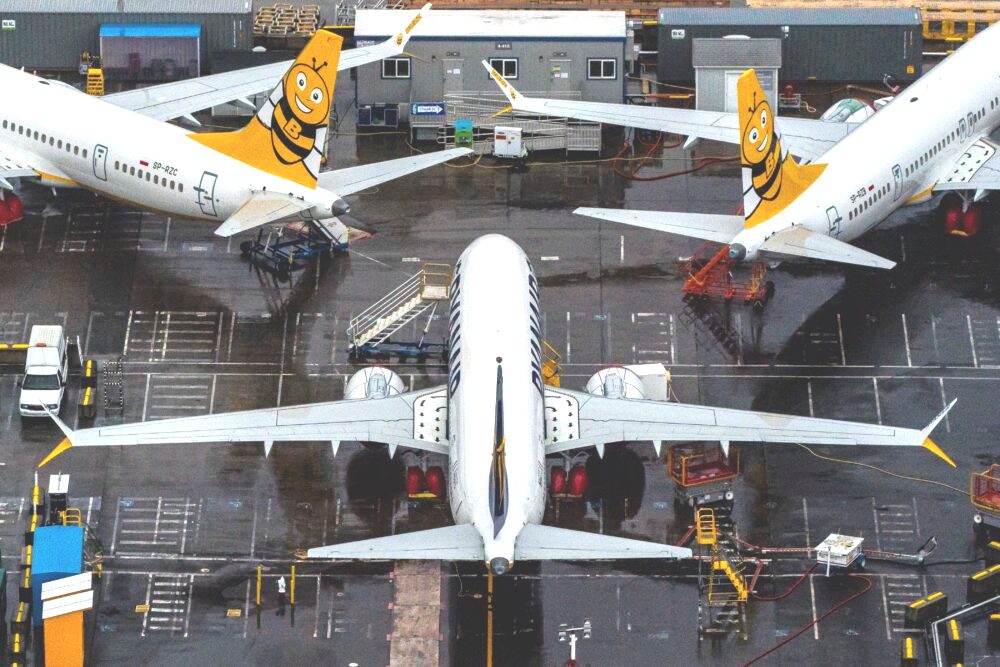
La compañía chartera Buzz vuelos chárter europea ha sido reformulada el 15 de Marzo de 2019 por Ryanair para operaciones en el Reino Unido. La aerolínea fue fundada en 1999 y comenzó a operar el 4 de Enero de 2000. Fue lanzado por KLM Airlines como una submarca de KLM uk para competir con otras aerolíneas de bajo costo como EasyJet, Go Fly y Ryanair al hacerse cargo de muchas de las rutas punto a punto de la antigua red AirUK/KLM UK.
El 31 de Enero de 2003, KLM anunció su intención de vender Buzz a Ryanair. Con el fin de capitalizar la adquisición y ahorrar costos, Ryanair reinició a Buzz como una filial de propiedad absoluta llamada Buzz Stansted, que retuvo los 10 aviones en el registro del Reino Unido. En Septiembre de 2004, Ryanair decidió cerrar Buzz Stansted y las operaciones de vuelo cesaron el 31 de Octubre de 2004.
La aerolínea chartera pronto reiniciará operaciones tras estar innerte desde 2004. El 15 de Marzo de 2019, Ryanair anunció que reviviría la marca Buzz como el nuevo nombre para Ryanair Sun con sede en Polonia, pero tras la incorporación de aeronaves Boeing 737 MAX rebautiza su denominación a Buzz. Actualmente vuela como operador polaco bajo el nombre de Ryanair.
Tras las aprobaciones recientes de los reguladores de aviación de Estados Unidos (FAA), la nueva compañía ha reacondicionado el Boeing 737-8 200 MAX para 197 pasajeros para dar inicio como compañía Buzz en la República de Polonia. El nuevo avión posee una puerta adicional de salida según las reglamentaciones de aviación. La filial polaca está destinada a operaciones chárter, aunque Ryanair tiene una política comercial muy agresiva que se adapta rápidamente a diferentes modelo de operaciones.
La Ryanair Holdings plc, finalmente tendrá una estructurada formada por cinco compañías: Ryanair (Irlanda); Malta Air, que operará con la marca Ryanair en destinos continentales europeos; Laudamotion, que operará como Lauda, también con matrículas y licencias de Malta, igual que la anterior, pero centrada en Alemania y Austria; Buzz, (Polonia) y Ryanair UK, aunque se esperan definiciones respecto a esta última aerolínea a la espera del acuerdo del Brexit con Europa.
Buzz to use Boeing 737 MAX
Buzz restored airline selects 737 MAX
The European charter company Buzz has been reformulated on March 15, 2019 by Ryanair for operations in the United Kingdom. The airline was founded in 1999 and began operating on January 4, 2000. It was launched by KLM Airlines as a sub-brand of KLM uk to compete with other low-cost airlines such as EasyJet, Go Fly and Ryanair by taking over many of the point-to-point routes on the old AirUK/KLM UK network.
On January 31, 2003, KLM announced its intention to sell Buzz to Ryanair. In order to capitalize on the acquisition and save costs, Ryanair rebooted Buzz as a wholly owned subsidiary called Buzz Stansted, which retained all 10 aircraft on the UK registry. In September 2004, Ryanair decided to close Buzz Stansted and flight operations ceased on October 31, 2004.
The charter airline will soon restart operations after being inert since 2004. On March 15, 2019, Ryanair announced that it would revive the Buzz brand as the new name for the Polish-based Ryanair Sun, but after the incorporation of Boeing 737 MAX aircraft it renamed its name to Buzz. It currently flies as a Polish operator under the name Ryanair.
Following recent approvals by the United States aviation regulators (FAA), the new company has retrofitted the 197-passenger Boeing 737-8 200 MAX to start as a Buzz company in the Republic of Poland. The new aircraft has an additional exit door according to aviation regulations. The Polish subsidiary is dedicated to charter operations, although Ryanair has a very aggressive commercial policy that adapts quickly to different operating models.
Ryanair Holdings plc will finally have a structured one made up of five companies: Ryanair (Ireland); Malta Air, which will operate under the Ryanair brand in continental European destinations; Laudamotion, which will operate as Lauda, also with Maltese plates and licenses, just like the previous one, but focused on Germany and Austria; Buzz, (Poland) and Ryanair UK, although definitions are expected regarding the latter airline pending the Brexit agreement with Europe.
Agencias aviación analizarán aprobaciones Boeing 737 MAX
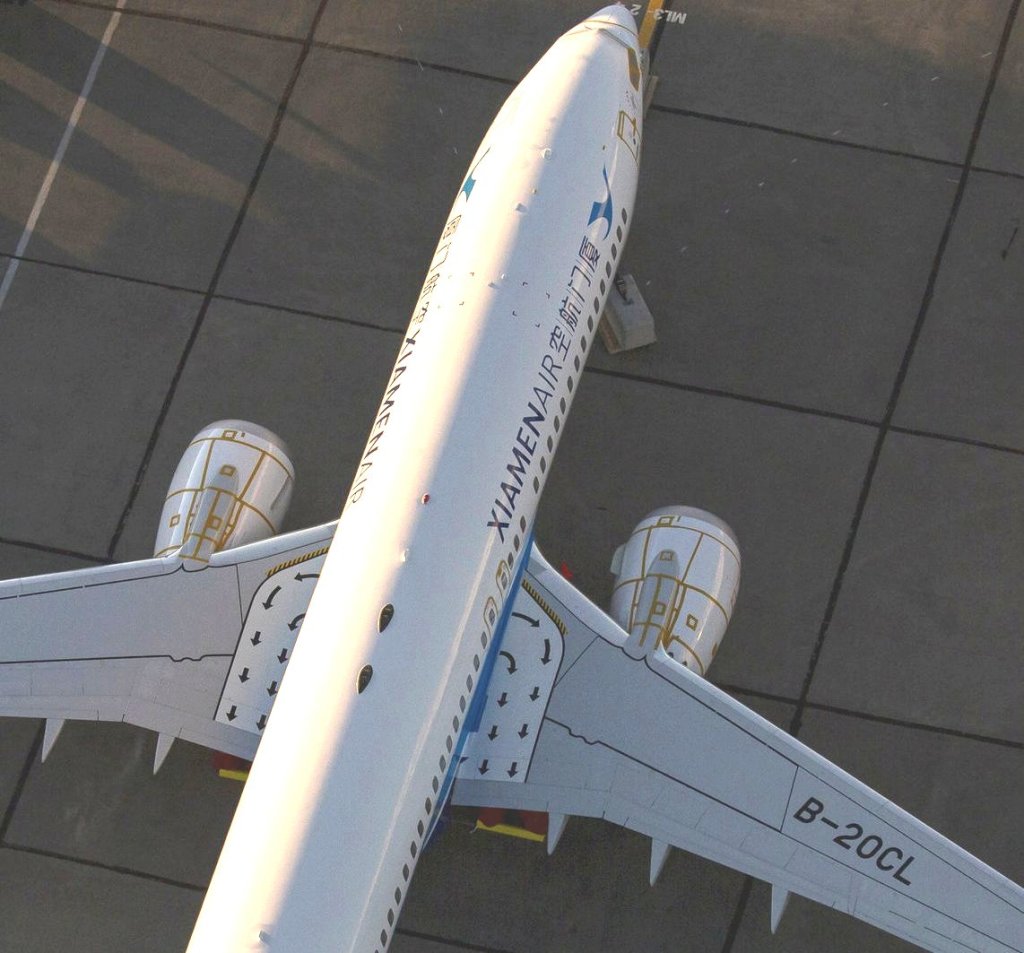
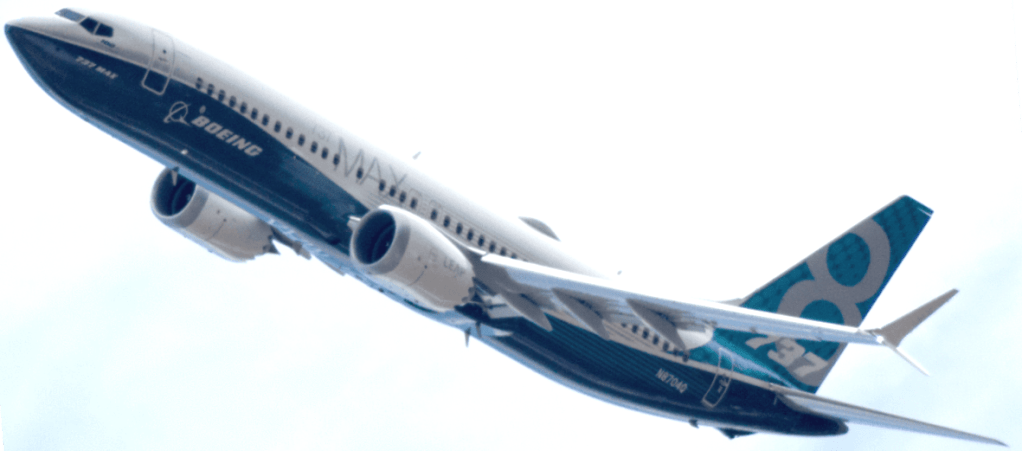
El Boeing 737 MAX ha alcanzado el objetivo de introducir las aprobaciones de la Agencia de la Federal Aviation Administration (FAA) respectiva de los Estados Unidos para el regreso a los cielos estadounidense del avión de la compañía americana. Los próximos pasos estarán asignados a las demás agencias reguladoras de Europa, Reino unido, Canadá, Brasil, China, Australia, entre otras para determinar en sus países respectivos dar luz verde a los vuelos al determinar la cancelación de la puesta en tierra que ha demandado unos vente meses de incallación de la aeronave más representativa de el gigante estadounidense.
Las consecuencias derivadas a partir de Marzo 2019, cuando el segundo accidente de un Boeing 737-8 MAX en el lapso de cinco meses trajo rápidamente a puesta en tierra del modelo de la Boeing. China ha sido el primer país en poner en cuarentena la aeronave, lo que ha provocado un efecto dominó de prohibiciones de vuelo en todo el mundo. Los anuncios volaron de Este a Oeste del globo terráqueo, demostrando y poniendo de relieve la creciente influencia de China en los asuntos aeroespaciales y globales.
Tras los períodos de evaluaciones y pruebas que ha demandado unos veinte meses, el proceso de incallación podría prolongarse en un tiempo no especificado para las aprobaciones de los reguladores extranjeros para revisar las evaluaciones y reformas establecidas de la FAA e impongan sus propias condiciones para un regreso al servicio del Boeing 737 MAX. En el pasado, los reguladores siguieron rápidamente la orientación de la FAA, acreditada durante décadas por la seguridad de la aviación pionera. Pero muchos han puesto en dudas la confianza de la FAA después de que la agencia estadounidense fuera culpada por la supervisión laxa.
Naciones & 737 MAX
Se espera que Canadá y Brasil, dos naciones productoras de aeronaves con peso en la industria, respalde la decisión de la FAA en cuestión de semanas. Pero ambos dijeron el Miércoles 18/11 que aún no estaban listos para decidir. «Creo que está causando que los países sean un poco más críticos con el proceso de validación de certificados de tipo. Esperemos que sean un poco más críticos con lo que sus operadores aéreos están obligados a hacer con respecto a la capacitación», dijo Mike Daniel, un ex experto en certificación de la FAA e investigador de accidentes con sede en Singapur.
La capacidad de los reguladores para cooperar es crucial en un sector que abarca docenas de jurisdicciones. «Tener un regulador como la FAA, hacer el trabajo pesado para certificar un avión de Estados Unidos reduce los costos y el tiempo, porque las agencias en el extranjero pueden validar los resultados sin tener que duplicarlos. Lo que la FAA necesita son más recursos», dijo Richard Aboulafia, analista del Grupo Teal.
Emergente fortalecida de la crisis, muchos analistas dicen, es la Agencia de Seguridad Aérea de la Unión Europea (EASA), un par directo de la FAA que supervisa Airbus SE. Ha estado estrechamente involucrado en la investigación de los cambios MAX y se espera que tenga un mayor escrutinio de proyectos futuros como el 777X de Boeing, mientras que la FAA puede tener la misma reciprocidad con los aviones de fabricación europeo. La crisis ha aumentado la influencia de la EASA mientras algunas agencias esperan su decisión sobre el MAX en lugar de copiar la FAA.
«Hemos estado trabajando con EASA desde los primeros días en el tema y su posición será tenidela en cuenta», dijo un portavoz de la Autoridad de Seguridad de la Aviación Civil de Australia (CASA).
Fuentes de la industria dicen que EASA podría emitir su orden de incalladura tan pronto como la próxima semana, seguido de un período de comentarios de 30 días. Pero habrá algunas diferencias entre lo que la FAA aprobó y lo que Europa y Canadá requerirán para sus aerolíneas. Canadá, una de las últimas naciones importantes antes de estados Unidos en fundamentar el MAX, ha enfrentado críticas por hacer sombra a su aliado.
La FAA había trabajado brazo en brazo con Europa, Canadá y Brasil. «Por doloroso y tan arduo que haya sido el proceso, realmente ha fortalecido la cooperación entre estos reguladores y creo que nos puso en una posición mucho más fuerte a nivel mundial para la seguridad de la aviación en el futuro», dijo la FAA.
Eso todavía deja preguntas sin respuesta sobre los planes de China para aprobar el MAX. Como operador más importante, sus decisiones tienen un impacto inmediato en Boeing, y su prohibición más amplia del espacio aéreo podría obstaculizar el regreso al servicio de otras aerolíneas asiáticas. Pero como una potencia aeroespacial en ascenso con su propio programa de aviones comerciales y ambiciones de ser tomado en serio como regulador, China también tiene intereses más amplios, dicen los analistas. Algunos no excluyen a Beijing utilizando el 737 MAX como un chip de negociación política.
«Nos preocupa que pueda ser utilizado como una herramienta en las crecientes tensiones entre los gobiernos de Estados Unidos y China. Eso es lo que se observa, nos alienta el próximo cambio en el gobierno de los Estados Unidos y creemos que la nueva administración puede tener una política comercial menos combativa, que creemos que aumenta las posibilidades de la recertificación china», escribió Burkett Huey, Analista de Morningstar.
Global Regulators for 737 MAX
Aviation agencies will analyze Boeing 737 MAX approvals
The Boeing 737 MAX has reached the goal of introducing the approvals of the respective Federal Aviation Administration Agency (FAA) of the United States for the return to the American skies of the American company aircraft. The next steps will be assigned to the other regulatory agencies of Europe, the United Kingdom, Canada, Brazil, China, Australia, among others to determine in their respective countries to give the green light to the flights when determining the cancellation of the grounding that has demanded some twenty months of incallation of the most representative aircraft of the American giant.
The consequences derived from March 2019, when the second accident of a Boeing 737-8 MAX in the span of five months quickly brought the Boeing model to ground. China was the first country to quarantine the aircraft, which has led to a domino effect of flight bans around the world. The ads flew from East to West across the globe, demonstrating and highlighting China’s growing influence in aerospace and global affairs.
After the periods of evaluations and tests that it has demanded about twenty months, the incallation process could be extended in an unspecified time for the approvals of the foreign regulators to review the evaluations and reforms established of the FAA and impose their own conditions for a return. at the service of the Boeing 737 MAX. In the past, regulators were quick to follow the guidance of the FAA, credited for decades for pioneering aviation safety. But many have questioned the FAA’s trust after the US agency was blamed for lax oversight.
Nations & 737 MAX
Canada and Brazil, two major aircraft producing nations in the industry, are expected to back the FAA’s decision in a matter of weeks. But both said Wednesday they weren’t ready to decide yet. «I think it is causing countries to be a little more critical of the type certificate validation process. Hopefully they will be a little more critical of what their air operators are required to do with regards to training», said Mike Daniel, a former FAA certification expert and accident investigator based in Singapore.
The ability of regulators to cooperate is crucial in an industry that spans dozens of jurisdictions. «Having a regulator like the FAA do the heavy lifting to certify a United States aircraft reduces costs and time, because agencies abroad can validate the results without having to duplicate them. What the FAA needs are more resources», said Richard Aboulafia, an analyst at the Teal Group.
Emerging strengthened from the crisis, many analysts say, is the European Union Aviation Safety Agency (EASA), a direct peer of the FAA that oversees Airbus SE. He has been closely involved in researching the MAX changes and is expected to have greater scrutiny of future projects like Boeing’s 777X, while the FAA may have the same reciprocity with European-made jets. The crisis has increased EASA’s influence as some agencies await its decision on the MAX rather than copying the FAA.
«We have been working with EASA since the early days on the issue and their position will be taken into account», said a spokesman for the Australian Civil Aviation Safety Authority (CASA).
Industry sources say EASA could issue its overrun order as early as next week, followed by a 30-day comment period. But there will be some differences between what the FAA approved and what Europe and Canada will require for their airlines. Canada, one of the last major nations before the United States to found the MAX, has faced criticism for overshadowing its ally.
The FAA had worked arm in arm with Europe, Canada and Brazil. «As painful and arduous as the process has been, it has really strengthened cooperation between these regulators and I think it put us in a much stronger position globally for aviation security going forward», the FAA said.
That still leaves unanswered questions about China’s plans to pass the MAX. As the largest carrier, its decisions have an immediate impact on Boeing, and its broader airspace ban could hamper the return to service of other Asian airlines. But as a rising aerospace powerhouse with its own commercial jet program and ambitions to be taken seriously as a regulator, China also has broader interests, analysts say. Some don’t exclude Beijing using the 737 MAX as a political bargaining chip.
«We are concerned that it could be used as a tool in the growing tensions between the governments of the United States and China. That is what is observed, we are encouraged by the next change in the government of the United States and we believe that the new administration may have a less combative trade policy, which we believe increases the chances of Chinese recertification», wrote Morningstar Analyst Burkett Huey.
AW | 2020 11 19 22:35 | AVIATION / GOVERNMENT / CONGRESS
Argentina recibió propuesta de Secretaría para la OACI
La República de Brasil ha formalizado la propuesta para que Argentina asuma la Secretaría General de Aviación Civil Internacional (OACI). El Jefe de Gabinete de la Cancillería Argentina, Guillermo Justo Chaves, ha recobido la propuesta de Brasil para la Secretaría de Aviación. El Brigadier Ary Rodrigues Bertolino ha sido designado candidato impulsado por Brasil para ocupar la Secretaría General de la OACI, que se ha expuesto en una reunión virtual donde ha participado además la Administración Nacional de Aviación Civil (ANAC) de Brasil y Argentina.
En la reunión virtual, Guillermo Chaves hizo mención a la relación estratégica que une a la Argentina con Brasil en el compromiso que son socios comerciales que representan el motor del Mercosur. El funcionario remarcó la necesidad de «seguir afianzando el vínculo bilateral, a pesar de que en el más alto nivel de gobierno existan algunos desacuerdos o inconvenientes. Somos pueblos hermanos con intereses comunes, por ello trabajamos todos los días para superarlos». Si bien destacó la importancia de que la Argentina y Brasil se acompañen mutuamente en los organismos internacionales, Guillermo Chaves ha señalado que el Gobierno aún no decidió su voto para la 222° Sesión del Consejo de la OACI, prevista para Febrero-Marzo de 2021. De todos modos, es un avance hacia la integración de la región para desarrollar políticas definidas de cara a revalorizar al mercado de la aviación comercial.
Argentina ICAO Secretariat proposal
Argentina received a proposal from the Secretariat for the ICAO
The Republic of Brazil has formalized the proposal for Argentina to assume the General Secretariat of International Civil Aviation (ICAO). The Chief of Cabinet of the Argentine Foreign Ministry, Guillermo Justo Chaves, has accepted Brazil’s proposal for the Secretariat of Aviation. Brigadier Ary Rodrigues Bertolino has been designated a candidate promoted by Brazil to occupy the General Secretariat of ICAO, which has been presented in a virtual meeting where the National Civil Aviation Administration (ANAC) of Brazil and Argentina has also participated.
In the virtual meeting, Guillermo Chaves made mention of the strategic relationship that unites Argentina with Brazil in the commitment that they are commercial partners that represent the engine of Mercosur. The official stressed the need to «continue to strengthen the bilateral link, despite the fact that at the highest level of government there are some disagreements or inconveniences. We are brother peoples with common interests, so we work every day to overcome them». Although he highlighted the importance of Argentina and Brazil accompanying each other in international organizations, Guillermo Chaves has indicated that the Government has not yet decided its vote for the 222nd Session of the ICAO Council, scheduled for February-March 2021. In any case, it is an advance towards the integration of the region to develop defined policies with a view to revaluing the commercial aviation market.
Flybondi Líneas Aéreas ha anunciado la suspensión los vuelos programados para Rosario. El motivo está relacionado a la reprogramación de la malla aérea que la aerolínea de presupuesto busca normalizar después de la puesta en tierra de la aviación comercial. Además, la decisión fue tomada debido a la falta de definiciones en las operaciones comerciales por parte de organismos que regulan la actividad aérea en la Argentina, según manifestó la compañía a través un comunicado.
Desde la empresa informaron que esta decisión solo alcanza las rutas que van desde Rosario-Puerto Iguazú y de Rosario-Salta, pero que a los pasajeros afectados se les dará la posibilidad de llegar al destino con vuelos desde Buenos Aires.
La semana pasada la aerolínea low cost también informó que se quedó sin aviones para operar en el país, ya que de los cinco Boeing 737-800 NG que tenía pre-pandemia en Febrero 2020, actualmente no cuenta con aeronaves operativas. Flybondi ha explicado que la última aeronave que estaba disponible en Argentina fue puesta a mantenimiento en los talleres de MRO Mexicana, en la República de México para hacerle mantenimientos y chequeos, en sintonía con los requerimientos de los organismos de aviación y se espera que retorne a finales de Noviembre 2020.
«Dada la importancia que ha tenido esta plaza para el desarrollo de vuelos low cost en la Argentina, Flybondi no descarta la posibilidad de que en el mediano o largo plazo, y ante la recuperación de la industria aérea y del turismo, se analice una posible reactivación de este destino», indicaron desde la compañía. Desde la compañía señalaron que, con respecto a los pasajeros que ya habían adquirido tickets para volar hacia o desde Rosario, se les dará la posibilidad de cambiar su vuelo saliendo desde Buenos Aires sin pagar ninguna diferencia de tarifa, tasas, impuestos ni penalidad. Por otro lado, agregaron que se les ofrecerá obtener un voucher con el total de crédito abonado con validez de nuevas compras para cualquier destino y de manera transferible. En el caso de que los pasajeros deseen el reembolso del pasaje podrán hacerlo enviando un mail a devoluciones@flybondi.com para pedir el reintegro.
Aeropuerto El Palomar
En Octubre 2020, la compañía de presupuesto había presentado ante la ANAC la aprobación de su itinerario de vuelos desde el Aeropuerto Internacional El Palomar, pero hasta hace unas semanas no había recibido ninguna aprobación de su programación. Ante la falta de una respuesta, la aerolínea presentó ante el Juzgado Federal Contencioso Administrativo N°7 una denuncia por incumplimiento de los organismos ORSNA y ANAC con la medida cautelar dispuesta el 4 de Agosto de 2020 por la Sala II de la Cámara Nacional de Apelaciones en lo Contencioso Administrativo Federal. Desde el Gobierno sostienen que la aeroestación no cumple con los requisitos sanitarios para operar en este período de crisis sanitaria. «Lamentablemente, y debido a la constante falta de definiciones de aspectos operacionales, regulatorios y comerciales que resultan esenciales para la planificación y organización de la industria aérea, la aerolínea tomó la decisión de posponer el reinicio de toda su operación para la primera semana de Diciembre», sostienen desde Flybondi. De todos modos, la aerolínea continuará reclamando por una definición favorable para la reapertura aérea que ha traído muchos beneficios al mercado aéreo.
Flybondi suspends flights from Rosario
Airline seeks to normalize regular post-pandemic flights
Flybondi Líneas Aéreas has announced the suspension of flights scheduled for Rosario. The reason is related to the reprogramming of the aerial mesh that the budget airline seeks to normalize after the commercial aviation grounding. In addition, the decision was made due to the lack of definitions in commercial operations by bodies that regulate air activity in Argentina, the company said in a statement.
The company reported that this decision only covers the routes that go from Rosario-Puerto Iguazú and Rosario-Salta, but that affected passengers will be given the possibility of reaching their destination with flights from Buenos Aires.
Last week the low cost airline also reported that it ran out of planes to operate in the country, since of the five Boeing 737-800 NGs that had a pre-pandemic in February 2020, it currently does not have operational aircraft. Flybondi has explained that the last aircraft that was available in Argentina was put into maintenance at the MRO Mexicana workshops in the Republic of Mexico to carry out maintenance and checks, in line with the requirements of aviation organizations and is expected to return to end of November 2020.
«Given the importance that this place has had for the development of low cost flights in Argentina, Flybondi does not rule out the possibility that in the medium or long term, and given the recovery of the airline and tourism industry, a possible reactivation of this destination», they indicated from the company. The company pointed out that, with respect to passengers who had already purchased tickets to fly to or from Rosario, they will be given the possibility to change their flight leaving from Buenos Aires without paying any difference in fare, fees, taxes or penalties. On the other hand, they added that they will be offered to obtain a voucher with the total credit paid with validity of new purchases for any destination and in a transferable way. In the event that passengers wish to reimburse the ticket, they may do so by sending an email to devoluciones@flybondi.com to request a refund.
El Palomar Airport
In October 2020, the budget company had submitted to the ANAC the approval of its flight itinerary from El Palomar International Airport, but until a few weeks ago it had not received any approval of its schedule. In the absence of a response, the airline filed a complaint before the Federal Contentious Administrative Court No. 7 for non-compliance by the ORSNA and ANAC bodies with the precautionary measure provided on August 4, 2020 by Chamber II of the National Chamber of Appeals in Federal Administrative Litigation. The Government maintains that the air station does not meet the health requirements to operate in this period of health crisis. «Unfortunately, and due to the constant lack of definitions of operational, regulatory and commercial aspects that are essential for the planning and organization of the airline industry, the airline made the decision to postpone the restart of its entire operation until the first week of December», they maintain from Flybondi. In any case, the airline will continue to demand a favorable definition for the air reopening that has brought many benefits to the air market.
AW | 2020 11 19 17:04 | AVIATION SAFETY / AVIATION TECHNOLOGY / GOVERNMENT
Tecnológía 5G podría comprometer a la aviación comercial
Un choque sobre los usos del espectro radioeléctrico está enfrentando los intereses de la aviación contra las telecomunicaciones 5G, con una agencia reguladora Federal de estados unidos en el medio y Legisladores bajo presión para arbitrar el conflicto.
No se trata de la continua controversia sobre si el sistema de comunicaciones inalámbricas 5G Ligado Networks propuesto que opera en la Banda L bloqueará la recepción GPS que está galvanizando a la aviación a la acción. Según un informe técnico publicado recientemente, una medida de la Comisión Federal de Comunicaciones (FCC) de Estados Unidos para asignar cierto espectro de Banda C para 5G podría comprometer el funcionamiento de los altímetros de radar, los únicos sensores a bordo de aeronaves civiles que proporcionan una medición directa de la altura de la aeronave sobre el terreno u otros obstáculos en frecuencias adyacentes. En una carta del 17 de Noviembre de 2020 a los líderes bipartidistaes de los comités de la Cámara de Representantes y el Senado con jurisdicción sobre el transporte, AOPA y otras 13 organizaciones de aviación plantearon preocupaciones sobre la acción de la FCC para reasignar una parte del rango de frecuencias de 3.7 a 4.2-GHz para usos incluyendo aplicaciones 5G por la industria de las telecomunicaciones. «La industria de la aviación señaló en el proceso de elaboración de normas de la FCC que el despliegue de redes 5G en esta banda de frecuencias puede introducir interferencias dañinas de radiofrecuencia (RF) en los altímetros de radar que actualmente operan en la banda aeronáutica de 4,2 a 4,4 GHz asignada a nivel mundial. Los altímetros de radar se despliegan en decenas de miles de aeronaves civiles en los Estados Unidos y en todo el mundo para apoyar varias funciones críticas de aeronaves de seguridad de vida útil a lo largo de múltiples fases de vuelo. Los altímetros de radar son el único sensor a bordo de un avión civil que proporciona una medición directa de la altura de la aeronave sobre el terreno u otros obstáculos», dijo la carta.
La solicitud de los grupos de legisladores de aceptar la participación directa con las partes interesadas clave para proteger las bandas de frecuencia utilizadas por los altímetros de radar fue un informe del grupo de trabajo de la organización técnica RTCA que reveló un riesgo importante de interferencia perjudicial con los altímetros de radar de los sistemas de telecomunicaciones 5G en el ancho de banda de 3,7 a 3,98 GHz. Los impactos adversos incluyen «la posibilidad de fallas catastróficas que conducen a múltiples muertes, en ausencia de mitigaciones apropiadas», escribieron.
El 28 de Febrero de 2020, la FCC anunció una acción para liberar espectro de Banda C para servicios 5G, haciendo que una amplia franja de espectro de banda media esté disponible para 5G a través de una subasta pública. La acción haría que el espectro estuviera disponible rápidamente, al tiempo que generaría ingresos sustanciales para el Tesoro de los Estados Unidos. Al mismo tiempo, el artículo garantiza la entrega continua e ininterrumpida de servicios de programación de video y otros contenidos al pueblo estadounidense que actualmente es entregado por satélites utilizando la Banda C, había emitido el comunicado de prensa de la FCC.
RTCA, una asociación sin fines de lucro que desarrolla políticas de consenso para la modernización de la aviación, publicó un libro blanco sobre el tema de la interferencia en octubre, dirigiendo sus hallazgos a la FCC. «Una comprensión profunda de los riesgos asociados con esta interferencia y el impacto en la seguridad de la aviación será vital para reunir tanto a los reguladores de la aviación como al espectro para garantizar que los sistemas de aviación críticos para la seguridad continúen protegidos a los efectos de la seguridad pública», dijo Terry McVenes, Presidente y CEO de RTCA.
Perspectivas tecnológicas
El nuevo desafío a la asignación de espectro de la FCC para 5G se produce en un momento en que las organizaciones de aviación y muchas otras industrias que dependen del GPS han estado instando a la agencia reguladora a reconsiderar su aprobación en abril del plan de Ligado Networks para una red de comunicaciones inalámbricas que transmitiría en la Banda L. Los críticos de 5G Ligado Networks siguen preocupados de que la radiación de la red pueda bloquear o abrumar la recepción de señales GPS de baja potencia enviadas desde satélites en frecuencias adyacentes. Ligado ha respondido que ha abordado las preocupaciones como condición de su aprobación de la FCC y recientemente informó sobre los pasos que está tomando para poner en pie su red.
Aviation vs 5G technology
5G technology could compromise commercial aviation
A clash over the uses of the radio spectrum is pitting aviation interests against 5G telecommunications, with a US Federal regulatory agency in the middle and legislators under pressure to arbitrate the conflict.
It’s not about the ongoing controversy over whether the proposed Ligado Networks 5G wireless communications system operating in the L-Band will block GPS reception that is galvanizing aviation into action. According to a recently published technical report, a move by the United States Federal Communications Commission (FCC) to allocate certain C-Band spectrum for 5G could compromise the operation of radar altimeters, the only sensors on board civil aircraft that provide a direct measurement of the aircraft’s height above the ground or other obstacles on adjacent frequencies. In a November 17, 2020 letter to the bipartisan leaders of the House and Senate committees with jurisdiction over transportation, AOPA and 13 other aviation organizations raised concerns about the FCC’s action to reallocate a portion of the 3.7 to 4.2-GHz frequency range for uses including 5G applications by the telecommunications industry. «The aviation industry noted in the FCC rule-making process that the deployment of 5G networks in this frequency band can introduce harmful radio frequency (RF) interference to radar altimeters currently operating in the aeronautical band of 4.2 to 4.4 GHz mapped globally. Radar altimeters are deployed on tens of thousands of civil aircraft in the United States and around the world to support various critical life safety aircraft functions throughout multi-phase flight. Radar altimeters are the only sensor on board a civilian aircraft that provides a direct measurement of the aircraft’s height above the ground or other obstacles», the letter said.
The request by groups of legislators to accept direct engagement with key stakeholders to protect the frequency bands used by radar altimeters was a report from the technical organization RTCA working group that revealed a significant risk of harmful interference with radar altimeters in 5G telecommunications systems in the 3.7 to 3.98 GHz bandwidth. Adverse impacts include «the potential for catastrophic failures leading to multiple fatalities, in the absence of appropriate mitigations», they wrote.
On February 28, 2020, the FCC announced an action to release Band C spectrum for 5G services, making a wide swath of mid-band spectrum available for 5G through a public auction. The action would make spectrum available quickly, while also generating substantial revenue for the US Treasury. At the same time, the article guarantees the continuous and uninterrupted delivery of video programming services and other content to the American people that are currently delivered by satellites using Band C, the FCC press release had issued.
RTCA, a non-profit association that develops consensus policies for aviation modernization, published a white paper on the issue of interference in October, directing its findings to the FCC. «A thorough understanding of the risks associated with this interference and the impact on aviation security will be vital in bringing together both aviation and spectrum regulators to ensure that security-critical aviation systems continue to be protected for the purposes of of public safety», said Terry McVenes, President and CEO of RTCA.
Technological perspectives
The new challenge to the FCC’s spectrum allocation for 5G comes at a time when aviation organizations and many other industries that rely on GPS have been urging the regulatory agency to reconsider its April approval of Ligado Networks’ plan. for a wireless communications network that would transmit on the L-Band. Critics of 5G Ligado Networks remain concerned that radiation from the network could block or overwhelm the reception of low-power GPS signals sent from satellites on adjacent frequencies. Ligado has responded that it has addressed the concerns as a condition of its approval from the FCC and recently reported on the steps it is taking to get its network up and running.
Presentan la Ley de Combustible de Aviación Sostenible
La Ley de Combustible de Aviación Sostenible de Estados Unidos se ha presentado este 18 de Noviembre de 2020 ante la Cámara de Representantes para su aprobación como ley que puede ayudar a reducir las emisiones de las aerolíneas. La representante estadounidense Julia Brownley (D-CA) presentó este 18/11 la Ley de Combustible de Aviación Sostenible, un proyecto de ley innovador que da un primer paso hacia la reducción de la contaminación que daña el clima de los aviones. El proyecto de ley establece objetivos claros para que el sector de la aviación reduzca estas emisiones para poner al sector en una senda hacia las emisiones netas cero para 2050, un objetivo fijado por la ciencia con el objetivo de evitar las perturbaciones climáticas más dañinas. Y el proyecto de ley proporciona incentivos para la producción de combustibles de aviación sostenibles de alta calidad, con el requisito de que todos estos combustibles, como mínimo, cumplan con los estándares internacionales.
«A medida que las compañías aéreas intenten cortejar a los pasajeros de nuevo en los cielos, tendrán que poner el desafío climático en el centro de su recuperación. La política climática innovadora y eficaz, como la Ley de Combustible de Aviación Sostenible, puede ayudar a la industria de la aviación a adoptar el objetivo real, el vuelo neutral en el clima. Lo que hace que este proyecto de ley sea innovador es que el crédito fiscal está clave para la cantidad de beneficios climáticos que los combustibles realmente ofrecen. El proyecto de ley alienta a los desarrolladores de combustibles a producir combustibles que cumplan y superen los estándares internacionales y estadounidenses. Al tener en cuenta lo que sucede en todo el ciclo de vida de la fabricación de estos combustibles, desde las granjas y los bosques hasta lo que sale de la parte posterior del motor, y sólo dando incentivos para los combustibles que realmente ayudan al medio ambiente, la factura garantiza que la producción de estos combustibles no cause más daño que bien. Fundamentalmente, el proyecto de ley se basa en la fundación establecida por la Organización de Aviación Civil Internacional, que establece estándares mundiales para los vuelos internacionales. Para recibir los incentivos fiscales de la factura, los combustibles de aviación sostenibles deben lograr al menos una reducción del 50% en las emisiones en comparación con el combustible convencional para aviones. Aplaudimos a la congresista Brownley por introducir legislación para impulsar la innovación y la demanda de combustibles de aviación sostenibles de alta calidad que tengan el potencial de reducir drásticamente las emisiones de las aerolíneas», sostiene el nuevo proyecto que espera convertirse en ley.
De 2005 a 2018, el tráfico aéreo de pasajeros de Estados Unidos se duplicó con más que duplicado, al igual que el forzamiento radiativo efectivo de la aviación global, que es la cantidad que la aviación está calentando el planeta y cambiando el clima.
Las aerolíneas y el ejército estadounidense pueden reducir las emisiones de vuelos mediante el uso de combustibles de aviación sostenibles de alta calidad. El cambio de la demanda del queroseno a estos nuevos combustibles puede beneficiar a los agricultores estadounidenses que producen los combustibles utilizando métodos agrícolas sostenibles. Y los trabajadores estadounidenses serán necesarios para reacondicionar el avión para que pueda quemar los combustibles en mezclas más altas y más altas, siendo el límite de mezcla actual del orden del 50%. La factura escala sus incentivos a la cantidad de reducciones de emisiones del ciclo de vida que cada nuevo combustible logra realmente, teniendo en cuenta los efectos directos e indirectos de su producción. El proyecto de ley es neutro en materia prima, lo que permite que los combustibles procedentes de fuentes como la basura, los gases residuales de las fábricas de acero, los desechos de madera y los cultivos agrícolas que no compiten con los alimentos, siempre y cuando cumplan con rigurosos estándares de sostenibilidad.
US Aviation Fuel Law
They present the Sustainable Aviation Fuel Law
The United States Sustainable Aviation Fuel Act has been presented this November 18, 2020 before the House of Representatives for approval as a law that can help reduce airline emissions. US Representative Julia Brownley (D-CA) introduced the Sustainable Aviation Fuel Act on 11/18, an innovative bill that takes a first step toward reducing climate-damaging pollution from airplanes. The bill sets clear targets for the aviation sector to reduce these emissions to put the sector on a path towards net zero emissions by 2050, a target set by science with the aim of avoiding the most damaging climate shocks. And the bill provides incentives for the production of high-quality sustainable aviation fuels, with the requirement that all of these fuels, at a minimum, meet international standards.
«As airlines attempt to woo passengers back into the skies, they will have to put the climate challenge at the center of their recovery. Innovative and effective climate policy, such as the Sustainable Aviation Fuel Act, can help the aviation industry to embrace the real goal, climate neutral flight. What makes this bill groundbreaking is that the tax credit is key to the amount of climate benefits that fuels actually offer. The law encourages fuel developers to produce fuels that meet and exceed international and US standards. By taking into account what happens throughout the entire life cycle of these fuels manufacturing, from farms and forests to what comes out from the back of the engine, and only giving incentives for fuels that really help the environment, the invoice guarantees that the production of These fuels do not cause more harm than good. Fundamentally, the bill builds on the foundation established by the International Civil Aviation Organization, which sets global standards for international flights. To receive invoice tax incentives, sustainable aviation fuels must achieve at least a 50% reduction in emissions compared to conventional jet fuel. We applaud Congresswoman Brownley for introducing legislation to drive innovation and demand for high-quality sustainable aviation fuels that have the potential to dramatically reduce airline emissions», says the new bill that hopes to become law.
From 2005 to 2018, America’s passenger air traffic more than doubled, as did the effective radiative forcing of global aviation, which is the amount that aviation is warming the planet and changing the climate.
Airlines and the US military can reduce flight emissions by using high-quality, sustainable aviation fuels. Shifting demand from kerosene to these new fuels can benefit American farmers who produce the fuels using sustainable agricultural methods. And American workers will be needed to refit the plane so that it can burn fuels in higher and higher blends, the current blending limit being on the order of 50%. The bill scales its incentives to the amount of cycle emissions reductions life that each new fuel actually achieves, taking into account the direct and indirect effects of its production. The bill is raw material neutral, allowing fuels from sources such as garbage, waste gases from steel mills, wood waste, and agricultural crops to not compete with food, as long as meet rigorous sustainability standards.
BDS-3 obtiene grandes avances en el sector de la aviación civil
Según las autoridades de aviación civil, el Sistema de Navegación por Satélite BeiDouBDS-3 de China ha aprobado la verificación técnica de sus indicadores clave de rendimiento para las solicitudes en el sector de la aviación civil. Esto significa que la labor principal del Sistema BDS-3 se ha completado antes de su proyecto en las normas de la Organización de Aviación Civil Internacional (OACI), según la Administración de Aviación Civil de China (CAAC).
Era la primera vez que las señales civiles relacionadas con el Sistema BDS-3 recibían y pasaba la verificación técnica sistemática por parte de una organización internacional. Esto ha sentado una base sólida para la formulación de la norma industrial del sistema Beidou y la aplicación del sistema en la industria de la aviación civil de China durante el 14º período del Plan Quinquenal (2021-2025).
En el siguiente paso, la OACI solicitará dictamen de todos los países sobre el proyecto después de que el grupo especial presente los resultados a la comisión de navegación aérea para su revisión. Después de la confirmación, el Sistema BDS-3 se incorporará oficialmente a las normas de la OACI. China declaró la puesta en marcha oficial del Sistema de Navegación por Satélite BeiDou el 31 de Julio de 2020, marcando la apertura formal del Sistema BDS-3 recién terminado para los usuarios mundiales. Junto con los servicios de posicionamiento, navegación y cronometraje, el sistema BDS-3 también puede proporcionar una variedad de servicios de valor añadido como ayuda en la búsqueda y rescate global, la comunicación de mensajes cortos, el aumento basado en tierra y por satélite, así como el posicionamiento preciso de puntos.
Chinese satellite BDS-3 approved
BDS-3 makes great strides in the civil aviation sector
According to the civil aviation authorities, China’s BeiDou Navigation Satellite System BDS-3 has approved technical verification of its key performance indicators for applications in the civil aviation sector. This means that the main work of the BDS-3 System has been completed prior to its draft in the International Civil Aviation Organization (ICAO) standards, according to the Civil Aviation Administration of China (CAAC).
It was the first time that civil signals related to the BDS-3 System received and passed systematic technical verification by an international organization. This has laid a solid foundation for the formulation of the Beidou system industry standard and the application of the system in China’s civil aviation industry during the 14th Five-Year Plan period (2021-2025).
In the next step, ICAO will request input from all countries on the project after the task force presents the results to the air navigation commission for review. After confirmation, the BDS-3 System will be officially incorporated into ICAO standards. China declared the official launch of the BeiDou Satellite Navigation System on July 31, 2020, marking the formal opening of the newly completed BDS-3 System to global users. Along with positioning, navigation and timing services, the BDS-3 system can also provide a variety of value-added services such as aid in global search and rescue, short message communication, ground-based and satellite augmentation, as well as the precise positioning of points.
AW | 2020 11 19 15:37 | AIR INVESTIGATION / AVIATION SAFETY
Investigaciones PK661 determina fallo un motor en vuelo
El 7 de Diciembre de 2016, el vuelo PK661/PIA661 de Pakistan International Airlines, un vuelo nacional de pasajeros de Chitral a Islamabad, Pakistán, operado por un turbohélice ATR 42-500, se estrelló cerca de Havelian. Las 47 personas a bordo murieron.
El ATR 42-500 matrícula AP-BHO había estado operando desde Chitral a Islamabad en la ruta 7 de Diciembre de 2016, su sexto vuelo del día, con 42 pasajeros y una tripulación de cinco personas. Los investigadores han determinado que el complejo fracaso de un motor izquierdo del avión turboprop ATR 42-500 de Pakistan International Airlines precedió a una pérdida de control que se convirtió en un estancamiento, pérdida de altitud y eventual colisión fatal con el terreno. En un punto de la secuencia de accidentes, el avión se invirtió mientras se sometía a un rollo completo de 360º hacia la derecha, continuando rodando otros 90º antes del giro a la izquierda hasta que fue a nivel de las alas, perdiendo unos 5.100 pies de altura en general.
La Junta de Investigación de Accidentes de Aeronaves de Pakistán (AAIB) informa que el avión probablemente despegó con una hoja de turbina de motor de etapa fracturada en su planta motriz izquierda Pratt & Whitney Canada PW127E. Cree que la hoja de hélice probablemente se fracturó o se desalojó durante el vuelo anterior, de Peshawar a Chitral.
Los investigadores creen que el avión ATR 42-500 partió con anomalías técnicas latentes. El motor había sido instalado tres semanas antes, habiendo sido tomado de otro de los ATR 42 de PIA registrado AP-BHP durante el mantenimiento no programado. Durante este trabajo se eliminó el conjunto de la turbina eléctrica. Pero mientras que las palas de la turbina habían pasado los criterios de 10.000h para el reemplazo, la investigación dice que no fueron reemplazadas. El motor funcionó durante otras 93 horas antes del inicio de la emergencia.
Durante los primeros 26 minutos del vuelo a Islamabad, con el ATR 42 navegando a 13.500 pies, había evidencia de que la velocidad de la hélice izquierda gobernaba la precisión se había degradado, pero esto no fue notado por la tripulación. El avión estaba navegando a 186kt en lugar de los esperados 230kt.
La investigación dice que una serie de averías técnicas ocurrieron entonces al motor y su sistema de control de hélices. La fractura de la hélice de la turbina desequilibraba la potencia de la turbina y la situación se complicó aún más por otro problema latente, un pasador roto en el regulador de exceso de velocidad del motor, así como la contaminación por aceite. El mal funcionamiento técnico resultante generó un aumento en el paso de la hélice y una disminución inusual en la velocidad de la hélice desde el nivel de crucero del 82% cayó al 62%. «Debido a esta anomalía técnica combinada, durante las siguientes partes del vuelo, las condiciones fueron excepcionalmente difíciles», dice la investigación, señalando que el avión sufrió una variación incontrolada en su velocidad de hélice y paso de la paleta. La velocidad de la hélice aumentó a 102%, antes de caer, mientras que el paso de la paleta alcanzó un punto posiblemente cerca de la posición de pluma. La velocidad de la hélice aumentó inesperadamente de nuevo, correspondiente a un porcentaje alcanzando 120-125%. El lado izquierdo del avión produjo valores de arrastre altos, mientras que la tripulación no había respondido con suficiente potencia, lo que resultó en la caída de la velocidad del aire y el avión volaba al borde del estancamiento, alrededor de 120kt, su activación de la palanca de agitación. El avance de la potencia en el motor de la derecha, dice, junto con el timón derecho excesivo para contrarrestar la condición asimétrica, coincidió con una caída abrupta en la velocidad de la hélice de la izquierda. La investigación explica que «una cantidad considerable de arrastre fue eliminada del lado izquierdo de la aeronave», y los esfuerzos de la tripulación para mantener el control direccional de repente se convirtieron en superávit a la necesidad, lo que resultó en una guiñada aguda a la derecha, el rollo invertido y el descenso rápido, el avión perdió 5.100 pies antes de recuperarse a 8.350 pies. «Esto tuvo un impacto psicológico inmenso en la tripulación de la cabina, y deterioró su capacidad para funcionar normalmente», dice la investigación.
Después de la recuperación, simulaciones complejas indican que las palas de la hélice de la aeronave podrían haberse asentado en un paso bajo mientras giraban a alrededor del 5%, generando fuerzas de arrastre estables en el lado izquierdo. Pero el comportamiento de la aeronave era diferente al que se habría esperado durante un apagado estándar en vuelo y una operación monomotor, con arrastre de hélice unas siete veces más de lo que normalmente produciría una vez emplumado. «En esta condición degradada no fue posible que la aeronave mantuviera un vuelo nivelado», dice la investigación. Sólo podía volar en un descenso gradual de 800-1,000 pies/min a alrededor de 150-160kt. El control direccional era posible con entradas sustanciales del timón derecho y del alerón derecho, pero los pilotos eran incapaces de juzgar la naturaleza y el alcance de la degradación en el rendimiento aerodinámico de la aeronave. Cuando la tripulación intentó reducir la velocidad de descenso, la velocidad del aire también comenzó a caer. A pesar de aumentar progresivamente las entradas de control a la derecha, el avión entró en un giro a la izquierda continuo, acercándose a terrenos altos y activando advertencias de proximidad al suelo. La velocidad del aire disminuyó y el avión se estancó a 4.280 pies, a solo 850 pies sobre el suelo, rodando 90º a la izquierda y lanzando 23º de la nariz hacia abajo antes de golpear una base montañosa a 42 minutos en su vuelo. Ninguno de los ocupantes sobrevivió al impacto, a unos 24 nm al norte del aeropuerto de Islamabad y a 3,5 nm al sur-sureste de Havelian, Pakistán.
La investigación de la AAIB del accidente del ATR 42 de Pakistán considera que las licencias de la tripulación eran válidas. Dos pilotos del Pakistan International Airlines ATR 42-500 que se estrelló cerca de Havelian hace cuatro años estaban entre la tripulación de la cabina inicialmente sospechosa de poseer licencias dudosas, pero los investigadores de accidentes han concluido que sus calificaciones eran válidas.
PIA ATR42 PK661 engine fault
Investigations PK661 determines failure of an engine in flight
On December 7, 2016, Pakistan International Airlines flight PK661/ PIA661, a domestic passenger flight from Chitral to Islamabad, Pakistan, operated by an ATR 42-500 turboprop, crashed near Havelian. All 47 people on board died.
The ATR 42-500 registration AP-BHO had been operating from Chitral to Islamabad on route December 7, 2016, its sixth flight of the day, with 42 passengers and a crew of five. Investigators have determined that the complex failure of a left engine on the Pakistan International Airlines ATR 42-500 turboprop aircraft preceded a loss of control that turned into stalling, loss of altitude and eventual fatal collision with the ground. At one point in the accident sequence, the plane reversed while undergoing a full 360º roll to the right, continuing to roll another 90º before the left turn until it was level with the wings, losing about 5,100 feet of overall height.
The Pakistan Aircraft Accident Investigation Board (AAIB) reports that the plane likely took off with a fractured stage engine turbine blade at its Pratt & Whitney Canada PW127E left power plant. He believes that the propeller blade was probably fractured or dislodged during the previous flight, from Peshawar to Chitral.
Investigators believe that the ATR 42-500 aircraft departed with latent technical anomalies. The engine had been installed three weeks earlier, having been taken from another of PIA’s AP-BHP registered ATR 42s during unscheduled maintenance. During this work the electric turbine assembly was eliminated. But while the turbine blades had passed the 10,000h criteria for replacement, the research says they were not replaced. The engine ran for another 93 hours before the emergency started.
During the first 26 minutes of the flight to Islamabad, with ATR 42 sailing at 13,500 feet, there was evidence that the left propeller speed governed accuracy had degraded, but this was not noticed by the crew. The plane was sailing at 186kt instead of the expected 230kt.
The investigation says that a series of technical breakdowns then occurred to the engine and its propeller control system. The turbine propeller fracture unbalanced turbine power and the situation was further complicated by another latent problem, a broken pin in the engine’s overspeed governor, as well as oil contamination. The resulting technical malfunction resulted in an increase in propeller pitch and an unusual decrease in propeller speed from the 82% cruising level dropped to 62%. «Due to this combined technical anomaly, during the following parts of the flight, conditions were exceptionally difficult», says the investigation, noting that the aircraft suffered an uncontrolled variation in its propeller speed and blade pitch. Propeller speed increased to 102%, before dropping, while blade pitch reached a point possibly near boom position. The propeller speed unexpectedly increased again, corresponding to a percentage reaching 120-125%. The left side of the plane produced high drag values, while the crew had not responded with enough power, which resulted in the drop in airspeed and the plane was flying to the brink of stagnation, around 120kt, its activation of the stirring lever. Advancing power into the right engine, he says, coupled with the excessive right rudder to counteract the asymmetrical condition, coincided with a sharp drop in propeller speed on the left. The investigation explains that «a considerable amount of drag was removed from the left side of the aircraft», and the crew’s efforts to maintain directional control suddenly became surplus to necessity, resulting in a sharp yaw to the Right, reverse roll and rapid descent, the plane lost 5,100 feet before recovering to 8,350 feet. «This had an immense psychological impact on the cabin crew, and impaired their ability to function normally», the investigation says.
After recovery, complex simulations indicate that the aircraft’s propeller blades could have settled into a low pitch while rotating at around 5%, generating stable drag forces on the left side. But the behavior of the aircraft was different from what would have been expected during a standard in-flight shutdown and single-engine operation, with propeller drag some seven times more than it would normally produce once feathered. «In this degraded condition it was not possible for the aircraft to maintain level flight», says the investigation. It could only fly in a gradual descent from 800-1,000 ft/min to around 150-160kt. Directional control was possible with substantial inputs from the right rudder and right aileron, but the pilots were unable to judge the nature and extent of the degradation in the aircraft’s aerodynamic performance. When the crew tried to reduce the descent speed, the airspeed also began to drop. Despite progressively increasing the control inputs to the right, the aircraft entered a continuous left turn, approaching high ground and activating ground proximity warnings. Airspeed decreased and the plane stalled at 4,280 feet, just 850 feet above the ground, rolling 90º to the left and launching 23º from the nose down before hitting a mountainous base 42 minutes into its flight. None of the occupants survived the impact, about 24 nm north of Islamabad airport and 3.5 nm south-southeast of Havelian, Pakistan.
The AAIB investigation of the Pakistan ATR 42 accident found the crew licenses to be valid. Two pilots of the Pakistan International Airlines ATR 42-500 that crashed near Havelian four years ago were among the cabin crew initially suspected of possessing questionable licenses, but accident investigators have concluded that their qualifications were valid.
La empresa JetSmart Airlines Argentina retomó este 19/11 sus servicios aéreos desde el Aeropuerto Internacional Ezeiza hacia Bariloche y Neuquén en sus aeronaves Airbus A320-200CEO. El vuelo ha iniciado del primer servicio low cost Buenos Aires-Neuquén desde la reanudación de los vuelos comerciales. Como parte de la reapertura de los viajes aéreos autorizados por el Gobierno a mediados de 10/2020, la aerolínea de presupuesto argentina ha retomado su programación desde la aeroestación de Ezeiza en lugar del Aeropuerto El Palomar que ha permanecido cerrado por decisión del Estado porque se compromete los requisitos sanitarios vigentes por la pandemia.
El Gerente General de JetSmart Airlines Argentina, Gonzalo Pérez Corral ha informado que el itinerario en la primera etapa incluirá viajes desde Buenos Aires hacia Neuquén, Bariloche, Córdoba, Mendoza, Salta y Tucumán, conservando como base de operaciones el Aeropuerto Ezeiza hasta tanto se resuelvan los inconvenientes con el aeropuerto low cost. La compañía comunica que por el momento solo pueden usar el servicio trabajadores esenciales y personas que deban viajar por algún tratamiento médico.
Durante los próximos meses, JetSmart Argentina incorporará otras rutas. “En la última semana vimos un creciente interés de las personas por adquirir sus pasajes para el tramo final del año, las fiestas y para aquellos destinos que permiten hacer turismo al aire libre y que dieron señales de oportunidades para vacacionar durante la temporada de verano. Esto será un impulso importante para la reactivación de las economías regionales”, expresó Darío Ratinoff, Gerente Comercial.
The JetSmart Airlines Argentina company resumed its air services from Ezeiza International Airport to Bariloche and Neuquén on 11/19 in its Airbus A320-200CEO aircraft. The flight has started the first low cost Buenos Aires-Neuquén service since the resumption of commercial flights. As part of the reopening of air travel authorized by the Government in mid-10/2020, the Argentine budget airline has resumed its programming from the Ezeiza airstation instead of the El Palomar Airport, which has remained closed by decision of the State because It compromises the sanitary requirements in force due to the pandemic.
The General Manager of JetSmart Airlines Argentina, Gonzalo Pérez Corral has informed that the itinerary in the first stage will include trips from Buenos Aires to Neuquén, Bariloche, Córdoba, Mendoza, Salta and Tucumán, keeping the Ezeiza Airport as a base of operations until they are resolved. the drawbacks with the low cost airport. The company communicates that at the moment only essential workers and people who must travel for medical treatment can use the service.
During the next months, JetSmart Argentina will incorporate other routes. “In the last week we saw a growing interest from people to purchase their tickets for the final stretch of the year, the holidays and for those destinations that allow outdoor tourism and that gave signs of opportunities to vacation during the summer season. This will be an important boost for the reactivation of the regional economies”, expressed Darío Ratinoff, Commercial Manager.









 airgways.com