Huracán Michael amenaza Caribe y EEUU

Resultado de imagen para noaa.gov Hurricane Michael weather

AW | 2018 10 08 21:40 | AVIATION SAFETY

Las aerolíneas se preparan para otro huracán en la zona del Caribe

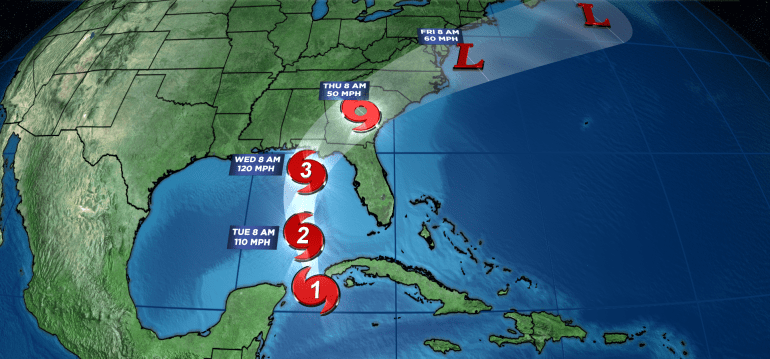
La Tormenta Tropical Michael se formó el domingo por la mañana en el Mar Caribe y se pronostica que se convertirá en huracán y se moverá hacia la costa del Golfo de EEUU. A más tardar entre semana, dijo el Centro Nacional de Huracanes. La tormenta podría tocar tierra en el oeste de Florida el miércoles por la noche o el jueves temprano, según los últimos pronósticos.

El Centro Nacional de Huracanes proyecta que Michael podría fortalecer una tormenta de categoría 1 o 2, pero aún no está claro cómo podría afectar a los vuelos. La pista actual haría que Michael llegara a la costa cerca de los aeropuertos regionales, en su mayoría más pequeños, aunque se proyecta que el sistema se moverá hacia Atlanta y posiblemente a Charlotte después de tocar tierra. Sin embargo, incluso si esa pista se mantiene, el efecto de Michael en los horarios de esos aeropuertos dependería de si la tormenta trajo vientos fuertes y un clima severo en el interior. Es posible que lo que queda de Michael pueda moverse sobre esos aeropuertos sin interrupciones importantes, pero los volantes deben estar alerta para recibir actualizaciones.

Aerolíneas en zona afectada

Los operadores de EEUU comienzan a renunciar a las tarifas de cambio para los aeropuertos costeros a lo largo de la trayectoria proyectada de Michael. El domingo, Southwest Airlines se convirtió en el primero en promulgar una política de cambio de reserva flexible para varios aeropuertos a lo largo de la costa del Golfo.

Único entre los grandes operadores de EEUU, Southwest Airlines no cobra tarifas de cambio, pero está permitiendo que los clientes con boletos a Nueva Orleans y las ciudades de la Ciudad de Panamá y Pensacola en Florida realicen un cambio en sus itinerarios sin tener que pagar una nueva tarifa. La exención cubre a los clientes programados para volar a través de esos aeropuertos desde el Martes, 9 Octubre hasta el Jueves, 11 Octubre. Incluidos en la letra pequeña de la exención, los clientes pueden cambiar sus vuelos dentro de los 14 días de la fecha original de viaje. La exención de Southwest también cubre vuelos en Cancún, México y La Habana, Cuba, aunque las fechas de exención son diferentes para esos aeropuertos. AIRWAYS® AW-Icon TXT

hurricane-stats-track2.pngHurricane Michael, Mon. Oct 8, 8 p.m.

Hurricane Michael threatens Caribbean and US

Airlines prepare for another hurricane in the Caribbean area

Tropical Storm Michael formed Sunday morning in the Caribbean Sea and is forecast to become a hurricane and move toward the US Gulf Coast. No later than midweek, said the National Hurricane Center. The storm could hit land in western Florida on Wednesday night or early Thursday, according to recent forecasts.

The National Hurricane Center projects that Michael could strengthen a Category 1 or 2 storm, but it is not yet clear how it could affect flights. The current track would make Michael reach the coast near the regional airports, mostly smaller, although the system is projected to move to Atlanta and possibly to Charlotte after making landfall. However, even if that runway is maintained, Michael’s effect on the schedules of those airports would depend on whether the storm brought strong winds and severe weather in the interior. It is possible that what remains of Michael can move over these airports without major interruptions, but the flyers should be alert to receive updates.

Airlines in affected area

US operators begin to waive the exchange rates for coastal airports along the projected trajectory of Michael. On Sunday, Southwest Airlines became the first to enact a flexible booking change policy for several airports along the Gulf Coast.

Unique among the major operators in the US, Southwest Airlines does not charge exchange rates, but is allowing customers with tickets to New Orleans and the cities of Panama City and Pensacola in Florida to make a change in their itineraries without having to pay a fee. New rate. The exemption covers customers scheduled to fly through those airports from Tuesday, October 9 through Thursday, October 11. Included in the fine print of the exemption, customers can change their flights within 14 days of the original travel date. The Southwest exemption also covers flights in Cancun, Mexico and Havana, Cuba, although the exemption dates are different for those airports. A \ W


Ξ A I R G W A Y S Ξ
SOURCE: Airgways.com
DBk: Nhc.noaa.gov / Krem.com / Wtkr.com / Express.co.uk
AW-POST: 201810082140AR

A\W   A I R G W A Y S ®

UE no alcanzará objetivo de emisiones

Resultado de imagen para icao.int/corsia airlines

AW | 2018 10 08 07:39 | AVIATION SAFETY

Resultado de imagen para icao.int/corsiaLa Unión Europea no logrará alcanzar su objetivo de emisiones del sector de aviación para 2030

La Unión Europea no alcanzará los objetivos planificados para 2030 en reducción de las emisiones de carbono por casi 100 millones de toneladas si adopta un nuevo estándar que cuenta con el respaldo de la industria que se va a implementar en 2019.

Resultado de imagen para icao.int/corsia

El Plan CORSIA (Compensación y Reducción de Carbono para la Aviación Internacional) le permitirá a las aerolíneas compensar el crecimiento de las emisiones, en lugar de que sea necesario reducirlo, de acuerdo con un informe que se preparó para Transport & Environment (T&E), un grupo para organizaciones no gubernamentales con sede en Bruselas. T&E dijo que CORSIA tenía fallas sustanciales y continuas y solo ofrecía soluciones baratas e ineficaces para las emisiones, las cuales contribuyen al cambio climático. También dijo que CORSIA representaría una “ganancia financiera inesperada para las aerolíneas”, ahorrándoles más de 3 mil millones de euros al año en comparación con la expansión del esquema actual.

La Organización de Aviación Civil Internacional (ICAO), la agencia de la ONU que desarrolló CORSIA, dijo que el esquema es parte de la “canasta de medidas de la ICAO que se diseñó para reducir las emisiones de carbono de la aviación internacional y que las mejoras en la tecnología de los aviones, las operaciones y los combustibles sustentables de aviación lograrían el objetivo global del sector de la aviación internacional de crecimiento neutro de carbono a partir de 2020”.

La industria de la aviación apoya a CORSIA. En Diciembre 2017, Willie Walsh, director ejecutivo de IAG, el propietario de British Airways, calificó a CORSIA como “un excelente primer paso”, mientras que Ryanair, la aerolínea europea de bajo costo, dijo que se trata de un “avance histórico en la regulación global de las emisiones de carbono”. Paul Steele, vicepresidente senior de la Asociación Internacional de Transporte Aéreo, que representa a casi 300 aerolíneas, dijo: “El acuerdo de Corsia por parte de los estados de la ICAO fue muy significativo, ya que ofrece los medios más efectivos y eficientes para compensar las emisiones que no se pueden reducir a través de mejoras operativas y de tecnología a corto plazo”.

A partir de 2019, CORSIA va a requerir que las aerolíneas monitoreen, informen y verifiquen las emisiones de CO2 para establecer una referencia, antes de una fase piloto que abarca de 2021 hasta 2023 para estados voluntarios. A partir de 2027, la mayoría de los 191 estados miembros de la ICAO van a tener que participar. La Unión Europea tiene como objetivo general reducir en 40 por ciento las emisiones de gases de efecto invernadero desde 1990 hasta 2030, las cuales se fijaron en 111 millones de toneladas para las emisiones de los vuelos que salen del bloque. Pero en el informe se encontró que Corsia no va a evitar que aumenten a 211 millones de toneladas con base en las predicciones actuales de crecimiento del sector.  AIRWAYS® AW-Icon TXT.png

Resultado de imagen para Tupolev Tu-134

The European Union will not achieve emission targets

Resultado de imagen para icao.int/corsiaThe European Union will not achieve its emissions target of the aviation sector by 2030

The European Union will not achieve the goals set for 2030 in reducing carbon emissions by almost 100 million tons if it adopts a new standard that has the support of the industry that is to be implemented in 2019.

The CORSIA Plan (Compensation and Reduction of Carbon for International Aviation) will allow airlines to offset the growth of emissions, instead of reducing it, according to a report prepared for Transport & Environment (T&E), a group for non-governmental organizations based in Brussels. T&E said that CORSIA had substantial and continuous failures and only offered cheap and inefficient solutions for emissions, which contribute to climate change. He also said that CORSIA would represent an «unexpected financial gain for airlines», saving them more than 3 billion euros a year compared to the expansion of the current scheme.

The International Civil Aviation Organization (ICAO), the UN agency that developed CORSIA, said the scheme is part of the «basket of ICAO measures that was designed to reduce carbon emissions from international aviation and that Improvements in the technology of aircraft, operations and sustainable aviation fuels would achieve the global objective of the carbon neutral growth international aviation sector starting in 2020».

The aviation industry supports CORSIA. In December 2017, Willie Walsh, chief executive of IAG, the owner of British Airways, called CORSIA «an excellent first step», while Ryanair, the low-cost European airline, said it was a «historic breakthrough in the global regulation of carbon emissions». Paul Steele, senior vice president of the International Air Transport Association, which represents nearly 300 airlines, said: «The agreement of Corsia by the ICAO states was very significant, as it offers the most effective and efficient means to compensate emissions that can not be reduced through operational and technology improvements in the short term».

Starting in 2019, CORSIA will require airlines to monitor, report and verify CO2 emissions to establish a reference, before a pilot phase that covers from 2021 to 2023 for voluntary states. As of 2027, most of the 191 member states of the ICAO will have to participate. The European Union’s general objective is to reduce emissions of greenhouse gases by 40 percent from 1990 to 2030, which were set at 111 million tonnes for emissions from flights leaving the block. But the report found that Corsia is not going to prevent them from increasing to 211 million tons based on current predictions of growth in the sector. A \ W


Ξ A I R G W A Y S Ξ
SOURCE: Airgways.com
DBk: Icao.int/corsia / Global-aero.com / Esacademic.com
AW-POST: 201810080739AR

A\W   A I R G W A Y S ®

Arriba Argentina B737-800 Norwegian Air

Resultado de imagen para Norwegian Air Argentina Astor Piazzolla

AW | 2018 10 08 07:15 | AIRLINES

Awesome-Norwegian-Air-Logo-22-On-Free-Logo-Design-Templates-with-Norwegian-Air-LogoArribó nuevamente a Argentina el Boeing 737-800 Astor Piazzolla

El Boeing 737-800 de Norwegian Air Argentina arribó el sábado por la tarde. La aeronave de un año y medio de edad, aterrizó en el Aeropuerto Internacional de Ezeiza a las 17:58 horas (hora Argentina), tripulado por el CEO local de la aerolínea, el Capitán Ole Christian Melhus, y los dos primeros pilotos de la compañía para sus operaciones en el país, Edgar Boese y Martín Bessone.

El avión partió el viernes por la mañana del Aeropuerto de Arlanda, en Estocolmo, Suecia y realizó su primera escala en Gran Canaria, en España. Partió de allí hacia Natal, en Brasil, donde realizó una nueva escala para reabastecer combustible, antes de dirigirse a su destino final, en Ezeiza.

Melhus desde Gran Canaria, durante la primera escala técnica, expresó: “Norwegian llegó a la Argentina con un proyecto de largo plazo y el firme propósito de ofrecer tarifas accesibles para todos, contribuir a la conectividad dentro del país e impulsar la llegada de turistas del resto del mundo”.

El inicio de las operaciones es el 16 Octubre 2018. Las rutas iniciales serán: Buenos Aires-Córdoba será con dos vuelos diarios y Buenos Aires-Mendoza, con frecuencia diaria.

El Boeing 738-800 de Norwegian Air Argentina cumple con los más altos estándares de seguridad, calidad y uso eficiente del combustible. La aeronave está configurada con 189 asientos, cuenta con conexión wi-fi e incluye una nueva dimensión de comodidad a bordo gracias a su diseño Sky Interior -del fabricante Boeing- que brinda un mayor confort para el pasajero, con iluminación ambiental y más espacio en cabina.

Para fines de este año, Norwegian Air Argentina contará con una flota de cuatro aeronaves de idénticas características, con la que operará seis rutas que conectarán Buenos Aires con Córdoba, Mendoza, Iguazú, Neuquén, Bariloche y Salta, cuyos pasajes se hallan a la venta desde el 4 Septiembre 2018. AIRWAYS® AW-Icon TXT


Arrival Boeing 737-800 Norwegian Air Argentina

The Boeing 737-800 Astor Piazzolla arrived back in Argentina

The Norwegian Air Argentina Boeing 737-800 arrived on Saturday afternoon. The one-and-a-half-year-old aircraft landed at Ezeiza International Airport at 5:58 p.m. (Argentina time), manned by the airline’s local CEO, Captain Ole Christian Melhus, and the first two pilots of the company for its operations in the country, Edgar Boese and Martín Bessone.

The plane departed Friday morning from Arlanda Airport, in Stockholm, Sweden and made its first stop in Gran Canaria, in Spain. He left from there to Natal, in Brazil, where he made a new scale to refuel, before heading to his final destination, in Ezeiza.

Melhus from Gran Canaria, during the first technical stopover, said: «Norwegian arrived in Argentina with a long-term project and the firm purpose of offering accessible rates for all, contributing to connectivity within the country and encouraging the arrival of tourists from rest of the world».

The start of operations is October 16, 2018. The initial routes will be: Buenos Aires-Córdoba will be with two daily flights and Buenos Aires-Mendoza, with daily frequency.

The Boeing 738-800 of Norwegian Air Argentina meets the highest standards of safety, quality and efficient use of fuel. The aircraft is configured with 189 seats, has wi-fi connection and includes a new dimension of comfort on board thanks to its interior design Sky-Boeing manufacturer, which provides greater passenger comfort, with ambient lighting and more space in cabin.

By the end of this year, Norwegian Air Argentina will have a fleet of four aircraft of identical characteristics, with which it will operate six routes connecting Buenos Aires with Córdoba, Mendoza, Iguazú, Neuquén, Bariloche and Salta, whose tickets are for sale from September 4, 2018. A \ W


Ξ A I R G W A Y S Ξ
SOURCE: Airgways.com
DBk: Norwegian.com
AW-POST: 201810080715AR

A\W   A I R G W A Y S ®

Cambios para la aviación en Kirguistán

Air_Kyrgyzstan.jpg

AW | 2018 10 07 19:27 | AIRLINES

Resultado de imagen para Air KyrgyzstanLa aviación comercial necesita cambios en la República de Kirguistán

Los diputados kirguisos ofrecieron vender la aerolínea nacional Air Kyrgyzstan a inversores chinos. Anteriormente, las empresas chinas expresaron interés en comprar Air Kyrgyzstan. Ciertos inversionista podrían traer 12 aviones a la compañía dentro de cinco años de antigüedad.

El Ministro de Transporte y Carreteras de Kirguistán, Jamshitbek Kalilov, confirmó el interés de los inversionistas chinos en la compra de Air Kirguistán, aunque no hubo solicitudes oficiales para el Fondo Estatal de Gestión de la Propiedad. Pero incluso teniendo en cuenta la difícil situación financiera de la aerolínea, el ministro considera que la idea de venderla es dudosa.

Air Kyrgyzstan

La flota estatal de Kirguistán consiste en un avión, que actualmente no está funcionando porque su motor está en reparación. Anteriormente, Kirguistán ofreció vender el 49% de las acciones de Air Kyrgyzstan, pero un inversor extranjero quería comprar una participación de control.

Según el Fondo Estatal de Gestión de la Propiedad de Kirguistán, el plan de ganancias netas de la compañía para 2017 fue de 10,6 millones de soms, pero el resultado fue de 7 millones de soms sin dividendos. Los activos de Air Kyrgyzstan son 639.8 millones de soms, y la deuda crediticia es de 302.6 millones de soms. Debido a la difícil situación financiera, la empresa no puede pagar salarios a sus empleados, y se vio obligada a reducir el personal.

Flota de Air Kyrgyzstan

La compañía tiene cuatro aeronaves, entre ellas un Boeing 737-500, que permanece inactivo en el Aeropuerto Internacional de Manas debido a un mal funcionamiento técnico de su motor, y los vuelos de Air Kyrgyzstan se posponen indefinidamente. El segundo avión, un Boeing 737-300, se subarrenda en Rumania. El tercero, un Tu-154, no ha sido operado desde 2012, cuando el Departamento de Aviación impuso una restricción a este tipo de aeronaves debido a las normas de seguridad de la aviación. El cuarto avión, un Boeing 737-200, no ha sido operado desde 2009.

El análisis de la actividad económica y financiera de Air Kyrgyzstan reveló dos razones por las cuales la aerolínea llegó a esta situación. En 2008, el State Property Fund transfirió las acciones de la aerolínea estatal de Altyn Air desde Kyrgyzaltyn JSC a Air Kyrgyzstan, lo que resultó en deudas de 94.5 millones de soms. Kyrgyzaltyn, la compañía estatal minera de oro y accionista de Centerra Gold Inc., intentó devolver esta cantidad en 2010 a través de los tribunales, pero el gobierno de ese entonces ayudó a Air Kyrgyzstan a pagar la deuda en un plazo de tres años. La segunda causa es la competencia. En 2012 y 2013, las grandes aerolíneas turcas, Atlasjet y Pegasus, ingresaron al mercado kirguiso. Además, el ruso Aeroflot operaba allí. Air Kirguistán no tenía aviones modernos para competir. Desde enero de 2018, la aerolínea no ha operado vuelos, y más de 30 empleados tienen licencia sin goce de sueldo.

Proyecciones

El programa nacional de privatización para 2015-2017 preveía la privatización del 51% de la participación estatal en Air Kyrgyzstan. El Fondo de Propiedad Estatal llevó a cabo negociaciones con inversionistas coreanos, árabes y chinos, pero fue en vano. La empresa estatal no contaba con el apoyo del Estado y los inversores no querían tratar con él. La parte china solicitó una participación de control, pero de acuerdo con la ley de Kirguistán, el 51% de los activos de la compañía debería estar en manos del estado. La gran deuda también priva a la empresa de atractivo para la inversión.

El próximo programa de privatización para 2018-2020 contempla la venta del 75% de las acciones de la compañía. Las autoridades también consideran la posibilidad de transferir la empresa a la administración de fideicomisos. En este caso, la empresa no se transferirá a la propiedad, sino que sus activos y la propiedad se transferirán para uso temporal. Algunos expertos no están de acuerdo con la propuesta de los parlamentarios de transferir la empresa a los inversores extranjeros.

Cada estado debería tener su propia aerolínea, no solo para transportar pasajeros, sino también con fines estratégicos, dijo el experto independiente Maksat Chakiyev a la agencia de noticias Vesti.kg. En caso de emergencia, la empresa estatal podría ser utilizada porque las empresas privadas podrían rechazar o exigir un pago demasiado alto. Kirguistán no tiene dinero para invertir en Air Kirguistán, pero esto no significa que deba venderse. Al menos una participación de control debería pertenecer al Estado, concluyó el experto.

Política de cielos abiertos

El proyecto de cielos abiertos destruirá la aviación civil nacional, dijo recientemente el diputado Ulugbek Ormonov en una reunión parlamentaria para considerar el proyecto de ley «Sobre las enmiendas al Código Aéreo de la República Kirguisa».

El diputado Abdyvakhap Nurbayev se opuso diciendo: «No debemos poner los intereses de varias aerolíneas por encima de los intereses de todos los ciudadanos de Kirguistán«. La población del país tendrá la oportunidad de volar directamente a Europa y otros países. La competencia mejorará y los turistas podrán volar directamente a Kirguistán. Los precios de los boletos aéreos bajarán y se garantizará la seguridad del vuelo debido al uso de nuevos aviones, dijo Nurbayev.

En otros países, la introducción de la política de cielos abiertos permitió aumentar el tráfico de pasajeros hasta en un 35%, reducir los precios de los boletos aéreos en un 40% y crear nuevos empleos, agregó.

El Gobierno redactó el proyecto de ley correspondiente y su versión conjunta fue acordada con el Parlamento. Después de las discusiones, la Comisión Parlamentaria de Transportes y Comunicaciones aprobó las enmiendas al Código del Aire, que contempla la implementación en etapas del proyecto de cielos abiertos. Según el Presidente del Sindicato de Aviadores de Kirguistán, Kanybek Kalmurzayev, la aviación nacional no se desarrolla porque el Ministerio de Transporte no le presta suficiente atención. Incluso en Tayikistán, donde hubo una guerra civil durante muchos años, hay 18 aviones de propiedad estatal.

Lista negra de la UE

El plan de acción para el retiro de las aerolíneas de Kirguistán de la lista negra de la Unión Europea se implementó en un 93%, dijo el ministro de Transporte, Kalilov, en una reunión del gobierno.

La lista de seguridad aérea de la UE (la llamada lista negra) incluye a las líneas aéreas que no cumplen con las normas internacionales de seguridad y, por lo tanto, están sujetas a una prohibición operativa o restricciones operativas dentro de la Unión Europea.

Todas las aerolíneas de Kirguistán permanecen actualmente en la lista negra de la UE desde 2006, junto con las aerolíneas de Afganistán, Angola, Mozambique, Congo y otros países africanos. Entre los países de la CEI, solo las aerolíneas kirguisas tienen prohibido volar a la Unión Europea. En diciembre de 2016, la Comisión Europea excluyó a las compañías aéreas de Kazajstán de su lista negra «tras nuevas mejoras en la situación de seguridad de la aviación en ese país».

Kirguistán ha sido miembro de la OACI (Organización de Aviación Civil Internacional) desde 1992. Para ser eliminado de la lista negra, el estado debe pasar por la auditoría de la OACI, que regula la aviación civil. La auditoría de base incluye secciones como la legislación primaria de aviación, los principios de organización de aviación civil, las licencias de personal aeronáutico, la operación de aeronaves, los servicios de navegación aérea en aeropuertos y en tierra, y la investigación de accidentes de aeronaves.

En Noviembre-Diciembre 2018, se espera que los expertos de la OACI lleguen a Kirguistán para monitorear la implementación del plan de acción correctiva de la auditoría anterior de la OACI a mediados de 2018.

En 2019, Kirguistán planea obtener un certificado de la OACI, después de lo cual el país solicitará la salida de la lista negra de la UE. Para ser eliminado de la lista negra, el salario de los empleados de la Agencia de Aviación Civil se incrementó dos veces, y los pilotos fueron capacitados de acuerdo con los requisitos de la OACI, dijo el Ministro Kalilov.

Resultado de imagen para Air Kyrgyzstan

Changes for aviation in Kyrgyzstan

Commercial aviation needs changes in the Kyrgyz Republic

Resultado de imagen para Kyrgyzstan map pngThe Kyrgyz deputies offered to sell the national airline Air Kyrgyzstan to Chinese investors. Previously, Chinese companies expressed interest in buying Air Kyrgyzstan. Certain investors could bring 12 aircraft to the company within five years.

The Minister of Transport and Highways of Kyrgyzstan, Jamshitbek Kalilov, confirmed the interest of Chinese investors in the purchase of Air Kyrgyzstan, although there were no official requests for the State Fund for Property Management. But even taking into account the difficult financial situation of the airline, the minister believes that the idea of ​​selling it is doubtful.

Air Kyrgyzstan

The state fleet of Kyrgyzstan consists of an airplane, which is currently not functioning because its engine is under repair. Previously, Kyrgyzstan offered to sell 49% of the shares of Air Kyrgyzstan, but a foreign investor wanted to buy a controlling stake.

According to the Kyrgyz State Property Management Fund, the company’s net profit plan for 2017 was 10.6 million soms, but the result was 7 million soms without dividends. The assets of Air Kyrgyzstan are 639.8 million soms, and the credit debt is 302.6 million soms. Due to the difficult financial situation, the company can not pay salaries to its employees, and was forced to reduce staff.

Fleet of Air Kyrgyzstan

The company has four aircraft, including a Boeing 737-500, which remains inactive at Manas International Airport due to a technical malfunction of its engine, and Air Kyrgyzstan flights are postponed indefinitely. The second plane, a Boeing 737-300, is sublet in Romania. The third, a Tu-154, has not been operated since 2012, when the Department of Aviation imposed a restriction on this type of aircraft due to aviation safety regulations. The fourth plane, a Boeing 737-200, has not been operated since 2009.

The analysis of the economic and financial activity of Air Kyrgyzstan revealed two reasons why the airline came to this situation. In 2008, the State Property Fund transferred the shares of the state airline Altyn Air from Kyrgyzaltyn JSC to Air Kyrgyzstan, resulting in debts of 94.5 million soms. Kyrgyzaltyn, the state gold mining company and shareholder of Centerra Gold Inc., tried to repay this amount in 2010 through the courts, but the government of that time helped Air Kyrgyzstan pay the debt within three years. The second cause is competition. In 2012 and 2013, the large Turkish airlines, Atlasjet and Pegasus, entered the Kyrgyz market. In addition, the Russian Aeroflot operated there. Air Kyrgyzstan did not have modern aircraft to compete. Since January 2018, the airline has not operated flights, and more than 30 employees have leave without pay.

Projections

The national privatization program for 2015-2017 provided for the privatization of 51% of the state participation in Air Kyrgyzstan. The State Property Fund conducted negotiations with Korean, Arab and Chinese investors, but to no avail. The state company did not have the support of the State and the investors did not want to deal with it. The Chinese side requested a controlling stake, but according to Kyrgyz law, 51% of the company’s assets should be in the hands of the state. The large debt also deprives the company of attractiveness for investment.

The next privatization program for 2018-2020 contemplates the sale of 75% of the company’s shares. The authorities also consider the possibility of transferring the company to the administration of trusts. In this case, the company will not transfer to the property, but its assets and property will be transferred for temporary use. Some experts do not agree with the proposal of parliamentarians to transfer the company to foreign investors.

Each state should have its own airline, not only to transport passengers, but also for strategic purposes, independent expert Maksat Chakiyev told the Vesti.kg news agency. In case of emergency, the state company could be used because private companies could reject or demand too high a payment. Kyrgyzstan does not have money to invest in Air Kyrgyzstan, but this does not mean that it should be sold. At least one control stake should belong to the State, concluded the expert.

Open skies policy

The open skies project will destroy national civil aviation, Deputy Ulugbek Ormonov recently told a parliamentary meeting to consider the bill «On Amendments to the Air Code of the Kyrgyz Republic».

Deputy Abdyvakhap Nurbayev objected saying: «We should not put the interests of several airlines above the interests of all citizens of Kyrgyzstan». The population of the country will have the opportunity to fly directly to Europe and other countries. The competition will improve and tourists will be able to fly directly to Kyrgyzstan. Prices for airline tickets will be lowered and flight safety will be guaranteed due to the use of new aircraft, Nurbayev said.

In other countries, the introduction of the open skies policy has increased passenger traffic by up to 35%, reduced air ticket prices by 40% and created new jobs, he added.

The Government drafted the corresponding bill and its joint version was agreed upon with Parliament. After the discussions, the Parliamentary Committee on Transport and Communications approved the amendments to the Air Code, which contemplates the implementation of the open skies project in stages. According to the President of the Airmen’s Union of Kyrgyzstan, Kanybek Kalmurzayev, national aviation does not develop because the Ministry of Transport does not pay enough attention to it. Even in Tajikistan, where there was a civil war for many years, there are 18 state-owned aircraft.

Blacklist of the EU

The plan of action for the withdrawal of Kyrgyz airlines from the European Union blacklist was implemented by 93%, said Transport Minister Kalilov at a government meeting.

The EU aviation safety list (the so-called black list) includes airlines that do not comply with international safety standards and, therefore, are subject to an operational ban or operational restrictions within the European Union.

All Kyrgyz airlines are currently on the EU blacklist since 2006, along with airlines from Afghanistan, Angola, Mozambique, Congo and other African countries. Among the CIS countries, only Kyrgyz airlines are prohibited from flying to the European Union. In December 2016, the European Commission excluded Kazakhstan’s airlines from its blacklist «after further improvements in the aviation security situation in that country».

Kyrgyzstan has been a member of ICAO (International Civil Aviation Organization) since 1992. To be removed from the blacklist, the state must go through the ICAO audit, which regulates civil aviation. The base audit includes sections such as primary aviation legislation, civil aviation organization principles, aeronautical personnel licensing, aircraft operation, air navigation services at airports and on the ground, and aircraft accident investigation .

In November-December 2018, ICAO experts are expected to arrive in Kyrgyzstan to monitor the implementation of the corrective action plan of the previous ICAO audit in mid-2018.

In 2019, Kyrgyzstan plans to obtain an ICAO certificate, after which the country will request exit from the EU blacklist. To be removed from the blacklist, the salary of the employees of the Civil Aviation Agency was increased twice, and the pilots were trained in accordance with ICAO requirements, said Minister Kalilov. A \ W


Ξ A I R G W A Y S Ξ
SOURCE: Airgways.com
DBk: Timesca.com / Wikimedia.org / Unnamed
AW-POST: 201810071927AR

A\W   A I R G W A Y S ®

American lanza nuevas rutas al Caribe

Resultado de imagen para American Airlines caribe

AW | 2018 10 07 19:12 | AIRLINES ROUTES

aa_aa_ahz_tm_rgb_grd_pos.jpgAmerican Airlines iniciará la temporada con nuevas frecuencias a Santiago de Cuba, Aruba, Santo Domingo, San Pedro Sula

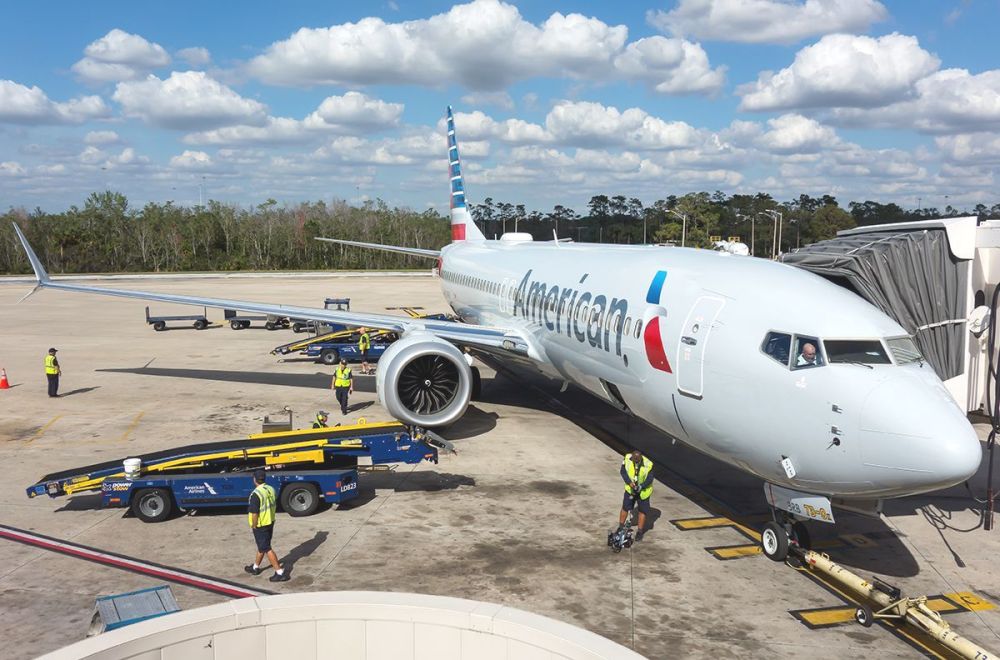
American Airlines anunció nuevas rutas que comenzarán en 2019 para la temporada de verano boreal. Las nuevas rutas serán encabezadas por el lanzamiento el 3 Mayo 2019 de un nuevo servicio diario Miami-Santiago de Cuba. Además está lanzando un nuevo servicio semanal los sábados entre Nueva York-Laguardia y Aruba, junto con el servicio de los sábados desde Charlotte y Dallas-Fort Worth hasta Santo Domingo en la República Dominicana. Dos nuevas rutas a Honduras: cuatro veces por semana vuelos Dallas-San Pedro Sula, junto con servicio tres veces por semana (3Fq/S) Dallas-Tegucigalpa, la capital de Honduras. Los vuelos de Aruba y Santo Domingo comenzarán a operar el 8 Junio 2019, mientras que los vuelos de San Pedro Sula y Tegucigalpa se lanzarán el 7 y 6 de Junio 2019, respectivamente. (Esos vuelos operarán hasta el 17 Agosto y el 20 Agosto 2019 de forma estacional).

«Hemos tenido un horario sólido de vuelos entre los EEUU y la región de México, el Caribe y América Latina durante años desde nuestros centros DFW y MIA, mientras trabajamos para ofrecer la mejor red, estas nuevas rutas refuerzan nuestro compromiso con la región y ofrecen nuevas opciones para los clientes», dijo Vasu Raja, Vicepresidente de Red y Planificación de Horarios para Estados Unidos.

El mayor impulso de expansión de American comenzará a fines de diciembre, una importante expansión de su red caribeña anunciada por primera vez a principios de este año que incluirá ocho nuevas rutas caribeñas. AIRWAYS® AW-Icon TXT

d28bf76b6d4ca4fde1d310f2f5547633.jpg

American Airlines is launching more new routes in the Caribbean

American Airlines will begin the season with new frequencies to Santiago de Cuba, Aruba, Santo Domingo, San Pedro Sula

American Airlines announced new routes that will begin in 2019 for the summer season. The new routes will be led by the launch on May 3, 2019 of a new daily service Miami-Santiago de Cuba. It is also launching a new weekly service on Saturdays between New York-Laguardia and Aruba, along with Saturday service from Charlotte and Dallas-Fort Worth to Santo Domingo in the Dominican Republic. Two new routes to Honduras: four times a week flights Dallas-San Pedro Sula, along with service three times a week (3Fq / S) Dallas-Tegucigalpa, the capital of Honduras. Flights from Aruba and Santo Domingo will begin operations on June 8, 2019, while flights from San Pedro Sula and Tegucigalpa will be launched on June 7 and 6, 2019, respectively. (These flights will operate until August 17 and August 20, 2019 seasonally).

«We have had a solid schedule of flights between the US and the region of Mexico, the Caribbean and Latin America for years from our DFW and MIA centers, while we work to offer the best network, these new routes reinforce our commitment to the region and offer new options for customers, «said Vasu Raja, Vice President of Network and Schedule Planning for the United States.

America’s biggest expansion momentum will begin at the end of December, a major expansion of its Caribbean network announced for the first time earlier this year that will include eight new Caribbean routes. A \ W


Ξ A I R G W A Y S Ξ
SOURCE: Airgways.com
DBk: Aa.com / Ustraveler.com / West KMCoap
AW-POST: 201810071912AR

A\W   A I R G W A Y S ®

Primer vuelo A220 Delta Connection

AW-700220100

AW | 2018 10 07 18:51 | AIRLINES

2000px-Delta_logo.svgDelta Air Lines se convierte es el primer operador en EEUU del Airbus A220-100

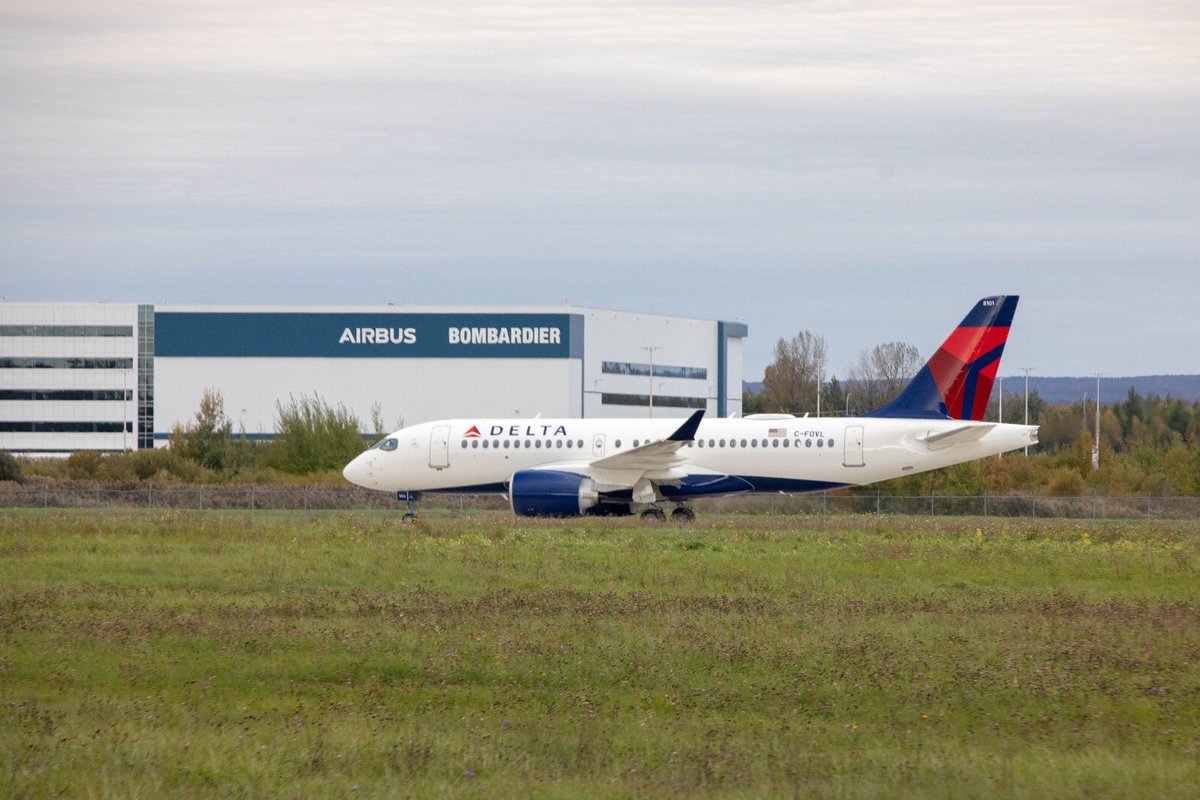
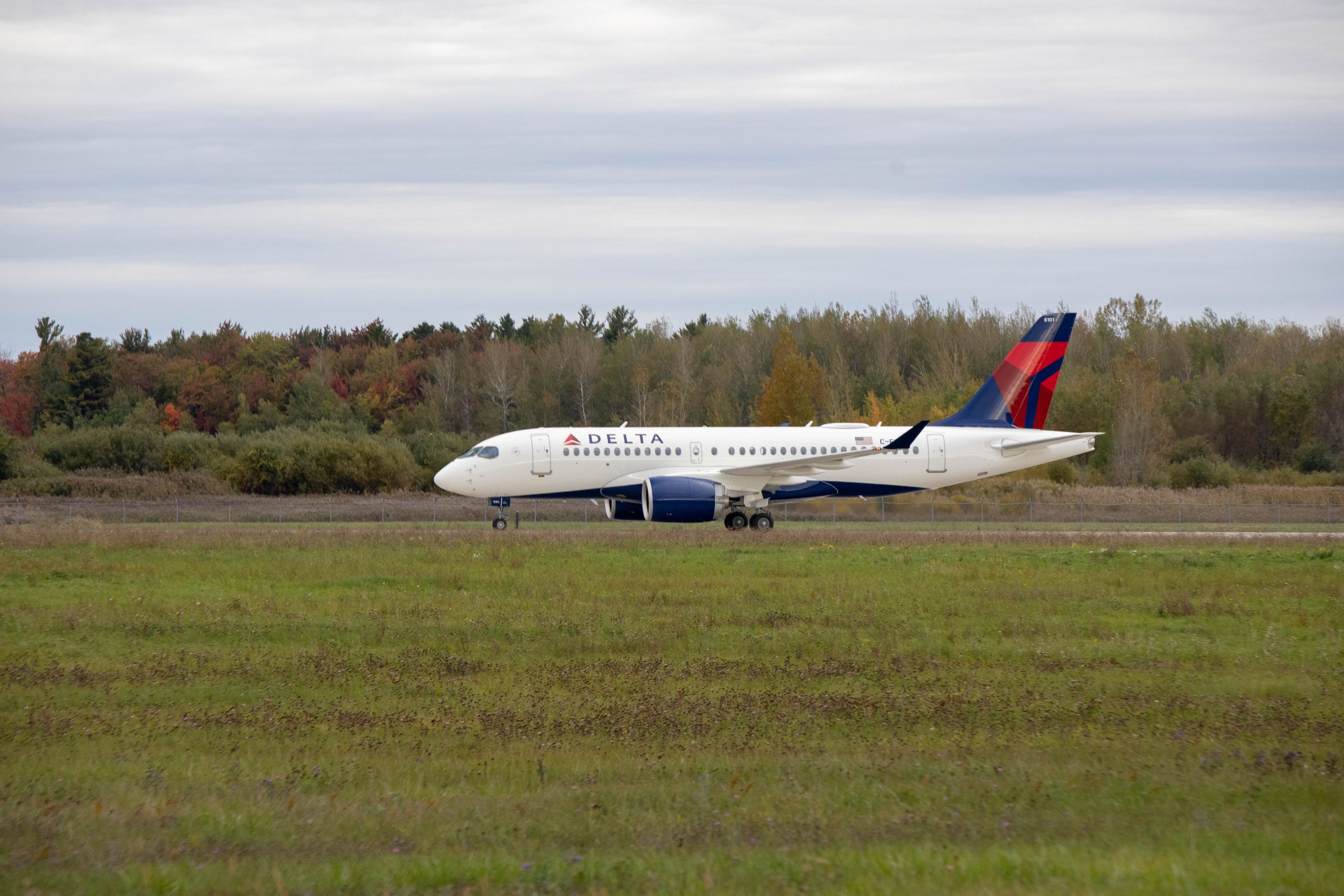
El primer Airbus A220-100 de Delta Air Lines despegó en su primer vuelo desde el Aeropuerto de Mirabel, Quebec, a las 02:02 p.m. hora local de Canadá. El avión fue tripulado por pilotos de prueba del programa A220. Durante el exitoso vuelo de 2 horas y 53 minutos, la tripulación verificó los sistemas principales de la aeronave y aterrizó en Mirabel a las 04:55 p.m. El vuelo tuvo lugar unos días después de que el avión saliera del taller de pintura. A continuación, la aeronave continuará con las pruebas y el ensamblaje previos a la entrega, ya que elementos de su interior de vanguardia se unen en la línea de ensamblaje A220. El primer A220 de Delta está programado para comenzar el servicio a principios de 2019.

Delta Air Lines de la mano de Delta Connection será la primera aerolínea de Estados Unidos en entrar en operaciones el nuevo avión regional A220, al mismo tiempo que se convertirá en el cuarto operador A220, después de Swiss International Air Lines, airBaltic y Korean Air.

Delta es el mayor cliente A220-100, con un pedido en firme de 75 aviones. Después de los problemas a los que se ha enfrentado Delta Inc. con la Ley de Cláusula de Alcance en los Estados Unidos, ha logrado con éxito introducir la nueva aeronave comercial afectada al mercado regional.

Delta Air Lines introduce una nueva era de aeronaves regionales por parte del consorcio Airbus-Bombardier con el A220-100 en el mercado regional de Estados Unidos, un cliente muy importante a la hora de decidir por escoger nuevos operadores en materia de vuelos domésticos.

Prestaciones A220

El A220-100 ofrece una eficiencia de combustible inmejorable. Reúne aerodinámica de vanguardia, materiales avanzados y los motores de turbofan adaptados PW1500G de última generación de Pratt & Whitney para ofrecer al menos un 20% menos de combustible por asiento en comparación con los aviones de la generación anterior.

El nuevo avión regional A220 tiene una cartera de pedidos de 400 aviones hasta la fecha, el A220 tiene todas las credenciales para ganar la mayor parte del mercado de aviones de 100 a 150 asientos, que se estima representan al menos 7,000 aviones en los próximos 20 años.  AIRWAYS® AW-Icon TXT

Resultado de imagen para A220-200 DeltaResultado de imagen para A220-200 Delta

First flight A220 Delta Connection

Delta Air Lines becomes the first US operator of the Airbus A220-100

Delta-Logo[1]The first Airbus A220-100 of Delta Air Lines took off on its first flight from Mirabel Airport, Quebec, at 02:02 p.m. local time in Canada. The aircraft was manned by test pilots of the A220 program. During the successful flight of 2 hours and 53 minutes, the crew checked the main systems of the aircraft and landed at Mirabel at 04:55 p.m. The flight took place a few days after the plane left the paint shop. Next, the aircraft will continue with the tests and assembly prior to delivery, as elements of its cutting-edge interior join in the A220 assembly line. Delta’s first A220 is scheduled to begin service in early 2019.

Delta Air Lines in the hands of Delta Connection will be the first airline in the United States to start operations of the new A220 regional aircraft, at the same time it will become the fourth A220 operator, after Swiss International Air Lines, airBaltic and Korean Air.

Delta is the largest customer A220-100, with a firm order of 75 aircraft. After the problems that Delta Inc. has faced with the Scope Clause Act in the United States, it has successfully managed to introduce the new commercial aircraft affected to the regional market.

Delta Air Lines introduces a new era of regional aircraft by the Airbus-Bombardier consortium with the A220-100 in the regional market of the United States, a very important customer when deciding to choose new operators for domestic flights.

Benefits A220

The A220-100 offers unbeatable fuel efficiency. It brings together state-of-the-art aerodynamics, advanced materials and Pratt & Whitney’s latest generation PW1500G turbofan engines to offer at least 20% less fuel per seat compared to previous generation aircraft.

The new A220 regional aircraft has an order book of 400 aircraft to date, the A220 has all the credentials to win the bulk of the aircraft market from 100 to 150 seats, which is estimated to represent at least 7,000 aircraft in the next 20 years. A \ W


Ξ A I R G W A Y S Ξ
SOURCE: Airgways.com
DBk: Airbus.com / Delta.com / Airgways.com
AW-POST: 201810071851AR

A\W   A I R G W A Y S ®

American non-stop Los Ángeles y Miami

Resultado de imagen para American Airlines Ezeiza

AW | 2018 10 07 06:33 | AIRLINES ROUTES

Resultado de imagen para American Airlines logoAmerican Airlines volará a Ezeiza-Los Ángeles y Córdoba-Miami

La aerolínea estadounidense American Airlines volverá a unir los aeropuertos de Ezeiza y Los Ángeles a partir de Diciembre 2018, con tres frecuencias semanales, en un vuelo directo que tendrá una duración aproximada de 12 horas. La línea aérea, además, ya está preparando su desembarco en la Provincia de Córdoba: a partir de abril, comenzará con un vuelo directo entre la capital mediterránea y Miami, cuatro veces por semana. Así lo anunció Chris DeGroot, Vicepresidente de Ventas Globales de American, de visita en Buenos Aires. «Es la primera vez en más de 20 años que una aerolínea vuelve a unir los aeropuertos de Ezeiza y Los Angeles, y la primera vez que se hará con un vuelo directo», dijo DeGroot. Emplearán Boeing 787-9, con capacidad para 285 pasajeros.

Actualmente, American hace cuatro vuelos diarios entre Ezeiza y Estados Unidos: dos a Miami, uno a Nueva York y otro a Dallas. Para fin de año sumará la ruta a Los Ángeles y, además, un tercer vuelo en horario diurno hacia Miami.

En Abril 2019, American sumará al menú de sus operaciones en el país su primera ruta generada en el interior: un vuelo directo entre Córdoba y Miami, el primero en el cual una aerolínea estadounidense operará en un aeropuerto local que no es Ezeiza. Comenzarán con una frecuencia de cuatro vuelos por semana.

Hace más de dos décadas que la Argentina no tiene vuelos directos hacia Los Ángeles. Hasta mediados de los ’90, era cubierta por Aerolíneas Argentinas, que volaba con un confortable Jumbo hacia el oeste del continente, con escalas en Lima y México DF. Pero esa ruta fue discontinuada en diciembre de 1997, en los últimos meses de la gestión de Iberia al frente de la línea de bandera argentina. A comienzos de 1998 la gestión de Aerolíneas pasó a manos, precisamente, de American Airlines. Pero a pesar de las especulaciones de que American buscaba quedarse con los pasajeros de Aerolíneas, nadie volvió hacer uso de esa ruta, ni American ni otras aerolíneas estadounidenses como United, Delta o Continental.

«La ruta a Los Ángeles, además del público específico que se mueva entre la Argentina y la Costa Oeste de Estados Unidos, abre una puerta importante al turismo receptivo de China y Japón, ya que los turistas de ese país que poseen visa de Estados Unidos no necesitarán además pedir la visa argentina, por los acuerdos entre los dos países», dijo Duncan Paterson, gerente comercial de la línea aérea para Argentina y Uruguay. AIRWAYS® AW-Icon TXT

Resultado de imagen para American Airlines Ezeiza

American non-stop Los Angeles and Miami

American Airlines will fly to Ezeiza-Los Angeles and Córdoba-Miami

American Airlines will rejoin the airports of Ezeiza and Los Angeles starting in December 2018, with three weekly frequencies, on a direct flight that will last approximately 12 hours. The airline is also preparing its disembarkation in the province of Córdoba: starting in April, it will begin with a direct flight between the Mediterranean capital and Miami, four times a week. This was announced by Chris DeGroot, Vice President of Global Sales of American, visiting Buenos Aires. «It’s the first time in more than 20 years that an airline returns to unite the airports of Ezeiza and Los Angeles, and the first time it will be done with a direct flight», DeGroot said. They will use Boeing 787-9, with capacity for 285 passengers.

Currently, American makes four daily flights between Ezeiza and the United States: two to Miami, one to New York and one to Dallas. By the end of the year, it will add the route to Los Angeles and, in addition, a third flight in daytime to Miami.

In April 2019, American will add to the menu of its operations in the country its first route generated in the interior: a direct flight between Córdoba and Miami, the first in which a US airline will operate at a local airport that is not Ezeiza. They will start with a frequency of four flights per week.

For more than two decades, Argentina has no direct flights to Los Angeles. Until the mid-’90s, it was covered by Aerolineas Argentinas, which flew with a comfortable Jumbo to the west of the continent, with stops in Lima and Mexico City. But that route was discontinued in December 1997, in the last months of Iberia’s management at the head of the Argentine flag line. At the beginning of 1998, the management of Airlines was taken over precisely by American Airlines. But despite speculation that American was looking to stay with Aerolineas passengers, no one returned to use that route, neither American nor other US airlines such as United, Delta or Continental.

«The route to Los Angeles, in addition to the specific public that moves between Argentina and the West Coast of the United States, opens an important door to the receptive tourism of China and Japan, since tourists from that country who have a United States visa they will not need to ask for the Argentine visa either, because of the agreements between the two countries», said Duncan Paterson, commercial manager of the airline for Argentina and Uruguay. A \ W


Ξ A I R G W A Y S Ξ
SOURCE: Airgways.com
DBk: Aa.com / Airgways.com / Clarin.com
AW-POST: 2018100706330AR

A\W   A I R G W A Y S ®

Accidente AF447 error piloto

Resultado de imagen para AF447

AW | 2018 10 05 20:19 | AIR INVESTIGATION / AVIATION SAFETY

El peritaje del accidente del vuelo AF447 de Air France fue por error humano

El accidente en medio del Atlántico del vuelo AF447 de un Airbus A330-200 de Air France, el 1 Junio 2009 cuando cubría la ruta Río de Janeiro-París y que causó la muerte de los 228 ocupantes del avión, se debió esencialmente a un error de pilotaje, según los expertos de un segundo peritaje entregado al juez francés que instruye la investigación. Para los peritos de la agencia francesa de investigaciones de accidentes la BEA ha indicado que “las acciones inadaptadas en pilotaje manual” de la tripulación condujeron a que el Airbus A330 de la compañía francesa se precipitara al mar. La causa directa del accidente es la pérdida de control de la trayectoria del aparato por la tripulación de conducción”, en referencia a los dos copilotos, uno de los cuales el comandante estaba en ese momento ausente de la cabina.

En el documento, se expresa que dejan en un segundo plano las responsabilidades de Air France y Airbus, que están imputadas en Francia por homicidios involuntarios. El elemento que estuvo en el origen del siniestro fue la congelación de unas sondas en el exterior de la aeronave, que acarrearon indicaciones erróneas sobre la velocidad. Una serie de incidencias técnicas y humanas condujeron entonces a que el aparato cayera al océano. Otras “causas indirectas” son imputables a Air France por insuficiencias en la formación y en la información de su personal, en particular un entrenamiento insuficiente en el pilotaje a altitud elevada y en la gestión de incidentes sobre indicaciones de velocidad erróneas.

Por lo que respecta a Airbus, los expertos señalan la “ambigüedad de la clasificación del procedimiento STALL” sobre la alarma por una pérdida súbita de altura por el avión, aunque también puntualizan que eso había sido “validado” por la Dirección General de la Aviación Civil de Francia (DGAC).

Las familias han mostrado una cierta incomprensión por estas nuevas conclusiones que exculpan o limitan la responsabilidad de Airbus y querrían interrogar a sus autores, haciendo notar que hay contradicciones con un peritaje anterior. Por eso creen que hace falta un proceso público. AIRWAYS® AW-Icon TXT

Resultado de imagen para AF447

Accident AF447 pilot error

The accident report of the Air France flight AF447 was made by human error

The accident in the middle of the Atlantic of flight AF447 of an Airbus A330-200 of Air France, the 1 June 2009 when it covered the route Rio de Janeiro-Paris and that caused the death of the 228 occupants of the airplane, was essentially due to a pilot error, according to the experts of a second expert opinion delivered to the French judge who instructed the investigation. For the experts of the French accident investigation agency, the BEA has indicated that «the manual mishandling actions» of the crew led to the Airbus A330 of the French company plunging into the sea. The direct cause of the accident is the loss of control of the trajectory of the apparatus by the driving crew», in reference to the two co-pilots, one of which the commander was at that moment absent from the cabin.

Resultado de imagen para AF447AIRBUS A330-200 AT AIR FRANCE

In the document, it is expressed that they leave in the background the responsibilities of Air France and Airbus, which are imputed in France for involuntary homicides. The element that was at the origin of the accident was the freezing of probes on the outside of the aircraft, which led to erroneous indications about the speed. A series of technical and human incidents led then to the device to fall to the ocean. Other «indirect causes» are attributable to Air France due to inadequacies in the training and information of its personnel, in particular inadequate training in high-altitude piloting and in the management of incidents over erroneous speed indications.

With regard to Airbus, the experts point out the «ambiguity of the STALL procedure classification» on the alarm due to a sudden loss of height by the airplane, although they also point out that this had been «validated» by the General Directorate of Aviation Civil of France (DGAC).

Families, have shown some incomprehension for these new conclusions that exonerate or limit the responsibility of Airbus and would like to question its authors, noting that there are contradictions with a previous expert opinion. That is why they believe that a public process is necessary. A \ W


Ξ A I R G W A Y S Ξ
SOURCE: Airgways.com
DBk: Bea.aero / Rtve.es / Ainonline.com / Fab.mil.br
AW-POST: 201810052019AR

A\W   A I R G W A Y S ®

Cancelación 60 vuelos en Aerolíneas

AW-70001090

AW | 2018 10 05 20:02 | AIRLINES / AIR TRAFFIC

Aerolíneas Argentinas canceló 60 vuelos por una asamblea de sus pilotos

Aerolíneas Argentinas debió cancelar 60 vuelos por las medidas de fuerza impulsadas por gremios de pilotos generando la paralización de 7.000 pasajeros. El gremio de APLA inició un paro provocando paro y demoras en los vuelos de cabotaje. El Sindicato de Pilotos nucleado en APLA y UALA debatían sobre la política aerocomercial del Gobierno con duras críticas al Ministro de Transporte, Guillermo Dietrich.

Comunicado de Aerolíneas

«Aerolíneas Argentinas lamenta profundamente que una medida de fuerza impulsada por los gremios APLA y UALA afectará hoy a más de 7000 pasajeros. Una asamblea comenzó poco después de las 07:00 hs de la mañana y duraría tres horas, lo que obligará a cancelar al menos 60 vuelos. Por la asamblea, los pilotos no toman los vuelos, lo que obliga a cancelar las operaciones de la empresa. Otra vez, el reclamo gremial no es contra la compañía, por lo que Aerolíneas no pude dar respuesta a los planteos sindicales», señala el comunicado de la compañía.

Normalización vuelos

Sobre el mediodía de este viernes, y tras la finalización de una medida de fuerza llevada a cabo por dos gremios de pilotos, comenzaba a normalizarse la actividad en el Aeroparque Jorge Newbery.

Con el despegue, a las 11:03, del vuelo AR1834 de Aerolíneas Argentinas con destino a Comodoro Rivadavia. Posteriormente se reanudaron las partidas de las líneas aéreas Aerolíneas Argentinas, Austral Líneas Aéreas y Latam Argentina Airlines, cuyos servicios estuvieron paralizados toda la mañana por una asamblea convocada por la Unión de Aviadores de Líneas Aéreas (UALA, el sindicato que reúne a los pilotos de Austral) y la Asociación de Pilotos de Líneas Aéreas (APLA, que reúne a pilotos de las demás aerolíneas nacionales).

Aerolíneas Argentinas informó que los vuelos se están normalizando en el transcurso de la tarde, pero advierten sobre problemas persistentes en las programaciones de la totalidad de los pasajeros, dependiendo de la disponibilidad de capacidad en los aviones y de la frecuencia que haya según el destino demandado.

Persisten dificultades

Después de que en la mañana del jueves una falla en las redes de telecomunicaciones generara un gran número de cancelaciones y demoras en el Aeroparque Jorge Newbery, este viernes, por una medida de fuerza de pilotos, la estación aérea porteña volvieron a presentar problemas.

Por una falla en las redes de telecomunicaciones, hubo al menos 27 vuelos con problemas en Aeroparque. Sobre las diez de la mañana, unos 30 vuelos presentaban problemas entre los cancelados, los señalados como demorados y aquellos acerca de los cuales se sugería en los tableros informativos consultar a la compañía. A la vez, según los mismos tableros, vuelos que se dirigían a Aeroparque desde Bahía Blanca, Rosario, Córdoba, Mendoza y Mar del Plata fueron desviados a otra terminal aérea. A Salta ya no quedaban lugares hasta mañana a la tarde.

Aeropuertos Argentina 2000 (AA2000) informaron que desde las siete de la mañana se llevó a cabo en el Aeroparque una asamblea convocada por la UALA y la APLA. La realización de la asamblea estuvo relacionada con la Audiencia Pública prevista para la mañana de este viernes en el Centro Metropolitano de Diseño (CMD), en la que se trataron múltiples solicitudes de rutas aéreas de las llamadas compañías aéreas low cost.

«Involución de los Aviones»

APLA convocó a una manifestación bajo el argumento de aumentar la cantidad de pasajeros transportados a cualquier costo favoreciendo el ingreso al país de compañías extranjeras con trabajadores des-sindicalizados, fomentando una destructiva guerra de precios tras la liberalización de tarifas lo que provocaría una involución del sector de la aviación comercial.

Voz del Gobierno de Argentina

Desde la cartera de Transporte sostienen que las cancelaciones de los vuelos obedecen más bien a un estancamiento del mercado aéreo. «Lo que está pasando ahora es que, con motivo de una nueva audiencia pública para que haya más vuelos, rutas y empresas, algunos de los gremios forzaron una especie de asamblea para provocar la demora y cancelación de vuelos. Uno supondría que su propósito es francamente kirchnerista u opositor, porque es un motivo que no se entiende, dado que la aviación en la Argentina viene bien, con más empresas, más empleos, más rutas y más pasajeros», afirmó Tomás Insausti, director de la Administración Nacional de Aviación Civil (ANAC).  AIRWAYS® AW-Icon TXT

AW-7008567

Cancellation of flights in Aerolíneas Argentinas

Aerolíneas Argentinas canceled 60 flights for an assembly of its pilots

Aerolíneas Argentinas had to cancel 60 flights due to the force measures promoted by pilot guilds, generating the paralysis of 7,000 passengers. The APLA union initiated a strike causing unemployment and delays in cabotage flights. The Union of Pilots nucleated in APLA and UALA discussed the government’s commercial aviation policy with harsh criticism of the Minister of Transportation, Guillermo Dietrich.

Aerolíneas Communication

«Aerolíneas Argentinas deeply regrets that a measure of force promoted by the APLA and UALA unions will affect more than 7,000 passengers today.» An assembly began shortly after 07:00 a.m. in the morning and lasted three hours, forcing the fewer than 60 flights, the pilots do not take the flights, which requires canceling the company’s operations, again, the union complaint is not against the company, so Airlines could not respond to the union’s demands», says the company’s statement.

Flight normalization

About noon this Friday, and after the completion of a measure of force carried out by two guilds of pilots, began to normalize activity in the Aeroparque Jorge Newbery.

With the takeoff, at 11:03, of AR1834 flight of Aerolíneas Argentinas bound for Comodoro Rivadavia. Subsequently, the flights of the airlines Aerolíneas Argentinas, Austral Líneas Aéreas and Latam Argentina Airlines resumed, whose services were paralyzed all morning by an assembly convened by the Union of Airline Aviators (UALA, the union that gathers the pilots of Austral) and the Association of Airline Pilots (APLA, which brings together pilots of the other national airlines).

Aerolineas Argentinas reported that flights are normalizing over the course of the afternoon, but warn of persistent problems in the schedules of all passengers, depending on the availability of capacity in the aircraft and the frequency depending on the destination requested.

Difficulties persist

After a flaw in the telecommunications networks on Thursday morning generated a large number of cancellations and delays at Aeroparque Jorge Newbery, this Friday, by a measure of force of pilots, the Buenos Aires air station again presented problems.

Due to a failure in the telecommunications networks, there were at least 27 flights with problems in Aeroparque. Around ten o’clock in the morning, about 30 flights presented problems between those canceled, those indicated as delayed and those about which it was suggested on the information boards to consult the company. At the same time, according to the same boards, flights that went to Aeroparque from Bahía Blanca, Rosario, Córdoba, Mendoza and Mar del Plata were diverted to another air terminal. In Salta there were no more places until tomorrow afternoon.

Aeropuertos Argentina 2000 (AA2000) reported that from seven in the morning an assembly convened by the UALA and the APLA took place at the Aeroparque. The realization of the assembly was related to the Public Hearing scheduled for the morning of this Friday at the Metropolitan Design Center (CMD), which treated multiple requests for air routes of the so-called low cost airlines.

«Involution of the Aircraft»

APLA called for a demonstration on the grounds of increasing the number of passengers transported at any cost by encouraging foreign companies with unorganized workers to enter the country, fomenting a destructive price war after the liberalization of tariffs which would provoke an involution of the commercial aviation sector.

Voice of the Government of Argentina

From the Transportation portfolio, they argue that the flight cancellations are due rather to a stagnation of the air market. «What is happening now is that, on the occasion of a new public hearing for more flights, routes and companies, some of the guilds forced a kind of assembly to provoke the delay and cancellation of flights, one would suppose that its purpose is frankly kirchnerista or opponent, because it is a reason that is not understood, given that aviation in Argentina is good, with more companies, more jobs, more routes and more passengers», said Tomás Insausti, director of the National Civil Aviation Administration (ANAC). A \ W


Ξ A I R G W A Y S Ξ
SOURCE: Airgways.com
DBk: Aerolineas.com / Aa2000.com.ar / Airgways.com
AW-POST: 201810052002AR

A\W   A I R G W A Y S ®

FAdeA con MRO aeronaves comerciales

Resultado de imagen para Etihad Engineering FAdeA

AW | 2018 10 04 16:10 | INDUSTRY / MRO

Resultado de imagen para FAdeA logoFAdeA comenzó a realizar mantenimiento a aeronaves A320 de Latam Argentina

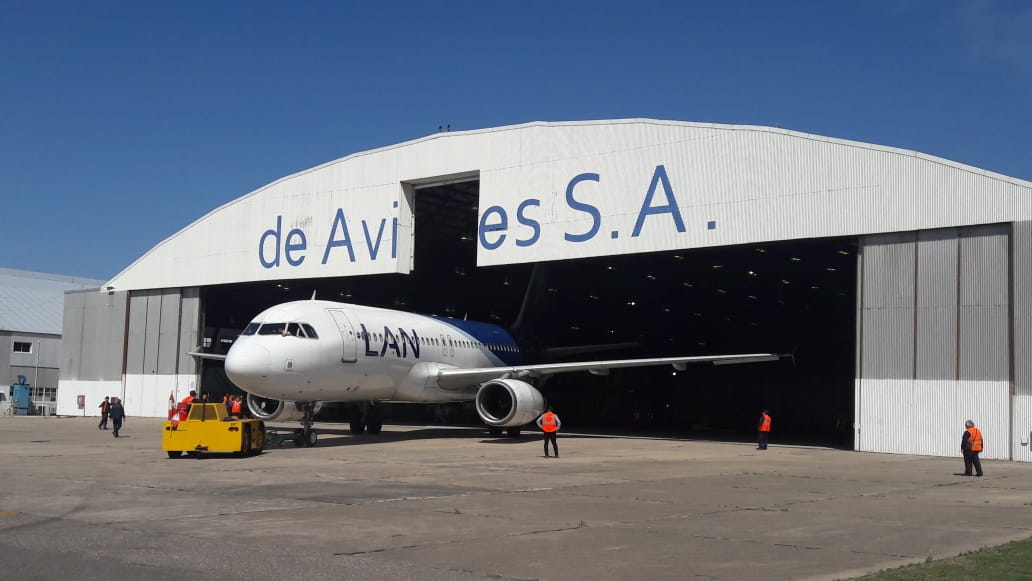
La Fábrica Argentina de Aviones (FAdeA) recibió este miércoles el primer avión Airbus A320-200 de la aerolínea Latam Argentina Airlines, que recibirá mantenimiento de la cabina de pasajeros, como así de aeronaves de Etihad Airways.

FAdeA inició un ciclo de trabajo con la aerolínea Flybondi Líneas Aéreas y que permitirá ampliar la oferta y potencial de la industria aeronáutica a los requerimientos de diferentes firmas sus servicios y prestaciones. La firma Etihad Engineering de Abu Dhabi, Emiratos Árabes Unidos, mantendrá un acuerdo para la realización del mantenimiento de los aviones, reparación y recorrida general de aeronaves pertenecientes a las familias Boeing 737 y Airbus 320. El ingreso del primer Airbus A320-200 de Latam Argentina Airlines permitirá insertarse en el mundo de la ingeniería aeronáutica del mantenimiento de aviones comerciales, un área muy demandada por las líneas aéreas, teniendo en cuenta los costos de enviar aviones al exterior.

FAdeA comunica que tiene previsto incorporar seis aeronaves adicionales en el transcurso de Octubre 2018 para el mantenimiento en diferentes requerimientos de las líneas aéreas. Aún así FAdeA se encuentra inmerso en un proceso de aplicación de MRO más pesados, de habilitación para la realización de inspecciones mayores a estas familias de aeronaves. Para la concreción de este contrato, se debió capacitar personal, adquirir nuevas herramientas especiales y adecuar instalaciones, con el objetivo de brindar un servicio según los estándares internacionales que la industria aeronáutica..

FAdeA tiene como cliente inicial a la firma Flybondi Líneas Aéreas para el mantenimiento de la flota de Boeing 737-800. La industria aeronáutica espera incrementar los acuerdos de MRO con diferentes compañías aéreas de Argentina y el exterior. Además, la fábrica argentina ha efectuado diferentes contratos de mantenimientos en el ámbito militar.  AIRWAYS® AW-Icon TXT

No hay texto alternativo automático disponible.

FAdeA begins MRO commercial aircraft

FAdeA began to perform maintenance on A320 aircraft from Latam Argentina

The Argentine Aircraft Factory (FAdeA) received on Wednesday the first Airbus A320-200 aircraft of the airline Latam Argentina Airlines, which will receive maintenance of the passenger cabin, as well as Etihad Airways aircraft.

FAdeA started a work cycle with the airline Flybondi Líneas Aéreas and that will allow the aeronautical industry to offer more and more potential to the requirements of different firms for its services and benefits. The firm Etihad Engineering of Abu Dhabi, United Arab Emirates, will maintain an agreement for the maintenance of the aircraft, repair and general tour of aircraft belonging to the Boeing 737 and Airbus 320 families. The entry of the first Airbus A320-200 from Latam Argentina Airlines will allow insertion in the world of aeronautical engineering of commercial aircraft maintenance, an area in high demand by airlines, taking into account the costs of sending planes abroad.

Resultado de imagen para Etihad Engineering FAdeA

FAdeA communicates that it plans to incorporate additional aircraft during the course of October 2018 for the maintenance of different airline requirements. Even so, FAdeA is immersed in a process of application of heavier MROs, enabling the realization of major inspections of these aircraft families. For the realization of this contract, it was necessary to train personnel, acquire new special tools and adapt facilities, with the aim of providing a service according to international standards that the aeronautical industry.

FAdeA has the initial client Flybondi Líneas Aéreas for the maintenance of the Boeing 737-800 fleet. The aeronautical industry expects to increase MRO agreements with different airlines in Argentina and abroad. In addition, the Argentine factory has made different maintenance contracts in the military field. A \ W


Ξ A I R G W A Y S Ξ
SOURCE: Airgways.com
DBk: Fadeasa.com.ar / Argentina.gob.ar / Argentina.gob.ar/Defensa
AW-POST: 201810041610AR

A\W   A I R G W A Y S ®