Acuerdo Delta-WestJet formar aerolínea

Resultado de imagen para Delta Airlines Atlanta Hartsfield

AW | 2017 12 08 15:10 | AIRLINES ALLIANCE

Resultado de imagen para delta air lines logoDelta Air Lines y WestJet Airlines han acordado crear una línea aérea conjunta

Delta Air Lines Inc. y Westjet Airlines Ltd. han avanzado en la Resultado de imagen para westjet logoformulación de una nueva compañía transfronteriza que incrementará las conexiones entre Canadá y Estados Unidos.

Delta y Westjet han celebrado un Memorándum de Entendimiento (MoU) preliminar sobre su intención de profundizar su asociación existente para formalizar una nueva aerolínea donde los pasajeros tengan acceso a una extensa red de servicios transfronterizo maximizando las ventajas de servicios en aeropuertos y experiencias hacia el pasajero.

Los aspectos más destacados del acuerdo para la nueva aerolínea conjunta planificada, estará sujeta a aprobaciones de la junta, la ejecución de acuerdos definitivos y las aprobaciones reglamentarias aplicables en los Estados Unidos y Canadá.

El enfoque de la nueva aerolínea transnacional se focalizará en varios aspectos: Coordinación de horarios de vuelos para nuevos vuelos sin escalas a nuevos destinos, mayor compartición de códigos y conexiones perfectas y convenientes en las extensas redes de las aerolíneas en los EEUU y Canadá. Beneficios de viajero frecuente mejorados que incluyen beneficios recíprocos para los miembros de nivel superior de ambas aerolíneas.

«Con su fuerte marca y cultura centrada en los empleados y los clientes, WestJet es el socio perfecto para nosotros en el segmento transfronterizo de EEUU/Canadá y juntos produciremos excelentes resultados para nuestros respectivos empleados, clientes e inversores. Esperamos con interés la aplicación de la experiencia de Delta en la creación de asociaciones de empresas conjuntas exitosas para este importante segmento de viajes transfronterizos, el segundo segmento internacional más grande para viajes de Estados Unidos», dijo Steve Sear, Presidente de Delta Air Lines.

«Este acuerdo traerá una mayor competencia y una oferta de productos enriquecidos al segmento transfronterizo, y ambos beneficiarán a nuestros huéspedes. Este es un paso importante en la misión de WestJet de convertirse en una aerolínea global. Estamos encantados de trabajar con la principal aerolínea estadounidense, Delta Air Lines, en esta empresa conjunta», dijo Ed Sims, Vicepresidente Ejecutivo Comercial de WestJet Airlines.

Delta tiene una trayectoria de 25 años de asociación cercana con aerolíneas de todo el mundo, comenzando con la primera asociación transatlántica exitosa, cuando Northwest y KLM lanzaron su empresa conjunta en 1993. Con este acuerdo, Delta tendrá ocho asociaciones con operadores líderes en el mercado. los segmentos de aviación más grandes del mundo que abarcan Europa, América Latina, Asia, Australia y Canadá. A través de relaciones profundas y empresas conjuntas inmunizadas, Delta ha logrado muchos beneficios de la cooperación transfronteriza para sus clientes.

WestJet, la segunda aerolínea más grande de Canadá actualmente cuenta con 45 aerolíneas asociadas que brindan acceso a más de 175 destinos en más de 20 países. WestJet también ha firmado un acuerdo de compra definitivo para 10 Boeing 787-9 Dreamliners con el primer avión que se espera entregue en enero de 2019. Con una de las flotas más jóvenes de la industria de las aerolíneas, WestJet continúa su crecimiento global mientras controla los costos operativos y proporciona una experiencia de huésped galardonada.  AIRWAYS® AW-Icon TXT

Delta-WestJet agreement form an airline

Delta Air Lines and WestJet Airlines have agreed to create a joint airline

Delta Air Lines Inc. and Westjet Airlines Ltd. have advanced in the formulation of a new cross-border company that will increase connections between Canada and the United States.

Delta and Westjet have entered into a preliminary Memorandum of Understanding (MoU) on their intention to deepen their existing partnership to formalize a new airline where passengers have access to an extensive cross-border service network maximizing the benefits of airport services and passenger experiences. .

The highlights of the agreement for the new planned joint airline will be subject to board approvals, execution of final agreements and regulatory approvals applicable in the United States and Canada.

The focus of the new transnational airline will focus on several aspects: Coordination of flight schedules for new nonstop flights to new destinations, better codes sharing and perfect and convenient connections in the extensive networks of airlines in the US and Canada. Improved frequent flyer benefits that include reciprocal benefits for senior members of both airlines.

«With its strong brand and culture focused on employees and customers, WestJet is the perfect partner for us in the cross-border US/Canada segment and together we will produce excellent results for our respective employees, customers and investors. Delta’s experience in creating successful joint ventures for this important cross-border travel segment, the second largest international travel segment in the United States», said Steve Sear, President of Delta Air Lines.

«This agreement will bring increased competition and an offer of enriched products to the cross-border segment, and both will benefit our guests. This is an important step in WestJet’s mission to become a global airline. We are delighted to be working with the leading US airline, Delta Air Lines, in this joint venture», said Ed Sims, Executive Vice President, Commercial, WestJet Airlines.

Delta has a 25-year history of close association with airlines around the world, beginning with the first successful transatlantic partnership, when Northwest and KLM launched their joint venture in 1993. With this agreement, Delta will have eight partnerships with market-leading operators . the world’s largest aviation segments covering Europe, Latin America, Asia, Australia and Canada. Through deep relationships and immunized joint ventures, Delta has achieved many benefits of cross-border cooperation for its clients.

WestJet, Canada’s second largest airline, currently has 45 member airlines that provide access to more than 175 destinations in more than 20 countries. WestJet has also signed a definitive purchase agreement for 10 Boeing 787-9 Dreamliners with the first aircraft expected to be delivered in January 2019. With one of the youngest fleets in the airline industry, WestJet continues its global growth while controlling Operating costs and provides an award-winning guest experience. A \ W


Ξ A I R G W A Y S Ξ
SOURCE:  Airgways.com
DBk: Financialpost.com / Delta.com
AW-POST: 201712081510AR

A\W   A I R G W A Y S ®

Azul acelera la renovación de su flota

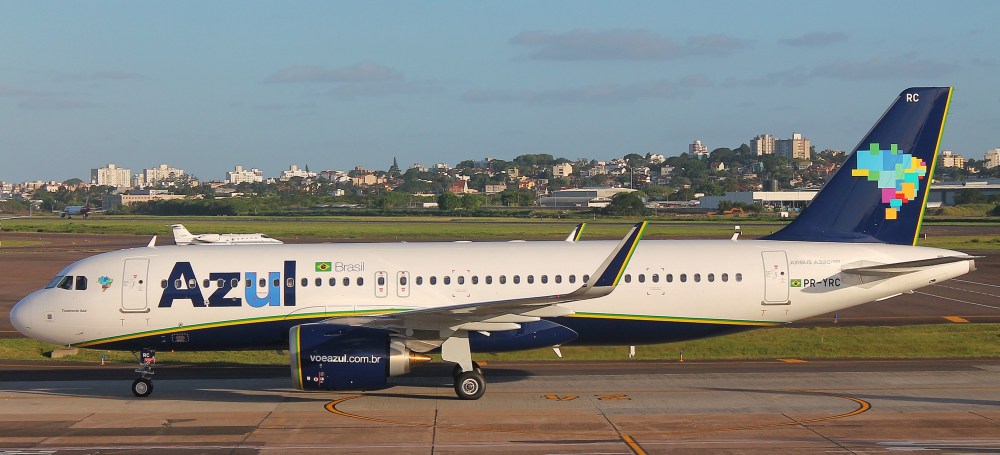
A320neo_Azul_SBPA_(31500553833).jpg

AW | 2017 12 08 14:37 | AIRLINES

Azul Linhas AereasAzul Linhas Aéreas iniciará una actualización de flota y reducción de gastos de arrendamiento

Azul Linhas Aéreas Brasileiras comenzará a reducir el número de aviones Embraer E190-100AR en su flota y reemplazarlos por la segunda generación los E-195 E2 y Airbus A320NEO‘s.

La aerolínea brasileña ha iniciado el plan de reemplazo de aeronaves regionales Embraer E190 más antiguos de su flota, por lo que paga arrendamientos desproporcionadamente altos, ya que aseguró esas aeronaves al comienzo de sus operaciones, sin tener un historial financiero.

Los Embraers más antiguos serán reemplazados con A320NEO’s y E-195 E2s, de los cuales Azul ha ordenado treinta unidades. Para el año 2020, la aerolínea quiere retirar todos los Embraers de primera generación, dijo durante la llamada, a fin de utilizar mejor su limitado grupo de pilotos y limitar el costo unitario.

La flota actual de Azul Linhas Aéreas es de diez E-190-100AR con una edad promedio de 8.7 años. A excepción de una máquina de 7.8 años, todas las demás tienen más de ocho años. Los aviones regionales se alquilan a Falko Regional Aircraft , Nordic Aviation Capital y Macquarie AirFinance. La aerolínea también opera una flota de sesenta E-195-100AR/LR, de los cuales cinco tienen más de ocho años.

Azul ha ordenado treinta y cinco A320NEO’s directamente con el fabricante y otros veintiocho de arrendadores financieros. La aerolínea podría estar buscando aumentar el pedido, con la esperanza de obtener mejores tasas de arrendamiento dada su baja deuda y buena posición financiera, o simplemente para acelerar las entregas de la aeronave ya ordenada.  AIRWAYS® AW-Icon TXT

Azul-Embraer-Commercial-Jet-Lowest-Cost-Carrier-Globally-2015.jpg

Azul accelerates the renewal of its fleet

Azul Linhas Aéreas will initiate a fleet upgrade and reduction of lease expenses

Azul Linhas Aéreas Brasileiras will begin to reduce the number of Embraer E190-100AR aircraft in its fleet and replace them with the second generation E-195 E2 and Airbus A320NEO‘s.

The Brazilian airline has begun the plan to replace the older Embraer E190-100AR regional aircraft in its fleet, for which it pays disproportionately high leases, as it secured those aircraft at the beginning of its operations, without having a financial history.

The oldest Embraers will be replaced with A320NEO’s and E-195 E2s, of which Azul has ordered thirty units. By 2020, the airline wants to withdraw all first-generation Embraers, he said during the call, in order to better use its limited group of pilots and limit the unit cost.

The current fleet of Azul Linhas Aéreas is ten E-190 with an average age of 8.7 years. With the exception of a machine of 7.8 years, all others are more than eight years old. Regional aircraft are rented to Falko Regional Aircraft, Nordic Aviation Capital and Macquarie AirFinance. The airline also operates a fleet of sixty E-195-100AR/LR’s, of which five are more than eight years old.

Azul has ordered thirty-five A320NEO’s directly with the manufacturer and twenty-eight other financial lessors. The airline could be looking to increase the order, hoping to obtain better lease rates given its low debt and good financial position, or simply to accelerate deliveries of the already ordered aircraft. A \ W


Ξ A I R G W A Y S Ξ
SOURCE:  Airgways.com
DBk: Voeazul.com.br / Embraer.com / Wikimedia.org
AW-POST: 201712081437AR

A\W   A I R G W A Y S ®

La FAA prohibe baterías no extraíbles en bodegas de aeronaves

AW | 2017 12 08 13:57 | AVIATION SAFTY

Resultado de imagen para FAA logoLas aerolíneas de los EEUU prohibirán el equipaje inteligente con baterías no extraíbles a partir del 15 de Enero 2018

A partir del 15 de Enero 2018, varias aerolíneas importantes prohibirán cualquier equipaje inteligente que cuente con una batería de iones de litio no extraíble en las bodegas de los aviones. Delta Air Lines, American Airlines y Alaska Airlines han emitido pautas similares en la última semana que prohibirán que estas valijas sean revisadas o transportadas a vuelos, y otros están considerando unirse a ellas.

Además, voceros de United Continental y Southwest Airlines dijeron que ambas aerolíneas planean anunciar nuevas políticas para maletas inteligentes. Juntas, estas cinco aerolíneas manejan más del 80% del tráfico aéreo de Estados Unidos.

Los viajeros todavía podrán verificar el equipaje inteligente con baterías extraíbles, siempre que lleven esas baterías consigo en la cabina. El equipaje con baterías extraíbles también será permitido como artículo de mano.

El movimiento para restringir el equipaje con baterías incorporadas fue encabezado por American Airlines y la Asociación Internacional de Transporte Aéreo con el fin de disminuir el riesgo de incendios causados ​​por baterías de iones de litio.

Baterías de litio
Las aerolíneas han prohibido previamente productos como hoverboards y el Samsung Galaxy Note 7 por preocupaciones de posibles incendios a bordo. Otras compañías que fabrican equipaje inteligente con baterías extraíbles, como Away, están tomando una línea más suave en respuesta a las noticias. Los productos de Away no se ven afectados por la nueva prohibición de American Airlines o cualquiera de las otras aerolíneas. Las nuevas políticas están prohibiendo el equipaje con baterías no extraíbles, y como cada Away Carry-On tiene una batería extraíble, no nos afecta. En una publicación en el sitio web de Bluesmart, la compañía dice que ha organizado reuniones con las principales aerolíneas del mundo en un intento de crear una exención para su producto.

La FAA ya está preocupada por las baterías de litio en las bodegas. Si bien permite llevar en el equipaje de bodega cosas como las computadoras portátiles, sugiere que se las coloque en bolsos de mano. También requiere que todas las baterías de litio de repuesto viajen únicamente en el equipaje de mano con los pasajeros. «La acción de las aerolíneas es consistente con nuestra guía de no llevar baterías de iones de litio en la bodega de carga», dijo la portavoz de FAA, Laura Brown.  AIRWAYS® AW-Icon TXT

Imagen relacionada

Prohibition of non-removable batteries in holds

US airlines will prohibit smart luggage with non-removable batteries as of January 15, 2018

As of January 15, 2018, several major airlines will prohibit any smart baggage that has a non-removable lithium-ion battery in the holds of the aircraft. Delta Air Lines, American Airlines and Alaska Airlines have issued similar guidelines in the last week that will prohibit these bags from being checked or transported to flights, and others are considering joining them.

In addition, spokespersons from United Continental and Southwest Airlines said both airlines plan to announce new policies for smart bags. Together, these five airlines handle more than 80% of the air traffic in the United States.

Travelers can still check smart luggage with removable batteries, as long as they carry those batteries with them in the cabin. Luggage with removable batteries will also be allowed as a hand-held item.

The movement to restrict baggage with built-in batteries was spearheaded by American Airlines and the International Air Transport Association in order to reduce the risk of fires caused by lithium-ion batteries.

Lithium batteries
Airlines have previously banned products such as hoverboards and the Samsung Galaxy Note 7 due to concerns of possible fires on board. Other companies that manufacture smart luggage with removable batteries, such as Away, are taking a softer line in response to the news. Away products are not affected by the new ban on American Airlines or any of the other airlines. The new policies are banning luggage with non-removable batteries, and since every Away Carry-On has a removable battery, it does not affect us. In a publication on the Bluesmart website, the company says it has organized meetings with the world’s leading airlines in an attempt to create an exemption for its product.

The FAA is already concerned about lithium batteries in the warehouses. While it allows you to carry things such as laptops in your hold luggage, suggest that you place them in handbags. It also requires that all spare lithium batteries travel only in carry-on luggage with passengers. «The action of the airlines is consistent with our guidance not to carry lithium-ion batteries in the cargo hold», said FAA spokeswoman Laura Brown. A \ W


Ξ A I R G W A Y S Ξ
SOURCE:  Airgways.com
DBk: Faa.gov / Travelandleisure.com
AW-POST: 201712081357AR

A\W   A I R G W A Y S ®

Temporal nieve afecta vuelos en Atlanta

AW | 2017 12 08 12:45 | AIR TRAFFIC

Las aerolíneas aplicarían tafifa de cambio por temporal en EEUU

Las cuatro aerolíneas más grandes de EEUU, American, Delta, Southwest y United, pusieron en vigencia las exenciones relacionadas con el clima el jueves, aplicando las tarifas de cambio por el temporall de nieve. JetBlue y Frontier también agregaron políticas de cambio de reserva flexibles para vuelos de Atlanta. Las exenciones cubren los vuelos del viernes hacia o desde Atlanta, que se esperaba que viera una mezcla de nieve y lluvia durante el día.

El clima desordenado estaba teniendo un impacto modesto en los vuelos. A las 08:20 a.m. (EEUU), alrededor de 160 vuelos habían sido cancelados en el Aeropuerto de Atlanta, según el servicio de rastreo de vuelos FlightAware. Eso representó aproximadamente el 5% del horario de todo el día en el aeropuerto, el más activo del mundo.

El Servicio Meteorológico Nacional tenía un aviso de clima invernal para un área que incluía el aeropuerto. El aviso advirtió sobre «períodos de nieve o lluvia mezclados con nieve», diciendo que podrían ocurrir acumulaciones irregulares de una pulgada en áreas cubiertas de hierba. Algunas partes del área metropolitana de Atlanta podían ver hasta dos pulgadas húmedas de nieve, aunque eso era muy probable en los suburbios del norte de la ciudad. El aeropuerto se encuentra al sur de la ciudad. El clima podría ocasionar congestionamientos del tráfico aéreo y persista una tasa de demoras y cancelaciones superiores a la media durante todo el día.

Entre las políticas de reserva flexible de las aerolíneas, Delta Air Lineas fue especialmente notable. Es de lejos el operador dominante en Atlanta, donde tiene su centro más activo. La aerolínea conecta a miles de pasajeros a través del aeropuerto todos los días a diferentes partes de EEUU y el mundo.

En general, los detalles precisos de cambio de reserva variaron según la aerolínea. En general, a los clientes elegibles se les permitió realizar un cambio en sus itinerarios sin pagar las tarifas de cambio estándar que pueden costar US$ 200 o más por pasajero. Los clientes de las aerolíneas más grandes pudieron trasladar sus vuelos hasta las últimas horas del lunes (11 de diciembre) sin costo alguno, aunque los clientes deben consultar a su aerolínea específica para conocer las restricciones que rigen sus itinerarios. Para los pasajeros que desean trasladar sus vuelos a fechas que van más allá de las ventanas de reserva, la mayoría permitía a los clientes aplicar el valor total de su boleto restante a uno nuevo reservado.

El temporal se ha extendido a zonas como el Estado de Texas. La ciudad de Corpus Christi en Texas también tuvieron cancelaciones por encima del promedio el viernes después de la primera gran nevada en más de una década. AIRWAYS® AW-Icon TXT

Resultado de imagen para snow affects flights Atlanta

Temporary snow affects flights in Atlanta

Airlines would apply exchange rate for temporary in the US

The four largest airlines in the US, American, Delta, Southwest and United, put into effect the weather-related exemptions on Thursday, applying the exchange rates for the snow season. JetBlue and Frontier also added flexible reservation change policies for Atlanta flights. The exemptions cover flights on Friday to or from Atlanta, which was expected to see a mix of snow and rain during the day.

The disorganized climate was having a modest impact on flights. At 08:20 a.m. (US), about 160 flights had been canceled at Atlanta Airport, according to FlightAware flight tracking service. That represented approximately 5% of the all-day schedule at the airport, the busiest in the world.

The National Meteorological Service had a winter weather warning for an area that included the airport. The notice warned of «periods of snow or rain mixed with snow», saying irregular 1-inch accumulations could occur in grassy areas. Some parts of the Atlanta metropolitan area could see up to two inches of wet snow, although that was very likely in the northern suburbs of the city. The airport is located south of the city. The weather could cause air traffic congestion and a higher than average rate of delays and cancellations throughout the day.

Among the airline’s flexible booking policies, Delta Air Lines was especially notable. He is by far the dominant operator in Atlanta, where he has his most active center. The airline connects thousands of passengers through the airport every day to different parts of the US and the world.

In general, the precise details of change of reservation varied according to the airline. In general, eligible customers were allowed to make a change to their itineraries without paying the standard change rates that may cost US$ 200 or more per passenger. Customers of the largest airlines were able to move their flights until the last hours of Monday (December 11) at no cost, although customers must consult their specific airline to know the restrictions that govern their itineraries. For passengers wishing to move their flights to dates that go beyond the reservation windows, most allowed customers to apply the total value of their remaining ticket to a new reserved one.

The storm has spread to areas such as the State of Texas. The city of Corpus Christi in Texas also had above-average cancellations on Friday after the first major snowfall in more than a decade. A \ W


Ξ A I R G W A Y S Ξ
SOURCE:  Airgways.com
DBk: Businessinsider.com / Andrew Gombert
AW-POST: 201712081245AR

A\W   A I R G W A Y S ®

Boeing entrega 1er B777-200F a Turkish

AW | 2017 12 08 12:13 | INDUSTRY

Boeing%20logo[1].jpgBoeing y Turkish Airlines celebran el primer carguero 777 de la aerolínea

Turkish_Airlines-logo-B8C0CDB0D3-seeklogo.comBoeing y Turkish Airlines celebraron hoy la entrega del primer Boeing 777-200F (Carguero) de la aerolínea, el carguero bimotor de mayor alcance del mundo. El avión y un segundo carguero en orden ayudarán a la aerolínea a expandir su negocio de carga.

Boeing, Turkish Airlines celebró la entrega del primer 777 Carguero del transportista. El avión se ve aquí llegando a Estambul.

«La entrega de nuestro primer 777 Carguero es un evento clave en nuestro negocio de carga», dijo el Sr. İlker Aycı, Presidente de la Junta y el Comité Ejecutivo de Turkish Airlines. «Como una sub-marca destacada de Turkish Airlines, Turkish Cargo aumentó sus destinos de cargueros atendidos de 55 a 73 desde el comienzo de este año, alcanzando aproximadamente un millón de toneladas de carga con un aumento del 29 por ciento. Es indudable que esto es un éxito notable. Estamos seguros de que esta entrega significativa, que aportará un gran valor a nuestras operaciones de carga en rápido crecimiento, también permitirá a nuestra submarca líder competir, expandirse y llegar a nuevos destinos de corto y largo alcance desde nuestro centro en Estambul».

«Nos sentimos honrados de entregar el 777 Freighter a Turkish Airlines», dijo Marty Bentrott, Vicepresidente Senior de Ventas, Medio Oriente, Turquía, Rusia, Asia Central y África, Boeing Commercial Airplanes. «La capacidad de alcance de este avión, combinada con su capacidad de carga mejorada, lo convierte en un avión perfecto para que Turkish Airlines continúe creciendo rentablemente su servicio de carga global».

El 777 Freighter se basa en el avión de pasajeros 777-200LR (Long Range) y puede volar 4.900 millas náuticas (9.070 kilómetros) con una carga útil completa de 112 toneladas (102 toneladas métricas o 102,000 kg).

Con sede en Estambul, Turkish Airlines es una de las aerolíneas de más rápido crecimiento en el mundo. Transporta más de 60 millones de pasajeros al año, con vuelos directos a 300 destinos en 120 países. La aerolínea hizo su primer vuelo nacional en 1933 y el primer vuelo internacional en 1947. Turkish Airlines se fundó en 1933 con una flota de cinco aviones que transportaban un total de 28 pasajeros, y ahora se expande a 329 aviones.  AIRWAYS® AW-Icon TXT

Boeing delivers 1st B777-200F to Turkish

Boeing, Turkish Airlines Celebrate the Airline’s First 777 Freighter

Boeing and Turkish Airlines celebrated the delivery today of the airline’s first Boeing 777-200F (Freighter), the world’s longest-range twin-engine freighter. The airplane and a second freighter on order will help the airline expand its cargo business.

Boeing, Turkish Airlines celebrated the delivery of carrier’s first 777 Freighter. The airplane is seen here arriving to Istanbul.

«The delivery of our first 777 Freighter is a milestone event in our cargo business», said Mr. İlker Aycı, Chairman of the Board and the Executive Committee, Turkish Airlines. «As a prominent sub-brand of Turkish Airlines, Turkish Cargo increased its freighter destinations served from 55 to 73 from the beginning of this year, reaching approximately one million tons of cargo with a 29 percent increase. It is surely beyond doubt that this is a remarkable success. We’re sure that this significant delivery, which will bring great value to our rapidly growing cargo operations, will also enable our leading sub-brand to further compete, expand and reach new short and long-range destinations from our hub in Istanbul».

«We are honored to deliver the 777 Freighter to Turkish Airlines», said Marty Bentrott, Senior Vice President of Sales, Middle East, Turkey, Russia, Central Asia and Africa, Boeing Commercial Airplanes. «This aircraft’s range capability, combined with its enhanced cargo capacity, makes it a perfect airplane for Turkish Airlines to continue to profitably grow its global cargo service».

The 777 Freighter is based on the 777-200LR (Longer Range) passenger airplane and can fly 4,900 nautical miles (9,070 kilometers) with a full payload of 112 tons (102 metric tonnes or 102,000 kg).

Based in Istanbul, Turkish Airlines is one of the fastest growing airlines in the world. It carries over 60 million passengers a year, with direct flights to 300 destinations in 120 countries. The airline made its first domestic flight in 1933 and the first international flight in 1947. Turkish Airlines was founded in 1933 with a fleet of five airplanes that carried a total of 28 passengers, expanding to 329 aircraft today. A\W


Ξ A I R G W A Y S Ξ
SOURCE:  Airgways.com
DBk: Boeing.com
AW-POST: 201712081213AR

A\W   A I R G W A Y S ®

Retroceso en la aviación en Venezuela

AW | 2017 12 08 03:55 | AIRLINES MARKET

La aviación comercial en la República de Venezuela sufre por el escenario político-económico

El presidente ejecutivo de la Asociación de Líneas Aéreas Venezolanas (ALAV), Humberto Figuera, indicó que «cada vez que un avión cubre una ruta nacional ya pierde dinero porque mover el avión en una ruta de media hora le puede costar 10 o 12 millones de bolívares pero cuando vende los boletos recauda dos o tres millones».

Asimismo manifestó este jueves, que tal situación ya se había advertido y ocurrió porque no se tomaron las medidas adecuadas. En ese sentido, destacó que antes las líneas tenían hasta 20 rutas diarias, hoy solo tienen cuatro o hasta una semanal.

El presidente ejecutivo de ALAV subrayó que la disminución de las rutas aéreas nacionales es producto del control que ha establecido el Gobierno del Presidente de la República de Venezuela, Nicolás Maduro, sobre las tarifas de los vuelos.

IATA Venezuela

Por otro lado, la noticia sobre el levantamiento de las oficinas de la IATA en Venezuela, no hace otra cosa que aislar a la aviación de los recursos disponibles. Las operaciones de las aerolíneas y agencias de viajes se realizarán ahora vía electrónica. Para el envío de los reportes estadísticos u otros datos, lo harán con destino a Centroamérica y no IATA.

A partir del 31 de Enero de 2018, IATA operará desde Panamá tras anunciar este martes el cese de operaciones en Venezuela por el complejo escenario económico y político del país.

Retroceso aviación venezolana

El transporte público en Venezuela ha colapsado por falta de repuestos y combustible en el caso de los aviones, lo que ha puesto al país al borde de una parálisis peligrosa por tierra, mar y aire, que tiende a agravarse.

Unas doce aerolíneas han cesado sus operaciones en Venezuela desde 2014: Aerolíneas Argentinas, Air Canada, United Airlines, Alitalia, Delta Airlines, Avianca, Aeroméxico, Lufthansa, Gol Linhas Aéreas, Dynamic Airways, Inselair y Latam Airlines. Las aerolíneas también han reclamado al régimen de Venezuela el pago de una deuda de US$ 3.000 millones de dólares que nunca se ha saldado.

En los últimos meses, muchas aerolíneas internacionales también han dejado de repostar en el Aeropuerto Simón Bolívar de Maiquetía por fallos en el suministro de combustible y ahora lo hacen en Aruba.

En el éxodo de empresas e instituciones pone en jaque a la industria de la aviación. El caos aeronáutico se ha ampliado con una resolución oficial de suspender este martes el abastecimiento de combustible a los aviones en el aeropuerto de Barcelona, lo que ha dejado paralizado el tráfico aéreo nacional en el Este de Venezuela.

La escasez de combustible aeronáutico se debe a que el mayor complejo refinador de Venezuela en Amuay y Cardón (Estado de Falcón) redujo sus operaciones y procesa crudo a un 13% de su capacidad instalada tras registrarse nuevos incidentes en algunas de sus unidades, informó un líder sindical el martes, que citó una información interna de la petrolera estatal PDVSA.

La caída de las ventas en el mercado nacional, a pesar de la ola de venezolanos que buscan emigrar al exterior por la crisis económica y política, está afectando las arcas de las aerolíneas nacionales. La economía nacional ha caído un 12% entre Enero-Septiembre 2017. Según el Parlamentario José Guerra, «hemos pasado de la contracción, a la depresión y la recesión», afirma.

En efecto, debido al retiro de algunas compañías aéreas que operaban con aviones propios, desde los principales aeropuertos del país, se ha vuelto cada vez más evidente el deterioro del servicio aeroportuario, un problema coyuntural de Venezuela.

El número de butacas en vuelos semanales de aerolíneas internacionales disminuyó 63% en 4 años según cifras manejadas por la Asociación, dado que para el 2013 las cifras superaban los 352 vuelos disponibles en aerolíneas internacionales cada semana, sin embargo la frecuencia cayó a 121 para el segundo semestre de 2017. El parque aéreo de las aerolíneas venezolanas también está colapsando. De los 114 aviones que componen la flota aérea en Venezuela, sólo 35 aeronaves se encuentran totalmente operativas, informó Humberto Figuera.

Resultado de imagen para lineas aereas de venezuela

Aerolíneas venezolanas

Las catorce líneas aéreas que actualmente operan en Venezuela, existe un inventario que estremece por los informes de seguridad. La flota de aeronaves activas son informadas al 15 Julio 2017.

AeroAndinas tiene una aeronave operativa, Jetstream J31, con una edad promedio de 28 años.

Aeropostal tiene seis aeronaves MD-82, con una edad promedio de 26,8 años, de los cuales solo una aeronave se encuentra operativa.

Albatros Airlines posee seis aviones Embraer E-120, Cessna 208 y Boeing 737-500 con una edad promedio de 18,1 años. Mantiene en operaciones cuatro aviones y dos se encuentran en tierra.
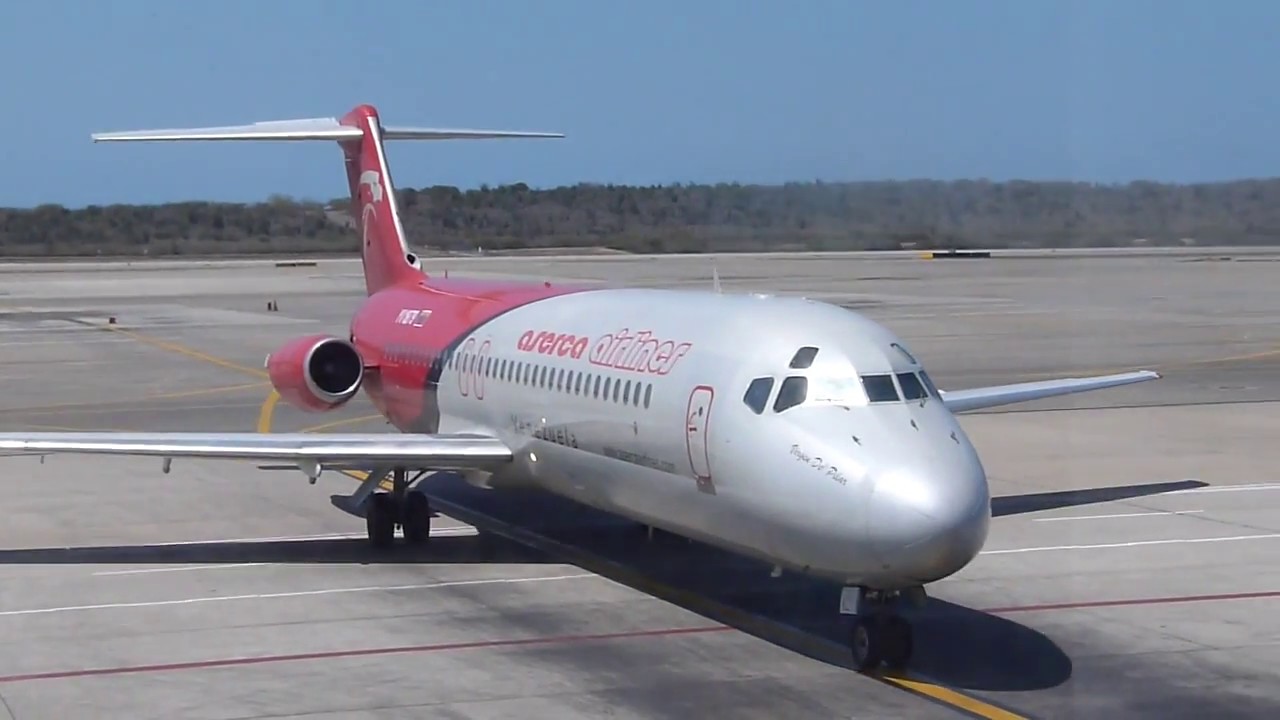
Resultado de imagen para Aserca Airlines

Aserca Airlines emplea 15 aeronaves MD-82 y MD-83 con una edad promedio de 25,2 años. De los 15 aviones de la flota, solamente están activos cuatro.

Avior Airlines tiene un parque aeronáutico de 24 aviones Airbus A340, Boeing 737-200, 300 y 500, y Fokker 50, con una edad promedio de 28 años. Del total de la flota solo diez entán volando. Actualmente está sufriendo los efectos del aislamiento en la región. La EASA de Europa le ha prohibido volar al viejo continente. Aruba también ha informado en esta semana la negación a volar a la isla.

Conviasa tiene una flota de 24 aviones: A340, Embraer E190 y Cessna 208B Caraban, con una edad promedio de sus aviones de 11,3 años. La flota activa es de 16 aviones (45,76%) y en mantenimiento de 24. La canibalización ha imperado ante la falta de divisas par ala compra de material aeronáutico.

Estelar Latinoamérica tiene seis aeronaves Boeing 737-200/300 con una edad promedio de 30 años. Tres aviones estánoperativos.

Laser Airlines tiene 12 MD81/MD-82 en su flota con una edad promedio de 26 años, y la mitad de la flota (6) en tierra.

Línea Turística Aéreotuy emplea tres aviones: ATR-42-300 y Dash 7, teniendo una edad promedio de 28 años. Posee dos fuera de actividad.

Perla Airlines tiene dos aviones MD-82/MD-83 con una edad promedio de 27,5 años. El toal de la flota se encuentra fuera de servicio.

SBA Airlines posee cuatro aviones Boeing 757/767 con una edad promedio de 26,2 años y se encuentran fuera de servicio dos aviones.

Rutaca Airlines tiene unos seis aviones Boeing 737-200/300 con una edad promedio de 33 años. La totalidad de las aeronaves se encuentran fuera de servicio. Las operaciones fueron suspendidas al 10 de Julio de 2017.

ravsa

Ravsa Venezolana posee seis aviones Boeing 737-200 y MD-82 con una edad promedio de 30 años, quedando operativas dos aeronaves.

Turpial Airlines posee una flota de tres aviones Boeing 737-400 con una edad promedio de 24 años. Todos su aviones se encuentran activos.

La flota total activa en Venezuela son de 54 aeronaves que representan un 45,76%. En mantenimiento programado o no programada: 59 aviones (50,84%). Long Term Storage: 3 Aviones (Laser Airlines) 2,54%. Un 1% representa al avión presidencial Embraer Lineage 1000 (0.82%).

Las aerolíneas de carga que operan en Venezuela son tres, que también tienen dificultades para su subsistencia.

Solar Cargo posee una flota de un avión DC-10-30 con una edad promedio de 34,8 años, se encuentra operativo.

Transcarga International Airways posee un aflota de cuatro aviones A300 B4F, Cessna402A-F, Embraer E120, con una edad promedio de 30 años, un solo avión operativo.

Vensecar Internacional tiene una flota de tres aeronaves ATR-42F y Boeing 737-400F con una edad promedio de 30 años. Todas sus aeronaves se encuentran activas.

Actualmente Venezuela no tiene permisos de nuevas Certificaciones de Registros de Aeronaves.

La gravedad de la crisis en la aviación golpea a toda la industria pues tiene un efectos colaterales en la industria del turismo y negocios. El égimen de aislamiento coloca a las líneas venezolanas en franco retroceso en el mundo de la aviación, un mundo que supo distinguirse la otrora aviación comercial venezolana. AIRWAYS® AW-Icon TXT

Retreat in aviation in Venezuela

Commercial aviation in the Republic of Venezuela suffers from the political-economic scenario

The executive president of the Venezuelan Airlines Association (ALAV), Humberto Figuera, indicated that «every time a plane covers a national route it loses money because moving the plane in a half hour route can cost 10 or 12 million bolivars, but when sell tickets collect two or three million».

He also said on Thursday, that such a situation had already been noticed and occurred because the appropriate measures were not taken. In this regard, he stressed that before the lines had up to 20 daily routes, today they only have four or even one weekly.

The executive president of ALAV stressed that the decrease in national air routes is a product of the control established by the Government of the President of the Republic of Venezuela, Nicolás Maduro, on flight rates.

IATA Venezuela

On the other hand, the news about the lifting of the IATA offices in Venezuela, does nothing but isolate aviation from the available resources. The operations of airlines and travel agencies will now be carried out electronically. For sending statistical reports or other data, they will do so to Central America and not IATA.

As of January 31, 2018, IATA will operate from Panama after announcing on Tuesday the cessation of operations in Venezuela due to the country’s complex economic and political scenario.

Recoil Venezuelan aviation

Public transport in Venezuela has collapsed due to lack of spare parts and fuel in the case of airplanes, which has put the country on the verge of dangerous paralysis by land, sea and air, which tends to worsen.

Some twelve airlines have ceased operations in Venezuela since 2014: Aerolineas Argentinas, Air Canada, United Airlines, Alitalia, Delta Airlines, Avianca, Aeromexico, Lufthansa, Gol Linhas Aéreas, Dynamic Airways, Inselair and Latam Airlines. The airlines have also claimed to the Venezuelan regime the payment of a debt of US $ 3,000 million that has never been paid.

In recent months, many international airlines have also stopped refueling at Simón Bolívar Airport in Maiquetía due to fuel supply failures and now they do so in Aruba.

The exodus of companies and institutions jeopardizes the aviation industry. The aeronautical chaos has been extended with an official resolution to suspend the supply of fuel to planes at the Barcelona airport on Tuesday, which has paralyzed national air traffic in eastern Venezuela.

The shortage of aeronautical fuel is due to the fact that the largest refining complex in Venezuela in Amuay and Cardón (Falcon State) reduced its operations and processes crude to 13% of its installed capacity after registering new incidents in some of its units, reported a union leader on Tuesday, who cited internal information from state oil company PDVSA.

The drop in sales in the domestic market, despite the wave of Venezuelans seeking to emigrate abroad due to the economic and political crisis, is affecting the coffers of national airlines. The national economy has fallen by 12% between January-September 2017. According to Parliamentarian José Guerra, «we have gone from contraction, to depression and recession», he says.

In fact, due to the withdrawal of some airlines operating with their own aircraft, from the main airports in the country, it has become increasingly evident the deterioration of the airport service, a short-term problem in Venezuela.

The number of seats on weekly flights of international airlines decreased 63% in 4 years according to figures handled by the Association, given that by 2013 the figures exceeded the 352 flights available on international airlines each week, however the frequency fell to 121 for the Second semester of 2017. The Venezuelan airline air fleet is also collapsing. Of the 114 aircraft that make up the air fleet in Venezuela, only 35 aircraft are fully operational, reported Humberto Figuera.

Venezuelan Airlines

The fourteen airlines that currently operate in Venezuela, there is an inventory that shudders by security reports.

AeroAndinas has an operational aircraft, Jetstream J31, with an average age of 28 years.

Aeropostal has six MD-82 aircraft, with an average age of 26.8 years, of which only one aircraft is operational.

Albatros Airlines has six aircraft Embraer E-120, Cessna 208 and Boeing 737-500 with an average age of 18.1 years. It keeps four aircraft in operation and two are on the ground.

Aserca Airlines employs 15 aircraft MD-82 and MD-83 with an average age of 25.2 years. Of the 15 aircraft in the fleet, only four are active.

avior.jpg

Avior Airlines has an aeronautical park with 24 aircraft Airbus A340, Boeing 737-200, 300 and 500, and Fokker 50, with an average age of 28 years. Of the total fleet only ten are flying. He is currently suffering the effects of isolation in the region. The EASA of Europe has forbidden it to fly to the old continent. Aruba has also reported this week the refusal to fly to the island.

Resultado de imagen para conviasa

Conviasa has a fleet of 24 aircraft: A340, Embraer E190 and Cessna 208B Caraban, with an average age of 11.3 years. The active fleet is 16 aircraft (45.76%) and maintenance of 24. The cannibalization has prevailed in the absence of foreign exchange for the purchase of aeronautical material.

Estelar Latinoamérica has six Boeing 737-200 / 300 aircraft with an average age of 30 years. Three aircraft are inoperative.

Laser Airlines has 12 MD81 / MD-82 in its fleet with an average age of 26 years, and half of the fleet (6) on land.

Línea Turística Aéreotuy employs three aircraft: ATR-42-300 and Dash 7, having an average age of 28 years. It has two out of activity.

Perla Airlines has two MD-82 / MD-83 aircraft with an average age of 27.5 years. The body of the fleet is out of service.

Boeing_767_SBA_Airlines_(13831042054).jpg

SBA Airlines has four Boeing 757/767 aircraft with an average age of 26.2 years and two aircraft are out of service.

Rutaca Airlines has about six Boeing 737-200 / 300 aircraft with an average age of 33 years. All of the aircraft are out of service. Operations were suspended as of July 10, 2017.

Ravsa Venezolana owns six Boeing 737-200 and MD-82 aircraft with an average age of 30 years, with two aircraft remaining operational.

Turpial Airlines has a fleet of three Boeing 737-400 aircraft with an average age of 24 years. All your aircraft are active.

The total active fleet in Venezuela is 54 aircraft, representing 45.76%. In scheduled or unscheduled maintenance: 59 aircraft (50.84%). Long Term Storage: 3 Aircraft (Laser Airlines) 2.54%. 1% represents the presidential airplane Embraer Lineage 1000 (0.82%).

The cargo airlines that operate in Venezuela are three, which also have difficulties for their subsistence.

Solar Cargo owns a fleet of a DC-10-30 airplane with an average age of 34.8 years, it is operative.

Transcarga Internacional Airways owns an aflota of four A300 B4F aircraft, Cessna402A-F, Embraer E120, with an average age of 30 years, a single operating aircraft.

Vensecar Internacional has a fleet of three ATR-42F and Boeing 737-400F aircraft with an average age of 30 years. All your aircraft are active.

Currently, Venezuela does not have permits for new Certificates of Aircraft Records.

The severity of the crisis in aviation hits the entire industry as it has a side effect in the tourism and business industry. The isolation regime places the Venezuelan lines in backward movement in the world of aviation, a world that distinguished the former Venezuelan commercial aviation. A \ W


Ξ A I R G W A Y S Ξ
SOURCE:  Airgways.com
DBk: Iata.org / Tierradegracia.net / Globovision.com / Informe21.com / Transcarga.aero / Eraldo Ruiz / Descifrado.com
AW-POST: 201712080355AR

A\W   A I R G W A Y S ®

Información descasificada del MH-017

AW | 2017 12 08 01:23 | AVIATION SAFETY / AIR INVERTIGATION

403px-Malaysia_Airlines_Svg_Logo.svg

Ex oficial Fuerzas Armadas de Ucrania desclasifica información sobre derribo del vuelo MH-17 de Malaysia Airlines

El ex comandante de las Fuerzas Armadas de Ucrania, Yury Baturin en Julio de 2014 se desempeñó como comandante de la unidad militar de las fuerzas de misiles antiaéreos A-1215 cerca de Kharkov.

El ex oficial dijo en una entrevista exclusiva con el Canal de Televisión Zvezda que recibió toda la información sobre la situación área en la región. El día del accidente del vuelo MH-017 de Malaysia Airlines, Baturin vio personalmente al avión de pasajeros Boeing 777-200ER matrícula 9M-MRO en los indicadores.

Según el ex oficial de las Fuerzas Armadas de Ucrania, unos días después del accidente, los militares llegaron al puesto de mando cerca de Kharkov, donde se dedicaron a reubicar el 156º Regimiento de misiles antiaéreos en la zona de la aldea de Zaroshchenskoye. Baturin explica que la columna entró en su parte, porque era un punto de tránsito conveniente. En la composición del equipo estaba el Buk SAM. El ex mayor de Fuerzas Armadas de Ucrania dijo que después de eso, comparó los hechos y se dio cuenta de que la marca del vuelo del Boeing MH17 en la pantalla del radar desapareció en el área del misil antiaéreo guiado del sistema de misiles antiaéreos Buk, que incluye el punto permanente del pueblo de Zaroshchensko.

Según Baturin, el Boeing 777-200ER fue derribado por un misil desde el territorio de Ucrania. El testimonio de Baturin coincide con las conclusiones de la comisión de Almaz-Antey Concern, cuyos expertos llevaron a cabo varios experimentos para establecer la verdadera imagen de la tragedia. Almaz-Antey en el otoño de 2016 nombró el punto aproximado de lanzamiento del misil Buk en la aldea de Zaroshchenskoye e incluso hizo monbre del tipo del misil empleado el 9M38. Dicha munición no se ha producido desde 1999 y está en el arsenal de las Fuerzas Armadas de Ucrania. Los estudios realizados comprueban la existencia de impacto del munición BUK del tipo 9N314M1.

MH-017 Malaysia Airlines B777-200ER 9M-MRO.png

Según el ex militar Yuri Baturin, decidió renunciar al ejército ucraniano y trasladarse a Rusia después de la tragedia del MH17. Agregó que era responsable de cada palabra que decía y solo dijo lo que sabía. Ahora el ex mayor de Fuerzas Armadas de Ucrania vive en Rusia.

El avión de pasajeros Boeing 777 de Malaysia Airlines, que operaba MH17 desde Amsterdam a Kuala Lumpur, se estrelló el 17 de julio de 2014 en el este de la región de Donetsk. Como resultado del choque, 283 pasajeros y 15 miembros de la tripulación murieron. AIRWAYS® AW-Icon TXT

Information declassified of the MH-017

403px-Malaysia_Airlines_Svg_Logo.svgFormer officer Armed Forces of Ukraine declassifies information on the downing of MH-17 flight of MAlaysia Airlines

The former commander of the Armed Forces of Ukraine, Yury Baturin in July 2014 served as commander of the military unit of anti-aircraft missile forces A-1215 near Kharkov.

The former official said in an exclusive interview with the TV Channel Zvezda that he received all the information on the situation in the region. On the day of the accident of the flight MH-017 of Malaysia Airlines, Baturin personally saw the passenger plane Boeing 777-200ER registration 9M-MRO on the indicators.

According to the former officer of the Armed Forces of Ukraine, a few days after the accident, the military arrived at the command post near Kharkov, where they relocated the 156th anti-aircraft missile regiment in the area of ​​the village of Zaroshchenskoye. Baturin explains that the column entered his part, because it was a convenient transit point. In the composition of the team was the SAM Buk. The former senior Armed Forces of Ukraine said that after that, he compared the facts and realized that the mark of the flight of the Boeing MH17 on the radar screen disappeared in the area of ​​the guided anti-aircraft missile of the Buk anti-aircraft missile system, which includes the permanent point of the village of Zaroshchensko.

According to Baturin, the Boeing 777-200ER was shot down by a missile from the territory of Ukraine. Baturin’s testimony coincides with the conclusions of the commission of Almaz-Antey Concern, whose experts conducted several experiments to establish the true image of the tragedy. Almaz-Antey in the autumn of 2016 named the approximate launch point of the Buk missile in the village of Zaroshchenskoye and even made monbre of the missile type used on 9M38. This ammunition has not been produced since 1999 and is in the arsenal of the Armed Forces of Ukraine. The studies carried out confirm the existence of impact of BUK ammunition of type 9N314M1.

pray_for_mh370_by_adila-d79ns6l[1]

According to the former military Yuri Baturin, he decided to renounce the Ukrainian army and move to Russia after the MH17 tragedy. He added that he was responsible for every word he said and only said what he knew. Now the former major of the Armed Forces of Ukraine lives in Russia.

The Malaysia Airlines Boeing 777 passenger plane, which operated MH17 from Amsterdam to Kuala Lumpur, crashed on July 17, 2014 in the east of the Donetsk region. As a result of the crash, 283 passengers and 15 crew members died. A \ W


Ξ A I R G W A Y S Ξ
SOURCE:  Airgways.com
DBk: News-front.info / Quarespace.com / Wikimedia.org
AW-POST: 201712080123AR

A\W   A I R G W A Y S ®

American estrena Airspace XL

Aw-78887976.jpg

AW | 2017 12 08 00:38 | AIRLINES

AmericanAirlines.pngAmerican Airlines es el primer cliente de reequipamiento en los aviones Airbus A321-200 con contenedores de equipaje New Airspace XL

American Airlines ha contratado servicios a Airbus para efectuar mejoras en los bins (bodega equipajes manuales) de cabina de pasajeros en los 202 A321 en la flota de la compañía americana.

El proyecto de modernización de bins en American Airlines es el servicio de mejoras más grande en la historia de Airbus. La aerolínea será el primer cliente de adaptación para los nuevos compartimentos Airspace XL.

Los contenedores Airspace XL representan un 40% mayor de volumen, ampliando un almacenamiento mejor en la distribución, reduciendo la acumulación de basura y la necesidad de revisar las bolsas en la entrada, lo que permite una experiencia de embarque más relajada tanto para pasajeros como para tripulación de cabina. Las mejoras son parte de un proyecto que estandarizará los A321 de American Airlines, proporcionando a los pasajeros una experiencia de viaje consistente. La nueva producción de A321 para American Airlines también estará equipada con contenedores Airspace XL.

«Gracias a esta modificación de la cabina de Airbus, los pasajeros de A321 de American Airlines podrán abordar más rápido y disfrutarán de una experiencia de viaje mejorada en general. Este es exactamente el tipo de valor agregado que nuestros servicios pueden brindar a las aerolíneas. Este contrato es un paso importante para Airbus en el mercado de servicios de EEUU y agradecemos a American Airlines su confianza en nuestra experiencia», dijo Laurent Martínez, jefe de servicios de Airbus.

El Global Services Forecast de Airbus proyecta que en los próximos 20 años el mercado de servicios de actualizaciones de aeronaves comerciales tendrá un valor de US$ 180 mil millones. El 14% de esta demanda vendrá de América del Norte. Las nuevas mejoras interiores están siendo impulsadas en parte por la alta competencia entre aerolíneas que valoran la experiencia del pasajero como un diferenciador para sumar comodidad, conectividad, así como actualizaciones de sistemas, entre otras ventajas. AIRWAYS® AW-Icon TXT

American premieres Airspace XL

American Airlines is the first retrofit customer on Airbus A321-200 aircraft with New Airspace XL luggage containers

American Airlines has contracted services with Airbus to make improvements to the passenger cabin wineries in the 202 A321 fleet of the American company.

The bins modernization project at American Airlines is the largest upgrade service in the history of Airbus. The airline will be the first adaptation client for the new Airspace XL compartments.

Airspace XL containers represent 40% greater volume, expanding better storage in the distribution, reducing the accumulation of garbage and the need to check bags at the entrance, which allows a more relaxed boarding experience for both passengers and cabin crew. The improvements are part of a project that will standardize the American Airlines A321, providing passengers with a consistent travel experience. The new production of A321 for American Airlines will also be equipped with Airspace XL containers.

«Thanks to this modification of the Airbus cabin, American Airlines A321 passengers will be able to board faster and enjoy an improved travel experience in general, which is exactly the kind of added value our services can provide to airlines. This contract is an important step for Airbus in the US services market and we are grateful to American Airlines for its confidence in our experience», said Laurent Martínez, Head of Services at Airbus.

The Global Services Forecast of Airbus projects that in the next 20 years the commercial aircraft update services market will have a value of US $ 180 billion. 14% of this demand will come from North America. New interior improvements are being driven in part by the high competition among airlines that value the experience of the passenger as a differentiator to add comfort, connectivity, as well as system updates, among other advantages. A \ W


Ξ A I R G W A Y S Ξ
SOURCE:  Airgways.com
DBk: Airbus.com / Aa.com
AW-POST: 201712080038AR

A\W   A I R G W A Y S ®

Boeing consigue liderazgo aerocomercial

AW | 2017 12 08 00:02 | INDUSTRY

Logo_Airbus_2014.svgEl mercado de la industria aerocomecial ha logrado un notable incremento del número de unidades fabricadas y entregadas en el mundo en 2017

Boeing-Logo.svgAirbus obtuvo 333 pedidos y entregó 591 aviones. Boeing registró hasta el 1 de Diciembre 662 encargos en firme y entregas en ese periodo [sin datos disponibles]. Pero hasta Octubre 2017 había entregado 610 aviones, lo que presupone una amplia ventaja para el constructor americano.
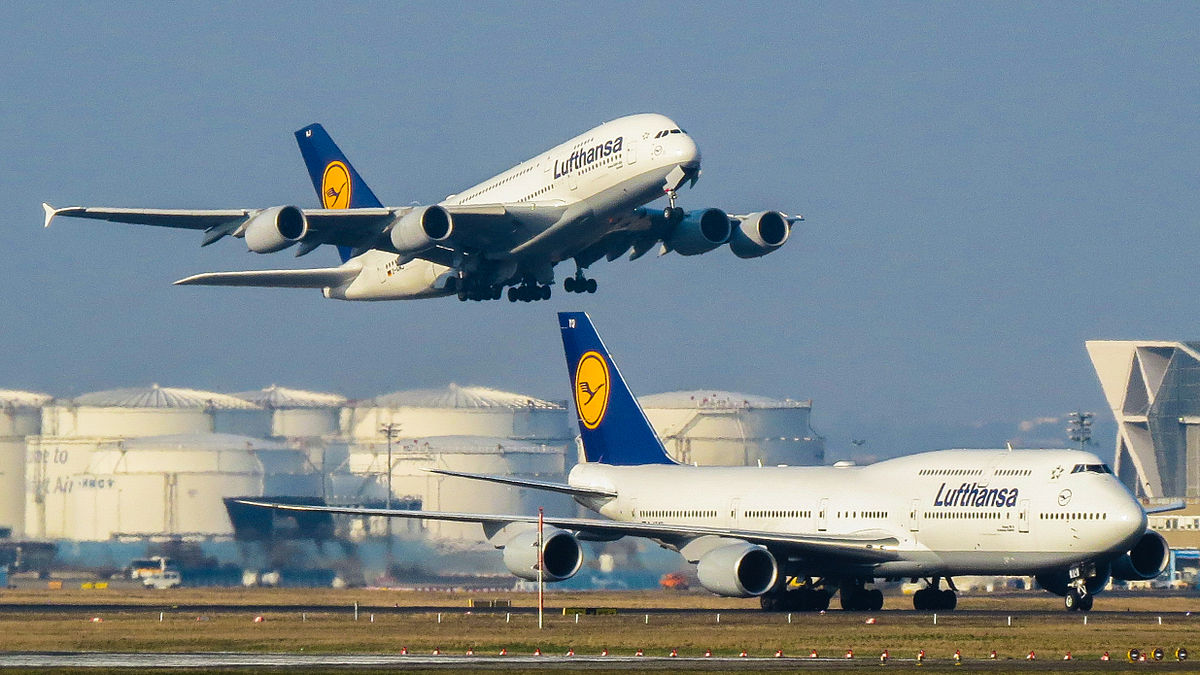
En el período Enero-Noviembre 2017, Airbus entregó 74 aviones. De esta manera ha entregado el doble de las aeronaves de la familia A320NEO. Airbus registró para el mes de Noviembre 2017 órdenes por 45 aviones A320: 320NEO (30) y A321NEO (15) para CDB Aviation Lease Finance. En Noviembre 2017 recibieron entregas para 37 clientes de aeronaves A320/A321 (54) que incluyen todos los modelos de las generaciones CEO/NEO, junto con 20 aviones de fuselaje ancho (widebody):A330-300 (5), A350-900 (11) y A380 (4).

Airbus ha comunicado la aceleración de la producción del A350 XWB, que alcanzará una tasa mensual para el 2018 de diez unidades.

El constructor aeronáutico europeo Airbus podría entregar 700 aviones en 2017, marcando un nuevo récord de producción. Para lograr este objetivo necesitaría aproximadamente un récord mensual de 111 entregas en este mes de Diciembre 2017 para cumplir con su objetivo principal fijado para este año de entregar más de 700 aviones.

Aunque las perspectivas de los objetivos de Airbus parecen cumplirse internamente, es poco probable que alcance a su competidor americano en la carrera de pedidos en 2017, pero puede lograr obtener más pedidos a su amplia y nutrida gama de aviones comerciales.  AIRWAYS® AW-Icon TXT

Boeing achieves leadership in the commercial market

The market of the aerocommercial industry has achieved a remarkable increase in the number of units manufactured and delivered in the world in 2017

Airbus obtained 333 orders and delivered 591 aircraft. Boeing registered 662 firm orders and deliveries in that period until December 1 [no data available]. But until October 2017 had delivered 610 aircraft, which presupposes a wide advantage for the American manufacturer.

In the period January-November 2017, Airbus delivered 74 aircraft. In this way, it has delivered twice as many aircraft of the A320NEO family. Airbus registered for the month of November 2017 orders for 45 A320 aircraft: 320NEO (30) and A321NEO (15) for CDB Aviation Lease Finance. In November 2017, they received deliveries for 37 A320 / A321 (54) aircraft customers that include all models of the CEO/NEO generations, along with 20 widebody airplanes (widebody): A330-300 (5), A350-900 ( 11) and A380 (4).

Airbus has announced the acceleration of the production of the A350 XWB, which will reach a monthly rate for 2018 of ten units.

The European aeronautical constructor Airbus could deliver 700 aircraft in 2017, marking a new production record. To achieve this goal, it would need approximately a monthly record of 111 deliveries in this month of December 2017 to meet its main objective set for this year of delivering more than 700 aircraft.

Although the prospects for Airbus’ objectives seem to be met internally, it is unlikely to reach its American competitor in the order race in 2017, but it may be able to obtain more orders from its large and broad range of commercial aircraft. A \ W


Ξ A I R G W A Y S Ξ
SOURCE:  Airgways.com
DBk: Airbus.com / Boeing.com / Wikimedia.org
AW-POST: 201712080002AR

A\W   A I R G W A Y S ®

T’way Air adquiriría Boeing 737 MAX

AW-7005577.png

AW | 2017 12 07 23:24 | AIRLINES

T'way_Airlines_Logo.pngT’way Air interesada ampliar a ocho Boeing 737-8 MAX

La aerolínea low-cost surcoreana T’way Air Co. informó este jueves que pretende firmar una orden por ocho aviones Boeing 737-8 MAX para 2020.

T’way Air planea agregar un 737-8 MAX a su flota en el 2Q2019 y ocho para fines de 2020. «Se espera que los aviones B737-8 MAX operen en rutas de medio recorrido hacia Singapur, Indonesia y los países de Asia Central, ya que pueden permanecer en el aire durante ocho horas en un solo tanque», dijo un portavoz de la compañía. El B737-8 MAX tendrán una configuración para 189 pax y emite menos dióxido de carbono en comparación con aviones de tamaño similar. La aerolínea de bajo costo opera actualmente una flota de Boeing 737-800 (19). Tienen una configuración de 189 asientos.

Su red de servicio conecta cuatro rutas nacionales a la isla de Jeju y 44 rutas internacionales a 29 ciudades en ocho países, incluidos Guam, Saipan, Tokio, Danang y Hong Kong.

T’way Air planea agregar aviones de gran porte a su flota para el año 2025 para lograr su objetivo a largo plazo de operar 50 aviones. Todos los aviones operados por la aerolínea son arrendados. AIRWAYS® AW-Icon TXT

T’way Air would acquire Boeing 737 MAX

Resultado de imagen para T'way Air logo pngT’way Air interested expand to eight Boeing 737-8 MAX

South Korean low-cost airline T’way Air Co. reported on Thursday that it intends to sign an order for eight Boeing 737-8 MAX aircraft by 2020.

T’way Air plans to add a 737-8 MAX to its fleet in 2Q2019 and eight by the end of 2020. «B737-8 MAX aircraft are expected to operate on medium-haul routes to Singapore, Indonesia and the Central Asian countries, since they can remain in the air for eight hours in a single tank», said a spokesman for the company. The B737-8 MAX will have a configuration for 189 pax and emits less carbon dioxide compared to aircraft of similar size. The low-cost airline currently operates a fleet of Boeing 737-800 (19). They have a configuration of 189 seats.

Its service network connects four national routes to Jeju Island and 44 international routes to 29 cities in eight countries, including Guam, Saipan, Tokyo, Danang and Hong Kong.

T’way Air plans to add large aircraft to its fleet by 2025 to achieve its long-term goal of operating 50 aircraft. All aircraft operated by the airline are leased. A \ W


Ξ A I R G W A Y S Ξ
SOURCE:  Airgways.com
DBk: Boeing.com / Twayair.com
AW-POST: 201712072324AR

A\W   A I R G W A Y S ®