Boeing 737 MAX Norwegian Air sufre falla

Resultado de imagen para Boeing 737-8 MAX Norwegian LN-BKE

AW | 2018 12 15 14:45 | AVIATION SAFETY

bui053h3 (1)Un Boeing 737-8 MAX de Norwegian Air Shuttle vuelo DY-1933 sufre incidente aéreo

Un Boeing 737-8 MAX de Norwegian Air Shuttle con registro de LN-BKE realizó el vuelo DY-1933 desde Dubai (Emiratos Árabes Unidos) a Oslo (Noruega) con 180 pasajeros y 6 tripulantes, estaba en ruta en el FL320 en lo alto de Shiraz (Irán) cuando el equipo decidió apagar el motor izquierdo (LEAP) y desviarlo a Shiraz, donde el avión aterrizó de manera segura en la pista 29L unos 30 minutos más tarde. La CAO de Irán informó que los informes iniciales sugieren que la tripulación recibió una indicación de baja presión de aceite del motor en el motor número 1, apagó el motor, quemó combustible y aterrizó en Shiraz. Un pasajero informó que la tripulación anunció un problema con el aceite del motor que requería que apagaran el motor y lo desviaran a Shiraz.

El avión Boeing 737-8 MAX de dos meses de antigüedad aterrizó en el Aeropuerto Internacional Shiraz, Irán. Los 189 pasajeros y la tripulación a bordo fueron transportados a un hotel cerca del aeropuerto. El retorno del vuelo a Oslo, Noruega, se efectuó en un Boeing 737-800. El equipo del área técnica viajó para analizar el incidente y determinarán si las piezas de repuesto deben ser adquiridas. No está claro si habrá complicaciones con la adquisición de piezas debido a las recientes sanciones estadounidenses contra Irán.

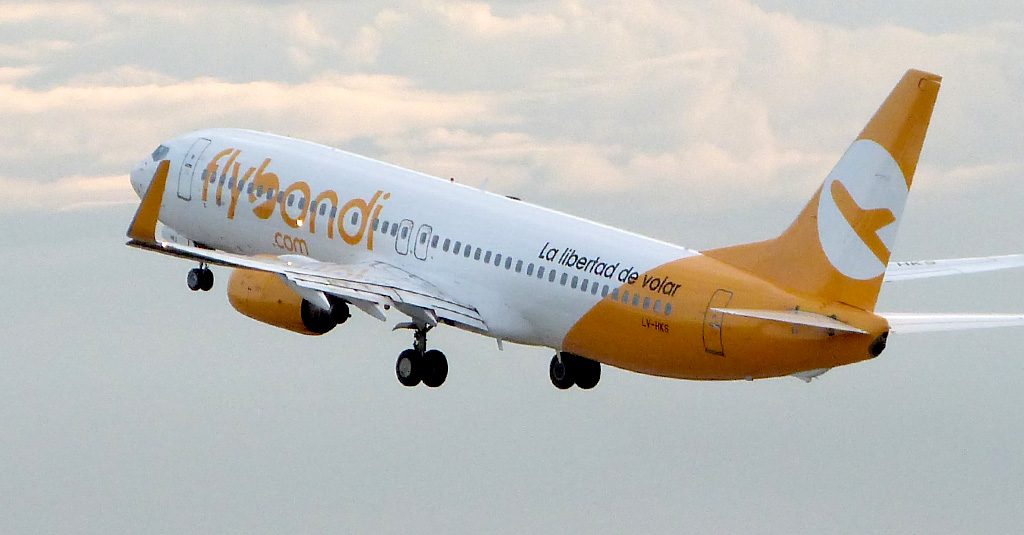
El reciente incidente del vuelo DY-1933 de Norwegian Air Shuttle se incorpora a los nuevos reportes de problemas que está sufriendo la nueva flota de Boeing 737 MAX en el mundo, como el reciente caso del vuelo AR1324 de Aerolíneas Argentinas.

El Boeing 737-8 MAX de Norwegian Air aterrizó normalmente y rodó hasta una puerta que permite a los pasajeros desembarcar. No se han reportado heridos entre los 189 pasajeros y la tripulación a bordo del vuelo.AW-Icon-TXT-01


Boeing 737 MAX Norwegian Air suffers failure

A Boeing 737-8 MAX of Norwegian Air Shuttle flight DY-1933 suffers air incident

A Boeing 737-8 MAX of Norwegian Air Shuttle with registration of LN-BKE made the flight DY-1933 from Dubai (United Arab Emirates) to Oslo (Norway) with 180 passengers and 6 crew, was on route in the FL320 on top from Shiraz (Iran) when the team decided to turn off the left engine (LEAP) and divert it to Shiraz, where the plane landed safely on runway 29L about 30 minutes later. The CAO of Iran reported that initial reports suggest that the crew received an indication of low engine oil pressure on engine number 1, turned off the engine, burned fuel and landed in Shiraz. One passenger reported that the crew announced a problem with the engine oil that required the engine to be turned off and diverted to Shiraz.

The two-month-old Boeing 737-8 MAX aircraft landed at Shiraz International Airport, Iran. The 189 passengers and crew on board were transported to a hotel near the airport. The return of the flight to Oslo, Norway, was made on a Boeing 737-800. The technical team traveled to analyze the incident and determine if spare parts should be purchased. It is unclear if there will be complications with the acquisition of parts due to the recent US sanctions against Iran.

The recent incident of flight DY-1933 of Norwegian Air Shuttle is incorporated into the new reports of problems that the new Boeing 737 MAX fleet is suffering in the world, such as the recent case of AR1324 flight of Aerolineas Argentinas.

The Norwegian Air Boeing 737-8 MAX landed normally and rolled to a door that allows passengers to disembark. No injuries have been reported among the 189 passengers and the crew aboard the flight. A \ W


Ξ A I R G W A Y S Ξ
SOURCE: Airgways.com
DBk: Norwegian.com / Avherald.com
AW-POST: 201812151445AR

A\W   A I R G W A Y S ®

Incidente 737 MAX de Aerolíneas

Resultado de imagen para Boeing 737-8 MAX LV-HKUAW | 2018 12 15 14:21 | AVIATION SAFETY

Aerolineas-Argentinas-logoUn Boeing 737-8 MAX de Aerolíneas Argentinas aterriza de emergencia en Tucumán

El Boeing 737-8 MAX matrícula LV-HKU efectuaba la ruta Aeropuerto Internacional de Ezeiza-Punta Cana (República Dominicana), tuvo problemas por fallas en un motor LEAP-1B.

El Boeing 737-8 MAX de Aerolíneas Argentinas, ha realizado una desviación de precaución al Aeropuerto Internacional Teniente General Benjamín Matienzo en Tucumán este viernes 14 Diciembre 2018 después de un fallo en uno de sus motores. El vuelo AR1324 despegó del Aeropuerto Internacional Ministro Pistarini de Ezeiza a las 01:35LT (GMT-3) en dirección a Punta Cana. Alrededor de una hora y quince minutos después de su despegue, a las 02:50LT, mientras volaba a 31.000 pies de altitud a unas veinte millas náuticas de Córdoba, uno de sus dos motores CFM International LEAP-1B produjo un fallo. Como resultado del incidente aéreo, la tripulación inició los procedimientos estándares de emergencia aplicando los protocolos de seguridad corrrespondientes para la situación e inició su desvío hacia el Aeropuerto Internacional Tucumán, Argentina. Durante el desvío, la tripulación descendió a 27.000 pies de altitud y siguió hacia Tucumán, donde acercándose a la ciudad, inició un patrón de espera a 6.000 pies de altitud con el fin de reducir su carga de combustible y alcanzar su peso máximo de aterrizaje (MLW). Después de una hora y veinte minutos volando en patrón de espera sobre Tucumán, el avión inició su aproximación final, aterrizando sin mayores contratiempos alrededor de las 05:00LT, cerca de cuatro horas después de su despegue de Buenos Aires. Los pasajeros desembarcaron sin inconvenientes mientras la aerolínea efectó otro Boeing 737-8 MAX, matrícula LV-HKW para realizar el vuelo a Punta Cana a las 12:27LT.

Investigaciones AR1324

La Junta de Investigación de Accidentes de Aviación Civil de Argentina (JIAAC) no han formulado declaraciones acerca de este incidente aéreo. Aerolíneas Argentinas ha informado acerca del fallo en el motor que podría estar relacionado con factores meteorológicos. El equipo técnico de la compañía evaluó sustituir el avión por otro, con una nueva tripulación a bordo.AW-Icon-TXT-01

AW-7000553.pngIncident 737 MAX of Aerolíneas

A Boeing 737-8 MAX of Aerolíneas Argentinas lands emergency in Tucumán

The Boeing 737-8 MAX license plate LV-HKU made the route Ezeiza-Punta Cana International Airport (Dominican Republic), had problems due to faults in a LEAP-1B engine.

The Boeing 737-8 MAX of Aerolíneas Argentinas has made a deviation of caution to the International Airport Teniente General Benjamín Matienzo in Tucumán this Friday 14 December 2018 after a failure in one of its engines. Flight AR1324 took off from Ministro Pistarini International Airport in Ezeiza at 01:35LT (GMT-3) in the direction of Punta Cana. Around an hour and fifteen minutes after its takeoff, at 02:50, while flying at 31,000 feet At an altitude of about twenty nautical miles from Córdoba, one of its two CFM International engines LEAP-1B failed. As a result of the air incident, the crew began standard emergency procedures applying the corresponding safety protocols for the situation and began its detour to the Tucumán International Airport, Argentina. During the detour, the crew descended to 27,000 feet of altitude and continued towards Tucumán, where approaching the city, initiated a waiting pattern at 6,000 feet of altitude in order to reduce its fuel load and reach its maximum landing weight ( MLW). After an hour and twenty minutes flying in a waiting pattern over Tucumán, the plane began its final approach, landing without major setbacks around 05:00LT, about four hours after its takeoff from Buenos Aires. The passengers disembarked without problems while the airline made another Boeing 737-8 MAX, registration LV-HKW to make the flight to Punta Cana at 12:27LT.

Investigations AR1324

The Civil Aviation Accident Investigation Board of Argentina (JIAAC) has not made any statements about this aerial incident. Aerolineas Argentinas has reported on the failure of the engine that could be related to weather factors. The technical team of the company evaluated replacing the aircraft with another, with a new crew on board. A \ W


Ξ A I R G W A Y S Ξ
SOURCE: Airgways.com
DBk: Argentina.gob.ar/Jiaac / Deskgram.net / Aerolineas.com
AW-POST: 201812151421AR

A\W   A I R G W A Y S ®

IATA lanza plataforma Turbulence Aware

Resultado de imagen para turbulence aware

AW | 2018 12 13 13:22 | AVIATION SAFETY

IATA_Logo.svg.pngIATA lanza Turbulence Aware una plataforma que permite a las aerolíneas compartir datos de turbulencia

La IATA ha lanzado su recurso de datos Turbulence Aware para ayudar a las aerolíneas a evitar la turbulencia cuando planifican rutas tácticamente en vuelo. Turbulence Aware aumenta la capacidad de una aerolínea para pronosticar y evitar las turbulencias al agrupar y compartir (en tiempo real) los datos de turbulencia generados por las aerolíneas participantes.

En la actualidad, las aerolíneas confían en informes piloto y avisos meteorológicos para mitigar el impacto de la turbulencia en sus operaciones. Estas herramientas, aunque efectivas, tienen limitaciones debido a la fragmentación de las fuentes de datos, las inconsistencias en el nivel y la calidad de la información disponible y la imprecisión de ubicación y la subjetividad de las observaciones. Por ejemplo, no hay una escala estandarizada para la severidad de la turbulencia que un piloto puede reportar más que una escala ligera, moderada o severa, que se vuelve muy subjetiva entre las aeronaves de diferentes tamaños y la experiencia del piloto.

Turbulence Aware mejora las capacidades de la industria al recopilar datos de varias aerolíneas que contribuyen, seguido de un riguroso control de calidad. Luego, los datos se consolidan en una base de datos única, anónima y objetiva, a la que pueden acceder los participantes. Los datos de Turbulence Aware se convierten en información procesable cuando se envían a los sistemas de despacho o de alerta aérea de una aerolínea. El resultado es la primera información global, en tiempo real, detallada y objetiva para que los pilotos y profesionales de operaciones gestionen la turbulencia.

“Turbulence Aware es un gran ejemplo del potencial de transformación digital en la industria de las aerolíneas. La industria aérea siempre ha cooperado en materia de seguridad, su prioridad número uno. Big data ahora está impulsando lo que podemos lograr. En el caso de Turbulence Aware, el pronóstico más preciso de la turbulencia proporcionará una mejora real para los pasajeros, cuyos viajes serán aún más seguros y más cómodos», dijo Alexandre de Juniac, Director General y CEO de IATA.

Se espera que el desafío de manejar la turbulencia aumente a medida que el cambio climático continúe impactando los patrones climáticos. Esto tiene implicaciones tanto para la seguridad como para la eficiencia del vuelo. La turbulencia es la principal causa de lesiones a pasajeros y tripulantes en accidentes no fatales, según datos de la Federal Aviation Administration (FAA).

A medida que avanzamos para tener datos precisos de turbulencia disponibles en todos los niveles de vuelo, los pilotos podrán tomar decisiones mucho más informadas sobre los niveles de vuelo más altos con aire más suave. Ser capaz de escalar a estas altitudes resultará en una quema de combustible más óptima, lo que en última instancia llevará a una reducción de las emisiones de CO2.AW-Icon-TXT-01

Resultado de imagen para turbulence awareIATA launches Turbulence Aware platform

IATA launches Turbulence Aware a platform that allows airlines to share turbulence data

IATA has launched its Turbulence Aware data resource to help airlines avoid turbulence when planning routes tactically in flight. Turbulence Aware increases the capacity of an airline to forecast and avoid turbulence by grouping and sharing (in real time) turbulence data generated by participating airlines.

Currently, airlines rely on pilot reports and meteorological warnings to mitigate the impact of turbulence on their operations. These tools, although effective, have limitations due to the fragmentation of the data sources, the inconsistencies in the level and quality of the available information and the inaccuracy of location and the subjectivity of the observations. For example, there is no standardized scale for the severity of turbulence that a pilot can report more than a light, moderate or severe scale, which becomes very subjective between aircraft of different sizes and pilot experience.

Turbulence Aware improves industry capabilities by collecting data from several contributing airlines, followed by rigorous quality control. Then, the data is consolidated into a single, anonymous and objective database, to which the participants can access. Turbulence Aware data becomes actionable information when it is sent to an airline’s airmail or dispatch systems. The result is the first global information, in real time, detailed and objective so that pilots and operations professionals manage the turbulence.

«Turbulence Aware is a great example of the potential for digital transformation in the airline industry. The airline industry has always cooperated in terms of security, its number one priority. Big data is now driving what we can achieve. In the case of Turbulence Aware, the more accurate forecast of the turbulence will provide a real improvement for passengers, whose trips will be even safer and more comfortable», said Alexandre de Juniac, IATA’s Managing Director and CEO.

The challenge of managing turbulence is expected to increase as climate change continues to impact weather patterns. This has implications for both safety and flight efficiency. Turbulence is the main cause of injuries to passengers and crew in non-fatal accidents, according to data from the Federal Aviation Administration (FAA).

As we move forward to have accurate turbulence data available at all flight levels, pilots will be able to make much more informed decisions about higher flight levels with smoother air. Being able to climb at these altitudes will result in a more optimal fuel burn, which will ultimately lead to a reduction in CO2 emissions. A \ W


Ξ A I R G W A Y S Ξ
SOURCE: Airgways.com
DBk: Iata.org / Usatoday.com
AW-POST: 201812131322AR

A\W   A I R G W A Y S ®

Nuevos hallazgos del MH-370

Grace Subathirai Nathan, (L) daughter of missing Malaysia Airlines flight MH370 passenger Anne Daisy and  also MH370 #SearchOn Campaign leader and Jacquita Gonzales (R) widow of missing MH370 in-flight supervisor, Patrick Francis Gomez, shows a part of the debris believed to belong to MH370 during press conference at ministry of transport headquarters in Putrajaya, Malaysia, 30 November 2018.  EPA

AW | 2018 12 10 11:06 | AIR INVESTIGATION / AVIATION SAFETY

Autoridades en seguridad aérea dan a conocer nuevos hallazgos de supuestos escombros del vuelo MH-370

Se han revelado nuevos escombros del vuelo MH-370 del Boeing 777-200ER de Malaysia Airlines. Revelaron cinco objetos nuevos que creen que fueron parte de los restos. Uno de los objetos proviene del piso interior del Boeing 777 y ofrece más pistas sobre la ubicación precisa del lugar del accidente, dijo un experto. También ayuda a disipar la teoría de que el cuerpo principal del avión, conocido como fuselaje, está intacto en el Océano Índico. El experto en aviación Victor Iannello, quien ayudó a los funcionarios australianos en la búsqueda del MH-370, dijo que la pieza es consistente con un impacto de alta velocidad.

El avión estaba en un vuelo de rutina desde Kuala Lumpur a Beijing el 8 Marzo 2014, con 227 pasajeros y 12 tripulantes a bordo cuando se desvió del rumbo y luego voló hacia el sur a través del Océano Índico.

Los nuevos escombros podrían ayudar a comprender lo que sucedió con el vuelo MH-370. A pesar de dos búsquedas a gran escala en el lecho marino, solo se han encontrado pedazos dispersos de escombros, lavados en las playas del Océano Índico.

Los familiares de los pasajeros y la tripulación que estaban a bordo entregaron los cinco fragmentos al gobierno de Malasia mientras les instaban a reabrir la investigación y reanudar la búsqueda del avión desaparecido. Las familias dijeron que los escombros fueron encontrados por aldeanos en Madagascar, la isla del Océano Índico donde se han lavado previamente las piezas que se cree que provenían del avión.

El Sr. Iannello escribió en su blog que una pieza fue identificada como un fragmento destrozado de la tabla interior del piso de un Boeing 777. «La ubicación de la pieza en el Boeing 777 y la naturaleza del daño es consistente con un impacto de alta velocidad, y por lo tanto tiene un valor probatorio». El Sr. Iannello dijo que el descubrimiento ofrece una nueva perspectiva de dónde y cómo el MH370 se estrelló en el mar, con tres posibilidades principales pendientes. Una de ellas es que el campo de escombros estaba en un área previamente escaneada por el sonar, pero se perdió o se identificó erróneamente, aunque señaló que ese escenario es muy poco probable. Los otros son que el MH370 se estrelló relativamente cerca de una línea conocida como el séptimo arco, al oeste de Australia, pero más al norte que el área previamente buscada, o impactó en una latitud previamente buscada pero más lejos del séptimo arco de lo que se supone. Sin embargo, advirtió que es difícil utilizar la ubicación de los descubrimientos de escombros y el momento en que se realizaron las descargas para señalar con precisión dónde renovar la búsqueda. Investigadores malayos e internacionales creen que el MH-370 se desvió a miles de kilómetros de distancia antes de sumergirse en el Océano Índico.

El cazador de escombros estadounidense Blaine Gibson dijo que los escombros han sido inspeccionados por expertos independientes, que creen que proviene de un avión Boeing 777. La pieza que puede ser un panel de piso indica que el avión puede haberse roto en el impacto y que no hay un fuselaje intacto bajo el agua, dijo.

El Ministro de Transporte, Anthony Loke, quien se reunió hoy con los familiares, dijo que el gobierno consideraría reanudar una búsqueda si se le proporcionan pistas creíbles. «Estamos abiertos a las propuestas, pero debemos tener algunas pistas creíbles antes de decidir».AW-Icon-TXT-01

New findings of the MH-370

Air safety authorities release new findings of alleged debris from flight MH-370

New debris has been revealed from the MH-370 flight of the Malaysia Airlines Boeing 777-200ER. They revealed five new objects that they believe were part of the remains. One of the objects comes from the interior floor of the Boeing 777 and offers more clues as to the precise location of the accident site, an expert said. It also helps to dispel the theory that the main body of the aircraft, known as the fuselage, is intact in the Indian Ocean. Aviation expert Victor Iannello, who helped Australian officials look for the MH-370, said the piece is consistent with a high-speed impact.

The plane was on a routine flight from Kuala Lumpur to Beijing on March 8, 2014, with 227 passengers and 12 crew on board when it veered off course and then flew south across the Indian Ocean.

The new debris could help to understand what happened with flight MH-370. Despite two large-scale searches on the seabed, only scattered pieces of rubble have been found washed on the beaches of the Indian Ocean.

Resultado de imagen para MH370 debris floor panellingResultado de imagen para new debris MH370A PIECE OF FLOOR PANELLING WITH A SERIAL NUMBER, ALMOST CERTAINLY FROM MH370

The relatives of the passengers and crew aboard delivered the five fragments to the Malaysian government while urging them to reopen the investigation and resume the search for the missing plane. Families said the debris was found by villagers in Madagascar, the Indian Ocean island where the pieces believed to have come from the plane have been previously washed.

Mr. Iannello wrote in his blog that a piece was identified as a shattered fragment of the interior floor board of a Boeing 777. «The location of the piece in the Boeing 777 and the nature of the damage is consistent with a high impact speed, and therefore has probative value». Mr. Iannello said that the discovery offers a new perspective on where and how the MH370 crashed into the sea, with three main possibilities pending. One of them is that the debris field was in an area previously scanned by the sonar, but it was lost or misidentified, although he pointed out that this scenario is very unlikely. The others are that the MH370 crashed relatively close to a line known as the seventh arc, west of Australia, but farther north than the previously searched area, or impacted at a previously sought latitude but farther from the seventh arc than it is assumed. However, he cautioned that it is difficult to use the location of the debris discoveries and the timing of the discharges to pinpoint where to renew the search. Malaysian and international researchers believe that the MH-370 was diverted thousands of kilometers away before submerging in the Indian Ocean.

US debris hunter Blaine Gibson said the debris has been inspected by independent experts, who believe it comes from a Boeing 777 aircraft. The piece that can be a floor panel indicates that the plane may have broken on impact and that There is an intact fuselage under water, he said.

Transportation Minister Anthony Loke, who met with relatives today, said the government would consider resuming a search if credible leads are provided. «We are open to proposals, but we must have some credible leads before deciding». A \ W


Ξ A I R G W A Y S Ξ
SOURCE: Airgways.com
DBk: Mh370investigation.com / Epa.eu
AW-POST: 201812101106AR

A\W   A I R G W A Y S ®

Nuevas reglamentaciones equipaje de mano en Australia

Resultado de imagen para bag airport australia

AW | 2018 12 10 09:35 | AIRLINES / AVIATION SAFETY / GOVERNMENT

Australia implementará nuevas reglamentaciones en el transporte de equipaje de mano

Los aeropuertos australianos y las aerolíneas comenzarán a implementar nuevas reglas en el peso del equipaje de mano. La nueva reglamentación aplicará a partir de hoy Martes a todos los pasajeros en vuelos nacionales en Australia que tendrán que pesar el equipaje de mano para establecer cambios en la seguridad a bordo. La nueva modalidad apunta a que los equipajes pesados viajen en bodega para evitar lesiones a los pasajeros.

La aerolínea está siguiendo a Qantas, que hizo un anuncio similar la semana pasada. Los clientes de Virgin Australia deberán revisar el equipaje de la cabina antes de embarcar. En un intento por reprimir a los pasajeros que traen equipaje con sobrepeso a bordo en los aviones, Virgin Australia dice que los clientes pesarán su equipaje en los mostradores de facturación del aeropuerto para garantizar que no se supere el límite de 7 kg. Tigerair y Jetstar ya pesan el equipaje de mano antes de que los pasajeros suban a bordo.

«Estamos viendo a muchos pasajeros tratando de traer todo, pero la cocina se hunde en los vuelos nacionales, lo que está causando retrasos en los vuelos, así como problemas de seguridad para la tripulación de cabina, el personal de tierra y los pasajeros. Estamos viendo lesiones en la tripulación de nuestra cabina causadas por el cierre de armarios elevados llenos de equipaje pesado, el cambio de bolsas en los armarios superiores para ayudar a los huéspedes a encontrar espacio y ayudar a los pasajeros a levantar sus bolsas en los compartimientos superiores», dijo Paul Woosnam, de Virgin Australia.

Los cambios se aplicarán a partir de hoy Martes pero las aerolíneas tendrán más personal en los aeropuertos para hacer cumplir las nuevas reglas a partir del 17 Diciembre 2018. AW-Icon-TXT-01

AW-70008655Wk.jpg

New regulations for hand luggage in Australia

Australia will implement new regulations in the transport of hand luggage

Australian airports and airlines will begin to implement new rules on the weight of hand luggage. The new regulation will apply as of today Tuesday to all passengers on domestic flights in Australia who will have to weigh the carry-on luggage to establish changes in on-board safety. The new modality aims at heavy luggage traveling in the hold to avoid injuries to passengers.

The airline is following Qantas, who made a similar announcement last week. Virgin Australia customers should check the cabin luggage before boarding. In an attempt to repress passengers who bring overweight luggage on board aircraft, Virgin Australia says customers will weigh their luggage at the airport check-in counters to ensure that the 7 kg limit is not exceeded. Tigerair and Jetstar weigh their carry-on before they get on board.

«We are seeing many passengers trying to bring everything, but the kitchen sinks on domestic flights, which is causing flight delays, as well as security problems for the cabin crew, ground staff and passengers. seeing injuries to our cabin crew caused by closing overhead lockers filled with heavy luggage, changing bags in the overhead lockers to help guests find space and help passengers lift their bags in the overhead compartments», said Paul Woosnam, of Virgin Australia.

The changes will apply as of Tuesday Tuesday but the airlines will have more staff at the airports to enforce the new rules as of December 17, 2018. A \ W


Ξ A I R G W A Y S Ξ
SOURCE: Airgways.com
DBk: Dailymail.co.uk / Aviationwa.org.au / Wikimedia.org
AW-POST: 201812100935AR

A\W   A I R G W A Y S ®

A320 Frontier afronta incidente aéreo

Foto del pasajero del motor en vuelo (Foto: Dan Ponce)

AW | 2018 12 05 17:50 | AVIATION SAFETY

La aeronave Airbus A320-200 de la aerolínea Frontier Airlines sufre desprendimiento del nacelle de un motor

Un Airbus A320-200 de Frontier Airlines, con registro N227FR que realizaba el vuelo F9-260 en la ruta Las Vegas-Tampa, (EEUU) con 166 personas a bordo, estaba saliendo de la pista 26R del Aeropuerto Las Vegas después, cuando la tripulación informó que tenía algún problema con uno de sus motores CFM56. La tripulación se declaró de emergencia y pidió regresar a Las Vegas. Al despegue de la pista 26R se informó que había algunos desechos de objetos extraños grandes (FOD) en la pista. El A320 aterrizó a salvo en la pista 26L de Las Vegas unos 15 minutos después de la salida.

El incidente se produjo con el desprendimiento del nacelle del motor derecho del Airbus A320-200 de la aerolínea provocando el desprendimiento de partes del recubrimiento de la turbina. Minutos después del decolaje el sistema reversible del motor derecho en pleno vuelo se accionó lo que ocasionó la apertura en pleno vuelo llevando al límite de control por la velocidad, lo que derivó en la rotura del nacelle dañando fuertemente al motor.

El avión despegó con 171 pasajeros y seis tripulantes a bordo desde el Aeropuerto Las Vegas en dirección al Aeropuerto Internacional de Tampa. Aunque estos incidente vuelven a repetirse en varias aerolíneas, no ha pasado a mayores consecuencias afortunadamente. El avión regresó al Aeropuerto Las Vegas-McCarran de inmediato y aterrizó sin complicaciones.

El incidente aéreo se produjo el 30 Noviembre 2018, ha traído a la luz las falencias en los motores CFM56 tanto para Airbus como Boeing. Este reporte ha abierto un nuevo análisis acerca de la seguridad de estos motores cuando el vuelo SWA-1380 sufrió la apertura del nacelle provocando una muerte de una pasajera y daños sustanciales al Boeing 737-700 de Southwest Airlines en Abril 2018. AW-Icon-TXT-01

A320 Frontier faces air incident

The Airbus A320-200 aircraft of the Frontier Airlines airline suffers from the detachment of the nacelle of an engine

An Airbus A320-200 of Frontier Airlines, with registration N227FR that made the flight F9-260 on the route Las Vegas-Tampa, (USA) with 166 people on board, was leaving the runway 26R of the Las Vegas Airport later, when the crew reported that they had some problem with one of their CFM56 engines. The crew declared an emergency and asked to return to Las Vegas. Upon takeoff from runway 26R it was reported that there was some large foreign object debris (FOD) on the runway. The A320 landed safely on Las Vegas 26L track about 15 minutes after the start.

The incident occurred with the detachment of the nacelle from the right engine of the Airbus A320-200 of the airline causing the detachment of parts of the turbine cover. Minutes after the decolaje the reversible system of the right engine in mid-flight was triggered which caused the opening in full flight leading to the limit of control by speed, which resulted in the breakage of the nacelle damaging the engine strongly.

The plane took off with 171 passengers and six crew on board from Las Vegas Airport in the direction of Tampa International Airport. Although these incidents are repeated on several airlines, it has not happened to greater consequences, fortunately. The plane returned to Las Vegas-McCarran Airport immediately and landed without complications.

The air incident occurred on November 30, 2018, has brought to light the flaws in CFM56 engines for both Airbus and Boeing. This report has opened a new analysis about the safety of these engines when the flight SWA-1380 suffered the opening of the nacelle causing a death of a passenger and substantial damage to the Boeing 737-700 of Southwest Airlines in April 2018. A \ W


Ξ A I R G W A Y S Ξ
SOURCE: Airgways.com
DBk: Faa.gov / Avherald.com / Airbus.com
AW-POST: 201812051750AR

A\W   A I R G W A Y S ®

Regulaciones FAA en motores GEnx-2B

Resultado de imagen para FAA GE Aviation GEnx-2B67 Boeing 747-8

AW | 2018 12 04 05:35 | AVIATION SAFETY

FAA.jpgLa FAA requiere que las aerolíneas reemplacen los colectores de combustible GEnx-2B

La Administración Federal de Aviación (FAA) está ordenando a las aerolíneas que reemplacen los colectores de combustible en algunos motores GE Aviation GEnx-2B67, que impulsan a Boeing 747-8s, debido al riesgo de un incendio en el motor. Una directiva de aeronavegabilidad que entrará en vigencia el 4 de enero responde a un incendio en el motor causado por «agrietamiento por fatiga de bajo ciclo del colector de combustible».

Boeing-Logo.svg

El pedido requiere que las aerolíneas reemplacen los colectores durante la próxima visita a los hangares. El problema afectó a 424 motores GEnx-2B en todo el mundo, pero GE ya emitió un boletín de servicio y solo 140 motores aún requieren correcciones, según la compañía. Esos 424 motores componen la mayor parte de los motores de la flota mundial en servicio de 123 747-8 y 747-8F, según Flight Fleets Analyzer. Las aerolíneas estadounidenses operan solo dos motores afectados, dice la directiva.

El regulador de aviación de Estados Unidos ha emitido previamente directivas de aeronavegabilidad que abordan los problemas con los colectores de combustible en los motores GEnx-1A, que dan potencia a los modelos 787. En 2017, la FAA obligó a las aerolíneas a reemplazar algunos colectores de combustible GEnx-1A en respuesta a una parada del motor en vuelo causada por una fractura del colector de combustible.AW-Icon-TXT-01

Resultado de imagen para FAA GE Aviation GEnx-2B67 Boeing 747-8FAA regulations on GEnx-2B engines

The FAA requires airlines to replace the GEnx-2B fuel manifolds

The Federal Aviation Administration (FAA) is ordering airlines to replace fuel collectors on some GE Aviation GEnx-2B67 engines, which power the Boeing 747-8s, due to the risk of an engine fire. An airworthiness directive that will go into effect on January 4 responds to an engine fire caused by «low-cycle fatigue cracking of the fuel manifold».

The order requires that the airlines replace the collectors during the next visit to the hangars. The problem affected 424 GEnx-2B engines worldwide, but GE has already issued a service bulletin and only 140 engines still require corrections, according to the company. Those 424 engines make up the majority of the engines in the worldwide fleet serving 123 747-8 and 747-8F, according to the Flight Fleets Analyzer. US airlines operate only two affected engines, says the directive.

The US aviation regulator has previously issued airworthiness directives that address problems with fuel manifolds in GEnx-1A engines, which power the 787 models. In 2017, the FAA forced airlines to replace some collectors of fuel GEnx-1A in response to a stop of the engine in flight caused by a fracture of the fuel manifold. A \ W


Ξ A I R G W A Y S Ξ
SOURCE: Airgways.com
DBk: Faa.gov / Flightglobal.com / Wired.com / Stanford.edu
AW-POST: 201812040535AR

A\W   A I R G W A Y S ®

Sismo 3,8º en Buenos Aires

AW-700007

AW | 2018 11 30 15:37 | AVIATION SAFETY / AEROSPACE

Instituto Nacional de Prevención SísmicaUn temblor de 3,8º escala Richter se ha desarrollado en la Provincia de Buenos Aires, Argentinaearthquake-24-128

El sismo desarrollado en las pampas argentinas ha ocurrido a las 10:27 hs [-3 UTC, hora local Argentina] con epicentro en el Departamento de Esteban Echeverría, Provincia de Buenos Aires. El Instituto Nacional de Prevención Sísmica (INPRES), detalló que se trató de un temblor superficial con 3.8º en la escala Richter.

Image result for usgs logoÁrea influencia

El temblor de 3,8º a 25 kilómetros de profundidad que tuvo epicentro en el Departamento de Esteban Echeverría, localizado al sur de la Ciudad de Buenos Aires. El área de influencia del sismo afectó Capital Federal, San Isidro, La Plata, Ramos Mejía, Quilmes, entre otras zonas.

El INPRES confirmó la información en su página web: a las 10:27:38 hs del viernes, 30 Noviembre 2018, hubo un sismo de 3,8º de magnitud en la escala de Richter a 25 kilómetros de profundidad en la Provincia de Buenos Aires en las coordenadas Latitud -34.904 Sur y Longitud -58.483 Oeste. El epicentro del sismo corresponde a la localidad de Esteban Echeverría, más precisamente a una zona en la que hay varios barrios cerrados, como La Horqueta, el más cercano a las coordenadas geográficas registradas por el INPRES.

Cumbre G20 Argentina

Las especulaciones, en plena Cumbre G20 Argentina, comenzaron al instante. La confirmación llegó rápido, tanto desde el Gobierno de la Ciudad de Buenos Aires como del Gobierno de Buenos Aires que habían descartado que el temblor tuviera que ver con alguna emergencia o con una alarma por explosivos, un temor que se generó en una ciudad blindada en estos días justamente por la cumbre mundial que se desarrolla en la Ciudad de Buenos Aires.

Espacio Aéreo

El desarrollo de la Cumbre del G20 Argentina ha determinado un espacio aéreo blindado para las operaciones aéreas en la FIR EZE lo que los efectos a la actividad aérea en la zona del sismo han sido prácticamente nulas. Mientras tanto desde el INPRES han lanzado una advertencia por probables réplicas en la zona del sur del Conurbano bonaerense, ponen al sistema de defensa en alerta naranja.

Sismo del 1888

Un terremoto en el Río de la Plata se produjo el 5 Junio 1888 a las 03:20 hs [-3 UTC Argentina], con una magnitud de 5,5º en la escala de Richter. Su epicentro estuvo en 34°36′0″S/57°53′59″O, su epicentro a 30 km de profundidad, a 15 km al sur suroeste de Colonia del Sacramento (Uruguay) y a 41 km al este de Buenos Aires. Afectó a todas las poblaciones de la costa del Río de la Plata, en especial a las ciudades de Montevideo y de Buenos Aires. Produjo daños leves, ya que en estas ciudades aún no existían edificios de altura en aquellos tiempos.

Es evidente el pánico generalizado que surgió a raíz del sismo en los habitantes de las poblaciones de ambas márgenes del río de la Plata, dado que no estaban familiarizados con los sismos. Sin embargo, ya se contaba con un antecedente registrado, el sismo del 15 Agosto 1848 pero como no provocó daños de magnitud como el de 1888, quizás se pensó que era un fenómeno aislado, o que, como el epicentro estaba lejano del continente y por lo tanto, lejano de las poblaciones, quizás se pensó que los futuros sismos se producirían en esas latitudes y no provocarían daños en el continente.

Pero cabe destacar que no existen en el mundo regiones asísmicas, por lo tanto el fenómeno se podría repetir en el río de la Plata, y como respaldo se cuentan con dos precedentes: el sismo uruguayo del 26 Junio 1988 y el del 10 Enero 1990, el único registrado en el territorio continental uruguayo, sin mencionar las réplicas de los terremotos provocados por las placas tectónicas del Pacífico, que repercuten por lo general en la costa atlántica, incluyendo Buenos Aires y Montevideo.

Se cree que estos sismos son provocados por una región en especial, la cuenca de Punta del Este, que está altamente fallada, por lo que puede haber movimiento de placas tectónicas, produciendo las ondas que dan lugar al temblor, según Alberto Benavides Sosa, ingeniero agrimensor, máster en geofísica, y expresidente de Ceresis (Centro Regional de Sismología) para América del Sur.AW-Icon-TXT-01

Image result for Vista aérea Buenos AiresEarthquake 3.8º in Buenos Aires

A tremor of 3.8º Richter scale has been developed in the Province of Buenos Aires, Argentina

The earthquake developed in the Argentine pampas occurred at 10:27 hs [-3 UTC, Argentine local time] with epicenter in the Department of Esteban Echeverría, Province of Buenos Aires. The National Institute of Seismic Prevention (INPRES), explained that it was a superficial tremor with 3.8 on the Richter scale.

Influence area

The tremor of 3.8º to 25 kilometers of depth that had epicenter in the Department of Esteban Echeverría, located to the south of the City of Buenos Aires. The area of​​influence of the earthquake affected Federal Capital, San Isidro, La Plata, Ramos Mejía, Quilmes, among other areas.

INPRES confirmed the information on its website: at 10:27:38 on Friday, November 30, 2018, there was an earthquake measuring 3.8 on the 25-kilometer Richter scale in the Province of Buenos Aires in the coordinates Latitude -34.904 South and Longitude -58.483 West. The epicenter of the earthquake corresponds to the town of Esteban Echeverría, more precisely to an area in which there are several closed neighborhoods, such as La Horqueta, the closest to the geographical coordinates registered by INPRES.

G20 Summit Argentina

The speculations, in full Summit G20 Argentina, began at once. The confirmation came quickly, both from the Government of the City of Buenos Aires and the Government of Buenos Aires that had ruled out that the tremor had to do with any emergency or alarm due to explosives, a fear that was generated in a city armored in these days precisely for the world summit that takes place in the City of Buenos Aires.

AW-7438177884.jpgAir space

The development of the G20 Summit Argentina has determined an armored airspace for the air operations in the FIR EZE, what the effects to the aerial activity in the zone of the earthquake have been practically null. Meanwhile from the INPRES have launched a warning for provables replicas in the southern area of ​​the Buenos Aires Conurbano, put the defense system on orange alert.

Earthquake of 1888

An earthquake in the Río de la Plata occurred on June 5, 1888 at 03:20 pm [-3UTC Argentina], with a magnitude of 5.5 on the Richter scale. Its epicenter was at 34°36’0″S / 57°53’59″W, its epicenter 30 km deep, 15 km south-southwest of Colonia del Sacramento (Uruguay) and 41 km east of Buenos Aires. It affected all the populations of the coast of the Río de la Plata, especially the cities of Montevideo and Buenos Aires. It produced slight damage, since in these cities there were still no tall buildings at that time.

It is evident the generalized panic that arose as a result of the earthquake in the inhabitants of the populations of both margins of the river of the Silver, since they were not familiarized with the earthquakes. However, there was already a registered antecedent, the earthquake of August 15, 1848, but as it did not cause damage of magnitude like that of 1888, it was perhaps thought that it was an isolated phenomenon, or that, as the epicenter was distant from the continent and therefore, far from the populations, it was perhaps thought that future earthquakes would occur in these latitudes and would not cause damage to the continent.

But it should be noted that there are no seismic regions in the world, so the phenomenon could be repeated in the La Plata river, and as backup there are two precedents: the Uruguayan earthquake of June 26, 1988 and that of January 10, 1990, the only one registered in the Uruguayan continental territory, not to mention the replicas of earthquakes caused by the Pacific tectonic plates, which generally affect the Atlantic coast, including Buenos Aires and Montevideo.

It is believed that these earthquakes are caused by a particular region, the Punta del Este basin, which is highly faulty, so there may be movement of tectonic plates, producing the waves that give rise to the tremor, according to Alberto Benavides Sosa, engineer land surveyor, master’s degree in geophysics, and former president of Ceresis (Regional Center of Seismology) for South America. A \ W


Ξ A I R G W A Y S Ξ
SOURCE: Airgways.com
DBk: Inpres.gob.ar / Earthquake.usgs.gov / Clarin.com / Airgways.com / Aidfado.com
AW-POST: 201811301537AR

A\W   A I R G W A Y S ®

Boeing aborda situación del 737 MAX

3890283

AW | 2018 11 30 13:52 | AVIATION SAFETY / INDUSTRY

Boeing-Logo.svgFK,4923,36,737-max-round-pinBoeing aborda problemática crítica de la tecnología aplicada al Boeing 737 MAX

El CEO de Boeing, Dennis Muilenburg aborda la actualización del sistema de vuelo después de las críticas de los pilotos: «Independientemente del resultado, aprenderemos de este accidente y continuaremos mejorando nuestro registro de seguridad», dijo a los empleados en una nota interna.

Boeing ha tratado de mitigar las preocupaciones del área de pilotos y clientes en las semanas transcurridas desde que un Boeing 737-8 MAX se estrelló en la costa de Indonesia, incluso cuando la investigación sobre la causa del accidente no es concluyente.  En una nota interna enviada a los empleados la semana pasada, el Director Ejecutivo de Boeing, Dennis Muilenburg, reiteró el registro de seguridad del avión comercial 737 de la compañía, que describió como «un avión seguro diseñado, construido y respaldado por hombres y mujeres calificados que se acercan a su trabajo con el máxima integridad. Independientemente del resultado, aprenderemos de este accidente y continuaremos mejorando nuestro registro de seguridad», escribió Muilenburg, comprometiendo al equipo a seguir mejorando los procesos de seguridad.

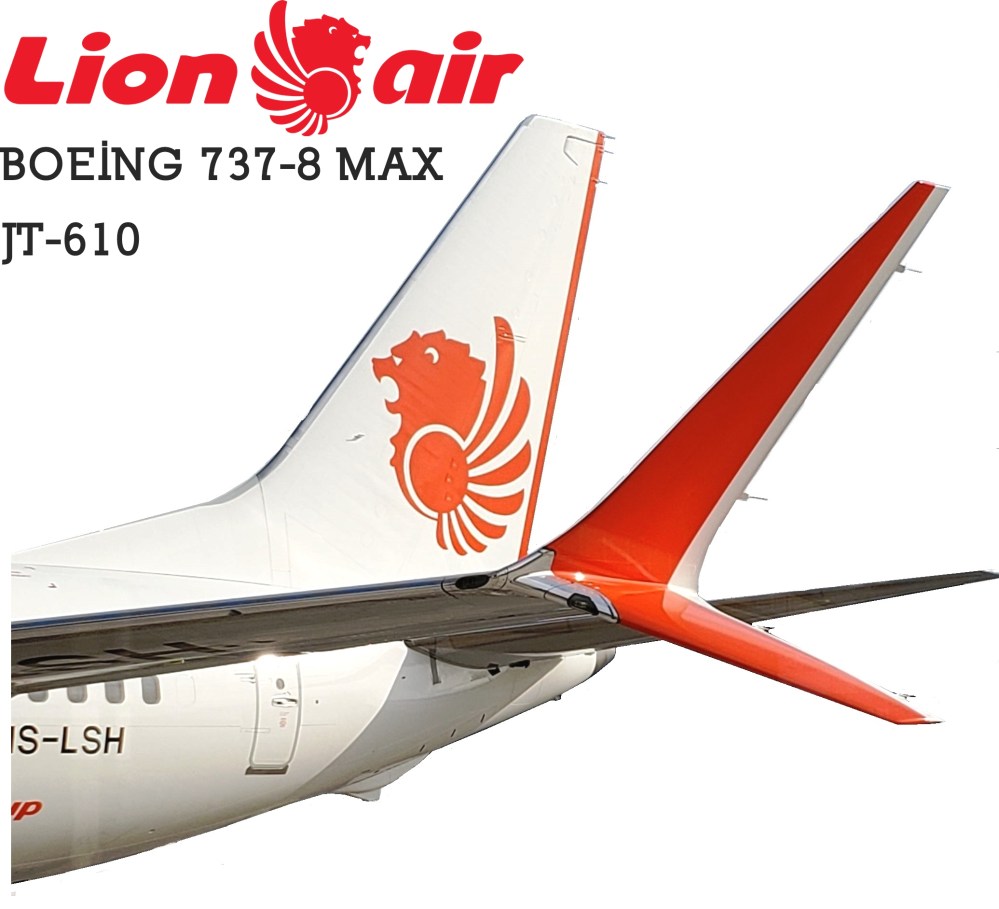
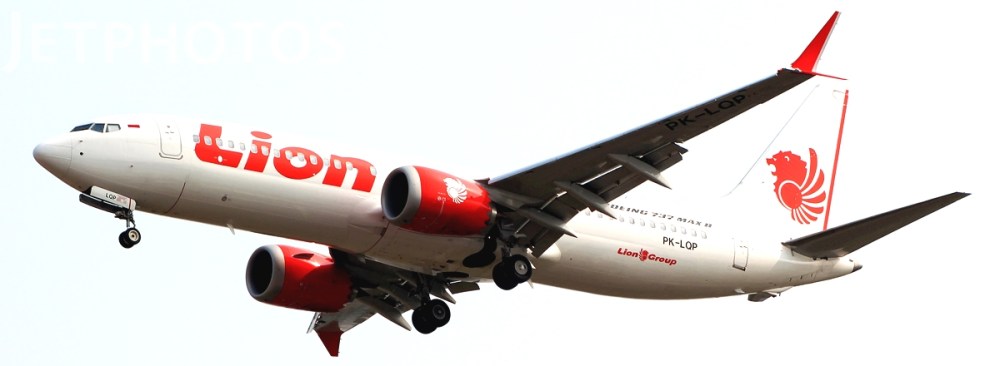
La compañía está lidiando con las consecuencias de un desastre del 29 Octubre 2018 en el que un Boeing 737-8 MAX operado por la aerolínea de bajo costo de Indonesia Lion Air se estrelló en el Mar de Java poco después del despegue desde el Aeropuerto Jakarta, matando a las 189 personas a bordo.

AW-70098544.pngCABINA DE PILOTAJE DEL BOEING 737 MAX

Discrepancias en procedimientos

La Asociación de Pilotos de Estados Unidos (APA) entre otras agrupaciones han sostenido que fueron mantenidos en la oscuridad sobre una actualización del sistema de seguridad automatizado MCAS de la nueva serie del Boeing 737 MAX.

Cuando Boeing re-posicionó los motores en el 737 MAX y los hizo más potentes, introdujo un sistema llamado MCAS (Sistema de Aumento de Características de Maniobra) que tenía la intención de hacer que el avión se comportara de manera idéntica a su predecesor, el 737 Next Generation. Dada esa intención, Boeing les contó a las aerolíneas sobre el MCAS, pero los pilotos dicen que no se incluyó en su entrenamiento.

No está claro si el 737-8 MAX de Lion Air operó como Boeing esperaba que lo hiciera. Boeing notificó a los pilotos en un aviso del 6 Noviembre 2018 que una función de anulación manual de los modelos 737 anteriores no funcionaría en el MAX 8, pero los representantes de Boeing no respondieron preguntas sobre cuándo la compañía se dio cuenta por primera vez de ese cambio. Tampoco está claro por qué no se abordó en la capacitación piloto. «Escuchar a los pilotos es una parte crítica de nuestro trabajo. Su aportación experimentada está en el centro de nuestra mente cuando desarrollamos aviones», dijo una portavoz de Boeing.

Reporte Preliminar

B737-8MAXEl Boeing 737-8 de la aerolínea Lion Air había experimentado un problema en el vuelo anteriores al accidente en el que las pantallas para el piloto y el copiloto mostraban información diferente, según un informe preliminar publicado esta semana por investigadores indonesios. Ese problema el día anterior al vuelo fatal fue abordado por los ingenieros durante la noche, pero aparentemente no se resolvió.

Después del accidente de Lion Air, Boeing emitió un boletín a las aerolíneas que decía que los indicadores defectuosos de velocidad aerodinámica podrían «reducir el estabilizador en incrementos que duraron hasta 10 segundos». Aunque la investigación está en curso, parece que los pilotos del vuelo condenado estaban luchando con el Sistema MCAS, que interpretó la entrada defectuosa de un indicador de velocidad aérea, significa que el avión se encontraba en una parada de la cual podría no recuperarse a menos que se tomaran medidas inmediatas. El MCAS respondió dirigiendo la nariz hacia abajo.

«¿Significa esto que el MCAS y otros programas de vuelo no pueden resolver las discrepancias entre las pantallas de vuelo y no es ese un defecto de diseño terrible? La computadora no puede reconciliar la diferencia, o permitir que el [copiloto] vuele normalmente desde el asiento derecho cuando hay un problema con la pantalla de control del piloto», Dijo Mary Schiavo, abogada de aviación y ex-Inspectora General del Departamento de Transporte de los Estados Unidos (DOT).

Un informe preliminar publicado el miércoles por el Comité Nacional de Seguridad del Transporte de Indonesia (KNKT/NTSC) detalla los caóticos minutos finales del vuelo. Según el informe, los pilotos lucharon para mantener el nivel del avión mientras se dirigía repetidamente hacia el mar.

No está claro si los pilotos intentaron un procedimiento de estabilizador fuera de control que habría invalidado el sistema automatizado del avión. Los datos de la FDR (Flight Data Register) publicados por los investigadores mostraron que los pilotos estaban retirando la columna de control en un intento por levantar la nariz del avión, aplicándole casi 100 libras de presión. El informe no llegó a culpar por el accidente a ls tripulación. Un resumen presentado a los reporteros el miércoles por el KNKT señaló que el informe había recomendado a Lion Air «mejorar la cultura de seguridad» y al mismo tiempo «garantizar que todos los documentos de operaciones se llenen y documenten adecuadamente».

Muilenburg se refirió al accidente como «un trágico accidente». Dijo que los empleados de Boeing han estado «invirtiendo una gran cantidad de energía para apoyar activamente la investigación y nuestros clientes del 737 MAX».

Una portavoz de Boeing dijo el jueves que la compañía se comunica regularmente con las aerolíneas y los pilotos, pero que ha intensificado ese compromiso en las últimas semanas, incluido el refuerzo de los procedimientos existentes apropiados relevantes para la situación que los investigadores han descrito en el vuelo JT-610 de Lion Air. «Todos los días, millones de personas confían en nuestros aviones comerciales para cruzar el mundo de manera segura y confiable. Cuando eso no sucede, por cualquier motivo, lo tomamos en serio», dijo el CEO de Boeing a los empleados.

Los representantes de los sindicatos de pilotos dicen que se han reunido con expertos técnicos de Boeing sobre las características de seguridad del nuevo modelo del 737 MAX. El presidente del comité de comunicaciones de la Asociación de Pilotos Aliados (APA), Dennis Tajer, dijo que un grupo de representantes de Boeing, entre ellos un ingeniero de alto nivel y un piloto de pruebas de la compañía, se reunieron con pilotos de APA en la sede de la asociación en Fort Worth el martes. Jon Weaks, Presidente de la Asociación de Pilotos de Southwest Airlines (SWAPA), dijo que la compañía celebró una reunión similar en Reno, Nevada, el domingo. Un representante de Boeing se negó a comentar sobre las reuniones. «Por lo que sé, fue la primera vez que un fabricante contactó directamente con SWAPA. Lo apreciamos, y nos decepcionó que no hayamos sabido de MCAS antes, pero en cierto momento hay que avanzar», dijo Weaks.

El CEO de Boeing afirmó que la compañía no había ocultado información a los clientes. “Es posible que haya visto informes en los medios de comunicación de que hemos ocultado intencionalmente información de nuestros clientes sobre la funcionalidad del avión. Eso es simplemente falso. La función relevante se describe en el Manual de Operaciones de la Tripulación de Vuelo, y de manera rutinaria, involucramos a los clientes sobre cómo operar nuestros aviones de forma segura». Boeing continúa sosteniendo una política de seguridad sobre el desarrollo del último modelo 737 MAX.AW-Icon-TXT-01

MAXgall1 (2).jpgBoeing tackles the 737 MAX situation

Boeing accost problematic critical technology applied to 737 MAX

Boeing CEO Dennis Muilenburg addresses the flight system update after the pilots’ criticism: «Regardless of the outcome, we will learn from this accident and continue to improve our safety record», he told employees in an internal memo.

Boeing has tried to mitigate the concerns of the pilots and customers area in the weeks since a Boeing 737-8 MAX crashed on the Indonesian coast, even when the investigation into the cause of the accident is inconclusive. In an internal note sent to employees last week, Boeing Executive Director Dennis Muilenburg reiterated the company’s 737 commercial airplane safety record, which he described as «a safe aircraft designed, built and supported by men and women Qualified people who approach their work with maximum integrity, regardless of the result, we will learn from this accident and we will continue to improve our safety record», Muilenburg wrote, committing the team to continue improving safety processes.

The company is dealing with the aftermath of a disaster on 29 October 2018 in which a Boeing 737-8 MAX operated by Indonesia’s low-cost airline Lion Air crashed into the Java Sea shortly after takeoff from the Jakarta Airport, killing the 189 people on board.

Discrepancies in procedures

The Association of Pilots of the United States (APA) among other groups have maintained that they were kept in the dark on an update of the MCAS automated security system of the new series of the Boeing 737 MAX.

When Boeing repositioned the engines in the 737 MAX and made them more powerful, it introduced a system called MCAS (Maneuvering Feature Enhancement System) that was intended to make the airplane behave identically to its predecessor, the 737 Next Generation Given that intention, Boeing told the airlines about the MCAS, but the pilots say it was not included in their training.

It is unclear if the 737-8 MAX from Lion Air operated as Boeing expected it to do. Boeing notified the riders in a November 6, 2018 announcement that a manual override function of the previous 737 models would not work on the MAX 8, but the Boeing representatives did not answer questions about when the company first became aware of that. change. It is also not clear why it was not addressed in the pilot training. «Listening to pilots is a critical part of our work, and their experienced input is at the center of our minds when we develop aircraft», said a Boeing spokeswoman.

Preliminary Report

The Lion Air airline’s Boeing 737-8 had experienced a flight problem prior to the accident in which screens for the pilot and copilot showed different information, according to a preliminary report released this week by Indonesian researchers. That problem the day before the fatal flight was addressed by the engineers during the night, but apparently it was not resolved.

After the Lion Air crash, Boeing issued a bulletin to airlines saying that faulty airspeed indicators could «reduce the stabilizer in increments that lasted up to 10 seconds». Although the investigation is ongoing, it appears that the pilots of the condemned flight were struggling with the MCAS System, which interpreted the defective input of an airspeed indicator, meaning that the plane was at a stop from which it could not recover unless that immediate measures will be taken. The MCAS responded by directing the nose down.

Resultado de imagen para Boeing 737 MAX TAKEOFFTHE ASSOCIATIONS OF PILOTS HAVE WARNED TO BOEING THAT THE DUE INFORMATION AND TRAINING OF THE MCAS SYSTEM FOR THE OPERATIONAL SAFETY HAS NOT BEEN PROVIDED

«Does this mean that the MCAS and other flight programs can not resolve the discrepancies between the flight screens and is not that a terrible design flaw? The computer can not reconcile the difference, or allow the [copilot] to fly normally from the right seat when there is a problem with the pilot control screen», said Mary Schiavo, aviation attorney and former Inspector General of the United States Department of Transportation (DOT).

A preliminary report released on Wednesday by the National Transport Security Committee of Indonesia (KNKT/NTSC) details the chaotic final minutes of the flight. According to the report, the pilots struggled to maintain the plane’s level as it repeatedly made for the sea.

It is not clear if the pilots tried an out-of-control stabilizer procedure that would have invalidated the aircraft’s automated system. Data from the FDR (Flight Data Register) published by the researchers showed that the pilots were removing the control column in an attempt to raise the nose of the plane, applying almost 100 pounds of pressure. The report did not come to blame for the accident to the crew. A summary presented to reporters on Wednesday by the KNKT noted that the report had recommended that Lion Air «improve the safety culture» and at the same time «ensure that all operational documents are properly completed and documented». Muilenburg referred to the accident as «a tragic accident», he said that Boeing employees have been «investing a lot of energy to actively support the research and our customers of the 737 MAX».

A spokeswoman for Boeing said Thursday that the company regularly communicates with airlines and pilots, but that it has stepped up that commitment in recent weeks, including strengthening existing appropriate procedures relevant to the situation researchers have described in the flight JT-610 of Lion Air. «Every day, millions of people rely on our commercial aircraft to cross the world safely and reliably, and when that does not happen, for whatever reason, we take it seriously», the Boeing CEO told employees.

The representatives of the pilot unions say they have met with Boeing technical experts about the safety features of the new model of the 737 MAX. The chairman of the communications committee of the Association of Allied Pilots (APA), Dennis Tajer, said a group of Boeing representatives, including a senior engineer and a test pilot of the company, met with pilots of APA at the association’s headquarters in Fort Worth on Tuesday. Jon Weaks, President of the Southwest Airlines Pilots Association (SWAPA), said the company held a similar meeting in Reno, Nevada, on Sunday. A representative of Boeing refused to comment on the meetings. «As far as I know, it was the first time that a manufacturer contacted SWAPA directly, we appreciated it, and were disappointed that we had not heard of MCAS before, but at a certain point we have to move forward,» Weaks said.

The CEO of Boeing said the company had not withheld information from customers. «You may have seen reports in the media that we have intentionally withheld information from our customers about the airplane’s functionality. That is simply false. The relevant function is described in the Flight Crew Operations Manual, and we routinely involve clients on how to operate our aircraft safely». Boeing continues to maintain a safety policy on the development of the latest model 737 MAX. A \ W


Ξ A I R G W A Y S Ξ
SOURCE: Airgways.com
DBk: Boeing.com / dephub.go.id / Techapeek.com / Airgways.com
AW-POST: 201811301352AR

A\W   A I R G W A Y S ®

Cumbre G20 Argentina

Resultado de imagen para Summit G20 Argentina logo

AW | 2018 11 28 22:20 | AIR TRAFFIC  / AVIATION SAFETY

Resultado de imagen para Summit G20 Argentina logoMáxima seguridad del espacio aéreo de la FIR EZE por la Cumbre G20 Argentina

La Cumbre de Líderes del G20 que se realizará en la Ciudad de Buenos Aires entre los días 30/11 al 01/12/2018, los medios de transporte público, los accesos a la Capital Federal, los corredores del Metrobus, los servicios aeroportuarios y la terminal de ómnibus de Retiro estarán cerrados para el transporte público, pero con los arreglos a la Cumbre del G20 funcionarán con distintas restricciones entre el jueves y el domingo. Más de 22.000 efectivos participarán en el dispositivo de seguridad del G20.

Aeropuertos

Los aviones de los mandatarios operarán en el Aeroparque Jorge Newbery, ubicado a menos de 3 kilómetros de la sede de la cumbre, mientras que los aeropuertos de El Palomar, Morón y San Fernando suspenderán su actividad, dejando a la terminal de Ezeiza como la única que mantendrá su servicio comercial de pasajeros. Aeropuerto Jorge Newbery estará operativo sólo para vuelos oficiales desde el próximo Jueves, 29/11/2018 desde las 15:00 hs hasta el Sábado, 1 Diciembre 2018 hasta las 22:00 hs. El Aeropuerto El Palomar no operará desde el Jueves, 29/11/2018 desde las 20:00 hs hasta el Sábado, 1/11/2018 hasta las 22:00 hs. El Aeropuerto Internacional de Ezeiza estará operativo a vuelos comerciales, aunque sus operaciones podrían verse afectadas.AW-Icon-TXT-01


Resultado de imagen para G20 EzeizaResultado de imagen para G20 Ezeiza

G20 Summit Argentina

Resultado de imagen para Summit G20 Argentina logoMaximum security of the airspace of the FIR EZE by the G20 Summit Argentina

The Leaders Summit of the G20 to be held in the City of Buenos Aires between 30/11 and 01/12/2018, public transport, access to the Federal Capital, the Metrobus corridors, airport services and Retiro bus terminal will be closed for public transport, but with arrangements to the G20 Summit will work with different restrictions between Thursday and Sunday. More than 22,000 personnel will participate in the G20 security device.

Airports

The aircraft of the presidents will operate in the Aeroparque Jorge Newbery, located less than 3 kilometers from the headquarters of the summit, while the airports of El Palomar, Morón and San Fernando will suspend their activity, leaving the Ezeiza terminal as the only that will maintain its commercial passenger service. Jorge Newbery Airport will be operational only for official flights starting next Thursday, 11/29/2018 from 3:00 p.m. until Saturday, 1 December 2018 until 10:00 p.m. El Palomar Airport will not operate from Thursday, 11/29/2018 from 8:00 p.m. until Saturday, 1/11/2018 until 10:00 p.m. The Ezeiza International Airport will be operational on commercial flights, although its operations could be affected. A \ W


Ξ A I R G W A Y S Ξ
SOURCE: Airgways.com
DBk: Argentina.gob.ar/transporte / Aa2000.com.ar / Airgways.com
AW-POST: 201811282220AR

A\W   A I R G W A Y S ®