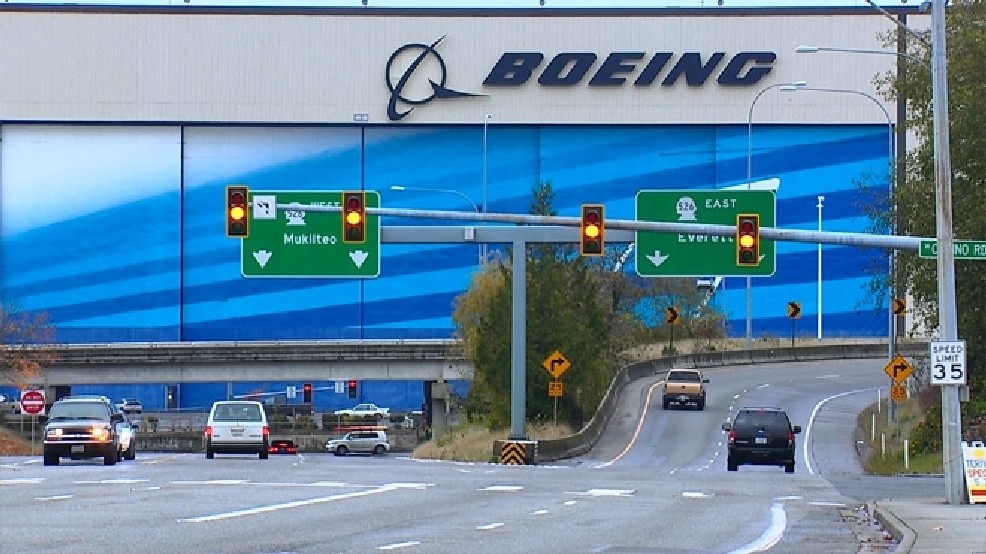
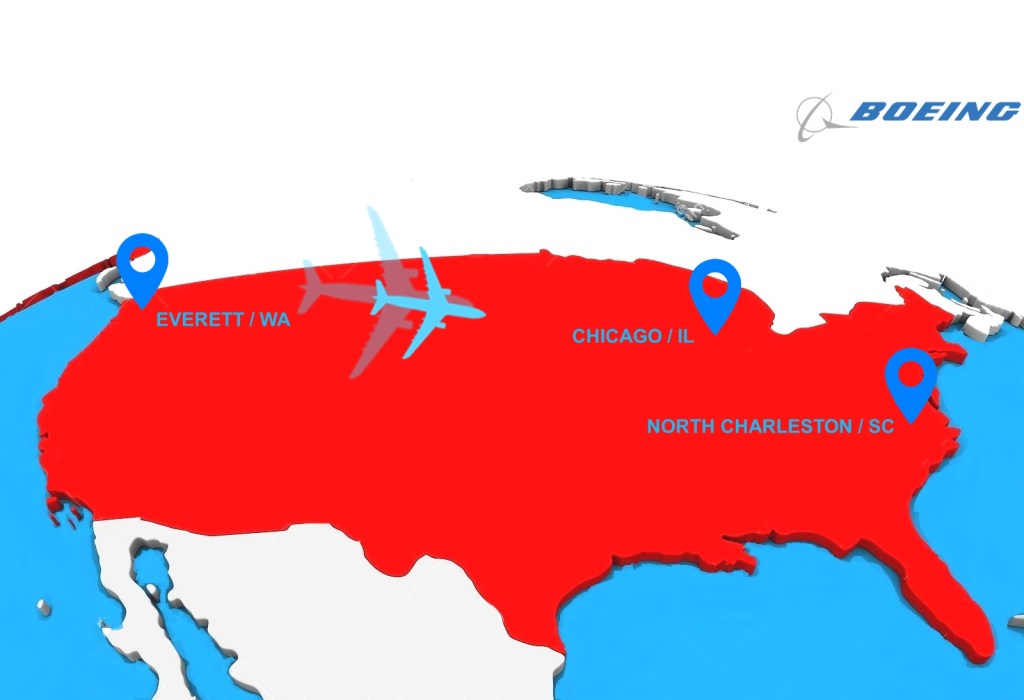
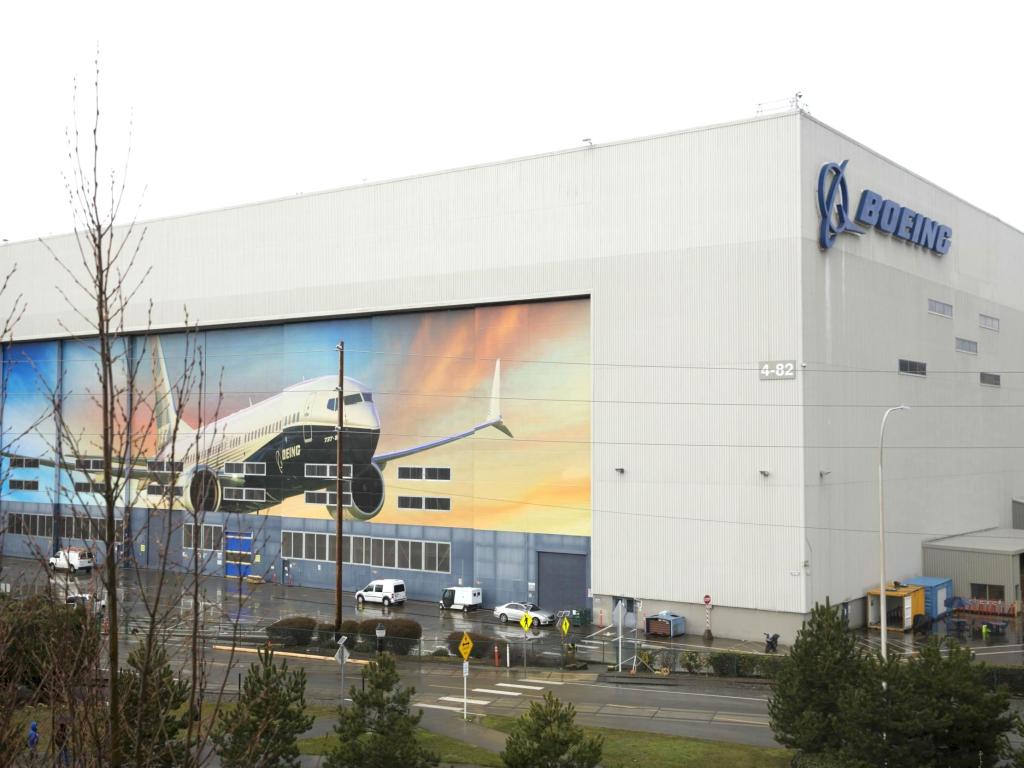
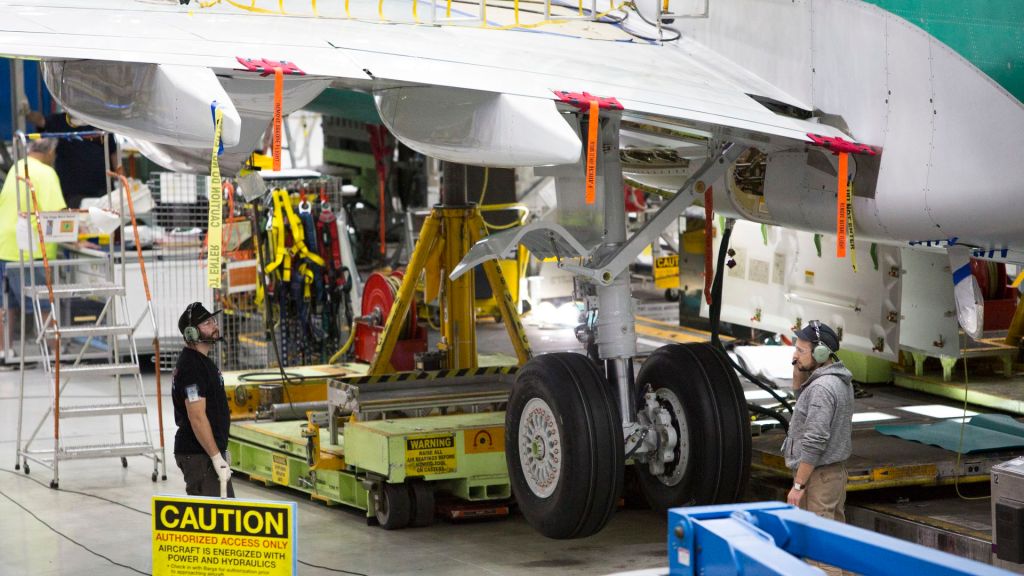
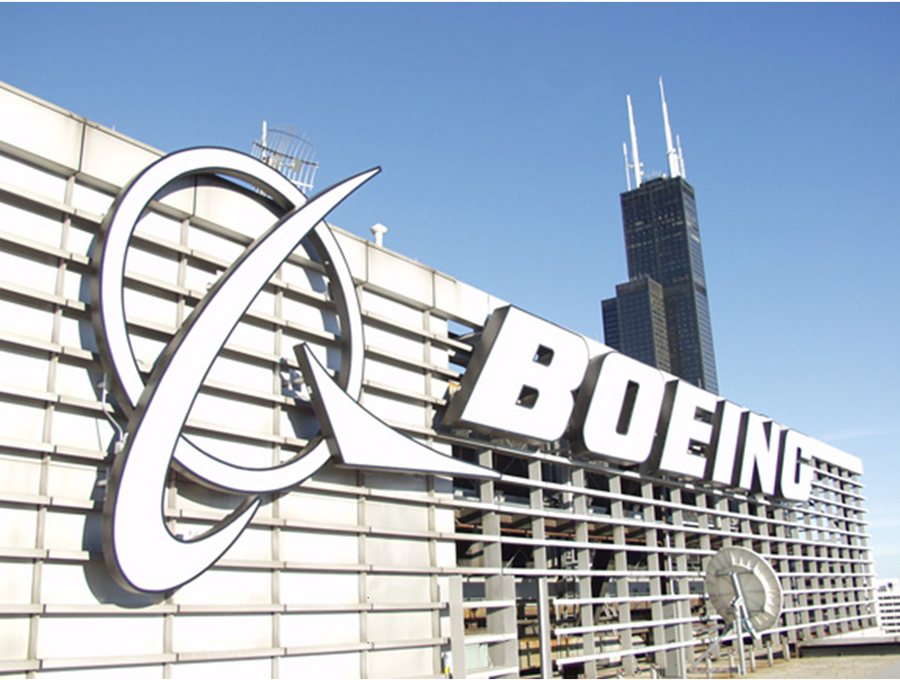
El reciente anuncio de The Boeing Company del movimiento de la línea 787 Dreamliner fuera de Everett, consolidando las operaciones en el Estado de Carolina del Sur es una indicación del clima de negocios en quiebra de Washington. Desafortunadamente, este no es el primer negocio para mudarse, y no será el último. Los legisladores y las ciudades deben reconocer que los impuestos y otras políticas están alejando a las empresas y los puestos de trabajo. La decisión de Boeing sigue a la reubicación de su sede corporativa en Chicago en 2001 que buscaba un punto equidistante de los centros de negocios mundiales.
Migraciones post-pandemia
El reciente traslado de Amazon con sede en Seattle para trasladar a más de sus empleados fuera de Seattle a otras ciudades del Estado. Afortunadamente, en el caso de Amazon, el traslado está justo al otro lado del lago a Bellevue, pero el gigante de los trabajos también decidió poner su segunda sede fuera del estado, a Crystal City, Virginia. No son sólo las empresas conocidas las que se van. Smead Capital, una firma de inversión multimillonaria, se está mudando de Seattle a Phoenix, Arizona. The Seattle Downtown Association informa que algunos 100 negocios han cerrado justo en el área del centro de la ciudad, citando altos impuestos y una falta de seguridad pública. Todas estas deslocalizaciones son el resultado de negocios que escapan de un entorno que es hostil a operar en el estado de Washington.
Después de varios años de amenazar con imponer un impuesto a la cabeza de un empleado y luchar con Amazon, el Ayuntamiento de Seattle finalmente impuso un nuevo impuesto principal a principios de 2020. Casi sin protestar, Amazon comenzó a buscar en silencio fuera de Seattle para localizar su próxima expansión comercial. Resulta que Virginia es la ganadora en las peleas políticas de Seattle. Muchos en el Gobierno no entienden este concepto. Si usted empuja un negocio a un punto donde ya no puede hacer negocios en su municipio o estado, simplemente se moverá a otro lugar.
Es poco probable que este nuevo impuesto sobre la nómina en Seattle cause una pérdida significativa a corto plazo en los ingresos tributarios de la ciudad. De hecho, este impuesto traerá nuevos ingresos, pero no por mucho tiempo. A medida que las empresas buscan expandirse o ubicarse en Seattle, el nuevo impuesto a la cabeza será un elemento disuasorio para abrir una nueva oficina o instalación dentro de los límites de la ciudad. Se crearán nuevos puestos de trabajo fuera de los límites de la ciudad y muchos de los puestos de trabajo existentes se reubicarán con el tiempo. Imagínese como un propietario de negocio en busca de una ubicación para la expansión. El lado de la calle que decide mudarse puede literalmente costar miles de dólares en impuestos adicionales. Los líderes de Seattle probablemente se arrepentirán el día en que crearon el impuesto a la cabeza, que es efectivamente un impuesto al empleo. El mismo principio se aplica al Estado en su conjunto. Cuando se enfrenta a una elección entre un estado que ofrece impuestos bajos y regulaciones más justas y un estado que penaliza un negocio sólo por operar dentro de sus fronteras, el propietario del negocio sin duda elegirá el estado más amigable.
La Legislatura debe tener cuidado con el aumento continuo de los impuestos sobre las empresas, los impuestos sobre el seguro de desempleo, los impuestos sobre la nómina, las tasas adicionales y la aprobación de la legislación contra los derechos de los trabajadores que hacen de Washington un lugar menos competitivo para ubicar una empresa. Otros estados están dispuestos a tomar decisiones políticas inteligentes que ganen esos puestos de trabajo. Las propuestas recientes de la legislatura, incluyendo la instauración de un impuesto sobre la renta sobre las ganancias de capital alentarán a menos empresas a ubicarse en Washington e inducirán a más empresas a irse. Todavía pudiera existir tiempo para que los líderes de Washington solucionen el creciente éxodo empresarial revirtiendo los impuestos punitivos y las regulaciones innecesarias y gravosas, pero esa ventana de oportunidad se está cerrando rápidamente.
El movimiento de parte de las unidades de negocios de The Boeing Company ha encendido las luces respecto a la migración de las empresas hacia otra plaza que represente beneficios significativos para sus negocios. Boeing, tras el proceso d e fusión con McDonnell Douglas en 1997, ha mudado su sede histórica en Seattle en 2001hacia el centro financiero en el Midwest de Estados Unidos, Chicago para tener más influencia en las decisiones corporativas mundiales. El movimiento actual de la compañía aeroespacial representa una migración de las economías y las capacidades que sin dudas generará grandes cambios en los Estados Unidos.
Boeing post-pandemic industrial exodus
Washington state faces migration companies
The recent announcement by The Boeing Company of the move of the 787 Dreamliner line out of Everett, consolidating operations in the State of South Carolina is an indication of Washington’s bankrupt business climate. Unfortunately, this is not the first business to move into, and it will not be the last. Lawmakers and cities must recognize that taxes and other policies are driving businesses and jobs away. Boeing’s decision follows the relocation of its corporate headquarters to Chicago in 2001 that sought an equidistant point from the world’s business centers.
Post-pandemic migrations
The recent relocation of Seattle-based Amazon to move more of its employees out of Seattle to other cities in the state. Fortunately, in Amazon’s case, the move is just across the lake to Bellevue, but the jobs giant also decided to put its second out-of-state headquarters in Crystal City, Virginia. It’s not just well-known companies that are leaving. Smead Capital, a multi-million dollar investment firm, is moving from Seattle to Phoenix, Arizona. The Seattle Downtown Association reports that some 100 businesses have closed right in the downtown area, citing high taxes and a lack of public safety. All of these relocations are the result of businesses escaping from an environment that is hostile to operating in Washington state.
After several years of threatening to impose a tax on an employee’s head and fighting with Amazon, the Seattle City Council finally imposed a new main tax in early 2020. Almost without protest, Amazon began quietly searching outside of Seattle for locate your next business expansion. It turns out that Virginia is the winner in Seattle’s political fights. Many in government do not understand this concept. If you push a business to a point where you can no longer do business in your municipality or state, you will simply move elsewhere.
This new Seattle payroll tax is unlikely to cause a significant short-term loss in city tax revenue. In fact, this tax will bring in new revenue, but not for long. As businesses look to expand or locate in Seattle, the new head tax will be a deterrent to opening a new office or facility within city limits. New jobs will be created outside of the city limits and many of the existing jobs will be relocated over time. Imagine yourself as a business owner looking for a location for expansion. The side of the street that decides to move can literally cost thousands of dollars in additional taxes. Seattle leaders will likely regret the day they created the head tax, which is effectively an employment tax. The same principle applies to the state as a whole. When faced with a choice between a state that offers low taxes and fairer regulations and a state that penalizes a business just for operating within its borders, the business owner will certainly choose the friendlier state.
The Legislature must be wary of continued increases in business taxes, unemployment insurance taxes, payroll taxes, additional fees, and the passage of anti-worker rights legislation that make Washington a least competitive place to locate a business. Other states are willing to make smart political decisions that win those jobs. Recent proposals from the legislature, including the introduction of an income tax on capital gains will encourage fewer companies to locate in Washington and induce more companies to leave. There may still be time for Washington leaders to fix the growing business exodus by reversing punitive taxes and unnecessary and burdensome regulations, but that window of opportunity is closing fast.
The movement of part of the business units of The Boeing Company has turned on the lights regarding the migration of companies to another place that represents significant benefits for their businesses. Boeing, after the merger process with McDonnell Douglas in 1997, has moved its historic headquarters in Seattle in 2001 to the financial center in the Midwest of the United States, Chicago to have more influence on global corporate decisions. The current movement of the aerospace company represents a migration of economies and capabilities that will undoubtedly generate great changes in the United States.
Embraer lanzaría programa turboprop híbridos eléctricos
La compañía Embraer S.A. había anunciado al mundo este Viernes 30/10 el nuevo Programa E3 turboprop de la compañía brasileña. Altos directivos de Embraer han desvelado más detalles de sus nuevos proyectos en los que trabajan y que incluyen varios aviones híbridos eléctricos. El Presidente/CEO de Embraer, Francisco Gomes Neto, presidente y Rodrigo Silva e Souza, Vicepresidente de Marketing de Embraer han hablado de la situación de los nuevos aviones en los que trabajan desde hace meses.
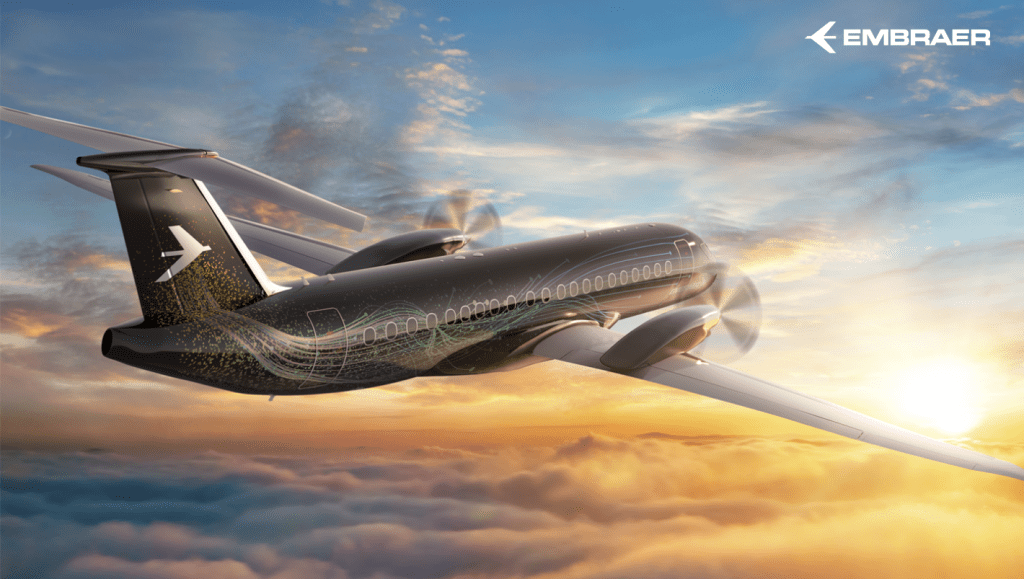
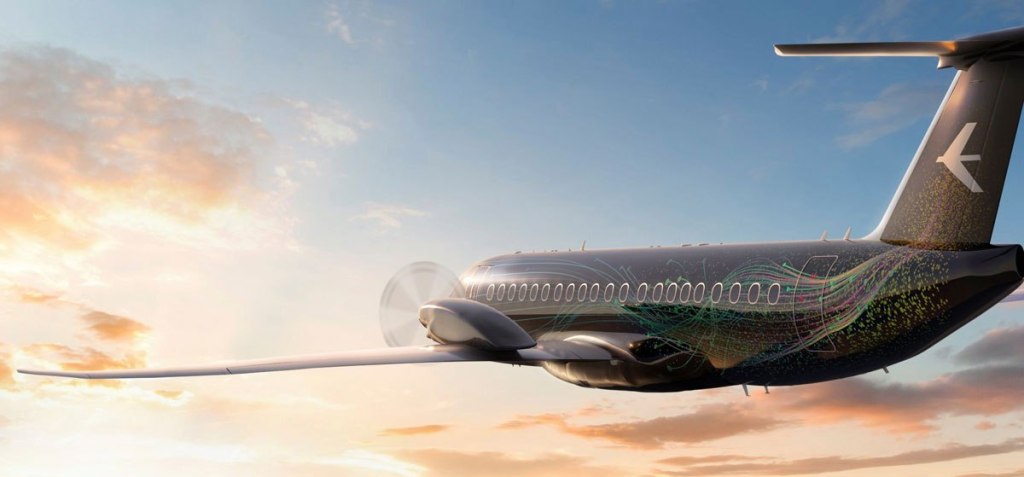
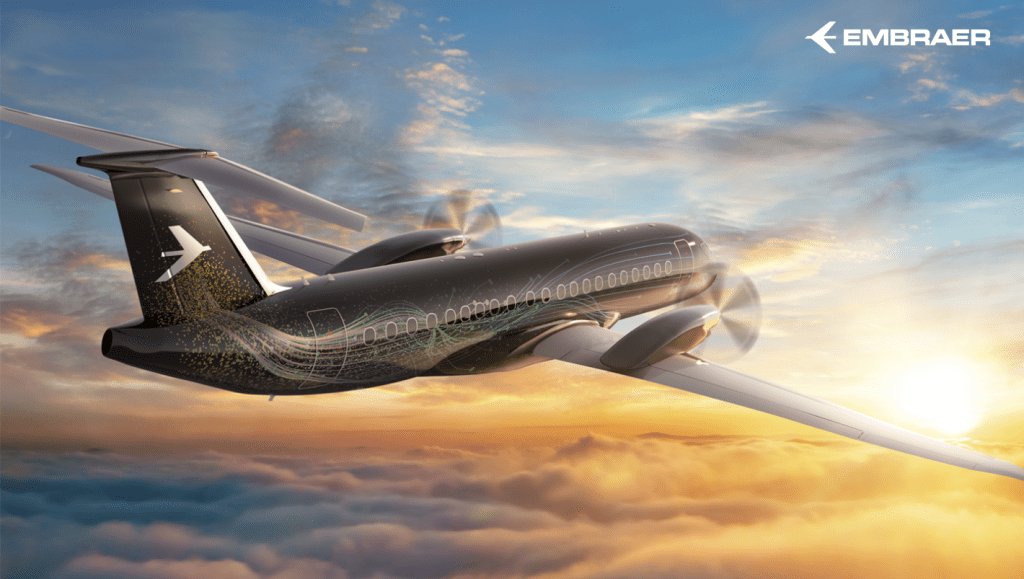
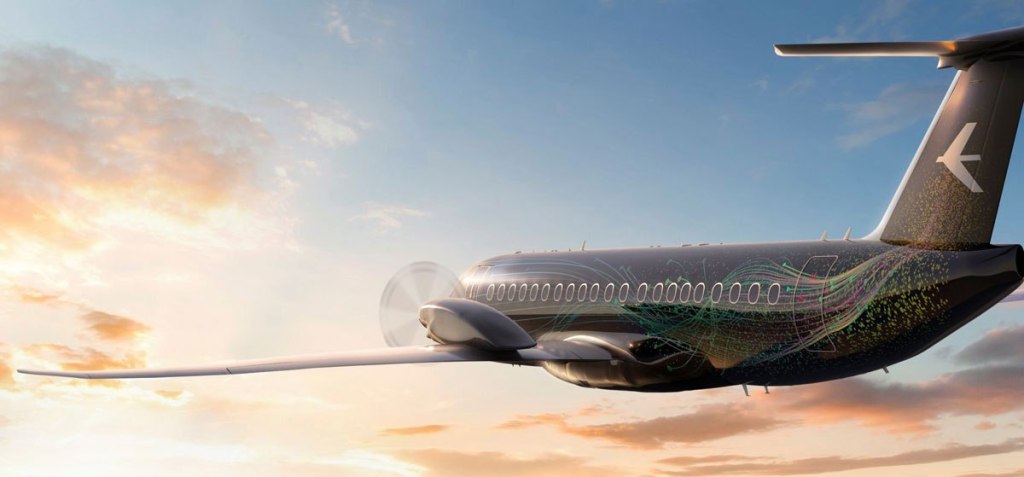
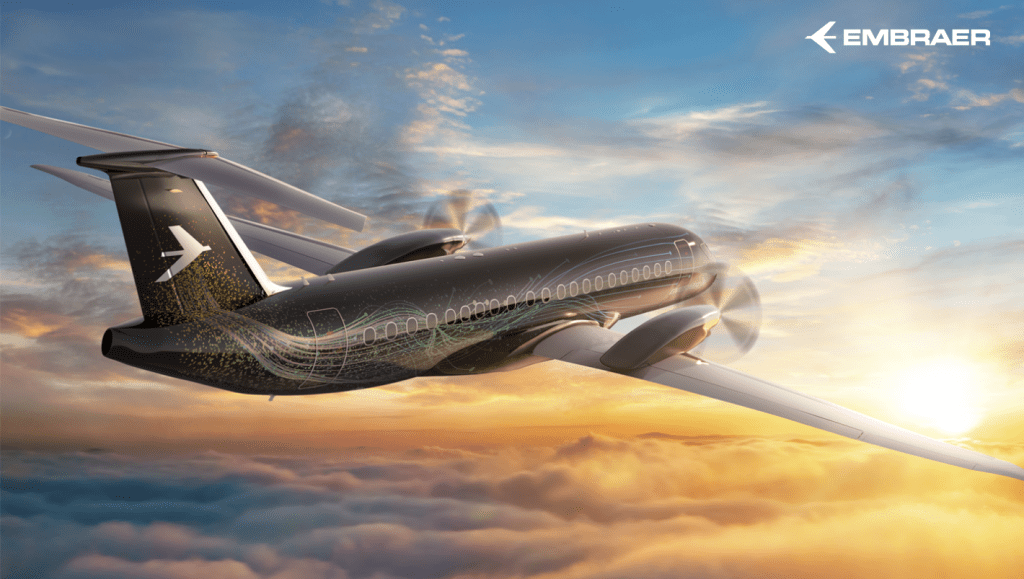
El nuevo Programa E3 del turbohélice, Embraer ha hecho públicas dos imágenes. Anteriormente Boeing-Embraer continuaban en el desarrollo de un avión de transporte regional de tercer nivel entre 80 y 100 pasajeros que se anunció con pocas luces antes del divorcio entre Boeing y Embraer. Antes de la pelea con Boeing, el E3 estaría compuesto de una familia con dos o tres versiones del modelo presentando diferenciación de capacidades de pasaje y pesos operativos, con una proyección de entrada en servicio entre 2025 y 2026. Tras la reapertura independiente de Embraer el diseño ha ido evolucionado para desarrollar una aeronave para transportar alrededor de unos 70 pasajeros. Según los directivos de Embraer, el E3 como lo denominaban, ya que lo veían como una evolución de los EJets E2 con los que compartiría fuselaje, y por tanto aspectos como la comodidad, tendría el ala baja de acuerdo a las nuevas regulaciones para supervivencia en caso de un accidente, con una entrada en servicio hacia el 2027. Para este avión, Embraer está ya buscando activamente socios para su desarrollo y fabricación. No quieren solo suministradores, sino además socios a riesgo.
El desarrollo de este nuevo turbohélice comenzó en 2019. La sección final del fuselaje y la cola son diferentes. De hecho la cola recuerda mucho a la usada en los aviones ejecutivos Embraer Phenom. La unión ala fuselaje en la parte inferior del mismo también difiere de forma importante. Teniendo en cuenta que, en el Brasilia, el tren de aterrizaje principal se alberga en la parte inferior de las barquillas de los motores, todo parece indicar que en el nuevo modelo el tren de aterrizaje será tipo convencional, alojado debajo de las alas para recogerse en la sección ventral de la aeronave.
Embraer E3 hybrid-electric
Embraer to launch hybrid electric turboprop program
The company Embraer S.A. announced to the world this Friday 10/30 the new E3 Program turboprop of the Brazilian company. Senior Embraer executives have revealed more details of their new projects they are working on, which include various hybrid electric aircraft. The President/ CEO of Embraer, Francisco Gomes Neto, president and Rodrigo Silva e Souza, Vice President of Marketing of Embraer have spoken about the situation of the new aircraft they have been working on for months.
The new E3 Turboprop Program, Embraer has released two images. Previously, Boeing-Embraer continued to develop a third-tier regional airliner for 80-100 passengers that was dimly announced before the Boeing-Embraer divorce. Before the fight with Boeing, the E3 would be composed of a family with two or three versions of the model presenting differentiation of passenger capacities and operating weights, with a projection of entry into service between 2025 and 2026. After the independent reopening of Embraer the design has evolved to develop an aircraft to carry around 70 passengers. According to Embraer executives, the E3 as they called it, since they saw it as an evolution of the EJets E2 with which it would share the fuselage, and therefore aspects such as comfort, it would have a low wing according to the new regulations for survival in in the event of an accident, with entry into service around 2027. For this aircraft, Embraer is already actively seeking partners for its development and manufacture. They do not want only suppliers, but also partners at risk.
Development of this new turboprop started in 2019. The final section of the fuselage and the tail are different. In fact, the tail is very reminiscent of that used on Embraer Phenom business jets. The attachment to the fuselage at the bottom of the fuselage also differs significantly. Taking into account that, in the Brasilia, the main landing gear is housed in the lower part of the engine nacelles, everything seems to indicate that in the new model the landing gear will be conventional type, housed under the wings to collect in the ventral section of the aircraft.
Embraer E3 híbrido-elétrico
Embraer lança programa turboélice elétrico híbrido
A empresa Embraer S.A. anunciou ao mundo nesta sexta-feira 30/10 o novo Programa E3 turboélice da empresa brasileira. Executivos da Embraer revelaram mais detalhes de seus novos projetos em que estão trabalhando, que incluem várias aeronaves elétricas híbridas. O Presidente/CEO da Embraer, Francisco Gomes Neto, Presidente e Rodrigo Silva e Souza, Vice-Presidente de Marketing da Embraer falaram sobre a situação das novas aeronaves em que trabalham há meses.
No novo Programa Turboélice E3, a Embraer divulgou duas imagens. Anteriormente, a Boeing-Embraer continuou a desenvolver um avião regional de terceiro nível para 80-100 passageiros que foi vagamente anunciado antes do divórcio Boeing-Embraer. Antes da briga com a Boeing, o E3 seria composto por uma família com duas ou três versões do modelo apresentando diferenciação de capacidades de passageiros e pesos operacionais, com projeção de entrada em serviço entre 2025 e 2026. Após a reabertura independente da Embraer o o design evoluiu para desenvolver uma aeronave para transportar cerca de 70 passageiros. Segundo executivos da Embraer, o E3 como o chamavam, pois o viam como uma evolução dos EJets E2 com os quais dividiria a fuselagem e, portanto, aspectos como conforto, teria asa baixa de acordo com as novas normas de sobrevivência em em caso de acidente, com entrada em serviço por volta de 2027. Para essa aeronave, a Embraer já busca ativamente parceiros para seu desenvolvimento e fabricação. Eles não querem apenas fornecedores, mas também parceiros em risco.
O desenvolvimento deste novo turboélice começou em 2019. A seção final da fuselagem e a cauda são diferentes. Na verdade, a cauda lembra muito a usada nos jatos executivos Phenom da Embraer. O anexo à fuselagem na parte inferior da fuselagem também difere significativamente. Levando em consideração que, em Brasília, o trem de pouso principal está alojado na parte inferior das nacelas do motor, tudo parece indicar que no novo modelo o trem de pouso será do tipo convencional, alojado sob as asas para coleta na seção ventral da aeronave.
Recuperación Boeing 737 MAX condiciona futuros desarrollos
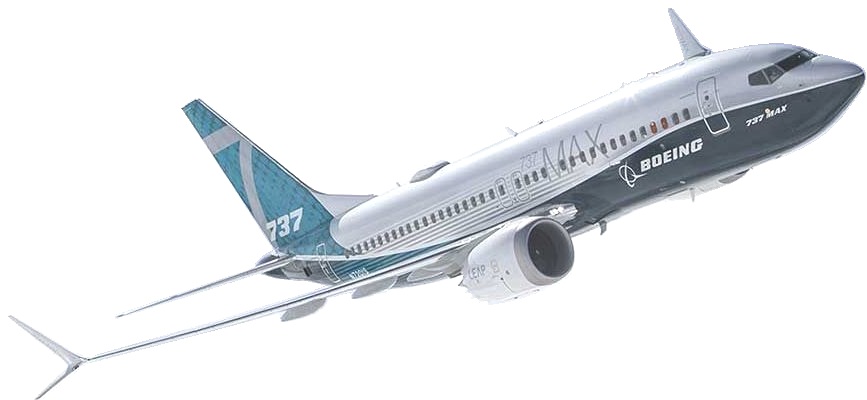
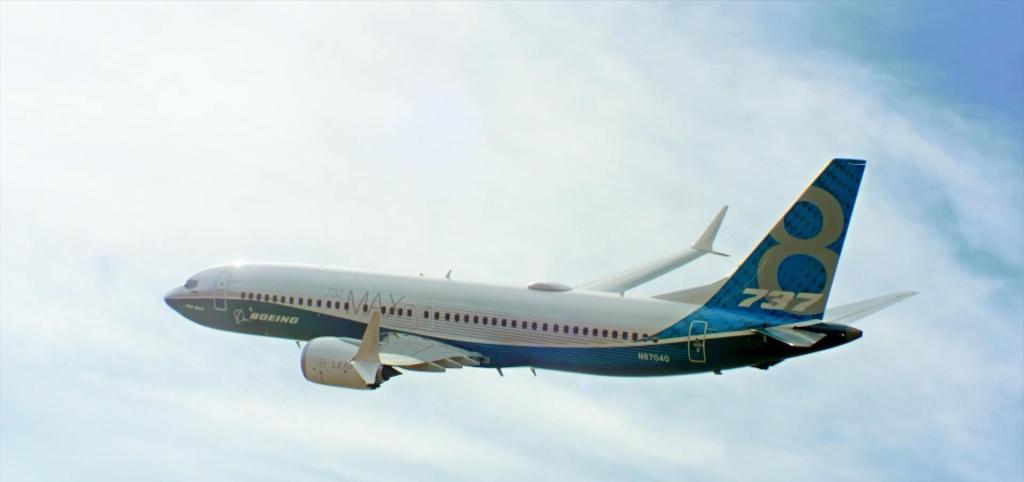
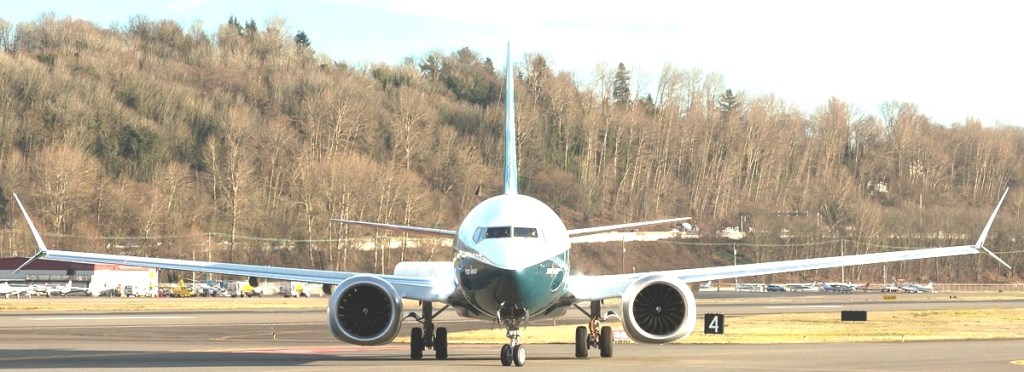
The Boeing Company ha permanecido vacilante respecto a un nuevo programa de desarrollo focalizado en el mercado de rango medio considerando la probabilidad de lanzamiento a corto plazo un nuevo avión en un futuro próximo conocido como MNA o 797. «Sus opciones dependerán en gran parte al éxito de la línea 737 MAX en tierra recupere su posición en el mercado. Se espera que el MAX gane la aprobación de seguridad en cuestión de semanas después de un aterrizaje de 19 meses a raíz de dos accidentes. Estamos haciendo todo con Boeing para poner el MAX de nuevo en servicio en las mejores condiciones posibles», dijo el Viernes 30/10, Philippe Petitcolin, Director Ejecutivo de Safran.
Boeing, proveedores y empresas de arrendamiento, todos los cuales invirtieron fuertemente en el MAX, han retrasado la idea de reemplazarlo a pesar de las crecientes cancelaciones. Pero se espera que Boeing intente capturar órdenes llamativas para recuperar parte de la parte de la parte perdida ante Airbus, pero manteniendo el foco especialmente en el A321NEO cada vez más dominante en el mercado. Si las compañías aéreas dejan de comprar el MAX o no lo reabsorben en sus flotas, se ha especulado que Boeing podría comenzar el proceso de sustitución desarrollando primero estratégicamente un reemplazo para el 757 fuera de producción. Este es un jet de pasillo único un poco más grande que ocupa un lugar en el mercado superpuesto con la familia MAX y A321NEO. Por lo tanto, se ve como un posible punto de partida para un diseño que eventualmente podría pivotar a un reemplazo completo de la línea MAX.
Philippe Petitcolin dijo que el 737 MAX probablemente permanecería en servicio hasta 2035, lo que implica que el desarrollo de un sucesor natural no comenzaría hasta 2027 con pre-marketing a partir de 2025. Si el MAX no se reafirmara en el mercado, Boeing podría teóricamente verse tentado a adelantarlo a 2022-23. «El éxito o no del regreso al servicio del MAX podría hipotéticamente influir en la decisión de Boeing de lanzar un avión antes. Un nuevo modelo está en el ámbito de las posibilidades, incluso si hoy en día no es la solución u opción que consideramos más probable», expresó el directivo de Safran.
Boeing, que ha dicho repetidamente que se está centrando únicamente en el 737 MAX, no estaba inmediatamente disponible para realizar comentarios al respecto. En Abril 2020 que Boeing había estado estudiando un posible reemplazo 757 para frustrar el A321NEO. Nuevos informes impulsaron las acciones de Boeing a principios de esta semana. Fuentes senior de la industria dijeron que Boeing no lanzaría un nuevo jet pronto, aunque algunos analistas lo han instado a hacerlo.
Perspectivas aéreas
La compañía Boeing está estudiando los refinamientos y actualizaciones de variantes de la línea 737 MAX más grandes, incluyendo el MAX 9, que continúa mostrando una debilidad en el mercado, y el MAX 10, donde la compañía americana ha podido lograr estirar la célula lo más posible para captar un mercado abandonado por el Boeing 757. De todos modos, el gigante americano continúa puesta una mirada en el futuro éxito del 737 MAX y otra mirada en el fracaso de la misma para activar el desarrollo que pudiera asemejarse a lo que ha sido el avión de línea más taquillero de todos los tiempo, a esto deberá prestar su máxima atención.
Prospects for developments at Boeing
Recovery of the Boeing 737 MAX conditions future developments
The Boeing Company has remained hesitant regarding a new development program focused on the mid-range market considering the likelihood of a short-term launch of a new aircraft known as the MNA or 797 in the near future. «Your options will largely depend on success. of the 737 MAX line on the ground to regain its market position. The MAX is expected to gain safety approval within weeks after a 19-month landing following two accidents. We are doing everything with Boeing to get the MAX back in service in the best possible conditions», said on Friday 10/30, Philippe Petitcolin, Chief Executive Officer of Safran.
Boeing, suppliers and leasing companies, all of which invested heavily in the MAX, have delayed the idea of replacing it despite growing cancellations. But Boeing is expected to try to capture flashy orders to regain some of the share of the share lost to Airbus, but keeping the focus especially on the increasingly dominant A321NEO in the market. If airlines stop buying the MAX or don’t reabsorb it into their fleets, it has been speculated that Boeing could begin the replacement process by first strategically developing a replacement for the out-of-production 757. This is a slightly larger single-aisle jet that occupies a place in the market overlapping with the MAX and A321NEO family. Therefore, it is seen as a possible starting point for a design that could eventually pivot to a complete replacement of the MAX line.
Philippe Petitcolin said that the 737 MAX would likely remain in service until 2035, implying that development of a natural successor would not begin until 2027 with pre-marketing starting in 2025. If the MAX did not reassert itself in the market, Boeing could theoretically be tempted to push it forward to 2022-23. «The success or failure of the return to service of the MAX could hypothetically influence Boeing’s decision to launch an aircraft earlier. A new model is in the realm of possibility, even if today it is not the solution or option we consider the most. probable», said Safran’s manager.
Boeing, which has repeatedly said it is focusing solely on the 737 MAX, was not immediately available for comment. In April 2020 Boeing had been studying a possible 757 replacement to foil the A321NEO. New reports boosted Boeing shares earlier this week. Senior industry sources said Boeing would not launch a new jet anytime soon, although some analysts have urged it to do so.
Aerial perspectives
The Boeing company is studying refinements and updates to larger 737 MAX line variants, including the MAX 9, which continues to show weakness in the market, and the MAX 10, where the American company has been able to stretch the cell as much as possible. possible to capture a market abandoned by the Boeing 757. In any case, the American giant continues to set a look at the future success of the 737 MAX and another look at its failure to activate development that could resemble what has been the highest grossing airliner of all time, to this you should pay your utmost attention.
Mitsubishi detendrá Programa SpaceJet debido a pandemia
Mitsubishi Heavy Industries (MHI) congelará su programa regional de aviones Mitsubishi Aircraft MA90 SpaceJet mientras la crisis del Coronavirus amenaza un proyecto nacional de alto perfil que estaba destinado a traer a Japón de vuelta al mercado global de la aviación. La suspensión, anunciada el Viernes 30/10, marca un doloroso retiro para el conglomerado industrial en apuros que adquirió la división regional del Programa CRJ Series de Bombardier Inc. El grupo japonés anunció la medida como parte de un plan de negocios revisado a mediano plazo, diciendo que continuará algún trabajo en la documentación de certificación de tipo con el fin de posiblemente reanudar el programa en algún momento en el futuro.
Resultados financieros
En los resultados financieros del primer semestre del ejercicio fiscal en curso, MHI reportó una disminución de los ingresos de un 12% en todo el grupo a € 1.658.600 millones de Euros (US$ 15.900 millones de Dólares). Sin embargo, a raíz del impacto negativo negativo de la pandemia de Coronavirus, el grupo sufrió una pérdida antes de impuestos de € 72.800 millones de Euros, de los cuales su división de aviación, defensa y espacio representó € 66.300 millones de Euros.
A principios de este año, Mitsubishi Aircraft detuvo los planes para llevar a cabo pruebas de vuelo del M90 twinjet de 88 asientos en Moses Lake, Washington, y también detuvo los trabajos de desarrollo en el M100 de 76 asientos.
En el anuncio del 30 de Octubre de 2020, la compañía no dio una fecha objetivo revisada para completar la certificación M90, que ya se ha quedado atrás varias veces desde el lanzamiento del programa en 2008. En Enero 2017, la compañía había retrasado una fecha prevista para las primeras entregas para lanzar al cliente All Nippon Airways desde mediados de 2018 hasta mediados de 2020, momento en el que ya habría estado siete años por detrás del objetivo original de 2013. A principios de Febrero 2020, MHI confirmó el más reciente en una serie de retrasos en el programa causados por extensos cambios de diseño y otros problemas de ingeniería, lo que indica que la certificación de tipo se revertiría al menos hasta 2021.
La fecha límite más reciente fue a mediados de 2020. «Dada la situación actual de desarrollo y las condiciones del mercado, no tenemos más remedio que pausar temporalmente la mayoría de las actividades de SpaceJet, excepto la documentación de certificación de tipo. Trabajaremos para revisar dónde estamos, realizar mejoras y evaluar un posible reinicio del programa», dijo MHI en su Plan de Negocios a Mediano Plazo 2021 hasta 2023.
En Junio 2020, MHI anunció planes para reducir a la mitad la financiación para el programa SpaceJet después de que Mitsubishi Aircraft incurrió en costos por un total de US$ 340.657.600, en parte a través de la adquisición del programa regional de aviones de Pasajeros CRJ de Bombardier. En el marco del plan de negocios revisado, la compañía tiene la intención de ampliar los planes para proporcionar mantenimiento, reparación y revisión a la flota existente del Programa CRJ. MHI espera ahora que el mercado del transporte aéreo sólo comience la recuperación a partir de 2024. Dijo que seguirá activo en el sector de las aeroestructuras a través de un plan para aumentar la eficiencia de la producción e impulsar el desarrollo de nuevas tecnologías para participar en futuros programas mundiales de aeronaves.
El anuncio de MHI no menciona los posibles despidos a raíz de la suspensión del programa M90, pero su plan de recuperación se refiere a ahorros de costos iniciales específicos de € 120 mil millones de Euros. Bajo una reorganización anunciada en mayo, el veterano de la compañía de 35 años Yasuhiko Kawaguchi fue nombrado ingeniero jefe ejecutivo de Mitsubishi Aircraft, reemplazando al Director de Desarrollo Alex Bellamy como Jefe del Programa M90, informando al Presidente de la subsidiaria Takaoki Niwa.
Mitsubishi stops SpaceJet program
Mitsubishi to stop SpaceJet Program due to pandemic
Mitsubishi Heavy Industries (MHI) will freeze its regional Mitsubishi Aircraft MA90 SpaceJet aircraft program as the Coronavirus crisis threatens a high-profile national project that was intended to bring Japan back to the global aviation market. The suspension, announced on Friday 10/30, marks a painful withdrawal for the struggling industrial conglomerate that acquired the regional division of Bombardier Inc.’s CRJ Series Program.The Japanese group announced the move as part of a revised medium-term business plan, saying that he will continue some work on the type certification documentation in order to possibly resume the program at some point in the future.
Financial results
In financial results for the first half of the current fiscal year, MHI reported a 12% decrease in revenue across the group to € 1,658.6 billion Euros (US$ 15.9 billion). However, as a result of the negative negative impact of the Coronavirus pandemic, the group suffered a pre-tax loss of € 72.8 billion, of which its aviation, defense and space division accounted for € 66.3 billion.
Earlier this year, Mitsubishi Aircraft halted plans to conduct flight tests of the 88-seat M90 twinjet in Moses Lake, Washington, and also halted development work on the 76-seat M100.
In the October 30, 2020 announcement, the company did not give a revised target date for completing the M90 certification, which has already lagged behind several times since the program was launched in 2008. In January 2017, the company had pushed back a date planned for first deliveries to launch to the All Nippon Airways customer from mid-2018 to mid-2020, by which time it would have already been seven years behind the original 2013 target. In early February 2020, MHI confirmed the most recent in a series of program delays caused by extensive design changes and other engineering issues, indicating that type certification would be reversed until at least 2021.
The most recent deadline was mid-2020. «Given the current development situation and market conditions, we have no choice but to temporarily pause most of SpaceJet’s activities, except for type certification documentation. We will work to review where we are, make improvements and evaluate a possible restart of the program», said MHI in its Medium Term Business Plan 2021 to 2023.
In June 2020, MHI announced plans to halve funding for the SpaceJet program after Mitsubishi Aircraft incurred costs totaling US$ 340,657,600, in part through the acquisition of the regional Passenger aircraft program. Bombardier CRJ. Under the revised business plan, the company intends to expand plans to provide maintenance, repair and overhaul to the existing fleet of the CRJ Program. MHI now expects the air transport market to only start recovery from 2024. It said it will remain active in the aerostructures sector through a plan to increase production efficiency and drive the development of new technologies to participate in future global aircraft programs.
MHI’s announcement does not mention potential layoffs in the wake of the suspension of the M90 program, but its recovery plan refers to specific initial cost savings of € 120 billion Euros. Under a reorganization announced in May, 35-year company veteran Yasuhiko Kawaguchi was appointed chief executive engineer of Mitsubishi Aircraft, replacing Director of Development Alex Bellamy as Head of the M90 Program, reporting to the Chairman of the Takaoki Niwa subsidiary.
Airbus entrega familia A320 Nº 500 ensamblado en China
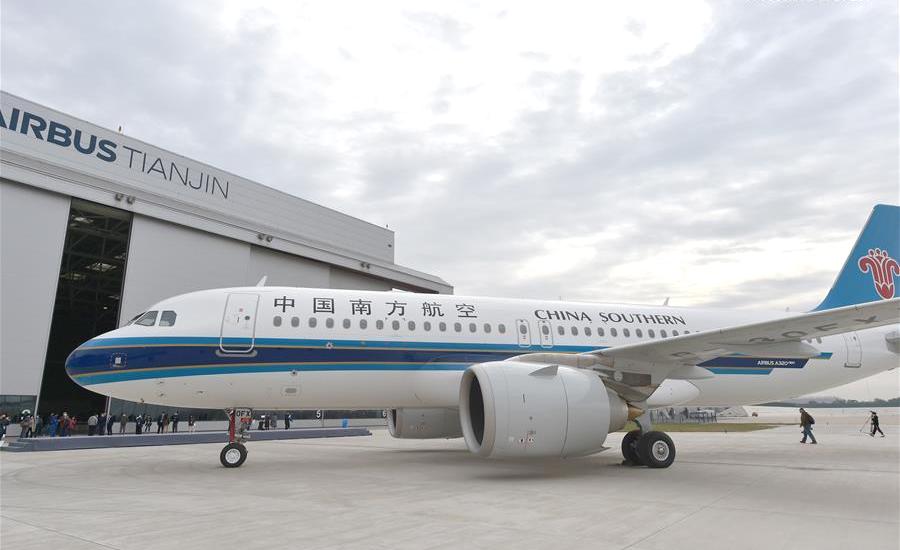
Airbus Group ha entregado el avión número 500 de la familia A320 en la Final Assembly Line Asia (FALA) en la ciudad de Tianjin, bajo la sociedad Airbus China, ha anunciado este el Jueves 29/10. El avión A320NEO número 500 recibido por China Southern Airlines es objeto de un contrato de arrendamiento ya que a partir del 30 de Septiembre de 2020, la aerolínea había recibido toda su firma ordenada A320NEO: A320NEO (11) y A321NEO 13), por un total de 67 A320/A321NEO. El avión número quinientos representa a un A320NEO que ha sido entregado a China Southern Airlines, una aerolínea líder en el país. George Xu, CEO de Airbus China, dijo que la entrega del avión fue un hito en la cooperación y asociación entre Airbus y la industria aeronáutica china.
La factoría de Airbus China se estableció en 2008, en la Ciudad de Tianjin, para la construcción de la línea A320 una empresa conjunta para la línea de montaje final A320 para satisfacer la creciente demanda del mercado chino. Es la tercera ubicación de la planta de producción de la familia Airbus A320 y convirtiéndose también en la primera fuera de Europa. Su primer avión A320 en Tianjin fue entregado en 2009.
Mientras que el tráfico interno chino parece haber vuelto a sus volúmenes anteriores a la crisis creados por la pandemia del 4%, el sitio de Airbus China en Tianjin acaba de entregar su 500º avión de la familia Airbus A320. El sitio ha reanudado gradualmente sus operaciones desde Febrero 2020. La copia 400 fue entregada en Diciembre de 2018, un A320NEO para Air China. China es el mayor mercado de un solo país de Airbus y representa aproximadamente una quinta parte de sus suministros mundiales.
Airbus delivers A320 #500 in China
Airbus delivers China-assembled Nº 500 A320 family
Airbus Group has delivered the 500th aircraft of the A320 family to the Final Assembly Line Asia (FALA) in the city of Tianjin, under the Airbus China company, announced on Thursday 10/29. The 500th A320NEO aircraft received by China Southern Airlines is the subject of a lease since as of September 30, 2020, the airline had received all of its ordered signature A320NEO: A320NEO (11) and A321NEO 13), for a total of 67 A320/A321NEO. The five hundredth aircraft represents an A320NEO that has been delivered to China Southern Airlines, a leading airline in the country. George Xu, CEO of Airbus China, said the delivery of the aircraft was a milestone in the cooperation and partnership between Airbus and the Chinese aviation industry.
The Airbus China factory was established in 2008, in the City of Tianjin, for the construction of the A320 line, a joint venture for the final assembly line A320 to meet the growing demand of the Chinese market. It is the third location of the Airbus A320 family production plant and also becoming the first outside Europe. Its first A320 aircraft in Tianjin was delivered in 2009.
While Chinese domestic traffic appears to have returned to its pre-crisis volumes created by the 4% pandemic, Airbus China’s Tianjin site has just delivered its 500th Airbus A320 family aircraft. The site has gradually resumed operations since February 2020. Copy 400 was delivered in December 2018, an A320NEO for Air China. China is Airbus’ largest single-country market, accounting for about one-fifth of its global supplies.
Embraer Commercial Aircraft revela programa turbohélice
La compañía brasileña Embraer S.A. ha revelado al mundo las primeras imágenes del nuevo programa turboprop anteriormente denominado E3. La división de Marketing para la Aviación Comercial a cargo de Rodrigo Silva e Souza, Jefe de Marketing y Estrategia ha comunicado cómo Embraer se posicionará en un mundo post-pandémico. El podcast emitido detalla el plan quinquenal de la compañía, el estado de las conversaciones de asociación, la necesidad de aviones de menor capacidad en un mercado de demanda suave, tendencias que darán forma a las preferencias de viaje de los consumidores y la estrategia del producto. El Jefe de Marketing también menciona el trabajo en un turbohélice de nueva generación.
La compañía aeroespacial brasileña ha detallado las primeras imágenes y detalles del nuevo avión turbohélice conservando cierto estilo de aeronave de ala baja y deriva en forma de «T» como el Embraer EMB-120. La ilustración también muestra un ala de perfil muy avanzada y un motor turbohélice instalado de mayores proporciones. El turbopropulsor en cuestión parece ser del tipo de aeronave de motor convencional y no la próxima solución híbrida o a base de hidrógeno que continúan avanzando hacia un cambio de concepto en materia de usos de medios de combustión.
Anteriormente, había circulado un dibujo interno del modelo del próximo programa turboprop de Embraer donde se aprecia un modelo de avión de ala baja y deriva convencional en forma de «T» invertida [┴]. En cuanto a las dimensiones del nuevo concepto de aeronave regional, el tamaño es de mayores dimensiones que el EMB 120 Brasilia, pero al mismo tiempo, el nuevo turbohélice no muestra una capacidad tan alta por el detalle observado en el número de veintún ventanas, dependiendo de las dimensiones del fuselaje (cross section) y la distribución de los pasajeros en 2X2 podría acomodar un rango de capacidad entre 70 a 75 pasajeros. La sección del fuselaje también parece diferir de los E-Jets, siendo en principio más pequeño, visualmente. El nuevo avión no ha tenido una denominación por parte de de Embraer, como anteriormente se había denominado como Programa E3. El último diseño de la compañía brasileña muestra un bello concepto con un muy buen gusto al ojo humano, conservando las líneas características de la familia Embraer.
Mercado turbohélice
Actualmente, el mercado de aeronaves regionales turboprop ha estado dominado principalmente por ATR Aircraft con sus modelos ATR 42/ATR72 y una última versión ATR42S para pistas costas. Otro competidor es De Havilland Canada DHC-8Q-400. La principal diferencia con respecto a sus competidores en este segmento es que el ATR y el Dash 8, ambos son conceptos con ala alta. El concepto exhibido por Embraer adopta la misma configuración de estilo que el EMB-120 Brasilia,el último turbohélice de pasajeros de la compañía.
Embraer reveals new turboprop program
Embraer Commercial Aircraft Reveals Turboprop Program
The Brazilian company Embraer S.A. has revealed to the world the first images of the new turboprop program previously called E3. The Commercial Aviation Marketing division headed by Rodrigo Silva e Souza, Head of Marketing and Strategy, has communicated how Embraer will position itself in a post-pandemic world. The broadcast podcast details the company’s five-year plan, the status of the partnership talks, the need for smaller-capacity aircraft in a soft demand market, trends that will shape consumer travel preferences and product strategy. The Head of Marketing also mentions the work on a new generation turboprop.
The Brazilian aerospace company has detailed the first images and details of the new turboprop aircraft retaining a certain style of low-wing drift aircraft in the shape of a «T» like the Embraer EMB-120. The illustration also shows a very advanced profile wing and a larger turboprop engine installed. The turboprop in question appears to be of the conventional powered aircraft type and not the next hybrid or hydrogen based solution that continues to move towards a change in concept in terms of uses of combustion media.
Previously, an internal drawing of the model from Embraer’s upcoming turboprop program had circulated showing a conventional drift low-wing aircraft model in the shape of an inverted «T» [┴]. Regarding the dimensions of the new regional aircraft concept, the size is larger than the EMB 120 Brasilia, but at the same time, the new turboprop does not show such a high capacity due to the detail observed in the number of twenty-one windows, depending of the dimensions of the fuselage (cross section) and the distribution of the passengers in 2X2 could accommodate a range of capacity between 70 to 75 passengers. The fuselage section also seems to differ from the E-Jets, being visually smaller in principle. The new aircraft has not had a name from Embraer, as it had previously been called the E3 Program. The latest design of the Brazilian company shows a beautiful concept with a very good taste to the human eye, preserving the characteristic lines of the Embraer family.
Turboprop market
Currently, the regional turboprop aircraft market has been dominated mainly by ATR Aircraft with its ATR 42 / ATR72 models and a latest version ATR42S for coastal runways. Another competitor is De Havilland Canada DHC-8Q-400. The main difference from its competitors in this segment is that the ATR and Dash 8 are both high-wing concepts. The concept showcased by Embraer adopts the same styling setup as the EMB-120 Brasilia, the company’s latest passenger turboprop.
Embraer revela novo programa de turboélice
Avião comercial da Embraer revela programa turboélice
A empresa brasileira Embraer S.A. revelou ao mundo as primeiras imagens do novo programa turboélice anteriormente denominado E3. A divisão de Marketing de Aviação Comercial chefiada por Rodrigo Silva e Souza, Chefe de Marketing e Estratégia, comunicou como a Embraer se posicionará em um mundo pós-pandêmico. O podcast transmitido detalha o plano de cinco anos da empresa, o status das negociações de parceria, a necessidade de aeronaves de menor capacidade em um mercado de baixa demanda, tendências que moldarão as preferências de viagens do consumidor e a estratégia de produtos. O Chefe de Marketing também menciona o trabalho em um turboélice de nova geração.
A empresa aeroespacial brasileira detalhou as primeiras imagens e detalhes da nova aeronave turboélice mantendo um certo estilo de aeronave de deriva de asa baixa em forma de «T» como o Embraer EMB-120. A ilustração também mostra uma asa de perfil muito avançado e um motor turboélice maior instalado. O turboélice em questão parece ser do tipo de aeronave com motor convencional e não a próxima solução híbrida ou baseada em hidrogênio que continua a se mover em direção a uma mudança de conceito em termos de uso de meios de combustão.
Anteriormente, um desenho interno do modelo do próximo programa turboélice da Embraer havia circulado mostrando um modelo de aeronave de asa baixa com drift convencional no formato de um «T» invertido [┴]. Em relação às dimensões do novo conceito de aeronave regional, o tamanho é maior que o EMB 120 Brasília, mas ao mesmo tempo, o novo turboélice não apresenta tamanha capacidade devido ao detalhe observado no número de vinte e uma janelas, dependendo das dimensões da fuselagem (seção transversal) e da distribuição dos passageiros em 2X2 poderia acomodar uma faixa de capacidade entre 70 a 75 passageiros. A seção da fuselagem também parece diferir dos E-Jets, sendo visualmente menor em princípio. A nova aeronave não foi batizada pela Embraer, como antes era chamada de Programa E3. O mais recente design da empresa brasileira mostra um belo conceito com muito bom gosto ao olho humano, preservando as linhas características da família Embraer.
Mercado turboélice
Atualmente, o mercado regional de aeronaves turboélice tem sido dominado principalmente por aeronaves ATR com seus modelos ATR 42/ ATR 72 e uma versão mais recente ATR 42S para pistas costeiras. Outro concorrente é o De Havilland Canada DHC-8Q-400. A principal diferença de seus concorrentes neste segmento é que o ATR e o Dash 8 são conceitos de asa alta. O conceito apresentado pela Embraer adota o mesmo estilo do EMB-120 Brasília, o mais novo turboélice de passageiros da empresa.
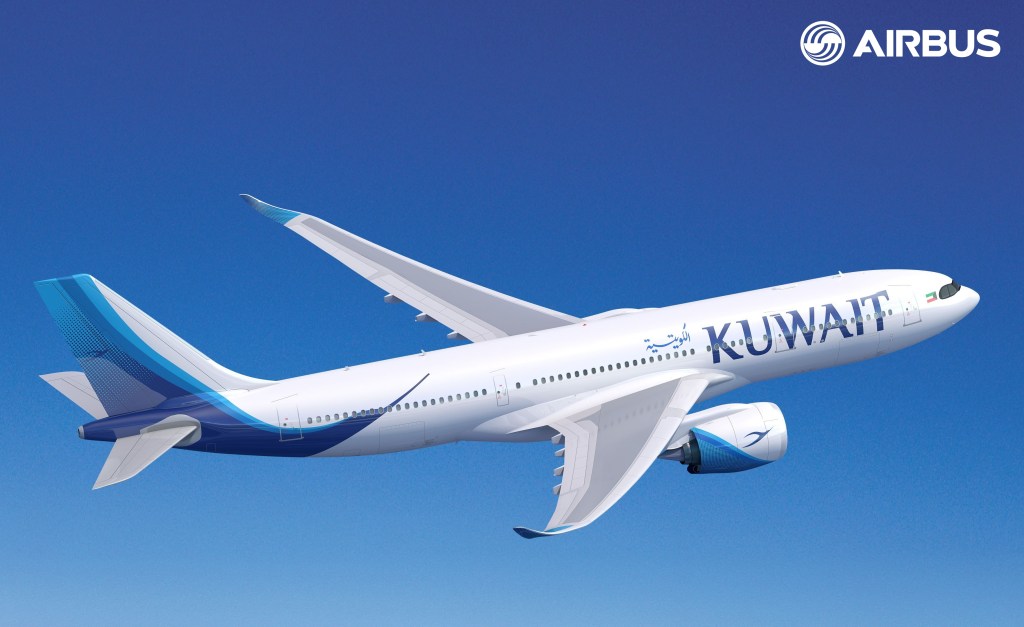
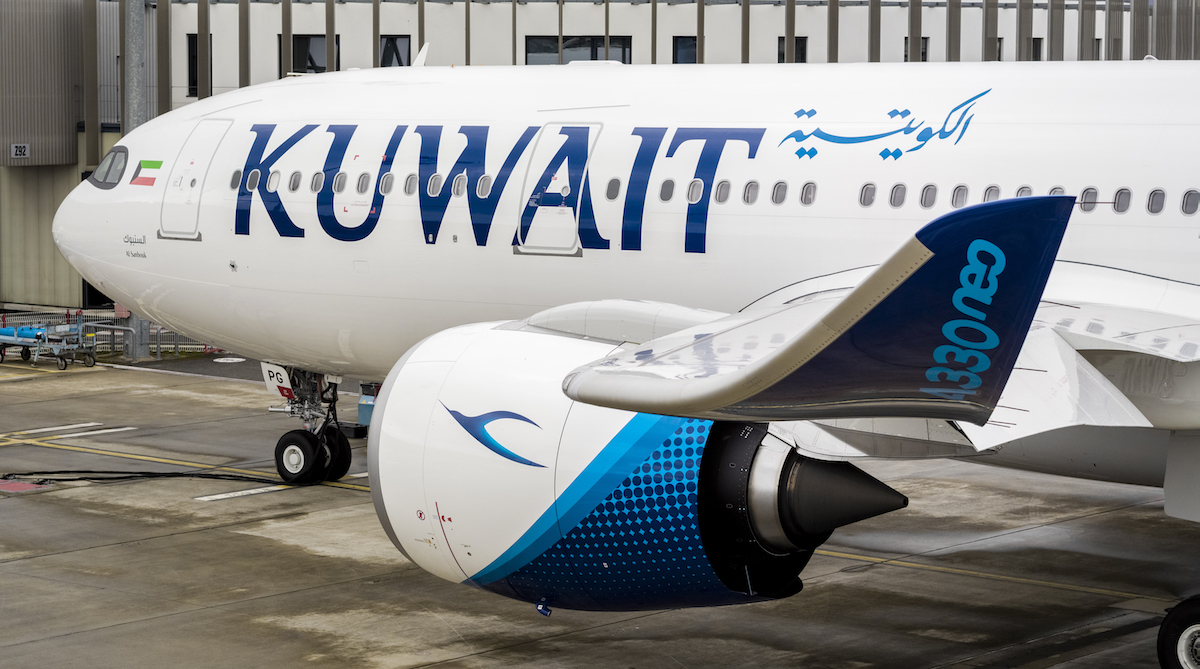
Airbus Group ha entregado dos A330-800NEO para lanzar al cliente Kuwait Airways como primer operador que introduce este modelo de aeronave. Los dos aviones con espacio para 235 pasajeros cada uno, fueron volados desde el centro de producción de Airbus en Toulouse, Francia, a la ciudad de Kuwait el Jueves 29/10. Kuwait Airways tiene un total de ocho órdenes de A330-800NEO, que lo convierte en el mayor cliente de la variante de la familia A330NEO, como así también ha solicitado cinco A350-900, el modelo mas grande.
El A330-800 es el más pequeño de la familia A330NEO que ha realizado el primer vuelo en Noviembre de 2018 y fue certificado por la EASA y la FAA en Febrero 2020. Airbus ha luchado por encontrar una cantidad razonable de pedidos para el modelo mas pequeño, ya que la mayoría de las aerolíneas han optado hasta ahora por el A330-900 ligeramente más grande, que ha ganado un total de 318 pedidos a partir de Septiembre 2020, en comparación con sólo 14 para la variante 800.
Kuwait Airways ofrecerá servicios internacionales con el ingreso de este nuevo modelo A330-800NEO uniéndo a la flota existente de Airbus A320, A320NEO, A330-200 y Boeing 777-300ER.
Kuwait receives 1st A330-800NEO
Kuwait Airways receives first Airbus A330-800NEO
Airbus Group has delivered two A330-800NEOs to launch customer Kuwait Airways as the first operator to introduce this aircraft model. The two planes with room for 235 passengers each were flown from Airbus’ production center in Toulouse, France, to Kuwait City on Thursday 10/29. Kuwait Airways has a total of eight orders for A330-800NEOs, making it the largest customer for the variant of the A330NEO family, as well as five A350-900s, the largest model.
The A330-800 is the smallest of the A330NEO family that made the first flight in November 2018 and was certified by the EASA and the FAA in February 2020. Airbus has struggled to find a reasonable number of orders for the smaller model. As most airlines have so far opted for the slightly larger A330-900, which has won a total of 318 orders as of September 2020, compared to just 14 for the 800 variant.
Kuwait Airways will offer international services with the entry of this new A330-800NEO model, joining the existing fleet of Airbus A320, A320NEO, A330-200 and Boeing 777-300ER.
الكويت تستقبل أول طائرة A330-800NEO
الخطوط الجوية الكويتية تستقبل أول طائرة إيرباص A330-800NEO
قامت مجموعة إيرباص بتسليم طائرتين من طراز A330-800NEOs لإطلاق شركة الخطوط الجوية الكويتية كأول مشغل يقدم طراز الطائرة هذا. تم نقل الطائرتين اللتين تتسع كل منهما لـ 235 راكبًا من مركز إنتاج شركة إيرباص في تولوز بفرنسا إلى مدينة الكويت يوم الخميس 10/29. لدى الخطوط الجوية الكويتية ما مجموعه ثمانية طلبات شراء لطائرة A330-800NEO ، مما يجعلها أكبر عميل لطائرة A330NEO ، بالإضافة إلى خمس طائرات A350-900 ، أكبر طراز.
طائرة A330-800 هي الأصغر في عائلة A330NEO التي قامت بالرحلة الأولى في نوفمبر 2018 وتم اعتمادها من قبل EASA و FAA في فبراير 2020. كافحت شركة Airbus للعثور على عدد معقول من الطلبات للطراز الأصغر. نظرًا لأن معظم شركات الطيران قد اختارت حتى الآن طائرة A330-900 الأكبر قليلاً ، والتي فازت بما مجموعه 318 طلبًا اعتبارًا من سبتمبر 2020 ، مقارنة بـ 14 فقط لمتغير 800.
ستقدم الخطوط الجوية الكويتية خدمات دولية مع دخول طراز A330-800NEO الجديد ، لتنضم إلى الأسطول الحالي من طائرات إيرباص A320 و A320NEO و A330-200 وبوينغ 777-300ER.
AW | 2020 10 28 18:14 | INDUSTRY / AVIATION SAFETY
Boeing pronostica próxima aprobación de recertificación
The Boeing Company ha comunicado la aproximación hacia la recertificación de la línea Boeing 737 MAX por parte de la Federal Aviation Administration (FAA). El CEO David Calhoun ha comunicado a la prensa internacional este Miércoles 28/10 que la compañía se está acercando muy a la línea de meta de la conclusión de la conexión a tierra mundial de su avión 737 MAX desde Marzo 2019 después de dos accidentes aéreos.
La compañía aeroespacial Boeing había pronosticado en Julio 2020 que esperaba que el regulador de aviación firmara las aprobaciones de recertificación de la variante de cuarta generación del Boeing 737 hacia el cuarto trimestre de 2020. Los reguladores están en el extremo final de su etapa de revisión de los aviones, pero aún no han firmado formalmente. Una vez que eso suceda, las aerolíneas tendrán que entrenar a sus pilotos 737 MAX, un proceso que se espera que incluya sesiones de entrenamiento por computadora y simulador de aeronaves. «El MAX nos ha costado mucho dinero y hemos tenido que subir la apuesta con respecto a la liquidez para compensar el hecho de que no podíamos evitar el avión más popular del mundo», dijo David Calhoun en una entrevista.
La prohibición de los vuelos del 737 MAX ha impedido a Boeing continuar desarrollando la aeronave en su línea de ensamblaje, devastando sus ventas a medida que el fabricante obtiene mayores costos por paralizaar la producción afectando a toda la industria y las aerolíneas a través del mundo. Con el levantamiento de las restricciones hacia Diciembre 2020, la línea 737 MAX podría volver a surcar los cielos del mundo habiendo aprendido una lección que la industria de Boeing jamás olvidará.
Boeing 737 MAX near final line
Boeing Forecasts Upcoming Recertification Approval
The Boeing Company has announced the approach towards the recertification of the Boeing 737 MAX line by the Federal Aviation Administration (FAA). CEO David Calhoun has communicated to the international press this Wednesday 10/28 that the company is approaching very close to the finish line of the completion of the global grounding of its 737 MAX aircraft since March 2019 after two plane accidents.
The aerospace company Boeing had forecast in July 2020 that it expected the aviation regulator to sign recertification approvals for the fourth-generation variant of the Boeing 737 by the fourth quarter of 2020. Regulators are at the final end of their review stage of the planes, but have not yet formally signed. Once that happens, airlines will have to train their 737 MAX pilots, a process that is expected to include computer and aircraft simulator training sessions. «The MAX has cost us a lot of money and we have had to up the ante on liquidity to make up for the fact that we could not avoid the most popular aircraft in the world», David Calhoun said in an interview.
The 737 MAX flight ban has prevented Boeing from continuing to develop the aircraft on its assembly line, devastating its sales as the manufacturer gains higher costs for shutting down production affecting the entire industry and airlines across the world. With the lifting of restrictions towards December 2020, the 737 MAX line could once again take to the skies of the world having learned a lesson that the Boeing industry will never forget.
Aeroespacial recortará más trabajadores ante aumento pérdidas
The Boeing Company anunció que recortará otros 7.000 puestos de trabajo adicionales a medida que sus pérdidas continúen aumentando tras una caída de los ingresos. El fabricante de aviones ya había anunciado que reducir el personal en 19.000 puestos de trabajo a principios de 2020 a través de una combinación de despidos voluntarios e involuntarios. El Miércoles 28/10 ha comunicado que espera llegar a unos 130.000 puestos de trabajo activos para el final del año, lo que significaría 7.000 recortes de empleo adicionales, además del desgaste natural en la empresa durante todo el año. En Agosto 2020, la compañía había advertido a los empleados que se acercarían recortes de empleo adicionales, ya que ofrecía una nueva ronda de negociaciones. Boeing no ha identificado inmediatamente dónde se producirían los recortes de empleo y no está definido si este será el final de los procesos de recortes.
La compañía aeroespacial registró una pérdida de US$ 754 millones de Dólares, excluyendo partidas especiales, en el trimestre más reciente, ya que los ingresos cayeron US$ 5.8 mil millones lo que representan un 29%. Las aerolíneas han puesto los frenos en las entregas de nuevos aviones y están cancelando pedidos debido a la fuerte caída de los viajes aéreos causada por la pandemia. «La pandemia global continuó agregando presión a nuestro negocio este trimestre, y nos estamos alineando con esta nueva realidad», dijo el CEO de la compañía, Dave Calhoun en la convocatoria de ganancias. El tráfico aéreo mundial no volverá a los niveles de 2019 durante al menos tres años más, y tardará varios años en ponerse al día con los niveles de crecimiento que se habían previsto antes de la pandemia. El impacto de la pandemia en las ventas de aeronaves durará muchos años, dijo, y añadió que las perspectivas de 10 años del mercado de aviones comerciales de Boeing son aproximadamente un 11% inferiores a las que se suponía hace un año. «Desde una perspectiva de 20 años, todavía vemos el impacto de Covid, pero en menor medida», dijo Dave Calhoun.
Boeing ha asumido más de US$ 37.000 millones de Dólares en deuda adicional para capear esta recesión. Incluso con la creciente quema de efectivo, la compañía tenía US$ 10.600 millones de Dólares en liquidez al final del tercer trimestre: US$ 1.100 millones de Dólares más que al comienzo del año. La compañía anunció este Miércoles 28/10 que ahora utilizará las acciones de Boeing en lugar de efectivo para financiar la contribución de la compañía a los Planes 401(k) de los empleados en el futuro previsible, que está diseñado para ahorrarle US$ 1.000 millones de Dólares en efectivo.
Boeing will lay off an additional 7,000
Aerospace to cut more workers as losses increase
The Boeing Company announced that it will cut another 7,000 additional jobs as its losses continue to mount following a drop in revenue. The aircraft manufacturer had already announced that it would cut staff by 19,000 jobs by early 2020 through a combination of voluntary and involuntary layoffs. On Wednesday 10/28, it announced that it expects to reach around 130,000 active jobs by the end of the year, which would mean 7,000 additional job cuts, in addition to wear and tear on the company throughout the year. In August 2020, the company had warned employees that additional job cuts were coming as it offered a new round of negotiations. Boeing has not immediately identified where the job cuts would occur and it is not clear if this will be the end of the cuts process.
The aerospace company posted a loss of US$ 754 million, excluding special items, in the most recent quarter, as revenues fell US$ 5.8 billion, representing 29%. Airlines have put the brakes on new aircraft deliveries and are canceling orders due to the sharp drop in air travel caused by the pandemic. «The global pandemic continued to add pressure to our business this quarter, and we are aligning ourselves with this new reality», said company CEO Dave Calhoun in the earnings call. Global air traffic will not return to 2019 levels for at least three more years, and it will take several years to catch up with the growth levels that had been predicted before the pandemic. The impact of the pandemic on aircraft sales will last for many years, he said, adding that the 10-year outlook for Boeing’s commercial aircraft market is about 11% lower than was assumed a year ago. «From a 20-year perspective, we still see the impact of Covid, but to a lesser extent», said Dave Calhoun.
Boeing has taken on more than US$ 37 billion in additional debt to weather this recession. Even with the increasing burning of cash, the company had US$ 10.6 billion in liquidity at the end of the third quarter: US$ 1.1 billion more than at the beginning of the year. The company announced this Wednesday 10/28 that it will now use Boeing stock instead of cash to fund the company’s contribution to employee 401 (k) Plans for the foreseeable future, which is designed to save you US$ 1 billion. of Dollars in cash.
The Boeing Company ha reportado ingresos del tercer trimestre de US$ 14.100 millones de Dólares, pérdidas GAAP por acción de (0,79 Dólares) y pérdidas básicas por acción (no GAAP) de US$ 1.39 Dólares, lo que refleja un menor volumen de entregas y servicios comerciales debido principalmente a COVID-19. Boeing registró un flujo de caja operativo de US$ 4.800 millones de dólares.
«La pandemia global continuó aumentando la presión a nuestro negocio este trimestre, y nos estamos alineando con esta nueva realidad al administrar de cerca nuestra liquidez y transformar nuestra empresa para que sea más nítida, más resistente y más sostenible a largo plazo. Nuestra diversa cartera, incluyendo nuestros servicios gubernamentales, programas de defensa y espacio, continúa proporcionando cierta estabilidad para nosotros a medida que nos adaptamos y reconstruimos para el otro lado de la pandemia. Seguimos enfocados en la salud y seguridad de nuestros empleados y sus comunidades. Estoy orgulloso de la dedicación y el compromiso que nuestros equipos han demostrado a medida que continuaban ofreciendo a nuestros clientes en este entorno desafiante. A pesar de los vientos en contra a corto plazo, seguimos confiando en nuestro futuro a largo plazo y nos centramos en mantener inversiones críticas en nuestro negocio y las acciones significativas que estamos tomando para fortalecer nuestra cultura de seguridad, mejorar la transparencia y reconstruir la confianza», dijo Dave Calhoun, Presidente y Director Ejecutivo de Boeing.
Siguiendo el liderazgo de los reguladores globales, Boeing avanzó constantemente hacia el regreso seguro al servicio del 737 MAX, incluyendo rigurosos vuelos de certificación y validación realizados por la Administración Federal de Aviación de los Estados Unidos, Transport Canada y la Agencia de Seguridad Aérea de la Unión Europea. La Junta Mixta de Evaluación Operativa, con autoridades de aviación civil de los Estados Unidos, Canadá, Brasily la Unión Europea, también llevó a cabo sus evaluaciones de la formación actualizada de la tripulación. El 737 MAX ha completado alrededor de 1.400 vuelos de prueba y comprobación y más de 3.000 horas de vuelo a medida que avanza a través del proceso de certificación robusto y completo.
Para adaptarse a los impactos del mercado de COVID-19 y posicionar a la empresa para el futuro, Boeing continuó su transformación de negocio en cinco áreas clave, incluyendo su huella de infraestructura, estructura de gastos generales y organización, cartera y mezcla de inversiones, salud de la cadena de suministro y excelencia operativa. A medida que la compañía cambia el tamaño de sus operaciones para alinearse con las realidades del mercado, Boeing espera seguir reduciendo los niveles generales de personal a través del desgaste natural, así como reducciones voluntarias e involuntarias de la fuerza de trabajo, y registrar costos de despido adicionales en el tercer trimestre.
El flujo de caja operativo fue de US$ 4.800 millones de Dólares en el trimestre, lo que refleja un menor volumen de entregas y servicios comerciales debido principalmente al COVID-19, así como el calendario de ingresos y gastos. El efectivo y las inversiones en valores negociables disminuyeron a US$ 27.100 millones de Dólares, en comparación con los US$ 32.400 millones de Dólares al comienzo del trimestre, impulsados principalmente por las salidas de efectivo operativas (cuadro 3). La deuda era de US$ 61.000 millones de Dólares, frente a los US$ 61.400 millones de Dólares al comienzo del trimestre debido al reembolso de la deuda con vencimiento. El atraso total de la empresa al final del trimestre fue de US$ 393 mil millones.
Resultados del segmento
Aviones comerciales Los ingresos del tercer trimestre de Los aviones comerciales disminuyeron a US$ 3.600 millones de Dólares, lo que refleja un menor volumen de entrega debido principalmente a los impactos de COVID-19, así como a problemas de calidad y reelaboración asociado a la línea Boeing 787. El margen operativo del tercer trimestre disminuyó al 38,1 por ciento, impulsado principalmente por un menor volumen de entrega, así como a US$ 590 millones de Dólares de costos de producción anormales relacionados con el Programa 737.
Boeing Commercial Airplanes añadió el avión de prueba de vuelo 777X final al programa de pruebas y el motor GE9X recibió la certificación FAA. En Octubre 2020, la compañía decidió que consolidará la producción de la línea 787 en Carolina del Sur a mediados de 2021, lo que no tuvo un impacto financiero significativo en el programa en el tercer trimestre. Los aviones comerciales entregaron 28 aviones durante el trimestre, y el atraso incluyó más de 4.300 aviones valorados en US$ 313 mil millones de Dólares.
Defensa, Espacio y Seguridad Los ingresos del tercer trimestre de Defensa, Espacio y Seguridad disminuyeron a US$ 6.800 millones, principalmente debido al tiempo de adjudicación de aeronaves derivadas, parcialmente compensados por un mayor volumen de caza. El margen operativo del tercer trimestre disminuyó a 9.2 por ciento reflejando un desempeño menos favorable, incluyendo una carga de KC-46A Tanker de US$ 67 millones.
Durante el trimestre, Defensa, Space & Security recibió un premio por ocho aviones de combate avanzados F-15EX para la Fuerza Aérea de los Estados Unidos y una extensión de contrato para la Estación Espacial Internacional para la NASA, así como contratos para nueve helicópteros chinook adicionales MH-47G Block II para las Operaciones Especiales del Ejército de los Estados Unidos y cuatro satélites 702X adicionales. También en el trimestre, la Fuerza Aérea de los Estados Unidos y el equipo de Boeing fueron galardonados con el Trofeo Collier a la excelencia aeroespacial para el avión espacial autónomo X-37B. Los hitos significativos incluyeron la incorporación del 20o F/A-18 de la Marina de los Estados Unidos en el programa de Modificación de la Vida de Servicio, así como la entrega del primer Bell Boeing V-22 Osprey a Japón y el primer MH-47G Block II Chinook a las Operaciones Especiales del Ejército de los Estados Unidos. El atraso en Defensa, Espacio y Seguridad fue de US$ 62 mil millones, de los cuales el 30 por ciento representa pedidos de clientes fuera de los EE.UU.
Servicios Globales Los ingresos del tercer trimestre de Global Services disminuyeron a US$ 3.700 millones de Dólares, impulsados por un menor volumen de servicios comerciales debido al COVID-19, parcialmente compensados por un mayor volumen de servicios públicos. El margen de explotación del tercer trimestre disminuyó a 7.3 por ciento principalmente debido al menor volumen de servicios comerciales y a los costos adicionales de despido.
Durante el trimestre, Global Services firmó un acuerdo con GECAS para 11 Boeing 737-800 Boeing Converted Freighters, aseguró un contrato de apoyo P-8A de seis años para la Real Fuerza Aérea Australiana, y se adjudicó contratos de capacitación y soporte de servicios F-15EX por la Fuerza Aérea de los Estados Unidos. Global Services también entregó el primer Entrenador de Vuelo Operacional P-8A para la Real Fuerza Aérea del Reino Unido.
Información financiera adicional Al final del trimestre, el saldo neto de la cartera de Boeing Capital era de US$ 2.000 millones de Dólares. El cambio en los ingresos y las ganancias de otras partidas y eliminaciones no asignadas se debió principalmente al momento de las asignaciones de costos. Las ganancias de otros artículos no asignados y eliminaciones también se vion afectadas por un menor gasto de investigación y desarrollo empresarial. Los intereses y los gastos de deuda aumentaron debido a mayores saldos de deuda. La tasa impositiva efectiva del tercer trimestre refleja los beneficios fiscales relacionados con la provisión de pérdidas operativas netas de cinco años en la Ley de Ayuda coronavirus, Alivio y Seguridad Económica (CARES), así como el impacto de las pérdidas antes de impuestos.
Divulgaciones de medidas no GAAP Complementamos la presentación de la información financiera determinada bajo los Principios de Contabilidad Generalmente Aceptados en los Estados Unidos de América (GAAP) con cierta información financiera no GAAP. La información financiera no GAAP presentada excluye ciertos elementos significativos que pueden no ser indicativos de, o no están relacionados con, resultados de nuestras operaciones comerciales en curso. Creemos que estas medidas no GAAP proporcionan a los inversores información adicional sobre el rendimiento empresarial continuo de la empresa. Estas medidas no GAAP no deben considerarse aisladamente ni como sustituto de las medidas GAAP conexas, y otras empresas pueden definir esas medidas de manera diferente. Animamos a los inversores a revisar nuestros estados financieros e informes presentados públicamente en su totalidad y a no confiar en ninguna medida financiera única.
Ganancias operativas básicas Los ingresos operativos principales se definen como ganancias GAAP de operaciones excluyendo el ajuste de costos de servicio FAS/CAS. El ajuste de los costos de servicio FAS/CAS representa la diferencia entre los costos de servicio de pensión FAS y postjuinación calculados en GAAP y los costos asignados a los segmentos de negocio. El margen operativo principal se define como el beneficio operativo básico expresado como un porcentaje de los ingresos. El beneficio básico por acción se define como el beneficio por acción diluido por GAAP, excluyendo el impacto neto de los beneficios por acción del ajuste de los costos del servicio FAS/CAS y los gastos de pensión y postjurabación no operativas. Los gastos de pensión y postjunos no operativos representan los componentes de los costos netos de beneficios periódicos distintos del costo del servicio. Los costos de pensión, que comprenden los costos de servicio y servicio previo calculados de acuerdo con los GAAP se asignan a los negocios de aviones comerciales y BGS que apoyan a los clientes comerciales. Los costos de pensión asignados a las empresas BDS y BGS que apoyan a los clientes gubernamentales se calculan de acuerdo con las Normas de Contabilidad de Costos del Gobierno de los Estados Unidos. Los costos de CAS son asignables a los contratos gubernamentales. Otros costos de beneficios posteriores a la jubilación se asignan a todos los segmentos de negocio basados en CAS, que generalmente se basa en beneficios pagados. La administración utiliza los principales ingresos operativos, el margen operativo básico y el beneficio básico por acción con el fin de evaluar y pronosticar el rendimiento subyacente del negocio. La Administración cree que estas medidas básicas de ganancias proporcionan a los inversionistas información adicional sobre el desempeño operativo, ya que excluyen los costos de pensión no servicios y post-jubilación, que representan principalmente costos impulsados por factores de mercado y costos no asignables a los contratos gubernamentales. En las páginas 12-13 se proporciona una conciliación entre las medidas GAAP y no GAAP.
Flujo de caja libre El flujo de caja libre es el flujo de caja operativo GAAP reducido por los gastos de capital para la propiedad, la planta y el equipo. La Administración cree que el flujo de caja libre proporciona a los inversionistas una perspectiva importante sobre el efectivo disponible para los accionistas, el pago de la deuda y las adquisiciones después de realizar las inversiones de capital necesarias para apoyar las operaciones comerciales en curso y la creación de valor a largo plazo. El flujo de caja libre no representa el flujo de caja residual disponible para los gastos discrecionales, ya que excluye ciertos gastos obligatorios, como el reembolso de la deuda con vencimiento. La gestión utiliza el flujo de caja libre como medida para evaluar tanto el rendimiento del negocio como la liquidez general.
Boeing 3Q2020 financial results
Boeing Reports Third Quarter Results
The Boeing Company reported third-quarter revenue of US$ 14.1 billion, GAAP losses per share of US$ 0.79 and basic losses per share (non-GAAP) of US$ 1.39, reflecting lower volume of business deliveries and services primarily due to COVID-19. Boeing posted an operating cash flow of US$ 4.8 billion.
«The global pandemic continued to put pressure on our business this quarter, and we are aligning with this new reality by closely managing our liquidity and transforming our business to be sharper, more resilient and more sustainable over the long term. Our diverse portfolio, including our government services, defense and space programs, continues to provide some stability for us as we adapt and rebuild for the other side of the pandemic. We remain focused on the health and safety of our employees and their communities. I am proud of the dedication and commitment our teams have demonstrated as they continued to deliver to our clients in this challenging environment. Despite short-term headwinds, we remain confident in our long-term future and focus on maintaining critical investments in our business and the significant actions we are taking to strengthen our safety culture, enhance transparency and rebuild trust», said Dave Calhoun, President and CEO of Boeing.
Following the leadership of global regulators, Boeing steadily moved toward the safe return to service of the 737 MAX, including rigorous certification and validation flights conducted by the United States Federal Aviation Administration, Transport Canada, and the US Aviation Safety Agency. European Union. The Joint Operational Evaluation Board, with civil aviation authorities from the United States, Canada, Brazil, and the European Union, also carried out its evaluations of updated crew training. The 737 MAX has completed around 1,400 test and test flights and more than 3,000 flight hours as it progresses through the robust and comprehensive certification process.
To adapt to the market impacts of COVID-19 and position the company for the future, Boeing continued its business transformation in five key areas, including its infrastructure footprint, overhead structure and organization, portfolio and investment mix, supply chain health and operational excellence. As the company resizes its operations to align with market realities, Boeing expects to continue reducing overall staffing levels through wear and tear, as well as voluntary and involuntary reductions in the workforce, and recording costs of additional layoffs in the third quarter.
Operating cash flow was US$ 4.8 billion in the quarter, reflecting a lower volume of deliveries and commercial services mainly due to COVID-19, as well as the calendar of income and expenses. Cash and investments in marketable securities decreased to US$ 27.1 billion, compared to US$ 32.4 billion at the beginning of the quarter, mainly driven by operating cash outflows. The debt was US$ 61,000 million, compared to US$ 61,400 million at the beginning of the quarter due to the repayment of the maturing debt. The company’s total arrears at the end of the quarter was US$ 393 billion.
Segment results
Commercial aircraft Third-quarter revenue for Commercial Aircraft decreased to US$ 3.6 billion, reflecting lower delivery volume primarily due to the impacts of COVID-19, as well as quality and rework issues associated with the Boeing 787 line. The operating margin for the third quarter decreased to 38.1 percent, driven primarily by lower delivery volume, as well as US$ 590 million of abnormal production costs related to the 737 Program.
Boeing Commercial Airplanes added the final 777X flight test aircraft to the test program and the GE9X engine received FAA certification. In October 2020, the company decided that it will consolidate production of the 787 line in South Carolina in mid-2021, which did not have a significant financial impact on the program in the third quarter. Commercial aircraft delivered 28 aircraft during the quarter, and the backlog included more than 4,300 aircraft valued at US$ 313 billion.
Defense, Space and Security Third-quarter Defense, Space and Security revenues decreased to US$ 6.8 billion, mainly due to the time to award derivative aircraft, partially offset by higher fighter volumes. Third-quarter operating margin decreased to 9.2 percent reflecting less favorable performance, including a KC-46A Tanker cargo of US$ 67 million.
During the quarter, Defense, Space & Security received an award for eight advanced F-15EX fighter jets for the United States Air Force and an International Space Station contract extension for NASA, as well as contracts for nine Chinook helicopters. additional MH-47G Block II for United States Army Special Operations and four additional 702X satellites. Also in the quarter, the United States Air Force and the Boeing team were awarded the Collier Trophy for Aerospace Excellence for the X-37B autonomous space plane. Significant milestones included the addition of the 20th F/A-18 of the United States Navy into the Service Life Modification program, as well as the delivery of the first Bell Boeing V-22 Osprey to Japan and the first MH- 47G Block II Chinook to United States Army Special Operations. The backlog in Defense, Space and Security was US$ 62 billion, of which 30 percent represents orders from customers outside the US.
Global Services Global Services third-quarter revenue decreased to US$ 3.7 billion, driven by lower volume of commercial services due to COVID-19, partially offset by higher volume of public services. The third quarter operating margin decreased to 7.3 percent mainly due to lower volume of commercial services and additional firing costs.
During the quarter, Global Services signed an agreement with GECAS for 11 Boeing 737-800 Boeing Converted Freighters, secured a six-year P-8A support contract for the Royal Australian Air Force, and was awarded F services training and support contracts. 15EX by the United States Air Force. Global Services also delivered the first P-8A Operational Flight Trainer for the UK Royal Air Force.
Additional financial information At the end of the quarter, the net balance of the Boeing Capital portfolio was US $ 2 billion. The change in income and earnings from other unallocated items and eliminations was primarily due to the timing of cost allocations. Earnings from other unallocated items and eliminations were also affected by lower business research and development spending. Interest and debt expenses increased due to higher debt balances. The third quarter effective tax rate reflects the tax benefits related to the five-year net operating loss provision in the Coronavirus Relief, Economic Security and Relief Act (CARES), as well as the impact of pre-tax losses.
Non-GAAP Measure Disclosures We complement the presentation of financial information determined under the Generally Accepted Accounting Principles in the United States of America (GAAP) with certain non-GAAP financial information. Non-GAAP financial information presented excludes certain significant elements that may not be indicative of, or are not related to, results of our ongoing business operations. We believe that these non-GAAP measures provide investors with additional information about the continued business performance of the company. These non-GAAP measures should not be viewed in isolation or as a substitute for related GAAP measures, and other companies may define those measures differently. We encourage investors to review our publicly reported financial statements and reports in their entirety and not to rely on any single financial measure.
Basic operating profit Major operating income is defined as GAAP earnings from operations excluding the FAS/CAS service cost adjustment. The FAS/CAS service cost adjustment represents the difference between the FAS pension and post-judgment service costs calculated in GAAP and the costs allocated to the business segments. Core operating margin is defined as basic operating profit expressed as a percentage of revenue. Basic earnings per share is defined as earnings per share diluted by GAAP, excluding the net impact of earnings per share from adjusting FAS/CAS service costs and non-operating pension and post-certification expenses. Non-operating pension and post-employment expenses represent components of net periodic benefit costs other than service cost. Pension costs, which comprise service and pre-service costs calculated in accordance with GAAP, are allocated to the commercial aircraft businesses and BGS that support commercial customers. The pension costs allocated to BDS and BGS companies that support government clients are calculated in accordance with the United States Government Cost Accounting Standards. CAS costs are allocable to government contracts. Other post-retirement benefit costs are allocated to all business segments based on CAS, which is generally based on benefits paid. Management uses top operating income, basic operating margin, and basic earnings per share to assess and forecast the underlying performance of the business. Management believes that these basic earnings measures provide investors with additional information on operating performance, as they exclude non-service and post-retirement pension costs, which primarily represent costs driven by market factors and costs not allocable to contracts. governmental.
Free cash flow Free cash flow is GAAP operating cash flow reduced by capital expenditures for property, plant and equipment. Management believes that free cash flow provides investors with important insight into cash available to shareholders, debt repayment, and acquisitions after making the necessary capital investments to support ongoing business operations and creation of long-term value. Free cash flow does not represent the residual cash flow available for discretionary expenses, as it excludes certain mandatory expenses, such as repayment of maturing debt. Management uses free cash flow as a measure to assess both business performance and overall liquidity.