IAG Group vs el Brexit

AW-70008211.jpg

AW | 2018 11 12 14:12 | AIRLINES MARKET

Resultado de imagen para commission european logoLa aerolínea Iberia deberá acordar con Bruselas para salir de la encrucijada del Brexit

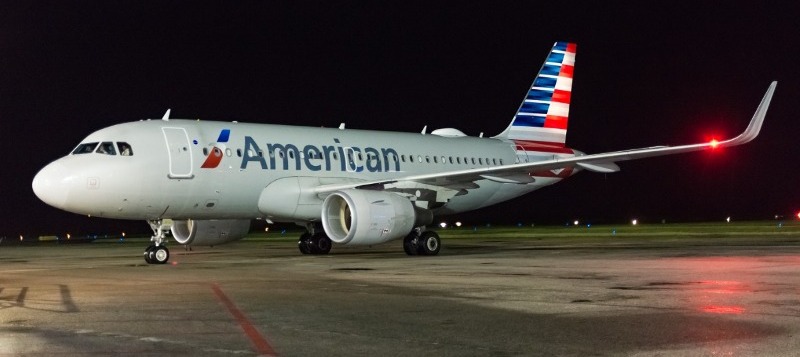
El Brexit está obligando a la compañía multinacional Airlines International Group (IAG), la matriz de Iberia, a demostrar su «españolidad». Nacido de la fusión de Iberia y British en 2010, IAG es también propietario entre otras de la compañía de bajo coste española Vueling y de la irlandesa Aer Lingus. Resultado de imagen para Iberia Airlines pngSin importar dónde tenga la compañía la sede social o fiscal, las decisiones de la aerolínea española muchas veces se toman en otras latitudes. A menos de cinco meses de la fecha prevista del Brexit, el 29 Marzo 2019, el gobierno británico y la Unión Europea no ha llegado aún a un acuerdo de divorcio.

Imagen relacionadaLos accionistas principales del IAG Group son Qatar Airlines como el máximo accionista con un 21,5% de los títulos de International Airlines Group (IAG), propietario de las aerolíneas Iberia, British Airways, entre otras líneas aéreas del grup. Aún así, los efectos locales del Brexit obligan a Londres y Bruselas a que lleguen a un acuerdo que evite barreras al transporte aéreo tras el post-Brexit. «Seguimos confiando en que se alcanzará un acuerdo global sobre transporte aéreo entre la Unión Europea y el Reino Unido», dijo el grupo en un breve comunicado.

Entre dos mundo

“Uno de los problemas que tenemos con el Brexit son los derechos de los accionistas: tenemos una norma que privará de derechos a los accionistas no europeos. Tendrán que afrontar lo catastrófico que es en algún momento el grupo tiene que ser dividido”, señalaba recientemente el CEO de Ryanair, Michael O’Leary, para explicar el problema al que se enfrenta IAG-Iberia. O’Leary se refería a que IAG vive entre dos tierras. Necesita ser europea para operar en Europa como hasta ahora y británica para que tengan sentido los nuevos acuerdos bilaterales entre Reino Unido y Estados Unidos.

Cuando se creó el conglomerado hubo mucha precaución para asegurarse de cumplir las normas europeas y que exigen que las compañías que vuelan en el continente tengan un porcentaje del 50% de accionistas europeos. Pero no predijeron que Reino Unido saldría de la Unión Europea y que, por lo tanto, se encontraría con un porcentaje de en torno al 20% de accionistas europeos. Eso, con las normas en la mano, no permitirá al grupo trabajar en Europa como hasta ahora tras el Brexit.

La postura de IAG

Aunque el temor de que la salida británica del bloque se haga de forma brutal, podría tener consecuencias potencialmente caóticas que pueden incluir la imposibilidad para las aerolíneas británicas de volar a la Unión Europea (UE) hasta que obtengan los permisos necesarios. «Incluso si no hay un acuerdo de Brexit, tanto la UE como Reino Unido han dicho que elaborarán un acuerdo que permite que los vuelos continúen. Tanto al Reino Unido como a la Unión Europea les interesa tener un acuerdo de avión completamente liberalizado. La liberalización de la aviación ha sido un gran éxito en toda Europa que ha beneficiado a mil millones de clientes cada año y creado un enorme número de puesto de trabajo», afirmó el grupo en su comunicado.

Willie Walsh, Presidente de IAG, siempre se ha mostrado seguro de que la estructura corporativa del coloso sobrevivirá al Brexit. Reino Unido y Bruselas deberán llegar a un acuerdo que clarifique si los ciudadanos británicos los efectos de las normas sobre propiedad de los títulos. Un Brexit duro impediría este tipo de acuerdos y complicaría mucho la situación del tráfico aéreo. Walsh ha acusado a la Unión Europea de operar bajo un sistema vetusto que regula la propiedad y el control de las líneas aéreas, y considera que dichas estructuras son innecesarias.

Buscando soluciones

Las alternativas presentadas al IAG Group serían separar parte del grupo o comprar a sus accionistas hasta un 25% de los títulos para mantener sus derechos para volar en Europa. De esta manera, en el caso de Iberia que estaría del otro lado de la frontera, permitiría al grupo mantener sus prebendas, como así también un control absoluto de la Terminal T4 del Aeropuerto Barajas que domina, pese a su accionariado qatarí y así poder conservar el apoyo de Aena frente a rivales netamente españoles, como Air Europa.

IAG nunca ha informado qué porcentaje de sus accionistas actuales serán europeos tras el brexit, pero analistas estiman que el año que viene estará en torno al 20%. Un informe financiero independiente citado por el diario económico británico señala que incluso si todas las acciones difíciles de localizar fuesen de ciudadanos europeos, lo que en sí mismo es altamente improbable, IAG se quedaría a 6 puntos porcentuales del límite del 50%. IAG puede obligar a ciudadanos no europeos a vender o privarles de sus derechos de voto si corre el riesgo de perder sus derechos aéreos. Y más le vale, porque la Unión Europea ha investigado a aerolíneas en las que sospechaba una caída de la participación no europea por debajo del umbral del 50%.

En el marco actual, los vuelos entre Reino Unido y el resto de la UE se han regido por el mismo acuerdo de cielos abiertos que permitió a la británica easyJet convertirse en un coloso europeo y gracias al cual la irlandesa Ryanair creció a base de transportar pasajeros británicos al continente y viceversa. Asimismo, los estándares de calidad y seguridad europeos están regulados por la Agencia Europea de Seguridad Aérea (AESA), con sede en Colonia. No existen acuerdos cerrados sobre qué aviones podrán volar entre Reino Unido y la Unión Europea tras el 29 Marzo 2019. La Comisión Europea ayudará a que las aerolíneas europeas tengan las estructuras de control y propiedad alineadas con las leyes europeas. Está por ver qué significa eso en el caso de Iberia, una compañía que está dividida entre dos mundos.AW-Icon-TXT

Resultado de imagen para commission european  Iberia Airlines

IAG Group vs Brexit

The airline Iberia must agree with Brussels to leave the crossroads of Brexit

Resultado de imagen para commission brexitThe Brexit is forcing the multinational company Airlines International Group (IAG), the parent company of Iberia, to demonstrate its «Spanishness». Born from the merger of Iberia and British in 2010, IAG is also the owner of the Spanish low cost carrier Vueling and the Irish company Aer Lingus. No matter where the company has its headquarters or tax office, the decisions of the Spanish airline are often made in other latitudes. Less than five months before the scheduled date of Brexit, on March 29, 2019, the British government and the European Union have not yet reached a divorce agreement.

The main shareholders of the IAG Group are Qatar Airlines as the largest shareholder with 21.5% of the shares of International Airlines Group (IAG), owner of the Iberia airlines, British Airways, among other airlines of the group. Even so, the local effects of Brexit force London and Brussels to reach an agreement that avoids air transport barriers after post-Brexit. «We remain confident that a global agreement on air transport will be reached between the European Union and the United Kingdom», the group said in a brief statement.

Between two worlds

«One of the problems we have with brexit is shareholder rights: we have a rule that will deprive non-European shareholders of rights. They will have to face how catastrophic it is at some point the group has to be divided», recently pointed Ryanair CEO Michael O’Leary to explain the problem facing IAG-Iberia. O’Leary was referring to IAG living between two lands. It needs to be European to operate in Europe as it has been until now and British so that the new bilateral agreements between the United Kingdom and the United States will make sense.

When the conglomerate was created, there was a lot of caution to ensure that it complies with European standards and that it requires that companies flying on the continent have a 50% share of European shareholders. But they did not predict that the United Kingdom would leave the European Union and, therefore, would find a percentage of around 20% of European shareholders. That, with the rules in hand, will not allow the group to work in Europe as it has been after Brexit.

The position of IAG

Although the fear that the British exit of the block is done in a brutal way, could have potentially chaotic consequences that may include the impossibility for British airlines to fly to the European Union (EU) until they obtain the necessary permits. «Even if there is no Brexit agreement, both the EU and the United Kingdom have said they will come up with an agreement that allows flights to continue. Both the United Kingdom and the European Union are interested in having a fully liberalized air agreement. Aviation has been a great success throughout Europe that has benefited one billion customers every year and created a huge number of jobs», the group said in its statement.

Willie Walsh, President of IAG, has always been sure that the corporate structure of the colossus will survive the Brexit. The United Kingdom and Brussels will have to reach an agreement that clarifies if the British citizens the effects of the rules on ownership of the titles. A hard Brexit would prevent this kind of agreements and would greatly complicate the air traffic situation. Walsh has accused the European Union of operating under an old system that regulates the ownership and control of airlines, and considers that such structures are unnecessary.

Checking for solutions

The alternatives presented to the IAG Group would be to separate part of the group or to buy from its shareholders up to 25% of the titles to maintain their rights to fly in Europe. In this way, in the case of Iberia that would be on the other side of the border, it would allow the group to maintain its privileges, as well as an absolute control of Terminal T4 of the Barajas Airport that dominates, despite its Qatari shareholding and thus be able to keep the support of Aena against purely Spanish rivals, such as Air Europa.

IAG has never reported what percentage of its current shareholders will be European after Brexit, but analysts estimate that next year will be around 20%. An independent financial report quoted by the British economic newspaper points out that even if all the actions difficult to locate were of European citizens, which in itself is highly unlikely, IAG would remain at 6 percentage points of the 50% limit. IAG can force non-European citizens to sell or deprive them of their voting rights if they risk losing their air rights. And it’s better, because the European Union has investigated airlines in which it suspected a fall in non-European participation below the 50% threshold.

In the current framework, flights between the United Kingdom and the rest of the EU have been governed by the same open skies agreement that allowed Britain’s easyJet to become a European colossus and thanks to which the Irish Ryanair grew by transporting passengers British to the continent and vice versa. In addition, European quality and safety standards are regulated by the European Aviation Safety Agency (AESA), based in Cologne. There are no closed agreements on which planes can fly between the United Kingdom and the European Union after March 29, 2019. The European Commission will help European airlines to have control and ownership structures aligned with European laws. It remains to be seen what that means in the case of Iberia, a company that is divided between two worlds. A \ W


Ξ A I R G W A Y S Ξ
SOURCE: Airgways.com
DBk: Ec.europa.eu / Theglobeangmail.com / Airgways.com
AW-POST: 201811121412AR

A\W   A I R G W A Y S ®

Camerún, amenazan suspensión vuelos

Resultado de imagen para Yaoundé Airport

AW | 2018 11 12 13:11 | AIRPORTS

Las principales aerolíneas de Camerún anunciarían suspensión de vuelos en Aeropuerto Yaundé

Las principales aerolíneas de todo el mundo amenazan con suspender los vuelos al Aeropuerto Yaoundé Nsimalen, la Embajada de los Estados Unidos en Camerún advirtió sobre las medidas que deben tomar. La Embajada de los Estados Unidos dice que la suspensión podría entrar en vigencia a partir del 15 Noviembre 2018 debido a que no se llegó a un acuerdo sobre los procedimientos de inspección de seguridad con la Autoridad de Aviación Civil de Camerún.

Aunque ninguna aerolínea de Estados Unidos vuela hacia o desde el Aeropuerto Internacional Yaoundé Nsimalen, la Embajada ha publicado una serie de medidas que deben tomar sus ciudadanos, incluido el viaje a Douala para realizar viajes internacionales.  AW-Icon-TXT


Cameroon, suspension flights threaten

The main airlines of Cameroon announce suspension of flights at Yaoundé Airport

The main airlines around the world threaten to suspend flights to Yaoundé Nsimalen Airport, the United States Embassy in Cameroon warned about the measures they must take. The Embassy of the United States says that the suspension could become effective as of November 15, 2018 because no agreement was reached on the safety inspection procedures with the Civil Aviation Authority of Cameroon.

Although no United States airline flies to or from the Yaoundé Nsimalen International Airport, the Embassy has published a series of measures that its citizens must take, including the trip to Douala for international travel. A \ W

Ξ A I R G W A Y S Ξ
SOURCE: Airgways.com
DBk: Journalducameroun.com / Airwaysmag.com
AW-POST: 20181112121311AR

A\W   A I R G W A Y S ®

Merpati Airlines reinicio ops 2019

Merpati_Boeing_737-200_Pichugin.jpg

AW | 2018 11 12 12:29 | AIRLINES

Resultado de imagen para Merpati Airlines logoLa aerolínea indonesi a Merpati Airlines reestructura la deuda para volver a volar

El Director de la aerolínea Merpati Nusantara Airlines (MNA), Asep Ekanugraha, anunció públicamente su intención de restablecer las operaciones de la aerolínea en 2019 después de un cese de actividad en 2013. “Estamos seguros y optimistas de que volveremos a operar el próximo año. Se ha obtenido el compromiso, la preparación, especialmente los costos operativos”, dijo el CEO. Merpati Airlines fue establecida en 1962 por el Gobierno de Indonesia.

Las operaciones de Merpati Airlines dependerán en gran medida de la decisión del Tribunal de Comercio de Surabaya que extendió la petición de aplazamiento de la deuda (PKPU) al tratar varias recomendaciones de los acreedores relacionadas con el esfuerzo por buscar una solución para la deuda de la aerolínea de Rp 10.95 trillones (US$ 720.39 millones de dólares). Una de las estrategias que practicará el gobierno para reactivar las operaciones de la aerolínea indonesia es a través de la reestructuración de la deuda, sobre la cual dijo que la compañía recibió una comisión de compromiso de inversionista de Rp 6.4 billones de una compañía afiliada a los seguros nacionales. «Esperamos que Merpati tenga la oportunidad de operar nuevamente su negocio. Si se otorga, entonces implementaremos los pasos estratégicos operativos que preparamos de antemano», concluyó el CEO de Merpati Airlines. AW-Icon-TXT

Merpati_di_Jogja.JPG

Merpati Airlines restart ops 2019

The Indonesian airline Merpati Airlines restructures the debt to fly again

The director of the airline Merpati Nusantara Airlines (MNA), Asep Ekanugraha, publicly announced his intention to reestablish the airline’s operations in 2019 after a cessation of activity in 2013. «We are confident and optimistic that we will return to operations next year. Commitment has been obtained, preparation, especially operating costs», said the CEO. Merpati Airlines was established in 1962 by the Government of Indonesia.

Merpati Airlines’ operations will depend to a large extent on the decision of the Surabaya Commercial Court that extended the request for postponement of the debt (PKPU) when dealing with several recommendations from creditors related to the effort to seek a solution for the debt of the company. Rp10.95 trillion airline (US $ 720.39 million). One of the strategies that the government will practice to reactivate the operations of the Indonesian airline is through the restructuring of the debt, on which it said that the company received an investment commitment commission of Rp 6.4 billion from a company affiliated to the companies. national insurance. «We hope that Merpati has the opportunity to operate its business again, if it is granted, then we will implement the strategic operational steps that we prepared in advance», concluded the CEO of Merpati Airlines. A \ W

merpati_gallery2.jpg

Merpati memulai kembali operasi 2019

Maskapai penerbangan Indonesia Merpati Airlines merestrukturisasi utang untuk terbang lagi

Direktur maskapai penerbangan Merpati Nusantara Airlines (MNA), Asep Ekanugraha, mengumumkan secara terbuka niatnya untuk membangun kembali operasi maskapai pada 2019 setelah penghentian kegiatan pada 2013. «Kami yakin dan optimis bahwa kami akan kembali beroperasi tahun depan. Komitmen telah diperoleh, persiapan, terutama biaya operasi», kata CEO. Merpati Airlines didirikan pada tahun 1962 oleh Pemerintah Indonesia.

Operasi Merpati Airlines akan sangat tergantung pada keputusan Pengadilan Niaga Surabaya yang memperpanjang permintaan penundaan utang (PKPU) ketika berhadapan dengan beberapa rekomendasi dari kreditur terkait dengan upaya mencari solusi untuk utang perusahaan. Rp10,95 triliun maskapai (US $ 720,39 juta). Salah satu strategi yang akan diterapkan pemerintah untuk mengaktifkan kembali operasi maskapai penerbangan Indonesia adalah melalui restrukturisasi utang, di mana dikatakan bahwa perusahaan menerima komisi komitmen investasi sebesar Rp 6,4 miliar dari perusahaan yang berafiliasi dengan perusahaan. asuransi nasional. «Kami berharap Merpati memiliki kesempatan untuk mengoperasikan bisnisnya kembali, jika diberikan, maka kami akan menerapkan langkah-langkah operasional strategis yang kami siapkan sebelumnya», kata CEO Merpati Airlines. A \ W


Ξ A I R G W A Y S Ξ
SOURCE: Airgways.com
DBk: Dephub.go.id
AW-POST: 201811121229AR

A\W   A I R G W A Y S ®

Austrian recupera Q400’s para su flota

AW-700Wk-00323AW | 2018 11 12 12:01 | AIRLINES

Resultado de imagen para Austrian Airlines new logoAustrian Airlines incorpora cuatro Bombardier Q400 provenientes de filial Swiss Air Lines

Austrian Airlines incorpora cuatro aviones adicionales Bombardier Q400, ahora denominados Viking Q400, para fortalecer el servicio de red de rutas. El avión Bombardier Q400 de 76 asientos se reubicará proveniente de Suiza hacia Austria, bajo AW-70434445555un contrato de arrendamiento wetlease. La incorporación de la primera aeronave se introdujo a finales de Octubre 2018, mientras que los otros tres Bombardier Q400 están programados gradualmente en la primera mitad de 2019, informaron en un comunicado desde Austrian Airlines. «No lo haremos fácil para los de bajo costo en Viena. Estamos bien preparados en el lado del servicio y muy bien posicionados con nuestra red de rutas mundial», dice Andreas Otto, CEO de Austrian Airlines.

La temporada de invierno inició la apertura para Austrian Airlines ampliando su red de rutas europeas con el lanzamiento de más de 40 vuelos semanales adicionales desde Octubre 2018 a 14 destinos. Las rutas transatlánticas a América del Norte se han incrementado los servicios. El aumento del tráfico de pasajeros se ha incrementado en Octubre 2018 en un 11,7% con más de 1,3 millones de pasajeros. En en período Enero-Octubre 2018 la aerolínea austríaca transportó más de 11,9 millones de pasajeros, un aumento del 8,6% interanuales.AW-Icon-TXT

AW-700Mxd008655Austrian recovers Q400’s for its fleet

Austrian Airlines incorporates four Bombardier Q400 from Swiss Air Lines subsidiary

Austrian Airlines incorporates four additional Bombardier Q400 aircraft, now called Viking Q400, to strengthen the route network service. The 76-seat Bombardier Q400 aircraft will be relocated from Switzerland to Austria under a wetlease lease. The incorporation of the first aircraft was introduced at the end of October 2018, while the other three Bombardier Q400 are gradually scheduled in the first half of 2019, they said in a statement from Austrian Airlines. «We will not make it easy for the low cost in Vienna, we are well prepared on the service side and very well positioned with our global route network», says Andreas Otto, CEO of Austrian Airlines.

The winter season began the opening for Austrian Airlines expanding its network of European routes with the launch of more than 40 additional weekly flights from October 2018 to 14 destinations. Transatlantic routes to North America have increased services. The increase in passenger traffic has increased in October 2018 by 11.7% with more than Resultado de imagen para Austrian Q400 in flight1.3 million passengers. In the period January-October 2018 the Austrian airline transported more than 11.9 million passengers, an increase of 8.6% year-on-year. A \ W


Ξ A I R G W A Y S Ξ
SOURCE: Airgways.com
DBk: Austrian.com / Airgways.com / Wikimedia.org
AW-POST: 201811121201AR

A\W   A I R G W A Y S ®

2º Boeing 737-800 para Norwegian-AR

AW-NwgAirAr-003

AW | 2018 11 12 11:30 | AIRLINES

bui053h3 (1)Arriba segundo Boeing 737-800 para Norwegian Air Argentina

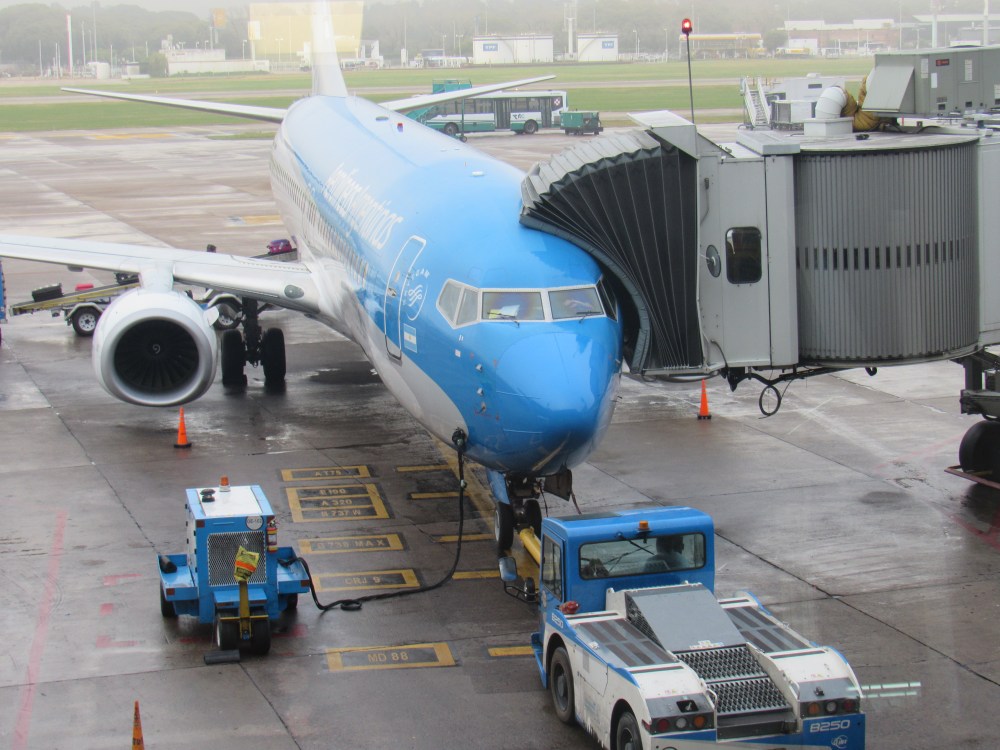
La segunda aeronave Boeing 737-800 aterrizó en el Aeropuerto Internacional Ezeiza, incorporándose a la flota de Norwegian Air Argentina. El Boeing 737-800 con registro LV-IQZ. La segunda aeronave despegó del Aeropuerto Arlanda, en Estocolmo (Suecia). El Sábado 10 Noviembre 2018 arribó en el Aeropuerto Internacional de Ezeiza a las 17:40 hs [hora local Argentina/-3UTC], tripulado por el CEO local de la aerolínea, el Cpt. Ole Christian Melhus, Espen Lauritzsen y Pablo Palacio.

Detalles del LV-IQZ

El segundo Boeing 737-8JP con registro industrial MSN:42086 y LN:6365, efectuó su primer vuelo el 12/04/2017 propulsados por dos motores CFMI CFM56-7B26. LA aeronave fue adquirida por Norwegian Air International el 20/04/2017 con matrícula EI-FVP y ha sido nombrado Santiago Ramón y Cajal. Norwegian Air Argentina incorpora la aeronave el 09/11/2018 recibiendo registro nacional LV-IQZ. El avión posee una antigüedad de 1,6 años. La configuración del segundo avión tiene una capacidad para 189 pasajeros en clase única económica (Y189).

El Boeing 737-800 Next Generation es producido desde 1996 por Boeing Commercial Airplanes, es un avión de tercera generación de la famosa saga de la línea 737. La variante 800’s se han construído alrededor de 4.800 unidades para clientes de todo el mundo. Posee una autonomía con máxima carga paga entre 5.600-5.700 km.

Los Boeing 737-800 de Norwegian Air Argentina cumplen con los más altos estándares de seguridad, calidad y uso eficiente del combustible. Incorporan conexión wi-fi, diseño Sky Interior que brinda mayor confort e iluminación ambiental a bordo para los pasajeros.

Ferry hacia «las pampas»

El recorrido que realizó el Boeing 737-8JP se inició el 9/11/2018 desde el Aeropuerto de Arlanda, Estocolmo (Suecia) y realizó dos escalas técnicas, la primera en Las Palmas, Isla Gran Canaria (España), y la segunda en Natal, Ceará (Brasil), para arribar el 10Ç/11/2018 al Aeropuerto internacional de Ezeiza, Buenos Aires (Argentina).

Entrada Servicio

Norwegian Air Argentina inaugurará con la segunda aeronave Boeing 737-800 vuelos con frecuencia diaria Buenos Aires-Neuquén y Buenos Aires-Iguazú (1Fq/D) a partir del 19 Noviembre 2019, ampliando así la red de rutas servidas en Argentina. Actualmente la aerolínea opera Buenos Aires-Córdoba y Buenos Aires-Mendoza. La incorporación de la segunda unidad reforzará además la frecuencia diaria a Mendoza, que pasará de uno a tres vuelos por día.

«Estilo Norwegian»

images (2)El arribo del Boeing 737-800 LV-IQZ continuará con el patrón de imagen corporativa con los famosos retratos de personajes emblemáticos. La deriva aloja al científico español Santiago Ramón y Cajal, quien en 1906 recibió el premio Nobel de Medicina en reconocimiento por su trabajo sobre la estructura del sistema nervioso. Por otro lado, la aerolínea planea anunciar la incorporación de un segundo personaje para la deriva del segundo avión incorporado.

Ampliación 737NG

Norwegian Air Argentina adquirirá dos aeronaves adicionales para completar Boeing 737-800’s (4). Las rutas aéreas a incorporar en Diciembre 2018 conectarán Buenos Aires-Bariloche y Buenos Aires-Salta, para completar la primer etapa 2018 de la introducción de la segunda low cost en Argentina. AIRWAYS® AW-Icon TXT

AW-737800NWAR.png

2nd Boeing 737-800 for Norwegian-AR

Top followed by Boeing 737-800 for Norwegian Air Argentina

The second Boeing 737-800 aircraft landed at the Ezeiza International Airport, joining the Norwegian Air Argentina fleet. The Boeing 737-800 with registration LV-IQZ. The second aircraft took off from Arlanda Airport, in Stockholm (Sweden). On Saturday, November 10, 2018, it arrived at the Ezeiza International Airport at 5:40 p.m. [local time Argentina/-3UTC], manned by the airline’s local CEO, Cpt. Ole Christian Melhus, Espen Lauritzsen and Pablo Palacio.

Details of the LV-IQZ

The second Boeing 737-8JP with industrial registration MSN: 42086 and LN: 6365, made its first flight on 04/12/2017 propelled by two CFMI engines CFM56-7B26. The aircraft was acquired by Norwegian Air International on 04/20/2017 with registration EI-FVP and has been named Santiago Ramón y Cajal. Norwegian Air Argentina incorporates the aircraft on 11/09/2018 receiving national registration LV-IQZ. The aircraft has an antiquity of 1.6 years. The configuration of the second plane has a capacity for 189 passengers in economic single class (Y189).

The Boeing 737-800 Next Generation is produced since 1996 by Boeing Commercial Airplanes, it is a third generation aircraft of the famous saga of line 737. The 800’s variant has been built around 4,800 units for customers around the world. It has an autonomy with maximum pay charge between 5,600-5,700 km.

The Boeing 737-800 of Norwegian Air Argentina meets the highest standards of safety, quality and efficient fuel use. They incorporate wi-fi, Sky Interior design that provides greater comfort and ambient lighting on board for passengers.

Ferry to «the pampas»

The route taken by the Boeing 737-8JP began on 11/9/2018 from the Arlanda Airport, Stockholm (Sweden) and made two technical stops, the first in Las Palmas, Gran Canaria Island (Spain), and the second in Natal, Ceará (Brazil), to arrive on 10/11/2018 at the Ezeiza International Airport, Buenos Aires (Argentina).

Service entry

Norwegian Air Argentina will open with the second aircraft Boeing 737-800 flights with daily frequency Buenos Aires-Neuquén and Buenos Aires-Iguazú (1Fq/D) as of November 19, 2019, thus expanding the network of routes served in Argentina. Currently the airline operates Buenos Aires-Córdoba and Buenos Aires-Mendoza. The incorporation of the second unit will also strengthen the daily frequency to Mendoza, which will go from one to three flights per day.

«Norwegian style»

The arrival of the Boeing 737-800 LV-IQZ will continue with the corporate image pattern with the famous portraits of emblematic characters. The drift hosts the Spanish scientist Santiago Ramón y Cajal, who in 1906 received the Nobel Prize in Medicine in recognition of his work on the structure of the nervous system. On the other hand, the airline plans to announce the incorporation of a second character for the drift of the second incorporated aircraft.

Expansion 737NG

Norwegian Air Argentina will acquire two additional aircraft to complete the Boeing 737-800’s (4). The air routes to be incorporated in December 2018 will connect Buenos Aires-Bariloche and Buenos Aires-Salta, to complete the first phase 2018 of the introduction of the second low cost in Argentina. A \ W


Ξ A I R G W A Y S Ξ
SOURCE: Airgways.com
DBk: Norwegian.com / Airgways.com
AW-POST: 201811121130AR

A\W   A I R G W A Y S ®

Lion Air JT-610 | Día 14

AW-700066668

AW | 2018 11 11 20:20 | AIR INVESTIGATION / AVIATION SAFETY

Seal_of_the_United_States_National_Transportation_Safety_Board.svgDetalles del Flight Data Record (FDR) del vuelo JT-610

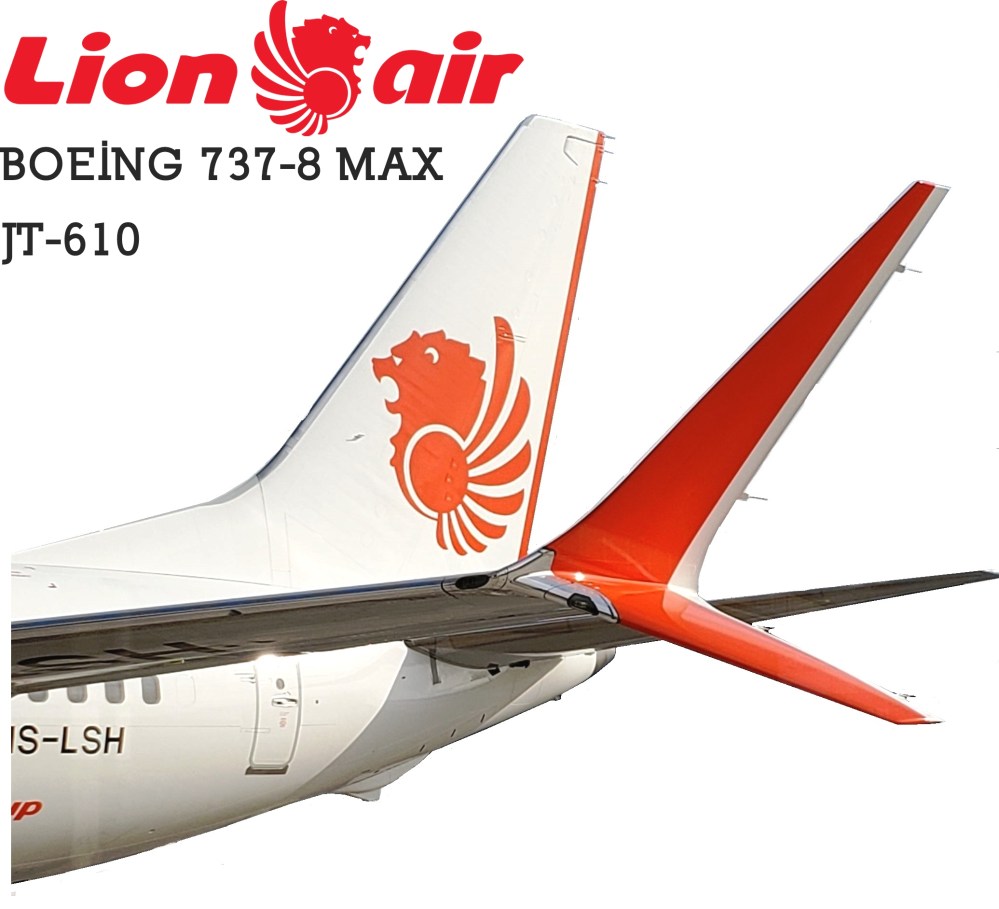
El vuelo JT-610 de Lion Air a bordo del Boeing 737-800 MAX, registro PK-LQP realiza la ruta Jakarta-Pangkal Pinang (Indonesia) con 181 pasajeros y 8 tripulantes, estaba saliendo de Jakarta cuando la aeronave alcanzó una altitud máxima de unos 5.400 pies, luego pierde altura. El contacto por radar se perdió a 35 nm al noreste de Jakarta sobre el Mar de Java a las 06:33L (23:33Z, 28 Octubre 2018).

AW-7765645444Los registros de las conversaciones del piloto Capt. Bhavye Suneja se revelaron después de que se descubrieron casi dos semanas del accidente del vuelo de Lion Air al analizar el Flight Data Record (FDR). La señal de la caja negra de la grabadora de voz de cabina (CVR) de Lion Air PK-LQP ya no se detecta. Pero la búsqueda de CVR continuó a pesar de que Basarnas terminó la búsqueda de víctimas.

Esta afirmación fue transmitida por el Presidente del Comité Nacional de Seguridad Nacional (NTSC), Soerjanto Tjahjono. La búsqueda de la caja negra del CVR continuó para completar la investigación de la caída de Lion Air JT610 en aguas de Karawang el lunes (29/10). «Nuestro equipo continuará buscando las cajas negras lo mejor que podamos. No sabemos cuánto tiempo podemos hacer esta búsqueda», dijo Soerjanto en JICT 2, Tanjung Priok, norte de Jakarta, el Sábado 10 Noviembre 2018. Según él, la búsqueda de CVR se realiza en el área de la caída de Lion Air con una cobertura máxima de 1 kilómetro de radio. «No sabemos cuánto durará la búsqueda, pero haremos todo lo posible para encontrar CVR», dijo Soerjanto.

En esta búsqueda, NTSC usa una herramienta adicional, el buscador del localizador de ping. Además, el vehículo operado a distancia (ROV) estará equipado con nuevos elementos. «Así que usaremos barcos, algunos barcos equipados con ROV más grandes y sofisticados. Hay 4 cámaras, y en el ROV habrá un sonar de exploración, también el más importante aquí es el nuevo equipo en bote en el ROV es un perfil de fondo que puede detectar objetos en el lodo a una profundidad de 4 metros», explicó Soerjanto. Según él, la señal no fue detectada porque el pinker fue dañado por un fuerte impacto. Entonces, cuando haces un sonido, el sonido no es óptimo.

Datos Preliminares del FDR

NTSC actualmente está analizando los datos de la caja negra de Flight Data Record (FDR). Varios resultados fueron revelados en la investigación interina. Hay hallazgos del indicador de velocidad del aire del Boeing 737-8 MAX de Lion Air PK-LQP que se dañó en los últimos cuatro vuelos. Sin embargo, los hallazgos no se pueden concluir como la causa del accidente del vuelo JT-610. La NTSC continúa con la investigación.

Incluye daño del sensor AOA (Ángulo de Ataque). AOA es una medida del ángulo de la aeronave con respecto al flujo de aire. El sensor AOA muestra la diferencia cuando se vuela la ruta anterior Bali-Jakarta con el avión Boeing 737-8 MAX PK-LQP. El registro de vuelo detecta que la aeronave tiene un comportamiento en el AOA izquierdo con una diferencia de 20º grados diferente del lado derecho.

«Tal vez con esta investigación solo con los datos del FDR, quizás tengamos alrededor del 70-80% de lo que podemos saber. Necesitamos ser perfectos al 100% de la causa del accidente, por eso necesitamos encontrar el CVR», dijo Soerjanto Tjahjono. AIRWAYS® AW-Icon TXT

Resultado de imagen para JT610 black box FDR

Lion Air JT-610 | Day 14

Details of the Flight Data Record (FDR) of flight JT-610 are advanced

The JT-610 flight of Lion Air aboard the Boeing 737-800 MAX, registration PK-LQP performs the route Jakarta-Pangkal Pinang (Indonesia) with 181 passengers and 8 crew, was leaving Jakarta when the aircraft reached a maximum altitude of about 5,400 feet, then it loses height. The radar contact was lost at 35 nm northeast of Jakarta over the Java Sea at 06: 33L (23:33Z, 28 October 2018).

Records of conversations of Capt. Bhavye Suneja were revealed after almost two weeks of the Lion Air flight accident were discovered when analyzing the Flight Data Record (FDR). The black box signal from Lion Air PK-LQP’s cockpit voice recorder (CVR) is no longer detected. But the CVR search continued despite the fact that Basarnas ended the search for victims.

This statement was transmitted by the President of the National Committee of National Security (NTSC), Soerjanto Tjahjono. The search for the CVR black box continued to complete the investigation of the fall of Lion Air JT610 in Karawang waters on Monday (10/29). «Our team will continue to look for the black boxes as best we can, we do not know how long we can do this search», said Soerjanto at JICT 2, Tanjung Priok, north of Jakarta, on Saturday, November 10, 2018. According to him, the search for CVR is done in the area of ​​the fall of Lion Air with a maximum coverage of 1 kilometer radius. «We do not know how long the search will last, but we will do everything possible to find CVR», said Soerjanto.

In this search, NTSC uses an additional tool, the ping locator search engine. In addition, the remotely operated vehicle (ROV) will be equipped with new elements. «So we will use boats, some boats equipped with larger and more sophisticated ROVs, there are 4 cameras, and in the ROV there will be an exploration sonar, also the most important here is the new boat equipment in the ROV is a bottom profile that can detect objects in the mud at a depth of 4 meters», explained Soerjanto. According to him, the signal was not detected because the pinker was damaged by a strong impact. Then, when you make a sound, the sound is not optimal.

Preliminary data of the FDR

NTSC is currently analyzing data from the Flight Data Record (FDR) black box. Several results were revealed in the interim investigation. There are findings from the Air Speed ​​Indicator of the Lion Air PK-LQP Boeing 737-8 MAX that was damaged in the last four flights. However, the findings can not be concluded as the cause of the JT-610 flight accident. The NTSC continues with the investigation.

Includes AOA sensor damage (Attack Angle). AOA is a measure of the angle of the aircraft with respect to the air flow. The AOA sensor shows the difference when flying the previous Bali-Jakarta route with the Boeing 737-8 MAX PK-LQP aircraft. The flight log detects that the aircraft has a behavior in the left AOA with a difference of 20 degrees different from the right side.

«Maybe with this research only with the FDR data, we may have about 70-80% of what we can know, we need to be 100% perfect for the cause of the accident, so we need to find the CVR», said Soejanto Tjahjono. A \ W


Lion Air JT-610 | Hari ke 14

Rincian Catatan Data Penerbangan (FDR) penerbangan JT-610 sudah lanjut

Penerbangan JT-610 Lion Air di atas Boeing 737-800 MAX, registrasi PK-LQP melakukan rute Jakarta-Pangkal Pinang (Indonesia) dengan 181 penumpang dan 8 awak, meninggalkan Jakarta ketika pesawat mencapai ketinggian maksimum sekitar 5.400 kaki, kemudian kehilangan tinggi badan. Kontak radar hilang di 35 nm timur laut Jakarta di atas Laut Jawa di 06: 33L (23: 33Z, 28 Oktober 2018).

Rekaman percakapan Kapten Bhavye Suneja terungkap setelah hampir dua minggu kecelakaan penerbangan Lion Air ditemukan ketika menganalisis Catatan Data Penerbangan (FDR). Sinyal kotak hitam dari perekam suara kokpit Lion Air PK-LQP (CVR) tidak lagi terdeteksi. Namun pencarian CVR berlanjut meskipun fakta bahwa Basarnas mengakhiri pencarian korban.

Pernyataan ini disampaikan oleh Presiden Komite Nasional Keamanan Nasional (NTSC), Soerjanto Tjahjono. Pencarian kotak hitam CVR terus menyelesaikan penyelidikan jatuhnya Lion Air JT610 di perairan Karawang pada hari Senin (29/10). «Tim kami akan terus mencari kotak hitam sebaik mungkin, kami tidak tahu berapa lama kami bisa melakukan pencarian ini,» kata Soerjanto di JICT 2, Tanjung Priok, sebelah utara Jakarta, Sabtu, 10 November 2018. Menurutnya, pencarian CVR dilakukan di daerah jatuhnya Lion Air dengan jangkauan maksimum radius 1 kilometer. «Kami tidak tahu berapa lama pencarian akan berlangsung, tetapi kami akan melakukan segala kemungkinan untuk menemukan CVR», kata Soerjanto.

Dalam pencarian ini, NTSC menggunakan alat tambahan, mesin pencari pencari ping. Selain itu, kendaraan yang dioperasikan dari jarak jauh (ROV) akan dilengkapi dengan elemen-elemen baru. «Jadi kita akan menggunakan perahu, beberapa kapal dilengkapi dengan ROVs yang lebih besar dan lebih canggih, ada 4 kamera, dan di ROV akan ada sonar eksplorasi, juga yang paling penting di sini adalah peralatan perahu baru di ROV adalah profil dasar yang bisa mendeteksi benda di lumpur pada kedalaman 4 meter», jelas Soerjanto. Menurut dia, sinyal itu tidak terdeteksi karena merah muda rusak oleh dampak yang kuat. Kemudian, ketika Anda membuat suara, suaranya tidak optimal.

Data awal dari FDR

NTSC saat ini menganalisis data dari kotak hitam Flight Data Record (FDR). Beberapa hasil terungkap dalam penyelidikan sementara. Ada temuan dari Indikator Kecepatan Udara Lion Air PK-LQP Boeing 737-8 MAX yang rusak dalam empat penerbangan terakhir. Namun, temuan tersebut tidak dapat disimpulkan sebagai penyebab kecelakaan penerbangan JT-610. NTSC melanjutkan penyelidikan.

Termasuk kerusakan sensor AOA (Attack Angle). AOA adalah ukuran sudut pesawat sehubungan dengan aliran udara. Sensor AOA menunjukkan perbedaan saat menerbangi rute Bali-Jakarta sebelumnya dengan pesawat Boeing 737-8 MAX PK-LQP. Log penerbangan mendeteksi bahwa pesawat memiliki perilaku di AOA kiri dengan perbedaan 20 derajat berbeda dari sisi kanan.

«Mungkin dengan penelitian ini hanya dengan data FDR, kita mungkin memiliki sekitar 70-80% dari apa yang bisa kita ketahui, kita perlu 100% sempurna untuk penyebab kecelakaan, jadi kita perlu menemukan CVR», kata Soejanto. Tjahjono. A \ W


Ξ A I R G W A Y S Ξ
SOURCE: Airgways.com
DBk: Ntsb.gov / Dephub.go.id / Teknologi.id / Airgways.com
AW-POST: 201811112020AR

A\W   A I R G W A Y S ®

El Gran Circo por Aerolíneas

Clarin.com 07767677

AW | 2018 11 11 16:30 | AIRLINES MARKET

Aerolíneas Argentinas continúa siendo escenario de conflictos que AA-AU Isologotypenunca prometen acabar

Los últimos paros gremiales en la semana han llevado hasta el hartazgo a los pasajeros de Aerolíneas Argentinas y Austral Líneas Aéreas, y nuevamente se han pisoteado los derechos de los usuarios. Lejos de los reclamos justificados o no de los gremios aeronáuticos, la Argentina presenta patrones de conductas que hacen de la clase dirigente un hazmereir para la sociedad mundial.

La lamentable historia cargada de conflictos continúan ahogando las esperanzas, que no sólo Aerolíneas Argentinas y Austral Líneas Aéreas sigan surcando los cielos del mundo, sino que además en el país de los piquetes y reclamos ésta no siempre es una salida convincente a los conflictos demandados.

IMG_8642-1-AS- (1)

Cronología de paros 2018

En lo que va del año 2018 tanto Aerolíneas Argentinas y Austral Líneas Aéreas han sufrido muchos paros y reclamos aeronáuticos. Esperar meses para hacer un deseado viaje, llegar al aeropuerto y enterarse que el vuelo está cancelado por una medida de fuerza es una muy mala noticia. Pero no solo para los pasajeros, sino también para las compañías que pierden millones de dólares y deben realizar cancelaciones, cambios y traslados de personas.

25 JUNIO 2018
Argentina tiene el paro nacional de 25 Junio 2018 afectando la mayoría de lo transportes en el país. Aerolíneas Argentinas anunció en un comunicado que canceló todos sus vuelos para el Lunes 25 Junio 2018 debido al paro convocado por la CGT, al que se plegaron los Sindicatos Aeronáuticos Unidos, que nuclea a siete gremios de la actividad y a más de 18.000 trabajadores. Latam Airlines Argentina también suspendió sus actividades. Sindicatos Aeronáuticos Unidos había anunciado su apoyo al paro convocado por la central obrera. Se estima que la medida afectó entre 65 mil y 70 mil pasajeros.

13 JULIO 2018
Los Gremios Aeronáuticos Unidos formalizaron un paro el Viernes 13 Julio 2018, el último día de clases antes del comienzo de las vacaciones de invierno en gran parte del país. La medida de fuerza afectó al menos a 650 vuelos y a unos 83.000 pasajeros en todo el país, estimaron fuentes oficiales. La medida de fuerza el 13 Julio 2018 afectó a los vuelos en todo el país.

Entre los reclamos de los sindicatos está el de la confirmación de la eliminación de la banda tarifaria y los precios mínimos de los pasajes, la denuncia de «achicamiento» de Aerolíneas Argentinas y la falta de un plan de empresa público, la falta de exigencias a las compañías extranjeras para que inviertan en sus filiales locales, respetar la reciprocidad en los acuerdos bilaterales, modificación de la Normativa Aeronáutica, la degradación de la seguridad operacional y la liberación de los servicios aéreos.

Según informaron los gremios a través de un comunicado conjunto, el Ministerio de Transporte “ha hecho oídos sordos a los reclamos elevados, y por el contrario han decidido dar por tierra con todos los compromisos asumidos en su oportunidad”.

Al anunciar la eliminación de los pisos tarifarios, el ministro Guillermo Dietrich dijo que la iniciativa “busca que cada vez más argentinos puedan acceder a volar dentro del país, fomentando el crecimiento del sector aerocomercial y un mejor conectividad” y estimó que “los pasajeros encontrarán más ofertas con mejores precios y aumentarán las promociones en momentos de temporada y en vuelos con baja ocupación”. Para los gremios implicará menor estándar de seguridad.

2 NOVIEMBRE 2018
Demorados y cancelaciones en Aeroparque por una medida de fuerza sindical el 2 Noviembre 2018. El gremio de Aeronavegantes realizó una asamblea con cese de actividades que obligó a reprogramar más de 30 vuelos por falta de tripulantes. Gremialistas aeronáuticos provocaron decenas de demoras y más de 30 cancelaciones este viernes en el Aeroparque Jorge Newbery. La Asociación Argentina de Aeronavegantes (AAA) realizó una sorpresiva asamblea con cese de actividades desde las 05:00 de la mañana, en rechazo al «achicamiento, despidos y la persecución sindical que atraviesa al sector aeronáutico».

La medida de fuerza provocó demoras en decenas de vuelos afectando a alrededor de 8.000 pasajeros que tenían que volar en el comienzo del fin de semana. Algunas de las compañías debieron reprogramar los vuelos esta mañana.

Aerolíneas Argentinas informó que la medida de fuerza provocó un paro total de la operación de la compañía, como ha sucedido con otras líneas aéreas, y obligó a cancelar 31 vuelos por falta de tripulación para cumplir con los mismos.

Las asambleas se realizan intempestivamente un viernes, el día de más cantidad de partidas y mayor cantidad de ocupación de asientos tanto en vuelos de cabotaje como internacionales.

«El sector está sumergido en una severa crisis, producto de la sobreoferta, el impacto de la recesión en la venta de pasajes aéreos, los bajos ingresos en pesos y el feroz aumento del combustible, principal costo en dólares de las aerolíneas, entre otros factores», advirtió Juan Pablo Brey, secretario de los Aeronavegantes.

En el caso de Aerolíneas Argentinas, el sindicalista explicó que el reclamo responde a la falta de compromiso con el aumento acordado en los salarios. «La aerolínea de bandera anunció en privado ayer a los sindicatos que iba a reinterpretar la cláusula gatillo que venía pagando desde mayo, cuestionando su período de alcance, de manera tal que no abonará a los trabajadores el ajuste por inflación pendiente de la negociación 2017», dijo Brey.

8 NOVIEMBRE 2018
La medida de fuerza más reciente que hubo en Aerolíneas fue la del Jueves, 8 Noviembre 2018 cuando los diversos gremios que nuclean a los trabajadores aeronáuticos realizaron asambleas que impidieron el normal funcionamiento de los vuelos por algunas horas. Esa medida de fuerza de tan solo algunas horas ocasionó para Aerolíneas, según lo que explicaron desde, la compañía a El Intransigente, una pérdida de 8 millones de dólares.

Uno de los motivos principales por los cuales los trabajadores se manifiestan, es por su rechazo al fomento, por parte del Gobierno Nacional, de las conocidas aerolíneas low cost. Los trabajadores de Aerolíneas Argentinas sostienen que aquello contribuye a la precarización laboral.

Los aeronáuticos apuntan contra el ministro de Transporte, Guillermo Dietrich, quien llamó “Revolución de los Aviones”, a la incorporación en la Argentina de los vuelos low cost, a los cuales los gremios consideran una falacia. «El Gobierno está financiando y auspiciando uno de los peores modelos de la industria, y casualmente estas políticas son los que han sumido al sector en una crisis innecesaria y de consecuencias irreparables», explicaron a través de un comunicado los gremios aeronáuticos sobre los vuelos conocidos por ofrecer tarifas más baratas. Además sostienen desde diferentes posiciones que los trabajadores están en contra de la privatización de Aerolíneas Argentinas y Austral Líneas Aéreas, un tema que retoma la esfera política en la Argentina.

AW-70000117

Entre Bastidores

«Mucho ruido, pocas nueces», es un refrán popular para referirse a los actos que suelen ser muy llamativos y ostentosos, pero poco prácticos y útiles en la realidad. Su origen proviene de una comedia romántica escrita por William Shakespeare. En el caso de Aerolíneas siempre hay mucho ruido, pero los camino que llevan a los logros casi nunca se alcanzan.

El backstage, o el detrás de escena que vemos a diario de paros que agudizan la crisis y la eterna pelea entre sindicatos-gobierno nacional-líneas aéreas nos permitirá comprender la naturaleza definida de los hechos.

Paros Gremiales

Gerente de Prensa de Aerolíneas Argentinas ha comunicado acerca del conflicto gremial que provocó la cancelación de vuelos con 30.000 personas que no pudieron viajar el 8 Noviembre 2018.

El Director de Asuntos Corporativos y Comunicaciones de Aerolíneas Argentinas, Marcelo Cantón, explicó la situación que vive actualmente la aerolínea y expresó “el viernes 2 noviembre uno de los gremios hizo una asamblea que duró 3 horas y generó casi 30 vuelos demorados y, este jueves, 8 noviembre, los otros cinco gremios hicieron lo mismo. Esta última asamblea duró 11 horas y causó un caos aún mayor porque se realizan con todo el personal en un cese de actividades. Se cancelaron más de 250 vuelos y afectaron a más de 30 mil pasajeros”. Desde la compañía sostienen que estas medidas fueron absolutamente sorpresivas, nunca se notificó a la compañía y que a los trabajadores se le descuenta la parte proporcional del día que no trabaja.

Paritarias

Además explicó cómo funciona la paritaria y advirtió que estas medidas podrían continuar. El Gerente de Prensa destacó que “los sueldos de Aerolíneas no quedaron debajo de la inflación. Tuvieron un 17% de pago inicial y una cláusula gatillo que fue subiendo mes por mes los sueldos acordes a la inflación. Los salarios son de los más altos del país”. La cantidad de sueldos que se pagan que “los pilotos pueden volar 75 horas por mes y, el promedio de los de Aerolíneas Argentinas está por debajo de 40 horas mensuales. Esto te obliga a tener el doble del persona y advirtió que no sabemos qué va a pasar, pero los gremios advierten que va a haber más medidas de fuerza la semana que viene”.

Desde los gremios aeronáuticos sostienen un incumplimiento de las paritarias acordadas. «Si no pagan los salarios. ¿Qué se supone que tengo que hacer? Aerolíneas y Austral tenían cerrada una paritaria de Septiembre a Septiembre con los sindicatos del sector. Una semana antes del cobro de salarios nos llamaron las autoridades de la empresa y nos dijeron que por directivas del Ministro Dietrich no iban a pagar lo acordado. Comunicamos que íbamos a implementar medidas por 24 horas de manera automática en tanto y en cuanto no liquidaran la totalidad del salario. Las medidas fueron retención de tareas, un derecho constitucional cuando no te liquidan el salario. Hay una firme voluntad de estigmatizar a los laburantes y enfrentarlos a la sociedad», sostuvo el gremialista Pablo Biró, Secretario General de la Asociación de Pilotos de Líneas Aéreas (APLA).

Desde el gobierno sostienen que los sueldos se han pagado en tiempo, pero tal vez la forma en que debieran acordado no lo ham cumplido, lo que ha generado los reclamos de diferente agrupaciones gremiales.

Vaciamiento

Otra cuestión es el caso de supuesto «achicamiento» de Aerolíneas Argentinas que denuncian los sindicatos aeronáuticos. Desde los gremios sostienen que el gobierno está recortando presupuesto a Aerolíneas Argentinas, pero subsidia a las low cost. El Secretario de APLA, Pablo Biró, cuestionó que «el Gobierno está recortando presupuesto a Aerolíneas Argentinas y está subsidiando a las mal llamadas low cost. La política aerocomercial que fue dada a conocer como Revolución de los Aviones esconde transferencias de recursos argentinos. Aerolíneas Argentinas ni figuraba en el Presupuesto. Después de algunas manifestaciones pusieron dinero para que funcione durante el primer trimestre».

Parece ser que al sindicato le incomoda el hecho de que Aerolíneas Argentinas/Austral Líneas Aéreas (AR/AU) estén entre una disyuntiva de nunca acabar. Por un lado, es un patrimonio nacional que el Gobierno de Argentina está tratando de reducir gastos para reducir el déficit que el gobierno anterior no solo no controló, sino que amplió el rojo financiero; por otro lado los gremialistas están reclamando esas mismas partidas presupuestarias para defender en buena hora a AR/AU; pero las intenciones detrás de escena son que no quieren líneas aéreas low cost porque son herramientas que no pueden fiscalizar, pues muchas de ellas poseen otros sindicatos que las regulan, como en los casos de las aerolíneas europeas, aunque esta cuestión requiere otro análisis más completo.

“Los subsidios a Aerolíneas vienen cayendo”, festejó el Ministro de Transporte, Guillermo Dietrich, sugiriendo que la baja en el dinero que el Estado destina a la empresa de bandera se debe a la mayor rentabilidad esta última. Pero no. “Se pinta como un logro que el Estado aporte menos por pasaje, cuando la compañía sigue teniendo prácticamente el mismo gasto y lo que va a pasar es que Aerolíneas se va a tener que empezar a endeudarse en forma privada”, explica Mateo Ferrería, Secretario Gremial de la Asociación de Pilotos de Líneas Aéreas (APLA).

En su anuncio, Dietrich precisó que de los 130 dólares que el Estado pagaba en concepto de subsidio por cada pasaje vendido por la línea aérea, ahora paga 14 dólares, en 2019 pagará 7 dólares y cero en 2020.

La idea de un «achicamiento» del Grupo Aerolíneas es una falacia, cae por su mismo peso. Es algo fuera de la realidad por hechos bien marcados: por un lado las inversiones en AR/AU continúan desarrollándose a pesar de una economía estancada. Aerolíneas ha recibido actualizaciones en los sistemas de reservas, mejoramiento en la adaptabilidad de la flota, como así la incorporación de modernas aeronaves Boeing 737-8 MAX, siendo Aerolíneas Argentinas pionera en latinoamérica convirtiéndose en el primer cliente para esta región. Además, Austral Líneas Aéreas está proyectando una actualización de su flota aérea por una de mayor prestaciones, debido al aumento de la demanda aérea necesita aeronaves de mayor porte.

Estos son pasos concretos de que las dos empresas aéreas no están atravesando un achicamiento, por el contrario, poseen una mayor participación en el mercado argentino y promueven inversiones en el sector.

Subsidios a Low Cost

1091013as.jpgDesde el Ministerio de Transporte se enfatizó que las low cost no recibirán ningún subsidio estatal, lo que tampoco es real. “Avianca hizo un convenio con el Gobierno de Tucumán que le garantiza el 65% de llenado de todos los aviones que toquen el suelo tucumano. FlyBondi acaba de hacer un acuerdo con el acuerdo de Córdoba para la exceptúen de Ingresos Brutos. También iba a invertir 35 millones de dólares en el aeropuerto de El Palomar para remodelarlo y poder utilizarlo y al final fue el Estado el que terminó poniendo más de 50 millones de dólares”, detalla Mateo Ferrería, Secretario de APLA.

La realidad es que el Estado no destinará aportes de manera directa a las líneas aéreas convencionales o low cost, pero las aerolíneas han realizado acuerdos con las provincias para subsidiar rutas aéreas, que en realidad es muy común en el sector de la aviación comercial mundial. Las diferentes posturas son atendibles en los reclamos formulados.

Conclusiones generales

Con el octavo territorio más extenso del mundo, para Argentina la aerolínea de bandera cumple una función social. Aerolíneas Argentinas/Austral Líneas Aéreas son las únicas que vuelan a La Rioja y Catamarca y otras conexiones en el corredor federal, petrolero y atlántico. Muchas de esas conexiones no son rentables, pero enlazan a las regiones y favorecen las economías regionales.

Ante el anuncio del desembarco de las low cost, en Febrero 2017, los gremios aeronáuticos comenzaron a advertir sobre los riesgos que éste conlleva en muchos aspectos, como la seguridad del pasajero, la pérdida de puestos de trabajo y la posibilidad de un achique de Aerolíneas.

Con el lanzamiento de la «Revolución de los Aviones» que ha traído luces y sombras, el mercado ha mejorado sustancialmente. Después de mucho tiempo de monopolio aéreo bajo el Grupo Aerolíneas, el mercado no funcionaba bien, pués no alentaba la oferta de más líneas aéreas y más rutas, como por defecto más oportunidades para viajar con mejor competitividad tarifaria.

A los actuales gobiernos de turno le cabe la enorme responsabilidad de fiscalizar todo el órgano aéreo donde los actores en cuestión ahora son más plurales donde conviven las aerolíneas tradicionales y las low cost. El modelo europeo del mercado aéreo nos permite entender cómo funcionan las cosas, la conclusión es la siguiente: no existen fuertes ni débiles, es una cuestión de mejoras de los recursos de las empresas y de los controles efectivos por parte del Estado y los organismos reguladores.

Resultado de imagen para LAPA Lineas Aéreas pngCuando LAPA Líneas Aéreas se incorporó en los años 90 como la primer compañía de mercado low cost el efecto fue reducción de tarifas, muchas de ellas por debajo de las tarifas de transporte terrestre. Aún así, el mercado se ajustó, pero la aerolínea contrariamente no sobrevivió.

Un listado de varias compañías han ingresado a la órbita aerocomercial, otras no han cumplido con las aprobaciones para la licencia AOC y han quedado a mitad camino, pero el mercado argentino continúa diversificándose con mejoras en rutas y tarifas aéreas.

El próximo mercado aéreo argentino continúa desarrollándose progresivamente dictados por la oferta y la demanda, entre este lapso habrá que detener ese gran circo montado que no trae beneficios para nadie, más bien aplazan los problemas hacia el futuro. Será hora de sentarse y ordenar las cosas que hay en cuestión para poder disfrutar del arte de volar en Argentina.  AIRWAYS® AW-Icon TXT

AW-78800151

The Great Circus by Aerolíneas

Aerolineas-Argentinas-logoAerolíneas Argentinas continues to be the scene of conflicts that never promise to end

The last union strikes during the week have taken the passengers of Aerolíneas Argentinas and Austral Líneas Aéreas to the satiety, and again the rights of the users have been trampled. Far from the claims justified or not of the aeronautical guilds, Argentina presents behavioral patterns that make the ruling class a laughing stock for world society.

The unfortunate history full of conflicts continue to drown the hopes, that not only Aerolíneas Argentinas and Austral Líneas Aéreas continue to sail the skies of the world, but also in the country of picketing and claims this is not always a convincing solution to the conflicts demanded.

Timeline of stoppages 2018

So far in 2018, both Aerolíneas Argentinas and Austral Líneas Aéreas have suffered many strikes and aeronautical claims. Waiting months to make a desired trip, arriving at the airport and finding out that the flight is canceled by a measure of force is very bad news. But not only for passengers, but also for companies that lose millions of dollars and must make cancellations, changes and transfers of people.

JUNE 25, 2018
Argentina has the national strike of June 25, 2018 affecting most of the transport in the country. Aerolineas Argentinas announced in a statement that it canceled all its flights for Monday June 25, 2018 due to the strike called by the CGT, to which the United Aeronautics Unions folded, which brings together seven guilds of the activity and more than 18,000 workers. Latam Airlines Argentina also suspended its activities. United Aeronautic Unions had announced its support for the strike called by the workers’ union. It is estimated that the measure affected between 65 thousand and 70 thousand passengers.

JULY 13, 2018
The United Aeronautical Guilds formalized a strike on Friday 13 July 2018, the last day of school before the beginning of winter holidays in a large part of the country. The measure of force affected at least 650 flights and some 83,000 passengers across the country, official sources estimated. The measure of force on July 13, 2018 affected flights throughout the country.

Among the demands of the unions is the confirmation of the elimination of the fare band and the minimum prices of the tickets, the denunciation of «shrinkage» of Aerolíneas Argentinas and the lack of a public company plan, the lack of requirements to foreign companies to invest in their local subsidiaries, respect reciprocity in bilateral agreements, modification of the Aeronautical Regulations, the degradation of safety and the release of air services.

As reported by the unions through a joint statement, the Ministry of Transportation «has turned a deaf ear to the high claims, and on the contrary have decided to give ground with all the commitments made at the time».

When announcing the elimination of tariff floors, Minister Guillermo Dietrich said that the initiative «seeks that more and more Argentines can access to fly within the country, promoting the growth of the commercial air sector and better connectivity» and estimated that «passengers will find more offers with better prices and will increase the promotions at times of season and on flights with low occupancy». For the guilds it will imply a lower security standard.

2 NOVEMBER 2018
Delays and cancellations in Aeroparque by a measure of union strength on November 2, 2018. The Aircraft Guild held an assembly with cessation of activities that forced to reschedule more than 30 flights due to lack of crew. Aeronautical gremialistas caused dozens of delays and more than 30 cancellations this Friday in Aeroparque Jorge Newbery. The Argentine Aircraft Association (AAA) held a surprise assembly with cessation of activities from 05:00 in the morning, in rejection of «shrinkage, dismissals and union persecution that crosses the aeronautical sector».

The measure of force caused delays in dozens of flights affecting around 8,000 passengers who had to fly at the beginning of the weekend. Some of the companies had to reschedule the flights this morning.

Aerolíneas Argentinas reported that the measure of force caused a total shutdown of the operation of the company, as has happened with other airlines, and forced to cancel 31 flights due to lack of crew to comply with them.

The assemblies take place untimely on a Friday, the day with the most amount of games and the largest amount of seat occupancy in both domestic and international flights.

«The sector is submerged in a severe crisis, as a result of the oversupply, the impact of the recession on the sale of airline tickets, the low income in pesos and the fierce increase of fuel, the main cost in dollars of the airlines, among other factors», warned Juan Pablo Brey, secretary of the Aeronavegantes.

In the case of Aerolineas Argentinas, the trade unionist explained that the claim responds to the lack of commitment to the agreed increase in salaries. «The flagship airline announced in private yesterday to the unions that it was going to reinterpret the trigger clause that it had been paying since May, questioning its period of scope, in such a way that it will not pay workers the adjustment for inflation pending negotiation 2017», said Brey.

NOVEMBER 8, 2018
The most recent measure of force that was in Airlines was that of Thursday, November 8, 2018 when the various unions that group the aeronautical workers held assemblies that prevented the normal operation of the flights for a few hours. That measure of force of only a few hours caused for Aerolíneas, according to what they explained from the company to The Intransigent, a loss of 8 million dollars.

One of the main reasons why the workers are demonstrating, is for their rejection of the promotion, by the National Government, of the well-known low cost airlines. The workers of Aerolíneas Argentinas argue that this contributes to job insecurity.

The aeronautical one’s aim against the minister of Transport, Guillermo Dietrich, who called «Revolution of the Airplanes», to the incorporation in Argentina of the low cost flights, to which the unions consider a deceit. «The Government is financing and sponsoring one of the worst models in the industry, and coincidentally these policies are what have plunged the sector into an unnecessary crisis and irreparable consequences», explained in a statement the aviation associations on the known flights for offering cheaper rates. They also argue from different positions that the workers are against the privatization of Aerolíneas Argentinas and Austral Líneas Aéreas, a topic that takes up the sphero-politics in Argentina.

Behind the scenes

«Much noise, few nuts», is a popular saying to refer to acts that are usually very flashy and ostentatious, but impractical and useful in reality. Its origin comes from a romantic comedy written by William Shakespeare. In the case of Airlines, there is always a lot of noise, but the road to achievement is almost never achieved.

The backstage, or the behind the scenes that we see every day of strikes that exacerbate the crisis and the eternal fight between unions-national government-airlines will allow us to understand the definite nature of the events.

Trade Paros

Aerolíneas Argentinas Press Manager has reported about the union conflict that caused the cancellation of flights with 30,000 people who could not travel on November 8, 2018.

The Director of Corporate Affairs and Communications of Aerolineas Argentinas, Marcelo Cantón, explained the current situation of the airline and said «on Friday, November 2, one of the unions made an assembly that lasted 3 hours and generated almost 30 delayed flights and, this Thursday , November 8, the other five guilds did the same. This last assembly lasted 11 hours and caused even greater chaos because they are carried out with all the staff in a cessation of activities. More than 250 flights were canceled and affected more than 30 thousand passengers». From the company they maintain that these measures were absolutely surprising, the company was never notified and that the workers are deducted from the proportional part of the day they do not work.

AW-717349MAX.jpg

Parity

He also explained how the joint works and warned that these measures could continue. The Press Manager stressed that «the salaries of airlines were not below inflation. They had a 17% initial payment and a trigger clause that was increasing monthly salaries according to inflation. The salaries are among the highest in the country. «The amount of salaries that are paid «pilots can fly 75 hours per month and, the average of those of Aerolíneas Argentinas is below 40 hours per month. This forces you to have twice the person and warned that we do not know what will happen, but the unions warn that there will be more measures of force next week».

Since the aeronautical unions maintain a breach of the paritarias agreed. «If they do not pay their salaries, what am I supposed to do?» Aerolíneas y Austral had a joint strike between September and September with the unions in the sector, a week before the salary collection, the company authorities called and told us that by Minister Dietrich’s directives they were not going to pay what was agreed upon, we communicated that we were going to implement measures for 24 hours automatically as long as they did not liquidate the entire salary, the measures were retention of tasks, a constitutional right when There is a firm desire to stigmatize the workers and confront them to society», said unionist Pablo Biró, General Secretary of the Association of Airline Pilots (APLA).

The government maintains that the salaries have been paid in time, but perhaps the way they should have agreed is not fulfilled, which has generated the claims of different gremmial groups.

Emptying

Another issue is the case of supposed «shrinking» of Aerolíneas Argentinas denounced by the aeronautical unions. Since the guilds argue that the government is cutting budget to Aerolineas Argentinas, but subsidies low cost. The Secretary of APLA, Pablo Biró, questioned that «the government is cutting budget to Aerolíneas Argentinas and is subsidizing the low cost calls.» The commercial airline policy that was announced as Revolution of the Aircraft hides Argentine resources transfers. It was not included in the Budget, after some demonstrations they put money to make it work during the first quarter».

It seems that the union is bothered by the fact that Aerolíneas Argentinas/Austral Líneas Aéreas (AR/AU) are in a dilemma of never ending. On the one hand, it is a national patrimony that the Government of Argentina is trying to reduce expenses to reduce the deficit that the previous government not only did not control, but it extended the financial red; On the other hand, the unionists are demanding those same budget items to defend AR/AU in good time; but the intentions behind the scenes are that they do not want low cost airlines because they are tools that they can not control, since many of them have other unions that regulate them, as in the case of European airlines, although this issue requires another more complete analysis.

«Subsidies to airlines are falling», celebrated the Minister of Transport, Guillermo Dietrich, suggesting that the decrease in the money that the State allocates to the flag company is due to the higher profitability of the latter. But no. «It is painted as an achievement that the State contributes less per ticket, when the company still has practically the same expense and what is going to happen is that Aerolíneas is going to have to start getting into debt privately», explains Mateo Ferrería, Secretary Guild of the Association of Airline Pilots (APLA).

In his announcement, Dietrich said that of the 130 dollars that the State paid as a subsidy for each ticket sold by the airline, now pays $ 14, in 2019 will pay $ 7 and zero in 2020.

The idea of ​​a «shrinking» of the Aerolíneas Group is a fallacy, falls by his same weight. It is something out of reality for well-marked facts: on the one hand, investments in AR/AU continue to develop despite a stagnant economy. Aerolíneas has received updates in the reservation systems, improvement in the adaptability of the fleet, as well as the incorporation of modern Boeing 737-8 MAX aircraft, with Aerolíneas Argentinas being a pioneer in Latin America, becoming the first client for this region. In addition, Austral Líneas Aéreas is projecting an upgrade of its air fleet for a higher performance, due to the increase in air demand needs larger aircraft.

These are concrete steps that the two airlines are not going through a shrinkage, on the contrary, they have a greater participation in the Argentine market and promote investments in the sector.

AW-70007668

Subsidies to Low Cost

From the Ministry of Transport it was emphasized that the low cost will not receive any state subsidy, which is not real either. «Avianca made an agreement with the Government of Tucumán that guarantees 65% of the filling of all the planes that touch the soil of Tucumán. FlyBondi has just made an agreement with the Córdoba agreement for the exception of Gross Income. I was also going to invest 35 million dollars in El Palomar airport to remodel it and be able to use it, and in the end it was the State that ended up putting more than 50 million dollars», explains Mateo Ferrería, Secretary of APLA.

The reality is that the State will not allocate direct contributions to conventional or low cost airlines, but the airlines have made agreements with the provinces to subsidize air routes, which is actually very common in the world commercial aviation sector. The different positions are worthy of the claims made.

AU E190-100AR.jpgGeneral conclusions

With the eighth largest territory in the world, for Argentina, the flag carrier fulfills a social function. Aerolíneas Argentinas/Austral Líneas Aéreas are the only ones that fly to La Rioja and Catamarca and other connections in the federal, oil and Atlantic corridors. Many of these connections are not profitable, but they link regions and favor regional economies.

Before the announcement of the disembarkation of the low cost, in February 2017, the aeronautical guilds began to warn about the risks that this entails in many aspects, such as the passenger’s safety, the loss of jobs and the possibility of a reduction of Aerolíneas.

With the launch of the «Aircraft Revolution» that has brought lights and shadows, the market has improved substantially. After a long time of aerial monopoly under the Aeerolíneas Group, the market did not work well, because it did not encourage the offer of more airlines and more routes, as by default more opportunities to travel with better tariff competitiveness.

The current governments in turn have the enormous responsibility of overseeing the entire air agency where the actors in custión are now more plural where traditional airlines and low cost coexist. The European model of the air market allows us to understand how things work, the conclusion is the following: there are no strong or weak, it is a question of improvements in the resources of companies and effective controls by the State and regulatory bodies.

When LAPA Líneas Aéreas was incorporated in the 1990s as the first low cost market company, the effect was to reduce tariffs, many of them below the bus transport rates. Even so, the market adjusted, but the airline did not survive.

A list of several companies have entered the commercial air orbit, others have not complied with the approvals for the AOC license and have been halfway, but the Argentine market continues to diversify with improvements in routes and air fares.

The next Argentine air market continues to develop progressively dictated by supply and demand, between that time it will be necessary to stop that great circus mounted that brings no benefits for anyone, rather defer problems to the future. It will be time to sit down and order the things that are in question in order to enjoy the art of flying in Argentina. A \ W


AW-Airgways®

AW-Airgways Icon-webΞ A I R G W A Y S Ξ
SOURCE: Airgways.com
DBk: Airgways.com / Argentina.gob.ar/transporte / Anac.gov.ar / Clarin.com
AW-POST: 201811111630AR

A\W   A I R G W A Y S ®

Demoras y cancelaciones EZE / AEP

AW-70001067AW | 2018 11 11 12:515 | AIR TRAFFIC

Los aeropuertos de Ezeiza y Aeroparque sufrieron algunas demoras por factores climáticos

El Aeropuerto de Ezeiza (SAEZ/EZE) presentó demoras y cancelaciones por la tormenta y varios vuelos tuvieron que aterrizar en la República de Uruguay y otros fueron desviados a terminales alternativas en el interior del país.

El Servicio Meteorológico Nacional comunicó que la franja horaria más complicada fue entre las 07:00 hs y las 08:30 hs, dado que fue en el momento donde la tormenta tuvo mayor intensidad en el área FIR Ezeiza correspondiente para el Aeropuerto Ezeiza. Actualmente se encuentra operando con dificultades por la gran tormenta la zona. Una gran cantidad de vuelos que planificaban aterrizar tuvieron que ser desviados a terminales del interior y hacia el Aeropuerto Montevideo, en Uruguay.

Durante las primeras horas del día, un avión de la empresa KLM Royal Dutch Airlines que venía procedente de Ámsterdam, otro de Latam Airlines procedente de Sao Paulo, uno de Lufthansa despegó del Aeropuerto Frankfurt y un vuelo de Air France que despegó en París, todos fueron derivados a aeropuertos alternativos. Un número de doce vuelos presentaron largas demoras por las condiciones climáticas.

En el Aeropuerto Jorge Newbery (SABE/AEP) debió se ha cancelado el servicio de Avianca Buenos Aires-Rosario, mientras que uno de Aerolíneas Argentinas, procedente de Santiago de Chile, tuvo que ser desviado. AIRWAYS® AW-Icon TXT

AW-70001125

Delays and cancellations EZE / AEP

The airports of Ezeiza and Aeroparque suffered some delays due to climatic factors

The Ezeiza Airport (SAEZ/EZE) presented delays and cancellations due to the storm and several flights had to land in the Republic of Uruguay and others were diverted to alternative terminals in the interior of the country.

The National Meteorological Service reported that the most complicated time slot was between 07:00 hs and 08:30 hs, given that it was at the moment when the storm had greater intensity in the corresponding FIR Ezeiza area for Ezeiza Airport. He is currently operating with difficulties due to the great storm in the area. A large number of flights planning to land had to be diverted to terminals in the interior and to Montevideo Airport, in Uruguay.

During the early hours of the day, a KLM Royal Dutch Airlines plane coming from Amsterdam, another from Latam Airlines from Sao Paulo, one from Lufthansa took off from Frankfurt Airport and an Air France flight took off in Paris, all they were derived to alternative airports. A number of twelve flights had long delays due to weather conditions.

At the Jorge Newbery Airport (SABE/AEP) the service of Avianca Buenos Aires-Rosario had to be canceled, while one of Aerolíneas Argentinas, coming from Santiago de Chile, had to be diverted. A \ W


Ξ A I R G W A Y S Ξ
SOURCE: Airgways.com
DBk: Aa2000.com.ar / Smn.gov.ar / Airgways.com
AW-POST: 201811111215AR

A\W   A I R G W A Y S ®

Lion Air JT-610 | Día 13

AW-78880876.jpg

AW | 2018 11 10 21:18 | AIR INVESTIGATION / AVIATION SAFETY

Finalizan búsqueda de víctimas del vuelo JT-610

AW-77000021.jpgUn Boeing 737-800 MAX, registro PK-LQP de la aerolínea Lion Air que realiza el vuelo JT-610 desde Jakarta a Pangkal Pinang (Indonesia) con 181 pasajeros y 8 tripulantes, estaba saliendo del Aeropuerto Jakarta cuando la aeronave alcanzó una altitud máxima de unos 5400 pies, perdiendo contacto por radar a 35 nm al noreste de Jakarta sobre el Mar de Java a las 06:33L (23:33Z, 28 Octubre 2018).

El 10 Noviembre 2018, Basarnas anunció que la búsqueda de cuerpos ha finalizado. La búsqueda se ha rebajado a supervisión. Han recogido 189 cadáveres y enviados al hospital para su identificación, hasta el momento se han identificado 77 víctimas. «No queda ningún lugar para buscar y hemos dejado de encontrar los cuerpos de las víctimas. Limitaremos nuestras operaciones al monitoreo», dijo a los medios Muhammad Syaugi, Jefe de la Agencia Nacional de Búsqueda y Rescate (Basarnas).

FUNCIONARIOS DE LA JUNTA NACIONAL DE SEGURIDAD DEL TRANSPORTE DE EEUU EXAMINAN LOS RESTOS RECUPERADOS DEL VUELO JT-610 DE LION AIR EN EL PUERTO DE JAKARTA EL 1 DE NOVIEMBRE DE 2018

Búsqueda del CVR

La búsqueda del CVR continúa. El CVR se describe como crítico para comprender los eventos a bordo del vuelo, el KNKT indica que actualmente comprende alrededor del 70-80% de lo que sucedió en la tragedia aérea del vuelo JT-610. Por separado, un nuevo localizador subacuático con una mejor sensibilidad para detectar el ping del llamado cuadro negro está listo para la implementación para ayudar a la búsqueda.

«El sonido de ping se está volviendo difícil de detectar y está desapareciendo. Sospechamos que la grabadora de voz de la cabina del piloto está cubierta de barro porque la grabadora de datos de vuelo, cuando se encontró, tenía aproximadamente medio metro de profundidad enterrada en el barro», dijo Haryo Satmiko, Subjefe del Comité Nacional de Seguridad del Transporte de Indonesia, este sábado. Si el nuevo localizador falla, el comité de seguridad desplegará un barco con capacidad de succión de lodo para intentar recuperar la grabadora de voz.

La recuperación de la grabadora de voz ayudaría a los investigadores a armar los últimos momentos antes de que el vuelo JT-610 se sumergiera en el mar con 189 personas a bordo el 29 Octubre 2018. Los hallazgos preliminares basados ​​en la información del registrador de datos, que se ha recuperado, indicaron un inconveniente técnico relacionado con la lectura de velocidad de aire defectuosa. Eso llevó a Boeing, el fabricante del avión, a alertar a los operadores de la aeronave 737 MAX en todo el mundo de que el sensor de flujo de aire puede proporcionar lecturas falsas en ciertas circunstancias.

Evaluaciones Preliminares

En el timón del vuelo de Lion Air, los pilotos pueden haber sido abrumados en segundos. Los últimos momentos del Vuelo 610 de Lion Air, que se precipitó poco después del amanecer desde un tranquilo cielo indonesio a las aguas del Mar.

El avión Boeing de un solo pasillo, ensamblado en el estado de Washington y entregado a Lion Air hace menos de tres meses, parece haberse hundido por primera vez en el agua, sus avanzados motores a reacción dirigían el avión hacia las olas a una velocidad de hasta 400 mph. menos de un minuto. La aeronave se estrelló contra el mar con tal fuerza que algunos accesorios de metal a bordo se redujeron a polvo, y el registrador de datos de vuelo de la aeronave se desprendió de su caja blindada, impulsado hacia el lodo marino fangoso.

A medida que los investigadores de los Estados Unidos y de Indonesia se confunden a través de pistas sobre lo que salió mal, se están enfocando no en un solo lapso sino en una cascada de problemas que terminaron con la muerte de las 189 personas a bordo.

Ese es casi siempre el caso en los accidentes aéreos, en los que los desastres rara vez pueden ser detectados en un factor. Si bien los investigadores aún no han llegado a la conclusión de qué fue lo que hizo que el vuelo JT-610 se hundiera en el mar, saben que en los días previos al accidente, el avión sufrió repetidos problemas en algunos de los mismos sistemas que podrían haber llevado al avión a bucear.

Los segundos finales

Cuando comenzó el minuto 11 del vuelo JT-610, el avión todavía estaba en vuelo casi nivelado a una altura de aproximadamente 5.000 pies. Para el final de ese minuto, se había roto en un caleidoscopio de piezas en el agua, después de lanzarse primero a la tierra a unas 400 mph, según las mediciones del servicio de datos en línea Flightradar24.

Lo que causó que la aeronave se incline hacia abajo tan bruscamente en ese último minuto es el mayor enigma. Durante los últimos dos días, los investigadores han estado investigando si fue una falla de mantenimiento o una posible deficiencia en el Boeing 737-8 MAX que podría afectar a otras flotas que operan en el popular avión. Los investigadores también están explorando la posibilidad de que los pilotos no estuvieran adecuadamente entrenados en cómo el avión difería de los modelos anteriores.

Las versiones anteriores del Boeing 737 tienen una reputación entre los pilotos por ser fáciles de ajustar el ángulo de la nariz del avión en caso de que surja un problema, dijo John Cox, ex presidente ejecutivo de seguridad aérea de la Asociación de Pilotos de Línea Aérea en los Estados Unidos y ahora Jefe Ejecutivo de Safety Operating Systems, una consultora. Pero en la nueva versión, Boeing introdujo un sistema de emergencia que corrige automáticamente el ángulo de la nariz para evitar que el avión se detenga. En su boletín de seguridad, Boeing dijo que el sistema podría presionar la nariz hacia abajo durante 10 segundos completos sin la autorización del piloto. El nuevo sistema de Boeing estaba destinado a protegerse contra lo que algunos estudios han sugerido que es la causa más frecuente de los accidentes de avión una parada en vuelo.

Pero si los datos introducidos en el sistema eran inexactos, lo que los investigadores están analizando, en teoría podría haber hecho que el avión avanzara, presentando incluso a los pilotos más experimentados una situación difícil. «La capacitación es todo en estas situaciones, y la experiencia es crucial», dijo Peter Marosszeky, un ingeniero aeronáutico de larga data y ex alto directivo de Qantas Airways, la compañía aérea australiana. Qantas aprendió eso en 2008 en un Airbus, que tiene un sistema similar.

Después de recibir lecturas incorrectas que parecían indicar una parada falsa, un Airbus que viajaba desde Singapur a Perth, Australia, se lanzó violentamente dos veces en inmersiones automáticas. Decenas de pasajeros y tripulantes que no llevaban cinturones de seguridad fueron arrojados hacia arriba y algunos se rompieron los huesos. En la cabina del piloto, el capitán, un ex piloto de caza de la Marina de los Estados Unidos, luchó contra el avión y finalmente logró un aterrizaje de emergencia en una pista de aterrizaje remota en el noroeste de Australia. «Era como una computadora que se volvió loca, y los pilotos estaban luchando contra ella», dijo Geoffrey Thomas, el editor en jefe australiano de AirlineRatings.com. Dijo que la habilidad de la tripulación de vuelo salvó el día.

Los pilotos del Vuelo 610 de Lion Air también parecen haber encontrado una falla, pero con un final diferente. La respuesta recomendada emitida por Boeing y la FAA esta semana no sería la reacción natural de un piloto. Se instruye a la tripulación de vuelo para que apague los estabilizadores de alimentación eléctrica en la cola de la aeronave que están impulsando la inclinación descendente de la nariz.

Pero sin entrenamiento específico sobre esta anomalía, ¿qué piloto pensaría apagar parte del avión? Cuando las tripulaciones de vuelo aprenden a controlar un nuevo modelo de aeronave, normalmente estudian las diferencias entre los modelos más antiguos y los más nuevos. A los expertos en aviación les preocupa que los pilotos de los transportistas de conducción dura como Lion Air no tengan tiempo suficiente para tal entrenamiento. Además, las diferencias entre los modelos a veces se manifiestan solo después de meses o años de operación. El Boeing 737-8 MAX entró en servicio el año pasado. A pesar de que el piloto era un aviador experimentado para su edad, no habría tenido tiempo de familiarizarse completamente con la última versión del avión de 737 MAX.

Las preguntas sobre esos problemas y cómo se manejaron constituyen un recordatorio aleccionador de la confianza que mostramos cada vez que nos abrochamos los cinturones de seguridad y tomamos vuelo hacia el cielo. AIRWAYS® AW-Icon TXT

Image result for Lion Air takeoff Boeing 737 MAX

Lion Air JT-610 | Day 13

Finalize search of victims of flight JT-610

A Boeing 737-800 MAX, registration PK-LQP of the airline Lion Air that makes flight JT-610 from Jakarta to Pangkal Pinang (Indonesia) with 181 passengers and 8 crew, was leaving Jakarta Airport when the aircraft reached a maximum altitude of about 5400 feet, losing radar contact at 35 nm northeast of Jakarta over the Java Sea at 06: 33L (23: 33Z, 28 October 2018).

On November 10, 2018, Basarnas announced that the search for bodies has ended. The search has been reduced to supervision. They have collected 189 corpses and sent them to the hospital for identification, so far 77 victims have been identified. «There is no place to look and we have stopped finding the bodies of the victims, we will limit our operations to monitoring,» Muhammad Syaugi, head of the National Search and Rescue Agency (Basarnas), told the media.

Search of the CVR

The CVR search continues. The CVR is described as critical to understanding the events on board the flight, the KNKT indicates that it currently comprises about 70-80% of what happened in the air tragedy of flight JT-610. Separately, a new underwater locator with better sensitivity to detect the ping of the so-called black box is ready for implementation to help the search.

«The ping sound is becoming difficult to detect and is disappearing.We suspect that the voice recorder in the cockpit is covered in mud because the flight data recorder, when it was found, was about half a meter deep buried in the mud», said Haryo Satmiko, Deputy Chief of Indonesia’s National Transportation Security Committee, on Saturday. If the new locator fails, the safety committee will deploy a vessel with suction capacity of mud to try to recover the voice recorder.

The recovery of the voice recorder would help the researchers to put together the last moments before the JT-610 flight was submerged in the sea with 189 people on board on October 29, 2018. The preliminary findings based on the information of the recorder Data, which has been recovered, indicated a technical drawback related to the reading of defective air velocity. That led Boeing, the aircraft manufacturer, to alert operators of the 737 MAX aircraft worldwide that the airflow sensor can provide false readings in certain circumstances.

Preliminary Evaluations

At the helm of the Lion Air flight, pilots may have been overwhelmed in seconds. The last moments of Flight 610 of Lion Air, which rushed shortly after dawn from a calm Indonesian sky to the waters of the Sea.

The single-aisle Boeing aircraft, assembled in Washington State and delivered to Lion Air less than three months ago, appears to have sunk for the first time in the water, its advanced jet engines directing the plane toward the waves at a speed of up to 400 mph. less than a minute. The aircraft crashed into the sea with such force that some metal accessories on board were reduced to dust, and the flight data recorder of the aircraft came off its armored box, propelled into the muddy muddy sea.

As researchers from the United States and Indonesia get confused through clues about what went wrong, they are focusing not on a single lapse but on a cascade of problems that ended with the deaths of the 189 people on board.

That is almost always the case in air accidents, in which disasters can rarely be detected in one factor. While researchers have not yet come to the conclusion of what caused the JT-610 flight to sink into the sea, they know that in the days before the accident, the plane suffered repeated problems in some of the same systems that They could have taken the plane to dive.

The final seconds

When the 11th minute of flight JT-610 began, the plane was still in near-level flight at a height of approximately 5,000 feet. By the end of that minute, it had broken into a kaleidoscope of pieces in the water, after first launching itself to the ground at about 400 mph, according to measurements from the online data service Flightradar24.

What caused the aircraft to tilt down so abruptly in that last minute is the biggest enigma. During the past two days, researchers have been investigating whether it was a maintenance failure or a possible deficiency in the Boeing 737-8 MAX that could affect other fleets operating on the popular aircraft. Researchers are also exploring the possibility that pilots were not properly trained in how the airplane differed from previous models.

Earlier versions of the Boeing 737 have a reputation among pilots for being easy to adjust the nose angle of the aircraft should a problem arise, said John Cox, former chief executive of air safety for the Airline Pilots Association. in the United States and now Chief Executive of Safety Operating Systems, a consultancy. But in the new version, Boeing introduced an emergency system that automatically corrects the angle of the nose to prevent the plane from stopping. In his safety bulletin, Boeing said the system could press the nose down for 10 full seconds without the pilot’s authorization. The new Boeing system was meant to protect against what some studies have suggested is the most frequent cause of plane crashes a flight stop.

But if the data entered into the system were inaccurate, what the researchers are analyzing, in theory could have made the plane move forward, presenting even the most experienced pilots a difficult situation. «Training is everything in these situations, and experience is crucial», said Peter Marosszeky, a long-serving aeronautical engineer and former senior manager of Qantas Airways, the Australian airline. Qantas learned that in 2008 in an Airbus, which has a similar system.

After receiving incorrect readings that seemed to indicate a false stop, an Airbus traveling from Singapore to Perth, Australia, was violently launched twice in automatic dives. Dozens of passengers and crew who were not wearing safety belts were thrown up and some broke their bones. In the cockpit, the captain, a former fighter pilot for the United States Navy, battled the plane and finally landed an emergency landing on a remote airstrip in northwest Australia. «It was like a computer that went crazy, and the pilots were fighting it», said Geoffrey Thomas, the Australian editor of AirlineRatings.com. He said the skill of the flight crew saved the day.

The pilots of Flight 610 of Lion Air also seem to have found a fault, but with a different ending. The recommended response issued by Boeing and the FAA this week would not be the natural reaction of a pilot. The flight crew is instructed to turn off the power outriggers in the tail of the aircraft that are driving the downward slope of the nose.

But without specific training on this anomaly, what pilot would think of turning off part of the plane? When flight crews learn to control a new aircraft model, they usually study the differences between older and newer models. Aviation experts are concerned that pilots of hard driving carriers such as Lion Air do not have enough time for such training. In addition, differences between models sometimes manifest themselves only after months or years of operation. The Boeing 737-8 MAX entered service last year. Even though the pilot was an experienced aviator for his age, he would not have had time to fully familiarize himself with the latest version of the 737 MAX aircraft.

The questions about those problems and how they were handled constitute a sobering reminder of the confidence we show every time we buckle up and take flight to heaven. A \ W


Ξ A I R G W A Y S Ξ
SOURCE: Airgways.com
DBk: Dephup.go.id / Basarnas.go.id / Bloomberg.com / Airlineratings.com / Deskgram.com
AW-POST: 201811102118AR

A\W   A I R G W A Y S ®

Joint Venture Boeing-Safran

Image result for Safran headquarters

AW | 2018 11 10 19:55 | INDUSTRY

Boeing y Safran anuncian Joint Venture

Boeing-Logo.svgThe Boeing Company y Safran SA formalizaron una alianza después de las aprobaciones regulatorias para comenzar su empresa conjunta para el diseño, la construcción y el mantenimiento de unidades de potencia auxiliar. Las compañías Boeing-Safran nombraron a Etienne Boisseau como Director Ejecutivo de la empresa conjunta.

Image result for SafranEl acuerdo establece una asociación entre dos de las compañías aeroespaciales líderes en el mundo para trabajar en conjunto en los productos de APU y ampliar las capacidades de servicio para beneficiar a los clientes y la industria. Ambas compañías tienen una participación del 50% en la empresa conjunta. El equipo inicial realizará trabajos de diseño en San Diego, California.

Boeing y Safran han recibido aprobaciones regulatorias para una empresa conjunta para que puedan comenzar a diseñar, construir y dar servicio a las unidades de potencia auxiliar de las aeronaves (APU), tableros de motores que se utilizan principalmente para arrancar los motores principales y los sistemas de los aviones de potencia mientras están en tierra y en vuelo.

«Safran se enorgullece de lanzar esta empresa conjunta con Boeing para ofrecer APU de vanguardia y mejorar el valor para el cliente. Juntos, estamos comprometidos a brindar soluciones innovadoras, altamente tecnológicas y competitivas en costos a los clientes globales. confiando en que este equipo conjunto proporcionará productos y servicios de primera clase dentro de la mejor organización industrial integrada», dijo Philippe Petitcolin, CEO de Safran.

«Estamos abiertos para los negocios y nos complace ofrecer aún más valor a nuestros clientes durante el ciclo de vida de su inversión. Esta empresa conjunta fortalece las capacidades verticales de Boeing a medida que continuamos expandiendo nuestra cartera de servicios. Al realizar inversiones estratégicas que aceleran nuestros planes de crecimiento, También estamos proporcionando a nuestros clientes soluciones de servicios innovadoras y ampliadas», dijo Stan Deal , Presidente y CEO de Boeing Global Services.

Safran actualmente suministra una amplia gama de componentes a los programas comerciales y de defensa de Boeing, incluso como socio para producir el motor LEAP-1B de CFM para el 737 MAX (a través de CFM International, una empresa de riesgo compartido de 50/50 entre Safran Aircraft Engines y GE). Boeing y Safran también son socios de MATIS, una empresa conjunta en Marruecos que produce productos de cableado para varias compañías de fuselaje y motores.

La empresa conjunta combina el conocimiento de los clientes y aviones de Boeing y la experiencia de Safran en el diseño y producción de sistemas complejos de propulsión. AIRWAYS® AW-Icon TXT

Image result for Safran engine

Joint Venture Boeing-Safran

Boeing and Safran announce Joint Venture

The Boeing Company and Safran SA formalized an alliance after regulatory approvals to start their joint venture for the design, construction and maintenance of auxiliary power units. The Boeing-Safran companies named Etienne Boisseau as Executive Director of the joint venture.

The agreement establishes a partnership between two of the world’s leading aerospace companies to work together on APU products and expand service capabilities to benefit customers and the industry. Both companies have a 50% stake in the joint venture. The initial team will carry out design work in San Diego, California.

Boeing and Safran have received regulatory approvals for a joint venture so they can begin designing, building and servicing aircraft auxiliary power units (APUs), engine boards that are mainly used to start main engines and systems. of power planes while they are on land and in flight.

«Safran is proud to launch this joint venture with Boeing to offer cutting-edge APUs and enhance customer value, and together, we are committed to providing innovative, highly technological and cost-competitive solutions to global customers, trusting that this joint team It will provide first class products and services within the best integrated industrial organization», said Philippe Petitcolin, CEO of Safran.

«We are open for business and we are pleased to offer even more value to our clients during the life cycle of their investment.» This joint venture strengthens Boeing’s vertical capabilities as we continue to expand our portfolio of services, making strategic investments that accelerate our growth plans, we are also providing our customers with innovative and expanded service solutions», said Stan Deal, President and CEO of Boeing Global Services.

Safran currently supplies a wide range of components to Boeing’s commercial and defense programs, including as a partner to produce the CFM LEAP-1B engine for the 737 MAX (through CFM International, a 50/50 joint venture). between Safran Aircraft Engines and GE). Boeing and Safran are also partners of MATIS, a joint venture in Morocco that produces wiring products for several fuselage and engine companies.

The joint venture combines Boeing’s customer and aircraft knowledge and Safran’s expertise in the design and production of complex propulsion systems. A \ W

44533_O.jpg

Joint Venture Boeing-Safran

Boeing et Safran annoncent une joint venture

The Boeing Company et Safran SA ont formalisé une alliance après les approbations réglementaires nécessaires au démarrage de leur entreprise commune pour la conception, la construction et la maintenance de groupes auxiliaires de puissance. Les sociétés Boeing-Safran ont nommé Etienne Boisseau au poste de directeur exécutif de la joint-venture.

L’accord établit un partenariat entre deux des plus grandes entreprises aérospatiales du monde afin de travailler ensemble sur les produits APU et d’étendre les capacités de service au profit des clients et du secteur. Les deux sociétés détiennent une participation de 50% dans la coentreprise. L’équipe initiale effectuera des travaux de conception à San Diego, en Californie.

Boeing et Safran ont reçu les approbations réglementaires nécessaires à la création d’une entreprise commune afin de pouvoir commencer à concevoir, construire et entretenir des unités auxiliaires de bord (APU), des platines motrices principalement utilisées pour démarrer les moteurs et systèmes principaux. des avions de puissance pendant qu’ils sont sur la terre et en vol.

«Safran est fier de lancer cette entreprise commune avec Boeing afin de proposer des APU de pointe et d’accroître la valeur client. Ensemble, nous nous engageons à fournir des solutions innovantes, hautement technologiques et concurrentielles sur le plan des coûts, à des clients du monde entier. Il fournira des produits et des services de première classe au sein de la meilleure organisation industrielle intégrée», a déclaré Philippe Petitcolin, PDG de Safran.

«Nous sommes ouverts aux affaires et nous sommes ravis d’offrir encore plus de valeur à nos clients tout au long du cycle de vie de leur investissement.» Cette coentreprise renforce les capacités verticales de Boeing à mesure que nous développons notre portefeuille de services, en réalisant des investissements stratégiques qui accélèrent nos plans de croissance, nous proposons également à nos clients des solutions de services innovantes et étendues», a déclaré Stan Deal, président et chef de la direction de Boeing Global Services.

Actuellement, Safran fournit une large gamme de composants aux programmes commerciaux et de défense de Boeing, notamment en tant que partenaire pour la production du moteur CFM LEAP-1B du 737 MAX (par l’intermédiaire de CFM International, une entreprise commune à 50/50). Safran Aircraft Engines et GE). Boeing et Safran sont également partenaires de MATIS, une coentreprise au Maroc qui produit des produits de câblage pour plusieurs entreprises de fabrication de fuselage et de moteurs.

L’entreprise commune associe les connaissances de Boeing aux clients et aux avions et l’expertise de Safran dans la conception et la production de systèmes de propulsion complexes. A \ W


Ξ A I R G W A Y S Ξ
SOURCE: Airgways.com
DBk: Boeing.com / Safran-group.com / Industryweek.com / Wikimedia.org
AW-POST: 201811101955AR

A\W   A I R G W A Y S ®