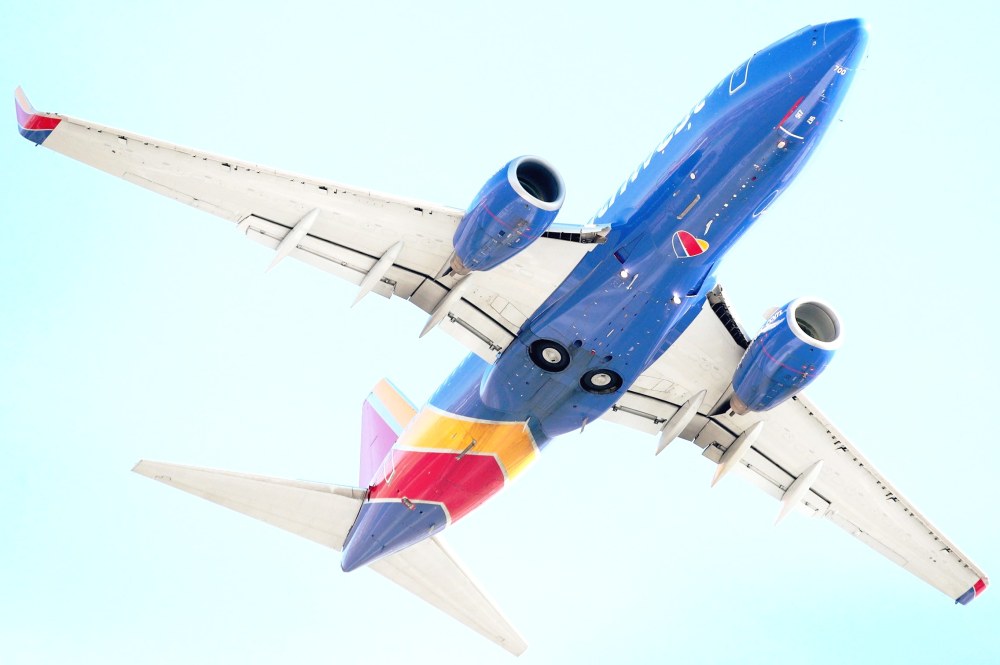
2º Boeing 737-800 para Norwegian-AR

AW-NwgAirAr-003

AW | 2018 11 12 11:30 | AIRLINES

bui053h3 (1)Arriba segundo Boeing 737-800 para Norwegian Air Argentina

La segunda aeronave Boeing 737-800 aterrizó en el Aeropuerto Internacional Ezeiza, incorporándose a la flota de Norwegian Air Argentina. El Boeing 737-800 con registro LV-IQZ. La segunda aeronave despegó del Aeropuerto Arlanda, en Estocolmo (Suecia). El Sábado 10 Noviembre 2018 arribó en el Aeropuerto Internacional de Ezeiza a las 17:40 hs [hora local Argentina/-3UTC], tripulado por el CEO local de la aerolínea, el Cpt. Ole Christian Melhus, Espen Lauritzsen y Pablo Palacio.

Detalles del LV-IQZ

El segundo Boeing 737-8JP con registro industrial MSN:42086 y LN:6365, efectuó su primer vuelo el 12/04/2017 propulsados por dos motores CFMI CFM56-7B26. LA aeronave fue adquirida por Norwegian Air International el 20/04/2017 con matrícula EI-FVP y ha sido nombrado Santiago Ramón y Cajal. Norwegian Air Argentina incorpora la aeronave el 09/11/2018 recibiendo registro nacional LV-IQZ. El avión posee una antigüedad de 1,6 años. La configuración del segundo avión tiene una capacidad para 189 pasajeros en clase única económica (Y189).

El Boeing 737-800 Next Generation es producido desde 1996 por Boeing Commercial Airplanes, es un avión de tercera generación de la famosa saga de la línea 737. La variante 800’s se han construído alrededor de 4.800 unidades para clientes de todo el mundo. Posee una autonomía con máxima carga paga entre 5.600-5.700 km.

Los Boeing 737-800 de Norwegian Air Argentina cumplen con los más altos estándares de seguridad, calidad y uso eficiente del combustible. Incorporan conexión wi-fi, diseño Sky Interior que brinda mayor confort e iluminación ambiental a bordo para los pasajeros.

Ferry hacia «las pampas»

El recorrido que realizó el Boeing 737-8JP se inició el 9/11/2018 desde el Aeropuerto de Arlanda, Estocolmo (Suecia) y realizó dos escalas técnicas, la primera en Las Palmas, Isla Gran Canaria (España), y la segunda en Natal, Ceará (Brasil), para arribar el 10Ç/11/2018 al Aeropuerto internacional de Ezeiza, Buenos Aires (Argentina).

Entrada Servicio

Norwegian Air Argentina inaugurará con la segunda aeronave Boeing 737-800 vuelos con frecuencia diaria Buenos Aires-Neuquén y Buenos Aires-Iguazú (1Fq/D) a partir del 19 Noviembre 2019, ampliando así la red de rutas servidas en Argentina. Actualmente la aerolínea opera Buenos Aires-Córdoba y Buenos Aires-Mendoza. La incorporación de la segunda unidad reforzará además la frecuencia diaria a Mendoza, que pasará de uno a tres vuelos por día.

«Estilo Norwegian»

images (2)El arribo del Boeing 737-800 LV-IQZ continuará con el patrón de imagen corporativa con los famosos retratos de personajes emblemáticos. La deriva aloja al científico español Santiago Ramón y Cajal, quien en 1906 recibió el premio Nobel de Medicina en reconocimiento por su trabajo sobre la estructura del sistema nervioso. Por otro lado, la aerolínea planea anunciar la incorporación de un segundo personaje para la deriva del segundo avión incorporado.

Ampliación 737NG

Norwegian Air Argentina adquirirá dos aeronaves adicionales para completar Boeing 737-800’s (4). Las rutas aéreas a incorporar en Diciembre 2018 conectarán Buenos Aires-Bariloche y Buenos Aires-Salta, para completar la primer etapa 2018 de la introducción de la segunda low cost en Argentina. AIRWAYS® AW-Icon TXT

AW-737800NWAR.png

2nd Boeing 737-800 for Norwegian-AR

Top followed by Boeing 737-800 for Norwegian Air Argentina

The second Boeing 737-800 aircraft landed at the Ezeiza International Airport, joining the Norwegian Air Argentina fleet. The Boeing 737-800 with registration LV-IQZ. The second aircraft took off from Arlanda Airport, in Stockholm (Sweden). On Saturday, November 10, 2018, it arrived at the Ezeiza International Airport at 5:40 p.m. [local time Argentina/-3UTC], manned by the airline’s local CEO, Cpt. Ole Christian Melhus, Espen Lauritzsen and Pablo Palacio.

Details of the LV-IQZ

The second Boeing 737-8JP with industrial registration MSN: 42086 and LN: 6365, made its first flight on 04/12/2017 propelled by two CFMI engines CFM56-7B26. The aircraft was acquired by Norwegian Air International on 04/20/2017 with registration EI-FVP and has been named Santiago Ramón y Cajal. Norwegian Air Argentina incorporates the aircraft on 11/09/2018 receiving national registration LV-IQZ. The aircraft has an antiquity of 1.6 years. The configuration of the second plane has a capacity for 189 passengers in economic single class (Y189).

The Boeing 737-800 Next Generation is produced since 1996 by Boeing Commercial Airplanes, it is a third generation aircraft of the famous saga of line 737. The 800’s variant has been built around 4,800 units for customers around the world. It has an autonomy with maximum pay charge between 5,600-5,700 km.

The Boeing 737-800 of Norwegian Air Argentina meets the highest standards of safety, quality and efficient fuel use. They incorporate wi-fi, Sky Interior design that provides greater comfort and ambient lighting on board for passengers.

Ferry to «the pampas»

The route taken by the Boeing 737-8JP began on 11/9/2018 from the Arlanda Airport, Stockholm (Sweden) and made two technical stops, the first in Las Palmas, Gran Canaria Island (Spain), and the second in Natal, Ceará (Brazil), to arrive on 10/11/2018 at the Ezeiza International Airport, Buenos Aires (Argentina).

Service entry

Norwegian Air Argentina will open with the second aircraft Boeing 737-800 flights with daily frequency Buenos Aires-Neuquén and Buenos Aires-Iguazú (1Fq/D) as of November 19, 2019, thus expanding the network of routes served in Argentina. Currently the airline operates Buenos Aires-Córdoba and Buenos Aires-Mendoza. The incorporation of the second unit will also strengthen the daily frequency to Mendoza, which will go from one to three flights per day.

«Norwegian style»

The arrival of the Boeing 737-800 LV-IQZ will continue with the corporate image pattern with the famous portraits of emblematic characters. The drift hosts the Spanish scientist Santiago Ramón y Cajal, who in 1906 received the Nobel Prize in Medicine in recognition of his work on the structure of the nervous system. On the other hand, the airline plans to announce the incorporation of a second character for the drift of the second incorporated aircraft.

Expansion 737NG

Norwegian Air Argentina will acquire two additional aircraft to complete the Boeing 737-800’s (4). The air routes to be incorporated in December 2018 will connect Buenos Aires-Bariloche and Buenos Aires-Salta, to complete the first phase 2018 of the introduction of the second low cost in Argentina. A \ W


Ξ A I R G W A Y S Ξ
SOURCE: Airgways.com
DBk: Norwegian.com / Airgways.com
AW-POST: 201811121130AR

A\W   A I R G W A Y S ®

Lion Air JT-610 | Día 14

AW-700066668

AW | 2018 11 11 20:20 | AIR INVESTIGATION / AVIATION SAFETY

Seal_of_the_United_States_National_Transportation_Safety_Board.svgDetalles del Flight Data Record (FDR) del vuelo JT-610

El vuelo JT-610 de Lion Air a bordo del Boeing 737-800 MAX, registro PK-LQP realiza la ruta Jakarta-Pangkal Pinang (Indonesia) con 181 pasajeros y 8 tripulantes, estaba saliendo de Jakarta cuando la aeronave alcanzó una altitud máxima de unos 5.400 pies, luego pierde altura. El contacto por radar se perdió a 35 nm al noreste de Jakarta sobre el Mar de Java a las 06:33L (23:33Z, 28 Octubre 2018).

AW-7765645444Los registros de las conversaciones del piloto Capt. Bhavye Suneja se revelaron después de que se descubrieron casi dos semanas del accidente del vuelo de Lion Air al analizar el Flight Data Record (FDR). La señal de la caja negra de la grabadora de voz de cabina (CVR) de Lion Air PK-LQP ya no se detecta. Pero la búsqueda de CVR continuó a pesar de que Basarnas terminó la búsqueda de víctimas.

Esta afirmación fue transmitida por el Presidente del Comité Nacional de Seguridad Nacional (NTSC), Soerjanto Tjahjono. La búsqueda de la caja negra del CVR continuó para completar la investigación de la caída de Lion Air JT610 en aguas de Karawang el lunes (29/10). «Nuestro equipo continuará buscando las cajas negras lo mejor que podamos. No sabemos cuánto tiempo podemos hacer esta búsqueda», dijo Soerjanto en JICT 2, Tanjung Priok, norte de Jakarta, el Sábado 10 Noviembre 2018. Según él, la búsqueda de CVR se realiza en el área de la caída de Lion Air con una cobertura máxima de 1 kilómetro de radio. «No sabemos cuánto durará la búsqueda, pero haremos todo lo posible para encontrar CVR», dijo Soerjanto.

En esta búsqueda, NTSC usa una herramienta adicional, el buscador del localizador de ping. Además, el vehículo operado a distancia (ROV) estará equipado con nuevos elementos. «Así que usaremos barcos, algunos barcos equipados con ROV más grandes y sofisticados. Hay 4 cámaras, y en el ROV habrá un sonar de exploración, también el más importante aquí es el nuevo equipo en bote en el ROV es un perfil de fondo que puede detectar objetos en el lodo a una profundidad de 4 metros», explicó Soerjanto. Según él, la señal no fue detectada porque el pinker fue dañado por un fuerte impacto. Entonces, cuando haces un sonido, el sonido no es óptimo.

Datos Preliminares del FDR

NTSC actualmente está analizando los datos de la caja negra de Flight Data Record (FDR). Varios resultados fueron revelados en la investigación interina. Hay hallazgos del indicador de velocidad del aire del Boeing 737-8 MAX de Lion Air PK-LQP que se dañó en los últimos cuatro vuelos. Sin embargo, los hallazgos no se pueden concluir como la causa del accidente del vuelo JT-610. La NTSC continúa con la investigación.

Incluye daño del sensor AOA (Ángulo de Ataque). AOA es una medida del ángulo de la aeronave con respecto al flujo de aire. El sensor AOA muestra la diferencia cuando se vuela la ruta anterior Bali-Jakarta con el avión Boeing 737-8 MAX PK-LQP. El registro de vuelo detecta que la aeronave tiene un comportamiento en el AOA izquierdo con una diferencia de 20º grados diferente del lado derecho.

«Tal vez con esta investigación solo con los datos del FDR, quizás tengamos alrededor del 70-80% de lo que podemos saber. Necesitamos ser perfectos al 100% de la causa del accidente, por eso necesitamos encontrar el CVR», dijo Soerjanto Tjahjono. AIRWAYS® AW-Icon TXT

Resultado de imagen para JT610 black box FDR

Lion Air JT-610 | Day 14

Details of the Flight Data Record (FDR) of flight JT-610 are advanced

The JT-610 flight of Lion Air aboard the Boeing 737-800 MAX, registration PK-LQP performs the route Jakarta-Pangkal Pinang (Indonesia) with 181 passengers and 8 crew, was leaving Jakarta when the aircraft reached a maximum altitude of about 5,400 feet, then it loses height. The radar contact was lost at 35 nm northeast of Jakarta over the Java Sea at 06: 33L (23:33Z, 28 October 2018).

Records of conversations of Capt. Bhavye Suneja were revealed after almost two weeks of the Lion Air flight accident were discovered when analyzing the Flight Data Record (FDR). The black box signal from Lion Air PK-LQP’s cockpit voice recorder (CVR) is no longer detected. But the CVR search continued despite the fact that Basarnas ended the search for victims.

This statement was transmitted by the President of the National Committee of National Security (NTSC), Soerjanto Tjahjono. The search for the CVR black box continued to complete the investigation of the fall of Lion Air JT610 in Karawang waters on Monday (10/29). «Our team will continue to look for the black boxes as best we can, we do not know how long we can do this search», said Soerjanto at JICT 2, Tanjung Priok, north of Jakarta, on Saturday, November 10, 2018. According to him, the search for CVR is done in the area of ​​the fall of Lion Air with a maximum coverage of 1 kilometer radius. «We do not know how long the search will last, but we will do everything possible to find CVR», said Soerjanto.

In this search, NTSC uses an additional tool, the ping locator search engine. In addition, the remotely operated vehicle (ROV) will be equipped with new elements. «So we will use boats, some boats equipped with larger and more sophisticated ROVs, there are 4 cameras, and in the ROV there will be an exploration sonar, also the most important here is the new boat equipment in the ROV is a bottom profile that can detect objects in the mud at a depth of 4 meters», explained Soerjanto. According to him, the signal was not detected because the pinker was damaged by a strong impact. Then, when you make a sound, the sound is not optimal.

Preliminary data of the FDR

NTSC is currently analyzing data from the Flight Data Record (FDR) black box. Several results were revealed in the interim investigation. There are findings from the Air Speed ​​Indicator of the Lion Air PK-LQP Boeing 737-8 MAX that was damaged in the last four flights. However, the findings can not be concluded as the cause of the JT-610 flight accident. The NTSC continues with the investigation.

Includes AOA sensor damage (Attack Angle). AOA is a measure of the angle of the aircraft with respect to the air flow. The AOA sensor shows the difference when flying the previous Bali-Jakarta route with the Boeing 737-8 MAX PK-LQP aircraft. The flight log detects that the aircraft has a behavior in the left AOA with a difference of 20 degrees different from the right side.

«Maybe with this research only with the FDR data, we may have about 70-80% of what we can know, we need to be 100% perfect for the cause of the accident, so we need to find the CVR», said Soejanto Tjahjono. A \ W


Lion Air JT-610 | Hari ke 14

Rincian Catatan Data Penerbangan (FDR) penerbangan JT-610 sudah lanjut

Penerbangan JT-610 Lion Air di atas Boeing 737-800 MAX, registrasi PK-LQP melakukan rute Jakarta-Pangkal Pinang (Indonesia) dengan 181 penumpang dan 8 awak, meninggalkan Jakarta ketika pesawat mencapai ketinggian maksimum sekitar 5.400 kaki, kemudian kehilangan tinggi badan. Kontak radar hilang di 35 nm timur laut Jakarta di atas Laut Jawa di 06: 33L (23: 33Z, 28 Oktober 2018).

Rekaman percakapan Kapten Bhavye Suneja terungkap setelah hampir dua minggu kecelakaan penerbangan Lion Air ditemukan ketika menganalisis Catatan Data Penerbangan (FDR). Sinyal kotak hitam dari perekam suara kokpit Lion Air PK-LQP (CVR) tidak lagi terdeteksi. Namun pencarian CVR berlanjut meskipun fakta bahwa Basarnas mengakhiri pencarian korban.

Pernyataan ini disampaikan oleh Presiden Komite Nasional Keamanan Nasional (NTSC), Soerjanto Tjahjono. Pencarian kotak hitam CVR terus menyelesaikan penyelidikan jatuhnya Lion Air JT610 di perairan Karawang pada hari Senin (29/10). «Tim kami akan terus mencari kotak hitam sebaik mungkin, kami tidak tahu berapa lama kami bisa melakukan pencarian ini,» kata Soerjanto di JICT 2, Tanjung Priok, sebelah utara Jakarta, Sabtu, 10 November 2018. Menurutnya, pencarian CVR dilakukan di daerah jatuhnya Lion Air dengan jangkauan maksimum radius 1 kilometer. «Kami tidak tahu berapa lama pencarian akan berlangsung, tetapi kami akan melakukan segala kemungkinan untuk menemukan CVR», kata Soerjanto.

Dalam pencarian ini, NTSC menggunakan alat tambahan, mesin pencari pencari ping. Selain itu, kendaraan yang dioperasikan dari jarak jauh (ROV) akan dilengkapi dengan elemen-elemen baru. «Jadi kita akan menggunakan perahu, beberapa kapal dilengkapi dengan ROVs yang lebih besar dan lebih canggih, ada 4 kamera, dan di ROV akan ada sonar eksplorasi, juga yang paling penting di sini adalah peralatan perahu baru di ROV adalah profil dasar yang bisa mendeteksi benda di lumpur pada kedalaman 4 meter», jelas Soerjanto. Menurut dia, sinyal itu tidak terdeteksi karena merah muda rusak oleh dampak yang kuat. Kemudian, ketika Anda membuat suara, suaranya tidak optimal.

Data awal dari FDR

NTSC saat ini menganalisis data dari kotak hitam Flight Data Record (FDR). Beberapa hasil terungkap dalam penyelidikan sementara. Ada temuan dari Indikator Kecepatan Udara Lion Air PK-LQP Boeing 737-8 MAX yang rusak dalam empat penerbangan terakhir. Namun, temuan tersebut tidak dapat disimpulkan sebagai penyebab kecelakaan penerbangan JT-610. NTSC melanjutkan penyelidikan.

Termasuk kerusakan sensor AOA (Attack Angle). AOA adalah ukuran sudut pesawat sehubungan dengan aliran udara. Sensor AOA menunjukkan perbedaan saat menerbangi rute Bali-Jakarta sebelumnya dengan pesawat Boeing 737-8 MAX PK-LQP. Log penerbangan mendeteksi bahwa pesawat memiliki perilaku di AOA kiri dengan perbedaan 20 derajat berbeda dari sisi kanan.

«Mungkin dengan penelitian ini hanya dengan data FDR, kita mungkin memiliki sekitar 70-80% dari apa yang bisa kita ketahui, kita perlu 100% sempurna untuk penyebab kecelakaan, jadi kita perlu menemukan CVR», kata Soejanto. Tjahjono. A \ W


Ξ A I R G W A Y S Ξ
SOURCE: Airgways.com
DBk: Ntsb.gov / Dephub.go.id / Teknologi.id / Airgways.com
AW-POST: 201811112020AR

A\W   A I R G W A Y S ®

El Gran Circo por Aerolíneas

Clarin.com 07767677

AW | 2018 11 11 16:30 | AIRLINES MARKET

Aerolíneas Argentinas continúa siendo escenario de conflictos que AA-AU Isologotypenunca prometen acabar

Los últimos paros gremiales en la semana han llevado hasta el hartazgo a los pasajeros de Aerolíneas Argentinas y Austral Líneas Aéreas, y nuevamente se han pisoteado los derechos de los usuarios. Lejos de los reclamos justificados o no de los gremios aeronáuticos, la Argentina presenta patrones de conductas que hacen de la clase dirigente un hazmereir para la sociedad mundial.

La lamentable historia cargada de conflictos continúan ahogando las esperanzas, que no sólo Aerolíneas Argentinas y Austral Líneas Aéreas sigan surcando los cielos del mundo, sino que además en el país de los piquetes y reclamos ésta no siempre es una salida convincente a los conflictos demandados.

IMG_8642-1-AS- (1)

Cronología de paros 2018

En lo que va del año 2018 tanto Aerolíneas Argentinas y Austral Líneas Aéreas han sufrido muchos paros y reclamos aeronáuticos. Esperar meses para hacer un deseado viaje, llegar al aeropuerto y enterarse que el vuelo está cancelado por una medida de fuerza es una muy mala noticia. Pero no solo para los pasajeros, sino también para las compañías que pierden millones de dólares y deben realizar cancelaciones, cambios y traslados de personas.

25 JUNIO 2018
Argentina tiene el paro nacional de 25 Junio 2018 afectando la mayoría de lo transportes en el país. Aerolíneas Argentinas anunció en un comunicado que canceló todos sus vuelos para el Lunes 25 Junio 2018 debido al paro convocado por la CGT, al que se plegaron los Sindicatos Aeronáuticos Unidos, que nuclea a siete gremios de la actividad y a más de 18.000 trabajadores. Latam Airlines Argentina también suspendió sus actividades. Sindicatos Aeronáuticos Unidos había anunciado su apoyo al paro convocado por la central obrera. Se estima que la medida afectó entre 65 mil y 70 mil pasajeros.

13 JULIO 2018
Los Gremios Aeronáuticos Unidos formalizaron un paro el Viernes 13 Julio 2018, el último día de clases antes del comienzo de las vacaciones de invierno en gran parte del país. La medida de fuerza afectó al menos a 650 vuelos y a unos 83.000 pasajeros en todo el país, estimaron fuentes oficiales. La medida de fuerza el 13 Julio 2018 afectó a los vuelos en todo el país.

Entre los reclamos de los sindicatos está el de la confirmación de la eliminación de la banda tarifaria y los precios mínimos de los pasajes, la denuncia de «achicamiento» de Aerolíneas Argentinas y la falta de un plan de empresa público, la falta de exigencias a las compañías extranjeras para que inviertan en sus filiales locales, respetar la reciprocidad en los acuerdos bilaterales, modificación de la Normativa Aeronáutica, la degradación de la seguridad operacional y la liberación de los servicios aéreos.

Según informaron los gremios a través de un comunicado conjunto, el Ministerio de Transporte “ha hecho oídos sordos a los reclamos elevados, y por el contrario han decidido dar por tierra con todos los compromisos asumidos en su oportunidad”.

Al anunciar la eliminación de los pisos tarifarios, el ministro Guillermo Dietrich dijo que la iniciativa “busca que cada vez más argentinos puedan acceder a volar dentro del país, fomentando el crecimiento del sector aerocomercial y un mejor conectividad” y estimó que “los pasajeros encontrarán más ofertas con mejores precios y aumentarán las promociones en momentos de temporada y en vuelos con baja ocupación”. Para los gremios implicará menor estándar de seguridad.

2 NOVIEMBRE 2018
Demorados y cancelaciones en Aeroparque por una medida de fuerza sindical el 2 Noviembre 2018. El gremio de Aeronavegantes realizó una asamblea con cese de actividades que obligó a reprogramar más de 30 vuelos por falta de tripulantes. Gremialistas aeronáuticos provocaron decenas de demoras y más de 30 cancelaciones este viernes en el Aeroparque Jorge Newbery. La Asociación Argentina de Aeronavegantes (AAA) realizó una sorpresiva asamblea con cese de actividades desde las 05:00 de la mañana, en rechazo al «achicamiento, despidos y la persecución sindical que atraviesa al sector aeronáutico».

La medida de fuerza provocó demoras en decenas de vuelos afectando a alrededor de 8.000 pasajeros que tenían que volar en el comienzo del fin de semana. Algunas de las compañías debieron reprogramar los vuelos esta mañana.

Aerolíneas Argentinas informó que la medida de fuerza provocó un paro total de la operación de la compañía, como ha sucedido con otras líneas aéreas, y obligó a cancelar 31 vuelos por falta de tripulación para cumplir con los mismos.

Las asambleas se realizan intempestivamente un viernes, el día de más cantidad de partidas y mayor cantidad de ocupación de asientos tanto en vuelos de cabotaje como internacionales.

«El sector está sumergido en una severa crisis, producto de la sobreoferta, el impacto de la recesión en la venta de pasajes aéreos, los bajos ingresos en pesos y el feroz aumento del combustible, principal costo en dólares de las aerolíneas, entre otros factores», advirtió Juan Pablo Brey, secretario de los Aeronavegantes.

En el caso de Aerolíneas Argentinas, el sindicalista explicó que el reclamo responde a la falta de compromiso con el aumento acordado en los salarios. «La aerolínea de bandera anunció en privado ayer a los sindicatos que iba a reinterpretar la cláusula gatillo que venía pagando desde mayo, cuestionando su período de alcance, de manera tal que no abonará a los trabajadores el ajuste por inflación pendiente de la negociación 2017», dijo Brey.

8 NOVIEMBRE 2018
La medida de fuerza más reciente que hubo en Aerolíneas fue la del Jueves, 8 Noviembre 2018 cuando los diversos gremios que nuclean a los trabajadores aeronáuticos realizaron asambleas que impidieron el normal funcionamiento de los vuelos por algunas horas. Esa medida de fuerza de tan solo algunas horas ocasionó para Aerolíneas, según lo que explicaron desde, la compañía a El Intransigente, una pérdida de 8 millones de dólares.

Uno de los motivos principales por los cuales los trabajadores se manifiestan, es por su rechazo al fomento, por parte del Gobierno Nacional, de las conocidas aerolíneas low cost. Los trabajadores de Aerolíneas Argentinas sostienen que aquello contribuye a la precarización laboral.

Los aeronáuticos apuntan contra el ministro de Transporte, Guillermo Dietrich, quien llamó “Revolución de los Aviones”, a la incorporación en la Argentina de los vuelos low cost, a los cuales los gremios consideran una falacia. «El Gobierno está financiando y auspiciando uno de los peores modelos de la industria, y casualmente estas políticas son los que han sumido al sector en una crisis innecesaria y de consecuencias irreparables», explicaron a través de un comunicado los gremios aeronáuticos sobre los vuelos conocidos por ofrecer tarifas más baratas. Además sostienen desde diferentes posiciones que los trabajadores están en contra de la privatización de Aerolíneas Argentinas y Austral Líneas Aéreas, un tema que retoma la esfera política en la Argentina.

AW-70000117

Entre Bastidores

«Mucho ruido, pocas nueces», es un refrán popular para referirse a los actos que suelen ser muy llamativos y ostentosos, pero poco prácticos y útiles en la realidad. Su origen proviene de una comedia romántica escrita por William Shakespeare. En el caso de Aerolíneas siempre hay mucho ruido, pero los camino que llevan a los logros casi nunca se alcanzan.

El backstage, o el detrás de escena que vemos a diario de paros que agudizan la crisis y la eterna pelea entre sindicatos-gobierno nacional-líneas aéreas nos permitirá comprender la naturaleza definida de los hechos.

Paros Gremiales

Gerente de Prensa de Aerolíneas Argentinas ha comunicado acerca del conflicto gremial que provocó la cancelación de vuelos con 30.000 personas que no pudieron viajar el 8 Noviembre 2018.

El Director de Asuntos Corporativos y Comunicaciones de Aerolíneas Argentinas, Marcelo Cantón, explicó la situación que vive actualmente la aerolínea y expresó “el viernes 2 noviembre uno de los gremios hizo una asamblea que duró 3 horas y generó casi 30 vuelos demorados y, este jueves, 8 noviembre, los otros cinco gremios hicieron lo mismo. Esta última asamblea duró 11 horas y causó un caos aún mayor porque se realizan con todo el personal en un cese de actividades. Se cancelaron más de 250 vuelos y afectaron a más de 30 mil pasajeros”. Desde la compañía sostienen que estas medidas fueron absolutamente sorpresivas, nunca se notificó a la compañía y que a los trabajadores se le descuenta la parte proporcional del día que no trabaja.

Paritarias

Además explicó cómo funciona la paritaria y advirtió que estas medidas podrían continuar. El Gerente de Prensa destacó que “los sueldos de Aerolíneas no quedaron debajo de la inflación. Tuvieron un 17% de pago inicial y una cláusula gatillo que fue subiendo mes por mes los sueldos acordes a la inflación. Los salarios son de los más altos del país”. La cantidad de sueldos que se pagan que “los pilotos pueden volar 75 horas por mes y, el promedio de los de Aerolíneas Argentinas está por debajo de 40 horas mensuales. Esto te obliga a tener el doble del persona y advirtió que no sabemos qué va a pasar, pero los gremios advierten que va a haber más medidas de fuerza la semana que viene”.

Desde los gremios aeronáuticos sostienen un incumplimiento de las paritarias acordadas. «Si no pagan los salarios. ¿Qué se supone que tengo que hacer? Aerolíneas y Austral tenían cerrada una paritaria de Septiembre a Septiembre con los sindicatos del sector. Una semana antes del cobro de salarios nos llamaron las autoridades de la empresa y nos dijeron que por directivas del Ministro Dietrich no iban a pagar lo acordado. Comunicamos que íbamos a implementar medidas por 24 horas de manera automática en tanto y en cuanto no liquidaran la totalidad del salario. Las medidas fueron retención de tareas, un derecho constitucional cuando no te liquidan el salario. Hay una firme voluntad de estigmatizar a los laburantes y enfrentarlos a la sociedad», sostuvo el gremialista Pablo Biró, Secretario General de la Asociación de Pilotos de Líneas Aéreas (APLA).

Desde el gobierno sostienen que los sueldos se han pagado en tiempo, pero tal vez la forma en que debieran acordado no lo ham cumplido, lo que ha generado los reclamos de diferente agrupaciones gremiales.

Vaciamiento

Otra cuestión es el caso de supuesto «achicamiento» de Aerolíneas Argentinas que denuncian los sindicatos aeronáuticos. Desde los gremios sostienen que el gobierno está recortando presupuesto a Aerolíneas Argentinas, pero subsidia a las low cost. El Secretario de APLA, Pablo Biró, cuestionó que «el Gobierno está recortando presupuesto a Aerolíneas Argentinas y está subsidiando a las mal llamadas low cost. La política aerocomercial que fue dada a conocer como Revolución de los Aviones esconde transferencias de recursos argentinos. Aerolíneas Argentinas ni figuraba en el Presupuesto. Después de algunas manifestaciones pusieron dinero para que funcione durante el primer trimestre».

Parece ser que al sindicato le incomoda el hecho de que Aerolíneas Argentinas/Austral Líneas Aéreas (AR/AU) estén entre una disyuntiva de nunca acabar. Por un lado, es un patrimonio nacional que el Gobierno de Argentina está tratando de reducir gastos para reducir el déficit que el gobierno anterior no solo no controló, sino que amplió el rojo financiero; por otro lado los gremialistas están reclamando esas mismas partidas presupuestarias para defender en buena hora a AR/AU; pero las intenciones detrás de escena son que no quieren líneas aéreas low cost porque son herramientas que no pueden fiscalizar, pues muchas de ellas poseen otros sindicatos que las regulan, como en los casos de las aerolíneas europeas, aunque esta cuestión requiere otro análisis más completo.

“Los subsidios a Aerolíneas vienen cayendo”, festejó el Ministro de Transporte, Guillermo Dietrich, sugiriendo que la baja en el dinero que el Estado destina a la empresa de bandera se debe a la mayor rentabilidad esta última. Pero no. “Se pinta como un logro que el Estado aporte menos por pasaje, cuando la compañía sigue teniendo prácticamente el mismo gasto y lo que va a pasar es que Aerolíneas se va a tener que empezar a endeudarse en forma privada”, explica Mateo Ferrería, Secretario Gremial de la Asociación de Pilotos de Líneas Aéreas (APLA).

En su anuncio, Dietrich precisó que de los 130 dólares que el Estado pagaba en concepto de subsidio por cada pasaje vendido por la línea aérea, ahora paga 14 dólares, en 2019 pagará 7 dólares y cero en 2020.

La idea de un «achicamiento» del Grupo Aerolíneas es una falacia, cae por su mismo peso. Es algo fuera de la realidad por hechos bien marcados: por un lado las inversiones en AR/AU continúan desarrollándose a pesar de una economía estancada. Aerolíneas ha recibido actualizaciones en los sistemas de reservas, mejoramiento en la adaptabilidad de la flota, como así la incorporación de modernas aeronaves Boeing 737-8 MAX, siendo Aerolíneas Argentinas pionera en latinoamérica convirtiéndose en el primer cliente para esta región. Además, Austral Líneas Aéreas está proyectando una actualización de su flota aérea por una de mayor prestaciones, debido al aumento de la demanda aérea necesita aeronaves de mayor porte.

Estos son pasos concretos de que las dos empresas aéreas no están atravesando un achicamiento, por el contrario, poseen una mayor participación en el mercado argentino y promueven inversiones en el sector.

Subsidios a Low Cost

1091013as.jpgDesde el Ministerio de Transporte se enfatizó que las low cost no recibirán ningún subsidio estatal, lo que tampoco es real. “Avianca hizo un convenio con el Gobierno de Tucumán que le garantiza el 65% de llenado de todos los aviones que toquen el suelo tucumano. FlyBondi acaba de hacer un acuerdo con el acuerdo de Córdoba para la exceptúen de Ingresos Brutos. También iba a invertir 35 millones de dólares en el aeropuerto de El Palomar para remodelarlo y poder utilizarlo y al final fue el Estado el que terminó poniendo más de 50 millones de dólares”, detalla Mateo Ferrería, Secretario de APLA.

La realidad es que el Estado no destinará aportes de manera directa a las líneas aéreas convencionales o low cost, pero las aerolíneas han realizado acuerdos con las provincias para subsidiar rutas aéreas, que en realidad es muy común en el sector de la aviación comercial mundial. Las diferentes posturas son atendibles en los reclamos formulados.

Conclusiones generales

Con el octavo territorio más extenso del mundo, para Argentina la aerolínea de bandera cumple una función social. Aerolíneas Argentinas/Austral Líneas Aéreas son las únicas que vuelan a La Rioja y Catamarca y otras conexiones en el corredor federal, petrolero y atlántico. Muchas de esas conexiones no son rentables, pero enlazan a las regiones y favorecen las economías regionales.

Ante el anuncio del desembarco de las low cost, en Febrero 2017, los gremios aeronáuticos comenzaron a advertir sobre los riesgos que éste conlleva en muchos aspectos, como la seguridad del pasajero, la pérdida de puestos de trabajo y la posibilidad de un achique de Aerolíneas.

Con el lanzamiento de la «Revolución de los Aviones» que ha traído luces y sombras, el mercado ha mejorado sustancialmente. Después de mucho tiempo de monopolio aéreo bajo el Grupo Aerolíneas, el mercado no funcionaba bien, pués no alentaba la oferta de más líneas aéreas y más rutas, como por defecto más oportunidades para viajar con mejor competitividad tarifaria.

A los actuales gobiernos de turno le cabe la enorme responsabilidad de fiscalizar todo el órgano aéreo donde los actores en cuestión ahora son más plurales donde conviven las aerolíneas tradicionales y las low cost. El modelo europeo del mercado aéreo nos permite entender cómo funcionan las cosas, la conclusión es la siguiente: no existen fuertes ni débiles, es una cuestión de mejoras de los recursos de las empresas y de los controles efectivos por parte del Estado y los organismos reguladores.

Resultado de imagen para LAPA Lineas Aéreas pngCuando LAPA Líneas Aéreas se incorporó en los años 90 como la primer compañía de mercado low cost el efecto fue reducción de tarifas, muchas de ellas por debajo de las tarifas de transporte terrestre. Aún así, el mercado se ajustó, pero la aerolínea contrariamente no sobrevivió.

Un listado de varias compañías han ingresado a la órbita aerocomercial, otras no han cumplido con las aprobaciones para la licencia AOC y han quedado a mitad camino, pero el mercado argentino continúa diversificándose con mejoras en rutas y tarifas aéreas.

El próximo mercado aéreo argentino continúa desarrollándose progresivamente dictados por la oferta y la demanda, entre este lapso habrá que detener ese gran circo montado que no trae beneficios para nadie, más bien aplazan los problemas hacia el futuro. Será hora de sentarse y ordenar las cosas que hay en cuestión para poder disfrutar del arte de volar en Argentina.  AIRWAYS® AW-Icon TXT

AW-78800151

The Great Circus by Aerolíneas

Aerolineas-Argentinas-logoAerolíneas Argentinas continues to be the scene of conflicts that never promise to end

The last union strikes during the week have taken the passengers of Aerolíneas Argentinas and Austral Líneas Aéreas to the satiety, and again the rights of the users have been trampled. Far from the claims justified or not of the aeronautical guilds, Argentina presents behavioral patterns that make the ruling class a laughing stock for world society.

The unfortunate history full of conflicts continue to drown the hopes, that not only Aerolíneas Argentinas and Austral Líneas Aéreas continue to sail the skies of the world, but also in the country of picketing and claims this is not always a convincing solution to the conflicts demanded.

Timeline of stoppages 2018

So far in 2018, both Aerolíneas Argentinas and Austral Líneas Aéreas have suffered many strikes and aeronautical claims. Waiting months to make a desired trip, arriving at the airport and finding out that the flight is canceled by a measure of force is very bad news. But not only for passengers, but also for companies that lose millions of dollars and must make cancellations, changes and transfers of people.

JUNE 25, 2018
Argentina has the national strike of June 25, 2018 affecting most of the transport in the country. Aerolineas Argentinas announced in a statement that it canceled all its flights for Monday June 25, 2018 due to the strike called by the CGT, to which the United Aeronautics Unions folded, which brings together seven guilds of the activity and more than 18,000 workers. Latam Airlines Argentina also suspended its activities. United Aeronautic Unions had announced its support for the strike called by the workers’ union. It is estimated that the measure affected between 65 thousand and 70 thousand passengers.

JULY 13, 2018
The United Aeronautical Guilds formalized a strike on Friday 13 July 2018, the last day of school before the beginning of winter holidays in a large part of the country. The measure of force affected at least 650 flights and some 83,000 passengers across the country, official sources estimated. The measure of force on July 13, 2018 affected flights throughout the country.

Among the demands of the unions is the confirmation of the elimination of the fare band and the minimum prices of the tickets, the denunciation of «shrinkage» of Aerolíneas Argentinas and the lack of a public company plan, the lack of requirements to foreign companies to invest in their local subsidiaries, respect reciprocity in bilateral agreements, modification of the Aeronautical Regulations, the degradation of safety and the release of air services.

As reported by the unions through a joint statement, the Ministry of Transportation «has turned a deaf ear to the high claims, and on the contrary have decided to give ground with all the commitments made at the time».

When announcing the elimination of tariff floors, Minister Guillermo Dietrich said that the initiative «seeks that more and more Argentines can access to fly within the country, promoting the growth of the commercial air sector and better connectivity» and estimated that «passengers will find more offers with better prices and will increase the promotions at times of season and on flights with low occupancy». For the guilds it will imply a lower security standard.

2 NOVEMBER 2018
Delays and cancellations in Aeroparque by a measure of union strength on November 2, 2018. The Aircraft Guild held an assembly with cessation of activities that forced to reschedule more than 30 flights due to lack of crew. Aeronautical gremialistas caused dozens of delays and more than 30 cancellations this Friday in Aeroparque Jorge Newbery. The Argentine Aircraft Association (AAA) held a surprise assembly with cessation of activities from 05:00 in the morning, in rejection of «shrinkage, dismissals and union persecution that crosses the aeronautical sector».

The measure of force caused delays in dozens of flights affecting around 8,000 passengers who had to fly at the beginning of the weekend. Some of the companies had to reschedule the flights this morning.

Aerolíneas Argentinas reported that the measure of force caused a total shutdown of the operation of the company, as has happened with other airlines, and forced to cancel 31 flights due to lack of crew to comply with them.

The assemblies take place untimely on a Friday, the day with the most amount of games and the largest amount of seat occupancy in both domestic and international flights.

«The sector is submerged in a severe crisis, as a result of the oversupply, the impact of the recession on the sale of airline tickets, the low income in pesos and the fierce increase of fuel, the main cost in dollars of the airlines, among other factors», warned Juan Pablo Brey, secretary of the Aeronavegantes.

In the case of Aerolineas Argentinas, the trade unionist explained that the claim responds to the lack of commitment to the agreed increase in salaries. «The flagship airline announced in private yesterday to the unions that it was going to reinterpret the trigger clause that it had been paying since May, questioning its period of scope, in such a way that it will not pay workers the adjustment for inflation pending negotiation 2017», said Brey.

NOVEMBER 8, 2018
The most recent measure of force that was in Airlines was that of Thursday, November 8, 2018 when the various unions that group the aeronautical workers held assemblies that prevented the normal operation of the flights for a few hours. That measure of force of only a few hours caused for Aerolíneas, according to what they explained from the company to The Intransigent, a loss of 8 million dollars.

One of the main reasons why the workers are demonstrating, is for their rejection of the promotion, by the National Government, of the well-known low cost airlines. The workers of Aerolíneas Argentinas argue that this contributes to job insecurity.

The aeronautical one’s aim against the minister of Transport, Guillermo Dietrich, who called «Revolution of the Airplanes», to the incorporation in Argentina of the low cost flights, to which the unions consider a deceit. «The Government is financing and sponsoring one of the worst models in the industry, and coincidentally these policies are what have plunged the sector into an unnecessary crisis and irreparable consequences», explained in a statement the aviation associations on the known flights for offering cheaper rates. They also argue from different positions that the workers are against the privatization of Aerolíneas Argentinas and Austral Líneas Aéreas, a topic that takes up the sphero-politics in Argentina.

Behind the scenes

«Much noise, few nuts», is a popular saying to refer to acts that are usually very flashy and ostentatious, but impractical and useful in reality. Its origin comes from a romantic comedy written by William Shakespeare. In the case of Airlines, there is always a lot of noise, but the road to achievement is almost never achieved.

The backstage, or the behind the scenes that we see every day of strikes that exacerbate the crisis and the eternal fight between unions-national government-airlines will allow us to understand the definite nature of the events.

Trade Paros

Aerolíneas Argentinas Press Manager has reported about the union conflict that caused the cancellation of flights with 30,000 people who could not travel on November 8, 2018.

The Director of Corporate Affairs and Communications of Aerolineas Argentinas, Marcelo Cantón, explained the current situation of the airline and said «on Friday, November 2, one of the unions made an assembly that lasted 3 hours and generated almost 30 delayed flights and, this Thursday , November 8, the other five guilds did the same. This last assembly lasted 11 hours and caused even greater chaos because they are carried out with all the staff in a cessation of activities. More than 250 flights were canceled and affected more than 30 thousand passengers». From the company they maintain that these measures were absolutely surprising, the company was never notified and that the workers are deducted from the proportional part of the day they do not work.

AW-717349MAX.jpg

Parity

He also explained how the joint works and warned that these measures could continue. The Press Manager stressed that «the salaries of airlines were not below inflation. They had a 17% initial payment and a trigger clause that was increasing monthly salaries according to inflation. The salaries are among the highest in the country. «The amount of salaries that are paid «pilots can fly 75 hours per month and, the average of those of Aerolíneas Argentinas is below 40 hours per month. This forces you to have twice the person and warned that we do not know what will happen, but the unions warn that there will be more measures of force next week».

Since the aeronautical unions maintain a breach of the paritarias agreed. «If they do not pay their salaries, what am I supposed to do?» Aerolíneas y Austral had a joint strike between September and September with the unions in the sector, a week before the salary collection, the company authorities called and told us that by Minister Dietrich’s directives they were not going to pay what was agreed upon, we communicated that we were going to implement measures for 24 hours automatically as long as they did not liquidate the entire salary, the measures were retention of tasks, a constitutional right when There is a firm desire to stigmatize the workers and confront them to society», said unionist Pablo Biró, General Secretary of the Association of Airline Pilots (APLA).

The government maintains that the salaries have been paid in time, but perhaps the way they should have agreed is not fulfilled, which has generated the claims of different gremmial groups.

Emptying

Another issue is the case of supposed «shrinking» of Aerolíneas Argentinas denounced by the aeronautical unions. Since the guilds argue that the government is cutting budget to Aerolineas Argentinas, but subsidies low cost. The Secretary of APLA, Pablo Biró, questioned that «the government is cutting budget to Aerolíneas Argentinas and is subsidizing the low cost calls.» The commercial airline policy that was announced as Revolution of the Aircraft hides Argentine resources transfers. It was not included in the Budget, after some demonstrations they put money to make it work during the first quarter».

It seems that the union is bothered by the fact that Aerolíneas Argentinas/Austral Líneas Aéreas (AR/AU) are in a dilemma of never ending. On the one hand, it is a national patrimony that the Government of Argentina is trying to reduce expenses to reduce the deficit that the previous government not only did not control, but it extended the financial red; On the other hand, the unionists are demanding those same budget items to defend AR/AU in good time; but the intentions behind the scenes are that they do not want low cost airlines because they are tools that they can not control, since many of them have other unions that regulate them, as in the case of European airlines, although this issue requires another more complete analysis.

«Subsidies to airlines are falling», celebrated the Minister of Transport, Guillermo Dietrich, suggesting that the decrease in the money that the State allocates to the flag company is due to the higher profitability of the latter. But no. «It is painted as an achievement that the State contributes less per ticket, when the company still has practically the same expense and what is going to happen is that Aerolíneas is going to have to start getting into debt privately», explains Mateo Ferrería, Secretary Guild of the Association of Airline Pilots (APLA).

In his announcement, Dietrich said that of the 130 dollars that the State paid as a subsidy for each ticket sold by the airline, now pays $ 14, in 2019 will pay $ 7 and zero in 2020.

The idea of ​​a «shrinking» of the Aerolíneas Group is a fallacy, falls by his same weight. It is something out of reality for well-marked facts: on the one hand, investments in AR/AU continue to develop despite a stagnant economy. Aerolíneas has received updates in the reservation systems, improvement in the adaptability of the fleet, as well as the incorporation of modern Boeing 737-8 MAX aircraft, with Aerolíneas Argentinas being a pioneer in Latin America, becoming the first client for this region. In addition, Austral Líneas Aéreas is projecting an upgrade of its air fleet for a higher performance, due to the increase in air demand needs larger aircraft.

These are concrete steps that the two airlines are not going through a shrinkage, on the contrary, they have a greater participation in the Argentine market and promote investments in the sector.

AW-70007668

Subsidies to Low Cost

From the Ministry of Transport it was emphasized that the low cost will not receive any state subsidy, which is not real either. «Avianca made an agreement with the Government of Tucumán that guarantees 65% of the filling of all the planes that touch the soil of Tucumán. FlyBondi has just made an agreement with the Córdoba agreement for the exception of Gross Income. I was also going to invest 35 million dollars in El Palomar airport to remodel it and be able to use it, and in the end it was the State that ended up putting more than 50 million dollars», explains Mateo Ferrería, Secretary of APLA.

The reality is that the State will not allocate direct contributions to conventional or low cost airlines, but the airlines have made agreements with the provinces to subsidize air routes, which is actually very common in the world commercial aviation sector. The different positions are worthy of the claims made.

AU E190-100AR.jpgGeneral conclusions

With the eighth largest territory in the world, for Argentina, the flag carrier fulfills a social function. Aerolíneas Argentinas/Austral Líneas Aéreas are the only ones that fly to La Rioja and Catamarca and other connections in the federal, oil and Atlantic corridors. Many of these connections are not profitable, but they link regions and favor regional economies.

Before the announcement of the disembarkation of the low cost, in February 2017, the aeronautical guilds began to warn about the risks that this entails in many aspects, such as the passenger’s safety, the loss of jobs and the possibility of a reduction of Aerolíneas.

With the launch of the «Aircraft Revolution» that has brought lights and shadows, the market has improved substantially. After a long time of aerial monopoly under the Aeerolíneas Group, the market did not work well, because it did not encourage the offer of more airlines and more routes, as by default more opportunities to travel with better tariff competitiveness.

The current governments in turn have the enormous responsibility of overseeing the entire air agency where the actors in custión are now more plural where traditional airlines and low cost coexist. The European model of the air market allows us to understand how things work, the conclusion is the following: there are no strong or weak, it is a question of improvements in the resources of companies and effective controls by the State and regulatory bodies.

When LAPA Líneas Aéreas was incorporated in the 1990s as the first low cost market company, the effect was to reduce tariffs, many of them below the bus transport rates. Even so, the market adjusted, but the airline did not survive.

A list of several companies have entered the commercial air orbit, others have not complied with the approvals for the AOC license and have been halfway, but the Argentine market continues to diversify with improvements in routes and air fares.

The next Argentine air market continues to develop progressively dictated by supply and demand, between that time it will be necessary to stop that great circus mounted that brings no benefits for anyone, rather defer problems to the future. It will be time to sit down and order the things that are in question in order to enjoy the art of flying in Argentina. A \ W


AW-Airgways®

AW-Airgways Icon-webΞ A I R G W A Y S Ξ
SOURCE: Airgways.com
DBk: Airgways.com / Argentina.gob.ar/transporte / Anac.gov.ar / Clarin.com
AW-POST: 201811111630AR

A\W   A I R G W A Y S ®

Demoras y cancelaciones EZE / AEP

AW-70001067AW | 2018 11 11 12:515 | AIR TRAFFIC

Los aeropuertos de Ezeiza y Aeroparque sufrieron algunas demoras por factores climáticos

El Aeropuerto de Ezeiza (SAEZ/EZE) presentó demoras y cancelaciones por la tormenta y varios vuelos tuvieron que aterrizar en la República de Uruguay y otros fueron desviados a terminales alternativas en el interior del país.

El Servicio Meteorológico Nacional comunicó que la franja horaria más complicada fue entre las 07:00 hs y las 08:30 hs, dado que fue en el momento donde la tormenta tuvo mayor intensidad en el área FIR Ezeiza correspondiente para el Aeropuerto Ezeiza. Actualmente se encuentra operando con dificultades por la gran tormenta la zona. Una gran cantidad de vuelos que planificaban aterrizar tuvieron que ser desviados a terminales del interior y hacia el Aeropuerto Montevideo, en Uruguay.

Durante las primeras horas del día, un avión de la empresa KLM Royal Dutch Airlines que venía procedente de Ámsterdam, otro de Latam Airlines procedente de Sao Paulo, uno de Lufthansa despegó del Aeropuerto Frankfurt y un vuelo de Air France que despegó en París, todos fueron derivados a aeropuertos alternativos. Un número de doce vuelos presentaron largas demoras por las condiciones climáticas.

En el Aeropuerto Jorge Newbery (SABE/AEP) debió se ha cancelado el servicio de Avianca Buenos Aires-Rosario, mientras que uno de Aerolíneas Argentinas, procedente de Santiago de Chile, tuvo que ser desviado. AIRWAYS® AW-Icon TXT

AW-70001125

Delays and cancellations EZE / AEP

The airports of Ezeiza and Aeroparque suffered some delays due to climatic factors

The Ezeiza Airport (SAEZ/EZE) presented delays and cancellations due to the storm and several flights had to land in the Republic of Uruguay and others were diverted to alternative terminals in the interior of the country.

The National Meteorological Service reported that the most complicated time slot was between 07:00 hs and 08:30 hs, given that it was at the moment when the storm had greater intensity in the corresponding FIR Ezeiza area for Ezeiza Airport. He is currently operating with difficulties due to the great storm in the area. A large number of flights planning to land had to be diverted to terminals in the interior and to Montevideo Airport, in Uruguay.

During the early hours of the day, a KLM Royal Dutch Airlines plane coming from Amsterdam, another from Latam Airlines from Sao Paulo, one from Lufthansa took off from Frankfurt Airport and an Air France flight took off in Paris, all they were derived to alternative airports. A number of twelve flights had long delays due to weather conditions.

At the Jorge Newbery Airport (SABE/AEP) the service of Avianca Buenos Aires-Rosario had to be canceled, while one of Aerolíneas Argentinas, coming from Santiago de Chile, had to be diverted. A \ W


Ξ A I R G W A Y S Ξ
SOURCE: Airgways.com
DBk: Aa2000.com.ar / Smn.gov.ar / Airgways.com
AW-POST: 201811111215AR

A\W   A I R G W A Y S ®

Lion Air JT-610 | Día 13

AW-78880876.jpg

AW | 2018 11 10 21:18 | AIR INVESTIGATION / AVIATION SAFETY

Finalizan búsqueda de víctimas del vuelo JT-610

AW-77000021.jpgUn Boeing 737-800 MAX, registro PK-LQP de la aerolínea Lion Air que realiza el vuelo JT-610 desde Jakarta a Pangkal Pinang (Indonesia) con 181 pasajeros y 8 tripulantes, estaba saliendo del Aeropuerto Jakarta cuando la aeronave alcanzó una altitud máxima de unos 5400 pies, perdiendo contacto por radar a 35 nm al noreste de Jakarta sobre el Mar de Java a las 06:33L (23:33Z, 28 Octubre 2018).

El 10 Noviembre 2018, Basarnas anunció que la búsqueda de cuerpos ha finalizado. La búsqueda se ha rebajado a supervisión. Han recogido 189 cadáveres y enviados al hospital para su identificación, hasta el momento se han identificado 77 víctimas. «No queda ningún lugar para buscar y hemos dejado de encontrar los cuerpos de las víctimas. Limitaremos nuestras operaciones al monitoreo», dijo a los medios Muhammad Syaugi, Jefe de la Agencia Nacional de Búsqueda y Rescate (Basarnas).

FUNCIONARIOS DE LA JUNTA NACIONAL DE SEGURIDAD DEL TRANSPORTE DE EEUU EXAMINAN LOS RESTOS RECUPERADOS DEL VUELO JT-610 DE LION AIR EN EL PUERTO DE JAKARTA EL 1 DE NOVIEMBRE DE 2018

Búsqueda del CVR

La búsqueda del CVR continúa. El CVR se describe como crítico para comprender los eventos a bordo del vuelo, el KNKT indica que actualmente comprende alrededor del 70-80% de lo que sucedió en la tragedia aérea del vuelo JT-610. Por separado, un nuevo localizador subacuático con una mejor sensibilidad para detectar el ping del llamado cuadro negro está listo para la implementación para ayudar a la búsqueda.

«El sonido de ping se está volviendo difícil de detectar y está desapareciendo. Sospechamos que la grabadora de voz de la cabina del piloto está cubierta de barro porque la grabadora de datos de vuelo, cuando se encontró, tenía aproximadamente medio metro de profundidad enterrada en el barro», dijo Haryo Satmiko, Subjefe del Comité Nacional de Seguridad del Transporte de Indonesia, este sábado. Si el nuevo localizador falla, el comité de seguridad desplegará un barco con capacidad de succión de lodo para intentar recuperar la grabadora de voz.

La recuperación de la grabadora de voz ayudaría a los investigadores a armar los últimos momentos antes de que el vuelo JT-610 se sumergiera en el mar con 189 personas a bordo el 29 Octubre 2018. Los hallazgos preliminares basados ​​en la información del registrador de datos, que se ha recuperado, indicaron un inconveniente técnico relacionado con la lectura de velocidad de aire defectuosa. Eso llevó a Boeing, el fabricante del avión, a alertar a los operadores de la aeronave 737 MAX en todo el mundo de que el sensor de flujo de aire puede proporcionar lecturas falsas en ciertas circunstancias.

Evaluaciones Preliminares

En el timón del vuelo de Lion Air, los pilotos pueden haber sido abrumados en segundos. Los últimos momentos del Vuelo 610 de Lion Air, que se precipitó poco después del amanecer desde un tranquilo cielo indonesio a las aguas del Mar.

El avión Boeing de un solo pasillo, ensamblado en el estado de Washington y entregado a Lion Air hace menos de tres meses, parece haberse hundido por primera vez en el agua, sus avanzados motores a reacción dirigían el avión hacia las olas a una velocidad de hasta 400 mph. menos de un minuto. La aeronave se estrelló contra el mar con tal fuerza que algunos accesorios de metal a bordo se redujeron a polvo, y el registrador de datos de vuelo de la aeronave se desprendió de su caja blindada, impulsado hacia el lodo marino fangoso.

A medida que los investigadores de los Estados Unidos y de Indonesia se confunden a través de pistas sobre lo que salió mal, se están enfocando no en un solo lapso sino en una cascada de problemas que terminaron con la muerte de las 189 personas a bordo.

Ese es casi siempre el caso en los accidentes aéreos, en los que los desastres rara vez pueden ser detectados en un factor. Si bien los investigadores aún no han llegado a la conclusión de qué fue lo que hizo que el vuelo JT-610 se hundiera en el mar, saben que en los días previos al accidente, el avión sufrió repetidos problemas en algunos de los mismos sistemas que podrían haber llevado al avión a bucear.

Los segundos finales

Cuando comenzó el minuto 11 del vuelo JT-610, el avión todavía estaba en vuelo casi nivelado a una altura de aproximadamente 5.000 pies. Para el final de ese minuto, se había roto en un caleidoscopio de piezas en el agua, después de lanzarse primero a la tierra a unas 400 mph, según las mediciones del servicio de datos en línea Flightradar24.

Lo que causó que la aeronave se incline hacia abajo tan bruscamente en ese último minuto es el mayor enigma. Durante los últimos dos días, los investigadores han estado investigando si fue una falla de mantenimiento o una posible deficiencia en el Boeing 737-8 MAX que podría afectar a otras flotas que operan en el popular avión. Los investigadores también están explorando la posibilidad de que los pilotos no estuvieran adecuadamente entrenados en cómo el avión difería de los modelos anteriores.

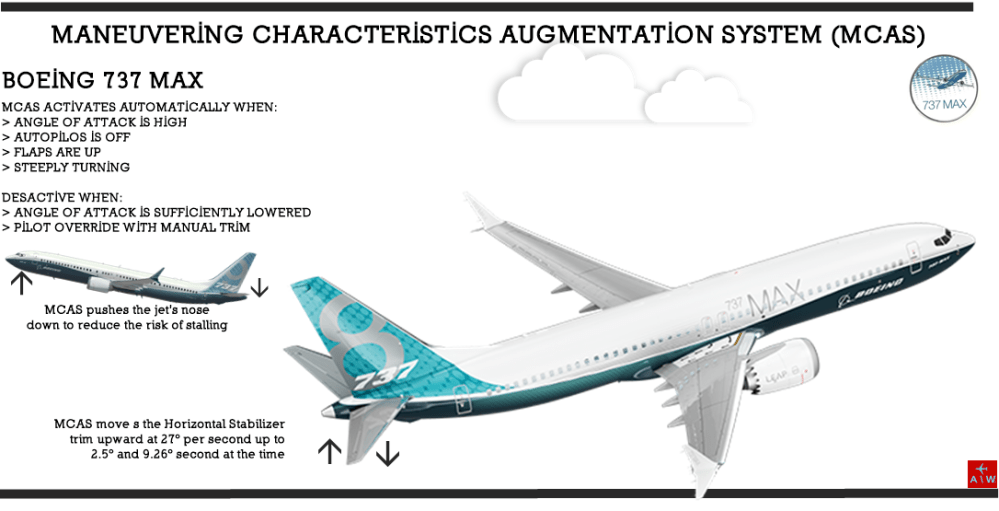
Las versiones anteriores del Boeing 737 tienen una reputación entre los pilotos por ser fáciles de ajustar el ángulo de la nariz del avión en caso de que surja un problema, dijo John Cox, ex presidente ejecutivo de seguridad aérea de la Asociación de Pilotos de Línea Aérea en los Estados Unidos y ahora Jefe Ejecutivo de Safety Operating Systems, una consultora. Pero en la nueva versión, Boeing introdujo un sistema de emergencia que corrige automáticamente el ángulo de la nariz para evitar que el avión se detenga. En su boletín de seguridad, Boeing dijo que el sistema podría presionar la nariz hacia abajo durante 10 segundos completos sin la autorización del piloto. El nuevo sistema de Boeing estaba destinado a protegerse contra lo que algunos estudios han sugerido que es la causa más frecuente de los accidentes de avión una parada en vuelo.

Pero si los datos introducidos en el sistema eran inexactos, lo que los investigadores están analizando, en teoría podría haber hecho que el avión avanzara, presentando incluso a los pilotos más experimentados una situación difícil. «La capacitación es todo en estas situaciones, y la experiencia es crucial», dijo Peter Marosszeky, un ingeniero aeronáutico de larga data y ex alto directivo de Qantas Airways, la compañía aérea australiana. Qantas aprendió eso en 2008 en un Airbus, que tiene un sistema similar.

Después de recibir lecturas incorrectas que parecían indicar una parada falsa, un Airbus que viajaba desde Singapur a Perth, Australia, se lanzó violentamente dos veces en inmersiones automáticas. Decenas de pasajeros y tripulantes que no llevaban cinturones de seguridad fueron arrojados hacia arriba y algunos se rompieron los huesos. En la cabina del piloto, el capitán, un ex piloto de caza de la Marina de los Estados Unidos, luchó contra el avión y finalmente logró un aterrizaje de emergencia en una pista de aterrizaje remota en el noroeste de Australia. «Era como una computadora que se volvió loca, y los pilotos estaban luchando contra ella», dijo Geoffrey Thomas, el editor en jefe australiano de AirlineRatings.com. Dijo que la habilidad de la tripulación de vuelo salvó el día.

Los pilotos del Vuelo 610 de Lion Air también parecen haber encontrado una falla, pero con un final diferente. La respuesta recomendada emitida por Boeing y la FAA esta semana no sería la reacción natural de un piloto. Se instruye a la tripulación de vuelo para que apague los estabilizadores de alimentación eléctrica en la cola de la aeronave que están impulsando la inclinación descendente de la nariz.

Pero sin entrenamiento específico sobre esta anomalía, ¿qué piloto pensaría apagar parte del avión? Cuando las tripulaciones de vuelo aprenden a controlar un nuevo modelo de aeronave, normalmente estudian las diferencias entre los modelos más antiguos y los más nuevos. A los expertos en aviación les preocupa que los pilotos de los transportistas de conducción dura como Lion Air no tengan tiempo suficiente para tal entrenamiento. Además, las diferencias entre los modelos a veces se manifiestan solo después de meses o años de operación. El Boeing 737-8 MAX entró en servicio el año pasado. A pesar de que el piloto era un aviador experimentado para su edad, no habría tenido tiempo de familiarizarse completamente con la última versión del avión de 737 MAX.

Las preguntas sobre esos problemas y cómo se manejaron constituyen un recordatorio aleccionador de la confianza que mostramos cada vez que nos abrochamos los cinturones de seguridad y tomamos vuelo hacia el cielo. AIRWAYS® AW-Icon TXT

Image result for Lion Air takeoff Boeing 737 MAX

Lion Air JT-610 | Day 13

Finalize search of victims of flight JT-610

A Boeing 737-800 MAX, registration PK-LQP of the airline Lion Air that makes flight JT-610 from Jakarta to Pangkal Pinang (Indonesia) with 181 passengers and 8 crew, was leaving Jakarta Airport when the aircraft reached a maximum altitude of about 5400 feet, losing radar contact at 35 nm northeast of Jakarta over the Java Sea at 06: 33L (23: 33Z, 28 October 2018).

On November 10, 2018, Basarnas announced that the search for bodies has ended. The search has been reduced to supervision. They have collected 189 corpses and sent them to the hospital for identification, so far 77 victims have been identified. «There is no place to look and we have stopped finding the bodies of the victims, we will limit our operations to monitoring,» Muhammad Syaugi, head of the National Search and Rescue Agency (Basarnas), told the media.

Search of the CVR

The CVR search continues. The CVR is described as critical to understanding the events on board the flight, the KNKT indicates that it currently comprises about 70-80% of what happened in the air tragedy of flight JT-610. Separately, a new underwater locator with better sensitivity to detect the ping of the so-called black box is ready for implementation to help the search.

«The ping sound is becoming difficult to detect and is disappearing.We suspect that the voice recorder in the cockpit is covered in mud because the flight data recorder, when it was found, was about half a meter deep buried in the mud», said Haryo Satmiko, Deputy Chief of Indonesia’s National Transportation Security Committee, on Saturday. If the new locator fails, the safety committee will deploy a vessel with suction capacity of mud to try to recover the voice recorder.

The recovery of the voice recorder would help the researchers to put together the last moments before the JT-610 flight was submerged in the sea with 189 people on board on October 29, 2018. The preliminary findings based on the information of the recorder Data, which has been recovered, indicated a technical drawback related to the reading of defective air velocity. That led Boeing, the aircraft manufacturer, to alert operators of the 737 MAX aircraft worldwide that the airflow sensor can provide false readings in certain circumstances.

Preliminary Evaluations

At the helm of the Lion Air flight, pilots may have been overwhelmed in seconds. The last moments of Flight 610 of Lion Air, which rushed shortly after dawn from a calm Indonesian sky to the waters of the Sea.

The single-aisle Boeing aircraft, assembled in Washington State and delivered to Lion Air less than three months ago, appears to have sunk for the first time in the water, its advanced jet engines directing the plane toward the waves at a speed of up to 400 mph. less than a minute. The aircraft crashed into the sea with such force that some metal accessories on board were reduced to dust, and the flight data recorder of the aircraft came off its armored box, propelled into the muddy muddy sea.

As researchers from the United States and Indonesia get confused through clues about what went wrong, they are focusing not on a single lapse but on a cascade of problems that ended with the deaths of the 189 people on board.

That is almost always the case in air accidents, in which disasters can rarely be detected in one factor. While researchers have not yet come to the conclusion of what caused the JT-610 flight to sink into the sea, they know that in the days before the accident, the plane suffered repeated problems in some of the same systems that They could have taken the plane to dive.

The final seconds

When the 11th minute of flight JT-610 began, the plane was still in near-level flight at a height of approximately 5,000 feet. By the end of that minute, it had broken into a kaleidoscope of pieces in the water, after first launching itself to the ground at about 400 mph, according to measurements from the online data service Flightradar24.

What caused the aircraft to tilt down so abruptly in that last minute is the biggest enigma. During the past two days, researchers have been investigating whether it was a maintenance failure or a possible deficiency in the Boeing 737-8 MAX that could affect other fleets operating on the popular aircraft. Researchers are also exploring the possibility that pilots were not properly trained in how the airplane differed from previous models.

Earlier versions of the Boeing 737 have a reputation among pilots for being easy to adjust the nose angle of the aircraft should a problem arise, said John Cox, former chief executive of air safety for the Airline Pilots Association. in the United States and now Chief Executive of Safety Operating Systems, a consultancy. But in the new version, Boeing introduced an emergency system that automatically corrects the angle of the nose to prevent the plane from stopping. In his safety bulletin, Boeing said the system could press the nose down for 10 full seconds without the pilot’s authorization. The new Boeing system was meant to protect against what some studies have suggested is the most frequent cause of plane crashes a flight stop.

But if the data entered into the system were inaccurate, what the researchers are analyzing, in theory could have made the plane move forward, presenting even the most experienced pilots a difficult situation. «Training is everything in these situations, and experience is crucial», said Peter Marosszeky, a long-serving aeronautical engineer and former senior manager of Qantas Airways, the Australian airline. Qantas learned that in 2008 in an Airbus, which has a similar system.

After receiving incorrect readings that seemed to indicate a false stop, an Airbus traveling from Singapore to Perth, Australia, was violently launched twice in automatic dives. Dozens of passengers and crew who were not wearing safety belts were thrown up and some broke their bones. In the cockpit, the captain, a former fighter pilot for the United States Navy, battled the plane and finally landed an emergency landing on a remote airstrip in northwest Australia. «It was like a computer that went crazy, and the pilots were fighting it», said Geoffrey Thomas, the Australian editor of AirlineRatings.com. He said the skill of the flight crew saved the day.

The pilots of Flight 610 of Lion Air also seem to have found a fault, but with a different ending. The recommended response issued by Boeing and the FAA this week would not be the natural reaction of a pilot. The flight crew is instructed to turn off the power outriggers in the tail of the aircraft that are driving the downward slope of the nose.

But without specific training on this anomaly, what pilot would think of turning off part of the plane? When flight crews learn to control a new aircraft model, they usually study the differences between older and newer models. Aviation experts are concerned that pilots of hard driving carriers such as Lion Air do not have enough time for such training. In addition, differences between models sometimes manifest themselves only after months or years of operation. The Boeing 737-8 MAX entered service last year. Even though the pilot was an experienced aviator for his age, he would not have had time to fully familiarize himself with the latest version of the 737 MAX aircraft.

The questions about those problems and how they were handled constitute a sobering reminder of the confidence we show every time we buckle up and take flight to heaven. A \ W


Ξ A I R G W A Y S Ξ
SOURCE: Airgways.com
DBk: Dephup.go.id / Basarnas.go.id / Bloomberg.com / Airlineratings.com / Deskgram.com
AW-POST: 201811102118AR

A\W   A I R G W A Y S ®

Joint Venture Boeing-Safran

Image result for Safran headquarters

AW | 2018 11 10 19:55 | INDUSTRY

Boeing y Safran anuncian Joint Venture

Boeing-Logo.svgThe Boeing Company y Safran SA formalizaron una alianza después de las aprobaciones regulatorias para comenzar su empresa conjunta para el diseño, la construcción y el mantenimiento de unidades de potencia auxiliar. Las compañías Boeing-Safran nombraron a Etienne Boisseau como Director Ejecutivo de la empresa conjunta.

Image result for SafranEl acuerdo establece una asociación entre dos de las compañías aeroespaciales líderes en el mundo para trabajar en conjunto en los productos de APU y ampliar las capacidades de servicio para beneficiar a los clientes y la industria. Ambas compañías tienen una participación del 50% en la empresa conjunta. El equipo inicial realizará trabajos de diseño en San Diego, California.

Boeing y Safran han recibido aprobaciones regulatorias para una empresa conjunta para que puedan comenzar a diseñar, construir y dar servicio a las unidades de potencia auxiliar de las aeronaves (APU), tableros de motores que se utilizan principalmente para arrancar los motores principales y los sistemas de los aviones de potencia mientras están en tierra y en vuelo.

«Safran se enorgullece de lanzar esta empresa conjunta con Boeing para ofrecer APU de vanguardia y mejorar el valor para el cliente. Juntos, estamos comprometidos a brindar soluciones innovadoras, altamente tecnológicas y competitivas en costos a los clientes globales. confiando en que este equipo conjunto proporcionará productos y servicios de primera clase dentro de la mejor organización industrial integrada», dijo Philippe Petitcolin, CEO de Safran.

«Estamos abiertos para los negocios y nos complace ofrecer aún más valor a nuestros clientes durante el ciclo de vida de su inversión. Esta empresa conjunta fortalece las capacidades verticales de Boeing a medida que continuamos expandiendo nuestra cartera de servicios. Al realizar inversiones estratégicas que aceleran nuestros planes de crecimiento, También estamos proporcionando a nuestros clientes soluciones de servicios innovadoras y ampliadas», dijo Stan Deal , Presidente y CEO de Boeing Global Services.

Safran actualmente suministra una amplia gama de componentes a los programas comerciales y de defensa de Boeing, incluso como socio para producir el motor LEAP-1B de CFM para el 737 MAX (a través de CFM International, una empresa de riesgo compartido de 50/50 entre Safran Aircraft Engines y GE). Boeing y Safran también son socios de MATIS, una empresa conjunta en Marruecos que produce productos de cableado para varias compañías de fuselaje y motores.

La empresa conjunta combina el conocimiento de los clientes y aviones de Boeing y la experiencia de Safran en el diseño y producción de sistemas complejos de propulsión. AIRWAYS® AW-Icon TXT

Image result for Safran engine

Joint Venture Boeing-Safran

Boeing and Safran announce Joint Venture

The Boeing Company and Safran SA formalized an alliance after regulatory approvals to start their joint venture for the design, construction and maintenance of auxiliary power units. The Boeing-Safran companies named Etienne Boisseau as Executive Director of the joint venture.

The agreement establishes a partnership between two of the world’s leading aerospace companies to work together on APU products and expand service capabilities to benefit customers and the industry. Both companies have a 50% stake in the joint venture. The initial team will carry out design work in San Diego, California.

Boeing and Safran have received regulatory approvals for a joint venture so they can begin designing, building and servicing aircraft auxiliary power units (APUs), engine boards that are mainly used to start main engines and systems. of power planes while they are on land and in flight.

«Safran is proud to launch this joint venture with Boeing to offer cutting-edge APUs and enhance customer value, and together, we are committed to providing innovative, highly technological and cost-competitive solutions to global customers, trusting that this joint team It will provide first class products and services within the best integrated industrial organization», said Philippe Petitcolin, CEO of Safran.

«We are open for business and we are pleased to offer even more value to our clients during the life cycle of their investment.» This joint venture strengthens Boeing’s vertical capabilities as we continue to expand our portfolio of services, making strategic investments that accelerate our growth plans, we are also providing our customers with innovative and expanded service solutions», said Stan Deal, President and CEO of Boeing Global Services.

Safran currently supplies a wide range of components to Boeing’s commercial and defense programs, including as a partner to produce the CFM LEAP-1B engine for the 737 MAX (through CFM International, a 50/50 joint venture). between Safran Aircraft Engines and GE). Boeing and Safran are also partners of MATIS, a joint venture in Morocco that produces wiring products for several fuselage and engine companies.

The joint venture combines Boeing’s customer and aircraft knowledge and Safran’s expertise in the design and production of complex propulsion systems. A \ W

44533_O.jpg

Joint Venture Boeing-Safran

Boeing et Safran annoncent une joint venture

The Boeing Company et Safran SA ont formalisé une alliance après les approbations réglementaires nécessaires au démarrage de leur entreprise commune pour la conception, la construction et la maintenance de groupes auxiliaires de puissance. Les sociétés Boeing-Safran ont nommé Etienne Boisseau au poste de directeur exécutif de la joint-venture.

L’accord établit un partenariat entre deux des plus grandes entreprises aérospatiales du monde afin de travailler ensemble sur les produits APU et d’étendre les capacités de service au profit des clients et du secteur. Les deux sociétés détiennent une participation de 50% dans la coentreprise. L’équipe initiale effectuera des travaux de conception à San Diego, en Californie.

Boeing et Safran ont reçu les approbations réglementaires nécessaires à la création d’une entreprise commune afin de pouvoir commencer à concevoir, construire et entretenir des unités auxiliaires de bord (APU), des platines motrices principalement utilisées pour démarrer les moteurs et systèmes principaux. des avions de puissance pendant qu’ils sont sur la terre et en vol.

«Safran est fier de lancer cette entreprise commune avec Boeing afin de proposer des APU de pointe et d’accroître la valeur client. Ensemble, nous nous engageons à fournir des solutions innovantes, hautement technologiques et concurrentielles sur le plan des coûts, à des clients du monde entier. Il fournira des produits et des services de première classe au sein de la meilleure organisation industrielle intégrée», a déclaré Philippe Petitcolin, PDG de Safran.

«Nous sommes ouverts aux affaires et nous sommes ravis d’offrir encore plus de valeur à nos clients tout au long du cycle de vie de leur investissement.» Cette coentreprise renforce les capacités verticales de Boeing à mesure que nous développons notre portefeuille de services, en réalisant des investissements stratégiques qui accélèrent nos plans de croissance, nous proposons également à nos clients des solutions de services innovantes et étendues», a déclaré Stan Deal, président et chef de la direction de Boeing Global Services.

Actuellement, Safran fournit une large gamme de composants aux programmes commerciaux et de défense de Boeing, notamment en tant que partenaire pour la production du moteur CFM LEAP-1B du 737 MAX (par l’intermédiaire de CFM International, une entreprise commune à 50/50). Safran Aircraft Engines et GE). Boeing et Safran sont également partenaires de MATIS, une coentreprise au Maroc qui produit des produits de câblage pour plusieurs entreprises de fabrication de fuselage et de moteurs.

L’entreprise commune associe les connaissances de Boeing aux clients et aux avions et l’expertise de Safran dans la conception et la production de systèmes de propulsion complexes. A \ W


Ξ A I R G W A Y S Ξ
SOURCE: Airgways.com
DBk: Boeing.com / Safran-group.com / Industryweek.com / Wikimedia.org
AW-POST: 201811101955AR

A\W   A I R G W A Y S ®

Fuerte reestructuración en Bombardier

Image result for Bombardier Aerospace Montreal headquarters

AW | 2018 11 10 18:44 | INDUSTRY

Bombardier_Logo.svg.pngBombardier Inc. recortará 5.000 empleos en reestructuración

Image result for Viking Air Ltd headquartersLa compañía canadiense Bombardier Inc. recortará 5.000 empleos en todo el mundo y venderá su línea turbohélice QSeries en un intento por agilizar las operaciones, anunció el jueves la compañía en un comunicado.

La reducción del 7% de su fuerza laboral en toda la organización se producirá en los próximos 12 a 18 meses, mientras que los miembros clave del equipo de ingeniería aeroespacial se redistribuirán a su segmento de aeronaves en pleno auge. Los recortes se concentrarán en el negocio aeroespacial y afectarán a 3.000 trabajadores en Canadá, dijo el portavoz de la compañía, Simon Letendre. Se ha reducido más de 15.000 empleos en sus divisiones aeroespaciales y ferroviarias en todo el mundo desde 2015.

El grupo con sede en Montreal también anunció la venta de activos no esenciales por un total de alrededor de US$ 900 millones, incluido el programa de aeronaves turbohélices regionales QSeries y la marca registrada de Havilland Canada, que se vendió por unos US$ 300 millones a un fondo de inversión canadiense. El simulador de vuelo y la firma de entrenamiento CAE, acordó adquirir el segmento de entrenamiento de vuelo de los aviones comerciales de Bombardier, que se prevé que genere regalías de US$ 800 millones.

El anuncio de la reestructuración se produjo cuando la compañía reportó un ingreso neto de US$ 167 millones en el tercer trimestre, en comparación con una pérdida de US$ 11 millones del año anterior. «Continuamos haciendo progresos sólidos en la ejecución de nuestro plan de cambio. Con los anuncios de hoy, hemos puesto en marcha la siguiente ronda de acciones necesarias para liberar todo el potencial de la cartera de Bombardier», dijo el jefe de Bombardier, Alain Bellemare, sobre el esfuerzo de reestructuración. A pesar de los fuertes cambios de reestructuración la firma continuará siendo proactiva en el enfoque y la racionalización de la organización mostrando optimismo sobre las perspectivas de la compañía.

Programas Q400

Bombardier anunció la venta del Programa QSeries a una subsidiaria de Longview por aproximadamente US$ 300 millones al grupo Viking Air Ltd. Bombardier desprogramará su división de la línea turbohélice Q400, anunció este Jueves, 7 Octubre 2018. La compañía Viking Air Ltd. fabrica un avión turbohélice Twin Otter, tiene la intención de mantener las cadenas de suministro para la serie Q400 que actualmente se extiende sus unidades en China, Irlanda y México. El acuerdo, que está programado para cerrarse en la segunda mitad de 2019, posiciona a Longview en más del triple de sus ingresos anuales a US$ 1 mil millones.

AW-CJC ChungBOMBARDIER SE DESPRENDE DEL PROGRAMA QSERIES

La compañía Bombardier, con sede en Montreal, dijo en su comunicado de ganancias del 3Q2018 que esperaba registrar ganancias netas de US$ 250 millones por la venta de la línea Q400 y los certificados de tipo e IP para versiones más pequeñas del avión con doble propulsor a la empresa matriz de Viking Air Longview Capital, que ha construido un negocio en aviones que ha adquirido de Bombardier y que fue desarrollado por el extinto fabricante de aviones canadiense De Havilland Canada (DHC). Boeing había adquirido la división de aviones turbohélice De Havilland Canada y posteriormente Bombardier se hizo de la empresa comprándola a Boeing en 1992.

El Q400 es un turbohélice de mayor rendimiento que el ATR de la competencia, pero los observadores dicen que muchas aerolíneas regionales no han visto la necesidad de sus capacidades al precio más alto correspondiente. Forecast International espera que el CRJ y el Q400 sean un cuarto distante en el mercado de aeronaves regionales con 503 ventas en los próximos 15 años, detrás de Embraer con ventas proyectadas de 1.519 jets regionales, y ATR con 1.207 turbopropulsores.

La decisión de vender la línea de la QSeries, dijo Bellemare, se tomó «porque creemos que hay un mejor propietario que nosotros para mantener este programa».

AW-7000BC700.png

Longview Aviation Capital

La adquisición de la línea de producción de aviones de pasajeros turbohélice QSeries de Bombardier es el siguiente paso lógico en el plan de crecimiento de Longview Aviation Capital Corp., mantener las alas canadienses en alza. La compañía dice que el acuerdo de US$ 300 millones para continuar la fabricación de la línea Bombardier Dash 8 Series 100, Q200 y Q300, Q400 lo convertirá en el mayor fabricante de aviones turbohélices comerciales de Norteamérica.

Con base en Victoria, Estado de British Columbia, en el extremo oeste de Canadá, la administración de la compañía anticipa alrededor de US$ 1 mil millones en ingresos en el primer año de su nueva empresa. «Nos complace unir toda la línea de productos De Havilland bajo la misma bandera por primera vez en décadas. Uno de los aspectos interesantes de esta transacción serán las oportunidades que rodean al resurgimiento de la marca de Havilland», dijo Dave Curtis, Presidente de Longview Aviation Capital.

Mientras Bombardier se enfoca en su plan de cambio, Longview Aviation Capital, en cambio, ha sido una empresa aeroespacial canadiense en alza desde que se estableció en 2016 como la empresa matriz de Viking Air Ltd. y Pacific Sky Aviation Inc. Desde entonces, la compañía ha aumentado su fuerza laboral a 612 empleados: 433 en Victoria y 179 en Calgary, donde se ubican las plantas de ensamblaje de Viking Air Ltd.

Viking fabrica la serie Canadian Twin Otter 400 y posee los certificados para seguir fabricando piezas y brindando soporte de producto para los aviones DHC-1 a DHC-7 de De Havilland Canada. También produce los anfibios Canadair 215 y CL-415, ambos bombarderos de agua, que formaron parte de las adquisiciones de 2016 de Longview. La compañía también dice que satisface una demanda mundial constante de piezas y soporte de aviones confiables construidos en Canadá, como el Twin Otter y el Dash 7, que aún se encuentran ampliamente desplazados desde regiones polares a regiones subtropicales del mundo.

684486-113616627.jpg

Programa Canadair CRJ

CANADAIR IsologotypeBombardier dijo que continuará explorando opciones estratégicas para su línea de aviones comerciales remanentes, los jets regionales CRJ Series, mientras busca devolverla a la rentabilidad. Con respecto a la línea de aeronaves jet CRJ, el CEO dijo que esperaba ver más movimiento de los proveedores para reducir los costos en la línea de aviones regionales CRJ, y señaló que Bombardier sigue perdiendo dinero en su fabricación.  Las entregas de la serie CRJ y Q400 para el trimestre totalizaron sólo cinco aviones, mientras que los pedidos netos totalizaron once.

El nuevo avión Global 7500 de la compañía, el jet de negocios más grande y de mayor alcance en el mercado, mientras tanto, ha sido certificado como digno de vuelo, allanando el vía para su entrada en servicio en Diciembre 2018.

Existe una gran demanda de aviones regionales en medio del auge de los viajes aéreos en todo el mundo: Forecast International proyecta que se producirán 6,086 aviones regionales en el período de 15 años desde 2018 hasta 2032, pero la capacidad de Bombardier para competir en el segmento ha disminuido.

Bombardier fue pionero en el mercado de aviones regionales en la década de 1990 con el CRJ, una versión extendida de su avión de negocios Challenger, pero el envejecimiento del fuselaje se ha superado en los últimos años con los aviones Ejets más nuevos de Embraer.

Los Sindicatos

Los líderes sindicales y de la oposición en Quebec se manifestaron en contra del movimiento de Bombardier el jueves para despedir a 5.000 trabajadores, incluidos 500 en Ontario y 2.500 en Quebec, como parte de un plan de reestructuración que recorta más del 12% de sus posiciones canadienses.

Mary Ellen McIlmoyle, presidenta de un local de Unifor que representa a algunos de los 2.100 trabajadores en el ala aeroespacial de Bombardier en Downsview, dijo que sus miembros se sienten traicionados. Habían expresado que durante la negociación en Abril 2018, la compañía dijo que mantenían la línea Q400, pero la realidad fue un gran shock cuando descubrimos que se dieron la vuelta y lo vendieron.

La falta de certeza de los trabajadores acerca de la instalación de Downsview, que forma cabinas y alas, entre otros componentes, después de 2021 es su mayor preocupación. Renaud Gagne, del Sindicato Unifor, que representa a los trabajadores aeroespaciales canadienses, advirtió que «los despidos envían un mensaje preocupante para el futuro de la industria». Bombardier tiene un contrato de arrendamiento de la propiedad hasta 2021, con una opción de prórroga de dos años, está claro que para la fuerza laboral se tendrán que mudar a British Columbia.

Las Finanzas

Bombardier registró ganancias trimestrales de cuatro centavos por acción, por encima del consenso de los analistas que esperaban una ganancia de dos centavos. El fuerte beneficio se produjo a pesar de una caída del 5% en las ventas trimestrales del mismo período del año anterior a US$ 3.6 mil millones. En todo el ejercicio del año 2018, Bombardier espera ingresos de aproximadamente US$ 16.5 mil millones, en el límite AW-A220.jpginferior de su rango de orientación. Para compensar la diferencia, el fabricante canadiense de aeronaves había decidido ceder el control del 50.01% de su filial dedicada a las aeronaves CSeries, ahora conocida como Airbus A220, al gigante europeo Airbus Group a cambio de utilizar las ventas y la comercialización de Airbus para incremento de las ventas de CSeries.

Bombardier proporcionó una manera de esquivar los fuertes deberes de impuestos arancelarios por el Departamento de Comercio de los Estados Unidos como resultado de una queja comercial de supuestos subsidios por parte del Gobierno de Quebec al Programa CSeries interpuesta por Boeing. Así la línea CSeries fue cedida bajo el ala de Airbus para ser fabricado en la planta de Airbus en Mobile, Alabama.

Alain Bellemare fue contratado en 2015 para apuntalar a la compañía que tenía serios problemas financieros con el Programa CSeries. El Gobierno de Quebec tuvo que acudir a su rescate en 2015 con un rescate de US$ 1 mil millones a cambio de una participación del 16,44% en CSeries, dejando a Bombardier con el 33,55% de la propiedad. El CSeries, cuando se lanzó oficialmente en 2016, fue el primer diseño nuevo en la categoría de 100 a 150 asientos en más de 25 años. Bellemare notó que el acuerdo con Airbus se completó más rápido de lo esperado, y que todos los riesgos relacionados con el desarrollo de las CSeries, que habían sufrido importantes retrasos y sobrecostos, ahora han sido dejado detrás. AIRWAYS® AW-Icon TXT


Image result for Viking Air Ltd headquarters

Strong restructuring in Bombardier Inc.

199px-Viking_Air_logo.svgBombardier Inc. will cut 5,000 jobs in restructuring

Canadian company Bombardier Inc. will cut 5,000 jobs worldwide and sell its QSeries turboprop line in an attempt to streamline operations, the company said in a statement on Thursday.

The 7% reduction of its workforce throughout the organization will occur in the next 12 to 18 months, while key members of the aerospace engineering team will be redistributed to its booming aircraft segment. The cuts will focus on the aerospace business and will affect 3,000 workers in Canada, company spokesman Simon Letendre said. It has reduced more than 15,000 jobs in its aerospace and rail divisions around the world since 2015.

The Montreal-based group also announced the sale of non-essential assets for a total of about US$ 900 million, including the QSeries regional turboprop aircraft program and the Havilland Canada trademark, which sold for about US$ 300 million. to a Canadian investment fund. The flight simulator and CAE training firm agreed to acquire the flight training segment of Bombardier’s commercial aircraft, which is expected to generate royalties of US$ 800 million.

The announcement of the restructuring occurred when the company reported a net income of US$ 167 million in the third quarter, compared to a loss of US$ 11 million the previous year. «We continue to make solid progress in executing our change plan with today’s announcements, we have launched the next round of actions needed to unlock the full potential of the Bombardier portfolio», said Bombardier boss Alain Bellemare. , about the restructuring effort. Despite the strong restructuring changes, the firm will continue to be proactive in the approach and rationalization of the organization, showing optimism about the company’s prospects.

dash[1] - copiaPrograms Q400

Bombardier announced the sale of the QSeries Program to a Longview subsidiary for approximately US$ 300 million to the Viking Air Ltd. Group.  Bombardier will deprogram its division of the Q400 turboprop line, announced this Thursday, October 7, 2018. The company Viking Air Ltd. manufactures a Twin Otter turboprop aircraft, intends to maintain supply chains for the Q400 series that currently extends its units in China, Ireland and Mexico. The agreement, which is scheduled to close in the second half of 2019, positions Longview more than triple its annual revenues to US$ 1 billion.

The Bombardier company, based in Montreal, said in its 3Q2018 earnings release that it expected to record net profits of US$ 250 million from the sale of the Q400 line and type and IP certificates for smaller versions of the double-propeller aircraft. to the parent company of Viking Air Longview Capital, which has built an aircraft business that it acquired from Bombardier and was developed by the late Canadian aircraft manufacturer De Havilland Canada (DHC). Boeing had acquired De Havilland Canada’s turbo-prop aircraft division and Bombardier subsequently acquired the company from Boeing in 1992.

The Q400 is a higher-performance turboprop than the competition’s ATR, but observers say that many regional airlines have not seen the need for their capabilities at the corresponding higher price. Forecast International expects the CRJ and Q400 to be a distant quarter in the regional aircraft market with 503 sales over the next 15 years, behind Embraer with projected sales of 1,519 regional jets, and ATR with 1,207 turboprops.

The decision to sell the QSeries line, Bellemare said, was taken «because we believe there is a better owner than us to maintain this program».

Longview Aviation Capital

The acquisition of Bombardier’s QSeries turboprop passenger aircraft production line is the logical next step in the Longview Aviation Capital Corp. growth plan, keeping Canadian wings on the rise. The company says the US$ 300 million agreement to continue manufacturing the Bombardier Dash 8 Series 100, Q200 and Q300, Q400 line will make it the largest manufacturer of commercial turbocharged aircraft in North America.

Based in Victoria, State of British Columbia, in the extreme west of Canada, the company’s management anticipates around US$ 1 billion in revenues in the first year of its new company. «We are pleased to unite the entire De Havilland product line under the same banner for the first time in decades. One of the interesting aspects of this transaction will be the opportunities surrounding the resurgence of the Havilland brand», said Dave Curtis, President of Longview. Aviation Capital.

While Bombardier focuses on its change plan, Longview Aviation Capital, on the other hand, has been a Canadian aerospace company since it was established in 2016 as the parent company of Viking Air Ltd. and Pacific Sky Aviation Inc. Since then, the The company has increased its workforce to 612 employees: 433 in Victoria and 179 in Calgary, where the assembly plants of Viking Air Ltd. are located.

Viking manufactures the Canadian Twin Otter 400 series and holds the certificates to continue manufacturing parts and providing product support for the DHC-1 to DHC-7 aircraft of De Havilland Canada. It also produces the amphibians Canadair 215 and CL-415, both water bombers, which were part of the 2016 Longview acquisitions. The company also says it meets a consistent global demand for parts and support from reliable aircraft built in Canada, such as the Twin Otter and Dash 7, which are still widely displaced from polar regions to subtropical regions of the world.

Canadair CRJ Program

Bombardier said it will continue to explore strategic options for its line of remaining commercial aircraft, the regional Canadair CRJ jets, while seeking to return it to profitability. With regard to the CRJ jet aircraft line, the CEO said he expected to see more movement from suppliers to reduce costs in the regional CRJ aircraft line, and noted that Bombardier continues to lose money in its manufacture. Deliveries of the CRJ and Q400 series for the quarter totaled only five aircraft, while net orders totaled eleven.

The company’s new Global 7500 aircraft, the largest and most powerful business jet on the market, meanwhile, has been certified as worthy of flight, paving the way for its entry into service in December 2018.

There is a great demand for regional aircraft in the midst of the worldwide air travel boom: Forecast International projects that 6,086 regional aircraft will be produced in the 15-year period from 2018 to 2032, but Bombardier’s ability to compete in the segment It has decreased.

Bombardier pioneered the regional aircraft market in the 1990s with the CRJ, an extended version of its Challenger business jet, but the aging of the fuselage has been overcome in recent years with Embraer’s newest E aircraft.

Unions

Union and opposition leaders in Quebec demonstrated against the Bombardier movement on Thursday to lay off 5,000 workers, including 500 in Ontario and 2,500 in Quebec, as part of a restructuring plan that cuts more than 12% of their positions Canadians

Mary Ellen McIlmoyle, president of a Unifor store that represents some of the 2,100 workers at Bombardier’s aerospace wing in Downsview, said her members feel betrayed. They had expressed that during the negotiation in April 2018, the company said that they maintained the Q400 line, but the reality was a great shock when we discovered that they turned around and sold it.

The lack of certainty of the workers about the installation of Downsview, which forms cabins and wings, among other components, after 2021 is their main concern. Renaud Gagne, of the Unifor Union, which represents Canadian aerospace workers, warned that «the dismissals send a worrisome message for the future of the industry». Bombardier has a lease on the property until 2021, with a two-year extension option, it is clear that for the workforce they will have to move to British Columbia.

BCA-C-Series-LP-960X525-en

The finances

Bombardier posted quarterly earnings of four cents per share, above the consensus of analysts who expected a profit of two cents. The strong profit came despite a 5% drop in quarterly sales from the same period of the previous year to US$ 3.6 billion. Throughout the year 2018, Bombardier expects revenues of approximately US$ 16.5 billion, at the lower limit of its guidance range. To compensate for the difference, the Canadian aircraft manufacturer had decided to cede control of 50.01% of its subsidiary dedicated to the CSeries aircraft, now known as Airbus A220, to the European giant Airbus Group in exchange for using Airbus sales and marketing to Increase in sales of CSeries.

Bombardier provided a way to circumvent the heavy tariff duty duties of the US Department of Commerce as a result of a commercial complaint of alleged subsidies from the Government of Quebec to the CSeries Program filed by Boeing. Thus the CSeries line was transferred under the wing of Airbus to be manufactured at the Airbus plant in Mobile, Alabama.

Alain Bellemare was hired in 2015 to shore up the company that had serious financial problems with the CSeries Program. The Government of Quebec had to come to his rescue in 2015 with a bailout of US$ 1 billion in exchange for a 16.44% stake in CSeries, leaving Bombardier with 33.55% ownership. The CSeries, when officially launched in 2016, was the first new design in the 100 to 150 seat category in more than 25 years. Bellemare noted that the agreement with Airbus was completed faster than expected, and that all the risks related to the development of the CSeries, which had suffered significant delays and cost overruns, have now been left behind. A \ W


Bombardier-Q400.jpg

Forte restructuration de Bombardier Inc.

bombardier_old-svg.pngBombardier Inc. supprimera 5 000 emplois en restructuration

La société canadienne Bombardier Inc. supprimera 5 000 emplois dans le monde et vendra sa ligne à turbopropulseur QSeries afin de rationaliser ses opérations, a annoncé la société dans un communiqué publié jeudi.

La réduction de 7% de ses effectifs dans l’ensemble de l’organisation se produira dans les 12 à 18 prochains mois, tandis que les membres clés de l’équipe d’ingénierie aérospatiale seront redistribués à son segment en plein essor. Les coupes se concentreront sur l’industrie aérospatiale et toucheront 3 000 travailleurs au Canada, a déclaré le porte-parole de la société, Simon Letendre. Depuis 2015, il a réduit plus de 15.000 emplois dans ses divisions aérospatiale et ferroviaire du monde entier.

Le groupe basé à Montréal a également annoncé la vente d’actifs non essentiels pour un total d’environ 900 millions de dollars US, y compris le programme d’avions à turbopropulseurs régionaux QSeries et la marque de commerce Havilland Canada, qui s’est vendue à environ 300 millions de dollars US. à un fonds d’investissement canadien. Le simulateur de vol et l’entreprise de formation CAE ont convenu d’acquérir le segment de la formation au pilotage des avions commerciaux de Bombardier, qui devrait générer des redevances de 800 millions de dollars US.

L’annonce de la restructuration a eu lieu lorsque la société a annoncé un bénéfice net de 167 millions USD au troisième trimestre, contre une perte de 11 millions USD pour l’exercice précédent. «Nous continuons de progresser dans l’exécution de notre plan de changement avec les annonces d’aujourd’hui. Nous avons lancé la prochaine série d’actions nécessaires pour libérer tout le potentiel du portefeuille de Bombardier», a déclaré le chef de Bombardier, Alain Bellemare, à propos de l’effort de restructuration. Malgré les importants changements apportés à la restructuration, le cabinet continuera à adopter une approche proactive et à rationaliser son organisation, faisant preuve d’optimisme quant aux perspectives de l’entreprise.

Programmes Q400

Bombardier a annoncé la vente du programme Q400 à une filiale de Longview pour environ 300 millions de dollars américains au groupe Viking Air Ltd. Bombardier déprogrammera sa division de la ligne d’avions à turbopropulseurs Q400, annoncée ce jeudi 7 octobre 2018. La société Viking Air Ltd., qui fabrique un avion à turbopropulseurs Twin Otter, a l’intention de maintenir les chaînes d’approvisionnement de la série Q400, qui agrandit actuellement ses unités. en Chine, en Irlande et au Mexique. L’accord, qui devrait être finalisé au second semestre de 2019, positionne Longview plus du triple de son chiffre d’affaires annuel à 1 milliard de dollars américains.

Image result for Bombardier Q400 assembly lineMONTAGE DE LA LIGNE DU BOMBARDIER Q400

La société Bombardier, basée à Montréal, a déclaré dans son communiqué sur les résultats du 3T2018 qu’elle espérait enregistrer un bénéfice net de 250 millions de dollars US provenant de la vente de la ligne Q400 et des certificats de type et IP pour de plus petites versions de l’avion à double hélice. à la société mère de Viking Air Longview Capital, qui a construit une entreprise aéronautique acquise par Bombardier et développée par le dernier constructeur aéronautique canadien De Havilland Canada (DHC). Boeing avait acquis la division avions à turbopropulseurs de De Havilland Canada et Bombardier avait ensuite acquis la société de Boeing en 1992.

Le Q400 est un turbopropulseur plus performant que l’ATR de la concurrence, mais des observateurs affirment que de nombreuses compagnies aériennes régionales n’ont pas compris la nécessité de leurs capacités au prix plus élevé correspondant. Forecast International prévoit que le CRJ et le Q400 constitueront un trimestre éloigné sur le marché des avions régionaux avec 503 ventes au cours des 15 prochaines années, derrière Embraer avec des ventes prévues de 1 519 avions régionaux et l’ATR avec 1 207 avions à turbopropulseur.

Bellemare a déclaré que la décision de vendre la ligne QSeries avait été prise «parce que nous croyons qu’il existe un meilleur propriétaire que nous pour maintenir ce programme».

Longview Aviation Capital

L’acquisition de la chaîne de production d’avions de passagers à turbopropulseurs QSeries de Bombardier est la prochaine étape logique du plan de croissance de Longview Aviation Capital, qui permet de maintenir les ailes canadiennes à la hausse. La société affirme que l’accord de 300 millions de dollars américains visant à poursuivre la fabrication des lignes Bombardier Dash 8 Séries 100, Q200 et Q300, Q400 en fera le plus grand fabricant d’avions commerciaux suralimentés par turbocompresseur en Amérique du Nord.

Basée à Victoria, dans l’État de la Colombie-Britannique, à l’extrême ouest du Canada, la direction de la société prévoit des revenus d’environ 1 milliard de dollars américains pour la première année de sa nouvelle société. «Nous sommes ravis de réunir toute la gamme de produits De Havilland sous la même bannière pour la première fois depuis des décennies.» L’un des aspects intéressants de cette transaction sera les opportunités offertes par le renouveau de la marque Havilland», a déclaré Dave Curtis, président de Longview. Capitale de l’aviation.

Bien que Bombardier se concentre sur son plan de changement, Longview Aviation Capital, d’autre part, est une entreprise canadienne de l’aérospatiale depuis sa création en 2016 en tant que société mère de Viking Air Ltd. et de Pacific Sky Aviation Inc. La société compte désormais 612 employés: 433 à Victoria et 179 à Calgary, où se trouvent les usines de montage de Viking Air Ltd.

Viking fabrique la série canadienne Twin Otter 400 et détient les certificats lui permettant de continuer à fabriquer des pièces et à fournir un support produit pour les avions DHC-1 à DHC-7 de De Havilland Canada. Elle produit également les amphibiens Canadair 215 et CL-415, tous deux des bombardiers à eau, qui faisaient partie des acquisitions de Longview en 2016. La société affirme également qu’elle répond à une demande mondiale constante de pièces et de support provenant d’aéronefs fiables construits au Canada, tels que les Twin Otter et Dash 7, qui sont encore largement déplacés des régions polaires vers les régions subtropicales du monde.

Programme CRJ Canadair

cq5dam.web.320.225Bombardier a déclaré qu’elle continuerait à explorer les options stratégiques pour sa gamme d’avions commerciaux restants, les avions à réaction régionaux Canadair CRJ, tout en cherchant à la rentabiliser. En ce qui concerne la ligne d’avions à réaction CRJ, le PDG a indiqué qu’il espérait que les fournisseurs se déplaceraient davantage afin de réduire les coûts de la gamme d’avions régionaux CRJ, et a indiqué que Bombardier continuait de perdre de l’argent lors de sa fabrication. Les livraisons des séries CRJ et Q400 n’ont totalisé que cinq avions au cours du trimestre, tandis que les commandes nettes en ont totalisé 11.

Le nouvel avion Global 7500 de la société, l’avion d’affaires le plus grand et le plus puissant du marché, a quant à lui été certifié digne de vol, ouvrant ainsi la voie à sa mise en service en décembre 2018.

La demande d’avions régionaux est forte en plein boom mondial du trafic aérien: Forecast International prévoit la production de 6 086 avions régionaux entre 2018 et 2032, mais la capacité de Bombardier à faire face à la concurrence dans ce segment cela a diminué.

Bombardier a été le pionnier du marché des avions régionaux dans les années 90 avec le CRJ, une version étendue de son avion d’affaires Challenger, mais le vieillissement du fuselage a été surmonté ces dernières années avec le dernier avion E d’Embraer.

Les syndicats

Les dirigeants syndicaux et d’opposition du Québec ont manifesté jeudi contre le mouvement Bombardier pour licencier 5.000 travailleurs, dont 500 en Ontario et 2 500 au Québec, dans le cadre d’un plan de restructuration réduisant de plus de 12% leurs postes. Canadiens

Mary Ellen McIlmoyle, présidente d’un magasin Unifor représentant quelques-uns des 2 100 travailleurs de l’aile aérospatiale de Bombardier à Downsview, a déclaré que ses membres se sentaient trahis. Ils l’avaient indiqué lors de la négociation d’avril 2018, la société avait déclaré qu’elle maintenait la ligne Q400, mais la réalité a été un choc énorme lorsque nous avons découvert qu’ils se sont retournés pour la vendre.

Le manque de certitude des travailleurs quant à l’installation de Downsview, qui forme des cabines et des ailes, entre autres composants, après 2021, constitue leur principale préoccupation. Renaud Gagne, du syndicat d’Unifor, qui représente les travailleurs canadiens de l’aérospatiale, a averti que «les licenciements envoient un message inquiétant pour l’avenir de l’industrie». Bombardier a un bail sur la propriété jusqu’en 2021, avec une option de prolongation de deux ans, il est clair que la main-d’œuvre devra être mutée en Colombie-Britannique.

Des finances

Bombardier a publié un bénéfice trimestriel de quatre cents par action, supérieur au consensus des analystes qui tablaient sur un bénéfice de deux cents. Le solide bénéfice a été atteint malgré une baisse de 5% des ventes trimestrielles par rapport à la même période de l’année précédente, pour atteindre 3,6 milliards de dollars américains. Au cours de l’année 2018, Bombardier prévoit des revenus d’environ 16,5 milliards USD, à la limite inférieure de sa fourchette prévue. Pour compenser cette différence, l’avionneur canadien avait décidé de céder le contrôle de 50,01% de sa filiale dédiée aux avions CSeries, désormais baptisée Airbus A220, au géant européen Airbus Group, en échange de l’utilisation des ventes et du marketing d’Airbus Augmentation des ventes de CSeries.

Bombardier a fourni un moyen de contourner les droits de douane élevés imposés par le Département du commerce des États-Unis à la suite d’une plainte commerciale concernant de prétendues subventions du gouvernement du Québec au programme CSeries déposé par Boeing. Ainsi, la ligne CSeries a été transférée sous l’aile d’Airbus pour être fabriquée à l’usine Airbus de Mobile, en Alabama.

Alain Bellemare a été embauché en 2015 pour consolider l’entreprise confrontée à de graves problèmes financiers avec le programme CSeries. Le gouvernement du Québec a dû venir à sa rescousse en 2015 avec un renflouement de 1 milliard de dollars américains en échange d’une participation de 16,44% dans CSeries, laissant à Bombardier une participation de 33,55%. Lors de son lancement officiel en 2016, le CSeries était le premier nouveau design de la catégorie des 100 à 150 places depuis plus de 25 ans. Bellemare a précisé que l’accord avec Airbus avait été conclu plus rapidement que prévu et que tous les risques liés au développement de la CSeries, qui avaient subi des retards importants et des dépassements de coûts, étaient désormais laissés de côté. A\W


Ξ A I R G W A Y S Ξ
SOURCE: Airgways.com
DBk: Bombardier.com / Ctvnews.ca / Thestar.com / Vikingair.com / Lvav.ca / Theglobeandmail.com / Airgways.com / JCJ Chung Studios
AW-POST: 201811101844AR

A\W   A I R G W A Y S ®


Mercado Aéreo en Argentina 2018

Clarin.com 07767677.jpg

AW | 2018 11 01 16:10 | AIRLINES MARKET

El aumento del tráfico aéreo en Argentina

En Marzo de 2017, en el marco de la inauguración del Plan «La Revolución de los Aviones» implementado por el Gobierno de Argentina busca desde sus inicios duplicar el tráfico de pasajeros, incrementar la demanda de rutas aéreas no convencionales y afianzar las inversiones por AR$ 22.000 millones de pesos. En el área de infraestructura se estiman unos AR$ 19.500 millones en inversiones en diecinueve aeropuertos del país.

AW-70007668.jpg

Comienzos de la Revolución de los Aviones

Luego de 11 años Argentina hizo dos audiencias públicas en dónde se pidieron 160 rutas aéreas en la primera y 500 en la segunda. Muchas de las aerolíneas solicitaron rutas aéreas de las más variadas tanto domésticas como internacionales. Ingresaron a las audiencias públicas compañías las siguientes aerolíneas en servicio: Aerolíneas Argentinas, Austral Líneas Aéreas, Latam Airlines Argentina, Andes Líneas Aéreas, American Jet Líneas Aéreas, Sapsa Líneas Aéreas, Baires Fly. Las que iniciaron su proceso de constitución: Flybondi Líneas Aéreas, Norwegian Air Argentina, LASA Líneas Aéreas, Avianca Argenina (Avian Líneas Aéreas), Flyest Líneas Aéreas, JetSmart Argentina (antes, Alas Mediterráneas). Pero el grueso de las demás líneas aéreas no ha logrado alcanzar la etapa de Certificación de su AOC, adquisición de recursos para su start-up, u otros asuntos legales: Royal Class, Buenos Aires International Airlines, Polar Líneas Aéreas, SEA Líneas Aéreas (Emprendimientos Aeronáuticos SA), ArgenJet, Alas del Sur Líneas Aéreas. Otras aerolíneas que quedaron con las intensiones de invertir en Argentina estaban: Ryanair, Gol Linhas Aéreas y Azul Linhas Aéreas.

En 2017 fue un año de cifras récord en el turismo receptivo creció sin parar desde agosto del 2016 con cifras muy importantes. En Octubre se registró un 14% sobre Octubre 2016 en el que ya había crecido el 6%. Estas cifras se trasladan a la actividad aérea logrando que los vuelos de cabotaje acompañaran esa revolución con grandes cifras que rondaron los 13 millones de pasajeros trasladados. Esto significa 2.200 millones pasajes nuevos más que en 2015.

Grises de la Revolución de los Aviones

Desde los gremios aeronáuticos de Argentina sostienen una política de reclamos ante despidos y reducciones de la demanda de empleo en el sector de la aviación, tal es el caso de Andes Líneas Aéreas ante la desprogramación de la flota de Boeing 737-800 por la disminución de la demanda. “Con esta política aerocomercial, lo que podemos esperar son despidos y suspensiones», advirtió el titular del Asociación de Pilotos de Líneas Aéreas (APLA), Pablo Biró. Los gremios aeronáuticos han denunciado una política de «Cielos Abiertos» impulsada por el Ministerio de Transporte.

Un efecto de desaceleración se ha percibido hacia final de 2018, producto de la situación económica de ajustes, aumentos e inflación. Las líneas aéreas han reajustado su grilla de servicios aéreos, mientras que otras continúan con el proceso de incorporación de aeronaves.

Punto inflexión

El Gobierno de Argentina, en la necesidad de acelerar los trámites de las compañías, a través del Decreto 1302, publicado en Diciembre 2017 en el Boletín Oficial, el Ministerio de Transporte de Argentina fijó en un año el plazo que tienen las aerolíneas para conseguir todas esas constancias. El Ministerio de Transporte ha otorgado un año de plazo para que las empresas que se adjudicaron rutas aéreas en las Audiencias Públicas realizadas en Argentina, comiencen a volar. Si en ese plazo no obtienen el certificado de explotador de servicios aéreos (CESA), caducarán las concesiones.

Ese punto de cambio se sitúa en Diciembre 2018 lo que permite entender que muchas líneas aéreas que animosamente tuvieron las intenciones de lanzar sus operaciones podrían ser revocadas sus licencias AOC.

Los datos de mercado aéreo para Octubre 2018 permite observar un desfasaje en el índice de ocupación, tal vez traducido por el aumento de la demanda y la crisis económica.

AW-70018900Las aerolíneas han informado que su factor de ocupación para Octubre 2018 que promedian en conjunto 69.66%, una cifra estable dentro del contexto socio-económico en Argentina. El índice de factor de ocupación en Vuelos Cabotaje representan: Latam Airlines Argentina 87%, Aerolíneas Argentinas/Austral Líneas Aéreas 79%, Andes Líneas Aéreas 74%, Avianca Argentina 65%, Flybondi Líneas Aéreas 64%, Norwegian Air Argentina 56%. El índice de ocupación en Vuelos Internacionales: Latam 27%, Aerolíneas Argentinas/Austral Líneas Aéreas 22%, Gol Linhas Aéreas 5%, American Airlines 5%, Iberia Líneas Aéreas 5%, Copa Airlines 4%, Avianca Colombia 3%, Sky Airlines 3%, y 24% resto del mercado.

El mercado aéreo actualmente está dividido de la siguiente manera: Aerolíneas Argentinas/Austral Líneas Aéreas 66%, Latam Airlines Argentina 16%, Flybondi Líneas Aéreas 8%, Andes Líneas Aéreas (7%) Avianca Argentina 2%, Norwegian Air Argentina 1%.

AW-70900987

Expansión aerocomercial

La oferta aerocomercial argentina continúa expandiéndose en materia de incorporación de aeronaves, entre Octubre-Diciembre 2018 se incorporarán 27 nuevas rutas con 163 nuevas frecuencias semanales entre vuelos de cabotaje e internacionales. Estas nuevas rutas aéreas significan también la incorporación de nuevas empresas al mercado existente. Tales son los casos de Norwegian Air, LASA Líneas Aéreas, Edelweiss Air y Jet Smart argentina. De las empresas ya existentes, las nuevas rutas serán operadas por Flybondi Líneas Aéreas, Copa Airlines, American Airlines, Sky Airline y Gol Linhas Aéreas.

En total la oferta se incrementará en 11 rutas con 88 frecuencias adicionales de cabotaje y 16 rutas con 75 frecuencias internacionales adicionales. Cabe aclarar que la cantidad de rutas señaladas refiere a rutas antes no explotadas o rutas explotadas que incorporan un nuevo operador. De las 11 rutas de cabotaje, Norwegian Air operará 6 rutas, LASA Líneas Aéreas 4 rutas y Flybondi 1 ruta, mientras que de las 16 rutas internacionales LASA Líneas Aéreas operará 2 rutas, Flybondi 3 rutas, Edelweiss Air 1 ruta, Gol Linhas Aéreas 2 rutas, JetSmart 5 rutas Copa Airlines 1 ruta, Sky Airline 1 ruta y American Airlines 1 ruta.

Algunas de las rutas de cabotaje que comenzarán a operarse son Neuquén – Bariloche, Neuquén–Bahía Blanca–Mar del Plata por LASA Líneas Aéreas; Aeroparque–Mendoza, Aeroparque–Iguazú, Aeroparque–Salta por Norwegian Air; Córdoba–Corrientes por Flybondi. De las rutas internacionales se podrían mencionar como ejemplo: Ezeiza–Zurich por Edelweiss Air; Ezeiza–Brasilia, Rosario–Salvador de Bahía por Gol Linhas Aéreas; Mendoza–Santiago de Chile, Córdoba–La Serena, El Palomar–Santiago de Chile por JetSmart, esta última ruta también será operada por Sky Airlines; Salta–Panamá por Copa Airlines; Ezeiza–Los Ángeles por American Airlines; Córdoba–Punta del Este, El Palomar–Asunción por Flybondi. Cabe destacar que el mes de Diciembre 2018 marcará la inauguración del Aeropuerto de El Palomar como internacional con el primer vuelo de Flybondi hacia la ciudad de Asunción y continuará con los vuelos que realizarán JetSmart Airlines y Sky Airline con las rutas a Chile.

Más rutas, más frecuencias y más destinos reflejan el crecimiento sostenido del sector, en el marco del plan de la Revolución de los Aviones que busca incrementar la conectividad aérea y duplicar la cantidad de personas que viajan en avión. AIRWAYS® AW-Icon TXT

AW-70001091.JPG

Air Market in Argentina 2018

The increase of air traffic in Argentina

In March 2017, within the framework of the inauguration of the Plan «The Revolution of the Aircraft» implemented by the Government of Argentina seeks from the beginning to double passenger traffic, increase the demand for non-conventional air routes and strengthen investments by AR$ 22,000 million pesos. In the area of ​​infrastructure, AR$ 19.5 billion in investments are estimated in the country’s airports.

Beginnings of the Aircraft Revolution

After 11 years Argentina made two public hearings where 160 air routes were requested in the first and 500 in the second. Many of the airlines requested air routes of the most varied, both domestic and international. The following airlines entered the public audiences: Aerolíneas Argentinas, Austral Líneas Aéreas, Latam Airlines Argentina, Andes Líneas Aéreas, American Jet Líneas Aéreas, Sapsa Líneas Aéreas, Baires Fly. Those that started their constitution process: Flybondi Líneas Aéreas, Norwegian Air Argentina, LASA Líneas Aéreas, Avianca Argenina (Avian Airlines), Flyest Líneas Aéreas, JetSmart Argentina (before, Alas Mediterráneas). But the bulk of the other airlines have not been able to reach the Certification stage of their AOC, acquisition of resources for their start-up, or other legal matters: Royal Class, Buenos Aires International Airlines, Polar Airlines, SEA Airlines ( Emprendimientos Aeronáuticos SA), ArgenJet, Alas del Sur Airlines. Other airlines that were left with the intentions of investing in Argentina were: Ryanair, Gol Linhas Aéreas and Azul Linhas Aéreas.

AW-717348MAX.jpg

In 2017 it was a year of record figures in receptive tourism grew without stopping since August 2016 with very important figures. In October, 14% was registered in October 2016, in which 6% had already grown. These figures are transferred to the air activity, enabling cabotage flights to accompany that revolution with large numbers that hovered around 13 million passengers transferred. This means 2,200 million new tickets more than in 2015.

Grays of the Aircraft Revolution

From the aeronautical unions of Argentina they maintain a policy of claims before dismissals and reductions of the demand of employment in the aviation sector, such is the case of Andes Líneas Aéreas before the deprogramming of the Boeing 737-800 fleet due to the decrease in the demand. «With this air-commercial policy, what we can expect are dismissals and suspensions», warned the head of the Association of Airline Pilots (APLA), Pablo Biró.Automotive unions have denounced a policy of «Open Skies» promoted by the Ministry of Transportation. Transport.

A deceleration effect has been perceived towards the end of 2018, as a result of the economic situation of adjustments, increases and inflation. The airlines have readjusted their grid of air services, while others continue with the process of incorporating aircraft.

Inflection point

The Government of Argentina, in the need to accelerate the procedures of the companies, through Decree Nº1302, published in December 2017 in the Official Gazette, the Ministry of Transport of Argentina fixed in a year the term that the airlines have to get all those records. The Ministry of Transportation has granted a one-year deadline for companies that were awarded air routes in Public Hearings held in Argentina, begin to fly. If in that period they do not obtain the certificate of air service operator (CESA), the concessions will expire.

That point of change is placed in December 2018, which allows us to understand that many airlines that decidedly had the intention of launching their operations could be revoked their AOC licenses.

The data of air market for October 2018 allows to observe a misalignment in the occupation index, perhaps translated by the increase of the demand and the economic crisis.aviao-gol.png

The airlines have reported that their factor of occupancy for October 2018 averaged 69.66%, a stable figure within the socio-economic context in Argentina. The occupation factor index in Cabotage flights represent: Latam Airlines Argentina 87%, Aerolíneas Argentinas/Austral Líneas Aéreas 79%, Andes Líneas Aéreas 74%, Avianca Argentina 65%, Flybondi Líneas Aéreas 64%, Norwegian Air Argentina 56%. The occupancy rate in International Flights: Latam Airlines Argentina 27%, Aerolíneas Argentinas/Austral Líneas Aéreas 22%, Gol Linhas Aéreas 5%, American Airlines 5%, Iberia Airlines 5%, Copa Airlines 4%, Avianca Colombia 3%, Sky Airline 3%, and 24% rest of the market.

The air market is currently divided as follows: Aerolíneas Argentinas/Austral Líneas Aéreas 66%, Latam Airlines Argentina 16%, Flybondi Líneas Aéreas 8%, Andes Líneas Aéreas (7%) Avianca Argentina 2%, Norwegian Air Argentina 1%.

Air-commercial expansion

The Argentinean aero commercial offer continues to expand in the matter of aircraft incorporation, between October-December 2018 27 new routes will be incorporated with 163 new weekly frequencies between domestic and international flights. These new air routes also mean the incorporation of new companies to the existing market. Such are the cases of Norwegian Air, LASA Líneas Aéreas, Edelweiss Air and Jet Smart Argentina. Of the existing companies, the new routes will be operated by Flybondi Líneas Aéreas, Copa Airlines, American Airlines, Sky Airline and Gol Linhas Aéreas.

In total, the offer will be increased by 11 routes with 88 additional cabotage frequencies and 16 routes with 75 additional international frequencies. It should be noted that the number of routes indicated refers to previously unexploited routes or exploited routes that incorporate a new operator. Of the 11 coastal routes, Norwegian Air will operate 6 routes, LASA Líneas Aéreas 4 routes and Flybondi 1 route, while of the 16 international routes LASA Líneas Aéreas will operate 2 routes, Flybondi 3 routes, Edelweiss Air 1 route, Gol Linhas Aéreas 2 routes, JetSmart 5 routes Copa Airlines 1 route, Sky Airline 1 route and American Airlines 1 route.

Some of the cabotage routes that will begin to operate are Neuquén-Bariloche, Neuquén-Bahía Blanca-Mar del Plata by LASA Líneas Aéreas; Aeroparque-Mendoza, Aeroparque-Iguazú, Aeroparque-Salta by Norwegian Air; Córdoba-Corrientes by Flybondi. Of the international routes could be mentioned as an example: Ezeiza-Zurich by Edelweiss Air; Ezeiza-Brasilia, Rosario-Salvador de Bahía by Gol Linhas Aéreas; Mendoza-Santiago de Chile, Córdoba-La Serena, El Palomar-Santiago de Chile by JetSmart, this last route will also be operated by Sky Airlines; Salta – Panama by Copa Airlines; Ezeiza-Los Angeles by American Airlines; Córdoba-Punta del Este, El Palomar-Asunción by Flybondi. It should be noted that the month of December 2018 will mark the inauguration of El Palomar Airport as international with the first Flybondi flight to the city of Asunción and will continue with the flights that JetSmart Airlines and Sky Airline will carry out with the routes to Chile.

More routes, more frequencies and more destinations reflect the sustained growth of the sector, within the framework of the Plan of the Aircraft Revolution that seeks to increase air connectivity and double the number of people traveling by plane. A \ W


AW-Airgways®

AW-Airgways Icon-webΞ A I R G W A Y S Ξ
SOURCE: Airgways.com
DBk: Anac.gob.ar / Argentina.gob.ar/transporte / Airgways.com / Clarin.com
AW-POST: 201811101610AR

A\W   A I R G W A Y S ®

AIRBUS O&D Octubre/2018

Resultado de imagen para Airbus assembly line A320

AW | 2018 11 10 12:07 | INDUSTRY

Logo_Airbus_2014.svgAirbus detalla las órdenes y entregas para Octubre 2018

Airbus registró un total combinado de 85 pedidos en octubre para las versiones NEO de sus familias de aviones de avión A320 y A330 de pasillo único, mientras que entregaba 81 aviones de las líneas de productos A220, A320 y A330 y A350 XWB durante el mes.

Liderando el nuevo negocio fueron 67 reservas para el bimotor A321NEO y A320NEO. El pedido en firme de Vietjet por 50 aviones A321NEO trajo a la familia de aviones A320 ordenados hasta la fecha por esta aerolínea. También se incluyó en la cartera de pedidos de octubre la adquisición de 17 aviones A320NEO por parte de la alemana Lufthansa.

A330NEO: la última versión de la popular familia de motores bimotores A330 de Airbus. Un cliente no revelado adquirió 10 A330-900, y Kuwait Airways realizó un pedido de ocho de las versiones más cortas de A330-800 del fuselaje.

El nuevo negocio en octubre llevó los pedidos netos de Airbus para el período de enero a octubre de 2018 a 340 aviones. Estaba compuesto por 264 aviones de un solo pasillo (250 A319/A320/A321NEO y 14 A319/A320/A321CEO) y 76 aviones de ancho ancho (22 aviones A330NEO y A330CEO, junto con 36 A350 XWB y 14 A380s).

Las entregas de octubre se hicieron a 40 clientes, con dos A220, 67 aviones de la familia A320 (de los cuales 48 eran aviones A320 / A321NEO), tres A330-200/A330-300 y nueve A350 XWB en las versiones A350-900 y A350-1000. Entre los hitos significativos de entrega durante el mes se encuentra el primer A220 proporcionado a un operador de Estados Unidos, Una versión A220-100 recibida por Delta Air Lines. Además, Airbus superó la marca de entrega de 500 para sus aviones A320NEO/ A321NEO en Octubre 2018. La acumulación total de aviones de pasajeros de Airbus se estima en 7.386 aviones, lo que representa aproximadamente nueve años de producción al ritmo actual. AIRWAYS® AW-Icon TXT

AW-7744Airbusfleet.jpg

AIRBUS O&D October / 2018

Airbus_Group_Logo_2014.svgAirbus details the orders and deliveries for October 2018

Airbus registered a combined total of 85 orders in October for the NEO versions of its families of single-aisle A320 and A330 aircraft, while delivering 81 aircraft from the A220, A320 and A330 and A350 XWB product lines during the month.

Leading the new business were 67 reserves for the twin engine A321NEO and A320NEO. The firm order of Vietjet for 50 A321NEO aircraft brought the family of A320 aircraft ordered to date by this airline. The acquisition of 17 A320NEO aircraft by the German Lufthansa was also included in the order book for October.

A330NEO: the latest version of the popular family of twin-engine A330 engines from Airbus. An undisclosed customer acquired 10 A330-900, and Kuwait Airways placed an order for eight of the shorter versions of A330-800 of the fuselage.

The new business in October brought the net orders of Airbus for the period from January to October 2018 to 340 aircraft. It consisted of 264 single aisle aircraft (250 A319/A320/A321NEO and 14 A319/A320/A321CEO) and 76 wide-width aircraft (22 A330NEO and A330CEO aircraft, together with 36 A350 XWB and 14 A380s).

October deliveries were made to 40 customers, with two A220, 67 aircraft of the A320 family (of which 48 were A320/A321NEO aircraft), three A330-200/A330-300 and nine A350 XWB in the A350-900 versions and A350-1000. Among the significant delivery milestones during the month is the first A220 provided to a US operator, An A220-100 version received by Delta Air Lines. In addition, Airbus exceeded the delivery mark of 500 for its A320NEO/A321NEO aircraft in October 2018. The total accumulation of Airbus passenger aircraft is estimated at 7,386 aircraft, representing approximately nine years of production at the current rate. A \ W


Ξ A I R G W A Y S Ξ
SOURCE: Airgways.com
DBk: Airbus.com / Airlineratings.com
AW-POST: 201811101207AR

A\W   A I R G W A Y S ®

IndiGo ordena 125 Airbus A321NEO

Resultado de imagen para A321neo

AW | 2018 11 10 11:52 | AIRLINES

Logo_Airbus_2014.svg.pngIndiGo de la India ha ordenado 125 Airbus A321NEO para ampliación de servicios

El mayor cliente del fabricante de aeronaves para el A320NEO está actualizando 125 de su orden para el modelo mayor el A321NEO. El último pedido mensual de Airbus marcó un gran cambio para IndiGo Airlines de la India. Indigo, una de las pocas aerolíneas indias con suficiente efectivo para expandirse de manera agresiva, ha estado ideando una manera de construir un negocio de larga distancia y bajo costo. Después de un análisis de costos y mercado comprobaron la necesidad de dar de baja las intenciones de incorporar aeronaves widebodies como los Airbus A330NEO o Boeing B787. El resultado fue la elección de los narrowbodies para expandir los servicios internacionales largos, por lo que ha ordenado la línea A321NEO para adaptarse a las nuevas demandas de rutas.

IndiGo es operado por InterGlobe Aviation Ltd., el mes pasado vertió agua fría en las perspectivas de comprar aviones de doble pasillo, diciendo que tal compra «sigue siendo más una aspiración que un plan». La aerolínea, con sede cerca de Nueva Delhi, ordenó 430 aviones de la familia A320NEO, y se espera que tome su primer A321NEO a finales de este mes.

Competencia de alto vuelo

Para Airbus, es otro impulso para un avión que está consumiendo gran parte de un mercado que Boeing quiere intentar capturar con su potencial NMA Boeing 797. Al mismo tiempo, la alta demanda de la línea Airbus A321 está extendiendo sus instalaciones de producción en Hamburgo, donde se construye principalmente el A321, ejerce presión sobre el objetivo de Airbus de entregar 800 aviones en total a los clientes este año 2018. «Hamburgo ha tenido que soportar la mayor parte del aumento de la tasa de A321, que también ha puesto de relieve parte de la cadena de suministro que está muy, muy involucrada en la A321», dijo el fundador de Air Lease Corp., Steven Udvar-Hazy.  AIRWAYS® AW-Icon TXT

Airbus-A321neo-motores-PW1100.jpg

IndiGo orders 125 Airbus A321NEO

AW-7000888IndiGo of India has ordered 125 Airbus A321NEO for service expansion

The aircraft manufacturer’s largest customer for the A320NEO is upgrading 125 of its order for the larger model the A321NEO. The last monthly Airbus order marked a big change for IndiGo Airlines of India. Indigo, one of the few Indian airlines with enough cash to expand aggressively, has been devising a way to build a long-distance, low-cost business. After a cost and market analysis they verified the need to cancel the intentions of incorporating widebodies aircraft such as the Airbus A330NEO or Boeing B787. The result was the narrowbodies’ choice to expand long international services, which is why they have ordered the A321NEO line to adapt to the new route demands.

IndiGo is operated by InterGlobe Aviation Ltd., last month it poured cold water into the prospects of buying double-aisle aircraft, saying such a purchase «is still more an aspiration than a plan». The airline, based near New Delhi, ordered 430 planes of the A320NEO family, and is expected to take its first A321NEO later this month.

High flight competition

For Airbus, it is another boost for an aircraft that is consuming much of a market that Boeing wants to try to capture with its NMA Boeing 797 potential. At the same time, the high demand for the Airbus A321 line is expanding its production facilities in Hamburg, where the A321 is mainly built, putting pressure on Airbus’s goal of delivering 800 aircraft in total to customers this year 2018. «Hamburg has had to bear most of the increase in the A321 rate, which has also highlighted part of the supply chain that is very, very involved in the A321», said Air Lease Corp. founder Steven Udvar Hazy. A \ W

Resultado de imagen para indigo A321neo

इंडिगो ऑर्डर 125 एयरबस ए 321 एनईओ

भारत के इंडिगो ने सेवा विस्तार के लिए 125 एयरबस ए 321 एनईओ का आदेश दिया है

A320NEO के लिए विमान निर्माता का सबसे बड़ा ग्राहक A321NEO के बड़े मॉडल के लिए अपने आदेश के 125 को अपग्रेड कर रहा है। एयरबस एसई के अंतिम मासिक आदेश ने भारत के इंडिगो एयरलाइंस के लिए एक बड़ा बदलाव चिह्नित किया। इंडिगो, आक्रामक तरीके से विस्तार करने के लिए पर्याप्त नकदी के साथ कुछ भारतीय विमान सेवाओं में से एक, एक तरह से एक व्यापार लंबी दूरी के निर्माण के लिए नई दिल्ली लंदन के लिए जैसी जगहों से यात्रियों को ले जाने पर रोक के साथ कहते हैं पर, तैयार किया गया है और सस्ती,, इस्तांबुल। यह निर्धारित करने के लिए A330neo एयरबस या बोइंग कंपनी 787 के लिए आदेश देने के लिए महत्वपूर्ण था, लेकिन सघनतम निकायों कि सिर्फ परिवर्तित कि आवश्यकता को पूरा, ऑपरेटर A321 संस्करण व्यापक लेने के लिए चुनता है, खासकर अगर मदद कर सकता है ।

इंडिगो, InterGlobe विमानन लिमिटेड द्वारा संचालित है, पिछले महीने ठंडे पानी जुड़वां गलियारे विमान खरीदने की संभावनाओं पर उंडेल दिया, कह रही है कि इस तरह के एक खरीद «और अधिक एक योजना की तुलना में एक आकांक्षा बनी हुई है।» एयरलाइन, नई दिल्ली के पास स्थित है, का आदेश दिया 430 A320neo परिवार विमान, और बाद में इस महीने अपनी पहली A321neo लगने की उम्मीद है।

यह भी पढ़ें: स्नैग एक और इंडिगो ए 320 नियो विमान हिट करता है

एयरबस के लिए, यह एक विमान है कि एक बाजार है कि बोइंग अपनी क्षमता अगले एनएमए, या नए, मिड-मार्केट टिकट पर कब्जा करने की कोशिश करना चाहता है की ज्यादा खपत है के लिए एक और प्रोत्साहन है।

साथ ही, सबसे बड़ा एयरबस जेट की उच्च मांग हैम्बर्ग में अपनी उत्पादन सुविधाओं का विस्तार कर रही है, जहां ए 321 मुख्य रूप से बनाया गया है, और एयरबस के इस साल ग्राहकों को कुल 800 विमान देने के लक्ष्य पर दबाव डालता है।

«हैम्बर्ग A321 की दर, जो भी आपूर्ति श्रृंखला बहुत, बहुत A321 में शामिल है का हिस्सा प्रकाश डाला में वृद्धि का सबसे सहन करने के लिए किया गया है», ने कहा कि एयर लीज़ कार्पोरेशन, स्टीवन के संस्थापक उदार-हज़ी, इस हफ्ते लाभांश बयान में। A \ W


Ξ A I R G W A Y S Ξ
SOURCE: Airgways.com
DBk: Indigo.com / Airbus.com / Londonspotter.co.uk / Airgways.com
AW-POST: 201811101152AR

A\W   A I R G W A Y S ®