EgyptAir MS804 Preliminary Report

AW | 2016 05 27 18:33 | AIR CRASH INVESTIGATION

El vuelo MS804 de EgyptAir: Las señales detectadas a partir de los informes preliminales

Se reportan haber sido detectado señales desde el avión de EgyptAir que se estrelló en el Mediterráneo la semana pasada. Al Ahram, agencia de noticias estatal de Egipto, dijo que las señales procedían de transmisor de localización de emergencia del avión, que envía una señal de socorro en el impacto.

El descubrimiento reportado se produce una semana después de que el vuelo de EgyptAir desde París a El Cairo se estrelló matando a las 66 personas a bordo, poco después de abandonar el espacio aéreo griego.
Inicialmente se creía que el avión fue derribado por una bomba, pero ahora los investigadores dicen que tiene una mente abierta sobre las causas del accidente. Datos de vuelo recogidos de los momentos finales de la aeronave sugieren hubo una «explosión interna», que arrancó a través del plano.
Aunque la señal es diferente de la caja de negra, que contendrá pistas vitales sobre el accidente, el transmisor de ubicación hará que sea mucho más fácil para los registradores para que la encuentran. De acuerdo con una estimación, ha llevado a la zona de búsqueda a un radio de 3,1 millas.
La caja negra, que registran los parámetros de vuelo del avión y las grabaciones de voces, será determinante para esclarecer este accidente, lo que se confían podrán encontrar razonablemente pronto. Se necesitaron dos años para encontrar las cajas negras del vuelo 447 de Air France, un Airbus A330 que se estrelló frente a las costas de América del Sur en junio de 2009, matando a las 228 personas a bordo.
De acuerdo con los investigadores del accidente aéreo en Egipto, una compañía francesa, ALSEAMAR, se une a la búsqueda. Se utilizará un sistema de boyas «inteligentes», conectados a dispositivos de escucha bajo el agua, para localizar las cajas negras, las cuales se cree que son hasta 3.000 metros bajo la superficie. AIRGWAYS ® Icon-AW


EgyptAir flight MS804: The signals detected from reports

They are reported to have been detected signals from the EgyptAir plane that crashed in the Mediterranean last week.

Al Ahram, the state news agency of Egypt, said that the signals came from an emergency locator transmitter aircraft, which sends a distress signal on impact.

The reported discovery comes a week after the EgyptAir flight from Paris to Cairo crashed killing all 66 people on board, shortly after leaving the Greek airspace.

Initially it was believed that the plane was shot down by a bomb, but now researchers say they have an open mind about the causes of the accident.

Flight data collected from the final moments suggest the aircraft was an «internal explosion» which tore through the plane.

Although the signal is different from the black box, which will contain vital clues about the accident, the transmitter location will make it much easier for registrars to find it.

According to an estimate, it has led to the search area to a radius of 3.1 miles.

The black box, which records flight parameters of the aircraft and voice recordings will be decisive to clarify this accident, what trust can find reasonably soon. It took two years to find the black boxes of Air France Flight 447, an Airbus A330 that crashed off the coast of South America in June 2009, killing all 228 people on board.

According to investigators plane crash in Egypt, a French company, ALSEAMAR, joins the search.

A system of «smart» buoys, connected to listening devices underwater to locate the black boxes, which are believed to be up to 3,000 meters below the surface is used. A\W

Ξ A I R G W A Y S Ξ
SOURCE: telegraph.co.uk
DBk: Photographic © Google.com
AW-POST: 201605271833AR

Canarias quiere ser hub aeroportuario en el Atlántico medio

AW | 2016 05 27 17:58 | AIRPORTS
Tenerife, España · El Gobierno de Canarias quiere “contar con recursos presupuestarios para la captación de tráficos en el régimen de Quinta Libertad, con el fin de convertir al archipiélago en plataforma logística o hub aeroportuario en el Atlántico medio», según manifestó la consejera canaria de Obras Públicas y Transportes, Ornella Chacón.
La consejera recordó que se trata de una propuesta recogida en la renovación del REF, en el que se aboga por impulsar el desarrollo estratégico necesario para hacer efectivas las conexiones aéreas derivadas de la aplicación de la Quinta Libertad.
La Quinta Libertad aérea es aquella mediante la cual las aerolíneas de un país tercero podrían utilizar los aeropuertos de Canarias para hacer escalas, dejar y tomar pasajeros y/o carga con destino al propio país de origen de la aeronave u otro país tercero en rutas razonablemente directas.
«Nuestro interés en este asunto es máximo para dar cumplimiento al Acuerdo para la Gobernabilidad de esta legislatura, en el cual se fijó el objetivo de desarrollar la estrategia de captación de tráficos aéreos con EE UU, Latinoamérica y África», explicó la consejera regional, quien recordó que «ya se ha logrado el compromiso del Ministerio de Fomento de autorizar los tráficos de Quinta Libertad desde los aeropuertos canarios», así como el reconocimiento legal de esa voluntad, tal y como quedó reflejado en la última reunión de la Comisión Mixta Estado-Canarias, celebrada en noviembre de 2015.
Asimismo, de la reunión mantenida por entidades canarias con el Comité de Coordinación Aeroportuaria, el Ministerio de Fomento y Aena, «salió el compromiso de actualizar los informes existentes sobre el asunto de tal forma que se puedan ver las posibilidades reales de convertir el archipiélago en un HUB».
La posibilidad de realizar tráficos aéreos de Quinta Libertad desde los aeropuertos canarios supondría «un estímulo al establecimiento de nuevas conexiones aéreas, permitiendo a las islas, una vez consolidado un volumen significativo de tráfico, actuar como concentrador de parte del flujo de viajeros y mercancías entre los tres continentes».
Para que haya tráficos en régimen de Quinta Libertad es necesario que haya compañías aéreas que formulen peticiones de tráfico de esta naturaleza al Gobierno de España. «A fecha de hoy, no existen peticiones en este sentido que hayan sido rechazadas por el Gobierno, ni posición política contraria a conceder dichas autorizaciones en el supuesto de ser solicitadas», señaló Chacón.
El único instrumento con el que cuenta Canarias a día de hoy para atraer aerolíneas a nuestros aeropuertos «es el llamado Fondo de desarrollo de Vuelos, que es un programa de incentivos del Gobierno de Canarias para la puesta en marcha de nuevas rutas regulares». Este programa es gestionado por Promotur, y fue aprobado en 2014 por la Comisión Europea como primer esquema de ayudas dentro de las nuevas Directrices de Ayudas de Estado para líneas aéreas y aeropuertos de la Unión Europea.
Se trata de rutas de carácter estratégico para el desarrollo turístico de las islas y que son elegidas por consenso entre Promotur y los organismos de promoción de las islas. Estos trayectos se producen entre los aeropuertos canarios y aquellos internacionales con los que no existen servicios aéreos regulares. «No es, por tanto, un instrumento que a día de hoy nos sirva en la dirección de captación de tráfico derivados de la Quinta Libertad aérea», explicó la consejera de Obras Públicas y Transportes.
Para cada ruta se convoca un procedimiento público y de libre concurrencia, con unas condiciones establecidas previamente siguiendo los criterios aprobados por la Comisión Europea. «Sólo una aerolínea resulta, por tanto, beneficiaria del incentivo de cada ruta».
En un estudio elaborado por la Cámara de Comercio de Estados Unidos en España sobre el papel de Canarias como plataforma internacional de negocios, el presidente de la citada Cámara subraya el interés de su país para fomentar el papel de Canarias como centro de operaciones para la inversión en los diecisiete países que componen África Occidental.
Canarias -explica dicho informe- puede posicionarse para desempeñar en África un papel similar al que Singapur desarrolla en una parte del sudoeste asiático o el que tiene asignado Miami para una parte del Caribe.


Canarias wants to be hub airport in the mid-Atlantic

Tenerife, Spain ·The Canary Islands government wants «to have budgetary resources for capturing traffic on Fifth Freedom regime, in order to turn the archipelago logistics platform or hub airport in the mid-Atlantic,» according to the Canary counselor Public works and Transport, Ornella Chacon.

The minister recalled that this is a proposal in the renewal of the REF, which is advocated promoting the strategic development needed to implement the flight connections arising from the implementation of the Fifth Freedom.

The Fifth Air Libertad is that by which the airlines of a third country could use the Canary Island airports for stopovers, drop off and take on passengers and / or cargo destined for the home country of the aircraft or another third country routes reasonably direct.

«Our interest in this matter is best to comply with the Agreement for Governance of this legislature, in which the objective of developing the strategy of attracting air traffic with the United States, Latin America and Africa was set,» said regional councilor, who he recalled that «already achieved the commitment of the Ministry of Public Works to authorize traffic Fifth Freedom from the Canary Island airports» as well as the legal recognition of that will, as was reflected in the last meeting of the Joint Commission State -Canarias held in November 2015.

Also in the meeting held by Canary entities with the Committee of Airport Coordination, the Ministry of Development and Aena, «came the commitment to update existing reports on the matter so that they can see the real possibilities of converting the archipelago Hub «.

The possibility of air traffic Fifth Freedom from the Canary Island airports would be «an encouragement to the establishment of new air connections, allowing the islands, once established a significant volume of traffic, act as a hub of the flow of passengers and goods between three continents. «

So there is traffic on Fifth Freedom regime needs to be formulated airlines traffic requests of this nature to the Government of Spain. «To date, there are no requests in this regard that have been rejected by the government or contrary political position to grant such authorization in the event of being requested,» Chacon said.

The only instrument that has Canarias today to attract airlines to our airport «is called Development Fund flights, which is an incentive program Canarian Government for the launch of new scheduled routes». This program is managed by Promotur, and was approved in 2014 by the European Commission as the first aid scheme within the new guidelines for State aid for airlines and airports in the European Union.

It is strategic routes for tourism development of the islands and are chosen by consensus among Promotur and promotion agencies of the islands. These routes are between canaries and with those international airports where there are no scheduled air services. «It is, therefore, an instrument that today serve us in the direction of attracting traffic arising from the Fifth Air Freedom,» said the Minister of Public Works and Transport.

For each route a public and free competition procedure is called, with the following conditions previously established by the European Commission approved criteria. «Only an airline is therefore a beneficiary of incentive for each route».

In a study by the United States Chamber of Commerce in Spain on the role of the Canary Islands as an international business platform, the President of that Chamber underlines the interest of his country to promote the role of the Canary Islands as a hub for investment in countries comprising seventeen West Africa.

Canary explains this report- can be positioned to play a similar role in Africa to Singapore develops in a part of Southwest Asia or Miami has assigned for part of the Caribbean. A\W

Ξ A I R G W A Y S Ξ
SOURCE: actualidadaeroespacial.com
DBk: Photographic ©
AW-POST: 201605271758AR

Dominica será la anfitriona de la sede de la Caribbean Aviation Meetup

AW | 2016 05 27 17:34 | CONGRESS
El evento se compone de sesiones de gran nivel y ofrece generosas oportunidades para el diálogo entre los profesionales de la industria. Se lleva a cabo en el Fort Young Hotel del 13 al 16 de junio
En la mayor parte del programa de la conferencia habrá debates sobre algunos cambios para mejorar el transporte aéreo en el Caribe y su impacto en el turismo y la economía. También proporcionará un impulso para los nuevos desarrollos de negocios e inversiones de la industria.
La agenda de tres días incluye una amplia gama de temas como líneas aéreas regionales, desarrollo de rutas, nuevos aeropuertos, transporte aéreo y su impacto en el turismo y la economía, las consideraciones de inversión, las tendencias en los viajes y el turismo regional, la innovación de productos, servicios e infraestructura.
Los presentadores cuentan con una amplia experiencia en sus áreas de especialización y animarán a los participantes a compartir puntos de vista, ideas, preocupaciones y estrategias de éxito. El programa detallado de la conferencia y la agenda se pueden encontrar en http://www.caribavia.com/program.htm.
La inscripción está abierta en línea en http://www.caribavia.com para los participantes regionales e internacionales. Los participantes interesados que residen en Dominica deben ponerse en contacto Autoridad Discover Dominica en tourism@dominica.dm. AIRGWAYS ® Icon-AW


The event consists of high level meetings and offers generous opportunities for dialogue among industry professionals. It takes place at the Fort Young Hotel from 13 to 16 June

In most of the conference program there will be debates on some changes to improve air transport in the Caribbean and its impact on tourism and the economy. It will also provide an impetus for new business developments and investments in the industry.

The three-day agenda includes a wide range of topics such as regional airlines, route development, new airports, air transport and its impact on tourism and economy, investment considerations, trends in travel and regional tourism, innovation of products, services and infrastructure.

The presenters have extensive experience in their areas of expertise and encourage participants to share views, ideas, concerns and successful strategies. The detailed conference program and agenda can be found in http://www.caribavia.com/program.htm.

Registration is open online at http://www.caribavia.com for regional and international participants. Interested participants residing in Dominica should contact Discover Dominica Authority in tourism@dominica.dm. A\W

Ξ A I R G W A Y S Ξ
SOURCE: AIRGWAYS
DBk: Photographic © fortyounghotel.com
AW-POST: 201605271634AR

Vuelos directos entre Córdoba y Ushuaia

12011123_10207706578162699_5971262274462047287_n

AW | 2016 05 27 16:49 | AIRLINES ROUTES
El pasaje de ida y vuelta costará $4 mil aproximadamente y el vuelo durará más de 3 horas. El vicegobernador Juan Carlos Arcando dijo: «Ushuaia es la ciudad más austral de Córdoba».
El vicegobernador de Tierra del Fuego, Juan Carlos Arcando, anunció ayer la habilitación de un vuelo directo entre Córdoba y Ushuaia. Del acto también participaron miembros del Gobierno provincial y Aerolíneas Argentinas.
El ticket ida y vuelta costará 4.000 pesos aproximadamente y el viaje durará entre 3.15 y 3.30 horas. Se habilitarán cuatro frecuencias semanales y comenzará a funcionar a partir del 2 de julio.
«Ushuaia es la ciudad más austral de la provincia Córdoba», recordó el vicegobernador y completó: «Esto será muy beneficioso para el pueblo cordobés como el nuestro». AIRGWAYS ® Icon-AW

They fitted out direct flights between Cordoba and Ushuaia

The round trip ticket will cost approximately $ 4,000 and the flight will last more than 3 hours. Deputy Governor Juan Carlos Arcando told Cadena 3: «Ushuaia is the southernmost city of Córdoba.»

The deputy governor of Tierra del Fuego, Juan Carlos Arcando announced yesterday enabling a direct flight between Cordoba and Ushuaia. The event also included members of the provincial government and Aerolíneas Argentinas.

The ticket will cost 4,000 return pesos and the journey will take approximately between 3.15 and 3.30 hours. four weekly frequencies will be enabled and will start operating from July 2.

«Ushuaia is the southernmost city of Córdoba province,» reminded Deputy Governor added: «This will be very beneficial to the cordovan town like ours.» A\W

Ξ A I R G W A Y S Ξ
SOURCE: AIRGWAYS
DBk: Photographic © Eliseo Carnero
AW-POST: 201605271649AR

Aerolíneas Argentinas suma frecuencias desde Salta a Rosario y Ezeiza

AW | 2016 05 27 05:47 | AIRLINES ROUTES
Aerolíneas Argentinas conectará tres veces a la semana con la ciudad santafecina siete veces con el aeropuerto internacional. Hubo una presentación oficial.
Desde el 1 de julio, Salta se conectará de manera directa con Rosario de Santa Fe y Ezeiza, y además habrá más frecuencias con Mendoza y Córdoba, fortaleciendo el funcionamiento del Corredor Federal. Así lo informaron hoy en conferencia de prensa, el ministro de cultura y Turismo, Mariano Ovejero junto al gerente Regional de Aerolíneas Argentinas, Rubén Nobile.
Tal como se anticipó, la provincia de Salta contará, desde el viernes 1 julio próximo, con tres nuevas frecuencias semanales: los lunes, miércoles y viernes, a la ciudad de Rosario de Santa Fe. Además, la línea de bandera, sumará siete frecuencias aéreas semanales con Ezeiza e incrementará vuelos de la ruta Salta – Mendoza y Salta – Córdoba, fortaleciendo el funcionamiento del Corredor Federal.
Nobile, expresó que «hay mucha expectativa en los operadores turísticos rosarinos con esta nueva conexión con el noroeste argentino entrando por Salta». Por otro lado, resaltó que habrá una nueva ruta que unirá el norte con el sur, a través del vuelo Salta – Ushuaia con escala en Córdoba.

Aerolíneas Argentinas sum frequencies from Salta to Rosario and Ezeiza

Aerolíneas Argentinas will connect three times a week with the city seven times santafecina International Airport. Today there was an official presentation.

From July 1, Salta will connect directly with Rosario de Santa Fe and Ezeiza, and there will be more frequencies with Mendoza and Cordoba, strengthening the functioning of the Federal Corridor. This was reported today at a press conference, Minister of Culture and Tourism, Mariano Ovejero by the Regional Manager of Aerolíneas Argentinas, Ruben Nobile.
As anticipated, the province of Salta will, from Friday 1st July, with three new weekly flights on Mondays, Wednesdays and Fridays, the city of Rosario in Santa Fe addition, the flagship airline, will add seven frequencies. air weekly flights to Ezeiza and increase the route Salta – Mendoza and Salta – Cordoba, strengthening the functioning of the Federal Corridor.
Nobile, said that «there is great expectation in the rosarinos tour operators with this new connection with entering northwestern Argentina Salta». On the other hand, he stressed that there will be a new route linking the north and south, through the flight Salta – Ushuaia with stops in Córdoba. A\W

Ξ A I R G W A Y S Ξ
SOURCE: eltribuno.info
DBk: Photographic © aeropuertoarg.com.ar
AW-POST: 201605270547AR

Amaszonas Uruguay comienza a operar puente aéreo AEP-MVD

AW | 2016 05 27 05:35 | AIRLINES MARKET
A partir del miércoles 6 de julio, Amaszonas Uruguay empezará a operar el Puente Aéreo Montevideo-Aeroparque tras haber obtenido, semanas atrás, el permiso de la Autoridad Nacional de Aviación Civil (ANAC). Así, la aerolínea de bandera uruguaya y origen boliviano se sumará a Aerolíneas Argentinas y Alas Uruguay -que operan actualmente esta ruta- y lo hará con dos vuelos (ida y vuelta) diarios.
“Saldremos en la mañana muy temprano de Carrasco hasta Aeroparque, volveremos inmediatamente, y lo complementaremos con un vuelo al final del día, para que tanto el pasajero corporativo, como el turístico de temporada tengan la comodidad de ir y volver en estos horarios”, dijo a Clarín Eddy Franco Nogales, Gerente de Relaciones Institucionales de Amaszonas.
La firma con sede en La Paz compró en 2015 la línea aérea BQB, propiedad del empresario argentino Juan Carlos López Mena, fundador de Buquebus. Pero, pese a haber adquirido los derechos como línea aérea uruguaya, no pudo durante la administración kirchnerista obtener las certificaciones necesarias para ingresar a Argentina, un mercado clave.
En parte de los 90, y también en años anteriores de esplendor, el Puente Aéreo entre Buenos Aires y Montevideo (una media hora de vuelo) supo ostentar aproximadamente un 20% del tráfico del Río de la Plata y ser codiciado por varias empresas, debido a sus buenos márgenes. Hoy lo utiliza menos del 10% de los pasajeros que se mueven entre ambas capitales. En cifras, el dato obtenido en forma no oficial en migraciones de Uruguay tal vez sea más elocuente: en 2014, por ejemplo, 2.790.000 pasajeros viajaron a través de la vía marítima, en tanto que el tráfico aéreo fue de 305.000 pasajeros.
Con aeronaves Bombardier CRJ 200 con capacidad para 50 pasajeros, Amaszonas apuesta a volver a captar una porción de ese público que antes viajaba en avión y se pasó a la opción fluvial. “(Para ello) Tendremos tarifas convenientes, promociones y convenios corporativos”, aseguró Franco Nogales.
Al ser consultado por el plan de negocios dentro de Argentina, Franco Nogales optó por la cautela: “Hemos tenido una muy buena recepción de parte de las autoridades aeronáuticas argentinas y vamos ir paso a paso”. Sin embargo, el semanario Búsqueda menciona a Rosario y a Córdoba como potenciales destinos desde Montevideo; y afirma asimismo que Amaszonas pretende extender la red a Porto Alegre, Florianópolis y Santiago de Chile; y a través de la otra aerolínea de bandera paraguaya, según el gerente de Relaciones Institucionales, contar a partir del segundo semestre de este año con un vuelo desde Asunción hacia Aeroparque. “Tenemos mucho trabajo por delante y la idea es irse consolidando, con pasos firmes. No queremos abrir rutas por abrir, sino abrir la ruta, afianzarla y después seguir avanzando”, manifestó Carlos Pera, Gerente General de Amaszonas Uruguay.
Como grupo de aerolíneas, Amaszonas tiene un modelo de conectividad regional que viene desarrollando desde 2012. “En ese marco la operación en Uruguay con una aerolínea nacional es muy importante porque permitirá conectar de manera eficiente a la región sureste de Sudamérica”, explicó Franco Nogales. “Compartimos varios de los objetivos que tiene el Estado uruguayo que busca convertir al Aeropuerto de Carrasco en un hub regional , que a su vez se complemente con nuestras redes de destinos, que tenemos con aerolíneas nacionales en Paraguay y Bolivia”. En la actualidad, desde Montevideo, Amaszonas ofrece por ahora dos destinos: Santa Cruz de la Sierra y Asunción. Buenos Aires será el tercer destino. AIRGWAYS ® Icon-AW


Uruguay Amaszonas airlift begins to operate AEP-MVD

From Wednesday July 6, Amaszonas Uruguay start operating the Air Montevideo Aeroparque Bridge after obtaining, weeks ago, the permission of the National Civil Aviation Authority (ANAC). Thus the Uruguayan flag carrier and Bolivian origin will add to Aerolíneas Argentinas and Uruguay, which currently operate Alas this route- and will make two flights (round trip) daily.

«We leave in the morning very early Carrasco to Aeroparque, return immediately, and will complement a flight at the end of the day, for both the corporate passenger, as the tourist season have the convenience of getting to and in these times» Eddy told Clarin Franco Nogales, Institutional Relations Manager Amaszonas.

The firm based in La Paz in 2015 bought the airline BQB, owned by Argentine businessman Juan Carlos Lopez Mena, founder of Buquebus. But, despite having acquired rights as Uruguayan airline, could during the Kirchner administration not obtain the necessary certifications to enter Argentina, a key market.

In part 90, and in previous years of splendor, the airlift between Buenos Aires and Montevideo (one half hour flight) knew hold approximately 20% of the traffic of Rio de la Plata and be coveted by several companies, because their good margins. Today it uses less than 10% of passengers moving between the two capitals. In figures, the data obtained unofficially in Uruguay migrations perhaps more telling: in 2014, for example, 2,790,000 passengers traveled through the seaway, while air traffic was 305,000 passengers.

Bombardier CRJ 200 aircraft with up to 50 passengers, Amaszonas bet on recapturing a portion of that audience before traveling by plane and ran to the river option. «(This) We convenient rates, promotions and corporate agreements,» said Franco Nogales.

When asked about the business plan in Argentina, Franco Nogales opted for caution: «We had a very good reception from the Argentine aviation authorities and we go step by step.» However, the weekly Busqueda mentions Rosario and Cordoba as potential destinations from Montevideo; and also it states that Amaszonas plans to extend the network to Porto Alegre, Florianopolis and Santiago de Chile; and through the other airline Paraguayan flag, according to the manager of Institutional Relations, counting from the second half of this year with a flight from Asuncion to Aeroparque. «We have much work ahead and consolidating the idea is to go with firm steps. We do not want to open routes open, but open the route, secure it and then move forward, «said Carlos Pera, General Manager Amaszonas Uruguay.

As a group of airlines Amaszonas has a model of regional connectivity that has been developing since 2012. «In this context the operation in Uruguay with a national airline is very important because it will connect efficiently to the southeastern region of South America,» explained Franco Nogales . «We share many of the goals that has the Uruguayan State seeks to convert the airport into a regional hub Carrasco, which in turn is complemented by our network of destinations, we have with domestic airlines in Paraguay and Bolivia». Currently, from Montevideo, Amaszonas offers by far two destinations: Santa Cruz de la Sierra and Asuncion. Buenos Aires will be the third. A\W

Ξ A I R G W A Y S Ξ
SOURCE: clarin.com
DBk: Photographic © Amaszonas Líneas Aéreas
AW-POST: 201605270535AR

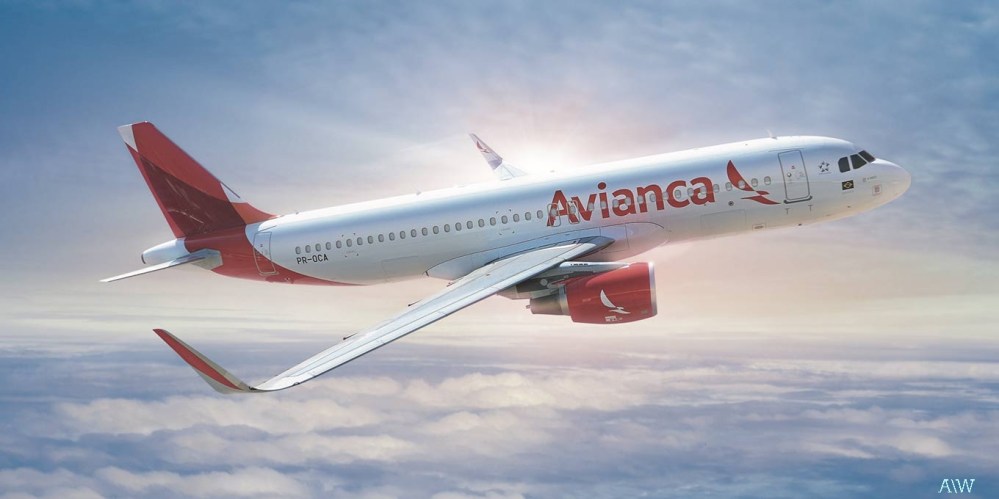
Avianca volará en la Argentina y abrirá competencia con Aerolíneas Argentinas

Hero_avianca_brazil

AW | 2016 05 27 05:17 | AIRLINES MARKET
La polémica surge ante la falta de una ley de cielo abierto, de esta forma el segundo grupo aéreo sudamericano más grande volará en cielo argentino y competirá con Aerolíneas Argentinas en una posición auspiciosa por la flota con la que operará. Además beneficiará a Bogotá como un segundo hub en Sudamérica desde Argentina, hacia los destinos del Caribe y de Estados Unidos.
En búsqueda de aumentar las relaciones binacionales con Colombia, el Gobierno de Mauricio Macri ha implementado un nuevo paradigma en el mercado aerocomercial de nuestro país. La empresa Avianca comenzará a volar dentro del país a fín de este año y competirá en el mercado de vuelos locales con Aerolíneas Argentinas.
La empresa contará en en principio con cuatro o seis aviones, lo que convertirá a Bogotá en un hub de distribución alimentado con pasajeros Argentinos que llegaran a la capital de Colombia a través de Avianca, que contará que una herramienta propia autorizada a volar en Argentina con aviones, Airbus 320, Airbus 330 y ATR 72, por la Administración Nacional de Aviación Civil.
Con este nuevo esquema y con la reducción presupuestaria, Aerolíneas Argentinas enfrenta en soledad un futuro muy difícil, en donde los competidores vienen por los destinos rentables de la Argentina de los cuales AR se nutre para mantenerse viva y volar así donde nadie vuela porque son destinos no rentables. Ejemplo: Rio Grande, Viedma, Santa Fe. Lan Argentina en cambio tiene la espalada del grupo LATAM para competir con Avianca y soportar algún viento en contra si lo hubiera.
En este marco y en una coyuntura donde se han quintuplicado las tarifas de gas, luz y agua más el aumento de combustible a nivel nacional, la aerolínea de Bandera debería ser tenida en cuenta como tal por el Gobierno actual, otorgándole bonificaciones tarifarias o descuentos en los servicios mencionados, para los destinos no rentables donde solo vuela AR que así garantiza, conectividad, desarrollo y riqueza en forma tercerizada.
Los cielos se han abierto sin una ley, solo con acuerdos, permisos de vuelos otorgados por ANAC y con la compraventa de Macair Jet por parte de Avianca que ahora conocemos, no solo podrá volar en el segmento que lo hacía SOL Líneas Aéreas, sino que podrá compartir en el cabotaje con Aerolíneas Argentinas/Austral y con Lan Argentina al operar con los Airbus 320, el mismo avión que tiene LAN ARG en su flota, competencia directa del Boeing 737/800 que tiene AR, y con los Airbus 330 de doble pasillo, idénticos a los recientemente adquiridos por la compañía de Bandera nacional.
Este nuevo paradigma permite que en el caso del grupo Lan, se favorezcan a las filiales chilena y peruana del grupo LATAM convirtiendo a Lima en un hub que recibirá pasajeros Argentinos desde Salta, Córdoba, Mendoza y Rosario que desde allí conectaran con EEUU. El caso de Avianca será parecido y con matices que por ahora se desconocen pero que claramente favorecra a Bogotá como un segundo hub en Sudamérica desde Argentina, hacia los destinos del Caribe y de Estados Unidos. AIRGWAYS ® Icon-AW

Avianca will fly in Argentina and will compete with airlines

The controversy arises from the lack of a law on open, thus the second largest South American airline group will fly in Argentine sky and compete with Aerolíneas Argentinas in an auspicious position in the fleet with which it will operate. In addition Bogota will benefit as a second hub in South America from Argentina, to destinations in the Caribbean and United States.

Seeking to increase bilateral relations with Colombia, Mauricio Macri’s government has implemented a new paradigm in the commercial aviation market in our country. The company Avianca begin flying within the country later this year and will compete in the local market with Aerolineas Argentinas flights.

The company will in initially with four or six aircraft, which will make Bogotá a distribution hub fed Argentine passengers arrived to the capital of Colombia through Avianca, to tell a tool itself authorized to fly in Argentina aircraft, Airbus 320, Airbus 330 and ATR 72, by the ANAC (National Civil Aviation Administration).

With this new scheme and with the budget reduction, Aerolíneas Argentinas faces alone a very difficult future, where competitors come for profitable destinations Argentina of which AR feeds to stay alive and fly and where no flies because they are destinations unprofitable. . Example: Rio Grande, Viedma, Argentina Santa Fe Lan has the shoveling instead of LATAM group to compete with Avianca and endure some headwind if any.

In this framework and in a situation where they have quintupled gas tariffs, electricity and water plus increased fuel nationwide, the flag carrier should be taken into account as such by the current government, granting tariff rebates or discounts the aforementioned services to unprofitable destinations where only fly so ensures AR, connectivity, development and wealth in outsourced.

The heavens have opened without a law, with only agreements, permits flights granted by ANAC and the sale of Macair Jet by Avianca we now know, not only can fly in the segment that did SOL, but you can share in cabotage Argentinas / Austral Airlines and Lan Argentina to operate the Airbus 320 plane -the same LAN ARG has in its direct competition from Boeing 737/800 fleet has AR- and the twin-aisle Airbus 330, identical the company recently acquired by the national flag.

This new paradigm allows in the case of Lan Group, to the Chilean and Peruvian subsidiaries of LATAM group making Lima a hub that passengers receive Argentinos from Salta, Cordoba, Mendoza and Rosario from there it will connect with the US favor. For Avianca will be similar and nuances that are unknown for now but clearly favorecra to Bogota as a second hub in South America from Argentina, to destinations in the Caribbean and United States. A\W

Ξ A I R G W A Y S Ξ
SOURCE: politicargentina.com
DBk: Photographic © staralliance.com
AW-POST: 201605270517AR

Hallan otras tres posibles piezas del vuelo MH-370 Malaysia Airlines

AW | 2016 05 27 00:44 | SAFETY / SECURITY
Sydney, Australia · El Gobierno australiano confirmó hoy el hallazgo de tres piezas, dos en Mauricio y otra en Mozambique, que podrían pertenecer al avión de Malaysia Airlines que desapareció el 8 de marzo de 2014 con 239 personas a bordo.
“Como pasó con las anteriores, las autoridades de Malasia preparan la recolección (de las piezas) y se espera que estos objetos sean traídos a Australia para ser examinados”, dijo el ministro australiano de Transporte, Darren Chester en un comunicado.
Las tres piezas “son de interés en conexión con la desaparición del vuelo MH370 de Malaysian Airlines”, añadió Chester, quien no dio detalles de los hallazgos.
Una de las piezas, que sería parte del fuselaje, fue hallada hace dos semanas en el islote Bernache, en Mauricio, por un turista francés que la dio al capitán del barco en el que viajaba y éste olvidó darla a las autoridades hasta el martes.
Otra pieza, también hallada en Mauricio por guardacostas cerca de la playa Gris-Gris, fue descrita como parecida al fragmento del ala encontrado en Mozambique en diciembre pasado.
Hasta el momento se han recuperado cinco piezas en la isla Reunión, Mozambique, Mauricio, Sudáfrica y la isla francesa Rodrigues, que las autoridades han confirmado como partes del Boeing 777 desaparecido.
Estos lugares concuerdan con el patrón de corrientes del Índico y el lugar de este océano donde los expertos calculan que se estrelló el avión y se lleva a cabo la búsqueda.
Australia lidera un operativo en el que también participan Malasia y China que busca los restos del avión en unos 120.000 kilómetros cuadrados de una remota zona del Índico, de los cuales se ha rastreado más de 105.000 kilómetros cuadrados.
El MH370 desapareció 40 minutos después de despegar de Kuala Lumpur rumbo a Pekín después de que, según la investigación oficial, alguien apagara los sistemas de comunicación y virara el aparato, que se habría estrellado en el mar una vez agotado el combustible.

Are three other possible parts of Malaysia Airlines

Sydney, Australia · The Australian Government today confirmed the discovery of three pieces, two in Mauritius and one in Mozambique, which could belong to Malaysia Airlines plane disappeared on March 8, 2014 with 239 people on board.

«As happened with the previous ones, the Malaysian authorities prepare the collection (parts) and it is expected that these objects are brought to Australia for examination,» said the Australian Transport Minister Darren Chester said in a statement.

The three pieces «are of interest in connection with the disappearance of flight MH370 of Malaysian Airlines,» said Chester, who gave no details of the findings.

One of the pieces, which would be part of the fuselage, was found two weeks ago on the islet Bernache, Mauritius, by a French tourist who gave it to the captain of the ship he was traveling and he forgot to give it to the authorities until Tuesday.

Another piece, also found in Mauritius by coastguards near the beach Gris-Gris, was described as resembling the wing fragment found in Mozambique last December.

So far have recovered five pieces on the island of Reunion, Mozambique, Mauritius, South Africa and the French island Rodrigues, the authorities have confirmed as part of the Boeing 777 disappeared.

These places are consistent with the pattern of currents of Indian and place of the ocean where experts estimate that the plane crashed and carried out the search.

Australia leads an operation which also includes Malaysia and China are looking for the wreckage in about 120,000 square kilometers in a remote area of the Indian Ocean, which has tracked more than 105,000 square kilometers.

The MH370 disappeared 40 minutes after taking off from Kuala Lumpur bound for Beijing after, according to the official investigation, someone shut off communication systems and veer the device, which would have crashed into the sea once the spent fuel. A\W

Ξ A I R G W A Y S Ξ
SOURCE: A I R G W A Y S
DBk: Photographic ©
AW-POST: 201605270044AR

Bombardier y Fokker renuevan acuerdo para soporte a Dash 8

124395

AW | 2016 05 27 00:25 | INDUSTRY
Bombardier_logo[1]Bombardier anunció que ha renovado la alianza estratégica con Fokker Services, una subsidiaria de Fokker Technologies, división de GKN Aerospace; para proveer el programa Abacus Fly a los operadores de los aviones Dash 8/Q Series 100/200/300. El acuerdo extiende la alianza por tres años.
Fokker.svgOrientado a mejorar la disponibilidad de componentes y reducir los costos de reparación y overhaul para el operador, el programa provee servicios personalizados en base a costos por hora, permitiendo a los operadores un mejor manejo de los costos de ciclo de vida de sus aviones.
“En los últimos cinco años, el programa Abacus Fly de Fokker ha proveído a nuestros operadores y sus aviones Dash 8/Q Series 100/200/300 con apoyo dedicado a través de disponibilidad de componentes garantizados. Los Dash 8/Q Series están en servicio con más de 150 operadores en el mundo y nuestra colaboración con Fokker Services ha sido fundamental para proveer a los clientes con el servicio necesario para mantener sus operaciones eficientemente”, comentó el Vicepresidente y Gerente General de Servicios al Cliente de Bombardier Commercial Aircraft, Todd Young.

8-1008-300

Por su parte, Erik Geertsema, Vicepresidente de Negocios y Estrategia de Desarrollo de Fokker Services, comentó: “Como el proveedor más importante de la industria, celebramos la extensión de la plataforma y estamos felices de que Bombardier y sus operadores continúen teniendo en cuenta el programa Abacus Fly para soporte de sus necesidades de flota de Dash 8”. AIRGWAYS ® Icon-AW

DE HAVILLAND CANADÁ DHC 8-300 DE US·AIRWAYS EXPRESS

Bombardier and Fokker renew agreement to support Dash 8

Bombardier announced that it has renewed its strategic alliance with Fokker Services, a subsidiary of Fokker Technologies, a division of GKN Aerospace; Fly Abacus to provide the program to operators of aircraft Dash 8 / Q Series 100/200/300. The agreement extends the partnership for three years.

Aimed at improving the availability of components and reduce the costs of repair and overhaul for the operator, the program provides customized services based on hourly costs, allowing operators to better manage costs lifecycle of its aircraft.

«In the past five years, the Fokker Fly Abacus program has provided our operators and their Dash 8 / Q Series 100/200/300 aircraft with dedicated support through guaranteed availability of components. The Dash 8 / Q Series are in service with more than 150 operators worldwide and our collaboration with Fokker Services has been instrumental in providing customers with the need to keep their operations efficiently service, «said Vice President and General Manager of Services Customer Bombardier Commercial Aircraft, Todd Young.

Meanwhile, Erik Geertsema, Vice President of Business and Development Strategy Fokker Services, said: «As the leading provider of industry, we welcome the extension of the platform and are happy that Bombardier and its operators continue to take into account the Fly Abacus program to support your needs Dash 8 fleet. » A\W

Ξ A I R G W A Y S Ξ
SOURCE: A I R G W A Y S
DBk: Photographic © Bombardier Inc.
AW-POST: 201605270025AR

Primer Boeing 787 para Air China

K66550

AW | 2016 05 26 23:16 | AIRLINES
Air China se ha convertido en el cuarto operador chino del Boeing 787, y el primero en usar la variante 9 del Dreamliner tras recibir su primer ejemplar, matrícula B-7877, número de serie34305/419.
Air China tiene pedidos 15 B-787-9, y el primer vuelo comercial del modelo ha sido el 26 de mayo entre Beijing y Chengdu, y desde el día 27 cubre la ruta Beijing – Shanghai. El 15 de julio está previsto que Air China comience a usar sus B-787-9 entre Beijing y Frankfurt, el 1 de agosto entre Beijing y Roma.
Las otras aerolíneas chinas que operan el B-787-8 Dreamliner son: China Southern, 10 aviones; Hainan Airlines, 10; y Xiamen Airlines, 6. AIRGWAYS ® Icon-AW

First Boeing 787 to Air China

Air China has become the fourth Chinese operator of the Boeing 787, and the first to use the variant 9 Dreamliner after receiving their first copy, registration B-7877, serial number 34305/419.

Air China has ordered 15 B-787-9, and the first commercial flight of the model has been on 26 May between Beijing and Chengdu, and from day 27 covers the route Beijing – Shanghai. On July 15, Air China is expected to start using its B-787-9 between Beijing and Frankfurt, August 1 between Beijing and Rome.

The other Chinese airlines that operate the B-787-8 Dreamliner are China Southern, 10 aircraft; Hainan Airlines, 10; and Xiamen Airlines, 6. A\W

Ξ A I R G W A Y S Ξ
SOURCE: http: fly-news.es
DBk: Photographic ©  fly-news.es
AW-POST: 201605262316AR