Tercer aerolínea reanuda vuelos entre Venezuela y Colombia
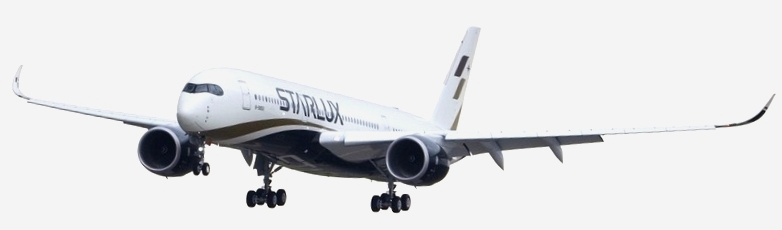
La venezolana Aerolíneas Estelar se une a las aerolíneas que operan vuelos en la ruta Caracas/CCS—Bogotá/BOG. La compañía indicó que iniciará operaciones a partir del 28 de Noviembre de 2022 con dos frecuencias semanales (2Frq/S) los Miércoles y Viernes. El inicio de operaciones será el Miércoles, 28/12 uniéndose una segunda frecuencia el Viernes 31/12, como parte de sus vuelos inaugurales. Aerolíneas Estelar abrió al público la venta de pasajes aéreos.
Desde la reapertura de la frontera aérea entre ambos países el 7 de Noviembre de 2022, han ido restableciendo más rutas de aerolíneas de ambos países. El pasado 17/12, el Ministro de Transporte de Venezuela, Ramón Velásquez, informó que Venezuela y Colombia incrementarán los vuelos comerciales entre Caracas y Bogotá, un acuerdo alcanzado tras un encuentro celebrado entre funcionarios y empresarios de ambos países. «Teníamos siete años con la frontera cerrada, por eso la apertura de más vuelos, de más conectividad, lleva su proceso de certificación. Nuestras líneas aéreas tienen que venir a Colombia a establecer todos sus contratos, sus oficinas comerciales y sus representaciones en cada uno de los países», expresó el Ministro de Transporte.
Las primeras en inaugurar los cielos entre ambos países fueron las aerolíneas estatales Satena Airlines de Colombia y Turpial Airlines de Venezuela, actualmente las únicas que operan en ambas naciones. Con el anuncio de inicio de operaciones, Aerolíneas Estelar sería la primera privada en lograr volar entre Colombia y Venezuela. No obstante, hay una lista de aerolíneas privadas con intención de volar hacia el vecino país, pero que aún no han logrado obtener los permisos necesarios entre ellas Wingo Air, Avianca Airlines, LATAM Airlines Colombia, Avior Airlines y Laser Airlines.
Estelar restores flights Colombia
Third airline resumes flights between Venezuela and Colombia
The Venezuelan Aerolíneas Estelar joins the airlines that operate flights on the Caracas/CCS—Bogotá/BOG route. The company indicated that it will start operations as of November 28, 2022 with two weekly frequencies (2Frq/S) on Wednesdays and Fridays. The start of operations will be on Wednesday, 12/28, joining a second frequency on Friday 12/31, as part of its inaugural flights. Aerolíneas Estelar opened the sale of air tickets to the public.
Since the reopening of the air border between the two countries on November 7, 2022, more airline routes from both countries have been reestablishing. On 12/17, the Minister of Transportation of Venezuela, Ramón Velásquez, reported that Venezuela and Colombia will increase commercial flights between Caracas and Bogotá, an agreement reached after a meeting between officials and businessmen from both countries. «We had seven years with the border closed, that’s why the opening of more flights, of more connectivity, takes its certification process. Our airlines have to come to Colombia to establish all their contracts, their commercial offices and their representations in each of the countries», expressed the Minister of Transport.
The first to open the skies between the two countries were the state airlines Satena Airlines of Colombia and Turpial Airlines of Venezuela, currently the only ones that operate in both nations. With the announcement of the start of operations, Aerolíneas Estelar would be the first private company to fly between Colombia and Venezuela. However, there is a list of private airlines with the intention of flying to the neighboring country, but which have not yet managed to obtain the necessary permits, including Wingo Air, Avianca Airlines, LATAM Airlines Colombia, Avior Airlines and Laser Airlines.
PUBLISHER: Airgways.com DBk: Mppt.gob.ve / Flyestelar.com / Airgways.com AW-POST: 202212221042AR OWNERSHIP: Airgways Inc. A\W A I R G W A Y S ®
Rusia prepara línea ensamblaje del Superjet SSJ-100-NEW
Para la aviación comercial rusa, 2022 resultó ser un año difícil como resultado de la presión de las sanciones internacionales y el cese de los suministros de componentes y piezas de repuesto importados tanto para mantener la aeronavegabilidad de aeronaves de las flotas Boeing y Airbus, como para los aviones rusos MC-21 y Superjet 100. La industria de la aviación enfrentó dificultades en el tráfico de pasajeros. El Instituto SibNIIA, el mayor centro de investigación de ciencias de la aviación en el este de la Federación Rusia, está trabajando en las pruebas estáticas de certificación de la estructura del fuselaje del nuevo Irkut Superjet SSJ-100-NEW. Esta nueva variante de la familia de fuselaje estrecho se produciría con equipos locales y sistemas tecnológicos todos de industria rusa debido a las sanciones occidentales tras la invasión rusa de Ucrania.
Después de la invasión rusa de Ucrania, los problemas de la familia SSJ100 crecieron. Rusia recibió sanciones de los países occidentales, que detuvieron la cadena de suministro de productos clave para la industria de la aviación civil del país. Esto ha llevado, por ejemplo, a la entrega de nuevos SSJ100 montados con motores de segunda mano. Para abordar la falta de componentes extranjeros, Rusia se está preparando para lanzar aviones sustituidos por importaciones en los próximos años. Por ejemplo, el país está desarrollando el motor turbofan de alto bypass PD-8, que podría usarse para los SSJ100. Se espera que las entregas de los SSJ100 equipados con motores PD-8 comiencen en 2024, y para 2030, United Engine Corporation habrá construido al menos 314 nuevos motores PD-8, de los cuales al menos 284 se instalarán en aproximadamente 142 aviones SSJ.
Pruebas SSJ-100-NEW
A principios de Diciembre 2022, el instituto SibNIIA anunció que está preparando el equipo y los sistemas tecnológicos para las pruebas estáticas del fuselaje de la versión sustituida por importación del Superjet 100-NEW. Según Vladimir Barsuk, Director del instituto, las pruebas del SSJ-NEW se analizará en Enero de 2023. Las entregas podrían comenzar a finales de 2023. Este es uno de los muchos proyectos que el Gobierno ruso tiene actualmente para promover la producción nacional de aviones. «Las pruebas estáticas de certificación de las características de resistencia del fuselaje confirmarán la confiabilidad estructural y determinarán las condiciones para la operación segura del SSJ-NEW de acuerdo con los requisitos de las Regulaciones de Aviación», dijo el instituto SibNIIA en un comunicado. Las pruebas aerodinámicas de la aeronave se completaron el 24 de Noviembre de 2022 en el Instituto Central de Aerohidrodinámica Ahora, Regional Aircraft Company y SibNIIA se están coordinando para entregar el fuselaje SSJ-NEW a Novosibirsk y prepararse para el ensamblaje de la aeronave en el instituto.
El SSJ-NEW, la versión actualizada del Sukhoi Superjet 100, tendrá una capacidad para 87 a 98 pasajeros. Se espera una producción de veinte (20) Irkut SSJ-New por año para 2024, equipados con motores PD-8. Al mismo tiempo, se completarán los primeros seis Irkut MC-21-310. Actualmente, se produjeron 327 aviones Superjet SSJ-100, de los cuales alrededor de 135 están actualmente activos. La aerolínea rusa Rossiya es el mayor operador con 74 aviones.
Los problemas del Superjet 100
El Superjet SSJ100 es un jet regional que tuvo su primer vuelo en 2008 y su primer servicio comercial tres años después. A lo largo de su historia, el SSJ100 ha estado plagado de problemas técnicos, de distribución y logística. Ha enfrentado cuatro accidentes aéreos, el último accidente tuvo lugar en Mayo de 2019, cuando el vuelo AFL1492 de Aeroflot Russian Airlines estaba ascendiendo después de despegar del Aeropuerto Internacional Moscú/Sheremetyevo cuando un rayo se descargó cerca del avión. La tripulación optó como medida precautoria por hacer un aterrizaje de emergencia, y después de un duro aterrizaje, estalló un incendio, envolviendo la parte trasera del avión. De las 78 personas a bordo, 41 murieron.
Irkut Corporation
Desde el 17 de Febrero de 2020, Sukhoi Civil Aircraft Company se fusionó con Irkut Corporation como parte de la estrategia para consolidar las estructuras de aeronaves civiles en la División de Aviación Civil. Esta decisión fue tomada por los accionistas de Sukhoi Civil Aircraft el 27 de Junio de 2019. El 9 de Diciembre de 2019, se creó una división separada en la estructura de Irkut Corporation, la rama de Aeronaves Regionales. Garantiza la continuidad de las actividades para el desarrollo, la producción y el servicio postventa de aeronaves civiles.
El equipo de diseño y los stands científicos de la sucursal se encuentran en Moscú. El ensamblaje de la aeronave, incluida la instalación interior, se lleva a cabo en el centro de producción en Komsomolsk-on-Amur. Las pruebas de vuelo se llevan a cabo en la ciudad de Zhukovsky (región de Moscú). El complejo técnico y de aviación que prepara aeronaves para clientes, trenes de vuelo y tripulaciones de cabina, realiza el mantenimiento de aeronaves y proporciona suministro de piezas de repuesto también se encuentra en Zhukovsky. La rama de Regional Aircraft lleva a cabo la producción en serie del jet regional Superjet SSJ100. Los aviones Superjet son operados por nueve aerolíneas rusas, así como por varios operadores estatales, incluido el EMERCOM ruso.
El programa SSJ-NEW está actualmente en marcha, con sistemas a bordo de nueva generación que se están desarrollando para la aeronave. Algunos de ellos ya están siendo sometidos a pruebas en tierra y en vuelo. La dirección prioritaria del programa Superjet es el desarrollo del sistema de servicio postventa, que en el futuro proporcionará soporte operativo para todos los nuevos aviones civiles producidos por UAC. El centro de producción de la Rama Regional de Aeronaves de Irkut Corporation en Komsomolsk-on-Amur en 2020 recibió un certificado de la Agencia Federal de Transporte Aéreo, que permite llevar a cabo el mantenimiento, la reparación y la implementación de boletines de servicio de aviones Superjet-100. El trabajo se lleva a cabo en la moderna base de pruebas de vuelo de la empresa.
Russian startup Superjet SSJ-NEW
Russia prepares assembly line for Superjet SSJ-100-NEW
For Russian commercial aviation, 2022 turned out to be a difficult year as a result of the pressure of international sanctions and the cessation of supplies of imported components and spare parts both to maintain the airworthiness of aircraft in the Boeing and Airbus fleets, as well as to the Russian MC-21 and Superjet 100 aircraft. The aviation industry faced difficulties in passenger traffic. The SibNIIA Institute, the largest aviation science research center in the east of the Russian Federation, is working on the static certification tests of the fuselage structure of the new Irkut Superjet SSJ-100-NEW. This new variant of the narrow-body family would be produced with local equipment and technological systems all from Russian industry due to Western sanctions following the Russian invasion of Ukraine.
After the Russian invasion of Ukraine, the SSJ100 family’s problems grew. Russia received sanctions from Western countries, which stopped the supply chain of key products for the country’s civil aviation industry. This has led, for example, to the delivery of new SSJ100s fitted with second-hand engines. To address the lack of foreign components, Russia is preparing to launch import-substituted aircraft in the coming years. For example, the country is developing the PD-8 high-bypass turbofan engine, which could be used for the SSJ100s. Deliveries of PD-8 engine-equipped SSJ100s are expected to begin in 2024, and by 2030, United Engine Corporation will have built at least 314 new PD-8 engines, of which at least 284 will be installed in approximately 142 SSJ aircraft.
SSJ-100-NEW tests
At the beginning of December 2022, the SibNIIA institute announced that it is preparing the equipment and technological systems for the static tests of the fuselage of the version replaced by import of the Superjet 100-NEW. According to Vladimir Barsuk, Director of the institute, the tests of the SSJ-NEW will be analyzed in January 2023. Deliveries could start at the end of 2023. This is one of the many projects that the Russian Government currently has to promote the domestic production of aircraft. «Static certification tests of the strength characteristics of the airframe will confirm the structural reliability and determine the conditions for the safe operation of the SSJ-NEW in accordance with the requirements of the Aviation Regulations», the SibNIIA institute said in a statement. Aerodynamic tests of the aircraft were completed on November 24, 2022 at the Central Institute of Aerohydrodynamics Now, Regional Aircraft Company and SibNIIA are coordinating to deliver the SSJ-NEW airframe to Novosibirsk and prepare for aircraft assembly at the institute.
The SSJ-NEW, the updated version of the Sukhoi Superjet 100, will have a capacity of 87 to 98 passengers. Production of twenty (20) Irkut SSJ-News per year is expected by 2024, equipped with PD-8 engines. At the same time, the first six Irkut MC-21-310s will be completed. Currently, 327 Superjet SSJ-100 aircraft were produced, of which around 135 are currently active. Russian airline Rossiya is the largest operator with 74 aircraft.
The problems of the Superjet 100
The Superjet SSJ100 is a regional jet that had its maiden flight in 2008 and its first commercial service three years later. Throughout its history, the SSJ100 has been plagued with technical, distribution, and logistical problems. It has faced four air accidents, the latest accident taking place in May 2019, when Aeroflot Russian Airlines flight AFL1492 was climbing after takeoff from Moscow/Sheremetyevo International Airport when lightning struck near the plane. The crew opted to make an emergency landing as a precautionary measure, and after a hard landing, a fire broke out, engulfing the rear of the plane. Of the 78 people on board, 41 died.
Irkut Corporation
As of February 17, 2020, Sukhoi Civil Aircraft Company merged with Irkut Corporation as part of the strategy to consolidate civil aircraft structures in the Civil Aviation Division. This decision was made by the shareholders of Sukhoi Civil Aircraft on June 27, 2019. On December 9, 2019, a separate division was created in the Irkut Corporation structure, the Regional Aircraft branch. It guarantees the continuity of activities for the development, production and after-sales service of civil aircraft.
The design team and scientific stands of the branch are located in Moscow. The assembly of the aircraft, including interior installation, is carried out at the production center in Komsomolsk-on-Amur. Flight tests are carried out in the city of Zhukovsky (Moscow region). The aviation and technical complex that prepares aircraft for customers, flight trains and cabin crews, performs aircraft maintenance and provides spare parts supply is also located in Zhukovsky. The Regional Aircraft branch carries out serial production of the Superjet SSJ100 regional jet. Superjet aircraft are operated by nine Russian airlines, as well as several state operators, including Russia’s EMERCOM.
The SSJ-NEW program is currently underway, with new generation onboard systems being developed for the aircraft. Some of them are already undergoing ground and flight tests. The priority direction of the Superjet program is the development of the after-sales service system, which in the future will provide operational support for all new civil aircraft produced by UAC. The production center of the Regional Aircraft Branch of the Irkut Corporation in Komsomolsk-on-Amur in 2020 received a certificate from the Federal Air Transport Agency, which allows to carry out maintenance, repair and implementation of service bulletins of Superjet-100 aircraft. The work is carried out at the company’s modern flight test base.
Российский стартап Superjet SSJ-NEW
В России готовят сборочную линию для Superjet SSJ-100-NEW
Для российской гражданской авиации 2022 год выдался непростым в результате давления международных санкций и прекращения поставок импортных комплектующих и запчастей как для поддержания летной годности самолетов в парке Boeing и Airbus, так и на российские самолеты МС-21 и Superjet 100. Авиапром столкнулся с трудностями в пассажирских перевозках. Институт СибНИИА, крупнейший научно-исследовательский центр авиационной науки на востоке Российской Федерации, проводит статические сертификационные испытания конструкции фюзеляжа нового Иркут Суперджет SSJ-100-NEW. Этот новый вариант семейства узкофюзеляжных самолетов будет производиться с использованием местного оборудования и технологических систем, полностью принадлежащих российской промышленности, из-за санкций Запада после российского вторжения в Украину.
После вторжения России в Украину проблемы семейства SSJ100 возросли. Россия получила санкции от западных стран, которые остановили цепочку поставок ключевой продукции для гражданской авиационной отрасли страны. Это привело, например, к поставке новых SSJ100 с подержанными двигателями. Для решения проблемы нехватки иностранных комплектующих Россия в ближайшие годы готовится к выпуску импортозамещенных самолетов. Например, в стране разрабатывается ТРДД большой двухконтурности ПД-8, который может быть использован для SSJ100. Ожидается, что поставки SSJ100 с двигателями ПД-8 начнутся в 2024 году, а к 2030 году Объединенная двигателестроительная корпорация построит не менее 314 новых двигателей ПД-8, из которых не менее 284 будут установлены примерно на 142 самолетах SSJ.
Испытания SSJ-100-NEW
В начале декабря 2022 года институт СибНИИА сообщил, что готовит оборудование и технологические системы к статическим испытаниям фюзеляжа заменяемой на импорт версии Superjet 100-NEW. По словам директора института Владимира Барсука, анализ испытаний SSJ-NEW будет проведен в январе 2023 года. Поставки могут начаться в конце 2023 года. Это один из многих проектов, которые сейчас есть у российского правительства для продвижения отечественного производство самолетов. «Статические сертификационные испытания прочностных характеристик планера подтвердят надежность конструкции и определят условия безопасной эксплуатации SSJ-NEW в соответствии с требованиями Авиационных правил», — говорится в сообщении института СибНИИА. Аэродинамические испытания самолета завершились 24 ноября 2022 года в ЦАГИ. Сейчас Региональная авиастроительная компания и СибНИИА координируют доставку планера SSJ-NEW в Новосибирск и подготовку к сборке самолета в институте.
SSJ-NEW, обновленная версия Sukhoi Superjet 100, будет вмещать от 87 до 98 пассажиров. К 2024 году ожидается выпуск двадцати (20) самолетов «Иркут SSJ-News» в год, оснащенных двигателями ПД-8. В то же время будут достроены первые шесть «Иркутов» МС-21-310. В настоящее время произведено 327 самолетов Superjet SSJ-100, из которых около 135 находятся в эксплуатации. Российская авиакомпания «Россия» — крупнейший эксплуатант с 74 воздушными судами.
Проблемы Суперджета 100
Superjet SSJ100 — это региональный реактивный самолет, который совершил свой первый полет в 2008 году, а через три года — первый коммерческий рейс. На протяжении всей своей истории SSJ100 страдал от технических, дистрибуционных и логистических проблем. Он столкнулся с четырьмя авиакатастрофами, последняя авария произошла в мае 2019 года, когда рейс AFL1492 Аэрофлота — российские авиалинии поднимался после взлета из международного аэропорта Москва/Шереметьево, когда рядом с самолетом ударила молния. Экипаж решил совершить аварийную посадку в качестве меры предосторожности, и после жесткой посадки вспыхнул пожар, охвативший заднюю часть самолета. Из 78 человек на борту погиб 41.
Корпорация Иркут
С 17 февраля 2020 года ОАО «Гражданские самолеты Сухого» объединилось с корпорацией «Иркут» в рамках стратегии по консолидации структур гражданской авиации в дивизионе «Гражданская авиация». Такое решение было принято акционерами «Гражданских самолетов Сухого» 27 июня 2019 года. 9 декабря 2019 года в структуре корпорации «Иркут» создано обособленное подразделение — филиал «Региональные самолеты». Это гарантирует непрерывность деятельности по разработке, производству и послепродажному обслуживанию гражданских самолетов.
Конструкторский коллектив и научные стенды филиала находятся в Москве. Сборка самолета, включая установку салона, осуществляется на производственном центре в Комсомольске-на-Амуре. Летные испытания проводятся в городе Жуковский (Московская область). В Жуковском также находится авиационно-технический комплекс, который готовит самолеты для заказчиков, летный состав и бортпроводников, осуществляет техническое обслуживание самолетов и обеспечивает поставку запасных частей. Филиал «Региональные самолеты» осуществляет серийное производство регионального реактивного самолета Superjet SSJ100. Самолеты Superjet эксплуатируются девятью российскими авиакомпаниями, а также несколькими государственными эксплуатантами, включая МЧС России.
В настоящее время реализуется программа SSJ-NEW, для самолета разрабатываются бортовые системы нового поколения. Некоторые из них уже проходят наземные и летные испытания. Приоритетным направлением программы «Суперджет» является развитие системы послепродажного обслуживания, которая в будущем будет обеспечивать эксплуатационную поддержку всех новых гражданских самолетов, выпускаемых ОАК. Производственный центр Регионального авиационного филиала корпорации «Иркут» в г. Комсомольск-на-Амуре в 2020 году получил сертификат Росавиации, позволяющий осуществлять техническое обслуживание, ремонт и выполнение сервисных бюллетеней самолетов «Суперджет-100». Работы ведутся на современной летно-испытательной базе предприятия.
PUBLISHER: Airgways.com DBk: Irkut.com / Airgways.com AW-POST: 202212221012AR OWNERSHIP: Airgways Inc. A\W A I R G W A Y S ®
Programa soluciones componentes De Havilland Canada
WestJet Airlines se une al programa de Soluciones de Componentes de De Havilland Canada para mejorar el soporte a su flota de aviones Dash 8-400. De Havilland Aircraft of Canada Limited anunció el Lunes 19/12 que ha firmado un Programa de Soluciones de Componentes De Havilland (DCS) con WestJet Encore Ltd. Según el acuerdo, De Havilland Canada gestionará los servicios de mantenimiento, reparación y revisión de componentes (MRO) para la flota de Dash 8-400 y proporcionar acceso al grupo de intercambio estratégicamente ubicado de De Havilland Canada.
«El Programa DCS ofrece la previsibilidad de costos que es tan importante en la gestión de aerolíneas, y también esperamos beneficiarnos del acceso a la experiencia de De Havilland Canada en garantía administración, planificación y gestión de proveedores para mejorar las operaciones de nuestro Dash 8-400», dijo Lisa Davis, Vicepresidenta y Gerente General de WestJet Encore.
«Con la incorporación de WestJet al Programa DCS, nuestro apoyo a la flota de aviones Dash 8-400 en América del Norte se incrementa significativamente e incluye a los dos operadores más grandes del continente. Agradecemos a WestJet por brindarnos esta oportunidad de administrar este aspecto de la aerolínea. servicios MRO componentes», dijo Leighton Storsley, Vicepresidente de Posventa y Desarrollo de Negocios, De Havilland Canadá.
Programa De Havilland Component Solutions (DCS)
El programa DCS apoya la operación de aviones Dash 8-400 al garantizar una reparación rentable, soluciones y accesibilidad global a más de mil componentes de aeronaves diferentes posicionados en Centros de distribución estratégicamente ubicados y en los centros operativos de algunos clientes. El programa, que está diseñado para satisfacer la creciente demanda de soluciones de reparación personalizadas, se adapta a los requisitos y el entorno de cada cliente. Con su baja huella de carbono, bajos costos operativos, experiencia de pasajeros líder en la industria y rendimiento similar a un jet, el avión Dash 8-400, con capacidad para transportar hasta 90 pasajeros, es la opción ambientalmente responsable para los operadores que buscan una solución óptima para rendimiento en rutas regionales. Más de doscientos (200) aviones Dash 8-400 están matriculados o bajo contrato con el Programa DCS.
Acerca de WestJet
WestJet en veintiséis años de servicio a los canadienses ha reducido las tarifas aéreas a la mitad y ha aumentado la frecuencia de vuelos a poblaciones en Canadá a más del 50 por ciento. WestJet lanzado en 1996 con tres aviones, 250 empleados y cinco destinos, ha ido creciendo a lo largo de los años a más de 180 aviones, 14.000 empleados y más de 110 destinos en 24 países.
Acerca de De Havilland
Con más de 5.000 aviones entregados, De Havilland Canada Aircraft está bien establecida en todo el mundo y el talentoso equipo de profesionales de la aviación están dedicados a promover nuestra reputación de casi cien años de excelencia en innovación, producción y apoyo al cliente. Los aviones operan de manera confiable en algunos de los climas más duros del mundo y proporcionan conexiones vitales entre las comunidades rurales y los centros urbanos: transporte de carga esencial y millones de pasajeros anualmente. Las aeronaves regionales también soportan una amplia variedad de misiones en operaciones especiales que incluyen extinción de incendios aéreos, búsqueda y rescate, evacuación médica, reconocimiento y vigilancia costera. En Febrero de 2022, De Havilland Canada se convirtió en la marca operativa de la compañías que anteriormente operaban como Longview Aviation, Viking Air Ltd, Pacific Sky Training y De Havilland Canada.
WestJet joins DHC support program
Component Solutions Program De Havilland Canada
WestJet Airlines joins De Havilland Canada‘s Component Solutions program to enhance support for its fleet of Dash 8-400 aircraft. De Havilland Aircraft of Canada Limited announced Monday 12/19 that it has entered into a De Havilland Component Solutions (DCS) Program with WestJet Encore Ltd. Under the agreement, de Havilland Canada will manage component maintenance, repair and overhaul services (MRO) for the Dash 8-400 fleet and provide access to de Havilland Canada’s strategically located exchange pool.
«The DCS Program offers the cost predictability that is so important in airline management, and we also look forward to benefiting from access to de Havilland Canada’s expertise in warranty administration, planning and supplier management to improve our Dash 8- 400», said Lisa Davis, WestJet Encore vice president and general manager.
«With the addition of WestJet to the DCS Program, our support for the Dash 8-400 fleet in North America is significantly increased to include the two largest carriers on the continent. We are grateful to WestJet for giving us this opportunity to manage this aspect. of the airline. services MRO components», said Leighton Storsley, Vice President of Aftermarket and Business Development, de Havilland Canada.
De Havilland Component Solutions Program (DCS)
The DCS program supports the operation of Dash 8-400 aircraft by ensuring cost-effective repair, solutions, and global accessibility to more than a thousand different aircraft components positioned in strategically located Distribution Centers and some customers’ operating centers. Designed to meet the growing demand for customized repair solutions, the program is tailored to each customer’s requirements and environment. With its low carbon footprint, low operating costs, industry-leading passenger experience and jet-like performance, the Dash 8-400 aircraft, with the capacity to carry up to 90 passengers, is the environmentally responsible choice for operators seeking an optimal solution for performance on regional routes. More than two hundred (200) Dash 8-400 aircraft are registered or under contract with the DCS Program.
About WestJet
WestJet in twenty-six years of service to Canadians has cut airfares in half and increased the frequency of flights to towns in Canada by more than 50 percent. WestJet launched in 1996 with three aircraft, 250 employees and five destinations, it has grown over the years to more than 180 aircraft, 14,000 employees and more than 110 destinations in 24 countries.
About de Havilland
With more than 5,000 aircraft delivered, de Havilland Canada Aircraft is well established around the world and the talented team of aviation professionals are dedicated to furthering our almost hundred-year reputation for excellence in innovation, production and customer support. The aircraft operate reliably in some of the world’s harshest climates and provide vital connections between rural communities and urban centers – transporting essential cargo and millions of passengers annually. Regional aircraft also support a wide variety of special operations missions including aerial firefighting, search and rescue, medical evacuation, reconnaissance and coastal surveillance. In February 2022, de Havilland Canada became the operating brand for companies that previously operated as Longview Aviation, Viking Air Ltd, Pacific Sky Training and de Havilland Canada.
PUBLISHER: Airgways.com DBk: Westjet.com / Dehavilland.com / Airgways.com AW-POST: 202212220922AR OWNERSHIP: Airgways Inc. A\W A I R G W A Y S ®
AW | 2022 12 22 00:02 | INDUSTRY / AVIATION TECHNOLOGY
Raytheon Technologies completa 1er. motor demostrador
Raytheon Technologies anunció el Martes 20/12 el exitoso primer funcionamiento del motor del demostrador de vuelo híbrido-eléctrico regional de la compañía, marcando un hito clave hacia las pruebas de vuelo, que comenzarán en 2024. El demostrador de vuelo híbrido-eléctrico regional de Raytheon Technologies combina un motor Pratt & Whitney altamente eficiente, con un motor eléctrico de 1 MW, desarrollado por Collins Aerospace, como parte de un sistema de propulsión integrado.
La ejecución inicial del sistema de propulsión tuvo lugar en las instalaciones de innovación de Pratt & Whitney en Longueuil, Quebec, y funcionó como se esperaba. El sistema integra completamente un motor eléctrico de 1 MW desarrollado por Collins Aerospace con un motor de combustión Pratt & Whitney altamente eficiente, especialmente adaptado para la operación híbrida-eléctrica. Esta tecnología de motor permitirá un rendimiento más eficiente del motor durante las diferentes fases del vuelo, como el despegue, el ascenso y el crucero, reduciendo el consumo de combustible y el CO2 emisiones de hasta un 30% en comparación con los aviones turbohélice regionales más avanzados de la actualidad.
«La tecnología de propulsión híbrida-eléctrica ofrece un potencial significativo para optimizar la eficiencia en una gama de diferentes aplicaciones de aeronaves, ayudando a nuestra industria a cumplir su ambicioso objetivo de lograr cero emisiones netas de CO2. Con nuestro programa de pruebas en tierra ahora en marcha, las pruebas de vuelo planificadas nos permitirán acelerar la demostración de esta tecnología de propulsión sostenible de próxima generación a medida que continuamos expandiendo nuestra colaboración dentro del ecosistema aeroespacial de Canadá y más allá», dijo Jean Thomassin, Director Ejecutivo de Nuevos Productos y Servicios de Pratt & Whitney Canadá.
El Centro de Excelencia de Pruebas de Vuelo (Cert Center Canada – 3C), modificará y operará el avión De Havilland Canada Dash 8-100, sirviendo como plataforma para futuras demostraciones de vuelo.
«Nos sentimos honrados de que Raytheon Technologies haya elegido a nuestra Organización de Aprobación de Diseño para liderar el programa de pruebas de vuelo para este histórico proyecto de demostración. 3C ha reunido un equipo de confianza de Quebec que incluye a Chrono Aviation, WAAS Aerospace y Elisen & associés para integrar el tren motriz híbrido-eléctrico, el sistema de batería y el arnés eléctrico de alto voltaje en el avión de investigación Dash 8 de 3C. Estoy seguro de que la amplia experiencia en pruebas de vuelo de 3C y su relación histórica con Transport Canada complementarán el excelente equipo de Raytheon Technologies para demostrar de manera segura este importante avance tecnológico», dijo John Maris, Presidente de 3C y Piloto Jefe de Pruebas para el proyecto.
Desde que Raytheon Technologies lanzó el proyecto de demostración a través de sus negocios Pratt & Whitney Canada y Collins Aerospace en Julio de 2021, con el apoyo de los Gobiernos de Canadá y Quebec, numerosas organizaciones en Canadá y en todo el mundo se han unido a la iniciativa.
H55 S.A., recientemente objeto de una inversión minoritaria por parte del brazo de capital de riesgo de Raytheon Technologies, RTX Ventures, suministrará sistemas de baterías. El desarrollo de diseños de componentes de baterías y sistemas de control eléctrico asociados también contará con el apoyo del Consejo Nacional de Investigación de Canadá y el Instituto de Vehículos Innovadores. Ricardo PLC también está apoyando el proyecto con el diseño de componentes, la integración del sistema y las pruebas. De Havilland Canada está apoyando la integración del sistema de propulsión en el avión experimental.
Raytheon Technologies lidera el desarrollo de tecnologías de propulsión híbrida-eléctrica en múltiples programas de demostración, incluidos STEP-Tech y SWITCH, que abarcan una amplia gama de posibles aplicaciones futuras de aeronaves. Además de avanzar continuamente en la eficiencia de los sistemas de propulsión de aeronaves, la compañía también está desarrollando tecnologías para apoyar un mayor uso de combustibles alternativos más limpios, incluidos los combustibles de aviación sostenibles (SAF) y el hidrógeno, cada uno de los cuales se beneficiará de las mayores eficiencias habilitadas por la tecnología de propulsión híbrida-eléctrica.
Acerca de Raytheon Technologies
Raytheon Technologies Corporation es una compañía aeroespacial y de defensa que proporciona sistemas y servicios avanzados para clientes comerciales, militares y gubernamentales en todo el mundo. Con cuatro negocios líderes en la industria, Collins Aerospace Systems, Pratt & Whitney, Raytheon Intelligence & Space y Raytheon Missiles & Defense, la compañía ofrece soluciones que superan los límites de la aviónica, la ciberseguridad, la energía dirigida, la propulsión eléctrica, la hipersónica y la física cuántica. La compañía, formada en 2020 a través de la combinación de los negocios aeroespaciales de Raytheon Company y United Technologies Corporation, tiene su sede en Arlington, Virginia.
Raytheon hybrid-electric engine
Raytheon Technologies completes first demonstrator engine
Raytheon Technologies announced the successful first engine run of the company’s regional hybrid-electric flight demonstrator on Tuesday, marking a key milestone toward flight testing, which will begin in 2024. Raytheon’s regional hybrid-electric flight demonstrator Raytheon Technologies combines a highly efficient Pratt & Whitney engine with a 1 MW electric motor, developed by Collins Aerospace, as part of an integrated propulsion system.
The initial run of the propulsion system took place at the Pratt & Whitney Innovation Facility in Longueuil, Quebec, and it performed as expected. The system fully integrates a 1 MW electric motor developed by Collins Aerospace with a highly efficient Pratt & Whitney combustion engine, specially adapted for hybrid-electric operation. This engine technology will enable more efficient engine performance during different phases of flight such as takeoff, climb and cruise, reducing fuel consumption and CO2 emissions by up to 30% compared to older regional turboprop aircraft. currently advanced.
«Hybrid-electric propulsion technology offers significant potential to optimize efficiency in a range of different aircraft applications, helping our industry meet its ambitious goal of achieving net zero CO2 emissions. With our ground testing program now Underway, the planned flight tests will allow us to accelerate the demonstration of this next-generation sustainable propulsion technology as we continue to expand our collaboration within Canada’s aerospace ecosystem and beyond», said Jean Thomassin, Executive Director of New Products and Pratt & Whitney Canada Services.
The Flight Test Center of Excellence (Cert Center Canada-3C) will modify and operate the De Havilland Canada Dash 8-100 aircraft, serving as a platform for future flight demonstrations.
«We are honored that Raytheon Technologies has chosen our Design Approval Organization to lead the flight test program for this historic demonstration project. 3C has assembled a trusted team from Quebec that includes Chrono Aviation, WAAS Aerospace and Elisen & associés to integrate the hybrid-electric powertrain, battery system and high-voltage electrical harness into 3C’s Dash 8 research aircraft.I am sure that 3C’s extensive experience in flight testing and their historical relationship with Transport Canada will complement the excellent team at Raytheon Technologies to safely demonstrate this important technological advancement», said John Maris, 3C President and Chief Test Pilot for the project.
Since Raytheon Technologies launched the demonstration project through its Pratt & Whitney Canada and Collins Aerospace businesses in July 2021, with support from the Governments of Canada and Quebec, numerous organizations in Canada and around the world have joined. The initiative.
H55 S.A., recently the subject of a minority investment by Raytheon Technologies’ venture capital arm RTX Ventures, will supply battery systems. The development of designs for battery components and associated electrical control systems will also be supported by the National Research Council of Canada and the Institute for Innovative Vehicles. Ricardo PLC is also supporting the project with component design, system integration and testing. De Havilland Canada is supporting the integration of the propulsion system into the experimental aircraft.
Raytheon Technologies is leading the development of hybrid-electric propulsion technologies in multiple demonstration programs, including STEP-Tech and SWITCH, spanning a wide range of potential future aircraft applications. In addition to continually advancing the efficiency of aircraft propulsion systems, the company is also developing technologies to support increased use of cleaner alternative fuels, including sustainable aviation fuels (SAFs) and hydrogen, each of which it will benefit from the increased efficiencies enabled by hybrid-electric propulsion technology.
About Raytheon Technologies
Raytheon Technologies Corporation is a defense and aerospace company that provides advanced systems and services to commercial, military, and government customers around the world. With four industry-leading businesses Collins Aerospace Systems, Pratt & Whitney, Raytheon Intelligence & Space and Raytheon Missiles & Defense – the company offers solutions that push the boundaries of avionics, cybersecurity, directed energy, electric propulsion, hypersonics and quantum physics. The company, formed in 2020 through the combination of the aerospace businesses of Raytheon Company and United Technologies Corporation, is headquartered in Arlington, Virginia.
PUBLISHER: Airgways.com DBk: Rtx.com / Airgways.com AW-POST: 202212220002AR OWNERSHIP: Airgways Inc. A\W A I R G W A Y S ®
AW | 2022 12 21 23:38 | AIRLINES MARKET / GOVERNMENT
Gobierno profundiza aplicación octava/novena libertades México
El Gobierno de México ha presentado una reforma legislativa que autorizaría a las aerolíneas extranjeras a operar servicios domésticos en el país. El Presidente mexicano, Andrés Manuel López Obrador, presentó una reforma en la Legislatura para aprobar en la práctica que las aerolíneas extranjeras puedan operar servicios domésticos en territorio mexicano, pero la industria de la aviación comercial ha instado a detener esta reforma porque generaría un impacto para las líneas aéreas locales y la plantilla de empleados, pues generaría uan feroz competencia que arrastraría a la quiebra de las aéreas locales.
La Octava y Novena Libertades son herramientas de doble filo sino se emplean de manera adecuada. La Octava Libertad permite a una aerolínea transportar pasajeros entre dos puntos en un país extranjero, siempre que el destino final sea el país donde tiene su sede la aerolínea. La Novena Libertad permite a una compañía aérea extranjera prestar servicios nacionales en un país diferente, independientemente del origen de la aerolínea.
La industria aérea mexicana está en contra de la implementación de esta nueva normativa, mientras que los sindicatos aéreos mexicanos han manifestado su oposición a la nueva medida del Gobierno, quien intenta presionar para que más aerolíneas mexicanas operen en el nuevo Aeropuerto Felipe Ángeles/NLU.
Mexico approaches 8th and 9th. liberties
Government deepens application eighth/ninth freedoms in Mexico
The Government of Mexico has presented a legislative reform that would authorize foreign airlines to operate domestic services in the country. The Mexican President, Andrés Manuel López Obrador, presented a reform in the Legislature to approve in practice that foreign airlines can operate domestic services in Mexican territory, but the commercial aviation industry has urged to stop this reform because it would generate an impact for the local airlines and the staff, as it would generate fierce competition that would lead to the bankruptcy of the local airlines.
The Eighth and Ninth Freedoms are double-edged tools if not used properly. The Eighth Freedom allows an airline to carry passengers between two points in a foreign country, as long as the final destination is the country where the airline is based. The Ninth Freedom allows a foreign airline to provide domestic services in a different country, regardless of the origin of the airline.
The Mexican airline industry is against the implementation of this new regulation, while the Mexican airline unions have expressed their opposition to the new measure of the Government, which is trying to pressure more Mexican airlines to operate at the new Felipe Ángeles Airport/NLU.
PUBLISHER: Airgways.com DBk: Gob.mx / Airgways.com AW-POST: 202212212338AR OWNERSHIP: Airgways Inc. A\W A I R G W A Y S ®
Surinam Airways ha recibido su primer Boeing 737-800 Next Generation uniéndose a la flota de la aerolínea sudamericana el 9 de Diciembre de 2022, bajo un arrendamiento dry-lease de la compañía de arrendamiento de aviones AerCap. El Boeing 737-800 ha sido registrado como PZ-TCP y se empleará para rutas en América. Steven Gonesh, Director Ejecutivo interino había expresado a principios de 2022 que el próximo acuerdo formaría parte de «momento muy importante para Surinam Airways después de un período turbulento. Tener su propio equipo de vuelo e identidad a bordo es de eminente importancia».
Actualmente, la flota de Surinam Airways se encuentra conformada por un Airbus A320 (1) para servicios de corta distancia y un Airbus A330-200 (1) para vuelos a Amsterdam, ambos operados por la aerolínea maltesa Airhub en régimen de arrendamiento con tripulación (ACMI) que incluye la aeronave, la tripulación, el mantenimiento y el seguro. El arrendamiento con tripulación permite a las aerolíneas operar aviones sin el compromiso financiero de comprarlos y cubrir las brechas a corto plazo en su operación. La introducción del primer Boeing 737-800 ha sido arrendado en régimen de arrendamiento seco (dry-lease), que incluye la tripulación y el mantenimiento de la aeronave. El historial de la aeronave, operaba anteriormente para Caribbean Airlines.
Surinam Airways posee su centro de operaciones en el Aeropuerto Internacional Johan Adolf Pengel/PBM de Paramaribo, operando vuelos a destinos regionales como Georgetown/GEO, Aruba/AUA, Curazao/CUR, Miami/MIA, Belém/BEL, Brasil, así como el servicio de larga distancia transatlántico a Amsterdam/AMS, capital de los Países Bajos, cuyos lazos continúa con la antigua colonia sudamericana.
Mejoras en Surinam
Los vuelos son operados actualmente por aviones arrendados con tripulación, pero el arribo del Boeing 737-800 significa que la aerolínea podrá volver a operar vuelos con su propia tripulación. El Boeing 737-800 tendrá su base en el Aeropuerto Internacional Johan Adolf Pengel. El aeropuerto también es el hogar de la aerolínea surinamesa Fly AllWays, que opera vuelos regionales con una flota de cuatro aviones: tres Fokker 70 (3) y un Airbus A320-200CEO (1). La red de servicios de aerolínea se superpone con Surinam Airways en dos de sus rutas: Curazao y Georgetown. Mientras que en el mercado internacional, la competencia alcanza a KLM Airlines enla ruta Amsterdam/AMS—Paramaribo/PBM y con American Airlines en la ruta Miami/MIA—Paramaribo/PBM. La introducción de un esquema de pintura más elegante permite disfrutar de las tradicionales líneas en degradé rojo-naranja-amarillo en los fuselajes de las aeronaves de la aerolínea surinamesa.
Historia de Surinam Airways
Surinam Airways, fue fundada en 1953 e inició operaciones en 1955 como Kappel-Van Eyck Aviation Company. Establecida oficialmente el 30 de Agosto de 1962 como la aerolínea nacional de la República de Surinam es conocida en neerlandés como Surinaamse Luchtvaart Maatschappij (SLM). Es la aerolínea de bandera de Surinam, con sede en Paramaribo, es propiedad exclusiva del Gobierno de Surinam. Actualmente conectando el Caribe, Sudamérica y Europa.
El 16 de Abril de 2021, el Gobierno de Surinam, durante la Junta General de Accionistas de SLM, nombró al holandés Paul de Haan como nuevo Director Ejecutivo (CEO) de Surinam Airways (SLM). En Enero de 2022, Xaviera Jessurun fue nombrada por el Gobierno como presidenta de la Junta Directiva del SLM. El 9 de Abril de 2022, el francés Yves Guibert fue nombrado nuevo Vicepresidente Senior de Operaciones. En Julio de 2022, la gerencia de Surinam Airways anunció que la compañía arrendaría un Boeing 737-800 para sus rutas regionales con el fin de reducir su gasto mensual. La aerolínea surinamesa, con problemas financieros, utilizará las acciones de oro de Grassalco, propiedad del Gobierno, como cobertura para la facilidad de financiamiento convertida en un depósito a plazo para el plan de recuperación de SLM. «El plan de recuperación se basa en un plan de negocios formulado, en el que se proyectan los ingresos para el próximo período, en función de las operaciones planificadas. Con una implementación exhaustiva del plan de recuperación, se supone que no se tendrá que hacer ningún reclamo a la cobertura proporcionada», informaba la alta gerencia de la compañía el 25 de Julio de 2022.
Surinam Airways ha estado atravesando dificultades financieras en estos últimos años, con deudas que ascienden a US$ 75 millones de Dólares, que ha involucrado dar de baja comercial a dos Boeing 737-700 (2) y un Boeing 777-200ER (1), después de la falta de pagos a los arrendadores de estos aviones. Históricamente, poseía una flota mixta McDonnell Douglas MD-82, Boeing 737-300, Airbus A340-300, Boeing 747-300SCD y Boeing 777-200ER.
La introducción de la nueva aeronave Boeing 737-800 permitirá a Surinam Airways implantar un nuevo enfoque a las rutas en América y mejorar su situación económica al ser más competitiva en el mercado en América del Sur.
Surinam Airways receives 1st Boeing 737-800
Dry-lease aircraft with own crew
Suriname Airways has taken delivery of its first Boeing 737-800 Next Generation joining the South American airline’s fleet on December 9, 2022, under a dry-lease from aircraft leasing company AerCap. The Boeing 737-800 has been registered as PZ-TCP and will be used for routes in America. Steven Gonesh, Interim CEO had said in early 2022 that the upcoming deal would be part of «a very important time for Suriname Airways after a turbulent period. Having your own flight crew and identity on board is of eminent importance».
Currently, the Suriname Airways fleet consists of an Airbus A320 (1) for short-haul services and an Airbus A330-200 (1) for flights to Amsterdam, both operated by the Maltese airline Airhub on a wet lease basis ( ACMI) which includes aircraft, crew, maintenance and insurance. Wet leasing allows airlines to operate aircraft without the financial commitment to purchase them and fill short-term gaps in their operation. The introduction of the first Boeing 737-800 has been leased on a dry-lease basis, which includes crew and aircraft maintenance. The aircraft’s history previously operated for Caribbean Airlines.
Suriname Airways has its hub at Johan Adolf Pengel/PBM International Airport in Paramaribo, operating flights to regional destinations such as Georgetown/GEO, Aruba/AUA, Curaçao/CUR, Miami/MIA, Belém/BEL, Brazil, as well as the Transatlantic long-distance service to Amsterdam/AMS, the capital of the Netherlands, whose ties continue with the former South American colony.
Improvements in Suriname
Flights are currently operated by wet-leased aircraft, but the arrival of the Boeing 737-800 means the airline will once again be able to operate flights with its own crew. The Boeing 737-800 will be based at Johan Adolf Pengel International Airport. The airport is also home to the Surinamese airline Fly AllWays, which operates regional flights with a fleet of four aircraft: three Fokker 70 (3) and one Airbus A320-200CEO (1). The airline service network overlaps with Suriname Airways on two of its routes: Curaçao and Georgetown. While in the international market, competition reaches KLM Airlines on the Amsterdam/AMS—Paramaribo/PBM route and with American Airlines on the Miami/MIA—Paramaribo/PBM route. The introduction of a more elegant paint scheme allows the traditional red-orange-yellow gradient lines to be enjoyed on the fuselages of the aircraft of the Surinamese airline.
History of Suriname Airways
Suriname Airways, was founded in 1953 and started operations in 1955 as Kappel-Van Eyck Aviation Company. Officially established on August 30, 1962 as the national airline of the Republic of Suriname, it is known in Dutch as Surinaamse Luchtvaart Maatschappij (SLM). It is the flag carrier of Suriname, headquartered in Paramaribo, it is wholly owned by the Government of Suriname. Currently connecting the Caribbean, South America and Europe.
On April 16, 2021, the Government of Suriname, during the General Shareholders’ Meeting of SLM, appointed the Dutchman Paul de Haan as the new Chief Executive Officer (CEO) of Suriname Airways (SLM). In January 2022, Xaviera Jessurun was appointed by the Government as president of the SLM Board of Directors. On April 9, 2022, the French Yves Guibert was appointed as the new Senior Vice President of Operations. In July 2022, Suriname Airways management announced that the company would lease a Boeing 737-800 for its regional routes in order to reduce its monthly expense. The financially troubled Surinamese airline will use government-owned Grassalco gold shares as hedge for the financing facility converted into a term deposit for SLM’s recovery plan. «The recovery plan is based on a formulated business plan, in which revenue is projected for the next period, based on planned operations. With a thorough implementation of the recovery plan, it is assumed that you will not have to do no claim to the coverage provided», reported the company’s senior management on July 25, 2022.
Suriname Airways has been going through financial difficulties in recent years, with debts amounting to US$ 75 million, which has involved decommissioning two Boeing 737-700 (2) and one Boeing 777-200ER (1), after the lack of payments to the lessors of these planes. Historically, it owned a mixed McDonnell Douglas MD-82, Boeing 737-300, Airbus A340-300, Boeing 747-300SCD and Boeing 777-200ER fleet.
The introduction of the new Boeing 737-800 aircraft will allow Surinam Airways to implement a new approach to routes in America and improve its economic situation by being more competitive in the South American market.
Surinam Airways ontvangt 1e Boeing 737-800
Dry-lease vliegtuigen met eigen bemanning
Suriname Airways heeft op 9 december 2022 haar eerste Boeing 737-800 Next Generation in ontvangst genomen die toetreedt tot de vloot van de Zuid-Amerikaanse luchtvaartmaatschappij, onder een dry-lease van vliegtuigleasemaatschappij AerCap. De Boeing 737-800 is geregistreerd als PZ-TCP en zal worden ingezet voor routes in Amerika. Steven Gonesh, interim-CEO had begin 2022 gezegd dat de aanstaande deal deel zou uitmaken van «een zeer belangrijke tijd voor Suriname Airways na een turbulente periode. Het hebben van een eigen cockpitbemanning en identiteit aan boord is van eminent belang».
Momenteel bestaat de vloot van Suriname Airways uit een Airbus A320 (1) voor korteafstandsdiensten en een Airbus A330-200 (1) voor vluchten naar Amsterdam, beide geëxploiteerd door de Maltese luchtvaartmaatschappij Airhub op wet lease basis (ACMI) waaronder vliegtuigen, bemanning, onderhoud en verzekering. Wet leasing stelt luchtvaartmaatschappijen in staat vliegtuigen te exploiteren zonder de financiële verplichting om ze aan te schaffen en kortetermijnlacunes in hun exploitatie op te vullen. De introductie van de eerste Boeing 737-800 is geleased op basis van dry-lease, inclusief onderhoud van bemanning en vliegtuigen. De geschiedenis van het vliegtuig werkte eerder voor Caribbean Airlines.
Suriname Airways heeft haar hub op Johan Adolf Pengel/PBM International Airport in Paramaribo en voert vluchten uit naar regionale bestemmingen zoals Georgetown/GEO, Aruba/AUA, Curaçao/CUR, Miami/MIA, Belém/BEL, Brazilië, evenals de Transatlantic langeafstandsdienst naar Amsterdam/AMS, de hoofdstad van Nederland, waarvan de banden met de voormalige Zuid-Amerikaanse kolonie voortduren.
Verbeteringen in Suriname
Momenteel worden vluchten uitgevoerd met wet-lease vliegtuigen, maar met de komst van de Boeing 737-800 kan de luchtvaartmaatschappij weer vluchten met eigen bemanning uitvoeren. De Boeing 737-800 zal worden gestationeerd op Johan Adolf Pengel International Airport. De luchthaven is ook de thuisbasis van de Surinaamse luchtvaartmaatschappij Fly AllWays, die regionale vluchten uitvoert met een vloot van vier vliegtuigen: drie Fokker 70 (3) en één Airbus A320-200CEO (1). Het netwerk van luchtvaartmaatschappijen overlapt met Suriname Airways op twee van haar routes: Curaçao en Georgetown. Op de internationale markt bereikt de concurrentie KLM Airlines op de route Amsterdam/AMS—Paramaribo/PBM en American Airlines op de route Miami/MIA—Paramaribo/PBM. Door de introductie van een elegantere kleurstelling kunnen de traditionele rood-oranje-gele gradiëntlijnen worden genoten op de rompen van de vliegtuigen van de Surinaamse luchtvaartmaatschappij.
Geschiedenis van Suriname Airways
Suriname Airways, werd opgericht in 1953 en begon in 1955 als Kappel-Van Eyck Aviation Company. Officieel opgericht op 30 Augustus 1962 als de nationale luchtvaartmaatschappij van de Republiek Suriname, staat het in het Nederlands bekend als Surinaamse Luchtvaart Maatschappij (SLM). Het is de nationale luchtvaartmaatschappij van Suriname, met het hoofdkantoor in Paramaribo, en is volledig eigendom van de regering van Suriname. Momenteel verbindt het Caribisch gebied, Zuid-Amerika en Europa.
Op 16 April 2021 heeft de Regering van Suriname tijdens de Algemene Vergadering van Aandeelhouders van SLM de Nederlander Paul de Haan benoemd tot nieuwe Chief Executive Officer (CEO) van Suriname Airways (SLM). In Januari 2022 werd Xaviera Jessurun door de regering aangesteld als voorzitter van de raad van bestuur van de SLM. Op 9 April 2022 werd de Fransman Yves Guibert aangesteld als de nieuwe Senior Vice President of Operations. In juli 2022 kondigde het management van Suriname Airways aan dat het bedrijf een Boeing 737-800 zou leasen voor zijn regionale routes om de maandelijkse kosten te verlagen. De in financiële problemen verkerende Surinaamse luchtvaartmaatschappij zal Grassalco-goudaandelen van de overheid gebruiken als hedge voor de financieringsfaciliteit die is omgezet in een termijndeposito voor het herstelplan van SLM. “Het herstelplan is gebaseerd op een geformuleerd businessplan, waarin de omzet voor de komende periode wordt geprojecteerd op basis van geplande operaties. Bij een gedegen uitvoering van het herstelplan wordt ervan uitgegaan dat u geen aanspraak hoeft te maken op de dekking geboden», meldde het Senior Management van het bedrijf op 25 Juli 2022.
Suriname Airways heeft de afgelopen jaren financiële moeilijkheden doorgemaakt, met schulden ter hoogte van US$ 75 miljoen, waaronder de ontmanteling van twee Boeing 737-700 (2) en één Boeing 777-200ER (1), na het uitblijven van betalingen aan de verhuurders van deze vliegtuigen. Historisch gezien bezat het een gemengde vloot van McDonnell Douglas MD-82, Boeing 737-300, Airbus A340-300, Boeing 747-300SCD en Boeing 777-200ER.
Met de introductie van het nieuwe Boeing 737-800-vliegtuig kan Surinam Airways een nieuwe benadering van routes in Amerika implementeren en haar economische situatie verbeteren door concurrerender te zijn op de Zuid-Amerikaanse markt.
PUBLISHER: Airgways.com DBk: Flyslm.com / Airgways.com AW-POST: 202212211521AR OWNERSHIP: Airgways Inc. A\W A I R G W A Y S ®
Primer vuelo transatlántico con combustible sostenible
El primer vuelo transatlántico neto cero del mundo despegará del Reino Unido el próximo año 2023 con la aerolínea británica Virgin Atlantic Airways lista para volar uno de sus aviones Boeing 787 de Londres a Nueva York utilizando únicamente Combustible de Aviación Sostenible (SAF).
La aerolínea ha recibido fondos del Gobierno del Reino Unido para el vuelo para mostrar cómo el SAF podría reemplazar el combustible convencional para aviones. Trabajará con un consorcio que incluye a Rolls-Royce, Boeing, Pratt & Whitney Canada, Imperial College London, University of Sheffield, RMI e ICF. Al reemplazar completamente el queroseno, el SAF puede reducir las emisiones de carbono del ciclo de vida en más del 70%, en comparación con el combustible fósil convencional para aviones. Se espera que el vuelo de Virgin Atlantic sea alimentado por SAF hecho principalmente de aceites y grasas usados, como el aceite de cocina usado. El uso de 100% SAF en el vuelo, combinado con la eliminación de carbono a través de créditos de biochar, un material que atrapa y almacena carbono tomado de la atmósfera, hará que el vuelo sea cero neto. SAF no solo desempeñará un papel clave en la descarbonización de la aviación, sino que también podría crear una industria del Reino Unido con una facturación anual de £ 2.4 mil millones para 2040, y que respalde hasta 5.200 empleos en el Reino Unido para 2035.
El Secretario de Transporte, Mark Harper, dijo: «Durante décadas, volar de Londres a Nueva York ha simbolizado la capacidad de la aviación para conectar a las personas e impulsar el progreso internacional. Ahora va a estar a la vanguardia de la reducción de las emisiones de carbono de los vuelos. Este vuelo no solo allanará el camino para las generaciones futuras, sino que demostrará cuánto podemos lograr cuando trabajamos juntos en un objetivo compartido: reunir a algunas de las mejores empresas y académicos del mundo y liderados por una aerolínea británica».
Shai Weiss, CEO de Virgin Atlantic, expresó: «Como aerolínea fundada y comprometida con la innovación, estamos orgullosos de liderar un consorcio de socios de la industria para hacer historia en la aviación al operar el primer vuelo 100% SAF a través del Atlántico. El vuelo inaugural de Virgin Atlantic en 1984 fue a Nueva York y hoy sigue siendo una de nuestras rutas más populares. Será un honor allanar el camino para que esta importante ruta de negocios y ocio sea aún más sostenible. Este desafío reconoce el papel fundamental que SAF tiene que desempeñar en la descarbonización de la aviación y la acción colectiva urgente necesaria para escalar la producción y el uso de SAF a nivel mundial. La investigación y los resultados serán un gran paso en el seguimiento rápido del uso de SAF en toda la industria de la aviación y apoyarán la inversión, la colaboración y la urgencia necesarias para producir SAF a escala. Nuestra ambición colectiva de Net Zero para 2050 depende de ello».
La aviación es uno de los sectores más difíciles de descarbonizar, y sin una acción urgente y colaborativa podría ser uno de los sectores con mayor emisión de gases de efecto invernadero para 2050. Virgin Atlantic se ha comprometido durante mucho tiempo con la transición hacia un futuro más sostenible. En 2018, Virgin Atlantic realizó el primer vuelo comercial utilizando el combustible sostenible para aviones de LanzaTech.
El combustible SAF (Sustainable Aviation Fuel), por el que todas las aerolíneas están luchando, pretende conseguir una reducción del 70 por ciento de las emisiones de CO2. Tanto que Virgin Atlantic, una de las aerolíneas que quiere posicionarse como de las más sensibles con el medio ambiente ha anunciado este año que se inicia comenzará cruzar el Atlántico utilizando únicamente combustibles sostenibles, o sea fuel verde.
Los continuos cambios en la manera de volar ha llevado a descartar la posibilidad de crear baterías para almacenar la energía para volar un avión de forma eléctrica. Su peso haría que no fuera posible transportar más pasajeros como así también carga. La alternativa, el hidrógeno, es una posibilidad, pero se requieren aún algunos años más de investigaciones y experimentos para disponer de un motor de avión adecuado. El combustible SAF, es la opción más inteligente y adecuada, por el que todas las aerolíneas están luchando, para conseguir una reducción del 70-80 por ciento de las emisiones de CO2. Ese combustible se hace a partir de aceites y grasas. Cuando se combina este combustible con un sistema de compensación de emisiones, se puede lograr un balance de cero emisiones. Lo más interesante es que actualmente se está creando una industria de los combustibles SAF, que podría movilizar varios miles de empleos en apenas una década.
Virgin will launch 1st flight 100% SAF
First transatlantic flight with sustainable fuel
The first Net zero transatlantic flight will take off from the United Kingdom next year 2023 with the British airline Virgin Atlantic Airways ready to fly one of its Boeing 787 London aircraft from London to New York using only sustainable aviation fuel (SAF).
The airline has received funds from the United Kingdom government for flight to show how SAF could replace conventional aircraft fuel. He will work with a consortium that includes Rolls-Royce, Boeing, Pratt & Whitney Canada, Imperial College London, University of Sheffield, RMI and ICF. By completely replacing kerosene, SAF can reduce life cycle carbon emissions by more than 70%, compared to conventional fossil fuel for airplanes. Virgin Atlantic’s flight is expected to be fed by SAF made mainly made of used oils and fats, such as used kitchen oil. The use of 100% SAF on the flight, combined with the elimination of carbon through Biochar credits, a material that catches and storing carbon taken from the atmosphere, will make the flight zero net. SAF will not only play a key role in the decarbonization of aviation, but also could create a United Kingdom industry with an annual turnover of £ 2.4 billion by 2040, and supports up to 5,200 jobs in the United Kingdom by 2035.
The Secretary of Transportation, Mark Harper, said: «For decades, flying from London to New York has symbolized the capacity of aviation to connect people and boost international progress. Now it will be at the forefront of the reduction of the reduction of Carbon emissions of flights. This flight will not only pave the way for future generations, but will demonstrate how much we can achieve when we work together in a shared objective: gather some of the best companies and academics in the world and led by a British airline».
Shai Weiss, CEO of Virgin Atlantic, added: «As an airline founded and committed to innovation, we are proud to lead a consortium of industry partners to make history in aviation when operating the first 100% SAF flight through the Atlantic. The inaugural flight of Virgin Atlantic in 1984 went to New York and today remains one of our most popular routes. It will be an honor to pave the way for this important business and leisure route to be even more sustainable. This challenge recognizes the fundamental role that SAF has to perform in the decarbonization of aviation and urgent collective action necessary to climb the production and use of SAF worldwide. Research and results will be a great step in the rapid follow -up of the use of SAF throughout the industry On aviation and support the investment, collaboration and urgency necessary to produce SAF at a scale. Our collective ambition of Net Zero for 2050 depends on it».
Aviation is one of the most difficult sectors to decarbonize, and without urgent and collaborative action it could be one of the sectors with the greatest emission of greenhouse gases by 2050. Virgin Atlantic has long committed to the transition towards a future more sustainable. In 2018, Virgin Atlantic made the first commercial flight using the sustainable fuel for Lanzatech aircraft.
The SAF fuel (Sustainable Aviation Fuel), whereby all airlines are fighting, intends to achieve a 70 percent reduction of CO2 emissions. So much that Virgin Atlantic, one of the airlines that wants to position itself as the most sensitive to the environment has announced this year that it begins will begin crossing the Atlantic using only sustainable fuels, that is Fuel Green.
The continuous changes in the way of flying has led to rule out the possibility of creating batteries to store energy to fly an electrical plane. Its weight would make it not possible to transport more passengers as well as load. The alternative, hydrogen, is a possibility, but some more years of research and experiments are still required to have an adequate plane engine. SAF fuel is the most intelligent and adequate option, whereby all airlines are fighting, to achieve a 70-80 percent reduction in CO2 emissions. That fuel is made from oils and fats. When this fuel is combined with an emission compensation system, zero emission balance can be achieved. The most interesting thing is that a SAF fuel industry is currently being created, which could mobilize several thousand jobs in just a decade.
PUBLISHER: Airgways.com DBk: Virgin.com / Airgwways.com AW-POST: 202212211130AR OWNERSHIP: Airgways Inc. A\W A I R G W A Y S ®
AW | 2022 12 21 10:07 | AIRLINES / AVIATION / GOVERNMENT
Quejas usuarios transporte por fracaso ley pago anticipado
Las aerolíneas han informado que están aliviadas por el fracaso de la «Ley de pago de billetes en el check in”. En Alemania se barajaba la posibilidad de prohibir el cobro de los billetes aéreos por adelantado. Las numerosas quejas por parte de los clientes ante la demora en los reembolsos por vuelos cancelados y las trabas a las que tienen que hacer frente —agravadas este verano por el caos en los aeropuertos— llevaron al estado de Baja Sajonia a proponer en el Bundesrat, Consejo Federal, una votación para abolir el pago por adelantado de los billetes de avión.
Esta propuesta, apoyada por la Asociación de Viajes de Negocios VDR, abogaba por que los pasajeros solo pagasen en el momento del ‘check in’ y no con días, semanas o meses de antelación, como ocurre actualmente. Sin embargo, tras ser sometida a votación el pasado 16 de Diciembre de 2022, no ha logrado la mayoría necesaria para salir adelante, por lo que las aerolíneas pueden respirar aliviadas. En caso de haberse aprobado, habría supuesto una fuerte amenaza para las compañías aéreas —así como tour-operadores y grupos turísticos verticalmente integrados—, ya que las remesas de las reservas adelantadas son fundamentales para hacer frente a los costes operativos de los vuelos. También habría supuesto una serie de inconvenientes y retos adicionales: se generarían más colas en los mostradores de facturación, problemas con el pago podrían dejar al pasajero en tierra.
Marija Linnhoff, Presidenta de la Asociación de Agencias de Viajes Independientes de Alemania (VUSR), han lamentado la decisión del Bundesrat y han adelantado que seguirán haciendo campaña para que se “abandone el modelo de prepago”. Esgrimen que, con el modelo actual, los pasajeros otorgan un “préstamo a las aerolíneas” y ponen como ejemplo lo sucedido durante la pandemia, cuando se pagaba con anterioridad por un servicio que aún no se podía prestar. “Si se introdujera una nueva regulación en el futuro, los pasajeros aéreos ya no tendrían que pagar el precio total del billete directamente al hacer la reserva. Proponemos un depósito de entre el 30% y el 50% del precio del billete. En ninguna industria se pagaría el precio completo con meses de anticipación», expresó en declaraciones a Touristik Aktuell.
Acting payment Law Germany
Complaints Users Transport by Failure Law Advance Payment
The airlines have reported that they are relieved by the failure of the «bill of tickets in the check in». In Germany, the possibility of prohibiting the collection of air tickets in advance was shuffled. The numerous complaints by customers before The delay in reimbursements for canceled flights and the obstacles they have to face scheduled this summer by chaos in airports – took the state of Low Saxony to propose in the Bundesrat, Federal Council, a vote to abolish payment In advance of the plane tickets.
This proposal, supported by the VDR Business Travel Association, advocated that passengers only pay at the time of ‘Check in’ and not with days, weeks or months in advance, as is currently the case. However, after being voted on December 16, 2022, it has not achieved the majority necessary to get ahead, so airlines can breathe relieved. In case of having approved, it would have meant a strong threat to airlines – as well as tour operators and vertically integrated tour groups – since the remittances of advanced reserves are fundamental to deal with the operating costs of the flights. It would also have meant a series of inconveniences and additional challenges: more queues would be generated in billing counters, payment problems could leave the passenger on the ground.
Marija Linnhoff, president of the Association of Independent Travel Agencies of Germany (VUSR), have lamented the Bundesrat decision and have advanced that they will continue to campaign to «abandon the prepaid model.» He said that, with the current model, passengers grant a “loan to airlines” and give as an example what happened during the pandemic, when it was previously paid for a service that could not yet be provided. “If a new regulation was introduced in the future, aerial passengers would no longer have to pay the total price of the ticket directly when making the reservation. We propose a deposit between 30% and 50% of the price of the ticket. In any industry the full price would be paid months in advance», he told Touristik Aktuell.
Schauspiel Zahlungsrecht Deutschland
Beschwerden Benutzer transportieren nach Vorauszahlungsgesetz
Die Fluggesellschaften haben berichtet, dass sie durch das Versäumnis der «Tickets für den Einchecken» entlastet sind. In Deutschland wurde die Möglichkeit, die Sammlung von Flugtickets im Voraus zu verbieten Für stornierte Flüge und die Hindernisse, mit denen sie sich ausgesetzt sind geplant in diesem Sommer durch Chaos auf Flughäfen, nahmen den Bundesstaat niedriger Sachsen im Bundesrat, Bundesrat vor, eine Abstimmung zur Abschaffung der Zahlung vor den Flugtickets.
Dieser von der VDR Business Travel Association unterstützte Vorschlag befürwortete, dass Passagiere nur zum Zeitpunkt des „Eincheckens“ und nicht mit den Tagen, Wochen oder Monaten im Voraus zahlen, wie dies derzeit der Fall ist. Nachdem er am 16. Dezember 2022 gewählt wurde, hat es jedoch nicht die Mehrheit erreicht, die notwendig ist, um voranzukommen, sodass Fluggesellschaften erleichtert werden können. Im Falle einer Genehmigung hätte dies eine starke Bedrohung für Fluggesellschaften sowie Reiseveranstalter und vertikal integrierte Reisegruppen bedeuten, da die Überweisungen von fortgeschrittenen Reserven von grundlegender Bedeutung für die Betriebskosten der Flüge sind. Es hätte auch eine Reihe von Unannehmlichkeiten und zusätzlichen Herausforderungen bedeuten: Es würden mehr Warteschlangen in Abrechnungszähler generiert, Zahlungsprobleme könnten den Passagier am Boden lassen.
Marija Linnhoff, Präsidentin der Association of Independent Travel Agencies of Deutschland (VUSR), beklagte die Bundesrat Entscheidung und hat sich weiterentwickelt, dass sie weiterhin um «das Prepaid Modell aufzugeben» werden. Er sagte, dass Passagiere mit dem aktuellen Modell einen „Darlehen an Fluggesellschaften“ gewähren und als Beispiel das geben, was während der Pandemie passiert ist, als es zuvor für einen Dienst bezahlt wurde, der noch nicht erbracht werden konnte. „Wenn in Zukunft eine neue Verordnung eingeführt würde, müssten Luftfahrer bei der Reservierung nicht mehr direkt den Gesamtpreis des Tickets zahlen. Wir schlagen eine Kaution zwischen 30% und 50% des Tickets vor. In jeder Branche würde der volle Preis Monate im Voraus gezahlt», sagte er zu Touristik Aktuell.
PUBLISHER: Airgways.com DBk: Vurs.de / Bundesrat.de / Airgways.com AW-POST: 202212211007AR OWNERSHIP: Airgways Inc. A\W A I R G W A Y S ®
Aerolínea Delta conexión wifi gratuito en sus vuelos en 2023
La aerolínea estadounidense Delta Air Lines ha comunicado que ofrecerá desde el año próximo 2023 servicio gratuito de WiFi en la mayor parte de sus vuelos, reflejo de la aguda competencia existente entre las tres grandes aerolíneas como American Airlines y United Airlines. El diario Wall Street Journal, cita a fuentes que asegura que el servicio será implantado de forma paulatina, mientras que la propia compañía, declinó confirmar la noticia y dijo que está sopesando varias ofertas para ciertos clientes en ciertas rutas.
Desde Noviembre 2022 Delta ofrece el servicio de wifi a los suscriptos al programa de fidelidad SkyMiles, mientras que se activa si se solicita mediante el número de membresía. También otras aerolíneas han empezado a aplicar la misma fórmula, es decir, solo para aquellos miembros de su programa de fidelidad, anticipando así el que será uno de los mayores argumentos para competir con otras compañías en el futuro inmediato.
El Director Ejecutivo de Delta Air Lines, Ed Bastian, ha dicho en varias ocasiones que entre sus planes estaba implantar el WiFi gratuito pero que había dificultades técnicas. La compañía dio un servicio de conexión WiFi en 2019 en vuelos nacionales, para después ofrecerlo de pago y con una mejor conectividad.
Delta will offer free wifi 2023
Delta Airline Free Wi-Fi connection on its flights in 2023
The American airline Delta Air Lines has reported that it will offer from next year 2023 Free Wi-Fi service in most of its flights, a reflection of the acute competition between the three large airlines such as American Airlines and United Airlines. The newspaper Wall Street Journal, quotes fuentes that ensures that the service will be implanted gradually, while the company itself, declined to confirm the news and said it is weighing several offers for certain customers on certain routes.
Since November 2022 Delta offers the Wi-Fi service to those subscribed to the Skymiles Fidelity Program, while it is activated if requested by the number of membership. Other airlines have also begun to apply the same formula, that is, only for those members of their fidelity program, thus anticipating that which will be one of the greatest arguments to compete with other companies in the immediate future.
The Executive Director of Delta Air Lines, Ed Bastian, said on several occasions that among his plans he was implanting the free Wi-Fi but that there were technical difficulties. The company gave a Wi-Fi connection service in 2019 on national flights, and then offered by payment and with better connectivity.
PUBLISHER: Airgways.com DBk: Delta.com / Wsj.com / Airgways.com AW-POST: 202212210944AR OWNERSHIP: Airgways Inc. A\W A I R G W A Y S ®

Amplia acuerdo mantenimiento global con ATR Aircraft
La aerolínea regional Alliance Air de la India tiene extendió su Acuerdo Global de Mantenimiento (GMA) con ATR Aircraft por otro cinco años. La aerolínea firmó su primer contrato de mantenimiento de pago por hora con la compañía aeronáutica franco-italiana en Diciembre 2002.
«Cuando dos empresas trabajan juntas durante veinte años. años, no es una relación transaccional, sino una verdadera. Como aerolínea nacional de la India, Alliance Air ofrece enlaces aéreos cruciales que crean nuevas oportunidades para millones de gente. Nuestro trabajo es asegurarnos de que puedan cumplir su misión Todos los días. Es por eso que hemos estado mejorando continuamente el calidad de nuestros servicios desde nuestro primer acuerdo en 2002 para corresponden a las necesidades de Alliance Air y, más en general, a los desafíos de aerolíneas regionales hoy», dijo David Brigante, ATR SVP Customer Support y Servicios.
A través de la GMA, Alliance Air continuará beneficiándose de los servicios de reparación, revisión y pooling de líneas de unidades reemplazables, junto con la disponibilidad y mantenimiento de hélices y trenes de aterrizaje para su flota de dos ATR 42-600 (2) y dieciocho ATR 72-600 (18).
Vineet Sood, Director Ejecutivo de Alliance Air, dijo: «Nuestros ATR han estado desempeñando un papel estratégico permitiéndonos ofrecer a nuestras comunidades rápidas, cómodas y Acceso confiable a servicios esenciales. Hace veinte años, decidimos optimizar nuestras operaciones y actividades de mantenimiento con el ATR GMA. Veinte años después, reafirmamos nuestra confianza en el experiencia, esperando alcanzar el próximo significativo hito de veinticinco años de una asociación de beneficio mutuo».
ATR-Alliance Air agreement extended
Extensive global maintenance agreement with ATR Aircraft
India’s regional airline Alliance Air has extended its Global Maintenance Agreement (GMA) with ATR Aircraft for another five years. The airline signed its first hourly pay maintenance contract with the Franco-Italian airline in December 2002.
«When two companies work together for twenty years, it’s not a transactional relationship, but a true one. As India’s national carrier, Alliance Air provides crucial air links that create new opportunities for millions of people. Our job is to make sure that can fulfill their mission Every day. That is why we have been continuously improving the quality of our services since our first agreement in 2002 to correspond to the needs of Alliance Air and, more generally, to the challenges of regional airlines today», said David Brigante, ATR SVP Customer Support and Services.
Through the GMA, Alliance Air will continue to benefit from the services of repair, overhaul and pooling of lines of replaceable units, together with the availability and maintenance of propellers and landing gear for its fleet of two ATR 42-600 (2) and eighteen ATR 72-600 (18).
Vineet Sood, Chief Executive Officer of Alliance Air, said: «Our ATRs have been playing a strategic role in enabling us to offer our communities fast, comfortable and reliable access to essential services. Twenty years ago, we decided to streamline our operations and maintenance activities with the ATR. GMA Twenty years later, we reaffirm our confidence in the experience, looking forward to reaching the next significant milestone of twenty-five years of a mutually beneficial partnership».
एटीआर-एलायंस एयर करार बढ़ाया गया
एटीआर विमान के साथ व्यापक वैश्विक रखरखाव समझौता
भारत की क्षेत्रीय एयरलाइन एलायंस एयर ने एटीआर विमान के साथ अपने वैश्विक रखरखाव समझौते (जीएमए) को और पांच साल के लिए बढ़ा दिया है। एयरलाइन ने दिसंबर 2002 में फ्रेंको-इतालवी एयरलाइन के साथ अपना पहला प्रति घंटा वेतन रखरखाव अनुबंध पर हस्ताक्षर किए।
«जब दो कंपनियाँ बीस वर्षों तक एक साथ काम करती हैं, तो यह लेन-देन का संबंध नहीं है, बल्कि एक सच्चा संबंध है। भारत के राष्ट्रीय वाहक के रूप में, एलायंस एयर महत्वपूर्ण हवाई संपर्क प्रदान करती है जो लाखों लोगों के लिए नए अवसर पैदा करती है। हमारा काम यह सुनिश्चित करना है कि यह पूरा कर सके। यही कारण है कि हम 2002 में एलायंस एयर की जरूरतों और आम तौर पर क्षेत्रीय एयरलाइनों की चुनौतियों के अनुरूप होने के लिए 2002 में हमारे पहले समझौते के बाद से अपनी सेवाओं की गुणवत्ता में लगातार सुधार कर रहे हैं», डेविड ब्रिगंटे ने कहा, एटीआर एसवीपी ग्राहक सहायता और सेवाएं।
GMA के माध्यम से, एलायंस एयर दो ATR 42-600 (2) और अठारह के अपने बेड़े के लिए प्रोपेलर और लैंडिंग गियर की उपलब्धता और रखरखाव के साथ-साथ बदली जाने वाली इकाइयों की लाइनों की मरम्मत, ओवरहाल और पूलिंग की सेवाओं से लाभान्वित होती रहेगी। एटीआर 72-600 (18)।
एलायंस एयर के मुख्य कार्यकारी अधिकारी विनीत सूद ने कहा: «हमारे एटीआर हमारे समुदायों को आवश्यक सेवाओं तक तेज, आरामदायक और विश्वसनीय पहुंच प्रदान करने में सक्षम बनाने में एक रणनीतिक भूमिका निभा रहे हैं। बीस साल पहले, हमने अपने संचालन और रखरखाव को सुव्यवस्थित करने का फैसला किया था। एटीआर के साथ गतिविधियाँ। जीएमए बीस साल बाद, हम अनुभव में अपने विश्वास की पुष्टि करते हैं, एक पारस्परिक रूप से लाभकारी साझेदारी के पच्चीस वर्षों के अगले महत्वपूर्ण मील के पत्थर तक पहुँचने की आशा करते हैं»।
PUBLISHER: Airgways.com DBk: Allianceair.in / Atr-aircraft.com / Airgways.com AW-POST: 202212202210AR OWNERSHIP: Airgways Inc. A\W A I R G W A Y S ®