Sistema pruebas bioseguridad para despejar la cuarentena
La Asociación Internacional de Transporte Aéreo (IATA) está trabajando para establecer un sistema de pruebas que reemplazará la cuarentena obligatoria para ayudar a reactivar la industria aérea que ha sido diezmada por la pandemia de Coronavirus. El organismo que representa a unas 290 aerolíneas de todo el mundo, está trabajando con la Organización de Aviación Civil Internacional (OACI) y la Organización Mundial de la Salud (OMS) para poner en marcha sistemas escalables, asequibles y de pruebas rápidas, dijo Conrad Clifford, Vicepresidente Regional de la IATA para Asia Pacífico.
Singapur y Hong Kong acordaron la semana pasada abrir sus fronteras entre sí por primera vez en casi siete meses, eximiendo a las personas de ambas ciudades de la cuarentena obligatoria para ayudar a restablecer los vínculos entre los dos principales centros financieros de Asia. Los detalles sobre el acuerdo, que se espera que comience en cuestión de semanas, aún no se han presentado públicamente. «Necesitamos pruebas porque necesitamos deshacernos de las cuarentenas. Lo que hemos visto hasta ahora es que si hay una cuarentena de 14 días, es lo mismo que cerrar las fronteras. Preferiría ver algunas pruebas antes de la salida e idealmente, si podemos encontrar países con niveles similares de riesgo de Covid, al igual que Singapur y Hong Kong, entonces eso quita la necesidad de más pruebas», dijo Conrad Clifford el Lunes 19/10.
«El riesgo de que los pasajeros se infecten es muy bajo ya que las compañías aéreas están llevando a cabo una desinfección más profunda de los aviones, y recortan la restauración a bordo y las revistas. Sobre la base de unos 44 posibles casos de infección a bordo registrados este año, las posibilidades de que los pasajeros contraigan el virus es de aproximadamente uno de cada 27 millones. La probabilidad de ser infectado a bordo es menor que la de ser alcanzado por un rayo. Ha habido muchas medidas que las aerolíneas han tomado para reducir absolutamente esa oportunidad a cero como podamos conseguirla. Así que es un ambiente muy seguro de hecho», dijo Conrad Clifford.
Si bien la IATA pronosticó en Junio 2020 que las aerolíneas perderán un total de US$ 84.000 millones de Dólares este año debido al virus, ese número va a ser mayor porque el mercado no se ha abierto como la industria esperaba. La asociación ha dicho que espera que la demanda de viajes no se recupere a los niveles previos a Covid hasta 2024, expresó el organismo de la IATA.
El transporte de carga aérea ha aumentado debido al entorno de la pandemia, donde muchas líneas aéreas han potenciado o activado el área logística de transporte de mercaderías como una unidad para desarrollar ingresos en tiempos difíciles. La carga aérea representará alrededor del 26% de los ingresos de las compañías este año 2020, en comparación con el 12% en 2019, dijo la IATA. Las índices de carga aumentaron después de que miles de aviones de pasajeros, que transportan más de la mitad de la carga aérea, fueron reacondicionados o convertidos en aeronaves de carga pura para el transporte de mercaderías.
Airlines work quarantine replacement
Biosecurity testing system to clear quarantine
The International Air Transport Association (IATA) is working to establish a test system that will replace mandatory quarantine to help revive the airline industry that has been decimated by the Coronavirus pandemic. The body representing some 290 airlines around the world is working with the International Civil Aviation Organization (ICAO) and the World Health Organization (WHO) to put in place scalable, affordable and rapid test systems, Conrad said. Clifford, IATA Regional Vice President for Asia Pacific.
Singapore and Hong Kong agreed last week to open their borders to each other for the first time in nearly seven months, exempting people from both cities from mandatory quarantine to help restore links between Asia’s two major financial centers. Details on the deal, which is expected to begin in a matter of weeks, have yet to be publicly released. «We need evidence because we need to get rid of the quarantines. What we’ve seen so far is that if there is a 14-day quarantine, it’s the same as closing the borders. I’d rather see some evidence before departure and ideally if we can find countries with similar levels of risk from Covid, just like Singapore and Hong Kong, so that removes the need for further testing», said Conrad Clifford on Monday 10/19.
«The risk of getting infected by passengers is very low as airlines are carrying out more thorough disinfection of aircraft, cutting back on board catering and magazines. Based on some 44 possible cases of infection a On board registered this year, the chances of passengers contracting the virus is approximately one in 27 million. The probability of being infected on board is less than that of being struck by lightning. There have been many actions that airlines have taken to absolutely reduce that opportunity to zero as we can get it. So it’s a very safe environment indeed», said Conrad Clifford.
While IATA predicted in June 2020 that airlines will lose a total of US$ 84 billion this year due to the virus, that number will be higher because the market has not opened up as the industry expected. The association has said that it expects travel demand not to recover to pre-Covid levels until 2024, the IATA body said.
Air cargo transportation has increased due to the environment of the pandemic, where many airlines have strengthened or activated the logistics area of merchandise transportation as a unit to develop income in difficult times. Air cargo will account for about 26% of companies’ revenue this year 2020, compared to 12% in 2019, IATA said. Cargo rates rose after thousands of passenger aircraft, which carry more than half of air cargo, were retrofitted or converted to pure cargo aircraft for the transport of merchandise.
Nella Linhas Aéreas ultima detalles para inicio operaciones 2021
El equipo directivo de Nella Linhas Aéreas, una nueva startup de Brasil, ha anunciado mediante una entrevista en vivo por el canal Teaching for Free (TFF), a miembros adicionales del staff de alta directiva, como así también detalles de la sede administrativa en el Aeropuerto Campo de Marte en Sao Paulo. Durante la conversación, Maurício Souza (CEO), Dyin Mabe (COO) y Fernando Mairink (CMO) presentaron a los nuevos miembros del equipo de la nueva aerolínea regional. Todas las nuevas contrataciones fueron seleccionadas de los currículum que la empresa recibió a mediados de año: Robson Leal a cargo del área contable de la aerolínea, contando con catorce años de experiencia en esta área. Fabiola Gonçalves pertenecerá al área Legal de la aerolínea, será responsable de asesorar en todas las cuestiones legales. Ha desempeñado funciones durante seis años en ANAC, Trip Linhas Aéreas y TAM Linhas Aéreas y durante siete años en el Aeropuerto Campinas/Viracopos. Adassa Campos será responsable del Departamento de RRHH. Ha desempeñado funciones como Tripulante Cabina Pasajeros en Azul Linhas Aéras durante siete años, luego pasó por Robert Half y Leroy Merlin antes de unirse a nueva startup brasileña. Emerson Nakamatu estará como CCO, Gerente General y será responsable de la creación de los manuales y el proceso de certificación en ANAC. Posee unos diez años de experiencia en aviación, siete años de experiencia en Gol Linhas Aéreas y Avianca Brasil.
Procesos startup
La sede administrativa de la aerolínea Nella Linhas Aéreas se encuentra en el Aeropuerto Campo de Marte en Sao Paulo. Según Dyin Mabe, la compañía ya ha firmado un acuerdo con Infraero para adquirir un edificio en Marte con capacidad para 150 personas. Esta es la capacidad ideal para el próximo plan de 12 a 18 meses de la compañía. Maurício Souza ha detallado acerca del progreso de certificación AOC en ANAC, contando a punto de una firma de un contrato con una empresa externa que le ayudaría a registrarse en el regulador aéreo brasileño, alcanzando una definición sobre el asunto la próxima semana y se planea una reunión inicial con funcionarios del gobierno para entrar en las actas que formalizan del inicio del proceso de certificación de la compañía. Además, Dyin Mabe, COO, dijo que la compañía ha acordado los términos de contrato con Val Services y Orbitall, quienes serán responsables del proceso de manejo en tierra de la aerolínea.
Aeropuerto Campo de Marte
Aeropuerto Campo de Marte (OACI: SBMT) es el primer aeropuerto construido en Sao Paulo, en la República de Brasil, inaugurado en 1919. Lleva el nombre del Campo de Marte, en París, que a su vez recibió su nombre de Campus Martius, en Roma. El 12 de Noviembre de 1933 tuvo lugar en el aeropuerto una ceremonia que marcó la puesta en marcha de vuelos regulares de VASP Brazilian Airlines. Las dos primeras rutas unieron el Campo de Marte con San Carlos y San José del Río Preto, y con Ribeirao Preto y Uberaba.
El aeropuerto se encuentra a 6 km (4 millas) del centro de Sao Paulo en el Distrito de Santana, permitiendo un acceso rápido para ingresar y salir de la ciudad. Se encuentra siendo acondicionado para el inicio de las operaciones de la nueva aerolínea regional Nella Linhas Aéreas. El Aeropuerto Campo de Marte es de asfalto con una longitud de 1.600 metros con características ideales para las operaciones de las aeronaves turbohélice ATR 42 de la compañía, ofreciendo una alternativa a los aeropuertos muy congestionados de Congonhas y Guarulhos,ambos localizados también el la mega-ciudad de Sao Paulo.
Nella Linhas Aéreas announces her staff
Nella Linhas Aéreas final details to start operations in 2021
The management team of Nella Linhas Aéreas, a new startup in Brazil, has announced through a live interview on the Teaching for Free (TFF) channel, additional members of the senior management staff, as well as details of the administrative headquarters in the Campo de Marte Airport in Sao Paulo. During the conversation, Maurício Souza (CEO), Dyin Mabe (COO) and Fernando Mairink (CMO) introduced the new team members of the new regional airline. All the new hires were selected from the resumes that the company received in the middle of the year: Robson Leal in charge of the airline’s accounting area, with fourteen years of experience in this area. Fabiola Gonçalves will belong to the Legal area of the airline, she will be responsible for advising on all legal issues. She has served for six years at ANAC, Trip Linhas Aéreas and TAM Linhas Aéreas and for seven years at Campinas/Viracopos Airport. Adassa Campos will be responsible for the HR Department. She has served as a Passenger Cabin Crew member at Azul Linhas Aéras for seven years, then went through Robert Half and Leroy Merlin before joining a new Brazilian startup. Emerson Nakamatu will be the CCO, General Manager and will be responsible for the creation of the manuals and the certification process at ANAC. He has about ten years of experience in aviation, seven years of experience in Gol Linhas Aéreas and Avianca Brasil.
Startup processes
The administrative headquarters of the airline Nella Linhas Aéreas is located at Campo de Marte Airport in Sao Paulo. According to Dyin Mabe, the company has already signed an agreement with Infraero to acquire a building on Mars with capacity for 150 people. This is the ideal capacity for the company’s next 12-18 month plan. Maurício Souza has detailed about the progress of AOC certification in ANAC, counting on the point of signing a contract with an external company that would help him register with the Brazilian air regulator, reaching a definition on the matter next week and planning a initial meeting with government officials to enter into the minutes that formalize the start of the company’s certification process. Additionally, Dyin Mabe, COO, said the company has agreed to contract terms with Val Services and Orbitall, who will be responsible for the airline’s ground handling process.
Field of Mars airport
Campo de Marte Airport (ICAO: SBMT) is the first airport built in Sao Paulo, in the Republic of Brazil, inaugurated in 1919. It is named after the Field of Mars, in Paris, which in turn received its name from Campus Martius in Rome. On November 12, 1933, a ceremony took place at the airport that marked the launch of regular flights of VASP Brazilian Airlines. The first two routes linked the Campo de Marte with San Carlos and San José del Río Preto, and with Ribeirao Preto and Uberaba.
The airport is located 6 km (4 miles) from downtown Sao Paulo in the Santana District, allowing quick access to and from the city. It is being conditioned for the start of operations of the new regional airline Nella Linhas Aéreas. The Campo de Marte Airport is made of asphalt with a length of 1,600 meters with ideal characteristics for the operations of the company’s ATR 42 turboprop aircraft, offering an alternative to the highly congested airports of Congonhas and Guarulhos, both also located on the mega- city of Sao Paulo.
Nella Linhas Aéreas anuncia sua equipe
Detalhes finais Nella Linhas Aéreas para iniciar operações em 2021
A equipe de gestão da Nella Linhas Aéreas, uma nova startup no Brasil, anunciou em entrevista ao vivo no canal Teaching for Free (TFF), membros adicionais da alta administração, bem como detalhes da sede administrativa no Aeroporto Campo de Marte em São Paulo. Durante a conversa, Maurício Souza (CEO), Dyin Mabe (COO) e Fernando Mairink (CMO) apresentaram os novos integrantes da equipe da nova companhia aérea regional. Todos os novos contratados foram selecionados a partir dos currículos que a empresa recebeu no meio do ano: Robson Leal responsável pela área de contabilidade da companhia aérea, com quatorze anos de experiência na área. Fabiola Gonçalves pertencerá à área Jurídica da companhia aérea, ela será responsável por assessorar em todas as questões jurídicas. Atuou por seis anos na ANAC, Trip Linhas Aéreas e TAM Linhas Aéreas e por sete anos no Aeroporto de Campinas/Viracopos. Adassa Campos será a responsável pela área de RH. Ele serviu como Tripulante de Cabine de Passageiros na Azul Linhas Aéras por sete anos, depois passou pela Robert Half e Leroy Merlin antes de ingressar em uma nova startup brasileira. Emerson Nakamatu será o CCO, Gerente Geral e será o responsável pela elaboração dos manuais e do processo de certificação na ANAC. Ele tem cerca de dez anos de experiência na aviação, sete anos de experiência na Gol Linhas Aéreas e Avianca Brasil.
Processos de inicialização
A sede administrativa da companhia aérea Nella Linhas Aéreas está localizada no Aeroporto Campo de Marte, em São Paulo. Segundo Dyin Mabe, a empresa já fechou acordo com a Infraero para adquirir um prédio na Mars com capacidade para 150 pessoas. Essa é a capacidade ideal para o plano dos próximos 12-18 meses da empresa. Maurício Souza detalhou o andamento da certificação do AOC na ANAC, contando com a assinatura de contrato com empresa externa que o ajudaria a se cadastrar no regulador aéreo brasileiro, chegando a uma definição do assunto na próxima semana reunião inicial com autoridades governamentais para lavratura da ata que formaliza o início do processo de certificação da empresa. Além disso, Dyin Mabe, COO, disse que a empresa concordou com os termos do contrato com Val Services e Orbitall, que será responsável pelo processo de assistência em escala da companhia aérea.
Aeroporto Field of Mars
O Aeroporto do Campo de Marte (ICAO: SBMT) é o primeiro aeroporto construído em São Paulo, na República do Brasil, inaugurado em 1919. Recebe o nome do Campo de Marte, em Paris, que por sua vez recebeu o nome de Campus Martius, em Roma. Em 12 de novembro de 1933, ocorreu no aeroporto uma cerimônia que marcou o lançamento dos voos regulares da VASP Brazilian Airlines. As duas primeiras rotas ligavam o Campo de Marte com San Carlos e San José del Río Preto, e com Ribeirão Preto e Uberaba.
O aeroporto está localizado a 6 km (4 milhas) do centro de São Paulo, no bairro de Santana, permitindo rápido acesso de e para a cidade. Está sendo condicionado ao início das operações da nova companhia aérea regional Nella Linhas Aéreas. O Aeroporto Campo de Marte é de asfalto com 1.600 metros de extensão e características ideais para a operação dos turboélice ATR 42 da empresa, oferecendo uma alternativa aos congestionados aeroportos de Congonhas e Guarulhos, ambos também localizados no mega- cidade de São Paulo.
Aerolíneas América Latina observan futuro de pistas vacías
La pandemia ha devastado los viajes aéreos y las perspectivas turísticas y de negocios, dejando a los operadores internacionales y regionales luchando por sobrevivir. América Latina está mirando un futuro difícil para su industria y la probabilidad de que las opciones de viaje se reduzcan permanentemente. Las aerolíneas se enfrentan a una crisis sin precedentes. Se pronostica que los vuelos internacionales tomen hasta 2024 para recuperarse a los niveles pre-pandémicos y que incluso las rutas nacionales tardarán hasta 2023; pero son sólo estimaciones, por lo que habrá que ver cómo evoluciona la tendencia del mercado aéreo en la confianza de los consumidores.
La región que sigue siendo el centro de la pandemia. Este año es excepcionalmente malo y es probable que siga siendo así, con viajeros que buscan escapar del invierno del hemisferio norte, se espera que se mantengan alejados, en parte debido a las restricciones en los vuelos a Europa desde todos los países de América Latina excepto Uruguay. «Lo que todo lo que este proceso va a hacer es retrasar el crecimiento en la región», dijo Pablo Ceriani, Presidente y Director Ejecutivo de Aerolíneas Argentinas, de propiedad estatal.
Peter Cerda, Vicepresidente para las Américas de la Asociación Internacional de Transporte Aéreo (IATA) cree que muchas aerolíneas regionales saldrán de la crisis con una estructura más pequeñas y operarán menos vuelos, limitando la apertura de nuevos destinos. Dentro de la región, las personas comenzarán a viajar de nuevo, especialmente para visitar a amigos y familiares, pero es poco probable que viajen lejos. «Los viajes de negocios de larga distancia tardarán más en recuperarse», expresó el organismo internacional.
Stephen Trent, Director de Investigación de aerolíneas de América en Citi Velocity, dijo que México, Centroamérica y Colombia se mantuvieron «dentro del rango de vuelos internacionales de corto recorrido desde Los Estados Unidos, pero en América del Sur es un tema diferente, tal vez ahora habrá opciones más escasas, por ejemplo, para los vuelos de los Estados Unidos a Buenos Aires».
También es probable que los vuelos entre América Latina y Europa y Asia sean menos frecuentes. A corto plazo, dijo el Sr. Stephen Trent, las compañías aéreas de bajo coste con balances más pequeños, menos deuda y menores costes fijos tendrán una ventaja, si la demanda de rutas más cortas se recupera más rápidamente, como se esperaba. Volaris Airlines es uno de esos potenciales ganadores, habiendo superado a la aerolínea de bandera mexicana Aeroméxico como la aerolínea más grande del país en número de pasajeros incluso antes de la pandemia y su costo por milla de asiento disponible, una métrica utilizada para medir la eficiencia, es aproximadamente una sexta parte de Aeroméxico y Copa Airlines, la aerolínea de bandera de Panamá.
El CEO de Volaris Airlines, Enrique Beltranena, se enorgullece de tener el tercer costo unitario más bajo del mundo, detrás de Wizz Air con sede en Budapest y AirAsia de Malasia y a la par con la irlandesa Ryanair. Todos sus 84 aviones son arrendados, contando con una liquidez de US$ 436 millones en efectivo y ninguna deuda que pagar antes de Junio de 2020. A finales de este año, espera volver al 85 por ciento de la capacidad. «Hemos tenido que abrir nuevas rutas, cinco nacionales y cinco internacionales. Los próximos cinco a seis meses van a definir para las aerolíneas latinoamericanas, pero Volaris será uno de los grandes ganadores», sostuvo el CEO de Volaris Airlines.
La pandemia de Coronavirus ha golpeado a América Latina desde finales de Febrero 2020, lo que provocó severas restricciones de viaje en algunos países con algunas consecuencias dramáticas. En México, por ejemplo, el número de aerolíneas internacionales que prestan servicios a la segunda economía más grande de América Latina casi se redujo a la mitad entre Abril y Julio 2020, de 64 a 34, según la Agencia Federal de Aviación Civil de México.
Pocas aerolíneas regionales tienen la liquidez para capear más de siete meses de ingresos bajos o sin ingresos, dijo el Sr. Peter Cerdá. Como resultado, la mayor compañía de Sudamérica Latam Airlines Group compuesta por el ente binacional Chile-Brasil, así como la colombiana Avianca Airlines y Aeroméxico, han presentado una solicitud de protección del Capítulo 11 a los acreedores y enfrentan dolorosas reestructuraciones que recortarán su capacidad operativa y de acción hacia el futuro. «Con el capítulo 11, normalmente obtiene eficiencias operativas, pero su huella se reduce significativamente», dijo Stephen Trent. Algunos han sido tenido resultados más contundentes como la eliminación de Latam Airlines Argentina, así como TAME Airlines de la República de Ecuador, el proceso de fusión Aerolíneas Argentinas/Austral Líneas Aéreas y la aerolínea caribeña LIAT Airlines, han cesado por completo sus operaciones. La aerolínea regional LIAT Airlines continúa en proceso de reestructuración, mientras que el gobierno de Antigua y Barbuda dijo que espera surgir como una empresa más eficiente y rentable, después de cumplir 64 años de operaciones en las Antillas.
Escacéz de ayudas
«A pesar de los problemas de la industria, pocos transportistas latinoamericanos han tenido acceso a ayuda estatal durante la pandemia, recibiendo sólo el 1 por ciento de los US$ 130.000 millones de los rescates gubernamentales ofrecidos en todo el mundo y de ese 1 por ciento, sólo dos países se intensificaron: Brasil y Colombia», expresó Peter Cerdá de IATA. El Gobierno de Brasil ofreció ayuda a Azul Linhas Aéreas, que todavía está evaluando la aceptación de ayudas financieras. Mientras tanto, Avianca lucha porque la Corte de Justicia le apruebe ayudas económicas para continuar funcionando hacia el futuro. Declan Ryan, cofundador de Ryanair y presidente ejecutivo de la aerolínea de bajo costo Viva Air Colombia, se quejó de que a su aerolínea se le había ofrecido un esquema de préstamos que sumaba alrededor de US$ 25 millones a US$ 27 millones de Dólares solamente, a pesar de tener una cuota del 20 por ciento del mercado. «No somos irrespetuosos de eso, pero es alrededor del 7% de lo que obtiene Avianca. […] Somos una empresa de inversión extranjera directa muy grande y usted tiene que tratar a sus empresas de IED de manera justa. Esto es anticompetitivo. Hace que Colombia parezca una república bananera», sentenció el CEO de Viva Air Colombia.
En Argentina, Aerolíneas Argentinas ha recibido una cuota adicional de subsidio estatal durante la pandemia, pero todavía había tenido que poner en espera las mejoras de la flota. «No sé si tendremos ganadores. Tendremos sobrevivientes», expresó el CEO de Aerolíneas, Pablo Ceriani.
En tanto las aerolíneas de presupuesto Flybondi Líneas Aéreas y JetSmart Airlines Argentina, dos rivales del segmento low cost, han advertido del riesgo del negocio debido al bloqueo del país que ha detenido prácticamente todos los vuelos desde mediados de Marzo 2020, pero afortunadamente el Gobierno ha dado señales de reapertura para comenzar el lento proceso de normalizar los viajes aéreos en una de las actuales regiones más castigadas de la aviación comercial por los efectos de la pandemia y por una estructura más débil del plafond o techo económico.
Aviation perspectives Latin America
Latin America airlines see future of empty runways
The pandemic has devastated air travel, tourism and business prospects, leaving international and regional carriers struggling to survive. Latin America is looking at a difficult future for its industry and the likelihood that travel options will be permanently reduced. Airlines are facing an unprecedented crisis. International flights are forecast to take until 2024 to recover to pre-pandemic levels and that even domestic routes will take until 2023; but they are only estimates, so we will have to see how the trend of the air market evolves in consumer confidence.
The region that remains the center of the pandemic. This year is exceptionally bad and is likely to remain that way, with travelers looking to escape the Northern Hemisphere winter are expected to stay away, in part due to restrictions on flights to Europe from all Latin American countries except Uruguay. «All this process is going to do is retard growth in the region», said Pablo Ceriani, President and CEO of state-owned Aerolineas Argentinas.
Peter Cerdá, Vice President for the Americas of the International Air Transport Association (IATA) believes that many regional airlines will emerge from the crisis with a smaller structure and operate fewer flights, limiting the opening of new destinations. Within the region, people will start traveling again, especially to visit friends and family, but they are unlikely to travel far. «Long-distance business trips will take longer to recover», the international body said.
Stephen Trent, Director of American Airlines Research at Citi Velocity, said that Mexico, Central America and Colombia remained «within the range of short-haul international flights from the United States, but in South America it is a different matter, perhaps now there will be fewer options, for example, for flights from the United States to Buenos Aires».
Flights between Latin America and Europe and Asia are also likely to be less frequent. In the short term, said Mr Stephen Trent, low-cost airlines with smaller balance sheets, less debt and lower fixed costs will have an advantage, if demand for shorter routes recovers more quickly, as expected. Volaris Airlines is one of those potential winners, having surpassed the Mexican flag carrier Aeroméxico as the largest airline in the country in number of passengers even before the pandemic and its cost per available seat mile, a metric used to measure efficiency. , is approximately one sixth of Aeroméxico and Copa Airlines, the flag carrier of Panama.
Volaris Airlines CEO Enrique Beltranena prides himself on having the third lowest unit cost in the world, behind Budapest-based Wizz Air and Malaysia’s AirAsia and on par with Ireland’s Ryanair. All of its 84 aircraft are leased, with a liquidity of US$ 436 million in cash and no debt to pay before June 2020. By the end of this year, it expects to return to 85 percent of capacity. «We have had to open new routes, five national and five international. The next five to six months will define for Latin American airlines, but Volaris will be one of the big winners», said the CEO of Volaris Airlines.
The Coronavirus pandemic has hit Latin America since the end of February 2020, prompting severe travel restrictions in some countries with some dramatic consequences. In Mexico, for example, the number of international airlines serving Latin America’s second-largest economy nearly halved between April and July 2020, from 64 to 34, according to Mexico’s Federal Civil Aviation Agency.
Few regional airlines have the liquidity to weather more than seven months of low or no income, said Mr. Peter Cerdá. As a result, South America’s largest company Latam Airlines Group, made up of the bi-national Chile-Brazil entity, as well as Colombia’s Avianca Airlines and Aeroméxico, have submitted a request for Chapter 11 protection to creditors and face painful restructurings that will cut back their operational capacity and action towards the future. «With Chapter 11, you typically get operational efficiencies, but your footprint is significantly reduced,» said Stephen Trent. Some have had more forceful results such as the elimination of Latam Airlines Argentina, as well as TAME Airlines of the Republic of Ecuador, the merger process Aerolíneas Argentinas/Austral Líneas Aéreas and the Caribbean airline LIAT Airlines, have completely ceased their operations. Regional airline LIAT Airlines continues to undergo restructuring, while the Antigua and Barbuda government said it hopes to emerge as a more efficient and profitable company, after serving 64 years of operations in the Antilles.
Lack of aid
«Despite industry problems, few Latin American carriers have had access to state aid during the pandemic, receiving only 1 percent of the US$ 130 billion of government bailouts offered worldwide and of that 1 percent, only two countries intensified: Brazil and Colombia», expressed Peter Cerdá of IATA. The Brazilian government offered help to Azul Linhas Aéreas, which is still evaluating the acceptance of financial aid. Meanwhile, Avianca fights for the Court of Justice to approve financial aid to continue operating in the future. Declan Ryan, co-founder of Ryanair and CEO of low-cost carrier Viva Air Colombia, complained that his airline had been offered a loan scheme that amounted to around US$ 25 million to US$ 27 million USD alone, despite having a 20 percent market share. «We are not disrespectful of that, but it is about 7% of what Avianca gets. […] We are a very large foreign direct investment company and you have to treat your FDI companies fairly. This is anticompetitive It makes Colombia look like a banana republic», said the CEO of Viva Air Colombia.
In Argentina, Aerolíneas Argentinas has received an additional share of state subsidy during the pandemic, but had still had to put the fleet improvements on hold. «I don’t know if we will have winners. We will have survivors», said Aerolíneas CEO Pablo Ceriani.
While the budget airlines Flybondi Líneas Aéreas and JetSmart Airlines Argentina, two rivals in the low cost segment, have warned of the business risk due to the country’s blockade that has stopped practically all flights since mid-March 2020, but fortunately the Government has given signs of reopening to begin the slow process of normalizing air travel in one of the current regions most affected by commercial aviation by the effects of the pandemic and by a weaker structure of the economic ceiling or ceiling.
Gobierno Argentina aprueba reapertura vuelos internacionales
El Gobierno de la República Argentina ha aprobado la reapertura de los vuelos internacionales regulares, pero con restricciones sanitarias por la pandemia. Desde este Lunes 19 de Octubre de 2020 las compañías aéreas extranjeras que quieran operar de manera regular ya pueden hacerlo, aunque cumpliendo ciertos requisitos y sólo para transportar pasajeros argentinos que deban viajar al exterior. El cambio a partir de este Lunes 19/10 es que los vuelos que antes eran considerados especiales pasaron a ser regulares. Es decir, será condición de cada una de las compañías operar libremente para entrar y salir del país.
Si bien las compañías ya podían programar vuelos comerciales especiales al extranjero, hasta el momento tenían ciertas limitaciones para entrar o salir del territorio nacional debido a que las fronteras se encuentran cerradas desde que comenzó el Aislamiento Social, Preventivo y Obligatorio (ASPO), hace casi siete meses. El Gobierno confirmó que a partir del 19 de Octubre de 2020 las aerolíneas vuelven a estar habilitadas para operar de manera regular, aunque esto no implica una reapertura total del espacio aéreo, ya que todavía están vigente ciertas restricciones. «Es para argentinos que quieran retornar al país. Era importante que pudiéramos volver a tener frecuencias habituales. En algún momento tendremos que empezar a tener recepción de pasajeros, al menos, de la región, con vistas al verano, a la necesidad de la economía y de la actividad turística. Eso va a ser posible en poco tiempo», explicó el Ministro de Transporte, Mario Meoni. Las líneas aéreas cumplirán con todos los protocolos necesarios para evitar la propagación del virus y sostuvo que cumpliendo con el uso del barbijo durante todo el vuelo, se limitan al máximo las posibilidades de contagios. “No estamos limitando la cantidad de pasajeros en los aviones (que hacen trayectos de cabotaje). En los vuelos internacionales tampoco va a ser necesario eso, siempre y cuando se utilicen los barbijos tricapa, que son los que les estamos pidiendo a las aerolíneas que entreguen a los pasajeros antes de subir”, expresó el Ministro de Transporte. El Ministro explicó que este tapaboca es el profesional, que permite que no haya ningún tipo de emanación de partículas de la boca hacia el aire, y precisó que tampoco habrá entrega de alimentos y bebidas a bordo de los aviones, excepto lo indispensable.
La posibilidad de ingresar a otros países seguirá dependiendo de las restricciones de cada destino. Por ejemplo, para entrar a Europa se requiere tener doble ciudadanía, residencia o una visa de trabajo o estudio, mientras que Brasil o los Estados Unidos, por caso, no tienen requisitos especiales. Permanece vigente la norma de que solo pueden ingresar a la Argentina los ciudadanos locales o extranjeros residentes, por lo que estrictamente las fronteras continuarán cerradas hasta que el Poder Ejecutivo decida lo contrario.
Servicios domésticos
Sobre los servicios de cabotaje, el Ministro de Transporte Mario Meoni detalló que el Gobierno nacional ha “sacado un esquema de frecuencia, pero los gobernadores son los que tienen que decir que si” para permitir el ingreso de los aviones, al igual que de los micros y trenes de larga distancia, que también están autorizados a funcionar nuevamente desde el Miércoles 14/10. «Hemos establecido un protocolo para las distintas instituciones y organismos que interactúan para la realización de estos vuelos [entre provincias]. Hay elementos para los propios pasajeros como para los trabajadores», concluyó Mario Meoni.
Ministerio Turismo
Desde el Ministerio de Turismo y Deportes, a cargo de Matías Lammens, ha mostrado signos de preocupación para comenzar lo más próximo posible al retorno de la actividad turística al permitir el ingreso de extranjeros, aunque remarcó que quienes deben tomar ese tipo de decisiones en este momento son las autoridades sanitarias en función de la situación epidemiológica.
Argentina international reopening
Argentine government approves reopening international flights
The Government of the Argentine Republic has approved the reopening of regular international flights, but with sanitary restrictions due to the pandemic. From this Monday, October 19, 2020, foreign airlines that want to operate on a regular basis can now do so, although meeting certain requirements and only to transport Argentine passengers who must travel abroad. The change as of this Monday 10/19 is that the flights that were previously considered special became regular. In other words, it will be a condition for each of the companies to operate freely to enter and leave the country.
Although the companies could already schedule special commercial flights abroad, until now they had certain limitations to enter or leave the national territory due to the fact that the borders have been closed since the Social, Preventive and Mandatory Isolation (ASPO) began, almost seven months. The Government confirmed that as of October 19, 2020, airlines will once again be enabled to operate on a regular basis, although this does not imply a total reopening of airspace, since certain restrictions are still in force. «It is for Argentines who want to return to the country. It was important that we be able to have regular frequencies again. At some point we will have to start receiving passengers, at least, from the region, with a view to the summer, to the need of the economy and tourist activity. That will be possible in a short time», explained the Minister of Transport, Mario Meoni. The airlines will comply with all the necessary protocols to prevent the spread of the virus and said that by complying with the use of the chinstrap throughout the flight, the possibilities of contagion are limited to the maximum. “We are not limiting the number of passengers on airplanes (that make cabotage routes). On international flights, this will not be necessary either, as long as the three-layer chinstraps are used, which are what we are asking the airlines to hand over to the passengers before getting on”, said the Minister of Transport. The Minister explained that this mask is the professional one, which allows that there is no type of particle emanation from the mouth into the air, and specified that there will be no delivery of food and beverages on board the planes, except what is essential.
The possibility of entering other countries will continue to depend on the restrictions of each destination. For example, to enter Europe it is required to have dual citizenship, residency or a work or study visa, while Brazil or the United States, for each case, do not have special requirements. The rule that only local citizens or resident foreigners can enter Argentina remains in force, so the borders will continue to be strictly closed until the Executive Power decides otherwise.
Domestic services
Regarding cabotage services, the Minister of Transport Mario Meoni explained that the national government has «produced a frequency scheme, but the governors are the ones who have to say yes» to allow the entry of the planes, as well as the buses and long-distance trains, which are also authorized to operate again from Wednesday 10/14. «We have established a protocol for the different institutions and agencies that interact to carry out these flights [between provinces]. There are elements for the passengers themselves as well as for the workers», Mario Meoni concluded.
Tourism Ministry
From the Ministry of Tourism and Sports, in charge of Matías Lammens, he has shown signs of concern to begin as close as possible to the return of tourist activity by allowing the entry of foreigners, although he remarked that those who must make such decisions in this moment are the health authorities depending on the epidemiological situation.
Revelan secreto Estado Argentino desembarco Islas Malvinas en 1966
Una operación secreta de la Armada Argentina, que aparentemente tuvo lugar en Octubre de 1966, fue revelada por un periódico argentino, El Diario Nuevo Día, de la Provincia de Santa Cruz. La operación tuvo lugar cuando el submarino ARA Santiago del Estero, surgió en Cow Bay, en el este de las Islas Malvinas, al norte de Port Stanley [Puerto Argentino], y tuvo un par de equipos para aterrizar e inspeccionar la playa y las áreas circundantes con la mayoría de las condiciones de invasión futura. Aparentemente todos los involucrados recibieron órdenes estrictas de no mencionar una palabra sobre la operación exitosa, y los oficiales de contrainteligencia efectivamente siguieron el curso de la operación para mantenerla bajo secreto de Estado.
Secuestro vuelo AR-648
Por alguna extraña razón o coincidencia la operación tuvo lugar casi al mismo tiempo del aterrizaje forzoso de un avión de pasajeros de Aerolíneas Argentinas DC-4 que salió de Buenos Aires, dirigiéndose a Río Gallegos pero fue secuestrado en vuelo y obligado a dirigirse a las Malvinas, aterrizando en un campo de carreras. Esto sucedió el 28 de Septiembre de 1966, y terminó con la rendición de los secuestradores después de la mediación del sacerdote católico local. El Comandante Ernesto Fernández García de la tripulación del vuelo AR-648.
SECUESTRO DEL VUELO AR-648 DE AERONAVE DOUGLAS DC-4 DE AEROLÍNEAS ARGENTINAS ATERRIZADO EN ISLAS MALVINAS
Tres meses antes del vuelo, un golpe militar inauguró la denominada Revolución Argentina, cuya cabeza más visible era el General Jun Carlos Onganía, el nuevo Presidente. Este hecho movilizó a un grupo de jóvenes nacionalistas a adelantar el plan que habían urdido para recuperar las Islas Malvinas. La visita al país de Felipe de Edimburgo, el Príncipe consorte de Isabel II, fue otro factor determinante.
Cuando a las 00:30 hs del 28 de Septiembre de 1966 el vuelo de Aerolíneas Argentinas AR-648 inició la carrera de despegue en el Aeropuerto Jorge Newbery con destino a Río Gallegos, el comandante ignoraba que iba a protagonizar el vuelo más extraordinario de su carrera, una verdadera misión imposible, y que toda su habilidad y experiencia serían puestas a prueba por estos jóvenes soñadores teñidos de patriotas.
Pero en Buenos Aires desde Junio 1966, general y comandante en Jefe del Ejército, Juan Carlos Onganía había derrocado a un Presidente democráticamente electo Arturo Illia y tomó su lugar, nombrando en su gabinete como Ministro de Relaciones Exteriores, Nicanor Costa Méndez, quien también jugaría un papel crucial en los acontecimientos de 1982.
COSTA DE LA BAHÍA VACA LOCALIZADA EN EL NORESTE DE LA PENÍNSULA DE SAN LUIS EN LA ISLA SOLEDAD/EAST FLAKLANDS
Operación Cow Beach
La operación Cow Beach tuvo lugar a finales de octubre y según Mario Novack, quien escribió la pieza, el capitán retirado Oscar Héctor García Rabini, quien estuvo a cargo del desembarco y la inspección de la playa finalmente reveló detalles de la operación. La operación fue instruida por el Instituto Geográfico Argentino e involucró al Comando de Submarinos, en ese momento bajo el mando del capitán Agustín Cesar Ledesma, y al Comandante del submarino ARA Santiago del Estero, Horacio González Llanos.
El Capitán del submarino informó a García Rabini que el alto mando lo había elegido a él y a tres hombres de su total confianza para entrenar y luego con dos kayaks filan desde el submarino ARA Santiago del Estero hasta Cow Beach para realizar topografías. Estarían equipados para el combate nocturno, municiones y raciones de comida. Se irían en tres días y toda la operación terminará en quince días. Las órdenes eran completamente secretas y también las consecuencias. García Rabini escogió a los tres hombres que lo acompañarían, y entrenó durante un par de días con los kayaks alemanes en la Península de Valdés, Provincia de Chubut. Le prometieron que un equipo de buzos tácticos estaría a mano para cualquier emergencia.
Después de varios días navegando, sumergido durante el día y saliendo por la noche, el submarino finalmente llegó a Cow Beach. Los dos equipos cada uno en un kayak de doble sentado, para recorrer la costa para recoger toda la información topográfica posible. García Rabini recuerda que tenían órdenes muy específicas, si entraban en contacto con locales, policías o militares, así como respeto por la propiedad privada y, si es posible, no dejaban rastros de su incursión. En un escenario extremo deben explicar que estaban en territorio argentino y ciudadanos argentinos, y evitar el uso de armas, excepto en defensa propia. El oficial argentino recuerda que al aterrizar y comenzar la operación lograron ver a un agricultor de las Malvinas, aunque no estaban seguros de que los viera, y se asustaron cuando se sorprendieron por un resonor inesperado de un elefante marino cerca de su posición.
En el segundo aterrizaje los nervios de la primera noche se habían disipado y la topografía se completó sin mayores inconvenientes, incluyendo el registro de corrientes muy peligrosas al acercarse a la playa de la vaca. Pero la misión se había completado con éxito y navegaron de regreso a Mar del Plata, y el Capitán González Llanos se dirigió a Buenos Aires con el informe de incursión y la encuesta. Pase lo que pase con el informe, el equipo de encuestas y el personal de Cow Beach involucrados nunca lo sabrían.
García Rabini más tarde se enteró de que los oficiales de contrainteligencia estaban en sus pasos para asegurarse de que no se filtrara ni una palabra de la misión. Se retiró de la marina en 1984 y hasta 1991 fue Gerente de los hoteles de la Antártida y Tierra del Fuego, perteneciente a la Armada Argentina en Mar del Plata. Mario Novack no explica por qué la divulgación de la operación Cow Beach ahora, después de casi seis décadas, pero García Rabini recuerda haber visto la orden de misión firmada por el presidente general Juan Carlos Onganía, el ministro de Relaciones Exteriores Nicanor Costa Méndez y el Comandante de Operaciones Navales, contraalmirante Eugenio Fuenterrosa.
Cow Beach mission in Malvinas revealed
They reveal secret Argentine State landing Falkland Islands in 1966
A secret operation of the Argentine Navy, which apparently took place in October 1966, was revealed by an Argentine newspaper, El Diario Nuevo Día, of the Province of Santa Cruz. The operation took place when the submarine ARA Santiago del Estero, emerged in Cow Bay, in the east of the Falkland Islands, north of Port Stanley [Puerto Argentino], and had a couple of teams to land and inspect the beach and areas surrounding areas with most future invasion conditions. Apparently everyone involved received strict orders not to mention a word about the successful operation, and counterintelligence officers effectively followed the course of the operation to keep it a state secret.
Flight AR-648 hijacking
For some strange reason or coincidence, the operation took place almost at the same time as the forced landing of an Aerolíneas Argentinas DC-4 passenger plane that left Buenos Aires, heading to Río Gallegos but was hijacked in flight and forced to go to the Malvinas, landing on a racing field. This happened on September 28, 1966, and ended with the surrender of the kidnappers after the mediation of the local Catholic priest. Commander Ernesto Fernández García of the crew of flight AR-648.
Three months before the flight, a military coup inaugurated the so-called Argentine Revolution, whose most visible head was General Jun Carlos Onganía, the new President. This fact mobilized a group of young nationalists to advance the plan they had hatched to recover the Malvinas Islands. The visit to the country of Philip of Edinburgh, the Prince consort of Elizabeth II, was another determining factor.
When at 00:30 hr. on September 28, 1966, the Aerolíneas Argentinas flight AR-648 began the takeoff run at Jorge Newbery Airport to Río Gallegos, the captain was unaware that he was going to star in the most extraordinary flight of his career, a true mission impossible, and that all their skill and experience would be put to the test by these young dreamers tinged with patriots.
But in Buenos Aires since June 1966, General and Commander-in-Chief of the Army, Juan Carlos Onganía had overthrown a democratically elected President Arturo Illia and took his place, naming Nicanor Costa Méndez, who would also play as Minister of Foreign Relations, in his cabinet. a crucial role in the events of 1982.
Operation Cow Beach
Operation Cow Beach took place in late October and according to Mario Novack, who wrote the piece, retired Captain Oscar Héctor García Rabini, who was in charge of the landing and the inspection of the beach finally revealed details of the operation. The operation was instructed by the Argentine Geographic Institute and involved the Submarine Command, at that time under the command of Captain Agustín Cesar Ledesma, and the Commander of the ARA Santiago del Estero submarine, Horacio González Llanos.
The captain of the submarine informed García Rabini that the high command had chosen him and three men of his total confidence to train and then with two kayaks they ran from the submarine ARA Santiago del Estero to Cow Beach to carry out topographies. They would be equipped for night combat, ammunition, and food rations. They would leave in three days and the whole operation will be finished in fifteen days. The orders were completely secret and so were the consequences. García Rabini chose the three men who would accompany him, and trained for a couple of days with the German kayaks in the Valdés Peninsula, Province of Chubut. They promised that a team of tactical divers would be on hand for any emergency.
After several days sailing, submerged during the day and emerging at night, the submarine finally reached Cow Beach. The two teams each in a double seated kayak, to travel the coast to collect all possible topographical information. García Rabini recalls that they had very specific orders, if they came into contact with locals, police or the military, as well as respect for private property and, if possible, they left no traces of their incursion. In an extreme scenario, they must explain that they were in Argentine territory and Argentine citizens, and avoid the use of weapons, except in self-defense. The Argentine officer recalls that upon landing and starting the operation they managed to see a farmer from the Falklands, although they were not sure if he saw them, and they were scared when they were surprised by an unexpected resonance of a sea elephant near their position.
In the second landing the nerves of the first night had dissipated and the topography was completed without major inconveniences, including the recording of very dangerous currents when approaching the beach of the cow. But the mission had been completed successfully and they sailed back to Mar del Plata, and Captain González Llanos headed to Buenos Aires with the raid report and survey. Whatever happens to the report, the survey team and Cow Beach staff involved would never know.
Garcia Rabini later learned that counter intelligence officers were in his footsteps to make sure not a word of the mission leaked. He retired from the navy in 1984 and until 1991 he was Manager of the Antarctica and Tierra del Fuego hotels, belonging to the Argentine Navy in Mar del Plata. Mario Novack does not explain why the disclosure of the Cow Beach operation now, after almost six decades, but García Rabini remembers seeing the mission order signed by President General Juan Carlos Onganía, Foreign Minister Nicanor Costa Méndez and the Commander of Naval Operations, Rear Admiral Eugenio Fuenterrosa.
Aerolínea india inicia reestructuración para volver a volar
La aerolínea Jet Airways India Ltd. ha pasado el proceso de insolvencia luego del acuerdo del Proceso de Resolución (RP) bajo el Código de Insolvencia y Quiebra (IBC) hace seis meses atrás. La aerolínea ha sido adquirida bajo la nueva propiedad de Kalrock Capital y Murari Lal Jalan. El Profesional de Resolución Ashish Chhawcharia dijo: «El proceso de resolución presentado por el Sr. Murari Jalan y el Sr. Florian Fritsch ha sido debidamente aprobado por el CdC [Comité de Coordinación]».
El Plan de Resolución asumido por la asociación de Kalrock Capital y Murari Lal Jalan ha sido aprobado por el Comité de Acreedores (CoC) tras la votación electrónica de los prestamistas concluida el sábado. El profesional de la resolución dijo a la agencia de noticias Business Standard: «El voto electrónico concluido hoy, es decir, el 17 de Octubre de 2020, y el plan de resolución presentado por Murari Lal Jalan y Florian Fritsch ha sido debidamente aprobado por el CdC bajo la Sección 30 (4) del código como el plan de resolución exitoso».
Como el Profesional de Resolución ha aprobado el plan tomado por el consorcio de Kalrock Capital y Murari Lal Jalan, ahora tendrán que conseguir que su plan sea aprobado por el Tribunal Nacional de Derecho de Sociedades (NCLT). Después de que el plan sea aprobado por el NCLT, tendrían que solicitar la aprobación del ministerio de aviación civil y luego del ministerio de asuntos corporativos. Los slots (franjas horarias) de Jet Airways en los principales aeropuertos y sus derechos de tráfico se entregaron temporalmente a las otras aerolíneas. El permiso de operación de la aerolínea está inactivo, lo que sería necesario para activarse y las licencias de pilotos e ingenieros tendrían que renovarse a medida que se activan. Una persona familiarizada con el asunto le dijo al Diario Business Standard: «Toda la inversión está supeditada a que la aerolínea que recibe estas aprobaciones y el plan aún podría tropezar».
El Ministerio de Aviación Civil de la India ha dicho que las franjas horarias y los derechos no serían un problema a medida que las compañías aéreas regresen. Un alto funcionario del ministerio dijo: «Las ranuras y los derechos volverán a la piscina y se reasignarán de acuerdo con el tamaño y la demanda de la aerolínea. No hay problemas con los slots».
Los reclamos de acreedores financieros, acreedores operativos y empleados han aumentado hasta más de ₹ 40.000 Crores. Del total de la reclamación de ₹ 40.000 Crores, sólo ₹ 15.525 Crores han sido admitidos por el profesional de resolución. Las reclamaciones de acreedores como State Bank of India, Yes Bank y otros son ₹ 11.344 Crores de los cuales solo ₹ 7.459. 80 Crores han sido admitidos.
La pandemia COVID-19 ha sido un momento difícil para la mayoría de las aerolíneas de todo el mundo. El bloqueo provocado por la pandemia había puesto en tierra sus aviones y las compañías aéreas que ya estaban luchando para mantenerse al día ahora están paralizadas. Por otro lado, esto también ha abierto nuevas oportunidades para los inversores.
Los comentarios de la consultora de aviación KG Vishwanath también fueron publicados por Business Standard, ya que dijo: «Una nueva aerolínea sería capaz de negociar mejores tarifas con los fabricantes y proveedores de aeronaves. Las tasas de arrendamiento han disminuido. La disponibilidad del piloto también se ha aliviado y muchos podrían estar listos para unirse a paquetes más bajos».
En la India, las aerolíneas están sufriendo debido al bajo número de pasajeros. Sólo dos aerolíneas, Air India y Vistara, ofrecen servicios de clase empresarial. Esto abre una gran cantidad de prospectos como Jet Airways tratar de hacer un regreso. Los nuevos propietarios tendrían que hacer una inversión significativa para poner en marcha las aerolíneas.
Jet Airways returns under new ownership
Indian airline begins restructuring to fly again
The airline Jet Airways India Ltd. has passed the insolvency process following the settlement of the Resolution Process (RP) under the Insolvency and Bankruptcy Code (IBC) six months ago. The airline has been acquired under new ownership by Kalrock Capital and Murari Lal Jalan. Resolution Professional Ashish Chhawcharia said: «The resolution process presented by Mr. Murari Jalan and Mr. Florian Fritsch has been duly approved by the CoC [Coordination Committee]».
The Resolution Plan assumed by the association of Kalrock Capital and Murari Lal Jalan has been approved by the Committee of Creditors (CoC) after the electronic voting of the lenders concluded on Saturday. The resolution professional told the Business Standard news agency: «The electronic vote concluded today, that is, October 17, 2020, and the resolution plan presented by Murari Lal Jalan and Florian Fritsch has been duly approved by the CoC under Section 30 (4) of the code as the successful resolution plan».
As the Resolution Professional has approved the plan taken by the consortium of Kalrock Capital and Murari Lal Jalan, they will now have to get their plan approved by the National Company Law Court (NCLT). After the plan is approved by the NCLT, they would have to seek approval from the civil aviation ministry and then the corporate affairs ministry. Jet Airways slots at the main airports and their traffic rights were temporarily handed over to the other airlines. The airline’s operating permit is inactive, which would be required to be activated and the pilot and engineer licenses would have to be renewed as they are activated. A person familiar with the matter told Business Standard: «The entire investment is contingent on the airline receiving these approvals and the plan could still stumble».
India’s Civil Aviation Ministry has said that slots and fees would not be an issue as airlines return. A senior ministry official said: «The slots and rights will go back into the pool and be reallocated according to the size and demand of the airline. There are no problems with the slots».
Claims from financial creditors, operating creditors and employees have increased to more than ₹ 40,000 Crores. Of the total claim of ₹ 40,000 Crores, only ₹ 15,525 Crores have been admitted by the resolution professional. The claims from creditors like State Bank of India, Yes Bank and others are ₹ 11,344 Crores of which only ₹ 7,459. 80 Crores have been admitted.
The COVID-19 pandemic has been a difficult time for most airlines around the world. The blockade caused by the pandemic had grounded its planes and airlines that were already struggling to keep up are now paralyzed. On the other hand, this has also opened up new opportunities for investors.
Comments from aviation consultancy KG Vishwanath were also published by Business Standard, as it said: «A new airline would be able to negotiate better rates with aircraft manufacturers and suppliers. Lease rates have decreased. Pilot availability has also decreased. it’s eased and many may be ready to join lower packages».
In India, airlines are suffering due to low passenger numbers. Only two airlines, Air India and Vistara, offer business class services. This opens up a lot of prospects as Jet Airways trying to make a comeback. The new owners would have to make a significant investment to get the airlines going.
जेट एयरवेज नए स्वामित्व में लौटा
भारतीय एयरलाइन ने फिर से उड़ान भरने के लिए पुनर्गठन शुरू किया
एयरलाइन जेट एयरवेज इंडिस लिमिटेड ने छह महीने पहले इन्सॉल्वेंसी एंड बैंकरप्सी कोड (IBC) के तहत रिज़ॉल्यूशन प्रोसेस (RP) के निपटारे के बाद इन्सॉल्वेंसी प्रोसेस को पास किया है। एयरलाइन को कलॉक कैपिटल और मुरारी लाल जालान द्वारा नए स्वामित्व के तहत अधिग्रहित किया गया है। रिजॉल्यूशन प्रोफेशनल आशीष छावछरिया ने कहा: «श्री मुरारी जालान और श्री फ्लोरियन फ्रिट्च द्वारा प्रस्तुत संकल्प प्रक्रिया को सीओसी [समन्वय समिति] द्वारा विधिवत अनुमोदित किया गया है»।
कलॉक कैपिटल और मुरारी लाल जालान के सहयोग से ग्रहण की गई संकल्प योजना को लेनदारों की इलेक्ट्रॉनिक वोटिंग के बाद शनिवार को लेनदारों की समिति (सीओसी) ने मंजूरी दे दी है। रिज़ॉल्यूशन पेशेवर ने बिजनेस स्टैंडर्ड समाचार एजेंसी को बताया: «इलेक्ट्रॉनिक वोट आज, 17 अक्टूबर, 2020 को समाप्त हुआ, और मुरारी लाल जालान और फ्लोरियन फ्रिट्च द्वारा प्रस्तुत संकल्प योजना को विधिवत अनुमोदित किया गया है। सफल संकल्प योजना के रूप में कोड की धारा 30 (4) के तहत सीओसी»।
जैसा कि रिज़ॉल्यूशन प्रोफेशनल ने कलॉक कैपिटल और मुरारी लाल जालान के कंसोर्टियम द्वारा ली गई योजना को मंजूरी दे दी है, उन्हें अब राष्ट्रीय कंपनी लॉ कोर्ट (एनसीएलटी) द्वारा अनुमोदित अपनी योजना प्राप्त करनी होगी। एनसीएलटी द्वारा योजना को मंजूरी दिए जाने के बाद, उन्हें नागरिक उड्डयन मंत्रालय और फिर कॉर्पोरेट मामलों के मंत्रालय से अनुमोदन लेना होगा। मुख्य हवाई अड्डों पर जेट एयरवेज के स्लॉट और उनके यातायात अधिकार अस्थायी रूप से अन्य एयरलाइंस को सौंप दिए गए थे। एयरलाइन का ऑपरेटिंग परमिट निष्क्रिय है, जिसे सक्रिय करने की आवश्यकता होगी और पायलट और इंजीनियर लाइसेंसों को नवीनीकृत करना होगा क्योंकि वे सक्रिय हैं। इस मामले से परिचित एक व्यक्ति ने बिजनेस स्टैंडर्ड को बताया, «इन निवेशों को प्राप्त करने वाली एयरलाइन पर पूरा निवेश आकस्मिक है और योजना अभी भी ध्वस्त हो सकती है»।
भारत के नागरिक उड्डयन मंत्रालय ने कहा है कि एयरलाइनों की वापसी के रूप में स्लॉट और शुल्क एक समस्या नहीं होगी। मंत्रालय के एक वरिष्ठ अधिकारी ने कहा: «स्लॉट और अधिकार पूल में वापस चले जाएंगे और एयरलाइन के आकार और मांग के अनुसार वास्तविक हो जाएंगे। स्लॉट के साथ कोई समस्या नहीं है»।
वित्तीय लेनदारों, ऑपरेटिंग लेनदारों और कर्मचारियों के दावे ₹ 40,000 करोड़ से अधिक हो गए हैं। ₹ 40,000 करोड़ के कुल दावे में से, केवल ₹ 15,525 करोड़ संकल्प पेशेवर द्वारा स्वीकार किए गए हैं। भारतीय स्टेट बैंक, यस बैंक और अन्य जैसे लेनदारों के दावे ₹ 11,344 करोड़ हैं जिनमें से केवल। ₹ 7,459 हैं। 80 करोड़ रुपए भर्ती हुए हैं।
COVID-19 महामारी दुनिया भर के अधिकांश एयरलाइंस के लिए एक कठिन समय रहा है। महामारी के कारण होने वाली नाकाबंदी ने अपने विमानों और एयरलाइनों को जमींदोज कर दिया था जो पहले से ही संघर्ष कर रहे थे अब लकवाग्रस्त हो गए हैं। दूसरी ओर, इसने भी निवेशकों के लिए नए अवसर खोले हैं।
विमानन सलाहकार केजी विश्वनाथ की टिप्पणियां भी बिजनेस स्टैंडर्ड द्वारा प्रकाशित की गई थीं, क्योंकि इसमें कहा गया था: «एक नई एयरलाइन विमान निर्माताओं और आपूर्तिकर्ताओं के साथ बेहतर दरों पर बातचीत करने में सक्षम होगी। लीज की दरों में कमी आई है। पायलट की उपलब्धता में भी कमी आई है। यह कम हो गया है और कई लोग कम पैकेज में शामिल होने के लिए तैयार हो सकते हैं»।
भारत में, यात्री संख्या कम होने के कारण एयरलाइंस को नुकसान हो रहा है। केवल दो एयरलाइंस, एयर इंडिया और विस्तारा, बिजनेस क्लास सेवाएं प्रदान करते हैं। यह बहुत सारी संभावनाओं को खोलता है क्योंकि जेट एयरवेज ने वापसी करने की कोशिश की है। नए मालिकों को एयरलाइनों को लाने के लिए एक महत्वपूर्ण निवेश करना होगा।
Defensa víctimas ET-302 sostienen retraso solicitudes pruebas
The Boeing Company está retrasando las solicitudes de pruebas en casos presentados por familiares de víctimas en los accidentes de los Boeing 737-8 MAX, según un abogado que representa a algunos de ellos afectados por el vuelo ET-302 de Ethiopian Airlines. El abogado Steve Marks acusó a Boeing de usar un «enfoque de tierra chamuscada», tratando de limitar el suministro de documentos y testigos que, según él, son relevantes para los dos accidentes aéreos implicados con 189 personas fallecidas en el primer accidente de un Boeing 737-8 MAX en Indonesia, sobre el Mar de Java el 29 Octubre de 2018, y 157 personas fallecidas en el segundo accidente en Etiopía el 10 Marzo de 2019, cinco meses después de la primera fatalidad.
Steve Marks estuvo involucrado en casos de ambos accidentes ha expresado que Boeing está siendo mucho menos cooperativo por el accidente de Etiopía. Pero Boeing ha defendido su enfoque, diciendo que ha producido casi 2 millones de páginas de documentos y se ha comprometido a trabajar con las familias.
Steven Marks, un abogado de aviación de la firma con sede en Miami, Podhurst Orseck, dijo que Boeing ha endurecido su enfoque cuando se trata de las consecuencias legales del segundo de los dos accidentes, que ocurrió en Etiopía el 10 Marzo 2019.
Boeing está tratando actualmente de resolver los casos presentados por las familias de los muertos cuando el avión de Ethiopian Airlines se estrelló contra el suelo con 157 personas a bordo. Ha resuelto en gran medida casos del accidente anterior de Octubre de 2018 de un Boeing 737-8 MAX operado por el Lion Air de Indonesia, donde murieron 189 personas.
Los dos accidentes llevaron a que los aviones fueran puestos en tierra en todo el mundo, y la mayor crisis en la historia de Boeing se iniciaba. Posteriormente, llevaron a una serie de demandas de familias afligidas, así como de accionistas de Boeing. Las aerolíneas que habían comprado los aviones buscaron compensación, otros cancelaron futuros pedidos y Boeing se enfrentó a un intenso escrutinio del Congreso de Estados Unidos, enfrentando la dimisión del CEO de la compañía, Dennis Muilenburg.
Steve Marks dijo en una entrevista a la editora Business Insider que el enfoque de Boeing difería claramente entre los casos de Lion Air y Ethiopian. En este último, dijo, los abogados de la empresa aeroespacial se negaban a proporcionar pruebas de que los representantes de las víctimas quisieran ver. Los abogados representan a siete de las familias en ese accidente, ninguna de las cuales se ha establecido, pero si ha resuelto 37 casos del accidente aéreo del vuelo JT-610 de Lion Air.
Steve Marks es también uno de los líderes del comité de abogados de diferentes bufetes de abogados que representan a las familias, que fue formado por el juez que supervisa los casos. El abogado describió el suministro de pruebas como «el principal punto de presión» que estos abogados han tenido con Boeing. Dijo que él y otros habían estado «luchando con Boeing durante más de un año sobre qué tipo de información es relevante para los casos, incluidos documentos y testigos. Ha sido una verdadera lucha de perros en cada paso del camino. Casi nunca hay un acuerdo. Es el polo completo opuesto a lo que pasó en Lion Air. Están tratando muy duro de limitar la producción de documentos, limitar a los testigos que están disponibles para la deposición y todo ha sido una pelea de perros. Cada pequeño paso del camino ha sido una pelea y ha sido difícil conseguir algo».
Steve Marks dijo que su equipo de abogados pidió documentos que Boeing había producido en litigios con los accionistas, incluyendo actas de las reuniones de directores e intercambios de correo electrónico sobre cuánto sabía el consejo. Una de las preguntas clave que rodean los casos legales de accidentes es la medida en que Boeing estaba al tanto de los problemas con el avión etíope antes de volar. Pero dijo que Boeing se opuso a suministrar las actas y los correos electrónicos con el argumento de que no son relevantes. Los abogados están presentando una moción que podría obligar a Boeing a proporcionarlos. Steve Marks dijo que Boeing también se había negado a poner a disposición de los dos documentos que había dado al Congreso de los Estados Unidos para ayudar a los legisladores a las investigaciones de accidentes.
El Portavoz de Boeing, Bradley Akuburio, dijo que la compañía aeroespacial está tomando pruebas en serio y que continuará trabajando con los abogados. «Expresamos nuestras más profundas condolencias a las familias y a sus seres queridos a bordo del vuelo 302 de Ethiopian Airlines. Estamos comprometidos a seguir interactuando con las familias en un esfuerzo por resolver sus reclamos. Nos tomamos en serio nuestras obligaciones de descubrimiento y hemos producido cerca de 2 millones de páginas de documentos hasta la fecha. Continuaremos trabajando con el abogado de las familias y el tribunal para atender sus solicitudes de información pendientes».
Boeing ha realizado actualizaciones en el Sistema de Control de Vuelos del MCAS bajo la supervisión de la Federal Aviation Administration (FAA) y otros organismos internacionales de seguridad en aviación. Boeing también se comprometió anteriormente a hacer del avión uno de los más seguros de la historia cuando está de vuelta en el cielo.
Steve Marks dijo que su equipo de abogados presentó recientemente una moción que obligaría a Boeing a proporcionar más pruebas, como tener acceso a los dispositivos personales y portátiles de los empleados: «El problema está ahora ante el tribunal». Argumentó que él y otros abogados ya «tienen suficiente descubrimiento para establecer la responsabilidad de Boeing. Pero las familias y el público volador merecen conocer toda la magnitud de la malversación que Boeing sigue ocultando». Boeing está utilizando diferentes empresas jurídicas para cada accidente, lo que podría dar lugar a los distintos enfoques. También señaló que los casos de Lion Air eran legalmente un poco más fáciles de tratar que los casos de Ethiopian Airlines porque las víctimas eran en su mayoría de una nacionalidad, a diferencia del accidente etíope. Los casos también eran más sencillos que se aplicaba la ley estadounidense desde que el accidente tuvo lugar sobre aguas internacionales. El accidente del vuelo ET-302, ha sido en territorio etíope.
Los casos de Ethiopian Airlines están actualmente ante el juez Jorge L. Alonso del Tribunal Federal de Distrito Norte de Illinois. La cantidad de pruebas que Boeing tendría que aportar ha sido una cuestión central sobre cómo se aplicarían los casos desde que se presentaron por primera vez contra Boeing.
Boeing había explorado anteriormente el traslado de los casos del vuelo JT-610 de Lion Air de los Estados Unidos a Indonesia, donde se produjo el accidente. Es una medida que es común en los litigios de aviación, pero uno que tanto los expertos como los abogados de las víctimas dijeron que habría terminado en Boeing siendo requerido para proporcionar mucha menos evidencia, y probablemente dejar a las familias con asentamientos mucho más pequeños.
The Boeing Company is delaying requests for evidence in cases brought by relatives of victims in the Boeing 737-8 MAX crashes, according to a lawyer representing some of them affected by Ethiopian Airlines flight ET-302. Attorney Steve Marks accused Boeing of using a «scorched earth approach», trying to limit the supply of documents and witnesses that he said are relevant to the two plane crashes involved with 189 people killed in the first Boeing accident. 737-8 MAX in Indonesia, over the Java Sea on October 29, 2018, and 157 people died in the second accident in Ethiopia on March 10, 2019, five months after the first fatality.
Steve Marks was involved in cases of both accidents and has expressed that Boeing is being much less cooperative about the accident in Ethiopia. But Boeing has defended its approach, saying it has produced nearly 2 million pages of documents and is committed to working with families.
Steven Marks, an aviation attorney for the Miami-based firm Podhurst Orseck, said Boeing has hardened its approach when it comes to the legal consequences of the second of the two accidents, which occurred in Ethiopia on March 10, 2019.
Boeing is currently trying to resolve the cases brought by the families of those killed when the Ethiopian Airlines plane crashed to the ground with 157 people on board. It has largely resolved cases of the previous October 2018 accident of a Boeing 737-8 MAX operated by Indonesia’s Lion Air, which killed 189 people.
The two accidents led to planes being grounded around the world, and the biggest crisis in Boeing’s history was just beginning. Subsequently, they led to a series of lawsuits from grieving families, as well as Boeing shareholders. The airlines that had purchased the planes sought compensation, others canceled future orders, and Boeing faced intense scrutiny from the US Congress, facing the resignation of the company’s CEO Dennis Muilenburg.
Steve Marks said in an interview with editor Business Insider that Boeing’s approach clearly differed between the Lion Air and Ethiopian cases. In the latter, he said, lawyers for the aerospace company refused to provide evidence that representatives of the victims wanted to see. The attorneys represent seven of the families in that accident, none of whom have been established, but have resolved 37 cases of the Lion Air flight JT-610 plane crash.
Steve Marks is also one of the leaders of the legal committee of different law firms representing families, which was formed by the judge overseeing the cases. The attorney described the provision of evidence as «the main pressure point» these attorneys have had with Boeing. He said he and others had been «fighting with Boeing for more than a year over what kind of information is relevant to the cases, including documents and witnesses. It has been a real dog fight every step of the way. There is hardly ever an agreement. It is the complete polar opposite of what happened at Lion Air. They are trying very hard to limit the production of documents, limit the witnesses that are available for the deposition and it has all been a dog fight. Every little step of the way has It’s been a fight and it’s been hard to get anything done».
Steve Marks said his team of attorneys asked for documents Boeing had produced in shareholder litigation, including minutes of directors’ meetings and email exchanges about how much the board knew. One of the key questions surrounding accident legal cases is the extent to which Boeing was aware of the problems with the Ethiopian plane before flying. But he said Boeing objected to supplying the minutes and emails on the grounds that they were not relevant. The attorneys are filing a motion that could compel Boeing to provide them. Steve Marks said that Boeing had also refused to make available the two documents it had given to the United States Congress to assist lawmakers with accident investigations.
Boeing spokesman Bradley Akuburio said the aerospace company is taking testing seriously and will continue to work with attorneys. «We express our deepest condolences to the families and their loved ones aboard Ethiopian Airline Flight 302. We are committed to continuing to interact with families in an effort to resolve their claims. We take our discovery obligations seriously and have produced close 2 million pages of documents to date. We will continue to work with the families’ attorney and the court to address their pending requests for information».
Boeing has made updates to the MCAS Flight Control System under the supervision of the Federal Aviation Administration (FAA) and other international aviation safety agencies. Boeing has also previously pledged to make the plane one of the safest in history when it’s back in the sky.
Steve Marks said his team of lawyers recently filed a motion that would compel Boeing to provide more evidence, such as having access to employees’ personal and portable devices: «The issue is now in court.» He argued that he and other attorneys already have enough discovery to establish Boeing’s liability. But families and the flying public deserve to know the full extent of the embezzlement that Boeing continues to conceal». Boeing is using different law firms for each accident, which could lead to different approaches. He also noted that the Lion Air cases were legally a bit easier to deal with than the Ethiopian Airlines cases because the victims were mostly of one nationality, unlike the Ethiopian crash. The cases were also simpler than American law applied since the accident took place over international waters. The accident of flight ET-302, has been in Ethiopian territory.
The Ethiopian Airlines cases are currently before Judge Jorge L. Alonso of the US District Court for the Northern District of Illinois. The amount of evidence Boeing would have to provide has been a central question of how the cases would be applied since they were first brought against Boeing.
Boeing had previously explored the transfer of the Lion Air flight JT-610 cases from the United States to Indonesia, where the accident occurred. It’s a move that’s common in aviation litigation, but one that both experts and victims’ attorneys said would have ended up at Boeing being required to provide far less evidence, and likely leaving families with much smaller settlements.
United Airlines emite mensaje liderazgo en tiempos de crisis
El CEO Scott Kirby de United Airlines acaba de compartir un mensaje de liderazgo perfecto para 2020, resumidos en solamente una frase que se remontan a 78 años atrás para citar a Winston Churchill, antiguo Presidente del Reino Unido.
El próximo liderazgo en la aviación remarca la necesidad trans-pandemia en momentos de grandes desafíos e incertidumbre que requiere inspiración y retórica de un tipo que la mayoría de los líderes nunca han tenido que convocar antes. Esta semana, United Airlines ha realizado una llamada de ganancias, donde un grupo de analistas y reporteros han sido capaces de interrogar a los ejecutivos de United Airlines sobre el futuro de la aerolínea. El CEO Scott Kirby había comenzado sus comentarios acerca de la situación de la aerolínea frente a los embates de la crisis en el sector del transporte aéreo, tuvo que comenzar agradeciendo a los empleados de United Airlines por hacer cosas como dejar voluntariamente la aerolínea, o tomar menos horas, para reducir los costos de mano de obra. El directivo ha expresado que la industria atraviesa un momento donde no se recuperará por completo hasta 2024, pero de manera magistral ha retrocedido 78 años para encontrar las palabras que marcan el tono correcto para los líderes en este año trascendental en la navegación aérea. «Lo que estamos expresando no es un cambio del pesimismo al optimismo, tanto como es una expresión de confianza en el futuro».
Hay una gran cita que me encanta de Winston Churchill que dijo en 1942, más de dos años antes del final de la Segunda Guerra Mundial después de la campaña africana y los británicos ganaron en Africa que: «Este no es el final. Ni siquiera es el principio del fin. Es, tal vez, el final del principio». Y creo que ese es el momento en el que estamos ahora en United Airlines. Hemos hecho lo que se necesita en las fases iniciales para tener confianza. Vamos a mirar hacia atrás en esto como el punto de inflexión. La luz al final del túnel está muy lejos. Pero este es el punto de inflexión. Las circunstancias son muy diferentes ahora, por supuesto, lo que el pueblo británico enfrentó durante la Segunda Guerra Mundial, pero compartimos con esos tiempos una sensación de pérdida de control, y de verdadero dolor, y un anhelo de un futuro diferente. Este es un momento en el que los líderes desesperadamente quieren poder compartir buenas noticias para poder decirle a sus partes interesadas que las cosas están bajo control, y que usted tiene un plan para volver a la normalidad».
Neurociencia en acción
Un neurocientífico que se especializa en el desarrollo de liderazgo, el Dr. David Rock, quien enfatizó que durante la pandemia, casi todo el mundo está reaccionando neurológicamente a niveles más altos de percepción de amenazas de lo normal. Por lo tanto, los líderes deben enfatizar la retroalimentación positiva y el estímulo, esforzarse por crear certidumbre y ofrecer flexibilidad, empatía y metas cooperativas.
«Como Winston Churchill entendió durante la gran crisis de la Segunda Guerra Mundial, los líderes entienden ahora que existe una manera de asegurar a la gente que han progresado, mientras que todavía los acechan tiempos difíciles por delante. Se trata de dar esperanza, sin ofrecer falsas esperanzas, acerca de ofrecer elogios sin halagos vacíos. No se trata de si United Airlines realmente ha seguido el mejor camino bajo el liderazgo de Scott Kirby durante la pandemia. No puedo decírtelo de una forma u otra. La gente está sufriendo, y pasará mucho tiempo antes de que podamos mirar hacia atrás y hacer un estudio de caso al respecto. ¿Pero en términos de tono? Este es exactamente el correcto. Y ya sea que cite a Winston Churchill, o cite a Scott Kirby, o lo diga de otra manera que parezca más natural para su estilo personal de hablar, es el mensaje que los grandes líderes tratarán de compartir ahora mismo», concluye David Rock.
United delivers leadership message
United Airlines issues leadership message in times of crisis
United Airlines CEO Scott Kirby just shared a perfect leadership message for 2020, summed up in just one phrase dating back 78 years to quote Winston Churchill, former President of the United Kingdom.
The upcoming leadership in aviation highlights the trans-pandemic need in times of great challenge and uncertainty that requires inspiration and rhetoric of a kind that most leaders have never had to convene before. This week, United Airlines made an earnings call, where a group of analysts and reporters were able to question United Airlines executives about the future of the airline. CEO Scott Kirby had begun his comments about the situation of the airline in the face of the onslaught of the crisis in the air transport sector, he had to start by thanking United Airlines employees for doing things like voluntarily leaving the airline, or taking fewer hours, to reduce labor costs. The manager has expressed that the industry is going through a time where it will not fully recover until 2024, but he has masterfully gone back 78 years to find the words that set the right tone for leaders in this momentous year in air navigation. «What we are expressing is not a shift from pessimism to optimism, so much as it is an expression of confidence in the future».
There is a great quote that I love from Winston Churchill who said in 1942, more than two years before the end of World War II after the African campaign and the British won in Africa that: «This is not the end. It is not even the beginning of the end. It is, perhaps, the end of the beginning». And I think that’s where we are now at United Airlines. We have done what it takes in the early stages to be confident. Let’s look back at this as the turning point. The light at the end of the tunnel is far away. But this is the turning point. Circumstances are very different now, of course, from what the British people faced during WWII, but we share with those times a sense of loss of control, and of real pain, and a longing for a different future. This is a time when leaders desperately want to be able to share good news so they can tell their stakeholders that things are under control, and that you have a plan to get back on track».
Neuroscience in action
A neuroscientist who specializes in leadership development, Dr. David Rock, who emphasized that during the pandemic, almost everyone is neurologically reacting to higher levels of threat perception than normal. Therefore, leaders must emphasize positive feedback and encouragement, strive to create certainty, and offer flexibility, empathy, and cooperative goals.
«As Winston Churchill understood during the great crisis of World War II, leaders now understand that there is a way to assure people that they have progressed, while difficult times still lie ahead. It is about giving hope, not offering false hopes, about offering praise without empty praise. It’s not about whether United Airlines has really followed the best path under Scott Kirby’s leadership during the pandemic. I can’t tell you one way or another. People are suffering, and it will pass. long before we can look back and do a case study on it. But in terms of tone? This is exactly the right one. And whether I quote Winston Churchill, or quote Scott Kirby, or say it from Another way that seems more natural to your personal speaking style is the message that great leaders will try to share right now», concludes David Rock.
Comité Acreedores aprueba plan de rescate de Jet Airways
La aerolínea low cost Jet Airways ha recibido las aprobaciones correspondientes del Comité de Acreedores de la India luego de intensas y prolongadas negociaciones, han finalizado con éxito este Sábado 17/10. La aerolínea de presupuesto que permaneció en tierra por más de un año, en este último tiempo había recibido ofertas de dos consorcios, uno de los cuales estaba compuesto por Kalrock Capital, con sede en el Reino Unido, fundado por Florian Fritsch y el empresario de los Emiratos Árabes Unidos, Murari Lal Jalan.
El Comité de Acreedores (CoC) de Jet Airways aprobó el Sábado 17 Octubre de 2020 el plan de resolución presentado por el consorcio británico Kalrock Capital y el empresario Murari Lal Jalan bajo el Proceso de Resolución de Insolvencia (IRP). El plan fue aprobado después de la conclusión de la votación electrónica sobre la propuesta, ha informado el Profesional de Resolución (RP) de Jet Airways, Ashish Chhawchharia. «La resolución presentada por Murali Lal Jalan y Florian Fritsch ha sido debidamente aprobada por el CoC en virtud del Artículo 30 (4) del Código como el Plan de Resolución exitoso», dijo el RP. El RP está en proceso de presentar una solicitud de conformidad con el Artículo 30 (6) del Código para la aprobación de dicho plan de resolución por el Tribunal Nacional de Derecho de Sociedades (NCLT) y la intimización de la misma se dará a los miembros según sea necesario.
Los diferentes oferentes habían ampliado el Viernes 16/10 el plazo para votar sobre los planes de resolución, ya que sólo la mitad de los prestamistas habían presentado sus votos y los restantes habían solicitado tiempo hasta el Sábado 17/10 por la noche para presentar sus votos. El transportista fue admitido en el NCLT en Junio de 2019, y el CoC se ha reunido 16 veces desde entonces. La aerolínea, que cesó todas las operaciones en Abril de 2019, debe más de ₹ 8.000 millones de Crores a los bancos, y los prestamistas del sector público tienen una exposición significativa. El NCLT había admitido el 20 de Junio de 2019 la petición de insolvencia presentada por el consorcio de prestamistas liderado por el Banco Estatal de la India contra Jet Airways.
Se suponía que el proceso de insolvencia de Jet Airways debía completarse para Junio 2020y la fecha límite se amplió primero al 21/08, debido a las restricciones de bloqueo, y luego se extendió por un tiempo no especificado por el RP, hasta arribar al 17/10 con la aprobación definitiva del Comité de Acreedores para restablecer a una de las principales aerolíneas de la República de la India.
Committee approves Jet Airways Plan
Creditors Committee approves Jet Airways rescue plan
The low cost airline Jet Airways has received the corresponding approvals from the Committee of Creditors of India after intense and prolonged negotiations, they have ended successfully this Saturday 10/17. The budget airline that stayed grounded for more than a year had recently received offers from two consortia, one of which was made up of UK-based Kalrock Capital, founded by Florian Fritsch and the businessman from the United Arab Emirates, Murari Lal Jalan.
The Jet Airways Committee of Creditors (CoC) approved on Saturday 17 October 2020 the resolution plan presented by the British consortium Kalrock Capital and businessman Murari Lal Jalan under the Insolvency Resolution Process (IRP). The plan was approved after the conclusion of electronic voting on the proposal, Jet Airways Resolution Professional (PR) Ashish Chhawchharia reported. «The resolution presented by Murali Lal Jalan and Florian Fritsch has been duly approved by the CoC under Article 30 (4) of the Code as the successful Resolution Plan», said the PR. The PR is in the process of submitting a request in accordance with Article 30 (6) of the Code for the approval of said resolution plan by the National Court of Company Law (NCLT) and the intimation of the same will be given to the members as necessary.
The different bidders had extended the deadline to vote on the resolution plans on Friday 10/16, since only half of the lenders had presented their votes and the rest had requested time until Saturday 10/17 at night to present their votes. The carrier was admitted to the NCLT in June 2019, and the CoC has met 16 times since then. The airline, which ceased all operations in April 2019, owes more than ₹ 8 billion Crores to banks, and public sector lenders have significant exposure. The NCLT had admitted on June 20, 2019 the insolvency petition filed by the consortium of lenders led by the State Bank of India against Jet Airways.
Jet Airways’ insolvency process was supposed to be completed by June 2020 and the deadline was first extended to 08/21, due to lockdown restrictions, and then extended for a time not specified by the PR, until 17/10 with the final approval of the Committee of Creditors to reestablish one of the main airlines of the Republic of India.
समिति ने जेट एयरवेज योजना को मंजूरी दी
लेनदारों की समिति ने जेट एयरवेज की बचाव योजना को मंजूरी दी
कम लागत वाली एयरलाइन जेट एयरवेज को गहन और लंबे समय तक चली वार्ता के बाद भारत के लेनदारों की समिति से संबंधित अनुमोदन प्राप्त हुआ है, वे इस शनिवार 10/17 को सफलतापूर्वक समाप्त हो गए हैं। बजट एयरलाइन जो एक साल से अधिक समय तक रुकी रही थी, को हाल ही में दो कंसोर्टिया से प्रस्ताव मिले थे, जिनमें से एक यूके-आधारित कलारॉक कैपिटल से बना था, जिसकी स्थापना फ्लोरियन फ्रिट्च और व्यापारी ने की थी। संयुक्त अरब अमीरात, मुरारी लाल जालान।
जेट एयरवेज कमेटी ऑफ क्रेडिटर्स (सीओसी) ने शनिवार 17 अक्टूबर 2020 को ब्रिटिश कंसोर्शियम कलॉक कैपिटल और बिजनेसमैन मुरारी लाल जालान द्वारा इनसॉल्वेंसी रिजॉल्यूशन प्रोसेस (IRP) के तहत पेश किए गए रिजॉल्यूशन प्लान को मंजूरी दे दी। जेट एयरवेज रिज़ॉल्यूशन प्रोफेशनल (पीआर) आशीष छावछरिया ने प्रस्ताव पर इलेक्ट्रॉनिक वोटिंग के समापन के बाद योजना को मंजूरी दी थी।, «मुरली लाल जालान और फ्लोरियन फ्रिट्च द्वारा प्रस्तुत प्रस्ताव को कोड के अनुच्छेद 30 (4) के तहत विधिवत रूप से सफल संकल्प योजना के रूप में अनुमोदित किया गया है», पीआर ने कहा। पीआर, नेशनल कोर्ट ऑफ कंपनी लॉ (एनसीएलटी) द्वारा उक्त संकल्प योजना के अनुमोदन के लिए संहिता के अनुच्छेद 30 (6) के अनुसार एक अनुरोध प्रस्तुत करने की प्रक्रिया में है और इसकी सूचना सदस्यों को दी जाएगी। यथावश्यक।
विभिन्न बोलीकर्ताओं ने शुक्रवार को 10/16 को संकल्प योजनाओं पर मतदान करने की समय सीमा बढ़ा दी थी, क्योंकि केवल आधे ऋणदाताओं ने अपने वोट प्रस्तुत किए थे और बाकी ने अपना वोट पेश करने के लिए शनिवार रात 10/17 तक का समय मांगा था। वाहक को जून 2019 में एनसीएलटी में भर्ती कराया गया था, और सीओसी तब से 16 बार मिल चुका है। एयरलाइन, जो अप्रैल 2019 में सभी कार्यों को बंद कर दिया था, बैंकों पर ores 8 बिलियन करोड़ से अधिक का बकाया है, और सार्वजनिक क्षेत्र के उधारदाताओं का महत्वपूर्ण जोखिम है। एनसीएलटी ने 20 जून, 2019 को जेट एयरवेज के खिलाफ स्टेट बैंक ऑफ इंडिया की अगुवाई में ऋणदाताओं के कंसोर्टियम द्वारा दायर दिवाला याचिका को स्वीकार किया था।
जेट एयरवेज की दिवाला प्रक्रिया जून 2020 तक पूरी होने वाली थी और लॉकडाउन प्रतिबंध के कारण समय सीमा पहले 08/21 तक बढ़ा दी गई थी, और फिर पीआर द्वारा निर्दिष्ट समय के लिए 17 तक बढ़ा दी गई थी। 17/10 भारतीय गणराज्य की मुख्य एयरलाइनों में से एक को फिर से स्थापित करने के लिए लेनदारों की समिति की अंतिम मंजूरी के साथ।
Estudios sobre falla alerón en Dash 8Q-400 Flybe en 2019
Un De Havilland Dash 8-400, matrícula G-FLBE de la aerolínea regional Flybe del Reino Unido, realizaba el vuelo BE-2187 de Newquay a Londres/Heathrow, con 59 pasajeros y 4 tripulantes, partió de Newquay en vientos fuertes y vientos cruzados cerca del límite de viento cruzado. A la altura de aceleración, el Capitán comenzó a acelerar el avión, se enfrentó al piloto automático y entregó controles al primer oficial. El Primer Oficial debía entonces volar un giro a la derecha hacia el primer punto intermedio, pero sintió que el avión estaba estrangulando para mantener el giro de la mano derecha. Informó al comandante y ambos pilotos observaron que las ruedas de control se desviaban entre 30 y 40 grados a la derecha mientras mantenían el nivel de las alas. El capitán, que no había sentido ninguna dificultad de control durante la subida inicial, verificó que el ajuste estaba en la posición correcta y los spoilers se retractaron. El Comandante tomó el control manual de nuevo y encontró que la rueda de control permanecía desviada tanto en piloto automático como en control manual, el piloto automático volvió a activarse y los controles regresaron al primer oficial. La tripulación decidió detener la subida en FL200 y ponerse en contacto con su centro de operaciones para buscar asesoramiento de ingeniería, lo que sin embargo no trajo consigo ninguna aclaración. Por lo tanto, el comandante decidió desviarse a Exeter, y recibió un enrutamiento directo a Exeter. Durante el descenso hacia Exeter, el primer oficial notó que la desviación de la rueda de control aumentaba aún más. La tripulación no encontró ninguna lista de verificación que considerara relevante para el tema. Mientras se acercaba a Exeter, la cabina aún no estaba lista para un aterrizaje, la tripulación decidió unirse a una bodega. Mientras ralentizaba el avión a través de 170 KIAS, los spoilers fueraborda se activaron y la desviación de la rueda de control se redujo. El Capitán declaró PAN y solicitó giros a la izquierda solamente y asumió el papel de piloto volando para el resto del vuelo. Después de que la cabina se informó lista, el Capitán posicionó el avión para un viento descendente izquierdo a la pista 08 de Exeter, vientos menores de la izquierda en esa pista. El comandante desenganchó el piloto automático temprano, sintió un ligero tirón a la derecha de la aeronave que, sin embargo, era completamente controlable y completó un aterrizaje seguro.
Informe de AAIB
La AAIB del Reino Unido publicó su boletín para concluir: La razón más probable de la rotura del cable de alerón fue que su resistencia se había reducido como resultado del desgaste, lo que llevó a la falla de los cables individuales dentro del cable. El cable falló cuando pasó sobre una polea en el larguero del alerón trasero donde se acumula suciedad que puede penetrar en las hebras y formar un compuesto abrasivo. Esto puede acelerar la tasa normal de desgaste del cable. Hay cables disponibles para después de la modificación que tienen un manguito montado sobre la sección susceptible para evitar la entrada de suciedad. La investigación estableció que el procedimiento de inspección en el AMM no habría detectado el daño a los cables individuales que se ejecutan dentro del cable. El aerón derecho que no respondió en G-FLBE no fue causal a este incidente grave. Dado que el operador dejó de operar antes de poder establecer la causa en G-FLBE y otras aeronaves de su flota, se requiere una investigación adicional para determinar si hay un problema de seguridad más amplio. Los filtros aplicados a algunos de los parámetros de control de vuelo registrados en el FDR pueden afectar a la reconstrucción del movimiento rápido de los controles. Estos filtros no están permitidos para ser instalados en el DHC-8-400 aviones registrados en los EE.UU., pero no hay ningún requisito similar en los aviones registrados en Europa o el Reino Unido. Si bien esto no afectó a esta investigación, esto podría afectar a otras investigaciones de seguridad.
El AAIB informó después del vuelo una inspección reveló «que el cable de alerón inferior izquierdo estalló justo fuera de borda del motor donde pasó por encima de una polea para acomodar un cambio en el diédrico del ala. No hubo ningún otro daño a la aeronave».
La AAIB informó: «Transport Canada analizó los datos de la FDR de este evento y concluyó que ‘la tripulación disponáría de una autoridad de control más que adecuada para un vuelo y aterrizaje seguros continuos tras la desconexión del cable».
El número de informes en servicio que surgieron estaba dentro de los requisitos de certificación para un evento menor y consideraron los cambios propuestos por el fabricante en el mantenimiento de los cables para proporcionar una mitigación adecuada. Confirmaron que la clasificación de gravedad de Menor, que se aplicó durante la certificación, seguía siendo apropiada. y continuó (utilizando el término volante para la rueda de control): Durante esta investigación se identificó un problema, no relacionado con la falla del cable, con el movimiento del alerón derecho en vuelo. Los datos del FDR mostraron que poco después de que G-FLBE se niveló en FL200, el alerón dejó de responder al movimiento de los volantes. Esto duró unos cinco minutos, con el alerón permaneciendo en una posición casi fija de +5o. Durante este período, el AP continuó manteniendo el nivel de las alas con posiciones del volante entre 13o CW y 27o CW. Los spoilers a bordo continuaron funcionando con normalidad durante el vuelo. Cuando el avión comenzó su descenso a Exeter, el movimiento del alerón volvió repentinamente a la normalidad. Esto coincidió con los volantes que fueron movidos por el AP de 27o CW a 35o CW mientras el avión salía de un giro a la izquierda. El análisis de los datos de FDR de G-FLBE mostró que el alerón derecho había dejado de responder previamente a la posición de los volantes durante 14 de los 23 vuelos anteriores. Las duraciones variaron de entre dos y treinta y cinco minutos. El alerón por lo general no respondió cuando el avión se acercó a la cima de la subida o estaba en el crucero. Hubo, sin embargo, un vuelo donde el alerón no respondió durante el descenso de FL100 a FL060. El movimiento del alerón siempre volvió a la normalidad antes de que el avión comenzara el enfoque final. El funcionamiento normal del alerón a menudo coincidía con el movimiento del volante a medida que el avión entraba en un giro. Durante los tres vuelos anteriores al vuelo del incidente, el alerón derecho no respondió durante períodos de 25, 35 y 26 minutos respectivamente. Para los vuelos anteriores a estos tres, hubo más variación en la duración de que el alerón derecho no respondió. Posteriormente, el Departamento de Monitoreo de Datos de Vuelo del operador analizó datos de su flota de aeronaves DHC-8-400 para identificar si el alerón adecuado no respondía en otras aeronaves.
Inicialmente se revisaron 32 vuelos de 16 aviones y durante la mitad de estos el alerón derecho no respondió durante los períodos durante el vuelo. La revisión se amplió a 51 aviones durante siete días volando durante febrero de 2020 y después de que los cables de alerón habían sido reemplazados y tensados en G-FLBE. La revisión buscó períodos en los que el alerón derecho permaneció sin respuesta al movimiento del volante durante más de 60 segundos. Los resultados fueron: Treinta y seis de cincuenta y un aviones tenían alerones sin respuesta. Doce de los aviones con un alerón sin respuesta tenían una tasa de ocurrencia del 25% o más.
El líder de la flota fue G-FLBE con una tasa del 64% (21 eventos durante 33 vuelos). El operador había programado trabajos en G-FLBE para aislar la causa del alerón derecho que no respondió, pero dejó de operar antes de que esto concluyese. El AAIB analizó: Efecto de la rotura del cable de alerón La falla (rotura) del cable de control de alerón afectó a la posición del alerón izquierdo, lo que hizo que el avión rodara hacia la izquierda. Esto fue corregido por el piloto y el AP proporcionando una entrada de corrección que desplazó el volante de su posición neutral normal. La cantidad de desplazamiento varió en diferentes etapas del vuelo debido a una combinación de la velocidad de la aeronave y el control de rodillos siendo asistido por el alerón fuera de borda: el spoiler se activa por debajo de 165 kt. El fabricante era consciente de otros tres eventos donde se detectó un cable de alerón roto en vuelo. Como parte de esta investigación, el Regulador y el Fabricante revisaron el riesgo resultante de la falla de un cable de alerón y confirmaron que tal fallo tenía una Clasificación de Gravedad menor. Respuesta de los pilotos al evento Los pilotos notaron el efecto de la rotura del cable poco después de salir de Newquay, donde el viento estaba cerca de los límites de viento cruzado de la aeronave de 32 kt.
Revisaron el QRH, pero no consideraron que ninguna de las listas de verificación fuera pertinente. Por lo tanto, llevaron a cabo una evaluación de amenazas y mitigaron el riesgo de volar con un rango de movimiento reducido del volante al desviarse a Exeter, donde el viento cruzado no era tan fuerte. El avión hizo un aterrizaje sin incidentes. Un cable de alerón que se rompe en vuelo de nivel inicialmente causaría un rollo sin mando y la lista de comprobación no normal QRH más relevante era ‘Roll Control Malfunction’, que tiene la condición previa ‘Aircraft rolls with no control wheel [handwheel] input’. Sin embargo, los pilotos no reconocieron la pertinencia de esta lista de verificación, posiblemente porque el AP estaba comprometido y habrían contrarrestado automáticamente el rollo no recomendado a la izquierda. Fallo del cable El cable de alerón inferior izquierdo falló debido a una combinación de desgaste interno y externo.
Después de la falla, la tensión en el cable superior habría causado que el alerón se desviara hacia arriba induciendo un rollo a la izquierda. A partir de los datos de la FDR, se estableció que el cable falló entre el aterrizaje de la aeronave en Newquay y durante el despegue posterior. El aterrizaje en Newquay, que estaba cerca del límite para la clasificación como un aterrizaje pesado, no habría causado que un cable de servicio fallara; sin embargo, el cable de alerón estaba desgastado y su capacidad de carga se habría reducido. Por lo tanto, es posible que el cable falle durante el aterrizaje. Si el fallo se hubiera producido durante el aterrizaje, entonces el piloto podría haber notado que el alerón estaba en un ángulo inusual 20º durante la inspección externa previa al vuelo. Sin embargo, la inspección se llevó a cabo de noche, con rachas y chubascos que podrían dificultar la percepción del ángulo inusual del alerón. El fallo del cable de alerón no habría tenido ningún efecto significativo en la fuerza necesaria para operar los volantes, y la posición del alerón no se muestra en la cabina. En consecuencia, los pilotos no podrían haber detectado el fallo si se hubiera producido después de que se hubiera completado la inspección externa.
Desgaste del cable y posibles causas
Se sabe que los cables de alerón y alerón son susceptibles de desgaste en las áreas donde son redirigidos por poleas para acomodar el cambio en el diédrico del ala. El fabricante publicó su primer consejo a los operadores en 2004 y los cables modificados con un recubrimiento de polímero se introdujeron en 2015. La modificación no era obligatoria y mientras el operador estaba modificando su flota, los nuevos cables no habían sido instalados en G-FLBE. El fabricante identificó la baja tensión, la vibración y la contaminación como los principales factores causales para el desgaste de los cables de control.
AAIB 8Q-400 Flybe investigations
Studies on aileron failure on Dash 8Q-400 Flybe in 2019
A De Havilland Dash 8-400, registration G-FLBE of the UK regional airline Flybe, flying BE-2187 from Newquay to London/Heathrow, with 59 passengers and 4 crew, departed Newquay in high winds and crosswinds near the crosswind limit. At acceleration height, the Captain began to accelerate the plane, engaged the autopilot, and handed over controls to the first officer. The First Officer was then supposed to fly a right turn toward the first waypoint, but felt the plane was throttling to maintain the right hand turn. He reported to the commander and both pilots observed that the control wheels drifted 30-40 degrees to the right while keeping the wings level. The captain, who had not felt any control difficulties during the initial climb, verified that the trim was in the correct position and the spoilers were retracted. The Commander took manual control again and found that the control wheel remained deflected in both autopilot and manual control, the autopilot re-engaged, and the controls returned to the first officer. The crew decided to stop the climb at FL200 and contact their operations center for engineering advice, which however did not bring any clarification. Therefore, the Commander decided to divert to Exeter, and received a direct route to Exeter. During the descent towards Exeter, the first mate noticed that the control wheel deflection increased further. The crew did not find any checklists that they considered relevant to the issue. As it approached Exeter, the cockpit was not yet ready for a landing, the crew decided to join a hold. While slowing the aircraft through 170 KIAS, the outboard spoilers activated and the control wheel offset was reduced. The captain declared PAN and requested only left turns and assumed the role of flying pilot for the remainder of the flight. After the cockpit was reported ready, the captain positioned the aircraft for a left downwind to Exeter runway 08, minor left winds on that runway. The commander disengaged the autopilot early, felt a slight pull to the right of the aircraft that was, however, fully controllable, and completed a safe landing.
AAIB Report
The UK AAIB published their bulletin to conclude: The most likely reason for the spoiler cable breakage was that its strength had been reduced as a result of wear and tear, leading to the failure of individual cables within the cable. The cable failed when it passed over a pulley in the rear wing spar where dirt accumulates that can penetrate the strands and form an abrasive compound. This can accelerate the normal rate of cable wear. Post-retrofit cables are available that have a sleeve mounted over the susceptible section to prevent ingress of dirt. The investigation established that the inspection procedure at the AMM would not have detected damage to the individual cables running within the cable. The right wing that did not respond in G-FLBE was not causal to this serious incident. Since the operator stopped operating before the cause could be established on G-FLBE and other aircraft in its fleet, further investigation is required to determine if there is a broader safety concern. Filters applied to some of the flight control parameters recorded in the FDR can affect the reconstruction of the rapid movement of the controls. These filters are not allowed to be installed on the DHC-8-400 registered aircraft in the US, but there is no similar requirement on aircraft registered in Europe or the UK. While this did not affect this investigation, this could affect other safety investigations.
The AAIB reported after the flight an inspection revealed «that the lower left aileron cable burst just outboard of the engine where it passed over a pulley to accommodate a change in the wing dihedral. There was no other damage. to the aircraft».
The AAIB reported: «Transport Canada analyzed the FDR data from this event and concluded that ‘the crew would have more than adequate control authority for continued safe flight and landing after disconnection of the cable».
The number of in-service reports that emerged was within the certification requirements for a minor event and considered the manufacturer’s proposed changes to cable maintenance to provide adequate mitigation. They confirmed that the severity rating of Minor, which was applied during certification, was still appropriate. and continued (using the term steering wheel for the control wheel): During this investigation a problem, unrelated to cable failure, was identified with the movement of the right aileron in flight. FDR data showed that shortly after G-FLBE leveled off at FL200, the aileron stopped responding to steering wheel movement this lasted for about five minutes, with the aileron remaining in a nearly fixed position of +5. During this period, the AP continued to maintain wing level with steering wheel positions between 13 ° CW and 27 ° CW. Onboard spoilers continued to function normally during the flight. As the plane began its descent into Exeter, the aileron motion suddenly returned to normal this coincided with the flywheels being moved by the AP from 27o CW to 35o CW as the plane exited a left turn. Analysis of the G-FLBE FDR data showed that the right wing had previously stopped responding to steering wheel position during 14 of the previous 23 flights. The durations ranged from two to thirty-five minutes. The aileron usually did not respond when the plane approached the top of the climb or was in cruise. There was, however, one flight where the aileron did not respond during the descent from FL100 to FL060. Aileron motion always returned to normal before the aircraft began final approach. The normal operation of the aileron often coincided with the movement of the steering wheel as the aircraft entered a turn. During the three flights prior to the incident flight, the right wing did not respond for periods of 25, 35 and 26 minutes respectively. For flights prior to these three, there was more variation in the duration that the right wing did not respond. Subsequently, the operator’s Flight Data Monitoring Department analyzed data from its DHC-8-400 aircraft fleet to identify if the proper aileron was not responding on other aircraft.
Initially 32 flights of 16 aircraft were reviewed and during half of these the right wing did not respond during periods during the flight. The review was expanded to 51 aircraft over seven days flying during February 2020 and after the aileron cables had been replaced and tensioned at G-FLBE. The review looked for periods where the right wing was unresponsive to steering wheel movement for more than 60 seconds. The results were: Thirty-six of fifty-one aircraft had unanswered ailerons. Twelve of the planes with a non-responsive spoiler had an occurrence rate of 25% or more.
The leader of the fleet was G-FLBE with a rate of 64% (21 events during 33 flights). The operator had scheduled work on G-FLBE to isolate the cause of the unresponsive right wing, but stopped operating before this was concluded.
The AAIB analyzed: Effect of aileron cable break The failure (break) of the aileron control cable affected the position of the left aileron, causing the aircraft to roll to the left. This was corrected by the pilot and AP by providing a correction input that displaced the steering wheel from its normal neutral position. The amount of displacement varied at different stages of the flight due to a combination of the aircraft’s speed and the roll control being assisted by the outboard spoiler: the spoiler was activated below 165 kt. The manufacturer was aware of three other events where a broken aileron cable was detected in flight. As part of this investigation, the Regulator and Manufacturer reviewed the risk resulting from an aileron cable failure and confirmed that such failure had a lower Severity Rating. Pilot response to event Pilots noticed the effect of cable break shortly after leaving Newquay, where the wind was near the aircraft’s crosswind limits of 32 kt.
They reviewed the QRH, but did not find any of the checklists relevant. Therefore, they carried out a threat assessment and mitigated the risk of flying with a reduced range of motion of the steering wheel when diverting to Exeter, where the crosswind was not as strong. The plane made an uneventful landing. An aileron cable breaking in level flight would initially cause a non-control wheel roll and the most relevant non-normal QRH checklist was ‘Roll Control Malfunction’, which has the precondition’ Aircraft rolls with no control wheel [handwheel] input’. However, the pilots did not recognize the relevance of this checklist, possibly because the AP was compromised and would have automatically countered the non-recommended roll on the left. Cable Failure The lower left spoiler cable failed due to a combination of internal and external wear.
After the failure, the tension in the upper cable would have caused the aileron to drift upwards inducing a roll to the left. From FDR data, it was established that the cable failed between the aircraft landing at Newquay and during subsequent take-off. The landing at Newquay, which was close to the limit for classification as a heavy landing, would not have caused that a service cable failed; however, the spoiler cable was worn and its load capacity would have been reduced. Therefore, it is possible for the cable to fail during landing. If the failure had occurred during landing, then the pilot might have noticed that the aileron was at an unusual angle20 during the external inspection prior to landing flight. However, the inspection was carried out at night, in gusty and showery conditions that could make it difficult to notice an unusual wing angle. Aileron cable failure would not have had any significant effect on the force required to operate the steering wheels, and the position of the aileron is not displayed in the cockpit. Consequently, the pilots could not have detected the failure if it had occurred after the external inspection had been completed. Cable wear and possible causes Aileron and aileron cables are known to be susceptible to wear in areas where they are redirected by pulleys to accommodate the change in wing dihedral.
The manufacturer published its first advice to operators in 2004 and cables modified with a polymer coating were introduced in 2015. The modification was not mandatory and while the operator was modifying his fleet, the new cables had not been installed at G-FLBE. The manufacturer identified low voltage, vibration and contamination as the main causal factors for the wear of the control cables.


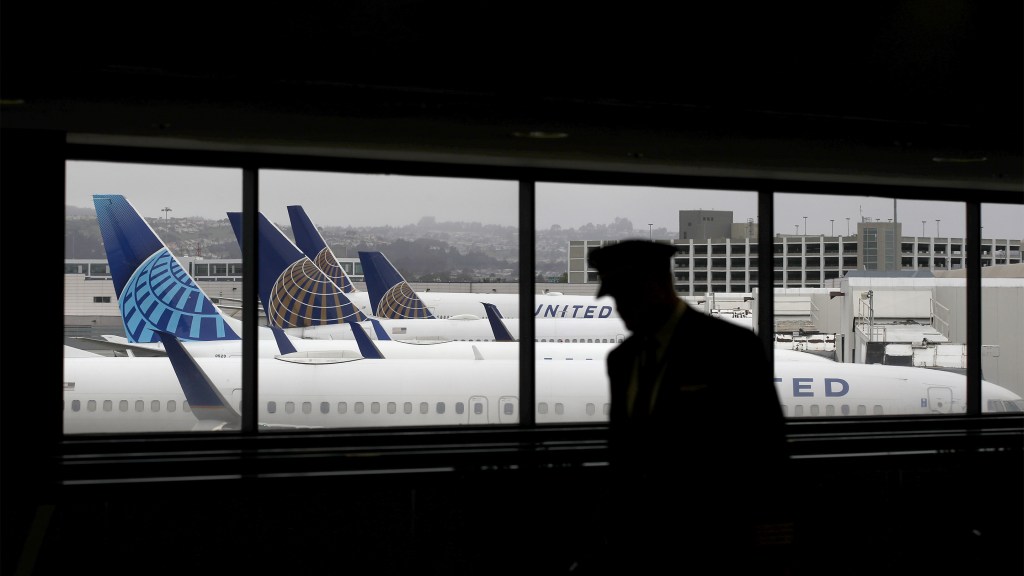


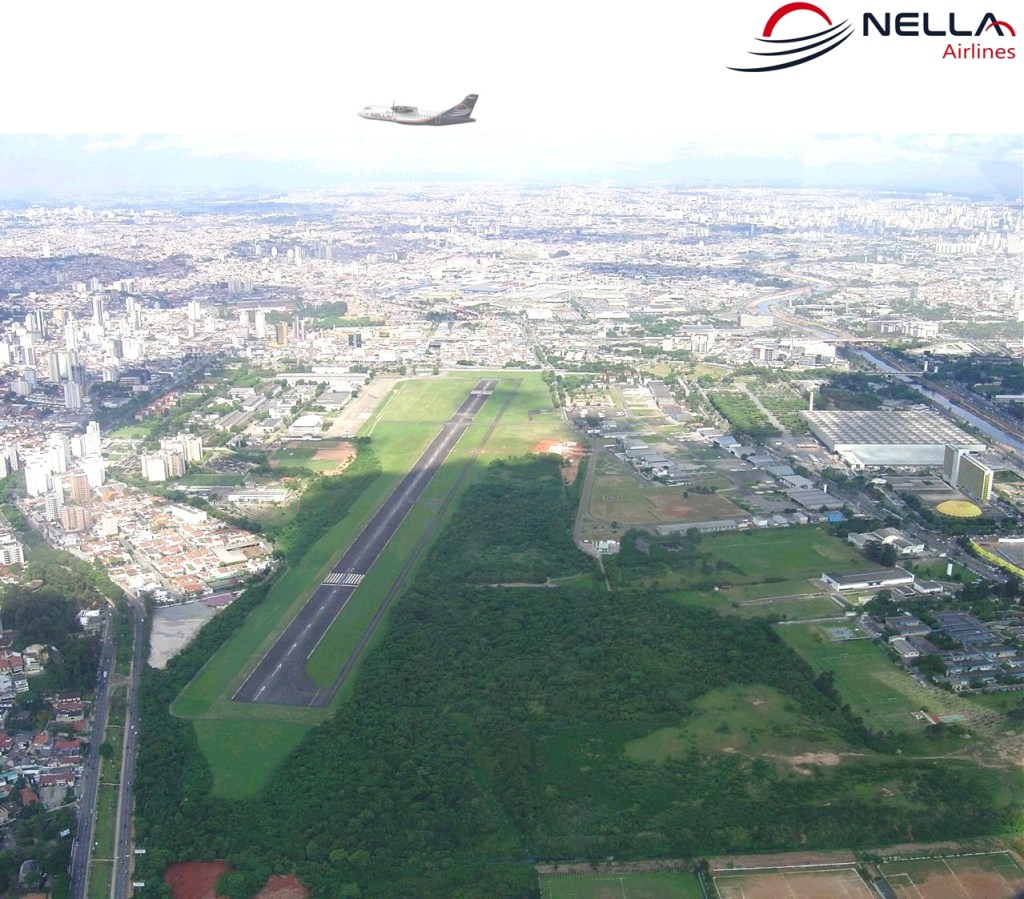

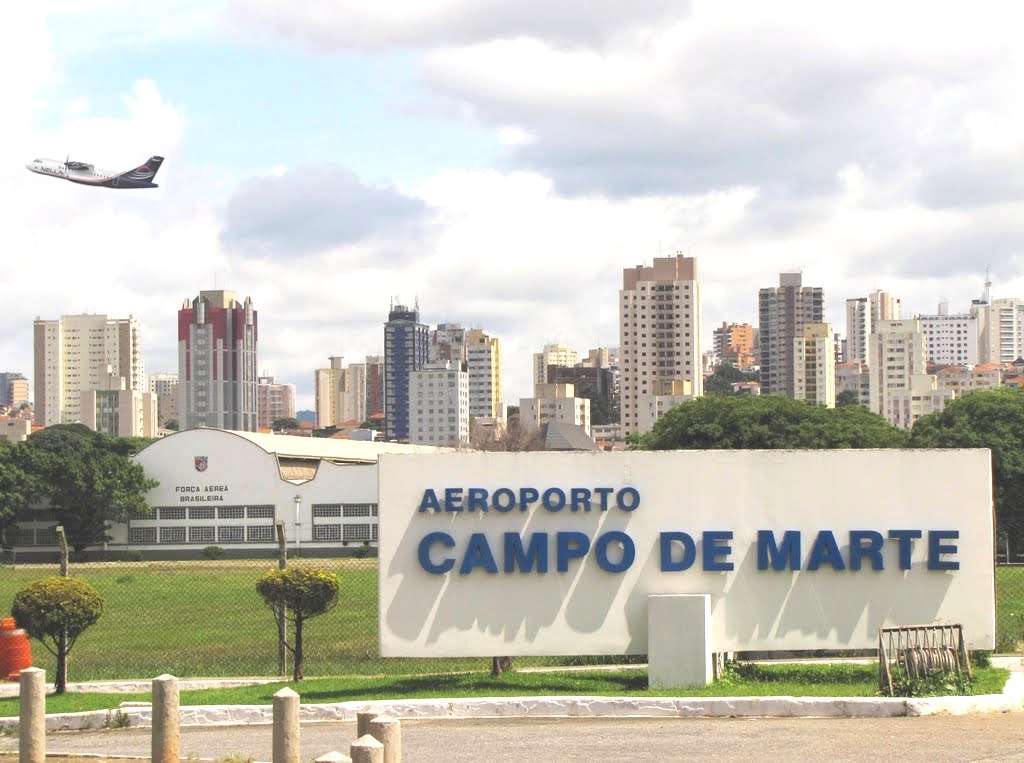
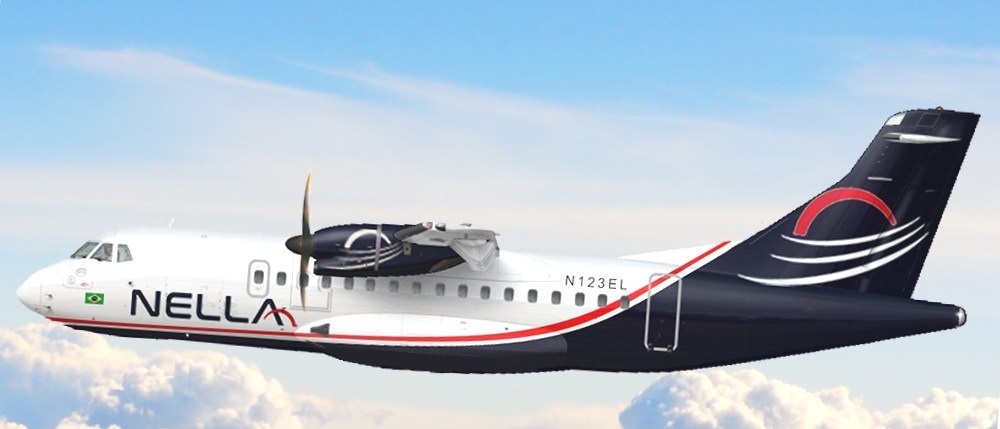
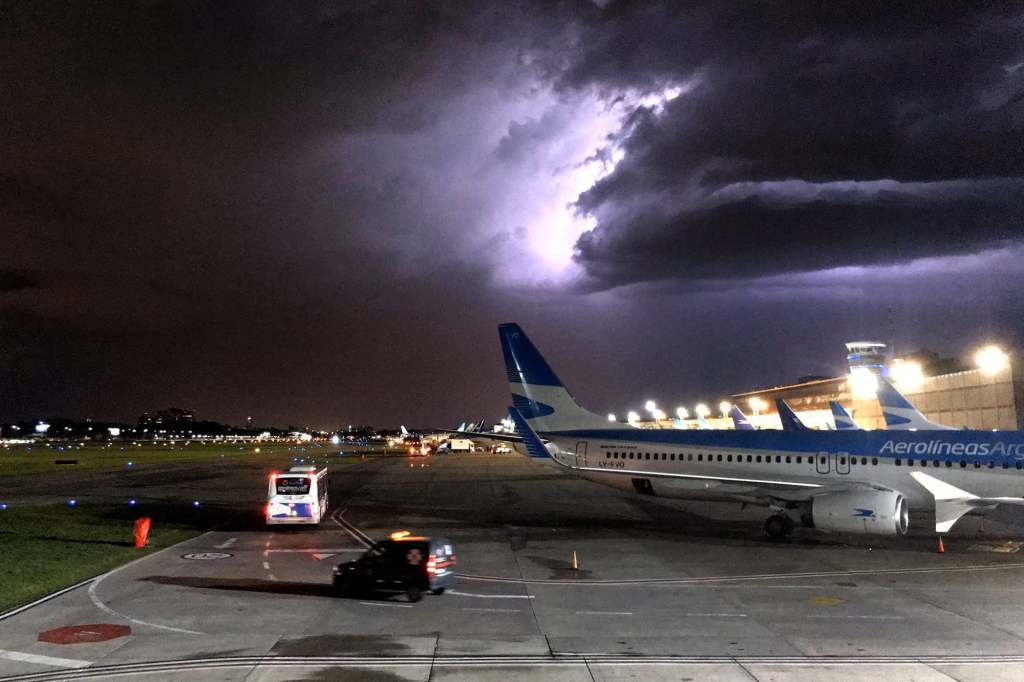


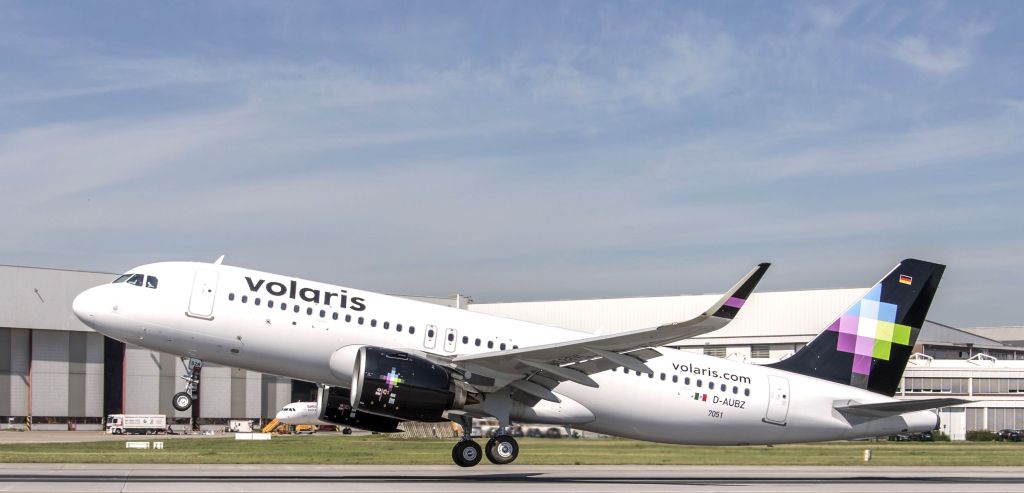


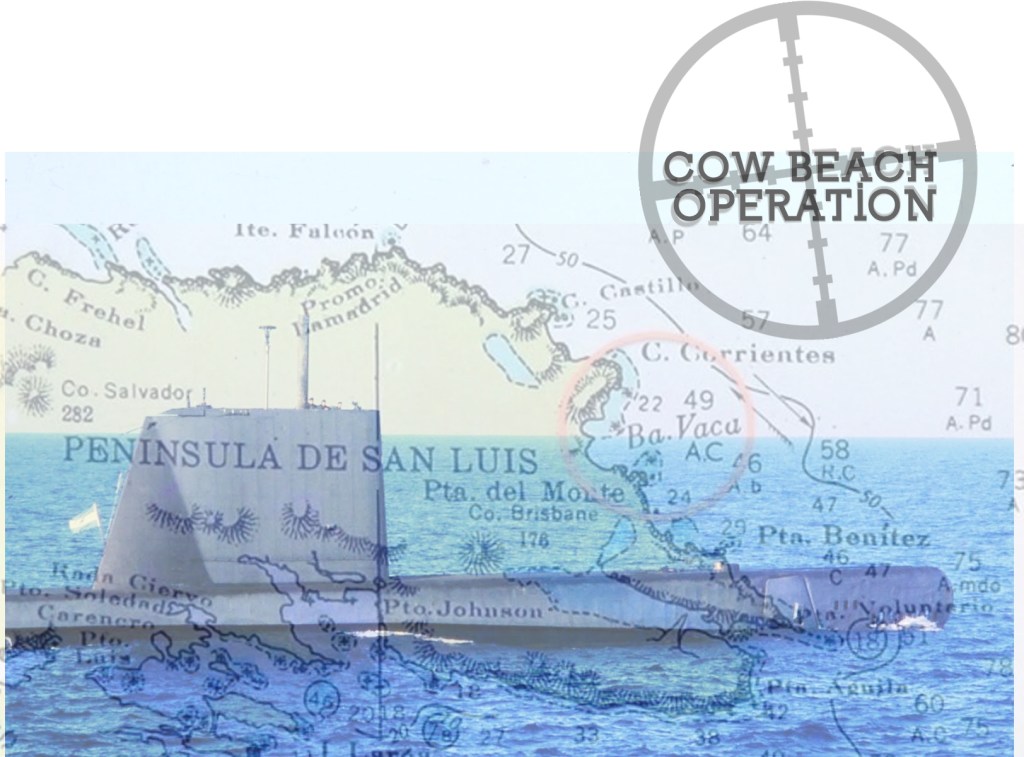


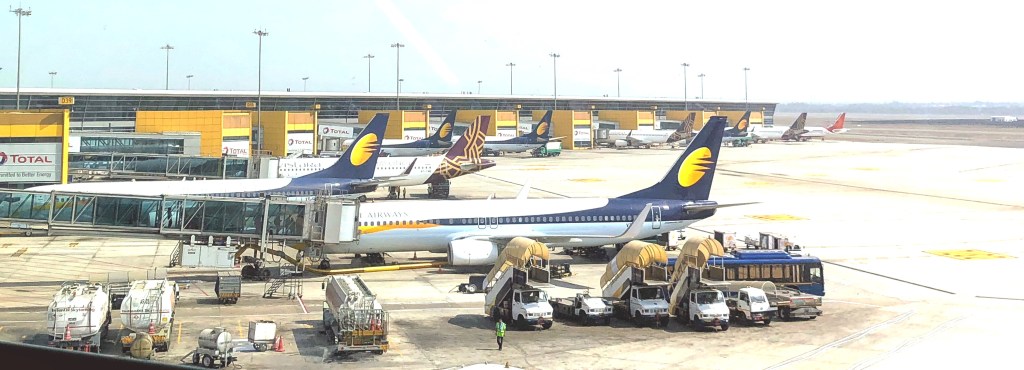
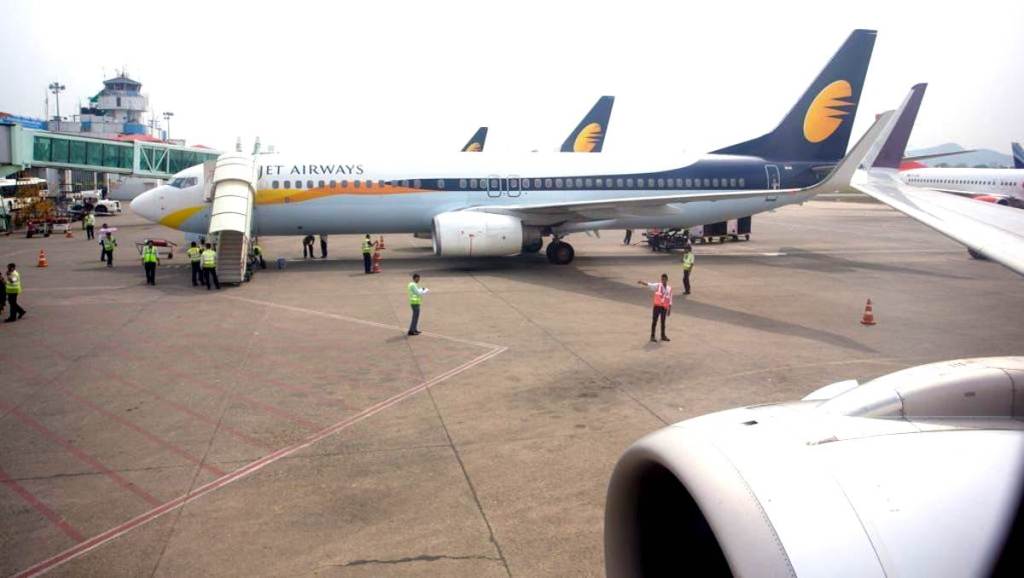




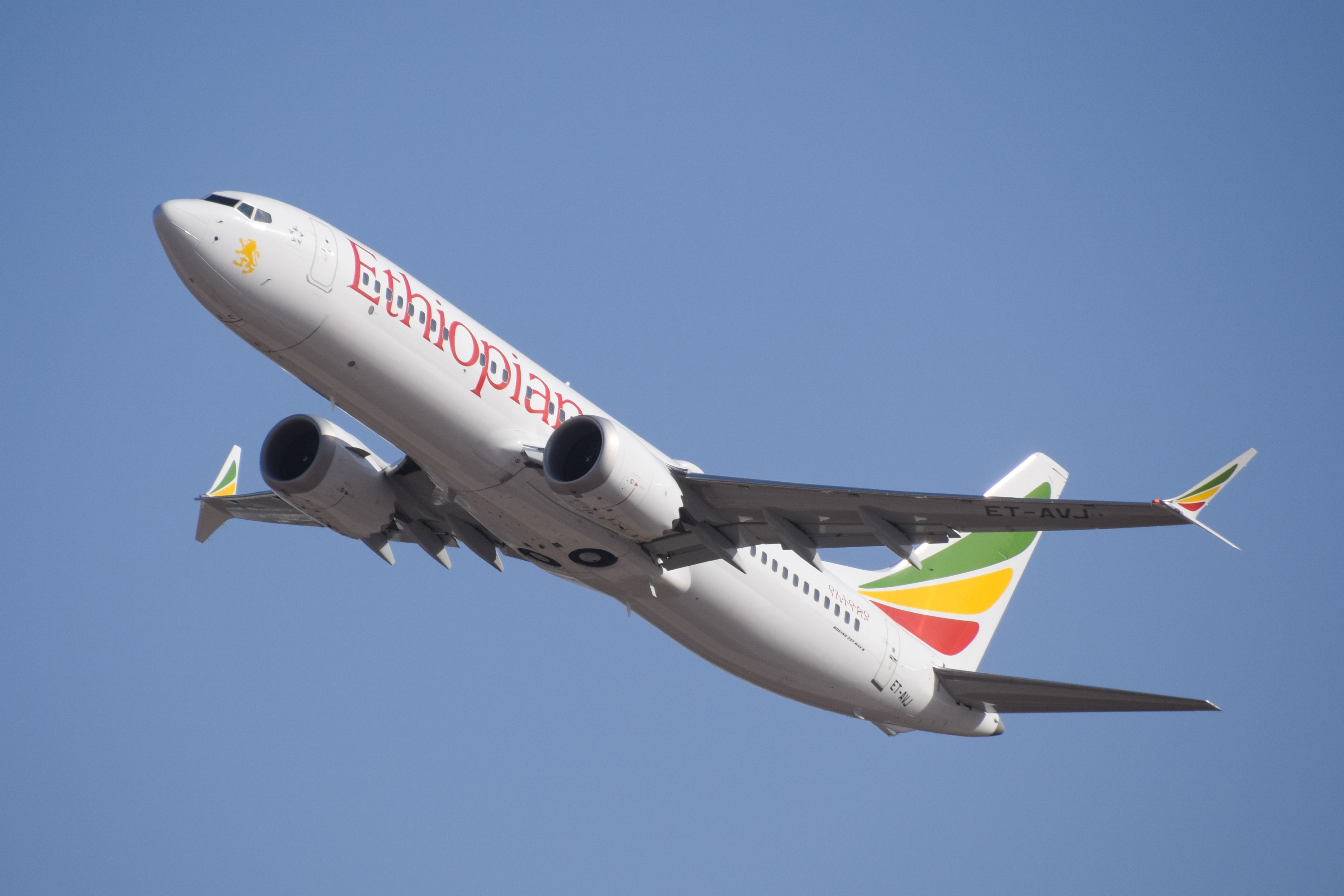



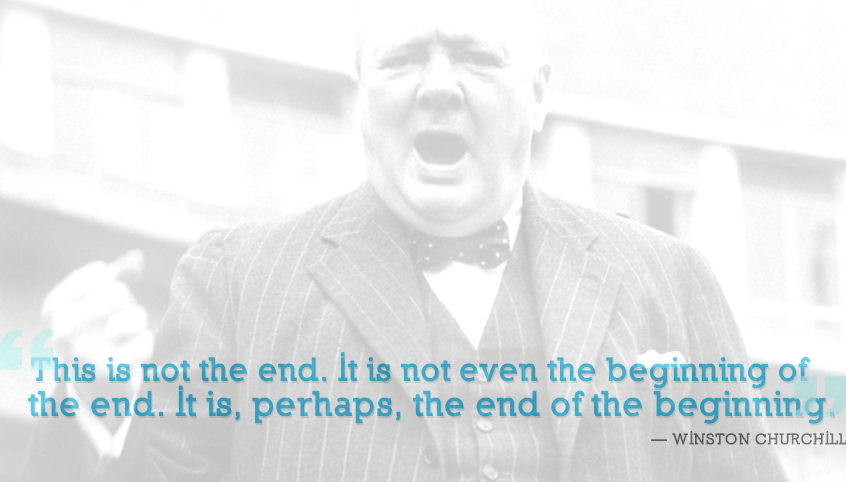


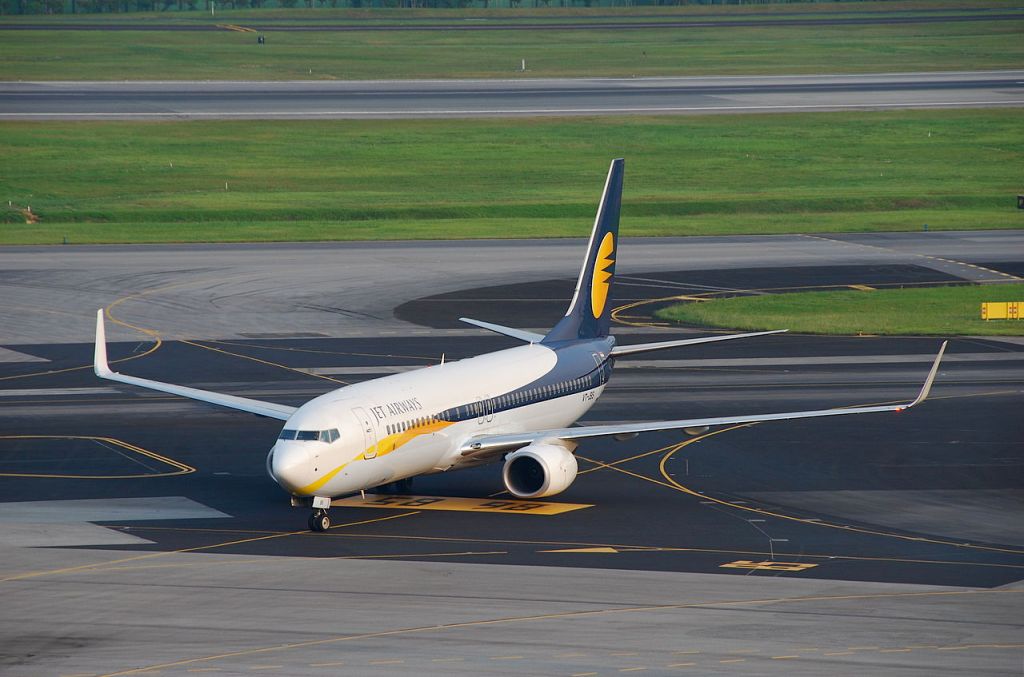

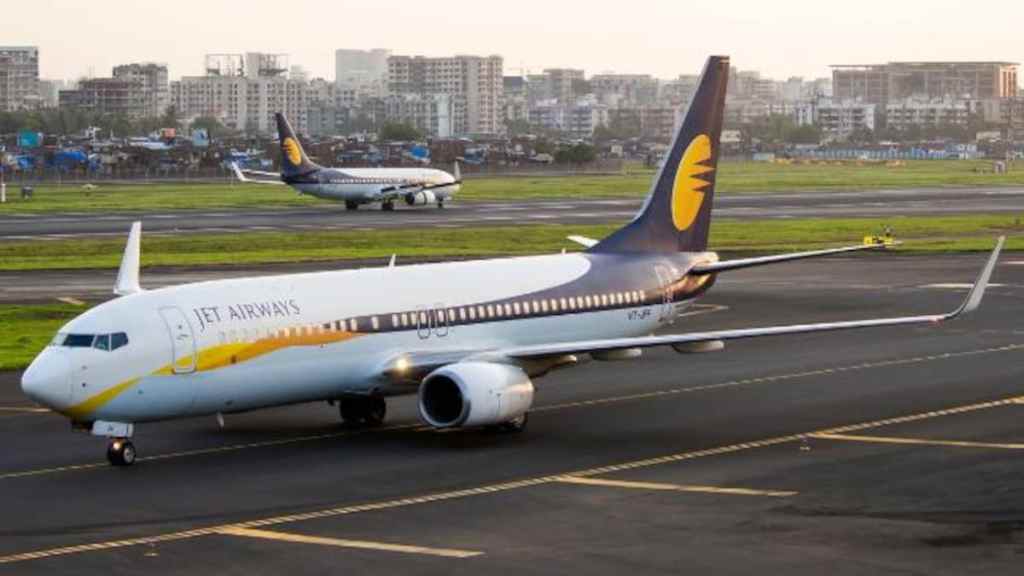

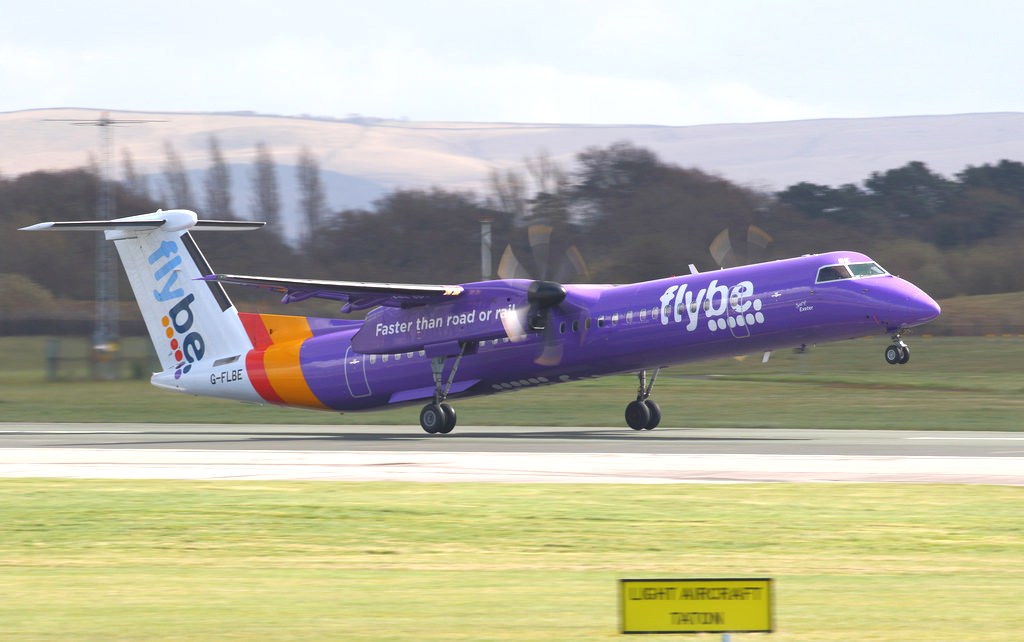


 Treinta y seis de cincuenta y un aviones tenían alerones sin respuesta.