Incidente Austral AR-2714

Resultado de imagen para Austral E-190 AR-2714AW | 2019 03 20 23:11 | AIR INVESTIGATION

2000px-Austral_Líneas_Aéreas.svg (3)Embraer E190 de Austral Líneas Aéreas sufre incidente de humo en cabina

Un Embraer E-190 de Austral Líneas Aéreas, con registro de LV-CHR que realiza el vuelo AR-2714 desde Aeropuerto Ezeiza hacia Iguazú, con 68 pasajeros y 5 tripulantes, aproximadamente a 50 nm al sureste de Posadas y en el nivel de vuelo FL370, cuando la tripulación reportó humo en la cabina y decidió desviarse a Posada, donde el avión aterrizó de manera segura unos 20 minutos más tarde.

El 20 Marzo 2018, el JIAAC informó que el suceso ha sido calificado como un incidente grave, se ha abierto una investigación. Mientras se enciende, se activa una alarma de humo dentro del sistema de recirculación del aire. El JIAAC de Argentina informó que no hubo heridos, los investigadores han sido enviados al lugar.

La aerolínea informó que la tripulación de vuelo recibió una indicación de humo, sin embargo, la tripulación de cabina no vio humo. La tripulación de vuelo respondió de acuerdo con los procedimientos de seguridad y desvió la aeronave a Posadas. Los pasajeros desembarcaron normalmente y están siendo transportados a Iguazú.

El 20 de marzo de 2019, el JIAAC de Argentina publicó su informe final en español. Nota: para cumplir con el propósito de la prevención global de la repetición de las causas que conducen a un suceso, será necesaria una publicación oportuna adicional de todos los informes de sucesos en el único idioma mundial de la aviación en inglés. establecido por el anexo 13 de la OACI y solo obliga a muchos aviadores a perder mucho más tiempo y esfuerzo cada uno para tratar de comprender las circunstancias que lo llevaron a ocurrir. Los aviadores que operan a nivel internacional deben leer/hablar inglés además de su idioma local, los investigadores deben poder leer/escribir/hablar en inglés para comunicarse con sus homólogos de todo el mundo. El informe concluye que las posibles causas del incidente fueron: La tripulación observó humo y olor a quemado del sistema de aire acondicionado de la cabina. Se iluminó la indicación de recirculación de humo. El humo y el olor a quemado fueron intermitentes y fueron causados ​​por una leve deficiencia del ventilador de la mano izquierda del sistema de aire acondicionado.

El JIAAC analizó que el ventilador probablemente estaba desequilibrado, lo que causó el contacto del extremo de las aspas del ventilador de plástico con la estructura interna, lo que provocó humo y olor a quemado como resultado de la fricción. El equipo trabajó en las listas de verificación relacionadas, se puso sus máscaras de oxígeno, apagó los ventiladores de recirculación y aterrizó en el aeropuerto más cercano.AW-Icon-TXT-01


Resultado de imagen para Austral E-190 AR-2714

Austral Incident AR-2714

Embraer E190 of Austral Líneas Aéreas suffers smoke incident in cabin

An Embraer E-190 of Austral Líneas Aéreas, with registration of LV-CHR that performs flight AR-2714 from Aeropuerto Ezeiza to Iguazú, with 68 passengers and 5 crew, approximately 50 nm southeast of Posadas and at the flight level FL370, when the crew reported smoke in the cabin and decided to divert to Posada, where the plane landed safely about 20 minutes later.

 On March 20, 2018, the JIAAC reported that the incident has been described as a serious incident, an investigation has been opened. While it is turned on, a smoke alarm is activated inside the air recirculation system. The JIAAC of Argentina reported that there were no injuries, investigators have been sent to the site.

The airline reported that the flight crew received an indication of smoke, however, the cabin crew saw no smoke. The flight crew responded in accordance with security procedures and diverted the aircraft to Posadas. The passengers disembarked normally and are being transported to Iguazu.

On March 20, 2019, the JIAAC of Argentina published its final report in Spanish. Note: to fulfill the purpose of the global prevention of the repetition of the causes leading to an event, an additional timely publication of all the event reports in the only aviation world language in English will be necessary. established by ICAO Annex 13 and only forces many aviators to waste much more time and effort each to try to understand the circumstances that led to their occurrence. Aviators who operate internationally must read / speak English in addition to their local language, researchers must be able to read / write / speak in English to communicate with their counterparts around the world. The report concludes that the possible causes of the incident were: The crew observed smoke and burning odor from the cab’s air conditioning system. The smoke recirculation indication was illuminated. The smoke and burning smell were intermittent and were caused by a slight deficiency of the left hand fan of the air conditioning system.

The JIAAC analyzed that the fan was probably unbalanced, which caused the contact of the end of the blades of the plastic fan with the internal structure, which caused smoke and burning odor as a result of the friction. The team worked on the related checklists, put on their oxygen masks, turned off the recirculation fans and landed at the nearest airport. A \ W


Ξ A I R G W A Y S Ξ
SOURCE: Airgways.com
DBk: Argentina.gob.ar/jiaac / Avherald.com / Airgways.com
AW-POST: 201903202311AR

A\W   A I R G W A Y S ®

CVR JT-610 Lion Air

B737M8-PK-LQP.jpgAW | 2019 03 20 22:48 | AIR INVESTIGATION / AVIATION SAFETY

AW-7007378.jpgPublican detalles de la Grabadora de Voz de Cabina (CVR) vuelo JT-610

Los pilotos del vuelo JT-610 de Lion Air que se estrelló en Indonesia en octubre, la primera de las dos tragedias ocurridas en aviones Boeing 737 MAX, registro PK-LQP y que motivaron la suspensión temporaria del modelo, buscaron desesperadamente en los manuales de la aeronave cómo evitar la tendencia a caer en picado presuntamente provocada por un sistema de navegación automática en desperfecto. Pero no la hallaron y colisionaron en las aguas del Mar de Java, Indonesia.

Desgrabaciones Vuelo JT-610

Se han publicado el detalles del Cockpit Voice Recorder (CVR) por parte de la Junta Nacional de Seguridad del Transporte (NTSB) de los últimos minutos en la cabina del Boeing 737-8 MAX del vuelo JT-610 que se estrelló en el Mar de Java, Indonesia. Las grabaciones de la caja negra del vuelo JT-610 de Lion Air, el capitán y su primer oficial nunca supieron que el avión estaba cayendo por culpa del sistema MCAS e intentaron en vano encontrar una solución en los manuales que tenía a bordo. El accidente en el que murieron 189 personas aún está siendo investigado, aunque sus hallazgos preliminares han cobrado mayor importancia luego de que otro Boeing 737-8 MAX cayera a tierra por razones aparentemente similares el 10 Marzo 2019 en Etiopía y causando la muerte de 157 tripulantes y pasajeros. Tras la tragedia ocurrida en África, la segunda para el moderno modelo 737 MAX en cinco meses, prácticamente todos los países del mundo han ordenado la suspensión de las operaciones con el modelo hasta que la empresa Boeing, la Agencia Federal de Aviación de Estados Unidos (FAA) y los entes regulatorios pertinentes investiguen a fondo lo ocurrido.

Desde el principio trascendió que el accidente en Indonesia probablemente se haya debido a una falla en los sensores que registran el Ángulo de Ataque (AOA), es decir la elevación o declinación de la nariz del avión, y de velocidad y altitud, y una corrección errónea y fatal realizada por el sistema MCAS, que automáticamente genera cambios en el curso de la aeronave para evitar caer en pérdida, como se conoce al momento en el que un avión pierde sustentación. De esta manera, el MCAS del 737 MAX de Lion Air habría automáticamente iniciado un picado, basado en información errónea, que los pilotos no pudieron corregir y que provocó el accidente.

Los pilotos no parecían saber que el sistema estaba actuando, sólo hablaban de velocidad y altitud. Boeing no informó correctamente ni proveyó información sobre cómo anular este sistema automático, cuya existencia los pilotos aparentemente no conocían. Por el contrario la empresa sostiene que la tripulación no estaba correctamente entrenada para hacer frente al desperfecto mediante un procedimiento concreto. Algo similar parece haber ocurrido en el vuelo de Ethiopian Airlines, aunque aún no ha trascendido información al respecto.

CVR JT-610

Las grabaciones de la Caja Negra del vuelo JT-610 de Lion Air se han hecho públicas por primera vez a través de tres fuentes que participaron de la investigación. De acuerdo a esta información, el capitán, de 31 años, estaba volando el 737 MAX y el primer oficial operaba la radio en el despegue del vuelo JT-610 desde el Aeropuerto de Jakarta. Apenas dos minutos después de dejar tierra el primer oficial reportó a los controladores aéreos un «problema en el control de vuelo» mientras el capitán intentaba mantener una altitud de 5.000 pies (unos 1.500 metros). Aunque el primer oficial no especificó el problema, en la grabación de la caja negra se escucha una referencia al indicador de velocidad y a un presunto problema en el instrumental del capitán, de acuerdo a las fuentes.

Entonces el comandante pidió a su primer oficial que buscara en el manual de referencia rápida, que contiene una lista de problemas comunes. En los siguientes nueve minutos el instrumental de a bordo indicó a los pilotos que el avión estaba entrando en pérdida y el MCAS automáticamente corrigió el curso ajustando los elevadores e inclinando la nariz del avión.

Una entrada en pérdida significa que el flujo de aire en las alas es demasiado débil para mantener la sustentación y evitar que la nave caiga como una piedra, y suele ocurrir cuando la velocidad del avión se acerca a niveles muy bajos. Cuando lo aviones elevan su altitud, suelen perder velocidad, y cuando caen, la aumentan. Por eso el MCAS realiza pequeñas correcciones en la elevación de la nariz para controlar este fenómeno. Pero la medición era errónea y el avión no estaba entrando en pérdida, dijeron las fuentes. En consecuencia, el capitán se pasó esos nueve minutos tratando de levantar la nariz del 737 MAX y evitar que se estrellara, mientras el MCAS hacía exactamente lo contrario, disparado por una medición errónea. No parecían saber que el sistema estaba actuando. Sólo hablaban de velocidad y altitud.

Boeing, que no ha querido comentar al respecto de estas revelaciones por que la investigación sigue en curso, ha dicho que existe un procedimiento para solucionar este problema, aunque ya ha sido blanco de críticas por presuntamente no haber informado correctamente al respecto.

Un reporte publicado en Noviembre 2018 se argumentaba que una tripulación distinta había sufrido el mismo problema en el mismo avión la noche anterior del vuelo JT-610 y había podido evitar un accidente siguiendo el procedimiento. Más precisamente, aquel vuelo contaba con la presencia en la cabina de un experimentado piloto de la aerolínea Batik Air, perteneciente al mismo grupo que Lion Air. El hombre estaba acompañando fortuitamente a la tripulación y no comandaba la aeronave, pero ante el desperfecto y estando presente en la cabina prestó su ayuda. La presencia de este piloto ya había sido reportada, pero el informe de las autoridades aeronáuticas indonesias ahora lo confirma. Pero el hecho es que ninguno de estos pilotos ni la aerolínea pasaron la información sobre el incidente a la siguiente tripulación.

El capitán y el piloto del vuelo JT-610 se mantuvieron en calma durante la mayor parte del vuelo. Pero sobre el final el comandante cedió el control del avión a su copiloto para intentar hallar él mismo la solución al problema en los manuales. Pidió a los controladores aéreos que liberaran el espacio aéreo por debajo de los 3.000 pies (unos 1.000 metros). Entonces el primer oficial perdió el control del avión. De acuerdo a la información del vuelo, cuando el copiloto de 41 años tomó los controles el 737 MAX profundizó la caída. Sobre el final, el capitán, de origen indio, se mantuvo en silencio, mientras el primer oficial, indonesio, dijo «Allahu Akbar» (Dios es el más grandE, en árabe y una expresión clásica del islam). Luego el avión desapareció del radar.

El reporte definitivo de las autoridades indonesias aún no está listo, pero en forma preliminar se ha culpado al sistema MCAS, a un sensor defectuoso y recientemente cambiado en el avión, y al mantenimiento y entrenamiento de la aerolínea.AW-Icon-TXT-01

Resultado de imagen para Cockpit Voice Recorder (CVR) JT610 Lion Air

CVR JT-610 Lion Air

AW-77000021.jpgThey publish details of the Cockpit Voice Recorder  (CVR) flight JT-610

The pilots of Flight JT-610 of Lion Air that crashed in Indonesia in October, the first of the two tragedies that occurred in Boeing 737 MAX registry PK-LQP aircraft and that motivated the temporary suspension of the model, looked desperately in the manuals of the aircraft to avoid the tendency to plummeting presumably caused by a faulty automatic navigation system. But they did not find it and collided in the waters of the Java Sea, Indonesia.

Degrabations Flight JT-610

The details of the Cockpit Voice Recorder (CVR) by the National Transportation Safety Board (NTSB) of the last minutes have been published in the cabin of the Boeing 737-8 MAX of flight JT-610 that crashed in the Sea of ​​Java, Indonesia. The recordings of the black box of Lion Air flight JT-610, the captain and his first officer never knew that the airplane was falling because of the MCAS system and tried in vain to find a solution in the manuals that he had on board. The accident in which 189 people died is still being investigated, although its preliminary findings have become more important after another Boeing 737-8 MAX dropped to ground for apparently similar reasons on 10 March 2019 in Ethiopia and killing 157 crew members and passengers. After the tragedy in Africa, the second for the modern model 737 MAX in five months, virtually all countries in the world have ordered the suspension of operations with the model until the company Boeing, the Federal Aviation Agency of the United States ( FAA) and the pertinent regulatory bodies investigate thoroughly what happened.

From the beginning it was learned that the accident in Indonesia was probably due to a fault in the sensors that register the Angle of Attack (AOA), that is to say the elevation or decline of the nose of the airplane, and of speed and altitude, and a correction erroneous and fatal made by the MCAS system, which automatically generates changes in the course of the aircraft to avoid falling into loss, as it is known at the time when a plane loses lift. In this way, the MCAS of the 737 MAX from Lion Air would have automatically started a dive, based on erroneous information, that the pilots could not correct and that caused the accident.

 The pilots did not seem to know that the system was acting, they only talked about speed and altitude. Boeing did not correctly report or provide information on how to override this automatic system, whose existence the pilots apparently did not know about. On the contrary, the company maintains that the crew was not properly trained to deal with the damage through a specific procedure. Something similar seems to have happened on the Ethiopian Airlines flight, although information about it has not yet been released.

CVR JT-610

The Black Box recordings of Lion Air flight JT-610 have been made public for the first time through three sources that participated in the investigation. According to this information, the 31-year-old captain was flying the 737 MAX and the first officer was operating the radio on the take-off of flight JT-610 from Jakarta Airport. Just two minutes after leaving ground the first officer reported to the air traffic controllers a «flight control problem» while the captain tried to maintain an altitude of 5,000 feet (about 1,500 meters). Although the first officer did not specify the problem, in the recording of the black box a reference to the speed indicator and a presumed problem in the captain’s instruments is heard, according to the sources.

Then the commander asked his first officer to look in the quick reference manual, which contains a list of common problems. In the next nine minutes the on-board instrumentation indicated to the pilots that the plane was stalling and the MCAS automatically corrected the course by adjusting the elevators and tilting the nose of the plane.

A stall means that the air flow in the wings is too weak to maintain lift and prevent the ship from falling like a stone, and it usually happens when the plane’s speed approaches very low levels. When airplanes raise their altitude, they usually lose speed, and when they fall, they increase it. That is why the MCAS makes small corrections in the elevation of the nose to control this phenomenon. But the measurement was wrong and the plane was not stalling, the sources said. As a result, the captain spent those nine minutes trying to lift the nose of the 737 MAX and prevent it from crashing, while the MCAS did the exact opposite, triggered by an erroneous measurement. They did not seem to know that the system was acting. They only talked about speed and altitude.

Boeing, who has not wanted to comment on these revelations because the investigation is still ongoing, has said that there is a procedure to solve this problem, although it has already been the target of criticism for allegedly not having correctly reported in this regard.

A report published in November 2018 argued that a different crew had suffered the same problem on the same plane the previous night of flight JT-610 and had been able to avoid an accident by following the procedure. More precisely, that flight had the presence in the cockpit of an experienced pilot of the airline Batik Air, belonging to the same group as Lion Air. The man was accompanying the crew fortuitously and did not command the aircraft, but in the event of a malfunction and being present in the cabin he lent his help. The presence of this pilot had already been reported, but the report of the Indonesian aeronautical authorities now confirms it. But the fact is that none of these pilots or the airline passed the information on the incident to the next crew.

The captain and pilot of flight JT-610 remained calm during most of the flight. But over the end the commander gave control of the plane to his co-pilot to try to find the solution to the problem in the manuals himself. He asked the air traffic controllers to release the airspace below 3,000 feet (about 1,000 meters). Then the first officer lost control of the plane. According to the flight information, when the 41-year-old co-pilot took the controls, the 737 MAX deepened the fall. At the end, the captain, of Indian origin, remained silent, while the first officer, Indonesian, said «Allahu Akbar» (God is the greatest, in Arabic and a classic expression of Islam). Then the plane disappeared from the radar.

The final report from the Indonesian authorities is not yet ready, but in a preliminary way the MCAS system has been blamed, a defective and recently changed sensor on the plane, and the maintenance and training of the airline. A \ W


Ξ A I R G W A Y S Ξ
SOURCE: Airgways.com
DBk: Ntsb.gov / Airgways.com
AW-POST: 201903202248AR

A\W   A I R G W A Y S ®

Flybondi lanza Fly Travel

AW-70007668

AW | 2019 03 20 15:23 | AIRLINES

AW-Flybondi_Aircraft-001 (2).jpgLa aerolínea low cost argentina Flybondi lanza promoción Fly Travel

Flybondi Líneas Aéreas lanzó una nueva promoción denominada Fly Travel para la venta de tickets desde AR$1 por tramo más tasas e impuestos para Argentina.

La nueva promoción está vigente hasta el Sábado 23 Marzo 2019 para viajar entre Marzo-Septiembre 2019 a los siguientes destinos: Bahía Blanca, Bariloche, Buenos Aires, Córdoba, Corrientes, Jujuy, Mendoza, Neuquén, Posadas, Puerto Iguazú, Rosario, Salta, Santiago del Estero, Tucumán y Trelew. El precio promocional incluye un equipaje de mano de hasta 6 kilos. Los pasajes ya están disponibles en http://www.flybondi.com y pueden abonarse en cuotas con tarjeta de crédito.

Flybondi con más de un año volando en Argentina ha transportado hasta la fecha más de 1.200.000 pasajeros, de los cuales más de 140.000 son personas que han volado por primera vez.AW-Icon-TXT-01

Flybondi launches Fly Travel

flybondi (2).jpgThe low cost Argentine airline Flybondi launches Fly Travel promotion

Flybondi Líneas Aéreas launched a new promotion called Fly Travel for the sale of tickets from AR $ 1 per tranche plus taxes and fees for Argentina.

The new promotion is valid until Saturday 23 March 2019 to travel between March-September 2019 to the following destinations: Bahia Blanca, Bariloche, Buenos Aires, Cordoba, Corrientes, Jujuy, Mendoza, Neuquén, Posadas, Puerto Iguazú, Rosario, Salta, Santiago del Estero, Tucumán and Trelew. The promotional price includes a carry-on bag of up to 6 kilos. The tickets are already available at http://www.flybondi.com and can be paid in installments by credit card.

Flybondi with more than a year flying in Argentina has transported more than 1,200,000 passengers to date, of which more than 140,000 are people who have flown for the first time. A \ W


Ξ A I R G W A Y S Ξ
SOURCE: Airgways.com
DBk: Flybondi.com / Airgways.com
AW-POST: 201903201523AR

A\W   A I R G W A Y S ®

Titular APLA integra PPP en Aerolíneas

AW-700433877.pngAW | 2019 03 20 15:00 | AIRLINES

Aerolíneas_Argentinas_Logo_2010.svg[1]El titular del gremio aeronáutico de APLA asumirá en el Programa de Propiedad Participada en Aerolíneas Argentinas

El titular de la Asociación de Pilotos de Líneas Aéreas (APLA), Pablo Biró, fue designado por el Frente Gremial Aeronáutico para que ocupe el sillón en el Directorio de Aerolíneas Argentinas correspondiente al Programa de Propiedad Participada (PPP) de los trabajadores. Los gremios aeronáuticos eligieron a Pablo Biró para ser designado como representante en el PPP de Aerolíneas.

Los PPP en Argentina

Los Programas de Propiedad Participada fueron creados por la Ley N° 23.696, Capítulo III, en Argentina, como un modo específico para la adquisición, por parte de los empleados, de un porcentaje del capital accionario de las empresas privatizadas, mediante un contrato de adhesión y en forma voluntaria. Este porcentaje fluctúa alrededor del 10% del capital social, debiendo ejercerse en forma sindicada todos los derechos políticos emergentes de tales acciones, las que son administradas por un Banco Fideicomisario.

El frente de gremios aeronáuticos decidió que el titular de la Asociación de Pilotos de Líneas Aéreas (APLA), Pablo Biró para ocupar una banca en Aerolíneas Argentinas según lo prevé el Programa de Propiedad Participada de los trabajadores o PPP. La renuncia de Rodolfo Casali, quien ocupaba ese cargo en el directorio de la aerolínea de bandera, llevó a que los gremios decidiera colocar allí a un sindicalista como Biró, crítico a la gestión macrista y que logró torcerle el brazo al ministro de Transporte, Guillermo Dietrich cuando quiso imponer las licencias automáticas para pilotos extranjeros.

El directorio de AA cuenta con cinco asientos y uno de ellos le corresponde a los trabajadores. Hasta el año pasado ese puesto lo ocupaba Casali cuando presentó la renuncia. El reemplazo se demoró pero ahora la casi totalidad de los gremios aeronáuticos acordaron postular a Biró y evitar cualquier disputa entre los sindicatos para elegir el reemplazante de Casali. Tanto APLA como la Asociación de Personal Técnico Aeronáutico (APTA), la Unión del Personal Superior y Profesional de Empresas Aerocomerciales (Upspa), la Asociación Técnicos y Empleados de Protección y Seguridad a la Aeronavegación (Atepsa), la Asociación de Tripulantes de Cabina de Empresas Aeronáuticas (Atcpea) y la Asociación de Personal Aeronáutico (APA), llevan adelante y en conjunto todas las medidas de fuerza contra la política aerocomercial del gobierno de Mauricio Macri.

La designación de Pablo Biró le permitirá al frente gremial tener conocimiento cabal de los números reales de la economía de Aerolíneas argentinas y conocer cuáles son los planes a futuro de la gestión del gobierno argentino que ha promovido la aparición de líneas aéreas de bajo costo en desmedro de Aerolíneas Argentinas y Austral. A fines del 2018 y comienzos de 2019 el Ministerio de Transporte de Argentina que conduce Guillermo Dietrich buscó modificar la normativa aérea para permitir que puedan comandar las aeronaves pilotos extranjeros. Eso generó una fuerte disputa entre el gremio de Biró con Dietrich quien a mediados de enero debió retroceder en su intento flexibilizador y mantuvo la normativa tal como estaba. Es por eso que entre los dirigentes gremiales aeronáuticos consideran que la elección del gremialista de APLA, Pablo Biró no será una buena noticia para el gobierno argentino.AW-Icon-TXT-01

Resultado de imagen para Aerolineas Argentinas airgways.comHolder of APLA integrates PPP in Aerolíneas

The holder of the aeronautical guild of APLA will assume in the Participated Property Program in Aerolíneas Argentinas

The owner of the Association of Airline Pilots (APLA), Pablo Biró, was appointed by the Aeronautical Gremial Front to occupy the chair in the Aerolíneas Argentinas Board corresponding to the Participated Ownership Program (PPP) of the workers. The aeronautical guilds chose Pablo Biró to be designated as representative in the PPP of Aerolíneas.

The PPP in Argentina

The Participated Property Programs were created by Law N° 23.696, Chapter III, in Argentina, as a specific way for the acquisition, by the employees, of a percentage of the share capital of the privatized companies, through an adhesion contract and on a voluntary basis. This percentage fluctuates around 10% of the share capital, and all the political rights arising from such shares, which are administered by a Trustee Bank, must be exercised in a syndicated manner.

The front of aeronautical guilds decided that the owner of the Association of Airline Pilots (APLA), Pablo Biró to occupy a bank in Aerolíneas Argentinas as foreseen by the Participated Ownership Program of workers or PPP. The resignation of Rodolfo Casali, who held that position in the board of the flag carrier, led to the guilds decided to place there a unionist like Biró, critical of the management macrista and managed to twist the arm of the Minister of Transportation, Guillermo Dietrich when he wanted to impose automatic licenses for foreign pilots.

The AA directory has five seats and one of them corresponds to the workers. Until last year that position was occupied by Casali when he submitted the resignation. The replacement was delayed but now almost all the aeronautical unions agreed to nominate Biró and avoid any dispute between the unions to elect Casali’s replacement. Both APLA and the Association of Aeronautical Technical Personnel (APTA), the Union of Superior and Professional Staff of Aero-commercial Companies (Upspa), the Association of Technical and Employees of Protection and Safety to Air Navigation (Atepsa), the Association of Cabin Crew Members of Aeronautical Companies (Atcpea) and the Association of Aeronautical Personnel (APA), carry out and collectively all the measures of force against the aero commercial policy of the government of Mauricio Macri.

The appointment of Pablo Biró will allow the trade union front to have full knowledge of the real numbers of the economy of Argentine Airlines and to know what are the future plans of the management of the Argentine government that has promoted the appearance of low cost airlines at the expense of of Aerolíneas Argentinas and Austral. At the end of 2018 and the beginning of 2019, the Ministry of Transportation of Argentina led by Guillermo Dietrich sought to modify the air regulations to allow them to command foreign pilots. This generated a strong dispute between the union of Biró and Dietrich, who in mid-January had to retreat in his attempt to flexibilize and maintain the regulations as they were. That is why among the aeronautical union leaders consider that the election of APLA unionist Pablo Biró will not be good news for the Argentine government. A \ W


Ξ A I R G W A Y S Ξ
SOURCE: Airgways.com
DBk: Apla.org.ar / Airgways.com
AW-POST: 201903201500AR

A\W   A I R G W A Y S ®

DOT ordena auditoría certificación 737-8

AW-700087877.jpg

AW | 2019 03 20 07:55 | AIR INVESTIGATION / AVIATION SAFETY

5JrvMSb4El Departamento de Transporte de Estados Unidos (DOT) ordena auditoría del proceso de certificación del Boeing 737-8 MAX

FK,4923,36,737-max-round-pin

El Departamento de Transporte de los Estados Unidos (DOT), ha ordenado al Inspector General del Departamento que auditara la certificación de la Federal Aviation Administration (FAA) del Boeing 737-8 MAX luego de dos accidentes fatales relacionados con el avión desde octubre. El Departamento de Justicia abrió una investigación criminal sobre el desarrollo de este modelo de avión, cuyo uso ha sido suspendido en todo el mundo.

El Departamento de Transporte estadounidense ordenó el Martes 19 Marzo 2019 una auditoría del proceso de certificación del Boeing 737-8 MAX, avión que ha protagonizado dos accidentes mortales en los últimos meses. La auditoría «ayudará a informar la toma de decisiones del Departamento de Transporte (DOT) y la comprensión del público, y ayudará a la FAA a garantizar que sus procedimientos de seguridad se implementen de manera efectiva. La seguridad es la prioridad número uno del departamento, y todos estamos tristes por las tragedias de los dos recientes accidentes de los Boeing 737-8 MAX en Indonesia y Etiopía», expresa la solicitud.

Investigaciones accidentes 737 MAX

Los investigadores se están centrando en el sistema de estabilización de vuelo MCAS (Maneuvering Characteristics Augmentation System), implicado en el accidente JT-610 en Indonesia, como así también del vuelo ET-302 en Etiopía involucrando al modelo Boeing 737-8 MAX. Se han suscitado preguntas acerca de la certificación de la aeronave, de la cual solo se examinó una parte, ya que el 737 MAX no era un avión completamente nuevo sino una variante mejorada del 737 Next Generation.

El MCAS fue desarrollado para el MAX para compensar sus motores más pesados. La Agencia Federal de Aviación (FAA) está particularmente bajo presión por haber pedido a los propios empleados de Boeing que inspeccionen y aprueben este avión. «Boeing solicitó una modificación de este tipo de certificación en Enero de 2012 y la agencia federal de aviación lo otorgó en marzo de 2017», dijo el martes el Departamento de Transporte. La auditoría ha sido confiada a una institución independiente, que transmitirá sus conclusiones a las autoridades gubernamentales.AW-Icon-TXT-01

AW-788-K66500-05.jpgDOT orders audit certification 737-8 MAX

B737-8MAXThe Department of Transportation of the United States (DOT) orders audit of the process of certification of the Boeing 737-8 MAX

The Department of Transportation of the United States (DOT), has ordered the Inspector General of the Department to audit the certification of the Federal Aviation Administration (FAA) of the Boeing 737-8 MAX after two fatal accidents related to the airplane since October. The Department of Justice opened a criminal investigation into the development of this model airplane, whose use has been suspended worldwide.

The US Department of Transportation ordered an audit of the certification process of the Boeing 737-8 MAX on Tuesday, March 19, 2019, an aircraft that has carried out two fatal accidents in recent months. The audit «will help inform decision making by the Department of Transportation (DOT) and public understanding, and will help the FAA ensure that its safety procedures are implemented effectively. Safety is the department’s number one priority , and we are all saddened by the tragedies of the two recent accidents of the Boeing 737-8 MAX in Indonesia and Ethiopia», the request states.

Investigations accidents 737 MAX

Researchers are focusing on the flight stabilization system MCAS (Maneuvering Characteristics Augmentation System), involved in the JT-610 accident in Indonesia, as well as the ET-302 flight in Ethiopia involving the Boeing 737-8 MAX model. Questions have been raised about the certification of the aircraft, of which only a part was examined, since the 737 MAX was not a completely new aircraft but an improved variant of the Next Generation 737.

The MCAS was developed for the MAX to compensate for its heavier engines. The Federal Aviation Agency (FAA) is particularly under pressure for having asked Boeing’s own employees to inspect and approve this aircraft. «Boeing requested a modification of this type of certification in January 2012 and the federal aviation agency granted it in March 2017», the Department of Transportation said on Tuesday. The audit has been entrusted to an independent institution, which will transmit its findings to government authorities. A \ W


Ξ A I R G W A Y S Ξ
SOURCE: Airgways.com
DBk: Transportation.gov / Boeing.com / Airgways.com
AW-POST: 201903290755AR

A\W   A I R G W A Y S ®

Reactivación Aeropuerto Puerto Deseado

PtoDeseadoDet.jpg

AW | 2019 03 20 07:24 | AIRPORTS

Iniciativa para reactivar Aeropuerto Puerto Deseado, Argentina

Agencia Nacional de Aviación Civil (ANAC) de Argentina entregó la documentación que contiene los requisitos para llevar adelante este proyecto de reactivación del Aeropuerto Puerto Deseado localizado en la Provincia de Santa Cruz, Argentina.

El Ejecutivo Gustavo González junto a representantes del gobierno local se reunieron con el Director Regional Sur de la Agencia Nacional de Aviación Civil (ANAC) con el objetivo de evaluar la reactivación del Aeropuerto en Puerto Deseado y el pase de las instalaciones bajo la órbita municipal.

El municipio de Puerto Deseado presentó el proyecto de infraestructura para reacondicionar el edificio de la aerostación, mientras que vialidad provincial se comprometió a estudiar el suelo para analizar la factibilidad de extensión de la pista, realizar el pintado y balizamiento. Por su parte, la ANAC entregó al Jefe Comunal la documentación que contiene los requisitos necesarios para llevar adelante este anhelado proyecto para los deseadenses.AW-Icon-TXT-01


Airport Reactivation Puerto Deseado

Initiative to reactivate Puerto Deseado Airport, Argentina

The National Agency of Civil Aviation (ANAC) of Argentina delivered the documentation that contains the requirements to carry out this project of reactivation of Puerto Deseado Airport located in the Province of Santa Cruz, Argentina.

The Executive Gustavo González, together with representatives of the local government, met with the South Regional Director of the National Agency of Civil Aviation (ANAC) with the objective of evaluating the reactivation of the Airport in Puerto Deseado and the passing of the facilities under the municipal orbit.

The municipality of Puerto Deseado presented the infrastructure project to refurbish the ballooning building, while provincial roads undertook to study the ground to analyze the feasibility of extending the runway, painting and marking. For its part, the ANAC delivered to the Communal Chief the documentation that contains the necessary requirements to carry out this desired project for the desires. A\W


Ξ A I R G W A Y S Ξ
SOURCE: Airgways.com
DBk: Viapais.com.ar / Anac.gov.ar
AW-POST: 201903200724AR

A\W   A I R G W A Y S ®

Cambio Director General de Embraer

Resultado de imagen para Embraer Sao Jose dos CamposAW | 2019 03 19 12:43 | INDUSTRY

embraer logo.jpgEmbraer SA anunció que su Director General renunciará al cargo

Embraer anunció que su Director General, Paulo César Silva, renunciará a su cargo el 22 Abril 2019 antes de la finalización del acuerdo de Joint-Venture con la compañía aeroespacial Boeing. Aunque no se ha anunciado ningún sucesor, Embraer señala que un nuevo CEO será designado en breve para reemplazar el cargo a Paulo Silva. La compañía agregó que la junta reclutará un nuevo director ejecutivo externamente.

El CEO Paulo Silva se unió a Embraer desde el mercado financiero hace 22 años para estructurar el área de financiamiento de ventas de la compañía. Durante seis años se desempeñó como presidente y director ejecutivo de Commercial Aviation y en 2013 lanzó el programa E2, la última iteración de la línea E-Jet de cuerpo estrecho. Silva se convirtió en presidente y CEO de Embraer Group en 2016, momento en el cual su administración estableció tres iniciativas clave relacionadas con la «creación de valor» y la sostenibilidad de la empresa, liderada por la transacción Boeing. La segunda iniciativa involucró la creación del programa Pasión por la Excelencia, un proyecto de transformación estructural centrado en reducir los costos y aumentar la eficiencia operativa y generar importantes ahorros anuales recurrentes. El tercero se centró en la creación de EmbraerX, responsable de la innovación disruptiva y el desarrollo de proyectos futuros como la asociación eVTOL (vehículo eléctrico vertical de despegue y aterrizaje) con Uber.

«Paulo Cesar idealizó la asociación con Boeing y lideró el proceso de negociación de la transacción que llevará a Embraer y Brasil a un nivel mucho más competitivo y prominente en la industria de la aviación global», dijo el Presidente de Embraer, Alexandre Silva. Embraer invitó a Silva a fungir como asesor principal de la junta, en el cual aceptó ayudar en la transición al futuro presidente y CEO y asesorar a la junta sobre el monitoreo de activos y la segregación de recursos como parte del proceso para concluir la asociación con Boeing.

Boeing & Embraer

Se espera que Boeing tome posesión del 80% de la división de aviones comerciales de Embraer por US$ 4,2 mil millones, un acuerdo que fue aprobado por el gobierno brasileño a principios de este año, y los accionistas lo aprobaron poco después. El objetivo de la adquisición es no solo ampliar su gama de productos, sino también competir con el Airbus A220. Boeing y Embraer confían en que la empresa conjunta verá crecer la familia de aeronaves Embraer E2 en todo el mundo con el impulso adicional de Boeing.

Además, Boeing utilizará la asociación para aumentar el potencial del nuevo avión militar KC-390. Boeing tendrá una participación del 49% en el programa, dejando a Embraer con el 51% restante. A medida que el proceso avanza sin problemas, Boeing pretende completar el acuerdo para fines de este año.AW-Icon-TXT-01


Change Director General of Embraer

Embraer SA announced that its General Director will resign to the post

1280px-Embraer_logo.svg.pngEmbraer announced that its CEO, Paulo César Silva, will resign his position on April 22, 2019 before the conclusion of the Joint Venture agreement with the Boeing aerospace company. Although no successor has been announced, Embraer says a new CEO will be appointed shortly to replace Paulo Silva. The company added that the board will recruit a new executive director externally.

CEO Paulo Silva joined Embraer from the financial market 22 years ago to structure the company’s sales financing area. For six years he served as President and CEO of Commercial Aviation and in 2013 launched the E2 program, the latest iteration of the narrow body E-Jet line. Silva became president and CEO of Embraer Group in 2016, at which time his administration established three key initiatives related to the «creation of value» and the sustainability of the company, led by the Boeing transaction. The second initiative involved the creation of the Passion for Excellence program, a structural transformation project focused on reducing costs and increasing operational efficiency and generating significant annual recurring savings. The third focused on the creation of EmbraerX, responsible for disruptive innovation and the development of future projects such as the association eVTOL (vertical electric take-off and landing vehicle) with Uber.

«Paulo Cesar idealized the partnership with Boeing and led the negotiation process of the transaction that will take Embraer and Brazil to a much more competitive and prominent level in the global aviation industry», said Embraer President Alexandre Silva. Embraer invited Silva to serve as the board’s chief advisor, in which he agreed to assist in the transition to the future president and CEO and advise the board on asset monitoring and segregation of resources as part of the process to conclude the partnership with Boeing

Boeing & Embraer

Boeing is expected to take over 80% of Embraer’s commercial aircraft division for US$ 4.2 billion, an agreement that was approved by the Brazilian government earlier this year, and shareholders approved it shortly thereafter. The goal of the acquisition is not only to expand its product range, but also to compete with the Airbus A220. Boeing and Embraer are confident that the joint venture will see the Embraer E2 family of aircraft grow all over the world with the additional boost from Boeing.

In addition, Boeing will use the partnership to increase the potential of the new KC-390 military aircraft. Boeing will have a 49% stake in the program, leaving Embraer with the remaining 51%. As the process progresses smoothly, Boeing intends to complete the agreement by the end of this year. A \ W

Imagen relacionadaMudanças do Diretor Geral da Embraer

embraer logo (1).jpgA Embraer SA anunciou que seu Diretor Geral renunciará ao cargo

A Embraer anunciou que seu CEO, Paulo César Silva, renunciará ao cargo em 22 Abril 2019, antes da conclusão do acordo de Joint Venture com a empresa aeroespacial Boeing. Embora nenhum sucessor tenha sido anunciado, a Embraer diz que um novo CEO será nomeado em breve para substituir Paulo Silva. A companhia acrescentou que o conselho recrutará um novo diretor executivo externamente.

O CEO Paulo Silva ingressou na Embraer no mercado financeiro há 22 anos para estruturar a área de financiamento de vendas da empresa. Por seis anos ele atuou como Presidente e CEO da Aviação Comercial e em 2013 lançou o programa E2, a mais recente iteração da linha E-Jet de corpo estreito. Silva tornou-se presidente e CEO do Grupo Embraer em 2016, quando sua administração estabeleceu três iniciativas-chave relacionadas à «criação de valor» e à sustentabilidade da empresa, liderada pela transação da Boeing. A segunda iniciativa envolveu a criação do programa Paixão pela Excelência, um projeto de transformação estrutural focado na redução de custos e no aumento da eficiência operacional, gerando expressivas economias anuais recorrentes. O terceiro enfocou a criação da EmbraerX, responsável pela inovação disruptiva e pelo desenvolvimento de projetos futuros, como a associação eVTOL (veículo vertical de decolagem e aterrissagem elétrica) com a Uber.

«Paulo Cesar idealizó parceria com a Boeing e liderou o processo de negociação da transação levará a Embraer eo Brasil em um muito mais competitivo e de destaque no nível da indústria global de aviação», disse o presidente da Embraer, Alexandre Silva. A Embraer convidou Silva para atuar como conselheiro-chefe do conselho, no qual ele concordou em auxiliar na transição para o futuro presidente e CEO e aconselhar o conselho sobre o monitoramento de ativos e a segregação de recursos como parte do processo para concluir a parceria. Boeing

Boeing e Embraer

A Boeing deve conquistar mais de 80% da divisão de aviões comerciais da Embraer por US$ 4,2 bilhões, um acordo que foi aprovado pelo governo brasileiro no início deste ano, e os acionistas aprovaram pouco tempo depois. O objetivo da aquisição não é apenas ampliar sua gama de produtos, mas também competir com o Airbus A220. A Boeing e a Embraer estão confiantes de que a joint venture verá a família de aeronaves Embraer E2 crescer em todo o mundo com o impulso adicional da Boeing.

Além disso, a Boeing utilizará a parceria para aumentar o potencial da nova aeronave militar KC-390. A Boeing terá uma participação de 49% no programa, deixando a Embraer com os 51% restantes. Conforme o processo progride sem problemas, a Boeing pretende concluir o acordo até o final deste ano. A \ W


Ξ A I R G W A Y S Ξ
SOURCE: Airgways.com
DBk: Embraer.com / Airgways.com
AW-POST: 20190391243AR

A\W   A I R G W A Y S ®

Airbus A320 busca ganar mercado

AW-700122-Airbus.jpg

AW | 2019 03 19 12:19 | INDUSTRY / AVIATION SAFETY

Logo_Airbus_2014.svg.pngAirbus no puede construir lo suficientemente rápido para reemplazar mercado

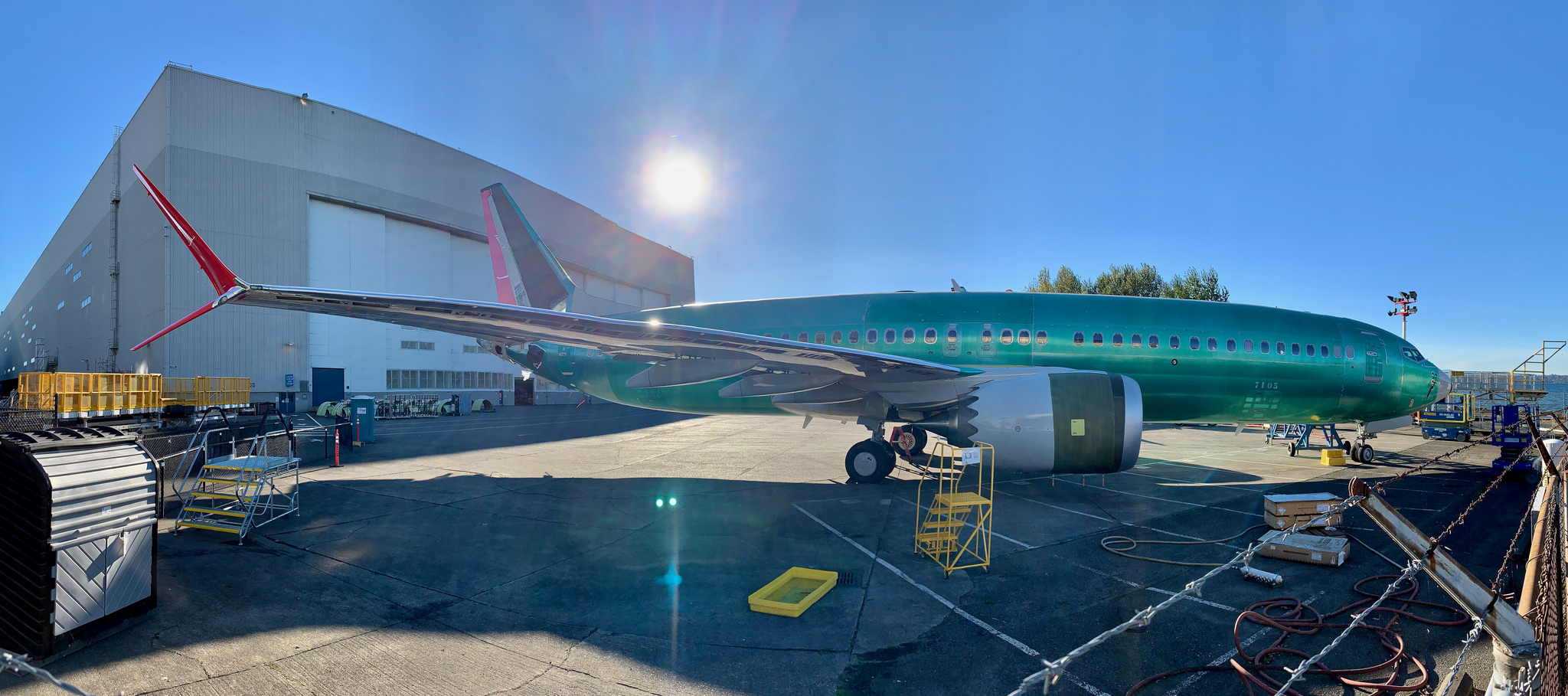
Airbus SE podría ganar mercado en el segmento de aeronaves narrowbodies. El Airbus A320NEO es el bestseller del constructor europeo es el reemplazo para el Boeing 737 MAX que permanece en tierra por problemas de inseguridad. Aunque el consorcio tiene eñ mercado a su favor para torcer pedidos de las aerolíneas, afronta un largo atraso al igual que Boeing en la línea de ensamblaje.

Boeing 737, line-out

Los clientes del Boeing 737 MAX, afrontarán el retraso de las entregas a los operadores mundiales, la instalación de un software mejorado, las instrucciones y capacitaciones, las pérdidas económicas por la paralización de las aeronaves, entre otros detalles figuran entre los aspectos negativos de la puesta a tierra mundial de la flota de Boeing 737 MAX. Boeing ha sostenido que continuará con la línea de producción pese a que el modelo ha sido suspendido para volar por parte de los organismos mundiales de regulaciones aeronáuticas. Aunque no existe una salida rápida para la crisis de confianza que amenaza a la industria del constructor americano, el gigante de Seattle tendrá que desarrollar una estrategia para mantener la cartera de clientes ya relegada de la competencia del Airbus A320NEO.

Aerolíneas & 737 MAX

La mayoría de las aerolíneas que han ordenado 737 MAX, hasta el momento han dicho que los mantendrán en espera del resultado de la investigación. La aerolínea de bajo costo de Canadá, WestJet Airlines, se convirtió el lunes en la segunda aerolínea en advertir que su desempeño financiero se verá afectado por la puesta a tierra global de la flota de 737 MAX. La advertencia se produce después de que la mayor aerolínea de Canadá, Air Canada, emitiera una advertencia similar el pasado viernes. La aerolínea normalmente opera 24 aviones Boeing 737 MAX de su flota de 392 unidades.

Resultado de imagen para A320neo assembly lineENSAMBLAJE DE LA LÍNEA DE LA FAMILIA A320 EN MOBILE, ESTADOS UNIDOS
Uno de los mayores desafíos para las aerolíneas es que el avión de reemplazo el A320NEO, simplemente no está disponible debido inicialmente a los retrasos en las entregas de motores y a que la estructura de la línea de ensamblaje no soportaría un aumento sustancial de una demanda incrementada. Airbus ya está trabajando a toda máquina para producir suficientes aviones como para cumplir con su cartera de pedidos existente y al mismo tiempo ganar nuevos clientes. A fines de Febrero 2019, la compañía tenía una cartera de pedidos de 5.962 para sus aviones de pasillo único. De ellos, 5.814 fueron órdenes para el A320NEO y solo 148 para el A320CEO. «En teoría, pueden cambiar los pedidos de Boeing a Airbus, pero estarán esperando al final de la cola de Airbus. Había un tiempo de espera de aproximadamente tres años para el nuevo NEO, aunque los clientes favorecidos podrían obtener una mejor posición en la línea», dijo Robert Stallard de Vertical Partners Research.

Airbus ya había anunciado planes para aumentar la producción de los aviones narrowbodies con una frecuencia de 60/mes a partir de 3Q2019, proyectando 63/mes para 2021 y los analistas creen que es poco probable que cambien debido a las tensiones existentes en la cadena de suministro. Negociar pedidos de aviones cuesta tiempo y dinero y no fue una decisión de la noche a la mañana, enfatizaron los expertos de la industria. Airbus gestionaría sus pedidos y las demandas de saldos de aquellas aerolíneas que querían entregas anteriores con aquellas que no las necesitaban hasta más tarde, pero tendría dificultades para aceptar nuevas solicitudes.

«Para aquellas aerolíneas que ya operaban 737 MAX, una de las pocas opciones disponibles es arrendar una versión anterior del 737. Podrían, posiblemente conseguir que Boeing obtenga más 737 Next Generation a precio de descuento, por supuesto, pero eso causaría aún más interrupciones en la cadena de suministro de Boeing», dijo el Sr. Stallard.

Norwegian Air Shuttle posee 18 Boeing 737-8 MAX en su flota total de alrededor de 160, y otros 92 en orden, dijo la semana pasada que no «tomaría el costo relacionado con el nuevo avión que tenemos para estacionar temporalmente. Enviaremos la factura a quienes produzcan este avión», dijo el Director Ejecutivo Bjorn Kjos en una situación financiera apretada.

Los analistas de aviación dijeron que esperaban que los clientes mantuvieran sus pedidos de 737 MAX a menos que se encontrara una falla crítica. Boeing posee una cartera de pedidos de 4.659 aviones de la última versión narrowbodies. «Los clientes pueden tener la tentación de cancelar los pedidos en el MAX, pero es probable que renuncien a los adelantos en efectivo que ya hicieron a Boeing», dijo Chris Higgins, analista aeroespacial de Morningstar en una nota a los clientes la semana pasada.

Boeing ha estado trabajando duro en el último año para obtener más 737 MAX en la competencia con el A320NEO. El grupo estadounidense dijo la semana pasada que aún planeaba mantener una producción de 737 MAX en su actual frecuencia de 52 por mes a pesar de suspender las entregas. Sin embargo, una conexión a tierra prolongada podría eventualmente causar un backup de la aeronave en sus instalaciones.

El impacto general en la industria de la aviación hasta ahora está contenido por el tamaño relativamente pequeño de la flota de 737 MAX. Los operadores estadounidenses de la aeronave, American Airlines, Southwest Airlines y United Airlines, operan en conjunto solo 72 aeronaves de su flota combinada de aproximadamente 2.400.

DOT investiga a FAA

En un movimiento inusual, el Departamento de Transporte está investigando la aprobación de la FAA de los aviones de línea 737 MAX. La atención se centra en una oficina de la FAA en el área de Seattle que certifica la seguridad de los nuevos modelos de aeronaves, así como una oficina separada en la misma región a cargo de los requisitos de capacitación.AW-Icon-TXT-01

Resultado de imagen para Boeing 737 MAX assembly lineAirbus A320 seeks to gain market

Airbus can not build fast enough to replace market

AW-70099433Airbus SE could win market share in the narrowbodies aircraft segment. The Airbus A320NEO is the bestseller of the European manufacturer is the replacement for the Boeing 737 MAX that remains on the ground due to problems of insecurity. Although the consortium has a market in its favor to turn orders from the airlines, it faces a long delay like Boeing in the assembly line.

Boeing 737, line-out

The customers of the Boeing 737 MAX, will face the delay of the deliveries to the global operators, the installation of an improved software, the instructions and training, the economic losses due to the paralysis of the aircraft, among other details are among the negative aspects of the Global grounding of the Boeing 737 MAX fleet. Boeing has maintained that it will continue with the production line despite the fact that the model has been suspended to fly by the world aeronautical regulations bodies. Although there is no quick exit for the crisis of confidence that threatens the American builder industry, the Seattle giant will have to develop a strategy to maintain the customer base already relegated from the competition of the Airbus A320NEO.

AW-70990-Fortune.jpgAirlines & 737 MAX

Most of the airlines that have ordered 737 MAX have so far said they will keep them awaiting the results of the investigation. Canada’s low-cost airline, WestJet Airlines, became the second airline on Monday to warn that its financial performance will be affected by the global grounding of the 737 MAX fleet. The warning comes after Canada’s largest airline, Air Canada, issued a similar warning last Friday. The airline typically operates 24 Boeing 737 MAX aircraft from its fleet of 392 units.

One of the biggest challenges for airlines is that the A320NEO replacement aircraft simply is not available due initially to delays in engine deliveries and that the assembly line structure would not support a substantial increase in increased demand. Airbus is already working at full speed to produce enough aircraft to meet its existing order book and at the same time win new customers. At the end of February 2019, the company had an order book of 5,962 for its single-aisle aircraft. Of these, 5,814 were orders for the A320NEO and only 148 for the A320CEO. «In theory, they can change orders from Boeing to Airbus, but they will be waiting at the end of the Airbus queue.» There was a wait time of about three years for the new NEO, although favored customers could get a better position on the line», said Robert Stallard of Vertical Partners Research.

Airbus had already announced plans to increase the production of narrowbodies aircraft with a frequency of 60/month from 3Q2019, projecting 63/month by 2021 and analysts believe that it is unlikely to change due to the existing tensions in the supply chain. supply. Negotiating aircraft orders costs time and money and it was not an overnight decision, experts from the industry emphasized. Airbus would manage its orders and the demands of balances of those airlines that wanted previous deliveries with those that did not need them until later, but would have difficulties accepting new applications.

Resultado de imagen para Boeing 737 MAX assembly line

«For those airlines that already operated 737 MAX, one of the few options available is to lease an earlier version of the 737. They could, possibly get Boeing to get more 737 Next Generation at a discount price, of course, but that would cause even more disruptions in Boeing’s supply chain», said Mr. Stallard.

Norwegian Air Shuttle owns 18 Boeing 737-8 MAX in its total fleet of around 160, and another 92 in order, said last week that it would not «take the cost related to the new airplane we have to temporarily park. who produce this plane», said Executive Director Bjorn Kjos in a tight financial situation.

Aviation analysts said they expected customers to keep their 737 MAX orders unless a critical fault was found. Boeing has an order book of 4,659 aircraft of the latest narrowbodies version. «Customers may be tempted to cancel orders at the MAX, but they are likely to forego the cash advances they already made to Boeing», Chris Higgins, a Morningstar aerospace analyst, said in a note to clients last week.

Boeing has been working hard in the last year to get more 737 MAX in the competition with the A320NEO. The US group said last week it was still planning to maintain a production of 737 MAX at its current frequency of 52 per month despite suspending deliveries. However, a prolonged ground connection could eventually cause a backup of the aircraft in your facility.

The overall impact on the aviation industry so far is contained by the relatively small size of the fleet of 737 MAX. The American operators of the aircraft, American Airlines, Southwest Airlines and United Airlines, operate together only 72 aircraft of its combined fleet of approximately 2,400.

DOT investigates FAA

In an unusual move, the Department of Transportation is investigating the FAA’s approval of the 737 MAX aircraft. The focus is on an FAA office in the Seattle area that certifies the safety of the new aircraft models, as well as a separate office in the same region in charge of the training requirements. A \ W


Ξ A I R G W A Y S Ξ
SOURCE: Airgways.com
DBk: Ft.com / Transportation.gov / Airgways.com / Morningstar.com / Theaircurrent.com / Airlinegeeks.com
AW-POST: 201903191219AR

A\W   A I R G W A Y S ®

Boeing emite declaración vuelo ET-302

Resultado de imagen para Dennis Muilenburg Boeing

AW | 2019 03 19 10:44 | INDUSTRY / AVIATION SAFETY

Boeing-Logo.svg.pngThe Boeing Company emite informe sobre investigación accidente vuelo ET-302

El Director Ejecutivo de Boeing emite una declaración sobre la investigación de accidentes del vuelo ET-302 de Ethiopian Airlines. El Presidente y CEO de Boeing, Dennis Muilenburg, emitió una declaración sobre el informe del Ministerio de Transporte a cargo de Dagmawit Moges.

«En primer lugar, nuestras más sinceras condolencias son con las familias y los seres queridos de aquellos a bordo del vuelo 302 de Ethiopian Airlines.

Boeing continúa apoyando la investigación y está trabajando con las autoridades para evaluar la nueva información a medida que esté disponible. La seguridad es nuestra máxima prioridad ya que diseñamos, construimos y apoyamos nuestros aviones. Como parte de nuestra práctica estándar después de cualquier accidente, examinamos el diseño y la operación de nuestra aeronave y, cuando corresponde, instituimos actualizaciones de productos para mejorar aún más la seguridad. Mientras los investigadores continúan trabajando para establecer conclusiones definitivas, Boeing está finalizando su desarrollo de una actualización de software anunciada previamente y una revisión del entrenamiento del piloto que abordará el comportamiento de la ley de control de vuelo MCAS en respuesta a entradas de sensores erróneas. También continuamos brindando asistencia técnica a solicitud y bajo la dirección de la Junta Nacional de Seguridad del Transporte (NTSB) de los Estados Unidos.

De acuerdo con el protocolo internacional, todas las consultas sobre la investigación de accidentes en curso deben dirigirse a las autoridades investigadoras».AW-Icon-TXT-01

Resultado de imagen para Boeing headquartersBoeing issues accident statement ET-302

The Boeing Company issues report on flight accident investigation ET-302

The Executive Director of Boeing issues a statement on the accident investigation of Ethiopian Airlines Flight ET-302. The President and CEO of Boeing, Dennis Muilenburg, issued a statement on the report of the Ministry of Transport in charge of Dagmawit Moges.

«First of all, our most sincere condolences are with the families and loved ones of those aboard Flight 302 of Ethiopian Airlines.

Boeing continues to support the research and is working with authorities to evaluate the new information as it becomes available. Safety is our top priority as we design, build and support our aircraft. As part of our standard practice after any accident, we examine the design and operation of our aircraft and, when appropriate, institute product updates to further improve safety. While researchers continue to work to establish definitive conclusions, Boeing is finalizing its development of a previously announced software update and a review of pilot training that will address the behavior of the MCAS flight control law in response to erroneous sensor inputs. We also continue to provide technical assistance upon request and under the direction of the National Transportation Safety Board (NTSB) of the United States.

In accordance with the international protocol, all inquiries about the investigation of accidents in progress should be addressed to the investigating authorities». A \ W


Ξ A I R G W A Y S Ξ
SOURCE: Airgways.com
DBk: Boeing.com
AW-POST: 201903191044AR

A\W   A I R G W A Y S ®

Cierre del Aeropuerto Eilat

Imagen relacionadaAW | 2019 03 19 10:00 | AIRPORTS

Cierre definitivo del Aeropuerto Eilat de Israel

El Aeropuerto de Eilat de Israel cerró sus puertas definitivamente después de 70 años de viajes al despedir de su último vuelo el lunes, con todas las llegadas y salidas derivadas al nuevo Aeropuerto Ramon, a 19 kilómetros (12 millas) al norte de la ciudad turística.

Un turbohélice Israir ATR-72-500 despegó hacia el Aeropuerto Sde Dov en Tel Aviv, cuando cayó la noche y el personal comenzó a empacar y trasladar sus equipos al nuevo aeropuerto. Ahora se espera que la pista única se rompa y el terreno se utilice para la construcción. El aeropuerto de la ciudad, convenientemente situado, se abrió como una línea vital de la ciudad en marzo de 1949, menos de un año después de la fundación de Israel. Sirvió casi exclusivamente para vuelos domésticos y estaba a poca distancia del centro de la ciudad y de muchos hoteles. En su último año de operación, vio casi 19.000 movimientos de aeronaves en su única pista de 1.900 metros de largo (6.230 pies).

Eilat espera un alza en el turismo. Inicialmente, Ramon dará la bienvenida a cerca de dos millones de pasajeros al año, con planes de expandirse a 4.5 millones. La nueva terminal aérea se inauguró el 21 de enero y se considera una parte clave de los planes para impulsar el turismo hacia Eilat. También sirve como una alternativa de emergencia al Aeropuerto Ben Gurión de Tel Aviv en tiempos de conflicto. Actualmente, aproximadamente 1.4 millones de israelíes visitan Eilat anualmente y unos 300.000 turistas extranjeros vuelan, principalmente desde Europa.

El Aeropuerto Ramón comenzó a recibir vuelos internacionales a principios de este mes. Varias aerolíneas de bajo costo y chárter habían estado volando al aeropuerto de Ovda, transportando a vacacionistas de Europa. Las principales aerolíneas, como la alemana Lufthansa, también comenzarán a prestar servicio en el nuevo aeropuerto. Ramon es el primer aeropuerto civil que se construyó desde cero en Israel desde la fundación del Estado en 1948. Otras instalaciones se han modificado a partir de la infraestructura construida principalmente durante el período del Mandato británico. El aeropuerto de la ciudad de Eilat y una serie de otros aeródromos se construyeron inicialmente para servir a los militares y no para fines civiles.AW-Icon-TXT-01

Resultado de imagen para Eilat AirportClosure of Eilat Airport

Final closure of Israel’s Eilat Airport

Israel’s Eilat Airport closed its doors definitively after 70 years of travel as it dismissed its last flight on Monday, with all arrivals and departures derived from the new Ramon Airport, 12 miles north of the tourist city .

An Israir ATR-72-500 turboprop took off for Dode Sv Airport in Tel Aviv, when night fell and the staff began packing and moving their equipment to the new airport. Now it is expected that the single track will be broken and the terrain will be used for construction. The city airport, conveniently located, opened as a vital line of the city in March 1949, less than a year after the founding of Israel. It served almost exclusively for domestic flights and was within walking distance of the city center and many hotels. In its last year of operation, it saw almost 19,000 aircraft movements on its only 1,900 meter long (6,230 feet) runway.

Eilat expects a boost in tourism. Initially, Ramon will welcome around two million passengers a year, with plans to expand to 4.5 million. The new air terminal was inaugurated on January 21 and is considered a key part of the plans to boost tourism to Eilat. It also serves as an emergency alternative to Ben Gurion Airport in Tel Aviv in times of conflict. Currently, approximately 1.4 million Israelis visit Eilat annually and some 300,000 foreign tourists fly, mainly from Europe.

The Ramón Airport began receiving international flights earlier this month. Several low-cost, charter airlines had been flying to Ovda Airport, transporting vacationers from Europe. Major airlines, such as Germany’s Lufthansa, will also begin service at the new airport. Ramon is the first civil airport built from scratch in Israel since the founding of the state in 1948. Other facilities have been modified from the infrastructure built primarily during the period of the British Mandate. The airport in the city of Eilat and a number of other aerodromes were initially built to serve the military and not for civilian purposes. A \ W

Resultado de imagen para Eilat Airport

סגירת נמל התעופה באילת

סגר סופי של נמל התעופה באילת

נמל התעופה באילת סגור את דלתותיו באופן סופי לאחר כ -70 שנות נסיעה, כאשר הוא פוטר את טיסתו האחרונה ביום שני, עם כל ההגעות והיציאות הנגזרות מנמל התעופה החדש של רמון, 12 ק»מ מצפון לעיר התיירות .

מטוס ישראייר ATR-72-500 המריא לנמל התעופה דוד ס ‘בתל אביב, עם רדת הלילה והצוות החל לארוז ולהעביר את ציודם לשדה התעופה החדש. עכשיו זה צפוי כי המסלול בודד יהיה שבור ואת השטח ישמש לבנייה. שדה התעופה בעיר, הממוקם בנוחות, נפתח כקו חיוני של העיר במארס 1949, פחות משנה לאחר קום המדינה. הוא שימש כמעט באופן בלעדי לטיסות פנים, והיה במרחק הליכה ממרכז העיר וממלונות רבים. בשנה האחרונה של המבצע, הוא ראה כמעט 19,000 תנועות מטוסים על מסלול רק 1,900 מטר שלה (6,230 רגל).

אילת מצפה לעלייה בתיירות. בתחילה, רמון יקבל בברכה כ -2 מיליון נוסעים בשנה, עם תוכניות להרחבה ל -4.5 מיליון. המסוף החדש נחנך ב -21 בינואר ונחשב לחלק מרכזי מהתכניות להגברת התיירות לאילת. היא משמשת גם כאלטרנטיבה לשעת חירום בנתב»ג בעתות סכסוך. כיום, כ -1.4 מיליון ישראלים מבקרים באילת מדי שנה וכ -300 אלף תיירים זרים מגיעים בעיקר מאירופה.

נמל התעופה של רמון החל לקבל טיסות בינלאומיות מוקדם יותר החודש. כמה חברות תעופה זולות, בעלות נמוכה, טסו לנמל התעופה עובדה, שהסיעו נופשים מאירופה. חברות תעופה גדולות, כמו Lufthansa של גרמניה, גם להתחיל שירות בשדה התעופה החדש. רמון הוא שדה התעופה האזרחי הראשון שנבנה מאפס בישראל מאז קום המדינה ב -1948. מתקנים אחרים השתנו מתשתית שנבנתה בעיקר בתקופת המנדט הבריטי. שדה התעופה בעיר אילת ומספר שדות תעופה אחרים נבנו תחילה כדי לשרת את הצבא ולא למטרות אזרחיות. A \ W


Ξ A I R G W A Y S Ξ
SOURCE: Airgways.com
DBk: Timesofisrael.com / Chicagotribune.com / Iaa.gov.il
AW-POST: 201903191000AR

A\W   A I R G W A Y S ®