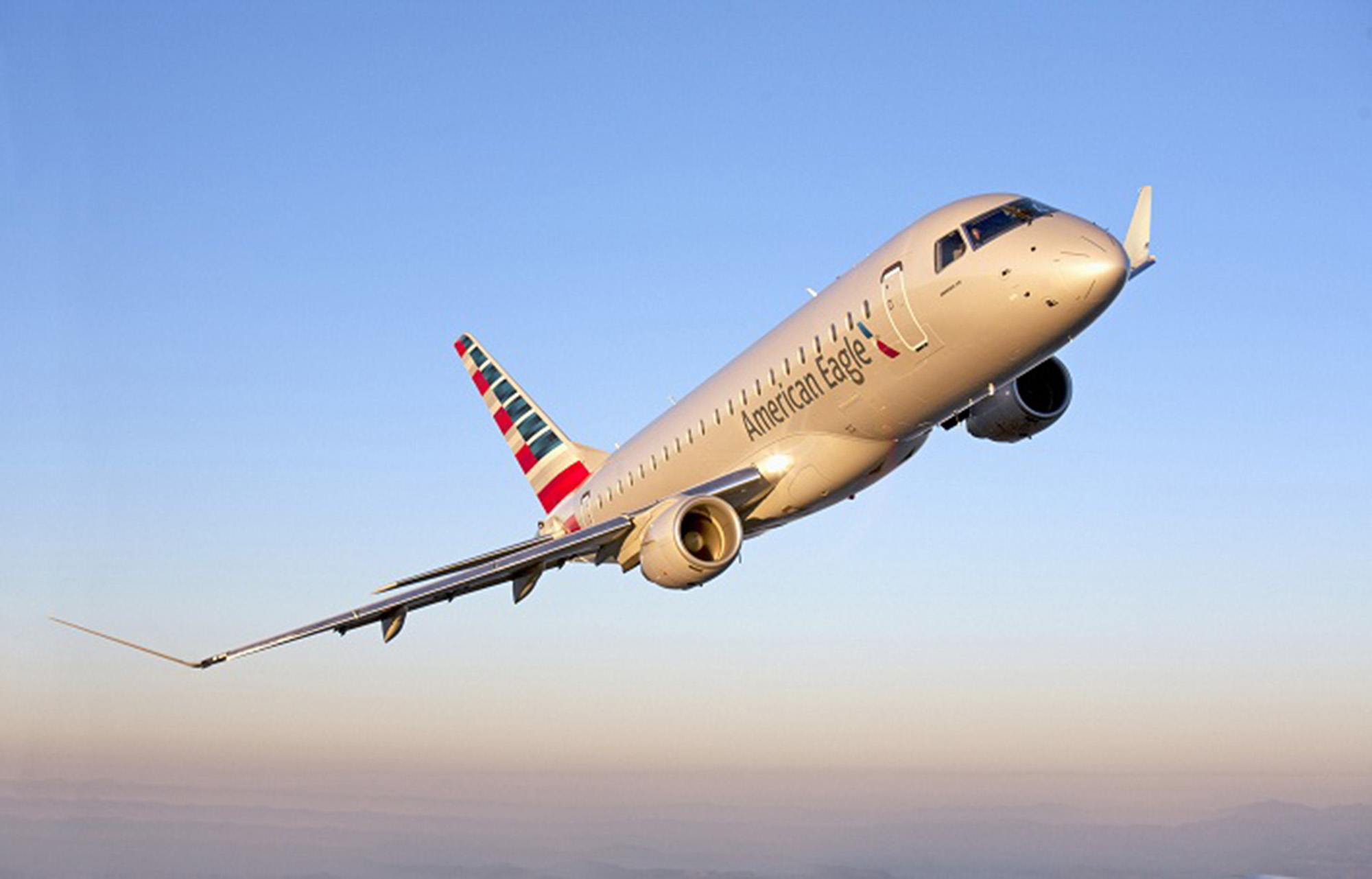
American ordena 15 E175 adicionales

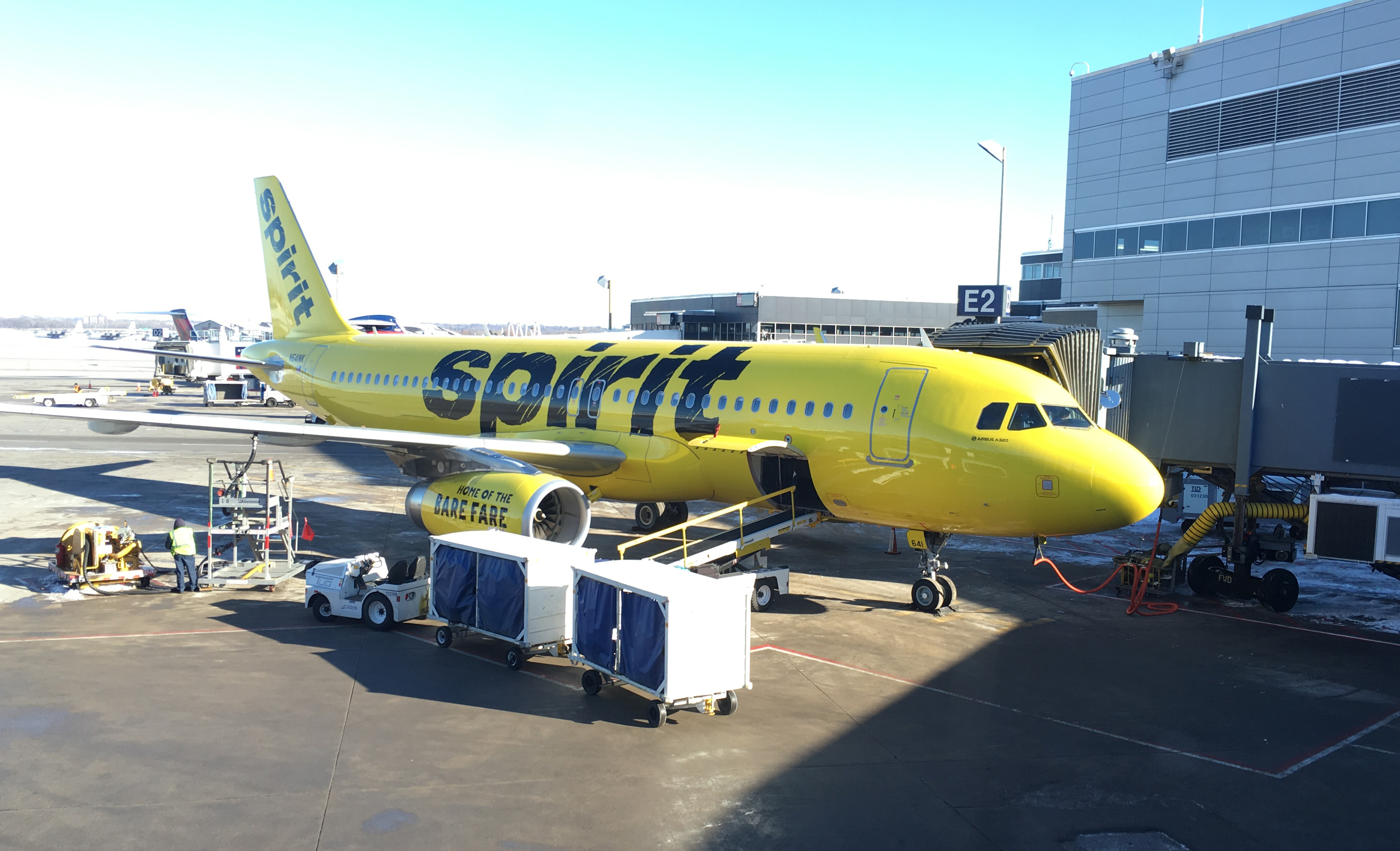
Resultado de imagen para E175 American

AW | 2018 11 05 12:35 | AIRLINES

AW-7000005.pngEmbraer recibe una solicitud firme de American Airlines por quince Embraer E175 adicionales

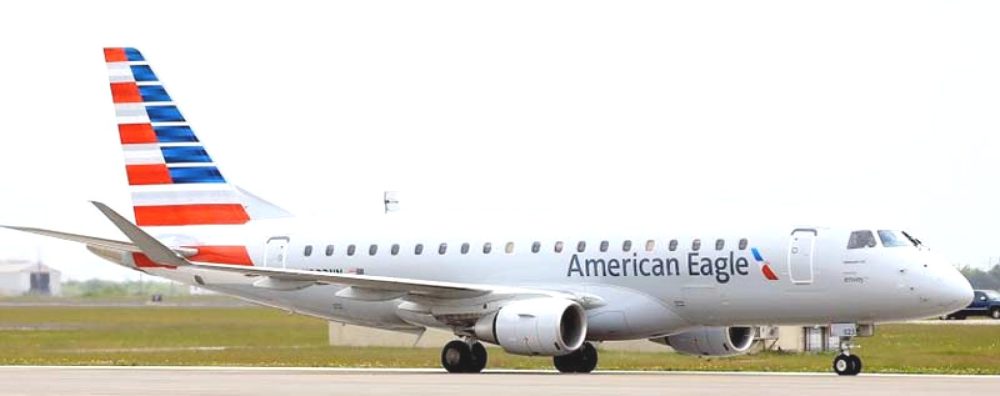
La empresa aeronáutica Embraer ha comunicado este Lunes, 5 Noviembre 2018 que American Airlines hizo un pedido firme para quince Embraer E175 adicionales configurados con 76 asientos, en un acuerdo de 1280px-Embraer_logo.svgcontrato valorado a precio de lista en US$ 705 millones de dólares. Los nuevos Embraer E175 se programarán para la flota de aeronaves en la filial Envoy Air que es una aerolínea regional con base en Fort Worth, Texas,​ que comenzó a operar como una pequeña aerolínea regional afiliada a American Airlines.

El pedido encomendado de 15 unidades del jet regional se incluirá en la cartera de pedidos firmes de Embraer (backlog) del 4Q2018, previendo las entregas a las aerolíneas del grupo en 2020. «A lo largo de las solicitudes anteriores de E175 realizadas por la compañía aérea, este nuevo contrato resulta en un pedido total de 104 aeronaves del modelo por American Airlines desde 2013», dijo a Embraer en un comunicado.

E175 «non Scope Clauses»

El pedido total de 104 aeronaves Embraer E175 solicitado por American Airlines permitirá extender su flota de aeronaves regionales evitando entrar en conflicto con las Scope Clauses, las Cláusulas de Alcance que son una parte de un contrato entre una aerolínea y un sindicato piloto, que existe principalmente en los Estados Unidos y Canadá. Generalmente, estas cláusulas son utilizadas por el sindicato de una línea aérea importante para limitar el número y/o el tamaño de las aeronaves que la línea aérea puede contratar con una línea aérea regional. El objetivo es proteger los empleos sindicales en la aerolínea principal para que no sean subcontratados a aerolíneas regionales que operen aviones más grandes.

Embraer busca equilibrio financiero

El fabricante brasileño de aviones reportó la semana pasada pérdidas en los primeros nueve meses del año, atribuidas a sus controladores por US$ 159,7 millones, frente a las ganancias del mismo período del año pasado. Sin embargo, la compañía, líder mundial en el segmento de aviones medianos para vuelos regionales, aseguró que esas pérdidas cambiarias pueden ser revertidas en lo que resta del año debido a que, en las últimas semanas, el real registró una fuerte apreciación.

Embraer tuvo entre Enero-Septiembre 2018 una cartera de entregas de 57 aviones comerciales y 55 ejecutivos, frente al mismo período Enero-Septiembre 2017 con 78 aeronaves comerciales y 59 ejecutivos.

Boeing-Embraer hacia la unificación

Embraer continúa negociando una asociación con la estadounidense The Boeing Company, que pasaría a controlar el segmento de aviación comercial de la brasileña conformando un Joint Venture. La fusión de los negocios de las dos empresas en la aviación comercial fue anunciada en Julio 2018 y se prevé que Boeing se quede con el 80% y Embraer con el 20% de la empresa resultante del Joint Venture.  AIRWAYS® AW-Icon TXT

AW-700888175.jpg

American orders 15 additional E175

Embraer receives a firm request from American Airlines for fifteen additional Embraer E175

The aeronautical company Embraer announced this Monday, November 5, 2018 that American Airlines made a firm order for fifteen additional Embraer E175 configured with 76 seats, in a contract agreement valued at a list price of US$ 705 million. The new Envoy air logo.svgEmbraer E175 will be programmed for the aircraft fleet at the subsidiary Envoy Air which is a regional airline based in Fort Worth, Texas, which began operating as a small regional airline affiliated with American Airlines.

The commissioned order of 15 regional jet units will be included in Embraer’s firm order book (backlog) of 4Q2018, foreseeing deliveries to the group’s airlines in 2020. «Throughout the previous E175 requests made by the company This new contract results in a total order of 104 aircraft of the model by American Airlines since 2013», he told Embraer in a statement.

AW-700Afleets100.jpgEMBRAER E175 OF AMERICAN EAGLE

E175 «non Scope Clauses»

The total order of 104 Embraer E175 aircraft requested by American Airlines will allow the expansion of its fleet of regional aircraft avoiding conflict with the Scope Clauses, the Scope Clauses that are a part of a contract between an airline and a pilot union, which exists mainly in the United States and Canada. Generally, these clauses are used by the union of an important airline to limit the number and / or size of the aircraft that the airline can contract with a regional airline. The objective is to protect union jobs in the main airline so that they are not subcontracted to regional airlines that operate larger planes.

Embraer seeks financial balance

The Brazilian aircraft manufacturer reported losses last week in the first nine months of the year, attributed to its controllers for US$ 159.7 million, compared to the same period last year. However, the company, a world leader in the segment of medium-sized aircraft for regional flights, said that these foreign exchange losses can be reversed in the remainder of the year because, in recent weeks, the real recorded a strong appreciation.

Embraer had between January-September 2018 a delivery portfolio of 57 commercial aircraft and 55 executives, compared to the same period January-September 2017 with 78 commercial aircraft and 59 executives.

Boeing-Embraer towards unification

Embraer continues to negotiate a partnership with the US company The Boeing Company, which would control the Brazilian commercial aviation segment forming a Joint Venture. The merger of the businesses of the two companies in commercial aviation was announced in July 2018 and Boeing is expected to keep 80% and Embraer with 20% of the company resulting from the Joint Venture. A \ W


Ξ A I R G W A Y S Ξ
SOURCE: Airgways.com
DBk: Aa.com / Embraer.com / Embraercommercialaviation.com / Airlinesfleet.com / Airgways.com
AW-POST: 201811051235AR

A\W   A I R G W A Y S ®


Huelga en Airbus España

AW-70066555.jpg

AW | 2018 11 04 18:58 | INDUSTRY

Logo_Airbus_2014.svg.pngHuelga indefinida en la fábrica de Airbus en Illescas ante el despido de 17 trabajadores

El sindicato CGT para los trabajadores de una de las empresas colaboradoras de Airbus Illescas, ISS Facility que está subcontratada en la fábrica illescana ha convocado a la huelga a los trabajadores de la factoría de Getafe y al resto en Illescas en solidaridad con los compañeros que van a ser despedidos.

La CGT llama a la huelga indefinida a los trabajadores de ISS Facility en Airbus en Illescas. El conflicto comenzó con el cambio de empresa, los representantes sindicales recibieron la notificación de que se dejaba de trabajar con ID Logistics y que se quedaban fuera 17 trabajadores, algunos con 25 años de antigüedad.

Según un comunicado de prensa del sindicato, la nueva empresa solo ha sido contratada para una parte del trabajo por lo que “le sobran” 17 trabajadores, aunque en el contrato de la empresa saliente recoge “de forma muy clara” que si hay subrogación de empresas, también quedará subrogada el 100% de la plantilla, según le notificaron por escrito en la extinción del contrato. La huelga arranca el Lunes 5 Noviembre 2018, desde la medianoche. La CGT informa de que los trabajadores de esta empresa realizan un trabajo de vital importancia para la multinacional aeronáutica, ya que son los encargados de realizar los movimientos y la limpieza de los útiles para poder fabricar las piezas de avión de fibra de carbono que se hacen en Illescas.

La huelga que también se manifiesta en Getafe en solidaridad con los trabajadores de Illescas aseguran que la presión sindical será un factor importante en este proceso y llaman a la unidad de los trabajadores, al igual que lo hacen con los compañeros de la factoría de Airbus en Getafe, quienes aun habiendo sido subrogados en este último caso al 100% de la plantilla, tienen convocada la huelga de igual manera para solidarizarse con los despedidos y conseguir presionar a las empresas, que son las que deben dar solución a esta situación, como únicos responsables de la misma. La CGT cree que es un escarmiento a la plantilla porque ha sabido organizarse y defenderse en diferentes negociaciones de manera muy satisfactoria y por último aseguran que este sindicalismo combativo es el que Airbus quiere eliminar de raíz para que no prospere el ejemplo. AIRWAYS® AW-Icon TXT

Imagen relacionada

Strike on Airbus Spain

Indefinite strike at the Airbus factory in Illescas before the dismissal of 17 workers

Logo_Airbus_2014.svg.pngThe CGT union for the workers of one of the companies that collaborate with Airbus Illescas, ISS Facility, which is subcontracted in the Illescana factory, has called the strike to the workers of the Getafe factory and the rest in Illescas in solidarity with the colleagues who are going to be fired.

The CGT calls the indefinite strike to the ISS Facility workers at Airbus in Illescas. The conflict started with the change of company, the union representatives received the notification that they stopped working with ID Logistics and that 17 workers were left out, some of them 25 years old.

According to a press release from the union, the new company has only been hired for part of the work, so there are «over» 17 workers, although in the contract of the outgoing company it says «very clearly» that if there is subrogation of companies, will also be subrogated 100% of the workforce, as notified in writing in the termination of the contract. The strike starts on Monday 5 November 2018, from midnight. The CGT informs that the workers of this company carry out a work of vital importance for the aeronautical multinational, since they are in charge of carrying out the movements and the cleaning of the tools to be able to manufacture the pieces of carbon fiber airplane that are made in Illescas.

The strike also manifested in Getafe in solidarity with the workers of Illescas ensure that the union pressure will be an important factor in this process and call for the unity of the workers, as they do with the colleagues of the Airbus factory in Getafe , who have been subrogated in the latter case to 100% of the workforce, have called the strike in the same way to show solidarity with the dismissed and get pressure on companies, which are the ones that must solve this situation, as sole responsible Of the same. The CGT believes that it is a warning to the workforce because it has managed to organize itself and defend itself in different negotiations in a very satisfactory way and finally they say that this combative unionism is the one that Airbus wants to eliminate at the root so that the example does not prosper. A \ W


Ξ A I R G W A Y S Ξ
SOURCE: Airgways.com
DBk: Airbus.com / Finanzas.com / Dclm.es / Airgways.com
AW-POST: 201811041858AR

A\W   A I R G W A Y S ®


Inversiones en aeropuertos de Paraná

Resultado de imagen para aeroportos Estado do Parana

AW | 2018 11 04 18:37 | AIRPORTS

El Gobierno del Estado de Paraná está invirtiendo en sus aeropuerto

El Gobierno del Estado de Paraná, República de Brasil, viabilizó más de R$ 17 millones en inversiones en el sector aeroportuario para 2018. El gobierno ha avanzado con obras en los aeropuertos de Guarapuava, Ponta Grossa y Toledo. Están en marcha intervenciones en los aeródromos de Umuarama, Pato Branco y Unión de la Victoria.

El Aeropuerto Umuarama, Orlando de Carvalho, en el Noroeste del Estado de Paraná, fue contemplado con R$ 5,5 millones para pavimentación asfáltica, recapeamiento, drenaje, servicios complementarios (alambrado, gramo y pavimento en paver) y señalización horizontal. La obra fue iniciada en febrero con previsión de conclusión en Diciembre 2018. Se han concluido el terraplén, instalación de césped y alambrados. La recapacitación de la pista alcanzó el 50% de ejecución y la pavimentación se aproxima al 40% del cronograma.

El Aeropuerto de Guarapuava, en Mayo 2018 quedó lista la pavimentación asfáltica del patio de maniobras del Aeropuerto Tancredo Thomas de Faria, en Guarapuava, en la Región Central, con aporte de R$ 1,3 millón. Se están programando más R$ 920,9 mil para adquisición de equipos, prevista para Noviembre 2018. El próximo mes, el ayuntamiento planea concluir la reforma y ampliación de la terminal de pasajeros, en asociación con la iniciativa privada, al costo de R $ 2 millones. Después de la finalización de estas etapas se pleiteará la certificación de la Agencia Nacional de Aviación Civil (ANAC) de Brasil para la reanudación de la aviación comercial. El Aeropuerto de Guarapuava tuvo el último vuelo regular en 2008.

El Aeropuerto de Pato Blanco, Juvenal Loureiro Cardoso, en el Sudoeste del Estado, está en marcha la pavimentación asfáltica, recapacitación y señalización horizontal. La inversión suma 2,7 millones de reales, con término previsto para diciembre. Después de la certificación de Anac el espacio estará apto para operar vuelos comerciales.

El Aeropuerto de Ponta Grossa Sant’Anna está operando comercialmente desde 2016, pasó por reforma y ampliación en Agosto 2018. Se destinaron R$ 4,2 millones para recape asfáltico, señalización horizontal, drenaje y ampliación de la pista. Estas mejoras permiten el aterrizaje de aeronaves más grandes.

El Aeropuerto de Toledo se ha concluido en Agosto 2018 el recapeamiento asfáltico del pavimento del patio de maniobras y de la pista de aterrizaje y despegue del Aeropuerto Luiz Dalcanale Filho, en Toledo, en el Oeste del Estado de Paraná. El monto invertido totaliza R$ 1,4 millón. El ayuntamiento espera la certificación de ANAC para reanudar vuelos regulares. El último vuelo ocurrió en 2011.

El Aeropuerto Unión da Victoria comenzó el 24 Octubre 2018 la obra de restauración y señalización de la pista, patio y acceso del Aeródromo José Cleto, en la Unión de la Victoria, en la Región Sur. Con un valor de R$ 997,1 mil, la estimativa es que la la obra termina en Noviembre 2018.

Los recursos son fruto de convenios firmados entre la Secretaría de Infraestructura y Logística y los ayuntamientos. La Gobernadora Cida Borghetti del Estado de Paraná expresó que «son obras importantes para las economías regionales. «Facilitan la consolidación de nuevas rutas áreas, crean oportunidades y estimulan nuevos negocios, además de aumentar la seguridad para el transporte médico y de órganos para trasplantes». «La cantidad que el Estado destinó a estas mejoras estructurales permitirá el inicio de la aviación comercial en algunos aeropuertos y la reanudación de la operación en ciudades que no tenían vuelos regulares hace diez años», afirma el secretario de Infraestructura y Logística, Abelardo Lupion. AIRWAYS® AW-Icon TXT

Resultado de imagen para aeroportos Estado do Parana

Investments in Paraná airports

The Government of the State of Paraná is investing in its airports

The Government of the State of Paraná, Republic of Brazil, made viable more than R$ 17 million in investments in the airport sector by 2018. The government has advanced works at the airports of Guarapuava, Ponta Grossa and Toledo. Interventions are under way at the Umuarama, Pato Branco and Unión de la Victoria aerodromes.

The Umuarama Airport, Orlando Carvalho, in the Northwest of the State of Paraná, was contemplated with R$ 5.5 million for asphalt paving, re-drainage, drainage, complementary services (wiring, gram and paver pavement) and horizontal signage. The work was started in February with a forecast of completion in December 2018. The embankment, installation of grass and fences have been completed. The retraining of the runway reached 50% of execution and paving approaches 40% of the schedule.

At the Guarapuava Airport, in May 2018, the asphalt paving of the Tancredo Thomas de Faria Airport maneuvering yard in Guarapuava, in the Central Region, was completed, with a contribution of R$ 1.3 million. More R$ 920.9 thousand are being programmed for the acquisition of equipment, scheduled for November 2018. Next month, the city council plans to complete the reform and expansion of the passenger terminal, in association with the private initiative, at the cost of R$ 2 millions. After the completion of these stages, the certification of the National Agency of Civil Aviation (ANAC) of Brazil for the resumption of commercial aviation will be requested. The Guarapuava Airport had the last regular flight in 2008.

The Pato Blanco Airport, Juvenal Loureiro Cardoso, in the Southwest of the State, is underway asphalt paving, retraining and horizontal signage. The investment amounts to 2.7 million reais, with the end of December. After ANAC’s certification, the space will be able to operate commercial flights.

The Ponta Grossa Airport, Sant’Anna, has been operating commercially since 2016, underwent renovation and expansion in August 2018. R$ 4.2 million was allocated for asphalt refurbishment, horizontal signage, drainage and extension of the runway. These improvements allow the landing of larger aircraft.

Toledo Airport has concluded in August 2018 the asphalt resurfacing of the pavement of the maneuver yard and the landing and take-off runway of the Luiz Dalcanale Filho Airport, in Toledo, in the West of the State of Paraná. The amount invested totals R$ 1.4 million. The city awaits ANAC certification to resume regular flights. The last flight occurred in 2011.

The Union da Victoria Airport began on 24 October 2018 the restoration and signaling work for the runway, courtyard and access to the José Cleto Aerodrome, in Unión de la Victoria, in the Southern Region. With a value of R$ 997.1 thousand, the estimate is that the work ends in November 2018.

The resources are the result of agreements signed between the Ministry of Infrastructure and Logistics and the municipalities. The Governor Cida Borghetti of the State of Paraná said that «they are important works for regional economies. They facilitate the consolidation of new routes, create opportunities and stimulate new business, as well as increasing safety for medical transport and organs for transplants». «The amount that the State allocated to these structural improvements will allow the start of commercial aviation in some airports and the resumption of operations in cities that did not have regular flights ten years ago», says the Secretary of Infrastructure and Logistics, Abelardo Lupion. A \ W

Investimentos nos aeroportos paranaenses

Resultado de imagen para aeroportos Estado do ParanaO Governo do Estado do Paraná está investindo em seus aeroportos

O Governo do Estado do Paraná, República do Brasil, viabilizado mais de R$ 17 milhões em investimentos no sector aeroportuário em 2018. O governo tem feito progressos com obras nos aeroportos em Guarapuava, Ponta Grossa e Toledo. Intervenções estão em andamento nos aeródromos de Umuarama, Pato Branco e Unión de la Victoria.

Imagen relacionadaO Aeroport de Umuarama, Carvalho Orlando, no Noroeste do Estado do Paraná, foi considerado com R$ 5,5 milhões para pavimentação asfáltica, recapeamiento, drenagem, serviços auxiliares (fiação, gram e paver pavimento) e sinalização horizontal. O trabalho foi iniciado em fevereiro com previsão de conclusão em dezembro de 2018. O aterro, instalação de grama e cercas foram concluídas. A reciclagem da pista atingiu 50% de execução e a pavimentação se aproxima de 40% do cronograma.

Aeroporto Guarapuava em Maio 2018 estava pronto pavimentação asfáltica do pátio de manobras Tancredo Thomas de Faria Aeroporto em Guarapuava, na região central, com entrada de R$ 1,3 milhão. Eles estão planejando mais R$ 920,9 mil para compra de equipamentos, prevista para Novembro 2018. No mês seguinte, o Conselho pretende concluir a reforma e ampliação do terminal de passageiros, em parceria com o setor privado, o custo de R$ 2 milhões. Após a conclusão dessas etapas, será solicitada a certificação da Agência Nacional de Aviação Civil (ANAC) do Brasil para a retomada da aviação comercial. O Aeroporto de Guarapuava teve o último vôo regular em 2008.

O Aeroporto de Pato Blanco, Juvenal Loureiro Cardoso, no sudoeste do Estado, está em andamento com pavimentação asfáltica, reciclagem e sinalização horizontal. O investimento chega a 2,7 milhões de reais, com o final de dezembro. Após a certificação da Anac, o espaço poderá operar vôos comerciais.

Aeroporto de Ponta Grossa Sant’Anna está operando comercialmente desde 2016, passou a reforma e expansão em agosto de 2018. R$ 4,2 milhões para recape asfáltico, marcação, drenagem e extensão da pista foi alocado. Essas melhorias permitem o pouso de aeronaves maiores.

O Aeroporto Toledo  foi concluída em Agosto 2018 recapeamiento switchyard pavimento asfáltico e pista de descolagem e Dalcanale Luiz Aeroporto Filho, em Toledo, no oeste do Estado do Paraná. O montante investido totaliza R$ 1,4 milhão. A cidade aguarda a certificação da ANAC para retomar os vôos regulares. O último voo ocorreu em 2011.

O Aeroporto da União da Victoria iniciou em 24 Outubro 2018 o trabalho de restauro e sinalização da pista, pátio e acesso ao Aeródromo José Cleto, na Unión de la Victoria, na Região Sul. Com um valor de R$ 997,1 mil, a estimativa é que a obra termine em novembro de 2018.

Os recursos são resultado de convênios firmados entre o Ministério de Infraestrutura e Logística e os municípios. Governador Cida Borghetti Paraná disse «são obras importantes para as economias regionais. Facilitar a consolidação de novas áreas de rotas, criar oportunidades e estimular novos negócios, bem como a segurança aumento para transporte médico e órgãos para transplante». «O valor do estado gasto nessas melhorias estruturais permitirá o início da aviação comercial em alguns aeroportos ea retomada da operação em cidades que não têm vôos regulares dez anos atrás», disse o secretário de Infraestrutura e Logística, Abelardo Lupion. A\W


Ξ A I R G W A Y S Ξ
SOURCE: Airgways.com
DBk: Infraestructura.pr.gov.br / Anac.gov.br / Uol.com.br / Fábio Ulsenheimer
AW-POST: 201811041837AR

A\W   A I R G W A Y S ®

Spirit Airlines diseña su estilo

Resultado de imagen para spirit airlines airport

AW | 2018 11 04 17:47 | AIRLINES MARKET

Resultado de imagen para spirit airlines pngLa low cost Spirit Airlines prospera en el mercado doméstico de Estados Unidos

Cuando las aerolíneas más grandes de los Estados Unidos idearon tarifas básicas económicas hace varios años, dijeron que era para dejar de perder clientes con las compañías de ultra bajo costo, que venden tarifas base baratas pero cobran más por casi todo lo demás.

Los principales ejecutivos de las aerolíneas estadounidenses han dicho que la estrategia está funcionando, no solo contra las compañías de ultra bajo costo, sino también como una cobertura contra los precios más altos del combustible. Al utilizar las tarifas económicas básicas, American Airlines, Delta Air Lines y United Airlines han podido aumentar los precios incluso en las rutas donde los establecimientos de descuento no compiten, lo que obliga a los clientes a pagar US$ 25 o US$ 30 extra por lo que solía ser la experiencia de clase económica estándar.

Pero lo que ha sido beneficioso para las grandes compañías no ha sido un gran problema para Spirit Airlines, una de las dos aerolíneas estadounidenses de costo ultra bajo que compite directamente con las aerolíneas tradicionales. A pesar de las tarifas económicas básicas, Spirit Airlines está prosperando, aumentando su margen, sus ingresos unitarios y sus ingresos netos en el tercer trimestre, a pesar de pagar mucho más por el combustible.

La aerolínea reportó ingresos netos en el 3Q2018 de US$ 97.5 millones, con un margen antes de impuestos de 14,2%. Tuvo más buenas noticias para todo el año y pronosticó que aumentaría los ingresos en aproximadamente un 6%. Los inversores han estado tan contentos de que las acciones se negociaron en su máximo de 52 semanas después de la publicación de las ganancias.

Spirit, modelo low cost

Las tarifas de economía básica, los atributos de esas tarifas han cambiado, por lo que los clientes obtienen menos por el precio. Sin embargo, es probable que las aerolíneas de servicio completo aún reserven aproximadamente la misma cantidad de asientos para sus clientes más frugales.

Resultado de imagen para spirit airlines airport

Spirit Airlines prefiere administrar gran parte de los ingresos no a través de la tarifa base, como lo hacen las principales aerolíneas, sino a través de tarifas auxiliares. Y dado que las aerolíneas de servicio completo solo utilizan la tarifa economía básica para competir con la tarifa base, gran parte de los ingresos de Spirit no se han visto afectados por el producto.

Durante los primeros nueve meses de 2018, los ingresos por boletos de Spirit Airlines solo aumentaron en un 1,1% a US$ 57,36 por segmento de vuelo de pasajeros. Pero los ingresos sin boleto han aumentado un 4% a US$ 54,74, y esa pieza está aislada de la competencia.

«Estamos muy cómodos con la dirección de nuestras ganancias. Parte de esto está relacionado con lo que hace la industria, pero más de la mitad está relacionado con las cosas que estamos haciendo, y obviamente, como saben, estamos bastante cómodos con nuestra estructura auxiliar, que no fluctúa con actividades de la industria», explica Robert Fornaro, Director General de Spirit Airlines.

Un analista preguntó si el cálculo de Spirit Airlines ha cambiado ahora que la industria parece estar aflojando las restricciones relacionadas con los boletos económicos básicos. Mientras que Delta Air Lines, la primera aerolínea en crear el producto, nunca impidió que los pasajeros trajeran grandes maletas de mano, American Airlines y United Airlines lo hicieron, diciendo que tenía sentido, ya que Spirit Airlines y Frontier Airlines cobran por las maletas. Pero este verano, American revirtió su restricción, y aunque United todavía tiene la política, los competidores de Spirit parecen moverse en otra dirección. Tanto JetBlue Airways como Alaska Airlines, que planean implementar la economía básica pronto, no planean medidas punitivas de equipaje de mano.

Matt Klein, Director Comercial de Spirit Airlines, dijo que los cambios en la bolsa de la industria podrían ayudar a su aerolínea, porque a medida que las tarifas económicas básicas se vuelven más generosas y menos diferenciadas de las tarifas económicas regulares, las aerolíneas de servicio completo pueden querer vender menos.  AIRWAYS® AW-Icon TXT

Resultado de imagen para spirit airlines

Spirit Airlines designs its style

Low cost Spirit Airlines thrives in the US domestic market

When the largest airlines in the United States devised basic economic rates several years ago, they said it was to stop losing customers with the ultra-low cost companies that sell cheap base rates but charge more for almost everything else.

Senior executives of US airlines have said that the strategy is working, not only against ultra-low cost carriers, but also as a hedge against higher fuel prices. By using the basic economic fares, American Airlines, Delta Air Lines and United Airlines have been able to increase prices even on routes where discount establishments do not compete, forcing customers to pay US $ 25 or US $ 30 extra for what used to be the standard economy class experience.

Resultado de imagen para spirit airlines png

But what has been beneficial for big companies has not been a big problem for Spirit Airlines, one of the two ultra low cost airlines that compete directly with traditional airlines. Despite basic economic rates, Spirit Airlines is thriving, increasing its margin, unit revenue and net revenues in the third quarter, despite paying much more for fuel.

The airline reported net income in 3Q2018 of US $ 97.5 million, with a pre-tax margin of 14.2%. He had more good news for the whole year and predicted that it would increase revenues by approximately 6%. Investors have been so happy that the shares were traded at their maximum 52 weeks after the earnings release.

Resultado de imagen para spirit airlines png

Spirit, low cost model

The basic economy rates, the attributes of those rates have changed, so customers get less for the price. However, it is likely that full-service airlines still reserve approximately the same amount of seats for their more frugal customers.

Spirit Airlines prefers to manage a large part of the revenues not through the base fare, as the main airlines do, but through ancillary fares. And since full-service airlines only use the basic economy rate to compete with the base rate, much of Spirit’s revenue has not been affected by the product.

During the first nine months of 2018, revenues from Spirit Airlines tickets increased by only 1.1% to US$ 57.36 per passenger flight segment. But ticketless revenues have increased 4% to US$ 54.74, and that piece is isolated from the competition.

«We are very comfortable with the direction of our earnings, part of which is related to what the industry does, but more than half is related to the things we are doing, and obviously, as you know, we are quite comfortable with our auxiliary structure. , which does not fluctuate with industry activities», explains Robert Fornaro, CEO of Spirit Airlines.

An analyst asked if Spirit Airlines’ calculation has changed now that the industry seems to be loosening restrictions related to basic economic tickets. While Delta Air Lines, the first airline to create the product, never stopped passengers from bringing large carry-ons, American Airlines and United Airlines did, saying it made sense, since Spirit Airlines and Frontier Airlines charge for their bags. But this summer, American reversed its restriction, and although United still has the policy, Spirit’s competitors seem to be moving in another direction. Both JetBlue Airways and Alaska Airlines, which plan to implement the basic economy soon, do not plan punitive measures of carry-on luggage.

Matt Klein, Commercial Director of Spirit Airlines, said that changes in the industry’s stock market could help your airline, because as basic economic rates become more generous and less differentiated from regular economic fares, service airlines full may want to sell less. A \ W

Ξ A I R G W A Y S Ξ
SOURCE: Airgways.com
DBk: Spirit.com / Skift.com / Wikimedia.org / Mccarran.com / Medium.com
AW-POST: 201811041747AR

A\W   A I R G W A Y S ®

44º Puente Aéreo Madrid-Barcelona

Resultado de imagen para Aeropuerto Barcelona Iberia

AW | 2018 11 04 17:27 | AIRLINES ROUTES / AIR TRAFFIC

Puentes en el cielo para conectar Madrid-Barcelona

Un 4 Noviembre 1974 se inauguró el Puente Aéreo Madrid-Barcelona por parte de la aerolínea Iberia Líneas Aéreas de España con un vuelo desde Madrid hacia la Barcelona convirtiéndose a partir de entonces en la ruta aérea más transitada de Europa con unos tres millones de pasajeros transportados al año.

La nueva ruta llegó seis meses después de que la Subsecretaría de Aviación Civil de España aprobase el proyecto llamado «Servicios especiales Madrid-Barcelona y viceversa». De esta manera, el puente aéreo se convirtió en todo un símbolo de la aviación en España. Los primeros vuelos, por tanto, se realizaron el 1 Noviembre 1974, pero sería tres días más tarde, el 4 Noviembre 1974, cuando se realizó la inauguración oficial del servicio con 13 vuelos diarios en régimen de puente aéreo, más un número similar que seguían funcionando con reserva cerrada. El Acto de Inauguración abrió el telón para que el Puente Aéreo sea un éxito uniendo los dos centros más importantes de España en tiempo record.

Resultado de imagen para puente aéreo Madrid-Barcelona

Iberia elimina el sistema de reservas, pero se compromete a que el 90% de los pasajeros salgan en el vuelo que han elegido, y los que no lo consigan lo podrían hacer en el siguiente. La aerolínea también garantiza que el tiempo medio de espera se reducirá al menos un 60% en relación al sistema convencional de reserva de billetes, según se recoge en el acuerdo suscrito con la Subsecretaría de Aviación Civil. El lanzamiento sólo es posible gracias a las facilidades que da el Gobierno. Se construye una nueva terminal en el aeropuerto de Barajas y se amplía la de Barcelona, al tiempo que se crean espacios específicos para la venta in situ de los billetes en ambos aeropuertos y se reconfigura la operativa en ellos para que los aviones del Puente Aéreo se ubiquen cerca de las entradas específicas, para que así los pasajeros accedan directamente y que la gestión de su equipaje sea rápida.

El mayor corredor aéreo del mundo

El nuevo modelo comercial es un éxito casi desde el principio. Sólo en el primer año más de 900.000 pasajeros utilizan el nuevo servicio. Iberia estrenó el Puente Aéreo con 13 vuelos diarios en cada sentido (a los que se sumaban otros cuatro vuelos regulares más con reserva para completar la oferta entre Madrid y Barcelona de la compañía). El crecimiento fue casi continuo durante décadas.

Puentes de inspiración

Las aerolíneas han implementado corredores aéreos para llegar a ciudades punto a punto de manera ágil y dinámica a través del tiempo. Los puentes aéreos más conocidos en el mundo son Nueva York-Washington, Nueva York-Boston, Rio de Janeiro-Sao Paulo, Sao Paulo-Brasilia, Sao Paulo-Campinas, Tokio Narita-Osaka Tokio Haneda-Osaka, Londres-Birmingham, entre muchos otros. La compañia aérea española Iberia introdujo en España un sistema novedoso en el continente europeo, el Puente Aéreo estrenado oficialmente entre Madrid y Barcelona, el pasajero podía comprar su billete hacía Madrid o Barcelona y salir en el primer avión disponible y sin reserva de asiento. La dinámica funcionaba como una lanzadera de vuelos programados que beneficiaba al cliente poder elegir los horarios más convenientes.

Puente deteriorado

Iberia operó en solitario este servicio manteniendo el monopolio de los vuelos nacionales durante casi 20 años hasta 1993, beneficiándose sustancialmente durante los Juegos Olímpicos 1992, donde todos los pasajeros que se movieron en avión entre las capitales de España y Catalunya volaron obligatoriamente con Iberia. Sin embargo, todo eso quedó atrás una vez entró en funcionamiento el servicio de tren de alta velocidad AVE entre Barcelona y Madrid un 20 Febrero 2008, como así también los servicios que prestaba la aerolínea Spanair. Desde esta fecha, la hegemonía del avión en la ruta que conecta las dos ciudades ha sido desplazada hasta el punto de que en estos momentos gran parte de los usuarios se decantan por el AVE como medio de transporte para conectar ambas ciudades.

Reinventando el Puente Aéreo Madrid-Barcelona

Vueling, que forma parte de su mismo holding, IAG, y en el que Iberia tiene una participación directa en su accionariado del 45,85%. Además, Vueling es desde hace años la mayor aerolínea del aeropuerto de Barcelona-El Prat, lo que la convierte de por sí en un aliado perfecto.

Iberia y Vueling compartirán a partir de ahora el negocio y la operativa del Puente Aéreo. Las dos compañías sumarán sus vuelos entre Madrid y Barcelona, con lo que elevarán el número de frecuencias hasta un total de 26 al día (las 16 actuales de Iberia más 10 adicionales de Vueling). La nueva oferta conjunta se convierte en dominadora absoluta de la conexión aérea entre las dos capitales. Desaparecida Spanair, la alianza Iberia-Vueling se encontrará con Air Europa como único rival directo, pero con una oferta apenas testimonial de sólo un par de vuelos diarios.

La apuesta de Iberia-Vueling busca que con más oferta de vuelos cada 15 minutos en hora punta y cada hora el resto del día, con un servicio más flexible y con mejores horarios que el tren sea suficiente para arañar cuota de mercado al AVE. Iberia y Vueling quieren dar vuelta los porcentajes que hoy se reparten avión y tren. En él viajarán los pasajeros de otro experimento comercial, el que busca cuatro décadas después que el Puente Aéreo vuelva a ser un éxito.  AIRWAYS® AW-Icon TXT

Resultado de imagen para puente aéreo Madrid-Barcelona

44th Madrid-Barcelona Air Bridge

Bridges in the sky to connect Madrid-Barcelona

On November 4, 1974, the Madrid-Barcelona Air Bridge was inaugurated by the airline Iberia Líneas Aéreas de España with a flight from Madrid to Barcelona, ​​becoming the busiest air route in Europe with about three million passengers transported. year.

The new route arrived six months after the Undersecretary of Civil Aviation of Spain approved the project called «Special Services Madrid-Barcelona and vice versa». In this way, the airlift became a symbol of aviation in Spain. The first flights, therefore, took place on November 1, 1974, but it would be three days later, on November 4, 1974, when the official inauguration of the service was carried out with 13 daily flights in the airlift regime, plus a similar number that followed running with closed reservation. The Inauguration Act opened the curtain for the Puente Aéreo to be a success by uniting the two most important centers in Spain in record time.

Resultado de imagen para puente aéreo Madrid-Barcelona


Iberia eliminates the reservation system, but undertakes that 90% of passengers leave on the flight they have chosen, and those that do not get it could do so in the next one. The airline also guarantees that the average waiting time will be reduced by at least 60% in relation to the conventional ticket reservation system, as stated in the agreement signed with the Undersecretary of Civil Aviation. The launch is only possible thanks to the facilities provided by the Government. A new terminal is built at the Barajas airport and the one in Barcelona is expanded, while specific spaces are created for the on-site sale of the tickets at both airports and the operation is reconfigured in them so that the airlift aircraft locate near the specific entrances, so that passengers can access directly and that the management of their luggage is quick.

The largest air corridor in the world

The new business model is a success almost from the beginning. Only in the first year more than 900,000 passengers use the new service. Iberia premiered the Puente Aéreo with 13 daily flights in each direction (to which were added four more regular flights with reservations to complete the offer between Madrid and Barcelona of the company). The growth was almost continuous for decades.

Bridges of inspiration

Airlines have implemented air corridors to reach cities point-to-point in an agile and dynamic way over time. The best-known airlifts in the world are New York-Washington, New York-Boston, Rio de Janeiro-Sao Paulo, Sao Paulo-Brasilia, Sao Paulo-Campinas, Tokyo Narita-Osaka, Tokyo Haneda-Osaka, London-Birmingham, between much others. The Spanish airline Iberia introduced in Spain a new system on the European continent, the Air Bridge officially opened between Madrid and Barcelona, ​​the passenger could buy your ticket to Madrid or Barcelona and leave on the first available plane without seat reservation. The dynamics functioned as a scheduled flights shuttle that benefited the customer to choose the most convenient times.

Deteriorated bridge

Iberia operated this service alone maintaining the monopoly of domestic flights for almost 20 years until 1993, benefiting substantially during the 1992 Olympic Games, where all passengers who flew between the capitals of Spain and Catalonia necessarily flew with Iberia. However, all that was left behind once the AVE high-speed train service between Barcelona and Madrid came into operation on February 20, 2008, as well as the services provided by the airline Spanair. From this date, the hegemony of the plane on the route that connects the two cities has been displaced to the point that at this time a large part of the users opt for the AVE as a means of transport to connect both cities.

Reinventing the Madrid-Barcelona Air Bridge

Vueling, which is part of its own holding, IAG, and in which Iberia has a direct participation in its shareholding of 45.85%. In addition, Vueling has been the largest airline in the Barcelona-El Prat airport for years, which makes it a perfect ally.

Iberia and Vueling will share the business and operations of the Air Bridge from now on. The two companies will add their flights between Madrid and Barcelona, ​​which will increase the number of frequencies to a total of 26 a day (the current 16 Iberia plus 10 additional Vueling). The new joint offer becomes the absolute dominator of the air connection between the two capitals. Disappeared Spanair, the Iberia-Vueling alliance will meet Air Europa as the only direct rival, but with a barely testimonial offer of only a couple of daily flights.

The bet of Iberia-Vueling seeks that with more offer of flights every 15 minutes in rush hour and every hour the rest of the day, with a more flexible service and with better schedules than the train is enough to scratch market share to the AVE. Iberia and Vueling want to give back the percentages that today are shared by plane and train. In it will travel the passengers of another commercial experiment, the one that looks for four decades after the Air Bridge is again a success. A\W

Resultado de imagen para Aeropuerto Barcelona Iberia


44è Pont Aeri Madrid-Barcelona

Ponts al cel per connectar Madrid-Barcelona

Un 4 Novembre 1974 es va inaugurar el Pont Aeri Madrid-Barcelona per part de l’aerolínia Iberia Línies Aèries d’Espanya amb un vol des de Madrid cap a la Barcelona convertint a partir de llavors en la ruta aèria més transitada d’Europa amb uns tres milions de passatgers transportats a l’any.

La nova ruta va arribar sis mesos després que la Subsecretaria d’Aviació Civil d’Espanya aprovés el projecte anomenat «Serveis especials Madrid-Barcelona i viceversa». D’aquesta manera, el pont aeri es va convertir en tot un símbol de l’aviació a Espanya. Els primers vols, per tant, es van realitzar l’1 Novembre 1974, però seria tres dies més tard, el 4 de novembre 1974, quan es va realitzar la inauguració oficial del servei amb 13 vols diaris en règim de pont aeri, més un nombre similar que seguien funcionant amb reserva tancada. L’Acte d’Inauguració va obrir el teló perquè el Pont Aeri sigui un èxit unint els dos centres més importants d’Espanya en temps record.

Iberia elimina el sistema de reserves, però es compromet a que el 90% dels passatgers surtin en el vol que han triat, i els que no ho aconsegueixin ho podrien fer en el següent. L’aerolínia també garanteix que el temps mitjà d’espera es reduirà almenys un 60% en relació al sistema convencional de reserva de bitllets, segons es recull en l’acord subscrit amb la Subsecretaria d’Aviació Civil. El llançament només és possible gràcies a les facilitats que dóna el Govern. Es construeix una nova terminal a l’aeroport de Barajas i s’amplia la de Barcelona, ​​alhora que es creen espais específics per a la venda in situ dels bitllets en els dos aeroports i es reconfigura l’operativa en ells perquè els avions del Pont Aeri es s’ubiquen a prop de les entrades específiques, perquè així els passatgers accedeixin directament i que la gestió del seu equipatge sigui ràpida.

El major corredor aeri del món

El nou model comercial és un èxit gairebé des del principi. Només en el primer any més de 900.000 passatgers utilitzen el nou servei. Iberia va estrenar el Pont Aeri amb 13 vols diaris en cada sentit (als quals se sumaven altres quatre vols regulars més amb reserva per completar l’oferta entre Madrid i Barcelona de la companyia). El creixement va ser gairebé continu durant dècades.

Ponts d’inspiració

Les aerolínies han implementat corredors aeris per arribar a ciutats punt a punt de manera àgil i dinàmica a través del temps. Els ponts aeris més coneguts en el món són Nova York-Washington, Nova York-Boston, Rio de Janeiro-Sao Paulo, Sao Paulo-Brasília, Sao Paulo-Campinas, Tòquio Narita-Osaka Tòquio Haneda-Osaka, Londres-Birmingham, entre molts altres. La companyia aèria espanyola Iberia va introduir a Espanya un sistema innovador en el continent europeu, el Pont Aeri estrenat oficialment entre Madrid i Barcelona, ​​el passatger podia comprar el seu bitllet cap a Madrid o Barcelona i sortir en el primer avió disponible i sense reserva de seient. La dinàmica funcionava com una llançadora de vols programats que beneficiava al client poder triar els horaris més convenients.

Pont deteriorat

Iberia va operar en solitari aquest servei mantenint el monopoli dels vols nacionals durant gairebé 20 anys fins a 1993, beneficiant-se substancialment durant els Jocs Olímpics 1992, on tots els passatgers que es van moure en avió entre les capitals d’Espanya i Catalunya van volar obligatòriament amb Iberia. No obstant, tot això va quedar enrere un cop va entrar en funcionament el servei de tren d’alta velocitat AVE entre Barcelona i Madrid un 20 febrer 2008, com així també els serveis que prestava l’aerolínia Spanair. Des d’aquesta data, l’hegemonia de l’avió en la ruta que connecta les dues ciutats ha estat desplaçada fins al punt que a hores d’ara gran part dels usuaris es decanten per l’AVE com a mitjà de transport per connectar les dues ciutats.

Reinventant el Pont Aeri Madrid-Barcelona

Vueling, que forma part del seu mateix grup d’empreses, IAG, i en què Iberia té una participació directa en el seu accionariat del 45,85%. A més, Vueling és des de fa anys la major aerolínia de l’aeroport de Barcelona-el Prat, el que la converteix de per si en un aliat perfecte.

Iberia i Vueling compartiran a partir d’ara el negoci i l’operativa del Pont Aeri. Les dues companyies sumaran els seus vols entre Madrid i Barcelona, ​​amb el que elevaran el nombre de freqüències fins a un total de 26 al dia (les 16 actuals d’Iberia més de 10 addicionals de Vueling). La nova oferta conjunta esdevé dominadora absoluta de la connexió aèria entre les dues capitals. Desapareguda Spanair, l’aliança Iberia-Vueling es trobarà amb Air Europa com a únic rival directe, però amb una oferta prou feines testimonial de només un parell de vols diaris.

L’aposta d’Iberia-Vueling busca que amb més oferta de vols cada 15 minuts en hora punta i cada hora la resta del dia, amb un servei més flexible i amb millors horaris que el tren sigui suficient per esgarrapar quota de mercat a l’AVE. Iberia i Vueling volen donar volta els percentatges que avui es reparteixen avió i tren. En ell viatjaran els passatgers d’un altre experiment comercial, el que busca quatre dècades després que el Pont Aeri torni a ser un èxit. A \ W

Ξ A I R G W A Y S Ξ
SOURCE: Airgways.com
DBk: Fomento.gob.es / Elindependiente.com / Okdiario.com
AW-POST: 201811041727AR

A\W   A I R G W A Y S ®

Desafiando la Revolución de los Aviones

Resultado de imagen para flyest airgways.comAW | 2018 11 04 16:38 | AIRLINES MARKET

Las aerolíneas planean nuevas estrategias después del boom de los viajes

En la era de la «Revolución de los Aviones» implementada por el Gobierno de Argentina, las aerolíneas enfrentan desafíos de competitividad y mejoras de las tarifas aéreas, sumado al retroceso que han experimentado algunas líneas aéreas por el efecto de la devaluación monetaria de Argentina. Algunas aerolíneas se achican para sobrevivir y otras aumentan sus inversiones y capacidades estratégicas para innovar.

La turbulencia que afecta a las principales aerolíneas de la región se extenderá hasta mediados de 2019, según las proyecciones de los tres principales grupos aéreos latinoamericanos. El aumento del petróleo y la inestabilidad cambiaria están afectando a las aerolíneas de la región.

Banda Tarifaria

La introducción de la eliminación parcial de la banda mínima para las tarifas aéreas produjo un efecto positivo en el mercado aeronáutico de Argentina. Durante los primeros meses de 2018, aparecieron nuevos competidores como Flybondi Líneas Aéreas, LASA Líneas Aéreas, Flyest Líneas Aéreas, mientras que otras aerolíneas se reestructuraban para acaparar mercado como es el caso de Andes Líneas Aéreas y la cantidad de vuelos de cabotaje aumentó considerablemente en las diferentes regiones del país.

Atravesando la crisis

La aerolínea Andes Líneas Aéreas fue la primer compañía en beneficiarse de la Revolución de los Aviones, pero también fue la primera en mostrar signos de problemas debido a los efectos de la devaluación monetaria producto de la inflación. La aerolínea anunció que reducirá un 40% su estructura, con un plan de despidos, devolución de aviones Boeing 737-800 y cancelación de rutas. Andes mantendrá cinco aviones operativos de la línea Boeing MD-83 que seguirán volando las rutas desde Salta a Mendoza, Jujuy, Buenos Aires, Córdoba, Iguazú, Bariloche, Puerto Madryn y Comodoro Rivadavia.

Resultado de imagen para andes airgways.com

En el caso de Latam Airlines Argentina ha reducido sensiblemente su flota de Airbus A320CEO junto con la participación de mercado, aunque con una estructura de respaldo de la matriz Latam Group ha implementado una reducción de tarifas que le permite continuar sobrevolando la crisis.

Copa Airlines, señaló que 2018 se inició con buenos números, pero a mediados de año han tenido altibajos debido al incremento en el precio del combustible. “La situación actual es peor que la crisis de 2015, porque ahora continuamos con una crisis de divisas, sumado al alza del combustible”, señaló el Director Ejecutivo de Copa Airlines, Pedro Heilbron. El CEO indicó que la empresa está recortando capacidad en mercados en Brasil y Argentina, pero no significa recortes de rutas.

AW-700001126

Aerolíneas Argentinas/Austral Líneas Aéreas ha tenido que estiras las planes para la reducción de los subsidios del Estado, viéndose obligados a prolongar los plazos para alcanzar el déficit cero. Los subsidios estatales que sólo en los primeros meses alcanzaron los US$ 150 millones, se espera que para fin de año hayan superado los US$ 180 millones que recibió en 2017. Es que cerca de un tercio de los costos de las compañías corresponde al combustible, y sólo en Aerolíneas Argentinas, la última suba implicó US$ 10 millones de dólares extra al año. Ante esta situación, la estrategia es aumentar las ventas de pasajes y a las promociones y rebajas se les suman los programas de pasajeros frecuentes y las sociedades con supermercados y estaciones de servicio para la acumulación de millas.

Sobrevolando la crisis

En Sky Airline es un tanto diferente de acuerdo con el Manager Andrea Jans quien señaló: “si bien, la inestabilidad del dólar ha frenado en cierto modo la visita de argentinos a Chile, las rutas resultan muy atractivas para los chilenos, que encuentran un tipo de cambio muy conveniente con respecto a su moneda».

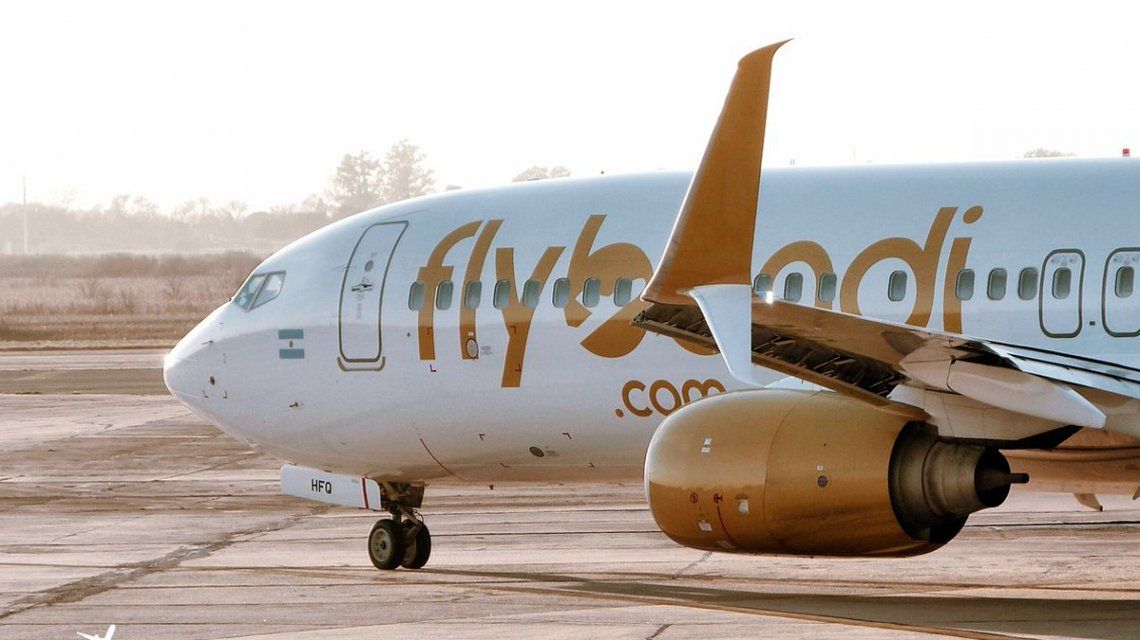
Flybondi Líneas Aéreas es una de las aerolíneas que más logrado un equilibrio como aerolínea en el mercado doméstico de Argentina. La aerolínea low cost inició sus operaciones en Febrero 2018 sufriendo los embates del cuestionado Aeropuerto El Palomar, una serie de incidentes aéreos con las aeronaves Boeing 737-800 y descoordinación de las operaciones por los efectos climáticos, llevaron a cuestionarla bastante. Aún así, pudo sobrellevar la crisis, más que económica fue estructural.

Actualmente posee cinco aeronaves cubriendo las rutas domésticas que unen desde el Aeropuerto El Palomar con Bahía Blanca, Córdoba, Corrientes, Posadas, Santiago del Estero, Mendoza, Neuquén, Tucumán, Salta, Jujuy. Desde Mendoza la low cost ofrece vuelos a Bariloche e Iguazú. Flybondi planifica incorporar cuatro Boeing 737-800 adicionales en 2019 para ampliar rutas en Argentina y la región.

AW-700730800N.jpg

Norwegian Air Argentina que inició sus operaciones el 16 Octubre 2018 en Argentina se ha ajustado al mercado previendo algunas turbulencias como en el caso de Flybondi. El Director de Comunicaciones y Asuntos Públicos de la compañía, Matías Maciel, comentó que «si bien los efectos de la crisis se sienten, por tratarse de una firma que recién se incorpora a las rutas nacionales, trabajan actualmente con una estructura chica de 120 empleados y lejos de reducirla, el plan es aumentarla progresivamente para llegar a los 500 empleados hacia 2019».

Norwegian Air Argentina incorporará cuatro aviones Boeing 737-800 adicionales para fin de año. Norwegian se encuentra certificando su segunda aeronave Boeing 737-800 en Argentina. Espera sumar ocho más el próximo 2019, proyectando una flota de 35 unidades dentro de tres años. Para lograr este objetivo mantendrán los precios de las tarifas con banda reducida. La aerolínea ya vuela desde Buenos Aires a Mendoza y Córdoba y a mediados de Diciembre 2018 incorporará los destinos Iguazú, Neuquén, Salta y Bariloche.

LASA Líneas Aéreas con base en Neuquén, en la Región Patagonia, inició operaciones con aeronaves jet Embraer E145, conectando Neuquén-Santa Rosa. Incorporará en breve las siguientes rutas desde Neuquén hacia Mar del Plata, Bahía Blanca, Bariloche, Chapelco y las rutas regionales al exterior a Temuco y Puerto Mont (Chile).

Flyest Líneas Aéreas inició recientemente vuelos regulares desde Buenos Aires a Santa Fe utilizando aeronaves Bombardier CRJ-200. Esperan incorporar un tercer avión para ampliar las rutas de cabotaje.

AW-7000032.jpg

Avianca Argentina (Avian Líneas Aéreas) ha incorporado recientemente su primer Airbus A320CEO a su flota y un tercer ATR 72-600 turboprop. La aerolínea tiene siete aeronaves operativas y espera incorporar cuatro Airbus a320CEO para 2019. Avianca cubre las siguientes rutas desde Aeroparque hacia Rosario, Mar del Plata, Santa Fe. Desde Rosario enlaza a Reconquista (Provincia de Santa Fe).

JetSmart Airlines, lejos de reducir su estructura, la apuesta es aumentarla. Recientemente cerraron un acuerdo con SMBC Aviation Capital, para la colocación de cinco aviones A320NEO. Eduardo Ortiz, CEO de JetSmart, señaló: “Nuestra meta es convertirnos en una compañía líder en la industria de aerolíneas ultra bajo costo en América del Sur. Estamos haciendo una inversión considerable en nuestra flota y la adición de estos cinco aviones es una herramienta fundamental para cumplir con nuestro objetivo de alcanzar 100 aviones y 100 millones de pasajeros para 2026”. Los pasajes de las primeras rutas, ya a la venta, unirán las ciudades de Santiago de Chile con Mendoza, Santiago con Córdoba y también con Buenos Aires. Desde Córdoba y Mendoza también se podrá llegar a la ciudad trasandina de La Serena.

A esto se suma las inversiones que realizarán con la puesta en funcionamiento de JetSmart Argentina para volar desde Córdoba hacia la región. Iniciará hacia fin de 2018 la ruta Córdoba-Mendoza. La aerolínea planifica incorporar entre tres y siete aeronaves Airbus A320CEO.

Nuevo escenario

El ingreso de nuevos operadores y la incorporación de nuevas rutas en la región incrementarán el tráfico de pasajeros proyectados para Argentina a pesar de la crisis instalada en el país. Según las estadísticas de la ANAC Argentina,la flota de aeronaves con respecto a 2015 ha crecido un 25%, esperando aumentar al doble, en un 50% para el 2019. A pesar de la crisis, las compañías aéreas están involucradas en continuar con el proceso de diversificación del mercado aéreo, que no deja de ser revolucionario y apasionante.  AIRWAYS® AW-Icon TXT

Clarin.com 07767677

Challenging the Aircraft Revolution

Airlines plan new strategies after the travel boom

In the era of the «Aircraft Revolution» implemented by the Government of Argentina, airlines face competitiveness challenges and improvements in air fares, added to the retreat that some airlines have experienced due to the effect of the monetary debasement of Argentina. Some airlines shrink to survive and others increase their investments and strategic capabilities to innovate.

The turbulence that affects the main airlines of the region will extend until mid-2019, according to the projections of the three main Latin American air groups. The increase in oil and exchange rate instability are affecting airlines in the region.

Rate Band

The introduction of the partial elimination of the minimum band for air fares had a positive effect on the aeronautical market in Argentina. During the first months of 2018, new competitors appeared, such as Flybondi Líneas Aéreas, LASA Líneas Aéreas, Flyest Líneas Aéreas, while other airlines were restructuring to take over the market, such as the case of Andes Líneas Aéreas, and the number of cabotage flights increased considerably. the different regions of the country.

Traversing the crisis

The airline Andes Líneas Aéreas was the first company to benefit from the Aircraft Revolution, but it was also the first to show signs of problems due to the effects of currency devaluation due to inflation. The airline announced that it will reduce its structure by 40%, with a plan for layoffs, return of Boeing 737-800 aircraft and cancellation of routes. Andes will maintain five operational Boeing MD-83 aircraft that will continue flying routes from Salta to Mendoza, Jujuy, Buenos Aires, Cordoba, Iguazu, Bariloche, Puerto Madryn and Comodoro Rivadavia.

In the case of Latam Airlines Argentina has significantly reduced its Airbus A320CEO fleet along with the market share, although with a support structure of the parent Latam Group has implemented a rate reduction that allows it to continue flying over the crisis.avion001.png

Copa Airlines, noted that 2018 started with good numbers, but mid-year have had ups and downs due to the increase in the price of fuel. «The current situation is worse than the crisis of 2015, because now we continue with a currency crisis, added to the rise in fuel,» said Copa Airlines Executive Director Pedro Heilbron. The CEO indicated that the company is cutting capacity in markets in Brazil and Argentina, but does not mean cuts in routes.

Aerolíneas Argentinas/Austral Líneas Aéreas has had to stretch the plans for the reduction of state subsidies, being obliged to extend the deadlines to reach zero deficit. The state subsidies that only reached US $ 150 million in the first months are expected to have exceeded US $ 180 million by 2017 at the end of the year. About one third of the companies’ costs correspond to fuel , and only in Aerolíneas Argentinas, the last raise involved US $ 10 million extra dollars per year. Faced with this situation, the strategy is to increase ticket sales and promotions and discounts are added frequent passenger programs and partnerships with supermarkets and service stations for the accumulation of miles.

Flying over the crisis

In Sky Airline is somewhat different according to the Manager Andrea Jans who said: «although, the instability of the dollar has stopped in a certain way the visit of Argentines to Chile, the routes are very attractive for Chileans, who find a type very convenient exchange rate with respect to your currency».

Flybondi Líneas Aéreas is one of the airlines that has achieved the most balance as an airline in Argentina’s domestic market. The low cost airline began its operations in February 2018 suffering the ravages of the questioned El Palomar Airport, a series of air incidents with the Boeing 737-800 aircraft and lack of coordination of the operations due to the climatic effects, led to a considerable questioning. Even so, it was able to cope with the crisis, more than it was structural.

Imagen relacionada

It currently has five aircraft covering the domestic routes linking El Palomar Airport with Bahía Blanca, Córdoba, Corrientes, Posadas, Santiago del Estero, Mendoza, Neuquén, Tucumán, Salta, Jujuy. From Mendoza the low cost offers flights to Bariloche and Iguazú. Flybondi plans to incorporate four additional Boeing 737-800s in 2019 to expand routes in Argentina and the region.

Norwegian Air Argentina, which started operations on October 16, 2018 in Argentina, has adjusted to the market, anticipating some turbulence as in the case of Flybondi. The Director of Communications and Public Affairs of the company, Matías Maciel, commented that «although the effects of the crisis are felt, because it is a firm that has recently joined the national routes, they currently work with a small structure of 120 employees and far from reducing it, the plan is to increase it progressively to reach 500 employees by 2019».

Norwegian Air Argentina will add four additional Boeing 737-800 aircraft by the end of the year. Norwegian is certifying its second Boeing 737-800 aircraft in Argentina. He hopes to add eight more next 2019, projecting a fleet of 35 units within three years. To achieve this goal they will maintain the prices of the reduced band rates. The airline already flies from Buenos Aires to Mendoza and Córdoba and by mid December 2018 will incorporate the destinations Iguazú, Neuquén, Salta and Bariloche.lasa-erj-145 (2).jpg

LASA Líneas Aéreas based in Neuquén, in the Patagonia Region, started operations with Embraer E145 jet aircraft, connecting Neuquén-Santa Rosa. It will soon incorporate the following routes from Neuquén to Mar del Plata, Bahía Blanca, Bariloche, Chapelco and the regional routes abroad to Temuco and Puerto Mont (Chile).

Flyest Líneas Aéreas recently started regular flights from Buenos Aires to Santa Fe using Bombardier CRJ-200 aircraft. They hope to incorporate a third plane to expand the cabotage routes.

6353.jpg

Avianca Argentina (Avian Líneas Aéreas) has recently added its first Airbus A320CEO to its fleet and a third ATR 72-600 turboprop. The airline has seven operational aircraft and expects to incorporate four Airbus a320CEO by 2019. Avianca covers the following routes from Aeroparque to Rosario, Mar del Plata, Santa Fe. From Rosario links to Reconquista (Province of Santa Fe).

JetSmart Airlines, far from reducing its structure, the bet is to increase it. They recently closed an agreement with SMBC Aviation Capital, for the placement of five A320NEO aircraft. Eduardo Ortiz, CEO of JetSmart, said: «Our goal is to become a leading company in the ultra low cost airline industry in South America. We are making a considerable investment in our fleet and the addition of these five aircraft is a fundamental tool to achieve our goal of reaching 100 aircraft and 100 million passengers by 2026». The passages of the first routes, already on sale, will unite the cities of Santiago de Chile with Mendoza, Santiago with Córdoba and also with Buenos Aires. From Córdoba and Mendoza you can also reach the trans-Andean city of La Serena.

To this is added the investments that will be made with the launch of JetSmart Argentina to fly from Cordoba to the region. It will start towards the end of 2018 the Córdoba-Mendoza route. The airline plans to incorporate between three and seven Airbus A320CEO aircraft.

New scenario

The entry of new operators and the incorporation of new routes in the region will increase passenger traffic projected for Argentina despite the crisis in the country. According to ANAC Argentina statistics, the aircraft fleet with respect to 2015 has grown by 25%, hoping to increase double, by 50% by 2019. In spite of the crisis, the airlines are involved in continuing with the diversification process of the air market, which is still revolutionary and exciting. A \ W


Ξ A I R G W A Y S Ξ
SOURCE: Airgways.com
DBk: Argentina.gob.ar/Transporte / Airgways.com / Anac.gov.ar / Clarin.com / Flyest.com.ar
AW-POST: 201811041638AR

A\W   A I R G W A Y S ®

Incidente Hawaiian HA144 Boeing 717

'Mal funcionamiento del motor' a mitad del despegue obliga a la cancelación de un vuelo de Hawaiian Airlines

AW | 2018 11 04 11:17 | AVIATION SAFETY

Resultado de imagen para Hawaiian Airlines logoBoeing 717-200 de Hawaiian Airlines aborta despegue por falla de motor

El vuelo HA144 de Hawaiian Airlines de un Boeing 717-200 aborta despegue en el Aeropuerto de Lihue por falla de motor BMW-RR BR715 a mitad del despegue obligando a la cancelación de un vuelo de la aerolínea. Un segundo vuelo de salida de Lihue también se retrasó debido a problemas de mantenimiento.

El vuelo HA144 de Hawaiian Airlines que efectuaría la ruta Lihue-O’ahu experimentó una falla importante en el motor BR715 y tuvo que interrumpir el despegue el sábado por la tarde.

Un empleado de Hawaii News Now estaba a bordo del vuelo HA144 de Hawaiian Airlines que estaba a mitad de la hora de despegue cuando dijo que un incidente de último minuto impidió que el avión despegara. La parte delantera del avión ya se había levantado del suelo cuando los pasajeros escucharon un fuerte ruido. Algunos pasajeros dijeron que sonaba como una llanta quemada, pero momentos después el piloto salió por el intercomunicador y dijo que había una falla importante en el motor.

El vuelo HA144 ya había pasado la línea VR (Velocidad de Rotación) de la aeronave Boeing 717-200, según testimonios de los pasajeros, por lo que el incidente pudo pasar a mayores problemas.

Delta DL923

Un incidente en un Boeing 717-200 ocurrió el 17 Julio 2018 con una fuga de combustible que causó que el vuelo DL923 de Delta Airlines se detuviera repentinamente en el Kansas City International Airport (KCI). El piloto del Boeing 717 alertó a los pasajeros del problema y luego aterrizó el avión de manera segura en una pista.

Aunque el historial de fiabilidad de los Boeing 717 son muy altos, no se han registrado accidentes hasta la fecha de esta aeronave. Pero debido a incidentes registrados en los últimos meses los organismos de control deberán fiscalizar los chequeos de este modelo.

Investigaciones de la FAA

Funcionarios de la Administración Federal de Aviación (FAA) publicaron más tarde una declaración que decía: “La tripulación abortó el despegue debido a un problema con el motor. El avión luego regresó a su plataforma». Los bomberos del aeropuerto respondieron y el avión fue remolcado de regreso a la Puerta 4 en el Aeropuerto de Lihue (LIH). El Boeing 717-200 estaba programado para partir a las 01:11 pm [hora local], pero luego el vuelo HA144 fue cancelado. Nadie resultó herido en el incidente. Los pasajeros se apresuraron a tomar vuelos alternativos con la asistencia de los empleados de Hawaiian Airlines.

Aproximadamente una hora después, un segundo vuelo de Lihue, el vuelo HA394 a Oahu, también se retrasó debido a problemas de mantenimiento. El vuelo finalmente salió después de aproximadamente una hora de retraso. La aerolínea Hawaiian Airlines aún no ha comentado acerca de los incidentes ocasionados.  AIRWAYS® AW-Icon TXT

AW-70008998.gif

Incident Hawaiian HA144 Boeing 717

Hawaiian Airlines Boeing 717-200 aborts takeoff due to engine failure

Hawaiian Airlines HA144 flight from Boeing 717-200 aborts takeoff at Lihue Airport due to BMW-RR BR715 engine failure halfway through takeoff, forcing the cancellation of an airline flight. A second departure flight from Lihue was also delayed due to maintenance issues.

Hawaiian Airlines flight HA144, which would carry out the Lihue-Oahu route, experienced a major failure in the BR715 engine and had to interrupt the takeoff on Saturday afternoon.

A Hawaii News Now employee was aboard Hawaiian Airlines flight HA144 that was halfway through takeoff time when he said a last-minute incident prevented the plane from taking off. The front part of the plane had already lifted off the ground when the passengers heard a loud noise. Some passengers said it sounded like a burned tire, but moments later the pilot went off on the intercom and said there was a major engine failure.

The flight HA144 had already passed the VR (Rotation Speed) line of the Boeing 717-200 aircraft, according to testimonies of the passengers, so the incident could go to greater problems.

Delta DL923

An incident on a Boeing 717-200 occurred on July 17, 2018 with a fuel leak that caused the Delta Airlines DL923 to suddenly stop at the Kansas City International Airport (KCI). The pilot of the Boeing 717 alerted the passengers to the problem and then landed the plane safely on a runway.

Although the reliability record of the Boeing 717 is very high, there have been no accidents to date of this aircraft. But due to incidents recorded in recent months, the control agencies must check the checks of this model.

FAA Investigations

Officials of the Federal Aviation Administration (FAA) later published a statement that said: «The crew aborted the takeoff due to a problem with the engine. The plane then returned to its platform». The airport firefighters responded and the plane was towed back to Gate 4 at Lihue Airport (LIH). The Boeing 717-200 was scheduled to depart at 01:11 pm [local time], but then the HA144 flight was canceled. Nobody was hurt in the incident. Passengers rushed to take alternative flights with the assistance of Hawaiian Airlines employees.

Approximately one hour later, a second Lihue flight, the HA394 flight to Oahu, was also delayed due to maintenance issues. The flight finally left after about an hour late. The airline Hawaiian Airlines has not yet commented about the incidents caused. A \ W

Ξ A I R G W A Y S Ξ
SOURCE: Airgways.com
DBk: Hawaiinewsnow.com / Geology.com
AW-POST: 201811041117AR

A\W   A I R G W A Y S ®

GoAir nuevas rutas internacionales

Resultado de imagen para goAir A320neo

AW | 2018 11 04 10:21 | AIRLINES ROUTES

Resultado de imagen para goAirGoAir vuela al exterior casi 13 años después de comenzar operaciones domésticas

GoAir, una línea aérea low cost de la India está lista para introducir vuelos directos desde Bengaluru a Phuket y Male. Iniciando estas rutas, la low cost implementó tarifas promocionales válidas hasta el 15 Noviembre de 2018.

El mes pasado, GoAir comenzó sus operaciones internacionales desde Nueva Delhi a Phuket. Con el lanzamiento de vuelos internacionales, GoAir se convirtió en la sexta aerolínea nacional en iniciar operaciones internacionales. La aerolínea está volando al extranjero tras casi trece años de operaciones domésticas en Noviembre 2005.

Competencia

IndiGo y SpiceJet también han creado una serie de nuevas rutas nacionales e internacionales. Los nuevos vuelos se producen en medio de una alta competencia en el mercado de aviación civil de la India. El mes pasado, IndiGo anunció a Hong Kong como su decimoquinto destino internacional. En septiembre, SpiceJet había anunciado un vuelo diario sin escalas entre Delhi y Hong Kong. AIRWAYS® AW-Icon TXT


AW-700732269.jpg

GoAir announces new international routes

GoAir flies abroad almost 13 years after starting domestic operations

GoAir, a low cost airline from India is ready to introduce direct flights from Bengaluru to Phuket and Male. Starting these routes, the low cost implemented promotional rates valid until November 15, 2018.

Last month, GoAir began its international operations from New Delhi to Phuket. With the launch of international flights, GoAir became the sixth national airline to start international operations. The airline is flying abroad after almost thirteen years of domestic operations in November 2005.

Competition

IndiGo and SpiceJet have also created a series of new national and international routes. The new flights take place amid high competition in the civil aviation market in India. Last month, IndiGo announced Hong Kong as its fifteenth international destination. In September, SpiceJet had announced a nonstop daily flight between Delhi and Hong Kong. A\W


Ξ A I R G W A Y S Ξ
SOURCE: Airgways.com
DBk: GoAir.in
AW-POST: 201811041021AR

A\W   A I R G W A Y S ®

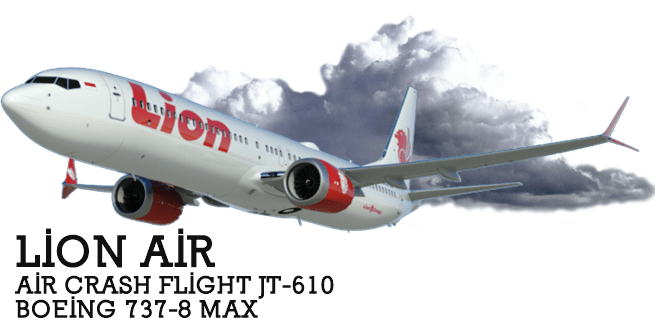
Accidente aéreo JT-610 Lion Air

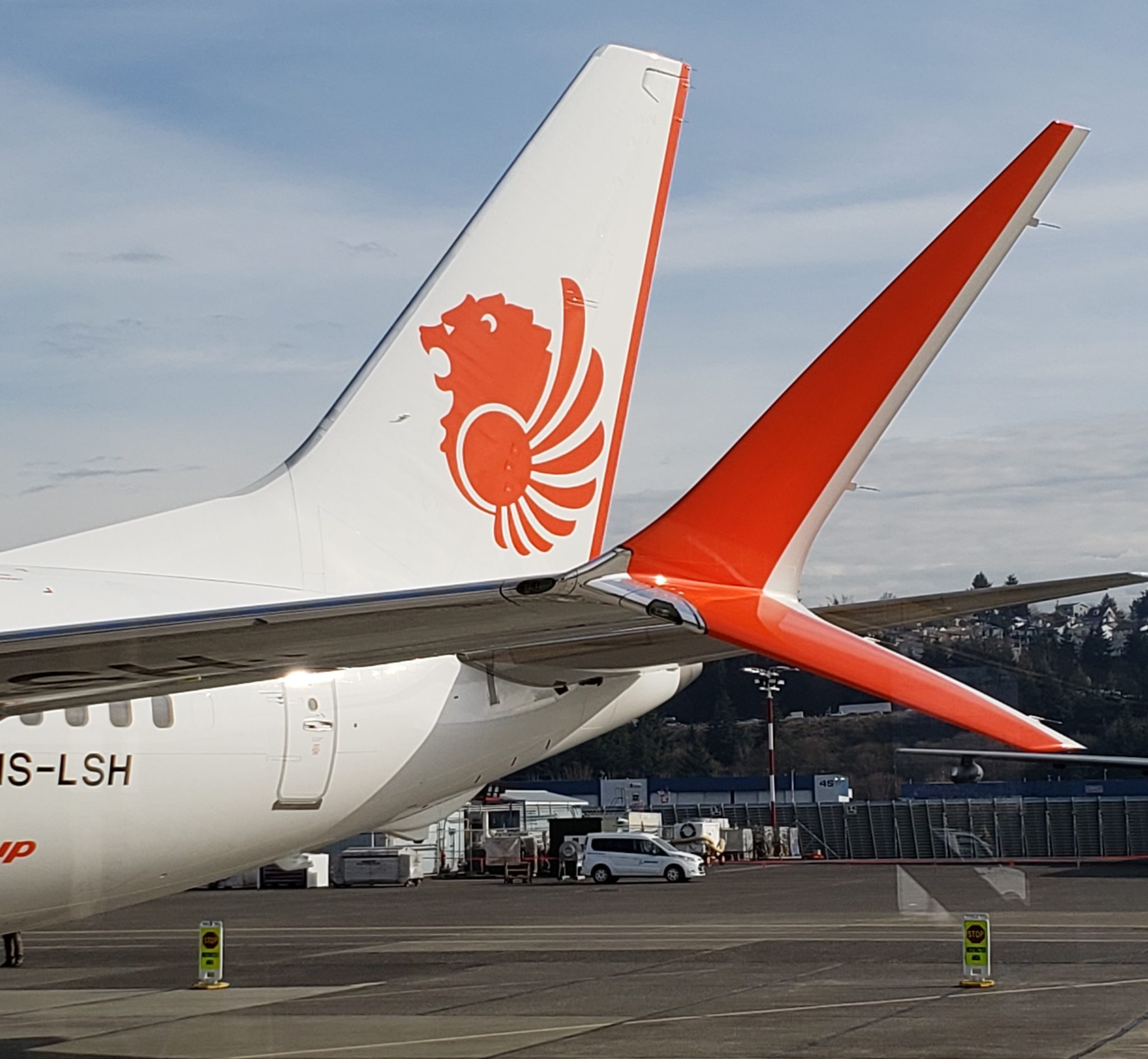
Resultado de imagen para lion air Boeing 737 MAX

AW | 2018 11 03 21:10 | AVIATION SAFETY

Lion Air Boeing 737 MAX 8 se estrelló en el mar de Java frente a Jakarta

El vuelo JT-610 de Lion Air, Boeing 737-8 MAX, registro PK-LQP, desapareció del radar unos 10 minutos después del despegue en el aeropuerto internacional de Jakarta. Los rescatistas encontraron escombros y se supone ampliamente que el avión se estrelló en el mar. No hubo sobrevivientes entre las 189 personas a bordo.

ACTUALIZACIÓN 2018-11-03
HISTORIA EN DESARROLLO:
El vuelo JT610 de Lion Air partió al amanecer en la pista 25L en el Aeropuerto Internacional Jakarta-Soekarno Hatta (WIII, CGK) con 181 pasajeros y ocho miembros de la tripulación en un vuelo programado a Pangkal Pinang, una isla a unos 460 km al norte de Yakarta. El tiempo de vuelo calculado fue de unos 50 minutos.

Aproximadamente tres minutos después del despegue, mientras se encontraba en un empinado ascenso a la izquierda, el JT-610 detuvo su ascenso a una altitud estimada de aproximadamente 5,300 pies y rodó en un rumbo de aproximadamente 020°. En este momento, los pilotos informaron su decisión de interrumpir el vuelo y expresaron su intención de regresar al aeropuerto de Yakarta.

El avión continuó manteniendo una altitud de entre 5,000 y 5,400 pies, ya que giró ligeramente a la derecha en un rumbo de aproximadamente 060° grados. El avión voló más allá del promontorio de Tanjung Karawang antes de que se perdiera la altitud.

El último retorno de radar ADSB se recibió unos 12 minutos después de la salida, mostró el 737 a una altitud de 3,650 pies, en un descenso gradual. Los datos ADSB granulares completos (proporcionados por Flightradar24) mostraron el impacto del vuelo a una alta tasa de descenso (ver imagen a continuación). En el área de impacto, el fondo marino tiene una profundidad de menos de 50 metros (150 pies). No se escuchó nada del vuelo después de eso y no se recibieron señales del transmisor del localizador de emergencia (ELT).

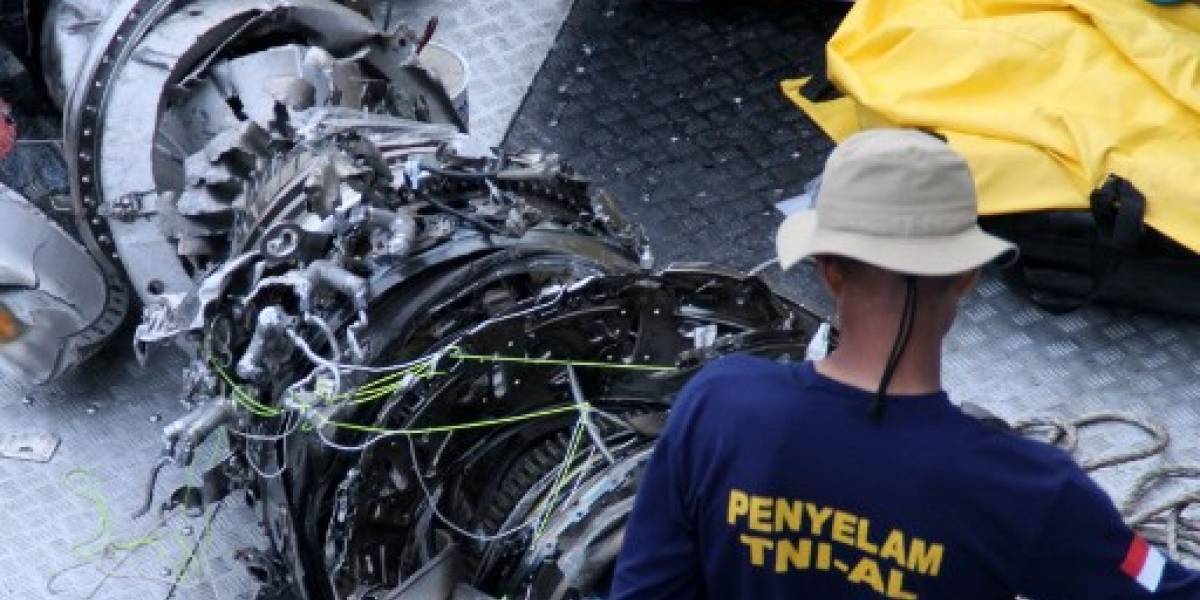
Basarnas,, la Agencia Nacional de Búsqueda y Rescate fue alertada. Se lanzaron varios botes de rescate y se inició una operación de búsqueda y rescate en alta mar. Parches flotantes de petróleo y desechos de aviones se encontraron más tarde en el mar de Java. Se recuperaron partes del interior de la cabina y las pertenencias de los pasajeros del vuelo JT-610.

El 1 de noviembre, la unidad de memoria de uno de los dispositivos de registro de vuelo fue encontrada por los buzos de Basarnas que mostraban señales de daño externo y fue llevada a tierra.

El área de impacto se encuentra a unos 10 km de la costa y a unos 60 kilómetros al noreste del Aeropuerto Internacional de Jakarta.

La operación de búsqueda y rescate está en curso. Según los funcionarios del gobierno local, no hubo sobrevivientes. El 2018-11-03, uno de los buzos de rescate que trabajaba como voluntario para Basarnas perdió la vida mientras estaba de servicio en busca de cuerpos.

Se informó que en el vuelo anterior de PK-LQP, JT-043 de Denpasar a Jakarta, en 2018-10-28, los pilotos reportaron una falla técnica. El piloto en este vuelo hizo una entrada en el registro de mantenimiento indicando que experimentaron un desacuerdo tanto de velocidad como de altitud entre los capitanes y los instrumentos del copiloto poco después del despegue. Sin embargo, resulta que hay más de una versión de ese documento cuya autenticidad aún no está confirmada oficialmente. El vuelo JT-043, por lo tanto, se vio obligado a navegar a una altitud más baja de lo normal a Yakarta.

Según un oficial de Lion Air, la falla se solucionó durante el mantenimiento nocturno y se informó que el avión estaba listo para el vuelo hasta la mañana siguiente (2018-10-29).

NOTA: Este accidente marca el primer accidente de pérdida de casco para un Boeing 737 serie MAX, el peor de un Boeing 737, el segundo peor accidente de aviación en la historia de Indonesia y la pérdida del octavo casco de un avión Lion Air (dos de ellos fueron fatal).

METAR: Jakarta-Intl AP (WIII, CGK):
2018-10-29 06: 30-> METAR WIII 282330Z 16003KT 8000 SCT020 27/25 Q1010 NOSIG
2018-10-29 07: 00-> METAR WIII 290000Z VRB03KT 8000 SCT020 27/25 Q1011 NOSIG =

Lista de vuelos de Boeing 737-8 MAX PK-LQP anterior al accidente

Las indicaciones iniciales apuntan a una falla no especificada dentro del sistema de indicación de altitud / velocidad del aire que resulta en un posible desacuerdo entre los instrumentos del capitán y del copiloto.

El 2 de noviembre de 2018, se encontraron fallas en otros dos Boeing 737-8 MAX pertenecientes a Lion Air. Uno tiene una falla en la pantalla de la aviónica de la cabina, mientras que el otro tiene una falla en el sistema de estabilización. Actualmente, Lion Air opera una flota de nueve aviones Boeing 737-8 MAX.  AIRWAYS® AW-Icon TXT

Resultado de imagen para lion air Boeing 737 MAX air crash

Air crash JT-610 Lion Air

Lion Air Boeing 737 MAX 8 crashed into Java Sea off Jakarta

Lion Air flight JT-610, Boeing 737-8 MAX, with registration PK-LQP, disappeared from radar about 10 minutes after take-off at Jakarta-Intl Airport. Rescuers found debris and it is widely assumed the aircraft has crashed into sea. There were no survivors among the 189 people on board.

AW-70087801.png

UPDATE 2018-11-03
DEVELOPING STORY:
Lion Air flight JT610 departed at dawn on runway 25L at Jakarta-Soekarno Hatta Intl Airport (WIII, CGK) carrying 181 passengers and eight crew members on a scheduled flight to Pangkal Pinang, an Island about 460 km to the north to Jakarta. The calculated flying time was about 50 minutes.

About three minutes after take-off, while in a steep left turn climb-out, JT-610 stopped further climb at an estimated altitude of about 5,300 ft and rolled out on a heading of about 020 °. At this time, the pilots reported their decision to discontinue the flight and expressed their intention to return to Jakarta Airport.

The aircraft continued to maintain an altitude of between 5,000 and 5,400 feet as it turned slightly to the right to a heading of roughly 060° degrees. The aircraft flew past the headland of Tanjung Karawang before altitude was lost.

Last ADSB radar return was received about 12 minutes after departure, it showed the 737 at an altitude of 3,650 feet, in a gradual descent. Full granular ADSB data (provided by Flightradar24) showed the flight impacting at a high rate of descent (see image below). At the impact area, the seabed has a depth of less than 50 meters (150 ft). Nothing was heard from the flight after that and no signals of the emergency locator transmitter (ELT) were received.

Basarnas – National Search and Rescue Agency was alerted. A number of rescue boats were launched and an off-shore search and rescue operation began. Floating patches of oil and aircraft debris were found later in the Java Sea. Parts of the cabin interior and passenger belongings of flight JT610 were retrieved.

On Nov 1st the memory unit of one of the flight recording devices was found by Basarnas divers showing signs of external damage and was brought ashore.

The impact area lies about 10 km off the coast and about 60 kilometers to the northeast of Jakarta International Airport.

The search and rescue operation is ongoing. According to local government officials, there were no survivors. On 2018-11-03 one of the rescue divers serving as a volunteer for Basarnas lost his life while on duty searching for bodies.

It was reported that on the previous flight of PK-LQP, JT-043 from Denpasar to Jakarta), on 2018-10-28 the pilots reported a technical glitch. The pilot on this flight made a maintenance log entry stating they experienced both a speed and altitude disagreement between the captains and the co-pilot’s instruments shortly after take-off. However, there happens to be more than one version of that document whose authenticity is still not officially confirmed. The flight JT-043, therefore was forced to cruise at a lower-than-normal altitude to Jakarta.

According to a Lion Air official, the fault was addressed by overnight maintenance and the aircraft was reported ready for flight again until the next morning (2018-10-29).

NOTE: This accident marks the 1st ever hull loss accident for a Boeing 737 MAX series aircraft, the worst ever for a Boeing 737, the 2nd worst aviation accident in Indonesian history and the 8th hull loss of a Lion Air aircraft (two of them were fatal).

METAR: Jakarta-Intl AP (WIII, CGK):
2018-10-29 06:30-> METAR WIII 282330Z 16003KT 8000 SCT020 27/25 Q1010 NOSIG
2018-10-29 07:00-> METAR WIII 290000Z VRB03KT 8000 SCT020 27/25 Q1011 NOSIG=

Flights-List of Boeing 737MAX8 PK-LQP Previous to Accident

Initial indications point to an unspecified fault within the altitude/airspeed indication system resulting in a possible disagreement bezween captain and copilot’s instruments.

On Nov 2nd 2018, faults were found in two other Boeing 737-8 MAX’s belonging to Lion Air. One has a fault in the cockpit avionics display while the other a glitch in the stabilization system. Currently, Lion Air operates a fleet of nine Boeing 737-8 MAX aircraft. A \ W

Resultado de imagen para lion air Boeing 737 MAX air crashResultado de imagen para lion air Boeing 737 MAX air crashResultado de imagen para lion air Boeing 737 MAX air crashResultado de imagen para lion air Boeing 737 MAX air crashImagen relacionadaResultado de imagen para lion air Boeing 737 MAX air crash

Kecelakaan udara JT-610 Lion Air

Lion Air Boeing 737 MAX 8 jatuh ke Laut Jawa dari Jakarta

Penerbangan Lion Air JT-610, Boeing 737-8 MAX, dengan registrasi PK-LQP, hilang dari radar sekitar 10 menit setelah take-off di Bandara Internasional Jakarta. Petugas penyelamat menemukan puing-puing dan secara luas diasumsikan pesawat telah jatuh ke laut. Tidak ada yang selamat di antara 189 orang di dalamnya.

PERBARUI 2018-11-03
MENGEMBANGKAN CERITA:
Penerbangan Lion Air JT610 berangkat pada subuh di landasan pacu 25L di Jakarta-Bandara Internasional Soekarno-Hatta (WIII, CGK) yang membawa 181 penumpang dan delapan anggota awak pada penerbangan terjadwal ke Pangkal Pinang, sebuah pulau sekitar 460 km ke utara ke Jakarta. Waktu terbang yang dihitung sekitar 50 menit.

Sekitar tiga menit setelah take-off, sementara di tikungan kiri curam keluar, JT-610 berhenti mendaki lebih lanjut di ketinggian sekitar 5.300 kaki dan meluncur pada heading sekitar 020 °. Pada saat ini, pilot melaporkan keputusan mereka untuk menghentikan penerbangan dan menyatakan niat mereka untuk kembali ke Bandara Jakarta.

Pesawat itu terus mempertahankan ketinggian antara 5.000 dan 5.400 kaki saat membelok sedikit ke kanan ke arah sekitar 060°. Pesawat terbang melewati tanjung Tanjung Karawang sebelum ketinggian hilang.

Radar radar ADSB terakhir diterima sekitar 12 menit setelah keberangkatan, itu menunjukkan 737 di ketinggian 3,650 kaki, dalam penurunan bertahap. Data ADSB granular penuh (disediakan oleh Flightradar24) menunjukkan penerbangan berdampak pada tingkat keturunan yang tinggi (lihat gambar di bawah). Di area benturan, dasar laut memiliki kedalaman kurang dari 50 meter (150 kaki). Tidak ada yang terdengar dari penerbangan setelah itu dan tidak ada sinyal dari pemancar lokasi darurat (ELT) yang diterima.

Basarnas – Badan Pencarian dan Penyelamatan Nasional disiagakan. Sejumlah kapal penyelamat diluncurkan dan operasi pencarian dan penyelamatan lepas pantai dimulai. Tambalan-tambalan minyak dan sisa-sisa pesawat yang mengambang ditemukan kemudian di Laut Jawa. Bagian-bagian interior kabin dan barang-barang penumpang pesawat JT610 diambil.

Pada 1 November unit memori salah satu alat perekam penerbangan ditemukan oleh penyelam Basarnas yang menunjukkan tanda-tanda kerusakan eksternal dan dibawa ke darat.

Area benturan terletak sekitar 10 km dari pantai dan sekitar 60 kilometer ke arah timur laut dari Bandara Internasional Jakarta.

Operasi pencarian dan penyelamatan sedang berlangsung. Menurut pejabat pemerintah setempat, tidak ada yang selamat. Pada 2018-11-03 salah satu penyelam penyelamat yang melayani sebagai sukarelawan untuk Basarnas kehilangan nyawanya saat bertugas mencari mayat.

Dilaporkan bahwa pada penerbangan sebelumnya dari PK-LQP, JT-043 dari Denpasar ke Jakarta), pada 2018-10-28 pilot melaporkan kesalahan teknis. Pilot pada penerbangan ini membuat entri log pemeliharaan yang menyatakan bahwa mereka mengalami ketidaksepakatan kecepatan dan ketinggian antara kapten dan instrumen co-pilot sesaat setelah lepas landas. Namun, ada lebih dari satu versi dokumen yang keasliannya belum dikonfirmasi secara resmi. Penerbangan JT-043, oleh karena itu dipaksa untuk berlayar di ketinggian yang lebih rendah dari normal ke Jakarta.

Menurut seorang pejabat Lion Air, kesalahan itu ditangani oleh pemeliharaan semalam dan pesawat itu dilaporkan siap untuk penerbangan lagi sampai pagi berikutnya (2018-10-29).

CATATAN: Kecelakaan ini menandai kecelakaan lambung ke-1 yang pernah terjadi untuk pesawat seri Boeing 737 MAX, yang terburuk yang pernah terjadi untuk Boeing 737, kecelakaan penerbangan terburuk ke-2 dalam sejarah Indonesia dan kerugian lambung ke-8 pesawat Lion Air (dua di antaranya adalah fatal).

METAR: Jakarta-Intl AP (WIII, CGK):
2018-10-29 06: 30-> METAR WIII 282330Z 16003KT 8000 SCT020 27/25 Q1010 NOSIG
2018-10-29 07: 00-> METAR WIII 290000Z VRB03KT 8000 SCT020 27/25 Q1011 NOSIG =

Daftar Penerbangan Boeing 737MAX8 PK-LQP Sebelumnya Kecelakaan
Indikasi awal menunjukkan kesalahan yang tidak ditentukan dalam sistem indikasi ketinggian / kecepatan udara yang menghasilkan kemungkinan ketidaksepakatan antara kapten dan instrumen kopilot.

Pada 2 November 2018, kesalahan ditemukan di dua Boeing 737-8 MAX milik Lion Air. Satu memiliki kesalahan dalam tampilan avionik kokpit sementara yang lain kesalahan dalam sistem stabilisasi. Saat ini, Lion Air mengoperasikan armada sembilan pesawat Boeing 737-8 MAX. A \ W


Ξ A I R G W A Y S Ξ
SOURCE: Airgways.com
DBk: Jacdec.de / Flightradar24.com / Airgways.com / Leehamnews.com / Gritdaily.com / Ckpgtoday.com / Fortune.com / Newsweek.com / Publinews.gt / Businessinsider.my / Barsanas.go.id 
AW-POST: 201811032110AR

A\W   A I R G W A Y S ®

Avances accidente Lion Air JT-610


AW-70087800.png

AW | 2018 11 03 20:37 | AVIATION SAFETY

Resultado de imagen para Indonesian Kementerian PerhubunganMás detalles del accidente del vuelo JT-610 de Lion Air

Nuevos detalles sobre el penúltimo vuelo JT-610 realizado por el avión Boeing 737-8 MAX de Lion Air accidentado plantearon más dudas sobre la afirmación de la aerolínea indonesia de que solucionó los problemas técnicos. Cientos de personas seguían rastreando el mar por quinto día el viernes en busca de víctimas y del fuselaje de la aeronave.

El piloto de un vuelo realizado por el aparato el domingo, el último antes del siniestro, pidió permiso para regresar al aeropuerto de Bali poco después de despegar desde allí, pero luego reportó que el problema había sido solucionado, dijo Herson, jefe de la autoridad aeroportuaria de Bali-Nusa Tenggara. Varios pasajeros se refirieron al fallo como una aterradora pérdida de altitud.

Muere buzo rescatista

El 3 Noviembre de 2018, la Marina de Indonesia informó que un buzo voluntario que recuperaba partes del cuerpo murió, probablemente debido a la descompresión. El buceador había servido en el accidente de AirAsia Indonesia QZ-8501 hace cuatro años.

Víctimas vuelo JT-610

El 3 Noviembre de 2018, Basarnas informó que hasta el momento se habían llevado 73 bolsas de cadáveres al puesto de mando. Cuerpos de pasajeros que murieron en el accidente aéreo el pasado 29 Octubre 2018 del vuelo JT-610 de Lion Air fueron encontrados aún abrochados a sus asientos en el fondo del océano. Buzos indonesios revelaron que han encontrado cadáveres entre trozos de metal retorcidos y piezas de fuselaje del Boeing 737 estrellado en el lecho del mar de Java.

Restos del Boeing 737-8 MAX

La parte más grande recuperada hasta ahora, parte del tren de aterrizaje, así como otros escombros recolectados hasta ahora, fueron entregados a KNKT. La señal de ping del localizador, que se cree que se originó en el CVR, se había extinguido, posiblemente el CVR está cubierto por lodo o corrientes de agua en el área que mueve el pinger, se está trayendo un equipo especializado más sensible para encontrar los pings nuevamente. Las operaciones de búsqueda y recuperación continúan dentro de un radio de 500 metros alrededor de la ubicación donde se encontró la primera caja negra.

Como parte del operativo de rastrillaje, las autoridades indonesias desplegaron buzos, barcos de búsqueda y rescate, cuatro detectores de sonar y una baliza acústica submarina. Los equipos lograron encontrar una de las cajas negras entre los restos del Boeing 737, que podría resolver el misterio de lo que causó el accidente.

Cada avión cuenta con dos cajas negras, una de las cuales registra las voces en la cabina y la otra los datos de seguimiento del vuelo. No se sabe si la caja recuperada fue la grabadora del vuelo, que es mucho más útil para la investigación.

Haryo Satmiko, Subjefe del Comité de Seguridad de Transporte de Indonesia, afirmó que los expertos estaban descargando los datos almacenados en la caja negra. Mientras que la descarga generalmente toma algunas horas, los especialistas podrían tardar semanas para analizar la información extraída.

Resultado de imagen para Basarnas JT-610Resultado de imagen para Basarnas JT-610Resultado de imagen para Basarnas JT-610Resultado de imagen para Basarnas JT-610Ruedas del malogrado vuelo de Lion Air JT610.Resultado de imagen para Basarnas JT-610

Fallas en Boeing 737 MAX

El Ministerio de Transportes de Indonesia dijo el Viernes, 2 Noviembre 2018 que habían encontrado fallas menores en otros dos aviones Boeing 737-8 MAX, incluido un problema en la pantalla del indicador de cabina que un analista dijo que podría ser similar a uno reportado en el estrellado Lion Air. El ministerio está inspeccionando 10 de los jets recién lanzados que son propiedad de Lion y la aerolínea principal Garuda, mientras las autoridades analizan los datos de una caja negra recuperada que puede ayudar a explicar por qué el vuelo JT-610 se estrelló en el Mar de Java, matando a 189 personas el Lunes, 29 Octubre 2018. Se publicaron pocos detalles, pero el ministerio dijo que había examinado más de media docena de aviones hasta el momento y descubrió que uno tenía un problema relacionado con la pantalla de su cabina, mientras que otro tenía una falla en un sistema de estabilización del avión. El analista de aviación Dudi Sudibyo dijo que el problema con la pantalla de la cabina podría incluir una falla de velocidad y altitud reportada en el avión condenado.

Stephen Wright, un experto en aviación de la Universidad de Leeds, dijo que las fallas identificadas por el Ministerio de Transporte eran muy menores. Añadió que cualquier problema con el sistema pitot-static del nuevo jet, que determina la velocidad y la altitud entre otras medidas, será clave para la sonda. La inspección se produce cuando surgen preguntas sobre por qué un avión que entró en servicio hace unos meses se estrelló en el mar minutos después del despegue. La caja negra podría ofrecer a los investigadores la mejor oportunidad de descubrir por qué se estrelló el avión. Según los expertos en aviación, los dispositivos ayudan a explicar casi el 90 por ciento de todos los accidentes. Boeing y funcionarios de la Junta Nacional de Seguridad del Transporte de EEUU participan en la investigación.

El Comité Nacional de Seguridad del Transporte de Indonesia dijo que estaba entrevistando a personas que volaron en el avión el día antes del accidente fatal. Algunos han informado de un viaje aterrador y errático, una afirmación que parece estar respaldada por datos de seguimiento de vuelo. La admisión de la aerolínea Lion Air de que el Boeing 737-8 MAX tenía un problema técnico en un vuelo anterior, así como el avión accidentado, ha planteado dudas sobre si tenía fallas mecánicas específicas del nuevo modelo.

Inseguridad aérea en Indonesia

El misterioso accidente de un nuevo avión Boeing en Indonesia ha llamado la atención sobre el pobre historial de seguridad aérea del país. Sin embargo, los expertos están advirtiendo contra sacar conclusiones especulativas.

A medida que los investigadores continúan recuperando los restos y analizando los datos de vuelo de la grabadora de caja negra recuperada del vuelo JT-610 de Lion Air, no hay una explicación obvia de lo que causó que el nuevo avión Boeing cayera de un cielo despejado y se hundiera en el mar de Java Minutos después de despegar de Yakarta.

El accidente del vuelo JT-610, que mató a las 189 personas a bordo, es el segundo peor desastre aéreo de Indonesia, después del accidente de Garuda Indonesia en 1997 cerca de Medan, que mató a 234 personas.

Aunque actualmente no hay indicios de que una infraestructura deficiente o estándares de seguridad rezagados en el terreno hayan causado el accidente, este último desastre aéreo en Indonesia arroja una luz desafortunada sobre el pobre historial de seguridad aérea del país.

Indonesia es uno de los mercados de aviación de más rápido crecimiento en el mundo, pero este rápido crecimiento ha ejercido mucha presión en la red de aviación del país. La agencia de noticias Reuters informó que entre 2012 y 2017, el panel de seguridad del transporte de Indonesia investigó 137 incidentes graves de aviación.

«Durante mucho tiempo, Indonesia tuvo un grave problema con respecto a la seguridad de la aviación. No es tanto la cantidad de pasajeros, sino el rápido crecimiento de las aerolíneas», dijo Harro Ratner, Director General de la organización de Vigilancia de la Seguridad Aérea, Aviation Safety Network.

Indonesia inhibida

Las aerolíneas indonesias han emergido recientemente del estado de paria internacional. En 2007, los Estados Unidos y la Unión Europea prohibieron a todas las líneas aéreas comerciales de Indonesia su espacio aéreo después de una serie de incidentes.

«En 2007, los Estados Unidos concluyeron que las autoridades indonesias no podían supervisar adecuadamente las actividades de aviación en el país. Dijeron que Indonesia no estaba cumpliendo con las normas internacionales OACI», dijo Ratner.

Indonesia, levantan restricciones

20150215-logo-faa_1En 2016, la Administración Federal de Aviación de Estados Unidos (FAA), permitió una vez más a los aviones indonesios y en Junio 2018, la Unión Europea levantó su prohibición. «El país y las aerolíneas ahora, después de un largo período de tiempo, se consideran seguros según los estándares internacionales. Algunos incidentes recientes, sin incluir el accidente de Lion Air, indican que las operaciones aeroportuarias y el control del tráfico aéreo son un área donde hay que trabajar», expresa Harro Ratner.

Seal_of_the_United_States_National_Transportation_Safety_Board.svg«En los últimos dos años se han producido dos colisiones en la pista y recientemente un avión aterrizó en una pista y golpeó un equipo que quedó allí después de los trabajos de mantenimiento», dijo Ratner.

El Lunes, un portavoz de la Comisión Europea dijo que la UE no tiene planes inmediatos para renovar la prohibición de Lion Air. The Associated Press informó que el gobierno australiano les dijo a sus funcionarios y contratistas que no viajaran en la aerolínea en espera de los resultados de la investigación del accidente.

Problema de indonesia

Los recientes desastres aéreos mortales en Indonesia incluyen el accidente de AirAsia en 2014, que se hundió en el Mar de Java en ruta desde Surabaya a Singapur, matando a 162 personas. Se determinó que la causa era un timón que funcionaba mal, lo que supuestamente había causado problemas repetidos en la aeronave en los meses previos a su accidente.

El incidente de 2014 atrajo la atención internacional sobre las deficiencias en el sistema de navegación de la aviación de Indonesia. El Wall Street Journal informó en enero que los pilotos dijeron que la infraestructura en Indonesia era «poco sofisticada y no hace lo suficiente para ayudar a los aviones de pasajeros a enfrentar las malas condiciones de vuelo». En 2004, un jet de Lion Air se deslizó de una pista en 2004, matando a 25 pasajeros y tripulantes.

Boeing 737 MAX, en el foco

El avión condenado al accidente del Lunes, 29 Octubre 2018 fue un Boeing 737-8 MAX, que tuvo su primer vuelo en Agosto 2018. La serie MAX es el diseño más moderno de la familia 737. La primera entrega de un avión 737 MAX a una aerolínea fue en Mayo 2017, y Boeing dice que la serie 737 MAX es el avión más vendido en la historia de la compañía, con más de 4.700 pedidos ya realizados.

Boeing, junto con la Junta Nacional de Seguridad del Transporte de los Estados Unidos (NTSB), se unió a la investigación en Indonesia y, según informes, los funcionarios indonesios viajan a los Estados Unidos para reunirse con los diseñadores de Boeing.

El profesor Elmar Giemulla, un destacado especialista alemán en derecho aeronáutico, dijo que las aeronaves de nuevo diseño pueden algunas veces esconder problemas técnicos. «No es de extrañar que Boeing se encuentre en el lugar del accidente en Indonesia, y esto podría generar sospechas de que están tratando de influir en la investigación para que no atraigan ninguna falla a Boeing», dijo Giemulla.

Un fabricante no quiere que se detecten fallas de diseño mientras todo el mundo está mirando. La pregunta de responsabilidad surgirá muy pronto. Los familiares pronto preguntarán quién es responsable de la muerte de sus seres queridos. Solicitarán una compensación y, por supuesto, Boeing como fabricante es una posible parte responsable.

La noche anterior al accidente, el mismo avión había estado involucrado en un incidente de pérdida de altitud en un vuelo desde Bali a Jakarta. El piloto emitió una alerta, pero pudo corregir el problema y continuó el vuelo. Giemulla, que es un experto en clasificar incidentes de aviación, dijo que un avión que cae repentinamente unos cientos de metros no era un acontecimiento inusual.

El piloto del avión Lion Air que se estrelló el lunes supuestamente tenía más de 6.000 horas de vuelo. «Es bastante improbable que esto sea un problema de mantenimiento, porque los problemas de mantenimiento generalmente ocurren mucho más tarde. Hasta que se puedan analizar las cajas negras, todo es especulación», concluye Elmar Giemulla.  AIRWAYS® AW-Icon TXT

Resultado de imagen para Boeing 737 MAX 8 Lion Air PK-LQP

Advances crash Lion Air JT-610

More details of the Lion Air flight JT-610 accident

New details about the penultimate JT-610 flight made by the injured Boeing 737-8 MAX airplane from Lion Air raised further doubts about the Indonesian airline’s claim that it solved the technical problems. Hundreds of people continued to track the sea for the fifth day on Friday in search of victims and the fuselage of the aircraft.

The pilot of a flight made by the device on Sunday, the last before the incident, asked permission to return to Bali airport shortly after taking off from there, but then reported that the problem had been solved, said Herson, head of the authority Airport of Bali-Nusa Tenggara. Several passengers referred to the failure as a terrifying loss of altitude.

Dies Rescue Diver

On November 3, 2018, the Indonesian Navy reported that a volunteer diver recovering body parts died, probably due to decompression. The diver had served in the accident of AirAsia Indonesia QZ-8501 four years ago.

Victims flight JT-610

On November 3, 2018, Basarnas reported that 73 bags of corpses had been taken to the command post. Bodies of passengers who died in the plane crash on October 29, 2018 of Lion Air’s JT-610 flight were still found fastened to their seats on the ocean floor.

Indonesian divers revealed that they have found bodies among twisted pieces of metal and fuselage parts of the Boeing 737 crashed into the bed of the Java Sea.

Remains of the Boeing 737-8 MAX

The largest part recovered so far, part of the landing gear, as well as other debris collected so far, were delivered to KNKT. The locator’s ping signal, which is believed to have originated in the CVR, was extinguished, possibly the CVR is covered by mud or water currents in the area that moves the pinger, it is bringing a more sensitive specialized equipment to find the pings again. The search and recovery operations continue within a radius of 500 meters around the location where the first black box was found.

As part of the raking operation, the Indonesian authorities deployed divers, search and rescue boats, four sonar detectors and an underwater acoustic beacon. The teams managed to find one of the black boxes among the wreckage of the Boeing 737, which could solve the mystery of what caused the accident.

Each plane has two black boxes, one of which records the voices in the cabin and the other flight tracking data. It is not known if the recovered box was the flight recorder, which is much more useful for the investigation.

Haryo Satmiko, Deputy Chief of the Transport Security Committee of Indonesia, said experts were downloading the data stored in the black box. While the download usually takes a few hours, specialists may take weeks to analyze the information extracted.

Faults in Boeing 737 MAX

The Indonesian Ministry of Transportation said on Friday, November 2, 2018 that they had found minor faults in two other Boeing 737-8 MAX aircraft, including a problem on the cockpit indicator display that one analyst said could be similar to one reported in the starry Lion Air. The ministry is inspecting 10 of the newly launched jets owned by Lion and the main airline Garuda, as authorities analyze the data from a recovered black box that may help explain why the JT-610 flight crashed into the Sea of Java, killing 189 people on Monday, October 29, 2018. Few details were published, but the ministry said it had examined more than half a dozen planes so far and discovered that one had a problem related to the screen of its cabin, while that another had a failure in an aircraft stabilization system. Aviation analyst Dudi Sudibyo said the problem with the cockpit display could include a failure in speed and altitude reported on the doomed plane.

Stephen Wright, an aviation expert at the University of Leeds, said the faults identified by the Ministry of Transportation were very minor. He added that any problem with the pitot-static system of the new jet, which determines speed and altitude among other measures, will be key to the probe. The inspection occurs when questions arise about why a plane that entered service a few months ago crashed into the sea minutes after takeoff. The black box could offer researchers the best chance to discover why the plane crashed. According to aviation experts, the devices help explain almost 90 percent of all accidents. Boeing and officials from the US National Transportation Safety Board are participating in the investigation.

The National Transport Security Committee of Indonesia said it was interviewing people who flew on the plane the day before the fatal accident. Some have reported a frightening and erratic journey, an assertion that seems to be supported by flight tracking data. The admission of the Lion Air airline that the Boeing 737-8 MAX had a technical problem on a previous flight, as well as the crashed plane, has raised doubts about whether it had specific mechanical failures of the new model.

Imagen relacionada

Insecurity in Indonesia

The mysterious accident of a new Boeing aircraft in Indonesia has drawn attention to the country’s poor aviation safety record. However, experts are cautioning against drawing speculative conclusions.

As researchers continue to recover the remains and analyze the flight data of the black box recorder recovered from Lion Air flight JT-610, there is no obvious explanation for what caused the new Boeing aircraft to fall from a clear sky and I plunged into the Java Sea Minutes after taking off from Jakarta.

The accident of flight JT-610, which killed the 189 people on board, is the second worst air disaster in Indonesia, after the Garuda Indonesia accident in 1997 near Medan, which killed 234 people.

Although there are currently no indications that poor infrastructure or lagging safety standards on the ground have caused the accident, this latest air disaster in Indonesia sheds an unfortunate light on the country’s poor aviation safety record.

Indonesia is one of the fastest growing aviation markets in the world, but this rapid growth has put a lot of pressure on the country’s aviation network. The Reuters news agency reported that between 2012 and 2017, the Indonesian transport safety panel investigated 137 serious aviation incidents.

«Indonesia has had a serious problem with aviation security for a long time, it’s not so much the number of passengers, but the rapid growth of airlines», said Harro Ratner, General Director of the Security Surveillance organization. Aerial, Aviation Safety Network.

Indonesia inhibited

Indonesian airlines have recently emerged from the international pariah state. In 2007, the United States and the European Union banned all of Indonesia’s commercial airlines from airspace after a series of incidents.

«In 2007, the United States concluded that the Indonesian authorities could not adequately monitor aviation activities in the country, saying that Indonesia was not complying with ICAO international standards», Ratner said.

Indonesia, lift restrictions

In 2016, the Federal Aviation Administration of the United States (FAA) once again allowed Indonesian aircraft and in June 2018, the European Union lifted its ban. «The country and the airlines now, after a long period of time, are considered safe according to international standards. Some recent incidents, not including the Lion Air accident, indicate that airport operations and air traffic control are an area where you have to work», says Harro Ratner.

«In the last two years there have been two collisions on the runway and recently a plane landed on a runway and hit a team that was left there after the maintenance work», Ratner said.

On Monday, a spokesman for the European Commission said the EU has no immediate plans to renew the Lion Air ban. The Associated Press reported that the Australian government told its officials and contractors not to travel on the airline pending the results of the accident investigation.

Problem of indonesia

The recent deadly air disasters in Indonesia include the AirAsia crash in 2014, which sank in the Java Sea en route from Surabaya to Singapore, killing 162 people. It was determined that the cause was a rudder that malfunctioned, which allegedly caused repeated problems on the aircraft in the months leading up to its accident.

The 2014 incident attracted international attention about deficiencies in Indonesia’s aviation navigation system. The Wall Street Journal reported in January that pilots said the infrastructure in Indonesia was «unsophisticated and does not do enough to help passenger aircraft to cope with poor flight conditions». In 2004, a Lion Air jet slid off a runway in 2004, killing 25 passengers and crew.

Boeing 737 MAX, in focus

The plane condemned to the accident on Monday, 29 October 2018 was a Boeing 737-8 MAX, which had its first flight in August 2018. The MAX series is the most modern design of the 737 family. The first delivery of a 737 MAX aircraft to an airline was in May 2017, and Boeing says that the 737 MAX series is the best-selling aircraft in the company’s history, with more than 4,700 orders already made.

Boeing, along with the National Transportation Safety Board of the United States (NTSB), joined the investigation in Indonesia and, according to reports, Indonesian officials travel to the United States to meet with Boeing designers.

Professor Elmar Giemulla, a leading German specialist in aeronautical law, said that newly designed aircraft can sometimes hide technical problems. «It is not surprising that Boeing is at the scene of the accident in Indonesia, and this could raise suspicions that they are trying to influence the investigation so that they do not attract any failure to Boeing», said Giemulla.

A manufacturer does not want design flaws detected while everyone is watching. The question of responsibility will arise very soon. Family members will soon ask who is responsible for the death of their loved ones. They will request compensation and, of course, Boeing as a manufacturer is a possible responsible party.

The night before the accident, the same plane had been involved in an incident of altitude loss on a flight from Bali to Jakarta. The pilot issued an alert, but he was able to correct the problem and the flight continued. Giemulla, who is an expert in classifying aviation incidents, said that a plane that suddenly falls a few hundred meters was not an unusual event.

The pilot of the Lion Air plane that crashed on Monday allegedly had more than 6,000 flight hours. «It is very unlikely that this is a maintenance problem, because maintenance problems usually occur much later, until the black boxes can be analyzed, everything is speculation», concludes Elmar Giemulla. A \ W


Ξ A I R G W A Y S Ξ
SOURCE: Airgways.com
DBk: Dephub.go.id / Faa.gov / Ntsb.gov / Dw.com / News.com.au / Sbs.com.au / Basarnas.go.id / Airgways.com / Gettyimages.com / Afp.com / Atimes.com / Idntimes.com / Dailytelegraph.com.au
AW-POST: 201811032037AR

A\W   A I R G W A Y S ®