Aerolíneas Argentinas avanzar combustible sustentable en 2023
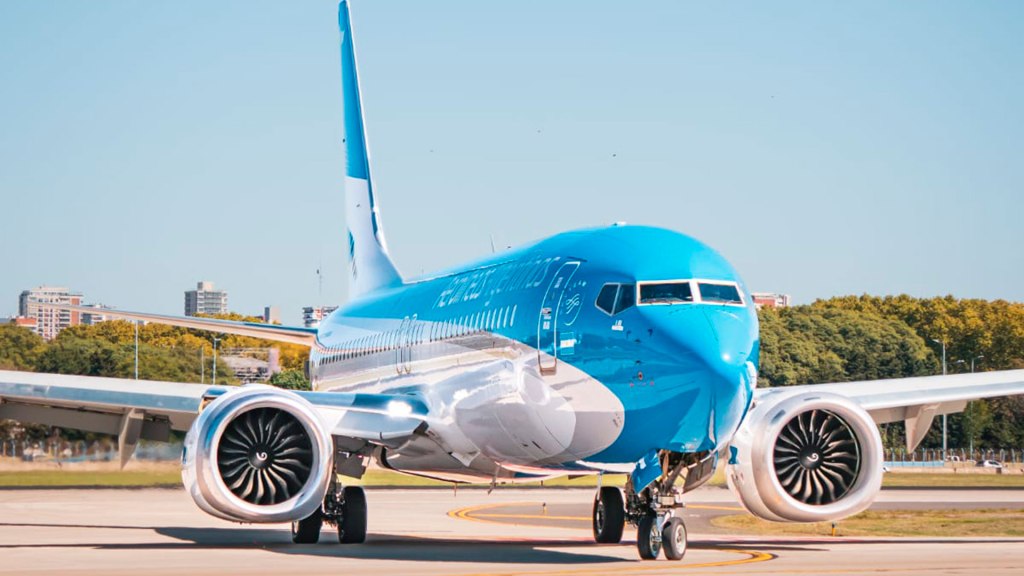
Aerolíneas Argentinas tiene previsto establecer una agenda integral para acceder al Combustible de Aviación Sostenible (SAF) mediante un trabajo conjunto entre organismos estatales y empresas privadas el próximo año, según indicaron hoy fuentes de la compañía. La producción de SAF alcanzará al menos 300 millones de litros en 2022, lo que significa un aumento del 200% respecto de la producción de 2021, que había sido de 100 millones de litros, según los datos suministrados por la Asociación Internacional de Transporte Aéreo (IATA), en un encuentro de periodistas especializados en aviación que se realiza en la sede de IATA en Ginebra. No obstante, hay cálculos optimistas que estiman que la producción total en 2022 podría alcanzar los 450 millones de litros, un escenario que coloca a la industria SAF al borde de un aumento exponencial de la capacidad y la producción hacia un punto de inflexión identificado de 30.000 millones de litros para 2030, con las políticas de apoyo adecuadas.
Las aerolíneas se comprometen a lograr cero emisiones netas de CO2 para 2050 y ven a SAF como un contribuyente clave, y las estimaciones actuales esperan que SAF represente el 65% de la mitigación necesaria para esto, lo que requiere una capacidad de producción de 450 mil millones de litros anuales en 2050. Por eso, Aerolíneas Argentinas viene trabajando firmemente para un presente y un futuro sustentable, y tiene previsto establecer una agenda integral para acceder al SAF en el 2023, mediante el trabajo conjunto entre organismos estatales y empresas privadas, indicaron fuentes de la empresa. «Desarrollamos diferentes proyectos alineados a los Objetivos de Desarrollo Sustentable (ODS) definidos en 2015 por la Organización de las Naciones Unidas, en el marco de la Agenda 2030 sobre el Desarrollo Sostenible. Una oportunidad para que los países y sus sociedades emprendan un nuevo camino en pos de mejorar la vida», expresaron desde la compañía aérea.
Respecto a la reducción de emisiones de CO2 en largo recorrido, Aerolíneas Argentinas introdujo modificaciones en el proceso de carga y ocupación de las bodegas haciéndolo más eficiente y reduciendo el consumo por tonelada transportada. También, las reducciones del consumo tienen relación directa con su Programa de Eficiencia en Combustible (PEC), el cual realiza el seguimiento y análisis de la forma en que se utiliza el combustible en vuelo y el concepto de Free Route Airspace (FRA), que consiste en un sistema de navegación con diferentes puntos de entrada y salida de espacios aéreos con el objetivo de volar directo y mejorar la trayectoria del vuelo en función de la distancia más corta.
Los gobiernos de la región comparten ahora el mismo objetivo para la descarbonización con la aviación, y por ende el interés en el éxito de SAF. «Hubo al menos el triple de la cantidad de SAF en el mercado en 2022 que en 2021. ¡Y las aerolíneas usaron cada gota, incluso a precios muy altos! Si hubiera más disponible, se habría comprado. Eso deja en claro que se trata de un problema de oferta y que las fuerzas del mercado por sí solas son insuficientes para resolverlo. Los gobiernos, que ahora comparten el mismo objetivo neto cero para 2050, deben implementar incentivos de producción integrales para SAF. Es lo que hicieron para lograr una transición exitosa de las economías a fuentes renovables de electricidad. Y es lo que la aviación necesita para descarbonizarse», dijo Willie Walsh, Director General de IATA.
Hasta la fecha se han operado más de 450 000 vuelos comerciales con SAF, y el creciente número de aerolíneas que firman acuerdos de compra con productores envía una señal clara a los mercados de que se necesita SAF en cantidades mayores y, en lo que va de 2022 se firmaron alrededor de 40 acuerdos de compra.
Aerolíneas avanza SAF 2023
Aerolíneas Argentinas Sustainable fuel progress in 2023
Aerolíneas Argentinas plans to establish an integral agenda to access sustainable aviation fuel (SAF) through a joint work between state agencies and private companies next year, company sources indicated today. SAF production will reach at least 300 million liters in 2022, which means a 200% increase compared to the production of 2021, which had been 100 million liters, according to the data provided by the International Air Transport Association (IATA), in a meeting of journalists specialized in aviation that takes place at the IATA headquarters in Geneva. However, there are optimistic calculations that estimate that total production in 2022 could reach 450 million liters, a scenario that places the SAF industry on the edge of an exponential increase in capacity and production towards an identified inflection point of 30,000 Millions of liters by 2030, with appropriate support policies.
Airlines undertake to achieve zero net emissions of CO2 by 2050 and come to SAF as a key taxpayer, and current estimates expect SAF to represent 65% of the mitigation necessary for this, which requires a production capacity of 450 thousand Millions of liters per year in 2050. Therefore, Aerolineas Argentinas has been working firmly for a present and a sustainable future and plans to establish an integral agenda to access the SAF in 2023, through joint work between state agencies and private companies, they said company sources. «We develop different projects aligned to the Sustainable Development Goals (SDGs) defined in 2015 by the United Nations Organization, within the framework of the 2030 Agenda on Sustainable Development. An opportunity for countries and their societies to undertake a new path In order to improve life», they said from the airline.
Regarding the reduction of CO2 emissions on long travel, Aerolíneas Argentinas introduced modifications in the load and occupation process of the wineries making it more efficient and reducing consumption by transported ton. Also, consumption reductions are directly related to their Fuel Efficiency Program (PEC), which performs the monitoring and analysis of the way in which the fuel in flight is used and the concept of Free Route Airspace (FRA), which consists of a navigation system with different points of entry and exit of air spaces with the aim of flying direct and improving the flight trajectory based on the shortest distance.
The governments of the region now share the same objective for decarbonization with aviation, and therefore the interest in the success of SAF. «There was at least triple the amount of SAF in the market in 2022 that in 2021. And the airlines used each drop, even at very high prices! If I had more available, it would have bought. That makes it clear that it is about of an offer problem and that market forces alone are insufficient to solve it. Governments, which now share the same zero net objective by 2050, must implement comprehensive production incentives for SAF. It is what they did to achieve a transition Successful economies to renewable sources of electricity. And it is what aviation needs to decarbonize», said Willie Walsh, IATA General Director.
To date, more than 450,000 commercial flights have been operated with SAF, and the growing number of airlines that sign purchase agreements with producers send a clear signal to the markets that SAF is needed in larger quantities and, so far this goes from 2022 around 40 purchase agreements were signed.
PUBLISHER: Airgways.com DBk: Aerolineas.com / Airgways.com AW-POST: 202212081250AR OWNERSHIP: Airgways Inc. A\W A I R G W A Y S ®
Latinoamericanas anuncian pérdidas 2023 Región Norteamérica beneficios 2022-2023
La Asociación Internacional de Transporte Aéreo (IATA) ha informado el conjunto de compañías latinoamericanas terminarán el año 2022 con pérdidas del orden de los US$ 2.000 millones de Dólares, mientras que las proyecciones para el 2023 arrastraría números rojos en valores aproximados en US$ 795 millones, según el organismo que representa a la industria de la aviación comercial.
Las perspectivas de la demanda de pasajeros en Latinoamérica podrían incrementarse en un 9.3% el próximo año 2023, por encima del 6.3% del aumento de la capacidad, indicó la entidad en la presentación de los datos económicos del sector de 2022 y sus proyecciones para 2023. El tráfico latinoamericano de pasajeros ha alcanzado en 2022 un 12.6% por debajo de las cifras de 2019, el año previo a la pandemia, y se espera que el próximo año alcance alrededor de 8.2%, una baja de 4,4%, aunque esto no signifique que las variables de mercado puedan cambiar favorablemente.
De todas las regiones del mundo, Norteamérica es la única donde se han observado beneficios netos del 9.9% en 2022 y se espera que este ritmo de recuperación se mantenga en 2023 con incrementos del orden del 11.4%. Las proyecciones para Estados Unidos y Canadá hacia el 2023 apuntan a recuperar el 97.2% de los niveles prepandemia. Entre las razones de esta recuperación, la IATA destacó que las restricciones de viajes fueron menos severas y largas allí que en cualquier otra parte del mundo, lo que incluyen los viajes internos y los trasatlánticos.
Sobre las aerolíneas europeas, la IATA indicó que perderán US$ 3.100 millones de Dólares en 2022 y volverán a los beneficios en 2023, con ganancias de alrededor de US$ 621 millones de Dólares.
IATA airline projections 2023
Latin Americans announce 2023 losses North America Region Benefits 2022-2023
The International Air Transport Association (IATA) has reported that the group of Latin American companies will end the year 2022 with losses of the order of US$ 2,000 million, while the projections for 2023 would drag red numbers in approximate values of US$ 795 million, according to the body that represents the commercial aviation industry.
The prospects for passenger demand in Latin America could increase by 9.3% next year 2023, above the 6.3% increase in capacity, the entity indicated in the presentation of economic data for the sector for 2022 and its projections for 2023. Latin American passenger traffic has reached 12.6% in 2022 below the figures for 2019, the year before the pandemic, and it is expected that next year it will reach around 8.2%, a drop of 4.4%, although this does not mean that market variables can change favorably.
Of all the regions of the world, North America is the only one where net benefits of 9.9% have been observed in 2022 and this recovery rate is expected to continue in 2023 with increases of the order of 11.4%. Projections for the United States and Canada by 2023 point to a recovery of 97.2% of pre-pandemic levels. Among the reasons for this recovery, IATA highlighted that travel restrictions were less severe and lengthy there than in any other part of the world, including internal and transatlantic travel.
Regarding European airlines, IATA indicated that they will lose US$3.1 billion in 2022 and return to profit in 2023, with earnings of around US$621 million.
PUBLISHER: Airgways.com DBk: Iata.org / Airgways.com AW-POST: 202212081248AR OWNERSHIP: Airgways Inc. A\W A I R G W A Y S ®
Recupera dividendos tras expiro restricciones ayudas gubernamental
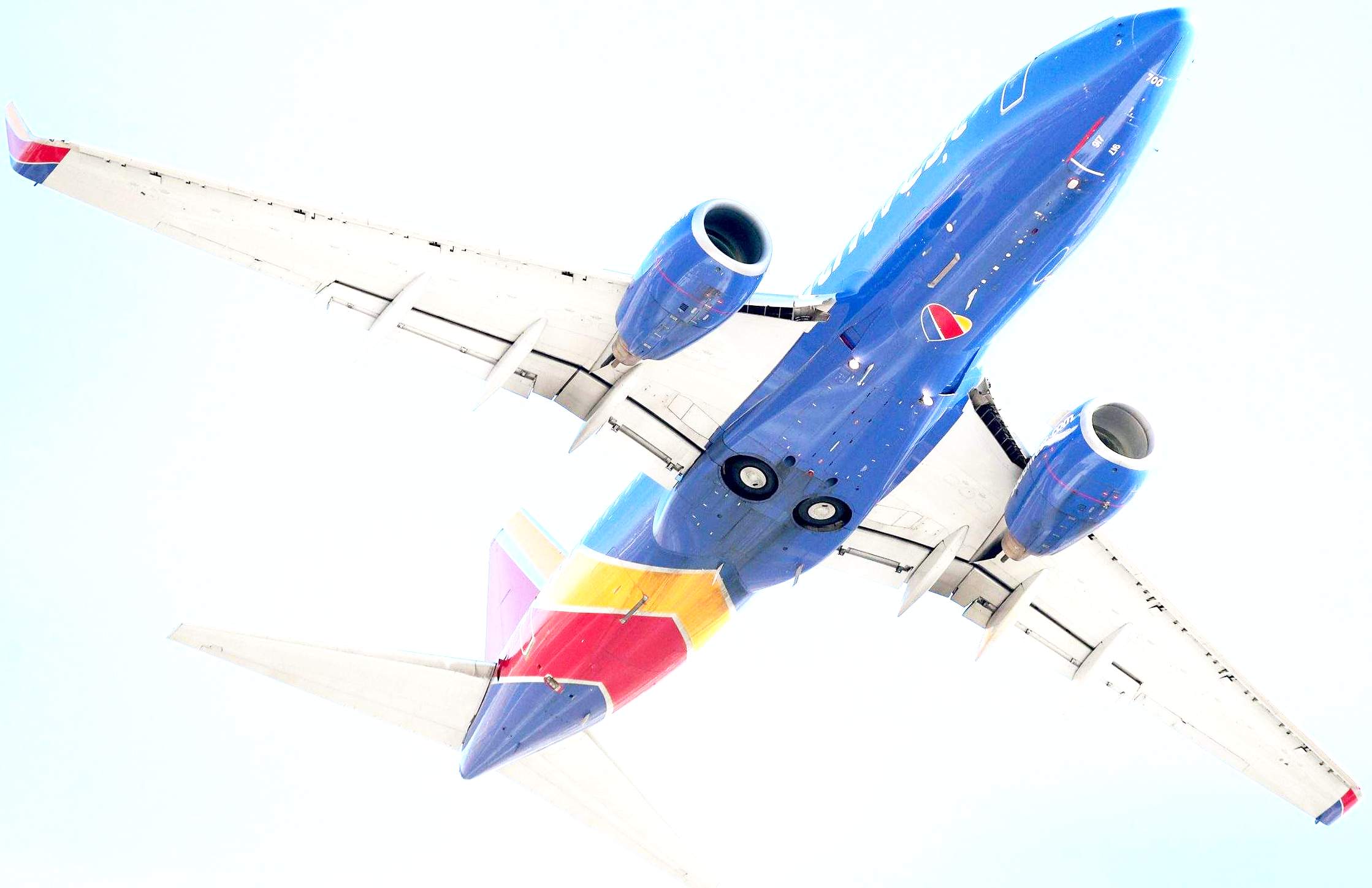
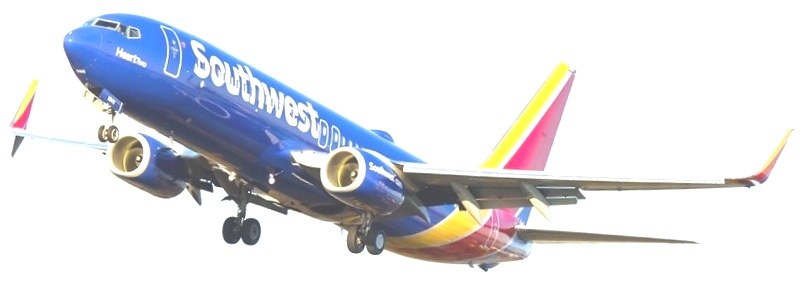
Southwest Airlines, con sede en Dallas (TX), devolverá US$ 428 millones de Dólares a los accionistas mientras recupera su dividendo después de más de dos años de ajustes en medio de la crisis sanitaria mundial. La aerolínea dijo que comenzará un dividendo trimestral de 18 centavos por acción para los accionistas a partir del 31 de Enero de 2023, una señal de que la compañía está ganando confianza en un repunte de los viajes. Es el mismo dividendo que la aerolínea dio en 2019 a los accionistas de la compañía de presupuesto estadounidense.
«El anuncio de hoy refleja el fuerte retorno de la demanda de viajes aéreos y los sólidos resultados operativos y financieros de la compañía desde marzo de 2022. A medida que acercamos el final del año, nuestra perspectiva para el cuarto trimestre de 2022 sigue siendo sólida y tenemos un plan sólido para 2023», dijo el CEO Bob Jordan en un comunicado.
Southwest y otras compañías que tomaron dinero de apoyo de nómina del Gobierno tenían prohibido pagar dividendos, recomprar acciones o aumentar la compensación ejecutiva durante más de dos años, pero esas restricciones cayeron en el otoño septentrional 2022. El anuncio del dividendo se produce después de una reunión de la Junta Directiva de Southwest el Martes 06/12 y antes de las presentaciones para sus reuniones del día del inversor el Miércoles 07/12.
Southwest ha obtenido una ganancia de US$ 759 millones durante los primeros tres trimestres de 2022, incluidos los ingresos récord durante el tercer trimestre. La mejora de los resultados financieros se debe a la fuerte demanda de los consumidores y las tarifas aéreas más altas, a pesar de que la compañía tiene una escasez de pilotos que atribuye a una acumulación de capacitación. «El restablecimiento de nuestro dividendo trimestral también refleja la fortaleza de nuestro balance y el enfoque continuo en generar ganancias consistentemente saludables, márgenes y retornos de capital a largo plazo», dijo Bob Jordan.
El liderazgo de Southwest ha sido franco sobre el hecho de que restaurar el dividendo era una alta prioridad después de la extinción de las restricciones de ayuda del Gobierno. La aerolínea recibió más de US$ 5.6 mil millones en subvenciones federales para ayudar a cubrir los costos de nómina con la promesade que no suspendería a los empleados ni recortaría los destinos, junto con disposiciones para detener los pagos a inversionistas y ejecutivos. «Tenemos un historial de dividendos de larga data, y restablecer un dividendo sigue siendo una alta prioridad», dijo Bob Jordan en Octubre 2022.
Si bien se esperaba un dividendo para los accionistas, otros métodos de aumento de acciones, como las recompras, podrían ser un desafío mayor. Los sindicatos de la industria aérea y los legisladores han dicho que las aerolíneas deberían renunciar a la recompra de acciones y, en cambio, invertir dinero en el negocio para mejorar los problemas con retrasos y cancelaciones en medio de mayores tasas de interrupción derivadas de la pandemia.
Southwest recovers dividends
Recovers dividends as government aid restrictions expire
Dallas (TX)-based Southwest Airlines will return US$ 428 million to shareholders as it recoups its dividend after more than two years of adjustments amid the global health crisis. The airline said it will begin a quarterly dividend of 18 cents per share to shareholders starting January 31, 2023, a sign the company is gaining confidence in a rebound in travel. It is the same dividend that the airline gave in 2019 to the shareholders of the American budget company.
«Today’s announcement reflects the strong return in demand for air travel and the company’s strong operating and financial results since March 2022. As we approach the end of the year, our outlook for the fourth quarter of 2022 remains strong. and we have a strong plan for 2023», CEO Bob Jordan said in a statement.
Southwest and other companies that took Government payroll support money were barred from paying dividends, buying back shares or increasing executive compensation for more than two years, but those restrictions fell in fall 2022. The dividend announcement comes after a Southwest Board of Directors meeting on Tuesday 06/12 and before presentations for their investor day meetings on Wednesday 07/12.
Southwest has made a profit of US$ 759 million through the first three quarters of 2022, including record revenue during the third quarter. The improved financial results are due to strong consumer demand and higher airfares, even though the company has a pilot shortage that it attributes to a training backlog. «The reinstatement of our quarterly dividend also reflects the strength of our balance sheet and continued focus on generating consistently healthy earnings, margins and long-term returns on capital», said Bob Jordan.
Southwest’s leadership has been outspoken about the fact that restoring the dividend was a high priority after the Government aid restrictions were lifted. The airline received more than US$ 5.6 billion in federal grants to help cover payroll costs with a promise that it would not furlough employees or cut postings, along with provisions to halt payments to investors and executives. “We have a long-standing history of dividends, and restoring a dividend remains a high priority”, Bob Jordan said in October 2022.
While a shareholder dividend was expected, other methods of raising shares, such as buybacks, could prove more of a challenge. Airline industry unions and lawmakers have said airlines should forego share buybacks and instead invest money in the business to improve problems with delays and cancellations amid higher disruption rates stemming from the pandemic.
PUBLISHER: Airgways.com DBk: Southwest.com / Airgways.com AW-POST: 202212081144AR OWNERSHIP: Airgways Inc. A\W A I R G W A Y S ®
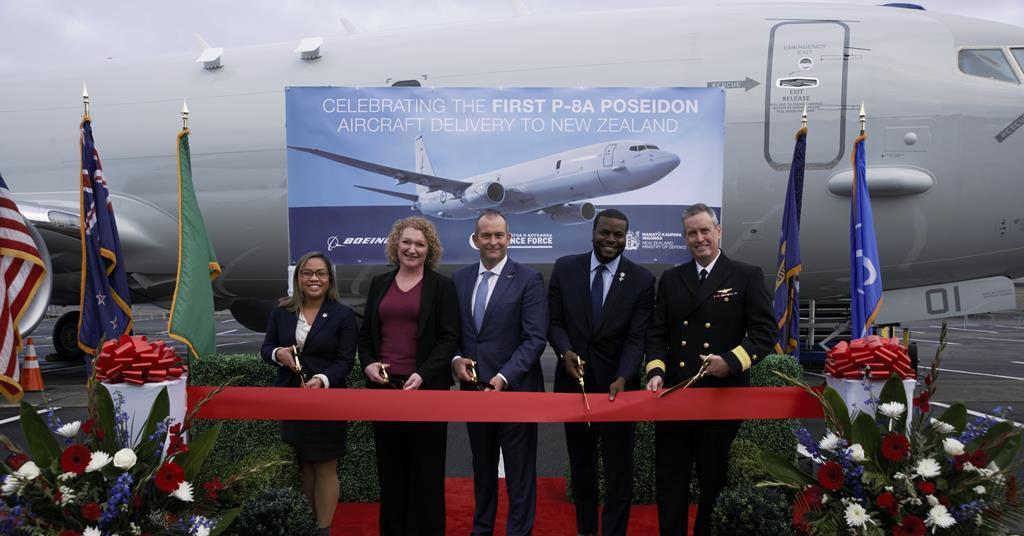
Boeing entrega primer P-8A Poseidón a Nueva Zelanda
El primero de los cuatro P-8 ordenados por Nueva Zelanda Los P-8 restantes de Nueva Zelanda se entregarán en 2023 Las entregas en todo el mundo ahora suman 155 P-8 a seis clientes globales
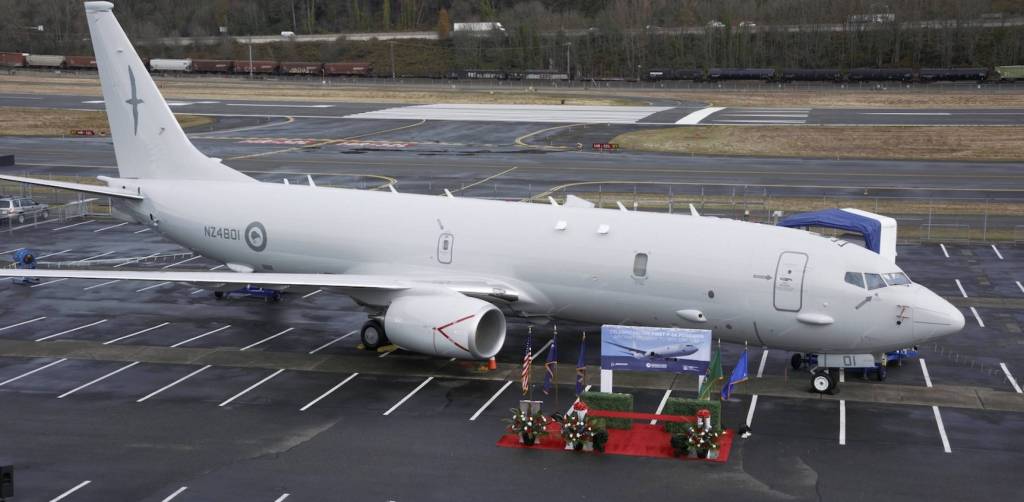
Nueva Zelanda recibió el Miércoles, 7 de Diciembre de 2022, el primero de cuatro aviones de patrulla marítima Boeing P-8A Poseidon en una ceremonia en el Museo del Vuelo. El hito se produce cuatro años después de que el Gobierno de Nueva Zelanda firmara un acuerdo con la Marina de los Estados Unidos para el P-8A.
«Como nación marítima, la entrega del P-8A garantizará que Nueva Zelanda mantenga una capacidad de patrulla y respuesta que protegerá y apoyará a la aplicación de la ley en nuestra Zona Económica Exclusiva y el Océano Austral. El P-8A también ayudará a nuestros vecinos del Pacífico Sur y ofrecerá capacidad de búsqueda y rescate de largo alcance», dijo Sarah Minson, Subsecretaria interina de Entrega de Capacidades del Ministerio de Defensa de Nueva Zelanda.
«Las inigualables capacidades de patrulla marítima multi-misión del P-8 proporcionarán a Nueva Zelanda la capacidad de extender su alcance en el Pacífico y más allá. Nueva Zelanda se une a otros ocho clientes globales, incluida la cercana Australia, que han seleccionado o ya operan el P-8 y se benefician enormemente de sus capacidades de vigilancia marítima y guerra de largo alcance», dijo Philip June, Vicepresidente y Gerente de Programas de Programas P-8.
Boeing Defence Australia proporcionará servicios de mantenimiento para la flota de Nueva Zelanda con el apoyo del Programa Internacional P-8. Los tres aviones P-8 restantes de Nueva Zelanda se encuentran en etapas avanzadas de producción y se entregarán en 2023. El avión reemplazará la flota actual de Nueva Zelanda de seis P-3K2 Orions y tendrá su base en la Base Ohakea de la Real Fuerza Aérea de Nueva Zelanda.
Hasta la fecha, la flota global de P-8 ha acumulado más de 450.000 horas de vuelo sin contratiempos. El P-8 es un avión de guerra antisubmarina, guerra anti-superficie, inteligencia, vigilancia y reconocimiento de largo alcance capaz de operaciones de área amplia, marítimas y litorales. Además, el P-8 realiza misiones humanitarias y de búsqueda y rescate en todo el mundo.
Poseidon for New Zealand
Boeing delivers First P-8a Poseidon to New Zealand
The first of the four P-8 ordered by New Zealand The remaining P-8 of New Zealand will be delivered in 2023 Deliveries around the world now add up to six global clients 155 P-8
New Zealand received on Wednesday, December 7, 2022, the first of four maritime patrol planes Boeing P-8A Poseidon possessed in a ceremony at the flight museum. The milestone occurs four years after the New Zealand government signed an agreement with the United States Navy for the P-8.
«As a maritime nation, the Delive Neighbors of the South Pacific and will offer long -range search and rescue capacity», said Sarah Minson, Interim Department of Capacity Delivery of the New Zealand Ministry of Defense.
«The unmatched abilities of Maritime Patrol Multi-mision of the P-8 will provide New Zealand the ability to extend their reach in the Pacific and beyond. New Zealand joins eight other global clients, including the nearby Australia, who have selected or already operate The P-8 and greatly benefit from their maritime surveillance capabilities and long-range war», said Philip June, vice president and P-8 programs programs manager.
Boeing Defense Australia will provide maintenance services for the New Zealand fleet with the support of the International P-8 program. The remaining three P-8 aircraft in New Zealand are in advanced production stages and will be delivered in 2023. The plane will replace the current New Zealand fleet of Six P-3K2 Orions and will be based on the Ohakea base of the real force New Zealand Air.
To date, the global P-8 fleet has accumulated more than 450,000 flight hours without setbacks. The P-8 is an anti-submarine war aircraft, anti-survey war, intelligence, surveillance and long-range recognition capable of broad, maritime and coastal area operations. In addition, the P-8 performs humanitarian and search and rescue missions worldwide.
PUBLISHER: Airgways.com DBk: Boeing.com / Defence.govt.nz / Airgways.com AW-POST: 202212081108AR OWNERSHIP: Airgways Inc. A\W A I R G W A Y S ®
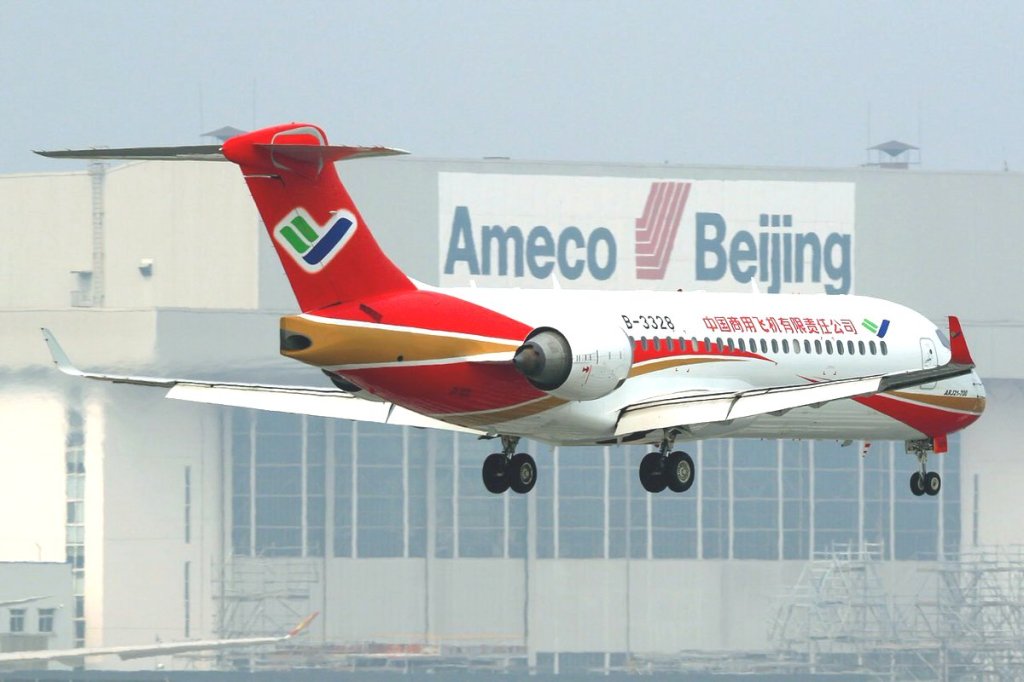
La COMAC Corporation de China ha celebrado el pasado 29 de Noviembre de 2022 su séptimo año de servicio en las aerolíneas desde su entrega inicial del primer ejemplar ARJ 21-700 a Chengdu Airlines el 29 de Noviembre de 2015, marcando el comienzo de la era jet de la República Popular de China. Como cliente inicial del programa COMAC ARJ21, Chengdu Airlines recibió su primer ARJ21 como parte de las actualizaciones de flota de la aerolínea china.
Chengdu Airlines poseía una flota de veinte aviones Airbus A319 (4) y A320 (16) antes de recibir el primer avión ARJ21 en 11/2015. Ahora se han convertido en una aerolínea de tamaño medio con una flota de setenta aviones, alcanzando el puesto quinto en términos de tamaño de flota.
El avión regional ARJ 21-700 de fabricación nacional de China tiene el apodo de «Nick Darling» por su apariencia delicada y diestra. El Programa ARJ21 se estableció en 2002, completando su roll-out realizando su primer vuelo siete años después en Shanghai, y ha sido entregado con éxito a varias de las principales aerolíneas de China, incluidas Chengdu Airlines, Air China y China Southern Airlines.
El Gerente de Flota, China Southern Airlines, Zhang Xiaohang, expresó: «Desde la perspectiva de un piloto, el ARJ21 es un avión muy confiable y poderoso. Su cabina tiene un amplio campo de visión y equipos de automatización avanzados que brindan a nuestro piloto una buena experiencia de vuelo. Creo que satisface plenamente la demanda del mercado de vuelos de corta distancia».
Ampliación cert. ARJ 21
COMAC ha continuado avanzando en las capacidades operativas ampliando las pruebas la pruebas de vuelo de gran altitud del jet narrobody ARJ21 en Julio de 2020, en el Aeropuerto Daocheng Yading/DCY, el aeropuerto civil más alto del mundo con una altitud de 4.411 m/14.471 pies sobre el nivel del mar, con el objetivo de ser certificada por la Agencia china CAAC, permitiendo ampliar significativamente la envolvente de vuelo del ARJ21, permitiendo que la aeronave pueda alcanzar todos los aeropuertos de gran altitud dispersos en la parte occidental de China. Las nuevas capacidades del ARJ21 permitirá introducirse en un potencial mercado donde otras aeronaves no puedan acceder.
COMAC ha obtenido un Certificado de Tipo Validado (VTC) para el programa ARJ21 en Febrero 2022 por parte de la Dirección General de Aviación Civil (DGGA) de la República de Indonesia, permitiendo ingresar a un importante país del Sudeste asiático. El operador indonesio TransNusa Airlines será el primer operador extranjero de ARJ21. El ARJ21 con la librea de TransNusa fue visto recientemente en el Aeropuerto Internacional de Shanghai Pudong/PVG, donde se encuentra ela FAL COMAC ARJ21, para ser entregado próximamente.
Variantes ARJ 21
La familia ARJ21 posee dos versiones: ARJ21STD (Rango Estándar) y ARJ21ER (Rango Extendido). Todos los ARJ21 entregados hasta ahora son la versión extendida ARJ 21-700ER. Además, el ARJ21 tiene una configuración de jet ejecutivo denominado COMAC CBJ (COMAC Business Jet), y ha sido certificado con un Certificado de Tipo Suplementario (STC). El CBJ se presentó al público por primera vez en Zhuhai Airshow en Noviembre de 2021. En el último Zhuhai Airshow 2022, COMAC presentó su configuración de transporte médico para el ARJ21. Además, otras modificaciones ARJ21, como la configuración de carga del ARJ 21-700F; configuración para comando de emergencia; y una configuración de extinción de incendios en actual desarrollo.
Órdenes ARJ 21
El constructor chino COMAC Corp. ha alcanzado el desarrollo para Junio 2022 de un total de cien aviones ARJ21, mientras que la tasa de producción de ARJ21 actual alcanza los cincuenta aviones anualmente. La factoría ha entregado a Noviembre 2022 sus aeronaves números 85/86 a la aerolínea china OTT Airlines, teniendo en lista de espera a ser entregados catorce unidades a diferentes clientes. Actualmente, COMAC tiene órdenes por seiscientos setenta aviones de pasajeros ARJ21 (670) y setenta pedidos de configuración de carga ARJ21-700F (70) de veinte clientes. Algunos pedidos no representan órdenes en firme.
Perspectivas ARJ 21
La aeronave regional china ARJ 21 promete continuar desarrollándose con notable rapidez para alcanzar mercados en desarrollo para las regiones en Asia. El ARJ 21 brinda la oportunidad de penetrar en segmentos altamente competitivos y en regiones de difícil acceso para otras aeronaves. Sin dudas, el avión regional chino augura una fuerte capacidad de órdenes producto de un buen producto lanzado al mercado.
ARJ-21 seventh year of service
COMAC ARJ21 celebrates seventh year of service
The COMAC Corporation of China has celebrated its seventh year of airline service on November 29, 2022 since its initial delivery of the first ARJ 21-700 example to Chengdu Airlines on November 29, 2015, marking the beginning of the jet era. of the People’s Republic of China. As an initial customer of the COMAC ARJ21 Program, Chengdu Airlines has received its first ARJ21 as part of the Chinese carrier’s fleet upgrades.
Chengdu Airlines had a fleet of twenty Airbus A319 (4) and A320 (16) aircraft before receiving the first ARJ21 aircraft on 11/2015. They have now grown into a mid-size airline with a fleet of seventy aircraft, ranking fifth in terms of fleet size.
China’s domestically made ARJ 21-700 regional jet has been nicknamed «Nick Darling» for its delicate and dexterous appearance. The ARJ21 Program was established in 2002, completing its roll-out by making its maiden flight seven years later in Shanghai, and has been successfully delivered to a number of China’s major airlines, including Chengdu Airlines, Air China, and China Southern Airlines.
Fleet Manager, China Southern Airlines, Zhang Xiaohang, said, «From a pilot’s perspective, the ARJ21 is a very reliable and powerful aircraft. Its cockpit has a wide field of view and advanced automation equipment that provides our pilot a good flight experience. I think it fully meets the demand of the short-haul market».
Extension cert. ARJ 21
COMAC has continued advancing operational capabilities by expanding the high-altitude flight test of the ARJ21 jet narrowbody in July 2020, at Daocheng Yading/DCY Airport, the highest civil airport in the world with an altitude of 4,411 m/14,471 feet above sea level, with the aim of being certified by the Chinese CAAC Agency, allowing the ARJ21’s flight envelope to be significantly expanded, allowing the aircraft to reach all the high-altitude airports scattered in the western part of China. The new capabilities of the ARJ21 will allow it to enter a potential market where other aircraft cannot access.
COMAC has obtained a Validated Type Certificate (VTC) for the ARJ21 program in February 2022 from the General Directorate of Civil Aviation (DGGA) of the Republic of Indonesia, allowing entry to an important Southeast Asian country. Indonesian operator TransNusa Airlines will be the first foreign operator of ARJ21. The ARJ21 in TransNusa livery was recently spotted at Shanghai Pudong/PVG International Airport, where the COMAC ARJ21 FAL is located, due for delivery soon.
ARJ 21 variants
The ARJ21 family has two versions: ARJ21STD (Standard Range) and ARJ21ER (Extended Range). All ARJ21 delivered so far are the ARJ 21-700ER extended version. In addition, the ARJ21 has an executive jet configuration called COMAC CBJ (COMAC Business Jet) and has been certified with a Supplemental Type Certificate (STC). The CBJ was presented to the public for the first time at Zhuhai Airshow in November 2021. At the last Zhuhai Airshow 2022, COMAC presented its medical transport configuration for the ARJ21. Also, other ARJ21 modifications, such as the loading configuration of the ARJ 21-700F; configuration for emergency command; and a firefighting configuration currently under development.
ARJ 21 Orders
The Chinese manufacturer COMAC Corp. has reached the development by June 2022 of a total of one hundred ARJ21 aircraft, while the current ARJ21 production rate reaches fifty aircraft annually. The factory has delivered its aircraft numbers 85/86 to the Chinese airline OTT Airlines by November 2022, with fourteen units on a waiting list to be delivered to different customers. COMAC currently has orders for six hundred and seventy ARJ21 (670) passenger aircraft and seventy ARJ21-700F (70) cargo configuration orders from twenty customers. Some orders do not represent firm orders.
ARJ 21 Perspectives
The Chinese ARJ 21 regional aircraft promises to continue to develop remarkably quickly to reach developing markets for regions in Asia. The ARJ 21 offers the opportunity to penetrate highly competitive segments and regions that are difficult to access for other aircraft. Undoubtedly, the Chinese regional aircraft augurs a strong capacity for orders as a result of a good product launched on the market.
AW | 2022 12 07 14:55 | INDUSTRY / AVIATION HISTORY
Último Boeing 747 sale de línea producción fábrica Everett Finaliza la era de la Reina de los cielos
El último Boeing 747 finalizó la producción mundial tras el último avión en la línea de producción Boeing 747-8 Freighter se entregará a Atlas Air a principios de 2023. El avión icónico transformó los viajes globales después de entrar en servicio en 1970. El último Boeing 747 apodado mundialmente como «Jumbo» salió de la fábrica de fuselaje ancho de la compañía antes de su entrega a Atlas Air a principios de 2023. «Durante más de medio siglo, decenas de miles de empleados dedicados de Boeing han diseñado y construido este magnífico avión que realmente ha cambiado el mundo. Estamos orgullosos de que este avión continúe volando por todo el mundo en los próximos años», dijo Kim Smith, Vicepresidente y Gerente General de Boeing para los Programas 747 y 767.
El 747 ha jugado un papel clave en la historia de liderazgo aeroespacial del constructor aeroespacial americano. La producción del 747, el primer avión de doble pasillo del mundo, comenzó en 1967 y abarcó 54 años, durante los cuales se construyeron un total de 1.574 aviones. Con 250 pies 2 pulgadas (76,2 m), el Boeing 747-8 es el avión comercial más largo en servicio. A velocidades de crucero típicas, el 747-8 viaja aproximadamente la longitud de tres campos de fútbol de la FIFA o campos de fútbol de la NFL, por segundo. El último avión en la línea de producción es un Boeing 747-8 Freighter. Este modelo tiene una carga útil de ingresos de 133,1 toneladas, suficiente para transportar 10.699 lingotes de oro macizo o aproximadamente 19 millones de pelotas de ping-pong o pelotas de golf.
El avión Boeing 747 Jumboliner se ha estado fabricando tras casi 52 años ininterrumpidos después de que el primer 747 entrara en servicio con Pan Am en Enero de 1970, marcando la entrada a una nueva era de vuelos. «Es una ocasión triste», dijo Jon Sutter, nieto del legendario diseñador de aviones Boeing Joe Sutter, apodado «padre del 747». Jon Sutter, que ahora trabaja en Boeing en el mismo edificio Boeing Field donde su abuelo diseñó el «Queen of the Skies», no había nacido cuando voló el primer 747. Su abuelo, quien falleció en 2016, no vivió para ver el final del programa con el que está más estrechamente asociado. Sin embargo, incluso con el final del Programa 747, el legado de Joe Sutter sigue vivo, dijo su nieto. «Su bebé, Boeing, todavía se va. Puedes ver su influencia en todos los demás aviones», dijo Jon Sutter.
Programa 747 Jumbo
El Boeing 747 era el plan B de la compañía aeroespacial. Muchas de las personas que vieron el primer vuelo derramaron lágrimas de alivio. Había mucho en juego en el primer vuelo. Boeing había apostado literalmente a la compañía por el 747, que había sido una especie de Plan B. Boeing tenía la intención de que el Transporte Supersónico, por el cual se nombró al difunto y gran equipo de baloncesto Seattle Supersonics, fuera su avión de pasajeros de vanguardia para la segunda mitad del siglo 20.
Había diseñado el 747 como un avión de carga de larga distancia: sus dimensiones de fuselaje estaban determinadas por la cantidad de espacio necesario para colocar dos filas de contenedores de carga de 20 pies uno al lado del otro. La cabina se elevó, creando el perfil icónico del ‘Four-Seven’, principalmente para elevarla por encima de la bodega de carga. Del mismo modo, Everett no fue la primera opción de Boeing para ser el hogar del programa 747, según TM Sell, Profesor de Economía Política en Highline College y autor de un libro, «Wings of Power», que analizó cómo la compañía ejerció influencia en su estado natal durante el siglo 20. No había espacio para ensamblar un avión Jumbo en la planta de Boeing en Renton, o en la Planta 2 en Seattle (WA), donde había construido bombarderos durante la Segunda Guerra Mundial. El nuevo avión era más del doble del tamaño del 707, y requeriría un nuevo edificio.
El equipo de selección de sitios de Boeing originalmente regresó con recomendaciones para poner el nuevo programa en Cleveland, Denver o San Diego. Moses Lake, Washington, fue otro fuerte contendiente. Boeing fue tan lejos como para tomar una opción en tierra cerca de Walnut Creek, California, en el actual Silicon Valley. Pero al final, la alta gerencia de Boeing se preocupó de no poder conseguir suficiente personal clave para reubicarse y decidió que no quería confiar su programa de aviones decisivos a un equipo inexperto de ingenieros, técnicos y mecánicos. Paine Field, que había estado muy abajo en la lista de sitios potenciales, fue la elección final.
El 747 fue el Plan B después de que SST fue cancelado. Los últimos 747 tienen una calcomanía especial en honor a Joe Sutter. El 747 sobrevivió más de cincuenta años de producción inigualables para un coloso del aire, concluyendo su producción con la variante Boeing 747-8F. El primer Boeing 747, apodado «Spirit of Everett», despega de Paine Field el 9 de Febrero de 1969. La mañana del primer vuelo, el 9 de febrero de 1969, fue fría y gris en Everett (WA). Nubes pesadas presionaron hacia abajo. A lo largo de la pista, la nieve que había caído unos días antes se había derretido en un granizado helado que empapaba los pies de miles de personas que habían venido a mirar: VIP, escolares, decenas de clientes de aerolíneas y largas filas de «Los Increíbles», incondicionales de Boeing que habían construido el avión más grande del mundo y la fábrica más grande del mundo casi simultáneamente. Había un buen número de personas que no creían que el gigante de 367 toneladas volaría. El legendario diseñador de Boeing, Joe Sutter, en una entrevista de 2004 con el Everett Herald, dijo que su esposa había sido detenida por personas en la tienda de comestibles que cuestionaron si su esposo había perdido la cabeza. Jon Sutter dijo que su abuelo había llevado a su abuela esa mañana al lugar junto a la Pista de Paine Field donde su equipo había calculado que el gigante «Spirit of Everett» abandonaría el suelo, a 4.200 pies de profundidad.
El despegue se retrasó por un tiempo. El copiloto Brian Wygle dijo que estaban esperando un descanso en las nubes porque no querían despegar por primera vez con instrumentos. Cuando el piloto Jack Waddell comenzó el enorme avión rodando por la pista, los observadores dijeron que parecía moverse lentamente, a pesar de que los registros muestran que iba a 184 mph cuando despegó. «Debe haber tomado media hora hasta que llegó al punto en que giró y despegó», dijo John Monroe, un Ingeniero Junior de Boeing.
Jack Waddell subió hasta 15.500 pies. Le entregó los controles a Brian Wygle, quien dijo que ambos estaban gratamente sorprendidos con la facilidad con la que el 747 se manejaba en el aire. De vuelta en tierra, Brian Waddell diría más tarde que era un «avión de dos dedos», lo que significa que podía volarlo con solo el índice y el pulgar en los controles. Los dos pilotos volaron el avión durante 110 minutos antes de aterrizar. Joe Sutter admitió más tarde que estaba preocupado por aterrizar el gran pájaro, pero «de alguna manera se hundió en el suelo. Cuando vi el primer aterrizaje, fue cuando supe que teníamos un buen avión». Después de que el avión aterrizó, Joe Sutter se escapó del área VIP para encontrar a su esposa. Ella estaba llorando, dijo: «Tuve que darle un abrazo».
Jon Sutter dijo que si bien su abuelo también podría enorgullecerse del éxito, eso fue mucho más allá de lo que nadie esperaba. Se suponía que la Reina de los Cielos era el 2707 de Boeing, el Transporte Supersónico, no el 747. El SST de 234 asientos con alas delta fue pensado como la respuesta de Estados Unidos al Concorde europeo. La propia FAA eligió el diseño sobre las propuestas de Lockheed y North American en 1966, y para 1971, el programa tenía 122 pedidos de 26 aerolíneas, incluidas Alitalia, Canadian Pacific Airlines, Delta Air Lines, Iberia Líneas Aéreas, KLM Airlines, Northwest Airlines y World Airways.
Pero el programa, que tenía dos años de retraso para entonces, dependía de fondos federales, y en 1971, el Congreso canceló ese flujo de efectivo, citando preocupaciones ambientales, incluido el ruido y economía marginal. Tambaleándose el programa debido a los recortes a los contratos militares cuando terminó la Guerra de Vietnam, los contratos perdidos de la NASA cuando terminó el programa Apolo y una caída en los pedidos comerciales durante una recesión, el fin de la financiación federal para el SST fue catastrófico para Boeing, lo que llevó al despido de dos tercios de su fuerza laboral, unas 60.000 personas.
El 747 ha tenido un éxito notable como avión de carga, según lo proyectado, pero su impacto en los pasajeros fue mayor. Las enormes alas necesarias para levantar el pesado avión podrían transportar suficiente combustible para cruzar los océanos, y empacar las bodegas de carga con personas en lugar de paletas redujo los costos de asiento-milla en un 30%. Por primera vez, los viajes transatlánticos y transpacíficos estaban al alcance de la clase media mundial.
Programa 747-8
El 747 ha sido renovado ocho veces a lo largo de su historia. La última iteración, el Boeing 747-8, fue construido para aprovechar los nuevos motores y aviónica desarrollados para el 787. El mayor empuje permitiría un tramo de 19 pies del fuselaje, la única vez que el diseño original de Sutter se hizo más largo. El 747 SP fue desarrollado en la década de 1970 como un avión de pasajeros de alcance extendido; era 48 pies más corto. Cuarenta y cinco de ellos fueron construidos.
El programa 747-8 se lanzó en 2004, y los ejecutivos de Boeing en ese momento esperaban que fuera un reacondicionamiento fácil, y pronosticaron un mercado para 300 aviones, divididos entre versiones de pasajeros y carga. Sin embargo, los innumerables retrasos en el programa 787 desviaron el talento de ingeniería del Dash 8. La producción no comenzó hasta agosto de 2008, y en febrero de 2009, el entonces CEO Jim McNerney dijo que la compañía estaba reevaluando si continuar con el programa, particularmente porque solo había ganado un pedido de aviones de pasajeros.
Al igual que Airbus, que luchó por encontrar compradores para su avión de pasajeros A380, Boeing descubrió que las aerolíneas no estaban interesadas en aviones con más de 400 asientos difíciles de llenar. Los 777 y 787 de Boeing y los A330 y A350 de Airbus tenían rangos similares a los 747 y A380, lo que les permitió servir pares de ciudades similares con más frecuencia.
Boeing terminó retrasando el programa otro año, asumiendo un cargo de mil millones de dólares contra las ganancias en el proceso. Pero los primeros clientes Cargolux y Lufthansa reafirmaron sus compromisos, y Korean Air Lines (KAL) realizó un pedido de modelos de cinco pasajeros. KAL agregaría más tarde dos aviones de carga al pedido.
BOEING 747-8F
En Febrero de 2010, el primer Boeing 747-8 realizaba su vuelo inaugural. Cargolux tomó el primero de sus aviones en 2011; Lufthansa tomó su primer modelo de pasajeros en 2012. Boeing vendió 155 Dash 8; con la versión carguera que venden más que los aviones de pasajeros en aproximadamente dos a uno. UPS terminó siendo el mayor comprador de Boeing 747-8, con 28 aviones de carga (8F). Atlas Air, Cargolux y Cathay Pacific tomaron cada uno 14 para sus flotas de carga. Lufthansa German Airlines opera la mayor flota de pasajeros 747-8, con 19 unidades. Korean Air Lines tiene 10 unidades del Boeing 747-8I, más siete versiones de carga 747-8F.
Últimos 747 honran a Joe Sutter
Los miembros de la familia están tristes de ver que el programa de aviones de su abuelo llega a su fin, y algunos piensan que es un error estratégico, dijo. Con todos los problemas que Boeing tuvo con los programas 737, 777 y 787, el 747 ha tenido un rendimiento confiable. «Están cerrando líneas en el avión que pueden entregar».
El avión será uno de los tres que llevarán un dibujo de dibujos animados al estilo de los años 60 de Joe Sutter y un 747 en su cola. Cargolux y UPS ya están volando las otras dos «Ediciones Joe Sutter». El último avión Boeing 747 Jumbo será remolcado a través de la Ruta 526 del Estado de Washington hasta la línea de vuelo, para pruebas de campo y trabajo para corregir cualquier graznido antes de las pruebas de vuelo. Atlas air tomará las llaves en una ceremonia de entrega en algún momento a principios del próximo año.
Difícil imaginar el mundo sin él
«Piensas en todo lo que ha hecho ese avión. Ha transportado el transbordador espacial, ha transportado por aire a mil refugiados a la vez», dijo Jon Sutter, y agregó que los 747 han sido equipados para la extinción de incendios, han llevado láseres y telescopios aerotransportados y, desde 1986, han transportado presidentes de Estados Unidos. «En realidad es difícil imaginar el mundo sin él. No hay mucho por ahí que pueda reemplazarlo», dijo Jon Sutter.
Boeing no planea reemplazar el 747 en el corto plazo. En la reciente sesión informativa de la compañía sobre sus proyecciones del mercado de carga aérea, el Vicepresidente de Marketing Comercial, Darren Hulst, dijo que Boeing espera que los 747-8F vuelen «hasta mediados de este siglo».
Boeing espera que los transportistas de carga se centren en los 777 cargueros y conversiones, que tienen mayores capacidades de carga útil que los modelos 747-400 más antiguos, dijo Darren Hulst. Boeing proporcionará soporte posventa para los 747 mientras estén volando, y cuando terminen esos días, «veremos qué sucede más allá de eso. Pero falta mucho tiempo», expresó Darren Hulst.
El largo legado de Sutter
Mientras que el avión más asociado con su abuelo fue el 747, Joe Sutter también fue un miembro senior del equipo que diseñó el 737, que es el avión que estableció el estándar para el diseño aeroespacial durante más de medio siglo. Con su cola convencional, ala colgante y motores montados en vainas, Jon Sutter dijo, «esa configuración básica de Tres-Siete es el cortador de galletas para cada avión que viene después».
Joe Sutter creía en el 737 incluso cuando las ventas eran tan pobres que la Gerencia consideró vender todo el programa a los intereses japoneses. A los 54 años, el 737 ha sobrevivido a la Reina de los Cielos.
Jon Sutter dijo que su abuelo fue uno de los grandes que definió lo que Boeing era y lo que podría ser la industria, enumerándolo junto a Ed Wells, quien diseñó el B-17 y el Boeing 707, y Malcolm Stamper, el Jefe de Sutter en el Programa 747, que pasaría a ser el Presidente más antiguo de Boeing. «Realmente puedes reducirlo a unos pocos ingenieros en Boeing y él era parte de ese grupo», dijo Jon Sutter.
El Boeing 747 Jumbo concluye una era en la compañía y la historia de la aviación comercial mundial. Con él, finaliza un programa colosal de la industria aeroespacial de un proyecto titánico que ha marcado profundamente la manera de volar en el mundo entero de la Reina de los cielos. Pero por sobre todo lo volado será «Difícil imaginar el mundo sin él», expresó Jon Sutter.
Ξ Boeing 747 production ends Ξ
Last Boeing 747 rolls off Everett factory production line The era of the Queen of heaven ends
The last Boeing 747 ended global production after the last aircraft on the Boeing 747-8 Freighter production line is due to be delivered to Atlas Air in early 2023. The iconic aircraft transformed global travel after entering service in 1970. The last Boeing 747 nicknamed globally as «Jumbo» rolled out of the company’s widebody factory ahead of delivery to Atlas Air in early 2023. «For more than half a century, tens of thousands of dedicated Boeing employees have designed and built this magnificent aircraft that has truly changed the world. We are proud that this aircraft will continue to fly around the world for years to come», said Kim Smith, Boeing’s vice president and general manager for the 747 and 767 Programs.
The 747 has played a key role in the American aerospace builder’s history of aerospace leadership. Production of the 747, the world’s first twin-aisle aircraft, began in 1967 and spanned 54 years, during which a total of 1,574 aircraft were built. At 250 ft 2 in (76.2 m), the Boeing 747-8 is the longest commercial airliner in service. At typical cruise speeds, the 747-8 travels roughly the length of three FIFA football fields, or NFL football fields, per second. The latest aircraft on the production line is a Boeing 747-8 Freighter. This model has a revenue payload of 133.1 tons, enough to carry 10,699 solid gold bars or approximately 19 million ping-pong balls or golf balls.
The Boeing 747 Jumboliner aircraft has been in production for nearly 52 uninterrupted years after the first 747 entered service with Pan Am in January 1970, ushering in a new era of flight. «It’s a sad occasion», said Jon Sutter, grandson of legendary Boeing aircraft designer Joe Sutter, nicknamed the «father of the 747». Jon Sutter, who now works at Boeing in the same Boeing Field building where his grandfather designed the «Queen of the Skies», was not born when he flew the first 747. His grandfather, who passed away in 2016, did not live to see the end of the program with which you are most closely associated. Yet even with the end of the 747 Program, Joe Sutter’s legacy lives on, his granddaughter said. «His baby of him, Boeing, is still going. You can see the influence of him in all the other planes», Jon Sutter said.
747 Jumbo Program
The Boeing 747 was the plan B of the aerospace company. Many of the people who saw the first flight shed tears of relief. The stakes were high on the first flight. Boeing had literally bet the company on the 747, which had been something of a Plan B. Boeing had intended the Supersonic Transport, for which the late, great Seattle Supersonics basketball team was named, to be its airliner. avant-garde for the second half of the 20th century.
He had designed the 747 as a long-haul cargo plane: its fuselage dimensions were determined by the amount of space needed to fit two rows of 20-foot cargo containers side by side. The cabin was raised, creating the iconic ‘Four-Seven’ profile, primarily to raise it above the cargo hold. Similarly, Everett was not Boeing’s first choice to be the home of the 747 program, according to TM Sell, Professor of Political Economy at Highline College and author of a book, «Wings of Power», which looked at how the company exerted influence in his home state during the 20th century. There was no room to assemble a jumbo jet at Boeing’s Renton plant, or at Plant 2 in Seattle, WA, where he had built bombers during World War II. The new aircraft was more than twice the size of the 707 and would require new building.
Boeing’s site selection team originally came back with recommendations to put the new program in Cleveland, Denver or San Diego. Moses Lake, Washington, was another strong contender. Boeing went so far as to take a land option near Walnut Creek, California, in present-day Silicon Valley. But in the end, Boeing’s top management became concerned that it could not get enough key personnel to relocate and decided that it did not want to entrust its mission-critical aircraft program to an inexperienced team of engineers, technicians and mechanics. Paine Field, which had been low on the list of potential sites, was the final choice.
The 747 was Plan B after SST was cancelled. The last 747s have a special decal honoring Joe Sutter. The 747 survived more than fifty years of production unmatched for an air colossus, concluding its production run with the Boeing 747-8F variant. The first Boeing 747, nicknamed the «Spirit of Everett», takes off from Paine Field on February 9, 1969. The morning of the first flight, February 9, 1969, was cold and gray in Everett, WA. Heavy clouds pressed down. Along the runway, the snow that had fallen a few days earlier had melted into an icy slush that drenched the feet of thousands of people who had come to watch: VIPs, schoolchildren, dozens of airline customers, and long lines of «The Incredibles», Boeing stalwarts who had built the world’s largest plane and the world’s largest factory almost simultaneously. There were quite a few people who did not believe that the 367-ton behemoth would fly. Legendary Boeing designer Joe Sutter, in a 2004 interview with the Everett Herald, said his wife had been stopped by people at the grocery store who questioned whether her husband had lost her mind. Jon Sutter said that his grandmother had taken his grandmother that morning to the spot next to the Paine Field Track where his team had calculated that the giant «Spirit of Everett» would leave the ground, 4,200 feet down.
Takeoff was delayed for a while. Co-pilot Brian Wygle said they were waiting for a break in the clouds because they didn’t want to take off for the first time with instruments. When pilot Jack Waddell started the huge plane rolling down the runway, observers said it appeared to be moving slowly, even though records show it was going 184 mph when it took off. «It must have taken half an hour to get to the point where it turned and took off», said John Monroe, a Boeing junior engineer.
Jack Waddell climbed up to 15,500 feet. He handed the controls over to Brian Wygle, who said they were both pleasantly surprised with the ease with which the 747 handled in the air. Back on the ground, Brian Waddell would later say that it was a «two-finger plane», meaning that he could fly it with just his thumb and forefinger on the controls. The two pilots flew the plane for 110 minutes before landing. Joe Sutter later admitted that he was worried about landing the big bird, but «it kind of sank to the ground. When I saw the first landing, that’s when I knew we had a good plane». After the plane landed, Joe Sutter slipped out of the VIP area to find his wife. She was crying, she said, «I had to give her a hug».
Jon Sutter said that while his grandfather could also take pride in the success, it was way beyond what anyone expected. The Queen of the Skies was supposed to be Boeing’s 2707 Supersonic Transport, not the 747. The 234-seat delta-winged SST was intended as America’s answer to the European Concorde. The FAA itself chose the design over proposals from Lockheed and North American in 1966, and by 1971, the program had 122 orders from 26 airlines, including Alitalia, Canadian Pacific Airlines, Delta Air Lines, Iberia Líneas Aéreas, KLM Airlines, Northwest Airlines and World Airways.
But the program, which was two years behind schedule by then, was dependent on federal funding, and in 1971, Congress cut off that cash flow, citing environmental concerns, including noise and marginal economics. With the program reeling due to cutbacks to military contracts when the Vietnam War ended, lost NASA contracts when the Apollo program ended, and a drop in commercial orders during a recession, the end of federal funding for SST was catastrophic for Boeing, leading to the layoff of two-thirds of its workforce, some 60,000 people.
The 747 has been remarkably successful as a cargo plane, as projected, but its impact on passengers was greater. The huge wings needed to lift the heavy plane could carry enough fuel to cross oceans, and packing cargo holds with people instead of pallets cut seat-mile costs by 30%. For the first time, transatlantic and transpacific travel was within the reach of the global middle class.
Program 747-8
The 747 has been facelifted eight times throughout its history. The latest iteration, the Boeing 747-8, was built to take advantage of new engines and avionics developed for the 787. The increased thrust would allow for a 19-foot span of the fuselage, the only time Sutter’s original design was made longer. The 747 SP was developed in the 1970s as an extended-range airliner; it was 48 feet shorter. Forty-five of them were built.
The 747-8 program launched in 2004, and Boeing executives at the time expected it to be an easy refit, forecasting a market for 300 aircraft, split between passenger and freighter versions. However, countless delays in the 787 program diverted engineering talent from the Dash 8. Production did not begin until August 2008, and in February 2009, then-CEO Jim McNerney said the company was reassessing whether to continue with the program, particularly as it had only won one order for airliners.
Like Airbus, which struggled to find buyers for its A380 jetliner, Boeing found that airlines weren’t interested in planes with more than 400 hard-to-fill seats. Boeing’s 777 and 787 and Airbus’ A330 and A350 had similar ranges to the 747 and A380, allowing them to serve similar city pairs more frequently.
Boeing ended up delaying the program for another year, taking a billion-dollar charge against profits in the process. But early customers Cargolux and Lufthansa reaffirmed their commitments, and Korean Air Lines (KAL) placed an order for five-passenger models. KAL would later add two cargo planes to the order.
In February 2010, the first Boeing 747-8 was making its maiden flight. Cargolux took the first of its aircraft in 2011; Lufthansa took its first passenger model in 2012. Boeing sold 155 Dash 8s; with the freighter version outselling passenger planes by approximately two to one. UPS ended up being the largest buyer of Boeing 747-8s, with 28 freighters (8Fs). Atlas Air, Cargolux and Cathay Pacific each took 14 for their cargo fleets. Lufthansa German Airlines operates the largest 747-8 passenger fleet, with 19 units. Korean Air Lines has 10 units of the Boeing 747-8I, plus seven 747-8F cargo versions.
Last 747 honor Joe Sutter
Family members are sad to see his grandfather’s aircraft program come to an end, and some think it’s a strategic mistake, he said. With all the problems Boeing had with the 737, 777 and 787 programs, the 747 has been a reliable performer. «They are closing lines on the plane that they can deliver».
The plane will be one of three to sport a 1960s-style cartoon drawing by Joe Sutter and a 747 on its tail. Cargolux and UPS are already flying the other two «Joe Sutter Editions». The final Boeing 747 Jumbo jet will be towed across Washington State Route 526 to the flight line for field testing and work to correct any squawk prior to flight testing. Atlas air will take the keys in a handover ceremony sometime early next year.
Hard to imagine the world without him
«You think about everything that plane has done. It’s carried the space shuttle, it’s airlifted a thousand refugees at a time», Jon Sutter said, adding that the 747s have been equipped for firefighting, have carried lasers and airborne telescopes and, since 1986, have carried US presidents. «It’s actually hard to imagine the world without it. There’s not much out there that can replace it», said Jon Sutter.
Boeing doesn’t plan to replace the 747 anytime soon. At the company’s recent briefing on its air cargo market projections, Vice President of Commercial Marketing Darren Hulst said Boeing expects the 747-8F to fly «through the middle of this century».
Boeing expects cargo carriers to focus on 777 freighters and conversions, which have higher payload capacities than older 747-400 models, Darren Hulst said. Boeing will provide post-sale support for the 747s while they’re in the air, and when those days are over, «we’ll see what happens beyond that. But it’s a long way off», Darren Hulst said.
Sutter’s long legacy
While the aircraft most associated with his grandfather was the 747, Joe Sutter was also a senior member of the team that designed the 737, which is the aircraft that set the standard for aerospace design for more than half a century. With its conventional tail, trailing wing, and pod-mounted engines, Jon Sutter said, «that basic Three-Seven configuration is the cookie cutter for every plane that comes after it».
Joe Sutter believed in the 737 even when sales were so poor that Management considered selling the entire program to Japanese interests. At 54 years old, the 737 has outlived the Queen of the Skies.
Jon Sutter said his grandfather was one of the greats who defined what Boeing was and what the industry could be, listing him alongside Ed Wells, who designed the B-17 and Boeing 707, and Malcolm Stamper, Sutter’s boss. in the 747 Program, who would go on to be Boeing’s longest-serving President. «You can really narrow it down to a few engineers at Boeing and he was part of that group», Jon Sutter said.
The Boeing 747 jumbo jet concludes an era in the company’s and world commercial aviation history. With it, a colossal program of the aerospace industry of a titanic project that has profoundly marked the way of flying in the entire world of the Queen of the skies ends. But above all else, it will be «Hard to imagine the world without him», said Jon Sutter.
The last @Boeing 747 ever built rolled out of factory tonight. Line #1574. Destined for @Atlasair. Image of designer Joe Sutter will be applied to starboard side. pic.twitter.com/MOYGZc9Hm8
Air Greenland se convierte en el último operador del A330NEO Incorpora como cliente de Flight Hour Services
Air Greenland ha recibido el 07/12 su primer avión de fuselaje ancho Airbus A330-800NEO, convirtiéndose en el último operador de este tipo en el mundo. El A330NEO reemplazará a los aviones de la generación anterior en la flota de la compañía, lo que reducirá los costos operativos, mejorará la eficiencia ambiental y ofrecerá una experiencia de pasajeros sin igual. El A330NEO de Air Greenland posee una configuración de cabina de pasajeros para 305 pasajeros, con 42 asientos de clase Premium y 263 asientos de clase Turista.
Air Greenland también ha firmado un acuerdo con Airbus sobre Flight Hour Services (FHS) que cubre el suministro de componentes y los servicios de mantenimiento. Basado en un modelo de economía circular y reducción de la huella de carbono, el Airbus FHS ofrece más sostenibilidad a lo largo del ciclo de vida de la aeronave. Actualmente se están contratando más de 1.200 aviones en todo el mundo bajo Airbus FHS.
Para subrayar la estrategia de sostenibilidad de Air Greenland, el vuelo de entrega estará propulsado por una mezcla del 30 por ciento de Combustible de Aviación Sostenible (SAF).
Air Greenland estrenará su primer vuelo comercial con la nueva aeronave incorporada A330-800NEO entre Groenlandia y Dinamarca, y agregará rutas en América del Norte y Europa en una fecha posterior.
El A330NEO cuenta con la galardonada cabina Airspace, que brinda a los pasajeros un alto nivel de comodidad, ambiente y diseño. Esto incluye ofrecer más espacio personal, compartimentos superiores más grandes, un nuevo sistema de iluminación y la capacidad de ofrecer los últimos sistemas de entretenimiento a bordo y conectividad total. Como ocurre con todos los aviones de Airbus, el A330NEO también cuenta con un sistema de aire de cabina de última generación que garantiza un entorno limpio y seguro durante el vuelo.
El A330NEO es la versión de nueva generación del popular A330 de fuselaje ancho, incorporando los motores Rolls-Royce Trent 7000 de última generación, a las nuevas y una gama de innovaciones aerodinámicas, el avión ofrece una reducción del 25 por ciento en el consumo de combustible y las emisiones de CO2. El A330-800 es capaz de volar 8 150 nm/15 094 km sin escalas.
A finales de Octubre 2022, la Familia A330 había registrado un total de más de 1.700 pedidos en firme, de los cuales 275 son A330NEOs de 24 clientes en todo el mundo.
Air Greenland new operator A330NEO
Air Greenland becomes the last operator of the A330NEO Incorporate as a Flight Hour Services customer
Air Greenland has taken delivery of its first Airbus A330-800NEO wide-body aircraft on 07/12, becoming the last operator of this type in the world. The A330NEO will replace previous generation aircraft in the company’s fleet, reducing operating costs, improving environmental efficiency and delivering an unrivaled passenger experience. Air Greenland’s A330NEO has a passenger cabin configuration for 305 passengers, with 42 Premium class seats and 263 Economy class seats.
Air Greenland has also signed an agreement with Airbus on Flight Hour Services (FHS) which covers the supply of components and maintenance services. Based on a circular economy model and carbon footprint reduction, the Airbus FHS offers more sustainability throughout the aircraft’s life cycle. More than 1,200 aircraft are currently on contract worldwide under Airbus FHS.
To underline Air Greenland’s sustainability strategy, the delivery flight will be powered by a blend of 30 percent Sustainable Aviation Fuel (SAF).
Air Greenland will debut its first commercial flight with the new A330-800NEO built-in aircraft between Greenland and Denmark, and will add routes in North America and Europe at a later date.
The A330NEO features the award-winning Airspace cabin, providing passengers with a high level of comfort, ambiance and design. This includes offering more personal space, larger overhead bins, a new lighting system, and the ability to offer the latest in-flight entertainment systems and full connectivity. As with all Airbus aircraft, the A330NEO also features a state-of-the-art cabin air system that ensures a clean and safe in-flight environment.
The A330NEO is the next generation version of the popular A330 widebody, incorporating the latest generation Rolls-Royce Trent 7000 engines, new wings and a range of aerodynamic innovations, the aircraft offers a 25 per cent reduction in fuel consumption. and CO2 emissions. The A330-800 is capable of flying 8,150 nm/15,094 km non-stop.
As of the end of October 2022, the A330 Family had registered a total of more than 1,700 firm orders, of which 275 are A330NEOs from 24 customers worldwide.
PUBLISHER: Airgways.com DBk: Airgeenland.com / Airbus.com / Clement Alloing / Airgways.com AW-POST: 202212071120AR OWNERSHIP: Airgways Inc. A\W A I R G W A Y S ®
Inauguran Terminal C en Aeropuerto Internacional Orlando
El Aeropuerto Internacional de Orlando/MCO inauguró oficialmente la Terminal C en sus instalaciones dado a la demanda del crecimiento de pasajeros que se proyecta. La terminal ha estado en operaciones desde Septiembre de 2022. Las autoridades del aeropuerto habían atrasado la apertura formal debido a el paso de los huracanes Ian y Nicole. La Terminal C, ubicada en 10200 Jeff Fuqua Blvd. sur, tiene unas 15 puertas capaces donde llegarán vuelos nacionales e internacionales.
Las aerolíneas que operarán desde la Terminal C son Aer Lingus, Azul, British Airways, Caribbean, Emirates, GOL Linhas Aéreas, Icelandair, JetBlue, Lufthansa y Norse operarán desde la nueva terminal que tendrá una capacidad para acomodar hasta veinte aeronaves.
La terminal C se encuentra junto al centro de transporte ferroviario interurbano Brightline que se dirige hacia el sur de Florida a partir de 2023. La terminal también es una instalación “Bags First” de la Aduana y Protección Fronteriza de Estados Unidos, en la que los pasajeros que lleguen de un destino internacional van a poder reclamar su equipaje antes de proceder al control de pasaportes con tecnología biométrica.
Orlando Terminal C opens
Terminal C opens at Orlando International Airport
Orlando International Airport/MCO officially opened Terminal C at its facility in response to projected growth in passenger demand. The terminal has been in operation since September 2022. The airport authorities had delayed the formal opening due to the passage of Hurricanes Ian and Nicole. Terminal C, located at 10200 Jeff Fuqua Blvd. south, has about 15 gates capable of receiving domestic and international flights.
The airlines that will operate from Terminal C are Aer Lingus, Azul, British Airways, Caribbean, Emirates, GOL Linhas Aéreas, Icelandair, JetBlue, Lufthansa and Norse will operate from the new terminal that will have a capacity to accommodate up to twenty aircraft.
Terminal C is adjacent to the Brightline commuter rail hub heading to South Florida beginning in 2023. The terminal is also a U.S. Customs and Border Protection “Bags First” facility, where passengers arriving from an international destination will be able to claim their luggage before proceeding to passport control with biometric technology.
PUBLISHER: Airgways.com DBk: Orlandoairports.net / Airgways.com AW-POST: 202212061717AR OWNERSHIP: Airgways Inc. A\W A I R G W A Y S ®
Los pedidos y entregas de aviones comerciales de Airbus Group para el mes de Noviembre de 2022 se han dado a conocer por parte de la prensa del constructor europeo. Las entregas para Noviembre 2022 representan 68 unidades a cuarenta clientes en todo el mundo. Los pedidos formulados de Noviembre de 2022 corresponden a 29 órdenes solicitadas a nivel mundial. Las entregas acumuladas del gigante europeo en 2022 hasta la fecha corresponden a 565 entregas a 72 clientes en el año. En Noviembre de 2022, Airbus también registró 14 cancelaciones, lo que elevó la cartera de pedidos actualizada a 7.344 solicitudes.
Sobre la base de sus entregas de Noviembre de 68 aviones comerciales y el complejo entorno operativo, Airbus considera que su objetivo de lograr alrededor de 700 entregas de aviones comerciales en 2022 ahora está fuera de alcance. No se espera que la cifra final se quede muy por debajo del objetivo de entrega de las 700 unidades.
Airbus mantiene su compromiso de ofrecer su orientación financiera tal como se proporciona en los resultados de los nueve meses de 2022*, lo que significa que la orientación para el EBIT ajustado y el flujo de caja libre antes de fusiones y adquisiciones y la financiación de clientes se mantienen sin cambios. La orientación de la compañía para 2022 es antes de fusiones y adquisiciones sobre esa base, la Compañía tiene como objetivo alcanzar alrededor de € 5.500 millones de Euros de EBIT ajustado en 2022. La empresa tiene como objetivo alrededor de € 4.500 millones de Euros de flujo de caja libre antes de fusiones y adquisiciones y financiación de clientes en 2022.
Meta 2022
Airbus ha anunciado que su meeta de alcance de objetivo ha sido cancelado respecto de entrega de aviones comerciales para 2022, confirmando la orientación financiera de la compañía. Las 68 entregas de aviones comerciales en 11/2022 eleva las entregas anuales a 565** aviones a finales de Noviembre.
Perspectivas 2023-2024
Airbus ha expresado que mantiene el objetivo de ajuste de la velocidad de aceleración de la Familia A320 a una tasa de producción de 65 para 2023 y 2024, teniendo en cuenta el hecho de que este entorno complejo de la economía mundial persistirá más de lo esperado, Airbus ajustará la velocidad de aceleración en lasa líneas de las factorías. Airbus mantiene el objetivo de alcanzar la tasa 75 unidades en los próximos años. Los pedidos y entregas de aviones comerciales de Airbus para todo el año 2022 se publicarán, después de la auditoría, el 10 de Enero de 2023. Los resultados del ejercicio completo se publicarán el 16 de Febrero de 2023.
Airbus O&D 11/2022
Abandoned prospects target 2022
The orders and deliveries of Airbus Group commercial aircraft for the month of November 2022 have been announced by the press of the European manufacturer. Deliveries for November 2022 represent 68 units to forty customers around the world. The orders made in November 2022 correspond to 29 orders requested worldwide. The accumulated deliveries of the European giant in 2022 to date correspond to 565 deliveries to 72 customers in the year. In November 2022, Airbus also recorded 14 cancellations, bringing the updated order book to 7,344 applications.
Based on its November deliveries of 68 commercial aircraft and the complex operating environment, Airbus believes that its target of around 700 commercial aircraft deliveries by 2022 is now out of reach. The final figure is not expected to fall far short of the delivery target of 700 units.
Airbus remains committed to providing its financial guidance as provided in its nine-month 2022 results*, which means that guidance for adjusted EBIT and free cash flow before M&A and the financing of customers remain unchanged. The company’s guidance for 2022 is before M&A; on that basis, the Company aims to achieve around €5.5 billion Euros of adjusted EBIT in 2022. The company targets around €4.5 billion Euros of cash flow. of free cash before M&A and customer financing in 2022.
Goal 2022
Airbus has announced that its target reach target has been canceled for commercial aircraft delivery by 2022, confirming the company’s financial guidance. The 68 commercial aircraft deliveries in 11/2022 brings annual deliveries to 565** aircraft at the end of November.
Outlook 2023-2024
Airbus has expressed that it maintains the target of adjusting the acceleration speed of the A320 Family to a production rate of 65 by 2023 and 2024, taking into account the fact that this complex global economic environment will persist longer than expected, Airbus will adjust the acceleration rate on the factory lines. Airbus maintains the objective of reaching the rate of 75 units in the coming years. Airbus commercial aircraft orders and deliveries for the full year 2022 will be published, after audit, on January 10, 2023. Full year results will be published on February 16, 2023.
Nota:*Como base para su orientación para 2022, la empresa asume que no habrá más interrupciones en la economía mundial, el tráfico aéreo, las operaciones internas de la empresa y su capacidad para ofrecer productos y servicios. **El número de entregas netas del año hasta la fecha de 563 refleja una reducción de 2 entregas registradas en diciembre de 2021 (2 A350-900 Aeroflot Russian Airlines) para las que no fue posible realizar una transferencia debido a sanciones internacionales.
Note:*As the basis for its 2022 guidance, the company assumes no further disruption to the global economy, air traffic, internal company operations, and its ability to deliver products and services. **Year-to-date net deliveries of 563 reflect a reduction from 2 recorded deliveries in December 2021 (2 A350-900 Aeroflot Russian Airlines) for which a transfer was not possible due to international sanctions.
PUBLISHER: Airgways.com DBk: Airbus.com / Airgways.com AW-POST: 202212061533AR OWNERSHIP: Airgways Inc. A\W A I R G W A Y S ®
El programa integral para el desarrollo de la industria del transporte aéreo de la Federación de Rusia hasta 2030 asume que los aviones nacionales ocuparán más del 80% de la flota de las aerolíneas rusas. El Presidente del Gobierno de la Federación de Rusia, Mikhail Mishustin, en una reunión celebrada el 27 de Junio de 2022 con los viceprimeros ministros, anunció la adopción de la Orden del Gobierno de la Federación de Rusia No. 1693-r del 25 de Junio de 2022, que aprobó el Programa Integral para el Desarrollo de la Industria del Transporte Aéreo de la Federación de Rusia hasta 2030. La necesidad de crear dicho documento se declaró durante una reunión sobre el desarrollo del transporte aéreo y la construcción de aviones, presidida por el presidente ruso Vladimir Putin el 31 de Marzo de 2022. Una de las instrucciones posteriores a la reunión sugirió que el Gobierno debería aprobar un programa integral antes del 1 de Junio de 2022 y garantizar su implementación. Según informaron los medios de comunicación, a finales de abril, el Ministerio de Transporte preparó la primera versión del documento, que, sin embargo, fue enviado para su revisión. La segunda versión del programa, enviada al Gobierno a finales de mayo, incluía una previsión que preveía un aumento de los indicadores de volumen.
El Programa Integrado es un documento de 30 páginas que contiene seis anexos. Los autores del programa evaluaron la situación actual en la aviación civil y la industria de la aviación de Rusia, incluida la previsión del volumen de transporte aéreo, realizaron un análisis de la flota de aviones, evaluaron las perspectivas de mantener su aeronavegabilidad, identificaron tipos prioritarios de aviones nacionales, debido a lo cual se actualizará la flota.
Los indicadores volumétricos para el transporte en rutas nacionales e internacionales, según las previsiones, deberían aumentar constantemente. Para 2022, los indicadores se establecen por directiva. Las aerolíneas tendrán que atender a 90 millones de pasajeros en aerolíneas nacionales y 10 millones de pasajeros en aerolíneas internacionales (MVL). Al final del programa, el transporte en VVL debería alcanzar los 104,5 millones de pasajeros, y en MVL 11,6 millones. Por lo tanto, según el documento, la industria restaurará el volumen de tráfico alcanzado en 2021 en 111 millones de pasajeros, para aumentarlo hacia 2029. Las cifras récord de 2019 (128 millones de pasajeros fueron transportados) en el horizonte del programa seguirán siendo insuperables.
La recuperación de los indicadores de volumen en VVL se producirá a un ritmo moderado: del 1,2% en 2023 al 3% en 2030. Para el mercado nacional de transporte aéreo, tales tasas no son típicas: desde principios de siglo, la industria ha mostrado un crecimiento mucho más intensivo o, en tiempos de crisis, una disminución a gran escala. Pero incluso teniendo en cuenta tal repunte, la tasa promedio de aumento en el tráfico de pasajeros fue mayor.
Los autores del documento señalan que la naturaleza del transporte en líneas nacionales no cambiará radicalmente: la configuración de la red de rutas, que se ha desarrollado para 2021-2022, les parece óptima. En total, se sirvieron 4.340 rutas en el VVL en 2021, pero alrededor de 480 de ellas proporcionaron el 95% del tráfico total de pasajeros nacionales. Sin embargo, la pregunta sobre la configuración de la red de rutas sigue abierta: a principios de 2022, la participación del centro de aviación de Moscú era muy grande, por lo que algunos de los pasajeros que viajaban desde los puntos de partida en los Urales o Siberia llegaron a Moscú para continuar el viaje en vuelos internacionales, o en dirección sur. Actualmente, Moscú se está convirtiendo en un destino sin salida: los vuelos a los países de la Unión Europea (UE) se han detenido y es más rentable volar hacia el sur a través de centros regionales.
Estadísticas transporte segundo trimestre
En 2022 los aeropuertos de la capital están perdiendo pasajeros, pero las aero-estaciones siberianas, por el contrario, están aumentando su tráfico de pasajeros. Esta tendencia, si persisten los factores externos actuales, será a largo plazo. Una parte significativa del documento está dedicada a evaluar el estado actual de la flota de aerolíneas rusas y el impacto de las sanciones antirrusas impuestas por varios estados hostiles. En Abril de 2022, la flota de aerolíneas comerciales rusas contaba con 1.287 aviones. La mayor parte de la flota eran buques de pasajeros, había 1.101 de ellos. Otros 84 vehículos son camiones, 42 son aviones de negocios y 60 aviones figuran en la flota en tres instituciones presupuestarias estatales federales, así como en la aerolínea Cosmos y en realidad no participan en el transporte comercial.
Dos tercios de la flota consiste en aviones de fabricación extranjera. Al mismo tiempo, representan alrededor del 95% de la facturación total de pasajeros. Esta distribución es bastante lógica: los aviones extranjeros tienen superioridad en la capacidad total de asientos y se operan en líneas más largas. En abril de 2022, las aerolíneas rusas operaban 120 aviones de larga distancia y 472 de media distancia de producción extranjera, y ni un solo transatlántico nacional de esta dimensión. Pero en los segmentos de corta distancia, máquinas regionales y aviones de líneas aéreas locales, la superioridad estaba del lado de los aviones rusos y soviéticos: 170 aviones nacionales de corta distancia contra 23 automóviles extranjeros, 105 máquinas regionales: 84 extranjeras y 88 aviones de líneas aéreas locales, contra 39.
Un gran número de aviones de las aerolíneas rusas, alrededor de 700 aviones, pertenecen a compañías de arrendamiento extranjeras. La forma más común de transferencia de aeronaves al arrendamiento operativo, en el que al final del contrato de arrendamiento las aeronaves se devuelven al arrendador. Las sanciones impuestas en el primer trimestre de 2022 contra la Federación de Rusia implicaban una prohibición de la venta de aviones y helicópteros, que se aplicaba, entre otras cosas, a los contratos de arrendamiento existentes. Los arrendadores recibieron instrucciones de rescindir los contratos y confiscar las aeronaves en el plazo de un mes hasta finales de Marzo 2022. Además, las sanciones afectaban a dos ámbitos muy sensibles del transporte aéreo: la prohibición del seguro y reaseguro de activos y la prohibición de la prestación de servicios de mantenimiento y reparación de aeronaves, componentes y sistemas. Poco después de la introducción de estas restricciones, los fabricantes de aviones occidentales notificaron a los operadores rusos el cese del apoyo a sus productos y el cese del suministro de piezas de repuesto. En esta situación, aquellas empresas de arrendamiento que no estaban obligadas a romper los acuerdos unilateralmente, violando los acuerdos existentes, exigieron devolver sus activos antes de lo previsto, temiendo una fuerte caída en su valor de mercado.
El transporte aéreo de Rusia se encontró en una situación en la que seguir el ejemplo de Occidente y detener la operación de la mayor parte de la flota de aviones significaba detener las actividades de la industria, poniendo en peligro la conectividad territorial del país y reduciendo drásticamente la movilidad de la población. Obviamente, este enfoque era inaceptable para la aviación civil rusa. Una solución alternativa es negarse a devolver el avión, continuar el cumplimiento de las obligaciones derivadas de los contratos de arrendamiento, aunque en el formato de transferencia de los pagos de arrendamiento en rublos al tipo de cambio actual a cuentas especiales. Fue este enfoque el que aseguró la preservación de la gran mayoría de los aviones en la flota de las transportadoras rusas para Abril de 2022. A su vez, después de que las autoridades de aviación de varios países hostiles decidieran cancelar los certificados de aeronavegabilidad de las aerolíneas rusas, se realizó una transferencia masiva de la flota al registro de aeronaves civiles de la Federación de Rusia, después de lo cual la Agencia Federal de Transporte Aéreo emitió documentos que confirmaban la aeronavegabilidad.
La adopción de medidas de emergencia permitió mantener una capacidad de carga suficiente para que las aerolíneas rusas pudieran continuar operando vuelos en líneas aéreas nacionales, e incluso tenía alguna reserva que puede usarse en el formato de canibalización de la flota. Esto se debe al hecho de que la lista de destinos internacionales disponibles ha disminuido notablemente debido al cierre del espacio aéreo sobre países hostiles. Pero no todos los aviones pueden volar a estados que no apoyan las sanciones: los aviones arrendados pueden ser arrestados en aeropuertos extranjeros.
A pesar de las sanciones, las aerolíneas rusas continúan operando activamente aviones de fabricación extranjera. El Programa Integral presta atención a este problema: en particular, se indica que 241 organizaciones de mantenimiento de aeronaves operan en Rusia, incluidas 34 que recibieron documentos de aprobación en 2022. En cuanto a las reparaciones, se observa que para algunos tipos de aeronaves, el trabajo se realiza exclusivamente en el extranjero. Para los aviones DHC-6 y DHC-8, las soluciones de reparación en Rusia aún están completamente ausentes, y para el Airbus A350 debería aparecer antes de finales de 2022. Las dificultades con la implementación de reparaciones, la obtención de una serie de consumibles, piezas de repuesto, bloques y ensamblajes pueden llevar a la pérdida de aeronavegabilidad de aeronaves individuales. Sin embargo, los autores del documento evalúan este riesgo como moderado: para 2025, al menos el 70% de la composición actual de la flota extranjera debería permanecer en el ala.
Cosecha propia
El principal desarrollo de la industria del transporte aéreo está asociado con el uso de aviones de producción nacional. El programa integral para el período de 2022 a 2030 prevé la recepción de 1.036 aviones y 764 helicópteros a las aerolíneas rusas. Esto incluyen la siguiente lista de futuros aviones: SSJ-NEW (142), MC-21-310 (270), Ilyusin Il-114-300 (70), Tupolev Tu-214 (70), Ilyusin Il-96-300 (12), Ladoga TVRS-44 (140), LET L-410 (178) y Baikal LMS-901 (154). En el área militar/logística: helicópteros Ansat (201) y helicópteros MIL Mi-8AMT/Mi-8MTV-1 (276), MIL Mi-171A2 (66), MIL Mi-171A3 (49), MIL Mi-38 (39), Kamov Ka-62 (90), Kamov Ka-32A11M (37), MIL Mi-26T (5) y Kamov Ka-226 (1). La implementación de tales planes a gran escala para el suministro de aviones nacionales debería permitir aumentar rápidamente la proporción de equipos de fabricación rusa en la flota de las aerolíneas rusas del 35,5% en 2022 al 81,3% en 2030.
El documento contiene indicadores de pronóstico de entregas de aeronaves por año. Con respecto a los aviones, lo primero que llama la atención es el retraso en el arranque. Se planea que los dos primeros SSJ-NEW se transfieran a los operadores en 2023, después de lo cual el ritmo de entregas debería alcanzar los 20 aviones por año. El documento enfatiza que ahora hay un alto grado de impricidad.la orto-dependencia de la industria aeronáutica nacional, sin embargo, se está trabajando activamente en SSJ-NEW destinado a la máxima sustitución de unidades y sistemas de importación, incluida la sustitución del motor principal por el PD-8 nacional. La certificación SSJ-NEW está programada para completarse en 2023. El ritmo declarado de producción de este avión es notablemente más bajo que el ritmo de ensamblaje alcanzado anteriormente del SSJ-100, por lo que es seguro decir que las capacidades de los fabricantes de aviones, incluida la producción de unidades y el ensamblaje final, no limitarán la producción de este revestimiento. En cuanto al motor PD-8, la situación también parece bastante optimista: la empresa Rybinsk «UEC-Saturn» ensambló una mayor cantidad de motores SaM146 con la misma dimensión. En cooperación con otras empresas de United Engine Corporation, se producirán 44 motores PD-8 anualmente.
La situación es diferente con el lanzamiento del avión MC-21-310, cuyas entregas están programadas para 2024 en la cantidad de seis aviones, seguido de un aumento en el número de aviones producidos a 12, 22, 36, 50 y 72 automóviles anualmente. La planta de aviación de Irkutsk, que forma parte de la Corporación Irkut, necesitará comprar máquinas, equipos y dispositivos adicionales para aumentar la producción, y lo más probable es que tenga que centrarse en los suministros de los fabricantes nacionales. La situación es similar para otras empresas que forman parte de cadenas de cooperación. En algunas áreas, no se esperan problemas: por ejemplo, en Rusia, se ha dominado la creación de líneas de producción para el ensamblaje de aviones. Pero en el equipo para la producción de unidades de gran tamaño a partir de materiales compuestos, todavía hay «puntos blancos». Los fabricantes de motores Perm necesitan aumentar la tasa de producción de motores PD-14 de 14 piezas en 2024 a 152 en 2030, mientras que se planea un aumento impresionante en la producción bajo el programa PS-90A, que hoy forma la base de la línea de producción UEC-Perm Motors, sin embargo, no en el marco del Programa Integral. El MC-21 es un avión ubicado en el nicho de mercado más popular, por lo que la tarea de dominar su producción a gran escala es una prioridad indudable para la industria aeronáutica nacional.
Los aviones Tupolev Tu-214, cuyas entregas deberían comenzar en 2023, se consideran una solución de nicho. Por un lado, el Tu-214 es una versión del avión básico Tu-204 con un mayor peso máximo de despegue. Gracias al suministro adicional de combustible, el avión puede realizar vuelos directos sin escalas desde Moscú a Khabarovsk. Incluso la modernización de complejidad moderada de la aeronave, que incluiría el uso de equipos de cabina más modernos, el reemplazo de redes de cable y una serie de otras mejoras, reduciría el peso de la estructura, lo que permitiría que la aeronave se utilizara para vuelos directos a otras ciudades del Lejano Oriente, incluidas Yuzhno-Sakhalinsk, Petropavlovsk-Kamchatsky, Anadyr y otras. Hasta que Irkut construya el MC-21-400 con mayor capacidad de asientos y alcance, el Tu-214 será el único avión ruso de pasillo único capaz de servir a estas rutas. Otro factor que influyó en la resurrección del Tu-214 es su independencia de importación. Es posible implementar la producción en serie de «Tushka» con bastante rapidez.
La decisión de restablecer la producción de aviones IL-96-300 plantea preguntas en la cantidad de dos aviones por año, a partir de 2025. Primero, a diferencia de la versión IL-96-400, activa Obra en la que se lanzó a mediados de la década pasada, el Serie 300 tiene una menor capacidad de asientos y peores indicadores en términos del costo de pasajeros-kilómetro. Completar el ROC, probar y certificar el IL-96-400 para 2025 es una tarea factible. Otra cuestión importante es que es poco probable que los doce aviones que se planea producir para 2030 cambien algo en la aviación civil nacional, pero el desarrollo de su operación será bastante costoso y problemático para las aerolíneas comerciales. Si no consideramos el escenario en el que todos los Il-96-300 se construirán en interés del Destacamento de Vuelo Especial «Rusia» y otros operadores «especiales», entonces la decisión de construir estos transatlánticos parece controvertida.
El estudio del programa de producción de componentes nacionales por año (el documento proporciona información sólo sobre los motores de las aeronaves) lleva a suponer que este conjunto de datos no está plenamente vinculado a los planes para la producción de aeronaves. Por lo tanto, la producción de motores PS-90 está planificada al nivel de veinte piezas por año. Sin embargo, veinte motores es un programa de producción para garantizar el ensamblaje de diez aviones Tu-214, sin proporcionar la reposición del grupo de motores de reemplazo. No se tienen en cuenta las necesidades del programa IL-96-300, que es de ocho motores por año.
Otra omisión de este tipo se ve en el programa para la producción de motores TV7-117ST. El documento indica solo la versión TV7-117ST-01 para el avión IL-114-300, mientras que se planea producir 26 motores para 12 aviones (se ensamblarán tantos Ilovs a partir de 2026). Pero no hay motores TV7-117ST-02 para el avión regional turbohélice Ladoga en la tabla, aunque 25 tableros por año requerirán al menos 54 motores al año.
El programa de producción de la empresa UEC-Klimov y su cooperación es otro desafío para el Programa Integral. Recuerde que de los 764 helicópteros que se planea producir para 2030, solo cinco helicópteros Mi-26T2/TS, un pequeño número de Ansats y el único Ka-226 tendrán motores no ensamblados en el UEC-Klimov. En cuanto al Ansat y Ka-226, esto está indicado por los planes para producir helicópteros en los años en que la producción del VK-650V para versiones remotorizadas aún no ha comenzado.
Más de 700 helicópteros bimotores, 210 aviones bimotores turbohélice, y esto es solo para operadores civiles. Los fabricantes de motores no tienen tiempo para oscilar, es urgente aumentar las capacidades de producción tanto de UEC-Klimov como de las empresas involucradas en suministros cooperativos. De los actuales aproximadamente 300 motores de helicóptero en 2023 será necesario hacer un gran avance a más de 460 productos, en 2024 para agregar casi un centenar de motores más.
Perspectivas aviación rusa
Una de las secciones del documento está relacionada con la evaluación de riesgos. Describe cuatro riesgos sistémicos: la eliminación de la flota existente de aeronaves debido a dificultades con el mantenimiento y el suministro de piezas de repuesto, el incumplimiento del cronograma para el suministro de aeronaves nacionales, la escasez de personal para la producción, operación y mantenimiento de aeronaves y los llamados riesgos externos. Un pesimista dirá que ejecutar el Programa Integral con tales riesgos es como declarar uno minúsculo con cuatro ases en sus manos. Un optimista dirá que cuanto más difícil sea la tarea, mayores serán las posibilidades de movilizar todos los recursos, porque no hay dónde retirarse.
Evaluación realista del futuro para hablar de un aspecto completamente diferente. Se necesita un programa amplio para asegurar que los organismos ajusten sus programas específicos sobre la base de ellos. El Ministerio de Transporte de Rusia y el Ministerio de Industria y Comercio de Rusia tienen tres meses para este trabajo. Es probable que durante este período se corrijan las inconsistencias en el número de motores y otros problemas. Los programas sectoriales incluirán actividades que apoyen la modernización acelerada de la producción y el desarrollo de los recursos humanos. Se señaló a la atención el problema del desarrollo de la industria del transporte aéreo al Consejo de Estado, dependiente del Comité de Transportes, del que se formó un grupo de trabajo sobre aviación civil. Es probable que el Consejo de Estado prepare sus recomendaciones sobre las cuestiones planteadas en el programa integral. Finalmente, hoy continúa la formación de un programa de órdenes civiles consolidadas para equipos de aviación, los parámetros de este documento aún no se han anunciado, pero deben considerarse como obligaciones de la industria de la aviación para producir aeronaves civiles. En consecuencia, actualmente la industria rusa podría repuntar en confianza que el Gobierno ruso en el desarrollo del transporte aéreo ha confiado en los aviones nacionales.
Integral Russian aviation program
Russian aeronautical industry seeks to be reborn
The Comprehensive Program for the Development of the Air Transport Industry of the Russian Federation until 2030 assumes that national airplanes will occupy more than 80% of the fleet of Russian airlines. The President of the Government of the Russian Federation, Mikhail Mishustin, at a meeting held on June 27, 2022 with the Deputy Prime Ministers, announced the adoption of the order of the Government of the Federation of Russia No. 1693-R of June 25 of 2022, which approved the Comprehensive Program for the Development of the Air Transport Industry of the Russian Federation until 2030. The need to create this document was declared during a meeting on the development of air transport and the construction of airplanes, chaired by Russian President Vladimir Putin on March 31, 2022. One of the instructions after the meeting suggested that the Government should approve a comprehensive program before June 1, 2022 and guarantee its implementation. According to the media, at the end of April, the Ministry of Transportation prepared the first version of the document, which, however, was sent for review. The second version of the program, sent to the government at the end of May, included a forecast that foresaw an increase in volume indicators.
The integrated program is a 30 -page document containing six annexes. The authors of the program evaluated the current situation in civil aviation and the aviation industry of Russia, including the forecast of the air transport volume, carried out an analysis of the airplane fleet, evaluated the prospects of maintaining their aircraft, identified priority types of national airplanes, due to which the fleet will be updated.
Volumetric indicators for transport on national and international routes, according to forecasts, should constantly increase. By 2022, the indicators are established by directive. Airlines will have to serve 90 million passengers in national airlines and 10 million passengers in international airlines (MVL). At the end of the program, VVL transport should reach 104.5 million passengers, and in MVL 11.6 million. Therefore, according to the document, the industry will restore the volume of traffic reached in 2021 in 111 million passengers, to increase it by 2029. The 2019 record figures (128 million passengers were transported) on the horizon of the program will remain unsurpassed.
The recovery of VVL volume indicators will occur at a moderate pace: 1.2% in 2023 to 3% in 2030. For the National Air Transport Market, such rates are not typical: since the beginning of the century, the industry It has shown much more intensive growth or, in times of crisis, a large -scale decrease. But even taking into account such rebound, the average rate of increase in passenger traffic was greater.
The authors of the document indicate that the nature of transport in national lines will not change radically: the configuration of the route network, which has been developed by 2021-2022, seems optimal. In total, 4,340 routes were served in the VVL in 2021, but around 480 of them provided 95% of the total national passenger traffic. However, the question about the configuration of the route network is still open: at the beginning of 2022, the participation of the Moscow Aviation Center was very large, so some of the passengers traveling from the starting points in the Urals or Siberia arrived in Moscow to continue the trip on international flights, or southern direction. Currently, Moscow is becoming a destination without exit: flights to the countries of the European Union (EU) have stopped and it is more profitable to fly south through regional centers.
Transport statistics second quarter
In 2022 the airports of the capital are losing passengers, but the Siberian aerostations, on the contrary, are increasing their passenger traffic. This trend, if current external factors persist, will be long term. A significant part of the document is dedicated to evaluating the current status of the Russian airline fleet and the impact of anti -Russian sanctions imposed by several hostile states. In April 2022, the Russian commercial airline fleet had 1,287 aircraft. Most of the fleet were passenger ships, there were 1,101 of them. Another 84 vehicles are trucks, 42 are business airplanes and 60 aircraft appear in the fleet in three federal state budget institutions, as well as in the Cosmos airline and do not really participate in commercial transport.
Two thirds of the fleet consists of foreign manufacturing aircraft. At the same time, they represent about 95% of the total passenger billing. This distribution is quite logical: foreign airplanes have superiority in the total capacity of seats and are operated in longer lines. In April 2022, Russian airlines operated 120 long -distance and 472 medium distance from foreign production, and not a single national transatlantic of this dimension. But in the short distance segments, regional machines and local airline aircraft, the superiority was on the side of the Russian and Soviet aircraft: 170 national short -distance aircraft against 23 foreign cars, 105 regional machines: 84 foreigners and 88 airplanes of local airlines, against 39.
A large number of airlines airlines, around 700 aircraft, belong to foreign lease companies. The most common form of aircraft transfer to the operational lease, in which at the end of the lease contract the aircraft are returned to the landlord. The sanctions imposed in the first quarter of 2022 against the Russia Federation implied a prohibition of the sale of airplanes and helicopters, which applied, among other things, to existing lease contracts. The landlords received instructions to terminate the contracts and confiscate the aircraft within one month until the end of March 2022. In addition, the sanctions affected two very sensitive areas of air transport: the prohibition of insurance and assessment of assets and the prohibition of The provision of maintenance and repair services of aircraft, components and systems. Shortly after the introduction of these restrictions, Western airplanes manufacturers notified Russian operators the cessation of support for their products and the cessation of the supply of spare parts. In this situation, those lease companies that were not obliged to break the agreements unilaterally, violating the existing agreements, demanded to return their assets earlier than expected, fearing a strong fall in their market value.
Russia’s air transport was found in a situation in which to follow the Western example and stop the operation of most of the aircraft fleet meant stopping industry activities, endangering the country’s territorial connectivity and drastically reducing the mobility of the population. Obviously, this approach was unacceptable for Russian civil aviation. An alternative solution is to refuse to return the plane, continue compliance with the obligations derived from the lease contracts, although in the transfer format of the lease payments in rubles at the current exchange rate to special accounts. It was this approach that assured the preservation of the vast majority of the airplanes in the fleet of the Russian transporters by April 2022. In turn, after the aviation authorities of several hostile countries decided to cancel the certificates of aircraft aircraft of the Russian airlines, a mass transfer of the fleet was made to the Civil Aircraft Registry of the Russian Federation, after which the Federal Air Transport Agency issued documents that confirmed the aircraft.
The adoption of emergency measures allowed to maintain a sufficient load capacity so that Russian airlines could continue to operate flights in national airlines, and even had some reserve that can be used in the fleet cannibalization format. This is due to the fact that the list of available international destinations has decreased markedly due to the closure of the airspace on hostile countries. But not all airplanes can fly to states that do not support sanctions: leased planes can be arrested in foreign airports.
Despite the sanctions, Russian airlines continue to actively operate foreign manufacturing planes. The Comprehensive Program pays attention to this problem: in particular, it is indicated that 241 aircraft maintenance organizations operate in Russia, including 34 that received approval documents in 2022. Regarding repairs, it is observed that for some types of aircraft, aircraft, The work is done exclusively abroad. For DHC-6 and DHC-8 aircraft, repair solutions in Russia are still complete, spare parts, blocks and assemblies can lead to the loss of aircraft of individual aircraft. However, the authors of the document evaluate this risk as moderate: by 2025, at least 70% of the current composition of the foreign fleet should remain in the wing.
Own harvest
The main development of the air transport industry is associated with the use of national production aircraft. The Comprehensive Program for the period from 2022 to 2030 provides for the reception of 1,036 aircraft and 764 helicopters to Russian airlines. This includes the following list of future airplanes: SSJ-New (142), MC-21-310 (270), Ilyusin IL-114-300 (70), Tupolev Tu-214 (70), Ilyusin Il-96-300 ( 12), Apartaga TVRS-44 (140), Let L-410 (178) and Baikal LMS-901 (154). In the military/logistics area: Ansat helicopters (201) and helicopters a thousand Mi-8amt/Mi-8MTV-1 (276), one thousand Mi-171a2 (66), one thousand Mi-171a3 (49), one thousand Mi-38 (39 ), Kamov KA-62 (90), Kamov Ka-32a11m (37), one thousand Mi-26t (5) and Kamov Ka-226 (1). The implementation of such large -scale plans for the supply of national airplanes should allow rapidly increasing the proportion of Russian manufacturing equipment in the fleet of Russian airlines of 35.5% in 2022 to 81.3% in 2030.
The document contains forecast indicators of aircraft per year. With respect to airplanes, the first thing that attracts attention is the delay in starting. It is planned that the first two SSJ-NEW are transferred to the operators in 2023, after which the delivery rate should reach 20 aircraft per year. The document emphasizes that there is now a high degree of impricity. The orthodependence of the national aeronautical industry, however, is actively working on SSJ-NEW intended for the maximum replacement of import units and systems, including the replacement of the main engine by The national PD-8. The SSJ-NEW certification is scheduled to be completed in 2023. The declared rhythm of production of this plane is remarkably lower than the assembly pace previously reached from the SSJ-100, so it is sure to say that the capabilities of aircraft manufacturers , including the production of units and the final assembly, they will not limit the production of this coating. As for the PD-8 engine, the situation also seems quite optimistic: the Rybinsk «UEC-SATURN» company assembled a greater amount of SAM146 engines with the same dimension. In cooperation with other United Engine Corporation companies, 44 PD-8 engines will be produced annually.
The situation is different with the launch of the MC-21-310 plane, whose deliveries are scheduled for 2024 in the amount of six planes, followed by an increase in the number of aircraft produced to 12, 22, 36, 50 and 72 cars annually . The Irkutsk aviation plant, which is part of the Irkut Corporation, will need to buy additional machines, equipment and devices to increase production, and most likely have to focus on the supplies of national manufacturers. The situation is similar for other companies that are part of cooperation chains. In some areas, no problems are expected: for example, in Russia, the creation of production lines for air assembly has been dominated. But in the equipment for the production of large units from composite materials, there are still «white points.» Motor manufacturers allow to increase the production rate of PD-14 engines 14 pieces in 2024 to 152 in 2030, while an impressive increase in production is planned under the PS-90A program, which today forms the base of the UEC-PERM Motors production line, however, not within the framework of the Comprehensive Program. The MC-21 is a plane located in the most popular market niche, so the task of dominating its large-scale production is an undoubted priority for the national aeronautical industry.
Tupolev Tu-214 aircraft, whose deliveries should begin in 2023, are considered a niche solution. On the one hand, the TU-214 is a version of the basic TU-204 plane with a higher weight of takeoff. Thanks to the additional fuel supply, the plane can make direct non -scales flights from Moscow to Khabarovsk. Even the modernization of moderate complexity of the aircraft, which would include the use of more modern cabin equipment, the replacement of cable networks and a series of other improvements, would reduce the weight of the structure, which would allow the aircraft to be used for Direct flights to other cities of the Far East, including Yuzhno-Sakhalinsk, Petropavlovsk-Kamchatsky, Anadyr and others. Until Irkut builds the MC-21-400 with the highest capacity of seats and scope, the TU-214 will be the only unique corridor plane capable of serving these routes. Another factor that influenced the resurrection of TU-214 is its import independence. It is possible to implement the «Tushka» serial production quite quickly.
The decision to restore the production of IL-96-300 aircraft raises questions in the amount of two planes per year, from 2025. First, unlike the IL-96-400 version, an active work in which it was launched to the mid-last decade, the 300 series has a lower capacity of seats and worst indicators in terms of the cost of passengers-kilometer. Completeing ROC, trying and certifying the IL-96-400 by 2025 is a feasible task. Another important issue is that it is unlikely that the twelve aircraft that is planned to produce by 2030 changes something in national civil aviation, but the development of its operation will be quite expensive and problematic for commercial airlines. If we do not consider the scenario in which all IL-96-300 will be built in the interest of the special «Russia» and other «special» operators, then the decision to build these transatlantics seems controversial.
The study of the national component production program per year (the document provides information only on aircraft engines) leads to assume that this data set is not fully linked to the plans for aircraft production. Therefore, the production of PS-90 engines is planned at the level of twenty pieces per year. However, twenty engines is a production program to guarantee the assembly of ten TU-214 aircraft, without providing the replacement of the group of replacement engines. The needs of the IL-96-300 program are not taken into account, which is eight engines per year.
Another omission of this type is seen in the TV7-117ST engines production. The document indicates only the version TV7-117ST-01 for the IL-114-300 aircraft, while it is planned to produce 26 engines for 12 aircraft (so many ILOVs will be assembled from 2026). But there are no TV7-117ST-02 engines for the TurboHélice Apartaga regional plane in the table, although 25 boards per year will require at least 54 engines a year.
The EUC-KLIMOV company production program and its cooperation is another challenge for the Comprehensive Program. Remember that of the 764 helicopters that are planned to produce by 2030, only five MI-26T2/TS helicopters, a small number of ANSATS and the only KA-226 will have not assembled engines in the EUC-KLIMOV. As for the ANSAT and KA-226, this is indicated by the plans to produce helicopters in the years in which the production of the VK-650V for tranotorized versions has not yet begun.
More than 700 bimotor helicopters, 210 Bimotores Turbohélice, and this is only for civil operators. Motor manufacturers do not have time to oscillate, it is urgent to increase the production capabilities of both EC-KLIMOV and the companies involved in cooperative supplies. Of the current approximately 300 helicopter engines in 2023 it will be necessary to make a great advance to more than 460 products, in 2024 to add almost a hundred more engines.
Russian aviation perspectives
One of the document sections is related to risk assessment. Describe four systemic risks: the elimination of the existing fleet of aircraft due to difficulties with the maintenance and supply of spare parts, breach of the schedule for the supply of national aircraft, the shortage of personnel for the production, operation and maintenance of aircraft and the so -called external risks. A pessimistic will say that executing the comprehensive program with such risks is like declaring a tiny with four aces in your hands. An optimistic will say that the more difficult the task is, the greater the possibilities of mobilizing all the resources, because there is nowhere to retire.
Realistic evaluation of the future to talk about a completely different aspect. A broad program is needed to ensure that organisms adjust their specific programs on their basis. The Ministry of Transportation of Russia and the Ministry of Industry and Commerce of Russia have three months for this work. It is likely that during this period the inconsistencies in the number of engines and other problems will be corrected. Sector programs will include activities that support the accelerated modernization of the production and development of human resources. The problem of the development of the air transport industry to the State Council, under the Transport Committee, which formed a working group on civil aviation was pointed out. The State Council is likely to prepare its recommendations on the issues raised in the Comprehensive Program. Finally, today the formation of a consolidated civil orders program for aviation equipment continues, the parameters of this document have not yet been announced, but should be considered as obligations of the aviation industry to produce civil aircraft. Consequently, currently the Russian industry could be confirmed in confidence that the Russian government in the development of air transport has trusted national airplanes.
Интегральная российская авиационная программа
Русская аэронавтика стремится возродиться
Комплексная программа развития воздушной транспортной промышленности Российской федерации до 2030 года предполагает, что национальные самолеты будут занимать более 80% парка российских авиакомпаний. Президент правительства Российской федерации Михаил Мишустин, на собрании, состоявшемся 27 июня 2022 года с заместителем премьер-министров, объявил о принятии приказа правительства Федерации России № 1693-R 25 июня 25 июня. 2022 года, которая одобрила комплексную программу для развития воздушной транспортной промышленности Российской федерации до 2030 года. Необходимость создания этого документа была объявлена во время заседания по развитию воздушного транспорта и строительства самолетов под председательством президента России. Владимир Путин 31 марта 2022 года. Одна из инструкций после встречи предположила, что правительство должно одобрить комплексную программу до 1 июня 2022 года и гарантировать ее реализацию. Согласно средствам массовой информации, в конце апреля Министерство транспорта подготовило первую версию документа, которая, однако, была отправлена для рассмотрения. Вторая версия программы, отправленная правительству в конце мая, включала прогноз, который предвидел увеличение объема.
Интегрированная программа представляет собой 30 -страничный документ, содержащий шесть приложений. Авторы программы оценили текущую ситуацию в гражданской авиации и авиационной индустрии России, включая прогноз объема воздушного транспорта, провели анализ флота самолета, оценили перспективы обслуживания своих самолетов, определили приоритетные типы национальных Самолеты, из -за которых флот будет обновлен.
Согласно прогнозам, объемные показатели транспорта на национальных и международных маршрутах должны постоянно увеличиваться. К 2022 году показатели устанавливаются директивой. Авиакомпаниям придется отбывать 90 миллионов пассажиров в национальных авиакомпании и 10 миллионов пассажиров в международных авиакомпании (MVL). В конце программы VVL Transport должен достигать 104,5 млн. Пассажиров и в 11,6 млн. MVL. Поэтому, согласно документу, отрасль восстановит объем трафика, достигнутый в 2021 году в 111 миллионах пассажиров, чтобы увеличить его к 2029 году. Рекордные данные 2019 года (128 миллионов пассажиров были доставлены) на горизонте программы останутся непревзойденными.
Восстановление показателей объема VVL будет происходить в умеренных темпах: 1,2% в 2023-3% в 2030 году. Для национального рынка воздушного транспорта такие ставки не являются типичными: с начала века отрасль, в которой она показала гораздо больше Интенсивный рост или, во времена кризиса, значительное снижение. Но даже с учетом такого отскока, средняя скорость увеличения пассажирского трафика была выше.
Авторы документа указывают, что характер транспорта в национальных линиях не будет радикально изменяться: конфигурация сети маршрутов, которая была разработана к 2021-2022 годам, кажется оптимальной. В общей сложности 4340 маршрутов были поданы в VVL в 2021 году, но около 480 из них предоставили 95% от общего национального пассажирского движения. Тем не менее, вопрос о конфигурации сети маршрутов по -прежнему открыт: в начале 2022 года участие Московского авиационного центра было очень большим, поэтому некоторые пассажиры, путешествующие с отправных точек в Урале или Сибирии, прибыли в Москву. Чтобы продолжить поездку на международных рейсах или на юге. В настоящее время Москва становится пунктом назначения без выхода: рейсы в страны Европейского Союза (ЕС) остановились, и более выгодно летать на юг через региональные центры.
Транспортная статистика во втором квартале
В 2022 году аэропорты столицы теряют пассажиров, но сибирские аэроскации, напротив, увеличивают их пассажирское движение. Эта тенденция, если текущие внешние факторы сохранятся, будет долгосрочной. Значительная часть документа посвящена оценке текущего статуса российского флота авиакомпаний и воздействия анти -русских санкций, наложенных несколькими враждебными государствами. В апреле 2022 года российский флот коммерческой авиакомпании имел 1287 самолетов. Большинство флотов были пассажирскими кораблями, их было 1101. Еще 84 автомобиля – это грузовики, 42 – это бизнес -самолеты, а 60 самолетов появляются в парке в трех федеральных государственных бюджетных учреждениях, а также в авиакомпании Cosmos и на самом деле не участвуют в коммерческом транспорте.
Две трети флота состоит из иностранных производственных самолетов. В то же время они составляют около 95% от общего количества пассажиров. Это распределение довольно логично: иностранные самолеты имеют превосходство в общей мощности мест и работают в более длинных линиях. В апреле 2022 года российские авиакомпании эксплуатировали 120 длинных и 472 среднего расстояния от иностранного производства, а не ни одной национальной трансатлантики этого измерения. Но в коротких расстояниях, региональных машинах и местных самолетах авиакомпании, превосходство было на стороне российского и советского самолета: 170 национальных самолетов с коротким расстоянием против 23 иностранных автомобилей, 105 региональных машин: 84 иностранца и 88 самолетов местных авиакомпаний , против 39.
Большое количество авиакомпаний авиакомпаний, около 700 самолетов, принадлежат иностранным арендованным компаниям. Наиболее распространенная форма передачи самолета в оперативный аренду, в которой в конце договора аренды самолеты возвращаются домовладельцу. Санкции, введенные в первом квартале 2022 года против Федерации России, подразумевали запрет продажи самолетов и вертолетов, которые, помимо прочего, применялись к существующим договорам аренды. Арендодатели получили инструкции по прекращению контрактов и конфисковать самолет в течение одного месяца до конца марта 2022 года. Кроме того, санкции затронули две очень чувствительные области воздушного транспорта: запрет страхования и оценки активов и запрет на положения услуг по техническому обслуживанию и ремонту самолетов, компонентов и систем. Вскоре после введения этих ограничений производители западных самолетов уведомили российских операторов о прекращении поддержки их продукции и прекращении поставки запасных частей. В этой ситуации те арендные компании, которые не были обязаны нарушать соглашения в одностороннем порядке, нарушая существующие соглашения, потребовали возвращения своих активов раньше, чем ожидалось, опасаясь сильного падения их рыночной стоимости.
Российский воздушный транспорт был обнаружен в ситуации, в которой можно следовать за западным примером, и остановить работу большей части самолетного парка означало прекращение деятельности отрасли, угрожая территориальной связи страны и резко снижение мобильности населения. Очевидно, этот подход был неприемлемым для Российской гражданской авиации. Альтернативное решение состоит в том, чтобы отказаться от возврата самолета, продолжить соблюдение обязательств, полученных из договоров аренды, хотя в формате передачи арендных платежей в рублях по текущему обменному курсу на специальные счета. Именно этот подход заверил сохранение подавляющего большинства самолетов в парке российских транспортеров к апреле 2022 года. В свою очередь, после того, как авиационные власти нескольких враждебных стран решили отменить сертификаты самолетов авиакомпании российских авиакомпаний, Массовый перевод флота был сделан в реестр гражданских самолетов Российской федерации, после чего Федеральное агентство воздушного транспорта выпустило документы, подтверждающие самолет.
Принятие чрезвычайных мер, позволивших поддерживать достаточную нагрузку, так что российские авиакомпании могли продолжать управлять рейсами в национальных авиакомпаниях и даже имели некоторый резерв, который можно использовать в формате каннибализации флота. Это связано с тем, что список доступных международных направлений заметно уменьшилось из -за закрытия воздушного пространства в враждебных странах. Но не все самолеты могут лететь в штаты, которые не поддерживают санкции: арендованные самолеты могут быть арестованы в иностранных аэропортах.
Несмотря на санкции, российские авиакомпании продолжают активно управлять иностранными производственными самолетами. Комплексная программа обращает внимание на эту проблему: в частности, указано, что 241 организация по техническому обслуживанию самолетов работает в России, в том числе 34, которые получили одобрения документов в 2022 году. Что касается ремонта, отмечается, что для некоторых видов самолетов, самолетов, работы выполняется исключительно за границей. Для самолетов DHC-6 и DHC-8 ремонтные решения в России все еще завершены, запасные части, блоки и сборки могут привести к потере самолетов отдельных самолетов. Тем не менее, авторы документа оценивают этот риск как умеренный: к 2025 году не менее 70% текущего состава иностранного флота должен оставаться в крыле.
Собственный урожай
Основное развитие отрасли воздушного транспорта связано с использованием национальных производственных самолетов. Комплексная программа за период с 2022 по 2030 год предусматривает прием 1036 самолетов и 764 вертолета для российских авиакомпаний. Это включает в себя следующий список будущих самолетов: SSJ-NEW (142), MC-21-310 (270), Ильусин IL-114-300 (70), Tupolev TU-214 (70), Ильусин IL-96-300 ( 12), Apartaga TVRS-44 (140), Let L-410 (178) и Baikal LMS-901 (154). В области военной/логистики: вертолеты ANSAT (201) и вертолеты тысяча Mi-8AMT/Mi-8MTV-1 (276), тысяча миомеров-171A2 (66), одна тысяча мио. -38 (39), Kamov KA-62 (90), Kamov KA-32A11M (37), одна тысяча MI-26T (5) и Камов Ка-226 (1). Внедрение таких крупных планов по поставке национальных самолетов должно позволить быстро увеличить долю российского производственного оборудования в парке российских авиакомпаний в 35,5% в 2022 году до 81,3% в 2030 году.
Документ содержит прогнозируемые показатели самолета в год. Что касается самолетов, первое, что привлекает внимание, – это задержка в запуске. Планируется, что первые два SSJ-новых передаются операторам в 2023 году, после чего скорость доставки должна достигать 20 самолетов в год. В документе подчеркивается, что в настоящее время существует высокая степень погружения. Однако правозащитность национальной аэронавтической промышленности активно работает над SSJ-новым, предназначенным для максимальной замены импортных единиц и систем, включая замену основного двигателя Национальный PD-8. Сертификация SSJ-NEW планируется завершить в 2023 году. Объявленный ритм производства этой плоскости удивительно ниже, чем темп сборки, ранее достигнутый из SSJ-100, поэтому обязательно скажут, что возможности производителей самолетов, в том числе Производство подразделений и окончательной сборки, они не будут ограничивать производство этого покрытия. Что касается двигателя PD-8, ситуация также кажется довольно оптимистичной: компания Rybinsk «UEC-Saturn» собрала большее количество двигателей SAM146 с тем же измерением. В сотрудничестве с другими компаниями United Engine Corporation будет производиться 44 двигателя PD-8.
Ситуация отличается с запуском самолета MC-21-310, поставки которых запланированы на 2024 год на сумму шести самолетов, а затем увеличение числа самолетов, производимого до 12, 22, 36, 50 и 72 автомобилей. ежегодно. Авиационный завод Irkutsk, который является частью корпорации Irkut, должен будет купить дополнительные машины, оборудование и устройства для увеличения производства, и, скорее всего, придется сосредоточиться на поставках национальных производителей. Ситуация аналогична для других компаний, которые являются частью цепочек сотрудничества. В некоторых областях не ожидается никаких проблем: например, в России было доминирует создание производственных линий для авиационной сборки. Но в оборудовании для производства крупных единиц из композитных материалов все еще есть «белые точки». Производители двигателей позволяют увеличить скорость производства двигателей PD-14 14 штук в 2024 году по 152 в 2030 году, в то время как в рамках программы PS-90A планируется впечатляющее увеличение производства, которая сегодня формирует основу производственной линии Motors UEC-Perm, однако, не в рамках комплексной программы. MC-21-это самолет, расположенный в самой популярной нише рынка, поэтому задача доминирования его крупномасштабного производства является несомненным приоритетом для национальной авиационной промышленности.
Самолет Tupolev TU-214, поставки которых должны начаться в 2023 году, считаются нишевым решением. С одной стороны, TU-214 является версией базовой плоскости TU-204 с большим весом взлета. Благодаря дополнительной подаче топлива самолет может совершать прямые нефалс -рейсы из Москвы в Хабаровск. Даже модернизация умеренной сложности самолета, которая будет включать в себя использование более современного салонного оборудования, замену кабельных сетей и ряд других улучшений, уменьшит вес структуры, что позволит использовать самолет для использования для Прямые рейсы в другие города Дальнего Востока, в том числе Южно-Сахалинск, Петропавловский-Камчатский, Анадир и другие. До тех пор, пока Иркут не создаст MC-21-400 с самой высокой пропускной способностью сидений и масштаба, TU-214 станет единственной уникальной плоскостью коридора, способной подавать эти маршруты. Другим фактором, который повлиял на воскресение TU-214, является его независимость импорта. Можно довольно быстро внедрить серийное производство «TUSCKA».
Решение восстановить производство самолетов IL-96-300 поднимает вопросы в количестве двух самолетов в год, с 2025 года. Во-первых, в отличие от версии IL-96-400, активной работой, в которой она была запущена в середине, В прошлом десятилетии серия 300 имеет более низкую мощность мест и худшие показатели с точки зрения стоимости пассажиров-километра. Завершение ROC, попытка и подтверждение IL-96-400 к 2025 году является возможной задачей. Другая важная проблема заключается в том, что маловероятно, что двенадцать самолетов, планируемый производить к 2030 году, меняет что -то в национальной гражданской авиации, но разработка его работы будет довольно дорогим и проблематичным для коммерческих авиакомпаний. Если мы не рассмотрим сценарий, в котором все IL-96-300 будут построены в интересах специальных «России» и других «специальных» операторов, то решение построить эту трансатлантику кажется спорным.
Изучение Программы производства национальной компонентов в год (документ предоставляет информацию только на авиационных двигателях) приводит к предположению, что этот набор данных не полностью связан с планами производства самолетов. Таким образом, производство двигателей PS-90 запланировано на уровне двадцати штук в год. Тем не менее, двадцать двигателей-это производственная программа, гарантирующая сборку десяти самолетов TU-214, не предоставляя замену группы запасных двигателей. Потребности программы IL-96-300 не учитываются, что составляет восемь двигателей в год.
Другое упущение этого типа можно увидеть в производстве двигателей TV7-117. В документе указывается только версия TV7-117ST-01 для самолета IL-114-300, в то время как он планируется производить 26 двигателей для 12 самолетов (так много ILOV будут собраны с 2026 года). Но нет никаких двигателей TV7-117ST-02 для регионального самолета TurboHélice Apartaga в столе, хотя для 25 досок в год потребуется не менее 54 двигателей в год.
Программа производства компании EUC-Klimov Company и ее сотрудничество являются еще одной проблемой для комплексной программы. Помните, что из 764 вертолетов, которые планируются производить к 2030 году, только пять вертолетов Mi-26T2/TS, небольшое количество ANSAT и единственное KA-226 не будут собирать двигатели в EUC-Klimov. Что касается ANSAT и KA-226, это указывает планы по производству вертолетов в годы, когда производство VK-650V для траноторизованных версий еще не началось.
Более 700 бимоторных вертолетов, 210 бимоторов Turbohélice, и это только для гражданских операторов. Производители двигателей не имеют времени на колебания, срочно увеличить производственные возможности как EC-Klimov, так и компаний, участвующих в кооперативных принадлежностях. Из нынешних приблизительно 300 двигателей вертолета в 2023 году необходимо будет значительно продвинуть более 460 продуктов, в 2024 году, чтобы добавить почти сто больше двигателей.
Российские авиационные перспективы
Один из разделов документа связан с оценкой риска. Опишите четыре системные риски: устранение существующего парка самолетов из -за трудностей с техническим обслуживанием и поставкой запасных частей, нарушением графика для поставки национальных самолетов, нехватка персонала для производства, эксплуатации и обслуживания самолетов и SO -названные внешние риски. Пессимистичный скажет, что выполнение комплексной программы с такими рисками – все равно, что объявление крошечной с четырьмя тузами в руках. В оптимистике скажет, что чем сложнее задача, тем больше возможностей мобилизации всех ресурсов, потому что негде уйти на пенсию.
Реалистичная оценка будущего, чтобы поговорить об совершенно ином аспекте. Требуется широкая программа, чтобы гарантировать, что организмы корректируют свои конкретные программы на своей основе. Министерство транспорта России и Министерства промышленности и торговли России имеет три месяца для этой работы. Вполне вероятно, что в течение этого периода несоответствия в количестве двигателей и других проблем будут исправлены. Секторные программы будут включать деятельность, которая поддерживает ускоренную модернизацию производства и развития человеческих ресурсов. Была указана проблема развития отрасли воздушного транспорта в Государственный совет, в рамках транспортного комитета, который сформировал рабочую группу по гражданской авиации. Государственный совет, вероятно, подготовит свои рекомендации по вопросам, поднятым в комплексной программе. Наконец, сегодня формирование консолидированной программы гражданских орденов для авиационного оборудования продолжается, параметры этого документа еще не объявлены, но должны рассматриваться как обязательства авиационной промышленности по производству гражданских самолетов. Следовательно, в настоящее время российская промышленность может быть уверена в уверенности в том, что российское правительство в развитии воздушного транспорта доверяло национальным самолетам.
PUBLISHER: Airgways.com DBk: Aviaport.ru / Airgways.com AW-POST: 202212060250AR OWNERSHIP: Airgways Inc. A\W A I R G W A Y S ®