Reprogramación aéreas argentinas

AW | 2021 07 12 23:30 | AVIATION ORGANISMS / GOVERNMENT / AIRLINES ROUTES

Compañías informan frecuencias internacionales

Las líneas aéreas extranjeras y argentinas con operaciones internacionales han iniciado a informar este Lunes 12/07 los vuelos internacionales aprobados por la Administración Nacional de Aviación Civil (ANAC), a partir de la nueva Decisión Administrativa Nº 683/2021 que comienza a flexibilizar el número de pasajeros diarios que pueden ingresar al país. En una primera etapa el cupo subirá de 600 pasajeros diarios o 4.200 semanales a 5.200 por semana; luego se ampliará a 6.300 en la semana del 17 al 23 de Julio y, en la última etapa hasta el 6 de Agosto de 2021, se llegará a 7.000 cada siete días. Además, la ANAC les confirmó a las líneas aéreas que no habría vuelos especiales de repatriación para los argentinos que se encuentran varados en el exterior. Ante este nuevo escenario, las aerolíneas empezaron a adecuar sus cronogramas de itinerarios de vuelos y sus respectivas frecuencias de acuerdo con las aprobaciones del organismo regulador de la ANAC Argentina.

Aerolíneas Argentinas

Aerolíneas Argentinas publicó este 12/07 la lista de vuelos internacionales que realizará desde este Martes 13/07 hasta el 30/07 con las correspondientes aprobaciones de la ANAC, que incluye trece vuelos de ida y vuelta Miami y dos a Nueva York, dos de los destinos más buscados en las vacaciones de invierno. También habrá cinco vuelos a Madrid en esas fechas. De Ezeiza a Miami están confirmados los días 13, 15, 16, 19, 21, 22, 23, 26, 28, 29, 30 y 31/07. En tanto, de Miami a Ezeiza: 13, 14, 15, 16, 17, 20, 22, 23, 24, 27, 29, 30 y 31/07. De Ezeiza a Nueva York/JFK habrá servicios el 19 y 26/07; y de Nueva York/JFK a Ezeiza, el 21 y 28/07. De Ezeiza a Madrid están autorizados los vuelos del 12, 14, 21, 24 y 28/07; y de Madrid a Ezeiza 16,17, 19, 23, 26 y 30/07. De Buenos Aires/AEP a Lima: 17, 22, 23 y 29/07; y de Lima a Buenos Aires/AEP: 18, 22, 23 y 30/07. De Ezeiza a Bogotá: 16, 23 y 30/07; y de Bogotá a Ezeiza: 17, 24 y 31/07. De Buenos Aires/AEP a Asunción: 15, 22 y 29/07, y las mismas fechas para el retorno a Buenos Aires/AEP.

Aerolíneas Argentinas anunció modificaciones en su política comercial, otorgando tarifas de cambio de fecha libre de cargos y penalidades hasta el 30 de Abril de 2022. De esa forma, los pasajeros podrán cambiar la fecha de los pasajes aéreos internacionales para volar hasta el 30 de Abril del 2022, quedando sin efecto la fecha anterior del 15 de Diciembre de 2021 por cambio de temporada, y respetando la temporada original del pasaje emitido.

Air Europa

Air Europa tiene confirmados los siguientes vuelos: de Ezeiza a Madrid, los días 13, 25 y 27/07 y el 1 de Agosto de 2021. En tanto, de Madrid a Ezeiza: 12, 25, 27 y 31/07, con capacidad limitada de entre 140 y 160 pasajeros. La compañía precisó que tuvo que cancelar las siguientes operaciones, producto de las restricciones dispuestas por las autoridades sanitarias de Argentina: 15, 17, 22 y 29/07 (Ezeiza-Madrid), y 14, 16, 19, 21 y 28/07 (Madrid-Ezeiza).

Air France

Por el momento, Air France solamente tiene autorizado el vuelo de este lunes 12 de Julio de 2021 entre Buenos Aires y París.

Avianca Airlines

Avianca Airlines confirmó dos vuelos ida y vuelta para la segunda quincena de Julio 2021: el 18, 25/07 vuela Bogotá-Ezeiza. De Ezeiza a Bogotá vuela el 19, 26/07, con capacidad limitada a 130 pasajeros.

Boliviana de Aviación (BoA)

La aerolínea de Bolivia posee aprobados los vuelos 708 y 709 del 20 y el 27 de Julio de 2021 de Santa Cruz a Buenos Aires y de Buenos Aires a Santa Cruz. Los vuelos que llegan a nuestro país tienen una limitación de 130 pasajeros.

Delta Air Lines

Delta Air Lines tendrá una frecuencia el 18/07 Atlanta y Ezeiza; y el del 19 de Julio de 2021 de Ezeiza a Atlanta.

Iberia Líneas Aéreas

Iberia volará a Madrid el 13, 15, 16, 17, 18, 19, 20, 21, 22, 24, 25, 26, 27, 28, 29 y 31/07. Y de Madrid a Ezeiza, el 18, 23, 26 y 30/07.

JetSmart Airlines Argentina

Durante Julio 2021 y en la ruta Buenos Aires-Santiago de Chile, la línea aérea tiene planificado realizar un vuelo por semana con matrícula argentina, sujetos a la aprobación de la autoridad.

KLM Royal Dutch Airlines

La aerolínea holandesa tiene aprobados los vuelos entre Buenos Aires y Amsterdam del 12 y 14 de Julio de 2021. Con respecto a los que unen Amsterdam con Buenos Aires, solo el 13 de Julio de 2021.

Latam Airlines

La aerolínea informó que los vuelos autorizados para la segunda quincena de julio a Perú, con una limitación de 130 pasajeros para el arribo en Argentina, son: 17, 24 y 31 de Julio de 2021 la ruta Lima-Buenos Aires. A su vez, de Buenos Aires a Lima: 17, 25 y 31/07. Los dos últimos vuelos están sujetos a aprobación de DGAC Perú por el cambio de horario exigido por la autoridad argentina. «Latam cancelará los vuelos no aprobados de Argentina entre el 12 al 31 de Julio desde y hacia Lima, Santiago de Chile y San Pablo. La información estará disponible en nuestros sistemas entre el 12 y 14 de Julio», señaló la compañía aérea.

Level Airlines

Level tiene cuatro vuelos confirmados desde el aeropuerto de Ezeiza hasta el de Barcelona, pero no cuenta por el momento con vuelos de regreso. Los vuelos son los días 15, 18, 22 y 29 de Julio de 2021.

Lufthansa German Airlines

Lufthansa tendrá frecuencias desde Frankfurt a Ezeiza el 14, 21 y 28 de Julio de 2021. De Ezeiza a Frankfurt: 17, 24 y 31/07.

Turkish Airlines

Turkish Airlines vuelve a tener vuelos hacia Argentina desde Estambul, pero solamente uno de entrada y tres de salida. De Ezeiza a Estambul: 13, 20 y 27 de Julio de 2021 y de Estambul a Ezeiza: Martes 27 de Julio de 2021, con capacidad limitada. Como no hay derecho a tráfico entre Argentina y Brasil, el avión puede hacer escala en San Pablo pero no podrán subir ni bajar los pasajeros que hayan subido o que bajen en Ezeiza.

United Airlines

La compañía aérea United Airlines ha anunciado la confirmación de su programación de vuelos desde el Aeropuerto Houston/IAH hasta Ezeiza, las frecuencias confirmadas son los de los días 13, 17, 20 y 27 de Julio de 2021, con número de vuelo UA819. En tanto, de Ezeiza a Houston UA818 habrá cinco frecuencias semanales entre 13 y el 30 de julio: 13, 14, 16, 18, 19, 20, 21, 23, 25, 26, 27, 28 y 30 de Julio de 2021. La aerolínea no opera los jueves y sábados desde Ezeiza.

Otras compañías aéreas consultadas continúan esperando las confirmaciones por parte de la ANAC Argentina para difundir sus cronogramas de vuelos de las próximas semanas.

Argentine air rescheduling

Companies report international frequencies

Foreign and Argentine airlines with international operations have begun to report this Monday 07/12 the international flights approved by the National Civil Aviation Administration (ANAC), based on the new Administrative Decision No. 683/2021 that begins to make the number of daily passengers more flexible. who can enter the country. In a first stage, the quota will rise from 600 passengers per day or 4,200 per week to 5,200 per week; then it will be expanded to 6,300 in the week of July 17 to 23 and, in the last stage until August 6, 2021, it will reach 7,000 every seven days. In addition, the ANAC confirmed to the airlines that there would be no special repatriation flights for Argentines who are stranded abroad.

Faced with this new scenario, the airlines began to adapt their flight itinerary schedules and their respective frequencies in accordance with the approvals of the ANAC Argentina regulatory body.

Aerolíneas Argentinas

Aerolíneas Argentinas published on 07/12 the list of international flights that will be carried out from this Tuesday 07/13 to 07/30 with the corresponding ANAC approvals, which includes thirteen round-trip flights to Miami and two to New York, two from the most sought after destinations on winter holidays. There will also be five flights to Madrid on those dates. From Ezeiza to Miami they are confirmed on July 13, 15, 16, 19, 21, 22, 23, 26, 28, 29, 30 and 31/07. Meanwhile, from Miami to Ezeiza: 13, 14, 15, 16, 17, 20, 22, 23, 24, 27, 29, 30 and 31/07. From Ezeiza to New York/JFK there will be services on 07/19 and 07/26; and from New York/JFK to Ezeiza, on 07/21 and 28/28. From Ezeiza to Madrid the flights of 07/12, 14, 21, 24 and 28 are authorized; and from Madrid to Ezeiza 16,17, 19, 23, 26 and 30/07. From Buenos Aires/AEP to Lima: 17, 22, 23 and 29/07; and from Lima to Buenos Aires/AEP: 18, 22, 23 and 30/07. From Ezeiza to Bogotá: 07/16, 23 and 30; and from Bogotá to Ezeiza: 17, 24 and 31/07. From Buenos Aires/AEP to Asunción: 07/15, 22 and 29, and the same dates for the return to Buenos Aires/AEP.

Aerolíneas Argentinas announced modifications in its commercial policy, granting date change rates free of charges and penalties until April 30, 2022. In this way, passengers will be able to change the date of international air tickets to fly until April 30 of 2022, leaving the previous date of December 15, 2021 without effect due to a change of season, and respecting the original season of the ticket issued.

Air Europe

Air Europa has confirmed the following flights: from Ezeiza to Madrid, on 07/13, 25 and 27 and on August 1, 2021. Meanwhile, from Madrid to Ezeiza: 07/12, 25, 27 and 31/07, with capacity limited to between 140 and 160 passengers. The company specified that it had to cancel the following operations, as a result of the restrictions established by the Argentine health authorities: 07/15, 17, 22 and 29/07 (Ezeiza-Madrid), and 07/14, 16, 19, 21 and 28 (Madrid-Ezeiza).

Air France

At the moment, Air France only has authorized the flight of this Monday, July 12, 2021 between Buenos Aires and Paris.

Avianca Airlines

Avianca Airlines confirmed two roundtrip flights for the second half of July 2021: on 07/18, Bogotá-Ezeiza flies. From Ezeiza to Bogotá, it flies on 07/26/19, with a limited capacity of 130 passengers.

Bolivian Aviation (BoA)

The Bolivian airline has approved flights 708 and 709 of July 20 and 27, 2021 from Santa Cruz to Buenos Aires and from Buenos Aires to Santa Cruz. The flights that arrive in our country have a limitation of 130 passengers.

Delta Air Lines

Delta Air Lines will have a frequency on 07/18 Atlanta and Ezeiza; and that of July 19, 2021 from Ezeiza to Atlanta.

Iberia Airlines

Iberia will fly to Madrid on July 13, 15, 16, 17, 18, 19, 20, 21, 22, 24, 25, 26, 27, 28, 29 and 31. And from Madrid to Ezeiza, on July 18, 23, 26 and 30.

JetSmart Airlines Argentina

During July 2021 and on the Buenos Aires-Santiago de Chile route, the airline plans to carry out one flight per week with Argentine registration, subject to the approval of the authority.

KLM Royal Dutch Airlines

The Dutch airline has approved flights between Buenos Aires and Amsterdam on July 12 and 14, 2021. With respect to those that link Amsterdam with Buenos Aires, only on July 13, 2021.

Latam Airlines

The airline reported that the authorized flights for the second half of July to Peru, with a limitation of 130 passengers for arrival in Argentina, are: July 17, 24 and 31, 2021, the Lima-Buenos Aires route. In turn, from Buenos Aires to Lima: 17, 25 and 31/07. The last two flights are subject to the approval of DGAC Peru due to the time change required by the Argentine authority. «Latam will cancel unapproved flights from Argentina between July 12 and 31 to and from Lima, Santiago de Chile and São Paulo. The information will be available in our systems between July 12 and 14», the airline said.

Level Airlines

Level has four confirmed flights from Ezeiza airport to Barcelona, ​​but does not currently have return flights. Flights are on July 15, 18, 22 and 29, 2021.

Lufthansa German Airlines

Lufthansa will have frequencies from Frankfurt to Ezeiza on July 14, 21 and 28, 2021. From Ezeiza to Frankfurt: 07/17, 24 and 31/07.

Turkish Airlines

Turkish Airlines once again has flights to Argentina from Istanbul, but only one inbound and three outbound. From Ezeiza to Istanbul: July 13, 20 and 27, 2021 and from Istanbul to Ezeiza: Tuesday, July 27, 2021, with limited capacity. As there is no right to traffic between Argentina and Brazil, the plane can make a stopover in São Paulo but passengers who have gotten on or off in Ezeiza cannot get on or off.

United Airlines

The airline United Airlines has announced the confirmation of its flight schedule from Houston/IAH Airport to Ezeiza, the confirmed frequencies are those of July 13, 17, 20 and 27, 2021, with flight number UA819. Meanwhile, from Ezeiza to Houston UA818 there will be five weekly frequencies between July 13 and 30: July 13, 14, 16, 18, 19, 20, 21, 23, 25, 26, 27, 28 and 30, 2021. The airline does not operate on Thursdays and Saturdays from Ezeiza.

Other airlines consulted continue to await confirmations from ANAC Argentina to disseminate their flight schedules for the coming weeks.

PUBLISHER: Airgways.com
DBk: Anac.gov.ar / Clarin.com / Airgways.com
AW-POST: 202107122330AR

A\W   A I R G W A Y S ®

ACI acredita 11 aeropuertos seguros

AW | 2021 07 12 12:07 | AIRPORTS / AVIATION ORGANISMS

11 aeropuertos españoles logran acreditación «aeropuerto seguro”

AENA Aeropuertos de España acaba de conseguir la certificación del Programa de Acreditación de Salud Aeroportuaria del Consejo Internacional de Aeropuertos (ACI), según las directrices de la Organización Mundial de la Salud (OMS), para once aeropuertos españoles entre ellos La Coruña, Murcia, Almería, Asturias, Granada-Jaén, Jérez, Reus, Santiago/Rosalía de Castro, Seve Ballesteros-Santander, Vigo y Zaragoza.

Este programa evalúa el cumplimiento de las medidas sanitarias recomendadas por ACI, la Organización de Aviación Civil Internacional (OACI), la Agencia Europea de Seguridad Aérea (EASA), el Centro Europeo de Prevención y Control de Enfermedades (ECDC) y las guías de la Organización Mundial de la Salud (OMS). Todas ellas están alineadas, a su vez, con los objetivos del Plan de Recuperación Operativa que AENA lanzó en Abril de 2020 y que se está aplicando en todos los aeropuertos de su red.

AENA puso en marcha un Plan de Recuperación Operativa en Abril de 2020 para adaptar las infraestructuras a las medidas de EASA y del Centro Europeo de Prevención y Control de Enfermedades a todos los aeropuertos de su red. Se ha reforzado la limpieza, desinfección y ventilación de las terminales y se han instalado, entre otros, mamparas, señalética, dispensadores de gel y elementos contactless por todo el aeropuerto.

Estos once aeropuerto españoles completan un total de treinta aeródromos nacionales que cuentan con esta acreditación, junto con los aeropuertos Adolfo Suárez Madrid/Barajas, Josep Tarradellas Barcelona-El Prat, Palma de Mallorca, Alicante/Elche Miguel Hernández, Málaga/Costa del Sol, Ibiza, Menorca, Sevilla, Valencia, Bilbao, Girona/Costa Brava, Gran Canaria, Tenerife Sur, Tenerife Norte/Ciudad de La Laguna, Fuerteventura, Lanzarote/César Manrique, La Palma, El Hierro y La Gomera. El resto de aeropuertos de la red de AENA se encuentran en proceso final de tramitación.

ACI accredits 11 safe airports

11 Spanish airports achieve «safe airport» accreditation

AENA Airports of Spain has just obtained the certification of the Airport Health Accreditation Program of the International Airports Council (ACI), according to the guidelines of the World Health Organization (WHO), for eleven Spanish airports, including La Coruña, Murcia, Almería, Asturias, Granada-Jaén, Jérez, Reus, Santiago/Rosalía de Castro, Seve Ballesteros-Santander, Vigo and Zaragoza.

This program assesses compliance with the sanitary measures recommended by ACI, the International Civil Aviation Organization (ICAO), the European Aviation Safety Agency (EASA), the European Center for Disease Prevention and Control (ECDC) and the guidelines of the World Health Organization (WHO). All of them are aligned, in turn, with the objectives of the Operational Recovery Plan that Aena launched in April 2020 and that is being applied at all airports in its network.

AENA launched an Operational Recovery Plan in April 2020 to adapt infrastructures to the measures of EASA and the European Center for Disease Prevention and Control at all airports in its network. The cleaning, disinfection and ventilation of the terminals have been reinforced and, among others, screens, signage, gel dispensers and contactless elements have been installed throughout the airport.

These eleven Spanish airports complete a total of thirty national aerodromes that have this accreditation, together with the airports Adolfo Suárez Madrid / Barajas, Josep Tarradellas Barcelona-El Prat, Palma de Mallorca, Alicante / Elche Miguel Hernández, Málaga/Costa del Sol, Ibiza, Menorca, Seville, Valencia, Bilbao, Girona/Costa Brava, Gran Canaria, Tenerife South, Tenerife North/City of La Laguna, Fuerteventura, Lanzarote/César Manrique, La Palma, El Hierro and La Gomera. The rest of the airports in the AENA network are in the final processing process.

PUBLISHER: Airgways.com
DBk: Aena.es / Aci.aero / Airgways.com
AW-POST: 202107121207AR

A\W   A I R G W A Y S ®

Aéreas argentinas programación vuelos

AW | 2021 07 12 10:37 | AIR TRAFFIC / GOVERNMET / AIRLINES / AVIATION ORGANISMS

ANAC establece programaciones aéreas

Las líneas aéreas domésticas e internacionales que operan en Argentina comunicarán las frecuencias de Julio 2021 de acuerdo con los nuevos cupos establecidos por el Gobierno de Argentina. Actualmente las aerolíneas de Estados Unidos habrían recibido las aprobaciones. La publicación de la Decisión Administrativa Nº683/2021 que comienza a flexibilizar el cupo diario de pasajeros internacionales que pueden ingresar al país hasta unos mil por día en la primera semana de Agosto, se espera que este Lunes 12/07 las líneas aéreas empiecen a informar los vuelos que les aprobó la Administración Nacional de Aviación Civil (ANAC) de acuerdo con las limitaciones. Las aprobaciones estaban siendo aprobadas el Domingo 11/07 y las compañías serían las encargadas de informar la nueva programación. Las primeras en recibirlas habrían sido las empresas americanas para evitar sanciones del Departamento de Transporte (DOT) de los Estados Unidos por cuestiones de reciprocidad, que de todas maneras no se cumplen los plazos reglamentarios para realizar aprobaciones con muy poco tiempo de anticipación. En Mayo 2021, el DOT emitió una orden según la cual Aerolíneas Argentinas debía informar con treinta días de antelación los vuelos que operaría desde y hacia los Estados Unidos por las decisiones del Gobierno que limitaron los vuelos de los operadores norteamericanos desde y hacia argentina.

El Sábado 10/07, autoridades de la ANAC se reunieron con representantes de la Asociación de Transporte Aéreo Internacional (IATA) y de la Cámara de Compañías Aéreas en Argentina (JURCA) para explicar los alcances de la decisión administrativa. La programación de los cupos para el transporte aéreo han establecido que no se aprobarán especiales de repatriación, solo regirán los cupos dispuestos en la Decisión Administrativa Nº683 de 5.200 plazas para la semana del 10/7/2021 al 16/7/2021, 6.300 plazas para la semana del 17/7/2021 al 23/7/2021, 7.000 plazas para las semanas del 24/7/2021 al 30/7/2021 y 7.000 plazas para la semana del 31/7/2021 al 6/8/2021.

En el encuentro los representantes de las líneas aéreas manifestaron su preocupación por el problema de los varados que, según su visión se agravaría debido a que se acumulan pasajeros día a día, dejando en claro desde las compañías aéreas que los cupos de pasajeros diarios asignados en esta decisión administrativa son insuficientes para la sustentabilidad de la aviación comercial.

Debido al impacto de las medidas en la navegación aérea, la aerolínea Latam Airlines informó que cancela las operaciones desde argentina a Brasil y Chile hasta el 6 de Agosto de 2021, ya que la decisión administrativa estableció el cierre de fronteras con esos países hasta esa fecha. Aquellos pasajeros afectados podrán modificar la fecha de su ticket sin ningún costo, en base a los cupos disponibles. Los pasajeros con vuelos afectados que compraron servicios terrestres con Latam Travel deberán comunicarse al Contact Center. Si el cambio de fecha no es una solución, podrán solicitar la devolución del pasaje, independiente de la tarifa que hayan comprado. Si la compra se realizó a través de una agencia de viajes podrán solicitar la devolución a la agencia, la cual realizará las gestiones correspondientes con LATAM. Posterior al 06/08, los vuelos hacia Brasil y Chile estarán sujetos a las disposiciones que adopte el Gobierno de Argentina. La compañía aguardaba información sobre el itinerario a Lima, Perú.

Argentine airlines would publish programming

ANAC establishes air schedules

The domestic and international airlines operating in Argentina will communicate the frequencies for July 2021 in accordance with the new quotas established by the Government of Argentina. Currently United States airlines would have received the approvals. The publication of Administrative Decision No. 683/2021 that begins to relax the daily quota of international passengers that can enter the country up to a thousand per day in the first week of August, it is expected that this Monday 07/12 the airlines will begin to report the flights approved by the National Civil Aviation Administration (ANAC) in accordance with the limitations. The approvals were being approved on Sunday 07/11 and the companies would be in charge of informing the new programming. The first to receive them would have been the American companies to avoid sanctions from the United States Department of Transportation (DOT) for reciprocity issues, which in any case do not meet the regulatory deadlines for approvals with very little time in advance. In May 2021, the DOT issued an order according to which Aerolineas Argentinas had to inform thirty days in advance of the flights it would operate to and from the United States due to government decisions that limited the flights of North American operators to and from Argentina.

On Saturday 07/10, ANAC authorities met with representatives of the International Air Transport Association (IATA) and the Chamber of Air Companies in Argentina (JURCA) to explain the scope of the administrative decision. The programming of the quotas for air transport has established that repatriation specials will not be approved, only the quotas provided in Administrative Decision No. 683 of 5,200 seats for the week from 7/10/2021 to 7/16/2021, 6,300 seats will govern for the week of 7/17/2021 to 7/23/2021, 7,000 places for the weeks of 7/24/2021 to 7/30/2021 and 7,000 places for the week of 7/31/2021 to 8/6 / 2021.

At the meeting, the representatives of the airlines expressed their concern about the problem of strandings that, according to their vision, would worsen due to the accumulation of passengers every day, making it clear from the airlines that the daily passenger quotas assigned in these administrative decisions are insufficient for the sustainability of commercial aviation.

Due to the impact of the measures on air navigation, the airline Latam Airlines reported that it is canceling operations from Argentina to Brazil and Chile until August 6, 2021, since the administrative decision established the closure of borders with those countries until that date. Those affected passengers will be able to modify the date of their ticket without any cost, based on the available places. Passengers with affected flights who purchased ground services with Latam Travel should contact the Contact Center. If the change of date is not a solution, they may request the return of the ticket, regardless of the fare they have purchased. If the purchase was made through a travel agency, they may request a refund from the agency, which will carry out the corresponding procedures with LATAM. After 08/06, flights to Brazil and Chile will be subject to the provisions adopted by the Government of Argentina. The company was awaiting information on the itinerary to Lima, Peru.

PUBLISHER: Airgways.com
DBk: Argentina.gob.ar / Anac.gov.ar / Lanacion.com.ar / Airgways.com
AW-POST: 202107121037AR

A\W   A I R G W A Y S ®

China acerca inspecciones 737 MAX

CAAC reservado sobre 737 MAX |

AW | 2021 07 09 07:27 | AVIATION SAFETY / AVIATION ORGANISMS

Boeing 737 MAX aproxima vuelos pruebas en China

Boeing 737 MAX_Isologotype

Boeing_Isologo.svg

Los funcionarios de la Civil Aviation Administration of China (CAAC) han señalado que están abiertos a realizar pruebas de vuelo en línea Boeing 737 MAX, un paso hacia el levantamiento de la puesta en tierra del avión en esa nación asiática después de más de dos años de prohibiciones de vuelos. Los detalles de un vuelo de validación para el 737 MAX en China aún se están trabajando, pero las discusiones son una señal de posible progreso en lo que se ha convertido en un largo enfrentamiento sobre el avión, dijeron las personas, que pidieron no ser identificadas porque las discusiones son privadas. The Boeing Company se está preparando para enviar una delegación de alrededor de 35 pilotos e ingenieros para reunirse con los reguladores a fines de julio después de que se sometan a semanas de cuarentena, dijo una de las personas. Todavía podrían pasar muchos meses después de ese vuelo antes de que los reguladores aéreos de China concluyan su trabajo y levanten la prohibición de volar, particularmente si no hay una interrupción en las crecientes tensiones comerciales entre las dos economías más grandes del mundo.

Los reguladores de aviación de China dijeron en Marzo 2021 que tenían grandes preocupaciones sobre el avión, incluidos los cambios de diseño, la capacitación de nuevos pilotos y las causas de los dos accidentes del MAX. Pero han dicho poco sobre por qué están tardando tanto en evaluar el rediseño y despejar el avión que los reguladores en Estados Unidos, Europa y Canadá. Su larga revisión ha avivado la especulación de que la política es un factor ahora que el avión ha sido despejado por más de 170 países. «No tiene nada que ver con la aviación, la seguridad o la seguridad de la aviación. Está muy por encima de nuestros grados salariales, muy por encima de nuestras cabezas. Es geopolítica», Richard Aboulafia, un observador de larga data de la industria aeroespacial en el Teal Group.

El destino del avión no solo está enredado en las relaciones entre Estados Unidos y China, sino que también se ve como una posible moneda de cambio en las negociaciones entre los dos países sobre temas comerciales de aviación y nuevos pedidos de aviones. China depende en gran medida de la tecnología estadounidense para su nuevo avión insignia, que se espera que haga su debut comercial a finales de este año. Además, China necesitará la aprobación de Estados Unidos si alguna vez exporta el avión C919, mientras que los fabricantes estadounidenses como General Electric Company se beneficiarán a medida que la contraparte del 737 MAX avance.

Las implicaciones son enormes para Boeing, que se apoya en el regreso comercial del 737 MAX para financiar el giro financiero de la compañía y ayudar a pagar su deuda de US$ 64 mil millones de Dólares. Una interrupción prolongada de la producción estadounidense de los aviones podría pesar en la promesa del presidente Joe Biden de avivar el empleo doméstico.

Una persona familiarizada con las discusiones dijo que las autoridades de China están en conversaciones sobre la realización de sesiones de simulador para el Boeing 737 MAX, pero se negó a decir cuáles son las perspectivas de un vuelo real. Tanto las carreras de simuladores como las pruebas de vuelo precedieron a la decisión de levantar la prohibición en Estados Unidos y Europa, pero algunas naciones no las han requerido antes de permitir que el avión reanude sus operaciones normales. Un portavoz de la Administración de Aviación Civil de China dijo que la agencia no tenía ninguna actualización que proporcionar sobre el progreso hacia el retorno del 737 de cuarta generación al servicio en el país. Boeing no se dirigió específicamente a China cuando se le preguntó sobre el potencial de un vuelo de prueba, diciendo solo que estaba trabajando con reguladores de aviación de todo el mundo.

China fue la primera nación en dejar en tierra el Boeing 737 MAX, actuando a las pocas horas de un accidente fatal en Etiopía el 10 de Marzo de 2019, y no ha permitido que el caballo de batalla de pasillo único vuele desde entonces, lo que engarza las ventas de aviones en el mercado extranjero más grande de Boeing. La Administración Federal de Aviación de los Estados Unidos levantó la puesta a tierra en Noviembre 2020, y el Agencia Europea de Seguridad Aérea y Transport Canada le siguió en Enero 2021.

Bajo los acuerdos del tratado de aviación, la Federal Aviation Administration (FAA) asumió el papel principal en la recertificación del MAX, trabajando en estrecha colaboración con el puñado de naciones que tienen sectores de fabricación de aviones de pasajeros existentes. Como ha ocurrido con otras naciones, China tiene la opción de validar el trabajo de la FAA bajo el tratado. La FAA ha proporcionado a China sesiones informativas técnicas sobre el trabajo, según las personas. Normalmente, uno de los pasos finales antes de una certificación es un vuelo de prueba. Los pilotos de la FAA, la EASA y Transport Canada realizaron dichos vuelos poco antes de levantar sus prohibiciones de vuelo. Boeing ha enviado delegaciones previamente a China desde la puesta en tierra y no hay garantía de que las recientes conversaciones resulten en el levantamiento de la prohibición de volar.

El Boeing 737 MAX estuvo en tierra durante 18 meses en los Estados Unidos después del segundo de dos accidentes aéreos; 346 personas murieron en los dos accidentes. Ambos accidentes fueron causados al menos en parte por un sistema de control de vuelo que funcionó mal, lo que provocó repetidamente que el avión se sumergieran por su cuenta. Desde entonces, el sistema ha sido rediseñado para evitar que se active repetidamente y para agregar redundancia para que sea menos probable que funcione mal, entre otros cambios.

El Director Ejecutivo de Boeing, Dave Calhoun, ha advertido de que un prolongado estancamiento comercial amenaza sus planes de aumentar la producción el próximo año del 737 MAX, la principal fuente de ingresos de la compañía con sede en Chicago. El papel de larga data del fabricante como campeón industrial de Estados Unidos y el mayor exportador también está en peligro. Si a la compañía no se le permite servir al mercado de China, «cederá el liderazgo global. Nunca me rendiré en eso. Pero nos va a crear problemas reales en los próximos dos años si no podemos descongelar parte de la estructura comercial», dijo David Calhoun el mes pasado.

Estados Unidos está absolutamente trabajando en presionar a China para que avance en el MAX, dijo la Secretaria de Comercio, Gina Raimondo, el mes pasado. Los planes de entrega de Airbus y Boeing para 2021 dependen principalmente de la recuperación de China.

China approaches Boeing 737 MAX inspections

China vs Boeing 737 MAX |

Boeing 737 MAX approaches test flights in China

CAAC_Isologotype

Officials from the Civil Aviation Administration of China (CAAC) have indicated that they are open to conducting flight tests on the Boeing 737 MAX line, a step towards lifting the grounding of the plane in that Asian nation after more than two years. of flight bans. Details of a validation flight for the 737 MAX in China are still being worked out, but the discussions are a sign of possible progress in what has become a lengthy showdown over the plane, said the people, who asked not to be identified. because the discussions are private. The Boeing Company is preparing to send a delegation of about 35 pilots and engineers to meet with regulators in late July after they undergo weeks of quarantine, one of the people said. It could still be many months after that flight before China’s aviation regulators wrap up their work and lift the ban on flying, particularly if there is no disruption in the growing trade tensions between the world’s two largest economies.

AW-790001

China’s aviation regulators said in March 2021 that they had major concerns about the plane, including design changes, new pilot training and the causes of the two MAX crashes. But they have said little about why it is taking so long to evaluate the redesign and clear the plane than regulators in the United States, Europe and Canada. Its lengthy review has fueled speculation that politics is a factor now that the plane has been cleared by more than 170 countries. «It has nothing to do with aviation, security or aviation safety. It is way above our salary grades, way above our heads. It is geopolitical», Richard Aboulafia, a longtime observer of the industry aerospace at the Teal Group.

Not only is the fate of the plane tangled in U.S.-China relations, it is also seen as a potential bargaining chip in negotiations between the two countries on aviation trade issues and new aircraft orders. China relies heavily on American technology for its new flagship aircraft, which is expected to make its commercial debut later this year. Additionally, China will need US approval if it ever exports the C919 aircraft, while US manufacturers like General Electric Company will benefit as the 737 MAX counterpart moves forward.

The implications are enormous for Boeing, which relies on the commercial return of the 737 MAX to finance the company’s financial turnaround and help pay off its US$ 64 billion dollar debt. A prolonged halt in US aircraft production could weigh on President Joe Biden’s promise to boost domestic employment.

A person familiar with the discussions said Chinese authorities are in talks about holding simulator sessions for the Boeing 737 MAX, but declined to say what the prospects are for an actual flight. Both simulator races and flight tests preceded the decision to lift the ban in the United States and Europe, but some nations have not required them before allowing the plane to resume normal operations. A spokesman for the Civil Aviation Administration of China said the agency had no update to provide on progress towards returning the fourth-generation 737 to service in the country. Boeing did not specifically address China when asked about the potential for a test flight, saying only that it was working with aviation regulators around the world.

China was the first nation to ground the Boeing 737 MAX, acting within hours of a fatal accident in Ethiopia on March 10, 2019, and has not allowed the single-aisle workhorse to fly since then, which enshrines aircraft sales in Boeing’s largest foreign market. The United States Federal Aviation Administration lifted the grounding in November 2020, and the European Aviation Safety Agency and Transport Canada followed in January 2021.

Under the aviation treaty agreements, the Federal aviation Administration (FAA) took the lead role in the recertification of the MAX, working closely with the handful of nations that have existing airliner manufacturing sectors. As has happened with other nations, China has the option of validating the FAA’s work under the treaty. The FAA has provided China with technical briefings on the job, according to the people. Typically one of the final steps before certification is a test flight. Pilots from the FAA, EASA and Transport Canada conducted these flights shortly before lifting their flight bans. Boeing has previously sent delegations to China since the grounding and there is no guarantee that the recent talks will result in the lifting of the flying ban.

The Boeing 737 MAX was grounded for 18 months in the United States after the second of two plane crashes; 346 people died in the two accidents. Both accidents were caused at least in part by a malfunctioning flight control system, repeatedly causing the plane to submerge on its own. Since then, the system has been redesigned to prevent it from being triggered repeatedly and to add redundancy to make it less likely to malfunction, among other changes.

Boeing Chief Executive Officer Dave Calhoun has warned that a prolonged trade stagnation threatens his plans to increase production next year of the 737 MAX, the Chicago-based company’s main source of revenue. The manufacturer’s long-standing role as America’s industrial champion and largest exporter is also in jeopardy. If the company is not allowed to serve the China market, «it will give up global leadership. I will never give up on that. But it will create real problems for us in the next two years if we cannot unfreeze part of the business structure», he said. David Calhoun last month.

The United States is absolutely working to pressure China to advance on the MAX, Commerce Secretary Gina Raimondo said last month. Airbus and Boeing delivery plans for 2021 are primarily dependent on China’s recovery.

PUBLISHER: Airgways.com
DBk: Boeing.com / Caac.gov.cn / Reuters.com / Airgways.com
AW-POST: 202107090727AR

A\W   A I R G W A Y S ®

IATA reclama Gobierno Argentina

AW | 2021 07 06 07:30 | AVIATION ORGANISMS / GOVERNMENT

Líneas aéreas acusan Gobierno dejar tirados a pasajeros

La Asociación de Transporte Aéreo Internacional (IATA) acusó este Lunes 05/07 al Gobierno de la República Argentina de dejar tirados por el mundo a 1.400 personas por día, a partir de las últimas restricciones al ingreso de pasajeros en medio de la pandemia. La asociación de aerolíneas reclama que las compañías podrían suspender en forma temporal o definitiva su actividad en Argentina.

En una fuerte crítica a las restricciones al ingreso de pasajeros aéreos dispuestas en el marco de la emergencia sanitaria, la IATA ha encendido las alarmas acerca de la desidia de la situación de los pasajeros varados por el mundo. Ante el avance de las nuevas cepas de Coronavirus, el Gobierno ha emitido una reducción de la cuota de ingreso al país de 2.000 a 600 la cantidad de pasajeros diarios, generando multitudes de reclamos frente a los derechos vulnerados.

La entidad consideró en un comunicado que con una agenda coordinada con el Gobierno se podrá traer de vuelta a los miles de pasajeros afectados por las restricciones impuestas el 25 de Junio de 2021. «La programación de vuelos se hace con meses de anticipación y en Argentina hay aprobaciones que han llegado incluso un día antes. Así se hace muy difícil operar, por lo que es de esperar que más aerolíneas suspendan temporal o definitivamente sus operaciones en este mercado», criticó la asociación aeronáutica de reconocimiento mundial.

En un comunicado firmado por el Vicepresidente regional de IATA para las Américas, Peter Cerdá, la entidad señaló que «la industria quiere ser parte de la solución» de esta crisis. Ha hecho todo lo posible para seguir ofreciendo una conectividad aérea esencial hacia y desde Argentina. La incertidumbre es máxima ya que, a diez días de haberse decretado esta medida, el gobierno argentino no ha autorizado todavía ninguna operación aérea posterior al 12 de julio e incluso desconocemos si extenderá las limitaciones actuales de los vuelos a partir del 9 de Julio de 2021. Lo único que tenemos claro hasta ahora es que los vuelos autorizados no alcanzan para poder traer de vuelta a los miles de pasajeros varados», señala el comunicado.

La entidad pidió con urgencia una reunión con el Jefe de Gabinete, Santiago Cafiero, a quien proponen coordinar de manera previsible los vuelos hacia y desde la Argentina, de forma tal que permitan a la industria operar de forma estable, mientras que siga la pandemia. La IATA había solicitado anteriormente una reunión con el Jefe de Gabinete, que en principio había sido programada para el Jueves 01/07, pero finalmente no se pudo concretar.

IATA demands the Argentine Government

Airlines accuse government of dumping passengers

The International Air Transport Association (IATA) accused the Government of the Argentine Republic on Monday 05/07 of leaving 1,400 people per day stranded around the world, based on the latest restrictions on the entry of passengers in the midst of the pandemic. The airline association claims that the companies could temporarily or permanently suspend their activity in Argentina.

In a strong criticism of the restrictions on the entry of air passengers arranged in the framework of the health emergency, the IATA has raised the alarms about the neglect of the situation of passengers stranded around the world. Given the advance of the new strains of Coronavirus, the Government has issued a reduction in the amount of daily passengers entering the country from 2,000 to 600, generating multitudes of claims against violated rights.

The entity considered in a statement that with an agenda coordinated with the Government, it will be possible to bring back the thousands of passengers affected by the restrictions imposed on June 25, 2021. «The flight scheduling is done months in advance and in Argentina there are approvals that have even arrived a day before. This makes it very difficult to operate, so it is to be expected that more airlines will temporarily or permanently suspend their operations in this market», criticized the world-renowned aeronautical association.

In a statement signed by IATA’s Regional Vice President for the Americas, Peter Cerdá, the entity stated that «the industry wants to be part of the solution to this crisis. It has done everything possible to continue offering essential air connectivity to and from Argentina. The uncertainty is maximum since, ten days after this measure was decreed, the Argentine government has not yet authorized any air operation after July 12 and we do not even know if it will extend the current limitations of flights as of July 9 2021. The only thing that is clear to us so far is that the authorized flights are not enough to bring back the thousands of stranded passengers», the statement said.

The entity urgently requested a meeting with the Chief of Cabinet, Santiago Cafiero, to whom they propose to foreseeably coordinate flights to and from Argentina, in such a way as to allow the industry to operate in a stable manner, while the pandemic continues. The IATA had previously requested a meeting with the Chief of Staff, which had originally been scheduled for Thursday 01/07, but it was not finally possible.

PUBLISHER: Airgways.com
DBk: Iata.org / Airgways.com
AW-POST: 202107060730AR

A\W   A I R G W A Y S ®

Tensión Gobierno-aéreas argentinas

AW | 2021 07 01 06:51 | AVIATION ORGANISMS / AIRLINES / GOVERNMENT

Líneas aéreas rechazan reunión con el Gobierno

El Gobierno de la República Argentina había convocado a los representantes de la Asociación Internacional de Transporte Aéreo (IATA) a una reunión en Casa Rosada, sede del Gobierno nacional, pero el organismo rechazó la solicitada al notar que el Jefe de Gabinete no participaría del encuentro.

La IATA emitió un comunicado este Miércoles 30 de Junio de 2021 que, de momento, desisten de participar de un encuentro con autoridades del gubernamentales para analizar las restricciones impuestas a la llegada de vuelos internacionales a la Argentina, en medio de la preocupación por la expansión de la variante Delta de Coronavirus en el mundo. Según las autoridades del organismo que representa a las líneas aéreas en el mundo, el Gobierno había convocado a una reunión en Casa Rosada prevista para la tarde del Martes 30/06. La convocatoria aparecía luego del reclamo público del Vicepresidente de IATA, Peter Cerdá, quién había declarado que la decisión del Gobierno argentino no había informado detalles de las restricciones aplicadas. “Deberían informar cómo se distribuirán las 600 plazas entre las compañías aéreas que prestan servicios internacionales de pasajeros en el país, eso debe hacerse de forma transparente”, había señalado Peter Cerdá.

Informaron desde el organismo que el llamado del Gobierno efectivamente existió, aunque al observar los detalles del encuentro advirtieron la ausencia del Jefe de Gabinete, Santiago Cafiero. “Cuando las autoridades comunicaron más detalles, supimos que el principal responsable de la toma de decisiones y signatario de la Decisión Administrativa Nº 643, el Jefe de Gabinete Santiago Cafiero, no estaría presente. Por lo tanto, IATA ha solicitado que la reunión se reprograme para cuando el señor Cafiero pueda asistir”, advirtieron en un comunicado posterior desde IATA.

Decisión gubernamental

El Gobierno de argentina decidió restringir a un cupo de 600 pasajeros por día el ingreso al país por temor a la variante Delta del Coronavirus. Alertados por la circulación de la variante Delta, los funcionarios decidieron restringir el ingreso de vuelos desde el exterior e imponer medidas de aislamiento obligatorio para quienes pueden ingresar.

El Gobernador de la Provincia de Buenos Aires, Axel Kicillof, anunció que quienes regresen al país deberán cumplir un aislamiento obligatorio de cuatro días en hoteles y tres en sus domicilios particulares. En la Ciudad Autónoma de Buenos Aires, en tanto, el ministro de salud Fernán Quirós había señalado que el cupo de 600 personas por día autorizadas a ingresar al país no tiene lógica, aunque remarcó que el criterio debería ser el del menor ingreso posible.

La Dirección Nacional de Migraciones había reconocido que hay alrededor de 45.000 argentinos fuera del país y remarcó que la mayoría había salido con fines turísticos.

Argentine Government-airlines tension

Airlines reject meeting with the Government

The Government of the Argentine Republic had summoned the representatives of the International Air Transport Association (IATA) to a meeting at Casa Rosada, headquarters of the national Government, but the organization rejected the request, noting that the Chief of Staff would not participate in the meeting.

The IATA issued a statement this Wednesday June 30, 2021 that, for the moment, they desist from participating in a meeting with government authorities to analyze the restrictions imposed on the arrival of international flights to Argentina, amid concern about expansion of the Delta variant of Coronavirus in the world. According to the authorities of the body that represents the airlines in the world, the Government had called a meeting at Casa Rosada scheduled for the afternoon of Tuesday 30/06. The call appeared after the public claim of the Vice President of IATA, Peter Cerdá, who had declared that the decision of the Argentine Government had not informed details of the restrictions applied. «They should inform how the 600 seats will be distributed among the airlines that provide international passenger services in the country, this must be done in a transparent way», said Peter Cerdá.

They reported from the agency that the government’s call actually existed, although when observing the details of the meeting they noticed the absence of the Chief of Staff, Santiago Cafiero. “When the authorities communicated more details, we learned that the main decision-maker and signatory of Administrative Decision No. 643, Chief of Staff Santiago Cafiero, would not be present. Therefore, IATA has requested that the meeting be rescheduled for when Mr. Cafiero can attend”, they warned in a later statement from IATA.

Government decision

The Government of Argentina decided to restrict entry to the country to a quota of 600 passengers per day for fear of the Delta variant of the Coronavirus. Alerted by the circulation of the Delta variant, officials decided to restrict the entry of flights from abroad and impose mandatory isolation measures for those who can enter.

The Governor of the Province of Buenos Aires, Axel Kicillof, announced that those who return to the country must comply with a mandatory isolation of four days in hotels and three days in their private homes. In the Autonomous City of Buenos Aires, meanwhile, the Minister of Health Fernán Quirós had indicated that the quota of 600 people per day authorized to enter the country does not make sense, although he stressed that the criterion should be the lowest possible income.

The National Directorate of Migration had recognized that there are around 45,000 Argentines outside the country and remarked that the majority had left for tourism purposes.

PUBLISHER: Airgways.com
DBk: Argentina.gob.ar / Iata.org / Wikipedia.org / Airgways.com
AW-POST: 202107010651AR

A\W   A I R G W A Y S ®

FAA demora certificación 777X

AW | 2021 06 27 20:03 | AVIATION ORGANISMS / AVIATION SAFETY / INDUSTRY

FAA define inmadurez en procesos hacia certificación

Boeing 777X Program

FAA-Isologotype

La Federal Aviation Administration (FAA) de Estados Unidos ralentiza la certificación del Boeing 777X después de un grave incidente de prueba de vuelo y la falta de madurez del diseño. La agencia de aviación estadounidense ha rechazado formalmente en Mayo 2021 al fabricante de aviones el permiso para seguir adelante con un paso clave en la certificación de su próximo avión widebodies 777X. En una carta severamente redactada el 13 de Mayo de 2021, la FAA advirtió a The Boeing Company que podría tener que aumentar el número de vuelos de prueba planeados y que la certificación de manera realista estaría distante hacia dos años vista, probablemente hacia finales de 2023, impulsando la entrada en servicio comercial hacia principios de 2024, cuatro años más tarde de lo planeado originalmente.

La FAA citó una larga letanía de preocupaciones, incluido un grave incidente de control de vuelo durante un vuelo de prueba el 8 de Diciembre de 2020, cuando el avión experimentó un evento de tono no comandado, lo que significa que la nariz de la aeronave se lanzó abruptamente hacia arriba o hacia abajo sin la participación de los pilotos. Boeing aún no ha satisfecho a la FAA de que ha entendido y corregido completamente lo que salió mal ese día, pero, ¿simula ser un problema del que el Boeing 737 MAX ha estado desarrollando relacionado con el Control de Vuelo? La carta fue firmada por Ian Won, el Gerente de la oficina local de la FAA que juzga si Boeing ha cumplido con todos los estándares regulatorios. También le dijo a Boeing que un sistema de aviónica crítica propuesto para el avión no cumple con los requisitos, expresando su preocupación por las modificaciones propuestas que implican cambios tardíos tanto en el software como en el hardware en la electrónica de los controles de vuelo del avión. «El avión aún no está listo. Los datos técnicos requeridos para la certificación de tipo no han llegado a un punto en el que parezca que el diseño del tipo de aeronave está maduro y se puede esperar que cumpla con las regulaciones aplicables», explicó Ian Won. Un funcionario de la FAA, que pidió no ser identificado para hablar libremente, dijo que el lastre o atrazo en la certificación 777X es ahora objeto de mucha atención en altos niveles tanto dentro de la agencia como en lña compañía americana Boeing.

Cadena de eventos

El último avión totalmente nuevo de Boeing, el 787, tuvo que quedar en tierra en 2013 cuando sus baterías ardieron en vuelo. El siguiente avión nuevo, el 737 MAX, estuvo en tierra durante veintiún meses a partir de Marzo 2019 después de que nuevos controles de vuelo defectuosos causaran dos accidentes aéreos. Ahora el próximo 777X está teniendo un proceso de certificación problemático. ¿Es esto justo lo que la FAA está consiguiendo duro debido a todo el escrutinio?

El funcionario de la FAA dijo que incluso si los accidentes del MAX no hubieran ocurrido, la lista de problemas graves que ahora se plantean sobre el 777X merecería una rigurosa atención regulatoria. Dentro de la FAA, flota en el ambiente que existe una sensación general de que Boeing ha perdido un paso, refiriéndose al alejamiento de una reputación histórica de destreza de ingeniería. Debido a todos los pasos en falso, los días en que Boeing de confianza han quedado atrás.

En un comunicado el Viernes 25/06, Boeing dijo que «sigue totalmente enfocado en la seguridad como nuestra mayor prioridad en todo el desarrollo del 777X. Se está sometiendo a un programa de pruebas integral para demostrar su seguridad y fiabilidad para asegurarnos de que cumplimos con todos los requisitos aplicables», expresó Boeing. Por su parte, la FAA en un comunicado dijo que la seguridad impulsa sus decisiones y plazos. «La FAA no aprobará ninguna aeronave a menos que cumpla con nuestros estándares de seguridad y certificación», dijo la agencia.

Programa 777X

777-9-wingfold-front

Boeing lanzó el Programa 777X en el Dubai Air Show 2013, y en ese momento apuntó a 2020 como el año en que entraría en servicio. Configurado para reemplazar a los aviones de pasajeros Boeing 747 y Airbus A380, que ya no se construyen, como el avión de pasajeros más grande en producción, el 777X es una versión estirada del exitoso avión de pasajeros 777 con un nuevo ala compuesta de carbono súper larga con puntas plegables y los motores a reacción más grandes jamás construidos. Boeing invirtió más de US$ 1 mil millones en una nueva planta de fabricación de compuestos en Everett (WA) para construir las alas. Dentro del edificio principal de ensamblaje de Everett, Boeing también instaló estaciones automatizadas de última generación para ensamblar robóticamente las alas, equipos diseñados por la compañía de ingeniería Electroimpact, con sede en Mukilteo, y cambió por completo la forma en que el fuselaje y las alas 777 se unen para hacer que el ensamblaje sea más flexible y eficiente. El primero de los dos modelos 777X, el 777-9X, la versión de mayor tamaño que transporta a 426 pasajeros en una configuración de dos clases, realizó su primer vuelo en Enero de 2020, dando inicio al programa de vuelo de prueba.

Por ahora, cuatro aviones de prueba están volando desde Boeing Field y al menos 17 Boeing 777X adicionales han salido de la fábrica, serían destinados a clientes como Emirates Airline, Lufthansa German Airlines, Qatar Airways y All Nippon Airways. Boeing tendrá que aparcar esos aviones de producción y los más construidos desde ahora hasta al menos finales de 2023 hasta que la certificación permita su entrega.

La carta de la FAA sobre el estado de la certificación 777X está dirigida a Tom Galantowicz, el Jefe de la organización interna de Boeing que consiste en ingenieros y gerentes que actúan como representantes de la agencia federal, encargado de probar y verificar que un nuevo diseño de avión cumpla con los estándares de seguridad. La carta niega a Boeing una aprobación específica para el 777-9X llamada Autorización de Inspección de Tipo (TIA). Sin esto, Boeing no puede poner personal de la FAA a bordo de las pruebas de vuelo y comenzar a recopilar datos de certificación. «La FAA y Boeing han estado discutiendo la preparación de la TIA del modelo Boeing 777-9 en numerosas reuniones en los últimos nueve meses». A pesar de la afirmación de Boeing de que proceder con la TIA justifica consideración, la FAA en cambio considera que el avión aún no está listo. La carta luego enumera una serie de deficiencias en la preparación por parte de Boeing.

FAA exige correcciones

La FAA continúa esperando que The Boeing Company determine las causales del incidente del vuelo de pruebe ocurrido en 12/2020. Cuando se le preguntó sobre el vuelo de prueba que experimentó el evento de lanzamiento no comandado, Boeing dijo que el avión aterrizó de forma segura y que los ingenieros investigaron la causa raíz y han desarrollado una importante actualización de software para solucionar el problema. Mientras tanto, hasta que eso se apruebe, Boeing ha dado a los pilotos de prueba instrucciones sobre cómo evitar que el incidente se repita para que los vuelos de prueba puedan continuar. Sin embargo, la FAA claramente no está satisfecha con la promesa de Boeing de una solución de software. «Después del evento de lanzamiento no comandado, la FAA aún no ha visto cómo Boeing implementa completamente todas las acciones correctivas identificadas por la investigación de la causa raíz. Las fechas de carga de software se deslizan continuamente y la FAA necesita una mejor visibilidad de las causas de los retrasos», afirma la agencia regulatoria.

Para confirmar la madurez, la seguridad y aeronavegabilidad de la aeronave, la FAA exige revisiones exhaustivas y documentadas de los cambios resultantes de la investigación del incidente, para garantizar que un problema similar no suceda en el futuro y esto no sea un problema sistémico. La FAA destaca por separado la preocupación por una pieza crítica de la nueva aviónica en el jet: el Common Core System (CCS), un conjunto de recursos informáticos compartidos críticos para el funcionamiento de múltiples sistemas de aviones.

Ian Won señala que Tom Galantowicz admitió en una carta a la FAA a principios de Mayo 2021 que el CCS tiene un software incompleto y no cumple con los requisitos de la Autorización de Inspección de Tipo (TIA). Citando una falta de datos y la ausencia de una Evaluación Preliminar de Seguridad para que la FAA la revise, la carta de la agencia declara que Boeing ni siquiera ha cumplido con sus propios requisitos de proceso. «Las fechas de revisión se han deslizado continuamente durante un año», señala la carta.

Al rechazar el 777X para la preparación de TIA, la FAA también citó un hallazgo de que el proveedor de la aviónica proporcionó una revisión por pares inadecuada en un análisis de seguridad que resultó en inconsistencias y la reutilización incorrecta de los datos. La planta de GE Aviation en Grand Rapids, Michigan, suministra el CCS, que se basa en el sistema de aviónica de núcleo común similar que diseñó para el 787. GE Aviation, que promociona el CCS como el sistema nervioso central y el cerebro del avión, aplazó el comentario a Boeing.

Otro problema para la FAA es la propuesta de Boeing de cambios tardíos en el Sistema de Control de Vuelo del 777X. «Boeing está proponiendo modificaciones que implicarán cambios de firmware y hardware en la electrónica de los controles del actuador del Sistema de Control de Vuelo. Boeing necesita asegurarse de que los cambios no introduzcan nuevos modos de fallas inadvertidas», afirma la FAA.

Otras modificaciones pendientes en el diseño de los sistemas alrededor de la cola horizontal o estabilizador del avión, que controla el tono del avión, cambiarán las alertas de la tripulación que marcan ciertas fallas del sistema.

El programa original de pruebas de vuelo del 777 a mediados de la década de 1990, desde el primer vuelo hasta la certificación, tomó diez meses, para el 737 MAX, ese período fue de poco más de trece meses. Durante el desarrollo del 787, el primer vuelo a la certificación duró poco más de veinte meses.

Perspectivas 777X

La carta de la FAA le dijo a Boeing que debido a las brechas en los datos técnicos del 777X, anticipa un aumento significativo en el nivel requerido de pruebas y análisis, y el potencial de aumentar el número de pruebas de vuelo de certificación que deberán llevarse a cabo. La unidad de Tom Galantowicz deberá cerrar estas brechas antes de presentar cualquier solicitud adicional de aprobación de TIA y que según la información de Boeing, la certificación 777X está siendo realista más de dos años, a mediados o finales de 2023.

Irónicamente, lo único positivo para Boeing en esta situación es que debido a la destrucción de la demanda de viajes aéreos internacionales por parte de la pandemia, ninguna aerolínea en el mundo quiere un 777X o una aeronave similar de gran envergadura en este momento.

Cuando los viajes internacionales comiencen a repuntar de nuevo después de la pandemia, las aerolíneas comenzarán a funcionar con aviones más pequeños como el Boeing 787 de largo alcance hasta que el transporte aéreo de larga distancia regrese gradualmente a un nivel que se acerque a lo que era típico en 2019 previo a la pandemia.

Sin embargo, en una conferencia de la industria de Bernstein Research en Junio 2021, el CEO de Boeing, David Calhoun, duplicó el 777X a pesar de todos los contratiempos. Una vez que el jet esté certificado, dijo, «tendrá una carrera de 40 o 50 años, y creo que será una de las grandes carreras de todos los tiempos. Tengo mucha confianza en ello. Nos encanta», define el CEO de Boeing.

El sitio web de Boeing enumera 320 pedidos actualizados para el Programa 777X, aunque debido a los retrasos los clientes de las aerolíneas tendrán la opción de cancelar algunos de ellos y pueden cambiar a aviones Boeing más pequeños. Emirates Airline, con sede en Dubai, Emiratos Árabes Unidos, el mayor cliente del 777X, redujo su pedido inicial de 150 aviones a 115, cambiando 35 de los 777X por 30 unidades Boeing 787.

El Boeing 777X está actualmente listo para alcanzar la certificación casi cuatro años después del primer vuelo. Citando los retrasos en la certificación del avión, el Presidente de la aerolínea Emirates Airline, Tim Clark, ha dicho que no espera ninguna entrega de 777X hasta 2024. Siendo realistas, eso es lo más temprano que cualquier aerolínea global podría querer tomar la entrega de un avión tan grande. Con cuatro años de retraso, es cuando el 777X finalmente puede estar listo.

FAA delays 777X certification

FAA defines immaturity in processes towards certification

AW-78022112

Boeing_Isologotype

The Federal Aviation Administration (FAA) of the United States slows down the certification of the Boeing 777X after a serious flight test incident and lack of design maturity. The US aviation agency has formally refused in May 2021 to the aircraft manufacturer permission to move forward with a key step in the certification of its next widebodies 777X aircraft. In a severely drafted letter on May 13, 2021, the FAA warned The Boeing Company that it may have to increase the number of planned test flights and that certification would realistically be two years from now, probably towards the end of 2023, driving commercial service entry into early 2024, four years later than originally planned.

The FAA cited a long litany of concerns, including a serious flight control incident during a test flight on December 8, 2020, when the aircraft experienced an uncommanded pitch event, meaning that the nose of the aircraft was it pitched abruptly up or down without the participation of the pilots. Boeing has not yet satisfied the FAA that it has fully understood and corrected what went wrong that day, but does it pretend to be a problem that the Boeing 737 MAX has been developing related to Flight Control? The letter was signed by Ian Won, the FAA local office manager who judges whether Boeing has met all regulatory standards. He also told Boeing that a proposed critical avionics system for the aircraft does not meet requirements, expressing concern about proposed modifications that involve late changes to both the software and hardware in the electronics of the flight controls. airplane. «The aircraft is not ready yet. The technical data required for type certification has not reached a point where it appears that the aircraft type design is mature and can be expected to comply with applicable regulations», explained Ian. Won. An FAA official, who asked not to be identified to speak freely, said the drag on the 777X certification is now the subject of much attention at high levels both within the agency and at the American company Boeing.

Chain of events

Boeing’s last all-new plane, the 787, had to be grounded in 2013 when its batteries burned in flight. The next new aircraft, the 737 MAX, was grounded for twenty-one months starting in March 2019 after faulty new flight controls caused two plane crashes. Now the upcoming 777X is having a troublesome certification process. Is this just the FAA getting tough due to all the scrutiny?

The FAA official said that even if the MAX crashes had not occurred, the list of serious issues now raising about the 777X would merit rigorous regulatory attention. Within the FAA, it hangs in the air that there is a general sense that Boeing has missed a step, referring to the departure from a historic reputation for engineering prowess. Because of all the missteps, the days of trusted Boeing are long gone.

In a statement on Friday 06/25, Boeing said it «remains fully focused on safety as our highest priority throughout the development of the 777X. It is undergoing a comprehensive testing program to demonstrate its safety and reliability to ensure we are compliant. with all applicable requirements, «Boeing said. For its part, the FAA in a statement said that security drives its decisions and deadlines. «The FAA will not approve any aircraft unless it meets our safety and certification standards», the agency said.

777X program

Boeing launched the 777X Program at the 2013 Dubai Air Show, targeting 2020 as the year it would enter service. Configured to replace the Boeing 747 and Airbus A380 airliners, which are no longer built, as the largest airliner in production, the 777X is a stretched version of the successful 777 airliner with a new super carbon composite wing. long with folding tips and the largest jet engines ever built. Boeing invested more than US$ 1 billion in a new composite manufacturing plant in Everett (WA) to build the wings. Inside Everett’s main assembly building, Boeing also installed state-of-the-art automated stations to robotically assemble the wings equipment designed by the Mukilteo-based engineering company Electroimpact and completely changed the way the fuselage and wings 777 join together to make assembly more flexible and efficient. The first of the two 777X models, the 777-9X, the larger version carrying 426 passengers in a two-class configuration, made its maiden flight in January 2020, kicking off the test flight program.

For now, four test jets are flying from Boeing Field and at least 17 additional Boeing 777Xs have left the factory, destined for customers such as Emirates Airline, Lufthansa German Airlines, Qatar Airways and All Nippon Airways. Boeing will have to park those production and most-built aircraft from now until at least the end of 2023 until certification allows delivery.

The FAA’s letter regarding the status of the 777X certification is addressed to Tom Galantowicz, the Head of Boeing’s internal organization consisting of engineers and managers who act as representatives of the federal agency, tasked with testing and verifying that a new design complies with safety standards. The letter denies Boeing a specific approval for the 777-9X called a Type Inspection Authorization (TIA). Without this, Boeing cannot put FAA personnel on board for flight tests and begin collecting certification data. «The FAA and Boeing have been discussing TIA readiness for the Boeing 777-9 in numerous meetings over the past nine months». Despite Boeing’s assertion that proceeding with the TIA warrants consideration, the FAA instead considers the plane not yet ready. The letter then lists a number of shortcomings in Boeing’s readiness.

FAA demands corrections

The FAA continues to wait for The Boeing Company to determine the causes of the 12/2020 test flight incident. When asked about the test flight that experienced the uncommanded launch event, Boeing said the plane landed safely and that engineers investigated the root cause and developed a major software update to fix the problem. Meanwhile, until that is approved, Boeing has given test pilots instructions on how to prevent the incident from repeating itself so that test flights can continue. However, the FAA is clearly not satisfied with Boeing’s promise of a software solution. «After the uncommanded launch event, the FAA has yet to see Boeing fully implement all the corrective actions identified by the root cause investigation. Software load dates are continually slipping and the FAA needs better visibility into the causes of delays», says the regulatory agency.

To confirm the maturity, safety and airworthiness of the aircraft, the FAA requires extensive and documented reviews of changes resulting from the incident investigation, to ensure that a similar problem does not occur in the future and this is not a systemic problem. The FAA separately highlights concerns about a critical piece of new jet avionics: the Common Core System (CCS), a set of shared computing resources critical to the operation of multiple aircraft systems.

Ian Won notes that Tom Galantowicz admitted in a letter to the FAA in early May 2021 that the CCS has incomplete software and does not meet the requirements of the Type Inspection Authorization (TIA). Citing a lack of data and the absence of a Preliminary Safety Assessment for the FAA to review, the agency’s letter states that Boeing has not even complied with its own process requirements. «Review dates have continuously slipped for a year», the letter states.

In rejecting the 777X for TIA readiness, the FAA also cited a finding that the avionics vendor provided inadequate peer review in a safety analysis that resulted in inconsistencies and incorrect data reuse. The GE Aviation plant in Grand Rapids, Michigan, supplies the CCS, which is based on the similar common-core avionics system it designed for the 787. GE Aviation, which touts the CCS as the central nervous system and brain of the aircraft, deferred comment to Boeing.

Another problem for the FAA is Boeing’s proposal for late changes to the 777X Flight Control System. «Boeing is proposing modifications that will involve firmware and hardware changes to the electronics of the actuator controls of the Flight Control System. Boeing needs to ensure that the changes do not introduce new inadvertent failure modes», states the FAA.

Other pending modifications to the design of the systems around the aircraft’s horizontal tail or stabilizer, which controls the aircraft’s pitch, will change crew alerts that flag certain system failures.

The original 777 flight test program in the mid-1990s, from first flight to certification, took ten months, for the 737 MAX that period was just over thirteen months. During the development of the 787, the first flight to certification lasted just over twenty months.

European agency EASA

Separately, the letter states in passing that the European Union Aviation Safety Agency (EASA) has also «not yet agreed on a way forward» regarding the certification of the Boeing 777X. In an emailed response on Friday 06/25, EASA spokeswoman Janet Northcote said the agency is cooperating closely with the FAA on 777X certification. «We are closely discussing the technical files with the FAA and Boeing and this work is still ongoing», the European aviation regulatory agency said.

Perspectives 777X

The FAA letter told Boeing that due to gaps in the 777X’s technical data, it anticipates a significant increase in the required level of testing and analysis, and the potential to increase the number of certification flight tests that will need to be conducted. finished. Tom Galantowicz’s unit will need to close these gaps before submitting any further request for TIA approval and that according to information from Boeing, 777X certification is being realistic over two years, in mid to late 2023.

Ironically, the only positive for Boeing in this situation is that due to the destruction of international air travel demand by the pandemic, no airline in the world wants a 777X or similar large aircraft at this time.

When international travel starts to pick up again after the pandemic, airlines will start operating smaller jets like the long-range Boeing 787 until long-haul air travel gradually returns to a level that is close to what it used to be. typical in 2019 prior to the pandemic.

However, at a Bernstein Research industry conference in June 2021, Boeing CEO David Calhoun doubled down on the 777X despite all the setbacks. Once the jet is certified, he said, «it will have a career of 40 or 50 years, and I think it will be one of the great races of all time. I have a lot of confidence in it. We love it», defines the CEO of Boeing.

The Boeing website lists 320 updated orders for the 777X Program, although due to delays airline customers will have the option to cancel some of them and can switch to smaller Boeing planes. Emirates Airline, based in Dubai, United Arab Emirates, the 777X’s largest customer, reduced its initial order from 150 aircraft to 115, swapping 35 of the 777Xs for 30 Boeing 787s.

The Boeing 777X is currently ready to achieve certification almost four years after the first flight. Citing the aircraft’s certification delays, Emirates Airline President Tim Clark has said that he does not expect any 777X delivery until 2024. Realistically, that’s the earliest any global airline could want to take delivery of such a big plane. Four years late, that’s when the 777X can finally be ready.

PUBLISHER: Airgways.com
DBk: Faa.gov / Boeing.com / Seattletimes.com / Gettyimages.com / Ellen Banner / Samchui.com / Airgways.com
AW-POST: 202106272003AR

A\W   A I R G W A Y S ®

Advertencia restricciones Argentina

AW | 2021 06 27 11:37 | AIR TRAFFIC / AVIATION ORGANISMS / GOVERNMENT

IATA advierten argentinos podrían quedar varados exterior

El Gobierno de la República Argentina ha anunciado en su comunicado del Sábado 26/06 mediante el Decreto de Necesidad y Urgencia (DNU) y la Decisión Administrativa Nº 643/2021 que establece nuevas restricciones para el ingreso al país vía aérea, limitando los cupos de pasajeros atendiendo la emergencia sanitaria vigente.

La Asociación Internacional de Transporte Aéreo (IATA) ha expresado su preocupación ante las nuevas restricciones para reingresar al país. Han solicitado una reunión de urgencia con el Gobierno de Argentina. El Vicepresidente para América de la IATA, Peter Cerdá, manifestó en un comunicado su preocupación “por los ciudadanos y residentes argentinos que corren riesgo de quedar varados en el extranjero por las nuevas restricciones gubernamentales a los vuelos dispuestas por el gobierno argentino”. El referente de la IATA para la región indicó que solicitaron con urgencia una reunión con el Jefe de Gabinete de Ministros para tratar en forma directa con el Gobierno de Argentina tras la publicación del último decreto gubernamental que anuncia nuevas y drásticas restricciones de los vuelos internacionales hacia al país. «Comprendemos que el Gobierno argentino está enfocado en proteger la salud y el bienestar de sus ciudadanos. Como industria, hemos hecho todo lo posible para garantizar una conectividad segura del país, a pesar de las drásticas restricciones operativas que ya existen. Sin embargo, la nueva reducción de 70% en el número de pasajeros internacionales que puedan llegar diariamente al país, obligará a las aerolíneas a dejar en el extranjero a miles de pasajeros, principalmente ciudadanos y residentes argentinos, sin que ellos tengan la culpa. Argentina ya había puesto un tope de 2.000 pasajeros diarios que podían llegar en vuelos internacionales. Esto había obligado a las compañías aéreas a reducir y modificar drásticamente sus horarios. Pero según el último decreto emitido ayer por el Gobierno, con efecto inmediato, sólo se permitirá la llegada de 600 pasajeros al día en vuelos internacionales. Tal como está, las compañías aéreas no podrán aplicar la nueva norma del Gobierno. Como mínimo, deberían informar de cómo se distribuirán las 600 plazas entre las compañías aéreas que prestan servicios internacionales de pasajeros al país. Esto debe hacerse de forma no discriminatoria y transparente, por lo que hemos solicitado una reunión urgente con los responsables. Como industria, nos gustaría seguir ofreciendo una conectividad aérea esencial hacia y desde Argentina, tanto durante la pandemia como después. Pero al tomar estas decisiones unilaterales y de corto plazo, el gobierno corre el riesgo de aislar aún más al país. Tenemos que aprender a vivir con el COVID-19 en adelante y las autoridades responsables tienen que seguir la ciencia y no dejar que el miedo guíe sus decisiones», dijo Peter Cerdá.

Sostuvo que la postura de IATA es de “colaborar con el gobierno, trabajar estrechamente para evitar el perjuicio a las compañías aéreas y es por eso que queremos reunirnos cuanto antes para resolver esta situación”, concluyó el Vicepresidente de IATA para Las Américas.

Incertidumbre aérea

Las líneas aéreas de Argentina continúan bajo las incertidumbres por las nuevas restricciones. Esperan una definición de la ANAC para comunicar a los pasajeros reprogramaciones y cancelaciones a partir del Lunes 28/06. Ante las nuevas medidas anunciadas por el Gobierno de Argentina las frecuencias aéreas se verán reducidas de diez diarias a tres por día, con las consiguientes reprogramaciones y cancelaciones.

El Sábado 26/06, antes de ingresar dentro de las veinticuatro horas de la entrada en vigencia de las nuevas restricciones anunciadas en el DNU del Boletín Oficial del Gobierno de Argentina, hubo nueve aterrizajes internacionales de aviones de pasajeros que llegaron desde Miami, Frankfurt, París o Panamá, entre otros destinos.

A partir del Lunes 28/06, podrán arribar no más de tres aviones por día por compañía, con un tope general de 600 argentinos cada veinticuatro horas, según lo dispuso el Poder Ejecutivo. El cronograma de vuelos ahora está en manos de la Administración Nacional de Aviación Civil (ANAC), organismo que hasta el momento no informó a las aerolíneas qué vuelos les dejará mantener y cuáles serán cancelados.

Compañías aéreas

La compañía aérea American Airlines ha expresado que todavía no tienen novedades que más vuelos realiza hacia la Argentina, lo que podría derivar en nuevas multas y/o sanciones por parte de la observación del Departamento de Transporte de Estados Unidos (DOT) al exigirles una programación planificada y anticipada. Hasta el momento, American realizaba ocho frecuencias semanales desde Miami y algunos vuelos adicionales desde Dallas/Fort Worth.

AW-700338

Una de las aerolíneas con más frecuencias desde y hacia el extranjero expresó: «Veníamos con una frecuencia por semana, o dos. Ahora no sabemos qué informar a los pasajeros sobre los vuelos de julio, ya que no sabemos si nos autorizarán algún vuelo».

Aerolíneas Argentinas ha detallado hasta este fin de semana un cronograma que incluye un vuelo diario Buenos Aires/EZE-Miami/MIA (1 Frq/D), Buenos Aires/EZE-Madrid/MAD (2/3 Frq/S) y vuelos regionales, anticipando en la aerolínea que sufrirán reprogramaciones. «Estimados pasajeros y pasajeras, debido a las nuevas restricciones producto de la pandemia, nos encontramos trabajando en la adecuación de nuestra programación internacional. Estamos reorganizando toda la programación y el Lunes la tendremos definida, para informar las opciones que habrá para los vuelos cancelados o reprogramados. Los mantendremos informados». El tweet fue publicado el Sábado 26/06 al mediodía por la cuenta oficial de Aerolíneas Argentinas.

Las líneas aéreas agotaron rápidamente la disponibilidad de pasajes este fin de semana ante la creciente incertidumbre de las modificaciones de los próximos vuelos a partir de las nuevas restricciones sanitarias. La expectativa está centrada en los vuelos que el organismo de la ANAC autorizará a partir del Miércoles 30/06.

JURCA reclama

Desde la cámara que agrupa a las aerolíneas internacionales, JURCA, aseguraron no tener más novedades de la próxima restricción de vuelos anunciada desde el Poder Ejecutivo. Un instructivo que circula entre las líneas aéreas señala que hasta el 9 de Julio de 2021 continúan cerradas las fronteras al turismo y se prohíbe el ingreso de extranjeros con ese propósito. Asimismo, continúan suspendidos los vuelos provenientes Gran Bretaña, Chile, Brasil, India, Turquía y países de Africa.

El nuevo DNU remarca que ahora se ha fijado un cupo de 600 pasajeros diarios para el ingreso al país y el endurecimiento de los controles sanitarios para quienes regresen desde el exterior entre el 1 de Julio y el 31 de Agosto de 2021, con doble test PCR y aislamiento por diez días.

Agencias de viaje

Las agencias de viaje expresaron su preocupación por las nuevas restricciones implementadas por el Gobierno de Argentina a partir del Lunes 28/06. El Foro Argentino de Consultores de Viajes (FACVE) señaló que, de acuerdo con cifras oficiales, la crisis causada por la pandemia de Covid-19 redujo los arribos y las partidas internacionales en un 77% y un nuevo cierre resulta crítico para la industria. El FACVE expresó este Sábado 26/06 su preocupación y disconformidad debido a las nuevas restricciones dispuestas por el Gobierno, que alcanzan al sector turístico, en el marco de la pandemia de Coronavirus en el país. FACVE se expresó en estos términos tras la publicación en el Boletín Oficial del DNU y de la Decisión Administrativa Nº 643/2021 sobre el cierre de fronteras y demás medidas restrictivas que condicionan el ingreso y egreso al país de turistas, limitan el cupo de ingreso de pasajeros por día y reducen las frecuencias de vuelos.

«Esta situación implica directamente volver a cero la incipiente recuperación de la actividad y reducir aún más la conectividad de Argentina con el mundo. Para nuestro país, medidas de estas características, además de impactar fulminantemente en la actividad económica del sector viajes, podría desencadenar también importantes consecuencias de pérdida de rutas y líneas aéreas. Las aerolíneas que operaban desde hace años en Argentina, tales como Latam Airlines Argentina, Qatar Airways y Air New Zealand, se fueron del país y otras como Emirates Airline, Ethiopian Airlines, Alitalia, Gol Linhas Aéreas, Azul Linhas Aéreas Brasileiras y Air Canada, entre otras, cancelaron y/o suspendieron indefinidamente sus operaciones, lo cual en el futuro será muy difícil de recuperar. Esta medida no solo tiene un fuerte impacto en el corto plazo sino en el mediano y largo plazo para todas aquellas empresas y personas que necesitan para su desarrollo del intercambio con el mundo», según indicó en su comunicado FACVE.

Warning restrictions Argentina

IATA warn Argentines could be stranded abroad

The Government of the Argentine Republic has announced in its communication of Saturday 26/06 through the Decree of Necessity and Urgency (DNU) and Administrative Decision No. 643/2021 that establishes new restrictions for entering the country by air, limiting the quotas of passengers attending the current health emergency.

The International Air Transport Association (IATA) has expressed concern about the new restrictions to re-enter the country. They have requested an emergency meeting with the Government of Argentina. IATA Vice President for America, Peter Cerdá, expressed in a statement his concern «for Argentine citizens and residents who are at risk of being stranded abroad due to the new government restrictions on flights established by the Argentine government». The IATA reference for the region indicated that they urgently requested a meeting with the Chief of the Cabinet of Ministers to deal directly with the Government of Argentina after the publication of the latest government decree that announces new and drastic restrictions on international flights to to the country. «We understand that the Argentine government is focused on protecting the health and well-being of its citizens. As an industry, we have done everything possible to ensure safe connectivity in the country, despite the drastic operational restrictions that already exist. However, the A new 70% reduction in the number of international passengers that can arrive daily in the country will force airlines to leave thousands of passengers abroad, mainly Argentine citizens and residents, through no fault of their own. Argentina had already put a Maximum of 2,000 passengers a day that could arrive on international flights. This had forced airlines to reduce and drastically modify their schedules. But according to the latest decree issued yesterday by the Government, effective immediately, only 600 passengers will be allowed to arrive up-to-date on international flights. As it stands, airlines will not be able to apply the new government rule. At a minimum, They should report on how the 600 seats will be distributed among the airlines that provide international passenger services to the country. This must be done in a non-discriminatory and transparent manner, which is why we have requested an urgent meeting with those responsible. As an industry, we would like to continue to offer essential air connectivity to and from Argentina, both during and after the pandemic. But by making these short-term, unilateral decisions, the government runs the risk of further isolating the country. We have to learn to live with COVID-19 and the responsible authorities have to follow science and not let fear guide their decisions», said Peter Cerdá.

He argued that IATA’s position is to «collaborate with the government, work closely to avoid harm to airlines and that is why we want to meet as soon as possible to resolve this situation», concluded the IATA Vice President for the Americas.

Aerial insertion

Argentina’s airlines continue to face uncertainties due to the new restrictions. They await a definition from the ANAC to notify passengers of rescheduling and cancellations as of Monday 06/28. Given the new measures announced by the Government of Argentina, air frequencies will be reduced from ten a day to three a day, with the consequent rescheduling and cancellations.

On Saturday 06/26, before entering within twenty-four hours of the entry into force of the new restrictions announced in the DNU of the Official Gazette of the Government of Argentina, there were nine international landings of passenger aircraft that arrived from Miami, Frankfurt, Paris or Panama, among other destinations.

As of Monday 06/28, no more than three planes per day per company may arrive, with a general cap of 600 Argentines every twenty-four hours, as ordered by the Executive Power. The flight schedule is now in the hands of the National Civil Aviation Administration (ANAC), an organization that so far has not informed the airlines which flights it will allow them to maintain and which ones will be canceled.

Airlines

AW-7008766

The airline company American Airlines has expressed that they still do not have news that more flights make to Argentina, which could lead to new fines and/or sanctions by the observation of the United States Department of Transportation (DOT) by requiring a schedule planned and anticipated. So far, American had eight weekly flights from Miami and a few additional flights from Dallas/Fort Worth.

One of the airlines with the most frequencies to and from abroad said: «We came once or twice a week. Now we do not know what to inform passengers about the July flights, since we do not know if they will authorize us any flights».

Aerolíneas Argentinas has detailed until this weekend a schedule that includes a daily flight Buenos Aires/EZE-Miami/MIA (1 Frq/D), Buenos Aires/EZE-Madrid/MAD (2/3 Frq/S) and regional flights, anticipating the airline that will undergo rescheduling. «Dear passengers, due to the new restrictions resulting from the pandemic, we are working on the adaptation of our international programming. We are reorganizing all the programming and on Monday we will have it defined, to inform the options that there will be for canceled flights or rescheduled. We’ll keep you posted». The tweet was published on Saturday 06/26 at noon by the official account of Aerolíneas Argentinas.

The airlines quickly exhausted the availability of tickets this weekend due to the growing uncertainty of the modifications of the next flights due to the new sanitary restrictions. The expectation is centered on the flights that the ANAC body will authorize as of Wednesday 06/30.

JURCA claims

From the chamber that groups international airlines, JURCA, they assured that they had no more news about the next flight restriction announced by the Executive Power. An instructive circulating among the airlines indicates that until July 9, 2021 the borders continue to be closed to tourism and the entry of foreigners for that purpose is prohibited. Likewise, flights from Great Britain, Chile, Brazil, India, Turkey and African countries continue to be suspended.

The new DNU remarks that a daily quota of 600 passengers has now been set to enter the country and the tightening of health controls for those who return from abroad between July 1 and August 31, 2021, with double PCR tests and isolation for ten days.

Travel agencies

Travel agencies expressed their concern about the new restrictions implemented by the Government of Argentina as of Monday 06/28. The Argentine Forum of Travel Consultants (FACVE) pointed out that, according to official figures, the crisis caused by the Covid-19 pandemic reduced arrivals and international departures by 77% and a new closure is critical for the industry. The FACVE expressed this Saturday 06/26 its concern and disagreement due to the new restrictions established by the Government, which affect the tourism sector, within the framework of the Coronavirus pandemic in the country. FACVE expressed itself in these terms after the publication in the Official Gazette of the DNU and Administrative Decision No. 643/2021 on the closure of borders and other restrictive measures that condition the entry and exit of tourists to the country, limit the number of passengers per day and reduce the frequencies of flights.

«This situation directly implies returning to zero the incipient recovery of activity and further reducing Argentina’s connectivity with the world. For our country, measures of these characteristics, in addition to having a sudden impact on the economic activity of the travel sector, could also unleash important consequences of loss of routes and airlines. The airlines that had operated for years in Argentina, such as Latam Airlines Argentina, Qatar Airways and Air New Zealand, left the country and others such as Emirates Airline, Ethiopian Airlines, Alitalia, Gol Linhas Aéreas, Azul Linhas Aéreas Brasileiras and Air Canada, among others, they canceled and / or suspended their operations indefinitely, which in the future will be very difficult to recover. This measure not only has a strong impact in the short term but in the medium and long term for all those companies and people who need exchange with the world for their development», according to FACVE in its statement.

PUBLISHER: Airgways.com
DBk: Argentina.gob.ar / Iata.org / @Facve_arg / Aerolineas.com / Aa.com / Trover.com / Airgways.com
AW-POST: 202106271137AR

A\W   A I R G W A Y S ®

Pendulando aprobación china 737 MAX

AW | 2021 06 26 18:55 | AVIATION ORGANISMS / AVIATION SAFETY / INDUSTRY / GOVERNMENT

China continúa dilatando recertificación Boeing 737 MAX

Boeing 737 MAX_Isologotype

CAAC_Isologotype

El retorno del Boeing 737 MAX al territorio de China continúa resistiéndose como parte de los obstáculos regulatorios y políticos. The Boeing Company dijo que esperaba que el 737 MAX fuera aprobado en todas partes a finales de Junio 2021, pero las autoridades de la Administración de Aviación Civil de China (CAAC) no confían en las autoridades de certificación tradicionales como parte de las razones establecidas por el organismo regulatorio chino. Las personas familiarizadas con las discusiones dicen que los obstáculos regulatorios y políticos significan que cualquier resolución aún está a meses de distancia.

Las tensiones de poder comercial, los obstáculos regulatorios y los intentos de Occidente de contrarrestar la floreciente competencia china están retrasando el regreso del Boeing 737 MAX en China, frustrando a Boeing en un potencial rival de creciente influencia del COMAC C919.

Bloqueo mercado chino

El mercado chino es muy importante para la compañía Boeing, pero debido a los errores de diseño industrial, más, las tensas relaciones comerciales sino-estadounidense han puesto en jaque a la aeronave de cuarta generación más moderna de la línea 737 en territorio chino. La compañía americana esperaba que China aprobara el MAX para volver al cielo a finales del año pasado 2020. En Enero 2021, Boeing dijo que esperaba que el MAX fuera aprobado por los reguladores de todo el mundo a finales de Junio 2021. Ahora, con la ayuda de la nueva Administración Biden, Boeing está intensificando los esfuerzos para convencer a China de que el avión es seguro y para restablecer su asociación más estratégica a medida que las aerolíneas comienzan a recuperarse de la pandemia de Coronavirus. Pero las personas familiarizadas con las discusiones dicen que los obstáculos regulatorios y políticos significan que cualquier resolución aún está a meses de distancia. Para el CEO de The Boeing Company, David Calhoun, eso significa ver cómo las ganancias y la cuota de mercado se deslizan hacia su rival europeo Airbus Group. «Sé que si se prolonga demasiado, pago un precio. Pago un precio porque ellos [China] son la mayor parte del crecimiento de la industria en el mundo», sentenció David Calhoun.

Debido a la incertidumbre de China, Boeing no confía en que pueda aumentar la producción más allá del nivel de 31 aviones 737 MAX por mes que espera alcanzar a principios de 2022. La compañía ha sido casi excluida de los nuevos pedidos en el mercado de aviones más grande del mundo desde 2017, lo que contribuyó a su decisión de reducir la producción de su modelo 787 de larga distancia.

China espera competir contra los fabricantes de aviones occidentales con su nuevo COMAC C919, un potencial rival del MAX y con el Airbus A320NEO. Su fabricante, la empresa estatal Commercial Aircraft Corporation of China, tiene como objetivo la certificación local del C919 a finales de 2021, y en última instancia está buscando la certificación occidental. Esa competencia potencial ha llevado a Estados Unidos y Europa a pedir una tregua en una guerra comercial de aviones de diecisiete años para que puedan centrarse en desafiar los subsidios chinos.

Los líderes del Grupo del G7 regañaron la semana pasada a China por una serie de cuestiones y exigieron una investigación exhaustiva sobre el origen del Coronavirus, lo que enfureció a Pekín. Cualquier mejora en el contexto político de la decisión del MAX parece poco probable antes del 100 aniversarios del Partido Comunista el 1 de Julio de 2021, dicen fuentes y analistas. «El 100 aniversarios de la fundación del partido, el 20º Congreso del Partido en 2022, los Juegos Olímpicos de Invierno de 2022, todos ellos empujan a China a ser menos cooperativa», dijo Scott Kennedy, asesor principal del Centro de Estudios Estratégicos e Internacionales.

La puesta en tierra del Boeing 737 MAX, después de los dos accidentes que mataron en conjunto a 346 personas, ha sido la peor crisis en la historia de Boeing. Las fallas de diseño llevaron a múltiples investigaciones, dañaron su reputación en todo el mundo y la dejaron sin el efectivo necesario para hacer frente a la crisis sanitaria mundial. Sin embargo, hace un año, las perspectivas de que China devolviera el MAX al servicio en un plazo similar al de Estados Unidos y Europa parecían buenas, pero las presiones de la política de China intentará negociar en su favor esta vez. Pero la política, los problemas prácticos como los problemas de visas y cuarentena, y el intenso escrutinio del regulador de aviación chino han disminuido gradualmente las esperanzas de Estados Unidos de una solución rápida, dicen fuentes de la industria.

En 2020, ingenieros de Seattle visitaron China para responder a las consultas técnicas de la Administración de Aviación Civil de China (CAAC), dijo una de las personas. Una vez que quedó claro que la línea de tiempo de la CAAC se encontraba rezagada con respecto a la de otros reguladores, Boeing sugirió que China enviara representantes a Seattle para observar los vuelos de prueba, pero la CAAC se negó a hacerlo mientras la pandemia hacía estragos en Estados Unidos. Las discusiones cambiaron a que los ingenieros y pilotos de Boeing viajaran a Beijing para vuelos de prueba, pero seis meses después eso no ha sucedido.

Perspectivas chinas 737 MAX

Boeing ha comunicado que continuó trabajando estrechamente con la CAAC y otros reguladores para devolver el 737 MAX al servicio en todo el mundo, pero el constructor americano tendrá que continuar lidiando con la dilatación de los tiempos por parte de la agencia de aviación china favoreciendo a la floreciente industria del país oriental, el mercado de aviación comercial más importante del mundo.

Pending Chinese approval 737 MAX

China continues to delay Boeing 737 MAX recertification

Boeing_Isologotype

AW-7370077

The return of the Boeing 737 MAX to the territory of China continues to resist as part of the regulatory and political hurdles. The Boeing Company said it expected the 737 MAX to be approved everywhere by the end of June 2021, but the authorities of the Civil Aviation Administration of China (CAAC) do not trust traditional certification authorities as part of the reasons established by the body. Chinese regulatory. People familiar with the discussions say regulatory and political hurdles mean any resolution is still months away.

Trade power tensions, regulatory hurdles, and attempts by the West to counter burgeoning Chinese competition are delaying the return of the Boeing 737 MAX in China, frustrating Boeing as a potential rival of the COMAC C919’s growing influence.

Chinese market lock

The Chinese market is very important for the Boeing company, but due to errors in industrial design, moreover, the tense Sino-American trade relations have put the most modern fourth-generation aircraft of the 737 line in check in Chinese territory. The American company expected China to approve the MAX to return to the sky by the end of last year 2020. In January 2021, Boeing said it expected the MAX to be approved by regulators around the world by the end of June 2021. Now, with the With help from the new Biden Administration, Boeing is stepping up efforts to convince China that the plane is safe and to reestablish its more strategic partnership as airlines begin to recover from the Coronavirus pandemic. But people familiar with the discussions say regulatory and political hurdles mean any resolution is still months away. For The Boeing Company CEO David Calhoun, that means watching profits and market share slide toward European rival Airbus Group. «I know that if it goes too long, I pay a price. I pay a price because they [China] are the majority of the growth of the industry in the world», said David Calhoun.

Due to the uncertainty in China, Boeing is not confident that it will be able to increase production beyond the level of 31 737 MAX aircraft per month that it hopes to reach in early 2022. The company has been almost excluded from new orders in the aircraft market. largest in the world since 2017, which contributed to its decision to reduce production of its long-haul model 787.

China hopes to compete against Western aircraft manufacturers with its new COMAC C919, a potential rival to the MAX, and the Airbus A320NEO. Its manufacturer, the state-owned Commercial Aircraft Corporation of China, is aiming for local certification of the C919 by the end of 2021, and is ultimately seeking Western certification. That potential competition has prompted the United States and Europe to call for a truce in a seventeen-year aircraft trade war so they can focus on challenging Chinese subsidies.

AW-7007378001

G7 Group leaders scolded China over a number of issues last week and demanded a comprehensive investigation into the origin of the Coronavirus, angering Beijing. Any improvement in the political context of the MAX decision seems unlikely before the 100th anniversary of the Communist Party on July 1, 2021, sources and analysts say. «The 100th anniversary of the party’s founding, the 20th Party Congress in 2022, the 2022 Winter Olympics, all push China to be less cooperative», said Scott Kennedy, senior adviser at the Center for Strategic and International Studies.

The grounding of the Boeing 737 MAX, after the two accidents that killed together 346 people, has been the worst crisis in Boeing’s history. Design flaws led to multiple investigations, damaged her reputation around the world, and left her without the cash needed to deal with the global health crisis. However, a year ago, the prospects for China to return the MAX to service in a timeframe similar to that of the United States and Europe looked good, but policy pressures from China will try to negotiate in its favor this time. But politics, practical issues like visa and quarantine issues, and intense scrutiny from the Chinese aviation regulator have gradually dampened US hopes for a quick fix, industry sources say.

In 2020, engineers from Seattle visited China to answer technical inquiries from the Civil Aviation Administration of China (CAAC), one of the people said. Once it became clear that the CAAC timeline lagged behind other regulators, Boeing suggested that China send representatives to Seattle to observe the test flights, but the CAAC declined to do so as the pandemic it was havoc in America. The discussions turned to Boeing engineers and pilots traveling to Beijing for test flights, but six months later that has not happened.

Chinese perspectives 737 MAX

Boeing has communicated that it continued to work closely with the CAAC and other regulators to return the 737 MAX to service worldwide, but the American constructor will have to continue to deal with the dilation of times by the Chinese aviation agency favoring the the country’s burgeoning industry, the world’s most important commercial aviation market.

PUBLISHER: Airgways.com
DBk: Caac.gov.cn / Boeing.com / Nytimes.com / Airgways.com
AW-POST: 202106261855AR

A\W   A I R G W A Y S ®
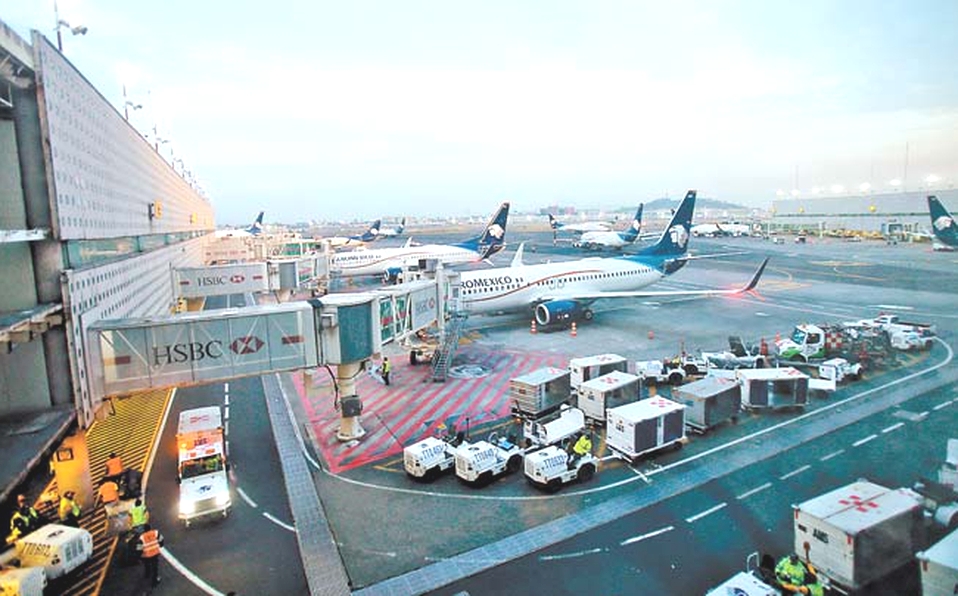
Acuerdo salarial AAA-Aerolíneas

AW | 2021 06 26 14:36 | AIRLINES / AVIATION ORGANISMS

Aeronavegantes y Aerolíneas acordaron aumento salarial del 36,59%

Aerolíneas Argentinas_Isologotype 2010_001

La Asociación Argentina de Aeronavegantes (AAA) y la empresa Aerolíneas Argentinas acordaron este Viernes 25/06 un aumento salarial del 36,59% en compensación por la pérdida de la paritaria 2019-20, que se sumará a la mejora convencional de 2020-21. El acuerdo, que incluye un bono equivalente al 22% de los salarios en cuatro tramos en Junio, Julio, Agosto y Septiembre, será revisado en Septiembre de 2021 para adecuarlo a la inflación.

Tras extensas negociaciones el gremio de los Tripulantes y Aerolíneas alcanzaron el acuerdo salarial, informó en un comunicado el Secretario General Juan Pablo Brey, quien explicó que la mejora «contempló de manera integral las complejas dificultades salariales arrastradas desde el tramo final del macrismo y el difícil 2020». El convenio salarial incluyó una cláusula de revisión en septiembre próximo, según el avance del proceso inflacionario, para recuperar el período paritario aeronáutico. El Secretario de Prensa de la Confederación Argentina de Trabajadores del Transporte (CATT), que conduce Juan Carlos Schmid, informó que el acuerdo permitió recuperar «el salario desfasado durante el período 2019/20 y cubrir la totalidad del impacto inflacionario producido en ese lapso», según detalló el documento de prensa.

Los aeronavegantes percibirán este año un aumento salarial del 36,59% durante tres meses y en Septiembre 2021 revisarán la diferencia resultante respecto de la inflación. Los trabajadores también percibirán un bono equivalente al 22% de los salarios en cuatro tramos en Junio, Julio, Agosto y Septiembre 2021. El gremio AAA y los funcionarios de Aerolíneas Argentinas convinieron el pago del medio aguinaldo sobre las sumas no remunerativas, y un incremento del valor del viático diario, que superará la pauta salarial que será actualizado y fortalecido como una variable significativa de la actividad de vuelo, y el gradual restablecimiento del esquema de pasajes sublos. «Fue un acuerdo negociado en un contexto muy complicado, que logró objetivos muy importantes para recuperar terreno respecto del desfase producido», concluyó Juan P. Brey.

Salary agreement AAA-Aerolíneas

Aeronavegantes and Aerolíneas agreed to a salary increase of 36.59%

Aerolíneas_Isotype

The Argentine Airnavigator Association (AAA) and the company Aerolíneas Argentinas agreed this Friday 06/25 to a salary increase of 36.59% in compensation for the loss of the 2019-20 parity, which will be added to the conventional improvement of 2020-21. The agreement, which includes a bonus equivalent to 22% of salaries in four tranches in June, July, August and September, will be reviewed in September 2021 to adapt it to inflation.

After extensive negotiations, the Crew and Aerolíneas union reached the salary agreement, Secretary General Juan Pablo Brey reported in a statement, who explained that the improvement «fully contemplated the complex salary difficulties dragged from the final stretch of macrismo and the difficult 2020». The salary agreement included a review clause next September, according to the progress of the inflationary process, to recover the aeronautical parity period. The Press Secretary of the Argentine Confederation of Transport Workers (CATT), led by Juan Carlos Schmid, reported that the agreement made it possible to recover «the lagged salary during the 2019/20 period and cover the entire inflationary impact produced in that period», as detailed in the press document.

Airmen will receive this year a salary increase of 36.59% for three months and in September 2021 they will review the resulting difference with respect to inflation. Workers will also receive a bonus equivalent to 22% of wages in four tranches in June, July, August and September 2021. The AAA union and Aerolíneas Argentinas officials agreed to pay the half bonus on non-remunerative amounts, and an increase of the value of the daily allowance, which will exceed the salary guideline that will be updated and strengthened as a significant variable of the flight activity, and the gradual reestablishment of the sub-ticket scheme. «It was an agreement negotiated in a very complicated context, which achieved very important objectives to regain ground with respect to the gap produced», concluded Juan P. Brey.

PUBLISHER: Airgways.com
DBk: Aeronavegantes.org.ar / Airgways.com
AW-POST: 202106261436AR

A\W   A I R G W A Y S ®