FAA requisitos MEL ops 737 MAX

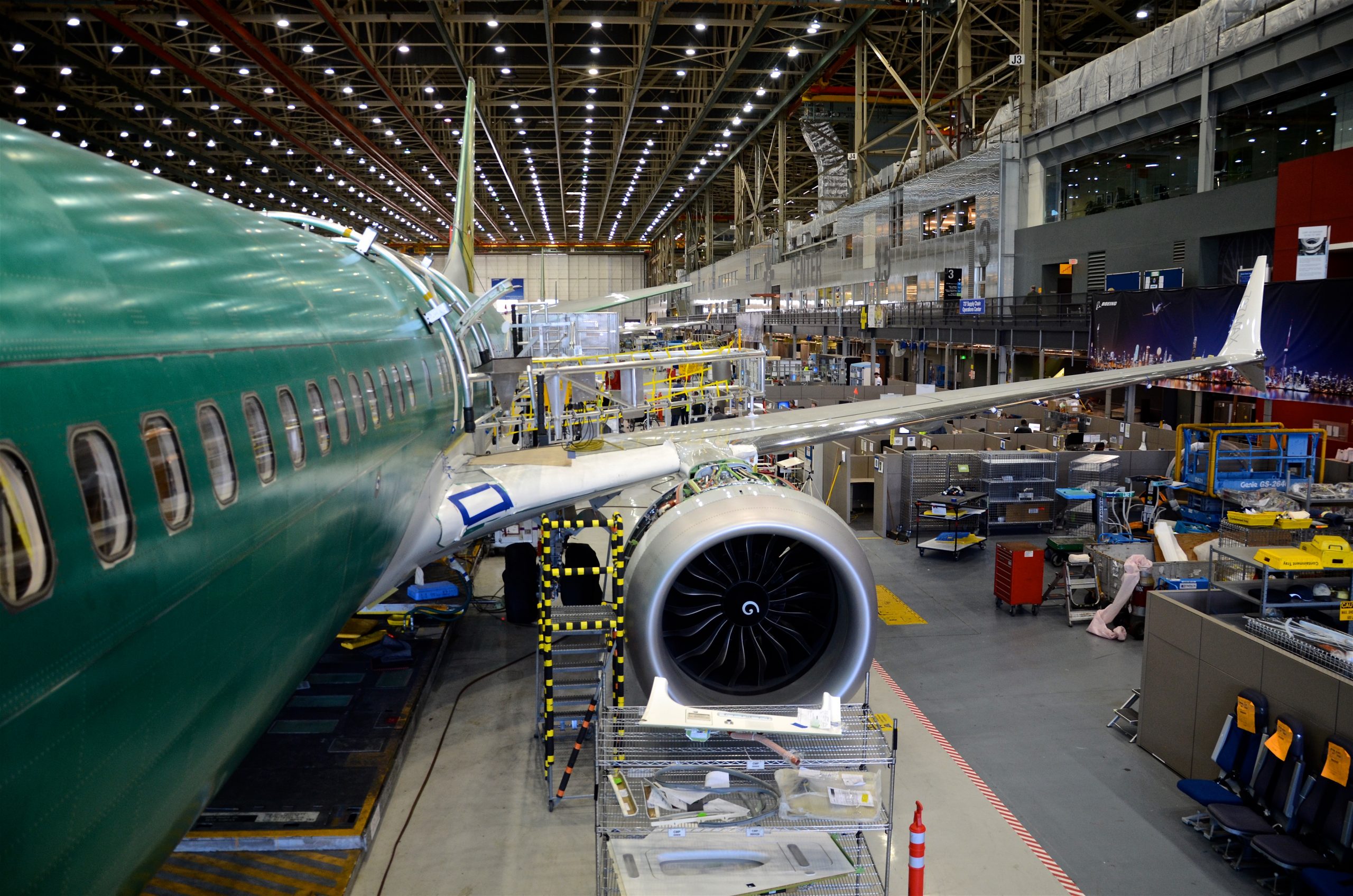
Resultado de imagen para Boeing 737 MAX assembly lineAW | 2019 12 05 15:40 | AIR INVESTIGATION / AVIATION SAFETY

Boeing-Company-LogoAW-Icon_Boeing 737 MAX.jpgFAA emite reglas de equipo actualizadas para el Boeing 737 MAX

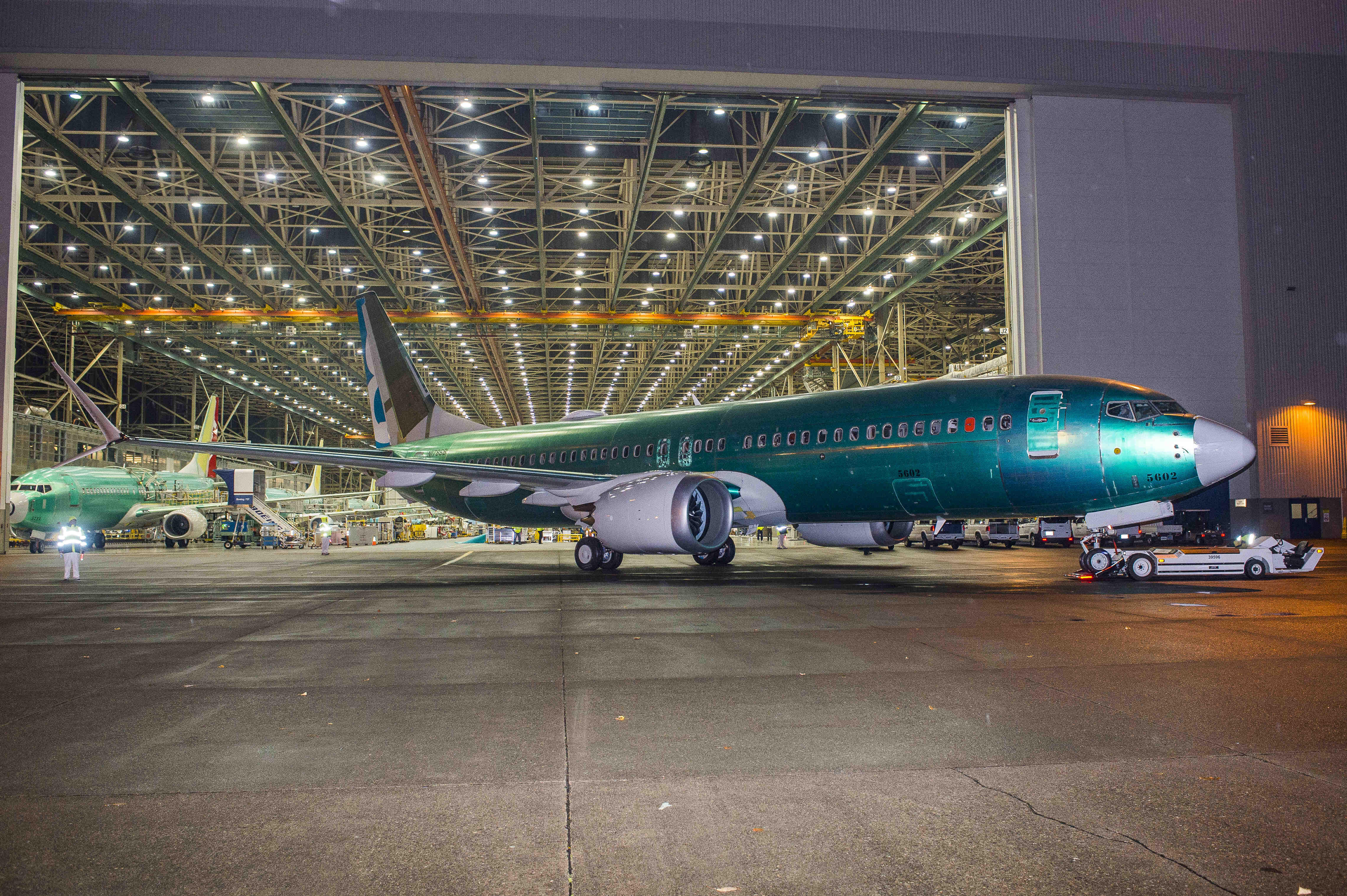
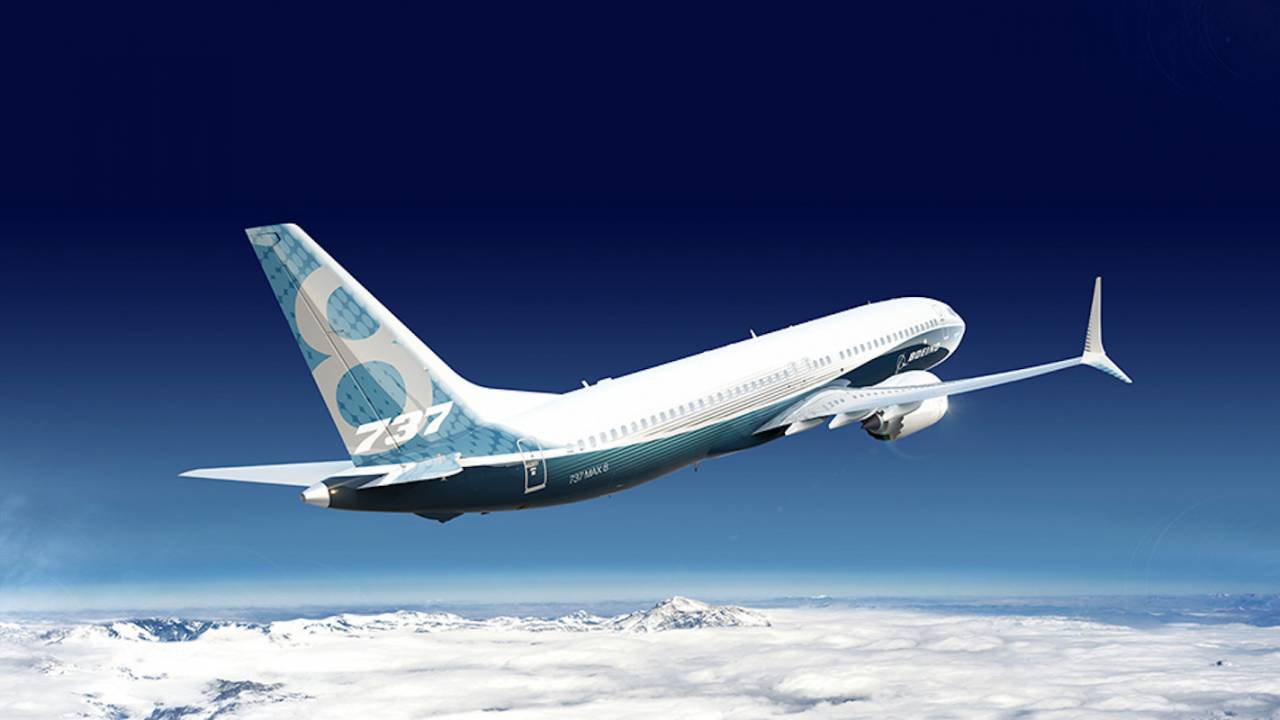
La Administración Federal de Aviación (FAA) de los Estados Unidos emitió este Jueves 05/12 nuevas reglas propuestas para las operaciones de las aerolíneas en el Boeing 737 MAX que se adaptan a las correcciones que se están finalizando para el avión puesto en tierra. El público tiene 30 días para comentar sobre el documento, que se publicó en el sitio web de la FAA. En un pequeño paso para devolver el Boeing 737 MAX al servicio, los reguladores estadounidenses están revisando los requisitos sobre cómo las aerolíneas deben operar el avión si se daña el equipo.

AW-700737M002.jpgBoeing está finalizando los cambios a un Sistema de Control de Vuelo vinculado a dos accidentes, en Indonesia y Etiopía, que mataron a 346 personas. El fabricante también está alterando las computadoras de control de vuelo del avión después de que las pruebas mostraron que eran vulnerables a fallas. La compañía debe completar una auditoría de los cambios de software y probar el sistema revisado en simuladores de vuelo con una variedad de pilotos. Además de firmar el rediseño, la FAA está ideando una nueva capacitación de pilotos.

Uno de los pasos más técnicos en el proceso es revisar lo que se conoce como la Lista de Equipo Mínimo (MEL), que establece las condiciones bajo las cuales un operador puede volar la aeronave con una variedad de fallas. Las averías importantes requieren que se repare un avión antes del vuelo, pero las aerolíneas pueden volar con fallas relativamente menores si hay respaldos adecuados y las reparaciones se realizan dentro de un tiempo prescrito.

Anteriormente, las aerolíneas que operaban el 737 MAX podían volar en circunstancias limitadas con solo una de las dos computadoras de control de vuelo del avión en funcionamiento. Cada computadora contiene su propio sistema de respaldo, por lo que la FAA concluyó que no era un peligro para la seguridad volar con solo una por breves períodos.

Sin embargo, Boeing está cambiando el software de la computadora para que en el futuro cada una de las dos computadoras esté constantemente monitoreando a la otra. Los cambios crearán una mayor redundancia para el avión, que se adaptó de versiones anteriores, lo que lo hace más acorde con los aviones más nuevos. Debido a que las dos computadoras dependerán unas de otras, a las aerolíneas no se les debería permitir volar el avión sin ambos sistemas, concluyó la FAA. «La FAA propone que se requieran ambas computadoras de control de vuelo, lo que refleja la nueva arquitectura de software de Boeing que requiere ambas computadoras», dijo la agencia en el documento.

«Esta es una señal positiva del enfoque medido para garantizar el retorno seguro al servicio del 737 Max y el enfoque exhaustivo de la FAA en este proceso», dijo el portavoz de Boeing, Paul Bergman, en un correo electrónico el Jueves 05/12 por la noche.

No está claro cómo la acción de la FAA afectará el momento del regreso del 737 MAX al servicio. Incluso si la agencia aprueba los cambios de software que Boeing está haciendo, el avión no puede volar pasajeros hasta que se finalicen las reglas del equipo, lo que no ocurrirá hasta Enero 2020 como muy pronto. Si bien tales decisiones de la FAA casi nunca son polémicas, es posible que el trabajo de la agencia se ralentice si recibe numerosas opiniones disidentes durante el período de comentarios públicos. AW-Icon AW001

AW-7000877373FAA requirements MEL ops 737 MAX

FAA issues updated equipment rules for the Boeing 737 MAX

Boeing-Logo.svgThe Federal Aviation Administration (FAA) of the United States issued on Thursday 05/12 new proposed rules for the operations of the airlines in the Boeing 737 MAX that adapt to the corrections that are being finalized for the plane laid on the ground. The public has 30 days to comment on the document, which was published on the FAA website. In a small step to return the Boeing 737 MAX to service, US regulators are reviewing the requirements on how airlines should operate the aircraft if the equipment is damaged.

Boeing is finalizing the changes to a Flight Control System linked to two accidents, in Indonesia and Ethiopia, which killed 346 people. The manufacturer is also altering the aircraft’s flight control computers after tests showed they were vulnerable to failures. The company must complete an audit of the software changes and test the revised flight simulator system with a variety of pilots. In addition to signing the redesign, the FAA is devising a new pilot training.

One of the most technical steps in the process is to review what is known as the Minimum Equipment List (MEL), which establishes the conditions under which an operator can fly the aircraft with a variety of failures. Major breakdowns require that a plane be repaired before the flight, but airlines can fly with relatively minor failures if there are adequate backups and repairs are made within a prescribed time.

BI41594 - copia (2)Previously, airlines operating the 737 MAX could fly in limited circumstances with only one of the two flight control computers of the aircraft in operation. Each computer contains its own backup system, so the FAA concluded that it was not a safety hazard to fly with only one for brief periods.

However, Boeing is changing the computer software so that in the future each of the two computers is constantly monitoring the other. The changes will create greater redundancy for the aircraft, which was adapted from previous versions, which makes it more in line with the newer aircraft. Because the two computers will depend on each other, airlines should not be allowed to fly the plane without both systems, the FAA concluded. «The FAA proposes that both flight control computers be required, reflecting the new Boeing software architecture that requires both computers», the agency said in the document.

«This is a positive sign of the approach measured to ensure the safe return to service of the 737 Max and the comprehensive approach of the FAA in this process», Boeing spokesman Paul Bergman said in an email on Thursday 05/12 by the night.

It is not clear how the FAA’s action will affect the time of 737 MAX’s return to service. Even if the agency approves the software changes that Boeing is making, the plane cannot fly passengers until the team rules are finalized, which will not happen until January 2020 at the earliest. While such FAA decisions are almost never controversial, it is possible that the agency’s work will slow down if it receives numerous dissenting opinions during the public comment period. AW-Icon AW002


Ξ A I R G W A Y S Ξ
SOURCE: Airgways.com
DBk: Faa.gov / Boeing.com / Bloomberg.com / Seattletimes.com / Airgways.com
AW-POST: 201912061540AR

A\W   A I R G W A Y S ®

Lion Air, cuestionando la seguridad

Resultado de imagen para lion air jakarta airportAW | 2019 12 04 14:50 | AVIATION SAFETY

Lion-739-Winglet.jpgLion Air, una aerolínea turbia que eludió los cuestionamientos debido a los problemas de Boeing

Cuando el Vuelo JT-610 de la aerolínea Lion Air despegó el 29 Octubre 2018, con meteorología favorable, el avión Boeing 737-8 MAX llevaba un sistema antipérdida de sustentación diseñado por Boeing conocido como Maneuvering Characteristics Augmentation System (MCAS) que propulsó a la aeronave a un descenso en picada minutos después del despegue provocando la muerte de las 189 personas a bordo.

Pero al avión cargaba otra responsabilidad de seguridad. El Vuelo JT-610 era operado por Lion Air, una aerolínea indonesia de low cost/low fare que se ha beneficiado de sus contactos políticos para convertirse en una de las líneas aéreas de más rápido crecimiento del mundo, a pesar de un cuestionable récord de seguridad.

Mientras que Boeing ha enfrentado un intenso escrutinio luego de dos accidentes fatales en menos de cinco meses, Lion Air se ha escapado de una atención similar, pese a las fallas obvias que contribuyeron al desastre del Vuelo JT-610.

Una investigación de The New York Times encontró que Lion Air tiene un historial de hacer trabajar a sus pilotos hasta el punto del agotamiento, falsificar la certificación de entrenamiento de pilotos y obligar a éstos a volar aviones cuya inseguridad les era preocupante, como la aeronave que se estrelló. A pesar de hacer vagas promesas de mejoras después del accidente del año pasado, la aerolínea no ha reconocido del todo ni ha abordado con celeridad las preocupaciones que han surgido sobre sus prácticas de seguridad, tanto por investigadores del gobierno como por informantes entrevistados por The New York Times.

Cronología accidentada

El 14 Enero 2002, el vuelo JT-386 de Lion Air, un Boeing 737-200 matrícula PK-LI se estrelló después de intentar despegar con una configuración de flap incorrecto en el Aeropuerto Internacional Sultan Syarif Kasim II. Todos a bordo sobrevivieron pero el avión fue destuido.
El 30 Noviembre 2004, el vuelo JT-583 de Lion Air, un McDonnell Douglas MD-82, se estrelló en Surakarta con el registro PK-LMN, C/N 49189, resultando fallecidas 25 personas.
El 4 Marzo 2006, el vuelo JT-8987 de Lion Air, un McDonnell Douglas MD-82, se estrelló después de aterrizar en el Aeropuerto Internacional de Juanda. El empuje inverso se usó durante el aterrizaje, aunque se indicó que el inversor de empuje izquierdo estaba fuera de servicio. Esto provocó que la aeronave virara a la derecha y saltara de la pista, descansando a unos 7.000 pies (2.100 m) del extremo de aproximación de la pista. No hubo víctimas mortales, pero el avión sufrió graves daños y luego se dió de baja comercial.
El 24 Diciembre 2006, el vuelo JT-792 de Lion Air, un Boeing 737-400, aterrizó con una configuración incorrecta de flaps y no estaba alineado con la pista. El avión aterrizó con fuerza y ​​se deslizó a lo largo de la pista causando que el tren de aterrizaje principal derecho se separara, el tren izquierdo sobresaliera por el ala y algunos de los fuselajes del avión se arrugaran. No hubo víctimas mortales, pero el avión tubo daños ireparables.
El 2 Noviembre 2010, el Vuelo JT-712 de Lion Air, un Boeing 737-400 con registro PK-LIQ invadió la pista al aterrizar en el Aeropuerto de Supadio, Pontianak, descansando sobre su vientre y sufriendo daños en el tren de la nariz. Los 174 pasajeros y la tripulación evacuados por los toboganes de emergencia, con pocas lesiones.
El 13 Abril 2013, el vuelo JT-904 de Lion Air, un Boeing 737-800, matrícula PK-LKS, C/N 38728, con vuelo desde Bandung a Denpasar con 108 personas a bordo, se estrelló en el agua cerca del Aeropuerto Internacional Ngurah Rai mientras intentaba aterrizar. El fuselaje del avión se rompió en dos partes. Mientras que las autoridades indonesias informaron que el avión se estrelló cerca de la pista, los reporteros y fotógrafos de Reuters y Associated Press indicaron que el avión sobrepasó la pista. Todos los pasajeros y la tripulación fueron evacuados del avión y no hubo víctimas mortales.
El 9 Enero de 2015, luego del accidente fatal del vuelo QZ-8501/AW8501 de Indonesia AirAsia, el Ministerio de Transporte revocó 53 rutas operadas por Lion Air y sus subsidiarias, ya que la aerolínea no había sido autorizada para volar. Entre las 61 rutas, Lion Air tuvo la mayor participación.
El 29 Octubre 2018, el vielo JT-610, un Boeing 737-8 MAX, se estrelló en el Mar de Java 12 minutos después del despegue de Jakarta, matando a las 189 personas a bordo.
En Marzo 2019, se informó que Lion Air había intentado sobornar a los funcionarios de Seguridad del Transporte, incluidos los investigadores de accidentes, en al menos un caso con el conocimiento del ahora Presidente Director de Lion Air, Edward Sirait.

Esquivando problemáticas

La frase «No hay mal, que por bien no venga» se acuña perfectamente en la aerolínea Lion Air. John Goglia, ex miembro del Consejo Nacional de Seguridad del Transporte de EE. UU. y experto en seguridad de aviación ha xpresado acerca de la situación de seguridad de la línea aérea low cost indonesia: “La problemática de Boeing fue un regalo del cielo para Lion Air. Significa que Lion Air no tiene que lidiar con lo que claramente es un fracaso tras otro y hacer los cambios que se necesitan”, dijo

Informe KNKT Indonesia

De los nueve factores que ocasionaron el accidente, según el informe final del Comité Nacional de Seguridad del Transporte Indonesio en Octubre 2019, un defecto fatal de diseño de Boeing en un sistema automatizado fue lo que captó la atención del mundo, especialmente luego de que otro avión similar en Etiopía se estrellara por causas vinculadas con su sistema antipérdida de sustentación.

Aunque el reporte documentó fallas de parte de Lion Air, como mal mantenimiento y pilotos mal entrenados, los ejemplos de la culpabilidad de Lion Air fueron minimizados cuando el informe fue presentado, lo que consternó a los críticos que señalan que Indonesia, la cuarta nación más poblada del mundo, batalla con una corrupción endémica.

Lion Air no ha aceptado la responsabilidad por las fallas incluidas en el reporte, y desestimó la mayoría de las cuestiones de seguridad planteadas al diario The New York Times por empleados y ex empleados.

Pese a la urgencia de algunas de las recomendaciones de seguridad del informe del gobierno, parece que la compañía está considerando sus siguientes pasos, en lugar que emprender una acción decisiva inmediata. “Denme tiempo. Digamos que uno o tres meses más porque necesitamos estudiarlo para saber si hay cosas que necesitamos cambiar”, pidió Daniel Putut, Director Administrativo de Lion Air, cuando se le preguntó qué tan rápido podría la aerolínea implementar las recomendaciones. Aunque negó que las deficiencias citadas en el informe hubieran jugado un papel en el accidente, Putut dijo que Lion Air ha “tratado de mejorar” la forma en que identifica los riesgos de seguridad.

Sin embargo, un ex-piloto de Lion Air, Jimmy Kalebos, dijo que negarse a reconocer los problemas era algo sintomático en el enfoque de la compañía en cuanto a seguridad previo al accidente. “¿Cómo puedes solucionar un problema si no admites que existe?”, cuestionó Kalebos. Ningún empleado de Lion Air ha sido despedido como resultado del accidente del año pasado.

Así como la compañía no parece presionada a adoptar cambios a partir del informe, las autoridades indonesias se vieron prestas a defender la aerolínea que ha tenido reincidencias en las cuestiones de seguridad. Pilotos y ex pilotos de Lion Air relataron docenas de casos en los que se sintieron presionados a volar, pese a preocupaciones por las condiciones climáticas o incluso por el propio estado de alerta de los pilotos. Atmadji Sumarkidjo, un funcionario del gobierno, señaló que había una preferencia gubernamental no escrita para que los servidores públicos evitaran volar con Lion Air. “Puedes volar con Lion Air, pero debes ponerte a rezar”, dijo.

Ha pasado más de un año desde el fatal accidente del vuelo JT-610 de Lion Air, en el que murieron los 189 pasajeros. En la actualidad, no todos los herederos de las víctimas han recibido la compensación adecuada según lo dispuesto por la normativa vigente. Los pasajeros siempre poseen la posición de negociación más débil en cada accidente aéreo. Es imposible esperar que los pasajeros sepan qué tan bien una aerolínea mantiene sus flotas y si los fabricantes de aeronaves como Airbus y Boeing producen aviones con una alta calidad de seguridad. Los pasajeros solo pueden confiar en las certificaciones y evaluaciones realizadas por las autoridades aeronáuticos correspondientes. Los pasajeros y las líneas aéreas no tienen la misma posición. La ley acomoda dicha desigualdad a través del concepto de responsabilidad absoluta, un término reconocido a nivel mundial.

Mientras tanto, usuarios del mundo continúan aguardando que desde la escena política contribuyan a fortalecer la seguridad industrial, y no menos importante, a que la línea gerencial permita identificar problemas de gestión de operaciones en las aerolíneas del mundo. AW-Icon AW001

Resultado de imagen para lion air jakarta airportLion Air, questioning security

Lion_Air_logo.pngLion Air, a cloudy airline that eluded questions due to Boeing problems

When Flight JT-610 of the Lion Air airline took off on October 29, 2018, with favorable weather, the Boeing 737-8 MAX aircraft carried an anti-loss system designed by Boeing known as Maneuvering Characteristics Augmentation System (MCAS) that propelled the Aircraft down a dive minutes after takeoff causing the death of 189 people on board.

But the plane carried another security responsibility. Flight JT-610 was operated by Lion Air, an Indonesian low cost / low fare airline that has benefited from its political contacts to become one of the fastest-growing airlines in the world, despite a questionable record of security.

While Boeing has faced intense scrutiny after two fatal accidents in less than five months, Lion Air has escaped similar attention, despite the obvious failures that contributed to the JT-610 flight disaster.

A New York Times investigation found that Lion Air has a history of making its pilots work to the point of exhaustion, falsifying the pilot training certification and forcing them to fly planes whose insecurity was worrying to them, such as the aircraft that it crashed. Despite making vague promises of improvements after last year’s accident, the airline has not fully acknowledged or quickly addressed concerns that have arisen about its security practices, both by government investigators and by informants interviewed by The New York Times.

Rugged timeline

On January 14, 2002, Lion Air flight JT-386, a Boeing 737-200 license plate PK-LI crashed after attempting to take off with an incorrect flap configuration at Sultan Syarif Kasim II International Airport. Everyone on board survived but the plane was neglected.
On November 30, 2004, Lion Air flight JT-583, a McDonnell Douglas MD-82, crashed in Surakarta with the PK-LMN register, C / N 49189, resulting in 25 people being killed.
On March 4, 2006, Lion Air flight JT-8987, a McDonnell Douglas MD-82, crashed after landing at Juanda International Airport. The reverse thrust was used during landing, although it was indicated that the left thrust inverter was out of service. This caused the aircraft to turn to the right and jump off the runway, resting about 7,000 feet (2,100 m) from the approach end of the runway. There were no fatalities, but the plane suffered serious damage and then was decommissioned.
On December 24, 2006, Lion Air flight JT-792, a Boeing 737-400, landed with an incorrect flap configuration and was not aligned with the runway. The plane landed hard and slid along the runway causing the right main landing gear to separate, the left train protruding from the wing and some of the plane’s fuselages crumpled. There were no fatalities, but the plane suffered irreparable damage.
On November 2, 2010, Lion Air Flight JT-712, a Boeing 737-400 with PK-LIQ registration, invaded the runway when landing at Supadio Airport, Pontianak, resting on its belly and suffering damage to the nose train. The 174 passengers and crew evacuated by emergency slides, with few injuries.
On April 13, 2013, Lion Air flight JT-904, a Boeing 737-800, registration PK-LKS, C/N 38728, with flight from Bandung to Denpasar with 108 people on board, crashed into the water near the Airport International Ngurah Rai while trying to land. The fuselage of the plane broke into two parts. While Indonesian authorities reported that the plane crashed near the runway, Reuters and Associated Press reporters and photographers said the plane went over the runway. All passengers and crew were evacuated from the plane and there were no fatalities.
On January 9, 2015, after the fatal accident of the Indonesian AirAsia flight QZ-8501 / AW8501, the Ministry of Transportation revoked 53 routes operated by Lion Air and its subsidiaries, since the airline had not been authorized to fly. Among the 61 routes, Lion Air had the largest participation.
On October 29, 2018, the JT-610, a Boeing 737-8 MAX, crashed into the Java Sea 12 minutes after Jakarta took off, killing the 189 people on board.
In March 2019, it was reported that Lion Air had attempted to bribe Transportation Security officials, including accident investigators, in at least one case with the knowledge of the now President Director of Lion Air, Edward Sirait.

Dodging problematic

The phrase «There is no harm, for good does not come» is coined perfectly in the Lion Air airline. John Goglia, a former member of the US National Transportation Security Council. UU. and aviation security expert have expressed about the security situation of the Indonesian low-cost airline: “Boeing’s problem was a godsend for Lion Air. It means that Lion Air does not have to deal with what is clearly one failure after another and make the changes that are needed”, he said.

KNKT Indonesia Report

Of the nine factors that caused the accident, according to the final report of the Indonesian National Transportation Safety Committee in October 2019, a fatal design defect of Boeing in an automated system was what caught the world’s attention, especially after another Similar aircraft in Ethiopia will crash for causes linked to its anti-loss lift system.

Although the report documented failures on the part of Lion Air, such as poor maintenance and poorly trained pilots, examples of Lion Air’s guilt were minimized when the report was presented, which dismayed critics who point out that Indonesia, the fourth most nation populated of the world, battle with endemic corruption.

Lion Air has not accepted responsibility for the failures included in the report and dismissed most of the security issues raised in The New York Times by employees and former employees.

Despite the urgency of some of the security recommendations of the government report, it seems that the company is considering its next steps, rather than taking immediate decisive action. “Give me time. Let’s say one or three more months because we need to study it to find out if there are things we need to change, ”asked Daniel Putut, Managing Director of Lion Air, when asked how fast the airline could implement the recommendations. Although he denied that the deficiencies cited in the report had played a role in the accident, Putut said Lion Air has «tried to improve» the way it identifies security risks.

However, a former Lion Air pilot, Jimmy Kalebos, said refusing to acknowledge the problems were symptomatic in the company’s approach to safety prior to the accident. «How can you solve a problem if you don’t admit it exists?» Kalebos questioned. No Lion Air employee has been laid off as a result of last year’s accident.

Just as the company does not seem pressured to adopt changes from the report, the Indonesian authorities were quick to defend the airline that has had recidivism in security matters. Pilots and former Lion Air pilots reported dozens of cases in which they felt pressured to fly, despite concerns about weather conditions or even the pilots’ own alert status. Atmadji Sumarkidjo, a government official, said there was an unwritten government preference for public servants to avoid flying with Lion Air. «You can fly with Lion Air, but you must pray», he said.

More than a year has passed since the fatal accident of Lion Air flight JT-610, in which the 189 passengers died. At present, not all heirs of the victims have received adequate compensation as provided by current regulations. Passengers always have the weakest bargaining position in each plane crash. It is impossible to expect passengers to know how well an airline maintains its fleets and whether aircraft manufacturers such as Airbus and Boeing produce airplanes with a high quality of safety. Passengers can only rely on the certifications and evaluations carried out by the corresponding aeronautical authorities. Passengers and airlines do not have the same position. The law accommodates this inequality through the concept of absolute responsibility, a term recognized worldwide.

Meanwhile, users of the world continue to wait that from the political scene they contribute to strengthening industrial security, and not least, to the management line to identify problems of operations management in the airlines of the world. AW-Icon AW002


AW-Lion Air_7776.jpgLion Air, mempertanyakan keamanan

Lion Air, maskapai keruh yang menghindari pertanyaan karena masalah Boeing

Ketika Penerbangan JT-610 dari maskapai Lion Air lepas landas pada 29 Oktober 2018, dengan cuaca yang baik, pesawat Boeing 737-8 MAX membawa sistem anti-kerugian yang dirancang oleh Boeing yang dikenal sebagai Sistem Augmentasi Karakteristik Manuver (MCAS) yang mendorong Pesawat jatuh menyelam beberapa menit setelah lepas landas yang menyebabkan kematian 189 orang di dalamnya.

Tetapi pesawat membawa tanggung jawab keamanan lain. Penerbangan JT-610 dioperasikan oleh Lion Air, maskapai berbiaya rendah Indonesia yang mendapat manfaat dari kontak politiknya untuk menjadi salah satu maskapai penerbangan dengan pertumbuhan tercepat di dunia, meskipun ada catatan yang dipertanyakan dari keamanan

Sementara Boeing telah menghadapi pengawasan ketat setelah dua kecelakaan fatal dalam waktu kurang dari lima bulan, Lion Air telah luput dari perhatian yang sama, meskipun ada kegagalan nyata yang berkontribusi terhadap bencana Penerbangan JT-610.

Investigasi oleh The New York Times menemukan bahwa Lion Air memiliki sejarah membuat pilotnya bekerja sampai titik kelelahan, memalsukan sertifikasi pelatihan pilot dan memaksa mereka untuk menerbangkan pesawat yang rasa tidak amannya mengkhawatirkan mereka, seperti pesawat yang jatuh Meskipun membuat janji-janji perbaikan samar-samar setelah kecelakaan tahun lalu, maskapai ini belum sepenuhnya mengakui atau dengan cepat mengatasi kekhawatiran yang muncul tentang praktik keamanannya, baik oleh penyelidik pemerintah dan oleh informan yang diwawancarai oleh The New. York Times

Garis waktu yang kasar

Pada 14 Januari 2002, penerbangan Lion Air JT-386, plat nomor Boeing 737-200 PK-LI jatuh setelah mencoba lepas landas dengan konfigurasi flap yang salah di Bandara Internasional Sultan Syarif Kasim II. Semua orang di atas pesawat selamat tetapi pesawat diabaikan.
Pada 30 November 2004, penerbangan Lion Air JT-583, McDonnell Douglas MD-82, jatuh di Surakarta dengan register PK-LMN, C / N 49189, yang mengakibatkan kematian 25 orang.
Pada 4 Maret 2006, penerbangan Lion Air JT-8987, McDonnell Douglas MD-82, jatuh setelah mendarat di Bandara Internasional Juanda. Daya dorong terbalik digunakan selama pendaratan, meskipun ditunjukkan bahwa inverter dorong kiri tidak berfungsi. Hal ini menyebabkan pesawat berbelok ke kanan dan melompat dari landasan, beristirahat sekitar 7.000 kaki (2.100 m) dari ujung landasan. Tidak ada korban jiwa, tetapi pesawat mengalami kerusakan serius dan kemudian dinonaktifkan.
Pada 24 Desember 2006, penerbangan Lion Air JT-792, sebuah Boeing 737-400, mendarat dengan konfigurasi flap yang salah dan tidak sejajar dengan landasan pacu. Pesawat mendarat keras dan meluncur di sepanjang landasan pacu menyebabkan roda pendaratan utama kanan terpisah, kereta kiri menonjol dari sayap dan beberapa badan pesawat hancur. Tidak ada korban jiwa, tetapi pesawat itu mengalami kerusakan yang tidak dapat diperbaiki.
Pada 2 November 2010, Lion Air Penerbangan JT-712, sebuah Boeing 737-400 dengan registrasi PK-LIQ, menyerbu landasan pacu ketika mendarat di Bandara Supadio, Pontianak, bertumpu pada perutnya dan menderita kerusakan pada kereta hidung. . 174 penumpang dan penumpang dievakuasi dengan slide darurat, dengan beberapa cedera.
Pada 13 April 2013, penerbangan Lion Air JT-904, Boeing 737-800, registrasi PK-LKS, C / N 38728, dengan penerbangan dari Bandung ke Denpasar dengan 108 orang di dalamnya, menabrak air di dekat Bandara Ngurah Rai Internasional sambil mencoba mendarat. Badan pesawat pecah menjadi dua bagian. Sementara pihak berwenang Indonesia melaporkan bahwa pesawat itu jatuh dekat landasan pacu, wartawan dan wartawan Reuters dan Associated Press mengatakan pesawat itu melewati landasan pacu. Semua penumpang dan awak dievakuasi dari pesawat dan tidak ada korban jiwa.
Pada tanggal 9 Januari 2015, setelah kecelakaan fatal pada penerbangan AirAsia Indonesia QZ-8501/AW8501, Kementerian Perhubungan mencabut 53 rute yang dioperasikan oleh Lion Air dan anak-anak perusahaannya, karena maskapai tersebut tidak diizinkan terbang. Di antara 61 rute, Lion Air memiliki partisipasi terbesar.
Pada 29 Oktober 2018, JT-610, sebuah Boeing 737-8 MAX, jatuh ke Laut Jawa 12 menit setelah Jakarta lepas landas, menewaskan 189 orang di dalamnya.
Pada bulan Maret 2019, dilaporkan bahwa Lion Air telah berusaha untuk menyuap pejabat Keamanan Transportasi, termasuk penyelidik kecelakaan, dalam setidaknya satu kasus dengan sepengetahuan Direktur Utama Lion Air, Edward Sirait.

Menghindari bermasalah

Ungkapan «Tidak ada salahnya, untuk kebaikan tidak datang» diciptakan dengan sempurna di maskapai Lion Air. John Goglia, mantan anggota Dewan Keamanan Transportasi Nasional AS. UU dan pakar keamanan penerbangan telah menyatakan tentang situasi keamanan maskapai berbiaya rendah Indonesia: “Masalah Boeing adalah anugerah bagi Lion Air. Ini berarti bahwa Lion Air tidak harus berurusan dengan apa yang jelas-jelas gagal satu demi satu dan membuat perubahan yang diperlukan”, katanya.

Laporan KNKT Indonesia

AW-70073780.jpg

Dari sembilan faktor yang menyebabkan kecelakaan itu, menurut laporan akhir Komite Keselamatan Transportasi Nasional Indonesia pada Oktober 2019, cacat desain fatal Boeing dalam sistem otomatis adalah yang menarik perhatian dunia, terutama setelah faktor lainnya. Pesawat serupa di Ethiopia akan jatuh karena sebab yang terkait dengan sistem lift anti-kerugiannya.

Meskipun laporan tersebut mendokumentasikan kegagalan dari pihak Lion Air, seperti pemeliharaan yang buruk dan pilot yang kurang terlatih, contoh-contoh kesalahan Lion Air diminimalkan ketika laporan itu disampaikan, yang mengecewakan para kritikus yang menunjukkan bahwa Indonesia, negara dengan negara terbanyak keempat. penduduk dunia, pertempuran dengan korupsi endemik.

Lion Air belum menerima tanggung jawab atas kegagalan yang termasuk dalam laporan, dan menolak sebagian besar masalah keamanan yang diangkat di The New York Times oleh karyawan dan mantan karyawan.

Terlepas dari urgensi dari beberapa rekomendasi keselamatan dari laporan pemerintah, tampaknya perusahaan mempertimbangkan langkah selanjutnya, daripada mengambil tindakan tegas segera. «Beri aku waktu. Katakanlah satu atau tiga bulan lagi karena kita perlu mempelajarinya untuk mengetahui apakah ada hal-hal yang perlu kita ubah”, tanya Daniel Putut, Managing Director Lion Air, ketika ditanya seberapa cepat maskapai dapat mengimplementasikan rekomendasi. Meskipun ia membantah bahwa kekurangan yang dikutip dalam laporan itu berperan dalam kecelakaan itu, Putut mengatakan Lion Air telah «berusaha memperbaiki» cara mengidentifikasi risiko keamanan.

Namun, seorang mantan pilot Lion Air, Jimmy Kalebos, mengatakan menolak untuk mengakui masalah itu merupakan gejala dalam pendekatan perusahaan terhadap keselamatan sebelum kecelakaan itu. «Bagaimana kamu bisa menyelesaikan masalah jika kamu tidak mengakuinya ada?» Kalebos bertanya. Tidak ada karyawan Lion Air yang diberhentikan karena kecelakaan tahun lalu.

Sama seperti perusahaan yang tampaknya tidak tertekan untuk mengadopsi perubahan dari laporan, pihak berwenang Indonesia dengan cepat membela maskapai yang telah residivisme dalam masalah keamanan. Pilot dan mantan pilot Lion Air melaporkan lusinan kasus di mana mereka merasa terdesak untuk terbang, meskipun ada kekhawatiran tentang kondisi cuaca atau bahkan status siaga pilot sendiri. Atmadji Sumarkidjo, seorang pejabat pemerintah, mengatakan ada preferensi pemerintah tidak tertulis untuk pegawai negeri untuk menghindari terbang dengan Lion Air. «Kamu bisa terbang dengan Lion Air, tetapi kamu harus berdoa,» katanya.

Lebih dari setahun telah berlalu sejak kecelakaan fatal penerbangan Lion Air JT-610, di mana 189 penumpang meninggal. Saat ini, tidak semua ahli waris korban telah menerima kompensasi yang memadai sebagaimana diatur oleh peraturan saat ini. Penumpang selalu memiliki posisi tawar terlemah dalam setiap kecelakaan pesawat. Tidak mungkin mengharapkan penumpang untuk mengetahui seberapa baik maskapai mempertahankan armadanya dan apakah produsen pesawat terbang seperti Airbus dan Boeing memproduksi pesawat terbang dengan kualitas keselamatan yang tinggi. Penumpang hanya dapat mengandalkan sertifikasi dan evaluasi yang dilakukan oleh otoritas penerbangan terkait. Penumpang dan maskapai tidak memiliki posisi yang sama. Undang-undang mengakomodasi ketimpangan ini melalui konsep tanggung jawab absolut, sebuah istilah yang diakui di seluruh dunia.

Sementara itu, pengguna dunia terus menunggu bahwa dari kancah politik mereka berkontribusi untuk memperkuat keamanan industri, dan paling tidak, ke jalur manajemen untuk mengidentifikasi masalah manajemen operasi di maskapai penerbangan dunia. AW-Icon AW002


Ξ A I R G W A Y S Ξ
SOURCE: Airgways.com
DBk: Clarin.com / Nytimes.com / Thejakartapost.com / Airgways.com / Wikipedia.org / Teletradr.com / Businesstimes.com.sg
AW-POST: 201912041450AR

A\W   A I R G W A Y S ®

Justicia ordena investigar tragedia Sol

Resultado de imagen para sol líneas aéreas Saab 340 LV-CEJAW | 2019 12 04 12:15 | AIR INVESTIGATION / AVIATION SAFETY

cabezalJusticia Argentina ordena continuar investigaciones tragedia Sol Líneas Aéreas

La Cámara Federal de General Roca, Argentina, ha odenado profundizar el análisis de la tragedia del vuelo 8R5428 (OLS5428) de Sol Líneas Aéreas. La Cámara Federal de Apelaciones de General Roca le ordenó en Junio 2019 a Leonidas Moldes continuar investigando la tragedia del vuelo 8R5428, pero el magistrado se jubiló al mes siguiente, por lo que su reemplazante en el juzgado de Bariloche tendrá entonces un primer desafío, de reordenar la causa de la tragedia de la aeronave SAAB 340A del vuelo 8R5428 en el Paraje Prahuaniyeu, en la Provincia de Río Negro. Los familiares reclaman que de una vez por todas los funcionarios judiciales determinen la responsabilidad de los directivos de Sol S.A. Líneas Aéreas.

Querellantes

Gustavo Fernández, abogado de Marcela Bastit, viuda del Comandante Juan Raffo, planteó ante la Cámara Federal: «El tribunal debió investigar la posible participación dolosa del delito tipificado en el artículo 190 segundo párrafo del Código Penal que castiga al que a sabiendas ejecutare cualquier acto que ponga en peligro la seguridad de una aeronave. Tiene un máximo de pena de 25 años cuando produjera muerte».

Romina Barreto, letrada de Juan Carlos Ruiz, papá de la víctima Juan Manuel, ratificó el planteo de su colega: «Toda la investigación estuvo dirigida a determinar las causas técnicas e inmediatas del accidente, pero la verdadera causa es anterior al vuelo en sí. Esas circunstancias fueron perfectamente descriptas en el informe de la Junta de Investigación (JIAAC) que el tribunal pasó por alto: la aerolínea obligaba a los pilotos a volar una ruta no autorizada, que frecuentemente posee hielo, sin capacitar a los pilotos en hielo, pero, para el juez, la culpa es de la tripulación».

Los abogados de las víctima no tienen dudas: el vuelo 8R5428 nunca debería haber salido. Todo empezó la tarde del 18 Mayo 2011: el piloto Juan Raffo y el copiloto Adriano Bolatti despegaron el SAAB 340A matrícula LV-CEJ a las 20:35 hs desde el Aeropuerto Internacional de Rosario con destino final al Aeropuerto Internacional de Comodoro Rivadavia; hicieron escalas en Córdoba, Mendoza y Neuquén. Raffo y Bolatti aterrizaron a las 22:20 hs en Neuquén, pidieron más combustible y las 23:05 hs, con la tripulación (3) y 19 pasajeros abordo, despegaron hacia Comodoro Rivadavia.

La investigación en crisis

El exjuez Leonidas Moldes comenzó el día siguiente a investigar los pormenores de la tragedia desde que el Saab 340A matrícula LV-CEJ despegó a las 20:35 hs desde Rosario. No centró su análisis en determinar si el avión podía volar. Tampoco consideró las observaciones del informe final de la Junta de Investigación (JIAAC) que respondían ese interrogante. Para el magistrado, fue suficiente la conclusión del informe preliminar de la JIAAC: «Causa: probable inadecuada planificación del vuelo; probable inadecuada decisión operacional del piloto; probable pérdida de la consciencia situacional de la tripulación de la cabina de vuelo; probable complacencia de la tripulación de cabina de vuelo».

El ahora ex-juez Leónidas Moldes resolvió el 7 Mayo 2012, a un año de la tragedia, decretar la falta de mérito a los funcionarios de la aerolínea regional: Horacio Gabriel Angeli (Presidente), Juan Alberto Nyffenegger (Vicepresidente) y Danilo Alberto Pojmaevich (Gerente). El Estudio Jurídico Stella Rinaldis y Asociados que analiza la causa por el momento prefirieron no realizar declaraciones. El juez no consideró trascendental que en el Informe Preliminar, en el que se ha basado su decisión, se haya comtido errores en los datos de la tragedia del avión de Sol Líneas Aéreas. Se observa en el documento judicial errores graves: de fecha del accidente (decía «18 JUN 11»), donde debía decir «18 Mayo 2011»; además el horario del accidente decía «23:50» cuando en resolución del juez indica «23:40») y la cantidad de víctimas fatales donde dice «tripulación y 22 pasajeros» cuando en realidad fueron 3 tripulantes y 19 pasajeros.

AW-Sol_700433.pngInforme Final JIAAC

Del Reporte Final de la JIAAC, el Juez Leónidas Moldes sobreseyó al Gerente, Presidente y Vicepresidente de la empresa al no encontrar relación causal e inmediata con el accidente aéreo. La Junta de Investigación, sin embargo, había enumerado varias claves por las que los querellantes denunciaron que el avión nunca debería haber despegado: «dos Directivas de Aeronavegabilidad (AD) no estaban cumplimentadas al momento del accidente»; en la planilla de entrenamiento del piloto, «no quedó registrado que haya recibido instrucción sobre el sistema de protección contra hielo y lluvia, y sistema anti hielo»; «la asignatura meteorología no fue impartida» en el curso; la empresa «no tenía previsto prácticas simuladas de operación en tiempo frío o cálido» ni era posible en los equipos simuladores al tipo de aeronave «simular el vuelo con formación de hielo».

Informes aeronaves y rutas

La Junta de Investigación ha expresado que la aerolínea solicitó el 29 Junio 2010 a la Administración Nacional de Aviación Civil (ANAC) incorporar a su flota dos SAAB340: una era justamente la de matrícula LV-CEJ, pero «sin equipamiento de comunicación de alta frecuencia (HF)». La ANAC no solo lo aprobó sino que el 3 Marzo 2011, es decir, dos meses antes de la tragedia, resolvió que «ya no era obligatorio el requerimiento de equipo de comunicación de alta frecuencia».

Además, según la información oficial requerida por el juzgado, «la ruta de Neuquén (SAZN) y Comodoro Rivadavia (SAVC), «no figura en la lista de rutas internas autorizadas» sino que la empresa «debía confeccionar cada mes el requerimiento a la SSTA para que fuera autorizada a operar estas rutas como no regular»; y, por último, «los aeródromos de SAZN y SAVC no figuran en la lista de autorizados».

Anteriormente, el Comandante Juan Raffo advirtió sobre el peligro de operar en esa ruta aérea: la Gerencia de Seguridad Operacional reconoció que el piloto puso por escrito en Octubre 2010 la problemática del «engelamiento», es decir la producción de hielo por las bajas temperaturas en ese tramo que provocan inconvenientes para operar el avión. La noche fatal el propio Comandante había expresado su queja en cabina a su compañero el Primer Oficial: «¿Por qué te crees que se cae tanto este avión? ¡No sirve para esta ruta, pero no lo quieren entender!». Sin embargo «el área de Seguridad Operacional no consideró como peligro/amenaza la operación en tiempo frío, engelamiento y fatiga, debido al nivel de experiencia de los comandantes».

Pero esa noche, Juan Raffo y Adiano Bolatti recién se enteraron en pleno vuelo de la probabilidad de sufrir engelamiento. Es que, según la reconstrucción meteorológica, «la oficina meteorológica del aeropuerto de Neuquén estaba cerrada a la hora que pasó el vuelo» y «el Sistema de Visualización Meteorológica Aeronáutica (SAVIMA) estaba fuera de servicio». Los especialistas de la Junta de Investigación JIAAC concluyeron: «probablemente estas dos situaciones contribuyeron a que la información de la situación meteorológica que encontrarían en la ruta no fuera la real».

Las recomendaciones tardías

AW-Sol_70066.pngTal fue la incidencia de este escenario imprevisto que la JIAAC le recomendó al Servicio Meteorológico Nacional (SMN) «contemplar la posibilidad de ampliar los horarios de servicio de las oficinas meteorológicas de aeródromos con el objetivo de cubrir toda la franja horaria de operaciones de los mismo aeródromos». Y a la Fuerza Aérea, le aconsejó «la conveniencia de establecer una red de comunicaciones de alta frecuencia con cobertura nacional permanente», es decir, lo que la ANAC había eliminado de los requisitos para volar dos meses antes de la tragedia. Los especialistas le pidieron a la aerolínea que, «con el objetivo de incrementar el nivel de seguridad de la operaciones, incluyan en el programa SMS de la empresa, al engelamiento severo como un peligro específico, a los efectos de generar las defensas».

El juez de la causa aceptó indagar a los empresarios, el Gerente de Opraciones Danilo Pojmaevich, reconoció que «no impartieron cursos o instrucciones particulares a los pilotos al momento de comenzar a volar la ruta Neuquén-Comodoro Rivadavia». Por su parte, Juan Nyffenegger, Vicepresidente desligó en «la autoridad aeronáutica la habilitación de la ruta aérea», pero admitió que «se sabía de alguna limitación en las comunicaciones y por ese motivo se solicitó la respectiva autorización a la autoridad de control».

La despedida de Moldes

El magistrado no contempló las advertencias de los especialistas ni a las confesiones de los imputados. Leónidas Moldes sobreseyó en Febrero 2019 a Danilo Pojmaevich, Horacio Angeli y Juan Nyffenegger. La Cámara Federal de Apelaciones de General Roca revocó esa decisión en Junio 2019. Al mes siguiente, el juez presentó los papeles para acceder a la jubilación en el Poder Judicial de la Nación.

La causa continúa abierta a cargo del nuevo Juez subrogante Gustavo Zapata, en Bariloche. Primero deberá resolver el planteo de la defensa para dar por extinguida la acción penal: como los empresarios eran acusados de «estrago culposo» del Artículo 189 del Código Penal (CP), con pena máxima de 5 años, sus abogados pidieron cerrar el expediente. Sin embargo, los familiares de las víctimas plantearon el cambio de carátula al Artículo 190 segundo párrafo del CP que castiga al que a sabiendas ejecutare cualquier acto que ponga en peligro la seguridad de una aeronave que terminare con muerte, que tiene un máximo de pena de 25 años, por lo que su plazo de prescripción es de 12 años.

El juez Zapata finalmente deberá reinterpretar el informe final de la Junta de Investigación para responderles a los querellantes si, como denuncian, Juan Raffo y Adriano Bolatti debiesen o no haber piloteado la aeronave turbohélice SAAB 340A matrícula LV-CEJ entre Neuquén y Comodoro Rivadavia cuando caía la noche el 11 Mayo 2011 en la Región Patagonia. Para el ahora ex-juez, Leónidas Moldes, los responsables fueron los comandantes del vuelo 8R5428. AW-Icon AW001

AW-Sol_340A.jpgJustice orders tragedy investigations 8R5428

Justice Argentina orders to continue investigations tragedy SOL Líneas Aéreas

The Federal Chamber of General Roca, Argentina, has ordered to deepen the analysis of the tragedy of the 8R5428 (OLS5428) flight of Sol Líneas Aéreas. The Federal Appeals Chamber of General Roca ordered Leonidas Moldes in June 2019 to continue investigating the tragedy of flight 8R5428, but the magistrate retired the following month, so his replacement in the Bariloche court will then have a first challenge, of reordering the cause of the tragedy of the SAAB 340A aircraft of flight 8R5428 at Prahuaniyeu, in the Province of Río Negro. Family members claim that once and for all judicial officials determine the responsibility of the directors of Sol S.A. Airlines.

Complainants

Gustavo Fernández, lawyer of Marcela Bastit, widow of Commander Juan Raffo, raised before the Federal Chamber: «The court had to investigate the possible fraudulent participation of the offense set forth in article 190 second paragraph of the Criminal Code that punishes those who knowingly execute any act that jeopardizes the safety of an aircraft. It has a maximum penalty of 25 years when it causes death».

Romina Barreto, lawyer of Juan Carlos Ruiz, father of the victim Juan Manuel, ratified her colleague’s statement: «All the investigation was aimed at determining the technical and immediate causes of the accident, but the real cause is prior to the flight itself. These circumstances were perfectly described in the report of the Board of Investigation (JIAAC) that the court ignored: the airline forced the pilots to fly an unauthorized route, which often has ice, without training the pilots on ice, but, for the judge, the fault lies with the crew».

Imagen relacionadaCOMMANDER JUAN RAFFO AND FIRST OFFICIAL ADRIANO BOLATTI

The lawyers of the victims have no doubts: flight 8R5428 should never have left. It all started on the afternoon of May 18, 2011: the Commander Juan Raffo and First Official Adriano Bolatti took off the SAAB 340A registration LV-CEJ at 20:35 hs from Rosario International Airport with final destination to Comodoro Rivadavia International Airport; They made stops in Córdoba, Mendoza, and Neuquén. Raffo and Bolatti landed at 10:20 p.m. in Neuquén, asked for more fuel and 11:05 p.m., with the crew (3) and 19 passengers on board, took off towards Comodoro Rivadavia.

Crisis Research

The former Leónidas Moldes began the next day to investigate the details of the tragedy since the Saab 340A registration LV-CEJ took off at 8:35 p.m. from Rosario. He did not focus his analysis on determining if the plane could fly. Nor did he consider the observations of the final report of the Research Board (JIAAC) that answered that question. For the magistrate, the conclusion of the preliminary report of the JIAAC was sufficient: «Cause: probable improper flight planning; probable improper operational decision of the pilot; probable loss of the situational awareness of the flight cabin crew; probable complacency of the flight cabin crew».

The now ex-judge Leonidas Moldes resolved on May 7, 2012, one year after the tragedy, to decree the lack of merit to the regional airline officials: Horacio Gabriel Angeli (President), Juan Alberto Nyffenegger (Vice President) and Danilo Alberto Pojmaevich (Manager). The Stella Rinaldis and Associates Law Firm that analyzes the case at the moment preferred not to make statements. The judge did not consider it transcendental that in the Preliminary Report, on which his decision has been based, errors have been made in the data of the tragedy of the Sun Airlines plane. There are serious errors in the judicial document: the date of the accident (said «18 JUN 11»), where it should say «18 May 2011»; In addition, the accident schedule read «23:50» when the judge says «23:40») and the number of fatalities where it says «crew and 22 passengers» when there were actually 3 crew members and 19 passengers.

JIAAC Final Report

From the Final Report of the JIAAC, Judge Leónidas Moldes dismissed the Manager, President and Vice President of the company, finding no causal and immediate relationship with the plane crash. The Investigation Board, however, had listed several keys for which the complainants reported that the plane should never have taken off: «two Airworthiness Directives (AD) were not completed at the time of the accident»; on the pilot’s training form, «it was not recorded that he received instruction on the protection system against ice and rain, and anti-ice system»; «the meteorology course was not taught» in the course; The company «had no planned simulated operating practices in cold or warm weather» nor was it possible in the simulator equipment to the type of aircraft «simulate the flight with icing».

Aircraft and route reports

The Research Board has said that the airline requested the National Civil Aviation Administration (ANAC) on June 29, 2010, to incorporate two SAAB340s into its fleet: one was just the one of registration LV-CEJ, but «without high-frequency communication equipment (HF)». The ANAC not only approved it but on March 3, 2011, that is, two months before the tragedy, it resolved that «the requirement for high-frequency communication equipment was no longer mandatory».

In addition, according to the official information required by the court, «the route of Neuquén (SAZN) and Comodoro Rivadavia (SAVC)», does not appear in the list of authorized internal routes «but the company had to prepare the requirement to the monthly SSTA to be authorized to operate these routes as not regular»; and, finally, «the SAZN and SAVC airfields are not listed on the authorized list».

Earlier, Commander Juan Raffo warned about the danger of operating on that air route: the Safety Management acknowledged that the pilot wrote down in October 2010 the problem of «icing», that is, the production of ice due to the low temperatures in that stretch that cause inconvenience to operate the plane. The fatal night the Commander himself had expressed his complaint in the cabin to his companion the First Officer: «Why do you think this plane falls so much? It is not useful for this route, but they do not want to understand it!» However, «the Operational Safety area did not consider the operation in cold weather, icing, and fatigue as a danger/threat, due to the level of experience of the commanders».

But that night, Juan Raffo and Adriano Bolatti just learned in full flight of the probability of suffering icing. It is that, according to the meteorological reconstruction, «the meteorological office of the Neuquén airport was closed at the time the flight passed» and «the Aeronautical Meteorological Visualization System (SAVIMA) was out of service». The specialists of the JIAAC Research Board concluded: «These two situations probably contributed to the fact that the information on the meteorological situation they would find on the route was not the real one».

Late recommendations

Such was the incidence of this unforeseen scenario that the JIAAC recommended to the National Meteorological Service (SMN) «to consider the possibility of extending the hours of service of the meteorological offices of aerodromes with the objective of covering the entire time slot of operations of the same airfields». And he told the Air Force «the advisability of establishing a high-frequency communications network with permanent national coverage», that is, what ANAC had eliminated from the requirements to fly two months before the tragedy. The specialists asked the airline, «in order to increase the level of security of operations, include in the company’s SMS program, severe icing as a specific danger, in order to generate defenses».

The judge of the case agreed to investigate the businessmen, the Options Manager Danilo Pojmaevich, acknowledged that «they did not give courses or instructions to the pilots at the time they started flying the Neuquén-Comodoro Rivadavia route». For his part, Juan Nyffenegger, Vice President, separated in «the aeronautical authority the authorization of the air route», but admitted that «it was known of some limitation in the communications and for that reason, the respective authorization was requested from the control authority».

The farewell of Moldes

The magistrate did not contemplate the warnings of the specialists or the confessions of the accused. Leónidas Moldes dismissed in February 2019 Danilo Pojmaevich, Horacio Angeli and Juan Nyffenegger. The Federal Court of Appeals of General Roca reversed that decision in June 2019. The following month, the judge presented the papers to access retirement in the Judicial Branch of the Nation.

The case is still open by the new subrogant judge Gustavo Zapata, in Bariloche. You must first resolve the defense’s claim to terminate the criminal action: as the businessmen were accused of «guilty damage» of Article 189 of the Criminal Code (CP), with a maximum penalty of 5 years, their lawyers asked to close the file. However, the next of kin of the victims proposed the change of cover to Article 190 second paragraph of the CP that punishes those who knowingly execute any act that endangers the safety of an aircraft that ends with death, which has a maximum penalty of 25 years, so its statute of limitations is 12 years.

Judge Zapata must finally reinterpret the final report of the Board of Investigation to respond to the complainants if, as they denounce, Juan Raffo and Adriano Bolatti should or should not have piloted the SAAB 340A turboprop aircraft registration LV-CEJ between Neuquén and Comodoro Rivadavia when it fell the night on May 11, 2011, in the Patagonia Region. For the now ex-judge, Leonidas Moldes, those responsible were the commanders of flight 8R5428. AW-Icon AW002


Ξ A I R G W A Y S Ξ
SOURCE: Airgways.com
DBk: Tn.com.ar / Airgways.com
AW-POST: 201912041215AR

A\W   A I R G W A Y S ®

Tifón Kammuri afecta Filipinas

Image result for pagasa ninoy aquino airportAW | 2019 12 03 09:15 | AIR TRAFFIC / AVIATION SAFETY

Typhoon Kammuri-Tisoy.pngAerolíneas afectadas por Tifón Tisoy (Kammuri) en Filipinas. Filipinas cierra el Aeropuerto de Manila a causa del tifón

El Tifón Kammuri golpea este Martes 03/12 el norte de Filipinas con vientos violentos e intensas lluvias que han obligado a miles de personas a refugiarse en centros de evacuación y a cerrar temporalmente el aeropuerto internacional de Manila. El Tifón Kammuri, conocido localmente como Tisoy, es la vigésima tormenta que azota Filipinas este año.

Image result for pagasa

El ojo de la tormenta se encontraba a primera hora de la mañana del 3 Diciembre 2019 en la Provincia de Quezon, en el sureste de la Isla de Luzón, y se espera que alcance la capital del país hacia el mediodía, indicó la agencia meteorológica PAGASA en su último boletín. El tifón, llamado «Tisoy» por la agencia filipina, azota la región con vientos sostenidos de 155 kilómetros por hora y rachas de 235 kilómetros por hora, añadió el informe. A las 03:00 p.m. de hoy [hora local Filipinas], el ojo del tifón Tisoy se localizó con base en todos los datos disponibles en las aguas costeras de Mamburao, Occidental Mindoro (13.2° N, 120.5° E) con vientos máximos sostenidos de 130 km/h cerca del centro y ráfagas de hasta 200 km/h. Se mueve hacia el oeste a 25 km/h. Monzón del noreste que afecta a Luzón.

Ante la llegada de Kammuri, las autoridades anunciaron la suspensión el Martes 03/12 de todas las operaciones en el Aeropuerto Ninoy Aquino (NAIA/MNL) de Manila, lo que ha supuesto la cancelación de varios centenares de vuelos de 23 aerolíneas. «Debido al tifón Tisoy (Kammuri) NAIA permanecerá cerrado mañana de las 11AM a las 11PM. Los vuelos serán cancelados. Las aerolíneas organizarán vuelos de recuperación tan pronto como la situación mejore», indicó el aeropuerto a última hora del lunes en su cuenta de Twitter.

Mientras, el alcalde de Manila, Isko Moreno, en un mensaje a través de Facebook, ordenó la evacuación de los vecinos de media docena de barrios de la ciudad situados en zonas del litoral. Estos se añaden a los varios miles de personas que fueron evacuadas el lunes en las zonas del país por donde se preveía que pasara el tifón.

Impacto y trayectoria Tifón Kammuri

El Aeropuerto de Manila estuvo cerrado durante 12 horas y medio millón de personas fueron evacuadas cuando el tifón arrasó el archipiélago, arrancó techos de las casas y derribó las líneas eléctricas.

Se ordenó el cierre del Aeropuerto Manila durante 12 horas y se cancelaron casi 500 vuelos. Las autoridades suspendieron el tráfico marítimo en áreas afectadas como Kammuri, llenando ráfagas de viento de hasta 150 millas por hora, azotaron el archipiélago filipino por segundo día.

Se espera que Kammuri golpee Manila con lluvias intensas y frecuentes durante la noche, advirtieron las autoridades, dejando abierta la posibilidad de que las inundaciones puedan inundar la ciudad y sus alrededores, hogar de más de 10 millones de personas.

En la Provincia Albay, en el sureste de Luzón, la isla filipina más grande y poblada, el gobernador Al Francis Bichara dijo que los fuertes vientos causaron más daños que la lluvia. AW-Icon AW001

Image result for pagasaTyphoon Kammuri affects the Philippines

Airlines affected by Typhoon Kammuri in the Philippines. Philippines closes Manila Airport because of typhoon

Typhoon Kammuri strikes on Tuesday 03/12 the north of the Philippines with violent winds and heavy rains that have forced thousands of people to take refuge in evacuation centers and temporarily close the Manila International Airport. Typhoon Kammuri, known locally as Tisoy, is the twentieth storm that plagues the Philippines this year.

The eye of the storm was in the early morning of December 3, 2019, in the Province of Quezon, in the southeast of the Island of Luzon, and is expected to reach the capital of the country by noon, said the meteorological agency PAGASA in his last newsletter. The typhoon, called «Tisoy» by the Philippine agency, strikes the region with sustained winds of 155 kilometers per hour and gusts of 235 kilometers per hour, the report added. At 03:00 p.m. Today [Philippines local time], Typhoon Tisoy’s eye was located based on all available data in the coastal waters of Mamburao, Occidental Mindoro (13.2° N, 120.5° E) with maximum sustained winds of 130 km/h near from the center and gusts of up to 200 km/h. It moves west at 25 km/h. Northeast monsoon that affects Luzon.

Before Kammuri arrived, the authorities announced the suspension on Tuesday 03/12 of all operations at Manila Ninoy Aquino Airport (NAIA/MNL), which has resulted in the cancellation of several hundred flights from 23 airlines. «Due to Typhoon Tisoy (Kammuri) NAIA will remain closed tomorrow from 11AM to 11PM. The flights will be canceled. The airlines will organize recovery flights as soon as the situation improves», the airport said late on Monday in its account Twitter

Meanwhile, the mayor of Manila, Isko Moreno, in a message via Facebook, ordered the evacuation of the neighbors of half a dozen neighborhoods in the city located in coastal areas. These are added to the several thousand people who were evacuated on Monday in areas of the country where the typhoon was expected to pass.

Image result for pagasa manila airportImpact and trajectory Typhoon Kammuri

The Manila airport was closed for 12 hours and half a million people were evacuated when the typhoon swept the archipelago, tore roofs off the houses and demolished power lines.

The closure of Manila Airport was ordered for 12 hours and almost 500 flights were canceled. Authorities suspended maritime traffic in affected areas such as Kammuri, filling gusts of wind up to 150 miles per hour, hit the Philippine archipelago for the second day.

Kammuri is expected to hit Manila with heavy and frequent rains during the night, authorities warned, leaving open the possibility that floods could flood the city and its surroundings, home to more than 10 million people.

In Albay Province, in southeastern Luzon, the largest and most populous Filipino island, Governor Al Francis Bichara said that strong winds caused more damage than rain. AW-Icon AW002


Ξ A I R G W A Y S Ξ
SOURCE: Airgways.com
DBk: Bagong.pagasa.dost.gov.ph / Manila-airport.net / Airgways.com
AW-POST: 201912030915AR

A\W   A I R G W A Y S ®

FAA testificará Cámara Representantes

Resultado de imagen para Representative  House USAW | 2019 12 02 16:18 | AIR INVESTIGATION / AVIATION SAFETY / GOVERNMENT

Resultado de imagen para Representative  House USEl Jefe de la FAA testificará ante la Cámara de los Representantes de Estados UnidosAW-Icon_Boeing 737 MAX.jpg

El Jefe de la Federal Aviation Administration (FAA), Steve Dickson, testificará en audiencia del 11 Diciembre 2019 en la Cámara de Representantes de los Estados Unidos. El turno de la FAA para compadecer testimonialmente para declarar bajo testimonio el 20150215-logo-faa_111/12 ante un panel de la Cámara de los Estados Unidos sobre el papel desempeñado como órgano fiscalizador del área de desarrollos industriales que involucran el caso del Boeing 737 MAX, las fallas de los procesos de construcción como así también, los incidentes y accidentes que involucraron a estas aeronaves modernas. El administrador Steve Dickson testificará ante el Comité de Infraestructura y Transporte de la Cámara. El comité y la FAA confirmaron el Lunes 02/12 el compromiso declaratorio.

The Boeing Company ha tenido problemas para cumplir con los requisitos necesarios antes de poder obtener la aprobación para reanudar los vuelos del Boeing 737 MAX. La agencia y funcionarios estadounidenses dijeron la semana pasada que es extremadamente improbable, si no imposible, que la agencia FAA apruebe antes de fines de Diciembre 2019 las mejorasa introducidas en el 737 MAX.

Boeing invitación miembros industria

La compañía Boeing está invitando a los miembros de la industria, expertos, analistas y las aerolíneas a sus instalaciones en la fábrica de Renton, WA. (Área de Seattle) esta semana en un esfuerzo por delinear su plan para volver a poner en servicio al asediado 737 MAX después de dos accidentes fatales.

El fabricante está luchando para obtener la aprobación del regulador para devolver los aviones a los cielos, un proceso que espera concluir este mes, pero los reguladores han dicho públicamente varias veces que no tienen un calendario de hormigas. Los aviones han estado en tierra desde mediados de Marzo 2019, ingresando casi a su noveno mes de su puesta a tierra.

Boeing recibirá a los invitados los días Martes 03/12 y Miércoles 04/12, que no incluyen a los medios, y ofrecerá sesiones informativas con los ejecutivos. La invitación, que incluye una visita al centro de entrega de aviones de Boeing y su instalación de producción de la línea 737 MAX en Renton (WA.), ofrece cubrir los gastos de vuelo y hotel. Es el último intento de Boeing para obtener apoyo y reconstruir la confianza pública en los aviones a medida que la conexión a tierra entra en su décimo mes. Las aerolíneas han perdido cientos de millones de dólares y han frenado sus planes de crecimiento debido a la conexión a tierra.

Además de los analistas de la industria, algunos invitados incluyeron representantes de los sindicatos de auxiliares de vuelo. La Asociación de Asistentes de Vuelo, el sindicato de asistentes de vuelo más grande de los Estados Unidos, que representa a las tripulaciones de cabina de United, Alaska Air y otros, está enviando un miembro, dijo una portavoz. Los pilotos y los asistentes de vuelo serán clave para tranquilizar al público sobre los aviones después de la aprobación.

FAA continúa trabajando

El software de control de vuelo que se activó por error en ambos accidentes llevó a Boeing a desarrollar una solución, pero los funcionarios de seguridad del gobierno aún no lo han aprobado. La Administración Federal de Aviación, que está bajo fuego por aprobar por primera vez los aviones en 2017, tomará el paso inusual de revisar cada nuevo 737 MAX antes de que se entreguen a los clientes de las aerolíneas. AW-Icon AW001

AW-737-8MAX.pngFAA Chief will testify House Representatives

Boeing-Logo.svgThe FAA Chief will testify before the House of Representatives of the United States

The Chief of the Federal Aviation Administration (FAA), Steve Dickson, will testify at a hearing on December 11, 2019, in the United States House of Representatives. The FAA’s turn to testify testimonials to testify on testimony on 11/12 before a panel of the United States House on the role played as an oversight body of the industrial development area involving the case of the Boeing 737 MAX, the failures of the construction processes as well as the incidents and accidents that involved these modern aircraft.

Administrator Steve Dickson will testify before the House Infrastructure and Transportation Committee. The committee and the FAA confirmed on Monday 02/12 the declaratory commitment.

The Boeing Company has had trouble meeting the necessary requirements before it can obtain approval to resume the flights of the Boeing 737 MAX. The US agency and officials said last week that it is extremely unlikely, if not impossible, for the FAA agency to approve the improvements introduced in the 737 MAX before the end of December 2019.

boeing-737-max (1)Boeing invitation members industry

The Boeing Company is inviting industry members, experts, analysts and airlines to its facilities at the Renton, WA factory. (Seattle area) this week in an effort to delineate its plan to bring the besieged 737 MAX back into service after two fatal accidents.

The manufacturer is struggling to get approval from the regulator to return the planes to the skies, a process that it hopes to conclude this month, but regulators have said publicly several times that they don’t have an ant calendar. The planes have been on the ground since mid-March 2019, entering almost the ninth month of their grounding.

Boeing will receive the guests on Tuesday 03/12 and Wednesday 04/12, which does not include the media, and will offer briefings with executives. The invitation, which includes a visit to the Boeing aircraft delivery center and its production facility of the 737 MAX line in Renton (WA.), Offers to cover flight and hotel expenses. It is Boeing’s last attempt to gain support and rebuild public confidence in airplanes as the ground connection enters its tenth month. Airlines have lost hundreds of millions of dollars and have slowed their growth plans due to grounding.

In addition to industry analysts, some guests included representatives of the flight attendants unions. The Association of Flight Assistants, the largest union of flight attendants in the United States, representing the cabin crews of United, Alaska Air, and others, is sending a member, a spokeswoman said. Pilots and flight attendants will be key to reassuring the public about airplanes after approval.

FAA continues to work

The flight control software that was activated by mistake in both accidents led Boeing to develop a solution, but government security officials have not yet approved it. The Federal Aviation Administration, which is under fire for first approving airplanes in 2017, will take the unusual step of reviewing every new 737 MAX before they are delivered to airline customers. AW-Icon AW002


Ξ A I R G W A Y S Ξ
SOURCE: Airgways.com
DBk: House.gov / Faa.gov / Boeing.com / Airgways.com
AW-POST: 201912021618AR

A\W   A I R G W A Y S ®

Avión Cameroon sufre atentado

Resultado de imagen para Cameroon Airlines MA60 pngAW | 2019 12 02 09:05 | AVIATION SAFETY

Resultado de imagen para Cameroon Airlines logoSeparatistas en República de Camerún disparan contra avión de pasajeros en el noroeste del país

Los rebeldes separatistas dispararon contra un avión de pasajeros MA60 de Cameroon Airlines cuando se acercaba al Aeropuerto de Bamenda en el noroeste del país el Domingo 01/12 por la mañana. La aeronave ha podido aterrizar sin inconvenientes a pesar de los impactos de municiones recibido. El vuelo programado desde Douala aterrizó de manera segura y no hubo víctimas, dijo Cameroon Airlines en un comunicado confirmando el ataque. La aerolínea ha puesto a tierra el avión mientras evalúa el daño.

El oeste de Camerún, de habla inglesa, ha sido un campo de batalla desde 2017 entre el ejército y los rebeldes que buscan formar un estado separatista llamado Ambazonia. Los civiles han quedado atrapados en el conflicto desde el principio. Más de 400 personas han muerto y medio millón se han visto obligadas a huir de sus hogares. Sin embargo, el incidente del domingo pareció marcar una escalada en el peligro que enfrentan al viajar hacia y desde la región rica en bosques.

Cho Ayaba, uno de los líderes separatistas y presidente del Consejo Ambazoniano, dijo que se estaban utilizando aviones comerciales para transportar soldados y armas y advirtió a Cameroon Airlines y a sus pasajeros que los aviones recibirán disparos si no ofrecen horarios de vuelo con anticipación de tiempo.

Lo que comenzó como protestas pacíficas en el suroeste, pidiendo mayores poderes para los angloparlantes en el país mayoritariamente francófono, se ha degenerado en una violencia casi diaria. A pesar de los esfuerzos tentativos para demandar por la paz, la lucha ha continuado, con ambas partes acusadas de atrocidades, incluido el uso de bombas y secuestros por parte de separatistas y asesinatos indiscriminados por parte de las fuerzas armadas. AW-Icon AW001

Cameroon plane suffers attack

Separatists in the Republic of Cameroon shoot at a passenger plane in the northwest of the country

The separatist rebels fired on a passenger aircraft MA60 from Cameroon Airlines as it approached Bamenda Airport in the northwest of the country on Sunday 01/12 in the morning. The aircraft has been able to land smoothly despite the impacts of ammunition received. The scheduled flight from Douala landed safely and there were no casualties, Cameroon Airlines said in a statement confirming the attack. The airline has grounded the plane while assessing the damage.

Western English-speaking Cameroon has been a battlefield since 2017 between the army and the rebels who seek to form a separatist state called Ambazonia. Civilians have been caught in the conflict from the beginning. More than 400 people have died and half a million have been forced to flee their homes. However, Sunday’s incident seemed to mark an escalation in the danger they face when traveling to and from the forest-rich region.

Cho Ayaba, one of the separatist leaders and president of the Ambazonian Council, said commercial airplanes were being used to transport soldiers and weapons and warned Cameroon Airlines and its passengers that the planes will be shot if they do not offer flight schedules ahead of time.

What began as peaceful protests in the southwest, calling for greater powers for English speakers in the mostly Francophone country, has degenerated into almost daily violence. Despite tentative efforts to sue for peace, the struggle has continued, with both parties accused of atrocities, including the use of bombs and kidnappings by separatists and indiscriminate killings by the armed forces. AW-Icon AW001

Resultado de imagen para Cameroon Airlines MA60Kamerun Flugzeug wird angegriffen

Separatisten in der Republik Kamerun schießen auf ein Passagierflugzeug im Nordwesten des Landes

Die Separatisten-Rebellen feuerten am Sonntag, den 01/12. Morgens auf ein Passagierflugzeug MA60 von Cameroon Airlines, als es den Flughafen Bamenda im Nordwesten des Landes anflog. Das Flugzeug konnte trotz der Einschläge von Munition reibungslos landen. Der Linienflug von Douala ist sicher gelandet und es gab keine Verluste, teilte Cameroon Airlines in einer Erklärung mit, die den Angriff bestätigte. Die Fluggesellschaft hat das Flugzeug geerdet und den Schaden bewertet.

Das westlich-englischsprachige Kamerun ist seit 2017 ein Schlachtfeld zwischen der Armee und den Rebellen, die versuchen, einen separatistischen Staat namens Ambazonia zu bilden. Zivilisten waren von Anfang an in den Konflikt verwickelt. Mehr als 400 Menschen starben und eine halbe Million mussten ihre Häuser verlassen. Der Vorfall am Sonntag schien jedoch die Gefahr zu verschärfen, der sie beim Reisen in und aus der waldreichen Region ausgesetzt waren.

Cho Ayaba, einer der Separatistenführer und Präsident des Ambazonian Council, sagte, kommerzielle Flugzeuge würden zum Transport von Soldaten und Waffen eingesetzt, und warnte Cameroon Airlines und seine Passagiere, dass die Flugzeuge abgeschossen werden, wenn sie keine Flugpläne im Voraus anbieten.

Was als friedliche Proteste im Südwesten begann und im überwiegend frankophonen Land mehr Befugnisse für englischsprachige Menschen forderte, ist fast zu täglicher Gewalt verkommen. Trotz vorsichtiger Bemühungen, um Frieden zu klagen, wurde der Kampf fortgesetzt, wobei beide Parteien der Gräueltaten beschuldigt wurden, einschließlich des Einsatzes von Bomben und Entführungen durch Separatisten und wahlloser Tötungen durch die Streitkräfte. AW-Icon AW002


Ξ A I R G W A Y S Ξ
SOURCE: Airgways.com
DBk: Reuters.com / Cam-air.com / Airgways.com / Ch-aviation.com
AW-POST: 201912020905AR

A\W   A I R G W A Y S ®

Larga espera del retorno del 737 MAX

Boeing-737-MAX (2).jpgAW | 2019 12  01 21:47 | AIR INVESTIGATION / AVIATION SAFETY

Boeing-Company-LogoAW-Icon_Boeing 737 MAXLa FAA continúa trabajando para devolver al Boeing 737 MAX a los cielos

Después del accidente del segundo avión Boeing 737-8 MAX el 10 Marzo 2019, el vuelo ET-302 de Ethiopian Airlines ha marcado el inicio de la puesta en tierra de los Boeing 737 MAX a nivel mundial. Mientras The Boeing 20150215-logo-faa_1Company se encuentra esperanzada en devolver la aeronave a los cielos para el 1Q2020, desde la Federal Aviation Administration (FAA) sostienen que no recibirán presiones de ningún tipo, más bien se tomarán el impo necesario para que la línea 737 MAX vuelva a ser segura.

Boeing revisa MCAS

Los ingenieros de Boeing comenzaron a diseñar una solución de software para evitar que el Sistema de Control de Vuelo Automático conocido como Sistema de Aumento de las Características de Maniobra (MCAS) se active por error. Inicialmente, Boeing dijo que sería capaz de desarrollar e implementar la solución para el sistema automatizado, en cuestión de semanas. Más tarde revisó eso a varios meses para probar y certificar completamente el nuevo software. Pero en Junio 2019, cuando los ingenieros casi terminaban de diseñar la solución, varios pilotos de Boeing se subieron a un simulador de vuelo para los test. Una falla simulada de la computadora hizo que el avión apuntara hacia abajo, sumergiéndose agresivamente como los aviones en ambos accidentes. El resultado de ese vuelo simulado, una decisión de rediseñar la arquitectura de la computadora de vuelo del 737 MAX, provocó grandes demoras que se prolongaron durante el 3Q2019 y 4Q2019 y ahora amenazan la capacidad de Boeing para entregar aviones, reservar nuevos pedidos y mantener las expectativas de ingresos.

Image result for Boeing 737 MAX groundedBOEING CONTINÚA ALMACENANDO LA PRODUCCIÓN DE LA LÍNEA 737 MAX EN RENTON, WA.

El extenso rediseño, además de tomar más tiempo a los ingenieros, también ha provocado demoras en obtener la autorización de los reguladores, que ahora están observando más de cerca los cambios. En Noviembre 2019, exigieron documentación adicional de Boeing sobre las actualizaciones. Si bien la solución se centró originalmente en MCAS, hubo un escrutinio más detallado de todo el avión después del segundo accidente, incluida la forma en que los pilotos responderían a múltiples alarmas de cabina y lo que sucedería en escenarios de emergencia comunes y extremadamente remotos.

En la prueba que condujo al rediseño de la computadora, Boeing probó lo que sucedería si los rayos gamma del espacio corrompieran los datos en el sistema de control de vuelo del avión, un escenario extraordinariamente improbable, pero que debe abordarse para demostrar a los reguladores de seguridad que el avión puede sobrevivir prácticamente a cualquier posible falla. En el test, el avión se lanzó hacia el suelo, y uno de los pilotos de prueba tuvo dificultades para responder a las diversas alarmas y fallas del sistema a tiempo para controlar el avión.

Rediseñando gestión de vuelo

Boeing ha introducido algunos cambios en la gestión de vuelo, mientras que anteriormente el 737 MAX tenía dos computadoras haciendo cosas separadas donde una operaba sistemas de vuelo y otra estaba en caso de que la primera fallara, el rediseño se ha configurado para monitorearse mutuamente. La configuración original era relativamente anticuada, tomada de las generaciones anteriores del 737, y el cambio está más en línea con el diseño de vuelo moderno.

Antes de la reparación del software, el MCAS podría activarse mediante una sola lectura del sensor. En ambos accidentes, se cree que los sensores fallaron, enviando datos incorrectos a la computadora de vuelo y, sin una verificación redundante, activando el sistema automatizado. El MCAS fue diseñado para compensar que el 737 MAX tenga motores más grandes que las generaciones anteriores del 737, algo que podría hacer que la nariz del avión se voltee hacia arriba y se detenga. En esa situación, el sistema podría apuntar automáticamente hacia abajo para negar el efecto del tamaño del motor. Boeing tiene como objetivo presentar la solución propuesta, y el rediseño de la computadora, a la Administración Federal de Aviación y obtener la certificación del avión para volar nuevamente a fines de 2019. Las aerolíneas estadounidenses continúan retirando el avión de sus horarios hasta al menos Enero 2020.

B-737max.pngEl incidente 737 MAX Southwest

Un avión Boeing 737-8 MAX de la aerolínea Southwest Airlines realizaba un aterrizaje de emergencia en Orlando después de sufrir una falla del motor solo dos semanas después del segundo accidente fatal que involucra aviones similares; como se había informado oportunanmente. La Administración Federal de Aviación dice que un avión Boeing 737 MAX de Southwest Airlines realizó un aterrizaje de emergencia seguro en Marzo 2019 en Orlando, Florida, después de experimentar un aparente problema con el motor. La tripulación declaró una emergencia después de despegar del Aeropuerto Internacional de Orlando alrededor de las 02:50 pm, y aterrizó el avión de manera segura.

La aeronave volaría a Victorville, California, tuvo que hacer un aterrizaje de emergencia 11 minutos después del despegue, informó la Administración Federal de Aviación (FAA) de Estados Unidos. El vuelo no llevaba pasajeros, ya que era un vuelo en ferry, donde sería almacenado hasta el levantamiento de las prohibiciones. Mientras tanto, aún no habría tiempo suficiente para diagnosticar y resolver el problema inherentes al Sistema de Gestión de Vuelo.

Fuerza Aérea ataca

Boeing ha ecibido otra mala noticia por parte de la Fuerza Aérea de los Estados Unidos al advetir que la compañía aroespacial se encuentra en una situación grave después de que se encontraron basura y herramientas en aviones de reabastecimiento de combustible nuevos. Es «simplemente inaceptable» que la basura, las herramientas, las tuercas y los pernos terminen esparcidos dentro de los aviones, por lo que la Fuerza Aérea vigilará a Boeing según el Dr. Will Roper, un alto funcionario de adquisiciones del ejército.

El principal funcionario de adquisición de la Fuerza Aérea lanzó un ataque abrasador contra Boeing después de que se encontraron basura y herramientas dentro de sus nuevos aviones de reabastecimiento de combustible KC-46 en su planta de Everett Washington. La Fuerza Aérea decidió dejar de aceptar los KC-46 de Boeing diciendo que el problema no era con el avión en sí, sino con el proceso establecido para construirlo.

Las entregas del avión se detuvieron el mes pasado cuando se encontraron ‘restos de objetos extraños’ en uno de los aviones. Las entregas ahora se reanudan después de que Boeing ofreció crear un nuevo plan de inspección. El Dr. Roper, Secretario Asistente de la Fuerza Aérea para adquisiciones, tecnología y logística, dejó en claro sus preocupaciones después de visitar la planta Everett Washington de Boeing. «Me fui preocupado, y también me fui pensando que Boeing entiende que tienen una situación grave que requerirá un compromiso de alto nivel de su compañía. Va a tomar más de un año medir y rastrear el desempeño de Boeing hasta que estemos seguros de que sigan sus procedimientos, y tal vez más tiempo antes de que creamos que la cultura de calidad ha regresado», dijo Roper.

El Secretario Asistente para Adquisiciones de la Fuerza Aérea volvió a visitar la planta nuevamente el Lunes 27/11 y logró asegurar una promesa de la compañía para un nuevo plan de inspección que hará que las entregas se reanuden a medida que se completen las inspecciones mejoradas.

El KC-46 desempeña un papel fundamental en el reabastecimiento de combustible de aviones militares en todo el mundo. Seis aviones que ya habían sido recibidos fueron re-inspeccionados por la Fuerza Aérea. «Estamos haciendo inspecciones más estrictas, así que nos sentimos seguros antes de aceptar cualquier avión de Boeing», dijo la portavoz de la Fuerza Aérea Ann Stefanek.

Aunque el descubrimiento de basura y herramientas dentro de los aviones no es el resultado de una falla de diseño, o incluso una preocupación específica de seguridad, los funcionarios de la Fuerza Aérea expresaron que sabían que el momento del problema es excepcionalmente sensible para Boeing después de la puesta a tierra de la línea Boeing 737 MAX.

Will Roper enfatizó que si bien la cuestión del material y los objetos, conocidos como desechos de objetos extraños o FOD, que se dejan dentro de un avión cuando sale de la línea de producción no es un riesgo de diseño o seguridad, es un gran motivo de preocupación a los militares. «El FOD se trata realmente de cada persona, todos los miembros de la fuerza laboral, que siguen esos procedimientos y traen una cultura de disciplina para la seguridad. La cultura es algo en lo que no voy a creer porque tenemos un buen mes, o bien dos meses, que la cultura ha vuelto. Voy a creerlo cuando veo mes tras mes durante mucho tiempo que sí, esas prácticas ahora son cosas que no solo se están haciendo porque tienen que hacerse, sino porque la fuerza laboral dice: «Esto es un producto que entregamos a la Fuerza Aérea»», dijo Roper.

Boeing ahora realizará inspecciones puntuales en el avión n cuestión durante la producción, incluidas áreas específicas de los aviones que pueden sellarse como parte de los procesos de producción. «Ciertamente creo que tendrán que tener un buen equipo» para llevar a cabo el nuevo programa de inspección, dijo Roper.

La compañía aeroespacial necesitará comprometerse más en la línea de trabajo de todas sus áreas tal como había manfestado oportunamente en varias ocasiones. Las presiones a que se somete Boeing son fuertes como se ha visto en la Cámara de los Representantes ante el compadecimiento del CEO de Boeing, Dennis Muilenburg.

AW-777337737.jpgBoeing, optimista

La prioridad de The Boeing Company expresa que sigue confiada del regreso seguro al servicio del Boeing 737 MAX y el apoyo a sus clientes de aerolíneas en este momento difícil. La compañía ha expresado recientemente: «Estamos trabajando estrechamente con la FAA y otras autoridades reguladoras a medida que trabajamos para obtener la certificación y el regreso seguro al servicio comercial, y nos estamos tomando el tiempo para responder a todas sus preguntas. Con el riguroso escrutinio aplicado, estamos seguros de que el MAX será uno de los aviones más seguros para volar. Mientras que la FAA y otras autoridades reguladoras determinarán el momento de la certificación y el regreso al servicio comercial, Boeing continúa buscando la certificación FAA de las actualizaciones de software de control de vuelo MAX durante este trimestre. Según este cronograma, es posible que la reanudación de las entregas MAX a los clientes de las aerolíneas comience en Diciembre, después de la certificación, cuando la FAA emite una Directiva de Aeronavegabilidad (AD) que rescinde la orden de aterrizaje. Paralelamente, estamos trabajando para la validación final de los requisitos de capacitación actualizados, que deben ocurrir antes de que el MAX regrese al servicio comercial, y que ahora esperamos comenzar en Enero».

Hay cinco hitos clave que Boeing debe completar con la FAA antes de volver al servicio:

Sesión de certificación del simulador eCab de la FAA: una evaluación del simulador eCab de varios días con la FAA para garantizar que el sistema de software en general realice su función prevista, tanto normalmente como en presencia de fallas del sistema, que ha sido terminado satisfactoriamente.

Evaluación de la carga de trabajo de la tripulación de la FAA Line Pilots: una sesión de simulador independiente de varios días con pilotos de líneas aéreas para evaluar los factores humanos y la carga de trabajo de la tripulación en diversas condiciones de prueba.

Prueba de vuelo de certificación de la FAA: los pilotos de la FAA llevarán a cabo un vuelo de certificación del software actualizado final.

Presentación final de Boeing a la FAA: después de completar el vuelo de certificación de la FAA, Boeing presentará los entregables y los artefactos finales de la certificación a la FAA para respaldar la certificación del software.

Junta de Evaluación Operativa Conjunta (JOEB) Evaluación de capacitación del simulador: La Junta de Evaluación Operativa Conjunta (JOEB), un organismo multirregulador, lleva a cabo una sesión de simulador de varios días con pilotos reguladores globales para validar los requisitos de capacitación. Después de la sesión del simulador, la Junta de Normalización de Vuelo publicará un informe para un período de comentarios públicos, seguido de la aprobación final de la capacitación.

Boeing y la FAA concluyeron con éxito el primero de estos hitos la semana pasada, y ahora están trabajando para la evaluación de los pilotos de línea de la FAA y la prueba de vuelo de certificación de la FAA.

En cada paso de este proceso, Boeing ha trabajado estrechamente con la FAA y otros reguladores. Proporcionamos documentación detallada, les hicimos volar en los simuladores y les ayudamos a comprender nuestra lógica y el diseño de los nuevos procedimientos, software y material de capacitación propuesto para garantizar que estén completamente satisfechos con la seguridad del avión. La FAA y otras autoridades reguladoras determinarán en última instancia el retorno al servicio en cada jurisdicción relevante. Esto puede incluir un enfoque gradual y el tiempo puede variar según la jurisdicción. AW-Icon AW001

renton_hero_newLong wait for the return of 737 MAX

Boeing-Logo.svgAW-B737-8MAXThe FAA continues to work to return the Boeing 737 MAX to the skies

After the accident of the second Boeing 737-8 MAX aircraft on March 10, 2019, Ethiopian Airlines flight ET-302 marked the beginning of the grounding of the Boeing 737 MAX worldwide. While The Boeing Company is hoping to return the aircraft to the skies by 1Q2020, the Federal Aviation Administration (FAA) maintains that they will not receive pressures of any kind, rather they will take the necessary amount for the 737 MAX line to return to be safe

Boeing reviews MCAS

Boeing engineers began designing a software solution to prevent the Automatic Flight Control System known as Maneuvering Feature Enhancement System (MCAS) from being activated by mistake. Initially, Boeing said it would be able to develop and implement the solution for the automated system, in a matter of weeks. He later reviewed that several months later to fully test and certify the new software. But in June 2019, when engineers almost finished designing the solution, several Boeing pilots got on a flight simulator for the tests. A simulated computer failure caused the plane to point down, aggressively diving like airplanes in both accidents. The result of that simulated flight, a decision to redesign the architecture of the 737 MAX flight computer, caused long delays that lasted during 3Q2019 and 4Q2019 and now threaten Boeing’s ability to deliver aircraft, book new orders and maintain revenue expectations

The extensive redesign, in addition to taking more time for engineers, has also led to delays in obtaining authorization from regulators, who are now watching the changes more closely. In November 2019, they demanded additional Boeing documentation about the updates. While the solution was originally focused on MCAS, there was more detailed scrutiny of the entire plane after the second accident, including how pilots would respond to multiple cabin alarms and what would happen in common and extremely remote emergency scenarios.

In the test that led to the redesign of the computer, Boeing tested what would happen if the gamma rays of space corrupted the data in the aircraft’s flight control system, an extraordinarily unlikely scenario, but that must be addressed to demonstrate to regulators of security that the plane can survive virtually any possible failure. In the test, the plane launched itself to the ground, and one of the test pilots had difficulty responding to the various alarms and system failures in time to control the plane.

Redesigning flight management

Boeing has introduced some changes in flight management, while previously the 737 MAX had two computers doing separate things where one operated flight systems and another was in case the first failed, the redesign has been configured to monitor each other. The original configuration was relatively outdated, taken from previous generations of 737, and the change is more in line with the modern flight design.

Before software repair, the MCAS could be activated by a single sensor reading. In both accidents, the sensors are believed to have failed, sending incorrect data to the flight computer and, without redundant verification, activating the automated system. The MCAS was designed to compensate for the 737 MAX to have larger engines than previous generations of the 737, something that could cause the nose of the plane to turn up and stop. In that situation, the system could automatically point down to deny the effect of engine size. Boeing aims to present the proposed solution, and the redesign of the computer, to the Federal Aviation Administration and obtain the certification of the plane to fly again at the end of 2019. US airlines continue to withdraw the plane from their schedules until at least January 2020.

The 737 MAX Southwest incident

A Southwest Airlines Boeing 737-8 MAX aircraft made an emergency landing in Orlando after suffering an engine failure only two weeks after the second fatal accident involving similar aircraft; as he had been informed opportunely. The Federal Aviation Administration says a Southwest Airlines Boeing 737 MAX plane made a safe emergency landing in March 2019 in Orlando, Florida, after experiencing an apparent engine problem. The crew declared an emergency after taking off from the Orlando International Airport around 02:50 pm, and the plane landed safely.

The aircraft would fly to Victorville, California, had to make an emergency landing 11 minutes after takeoff, the United States Federal Aviation Administration (FAA) reported. The flight did not carry passengers, as it was a ferry flight, where it would be stored until the lifting of the bans. Meanwhile, there would still not be enough time to diagnose and solve the problem inherent in the Flight Management System.

https___api.thedrive.com_wp-content_uploads_2018_08_kc-46-1.jpgAir Force attacks

Boeing has received other bad news from the United States Air Force by warning that the aerospace company is in a serious situation after trash and tools were found in new refueling planes. It is «simply unacceptable» that garbage, tools, nuts, and bolts end up scattered inside the aircraft, so the Air Force will monitor Boeing according to Dr. Will Roper, a senior army procurement officer.

The chief Air Force acquisition official launched a scorching attack on Boeing after garbage and tools were found inside its new KC-46 refueling aircraft at its Everett Washington plant. The Air Force decided to stop accepting the Boeing KC-46 saying that the problem was not with the plane itself, but with the process established to build it.

Deliveries of the plane stopped last month when ‘remains of foreign objects’ were found in one of the planes. Deliveries now resume after Boeing offered to create a new inspection plan. Dr. Roper, Assistant Secretary of the Air Force for procurement, technology, and logistics, made clear his concerns after visiting the Boeing Everett Washington plant. «I was worried, and I was also thinking that Boeing understands that they have a serious situation that will require a high-level commitment from their company. It will take more than a year to measure and track Boeing’s performance until we are sure that they continue their procedures, and maybe longer before we believe that the quality culture has returned», Roper said.

The Assistant Secretary for Air Force Acquisitions re-visited the plant again on Monday 27/11 and managed to secure a promise from the company for a new inspection plan that will cause deliveries to resume as completed inspections are completed.

The KC-46 plays a fundamental role in refueling military aircraft worldwide. Six planes that had already been received were re-inspected by the Air Force. «We are doing stricter inspections, so we felt safe before accepting any Boeing aircraft», said Air Force spokeswoman Ann Stefanek.

Although the discovery of garbage and tools inside the aircraft is not the result of a design flaw, or even a specific safety concern, Air Force officials said they knew the timing of the problem is exceptionally sensitive for Boeing after the grounding of the Boeing 737 MAX line.

Will Roper emphasized that while the issue of material and objects, known as debris from foreign objects or FOD, that are left inside an airplane when it leaves the production line is not a design or safety hazard, it is a great reason of concern to the military. «The FOD is really about every person, all members of the workforce, who follow those procedures and bring a culture of safety discipline. Culture is something I won’t believe because we have a good month, or Well, two months, that culture has returned. I will believe it when I see month after month for a long time that yes, these practices are now things that are not only being done because they have to be done, but because the workforce says: «This is a product that we deliver to the Air Force», said Roper.

Boeing will now carry out punctual inspections on the aircraft in question during production, including specific areas of the aircraft that can be sealed as part of the production processes. «I certainly believe they will have to have a good team» to carry out the new inspection program», Roper said.

The aerospace company will need to engage more in the line of work of all its areas as it had opportunely stated on several occasions. The pressures that Boeing undergoes are strong as seen in the House of Representatives before the sympathy of Boeing CEO Dennis Muilenburg.

Image result for Boeing 737 MAX front viewBoeing, optimistic

The priority of The Boeing Company expresses that it remains confident of the safe return to service of the Boeing 737 MAX and the support of its airline customers at this AW-700737M001.jpgdifficult time. The company has recently expressed: «We are working closely with the FAA and other regulatory authorities as we work to obtain certification and the safe return to commercial service, and we are taking the time to answer all your questions. With rigorous scrutiny. applied, we are sure that MAX will be one of the safest airplanes to fly in. While the FAA and other regulatory authorities will determine the time of certification and return to commercial service, Boeing continues to seek FAA certification of software updates MAX flight control during this quarter According to this schedule, it is possible that the resumption of MAX deliveries to airline customers will begin in December, after certification, when the FAA issues an Airworthiness Directive (AD) that rescinds the order of At the same time, we are working for the final validation of the requirements updated training, which must occur before the MAX returns to commercial service, and we now expect to start in January».

There are five key milestones that Boeing must complete with the FAA before returning to service:

Certification session of the FAA eCab simulator: an evaluation of the multi-day eCab simulator with the FAA to ensure that the software system, in general, performs its intended function, both normally and in the presence of system failures, which has been successfully completed.

Evaluation of the FAA Line Pilots crew workload: a multi-day independent simulator session with airline pilots to assess human factors and the workload of the crew under various test conditions.

FAA certification flight test: FAA pilots will conduct a final updated software certification flight.

Boeing’s final submission to the FAA: After completing the FAA certification flight, Boeing will submit the deliverables and final certification artifacts to the FAA to support software certification.

Joint Operational Evaluation Board (JOEB) Simulator Training Evaluation: The Joint Operational Evaluation Board (JOEB), a multi-regulatory body, conducts a multi-day simulator session with global regulatory pilots to validate training requirements. After the simulator session, the Flight Standardization Board will publish a report for a public comment period, followed by the final approval of the training.

Boeing and the FAA successfully completed the first of these milestones last week, and are now working for the FAA line pilots’ evaluation and FAA certification flight test.

At each step of this process, Boeing has worked closely with the FAA and other regulators. We provide detailed documentation, fly them into the simulators and help them understand our logic and the design of the new procedures, software and training material proposed to ensure they are completely satisfied with the safety of the aircraft. The FAA and other regulatory authorities will ultimately determine the return to service in each relevant jurisdiction. This may include a gradual approach and the time may vary by jurisdiction. AW-Icon AW002


Ξ A I R G W A Y S Ξ
SOURCE: Airgways.com
DBk: Boeing.com / Faa.gov / Seatletimes.com / Airgways.com / Abcnews.go.com
AW-POST: 201912012147AR

A\W   A I R G W A Y S ®

FAA ordena inspecciones en A320NEO

AW-Airbus_A320neo_Airbus_detail_engineW.jpgAW | 2019 11 28 23:28 | AVIATION SAFETY / AVIATION ORGANISMS

Logo_Airbus_2014.svg - copia.pngFAA ordena reemplazo de pala de turbina de baja presión PW1100Gaw-70099433-1.jpg

El regulador de seguridad de Estados Unidos, la Federal Aviation Administration (FAA) ha ordenado a las aerolíneas que reemplacen las palas de la turbina de baja presión (LPT) en algunos motores Pratt & Whitney PW1100G de la flota de aronaves Airbus A320NEO en tan solo 90 días, según una nueva Directiva de Aeronavegabilidad (AD). La directiva responde a más de 40 fallas de las cuchillas en los PW1100G, que alimentan a los aviones de la familia Airbus A320NEO (New Engine Option) desde 2017. Tales fallas han provocado la acción reguladora de otras agencias, incluida la Autoridad de Aviación Civil de la India (DGCA).

La FAA emitió la orden en respuesta a «múltiples informes de fallas de cuchillas de tercera etapa LPT que causan una reducción del empuje del motor», dice la directiva, hecha pública el 27 Noviembre 2019. «Esta condición, si no se aborda, podría ocasionar la falla de las cuchillas de la tercera etapa LPT, la falla de uno o más motores, la pérdida del control de empuje y la pérdida del avión», indica el informe. La FAA dice que ninguna aerolínea de Estados Unidos ha sido afectado los motores n cuestión y P&W se niega a revelar la cantidad de motores afectados en todo el mundo.

Tendencia fiscalizadora

Los incidentes en los motores Pratt & Whitney PW1100G probable que genere órdenes similares de reguladores en otros países. La orden de la FAA requerirá que las aerolíneas reemplacen las cuchillas afectadas en algunos motores dentro de 90, 180, 270 o 360 días, dependiendo del número de serie del motor.

«Pratt & Whitney está trabajando en coordinación con los clientes de nuestra aerolínea para incorporar mejoras en la turbina de baja presión en la flota PW1100G-JM para abordar un problema conocido. Estas actualizaciones ya están certificadas y se incorporan a todos los motores de nueva producción. Estamos comprometidos a apoyar a nuestros clientes para garantizar una interrupción mínima durante la actualización de la flota».

La directiva de la FAA dice que la agencia recibió informes de 41 fallas que involucran palas de tercera etapa de turbina de baja presión PW1100G desde 2017. «Estas fallas parecen ser causadas por daños por impacto que ocurren cuando los escombros pasan a través del motor. El fabricante determinó la necesidad de reemplazar cualquier aspa [de turbina de baja presión] afectada con aspas hechas de un material diferente que sea más resistente al daño por impacto». La FAA fija el costo de los reemplazos de cuchillas en US$ 785.000 por motor.

Anteriormente tenía la intención de abordar el problema al exigir a las aerolíneas que reemplazaran las cuchillas afectadas en la próxima visita al MRO, pero fallas adicionales llevaron a la FAA a establecer una nueva línea de tiempo más estricta.

Directivas de la India

Las autoridades indias, Directorate General of Civil Aviation (DGCA), habían ordenado previamente que las aerolíneas de ese país se aseguraran de que todos los PW1100G en sus A320NEO hubieran modificado las turbinas de baja presión de la tercera etapa para fines de Enero 2020.

Según una directiva reciente emitida por la Dirección General de Aviación Civil (DGCA), la aerolínea de bajo costo de la India, Indigo tiene que aterrizar los A320NEO con motor Pratt and Whitney PW1100G. La aerolínea deberá recurrir a talleres de mantenimiento calificados para el reemplazo de piezas. Esto se debe principalmente a que el organismo regulador de la aviación no está satisfecho con los esfuerzos de la aerolínea para alterar el motor PW. Indigo dijo en un comunicado oficial: “El horario actual permanece intacto. Estamos trabajando con PW y Airbus para ajustar la entrada de motores modificados LPT 3 para cumplir con las pautas DGCA».

DGCA le ha dado a Indigo plazo hasta Enero de 2020 para reemplazar los motores defectuosos de todos los aviones identificados. Si Indigo no cumple con la fecha límite, una gran parte de su flota quedaría en tierra. En 2018, DGCA aterrizó alrededor de 14 aviones A320NEO de la flota de Indigo y Go Air, los únicos dos transportistas indios que operan motores PW1100G. Se han celebrado reuniones de revisión constante entre el Ministerio de Aviación Civil, Indigo, Go Air, Airbus y Pratt and Whitney para discutir los problemas técnicos frecuentes con los aviones que usan motores PW1100G, desde 2016. AW-Icon AW001

Resultado de imagen para Airbus A320neo PW1100GFAA orders inspections at A320NEO

414-4149345_7-min-a320-neo-png.pngFAA orders replacement of low-pressure turbine blade PW1100G

The US security regulator, the Federal Aviation Administration (FAA) has ordered airlines to replace the low-pressure turbine (LPT) blades on some Pratt & Whitney PW1100G engines of the Airbus A320NEO fleet of aircraft in just 90 days, according to a new Airworthiness Directive (AD). The directive responds to more than 40 blade failures in the PW1100G, which feed the Airbus A320NEO (New Engine Option) family aircraft since 2017. Such failures have led to regulatory action by other agencies, including the Civil Aviation Authority from India (DGCA).

The FAA issued the order in response to «multiple reports of LPT third-stage blade failures that cause a reduction in engine thrust», says the directive, released on November 27, 2019. «This condition, if not addressed, could cause the failure of the blades of the third stage LPT, the failure of one or more engines, the loss of thrust control and the loss of the aircraft», says the report. The FAA says that no US airline has been affected by the engines in question and P&W refuses to reveal the number of engines affected worldwide.

Supervisory Trend

Pratt & Whitney PW1100G engine incidents are likely to generate similar orders from regulators in other countries. The FAA order will require airlines to replace the affected blades on some engines within 90, 180, 270 or 360 days, depending on the engine’s serial number.

«Pratt & Whitney is working in coordination with our airline customers to incorporate improvements in the low-pressure turbine in the PW1100G-JM fleet to address a known problem. These updates are already certified and are incorporated into all new production engines. We are committed to supporting our customers to ensure a minimum interruption during the fleet update».

The FAA directive says the agency has received reports of 41 failures involving third-stage PW1100G low-pressure turbine blades since 2017. «These failures appear to be caused by impact damage that occurs when debris passes through the engine. The manufacturer determined the need to replace any affected [low-pressure turbine] blade with blades made of a different material that is more resistant to impact damage». The FAA sets the cost of blade replacements at US$ 785,000 per engine.

He previously intended to address the problem by requiring airlines to replace the affected blades on the next visit to the MRO, but additional failures led the FAA to establish a new, more stringent timeline.

Indian directives

The Indian authorities, Directorate General of Civil Aviation (DGCA), had previously ordered that the airlines of that country ensure that all PW1100Gs in their A320NEO had modified the low-pressure turbines of the third stage by the end of January 2020.

According to a recent directive issued by the Directorate General of Civil Aviation (DGCA), the low-cost airline of India, Indigo has to land the A320NEO with Pratt and Whitney PW1100G engine. The airline must resort to qualified maintenance workshops for the replacement of parts. This is mainly due to the fact that the aviation regulatory body is not satisfied with the efforts of the airline to alter the PW engine. Indigo said in an official statement: “The current schedule remains intact. We are working with PW and Airbus to adjust the input of modified LPT 3 engines to meet DGCA guidelines».

DGCA has given Indigo a term until January 2020 to replace the defective engines of all identified aircraft. If Indigo does not meet the deadline, a large part of its fleet would be grounded. In 2018, DGCA landed around 14 A320NEO aircraft from the Indigo and Go Air fleet, the only two Indian carriers that operate PW1100G engines. Constant review meetings have been held between the Ministry of Civil Aviation, Indigo, Go Air, Airbus and Pratt and Whitney to discuss frequent technical problems with aircraft using PW1100G engines, since 2016. AW-Icon AW002


Ξ A I R G W A Y S Ξ
SOURCE: Airgways.com
DBk: Faa.gov / Dgca.nic.in / Airbus.com / Utc.pw.com / Flightglobal.com / Airgways.com
AW-POST: 201911282328AR

A\W   A I R G W A Y S ®

FAA único emisor certificación 737 MAX

AW-B737-8MAX.jpgAW | 2019 11 27 14:05 | AIR INVESTIGATION / AVIATION SAFETY

Boeinglogo[1]AW-Icon_Boeing 737 MAXBoeing enfrenta nuevo obstáculo para devolver los 737 MAX al servicio

La Administración Federal de Aviación de los Estados Unidos (FAA) ha notificado a The Boeing Company que la agencia será el único emisor de 20150215-logo-faa_1certificados de aeronavegabilidad para todos los nuevos aviones Boeing 737 MAX, un papel que había compartido con el fabricante de aviones americano en el pasado.

El regulador de aviación de Estados Unidos ha informado que regulará la certifucación de manera unilateral de la línea Boeing 737 MAX. La agencia fiscalizadora ha sido criticada por delegar partes de su proceso de certificación de aeronaves a fabricantes de aviones como Boeing. El regulador también repitió que no ha completado su revisión de los cambios de diseño del avión 737 MAX y la capacitación de pilotos asociada. En una carta enviada a Boeing el Martes 26/11, la FAA dijo que «ha determinado que el interés público y la seguridad en el comercio aéreo requieren que la FAA conserve la autoridad para emitir certificados de aeronavegabilidad y exportar certificados de aeronavegabilidad para todos los aviones 737 MAX».

Procesos fiscalización

La agencia dijo que mantendrá la autoridad para emitir los certificados hasta que esté seguro de que Boeing tiene «procesos de verificación y control de calidad totalmente funcionales» y que otros procedimientos de Boeing cumplen con todos los estándares regulatorios.

JATR

La Revisión Técnica de las Autoridades Conjuntas (JATR) fue encargada por la FAA en Abril 2019 para investigar la supervisión y aprobación de la agencia del llamado Sistema Anti-bloqueo MCAS antes de los accidentes fatales en Indonesia y Etiopía. El JATR dijo que la práctica de larga data de la FAA de delegar un alto nivel de tareas de certificación a fabricantes como Boeing necesita una reforma significativa para garantizar una supervisión de seguridad adecuada. En Octubre 2019 el panel internacional de reguladores de seguridad aérea criticó duramente la revisión de la FAA del sistema de seguridad en el avión 737 MAX.

The Boeing Company

«Continuamos siguiendo el ejemplo de la FAA y los reguladores globales. Determinarán cuándo se alcanzan los hitos clave y cuándo se certifican los requisitos de flota y capacitación para que MAX pueda regresar al servicio de manera segura», dijo el portavoz de Boeing, Gordon Johndroe, por correo electrónico. Boeing dijo a principios de 11/2019 que esperaba que la FAA autorizaría a los aviones 737 MAX a volar nuevamente a mediados de Diciembre 2019, aunque no esperaba que la agencia completara su revisión de los requisitos de capacitación revisados ​​hasta Enero 2020.

El 737 MAX, el avión más vendido de Boeing, ha aterrizado en todo el mundo después del accidente de un vuelo ET-302 de Ethiopian Airlines el 10 Marzo 2019, menos de seis meses después de que otro avión del mismo modelo se estrellara en Indonesia.

La compañía todavía tiene muchos obstáculos que completar, incluido un vuelo de prueba de certificación que aún no se ha programado y el trabajo de simulación con pilotos internacionales. Boeing también debe completar una auditoría de documentación de software. AW-Icon AW001

B737-8MAX.jpgFAA single issuer 737 MAX certification

images (2)Boeing faces a new obstacle to return 737 MAX to service

The Federal Aviation Administration of the United States (FAA) has notified The Boeing Company that the agency will be the sole issuer of airworthiness certificates for all-new Boeing 737 MAX aircraft, a role it had shared with the American aircraft manufacturer in the past.

The US aviation regulator has reported that it will regulate the unilateral certification of the Boeing 737 MAX line. The audit agency has been criticized for delegating parts of its aircraft certification process to aircraft manufacturers such as Boeing. The regulator also repeated that he has not completed his review of the design changes of the 737 MAX aircraft and the associated pilot training. In a letter sent to Boeing on Tuesday 26/11, the FAA said that «it has determined that public interest and safety in air commerce require that the FAA retain the authority to issue airworthiness certificates and export airworthiness certificates for all 737 MAX aircraft».

Audit processes

The agency said it will maintain the authority to issue the certificates until it is certain that Boeing has «fully functional quality control and verification processes» and that other Boeing procedures comply with all regulatory standards.

JATR

The Joint Authorities Technical Review (JATR) was commissioned by the FAA in April 2019 to investigate the supervision and approval of the agency of the so-called MCAS Anti-blocking System before fatal accidents in Indonesia and Ethiopia. The JATR said that the FAA’s long-standing practice of delegating a high level of certification tasks to manufacturers such as Boeing needs significant reform to ensure adequate safety supervision. In October 2019, the international panel of air safety regulators strongly criticized the FAA review of the security system on the 737 MAX aircraft.

The Boeing Company

«We continue to follow the FAA and global regulators example. They will determine when key milestones are reached and when fleet and training requirements are certified so that MAX can safely return to service», said Boeing spokesman Gordon Johndroe, by email. Boeing said at the beginning of 11/2019 that it hoped that the FAA would authorize 737 MAX aircraft to fly again in mid-December 2019, although it did not expect the agency to complete its review of the revised training requirements until January 2020.

The 737 MAX, the best-selling Boeing aircraft, has landed worldwide after the crash of an Ethiopian Airlines ET-302 flight on March 10, 2019, less than six months after another plane of the same model crashed in Indonesia.

The company still has many obstacles to complete, including a certification test flight that has not yet been scheduled and simulation work with international pilots. Boeing must also complete a software documentation audit. AW-Icon AW002


Ξ A I R G W A Y S Ξ
SOURCE: Airgways.com
DBk: Faa.gov / Boeing.com / Airgways.com / Theepochtimes.com
AW-POST: 201911271405AR

A\W   A I R G W A Y S ®

Accidente Do-228 de Busy Bee

Resultado de imagen para Busy Bee Do-228 air crashAW | 2019 11 26 14:51 | AIR INVESTIGATION / AVIATION SAFETY

Accidente aéreo aeronave regional en Repúbliuca Democrática del Congo

Un Dornier 228-200, registro 9S-GNH que realizaba el vuelo programado de Goma a Beni en el oeste en la República Democrática del Congo de la aerolínea regional Busy Bee con 17 pasajeros y 2 tripulantes, salía de la Pista 17 de Goma a las 09:10L (07:10Z) pero no pudo subir. Al poco tiempo de despegar la aeronave impactó contra el terreno afectando casas en el área densamente poblada de Birere, justo al sur de la pista. El avión estalló en llamas. Todos los ocupantes perecieron en el accidente, siete muertes ocurrieron en el barrio.

Actualmente se está llevando a cabo una búsqueda de víctimas tanto en el avión como en tierra, se informan varias víctimas mortales y varios sobrevivientes. Una versión de la hoja de carga identifica a 6 pasajeros, otra versión a 11 pasajeros, ambos documentos identifican 9S-GNH como el avión del accidente el 24 Noviembre 2019. Los nombres del primer documento también aparecen en el segundo documento, sin embargo, en un orden diferente.

El aeropuerto informó que el avión partió con 17 pasajeros y 2 tripulantes, todos los ocupantes murieron en el accidente. El gobernador de la Provincia de Kivu del Norte declaró que hasta el momento se han recuperado 25 cuerpos.

El 25 de noviembre de 2019, el Ministerio de Transporte de la República Democrática del Congo dio a conocer los nombres de 26 víctimas mortales, los 19 ocupantes de la aeronave y 7 personas en tierra, e indicó que una persona más en tierra está bajo atención hospitalaria por haber sufrido lesiones graves. Se ha abierto una investigación sobre las circunstancias del accidente, incluidas las posibles causas técnicas. Los observadores en tierra informaron que el avión estaba a una altura muy baja en una actitud inestable rodando a izquierda y derecha, aparentemente incapaz de salir, luego enredado con cables eléctricos y se estrelló contra las casas. AW-Icon AW001

El sitio del accidenteResultado de imagen para Busy Bee Do-228 air crashBusy Bee Do-228 accident

Resultado de imagen para Congo Dem. Republic globe mapRegional aircraft air crash in the Democratic Republic of Congo

A Dornier 228-200, registration 9S-GNH that made the scheduled flight from Goma to Beni in the west in the Democratic Republic of the Congo of the regional airline Busy Bee with 17 passengers and 2 crew, left the Goma Runway 17 at 09: 10L (07: 10Z) but could not climb. Shortly after taking off the aircraft hit the ground affecting houses in the densely populated area of ​​Birere, just south of the runway. The plane burst into flames. All occupants perished in the accident, seven deaths occurred in the neighborhood.

A search for victims is currently being carried out both on the plane and on the ground, several fatalities and several survivors are reported. A version of the cargo sheet identifies 6 passengers, another version 11 passengers, both documents identify 9S-GNH as the plane of the accident on November 24, 2019. The names of the first document also appear in the second document, however, in A different order.

The airport reported that the plane departed with 17 passengers and 2 crew, all occupants died in the accident. The governor of the Province of North Kivu declared that so far 25 bodies have been recovered.

On November 25, 2019, the Ministry of Transportation of the Democratic Republic of the Congo released the names of 26 fatalities, the 19 occupants of the aircraft and 7 people on the ground, and indicated that one more person on the ground is under attention hospital for having suffered serious injuries. An investigation into the circumstances of the accident, including possible technical causes, has been opened. Observers on the ground reported that the plane was at a very low height in an unstable attitude rolling left and right, apparently unable to leave, then entangled with electric wires and crashed into the houses. AW-Icon AW002


Ξ A I R G W A Y S Ξ
SOURCE: Airgways.com
DBk: Avherald.com / Airgways.com / Aviation24.be / Post-gazette.com
AW-POST: 201911261451AR

A\W   A I R G W A Y S ®