Boeing recortará producción línea 737

Resultado de imagen para LEAP -1A LEAP-1B

AW | 2018 08 25 21:10 | INDUSTRY

Resultado de imagen para CFM International LEAP logoAnte la limitada demanda de motores LEAP-1B Boeing reduce capacidad de producción del Boeing 737 MAX

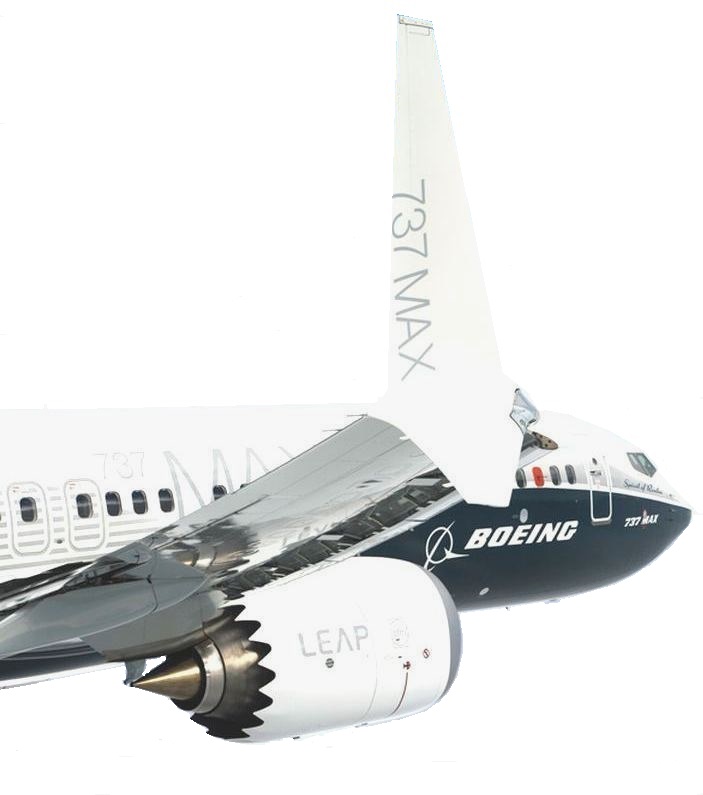
Boeing ha mantenido las líneas de producción del Boeing 737 y las entregas de las series Next Generation. El nuevo Boeing 737 MAX tiene un tercio de la producción de 2018. La producción de los motores General Electric CFM LEAP-1B en 2018 fue de 1050 unidades pero las entregas están retrasadas entre 4 a 5 semanas.

Boeing-Logo.svg

En el mercado competitivo de los narrowbodies, Airbus está sacando ventajas comparativas pues la línea A320NEO‘s se basa en dos tipos de motorización, los LEAP-1A y los Pratt & Whitney GTF1000G. De esta manera puede expandirse porque no depende de un único proveedor de motores.
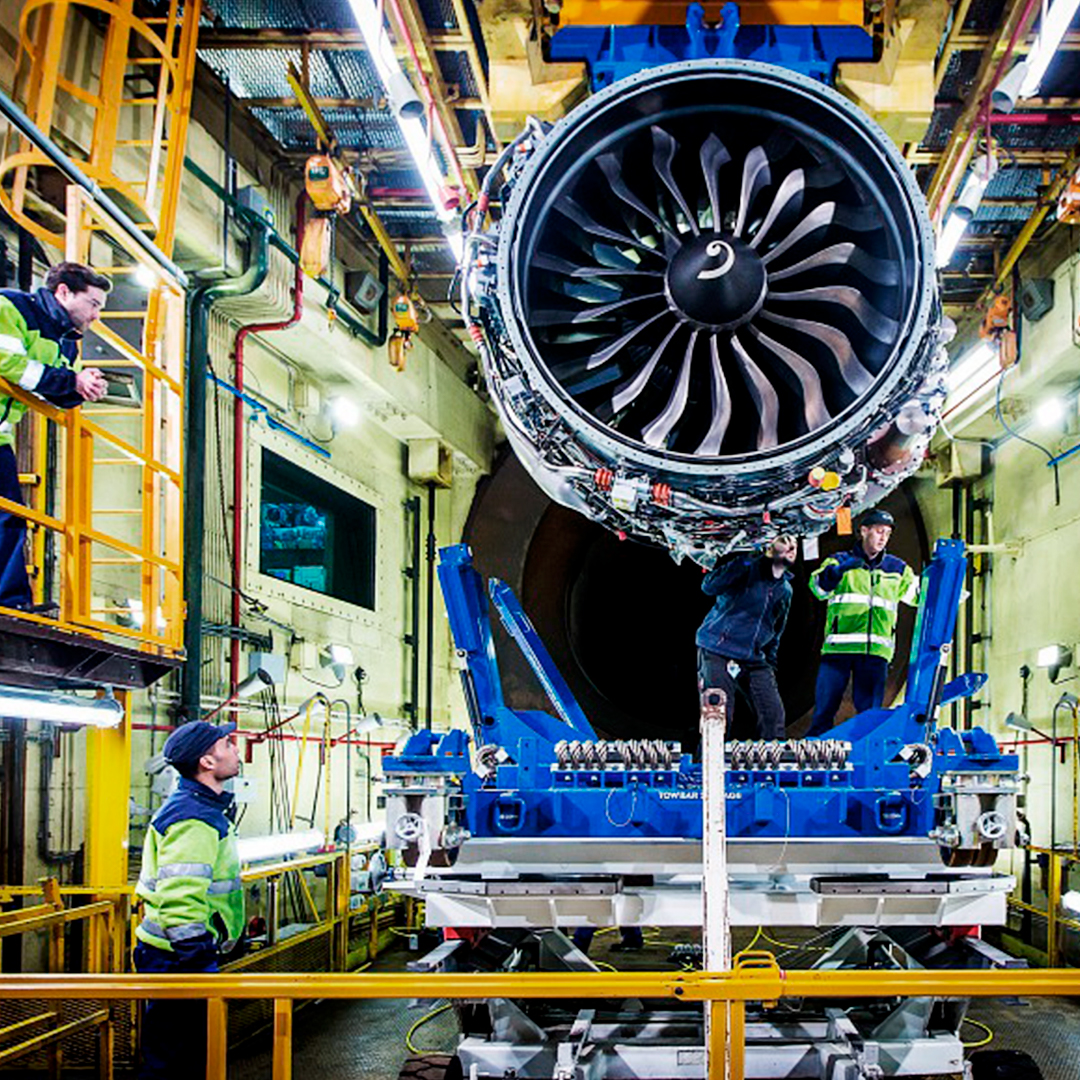
Imagen relacionadaLÍNEA DE PRODUCCIÓN DE LOS MOTORES LEAP-1B PARA EL CONSTRUCTOR BOEING

Problemas línea motores LEAP-1B

Desde el fabricante de motores LEAP han sostenido que los problemas de entrega serán arreglados antes de fin de año 2018, aunque han estimado que las soluciones hubieran llegado antes, no han cumplido.

Problemas línea 737

Boeing actualmente está terminando la anterior línea de ensamblaje del 737 Next Generation, por lo que se está quedando sin pedidos para el modelo anterior de tercera generación.

Actualmente tiene cuarenta Boeing 737 MAX estacionados sin motores en Renton, Washington. Si estuviera dentro del cronograma de fabricación, tendrá que reducir la producción del 737 MAX por falta de motores. Dennis Muilenburg, CEO de Boeing, aseguró a los inversores que la situación del suministro de motores estaba bajo control. Boeing no ha anunciado cómo abordarán el problema, salvo el retiro anticipado del Jefe de Línea del 737. Los inversores deben actuar antes de que este problema se haga público.
B737-8MAX.jpg

Boeing entregó 298 aviones, un tercio de ellos la versión MAX con el motor LEAP. Boeing ha mantenido las entregas trabajando en la acumulación de pedidos de modelos anteriores. Solo quedan 200 pedidos para modelos más antiguos. El volumen de 28 Boeing 737 Next Generation por mes tiene una producción de 7 meses. Entonces tendría que ir a 52 por mes. Sin embargo, eso requeriría más del 100% de la producción de motores LEAP-1B, que comparte con Airbus.

Las entregas de Airbus 320NEO son un 50% de diseño de motor nuevo. Las entregas con motores nuevos son 54 unidades por encima de las 737 entregas. El 320 utiliza el LEAP o el Pratt & Whitney Gear Turbofan (GTF) por lo que tienen un mayor suministro de los motores más eficientes. El 737 tiene una distancia inferior debajo del ala por lo que no puede usar el GTF. La versión Boeing del LEAP-1B, tiene un diámetro de ventilador menor que la versión Airbus LEAP-1A. Airbus también está agotando los pedidos de modelos que usan los motores más antiguos, con órdenes por 250 pedidos. United Technology, matriz de Pratt y Whitney ha expresado que el gasto de capital en Pratt Whitney caerá el próximo año después del aumento en 2018 para expandir la capacidad del motor LEAP-1A GTF.

La línea de producción del motor LEAP está muy cargada, pues atienden a los pedidos para las aeronaves Airbus A319/320/321NEO’s, los Boeing 737 MAX’s y el COMAC C-919. Según los cálculos estimativos, si Boeing pusiera los motores en los cuarenta 737 MAX estacionados y reanudara la producción a una tasa de 52 por mes, y construyera el viejo modelo de motor a 20 por mes, usarían 350 motores, que es poco probable que obtengan. Bajo ese escenario, Boeing solo tendría 100 modelos 737 NG en el backlog, por lo que casi toda la producción del 2019 requeriría motores LEAP-1B.

Producciones y entregas

Airbus y Boeing detentan producir 52 aeronaves por mes y los motores LEAP se dividen 50% en cada uno. Boeing está limitado a 39 aviones por mes, 13 menos que la tasa de producto actual. Airbus produce a 52 aviones por mes con la adición de unidades GTF 323. Si Airbus sube a 59 unidades por mes, necesitarían 491 motores GTF. Esto ilustra el problema que enfrenta Boeing.

Está siendo desarrollado por la compañía conjunta CFM International, formada por el fabricante aeronáutico francés Snecma y el estadounidense General Electric Aviation. La CFM tendrían dificultades para entregar los 1.850 que se comprometió a proporcionar en 2019 hasta algún momento en 2020. El GTF tiene el 40% de los 320 pedidos, por lo que probablemente producirán más de 500 motores para el A320NEO. Pero tanto Boeing y Safran están esperanzados en tener disponibilidad de motores para instalarlos en los legendarios Boeing 737 MAX.

La construcción de motores a reacción es difícil. Una de las reglas japonesas para fabricar es no utilizar un proceso que se acerque a la tolerancia que necesita. Los motores a reacción siempre están al límite y pagan el precio por ello. Es muy difícil acelerar la producción con problemas de calidad de los componentes. Por lo tanto, si bien los cronogramas de producción para motores nuevos no son confiables, el volumen crecerá y la calidad mejorará, pero no según el cronograma deseado. El plan de GE, dirigido por Kevin McAllister, un duro ejecutivo de GE, para limitar la participación de P&W con 70% de descuento en lugar del habitual 50%, significó que algunas actividades que podrían haber aumentado la producción no se realizaron. Este es ahora el problema para el Presidente de Boeing Commercial Aircraft, Kevin McAllister.

Para que la producción del Boeing 737 MAX no esté restringida por la disponibilidad de motores LEAP llevará dos o tres años, la planta de Renton altamente automatizada se ejecutará de manera ineficiente. Pocas opciones buenas existen dado el tiempo requerido para construir nuevas instalaciones. El tren de aterrizaje podría elevarse para aceptar otros motores, pero los cambios de diseño y la certificación requieren mucho tiempo. Para hacer algo como eso se requiere un reconocimiento más temprano del problema. Boeing es fuerte y este problema se resolverá a través del tiempo.  AIRWAYS® AW-Icon TXT

Resultado de imagen para line LEAP-1B

Boeing will cut production line 737

Faced with limited demand for LEAP-1B engines Boeing reduces production capacity of the Boeing 737 MAX

Resultado de imagen para general electric logoBoeing has maintained the production lines of the Boeing 737 and the deliveries of the Next Generation series. The new Boeing 737 MAX has one third of the production of 2018. The production of the General Electric CFM LEAP-1B engines in 2018 was 1050 units but the deliveries are delayed between 4 to 5 weeks.

snecma-logo-png-transparent.pngIn the competitive narrowbodies market, Airbus is taking advantage of the comparative advantages, since the A320NEO‘s line is based on two types of engines, the LEAP-1A and the Pratt & Whitney GTF1000G. In this way it can expand because it does not depend on a single engine supplier.

Motor line problems LEAP-1B

From the motor manufacturer LEAP have argued that the delivery problems will be fixed before the end of the year 2018, although they have estimated that the solutions had arrived before, have not met.

Problems line 737

Boeing is currently finishing the previous assembly line of the Next Generation 737, so it is running out of orders for the previous third generation model. He currently has forty Boeing 737 MAX’s parked without engines in Renton, Washington. If it is within the manufacturing schedule, you will have to reduce the production of the 737 MAX due to lack of engines. Dennis Muilenburg, CEO of Boeing, assured investors that the situation of the supply of engines was under control. Boeing has not announced how they will address the problem, except for the early withdrawal of the 737 Line Manager. Investors must act before this problem is made public.

Boeing delivered 298 aircraft, a third of them the MAX version with the LEAP engine. Boeing has kept deliveries working on the accumulation of orders from previous models. There are only 200 orders left for older models. The volume of 28 Boeing 737 Next Generation per month has a production of 7 months. Then I would have to go to 52 per month. However, that would require more than 100% of the production of LEAP-1B engines, which it shares with Airbus.

Airbus 320NEO deliveries are 50% new engine design. Deliveries with new engines are 54 units above the 737 deliveries. The 320 uses the LEAP or the Pratt & Whitney Gear Turbofan (GTF) so they have a larger supply of more efficient engines. The 737 has a lower distance below the wing so you can not use the GTF. The Boeing version of the LEAP-1B has a smaller fan diameter than the Airbus LEAP-1A version. Airbus is also running out of orders for models that use older engines, with orders for 250 orders. United Technology, parent of Pratt and Whitney has said that capital spending on Pratt Whitney will fall next year after the increase in 2018 to expand the capacity of the LEAP-1A GTF engine.

The production line of the LEAP engine is very loaded, as they meet orders for the Airbus A319 / 320 / 321NEO’s, the Boeing 737 MAX’s and the COMAC C-919. According to the estimates, if Boeing put the engines in the forty-seven MAXs and restarted production at a rate of 52 per month, and built the old engine model to 20 per month, they would use 350 engines, which they are unlikely to obtain. Under that scenario, Boeing would only have 100 737 NG models in the backlog, so almost all production in 2019 would require LEAP-1B engines.

Productions and deliveries

Airbus and Boeing have 52 aircraft per month and LEAP engines are split 50% each. Boeing is limited to 39 aircraft per month, 13 less than the current product rate. Airbus produces 52 aircraft per month with the addition of GTF 323 units. If Airbus rises to 59 units per month, it would need 491 GTF engines. This illustrates the problem that Boeing faces.

It is being developed by the joint company CFM International, formed by the French aeronautical manufacturer Snecma and the American General Electric Aviation. The CFM would have difficulty delivering the 1,850 that it promised to provide in 2019 until sometime in 2020. The GTF holds 40% of the 320 orders, so it will likely produce more than 500 engines for the A320NEO. But both Boeing and Safran are hopeful to have engines available to install them on the legendary Boeing 737 MAX.

The construction of jet engines is difficult. One of the Japanese rules for manufacturing is not to use a process that approaches the tolerance you need. Jet engines are always at the limit and pay the price for it. It is very difficult to accelerate the production with problems of quality of the components. Therefore, although the production schedules for new engines are not reliable, the volume will grow and the quality will improve, but not according to the desired schedule. GE’s plan, led by Kevin McAllister, a hard-working GE executive, to limit P & W’s participation with 70% discount instead of the usual 50%, meant that some activities that could have increased production were not realized. This is now the problem for the President of Boeing Commercial Aircraft, Kevin McAllister.

So that the production of the Boeing 737 MAX is not restricted by the availability of LEAP engines will take two or three years, the highly automated Renton plant will run inefficiently. Few good options exist given the time required to build new facilities. The landing gear could be raised to accept other engines, but design changes and certification take a long time. To do something like that requires an earlier recognition of the problem. Boeing is strong and this problem will be solved through time. A \ W


Ξ A I R G W A Y S Ξ
SOURCE:  Airgways.com
DBk: Boeing.com / Airbus.com / Seekingalpha.com / Solvay.com / Airgways.com / Wikimedia.org / Mro-network.com / Ge.com / Snecma.com
AW-POST: 201808252110AR

A\W   A I R G W A Y S ®
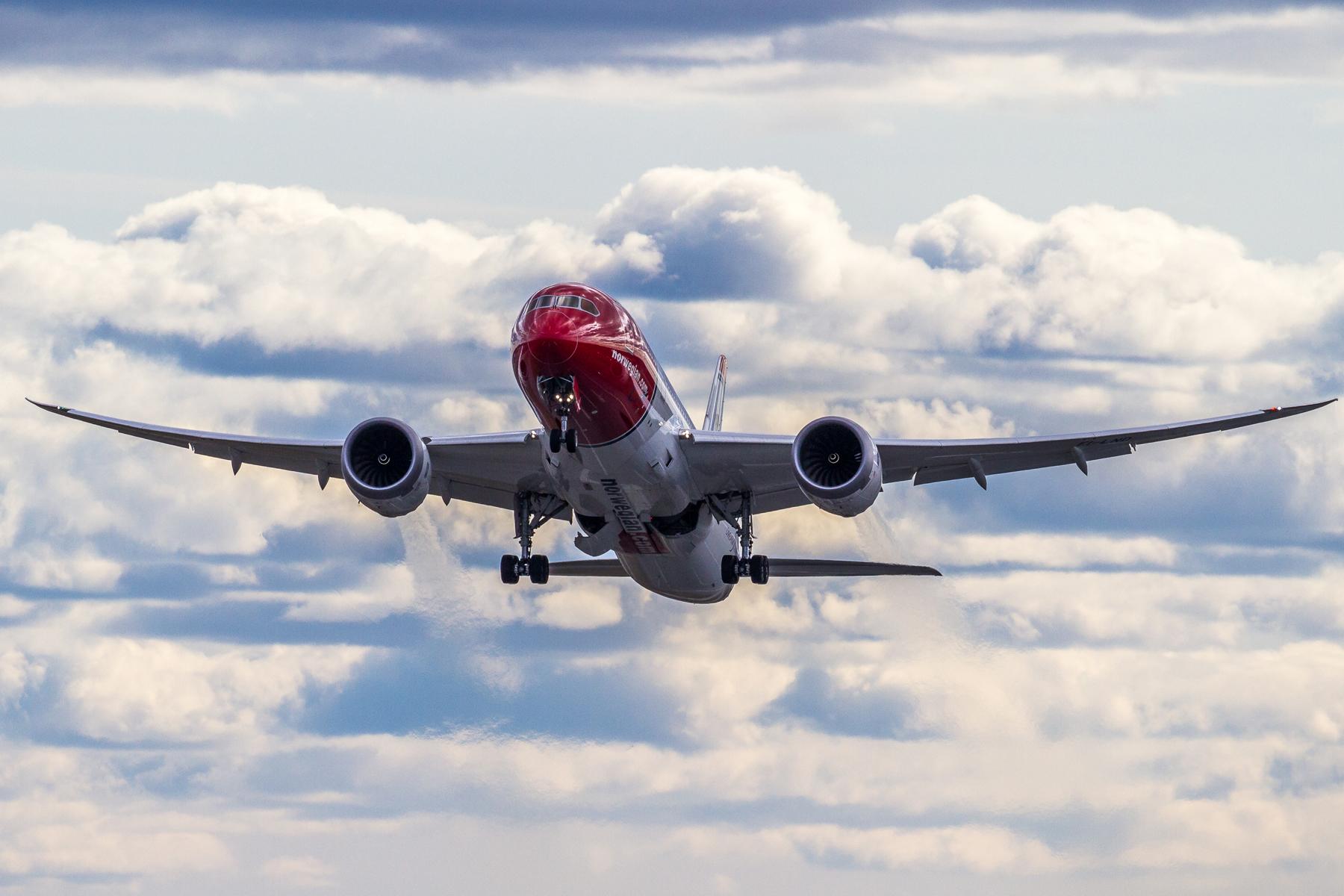
 

Crisis del modelo low cost en Europa

Resultado de imagen para low cost airport europe

AW | 2018 08 24 21:21 | AIRLINES MARKET

Las aerolíneas low cost europeas están experimentando en retroceso para continuar volando

Las aerolíneas low cost/low fare de Europa están ajustando su modelo adoptando prácticas de aerolíneas tradicionales para continuar volando. A esto se suman las presiones salariales, de costo del combustibles y los cambios de hábitos de los consumidores.

Principios del Modelo Low cost

ARD2044__laker-707.jpg-450x300-1501135161.pngEl modelo low cost no estuvo exento de problemas y ajustes desde que se instituyó en el año 1966. Un visionario emprendedor británico llamado Freddie Laker se enfrentó al monopolio de las grandes aerolíneas obteniendo grandes pérdidas. Al comprender que podría competir de otras maneras, dejó vía libre para la revolución low cost. En el año 1966 lanzó Laker Airways, su negocio más ambicioso hasta la fecha. Eran vuelos charter con viajes incluidos a precios muy baratos. Para la clase media británica fue una verdadera revolución.
El verdadero concepto low cost surgió en los Estados Unidos antes de extenderse por Europa a principios de la década de 1990 y de ahí al resto del mundo ante el aumento en la demanda de transporte aéreo. En principio el término era empleado dentro de la industria de la aviación para referirse a compañías con costes de operación bajos o menores que los de la competencia. A través de los medios de comunicación, su significado varió, y ahora define a cualquier aerolínea de precios bajos y servicios limitados, frente a los de las aerolíneas tradicionales.

La primera compañía de precios bajos fue la estadounidense Pacific Southwest Airlines (PSA), que inició sus vuelos el 6 Mayo 1949. A menudo y de forma errónea se concede este mérito a Southwest Airlines, aerolínea también estadounidense que no empezaría a operar hasta 1971 y a generar beneficios dos años después. Con el proceso de desregulación vivido por la aviación a principios de la década de 1990, el modelo se extendió a Europa.

Actualidad del modelo low cost/low fare

Las presiones a una mayor competitividad entre las aerolíneas low cost, sumadas a los apuros económicos, errores en la diagramación de estrategias, cambios en las economías, costos laborales, incrementos del costo del combustible, cambios en los hábitos de los usuarios entre otros muchos factores, ahora se incorporan los problemas de altos niveles de problemas sindicales.

Los factores que han hecho que muchas aerolíneas low cost están atravezando dificultades son las huelgas, los reclamos de sindicalizaciones, cancelaciones de vuelos, supresión de rutas, cierres y quiebras han tomado noticia frecuente entre las low cost más famosas de Europa.

Algunos analistas aseguran que el modelo basado en pasajes baratos está terminando su ciclo biológico, debido a las crisis reiteradas no pueden afrontar sus costos laborales y operativos. Algunos signos de repuntes se observan en algunas rutas transatlánticas, pero las ofertas en general ya no son tan atractivas para los usuarios, y en el medio, los clientes potenciales dispuestos a resignar todo con tal de volar a precios ridículos se fueron agotando.

Distintas razones llevaron en los últimos años a las compañías de bajo costo más emblemáticas de los países centrales a una situación crítica, demostrando que frente a la adversidad de costos en alza e ingresos en baja, pueden ser tanto o más frágiles que las aerolíneas tradicionales.

Low cost en el mundo

Las líneas aéreas low cost/low fare se han expandido a través del planeta surgiendo un sin número de oportunidades en el horizonte de cada región permitiendo generar nuevas oportunidades que en otros tiempos estaban dinamitadas por precios de alto vuelo.

Estados Unidos fue precursor del desarrollo de las aerolíneas de bajo costo/bajo precio generando más oportunidades y más destinos a lugares y aeropuertos impensados incursionando en un mercado cautivo de precios mas competitivos.

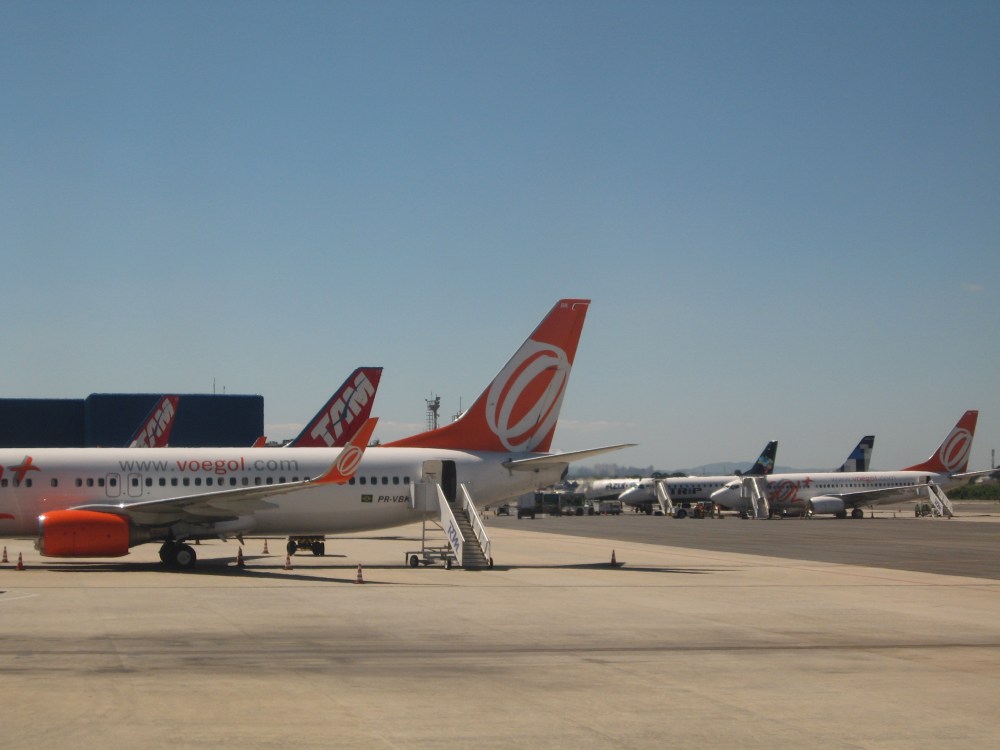
En Brasil, la apertura de las low cost se inició en 2005 cuando Gol Linhas Aéreas ingresó al mercado doméstico estimulando más oportunidades para todas las personas.

En Argentina el ingreso de LAPA Líneas Aéreas creada en 1976 para complementar rutas regionales y destinos poco servidos a ciudades del interior del país. En Mayo 1993, con el mercado aéreo argentino desregulado, LAPA incorpora su primer Boeing 737-200 e ingresa en una etapa de expansión y cambia a un modelo low cost permitiendo reducir significativamente los precios de los tickets aéreos. Aunque el mercado estuvo cerrado por mucho tiempo, en 2017 con la apertura de la «Revolución de los Aviones» comienza nuevas oportunidades para que el mercado continúe estimulándose. Con la eliminación del precio mínimo de las tarifas aéreas en vuelos domésticos está permitiendo introducir cambios significativos en todo el transporte en Argentina. Flybondi Líneas Aéreas ha iniciado sus operaciones en el 2018 modificando el mercado doméstico y generando nuevas oportunidades para los usuarios. En apenas seis meses ha capturado una cuota de mercado del 7%. Estas estimulaciones de cambios de consumo ha permitido incentivar las tarifas en Aerolíneas Argentinas/Austral Líneas Aéreas e incorporar cambios en la manera de volar, eliminando la clase ejecutiva en vuelos internos para sumar asientos en turista. Batió récord vendiendo pasajes con 50% de descuento y cobrando aparte el despacho de equipaje en bodega. Además, ahora se encuentra en pleno proceso de renegociación de condiciones laborales con los sindicatos para eliminar algunas prácticas que según estimaciones de la propia compañía representan sobrecostos por US$100 millones al año.

Otra compañía tradicional como Latam Airlines Argentina se ha ajustado a las exigencias de las low cost y anunció cambios en su modelo de negocios en Argentina por otro que ya venía aplicando en otros países de la región, con una segmentación de tarifas para que los pasajeros sólo paguen por los servicios que quieren utilizar.

La oportunidad para continuar estimular la competencia doméstica low cost, el ingreso al mercado de Norwegian Air Argentina, JetSmart Argentina, Avianca (Avian Líneas Aéreas) continúan con un modelo de desarrollo de bajo costo y bajo precio.

Las compañías clásicas están adoptan prácticas habituales de las low cost en mucho países. El resultado es un modelo híbrido, una mezcla de modelo clásico y low cost. El resurgimiento del modelo low cost/low fare ha permitido experimentar un proceso más refinado hacia las ultra-low cost.

La tendencia europea actualmente parece ir también hacia la irrupción de aerolíneas de bajo costo bajo la órbita a compañías tradicionales. Es una respuesta a la transformación de líneas aéreas que nacieron como low cost y que ahora están readaptando su modelo hacia una oferta más intermedia frente a la demanda de pasajeros que ya no quieren resignar servicios a bordo, volar desde aeropuertos alejados o a destinos poco convencionales, un modelo que está experimentando aciertos y desaciertos, un modelo que ha traído muchos cambios en el mercado aéreo mundial. AIRWAYS® AW-Icon TXT

AW-7008898.JPG

Crisis of the low cost model in Europe

European low cost airlines are experimenting in retreat to continue flying

Low cost / low fare airlines in Europe are adjusting their model by adopting traditional airline practices to continue flying. Added to this are wage pressures, fuel costs and changes in consumer habits.

Principles of the Low cost Model

The low cost model was not exempt from problems and adjustments since it was instituted in the year 1966. A visionary British entrepreneur named Freddie Laker faced the monopoly of the big airlines obtaining great losses. By understanding that he could compete in other ways, he left a freeway for the low cost revolution. In 1966 he launched Laker Airways, his most ambitious business to date. They were charter flights with included trips at very cheap prices. For the British middle class it was a true revolution.

The true low cost concept emerged in the United States before expanding into Europe in the early 1990s and from there to the rest of the world in response to the increase in demand for air transport. In principle the term was used within the aviation industry to refer to companies with operating costs lower or lower than those of the competition. Through the media, its meaning varied, and now defines any airline with low prices and limited services, compared to those of traditional airlines.

The first company with low prices was the American Pacific Southwest Airlines (PSA), which started its flights on May 6, 1949. This merit is often and erroneously granted to Southwest Airlines, also an American airline that would not start operating until 1971. generate profits two years later. With the process of deregulation experienced by aviation in the early 1990s, the model spread to Europe.

Actuality of the low cost / low fare model

The pressures to a greater competitiveness between the low cost airlines, added to the economic apudors, errors in the diagramming of strategies, changes in the economies, labor costs, increases of the cost of the fuel, changes in the habits of the users among other many factors, now the problems of high levels of union problems are incorporated.

The factors that have made many low cost airlines are experiencing difficulties are the strikes, the demands of unionization, cancellations of flights, suppression of routes, closures and bankruptcies have taken frequent news among the most famous low cost in Europe.

Some analysts say that the model based on cheap passages is ending its biological cycle, due to repeated crises can not face their labor and operational costs. Some signs of upturns are observed in some transatlantic routes, but the offers in general are no longer so attractive for users, and in the middle, potential customers willing to resign everything to fly at ridiculous prices were running out.

Different reasons have led in recent years to the most emblematic low cost companies in central countries to a critical situation, showing that in the face of adversity of rising costs and falling revenues, they can be as or more fragile than traditional airlines.

Low cost in the world

Low cost / low fare airlines have expanded throughout the planet, creating a number of opportunities on the horizon of each region, allowing the generation of new opportunities that were dynamited by high-flight prices.

The United States was a precursor to the development of low-cost / low-fare airlines, generating more opportunities and more destinations to unexpected places and airports, entering a captive market with more competitive prices.

In Brazil, the opening of low cost began in 2005 when Gol Linhas Aéreas entered the domestic market stimulating more opportunities for all people.

Archivo: Lapa logo.pngIn Argentina, the entry of LAPA Líneas Aéreas created in 1976 to complement regional routes and poorly served destinations to cities in the interior of the country. In May 1993, with the deregulated Argentine air market, LAPA incorporated its first Boeing 737-200 and entered a stage of expansion and changed to a low cost model allowing significantly reducing the prices of air tickets. Although the market was closed for a long time, in 2017 with the opening of the «Aircraft Revolution» new opportunities began for the market to continue to be stimulated. With the elimination of the minimum price of air fares on domestic flights is allowing to introduce significant changes in all transport in Argentina. Flybondi Líneas Aéreas has started operations in 2018 modifying the domestic market and generating new opportunities for users. In just six months it has captured a market share of 7%. These stimulations of changes of consumption have allowed to incentivize the tariffs in Aerolíneas Argentinas / Austral Líneas Aéreas and to incorporate changes in the way of flying, eliminating the executive class in internal flights to add tourist seats. He beat record selling tickets with 50% discount and charging separately the baggage hold in the warehouse. In addition, it is now in the process of renegotiating labor conditions with the unions to eliminate some practices that according to estimates of the company itself represent cost overruns of US $ 100 million per year.
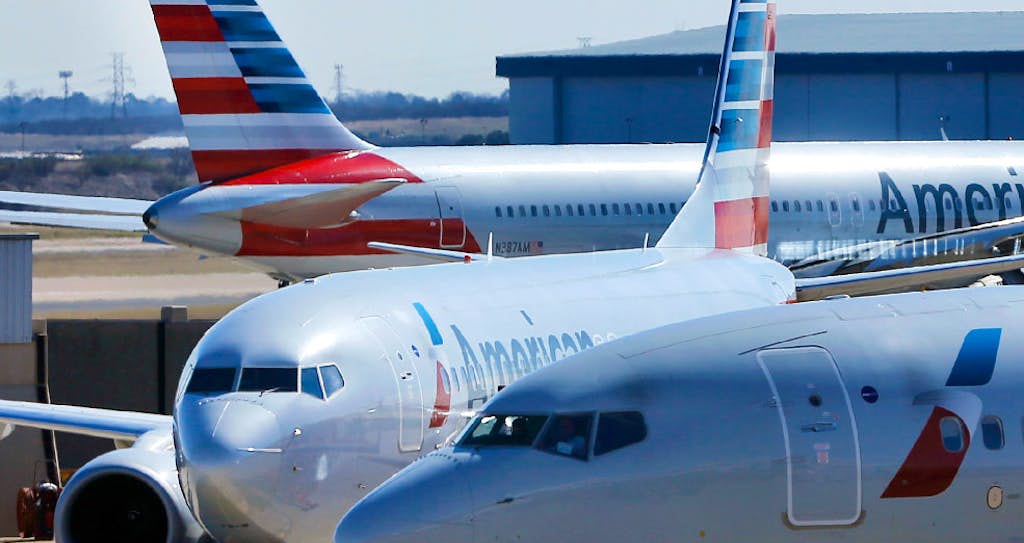
Another traditional company such as Latam Airlines Argentina has adjusted to the demands of low cost and announced changes in its business model in Argentina for another that had already been applied in other countries in the region, with a tariff segmentation for passengers only pay for the services you want to use.

The opportunity to continue stimulating low-cost domestic competition, the entry into the market of Norwegian Air Argentina, JetSmart Argentina, Avianca (Avian Líneas Aéreas) continue with a low-cost, low-cost development model.

Classic companies are adopting low cost common practices in many countries. The result is a hybrid model, a mixture of classic and low cost models. The resurgence of the low cost / low fare model has allowed us to experience a more refined process towards the ultra-low cost.

The European trend now seems also to be towards the emergence of low-cost airlines under the orbit of traditional companies. It is a response to the transformation of airlines that were born as low cost and that are now adapting their model to a more intermediate offer in front of the demand of passengers who no longer want to resign services on board, fly from remote airports or unconventional destinations, a model that is experiencing successes and failures, a model that has brought many changes in the global air market. A\W


Ξ A I R G W A Y S Ξ
SOURCE:  Airgways.com
DBk: Airgways.com / Fodors.com / Wikimedia.org
AW-POST: 201808242121AR

A\W   A I R G W A Y S ®

Aerolíneas EEUU recortan vuelos a China

Resultado de imagen para hawaiian airlines

AW | 2018 08 24 15:48 | AIRLINES MARKET

Las aerolíneas anunciaron recortes en las rutas a China debido a la baja rentabilidad

Las decisiones reflejan la creciente competencia de los transportistas chinos y el aumento de los precios del combustible que han hecho que las rutas que antes eran marginales no sean rentables.

American Airlines con sede en Dallas-Forth Worth, la aerolínea más grande del mundo, eliminará los servicios Chicago-Shanghai y Chicago-Beijing en Octubre 2018. American vuela a Shanghai y Beijing desde Los Ángeles y Dallas-Fort Worth. Reveló el último retroceso desde China y redujo los vuelos entre Chicago y Tokio, ya que anunció vuelos adicionales a Europa, la mayoría de ellos limitados a la temporada alta de viajes de verano. Para complementar el espacio dejado la aerolínea incorporará a Dubrovnik (Croacia), Berlín (Alemania) y Bolonia (Italia) en medio de una reorganización internacional.

Hawaiian Airlines suspenderá su única ruta a China debido a la baja demanda. Hawaiian Airlines ha comunicado que suspenderá sus tres vuelos semanales entre Honolulu y Beijing en octubre. El transportista comenzó la ruta en 2014 y ya lo había degradado del servicio diario. Hawaiian dijo que cambiará los aviones a otras rutas que se ajusten a sus planes de expansión. El CEO de Hawaiian Airlines, Peter Ingram, dijo que su compañía aún cree «en el futuro de China como un mercado robusto para la experiencia vacacional de Hawaii».

Ambas aerolíneas dijeron que mantendrían viva la posibilidad de reanudar los vuelos en el futuro. Las aerolíneas chinas han agregado vuelos y destinos en los últimos años, a veces menospreciando a los rivales de los EEUU por los precios establecidos.  AIRWAYS® AW-Icon TXT

Resultado de imagen para american airlines china

US airlines cut off flights to China

Airlines announced cuts in routes to China due to low profitability

The decisions reflect the growing competition from Chinese carriers and the increase in fuel prices that have made previously marginal routes unprofitable.

American Airlines based in Dallas-Forth Worth, the world’s largest airline, will eliminate Chicago-Shanghai and Chicago-Beijing services in October 2018. American flies to Shanghai and Beijing from Los Angeles and Dallas-Fort Worth. It revealed the latest setback from China and reduced flights between Chicago and Tokyo, as it announced additional flights to Europe, most of them limited to the peak summer travel season. To complement the space left the airline will incorporate Dubrovnik (Croatia), Berlin (Germany) and Bologna (Italy) in the middle of an international reorganization.

Hawaiian Airlines will suspend its only route to China due to low demand. Hawaiian Airlines has announced that it will suspend its three weekly flights between Honolulu and Beijing in October. The carrier started the route in 2014 and had already degraded it from the daily service. Hawaiian said it will change planes to other routes that fit its expansion plans. Hawaiian Airlines CEO Peter Ingram said his company still believes «in the future of China as a robust market for the Hawaii vacation experience.»

Both airlines said they would keep alive the possibility of resuming flights in the future. Chinese airlines have added flights and destinations in recent years, sometimes belittling US rivals for established prices. A \ W


Ξ A I R G W A Y S Ξ
SOURCE:  Airgways.com
DBk: Dallasnuews.com / Aa.com / Hawaiianairlines.com
AW-POST: 201808241548AR

A\W   A I R G W A Y S ®

Norwegian Argentina start-up en 10/2018

Norwegian-737-MAX-8

AW | 2018 08 24 05:45 | AIRLINES

bui053h3 (1)La nueva aerolínea argentina Norwegian Air iniciará ventas tickets en Septiembre 2018
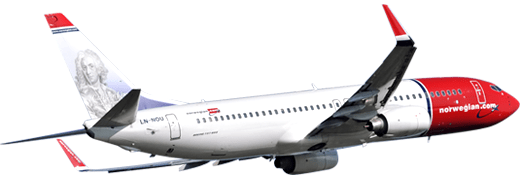
Norwegian Air Argentina iniciará la venta de pasajes a distintas ciudades del interior, como Córdoba, Mendoza, Iguazú entre otras que están bajo estudio. «Comenzamos a vender pasajes desde el próximo 4 Septiembre y los vuelos arrancarán desde mediados de Octubre», detalló Bjørn Kjos, CEO de Norwegian Air Shuttle ASA.

Norwegian Airlines arrancó el año 2018 uniendo Buenos Aires-Londres cuatro veces por semana, y lo cerrará realizando esa ruta todos los días. En las audiencias públicas, la compañía pidió volar 155 rutas. Para eso, traerá aviones nuevos y promete desembolsar US$ 4.300 millones en un lapso que va entre los próximos 5 a 8 años.

«Argentina es una joya escondida. Tiene todo lo que el turista europeo quiere ver. Además, la favorece que posee sol en medio del invierno europeo. Desde una perspectiva turística, es extremadamente interesante. Hoy es extremadamente caro volar a la Argentina porque la competencia es muy limitada. El país no está bien servido, en comparación con los países escandinavos o de Europa. Aquí, la gente tiende a volar más en avión, frente a la Argentina que viaja más en ómnibus», expresa Bjørn Kjos.

Escenario argentino

Ni la devaluación del peso argentino ni la conflictividad de los gremios locales preocupan a este magnate noruego. Ninguna de las quejas habituales del sector -sindicatos, devaluación, problemas para incorporar aviones- parecen perforar el optimismo del empresario nórdico, cuya compañía facturó US$ 1.300 millones en el último trimestre.

Norwegian Air interesada cabotaje en Brasil

La aerolínea de bajo costo Norwegian Air está interesada en operar vuelos de cabotaje dentro de Brasil, dijo el jueves un funcionario, mientras planea su debut en la mayor economía de Latinoamerica en Marzo 2018 con una ruta entre Sao Paulo hacia Reino Unido. El interés de la aerolínea se hizo público a través del Ministro de Turismo Vinicius Lummertz, quien dijo que Norwegian puede empezar a operar vuelos internacionales con la aprobación que el regulador local Anac le otorgó a comienzos de mes.

El mercado de cabotaje brasileño es dominado por cuatro compañías: Latam Airlines Group SA, Gol Linhas Aéreas Inteligentes SA, Azul SA y Avianca Holdings SA, las cuales registraron pérdidas netas en el último trimestre por un petróleo más caro y la devaluación del real.  AIRWAYS® AW-Icon TXT

norwegianairshuttle-001

Norwegian Air Argentina start-up on 10/2018

The new Argentine airline Norwegian Air will start sales tickets in September 2018

imagesNorwegian Air Argentina will begin the sale of tickets to different cities in the interior, such as Córdoba, Mendoza, Iguazú among others that are under study. «We started selling tickets from next September 4 and the flights will start from mid-October», said Bjørn Kjos, CEO of Norwegian Air Shuttle ASA.

Norwegian Airlines started the year 2018 joining Buenos Aires-London four times a week, and will close it by doing that route every day. At public hearings, the company asked to fly 155 routes. For that, it will bring new airplanes and it promises to disburse US $ 4,300 million in a period that goes between the next 5 to 8 years.

«Argentina is a hidden gem, it has everything that the European tourist wants to see, and it favors the sun in the middle of the European winter.From a tourism perspective, it is extremely interesting.Today it is extremely expensive to fly to Argentina because the competition It is very limited, the country is not well served, compared to the Scandinavian countries or Europe, where people tend to fly more by plane, compared to Argentina that travels more by bus», says Bjørn Kjos.

Argentine scenario

Neither the devaluation of the Argentine peso nor the conflictivity of the local unions worry this Norwegian magnate. None of the usual complaints of the sector-unions, devaluation, problems to incorporate airplanes-seem to pierce the optimism of the Nordic entrepreneur, whose company billed US $ 1,300 million in the last quarter.

Norwegian Air interested in cabotage in Brazil

The low-cost airline Norwegian Air is interested in operating cabotage flights within Brazil, an official said on Thursday, as it plans its debut in Latin America’s largest economy in March 2018 with a route between Sao Paulo and the United Kingdom. The interest of the airline was made public through Tourism Minister Vinicius Lummertz, who said that Norwegian can start operating international flights with the approval that local regulator Anac granted him earlier this month.

The Brazilian cabotage market is dominated by four companies: Latam Airlines Group SA, Gol Linhas Aéreas Inteligentes SA, Azul SA and Avianca Holdings SA, which recorded net losses in the last quarter due to more expensive oil and devaluation of the real. A\W


Ξ A I R G W A Y S Ξ
SOURCE:  Airgways.com
DBk: Norwegian.com / Airgways.com
AW-POST: 201808240545AR

A\W   A I R G W A Y S ®

Aerolíneas cancelan vuelos en Hawaii

AW | 2018 08 23 23:27 | AIR TRAFFIC / AVIATION SAFETY

Las aerolíneas con destinos a las Islas de Hawaii son canceladas por Huracán Lane

Imagen relacionadaLas aerolíneas están cancelando vuelos a medida que el Huracán Lane se aproxima a las Islas de Hawaii. El Gobierno de Estados Unidos ha tomado medidas para reducir el impacto.

United Airlines está cancelando sus vuelos hacia y desde Maui el viernes. La aerolínea agregó dos vuelos adicionales desde Honolulu a San Francisco el jueves para ayudar a transportar personas fuera de las islas. United también está tomando medidas para asegurar su hangar en el Aeropuerto Daniel Resultado de imagen para Hawaiian airways pngK. Inouye en Honolulu. Hawaiian Airlines está cancelando todos los vuelos del viernes por su operador carguero Ohana este viernes a los aeropuertos de Kapalua y Lanai el jueves.

Hurricane Lane es actualmente una tormenta de Categoría 3, lo que significa que tiene vientos de 111 a 129 mph (178 kph a 207 kph). Los turistas todavía estaban nadando en el océano y colgando en la playa cuando el Huracán Lane se acercaba el jueves.

El Servicio Meteorológico Nacional bajó de categoría el huracán Lane a una tormenta de categoría 3, lo que significa vientos de 111 a 129 mph. Los meteorólogos dicen que la tormenta cambió previamente el jueves y ahora se está acercando a Hawaii. El Servicio Meteorológico Nacional informó que algunas partes de la Isla Grande han recibido 20 pulgadas de lluvia en las últimas 24 horas.

El huracán obligó a la Marina de los Estados Unidos a comenzar a mover sus barcos y submarinos lejos de las islas, según el Contraalmirante de la Armada Brian Fort. Dijo el miércoles que todos los barcos que actualmente no están bajo mantenimiento se están mudando fuera de Pearl Harbor y estarán posicionados para ayudar a responder después de la tormenta, si es necesario.

Ubicación/intensidad del Huracán Lane

El CPHC de la NOAA dijo que a las 11:00 a.m. EDT (5 a.m. HST/1500 UTC) del 22 Agosto 2018, el centro del Huracán Lane estaba ubicado cerca de la latitud 15.1 grados norte y la longitud 155.3 grados oeste. Eso es aproximadamente 315 millas (505 km) al sur de Kailua-Kona, Hawaii y cerca de 460 millas (740 km) al sur-sureste de Honolulu, Hawaii.

Lane se está moviendo hacia el oeste-noroeste cerca de 9 mph (15 kph) y se espera que este movimiento se convierta en noroeste más tarde hoy, seguido por un giro hacia el norte-noroeste el jueves. En el seguimiento del pronóstico, el centro de Lane se moverá muy cerca o sobre las principales islas de Hawaii de jueves a sábado, 25 Agosto 2018.

Los vientos máximos sostenidos están cerca de 155 mph (250 kph) con ráfagas más altas. Lane es un huracán de categoría 4 en la escala Saffir-Simpson Hurricane Wind Scale. Se pronostica cierto debilitamiento durante las próximas 48 horas, pero se pronostica que Lane seguirá siendo un huracán peligroso a medida que se acerca a las islas hawaianas. Los vientos huracanados se extienden hasta 40 millas (65 km) desde el centro y los vientos con fuerza de tormenta tropical se extienden hasta 140 millas (220 km). La presión central mínima estimada es de 935 milibares.  AIRWAYS® AW-Icon TXT

Resultado de imagen para HURRICANE LANE

Airlines cancel flights in Hawaii

Airlines with destinations to the Islands of Hawaii are canceled by Hurricane Lane

Airlines are canceling flights as Hurricane Lane approaches the Islands of Hawaii. The Government of the United States has taken measures to reduce the impact.

Resultado de imagen para united airlines pngUnited Airlines is canceling its flights to and from Maui on Friday. The airline added two additional flights from Honolulu to San Francisco on Thursday to help transport people off the islands. United is also taking steps to secure its hangar at Daniel K. Inouye Airport in Honolulu. Hawaiian Airlines is canceling all flights on Friday by its cargo operator Ohana this Friday to the airports of Kapalua and Lanai on Thursday.


Hurricane Lane is currently a Category 3 storm, which means it has winds of 111 to 129 mph (178 kph to 207 kph). Tourists were still swimming in the ocean and hanging on the beach when Hurricane Lane approached Thursday.

The National Weather Service downgraded Hurricane Lane to a category 3 storm, which means winds of 111 to 129 mph. Forecasters say the storm changed previously on Thursday and is now approaching Hawaii. The National Weather Service reported that some parts of the Big Island have received 20 inches of rain in the last 24 hours.

The hurricane forced the US Navy to start moving its ships and submarines away from the islands, according to Rear Admiral Brian Fort. He said on Wednesday that all ships currently not under maintenance are moving out of Pearl Harbor and will be positioned to help respond after the storm, if necessary.

Location / intensity of Hurricane Lane

The NOAA CPHC said that at 11:00 a.m. EDT (5 a.m. HST / 1500 UTC) on August 22, 2018, the center of Hurricane Lane was located near latitude 15.1 degrees north and longitude 155.3 degrees west. That’s roughly 315 miles (505 km) south of Kailua-Kona, Hawaii and about 460 miles (740 km) south-southeast of Honolulu, Hawaii.

Temperaturas frías encontradas en las tormentas eléctricas dentro de Lane

AN INFRARED LOOK BY NASA’S TERRA SATELLITE PROVIDED FORECASTERS WITH TEMPERATURE DATA IN THE CATEGORY 4 HURRICANE NEAR HAWAII. TERRA DATA SHOWED A LARGE RING OF COLDEST AND MOST POWERFUL STORMS AROUND HURRICANE LANE’S EYE ON AUGUST 23

Lane is moving west-northwest near 9 mph (15 kph) and this movement is expected to become northwest later today, followed by a north-northwest turn on Thursday. In tracking the forecast, the center of Lane will move very close or on the main islands of Hawaii from Thursday to Saturday, August 25, 2018.

The maximum sustained winds are about 155 mph (250 kph) with higher gusts. Lane is a category 4 hurricane on the Saffir-Simpson Hurricane Wind Scale. Weakness is predicted for the next 48 hours, but Lane is forecast to remain a dangerous hurricane as it approaches the Hawaiian Islands. Hurricane winds extend up to 40 miles (65 km) from the center and winds with tropical storm force extend up to 140 miles (220 km). The estimated minimum central pressure is 935 millibars. A \ W


Ξ A I R G W A Y S Ξ
SOURCE:  Airgways.com
DBk: Nasa.gov / Usatoday.com / Airgways.com / United.com / Hawaiianairlines.com
AW-POST: 201808232327AR

A\W   A I R G W A Y S ®

Nuevos indicios del Malaysia MH-370

AA-MH370.jpg

AW | 2018 08 23 18:23 | AIR INVESTIGATION / AVIATION SAFETY

AW-70083772Nuevos datos arrojan búsqueda en el séptimo arco de Océano Índico

El vuelo MH370 de Malaysia Airlines que transportaba a 239 personas, desapareció sobre el Océano Índico el 8 Marzo 2014.Todos los esfuerzos por rastrear el avión han fallado y el paradero del jet sigue siendo un misterio desde entonces.

Nuevas pistas del MH370

Esta semana, una nueva imagen de Google Maps envió a los teóricos de la conspiración al colapso después de que pareciera mostrar el avión desaparecido. Victor Iannello fue un miembro original del grupo independiente de especialistas que ayudó a los investigadores australianos a tratar de identificar el sitio del accidente del MH370 en el océano Índico al oeste de Australia.

Usando un nuevo análisis de datos del Australian Transport Safety Bureau (ATSB), cree que ha encontrado una posible ubicación del Boeing 777-200 perdido. Víctor Iannello escribió en su blog: «La próxima búsqueda debería ocurrir a lo largo del séptimo arco al norte de 25 grados sur a un ancho de más o menos 25 millas náuticas (46 km)».

La búsqueda hasta ahora ha sido de 22 millas náuticas a cada lado del séptimo arco, que se ha descrito como «una línea delgada pero larga que incluye todos los puntos posibles donde podría haber tenido lugar la última comunicación conocida entre el avión y el satélite de comunicaciones». Las 10 rutas de vuelo finales posibles de MH370 fueron examinadas por Iannello después de que se le dio acceso exclusivo a los datos de simulación producidos por Boeing para la ATSB.

Iannello dijo que «con el fracaso de la reciente búsqueda de Ocean Infinity para localizar el campo de escombros a lo largo del séptimo arco en latitudes tan al norte como 25 grados al sur y en anchuras iguales o superiores a más o menos 22 millas náuticas, tenemos que considerar si es posible que con el supuesto de un vuelo incontrolado, el avión podría haber afectado al océano más allá. Aunque las restricciones legales impiden que la ATSB proporcione detalles específicos sobre cada una de las 10 simulaciones (denominadas casos 1-10), la ATSB reveló que las velocidades iniciales variaban entre M0.75 (894 km / h) y M0.83, las altitudes iniciales eran FL350 (35,000 pies) o FL400, los títulos iniciales eran 178 grados, 184 grados o 190 grados, y la turbulencia era ligera o moderada».

El avión condenado desapareció mientras viajaba de Kuala Lumpur a Beijing. Una búsqueda multimillonaria durante más de tres años no arrojó pistas concretas sobre el paradero del avión Boeing 777-200, intentado una vez más poder encontrar el fatídico Malaysia MH370. AIRWAYS® AW-Icon TXT

MH370

New indications of the MH-370

New data throw search in the seventh arch of the Indian Ocean

Malaysia Airlines flight MH370, carrying 239 people, disappeared over the Indian Ocean on March 8, 2014. All efforts to track the plane have failed and the whereabouts of the jet have remained a mystery ever since.

New tracks of the MH370

This week, a new Google Maps image sent the conspiracy theorists to collapse after it seemed to show the missing plane. Victor Iannello was an original member of the independent group of specialists who helped Australian researchers try to identify the site of the MH370 crash in the Indian Ocean west of Australia.

Using a new data analysis from the Australian Transport Safety Bureau (ATSB), he believes he has found a possible location for the lost Boeing 777-200. Victor Iannello wrote in his blog: «The next search should occur along the seventh arc north of 25 degrees south to a width of about 25 nautical miles (46 km)».

The search so far has been 22 nautical miles on each side of the seventh arc, which has been described as «a thin but long line that includes all possible points where the last known communication between the aircraft and the satellite of communications». The 10 possible final flight routes of MH370 were examined by Iannello after he was given exclusive access to the simulation data produced by Boeing for the ATSB.

Iannello said that «with the failure of Ocean Infinity’s recent search to locate the debris field along the seventh arc in latitudes as far north as 25 degrees south and in widths equal to or greater than about 22 nautical miles, we have to consider if it is possible that with the assumption of an uncontrolled flight, the plane could have affected the ocean beyond, although the legal restrictions prevent the ATSB from providing specific details about each of the 10 simulations (called cases 1-10) , the ATSB revealed that the initial speeds varied between M0.75 (894 km / h) and M0.83, the initial altitudes were FL350 (35,000 feet) or FL400, the initial titles were 178 degrees, 184 degrees or 190 degrees, and the turbulence was light or moderate».

The condemned plane disappeared while traveling from Kuala Lumpur to Beijing. A multi-million dollar search for more than three years did not yield concrete clues about the whereabouts of the Boeing 777-200 aircraft, once again trying to find the fateful Malaysia MH370. A \ W


Ξ A I R G W A Y S Ξ
SOURCE:  Airgways.com
DBk: Atsb.gov.au / Airgways.com / Google.com
AW-POST: 201808231823AR

A\W   A I R G W A Y S ®

JetSmart proyecta La Serena-San Juan

Resultado de imagen para JetSmart Airlines La Serena

AW | 2018 08 23 17:17 | AIRLINES ROUTES

Imagen relacionadaLa aerolínea low cost chilena JetSmart Airlines iniciará vuelos desde La Senena a San Juan, Argentina


La aerolínea low cost JetSmart Airlines de Chile presentó un proyecto de explotación sobre la ruta La Serena, Chile y San Juan, Argentina con el objetivo es implementar un puente aéreo con frecuencias todo el año.

Friederike Kreebbers, Gerente de Itinerario y Desarrollo de Aeropuertos de la compañía JetSmart, expreso que «estamos interesados en atender la conectividad entre la Región de Coquimbo y la Provincia de San Juan y ser una alternativa aérea muy atrayente». La Intendenta de Coquimbo, Lucía Pinto señalo que la «ruta aérea será una buena oportunidad de desarrollo comercial y turístico en los meses que está cerrado el Paso Agua Negra, es decir, entre abril y diciembre».

Una de las dificultades es el costo de la tasa de embarque en el Aeropuerto Faustino Sarmiento de San Juan con respecto a la tasa de embarque del Aeropuerto La Serena, por lo que están acercando propuestas para reducir los costos operativos aeroportuarios.

JetSmart Airlines no ha comunicado el inicio de las operaciones para unir en un puente aéreo la costa pacífica chilena con la Región de Cuyo de Argentina. El tiempo estimado de vuelo de la futura ruta estará en 50 minutos de enlace. AIRWAYS® AW-Icon TXT

Resultado de imagen para JetSmart Airlines

JetSmart projects La Serena-San Juan

The low cost Chilean airline JetSmart Airlines will start flights from La Senena to San Juan, Argentina

The low cost airline JetSmart Airlines of Chile presented an exploitation project on the route La Serena, Chile and San Juan, Argentina with the aim of implementing an airlift with frequencies all year round.

Friederike Kreebbers, Airport Planning and Development Manager of the JetSmart company, stated that «we are interested in serving the connectivity between the Coquimbo Region and the Province of San Juan and being a very attractive alternative to the air». The Intendente of Coquimbo, Lucia Pinto indicated that the «air route will be a good opportunity for commercial and tourist development in the months that the Agua Negra Pass is closed, that is, between April and December».

One of the difficulties is the cost of the boarding fee at the Faustino Sarmiento Airport in San Juan with respect to the boarding fee at La Serena Airport, which is bringing proposals to reduce airport operating costs.

JetSmart Airlines has not announced the start of operations to link the Chilean Pacific coast with the Cuyo Region of Argentina on an airlift. The estimated flight time of the future route will be 50 minutes link. A \ W


Ξ A I R G W A Y S Ξ
SOURCE:  Airgways.com
DBk: Jetsmart.com / Airgways.com
AW-POST: 201808231717AR

A\W   A I R G W A Y S ®

MA-60 obtiene certificación en 14 países

Resultado de imagen para aircraft MA60

AW | 2018 08 23 05:44 | INDUSTRY

20160815070527!Logo_Avic.jpgEl turbohélice AVIC MA-60 ha obtenido la certificaciones tipo en catorce paísesResultado de imagen para Avic MA-60 png

Las aeronaves de pasajeros turbohélice AVIC MA-60 de China han obtenido la certificación en catorce países. La familia MA-60 está desempeñando un papel importante en la mejora de la influencia de los productos de aviación desarrollados en China y los estándares chinos, según AVIC Xi’an Aircraft Industry Group Company Ltd.

Hasta la fecha, los aviones de la serie MA-60 han sido certificados en 14 países, incluidos Indonesia, Laos, Filipinas, Nepal, Camerún y Sudáfrica. Los aviones MA-60 turbohélice están diseñados para operar vuelos regionales, y también pueden ser modificados para servir como aviones de propósito especial, por ejemplo en operaciones de siembra de nubes. El avión actualmente opera en aproximadamente 300 rutas aéreas y ha transportado a más de 11 millones de pasajeros en todo el mundo, según AVIC Xi’an Aircraft.  AIRWAYS® AW-Icon TXT

Resultado de imagen para avic MA-60Resultado de imagen para avic MA-60

MA60 from China obtains certification in 14 countries

The AVIC MA-60 turboprop has obtained the type certifications in fourteen countries

The AVIC MA-60 turboprop passenger aircraft from China has obtained certification in fourteen countries. The MA-60 family is playing an important role in improving the influence of aviation products developed in China and Chinese standards, according to AVIC Xi’an Aircraft Industry Group Company Ltd.

To date, the MA-60 series aircraft have been certified in 14 countries, including Indonesia, Laos, the Philippines, Nepal, Cameroon and South Africa. MA-60 turboprop aircraft are designed to operate regional flights, and can also be modified to serve as special purpose aircraft, for example in cloud seeding operations. The aircraft currently operates on approximately 300 air routes and has transported more than 11 million passengers worldwide, according to AVIC Xi’an Aircraft. A \ W


Ξ A I R G W A Y S Ξ
SOURCE:  Airgways.com
DBk: Avic.com / China.org.cn / Wikimedia.org / Strategic-bureau.com
AW-POST: 201808230544AR

A\W   A I R G W A Y S ®

Flybondi Líneas Aéreas fue denunciada por prácticas antisindicales

DVhO3DCX0AAx3PS.jpg

AW | 2018 08 22 21:57 | AIRLINES

Gremio aeronáutico denunció flexibilización laboral en la compañía low cost Flybondi

La Asociación de Aeronavegantes (AAA) se presentó ante el Ministerio de Trabajo de Argentina para reclamar por la persecución de la empresa a trabajadores que plantean quejas gremiales.

La AAA denunció a Flybondi Líneas Aéreas ante el Ministerio de Trabajo de Argentina por violar de manera sistemática la ley de asociaciones sindicales, a partir de la obstrucción de la afiliación de sus empleados. “Vemos con profunda preocupación lo que está sucediendo con esta empresa. Vinieron con una impronta supuestamente nueva y moderna, y nos encontramos con prácticas que creíamos que habían quedado en el olvido”, se quejó Alejandro Kogan, secretario adjunto del gremio.

Desde el Gremio de Aeronavegantes realizaron una denuncia por “prácticas antisindicales” de FlyBondi ante el Ministerio de Trabajo. Según señalan en la presentación, la empresa obstruye e impide la afiliación sindical de sus trabajadores. “Los aprietes y amenazas deben ser desterrados de la relación entre empleador y empleado cuando se trata de sindicalización, ya que este derecho y libertad individual está configurado en el Artículo 53 de la ley de asociaciones sindicales. Con estas prácticas antisindicales, empresas como Flybondi finalmente demuestran su perfil definidamente oscuro y medieval, mostrando lo que son: representantes de lo peor del capitalismo más salvaje”, señaló el titular de AAA, Juan Pablo Brey, también Secretario de Prensa de la Confederación Argentina de Trabajadores del Transporte (CATT).

La aerolínea low cost comenzó a operar de forma regular desde la terminal de el Aeropuerto El Palomar en Marzo 2018. Flybondi ofrece vuelos económicos que para esto está supuestamente presionando a sus empleados. Aerolíneas Argentinas encara también un programa flexibilizador para reducir gastos y achicar el déficit.

La «Involución de los Aviones»

La «Revolución de los Aviones» parece ser un proceso de flexibilización del negocio aerocomercial más bien que una oportunidad de lanzamiento de la aviación en Argentina. A partir de Diciembre 2015, la anunciada apertura aerocomercial se ha ido desgastando con los opacos anuncios de más oportunidades de la aviación en Argentina.

El Presidente de Aerolíneas Argentinas, Luis Malvido, ha presionado a los gremios aeronáuticos con incorporar cláusulas de flexibilización laboral en los convenios colectivos de trabajo, la empresa dejará de volar algunas de sus rutas internacionales. Según planteó Malvido, esta medida le permitiría competir con las líneas low cost.  AIRWAYS® AW-Icon TXT

0002895677

Flybondi denounced for anti-union practices

Aeronautical union denounced labor flexibilization in the low cost company Flybondi

The Asociación Argentina de Aeronavegantes (AAA) appeared before the Ministry of Labor of Argentina to demand the persecution of the company by workers who raise union complaints.

The AAA denounced Flybondi Líneas Aéreas before the Argentine Ministry of Labor for systematically violating the union associations law, based on the obstruction of the affiliation of its employees. «We see with deep concern what is happening with this company. They came with a supposedly new and modern stamp, and we found practices that we thought had been forgotten», complained Alejandro Kogan, assistant secretary of the union.

From the Aircraft Guild they made a complaint about «anti-union practices» of FlyBondi before the Ministry of Labor. As indicated in the presentation, the company obstructs and prevents the union membership of its workers. «The tightening and threats should be banished from the relationship between employer and employee when it comes to unionization, as this right and individual freedom is set out in Article 53 of the law of trade union associations. With these anti-union practices, companies like Flybondi finally demonstrate their definitely dark and medieval profile, showing what they are: representatives of the worst of the wildest capitalism», said AAA head Juan Pablo Brey, also press secretary of the Argentine Confederation of Transport Workers (CATT).

The low cost airline began to operate on a regular basis from the terminal of El Palomar Airport in March 2018. Flybondi offers cheap flights that are allegedly putting pressure on its employees. Aerolíneas Argentinas also faces a flexible program to reduce expenses and reduce the deficit.

The «Involution of Aircraft»

The «Aircraft Revolution» seems to be a process of flexibilization of the aero commercial business rather than an aviation launching opportunity in Argentina. As of December 2015, the announced air transport opening has been wearing out with the opaque announcements of more aviation opportunities in Argentina.

The President of Aerolíneas Argentinas, Luis Malvido, has put pressure on the aeronautical unions by incorporating labor flexibilization clauses in the collective bargaining agreements, the company will stop flying some of its international routes. According to Malvido, this measure would allow him to compete with the low cost lines. A \ W


Ξ A I R G W A Y S Ξ
SOURCE:  Airgways.com
DBk: Aeronavegantes.org.ar / Airgways.com
AW-POST: 201808222157AR

A\W   A I R G W A Y S ®

Genghis Khan Airlines ordena ARJ-21

AW-7000021700.jpg

AW | 2018 08 22 21:31 | AIRLINES

6788Nueva aerolínea china Genghis Khan Airlines utilizará aviones ARJ 21-700

Genghis Khan Airlines, una compañía aérea que acaba de recibir autorización y que tiene su sede en la región autónoma de Mongolia Interior, en el norte de China, realizará su vuelo inaugural a principios de 2019.

COMAC_logoLa aerolínea ha ordenado las nuevas aeronaves COMAC ARJ 21-700, con un pedido de 25 aviones comunicó Hao Yutao, Presidente de la aerolínea.
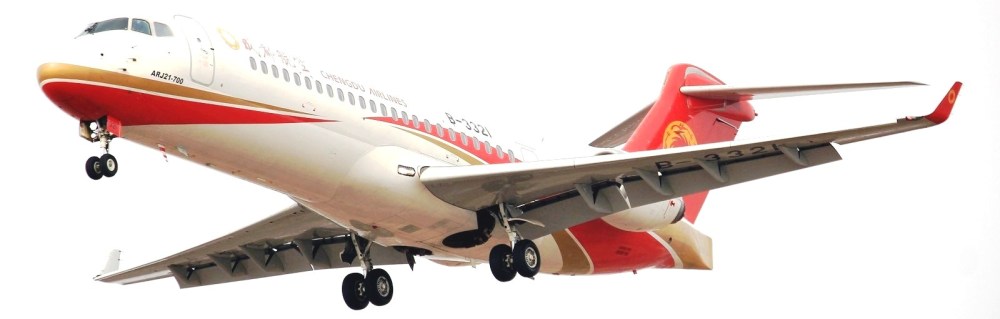

Genghis Khan Airlines recibió la autorización de la Administración de Aviación Civil de China en Marzo 2018 completando la selección de personal profesional con pilotos, azafatas y técnicos de mantenimiento. El plan de la aerolínea operará sesenta rutas aéreas que unirán cuarenta lugares de la región en los próximos cinco años.

La región cuenta actualmente con 28 aeropuertos civiles. La compañía tendrá una flota de 50 aviones y operará 150 rutas aéreas ocho años después. Iniciarán vuelos internacionales de manera progresiva.

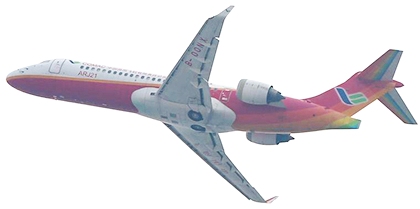
El modelo ARJ21 fue desarrollado por la Corporación de Aeronaves Comerciales de China (COMAC), una firma de propiedad estatal china. Se trata del primer avión regional de China, entre 78-90 asientos y con un alcance de 3.700 kilómetros.  AIRWAYS® AW-Icon TXT


201803210341332939.jpg

Genghis Khan Airlines orders ARJ-21

ARJ21.SVGNew Chinese airline Genghis Khan Airlines will use ARJ 21-700 aircraft

Genghis Khan Airlines, an airline that has just received authorization and is based in the autonomous region of Inner Mongolia, in northern China, will make its maiden flight in early 2019.

The airline has ordered the new COMAC ARJ 21-700 aircraft, with an order for 25 aircraft, said Hao Yutao, President of the airline.

Genghis Khan Airlines received authorization from the Civil Aviation Administration of China in March 2018 completing the selection of professional staff with pilots, hostesses and maintenance technicians. The airline plan will operate sixty air routes that will link forty places in the region in the next five years.

The region currently has 28 civilian airports. The company will have a fleet of 50 aircraft and will operate 150 air routes eight years later. They will initiate international flights progressively.

The ARJ21 model was developed by the Commercial Aircraft Corporation of China (COMAC), a Chinese state-owned firm. It is the first regional aircraft in China, between 78-90 seats and with a range of 3,700 kilometers. A \ W


Ξ A I R G W A Y S Ξ
SOURCE:  Airgways.com
DBk: Comac.cn / Airgways.com
AW-POST: 201808222131AR

A\W   A I R G W A Y S ®