AW | 2022 08 29 14:22 | AVIATION ORGANISMS / GOVERNMENT
Proyecto busca modificar Ley 7.565/1986 del Código Aeronáutico
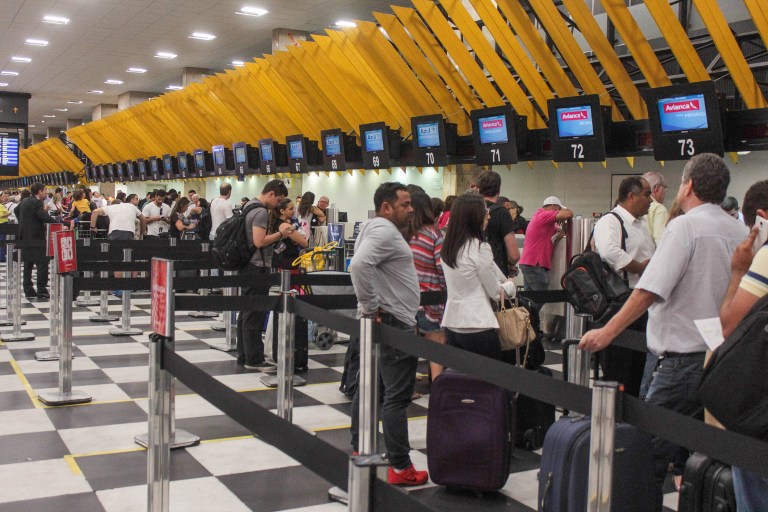
El Senado de la República de Brasil se encuentra estudiando una modificación de la Ley 7.565/1986 del Código Aeronáutico brasileño donde podría establecerse que el comprador de un pasaje aéreo de avión sea transferido a la propiedad de otra persona con hasta una anticipación de 72 horas antes de la fecha de la partida del vuelo. La propuesta contempla además la modificación de la información personal registrada en el sistema de la empresa al momento de la compra del boleto para incluir los datos personales del pasajero. La modificación ha sido presentada por el Senador Mecias de Jesus (Republicanos-RR), bajo el expediente PL2.175/2022.
El Senador Mecias de Jesus ha expresado: «La necesidad de crear una legislación que contemple las políticas de cancelación específicas de cada aerolínea, ya que, a pesar de la promesa de reembolso total o parcial del boleto, la mayoría de los casos resultan en un perjuicio para el pasajero, quien pierde la dinero gastado en la compra del billete». Las políticas de compra de pasajes aéreos se encuentran aplicadas en la Resolución Nº138/2010 de la Agencia Nacional de Aviación Civil (ANAC) que prohíbe la transferencia de un tickets aéreo, establecido por norma como personal e intransferible. El Senador señala que la resolución establecida es una norma infra-jurídica, que no puede prevalecer sobre el Código de Protección al Consumidor (Ley 8.078, 1990).
La ANAC Brasil y las líneas aéreas han señalado que la transferencia de dominio de pasajes aéreos pudiera generar problemas de seguridad a la aviación comercial. El Senador, explica que las razones alegadas por la ANAC y las líneas aéreas para prohibir a los pasajeros cambiar de titularidad pueden resolverse durante el check-in y embarque en los aeropuertos. La propuesta de regla de cambio de boleto podría ser realizada por las aerolíneas sin afectar los estándares de seguridad de los vuelos. Así también, se puede establecer nuevas modalidades para desarrollar un equilibrio entre la aerolínea y el usuario respecto a la relación con el consumidor para evitar abusos respecto a la trazabilidad de un pasaje aéreo. Pero advierten, que puede generar problemas respecto a la reventa de pasajes aéreos.
Brazil studies air ticket portability
Project seeks to modify Law 7,565/1986 of the Aeronautical Code
The Senate of the Republic of Brazil is studying a modification of Law 7,565/1986 of the Brazilian Aeronautical Code where it could be established that the purchaser of an air ticket is transferred to the property of another person up to 72 hours in advance. from the date of departure of the flight. The proposal also contemplates the modification of the personal information registered in the company’s system at the time of ticket purchase to include the personal data of the passenger. The modification has been presented by Senator Mecias de Jesus (Republicans-RR), under file PL2.175/2022.
Senator Mecias de Jesus has expressed: «The need to create legislation that contemplates the specific cancellation policies of each airline, since, despite the promise of a total or partial refund of the ticket, the majority of cases result in a detriment to the passenger, who loses the money spent on the purchase of the ticket». Air ticket purchase policies are applied in Resolution No. 138/2010 of the National Civil Aviation Agency (ANAC) that prohibits the transfer of an air ticket, established by rule as personal and non-transferable. The Senator points out that the established resolution is an infra-legal norm, which cannot prevail over the Consumer Protection Code (Law 8,078, 1990).
ANAC Brazil and the airlines have pointed out that the transfer of ownership of air tickets could generate security problems for commercial aviation. The Senator explains that the reasons alleged by the ANAC and the airlines to prohibit passengers from changing ownership can be resolved during check-in and boarding at the airports. The ticket change rule proposal could be carried out by airlines without affecting flight safety standards. Likewise, new modalities can be established to develop a balance between the airline and the user regarding the relationship with the consumer to avoid abuses regarding the traceability of an air ticket. But they warn that it can cause problems regarding the resale of air tickets.
Brasil estuda portabilidade passagens aéreas
Projeto busca modificar a Lei 7.565/1986 do Código Aeronáutico
O Senado da República do Brasil está estudando uma modificação da Lei 7.565/1986 do Código Aeronáutico Brasileiro onde poderá ser estabelecido que o comprador de passagem aérea seja transferido para propriedade de outra pessoa com até 72 horas de antecedência. data de partida do vôo. A proposta também contempla a modificação das informações pessoais cadastradas no sistema da empresa no momento da compra da passagem para incluir os dados pessoais do passageiro. A modificação foi apresentada pelo senador Mecías de Jesus (Republicanos-RR), sob o expediente PL2.175/2022.
O senador Mecias de Jesus manifestou-se: «A necessidade de se criar legislação que contemple as políticas de cancelamento específicas de cada companhia aérea, pois, apesar da promessa de reembolso total ou parcial da passagem, a maioria dos casos resulta em prejuízo para o passageiro, quem perde o dinheiro gasto na compra da passagem». As políticas de compra de passagens aéreas são aplicadas na Resolução Nº 138/2010 da Agência Nacional de Aviação Civil (ANAC) que proíbe a transferência de passagem aérea, estabelecida por norma como pessoal e intransferível. O senador ressalta que a resolução estabelecida é norma infralegal, que não pode prevalecer sobre o Código de Defesa do Consumidor (Lei 8.078, de 1990).
A ANAC Brasil e as companhias aéreas apontaram que a transferência da propriedade das passagens aéreas pode gerar problemas de segurança para a aviação comercial. O senador explica que os motivos alegados pela ANAC e pelas companhias aéreas para proibir os passageiros de trocar de titularidade podem ser resolvidos durante o check-in e o embarque nos aeroportos. A proposta de regra de alteração de passagens poderia ser realizada pelas companhias aéreas sem afetar os padrões de segurança de vôo. Da mesma forma, novas modalidades podem ser estabelecidas para desenvolver um equilíbrio entre a companhia aérea e o usuário na relação com o consumidor para evitar abusos na rastreabilidade de uma passagem aérea. Mas alertam que isso pode causar problemas na revenda de passagens aéreas.
PUBLISHER: Airgways.com DBk: Anac.gov.br / Planalto.gov.br / Marco Ambrosio / Shutterstock.com / Exame.com / Airgways.com AW-POST: 202208291422AR OWNERSHIP: Airgways Inc. A\W A I R G W A Y S ®
Calificación aerolíneas por agencia CAA Reino Unido
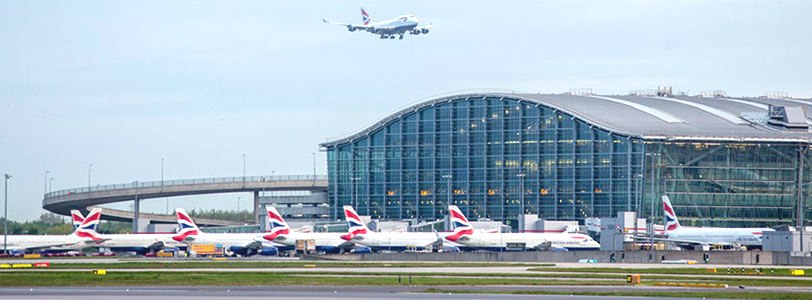
La Autoridad de Aviación Civil (CAA) del Reino Unido ha comunicado una lista reciente de las mejores y peores aerolíneas que vuelan desde y hacia el país estableciendo promedios por puntualidad en aeropuertos del Reino Unido. El análisis de las cifras de CAA fue realizado por la agencia de noticias PA y analizó todas las salidas programadas y fletadas por compañías con más de 2.500 vuelos. Los vuelos cancelados no estaban incluidos.
La peor aerolínea por retrasos en los aeropuertos del Reino Unido el año pasado fue Wizz Air, según una investigación. Sus salidas fueron un promedio de 14 minutos y 24 segundos de retraso en 2021, según el análisis de los datos de la Autoridad de Aviación Civil (CAA). Tui Airways fue la segunda línea aérea con un retraso promedio de 13 minutos y 18 segundos, y British Airways, incluyendo la subsidiaria BA CityFlyer, tercera con 12 minutos y 42 segundos. Virgin Atlantic Airways ha sido la cuarta aerolínea peor con 12 minutos de retrasos, con Loganair con 11 minutos y 30 segundos. Mientras tanto, la aerolínea británica con peor desempeño en lo que va de 2022 fue British Airways con una tasa de cancelación del 3,5%, en comparación con Ryanair, que canceló solo el 0,3% de los vuelos hasta el 10 de Julio de 2022.
Cuando se trata de los mejores intérpretes, Aer Lingus se ha desempeñado como la mejor compañía, situándose en la cima con un retraso promedio de solo tres minutos y 12 segundos. EasyJet ha tenido una puntuación de cuatro minutos y 36 segundos, mientras que Ryanair registró seis minutos y seis segundos.
El Editor de viajes Guy Hobbs dijo: «Si bien estos hallazgos son preocupantes, la realidad ha sido mucho peor para muchos viajeros este verano. Los turistas se han enfrentado a un aluvión de interrupciones en los últimos meses, y estas últimas cifras solo sirven para subrayar la necesidad de una reforma urgente de la industria de viajes. El gobierno debe abandonar los planes para recortar la compensación a los pasajeros por vuelos nacionales retrasados y cancelados». Este año, la escasez de personal del aeropuerto, como los manipuladores de equipaje, ha causado retrasos aún más prolongados para muchos viajeros y ha provocado la cancelación de miles de vuelos.
CAA Ratings Authority
Rating airlines by agency CAA United Kingdom
The UK Civil Aviation Authority (CAA) has recently released a list of the best and worst airlines flying to and from the country setting averages for punctuality at UK airports. The analysis of the CAA figures was carried out by the PA news agency and analyzed all scheduled and chartered departures by companies with more than 2,500 flights. Canceled flights were not included.
The worst airline for delays at UK airports last year was Wizz Air, according to research. Its departures were an average of 14 minutes and 24 seconds late in 2021, according to analysis of Civil Aviation Authority (CAA) data. Tui Airways was second with an average delay of 13 minutes and 18 seconds, and British Airways, including subsidiary BA CityFlyer, third with 12 minutes and 42 seconds. Virgin Atlantic Airways was the fourth worst airline with 12 minutes of delays, with Loganair at 11 minutes and 30 seconds. Meanwhile, the worst performing British airline so far in 2022 was British Airways with a 3.5% cancellation rate, compared to Ryanair which canceled just 0.3% of flights through July 10. of 2022.
When it comes to the best performers, Aer Lingus has performed like the best carrier, coming out on top with an average delay of just three minutes and 12 seconds. EasyJet has had a score of four minutes and 36 seconds, while Ryanair recorded six minutes and six seconds.
Travel Editor Guy Hobbs said: «While these findings are worrying, the reality has been much worse for many travelers this summer. Holidaymakers have faced a barrage of disruptions in recent months, and these latest figures only serve to stress the need for urgent reform of the travel industry. The government must abandon plans to cut compensation to passengers for delayed and canceled domestic flights». This year, a shortage of airport staff such as baggage handlers has caused even longer delays for many travelers and caused thousands of flights to be cancelled.
PUBLISHER: Airgways.com DBk: Caa.co.uk / Airgways.com AW-POST: 202208291240AR OWNERSHIP: Airgways Inc. A\W A I R G W A Y S ®
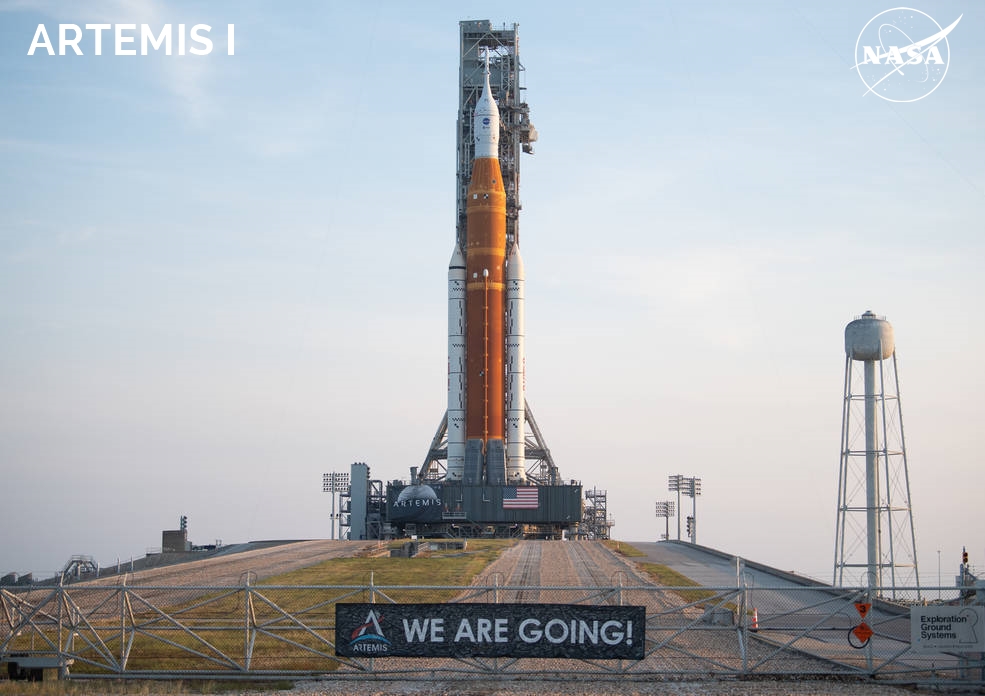
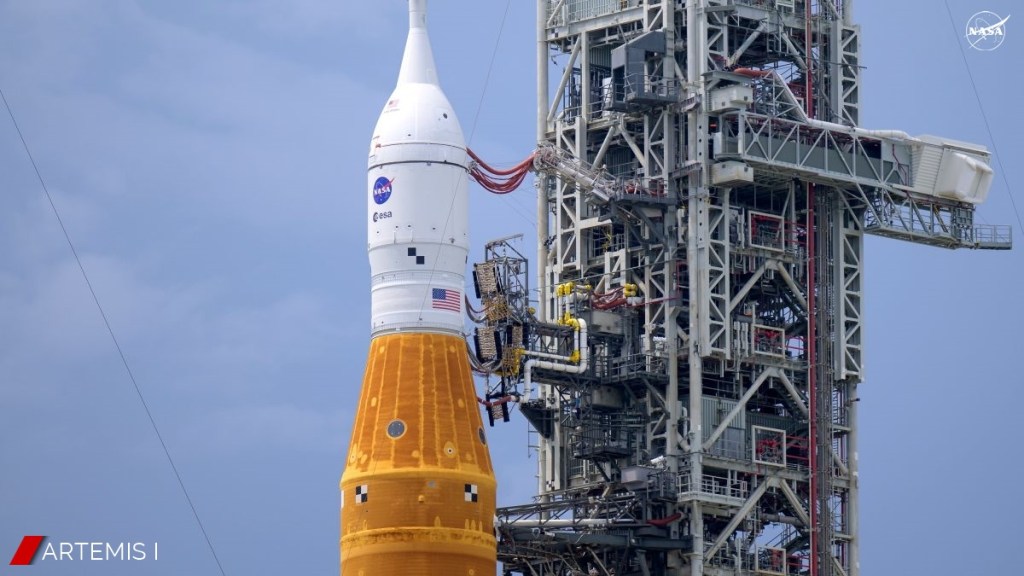
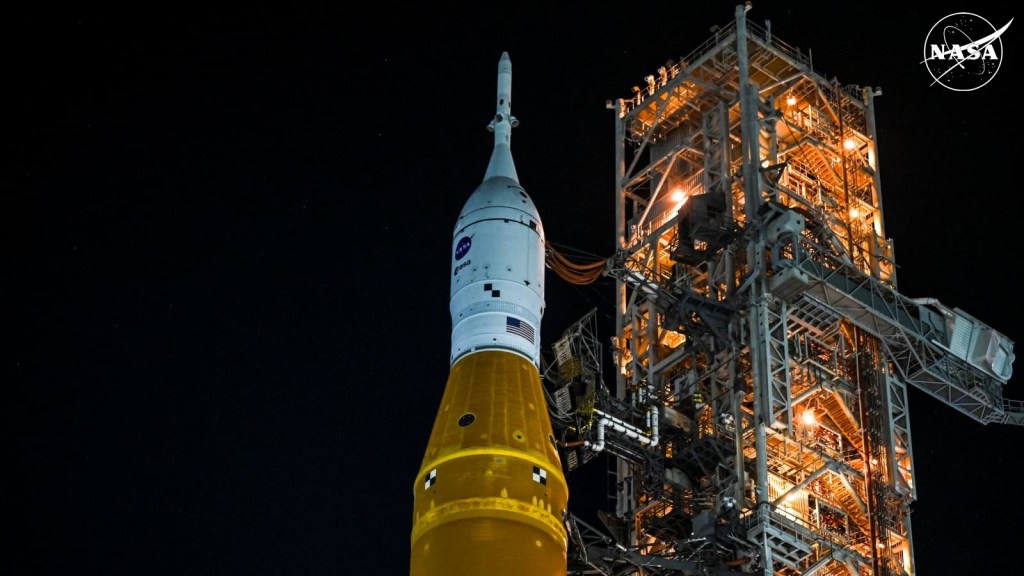
La NASA proporciona cobertura de las actividades previas al lanzamiento, lanzamiento y post-lanzamiento de Artemis I, la primera prueba integrada de la nave espacial Orion de la NASA, el cohete Space Launch System (SLS) y los sistemas terrestres en el Centro Espacial Kennedy de la agencia en Florida. Esta prueba de vuelo sin tripulación alrededor de la Luna allanará el camino para una prueba de vuelo tripulada y una futura exploración lunar humana como parte de Artemisa.
El Cohete SLS está destinado a lanzarse durante una ventana de dos horas que se abre a las 08:33 a.m. EDT del Lunes 29 de Agosto de 2022 desde la Plataforma de Lanzamiento 39B en la Estación Espacial Kennedy, Cabo Cañaveral, Florida (FL).
El cohete y la nave espacial llegaron a su plataforma de lanzamiento el Miércoles después de la caminata de casi 10 horas y cuatro millas desde el Edificio de Ensamblaje de Vehículos. Una transmisión en vivo del cohete y la nave espacial en la plataforma de lanzamiento actualmente está disponible en el canal de YouTube Kennedy de la NASA.
La cobertura en vivo de los eventos se transmitirá en NASA Television, la aplicación de la NASA y el sitio web de la agencia, con eventos previos al lanzamiento a partir del Lunes 22/08. La cuenta regresiva de lanzamiento comenzará el Sábado 27 de Agosto de 2022 a las 10:23 a.m. Una transmisión en vivo del lanzamiento también incluirá apariciones de celebridades de Jack Black, Chris Evans y Keke Palmer, así como una actuación especial de «The Star-Spangled Banner» de Josh Groban y Herbie Hancock. También contará con una interpretación de «America the Beautiful» de la Orquesta de Filadelfia y el violonchelista Yo-Yo Ma, dirigido por Yannick Nézet-Séguin.
La primera de una serie de misiones cada vez más complejas, Artemis I será una prueba de vuelo sin tripulación que proporcionará una base para extender la presencia humana a la Luna y más allá. La misión demostrará el rendimiento del cohete SLS y probará las capacidades de Orion en el transcurso de aproximadamente seis semanas mientras viaja a unas 40,000 millas más allá de la Luna y de regreso a la Tierra.
Un número limitado de asientos dentro del auditorio en Kennedy estará disponible para los periodistas en el lugar por orden de llegada. Ha pasado el plazo para la acreditación de los medios de comunicación para la cobertura en persona de este lanzamiento. Los periodistas adicionales que deseen participar pueden marcar. Para participar por teléfono, los medios de comunicación deben confirmar su asistencia a más tardar dos horas antes del inicio de cada sesión informativa a: ksc-newsroom@mail.nasa.gov. Los medios de comunicación y los miembros del público también pueden hacer preguntas en las redes sociales utilizando #Artemis. El audio solo de las conferencias de prensa se llevará a cabo en los circuitos «V» de la NASA, a los que se puede acceder marcando 321-867-1220, -1240, -1260 o -7135.
La política de acreditación de medios de la NASA para actividades virtuales y presenciales está disponible en línea. Más información sobre la acreditación de los medios en Kennedy está disponible enviando un correo electrónico a: ksc-media-accreditat@mail.nasa.gov.
La cobertura completa del lanzamiento es la siguiente. Todos los horarios son orientales, todos los eventos se transmitirán en vivo en NASA TV y la información está sujeta a cambios. Siga el blog Artemis de la NASA para obtener actualizaciones.
Lunes, 22 Agosto 2022 07:00 p.m. La NASA llevará a cabo una conferencia de prensa previa al lanzamiento después de la revisión de preparación de vuelo de la agencia con los siguientes participantes: Janet Petro, Directora, Centro Espacial Kennedy. Jim Free, Administrador asociado de la Dirección de Misiones de Desarrollo de Sistemas de Exploración, Sede de la NASA, Mike Sarafin, Gerente de la misión Artemis, sede de la NASA. Charlie Blackwell-Thompson, Director de Lanzamiento de Artemis, Programa de Sistemas Terrestres de Exploración, Kennedy. Howard Hu, Gerente del Programa Orion, Centro Espacial Johnson de la NASA. John Honeycutt, Gerente del Programa del Sistema de Lanzamiento Espacial, Centro de Vuelo Espacial Marshall de la NASA.
Viernes, 26 Agosto 2022 10:00 a.m. La NASA llevará a cabo una conferencia de prensa previa al lanzamiento sobre el papel de la industria en el avance de la exploración humana con los siguientes participantes: Jim Free, Administrador asociado, Dirección de Misiones de Desarrollo de Sistemas de Exploración, Sede de la NASA, Jeff Zotti Director del Programa RS-25, Aerojet Rocketdyne. Jennifer Boland-Masterson Directora de Operaciones Michoud Assembly Facility Boeing. Randy Lycans Vicepresidente/Gerente General de NASA Enterprise Solutions. Jacobs Kelly DeFazio Director de Producción de Orion Lockheed Martin. Doug Hurley, Director Senior de Desarrollo de Negocios Northrop Grumman. Ralf Zimmermann, Jefe de Programas Lunares y Orion European Service Module Airbus.
Sábado, 27 Agosto 2022 11:00 a.m. La NASA llevará a cabo una conferencia de prensa previa al lanzamiento después de la reunión del equipo de gestión de la misión con los siguientes participantes: Mike Sarafin, Gerente de la Misión Artemis, Sede de la NASA. Charlie Blackwell-Thompson, Director de Lanzamiento de Artemis, Programa de Sistemas Terrestres de Exploración, Kennedy. Judd Frieling, Director de Vuelo de Ascenso y Entrada. Johnson Rick LaBrode, Director de Vuelo Principal. Johnson Melissa Jones, Directora de Recuperación, Programa de Sistemas Terrestres de Exploración, Kennedy. Melody Lovin, Oficial Meteorológica, Lanzamiento Espacial Delta 45. Jacob Bleacher, científico Jefe de Exploración, Dirección de Misiones de Desarrollo de Sistemas de Exploración, Sede de la NASA.
02:30 p.m. La NASA llevará a cabo una conferencia de prensa previa al lanzamiento sobre los planes de exploración de la Luna a Marte de la agencia con los siguientes participantes: Bill Nelson, Administrador de la NASA. Bhavya Lal, Administrador asociado de Tecnología, Política y Estrategia de la NASA. Jim Free, Administrador asociado de la NASA, Dirección de Misiones de Desarrollo de Sistemas de Exploración. Kathy Lueders, Administradora asociada de la NASA, Dirección de Misiones de Operaciones Espaciales. Thomas Zurbuchen, Administrador asociado de la NASA, Dirección de Misiones Científicas. Prasun Desai, Administrador asociado adjunto de la NASA, Dirección de Misiones de Tecnología Espacial. Randy Bresnik, Astronauta de la NASA.
Domingo, 28 Agosto 2022 09:00 a.m. La NASA llevará a cabo una conferencia de prensa previa al lanzamiento sobre el estado de la cuenta regresiva con los siguientes participantes: Jeff Spaulding, Director Senior de Pruebas de Artemis I de la NASA. Melody Lovin, Oficial Meteorológica, Lanzamiento Espacial Delta 45.
Lunes, 29 Agosto 2022 12:00 a.m.: La cobertura comienza con comentarios de las operaciones de tanque para cargar propelente en el cohete SLS.
07:30 a.m.: La cobertura del lanzamiento comienza en español en las cuentas de redes sociales en español de la NASA (Twitter, Facebook y YouTube) y continuará aproximadamente 15 minutos después del despegue. Las actualizaciones de la cobertura de la misión se publicarán en los canales de redes sociales de la NASA en español.
06:30 a.m.: La cobertura completa comienza en inglés. La cobertura de lanzamiento continuará a través de la inyección translunar y la separación de naves espaciales, poniendo a Orión en su camino hacia la Luna.
12 p.m.: La cobertura de la conferencia de prensa posterior al lanzamiento seguirá aproximadamente una hora después de que finalice la transmisión de lanzamiento en vivo. La hora de inicio de la cobertura está sujeta a cambios, según la hora exacta de despegue. La conferencia de prensa posterior al lanzamiento incluirá a los siguientes participantes: Bill Nelson, administrador de la NASA. Mike Sarafin, Gerente de la Misión Artemis, sede de la NASA. Mike Bolger, Gerente del Programa de Sistemas Terrestres de Exploración, Kennedy. Howard Hu, Gerente del Programa Orion, Johnson. John Honeycutt, Gerente del Programa del Sistema de Lanzamiento Espacial, Marshall. Emily Nelson, Directora Jefe de Vuelo, Johnson.
04:00 p.m.: La cobertura de la primera trayectoria de salida de Orión arde en el camino a la Luna. La hora de inicio de la cobertura está sujeta a cambios, según la hora exacta de despegue.
05:30 p.m.: Cobertura de las primeras vistas de la Tierra desde Orión durante la costa de salida a la Luna.
La cobertura televisiva de la NASA de eventos adicionales a lo largo de la misión está disponible en línea. Cobertura de lanzamiento de la NASA en inglés. Las sesiones informativas y la cobertura del lanzamiento estarán disponibles en el sitio web de la NASA. La cobertura incluirá transmisión en vivo y actualizaciones de blogs. La transmisión de video y fotos bajo demanda del lanzamiento estará disponible poco después del despegue. Siga la cobertura de la cuenta regresiva en el blog Artemis de la NASA en: https://blogs.nasa.gov/artemis
La cobertura televisiva en vivo de la NASA que conduce al lanzamiento comenzará con comentarios de las operaciones de tanque a las 12 a.m. del lunes 29 de agosto, seguido de la cobertura de lanzamiento a partir de las 6:30 a.m. La cobertura del lanzamiento se transmitirá en el sitio web de la NASA, así como en Facebook, Twitch, NASA YouTube y en 4k en el canal UHD de la NASA. Para obtener información sobre el enlace descendente de NASA TV, horarios y enlaces a la transmisión de video, visite: https://www.nasa.gov/live
El día del lanzamiento, se transmitirá una «alimentación limpia» en el canal de medios de televisión de la NASA con vistas del cohete y audio de un comentarista en el Centro de Control de Lanzamiento y un solo canal de audio de la misión que comenzará 15 minutos antes del lanzamiento.
El día del lanzamiento, las actividades de cuenta regresiva con audio del comentarista de control de lanzamiento estarán disponibles a partir de las 12:00 a.m. marcando 1-844-467-4685; Código de acceso: 687630; los oyentes escucharán un solo canal de audio de la misión a partir de 15 minutos antes del lanzamiento. El audio completo de la transmisión de lanzamiento comenzará a las 06:30 a.m. y se transmitirá al 321-867-1220, -1240, -1260 o -7135.
El lanzamiento también estará disponible en la frecuencia de radio VHF de aficionados locales 146.940 MHz y la frecuencia de radio UHF 444.925 MHz, modo FM, que se escucha dentro del condado de Brevard en la Costa Espacial.
Cobertura de lanzamiento de la NASA en español La transmisión del lanzamiento por parte de la NASA en español incluirá entrevistas con miembros hispanos de la misión y comentarios en vivo. El espectáculo, que comenzará a las 07:30 a.m. del Lunes 29 de Agosto de 2022, estará disponible en las cuentas de YouTube, Twitter y Facebook de la NASA en español, y continuará aproximadamente 15 minutos después del despegue. La cobertura de la misión seguirá en los canales de redes sociales de la NASA en español.
Medios de comunicación e instituciones educativas interesadas en compartir el stream del espectáculo pueden contactar con María José Viñas en: maria-jose.vinasgarcia@nasa.gov.
Asistir al lanzamiento virtualmente Los miembros del público pueden registrarse para asistir al lanzamiento virtualmente. El programa de invitados virtuales de la NASA para la misión incluye recursos de lanzamiento seleccionados, notificaciones sobre oportunidades o cambios relacionados, y un sello para el pasaporte de invitado virtual de la NASA después de un lanzamiento exitoso.
Virtual NASA Social La NASA invita al público a unirse al evento social Artemis I en Facebook. Manténgase al día sobre las últimas actividades de la misión, interactúe con los expertos de Artemis en tiempo real y vea la transmisión de lanzamiento en vivo con un chat interactivo.
Mira, participa en las redes sociales Manténgase conectado con la misión y hágale saber a la gente que está siguiendo el lanzamiento en Twitter, Facebook e Instagram con #Artemis. Siga y etiquete estas cuentas:
Twitter: @NASA, NASAArtemis Facebook: NASA, NASAArtemis Instagram: NASA, NASAArtemis A través de las misiones Artemisa, la NASA aterrizará a la primera mujer y la primera persona de color en la Luna, allanando el camino para una exploración lunar a largo plazo y sirviendo como un trampolín para enviar astronautas a Marte.
NASA provides coverage of pre-launch, launch, and post-launch activities for Artemis I, the first integrated test of NASA’s Orion spacecraft, Space Launch System (SLS) rocket, and ground systems at NASA’s Kennedy Space Center. agency in Florida. This uncrewed flight test around the Moon will pave the way for a manned flight test and future human lunar exploration as part of Artemis.
The SLS Rocket is intended to launch during a two-hour window that opens at 08:33 a.m. EDT on Monday August 29, 2022 from Launch Pad 39B on the Kennedy Space Station, Cape Canaveral, Florida (FL).
The rocket and spacecraft arrived at their launch pad Wednesday after the nearly 10-hour, four-mile trek from the Vehicle Assembly Building. A live stream of the rocket and spacecraft on the launch pad is currently available on NASA’s Kennedy YouTube channel.
Live coverage of the events will air on NASA Television, the NASA app and the agency’s website, with pre-launch events beginning Monday 8/22. The launch countdown will begin on Saturday, August 27, 2022 at 10:23 a.m. A live stream of the launch will also include celebrity appearances by Jack Black, Chris Evans and Keke Palmer, as well as a special performance of «The Star-Spangled Banner» by Josh Groban and Herbie Hancock. It will also feature a performance of «America the Beautiful» by the Philadelphia Orchestra and cellist Yo-Yo Ma, conducted by Yannick Nézet-Séguin.
The first in a series of increasingly complex missions, Artemis I will be an uncrewed test flight that will provide a foundation for extending the human presence to the Moon and beyond. The mission will demonstrate the performance of the SLS rocket and test Orion’s capabilities over the course of about six weeks as it travels some 40,000 miles beyond the Moon and back to Earth.
A limited number of seats inside the auditorium at Kennedy will be available to on-site journalists on a first-come, first-served basis. The deadline for media accreditation for in-person coverage of this launch has passed. Additional journalists who wish to participate can dial. To participate by phone, media must RSVP no later than two hours before the start of each briefing to: ksc-newsroom@mail.nasa.gov. Media and members of the public can also ask questions on social media using #Artemis. Audio-only press conferences will take place on NASA’s «V» circuits, which can be accessed by dialing 321-867-1220, -1240, -1260, or -7135.
NASA’s Media Accreditation Policy for Virtual and In-Person Activities is available online. More information about media accreditation at Kennedy is available by emailing: ksc-media-accreditat@mail.nasa.gov.
Full coverage of the launch is below. All times are Eastern, all events will be broadcast live on NASA TV, and information is subject to change. Follow NASA’s Artemis blog for updates.
Monday, August 22, 2022 07:00 pm NASA will hold a pre-launch press conference following the agency’s flight readiness review with the following participants: Janet Petro, Director, Kennedy Space Center. Jim Free, Associate Administrator, Exploration Systems Development Mission Directorate, NASA Headquarters. Mike Sarafin, Artemis Mission Manager, NASA Headquarters. Charlie Blackwell-Thompson, Artemis Launch Director, Earth Exploration Systems Program, Kennedy. Howard Hu, Orion Program Manager, NASA Johnson Space Center. John Honeycutt, Space Launch System Program Manager, NASA Marshall Space Flight Center.
Friday, August 26, 2022 10:00 a.m. NASA will hold a pre-launch press conference on the role of industry in advancing human exploration with the following participants: Jim Free, Associate Administrator, Exploration Systems Development Mission Directorate, NASA Headquarters. Jeff Zotti RS-25 Program Director, Aerojet Rocketdyne. Jennifer Boland-Masterson Director of Operations Michoud Assembly Facility Boeing. Randy Lycans Vice President/General Manager of NASA Enterprise Solutions, Jacobs Kelly DeFazio Director of Production for Orion Lockheed Martin. Doug Hurley, Senior Director of Business Development Northrop Grumman. Ralf Zimmermann, Head of Lunar Programs and Orion European Service Module Airbus.
Saturday, August 27, 2022 11:00 am. NASA will hold a pre-launch press conference following the mission management team meeting with the following participants: Mike Sarafin, Artemis Mission Manager, NASA Headquarters. Charlie Blackwell-Thompson, Artemis Launch Director, Earth Exploration Systems Program, Kennedy. Judd Frieling, Climb and Entry Flight Director. Johnson Rick LaBrode, Principal Flight Director. Johnson Melissa Jones, Director of Reclamation, Exploration Earth Systems Program, Kennedy.Melody Lovin, Weather Officer, Delta 45 Space Launch. Jacob Bleacher, Chief Exploration Scientist, Exploration Systems Development Mission Directorate, NASA Headquarters.
02:30 pm NASA will hold a pre-launch press conference on the agency’s Moon-to-Mars exploration plans with the following participants: Bill Nelson, NASA Administrator. Bhavya Lal, NASA Associate Administrator for Technology, Policy and Strategy. Jim Free, NASA Associate Administrator, Exploration Systems Development Mission Directorate. Kathy Lueders, NASA Associate Administrator, Space Operations Mission Directorate. Thomas Zurbuchen, NASA Associate Administrator, Science Mission Directorate. Prasun Desai, NASA Deputy Associate Administrator, Space Technology Mission Directorate. Randy Bresnik, NASA Astronaut.
Sunday, August 28, 2022 09:00 a.m. NASA will hold a pre-launch press conference on the status of the countdown with the following participants: Jeff Spaulding, NASA Artemis I Senior Test Manager. Melody Lovin, Weather Officer, Delta 45 Space Launch.
Monday, August 29, 2022 12:00 a.m.: Coverage begins with commentary on tanker operations to load propellant into the SLS rocket.
07:30 a.m.: Coverage of the launch begins in Spanish on NASA’s Spanish-language social media accounts (Twitter, Facebook, and YouTube) and will continue approximately 15 minutes after liftoff. Mission coverage updates will be posted on NASA’s social media channels in Spanish.
06:30 a.m.: Full coverage begins in English. Launch coverage will continue through translunar injection and spacecraft separation, putting Orion on its way to the Moon.
12:00 p.m.: Post-launch press conference coverage will follow approximately one hour after the live launch stream ends. Coverage start time is subject to change, based on exact takeoff time. The post-launch press conference will include the following participants: Bill Nelson, NASA Administrator. Mike Sarafin, Artemis Mission Manager, NASA Headquarters. Mike Bolger, Earth Exploration Systems Program Manager, Kennedy. Howard Hu, Orion Program Manager, Johnson. John Honeycutt, Space Launch System Program Manager, Marshall. Emily Nelson, Chief Flight Director, Johnson.
04:00 p.m.: Coverage of Orion’s first outbound trajectory burns up en route to the Moon. Coverage start time is subject to change, based on exact takeoff time.
05:30 p.m.: Coverage of the first views of Earth from Orion during the Moonrise coastline.
NASA television coverage of additional events throughout the mission is available online. NASA launch coverage in English. Launch briefings and coverage will be available on NASA’s website. Coverage will include live streaming and blog updates. On-demand photo and video streaming of the launch will be available shortly after liftoff. Follow coverage of the countdown on NASA’s Artemis blog at: https://blogs.nasa.gov/artemis
NASA’s live television coverage leading up to the launch will begin with commentary from tank operations at 12:00 a.m. on Monday, August 29, followed by launch coverage beginning at 06:30 a.m. Launch coverage will be broadcast on NASA’s website, as well as on Facebook, Twitch, NASA YouTube, and in 4k on NASA’s UHD channel. For NASA TV downlink information, schedules, and links to the video feed, visit: https://www.nasa.gov/live
On launch day, a «clean feed» will be broadcast on NASA’s television media channel with views of the rocket and audio from a commentator at the Launch Control Center and a single audio channel of the mission beginning 15 minutes before launch.
On launch day, launch control commentator audio countdown activities will be available beginning at 12:00 a.m. PT. by dialing 1-844-467-4685; Access code: 687630; listeners will hear a single channel of mission audio beginning 15 minutes before launch. Full audio of the launch broadcast will begin at 06:30 a.m. and will be relayed to 321-867-1220, -1240, -1260, or -7135.
The launch will also be available on the local amateur VHF radio frequency 146.940 MHz and UHF radio frequency 444.925 MHz, FM mode, heard within Brevard County on the Space Coast.
NASA launch coverage in Spanish NASA’s launch broadcast in Spanish will include interviews with Hispanic members of the mission and live commentary. The show, which will start at 07:30 a.m. on Monday, August 29, 2022, will be available on NASA’s YouTube, Twitter and Facebook accounts in Spanish, and will continue approximately 15 minutes after liftoff. Mission coverage will continue on NASA’s social media channels in Spanish.
Media and educational institutions interested in sharing the stream of the show can contact María José Viñas at: maria-jose.vinasgarcia@nasa.gov.
Attend the launch virtually Members of the public can register to attend the launch virtually. NASA’s Virtual Guest Program for the mission includes select launch resources, notifications of related opportunities or changes, and a NASA Virtual Guest passport stamp after a successful launch.
Virtual NASA Social NASA invites the public to join the Artemis I social event on Facebook. Stay up to date on the latest mission activities, interact with Artemis experts in real time, and watch the launch broadcast live with interactive chat.
Look, participate in social networks Stay connected to the mission and let people know you’re following the launch on Twitter, Facebook and Instagram with #Artemis. Follow and tag these accounts:
Twitter: @NASA, NASAArtemis Facebook: NASA, NASAArtemis Instagram: NASA, NASA Artemis Through the Artemis missions, NASA will land the first woman and the first person of color on the Moon, paving the way for long-term lunar exploration and serving as a springboard to send astronauts to Mars.
Mesa Airlines acaba de aumentar el salario de los pilotos de nivel de entrada en un 118% a US$ 100 por horas trabajadas, superando el reciente aumento salarial de American Airlines a medida que se calienta la batalla por los pilotos regionales. El transportista regional pagará a los primeros oficiales de nivel de entrada US$ 100/hora y a los capitanes de primer año US$ 150/hora. Bajo el nuevo contrato, los pilotos de Mesa recibirán un aumento salarial del 118% y 172% respectivamente, informó por primera vez The Points Guy.
La aerolínea regional con base en Phoenix, Arizona (AZ), Estados Unidos ha estado perdiendo pilotos a manos de las aerolíneas de aerolíneas principales a medida que la escasez de mano de obra continúa afectando a la industria. American Airlines pensó que ganó la batalla de este verano septentrional sobre el salario de los pilotos regionales, hasta que Mesa Airlines se puso a la altura de las negociaciones.
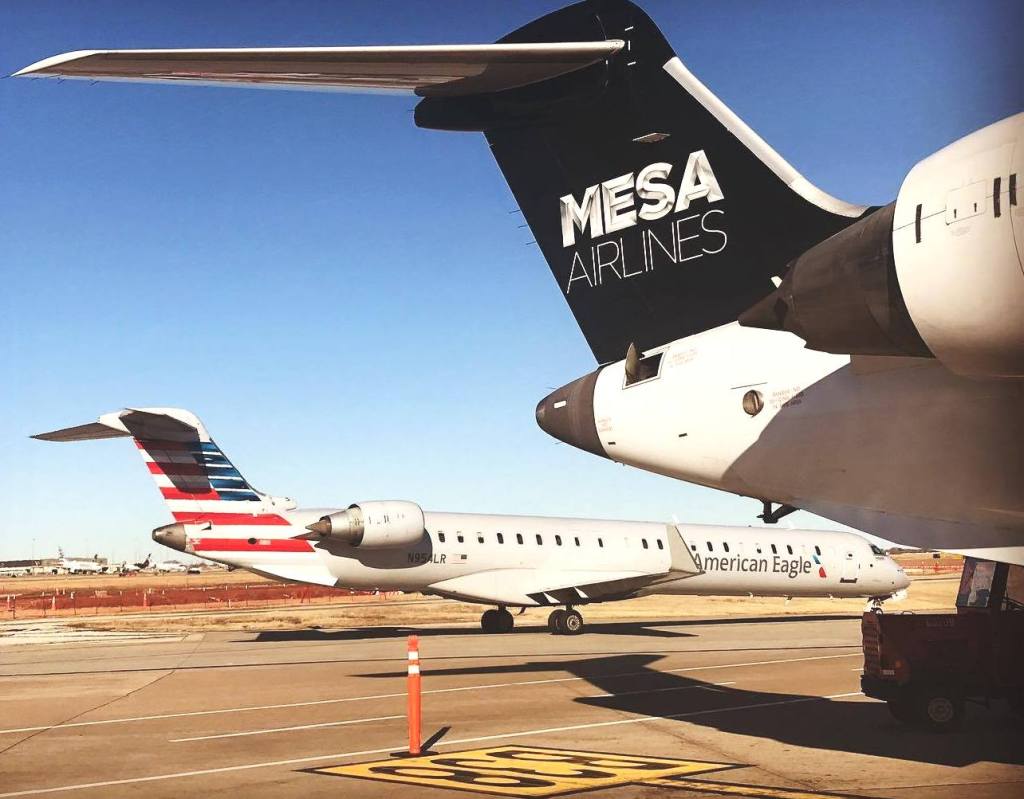
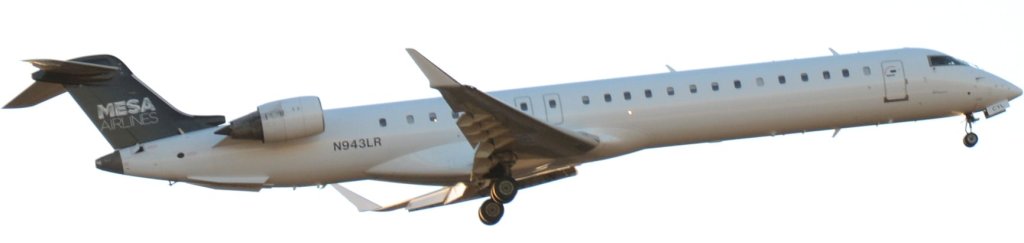
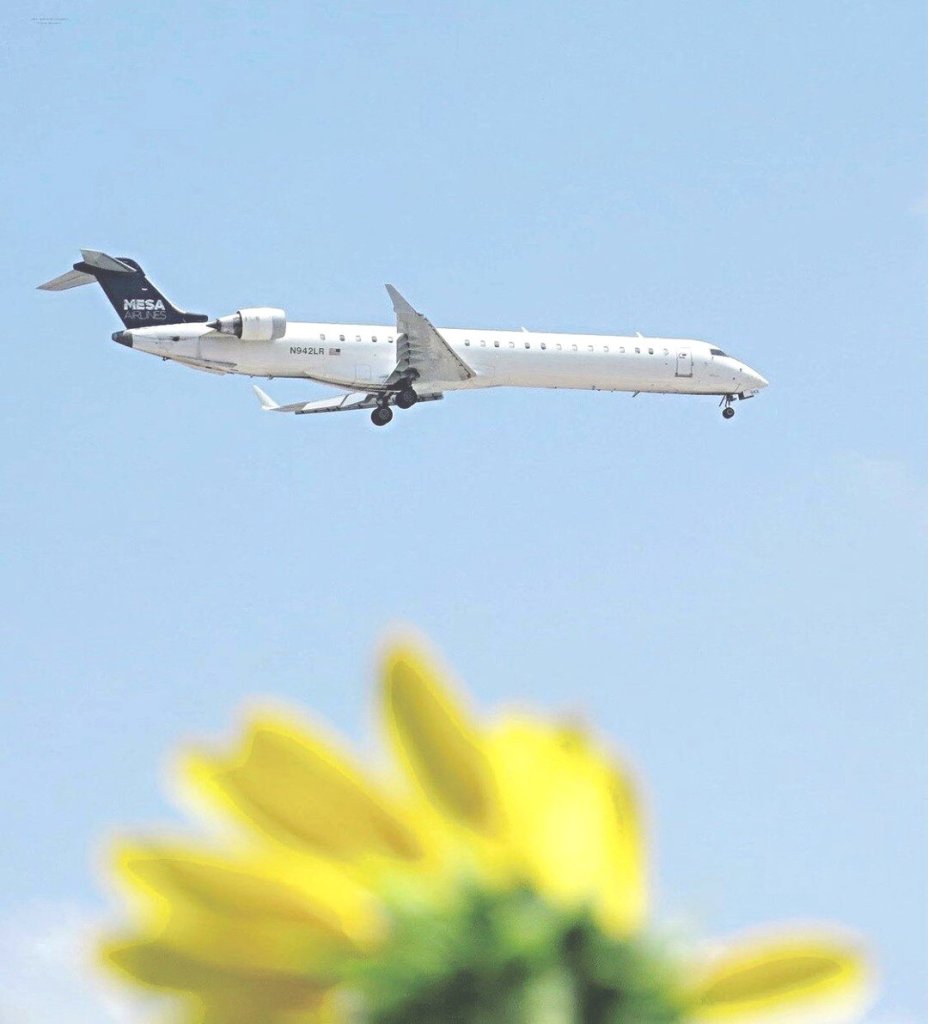
Los pilotos de Mesa Airlines pronto pasarán de ser algunos de los pilotos peor pagados a tener los salarios más altos en la industria de las aerolíneas regionales, según un anuncio sindical del Viernes 26/08. Mesa opera aproximadamente 457 vuelos diarios y posee una red asociada con la marca American Eagle, United Express y DHL Airlines.
A partir del 15 de Septiembre de 2022, el transportista ofrecerá salarios iniciales de US$ 100 por hora para los primeros oficiales de nivel de entrada y US$ 150 por hora para los capitanes de primer año. A los capitanes con veinte años de experiencia se les pagará US$ 215 por hora, dijo la Asociación de Pilotos de Líneas Aéreas. El anuncio se produce cuando la escasez de mano de obra continúa afectando a la industria de la aviación en medio de la creciente demanda de viajes, lo que lleva a un verano plagado de cancelaciones y retrasos de vuelos.
La escasez de pilotos capacitados se ha sentido especialmente a nivel regional. Las aerolíneas más pequeñas como Mesa, donde los nuevos pilotos tienden a comenzar sus carreras, han luchado por retener el talento este año como operadores de línea principal como American con personal regional de caza furtiva de salarios más competitivo. «La escasez de pilotos es la mayor amenaza para la industria que he presenciado desde el 9/11. Perdió casi el 5% de nuestra fuerza laboral de pilotos en un mes, ya que las principales aerolíneas y operadores de aviones más grandes contrataron a nuestros pilotos», dijo el CEO de Mesa Airlines, Jonathan Ornstein, en una audiencia del Subcomité de Aviación de Comercio del Senado en Mayo de 2022.
En Junio 2022, American Airlines aumentó los salarios de los pilotos en dos de sus aerolíneas regionales, Envoy Air y Piedmont Airlines. Bajo el nuevo contrato, a los primeros oficiales de nivel de entrada se les paga US$ 90 por hora y a los capitanes de primer año se les paga US$ 146 por hora, tarifas ligeramente más bajas que lo que Mesa Airlines está ofreciendo ahora. «Con una fuerte competencia en la industria regional, la LOA de hoy ofrece la compensación que Mesa necesita para seguir siendo competitiva y atraer y retener pilotos experimentados y calificados. Estamos felices de ver que la gerencia y nuestros socios reconocen el valor de los pilotos de Mesa», dijo el Capitán Chris Gill, Presidente del Consejo Ejecutivo Maestro de Mesa ALPA, en un comunicado de prensa el Viernes 26/08.
Mesa increases pilot salaries
Mesa Airlines salary increase initial pilots 118%
Mesa Airlines just raised pay for entry-level pilots by 118% to US$ 100 per hour worked, surpassing American Airlines’ recent pay increase as the battle for regional pilots heats up. The regional carrier will pay entry-level first officers US$100/hour and first-year captains US$ 150/hour. Under the new contract, Mesa pilots will receive a pay increase of 118% and 172% respectively, The Points Guy first reported.
The Phoenix, Arizona (AZ), United States-based regional airline has been losing pilots to major carrier airlines as labor shortages continue to affect the industry. American Airlines thought it won this northern summer’s battle over regional pilot pay, until Mesa Airlines stepped up to the plate in negotiations.
Mesa Airlines pilots will soon go from being some of the lowest paid pilots to having the highest salaries in the regional airline industry, according to a union announcement on Friday 08/26. Mesa operates approximately 457 daily flights and has a network associated with the American Eagle brand, United Express and DHL Airlines.
Beginning September 15, 2022, the carrier will offer starting wages of US$ 100 per hour for entry-level first officers and US$ 150 per hour for first-year captains. Captains with 20 years of experience will be paid US$ 215 an hour, the Air Line Pilots Association said. The announcement comes as labor shortages continue to plague the aviation industry amid surging travel demand, leading to a summer plagued by flight cancellations and delays.
The shortage of trained pilots has been felt especially at the regional level. Smaller airlines like Mesa, where new pilots tend to start their careers, have struggled to retain talent this year as mainline carriers like American have more competitive salary poaching regional staff. «The pilot shortage is the biggest threat to the industry I’ve seen since 9/11. It lost nearly 5% of our pilot workforce in one month as major airlines and larger aircraft operators hired our pilots», Mesa Airlines CEO Jonathan Ornstein said at a Senate Commerce Subcommittee on Aviation hearing in May 2022.
In June 2022, American Airlines raised pilot salaries at two of its regional carriers, Envoy Air and Piedmont Airlines. Under the new contract, entry-level first officers are paid US$ 90 an hour and first-year captains are paid US$146 an hour, rates slightly lower than what Mesa Airlines is offering now. «With strong competition in the regional industry, today’s LOA offers the compensation Mesa needs to remain competitive and attract and retain experienced and qualified pilots. We are happy to see that management and our partners recognize the value of pilots from Mesa», said Captain Chris Gill, Chairman of the Mesa ALPA Master Executive Council, in a press release on Friday 08/26.
LOA: A Letter of Authorization (LOA) in aviation is a formal document approved by the Federal Aviation Administration (FAA) for Part 91 operators (known as Operations Specifications (OpSpecs) for Part 135) authorizing them to engage in specific flight activity.
LOA: una carta de autorización (LOA) en aviación es un documento formal aprobado por la Administración Federal de Aviación (FAA) para los operadores de la Parte 91 conocidos como Especificaciones de Operaciones (OpSpecs) para la Parte 135 que los autoriza a participar en una actividad de vuelo específica.
LOA: A Letter of Authorization (LOA) in aviation is a formal document approved by the Federal Aviation Administration (FAA) for Part 91 operators known as Operations Specifications (OpSpecs) for Part 135 authorizing them to engage in specific flight activity.
PUBLISHER: Airgways.com DBk: Mesa-air.com / Airgways.com AW-POST: 202208282041AR OWNERSHIP: Airgways Inc. A\W A I R G W A Y S ®
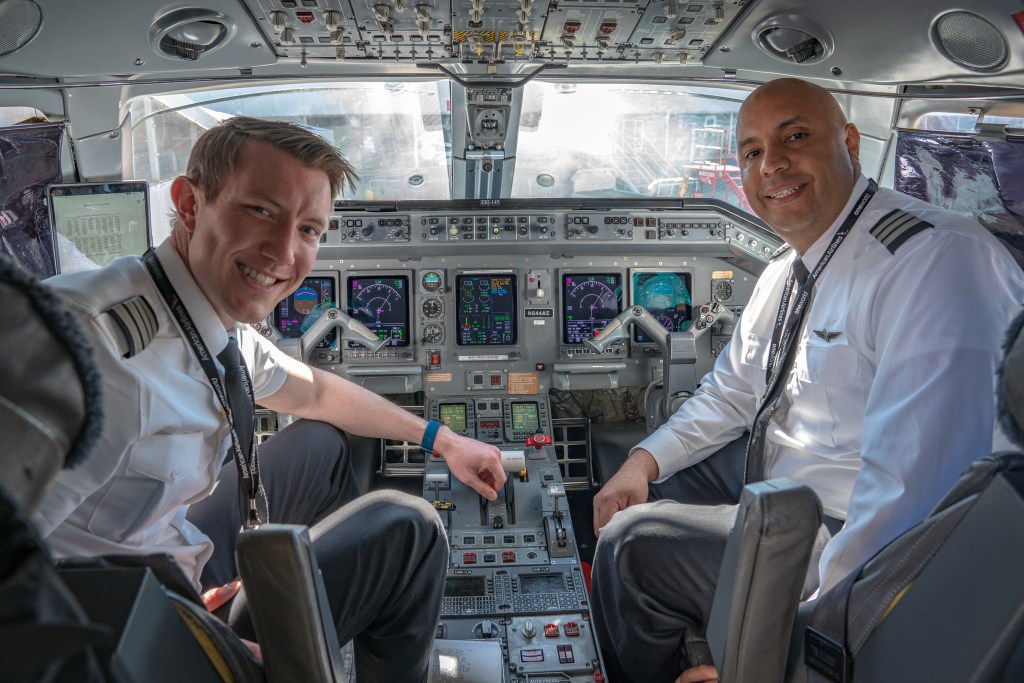
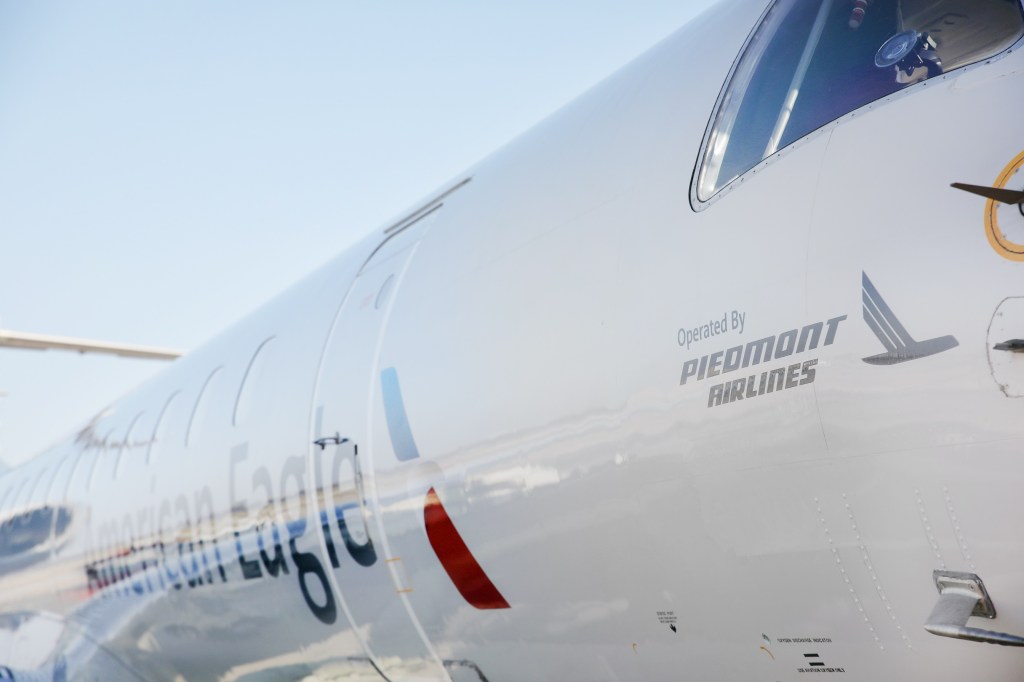
Piedmont Airlines ofrece vacantes a ex-pilotos ExpressJet
Piedmont Airlines la incorporación de pilotos a su staff permitiendo dar prioridad a los ex-trabajadores de la ex-aerolínea ExpressJet Airlines y Aha! Airlines miembro del grupo ExpressJet Inc., que recientemente se declaró en bancarrota bajo el Capítulo 11. La aerolínea ha comenzado a ofrecer a los ex pilotos de ExpressJet Airlines ofertas condicionales para unirse a su tripulación de cabina.
El Jueves 25/08, Piedmont Airlines, una de las aerolíneas regionales de Estados Unidos ubicada en el Estado de Maryland (MD), anunció que proporcionaría a los pilotos de ExpressJet Airline ofertas condicionales basadas en la superioridad. La aerolínea, desafortunadamente, no sobrevivió a la pandemia de Coronavirus, dejando a miles de desempleados. La decisión de Piedmont Airlines de ayudar a calmar el estrés para los empleados de ExpressJet que quedaron despedidos se produce después de que Piedmont Airlines y el sindicato de pilotos más grande del mundo, The Airline Pilots Association, desarrollaran un contrato en 2021, lo que permite a la aerolínea desempeñar el papel de un refugio seguro para el empleo para los pilotos que trabajan para aerolíneas que están en crisis. La creación de este contrato ciertamente ofrece a los pilotos una sensación de alivio y seguridad durante un período preocupante de redundancia.
Matt Kernan, Director de Operaciones de Piedmont Airlines, dice: «Piedmont agregó un lenguaje de transportista angustiado a su contrato piloto el año pasado antes de anticipar la fragilidad de algunos transportistas regionales después de la pandemia. Nadie quiere ver a una aerolínea fracasar, nunca. Sabemos que los pilotos de ExpressJet son aviadores bien entrenados que conocen el Embraer 145, y estamos muy contentos de hacer que esta transición sea lo más fácil posible para ellos».
Quiebra ExpressJet Inc.
ExpressJet Airlines es una de las muchas aerolíneas que se han visto obligadas a cerrar como resultado de la crisis económica creada por la pandemia. ExpressJet Airlines admitió que la pandemia resultó en una falta de disponibilidad de aviones, menores ingresos y costos crecientes. Antes del cierre, ExpressJet Airlines no había sido la más estable de las aerolíneas y se había visto obligada a cambiar de propietario varias veces. El cambio más reciente realizado en la aerolínea fue su cambio de nombre a Aha! Airlines. Los vuelos de esta aerolínea operarían desde el Aeropuerto Internacional de Reno-Tahoe, en el Estado de Nevada (NV). Sin embargo, Aha! Airlines no pudo sobrevivir durante más de un año, lo que llevó a la caída permanente del grupo ExpressJet Airlines Inc.
Con la crisis sanitaria y la supresión de los vuelos a nivel mundial, la falta de demanda de pilotos disminuyó considerablemente, con estadísticas recopiladas a partir de Enero de 2021 demostraron que más de 1800 empleos piloto estaban en riesgo o se habían perdido. Muchos pilotos se han visto obligados a ir tan lejos como para cambiar sus carreras por completo y abandonar la industria de la aviación debido a perder al ser despedidos; pero mientras el mercado se recupera la demanda vuelve a aumentar observándose una considerable falta de pilotos en el mercado de Estados Unidos. La decisión de Piedmont Airlines de proporcionar a los pilotos bien capacitados de ExpressJet la oportunidad de continuar obteniendo ingresos y compartir su experiencia con la tripulación de cabina de la aerolínea solo fortalecerá la industria de la aviación.
Piedmont vacant ExpressJet pilots
Piedmont Airlines offers vacancies to former ExpressJet pilots
Piedmont Airlines the incorporation of pilots to its staff allowing priority to be given to former workers of the former airline ExpressJet Airlines and Aha! Airlines member of the ExpressJet Inc. group, which recently filed for Chapter 11 bankruptcy. The airline has begun offering former ExpressJet Airlines pilots conditional offers to join its cabin crew.
On Thursday 08/25, Piedmont Airlines, one of the United States regional airlines located in the State of Maryland (MD), announced that it would provide ExpressJet Airline pilots with conditional offers based on superiority. The airline, unfortunately, did not survive the Coronavirus pandemic, leaving thousands unemployed. Piedmont Airlines’ decision to help ease the stress for laid-off ExpressJet employees comes after Piedmont Airlines and the world’s largest pilot union, The Airline Pilots Association, developed a contract in 2021, allowing for the airline to play the role of a safe haven of employment for pilots working for airlines in crisis. The creation of this contract certainly offers pilots a sense of relief and security during a worrying period of redundancy.
Matt Kernan, Chief Operating Officer of Piedmont Airlines, says, «Piedmont added distressed carrier language to its pilot contract last year before anticipating the fragility of some regional carriers post-pandemic. No one wants to see an airline fail, ever. We know ExpressJet pilots are well-trained aviators who know the Embraer 145, and we’re excited to make this transition as easy as possible for them».
Bankruptcy ExpressJet Inc.
ExpressJet Airlines is one of many airlines that have been forced to close as a result of the economic crisis created by the pandemic. ExpressJet Airlines admitted that the pandemic resulted in unavailability of planes, lower revenues and rising costs. Before the closure, ExpressJet Airlines had not been the most stable of airlines and had been forced to change ownership several times. The most recent change made to the airline was its name change to Aha! Airlines. The flights of this airline would operate from the Reno-Tahoe International Airport, in the State of Nevada (NV). However, aha! Airlines could not survive for more than a year, which led to the permanent fall of the group ExpressJet Airlines Inc.
With the health crisis and the suspension of flights globally, the lack of demand for pilots has decreased considerably, with statistics collected as of January 2021 showing that more than 1,800 pilot jobs were at risk or had been lost. Many pilots have been forced to go so far as to change their careers entirely and leave the aviation industry due to losing out on being laid off; but while the market recovers, demand increases again, observing a considerable lack of pilots in the United States market. Piedmont Airlines’ decision to provide ExpressJet’s well-trained pilots with the opportunity to continue earning income and share their expertise with the airline’s cabin crew will only strengthen the aviation industry.
PUBLISHER: Airgways.com DBk: Piedmont-airlines.com / Airgways.com AW-POST: 202208282039AR OWNERSHIP: Airgways Inc. A\W A I R G W A Y S ®
NASA lanza cuenta regresiva para la Misión Artemis I
El Cohete Artemis I estará listo para despegar en un vuelo no tripulado alrededor de la Luna, y la NASA comienza la cuenta regresiva que comenzó oficialmente a las 09:53 a.m. del Sábado 27/08. La cuenta regresiva comenzó una vez que los equipos de lanzamiento llegaron a sus estaciones en el Centro Espacial Kennedy en el Estado de Florida. La línea de tiempo del lanzamiento ha sido moldeada por las lecciones aprendidas del ensayo general húmedo, realizado el 22 de Agosto de 2022. El ensayo simuló casi todas las partes del lanzamiento, incluida la carga de la nave espacial con combustible para aviones, pero no llegó a despegar.
Las primeras órdenes del día son llenar el tanque de agua para el sistema de supresión de sonido, preparar los sistemas de oxígeno líquido e hidrógeno líquido, encender la nave espacial Orion, encender la etapa de propulsión criogénica provisional, encender la etapa central, y preparar los cuatro motores RS-25, de acuerdo con una línea de tiempo de lanzamiento en el sitio web de la NASA. Se espera que el cohete Artemis I se lance desde el Centro Espacial Kennedy el Lunes 29/08 entre las 08:33 a.m. y las 10:33 a.m. ET, suponiendo que el clima sea favorable. La pila, que consta del Cohete Space Launch System (SLS) y la nave espacial Orion, tiene una altura de 98 metros (322 pies).
La misión Artemis I es el primer paso en el plan de la NASA para regresar a los humanos a la Luna, cincuenta años después del último viaje tripulado a la luna. Si todo va según lo planeado, la nave espacial orbitará alrededor del Satélite lunar, viajando más de 2,1 millones de kilómetros/1,3 millones de millas en solo 42 días, antes de amerizar frente a la costa de California en Octubre de 2022.
El lanzamiento sentará las bases para el objetivo de la NASA de llevar a la primera mujer y la primera persona de color a la Luna para 2025 y, finalmente, abordar la exploración humana de Marte.
Countdown Artemis I
NASA launches countdown to the Artemis I Mission
The Artemis I Rocket will be ready to take off on an unmanned flight around the Moon, and NASA begins the countdown that officially began at 09:53 a.m. on Saturday 08/27. The countdown began once the launch teams arrived at their stations at the Kennedy Space Center in the State of Florida. The launch timeline has been shaped by lessons learned from the wet dress rehearsal, conducted on August 22, 2022. The rehearsal simulated nearly every part of the launch, including loading the spacecraft with jet fuel, but did not it came to take off.
The first orders of business are to fill the water tank for the sound suppression system, prepare the liquid oxygen and liquid hydrogen systems, power up the Orion spacecraft, power up the interim cryogenic propulsion stage, power up the core stage, and prepare all four RS-25 engines, according to a launch timeline on NASA’s website. The Artemis I rocket is expected to launch from the Kennedy Space Center on Monday between 08:33 a.m. and 10:33 a.m. ET, assuming the weather is favorable. The stack, consisting of the Space Launch System (SLS) Rocket and the Orion spacecraft, stands 98 meters (322 feet) tall.
The Artemis I mission is the first step in NASA’s plan to return humans to the Moon, fifty years after the last manned trip to the moon. If all goes according to plan, the spacecraft will orbit the lunar satellite, traveling more than 1.3 million miles/2.1 million kilometers in just 42 days, before splashing down off the California coast in October 2022.
The launch will lay the groundwork for NASA’s goal of landing the first woman and first person of color on the Moon by 2025 and eventually tackling human exploration of Mars.
NASA LIVE
Para ver el lanzamiento en vivo y directo el Lunes 29/08, puede clickear en el siguiente enlace: To see the launch live and direct on Monday 08/29, you can click on the following link:
Diez nuevos vuelos directos desde Phoenix Sky Harbor
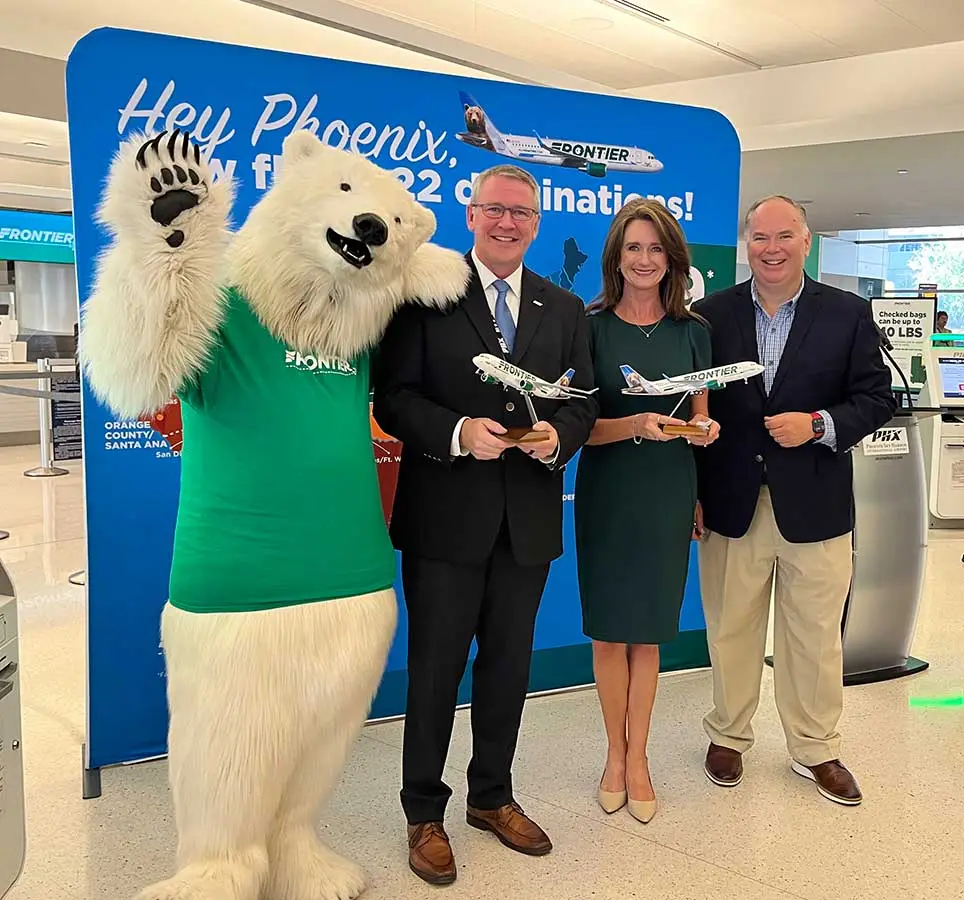
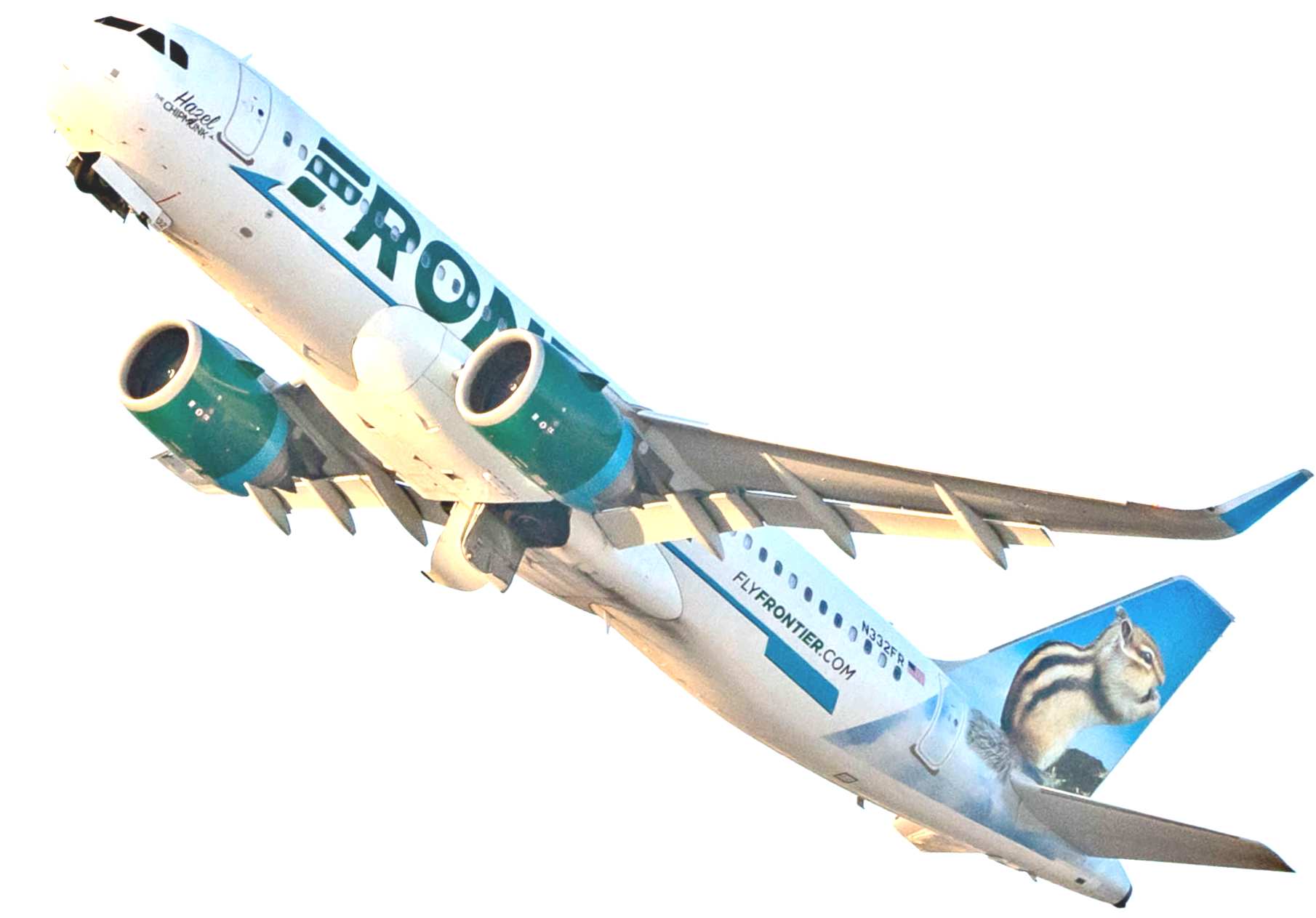
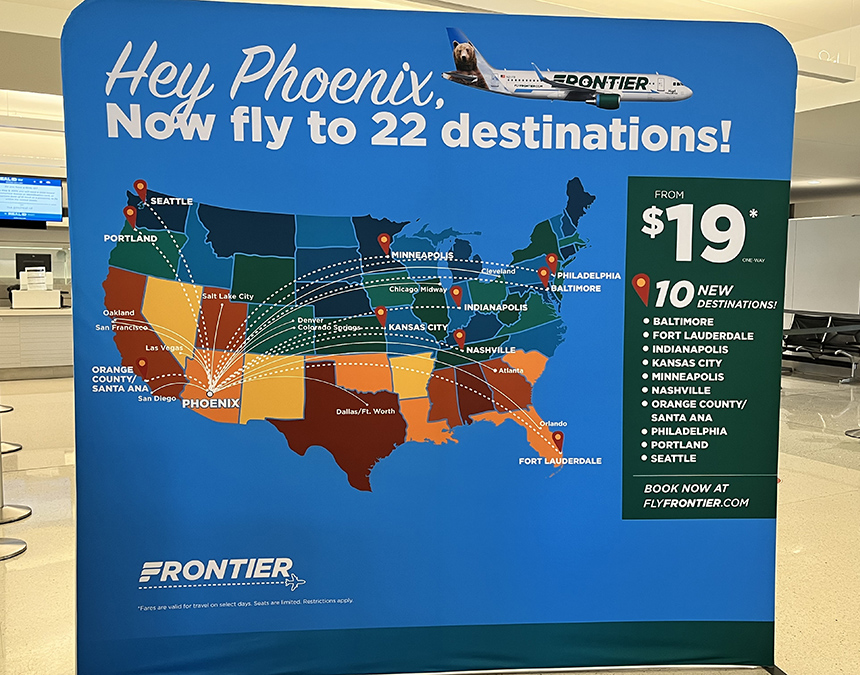
Frontier Airlines ha anunciado el incremento de los vuelos desde el Aeropuerto Internacional Phoenix/Sky Harbor/PHX al agregar diez destinos directos, anunció la aerolínea de descuento el Viernes 26/08. La expansión se implementará gradualmente a partir de Noviembre 2022, con el lanzamiento de su nueva base de tripulación en Phoenix. Se espera que la base emplee a 180 pilotos y 275 asistentes de vuelo. «Estamos agradecidos por el compromiso que Frontier ha hecho con su base de tripulación y las oportunidades de empleo que brinda. Más personas descubrirán por qué Phoenix es un gran destino de vacaciones, centro de negocios y lugar para llamar hogar», dijo la Alcaldesa de Phoenix, Kate Gallego, en un comunicado de prensa.
La primera de las nuevas rutas debutará el 5 de Noviembre de 2022, con vuelos diarios a Filadelfia, el Condado de Orange en California y Fort Lauderdale/Hollywood en Florida. El servicio a Portland, Oregon, comenzará el 06/11, seguido de una ruta diaria a Baltimore—Washington DC el 17/11.
Frontier, la cuarta aerolínea más grande de Sky Harbor, agregará vuelos directos desde Phoenix a cinco aeropuertos más a mediados de enero: Nashville, Kansas City, Seattle/Tacoma, Minneapolis-Saint Paul e Indianápolis. El servicio a Portland, Nashville, Kansas City, Seattle-Tacoma, Minneapolis-Saint Paul e Indianápolis se limitará al principio y eventualmente aumentará a 2-4 veces por semana, dependiendo de la ruta, a partir del 19 de Febrero de 2023. La frecuencia y los destinos de los vuelos están sujetos a cambios.
«Esta importante expansión del servicio de PHX solidifica el lugar de Frontier como una de las aerolíneas más grandes de Phoenix», dijo Barry Biffle, Presidente y CEO de la aerolínea, en el comunicado.
Frontier plus destinations from Phoenix
Ten new direct flights from Phoenix Sky Harbor
Frontier Airlines has announced the increase in flights from Phoenix/Sky Harbor/PHX International Airport by adding ten direct destinations, the discount airline announced on Friday 08/26. The expansion will roll out gradually beginning in November 2022, with the launch of its new crew base in Phoenix. The base is expected to employ 180 pilots and 275 flight attendants. «We are grateful for the commitment Frontier has made to its crew base and the employment opportunities it provides. More people will discover why Phoenix is a great vacation destination, business hub and place to call home», said the Mayor of Phoenix, Kate Gallego, in a press release.
The first of the new routes will debut on November 5, 2022, with daily flights to Philadelphia, Orange County in California and Fort Lauderdale/Hollywood in Florida. Service to Portland, Oregon will begin on 11/06, followed by a daily route to Baltimore—Washington DC on 11/17.
Frontier, Sky Harbor’s fourth largest airline, will add direct flights from Phoenix to five more airports in mid-January: Nashville, Kansas City, Seattle/Tacoma, Minneapolis-Saint Paul and Indianapolis. Service to Portland, Nashville, Kansas City, Seattle-Tacoma, Minneapolis-Saint Paul and Indianapolis will be limited at first and will eventually increase to 2-4 times per week, depending on the route, beginning February 19, 2023. Flight frequency and destinations are subject to change.
«This significant expansion of PHX service solidifies Frontier’s place as one of Phoenix’s largest airlines», Barry Biffle, the airline’s president and CEO, said in the statement.
¿Por qué Frontier está agregando vuelos en Phoenix? Frontier apoyará su crecimiento en Sky Harbor con una nueva base de tripulación, que la aerolínea espera emplear hasta 180 pilotos y 275 auxiliares de vuelo. La base está programada para abrir en Noviembre 2022. Será la octava base de pilotos y la novena base de asistentes de vuelo de Frontier en los Estados Unidos.
Why Frontier is adding flights in Phoenix? Frontier will support its growth at Sky Harbor with a new crew base, which the airline expects will employ up to 180 pilots and 275 flight attendants. The base is scheduled to open in November 2022. It will be Frontier’s eighth pilot base and ninth flight attendant base in the U.S.
PUBLISHER: Airgways.com DBk: Flyfontier.com / Airgways.com AW-POST: 202208271437AR OWNERSHIP: Airgways Inc. A\W A I R G W A Y S ®
NASA y Boeing retrasan primera misión Starliner a 2023
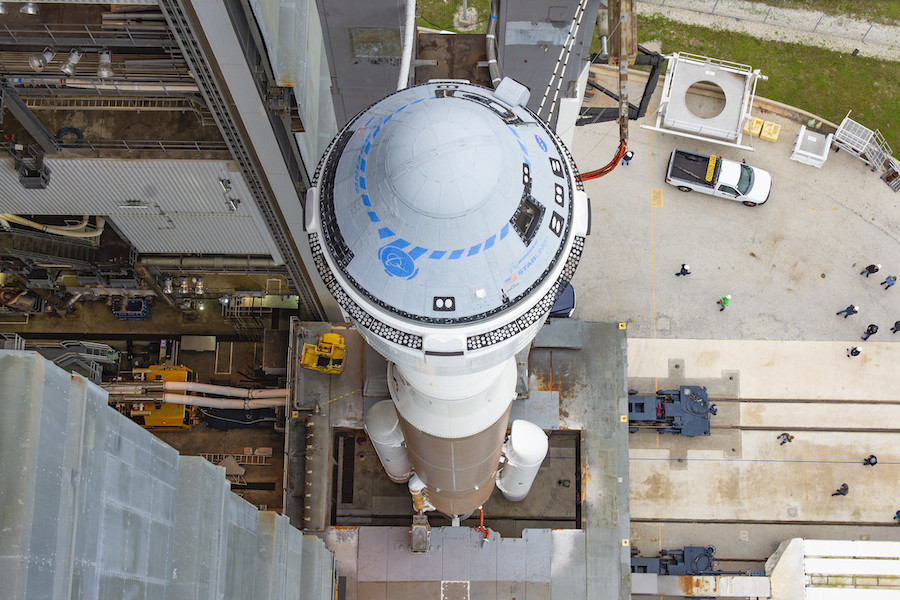
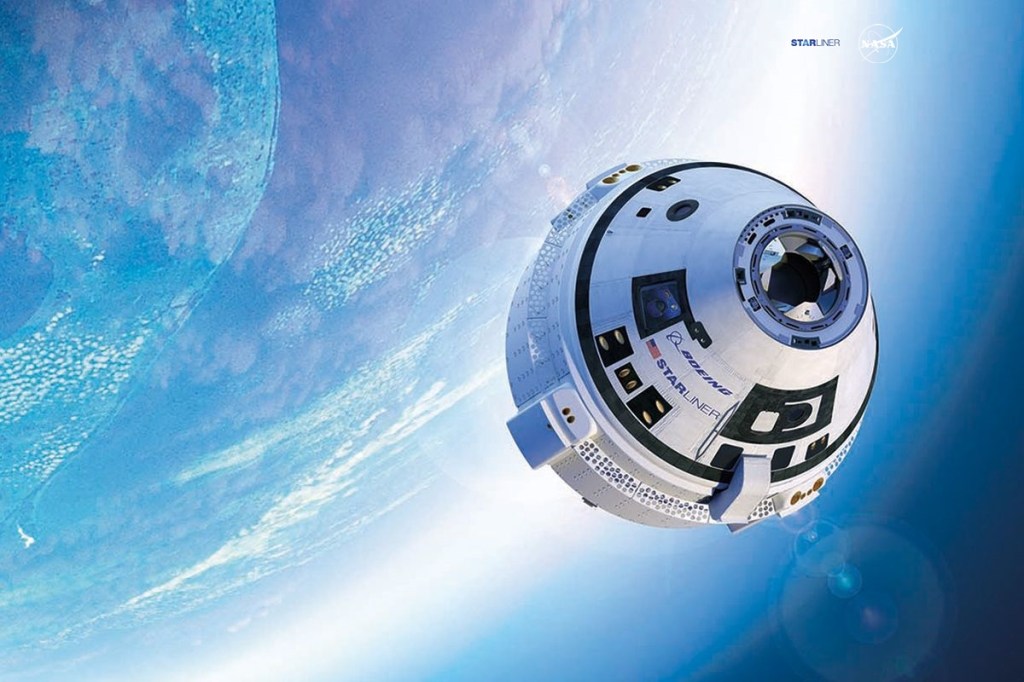
La NASA y The Boeing Company han reprogramado el lanzamiento del primer vuelo tripulado de la nave espacial Starliner de Boeing para principios de 2023, largamente retrasada, dijeron funcionarios durante una conferencia de prensa conjunta el Jueves 25/08.
Los funcionarios de lanzamiento dicen que la misión podría despegar tan pronto como en Febrero 2023, según Steve Stich, Gerente del Programa de Tripulación Comercial de la NASA. Starliner había sido programado para sacar a los astronautas del suelo a fines de 2022. Pero el trabajo continuo con varios problemas importantes que se identificaron en un vuelo de prueba sin tripulación de Starliner en Mayo 2022 que retrasó el cronograma.
Actualmente, el Starliner tiene años de retraso. Está destinado a servir para el mismo propósito que la cápsula Crew Dragon de SpaceX, que ha estado transportando astronautas hacia y desde la Estación Espacial Internacional desde Mayo de 2020. Los problemas que los funcionarios identificaron durante el vuelo de prueba sin tripulación de Starliner incluyeron bloqueos con algunos de los propulsores de la nave espacial que no se encendieron como se pretendía y problemas de software. Sin embargo, ninguno de esos problemas tuvo un impacto importante en la misión de prueba, y el vehículo aún pudo completar su viaje de varios días a la ISS y regresar a salvo a la Tierra. Sin embargo, los funcionarios han considerado que esos problemas son lo suficientemente graves como para requerir soluciones antes de permitir que la tripulación esté a bordo del vehículo. En particular, el primer intento de enviar al Starliner a una prueba orbital a fines de 2019 tuvo que ser interrumpido, llevando el vehículo directamente a tierra en lugar de a un acoplamiento de la ISS, después de que problemas de software enviaron al vehículo fuera de curso. Se necesitaron casi dos años de solución de problemas antes de que el Starliner estuviera listo para regresar a la plataforma de lanzamiento. Luego, un problema con las válvulas adhesivas retrasó aún más el regreso de la cápsula al vuelo.
A pesar de sus contratiempos, la NASA ha apoyado a Boeing, que es una de las dos compañías, la otra es SpaceX, que la agencia espacial aprovechó para construir una nave espacial digna de astronauta después de que el programa del transbordador espacial se retirara en 2011. Si bien incluso la agencia espacial inicialmente esperaba que Boeing, un socio de décadas de la NASA, superaría a SpaceX en la plataforma de lanzamiento, Boeing ahora está al menos dos años por detrás de su rival advenedizo relativo. Pero la NASA quiere al menos dos naves espaciales capaces de llevar astronautas a la ISS y de regreso con la esperanza de que, si cualquiera de los vehículos encuentra un problema que lo mantenga conectado a tierra, siempre hay una opción de transporte de respaldo. Pero debe tenerse en cuenta que la NASA también puede, y lo hace, confiar en los vehículos Soyuz de fabricación rusa para llevar a los astronautas a la ISS y de regreso. Los dos países tienen acuerdos de viaje compartido que permiten a los cosmonautas rusos y astronautas de la NASA compartir asientos en vehículos estadounidenses o rusos, y esa asociación ha continuado a pesar de las crecientes tensiones geopolíticas. Los astronautas de la NASA Barry ‘Butch’ Wilmore y Sunita Williams han sido asignados para ser los primeros astronautas en volar a bordo del Starliner el próximo año.
Launch Starliner 1Q2023
NASA and Boeing delay first Starliner mission to 2023
NASA and The Boeing Company have rescheduled the long-delayed launch of the first manned flight of Boeing’s Starliner spacecraft to early 2023, officials said during a joint press conference on Thursday 08/25.
Launch officials say the mission could lift off as early as February 2023, according to Steve Stich, NASA Commercial Crew Program Manager. Starliner had been scheduled to get astronauts off the ground in late 2022. But work continued with several major issues identified in an uncrewed Starliner test flight in May 2022 that pushed back the schedule.
Currently, the Starliner is years behind schedule. It’s intended to serve the same purpose as SpaceX’s Crew Dragon capsule, which has been ferrying astronauts to and from the International Space Station since May 2020. Problems officials identified during Starliner’s uncrewed test flight included crashes with some of the spacecraft’s thrusters not firing as intended and software issues. However, none of those issues had a major impact on the test mission, and the vehicle was still able to complete its multi-day journey to the ISS and return safely to Earth. However, officials have deemed those problems serious enough to require solutions before allowing the crew on board the vehicle. Notably, the first attempt to send the Starliner into an orbital test in late 2019 had to be cut short, taking the vehicle directly to Earth instead of an ISS docking, after software problems sent the vehicle off the grid. grade. It took almost two years of troubleshooting before the Starliner was ready to return to the launch pad. Then a problem with sticky valves further delayed the capsule’s return to flight.
Despite its setbacks, NASA has stood by Boeing, which is one of two companies, the other being SpaceX, that the space agency tapped into building an astronaut-worthy spacecraft after the space shuttle program retired in 2011. While even the space agency initially hoped that Boeing, a decades-long NASA partner, would best SpaceX on the launch pad, Boeing is now at least two years behind its relative upstart rival. But NASA wants at least two spacecraft capable of carrying astronauts to the ISS and back in the hope that if either vehicle encounters a problem keeping it grounded, there is always a backup transport option. But it should be noted that NASA can, and does, also rely on Russian-made Soyuz vehicles to ferry astronauts to and from the ISS. The two countries have rideshare agreements that allow Russian cosmonauts and NASA astronauts to share seats in American or Russian vehicles, and that partnership has continued despite growing geopolitical tensions. NASA astronauts Barry ‘Butch’ Wilmore and Sunita Williams have been assigned to be the first astronauts to fly aboard the Starliner next year.
PUBLISHER: Airgways.com DBk: Boeing.com / Nasa.gov / Airgways.com AW-POST: 202208271115AR OWNERSHIP: Airgways Inc. A\W A I R G W A Y S ®
Inversiones desarrollo Centro de Innovación de Fabricación Avanzada
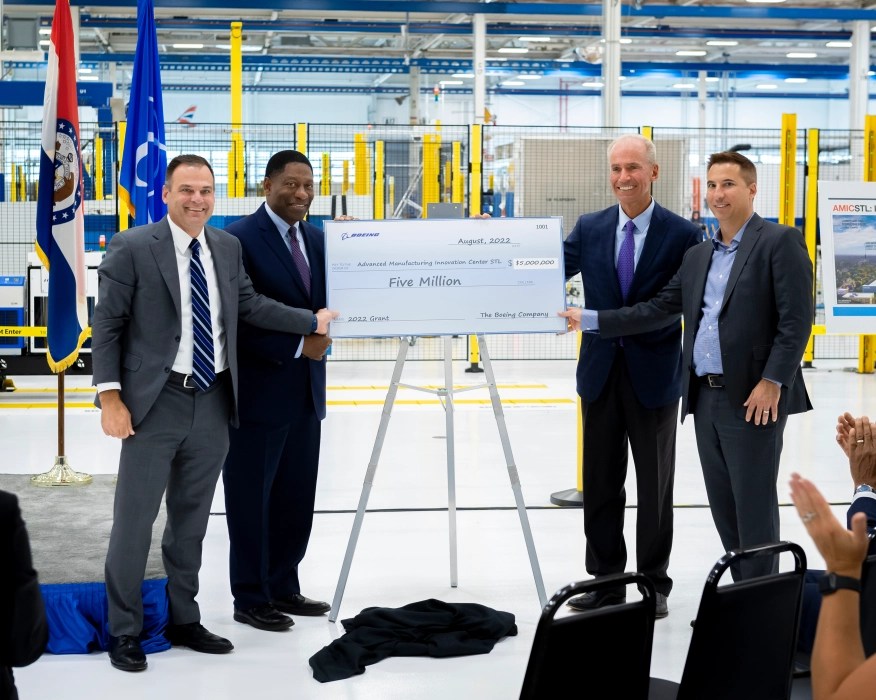
The Boeing Company invertirá US$ 5 millones de Dólares para ayudar a expandir el Centro de Innovación de Fabricación Avanzada en St. Louis, una inversión que la compañía dice que ayudará a financiar las instalaciones de fabricación y desarrollar programas. Boeing espera que la expansión también ayude a aumentar las capacidades técnicas y de fabricación de la región.
La asociación entre Boeing y AMICSTL planea establecer el Corredor Central Norte de St. Louis como un centro de innovación y tecnología de fabricación avanzada durante la próxima década. Este objetivo se cumplirá mediante la creación de un sitio central, con un campus expandible, que pueda soportar todo el proceso de fabricación desde la concepción hasta la producción. La nueva instalación se ubicará cerca de tres edificios: Cortex, una comunidad de innovación, NGA West, la nueva instalación de la Agencia Nacional de Inteligencia Geoespacial y el campus de Ranken Technical College. Además de la inversión de cinco años de Boeing, el vicepresidente de Boeing Phantom Works, Steve Nordlund, se unirá a la Junta Directiva de AMICSTL. Kory Mathews, ejecutivo de Boeing St. Louis desde hace mucho tiempo, quien se retirará de Boeing a finales de este año, se desempeñará como CEO interino de AMICSTL.
Boeing invests in St. Louis site expansion
Investments Center Advanced Manufacturing Innovation
The Boeing Company will invest $5 million to help expand the Advanced Manufacturing Innovation Center in St. Louis, an investment the company says will help fund manufacturing facilities and develop programs. Boeing hopes the expansion will also help increase the region’s manufacturing and technical capabilities.
The partnership between Boeing and AMICSTL plans to establish St. Louis’s North Central Corridor as a hub for innovation and advanced manufacturing technology over the next decade. This goal will be met by creating a central site, with an expandable campus, that can support the entire manufacturing process from conception to production. The new facility will be located near three buildings: Cortex, an innovation community, NGA West, the new National Geospatial-Intelligence Agency facility, and the Ranken Technical College campus. In addition to Boeing’s five-year investment, Boeing Phantom Works Vice President Steve Nordlund will join the AMICSTL Board of Directors. Longtime Boeing St. Louis executive Kory Mathews, who will retire from Boeing at the end of this year, will serve as interim CEO of AMICSTL.
PUBLISHER: Airgways.com DBk: Boeing.com / Airgways.com AW-POST: 202208271102AR OWNERSHIP: Airgways Inc. A\W A I R G W A Y S ®