Nuevo video accidente SU-1492

AW-Aeroflot-SSJ100-RA-89032AW | 2020 04 23 12:14 | AVIATION SAFETY

images (2)Nuevo video accidente SU-1492 SSJ-100 de Aeroflot

Las cadenas noticiosas rusas han publicado un nuevo video del accidente aéreo del vuelo SU-1492 de un Sukhoi SSJ-100-95 de Aeroflot Russian Airlines ocurrido en el Aeropuerto Sheremetyevo de Moscú. Casi un año después del accidente fatal del vuelo SU-1492, un Domingo 5 Mayo 2019, en el Aeropuerto Sheremetyevo de Moscú, Rusia, el Comité de Investigación de la Federación Rusa publicó un video del accidente y la evacuación. La aeronave Sukhoi Super Jet SSJ-100-95B (RA-89098) partió del Aeropuerto de Moscú Sheremetyevo para el vuelo SU-1492 hacia Murmansk. Poco después del vuelo, los pilotos solicitaron regresar a Moscú para un aterrizaje de emergencia cuando el avión fue alcanzado por un rayo, perdiendo todos los dispositivos electrónicos a bordo. Treinta minutos después del despegue, durante el aterrizaje, el avión estalló en llamas, se desvió a la izquierda de la pista y se detuvo en la hierba adyacente a la pista, con daños totales de la aeronave con pasajeros fallecidos y lesionados.

Descripción del accidente SU-1492

El vuelo SU-1492 de Aeroflot, un Sukhoi Superjet 100-95B, regresó a tierra en el Aeropuerto Sheremetyevo de Moscú en Rusia y estalló en llamas durante un intento de aterrizaje de emergencia. De las 78 personas a bordo, 41 no sobrevivieron.

El avión despegó de la Pista 24C del aeropuerto de Sheremetyevo a las 18:03 horas hora local en un servicio programado a Murmansk, Rusia. La visibilidad estaba normal, pero había algunas nubes Cumulonimbus cerca del aeródromo a 6000 pies. La tripulación de vuelo activó el piloto automático cuando el avión subió a una altura de 700 pies (215 m). A las 18:08 horas, cuando el avión estaba subiendo a una altitud de aproximadamente 8.900 pies (2.700 m), se produjo una falla en el sistema eléctrico. En este punto, el avión estaba a 30 km al oeste-noroeste del aeropuerto en un área de actividad de tormentas eléctricas. El capitán asumió el control manual de la aeronave y la tripulación logró establecer contacto por radio usando UHF. El vuelo no pudo contactar al controlador de aproximación y posteriormente seleccionó el código de transpondedor de emergencia 7600 (pérdida de comunicación por radio). Alrededor de las 18:17 horas el avión sobrepasó la línea central de la pista después de girar hacia el rumbo de la pista. La altitud en ese momento era de unos 2.400 pies. El avión continuó el giro a la derecha, completó un círculo y procedió al acercamiento final a la Pista 24L. Los flaps se seleccionaron a 25°, que era la configuración recomendada para aterrizar por encima del peso máximo de aterrizaje.

A las 18:26 horas la tripulación de vuelo seleccionó el código de transpondedor de emergencia 7700 (emergencia). Al descender de 335 a 275 m (1.100-900 pies), el sistema de advertencia de cizalladura del viento sonó cinco veces. Desde una altura de 80 m (260 pies) sobre el nivel del suelo, el avión descendió por debajo de la trayectoria de planeo y a una altura de 55 m (180 pies) sonó la advertencia TAWS: «Pendiente de planeo». A partir de ese momento, la velocidad del aire aumentó a 170 nudos.

A las 18:30 horas el avión sobrevoló el umbral de la pista y aterrizó a una distancia de 900 m más allá del umbral a una velocidad de 158 nudos. La toma de contacto ocurrió con una Fuerza G de al menos 2.55 G con un rebote posterior a una altura de aproximadamente 2 m. Después de dos segundos, el avión aterrizó nuevamente en el tren de aterrizaje delantero con una carga vertical de 5.85 G y rebotó a una altura de 6 m. El tercer aterrizaje de la aeronave ocurrió a una velocidad de 140 nudos con una sobrecarga vertical de al menos 5 G. Esto causó una ruptura de la estructura del ala y las líneas de combustible. Las llamas estallaron y envolvieron la parte trasera del avión. El avión se detuvo en el césped entre la Pista 24L y dos calles de rodaje. Luego se realizó una evacuación de emergencia mientras las llamas envolvían rápidamente el fuselaje trasero.

La Junta de Investigaciones necesitará continuar recomendando a la tripulación que los pasajeros deberán evacuar la aeronave sin sus equipajes, lo que representa no solo pérdida de tiempo en cabina, sino además un obstáculo para la evacuación de los mismos. Además, se puede observar en el nuevo video, la posición errónea de las autobombas que al accionar los líquidos de extinción de incendio expanden las bocanadas de fuego hacia los pasajeros que continúan evacuando la aeronave. AW-Icon Paragraph-01

AW-700032332New video accident SU-1492

logo_sukhoiNew video accident SU-1492 SSJ-100 of Aeroflot

Russian news networks have released a new video of the plane crash of the SU-1492 flight of a Sukhoi SSJ-100-95 by Aeroflot Russian Airlines that occurred at Sheremetyevo Airport in Moscow. Almost a year after the fatal accident of flight SU-1492, on a Sunday, May 5, 2019, at the Sheremetyevo Airport in Moscow, Russia, the Investigation Committee of the Russian Federation published a video of the accident and the evacuation. Sukhoi SuperJet SSJ-100-95B (RA-89098) departed from Moscow Sheremetyevo Airport for flight SU-1492 towards Murmansk. Shortly after the flight, the pilots requested to return to Moscow for an emergency landing when the plane was struck by lightning, losing all electronic devices on board. Thirty minutes after takeoff, during landing, the plane burst into flames, veered to the left of the runway, and stopped in the grass adjacent to the runway, with total damage to the aircraft with deceased and injured passengers.

SU-1492 accident description

Aeroflot flight SU-1492, a Sukhoi Superjet 100-95B, returned to land at Moscow’s Sheremetyevo Airport in Russia and burst into flames during an emergency landing attempt. Of the 78 people on board, 41 did not survive.

5ccf481e4fb77.imageThe plane took off from Runway 24C at Sheremetyevo Airport at 18:03 local time on a scheduled service to Murmansk, Russia. Visibility was normal, but there were some Cumulonimbus clouds near the airfield at 6,000 feet. The flight crew activated the autopilot when the plane climbed to a height of 700 feet (215 m). At 6:08 p.m., when the plane was climbing to an altitude of approximately 8,900 feet (2,700 m), a failure occurred in the electrical system. At this point, the plane was 30 km west-northwest of the airport in an area of ​​thunderstorm activity. The captain assumed manual control of the aircraft and the crew managed to establish radio contact using UHF. The flight was unable to contact the approach controller and subsequently selected the emergency transponder code 7600 (loss of radio communication). At around 6:17 p.m. the aircraft passed the runway centerline after turning toward the runway heading. The altitude at that time was about 2,400 feet. The aircraft continued to turn right, completed a circle, and proceeded to the final approach to Runway 24L. The flaps were selected at 25°, which was the recommended setting for landing above the maximum landing weight.

At 6:26 p.m. the flight crew selected the emergency transponder code 7700 (emergency). Descending from 1,100-900 feet (335 to 275 m), the wind shear warning system sounded five times. From a height of 80 m (260 ft) above ground level, the aircraft descended below the glide path, and at a height of 55 m (180 ft) the TAWS warning sounded: «Glide Slope». Thereafter, airspeed increased to 170 knots.

At 6:30 p.m. the plane flew over the threshold of the runway and landed at a distance of 900 m beyond the threshold at a speed of 158 knots. The touchdown occurred with a G Force of at least 2.55 G with a subsequent rebound at a height of approximately 2m. After two seconds, the plane landed again on the front landing gear with a vertical load of 5.85 G and bounced off a height of 6m. The third landing of the aircraft occurred at a speed of 140 knots with a vertical overload of at least 5 G. This caused a rupture of the wing structure and fuel lines. Flames erupted and engulfed the rear of the plane. The plane stopped on the grass between Runway 24L and two taxiways. An emergency evacuation was then performed as flames quickly engulfed the rear fuselage.

The Board of Investigations will need to continue recommending to the crew that passengers should evacuate the aircraft without their luggage, which represents not only loss of time in the cabin, but also an obstacle to their evacuation. In addition, it can be seen in the new video, the wrong position of the pumps that when activating the fire extinguishing liquids expand the puffs of fire towards the passengers who continue to evacuate the aircraft. AW-Icon Paragraph-02

AW-SSJ-100Новое видео аварии СУ-1492

logo_suhoyНовое видео аварии SU-1492 SSJ-100 Аэрофлота

Российские новостные сети выпустили новое видео об авиакатастрофе самолета SU-1492 Сухого SSJ-100-95, совершенной авиакомпанией Аэрофлот Российские Авиалинии в аэропорту Шереметьево в Москве. Почти через год после гибели самолета SU-1492 в воскресенье, 5 мая 2019 года, в аэропорту Шереметьево в Москве, Россия, Следственный комитет Российской Федерации опубликовал видеозапись аварии и эвакуации. Sukhoi Super Jet SSJ-100-95B (RA-89098) вылетел из московского аэропорта Шереметьево на рейс SU-1492 в направлении Мурманска. Вскоре после полета пилоты попросили вернуться в Москву для аварийной посадки, когда самолет ударил молнией, потеряв все электронные устройства на борту. Через тридцать минут после взлета, во время посадки, самолет загорелся, повернул налево от взлетно-посадочной полосы и остановился на траве, прилегающей к взлетно-посадочной полосе, с полным повреждением самолета с погибшими и ранеными пассажирами.

Описание аварии Су-1492

Рейс Аэрофлота SU-1492, Sukhoi Superjet 100-95B, вернулся на посадку в московском аэропорту Шереметьево в России и загорелся во время попытки аварийной посадки. Из 78 человек на борту 41 не выжили.

Самолет вылетел с ВПП 24С в аэропорту Шереметьево в 18:03 по местному времени на регулярном рейсе в Мурманск, Россия. Видимость была нормальной, но на аэродроме на высоте 6000 футов было несколько кучево-дождевых облаков. Летный экипаж активировал автопилот, когда самолет поднялся на высоту 700 футов (215 м). В 6:08 вечера, когда самолет поднимался на высоту приблизительно 8 900 футов (2700 м), произошел сбой в электрической системе. В этот момент самолет находился в 30 км к западу-северо-западу от аэропорта в зоне грозовой активности. Капитан взял на себя ручное управление самолетом, а экипажу удалось установить радиосвязь с помощью УВЧ. Полет не смог связаться с диспетчером захода на посадку и впоследствии выбрал код аварийного приемоответчика 7600 (потеря радиосвязи). Около 6:17 вечера самолет перешел центральную линию ВПП после поворота в направлении ВПП. Высота в то время была около 2400 футов. Самолет продолжал поворачивать направо, завершил круг и приступил к окончательному заходу на ВПП 24L. Закрылки были выбраны при 25°, что было рекомендовано для посадки выше максимального веса посадки.

В 6:26 вечера летный экипаж выбрал код аварийного транспондера 7700 (аварийный). Спускаясь от 1100-900 футов (от 335 до 275 м), система предупреждения о сдвиге ветра прозвучала пять раз. С высоты 80 м (260 футов) над уровнем земли самолет опустился ниже глиссады, а на высоте 55 м (180 футов) прозвучало предупреждение TAWS: «Скользящий уклон». После этого скорость полета увеличилась до 170 узлов.

В 18:30 самолет пролетел над порогом ВПП и приземлился на расстоянии 900 м от порога со скоростью 158 узлов. Приземление произошло с силой G не менее 2,55 G с последующим отскоком на высоте около 2 м. Через две секунды самолет снова приземлился на переднее шасси с вертикальной нагрузкой 5,85 Гс и отскочил с высоты 6 метров. Третья посадка самолета произошла на скорости 140 узлов с вертикальной перегрузкой не менее 5 Гс. Это вызвало разрыв конструкции крыла и топливопроводов. Пламя вспыхнуло и поглотило заднюю часть самолета. Самолет остановился на траве между ВПП 24L и двумя РД. Затем была произведена аварийная эвакуация, поскольку пламя быстро охватило заднюю часть фюзеляжа.

Следственный совет должен будет продолжать рекомендовать экипажу, что пассажиры должны эвакуировать самолет без багажа, что представляет собой не только потерю времени в салоне, но и препятствие для их эвакуации. Кроме того, в новом видео можно увидеть неправильное положение насосов, которое при активации огнетушащих жидкостей расширяет потоки огня в направлении пассажиров, которые продолжают эвакуировать самолет. AW-Icon Paragraph-02


AW-Attention-sign-exclamationLAS SIGUIENTES IMÁGENES PUEDEN HERIR LA SUSCEPTIBILIDAD DEL PÚBLICO/USUARIO
THE FOLLOWING IMAGES MAY HURT THE SUSCEPTIBILITY OF THE PUBLIC / USER
СЛЕДУЮЩИЕ ИЗОБРАЖЕНИЯ МОГУТ ВРЕДИТЬ ЧУВСТВИТЕЛЬНОСТЬ ОБЩЕСТВЕННОСТИ / ПОЛЬЗОВАТЕЛЯ


Ξ A I R G W A Y S Ξ
SOURCE: Airgways.com
DBk: Aviation-safety.net / Airgways.com / Sledcom.ru
AW-POST: 202004231214AR

A\W   A I R G W A Y S ®

Delta publica pérdidas en 1Q2020

AW-Shutterstock_70021AW | 2020 04 23 11:27 | AIRLINES

Delta_Isoglotype_IntersectedDelta ha publicado su informe financiero con primera pérdida trimestral en cinco añosAW-70008765

Delta Air Lines la aerolínea de Estados Unidos acaba de publicar su primera pérdida trimestral (1Q2020) en más de cinco años. El informe del Miércoles 22/04 ha arrojado pérdidas por valor de US$ 534 millones en los primeros tres meses del año, cuando sufrió un fuerte golpe de la pandemia de Coronavirus durante Marzo 2020.

Durante la mayor parte del primer trimestre, el virus parecía una abstracción para muchos estadounidenses y para el mundo en genera. Estaba a un océano de distancia y la vida en los Estados Unidos se desarrolló normalmente. La economía estaba zumbando, la gente hacía viajes de negocios y vuelos de placer, los aviones estaban casi llenos. Desde entonces, el virus impuso restricciones a los viajes y avivó el miedo a quedar atrapado en un tubo de aluminio volador mientras compartía aire reciclado con personas que podrían estar infectadas. Los viajes han caído alrededor del 95%.

Los ingresos del primer trimestre de Delta Air Lines cayeron un 18% desde hace un año. La aerolínea pronosticó una imagen mucho más sombría para el segundo trimestre, cuando se sentirá el impacto total de la pandemia global. Se espera que los ingresos caigan un 90% para Delta, y las cosas se verán igual de sombrías o peores para sus competidores. Podría pasar mucho tiempo antes de que el viaje regrese a los niveles previos al brote. «Ya sea que se trate de tres años, dos años o cuatro años, nadie lo sabe», dijo el CEO de Delta, Ed Bastian.

Ayudas del Tesoro

Todas las principales aerolíneas estadounidenses han alcanzado acuerdos con el Departamento del Tesoro por miles de millones en subvenciones y préstamos para ayudarlos a cubrir los costos de la nómina hasta septiembre. Entre las aerolíneas más grandes, American Airlines obtendrá US$ 5.8 mil millones, Delta ya ha recibido la mitad de los US$ 5.4 mil millones prometidos, United Airlines obtendrá US$ 5 mil millones y Southwest Airlines ha recibido US$ 3.2 mil millones.

Lo que les sucede a los empleados después de que se agote el dinero federal no está claro. Delta, United y American esperan ser más pequeños cuando salgan de la pandemia. Están alentando a los empleados a que se jubilen anticipadamente o que no paguen o paguen parcialmente, pero los analistas dicen que los despidos son inevitables en octubre a menos que se extienda la ayuda federal.

Muchas aerolíneas internacionales han despedido trabajadores. Ellos también están pidiendo ayuda a sus gobiernos. Richard Branson, propietario de una participación minoritaria en Virgin Atlantic, dijo a los empleados esta semana que la compañía necesita un préstamo del gobierno del Reino Unido para sobrevivir.

Las aerolíneas, como los automovilistas, están tomando un descanso con precios de combustible más baratos. Delta pagó un 12% menos por galón en el primer trimestre que el año anterior, un ahorro de US$ 383 millones, y eso fue antes del último colapso en los precios de la energía. Pero al igual que las personas que están atrapadas en sus hogares, Delta no puede aprovechar al máximo los precios más bajos porque está cancelando tantos vuelos. AW-Icon Paragraph-01

AW-Shutterstock_70022Delta publishes financial report 1Q2020

2000px-Delta_logo.svg (2)

Delta released its financial report with first quarterly loss in five years

Delta Air Lines the United States airline has just published its first quarterly loss (1Q2020) in more than five years. The report on Wednesday 04/22 has shown losses worth US$ 534 million in the first three months of the year, when it suffered a severe blow from the Coronavirus pandemic during March 2020.

Delta_JetFor most of the first quarter, the virus seemed like an abstraction to many Americans and to the world at large. It was an ocean away, and life in the United States developed normally. The economy was buzzing, people were on business trips and leisure flights, the planes were almost full. The virus has since placed restrictions on travel and fueled the fear of being trapped in a flying aluminum tube while sharing recycled air with people who may be infected. Travel has fallen about 95%.

Delta Air Lines’ first-quarter revenue fell 18% from a year ago. The airline forecasts a much bleaker picture for the second quarter when the full impact of the global pandemic will be felt. Revenue is expected to drop 90% for Delta, and things will look just as bleak or worse for its competitors. It could be a long time before the trip returns to pre-outbreak levels. «Whether it’s three years, two years, or four years, no one knows», said Delta CEO Ed Bastian.

Treasury aid

All major US airlines have reached billions of grants and loans with the Treasury Department to help cover payroll costs through September. Among the largest airlines, American Airlines will earn US$ 5.8 billion, Delta has already received half of the promised US$ 5.4 billion, United Airlines will earn US$ 5 billion, and Southwest Airlines has received US$ 3.2 billion.

What happens to employees after federal money runs out is unclear. Delta, United and American hope to be smaller when they come out of the pandemic. They are encouraging employees to retire early or not pay or pay partially, but analysts say layoffs are inevitable in October unless federal aid is extended.

Many international airlines have laid off workers. They are also asking their governments for help. Richard Branson, owner of a minority stake in Virgin Atlantic, told employees this week that the company needs a loan from the UK government to survive.

Airlines, like motorists, are taking a break with cheaper fuel prices. Delta paid 12% less per gallon in the first quarter than the year before, a savings of US$ 383 million, and that was before the last collapse in energy prices. But like people trapped in their homes, Delta cannot take full advantage of the lower prices because it is canceling so many flights. AW-Icon Paragraph-02


Ξ A I R G W A Y S Ξ
SOURCE: Airgways.com
DBk: Delta.com / Apnews.com / Airgways.com
AW-POST: 202004231127AR

A\W   A I R G W A Y S ®

KLM/Transavia reestructuran vuelos

AW-Volkskrant.nl_7088AW | 2020 04 23 00:13 | AIRLINES

klmHolandeses volando en tiempos de pandemia global

El Gobierno del Reino Unido de los Países Bajos ha confesado que la crisis de la pandemia del Coronavirus para el sector de servicios no se relajará hasta el 20 Mayo 2020. Sin embargo, esto no se aplica a la aviación, enfatiza la aerolínea holandesa KLM Airlines, porque este es un proceso vital según el Logo Transavia - Aeropuertoinfo.comgobierno. KLM espera acercarse a las pautas de RIVM con bloqueo de asiento. En tanto, la aerolínes low cost Transavia Airlines no espera volver a seleccionar el espacio aéreo hasta el 27 Mayo 2020 como muy pronto.

En los pocos vuelos que KLM realiza actualmente, un diez por ciento o menos de la capacidad, la tasa de ocupación también es tan baja que es posible el distanciamiento social. «En la práctica, esto significa crear tanto espacio alrededor del pasajero como sea posible manteniendo los asientos vacíos», dice KLM. La tasa de ocupación en KLM el año pasado fue de casi el 90%. La mayoría de los vuelos actualmente están destinados a repatriar personas y que el avión está prácticamente vacío a la salida del Aeropuerto Internacional amsterdam/Schiphol.

Factor ocupación

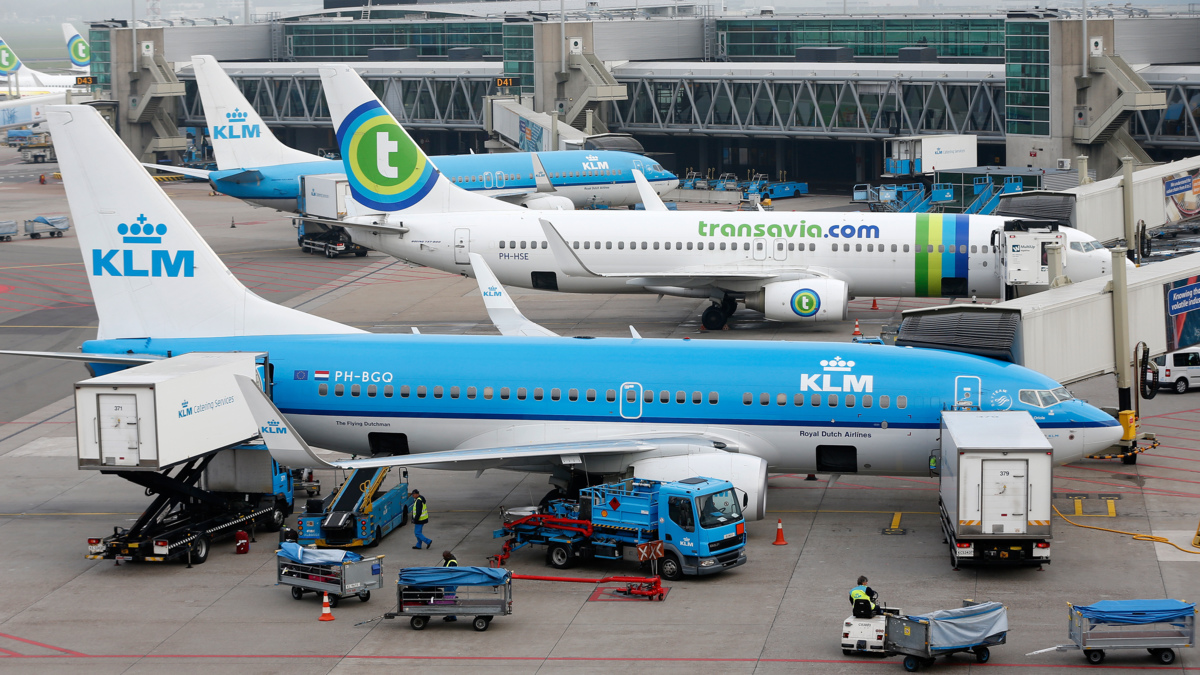
AW-KLM_B747400En el camino de regreso, los aviones están bastante llenos, pero esto significa que la tasa de ocupación promedio nunca puede superar el 50% y probablemente ni siquiera alcanzará el 30%. En ese caso, se puede alcanzar 1,5 metros entre pasajeros. Por ejemplo, un Boeing 737-800, el avión más usado en KLM, con una configuración de 176 asientos, la cabina tiene 3,5 metros de ancho y un asiento Transavia TO-3450 retorna emergencia |mide aproximadamente 40 centímetros. Si en una fila de seis asientos los dos extremos están ocupados, por ejemplo 1A y 1F, hay suficiente distancia a lo ancho. Entre dos asientos uno detrás del otro hay 80 centímetros, desde el reposacabezas hasta el reposacabezas, por lo que no es posible una combinación de 1A y 2A. Pero 1A y 2C son posibles, pero en ese caso 2F debe permanecer vacío. De esta manera, KLM podría transportar aproximadamente 45 pasajeros en el Boeing 737 a una distancia adecuada entre sí, una tasa de ocupación del 25 por ciento. Que esto no sea rentable en circunstancias normales, a menos que el precio del boleto se multiplique, actualmente no importa.

KLM quiere mantener un horario mínimo en funcionamiento y desde hace mucho tiempo ha aceptado el hecho de que la empresa no sobrevivirá sin un enorme apoyo financiero del Gobierno holandés. Por lo tanto, la pérdida operativa de los vuelos está aumentando en la negociación y el estado ya está contribuyendo a los vuelos de repatriación. «El gobierno cree que la aviación es esencial para la sociedad y que la continuidad de una operación de vuelo es, por lo tanto, una prioridad. Volar durante la crisis de la corona significa que las aerolíneas operen bajo circunstancias excepcionales. La situación actual requiere una serie de medidas que KLM está tomando para garantizar que sus operaciones para los pasajeros y la tripulación se realicen de la manera más segura posible. Estas medidas están en línea con la información e instrucciones de la OMS, RIVM y GGD y sus propios servicios de salud y seguridad”, dijo KLM.

Factor repatriación

El bloqueo de asientos de repatriación es una de esas medidas, pero ¿cómo hace esto la sociedad cuando la tasa de ocupación en ciertos vuelos es mucho mayor, como en muchos vuelos de repatriación a Amsterdam? En ese caso, bloquear sillas no es una opción, dice KLM. «Traer de vuelta a la mayor cantidad posible de holandeses a casa es la máxima prioridad». ¿Y cómo previene KLM la posible contaminación de la tripulación de cabina? La tripulación lleva máscaras bucales y guantes protectores a bordo. Existen elementos de higiene adicionales a bordo, como manijas. En cada vuelo, un inodoro se mantiene exclusivamente para la tripulación. «Esto les da acceso ilimitado a un área donde pueden cuidarse y lavarse las manos», dice la aerolínea.

Catering simplificado

Los aviones también se limpian más después de cada vuelo con productos de limpieza adecuados. El intercambio de aire también se ha ajustado: «El aire a bordo de la aeronave es más seco y se actualiza rápidamente a través de filtros altamente eficientes para que el aire se filtre de partículas y virus potencialmente dañinos». El servicio a bordo de bebidas y comidas se ha simplificado. Al subir y bajar de la aeronave, KLM se asegura de que los pasajeros se mantengan alejados entre sí. «Se han establecido procesos de abordaje adaptados, como el abordaje en grupos más pequeños».

Mientras tanto, varios países requieren que las aerolíneas realicen un control de salud de todos los pasajeros antes de la salida. Esto se aplica actualmente a vuelos a Canadá, Singapur y Corea del Sur. Los pasajeros que vuelan a los últimos dos destinos también reciben una medición de temperatura adicional. Esto se hace en Schiphol por el personal de tierra de KLM en colaboración con los empleados de KLM Health Services y Airport Medical Services.

Transavia Airlines

Las aeronaves de la aerolínea low cost holandesa Transavia permanecen en tierra durante tres semanas más de lo que se pensaba. Las restricciones debidas al virus de la corona en los Países Bajos y otros países aún imponen demasiadas restricciones a la aviación, informa la compañía de presupuesto holandesa. En lugar del 6 de mayo, Transavia no espera volver a seleccionar el espacio aéreo hasta el 27 Mayo 2020. «Debido a que esto creó incertidumbre, hemos decidido crear claridad para nuestros pasajeros y socios a largo plazo por un período de tiempo más largo», informa el miércoles la subsidiaria de presupuesto.

Los pasajeros que hayan reservado un boleto con una salida entre el 28 Mayo y el 30 Septiembre 2020 pueden cambiar su boleto al mismo destino en un momento diferente sin ningún costo de cambio. Pueden elegir vuelos hasta el 31 Marzo 2021.

A pesar de que la flota de Transavia permanecerá en tierra durante al menos otras cinco semanas, la aerolínea comenzó a vender boletos para la temporada de invierno 2020-2021 la semana pasada. De esta manera, los pasajeros cuyos vuelos han sido cancelados en las últimas semanas tienen más opciones para volver a reservar sus boletos. Transavia enfatiza que otros clientes también pueden reservar boletos para la temporada de invierno. El horario incluye vuelos a 53 destinos. AW-Icon Paragraph-01

AW-Reisbizz_706055KLM/Transavia restructure flights

Dutch flying in times of global pandemic

The Government of the United Kingdom of the Netherlands has confessed that the crisis of the Coronavirus pandemic for the service sector will not relax until 20 May 2020. However, this does not apply to aviation, emphasizes the KLM Royal Dutch Airlines, because this is a vital process according to the government. KLM hopes to get closer to the RIVM guidelines with ‘seat lock’. Meanwhile, the low-cost airlines Transavia Airlines do not expect to re-select the airspace until 27 May 2020 at the earliest.

On the few flights that KLM currently operates, ten percent or less of capacity, the occupancy rate is also so low that social distancing is possible. «In practice, this means creating as much space around the passenger as possible by keeping the seats empty,» says KLM. The occupancy rate at KLM last year was almost 90%. Most of the flights are currently intended to repatriate people and that the plane is practically empty at the exit of Amsterdam/Schiphol International Airport.

Occupancy factor

On the way back, the planes are quite full, but this means that the average occupancy rate can never exceed 50% and will probably not even reach 30%. In that case, you can reach 1.5 meters between passengers. For example, a Boeing 737-800, the most widely used aircraft in KLM, with a 176-seat configuration, the cabin is 3.5 meters wide and one seat is approximately 40 centimeters. If both ends are occupied in a row of six seats, for example, 1A and 1F, there is enough distance across. Between two seats one behind the other there are 80 centimeters, from the headrest to the headrest, so a combination of 1A and 2A is not possible. But 1A and 2C are possible, but in that case, 2F must remain empty. In this way, KLM could carry approximately 45 passengers on the Boeing 737 at an adequate distance from each other, an occupancy rate of 25 percent. That this is not profitable under normal circumstances, unless the ticket price is multiplied, does not currently matter.

KLM wants to keep minimum hours running and has long accepted the fact that the company will not survive without tremendous financial support from the Dutch government. Therefore, the operating loss of the flights is increasing in the negotiation and the state is already contributing to the repatriation flights. “The government believes that aviation is essential to society and that the continuity of flight operation is, therefore, a priority. Flying during the crown crisis means that airlines operate under exceptional circumstances. The current situation requires a series of measures that KLM is taking to ensure that its operations for passengers and crew are carried out in the safest possible way. These measures are in line with the information and instructions of the WHO, RIVM, and GGD and its own health and safety”, said KLM.

Repatriation factor

Blocking repatriation seats is one such measure, but how does society do this when the occupancy rate on certain flights is much higher, as on many repatriation flights to Amsterdam? In that case, locking chairs is not an option, says KLM. “Bringing as many Dutch people back home as possible is the top priority”. And how does KLM prevent possible contamination of the cabin crew? The crew wears mouth masks and protective gloves on board. There are additional hygiene items on board, such as handles. On each flight, a toilet is maintained exclusively for the crew. “This gives them unlimited access to an area where they can take care of themselves and wash their hands”, says the airline.

Simplified catering

Airplanes are also cleaned more after each flight with suitable cleaning products. Air exchange has also been fine-tuned: “The air onboard the aircraft is drier and is quickly updated through highly efficient filters so that air is filtered from potentially harmful particles and viruses”. The on-board service for drinks and meals has been simplified. When getting on and off the aircraft, KLM ensures that passengers stay clear of each other. “Tailored approach processes have been established, such as the smaller group approach”.

Meanwhile, several countries require airlines to carry out a health check on all passengers before departure. This currently applies to flights to Canada, Singapore, and South Korea. Passengers flying to the last two destinations also receive an additional temperature measurement. This is done in Schiphol by KLM ground staff in collaboration with employees of KLM Health Services and Airport Medical Services.

Transavia Airlines

The aircraft of the Dutch low-cost airline Transavia remain on the ground for three weeks longer than previously thought. Restrictions due to the Coronavirus in the Netherlands and other countries still impose too many restrictions on aviation, reports the Dutch budget company. In lieu of May 6, Transavia does not expect to re-select airspace until May 27, 2020. “Because this created uncertainty, we have decided to create clarity for our long-term passengers and partners for a longer period of time”, reports the budget subsidiary on Wednesday.

Passengers who have booked a ticket with a departure between May 28 and September 30, 2020, can change their ticket to the same destination at a different time without any change cost. They can choose flights until March 31, 2021.

Despite Transavia’s fleet remaining on the ground for at least another five weeks, the airline began selling tickets for the 2020-2021 winter season last week. In this way, passengers whose flights have been canceled in recent weeks have more options to re-book their tickets. Transavia emphasizes that other customers can also book tickets for the winter season. The schedule includes flights to 53 destinations. AW-Icon Paragraph-02

Kamer ongerust over plan van Air France-KLM met Transavia | NOSKLM/Transavia herstructureren vluchten

Nederlanders vliegen in tijden van wereldwijde pandemie

De regering van het Verenigd Koninkrijk van Nederland heeft bekend dat de crisis van de Coronavirus-pandemie voor de dienstensector pas op 20 mei 2020 zal afnemen. Dit geldt echter niet voor de luchtvaart, benadrukt de Nederlandse luchtvaartmaatschappij KLM, omdat dit volgens de overheid een vitaal proces is. KLM Royal Dutch Airlines hoopt met ‘stoelvergrendeling’ dichter bij de RIVM-richtlijnen te komen. Ondertussen verwachten de low-cost maatschappijen Transavia Airlines op zijn vroegst op 27 mei 2020 het luchtruim opnieuw te selecteren.

Op de weinige vluchten die KLM momenteel uitvoert, tien procent of minder van de capaciteit, is de bezettingsgraad ook zo laag dat sociale distantiëring mogelijk is. ‘In de praktijk betekent dit zoveel mogelijk ruimte rondom de passagier creëren door de stoelen leeg te houden’, zegt KLM. De bezettingsgraad bij KLM was vorig jaar bijna 90%. De meeste vluchten zijn momenteel bedoeld om mensen te repatriëren en dat het vliegtuig praktisch leeg is bij de uitgang van Amsterdam/Schiphol International Airport.

AW-KLM-B737-800Bezettingsfactor

Op de terugweg zijn de vliegtuigen behoorlijk vol, maar dit betekent dat de gemiddelde bezettingsgraad nooit meer dan 50% zal bedragen en waarschijnlijk niet eens 30% zal bereiken. In dat geval kunt u tussen de passagiers 1,5 meter bereiken. Zo is een Boeing 737-800, het meest gebruikte vliegtuig van KLM, met een configuratie met 176 stoelen, een cabine van 3,5 meter breed en één stoel van ongeveer 40 centimeter. Als beide uiteinden bezet zijn in een rij van zes stoelen, bijvoorbeeld 1A en 1F, is er voldoende afstand over. Tussen twee stoelen achter elkaar is er 80 centimeter, van hoofdsteun tot hoofdsteun, dus een combinatie van 1A en 2A is niet mogelijk. Maar 1A en 2C zijn mogelijk, maar dan moet 2F leeg blijven. Op deze manier kon KLM op een voldoende afstand van elkaar ongeveer 45 passagiers op de Boeing 737 vervoeren, een bezettingsgraad van 25 procent. Dat dit onder normale omstandigheden niet winstgevend is, tenzij de ticketprijs wordt vermenigvuldigd, maakt momenteel niet uit.

KLM wil het minimum aantal uren draaien en accepteert al lang dat het bedrijf niet zal overleven zonder enorme financiële steun van de Nederlandse overheid. Daardoor neemt het exploitatieverlies van de vluchten toe tijdens de onderhandeling en draagt ​​de staat al bij aan de repatriëringsvluchten. „De regering is van mening dat de luchtvaart essentieel is voor de samenleving en dat de continuïteit van een vluchtoperatie daarom een ​​prioriteit is. Vliegen tijdens de krooncrisis betekent dat luchtvaartmaatschappijen onder uitzonderlijke omstandigheden opereren. De huidige situatie vereist een reeks maatregelen die KLM treft om haar vluchten en passagiers zo veilig mogelijk te laten verlopen. Deze maatregelen zijn in overeenstemming met de informatie en instructies van de WHO, RIVM en GGD en van haar eigen gezondheid en veiligheid”, aldus KLM.

Repatriëringsfactor

Het blokkeren van repatriëringsstoelen is zo’n maatregel, maar hoe doet de samenleving dat als de bezettingsgraad op bepaalde vluchten veel hoger is, zoals op veel repatriëringsvluchten naar Amsterdam? Stoelen vergrendelen is dan geen optie, zegt KLM. ‘Zoveel mogelijk Nederlanders terug naar huis halen heeft topprioriteit.’ En hoe voorkomt KLM mogelijke besmetting van het cabinepersoneel? De bemanning draagt ​​aan boord mondmaskers en beschermende handschoenen. Er zijn extra hygiëneproducten aan boord, zoals handgrepen. Op elke vlucht wordt een toilet exclusief voor de bemanning onderhouden. „Hierdoor hebben ze onbeperkt toegang tot een ruimte waar ze voor zichzelf kunnen zorgen en hun handen kunnen wassen”, zegt de luchtvaartmaatschappij.

Vereenvoudigde catering

Vliegtuigen worden na elke vlucht ook meer schoongemaakt met geschikte schoonmaakproducten. De luchtuitwisseling is ook verfijnd: „De lucht aan boord van het vliegtuig is droger en wordt snel bijgewerkt door zeer efficiënte filters, zodat de lucht wordt gefilterd tegen mogelijk schadelijke deeltjes en virussen”. De service aan boord voor drankjes en maaltijden is vereenvoudigd. KLM zorgt er bij het in- en uitstappen voor dat passagiers vrij blijven van elkaar. „Er zijn op maat gesneden aanpakprocessen opgezet, zoals de kleinere groepsaanpak”.

Ondertussen vereisen verschillende landen dat luchtvaartmaatschappijen vóór vertrek een gezondheidscontrole van alle passagiers uitvoeren. Dit geldt momenteel voor vluchten naar Canada, Singapore en Zuid-Korea. Passagiers die naar de laatste twee bestemmingen vliegen, krijgen ook een extra temperatuurmeting. Dit wordt op Schiphol gedaan door KLM grondpersoneel in samenwerking met medewerkers van KLM Health Services en Airport Medical Services.

AW-7800012Transavia Airlines

Het vliegtuig van de Nederlandse lagekostenmaatschappij Transavia blijft drie weken langer op de grond dan eerder werd gedacht. Beperkingen door het coronavirus in Nederland en andere landen leggen nog steeds te veel beperkingen op aan de luchtvaart, meldt het Nederlandse budgetbedrijf. In plaats van 6 mei verwacht Transavia pas op 27 mei 2020 het luchtruim opnieuw te selecteren. „Omdat dit voor onzekerheid zorgde, hebben we besloten om duidelijkheid te scheppen voor onze langetermijnpassagiers en partners voor een langere periode”, meldt de budgetdochter woensdag.

Passagiers die een ticket hebben geboekt met een vertrek tussen 28 mei en 30 september 2020, kunnen hun ticket naar een andere bestemming op een ander tijdstip wijzigen zonder wijzigingskosten. Ze kunnen vluchten kiezen tot 31 maart 2021.

Ondanks dat de vloot van Transavia nog minstens vijf weken op de grond bleef, begon de luchtvaartmaatschappij vorige week met het verkopen van tickets voor het winterseizoen 2020-2021. Op deze manier hebben passagiers van wie de vluchten de afgelopen weken zijn geannuleerd meer mogelijkheden om hun tickets opnieuw te boeken. Transavia benadrukt dat ook andere klanten tickets voor het winterseizoen kunnen boeken. De dienstregeling bevat vluchten naar 53 bestemmingen. AW-Icon Paragraph-02


Ξ A I R G W A Y S Ξ
SOURCE: Airgways.com
DBk: Klm.com / Transavia.com / Airgways.com / Zakenreis.nl / Luchtvaartnieuws.nl / Nos.nl / Volkskrant.nl
AW-POST: 202004230013AR

A\W   A I R G W A Y S ®

Boeing recibe demanda de ALAFCO

ALAFCO announces commitment for 20 Boeing 737 MAX 8 aircraft ...AW | 2020 04 22 23:07 | AVIATION / GOVERNMENT / INDUSTRY

Boeing es demandada por empresa de leasing kuwaití ALAFCO por incumplimiento de contrato

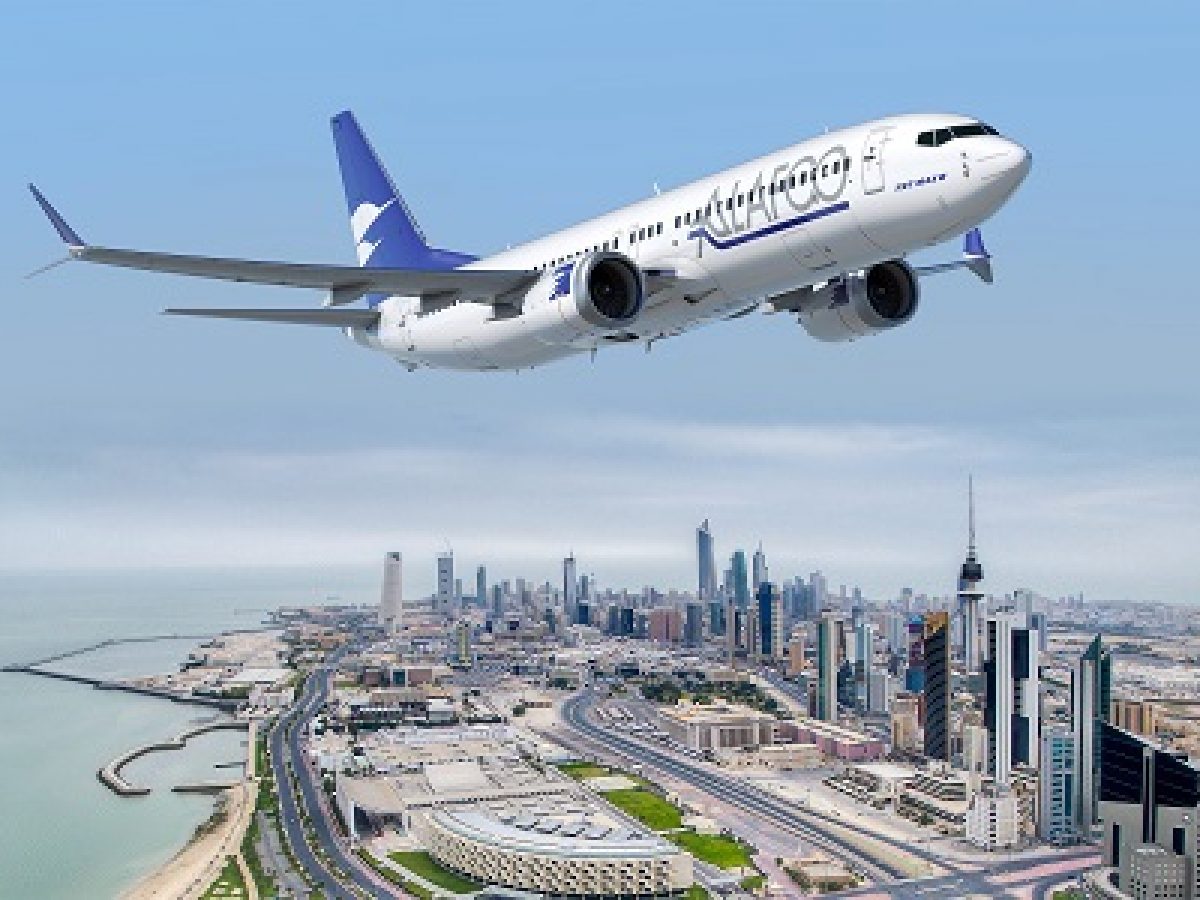
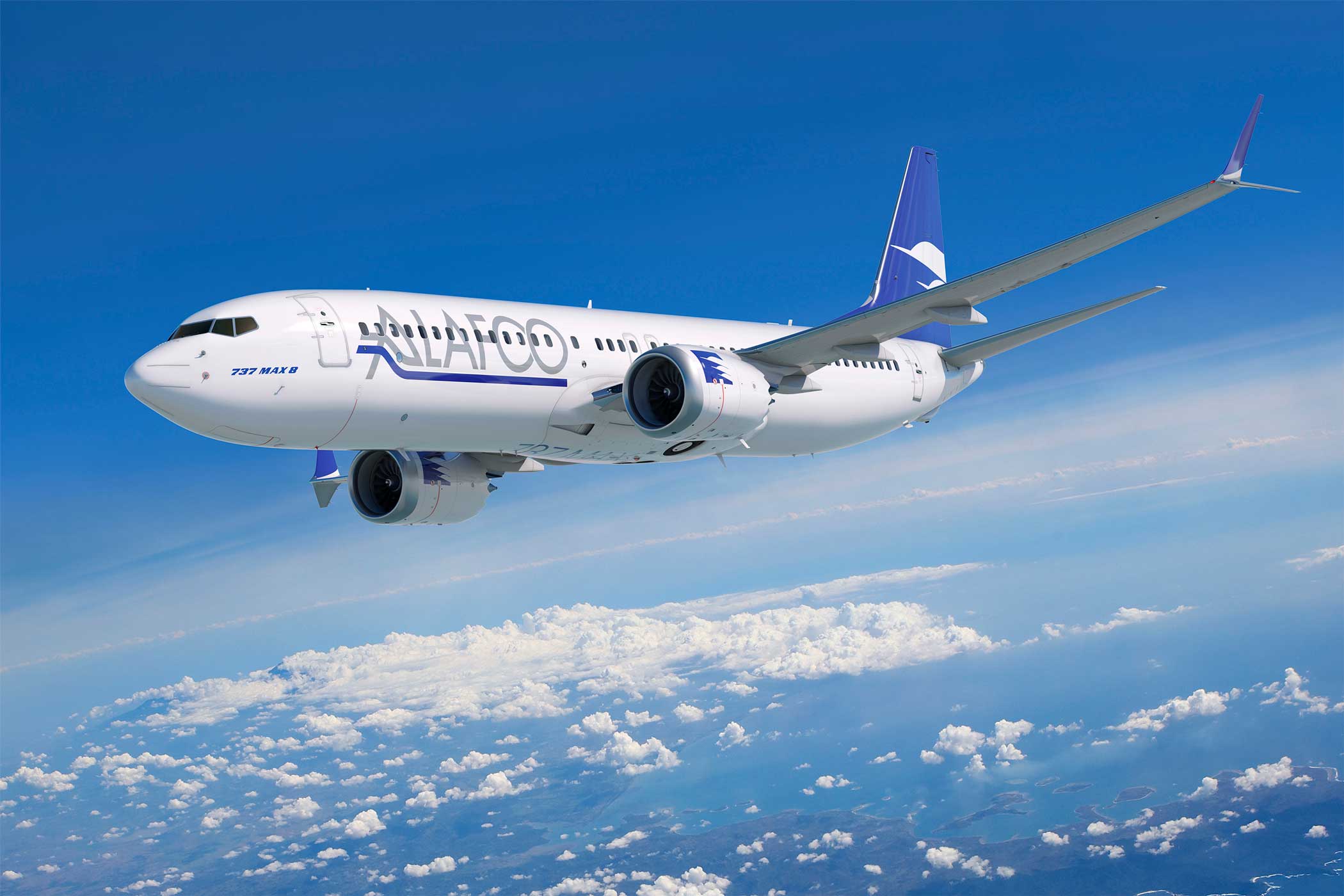
KPMG Talkbook Template Title style in Arial Bold Sentence case 30ptThe Boeing Company es demandada por la empresa de leasing de aeronaves ALAFCO de Kuwait. La compañía aeroespacial americana recibe demanda judicial por un valor de US$ 336 millones de dólares el Miércoles 22/04 por una empresa de arrendamiento financiero kuwaití que ha presentado una acusación de negarse erróneamente a devolver los anticipos de una orden ahora cancelada por 40 de sus problemáticos aviones Boeing 737 MAX.

Court_Northern District Illinois - copia

En una queja presentada en el tribunal federal de Chicago, ALAFCO Aviation Lease and Finance acusó a Boeing de incumplimiento de contrato por mantener los pagos a pesar de no poder entregar los aviones o proporcionar un cronograma de entrega revisado. ALAFCO dijo que canceló su pedido el 6 Marzo 2020 después de que Boeing no pudo entregar nueve aviones a tiempo. Boeing se resistió a su afirmación de que los problemas equivalían a un “retraso no excusable” que justificaría el reembolso.

Contratiempos

La compañía con sede en Chicago suspendió las entregas de 737 MAX en Marzo 2019, cuando la Administración Federal de Aviación (FAA) puso a tierra el avión tras la muerte de 346 personas en accidentes de dos aviones 737-8 MAX operados por Lion Air y Ethiopian Airlines. Boeing ahora también está luchando con la pandemia de coronavirus, que lo obligó a reducir la producción debido a la caída de la demanda, las luchas de efectivo de los propios clientes de las aerolíneas y los obstáculos logísticos de la entrega de aviones.

ALAFCO compra grandes aviones comerciales y los alquila a las aerolíneas. Sus propietarios más importantes son Kuwait Finance House, Gulf Investment Corp y Kuwait Airways Corp, según su sitio web. AW-Icon Paragraph-01

Boeing, ALAFCO Finalize Order for 20 737 MAX 8sBoeing receives a demand from ALAFCO

Welcome to ALAFCO website - Kuwait | HomeBoeing sued by Kuwaiti leasing company ALAFCO for breach of contractAW-700337800

The Boeing Company issued by the Kuwait aircraft leasing company ALAFCO. The American aerospace company receives a lawsuit in the amount of US$ 336 million on Wednesday 04/22 by a Kuwaiti financial leasing company that has filed an accusation of erroneously refusing to return the advances of an order now canceled by 40 of its troublesome Boeing 737 MAX aircraft.

In a complaint filed in Chicago federal court, ALAFCO Aviation Lease and Finance accused Boeing of breach of contract for keeping payments despite failing to deliver the planes or providing a revised delivery schedule. ALAFCO said it canceled its order on March 6, 2020, after Boeing failed to deliver nine aircraft on time. Boeing resisted its claim that the problems amounted to a «non-excusable delay» that would justify the refund.

Setbacks

The Chicago-based company suspended deliveries of 737 MAX in March 2019, when the Federal Aviation Administration (FAA) grounded the plane after the deaths of 346 people in accidents involving two 737-8 MAX aircraft operated by Lion Air and Ethiopian Airlines. Boeing is now also struggling with the coronavirus pandemic, which forced it to cut production due to falling demand, cash struggles by airline customers themselves, and logistical obstacles to aircraft delivery.

ALAFCO buys large commercial aircraft and leases them to airlines. Its largest owners are Kuwait Finance House, Gulf Investment Corp and Kuwait Airways Corp, according to their website. AW-Icon Paragraph-02

AW-Boeing_73770066بوينج تتلقى طلبًا من شركة ألافكو

دعوى قضائية ضد شركة بوينج من قبل شركة الافكو للتأجير الكويتية لخرقها العقدAlafco_Isologotype

تمت مقاضاة شركة بوينج من قبل شركة ألافكو لتأجير الطائرات. تلقت شركة الطيران الأمريكية دعوى قضائية بمبلغ 336 مليون دولار أمريكي يوم الأربعاء 22/04 من قبل شركة كويتية للتأجير التمويلي قدمت اتهامات برفضها خطأ إرجاع سُلَف أمر ألغيه الآن 40 من طائرة بوينج 737 ماكس مزعجة.

في شكوى رفعت في محكمة شيكاغو الفيدرالية ، اتهمت ALAFCO Aviation Lease and Finance شركة بوينج بخرق العقد للحفاظ على المدفوعات على الرغم من الفشل في تسليم الطائرات أو تقديم جدول تسليم منقح. قالت شركة ألافكو إنها ألغت طلبها في 6 مارس 2020 بعد فشل بوينج في تسليم تسع طائرات في الوقت المحدد. وقاومت بوينغ ادعائها بأن المشاكل وصلت إلى «تأخير غير معذر» يبرر إعادة المبلغ.

النكسات

علقت الشركة التي مقرها شيكاغو عمليات تسليم 737 ماكس في مارس 2019 ، عندما أوقفت إدارة الطيران الفيدرالية (FAA) الطائرة بعد وفاة 346 شخصًا في حوادث تتعلق بطائرتين 737-8 MAX تشغّلهما شركة Lion Air و الخطوط الجوية الإثيوبية. تكافح بوينغ الآن أيضًا مع وباء فيروس التاجي ، مما أجبرها على خفض الإنتاج بسبب انخفاض الطلب ، والصعوبات النقدية من قبل عملاء شركات الطيران أنفسهم ، والعقبات اللوجستية أمام تسليم الطائرات.

تشتري ألافكو طائرات تجارية كبيرة وتأجيرها لشركات الطيران. وبحسب موقعها على الإنترنت ، فإن أكبر مالكيها هم بيت التمويل الكويتي وشركة الخليج للاستثمار وشركة الخطوط الجوية الكويتية.AW-Icon Paragraph-02


Ξ A I R G W A Y S Ξ
SOURCE: Airgways.com
DBk: Ilnd.uscourts.gov / Alafco.kw / Boeing.com / Airgways.com
AW-POST: 202004222307AR

A\W   A I R G W A Y S ®

UE reanuda acuerdo Boeing-Embraer

AW-Boeing-EmbraerAW | 2020 04 22 13:38 | INDUSTRY / GOVERNMENT

Boeing-Embraer-LogoRegulador antimonopolio de la UE reanuda investigación sobre acuerdo de Boeing-Embraer

El regulador antimonopolio de la Unión Europea (UE) a cargo de la Comisión Europea (CE) han reanudado su investigación sobre la oferta de Boeing para comprar el brazo comercial de fabricación de aviones de Embraer, con una decisión que debe presentarse antes del 7 Agosto 2020, han expresado el Miércoles 22/04 una presentación de la Comisión Europea.

El Ejecutivo de la UE detuvo su investigación el 24 Febrero 2020 mientras esperaba que las compañías proporcionaran la información que había solicitado. La llamada parada del reloj terminó el 7 Abril 2020, según la presentación. Las fuentes dijeron que se han proporcionado millones de documentos en los últimos meses. El ejecutor de la competencia de la UE en Octubre 2019 expresó su preocupación por el acuerdo de US$ 4,2 mil millones y dijo que eliminaría a Embraer como el tercer mayor competidor mundial en la industria de aviones comerciales altamente concentrados, especialmente en aviones comerciales de pasillo único.

La unidad comercial de Embraer construye aviones en el segmento de 70 a 150 asientos y compite con el Programa A220 a cargo de la línea europea Airbus Group. El A220 es el anterior Programa CSeries de la compañía canadiense Bombardier. El grupo aeroespacial europeo ha comprado a Bombardier Inc. la línea CSeries debido al quebranto económico y de restructuración de la compañía canadiense.

El regulador de la competencia de Brasil, el Consejo Administrativo de Defensa Económica (CADE) ya aprobó el acuerdo, que obtuvo el respaldo de algunos de los compradores de aviones más grandes del mundo. AW-Icon Paragraph-01

AW-GettyImages-700334EU resumes investigation of Boeing-Embraer agreement

AW-BOINGBRAEREU antitrust regulator resumes investigation into Boeing-Embraer deal

The European Union (EU) antitrust regulator in charge of the European Commission (EC) has resumed its investigation into Boeing‘s offer to buy Embraer‘s commercial aircraft manufacturing arm, with a decision that must be submitted before 7 August. 2020, they have expressed on Wednesday 22/04 a presentation of the European Commission.

Air to Air_023The EU Executive stopped its investigation on February 24, 2020, while waiting for the companies to provide the information they had requested. The stop watch call ended on April 7, 2020, according to the filing. Sources said millions of documents have been provided in recent months. The EU competition enforcer in October 2019 expressed concern over the US$ 4.2 billion deal and said it would eliminate Embraer as the world’s third-largest competitor in the highly concentrated commercial aircraft industry, especially commercial aircraft. single aisle.

Embraer’s business unit builds aircraft in the 70 to 150 seat segment and competes with the A220 Program run by the European Airbus Group line. The A220 is the former CSeries Program of the Canadian company Bombardier. The European aerospace group has purchased the CSeries line from Bombardier Inc. due to the economic and restructuring failure of the Canadian company.

Brazil’s competition regulator, the Administrative Council for Economic Defense (CADE) has already approved the deal, which garnered the backing of some of the world’s largest aircraft buyers. AW-Icon Paragraph-02

Embraer-Boeing merger delayed by European CommissionUE retoma investigação do acordo Boeing-Embraer

File:European Commission.svg - Wikimedia CommonsRegulador antitruste da UE retoma investigação sobre acordo da Boeing-Embraer

Embraer_IsotypeO regulador antitruste da União Européia (UE) responsável pela Comissão Européia (CE) retomou sua investigação sobre a oferta da Boeing de comprar o braço de fabricação de aeronaves comerciais da Embraer, com uma decisão que deve ser apresentada antes de 7 de agosto. 2020, eles expressaram na quarta-feira 22/04 uma apresentação da Comissão Europeia.
O Executivo da UE interrompeu sua investigação em 24 de fevereiro de 2020 enquanto aguardava as empresas fornecerem as informações solicitadas. A chamada do cronômetro terminou em 7 de abril de 2020, de acordo com o documento. Fontes disseram que milhões de documentos foram fornecidos nos últimos meses. O executivo da concorrência da UE em outubro de 2019 manifestou preocupação com o acordo de US$ 4,2 bilhões e disse que eliminaria a Embraer como o terceiro maior concorrente do mundo na indústria de aeronaves comerciais altamente concentrada, especialmente aeronaves comerciais. corredor único.

A unidade de negócios da Embraer constrói aeronaves no segmento de 70 a 150 assentos e concorre com o Programa A220, executado pela linha European Airbus Group. O A220 é o antigo programa CSeries da empresa canadense Bombardier. O grupo aeroespacial europeu comprou a linha CSeries da Bombardier Inc. devido ao fracasso econômico e de reestruturação da empresa canadense.

O órgão regulador da concorrência do Brasil, o CADE, já aprovou o acordo, que recebeu o apoio de alguns dos maiores compradores de aeronaves do mundo. AW-Icon Paragraph-02


Ξ A I R G W A Y S Ξ
SOURCE: Airgways.com
DBk: Ec.europa.eu / Airgways.com / Gettyimages.com
AW-POST: 202004221338AR

A\W   A I R G W A Y S ®

Southwest acuerda asistencia

AW-Bloomberg_70066AW | 2020 04 22 13:04 | AIRLINES / GOVERNMENT

AW-788093333PNGPIX-COM-Southwest-Airlines-Logo-PNG-TransparentSouthwest Airlines finaliza acuerdo con el Tesoro EEUU para ayuda financiera

Southwest Airlines recibirá el desembolso de fondos como parte del programa de asistencia de nómina de la Ley CARES en medio de la emergencia sanitaria. La compañía con sede en el Estado de Texas ha finalizado el acuerdo suscrito el 20/04 los términos con el Departamento del Tesoro de los Estados Unidos con respecto a la aceptación y el desembolso de fondos incluidos en el Programa de Apoyo de Nómina bajo la Ley CARES. Como parte del acuerdo, Southwest recibirá más de US$ 3.2 mil millones en desembolsos durante los próximos meses. El financiamiento respalda la protección laboral para más de 60.000 empleados del suroeste hasta el 30 Septiembre 2020. «En nombre de Southwest Airlines y nuestros más de 60.000 empleados, quiero expresar mi sincero agradecimiento al Secretario Mnuchin y al Departamento del Tesoro de los EE. UU., así como a los Equipos Jurídico y Financiero de Southwest, por finalizar nuestro acuerdo para participar en la Nómina Programa de apoyo. Esta asistencia apoyará trabajos valiosos que existen para servir al público en vuelo y la infraestructura, la cadena de suministro y la recuperación de nuestra economía nacional», dijo el Presidente y CEO de Southwest, Gary Kelly.

Este acuerdo le permite a Southwest Airlines recibir un pago inmediato de aproximadamente US$ 1.6 mil millones de los ingresos totales de más de US$ 3.2 mil millones, y el resto se pagará en cuotas durante Mayo, Junio y Julio. La compañía emitió un comunicado de prensa la semana pasada con información preliminar. La compañía planea emitir un Formulario 8-K con la Securities and Exchange Commission (SEC) divulgando los términos del acuerdo finalizado. AW-Icon Paragraph-01

AW-700001224Southwest agrees on assistance

Southwest Airlines finalizes an agreement with the US Treasury for AW-Southwest_70056financial aid

Southwest Airlines will receive a disbursement of funds as part of the CARES Act payroll assistance program amid the health emergency. The company based in the State of Texas has finalized the agreement signed on 04/20 the terms with the United States Department of the Treasury regarding the acceptance and disbursement of funds included in the Payroll Support Program under the Law CARES. As part of the agreement, Southwest will receive more than US$ 3.2 billion in disbursements in the coming months. Funding supports labor protection for more than 60,000 Southwest employees through Sept. 30, 2020. «On behalf of Southwest Airlines and our more than 60,000 employees, I want to express my sincere thanks to Secretary Mnuchin and the US Treasury Department. ., As well as the Southwest Legal and Financial Teams, for finalizing our agreement to participate in the Payroll Support Program. This assistance will support valuable work that exists to serve the public in flight and infrastructure, supply chain and recovery of our national economy», said Southwest President and CEO Gary Kelly.

This agreement allows Southwest Airlines to receive an immediate payment of approximately US$ 1.6 billion of total revenues of more than US$ 3.2 billion, with the remainder to be paid in installments during May, June, and July. The company released a press release last week with preliminary information, which can be viewed here at SWAMedia.com. The company plans to issue a Form 8-K with the Securities and Exchange Commission (SEC) disclosing the terms of the finalized deal. AW-Icon Paragraph-02


Ξ A I R G W A Y S Ξ
SOURCE: Airgways.com
DBk: Southwest.com / House.gov / Airgways.com
AW-POST: 202004221304AR

A\W   A I R G W A Y S ®

Norwwegian despidos temporales

img_0595AW | 2020 04 22 12:50 | AIRLINES

Norwegianairshuttlelogo2013Norwegian Air anuncia plan para despedir temporalmente a unos 4.700 de sus empleados

La aerolínea Norwegian Air Shuttle ASA ha anunciado planes para despedir temporalmente a unos 4.700 de sus empleados mientras lucha por los impactos negativos de la crisis sanitaria que ha suspendido todos sus vuelos internacionales. Los despidos temporales representan aproximadamente el 90 por ciento de su fuerza laboral e incluye pilotos, tripulantes de cabina, personal de mantenimiento y administrativo.

Según el CEO de Norwegian Air, Jacob Schram, la compañía declaró en bancarrota a sus subsidiarias suecas y danesas. “El impacto que ha tenido el Coronavirus en la industria de las aerolíneas no tiene precedentes. Hemos hecho todo lo posible para evitar tomar esta decisión de último recurso, incluida la solicitud de acceso al apoyo gubernamental tanto en Suecia como en Dinamarca”, dijo el comunicado de Norwegian Air.

AW-Norwegian_700337MAXSin embargo, los despidos no afectarán a unos 700 pilotos y 1.300 tripulantes de cabina con sede en Noruega, Francia e Italia. Esto se debe a que en Noruega, el gobierno paga todos los costos relacionados con el salario durante todo el período de licencia, una providencia que no está disponible en Suecia y Dinamarca.
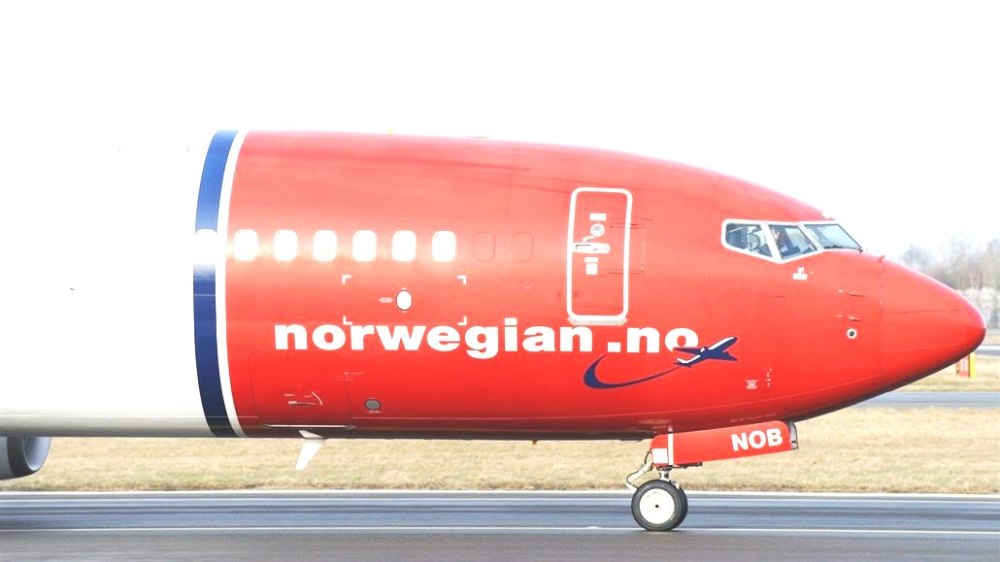
El Presidente de los Estados Unidos, Donald Trump, extendió sus restricciones a los viajes desde Europa a principios de marzo para incluir a Gran Bretaña, el mayor destino de Noruega para vuelos transatlánticos, mientras que otras naciones también limitaron severamente el tráfico aéreo. Todos los vuelos a los Estados Unidos ahora están suspendidos.

Norwegian Air es una aerolínea de bajo costo y la aerolínea más grande de Noruega. Es la tercera aerolínea de bajo costo más grande de Europa detrás de EasyJet y Ryanair, y la novena aerolínea de bajo costo más grande del mundo. Habiendo perdido dinero cada año de 2017 a 2019 y recaudado efectivo de los accionistas en tres ocasiones, las deudas y obligaciones de la compañía habían crecido a KR$ 82 mil millones de coronas noruegas (US$ 7.9 mil millones) a fines del año pasado. La aerolínea se une a varias otras aerolíneas que se han visto afectadas negativamente por la crisis de Covid-19 debido a las prohibiciones de viaje, lo que les obligó a despedir a sus empleados. AW-Icon Paragraph-01

AW-700886AWMNorwegian temporary layoffs

Norwegian Air announces plan to temporarily lay off about 4,700 of its employees

AW-Nwgn-Air-ARNorwegian Air Shuttle ASA has announced plans to temporarily lay off some 4,700 of its employees as it struggles with the negative impacts of the health crisis that has suspended all its international flights. Temporary layoffs represent approximately 90 percent of its workforce and include pilots, cabin crew, maintenance and administrative personnel.

According to Norwegian Air CEO Jacob Schram, the company declared its Swedish and Danish subsidiaries bankrupt. “The impact Coronavirus has had on the airline industry is unprecedented. We have made every effort to avoid making this last resort decision, including requesting access to government support in both Sweden and Denmark”, the Norwegian Air statement said.

However, the layoffs will not affect some 700 pilots and 1,300 cabin crew based in Norway, France and Italy. This is because in Norway, the government pays all salary-related costs throughout the period of leave, a provision that is not available in Sweden and Denmark.

United States President Donald Trump extended his travel restrictions from Europe in early March to include Great Britain, Norway’s largest destination for transatlantic flights, while other nations also severely limited air traffic. All flights to the United States are now suspended.

Norwegian Air is a low-cost airline and the largest airline in Norway. It is the third-largest low-cost airline in Europe behind EasyJet and Ryanair, and the ninth-largest low-cost airline in the world. Having lost money every year from 2017 to 2019 and raised cash from shareholders on three occasions, the company’s debts and obligations had grown to KR$ 82 billion (US$ 7.9 billion) at the end of last year. The airline joins several other airlines that have been adversely affected by the Covid-19 crisis due to travel bans, forcing them to fire their employees. AW-Icon Paragraph-02


Ξ A I R G W A Y S Ξ
SOURCE: Airgways.com
DBk: Norwegian.com / Airgways.com
AW-POST: 202004221250AR

A\W   A I R G W A Y S ®

Boeing anuncia cambios organización

Boeing-Building ChicagoAW | 2020 04 22 12:11 | INDUSTRY

Boeing_IsologotypeBoeing anuncia cambios clave en organización y liderazgo

The Boeing Company ha anunciado el 21/04 cambios clave en la organización y el liderazgo destinados a impulsar una mayor integración entre empresas y una mejora continua; alinear los servicios empresariales a las condiciones comerciales actuales al tiempo que aumenta el valor; racionalización de roles y responsabilidades de liderazgo senior; y preparándose ahora para la huella de la industria pospandémica. Los cambios son efectivos el 1 Mayo 2020.AW-B737-8MAX

Greg Smith dirigirá una nueva organización de operaciones empresariales, finanzas y estrategia
Brett Gerry nombrado director legal y vicepresidente ejecutivo de Cumplimiento Global
Jenette Ramos asumirá una asignación especial
Diana Sands se jubilará más adelante este año, luego de una transición ordenada de deberes

Un grupo recién formado, Operaciones Empresariales, Finanzas y Estrategia, consolidará varias áreas importantes, reuniendo a los equipos responsables de fabricación, cadena de suministro y operaciones, finanzas, desempeño empresarial, estrategia, servicios empresariales y administración. Dirigida por Greg Smith, vicepresidente ejecutivo, Operaciones empresariales y director financiero, esta nueva organización global incorporará excelencia operativa y principios lean consistentes en Boeing y su cadena de suministro, y restaurará la salud de la cadena de suministro y producción como Boeing y la industria aeroespacial en general recuperarse de la pandemia de COVID-19.

Corporate Audit se unirá al nuevo grupo de Smith y continuará informando directamente al Comité de Auditoría de la Junta Directiva de Boeing como lo hace hoy, proporcionando servicios de asesoramiento y aseguramiento objetivos independientes para mejorar las operaciones de la compañía.

Jenette Ramos, Vicepresidenta Senior de Fabricación, Cadena de Suministro y Operaciones, aportará 34 años de experiencia, liderazgo y habilidades operativas de Boeing a una asignación especial en apoyo del presidente y CEO de Smith y Boeing, David Calhoun.

La compañía también está combinando sus programas de cumplimiento legal y básico, incluidos los controles comerciales globales, la ética y la conducta comercial, en una sola organización dirigida por Brett Gerry, Director Legal y Vicepresidente Ejecutivo de Cumplimiento Global. Este enfoque mejorará el ya sólido programa de cumplimiento y gobierno interno de Boeing a través de una responsabilidad focalizada y un enfoque más integrado de las responsabilidades de cumplimiento de Boeing. También ayudará a la compañía a abordar de manera proactiva las nuevas obligaciones legales y de cumplimiento derivadas de un entorno regulatorio global cada vez más complejo.

Para acelerar este importante trabajo y aprovechar la fortaleza existente de su programa de cumplimiento y ética, Boeing pronto nombrará a un director de cumplimiento que será responsable de dirigir las actividades de cumplimiento, ética y control comercial de la compañía. Esta persona informará a Gerry, con una línea de denuncia directa a Calhoun y al Comité de Auditoría de la junta sobre cuestiones de ética y cumplimiento.

Finalmente, las operaciones gubernamentales de Boeing, lideradas por el vicepresidente ejecutivo Tim Keating, asumirán la responsabilidad de las actividades de gestión global del espectro de la compañía, que garantizan el uso seguro, eficiente y conforme del espectro de radiofrecuencia en los productos y operaciones de Boeing. «Confío en que estos cambios impulsarán una mayor alineación entre nuestras funciones; equipar mejor a nuestros negocios comerciales, de defensa y espaciales y de servicios para cumplir con los compromisos de los clientes en un mercado cambiante; y respaldar nuestros continuos esfuerzos para desarrollar talento a través de tareas de liderazgo desafiantes. Un agradecimiento especial a Greg, Brett, Tim y Jenette por asumir nuevas responsabilidades de liderazgo», dijo Calhoun.

Coincidiendo con estos cambios en la organización, Diana Sands, vicepresidenta senior de la Oficina de Gobierno y Administración Interna, decidió retirarse de Boeing a finales de este año después de casi 20 años con la compañía y luego de una transición exhaustiva de responsabilidades. «En las últimas dos décadas, Diana ha desempeñado un papel clave en el desarrollo de un programa de ética y cumplimiento líder en la industria, desempeñó varios roles financieros críticos y ha sido una fuerte defensora del avance de la diversidad y la inclusión en toda la empresa. La Junta Directiva de Boeing y yo estamos profundamente agradecidos por el liderazgo, la integridad y el servicio dedicado de Diana», dijo David Calhoun.

Boeing es la compañía aeroespacial más grande del mundo y el proveedor líder de aviones comerciales, defensa, sistemas espaciales y de seguridad, y servicios globales. Como uno de los principales exportadores de EE.UU., la empresa brinda asistencia a clientes comerciales y gubernamentales en más de 150 países. Boeing emplea a más de 160.000 personas en todo el mundo y aprovecha los talentos de una base global de proveedores. Sobre la base de un legado de liderazgo aeroespacial, Boeing continúa liderando en tecnología e innovación, entregando a sus clientes e invirtiendo en su gente y el crecimiento futuro. AW-Icon Paragraph-01

AW-Boeing_Headquarters_100th_JetBoeing announces organization changes

Boeing announces key organizational and leadership changes

Boeing_IconThe Boeing Company announced on 04/21 key changes in organization and leadership aimed at driving greater integration between companies and continuous improvement; align business services to current business conditions while increasing value; streamlining senior leadership roles and responsibilities; and preparing now for the footprint of the post-pandemic industry. Changes are effective May 1, 2020.

Greg Smith to Lead New Business Operations, Finance and Strategy Organization
Brett Gerry Named Chief Legal Officer and Executive Vice President of Global Compliance
Jenette Ramos will take on a special assignment
Diana Sands will retire later this year, after an orderly transition of duties

A newly formed group, Business Operations, Finance, and Strategy, will consolidate several important areas, bringing together teams responsible for manufacturing, supply chain and operations, finance, business performance, strategy, business services and administration. Led by Greg Smith, Executive Vice President, Business Operations and Chief Financial Officer, this new global organization will incorporate consistent operational excellence and lean principles across Boeing and its supply chain, and restore the health of the supply and production chain like Boeing and the aerospace industry generally, recover from the COVID-19 pandemic.

Corporate Audit will join the new Smith group and will continue to report directly to the Boeing Board of Directors Audit Committee as it does today, providing independent objective assurance and advisory services to improve the company’s operations.

Jenette Ramos, Senior Vice President of Manufacturing, Supply Chain and Operations, will bring 34 years of Boeing experience, leadership and operational skills to a special assignment in support of Smith and Boeing President and CEO David Calhoun.

The company is also combining its basic and legal compliance programs, including global business controls, ethics and business conduct, into a single organization led by Brett Gerry, Legal Director and Executive Vice President of Global Compliance. This approach will enhance Boeing’s already robust internal governance and compliance program through focused accountability and a more integrated approach to Boeing’s compliance responsibilities. It will also help the company proactively address new legal and compliance obligations stemming from an increasingly complex global regulatory environment.

To accelerate this important work and build on the existing strength of its compliance and ethics program, Boeing will soon appoint a chief compliance officer who will be responsible for directing the company’s compliance, ethics and business control activities. This person will inform Gerry, with a hotline to Calhoun and the Board’s Audit Committee, on ethical and compliance issues.

Finally, Boeing’s government operations, led by Executive Vice President Tim Keating, will take responsibility for the company’s global spectrum management activities, which ensure the safe, efficient, and compliant use of radio frequency spectrum in the products and operations of Boeing. «I am confident that these changes will drive greater alignment between our roles; better equipping our commercial, defense, space, and service businesses to meet customer commitments in a changing marketplace; and supporting our continued efforts to develop talent through challenging leadership assignments. Special thanks to Greg, Brett, Tim, and Jenette for taking on new leadership responsibilities», said Calhoun.

Coinciding with these changes in the organization, Diana Sands, senior vice president of the Office of Government and Internal Administration, decided to retire from Boeing later this year after nearly 20 years with the company and after a thorough transition of responsibilities. «Over the past two decades, Diana has played a key role in developing an industry-leading ethics and compliance program, played several critical financial roles, and has been a strong advocate for the advancement of diversity and inclusion across the globe. The Boeing Board of Directors and I are deeply grateful for Diana’s leadership, integrity, and dedicated service», said David Calhoun.

Boeing is the world’s largest aerospace company and the leading provider of commercial aircraft, defense, space and security systems, and global services. As one of the top exporters in the US, the company supports commercial and government clients in more than 150 countries. Boeing employs more than 160,000 people worldwide and harnesses the talents of a global supplier base. Building on a legacy of aerospace leadership, Boeing continues to lead in technology and innovation, delivering to its customers and investing in its people and future growth. AW-Icon Paragraph-02


Ξ A I R G W A Y S Ξ
SOURCE: Airgways.com
DBk: Boeing.com / Airgways.com
AW-POST: 202004221211AR

A\W   A I R G W A Y S ®

Aerolíneas tercer ops a China

AW-70002212AW | 2020 04 22 11:50 | AIRLINES

Aerolíneas Argentinas_Isologotype 2010_001Aerolíneas Argentinas ha efectuado tercer viaje a China por insumos sanitariosxnuevo-isologo-aerolineas-argentinas.jpg_258117318.jpg.pagespeed.ic.OYGJ54t3Wg

Aerolíneas Argentinas ha informado que en tan solo una semana hemos realizado tres de los ocho vuelos especiales programamos a Shanghai, República Popular China con el objetivo de traer al país insumos médicos, reactivos y materiales sanitarios para ser distribuidos en el sistema de salud pública nacional.

Dado el volumen de la carga a transportar, las cabinas de nuestras aeronaves Airbus 330-200 debieron ser totalmente reconfiguradas por nuestro equipo técnico, para así poder trasladar 14 toneladas de insumos en cada vuelos.

Por otro lado, continuamos programando vuelos especiales para los argentinos y argentinas que aún no pudieron regresar al país. En tal sentido se ha repatriado argentinos desde Lima el 21/04; desde Cancún el día 22 Abril; desde Punta Cana el 23 Abril y el día 26/04 desde la ciudad de Madrid, España.

La compañía continua reafirmando nuestro compromiso con sus pasajeros. Queremos brindarles lo más pronto posible un servicio seguro y de calidad para volver a decir juntos bienvenidos a bordo. AW-Icon Paragraph-01


AW-700338Aerolíneas third ops to China

Aerolíneas Argentinas has made a third trip to China for sanitary supplies

Aerolíneas Argentinas_Isotype_SkyblueAerolíneas Argentinas has reported that in just one week we have made three of the eight special flights scheduled to Shanghai, the People’s Republic of China with the aim of bringing medical supplies, reagents, and sanitary materials to the country to be distributed in the national public health system.

Given the volume of cargo to be transported, the cabins of our Airbus 330-200 aircraft had to be completely reconfigured by our technical team, in order to carry 14 tons of supplies on each flight.

On the other hand, we continue to program special flights for Argentines who have not yet been able to return to the country. In this sense, Argentines have repatriated from Lima on 04/21; from Cancun on April 22; from Punta Cana on April 23 and on 04/26 from the city of Madrid, Spain.

The company continues to reaffirm our commitment to its passengers. We want to provide you with a safe and quality service as soon as possible to say welcome back on board together. AW-Icon Paragraph-02


Ξ A I R G W A Y S Ξ
SOURCE: Airgways.com
DBk: Aerolineas.com / Airgways.com
AW-POST: 202004221150AR

A\W   A I R G W A Y S ®

Primer pieza para el A321XLR

AW-Airbus-A321XLR-01AW | 2020 04 21 21:55 | INDUSTRY

AW-70099433Airbus_Isologotype_svgAirbus inicia proceso de fabricación de primer pieza para el A321NEO XLR

Airbus Group ha cortado el primer metal para el A321NEO XLR inicial y ha completado la selección de proveedores para los componentes clave del avión de largo alcance. El A321NEO XLR, una evolución del A321NEO, fue presentado en el Salón Aeronáutico de París 2019 y está destinado a operar en un rango de hasta 4.700 nm. El modelo A321NEO eXtra Long Range (XLR) está pasando del concepto a la realidad, iniciando el proceso de las primeras piezas, dice Airbus que planea comenzar a probar el A321XLR en 2022.

Participaciones

Potenciando al Airbus A321XLR |Airbus ha cortado el primer metal para la caja de ala central en sus instalaciones de Nantes, Francia, mientras que la firma aeroespacial francesa Safran, que es responsable del tren de aterrizaje principal y principal, ha comenzado la producción de piezas forjadas para el tren de aterrizaje. Premium Aerotec fabricará la estructura primaria para el tanque de combustible del centro de popa crucial para el rango extendido de la variante, uno de los varios proveedores recientemente elegidos para producir estructuras específicas para el avión. La firma estadounidense Spirit AeroSystems construirá la aleta interna de una ranura, el FACC de Austria producirá un carenado modificado, mientras que Collins Aerospace y Parker Aerospace liderarán el desarrollo del sistema de combustible y las medidas de inercia del tanque. Airbus dice que la selección de proveedores, completada en Marzo 2020, también incluye a Triumph Group para el bloqueo del tren de aterrizaje, Diehl Aviation para sistemas de agua y Vincorion para paneles de piso calefactados.

Las nuevas estructuras serán validadas a través de un programa de demostración que contará con las secciones central y posterior del fuselaje, conocidas como Secciones 15 y 17, y la integración del nuevo tanque y otros componentes. Airbus dice que las pruebas para la comodidad de la cabina en operaciones de largo alcance ya están en marcha, utilizando una cámara climática, pero agrega que un demostrador de equipos permitirá probar diferentes sistemas en una maqueta de madera. «Este enfoque minimiza los conflictos de diseño, además de optimizar la ergonomía», dice el constructor aeronáutico europeo.

Airbus refinará el A321XLR antes de la industrialización aprovechando un enfoque de diseño digital, fabricación y servicios para generar simulaciones de fábrica virtual y validar la planificación de aceleración. La crisis del coronavirus ha obligado a Airbus a repensar las tasas de producción en toda su gama de reactores y suspender el desarrollo de una línea de ensamblaje A321NEO adicional, estacionada en Toulouse, pero la célula ha insistido en que la planificación para el A321XLR continúa.

Alrededor de 450 unidades de la variante de largo alcance A321NEO XLR están bajo órdenes de 24 clientes. El nuevo twinjet es una respuesta a la demanda existente en el rango medio transoceánico capáz de volar sin escalas costa a costa entre Europa y Estados Unidos, una aeronave dispuesta a reemplazar al Boeing 757 y dejar muy atrás a su competidor más próximo el Boeing 737-10 MAX. La entrada en servicio de la nueva variante de radio extendido está proyectada para el 2023. AW-Icon Paragraph-01

AW_Airbus_A321XLR_NantesFirst piece for the A321XLR

AW-A321neo_logoAirbus begins first-part manufacturing process for A321NEO XLR

Airbus Group has cut the first metal for the initial A321NEO XLR and has completed supplier selection for the key components of the long-range aircraft. The A321NEO XLR, an evolution of the A321NEO, was presented at the 2019 Paris Air Show and is intended to operate in a range of up to 4,700 nm. The A321NEO eXtra Long Range (XLR) model is moving from concept to reality, starting the process of the first parts, says Airbus that it plans to start testing the A321XLR in 2022.

Participations

Airbus has cut the first metal for the central wing box at its Nantes, France facility, while French aerospace firm Safran, which is responsible for the main and main landing gear, has started production of forgings for the landing. Premium Aerotec will manufacture the primary structure for the aft center fuel tank crucial to the variant’s extended range, one of several suppliers recently chosen to produce aircraft-specific structures. The American firm Spirit AeroSystems will build the internal fin of a slot, the FACC of Austria will produce a modified fairing, while Collins Aerospace and Parker Aerospace will lead the development of the fuel system and the tank’s inertia measures. Airbus says the supplier selection, completed in March 2020, also includes the Triumph Group for landing gear lockout, Diehl Aviation for water systems, and Vincorion for heated floor panels.

The new structures will be validated through a demonstration program that will feature the central and rear sections of the fuselage, known as Sections 15 and 17, and the integration of the new tank and other components. Airbus says tests for cabin comfort in long-range operations are already underway, using a climate chamber, but adds that an equipment demonstrator will allow testing of different systems on a wooden model. «This approach minimizes design conflicts as well as optimizing ergonomics», says the European aviation builder.

Airbus will refine the A321XLR before the industrialization by leveraging a digital design, manufacturing and service approach to generate virtual factory simulations and validate acceleration planning. The coronavirus crisis has forced Airbus to rethink production rates across its full range of reactors and suspend development of an additional A321NEO assembly line, stationed in Toulouse, but the cell has insisted that planning for the A321XLR continues.

Around 450 units of the long-range A321NEO XLR variant are under orders from 24 customers. The new twinjet is a response to existing demand in the transoceanic mid-range capable of flying non-stop coast to coast between Europe and the United States, an aircraft ready to replace the Boeing 757 and leave its closest competitor the Boeing 737 far behind. 10 MAX. The entry into service of the new extended radio variant is projected for 2023. AW-Icon Paragraph-02


Ξ A I R G W A Y S Ξ
SOURCE: Airgways.com
DBk: Airbus.com / Airgways.com
AW-POST: 202004212155AR

A\W   A I R G W A Y S ®