Alitalia reanuda Argentina/Brasil
AW | 2020 11 18 09:49 | AIRLINES ROUTES

Alitalia reanudará vuelos a Brasil y Argentina desde 12/2020

Alitalia-Isologotype_2015

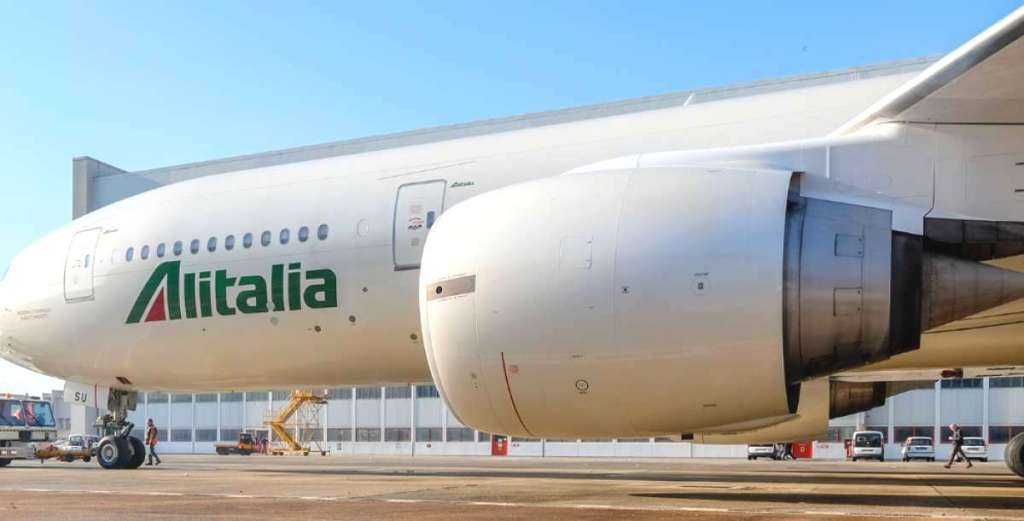
Alitalia ha comunicado la reanudación de la programación de vuelos a Argentina y Brasil a partir de mediados de Diciembre 2020. La reapertura continuará efectuando vuelos sin escalas desde Roma a Buenos Aires y Sao Paulo. La compañía italiana, luego de suspender servicios aéreos en Marzo 2020 debido a la pandemia de Coronavirus y tras su estatización, la aerolínea reinicia sus operaciones con Sudamérica.

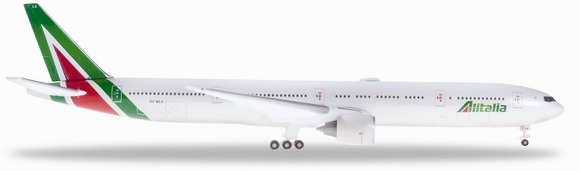
Los servicios programados con Brasil y Argentina se operarán semanalmente y marcarán la reanudación de una conexión aérea directa regular entre Italia y los dos países de América del Sur. También garantizarán mayores oportunidades para transportar mercancías entre Europa y América del Sur, gracias a la capacidad de carga de 20 toneladas de los compartimientos de bodegas de los aviones Boeing 777-200ER. Los servicios hacia y desde Brasil se reiniciarán a partir del 15/12 con salida desde el aeropuerto de Roma Fiumicino a las 10:05 p.m. y llegada al aeropuerto de Sao Paulo-Guarulhos a las 06:25 a.m. (+1) (hora local) del día siguiente. Desde Sao Paulo, el Boeing de Alitalia despegará por primera vez el 17/12 a las 04:05 p.m. (hora local) y aterrizará en Roma Fiumicino a las 07:15 a.m. (+1) de la mañana siguiente. Las salidas desde Roma serán todos los Martes y desde Sao Paulo todos los Jueves. Con la reanudación de las operaciones en Brasil, también se pondrá en marcha un acuerdo de código compartido con la aerolínea brasileña GOL Linhas Aéreas. El acuerdo comercial ofrecerá a los pasajeros la posibilidad de viajar a otros 39 destinos brasileños (incluyendo, por ejemplo, Río de Janeiro, Brasilia, Recife, Salvador) gracias a los vuelos operados por GOL hacia y desde el aeropuerto de Sao Paulo en relación con el vuelo de Alitalia hacia y desde Roma. Además de una mayor accesibilidad en Brasil, este acuerdo con GOL Linhas Aéreas también ofrecerá importantes beneficios a los miembros del programa de fidelización MilleMiglia, que podrán ganar millas volando con la aerolínea brasileña, y beneficios adicionales para todos los viajeros, como la oportunidad de llegar al destino deseado con un billete único, facturar una vez en el aeropuerto de salida durante todo el viaje, y recoger el equipaje facturado al final de su viaje en el aeropuerto de llegada. Alitalia añade el nuevo acuerdo de código compartido con GOL al ya vigente con Azul Linhas Aéreas.
AW-7007773000

Los servicios hacia y desde Argentina se reiniciarán a partir del 19/12 con salida desde el aeropuerto de Roma Fiumicino a las 9:50 p.m. y llegada al Aeropuerto Buenos Aires/Ezeiza a las 08:00 a.m. (+1) (hora local) del día siguiente. Desde Buenos Aires, el Boeing Alitalia despegará por primera vez el 21/12 a las 02:05 p.m. (hora local) y aterrizará en Roma Fiumicino a las 07:00 a.m. (+1) de la mañana siguiente. Las salidas desde Roma serán todos los Sábados y desde Buenos Aires todos los Lunes. Gracias a la colaboración comercial con Aerolíneas Argentinas, los pasajeros de Alitalia que lleguen a Buenos Aires también tendrán la oportunidad de continuar su viaje desde los aeropuertos de Buenos Aires a 33 destinos nacionales argentinos (como, por ejemplo, Córdoba y Mendoza), además de otros cinco en Sudamérica, incluyendo Santiago (Chile), Lima y Asunción.

Con la reanudación de estas dos rutas a Sudamérica, Alitalia dará servicio a tres destinos intercontinentales con vuelos regulares: Buenos Aires, Nueva York y Sao Paulo. Los vuelos desde y hacia Argentina y Brasil están disponibles en los sistemas de venta de Alitalia en sitio web, Alitalia App, call centers, en agencias de viajes y aeropuertos.

En cumplimiento de las leyes italianas e internacionales vigentes en materia de prevención del contagio, todos los aviones Alitalia están desinfectados con productos desinfectantes de alta potencia todos los días y, gracias a los filtros HEPA y la circulación vertical, el aire a bordo no sólo se renueva cada tres minutos, sino que también es 99,7% puro, al igual que en una sala médica estéril. Todos los pasajeros también deben completar un formulario de autocertificación antes de embarcar, lo que certifica que no han tenido un contacto cercano con personas diagnosticadas con Covid-19. Además, los pasajeros deben llevar máscaras protectoras para ser usados desde su llegada al aeropuerto y durante el vuelo, teniendo en cuenta que tienen que traer un número adecuado de máscaras protectoras de acuerdo con la duración del vuelo, ya que es necesario sustituir la máscara por una nueva cada 4 horas.

Alitalia resumes Argentina/Brazil flights

Alitalia will resume flights to Brazil and Argentina from 12/2020

Alitalia_Isotype

Alitalia has announced the resumption of the schedule of flights to Argentina and Brazil as of mid-December 2020. The reopening will continue with non-stop flights from Rome to Buenos Aires and Sao Paulo. The Italian company, after suspending air services in March 2020 due to the Coronavirus pandemic and after its nationalization, the airline restarts its operations with South America.

The scheduled services with Brazil and Argentina will be operated weekly and will mark the resumption of a regular direct air connection between Italy and the two South American countries. They will also ensure greater opportunities to transport goods between Europe and South America, thanks to the 20-tonne cargo capacity of the hold compartments of Boeing 777-200ER aircraft. Services to and from Brazil will restart from 12/15 with departure from Rome Fiumicino airport at 10:05 p.m. and arrival at the Sao Paulo-Guarulhos airport at 06:25 a.m. (+1) (local time) the next day. From Sao Paulo, the Alitalia Boeing will take off for the first time on 12/17 at 04:05 p.m. (local time) and will land in Rome Fiumicino at 07:15 a.m. (+1) the next morning. Departures from Rome will be every Tuesday and from Sao Paulo every Thursday. With the resumption of operations in Brazil, a codeshare agreement will also be launched with the Brazilian airline GOL Linhas Aéreas. The commercial agreement will offer passengers the possibility to travel to 39 other Brazilian destinations (including, for example, Rio de Janeiro, Brasilia, Recife, Salvador) thanks to the flights operated by GOL to and from the Sao Paulo airport in connection with the Alitalia flight to and from Rome. In addition to greater accessibility in Brazil, this agreement with GOL Linhas Aéreas will also offer important benefits to members of the MilleMiglia loyalty program, who will be able to earn miles flying with the Brazilian airline, and additional benefits for all travelers, such as the opportunity to arrive to the desired destination with a single ticket, check in once at the departure airport throughout the trip, and collect the checked baggage at the end of your trip at the arrival airport. Alitalia adds the new codeshare agreement with GOL to the one already in force with Azul Linhas Aéreas.

AW-700077677

The services to and from Argentina will restart from 12/19 with departure from Rome Fiumicino airport at 9:50 p.m. and arrival at Buenos Aires/ Ezeiza Airport at 08:00 a.m. (+1) (local time) the next day. From Buenos Aires, the Boeing Alitalia will take off for the first time on 12/21 at 02:05 p.m. (local time) and will land in Rome Fiumicino at 07:00 a.m. (+1) the next morning. Departures from Rome will be every Saturday and from Buenos Aires every Monday. Thanks to the commercial collaboration with Aerolíneas Argentinas, Alitalia passengers arriving in Buenos Aires will also have the opportunity to continue their journey from Buenos Aires airports to 33 Argentine national destinations (such as Córdoba and Mendoza), in addition to another five in South America, including Santiago (Chile), Lima and Asunción.

With the resumption of these two routes to South America, Alitalia will serve three intercontinental destinations with regular flights: Buenos Aires, New York and Sao Paulo. Flights to and from Argentina and Brazil are available in Alitalia’s sales systems on the website, Alitalia App, call centers, in travel agencies and airports.

In compliance with the Italian and international laws in force regarding the prevention of contagion, all Alitalia aircraft are disinfected with high-strength disinfectant products every day and, thanks to the HEPA filters and vertical circulation, the air on board is not only renews every three minutes, it is also 99.7% pure, just like in a sterile medical room. All passengers must also complete a self-certification form before boarding, which certifies that they have not had close contact with people diagnosed with Covid-19. In addition, passengers must wear protective masks to be used from their arrival at the airport and during the flight, taking into account that they have to bring an adequate number of protective masks according to the duration of the flight, since it is necessary to replace the mask with a new one every 4 hours.


PUBLISHER: Airgways.com
DBk: Alitalia.com / Traveldailynews.com / Airgways.com
AW-POST: 202011180949AR

A\W   A I R G W A Y S ®
Amas Uruguay suspende operaciones

AW | 2020 11 18 09:14 | AIRLINES

Suspenderá ops provisoriamente a partir del 07/12

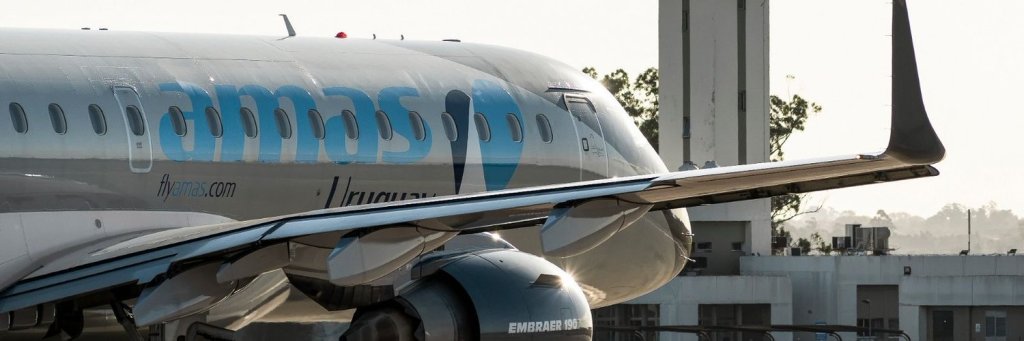
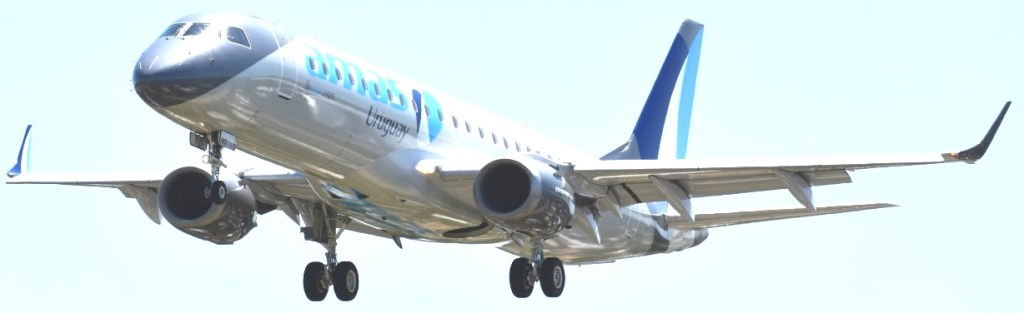
La aerolínea uruguaya Amas Uruguay ha comunicado la próxima suspensión de sus operaciones comerciales a partir del 7 de Diciembre de 2020 por el entorno sanitario y bloqueo aéreo. La información de la suspensión y el envío al seguro de paro fue comunicada entre la tarde y la noche del 17/11 a los empleados de la compañía. Amas Uruguay, también conocida originalmente como Amaszonas Uruguay, inicia un proceso de coordinación con las autoridades gubernamentales y organismos para una coordinación debido a las dificultades tras nueve meses de confinamiento social.

La aerolínea había establecido un programa de ampliación de flota en un plan comprometido para la incorporación del segundo avión Embraer 190-100, pero en vista de la actual coyuntura del mercado aeronáutico y turístico al que debe sumarse el cierre de fronteras en Uruguay, la compañía ha suspendido todos sus previsiones.

Amas Uruguay ha comunicado a funcionarios, pasajeros, proveedores y autoridades del Gobierno de Uruguay, que desde el día uno del cierre de fronteras se intentó por todos los medios sostener la aerolínea y colaborar con los uruguayos y el país en lo que estuvo a su alcance. «Es una noticia que no queremos dar. Intentamos por todos los medios buscar fórmulas para seguir volando, pero ya estamos con números rojos hace 9 meses y con un flujo acotado de pasajeros para transportar. Se nos cerró el circulo cada vez más. Vamos a suspender las operaciones hasta que Uruguay se abra. La situación del mercado es alarmante y tenemos que estar fuertes para cuando la nueva normalidad nos permita trabajar y nuestra apuesta al país sea viable, y nos permita cubrir mínimamente los costos fijos y los sueldos de nuestros 62 funcionarios en Uruguay, así como más de 40 en Argentina y Paraguay», ha expresado Sergio León, Gerente General de Amaszonas Uruguay.

Amas Uruguay quedó oficialmente habilitada para volar el 10 de Agosto 2015, cuando recibió el Certificado de Explotador Aéreo (AOC) N°003/121 bajo las nuevas Reglamentaciones Latinoamericanas LAR121. El procedimiento llevó a la compañía de capitales bolivianos unos 16 meses, siendo el único proceso de escisión que se realizó con éxito en esta materia en el Uruguay. El proceso se había iniciado en Abril de 2015, cuando la firma Amaszonas Bolivia acordó hacerse cargo de las operaciones y el personal de BQB Líneas Aéreas, evitando así su cierre. Amas Uruguay asumió durante la pandemia un rol fundamental en los vuelos de repatriación, los cuales permitieron el reencuentro de 4689 familias. Ante el cierre de fronteras con Argentina y Brasil la empresa uruguaya debió ajustar su presupuesto y plan de expansión al igual que todas las aerolíneas del mundo. No obstante, la experiencia de poder trabajar mancomunadamente con el Gobierno en las misiones humanitarias fue un reto que se asumió con mucha responsabilidad, pese a la pandemia. «Es una experiencia que nos llenó de orgullo y satisfacción. El profesionalismo con el que Uruguay manejó el tema para repatriar a todos los compatriotas y que Amaszonas Uruguay como única aerolínea uruguaya fuera parte de la solución, es algo que nos llenó de satisfacción y orgullo. Saber que pudimos aportar nuestro granito de arena para que más de 2348 familias uruguayas y 2340 familias extranjeras se encuentren, nos hizo sentir que caminamos en la senda correcta, más si consideramos que desde hace cinco años, luchamos para sostener la operación en Uruguay», expresó el Gerente General de Amas Uruguay.

Amas Uruguay suspends operations

It will temporarily suspend ops from 07/12

The Uruguayan airline Amas Uruguay has announced the upcoming suspension of its commercial operations as of December 7, 2020 due to the health environment and air blockade. The information on the suspension and the sending of unemployment insurance was communicated between the afternoon and evening of 11/17 to the company’s employees. Amas Uruguay, also originally known as Amaszonas Uruguay, begins a process of coordination with government authorities and agencies for coordination due to the difficulties after nine months of social confinement.

The airline had established a fleet expansion program in a committed plan for the incorporation of the second Embraer 190-100 aircraft, but in view of the current situation in the aeronautical and tourism market, which must be added to the closure of borders in Uruguay, the company has suspended all its forecasts.

Amas Uruguay has communicated to officials, passengers, suppliers and authorities of the Government of Uruguay, that from day one of the closure of borders they tried by all means to support the airline and collaborate with the Uruguayans and the country in what was within their reach. «It is news that we do not want to give. We try by all means to find formulas to continue flying, but we have already had red numbers for 9 months and with a limited flow of passengers to transport. The circle was closed more and more. We are going to suspend operations until Uruguay opens The market situation is alarming and we have to be strong for when the new normal allows us to work and our commitment to the country is viable, and allows us to minimally cover the fixed costs and salaries of our 62 officials in Uruguay, as well as more than 40 in Argentina and Paraguay», said Sergio León, General Manager of Amaszonas Uruguay.

Amas Uruguay was officially authorized to fly on August 10, 2015, when it received the Air Operator Certificate (AOC) No. 003/121 under the new Latin American Regulations LAR121. The procedure took the Bolivian capital company about 16 months, being the only spin-off process that was successfully carried out in this matter in Uruguay. The process had started in April 2015, when the firm Amaszonas Bolivia agreed to take over the operations and personnel of BQB Lineas Aereas, thus avoiding its closure. During the pandemic, Amas Uruguay assumed a fundamental role in the repatriation flights, which allowed the reunion of 4,689 families. Faced with the closure of borders with Argentina and Brazil, the Uruguayan company had to adjust its budget and expansion plan like all airlines in the world. However, the experience of being able to work together with the Government in humanitarian missions was a challenge that was assumed with great responsibility, despite the pandemic. «It is an experience that filled us with pride and satisfaction. The professionalism with which Uruguay handled the issue to repatriate all compatriots and that Amaszonas Uruguay as the only Uruguayan airline was part of the solution, is something that filled us with satisfaction and pride. Knowing that we were able to do our bit so that more than 2348 Uruguayan families and 2340 foreign families meet, made us feel that we were walking on the right path, especially if we consider that for five years, we have been fighting to sustain the operation in Uruguay», expressed the General Manager of Amas Uruguay.


PUBLISHER: Airgways.com
DBk: Amaszonas.com / Airgways.com / Amas_Twitter.com/Amaszonasuyok
AW-POST: 202011180914AR

A\W   A I R G W A Y S ®

Perspectivas carga aérea mundial

Aircraft. Boeing released its World Air Cargo Forecast

AW | 2020 11 18 08:41 | INDUSTRY

Boeing observa un mercado creciente de carga aérea

Boeing_Isologotype

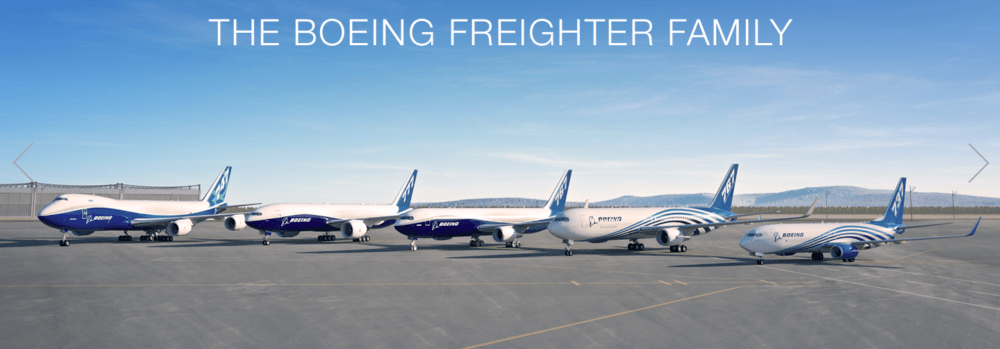
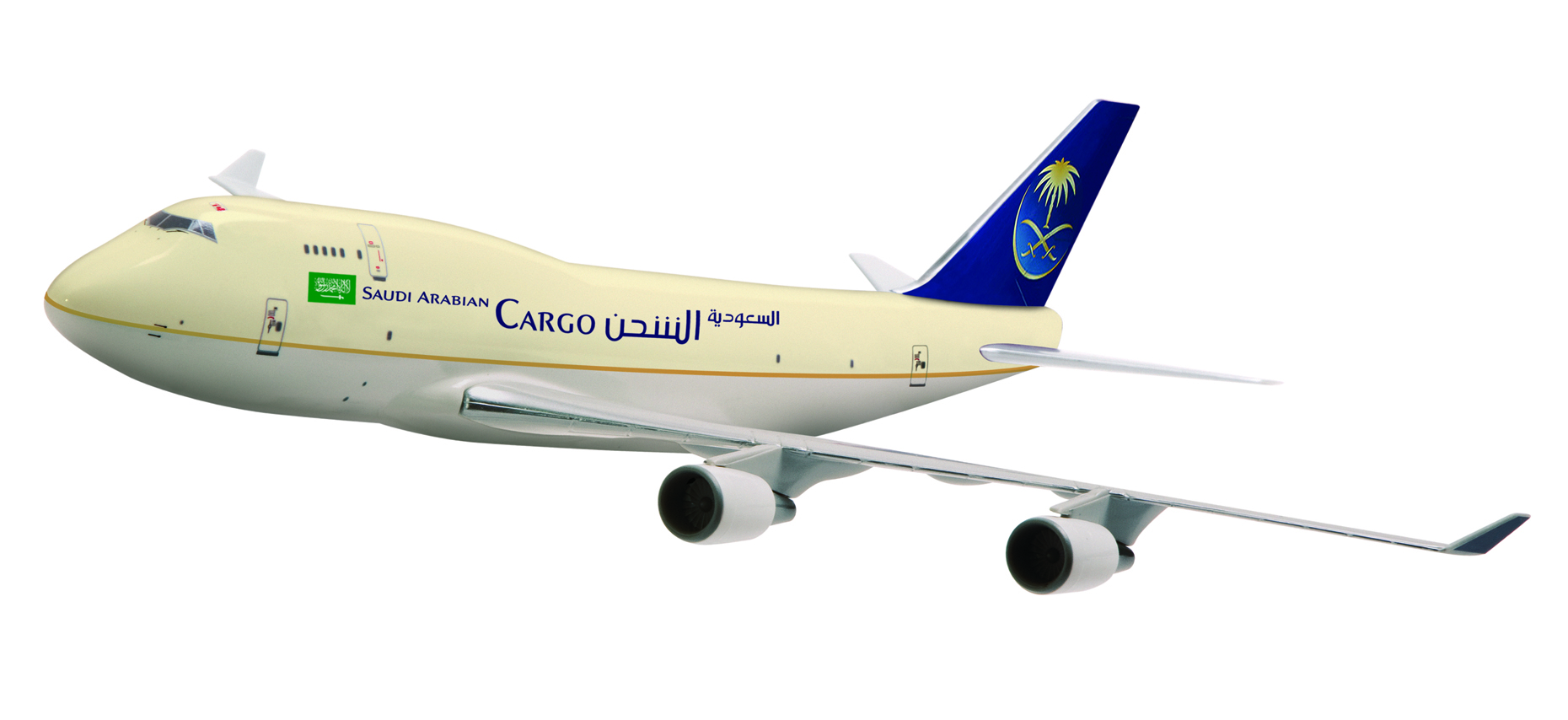
The Boeing Company ha expresado en un comunicado que se necesitan más cargueros para apoyar las cadenas de suministro mundiales y la expansión del comercio electrónico. World Air Cargo Forecast 2020 (WACF) ha previsto un crecimiento de la flota de más del 60% en 20 años, incluidos los cargadores nuevos y convertidos. Los operadores de transporte de mercancías cumplen con los requisitos del mercado para transportar suministros médicos y abordar las tendencias del comercio electrónico.

Boeing ha publicado este 17/11 su Pronóstico Mundial de Carga Aérea (WACF), que refleja los impactos y oportunidades del COVID-19, así como una demanda sustancial a largo plazo de cargueros en las próximas dos décadas. El WACF, que se ha permitido un repunte del comercio mundial y el crecimiento a largo plazo, prevé la demanda de 2.430 cargueros en los próximos 20 años, incluidos 930 nuevos cargueros de producción y 1.500 cargueros convertidos en aviones de pasajeros.

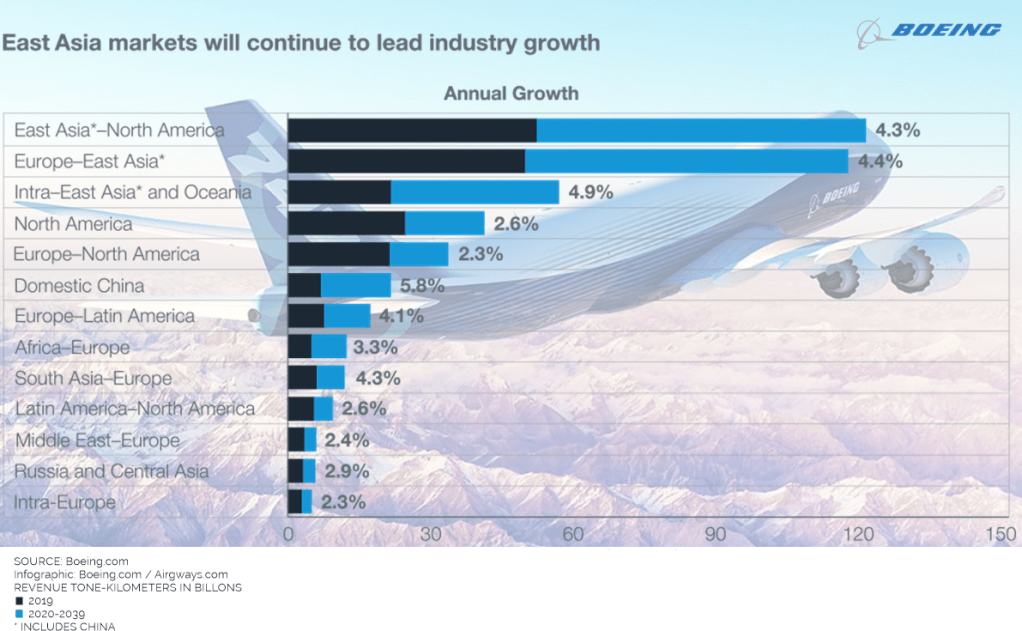
Según las nuevas previsiones, el tráfico mundial de carga aérea crecerá a un ritmo del 4% anual en los próximos 20 años. Este crecimiento está influenciado por el comercio y el crecimiento de los envíos exprés para apoyar la expansión de las operaciones de comercio electrónico. Con estos desarrollos y la necesidad probada de capacidad de carga dedicada para apoyar el sistema de transporte mundial, se espera que la flota mundial de carga aérea crezca más de un 60% hasta 2039. «Los operadores de carga han estado en una posición única en 2020 para cumplir con los requisitos del mercado en cuanto a velocidad, confiabilidad y seguridad, el transporte de suministros médicos y otros bienes para personas y comunidades de todo el mundo. De cara al futuro, los cargueros dedicados serán aún más críticos para competir en los mercados de carga aérea; transportan más de la mitad del tráfico de carga aérea, y las aerolíneas que los operan obtienen casi el 90% de los ingresos de la industria de carga aérea», dijo Darren Hulst, Vicepresidente de Marketing Comercial.

Además de proyectar la demanda a largo plazo de cargueros, el WACF proporciona información sobre el rendimiento de la carga aérea durante la pandemia, incluyendo lo siguiente: El comercio electrónico, que estaba creciendo a tasas de dos dígitos antes de la pandemia, ha acelerado su impacto en el mercado de la carga aérea a medida que más empresas se desplazaban a plataformas de venta en línea. Año hasta septiembre, los transportistas exprés aumentaron el tráfico en un 14%. La carga del vientre de los pasajeros, que en 2019 representaba aproximadamente la mitad de la capacidad mundial de carga aérea, se redujo significativamente cuando las aerolíneas estacionaron miles de aviones. Los operadores de carga respondieron operando por encima de los niveles normales de utilización, y el tráfico de los transportistas de carga crecieron un 6%. En lo que va de 2020, aproximadamente 200 aerolíneas utilizaron más de 2.000 aviones de cuerpo ancho de pasajeros para operaciones solo de carga para generar flujo de efectivo y apoyar las cadenas de suministro globales. Estos cargueros de pasajeros han asumido parte del déficit de capacidad y, en algunos casos, han generado beneficios trimestrales para los transportistas a pesar de las operaciones mínimas de pasajeros.

World air cargo perspective

Boeing sees growing air cargo market

Saudi-Airline-World-Cargo

The Boeing Company has said in a statement that more freighters are needed to support global supply chains and the expansion of electronic commerce. World Air Cargo Forecast 2020 (WACF) has forecast fleet growth of over 60% in 20 years, including new and converted loaders. Freight transport operators meet market requirements to transport medical supplies and address e-commerce trends.

Boeing released its World Air Cargo Forecast on 11/17, reflecting the impacts and opportunities of COVID-19, as well as substantial long-term demand for freighters over the next two decades. The WACF, which has allowed for a rebound in world trade and long-term growth, forecasts demand for 2,430 freighters over the next 20 years, including 930 new production freighters and 1,500 freighters converted to passenger aircraft. According to the new forecasts, world air cargo traffic will grow at a rate of 4% per year in the next 20 years.

This growth is influenced by commerce and the growth of express shipping to support the expansion of e-commerce operations. With these developments and the proven need for dedicated cargo capacity to support the global transportation system, the global air cargo fleet is expected to grow by more than 60% through 2039. «Cargo operators have been in a unique position in 2020 to meet the market requirements for speed, reliability and safety, transportation of medical supplies and other goods for people and communities around the world. Looking ahead, dedicated freighters will be even more critical to compete in the air cargo markets; they carry more than half the air cargo traffic, and the airlines that operate them derive nearly 90% of the revenue from the air cargo industry», said Darren Hulst, Vice President of Commercial Marketing.

In addition to projecting long-term demand for freighters, the WACF provides information on the performance of air cargo during the pandemic, including the following: Electronic commerce, which was growing at double-digit rates before the pandemic, has accelerated its impact on the air cargo market as more companies moved to online sales platforms. Year to September, express carriers increased traffic by 14%. Passenger belly loading, which in 2019 accounted for about half of the world’s air cargo capacity, dropped significantly as airlines parked thousands of planes. Freight operators responded by operating above normal levels of utilization, and freight carrier traffic grew 6%. So far in 2020, approximately 200 airlines have used more than 2,000 wide-body passenger aircraft for cargo-only operations to generate cash flow and support global supply chains. These passenger freighters have assumed part of the capacity deficit and, in some cases, have generated quarterly benefits for carriers despite minimal passenger operations.


PUBLISHER: Airgways.com
DBk: Boeing.com / Airgways.com
AW-POST: 202011180841AR

A\W   A I R G W A Y S ®