Airbus amplía capacidad SLS
AW | 2022 06 06 16:53 | AVIATION TECHNOLOGY

Ampliación capacidad de Sistema Aterrizaje por Satélites (SLS)
Aerolínea EasyJet lanzamiento de modalidad

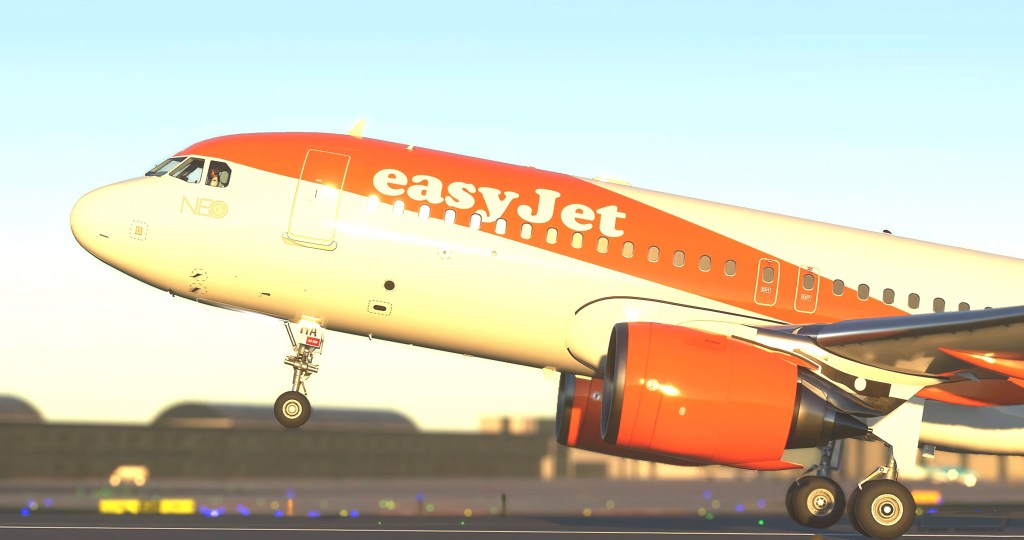
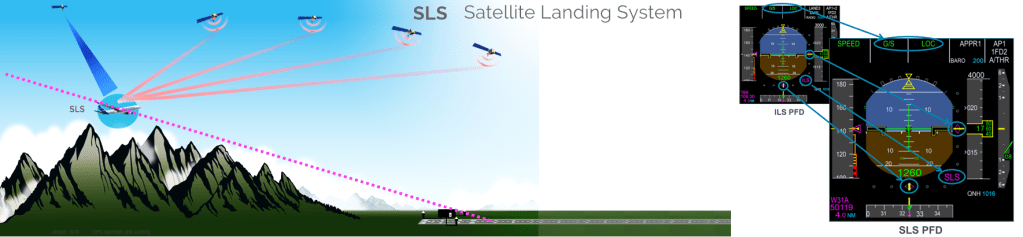
El centro de comunicado de prensa de Airbus Group ha entregado el primer Airbus A320NEO equipado con la última tecnología de Sistema de Aterrizaje por Satélites (SLS) al cliente de larga data lolw cost del Reino Unido EasyJet. La moderna tecnología del SLS permite a los pilotos realizar aproximaciones directas utilizando la precisión del satélite cuando aterrizan en los aeropuertos, sin la necesidad de sistemas terrestres adicionales como *ILS, incluso en condiciones de baja visibilidad, al tiempo que ahorra combustible y reduce las emisiones.

SLS entró en servicio por primera vez en Europa con el A350 en 2015 después de que Airbus fuera pionero con éxito en su desarrollo e introducción de enfoques *CAT1 con el apoyo de la Agencia de la UE para el Programa Espacial (EUSPA), anteriormente conocida como GSA, y la Comisión Europea. Una función SLS también está disponible en las familias de aviones A220 y A330 y en progreso para el A380. «Al utilizar SLS, las aerolíneas se benefician de capacidades operativas mejoradas y eficiencia operativa», dice Philippe Mhun, Director de Programas y Servicios de Airbus. «Estamos muy contentos de ofrecer esta nueva capacidad de gestión del tráfico aéreo ahora en la familia A320, lo que demuestra cómo Airbus mantiene sus aviones a la vanguardia de la tecnología. La introducción de tecnologías basadas en satélites destaca el beneficio de la colaboración interdivisional de Airbus. Dado que Airbus Defence and Space es uno de los líderes mundiales en tecnología satelital, aprovechamos esta experiencia y la aplicamos a la aviación comercial. Agradecemos el excelente apoyo prestado por la EUSPA y la Comisión Europea».

Airbus también está desarrollando la nueva generación de EGNOS, el Sistema Europeo de Aumento Basado en Satélites. «Airbus está comprometido y comprometido con la entrega de la próxima versión del programa para 2027. Los usuarios de SLS se beneficiarán sin problemas del aumento del rendimiento a medida que el servicio esté disponible en destinos europeos adicionales», declaró François Gaullier, Director de Telecomunicaciones y Navegación de Airbus Defence and Space.

David Morgan, Director de Operaciones de Vuelo de EasyJet, dijo: «Estamos entusiasmados con este último desarrollo tecnológico, ya que representa otro paso hacia una mayor mejora de la eficiencia de nuestras operaciones, al tiempo que nos ayuda a reducir el uso de combustible y, por lo tanto, a abordar nuestras emisiones de carbono». Creemos que la modernización del sector de la aviación es un objetivo crucial que requiere el esfuerzo conjunto y coordinado de toda la industria. Estamos comprometidos a apoyar el desarrollo de nuevas tecnologías, junto con nuestros socios en toda la industria, lo que nos permite operar de la manera más eficiente y tecnológicamente avanzada posible para la seguridad de nuestros clientes y la protección de nuestro planeta».

La familia A320NEO incorpora motores de nueva generación y Sharklets, que en conjunto ofrecen al menos un 20 por ciento de ahorro de combustible y CO2, así como una reducción de la huella de ruido del 50 por ciento. A finales de abril de 2022, la familia A320NEO había recibido más de 8.000 pedidos de alrededor de 130 clientes. Desde su entrada en servicio hace seis años, Airbus ha entregado más de 2.200 aviones de la familia A320NEO que contribuyen a un ahorro de 15 millones de toneladas de CO2 en comparación con los aviones de la generación anterior a los que sustituyen.

Airbus expands SLS capacity
Capacity expansion of the Satellite Landing System (SLS)
EasyJet airline launch of modality

The Airbus Group press release center has delivered the first Airbus A320NEO equipped with the latest Satellite Landing System (SLS) technology to long-standing UK lolw cost customer EasyJet. Modern SLS technology enables pilots to fly straight-in approaches using satellite precision when landing at airports, without the need for additional ground systems such as *ILS, even in low visibility conditions, while saving fuel and reducing emissions.

SLS first entered service in Europe with the A350 in 2015 after Airbus successfully pioneered its development and introduction of *CAT1 approaches with the support of the EU Space Program Agency (EUSPA), formerly known as SLS. such as GSA, and the European Commission. An SLS feature is also available on the A220 and A330 aircraft families and in progress for the A380. «By using SLS, airlines benefit from improved operational capabilities and operational efficiency», says Philippe Mhun, Director of Programs and Services at Airbus. «We are very pleased to offer this new air traffic management capability now on the A320 Family, demonstrating how Airbus keeps its aircraft at the forefront of technology. The introduction of satellite-based technologies highlights the benefit of cross-divisional collaboration across Airbus. As Airbus Defense and Space is one of the world leaders in satellite technology, we are taking this experience and applying it to commercial aviation. We appreciate the excellent support provided by the EUSPA and the European Commission».
Airbus is also developing the new generation of EGNOS, the European Satellite Based Augmentation System. «Airbus is committed and committed to delivering the next version of the program by 2027. SLS users will seamlessly benefit from increased performance as the service becomes available to additional European destinations», stated François Gaullier, Director of Telecommunications. and Navigation of Airbus Defense and Space.

David Morgan, easyJet’s Director of Flight Operations, said: «We are excited about this latest technological development as it represents another step towards further improving the efficiency of our operations, while helping us reduce fuel use and therefore to address our carbon emissions. We believe that the modernization of the aviation sector is a crucial objective that requires the joint and coordinated effort of the entire industry. We are committed to supporting the development of new technologies, together with our partners across the industry, allowing us to operate in the most efficient and technologically advanced way possible for the safety of our customers and the protection of our planet».

The A320NEO Family incorporates new generation engines and Sharklets, which together deliver at least 20 per cent fuel and CO2 savings, as well as a 50 per cent noise footprint reduction. By the end of April 2022, the A320NEO Family had received more than 8,000 orders from around 130 customers. Since entering service six years ago, Airbus has delivered more than 2,200 A320NEO Family aircraft contributing to savings of 15 million tonnes of CO2 compared to the previous generation aircraft they replace.

ILS: Sistema de aterrizaje por instrumentos es un sistema que funciona enviando ondas de radio desde el extremo de la pista, con aeronaves que lo interceptan utilizando las ondas de radio para guiarlas hacia la pista.

CAT1/2/3: El enfoque de categoría de precisión define la precisión en términos de «Altura de Decisión» y «Rango Visual de la Pista». «CAT3» es el más preciso de estas categorías.

ILS: Instrument Landing System is a system that works by sending radio waves from the end of the runway, with aircraft intercepting it using the radio waves to guide them onto the runway.

CAT1/2/3: The accuracy category approach defines accuracy in terms of «Decision Height» and «Runway Visual Range». «CAT3» is the most accurate of these categories.

PUBLISHER: Airgways.com
DBk: Airbus.com / Airgways.com
AW-POST: 202206061653AR
OWNERSHIP: Airgways Inc.
A\W A I R G W A Y S ®
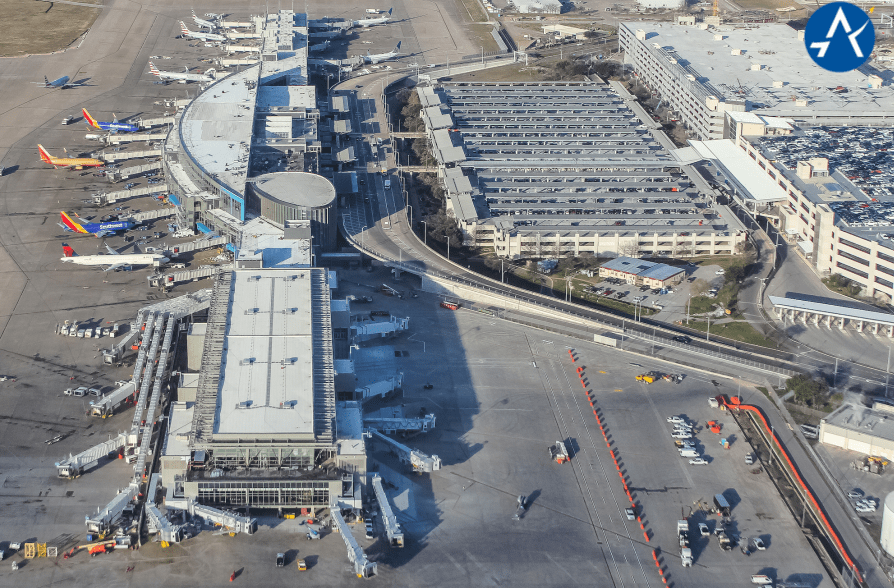
Austin, aeropuerto más ecológico

AW | 2022 06 06 16:10 | AIRPORTS / GOVERNMENT

Aeropuerto Austin (TX) más verde de Estados Unidos

El Aeropuerto Austin-Bergstrom/AUS localizado en el Estado de Texas ha sido considerado como uno de los más verdes de los Estados Unidos. En medio de una rápida expansión y multitudes récord, el Aeropuerto Internacional Austin-Bergstrom recibió recientemente la premiación de convertirse en el primer aeropuerto de tamaño mediano en el país en ser neutro en carbono. El aeropuerto es uno de los tres únicos aeropuertos en el país en lograr la neutralidad de carbono.

El logro es parte de un esfuerzo continuo del aeropuerto para reflejar el enfoque de su comunidad en la sostenibilidad y la ecología, según Sam Haynes, Gerente de comunicaciones del aeropuerto. «El 100% de la energía en la terminal se alimenta a través de la energía eólica de Texas», dijo Sam Haynes. Los paneles solares alimentan otros edificios. En el último año, se instalaron 6,000 paneles solares, que proporcionan energía pero también sirven a la comunidad. «Gran parte de esa energía en realidad se retroalimenta a la red y se utiliza para el programa solar comunitario de Austin Energy», dijo Sam Haynes.

Aeropuerto ecológico

¿Alguna vez has visto tuberías púrpuras asomando del suelo? Esas tuberías son diferentes al resto. Contienen agua regenerada. El agua regenerada es agua que ha sido tratada en la Planta de Tratamiento de Agua de Austin, pero que no ha sido filtrada tan extensamente. Es ideal para regar el césped, pero no es exactamente seguro para beber. «A medida que se construyeron nuevos edificios, continuaron las nuevas expansiones, el agua regenerada está vinculada a todos ellos. En cualquier lugar del aeropuerto, ese no es el lado aéreo que se ve en el paisajismo, va a ser regado por regenerado. Eso significa todo el paisajismo a través de los terrenos», dijo John Barnard, un asociado de cumplimiento ambiental de la Ciudad de Austin. Supervisa el uso de agua regenerada en el aeropuerto.

El propósito detrás del uso de recuperado es que utiliza significativamente menos energía para procesar. «Esa es realmente la razón principal por la que las ciudades de todo el país están tratando de usar más recuperados, es solo un proceso menos intensivo en energía», dijo John Barnard.

La nueva construcción en el aeropuerto se ha hecho con la sostenibilidad en mente. La expansión de la terminal de 2019, que agregó nueve nuevas puertas al aeropuerto, recibió la certificación LEED Silver. «LEED es realmente una especie de luz guía, por así decirlo para la administración ambiental hacia la construcción y el diseño de aeropuertos», dijo Sam Haynes. LEED es un sistema de calificación que califica a los edificios en cuanto a la sostenibilidad en su construcción. El sistema de puntuación fue desarrollado por el U.S. Green Building Council. Hay cuatro niveles de certificación: Bronce, Plata, Oro y Platino.

Los edificios más antiguos recientemente renovados en el campus, incluidos el Centro de Desarrollo Profesional y los Edificios Administrativos, fueron reconocidos por el Programa de Construcción Ecológica de Austin Energy. El programa, al igual que LEED, reconoce las prácticas de sostenibilidad cuando se construyen edificios. «Como estamos buscando traer más desarrollo, más construcción en el aeropuerto, realmente estamos buscando aprovechar y utilizar este increíble programa de construcción ecológica de energía», dijo Sam Haynes.

Otra forma en que el aeropuerto está logrando la neutralidad de carbono es mediante el uso de fuentes de combustible renovables. «En lugar de usar combustible para aviones, con tasas de emisión más altas, muchas aerolíneas están optando por usar combustible de aviación sostenible o SAF», dijo Sam Haynes. El combustible de aviación sostenible es un tipo de biocombustible derivado de plantas, como el maíz y las algas. Según el Departamento de Energía, SAF quema más limpio y produce pocas emisiones en comparación con el combustible de aviación tradicional. Actualmente, solo los aviones privados están utilizando SAF en el Aeropuerto de Austin. Según el aeropuerto, el uso de gas natural renovable en el aeropuerto ha eliminado 357 toneladas métricas de carbono de la atmósfera. Esto equivale a un año de gasolina para 77 automóviles.

Perspectivas AUS

El Aeropuerto de Austin está reuniendo un «Equipo Verde» compuesto por las aerolíneas y las empresas dentro de la terminal. «Este equipo realmente adoptará un enfoque colaborativo para identificar objetivos, identificando métricas para que el aeropuerto cumpla cuando se trata de ambientalismo y sostenibilidad», dijo Sam Haynes. El aeropuerto espera tener el equipo reunido para el año fiscal 2023.

Hay formas en que puedes ayudar a proteger el planeta mientras vuelas. El aeropuerto de Austin se ha asociado con The Good Traveler, un sitio web sin fines de lucro que ayuda con los esfuerzos de reforestación. En el sitio web, puede ingresar en su vuelo y calcularán la cantidad de carbono que su vuelo pondrá en la atmósfera. Luego puedes donar para compensar ese carbono. Las donaciones se destinan a esfuerzos de reforestación en varias selvas tropicales de todo el mundo.

Austin greener airport

Austin (TX) Greenest Airport in the United States

The Austin-Bergstrom Airport/AUS located in the State of Texas has been considered one of the greenest in the United States. Amid rapid expansion and record crowds, Austin-Bergstrom International Airport recently received the award for becoming the first mid-size airport in the country to be carbon neutral. The airport is one of only three airports in the country to achieve carbon neutrality.

The achievement is part of an ongoing effort by the airport to reflect its community’s focus on sustainability and ecology, according to Sam Haynes, airport communications manager. “100% of the power at the terminal is powered by Texas wind power”, said Sam Haynes. Solar panels power other buildings. In the last year, 6,000 solar panels were installed, which provide energy but also serve the community. «A lot of that power is actually fed back into the grid and used for Austin Energy’s community solar program», said Sam Haynes.

Ecological airport

Have you ever seen purple pipes sticking out of the ground? Those pipes are different from the rest. They contain reclaimed water. Reclaimed water is water that has been treated at the Austin Water Treatment Plant, but has not been filtered as extensively. It’s great for watering lawns, but it’s not exactly safe to drink. «As new buildings have been built, new expansions have continued, reclaimed water is linked to all of them. Anywhere on the airport, that’s not the aerial side that you see in the landscaping, it’s going to be watered by reclaimed. That means all landscaping across the grounds», said John Barnard, an environmental compliance associate for the City of Austin. He oversees the use of reclaimed water at the airport.

The purpose behind using reclaimed is that it uses significantly less energy to process. «That’s really the main reason why cities across the country are trying to use more reclaimed, it’s just a less energy-intensive process», said John Barnard.

The new construction at the airport has been done with sustainability in mind. The 2019 terminal expansion, which added nine new gates to the airport, received LEED Silver certification. «LEED is really kind of a guiding light, if you will, for environmental stewardship toward airport construction and design», said Sam Haynes. LEED is a rating system that rates buildings for sustainability in their construction. The scoring system was developed by the U.S. Green Building Council. There are four levels of certification: Bronze, Silver, Gold and Platinum.

Newly renovated older buildings on campus, including the Career Development Center and Administration Buildings, were recognized by Austin Energy’s Green Building Program. The program, like LEED, recognizes sustainability practices when buildings are constructed. «As we’re looking to bring more development, more construction to the airport, we’re really looking to harness and utilize this incredible energy green building program», said Sam Haynes.

Another way the airport is achieving carbon neutrality is through the use of renewable fuel sources. «Instead of using jet fuel, with higher emission rates, many airlines are choosing to use sustainable aviation fuel, or SAF», said Sam Haynes. Sustainable aviation fuel is a type of biofuel derived from plants, such as corn and algae. According to the Department of Energy, SAF burns cleaner and produces fewer emissions compared to traditional aviation fuel. Currently, only private jets are using SAF at Austin Airport. According to the airport, the use of renewable natural gas at the airport has removed 357 metric tons of carbon from the atmosphere. This is equivalent to a year of gasoline for 77 cars.

AUS perspectives

Austin Airport is putting together a «Green Team» comprised of airlines and businesses within the terminal. «This team will really take a collaborative approach to identifying goals, identifying metrics for the airport to meet when it comes to environmentalism and sustainability», said Sam Haynes. The airport hopes to have the team assembled by fiscal year 2023.

There are ways you can help protect the planet while you fly. The Austin airport has partnered with The Good Traveler, a nonprofit website that helps with reforestation efforts. On the website, you can enter your flight and they will calculate how much carbon your flight will put into the atmosphere. You can then donate to offset that carbon. Donations go towards reforestation efforts in various rainforests around the world.

PUBLISHER: Airgways.com
DBk: Austintexas.gov/airport / Airgways.com
AW-POST: 202206061610AR
OWNERSHIP: Airgways Inc.
A\W A I R G W A Y S ®
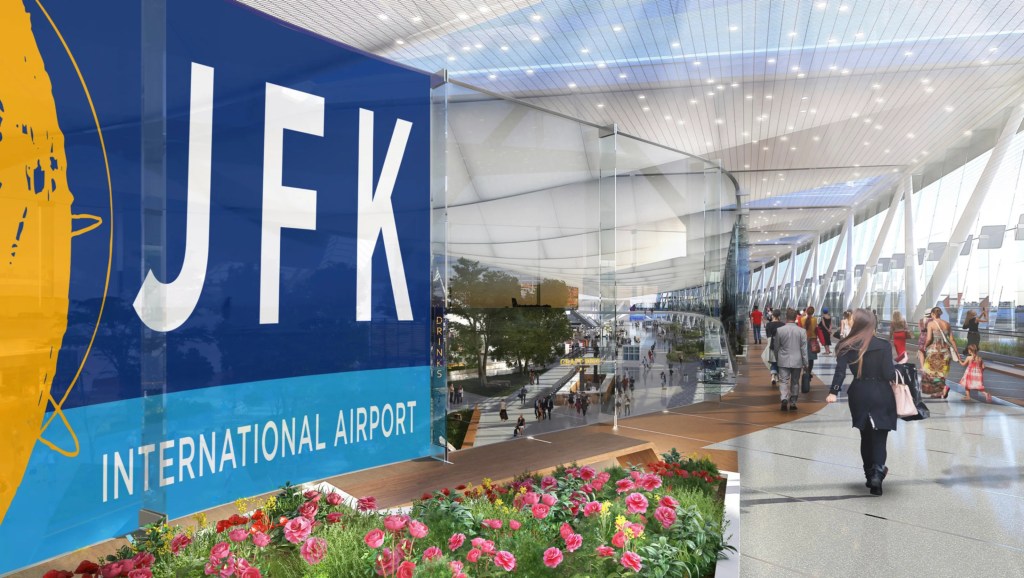
Ferrovial adquiere 49% T1 New York/JFK

AW | 2022 06 06 16:06 | AIRPORTS

Ferrovial compra 49% concesionaria T1 Aeropuerto Nueva York/JFK

AW-Ferrovial S.A.__Banner__Isologotype

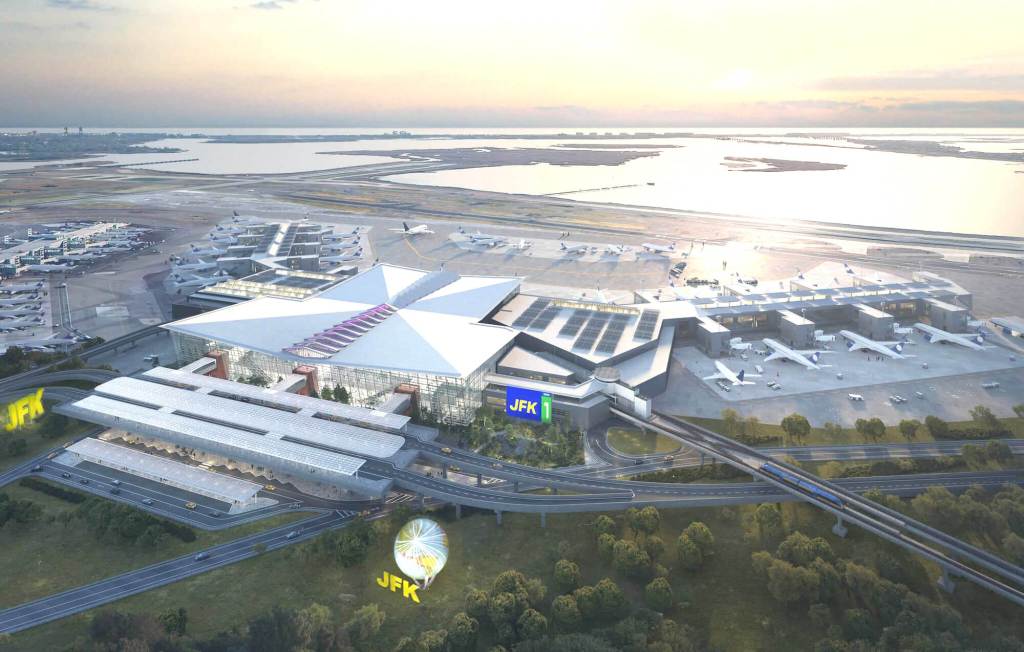
La compañía española Ferrovial S.A. ha adquirido el 96% del 51% de la titularidad de The Carlyle Global lnfrastructure Fund en New Terminal One, que operará la Nueva Terminal T1 del Aeropuerto Internacional New York/JFK de Estados Unidos.

Ferrovial ha salido de compras y ha concluido con éxito la operación corporativa que tenía en marcha con negociaciones exclusivas. La empresa presidida por Rafael del Pino, a través de su división de aeropuertos, ha acordado la adquisición de una participación en New Terminal One, el consorcio designado para diseñar, construir y operar la Nueva Terminal 1 del Aeropuerto Internacional JFK de Nueva York, que incluye las Terminales 1 y 2, y la antigua T3 de dicho aeropuerto y posibles ampliaciones y ha adquirido el 96% del 51% del que The Carlyle Global lnfrastructure Fund es titular en New Terminal One, por lo que ostentará el 49% del capital. El cierre de la operación está sujeto a determinadas condiciones suspensivas, incluyendo la aprobación de las autoridades portuarias. La inversión de Ferrovial supondrá aproximadamente US$ 1.140 millones de Dólares/€ 1.061 millones de Euros.

Con una inversión de US$ 9.500 millones de Dólares, el proyecto de la Nueva Terminal 1 se ubicará en el espacio que actualmente ocupan la T1 y la T2 y la antigua T3, ofreciendo una mejor experiencia de usuario a lo largo de los más de 232.000 metros cuadrados que tendrá esta nueva infraestructura. El proceso de remodelación, que incluye la demolición de las terminales antiguas y la modernización de las infraestructuras, incrementará la capacidad de la terminal. Una vez acabada la obra, se convertirá en la mayor terminal del Aeropuerto Internacional JFK. La construcción del proyecto se llevará a cabo por fases, se espera que la primera fase esté finalizada en 2026. La concesión del aeropuerto está prevista hasta 2060. Ferrovial ha sido parte de la industria de la aviación desde 1998 y cuenta con más de 20 años de experiencia en inversión, desarrollo y operación en 33 aeropuertos en todo el mundo, incluyendo Estados Unidos, Australia y Chile. Actualmente, cuenta con cuatro aeropuertos en Reino Unido. Con una participación del 25%, es el mayor accionista y socio industrial del aeropuerto de Heathrow y mantiene una participación del 50% en los aeropuertos de Glasgow, Aberdeen y Southampton. Así mismo, se encuentra en proceso la adquisición de un 60% a YDA Group del aeropuerto internacional de Dalaman en Turquía.

Ferrovial acquires 49% T1 New York/JFK

Ferrovial buys 49% concessionaire T1 New York/JFK Airport

AW-Ferrovial S.A.__Isologotype

The Spanish company Ferrovial S.A. has acquired 96% of the 51% ownership of The Carlyle Global Infrastructure Fund in New Terminal One, which will operate the New Terminal T1 of the New York International Airport/JFK in the United States.

Ferrovial has gone shopping and has successfully concluded the corporate operation that it had underway with exclusive negotiations. The company chaired by Rafael del Pino, through its airports division, has agreed to acquire a stake in New Terminal One, the consortium appointed to design, build and operate the New Terminal 1 of the JFK International Airport in New York, which includes Terminals 1 and 2, and the old T3 of said airport and possible extensions and has acquired 96% of the 51% that The Carlyle Global Infrastructure Fund owns in New Terminal One, for which it will hold 49% of the capital. The closing of the operation is subject to certain conditions precedent, including the approval of the port authorities. Ferrovial’s investment will amount to approximately US$ 1,140 million Dollars/€ 1,061 million Euros.

With an investment of US$ 9,500 million dollars, the New Terminal 1 project will be located in the space currently occupied by T1 and T2 and the old T3, offering a better user experience throughout the more than 232,000 square meters that this new infrastructure will have. The remodeling process, which includes the demolition of the old terminals and the modernization of the infrastructure, will increase the capacity of the terminal. Once the work is finished, it will become the largest terminal at JFK International Airport. The construction of the project will be carried out in phases, the first phase is expected to be completed in 2026. The airport concession is scheduled until 2060. Ferrovial has been part of the aviation industry since 1998 and has more than 20 years of experience in investment, development and operation in 33 airports around the world, including the United States, Australia and Chile. Currently, it has four airports in the United Kingdom. With a 25% stake, it is Heathrow Airport’s largest shareholder and industrial partner and holds a 50% stake in Glasgow, Aberdeen and Southampton airports. Likewise, the acquisition of 60% of Dalaman International Airport in Turkey from YDA Group is in process.

PUBLISHER: Airgways.com
DBk: Ferrovial.com / Airgways.com
AW-POST: 202206061606AR
OWNERSHIP: Airgways Inc.
A\W A I R G W A Y S ®

Tráfico AEP/EZE afectado niebla

AW | 2022 06 06 14:40 | AIR TRAFFIC / AIRLINES

Aeropuertos Buenos Aires afectados por condiciones adversas

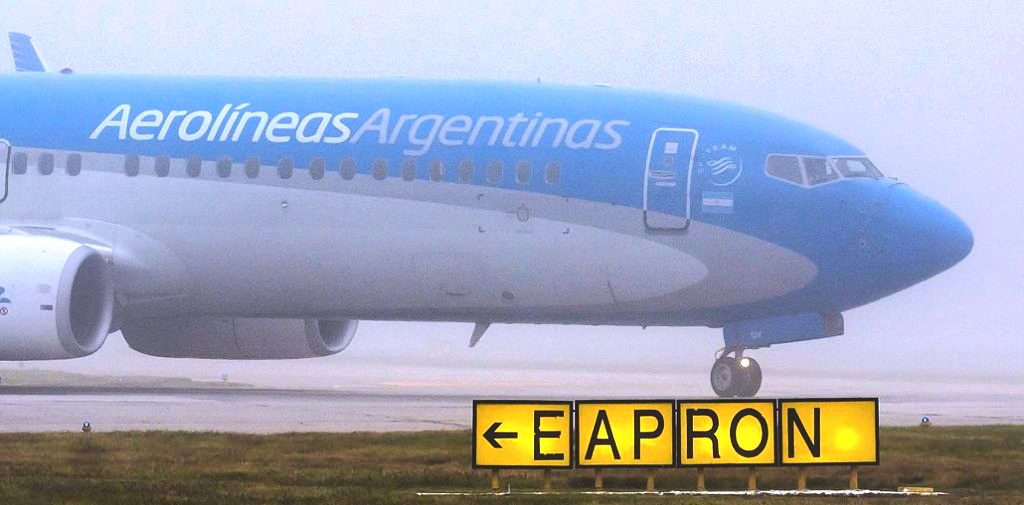
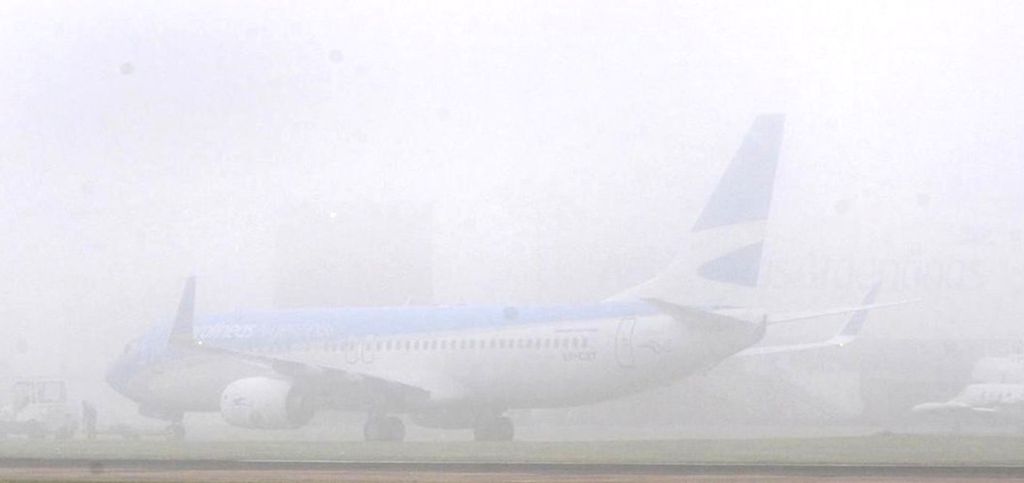
El Lunes 06/06 ha presentado una jornada con condiciones meteorológicas adversas para la navegación aérea con nieblas en diferentes sectores, proyectando temperaturas estimadas en 7 grados de mínima y 17 de máxima, y vientos del sureste rotando al suroeste y luego al noreste, informó el Servicio Meteorológico Nacional (SMN).

Unos veinte vuelos resultaron afectados por la intensa niebla que cubrió la zona del Aeropuerto Internacional Ezeiza/EZE. Un vuelo fue cancelado, seis fueron desviados a Montevideo y doce se encontraban con demoras de entre dos y cuatro horas. En tanto que el vuelo de Copa Airlines procedente de Panamá que debía aterrizar pasada la medianoche fue cancelado. Asimismo, fueron desviados los siguientes vuelos: Latam Airlines procedente de Lima, Perú; Lufthansa procedente de Frankfurt, Alemania; Copa Airlines que venía de Panamá; ITA Airways procedente de Roma; Air France que llegaba desde París y American Airlines procedente de Dallas, Estados Unidos. En condición de demorados estuvieron el vuelo de Aerolíneas Argentinas que vienen de Madrid; el de KLM procedente de Amsterdam; el de United Airlines que viene de Houston; los de American Airlines procedentes de Miami y Nueva York; el de British Airways que llega desde Londres; el de Level procedente de Barcelona y los de Flybondi Líneas Aéreas que deben llegar desde Río de Janeiro y São Paulo.

En el Aeropuerto Jorge Newbery/AEP cuatro servicios sufrieron demoras. Entre los servicios afectados, se encuentra un vuelo de Flybondi que debía aterrizar a la madrugada procedente de Mendoza y se encuentra demorado. Los vuelos demorados fueron los de JetSmart Airlines Chile procedente de Santiago de Chile y los de Aerolíneas Argentinas que vienen desde Rosario, Mar del Plata e Iguazú. El resto de la operatoria en la estación aérea metropolitana es normal.

Para mañana Martes 07/06 se prevé una jornada con neblinas matinales y cielo parcialmente nublado, y una temperatura de entre 7 y 17 grados. El Miércoles 08/06 también se esperan neblinas matinales, cielo algo nublado y una temperatura de 8 grados de mínima y 17 de máxima.

AEP/EZE traffic affected fog

Buenos Aires airports affected by adverse conditions

Monday 06/06 has presented a day with adverse weather conditions for air navigation with fog in different sectors, projecting temperatures estimated at 7 degrees minimum and 17 maximum, and winds from the southeast rotating to the southwest and then to the northeast, reported the National Meteorological Service (SMN).

About twenty flights were affected by the intense fog that covered the area of ​​the Ezeiza/EZE International Airport. One flight was cancelled, six were diverted to Montevideo and twelve were delayed between two and four hours. Meanwhile, the Copa Airlines flight from Panama that was supposed to land after midnight was cancelled. Likewise, the following flights were diverted: Latam Airlines from Lima, Peru; Lufthansa from Frankfurt, Germany; Copa Airlines that came from Panama; ITA Airways from Rome; Air France arriving from Paris and American Airlines from Dallas, United States. In a delayed condition were the Aerolineas Argentinas flight coming from Madrid; the KLM from Amsterdam; the one from United Airlines that comes from Houston; those of American Airlines from Miami and New York; the one of British Airways that arrives from London; that of Level coming from Barcelona and those of Flybondi Líneas Aéreas that must arrive from Rio de Janeiro and São Paulo.

At the Jorge Newbery/AEP Airport, four services suffered delays. Among the affected services is a Flybondi flight that was supposed to land at dawn from Mendoza and is delayed. The delayed flights were those of JetSmart Airlines Chile coming from Santiago de Chile and those of Aerolineas Argentinas coming from Rosario, Mar del Plata and Iguazú. The rest of the operation in the metropolitan air station is normal.

For tomorrow, Tuesday 06/07, a day with morning fog and partly cloudy skies is expected, and a temperature between 7 and 17 degrees. On Wednesday 06/08 morning fogs, somewhat cloudy skies and a temperature of 8 degrees minimum and 17 maximum are also expected.

PUBLISHER: Airgways.com
DBk: Aa2000.com.ar / Smn.gov.ar / Airgways.com
AW-POST: 202206061440AR
OWNERSHIP: Airgways Inc.
A\W A I R G W A Y S ®
IAG sella acuerdo compra 737 MAX

AW | 2022 06 06 13:06 | AIRLINES / INDUSTRY

IAG Group amplía acuerdo adquisición Boeing 737 MAX

AW-IAG Group__Isologootype

Boeing 737 MAX_Isologotype

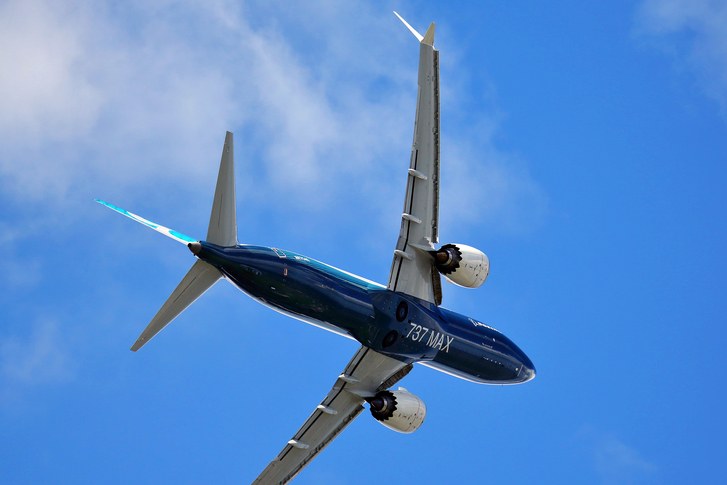
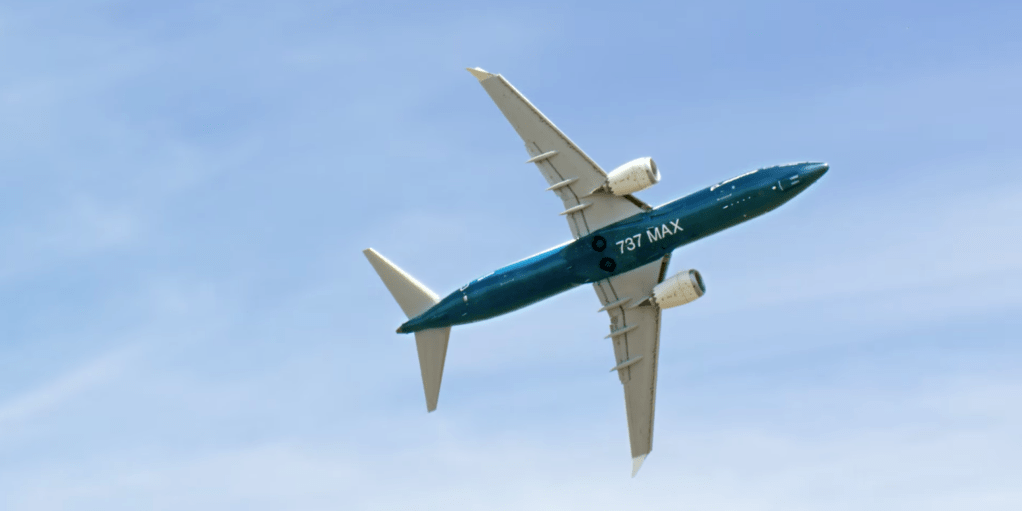
La International Airlines Group (IAG) selló recientemente un acuerdo con el fabricante estadounidenseThe Boeing Company para comprar cincuenta Boeing 737 MAX (50) con opción a cien (100) unidades adicionales. El Presidente y Consejero Delegado de Iberia, Javier Sánchez-Prieto, explica el motivo que ha llevado a su matriz a suscribir un acuerdo con Boeing para la adquisición de medio centenar de 737 MAX, con opción a cien aeronaves. El máximo responsable de Iberia Líneas Aéreas aclara que “no lo hacemos porque sean mejores, sino para evitar el riesgo de quedarnos sin flota suficiente”.

La compra de más unidades del fabricante americano siembra a corto plazo la incógnita para determinar qué aerolínea del grupo adquirirá la línea 737 MAX. No obstante, versiones entre pasillo parece indicar que serán afectadas a la flota de Vueling y la filial low cost de British Airways. La low cost española Vueling sería candidata a sumar los Boeing 737 MAX, poseyendo una flota mixta A320-737 MAX. Iberia, por su parte, seguirá centrada en la línea Airbus A320NEO. La aerolínea prevé incorporar desde el presente hacia 2030 alrededor de veinte A350 (20) y varias unidades del A321 XLR, concentrando la homogeneización de su flota. La aerolínea dispone en la actualidad de A320NEO (11) alcanzando las catorce unidades hacia finales de 2022. El plan maestro de la aerolínea contempla incorporar otros seis aviones A320NEO (6) a lo largo de 2023.

El plazo de entrega de la cartera de pedidos del IAG Group asciende a doscientas unidades Boeing que serán entregadas entre los años 2023 y 2027. En el momento del anuncio, el Consejero Delegado del holding, Luis Gallego, destacó que su incorporación “será parte importante de la renovación de la flota de corto radio de IAG. Estos aviones de última generación son más eficientes en el consumo de combustible que las aeronaves que reemplazan, en línea con nuestro compromiso de alcanzar cero emisiones netas para 2050”.

IAG seals deal to buy 737 MAX

IAG Group Extends Boeing 737 MAX acquisition agreement

The International Airlines Group (IAG) recently sealed an agreement with the American manufacturer The Boeing Company to buy fifty Boeing 737 MAX (50) with an option for one hundred (100) additional units. The President and CEO of Iberia, Javier Sánchez-Prieto, explains the reason that has led its parent company to sign an agreement with Boeing for the acquisition of fifty 737 MAXs, with an option for one hundred aircraft. The head of Iberia Líneas Aéreas clarifies that «we do not do it because they are better, but to avoid the risk of running out of enough fleet».

The purchase of more units of the American manufacturer sows the question mark in the short term to determine which airline of the group will acquire the 737 MAX line. However, versions between corridors seem to indicate that the Vueling fleet and the low cost subsidiary of British Airways will be affected. The Spanish low cost Vueling would be a candidate to add the Boeing 737 MAX, having a mixed A320-737 MAX fleet. Iberia, for its part, will continue to focus on the Airbus A320NEO line. The airline plans to incorporate from now to 2030 around twenty A350 (20) and several A321 XLR units, concentrating the homogenization of its fleet. The airline currently has A320NEO (11) reaching fourteen units by the end of 2022. The airline’s master plan contemplates incorporating another six A320NEO aircraft (6) throughout 2023.

The delivery time for the IAG Group’s order book amounts to two hundred Boeing units that will be delivered between 2023 and 2027. At the time of the announcement, the CEO of the holding company, Luis Gallego, stressed that its incorporation «will be an important part of the renewal of IAG’s short-haul fleet. These next-generation aircraft are more fuel efficient than the aircraft they replace, in line with our commitment to achieve net-zero emissions by 2050”.

PUBLISHER: Airgways.com
DBk: Iairgroup.com / Iberia.com / Airgways.com
AW-POST: 202206061306AR
OWNERSHIP: Airgways Inc.
A\W A I R G W A Y S ®

Alertan estado flota Aerolíneas

AW | 2022 06 06 13:00 | AIRLINES / GOVERNMENT

Incremento incidentes por el estado de la flota

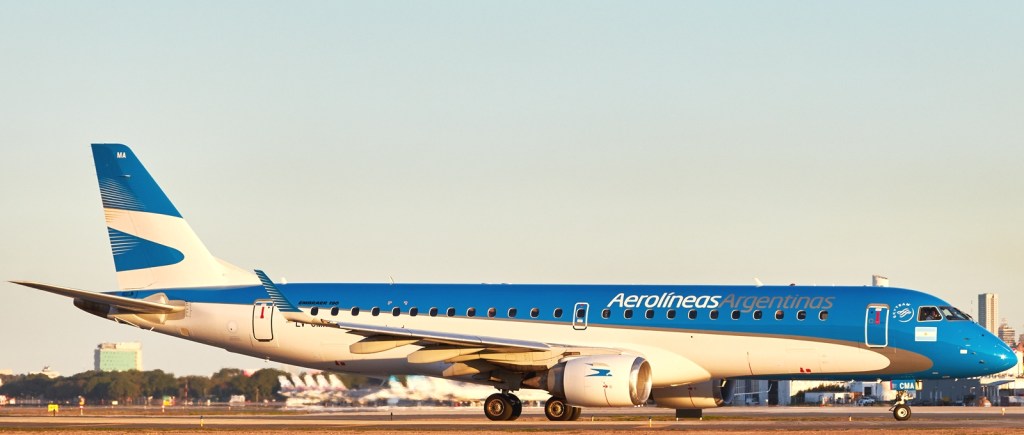
Aerolíneas Argentinas_Isologotype 2010_Tx

Aerolíneas Argentinas ha tenido trece incidentes en un período de cuatro meses y alertan por el estado de la flota actual. En los últimos cuatro años habían sido de diecisiete incidentes reportados. Ante esta situación, el Partido político de la Coalición Cívica (CC) sospecha sobre el deterioro del mantenimiento de los aviones en pandemia.

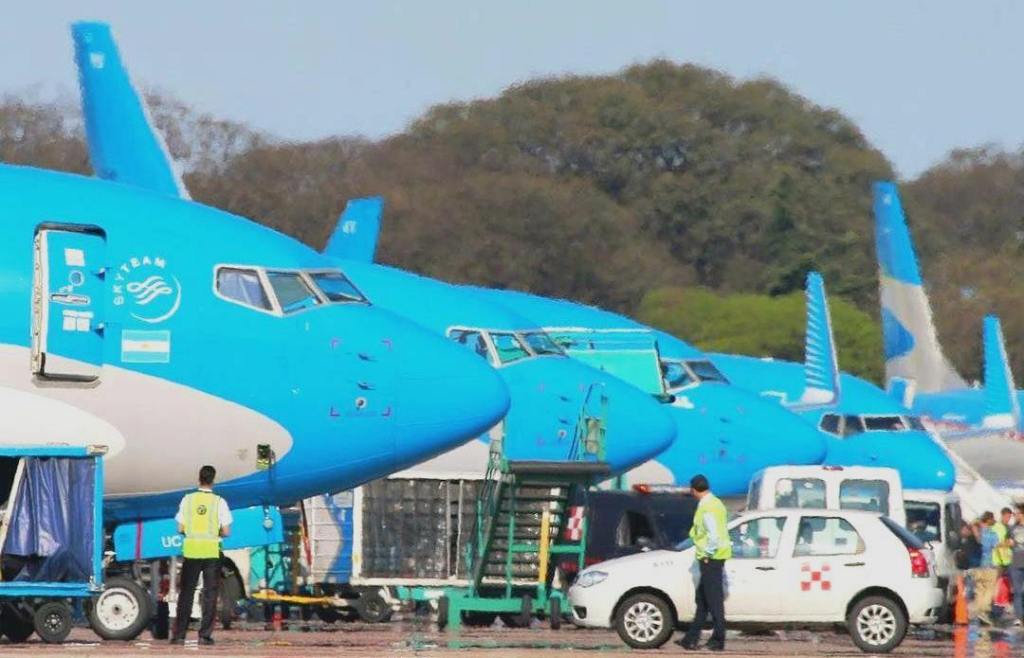
Una serie de incidentes reportados han encendido las alertas por el estado de la flota aérea de la aerolínea de Argentina. El Viernes, 4 de Marzo de 2022, el vuelo de Aerolíneas Argentinas AR1516 despegó del Aeropuerto Córdoba/COR con destino a Salta/SLA. Alrededor de las 14:00 hs. a los 25 minutos del despegue, el avión debió regresar a la pista de origen por una presunta despresurización en la cabina y efectuó un aterrizaje de emergencia. El incidente es actualmente investigado por la Junta de Seguridad del Transporte (JST) y forma parte de una serie de otros doce hechos más que afectaron diferentes operaciones de la línea de bandera en lo que va del año 2022, de acuerdo a la propia información que el Gobierno entregó en el informe de gestión de Juan Manzur ante el Senado. “Aerolíneas Argentinas no tuvo accidentes; sí dos incidentes graves once incidentes menores entre Enero y Abril de 2022″, informó la compañía a través del Ministerio de Transporte. En la propia respuesta que brinda Aerolíneas Argentinas, la compañía asegura que en los últimos cuatro años (excluyendo 2020), se obtuvieron en promedio diecisiete incidentes. En los primeros cuatro meses del año han tenido una ocurrencia de trece.

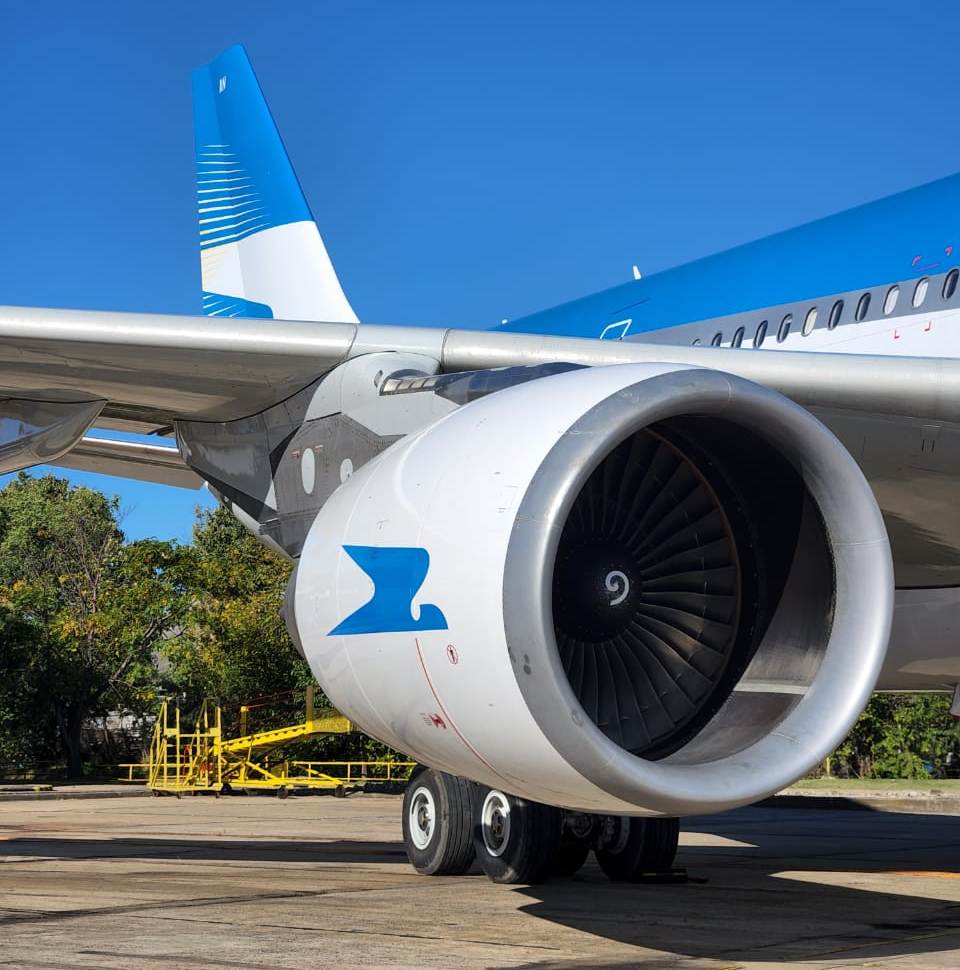
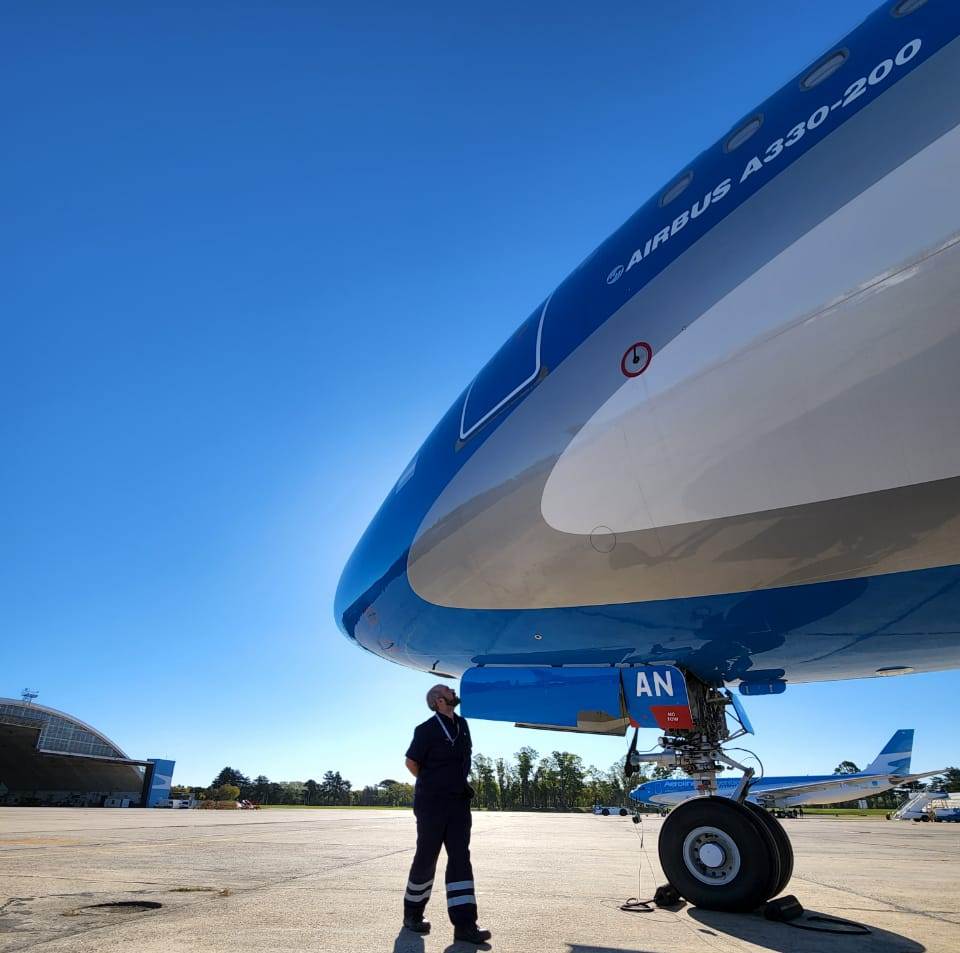
El episodio ocurrido en Córdoba en el que el avión sufrió una presunta despresurización fue considerado grave y despertó la preocupación de un grupo de Diputados de la Coalición Cívica ARI que formuló un pedido de informe al Gobierno para conocer el estado de la flota de la línea de bandera. La oposición en Diputados pidió conocer el estado de la flota de Aerolíneas Argentinas. Los Legisladores ponen la lupa en el mantenimiento de las aeronaves durante la pandemia, en particular el año 2020, en el que buena parte de la flota no voló por el Aislamiento Social, Preventivo y Obligatorio (ASPO). En paralelo a la solicitud de los diputados, la emisora de televisión y grupo de contenidos periodísticos Todo Noticias (TN) formuló un pedido de acceso a la información pública a Aerolíneas Argentinas para conocer la antigüedad de la flota y qué tareas de mantenimiento se realizó sobre cada unidad. Este medio pudo saber que actualmente Aerolíneas Argentinas cuenta con setenta y seis (76) aviones, de los que están operativos sesenta y dis (62) unidades. Estas unidades tienen antigüedad promedio de casi diez años (9,68 años), aunque hay casos como dos A330-200 que poseen 21 y 22 años, con matrículas LV-FNK y LV-FNJ respectivamente.

La antigüedad de la flota de los aviones de Aerolíneas Argentinas son las siguientes: Airbus A330-200, nueve (9) aviones, con una antigüedad promedio de la flota de trece años y horas de vuelo promedio de 43.378 hs. Boeing 737-8 MAX, posee cinco (5) aviones con una antigüedad promedio de 4.22 años pero una utilidad promediio de dos años debido a la puesta en tierra por las recertificaciones del modelo y por los efectos de la crisis sanitaria y de los vuelos., han acumulado 5.454 horas de vuelo en promedio. Boeing 737-800 posee veintinueve (29) aviones, con una antigüedad promedio de siete años y unas horas de vuelo promedio de 17.997. Boeing 737-700, posee ocho (8) unidades con una antigüedad promedio de quince años y unas horas de vuelo promedio acumuladas de 36.989. El modelo Embraer E190-100AR, posee una flota absorbida de Austral Líneas Aéreas de veinticinco (25) aeronaves con una antigüedad promedio de 10,75 años, acumulando un promedio de 22.977 horas de vuelo. Los modelos Boeing 737-700 son los que mayor antigüedad promedio tienen, seguido de los A330-200, que realizan vuelos internacionales. Los datos obtenidos están actualizados al 29 de Abril de 2022.

La mayoría tuvo que ver con cuestiones técnicas menores de las aeronaves, aunque se destacan casos en los que los incidentes fueron más importantes: uno ocurrió el 12 de Enero de 2022, cuando la Comisario a bordo de una de las unidades reportó olor y humo en la cabina, donde el hecho ocurrió en Tucumán; y la despresurización de otro vuelo en la ruta Córdoba—Salta. También en el vuelo AR1802 hubo un inconveniente con los neumáticos de la nave.

La Coalición Cívica pidió conocer los incidentes de aviones de Aerolíneas Argentinas en 2022. “Durante este año he escuchado varias noticias de desperfectos en los aviones lo que me motivó a formular el pedido de información, en el que resalto principalmente la necesidad de conocer cuál fue el mantenimiento de las unidades en 2020″, le dijo a TN la Diputada Leonor María Martínez Villada, que encabezó la firma del pedido. Los diputados señalan que en los últimos dos años se vio una “desmejora de la aviación civil por la pandemia”. Este grupo está compuesto, además, por Mónica Frade, Marcela Campagnoli y Soledad Carrizo, entre otros legisladores. En el escrito, los diputados piden conocer el listado de fallas registradas y todo tipo de accidentes ocurridos en lo que va del 2022. En rigor, pese a que Juan Manzur entregó la respuesta al Senado, a los diputados aún no se les contestó el proyecto de resolución que enviaron en marzo pasado. Sin embargo, cuando este medio pidió conocer detalles sobre el mantenimiento de las aeronaves durante el ASPO, la empresa solo se limitó a informar que antes de volver a volar a cada avión se le realizó un control de su aeronavegabilidad y cumplimiento de las diferentes etapas de preservado.

Desde la compañía se refirieron a los trece incidentes ocurridos en 2022 y señalaron que en lo que va del año se realizaron 28.138 vuelos por lo que el 99,9996% se realizó con normalidad. De los 76 aviones que tiene Aerolíneas Argentinas, están operativos 62, es decir, el 82% de la flota. El resto se encuentra en tareas de mantenimiento de sus fuselajes. Antes de la pandemia, Aerolíneas Argentinas contaba con 82 aeronaves (12 de fuselaje ancho y 70 de fuselaje angosto) y para recuperar esta cifra deben ingresar dos Airbus A330-200 (2) y dos de Boeing 737-8 MAX (2), en reemplazo de dos A340 y otros dos B737-800 que se devolvieron.

La empresa no informa la cantidad total de dinero que destina al mantenimiento de sus unidades. TN intentó conocer la cantidad total de fondos que la línea aérea de bandera destina al mantenimiento de sus aviones, pero desde la firma se negaron a entregar esa información. “La cantidad total de dinero invertido en mantenimiento se encuentra comprendido dentro del Stock de Deudas de ARSA, dicha información se encuentra expresamente clasificadas como información confidencial por el Directorio de la compañía, conforme el listado de activos de información confidencial aprobados por el Directorio y la Gerencia General en fecha 20 de Febrero de 2019″. Los gastos totales incurridos en la aerolínea, para el período 2021 y lo que va del 2022 el Estado asistió a la firma con AR$ 80.620.945.149, AR$ 65.796.742.149 en 2021 y AR$ 14.824.203.000 hasta el corriente año 2022. La línea de bandera volvió a colarse en la discusión pública luego de que el ex-Presidente Mauricio Macri asegurara que la privatizaría debido al alto costo que le representa al Estado.

Aerolíneas fleet status alerted

Increase in incidents due to the state of the fleet

Aerolíneas Argentinas has had thirteen incidents in a period of four months and they are alerting about the status of the current fleet. In the last four years there had been seventeen reported incidents. Given this situation, the Political Party of the Civic Coalition (CC) suspects the deterioration of aircraft maintenance in a pandemic.

A series of reported incidents have sparked alerts about the state of the Argentine airline’s air fleet. On Friday, March 4, 2022, Aerolíneas Argentinas flight AR1516 took off from Córdoba Airport/COR bound for Salta/SLA. Around 02:00 p.m. 25 minutes after takeoff, the plane had to return to the runway of origin due to a presumed depressurization in the cabin and made an emergency landing. The incident is currently being investigated by the Transportation Safety Board (JST) and is part of a series of twelve other events that affected different operations of the flag line so far in 2022, according to the information that the Government delivered in the management report of Juan Manzur before the Senate. “Aerolíneas Argentinas had no accidents; yes two serious incidents eleven minor incidents between January and April 2022″, reported the company through the Ministry of Transport. In the response provided by Aerolineas Argentinas, the company ensures that in the last four years (excluding 2020), an average of seventeen incidents were obtained. In the first four months of the year they have had an occurrence of thirteen.

The episode that occurred in Córdoba in which the plane suffered a presumed depressurization was considered serious and aroused the concern of a group of Deputies of the ARI Civic Coalition who formulated a request for a report from the Government to find out the status of the airline’s fleet. flag. The opposition in Deputies asked to know the status of the Aerolíneas Argentinas fleet. The Legislators put the magnifying glass on the maintenance of the aircraft during the pandemic, in particular the year 2020, in which a good part of the fleet did not fly due to the Social, Preventive and Mandatory Isolation (ASPO). Parallel to the request of the deputies, the television station and journalistic content group Todo Noticias (TN) made a request for access to public information to Aerolineas Argentinas to know the age of the fleet and what maintenance tasks were carried out on it. each unit. This medium was able to learn that Aerolíneas Argentinas currently has seventy-six (76) aircraft, of which sixty-dis (62) units are operational. These units have an average age of almost ten years (9.68 years), although there are cases such as two A330-200s that are 21 and 22 years old, with license plates LV-FNK and LV-FNJ, respectively.

The age of the Aerolíneas Argentinas aircraft fleet is as follows: Airbus A330-200, nine (9) aircraft, with an average age of the fleet of thirteen years and average flight hours of 43,378 hours. Boeing 737-8 MAX, has five (5) aircraft with an average age of 4.22 years but an average utility of two years due to grounding due to model recertifications and due to the effects of the health crisis and flights. , have accumulated 5,454 flight hours on average. Boeing 737-800 has twenty-nine (29) aircraft, with an average age of seven years and average flight hours of 17,997. Boeing 737-700, has eight (8) units with an average age of fifteen years and accumulated average flight hours of 36,989. The Embraer E190-100AR model has a fleet absorbed by Austral Líneas Aéreas of twenty-five (25) aircraft with an average age of 10.75 years, accumulating an average of 22,977 flight hours. The Boeing 737-700 models are the ones with the longest average age, followed by the A330-200, which carry out international flights. The data obtained is updated to April 29, 2022.

Most had to do with minor technical issues with the aircraft, although there are cases in which the incidents were more important: one occurred on January 12, 2022, when the Commissioner on board one of the units reported smell and smoke in the cabin, where the event occurred in Tucumán; and the depressurization of another flight on the Córdoba-Salta route. Also on flight AR1802 there was a problem with the aircraft’s tires.

The Civic Coalition asked to know about Aerolíneas Argentinas aircraft incidents in 2022. “During this year I have heard several news of aircraft damage, which motivated me to formulate the request for information, in which I mainly highlight the need to know what was the maintenance of the units in 2020″, Deputy Leonor María Martínez Villada, who led the signing of the order, told TN. The deputies point out that in the last two years there has been a «deterioration of civil aviation due to the pandemic». This group is also made up of Mónica Frade, Marcela Campagnoli and Soledad Carrizo, among other legislators. In the letter, the deputies ask to know the list of registered failures and all kinds of accidents that have occurred so far in 2022. Strictly speaking, despite the fact that Juan Manzur delivered the answer to the Senate, the deputies have not yet been answered about the project of resolution that they sent last March. However, when this medium asked to know details about the maintenance of the aircraft during the ASPO, the company only limited itself to reporting that before flying again, each aircraft was checked for its airworthiness and compliance with the different stages of maintenance. preserved.

The company referred to the thirteen incidents that occurred in 2022 and pointed out that 28,138 flights have been carried out so far this year, so 99.9996% were carried out normally. Of the 76 aircraft that Aerolíneas Argentinas has, 62 are operational, that is, 82% of the fleet. The rest are undergoing maintenance tasks on their fuselages. Before the pandemic, Aerolíneas Argentinas had 82 aircraft (12 wide-body and 70 narrow-body) and to recover this figure, two Airbus A330-200 (2) and two Boeing 737-8 MAX (2) must enter, in replacement of two A340s and two other B737-800s that were returned.

The company does not report the total amount of money it allocates to the maintenance of its units. TN tried to know the total amount of funds that the flag airline allocates to the maintenance of its planes, but the firm refused to provide that information. “The total amount of money invested in maintenance is included in ARSA’s Stock of Debts, said information is expressly classified as confidential information by the company’s Board of Directors, according to the list of confidential information assets approved by the Board of Directors and the General Management on February 20, 2019″. The total expenses incurred in the airline, for the period 2021 and so far in 2022, the State assisted the firm with AR$ 80,620,945,149, AR$ 65,796,742,149 in 2021 and AR$ 14,824,203,000 until the current year 2022. The flag line slipped back into the public discussion after former President Mauricio Macri assured that he would privatize it due to the high cost it represents to the State.

PUBLISHER: Airgways.com
DBk: Aerolineas.com / Ccaridiputados.com.ar / Tn.com.ar / Reuters.com/Agustin Marcarian / VisitEiffel / Airgways.com
AW-POST: 202206061300AR
OWNERSHIP: Airgways Inc.
A\W A I R G W A Y S ®
ITA Airways inaugura Argentina

AW | 2022 06 06 12:06 | AIRLINES ROUTES

ITA Airways desembarca en Latinoamérica

AW-ITA Airways_Isologotype_Tx

La aerolínea startup ITA Airways ha iniciado operaciones al unir la ruta que conecta de manera directa Roma/FCO—Buenos Aires/EZE luego de más de veintisiete meses sin conexiones debido a las dificultades de la pandemia y la crisis de los vuelos en todo el mundo.

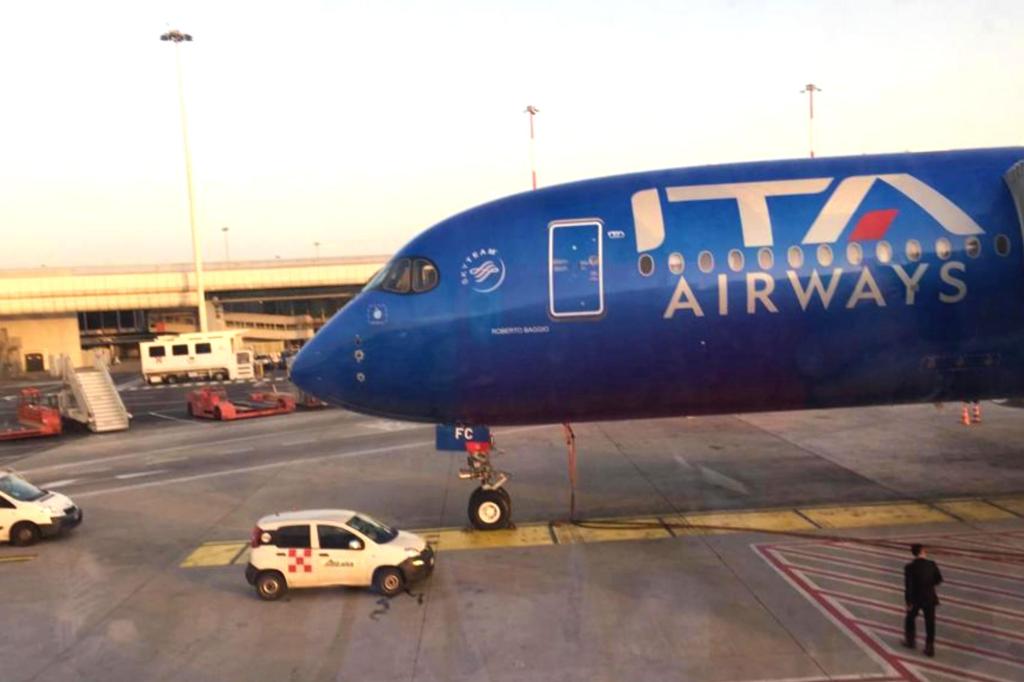
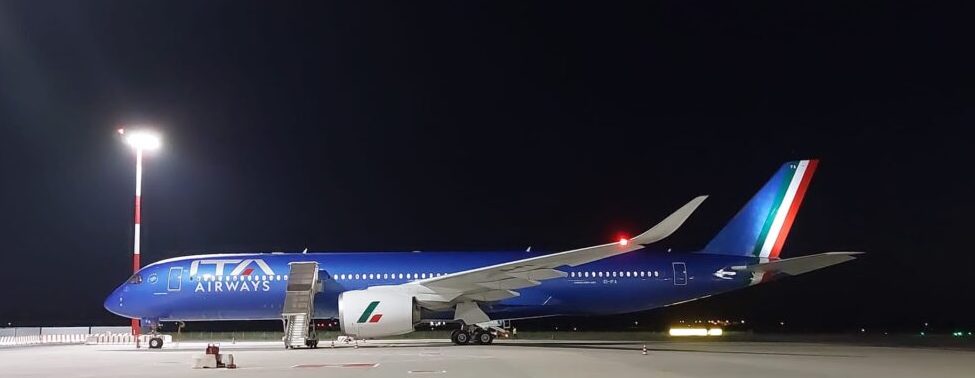
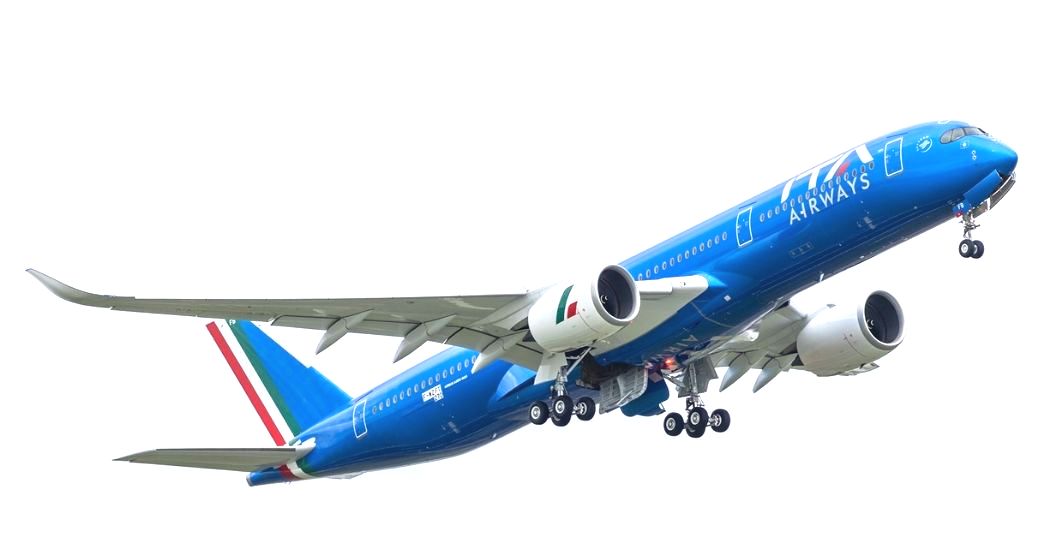
Tras seis meses desde el comienzo de las operaciones de ITA Airways, el 15 de Octubre de 2021, la compañía inició este Jueves 2 de Junio de 2022 las operaciones internaciones de las rutas Roma/FCO—São Pablo/GRU en Brasil y Roma/FCO—Buenos Aires/EZE en Argentina. La línea aérea italiana volará a Brasil cuatro veces por semana (4Frq/S) en los Airbus A330-200, con una capacidad para 250 pasajeros en tres clases. A partir del 4 de Agosto de 2022 se incrementará a siete vuelos semanales desde y hacia Roma. En tanto, el vuelo Roma/FCO—Buenos Aires/EZE, realizado con el nuevo A350-900, contará con cinco frecuencias semanales (5Frq/S), Martes, Jueves, Viernes, Sábado y Domingo, desde Roma, y Lunes, Miércoles, Viernes, Sábado y Domingo desde Buenos Aires. A partir de Agosto 2022, el vuelo será diario.

ITA Airways inaugurates Argentina

ITA Airways disembarks in Latin America

The startup airline ITA Airways has started operations by joining the route that directly connects Rome/FCO—Buenos Aires/EZE after more than twenty-seven months without connections due to the difficulties of the pandemic and the worldwide flight crisis.

After six months since the beginning of ITA Airways operations, on October 15, 2021, the company began this Thursday, June 2, 2022, the international operations of the Rome/FCO—São Pablo/GRU routes in Brazil and Rome/FCO—Buenos Aires/EZE in Argentina. The Italian airline will fly to Brazil four times a week (4Frq/S) in the Airbus A330-200, with a capacity for 250 passengers in three classes. From August 4, 2022 it will be increased to seven weekly flights to and from Rome. Meanwhile, the Rome/FCO—Buenos Aires/EZE flight, made with the new A350-900, will have five weekly frequencies (5Frq/S), Tuesday, Thursday, Friday, Saturday and Sunday, from Rome, and Monday, Wednesday, Friday, Saturday and Sunday from Buenos Aires. Starting in August 2022, the flight will be daily.

ITA Airways inaugura l’Argentina

ITA-AIRWAYS-AIRBUS-A350-900-EI-IFB

ITA Airways sbarca in America Latina

AW-ITA Airways_Isologotype_Tx

La startup compagnia aerea ITA Airways ha iniziato le operazioni aderendo alla rotta che collega direttamente Roma/FCO—Buenos Aires/EZE dopo oltre ventisette mesi senza collegamenti a causa delle difficoltà della pandemia e della crisi dei voli mondiali.

Dopo sei mesi dall’inizio delle operazioni di ITA Airways, il 15 Ottobre 2021, la compagnia ha iniziato Giovedì 2 Giugno 2022 le operazioni internazionali delle rotte Roma/FCO—São Pablo/GRU in Brasile e Roma/FCO—Buenos Aires/EZE in Argentina. La compagnia aerea italiana volerà in Brasile quattro volte a settimana (4Frq/S) a bordo dell’Airbus A330-200, con una capacità di 250 passeggeri in tre classi. Dal 4 Agosto 2022 sarà aumentato a sette voli settimanali da e per Roma. Intanto il volo Roma/FCO—Buenos Aires/EZE, effettuato con il nuovo A350-900, avrà cinque frequenze settimanali (5Frq/S), Martedì, Giovedì, Venerdì, Sabato e Domenica, da Roma, e Lunedì, Mercoledì, Venerdì, Sabato e Domenica da Buenos Aires. A partire da Agosto 2022, il volo sarà giornaliero.

PUBLISHER: Airgways.com
DBk: Ita-airways.com / Airgways.com
AW-POST: 202206061206AR
OWNERSHIP: Airgways Inc.
A\W A I R G W A Y S ®
Cierre ops Aeropuerto Santa Rosa

AW | 2022 06 06 10:36 | AIRPORTS / AIRLINES ROUTES

Reparaciones Aeropuerto Santa Rosa, Argentina
Desvíos operaciones hacia General Pico

La empresa prestadora de los servicios aeroportuarios Aeropuertos Argentina 2000 ha anunciado la suspensión de los vuelos programados hacia el Aeropuerto Santa Rosa/RSA en la Provincia de La Pampa hacia Julio 2022 para realizar obras en la pista de aterrizaje que demandarán unos sesenta días de trabajos.

En función a las cancelaciones de vuelos hacia la capital de la provincia pampeana, los vuelos serán reprogramados hacia el Aeropuerto de General Pico/GPO. El Jefe del Aeropuerto piquense, Carlos Roldán, ha indicado que a mediados del mes de Julio podrían comenzar los trabajos de reparación de la pista de la capital pampeana y por ello los vuelos se trasladarían a General Pico. Los vuelos se desarrollarán en la ruta Buenos Aires/AEP—General Pico/GPO—Buenos Aires/AEP.

El Jefe del Aeropuerto de General Pico indicó que se trabaja en el tema y que todas las gestiones están encaminadas para contar con cada uno de los servicios necesarios que debe brindar el Aeropuerto piquense. «Se está trabajando sobre el tema. Ya vinieron inspectores tanto de Aerolíneas como de Aeropuertos 2000 y están avanzadas las gestiones», le dijo Carlos Roldán. Se esperaba por estos días la llegada de maquinaria especial para analizar y mejorar la pista. Si bien el pavimento, según indicó, se encuentra en buenas condiciones, se deben reparar algunas imperfecciones y grietas. Sin embargo, la pista se encuentra apta para recibir un vuelo de este tipo, que se estima que conservaría la misma cantidad de frecuencias semanales con las que llega a Santa Rosa. «Ya hay bastantes movimientos. Se hicieron unas pruebas para analizar la resistencia de la pista. El pavimento está en buenas condiciones, pero todo asfalto necesita mantenimiento. Son cuestiones técnicas las que se están haciendo, como ser la pintura refractaria hay que pintarla cada cuatro años, para que se vea bien de noche, hay que barrer o aspirar los granitos del asfalto y demás», explicó Carlos Roldán.

La compañía Aerolíneas Argentinas volará a General Pico durante los meses que demande la reparación de la pista del Aeropuerto de Santa Rosa. Los pasajeros que arriben al Aeropuerto General Pico/GPO deberán recorrer una distancia por carretera de 137 kilómetros para llegar a Santa Rosa, capital de la Provincia de La Pampa.

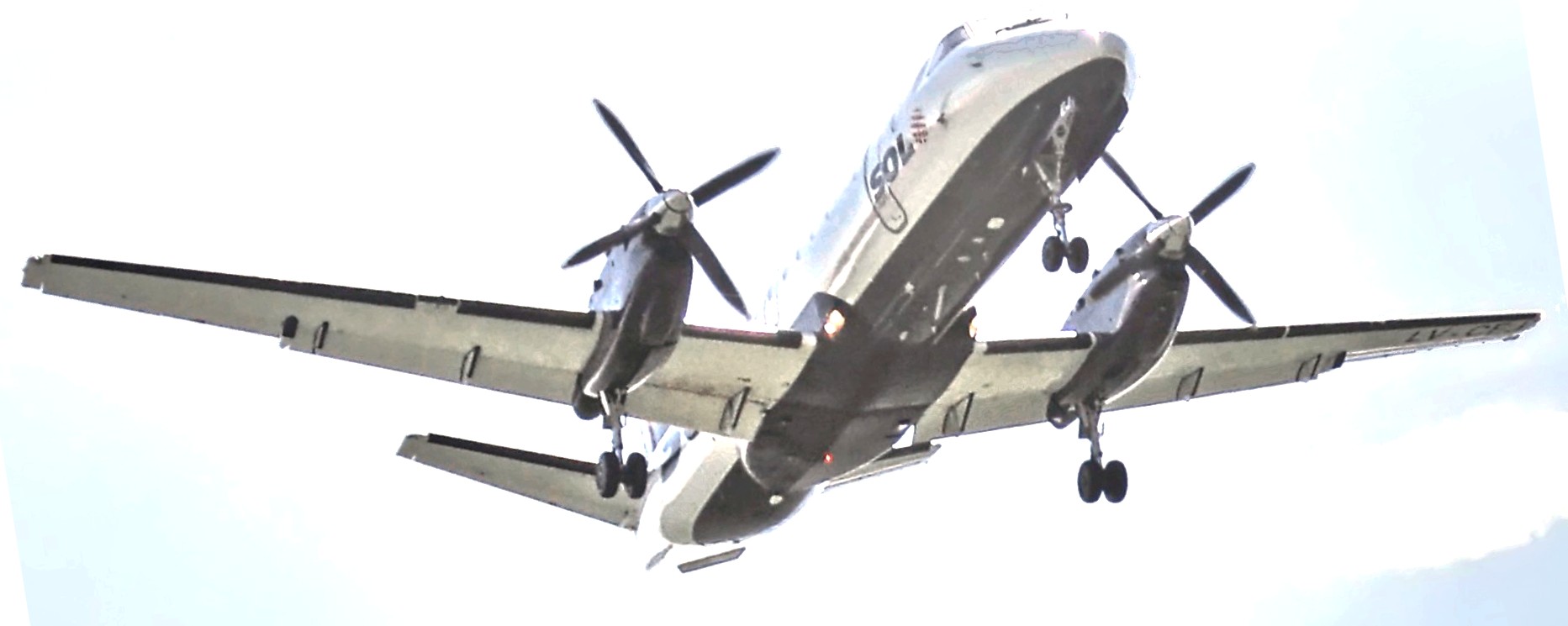
AW-Saab_340-001_LV-CEJ_Ariel_Perissinotti ©

El Aeropuerto de General Pico, localizado en el Norte de La Pampa, no ha desarrollado operaciones aerocomerciales de tal envergadura desde hace más de una década, cuando la compañía rosarina SOL Líneas Aéreas realizaba operaciones de escala en el aeropuerto piquense.

Desde la dirección aeroportuaria manifestaron que se trabaja en asegurar cada uno de los servicios de los que requiere el Aeropuerto de General Pico para recibir vuelos de línea de esta magnitud. Los vuelos comenzarán una vez que se inicien los trabajos en Santa Rosa, aunque la fecha estimada dependerán del inicio de obras y de la duración de los mismos. Carlos Roldán indicó que se deben ajustar algunas cuestiones en cuanto a la operatividad del Aeropuerto, como ser la disposición de una autobomba y de personal de seguridad aeroportuaria. Ante la falta de una autobomba en la ciudad, Roldán explicó que se podrían usar la existente en Santa Rosa o disponer de alguna que esté en reparaciones y se designe a General Pico. Sin embargo, esto haría necesario contar con entre seis y ocho bomberos para el funcionamiento. La asignación de un vuelo comercial a la ciudad de General Pico para conectar la Provincia de La Pampa con la Ciudad de Buenos Aires también requiere de la colocación de cartelería, de más luces en el acceso y de otros detalles.

Closing ops Santa Rosa Airport

Santa Rosa Airport repairs, Argentina
Diversion operations to General Pico

The company that provides airport services, Aeropuertos Argentina 2000, has announced the suspension of scheduled flights to the Santa Rosa/RSA Airport in the Province of La Pampa, Argentina, around July 2022 to carry out works on the runway that will require about sixty days of work.

Depending on the cancellation of flights to the capital of the Pampas province, the flights will be rescheduled to the General Pico/GPO Airport. The Head of the Piquense Airport, Carlos Roldán, has indicated that repair work on the runway in the capital of the Pampas could begin in mid-July and therefore the flights would be transferred to General Pico. The flights will take place on the Buenos Aires/AEP—General Pico/GPO—Buenos Aires/AEP route.

The Head of the General Pico Airport indicated that the issue is being worked on and that all efforts are directed to have each of the necessary services that the Piquense Airport must provide. «Work is being done on the issue. Inspectors from both Aerolíneas and Airports 2000 have already come and the steps are advanced», Carlos Roldán told him. These days the arrival of special machinery was expected to analyze and improve the track. Although the pavement, according to what he indicated, is in good condition, some imperfections and cracks must be repaired. However, the runway is suitable for receiving a flight of this type, which is estimated to maintain the same number of weekly frequencies with which it arrives in Santa Rosa. «There are already quite a few movements. Some tests were carried out to analyze the resistance of the track. The pavement is in good condition, but all asphalt needs maintenance. They are technical issues that are being done, such as the refractory paint, it has to be painted every four years, to make it look good at night, you have to sweep or vacuum the granites from the asphalt and so on», explained Carlos Roldán.

The company Aerolíneas Argentinas will fly to General Pico during the months that the repair of the runway at the Santa Rosa Airport requires. Passengers arriving at General Pico/GPO Airport must travel a distance of 137 kilometers by road to reach Santa Rosa, capital of the Province of La Pampa.

The General Pico Airport, located in the North of La Pampa, has not developed commercial air operations of such magnitude for more than a decade, when the Rosario company SOL Líneas Aéreas carried out stopover operations at the Piquense airport.

From the airport management they stated that they are working to ensure each of the services that General Pico Airport requires to receive scheduled flights of this magnitude. The flights will begin once work begins in Santa Rosa, although the estimated date will depend on the start of works and their duration. Carlos Roldán indicated that some issues regarding the operation of the airport must be adjusted, such as the provision of a fire engine and airport security personnel. Given the lack of a fire engine in the city, Roldán explained that the existing one in Santa Rosa could be used or one that is under repair and General Pico could be designated. However, this would require six to eight firefighters to operate. The assignment of a commercial flight to the city of General Pico to connect the Province of La Pampa with the City of Buenos Aires also requires the placement of billboards, more lights in the access and other details.

PUBLISHER: Airgways.com
DBk: Aa2000.com.ar / Aerolineas.com / Airgways.com
AW-POST: 202206061036AR
OWNERSHIP: Airgways Inc.
A\W A I R G W A Y S ®
Venta acciones Cambodia Angkor Air

AW | 2022 06 05 22:55 | AIRLINES / GOVERNMENT

Firma china compra aerolínea camboyana

AW-Cambodia Angkor Air__Isologotype

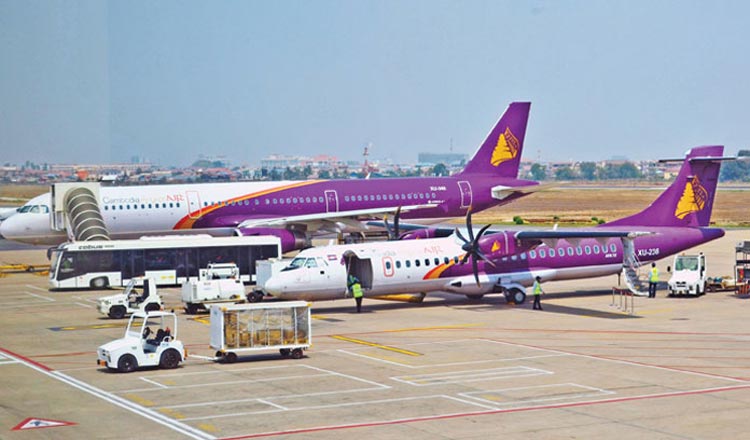
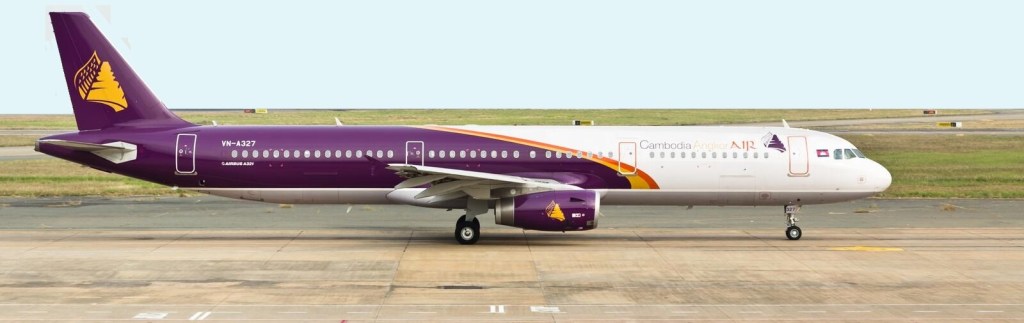
Cambodia Angkor Air fue establecida en 2009 por el Gobierno camboyano con inversiones de la aerolínea Vietnam Airlines. Esta aerolínea transfirió el 35% de su capital en Camboya Angkor Air por un valor de US$ 35 millones de Dólares. La reorganización de los accionistas de Cambodia Angkor Air le permitirá desempeñar un papel como aerolínea nacional en la expansión de vuelos a nuevas ciudades y destinos en toda la región y a nivel mundial, dijo el Presidente de la Pacific Asia Travel Association (PATA), Thourn Sinan. El Presidente de PATA dijo que en el pasado, la aerolínea de bandera nacional Cambodia Angkor Air no había operado como aerolínea nacional porque no había hecho conexiones con otras ciudades y destinos importantes, lo que permitía a las aerolíneas privadas expandir sus redes allí. «No me preocupa quién compra una participación, pero es importante si la aerolínea decide convertirse en una aerolínea nacional. Deberían conectarse a mercados grandes y nuevos para abrir destinos para que las aerolíneas privadas se conecten más tarde», dijo Thourn Sinan.

La desinversión de Vietnam Airlines del 35 por ciento de la participación en Cambodia Angkor Air a una empresa china por US$ 35 millones a través de un acuerdo de transferencia de acciones el 31 de Mayo de 2022. La desinversión ha dejado a Vietnam Airlines con solo el 14 por ciento de participación en Cambodia Angkor Air, eliminándola como subsidiaria de la primera. Mientras tanto, Tek Reth Samrech, Presidente de Cambodia Angkor Air, dijo el 3 de Junio de 2022 que Vietnam Airlines había estado en conversaciones para vender su participación antes de la emergencia sanitaria mundial, pero la venta se retrasó hasta hace poco tiempo atrás. Reth Samrech dijo que la inversión de una compañía china ayudaría a que el negocio de Cambodia Angkor Air se volviera más fuerte y más vibrante. Esto se debió a que la empresa china que adquirió la participación del 35 por ciento en Camboya Angkor se especializa en aviación civil y es la tercera empresa estatal china más grande que opera en el sector turístico. «La entrada de la compañía china ayudará a las operaciones comerciales de Angkor Air, particularmente al prepararla para recibir pasajeros chinos, ya que China está al final de las estrictas medidas de Covid-19 y podría abrir el acceso, como lo era antes de Covid-19», dijo Reth Samrech.

Cambodia Angkor Air es actualmente propiedad de tres accionistas diferentes: el 51 por ciento es propiedad del Gobierno camboyano, el 35 por ciento propiedad de la nueva firma china no anunciada y el 14 por ciento propiedad de Vietnam Airlines. Cambodia Angkor Air actualmente opera vuelos diarios a destinos nacionales, y desde Phnom Penh a la ciudad de Ho Chi Minh una vez a la semana y a China. Según el Ministerio de Turismo, 131.864 visitantes internacionales llegaron a Camboya de enero a abril de 2022. Fue un aumento del 243,9 por ciento desde los 38.346 del período correspondiente de 2021.

El informe ha comunicado que Vietnam Airlines recibió US$ 30 millones el 3 de Enero de 2022 de este año y otros US$ 4 millones el 29 de Marzo de 2022 de los inversores para adquirir una participación en Cambodia Angkor Air. En 2019, Vietnam Airlines recibió un depósito de US$ 1 millón, lo que elevó el valor total de adquisición a US$ 35 millones, lo que representa una participación del 35 por ciento en Cambodia Angkor Air, que fue establecida en 2009 por el Gobierno camboyano con Vietnam Airlines.

Sobre la base del acuerdo de empresa conjunta, el Gobierno tendría una participación del 51 por ciento, mientras que Vietnam Airlines poseía una participación del 49 por ciento. Vietnam Airlines se deshará del 14 por ciento restante para fines de este año. En 2021, las actividades comerciales de Cambodia Angkor Air, que se vieron gravemente afectadas por la pandemia, resultaron en una pérdida de US$ 17.7 millones, que se expandió en un 37.2 por ciento desde 2020.

Sale of Cambodia Angkor Air shares

Chinese firm buys Cambodian airline

Cambodia Angkor Air was established in 2009 by the Cambodian Government with investments from Vietnam Airlines. This airline transferred 35% of its capital to Cambodia Angkor Air for a value of US$ 35 million dollars. Cambodia Angkor Air’s shareholder reorganization will allow it to play a role as a national carrier in expanding flights to new cities and destinations across the region and globally, said Pacific Asia Travel Association (PATA) President Thourn Sinan. . The President of PATA said that in the past, the national flag carrier Cambodia Angkor Air had not operated as a national airline because it had not made connections to other major cities and destinations, allowing private airlines to expand their networks there. «I’m not worried about who buys a stake, but it is important if the airline decides to become a national carrier. They should connect to big, new markets to open up destinations for private airlines to connect to later», Thourn Sinan said.

Vietnam Airlines divestment of a 35 percent stake in Cambodia Angkor Air to a Chinese company for US$35 million through a share transfer agreement on May 31, 2022. The divestment has left Vietnam Airlines with only 14 percent stake in Cambodia Angkor Air, eliminating it as a subsidiary of the former. Meanwhile, Tek Reth Samrech, President of Cambodia Angkor Air, said on June 3, 2022 that Vietnam Airlines had been in talks to sell its stake before the global health emergency, but the sale was delayed until recently. Reth Samrech said the investment from a Chinese company would help Cambodia Angkor Air’s business become stronger and more vibrant. This was because the Chinese company that acquired Cambodia’s 35 percent stake in Angkor specializes in civil aviation and is the third largest Chinese state-owned company operating in the tourism sector. «The entry of the Chinese company will help Angkor Air’s business operations, particularly in preparing it to receive Chinese passengers, as China is at the end of the strict Covid-19 measures and could open access, as it was before Covid-19», said Reth Samrech.

Cambodia Angkor Air is currently owned by three different shareholders: 51 percent owned by the Cambodian government, 35 percent owned by the unannounced new Chinese firm, and 14 percent owned by Vietnam Airlines. Cambodia Angkor Air currently operates daily flights to domestic destinations, and from Phnom Penh to Ho Chi Minh City once a week and to China. According to the Ministry of Tourism, 131,864 international visitors arrived in Cambodia from January to April 2022. It was an increase of 243.9 percent from 38,346 in the corresponding period of 2021.

The report has reported that Vietnam Airlines received US$30 million on January 3, 2022 this year and another US$ 4 million on March 29, 2022 from investors to acquire a stake in Cambodia Angkor Air. In 2019, Vietnam Airlines received a US$ 1 million deposit, bringing the total acquisition value to US$ 35 million, representing a 35 percent stake in Cambodia Angkor Air, which was established in 2009 by the Government. Cambodian with Vietnam Airlines.

Based on the joint venture agreement, the Government would hold a 51% stake, while Vietnam Airlines held a 49% stake. Vietnam Airlines will divest the remaining 14 percent by the end of this year. In 2021, Cambodia Angkor Air’s business activities, which were severely affected by the pandemic, resulted in a loss of US$17.7 million, expanding by 37.2 percent from 2020.

លក់ហ៊ុន Cambodia Angkor Air

ក្រុមហ៊ុនចិនទិញក្រុមហ៊ុនអាកាសចរណ៍កម្ពុជា។

ខេមបូឌា អង្គរអ៊ែរ ត្រូវបានបង្កើតឡើងក្នុងឆ្នាំ ២០០៩ ដោយរដ្ឋាភិបាលកម្ពុជា ជាមួយនឹងការវិនិយោគពីក្រុមហ៊ុនអាកាសចរណ៍វៀតណាម។ ក្រុមហ៊ុនអាកាសចរណ៍នេះបានផ្ទេរ 35% នៃដើមទុនរបស់ខ្លួនទៅឱ្យក្រុមហ៊ុន Cambodia Angkor Air ក្នុងតម្លៃ 35 លានដុល្លារអាមេរិក។ លោក ធួន ស៊ីណាន ប្រធានសមាគមទេសចរណ៍អាស៊ីប៉ាស៊ីហ្វិក (PATA) មានប្រសាសន៍ថា ការរៀបចំឡើងវិញនូវភាគទុនិករបស់ក្រុមហ៊ុន Cambodia Angkor Air នឹងអនុញ្ញាតឱ្យខ្លួនដើរតួនាទីជាក្រុមហ៊ុនអាកាសចរណ៍ជាតិក្នុងការពង្រីកជើងហោះហើរទៅកាន់ទីក្រុងថ្មីៗ និងគោលដៅនានាទូទាំងតំបន់ និងទូទាំងពិភពលោក។ ប្រធានក្រុមហ៊ុន PATA មានប្រសាសន៍ថា កន្លងមកក្រុមហ៊ុនអាកាសចរណ៍ជាតិ Cambodia Angkor Air មិនបានដំណើរការជាក្រុមហ៊ុនអាកាសចរណ៍ជាតិទេ ដោយសារក្រុមហ៊ុននេះមិនបានតភ្ជាប់ទៅទីក្រុង និងគោលដៅសំខាន់ៗផ្សេងទៀត ដែលអនុញ្ញាតឱ្យក្រុមហ៊ុនអាកាសចរណ៍ឯកជនពង្រីកបណ្តាញរបស់ពួកគេនៅទីនោះ។ លោក ធួន ស៊ីណាន មានប្រសាសន៍ថា “ខ្ញុំមិនបារម្ភថាអ្នកណាទិញភាគហ៊ុននោះទេ ប៉ុន្តែវាជារឿងសំខាន់ ប្រសិនបើក្រុមហ៊ុនអាកាសចរណ៍សម្រេចចិត្តក្លាយជាក្រុមហ៊ុនអាកាសចរណ៍ជាតិ។ ពួកគេគួរតែភ្ជាប់ទៅកាន់ទីផ្សារធំៗ និងថ្មី ដើម្បីបើកទិសដៅសម្រាប់ក្រុមហ៊ុនអាកាសចរណ៍ឯកជនតភ្ជាប់នៅពេលក្រោយ”

ក្រុមហ៊ុន Vietnam Airlines បានផ្តាច់ភាគហ៊ុន 35 ភាគរយនៅក្នុងក្រុមហ៊ុន Cambodia Angkor Air ទៅឱ្យក្រុមហ៊ុនចិនក្នុងតម្លៃ 35 លានដុល្លារតាមរយៈកិច្ចព្រមព្រៀងផ្ទេរភាគហ៊ុនកាលពីថ្ងៃទី 31 ខែឧសភា ឆ្នាំ 2022។ ការដកភាគហ៊ុននេះបានធ្វើឱ្យក្រុមហ៊ុន Vietnam Airlines មានភាគហ៊ុនត្រឹមតែ 14 ភាគរយនៅក្នុងក្រុមហ៊ុន Cambodia Angkor Air តែប៉ុណ្ណោះ។ ក្រុមហ៊ុនបុត្រសម្ព័ន្ធរបស់អតីត។ ជាមួយគ្នានេះ លោក តឹក រ៉េត សំរឹទ្ធ ប្រធានក្រុមហ៊ុន ខេមបូឌា អង្គរ អ៊ែរ បាននិយាយនៅថ្ងៃទី០៣ ខែមិថុនា ឆ្នាំ២០២២ ថា ក្រុមហ៊ុនអាកាសចរណ៍វៀតណាម បានពិភាក្សាគ្នា ដើម្បីលក់ភាគហ៊ុនរបស់ខ្លួន មុនពេលមានអាសន្នសុខភាពសកល ប៉ុន្តែការលក់ត្រូវបានពន្យារពេលរហូតដល់ថ្មីៗនេះ។ លោក រ៉េត សំរឹទ្ធ មានប្រសាសន៍ថា ការវិនិយោគពីក្រុមហ៊ុនចិន នឹងជួយឱ្យអាជីវកម្មរបស់ក្រុមហ៊ុន ខេមបូឌា អង្គរអ៊ែរ កាន់តែរឹងមាំ និងរស់រវើក។ នេះដោយសារតែក្រុមហ៊ុនចិនដែលបានទិញភាគហ៊ុន 35 ភាគរយរបស់កម្ពុជានៅអង្គរមានឯកទេសខាងអាកាសចរណ៍ស៊ីវិល និងជាក្រុមហ៊ុនរដ្ឋចិនធំជាងគេទីបីដែលប្រតិបត្តិការក្នុងវិស័យទេសចរណ៍។ «ការចូលរបស់ក្រុមហ៊ុនចិននេះ នឹងជួយដល់ប្រតិបត្តិការអាជីវកម្មរបស់អង្គរអ៊ែរ ជាពិសេសក្នុងការរៀបចំខ្លួនទទួលអ្នកដំណើរជនជាតិចិន ព្រោះថាចិនជិតដល់ទីបញ្ចប់នៃវិធានការណ៍ Covid-19 ដ៏តឹងរ៉ឹង ហើយអាចបើកចូលបានដូចមុន Covid-19។ នេះ​បើ​តាម​លោក រ៉េត សំរឹទ្ធ»

ក្រុមហ៊ុន Cambodia Angkor Air បច្ចុប្បន្នត្រូវបានគ្រប់គ្រងដោយភាគទុនិកចំនួនបីផ្សេងគ្នាគឺ 51 ភាគរយគ្រប់គ្រងដោយរដ្ឋាភិបាលកម្ពុជា 35 ភាគរយកាន់កាប់ដោយក្រុមហ៊ុនថ្មីរបស់ចិនដែលមិនបានប្រកាសនិង 14 ភាគរយជាកម្មសិទ្ធិរបស់ក្រុមហ៊ុនអាកាសចរណ៍វៀតណាម។ បច្ចុប្បន្ន ខេមបូឌា អង្គរអ៊ែរ ដំណើរការជើងហោះហើរប្រចាំថ្ងៃទៅកាន់គោលដៅក្នុងស្រុក និងពីភ្នំពេញទៅទីក្រុងហូជីមិញម្តងក្នុងមួយសប្តាហ៍ និងទៅកាន់ប្រទេសចិន។ យោងតាមក្រសួងទេសចរណ៍ ភ្ញៀវអន្តរជាតិចំនួន 131,864 នាក់បានមកដល់ប្រទេសកម្ពុជាចាប់ពីខែមករាដល់ខែមេសា ឆ្នាំ 2022។ វាមានការកើនឡើងចំនួន 243.9 ភាគរយពីចំនួន 38,346 នាក់ក្នុងរយៈពេលដូចគ្នានៃឆ្នាំ 2021។

របាយការណ៍បានរាយការណ៍ថាក្រុមហ៊ុនអាកាសចរណ៍វៀតណាមបានទទួលប្រាក់ចំនួន 30 លានដុល្លារនៅថ្ងៃទី 3 ខែមករាឆ្នាំ 2022 ក្នុងឆ្នាំនេះ និង 4 លានដុល្លារទៀតនៅថ្ងៃទី 29 ខែមីនា ឆ្នាំ 2022 ពីអ្នកវិនិយោគដើម្បីទិញភាគហ៊ុននៅក្នុងក្រុមហ៊ុន Cambodia Angkor Air ។ ក្នុងឆ្នាំ 2019 ក្រុមហ៊ុន Vietnam Airlines បានទទួលប្រាក់កក់ចំនួន 1 លានដុល្លារអាមេរិក ដែលនាំឱ្យតម្លៃទិញសរុបដល់ទៅ 35 លានដុល្លារអាមេរិក ដែលតំណាងឱ្យភាគហ៊ុន 35 ភាគរយនៅក្នុងក្រុមហ៊ុន Cambodia Angkor Air ដែលត្រូវបានបង្កើតឡើងក្នុងឆ្នាំ 2009 ដោយរដ្ឋាភិបាលកម្ពុជាជាមួយក្រុមហ៊ុន Vietnam Airlines។

ដោយផ្អែកលើកិច្ចព្រមព្រៀងបណ្តាក់ទុនរួមគ្នា រដ្ឋាភិបាលនឹងកាន់កាប់ភាគហ៊ុនចំនួន 51% ខណៈដែលក្រុមហ៊ុន Vietnam Airlines មានភាគហ៊ុនចំនួន 49% ។ ក្រុមហ៊ុនអាកាសចរណ៍វៀតណាមនឹងដកភាគហ៊ុនដែលនៅសល់ចំនួន 14 ភាគរយនៅចុងឆ្នាំនេះ។ នៅឆ្នាំ 2021 សកម្មភាពធុរកិច្ចរបស់ ខេមបូឌា អង្គរ អ៊ែរ ដែលត្រូវបានរងផលប៉ះពាល់យ៉ាងធ្ងន់ធ្ងរដោយជំងឺរាតត្បាត បណ្តាលឱ្យមានការខាតបង់ចំនួន 17.7 លានដុល្លារអាមេរិក កើនឡើង 37.2 ភាគរយពីឆ្នាំ 2020។

PUBLISHER: Airgways.com
DBk: Mcfa.gov.kh / Cambodiaangkorair.com / Airgways.com
AW-POST: 202206052255AR
OWNERSHIP: Airgways Inc.
A\W A I R G W A Y S ®

SAS A321LR Europa-Canadá

AW | 2022 06 04 22:41 | AIRLINES ROUTES

Inaugura ruta transatlántica Copenhague/Estocolmo—Toronto
Estrena nuevo avión largo alcance Airbus A321LR

AW-SAS Airlines__A321LR-0002

Scandinavian Airlines_logo.svg

SAS Airlines está expandiendo su red en América del Norte anunciando el comienzo de rutas directas a Toronto, Canadá desde Copenhague (Dinamarca) y Estocolmo (Suecia). Scandinavian Airlines operará Copenhague— con tres vuelos semanales (3Frq/S) y Estocolmo—Toronto con cuatro frecuencias semanales (4Frq/S) estrenando con su nuevo avión de largo alcance Airbus A321LR (Long Range). El vuelo inaugural tuvo lugar el 2 de Junio de 2022 en la ruta Copenhague a Toronto. El primer vuelo desde Estocolmo/Arlanda tuvo lugar el día 03/06.

Toronto es la cuarta ciudad más grande de América del Norte y un centro internacional de negocios y finanzas. Una ciudad verdaderamente cosmopolita con una amplia gama de experiencias, permite a los viajeros disfrutar de cualquier cosa, desde grandes eventos deportivos y culturales hasta excelentes paisajes al aire libre alrededor de los Grandes Lagos. «Estamos encantados de conectar Canadá y Escandinavia y volar a Toronto con nuestro avión de última generación, que es ideal para esta ruta. El uso del A321LR significa que podemos conectar aún más partes del mundo y es muy adecuado para el mercado escandinavo y los patrones de viaje emergentes hacia y desde la región. SAS tiene como objetivo ser un líder mundial en aviación sostenible. A medida que continuamos introduciendo nuevos aviones de bajo consumo de combustible, como el A321LR, ahora tenemos una de las flotas más modernas de Europa. Este avión de última generación ofrecerá a nuestros clientes una forma de viajar aún más agradable, cómoda y sostenible», dice Anko van der Werff, Presidente y CEO de SAS Airlines.

Las rutas de Toronto serán operadas con aeronaves Airbus A321LR de amplio radio de acción en rutas transatlánticas en vuelos nonstop punta a punta. La configuración de los aviones es de tres clases con un total de 157 asientos: en SAS Business (22), SAS Plus (12) y SAS Go (123) que es la clase Economy. Los asientos están especialmente elegidos para el A321LR para optimizar la comodidad en las tres clases de viaje. Los asientos en SAS Business son camas de asientos completamente planas y hay diferentes escenarios de luz ambiental en las cabinas, así como Wi-Fi de alta velocidad. Cada asiento está equipado con pantallas IFE, PC-power y/o USB de alta potencia. El nivel de ruido reducido dentro de la cabina mejorará aún más la experiencia de viaje a bordo. El A321LR es parte de la renovación continua de la flota de SAS y reducirá las emisiones que afectan el clima en comparación con las generaciones anteriores de aviones similares.

Las frecuencias entre Europa hacia Toronto y viceversa corresponden a: Copenhague—Toronto: Martes, Jueves y Sábado; Toronto—Copenhague: Lunes, Miércoles y Viernes; Estocolmo—Toronto: Lunes, Miércoles, Viernes y Domingo; Toronto—Estocolmo: Martes, Jueves, Sábado y Domingo.

En la próxima temporada de verano septentrional, SAS Airlines volará a un total de siete destinos en los Estados Unidos y Canadá: Boston, Chicago, Los Ángeles, Nueva York, San Francisco, Washington DC y Toronto.

SAS A321LR Europe-Canada

Inaugurates transatlantic route Copenhagen/Stockholm—Toronto
Debuts new long-range aircraft Airbus A321LR

SAS_Isologotype_Banner

SAS Airlines is expanding its network in North America by announcing the start of direct routes to Toronto, Canada from Copenhagen, Denmark and Stockholm, Sweden. Scandinavian Airlines will operate Copenhagen—with three weekly flights (3Frq/S) and Stockholm—Toronto with four weekly frequencies (4Frq/S) debuting with its new Airbus A321LR (Long Range) long-range aircraft. The inaugural flight took place on June 2, 2022 on the Copenhagen to Toronto route. The first flight from Stockholm/Arlanda took place on 06/03.

Toronto is the fourth largest city in North America and an international center for business and finance. A truly cosmopolitan city with a wide range of experiences, it allows travelers to enjoy anything from major sporting and cultural events to great outdoor scenery around the Great Lakes. “We are delighted to be connecting Canada and Scandinavia and flying to Toronto with our latest generation aircraft, which is ideal for this route. emerging travel destinations to and from the region. SAS aims to be a world leader in sustainable aviation. As we continue to introduce new fuel-efficient aircraft, such as the A321LR, we now have one of the most modern fleets in Europe. This next-generation aircraft will offer our customers an even more enjoyable, comfortable and sustainable way to travel», says Anko van der Werff, President and CEO of SAS Airlines.

The Toronto routes will be operated with wide-range Airbus A321LR aircraft on transatlantic routes on end-to-end nonstop flights. The configuration of the aircraft is three classes with a total of 157 seats: in SAS Business (22), SAS Plus (12) and SAS Go (123) which is the Economy class. The seats are specially chosen for the A321LR to optimize comfort in all three classes of travel. The seats in SAS Business are fully flat seat beds and there are different ambient light scenarios in the cabins as well as high-speed Wi-Fi. Each seat is equipped with IFE, PC-power and/or high-power USB screens. The reduced noise level inside the cabin will further enhance the travel experience on board. The A321LR is part of SAS’ ongoing fleet renewal and will reduce climate-affecting emissions compared to previous generations of similar aircraft.

The frequencies between Europe to Toronto and vice versa correspond to: Copenhagen—Toronto: Tuesday, Thursday and Saturday; Toronto—Copenhagen: Monday, Wednesday and Friday; Stockholm—Toronto: Monday, Wednesday, Friday and Sunday; Toronto—Stockholm: Tuesday, Thursday, Saturday and Sunday.

In the upcoming northern summer season, SAS Airlines will fly to a total of seven destinations in the United States and Canada: Boston, Chicago, Los Angeles, New York, San Francisco, Washington DC and Toronto.

PUBLISHER: Airgways.com
DBk: Flysas.com / Airgways.com
AW-POST: 202206042241AR
OWNERSHIP: Airgways Inc.
A\W A I R G W A Y S ®