AW | 2020 06 10 09:50 | AIRLINES / GOVERNMENT / AVIATION ORGANISMS
Aerolíneas-gremios acuerdan asignación no remunerativa
Aerolíneas Argentinas ha arribado a un acuerdo el Martes 09/06 con los la totalidad de los gremios aeronáuticos para avanzar con la medida de suspensiones temporarias de alrededor de cuatro mil trabajadores, lo que significará para la empresa de bandera un ahorro de AR$ 215 millones de pesos. Las fuentes apuntaron que se decidió mantener el poder adquisitivo del personal suspendido, debido a que el salario ya venía depreciado por diferentes rubros, como viáticos, que no se están abonando y que según el convenio representa del 10 al 20 por ciento del salario.
La medida adoptada por el Directorio del Grupo Aerolíneas, «busca proteger y preservar la totalidad de las fuentes de trabajo, nuestros equipos, ante la crisis más dura que atraviesa la industria aerocomercial y que nos obliga a tener casi la totalidad de nuestros aviones en tierra», señala un comunicado interno difundido esta tarde. El acuerdo alcanzado regirá por 60 días y resguarda el poder adquisitivo de aquellos trabajadores que se encuentren suspendidos, a través de una asignación no remunerativa, como así también el aporte a la obra social.
La decisión se enmarca en el Artículo 223 bis de la Ley de Contrato de Trabajo y en la drástica caída de nuestra actividad, con una reducción de nuestros ingresos del 97%, y en la situación de emergencia que atraviesan el país y el mundo entero a partir del Covid 19. El acuerdo alcanzado regirá por 60 días y resguarda el poder adquisitivo de aquellos trabajadores que se encuentren suspendidos, a través de una asignación no remunerativa, como así también el aporte a la obra social.
El documento remarca que la empresa necesita la comprensión y el esfuerzo de todos. A su vez, los Sindicatos Aeronáuticos Unidos, APA, APLA, APTA, UALA, UPSA, informaron mediante un comunicado que llegaron a un acuerdo con Aerolíneas y que mediante este «entendimiento la empresa podrá llevar adelante suspensiones temporales de carácter no punitivo durante los meses de Junio/Julio al personal que no realice tareas en este lapso como consecuencia de la pandemia de Coronsvirus, sin afectar los ingresos de bolsillo de los trabajadores y asegurando el pago total del aguinaldo. Nuevamente, entablando un diálogo maduro entre las partes, los Sindicatos Aeronáuticos demostramos ser parte de las soluciones que la línea aérea de bandera necesita para hacer frente a la grave crisis que atraviesa la aviación en todo el mundo, sin resignar nunca la defensa de los intereses de los trabajadores representados», dice el documento que lleva las firmas de Edgardo Llano, Ricardo Cirielli, Pablo Biró, Cristian Erhardt y Rubén Fernández, secretarios generales de APA, APTA, APLA, UALA y UPSA.
Aerolineas Argentinas has reached an agreement on Tuesday 09/06 with all the aeronautical unions to advance with the measure of temporary suspensions of around four thousand workers, which will mean for the flag company a saving of AR$ 215 million of pesos. The sources pointed out that it was decided to maintain the purchasing power of the suspended personnel, because the salary was already depreciated by different items, such as per diem, which are not being paid and which according to the agreement represents 10 to 20 percent of the salary.
The measure adopted by the Board of Directors of the Aerolíneas Group, «seeks to protect and preserve all the sources of work, our teams, in the face of the toughest crisis that the aero-commercial industry is going through and which forces us to have almost all of our aircraft on the ground», indicates an internal statement released this afternoon. The agreement reached will govern for 60 days and safeguards the purchasing power of those workers who are suspended, through a non-remunerative assignment, as well as the contribution to social work.
The decision is framed in Article 223 bis of the Labor Contract Law and in the drastic fall in our activity, with a reduction in our income of 97%, and in the emergency situation that the country and the entire world are going through. from Covid 19. The agreement reached will govern for 60 days and safeguards the purchasing power of those workers who are suspended, through a non-remunerative assignment, as well as the contribution to social work.
The document highlights that the company needs everyone’s understanding and effort. In turn, the United Aeronautical Unions, APA, APLA, APTA, UALA, UPSA, reported in a statement that they reached an agreement with Airlines and that through this «understanding the company may carry out temporary non-punitive suspensions during the months June/July to personnel who do not perform tasks during this period as a consequence of the Coronsvirus pandemic, without affecting the workers’ pocket income and ensuring full payment of the Christmas bonus. Again, engaging in a mature dialogue between the parties, the Unions Aeronautics demonstrate that we are part of the solutions that the flag carrier needs to face the serious crisis that aviation is going through throughout the world, without ever resigning the defense of the interests of the represented workers», says the document that carries the signatures of Edgardo Llano, Ricardo Cirielli, Pablo Biró, Cristian Erhardt and Rubén Fernández, general secretaries of APA, APTA, APLA, UALA and UPSA.
Ξ A I R G W A Y S Ξ PUBLISHER: Airgways.com DBk: Telam.com.ar / Aerolineas.com / Airgways.com / Rafael M. Quinteros AW-POST: 202006100950AR
IATA predice pérdidas globales en aerolíneas históricas
La Asociación Internacional de Transporte Aéreo (IATA) ha estimado que la industria de las aerolíneas a nivel mundial podría sufrir pérdidas de hasta US$ 84 mil millones en 2020 como resultado directo de las interrupciones causadas por la pandemia de Coronavirus. Por su parte, la Organización Mundial de Comercio (OMC) ha declarado que los ingresos globales de las aerolíneas podrían reducirse en más de la mitad, haciendo de 2020 el peor año en la historia de la industria.
La IATA, que publicó su pronóstico el Martes 09/06, señaló que la mayoría de las flotas de aerolíneas mundiales siguen en tierra, ya que la demanda de viajes aéreos aún no se ha recuperado. Agregó que los ingresos de las aerolíneas globales probablemente rondarán el rango de US$ 419 mil millones este año, una caída drástica de los US$ 838 mil millones reportados el año pasado.
El Director General de la asociación IATA, Alexandre de Juniac, mencionó en el informe que las interrupciones causadas por la pandemia le han costado a la industria un promedio de US$ 230 millones en pérdidas acumuladas por día. Esto se traduce en una pérdida de aproximadamente US$ 38 por pasajero que volará este año.
Perspectivas 2021
El pronóstico de la IATA para el próximo año también sigue siendo sombrío, ya que no espera que la industria se recupere a los niveles previos a la pandemia en el corto plazo. En su pronóstico, la asociación estima que la industria podría alcanzar pérdidas de hasta US$ 100 mil millones en 2021, ya que la mayoría de las aerolíneas continúan luchando por sobrevivir, probablemente se verán obligadas a recortar tarifas aéreas para atraer a más viajeros, lo que provocará pérdidas adicionales.
El organismo de aviación ha expresado que las aerolíneas globales seguirán siendo financieramente frágiles durante el resto del año y el próximo, y la mayoría luchará agresivamente para recuperar su cuota de mercado en el mercado de baja demanda. Si bien esto puede ser una mala noticia para las aerolíneas, la situación podría resultar ventajosa para los consumidores.
La IATA predice que los ingresos de las aerolíneas globales se recuperarán ligeramente a alrededor de US$ 598 mil millones en 2021. Sin embargo, los costos adicionales que implican pagos de deuda para rescates y otros gastos relacionados podrían reducir las ganancias y aumentar las pérdidas. Es probable que las aerolíneas también enfrenten pérdidas adicionales a medida que se adaptan a las nuevas pautas de distanciamiento social y protocolos de cuarentena. A pesar de la reciente desaceleración de los nuevos casos de COVID-19, algunos consumidores aún desconfían de viajar al extranjero, particularmente en aerolíneas que aún no han implementado las precauciones de seguridad necesarias.
En su pronóstico, la IATA reveló que el número de pasajeros para 2020 podría caer a alrededor de 2,25 mil millones este año, una caída del 25 por ciento de los volúmenes registrados el año pasado. Mientras tanto, la carga aérea, que representa solo una pequeña porción de la industria en general, ha logrado compensar algo de las pérdidas. La puesta a tierra masiva de aviones y la demanda de carga aérea ha resultado en un aumento de precios de más del 30 por ciento, proporcionando alivio a algunos operadores.
IATA predicts millionaire losses in aviation
IATA / ITO predicts global losses on historic airlines
The International Air Transport Association (IATA) has estimated that the global airline industry could experience losses of up to $ 84 billion in 2020 as a direct result of disruptions caused by the Coronavirus pandemic. For its part, the World Trade Organization (WTO) has stated that global airline revenues could be cut by more than half, making 2020 the worst year in the history of the industry.
IATA, which published its forecast on Tuesday 09/06, noted that most of the world’s airline fleets are still on the ground, as demand for air travel has not yet recovered. She added that global airline revenues are likely to be in the range of US$ 419 billion this year, a drastic drop from the US$ 838 billion reported last year.
IATA Association Director General Alexandre de Juniac mentioned in the report that disruptions caused by the pandemic have cost the industry an average of US$ 230 million in accumulated losses per day. This translates to a loss of approximately US$ 38 per passenger who will fly this year.
Perspective 2021
IATA’s forecast for next year also remains bleak, as it does not expect the industry to recover to pre-pandemic levels any time soon. In its forecast, the association estimates that the industry could achieve losses of up to US$ 100 billion in 2021, as most airlines continue to struggle to survive, they will likely be forced to cut air fares to attract more travelers, resulting in which will cause additional losses.
The aviation body has said that global airlines will remain financially fragile for the rest of the year and next, and most will fight aggressively to regain their market share in the low-demand market. While this may be bad news for airlines, the situation could prove advantageous to consumers.
IATA predicts that global airlines’ revenues will recover slightly to around $ 598 billion in 2021. However, the additional costs of debt payments for bailouts and other related expenses could reduce profits and increase losses. Airlines are also likely to face additional losses as they adapt to new social distancing guidelines and quarantine protocols. Despite the recent slowdown in new COVID-19 cases, some consumers are still wary of traveling abroad, particularly on airlines that have not yet implemented the necessary safety precautions.
In its forecast, IATA revealed that the number of passengers by 2020 could drop to around 2.25 billion this year, a drop of 25 percent from the volumes recorded last year. Meanwhile, air cargo, which represents only a small portion of the overall industry, has managed to offset some of the losses. The massive grounding of aircraft and the demand for air cargo has resulted in a price increase of more than 30 percent, providing relief to some operators.
Ξ A I R G W A Y S Ξ PUBLISHER: Airgways.com DBk: Iata.org / Airgways.com AW-POST: 202006100902AR
AW | 2020 06 09 10:48 | AIRLINES / GOVERNMENT / AVIATION ORGANISMS
Aerolíneas y gremios continúan sintonizando acuerdo salarial
Las suspensiones de 7.500 empleados de Aerolíneas Argentinas y Austral Líneas Aéreas están a pocos pasos de ser acordadas y homologadas ante el Ministerio de Trabajo. En el día Lunes 08/06 por la mañana continuaban las negociaciones salariales por los reclamos de las suspensiones laborales. Representantes de cinco de los seis gremios aeronáuticos se reunieron para adelantar acuerdos, aunque falta definir cuánto porcentaje del salario de bolsillo percibirán, con un piso del 75%. El sexto gremio, Aeronavegantes (AAA) anunció el Viernes 05/06 que ya había cerrado un acuerdo con la empresa con el cual, según el gremio, se logró preservar el salario de los Tripulantes de Cabina que serán suspendidos durante este mes y el próximo. En Aerolíneas no quisieron confirmar la versión de este sindicato. «Recién cuando terminemos las negociaciones con todos los gremios vamos a comunicar el resultado general del proceso. Los goles no se gritan hasta que entra la pelota», dijeron fuentes de la empresa.
Aerolíneas Argentinas había anunciado la semana pasada que pondría en marcha el procedimiento de suspensión temporal de su personal, en el marco del Artículo 223 Bis de la Ley de Contratos de Trabajo, por el cual los empleados suspendidos cobrarán al menos 75% de su salario de bolsillo, según el acuerdo que firmaron (y acaban de renovar) la CGT con la Unión Industrial Argentina (UIA). La empresa busca, con este acuerdo, obtener un ahorro de AR$ 500 millones de pesos por mes, no tanto en el pago de los salarios, sino en el ahorro del pago de cargas sociales. Los empleados suspendidos no cobrarán un salario, sino bonificación no remunerativa. La única carga que se mantendrá será el aporte a la obra social de cada gremio. El acuerdo debe ser presentado de manera conjunta entre empresa y gremios, que en el caso de Aerolíneas y Austral son representados por los seis gremios aeronáuticos. Los cinco que se han reunido fueron APLA (Asociación Pilotos de Líneas Aéreas), que nuclean a los Pilotos de Aerolíneas Argentinas, UALA (Unión de Aviadores de Líneas Aéreas) que representan a los Pilotos de Austral, APTA (Asociación Técnicos Aeronáuticos), APA (Asociación Personal Aeronáutico) y UPSA (Unión del Personal Superior y Profesional de Empresas Aerocomerciales) que agrupa a los jerárquicos. El sexto gremio, la AAA (Asociación Argentina de Aeronavegantes), que ha concretado el cierre de las negociaciones el Viernes 05/06.
Sinergia, recurso insuficiente
El anuncio acerca de la fusión de Aerolíneas Argentinas y Austral Líneas Aéreas, una medida que buscaba ahorrar unos US$ 100 millones de dólares al año, se ha abordado sin contemplar esta situación excepcional, estimando que el tráfico de pasajeros tardaría al menos dos años en recuperarse, y que a partir de ahí costaría unos cinco años más alcanzar resultados positivos.
Perspectivas Aerolíneas
Aerolíneas ha comunicado que desde el inicio de la pandemia los ingresos cayeron un 97%. Aerolíneas tiene una facturación anual que oscila los US$ 1.700 millones de Dólares en 2019, pero sus gastos son, de manera crónica, siempre superiores a sus ingresos. Aerolíneas Argentinas enfrenta pérdidas millonarias en este 2020 estimadas en US$ 900 millones de Dólares como consecuencia de la extensa inactividad durante la pandemia de Coronavirus. El Poder Ejecutivo aun no ha garantizado los adelantos de auxilio financiero aunque la decisión de girar los fondos depende del Ministerio de Transporte.
Unions-Aerolíneas approach salary agreement
Aerolíneas and unions continue tuning salary agreement
The suspensions of 7,500 employees of Aerolíneas Argentinas and Austral Líneas Aéreas are a few steps away from being agreed and approved before the Ministry of Labor. On Monday 08/06 in the morning the salary negotiations continued for the claims of the work suspensions. Representatives of five of the six aeronautical unions met to advance agreements, although it is not clear how much percentage of the pocket salary they will receive, with a floor of 75%. The sixth union, Aeronavegantes (AAA) announced on Friday 05/06 that it had already closed an agreement with the company with which, according to the union, it was possible to preserve the salary of the Cabin Crewmen who will be suspended during this month and next. Aerolíneas did not want to confirm the version of this union. «Only when we finish the negotiations with all the unions are we going to communicate the general result of the process. The goals are not shouted until the ball enters», said company sources.
Aerolíneas Argentinas had announced last week that it would launch the procedure for the temporary suspension of its personnel, within the framework of Article 223 Bis of the Labor Contracts Law, by which suspended employees will receive at least 75% of their salary from pocket, according to the agreement signed (and just renewed) by the CGT with the Argentine Industrial Union (UIA). The company seeks, with this agreement, to obtain savings of AR$ 500 million pesos per month, not so much in the payment of wages, but in the saving of social security payments. Suspended employees will not receive a salary, but a non-remunerative bonus. The only charge that will be maintained will be the contribution to the social work of each union. The agreement must be presented jointly between the company and the unions, which in the case of Aerolíneas and Austral are represented by the six aeronautical unions. The five that have met were APLA (Association of Airline Pilots), which bring together the Pilots of Aerolíneas Argentinas, UALA (Union of Airline Aviators) who represent the Pilots of Austral, APTA (Association of Aeronautical Technicians), APA (Aeronautical Personal Association) and UPSA (Union of Superior and Professional Personnel of Aerocomerciales Companies) that groups the hierarchical ones. The sixth union, the AAA (Argentine Association of Air Navigation), which has finalized the negotiations on Friday 06/06.
Synergy, insufficient resource
The announcement about the merger of Aerolíneas Argentinas and Austral Líneas Aéreas, a measure that sought to save some US$ 100 million a year, has been addressed without considering this exceptional situation, estimating that passenger traffic would take at least two years to complete. recover, and that from there it would take about five more years to achieve positive results.
Aerolíneas perspectives
Aerolíneas has reported that since the start of the pandemic, revenues fell 97%. Aerolíneas has an annual turnover that ranges from US$ 1.7 billion in 2019, but its expenses are, chronically, always higher than its income. Aerolíneas Argentinas faces millionaire losses in 2020 estimated at US $ 900 million dollars as a consequence of the extensive inactivity during the Coronavirus pandemic. The Executive Power has not yet guaranteed the advances of financial aid, although the decision to transfer the funds depends on the Ministry of Transportation.
Ξ A I R G W A Y S Ξ PUBLISHER: Airgways.com DBk: Argentina.gob.ar/transporte / Aerolineas.com / Airgways.com AW-POST: 202006091048AR
Aerolíneas y gremios de Sindicatos Unidos continúan sin acuerdos
Los sindicalistas que representan a los gremios aeronáuticos de Argentina informaron en el día Viernes 5 Junio 2020 en un comunicado conjunto ante una nueva propuesta que ha reflejado avances respecto de la oferta original del anterior encuentro, se impone realizar varias correcciones. Las cinco organizaciones gremiales que integran Sindicatos Unidos no lograron tampoco un acuerdo en este segundo encuentro proyectado para este 05/06 con las autoridades de Aerolíneas Argentinas, por lo que continuarán las negociaciones la semana próxima, en tanto los Tripulantes de Cabina Pasajeros (TCP) convinieron que no habrá reducciones de salarios durante el período Junio y Julio 2020.
Los dirigentes de los gremios APLA (Pilotos), APTA (Técnicos), UALA (Pilotos nucleados en Austral Líneas Aéreas), UPSA (Personal Superior) y APA (Personal Aeronáutico) y no pudieron alcanzar un acuerdo en el contexto del Artículo 223 Bis de la Ley de Contrato de Trabajo (LCT). Los gremios explicaron que la nueva propuesta «tiene fallas en los ejercicios de liquidación de haberes, errores en la redacción del modelo de acuerdo y no garantiza el pago de la totalidad del medio aguinaldo”, entre otras cuestiones. Rechazaron el acuerdo firmado, además, la Asociación Argentina de Aeronavegantes (AAA) que conduce Juan Pablo Brey.
La mesa de diálogo con los gremios se instaló el Martes 02/06, luego de que la línea de bandera anunció la decisión de suspender a 8.000 trabajadores ante la pandemia global de Coronavirus, que provocó una reducción del 97% en las ventas de pasajes. En la primera ronda de reuniones, la empresa propuso implementar el acuerdo entre la CGT y la UIA, validado por el gobierno y prorrogado y homologado hoy, sobre la base del Artículo 223 Bis de la LCT, que autoriza suspensiones masivas temporarias con recortes salariales de hasta el 25% de los haberes. «Los sindicatos ratifican su voluntad de diálogo y de continuidad de las negociaciones y aclaran que los trabajadores forman parte de la solución y no del problema», señaló un comunicado firmado por Pablo Biró (APLA), Ricardo Cirielli (APTA), Edgardo Llano (APA), Cristian Erhardt (UALA) y Rubén Fernández (UPSA), expresó el Secretario de Prensa de este gremio, Marcelo Uhrich. Los sindicatos exigen que las decisiones de la empresa no afecten las condiciones laborales y salariales y el Martes 02/06 objetaron varios puntos de la propuesta. Los voceros gremiales indicaron que las negociaciones continuarán el Lunes 08/06 quizá de forma no presencial. «La aceptación de la actual propuesta implicaría percibir un 30 por ciento menos del próximo aguinaldo, lo que beneficiaría a la compañía en AR$ 300 millones de pesos. Existen trabajadores activos y no cobraron los viáticos y el bono por alimentos. Unos 3.000 empleados cumplen tareas en control operativo, rampa, sistemas y mantenimiento. Además, la empresa no hizo aún ninguna oferta respecto de la cobertura que propondrá ante la modalidad de teletrabajo», concluyeron los gremios aeronáuticos.
Without Union-Aerolíneas agreements
Aerolíneas and unions of United Unions continue without agreements
Trade unionists representing the aeronautical unions of Argentina reported on Friday, June 5, 2020 in a joint statement before a new proposal that has reflected progress on the original offer of the previous meeting, it is necessary to make several corrections. The five union organizations that make up the United Trade Unions also failed to reach an agreement in this second meeting planned for this 06/05 with the authorities of Aerolíneas Argentinas, so negotiations will continue next week, while the Cabin Crew Passengers (TCP) agreed that there will be no salary reductions during the June and July 2020 period.
The leaders of the unions APLA (Pilots), APTA (Technicians), UALA (Pilots nucleated in Austral Airlines), UPSA (Superior Personnel) and APA (Aeronautical Personnel) and could not reach an agreement in the context of Article 223 Bis of the Labor Contract Law (LCT). The unions explained that the new proposal «has flaws in the exercises of liquidation of assets, errors in the drafting of the model agreement and does not guarantee the payment of the entire half bonus», among other issues. They rejected the signed agreement, in addition, the Argentine Association of Aircraft Manufacturers (AAA) led by Juan Pablo Brey.
The dialogue table with the unions was installed on Tuesday 02/06, after the flag line announced the decision to suspend 8,000 workers in the face of the global Coronavirus pandemic, which caused a 97% reduction in ticket sales. In the first round of meetings, the company proposed to implement the agreement between the CGT and the UIA, validated by the government and extended and approved today, based on Article 223 Bis of the LCT, which authorizes temporary massive suspensions with wage cuts of up to 25% of assets. «The unions ratify their willingness to dialogue and to continue negotiations and clarify that workers are part of the solution and not part of the problem», said a statement signed by Pablo Biró (APLA), Ricardo Cirielli (APTA), Edgardo Llano ( APA), Cristian Erhardt (UALA) and Rubén Fernández (UPSA), expressed the Press Secretary of this union, Marcelo Uhrich. The unions demand that the company’s decisions do not affect working and salary conditions and on Tuesday 02/06 they objected to several points of the proposal. The union spokesmen indicated that the negotiations will continue on Monday 06/08, perhaps in person. «The acceptance of the current proposal would imply receiving 30 percent less of the next Christmas bonus, which would benefit the company in AR$ 300 million pesos. There are active workers and they did not collect per diem and the food voucher. About 3,000 employees comply tasks in operational control, ramp, systems and maintenance. In addition, the company has not yet made any offer regarding the coverage it will propose in the form of teleworking», concluded the aeronautical unions.
Ξ A I R G W A Y S Ξ PUBLISHER: Airgways.com DBk: Telam.com.ar / Apla.org.ar / Aviones.com / Uala.org.ar / Upsa-ospea.com.ar / Aeronauticosapa.org.ar /Aerolineas.com / Airgways.com AW-POST: 202006061644AR
La OACI emite directrices para la aviación comercial
La Organización Internacional de Aviación Civil (OACI) ha hecho público su informe y recomendaciones para el relanzamiento de la aviación comercial a nivel mundial. Para elaborar el informe y directrices, se estableció el denominado Equipo Especial para la Recuperación de la Aviación. Este ha realizado “amplias consultas con los países, organizaciones regionales y la Organización Mundial de la Salud, así como con grupos importantes de la industria de la aviación como la Asociación de Transporte Aéreo Internacional (IATA), el Consejo Internacional de Aeropuertos (ACI), la Organización de servicios de navegación aérea civil (CANSO) y el Consejo Coordinador Internacional de Asociaciones de Industrias Aeroespaciales (ICCAIA)”, señalan desde OACI.
Salvatore Sciacchitano, Presidente del Consejo de OACI señaló: “El mundo tenía sus ojos puestos en el Consejo de la OACI para recibir orientaciones de alto nivel necesarias para que los gobiernos y la industria inicien la reanudación del transporte aéreo internacional y la recuperación tras el Covid-19. Hoy hemos respondido a este llamamiento con la entrega de este informe y sus recomendaciones, y el documento de orientación ‘Take-off’ (El despegue), que permitirán armonizar las medidas y formas de mitigación de los sectores público y privado a medida que el mundo empiece a volar de nuevo, estando en total con consonancia con las recomendaciones más recientes y prudentes de que disponemos sobre aspectos sanitarios y de la salud del público viajero”.
Al frente del Equipo Especial ha estado Philippe Bertoux, representante de Francia en el Consejo de OACI. Este explicó que “las orientaciones presentadas por el Equipo Especial tenían por objetivo informar, armonizar y hacer avanzar, mas no remplazar, las hojas de ruta nacionales, regionales y específicas de la industria que se aplican en este momento para la recuperación tras el COVID-19. Para que sean eficaces, es necesario adoptar un enfoque de múltiples niveles y particularmente, basado en los riesgos. Según sea necesario, se aplicarán o se eliminarán medidas sobre una amplia gama de factores médicos y de otra índole que estén en consideración. Los países y los explotadores necesitan autonomía y certidumbre a la hora de actuar para que el mundo pueda volar de nuevo, por ello, las orientaciones del Equipo Especial se han concebido para cumplir ambos objetivos, es decir, que sirvan de referencia común y que a la vez sean adaptables”.
El informe del Equipo Especial, además de analizar la situación “y principios fundamentales apoyados por una serie de recomendaciones centradas en objetivos de salud pública, seguridad operacional y protección de la aviación así como de la recuperación económica de la aviación”, explican desde OACI, que se complementa con el documento “Take Off” citado por Sciacchitano, que contiene orientaciones sobre medidas de mitigación de riesgos de salud pública y cuatro módulos separados relacionados con aeropuertos, aeronaves, tripulaciones y carga aérea. El informe completo del Equipo Especial está disponible online y se revisará y actualizará periódicamente con base en los datos e información más recientes suministrados por todas las partes.
Concejo OACI COVID-19
El Consejo de la OACI crea el Equipo Especial para la Recuperación de la Aviación tras la COVID-19. En respuesta a las graves consecuencias de la pandemia de COVID-19 para la aviación civil internacional y a la necesidad de una coordinación de más amplio alcance entre los gobiernos y la industria para ayudar a reconectar al mundo, los representantes de los 36 países que conforman el Consejo de la Organización de Aviación Civil Internacional (OACI), organismo especializado de la ONU, crearon el Equipo Especial para la Recuperación de la Aviación tras la COVID-19.
El nuevo equipo especial del Consejo tendrá por objetivo identificar prioridades y recomendar políticas estratégicas tanto para los Estados como para la industria.
El equipo aprovechará todos los datos disponibles de los gobiernos y de la industria para formular soluciones ante los desafíos inmediatos a los que se enfrenta el sector y las prioridades a las que es preciso atender para relanzar una red más resiliente y con mayor capacidad de respuesta para el mundo pos-COVID-19.
“Como sabemos, la conectividad aérea es fundamental para el desarrollo económico sostenible de todas las regiones del mundo. Por eso, la recuperación eficaz del transporte aéreo internacional es esencial para la recuperación económica mundial tras la pandemia. No estamos hablando de una recuperación tras una crisis del transporte aéreo internacional. El sector ha enfrentado varias crisis en el pasado, de las que logró recuperarse gracias a las oportunas iniciativas de la OACI. El progreso alcanzado durante décadas podría perderse por completo si no se reanuda pronto y eficazmente la actividad del transporte aéreo internacional. En estos tiempos inciertos y en estas circunstancias excepcionales, la OACI está llamada a rescatar al transporte aéreo internacional y a facilitar la reanudación de las operaciones», señaló el Presidente del Consejo de la OACI, Salvatore Sciacchitano, en su discurso de hoy en la primera reunión del Equipo Especial.
El nuevo Equipo Especial del Consejo está compuesto por miembros del Consejo y representantes de la industria de la aviación de alto rango, incluidos los Directores Generales de todas las principales asociaciones de la industria del transporte aéreo. También integran el equipo otros organismos de la ONU, como la Organización Mundial de la Salud (OMS) y la Organización Mundial del Turismo (OMT), y dirigentes de varias administraciones de aviación nacionales y regionales. El Presidente del Comité de Transporte Aéreo del Consejo y Representante de Francia en el Consejo de la OACI, Sr. Philippe Bertoux, fue nombrado presidente del Equipo Especial por el Presidente Sciacchitano. El Sr. Boubacar Djibo, Director de Transporte Aéreo de la OACI, se desempeñará como Secretario. El Consejo prevé que los primeros resultados de la labor del Equipo especial estarán disponibles a finales de Mayo 2020.
WTTC acoge directrices
El Consejo Mundial de Viajes y Turismo (WTTC) ha acogido con beneplácito las directrices aprobadas para restaurar de manera segura la conectividad aérea mundial, elaboradas por la Organización de Aviación Civil Internacional (OACI). El Grupo de trabajo de recuperación de la aviación COVID-19 (CART) de la OACI ha trabajado con gobiernos, expertos en salud y partes interesadas de la industria para acordar y publicar recomendaciones integrales para un enfoque por capas de medidas para reducir el riesgo de transmisión de coronavirus mientras viaja por aire. Complementan los protocolos de viajes seguros recientemente anunciados por WTTC, que fueron diseñados para impulsar el regreso de viajes seguros y permitir que industrias como operadores turísticos, hoteles, hospitalidad, compañías de viajes, alquiler de automóviles, MICE, minoristas y otros, prosperen una vez más.
WTTC, que representa el sector privado global de Viajes y Turismo, reconoce las pautas de la OACI debido a la naturaleza estrictamente regulada del sector de la aviación en general y de las aerolíneas en particular, y apoya firmemente las pautas de ‘Despegue’. El sello WTTC Safe Travels reconocerá y podría ser utilizado por países y destinos que adopten los protocolos Safe Travels y las pautas de despegue de la OACI para la aviación.
El trabajo del Equipo Especial se desarrolló a través de consultas amplias de la OACI con países y organizaciones regionales, y con importantes consejos de la Organización Mundial de la Salud y grupos clave de la industria de la aviación, incluida la Asociación Internacional de Transporte Aéreo (IATA), el Consejo Internacional de Aeropuertos (ACI World), el Organización de Servicios de Navegación Aérea Civil (CANSO) y el Consejo Internacional de Coordinación de Asociaciones de Industrias Aeroespaciales (ICCAIA).
Gloria Guevara, Presidenta y Directora Ejecutiva de WTTC, dijo: “Las medidas de seguridad e higiene tomadas durante la experiencia de viaje serán clave para reconstruir la confianza de los viajeros y reiniciar el sector de Viajes y Turismo. El liderazgo mostrado por el Secretario General de la OACI, Dr. Fang Lui y el Presidente del Consejo de la OACI, Salvatore Sciacchitano, en el proceso CART le da al sector de la aviación el enfoque global que necesita para alinear a sus muchos participantes con medidas que tranquilicen a los viajeros al reducir los riesgos de transmisión COVID-19. Felicitamos a la OACI por desarrollar esta guía crítica para la aviación en cooperación con asociaciones clave de la industria, incluidas IATA y ACI. Ahora instamos a los gobiernos a adoptarlas y las mejores prácticas lo más rápido posible, para que podamos salvar un sector que ya está en una lucha por la supervivencia».
La evidencia del reciente Informe de preparación para crisis de WTTC, que analizó 90 tipos diferentes de crisis en los últimos 20 años, destaca la importancia de la cooperación público-privada y la implementación de protocolos estandarizados para reducir el tiempo de recuperación. Según el Informe de Impacto Económico 2020 del WTTC, durante 2019, Viajes y Turismo fue responsable de uno de cada 10 empleos (330 millones en total), haciendo una contribución del 10.3% al PIB mundial y generando uno de cada cuatro de todos los nuevos empleos.
ICAO commercial aviation guidelines
ICAO issues guidelines for commercial aviation
The International Civil Aviation Organization (ICAO) has released its report and recommendations for the relaunch of commercial aviation worldwide. To prepare the report and guidelines, the so-called Aviation Recovery Task Force was established. It has carried out “extensive consultations with countries, regional organizations and the World Health Organization, as well as with important groups in the aviation industry such as the International Air Transport Association (IATA), the International Council of Airports (ACI) , the Organization of Civil Air Navigation Services (CANSO) and the International Coordinating Council of Associations of Aerospace Industries (ICCAIA)”, point out from ICAO.
Salvatore Sciacchitano, President of the ICAO Council noted: “The world had its eyes on the ICAO Council to receive the high-level guidance necessary for governments and industry to initiate the resumption of international air transport and recovery after Covid -19. Today we have responded to this appeal with the delivery of this report and its recommendations, and the ‘Take-off’ guidance document, which will allow harmonizing the measures and forms of mitigation of the public and private sectors as the The world begins to fly again, being in total in accordance with the most recent and prudent recommendations we have on health and health aspects of the traveling public».
At the head of the Special Team was Philippe Bertoux, representative of France on the ICAO Council. He explained that «the guidelines presented by Special Team were intended to inform, harmonize and advance, but not replace, the national, regional and industry-specific road maps that are currently applied for recovery after COVID-19. To be effective, a multi-level and particularly risk-based approach is required. As necessary, measures will be applied or eliminated on a wide range of medical and other factors being considered. Countries and operators need autonomy and certainty when it comes to acting so that the world can fly again, therefore, the Special Team guidelines are designed to meet both objectives, that is, that they serve as a common reference and that the maybe they are adaptable”.
The Special Team report, in addition to analyzing the situation «and fundamental principles supported by a series of recommendations focused on public health, safety and aviation protection objectives as well as the economic recovery of aviation», explain from ICAO, that It is complemented by the “Take Off” document cited by Sciacchitano, which contains guidelines on mitigation measures for public health risks and four separate modules related to airports, aircraft, crews and air cargo. The full Special Team report is available online and will be periodically reviewed and updated based on the latest data and information provided by all parties.
ICAO / COVID-19 Links
Quick and direct access to standardized guidance material, tools and expert support developed by ICAO to address the challenges posed by the COVID-19 pandemic.
The ICAO Council creates the Special Team for Aviation Recovery after COVID-19. In response to the serious consequences of the COVID-19 pandemic for international civil aviation and the need for broader coordination between governments and industry to help reconnect the world, the representatives of the 36 countries that make up the Council of the International Civil Aviation Organization (ICAO), a specialized agency of the UN, created the Special Team for Aviation Recovery after COVID-19.
The new Council task force will aim to identify priorities and recommend strategic policies for both States and industry.
The team will leverage all available data from governments and industry to formulate solutions to the immediate challenges facing the sector and the priorities that need to be addressed to relaunch a more resilient and responsive network to the post-COVID-19 world.
“As we know, air connectivity is essential for the sustainable economicdevelopment of all regions of the world. Therefore, the effective recovery of international air transport is essential for the global economic recovery after the pandemic. We are not talking about a recovery after an international air transport crisis. The sector has faced several crises in the past, from which it managed to recover thanks to timely ICAO initiatives. Progress made over decades could be lost entirely if international air transport activity is not resumed promptly and effectively. In these uncertain times and in these exceptional circumstances, ICAO is called to rescue international air transport and facilitate the resumption of operations», said ICAO Council President Salvatore Sciacchitano, in his speech today at the first meeting of the Special Team.
The new Council Task Force is comprised of Council members and senior representatives of the aviation industry, including the Directors-General of all major associations in the air transport industry. The team is also made up of other UN agencies, such as the World Health Organization (WHO) and the World Tourism Organization (UNWTO), and leaders of various national and regional aviation administrations. The President of the Council’s Air Transport Committee and the Representative of France on the ICAO Council, Mr. Philippe Bertoux, was appointed Chairman of the Special Team (Task Force) by President Sciacchitano. Mr. Boubacar Djibo, ICAO Director of Air Transportation, will serve as Secretary. The Council anticipates that the first results of the Task Force’s work will be available in late May 2020.
WTTC welcomes guidelines
The World Travel and Tourism Council (WTTC) has welcomed the approved guidelines to safely restore global air connectivity, developed by the International Civil Aviation Organization (ICAO). The ICAO COVID-19 Aviation Recovery Task Force (CART) has worked with governments, health experts and industry stakeholders to agree and publish comprehensive recommendations for a layered approach to measures to reduce the risk of transmission of coronavirus while traveling by air. They complement the recently announced WTTC safe travel protocols, which were designed to drive the return of safe travel and enable industries like tour operators, hotels, hospitality, travel companies, car rental, MICE, retailers and others to thrive once plus.
WTTC, which represents the global private travel and tourism sector, recognizes ICAO guidelines due to the tightly regulated nature of the aviation sector in general and airlines in particular, and strongly supports the ‘Take-off’ guidelines. The WTTC Safe Travels seal will recognize and could be used by countries and destinations that adopt the Safe Travels protocols and the ICAO take-off guidelines for aviation.
Special team’s work was developed through extensive ICAO consultations with countries and regional organizations, and with important councils from the World Health Organization and key groups in the aviation industry, including the International Air Transport Association (IATA ), the Airports Council International (ACI World), the Civil Air Navigation Services Organization (CANSO) and the International Coordinating Council of Aerospace Industries Associations (ICCAIA).
Gloria Guevara, President and Executive Director of WTTC, said: “The safety and hygiene measures taken during the travel experience will be key to rebuilding the confidence of travelers and restarting the Travel and Tourism sector. The leadership shown by ICAO Secretary General Dr. Fang Lui and ICAO Council President Salvatore Sciacchitano in the Special Team process gives the aviation sector the global focus it needs to align its many participants with measures that reassure travelers by reducing the risks of COVID-19 transmission. We commend ICAO for developing this Critical Aviation Guide in cooperation with key industry associations, including IATA and ACI. We now urge governments to adopt them and best practices as quickly as possible, so that we can save a sector that is already in a fight for survival».
Evidence from the recent WTTC Crisis Preparedness Report, which analyzed 90 different types of crises in the past 20 years, highlights the importance of public-private cooperation and the implementation of standardized protocols to reduce recovery time. According to the WTTC’s 2020 Economic Impact Report, during 2019 Travel and Tourism was responsible for one in 10 jobs (330 million in total), making a contribution of 10.3% to world GDP and generating one in four of all new jobs.
Ξ A I R G W A Y S Ξ PUBLISHER: Airgways.com DBk: Icao.int / Wttc.org / Canadianpress.com / Airgways.com AW-POST: 202006051237AR
Aumenta conflicto entre aerolíneas y Estado Argentino
Los gremios aeronáuticos que nuclean a las aerolíneas low cost Flybondi y Jetsmart Airlines Argentina han presentado los reclamos correspondientes al Ministerio de Transporte de Argentina para dejar sin efecto la solicitud de Aeropuertos Argentina 2000 (AA2000) realizada el 23 Abril 2020 donde exponía el cierre definitivo del Aeropuerto Internacional El Palomar. Posteriormente, la concesionaria de los aeropuerto ha aclarado que se trataba de un cierre temporal para trasladar operaciones al Aeropuerto Internacional Ezeiza. Este Martes 02/06 han iniciado campañas en la web change.org para adherir a las solicitudes para la continuidad del Aeropuerto El Palomar y evitar el cierre de la terminal aérea.
Desde el Organismo Regulador del Sistema Nacional de Aeropuertos (ORSNA) de Argentina aún no se han expresado al respecto acerca de la decisión del pedido de AA2000 ni sobre los plazos de definición de la solicitud. El ORSNA había expresado que la decisión estaría concensuada previa reunión con las partes implicadas, pero tanto Flybondi como Jetsmart Airlines Argentina no han sido abordados todavía por este organismo.
Arena política
Los Diputados Nacionales de Juntos por el Cambio han presentado un proyecto de declaración manifestando la preocupación por el pedido de cierre del Aeropuerto Internacional El Palomar, iniciando su apertura en Febrero 2018. La autora del proyecto es la diputada Roxana Reyes (UCR-Santa Cruz) quien es acompañada en la iniciativa por el presidente de la Comisión de Turismo Alfredo Cornejo y el Presidente de la Comisión de Transporte, José Cano.
Igualdad & aviación
El turno político en Argentina está dejando entrever un trato injusto por parte del Estado con los competidores aéreos actuales en medio de la crisis sanitaria. Los gremios que nuclean a los trabajadores de Flybondi y JetSmart, volvieron a pedirle al Ministerio de Transporte que no se deje sin operatividad el primer aeropuerto low cost sudamericano en virtud de conservar las fuentes laborales y permitir una saludable competitividad en el mercado argentino. Además, las compañías low cost están solicitando a las autoridades las instrucciones competentes de vuelo de las tripulaciones durante la cuarentena sanitaria en el Aeropuerto El Palomar con el fin de mantenerse vigentes para cuando se reanude la actividad aérea. Desde los gremios aeronáuticos han solicitado a la Agencia Nacional de Aviación Civil (ANAC) que “se consensuen y publiquen las medidas alternativas aplicables para que puedan concretarse los requisitos normativos que hacen al mantenimiento de las habilitaciones para un piloto de línea aérea antes de alcanzar vencimientos y con el suficiente anticipo para cumplir las actividades pertinentes, a sabida cuenta que las prórrogas no cubrirán los aspectos de seguridad necesarios para retomar las operaciones”.
La Asociación Sindical de Trabajadores de Flybondi y la Asociación de Trabajadores de Jetsmart Argentina han expresado un duro comunicado por supuestas maniobras para que ambas compañías no operen más en Argentina.
AEROPUERTO INTERNACIONAL EL PALOMAR CON SUS LIMITACIONES A VUELOS NOCTURNOS HASTA LAS 22:00 HS
En un texto titulado «Las mentiras de AA2000 suman más daño al Covid-19», las asociaciones sindicales de trabajadores de Flybondi y JetSmart, las dos aerolíneas que operan desde El Palomar, repudian la solicitud realizada por Aeropuertos Argentina 2000, la concesionaria, porque consideran que es una decisión que pretende expulsar del país a ambas aerolíneas y que destruirá miles de fuentes de trabajo. «En medio de una emergencia sanitaria gravísima que ha provocado cientos de miles de muertos y decenas de millones de desocupados alrededor del mundo, y que en la Argentina constituye una muy seria amenaza para su sistema sanitario y económico, nos parece muy grave que algunos funcionarios públicos accedan a las inescrupulosas intenciones de AA2000 de cerrar El Palomar. Lo que queda claro es que AA2000 pretendió sacar partido de esta crisis para dejar una concesión. Y faltando a sus compromisos asumidos, concentrar una posición de cuasi monopolio en la actividad aeroportuaria».
Sobre el Organismo Regulador del Sistema Nacional de Aeropuertos (ORSNA), que regula la actividad, el comunicado añade que algunos de sus funcionarios «intentaron acceder a este requerimiento». Un día después de que AA2000 solicitara el cierre definitivo, según las empresas, el organismo emitió un dictamen positivo, aunque luego se dio marcha atrás cuando la concesionaria pidió que el cierre fuera temporal. «No tiene ninguna credibilidad que ahora informen que la intención era un cierre temporario», agregan en el comunicado.
Los trabajadores de Flybondi y JetSmart agradecieron a los ministros que «supieron tomar carta en el asunto y evitaron que se sumaran más daños económicos y sociales a los argentinos. Nos sorprenden las actitudes de algunos funcionarios y de empresarios que, con sus intereses, parecieran no acompañar al Presidente de la Nación y a sus ministros en sus esfuerzos por controlar los dos frentes, la pandemia en sí y la economía del país al mismo tiempo».
Por su parte, AA2000, al solicitar el cierre temporario del Aeropuerto El Palomar, decía en un comunicado que «la aviación civil se encuentra en su peor crisis histórica, y sin certezas de su futuro inmediato y a mediano plazo y que en ese marco, la compañía ha visto sus ingresos reducidos drásticamente. Hoy no hay vuelos regulares en El Palomar, salvo algunos vuelos esporádicos de repatriación. El traslado temporario mejoraría la distribución de pasajeros dentro de la terminal, facilitando la distancia recomendada y colaborando de esa manera con el cuidado y la protección de los mismos. Adicionalmente, Ezeiza se encuentra mejor preparado para realizar todos los controles sanitarios que el protocolo exige. Hoy El Palomar no tiene capacidad para cumplir con el distanciamiento social y los controles necesarios para enfrentar el COVID-19».
Aeropuerto El Palomar
El Aeropuerto El Palomar es el cuarto aeropuerto de la Argentina en cantidad de pasajeros de vuelos de cabotaje, con 2.700.000 pasajeros y muchos de ellos pudieron viajar en avión por primera vez en su vida. Los trabajadores de las low cost aseguran que el aeropuerto cumple con toda la normativa y todos los requisitos exigidos por los organismos nacionales e internacionales, y afirman que está ubicado en una zona con menor densidad poblacional en comparación con el Aeropuerto Jorge Newbery (Aeroparque).
El comunicado continúa: «El aeropuerto genera mucho trabajo. Son más de 1.000 empleos directos, pero también miles de empleos en los barrios de alrededor del aeropuerto y en las provincias. Y esta es una de las razones por las que tantos vecinos apoyan que el aeropuerto siga creciendo». Sostienen que hay muchos trabajadores de El Palomar, Morón, Hurlingham y 3 de Febrero. Los trabajadores de las low cost aseguran que seguirán ofreciendo la posibilidad de viajar a menor costo a pesar de tantas trabas y desacreditaciones absurdas generadas en mezquinos intereses de poder e ideológicos que, a su juicio, buscan expulsarlos y seguir desangrando con subsidios las arcas del Estado Nacional. «No puede haber ideologías o intereses sectarios que intenten impedir que cada vez más personas puedan acceder a volar con tarifas bajas», cierra el comunicado.
El Palomar airport vs Argentine aviation
Conflict between airlines and the Argentine State increases
The aeronautical unions that bring together the low-cost airlines Flybondi and Jetsmart Airlines Argentina have submitted the corresponding claims to the Argentine Ministry of Transport to withdraw the request for Airports Argentina 2000 (AA2000) made on April 23, 2020 where it exposed the definitive closure of the El Palomar International Airport. Subsequently, the airport concessionaire has clarified that it was a temporary closure to transfer operations to Ezeiza International Airport. This Tuesday 02/06 they have started campaigns on the web change.org to adhere to the requests for the continuity of El Palomar Airport and avoid the closure of the air terminal.
From the Regulatory Body of the National Airport System (ORSNA) of Argentina they have not yet expressed themselves in this regard about the decision of the AA2000 request or about the terms for defining the request. ORSNA had expressed that the decision would be agreed upon after meeting with the parties involved, but both Flybondi and Jetsmart Airlines Argentina have not yet been addressed by this body.
Political arena
The National Deputies of Together for Change have presented a draft declaration expressing concern over the request to close the El Palomar International Airport, beginning its opening in February 2018. The author of the project is Deputy Roxana Reyes (UCR-Santa Cruz) who is accompanied in the initiative by the president of the Tourism Commission Alfredo Cornejo and the President of the Transport Commission, José Cano.
Equality & aviation
The political shift in Argentina is hinting at an unfair treatment by the state with current air competitors in the midst of the health crisis. The unions that bring together the workers of Flybondi and JetSmart, once again asked the Ministry of Transport not to leave the first South American low-cost airport inoperative by virtue of conserving labor sources and allowing healthy competitiveness in the Argentine market. In addition, low-cost companies are requesting the competent authorities for the competent flight instructions of the crews during the health quarantine at El Palomar Airport in order to remain in force for when air activity resumes. The aeronautical guilds have requested the National Civil Aviation Agency (ANAC) to “agree and publish the alternative measures applicable so that the regulatory requirements that make the maintenance of ratings for an airline pilot can be achieved before reaching expiration dates. and with sufficient advance to carry out the pertinent activities, knowing that the extensions will not cover the security aspects necessary to resume operations”.
The Flybondi Workers Union Association and the Jetsmart Argentina Workers Association have expressed a harsh statement for alleged maneuvers so that both companies no longer operate in Argentina.
In a text titled «AA2000’s lies add more damage to the Covid-19», the union workers’ associations of Flybondi and JetSmart, the two airlines that operate from El Palomar, repudiate the request made by Aeropuertos Argentina 2000, the concessionaire, because They consider that it is a decision that intends to expel both airlines from the country and that it will destroy thousands of job sources. «In the midst of a very serious health emergency that has caused hundreds of thousands of deaths and tens of millions of unemployed people around the world, and which in Argentina constitutes a very serious threat to its health and economic system, it seems very serious to us that some officials Public access to the unscrupulous intentions of AA2000 to close El Palomar. What is clear is that AA2000 sought to take advantage of this crisis to leave a concession».
Regarding the Regulatory Body of the National Airport System (ORSNA), which regulates the activity, the statement added that some of its officials «tried to comply with this requirement». A day after AA2000 requested the definitive closure, according to the companies, the agency issued a positive opinion, although it later backed down when the concessionaire asked that the closure be temporary. «It has no credibility that they now report that the intention was a temporary closure», they added in the statement.
The Flybondi and JetSmart workers thanked the ministers who «knew how to take action on the matter and prevented more economic and social damage from being added to the Argentines. We are surprised by the attitudes of some officials and businessmen who, with their interests, do not seem to accompany the President of the Nation and his ministers in their efforts to control both fronts, the pandemic itself and the country’s economy at the same time».
For its part, AA2000, when requesting the temporary closure of El Palomar Airport, said in a statement that «civil aviation is in its worst historical crisis, and without certainty of its immediate and medium-term future, and that within that framework, the The company has seen its income drastically reduced. Today there are no regular flights in El Palomar, except for some sporadic repatriation flights. The temporary transfer would improve the distribution of passengers within the terminal, facilitating the recommended distance and thus collaborating with the care and their protection. Additionally, Ezeiza is better prepared to carry out all the sanitary controls that the protocol requires. Today El Palomar does not have the capacity to comply with the social distancing and controls necessary to face COVID-19».
El Palomar Airport
El Palomar Airport is the fourth airport in Argentina in number of passengers on domestic flights, with 2,700,000 passengers and many of them were able to travel by plane for the first time in their lives. Low-cost workers ensure that the airport complies with all the regulations and all the requirements demanded by national and international organizations, and affirm that it is located in an area with a lower population density compared to Jorge Newbery Airport (Aeroparque).
The statement continues: «The airport generates a lot of work. There are more than 1,000 direct jobs, but also thousands of jobs in the neighborhoods around the airport and in the provinces. And this is one of the reasons why so many neighbors support that the airport keep growing». They maintain that there are many workers from El Palomar, Morón, Hurlingham and 3 de Febrero. Low-cost workers assure that they will continue to offer the possibility of traveling at a lower cost despite so many obstacles and absurd discredit generated by petty power and ideological interests that, in their opinion, seek to expel them and continue to bleed the state coffers with subsidies. National. «There can be no sectarian ideologies or interests that try to prevent more and more people from accessing low-fare flights», the statement said.
Ξ A I R G W A Y S Ξ PUBLISHER: Airgways.com DBk: Airgways.com / Diputados.gov.ar / Flybondi.com / Jetsmart.com AW-POST: 202006041220AR
La Asociación Argentina de Aeronavegantes (AAA) ha ratificado el Miércoles 3 Junio 2020 que no aceptará rebajas salariales determinadas por Aerolíneas Argentinas y han anticipado que continúan las negociaciones con la dirección de la compañía, a la vez que señaló que el escenario que se le presenta en la línea aérea no es favorable.
El Martes 2 Junio 2020 fue el turno de los Sindicatos Aeronáuticos Unidos (APA, APLA, APTA, UALA y UPSA) que también rechazaron la presentación de la empresa. El Viernes 05/06 volverán a reunirse con Aerolíneas Argentinas.
El gremio aeronáutico de AAA se ha reunido en el mediodía del Miércoles 03/06 con las autoridades de Aerolíneas Argentinas en las oficinas de la Terminal 4 del Aeropuerto Jorge Newbery, luego de evaluar la propuesta de aplicación del Artículo 223 Bis de la Ley de Contrato de Trabajo (LCT) sobre suspensiones temporarias. La Directiva de Aerolíneas a cargo de Pablo Ceriani ha manifestado las suspensiones de parte de los empleados en Junio-Julio 2020.
El Titular de Aeronavegantes, Juan Pablo Brey, que también representa como Secretario de Prensa de la Confederación Argentina de Trabajadores del Transporte (CATT), adelantó que las negociaciones con la aerolínea continuarán en los próximos días, hacia una reunión el Viernes 05/06, en el contexto del cese de actividades temporarias impactadas por la pandemia de Coronavirus.
«La compañía expresó de forma detallada hoy las serias dificultades estructurales que afronta para abonar los salarios del próximo mes, y presentó una propuesta de suspensiones temporarias que se enmarcan en el artículo 223 bis de la LCT e implica reducciones segmentadas según niveles de ingresos», señaló el Titular de Aeronavegantes. Sin embargo, el dirigente ratificó que «no se aceptarán rebajas salariales de bolsillo en esta instancia. El escenario es el peor, ya que una gran parte de la dotación no realiza tareas como consecuencia de la pandemia y dependen de los aportes del Estado».
En el encuentro de la reunión participaron el CEO de Aerolíneas, Pablo Ceriani, el Titular de Aeronavegantes Juan Pablo Brey, los Secretarios Adjuntos y Gremial del sindicato, Daniela Pantalone y Andrés Junor, indicó el gremio en un comunicado. Para Brey, Aerolíneas Argentinas debe en la coyuntura realizar «el esfuerzo de hallar una alternativa que sostenga los ingresos de los empleados, mientras se trabaja de forma conjunta para generar un verdadero futuro sustentable», concluyó.
El encuentro de los Aeronavegantes fue mantener continuidad, del que mantuvieron la víspera los gremios de pilotos (APLA), técnicos (APTA), personal aeronáutico (APA), aviadores de líneas aéreas (UALA) y personal superior (UPSA), ocasión en la cual las entidades también rechazaron las reducciones salariales. Los cinco gremios reanudarán las negociaciones este Viernes 05/06 en la sede patronal.
Aeronautics without agreements in Aerolíneas
Aeronavegantes Association rejects salary cuts
The Argentine Association of Airnavigators (AAA) has ratified on Wednesday, June 3, 2020 that it will not accept salary reductions determined by Aerolíneas Argentinas and they have anticipated that negotiations with the company’s management continue, while noting that the scenario presented to it in the airline it is not favorable.
On Tuesday, June 2, 2020, it was the turn of the United Aeronautical Unions (APA, APLA, APTA, UALA and UPSA) who also rejected the company’s presentation. On Friday 05/06 they will meet again with Aerolíneas Argentinas.
The AAA aeronautical guild has met at Wednesday 03/06 at noon with the authorities of Aerolíneas Argentinas in the offices of Terminal 4 of Jorge Newbery Airport, after evaluating the proposal to apply Article 223 Bis of the Contract Law of Work (LCT) on temporary suspensions. The Board of Directors in charge of Pablo Ceriani has declared the suspensions on the part of the employees in June-July 2020.
The Aeronavegantes owner, Juan Pablo Brey, who also represents as Press Secretary of the Argentine Confederation of Transport Workers (CATT), announced that negotiations with the airline will continue in the coming days, towards a meeting on Friday 05/06, in the context of the cessation of temporary activities impacted by the Coronavirus pandemic.
«The company expressed in detail today the serious structural difficulties it faces to pay next month’s wages, and presented a proposal for temporary suspensions that are framed in article 223 bis of the LCT and implies segmented reductions according to income levels», pointed out the Aeronavegantes owner. However, the leader confirmed that «pocket salary reductions will not be accepted in this instance. The scenario is the worst, since a large part of the staff does not perform tasks as a result of the pandemic and depends on contributions from the State».
The CEO of the Aerolíneas, Pablo Ceriani, the Chief of Airworthy Juan Pablo Brey, the Deputy Secretaries and the union of the union, Daniela Pantalone and Andrés Junor, participated in the meeting of the meeting, the union said in a statement. For Brey, Aerolíneas Argentinas must at the moment make «the effort to find an alternative that sustains the income of the employees, while working together to generate a truly sustainable future», he concluded.
The meeting of the Aeronavegantes was to maintain continuity, which was maintained the day before by the guilds of pilots (APLA), technicians (APTA), aeronautical personnel (APA), airline aviators (UALA) and superior personnel (UPSA), occasion in which entities also rejected salary reductions. The five unions will resume negotiations this Friday 05/06 at the employer’s headquarters.
Ξ A I R G W A Y S Ξ PUBLISHER: Airgways.com DBk: Aeronavegantes.org.ar / Aerolineas.com / Airgways.com AW-POST: 202006041011AR
ONU/IATA lanzan recomendaciones sanitarias para la aviación
La Organización de Aviación Civil Internacional (OACI) publicó el Lunes 1 Junio 2020 una serie de recomendaciones para la salud de la industria de las aerolíneas afectadas por una pandemia cuando relanza los viajes aéreos. La Asociación Internacional de Transporte Aéreo (IATA) ha comunicado a los gobiernos a implementar las pautas globales de la Organización de Aviación Civil Internacional (OACI), bajo el órgano principal de la Organización de las Naciones Unidas (ONU) para garantizar un viaje seguro para los viajeros y sin problemas Restauración de la conectividad aérea durante la actual pandemia de Coronavirus. El organismo internacional de aviación IATA insta a los gobiernos a implementar medidas de la OACI. «Las pautas de vuelo están en línea con las recomendaciones y la orientación de las autoridades de salud pública», dijo la IATA en un comunicado que agrega que mitigarán el riesgo de transmisión del Coronavirus altamente contagioso durante el viaje.
Las directrices establecieron un enfoque gradual para reanudar el sector de la aviación. Las nuevas medidas consisten en un conjunto de pautas que están en línea con las recomendaciones y la orientación de las autoridades de salud pública que mitigarán el riesgo de transmisión de la actual pandemia.
Pautas aerolíneas
DISTANCIAMIENTO FÍSICO: La medida clave del distanciamiento físico debe implementarse en la medida de lo posible. Las directrices aprobadas por la OACI también sugieren la implementación de «medidas adecuadas basadas en el riesgo donde el distanciamiento no es factible, por ejemplo, en las cabinas de los aviones».
DISPOSITIVOS DE MÁSCARAS: La tripulación de vuelo y los trabajadores de aviación en tierra deben usar máscaras faciales, según las recomendaciones proporcionadas por la OACI.
SANEAMIENTO/DESINFECCIÓN: El saneamiento y desinfección de rutina y minucioso de todas las áreas, lo que incluye aeronaves y todo elemento de trabajo, con potencial para el contacto humano y la transmisión del coronavirus.
EXÁMENES DE SALUD: Las directrices de la OACI prescriben exámenes de salud en los aeropuertos. Las pautas también incluyen autodeclaraciones previas y posteriores al vuelo por parte de los voladores. Debería realizarse un examen de temperatura y observación visual, realizado por profesionales de la salud. Rastreo de contactos para Tripulación de Vuelo, personal de aerolíneas en tierra se debe solicitar información de contacto actualizada como parte de la autodeclaración de salud. La interacción entre los aviadores y los gobiernos debe hacerse directamente a través de portales gubernamentales, según la declaración de la IATA. La IATA dijo que las directrices establecen que los formularios de declaración de salud de los pasajeros, incluidas las autodeclaraciones, pueden ser electrónicos para evitar el uso de papel.
PRUEBAS: Las pautas establecieron que, si las pruebas en tiempo real, rápidas y confiables están disponibles, y deben realizarse para proteger a las tripulaciones de vuelo durante la pandemia de Coronavirus.
Pautas pasajeros
Las recomendaciones están destinadas a servir como un marco para garantizar la seguridad de los pasajeros y trabajadores en aviones y aeropuertos. A su llegada a los aeropuertos, los viajeros deben presentar un certificado de salud y someterse a un control de temperatura inicial, según las pautas. Se debe dar prioridad al check-in en línea antes de llegar al aeropuerto, y se debe repensar los pasos a través de la seguridad para limitar el contacto físico y la espera en las filas. Se recomiendan boletos móviles, así como otras formas de tecnología sin contacto, como escáneres faciales u oculares. «Esto eliminará o reducirá en gran medida la necesidad de contacto con documentos de viaje entre el personal y los pasajeros», dijo el protocolo. Se recomienda a los pasajeros que viajen lo más livianos posible, con solo una pequeña pieza de equipaje de mano. Periódicos y revistas ya no se permitirán a bordo, y las ventas libres de impuestos serán limitadas. El uso de una máscara o cubierta facial debe ser obligatorio dentro de las aeronaves y terminales, donde se debe respetar el distanciamiento físico de al menos tres pies (un metro). El acceso a la Terminal Aérea estará limitado a los pasajeros y sus acompañantes, como los que acompañan a los viajeros discapacitados y al personal del aeropuerto. A bordo de los aviones, los pasajeros deben usar máscaras, moverse lo menos posible dentro de la cabina y no alinearse fuera de los inodoros para disminuir el riesgo de infectar a otros pasajeros. A las personas se les asignarán inodoros específicos en el avión en relación con el lugar donde se sientan.
El protocolo fue elaborado por un grupo de trabajo internacional formado por la OACI con sede en Montreal, Canadá, con la ayuda de otras agencias de la ONU como la Organización Mundial de la Salud y la poderosa Asociación Internacional de Transporte Aéreo (IATA). Los cambios sugeridos son los más importantes para los viajes aéreos desde que se implementaron medidas de seguridad después de los ataques del 11 Septiembre 2001 contra los Estados Unidos y la aviación mundial.
El Director Deneral de IATA, Alexandre de Juniac, ha enunciado las principales medidas propuestas en la guía de Mejores Prácticas en la web del organismo internacional. Las recomendaciones están destinadas a servir como un marco para garantizar la seguridad de los pasajeros y trabajadores en aviones y aeropuertos. La OACI estima que la pandemia reducirá el número de pasajeros aéreos en 1.500 millones para fin de año.
ICAO recommends aviation health guidelines
UN/IATA launch health recommendations for aviation
The International Civil Aviation Organization (ICAO) published on Monday 1 June 2020 a series of recommendations for the health of the airline industry affected by a pandemic when it relaunches air travel.
The International Air Transport Association (IATA) has communicated to governments to implement the global guidelines of the International Civil Aviation Organization (ICAO), under the principal organ of the United Nations Organization (UN) to guarantee a safe travel for Travelers and hassle-free Restoration of air connectivity during the current Coronavirus pandemic. The international aviation organization IATA urges governments to implement ICAO measures. «The flight guidelines are in line with the recommendations and guidance of public health authorities», IATA said in a statement adding that they will mitigate the risk of transmission of the highly contagious Coronavirus during the trip.
The guidelines established a gradual approach to resume the aviation sector. The new measures consist of a set of guidelines that are in line with the recommendations and guidance of public health authorities that will mitigate the risk of transmission of the current pandemic.
Airlines Guidelines
PHYSICAL DISTANCE: The key measure of physical distance should be implemented as much as possible. ICAO-approved guidelines also suggest the implementation of «appropriate risk-based measures where distancing is not feasible, for example, in aircraft cabins».
MASKS DEVICES: Flight crews and ground aviation workers must wear face masks, as recommended by ICAO.
SANITATION/DISINFECTION: Routine and thorough sanitation and disinfection of all areas, including aircraft and all work items, with potential for human contact and transmission of the coronavirus.
HEALTH SCREENINGS: ICAO guidelines prescribe health screenings at airports. The guidelines also include pre-flight and post-flight self-declarations by flyers. A temperature examination and visual observation should be performed by health professionals. Tracking contacts for Flight Crew, ground airline personnel should request updated contact information as part of the health self-declaration. Interaction between airmen and governments must be done directly through government portals, according to the IATA statement. IATA said the guidelines state that passenger health declaration forms, including self-declarations, can be electronic to avoid the use of paper.
TESTING: The guidelines stated that, if real-time, rapid and reliable tests are available, they should be performed to protect flight crews during the Coronavirus pandemic.
Passenger guidelines
The recommendations are intended to serve as a framework to ensure the safety of passengers and workers on airplanes and airports. Upon arrival at airports, travelers must present a health certificate and undergo an initial temperature control, according to the guidelines. Online check-in should be prioritized before arriving at the airport, and steps through security should be rethought to limit physical contact and waiting in lines. Mobile tickets are recommended, as are other forms of contactless technology, such as face or eye scanners. «This will eliminate or greatly reduce the need for contact with travel documents between staff and passengers», the protocol said. Passengers are encouraged to travel as light as possible, with only a small piece of hand luggage. Newspapers and magazines will no longer be allowed on board, and duty-free sales will be limited. The use of a face mask or cover must be mandatory inside the aircraft and terminals, where the physical distance of at least three feet (one meter) must be respected. Access to the terminal will be limited to passengers and their companions, such as those accompanying disabled travelers and airport staff. On board aircraft, passengers should wear masks, move as little as possible inside the cabin, and not line up outside the toilets to decrease the risk of infecting other passengers. People will be assigned specific toilets on the plane in relation to where they sit.
The protocol was developed by an international working group formed by ICAO based in Montreal, Canada, with the help of other UN agencies such as the World Health Organization and the powerful International Air Transport Association (IATA). The suggested changes are the most important for air travel since security measures were implemented after the September 11, 2001 attacks on the United States and global aviation.
IATA’s Director of Deneral, Alexandre de Juniac, has stated the main measures proposed in the Best Practices guide on the website of the international organization. The recommendations are intended to serve as a framework to ensure the safety of passengers and workers on airplanes and airports. ICAO estimates that the pandemic will reduce the number of air passengers by 1.5 billion by the end of the year.
Ξ A I R G W A Y S Ξ PUBLISHER: Airgways.com DBk: Un.org / Icao.int / Iata.org / Airgways.com / Thecanadianpress.com/Graham Hughes / Pinterest.com AW-POST: 202006021202AR
Navegación Aérea Argentina difiere pagos Tasas a la aviación
La Empresa Argentina de Navegación Aérea (EANA), del Ministerio de Transporte, ha anunciado el 1 Junio 2020 el establecimiento de beneficios tanto al transporte aéreo de pasajeros como a la aviación general que busca aliviar la situación resultante de la reducción de actividad aérea en el marco de la crisis de la pandemia de Coronavirus. El sector acumula en los últimos meses una deuda por servicios de navegación aérea de US$ 9 millones de Dólares.
EANA introdujo medidas especiales respecto del cobro de sus tasas de servicios en el contexto actual relacionado con la crisis sanitaria. En atención a la situación que se presenta con niveles de actividad aérea mínima, la Gerenta General de EANA, Dra. Gabriela Logatto, firmó la Disposición No. 072/2020, que tiende a aliviar la ecuación económico-financiera del transporte aéreo de pasajeros y la aviación general, sectores que acumulan una deuda aproximada a los US$9M en los últimos meses. Mediante la Disposición, EANA ha diferido el pago de las tasas de Protección al Vuelo en Ruta y Apoyo al Aterrizaje para las líneas aéreas que operan servicios de transporte aéreo de pasajeros desde, hacia o dentro del territorio nacional y sus aguas jurisdiccionales. Por lo tanto, fija la postergación de la fecha límite para la cancelación de dichas tasas, desde el 1 Marzo y hasta al 31 Agosto 2020. La Empresa no cobrará intereses por mora ni punitorios por el período señalado. La medida alcanzada no abarca deudas vencidas con anterioridad a este período. Los operadores de servicios de transporte aéreo de pasajeros deberán presentar hasta el 1 Septiembre 2020 una propuesta formal de cancelación de la deuda contraída por las tasas arriba mencionadas, la cual deberá cancelarse hasta el 31 Diciembre 2020. Para aquellos clientes que abonan la Tasa Unificada Anual (TU), EANA compensará el pago de la TU correspondiente a todo el año 2020 en forma proporcional por el periodo abril-agosto. Dicha compensación, establecida por la Disposición, se computará como saldo a favor en el pago de la Tasa Unificada del año próximo. Además, la fecha límite para el pago de la tasa fue diferida al 30 Junio 2020. La compensación se aplicará solamente a matrículas que no registren deudas al 30 Junio 2020.
La Gerenta General de EANA, Gabriela Logatto, comentó respecto a su decisión que “esta iniciativa busca que tanto la aviación general como el transporte aéreo de pasajeros, puedan gestionar su liquidez a mediano plazo y logren sobrellevar este periodo con más facilidad dentro del panorama planteado”. La crisis causada por el virus Covid-19 y su impacto en la aviación planteó un enorme desafío para los responsables de los sistemas de transporte de todo el mundo. A través de medidas como las anunciadas hoy por EANA, el Ministerio de Transporte, a cargo de Mario Meoni, procura el alivio de la situación económico-financiera del sector aéreo, en favor de su recuperación.
EANA defer payments Navigation Fees
The Argentine Air Navigation regulator defer fees payments
The Argentine Air Navigation Company (EANA), from the Ministry of Transport, has announced on June 1, 2020 the establishment of benefits for both passenger air transport and general aviation that seeks to alleviate the situation resulting from the reduction of air activity in the framework of the crisis of the Coronavirus pandemic. The sector has accumulated in recent months a debt for air navigation services of US$ 9 million.
EANA introduced special measures regarding the collection of its service fees in the current context related to the health crisis. In attention to the situation that occurs with minimum levels of air activity, the General Manager of EANA, Dr. Gabriela Logatto, signed Provision No. 072/2020, which tends to alleviate the economic-financial equation of passenger air transport and general aviation, sectors that have accumulated a debt of approximately US$ 9M in recent months. Through the Provision, EANA has deferred the payment of Enrollment Flight Protection and Landing Support fees for airlines that operate passenger air transport services to, from or within the national territory and its jurisdictional waters. Therefore, it establishes the postponement of the deadline for the cancellation of said fees, from March 1 to August 31, 2020. The Company will not charge interest for late payment or penalties for the indicated period. The measure reached does not cover debts past due prior to this period. Operators of passenger air transport services must submit until 1 September 2020 a formal proposal to cancel the debt contracted by the aforementioned rates, which must be canceled until 31 December 2020. For those clients who pay the Annual Unified Rate (TU), EANA will offset the TU payment for the entire year 2020 proportionally for the April-August period. Said compensation, established by the Disposition, will be computed as a favorable balance in the payment of the Unified Rate for the next year. In addition, the deadline for payment of the fee was deferred to June 30, 2020. The compensation will only apply to registrations that do not register debts as of June 30, 2020.
The General Manager of EANA, Gabriela Logatto, commented on her decision that «this initiative seeks that both general aviation and passenger air transport can manage their liquidity in the medium term and manage to cope with this period more easily within the proposed scenario». The crisis caused by the Covid-19 virus and its impact on aviation posed a huge challenge for those responsible for transportation systems around the world. Through measures such as those announced today by EANA, the Ministry of Transport, in charge of Mario Meoni, seeks to alleviate the economic and financial situation of the airline sector, in favor of its recovery.
D I C T I O N A R Y TASA PROTECCIÓN VUELO Tasa de Protección al Vuelo en Ruta y Apoyo al Aterrizaje es aquella que abonan operadores comerciales por la prestación de los Servicios de Navegación Aérea.
TASA UNIFICADA ANUAL (TU) La Tasa Unificada Anual (TU) es la abonada por aeronaves de reducido porte (menos de 5.700 kg) afectadas a transporte aéreo no regular, las privadas que no se dediquen al transporte público y las de propiedad o utilizadas por empresas o corporaciones a los fines de complementar su actividad principal.
FLIGHT PROTECTION RATE Route Flight Protection and Landing Support Rate is the one paid by commercial operators for the provision of Air Navigation Services.
ANNUAL UNIFIED RATE (TU) The Annual Unified Rate (TU) is paid by small aircraft (less than 5,700 kg) affected by non-regular air transport, private ones that are not engaged in public transport and those owned or used by companies or corporations for the purposes to complement its main activity.
Ξ A I R G W A Y S Ξ PUBLISHER: Airgways.com DBk: Eana.com.ar / Airgways.com AW-POST: 202006021111AR
La Dirección General de Aviación Civil (DGCA) de la India la lanzado una advertencia a la comunidad de la aviación comercial con una Circular de Operaciones Nº5/2020 acerca de las medidas de seguridad relativa a las operaciones aerocomerciales por el riesgo de plagas de langostas. Esta situación alerta a las líneas aéreas a activar protocolos de seguridad para las operaciones. El regulador indio de la industria ha aconsejado a las aerolíneas que eviten los vuelos a través de enjambres de langostas. Destacando el peligro que representan las langostas en las operaciones de las aerolíneas, especialmente durante el despegue y el aterrizaje, la DGCA ha dicho que los vuelos deben evitarse a través de cualquier enjambre de langostas conocido.
La DGCA dice que las langostas son una amenaza para las aeronaves, emite pautas para un vuelo seguro. «En general, las langostas se encuentran en niveles más bajos y, por lo tanto, representan una amenaza para las aeronaves en la fase crítica de aterrizaje y despegue del vuelo. Casi todos los puertos de admisión de aire de la aeronave serán propensos a la ingestión en grandes cantidades, si la aeronave vuela un enjambre», dijo la DGCA en una circular el 29 Mayo 2020.
Precedente
En Enero 202 un avión de Ethiopian Airlines se vio obligado a hacer un aterrizaje de emergencia después de que voló en un enjambre de langostas que se extendieron por el parabrisas.
Consecuencia seguridad
La DGCA explicó: «En general, las langostas se encuentran en niveles más bajos y, por lo tanto, representan una amenaza para las aeronaves en la fase crítica de aterrizaje y despegue del vuelo. Casi todos los puertos de entrada de aire del avión serán propensos a la ingestión en grandes cantidades, si el avión vuela a través de un enjambre».
DGCA dijo que la ingestión de los enjambres de langostas en la entrada del motor y la entrada del paquete de aire acondicionado pueden bloquearse. Otros instrumentos de una aeronave, como los Tubos de Pitot, también pueden verse afectados por las langostas, incluso cuando los aviones están estacionados. Esto puede conducir a lecturas erróneas de velocidad y altitud para la computadora de vuelo de la aeronave, lo que hace que se comporte mal. Las fuentes estáticas conducen a indicaciones erróneas de los instrumentos, especialmente a la velocidad del aire poco fiable y a las indicaciones del altímetro. El único aspecto favorable de las invasiones de langostas, señaló el regulador, es que los insectos no vuelan por la noche, proporcionando así una mejor oportunidad para evitarlos durante el día.
La DGCA aconsejó a los pilotos que no usen el limpiaparabrisas para quitar las langostas del parabrisas, ya que puede hacer que la mancha se extienda aún más. «Al ser un fenómeno diurno, también se espera que el piloto esté atento a cualquier observación de este tipo, también debe compartir información sobre la ubicación del enjambre de langostas si ha visto alguna durante el vuelo», dijo. «La tripulación de ingeniería debe llevar a cabo las verificaciones según lo ordenado antes del lanzamiento de la aeronave para el próximo vuelo», expresó la DGCA.
Los Controladores de Tránsito Aéreo deberán compartir y notificar la información sobre la presencia de langostas. El regulador también ha pedido a los pilotos que ingresen en el registro de defectos de los pilotos, si vuelan a través de enjambres de langostas. Las agencias de asistencia en tierra deben ser conscientes de que los enjambres de langostas representan un riesgo para las aeronaves estacionadas, donde las posibles entradas de aire y sondas deben estar cubiertas.
La actividad de plagas de langostas es la más alta registrada en los últimos 20 años en la India. «Si bien el daño a la agricultura y los cultivos por enjambres de langostas es bien conocido, el objetivo de esta circular de operaciones es concienciar a la fraternidad de la aviación de los riesgos que representan los enjambres de langostas y la necesidad de evitar volar a través de un enjambre», señaló la DGCA.
UN HOMBRE SOSTIENE LANGOSTAS MUERTAS EN LA MANO EN UNA GRANJA CERCA DE JAIPUR, RAJASTHAN, 29 MAYO 2020
India, la plaga de langostas
El 2020 ha sido testigo del peor ataque de langostas en la India en décadas, ya que están atacando Maharashtra, Uttar Pradesh y Punjab después de destruir los cultivos en Rajasthan, Gujarat, Madhya Pradesh y Haryana. El 27 Mayo 2020, el Ministerio de Agricultura dijo que se intensificaron las operaciones de control y se desplegarán drones para la pulverización aérea de insecticidas en los estados afectados. Se han llevado a cabo medidas de contención de langostas y operaciones de aspersión en 303 ubicaciones repartidas en más de 47.000 hectáreas.
En 2019 las langostan se han reproducido en India, Irán y Pakistán. En la actualidad, las poblaciones se están mudando de las áreas de reproducción de primavera, desde el suroeste de Pakistán e Irán. Normalmente, invaden a finales de Junio, pero están en la India con un mes de anticipación debido a las condiciones más secas en Irán y el suroeste de Pakistán.
DGCA aviation pest warning
DGCA India aviation pest warning
The General Directorate of Civil Aviation (DGCA) of India has issued a warning to the commercial aviation community with an Operations Circular No. 5/2020 about security measures related to aero-commercial operations due to the risk of locust pests. This situation alerts airlines to activate security protocols for operations. The Indian industry regulator has advised airlines to avoid flying through swarms of locusts. Highlighting the danger locusts pose to airline operations, especially during take-off and landing, the DGCA has said that flights should be avoided through any known swarm of locusts.
The DGCA says that locusts are a threat to aircraft, it issues guidelines for safe flight. «Lobsters are generally at lower levels and therefore pose a threat to aircraft in the critical phase of landing and take-off of the flight. Almost all aircraft air intake ports will be prone to ingestion in large quantities, if the aircraft flies a swarm», the DGCA said in a circular on May 29, 2020.
Preceding
In January 202 an Ethiopian Airlines plane was forced to make an emergency landing after it flew in a swarm of locusts that spread across the windshield.
Safety consequence
The DGCA explained: «Lobsters are generally at lower levels and therefore pose a threat to aircraft in the critical phase of landing and takeoff of the flight. Almost all of the aircraft’s air entry ports will be prone to ingestion in large quantities, if the plane flies through a swarm».
DGCA said that ingestion of locust swarms at the engine inlet and air conditioning package inlet may be blocked. Other instruments on an aircraft, such as Pitot Tubes, can also be affected by locusts, even when planes are parked. This can lead to erroneous speed and altitude readings for the aircraft’s flight computer, causing it to misbehave. Static sources lead to erroneous instrument indications, especially unreliable air speed and altimeter indications. The only favorable aspect of locust invasions, the regulator noted, is that insects do not fly at night, thus providing a better opportunity to avoid them during the day.
The DGCA advised riders not to use the windshield wiper to remove lobsters from the windshield, as it can cause the stain to spread further. «Being a daytime phenomenon, the pilot is also expected to be on the lookout for any such observations, he should also share information on the location of the locust swarm if he has seen any during the flight», he said. «The engineering crew must carry out the verifications as ordered prior to launching the aircraft for the next flight», the DGCA said.
Air Traffic Controllers shall share and report information on the presence of locusts. The regulator has also asked pilots to enter the pilots’ defect record if they fly through locust swarms. Groundhandling agencies should be aware that locust swarms pose a risk to parked aircraft, where potential air intakes and probes must be covered.
Locust pest activity is the highest recorded in the last 20 years in India. «While the damage to agriculture and crops caused by locust swarms is well known, the objective of this circular of operations is to make the aviation fraternity aware of the risks posed by locust swarms and the need to avoid flying to through a swarm», said the DGCA.
India, the plague of locusts
2020 has seen the worst locust attack in India in decades as Maharashtra, Uttar Pradesh and Punjab are being attacked after destroying crops in Rajasthan, Gujarat, Madhya Pradesh and Haryana. On May 27, 2020, the Ministry of Agriculture said that control operations were intensified and drones for aerial spraying of insecticides will be deployed in the affected states. Locust containment measures and spraying operations have been carried out at 303 locations spread over more than 47,000 hectares.
In 2019 lobsters have been bred in India, Iran and Pakistan. Currently, populations are moving from spring breeding areas, from southwest Pakistan and Iran. They normally invade in late June, but are in India a month in advance due to drier conditions in Iran and southwest Pakistan.
DGCA विमानन कीट चेतावनी
DGCA इंडिया एविएशन कीट चेतावनी
भारत के नागरिक उड्डयन महानिदेशालय (डीजीसीए) ने टिड्डी कीटों के जोखिम के कारण एयरो-कमर्शियल ऑपरेशंस से जुड़े सुरक्षा उपायों के बारे में ऑपरेशंस सर्कुलर नंबर 5/2020 के साथ कमर्शियल एविएशन कम्युनिटी को चेतावनी जारी की है। यह स्थिति एयरलाइनों को संचालन के लिए सुरक्षा प्रोटोकॉल को सक्रिय करने के लिए सचेत करती है। भारतीय उद्योग नियामक ने एयरलाइंस को टिड्डियों के झुंड के माध्यम से उड़ान भरने से बचने की सलाह दी है। एयरलाइन ऑपरेशंस के लिए खतरे के टिड्डियों को उजागर करते हुए, विशेष रूप से टेक-ऑफ और लैंडिंग के दौरान, DGCA ने कहा है कि किसी भी ज्ञात टिड्डियों के झुंड के माध्यम से उड़ानों से बचा जाना चाहिए।
डीजीसीए का कहना है कि टिड्डियां विमान के लिए खतरा हैं, यह सुरक्षित उड़ान के लिए दिशानिर्देश जारी करती है। «लॉबस्टर आम तौर पर निचले स्तर पर होते हैं और इसलिए लैंडिंग और उड़ान के महत्वपूर्ण चरण में विमान के लिए खतरा पैदा करते हैं। लगभग सभी विमान हवा का सेवन बंदरगाहों के लिए प्रवण होंगे। डीजीसीए ने 29 मई, 2020 को एक परिपत्र में कहा, «यदि विमान एक झुंड को उड़ाता है, तो बड़ी मात्रा में घूस»।
पूर्ववर्ती
जनवरी 202 में एक इथियोपियाई एयरलाइंस के विमान को विंडशील्ड में फैले टिड्डियों के झुंड में उड़ने के बाद एक आपातकालीन लैंडिंग करने के लिए मजबूर किया गया था।
सुरक्षा परिणाम
DGCA ने समझाया: «लॉबस्टर आमतौर पर निचले स्तर पर होते हैं और इसलिए लैंडिंग के महत्वपूर्ण चरण और उड़ान के दौरान विमान के लिए खतरा पैदा करते हैं। लगभग सभी विमान के एयर एंट्री पोर्ट होंगे। बड़ी मात्रा में अंतर्ग्रहण की संभावना है, अगर विमान एक झुंड के माध्यम से उड़ता है«।
DGCA ने कहा कि इंजन इनलेट और एयर कंडीशनिंग पैकेज इनलेट पर टिड्डे स्वार्स का अंतर्ग्रहण अवरुद्ध हो सकता है। एक विमान पर अन्य उपकरण, जैसे पिटोट ट्यूब, विमानों के पार्क होने पर भी टिड्डियों से प्रभावित हो सकते हैं। इससे विमान की उड़ान कंप्यूटर के लिए गलत गति और ऊंचाई रीडिंग हो सकती है, जिससे यह दुर्व्यवहार हो सकता है। स्थैतिक स्रोत गलत उपकरण संकेत, विशेष रूप से अविश्वसनीय हवा की गति और altimeter संकेत का नेतृत्व करते हैं। टिड्डी आक्रमणों का एकमात्र अनुकूल पहलू, नियामक ने नोट किया, कि कीड़े रात में नहीं उड़ते हैं, इस प्रकार दिन के दौरान उनसे बचने का बेहतर अवसर प्रदान करते हैं।
DGCA ने सवारों को सलाह दी कि वे विंडशील्ड से लॉबस्टर्स को हटाने के लिए विंडशील्ड वाइपर का इस्तेमाल न करें, क्योंकि इससे दाग और अधिक फैल सकता है। «एक दिन की घटना होने के नाते, पायलट से यह भी उम्मीद की जाती है कि वह इस तरह के किसी भी अवलोकन की तलाश में है, उसे टिड्डे के झुंड के स्थान की जानकारी भी साझा करनी चाहिए, अगर उसने उड़ान में कोई भी देखा है», उन्होंने कहा। डीजीसीए ने कहा, «इंजीनियरिंग चालक दल को अगली उड़ान के लिए विमान को लॉन्च करने से पहले आदेशों को पूरा करना होगा»।
एयर ट्रैफिक कंट्रोलर्स टिड्डियों की उपस्थिति के बारे में जानकारी साझा और रिपोर्ट करेंगे। नियामक ने पायलटों के दोष रिकॉर्ड में प्रवेश करने के लिए पायलटों को भी कहा है कि क्या वे टिड्डियों के झपट्टे से उड़ते हैं। ग्राउंडहैंडिंग एजेंसियों को पता होना चाहिए कि टिड्डी दल पार्क किए गए विमानों के लिए खतरा पैदा करते हैं, जहां संभावित वायु घुसपैठ और जांच को कवर किया जाना चाहिए।
टिड्ड कीट की गतिविधि भारत में पिछले 20 वर्षों में सबसे अधिक दर्ज की गई है। «जबकि टिड्डे के झुंडों के कारण कृषि और फसलों को होने वाली क्षति को अच्छी तरह से जाना जाता है, परिचालन के इस परिपत्र का उद्देश्य उड्डयन बिरादरी को टिड्डियों के झूलों से उत्पन्न जोखिमों से अवगत कराना और उड़ने से बचने की आवश्यकता के बारे में बताना है। एक झुंड के माध्यम से», DGCA ने कहा।
भारत, टिड्डियों का प्लेग
२०२० में भारत में दशकों से सबसे खराब स्थान पर हमला हुआ है क्योंकि महाराष्ट्र, उत्तर प्रदेश और पंजाब में राजस्थान, गुजरात, मध्य प्रदेश और हरियाणा में फसलों को नष्ट करने के बाद हमला किया जा रहा है। 27 मई, 2020 को कृषि मंत्रालय ने कहा कि नियंत्रण अभियान तेज किया गया और प्रभावित राज्यों में कीटनाशकों के हवाई छिड़काव के लिए ड्रोन तैनात किए जाएंगे। 47,000 से अधिक हेक्टेयर में फैले 303 स्थानों पर टिड्डियों के नियंत्रण के उपाय और छिड़काव कार्य किए गए हैं।
2019 में भारत, ईरान और पाकिस्तान में झींगा मछलियों पर प्रतिबंध लगाया गया है। वर्तमान में, आबादी दक्षिण-पश्चिम पाकिस्तान और ईरान से वसंत प्रजनन क्षेत्रों से आगे बढ़ रही है। वे आमतौर पर जून के अंत में आक्रमण करते हैं, लेकिन ईरान और दक्षिण-पश्चिम पाकिस्तान में सूखे की स्थिति के कारण एक महीने पहले ही भारत में होते हैं।
Ξ A I R G W A Y S Ξ PUBLISHER: Airgways.com DBk: Dgca.gov.in / Scroll.in / Wefornewhindi.com / Satyaindi.com / Airgways.com AW-POST: 202005301200AR
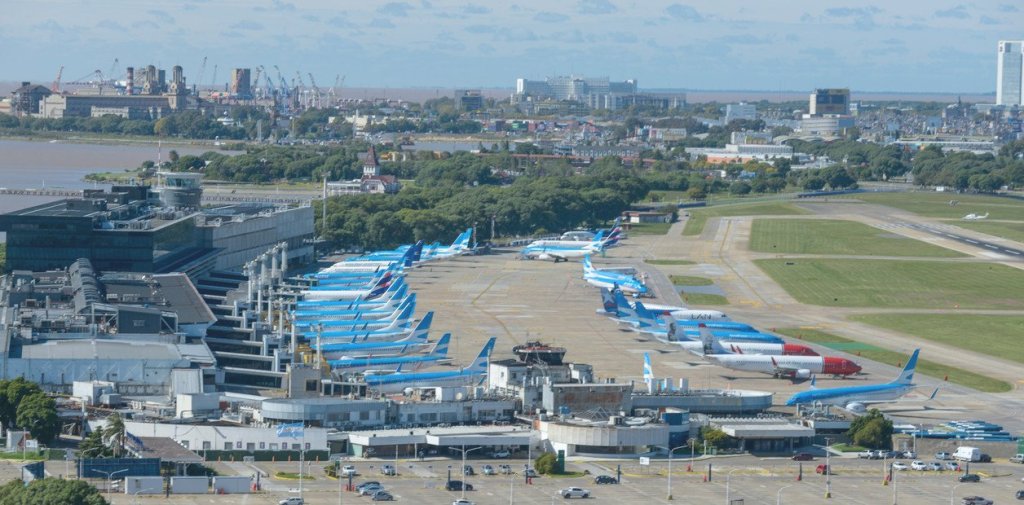


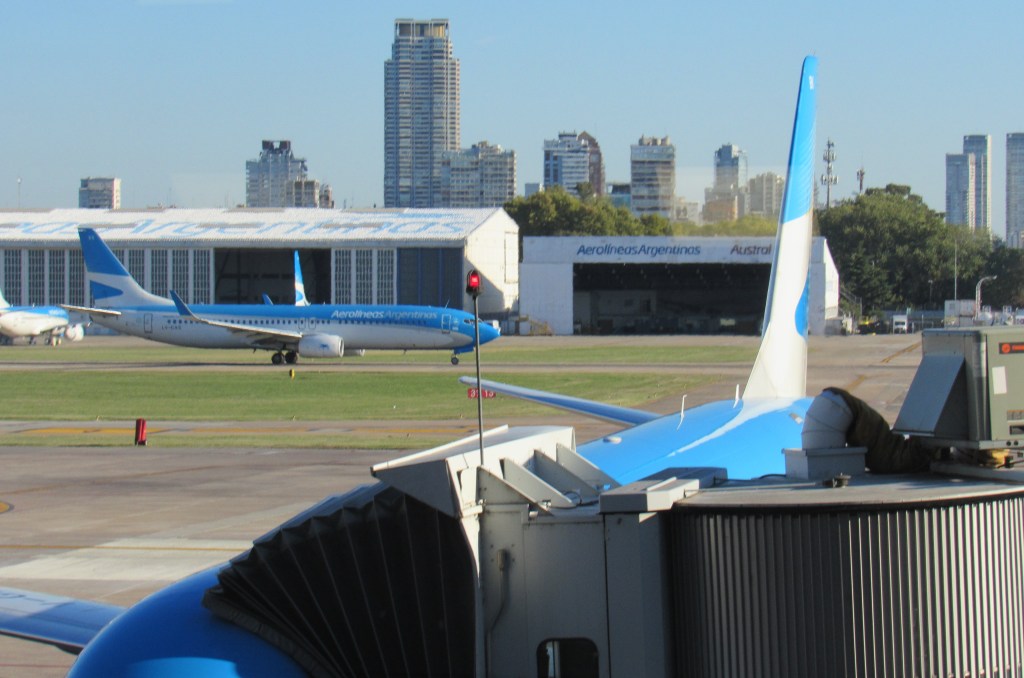
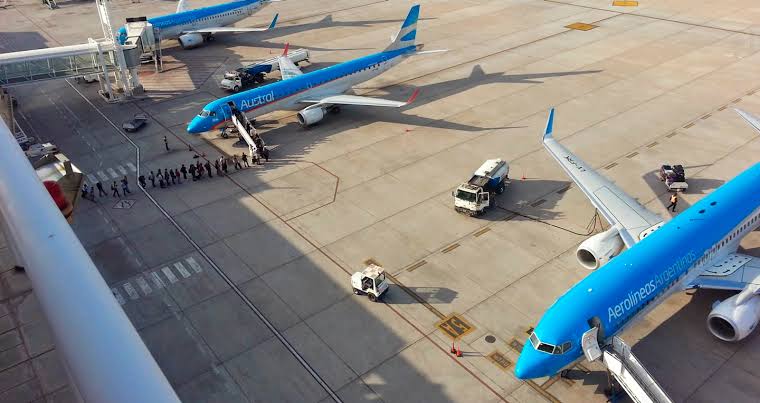
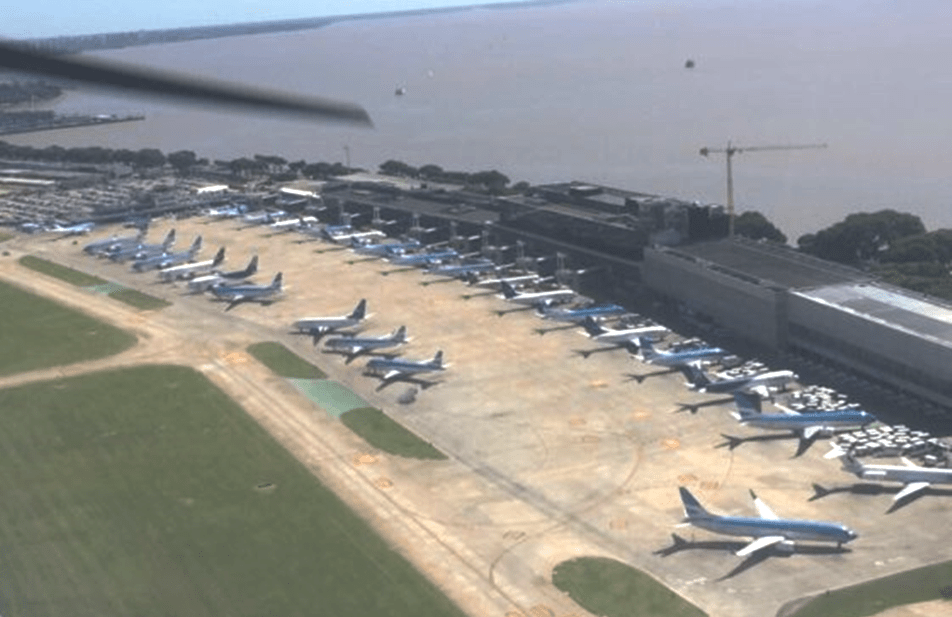


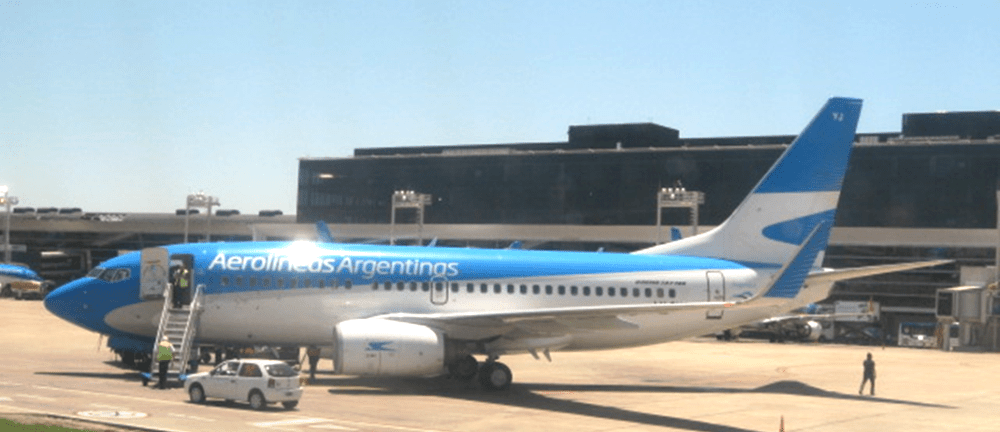


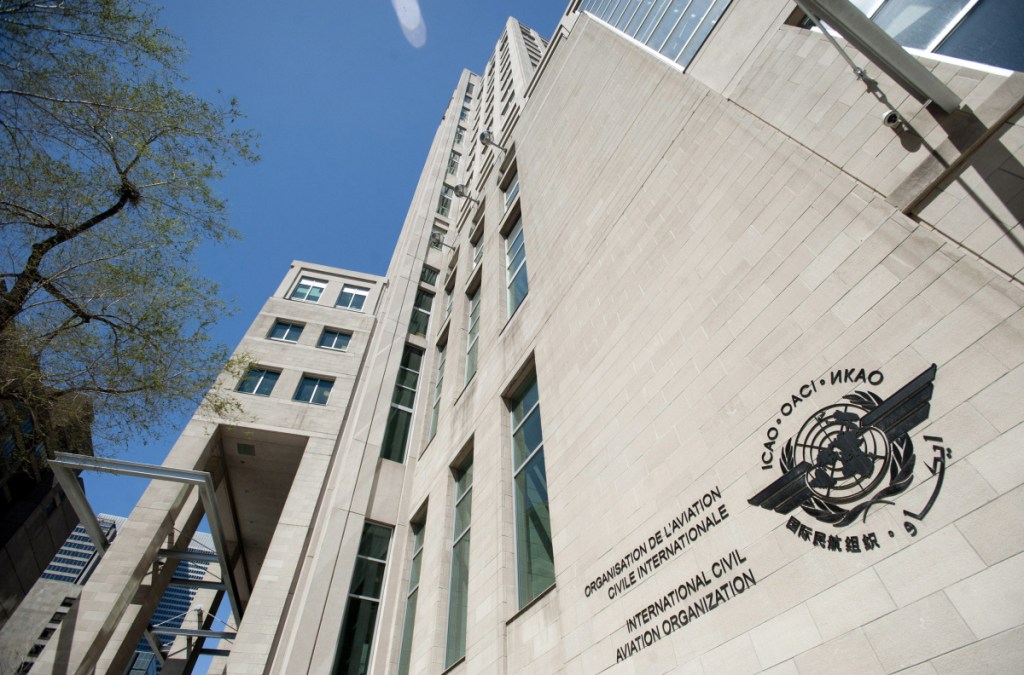
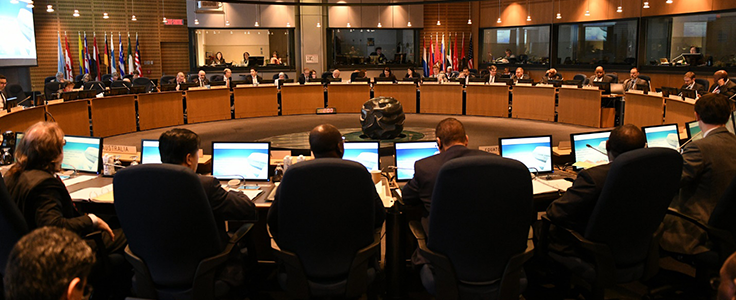
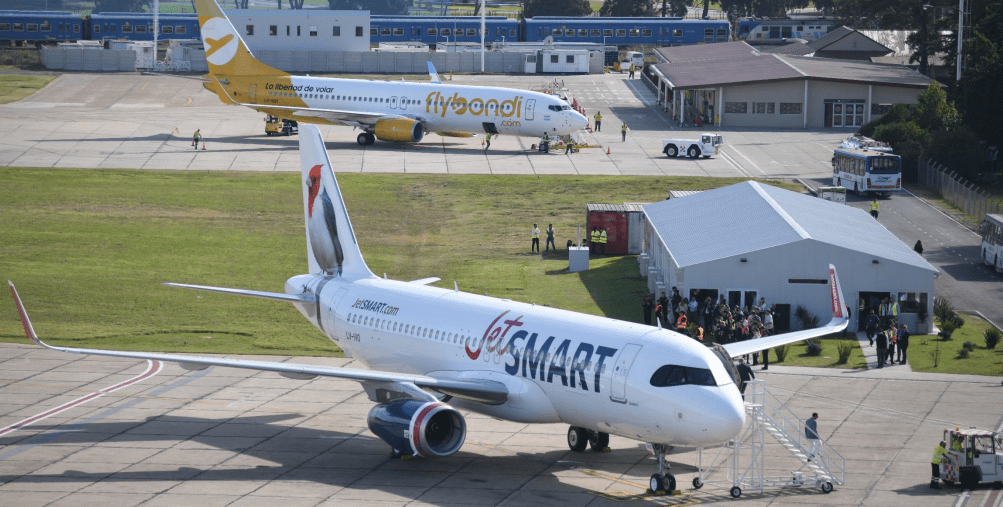
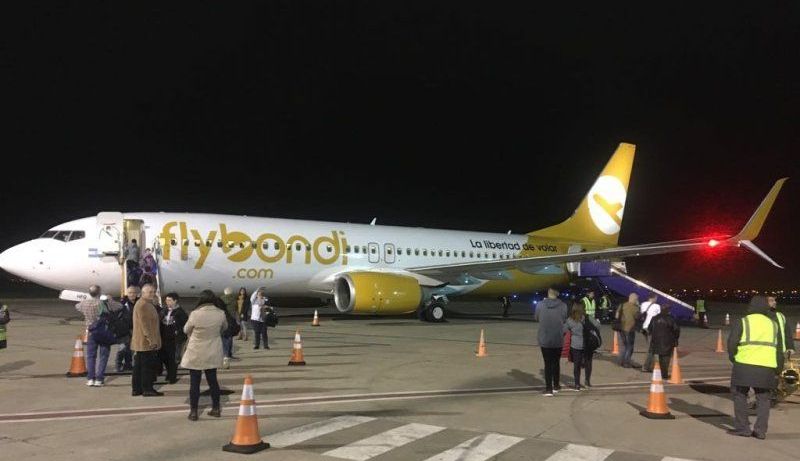
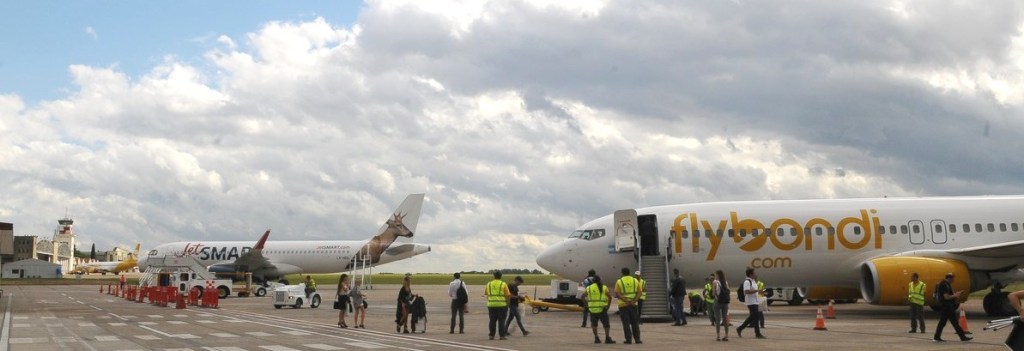

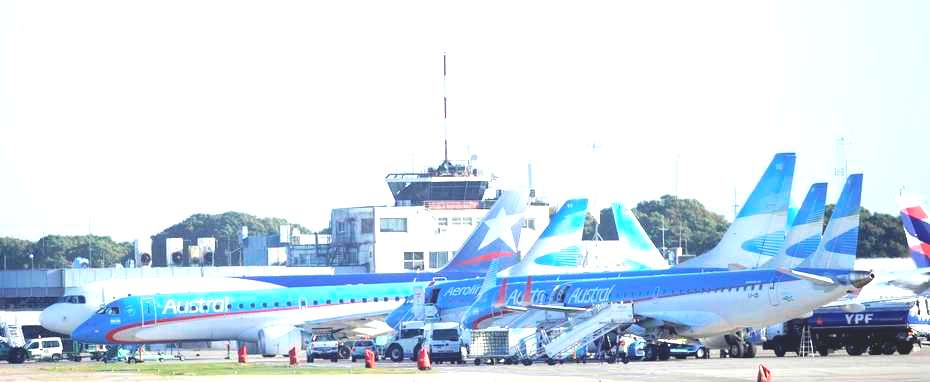
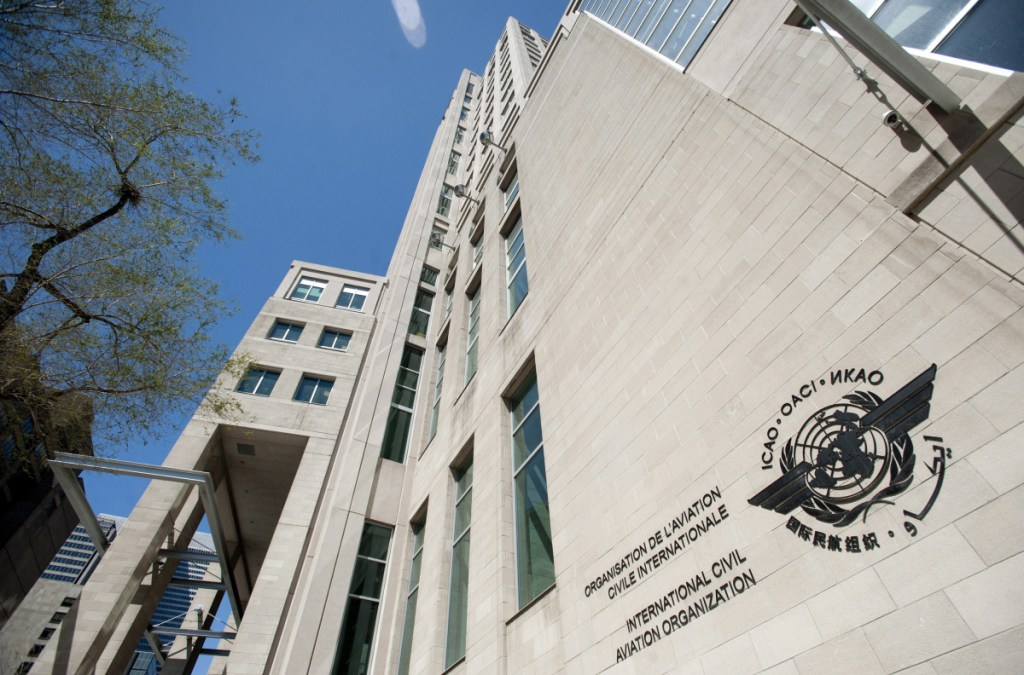
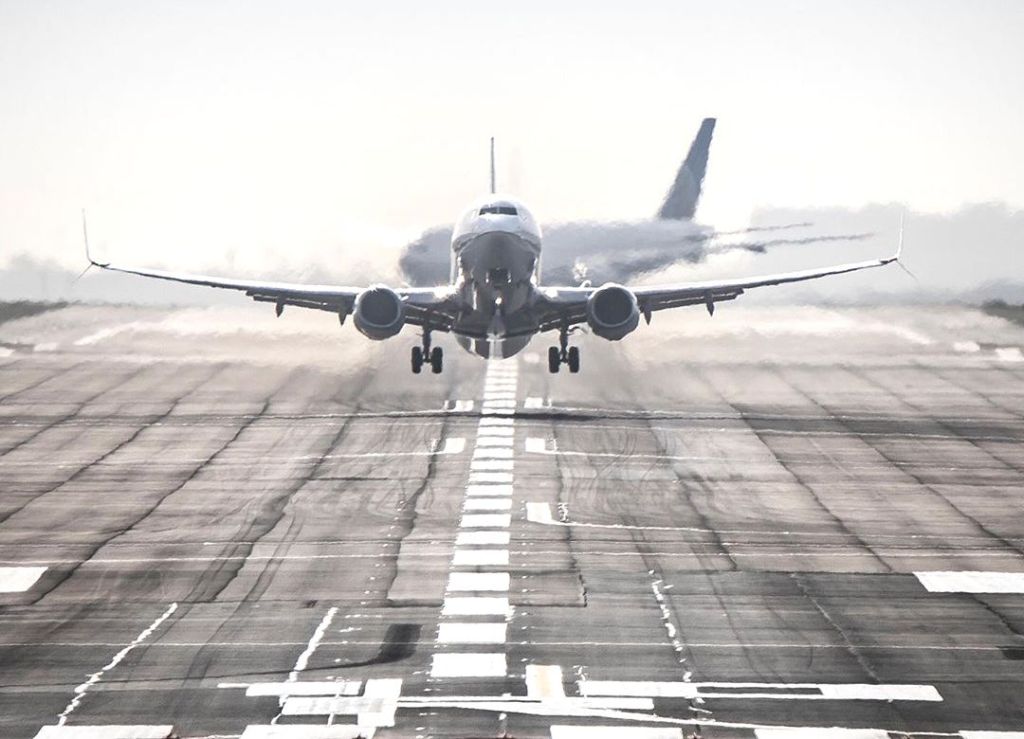
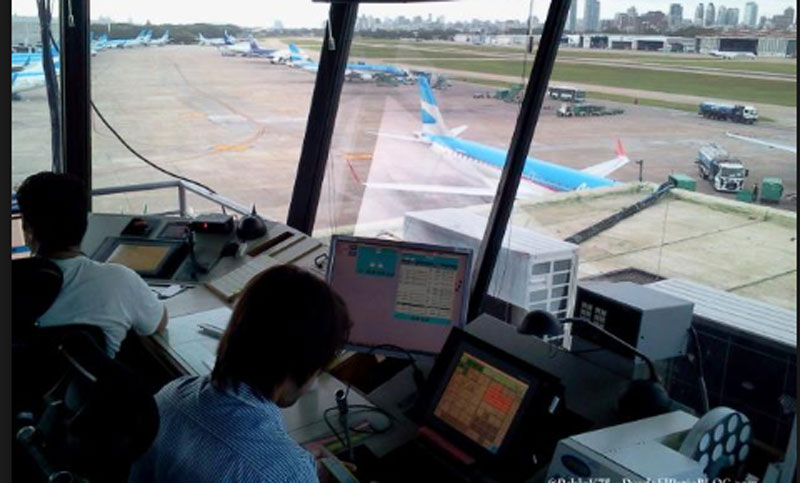

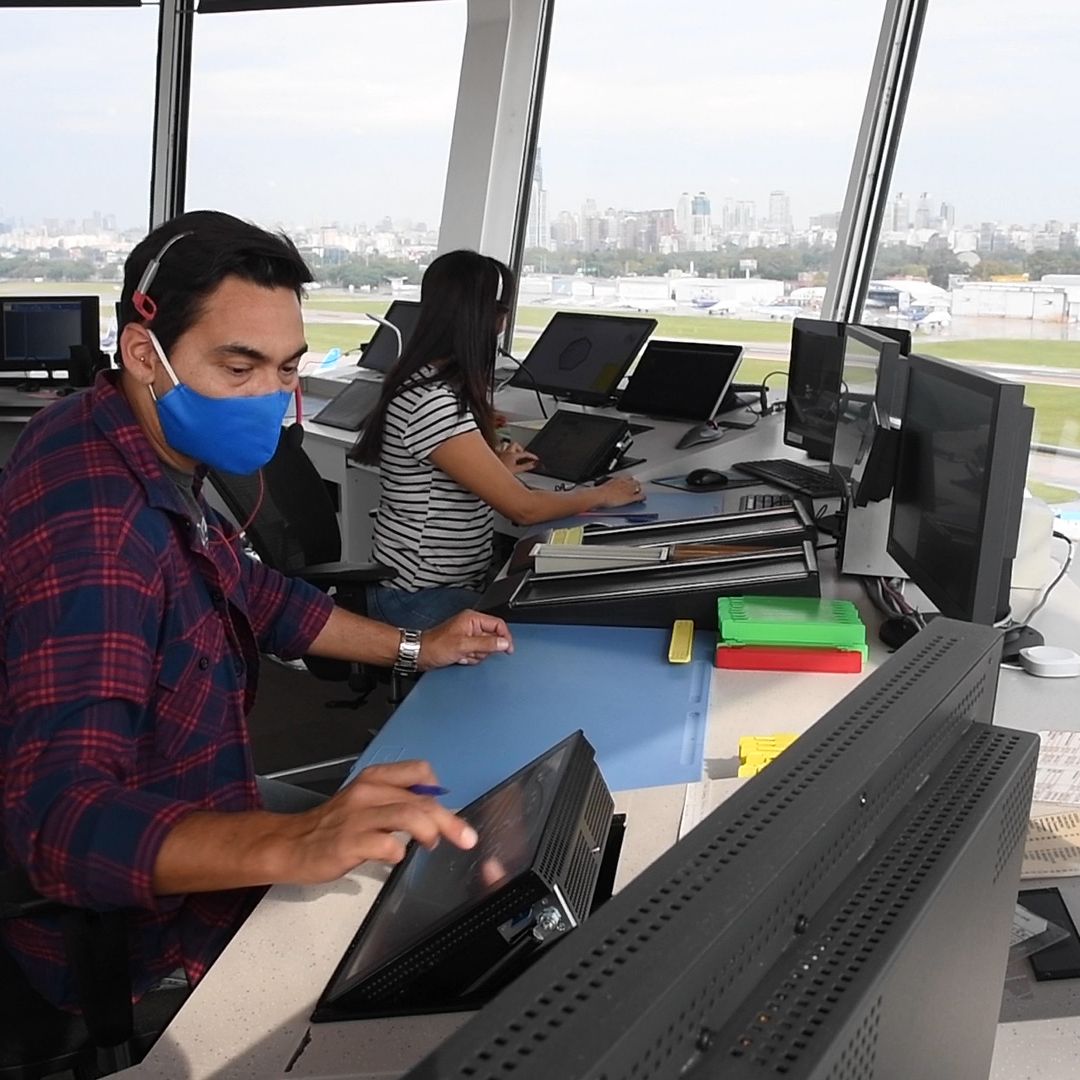





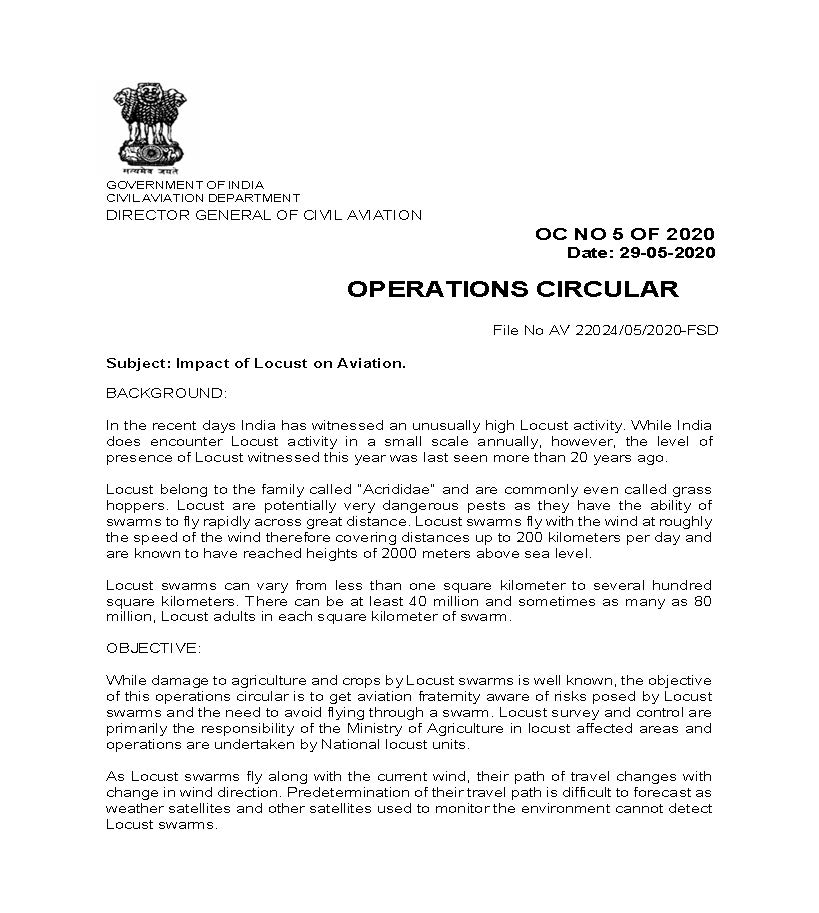
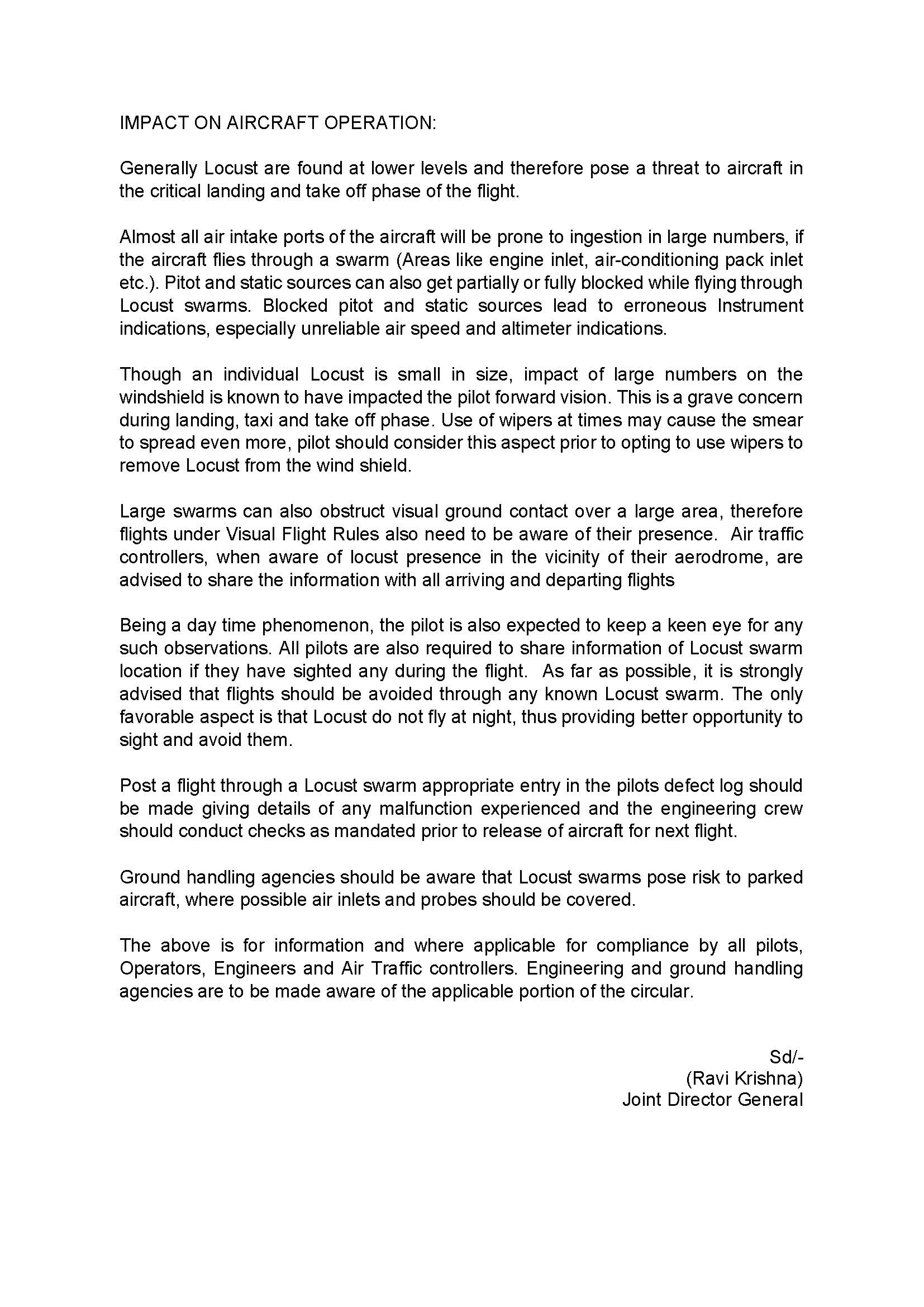
 airgways.com