 AW | 2019 02 03 13:43 | AIR INVESTIGATION / AVIATION SAFETY
Detrás del accidente aéreo del vuelo Lion Air JT-610, un rastro de decisiones guarda a los pilotos en la oscuridad
La estrategia de Boeing desencadenó una serie de decisiones de ingeniería, negocios y normativas en cascada que años más tarde dejarían a la compañía enfrentando preguntas difíciles sobre el accidente en Indonesia que mató a 189 personas. En el brutalmente competitivo negocio de aviones de pasajeros, el anuncio a finales de 2010 de que Airbus presentaría una versión más eficiente en combustible de su mejor vendido A320 representó un asalto frontal al caballo de batalla de su rival Boeing 737.
Boeing trepó al contragolpe. En unos meses, se le ocurrió un plan para una mejora propia, el Boeing 737 MAX, con motores que producirían ahorros de combustible similares. Y en los años que siguieron, Boeing presionó no solo para diseñar y construir el nuevo avión, sino para convencer a sus clientes de líneas aéreas y, de manera crucial, a la Administración Federal de Aviación (FAA), de que el nuevo modelo volaría de manera segura y se manejaría lo suficiente como el modelo existente. modelo de que 737 pilotos no tendrían que someterse a un entrenamiento costoso.
La estrategia de Boeing desencadenó una serie de decisiones de ingeniería, negocios y normativas en cascada que años más tarde dejarían a la compañía enfrentando preguntas difíciles sobre el accidente en octubre de un Lion Air 737 MAX en Indonesia.
Las causas del accidente del vuelo JT-610, que mató a 189 personas, todavía están bajo investigación. Las autoridades indonesias están estudiando la grabadora de voz de la cabina para conocer cómo los pilotos manejaron la emergencia, y están examinando la larga historia de problemas de mantenimiento de Lion Air.
Pero la tragedia se ha convertido en un foco de intenso interés y debate en los círculos de la aviación debido a otro factor: la determinación de Boeing y la FAA de que los pilotos no necesitaban ser informados sobre un cambio introducido en el sistema de control de vuelo del 737 para el MAX, algunos la codificación del software pretende compensar automáticamente el riesgo de que el tamaño y la ubicación de los nuevos motores puedan hacer que la aeronave se detenga bajo ciertas condiciones.
El juicio de Boeing y su regulador fue, al menos en parte, un resultado del impulso de la compañía para minimizar los costos de la capacitación del piloto. Y parece que dejó a la tripulación de Lion Air sin una comprensión completa de cómo abordar una falla que parece haber contribuido al choque: los datos erróneos indican erróneamente que el avión estaba volando en un ángulo peligroso, lo que lleva al sistema de control de vuelo a repetidamente empujar la nariz del avión hacia abajo. Según las declaraciones de Boeing y las entrevistas con ingenieros, ex empleados de Boeing, pilotos, reguladores y asesores del Congreso, entendió cómo los pilotos podrían haber quedado en gran medida sin información. Esas decisiones finalmente llevaron a la compañía, a los reguladores y a las aerolíneas a concluir que la capacitación o la información a los pilotos sobre el cambio al sistema de control de vuelo era innecesaria para llevar a cabo procedimientos de emergencia bien establecidos.
La historia del cambio a ese sistema, y cómo llegó a desempeñar un papel central en el accidente de Lion Air, muestra cómo la seguridad de los aviones modernos se basa en una compleja combinación de factores, que incluyen una competencia feroz en la industria, avances tecnológicos y entrenamiento de pilotos. Ilustra cómo, en los raros casos en que las cosas salen mal, la interacción de esos factores puede crear consecuencias no deseadas y potencialmente fatales.
El desplome ha planteado dudas sobre si Boeing minimizó o pasó por alto, en gran parte por razones de costo y competitivas, los peligros potenciales de mantener a los pilotos informados sobre los cambios en un elemento crítico del software del avión.
Y ha puesto un nuevo enfoque en si la FAA ha sido lo suficientemente agresiva en el monitoreo de Boeing en una era en la que la tecnología ha hecho que los aviones sean tanto confiables como cada vez más complicados. Los reguladores europeos inicialmente no estaban de acuerdo con el juicio de la FAA sobre la necesidad de capacitación adicional, pero finalmente aceptaron, dijo un piloto familiarizado con el proceso de certificación, mientras que los reguladores de Brasil rompieron con la FAA y exigieron que los pilotos se familiarizaran con el cambio.
Boeing ha tomado la posición de que los pilotos del vuelo de Lion Air deberían haber sabido cómo manejar la emergencia a pesar de no saber sobre la modificación. La compañía ha sostenido que siguiendo correctamente los procedimientos de emergencia establecidos, esencialmente, una lista de verificación, durante mucho tiempo familiar para los pilotos de sus 737 anteriores, debería haber permitido a la tripulación manejar un mal funcionamiento del sistema de aumento de características de maniobra, conocido como MCAS, si sabían que estaba encendido el avión o no. Boeing dijo que varios sistemas tanto en el MAX como en su generación anterior 737 pueden empujar la nariz hacia abajo. Independientemente de la causa, dijo la compañía, la tripulación de vuelo debe revisar la lista de verificación, que está contenida en los procedimientos existentes.
 LOS MOTORES MÁS GRANDES Y MÁS EFICIENTES EN CONSUMO DE COMBUSTIBLE QUE BOEING QUERÍA PARA EL 737 MAX LLEVARON A UN CAMBIO EN EL SISTEMA DE CONTROL DE VUELO QUE NUNCA SE DESTACÓ PARA LOS PILOTOS
La compañía dijo que al desarrollar materiales de capacitación para el 737 MAX, siguió prácticas de larga data. «El proceso garantiza que las tripulaciones de vuelo tengan toda la información para operar el avión de manera segura», dijo Boeing, «y para que los jefes de mantenimiento y de la flota comprendan cómo garantizar que los aviones estén en servicio».
Pero después del accidente, Boeing planea lanzar una actualización de software para el 737 MAX, según una persona informada sobre el asunto, aunque no está claro cómo afectará la actualización al MCAS. Boeing dijo que «continúa evaluando la necesidad de software u otros cambios a medida que aprendemos más de la investigación en curso».
La FAA se negó a comentar sobre el accidente, pero reconoció que se estaba examinando su propio rol. «La revisión de la FAA de la certificación del 737 MAX es parte de una investigación en curso con la NTSB y las autoridades de aviación civil indonesias», dijo la agencia en un comunicado, en referencia a la Junta Nacional de Seguridad del Transporte. «No podemos proporcionar detalles de esa revisión hasta que se complete la investigación».
La posición de Boeing ha dejado a muchos pilotos enojados y preocupados. «Cada vez que se introduce un nuevo sistema en un avión, somos los responsables de ese avión», dijo Jon Weaks, presidente de la Asociación de Pilotos de Southwest Airlines. Refiriéndose a la adición de MCAS, Weaks agregó: «Sentimos y sentimos que necesitábamos saber sobre eso, y no hay otra manera de decirlo».
John Barton, un capitán de 737 que habló con la condición de que la aerolínea por la que vuela no fuera identificado, dijo que la culpa comenzó con Boeing y la FAA, pero se extendió a las aerolíneas y los sindicatos de pilotos. «Muchos pilotos consideran que la capacitación fue inadecuada y, por lo tanto, me parece que Boeing, la FAA, los centros de capacitación de las aerolíneas y posiblemente los propios sindicatos son culpables por el incidente», dijo.
Ahorrar tiempo, dinero
Al diseñar el 737 MAX, Boeing estaba vendiendo líneas aéreas con el ahorro de combustible del avión, las reducciones de costos operativos y otras mejoras. Pero al mismo tiempo, estaba tratando de evitar cambios aerodinámicos y de manejo al por mayor que estimularían a la FAA a determinar que los 737 pilotos existentes necesitarían una capacitación sustancial nueva y que requiera mucho tiempo.
Internamente, un requisito principal para el MAX era que ningún cambio de diseño podría hacer que la FAA concluya que los pilotos deben recibir capacitación sobre las diferencias del sistema entre la versión actual del avión, el 737 NG y el MAX utilizando simuladores, dijo Rick Ludtke, un analista de ingeniería de operaciones de la tripulación de vuelo que participó en el diseño de algunas de las otras nuevas características de seguridad del 737 MAX.
Al limitar las diferencias entre los modelos, Boeing ahorraría tiempo y dinero a las aerolíneas al no poner a sus 737 pilotos en simuladores durante horas para entrenar en el nuevo avión, lo que hace que el cambio al MAX sea más atractivo. «Parte de lo que queríamos lograr era una capacitación y una presentación sin interrupciones para nuestros clientes, por lo que deliberadamente diseñamos el avión para que se comportara de la misma manera», dijo Dennis A. Muilenburg, director ejecutivo de Boeing, en la CNBC en diciembre en respuesta a una pregunta. sobre si la empresa quería mantener bajos los costos de capacitación. «Entonces, aunque es un diseño de avión diferente, las leyes de control que vuelan el avión están diseñadas para hacer que el avión se comporte de la misma manera en las manos del piloto».
Pero los ingenieros de Boeing tenían un problema. Debido a que los nuevos motores para el MAX eran más grandes que los de la versión anterior, debían montarse más alto y más hacia adelante en las alas para proporcionar una distancia al suelo adecuada.
El análisis inicial reveló que los motores más grandes, montados de forma diferente a la versión anterior del 737, tendrían un efecto desestabilizador en el avión, especialmente a velocidades más bajas durante maniobras de giro cerrado y alto banco, dijo Ludtke.
La preocupación era que un mayor riesgo de que la nariz se empuje hacia arriba a bajas velocidades del aire podría hacer que el avión se acerque más al ángulo en el que se detiene o pierde sustentación, dijo Ludtke.
Después de sopesar muchas posibilidades, dijo Ludtke, Boeing decidió agregar un nuevo programa, lo que los ingenieros describieron como esencialmente algunas líneas de código, al sistema de control de vuelo de la aeronave para contrarrestar las fuerzas de lanzamiento desestabilizadoras de los nuevos motores.
El MCAS
El MCAS, según un ingeniero familiarizado con el tema, fue escrito en la ley de control, el sistema operativo de la sombrilla que, entre otras cosas, mantiene al avión en «recorte» o asegura que la nariz esté en el ángulo adecuado para la velocidad del avión y trayectoria. En efecto, el sistema automáticamente empujaría la nariz hacia abajo si detectara que el ángulo del avión estaba creando el riesgo de un bloqueo.
Tanto el MCAS como el sistema de ajuste de velocidad, los controles de estabilizador automáticos utilizados en el 737 NG y versiones anteriores, funcionan principalmente a través de la sección horizontal de la aleta caudal del 737, que consiste en un «elevador» relativamente estrecho en la parte posterior y una superficie más grande llamada Un estabilizador en la parte delantera. En el vuelo manual, los pilotos mueven la nariz hacia arriba y hacia abajo al tirar o empujar una columna de control, también llamada yugo, para girar el elevador de una forma u otra.
Por lo general, los estabilizadores realizan una tarea más sutil, asegurándose de que las fuerzas hacia arriba o hacia abajo en la cola mantengan el plano equilibrado alrededor de su centro de gravedad. Cualquiera de los dos pilotos puede controlar los estabilizadores eléctricamente usando interruptores en la parte superior del yugo.
MCAS fue escrito para usar los estabilizadores de una manera diferente. La primera tarea del sistema modificado fue compensar automáticamente el riesgo de pérdida creado por el cambio en el tamaño y la ubicación de los motores. «El MCAS era necesario entonces para que la FAA certificara que el avión cumplía con todos los requisitos reglamentarios de diseño para la estabilidad y el control», dijo Ludtke. Además de abordar la seguridad, el MCAS también permite que el avión se maneje de manera muy similar a sus predecesores desde la perspectiva de un piloto. Al evaluar si los 737 pilotos existentes necesitarían pasar horas de entrenamiento en simuladores para volar el MAX, la FAA tomaría en cuenta cómo se manejan las dos versiones de manera similar.
Boeing dijo que la modificación «mejora las características de manejo de la aeronave» y disminuye la «tendencia de inclinación» solo en circunstancias inusuales. «No controla el avión en vuelo normal», dijo la compañía.
La FAA también determinaría qué tipo de capacitación se requeriría para los pilotos sobre cambios de diseño específicos en el MAX en comparación con la versión anterior. Algunos cambios requieren una capacitación corta para el tiempo del simulador, como la instrucción basada en computadora.
«Creo que este es uno de esos sistemas que los pilotos deberían saber que está a bordo y cuando está activado», dijo Chuck Horning, presidente del Departamento de Ciencias de Mantenimiento de la Aviación en la Universidad Aeronáutica Embry-Riddle.
Los lados de la FAA con Boeing
En última instancia, la FAA determinó que no había suficientes diferencias entre el 737 MAX y la iteración previa para requerir que los pilotos pasaran por el entrenamiento del simulador. Si bien la agencia requería que los pilotos recibieran capacitación o información menos onerosas sobre una variedad de otros cambios entre las dos versiones del avión, el MCAS tampoco estaba entre esos elementos.
La conclusión era que no había ningún requisito reglamentario para que Boeing o sus clientes de líneas aéreas señalen los cambios en el sistema de control de vuelo para sus pilotos, y Boeing sostuvo que no era necesario, ya que, en opinión de la compañía, los procedimientos de emergencia establecidos cubrir cualquier problema independientemente de si se derivó del sistema original o de la modificación. Al menos por lo que los pilotos sabían, el MCAS no existía, aunque desempeñaría un papel clave en el control del avión en ciertas circunstancias.
Boeing no ocultó el sistema modificado. Fue documentado en los manuales de mantenimiento para el avión, y se informó a las aerolíneas sobre ello durante informes detallados sobre las diferencias entre el MAX y las versiones anteriores del 737.
Pero la determinación de la FAA de que el sistema no tenía que ser marcado para los pilotos dio pausa a otros reguladores. Al otro lado del Atlántico, la Agencia Europea de Seguridad Aérea, el equivalente de la Unión Europea a la FAA, tuvo reparos, según un piloto familiarizado con el proceso de certificación del regulador europeo. Al principio, la agencia se inclinó a decidir que el MCAS debía incluirse en el manual de operaciones de vuelo para el MAX, lo que a su vez habría requerido que los pilotos fueran informados del nuevo sistema a través de un aula o un curso de computación, dijo el piloto. Pero en última instancia, dijo, la agencia no consideró el tema lo suficientemente importante como para mantenerse firme, y eventualmente aceptó a Boeing y la FAA.
Cuando los reguladores brasileños publicaron la capacitación requerida para pilotos, señalaron al MCAS como uno de los cambios que debían marcarse. La FAA dijo que «otros países basan sus estándares en condiciones específicas y únicas para cada nación».
Entre las muchas preguntas sin respuesta planteadas por el accidente está el grado en que Boeing y la FAA consideraron lo que sucedería en caso de que el MCAS, o los sensores que alimentaron la información del sistema sobre el avión, funcionaran mal.
En el accidente del vuelo JT-610 de Lion Air, una de las teorías principales es que el sistema estaba recibiendo datos erróneos sobre el ángulo del avión desde lo que se conoce como un sensor de ángulo de ataque, dispositivos con forma de vara en ambos lados del fuselaje que miden cuánto mide el avión. La nariz está apuntando hacia arriba o hacia abajo. Los resultados preliminares de la investigación sugirieron que el sensor en el lado del avión del piloto estaba generando datos erróneos. Al diseñar el 737 MAX, Boeing decidió alimentar al MCAS con datos de solo uno de los dos sensores de ángulo de ataque a la vez, dependiendo de cuál de las dos computadoras de control de vuelo redundantes: una en el lado del capitán, una en el lado del primer oficial – Pasó a estar activo en ese vuelo. Esa decisión mantuvo el sistema más simple, pero también lo dejó vulnerable a un solo sensor defectuoso, o datos transferidos incorrectamente, como parecía ocurrir el día del accidente.
No hay evidencia de que Boeing haya realizado pruebas de vuelo de MCAS con datos de sensores erróneos, y no está claro si la FAA lo hizo. Los reguladores europeos probaron en vuelo la nueva versión del avión con datos de sensores normales que ingresan al MCAS pero no con datos erróneos, dijo el piloto familiarizado con el proceso de certificación europeo.
Los estabilizadores en los modelos más antiguos también podrían haberse movido en formas impredecibles y peligrosas, debido a factores como cortocircuitos eléctricos, datos incorrectos del sensor o problemas con la computadora. Boeing razonó, según la gente que la compañía ha informado, así como el boletín que envió a las aerolíneas después del accidente, que el procedimiento de emergencia para el mal funcionamiento del ajuste de velocidad y otros problemas del estabilizador en los 737 anteriores funcionaría en el MAX para problemas relacionados con el MCAS. también.
La parte central de ese procedimiento es apagar dos interruptores de «recorte de estabilizador» en la consola central de la cabina y luego abrir las manijas de las ruedas cerca de las rodillas del capitán y el primer oficial. Al arrancar esas ruedas, los pilotos pueden ajustar los estabilizadores manualmente para evitar que el avión se mueva hacia arriba o hacia abajo.
El papel de los pilotos
En el centro del debate está si los pilotos habrían respondido de manera diferente si supieran que el MCAS estaba obligando a bajar la nariz del avión específicamente. La información del registrador de datos de vuelo muestra que el morro del avión fue lanzado más de dos docenas de veces durante el breve vuelo, resistiendo los esfuerzos de los pilotos para mantener el nivel de vuelo. Si el MCAS estaba recibiendo datos erróneos que indicaban que el avión estaba inclinado hacia arriba en un ángulo que arriesgaba un estancamiento, y los resultados preliminares de la investigación sugieren que sí, el sistema habría empujado automáticamente la nariz hacia abajo para evitar el estancamiento.
La lista de verificación estándar para tratar ese tipo de emergencia en la versión anterior del 737 se centra en encender los interruptores de corte del estabilizador y usar las ruedas manuales para ajustar los estabilizadores.
Boeing ha afirmado que los pilotos en el vuelo más próximo al último avión de Lion Air que se estrelló encontraron un problema similar, aunque menos grave, de nariz abajo. Lo abordaron al apagar los interruptores de corte del estabilizador, de acuerdo con la lista de verificación de emergencia. Aún así, según encontraron los investigadores indonesios, los pilotos salieron de la lista de verificación volviendo a encender los interruptores antes de apagarlos por el resto del vuelo. Ese vuelo, con diferentes pilotos del vuelo que se estrelló, aterrizó a salvo.
Los 737 más antiguos tenían otra forma de abordar ciertos problemas con los estabilizadores: tirar del yugo o la columna de control, uno de los cuales se encuentra inmediatamente delante del capitán y el primer oficial, cortaría el control electrónico de los estabilizadores, lo que permitiría Pilotos para controlarlos manualmente.
Esa función se desactivó en el MAX cuando se activó el MCAS, otro cambio que los pilotos probablemente no conocían. Después del accidente, Boeing le dijo a las aerolíneas que cuando se activa el MCAS, como parecía haber estado en el vuelo de Lion Air, tirar de la columna de control no detendrá el estabilizador.
Los resultados preliminares de la investigación, basados en información del registrador de datos de vuelo, sugirieron que los pilotos del vuelo condenado intentaron varias maneras de subir la nariz cuando se tambaleó más de dos docenas de veces. Eso incluyó la activación de los interruptores en el yugo de control que controlan el ángulo de los estabilizadores en la cola del avión, y cuando eso no pudo detener el problema, tiró del yugo hacia atrás.
No hay indicios de que intentaran cambiar los interruptores de corte del estabilizador, ya que la lista de verificación de emergencia sugiere que deberían haberlo hecho. Los hallazgos de la grabadora de voz de la cabina podrían establecer con más detalle qué culpabilidad, si es que hay, recae en los pilotos de Lion Air.
La posición de Boeing de que seguir la lista de verificación de emergencia establecida debería haber sido suficiente subestima la complejidad de responder a una crisis en tiempo real, dijeron los pilotos.
Refiriéndose al enfoque de Boeing sobre la necesidad de que los pilotos accionen los interruptores de corte del estabilizador, Dennis Tajer, portavoz del sindicato de pilotos de American Airlines y un piloto de 737, dijo: «Son absolutamente correctos: apagar esos dos interruptores detendrá esa acción agresiva contra tú. Un piloto necesita saber qué sistemas están a bordo para que se conviertan en una parte de su fibra cuando vuele el avión».
El piloto del vuelo siguiente al último del avión, en su ingreso a un registro electrónico, notó una variedad de problemas que había encontrado, y especuló que el «sistema de ajuste de velocidad» del avión: las funciones del estabilizador utilizadas en el 737 NG y anteriores versiones – no estaba funcionando correctamente. Pero nadie involucrado en ese vuelo de último a último del avión condenado marcó el MCAS o parece haber reconocido que podría haber sido la raíz de los problemas de ese vuelo.
«Realmente te dice lo que sienten los pilotos profesionales, habiendo volado este mismo avión durante los últimos 10 años», dijo Bjorn Fehrm, un Ingeniero Aeronáutico y ex piloto de caza de la Fuerza Aérea de Suecia, refiriéndose a la generación anterior 737. No tengo idea de que Boeing ha introducido algo nuevo.
 Scrutiny FAA Lion Air JT610 accident
Behind the air crash of the Lion Air JT-610 flight, a trail of decisions keeps the pilots in the dark
Boeing‘s strategy unleashed a series of cascading engineering, business and regulatory decisions that years later would leave the company facing difficult questions about the accident in Indonesia that killed 189 people. In the brutally competitive airliner business, the announcement in late 2010 that Airbus would present a more fuel efficient version of its best-selling A320 represented a frontal assault on the workhorse of rival Boeing 737.
Boeing climbed the backlash. In a few months, he came up with a plan for his own improvement, the Boeing 737 MAX, with engines that would produce similar fuel savings. And in the years that followed, Boeing pushed not only to design and build the new aircraft, but to convince its airline customers and, crucially, the Federal Aviation Administration (FAA), that the new model would fly in a safe way and would be handled enough as the existing model. model that 737 pilots would not have to undergo expensive training.
Boeing’s strategy unleashed a series of cascading engineering, business and regulatory decisions that years later would leave the company facing difficult questions about the October crash of a Lion Air 737 MAX in Indonesia.
The causes of the accident flight JT-610, which killed 189 people, are still under investigation. Indonesian authorities are studying the cockpit voice recorder to learn how the pilots handled the emergency, and are examining Lion Air’s long history of maintenance issues.
But the tragedy has become a focus of intense interest and debate in aviation circles due to another factor: the determination of Boeing and the FAA that the pilots did not need to be informed about a change introduced in the control system of flight of the 737 for the MAX, some software coding is intended to automatically compensate for the risk that the size and location of the new engines may cause the aircraft to stop under certain conditions.
The trial of Boeing and its regulator was, at least in part, a result of the company’s drive to minimize the costs of pilot training. And it seems that it left the crew of Lion Air without a complete understanding of how to address a fault that appears to have contributed to the crash: erroneous data wrongly indicate that the plane was flying at a dangerous angle, leading to the flight control system to repeatedly push the nose of the plane down. According to Boeing’s statements and interviews with engineers, former Boeing employees, pilots, regulators and congressional advisors, he understood how pilots could have been left largely without information. Those decisions eventually led the company, regulators and airlines to conclude that training or informing pilots about the change to the flight control system was unnecessary to carry out well-established emergency procedures.
The story of the change to that system, and how it came to play a central role in the Lion Air accident, shows how the safety of modern aircraft is based on a complex combination of factors, including fierce competition in the industry , technological advances and pilot training. It illustrates how, in the rare cases where things go wrong, the interaction of those factors can create unintended and potentially fatal consequences.
The crash has raised questions about whether Boeing minimized or overlooked, largely for cost and competitive reasons, the potential dangers of keeping pilots informed about changes in a critical element of the aircraft’s software.
And it has put a new focus on whether the FAA has been aggressive enough in monitoring Boeing in an era in which technology has made aircraft both reliable and increasingly complicated. European regulators initially disagreed with the FAA’s judgment on the need for additional training, but eventually accepted, said a pilot familiar with the certification process, while Brazilian regulators broke with the FAA and demanded that pilots They will become familiar with the change.
Boeing has taken the position that the pilots of the Lion Air flight should have known how to handle the emergency despite not knowing about the modification. The company has argued that by correctly following established emergency procedures, essentially, a checklist, long familiar to the pilots of its previous 737s, should have allowed the crew to handle a malfunction of the maneuvering feature enhancement system, known as MCAS, if they knew that the plane was on or not. Boeing said that several systems in both the MAX and its previous generation 737 can push the nose down. «Regardless of the cause», the company said, the flight crew should review the checklist, «which is contained in the existing procedures».
The company said that by developing training materials for the 737 MAX, it followed long-standing practices. «The process ensures that flight crews have all the information to operate the aircraft safely», Boeing said, «and so that the maintenance and fleet managers understand how to ensure that the aircraft are in service».
But after the crash, Boeing plans to release a software update for the 737 MAX, according to a person briefed on the matter, although it is not clear how the MCAS update will affect. Boeing said he «continues to assess the need for software or other changes as we learn more about the ongoing research».
The FAA refused to comment on the accident, but acknowledged that it was examining its own role. «The FAA’s review of the 737 MAX certification is part of an ongoing investigation with the NTSB and the Indonesian civil aviation authorities», the agency said in a statement, referring to the National Transportation Safety Board. «We can not provide details of that review until the investigation is complete».
The position of Boeing has left many pilots angry and worried. «Every time a new system is introduced into an airplane, we are responsible for that plane», said Jon Weaks, president of the Southwest Airlines Pilots Association. Referring to the addition of MCAS, Weaks added: «We felt and felt that we needed to know about that, and there is no other way to say it».
John Barton, a 737 captain who spoke on condition that the airline he flies to be unidentified, said the fault started with Boeing and the FAA, but extended to airlines and pilot unions. «Many pilots believe that the training was inadequate and, therefore, it seems to me that Boeing, the FAA, airline training centers and possibly the unions themselves are to blame for the incident», he said.
Save time, money
When designing the 737 MAX, Boeing was selling airlines with the aircraft’s fuel savings, reductions in operating costs and other improvements. But at the same time, he was trying to avoid aerodynamic and wholesale handling changes that would stimulate the FAA to determine that the 737 existing pilots would need substantial new and time-consuming training.
Internally, a major requirement for the MAX was that no design change could cause the FAA to conclude that pilots should receive training on system differences between the current version of the aircraft, the 737 NG and the MAX using simulators, said Rick Ludtke , an operations engineering analyst for the flight crew who participated in the design of some of the other new safety features of the 737 MAX.
By limiting the differences between models, Boeing would save airlines time and money by not putting their 737 pilots in simulators for hours to train on the new aircraft, which makes the switch to MAX more attractive. «Part of what we wanted to achieve was uninterrupted training and presentation for our customers, so we deliberately designed the airplane to behave in the same way», said Dennis A. Muilenburg, Boeing’s executive director, on CNBC. in December in response to a question. about whether the company wanted to keep training costs low. «So, although it is a different airplane design, the control laws that fly the plane are designed to make the airplane behave in the same way in the hands of the pilot».
But Boeing engineers had a problem. Because the new engines for the MAX were larger than those of the previous version, they had to be mounted higher and further forward on the wings to provide adequate ground clearance.
Initial analysis revealed that larger engines, mounted differently than the previous version of the 737, would have a destabilizing effect on the aircraft, especially at lower speeds during closed-loop and high-bank maneuvers, Ludtke said.
The concern was that an increased risk of the nose being pushed up at low air speeds could cause the aircraft to get closer to the angle at which it stops or loses lift, Ludtke said.
After weighing many possibilities, Ludtke said, Boeing decided to add a new program, what the engineers described as essentially a few lines of code, to the flight control system of the aircraft to counter the destabilizing launch forces of the new engines.
The MCAS
The MCAS, according to an engineer familiar with the subject, was written in the law of control, the operating system of the umbrella that, among other things, keeps the plane in «trim» or ensures that the nose is at the right angle for the aircraft speed and trajectory. In effect, the system would automatically push the nose down if it detected that the angle of the aircraft was creating the risk of a blockage.
Both the MCAS and the speed adjustment system, the automatic stabilizer controls used in the 737 NG and earlier versions, operate primarily through the horizontal section of the 737 caudal fin, which consists of a relatively narrow «lift» in the back and a larger surface called a stabilizer in the front. In manual flight, pilots move the nose up and down when pulling or pushing a control column, also called a yoke, to turn the elevator one way or another.
Generally, the stabilizers perform a more subtle task, making sure that the forces up or down the tail keep the plane balanced around their center of gravity. Either of the pilots can control the stabilizers electrically using switches on the top of the yoke.
MCAS was written to use the stabilizers in a different way. The first task of the modified system was to automatically compensate for the risk of loss created by the change in the size and location of the engines. «The MCAS was then necessary for the FAA to certify that the aircraft met all the regulatory design requirements for stability and control», said Ludtke. In addition to addressing safety, the MCAS also allows the airplane to be handled in much the same way as its predecessors from a pilot’s perspective. In assessing whether the 737 existing pilots would need to spend hours training in simulators to fly the MAX, the FAA would take into account how the two versions are handled in a similar way.
Boeing said the modification «improves the handling characteristics of the aircraft» and decreases the «tilt tendency» only in unusual circumstances. «It does not control the plane in normal flight», the company said.
The FAA would also determine what type of training would be required for pilots on specific design changes in the MAX compared to the previous version. Some changes require short training for simulator time, such as computer-based instruction.
«I think this is one of those systems that pilots should know is on board and when it’s activated», said Chuck Horning, chairman of the Department of Aviation Maintenance Sciences at Embry-Riddle Aeronautical University.
The sides of the FAA with Boeing
Ultimately, the FAA determined that there were not enough differences between the 737 MAX and the previous iteration to require pilots to go through simulator training. While the agency required pilots to receive less onerous training or information on a variety of other changes between the two versions of the aircraft, the MCAS was also not among those elements.
The conclusion was that there was no regulatory requirement for Boeing or its airline customers to signal changes in the flight control system for their pilots, and Boeing argued that it was not necessary, since, in the company’s opinion, the Established emergency procedures cover any problem regardless of whether it was derived from the original system or from the modification. At least as far as the pilots knew, the MCAS did not exist, although it would play a key role in controlling the airplane in certain circumstances.
Boeing did not hide the modified system. It was documented in aircraft maintenance manuals, and airlines were informed about it during detailed reports on the differences between MAX and previous versions of the 737.
But the FAA’s determination that the system did not have to be marked for pilots gave pause to other regulators. On the other side of the Atlantic, the European Aviation Safety Agency, the equivalent of the European Union to the FAA, had qualms, according to a pilot familiar with the certification process of the European regulator. Initially, the agency was inclined to decide that the MCAS should be included in the flight operations manual for the MAX, which in turn would have required pilots to be informed of the new system through a classroom or a computer course. said the pilot. But ultimately, he said, the agency did not consider the issue important enough to stand firm, and eventually accepted Boeing and the FAA.
When the Brazilian regulators published the training required for pilots, they pointed to the MCAS as one of the changes that should be made. The FAA said that «other countries base their standards on specific and unique conditions for each nation».
Among the many unanswered questions raised by the accident is the extent to which Boeing and the FAA considered what would happen if the MCAS, or the sensors that fed system information on the airplane, malfunctioned.
In the crash of Lion Air JT-610 flight, one of the main theories is that the system was receiving erroneous data about the angle of the aircraft from what is known as an angle of attack sensor, rod-shaped devices in both sides of the fuselage that measure how much the plane measures. The nose is pointing up or down. The preliminary results of the investigation suggested that the sensor on the pilot’s plane side was generating erroneous data. When designing the 737 MAX, Boeing decided to feed the MCAS with data from only one of the two attack angle sensors at a time, depending on which of the two redundant flight control computers: one on the captain’s side, one on the the side of the first officer – He became active on that flight. That decision kept the system simpler, but also left it vulnerable to a single faulty sensor, or data transferred incorrectly, as it seemed to be the day of the accident.
There is no evidence that Boeing has performed MCAS flight tests with erroneous sensor data, and it is not clear if the FAA did so. European regulators tested in flight the new version of the plane with data from normal sensors that enter the MCAS but not with erroneous data, said the pilot familiar with the European certification process.
Stabilizers on older models could also have moved in unpredictable and dangerous ways, due to factors such as electrical short circuits, incorrect sensor data or problems with the computer. Boeing reasoned, according to the people the company has reported, as well as the bulletin that it sent to the airlines after the accident, that the emergency procedure for the malfunction of the speed adjustment and other problems of the stabilizer in the previous 737 would work in the MAX for problems related to the MCAS. as well.
The central part of that procedure is to turn off two «stabilizer trimmer» switches on the center console of the cab and then open the wheel handles near the knees of the captain and the first officer. When starting those wheels, the pilots can adjust the stabilizers manually to prevent the airplane from moving up or down.
The role of pilots
At the center of the debate is whether the pilots would have responded differently if they knew that the MCAS was specifically forcing the nose down. The flight data recorder information shows that the nose of the plane was launched more than two dozen times during the brief flight, resisting the efforts of the pilots to maintain the level of flight. If the MCAS was receiving erroneous data indicating that the aircraft was tilted upward at an angle that risked stagnation, and the preliminary results of the investigation suggest that yes, the system would have automatically pushed the nose down to avoid stagnation.
The standard checklist to deal with that type of emergency in the previous version of the 737 focuses on turning on the stabilizer cutoff switches and using the manual wheels to adjust the outriggers.
Boeing has claimed that pilots on the flight closest to the last Lion Air plane that crashed found a similar problem, albeit less serious, from nose down. They addressed it by turning off the stabilizer cut-off switches, according to the emergency checklist. Still, Indonesian researchers found, the pilots left the checklist by turning the switches back on before shutting them down for the rest of the flight. That flight, with different pilots of the flight that crashed, landed safely.
The older 737 had another way of dealing with certain problems with the stabilizers: pulling the yoke or the control column, one of which is immediately in front of the captain and the first officer, would cut off the electronic control of the outriggers, which would allow Pilots to control them manually.
That function was deactivated in the MAX when the MCAS was activated, another change that the pilots probably did not know. After the accident, Boeing told the airlines that when the MCAS is activated, as it appeared to have been on the Lion Air flight, pulling the control column will not stop the stabilizer.
Preliminary results of the investigation, based on information from the flight data recorder, suggested that pilots of the doomed flight tried several ways to raise their noses when they staggered more than two dozen times. That included the activation of the switches in the control yoke that control the angle of the stabilizers in the tail of the plane, and when that could not stop the problem, pulled the yoke back.
There is no indication that they tried to change the stabilizer cut-off switches, since the emergency checklist suggests that they should have done so. The findings of the cockpit voice recorder could establish in more detail what guilt, if any, lies with the Lion Air pilots.
Boeing’s position that following the established emergency checklist should have been sufficient underestimates the complexity of responding to a crisis in real time, the pilots said.
Referring to Boeing’s approach to the need for pilots to operate the outrigger cut-outs, Dennis Tajer, spokesman for the American Airlines pilot union and a 737 pilot, said: «They are absolutely correct: turning off those two switches will stop that aggressive action against you A pilot needs to know what systems are on board so that they become a part of his fiber when the plane flies».
The pilot of the flight following the last of the plane, upon entering an electronic record, noticed a variety of problems he had encountered, and speculated that the plane’s «speed adjustment system»: the stabilizer functions used in the 737 NG and previous versions – it was not working properly. But no one involved in that last-to-last flight of the condemned plane marked the MCAS or seems to have recognized that it could have been the root cause of that flight’s problems.
«It really tells you what professional pilots feel, having flown this same plane for the past 10 years», said Bjorn Fehrm, an Aeronautical Engineer and former fighter pilot for the Swedish Air Force, referring to the previous generation 737. No I have an idea that Boeing has introduced something new. A \ W
Ξ A I R G W A Y S Ξ
SOURCE: Airgways.com
DBk: Seattletimes.com / Faa.gov / Bloomberg.com
AW-POST: 201902031343AR
A\W A I R G W A Y S ®

 El misterio del vuelo MH-370 continúa sobrevolando las investigaciones
 MH-370, continues investigations
 The flight MH-370 of the airline Malaysia Airlines disappeared on 8 March 2014 supposedly in the Indian Ocean. Advances in the investigations reveal that Captain Zaharie Shah followed an almost identical route that had been erased from the hard drive of his flight simulator in his home, these are revelations of an investigation.
 La FAA investiga datos de peso del equipaje de Southwest Airlines
 FAA investigates overweights at Southwest
 Rusia exige consulta con los estados implicados en el accidente del MH-017
 AW | 2019 02 10 17:14 | AVIATION SAFETY
 Project law US cabin security

 Mechanical Unions Criticize Southwest, American
 NTSB highlights Ops Part 135
 AW | 2019 02 05 13:20 | AVIATION SAFETY / AIR INVESTIGATION
 Pressures on airline safety
 AIRLINE MECHANICS SAY THEY FEEL PRESSURED BY MANAGERS TO OVERLOOK POTENTIAL SAFETY PROBLEM
 AW | 2019 02 01 11:47 | AVIATION SAFETY
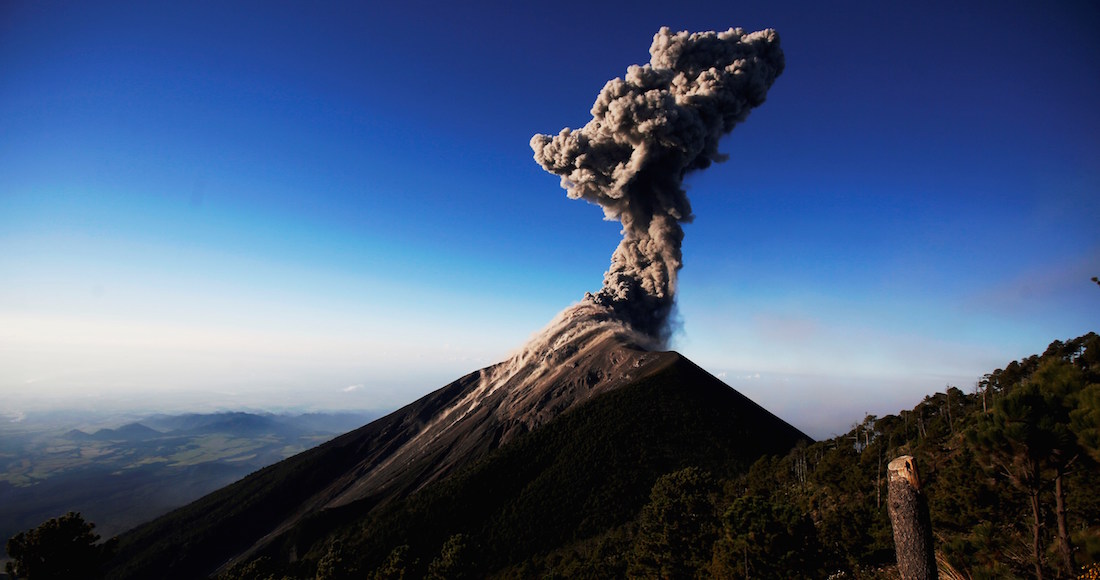
 Canceled by activation of Volcano of Fire
 AW | 2019 02 01 11:12 | GOVERNMENT / AVIATION SAFETY
 Dutch government will require info airlines
 Nederlandse overheid zal info-luchtvaartmaatschappijen nodig hebben
