Alerta por Volcán Reventador

Resultado de imagen para Volcán Reventador

AW | 2018 07 29 16:02 | AVIATION SAFETY

Alta actividad de volcán Reventador con emisiones de 200 metros

La actividad del Volcán Reventador, situado a unos 90 kilómetros de Quito. El Reventador se localiza entre las provincias amazónicas de Napo (este) y Sucumbíos (noreste), se mantuvo alta en las últimas horas con emisiones de 200 metros de altura, informó hoy el Instituto Geofísico Nacional de Ecuador.

La noche del 27 Julio, el cráter estuvo despejado y sin movimiento evidente, pero la mañana del 28 Julio se produjeron varias emisiones menores a 200 metros de altura. Este cerro situado a 90 kilómetros de Quito es, en la actualidad, uno de los tres volcanes en erupción de Ecuador por lo que el IGN de Ecuador lo monitorea constantemente para registrar los cambios. Desde el pasado mes de mayo, ha ocasionado erupciones esporádicas y emisiones de gases y ceniza. Hasta el momento, no se ha registrado daños mayores en las zonas cercanas ni problemas con los comuneros de la localidad.

El Volcán Reventador es una elevación de 3.560 metros de altura, que comenzó su actual proceso eruptivo en 2002. Durante estos años se ha registrado explosiones, emisiones de gases y ceniza, flujos de lava y lahares. El volcán registra desde el pasado mes de Mayo 2018 una intensa actividad caracterizada por ocasionales erupciones y emisiones de gases y ceniza, que hasta el momento no han causado mayores daños. El Reventador es un “estrato volcán compuesto”, situado en una estribación del ramal oriental de la cordillera andina que se pierde con el inicio de la cuenca amazónica.

El Instituto Geofísico Nacional de Ecuador también informó sobre un sismo registrado a 22,33 kilómetros de Puerto Villamil, en el archipiélago de las Galápagos. La magnitud del movimiento fue de 4,2; con un epicentro de 2 kilómetros de profundidad. El Volcán Reventador es junto con el Tungurahua, el Cotopaxi y el Sangay, son los más activos de Ecuador.

Implicancias para la aviación

A primeras horas de la noche de ayer, 238 Julio 2018 el sector del volcán estuvo despejado, se pudo observar una emisión de ceniza con una altura de 500 metros sobre el nivel del cráter con dirección al occidente,según el reporte del Instituto Geofísico Nacional de Ecuador. Las aerolíneas deberán tomar las medidas de seguridad para evitar la zona en conflicto.

Autoridades del Aeropuerto Mariscal Sucre de Quito, ubicado en Tababela, informaron que las instalaciones así como la pista aérea se encuentran operativas. Aún así, se han presentado algunas demoras debido a procedimientos especiales por la presencia de ceniza del volcán Reventador en las proximidades del aeropuerto.

El Jueves 19 Julio 2018, el Instituto alertó sobre una leve caída de ceniza volcánica fina en el sector de Tababela y Puembo, al nororiente de Quito, cerca al Aeropuerto internacional de la ciudad. Este Domingo, 29 Julio 2018 el Aeropuerto Internacional Mariscal Sucre de Quito no ha informado sobre la caída de ceniza en la Terminal Aérea o posibles variaciones en las operaciones aeroportuarias, pero están alertas por posibles limitaciones a las operaciones aéreas.  AIRWAYS® AW-Icon TXT

Resultado de imagen para Volcán Reventador

Alert by Reventador Volcano

High activity of Reventador volcano with emissions of 200 meters

The activity of the Reventador Volcano, located about 90 kilometers from Quito. The Reventador is located between the Amazonian provinces of Napo (east) and Sucumbíos (northeast), remained high in the last hours with emissions of 200 meters high, reported today the National Geophysical Institute of Ecuador.

On the night of July 27, the crater was clear and without evident movement, but on the morning of July 28 several minor emissions occurred at 200 meters high. This hill located 90 kilometers from Quito is currently one of the three erupting volcanoes in Ecuador, so the IGN of Ecuador constantly monitors it to record the changes. Since last May, it has caused sporadic eruptions and emissions of gases and ash. So far, no major damage has been reported in the nearby areas or problems with the community members of the locality.

The Reventador Volcano is an elevation of 3,560 meters high, which began its current eruptive process in 2002. During these years there have been explosions, gas and ash emissions, lava flows and lahars. Since May 2018, the volcano has registered an intense activity characterized by occasional eruptions and emissions of gases and ash, which until now have not caused major damage. The Reventador is a «compound volcano stratum», located in a spur of the eastern branch of the Andean mountain range that is lost with the beginning of the Amazon basin.

The National Geophysical Institute of Ecuador also reported an earthquake registered 22.33 kilometers from Puerto Villamil, in the archipelago of the Galapagos. The magnitude of the movement was 4.2; with an epicenter of 2 kilometers deep. The Reventador Volcano, together with the Tungurahua, the Cotopaxi and the Sangay, are the most active in Ecuador.

Implications for aviation

In the early hours of yesterday, 238 July 2018 the volcano sector was clear, an ash emission with a height of 500 meters above the crater level could be observed towards the west, according to the report of the National Geophysical Institute of Ecuador. Airlines must take security measures to avoid the area in conflict.

Authorities of Mariscal Sucre Airport in Quito, located in Tababela, informed that the facilities as well as the airstrip are operational. Even so, there have been some delays due to special procedures due to the presence of ash from the Reventador volcano in the vicinity of the airport.

On Thursday, July 19, 2018, the Institute warned of a slight fall of fine volcanic ash in the sector of Tababela and Puembo, northeast of Quito, near the city’s International Airport. This Sunday, July 29, 2018 the Mariscal Sucre International Airport in Quito has not reported the fall of ash in the Air Terminal or possible variations in airport operations, but they are alert for possible limitations to air operations. A\W


Ξ A I R G W A Y S Ξ
SOURCE:  Airgways.com
DBk: Igepn.edu.ec / Aeropuertoquito.aero / Eltelegrafo.com.ec / Chispa.tv
AW-POST: 201807291602AR

A\W   A I R G W A Y S ®


Nuevo análisis del MH370

Resultado de imagen para #MH370

AW | 2018 07 28 14:50 | AIR INVESTIGATION / AVIATION SAFETY

AW-70083772.pngEl vuelo MH370 de Malaysia Airlines se ha convertido en uno de los misterios de aviación más grandes del mundo

Resultado de imagen para MH370El 8 de Marzo de 2014, el vuelo MH370 de Malaysia Airlines desapareció de las pantallas de radar de control de tráfico aéreo, para nunca volver a verse, y en el proceso generó el misterio de aviación más increíble del siglo XXI. Las 239 personas a bordo nunca fueron encontradas, y se presume muerta. Las investigaciones dedicadas a encontrar el avión, las víctimas, o cualquier evidencia sustancial de lo que realmente sucedió, han dado casi nada, invitando a la especulación y la conspiración para llenar el vacío.

El misterio del vuelo MH370

El vuelo MH370 de MAlaysia Airlines desapareció hace cuatro años con 239 personas a bordo. Desapareció en su camino de Kuala Lumpur a Beijing, y solo se han encontrado fragmentos. Años de investigaciones no dieron sentido a lo que le sucedió al avión. Las teorías de conspiración han crecido a medida que las familias de las víctimas acusan al gobierno de no divulgar información. El gobierno de Malasia espera que un informe el lunes trazará una línea bajo el misterio, pero no está claro qué podría decir para detener las preguntas.

Gobierno malayo

Este Lunes, 30 Julio 2018  el Gobierno de Malasia, que asumió la responsabilidad principal de investigar la desaparición, emitirá lo que según afirma es el informe final sobre el destino del avión. El Ministro de Transporte, Anthony Loke, ha prometido transparencia total en el documento, sin redacciones u ofuscaciones, pero no está claro qué podrían decir las autoridades para trazar realmente una línea en el desastre.

Nuevas teorías

El MH370 Independent Group, una red de alrededor de 20 pilotos, ha lanzado un nuevo informe que efectivamente reduce la zona de búsqueda del avión desaparecido a un área del tamaño de Melbourne.

Richard Godfrey, un ingeniero aeroespacial y miembro de IG con sede en Frankfurt, completó un nuevo análisis de deriva que cuestiona si MH370 se estrelló más al norte de lo que se había buscado previamente. La ubicación, él cree, sería en Exmouth, Australia Occidental. El Boeing 777-200ER de Malaysia Airlines, que transportaba a 239 personas, desapareció en ruta desde Kuala Lumpur a Beijing el 8 de marzo de 2014, sobre el Océano Índico. Todos los esfuerzos para rastrear el Boeing 777 han fallado y el paradero del jet sigue siendo un misterio desde entonces.

Los expertos calcularon previamente el sitio del accidente más probable alrededor de 1.000 millas al oeste de Perth, Australia. Pero el Sr. Godfrey cree que el avión podría haber estado tratando de desviar la atención de emergencia hacia el aeropuerto de la Isla Cocos, lo que significa que se estrelló en otro lugar. Hasta el momento, se han confirmado cinco piezas de restos como definitivamente o probablemente del vuelo MH370. Partes del avión han aparecido en las costas de África, La Reunión, Mozambique y Mauricio.

Godfrey concluyó: «Los restos recuperados de las aeronaves de las playas del este de África podrían haberse originado en sitios de impacto potencial tan al norte como a 20.5°S de latitud. Estamos recomendando que una nueva búsqueda submarina cubra la parte del séptimo arco entre las latitudes 25°S y 20°S en base a su nuevo análisis de deriva. El análisis de deriva destaca el momento y la ubicación del descubrimiento de cuatro partes que se encontraron con percebes todavía unidos. Estas piezas son particularmente importantes porque la presencia de vida marina en una parte sugiere que el momento del descubrimiento fue cercano al tiempo de la llegada de la pieza. Cualquier vida marina que esté unida a una parte varada se cae o se corta debido a la descomposición y la recolección, por lo que la presencia de percebes es un buen indicador de que la parte fue varada recientemente».

Cronología accidente MH370

El plan de vuelo de MH370 antes de que desapareciera. No hubo informes de mal tiempo o llamadas de socorro. El Boeing 777-200ER viajó al sur y puede haber cambiado de altitud en algún momento. El avión envió una comunicación satelital automatizada final a las 8 a.m., Siete horas y 30 minutos después de despegar. La señal se recibió pero no contenía información sobre dónde estaba el avión. Otras comunicaciones de la aeronave habían sido desactivadas intencionalmente antes en el vuelo, dijeron las autoridades. El avión había desaparecido.

La búsqueda del MH370

Los intentos de búsqueda se iniciaron rápidamente, pero con poca idea de por dónde empezar, y una gran franja de territorio donde el avión podría ser factible.

Ruta de vuelo mh370 antes de desaparecer mapa

Equipos de Singapur, Vietnam y Malasia exploraban las aguas de Vietnam, que se encuentra a medio camino entre Kuala Lumpur y Beijing, alrededor de 12 horas después de que se perdió el contacto. El equipo del FBI y el personal de Interpol volaron para asistir a la operación, con un total de nueve que contribuyeron a la búsqueda inicial.

Cuarenta barcos trabajaron durante todo el día y 34 aviones volaron durante el día. Un total de 26 países participaron, ya que el área de búsqueda se amplió repetidamente. No encontraron nada.

El siguiente paso comenzó el 5 Mayo 2014, 79 días después de que el avión desapareció. Malasia, Australia y China anunciaron su acuerdo para realizar una búsqueda submarina. A petición del gobierno de Malasia, la investigación fue dirigida por la Oficina de Seguridad del Transporte de Australia. Pero descubrió poco.

Malasia declaró oficialmente en Enero 2015 que la desaparición fue un accidente, 327 días después de su desaparición.

Un informe un año después de la desaparición proporcionó una imagen detallada de las demoras y las violaciones del protocolo antes de que se lanzara la búsqueda. Reveló que pasaron cinco horas y 13 minutos entre la última comunicación del avión y la primera señal de socorro de Kuala Lumpur sobre la desaparición, y que pasaron otras cinco horas antes de que los primeros vuelos de búsqueda despegaran para intentar encontrarlo.

El primer fragmento

La primera pieza real de MH370 tardó más de un año en encontrarla. Era un fragmento del ala del avión, que desapareció en Julio 2015 en la isla Reunión, a miles de kilómetros de Kuala Lumpur.

Luego de un paréntesis de cuatro meses para permitir el mapeo detallado del lecho marino, la búsqueda se reanudó en Octubre 2015, pero el mal clima continuó desacelerando la investigación.

El informe anual de dos años de Marzo 2016 no arrojó más luz sobre lo que sucedió. Para Mayo 2016, se habían cubierto más de 105,000 km2 (más de 65,240 millas) de lecho marino en el sur del Océano Índico, dejando solo 15,000 km2 (más de 9,320 millas) para observar.

En Julio 2016, la empresa holandesa contratada por Australia para dirigir la búsqueda dijo que podría haber estado buscando en la parte incorrecta del mar durante los últimos dos años.

Las familias se sintieron tan frustradas que lanzaron su propia búsqueda organizada de desechos en Madagascar.

La búsqueda infructuosa se suspendió en Enero 2017, después de gastar $ 145 millones. Los funcionarios luego concluyeron que el sitio del accidente se encontraba más al norte.

En el año que siguió, organizaciones como la agencia principal de ciencia de Australia publicaron informes mientras continuaba el análisis de imágenes satelitales y escombros a medida que continuaban las conversaciones para comenzar formalmente una nueva búsqueda.

El gobierno de Malasia inició la última búsqueda en Enero 2018 en asociación con la firma privada estadounidense Ocean Infinity. La búsqueda cubrió 112,000 kilómetros cuadrados (43,243 millas sq) en el Océano Índico meridional, incluso un área objetivo de 25,00 kilómetros cuadrados (15,534 millas cuadradas) que no se había buscado antes. Fue cancelado el 29 Mayo 2018 sin nuevos hallazgos significativos, aunque los investigadores aún querían buscar más al norte.

En cuatro años de búsqueda, las únicas huellas confirmadas del avión Boeing 777-200ER han sido tres fragmentos de ala arrojados en las costas del Océano Índico: en Madagascar, Isla Reunión y Tanzania.

El primer ministro Mahathir Mohamad ha dicho que Malasia consideraría reanudar la búsqueda si salían a la luz nuevas pistas.

Las teorías hasta ahora

La falta de información concreta, combinada con los infructuosos esfuerzos de búsqueda, significa que todo lo que queda son teorías de lo que podría haberle ocurrido al vuelo, algunas más plausibles que otras.

La teoría adoptada por el gobierno de Malasia y la Oficina de Seguridad del Transporte de Australia es que los pasajeros y la tripulación del MH370 estaban incapacitados por una deficiencia de oxígeno.

Esta teoría especula que todo el avión, incluido el capitán Zaharie Ahmad Shah, de alguna manera cayó inconsciente. El avión habría corrido en piloto automático después de que se hubiera quedado sin combustible, antes de estrellarse contra el mar. Las versiones de esta teoría incluyen un secuestro deliberado en el que alguien dañó el suministro de oxígeno o algún tipo de accidente que dañó la mecánica del avión y afectó los niveles de oxígeno del avión.

En otra versión de esta teoría, Shah era el único despierto. En un estado suicida, deshabilitó la comunicación antes de dirigir el avión hacia el océano. Un equipo de analistas sobre el programa de asuntos actuales de Australia «60 Minutes» llegó a esta conclusión.

Otros también apoyan la teoría de que el acto fue deliberado por el piloto. Un experto en aviación canadiense y ex investigador de accidentes de aeroplanos le dijo a las noticias canadienses de CBC en mayo de 2018 que podía afirmar con «certeza del 100 por ciento» que el incidente fue causado por un piloto en un asesinato-suicidio.

Pero la idea de que el piloto era responsable fue refutada por el oficial a cargo de la búsqueda. Un ex piloto Christopher Goodfellow especuló que el avión había sufrido un incendio eléctrico y regresó a Malasia para tratar de encontrar una pista de aterrizaje de emergencia. Según Goodfellow, el avión habría volado en piloto automático ya que el fuego incapacitó a la tripulación y a los pasajeros. Pero otro piloto, Patrick Smith, ha arrojado dudas sobre esta teoría , ya que habría sido poco probable que el avión viajara durante horas en piloto automático después de un incendio. El avión también regresó por segunda vez después de que se dirigió hacia Malasia. Smith dijo la naturaleza de los restos encontrados podría sugerir que la aerolínea estaba bajo control cuando se estrelló.

El avión puede haber aterrizado suavemente en el agua y hundirse en su mayoría en una sola pieza. Los expertos han dicho anteriormente que esta teoría es consistente con los restos encontrados. Esto significaría que el avión tuvo un accidente de baja energía o un aterrizaje suave y deliberado en el océano.

Otra teoría es que la búsqueda ha tenido lugar en el área equivocada: los investigadores deberían estar mirando al norte de Malasia, en lugar de a Australia. Tal vez, sugiere esta teoría, el avión se estrelló o incluso aterrizó y se escondió en alguna parte. Pero fue rechazado por Inmarsat, la compañía británica que poseía y operaba el satélite que rastreó el MH370 hasta que dejó la red.

Otras teorías afirmaron que el avión fue tomado «remotamente» en un intento por frustrar un secuestro. El primer ministro de Malasia, Mahathir Mohamad, sugirió esto en mayo de 2018, pero no dijo quién creía que lo había hecho.

Los detalles que surgieron por primera vez después de la desaparición del avión -del hecho de que dos personas abordaron pasaportes robados y nadie parecía claro si todos habían abordado el avión- significaron que la conspiración se arremolinaba. Las cuentas contradictorias de funcionarios y familias que acusan al gobierno de Malasia de retener información agregaron combustible a este incendio.

Teorías más extravagantes incluyen un secuestro cibernético remoto, el derribo del avión, la idea de que el presidente ruso Vladimir Putin conoce la ubicación del avión, un pasajero misterioso que toma el control del avión, una zona estilo Triángulo de las Bermudas que causa la desaparición del avión, Corea del Norte tomando el avión, y el ejército de los Estados Unidos derribándolo.

Otras teorías culpan a la CIA, a Israel y a los extraterrestres, a todos los hombres de boogey tradicionales por los conspiracionistas.

Preguntas sin respuesta

Se desconoce tanta información, a pesar de los esfuerzos de la búsqueda submarina más grande y cara de la historia. Pero el informe del lunes puede ofrecer algo nuevo. Si se puede establecer la ruta del avión, o si se encuentra el avión, podría proporcionar pistas sobre si el avión se dirigía deliberadamente a algún lado o si se produjo un accidente. Más información básica aún no se conoce. No sabemos si hubo un caso de falta de oxígeno o si hubo un accidente a bordo o fue una acción deliberada. No sabemos cuál de los pilotos pilotaba el avión cuando desapareció, o si era otra persona, lo que ayudaría a responder la pregunta de si el incidente fue un secuestro. Es posible que incluso si se encuentra el avión, estas preguntas no se respondan.

Los familiares de los pasajeros esperan que este informe incluya todos los detalles, tal como se prometió. Voice 370, un grupo que representa a los familiares, ha presionado al nuevo gobierno malasio para que revise todo lo relacionado con MH370, incluida cualquier posible falsificación o eliminación de registros relacionados con MH370 y su mantenimiento.

Calvin Shim, cuya esposa era miembro de la tripulación del avión, dijo que le preocupaba que el informe del accidente no incluyera información clave, como una descripción completa de la carga completa del avión y los resultados de una investigación separada por parte de la policía de Malasia.

El informe del Lunes, 30 Julio 2018 puede ofrecer nuevas respuestas, o podría aumentar la probabilidad de que el destino del MH370 nunca se conozca.  AIRWAYS® AW-Icon TXT

Resultado de imagen para MH370

New analysis of the MH370

Malaysia Airlines flight MH370 has become one of the largest aviation mysteries in the world

On March 8, 2014, Malaysia Airlines flight MH370 disappeared from the air traffic control radar screens, never to be seen again, and in the process generated the most incredible aviation mystery of the 21st century. The 239 people on board were never found, and it is presumed dead. The investigations dedicated to finding the plane, the victims, or any substantial evidence of what really happened, have given almost nothing, inviting speculation and conspiracy to fill the gap.

The mystery of flight MH370

The flight MH370 of Malaysia Airlines disappeared four years ago with 239 people on board. He disappeared on his way from Kuala Lumpur to Beijing, and only fragments have been found. Years of investigations did not make sense of what happened to the plane. Conspiracy theories have grown as the families of the victims accuse the government of not disclosing information. The Malaysian government hopes that a report on Monday will draw a line under the mystery, but it is unclear what it could say to stop the questions.

Malaysian Government

On Monday, the Malaysian government, which assumed the primary responsibility for investigating the disappearance, will issue what it claims is the final report on the fate of the plane. The Minister of Transport, Anthony Loke, has promised full transparency in the document, without redactions or obfuscations, but it is not clear what the authorities could say to really draw a line in the disaster.

New theories

The MH370 Independent Group, a network of around 20 pilots, has released a new report that effectively narrows the search area of ​​the missing plane to an area the size of Melbourne.

Richard Godfrey, an aerospace engineer and IG member based in Frankfurt, completed a new drift analysis that questions whether MH370 crashed further north than previously sought. The location, he believes, would be in Exmouth, Western Australia. The Boeing 777-200ER Malaysia Airlines, carrying 239 people, disappeared en route from Kuala Lumpur to Beijing on March 8, 2014, over the Indian Ocean. All efforts to track the Boeing 777 have failed and the whereabouts of the jet remain a mystery ever since.

Experts previously calculated the most likely accident site about 1,000 miles west of Perth, Australia. But Mr. Godfrey believes that the plane could have been trying to divert emergency attention to the Cocos Island airport, which means it crashed elsewhere. So far, five pieces of remains have been confirmed as definitely or probably MH370 flight. Parts of the plane have appeared on the coasts of Africa, Reunion, Mozambique and Mauritius.

Godfrey concluded: «The remnants recovered from aircraft on East African beaches could have originated at sites of potential impact as far north as 20.5 ° S. We are recommending that a new underwater search cover the part of the seventh arc between latitudes 25 ° S and 20 ° S on the basis of their new drift analysis.The drift analysis highlights the timing and location of the discovery of four parts that were found with still attached barnacles.These pieces are particularly important because the presence of marine life in one part suggests that the time of discovery was close to the time of the arrival of the piece.Any marine life that is attached to a stranded part falls or is cut off due to decomposition and collection, so the presence of barnacles is a good indicator that the part was recently stranded».

Chronology accident MH370

The flight plan of MH370 before it disappeared.  There were no reports of bad weather or distress calls. The Boeing 777-200ER traveled south and may have changed altitude at some point. The plane sent a final automated satellite communication at 8 a.m., seven hours and 30 minutes after takeoff. The signal was received but did not contain information about where the plane was. Other communications from the aircraft had been intentionally disabled earlier on the flight, authorities said. The plane had disappeared.

The search for the MH370

The search attempts started quickly, but with little idea of ​​where to start, and a large swath of territory where the plane could be feasible.

Teams from Singapore, Vietnam and Malaysia were exploring the waters of Vietnam, which is halfway between Kuala Lumpur and Beijing, about 12 hours after contact was lost. The FBI team and Interpol staff flew to attend the operation, with a total of nine that contributed to the initial search.

Forty ships worked all day and 34 aircraft flew during the day. A total of 26 countries participated, as the search area was repeatedly expanded. They found nothing.

The next step began on May 5, 2014, 79 days after the plane disappeared. Malaysia, Australia and China announced their agreement to conduct an underwater search. At the request of the Malaysian government, the investigation was conducted by the Australian Transportation Security Office. But he discovered little.

Malaysia officially declared in January 2015 that the disappearance was an accident, 327 days after its disappearance.

A report one year after the disappearance provided a detailed picture of the delays and violations of the protocol before the search was launched. He revealed that five hours and 13 minutes passed between the last communication of the plane and the first distress signal from Kuala Lumpur about the disappearance, and that it took another five hours before the first search flights took off to try to find it.

The first fragment

The first real piece of MH370 took more than a year to find it. It was a fragment of the wing of the plane, which disappeared in July 2015 on Reunion island, thousands of kilometers from Kuala Lumpur.

After a four-month hiatus to allow detailed mapping of the seabed, the search resumed in October 2015, but bad weather continued to slow the investigation.

The two-year annual report for March 2016 did not shed more light on what happened. By May 2016, more than 105,000 km2 (more than 65,240 miles) of seabed in the southern Indian Ocean had been covered, leaving only 15,000 km2 (more than 9,320 miles) to observe.

In July 2016, the Dutch company hired by Australia to direct the search said it could have been looking at the wrong part of the sea for the past two years.

Families were so frustrated that they launched their own organized search for waste in Madagascar.

The unsuccessful search was suspended in January 2017, after spending $ 145 million. The officials then concluded that the accident site was farther north.

In the year that followed, organizations such as Australia’s leading science agency published reports while continuing to analyze satellite images and debris as conversations continued to formally begin a new search.

The Malaysian government initiated the last search in January 2018 in association with the private US firm Ocean Infinity. The search covered 112,000 square kilometers (43,243 sq mi) in the Southern Indian Ocean, including a target area of ​​25.00 square kilometers (15,534 square miles) that had not been searched before. It was canceled on May 29, 2018 without new significant findings, although the researchers still wanted to look further north.

In four years of searching, the only confirmed tracks of the Boeing 777-200ER aircraft have been three wing fragments thrown off the Indian Ocean coast: in Madagascar, Reunion Island and Tanzania.

Prime Minister Mahathir Mohamad has said Malaysia would consider resuming the search if new clues came to light.

The theories so far

The lack of concrete information, combined with unsuccessful search efforts, means that all that remains are theories of what might have happened to the flight, some more plausible than others.

The theory adopted by the Malaysian government and the Australian Transportation Security Office is that the passengers and crew of the MH370 were incapacitated by an oxygen deficiency.

This theory speculates that the entire plane, including Captain Zaharie Ahmad Shah, somehow fell unconscious. The plane would have run on autopilot after it had run out of fuel, before crashing into the sea. Versions of this theory include a deliberate hijacking in which someone damaged the oxygen supply or some type of accident that damaged the plane’s mechanics and affected the plane’s oxygen levels.

In another version of this theory, Shah was the only one awake. In a suicidal state, he disabled communication before directing the plane to the ocean. A team of analysts on Australia’s current affairs agenda «60 Minutes» came to this conclusion.

Others also support the theory that the act was deliberated by the pilot. A Canadian aviation expert and former aircraft accident investigator told CBC’s Canadian news in May 2018 that he could say with «100 percent certainty» that the incident was caused by a pilot in a murder-suicide.

But the idea that the pilot was responsible was refuted by the officer in charge of the search. A former pilot Christopher Goodfellow speculated that the plane had suffered an electrical fire and returned to Malaysia to try to find an emergency landing strip. According to Goodfellow, the plane would have flown on autopilot as the fire incapacitated the crew and the passengers. But another pilot, Patrick Smith, has cast doubt on this theory, since it would have been unlikely that the plane would travel for hours on autopilot after a fire. The plane also returned for the second time after it headed towards Malaysia. Smith said the nature of the remains found could suggest that the airline was under control when it crashed.

The plane may have landed softly in the water and sink mostly in one piece. Experts have said previously that this theory is consistent with the remains found. This would mean that the plane had a low-energy accident or a soft and deliberate landing in the ocean.

Another theory is that the search has taken place in the wrong area: researchers should be looking north of Malaysia, rather than Australia. Perhaps, this theory suggests, the plane crashed or even landed and hid somewhere. But it was rejected by Inmarsat, the British company that owned and operated the satellite that tracked the MH370 until it left the network.

Other theories affirmed that the airplane was taken «remotely» in an attempt to frustrate a kidnapping. Malaysian Prime Minister Mahathir Mohamad suggested this in May 2018, but he did not say who he thought he had.

The details that first surfaced after the plane disappeared from the fact that two people boarded stolen passports and nobody seemed clear if everyone had boarded the plane meant that the conspiracy swirled. The contradictory accounts of officials and families accusing the Malaysian government of withholding information added fuel to this fire.

More outrageous theories include a remote cyber-hijacking, the shooting down of the plane, the idea that Russian President Vladimir Putin knows the location of the plane, a mysterious passenger taking control of the plane, a Bermuda Triangle-like zone that causes the disappearance of the plane, North Korea taking the plane, and the army of the United States taking it down.

Other theories blame the CIA, Israel and the aliens, all the traditional boogey men for the conspirators.

Questions without answer

So much information is unknown, despite the efforts of the largest and most expensive underwater search in history. But Monday’s report may offer something new. If the route of the plane can be established, or if the plane is found, it could provide clues as to whether the plane was deliberately going somewhere or whether an accident occurred. More basic information is not yet known. We do not know if there was a case of lack of oxygen or if there was an accident on board or it was a deliberate action. We do not know which of the pilots was piloting the plane when it disappeared, or if it was someone else, which would help answer the question of whether the incident was a kidnapping. It is possible that even if the plane is found, these questions are not answered.

MH370CONDOLENCE MESSAGE IN MALAYSIA IN MARCH 2018 TO MARK THE FOURTH ANNIVERSARY OF THE JET’S DISAPPEARANCE

Family members of passengers expect this report to include all the details, as promised. Voice 370, a group representing family members, has pressured the new Malaysian government to review everything related to MH370, including any possible falsification or deletion of records related to MH370 and its maintenance.

Calvin Shim, whose wife was a member of the plane’s crew, said he was concerned that the accident report did not include key information, such as a full description of the plane’s full load and the results of a separate investigation by the malaysian police.

Monday, 30 July 2018 report may offer new answers, or it could increase the likelihood that the fate of the MH370 will never be known. A\W


Ξ A I R G W A Y S Ξ
SOURCE:  Airgways.com
DBk: Dailystar.co.uk / Businessinsider.com / Ap.org AP Photo/Vincent Thian / Airgways.com / Dailydot.com
AW-POST: 201807281450AR

A\W   A I R G W A Y S ®

Continúan inspecciones CFM56-7

Resultado de imagen para Inspections  CFM56-7

AW | 2018 07 28 01:14 | AIR INVESTIGATION / AVIATION SAFETY
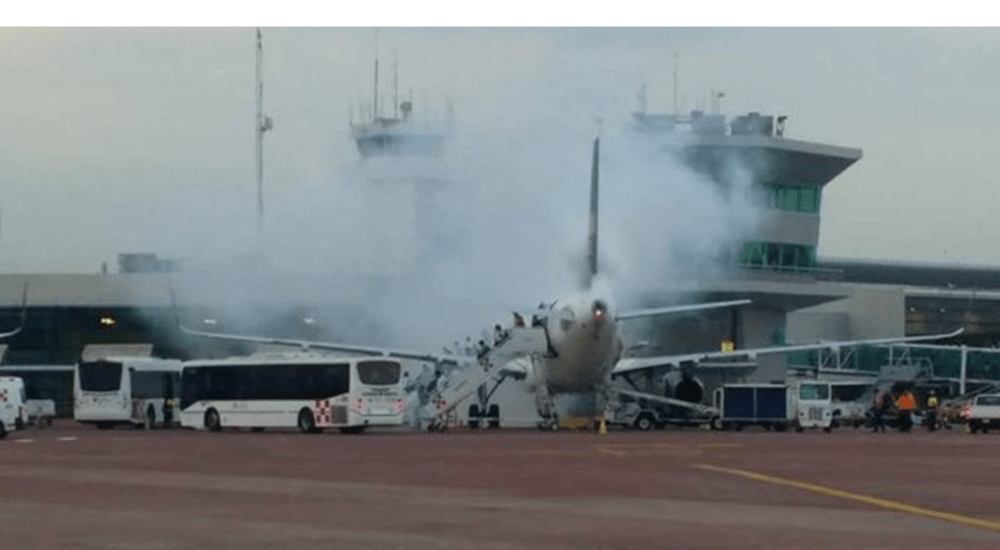
Resultado de imagen para Inspections  CFM56-7General Electric continúa efectuando revisiones a álabes de motores CFM56-7

La Junta Nacional de Seguridad en el Transporte (NTSB) de los EEUU realizará una audiencia de investigación el 14 Noviembre 2018 enfocada en el modelo de motor internacional de CFM que involucró un fallo de un motor en vuelo a principios de este año en un Boeing 737-700 de Southwest Airlines.

General Electric informó una de las dos compañías propietarias del productor de motores, dijo el viernes que un puñado de problemáticas aspas de ventilador han sido retiradas durante las inspecciones más rigurosas que siguieron al accidente de Southwest en abril. Un pequeño número de aspas de ventilador con grietas parecidas a las que se dice ocasionaron el accidente fatal de Southwest Airlines, han sido halladas en otras aerolíneas y el fabricante de motores considera recomendar inspecciones más frecuentes.

La audiencia de un día en la sede de la junta en Washington DC considerará el diseño de la pala del ventilador de la serie CFM56-7 y el historial de desarrollo; métodos y procedimientos de inspección de la pala del ventilador; y el diseño y los criterios de certificación de contención de la pala del ventilador, anunció la NTSB el 24 Julio 2018.

Investigaciones SW1380

Los pilotos del vuelo SW1380 de Southwest Airlines realizaron un aterrizaje de emergencia en el Aeropuerto Internacional de Filadelfia 17 April 2018 después de que el Boeing 737 dejara el motor CFM56-7B, lo que provocó la despresurización de la cabina. Uno de los 144 pasajeros a bordo murió y ocho pasajeros sufrieron heridas leves. Los investigadores de NTSB que respondieron a la escena descubrieron que una de las 24 aspas del ventilador de aleación de titanio faltaba en el motor dañado, y había evidencia de fatiga del metal donde se separaba la cuchilla. El Director Operativo de la aerolínea, Mike Van de Ven, dijo que está se ha enterado de quizás cuatro o cinco reportes de aspas con grietas en otras aerolíneas.

Directivas Aeronavegabilidad

A raíz del accidente, la FAA y la Agencia Europea de Seguridad Aérea (EASA) emitieron directivas de aeronavegabilidad de emergencia que requieren inspecciones de los ventiladores. «Este fue el primer accidente fatal que involucró a una compañía aérea estadounidense Parte 121 en casi 10 años», dijo John DeLisi, Director de la Oficina de Seguridad Aérea de la NTSB. «Esta audiencia será una parte importante para determinar por qué ocurrió esta tragedia y proporcionará a los investigadores datos importantes sobre la hoja de ventilador del motor y el diseño y certificación de la entrada del motor».

Las aspas son analizadas como parte de la investigación de la Junta Nacional de Seguridad en el Transporte (NTSB) del accidente del vuelo SW1380 de Southwest Airlines en donde una mujer murió luego de ser expulsada parcialmente por una ventana rota cuando su avión volaba a 10.000 metros (32.000 pies) sobre el suelo. El consejo de seguridad ha programado una audiencia para el accidente del 14 Noviembre. 2018.

A principios de la semana, la agencia dijo que en la audiencia examinará el diseño de las aspas y las inspecciones. También analizará las medidas para evitar que partes rotas se conviertan en esquirlas mortales, como sucedió en el vuelo de Southwest.

La CFM International es una sociedad conjunta entre GE y Safran SA de Francia. El vocero de GE, Rick Kennedy, dijo que alrededor de 150 mil aspas fueron inspeccionadas después del accidente de Southwest. Las inspecciones se enfocaron en aspas de motores que habían realizado un número elevado de vuelos y se considera que son un mayor riesgo de fatiga del metal la formación de grietas visibles por el uso.   AIRWAYS® AW-Icon TXT

Imagen relacionada

Inspections continue CFM56-7

Resultado de imagen para CFMGeneral Electric continues to make revisions to CFM56-7 engine vanes

The National Transportation Safety Board (NTSB) of the US will hold a research hearing on November 14, 2018 focused on the CFM international engine model that involved a failure of an in-flight engine earlier this year in a Boeing 737 -700 Southwest Airlines.

General Electric reported one of the two companies that owns the engine producer, said Friday that a handful of problematic fan blades have been removed during the most stringent inspections that followed Southwest’s accident in April. A small number of fan blades with cracks similar to those said to have caused the fatal accident of Southwest Airlines have been found on other airlines and the engine manufacturer considers recommending more frequent inspections.

The one-day hearing at the boardhouse in Washington DC will consider the CFM56-7 series fan blade design and development history; inspection methods and procedures of the fan blade; and the design and certification criteria for the containment of the fan blade, announced the NTSB on July 24, 2018.

Investigations SW1380

The pilots of Southwest Airlines Flight SW1380 made an emergency landing at the Philadelphia International Airport on April 17, 2018 after the Boeing 737 left the CFM56-7B engine, which caused the depressurization of the cabin. One of the 144 passengers on board died and eight passengers suffered minor injuries. The NTSB investigators who responded to the scene discovered that one of the 24 blades of the titanium alloy fan was missing from the damaged engine, and there was evidence of fatigue of the metal where the blade separated. The airline’s Chief Operating Officer, Mike Van de Ven, said he is aware of perhaps four or five reports of cracked blades on other airlines.

Airworthiness Directives

As a result of the accident, the FAA and the European Aviation Safety Agency (EASA) issued emergency airworthiness directives that require inspections of the fans. «This was the first fatal accident involving a US Part 121 airline in almost 10 years», said John DeLisi, Director of the Air Safety Bureau of the NTSB. «This hearing will be an important part of determining why this tragedy occurred and will provide researchers with important data on the engine fan blade and the design and certification of the engine input».

The blades are analyzed as part of the investigation by the National Transportation Safety Board (NTSB) of the SW1380 accident of Southwest Airlines where a woman died after being partially ejected through a broken window when her plane was flying at 10,000 meters (32,000 feet) above the ground. The security council has scheduled a hearing for the November 14 accident. 2018

Earlier in the week, the agency said that at the hearing it will examine the design of the blades and inspections. It will also analyze the measures to prevent broken parts from becoming deadly splinters, as happened on the Southwest flight.

CFM International is a joint venture between GE and Safran SA of France. GE spokesman Rick Kennedy said about 150,000 blades were inspected after the Southwest accident. The inspections focused on motor blades that had made a large number of flights and are considered to be a greater risk of fatigue of the metal formation of cracks visible by use. A \ W


Ξ A I R G W A Y S Ξ
SOURCE:  Airgways.com
DBk: Ntsb.gov / Faa.gov / Cfmaeroengines.com
AW-POST: 201807280114AR

A\W   A I R G W A Y S ®

Posible amenaza vuelo CA876 Air China

Air China Boeing 787-9

AW | 2018 07 26 13:20 | AVIATION SAFETY

Vuelo CA876 de Air China regresa con seguridad a París después de recibir presunta amenaza terrorista

El vuelo CA876 de Air China a bordo de un Boeing 787-9 efectuaba la ruta París—Beijing, cuando tuvo que efectuar el regreso el jueves,26 Julio debido a una amenaza terrorista, pero los medios estatales chinos citaron luego al operador de la bandera diciendo que se creía que era una falsa alarma.

El vuelo de Air China con destino a Beijing se vio obligado a regresar a París en respuesta a una presunta amenaza terrorista, dijo el jueves la aerolínea china. La aerolínea dijo en su cuenta de redes sociales que el vuelo CA876 regresó a París después del despegue.

La agencia de noticias estatal Xinhua poco después emitió un breve despacho citando a la oficina de la aerolínea porteña que dijo que la alerta terrorista fue considerada falsa. El vuelo estaba programado para partir del aeropuerto Charles de Gaulle a las 12:30 p. m., (hora de París). El transportista no dijo qué tan lejos voló el avión antes de regresar a París.

Air China dijo que el vuelo CA876 había regresado a París después de que la aerolínea «recibió información sospechosa de terrorismo» y no dio más información sobre la naturaleza de la amenaza. «Para garantizar la seguridad, CA876 voló a París y aterrizó de manera segura», dijo la aerolínea en una de sus cuentas de redes sociales.

La aerolínea había dicho anteriormente que arreglaría reanudar el vuelo lo antes posible después de que la seguridad esté asegurada. Todos los pasajeros y la tripulación a bordo estaban a salvo, y la compañía organizaría otro vuelo lo más pronto posible, dijo.

Un video supuestamente tomado desde el interior del avión después del aterrizaje y publicado en línea muestra a policías y perros rastreadores en la escena, y pasajeros que desembarcan por una escalera.

China lanzó una arrolladora Guerra Popular contra el Terror en su inestable región noroccidental de Xinjiang, una vasta región con más de 10 millones de musulmanes. AIRWAYS® AW-Icon TXT


Possible terrorist threat CA876 Air China

Flight CA876 of Air China returns safely to Paris after receiving alleged terrorist threat

Air China‘s CA876 flight aboard an Boeing 787-9 made the Paris-Beijing route, when it had to return on Thursday, July 26 due to a terrorist threat, but the Chinese state media then quoted the flag operator saying that it was believed to be a false alarm.

The Air China flight to Beijing was forced to return to Paris in response to an alleged terrorist threat, the Chinese airline said on Thursday. The airline said in its social network account that flight CA876 returned to Paris after takeoff.

The state news agency Xinhua soon after issued a brief dispatch quoting the Buenos Aires airline office that said the terrorist alert was considered false. The flight was scheduled to depart from Charles de Gaulle airport at 12:30 p.m., (Paris time). The carrier did not say how far the plane flew before returning to Paris.

Air China said that flight CA876 had returned to Paris after the airline «received suspicious information about terrorism» and gave no further information on the nature of the threat. «To ensure safety, CA876 flew to Paris and landed safely», the airline said on one of its social media accounts.

The airline had previously said that it would arrange to resume the flight as soon as possible after security is assured. All passengers and crew on board were safe, and the company would arrange another flight as soon as possible, he said.

A video allegedly taken from inside the plane after landing and posted online shows policemen and sniffer dogs on the scene, and passengers disembarking on a ladder.

China launched a sweeping People’s War on Terror in its unstable northwest region of Xinjiang, a vast region with more than 10 million Muslims. A \ W


Ξ A I R G W A Y S Ξ
SOURCE:  Airgways.com
DBk: Xinhuanet.com / Airchina.com.cn
AW-POST: 201807261320AR

A\W   A I R G W A Y S ®

Atentado cerca Aeropuerto de Kabul

Resultado de imagen para kABUL aIRPORT

AW | 2018 07 23 10:34 | AIRPORTS / AVIATION SAFETY

El grupo terrorista ISIS atacó el Aeropuerto de Kabul en Afganistán

El grupo terrorista ISIS (autodenominado Estado Islámico) reconoció el 22 de Julio que se encuentra detrás del acto terrorista ocurrido en el Aeropuerto de Kabul en Afganistán.

Cerca del Aeropuerto Internacional Hamid Karzai de la capital afgana tuvo lugar horas una explosión justo después de la llegada a Kabul del vicepresidente Abdul Rashid Dostum. La agencia Reuters aseguró que el atentado provocó al menos 16 muertos y múltiples heridos, en su mayoría policías. Anteriormente se informó de al menos 11 muertos y 14 heridos. Se indica que la explosión, provocada por un terrorista suicida, ocurrió junto a la entrada central del recinto poco después de que partiera la comitiva de Dostum, que resultó ileso. AIRWAYS® AW-Icon TXT

Attacking nearby Kabul Airport

The terrorist group ISIS attacked the Kabul Airport in Afghanistan

The terrorist group ISIS (self-styled Islamic State) acknowledged on July 22 that is behind the terrorist act that took place at the Kabul Airport in Afghanistan.

Near the Hamid Karzai International Airport in the Afghan capital hours an explosion occurred just after the arrival in Kabul of Vice President Abdul Rashid Dostum. The Reuters agency said the attack caused at least 16 deaths and multiple injuries, mostly police. Earlier, at least 11 people were reported dead and 14 injured. It is indicated that the explosion, caused by a suicide bomber, occurred next to the central entrance of the compound shortly after Dostum’s delegation departed, which was unharmed. A \ W


Ξ A I R G W A Y S Ξ
SOURCE:  Airgways.com
DBk: Sputniknews.com / Reuters.com
AW-POST: 201807231034AR

A\W   A I R G W A Y S ®

Tecnología 3D en escaneo de equipaje

Resultado de imagen para TSA And American Airlines To Launch 3D Scanning Technology For Carry On Bags

AW | 2018 07 22 18:42 | AIRLINES / AVIATION ORGANISMS / AVIATION SAFETY

TSA y American Airlines lanzarán tecnología de escaneo 3D para llevar bolsos

La nueva tecnología de imágenes está llegando al punto de control de seguridad de American Airlines en el aeropuerto JFK de Nueva York que puede ayudar a acelerar el proceso de selección. De acuerdo con una publicación conjunta entre la aerolínea y la Administración de Seguridad del Transporte (TSA), American está probando un nuevo tipo de escáner de rayos X 3D que le dará al personal de cribado mejores y más amplias imágenes de bolsas de mano. Las imágenes resultantes deberían ayudar a los inspectores a identificar mejor los materiales y reducir las bolsas marcadas que requieren una búsqueda manual.

La nueva tecnología, que es proporcionada por analógico, usa la tomografía computarizada o CT para producir imágenes en 3D de cada bolsa escaneada. Esa tecnología, que ha sido empleada por la industria de la salud durante años, ya se implementó para escanear las valijas registradas en la mayoría de los aeropuertos, pero debido a restricciones de tamaño, hasta ahora no se ha integrado ampliamente en los puntos de control de los pasajeros. Sin embargo, las últimas herramientas de escaneo analógicas parecen rectificar los problemas de la huella.

Las ventajas de CT sobre los rayos X 2D tradicionales, que se usan actualmente en la mayoría de los puntos de control, son importantes. «CT proporciona información volumétrica en lugar de información de proyección», dice el Dr. Arjun Sharma, radiólogo del Hospital AMITA Hinsdale en Illinois y editor asociado del Journal of Digital Imaging. «Elimina el problema de la superposición de objetos y, en su lugar, le dice al observador la densidad exacta del material en cualquier punto del espacio. En efecto, el observador conoce la forma y el material de cada objeto escaneado».

Para que la tecnología suene como una bala de plata para carriles de cribado lentos e ineficaces en todo el país, todavía hay obstáculos para la adopción generalizada. «Los principales inconvenientes de la tecnología de CT son el costo y la logística», dice el Dr. Sharma. «La TC es una tecnología más avanzada, pero requiere una infraestructura ligeramente diferente y, en general, más consumo de energía. También puede haber aumentado los requisitos de blindaje, lo que puede presentar problemas en entornos de control de seguridad congestionados».

A pesar de esas advertencias, los beneficios de CT aún pueden superar algunos de sus costos, al tiempo que ayudan a aliviar la carga tanto para los pasajeros como para los inspectores en el puesto de control de seguridad. El nuevo escáner CT de JFK estará en línea en un carril en la Terminal 8 a fines de julio. También se están probando escáneres CT separados con American Airlines en los aeropuertos Phoenix Sky Harbor y Boston Logan.  AIRWAYS® AW-Icon TXT

Resultado de imagen para TSA 3D Scanning Analogic

3D technology in luggage scanning

TSA and American Airlines will launch 3D scanning technology to carry bags

Resultado de imagen para AnalogicNew imaging technology is arriving at American Airlines‘ security checkpoint at New York’s JFK airport that can help speed up the screening process. According to a joint publication between the airline and the Transportation Security Administration (TSA), American is testing a new type of 3D X-ray scanner that will give the staff better and broader images of handbags. The resulting images should help inspectors better identify materials and reduce marked bags that require a manual search.

The new technology, which is provided by analog, uses computed tomography or CT to produce 3D images of each scan bag. This technology, which has been used by the health industry for years, was already implemented to scan the bags registered at most airports, but due to size restrictions, it has not yet been widely integrated into the control points. of the passengers. However, the latest analog scanning tools seem to rectify the problems of the footprint.

Resultado de imagen para TSA 3D Scanning Analogic

The advantages of CT over traditional 2D X-rays, which are currently used in most control points, are important. «CT provides volumetric information instead of projection information», says Dr. Arjun Sharma, radiologist at AMITA Hinsdale Hospital in Illinois and associate editor of the Journal of Digital Imaging. «It eliminates the problem of overlapping objects and, instead, tells the observer the exact density of the material at any point in space, because the observer knows the shape and material of each object scanned».

For technology to sound like a silver bullet for slow and ineffective screening lanes across the country, there are still obstacles to widespread adoption. «The main drawbacks of CT technology are cost and logistics», says Dr. Sharma. «CT is a more advanced technology, but requires a slightly different infrastructure and, in general, more power consumption, and may have increased the shielding requirements, which can present problems in congested security control environments».

Despite these warnings, CT benefits can still outweigh some of their costs, while helping to alleviate the burden on both passengers and inspectors at the security checkpoint. The new JFK CT scanner will be online in a lane in Terminal 8 at the end of July. Separate CT scans are also being tested with American Airlines at Phoenix Sky Harbor and Boston Logan airports. A \ W


Ξ A I R G W A Y S Ξ
SOURCE:  Airgways.com
DBk: Analogic.com / Forbes.com / Wsj.com
AW-POST: 201807221842AR

A\W   A I R G W A Y S ®

Incidente vuelo FO5111 Flybondi

Resultado de imagen para Boeing 737-800 Flybondi

AW | 2018 07 16 21:42 | AVIATION SAFETY

Incidente Boeing 737-800 de aerolínea Flybondi en Aeropuerto Iguazú

Un Boeing 737-800 de Flybondi Líneas Aéreas, matrícula LV-HQY despegó del Aeropuerto Internacional Iguazú a las 03:30 hs UTC del 16/07/18 con destino al Aeropuerto El Palomar de Buenos Aires efectuó una toma brusca de despegue ocasionando la rotura del Shock Absorbing Tailskid de la aeronave Boeing 737-800.

Un avión de la empresa low cost Flybondi debió cancelar su despegue en el Aeropuerto Internacional Puerto Iguazú, Misiones, luego de que la cola chocara con la pista durante la carrera de despegue. Se trata del vuelo FO5111, que debía despegar rumbo a El Palomar a las 23.30 del domingo.

“Tuvimos una notificación esta mañana por la autoridad aeronáutica de que hubo un incidente en Iguazú a la madrugada de un avión de Flybondi. Estoy mandando un equipo al lugar. Lo importante es que no salió el vuelo y previamente se notificó. Hasta que no tenga a los investigadores en el lugar, no puedo confirmar mucho. No hay heridos. No hubo ningún problema ni con la tripulación ni los pasajeros. Fue un choque de cola y el piloto tomó la decisión acertada de no sacar el vuelo», explicó Pamela Suárez, titular de la Junta de investigación de accidentes de aviación civil (JIAAC).

Informes preliminales

Los daños relacionados al incidente aéreo del vuelo FO5111 serían sólo en la pintura del fuselaje, pero aguardaban la llegada de los peritos de la Junta de Investigación de Accidentes de Aviación Civil (JIAAC). En el Aeropuerto de Iguazú informaron que no trascendieron los dichos del piloto del Boeing 737-800, dominio LV-HQY, ni del encargado de la torre de control. Información trascendida de ámbito aeronáutico manejan dos hipótesis: una mala distribución de la carga de la bodega o que el piloto haya imprimido demasiada potencia e inclinación del fuselaje al momento del despegue, provocando lo que en la jerga se llama tailstrike.

Comunicado Flybondi

La empresa emitió un comunicado en el que habló de una «falla técnica» y resaltó que la maniobra se realizó «cumpliendo con los protocolos de seguridad establecidos para este tipo de situaciones». Además informó que la compañía «se encuentra analizando de manera urgente y rigurosa las causas del hecho».

El Secretario General de la Asociación de Pilotos de Líneas Aéreas (APLA), Pablo Biró, aseguró que fue un milagro que el incidente no pasara a mayores. «Es un milagro que no haya pasado nada. Esto es un accidente grave. No es usual de ninguna manera que el impacto de la cola ocurra así, es una emergencia, claramente. Seguramente van a investigar el peso y el balanceo, si el avión no estaba mal cargado, si no pusieron los pasajeros atrás y la carga adelante», sostuvo el sindicalista.  AIRWAYS® AW-Icon TXT

Resultado de imagen para Boeing 737-800 Flybondi

Flight incident FO5111 Flybondi

Incident Boeing 737-800 of Flybondi airline in Iguazú Airport

A Boeing 737-800 from Flybondi Líneas Aéreas, registration LV-HQY took off from Iguazú International Airport at 03:30 a.m. UTC on 07/16/18 to El Palomar Airport in Buenos Aires made a sudden takeoff taking the break of Shock Absorbing Tailskid of the aircraft Boeing 737-800.

An aircraft of the low cost company Flybondi had to cancel its takeoff at the Puerto Iguazú International Airport, Misiones, after the tail collided with the runway during the takeoff race. It is the flight FO5111, which was due to take off towards El Palomar at 23:30 on Sunday.

«We had a notification this morning by the aeronautical authority that there was an incident in Iguazú at dawn of a Flybondi plane. I’m sending a team to the place. The important thing is that the flight did not leave and it was previously notified. Until I have the researchers in place, I can not confirm much. There are no injuries. There was no problem with the crew or passengers. It was a tail shock and the pilot made the right decision not to take off, said Pamela Suárez», head of the Civil Aviation Accident Investigation Board (JIAAC).

Preliminary reports

The damages related to the air incident of the flight FO5111 would be only in the painting of the fuselage, but they waited for the arrival of the experts of the Civil Aviation Accident Investigation Board (JIAAC). At the Iguazú Airport, they reported that the sayings of the pilot of the Boeing 737-800, domain LV-HQY, or the manager of the control tower did not go beyond. Information transcended from the aeronautical domain have two hypotheses: a bad distribution of the cargo in the hold or that the pilot has printed too much power and inclination of the fuselage at the moment of takeoff, causing what in the jargon is called tailstrike.

Flybondi flyer

The company issued a statement in which it spoke of a «technical failure» and stressed that the maneuver was carried out «in compliance with the safety protocols established for this type of situation». He also reported that the company «is analyzing urgently and rigorously the causes of the incident».

The Secretary General of the Association of Airline Pilots (APLA), Pablo Biró, assured that it was a miracle that the incident did not happen to the elderly. «It’s a miracle that nothing happened, this is a serious accident, it’s not usual for the impact of the tail to happen like that, it’s an emergency, clearly, they’re probably going to investigate the weight and the roll, if the plane it was not badly loaded, if the passengers were not put behind and the cargo was carried forward», the trade unionist said. A \ W

Ξ A I R G W A Y S Ξ
SOURCE:  Airgways.com
DBk: Jiaac.gob.ar / Minutouno.com
AW-POST: 201807162142AR

A\W   A I R G W A Y S ®

La DOT cuestiona supervisión de la FAA

LAX-American-Airlines-Flagship-Lounge-20-1.jpg

AW | 2018 07 13 13:24 | AVIATION SAFETY

descargaEl organismo de control estadounidense de transporte DOT cuestiona la supervisión de la FAA

El Departamento de Transporte de Estados Unidos (DOT) ha comunicado que un inspector federal de la Federal Aviation Administration (FAA) que supervisa a American Airlines era demasiado acogedor con el transportista y no respondió a las quejas de seguridad planteadas por el sindicato de pilotos.

Seal_of_the_United_States_Federal_Aviation_Administration.svg (2)

El inspector general del Departamento de Transporte dijo que el inspector de la Administración Federal de Aviación no respondió las preguntas sobre los vuelos utilizados para probar los aviones después de someterlos a reparaciones o mantenimiento mayores. No hay pasajeros que paguen en los vuelos.

Aunque el informe del perro guardián se centra en los vuelos de prueba que no transportan pasajeros de pago, es probable que proporcione municiones para críticos que han argumentado durante años que la FAA está demasiado cerca de las líneas aéreas que se supone debe regular en nombre del público volador. La misma oficina del Departamento de Transporte alegó en 2008 que la FAA se había vuelto demasiado acogedora con Southwest Airlines.

El organismo de control dijo que el inspector de la FAA había sido asignado a Estados Unidos durante 28 años y creció cerca de un supervisor clave en la aerolínea, incluso usando su computadora gubernamental para planear un viaje al extranjero con el gerente de la aerolínea y presentarlo a la familia del inspector.

Un nuevo supervisor de la FAA vio problemas potenciales con la objetividad del inspector y recomendó que se lo reasignara. Pero la FAA no lo consideró una prioridad y tardó cuatro meses en actuar, según el informe, que se dio a conocer el jueves.  AIRWAYS® AW-Icon TXT

Resultado de imagen para American airlines FAA inspection

DOT questions FAA supervision

The US transport watchdog DOT questions the FAA’s oversight

The US Department of Transportation (DOT) has reported that a federal inspector of the Federal Aviation Administration (FAA) who oversees American Airlines was too welcoming to the carrier and did not respond to the safety complaints raised by the pilot union.

The inspector general of the Department of Transportation said that the inspector of the Federal Aviation Administration did not answer the questions about the flights used to test the aircraft after submitting them to major repairs or maintenance. There are no passengers that pay on flights.

Although the watchdog report focuses on test flights that do not carry paid passengers, it is likely to provide ammunition for critics who have argued for years that the FAA is too close to the airlines it is supposed to regulate on behalf of the flying public. The same Department of Transportation office alleged in 2008 that the FAA had become too cozy with Southwest Airlines.

The watchdog said that the FAA inspector had been assigned to the United States for 28 years and grew up close to a key supervisor on the airline, even using his government computer to plan a trip abroad with the airline manager and present it. to the family of the inspector.

A new FAA supervisor saw potential problems with the objectivity of the inspector and recommended that it be reassigned. But the FAA did not consider it a priority and it took four months to act, according to the report, which was released on Thursday. A \ W


Ξ A I R G W A Y S Ξ
SOURCE:  Airgways.com
DBk: Transportation.gov / Aa.com / Thepointsguy.com / Bizjoournals.com
AW-POST: 201807131324AR

A\W   A I R G W A Y S ®

Huracán Chris avanza en Atlántico Norte

Resultado de imagen para Accuweather.com Hurrican Chris

AW | 2018 07 11 14:24 | AVIATION SAFETY

El Huracán Chris atraviesa el Atlántico Norte golpeando con lluvias y vientos moderados

El Huracán Chris, actualmente un huracán de Categoría 2, está acelerando hacia el noreste unos cientos de millas al este de la costa central del Atlántico. Aunque el clima en las playas de la costa atlántica estará libre de lluvia este fin de semana, las aguas costeras y las olas representarán riesgos debido al Huracán Chris.

En promedio, el segundo huracán de la temporada del Atlántico no se produce hasta más tarde en el verano, o el 28 Agosto, según el Centro Nacional de Huracanes. Los mares de 10-20 pies o más pueden representar un peligro para embarcaciones pequeñas, barcos y cruceros en el noroeste del Atlántico a finales de esta semana y hasta este fin de semana.

«Esperamos que Chris rastree cerca o directamente sobre la península de Avalon, en el sudeste de Terranova. Poco antes, durante o poco después de pasar por las aguas de Terranova, se espera que Chris haga la transición a una poderosa tormenta no tropical», según el experto en huracanes de AccuWeather, Dan Kottlowski.

Impacto en Costa Este EEUU

Las tormentas y mares de esta intensidad son mucho menos comunes a mediados de Julio, en comparación con el pico de la temporada de huracanes en el otoño o durante las tormentas de invierno. Debido al movimiento rápido de Chris, los impactos costeros en los Estados Unidos generalmente serán de corta duración pero presentarán algunos riesgos. Los vientos que superan las 100 mph están creando grandes olas sobre el océano en las cercanías del centro de la tormenta. Estas olas se propagan hacia afuera. Las olas tienden a acumularse a medida que la tormenta se aproxima a un lugar y disminuye a medida que la tormenta se aleja. Las olas crearán olas grandes y ocasionales y fuertes corrientes de resaca en la zona de surf a lo largo de la costa por un tiempo.

Las condiciones más duras desde Carolina del Norte hasta el sur de Massachusetts se esperan hasta el miércoles por la noche. Desde el este de Massachusetts hasta Maine, las condiciones más duras probablemente sean el jueves. El miércoles se pueden observar corrientes rugosas y corrientes de resaca moderadas a lo largo de la costa superior de Nueva Inglaterra y persisten el jueves más al sur a lo largo de las costas sur de Nueva Inglaterra y el Atlántico medio.  AIRWAYS® AW-Icon TXT

Resultado de imagen para Accuweather.com Hurrican Chris

Hurricane Chris advances over the North Atlantic

Hurricane Chris crosses the North Atlantic hitting with rain and moderate winds

Hurricane Chris, currently a Category 2 hurricane, is accelerating northeastward a few hundred miles east of the central Atlantic coast. Although the weather on the beaches of the Atlantic coast will be free of rain this weekend, the coastal waters and waves will pose risks due to Hurricane Chris.

On average, the second hurricane of the Atlantic season does not occur until later in the summer, or on August 28, according to the National Hurricane Center. Seas of 10-20 feet or more can pose a danger to small boats, ships and cruisers in the northwest Atlantic by the end of this week and until this weekend.

«We expect Chris to crawl near or directly over the Avalon peninsula in southeastern Newfoundland, shortly before, during or shortly after passing through the waters of Newfoundland, Chris is expected to make the transition to a powerful non-tropical storm», according to the AccuWeather hurricane expert, Dan Kottlowski.

Impact in East Coast USA

Storms and seas of this intensity are much less common in mid-July, compared to the peak of the hurricane season in the fall or during winter storms. Due to Chris’ rapid movement, coastal impacts in the United States will generally be short-lived but present some risks. Winds over 100 mph are creating large waves over the ocean near the center of the storm. These waves spread outward. Waves tend to accumulate as the storm approaches a place and decreases as the storm recedes. The waves will create large, occasional waves and strong surf currents in the surf area along the coast for a while.

The toughest conditions from North Carolina to southern Massachusetts are expected until Wednesday night. From eastern Massachusetts to Maine, the toughest conditions are likely to be Thursday. On Wednesday, rugged currents and moderate rip currents can be observed along the upper New England coast and persist further south on Thursday along the southern coasts of New England and the mid-Atlantic. A \ W


Ξ A I R G W A Y S Ξ
SOURCE:  Airgways.com
DBk: Express.co.uk / Accuweather.com  / Weather.com
AW-POST: 201807111424AR

A\W   A I R G W A Y S ®

Tifón María golpea a Taiwán y China

Resultado de imagen para Typhoon Maria taoyuan Airport

AW | 2018 07 11 13:09 | AVIATION SAFETY / AIR TRAFFIC

El tifón María golpea a Taiwán y se dirige a China

El Tifón María golpea azotando Taiwán y Japón e hizo un camino para el continente dirigiéndose hacia China. María ha traído fuertes vientos a través de Taiwán y está en camino a causar estragos con el viento y la lluvia en China. Hasta ahora, el sistema de tormentas se ha estado desarrollando rápidamente, con vientos que alcanzan velocidades máximas de 190 km/h. [*]

Trayectoria de «María»

El huracán nombrado localmente «Gardo», actualmente se dirige hacia el noroeste sobre el mar de Filipinas, pero la tormenta se está debilitando a medida que avanza. La Administración de Servicios Geofísicos y Astronómicos de la Atmósfera de Filipinas (PAGASA) advirtió que se deberían esperar lluvias monzónicas como resultado. El Tifón María tocó tierra ayer, cruzando el Área de Responsabilidad de Filipinas (PAR) mientras sigue rastreando el mar de Filipinas.

Resultado de imagen para Typhoon Maria

Tanto la vida como la propiedad estaban en peligro cuando la tormenta cruzó las islas Ryukyu de Japón el martes antes de llegar a China. La isla más meridional de Ryukyu sintió toda la fuerza de María cuando recibieron un golpe directo del viento y la lluvia. Durante las últimas seis horas, el sistema de tormenta pudo seguir hacia el oeste a una velocidad de 19 nudos (35 km/h). El Joint Typhoon Warning Center advirtió que los vientos de superficie actuales están entre 95 y 115 nudos, lo que se traduce en 170 a 212 km/h.

El sistema de tormentas ahora ha logrado golpear a China, trayendo fuertes vientos que azotan la costa alrededor de la Provincia de Zhejiang. Cuando María tocó tierra esta mañana, se debilitó constantemente y lo que inicialmente fue un súper tifón fuerte se convirtió en una tormenta tropical.

Esta mañana, el tifón se encontraba aproximadamente a 109 millas náuticas (201 km) en las afueras de Taipei, Taiwán. También se registraron ráfagas de viento de alrededor de 94 mph en las comunidades costeras de la Provincia de Fujian. Las ciudades de Wenzhou, Fuzhou y Ningde estaban a merced de los vientos, la lluvia y las inundaciones, después de lo cual las peores condiciones pasaron al sur de Shanghai. Se espera que Jiangxi, el norte de Hunan y Hubei reciban lluvias torrenciales mientras María continúa su camino hacia el noroeste, a través del territorio continental de China.

Cancelaciones vuelos

Los vuelos fueron cancelados en Taiwán cuando el tifón María azotó el país con un clima feroz ayer en su camino de destrucción en el este. Cathay Pacific Airways Ltd., Air China Ltd. y EVA Airways Corp. cancelaron 161 vuelos internacionales y 117 en rutas nacionales a partir de las 10 a.m. del martes, informó la Administración de Aeronáutica Civil con sede en Taipei por mensaje de texto, informó Bloomberg. Sin embargo, lo peor de la tormenta ya pasó en Taiwán y no se interrumpirán más vuelos, según el sitio web del Aeropuerto Internacional de Taiwán Taoyuan. El Aeropuerto Internacional de Taoyuan está actualmente reportando en un 80% de vuelos cancelados y demorados al paso del Tifón María.

La tormenta María ahora se está moviendo hacia China, que se está preparando para la arremetida de las condiciones climáticas extremas, provocando masivas cancelaciones en el área de transporte, poniendo en alerta a las aerolíneas en el sureste de China.  AIRWAYS® AW-Icon TXT

Typhoon Maria hits Taiwan and China

Typhoon Maria hits Taiwan and heads to China

Typhoon Maria hits hitting Taiwan and Japan and made a path for the continent heading towards China. Maria has brought strong winds through Taiwan and is on the way to wreaking havoc with the wind and rain in China. So far, the storm system has been developing rapidly, with winds reaching maximum speeds of 190 km/h. [*]

Trajectory of «María»

The locally named «Gardo» hurricane is currently heading northwest over the Philippine Sea, but the storm is weakening as it progresses. The Administration of Geophysical and Astronomical Services of the Atmosphere of the Philippines (PAGASA) warned that monsoon rains should be expected as a result. Typhoon Maria made landfall yesterday, crossing the Philippine Responsibility Area (PAR) while still tracking the Philippine Sea.

Resultado de imagen para Typhoon Maria

Both life and property were in danger when the storm crossed the Ryukyu islands of Japan on Tuesday before reaching China. The southernmost island of Ryukyu felt the full force of Mary when they were hit directly by the wind and rain. During the last six hours, the storm system was able to continue westward at a speed of 19 knots (35 km / h). The Joint Typhoon Warning Center warned that the current surface winds are between 95 and 115 knots, which translates to 170 to 212 km/h.

The storm system has now managed to hit China, bringing strong winds that hit the coast around Zhejiang Province. When Maria made landfall this morning, she was constantly weakened and what was initially a strong super typhoon turned into a tropical storm.

This morning, the typhoon was approximately 109 nautical miles (201 km) outside of Taipei, Taiwan. Wind gusts of around 94 mph were also recorded in the coastal communities of Fujian Province. The cities of Wenzhou, Fuzhou and Ningde were at the mercy of winds, rain and floods, after which the worst conditions passed south of Shanghai. It is expected that Jiangxi, northern Hunan and Hubei receive torrential rains while Maria continues her way to the northwest, through the mainland of China.

Cancellations flights

The flights were canceled in Taiwan when typhoon Maria hit the country with a fierce climate yesterday on its path of destruction in the east. Cathay Pacific Airways Ltd., Air China Ltd. and EVA Airways Corp. canceled 161 international flights and 117 on domestic routes starting at 10 a.m. Tuesday, reported the Civil Aviation Administration based in Taipei by text message, reported Bloomberg. However, the worst of the storm has already happened in Taiwan and no more flights will be interrupted, according to the Taoyuan International Airport website. The Taoyuan International Airport is currently reporting 80% of canceled and delayed flights to the passage of Typhoon Mary.

Storm Maria is now moving towards China, which is preparing for the onslaught of extreme weather conditions, causing major cancellations in the transport area, alerting airlines in Southeast China. A \ W

台风玛利亚袭击台湾和中国

台风玛丽亚袭击台湾并前往中国

台风玛丽亚袭击台湾和日本,并为该大陆前往中国开辟了道路。玛丽亚在台湾带来强风,正在为中国的风雨带来严重破坏。到目前为止,风暴系统发展迅速,风速达到最高时速190公里/小时。 [*]

“玛丽亚”的轨迹

当地名为“加尔多”的飓风目前正在菲律宾海西北方向上行驶,但随着风暴的进展,风暴正在减弱。菲律宾大气地球物理和天文服务管理局(PAGASA)警告说,应该预期季风降雨。台风玛丽亚昨天登陆,穿越菲律宾责任区(PAR,同时仍然追踪菲律宾海。

周二风暴越过日本琉球群岛,然后到达中国之前,生命和财产都处于危险之中。最南端的琉球岛在被风雨直接击中时感受到玛丽的全部力量。在过去的六个小时里,风暴系统能够以19节(35公里/小时)的速度向西继续。联合台风警报中心警告说,目前的地面风速在95至115节之间,相当于170至212公里/小时。

风暴系统现在已经成功袭击中国,带来了强风,袭击了浙江省沿海地区。当玛丽亚今天早上登陆时,她经常被削弱,最初强大的超级台风变成了热带风暴。

今天早上,台风在台湾台北以外大约109海里(201公里)。福建沿海社区也记录了大约94英里/小时的阵风。温州,福州和宁德的城市受到风,雨和洪水的影响,之后最糟糕的情况经过了上海南部。预计江西,湘北和湖北将遭遇暴雨,而玛丽亚继续通过中国大陆向西北方向前进。

取消航班

台风玛丽亚昨天在东部遭遇破坏的气候下袭击了这个国家。据彭博社报道,国泰航空有限公司,国航有限公司和长荣航空公司于周二上午10点取消了161个国际航班和117个国内航线,据台北民航总局报道。据桃园国际机场网站报道,台风已经发生了最严重的风暴,没有更多航班被打断。桃园国际机场目前报告80%的已取消和延误航班通过台风玛丽。

风暴玛丽亚现在正在向中国转移,中国正在为极端天气条件的冲击做准备,导致交通运输领域的重大取消,提醒中国东南部的航空公司。 A \ W.


[*] DATA: Huracanes, ciclones y tifones son el mismo fenómeno: un sistema tormentoso. Sin embargo, se denominan de manera diferente según el lugar donde se produzcan.
Hurricanes, cyclones and typhoons are the same phenomenon: a stormy system. However, they are named differently depending on where they are produced.
飓风,旋风和台风也是同一现象:暴风雨系统。 但是,它们的命名方式不同,具体取决于它们的生成位置。


Ξ A I R G W A Y S Ξ
SOURCE:  Airgways.com
DBk: Pagasa.dost.gov.ph / Accuweather.com / Express.co.uk / Taoyuan-airport.com / Nationalgeographic.com / Afp.com / Weather.com / Twitter.com/TyphoonMaria / Airgways.com
AW-POST: 201807111309AR

A\W   A I R G W A Y S ®