Aumento emisiones CO2 en EEUU

Image result for frontier airlinesAW | 2019 09 16 12:06 | AVIATION ORGANISMS

Image result for International Clean Transportation Council ICCT logoLa International Clean Transportation Council informa aumento emisiones CO2 transporte aéreo en Estados Unidos

El Consejo Internacional de Transporte Limpio (ICCT) dijo el jueves que las emisiones de dióxido de carbono y la quema de combustible aumentaron un 7% entre 2016 y 2018, eclipsando un aumento del 3% en la eficiencia del combustible. Las aerolíneas estadounidenses están aumentando sus emisiones de gases que cambian el clima mucho más rápido de lo que están aumentando la eficiencia del combustible, según un informe del grupo ambiental. Los autores del informe dijeron que las aerolíneas podrían reducir las emisiones y el consumo de combustible en más del 25% comprando aviones más nuevos y llenándolos con más pasajeros.

El ICCT es un grupo sin fines de lucro que trabaja con los gobiernos para establecer estándares de economía de combustible y promueve regulaciones más estrictas para limitar la contaminación.

El informe clasificó a Frontier Airlines como la más eficiente entre las 11 aerolíneas más grandes de Estados Unidos la aerolínea con sede en Denver ha agregado más de 40 aviones Airbus con motores más eficientes. JetBlue, con sede en Nueva York, ocupó el último lugar. La portavoz de JetBlue Airways, Tamara Young, dijo que el puntaje de la aerolínea disminuyó porque los investigadores consideraron la densidad de asientos y quema combustible al operar más de sus vuelos en áreas congestionadas como Nueva York. La aerolínea ha ordenado aviones Airbus más eficientes.

Un grupo comercial para aerolíneas estadounidenses cuestionó los hallazgos del grupo ambiental. «El hecho es que la industria de las aerolíneas estadounidenses es un motor económico verde. Cuando se observa el panorama general, los transportistas estadounidenses transportaron un 42% más de pasajeros y carga en 2018 que en 2000, y lo hicimos con solo un aumento del 3% en las emisiones totales», dijo el portavoz de Airlines for America, Carter Yang. El portavoz expresó que las aerolíneas están invirtiendo en aviones de bajo consumo de combustible y desarrollando combustibles alternativos para aviones. Lo llamó «un récord de sostenibilidad del que estar orgulloso».

La aviación representa una pequeña pero creciente proporción de las emisiones de gases de efecto invernadero, alrededor del 2,5% en todo el mundo. Los pronosticadores esperan que los viajes aéreos crezcan rápidamente en los próximos años. Sin grandes avances en eficiencia, la aviación no contribuirá con su participación en el cumplimiento de los objetivos del acuerdo de París para reducir las emisiones y frenar el cambio climático. Dan Rutherford, uno de los autores del informe, dijo que «las aerolíneas están aumentando lentamente la eficiencia, pero no lo suficiente como para mantenerse al día con el crecimiento de los viajes. Estamos saliendo de un precipicio de emisiones en este momento. Esto se está volviendo aún más urgente”, expresó.

Después de que los ataques terroristas y la recesión provocaron grandes pérdidas entre 2001 y 2009, las aerolíneas estadounidenses se han vuelto muy rentables en los últimos años. Han gastado miles de millones para comprar nuevos aviones, pero también han usado esos aviones para agregar decenas de nuevos vuelos que contribuyen a mayores emisiones.

La OACI, el organismo de aviación de las Naciones Unidas, ha propuesto poner límites a las emisiones de carbono de las aeronaves para los nuevos modelos de aviones a partir del próximo año y los modelos anteriores aún se producen en 2028. Muchos ambientalistas consideran que las normas son demasiado débiles.AW-Icon-AW-TXT

Image result for CO2 airlinesIncrease CO2 emissions in the US

Related imageThe International Clean Transportation Council reports increased CO2 emissions by air transport in the United States

The International Clean Transportation Council (ICCT) said Thursday that carbon dioxide emissions and fuel-burning increased 7% between 2016 and 2018, eclipsing a 3% increase in fuel efficiency. US airlines are increasing their gas emissions that change the weather much faster than fuel efficiency is increasing, according to an environmental group report. The report’s authors said airlines could reduce emissions and fuel consumption by more than 25% by buying newer planes and filling them with more passengers.

The ICCT is a non-profit group that works with governments to set fuel economy standards and promotes stricter regulations to limit pollution.

The report ranked Frontier Airlines as the most efficient among the 11 largest airlines in the United States. The Denver-based airline has added more than 40 Airbus aircraft with more efficient engines. JetBlue, based in New York, ranked last. JetBlue Airways spokeswoman Tamara Young said the airline’s score declined because researchers considered seat density and burn fuel by operating more of its flights in congested areas like New York. The airline has ordered more efficient Airbus planes.

A commercial group for US airlines questioned the findings of the environmental group. «The fact is that the US airline industry is a green economic engine. When you look at the big picture, American carriers transported 42% more passengers and cargo in 2018 than in 2000, and we did it with just an increase in 3% in total emissions», Airlines for America spokesman Carter Yang said. The spokesman said the airlines are investing in low-fuel airplanes and developing alternative fuels for airplanes. He called it «a sustainability record to be proud of».

Aviation represents a small but growing proportion of greenhouse gas emissions, about 2.5% worldwide. Forecasters expect air travel to grow rapidly in the coming years. Without major advances in efficiency, aviation will not contribute to its participation in meeting the objectives of the Paris agreement to reduce emissions and curb climate change. Dan Rutherford, one of the report’s authors, said that «airlines are slowly increasing efficiency, but not enough to keep up with the growth of travel. We are emerging from a precipice of emissions right now. This is It’s getting even more urgent”, he said.

After the terrorist attacks and the recession caused great losses between 2001 and 2009, US airlines have become very profitable in recent years. They have spent billions to buy new planes, but they have also used those planes to add dozens of new flights that contribute to higher emissions.

ICAO, the United Nations aviation agency, has proposed setting limits on aircraft carbon emissions for new aircraft models starting next year and previous models still occurring in 2028. Many environmentalists believe that Norms are too weak. A \ W


Ξ A I R G W A Y S Ξ
SOURCE: Airgways.com
DBk: Theicct.org / Icao.int / Usatoday.com
AW-POST: 201909161206AR

A\W   A I R G W A Y S ®

Aerolíneas mantienen slots Jet Airways

AW-707-Newindianexpress.jpgAW | 2019 09 16 11:27 | AIRLINES / GOVERNMENT

Image result for Ministry of Civil Aviation of IndiaLas aerolíneas podrán mantener los slots de Jet Airways hasta Marzo 2020

El Ministerio de Aviación Civil de la India ha permitido que las aerolíneas mantengan los slots de Jet Airways en los aeropuertos nacionales y sus derechos de tráfico extranjero hasta fines de Marzo 2020, o durante el horario de invierno.

«Las aerolíneas dijeron que una asignación temporal de los tragamonedas y los derechos de tráfico de Jet Airways durante tres meses los puso en desventaja ya que les queda un período de reserva más corto en comparación con los operadores extranjeros y solicitaron que se les entreguen hasta el final de El horario de invierno. Consideraremos su solicitud”, dijo a The Hindu PS Kharola, Secretario del Ministerio de Aviación Civil. Las aerolíneas plantearon el tema en una reunión con el Ministerio la semana pasada.

Las aerolíneas planean sus horarios de vuelo dos veces al año: horarios de verano e invierno. El horario de invierno estará vigente desde el último domingo de octubre hasta el último sábado de marzo. La decisión del gobierno ayudará a las aerolíneas a planificar sus vuelos para la temporada de invierno antes de presentar su horario ante el Director General de Aviación Civil.

En Abril 2019, el Ministerio asignó 440 de las 750 franjas horarias del aeropuerto mantenidas por Jet Airways a varias aerolíneas durante tres meses después de que la aerolínea con sede en Mumbai dejara de volar debido a restricciones de efectivo. Esto se extendió en Agosto hasta finales de Diciembre.

Los derechos de tráfico extranjero de Jet Airways (número de asientos que una aerolínea puede operar a destinos internacionales por semana) se distribuyeron en junio a IndiGo (84 vuelos semanales), SpiceJet (77 vuelos semanales), GoAir (30 vuelos semanales) y Vistara (28 vuelos semanales) durante tres meses, que también se prorrogó hasta finales de diciembre. Air India había recibido estos derechos para cinco destinos internacionales en Mayo.

Las franjas horarias de los aeropuertos y los derechos de tráfico extranjero son activos principales para un comprador de Jet Airways. El gobierno no los ha otorgado permanentemente, ya que estos podrían ser activos principales para un posible comprador de Jet Airways.AW-Icon-AW-TXT

Image result for slots Jet AirwaysIndia Airlines maintain Jet Airways slots

Airlines may keep Jet Airways slots until March 2020

The Ministry of Civil Aviation of India has allowed airlines to maintain Jet Airways slots at national airports and their foreign traffic rights until the end of March 2020, or during wintertime.

«The airlines said that a temporary allocation of Slots and Jet Airways traffic rights for three months put them at a disadvantage as they have a shorter reservation period compared to foreign operators and requested that they are delivered until the end of Wintertime. We will consider your request», PS Kharola, Secretary of the Ministry of Civil Aviation told The Hindu. The airlines raised the issue at a meeting with the Ministry last week.

Airlines plan their flight schedules twice a year: summer and wintertime. Wintertime will be valid from the last Sunday of October until the last Saturday of March. The government’s decision will help airlines plan their flights for the winter season before presenting their schedule to the Director-General of Civil Aviation.

In April 2019, the Ministry assigned 440 of the 750 airport slots maintained by Jet Airways to several airlines for three months after the Mumbai-based airline stopped flying due to cash restrictions. This extended in August until the end of December.

Jet Airways foreign traffic rights (number of seats that an airline can operate to international destinations per week) were distributed in June to IndiGo (84 weekly flights), SpiceJet (77 weekly flights), GoAir (30 weekly flights) and Vistara (28 weekly flights) for three months, which was also extended until the end of December. Air India had received these rights for five international destinations in May.

Airport slots and foreign traffic rights are major assets for a Jet Airways buyer. The government has not granted them permanently, as these could be major assets for a potential Jet Airways buyer. A\W

Image result for slots Jet Airwaysइंडिया एयरलाइंस जेट एयरवेज के स्लॉट का रखरखाव करती है

Image result for Ministry of Civil Aviation of Indiaएयरलाइंस मार्च 2020 तक जेट एयरवेज के स्लॉट रख सकती है

भारत के नागरिक उड्डयन मंत्रालय ने एयरलाइनों को मार्च 2020 के अंत तक या सर्दियों के समय के दौरान राष्ट्रीय हवाई अड्डों पर जेट एयरवेज के स्लॉट और उनके विदेशी यातायात अधिकारों को बनाए रखने की अनुमति दी है।

«एयरलाइनों ने कहा कि तीन महीने के लिए स्लॉट्स और जेट एयरवेज ट्रैफिक अधिकारों के एक अस्थायी आवंटन ने उन्हें नुकसान में डाल दिया क्योंकि उनके पास विदेशी ऑपरेटरों की तुलना में कम आरक्षण अवधि है और अनुरोध किया कि जब तक उन्हें वितरित नहीं किया जाएगा। शीतकालीन समय का अंत। हम आपके अनुरोध पर विचार करेंगे», नागरिक उड्डयन मंत्रालय के सचिव पीएस खारोला ने द हिंदू को बताया। एयरलाइंस ने पिछले हफ्ते मंत्रालय के साथ एक बैठक में इस मुद्दे को उठाया था।

एयरलाइंस साल में दो बार अपनी उड़ान अनुसूची तय करती है: गर्मियों और सर्दियों का समय। मार्च के अंतिम शनिवार से मार्च के अंतिम शनिवार तक शीतकालीन समय मान्य होगा। सरकार का निर्णय एयरलाइंस को डायरेक्टर जनरल ऑफ सिविल एविएशन के लिए अपना कार्यक्रम पेश करने से पहले सर्दियों के मौसम के लिए अपनी उड़ानों की योजना बनाने में मदद करेगा।

अप्रैल 2019 में, मंत्रालय ने जेट एयरवेज द्वारा बनाए गए 750 हवाई अड्डों में से 440 को तीन महीनों के लिए कई एयरलाइनों को सौंपा, जब मुंबई स्थित एयरलाइन ने नकदी प्रतिबंधों के कारण उड़ान बंद कर दी। यह अगस्त में दिसंबर के अंत तक बढ़ा।

जेट एयरवेज के विदेशी यातायात अधिकार (सीटों की संख्या जो एक एयरलाइन प्रति सप्ताह अंतरराष्ट्रीय गंतव्यों को संचालित कर सकती है) जून में इंडिगो (84 साप्ताहिक उड़ानें), स्पाइसजेट (77 साप्ताहिक उड़ानें), गोएयर (30 साप्ताहिक उड़ानें) और विस्तारा में वितरित की गई थीं। (28 साप्ताहिक उड़ानें) तीन महीने के लिए, जिसे दिसंबर के अंत तक बढ़ाया भी गया था। एयर इंडिया को ये अधिकार मई में पांच अंतरराष्ट्रीय गंतव्यों के लिए मिले थे।

जेट एयरवेज खरीदार के लिए हवाई अड्डे के स्लॉट और विदेशी यातायात अधिकार प्रमुख संपत्ति हैं। सरकार ने उन्हें स्थायी रूप से अनुमति नहीं दी है, क्योंकि ये जेट एयरवेज के संभावित खरीदार के लिए प्रमुख संपत्ति हो सकती है। A \ W


Ξ A I R G W A Y S Ξ
SOURCE: Airgways.com
DBk: Civilaviation.gov.in / Theweek.in / Indianexpress.com
AW-POST: 201909161127AR

A\W   A I R G W A Y S ®

China presiona aéreas compre nacional

Resultado de imagen para comac.ccAW | 2019 09 16 11:02 | INDUSTRY / GOVERNMENT

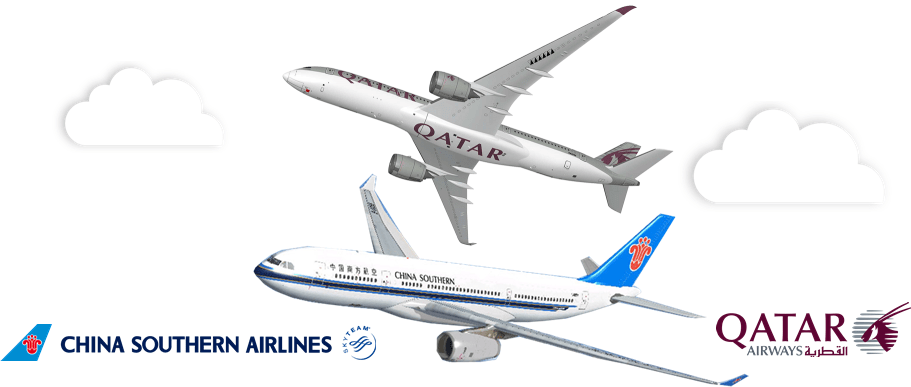
El Gobierno de China aumenta la presión sobre las aerolíneas nacionales para comprar aviones de fabricación nacional

El Gobierno de China está aumentando la presión sobre las aerolíneas nacionales para que usen más aviones desarrollados y fabricados en el país, un impulso que podría presentar un gran desafío para Boeing de Estados Unidos y Airbus de Europa. La compañía aeroespacial COMAC (Corporación de Aviones Comerciales de China) se encuentra en el centro de la batalla de la industria aeronáutica. China prevé un futuro en el que las aerolíneas chinas dependan menos de Boeing y Airbus, y en el que los aviones fabricados en el país encuentren clientes en el extranjero.

Las tres aerolíneas líderes de China recientemente hicieron pedidos considerables de aviones regionales de fabricación nacional. Una aerolínea también está creando una compañía para operar una flota de aviones nacionales. China Southern Airlines, China Eastern Airlines y Air China, la aerolínea de bandera de la nación, anunciaron el 30 Agosto 2019 que cada una comprará 35 aviones regionales ARJ 21-700 fabricados por la COMAC. Las entregas de los aviones, que cuestan US$38 millones, comenzarán el próximo año y se extenderán hasta 2024.

El ARJ21, desarrollado bajo un proyecto nacional que comenzó en 2002, realizó su primer vuelo en 2008 y entró en servicio comercial en 2016, convirtiéndose en el primer avión de pasajeros chino en ser utilizado comercialmente. Con 78 a 90 asientos, el avión es aproximadamente del mismo tamaño que el Mitsubishi SpaceJet, que anteriormente conocido como Mitsubishi Regional Jet (MRJ). Mitsubishi Aircraft ofrece dos versiones del avión bimotor japonés en configuraciones que pueden acomodar de 70 a 92 pasajeros.

Embraer de Brasil tiene una sólida presencia en el mercado global de aviones regionales, y las aerolíneas chinas han sido grandes clientes. Para fin de año esperan las aprobaciones de los organismos de los respectivos países y a nivel mundial para la sinergia entre Embraer y Boeing en el área comercial. Embraer se nutrirá de la experiencia de Boeing consolidando la cartera de pedidos en sintonía con la compañía estadounidense.

Si bien COMAC ha recibido hasta ahora pedidos de unos 600 ARJ 21, solo se han entregado aproximadamente 10, principalmente a Chengdu Airlines, una aerolínea regional que pertenece en parte a COMAC. Pero Beijing quiere ver más aviones chinos en los cielos de China. En febrero, un alto funcionario de aviación civil declaró el lanzamiento de un plan respaldado por el gobierno para promover el uso de aviones de pasajeros fabricados en el país, y las recientes órdenes ARJ 21 de los tres grandes transportistas son signos tempranos de su efectividad.

Además de comprar ARJ 21, China Eastern Airlines también ha expandido su unidad de aviones comerciales, que opera una flota de aviones. La aerolínea, rebautizada como One Two Three Airline en agosto, servirá como plataforma para comprar más ARJ 21 que volarán rutas de corta distancia. Además, China Southern Airlines y Air China parecen estar considerando el establecimiento de nuevas aerolíneas que dependerán de los ARJ 21.

El gobierno chino, que tiende a ser lento y cauteloso al aprobar nuevas aerolíneas, parece haber dado luz verde a estos planes para ayudar al ARJ 21 a hacer incursiones nacionales. COMAC tiene la intención de aumentar la producción de ARJ21 ahora que cuenta con el apoyo de las políticas gubernamentales. La compañía, que tenía la capacidad de producir 15 ARJ 21 en 2018, tiene la intención de aumentar eso a 25 este año y a 30 en 2020. La compañía planea entregar más de 100 de los aviones en los próximos cinco años.

La agenda de crecimiento del fabricante de aviones también requiere el desarrollo de un avión de 160 asientos, el C919. La compañía apunta a obtener la certificación china para el C919 en 2021 y ha solicitado la certificación con la Agencia de Seguridad Aérea de la Unión Europea. Esto permitiría a Comac exportar sus aviones y desafiar directamente el Airbus A320 y el Boeing 737.

Otro avión de pasajeros desarrollado y fabricado en China es el Xian MA60, un turbopropulsor producido por Xi’an Aircraft Industrial, una unidad de la Aviation Industry Corporation de China (AVIC). El Xian MA60, que realizó su primer vuelo en 2000, se ha exportado a Zimbabwe y Laos.

Crecimiento aviación china

En 2018, el número de viajeros aéreos en China creció un 15,2% para llegar a 670 millones, convirtiendo al país en el segundo mercado de aviación más grande después de los Estados Unidos, según la Asociación Internacional de Transporte Aéreo (IATA). Entre los cinco principales mercados, China fue el único que registró un crecimiento de dos dígitos el año pasado. Los otros tres mercados son Gran Bretaña, España y Japón. El enorme crecimiento de la aviación china podría proporcionar un impulso poderoso para la incursión del país en el mercado internacional de aviones, que tiene el potencial de remodelar la industria aeronáutica mundial.AW-Icon-AW-TXT

29d82ff3-7d5f-4e85-8340-d216b30b217c_0 (1).jpgChina presses airlines to buy national

The Government of China increases pressure on domestic airlines to buy nationally manufactured aircraft

The Government of China is increasing pressure on domestic airlines to use more aircraft developed and manufactured in the country, a boost that could present a great challenge for Boeing in the United States and Airbus in Europe. The aerospace company COMAC (Commercial Aircraft Corporation of China) is at the center of the battle of the aviation industry. China foresees a future in which Chinese airlines rely less on Boeing and Airbus, and in which airplanes manufactured in the country find customers abroad.

The three leading airlines in China recently placed considerable orders for regional aircraft of national manufacture. An airline is also creating a company to operate a fleet of national aircraft. China Southern Airlines, China Eastern Airlines, and Air China, the nation’s flag carrier, announced on August 30, 2019, that each will buy 35 regional ARJ 21-700 aircraft manufactured by COMAC. Aircraft deliveries, which cost US$ 38 million, will begin next year and will run until 2024.

The ARJ21, developed under a national project that began in 2002, made its first flight in 2008 and entered commercial service in 2016, becoming the first Chinese passenger aircraft to be used commercially. With 78 to 90 seats, the plane is about the same size as the Mitsubishi SpaceJet, formerly known as Mitsubishi Regional Jet (MRJ). Mitsubishi Aircraft offers two versions of the Japanese twin-engine aircraft in configurations that can accommodate 70 to 92 passengers.

Embraer from Brazil has a strong presence in the global regional aircraft market, and Chinese airlines have been large customers. By the end of the year, they await the approvals of the agencies of the respective countries and worldwide for the synergy between Embraer and Boeing in the commercial area. Embraer will draw on Boeing’s experience by consolidating the order book in line with the US company.

While COMAC has so far received orders for about 600 ARJ 21, only about 10 have been delivered, mainly to Chengdu Airlines, a regional airline that belongs in part to COMAC, but Beijing wants to see more Chinese planes in the skies of China. In February, a senior civil aviation official declared the launch of a government-backed plan to promote the use of passenger aircraft manufactured in the country, and the recent ARJ 21 orders of the three major carriers are early signs of their effectiveness.

In addition to buying ARJ 21, China Eastern Airlines has also expanded its commercial aircraft unit, which operates a fleet of aircraft. The airline renamed One Two Three Airline in August, will serve as a platform to buy more ARJ 21 that will fly short-distance routes. In addition, China Southern Airlines and Air China seem to be considering the establishment of new airlines that will depend on the ARJ 21.

The Chinese government, which tends to be slow and cautious in approving new airlines, seems to have given the green light to these plans to help the ARJ 21 make national incursions. COMAC intends to increase the production of ARJ21 now that it has the support of government policies. The company, which had the capacity to produce 15 ARJ 21 in 2018, intends to increase that to 25 this year and 30 in 2020. The company plans to deliver more than 100 of the planes in the next five years.

The growth schedule of the aircraft manufacturer also requires the development of a 160-seat aircraft, the C919. The company aims to obtain Chinese certification for C919 in 2021 and has applied for certification with the European Union Air Safety Agency. This would allow Comac to export its aircraft and directly challenge the Airbus A320 and the Boeing 737.

Another passenger aircraft developed and manufactured in China is the Xian MA60, a turboprop produced by Xi’an Aircraft Industrial, a unit of the Aviation Industry Corporation of China (AVIC). The Xian MA60, which made its first flight in 2000, has been exported to Zimbabwe and Laos.

Chinese aviation growth

In 2018, the number of air travelers in China grew by 15.2% to reach 670 million, making the country the second-largest aviation market after the United States, according to the International Air Transport Association (IATA). Among the top five markets, China was the only one that registered double-digit growth last year. The other three markets are Britain, Spain, and Japan. The enormous growth of Chinese aviation could provide a powerful impetus for the country’s incursion into the international aircraft market, which has the potential to reshape the global aviation industry. A \ W

Resultado de imagen para government china aeronautics中國新聞航空公司購買全國

中國政府增加國內航空公司購買國產飛機的壓力

中國政府正在增加國內航空公司使用更多在該國開發和製造的飛機的壓力,這可能對美國的波音公司和歐洲的空中客車公司構成巨大挑戰。航空航天公司中國商用飛機公司(COMAC)是航空業爭奪戰的中心。中國預計中國航空公司對波音和空中客車的依賴程度較低,而且該國製造的飛機在海外尋找客戶。

中國三大航空公司最近為國家製造的支線飛機訂購了大量訂單。一家航空公司也正在建立一家運營國家飛機的公司。中國南方航空公司,中國東方航空公司和中國國航是該國的旗艦航空公司,於2019年8月30日宣佈各自將購買由中國商飛製造的35架ARJ 21-700型地區飛機。耗資3800萬美元的飛機交付將於明年開始,並將持續到2024年。

ARJ21是在2002年開始的國家項目下開發的,於2008年首飛,並於2016年投入商業服務,成為首個商用的中國客機。該飛機擁有78至90個座位,與三菱SpaceJet(以前稱為Mitsubishi Regional Jet(MRJ))的尺寸大致相同。三菱飛機提供兩種版本的日本雙引擎飛機,配置可容納70至92名乘客。

來自巴西的巴西航空工業公司在全球支線飛機市場佔有重要地位,中國航空公司也是大客戶。到今年年底,他們等待各國和全球各機構的批准,以實現巴西航空工業公司與波音公司在商業領域的協同作用。巴西航空工業公司將通過整合與美國公司一致的訂單來吸取波音公司的經驗。

雖然到目前為止COMAC已收到大約600架ARJ 21的訂單,但只有大約10架已經交付,主要是成都航空公司,這是一個屬於中國商飛的區域航空公司,但北京希望看到更多的中國飛機在中國的天空。 2月,一名民航高級官員宣布啟動政府支持的計劃,以促進在該國生產的客機的使用,最近三家主要航空公司的ARJ 21訂單是其有效性的早期跡象。

除購買ARJ 21外,中國東方航空公司還擴大了其商用飛機部隊,該部隊運營著一支飛機。該航空公司在8月更名為One Two Three Airline,將作為購買更多ARJ 21的平台,該航線將搭乘短途航線。此外,中國南方航空公司和國航似乎正在考慮建立依賴ARJ 21的新航空公司。

中國政府在批准新航空公司方面往往緩慢而謹慎,似乎已經為這些計劃開了綠燈,以幫助ARJ 21進行全國性的入侵。 COMAC打算在政府政策的支持下增加ARJ21的產量。該公司有能力在2018年生產15輛ARJ 21,計劃今年將其增加到25輛,並在2020年增加到30輛。該公司計劃在未來五年內交付100多架飛機。

飛機製造商的增長計劃還需要開發160座飛機,C919。該公司的目標是在2021年獲得C919的中國認證,並已向歐盟航空安全局申請認證。這將使Comac能夠出口其飛機並直接挑戰空中客車A320和波音737。

在中國開發和製造的另一架客機是西安航空工業公司(AVIC)旗下的西安飛機工業公司生產的渦輪螺旋槳飛機西安MA60。西安MA60於2000年首飛,目前已出口到津巴布韋和老撾。

中國航空業增長

根據國際航空運輸協會(IATA)的數據,2018年,中國的航空旅客人數增長了15.2%,達到6.7億人,使其成為僅次於美國的第二大航空市場。 在前五大市場中,中國是去年唯一一個實現兩位數增長的市場。 其他三個市場是英國,西班牙和日本。 中國航空業的巨大增長可以為該國入侵國際飛機市場提供強大動力,這有可能重塑全球航空業。A \ W


Ξ A I R G W A Y S Ξ
SOURCE: Airgways.com
DBk: Nikkei.com / Comac.cc / Airgways.com
AW-POST: 201909161102AR

A\W   A I R G W A Y S ®

Canadian North-First Air fusionarán sus horarios vuelos

AW-700-Skiesmag.jpgAW | 2019 09 15 13:00 | AIRLINES ALLIANCE

Resultado de imagen para Canadian North logoLas aerolíneas canadienses Canadian North y First Air fusionan horarios de vuelos en 4Q2019

Canadian North y First Air han anunciado en un comunicado de prensa que comenzarán a operar un horario común a partir del 1 Noviembre 2019, con boletos ya disponibles para la venta a través del sistema de reserva respectivo de cada aerolínea.

Resultado de imagen para First Air logoEl exceso de capacidad resultante de la superposición de horarios en rutas delgadas fue la razón fundamental detrás de la fusión. La combinación de los horarios de las compañías continuarán operando sus propios sistemas de reserva independientes. El lanzamiento de un sistema combinado de reservas está previsto para finales de 2019.

La fusión de Canadian North y First Air se completó el 10 Julio 2019. Si bien inicialmente las dos aerolíneas mantendrán sus marcas separadas, en el futuro comenzará a implementarse una marca Canadian North unificada, con el logotipo Inukshuk de First Air y una paleta de colores rojo y blanco. Ambas aerolíneas esperan una fusión total en el proceso de sinergia de las dos aerolíneas regionales del norte de Canadá para 2021, las aerolíneas en principio han priorizado unificar sus horarios de vuelos.AW-Icon-AW-TXT

AW-708-Nunatsiaq.jpgCanadian North-First Air will merge flight schedules

Canadian airlines Canadian North and First Air merge flight schedules in 4Q2019

Canadian North and First Air have announced in a press release that they will begin operating a common schedule from November 1, 2019, with tickets already available for sale through the respective reservation system of each airline.

The excess capacity resulting from overlapping schedules on thin routes was the fundamental reason behind the merger. The combination of company schedules will continue to operate their own independent reservation systems. The launch of a combined reservation system is planned for the end of 2019.

The merger of Canadian North and First Air was completed on July 10, 2019. While initially, the two airlines will keep their brands separate, in the future a unified Canadian North brand will begin to be implemented, with the First Air Inukshuk logo and a color palette Red and white. Both airlines expect a total merger in the synergy process of the two regional airlines in northern Canada by 2021, the airlines have in principle prioritized to unify their flight schedules. A \ W


Ξ A I R G W A Y S Ξ
SOURCE: Airgways.com
DBk: Firstair.ca / Canadiannorth.com / Nunatsiaq.com
AW-POST: 201909151300AR

A\W   A I R G W A Y S ®

Interpol finaliza ID pax vuelo ET-302

ethiopian-primer-boeing-737-max-8.jpgAW | 2019 09 15 12:35 | AIR INVESTIGATION

AW-7017378ET.pngLa Interpol ha finalizado la identificación cuerpos de los pasajeros del vuelo ET-302 de Ethiopian Airlines

El Equipo de Respuesta a Incidentes (IRT) de Interpol ha anunciado la finalización exitosa de los procedimientos de identificación de todas las víctimas del accidente mortal del avión Boeing 737-8 MAX del vuelo ET-302 de Ethiopian Airlines el 10 Marzo 2019 donde fallecieron las 157 personas a bordo.

«El Equipo de Respuesta a Incidentes de Interpol desplegado tras el accidente del avión de Ethiopian Airlines en marzo ha completado su tarea, ayudando a identificar con éxito a todas las víctimas del desastre mortal», reveló la agencia con sede en Francia en un comunicado emitido el Viernes 13 Septiembre 2019.

El avión Boeing 737-8 MAX de Ethiopian Airlines del vuelo ET-302 se estrelló poco después de despegar de Addis Abeba, capital de Etiopía, el 10 Marzo 2019, y finalmente mató a los 157 pasajeros y miembros de la tripulación compuesto por 35 personas de diferentes países. El vuelo se dirigía a Nairobi, capital de Kenia.

La Interpol, que ha estado ayudando con los esfuerzos para identificar a todas las víctimas del trágico accidente aéreo a pedido de las autoridades etíopes, envió a su equipo IRT dos días después del accidente.

El accidente aéreo del vuelo ET-302 de Ethiopian Airlines fue el segundo incidente de este tipo en aproximadamente cinco meses que involucró al modelo MAX 8. En Octubre 2018, un vuelo de Lion Air del mismo modelo se había estrellado en Indonesia, matando a las 189 personas a bordo. Los dos accidentes llevaron a una conexión a tierra indefinida del avión Boeing 737 MAX en todo el mundo. AW-Icon-AW-TXT

Resultado de imagen para Ethiopian ET-302Interpol ends pax ET-302 identification

Interpol has completed the identification of passenger bodies of Ethiopian Airlines flight ET-302

The Interpol Incident Response Team (IRT) has announced the successful completion of the identification procedures of all victims of the fatal crash of the Boeing 737-8 MAX plane of Ethiopian Airlines flight ET-302 on March 10, 2019, where the deaths 157 people on board.

«The Interpol Incident Response Team deployed after the Ethiopian Airlines plane crash in March has completed its task, helping to successfully identify all victims of the deadly disaster», the French-based agency said in a statement released. Friday, September 13, 2019.

Ethiopian Airlines’ Boeing 737-8 MAX aircraft on flight ET-302 crashed shortly after taking off from Addis Ababa, capital of Ethiopia, on March 10, 2019, and finally killed the 157 passengers and crew members consisting of 35 people from different countries. The flight was headed to Nairobi, capital of Kenya.

Interpol, which has been helping with efforts to identify all victims of the tragic plane crash at the request of the Ethiopian authorities, sent its IRT team two days after the accident.

The Ethiopian Airlines plane crash was the second such incident in approximately five months that involved the MAX 8 model. In October 2018, a Lion Air flight of the same model had crashed in Indonesia, killing the 189 people on board. The two accidents led to an indefinite ground connection of the Boeing 737 MAX aircraft worldwide. A \ W


Ξ A I R G W A Y S Ξ
SOURCE: Airgways.com
DBk: Interpol.int / Airgways.com
AW-POST: 201909151235AR

A\W   A I R G W A Y S ®


Southwest participación de ganancias

AW-700Southwest.jpgAW | 2019 09 15 11:57 | AIRLINES

PNGPIX-COM-Southwest-Airlines-Logo-PNG-Transparent.pngSouthwest Airlines compartirá ganancias con empleados

Cuando los tiempos son difíciles, piense en lo que están experimentando sus empleados. Southwest Airlines acaba de reconocer a los empleados de una manera brillante de continuar premiando sus esfuerzos.

La aerolínea low cost más importante de los Estados Unidos ha sido la más afectada por la puesta a tierra de las aeronaves Boeing 737 MAX con unos 44 aviones inutilizados. Sin embargo, todavía no se sabe cuándo reaparecerá el 737 MAX. Southwest dice que la conexión a tierra ha significado que ha perdido US$ 225 millones en ingresos operativos. Además, oscila con cancelaciones todos los días debido a la falta de aeronaves para cubrir la programación vigente, llegando a cancelar en un momento 150 vuelos diarios.

A pesar de este panorama sombrío, la compañía se las arregló para funcionar consistentemente en términos de rendimiento a tiempo. El mes pasado, la aerolínea fue nuevamente segunda detrás de Delta AirLines en términos de tráfico de pasajeros.

Participación de Beneficios

Si es un empleado de la aerolínea, ya está calculando lo que esto podría hacer a su participación en los beneficios. Las aerolíneas como Southwest, que piden un poco más en términos de servicio al cliente, saben que los bonos son extremadamente importantes.

El año pasado, Delta Air Lines otorgó a los empleados US$ 1.3 mil millones de dólares en bonos , diez veces el bono de American Airlines. El fondo de bonificación de Southwest fue de US$ 544 millones. La semana pasada, el CEO de Southwest, Gary Kelly, ofreció a sus empleados estas importantes palabras sobre la posible compensación de Boeing: «Necesitamos saber cómo serán esos reembolsos monetarios y de otro tipo, y estamos buscando formas de compartir los ingresos, según corresponda, con todos ustedes como lo hemos hecho en el pasado con la participación en las ganancias».

Los comentarios del CEO de Southwest Airlines demuestra lo increíblemente civilizado e inteligente del tratamiento que ejerce la directiva en los beneficios para los empleados la aerolínea. La Gerencia está demostrando que desea empleados comprometidos, enfocando anticipar sus sentimientos sobre los grandes problemas y hacer lo correcto.

Gary Kelly explicó sus pensamientos sobre la situación de la puesta a tierra de la línea 737 MAX en estas simples palabras: «Reconozco que esto no solo ha afectado a algunos de ustedes, los ha afectado a todos. Algunos empleados, por supuesto, se preocuparán por la frase «según corresponda». Pero seguramente pueden tener al menos un poco de confianza en que su gerencia no ha olvidado lo que es importante en la mente de los empleados y en sus familias».

El enfoque que está demostrando Southwest Airlines a la crisis del Boeing 737 MAX es digna de imitar, dando un tratamiento saludable a la situación donde sus empleados forman parte del esfuerzo conjunto de la compañía, dejando un modelo para que otras aerolíneas puedan imitar.AW-Icon-AW-TXT

Resultado de imagen para employees SouthwestSouthwest earnings share

AW-700666664.jpgSouthwest Airlines will share profits with employees

When times are tough, think about what your employees are experiencing. Southwest Airlines has just recognized employees in a brilliant way to continue rewarding their efforts.

The most important low-cost airline in the United States has been the most affected by the grounding of the Boeing 737 MAX aircraft with some 44 aircraft unused. However, it is not yet known when the 737 MAX will reappear. Southwest says the ground connection has meant that it has lost $ 225 million in operating revenues. In addition, it oscillates with cancellations every day due to the lack of aircraft to cover the current schedule, eventually canceling 150 daily flights.

Despite this grim picture, the company managed to function consistently in terms of performance on time. Last month, the airline was again second behind Delta AirLines in terms of passenger traffic.

SWAirlines.pngBenefit Participation

If you are an airline employee, you are already calculating what this could do to your share of the benefits. Airlines like Southwest, which ask a little more in terms of customer service, know that bonuses are extremely important.

Last year, Delta Air Lines awarded employees US$ 1.3 billion in bonds, ten times the American Airlines bonus. The Southwest bonus fund was US$ 544 million. Last week, Southwest CEO Gary Kelly offered his employees these important words about possible Boeing compensation: «We need to know what those monetary and other reimbursements will look like, and we are looking for ways to share the revenue, as appropriate, with all of you as we have done in the past with profit-sharing».

The comments of the CEO of Southwest Airlines demonstrates how incredibly civilized and intelligent the treatment exercised by the directive on the benefits to the airline employees. Management is showing that you want committed employees, focusing on anticipating your feelings about big problems and doing the right thing.

Gary Kelly explained his thoughts on the grounding situation of the 737 MAX line in these simple words: «I recognize that this has not only affected some of you, but it has also affected you all. Some employees, of course, will worry by the phrase «as appropriate». But you can surely have at least a little confidence that your management has not forgotten what is important in the minds of employees and their families».

The approach that Southwest Airlines is demonstrating to the Boeing 737 MAX crisis is worth imitating, giving a healthy treatment to the situation where its employees are part of the company’s joint effort, leaving a model for other airlines to imitate. A \ W


Ξ A I R G W A Y S Ξ
SOURCE: Airgways.com
DBk: Southwest.com / Inc.com / Airgways.com
AW-POST: 201909151157AR

A\W   A I R G W A Y S ®

Reguladores buscarán retorno 737 MAX

AW-7009989.jpg

AW | 2019 09 14 20:49 | INDUSTRY / AVIATION SAFETY

Boeing-Company-LogoThe Boeing Company aplica máximo esfuerzo por devolver al 737 MAX a los cielos

AW-Icon_Boeing 737 MAX

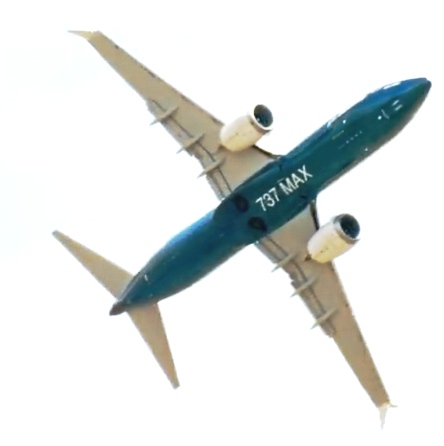
Boeing prepara un gran esfuerzo para devolver Boeing 737 MAX a los cielos del mundo. Mientras el constructor americano apunta a obtener la aprobación para volar su 737 MAX en cuestión de semanas, luego de una prohibición de seguridad de seis meses, los ingenieros de todo el mundo están implementando planes para una de las mayores operaciones logísticas en historia de la aviación civil, la evaluación de los reguladores mundiales para fiscalizar las aprobaciones de los últimos cambios en la seguridad de la aeronave en cuestión.

Dentro de la fábrica de Boeing en Renton, Washington, al sur de Seattle, los trabajadores han premontado kits de herramientas dedicadas para técnicos encargados de instalar actualizaciones de software y preparar más de 500 aviones Boeing 737 MAX que han estado inactivos durante meses, dijeron fuentes internas. Boeing tendrá que articular bien las entregas de las 250 unidades de las diferentes variantes producidas desde la prohibición de vuelo del 737 MAX, estacionadas en varias instalaciones y aquellos que saldrán de la línea de producción después de la aprobación.

La reubicación de cientos de aviones inactivos 737 MAX, que aportan aproximadamente el 40% de las ganancias antes de impuestos de Boeing, es crucial para la salud del principal exportador corporativo de Estados Unidos y el sector manufacturero más amplio del país, cuya reciente pérdida de impulso ha llevado aún más lejos golpe de la crisis. Boeing recibe gran parte de su efectivo en el momento de la entrega y Fitch Ratings & Moody’s han advertido que su perspectiva estable puede estar en riesgo, ya que sus entregas de aviones caen un 72% este año.

Los preparativos para un retorno al servicio se ajustan a la suposición actual de la compañía de que el 737 MAX reanudará los vuelos comerciales en el plazo de Octubre-Diciembre 2019, expresó el Presidente Ejecutivo Dennis Muilenburg.

AW-7003007.pngReguladores mundiales

El Wall Street Journal informó el 1 Septiembre 2019 que una reunión informativa de Boeing en Agosto 2019 fue interrumpida por los reguladores estadounidenses, europeos y otros que se quejaron de que la compañía no respondió preguntas específicas sobre modificaciones en la operación de las computadoras de control de vuelo del 737 MAX.

En todo el mundo, los equipos de Boeing están preparando horarios de entrega, y términos financieros, con clientes de líneas aéreas que se han visto obligados a cancelar vuelos, cortar rutas y volar viejos aviones mientras esperan el regreso de 737 MAX. Aunque los reguladores aún deben aprobar los aviones para el vuelo, Boeing y el personal y los ejecutivos de la aerolínea dicen que el fabricante de aviones más grande del mundo tiene semanas en un plan detallado para la producción, el mantenimiento y la entrega que, según una fuente, involucra a 1.500 ingenieros.

Boeing está esperanzada de devolver al 737 MAX en el 4Q2019. Pero la línea de tiempo está en manos de reguladores divididos en todo el mundo que deben aprobar la solución de software propuesta por Boeing para los controles de vuelo del Boeing 737 MAX y nuevos materiales de capacitación. Los reguladores europeos planean sus propios vuelos de prueba sobre los cambios. «No controlamos esa línea de tiempo. Vamos a trabajar con los reguladores y estamos avanzando hacia esa línea de tiempo. Pero si esa fecha de regreso al servicio cambia, afectará todo lo demás», dijo Dennis Muilenburg.

Boeing atenderá una flota de 387 aviones Boeing 737 MAX que entraron en servicio antes de la puesta a tierra, aunque Boeing ya ha desplegado equipos en todo el mundo para ayudar a las aerolíneas a prepararse para ese proceso.

La Federal Aviation Administration (FAA) ha dicho repetidamente que no certificará que el avión Boeing 737 MAX vuelva a volar hasta que sea seguro hacerlo. En tanto la Agencia de Seguridad Aérea de la Unión Europea (EASA) dijo el Martes 10/09 que «tiene la intención de realizar sus propios vuelos de prueba por separado, pero en plena coordinación con la FAA. Los vuelos de prueba aún no están programados, la fecha dependerá del programa de desarrollo de Boeing».

Muilenburg dijo que es posible que no todos los reguladores de todo el mundo aprueben simultáneamente el 737 MAX para volar nuevamente. Boeing ha dicho que planea realizar un vuelo de prueba de certificación para este mes. Algunos funcionarios no esperan que el 737 MAX reanude los vuelos hasta principios de 2020.

En cuanto a la República de la India, realizará su propia revisión del Boeing 737 MAX después de que la FAA complete sus pruebas, antes de que pueda volar en el espacio aéreo indio. Boeing espera tener el 737 MAX volando a principios del cuarto trimestre 2019, pero la Dirección General de Aviación Civil (DGAC) de la India no espera que el avión vuele en India antes del próximo año.

India ha sido el mercado de viajes aéreos nacionales de más rápido crecimiento durante cuatro años consecutivos, según la Asociación Internacional de Transporte Aéreo (IATA).

Resultado de imagen para Boeing 737 MAXBoeing testea al 737 MAX

Boeing ha dicho a los proveedores que espera que el avión vuele a principios de Noviembre 2019. Una vez que los reguladores certifiquen el 737 MAX para el vuelo, Boeing tendrá que movilizar a cientos de mecánicos y pilotos para sacar de la hibernación a los aproximadamente 250 aviones almacenados.

Las aerolíneas estiman que el proceso, que incluye la instalación de un nuevo software, el cambio de líquidos y el ciclo de los motores, tomará de 100 a 150 horas por avión y meses en total para Boeing. En un ejemplo que destaca los riesgos minúsculos que podrían invertir meses de planificación, un equipo de empleados está analizando años de datos sobre las nevadas de Diciembre en un aeropuerto en la zona rural de Moses Lake, Washington, donde Boeing ha estacionado cerca de 100 aviones, para predecir la demanda de aviones anticongelamiento y rendimiento en la pista. El proceso de mantenimiento será seguido por varios días de vuelos de prueba como parte de un período estándar de aceptación del cliente, pero otro desafío es encontrar suficientes pilotos para superar la acumulación. Como resultado, Boeing está explorando un acuerdo para pilotos temporales con la tripulación aérea y proveedor de capacitación CCL Aviation con sede en la Isla de Man para complementar a los pilotos de su personal, dijo una persona con conocimiento del asunto.

Resultado de imagen para Boeing 737 MAX grounded airlinesTurno de las aerolíneas

No está claro qué clientes recibirán primero las entregas. Mucho dependerá de qué tan rápido otros reguladores globales que han prometido su propio escrutinio sigan el ejemplo de los Estados Unidos. «Dada la acumulación de aviones almacenados, ese proceso de aceptación del cliente podría retrasarse», dijo Andrew Watterson, Director de Ingresos de Southwest Airlines.

Algunos, como United Airlines, han dicho que quieren los aviones tan pronto como sea posible, pero otros pueden aprovechar la oportunidad para ajustar las entregas. Si bien las aerolíneas habían estado ansiosas por agregar los modelos de ahorro de combustible antes del verano pico del hemisferio norte, menos tienden a agregar capacidad en el mes más tranquilo de noviembre.

El eventual retorno del Boeing 737 MAX también pondrá a prueba un mercado de aviación cada vez más frágil. El crecimiento del tráfico se ha reducido desde la base, en parte como resultado de las tensiones comerciales mundiales, según la Asociación Internacional de Transporte Aéreo (IATA). Dennis Muilenburg ha minimizado las preocupaciones sobre la demanda de las aerolíneas, diciendo en una conferencia esta semana que el mercado sigue siendo sólido.

Unos 250 aviones están almacenados, pero alrededor de una docena están destinados a arrendadores que aún no los han colocado en las aerolíneas, o fueron construidos para transportistas ahora en quiebra como Jet Airways, dijeron fuentes de la industria. Los analistas dicen que algunas aerolíneas pueden tratar de usar la conexión a tierra como una cortina de humo para tratar de cancelar los pedidos, algo que Boeing resistiría.

Las principales aerolíneas estadounidenses han cancelado vuelos hasta Diciembre 2019 como resultado de la conexión a tierra 737 MAX, incluidas American Airlines y United Airlines, mientras que Southwest Airlines ha cancelado vuelos a principios de Enero 2020.

Estado solicita investigaciones

El Jueves 12 Septiembre 2019, el Congreso de los Estados Unidos solicitó al Director Ejecutivo Dennis Muilenburg de la compañía americana The Boeing Company, que pusiera a disposición a varios empleados para entrevistas como parte de una investigación del Congreso sobre el diseño, desarrollo y certificación de aviones 737 MAX involucrados en dos accidentes aéreos.

El Presidente del Comité de Transporte de la Cámara de Representantes, Peter DeFazio, y el Representante Rick Larsen, que preside el Subcomité de Aviación, dijeron en un comunicado que, si bien Boeing ha proporcionado documentos sustanciales y ha compartido la perspectiva de la alta gerencia, «es importante para la investigación del comité escuchar a los empleados relevantes de Boeing». El Comité planea otra audiencia de Boeing en las próximas semanas y previamente solicitó a los denunciantes que presentaran cualquier información sobre el desarrollo del avión. Boeing ha proporcionado más de 300.000 páginas de documentos, dijo una persona informada sobre el asunto, que habló bajo condición de anonimato. Boeing dijo en un comunicado que estaba «profundamente decepcionado de que el Comité eligiera publicar correspondencia privada dada nuestra amplia cooperación hasta la fecha. Seguiremos siendo transparentes y receptivos al Comité».

El 737 MAX, el avión más vendido de Boeing, aterrizó globalmente en Marzo 2019, días después del accidente del vuelo ET-302 de Ethiopian Airlines que siguió a un desastre similar del primer accidente del vuelo JT-610 de Lion Air en Indonesia en Octubre 2018. Un total de 346 personas murieron en los dos accidentes aéreos.

Los fiscales federales con la ayuda del FBI, el Inspector General del Departamento de Transporte (DOT) y varios paneles están investigando el 737 MAX y cómo la Administración Federal de Aviación (FAA) certifica nuevos aviones.

El Presidente Ejecutivo de Boeing dijo en una conferencia de inversionistas el Miércoles 11 Septiembre 2019 que la compañía todavía está apuntando «a principios del cuarto trimestre para que el avión vuelva a estar en el aire, el regulador determinará en última instancia el tiempo de retorno al servicio».AW-Icon-AW-TXT

Resultado de imagen para Boeing 737 MAXRegulators will seek 737 MAX return

Boeing-Logo.svg.pngThe Boeing Company applies maximum effort to return 737 MAX to the skies

Boeing prepares a great effort to return Boeing 737 MAX to the skies of the world. While the American builder aims to obtain approval to fly its 737 MAX in a matter of weeks, after a six-month security ban, engineers around the world are implementing plans for one of the largest logistics operations in aviation history civil, the evaluation of global regulators to monitor the approvals of the latest changes in the safety of the aircraft in question.

Inside the Boeing factory in Renton, Washington, south of Seattle, workers have pre-assembled dedicated tool kits for technicians responsible for installing software updates and preparing more than 500 Boeing 737 MAX aircraft that have been idle for months, sources said. internal Boeing will have to articulate well the deliveries of the 250 units of the different variants produced since the 737 MAX flight ban, parked in several facilities and those that will leave the production line after approval.

The relocation of hundreds of inactive 737 MAX aircraft, which contribute approximately 40% of Boeing’s pre-tax profits, is crucial to the health of the main corporate exporter in the United States and the largest manufacturing sector in the country, whose recent loss of momentum has taken even further blow of the crisis. Boeing receives much of its cash at the time of delivery and Fitch Ratings & Moody’s have warned that their stable outlook may be at risk, as their aircraft deliveries fall 72% this year.

Preparations for a return to service are consistent with the company’s current assumption that 737 MAX will resume commercial flights within the October-December 2019 period, Executive President Dennis Muilenburg said.

Global regulators

imagesThe Wall Street Journal reported on September 1, 2019, that a Boeing briefing on August 2019 was interrupted by U.S., European and other regulators who complained that the company did not answer specific questions about changes in the operation of control computers for 737 MAX flight.

Around the world, Boeing teams are preparing delivery schedules, and financial terms, with airline customers who have been forced to cancel flights, cut routes and fly old planes while waiting for the return of 737 MAX. Although regulators have yet to approve airplanes for the flight, Boeing and airline staff and executives say the world’s largest aircraft manufacturer has weeks in a detailed plan for production, maintenance and delivery that, according to One source, involves 1,500 engineers.

Boeing is hoping to return to 737 MAX in 4Q2019. But the timeline is in the hands of regulators divided around the world who must approve the software solution proposed by Boeing for the flight controls of the Boeing 737 MAX and new training materials. European regulators plan their own test flights on the changes. «We don’t control that timeline. We’re going to work with regulators and we’re moving towards that timeline. But if that date of return to service changes, it will affect everything else», said Dennis Muilenburg.

Boeing will serve a fleet of 387 Boeing 737 MAX aircraft that went into service before grounding, although Boeing has already deployed equipment worldwide to help airlines prepare for that process.

The Federal Aviation Administration (FAA) has repeatedly said it will not certify that the Boeing 737 MAX will fly again until it is safe to do so. Meanwhile, the European Union Air Safety Agency (EASA) said on Tuesday 10/09 that «it intends to conduct its own test flights separately, but in full coordination with the FAA. Test flights are not yet scheduled, the date will depend on the Boeing development program».

Muilenburg said it is possible that not all regulators around the world simultaneously approve the 737 MAX to fly again. Boeing has said it plans to perform a certification test flight for this month. Some officials do not expect the 737 MAX to resume flights until early 2020.

As for the Republic of India, it will conduct its own review of the Boeing 737 MAX after the FAA completes its tests before it can fly into Indian airspace. Boeing expects to have the 737 MAX flying at the beginning of the fourth quarter of 2019, but the General Directorate of Civil Aviation (DGAC) of India does not expect the plane to fly in India before next year.

India has been the fastest growing national air travel market for four consecutive years, according to the International Air Transport Association (IATA).

Boeing tests 737 MAX

Boeing has told suppliers that it expects the plane to fly at the beginning of November 2019. Once regulators certify 737 MAX for the flight, Boeing will have to mobilize hundreds of mechanics and pilots to hibernate the approximately 250 Stored airplanes.

The airlines estimate that the process, which includes installing new software, changing fluids and the engine cycle, will take 100 to 150 hours per plane and months in total for Boeing. In an example that highlights the tiny risks that months of planning could invest, a team of employees is analyzing years of data on December snowfall at an airport in rural Moses Lake, Washington, where Boeing has parked about 100 aircraft, to predict the demand for antifreeze and performance aircraft on the runway. The maintenance process will be followed by several days of test flights as part of a standard period of customer acceptance, but another challenge is to find enough pilots to overcome the accumulation. As a result, Boeing is exploring an agreement for temporary pilots with the aircrew and CCL Aviation training provider based in the Isle of Man to complement the pilots of its staff, said a person with knowledge of the matter.

Airlines turn

It is not clear which customers will receive deliveries first. Much will depend on how quickly other global regulators who have promised their own scrutiny follow the example of the United States. «Given the accumulation of stored airplanes, that customer acceptance process could be delayed», said Andrew Watterson, Director of Revenue for Southwest Airlines.

Some, like United Airlines, have said they want the planes as soon as possible, but others can take the opportunity to adjust deliveries. While airlines had been eager to add fuel-saving models before the peak summer of the northern hemisphere, fewer tend to add capacity in the quieter month of November.

The eventual return of the Boeing 737 MAX will also test an increasingly fragile aviation market. Traffic growth has been reduced from the base, partly as a result of global trade tensions, according to the International Air Transport Association (IATA). Dennis Muilenburg has minimized concerns about airline demand, saying at a conference this week that the market is still strong.

About 250 airplanes are stored, but about a dozen are intended for landlords that have not yet placed them on the airlines or were built for carriers now-bankrupt like Jet Airways, industry sources said. Analysts say some airlines may try to use the ground connection as a smokescreen to try to cancel orders, something Boeing would resist.

Major US airlines have canceled flights through December 2019 as a result of the 737 MAX grounding, including American Airlines and United Airlines, while Southwest Airlines has canceled flights in early January 2020.

State requests investigations

On Thursday, September 12, 2019, the United States Congress requested the Executive Director Dennis Muilenburg of the American company The Boeing Company to make several employees available for interviews as part of a congressional investigation into the design, development, and certification of 737 MAX aircraft involved in two air accidents.

The Chairman of the House Committee of Representatives, Peter DeFazio, and Representative Rick Larsen, who chairs the Aviation Subcommittee, said in a statement that, although Boeing has provided substantial documents and shared the perspective of senior management, «It is important for the committee’s investigation to listen to relevant Boeing employees». The Committee plans another Boeing hearing in the coming weeks and previously requested the complainants to submit any information on the development of the aircraft. Boeing has provided more than 300,000 pages of documents, said an informed person on the matter, who spoke on condition of anonymity. Boeing said in a statement that he was «deeply disappointed that the Committee chose to publish private correspondence given our extensive cooperation to date. We will remain transparent and responsive to the Committee».

The 737 MAX, the best-selling Boeing aircraft, landed globally on March 2019, days after the Ethiopian Airlines flight ET-302 crash that followed a similar disaster from the first Lion Air JT-610 crash in Indonesia in October 2018. A total of 346 people died in two air accidents.

Federal prosecutors with the help of the FBI, the Inspector General of the Department of Transportation (DOT) and several panels are investigating the 737 MAX and how the Federal Aviation Administration (FAA) certifies new aircraft.

The Boeing Executive President said at an investor conference on Wednesday 11 September 2019 that the company is still aiming «at the beginning of the fourth quarter so that the plane is back in the air, the regulator will ultimately determine the return time to the service». A \ W


Ξ A I R G W A Y S Ξ
SOURCE: Airgways.com
DBk: Boeing.com / Straitstimes.com / Reuters.com / Seattletimes.com / Airgways.com
AW-POST: 201909142049AR

A\W   A I R G W A Y S ®


Air Macau 25º Aniversarios

AW-7002205633.pngAW | 2019 09 14 15:29 | AIRLINES

Resultado de imagen para Air Macau logoAir Macau celebra 25º aniversarios incorporando aeronaves AirbusAW-70099433.jpg

La aerolínea Air Macau hizo público su acuerdo con el arrendador irlandés AerCap con la introducción de tres Airbus A321NEO a su flota. El acuerdo de la aerolínea con AerCap prevé la incorporación del nuevo tipo de aeronaves narrowbodies para fines del próximo año. El compromiso de utilizar el tipo más nuevo de Airbus se produce cuando Air Macau se somete a una amplia modernización de la flota. El primer A321NEO se entregará en Noviembre 2020 y los dos aviones restantes se unirán a la flota en Octubre 2021.

La aerolínea se estableció el 13 de septiembre de 1994 e inició operaciones comerciales el 9 Noviembre 1995, con un vuelo desde Macao a Beijing y Shanghai. En 1999, la aerolínea tenía 1,1 millones de pasajeros cada año, y el 80% de ellos provenía de dos ciudades de la República de China en Taiwán: Kaohsiung y Taipei.

En 2006, Air Macau era propiedad de China National Aviation Holding (51%), TAP Air Portugal (20%), STDM (14%), EVA Air (5%), el gobierno de Macao (5%) e inversores de Macao (5%). En 2009, dos compañías controladas por Edmund Ho, el Director Ejecutivo de Macao, vendieron una participación combinada de 1.25% a Air China por una suma no revelada por las partes. En 2010, TAP Portugal vendió su participación a Air China.AW-Icon-AW-TXT

Resultado de imagen para Air MacauAir Macau 25th Anniversaries

Air Macau celebrates 25th anniversaries incorporating Airbus aircraft

The airline Air Macau made its agreement with the Irish landlord AerCap public with the introduction of three Airbus A321NEO to its fleet. The airline’s agreement with AerCap provides for the incorporation of the new type of narrowbodies aircraft by the end of next year. The commitment to use the newest type of Airbus comes when Air Macau undergoes extensive fleet modernization. The first A321NEO will be delivered on November 2020 and the remaining two planes will join the fleet in October 2021.

The airline was established on September 13, 1994, and began commercial operations on November 9, 1995, with a flight from Macau to Beijing and Shanghai. In 1999, the airline had 1.1 million passengers each year, and 80% of them came from two cities in the Republic of China in Taiwan: Kaohsiung and Taipei.

In 2006, Air Macau was owned by China National Aviation Holding (51%), TAP Air Portugal (20%), STDM (14%), EVA Air (5%), the Macau government (5%) and Macao investors (5%). In 2009, two companies controlled by Edmund Ho, the Executive Director of Macao, sold a combined 1.25% stake to Air China for an amount not disclosed by the parties. In 2010, TAP Portugal sold its stake to Air China. A \ W

AW-70005445.jpg澳門航空25週年紀念日

Air Macau logo.svg澳門航空慶祝25週年空中客車飛機

澳門航空公司與愛爾蘭房東AerCap公眾達成協議,向其機隊引入三架空客A321NEO。該航空公司與AerCap的協議規定在明年年底之前將新型窄體飛機納入其中。當澳門航空公司經歷廣泛的船隊現代化改造時,承諾使用最新型的空中客車。第一架A321NEO將於2020年11月交付,其餘兩架飛機將於2021年10月加入機隊。

該航空公司成立於1994年9月13日,於1995年11月9日開始商業運營,從澳門飛往北京和上海。 1999年,該航空公司每年有110萬名乘客,其中80%來自台灣的兩個城市:高雄和台北。

2006年,澳門航空由中國航空控股(51%,葡萄牙航空(20%,STDM(14%,長榮航空(5%),澳門政府(5%)及澳門投資者擁有(5%)。 2009年,由澳門執行董事何厚鏵控制的兩家公司向中國國際航空公司出售了1.25%的合股權,其金額未經雙方披露。 2010年,TAP Portugal將其股權出售給國航。A \ W


DATA: A320-271N, Air Macau,  B-MCL (MSN 8777)


Ξ A I R G W A Y S Ξ
SOURCE: Airgways.com
DBk: Airbus.com / Airmacau.com.mo / Aercap.com / Airgways.com / Blueswandaily.com
AW-POST: 201909141529AR

A\W   A I R G W A Y S ®


Airbus implementará tecnología rastreo en cabina pasajeros

Resultado de imagen para Airbus cabin  flight labAW | 2019 09 14 15:02 | INDUSTRY

logo_airbus (2)Los nuevos aviones de Airbus rastrearán cada uno de los movimientos a través de la cabina

Cuando los nuevos aviones Airbus salgan de la línea de ensamblaje en los próximos dos años, estarán equipados para seguir cada uno de los movimientos a través de la cabina del avión que estará destinado a mejorar su experiencia en un vuelo futuro.

La nueva cabina de experiencia conectada de Airbus rastreará casi todo lo que los pasajeros hacen a bordo, incluidas las películas que miran, las comidas o bebidas que ordenan, dónde colocan sus maletas de mano, incluso cuándo y con qué frecuencia van al baño. «Estos componentes ya están volando en nuestro llamado laboratorio de vuelo para realmente probarlo en condiciones de vuelo», dice Ingo Wuggetzer, Vicepresidente de Marketing de Cabina en Airbus. Ese «laboratorio de vuelo» es una cabina de prueba a bordo de un avión Airbus A350, y Airbus está trabajando con las aerolíneas para implementarlo en sus aviones tan pronto como 2021.

La cabina conectada es esencialmente una serie de sensores en la mayoría de los lugares del avión, en los asientos de los pasajeros, en los pasillos, dentro de la cocina e incluso en el pestillo de la puerta del lavabo, todos enrutados al Wi-Fi de la aeronave, dependiendo de qué datos la aerolínea está interesada. «Conectamos todas las cosas relevantes en la cabina de la aeronave para brindar un servicio más personalizado al pasajero», dice Wuggetzer. Los datos se envían a una pantalla LED grande y liviana en la parte posterior del avión, así como a iPads manejados por la tripulación de cabina. Algunos de los elementos que actualmente se someten a pruebas en la cabina del A350 incluyen contenedores superiores con indicadores que muestran si hay espacio vacío. También aparecerá en las tabletas de los auxiliares de vuelo donde queda espacio en el avión para agilizar el proceso de embarque.

Airbus está desarrollando una aplicación para esta cabina de prueba, que los pasajeros podrán descargar en sus teléfonos móviles para controlar aún más su experiencia en el vuelo. Los asientos tendrán sensores conectados a la aplicación, por lo que los pasajeros pueden usarla para reclinarse en lugar de presionar un botón en el reposabrazos. Los pasajeros podrán solicitar bebidas y bocadillos a través de una aplicación que hará ping a las tabletas de la tripulación en la cocina.

Los sensores en el asiento tienen un doble propósito. La tripulación también podrá detectar información sobre los reposabrazos y los cinturones de seguridad, por lo que no tendrán que atravesar la cabina para revisar cada uno. En cambio, si el asiento de un pasajero no está en posición totalmente vertical o no está abrochado, las azafatas recibirán una notificación en sus tabletas que indica qué asiento debe guardarse o si debe abrocharse el cinturón de seguridad.

La cabina también cuenta con cámaras fuera de los baños del avión. Al usar la aplicación, los pasajeros podrán ver cuántas personas esperan usar el baño (las caras están borrosas por privacidad), y la aplicación estimará cuánto tiempo dura la espera para usar las instalaciones. Dentro del baño, habrá sensores que le indicarán a la tripulación cuándo es necesario reponer el papel higiénico, pañuelos, jabón u otros suministros, así como un «espejo inteligente» que mostrará información sobre el vuelo y otros detalles.

Todos los datos beneficiarán a las aerolíneas y las ayudarán a optimizar el diseño de su cabina y lo que están vendiendo a los pasajeros. La comida y bebida, el entretenimiento a bordo y los artículos libres de impuestos, por ejemplo, se rastrearán y personalizarán según lo que los pasajeros hayan comprado en el pasado. Las aerolíneas podrán agregar nuevas características y elementos a la plataforma de experiencia conectada de Airbus. La plataforma tecnológica también se puede agregar a las cabinas en aviones nuevos o modernizarse a los más antiguos.

Después del período de prueba, Airbus tiene como objetivo implementar la experiencia de cabina conectada para los clientes en sus nuevos aviones de pasillo único en 2021, seguido de sus aviones A350 en 2023.AW-Icon-AW-TXT

Resultado de imagen para Airbus A320 cabin paxAirbus implements cabin tracking technology

The new Airbus aircraft will track each of the movements through the cabin

When the new Airbus planes leave the assembly line in the next two years, they will be equipped to follow each of the movements through the cabin of the plane that will be destined to improve their experience on a future flight.

The new Airbus connected experience cabin will track almost everything passengers do onboard, including the movies they watch, the food or drinks they order, where they put their handbags, even when and how often they go to the bathroom. «These components are already flying in our so-called flight lab to really test it in flight conditions», says Ingo Wuggetzer, Vice President of Cabin Marketing at Airbus. That «flight lab» is a test booth on board an Airbus A350 aircraft, and Airbus is working with airlines to implement it on their planes as early as 2021.

The connected cabin is essentially a series of sensors in most places on the plane, in passenger seats, in the hallways, inside the kitchen and even in the sink door latch, all routed to Wi-Fi of the aircraft, depending on what data the airline is interested. «We connect all the relevant things in the cabin of the aircraft to provide a more personalized service to the passenger», says Wuggetzer. The data is sent to a large and light LED display on the back of the plane, as well as to iPads managed by the cabin crew. Some of the elements that are currently being tested in the A350 cabin include top containers with indicators that show if there is empty space. It will also appear on the flight attendants tablets where there is space on the plane to speed up the boarding process.

Airbus is developing an application for this test booth, which passengers can download to their mobile phones to further control their flight experience. The seats will have sensors connected to the application, so passengers can use it to recline instead of pressing a button on the armrest. Passengers may request drinks and snacks through an application that will ping the crew’s tablets in the kitchen.

The sensors in the seat have a dual purpose. The crew will also be able to detect information about the armrests and safety belts, so they will not have to go through the cabin to check each one. On the other hand, if a passenger’s seat is not fully upright or not buckled, the hostesses will receive a notification on their tablets indicating which seat should be stored or if the seat belt should be fastened.

The cabin also has cameras outside the plane’s bathrooms. When using the application, passengers will be able to see how many people expect to use the bathroom (faces are blurred by privacy), and the application will estimate how long the wait lasts to use the facilities. Inside the bathroom, there will be sensors that will tell the crew when it is necessary to replace the toilet paper, tissues, soap or other supplies, as well as a «smart mirror» that will show information about the flight and other details.

All the data will benefit the airlines and help them optimize the design of their cabin and what they are selling to passengers. Food and drink, on-board entertainment and duty-free items, for example, will be tracked and customized according to what passengers have bought in the past. Airlines may add new features and elements to the Airbus connected experience platform. The technology platform can also be added to the cabins in new aircraft or modernized to the older ones.

After the test period, Airbus aims to implement the connected cabin experience for customers in its new single-aisle aircraft in 2021, followed by its A350 aircraft in 2023. A \ W


Ξ A I R G W A Y S Ξ
SOURCE: Airgways.com
DBk: Airbus.com / Cnbc.com / Lonelyplanet.com
AW-POST: 201909141502AR

A\W   A I R G W A Y S ®

ANAC cerraría Pista 17/35 de Lisboa

Resultado de imagen para Aeroporto Humberto Delgado LisboaAW | 2019 09 14 14:43 | AIRPORTS

ANAC requerimientos para cierre pista secundaria en Aeropuerto Lisboa

La Administración Nacional de Aeropuertos (ANA) de la República de Portugal dice que está en la fase de implementación de decisiones de la Autoridad Nacional de Aviación Civil (ANAC) de Portugal. La ANAC autoriza el cierre definitivo de la pista secundaria en el Aeropuerto Humberto Delgado de Lisboa, si ANA, que administra el espacio del aeropuerto, cumple con un conjunto de medidas de mitigación. En Mayo 2019, el Gobierno ya había autorizado el cierre definitivo de la llamada Pista 17/35, que a lo largo de los años se ha utilizado principalmente en situaciones en las que la pista principal no estaba disponible. La solicitud para el cierre definitivo de la pista 17/35 fue presentada por ANA con el objetivo de facilitar las operaciones de aeronaves y la gestión del estacionamiento, así como la expansión del aeropuerto internacional de Lisboa que ha sido diseñado por ANA. La pista 17/35 está actualmente cerrada por obras bajo un permiso de cierre temporal.

“A partir de la evaluación realizada a los elementos enviados, ANAC concluyó que la implementación del cierre definitivo no daría lugar a una degradación de la seguridad operacional mientras se implementaran las medidas de mitigación propuestas en la Evaluación de Seguridad Operacional presentada. se han cumplido las condiciones para iniciar el proceso administrativo de cierre de la vía 17/35″, dice la autoridad de aviación civil.

El proceso de autorización aún está en curso, y ANA aún tendrá que demostrar la intención y/o aplicación de las medidas de mitigación requeridas por ANAC para garantizar el cierre definitivo. «Debido a la naturaleza del cambio que constituye este cierre definitivo, es necesario cumplir con un conjunto de formalidades, procesos y procedimientos que deben desarrollarse sin los cuales ANAC no puede autorizar el cierre definitivo», dice la Autoridad de Aviación. La decisión final aún puede cambiar dependiendo de si ANA presenta o no evidencia con respecto a la aplicación de las medidas de mitigación.

La expansión de la capacidad del Aeropuerto Humberto Delgado, el cierre de la pista 17/35 también tiene en cuenta la construcción de una pista de aviación civil en Montijo que probablemente, a partir de 2022, creará una alternativa para escenarios donde la pista del aeropuerto principal de Humberto Delgado no está disponible. Sin embargo, la construcción del nuevo Aeropuerto de Montijo no es suficiente para dejar a los pilotos solos con el cierre de la pista 17/35. Desde 2017, la Asociación de Pilotos de Aerolíneas Portuguesas (APPLA) ha expresado su preocupación por el cierre de la pista secundaria en el aeropuerto de Lisboa. El origen de esta posición son las variaciones de viento registradas en algunos períodos del año que supuestamente también afectan el futuro Aeropuerto de Montijo.

El Presidente de APPLA, Miguel Silveira, no cuestiona la legitimidad y la competencia técnica de ANAC para la toma de decisiones, pero toma nota del probable cierre: «Es cierto que el aeropuerto Humberto Delgado necesita más estacionamiento de aeronaves, pero no es menos cierto que estos estacionamientos se construirán, entre otros, en la ubicación de la pista actual 17/35. En un país que depende en gran medida del transporte aéreo, después de 40 años de discusiones públicas y estudios sobre un nuevo aeropuerto para la capital de Portugal, esta es la solución que comenzará con el cierre de una de las pistas del aeropuerto de nuestra capital. Solo podemos creer que estas son las mejores decisiones posibles en este momento».

Con el tiempo, ANA ha expresado una posición más optimista: desde el punto de vista del administrador del espacio portuario, el cierre de la pista no conlleva mayores riesgos ni afecta la operatividad de las aerolíneas y los aeropuertos. Según el gerente del aeropuerto, la pista 17/35 se utiliza en menos del 1% de los aterrizajes y despegues en el aeropuerto Humberto Delgado. ANAC también niega que cerrar la pista 17/35 necesariamente conlleve riesgos para la seguridad del espacio aéreo o de los aeropuertos. La autoridad reguladora recuerda que se realizó una evaluación de seguridad operacional con aportes de varias entidades que utilizan el aeropuerto de Lisboa, que fue analizada por Eurocontrol. ANAC informa que esta evaluación operativa «concluyó que el nivel de seguridad de las operaciones en el Aeropuerto Humberto Delgado se mantendrá o incluso aumentará después del cierre de la Pista 17/35. Para abordar los problemas de redundancia o emergencia, la Evaluación de Seguridad Operacional también identificó medidas para mitigar los aspectos negativos que el cierre de la Vía 17/35 podría implicar», expresa la ANAC sin mencionar que se promovieron medidas de redundancia.AW-Icon-AW-TXT

ANAC would close runway 17/35 of Lisbon Airport

ANAC requirements for secondary runway closure at Lisbon Airport

The National Airport Administration (ANA) of the Republic of Portugal says it is in the decision implementation phase of the National Civil Aviation Authority (ANAC) of Portugal. The ANAC authorizes the definitive closure of the secondary runway at the Humberto Delgado Airport in Lisbon, if ANA, which manages the airport space, complies with a set of mitigation measures. In May 2019, the Government had already authorized the final closure of the so-called Track 17/35, which over the years has been used mainly in situations where the main track was not available. The request for the final closure of runway 17/35 was submitted by ANA with the objective of facilitating aircraft operations and parking management, as well as the expansion of the Lisbon International Airport that has been designed by ANA. Track 17/35 is currently closed for works under a temporary closing permit.

“Based on the evaluation carried out on the elements sent, ANAC concluded that the implementation of the definitive closure would not lead to a degradation of safety while the mitigation measures proposed in the Safety Assessment presented were implemented. the conditions for initiating the administrative process of closure of the 17/35 route have been fulfilled», the civil aviation authority says.

The authorization process is still ongoing, and ANA will still have to demonstrate the intention and/or application of the mitigation measures required by ANAC to ensure the final closure. «Due to the nature of the change that constitutes this definitive closure, it is necessary to comply with a set of formalities, processes, and procedures that must be carried out without which ANAC cannot authorize the definitive closure», says the Aviation Authority. The final decision may still change depending on whether ANA presents or no evidence regarding the application of mitigation measures.

The expansion of the capacity of the Humberto Delgado Airport, the closure of runway 17/35 also takes into account the construction of a civil aviation runway in Montijo that will probably, from 2022, create an alternative for scenarios where the airport runway Humberto Delgado’s principal is not available. However, the construction of the new Montijo Airport is not enough to leave the pilots alone with the closure of the runway 17/35. Since 2017, the Portuguese Airlines Pilots Association (APPLA) has expressed concern about the closure of the secondary runway at the Lisbon airport. The origin of this position is the wind variations recorded in some periods of the year that supposedly also affect the future Montijo Airport.

The President of APPLA, Miguel Silveira, does not question the legitimacy and technical competence of ANAC for decision-making, but notes the probable closure: «It is true that the Humberto Delgado airport needs more aircraft parking, but it is no less true that these parking lots will be built, among others, at the location of the current runway 17/35. In a country that depends heavily on transportation After 40 years of public discussions and studies on a new airport for the capital of Portugal, this is the solution that will begin with the closure of one of the airport’s runways in our capital. We can only believe that these are the best possible decisions at this time«.

Over time, ANA has expressed a more optimistic position: from the point of view of the port space administrator, the closure of the runway does not entail greater risks or affect the operation of airlines and airports. According to the airport manager, runway 17/35 is used in less than 1% of landings and take-offs at Humberto Delgado airport. ANAC also denies that closing runway 17/35 necessarily entails risks to the safety of airspace or airports. The regulatory authority recalls that a safety assessment was carried out with contributions from several entities that use the Lisbon Airport, which was analyzed by Eurocontrol. ANAC reports that this operational assessment «concluded that the level of security of operations at Humberto Delgado Airport will be maintained or even increased after the closure of Runway 17/35. To address redundancy or emergency problems, the Safety Assessment It also identified measures to mitigate the negative aspects that the closure of Route 17/35 could imply», says ANAC without mentioning that redundancy measures were promoted. A \ W

Resultado de imagen para Aeroporto de Lisboa TAPANAC fecharia pista 17/35 do Aeroporto de Lisboa

Requisitos da ANAC para o encerramento secundário da pista no aeroporto de Lisboa

A Administração Nacional de Aeroportos (ANA) da República de Portugal diz que está na fase de implementação da decisão da Autoridade Nacional de Aviação Civil (ANAC) de Portugal. A ANAC autoriza o fechamento definitivo da pista secundária no aeroporto Humberto Delgado, em Lisboa, se a ANA, que administra o espaço aeroportuário, cumprir um conjunto de medidas de mitigação. Em maio de 2019, o governo já havia autorizado o fechamento final da chamada Faixa 17/35, que ao longo dos anos tem sido usada principalmente em situações em que a faixa principal não estava disponível. O pedido de fechamento final da pista 17/35 foi apresentado pela ANA com o objetivo de facilitar as operações de aeronaves e o gerenciamento de estacionamento, bem como a expansão do Aeroporto Internacional de Lisboa, projetado pela ANA. A faixa 17/35 está atualmente fechada para obras com uma licença de fechamento temporária.

“Com base na avaliação realizada sobre os elementos enviados, a ANAC concluiu que a implementação do fechamento definitivo não levaria a uma degradação da segurança enquanto as medidas de mitigação propostas na Avaliação de Segurança apresentadas foram implementadas. foram cumpridas as condições para iniciar o processo administrativo de fechamento da rota 17/35″, diz a autoridade da aviação civil.

O processo de autorização ainda está em andamento e a ANA ainda terá que demonstrar a intenção e/ou aplicação das medidas de mitigação exigidas pela ANAC para garantir o fechamento final. «Devido à natureza da mudança que constitui esse fechamento definitivo, é necessário cumprir um conjunto de formalidades, processos e procedimentos que devem ser realizados sem os quais a ANAC não possa autorizar o fechamento definitivo», afirma a Autoridade de Aviação. A decisão final ainda pode mudar, dependendo de a ANA apresentar ou não evidências sobre a aplicação de medidas de mitigação.

A expansão da capacidade do Aeroporto Humberto Delgado, o fechamento da pista 17/35 também leva em consideração a construção de uma pista de aviação civil em Montijo que provavelmente, a partir de 2022, criará uma alternativa para cenários em que a pista do aeroporto O diretor de Humberto Delgado não está disponível. No entanto, a construção do novo aeroporto de Montijo não é suficiente para deixar os pilotos em paz com o fechamento da pista 17/35. Desde 2017, a Associação Portuguesa de Pilotos de Linhas Aéreas (APPLA) manifesta preocupação com o fechamento da pista secundária no aeroporto de Lisboa. A origem dessa posição são as variações de vento registradas em alguns períodos do ano que, supostamente, também afetam o futuro Aeroporto de Montijo.

O presidente da APPLA, Miguel Silveira, não questiona a legitimidade e a competência técnica da ANAC para a tomada de decisões, mas observa o provável fechamento: «É verdade que o aeroporto de Humberto Delgado precisa de mais estacionamento de aeronaves, mas não é menos verdadeiro. que esses estacionamentos serão construídos, entre outros, no local da pista atual 17/35. Como diz o ditado popular, bem, «na casa de um espeto de ferreiro». Em um país que depende muito do transporte Após 40 anos de discussões e estudos públicos sobre um novo aeroporto para a capital de Portugal, esta é a solução que começará com o fechamento de uma das pistas do aeroporto em nossa capital. Só podemos acreditar que estas são as «melhores possíveis decisões «neste momento».

Com o tempo, a ANA expressou uma posição mais otimista: do ponto de vista do administrador do espaço portuário, o fechamento da pista não implica maiores riscos ou afeta a operação de companhias aéreas e aeroportos. Segundo o gerente do aeroporto, a pista 17/35 é usada em menos de 1% dos desembarques e decolagens no aeroporto Humberto Delgado. A ANAC também nega que o fechamento da pista 17/35 implique necessariamente riscos à segurança do espaço aéreo ou dos aeroportos. A autoridade reguladora lembra que foi realizada uma avaliação de segurança com contribuições de várias entidades que utilizam o aeroporto de Lisboa, analisada pelo Eurocontrol. A ANAC informa que essa avaliação operacional «concluiu que o nível de segurança das operações no Aeroporto Humberto Delgado será mantido ou até aumentado após o fechamento da pista 17/35. Para resolver problemas de redundância ou emergência, a Avaliação de Segurança Também identificou medidas para mitigar os aspectos negativos que o fechamento da Rota 17/35 poderia implicar», afirma a ANAC sem mencionar que foram promovidas medidas de redundância. A \ W


Ξ A I R G W A Y S Ξ
SOURCE: Airgways.com
DBk: Aeroportosmundo.com / Exameinformatica.sapo.pt / Expresso.pt
AW-POST: 201909141443AR

A\W   A I R G W A Y S ®