LATAM Airlines pierde mercado regional

https://i0.wp.com/www.aviacionline.com/wp-content/uploads/2016/08/LATAM-Airlines-Boeing-767-300-ph-Antonio-Cruz-Agencia-Brasil.jpg

AW | 2017 02 17 11:17 | AIRLINES MARKET

LATAM Airlines pierde participación en todos los mercados de la Región por arremetida low cost

En el cada vez más competitivo mercado aéreo, la compañía planea implementar un nuevo modelo de viaje en rutas domésticas en los países donde opera en la región. Analistas creen que esto les permitiría capturar parte del mercado que han perdido.

La arremetida de las líneas aéreas low cost no le ha sido indiferente a LATAM Airlines. Es que en los seis países en los que participa, la compañía ha ido perdiendo participación al alero de los nuevos debutantes de la industria que ya han impulsado una revolución de precios en el sector. Es que si uno compara el peso que tenía la firma nacional en sus mercados hace dos años versus el que tiene hoy, la merma es generalizada.

En Chile, por ejemplo, la participación de mercado de LATAM Airlines descendió desde 78% en 2014 a 76% en 2016. En el caso de Brasil, su principal operación, el peso disminuyó desde 38% a 36% en igual período.

Más pronunciada aún es la pérdida de mercado que experimentó LATAM en Ecuador en los últimos dos años. En ese país, la aerolínea pasó de tener el 37% del mercado al 28% en 2016. Mientras que en el caso de Argentina, si en 2014 ostentaba el 27%, hoy llega al 22%.

La situación se repitió en Colombia y en Perú: en cada uno de esos mercados su participación disminuyó en un punto porcentual desde 2014, alcanzando el 18% y 62% respectivamente, en 2016.

El cada vez más competitivo mercado aéreo no sólo ha desatado una fuerte ofensiva que ha derivado en una notoria caída en el valor de los pasajes, también la mayor competencia ha tenido un impacto en la industria aérea tradicional. Así lo señalan analistas del mercado, que coinciden en que la agresiva competencia de precios que han desatado las aerolíneas de bajo costo en la región, ha impactado negativamente en la participación que LATAM por excelencia ha ostentado en Sudamérica. Y es que este nuevo escenario ha obligado a las compañías a reinventar su producto, rutas y servicios que ofrecen a los viajeros, y también, a bajar las tarifas. Transformaciones de las que también ha sido parte LATAM, y que les permitiría, según dicen analistas, capturar en parte el mercado que están perdiendo en la Región. En noviembre del año pasado, por ejemplo, la aerolínea anunció un nuevo modelo de viaje en rutas domésticas en los seis países donde opera, en línea con las tendencias de la industria a nivel mundial y las necesidades del pasajero actual, cambio que se realizaría por país y en etapas a partir del primer semestre de 2017. Acceso a tarifas hasta 20% más económicas y una nueva forma de comprar donde el pasajero elige por los servicios que quiere pagar, son parte de esta nueva propuesta que LATAM planea implementar como parte de una estrategia que le permita ser más competitivo. Con esto, la compañía estima que aumentará en 50% la cantidad de pasajeros transportados hacia 2020, lo que los mantendría como un protagonista del tráfico aéreo en la Región.

La compañía señaló que “como LATAM hemos realizado grandes esfuerzos para mantener una baja sostenida en las tarifas y así incentivar el tráfico aéreo de los pasajeros. En los últimos diez años hemos duplicado y en algunos casos triplicado el tráfico aéreo doméstico de la región”.

En ese sentido, añadió que “gran parte de esta mejora se debe al plan de reducción de costos en el que hemos trabajado en los últimos dos años y que durante 2017 reforzaremos con la implementación de la renovación de nuestro modelo de operaciones domésticas. Este proyecto busca lograr reducciones significativas en nuestros costos por ASK (asientos disponibles por kilómetro), permitiéndonos ofrecer tarifas más competitivas de hasta un 20% más económicas, estimulando más la demanda e impulsando el crecimiento del transporte aéreo en Sudamérica”.

Mayor competencia en Chile

La compañía estadounidense JetSmart -del fondo de inversión estadounidense Indigo Partners- anunció recientemente su arribo en Chile, donde competirá en el segmento de las low cost con Sky Airline, hasta ahora la única aerolínea de bajo costo que opera en el país.

Hace más de un año Sky anunció su transformación en una aerolínea económica implementando una serie de cambios que incluía estandarizar la flota de aviones para configurarla en una sola clase; reestructurar los itinerarios de los viajes, con vuelos sin escalas, y disponer de un servicio de comida a bordo pagado.
Parten cambios en el modelo

LATAM Airlines Colombia lanzó el pasado 15 de febrero el nuevo servicio de compra a bordo de bebidas y alimentos para todos sus vuelos domésticos del país, bajo la marca Mercado LATAM. Se trata del primer paso en la evolución del nuevo modelo de viaje de la aerolínea anunciado en noviembre del año pasado, el cual incorpora algunas prácticas de bajo costo en la operación doméstica de los vuelos.

Se espera que este nuevo modelo sea implementado de forma paulatina el transcurso de este año en el resto de los países donde opera la aerolínea en la región: Chile, Argentina, Brasil, Ecuador y Perú. airgways-icon-aw

https://upload.wikimedia.org/wikipedia/commons/5/59/LATAM_Airlines_Group_(LAN_Chile)_Boeing_787-9_Dreamliner_CC-BGK.jpg

LATAM loses regional market

LATAM Airlines loses participation in all markets in the Region for low cost flights


In the increasingly competitive air market, the company plans to implement a new model of travel on domestic routes in the countries where it operates in the region. Analysts believe this would allow them to capture some of the market they have lost.

The onslaught of the low cost airlines has not been indifferent to LATAM Airlines. It is that in the six countries in which it participates, the company has been losing participation to the eaves of the new debutantes of the industry that already have impelled a revolution of prices in the sector. Is that if one compares the weight that the national firm had in its markets two years ago versus the one it has today, the decline is widespread.

In Chile, for example, LATAM Airlines’ market share declined from 78% in 2014 to 76% in 2016. In Brazil, its main operation, the peso decreased from 38% to 36% in the same period.

Still more pronounced is the market loss that LATAM experienced in Ecuador in the last two years. In that country, the airline went from having 37% of the market to 28% in 2016. While in the case of Argentina, if in 2014 it had 27%, today it reaches 22%.

The situation was repeated in Colombia and Peru: in each of these markets, its share decreased by one percentage point from 2014, reaching 18% and 62%, respectively, in 2016.

The increasingly competitive air market has not only unleashed a strong offensive that has resulted in a noticeable fall in the value of the tickets, also the greater competition has had an impact in the traditional airline industry. Market analysts point out that the aggressive price competition unleashed by low-cost airlines in the region has had a negative impact on LATAM’s share of South America. And is that this new scenario has forced companies to reinvent their product, routes and services offered to travelers, and also, to lower rates. Transformations that have also been part of LATAM, and that would allow them, according to analysts say, to capture part of the market they are losing in the Region. In November last year, for example, the airline announced a new model of domestic route travel in the six countries where it operates, in line with industry trends worldwide and the needs of the current passenger, a change that would be made by Country and in stages from the first half of 2017. Access to tariffs up to 20% cheaper and a new way of buying where the passenger chooses for the services that he wants to pay are part of this new proposal that LATAM plans to implement as part of A strategy that allows it to be more competitive. With this, the company estimates that it will increase the number of passengers transported by 2020 by 50%, which would keep them as a protagonist of air traffic in the Region.

The company said that «as LATAM we have made great efforts to maintain a sustained drop in rates and thus encourage passenger air traffic. In the last ten years we have doubled and in some cases tripled domestic air traffic in the region. «

In that sense, he added that «much of this improvement is due to the cost reduction plan we have worked on over the last two years and that during 2017 we will reinforce with the implementation of the renovation of our model of domestic operations. This project seeks to achieve significant reductions in our costs per ASK, allowing us to offer more competitive rates of up to 20% cheaper, stimulating more demand and boosting the growth of air transport in South America.»

Greater competition in Chile

US-based JetSmart, the US investment fund Indigo Partners, recently announced its arrival in Chile, where it will compete in the low-cost segment with Sky Airline, the only low-cost airline operating in the country.

More than a year ago Sky announced its transformation into an economic airline implementing a series of changes that included standardizing the fleet of airplanes to configure it into a single class; Restructure travel itineraries with nonstop flights, and have a paid onboard food service.
Changes in the model

LATAM Airlines Colombia launched last February 15 the new service of purchase on board of beverages and food for all domestic flights of the country, under the brand LATAM Market. This is the first step in the evolution of the airline’s new model of travel announced in November last year, which incorporates some low-cost practices in the domestic operation of flights.

It is expected that this new model will be implemented gradually during The course of this year in the rest of the countries where the airline operates in the region: Chile, Argentina, Brazil, Ecuador and Perú. A\W

Ξ A I R G W A Y S Ξ
SOURCE: Pulso.cl
DBk: Pulso.cl / Wikipedia.org / Aviacionline.com
AW-POST: 201702171117AR

A\W   A I R G W A Y S ®
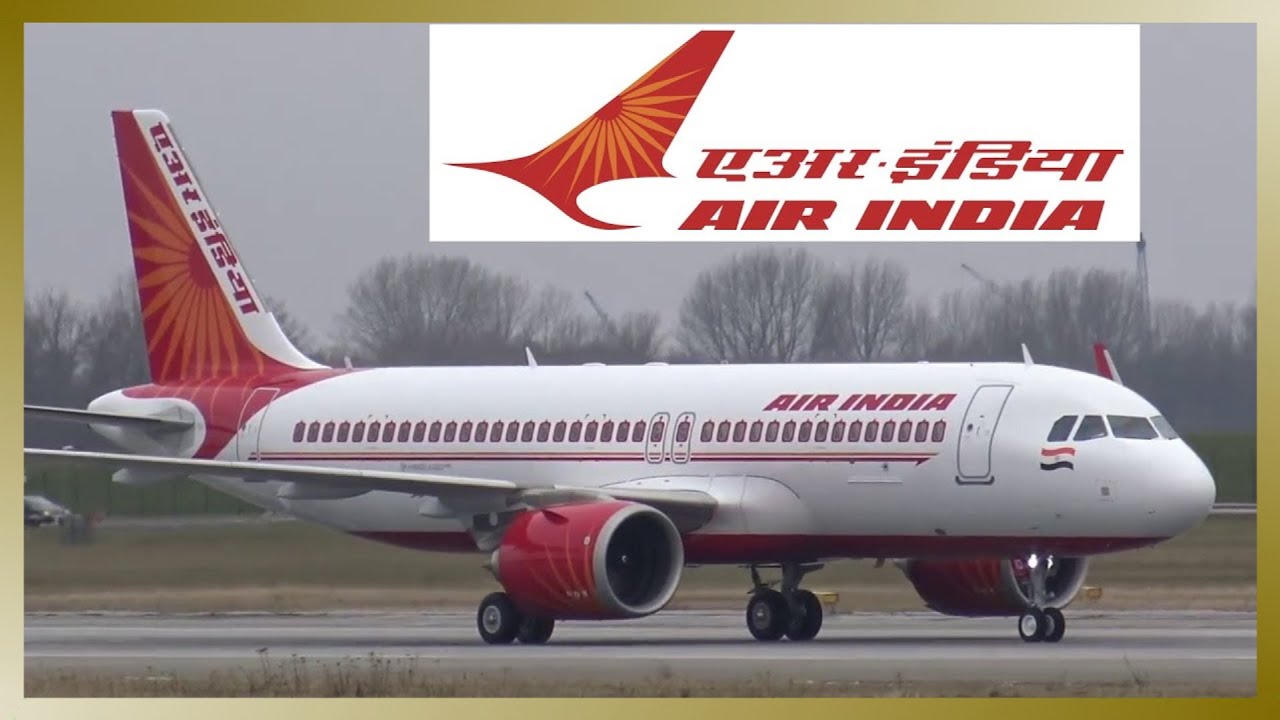
Air India, nuevo operador del A320NEO

https://i.ytimg.com/vi/8wsHscZmRQM/maxresdefault.jpg

AW | 2017 02 16 14:57 | AIRLINES

Resultado de imagen para Air India A320neoAir India recibe primer A320NEO

Air India ha recibido el primer Airbus A320NEO de 14 aeronaves que la aerolínea alquilará a la compañía Aviation Lease and Finance Company (ALAFCO). El A320NEO es recibido por parte de Air India y se unirá a la flota existente de 66 A320, informó Airbus Group.

Resultado de imagen para Air India A320neo

PRIMER AIRBUS A320NEO PARA LA AEROLÍNEA AIR INDIA

Por otra parte, ALAFCO compañía de leasing de Kuwait, recibe el primer A320NEO de un pedido de 85 aeronaves.

Airbus cuenta con una red de más de 45 proveedores indios, que suman 6.000 profesionales, que contribuyen directa e indirectamente a todos los programas del constructor. La familia A320NEO incorpora las últimas tecnologías, incluyendo los motores de nueva generación y dispositivos en el extremo de las alas, que en conjunto supone un ahorro del 15% de combustible desde el primer día y un 20% para 2020. Actualmente, el A320NEO es el avión de pasillo único de mayor venta en el mundo con más de 5.000 pedidos de 92 clientes desde su lanzamiento en 2010, con casi el 60% de la cuota de mercado. Hasta la fecha 70 pedidos del A320neo han sido entregados a 18 clientes.

Air India

Air India, new operator of the A320NEO

Air India receives first A320NEO

Air India has received the first Airbus A320NEO of 14 aircraft that the airline will rent to the company Aviation Lease and Finance Company (ALAFCO). The A320NEO is received by Air India and will join the existing fleet of 66 A320, reported Airbus Group.

On the other hand, ALAFCO leasing company of Kuwait, receives the first A320NEO of an order of 85 aircraft.

Airbus has a network of more than 45 Indian suppliers, totaling 6,000 professionals, who contribute directly and indirectly to all the manufacturer’s programs. The A320NEO family incorporates state of the art technologies, including new-generation engines and end of wing devices, which together represent a saving of 15% from the first day and 20% by 2020. Currently the A320NEO is The world’s largest single-aisle aircraft with more than 5,000 orders from 92 customers since its launch in 2010, with nearly 60% of market share. To date, 70 A320neo orders have been delivered to 18 customers. A\W

Ξ A I R G W A Y S Ξ
SOURCE: A I R G W A Y S
DBk: Flightglobal.com / Airbus.com
AW-POST: 201702161457AR

A\W   A I R G W A Y S ®

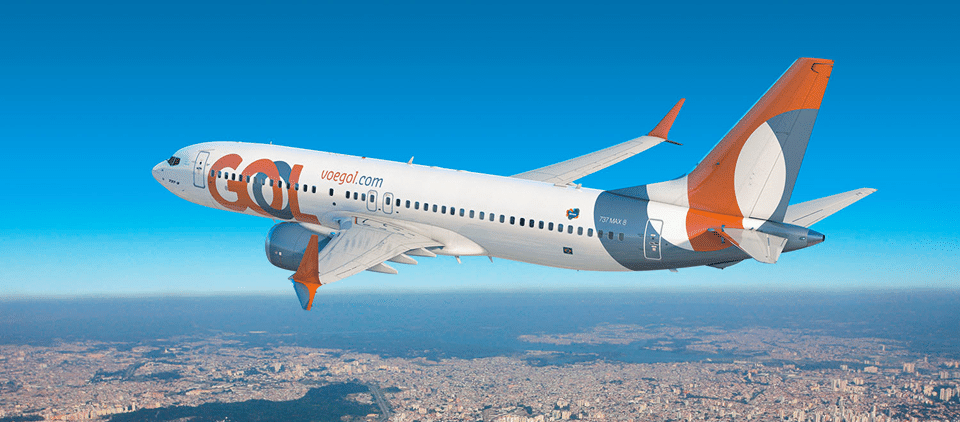
GOL incorpora B737 MAX para 2Q2018

https://conteudo.imguol.com.br/blogs/125/files/2016/11/Aeronave-MAX.png

AW | 2017 02 16 12:37 | AIRLINES

Resultado de imagen para gol linhas aéreas nova logo


GOL anuncia acuerdo de venta y arrendamiento de cinco aviones Boeing 737 MAX 8


GOL Linhas Aéreas Inteligentes S.A., la aerolínea más grande de Brasil, anuncia un acuerdo de venta y arrendamiento de cinco aeronaves Boeing 737-8 MAX  con AWAS.

Los cinco aviones tienen un valor total de US $ 550 millones y se entregarán entre junio de 2018 y noviembre de 2018. Bajo los términos del acuerdo, la aeronave será arrendada de nuevo durante 12 años. El anuncio de esta transacción de venta y arrendamiento con AWAS, que obtuvo el éxito del mandato tras un proceso competitivo, marca la modernización de la flota de GOL y esperamos que contribuirá a reducir el consumo de combustible en hasta un 15% en comparación con 737-800NG (Next Generation). La flota actual consta de 120 aeronaves con una edad media de ocho años.

Los aviones 737-8 MAX  estarán equipados con la tecnología más avanzada, proporcionarán un mejor rendimiento operativo, mayor alcance y peso máximo de despegue (MTOW), y menores costos de combustible, en comparación con el 737-800 NG y el A320NEO. Los aviones 737-8 MAX  ofrecerán autonomía de vuelo de hasta 6.500 km (aumentó de 5.500 km) y MTOW hasta 82 toneladas (aumentado de 70 toneladas), permitiendo a GOL ofrecer vuelos directos a Miami, Ft. Lauderdale, Orlando y Cancún, destinos populares para los brasileños.

También entre las mejoras e innovaciones se encuentran hasta un 15% de reducción en el consumo de combustible frente al 737-800 NG y la reducción de las emisiones de gases de efecto invernadero en comparación con el Boeing 737 NG. El 737 MAX más silencioso tiene una huella de ruido 40% más pequeña que los aviones de un solo pasillo de hoy en día.

Comparado con el A320neo, la compañía espera que el 737-8 MAX disfrute y alcance y ventajas de costo. Con la configuración de GOL, el 737-8 MAX  tendrá una ventaja de más de 500 km sobre el A320NEO, y permitirá a GOL agregar nueve asientos adicionales a su configuración manteniendo su tono actual que proporciona el mayor confort a los pasajeros en Brasil. Además, se espera que se quema hasta un 8% menos combustible por asiento menos que el A320NEO.

Los clientes de GOL seguirán confiando en la gran experiencia de la configuración de la cabina Sky Interior, ya presente en la flota de GOL, que incluye un sistema de iluminación LED y nuevos contenedores de equipaje que son más grandes y más accesibles. Además, la aeronave estará equipada con antenas Wi-Fi que permitirán a los clientes de GOL acceder a Internet durante los vuelos y disfrutar de la plataforma de entretenimiento a bordo de GOL.

GOL tiene un pedido de 120 aviones 737 MAX hasta 2028 y actualmente es el principal cliente de la familia 737 en Latinoamérica y uno de los cinco más grandes del mundo. airgways-icon-aw

https://i0.wp.com/www.boeing.com/resources/boeingdotcom/commercial/customers/gol-airlines/assets/images/marquee.jpg

GOL incorporates Boeing 737 MAX to 2Q2018

Resultado de imagen para gol linhas aéreas nova logoGOL announces sale and leaseback agreement for five Boeing 737 MAX 8 aircraft

GOL Linhas Aereas Inteligentes S.A., Brazil’s largest airline, announces a Sale and Leaseback agreement for five Boeing 737-8 MAX Aircraft with AWAS.

Resultado de imagen para boeing 737 max gol

The five aircraft have a total value of US$550 million and will be delivered between June 2018 and November 2018. Under the terms of the agreement the aircraft will be leased back for 12 years. The announcement of this Sale and Leaseback transaction with AWAS, who successfully won the mandate following a competitive process, marks GOL’s fleet modernization, and we expect it will contribute to reduce fuel consumption by up to 15% in comparison with 737-800 Next Generation (NG) aircraft. Current fleet consists of 120 aircraft with an average age of eight years.

The 737-8 MAX aircraft will be equipped with the latest technology, provide improved operational performance, increased range and maximum take-off weight (MTOW), and lower fuel costs, versus both the 737-800 NG and the A320neo. The 737-8 MAX  aircraft will deliver flight autonomy of up to 6,500 km (increased from 5,500 km) and MTOW up to 82 tons (increased from 70 tons), permitting GOL to provide non-stop flights to the Miami, Ft. Lauderdale, Orlando and Cancun markets, popular destinations for Brazilians.

Also among the improvements and innovations are up to 15% reduction in fuel consumption versus the 737-800 NG and reduction of greenhouse gas emissions when compared to the Boeing 737 NG. The quieter 737 MAX has a 40% smaller noise footprint than today’s single-aisle airplanes.

Compared to the A320NEO, the company expects the 737-8 MAX will enjoy and range and cost advantages. With GOL’s configuration, the 737-8 MAX  will have a range advantage of over 500 km over the A320NEO, and it will permit GOL to add nine additional seats to its configuration while maintaining its current pitch that provides the most comfort to passengers in Brazil. Also, is expected it will burn up to 8% less fuel per seat less than the A320neo.

GOL’s customers will continue to rely on the great experience of the Sky Interior cabin configuration, already featured in the GOL fleet, which includes an LED lighting system and new baggage bins that are larger and more accessible. In addition, the aircraft will be equipped with Wi-Fi antennas that will allow GOL’s customers to access to the internet during flights and enjoy GOL’s on-board entertainment platform.

GOL has an order of 120 aircraft 737 MAX through 2028 and is currently the main client of the 737 family in Latin America and one of the five largest in the world. A\W

Ξ A I R G W A Y S Ξ
SOURCE: Traveldailynews.com
DBk: Gol Linhas Aéreas / Boeing.com
AW-POST: 201702161237AR

A\W   A I R G W A Y S ®

Trabajadores de Boeing Carolina del Sur rechazan unión sindical

https://i0.wp.com/2qibqm39xjt6q46gf1rwo2g1.wpengine.netdna-cdn.com/wp-content/uploads/2016/07/web1_160709_EDH_BoeingCSites_L.jpg

AW | 2017 02 16 12:05 | INDUSTRY

Resultado de imagen para Boeing South Carolina logoLos trabajadores de Boeing en Carolina del Sur abrumadoramente rechazan la unión


La planta más nueva de Boeing en Carolina del Sur permanecerá sin sindicarse después de que los trabajadores rechazaron abrumadoramente un esfuerzo del sindicato de maquinistas para organizar la planta.

Según un comunicado de la compañía, más de 2.000 de los cerca de 3.000 trabajadores de Boeing en la planta elegible para votar en las elecciones votaron en contra de la unión, y sólo un poco más de 700 miembros votaron sí.

«Seguiremos avanzando como un solo equipo», dijo Joan Robinson-Berry, vicepresidente y gerente general de Boeing South Carolina. «Tenemos un futuro brillante por delante y estamos ansiosos por concentrarnos en los logros de este gran equipo».

Los fabricantes han sido atraídos hacia el Sur porque la región es fuertemente antisindical. Menos del 2% de los trabajadores de Carolina del Sur son miembros del sindicato, la tasa de sindicalización más baja de la nación. Boeing (BA) gastó miles de millones para abrir su planta de North Charleston, argumentando que necesita asegurar a los clientes que compran el 787 Dreamliner, que está construido allí, que la planta no entraría en huelga.

Una victoria habría dado a los maquinistas, que representan a la mayoría de los trabajadores de la fábrica de Boeing, un mayor apalancamiento sobre Boeing en futuras conversaciones laborales. La pérdida podría alentar a otros fabricantes a abrir plantas libres de sindicatos en el sur.

La votación fue vista como una batalla cuesta arriba para el sindicato, que abandonó los planes para una votación el año pasado. Aproximadamente entre el 40% y el 50% de los votos de organización fallan.

«La gerencia de Boeing gastó mucho dinero para asegurarse de que el poder y los beneficios permanecieran concentrados en lo más alto«, dijo Mike Evans, el principal organizador del sindicato. Ahora el sindicato tendrá que esperar al menos un año para solicitar otro voto de representación. «El IAM sigue comprometido a conseguir que los trabajadores de Boeing South Carolina tengan el respeto, los salarios y la consistencia que merecen».

La planta recibirá atención adicional esta semana, ya que el presidente Donald Trump planea visitar la planta el viernes para marcar la finalización del primer 787-10, la versión más reciente del Dreamliner. «Es genial tener este voto detrás de nosotros mientras nos reunimos para celebrar ese evento», dijo Robinson-Berry.

Los salarios eran una cuestión clave en la votación. El sindicato dice que los trabajadores de Carolina del Sur ganan alrededor de $ 10 por hora menos que los miembros del sindicato en las plantas del estado de Washington de Boeing.

Por su parte, Boeing dice que las escalas salariales son impulsadas por los salarios en el mercado local, y que la planta de Carolina del Sur ya paga mejor que una planta Boeing representada por un sindicato en Alabama. La empresa hizo hincapié en el costo de las cuotas sindicales, alrededor de 800 dólares al año, así como el riesgo de que los trabajadores pudieran verse atrapados en una huelga a la que se oponían. airgways-icon-aw

https://i0.wp.com/bloximages.newyork1.vip.townnews.com/postandcourier.com/content/tncms/assets/v3/editorial/6/23/623631f8-3d4e-5002-a015-e435be70ffbb/5804f8051496e.image.jpg

Resultado de imagen para Boeing South Carolina

Boeing South Carolina workers reject union

Boeing workers in South Carolina overwhelmingly reject union

Boeing’s newest plant in South Carolina will remain nonunion after workers there overwhelmingly rejected an effort by the Machinist union to organize the plant.

According to a company statement, more than 2,000 of the nearly 3,000 Boeing workers at the plant eligible to vote in the closely watched election voted against the union, and only a bit more than 700 members voted yes.

«We will continue to move forward as one team,» said Joan Robinson-Berry, vice president and general manager of Boeing South Carolina. «We have a bright future ahead of us and are eager to focus on the accomplishments of this great team.»

Manufacturers have been drawn to the South because the region is strongly anti-union. Less than 2% of South Carolina workers are union members, the lowest unionization rate in the nation. Boeing (BA) spent billions to open its North Charleston plant, arguing it needs to assure customers who buy the 787 Dreamliner, which is built there, that the plant wouldn’t go on strike.

A win would have given the Machinists, who represent most Boeing factory workers, even more leverage over Boeing in future labor talks. The loss could further encourage other manufacturers to open union-free plants in the South.

The vote was seen as an uphill battle for the union, which dropped plans for a vote last year. About 40% to 50% of organizing votes fail.

«Boeing management spent a lot of money to make sure power and profits remained concentrated at the very top,» said Mike Evans, the union’s chief organizer. The union will now have to wait at least a year to petition for another representation vote. «The IAM remains committed to getting Boeing South Carolina workers the respect, wages and consistency they deserve.»

The plant will get additional attention this week as President Donald Trump plans to visit the plant Friday to mark the completion of the first 787-10, the newest version of the Dreamliner. «It is great to have this vote behind us as we come together to celebrate that event,» said Robinson-Berry.

Wages were a key issue in the vote. The union says South Carolina workers earn about $10 an hour less than union members at Boeing’s Washington state plants.

For its part, Boeing says pay scales are driven by wages in the local market, and that the South Carolina plant already pays better than a union-represented Boeing plant in Alabama. The company emphasized the cost of union dues, about $800 a year, as well as the risk that the workers could be caught up in a strike they opposed. A\W


Ξ A I R G W A Y S Ξ
SOURCE: Cnn.com
DBk: Boeing.com / Townnews.com / Heraldnet.com
AW-POST: 201702161205AR

A\W   A I R G W A Y S ®

La ANAC aprueba 135 rutas en Argentina

Resultado de imagen para low cost argentina

AW | 2017 02 16 11:40 | AIRLINES MARKET

Al Ministerio de Transporte le corresponde ahora la aprobación final de las rutas aéreas parael comienzo de los servicios de los explotadores

La Administración Nacional de Aviación Civil (ANAC) de Argentina aprobó el lunes pasado 135 rutas aéreas, locales e internacionales, para cinco aerolíneas «low cost»: Alas del Sur, American Jet, Andes, Avian Líneas Aéreas (Avianca) y Flybondi (FB).

Le corresponde al Ministerio de Transporte proseguir con la aprobación final para que se inicien las rutas aéreas solicitadas. El informe final de Ministerio de Transporte estará emitido la próxima semana. airgways-icon-aw

LISTADO DE LAS RUTAS SOLICITADAS POR LAS OPERADORAS AÉREAS

Haz clic para acceder a edicto-audiencia-p-blica.pdf


ANAC approves 135 routes in Argentina


The Ministry of Transport now has the final approval of the air routes for the beginning of the services of the operators


Argentina’s National Civil Aviation Administration (ANAC) on Monday approved 135 local and international air routes for five low-cost airlines: Alas del Sur, American Jet, Andes, Avian Airlines (Avianca) and Flybondi (FB ).

It is the responsibility of the Ministry of Transport to continue with the final approval to initiate the requested air routes. The final report of the Ministry of Transport will be issued next week. A\W

LIST OF ROUTES REQUESTED BY AERIAL OPERATORS

Haz clic para acceder a edicto-audiencia-p-blica.pdf

airgways-aw-isologotype-slogan

Ξ A I R G W A Y S Ξ
SOURCE: A I R G W A Y S
DBk: Anac.gov.ar / AIRGWAYS
AW-POST: 201702161140AR

A\W   A I R G W A Y S ®

Andes nuevo destino, Mendoza

https://i0.wp.com/www.andesonline.com/wp-content/themes/andes/images/servicios_slider.jpg

Resultado de imagen para andes lineas aereas nueva imagenAW | 2017 02 16 10:48 | AIRLINES ROUTES

aw-icon-red-100-copia-copiaAndes llega a Mendoza con dos vuelos diarios y tarifas accesibles

El Gobernador de la provincia recibió a los ejecutivos de la compañía, quienes explicaron el plan de expansión y destacaron el valor estratégico del destino.

Andes Líneas Aéreas consolida su proceso de expansión llegando a destinos de gran valor estratégico para vincular el interior con la Capital Federal. Tras inaugurar recientemente las rutas con Córdoba y Mar del Plata, la Aerolínea de capitales nacionales llega a la provincia de Mendoza.

El gerente general de la compañía Horacio Preneste junto al director comercial Bernardo Racedo Aragón, fueron recibidos por el gobernador de la provincia de Mendoza, Alfredo Cornejo. El Mandatario estuvo acompañado por la presidenta del Ente Autárquico de Turismo, Gabriela Testa.

“Se trata de un destino de gran valor estratégico por el desarrollo industrial, comercial y turístico que tiene Mendoza. Si bien cuenta con una gran conectividad, queremos acompañar este crecimiento con un excelente servicio a un precio realmente competitivo”, dijo el gerente general de la compañía Horacio Preneste, quien agradeció el apoyo del gobierno provincial.

Preneste expresó su confianza en el éxito del modelo de empresa planteado por Andes en su plan de expansión nacional. “Es un sistema altamente competitivo, con un esquema de inversión inteligente y tarifas accesibles. Este esquema ya demostró ser exitoso durante los 10 años que tiene la empresa”, acotó.

Por su lado, Racedo Aragón consideró que Andes Líneas Aéreas viene a mejorar la oferta existente en un momento de gran desarrollo de la industria aeronáutica. “En Mendoza están dadas todas las condiciones para que el mercado crezca y sean cada vez más los argentinos que viajen en avión con un buen servicio y precios convenientes”, explicó tras la reunión que se desarrolló en la Casa de Gobierno mendocina.

El ejecutivo destacó que el crecimiento del mercado está siendo acompañado con el mejoramiento de la infraestructura en los aeropuertos lo que resulta de gran importancia para mejorar la experiencia del cliente. Es el caso de Mendoza que amplió la capacidad operativa y los servicios en su aeroestación.

Andes Líneas Aéreas comenzará a volar a Mendoza alrededor del 20 de marzo, con dos vuelos diarios de lunes a viernes. El primer vuelo saldrá desde Aeroparque Jorge Newbery a las 6.30, arribando a la aeroestación Francisco Gabrielli a las 8.45. El segundo vuelo partirá desde Aeroparque a las 18.15 llegando a destino a las 20.00.

Los vuelos desde Mendoza saldrán a las 9.00 y 20.45, arribando a Buenos Aires a las 10.40 y 22.25 respectivamente. La tarifa será de 2096 pesos finales, ida y vuelta.

El esquema de tarifas también resulta una novedad para la industria dado que se trata de un mecanismo previsible en cuanto al valor, planteando precios fijos. La ruta será operada por aviones MD 83, con capacidad para 165 pasajeros.

ANUNCIO DEL NUEVO DESTINO, MENDOZA. OBSÉRVESE EL CAMBIO DE IMAGEN CON EL NUEVO ISOLOGOTIPO DE LA COMPAÑÍA

Sobre Andes Líneas Aéreas

Actualmente la empresa se distingue por la calidad de sus servicios a lo largo de sus 10 años de trayectoria y por operar bajo los estándares más estrictos en materia de seguridad y con la estructura de costos más eficiente, permitiéndole así disponer de las tarifas más accesibles del mercado, hecho que se potenciará al sumar rutas. Actualmente opera en las provincias de Jujuy, Salta, Córdoba, Mar del Plata, Puerto Madryn y Buenos Aires.

Andes posee el certificado IOSA (IATA Operational Safety Audit Program), un sistema de evaluación internacionalmente reconocido y diseñado para evaluar la gestión operativa y los sistemas de control de una aerolínea, otorgado por IATA (Asociación Internacional de Transporte Aéreo), lo que resulta una garantía en el proceso de calidad, seguridad y excelencia operativa.

La empresa comenzó a realizar vuelos no regulares nacionales e internacionales a principio de 2006, convirtiéndose a partir de allí en la compañía de vuelos chárter número uno del país y Sudamérica.

A la fecha, la empresa transportó a más de dos millones de personas y cuenta con 350 empleados en forma directa e indirecta que responden a los estándares más altos de capacitación y adiestramiento. airgways-icon-aw

https://i0.wp.com/www.andesonline.com/wp-content/uploads/2014/10/150064.jpg

Andes Líneas Aéreas new destination, Mendoza


Andes arrives in Mendoza with two daily flights and accessible rates


The governor of the province received the executives of the company, who explained the expansion plan and highlighted the strategic value of the destination.

Andes Líneas Aéreas consolidates its expansion process reaching destinations of great strategic value to link the interior with the Federal Capital. After recently inaugurating the routes with Cordoba and Mar del Plata, the airline of national capitals arrives in the province of Mendoza.

The general manager of the company Horacio Preneste along with the commercial director Bernardo Racedo Aragón, were received by the governor of the province of Mendoza, Alfredo Cornejo. The President was accompanied by the President of the Autonomous Government of Tourism, Gabriela Testa.

«It is a destination of great strategic value for the industrial, commercial and tourist development that Mendoza has. Although it has a great connectivity, we want to accompany this growth with excellent service at a really competitive price,» said company CEO Horacio Preneste, who thanked the provincial government for its support.

Preneste expressed confidence in the success of the company model proposed by Andes in its national expansion plan. «It’s a highly competitive system, with a smart investment scheme and affordable rates. This scheme already proved to be successful during the 10 years that the company has, » he said.

On the other hand, Racedo Aragón considered that Andes Líneas Aéreas comes to improve the existing supply in a moment of great development of the aeronautical industry. «In Mendoza are given all the conditions for the market to grow and more and more Argentines are traveling by plane with good service and convenient prices,» he explained after the meeting that took place at the Government House in Mendoza.

The executive stressed that the growth of the market is being accompanied by the improvement of infrastructure at airports which is of great importance to improve the customer experience. This is the case of Mendoza that expanded the operational capacity and services in its aero station.

Andes Líneas Aéreas will begin flying to Mendoza around March 20, with two daily flights from Monday to Friday. The first flight will depart from Aeroparque Jorge Newbery at 6.30, arriving at Francisco Gabrielli Airport at 8.45. The second flight will depart from Aeroparque at 18.15 and arrive at the destination at 20.00.

Flights from Mendoza depart at 9.00 and 20.45, arriving in Buenos Aires at 10.40 and 22.25 respectively. The rate will be 2096 pesos final, round trip.

The tariff scheme is also a novelty for the industry given that it is a predictable mechanism in terms of value, posing fixed prices. The route will be operated by MD 83 aircraft, with capacity for 165 passengers.

About Andes Líneas Aéreas

Currently the company is distinguished by the quality of its services throughout its 10 years of experience and by operating under the most stringent safety standards and with the most efficient cost structure, allowing it to have the most accessible rates of the Market, a fact that will be strengthened when adding routes. Currently operates in the provinces of Jujuy, Salta, Cordoba, Mar del Plata, Puerto Madryn and Buenos Aires.

Andes holds the IOSA (IATA Operational Safety Audit Program) certificate, an internationally recognized assessment system designed to evaluate the operational management and control systems of an airline, issued by IATA (International Air Transport Association). Guarantee in the process of quality, safety and operational excellence.

The company began to carry out non-regular domestic and international flights at the beginning of 2006, becoming from there the number one charter company of the country and South America.

To date, the company has transported more than two million people and has 350 employees directly and indirectly who meet the highest standards of training and training. A\W

Ξ A I R G W A Y S Ξ
SOURCE: Andesonline.com
DBk: Andesonline.com
AW-POST: 201702161048AR

A\W   A I R G W A Y S ®

Widerøe 1º cliente Embraer E190-E2

https://i2.wp.com/www.transponder1200.com/wp-content/uploads/2017/02/WIDER%C3%98E-E-190-E2-e1487098552985.jpg?resize=4500%2C2250

AW | 2017 02 15 15:25 | AIRLINES

La aerolínea regional noruega Widerøe será la primera que pondrá en servicio la segunda generación de los Embraer E190-E2, así lo ha confirmado la Embraer

La primera mitad de 2018 es la fecha anunciada por Embraer para la entrada en servicio de los nuevos E2, y que será la aerolínea regional Wideroe el primer unuario que reciba la nueva generación de la familia Embraer E170/190. El E190-E2, el primero de los modelos que la compone, es un avión de nueva generación de la industria brasilera, que dentro de los grandes cambios con respecto a su modelo antecesor, figuran una nueva planta motriz y nuevas puntas alares (raked stip).

La línea aérea noruega Widerøe ha encomendado 3 E190-E2 en firme y cuenta con derechos de compra (opciones) por otros doce aviones. El monto de la transacción junto con las opciones en pedidos en firme, son de U$s 873 millones de dólares a precio de catálogo.

La compañía noruega Widerøe configurará sus E190-E2 con 114 asientos en clase única, introduciendo sus primeros «E2» a partir del 1Q2018.

Embraer ha recibido órdenes por 275 Embraer E2, más opciones, cartas de intención y derechos de compra en otros 415 aviones.

https://i0.wp.com/aviationweek.com/site-files/aviationweek.com/files/gallery_images/241045.996015.jpg

Widerøe first customer of Embraer E190-E2


Resultado de imagen para Embraer E2The Norwegian regional airline Widerøe will be the first to put the second generation Embraer E190-E2, in service, as confirmed by Embraer


The first half of 2018 is the date announced by Embraer for the entry into service of the new E2, which will be the regional airline Wideroe the first to receive the new generation Embraer E170 / 190 family. The E190-E2, the first of the models that compose it, is a new generation aircraft of the Brazilian industry, that within the great changes with respect to its predecessor model, they include a new power plant and new wing tips (raked stip).

The Norwegian airline Widerøe has ordered 3 E190-E2 in firm and has rights of purchase (options) by another twelve airplanes. The amount of the transaction together with the options in firm orders, are US $ 873 million at catalog price.

The Norwegian company Widerøe will configure its E190-E2 with 114 seats in single class, introducing its first «E2» from 1Q2018.

Embraer has received orders for 275 Embraer E2, more options, letters of intent and purchase rights on another 415 aircraft. A\W

Ξ A I R G W A Y S Ξ
SOURCE: A I R G W A Y S / Embraer.com
DBk: Embraer.com / aviationweek.com
AW-POST: 201702151525AR

A\W   A I R G W A Y S ®

Automatización del Boeing 737 MAX

https://i0.wp.com/static.seattletimes.com/wp-content/uploads/2017/02/3a28a03a-f274-11e6-a3ff-0e33547da9a6-780x258.jpg

AW | 2017 02 15 00:13 | INDUSTRY

Resultado de imagen para boeing logoEl último avión de Boeing 737 MAX, debería comenzar a llegar a las aerolíneas en mayo, fk492336737-max-round-pinincluso con rampas de producción de hasta 47 aviones Boeing 737 mensuales. Para manejarlo todo en la planta de Renton, Boeing ha instalado una nueva línea de ensamblaje automatizada de ala y re-coreografiado cómo termina las alas.

A medida que Boeing se prepara para entregar su primer avión 737 MAX y aumentar la producción de aviones de un solo pasillo 12 por ciento – tanto en mayo – la fábrica de Renton se ha adaptado con refinamientos adicionales de sus métodos de fabricación ya tarareando.

Resultado de imagen para Boeing 737 max 9

Boeing mostró las últimas innovaciones dentro de su fábrica Renton en una gira por el 737 ala instalación el lunes, mostrando impresionantes nuevas máquinas robóticas, así como formas más eficientes de desplegar su mecánica. Mientras que introduce el nuevo 737 MAX, la compañía también está aumentando su tasa de producción de 737 a 47 por mes, de 42. Una nueva herramienta robótica realiza toda la perforación y fijación de piezas del nuevo Boeing 737 MAX.

El vicepresidente y gerente general Keith Leverkuhn rebosó buenas noticias sobre el programa y el rendimiento del nuevo avión.

Leverkuhn dijo que el programa de prueba de vuelo MAX tiene sólo una prueba para completar y debe obtener la certificación de la Administración Federal de Aviación (FAA) dentro de «días o semanas».

Dijo que el cuarto avión de pruebas de vuelo completó el mes pasado una gira de 100 horas de vuelo de la orilla del Pacífico – incluyendo una prueba de remojo en Yakutsk, Rusia, y una parada en Darwin caliente y húmedo, Australia – que produjo un solo «grito , «El término usado para denotar el avión que realiza incluso levemente apagado expectativas.

Habiendo construido ya 13 de los primeros modelos MAX 8, todos ahora sentados alrededor del aeródromo de Renton a la espera de la certificación FAA, Boeing mostró el primero de los grandes modelos MAX 9 sentados en la línea de montaje y casi listos para desplegar.

Sus avanzados winglets, que se arrastran hacia arriba y hacia abajo desde el extremo del ala, lo diferencian del modelo actual 737s en la línea adyacente, con sus tradicionales winglets de barrido ascendente.

También muy diferentes fueron los nuevos motores LEAP de MAX.

Con un diámetro de ventilador de más de 69 pulgadas, el LEAP parecía empequeñecer el motor más viejo CFM-56, con su ventilador de 61 pulgadas, en un modelo actual cercano 737-900ER.

El MAX 9 comenzará las pruebas de vuelo en abril, dijo Leverkuhn.

Poco después, llegará el MAX 7 más pequeño, y luego la versión de alta densidad que la aerolínea de bajo coste Ryanair codicia, el MAX200, con 199 pasajeros.

Y Leverkuhn dijo que Boeing está buscando activamente la opinión de las aerolíneas sobre si debería agregar un modelo más grande, el MAX 10, a la familia.
Nueva automatización del ala

Para hacer todo esto posible, los cambios dramáticos están bien en curso dentro de la fábrica de Renton.

Las nuevas máquinas automatizadas están revolucionando el montaje de los largueros de ala – las vigas largas a lo largo de los bordes delantero y trasero de cada ala.

Y en el otro lado del edificio, las tripulaciones de ingenieros y mecánicos que terminan las alas mediante la instalación de todos los sistemas de cableado, plomería y control han descubierto cómo acomodar los próximos incrementos de velocidad – hasta 52 chorros por mes el próximo año, luego 57 Jets por mes en 2019 – sin agregar otra línea a su área.

En una planta que se ha transformado en la fábrica de aviones más productiva del mundo, Barry Lewis, director de 737 Wing Operations, declaró el lunes que «la transformación está casi terminada».

En un lado del edificio del ala, Boeing tiene actualmente 10 máquinas grandes que introdujo en 1997 cuando desarrolló el modelo actual del 737.

Conocido como Automated Spar Assembly Tools, o máquinas ASAT, estos perforar y sujetar los mástiles pesados que son las espinas estructurales a lo largo de los bordes de las alas.

Para aumentar la producción de 737 en un 36 por ciento durante los próximos tres años, Boeing pensó primero en comprar más máquinas ASAT, que fueron diseñadas y suministradas a finales de 1990 por la firma de ingeniería Electroimpact, con sede en Mukilteo.

Pero Boeing se dio cuenta de que no tiene espacio. Las máquinas de ASAT son enormes, con un pórtico alto, ancho que montaba el mástil de 60 pies de largo.

Por lo tanto, todas estas máquinas se eliminarán a fin de año, reemplazadas por dos celdas completamente automatizadas Spar Assembly Line (SAL), recién diseñadas por Electroimpact y que ya están en su lugar.

Cada celda contiene dos máquinas de perforación y sujeción Electroimpact, mucho más pequeñas que las máquinas ASAT, que se cierran a lo largo de un único larguero simultáneamente, perforando y llenando a medida que avanzan.

Críticamente, junto con el extremo de negocios de cada máquina es un brazo robótico que oscila y cambia la cabeza de taladro y el sujetador siempre que un tipo diferente de agujero se va a perforar.

En las máquinas ASAT de edad, el cambio de las herramientas se hace de forma manual, lo que agrega una gran cantidad de tiempo de inactividad. En las nuevas células SAL, eso es todo automatizado.

En un extremo de la celda SAL, dos operadores se sentaron frente a una consola de control lunes mirando atentamente ocho pantallas gigantes, incluyendo cuatro pantallas de video controlando cada movimiento de las máquinas.

«En el futuro, si necesitamos dos operadores esto será determinado», dice Lewis. Mejora de la eficiencia humana en las nuevas células que ocupan un 80 por ciento menos espacio en el suelo que las máquinas ASAT que reemplazan, son sólo el último impulso en la unidad de Renton hacia la automatización.

En los últimos años, Boeing ha transformado la forma en que instala los sistemas en los fuselajes 737 cambiando a una línea en movimiento. También ha automatizado la forma en que ensambla los paneles de piel para las alas utilizando enormes máquinas Electroimpact.

Anteriormente, el montaje final de las alas se hizo más eficiente y más automatizado con un movimiento de ponerlas juntas mientras se cuelgan verticalmente en herramientas fijas a una línea de construcción horizontal más ergonómica y más rápida, en la que las alas están montadas en posición plana. Las preocupaciones sobre los robots que reemplazan a los humanos, señalando que Boeing estará contratando modestamente en Renton durante los próximos años, sin perder a los trabajadores. «Vamos a subir en la tasa», dijo.

«Más aviones significan más puestos de trabajo». En otro sector del edificio de alas, donde las alas se completan con todo el cableado y conductos añadidos, el segundo grupo de alas del MAX 9 esperaba entrega el lunes por la noche a la línea de montaje final. Su equipo de ingenieros y mecánicos para averiguar cómo Boeing puede aumentar el rendimiento de hasta 57 pares de alas al mes sin agregar ninguna nueva maquinaria.

«Es la gente que piensa en mejores maneras de hacerlo», dijo Lewis. Los trabajadores dividieron el trabajo en paquetes más pequeños, lo que podría lograrse con más gente trabajando simultáneamente en el ala, pero con sus movimientos coreografiados para no entrar en los demás. Darwin Stachowiak, un líder del equipo en la instalación de ala, dijo que al tener empleados de primera línea pensar en la forma más eficiente de hacer el trabajo, «hemos realmente racionalizado la forma de construir estas alas.» El 737 tendrá 50 años en abril.

Sin embargo, si todos los aumentos de producción en Renton van a planificar, y Boeing decide seguir adelante con el MAX 10, Boeing dentro de unos años estará haciendo más 737s que nunca, y las aerolíneas volarán cinco nuevas variantes del jet. Ahora, todo está en camino de lograr eso. airgways-icon-aw

https://i0.wp.com/www.ainonline.com/sites/default/files/styles/ain30_fullwidth_large_2x/public/uploads/2017/02/max9-2_web.jpg

In early March, Boeing expects to officially roll-out the new 737 Max 9 narrowbody from its plant in Renton, Washington, with a first flight scheduled to May 2017

Automation of the Boeing 737 MAX

Boeing ramps up automation, innovation as it readies 737MAX

Boeing’s latest jet, the 737 MAX, should start delivering to airlines by May, even as 737 production ramps up to 47 jets per month. To handle it all at the Renton plant, Boeing has installed a new automated wing spar assembly line and re-choreographed how it finishes the wings.

As Boeing prepares to deliver its first 737 MAX airplane and to boost production of single-aisle jets 12 percent — both by May — the Renton factory has geared up with additional refinements of its already humming manufacturing methods.

https://i0.wp.com/www.boeing.es/resources/sp_ES/productos-y-servicios/commercial-airplanes/737MAX/737_MAX_headera878.png

Boeing showed off the latest innovations inside its Renton factory on a tour of the 737 wing facility Monday, showcasing impressive new robotic machines as well as more efficient ways of deploying its mechanics. While it introduces the new 737 MAX, the company is also ramping up its 737 production rate to 47 per month, from 42. A new robotic tool does all the drilling and fastening for parts of the new Boeing 737 MAX. (Mike Siegel / The Seattle Times)

Vice president and general manager Keith Leverkuhn brimmed with good news about the program schedule and the new jet’s performance.

Leverkuhn said the MAX flight test program has just one test to complete and should get certification from the Federal Aviation Administration (FAA) within “days or weeks.”

He said the fourth flight test airplane last month completed a 100-flight-hour tour of the Pacific Rim — including a cold soak test in Yakutsk, Russia, and a stop in hot and humid Darwin, Australia — that produced just a single “squawk,” the term used to denote the airplane performing even slightly off expectations.

Having already built 13 of the initial MAX 8 models, all now sitting around Renton airfield awaiting FAA certification, Boeing showed off the first of the large MAX 9 models sitting on the assembly line and almost ready to roll out.

Its advanced winglets, sweeping up and down from the wingtip, set it apart from the current model 737s on the adjacent line, with their traditional upward-swept winglets.

Also very different were the MAX’s new LEAP engines.

With a fan diameter of more than 69 inches, the LEAP seemed to dwarf the older CFM-56 engine, with its 61-inch fan, on a nearby current model 737-900ER.

The MAX 9 will begin flight tests in April, Leverkuhn said.

Soon after, the smaller MAX 7 will come along, and then the high-density version that budget airline Ryanair covets, the MAX200, seating 199 passengers.

And Leverkuhn said Boeing is actively seeking input from airlines on whether it should add one more even larger model, the MAX 10, to the family.
New wing spar automation

To make all this possible, dramatic changes are well underway inside the Renton factory.

New automated machines are revolutionizing assembly of the wing spars — the long beams along the leading and trailing edges of each wing.

And on the other side of the building, crews of engineers and mechanics who finish the wings by installing all the wiring, plumbing and control systems have figured out how to accommodate the coming rate increases — up to 52 jets per month next year, then 57 jets per month in 2019 — without adding another line to their area.

In a plant that has steadily morphed into the most productive airplane factory in the world, Barry Lewis, director of 737 Wing Operations, declared on Monday that “the transformation is almost complete.”

On one side of the wing building, Boeing currently has 10 large machines that it introduced in 1997 when it developed the current model of the 737.

Known as Automated Spar Assembly Tools, or ASAT machines, these drill and fasten the heavy spars that are the structural spines along the edges of the wings.

To increase 737 output by 36 percent over the next three years, Boeing at first thought to buy some more ASAT machines, which were designed and supplied in the late 1990s by Mukilteo-based engineering firm Electroimpact.

But Boeing realized it doesn’t have room. The ASAT machines are huge, with a tall, wide gantry straddling the 60-foot-long spar.

So all 10 of these machines will be phased out by year end, replaced by just two fully automated Spar Assembly Line (SAL) cells – newly designed by Electroimpact and already in place.

Each cell contains two Electroimpact drilling and fastening machines, much smaller than the ASAT machines, that zip along a single spar simultaneously, drilling and filling as they go.

Critically, alongside the business end of each machine is a robotic arm that swings in and changes the drill head and the fastener whenever a different type of hole is to be drilled.

On the old ASAT machines, changing the tools is done manually, adding a great deal of down time. In the new SAL cells, that’s all automated.

At one end of the SAL cell, two operators sat before a control console Monday intently watching eight big screens, including four video screens monitoring every move of the machines.

“In future, whether we need two operators (or just one) per cell is to be determined,” Lewis said.Improving human efficiencyThe new SAL cells, occupying 80 percent less floor space than the ASAT machines they replace, are just the latest push in Renton’s drive toward automation.

In recent years, Boeing has transformed the way it installs systems in the 737 fuselages by shifting to a moving line. It also has automated the way it assembles the skin panels for the wings using huge Electroimpact machines.

Earlier, final assembly of the wings was made more efficient and more automated with a move from putting them together while hanging vertically in fixed tools to a more ergonomic and faster horizontal build line, in which the wings are assembled lying flat.And yet Lewis deflected concerns about robots replacing humans, pointing out that Boeing will be hiring modestly in Renton over the next few years, not losing workers.“We’re going up in rate,” he said.

“More planes means more jobs.” In another sector of the wing building, where the wings are completed with all the wiring and ducting added, the second set of MAX 9 wings awaited delivery Monday evening to the final assembly line. There, Lewis praised his team of engineers and mechanics for figuring out how Boeing can increase throughput as high as 57 pairs of wings per month without adding any new machinery.

“It’s people thinking of better ways to do it,” said Lewis.The workers divided up the work into smaller packages, which could be accomplished with more people working on the wing simultaneously yet with their moves choreographed so as not to get in each other’s way. Darwin Stachowiak, a team lead on the wing installation, said that by having front line employees think through the most efficient way to get the work done, “we’ve really streamlined the way we build these wings.” The 737 will be 50 years old in April.

Yet if all the production increases in Renton go to plan, and Boeing decides to go forward with the MAX 10, Boeing will within a few years be making more 737s than ever before, and airlines will be flying five new variants of the jet.Right now, everything is on track to accomplish just that. A\W

Ξ A I R G W A Y S Ξ
SOURCE: Seattletimes.com
DBk: Seattletimes.com / Boeing.com / Ainonline.com
AW-POST: 201702150013AR

A\W   A I R G W A Y S ®

Cinco aerolíneas low cost volarán al Aeropuerto Rosario

https://i0.wp.com/aerolatinnews.com/wp-content/uploads/2016/12/Aeropuerto-Internacional-Rosario-Islas-Malvinas.jpg

AW | 2017 02 14 23:01 | AIRLINES MARKET

Aerolíneas con pasajes de bajo costo fueron autorizadas para funcionar en el Aeropuerto Internacional Islas Malvinas. Cuáles son y qué destinos proponen

Cinco aerolíneas de las denominadas “low cost” fueron autorizadas a volar desde o hacia el Aeropuerto Internacional Islas Malvinas, con varios destinos nacionales e internacionales a los que se podrá acceder desde la ciudad de Rosario. Es el resultado del dictamen emitido esta semana por la Junta Asesora del Transporte Aéreo (Jata) sobre los pedidos de rutas y de operaciones que se presentaron en la Audiencia Pública N°218, que se realizara el pasado 27 de diciembre de 2016.

Todas las compañías solicitantes incluyeron a Rosario en algunas de sus rutas aéreas, aunque hay dos en particular que tendrán mayor cantidad de vuelos operando en la aeroestación local: Alas del Sur Líneas Aéreas S.A. y FlyBondi Líneas Aéreas S.A. serán las que tendrán a la ciudad incluida en la mayor cantidad de vuelos.

El dictamen de la Jata fue publicado esta semana en la web de la Administración Nacional de Aviación Civil (Anac) e implican el ok oficial para el arribo de las aerolíneas “low cost” (es decir, de bajo costo) en los aeropuertos del país. De todos modos, las cinco líneas deben aun completar autorizaciones técnicas antes de poder levantar vuelo.

A partir de la entrada en vigencia de estas rutas aéreas, el Aeropuerto de Rosario tendrá conexiones con varias ciudades argentinas como Neuquén, Puerto Iguazú, Resistencia o Posadas; pero también se podrá volar desde la aeroestación local a ciudades extranjeras como Santiago de Chile, Montevideo, Lima y hasta Miami.

Además de Alas del Sur y FlyBondi, otras “low cost” como American Jet S.A. , Andes Líneas Aéreas S.A. y Avián Líneas Aéreas S.A. (Avianca Argentina) fueron autorizadas para operar rutas aéreas que incluyen a Rosario en el derrotero.

Son en total 17 las rutas aéreas autorizadas que pasarán por Rosario. Incluso 5 de ellas partirán desde el Islas Malvinas. En cuanto a los destinos, la ciudad estará conectada a siete ciudades argentinas y a once ciudades del exterior.

Este es el listado de rutas aéreas, por empresa, que fueron autorizadas por el dictamen de la Jata y que incluyen al Aeropuerto Internacional Islas Malvinas de Rosario:

Alas del Sur Líneas Aéreas S.A.

Córdoba – Rosario – Buenos Aires
Córdoba – Buenos Aires – Rosario – Porto Alegre – San Pablo – Río de Janeiro
Córdoba – Buenos Aires – Rosario – Lima – Miami
Córdoba – Buenos Aires – Rosario – Asunción – Miami
Córdoba – Buenos Aires – Rosario – Santa Cruz de la Sierra
Córdoba – Buenos Aires – Rosario – Santiago de Chile – Miami
Córdoba – Buenos Aires – Rosario – Montevideo – Punta del Este

American Jet S.A.

Resultado de imagen para low cost argentina

Neuquén – Rosario – Puerto Iguazú
Neuquén – Rosario – Buenos Aires – Punta del Este
Neuquén – Córdoba – Rosario – Porto Alegre

Andes Líneas Aéreas S.A.

Buenos Aires – Rosario – Resistencia – Posadas – Puerto Iguazú

Avian Líneas Aéreas S.A.

Buenos Aires – Rosario – Buenos Aires

FlyBondi Líneas Aéreas S.A.

Rosario – Comodoro Rivadavia
Rosario – Neuquén
Rosario – San Pablo
Rosario – Río de Janeiro
Rosario – Santiago de Chile  airgways-icon-aw

https://i0.wp.com/aviacionaldia.com/wp-content/uploads/2016/08/avion.png

Five low cost airlines will fly to Rosario Airport


Airlines with low fares were authorized to operate at Islas Malvinas International Airport. Which are and which destinations do they propose?


Five low cost airlines were allowed to fly to or from the Islas Malvinas International Airport, with several national and international destinations that can be accessed from the city of Rosario. This is the result of the opinion issued this week by the Advisory Board of Air Transport (Jata) on the requests for routes and operations that were presented at Public Hearing No. 218, which will be held on December 27, 2016.

All the requesting companies included Rosario in some of its air routes, although there are two in particular that will have more flights operating at the local aero station: Alas del Sur Líneas Aéreas S.A. And FlyBondi Líneas Aéreas S.A. Will be the ones that will have the city included in the largest number of flights.

The ruling of the Jata was published this week on the website of the National Civil Aviation Administration (ANAC) and involve the official ok for the arrival of low cost airlines in the country’s airports . However, the five lines must still complete technical authorizations before they can take off.

Upon the entry into force of these air routes, Rosario Airport will have connections with several Argentine cities such as Neuquén, Puerto Iguazú, Resistencia or Posadas; But you can also fly from the local aero station to foreign cities like Santiago de Chile, Montevideo, Lima and even Miami.

In addition to Alas del Sur and FlyBondi, other low cost airlines such as American Jet S.A. , Andes Líneas Aéreas S.A. And Avián Líneas Aéreas S.A. (Avianca Argentina) were authorized to operate air routes that include Rosario in the course.

There are a total of 17 authorized air routes that will pass through Rosario. Even 5 of them will depart from the Falkland Islands. As for destinations, the city will be connected to seven Argentine cities and eleven cities from abroad.

This is the list of air routes, by company, that were authorized by the opinion of the Jata and that include the Islas Malvinas International Airport of Rosario:

Alas del Sur Linhas Aéreas S.A.

Cordova – Rosario – Buenos Aires
Córdoba – Buenos Aires – Rosario – Porto Alegre – San Pablo – Rio de Janeiro
Cordoba – Buenos Aires – Rosario – Lima – Miami
Córdoba – Buenos Aires – Rosario – Asuncion – Miami
Cordoba – Buenos Aires – Rosario – Santa Cruz de la Sierra
Cordoba – Buenos Aires – Rosario – Santiago – Miami
Córdoba – Buenos Aires – Rosario – Montevideo – Punta del Este

American Jet S.A.

Neuquén – Rosario – Puerto Iguazú
Neuquén – Rosario – Buenos Aires – Punta del Este
Neuquén – Córdoba – Rosario – Porto Alegre

Andes Líneas Aéreas S.A.

Buenos Aires – Rosario – Resistencia – Posadas – Puerto Iguazú

Avian Líneas Aéreas S.A.

Buenos Aires – Rosario – Buenos Aires

FlyBondi Líneas Aéreas S.A.

Rosario – Comodoro Rivadavia
Rosario – Neuquén
Rosario – San Pablo
Rosario – Rio de Janeiro
Rosario – Santiago de Chile

A\W

Ξ A I R G W A Y S Ξ
SOURCE: Rosarioplus.com
DBk: Entornointeligente.com.ar / Aerolatinnews.com / Aviacionaldia.com
AW-POST: 201702142301AR

A\W   A I R G W A Y S ®

Zoom Air inicia operaciones en India

Resultado de imagen para Zoom Air airlines india

AW | 2017 02 14 10:40 | AIRLINES

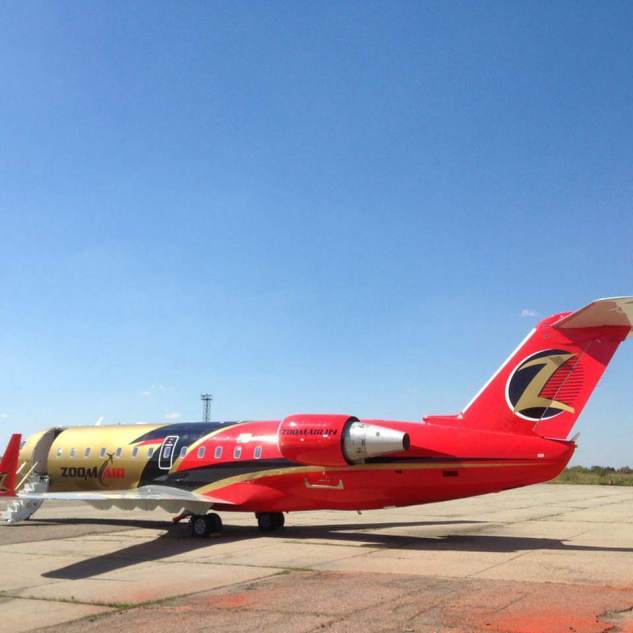
Las última aerolínea indú ‘Zoom Air’ está lista para volar, e iniciar las operaciones comerciales a partir del 15 de febrero 2017


La aerolínea más reciente de la India, Zoom Air, que lanzó su vuelo inaugural el domingo desde Delhi a Durgapur, en Bengala Occidental, planea llenar la brecha de «sectores menos atendidos» por otras aerolíneas regulares, dijo un funcionario de la compañía.

La aerolínea iniciará operaciones diarias desde el sector Delhi- Kolkata -Durgapur-Delhi a partir del próximo miércoles y la misma se extenderá a Amritsar en la tarde seguida de un servicio nocturno Delhi-Surat-Bhavnagar-Delhi.

«Vamos a llenar la brecha de los sectores que son menos atendidos por otras aerolíneas regulares.Conectaremos Tirupati, Vijaywada, Mumbai, Shillong, Aizawl, Pasighat y Zero (en Arunachal Pradesh), Allahabad, Gorakhpur, Indore y Bhopal, al menos una vez Diariamente desde Delhi y Kolkata «, dijo el director general y director de la aerolínea, Koustav M. Dhar.

Las aeronaves del transportista producidas por Bombardier son versátiles para los sectores cortos que vuelan y se adaptan convenientemente para las ciudades indias Tier II y Tier III, dijo agregando que la aerolínea es el primer transportista privado a unirse a la iniciativa del Ministerio de Aviación Civil para Regional Connectivity Scheme ).

«Tenemos previsto un crecimiento del 18-20 por ciento en el crecimiento de estos aeropuertos que no están suficientemente servidos o no, sino que se trata de conectividad y servicios fiables regulares«, dijo Dhar.

La aerolínea ha recibido el permiso de Operadores Aéreos por el Director General de Aviación Civil el 3 de febrero.

Actualmente cuenta con tres aviones CRJ-200LR, bajo arrendamiento seco de CRJ Aircraft Leasing, Dublín, de los cuales se han importado dos aviones. La aerolínea ha adquirido dos aviones CRJ-200LR de Skyone FZE Aircraft leasing, Emiratos Árabes Unidos bajo contrato de arrendamiento seco que se unirá a su flota en abril de 2017 para completar la flota de cinco aviones en el plazo de un año.

Promovida por Zexus Air Services, la aerolínea es la 10ª aerolínea del país con vuelos nacionales, con Air India, Air India Express, Jet Airways, Jetlite, Indigo, Spicejet, GoAir, Vistara y Air Asia-India. airgways-icon-aw

https://airgways.com/wp-content/uploads/2017/02/e00fd-zoom2bair2b2.jpg

Zoom Air starts operations in India

India’s latest airlines ‘Zoom Air’ is all set to fly, commercial operations from Feb 15

India’s latest private airline Zoom Air, which launched its inaugural flight on Sunday from Delhi to West Bengal ‘s Durgapur, plans to fill the gap of «sectors which are less catered» by other scheduled airlines, a company official said.

The airline will start daily scheduled operations from the Delhi- Kolkata -Durgapur-Delhi sector from next Wednesday and the same will be extended to Amritsar in the afternoon followed by a Delhi-Surat-Bhavnagar-Delhi evening service.

«We will fill the gap of sectors which are less catered to by other scheduled airlines. We will connect Tirupati, Vijaywada, Mumbai, Shillong, Aizawl, Pasighat and Zero (in Arunachal Pradesh ), Allahabad, Gorakhpur, Indore and Bhopal, atleast once daily from Delhi and Kolkata,» said airline’s CEO and Director Koustav M. Dhar.

The carrier’s aircrafts produced by Bombardier are versatile for short sectors flying and aptly suited for Indian Tier II and Tier III cities, he said adding that the airline is the first private carrier to join Ministry of Civil Aviation ‘s initiative for Regional connectivity Scheme (RCS).

«We envisage a 18-20 percent year on growth on such under-served and un-served airports. It is all about connectivity and regular reliable services,» Dhar said.

The airline has been accorded Air Operators Permit by Director General of Civil Aviation on February 3.

It presently has three CRJ-200LR aircrafts, under dry lease from CRJ Aircraft Leasing, Dublin, out of which two aircrafts have been imported. The airline has acquired two more CRJ-200LR aircrafts from Skyone FZE Aircraft leasing, UAE under dry lease which will join its fleet by April 2017 to complete the fleet of five aircrafts within one year – a required condition by DGCA.

Promoted by Zexus Air Services, the airline is the country’s 10th schedule carrier for domestic skies presently, with others being Air India, Air India Express, Jet Airways, Jetlite, Indigo, Spicejet, GoAir, Vistara and Air Asia-India. A\W

Ξ A I R G W A Y S Ξ
SOURCE: Businessinsider.in
DBk: FareHawker.com
AW-POST: 201702141040AR

A\W   A I R G W A Y S ®