Argentina incrementa frq a Brasil
AW | 2020 11 26 12:40 | AIRLINES ROUTES

Aéreas incorporarán más frecuencias hacia Brasil
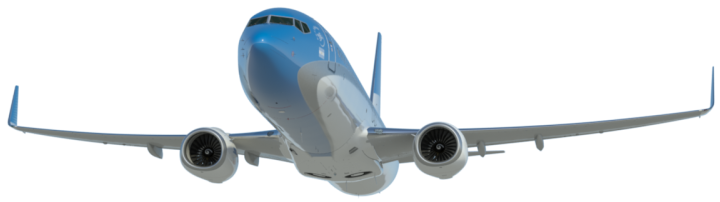
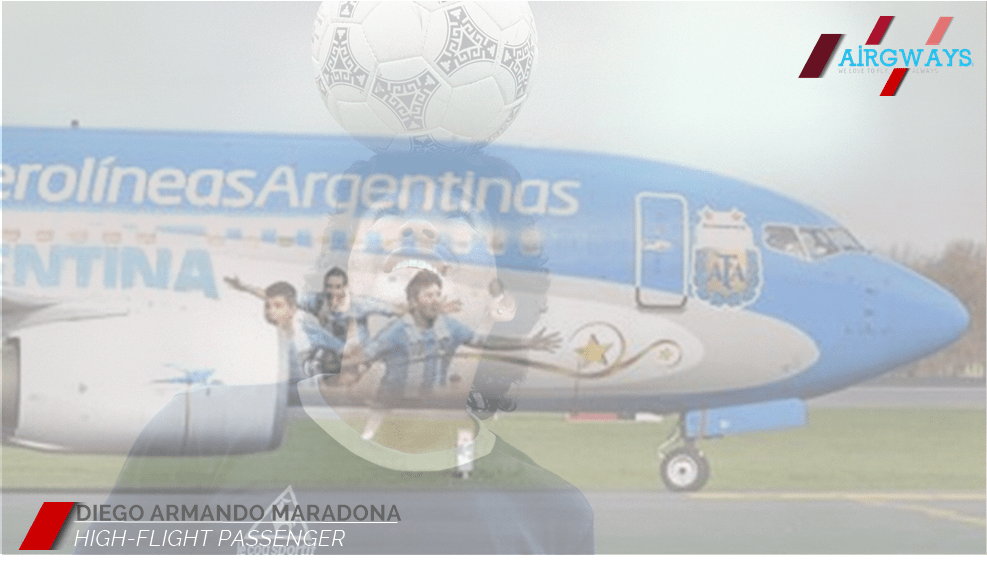
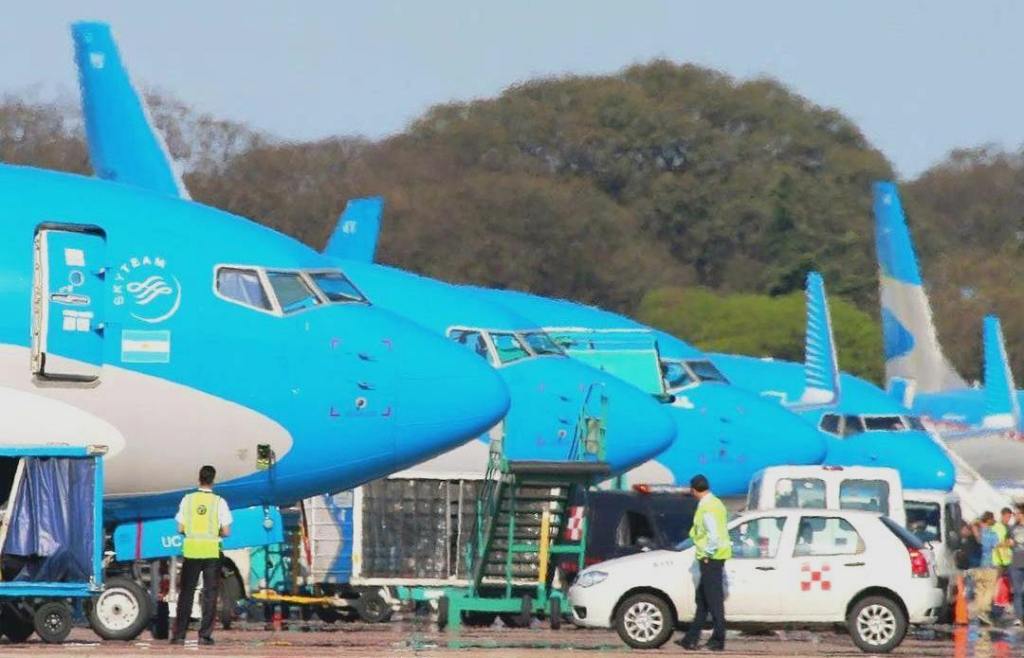
Boeing 737NG-AR001

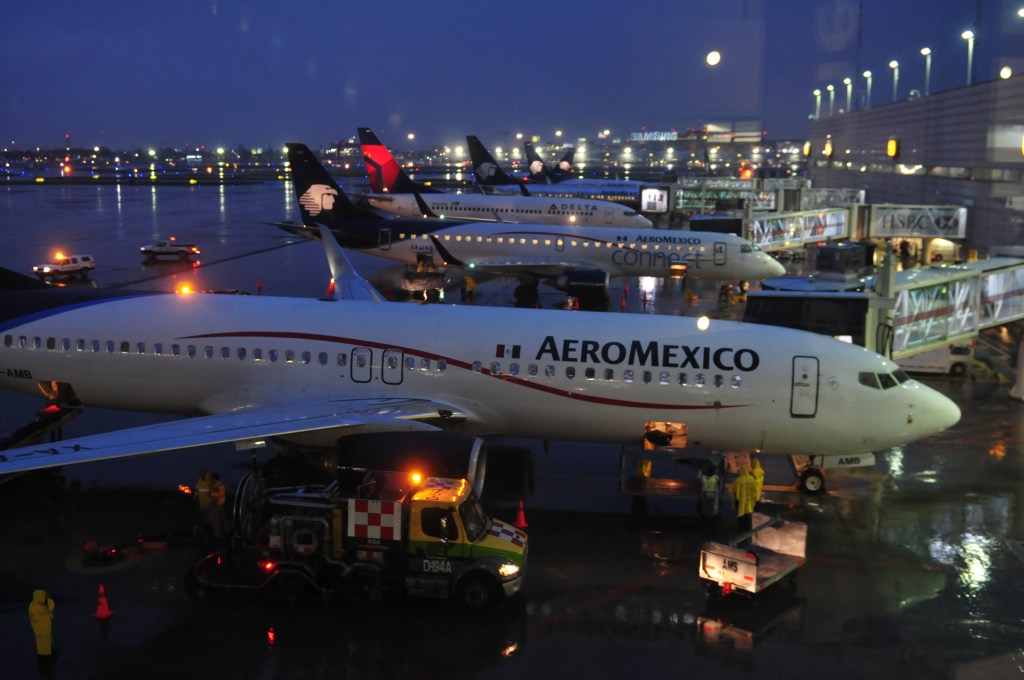
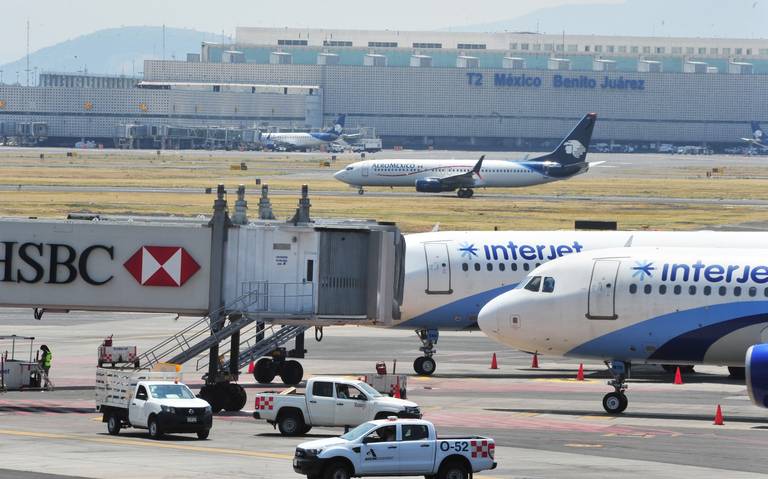
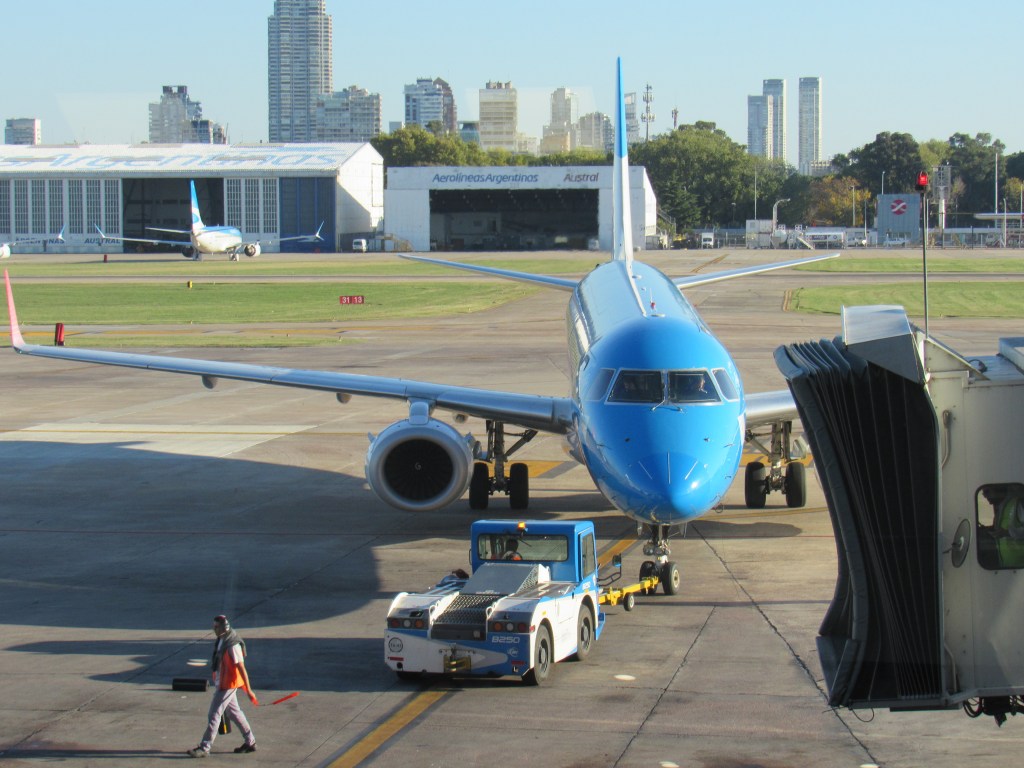
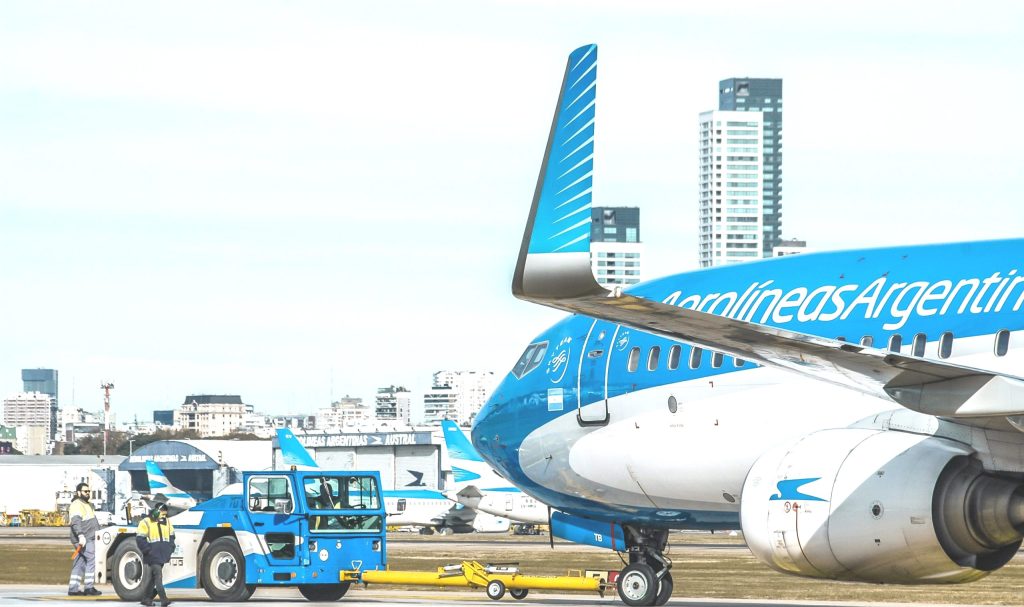
Tras las continuos incrementos de los vuelos de domésticos, Argentina y Brasil están estableciendo protocolos para reiniciar operaciones regulares entre ambos países con el fin de iniciar la apertura binacional de vuelos regionales al comenzar la temporada vacacional. Según anunciaron desde el Instituto Nacional de Promoción Turística (Inprotur) y la Embajada Argentina en Brasil, las frecuencias aéreas desde Argentina aumentarán más del 50 por ciento en el mes de Diciembre 2020. Desde el Ministerio de Transporte de Argentina han establecido los lineamientos para incrementar las frecuencias hacia Brasil.

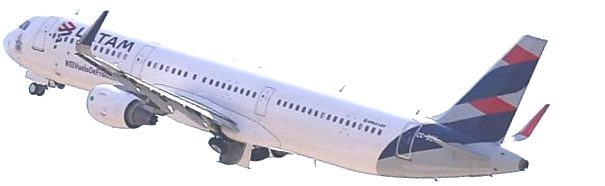
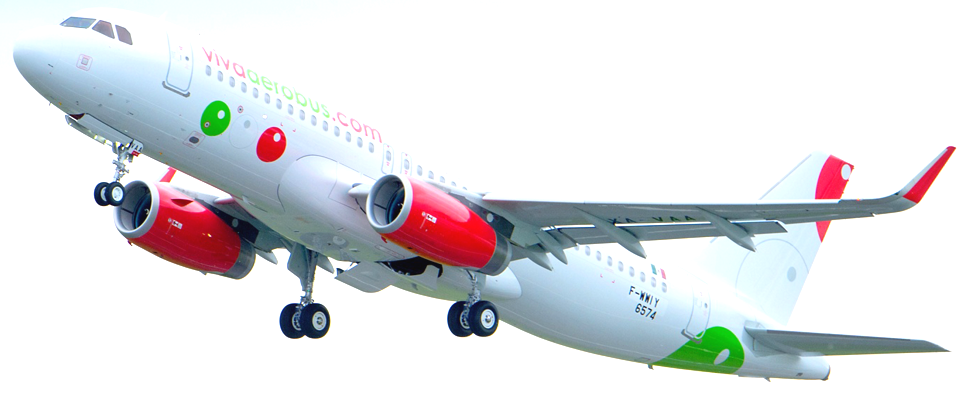
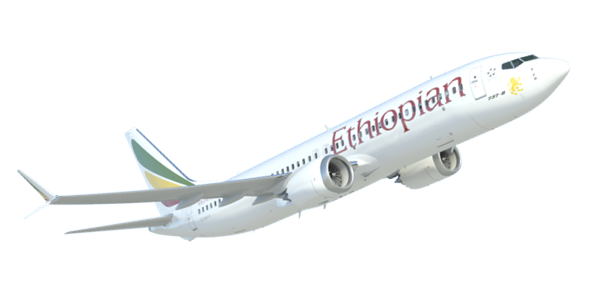
Recíprocamente, la segunda etapa de la reapertura de Argentina a turistas internacionales tiene como finalidad potenciar la conectividad del país Austral con su principal socio turístico y económico, las frecuencias semanales pasarán de ser 25 a 39 a partir del 13/12. El aumento es posible gracias a la reapertura de rutas aéreas y al incremento de vuelos anunciado por varias aerolíneas en Brasil. Aerolíneas Argentinas con 7Frq/S incrementará a 14 frecuencias semanales a San Pablo (2Frq/D) y de 2Frq/S a 7 frecuencias semanales a Río de Janeiro (1Frq/D), 2Frq/S a Salvador de Bahía. A estas rutas se sumarán las 7Frq/S de Latam Airlines, las 5/Frq/S de Gol Linhas Aéreas, las 3Frq/S de Turkish Airlines y la de Ethiopian Airlines.

Brasil es el mayor emisor de turistas hacia Argentina: el año pasado, casi 1,5 millones de viajeros brasileños visitaron nuestro país. Y este año la tendencia venía en alza, hasta que los viajes se vieron interrumpidos por la pandemia del coronavirus.

Argentina increases frq to Brazil
Airlines will incorporate more frequencies to Brazil

After the continuous increases in domestic flights, Argnetina and Brazil are establishing protocols to restart regular operations between both countries in order to start the binational opening of regional flights at the beginning of the holiday season. As announced by the National Institute for Tourism Promotion (Inprotur) and the Argentine Embassy in Brazil, air frequencies from Argentina will increase more than 50 percent in the month of December 2020. The Argentine Ministry of Transport has established guidelines to increase the frequencies to Brazil.

Reciprocally, the second stage of the reopening of Argentina to international tourists aims to enhance the connectivity of the Austral country with its main tourist and economic partner, the weekly frequencies will go from 25 to 39 as of 12/13. The increase is possible thanks to the reopening of air routes and the increase in flights announced by several airlines in Brazil. Aerolineas Argentinas with 7Frq/S will increase to 14 weekly frequencies to São Paulo (2Frq/D) and from 2Frq/S to 7 weekly frequencies to Rio de Janeiro (1Frq/D), 2Frq/S to Salvador de Bahia. To these routes will be added the 7Frq/S of Latam Airlines, the 5/Frq/S of Gol Linhas Aéreas, the 3Frq/S of Turkish Airlines and that of Ethiopian Airlines.

Brazil is the largest source of tourists to Argentina: last year, almost 1.5 million Brazilian travelers visited our country. And this year the trend was on the rise, until travel was interrupted by the coronavirus pandemic.

Argentina aumenta frq para o Brasil
Companhias aéreas vão incorporar mais frequências ao Brasil

Após o aumento continuo dos vôos domésticos, Argentina e o Brasil estão estabelecendo protocolos para retomar as operações regulares entre os dois países para dar início à abertura binacional de voos regionais no início do período de férias. Conforme anunciado pelo Instituto Nacional de Promoção do Turismo (Inprotur) e pela Embaixada da Argentina no Brasil, as frequências aéreas da Argentina aumentarão mais de 50 por cento no mês de Dezembro de 2020. O Ministério dos Transportes argentino estabeleceu diretrizes para aumentar as frequências para o Brasil.

Reciprocamente, a segunda etapa da reabertura da Argentina aos turistas internacionais visa aumentar a conectividade do país austral com seu principal parceiro turístico e econômico, as frequências semanais passarão de 25 para 39 a partir de 13/12. O aumento é possível graças à reabertura de rotas aéreas e ao aumento de voos anunciados por diversas companhias aéreas no Brasil. Aerolíneas Argentinas com 7Frq/S aumentará para 14 frequências semanais para São Paulo (2Frq/D) e de 2Frq/S para 7 frequências semanais para o Rio de Janeiro (1Frq/D), 2Frq/S para Salvador da Bahia. A estas rotas serão adicionados o 7Frq/S da Latam Airlines, o 5/Frq/S da Gol Linhas Aéreas, o 3Frq/S da Turkish Airlines e o da Ethiopian Airlines.

O Brasil é o maior emissor de turistas para a Argentina: no ano passado, quase 1,5 milhão de brasileiros visitaram nosso país. E neste ano a tendência era de alta, até que as viagens foram interrompidas pela pandemia do coronavírus.


PUBLISHER: Airgways.com
DBk: Argentina.gob.ar/turismoydeportes/inproturinstitucional / Tadespotter / Airgways.com / VisitEiffel
AW-POST: 202011261240AR

A\W   A I R G W A Y S ®
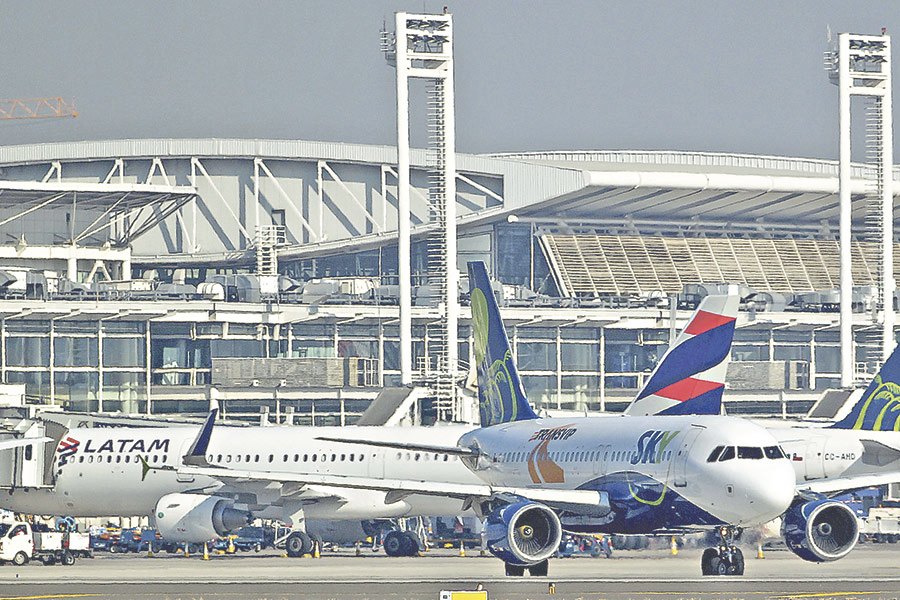
Perspectivas aéreas en Chile

AW | 2020 11 26 12:14 | AIRLINES MARKET / CONGRESS

Business Travel Expo afianza mercado aéreo emergente

El CEO de Latam Airlines, Roberto Alvo, ha comunicado que para el segundo semestre del año que viene estarán abandonando la Ley de Quiebras de EE.UU. Los máximos ejecutivos del sector de la aviación comercial han participado este Miércoles 25/11 del seminario sobre industria aérea de la Business Travel Expo en Santiago de Chile.

El mercado aéreo en Chile continúa mostrando señales positivas continuas hacia una recuperación paulatina de las rutas domésticas e internacionales. Latam Airlines Group, estima estar operando cerca del 40% de su capacidad total hacia finales de 2020. En Octubre, la aerolínea ligada a la familia Cueto operó 26,8% de su capacidad. Sky Airline, por su parte, prevé cerrar el año operando al 80% de su capacidad total. Mientras que Jetsmart Airlines Chile ha estimado cifras hacia Diciembre operando entre 60% a 65% de su capacidad en el mercado doméstico y entre 15% a 20% en el sector internacional.

Business Travel Expo

Los principales ejecutivos de las tres aerolíneas mencionadas se reunieron el 25/11 en un panel de conversación de la Business Travel Expo, organizada por Interexpo y Travel Security, donde ahondaron sobre sus perspectivas y planes para 2021.

El CEO de Latam Airlines Group, Roberto Alvo, estimó que 2021 va a ser un año de recuperación, pero con altos y bajos. Respecto a su proceso de reorganización financiera bajo la protección del Capítulo 11 de la Ley de Quiebras de Estados Unidos, Roberto Alvo ha expresado su perspectiva como una oportunidad de convertir a Latam en una compañía extremadamente eficiente y ágil. “La transformación en la que estamos embarcados es extremadamente importante y vamos a salir del Capítulo 11 y de una crisis, sin duda, fortalecidos. Vamos a tener una estructura de costos muy competitiva, probablemente igual a la de ustedes [Sky y Jetsmart] y eso nos va a permitir seguramente abordar las oportunidades. Nosotros estimamos que a lo largo del segundo semestre del próximo año deberíamos estar pensando en salir del Capítulo 11”, expresó el CEO de Latam Airlines.

La imagen tiene un atributo ALT vacío; su nombre de archivo es aw-jetsmart-cargo_sp.png

El CEO de Jetsmart Airlines Group, Estuardo Ortíz, coincidió en que, pese a que el escenario es incierto, 2021 será un año de recuperación. “Me mantengo optimista de que el mercado doméstico en general en la región, va a estar en un alto grado de recuperación para fin del 2021. En el mercado doméstico cerca de un 60% a 65% y lo internacional muy poco, cerca de un 15% a 20%”. Respecto a los planes de la aerolínea, afirmó que estos siguen en la misma dirección en términos de crecimiento y posicionamiento en la región, pero que sin embargo, tuvieron que ajustar la hoja de ruta dado que los mercados domésticos se están recuperando más rápido que los internacionales y que, en ese sentido, tuvieron que adecuarse a la nueva realidad. “Hemos optado más bien por acelerar nuestra apertura de operaciones domésticas y por eso esperamos operar en Perú en el segundo trimestre de 2021”, señaló Estuardo Ortíz. Y sostuvo que el plan original era iniciar operaciones domésticas en Perú en 2022. Otro importante cambio es que adelantaron la creación de JetSmart Cargo. “La teníamos prevista para más adelante, pero a raíz que durante la pandemia Carga ha tomado un impacto mayor en los ingresos de aerolíneas, estamos ya finalizando el proyecto para empezar en el primer trimestre de 2021”, señaló entusiasmado. Las próximas operaciones de la división de carga estarían iniciando simultáneamente tanto en Chile como en Argentina.

El CEO de Sky Airline, José Ignacio Dougnac, detalló que actualmente están operando cerca del 65% de su capacidad total y que esperan cerrar el año aproximadamente en un 80%. “Como en Sky nuestra estrategia es muy enfocada en el mercado doméstico, con el 80% de nuestros vuelos son domésticos, tenemos una posición que es relativamente mejor que otros operadores donde tienen mucho riesgo en operaciones internacionales. Por eso si bien la industria está super deprimida, la industria completa está 85% abajo, nosotros estamos volando al 65% de nuestra capacidad total, porque estamos en mercados que han sido menos afectados por la pandemia y por lo mismo podemos desplegar un poco más”, explicó el responsable de la aerolínea Sky Airline. Las previsiones de la aérea es que a partir del 1Q2021 el tráfico internacional comience a recuperarse gradualmente. Las previsiones para el 2022 de Sky Airline podría recuperar el tráfico de pasajeros doméstico e internacional previo a la pandemia. “En el doméstico, probablemente en el último trimestre de 2021 estemos volando similar a lo que volamos el último trimestre de 2019”, expresó José Ignacio Dougnac.

Aerial prospects in Chile

Business Travel Expo strengthens emerging air market

The CEO of Latam Airlines, Roberto Alvo, has announced that for the second half of next year they will be abandoning the US Bankruptcy Law The top executives of the commercial aviation sector have participated this Wednesday 25/11 in the seminar on airline industry of the Business Travel Expo in Santiago de Chile.

The air market in Chile continues to show continuous positive signs towards a gradual recovery of domestic and international routes. Latam Airlines Group estimates that it will be operating about 40% of its total capacity by the end of 2020. In October, the airline linked to the Cueto family operated 26.8% of its capacity. Sky Airline, for its part, expects to close the year operating at 80% of its total capacity. While Jetsmart Airlines Chile has estimated figures for December operating between 60% to 65% of its capacity in the domestic market and between 15% to 20% in the international sector.

Business Travel Expo

AW-7008777

The top executives of the three aforementioned airlines met on 11/25 in a panel discussion at the Business Travel Expo, organized by Interexpo and Travel Security, where they delved into their prospects and plans for 2021.

The CEO of Latam Airlines Group, Roberto Alvo, estimated that 2021 will be a year of recovery, but with ups and downs. Regarding his financial reorganization process under the protection of Chapter 11 of the United States Bankruptcy Law, Roberto Alvo has expressed his perspective as an opportunity to turn Latam into an extremely efficient and agile company. “The transformation we are embarking on is extremely important and we are going to emerge from Chapter 11 and a crisis, without a doubt, strengthened. We are going to have a very competitive cost structure, probably the same as yours [Sky and Jetsmart] and that will surely allow us to address the opportunities. We estimate that throughout the second semester of next year we should be thinking about exiting Chapter 11”, said the CEO of Latam Airlines.

La imagen tiene un atributo ALT vacío; su nombre de archivo es aw-jetsmart-cargo_en.png

The CEO of Jetsmart Airlines Group, Estuardo Ortíz, agreed that, despite the uncertain scenario, 2021 will be a year of recovery. «I remain optimistic that the domestic market in general in the region will be in a high degree of recovery by the end of 2021. In the domestic market, about 60% to 65% and the international market very little, about a 15% to 20%”. Regarding the airline’s plans, he affirmed that they continue in the same direction in terms of growth and positioning in the region, but that nevertheless, they had to adjust the roadmap since domestic markets are recovering faster than international organizations and that, in that sense, had to adapt to the new reality. «We have chosen rather to accelerate our opening of domestic operations and that is why we expect to operate in Peru in the second quarter of 2021,, said Estuardo Ortíz. And he said that the original plan was to start domestic operations in Peru in 2022. Another important change is that they advanced the creation of Jetsmart Cargo. «We had it planned for later, but due to the fact that during the Cargo pandemic it had a greater impact on airline revenues, we are already finalizing the project to start in the first quarter of 2021», he enthused. The next operations of the cargo division would be starting simultaneously in both Chile and Argentina.

The CEO of Sky Airline, José Ignacio Dougnac, explained that they are currently operating about 65% of their total capacity and that they expect to close the year at approximately 80%. “As at Sky our strategy is very focused on the domestic market, with 80% of our flights are domestic, we have a position that is relatively better than other operators where they have a lot of risk in international operations. Therefore, although the industry is super depressed, the entire industry is 85% down, we are flying at 65% of our total capacity, because we are in markets that have been less affected by the pandemic and therefore we can deploy a little more”, Explained the head of the airline Sky Airline. The airline’s forecasts are that from 1Q2021 international traffic will begin to gradually recover. Sky Airline’s forecasts for 2022 could recover domestic and international passenger traffic prior to the pandemic. «In the domestic, probably in the last quarter of 2021 we will be flying similar to what we flew in the last quarter of 2019», expressed José Ignacio Dougnac.


PUBLISHER: Airgways.com
DBk: Btetravel.cl / Airgways.com / Latam.com / Skyairline.com / Jetsmart.com
AW-POST: 202011261214AR

A\W   A I R G W A Y S ®

Aéreas México recuperan capacidad

AW | 2020 11 26 11:05 | AIRLINES MARKET

Aerolíneas mexicanas aumentarán 90% red doméstica

Las aerolíneas mexicanas comienzan un proceso de recuperación paulatina y certera al dejar atrás la turbulencia de la crisis sanitaria mundial encaminándose hacia una recuperación después de siete meses de parálisis en el mercado de la aviación comercial. Las compañías aéreas como Aeroméxico, Viva Aerobus y Volaris Airlines continúan por debajo de los niveles de crecimiento respecto al 2019, pero su oferta podría alcanzar hacia finales de 2020 a un 90%, mostrando síntomas de una consolidada recuperación del mercado aéreo de cabotaje.

El Vicepresidente para la región de las Américas de la Asociación Internacional de Transporte Aéreo (IATA), Peter Cerdá confirmó que la capacidad de operación de las aerolíneas en México ya alcanzó el 95 por ciento en comparación con la registrada en 2019. Jonathan Félix, Director asociado en Verum, Calificadora de Valores, ha remarcado que el mercado nacional de México tendrá una mejora marcada hacia el final del año, debido a la temporada decembrina y al regreso de vuelos domésticos suspendidos durante el confinamiento.

Viva Aerobus ha sido la primer compañía aérea en equilibrar su capacidad de asientos en rutas domésticas en Noviembre 2020, alcanzando los mismos niveles de capacidad interanuales. “Nos enorgullece ser una de las primeras aerolíneas en América en haber reactivado la totalidad de la capacidad operacional, liderando así la recuperación del sector aéreo y turístico”, señaló el CEO Juan Carlos Zuazua. La compañía había sufrido una reducción de 84,7% del mercado nacional, mientras que el factor de tráfico decreció en un 89,9 por ciento anual. Desde el quinto mes, la capacidad ha ido en aumento y en tan solo seis meses los asientos ofrecidos por la línea aérea superaron los 100 millones de asientos, igual cantidad que la registrada en noviembre de 2019.

Volaris Airlines, dirigida por Enrique Beltranena, tiene el objetivo de cerrar el año con alrededor del 95 por ciento de su oferta medida en asientos kilómetro, esto contra el año pasado. La aerolínea de bajo costo recuperó casi la totalidad de sus rutas aéreas y durante la pandemia logró afianzarse como la empresa que más pasajeros moviliza en el mercado doméstico, con cerca del 40 por ciento del total. De acuerdo con el vicepresidente de Volaris, Holger Blankesntein, Volaris está entre las 5 aerolíneas en el mundo con una recuperación más acelerada y una de las primeras en el mercado nacional. Mayo 2020 fue el peor mes en cuanto a oferta de Volaris con una disminución del 84.8 por ciento en el número de asientos, mientras que el volumen de pasajeros descendió 89.9 por ciento con respecto al mismo mes del año anterior. La capacidad de la línea aérea tendrá una mejora al cierre del año. “La que menos ha tenido afectación es Volaris gracias a su rápida recuperación, alta liquidez y manejables niveles de deuda. Asimismo, […] Volaris se encuentra intentando prepararse para aprovechar oportunidades potenciales de crecimiento”, dijo el Analista de Verum.

Aeroméxico continúa atravesando la complicada situación financiera que la obligó a someterse a un proceso de bancarrota bajo el Capítulo 11 en Estados Unidos, continúa con las estimaciones de mercado hacia fin de 2020 con un 84% de su capacidad con respecto al año anterior. En Diciembre, pretende realizar 11.000 vuelos.

Batalla post-pandemia

La aerolínea low cost Volaris Airlines ha alcanzado la supremacía aérea en México después de superar a Aeroméxico entre las aerolíneas nacionales con una mayor cuota de mercado post-pandemia permitiendo afianzarse más rápidamente en un entorno de crisis de confianza. En segunda posición se encuentra Aeroméxico, seguida de Viva Aerobus.

Perspectivas aéreas

Un mercado que continúa por determinarse son los 15 millones de pasajeros que posee la cuota de mercado representada por Interjet que podría ser detentada si su capacidad de supervivencia se encontrase amenazada. Por lo tanto, el avispero continúa áspero en un mercado muy demandado y competitivo donde las compañías continúan presentando batalla para poder ampliar el segmento del mercado aéreo, sino también, por sobrevivir y no morir en el intento.

Mexico airlines recover capacity

Mexican airlines will increase domestic network 90%

Mexican airlines are beginning a process of gradual and accurate recovery by leaving behind the turbulence of the global health crisis and heading towards a recovery after seven months of paralysis in the commercial aviation market. Airlines such as Aeroméxico, Viva Aerobus and Volaris Airlines continue below their growth levels compared to 2019, but their offer would reach 90% by the end of 2020, showing signs of a consolidated recovery in the cabotage air market.

AW-708880

The Vice President for the Americas region of the International Air Transport Association (IATA), Peter Cerdá confirmed that the operating capacity of the airlines in Mexico has already reached 95 percent compared to that registered in 2019. Jonathan Félix, Director Associate at Verum, Calificadora de Valores, has remarked that the national market of Mexico will have a marked improvement towards the end of the year, due to the holiday season and the return of domestic flights suspended during the confinement.

Viva Aerobus was the first airline to balance its seating capacity on domestic routes in November 2020, reaching the same year-on-year capacity levels. «We are proud to be one of the first airlines in America to have reactivated all operational capacity, thus leading the recovery of the air and tourism sector,, said CEO Juan Carlos Zuazua. The company had suffered a reduction of 84.7% in the national market, while the traffic factor decreased by 89.9% annually. Since the fifth month, the capacity has been increasing and in just six months the seats offered by the airline exceeded 100 million seats, the same number as that registered in November 2019.

La imagen tiene un atributo ALT vacío; su nombre de archivo es aw-7800011.jpg

Volaris Airlines, led by Enrique Beltranena, has the objective of closing the year with around 95 percent of its offer measured in kilometer seats, this against last year. The low-cost airline recovered almost all of its air routes and during the pandemic it managed to establish itself as the company that mobilizes the most passengers in the domestic market, with about 40 percent of the total. According to the vice president of Volaris, Holger Blankesntein, Volaris is among the 5 airlines in the world with the fastest recovery and one of the first in the national market. May 2020 was the worst month in terms of Volaris offer with an 84.8 percent decrease in the number of seats, while passenger volume decreased 89.9 percent compared to the same month the previous year. The airline’s capacity will have an improvement at the end of the year. “The one that has been least affected is Volaris thanks to its rapid recovery, high liquidity and manageable debt levels. In addition, […] Volaris is trying to prepare to take advantage of potential growth opportunities”, said the Verum Analyst.

Aeromexico continues to go through the complicated financial situation that forced it to submit to a bankruptcy process under Chapter 11 in the United States, it continues with the market estimates towards the end of 2020 with 84% of its capacity compared to the previous year. In December, it plans to carry out 11,000 flights.

Post-pandemic battle

The low cost airline Volaris Airlines has achieved air supremacy in Mexico after surpassing Aeroméxico among the national airlines with a greater post-pandemic market share, allowing it to establish itself more quickly in an environment of crisis of confidence. In second position is Aeroméxico, followed by Viva Aerobus.

Aerial perspectives

A market that remains to be determined is the 15 million passengers that Interjet represents market share that could be held if their ability to survive is threatened. Therefore, the hornet’s nest continues to be harsh in a highly demanded and competitive market where companies continue to fight to be able to expand the segment of the air market, but also to survive and not die trying.


PUBLISHER: Airgways.com
DBk: Gob.mx/sct / Airgways.com / Wikipedia.org/Ralf Roletschek / Vivaaerobus.com / Aeromexico.com / Laura Lovera
AW-POST: 202011261105AR

A\W   A I R G W A Y S ®

Starliner avanza hacia el 2021

AW | 2020 11 26 01:10 | AEROSPACE

Segundo intento de Boeing prueba de vuelo Starliner avanza en 2021

Starliner_Isologotype - copia

Dos días antes de que SpaceX lanzara su primera misión operativa con cuatro astronautas a bordo, Suni Williams, que se está entrenando para ser el Comandante de la segunda misión tripulada de The Boeing Company, deseó lo mejor a sus colegas con solo un toque de nostalgia. “Será increíble verlos llegar a la Estación Espacial Internacional (ISS) y estar allí trabajando durante los próximos seis meses. Espero específicamente verlos vivir allí porque nuestra tripulación, mi tripulación, será la tripulación complementaria del Boeing Starliner». Suni Williams tiene al menos otro año para esperar hasta que sea su turno.

La NASA estima que Boeing no estará listo para un segundo intento de un vuelo de prueba sin tripulación hasta el primer trimestre de 2021, con el inicio de vuelos operativos con tripulación posiblemente a fines del próximo año. Boeing y SpaceX habían estado desarrollando y probando las respectivas naves espaciales de las compañías para el Programa de Tripulación Comercial de la NASA, desde que fueron elegidas por la NASA en 2014 para construir naves espaciales capaces de llevar humanos a la ISS. Pero los problemas de software hicieron que el Starliner de Boeing no pudiera acoplarse con la estación espacial durante su primera prueba de vuelo orbital en Diciembre de 2019. Mientras tanto, SpaceX ha eliminado su prueba de vuelo orbital sin tripulación, la prueba de vuelo con tripulación y ahora el primer vuelo operativo de cuatro astronautas. La tripulación atracó con éxito en la Estación Espacial Internacional unas 27 horas después.

En un movimiento que señala la necesidad de Boeing de fortalecer su equipo técnico, la compañía contrató a la ex líder de software de SpaceX, Jinnah Hosein, a principios de este mes. Jinnah Hosein llega a la mesa con una experiencia que podría ser especialmente útil con el Programa Starliner. En SpaceX, Jinnah Hosein dirigió el desarrollo de software para Falcon, Falcon Heavy, Dragon y Crew Dragon. Ahora, Vicepresidente de Ingeniería de software de Boeing, se centrará en el software en toda la empresa.

Richard Aboulafia, analista de aviación y aeroespacial de Teal Group, cree que esta contratación es un paso importante para que Boeing vuelva a encarrilarse. «Ha habido una des-priorización de las habilidades técnicas y de ingeniería y, de hecho, un desempoderamiento del personal técnico que tienen, así que fueron buenas noticias», dijo Richard Aboulafia.

Steve Stich, Gerente del Programa de Tripulación Comercial de la NASA, reiteró que están enfocados en solucionar los problemas de software. “Hemos estado trabajando mano a mano con Boeing. Han trabajado muchísimo en su vehículo. Continúan procesando ese vehículo para OFT. El elemento del ritmo realmente es preparar el software para funcionar», dijo Steve Stich en una llamada con los periodistas. Además de Starliner, la división espacial también está lidiando con una investigación criminal sobre afirmaciones de que la compañía utilizó información privilegiada para ofertar por un contrato de aterrizaje lunar de la NASA.

Boeing también se está recuperando de los desastres del 737 MAX. Los analistas estiman que las pérdidas del programa oscilan entre US$ 20 mil millones y US$ 25 mil millones. Después de 20 meses de estar en tierra, la FAA autorizó a Boeing a reanudar el servicio de pasajeros del 737 MAX el 18 de Noviembre de 2020, pero Richard Aboulafia dice que tomará uno o dos años antes de que la compañía tenga un flujo de caja positivo. «Es una gran deuda que han contraído y pasará un tiempo antes de que cambie el panorama», dijo Richard Aboulafia.

A pesar de sus problemas financieros, Boeing está pagando de su bolsillo el nuevo vuelo orbital debido a su compromiso con la seguridad y la calidad. La compañía anunció en Enero 2020 que había presupuestado US$ 410 millones de Dólares para otro vuelo de prueba. Para recuperar el tiempo perdido, Boeing está actualizando la nave espacial Starliner para que esté lista para los humanos. El vehículo utilizado en el próximo vuelo de prueba será el mismo que se utilizó para el vuelo con tripulación de la astronauta Suni Williams. “La próxima nave espacial que suba al OFT-2 estará esencialmente lista para que haya gente a bordo. Por lo que es un poco diferente de OFT-1, donde no teníamos todos los sistemas en su lugar. Así que es un poco más diligente que estemos trabajando en la nave espacial», expresó la astronauta.

Cosmonautas Americanos-rusos

Todavía no es una certeza, pero al menos algo se está moviendo diplomáticamente! Según un nuevo informe, la NASA ha propuesto volar cosmonautas rusos con cápsulas de SpaceX y Boeing para llegar a la ISS. ¿Un signo de colaboración cada vez más estrecha? Según los rumores, esta propuesta de la agencia espacial estadounidense está vinculada a la posibilidad de seguir utilizando la Soyuz rusa para llegar a la ISS. Ahora que SpaceX ha pasado las pruebas (con Demo-2 y Crew-1) y Estados Unidos está de vuelta independiente para los lanzamientos, la oferta podría ser tentadora.

Perspectivas Starliner

Si todo va bien con el vuelo de prueba a principios de 2021, Suni Williams dijo que se espera que el primer vuelo tripulado con los astronautas Barry Wilmore, Nicole Mann y Michael Fincke sea en la primavera, lo que pondría el vuelo tripulado de Williams a fines de 2021. “También tenemos que preocuparnos por qué puertos están abiertos en la estación espacial. Se está llenando un poco de espacio y eso es algo realmente bueno y tendremos que trabajar en el calendario», dijo Suni Williams.

SpaceX dice que durante los próximos 15 meses volará ocho misiones de carga y Crew Dragon. Boeing continúa procesando los vehículos Starliner en sus instalaciones en el Centro Espacial Kennedy.

Starliner moves towards 2021

Boeing’s second attempt at Starliner flight test moves further in 2021

Two days before SpaceX launched its first operational mission with four astronauts on board, Suni Williams, who is training to be the Commander of The Boeing Company second manned mission, wished his colleagues the best with just a hint of nostalgia. “It will be amazing to see them arrive at the International Space Station and be there working for the next six months. I specifically look forward to seeing them live there because our crew, my crew, will be the supplemental crew of the Boeing Starliner”, Suni Williams has at least another year to wait until it’s his turn.

AW-Boeing_Starliner

NASA estimates that Boeing will not be ready for a second attempt at an unmanned test flight until the first quarter of 2021, with operational crewed flights starting possibly late next year. Boeing and SpaceX had been developing and testing the companies’ respective spacecraft for NASA’s Commercial Crew Program, since they were chosen by NASA in 2014 to build spacecraft capable of bringing humans to the ISS. But software problems made Boeing’s Starliner unable to dock with the space station during its first orbital flight test in December 2019. In the meantime, SpaceX has phased out its unmanned orbital flight test, the crewed flight test. and now the first operational flight of four astronauts. The crew successfully docked at the International Space Station some 27 hours later.

In a move that signals Boeing’s need to strengthen its technical team, the company hired former SpaceX software leader Jinnah Hosein earlier this month. Jinnah Hosein comes to the table with an experience that could be especially helpful with the Starliner Program. At SpaceX, Jinnah Hosein led software development for Falcon, Falcon Heavy, Dragon, and Crew Dragon. Now Vice President of Software Engineering at Boeing, he will focus on software across the enterprise.

Richard Aboulafia, an aviation and aerospace analyst at Teal Group, believes this hiring is an important step in getting Boeing back on track. «There has been a de-prioritization of technical and engineering skills and, indeed, disempowerment of the technical staff that they have, so it was good news», said Richard Aboulafia.

Steve Stich, NASA Commercial Crew Program Manager, reiterated that they are focused on solving software problems. “We have been working hand in hand with Boeing. They have done a lot of work on your vehicle. They continue to process that vehicle for OFT. The element of pacing is really getting the software ready to go», Steve Stich said in a call with reporters. In addition to Starliner, the space division is also dealing with a criminal investigation into claims that the company used inside information to bid for a NASA lunar landing contract.

Boeing is also recovering from the 737 MAX disasters. Analysts estimate the program’s losses to range from US$ 20 billion to US$ 25 billion. After 20 months of being on the ground, the FAA authorized Boeing to resume passenger service of the 737 MAX on November 18, 2020, but Richard Aboulafia says it will take a year or two before the company has a cash flow. positive. «It is a great debt that they have incurred and it will be a while before the picture changes», said Richard Aboulafia.

Despite its financial problems, Boeing is paying out of pocket for the new orbital flight because of its commitment to safety and quality. The company announced in January that it had budgeted US$ 410 million for another test flight. To make up for lost time, Boeing is updating the Starliner spacecraft to be human-ready. The vehicle used on the next test flight will be the same as the one used for astronaut Suni Williams’ crewed flight. “The next spacecraft to board OFT-2 will be essentially ready for people on board. So it is a bit different from OFT-1, where we didn’t have all systems in place. So it is a little more diligent that we are working on the spacecraft», said the astronaut.

American-Russian cosmonauts

It is still not a certainty, but at least something is moving diplomatically! According to a new report, NASA has proposed flying Russian cosmonauts with SpaceX and Boeing capsules to reach the ISS. A sign of ever closer collaboration? According to rumors, this proposal by the US space agency is linked to the possibility of continuing to use the Russian Soyuz to reach the ISS. Now that SpaceX has passed the tests (with Demo-2 and Crew-1) and the United States is back independent for launches, the offer could be tempting.

Starliner Operspective

If all goes well with the test flight in early 2021, Suni Williams said that the first manned flight with astronauts Barry Wilmore, Nicole Mann and Michael Fincke is expected to be in the spring, which would put Williams’ manned flight on track. late 2021. “We also have to worry about which ports are open on the space station. It’s filling up a little bit of space and that’s a really good thing and we’ll have to work on the schedule», Suni Williams said.

SpaceX says it will fly eight cargo and Crew Dragon missions over the next 15 months. Boeing continues to process Starliner vehicles at its facility at the Kennedy Space Center.


PUBLISHER: Airgways.com
DBk: Nasa.gov / Boeing.com / Floridatoday.com / Airgways.com
AW-POST: 202011260110AR

A\W   A I R G W A Y S ®

Familiares víctimas accidentes 737 MAX

AW | 2020 11 26 00:06 | AVIATION SAFETY

Escepticismo familiares víctimas accidentes del Boeing 737 MAX

La aeronave Boeing 737-8 MAX estuvo implicado en dos accidentes aéreos que sesgaron la vida de 346 personas en los vuelos JT-610 de Lion Air en Indonesia y el vuelo ET-302 de Ethiopian Airlines. A pesar de la reciente recertificación del 737 MAX por parte de la Administración Federal de Aviación (FAA) entre otros organismos reguladores de aviación, algunos siguen siendo escépticos sobre la seguridad del avión.

El Boeing 737 MAX había estado en tierra desde Marzo 2019 cuando estaba implicado en dos accidentes que mataron a 346 personas. Incluso con la aprobación de la FAA, algunos de los miembros de la familia de los que murieron en los accidentes no sólo son cautelosos de subirse al 737 MAX, sino también a otros aviones de Boeing.

Nadia Milleron y Michael Stumo perdieron a su hija, Samya Stumo (24) en el accidente del vuelo ET-302 de Ethiopian Airlines el 10 de Marzo de 2019. La joven había estado en un viaje de negocios al este de Africa, donde planeaba ayudar a establecer nuevas oficinas para su empleador. Sus padres dicen que nunca subirán a un 737 MAX. «Avisaremos a cada persona que conozcamos que mire el equipo en el que vuela y nos aseguraremos de que no vuelen en un 737 MAX. Continuamos con eso para otros nuevos aviones problemáticos que Boeing produce», dijo Nadia Milleron.

Una madre rusa, Elena Anokhina, perdió a su hija y a su yerno, en el accidente de Ethiopian Airlines. Ella expresó: «No recomendaría a nadie de mi familia que vuele con estos aviones Boeing MAX». Ekaterina Polyakova y su esposo Aleksandr Polyakova habían estado de vacaciones y querían visitar Kenia para ver sus parques nacionales, según Anokhina.

A otros familiares de las víctimas del accidente les preocupa que la cultura general en Boeing pueda afectar a la producción de sus otros aviones, no sólo al 737 MAX. «Nunca entraré en el MAX, incluso cuando entre en servicio de nuevo. Aconsejo a nadie que nunca entre en ese MAX», dijo Tom Kabau, quien ha perdido a su hermano, George Kabau, en el vuelo ET-302 de Ethopian Airlines. George Kabau (29), era ingeniero eléctrico en General Electric cuando regresaba a casa de un viaje de negocios. «La otra preocupación es, nos preguntamos, esto es lo que le pasó al MAX, ¿podría haberle pasado esto a otros aviones? ¿Podría esa actitud haber afectado también al montaje de otros aviones Boeing?», dijo Kabau.

AW-700Boeing8MAX_ET-302_001

El Capitán Dennis Tajer, piloto de la línea 737 de American Airlines y portavoz de la Asociación de Pilotos Aliados (APA), dijo que le preocupa que el mismo sistema regulatorio que re-certificó el MAX es el mismo que lo dejó volar en primer lugar. «Tenemos que seguir observando. El sistema necesita ser reformado, reestructurado», dijo Tajer.

Boeing había expresado oportunamente que había «cooperado plenamente con las revisiones gubernamentales y regulatorias y también ha hecho una serie de cambios significativos para fortalecer las prácticas y la cultura de seguridad de nuestra empresa. El 18 de Noviembre de 2020, la FAA levantó la orden que suspendió la operación de los Boeing 737-8 y 737-9. La acción de la agencia validó que con la actualización de software aprobada, la capacitación adicional de pilotos y otros pasos definidos, el miembro más reciente de la familia 737 está seguro y listo para volar. Tenemos plena confianza en su seguridad».

American Airlines fue una de las primeras aerolíneas en anunciar un próximo vuelo 737 MAX. La ruta está programada para tener lugar el 29 de Diciembre de 2020, desde Miami hasta la ciudad de Nueva York. «Si un cliente no quiere volar en el 737 MAX, no tendrá que hacerlo. Nuestros clientes podrán identificar fácilmente si viajan en uno, incluso si cambian los horarios. Si un cliente prefiere no volar en este avión, proporcionaremos flexibilidad para garantizar que pueda volver a acomodarse fácilmente», anunció American Airlines en un comunicado de prensa.

Un ex ingeniero de Boeing, Peter Lemme, expresó que entiende por qué la gente sería reacia volar en el 737 MAX. «Cuando un avión se estrella porque no fue diseñado bien, eso simplemente no se sienta bien y te hace hacer preguntas sobre qué más no se diseñó bien, y eso llega a la confianza. ¿Y cómo lo recuperas?», dijo Peter Lemme.

Peter Lemme no trabajó en el 737 MAX, después de haber dejado Boeing en 1997, pero cree que el avión ahora está a salvo. «Estoy feliz de volar en el 737. No tengo ningún problema con eso, y creo que va a ser un gran avión», expresó complaciente.

Aumento supervisión

Está previsto que la Cámara de Representantes de los Estados Unidos vote la próxima semana un proyecto de ley que tiene como objetivo aumentar la supervisión de los aviones de la FAA, una medida derivada de las críticas de que los reguladores dieron demasiado poder a Boeing cuando la agencia revisó originalmente y finalmente aprobó el 737 MAX.

Family victims of accidents 737 MAX

Family skepticism victims of Boeing 737 MAX accidents

The Boeing 737-8 MAX aircraft was involved in two plane crashes that killed 346 people on Lion Air flights JT-610 in Indonesia and Ethiopian Airlines flight ET-302. Despite the recent recertification of the 737 MAX by the Federal Aviation Administration (FAA) among other aviation regulatory bodies, some remain skeptical of the plane’s safety.

The Boeing 737 MAX had been on the ground since March 2019 when it was involved in two accidents that killed 346 people. Even with FAA approval, some of the family members who died in the crashes are wary not only getting on the 737 MAX, but on other Boeing jets as well.

Nadia Milleron and Michael Stumo lost their daughter, Samya Stumo (24) in the crash of Ethiopian Airlines Flight ET-302 on March 10, 2019. The young woman had been on a business trip to East Africa, where she planned to help to establish new offices for your employer. Her parents say they will never get on a 737 MAX. «We will alert every person we know to look at the equipment that you fly in and we will make sure they do not fly a 737 MAX. We are continuing that for other new problem aircraft that Boeing produces», said Nadia Milleron.

NADIA STUMO (TOP LEFT) SEEN HERE WITH HER TWO BROTHERS IN THIS FAMILY PHOTO

A Russian mother, Elena Anokhina, lost her daughter and son-in-law in the Ethiopian Airlines crash. She said: «I would not recommend anyone in my family to fly these Boeing MAX aircraft», Ekaterina Polyakova and her husband Aleksandr Polyakova had been on vacation and wanted to visit Kenya to see its national parks, according to Anokhina.

Other family members of the accident victims are concerned that general culture at Boeing could affect the production of its other planes, not just the 737 MAX. «I will never enter the MAX, even when it enters service again. I advise no one never to enter that MAX», said Tom Kabau, who has lost his brother, George Kabau, on Ethopian Airlines flight ET-302. George Kabau (29), was an electrical engineer at General Electric when he returned home from a business trip. «The other concern is, we wonder, this is what happened to the MAX, could this have happened to other planes? Could that attitude have affected the assembly of other Boeing planes as well?», Kabau said.

Captain Dennis Tajer, American Airlines 737 pilot and spokesman for the Allied Pilots Association (APA), said he is concerned that the same regulatory system that re-certified the MAX is the same one that let it fly in the first place. «We have to keep watching. The system needs to be reformed, restructured», Tajer said.

Boeing had timely stated that it had «fully cooperated with government and regulatory reviews and has also made a number of significant changes to strengthen our company’s safety culture and practices. On November 18, 2020, the FAA lifted the order that discontinued operation of the Boeing 737-8 and 737-9. Agency action validated that with the approved software update, additional pilot training, and other defined steps, the newest member of the 737 family is safe and ready. to fly. We have every confidence in its safety».

American Airlines was one of the first airlines to announce an upcoming 737 MAX flight. The route is scheduled to take place on December 29, 2020, from Miami to New York City. «If a customer doesn’t want to fly on the 737 MAX, they won’t have to. Our customers will be able to easily identify if they are traveling on one, even if schedules change. If a customer prefers not to fly on this aircraft, we will provide flexibility to ensure that they can return. to accommodate easily», American Airlines announced in a press release.

A former Boeing engineer, Peter Lemme, said he understands why people would be reluctant to fly the 737 MAX. «When a plane crashes because it wasn’t designed well, that just doesn’t feel right and it makes you ask questions about what else was not designed well, and that comes down to confidence. And how do you get it back?», said Peter Lemme.

Lemme did not work on the 737 MAX, having left Boeing in 1997, but he believes the plane is now safe. «I am happy to fly the 737. I have no problem with that, and I think it is going to be a great plane», he said complacently.

Increased supervision

The U.S. House of Representatives is slated to vote next week on a bill that aims to increase oversight of the FAA’s planes, a move stemming from criticism that regulators gave Boeing too much power when the The agency originally reviewed and finally approved the 737 MAX.


PUBLISHER: Airgways.com
DBk: Abcnews.go.com / Boeing.com / Airgways.com
AW-POST: 202011260006AR

A\W   A I R G W A Y S ®

Fiji vuelos repatriación

AW | 2020 11 25 22:22 | AIRLINES

Air Kiribati fletó su primer vuelo de repatriación para Fiji Airways

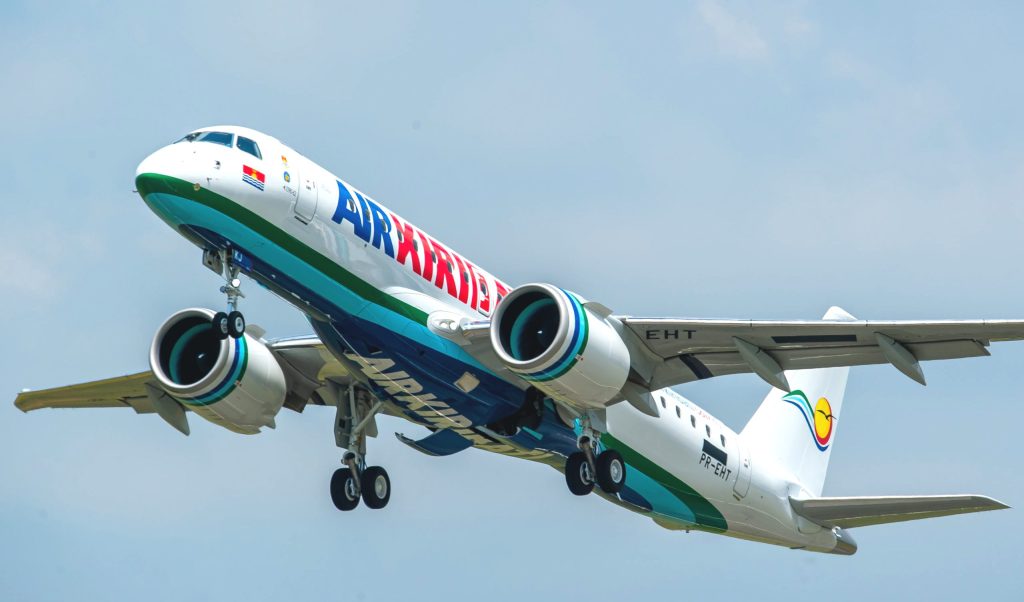
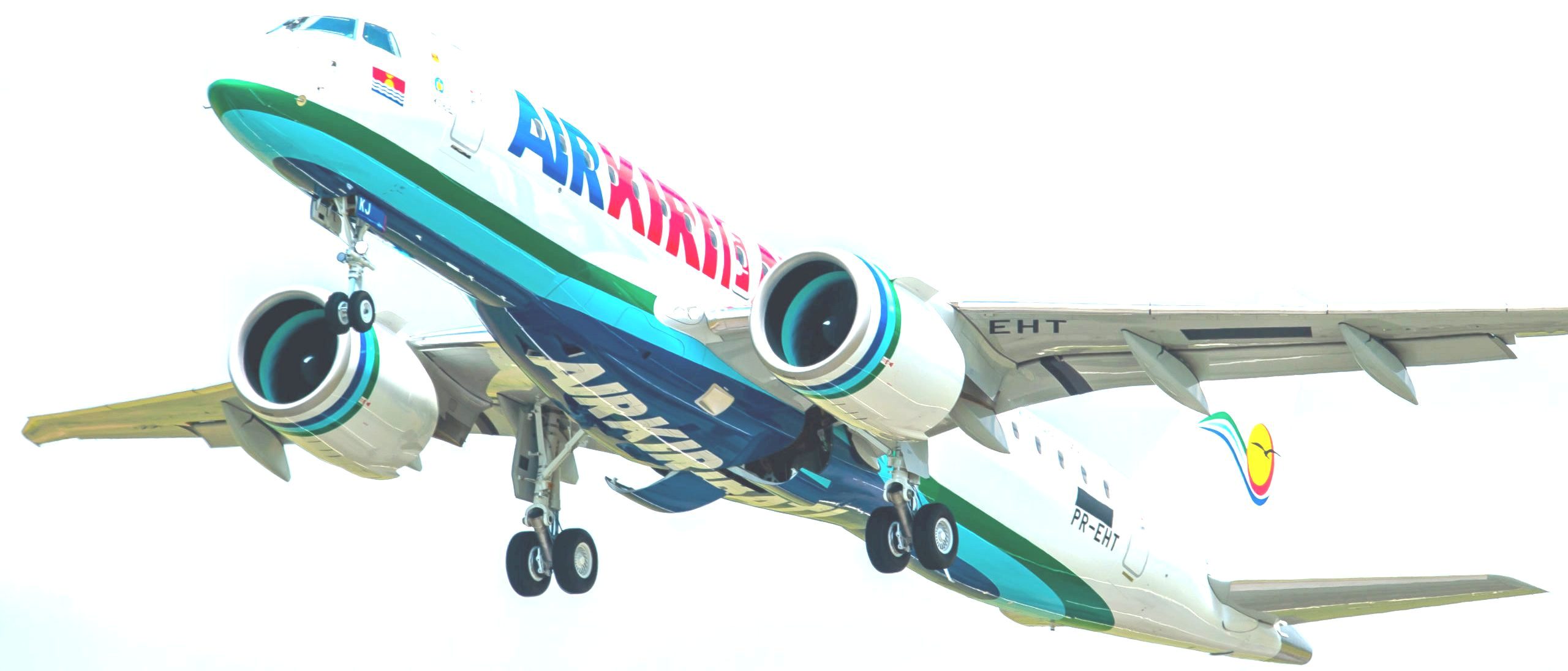
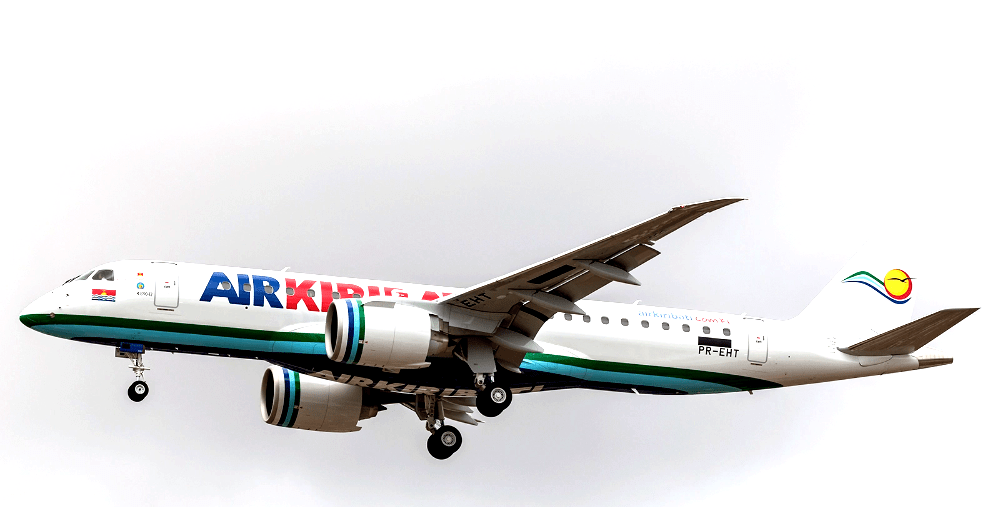
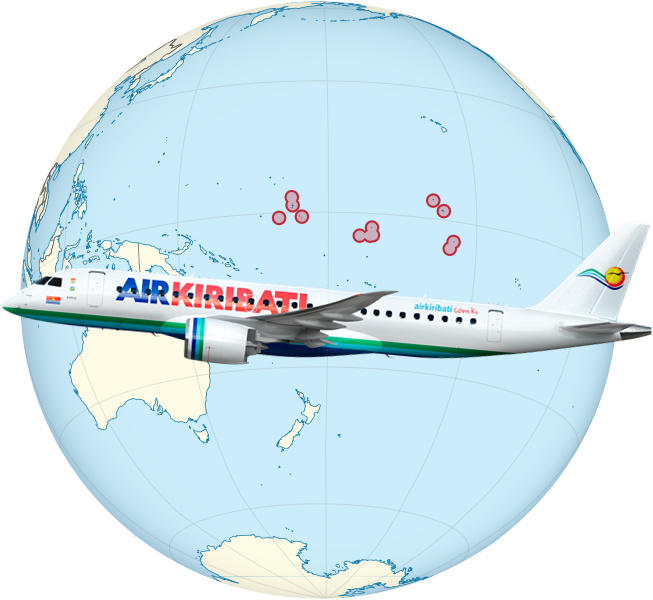
La compañía aérea Air Kiribati ha fleteado el avión Embraer E190-E2 registrado como VH-IKJ, a la compañía Fiji Airways para realizar el primer vuelo de repatriación de sus ciudadanos en el período de pandemia. Air Kiribati alquilará el avión de Fiji Airways para repatriar a sus nacionales desde la Isla de Fiji.

AW-7660006

«Cuesta US$ 60,000 una forma de alquilar un vuelo de este tipo», dijo el Sr. David Teaabo, del Alto Comisionado de Kiribati. Con más de 600 nacionales repatriados de Fiji y sus países insulares vecinos, la Alta Comisión de Kiribati necesita al menos US$ 1 millón de Dólares para continuar cinco de sus vuelos de repatriación propuestos desde Fiji. El Embajador coreano, Shin-hee Cho, presentó cajas de fideos a la Alta Comisión de Kiribati en apoyo del esfuerzo de repatriación.

Kiribati fletó su primer vuelo de repatriación desde Fiji el 19 de Noviembre de 2020, en el que participaron 62 nacionales. «Fue un éxito. Nuestras instalaciones de cuarentena solo pueden atender a 62 nacionales a la vez. Tuvimos que llevar al 50 por ciento de ellos de Occidente a Suva para la cuarentena, antes de que volaban. El próximo vuelo de repatriación está programado para la primera semana de Diciembre. Más de 800 nacionales de Kiribati han sido repatriados de todo el mundo, tras el COV ID-19«, dijo David Teaabo.

Air Kiribati & E190-E2

Air Kiribati no ha fijado una fecha para iniciar sus operaciones comerciales con su nuevo Embraer E190-E2 de un valor de US$ 90 millones de Dólares, siendo el primer avión de esta variante que ha introducido en el mercado Embraer S.A. en la Región Pacífico. Air Kiribati introdujo el nuevo avión Embraer E190 E2 en 2018 para la región del Pacífico. El contrato de Air Kiribati con Embraer en Brasil incluía pedidos de dos E190-E2 y derechos de compra para dos más. Se esperaba que Pionair Aviation, una compañía australiana de chárter, proporcionara pilotos, ingeniería y certificación para lanzar los nuevos aviones Embraer E190-E2 de Air Kiribati. El nuevo avión estará configurado para 92 pasajeros en una configuración de doble clase, con 12 asientos en clase ejecutiva y 80 asientos en economía.

Fiji Airways repatriation flights

Air Kiribati chartered its first repatriation flight for Fiji Airways

Kiribati_on_the_globe_Polynesia.svg

AW-Airkiribati_Isologotype

The airline Air Kiribati has chartered the Embraer E190-E2 aircraft registered as VH-IKJ, to the Fiji Airways company to carry out the first repatriation flight for its citizens in the pandemic period. Air Kiribati will charter the plane from Fiji Airways to repatriate its nationals from the Island of Fiji.

«It costs US$ 60,000 to charter such a flight», said Mr. David Teaabo of the Kiribati High Commissioner. With more than 600 nationals repatriated from Fiji and its neighboring island countries, the Kiribati High Commission needs at least US$ 1 million to continue five of its proposed repatriation flights from Fiji. Korean Ambassador Shin-hee Cho presented boxes of noodles to the Kiribati High Commission in support of the repatriation effort.

Kiribati chartered its first repatriation flight from Fiji on November 19, 2020, in which 62 nationals participated. «It was a success. Our quarantine facilities can only serve 62 nationals at a time. We had to bring 50 percent of them from the West to Suva for quarantine, before they flew in. The next repatriation flight is scheduled for the first week of December More than 800 Kiribati nationals have been repatriated from around the world, following COV ID-19», said David Teaabo.

Air Kiribati & E190-E2

Air Kiribati has not set a date to start its commercial operations with its new Embraer E190-E2 worth US$ 90 million, being the first aircraft of this variant that Embraer S.A. has introduced to the market. in the Pacific Region. Air Kiribati introduced the new Embraer E190 E2 aircraft in 2018 for the Pacific region. Air Kiribati’s contract with Embraer in Brazil included orders for two E190-E2s and purchase rights for two more. Pionair Aviation, an Australian charter company, was expected to provide pilots, engineering and certification to launch Air Kiribati’s new Embraer E190-E2 aircraft. The new aircraft will be configured for 92 passengers in a dual-class configuration, with 12 seats in business class and 80 seats in economy.


PUBLISHER: Airgways.com
DBk: Airkiribati.com.ki / Fijisun.com.fj / Airgways.com
AW-POST: 202011252222AR

A\W   A I R G W A Y S ®

ANAC Brasil aprueba Boeing 737 MAX

AW | 2020 11 25 18:08 | AVIATION ORGANISMS / AVIATION SAFETY

Aviación de Brasil aprueba recertificación Boeing 737 MAX

anac-logo-2

El regulador de aviación brasileño, la Agencia Nacional de Aviación Civil (ANAC) ha levantado este Miércoles 25/11 la puesta a tierra del Boeing 737 MAX, concluyendo el proceso de recertificación aprobado inicialmente por parte de la Federal Aviation Administration (FAA) de Estados Unidos, mientras que la GCAA de los Emiratos Árabes Unidos ha aprobado las regulaciones esta semana.

La ANAC Brasil ha terminado con su proceso de certificación levantando la prohibición en su país para las operaciones de la línea 737 MAX. El transportador que actualmente emplea este tipo de aeronaves es la compañía Gol Linhas Aéreas, que actualmente está implementando las medidas necesarias para reanudar los vuelos.

A principios de esta semana, la Agencia de Seguridad Aérea de la Unión Europea (EASA) estableció las condiciones para poner en condiciones las aprobaciones regulatorias estimadas hacia Enero 2021. Se espera que Canadá también levante la prohibición, pero persiste la incertidumbre sobre China, el mayor mercado para el avión y el primero en prohibirlo en Marzo de 2019.

La reapertura de los vuelos del Boeing 737 MAX en Estados Unidos se reanudarán el 29 de Diciembre de 2020 con la empresa American Airlines, abriendo así un nuevo capítulo con la cuarta generación de la línea 737 más representativa de la aviación comercial.

ANAC Brazil approves Boeing 737 MAX

Brazil aviation regulator approves Boeing 737 MAX recertification

The Brazilian aviation regulator, the National Civil Aviation Agency (ANAC) has lifted this Wednesday 25/11 the grounding of the Boeing 737 MAX, concluding the recertification process initially approved by the Federal Aviation Administration (FAA) of the States. The United Arab Emirates, while the GCAA approved the regulations this week.

ANAC Brazil has ended its certification process by lifting the ban in its country for the operations of the 737 MAX line. The carrier that currently uses this type of aircraft is the company Gol Linhas Aéreas, which is currently implementing the necessary measures to resume flights.

Earlier this week, the European Union Aviation Safety Agency (EASA) set the conditions to make the regulatory approvals estimated by January 2021 ready. Canada is also expected to lift the ban, but uncertainty persists over China, the largest market for the aircraft and the first to ban it in March 2019.

The reopening of Boeing 737 MAX flights in the United States will resume on December 29, 2020 with the American Airlines company, thus opening a new chapter with the fourth generation of the 737 line most representative of commercial aviation.

ANAC Brasil aprova Boeing 737 MAX

Regulador da aviação do Brasil aprova recertificação Boeing 737 MAX

O órgão regulador da aviação brasileira, a Agência Nacional de Aviação Civil (ANAC), levantou nesta quarta-feira 25/11 o encalhe do Boeing 737 MAX, concluindo o processo de recertificação inicialmente aprovado pela Administração Federal de Aviação (FAA) dos Estados. Os Emirados Árabes Unidos, enquanto o GCAA aprovou o regulamento esta semana.

A ANAC Brasil encerrou seu processo de certificação com o levantamento da proibição em seu país para a operação da linha 737 MAX. A transportadora que atualmente utiliza esse tipo de aeronave é a Gol Linhas Aéreas, que está implementando as medidas necessárias para a retomada dos vôos.

No início desta semana, a Agência de Segurança da Aviação da União Europeia (EASA) definiu as condições para tornar prontas as aprovações regulatórias estimadas para Janeiro de 2021. O Canadá também deve levantar a proibição, mas a incerteza permanece sobre a China maior mercado para a aeronave e o primeiro a bani-la em Março de 2019.

A reabertura dos vôos do Boeing 737 MAX nos Estados Unidos será retomada em 29 de Dezembro de 2020 com a companhia American Airlines, abrindo assim um novo capítulo com a quarta geração da linha 737 mais representativa da aviação comercial.


PUBLISHER: Airgways.com
DBk: Anac.gov.br / Boeing.com / Airgways.com
AW-POST: 202011251808AR

A\W   A I R G W A Y S ®

El «carrusel» del Aeropuerto El Palomar

AW | 2020 11 25 17:15 | AIRLINES MARKET / GOVERNMENT

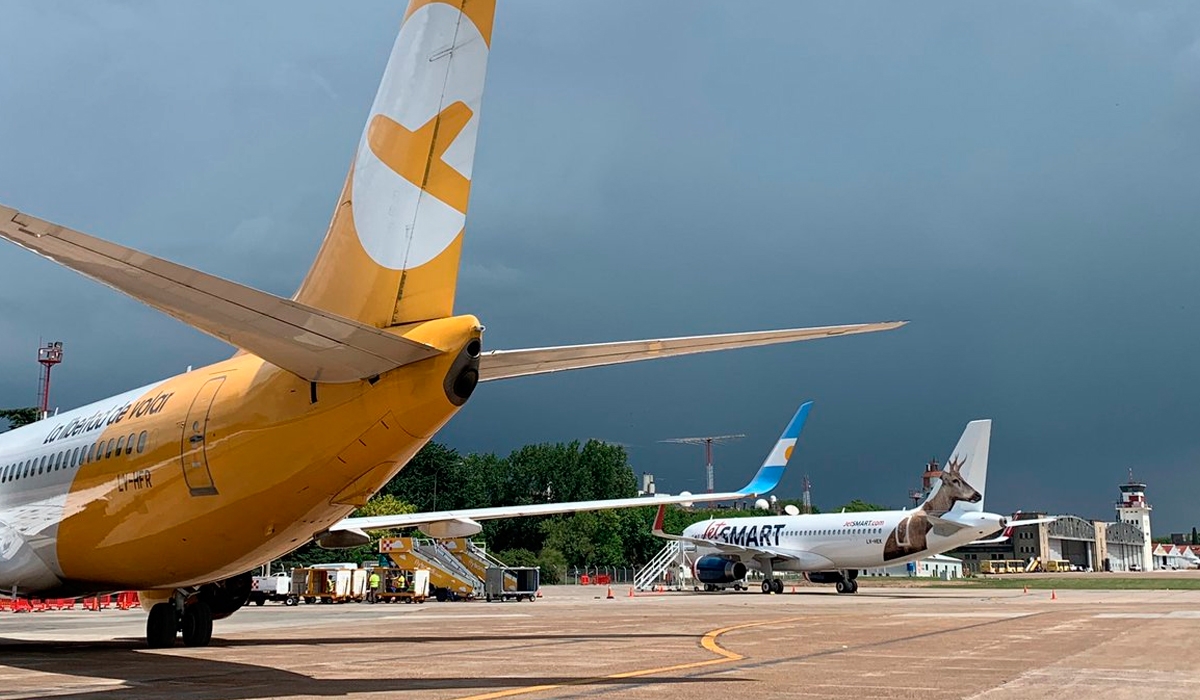
La larga saga mediática del Aeropuerto El Palomar

AA2000_EPA

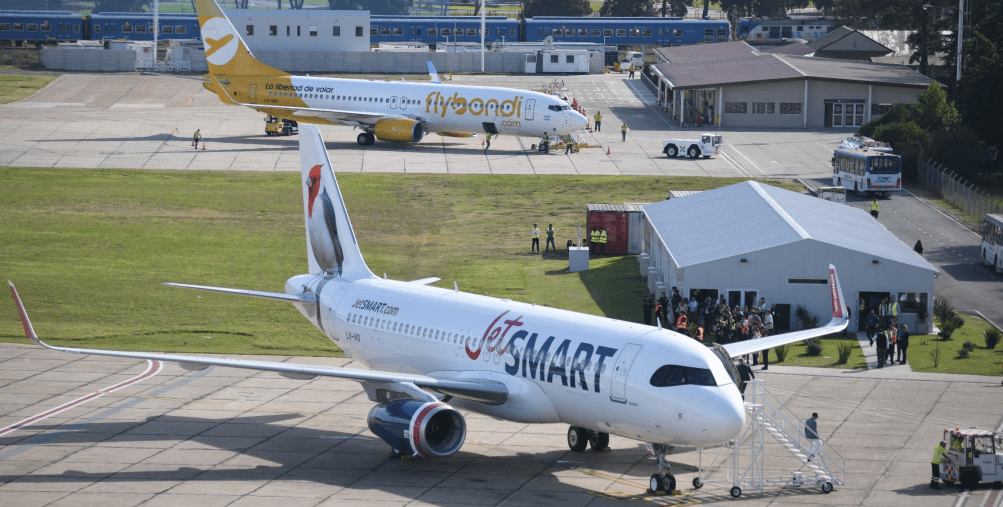
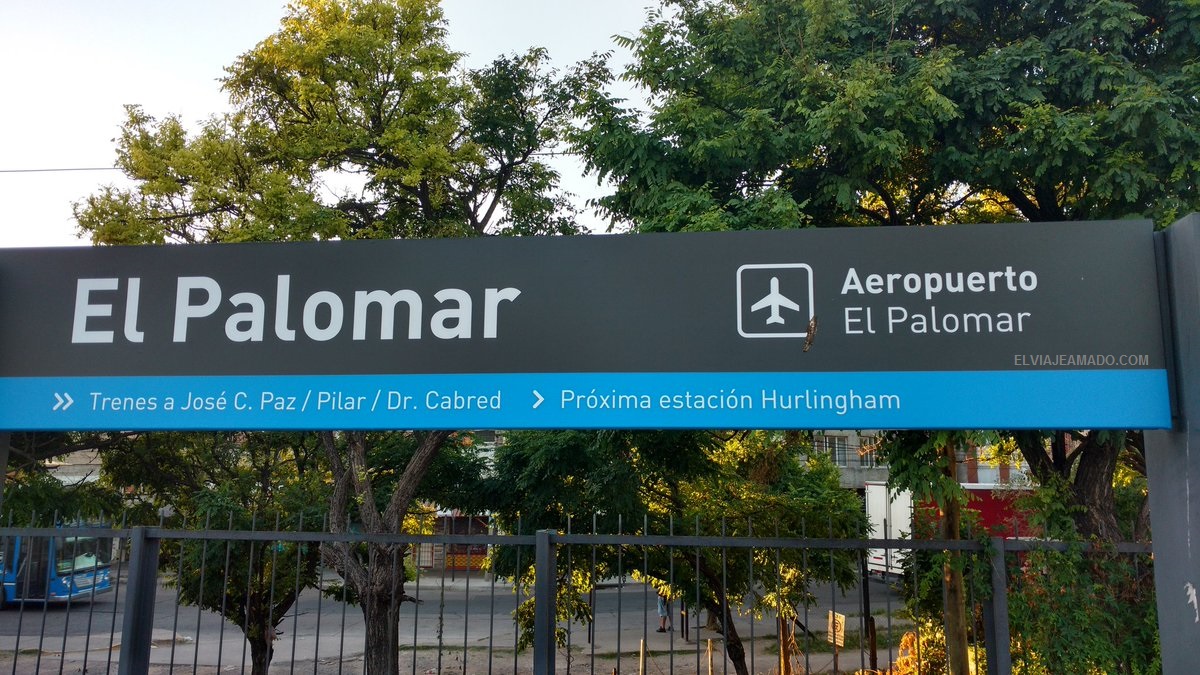
Desde el Ministerio de Transporte de Argentina han expresado ciertas simpatías por la continuidad del Aeropuerto Internacional El Palomar, localizado al oeste a unos siete kilómetros del límite de la Ciudad de Buenos Aires.

En un reportaje realizado el Viernes 20/11 por el Diario Perfil de Argentina, el Ministro de Transporte Mario Meoni ha expresado su parecer respecto a la futura continuidad de la aeroestación low cost, que aproxima con sus dichos vacilantes respecto a una doble política dentro del Gobierno, con el ala más dura encarnada por la asociación La Cámpora. «La política aerocomercial tiene que dar mucha más conectividad. Las low cost incorporaron un método bueno en algún aspecto. Hay mucha gente que pudo viajar gracias a eso. No estamos en contra de que se sostenga», expresó Mario Meoni, aunque remarcó que fueron subsidiadas por algunas provincias o municipios. En sintonía con la continuidad de la red de aeropuertos, el Ministro de Transporte expresó: «Debemos replantearnos la idea de sostener aeropuertos. Eso sí es un costo adicional que no paga la gente, el viajero directo. Lo pagamos entre todos los argentinos». Pero, siendos objetivos, de manera más equitativa, se puede razonar que Aerolíneas Argentinas ha recibido y continúa recibiendo fortunas de Adelantos del Tesoro Nacional (ATN) entre otros subsidios, que lo abonan todos los argentinos año tras año, décadas tras décadas.

Otro aspecto que involucraban los dichos del Ministerio de Transporte era a la cantidad de aeropuertos necesarios para el Área Metropolitana de Buenos Aires (AMBA), que tres aeroestaciones son demasiado para las actuales estructuras del país producto de la desaceleración económica por la crisis sanitaria mundial que ha afectado los viajes aéreos. La realidad, es que si se miden las actuales condiciones, incluso dos aeropuertos Jorge Newbery y Ezeiza representarían una sobreabundancia de ofertas para poca demanda. Siendo objetivos, hay que medir las economías a mediano/largo plazo, por algo se está ampliando el propio Aeroparque.

Inicio restricciones El Palomar |

Al entender las intenciones de no querer confrontar con un sector muy poderoso del Gobierno, las aerolíneas no pueden continuar con las incertidumbres que genera un doble discurso empobrecido producto de una política de coalición que continuamente contribuye al choque, más bien que a la de acuerdos entre todos los sectores de la economía y la política. «No quiero ser tajante con El Palomar. Hay que hacer un análisis profundo de cuánto es el costo de sostenimiento, cuál es la inversión necesaria y cuántas las posibilidades de repago. Alguno podrá preguntar por qué achicarse. La respuesta es que hay que achicarse porque, cuando somos un país pobre, no tenemos que tener por tener aeropuertos. En el mundo nadie los tiene. Tienen aeropuertos en función de la cantidad de pasajeros que tienen. Es algo que debería replicarse en Argentina». Nuevamente, con el concepto de la abundancia se corre el riesgo de poder usar esa postura para reclamar otras áreas que tampoco deberían los ciudadanos argentinos tener siendo un país pobre.

La postura respecto a las operaciones en el Aeropuerto Internacional Ezeiza están relacionadas a la migración de los vuelos por las cuestiones de seguridad sanitarias según el Gobierno ha expresado. Pero, aún continúan las dudas acerca de trasladar las operaciones nuevamente al Aeropuerto El Palomar o al Aeropuerto Jorge Newbery. «Hay que analizarlo. Estamos dándoles posibilidades de desarrollo a las empresas en Aeroparque. En Ezeiza también. Es algo para analizar cuando llegue el momento. Hoy soy partidario de que siga operando El Palomar», expresó el Ministro de Transporte, arrojando una fuerte impresión de su particular postura frente a futuras definiciones.

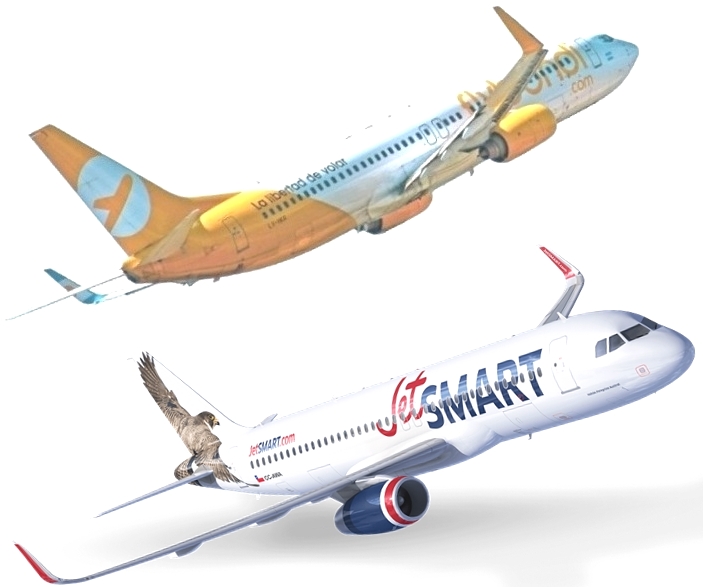
El Ministro de Transporte ha agregado el deseo de que «le gustaría particularmente que las low-cost tuvieran base en algunas otras provincias, en Córdoba por ejemplo. Desde allí poder operar a distintos puntos y ser una low cost que vincule el interior del país de forma diferente. Salir de la lógica de que se haga desde Buenos Aires». En buena parte, es un sentir federal para vincular el interior del país hacia las diferentes provincias argentinas. Particularmente, JetSmart Airlines Argentina había hecho pie como sede administrativa en la Ciudad de Córdoba, tras la adquisición de los derechos de la aerolínea Alas del Sur Líneas Aéreas, pero su base operativa se encuentra en el Aeropuerto El Palomar, en la Provincia de Buenos Aires.

Perspectivas aéreas

Sin lugar a dudas, la propia política de turno es una generadora de incertidumbres que, sumado al panorama post-pandemia, incrementan los desafíos cargados de vacilaciones, indecisiones, perplejidades. Las actuales políticas no hacen otra cosa que girar como un carrusel, dar vueltas y vueltas, mientras que las líneas aéreas y todos los argentinos continúan aspirando a las más nobles pretensiones de poder soñar con una aviación más inclusiva y federal.

The «carousel» of El Palomar Airport

El Palomar cierra por refacciones |

The long media saga of El Palomar Airport

From the Ministry of Transport of Argentina they have expressed certain sympathies for the continuity of the El Palomar International Airport, located to the west about seven kilometers from the limit of the City of Buenos Aires.

In a report carried out on Friday 11/20 by the Diario Perfil de Argentina, the Minister of Transport Mario Meoni has expressed his opinion regarding the future continuity of the low cost air station, which with his vacillating sayings approximates a double policy within the Government, with the toughest wing embodied by the La Cámpora association. «The commercial air policy has to provide much more connectivity. The low cost incorporated a good method in some respect. There are many people who were able to travel thanks to that. We are not against it being sustained», said Mario Meoni, although he remarked that they were subsidized by some provinces or municipalities. In line with the continuity of the airport network, the Minister of Transportation said: «We must rethink the idea of ​​sustaining airports. That is an additional cost that people, the direct traveler, do not pay. We pay it among all Argentines». But, being objective, in a more equitable way, it can be reasoned that Aerolíneas Argentinas has received and continues to receive fortunes from Advances from the National Treasury (ATN) among other subsidies, which are paid by all Argentines year after year, decades after decades.

AW-Flybondi_JetSmart

Another aspect that the sayings of the Ministry of Transportation involved was the number of airports necessary for the Metropolitan Area of Buenos Aires (AMBA), that three air stations are too much for the current structures of the country as a result of the economic slowdown due to the global health crisis that it has affected air travel. The reality is that if current conditions are measured, even two Jorge Newbery and Ezeiza airports would represent an overabundance of offers for little demand. Being objectives, which must be measured in the medium/long-term economies, the Aeroparque itself is expanding for a reason.

By understanding the intentions of not wanting to confront a very powerful sector of the Government, the airlines cannot continue with the uncertainties generated by an impoverished double discourse product of a coalition policy that continuously contributes to the clash, rather than to that of agreements between all sectors of the economy and politics. «I do not want to be blunt with El Palomar. You have to do a deep analysis of how much is the cost of support, what is the investment necessary and how many possibilities of repayment. Some may ask why downsize. The answer is that you have to downsize because when we are a poor country, we don’t have to have airports. Nobody in the world has them. They have airports depending on the number of passengers they have. It is something that should be replicated in Argentina». Once again, with the concept of abundance, there is a risk of being able to use this position to claim other areas that Argentine citizens should not have as a poor country.

The position regarding the operations at the Ezeiza International Airport is related to the migration of flights due to health security issues, according to the Government. But there are still doubts about moving operations back to El Palomar Airport or Jorge Newbery Airport. «We have to analyze it. We are giving development opportunities to the companies in Aeroparque. In Ezeiza as well. It is something to analyze when the time comes. Today I am in favor of continuing to operate El Palomar», said the Minister of Transportation, throwing a strong impression of its particular position in relation to future definitions.

The Minister of Transport has added the wish that «he would particularly like the low-cost to be based in some other provinces, in Córdoba for example. From there to be able to operate at different points and be a low cost that links the interior of the country to different way. Get out of the logic that it is done from Buenos Aires». To a large extent, it is a federal feeling to link the interior of the country to the different Argentine provinces. In particular, JetSmart Airlines Argentina had established itself as an administrative headquarters in the City of Córdoba, after acquiring the rights of the airline Alas del Sur Líneas Aéreas, but its operating base is located at El Palomar Airport, in the Province of Buenos Aires.

Aerial perspectives

Undoubtedly, the politics of the day itself is a generator of uncertainties that, added to the post-pandemic panorama, increase the challenges fraught with vacillations, indecisions, and perplexities. The current policies do nothing but spin like a carousel, going round and round, while the airlines and all Argentines continue to aspire to the noblest claims of being able to dream of a more inclusive and federal aviation.


PUBLISHER: Airgways.com
DBk: Argentina.gob.ar/transporte / Perfil.com / Airgways.com
AW-POST: 202011251715AR

A\W   A I R G W A Y S ®
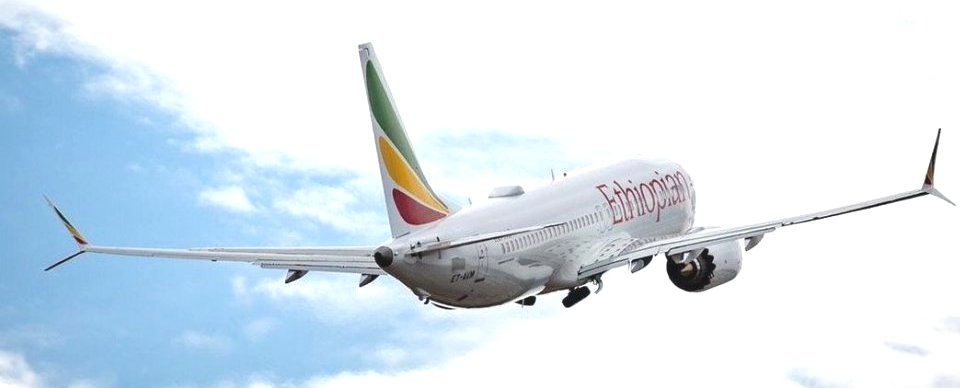
Boeing vs Norwegian Air por 737 MAX

AW | 2020 11 25 15:37 | AIRLINES / INDUSTRY / GOVERNMENT

Boeing intenta paralizar demanda por US$ 1.000 millones

Norwwegian_isologotype

The Boeing Company está intentando paralizar la demanda presentada por Norwegian Air Shuttle ASA hacia Marzo 2019. La aerolínea de descuento noruega está solicitando una compensación a la industria de aviación estadounidense por su flota en tierra de aviones Boeing 737-8 MAX. Norwegian Air ha sido la primer aerolínea que había presentado públicamente que exigirá que Boeing pague por el tiempo perdido de vuelo; muchas aerolíneas habían seguido su ejemplo.

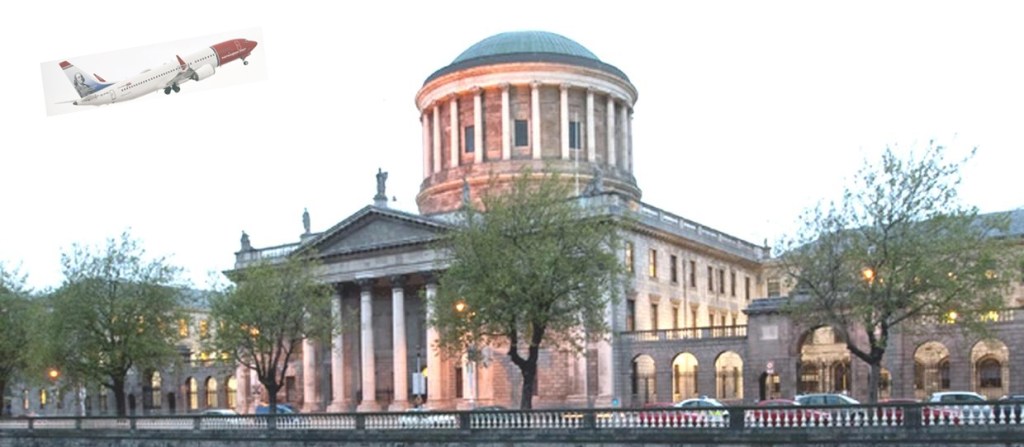
Norwegian Air ha presentado contra el fabricante de aviones estadounidense Boeing por un valor de US$ 1.000 millones de Dólares en resarcimientos por el tiempo de la puesta en tierra de sus unidades adquiridas. La actuación está teniendo lugar en el Juzgado de Michael Quinn, en la República de Irlanda, ante el que se presentó la suspensión de pagos de Norwegian Air Shuttle, con sede en Oslo, y la quiebra de cinco subsidiarias todas ellas con sede en Irlanda. El Juzgado se ha convertido en el centro del drama de la compañía noruega, en el que cada día aparecen historias sobre la agonía de los últimos meses de esta aerolínea. El proceso judicial ha desvelado que Norwegian tenía presentada una demanda de mil millones de Dólares por daños y perjuicios contra Boeing en los tribunales estadounidenses para recuperar el costo de 18 de los Boeing 737-8 MAX almacenados. Ahora esta petición de Boeing contra la demanda debe ser vista el 15 de Diciembre de 2020, ocho días después de que el caso irlandés de la aerolínea se presente ante el Tribunal Superior de Dublín.

Norwegian Air había comprado 18 aviones Boeing 737 MAX por un valor de US$ 1.000 millones de Dólares, pero no pudo utilizarlos tras la decisión de los reguladores de aviación internacionales de ponerlos en tierra por cuestiones de seguridad operativa. Posteriormente, el grupo escandinavo canceló un pedido de 92 aeronaves adicionales. En cualquier aerolínea esta situación habría sido problemática pero para Norwegian fue la gota que colmó su vaso de las desgracias. La demanda presentada incluye reclamos por daños al no poder usar los aviones y también repercute en los costes de mantenimiento. Norwegian calcula que el no poder utilizar el 737 MAX supuso pérdidas por valores a US$ 185 millones sólo en 2019, agravando su crisis financiera. El importe llega a los mil millones de Dólares al solicitar la devolución de los aviones. Al parecer, continúa con poca claridad que la acción judicial en Irlanda impida acciones judiciales de los acreedores en otras jurisdicciones, donde la compañía acarrea un déficit que alcanza los US$ 6.000 millones de Dólares.

Boeing vs Norwegian Air for 737 MAX

Boeing tries to stall US$ 1 billion lawsuit

Boeing 737 MAX_Isologotype

The Boeing Company is attempting to paralyze the lawsuit filed by Norwegian Air Shuttle ASA by March 2019. The Norwegian discount carrier is seeking compensation from the US aviation industry for its ground fleet of Boeing 737-8 MAX aircraft. Norwegian Air was the first airline to publicly present that it would require Boeing to pay for lost flight time; many airlines had followed suit.

Norwegian Air has filed against the US aircraft manufacturer Boeing for a value of US$ 1,000 million in compensation for the time of the grounding of its acquired units. The action is taking place in the Court of Michael Quinn, in the Republic of Ireland, before which the suspension of payments of Norwegian Air Shuttle, based in Oslo, and the bankruptcy of five subsidiaries all based in Ireland was presented. The Court has become the center of the drama of the Norwegian company, in which stories appear every day about the agony of the last months of this airline. The court process has revealed that Norwegian had filed a lawsuit of one billion dollars for damages against Boeing in the US courts to recover the cost of 18 of the Boeing 737-8 MAX in storage. Now this Boeing petition against the lawsuit is due to be heard on December 15, 2020, eight days after the airline’s Irish case is filed in Dublin High Court.

Norwegian Air had purchased 18 Boeing 737 MAX aircraft for a value of US$ 1 billion, but was unable to use them following the decision of international aviation regulators to ground them for operational safety reasons. Subsequently, the Scandinavian group canceled an order for 92 additional aircraft. In any airline this situation would have been problematic but for Norwegian it was the last straw. The lawsuit filed includes claims for damages due to not being able to use the airplanes and also affects maintenance costs. Norwegian estimates that failing to use the 737 MAX led to losses of US$ 185 million in 2019 alone, compounding its financial crisis. The amount reaches one billion dollars when requesting the return of the aircraft. Apparently, it remains unclear that the legal action in Ireland prevents legal actions from creditors in other jurisdictions, where the company has a deficit of US$ 6 billion.

Boeing vs Norwegian Air for 737 MAX

Boeing prøver å stoppe søksmål på 1 milliard dollar

Boeing_Icon

The Boeing Company prøver å lamme søksmålet fra Norwegian Air Shuttle ASA innen mars 2019. Det norske lavprisselskapet søker erstatning fra den amerikanske luftfartsindustrien for sin bakkeflåte på Boeing 737-8 MAX-fly. Norwegian Air var det første flyselskapet som offentlig presenterte at det ville kreve at Boeing betalte for tapt flytid; mange flyselskaper hadde fulgt etter.

Norwegian Air har søkt mot den amerikanske flyprodusenten Boeing om en verdi på US$ 1 000 millioner i erstatning for tidspunktet for grunnstøting av sine ervervede enheter. Handlingen finner sted i Retten til Michael Quinn, i Irland, før suspensjonen av betalingen av Norwegian Air Shuttle, basert i Oslo, og konkursen til fem datterselskaper som alle er basert i Irland, ble presentert. Domstolen er blitt sentrum for dramaet til det norske selskapet, der historier dukker opp hver dag om kvalen de siste månedene til dette flyselskapet. Rettsprosessen har avdekket at Norwegian hadde anlagt en søksmål på en milliard dollar for erstatning mot Boeing for de amerikanske domstolene for å få tilbake kostnadene på 18 av Boeing 737-8 MAX i lagring. Nå skal denne Boeing-begjæringen mot søksmålet behandles 15. desember 2020, åtte dager etter at flyselskapets irske sak er anlagt i Dublin High Court.

Norwegian Air hadde kjøpt 18 Boeing 737 MAX-fly til en verdi av 1 milliard Dollar, men klarte ikke å bruke dem etter avgjørelsen fra internasjonale luftfartsmyndigheter om å begrunne dem av operasjonelle sikkerhetsmessige årsaker. Deretter kansellerte den skandinaviske gruppen en bestilling på 92 ekstra fly. I ethvert flyselskap ville denne situasjonen ha vært problematisk, men for Norwegian var det det siste strået. Søksmålet som inngis inkluderer krav om erstatning på grunn av ikke å kunne bruke flyene og påvirker også vedlikeholdskostnadene. Norwegian anslår at manglende bruk av 737 MAX førte til tap på 185 millioner Dollar bare i 2019, noe som forverret finanskrisen. Beløpet når en milliard Dollar når vi ber om retur av flyet. Det ser ut til at det fortsatt er uklart at rettssaken i Irland forhindrer rettslige handlinger fra kreditorer i andre jurisdiksjoner, der selskapet har et underskudd som når 6000 millioner.


PUBLISHER: Airgways.com
DBk: Norwegian.com / Courts.ie / Boeing.com / Airgways.com / Wikipedia.org/Edward Russell / Gettyimages.com/AFP
AW-POST: 202011251537AR

A\W   A I R G W A Y S ®