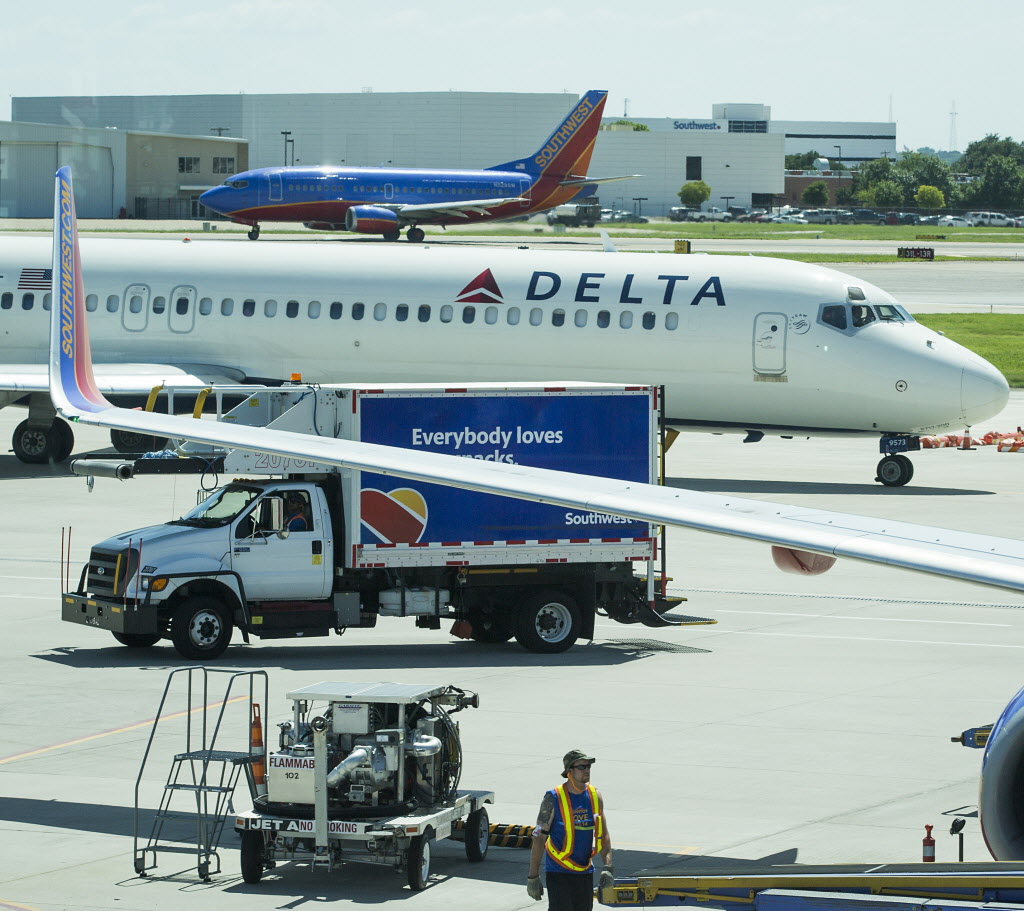
Las tres mayores aerolíneas que operan en la República de Brasil Azul Linhas Aéreas, Gol Linhas Aéreas y Latam Airlines Brasil, han registraron unas pérdidas neta combinadas cercana a R$ 3.900 millones de Reales (US$ 753 millones) en el 3Q2020, que se compara con el rojo de R$ 455 millones de Reales del mismo período de 2019, ha publicado la agencia aeronáutica de la ANAC. En los primeros tres trimestres de 2020, las pérdidas combinadas ascendieron a R$ 19.700 millones, frente a los R$ 562 millones de déficit del mismo período interanual. «Este fue el peor resultado reportado por las tres empresas en toda la serie histórica analizada», indicó ANAC en un comunicado. En el 3Q2020, el número de pasajeros nacionales se contrajo 71,7% y pasó de 24,2 millones en el 3Q2019 a 6,9 millones.
Concesiones aeroportuarias
La delicada situación financiera de las aerolíneas, combinada con un aumento de los contagios y el retraso en definir un plan de vacunación, podría afectar el interés de los inversionistas en las próximas licitaciones aeroportuarias. El Gobierno planea sacar a licitación 22 concesiones aeroportuarias el 7 de Abril de 2021 y las empresas interesadas deberán presentar sus ofertas el 1 de Abril de 2021. Los aeropuertos que se ofrecerán se ubican en las regiones sur, norte y centro-oeste del país y los contratos de concesión válidos por 30 años generarán inversiones estimadas en R$ 6.100 millones de Reales. El Gobierno de Brasil planea ofrecer los aeropuertos en tres lotes que combinarán los más rentables con los menos rentables.
Brazilian airlines with record losses
Brazilian airlines post record losses 3Q2020
The three largest airlines operating in the Republic of Brazil Azul Linhas Aéreas, Gol Linhas Aéreas and Latam Airlines Brasil have recorded combined net losses of close to R$ 3.9 billion Reais (US$ 753 million) in 3Q2020, which is compared to the red one of R$ 455 million Reais from the same period of 2019, has published the aeronautical agency of ANAC. In the first three quarters of 2020, the combined losses amounted to R$ 19,700 million, compared to the R$ 562 million deficit in the same inter-annual period. «This was the worst result reported by the three companies in the entire historical series analyzed», ANAC said in a statement. In 3Q2020, the number of domestic passengers contracted 71.7% and went from 24.2 million in 3Q2019 to 6.9 million.
Airport concessions
The delicate financial situation of the airlines, combined with an increase in infections and the delay in defining a vaccination plan, could affect the interest of investors in the next airport tenders. The Government plans to put out to tender 22 airport concessions on April 7, 2021 and interested companies must submit their bids on April 1, 2021. The airports to be offered are located in the southern, north and central-west regions of the country and Concession contracts valid for 30 years will generate investments estimated at R$ 6,100 million Reais. The Brazilian government plans to offer the airports in three lots that will combine the most profitable with the least profitable.
Aéreas brasileiras com perdas milionárias
Linhas aéreas brasileiras registram perdas millonárias no 3T2020
As três maiores companhias aéreas operando na República do Brasil, Azul Linhas Aéreas, Gol Linhas Aéreas e Latam Airlines Brasil registraram perdas líquidas combinadas de cerca de R$ 3,9 bilhões de Reais (US$ 753 milhões) no 3T2020, que é comparado a o vermelho de R$ 455 milhões de Reais do mesmo período de 2019, publicou a agência aeronáutica da ANAC. Nos três primeiros trimestres de 2020, o prejuízo combinado foi de R$ 19,7 bilhões, ante déficit de R$ 562 milhões no mesmo período interanual. “Esse foi o pior resultado reportado pelas três empresas em toda a série histórica analisada”, disse a ANAC em nota. No 3T2020, o número de passageiros domésticos diminuiu 71,7% e passou de 24,2 milhões no 3T2019 para 6,9 milhões.
Concessões de aeroportos
A delicada situação financeira das companhias aéreas, aliada ao aumento das infecções e ao atraso na definição do plano de vacinação, poderá afetar o interesse dos investidores nos próximos concursos aeroportuários. O Governo prevê licitar 22 concessões aeroportuárias no dia 7 de Abril de 2021 e as empresas interessadas deverão apresentar as suas propostas até 1 de Abril de 2021. Os aeroportos a serem ofertados localizam-se nas regiões Sul, Norte e Centro-Oeste do país e Os contratos de concessão com prazo de 30 anos gerarão investimentos estimados em R$ 6,1 bilhões de Reais. O Governo brasileiro planeja oferecer os aeroportos em três lotes que combinarão os mais lucrativos com os menos lucrativos.
Sindicato ASPA rechaza acuerdo laboral con Aeroméxico
La Asociación Sindical de Pilotos Aviadores (ASPA) de México ha comunicado que la Asamblea General ha rechazado por mayoría en una votación la propuesta alterna que había preparado el sindicato para apoyar el proceso de reestructura de las aerolíneas de Grupo Aeroméxico, en el contexto bajo del Capítulo 11 de la Ley de Quiebras de Estados Unidos. La propuesta que se puso a consideración mediante votación en urna en los últimos tres días es un paquete de reducción de costos y ahorros por parte del sindicato como una alternativa a lo presentado por la administración de Grupo Aeroméxico. Sin embargo, la mayoría de la planta de pilotos no estuvo de acuerdo con el proyecto.
Los pilotos dijeron, de acuerdo con el documento, que el haber rechazado dicha propuesta no significa que no entiendan la situación delicada que vive la industria aérea en el mundo, en este caso Aeroméxico y Aeroméxico Connect. “Los pilotos de ASPA orgullosamente hemos apoyado la continuidad de las empresas por medio de importantes reducciones de nuestras percepciones a lo largo de nueve meses, mismas que le han permitido atender la recuperación de la demanda de pasajeros tanto en el mercado nacional como en el internacional. El rechazo a esta propuesta por parte de la Asamblea General, órgano máximo en la toma de decisiones de nuestra institución, nos invita a continuar en la búsqueda de alternativas que hagan viable la inyección de capital que requiere la empresa y que al mismo tiempo sean aceptables para nuestros pilotos. En ASPA estamos conscientes de la necesidad que exige la coyuntura actual para cuidar nuestra fuente de empleo, no obstante las acciones y decisiones que ha tomado la administración de Grupo Aeroméxico en los últimos meses suscitaron incertidumbre y desconfianza en la planta de pilotos”, informaron en el documento.
Aeroméxico y ASPA mantienen negociaciones respecto al Contrato Colectivo de Trabajo desde Agosto 2020, pero no han llegado a un acuerdo porque las propuestas de la empresa no han convencido a los pilotos. El Sindicato ASPA agrupa a más de 2.000 pilotos, que en su mayoría confían que el Grupo Aeroméxico “mostrará sensibilidad y disposición para llegar a un acuerdo en beneficio mutuo y se respeten los derechos adquiridos en el contrato colectivo de trabajo”. Aeroméxico ha estado arribando a acuerdos con sus diferentes sindicatos, aunque detallan continuar con las negociaciones con ASPA y con la Asociación Sindical de Sobrecargos de Aviación (ASSA). Para la compañía resulta importante alcanzar un acuerdo para continuar con desarrollo del financiamiento de la compañía Apollo Global Management por un valor de US$ 1.000 millones de Dólares.
Aeromexico pilots without agreements
ASPA union rejects labor agreement with Aeromexico
The Mexican Association of Airmen Pilots (ASPA) has communicated that the General Assembly has rejected by majority in a vote the alternative proposal that the union had prepared to support the process of restructuring the airlines of Grupo Aeroméxico, in the context under the Chapter 11 of the United States Bankruptcy Law. The proposal that was put to consideration by ballot box in the last three days is a cost reduction and savings package by the union as an alternative to what was presented by Grupo Aeroméxico’s administration. However, the majority of the pilot plant did not agree with the project.
The pilots said, according to the document, that having rejected said proposal does not mean that they do not understand the delicate situation that the airline industry is experiencing in the world, in this case Aeroméxico and Aeroméxico Connect. “ASPA pilots have proudly supported the continuity of the companies through significant reductions in our perceptions over nine months, which have allowed them to meet the recovery of passenger demand both in the national and international markets. The rejection of this proposal by the General Assembly, the highest decision-making body of our institution, invites us to continue in the search for alternatives that make the injection of capital required by the company viable and that at the same time are acceptable for our pilots. At ASPA we are aware of the need that the current situation demands to take care of our source of employment, despite the actions and decisions taken by the administration of Grupo Aeroméxico in recent months aroused uncertainty and mistrust in the pilot plant”, they reported in The document.
Aeroméxico and ASPA have been in negotiations regarding the Collective Labor Agreement since August 2020, but they have not reached an agreement because the company’s proposals have not convinced the pilots. The ASPA Union brings together more than 2,000 pilots, most of whom trust that the Aeromexico Group «will show sensitivity and willingness to reach an agreement for mutual benefit and respect the rights acquired in the collective bargaining agreement». Aeromexico has been reaching agreements with its different unions, although they detail continuing negotiations with ASPA and with the Aviation Flight Carriers Union Association (ASSA). It is important for the company to reach an agreement to continue developing the financing of the Apollo Global Management company for a value of US$ 1,000 million.
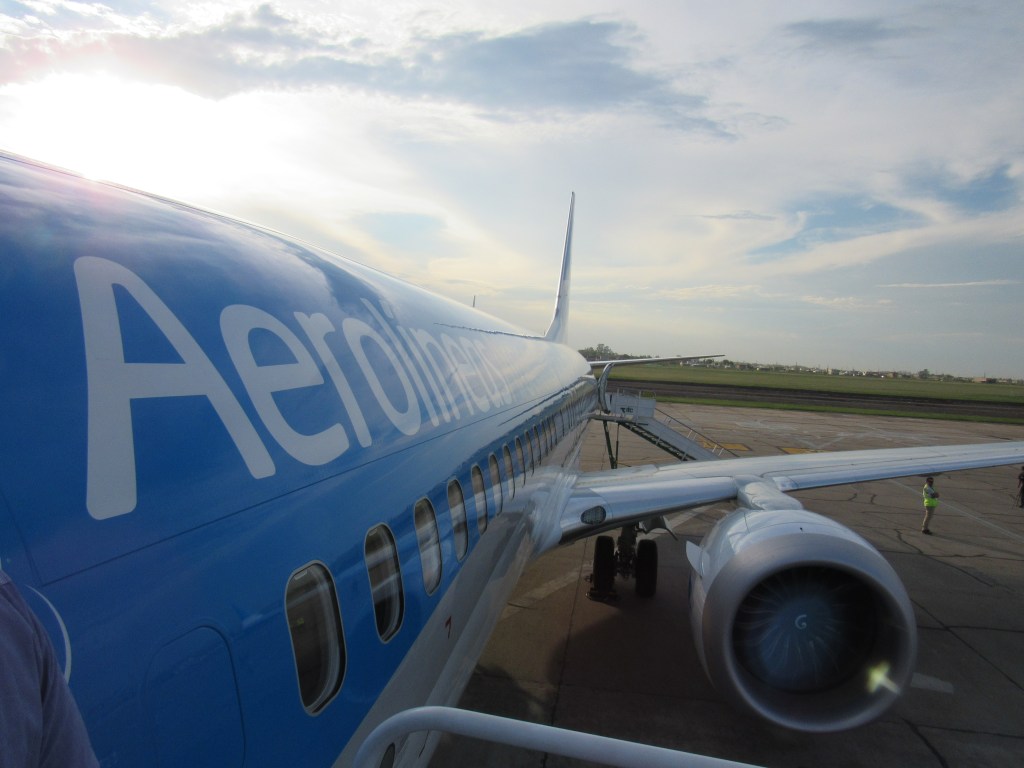
Gremios aeronáuticos acuerdan aumento en Aerolíneas Argentinas
Los gremios aeronáuticos acordaron un aumento salarial escalonado que se aplicarán dentro de los cinco primeros meses del año 2021 en Aerolíneas Argentinas. El acuerdo aplicaría en un 23% para Enero y Febrero 2021, y aumentando al 25% entre Marzo y Mayo de 2021. La mejora alcanzará a unos 12.000 empleados de la línea aérea. El acuerdo está abierto y sujeto a nuevos ajustes, a cuenta de futuros aumentos. El acuerdo rige también para el medio aguinaldo, destacaron los sindicatos.
Los gremios de Pilotos (APLA), Técnicos (APTA), Personal de Tierra (APA) y Jerárquicos (UPSA), han comunicado los detalles del nuevo avance de las paritarias salariales: «Se ha acordado con Aerolíneas Argentinas, el Ministerio de Transporte y la Jefatura de Gabinete de la Nación establecer una actualización salarial sobre el salario de todos los trabajadores del grupo de bandera», expresaron en el comunicado.
En medio de la pandemia, durante ocho meses Aerolíneas no había tenido ingresos en su caja, a raíz de la suspensión de vuelos comerciales. En 2019, la línea aérea de bandera había sufrido un pasivo de US$ 680 millones. Actualmente, en 2020 las pérdidas de Aerolíneas Argentinas rondarían los US$ 900 millones de Dólares, incrementadas por los efectos de la pandemia global y la supresión de los vuelos en todo el mundo.
Salary increase in Aerolíneas
Aeronautical unions agree to increase in Aerolíneas Argentinas
The aeronautical unions agreed on a staggered salary increase that will be applied within the first five months of 2021 in Aerolíneas Argentinas. The agreement would apply by 23% for January and February 2021, and increasing to 25% between March and May 2021. The improvement will reach some 12,000 airline employees. The agreement is open and subject to further adjustments, on account of future increases. The agreement also applies to the half bonus, the unions stressed.
The unions of Pilots (APLA), Technicians (APTA), Ground Personnel (APA) and Hierarchicals (UPSA), have communicated the details of the new advance of the salary parities: «It has been agreed with Aerolíneas Argentinas, the Ministry of Transport and the Chief of the Cabinet of the Nation will establish a salary update on the salary of all the workers of the flag group», they said in the statement.
In the midst of the pandemic, Aerolíneas had no income in its cash for eight months, as a result of the suspension of commercial flights. In 2019, the flag carrier had suffered a liability of US$ 680 million. Currently, in 2020 the losses of Aerolíneas Argentinas would be around US$ 900 million, increased by the effects of the global pandemic and the suppression of flights around the world.
Gol insta a agencia antimonopolio sanciones a Azul y Latam
La aerolínea GOL Linhas Aéreas ha solicitado al Consejo Administrativo de Defensa Económica (CADE) que analizara e imponga sanciones a sus dos competidores. Después de la lucha que se opuso a Azul Linhas Aéreas y Latam Airlines Brasil en 2019, debido a los derechos de slots de Avianca Brasil, ahora una nueva disputa en el sector aéreo alían a Azul y Latam contra GOL. La semana pasada, GOL ha exigido a la CADE que revisara e imponga sanciones a sus dos competidores debido a una operación que la compañía dijo que podría resultar en efectos anticompetitivos y perjudicar a los consumidores. La operación en cuestión es la implementación de cinco rutas aéreas juntas. Hasta Octubre 2020, Latam y Azul operaban por separado vuelos entre Belo Horizonte y Guarulhos, Belo Horizonte y Sao Paulo, Guarulhos y Porto Alegre, Brasilia y Recife y Río de Janeiro y Vitória.
Hace dos meses, sin embargo, las aerolíneas informaron a CADE que comenzarían a realizar estos vuelos en asociación, lo que significa que uno puede cerrar un vuelo y comenzar a vender billetes para el vuelo del otro, recibiendo una comisión por ello. Es una manera que las aerolíneas encuentran para reducir el gasto, pero no perder ingresos por completo mediante el aumento del número de pasajeros por vuelo y el aumento de las ganancias. En la petición presentada por la compañía, afirma que este cambio en la forma en que operan Latam y Azul puede significar una concentración del mercado. «Lo que en realidad es una concentración significativa en términos de capacidad de explotación en estas rutas, lo que permite a las compañías aéreas implicadas ejercer eficazmente su poder de mercado, en detrimento de Gol y, principalmente, de los usuarios del servicio de transporte aéreo», dijo la compañía GOL Linhas Aéreas, siendo el único competidor en estas rutas. La ruta entre Guarulhos y Belo Horizonte resultaría en una mayor concentración, con Azul-Latam ahora teniendo el 77% de los asientos en 2021, frente al 62% en el cuarto trimestre del año pasado (4Q2019). En la ruta entre Brasilia y Recife, pasaría del 68% al 75%. El acuerdo Azul-Latam da más fuerza de venta a las empresas, dejando a GOL atrás en la carrera por la recuperación en el post-pandemia. GOL presenta una queja adicional de que estas cinco rutas que entraron en la asociación de las empresas se encuentran entre las principales en el segmento corporativo, una de las más importantes para el sector de las aerolíneas, pero una de las que tienen la menor demanda ahora y que debería tomar más tiempo tener una reanudación.
La asociación Azul-Latam anunciada en Junio 2020, en medio de la incertidumbre de la pandemia, tras un acuerdo de Código Compartido, a través del cual operarían en asociación 29 rutas, y podrían expandirlo a 64. En ese momento, sin embargo, no se incluían las rutas superpuestas, es decir, que anteriormente operaban por separado cada compañía aérea. Con el acuerdo anunciado hace seis meses, una persona que hizo un viaje con dos segmentos podría hacer el primero en un vuelo Latam y el segundo con Azul. La asociación, por lo tanto, amplía los destinos y frecuencias ofrecidos por las empresas. El Código Compartido en rutas superpuestas apareció sólo ahora a finales de Octubre 2020.
El Consultor André Castellini, socio de Bain & Company y experto en el sector de las aerolíneas, no observa sin embargo un perjuicio para el consumidor por ahora. Para él, dada la proporción de la crisis y el hecho de que la demanda está ahora entre el 50% y el 60% de lo que sería normal, podría ocurrir que las empresas consideren ciertas rutas financieramente inviables y renunciaran a realizarlas por completo, lo que implicaría una reducción de la oferta y los aumentos de precios. «Con el código compartido, cada una de las compañías [Latam y Azul] puede vender boletos hasta que el avión se llene. Termina la competencia entre ellos en marketing y tiene el beneficio de mantener más vuelos en una ruta determinada de lo que tendría sin código compartido», expresa el Consultor André Castellini.
Latam Brasil Ailrines dijo en un comunicado que «desde el comienzo de la implementación del acuerdo de Código Compartido, ha mantenido la comunicación y ha estado actualizando en el CADE». Azul Linhas Aéreas, también ha expresado dijo que está «constantemente en contacto con CADE y siendo absolutamente transparente, notificando todas las rutas implementadas en su acuerdo. El acuerdo es muy beneficioso para el consumidor».
GOL urges CADE to sanction Azul/Latam
GOL urges antitrust agency to sanction competitors Azul and Latam
The airline GOL Linhas Aéreas has requested the Administrative Council for Economic Defense (CADE) to analyze and impose sanctions on its two competitors. After the fight that opposed Azul Linhas Aéreas and Latam Airlines Brasil in 2019, due to the slot rights of Avianca Brasil, now a new dispute in the airline sector aligns Azul and Latam against GOL. Last week, GOL required CADE to review and impose sanctions on its two competitors due to an operation that the company said could result in anti-competitive effects and harm consumers. The operation in question is the implementation of five air routes together. Until October 2020, Latam and Azul operated separately flights between Belo Horizonte and Guarulhos, Belo Horizonte and Sao Paulo, Guarulhos and Porto Alegre, Brasilia and Recife, and Rio de Janeiro and Vitória.
Two months ago, however, the airlines informed CADE that they would start these flights in association, which means that one can close a flight and start selling tickets for the other’s flight, receiving a commission for it. It is a way that airlines find to reduce spending, but not lose revenue entirely by increasing the number of passengers per flight and increasing profits. In the petition filed by the company, it states that this change in the way Latam and Azul operate may mean a market concentration. «What in reality is a significant concentration in terms of operating capacity on these routes, which allows the airlines involved to effectively exercise their market power, to the detriment of Gol and, mainly, of the users of the air transport service», said the company GOL Linhas Aéreas, being the only competitor on these routes. The route between Guarulhos and Belo Horizonte would result in a higher concentration, with Azul-Latam now having 77% of the seats in 2021, compared to 62% in the fourth quarter of last year (4Q2019). On the route between Brasilia and Recife, it would go from 68% to 75%. The Azul-Latam agreement gives more sales force to companies, leaving GOL behind in the race for recovery in the post-pandemic. GOL files an additional complaint that these five routes that entered the association of companies are among the top in the corporate segment, one of the most important for the airline sector, but one of the least in demand now and that it should take longer to have a resume.
The Azul-Latam partnership announced in June 2020, amid the uncertainty of the pandemic, following a Code Share agreement, through which 29 routes would operate in partnership, and could expand it to 64. At that time, however, no overlapping routes were included, that is, each airline previously operated separately. With the agreement announced six months ago, a person who made a trip with two segments could make the first on a latam flight and the second with Azul. The association, therefore, expands the destinations and frequencies offered by the companies. The Code Share on overlapping routes appeared only now at the end of October 2020.
The Consultant André Castellini, partner of Bain & Company and an expert in the airline sector, does not, however, see any harm to the consumer for now. For him, given the proportion of the crisis and the fact that demand is now between 50% and 60% of what would be normal, it could happen that companies consider certain routes financially unviable and renounce to carry them out entirely, which That would imply a reduction in supply and price increases. «With the code share, each of the companies [Latam and Azul] can sell tickets until the plane is full. It ends the competition between them in marketing and has the benefit of maintaining more flights on a certain route than it would have without shared code», says Consultant André Castellini.
Latam Brasil Ailrines said in a statement that «since the beginning of the implementation of the Shared Code agreement, it has maintained communication and has been updating CADE». Azul Linhas Aéreas has also stated that it is «constantly in contact with CADE and being absolutely transparent, notifying all the routes implemented in its agreement. The agreement is very beneficial for the consumer».
GOL insta CADE a sancionar Azul/Latam
Gol pede que agência antitruste do Brasil sancione Azul e Latam
A companhia aérea GOL Linhas Aéreas solicitou ao Conselho Administrativo de Defesa Econômica (CADE) que analise e aplique sanções aos seus dois concorrentes. Depois da luta que opôs Azul Linhas Aéreas e Latam Airlines Brasil em 2019, por conta dos direitos de slot da Avianca Brasil, agora uma nova disputa no setor aéreo alinha Azul e Latam contra GOL. Na semana passada, a GOL exigiu que o CADE revisse e impusesse sanções a seus dois concorrentes devido a uma operação que, segundo a empresa, poderia resultar em efeitos anticompetitivos e prejudicar os consumidores. A operação em questão consiste na implementação de cinco rotas aéreas em conjunto. Até outubro de 2020, Latam e Azul operavam voos separados entre Belo Horizonte e Guarulhos, Belo Horizonte e São Paulo, Guarulhos e Porto Alegre, Brasília e Recife, e Rio de Janeiro e Vitória.
Há dois meses, porém, as companhias aéreas informaram ao CADE que iniciariam esses voos em associação, o que significa que uma pode fechar um voo e começar a vender passagens para a outra, recebendo uma comissão por isso. É uma forma que as companhias aéreas encontram para reduzir os gastos, mas não perder totalmente as receitas, aumentando o número de passageiros por voo e aumentando os lucros. Na petição apresentada pela empresa, ela afirma que essa mudança na forma de atuação da Latam e da Azul pode significar concentração de mercado. “O que na realidade é uma concentração significativa em termos de capacidade operacional nessas rotas, o que permite às companhias aéreas envolvidas exercerem efetivamente seu poder de mercado, em detrimento da Gol e, principalmente, dos usuários do serviço de transporte aéreo», disse a empresa GOL Linhas Aéreas, sendo a única concorrente nessas rotas. A rota entre Guarulhos e Belo Horizonte resultaria em uma concentração maior, com a Azul-Latam passando a ter 77% das poltronas em 2021, ante 62% no quarto trimestre do ano passado (4T2019). No trajeto Brasília-Recife, passaria de 68% para 75%. O acordo Azul-Latam dá mais força de vendas às empresas, deixando a GOL para trás na corrida pela recuperação do pós-pandemia. A GOL registra reclamação adicional de que essas cinco rotas que ingressaram na associação de empresas estão entre as melhores do segmento corporativo, uma das mais importantes para o setor aéreo, mas uma das menos procuradas agora e que deve demorar mais para ter um currículo.
A parceria Azul-Latam anunciada em junho de 2020, em meio às incertezas da pandemia, na sequência de um acordo de Code Share, por meio do qual operariam em parceria 29 rotas, podendo expandi-la para 64. Naquela época, porém, não Foram incluídas rotas sobrepostas, ou seja, cada companhia aérea operava separadamente. Com o acordo anunciado há seis meses, quem fizesse uma viagem com dois segmentos poderia fazer o primeiro em um vôo da Latam e o segundo com a Azul. A associação, portanto, amplia os destinos e frequências oferecidas pelas empresas. O Code Share em rotas sobrepostas apareceu apenas agora, no final de Outubro de 2020.
O Consultor André Castellini, sócio da Bain & Company e especialista no setor de aviação, não vê, porém, nenhum prejuízo para o consumidor por enquanto. Para ele, dada a proporção da crise e o fato de a demanda estar agora entre 50% e 60% do que seria normal, pode acontecer que as empresas considerem determinados caminhos financeiramente inviáveis e renunciem a realizá-los integralmente, o que Isso implicaria uma redução na oferta e aumentos de preços. “Com o codeshare, cada uma das empresas [Latam e Azul] pode vender passagens até o avião ficar cheio. Isso acaba com a competição entre elas em marketing e tem a vantagem de manter mais voos em uma determinada rota do que teria sem código compartilhado”, afirma o consultor André Castellini.
A Latam Brasil Ailrines afirmou em nota que «desde o início da implementação do acordo do Código Compartilhado, tem mantido a comunicação e atualizado o CADE». A Azul Linhas Aéreas também afirmou que está «constantemente em contato com o CADE e com absoluta transparência, notificando todas as rotas implementadas em seu contrato. O contrato é muito benéfico para o consumidor».
Gremios aeronáuticos rechazaron la oferta paritaria en Aerolíneas
Un nuevo conflicto se asoma en Aerolíneas Argentinas tras rechazar un acuerdo salarial de los empleados/gremios aeronáuticos al proponer el Gobierno un 7% retroactivo a Octubre 2020. También pidieron fijar tarifas mínimas para JetSmart Airlines Argentina y Flybondi Líneas Aéreas.
Los trabajadores aeronáuticos nucleados en Aerolíneas Argentinas rechazaron en forma categórica la oferta paritaria de un aumento insignificativo para los empleados de la compañía aérea de bandera. “A 15 meses de los últimos acuerdos paritarios, la pauta ofrecida representa una clara incitación al conflicto por parte de Aerolíneas Argentinas, Intercargo y el Ministerio de Transporte”, dijeron en un comunicado los gremios de Pilotos (APLA), Técnicos (APTA), Personal de Tierra (APA), Jerárquicos (UPSA) y de Control (ATEPSA). La compañía ha expresado por su parte, dijeron que el 7% es el mejor esfuerzo que pueden hacer. “Es el esfuerzo que puede hacer el Estado nacional, en el peor año para la industria aerocomercial del país. Estuvimos ocho meses sin facturación y sin haber afectado el poder adquisitivo de los trabajadores y conservado todos y cada uno de los puestos de trabajo”, definieron desde la compañía.
El Lunes 22/12, el CEO Pablo Ceriani se reunió con los titulares de los gremios, con la presencia también del Jefe de Gabinete del Ministerio de Transporte, Abel De Manuele, y la titular de la Administración Nacional de Aviación Civil (ANAC), Paola Tamburelli, entre otros funcionarios. Los sindicalistas le ha disgustado la respuesta del Gobierno: “Los funcionarios siguieron sin dar respuestas concretas a estos asuntos, lo que a esta altura resulta lisa y llanamente inexplicable”, dijeron los sindicatos aeronáuticos en un comunicado conjunto. La paritaria ofrecida del 7%, expresaron que “está muy lejos de recomponer la pérdida de poder adquisitivo registrada, siendo una clara incitación al conflicto”.
Frente Lowcost vs Aerolíneas
Los aeronáuticos pidieron también que se fijen bandas tarifarias mínimas para evitar la competencia de las aerolíneas low cost Flybondi Líneas Aéreas y JetSmart Airlines Argentina, y regulaciones para que esas líneas aéreas no puedan usar otros servicios de rampa que no sean de la estatal Intercargo. Mientras tanto Flybondi como JetSmart mudaron sus operaciones al Aeropuerto de Ezeiza, donde los servicios de rampa son prestados únicamente por Intercargo, con la única excepción de American Airlines y la propia Aerolíneas Argentinas, representa un monopolio y un atentado a los intereses de las aéreas que deben luchar por los altos costos operativos de estos servicios expresados en moneda estadounidense.
Guilds reject offers in Argentina
Aeronautical unions rejected the joint offer in Aerolíneas
A new conflict looms in Aerolíneas Argentinas after faking a salary agreement for aeronautical employees/ unions by proposing the Government a 7% retroactive to October 2020. They also asked to set minimum rates for JetSmart Airlines Argentina and Flybondi Líneas Aéreas.
The aeronautical workers nucleated in Aerolíneas Argentinas categorically rejected the joint offer of an insignificant increase for the employees of the flag carrier. «15 months after the last joint agreements, the pattern offered represents a clear incitement to conflict by Aerolíneas Argentinas, Intercargo and the Ministry of Transport,» said in a statement the unions of Pilots (APLA), Technicians (APTA), Ground Personnel (APA), Hierarchical (UPSA) and Control (ATEPSA). The company has expressed for its part, they said that 7% is the best effort they can do. “It is the effort that the national State can make, in the worst year for the country’s commercial aviation industry. We spent eight months without billing and without having affected the purchasing power of the workers and kept each and every one of the jobs”, they defined from the company.
On Monday 12/22, the CEO Pablo Ceriani met with the heads of the unions, with the presence also of the Chief of Staff of the Ministry of Transport, Abel De Manuele, and the head of the National Civil Aviation Administration (ANAC), Paola Tamburelli, among other officials. Trade unionists have been displeased by the government’s response: «The officials continued to not give concrete answers to these issues, which at this point is simply inexplicable», the aeronautical unions said in a joint statement. The parity offered of 7%, expressed that «it is very far from redressing the loss of purchasing power registered, being a clear incitement to conflict».
Lowcost vs. Aerolíneas confrontation
The aeronautical companies also requested that minimum tariff bands be set to avoid competition from the low cost airlines Flybondi Líneas Aéreas and JetSmart Airlines Argentina, and regulations so that these airlines cannot use other ramp services that are not of the state Intercargo. Meanwhile, Flybondi and JetSmart moved their operations to the Ezeiza Airport, where ramp services are provided only by Intercargo, with the sole exception of American Airlines and Aerolíneas Argentinas itself, representing a monopoly and an attack on the interests of the airlines that they must fight for the high operating costs of these services expressed in US currency.
AW | 2020 12 23 00:43 | AVIATION ORGANISM / GOVERNMENT
DOT implementa nuevo paradigma legal para regular aerolíneas
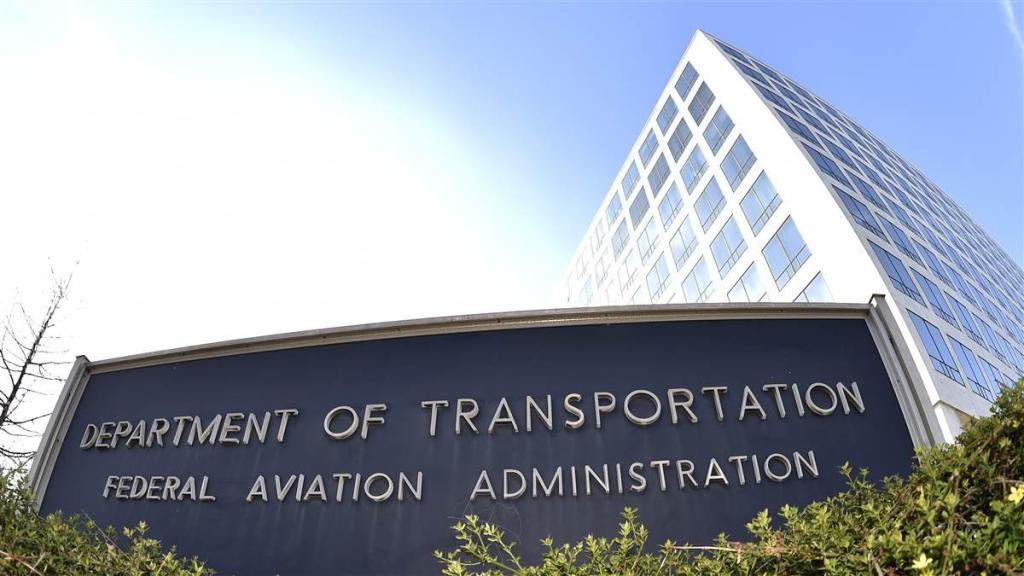
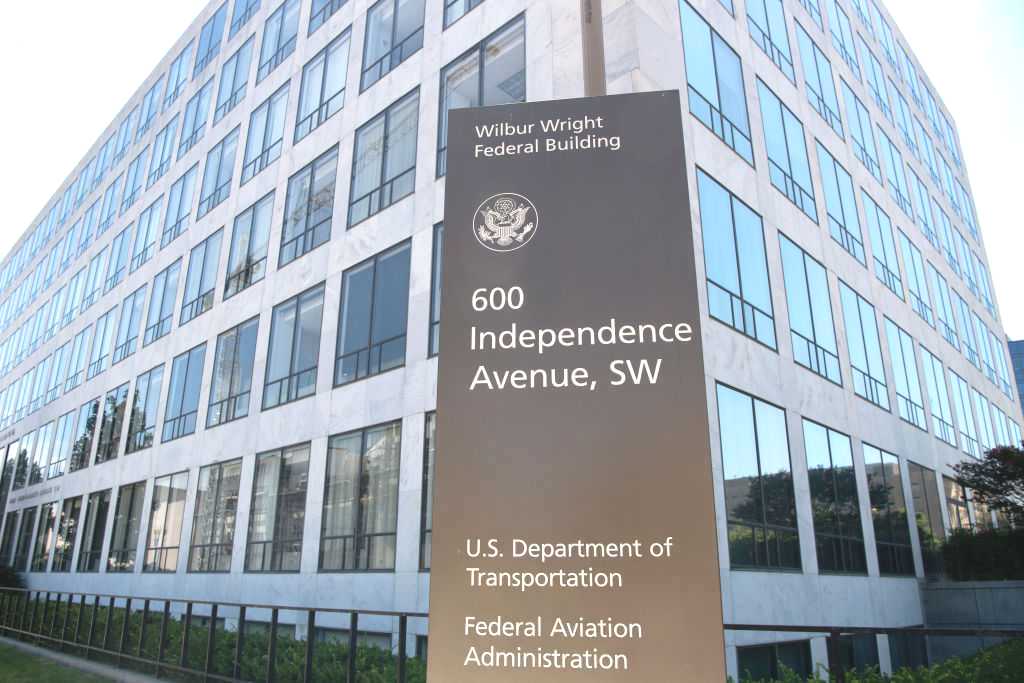
El Departamento de Transporte (DOT) de los Estados Unidos ha publicado recientemente nuevas regulaciones que codifican criterios específicos para interpretar su autoridad reguladora fundamental bajo la USC 49 Sección 41712 de los Estados Unidos para prohibir que las aerolíneas participen en «prácticas injustas o engañosas». El propósito del DOT al adoptar estos reglamentos es proporcionar «mayor claridad y certidumbre sobre la interpretación [del DOT] de las prácticas y el proceso injustos o engañosos para tomar esas determinaciones en el contexto de las medidas de elaboración y observancia de las normas de protección de los consumidores de aviación». Regla Final del DOT en 78707. Las nuevas regulaciones del DOT entrarán en vigor el 6 de Enero de 2021.
Aunque el DOT ha gozado de la autoridad legal en litigio en este procedimiento desde principios de la década de 1980, es la primera vez que el DOT ha articulado formalmente cómo interpreta los términos injusto y engañoso. Esto es importante porque el DOT ha confiado en esta autoridad legal como base jurídica para adoptar una amplia franja de reglamentos y llevar a cabo cientos de acciones de observancia contra las compañías aéreas, sin embargo, la ley no define los términos injusto y engañoso y, hasta ahora, tampoco tiene DOT. Durante décadas, DOT esencialmente ha decidido si las aerolíneas han participado en una práctica injusta o engañosa aplicando la notoria definición de pornografía del juez Potter Stewart: lo saben cuando la ven. Las compañías aéreas han castigado durante mucho tiempo ante un enfoque subjetivo de este tipo, argumentando que el DOT ha adoptado una multitud de normas y ha llevado a cabo acciones de observancia sin identificar pruebas objetivas de injusticia o engaño ni especificar cómo el DOT interpreta esos términos legales.
Las nuevas pruebas de tres partes de DOT para injusticia y engaño
Las nuevas regulaciones del DOT alinean el enfoque interpretativo del DOT con la práctica de la Comisión Federal de Comercio (FTC) de larga data. El DOT adoptó las pruebas de tres partes que la FTC ha utilizado durante mucho tiempo para interpretar su autoridad legal esencialmente idéntica para prohibir las prácticas desleales o engañosas de muchos tipos de empresas distintas de las aerolíneas. Según las nuevas regulaciones del DOT, una práctica es injusta para los consumidores si: 1· Causas o es probable que causen lesiones sustanciales, 2· Que no es razonablemente evitable 3· El daño no es compensado por los beneficios para los consumidores o la competencia. Una práctica es engañosa para los consumidores si: 1· Es probable que confunda a un consumidor, 2· Actuando razonablemente en las circunstancias, 3· Con respecto a un asunto material. Un asunto es importante si es probable que haya afectado a la conducta o decisión del consumidor con respecto a un producto o servicio.
Aunque en general se alinea con el enfoque de la FTC, el DOT observó una distinción potencialmente significativa que subyace a su opinión de cómo se definen injustos y engañosos. El DOT señaló que bajo la práctica de la FTC, la política pública se basa en la evaluación de la injusticia de la agencia, pero que el Congreso ha dirigido lo contrario para el DOT. En cambio, el DOT debe tener en cuenta una variedad de prioridades de política pública en la regulación económica de las compañías aéreas. Estos incluyen «seguridad, garantizar la competencia económica y prevenir prácticas desleales y engañosas». Regla final del DOT en 78710 y Nº 21-22. En particular, sin embargo, DOT no hizo referencia a la directiva de política específica del Congreso que pretende inhibir una regulación más amplia del DOT de la industria aérea estadounidense desregulada: a «confiar en la máxima dependencia de las fuerzas competitivas del mercado y en la competencia real y potencial». 49 U.S.C. 40101(a) (6). Las compañías aéreas han argumentado que la política del Congreso de exigir la máxima dependencia de las fuerzas del mercado implica que el DOT no debe regular la ausencia de pruebas de fracaso del mercado. Como mínimo, las directivas políticas del DOT del Congreso sirven como un filtro adicional a través del cual el DOT debe aprobar cualquier decisión de regular, incluso si el DOT cree de otra manera que una práctica es injusta o engañosa bajo sus nuevas pruebas.
Papel de la intención en la determinación de si una práctica de aerolínea es injusta/engañosa
Las compañías aéreas adujeron que, para que el DOT estableciera que una práctica es «injusta» o «engañosa», debe demostrar que una compañía aérea tenía la intención de engañar a los consumidores. El Departamento de Transporte rechazó esta propuesta, declinando específicamente incluir un elemento de intención en sus pruebas de injusticia y engaño. Por lo tanto, el DOT puede establecer una infracción legal basada únicamente en el objeto y el efecto en los consumidores de la conducta de una compañía aérea sin tener en cuenta el conocimiento o la intención de la compañía aérea. Con diferencia, las compañías aéreas adujeron que el DOT debería dar un peso significativo a la intención de una aerolínea. El DOT también rechazó esta solicitud, pero señaló que, al ejercer su amplia discrecionalidad de observancia, el DOT puede tener en cuenta una variedad de factores, incluidos el conocimiento y la intención de una aerolínea. Dicha facultad discrecional podría aplicarse tanto a una decisión del Departamento de Transporte de si se aplica una acción de ejecución como, si el DOT presenta un caso de ejecución, al importe de cualquier sanción civil propuesta. Por lo tanto, aunque las compañías aéreas no prevalecían al anular su responsabilidad por errores y consecuencias no deseadas, la Norma Definitiva ofrece a las compañías aéreas la oportunidad de persuadir al DOT de que la observancia no está justificada (o al menos que cualquier importe de penalización debe limitarse).
¿Qué constituye una «práctica» de aerolínea?
Durante la elaboración de normas, las compañías aéreas instaron al DOT a definir el término «práctica» y, al hacerlo, a que dejara claro que un solo acto sería insuficiente para establecer una infracción legal. El Departamento rechazó esta solicitud, pero indicó que no trataría de castigar los actos aislados o individuales a menos que «indicativo» de una «práctica» más amplia, como se refleja en «política de la empresa, capacitación o falta de capacitación». El Ministerio de Transporte declaró que se centra en si «la conducta en cuestión refleja una práctica o política que afecta a múltiples consumidores, en lugar de un incidente aislado». Regla Final del DOT al 78710-11.
El Estándar de Consumo Razonable
El concepto de razonabilidad es parte integral de las pruebas de «injusticia» y «engaño». En el marco de la prueba de «injusticia», sólo las lesiones sustanciales de los consumidores que «no sean razonablemente evitables» (y no superadas por los beneficios del consumidor o de la competencia) violarían la ley. Una «práctica engañosa», por su parte, es probable que induzca a error a un consumidor a «actuar razonablemente en las circunstancias» con respecto a un asunto que es importante para la decisión de compra del consumidor u otra conducta. 14 C.F.R. Nº 399.79 (b) (1), (2). Las compañías aéreas solicitaron que el DOT confirmara que la frase «no razonablemente evitable» en la prueba de injusticia excluye «circunstancias en las que la conducta intencional, intencional o imprudente de un consumidor conduce a un daño (por ejemplo, aprovechando intencionalmente una tarifa publicada por error)». En respuesta, el DOT señaló que «el término ‘no razonablemente evitado’ excluiría necesariamente los tipos de daños autoimpuestos», describió las compañías aéreas. Del mismo modo, DOT confirmó que la referencia de la prueba de engaño a los consumidores «actuando razonablemente en las circunstancias» implica la referencia a «consumidores razonables en su conjunto, y que la interpretación irrazonable de una declaración de [una aerolínea] de un solo consumidor no la hace engañosa. Estamos de acuerdo en que el engaño se juzga en referencia a un consumidor razonable». Regla final del DOT en 78710 Nº25. En el caso de las compañías aéreas, se trataba de una confirmación bienvenida de que el DOT no se basaría en una reclamación de un solo consumidor como base para una acción de observancia de la «práctica engañosa» sin que la práctica en cuestión fuera probable que engañara a los consumidores razonables de manera más general (además de cumplir con los demás elementos de la prueba de «engaño»).
Vacío legal DOT para aplicación reglamentos adoptados previamente en virtud Sección 41712
El DOT remarcó una excepción sustancial en su Regla Final para la aplicación de los reglamentos existentes del DOT adoptados de conformidad con su autoridad legal para prohibir las prácticas desleales o engañosas. 14 C.F.R. Nº 399.79 (d). En virtud de esta excepción, el DOT establece que «cuando un reglamento existente se aplica a la práctica de un transportista aéreo, un transportista aéreo extranjero o un agente de billetes, se aplican las condiciones de dicho Reglamento en lugar de las definiciones generales establecidas» en el nuevo reglamento injusto y engañoso. Esta excepción es preocupante porque puede permitir al DOT establecer una violación de un reglamento que tiene por objeto prohibir una práctica desleal o engañosa, incluso si el DOT no podía (y no tendría que) demostrar en sus nuevas pruebas que la práctica de la compañía aérea en cuestión era «injusta» o «engañosa». Esta excepción podría aplicarse ampliamente porque el DOT, a lo largo de décadas, ha utilizado el Artículo 41712 como base para adoptar un amplio conjunto de reglamentos de protección de los consumidores muy detallados. Esto se debe a que, cuando el DOT adoptó esos reglamentos, nunca explicó cómo las prácticas de las compañías aéreas en litigio eran «injustas» o «engañosas» en referencia a cualquier definición formal de esos términos legales.
Ambiguidades no resueltas en el nuevo Reglamento DOT
Si bien el nuevo reglamento del DOT logra el propósito del DOT de proporcionar «mayor claridad y certidumbre sobre la interpretación [del DOT] de las prácticas desleales o engañosas y el proceso de [DOT] para tomar esas determinaciones en el contexto de las medidas de elaboración y observancia de las normas de protección de los consumidores de aviación», el DOT dejó abiertos a futuras interpretaciones elementos clave de sus normas de «injusticia» y «engaño». Regla Final del DOT en 78707. Estos incluyen cómo definir «daño sustancial», «probablemente inducir a error» y el concepto de razonabilidad (por ejemplo, «razonablemente evitable» y «actuar razonablemente bajo las circunstancias»). Una mayor claridad en cuanto a la comprensión de estos términos por parte del DOT puede surgir de futuras normas del DOT y acciones de observancia. Las aerolíneas, por su parte, tendrán la oportunidad de abogar por su interpretación de estos términos, incluso por referencia a la política y jurisprudencia de la FTC.
New US Transportation regulations
DOT implements a new legal paradigm to regulate airlines
The United States Department of Transportation (DOT) has recently published new regulations codifying specific criteria to interpret its fundamental regulatory authority under USC 49 Section 41712 to prohibit airlines from engaging in «unfair or deceptive practices». The purpose of DOT in adopting these regulations is to provide «greater clarity and certainty about [DOT’s] interpretation of unfair or deceptive practices and processes for making those determinations in the context of protective standards development and enforcement measures. of aviation consumers». DOT Final Rule at 78707. The new DOT regulations will go into effect on January 6, 2021.
Although DOT has enjoyed the legal authority at issue in this proceeding since the early 1980s, it is the first time that DOT has formally articulated how it interprets the terms unfair and misleading. This is important because the DOT has relied on this legal authority as the legal basis for adopting a wide range of regulations and carrying out hundreds of enforcement actions against airlines, however, the law does not define the terms unfair and misleading and, so far, it also has no DOT. For decades, DOT has essentially decided whether airlines have engaged in an unfair or deceptive practice by applying Judge Potter Stewart’s notorious definition of pornography: they know it when they see it. Airlines have long chastised such a subjective approach, arguing that DOT has adopted a multitude of rules and carried out enforcement actions without identifying objective evidence of injustice or deception or specifying how DOT interprets those terms. legal.
DOT’s new three-part tests for injustice and deception
The new DOT regulations align DOT’s interpretive approach with long-standing Federal Trade Commission (FTC) practice. The DOT adopted the three-part tests that the FTC has long used to interpret its essentially identical legal authority to prohibit unfair or deceptive practices by many types of businesses other than airlines. Under the new DOT regulations, a practice is unfair to consumers if: 1· Causes or is likely to cause substantial injury, 2· That is not reasonably avoidable 3· The damage is not outweighed by benefits for consumers or competition. A practice is misleading to consumers if: 1· It is likely to confuse a consumer, 2· Acting reasonably in the circumstances, 3· With respect to a material matter. An issue is important if it is likely to have affected the consumer’s behavior or decision regarding a product or service.
Although generally aligned with the FTC’s approach, the DOT noted a potentially significant distinction underlying its view of how unfair and misleading are defined. The DOT noted that under FTC practice, public policy is based on the agency’s assessment of injustice, but that Congress has directed the opposite for DOT. Instead, DOT must consider a variety of public policy priorities in regulating the economy of airlines. These include «security, ensuring economic competition, and preventing unfair and deceptive practices». DOT final rule at 78710 and # 21-22. In particular, however, dot did not refer to the specific congressional policy directive that seeks to inhibit broader DOT regulation of the deregulated US airline industry: to «rely on the utmost reliance on competitive market forces and actual and potential competition». 49 U.S.C. 40101 (a) (6). Airlines have argued that Congressional policy of requiring maximum reliance on market forces means that DOT should not regulate the absence of evidence of market failure. At a minimum, DOT’s policy directives from Congress serve as an additional filter through which DOT must approve any decision to regulate, even if DOT otherwise believes a practice to be unfair or misleading under its new evidence.
Role of intention in determining whether an airline practice is unfair/deceptive
The airlines argued that for the DOT to establish that a practice is «unfair» or «deceptive», it must show that an airline intended to mislead consumers. The Department of Transportation rejected this proposal, specifically declining to include an element of intent in its evidence of injustice and deception. Therefore, DOT can establish a legal violation based solely on the object and effect on consumers of an airline’s conduct without regard to the knowledge or intent of the airline. By far, airlines argued that the DOT should give significant weight to an airline’s intent. DOT also rejected this request, but noted that, in exercising its broad enforcement discretion, DOT may take into account a variety of factors, including an airline’s knowledge and intent. Such discretion could apply both to a decision by the Department of Transportation as to whether an enforcement action applies and, if DOT files an enforcement case, to the amount of any proposed civil penalty. Therefore, while airlines did not prevail by waiving their liability for errors and unintended consequences, the Final Rule offers airlines the opportunity to persuade DOT that compliance is not justified (or at least that any amount of penalty should be limited).
What constitutes an airline «practice»?
During rulemaking, airlines urged DOT to define the term «practice» and, in doing so, make it clear that a single act would be insufficient to establish a legal violation. The Department rejected this request, but indicated that it would not seek to punish isolated or individual acts unless «indicative» of a broader «practice», as reflected in «company policy, training or lack of training». The Transport Ministry stated that it focuses on whether «the conduct in question reflects a practice or policy that affects multiple consumers, rather than an isolated incident». DOT Final Rule 78710-11.
The Reasonable Consumption Standard
The concept of reasonableness is an integral part of the «injustice» and «deception» tests. Under the «injustice» test, only substantial consumer injuries that «are not reasonably preventable» (and not outweighed by consumer or competitive benefits) would violate the law. A «deceptive practice», on the other hand, is likely to mislead a consumer to «act reasonably in the circumstances with respect to a matter that is important to the consumer’s purchasing decision or other conduct. 14 C.F.R. No. 399.79 (b) (1), (2). The airlines requested that DOT confirm that the phrase «not reasonably avoidable» in the injustice test excludes «circumstances in which the willful, willful, or reckless conduct of a consumer leads to harm (for example, intentionally taking advantage of a published fare by mistake)». In response, DOT noted that «the term ‘not reasonably avoided’ would necessarily exclude self-imposed types of damage», the airlines described. Similarly, DOT confirmed that the reference to the consumer deception test «acting reasonably in the circumstances» implies the reference to «reasonable consumers as a whole, and that the unreasonable interpretation of a statement by [an airline] of a Only consumer does not make it deceptive. We agree that deception is judged in reference to a reasonable consumer». DOT final rule at 78710 No. 25. In the case of airlines, this was a welcome confirmation that DOT would not rely on a single consumer complaint as the basis for a «deceptive practice» enforcement action without the practice in question being likely to mislead reasonable consumers more generally (in addition to meeting the other elements of the «deception» test).
DOT’s loophole for enforcement of regulations previously adopted under Section 41712
DOT anchored a substantial exception in its Final Rule for the application of existing DOT regulations adopted pursuant to its legal authority to prohibit unfair or deceptive practices. 14 C.F.R. No. 399.79 (d). By virtue of this exception, the DOT states that «when an existing regulation is applied to the practice of an air carrier, a foreign air carrier or a ticket agent, the conditions of said Regulation apply instead of the established general definitions» in the new unfair and misleading regulation. This exception is concerning because it may allow DOT to establish a violation of a regulation that is intended to prohibit an unfair or deceptive practice, even if DOT could not (and would not have to) demonstrate in its new evidence that the airline’s practice in question was «unfair» or «misleading». This exception could be broadly applicable because DOT, over the decades, has used section 41712 as the basis for adopting a broad set of very detailed consumer protection regulations. This is because, when DOT adopted those regulations, never explained how the practices of the airlines at issue were «unfair» or «misleading» by reference to any formal definition of those legal terms.
Ambiguities not resolved in the new DOT Regulation
While the new DOT regulation achieves DOT’s purpose of providing «greater clarity and certainty about [DOT’s] interpretation of unfair or deceptive practices and [DOT’s] process for making those determinations in the context of enforcement measures. Development and Enforcement of Aviation Consumer Protection Standards», DOT left key elements of its «injustice» and «deception» standards open for future interpretation. DOT Final Rule at 78707. These include how to define «substantial harm», «likely to be misleading», and the concept of reasonableness (eg, «reasonably avoidable» and «act reasonably under the circumstances»). Greater clarity regarding DOT’s understanding of these terms may emerge from future DOT regulations and enforcement actions. Airlines, for their part, will have the opportunity to advocate for their interpretation of these terms, including by reference to FTC policy and jurisprudence.
European agency towards safe recertification for Boeing 737 MAX
La European Union Aviation Safety Agency (EASA) ha informado próxima recertificación al Boeing 737 MAX para retornar a los cielos, después de un largo período de análisis de pruebas. El Director Ejecutivo Patrick Ky de la agencia de seguridad aeronáutica ha expresado que «no había dejado ninguna piedra sin mover» en su revisión del avión y su análisis de los cambios de diseño realizados por el fabricante americano. Desde el accidente del vuelo ET-302 de Ethiopian Airlines en un Boeing 737-8 MAX, la agencia EASA ha estado llevando a cabo una revisión profunda del diseño del 737 MAX, independientemente del proceso similar emprendido por el regulador estadounidense de la FAA.
La revisión y auditorías, expresa Patrick Ky, han ido mucho más allá de las causas inmediatas de los dos accidentes y de las modificaciones propuestas por Boeing. «Fuimos más allá y revisamos todos los controles de vuelo, toda la maquinaria de la aeronave», explica. El objetivo era observar cualquier cosa que pudiera causar un fracaso crítico. Con el fin de volver al servicio, los aviones existentes ahora tendrán que estar equipados con un nuevo software informático, así como someterse a cambios en su cableado y la instrumentación de la cabina. Además, la tripulación de vuelo (pilotos) tendrán que someterse a un entrenamiento obligatorio, y cada avión tendrá que someterse a un vuelo de prueba para asegurarse de que los cambios se han llevado a cabo correctamente. Como resultado de todas las medidas implementadas, Patrick Ky insiste: «Estamos muy seguros de que ahora es un avión muy seguro».
Lecciones aprendidas
La mayor parte del trabajo inicial de certificación de seguridad en el 737 MAX fue llevado a cabo por la FAA, y simplemente respaldado por la EASA bajo los términos de un acuerdo internacional de larga data. Pero con la FAA ahora enfrentando intensas críticas por permitir que un avión defectuoso entre en servicio, la EASA ha permitido remarcar que en el futuro las cosas se harán de manera diferente. «Lo que es seguro es que hubo lecciones aprendidas de esto, que desencadenarán nuevas acciones de nuestro lado», explica Patrick Ky. En particular, cuando la EASA no sea la autoridad principal que lleva a cabo trabajos de seguridad, examinará mucho más detenidamente las decisiones de otras personas. «Vamos a realizar nuestra propia evaluación de seguridad, que va a ser mucho más completa de lo que solía ser», dice el Director de la EASA. Después de las autorizaciones de los organismos reguladores de aviación de Estados Unidos (FAA) y Brasil (ANAC), la agencia EASA espera dar permiso al Boeing 737 MAX para que vuelva al servicio en Europa a mediados de Enero 2021.
EASA would approve the Boeing 737 MAX
European Aviation Agency Safe Recertification for Boeing 737 MAX
The European Union Aviation Safety Agency (EASA) approves approval for the Boeing 737 MAX to return to the skies, after a long period of analysis of tests. Executive Director Patrick Ky of the aviation safety agency has expressed that he «had not left a stone unturned» in his review of the aircraft and his analysis of the design changes made by the American manufacturer. Since the crash of Ethiopian Airlines flight ET-302 on a Boeing 737-8 MAX, the EASA agency has been conducting an in-depth review of the 737 MAX design, regardless of the similar process undertaken by the US FAA regulator.
The review, and audits expressed by Patrick Ky have gone far beyond the immediate causes of the two accidents and the modifications proposed by Boeing. «We went further and checked all the flight controls, all the machinery of the aircraft», he explains. The goal was to observe anything that could cause a critical failure. In order to return to service, existing aircraft will now have to be equipped with new computer software, as well as undergo changes to their cabling and instrumentation. In addition, the flight crew (pilots) will have to undergo mandatory training, and each aircraft will have to undergo a test flight to ensure that the changes have been carried out correctly. As a result of all the measures implemented, Patrick Ky insists: «We are very confident that it is now a very safe aircraft».
Learned lessons
Most of the initial safety certification work on the 737 MAX was carried out by the FAA, and simply supported by EASA under the terms of a long-standing international agreement. But with the FAA now facing intense criticism for allowing a defective aircraft to enter service, the EASA has made it possible to note that things will be done differently in the future. «What is certain is that there were lessons learned from this, which will trigger further action on our side», explains Patrick Ky. In particular, when EASA is not the lead authority for security work, it will look much more closely at other people’s decisions. «We are going to conduct our own safety assessment, which is going to be much more comprehensive than it used to be», says the Director of EASA. After the authorizations of the aviation regulatory bodies of the United States (FAA) and Brazil (ANAC), the EASA agency expects to give permission to the Boeing 737 MAX to return to service in Europe in mid-January 2021.
AW | 2020 12 19 14:50 | AVIATION SAFETY / AVIATION ORGANISMS / GOVERNMENT
Investigadores Senado fallan por manipulación seguridad aviación
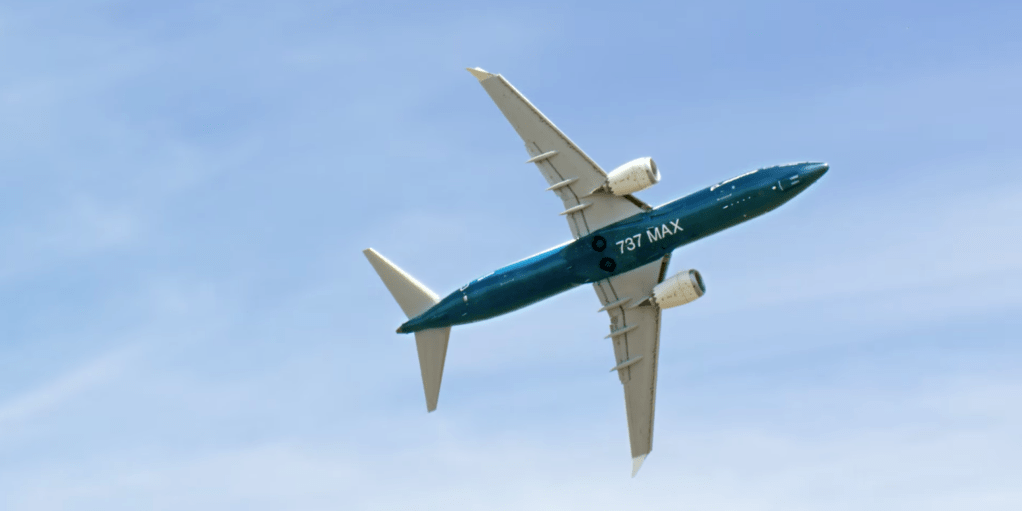
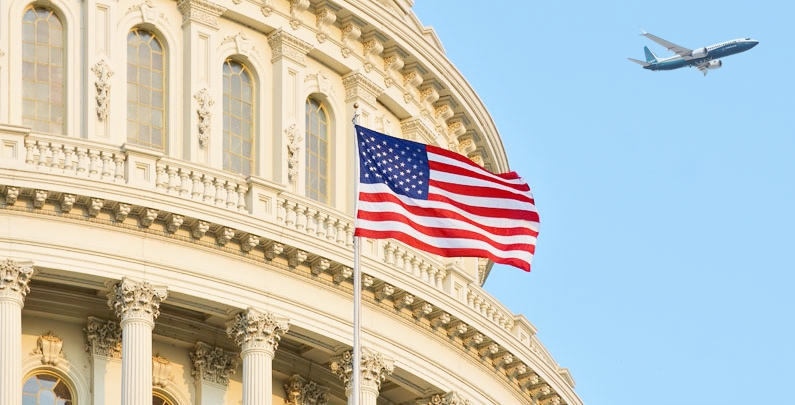
Un nuevo informe del Senado de Estados Unidos determina las acusaciones contra la Federal Aviation Administration (FAA) y The Boeing Company contra la manipularon de pruebas del Boeing 737 MAX durante la recertificación. Es una de las muchas acusaciones en un nuevo y condenante informe del Capitol Hill. La compañía Boeing y la Administración Federal de Aviación trabajaron de manera conjunta para manipular las pruebas de recertificación de la línea del modelo Boeing 737 MAX después de dos accidentes aéreos ocurridos en 10/2018 y 03/2019, según un nuevo informe de la Comisión de Transporte del Senado de Estados Unidos. Según el documento del Senado, Boeing ha entrenado inapropiadamente a algunos pilotos de pruebas de la FAA para alcanzar un resultado deseado durante las pruebas de recertificación, y algunos incluso se realizaron en simuladores que no estaban equipados para volver a crear las mismas condiciones que los accidentes. Al hacer esto, los autores del informe del Senado dicen que «la FAA y Boeing estaban tratando de encubrir información importante que pudo haber contribuido a las tragedias del 737 MAX». La FAA también está acusada de tomar represalias contra los denunciantes, posiblemente obstruyendo la investigación de la Oficina del Inspector General sobre los accidentes.
Informe Senado
El Informe sobre el Boeing 737 MAX de 102 páginas, publicado el Viernes 18/12, fue compilado por el Comité de Comercio, Ciencia y Transporte del Senado y se basa en información de 50 denunciantes, entrevistas con el personal de la FAA y más de 15.000 páginas de documentos. La nueva denuncia arriba un mes después de que la FAA ha aprobado al 737 MAX para regresar al vuelo, y actualmente, las aerolíneas de todo el mundo comienzan a reintroducir el avión en sus flotas y vuelos programados.
Los propios fracasos de Boeing que condujeron a los accidentes del 737 MAX han sido completamente sondeados y bien documentados, el nuevo informe del Senado es una de las miradas más íntimas a los problemas dentro del regulador de la FAA que se suponía que mantendría la compañía aeroespacial bajo control. «Nuestros hallazgos son preocupantes. El informe detalla una serie de ejemplos significativos de deficiencias en la supervisión de la seguridad de la aviación y liderazgo fallido en la FAA. Está claro que la agencia requiere una supervisión constante para garantizar que su trabajo para proteger al público volador se ejecute completa y correctamente», dijo el Senador Roger Wicker (R-MS), quien preside el Comité, en un comunicado.
Postura FAA
La posición de la FAA en una declaración reciente dijo que «revisará cuidadosamente el documento, que el Comité reconoce que contiene una serie de alegaciones sin fundamento. Trabajando en estrecha colaboración con otros reguladores internacionales, la FAA llevó a cabo una revisión exhaustiva y deliberada del 737 MAX. Estamos seguros de que los problemas de seguridad que desempeñaron un papel en los trágicos accidentes relacionados con el vuelo JT-610 de Lion Air y el vuelo ET-302 de Ethiopian Airlines se han abordado a través de los cambios de diseño requeridos y aprobados de forma independiente por la FAA y sus socios».
Comunicado Boeing
Por su parte, Boeing dijo en una declaración preparada que «tomara en serio las constataciones del Comité y seguirá examinando el informe en su totalidad. Boeing se compromete a mejorar la seguridad de la aviación, fortalecer nuestra cultura de seguridad y reconstruir la confianza con nuestros clientes, reguladores y el público volador», escribió la compañía.
Boeing se había precipitado a través del desarrollo para que la línea 737 MAX pudiera seguir el ritmo de su rival Airbus, con la línea A320NEO, que había anunciado un avión más eficiente en el consumo de combustible en 2011. En lugar de desarrollar un nuevo avión desde cero, Boeing modificó el 737 Next Generation con motores más grandes y eficientes en el consumo de combustible, pero en ese alocado vuelo por alcanzar la punta en el adelanto tecnológico y comercial, la compañía americana falló en el intento de presentar un producto totalmente seguro para los usuarios del transporte aéreo, un costosísimo resultado que a involucrado a muchos a un desastre sin precedentes en la industria de la aviación comercial.
A new report from the United States Senate terminates allegations against the Federal Aviation Administration (FAA) and The Boeing Company against tampering with tests of the Boeing 737 MAX during recertification. It’s one of many allegations in a damning new report from Capitol Hill. The Boeing company and the Federal Aviation Administration worked together to manipulate the recertification tests of the 737 MAX model line after two air crashes on 10/2018 and 03/2019, according to a new report from the Transportation Commission. of the United States Senate. According to the Senate document, Boeing has inappropriately trained some FAA test pilots to achieve a desired result during recertification tests, and some were even conducted in simulators that were not equipped to recreate the same conditions as accidents. . In doing so, the authors of the Senate report say that «the FAA and Boeing were trying to cover up important information that may have contributed to the 737 MAX tragedies». The FAA is also accused of retaliating against whistleblowers, possibly obstructing the Office of Inspector General’s investigation into the accidents.
Senate Report
The 102-page Boeing 737 MAX Report, released Friday 12/18, was compiled by the Senate Committee on Commerce, Science and Transportation and is based on information from 50 whistleblowers, interviews with FAA personnel, and more than 15,000 pages of documents. The new complaint comes a month after the FAA has approved the 737 MAX to return to flight, and now, airlines around the world are beginning to reintroduce the plane into their fleets and scheduled flights.
Boeing’s own failures that led to the 737 MAX crashes have been fully probed and well documented, the new Senate report is one of the most intimate looks at the problems within the FAA regulator that the aerospace company was supposed to maintain. under control. «Our findings are concerning. The report details a number of significant examples of deficiencies in aviation security oversight and failed leadership at the FAA. It is clear that the agency requires constant oversight to ensure that its work to protect the public Flying to run completely and properly», said Senator Roger Wicker (R-MS), who chairs the Committee, in a statement.
FAA position
The FAA’s position in a recent statement said it will «carefully review the document, which the Committee acknowledges contains a number of unsubstantiated allegations. Working closely with other international regulators, the FAA conducted a deliberate and comprehensive review of the document. 737 MAX. We are confident that the safety issues that played a role in the tragic accidents related to Lion Air flight JT-610 and Ethiopian Airlines flight ET-302 have been addressed through the required design changes and independently approved by the FAA and its partners».
Boeing statement
For its part, Boeing said in a prepared statement that it will «take the Committee’s findings seriously and will continue to review the report in its entirety. Boeing is committed to enhancing aviation safety, strengthening our safety culture and rebuilding trust with our partners. customers, regulators and the flying public», the company wrote.
Boeing had rushed through development so that the 737 MAX line could keep up with rival Airbus, with the A320NEO line announcing a more fuel-efficient aircraft in 2011. Rather than developing a new aircraft From scratch, Boeing modified the 737 Next Generation with larger and more fuel-efficient engines, but in that crazy flight to reach the top in technological and commercial advancement, the American company failed to present a totally safe product. for air travel users, a costly outcome that has involved many in an unprecedented disaster in the commercial aviation industry.
AW | 2020 12 19 11:27 | AIRLINES / AVIATION ORGANISMS / GOVERNMENT
Aerolínea cancela vuelos desde el 18-31 Diciembre 2020
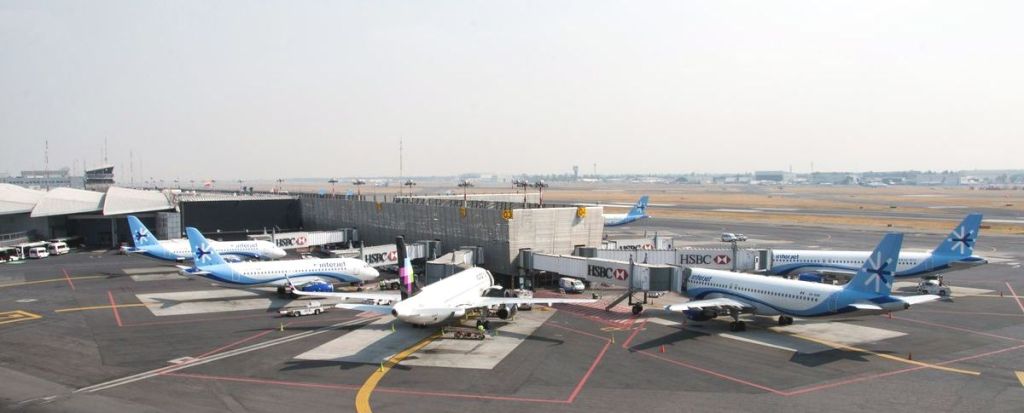
Las deudas acorralan a la aerolínea mexicana Interjet que no logra levantar vuelo cuando la compañía no nha resuelto el pago a los empleados de los sueldos de seis quincenas como así también el pago de combustible adeudado. Tras un impase desde este Viernes 18/12 hasta el 31/12, todos los vuelos de Interjet serán cancelados. La cancelación de los vuelos se debe a la colección de deudas que arrastra Interjet, contra la cual la Procuraduría Federal del Consumidor (Profeco) emitió una alerta de riesgo. La aerolínea tiene una deuda de casi MX$ 1.200 millones de Pesos mexicanos en combustible, y con Aeropuertos y Servicios Auxiliares (AYSA). Mientras que a los Servicios de Navegación al Espacio Aéreo Mexicano (SENEAM) y al Servicio de Administración Tributaria (SAT), tiene una deuda de MX$ 2.947 millones de Pesos.
La agencia fiscalizadora Profeco había alertado a principios de 12/2020 a los consumidores sobre el riesgo de establecer relaciones comerciales con Interjet, debido a problemas como: suspensión de ruta, cancelaciones recurrentes de sus vuelos, otorgamiento de miles de vouchers que no se han podido hacer efectivos por nuevas cancelaciones y incumplimiento en el pago de indemnizaciones. Tras la falta de liquidez para mantener una mínima capacidad operativa respecto al pago de combustible, la Profeco “considera suficiente para advertir el riesgo inminente de afectación a la economía de una colectividad de consumidores”. Por su parte, la Asociación Internacional de Transporte Aéreo (IATA) decretó la suspensión de venta de boletos de Interjet en agencias de viajes. La asociación dio a conocer que la aerolínea quedó fuera de su sistema Billing and Settlement Plan (BSP), a través del cual se venden y remiten boletos con las agencias.
Interjet flight suspension
Airline cancels flights from 18-31 December 2020
The debts corner the Mexican airline Interjet, which cannot get off the ground when the company has not resolved the payment to the employees of six fortnight’s salaries as well as the fuel payment owed. After an impasse from this Friday 12/18 to 12/31, all Interjet flights will be canceled. The cancellation of the flights is due to the collection of debts dragged by Interjet, against which the Federal Prosecutor’s Office for the Consumer (Profeco) issued a risk alert. The airline has a debt of almost MX $ 1,200 million Mexican pesos in fuel, and with Airports and Auxiliary Services (AYSA). While the Mexican Air Space Navigation Services (SENEAM) and the Tax Administration Service (SAT) have a debt of MX $ 2,947 million pesos.
At the beginning of 12/2020, the auditing agency Profeco had warned consumers about the risk of establishing commercial relationships with Interjet, due to problems such as: route suspension, recurrent cancellations of their flights, granting of thousands of vouchers that have not been possible. make effective for new cancellations and failure to pay compensation. After the lack of liquidity to maintain a minimum operational capacity regarding the payment of fuel, Profeco «considers it sufficient to warn of the imminent risk of affecting the economy of a group of consumers». For its part, the International Air Transport Association (IATA) decreed the suspension of Interjet ticket sales at travel agencies. The association announced that the airline was out of its Billing and Settlement Plan (BSP) system, through which tickets are sold and remitted with agencies.
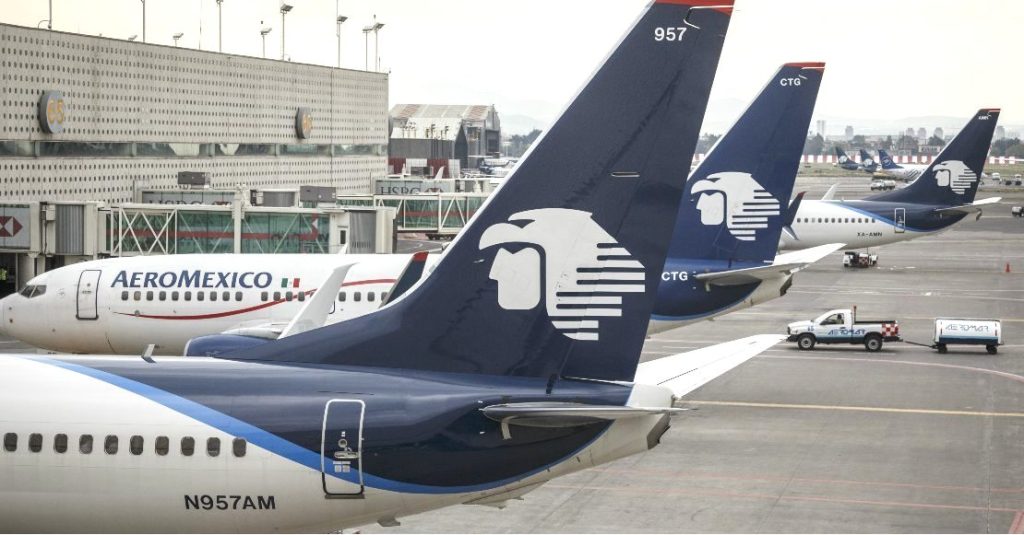
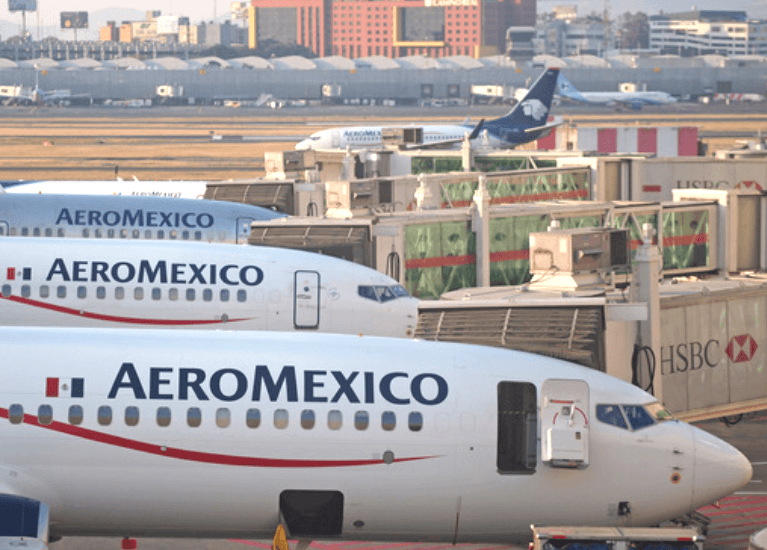
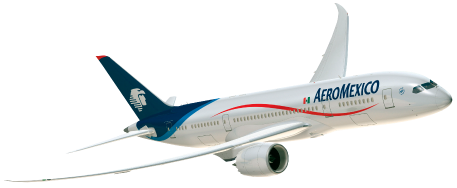
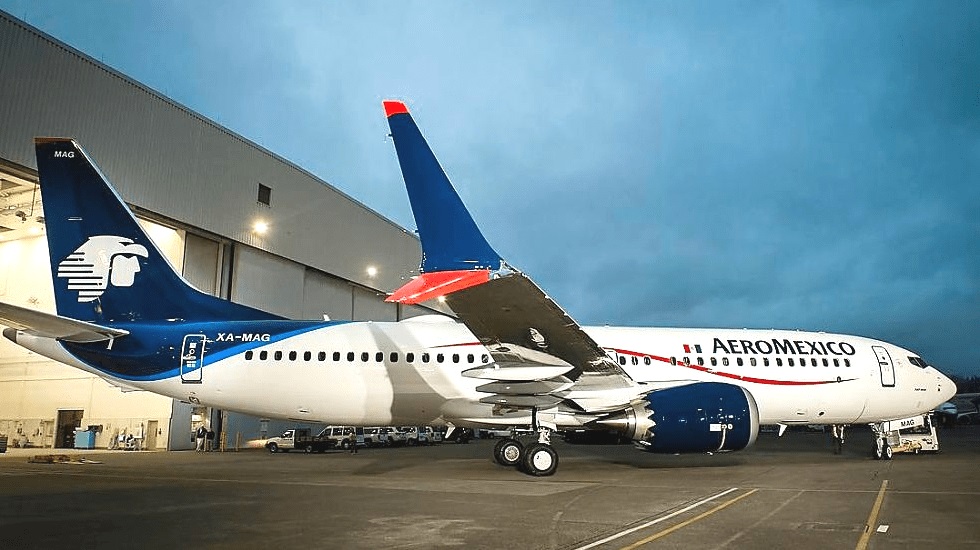
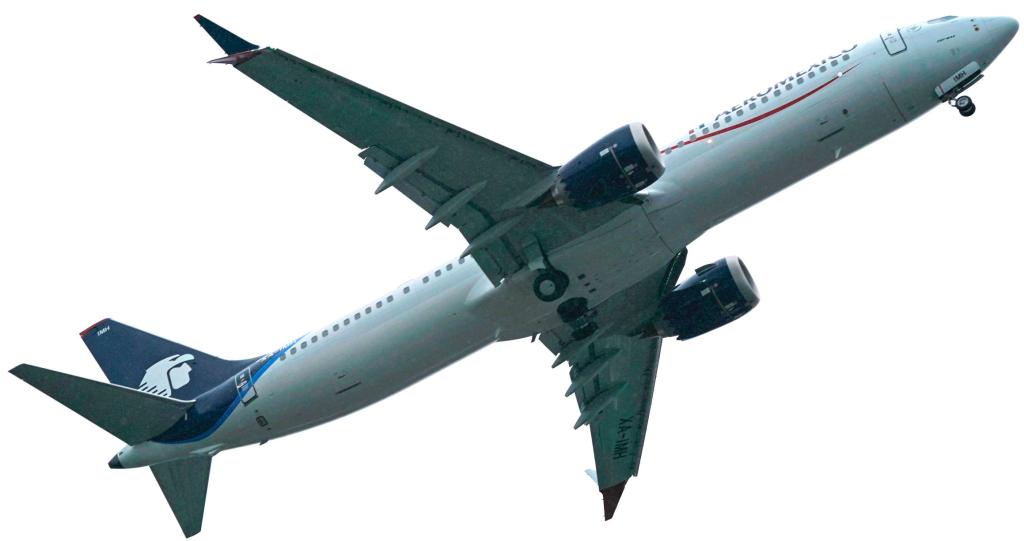
Aeroméxico ha anunciado la puesta en línea operativa del Boeing 737 MAX tras la coordinación de The Boeing Company y la Agencia Federal de Aviación Civil de México (AFAC) con la finalidad de realizar las pruebas necesarias para reincorporar el Boeing 737 MAX a las operaciones de la aerolínea. Actualmente, la aerolínea es el único transportista que opera este tipo de aeronaves con seis unidades Boeing 737-8 MAX más un pedido de 44 MAX 8 y 10 MAX 9. Los requisitos establecidos para la tripulación de vuelo han sido complementadas por parte del organismo de aviación mexicano y Aeroméxico. El Boeing 737 MAX ha sido puesto en tierra en Marzo de 2019 después de detectarse fallas en la seguridad operativa de su Sistema de Control de Vuelo denominado MCAS. Tras las correcciones que demandaron veinte meses de investigaciones y pruebas, el modelo nuevamente está siendo aprobado por los organismos de aviación de diferentes países e incorporándose paulatinamente a la flota de las aerolíneas.
La compañía Aeroméxico ha informado que reiniciará sus operaciones comerciales con el 737 MAX en la ruta entre Ciudad de México y Cancún, y continuará incorporando otros destinos como Guadalajara, Monterrey y Tijuana de acuerdo con la planificación de la red de rutas de la línea aérea. El Vicepresidente de Operaciones de Vuelo de Grupo Aeroméxico, Pablo Aram Aznavurian Roure, ha expresado: «Como piloto y gerente del Grupo Aeroméxico, estoy muy orgulloso de que el Boeing 737 MAX vuelva a funcionar. Es uno de los aviones más eficientes, modernos, menos contaminantes y más seguros del mundo. Nuestros pilotos, técnicos y todo el personal de la aerolínea están listos para volar y reconocemos las meticulosas revisiones que la Agencia Federal de Aviación Civil de México ha llevado a cabo para garantizar la seguridad y el estricto cumplimiento de todos los requisitos».
Aeromexico to restart ops 737 MAX
Aeroméxico puts its Boeing 737 MAX into service
Aeroméxico has announced the operational line-up of the Boeing 737 MAX after the coordination of The Boeing Company and the Federal Civil Aviation Agency of Mexico (AFAC) in order to carry out the necessary tests to reincorporate the Boeing 737 MAX to the operations of the airline. Currently, the airline is the only carrier that operates this type of aircraft with six Boeing 737-8 MAX units plus an order of 44 MAX 8 and 10 MAX 9. The requirements established for the flight crew have been complemented by the Mexican aviation organization and Aeroméxico. The Boeing 737 MAX was grounded in March 2019 after flaws were detected in the operational safety of its Flight Control System called MCAS. After the corrections that required twenty months of investigations and tests, the model is once again being approved by the aviation organizations of different countries and gradually being incorporated into the airline fleet.
The Aeroméxico company has informed that it will restart its commercial operations with the 737 MAX on the route between Mexico City and Cancun, and will continue to incorporate other destinations such as Guadalajara, Monterrey and Tijuana in accordance with the planning of the airline’s route network. The Vice President of Flight Operations of Grupo Aeroméxico, Pablo Aram Aznavurian Roure, has expressed: «As a pilot and manager of Grupo Aeroméxico, I am very proud that the Boeing 737 MAX is working again. It is one of the most efficient, modern, The least polluting and safest in the world. Our pilots, technicians and all airline personnel are ready to fly and we acknowledge the meticulous reviews that the Federal Civil Aviation Agency of Mexico has carried out to ensure safety and strict compliance with all requirements».






























 airgways.com